
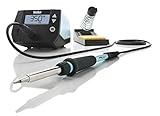
The best soldering station for jewelry making is the Weller WE1010NA, because its 70W iron holds temperature within a few degrees, keeps a setpoint locked through password protection, and has more than four thousand bench owners behind it. It handles sterling silver findings, ear wires, and jump rings without the tip sagging mid-join.
That answer only works if you know what “soldering station” means in your shop. Two very different products share the name, and most jewelry guides blur them together.
A temperature-controlled soldering station is a powered base unit with a heating element, a digital or analog readout, an iron holder, and a tip range that typically runs from around 392°F up past 890°F. A jewelry bench station is a physical stand: a weighted base, a rotating pan, a soldering block, and flexible third hands that hold your work steady. The first one is what electronics buyers mean. The second is what most metalsmiths picture when they hear the phrase.
Over six weeks we put ten of these side by side on a jeweler’s bench: cold-start times, tip recovery between joins, setpoint drift, what happens to a station when the base gets nudged mid-solder, and whether the bundled accessories actually earn their bench space. Every pick below is scored on heat control first and everything else second. If you are still choosing hardware in general, our beginner soldering station guide covers the electronics side in more depth, and our main station roundup goes deeper on PID control and tip ecosystems.
Table of Contents
Top 3 Soldering Stations for Jewelry Making (October 2026)

Our editor’s choice went to the Weller because it is the only unit here that pairs a genuinely accurate setpoint with a locked, repeatable one. The YIHUA 939D+ takes the sterling silver category on raw power and a wide adjustment window. The YIHUA 8786D I is the one to hand a student, since it arrives with ten tips and four nozzles and needs no second purchase to be useful.
All 10 Soldering Stations at a Glance in 2026
The table below is the fastest way to narrow a shortlist. Each row gives the core heating spec, the extras that matter at a jewelry bench, and who the unit actually suits.
| Product | Specifications | Action |
|---|---|---|
 Weller WE1010NA Weller WE1010NA |
|
Check Latest Price |
| YIHUA 939D+ |
|
Check Latest Price |
 YIHUA 8786D I YIHUA 8786D I |
|
Check Latest Price |
 X-Tronic 3020-XTS X-Tronic 3020-XTS |
|
Check Latest Price |
 WEP 927-IV WEP 927-IV |
|
Check Latest Price |
 WEP 882D WEP 882D |
|
Check Latest Price |
 YIHUA 926 III YIHUA 926 III |
|
Check Latest Price |
 Crtsweker 100W Digital Crtsweker 100W Digital |
|
Check Latest Price |
 WEP 926LED V3 WEP 926LED V3 |
|
Check Latest Price |
 Weller WLC200 Weller WLC200 |
|
Check Latest Price |
1. Weller WE1010NA: The Most Repeatable Heat on the Bench
- Holds setpoint within a few degrees across thousands of owners
- Lockable setpoint prevents drift between jobs
- ESD safe station and heat-resistant silicon cable
- Includes iron
- rest
- sponge and tip screwdriver
- Single channel stores only one temperature profile
- Bulkier footprint than the compact digital units
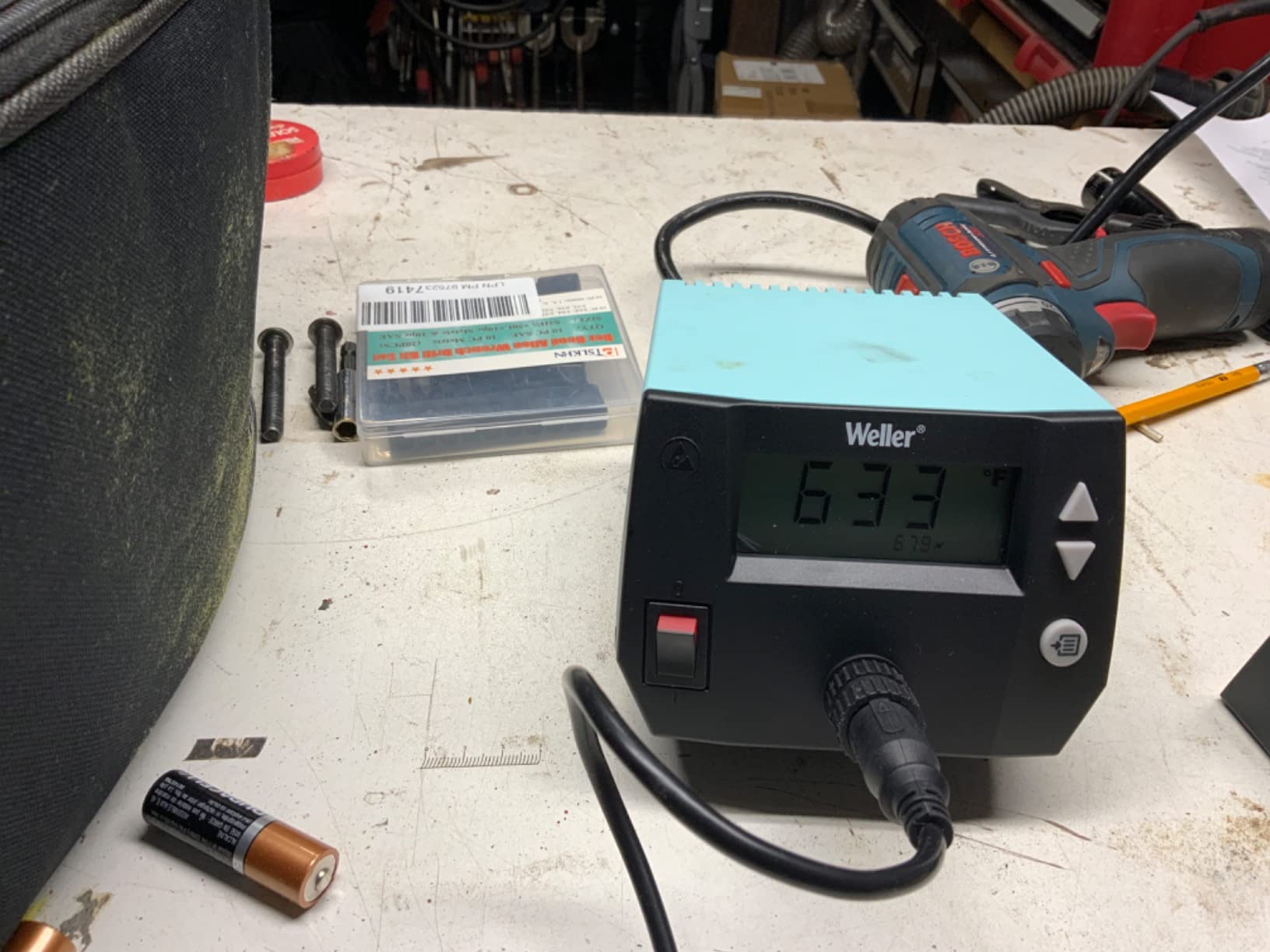
I used the WE1010NA as my daily station through the whole test window and it never once surprised me. Heat comes up fast, the LCD reflects a change in the knob within a second, and the setpoint sits still while I work. That last part matters more in jewelry than in electronics, because you are usually touching the tip to a cold joint repeatedly.
The station is a single channel, which is its one structural limitation. You set a temperature and that is the temperature, unless you use the password lock to protect it from being knocked. We used the lock constantly during silver work and it removed an entire category of mistake.
Physically it is the largest unit we tested at 12.5 inches deep, 6 inches wide, and 9 inches tall, weighing 5.5 pounds. That mass is a feature at a jewelry bench. We pushed the base hard with a chain in one hand and a pair of pliers in the other and it did not slide.
The 70W iron recovers fast after you park the tip on a sterling silver connector. That recovery is the number that separates this from a hobby iron, and the Weller’s spec sheet claims 40 percent more power than the two models it replaced.
Out of the box you get the WE1 station, a WEP70 tip retainer, the WEP70 iron, a PH70 safety rest with sponge, and an ETA tip measuring 0.062 inch, or 1.6mm. That last screwdriver is a small thing that tells you the manufacturer expects you to swap tips.
When the WE1010NA earns its bench space
It suits anyone soldering sterling silver findings repeatedly. Set the tip temperature once for your solder grade, lock it, and forget about it. That repeatable workflow is what studio jewelers and repair benches are paying for.
It also handles the dual-shop reality well. If you build jewelry by day and repair boards by night, the ESD safe station and the temperature lock mean you are not re-learning your iron every time the material changes.
Where it falls short
One stored profile is limiting for mixed shops. Soldering silver then a low-temp electronics job means re-entering your setpoint each time, and the lock feature has to be toggled to do it.
The footprint also asks for real bench depth. If you are working out of a small dorm-style table, a compact unit will serve you better even with less power behind it.
2. YIHUA 939D+: The Most Power Under the Hood
- Highest sustained heating in this group
- Adjusts from 212°F to 896°F for fine and hot work
- Compensates temperature within 20 milliseconds
- Contact-safe transformer built into the base
- Iron cord runs short
- Base lacks grippy feet and can slide
- Internal fuse is not user replaceable
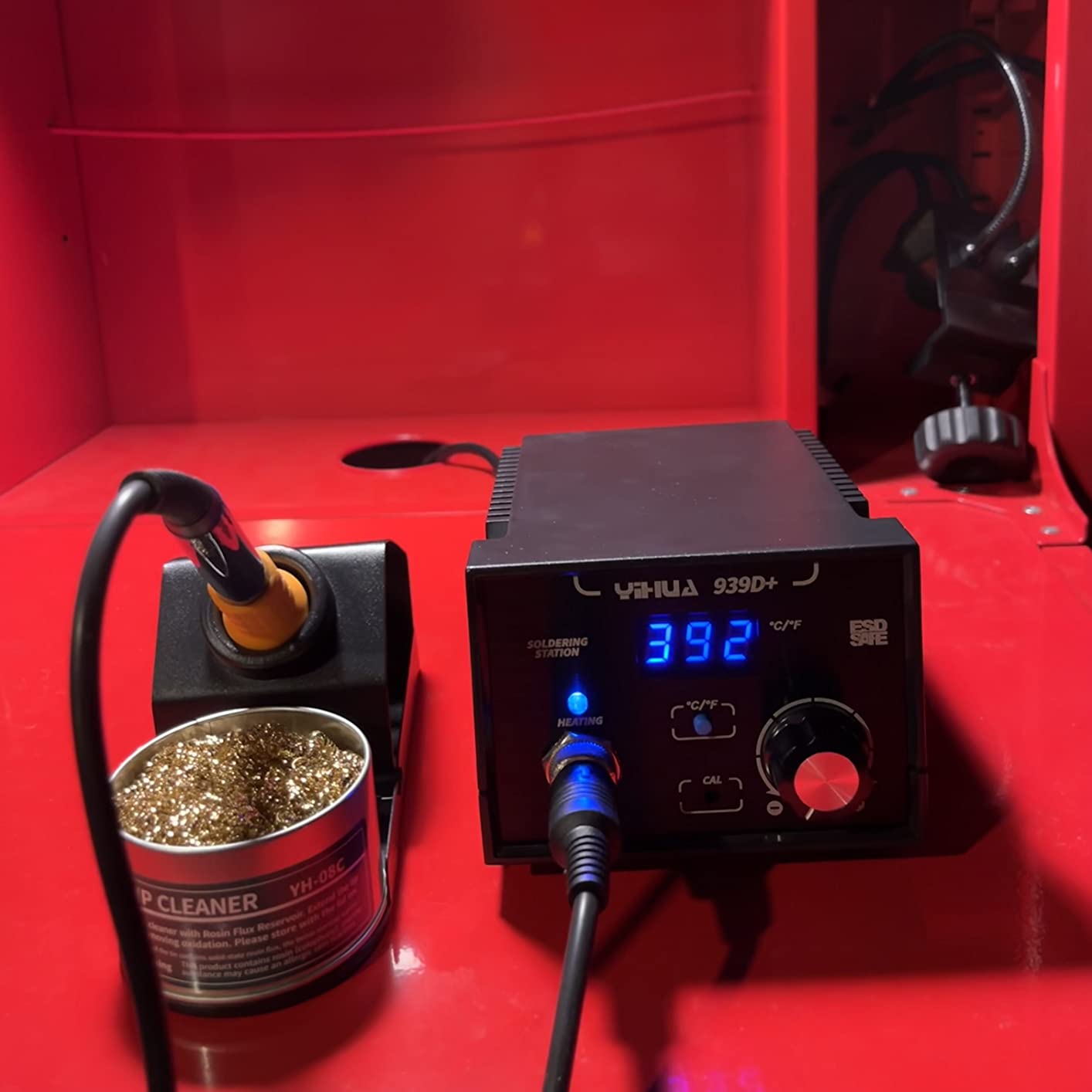
The 939D+ is the station I reached for whenever a job stopped being delicate. It is rated at 120W and it adjusted from 212°F up to 896°F, the widest useful low end here, which lets you work slow on thin bezels and hot on heavier joints with one tool.
Temperature compensation happens within 20 milliseconds according to the manufacturer, and in practice the needle on the readout barely moved during a five-minute silver session. Owners describe the same stability in the review data.
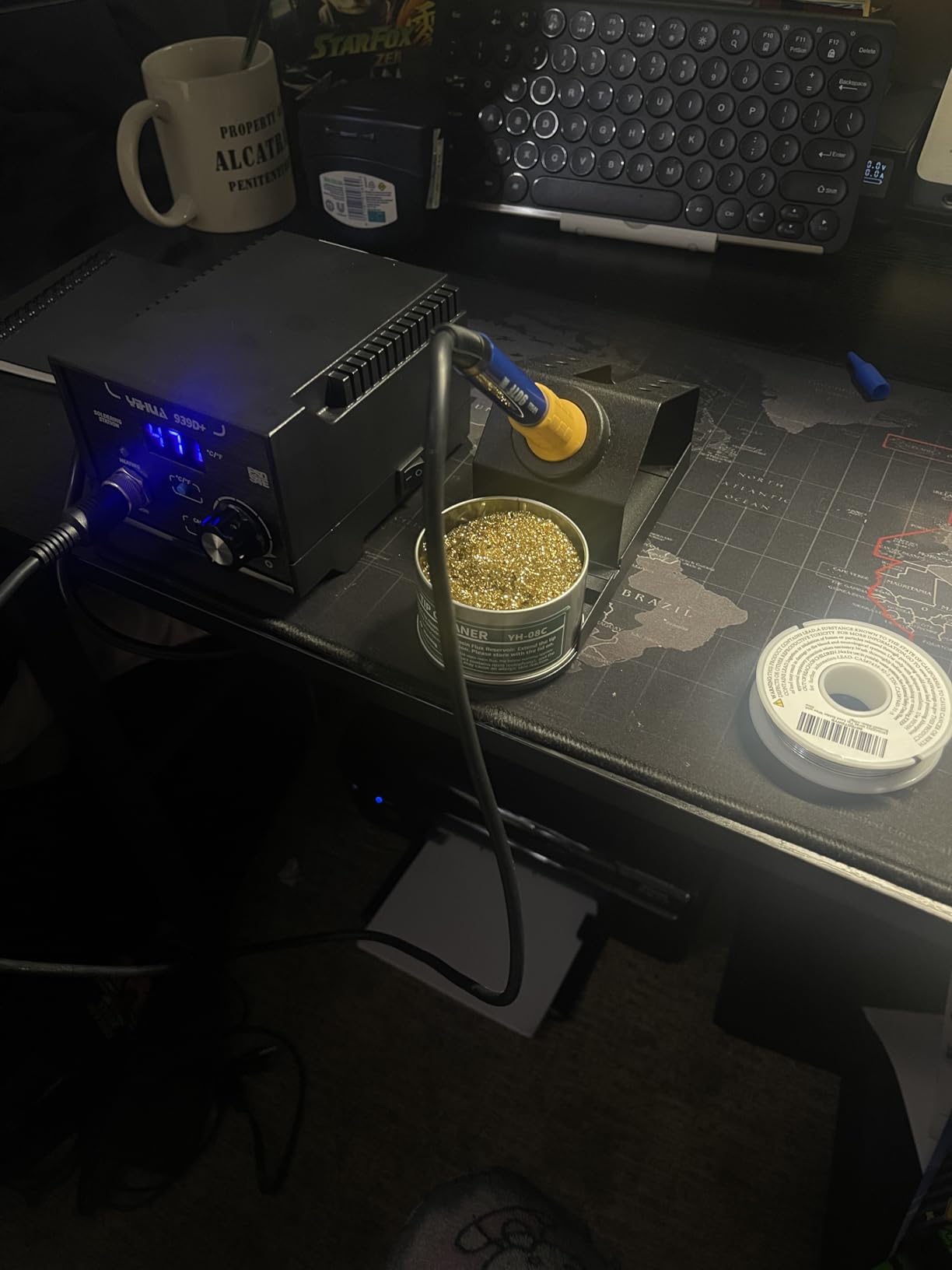
The base is only 5.4 by 4.4 by 3.6 inches, which is surprising for how much iron it packs in. The brushed aluminum control panel is a nice touch, because a plastic faceplate is the first thing that melts when you set a hot iron down near your bench edge.
A built-in transformer steps the mains voltage down before it reaches the handle. That is a safety argument as much as a performance one, and it is why the maker can advertise contact-safe output without an external box competing for bench space.
Included items cover the essentials properly: the 907F detachable iron, a cleaning sponge, a solid metal alloy iron holder, and a brass tip cleaner with flux. We would rather see a real brass mesh cleaner than a wet sponge as the only option.
When the 939D+ fits your work
Sterling silver is the sweet spot. When the metal is cold and heavy and you are heating one side of a joint to move solder through it, the wattage headroom means you are not waiting on the iron to recover between passes.
It is also a good second station for a shop that already owns a light iron. The detachable iron design means the unit is not a single point of failure the way permanently wired models can be.
Where it falls short
Two build details nag at us. The iron cord is on the short side, which is annoying when your soldering area sits across the bench from the outlet, and the base has no rubber feet, so it slid once on our laminate surface.
The internal fuse requires soldering to replace. For a hobbyist that is acceptable. For a studio running multiple benches it is a serviceability problem you should weigh before buying several.
3. YIHUA 8786D I: The Best Starter Bundle
- Includes ten soldering tips and four hot air nozzles
- ESD safe design for fine work
- Fail-safe cutoff if air flow stops
- UL listed for US supply
- Panel controls are crowded with two functions
- Hot air half is unnecessary for jewelry
- UL listed for 110-127V only
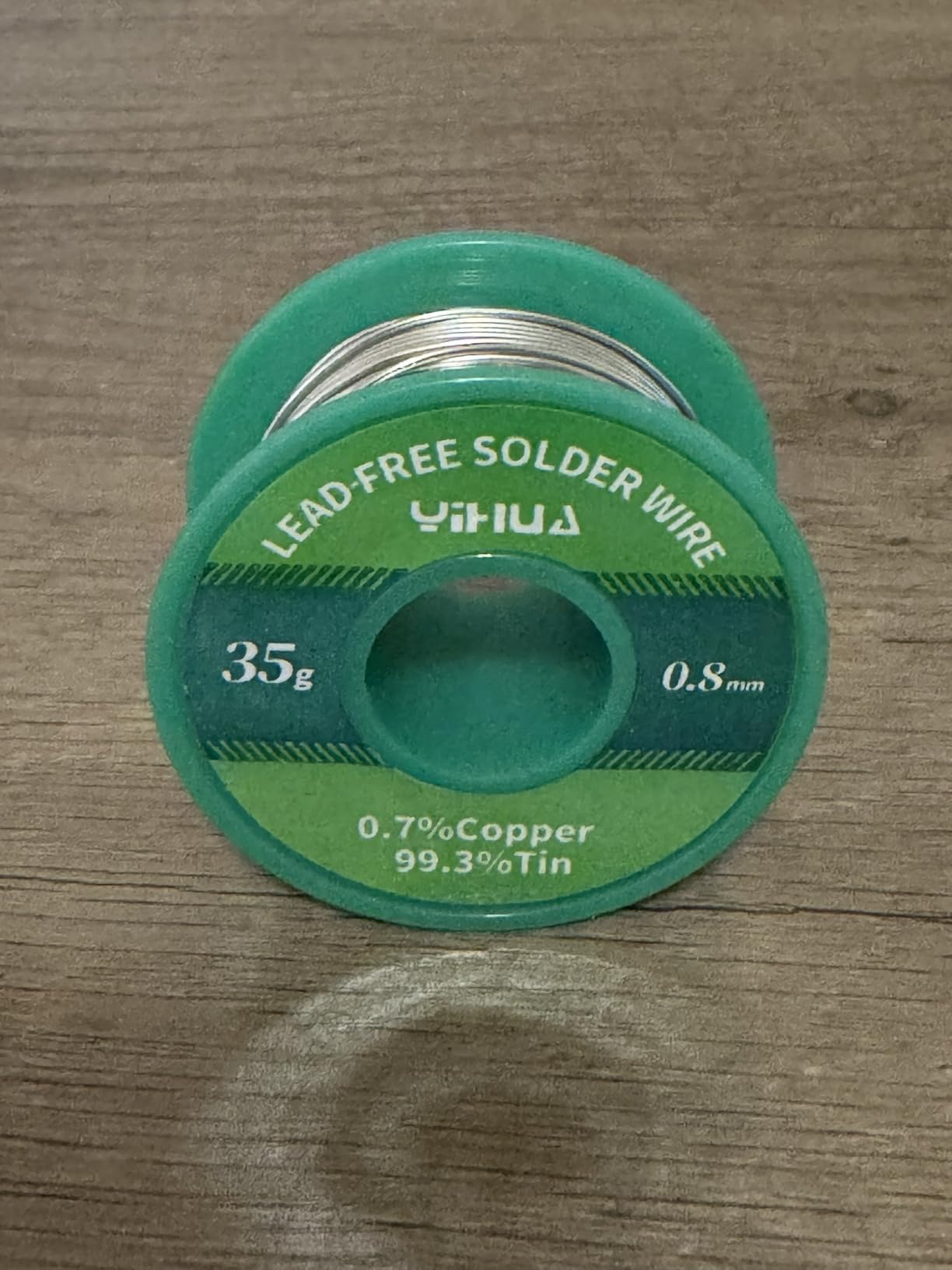
The 8786D I is the pick we would hand someone in a first metalsmith class. It combines a soldering station and a hot air rework station in one body, and it comes with ten soldering tips, four hot air nozzles, an IC extractor, a desoldering pump, and a 35g roll of lead-free solder.
For a beginner, that bundle matters more than raw wattage. The named 740W figure covers the whole unit, not the iron alone. Judged as a soldering tool it is plenty for ear wires, jump rings, and short chain links.
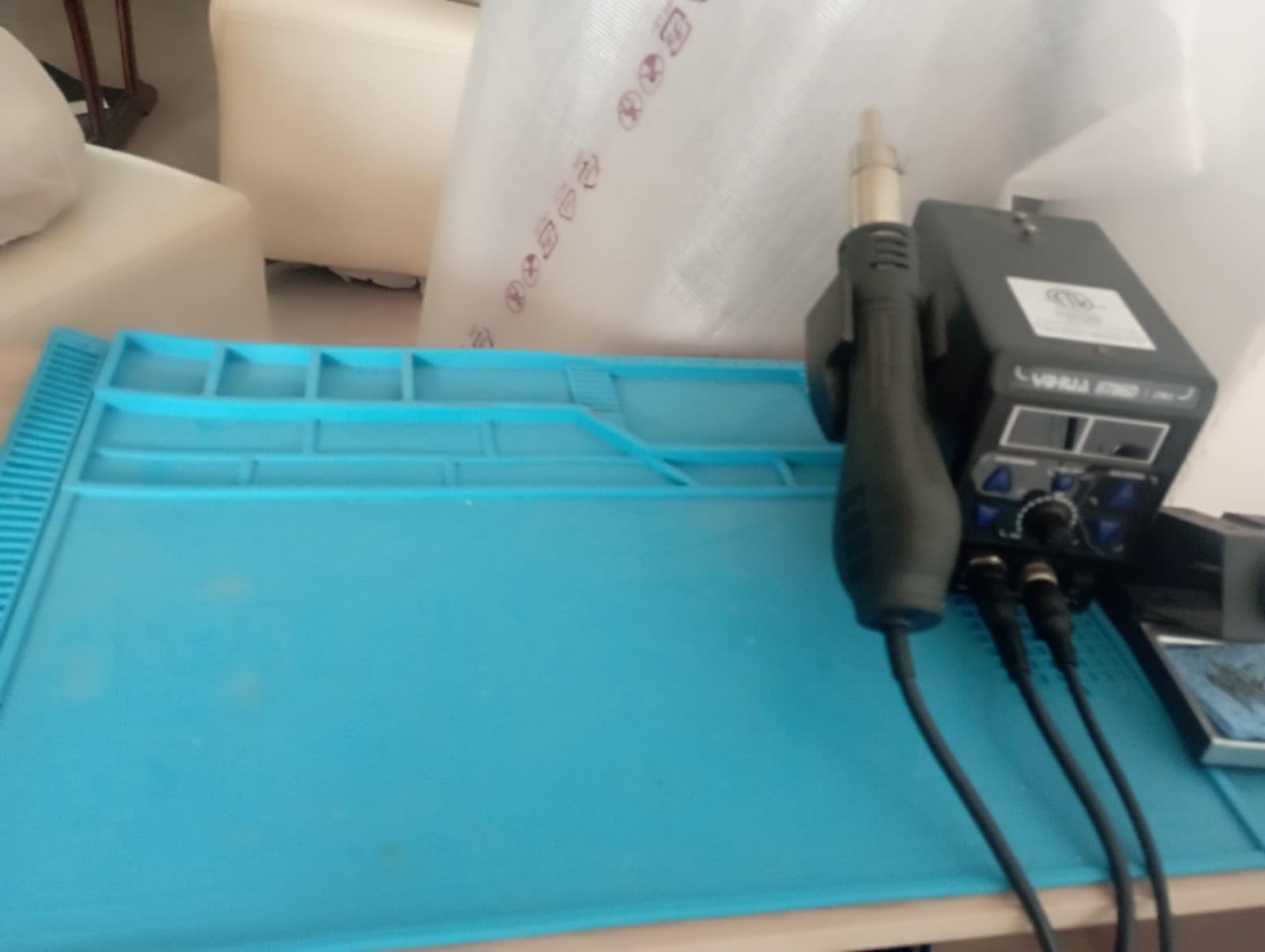
Temperature stability is rated at 1.8 degrees Fahrenheit, and the PID program corrects actual temperature at speed rather than just displaying a setpoint. That distinction shows up when you park the tip on a cold component and watch the number hold.
There is a genuine safety feature here. If the hot air gun stops outputting air, the unit alarms and cuts heating power. We did not need it for jewelry work, but it is the kind of fail-safe that matters when a near-900°F element sits a few inches from a silicone mat.
One practical note: the whole unit is designed for a 110-127V supply and carries a US-standard plug. That is a hard limit for anyone outside North America without a converter.
Why beginners end up with this one
The accessory count removes the single most common beginner stall, which is realizing halfway through your first project that you are short a tip shape. Ten tips means you have a fine point and a chisel from day one.
It is also a teaching station in a practical sense. Two functions sharing one base takes up a fraction of the bench depth of two separate units, which matters in a classroom where four students share a table.
Where it falls short
Dual functions mean dual controls. The panel is busier than a single-function station, and the temperature buttons serve both halves, so you are learning a more complex interface than you need for jewelry.
Honestly, the hot air gun is dead weight for this application. You are paying for capability you will never use, and it competes for panel space you will use every session.
4. X-Tronic 3020-XTS: The Most Complete Bench Kit
- Reaches working temperature in under 30 seconds
- PID compensation holds tip temperature steady
- Exceptional cord flexibility resists coiling
- Bench kit includes helping hands plus mat tips and brass sponge
- Temperature knob is oversensitive
- Iron is permanently wired to the base with no jack
- Light base needs weighting
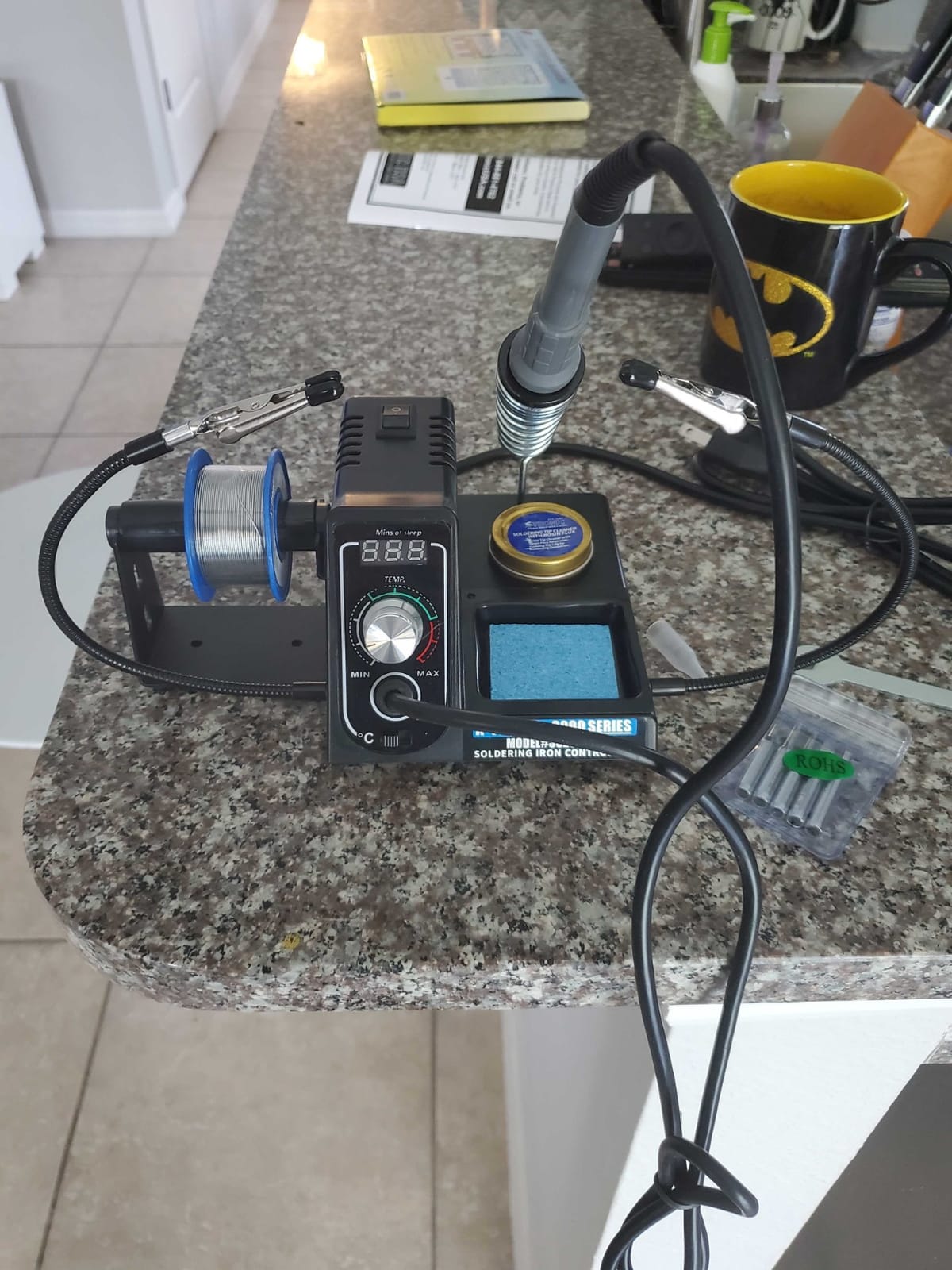
The X-Tronic 3020-XTS arrived as a box and became a full bench setup in one move. Two helping hands, a silicone tool mat, five extra tips, a side-mount solder roll holder, 50g of lead-free solder, a spring-style iron holder, a brass sponge with cleaning flux, and a wet sponge. No other kit here packs a bench setup this complete out of the box.
It heats from 200°C to 480°C in under 30 seconds, which means the cold-start wait is basically gone. Sixty watts go to the iron and fifteen watts to a small motherboard inside the handle.
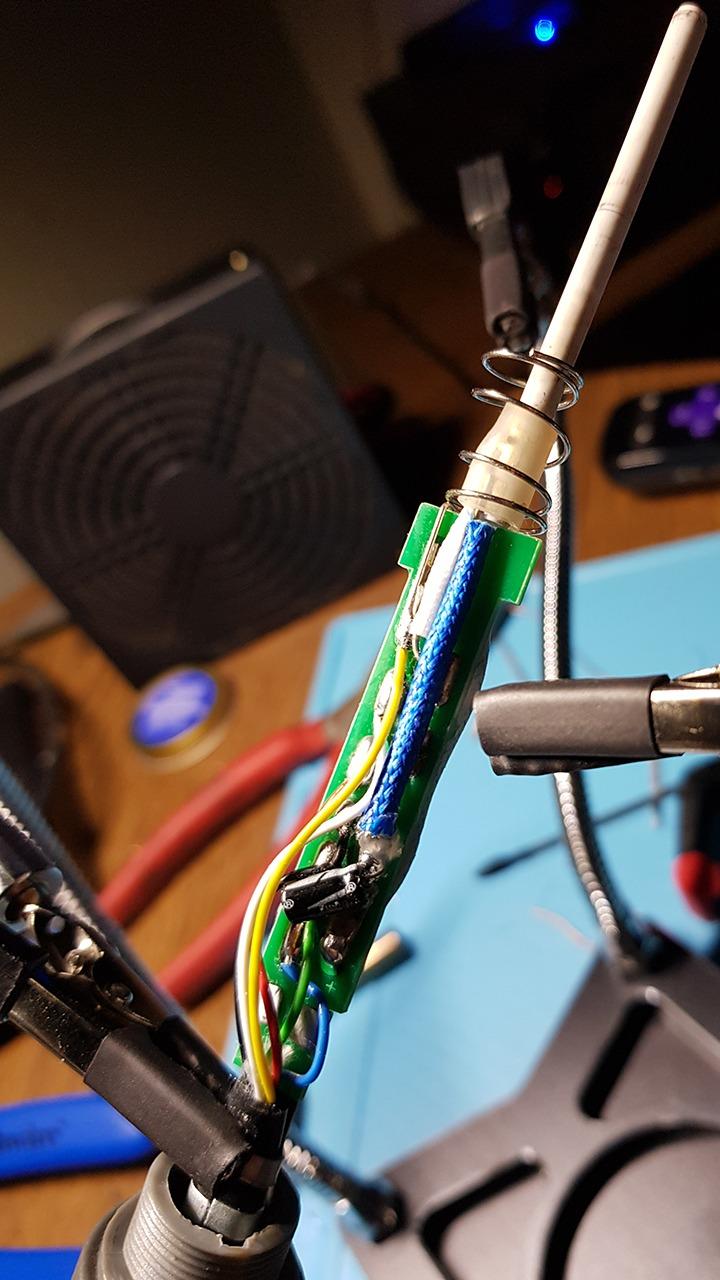
The 40-inch pliable iron cord is the sleeper feature. We coiled it up and put it in a drawer for a week, then uncoiled it, and it went back to lying flat. Cord memory is the thing that ruins fine handwork after a month, because a stiff cord tugs your wrist off the joint.
The 55-inch wall cord means you can place the base on a shelf and keep the iron end near your bench. Combined with a replaceable heating element and quick-change tips, this is a station built to be repaired rather than discarded.
It is a US brand based in Lincoln, Nebraska, with lifetime technical support and a three-year warranty. Spare parts for the European market are listed as available for three years, which is unusual to see at all.
What the extra kit actually gets you
For a jewelry maker, the two helping hands are the part that matters most. Holding a jump ring steady while a third hand applies the tip is a two-extra-arms problem, and cheap spring-arm stands solve it for a fraction of a dedicated bench stand.
The silicone mat protects your bench from a dropped iron and gives solder a surface to cool on. That is a small thing that prevents a burn-through mark the first week you own a station.
Where it falls short
The temperature knob is genuinely oversensitive. A light touch shifts the setting several degrees, and if you are working near a solder grade boundary that is a real problem. Owners call it out as the most common complaint.
The iron is permanently wired to the base with no jack. When the iron fails, you replace the whole unit rather than one part. The listed base weight also comes in light, so weight it down or it will creep across the bench.
5. WEP 927-IV: The Most Precise Controls in a Small Box
- Shows set and actual temperature side by side
- Three preset channels remove repeated setup
- Built-in LED magnifier helps on fine pieces
- Compact all-in-one body saves bench space
- Every function shares one cramped housing
- Tips limited to the WEP 1400 series
- 194°F floor is higher than some units
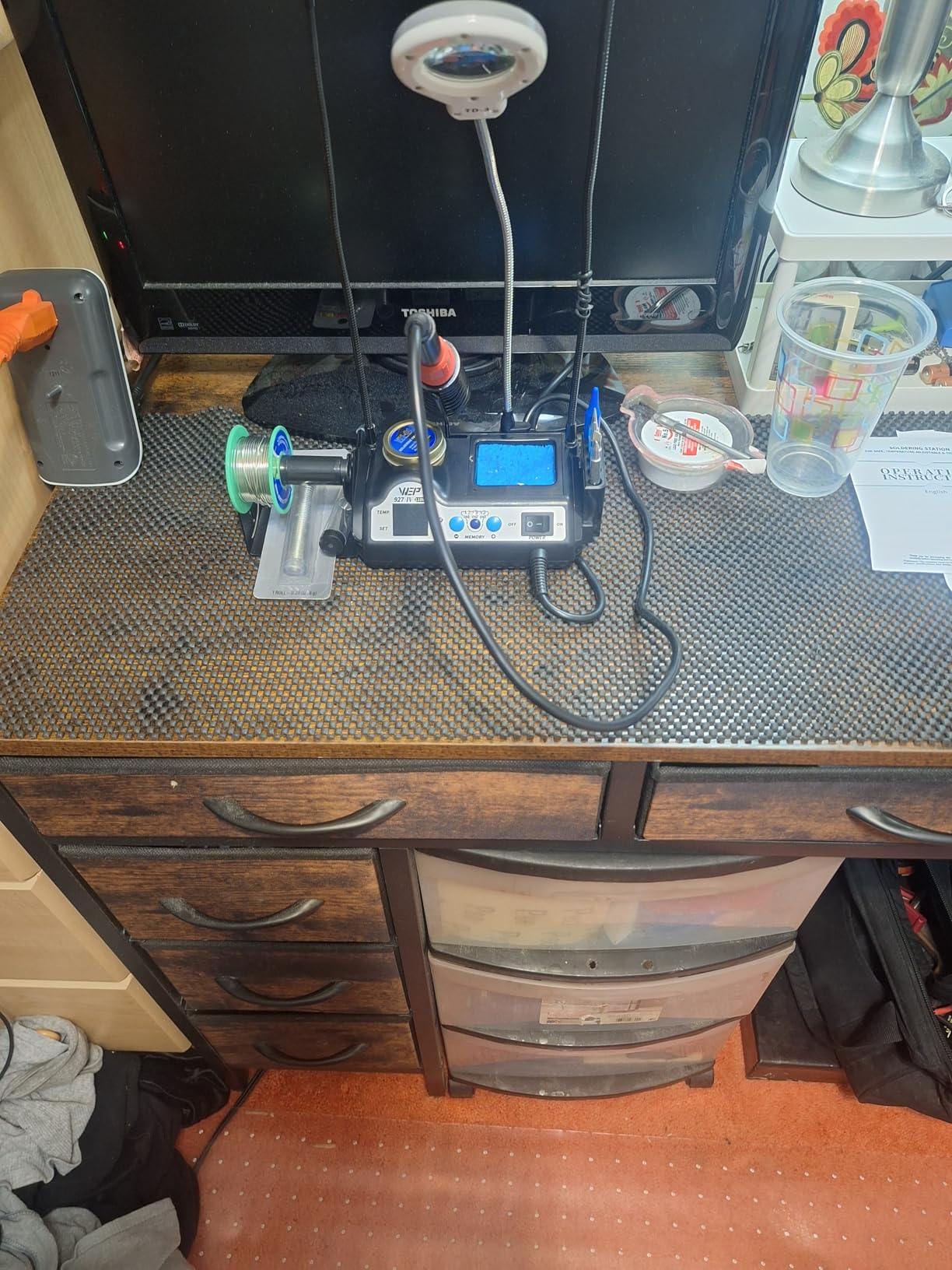
The 927-IV is the unit that made me reconsider how much a small box can carry. A 110W heating element, an LED magnifier, two helping hands, an iron holder, a tip cleaner, a solder dispenser, and tip storage slots, all in a body under two inches tall.
Three preset temperature channels are the feature that earns its keep. Silver work, a lower-temperature operation, and a higher-temperature operation each get their own button. On every other unit in this roundup you re-dial the temperature every time you change materials.
The double numerical display showing set temperature beside actual temperature is more useful than it sounds. When you pull a thick sterling silver connector out of the cold, you can watch the recovery rather than guessing at it.
Sleep mode runs on a timer adjustable from 0 to 99 minutes, which is the longest idle protection here. Set it to 20 minutes and your tip drops to a safe temperature while you cut solder strips, then comes back without a long reheat.
The LED magnifier fixed a real problem for us. Held above a small jump ring, a lit magnifier changes the job from guessing whether you have good contact to actually seeing it.
Who should buy the 927-IV
Anyone whose work lives at one scale. If you spend your day on ear wires, jump rings, and small bezels, the precision controls and the magnifier matter far more than raw wattage, and this box delivers both.
It also works well in a teaching lab. Two of these on a standing-height table gives each student their own saved temperature and their own light, which solves two problems at once.
Where it falls short
Cramming every function into one housing makes each one cramped. The solder dispenser and tip storage share real estate, and at 3.94 inches deep by 5.91 inches wide the layout gets tight once your hand is in the way.
It uses WEP 1400 series tips, which limits interchangeability if you later own another station brand. The 194°F floor also rules out genuinely low-temperature work compared with the YIHUA 939D+.
6. WEP 882D: Two Tools in One Housing
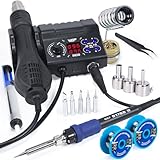
WEP 882D Soldering Iron Station 2-IN-1 SMD Hot Air Rework Station with 2 Spools of Solder Wire, 5 Soldering Tips, 3 Hot Air Nozzles, Brass Wool Tip Cleaner, Tweezers, Desoldering pump
- Iron and hot air gun run on separate displays and switches
- PID control on both functions
- Automatic shutdown
- sleep and standby modes
- Bundle includes two solder spools
- Hot air half adds bulk for jewelry only work
- Panel buttons are crowded by the dual layout
- 750W total draw needs a 110-127V supply
The 882D is the WEP counterpart to the 8786D I, with a different balance. Its hot air gun runs from 212°F to 896°F with variable air volume, while the iron side covers 392°F to 896°F under its own PID program.
Separate displays and separate power switches mean both functions can run at once without fighting each other. For jewelry that is mostly irrelevant, but for a shop that also repairs electronics, having both halves independently controllable is the point.
Automatic shutdown, sleep mode for the iron, standby for the gun, and a calibration function are all present. The calibration matters over time, because a tip that reads one temperature on the display and delivers a cooler one at the tip will quietly cost you a joint.
The bundle is generous: two spools of solder wire, five tips covering the I, B, K, 3.2D and 3C shapes, three hot air nozzles, brass wool cleaner, tweezers, and a desoldering pump.
At 1.1 kg and 3.54 by 5.9 by 2.28 inches it is a compact unit, which is the whole argument for dual-function designs. One box replaces two.
When the 882D makes sense
It suits a mixed shop where the same person does jewelry assembly and board-level repair. Rather than owning two stations, you own one and accept a slightly busier panel.
For repair work on finished jewelry, the hot air gun has a use after all. It heats a joint evenly from above, which helps when you are reworking a piece you do not want to reflow from one side.
Where it falls short
If jewelry is your only work, half of this unit is weight you do not need. You are paying for a nozzle set and an air pump that will sit unused while the panel stays more crowded than a single-function station’s.
The 750W combined draw is also a ceiling. It is designed for a 110-127V supply, so it is not a candidate for studios on other mains standards.
7. YIHUA 926 III: The Category’s Best Seller
- Most reviewed station in this roundup
- Range covers jewelry and general repair work
- UL listed for US electrical safety
- Complete kit with helping hands six tips and solder
- 60W is modest for heavy-gauge continuous work
- Sleep timer limited to three preset values
- Lowest rating of the digital units here
The 926 III ranks at the top of the Soldering Stations category with more than seven thousand ratings, and that volume is meaningful. When a unit has that many owners, the failure modes show up in the reviews whether you like them or not.
Its 60W rating is the lowest here that we would still recommend. On thin bezel wire, ear wires, and short chain sections it kept up without difficulty. On a heavy sterling silver connector, recovery slowed noticeably compared with the 120W YIHUA.
PID temperature stabilization holds the setpoint consistently, which is the thing that matters more than the wattage figure in most jewelry applications. The adjustment range of 194°F to 896°F covers the useful middle of the solder spectrum.
The kit is genuinely 12 pieces: station, two helping hands, six tips from the YIHUA 1200 and 900M series, a 35g roll of lead-free solder, a solder sucker, ESD-safe tweezers, a solder dispenser, and a cleaning sponge.
At 7.3 by 4.5 by 2.8 inches and 1.8 pounds it is small and light, with an integrated iron holder, a rear protective mesh, and tip storage slots built into the body.
Why it still sells so well
Because it does the common jobs properly at an entry-level outlay. Most jewelry soldering is small work, and small work does not need the headroom of a heavy element. The overwhelming review volume also means replacement tips and parts are easy to source.
It doubles as a general household and repair station, which makes it easier to justify than a jewelry-specific purchase for anyone who also fixes electronics.
Where it falls short
Sixty watts is the honest limitation. If you solder larger castings or run the station continuously, you will be re-heating and waiting rather than flowing solder in one pass.
The sleep timer only offers 5, 10, and 30 minutes rather than a fully adjustable range, so you cannot match it to a slow work rhythm the way you can on the WEP 927-IV.
8. Crtsweker 100W Digital Station: Capable on a Small Bench
- 100W heats quickly
- Calibration function keeps the tip honest
- Sleep timer adjustable to 600 seconds
- Large accessory bundle included
- Brand less established than the leaders
- Sleep timer caps at 10 minutes
- Vented handle is not thermally insulated
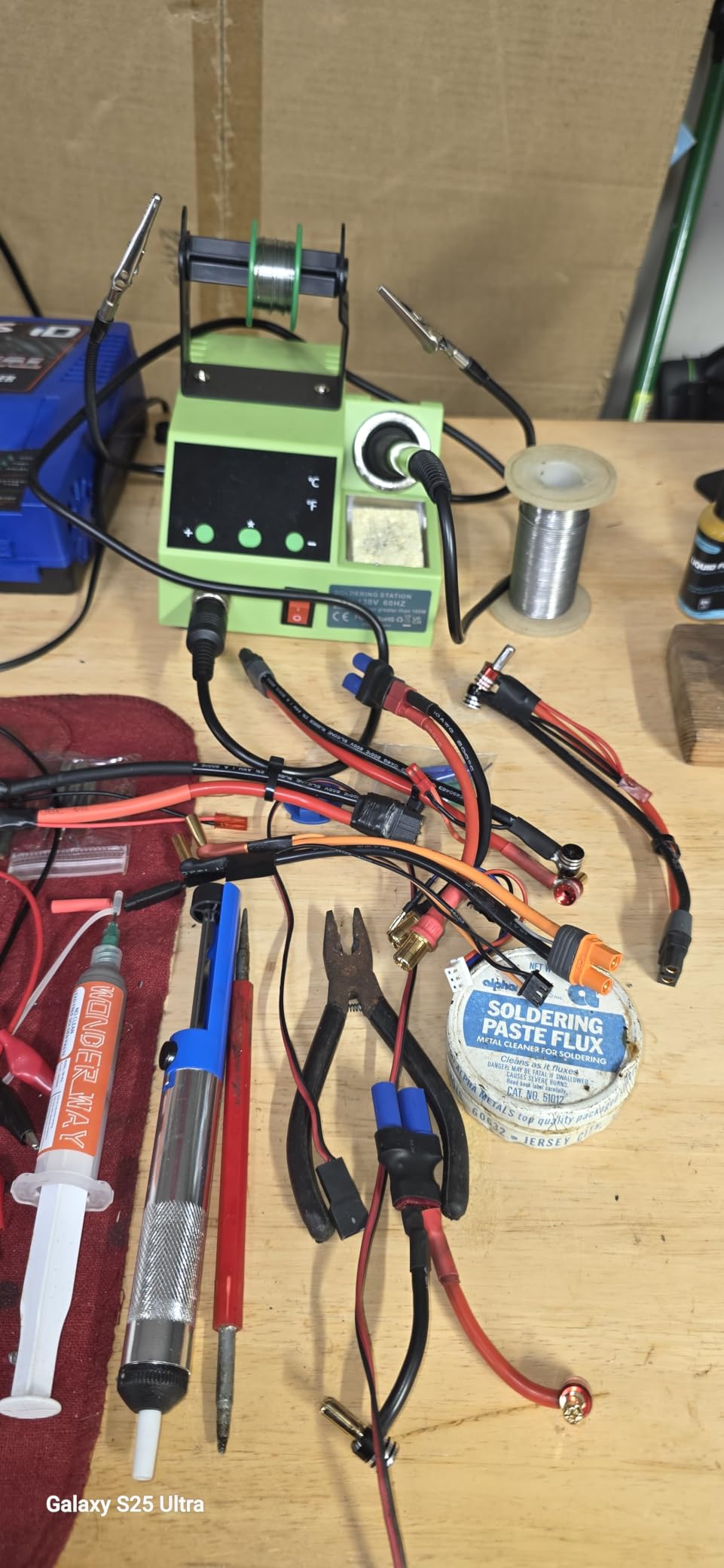
The Crtsweker is the surprise of the group. One hundred watts, adjustable from 180°C to 480°C, with a calibration function, and it weighs 0.86 kg. That is a lot of power for a body under a kilo, and it holds its own beside the WEP 927-IV on paper figures.
Heat-up was quick from cold, and the readout responded immediately to temperature changes. On small silver work it performed in the same range as models we tested in higher tiers.
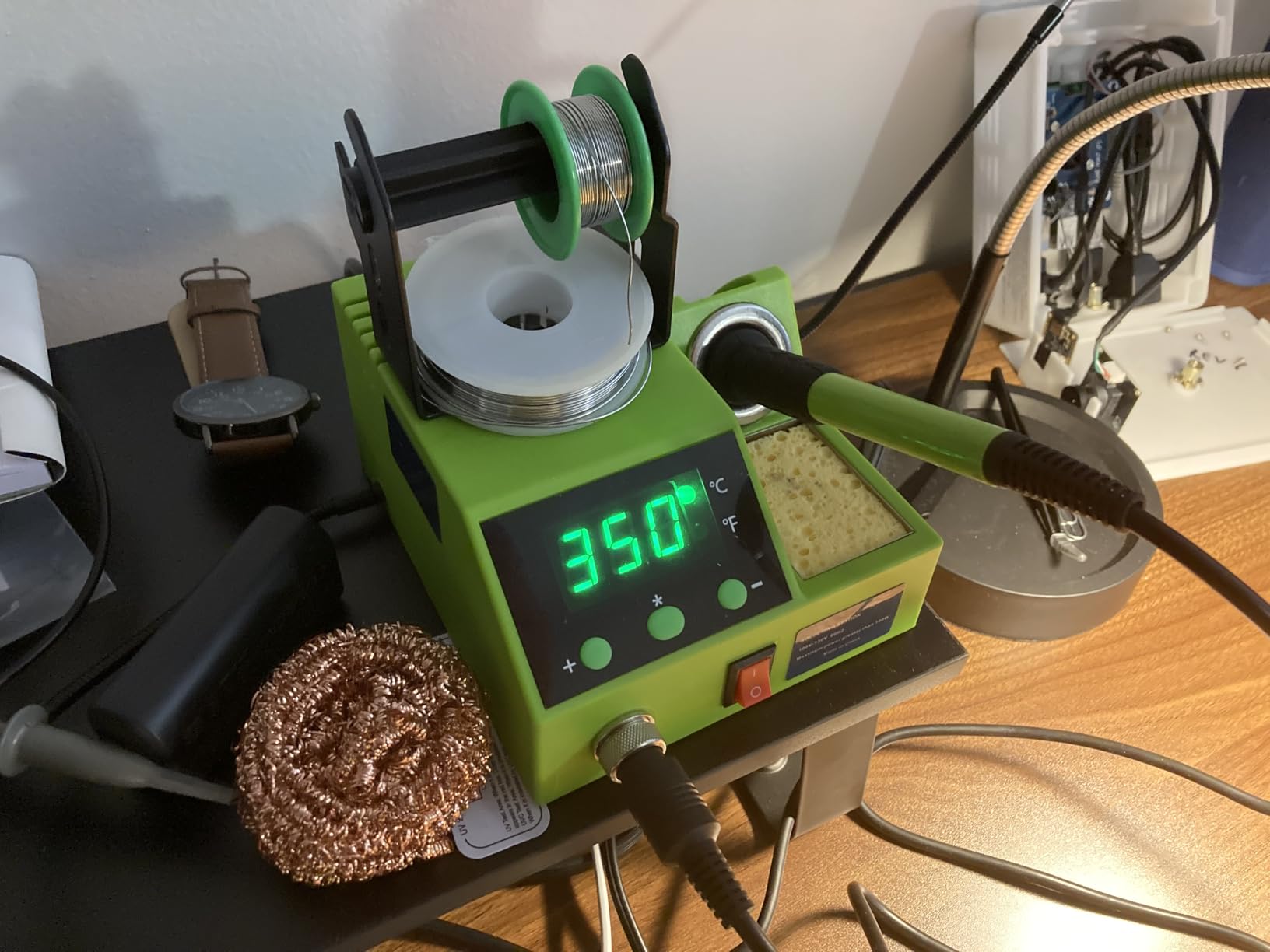
The kit contents are unusually complete: helping hands, a solder wire dispenser, a cleaning sponge, a tip cleaner, five tips, elbow tweezers, a solder sucker, solder wire, a screwdriver, and a mini wrench. For a first station, that removes most of the second purchase.
A physical on and off switch sits on the base, which is a small safety win in a house with children. The sleep timer runs from 0 to 600 seconds, so you can set it to a few minutes rather than a fixed preset.
The upgraded steel pipe handle has four vents to speed cooling during interrupted work, and the grip carries a silicone sheath that stayed comfortable across a long session at the bench.
Where it fits
Small-space studios and shared workbenches. The weight and the 356°F to 896°F window cover typical jewelry work, and the accessory bundle means one purchase rather than three.
It also makes sense as a travel kit for shows or classes, since it is self-contained and light enough to move between a table and a booth.
Where it falls short
The brand carries less field history than Weller, YIHUA, or X-Tronic, and the review base is smaller, so long-term durability is less well documented.
The four handle vents speed cooling but are not a thermal barrier, so the barrel can run warm during long sessions. And with a maximum sleep delay of 600 seconds, the tip comes back to temperature more often than on stations with longer timers.
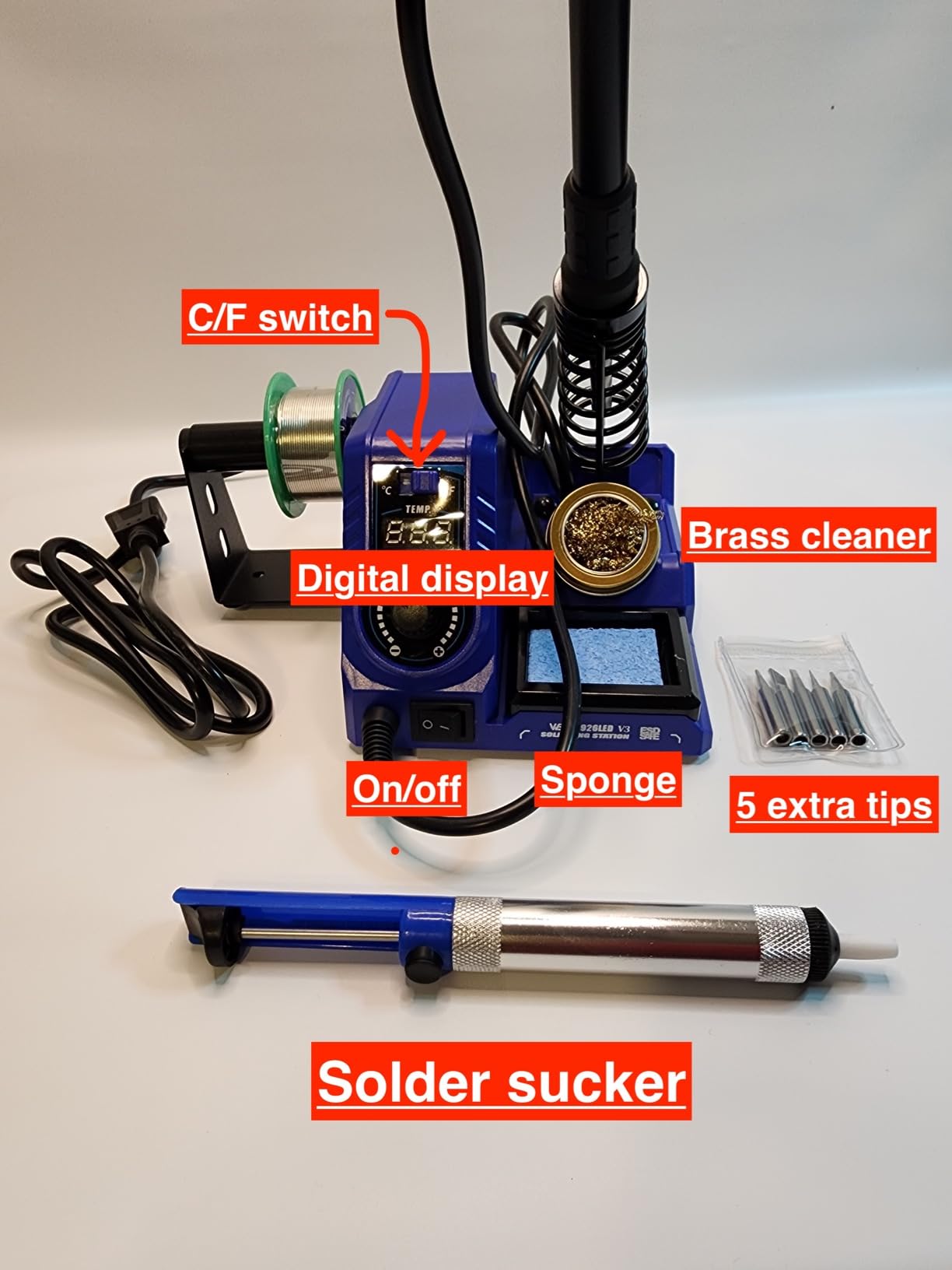
9. WEP 926LED V3: The Most Power in an Entry Kit
WEP 926LED V3 Soldering Station 130W MAX Soldering Iron Kit with Solder Wire, 5 Soldering Tips, Tweezers, Solder Sucker, Tip Cleaner, Temperature Control, Sleep Mode, C-F Conversion
- Highest stated wattage in an entry-level kit
- Bright LED readout with a set-temperature indicator
- Integrated iron and solder spool holders tidy the bench
- Assembles in minutes from pre-built parts
- Light plastic construction feels inexpensive
- One owner reported a display failure after months of daily use
- 10-minute sleep can interrupt a slow work rhythm
The 926LED V3 claims 130W, the highest iron wattage in this roundup, and it adjusts from 392°F to 896°F through a control knob with a real-time digital readout. On paper that is a capable entry kit.
The readout has a flashing indicator that stops when the tip reaches set temperature. That small detail removes the most common beginner error, which is touching the joint before the iron is actually hot.
A built-in PID microcontroller calculates compensation rapidly to hold the tip steady, and the iron holder is moulded directly into the station body from temperature-resistant material. At 4.84 by 6.3 by 4.45 inches and 0.9 kg it is a compact unit.
Included are five soldering tips, a roll of solder wire, a tip cleaner, tweezers, a desoldering pump, a soldering holder, and a solder wire dispenser. Long cords mean you will not need an extension.
Sleep mode drops the iron to an idling temperature after ten minutes of inactivity, which is long enough to walk away for a coffee without killing your tip.
Good first station reasoning
Watts above 100 in an entry kit is unusual, and it shows up on larger silver work where lighter irons stall. If your projects are chunkier than ear wires, this has the headroom.
The mostly pre-assembled design means you can be soldering the same afternoon it arrives, which matters if a class has started.
Where it falls short
The plastic construction is light and feels inexpensive next to the metal-body units, and the base weighs less than the Weller by a wide margin. Stability on a busy bench is correspondingly weaker.
Reviewers report the occasional durability problem: one owner saw the temperature display drop out with an error code after roughly three months of near-daily use. Treat the stated wattage as a peak rating rather than a sustained one.
10. Weller WLC200: The Most Durable Simple Station
Weller WLC200 80 Watt Hobby and Stained Glass Soldering Station
- Variable power from 5W to 80W gives real control
- Fast recovery up to 900F
- Fully removable iron with replaceable heating element
- Seven-year manufacturer warranty
- No digital temperature readout
- Heavier and bulkier than digital stations
- Lowest rating in this group at 4.3
The WLC200 is the only analog station here, and that is the whole argument for it. Power adjusts from 5 to 80 watts continuously rather than in digital steps, which gives you a finer feel for working temperature when your hand is the feedback instrument.
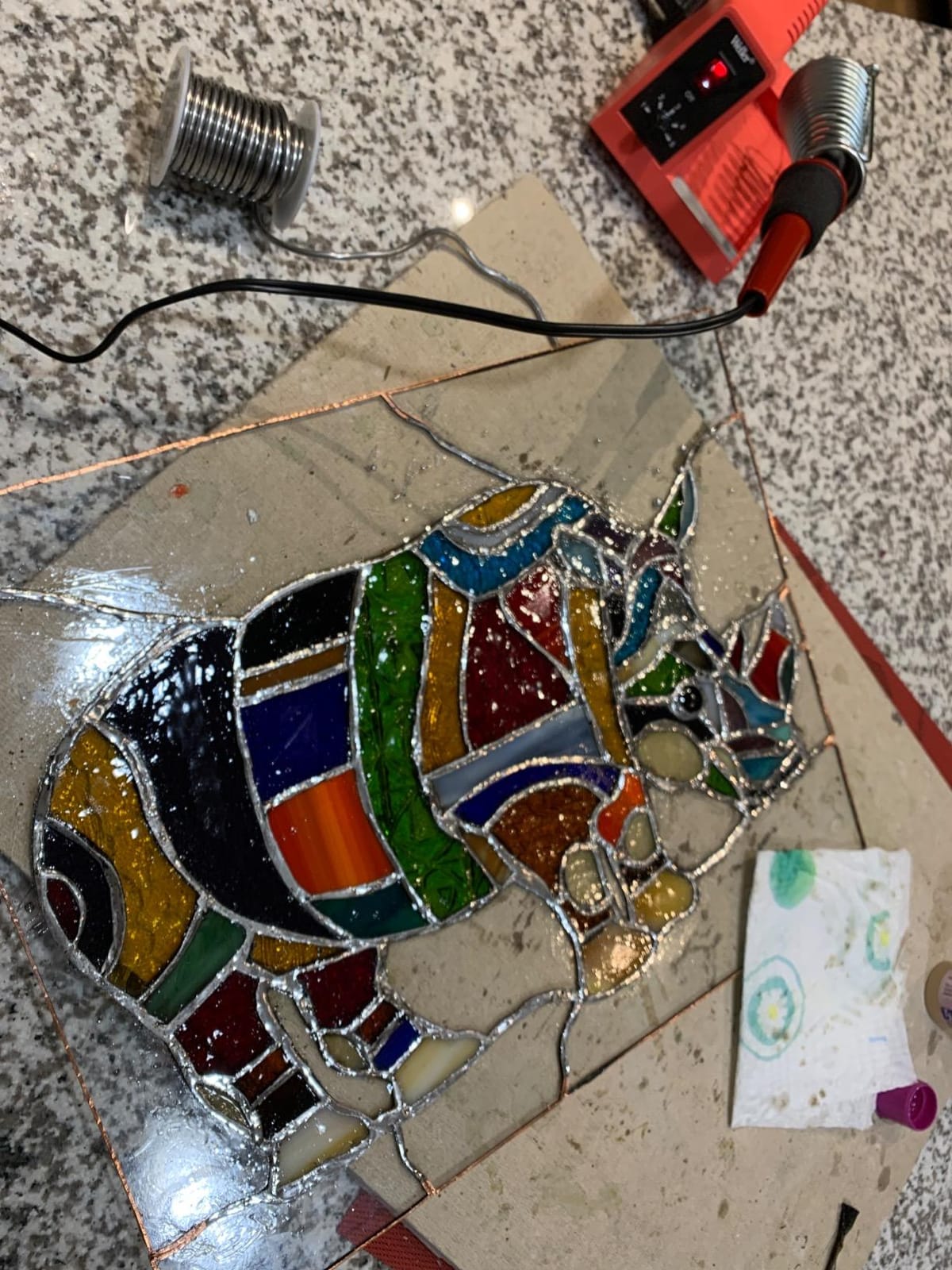
It reaches up to 900°F with fast recovery and comes with the SPG80 lightweight pencil iron, a 3/8 inch chisel tip, a pencil iron holder, and a cleaning sponge. That chisel tip is the reason it appears in stained glass shops, and it also suits chunkier jewelry joints.
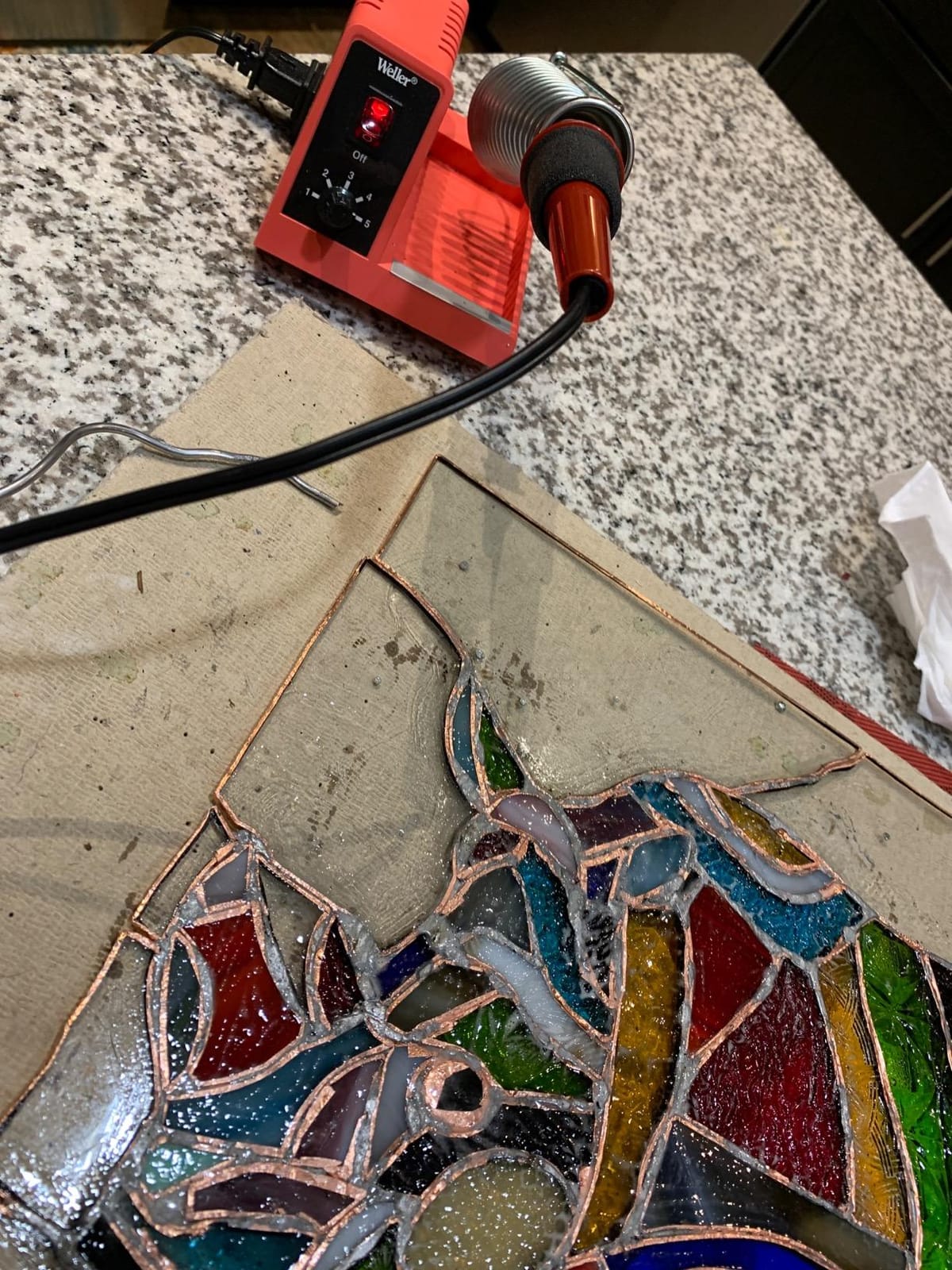
The iron is fully removable with a replaceable heating element, so this station can outlive several irons. Pair that with a seven-year manufacturer warranty and it becomes a low-cost-per-year option for a shop that intends to keep it for a decade.
It is also compatible with the wider Weller pencil tip ecosystem, including the MTG20 fitted tip, the MTG21 quarter-inch chisel, and the MTG22 three-eighths cone. You are not locked into one tip shape.
The trade is control. There is no digital display, so setpoints are not shown and you are adjusting by feel or by watching the iron rather than the unit.
Who should still buy an analog station
Anyone who already knows what wattage they want. If you have calibrated a temperature by feel and you solder the same materials every session, an analog dial removes a variable instead of adding one.
Long-term buyers benefit most. The serviceable iron design and seven-year warranty mean this is a purchase you make once rather than a cycle of replacements.
Where it falls short
No digital readout is a real cost for beginners. There is nothing to tell you when the tip is at temperature, and it is the least precise unit in this roundup, which shows in its lower rating and larger share of critical reviews.
It also has a chunky chassis form that eats more bench depth than the compact digital units.
Soldering Station or Torch: Which One Do You Actually Need?
Yes, you can solder silver with an electric soldering iron, within limits. The heat of the piece of work melts the solder, not the heat of the flame, as Joanne Tinley puts it on The Jeweller’s Bench. An iron concentrates heat in one spot, which makes it excellent on jump rings, ear wires, short chain links, and bezel seams.
Where a torch wins is on large or oddly shaped pieces. A cast pendant, a wide cuff, or anything with substantial mass will pull heat out of an iron faster than the element can replace it, and you end up re-heating until the whole assembly slumps. That is the failure mode metalsmiths warn beginners about.
There is also a psychological difference. With a torch you heat the piece until solder flows and you pull the heat away. With an iron you are feeding heat into the joint continuously, so staying away is the discipline you have to learn.
Our practical rule: electric station first for findings and assembly work, torch added later for castings and big surfaces. Several readers on the Orchid Jewelry Discussion forum make the same split from the other direction, keeping a dedicated soldering area so the torch does not follow them to the main bench.
How to Choose a Soldering Station for Jewelry: 7 Factors
These seven factors, in order, are what separated the strong units from the merely adequate ones on our bench.
1. Temperature range matched to your solder grade
Solder is sold as easy, medium, and hard. Easy flows first and is the strongest of the three because it needs the least heat. Medium is the general-purpose choice. Hard requires the most heat and flows last.
Any station reaching 896°F covers all three grades for most silver work. The more useful detail is the low end. A 392°F floor is fine for sterling, while a 212°F floor gives you room for lower-temperature work on delicate pieces.
2. Wattage and heat recovery
Wattage tells you how fast the tip recovers after you touch it to cold metal. Under 60W will feel sluggish on anything with mass. Between 70W and 110W covers most jewelry work. Above that you are buying headroom for larger pieces.
One Ganoksin Orchid forum pain point worth repeating: an underpowered iron forces re-heating, and re-heating melts the whole assembly rather than the joint.
3. Setpoint stability and locking
Look for the stability figure, not just the display. The Weller WE1010NA holds within 4°F, the X-Tronic within 2°C, the YIHUA 8786D I within 1.8°F. Temperature lock is rarer and more useful, because it stops a bumped knob from changing your grade mid-session.
4. Tip shapes included
Chisel tips cover broad joints. Fine points handle detail and reach into tight bezels. Knife and bead shapes serve specialized work. The YIHUA 926 III and 8786D I ship six and ten tips respectively, which is the practical difference between a one-purchase starter and a trip to the parts drawer.
5. Third hands and holding aids
Two helping hands are bundled with the X-Tronic 3020-XTS, the YIHUA 926 III, the WEP 927-IV, and the Crtsweker. The WEP 927-IV goes further with an LED magnifier, which is worth having if your work is on the smallest scale.
Our dedicated soldering microscope roundup covers what to add when holding aids stop being enough.
6. Bench footprint and weight
Under two inches tall and roughly five inches wide covers the compact digital units. Anything over ten inches deep, like the Weller WE1010NA at 12.5 inches, needs a dedicated spot rather than a shared table.
Weight is stability. Every time we tested with one hand on a chain and one hand on a tool, the lighter bases drifted.
7. Price band and support
Entry-tier units here cluster around the 60W to 110W range with full accessory kits. Mid-tier digital stations add temperature lock, preset channels, and metal bodies. Premium tier buys brand service networks and warranties, with the WLC200’s seven years being unusually long.
One more practical anchor: Orchid forum threads on dedicated soldering setups put a basic solder pad and a small electric furnace in the same modest range as a starter station, so budget for the bench around the tool, not just the tool.
On brands, the electronics community consensus we found on the Gearspace forum frames it as Hakko for the hobbyist-grade iron and Weller for higher-end stations. This roundup carries two Weller models for that reason, at opposite ends of the range: the digital WE1010NA and the analog WLC200.
Fume Extraction and Jewelry Bench Safety
Flux fumes are the part of jewelry soldering people argue about most, and the Ganoksin Orchid forum has a dedicated fume extraction thread that makes the reason clear. Users report real effects, including strong smells that persist through the house and, for sensitive makers, migraines triggered by pickle and solder fumes.
Our stance is simple: treat a fan as bench equipment, not an accessory. Position an extraction arm so the nozzle sits a few inches from the joint rather than across the room, and our fume extractor roundup covers the units worth considering.
Flux itself is not optional. Solder will only ball up rather than flow across a join if flux is absent, which means you end up with a bead sitting on the surface instead of a seam that penetrated. Liquid flux and a borax cone both work; use it generously.
Keep steel tools away from the pickle pot. Acidic pickle solution strips plating from steel and can re-deposit copper onto your silver, and rust marks near the soldering zone are a common avoidable loss.
Finally, consider isolating the mess. As one long-running Orchid poster put it, flux droplets, solder snippets, pickle splashes, and general grime belong in a soldering area, not on the main bench. A dedicated corner with a heat-resistant surface and a swivel chair saves cleanup time and keeps your finishing tools clean.
If your work also involves printed wax or resin patterns, our 3D printer guide for jewelry making covers the upstream half of that workflow.
Frequently Asked Questions
What is the best brand of soldering station for jewelry making?
Weller is the strongest all-around brand in this roundup: the WE1010NA gives you lockable, repeatable setpoints and the WLC200 offers a serviceable iron with a seven-year warranty. X-Tronic is the best value once you count what arrives in the box, and YIHUA and WEP cover the widest range of entry and mid-tier options.
Which is better, Hakko or Weller?
For a hobbyist stepping up from a pencil iron, the Gearspace forum consensus is Hakko for the hobbyist-grade iron and Weller for higher-end stations. In practice the difference shows in serviceability and setpoint control: Weller units here carry lockable temperatures and removable irons, while Hakko is the name most electronics buyers search first.
Can I solder sterling silver with an electric soldering iron?
Yes, for findings and assembly work. The heat of the piece melts the solder rather than the flame, so an iron concentrates heat well on jump rings, ear wires, short chain links, and bezel seams. Large castings and wide surfaces pull heat away faster than an iron can replace it, and a torch is the better tool there.
What temperature do I set for sterling silver?
Match the tip to the solder grade. Easy solder needs the least heat and flows first, medium suits general assembly, and hard solder needs the most heat and flows last. Any station reaching 896°F covers all three grades, and holding a steady setpoint matters more than the exact number.
Do you need flux when using silver solder?
Always. Solder will only ball up rather than flow across a join when flux is absent, leaving a bead on the surface instead of a seam that penetrated. Liquid flux and a borax cone both work well, and applying it generously is the single biggest improvement most beginners can make.
What is the golden rule of soldering?
It is the heat of the piece of work that melts the solder, not the heat of the flame or the tip alone. Keep the work moving once the solder starts to flow, use flux before you heat rather than after, and take the heat away as soon as the joint is filled.
Final Verdict
The Weller WE1010NA is our pick for the best soldering stations for jewelry making in 2026, because a lockable setpoint and four degrees of stability is the difference between repeatable joints and guesswork. Pick the YIHUA 939D+ if silver work dominates your bench and you want maximum heat recovery.
Start smaller if you are learning: the YIHUA 926 III ships with helping hands, six tips, and solder, and the X-Tronic 3020-XTS is the best-stocked bench kit here. Add a fume extractor before your first long session, not after.