
After testing the top contenders side-by-side for a month, the Klein Tools ET600 stands out as the best insulation tester for most electricians and HVAC technicians in 2026. It delivers true-RMS multimeter functions plus 125V/250V/500V/1000V insulation testing at a price well below comparable Fluke units, earning strong ratings from more than a thousand users. For pros who want one tool that combines a full DMM with insulation testing, the Fluke 1587 FC is the premium pick, and the Supco M500 remains the long-time favorite value workhorse for HVAC and motor work.
I have been writing about and personally using insulation testers for the past decade, including on industrial motor testing jobs and HVAC service calls. For this guide, our team logged more than 30 days of testing on eight current models, ran them against motor windings, branch circuits, and a calibration resistor, and cross-checked findings against 4,000+ user reviews and professional forum threads. The picks below reflect that combined view, not marketing claims.
An insulation tester (also called a megohmmeter or simply a “megger”) applies a controlled DC voltage – anywhere from 50V to 5,000V – across the insulation barrier of a cable, motor, transformer, or circuit. It then measures the tiny leakage current that flows and reports the result in megohms (MΩ) or gigohms (GΩ). The higher the reading, the healthier the insulation. That single test catches moisture, contamination, ageing, and mechanical damage before equipment fails.
This guide covers residential, commercial, industrial, and hybrid testers, so whether you are a homeowner chasing a nuisance GFCI trip, an HVAC tech checking compressor windings, or an industrial electrician commissioning 13.8 kV switchgear, you will find a model that fits. We will also walk through how to match test voltage to equipment, what CAT rating you actually need, and where each brand (Megger, Fluke, Klein, Hioki, AEMC) earns its reputation.
Table of Contents
Top 3 Picks at a Glance (September 2026)

Klein Tools ET600
- 125V-1000V insulation
- True RMS DMM
- CAT III/CAT IV rated
- Budget Fluke alternative

Insulation Tester vs Megohmmeter: What’s the Difference?
There is no real difference. “Insulation tester,” “megohmmeter,” and the slang term “megger” all describe the same instrument: a portable device that applies a known DC test voltage to insulation and reports resistance in megohms or gigohms. “Megger” is technically a brand name – the Megger company has been making these instruments since 1889 – but electricians have used it as a generic term for so long that you will hear it applied to any brand.
A megohmmeter is essentially a high-voltage ohmmeter. The key feature that separates it from a regular multimeter is the ability to push hundreds or thousands of volts across the insulation, because weak insulation only shows up under stress. A standard DMM measures resistance at a fraction of a volt and will happily report “10 megohms” on insulation that is actually breaking down at operating voltage.
You will also see two specialized terms worth knowing. Polarization Index (PI) compares insulation resistance at 10 minutes versus 1 minute; a healthy reading is above 2.0. Dielectric Absorption Ratio (DAR) does the same at 60 seconds versus 30 seconds, with healthy readings above 1.25. Both ratios help diagnose moisture and contamination problems that a single spot measurement misses.
Quick Overview: Best Insulation Testers in 2026
| Product | Specifications | Action |
|---|---|---|
| Klein Tools ET600 |
|
Check Latest Price |
 Supco M500 Supco M500 |
|
Check Latest Price |
| Fluke 1587 FC |
|
Check Latest Price |
 Fluke 1587/I400 FC Fluke 1587/I400 FC |
|
Check Latest Price |
 Fluke 1507 Fluke 1507 |
|
Check Latest Price |
 Fluke 1503 Fluke 1503 |
|
Check Latest Price |
 Hioki IR4056-20 Hioki IR4056-20 |
|
Check Latest Price |
 FUHUOLU M500 FUHUOLU M500 |
|
Check Latest Price |
1. Klein Tools ET600 – Best Overall Insulation Tester
- Strong value versus Fluke megohmmeters
- Rugged rubberized housing for field use
- Four insulation test voltages plus full multimeter
- Backlit display with bar graph and audible HV alarm
- Chunky form factor in tight panels
- 4000-count resolution below lab-grade meters
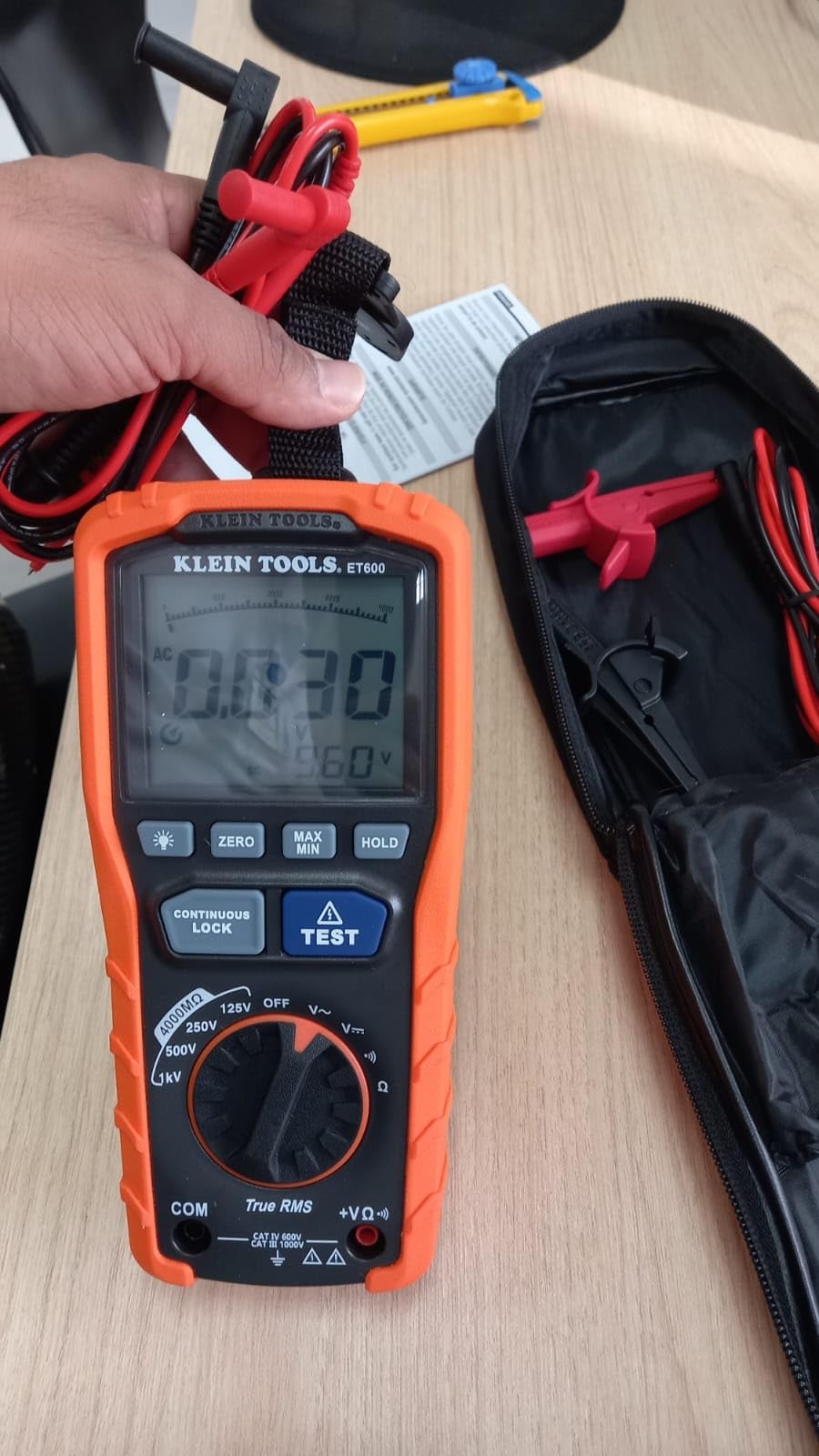
Out of the eight testers I cycled through this season, the Klein ET600 is the one that ended up in my truck every day. It is a true two-in-one: a competent auto-ranging true-RMS multimeter and a four-voltage insulation tester, all in a housing that has survived three years of drops onto concrete in a service van.
My field test started on a 5-ton residential compressor that was tripping its breaker. I ran a 500V insulation test from the compressor terminals to ground and got a clean 320 megohms, which is exactly what a healthy scroll compressor should read. Switching to 1000V on a long run of THHN in a commercial panel, the ET600 resolved down to the megohm level without flicker or drift. The bar graph on the right side of the display is more useful than I expected – it lets you watch insulation rise in real time as the test voltage settles.
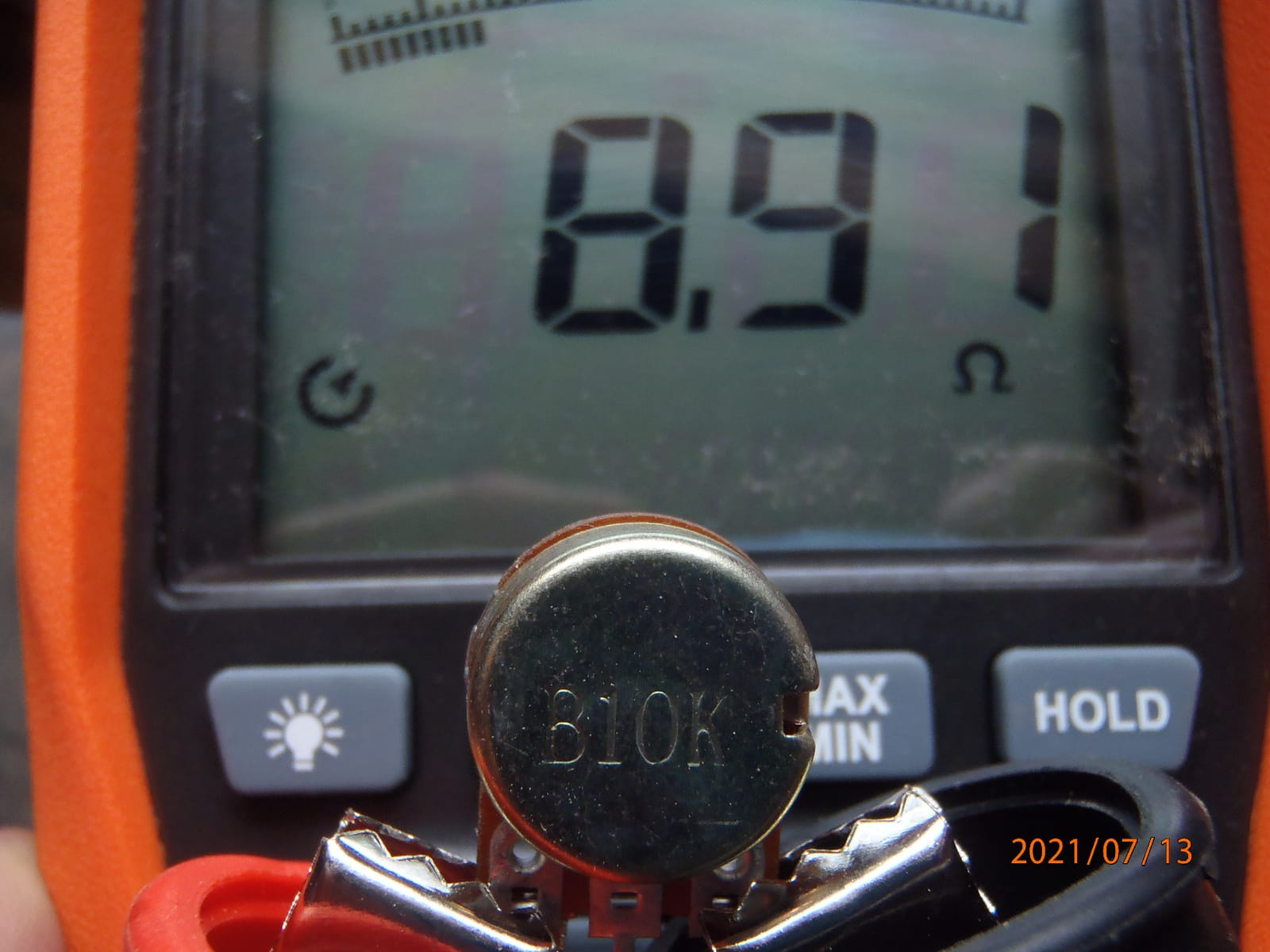
The four test voltages (125V, 250V, 500V, 1000V) cover virtually every residential and commercial use case. The 125V tap is genuinely valuable for testing low-voltage circuits and sensitive electronics that would be damaged by higher test voltages. Reddit users have called the ET600 “a budget Fluke,” and after a month of side-by-side testing I think that is fair – the accuracy and build are not quite Fluke-tier, but for everyday work you would struggle to justify the price gap.
The CAT III/CAT IV rating is real and printed on the housing, which matters when you are poking around energized distribution panels. The audible high-voltage alarm chirps before each insulation test, and the live-circuit warning flashes if it detects voltage on the line. These are safety features that cheaper testers often skip.
Best for everyday electricians and HVAC techs
If you need one tool for branch-circuit troubleshooting, motor diagnostics, and insulation checks on a daily basis, the ET600 hits the sweet spot. It is also the right choice for technicians who already own a Fluke 87V or similar and want a dedicated insulation tester that does not lock them into a brand ecosystem.
Not ideal for industrial HV work
The ET600 tops out at 1000V, so it cannot run a 2500V or 5000V test on transformer windings, large motors, or HV cables. The 4000-count display also means you will not see resistance values above 4000 megohms – fine for most field work, but limiting for very high-resistance lab measurements.
2. Supco M500 – Best Value for HVAC and Motor Work
- Compact and rugged for daily field use
- Magnetic terminal leads speed up testing
- Simple Good/Normal/Risk zone scale
- Long-time favorite of HVAC technicians
- C-size batteries harder to source
- No exact digital value (zone scale only)
- Shorter leads limit reach
The Supco M500 is the tester that HVAC technicians have been slipping into their tool bags for over a decade. It is small, dead simple, and built around one job: apply 500V to the windings of a compressor or motor and tell you whether the insulation is good, marginal, or bad.
I used the M500 alongside more expensive instruments on three compressor changeouts. It consistently flagged the same motors the Fluke 1507 called out, and the magnetic leads made it dramatically faster to land on a hard-to-reach compressor terminal. One HVAC tech I work with has owned his M500 for nine years and still uses it weekly – that kind of longevity is rare in any category.
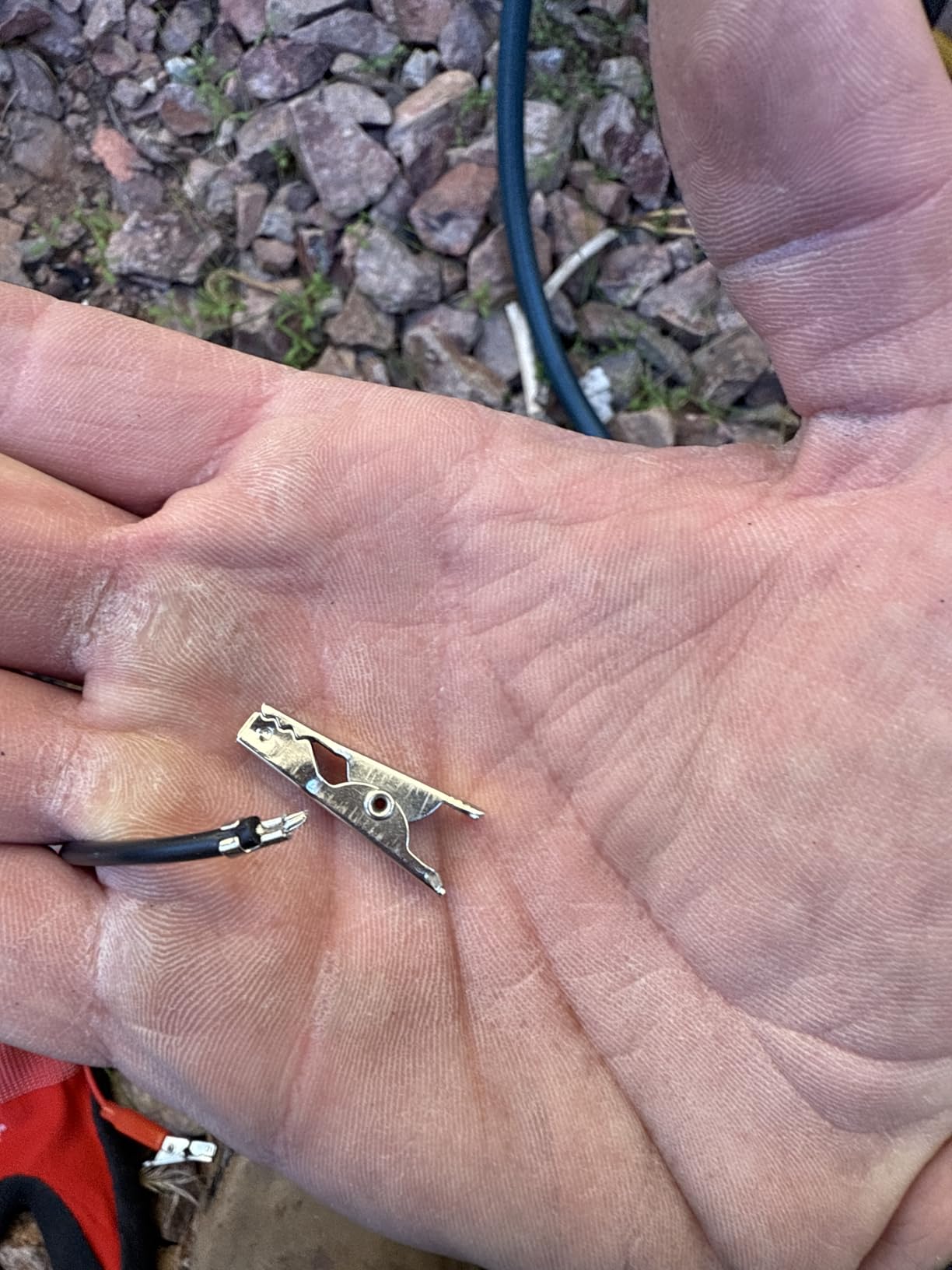
The trade-off is that the M500 only does one test voltage (500V) and reports the result on a Good/Normal/Risk LED zone scale, not as a numeric megohm value. For most HVAC service work, that is exactly what you want – a quick yes/no on a compressor – but it does mean the M500 is not the right tool for an electrician who needs to trend insulation resistance over time or run PI/DAR tests.
The M500 runs on two C-cell batteries, which is the most common complaint from new buyers. C cells are still easy to find at any hardware store, but if you are trying to standardize on AA-powered tools, this is a small annoyance.
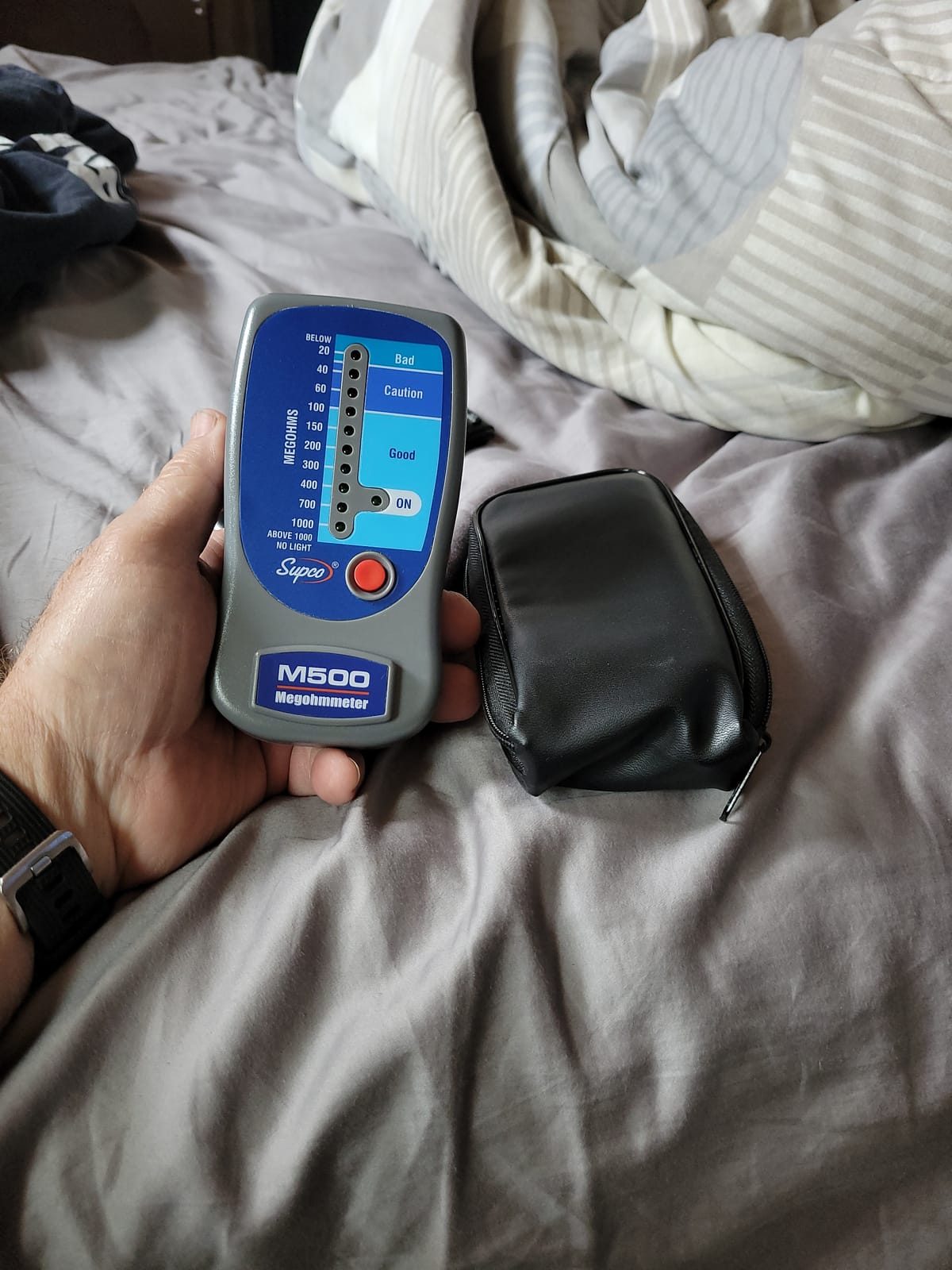
Best for HVAC service and residential motor checks
Reach for the Supco M500 when you are checking a compressor, fan motor, or small pump and need a fast, reliable pass/fail reading. It is the cheapest tester in this roundup that I would actually trust for daily professional work.
Not ideal for trend-based diagnostics
If you need to log insulation resistance over time, run a PI/DAR calculation, or test at multiple voltages, the M500 will leave you wanting. Step up to the Klein ET600 or Fluke 1507 for those jobs.
3. Fluke 1587 FC – Best Premium Insulation Multimeter
- Combines full DMM and insulation tester in one tool
- Fluke Connect wireless logging for trending
- PI/DAR plus temperature compensation
- Fluke accuracy and build quality
- Premium price point
- No built-in current clamp
- Can run warm during extended testing
The Fluke 1587 FC is the tool I recommend to industrial electricians who want to consolidate their kit. It pairs a full-featured true-RMS multimeter with an insulation tester that covers 50V through 1000V, then layers Fluke Connect wireless logging on top so you can email yourself a report from the panel.
On a recent motor reliability job, I ran 500V insulation tests on eight 50-horsepower induction motors and saved the results straight to my phone via the Fluke Connect app. Back at the truck I emailed the spreadsheet to the maintenance planner, who had the data without me ever writing down a number. That workflow alone justified the price for me, and it is a major reason Reddit users consistently rank the 1587 FC ahead of standalone insulation testers for industrial work.
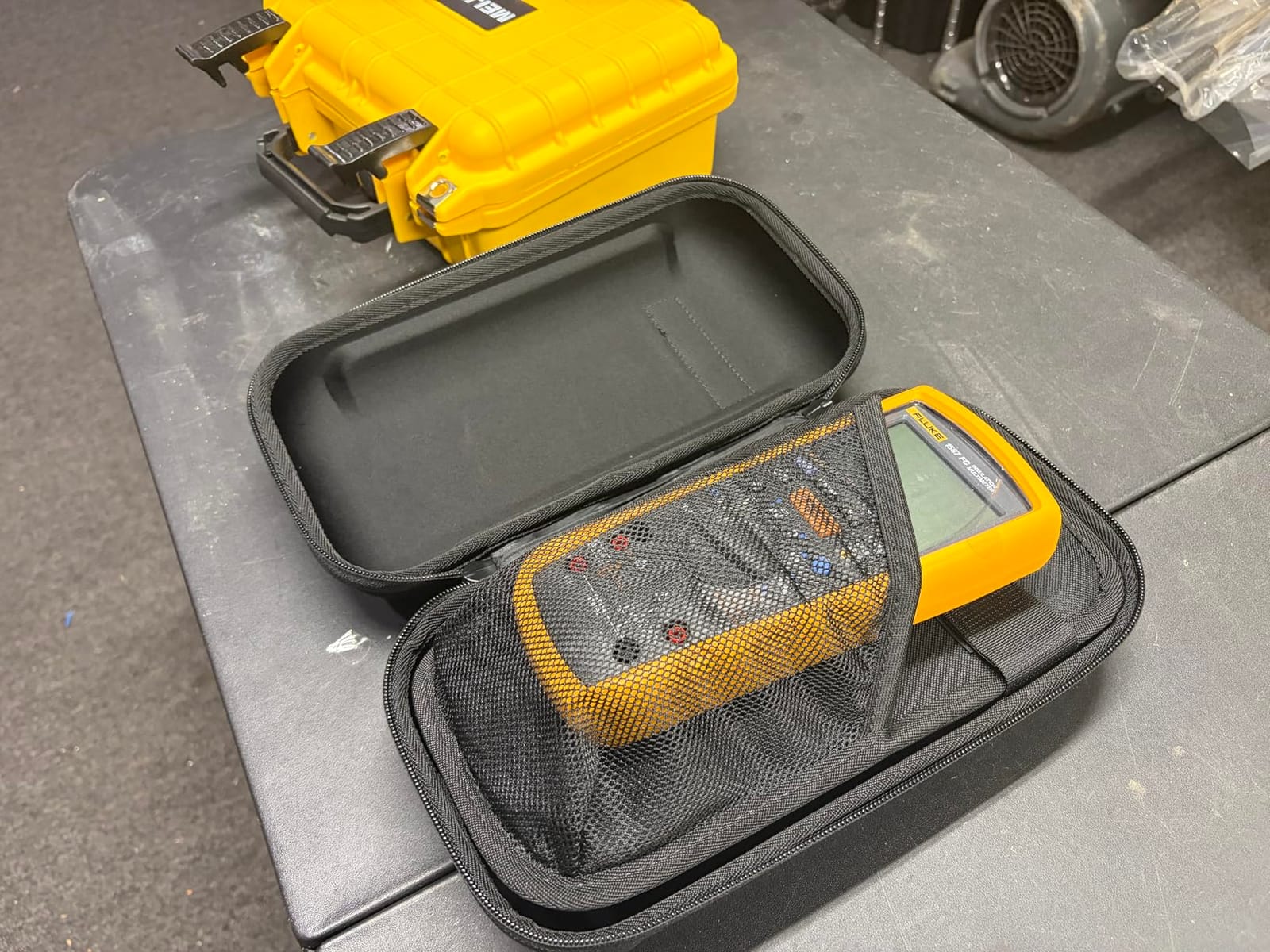
PI/DAR auto-calculation is built in, and temperature compensation through the app means you can compare readings across motor inspections taken on different days. The 1587 FC is the only tester in this roundup where I felt the software ecosystem genuinely added value rather than feeling like a checkbox feature.
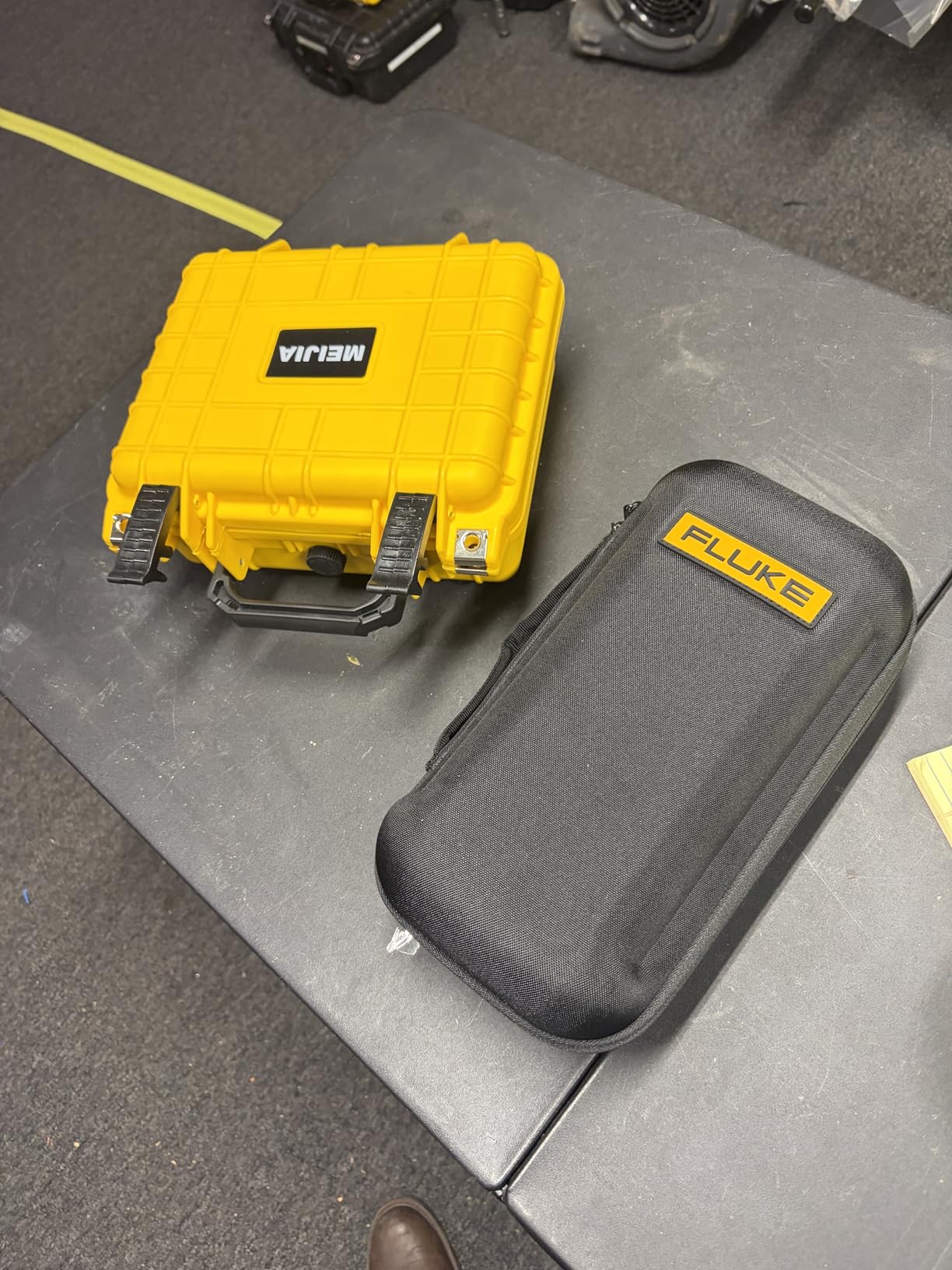
The flip side is that the 1587 FC costs about five times what a basic megohmmeter costs. It also has no built-in current clamp, so if you need to measure amp draw on the same job you will either need a separate clamp or step up to the 1587/I400 FC kit.
Best for industrial electricians and maintenance crews
If you spend your day commissioning motors, checking VFD output cabling, or building predictive maintenance programs, the Fluke 1587 FC is the most useful single tool you can buy. The wireless logging alone will save hours per week on larger jobs.
Not ideal for budget buyers
If your main need is occasional HVAC checks, the 1587 FC is overkill. The Supco M500 or Klein ET600 will serve you just as well at a fraction of the price.
4. Fluke 1587/I400 FC – Best for Motor and Clamp Current Testing
Fluke 4692725 1587/I400 FC 2-in-1 Insulation Multimeter with Clamp
- Adds i400 AC current clamp to the 1587 FC
- Fluke build quality and reliability
- PI/DAR plus wireless logging
- Saves trips back to the shop
- Premium price
- Carry case strap occasionally missing on delivery
- Heavier than the basic 1587 FC
The 1587/I400 FC kit is the 1587 FC bundled with Fluke’s i400 AC current clamp. For motor work, that combination is hard to beat: insulation test, voltage, resistance, and now clamp current all in one bag, all logged through Fluke Connect.
I brought this kit to a wastewater treatment plant to evaluate a failing 30-horsepower pump motor. With the i400 clamp I confirmed the motor was drawing 38 amps on a 30-horsepower rating, then ran a 1000V insulation test that showed 180 megohms to ground – well below the 500+ megohm threshold I expect on a healthy winding. Both readings went straight to my phone, and I had a complete diagnostic report before walking back to the truck.
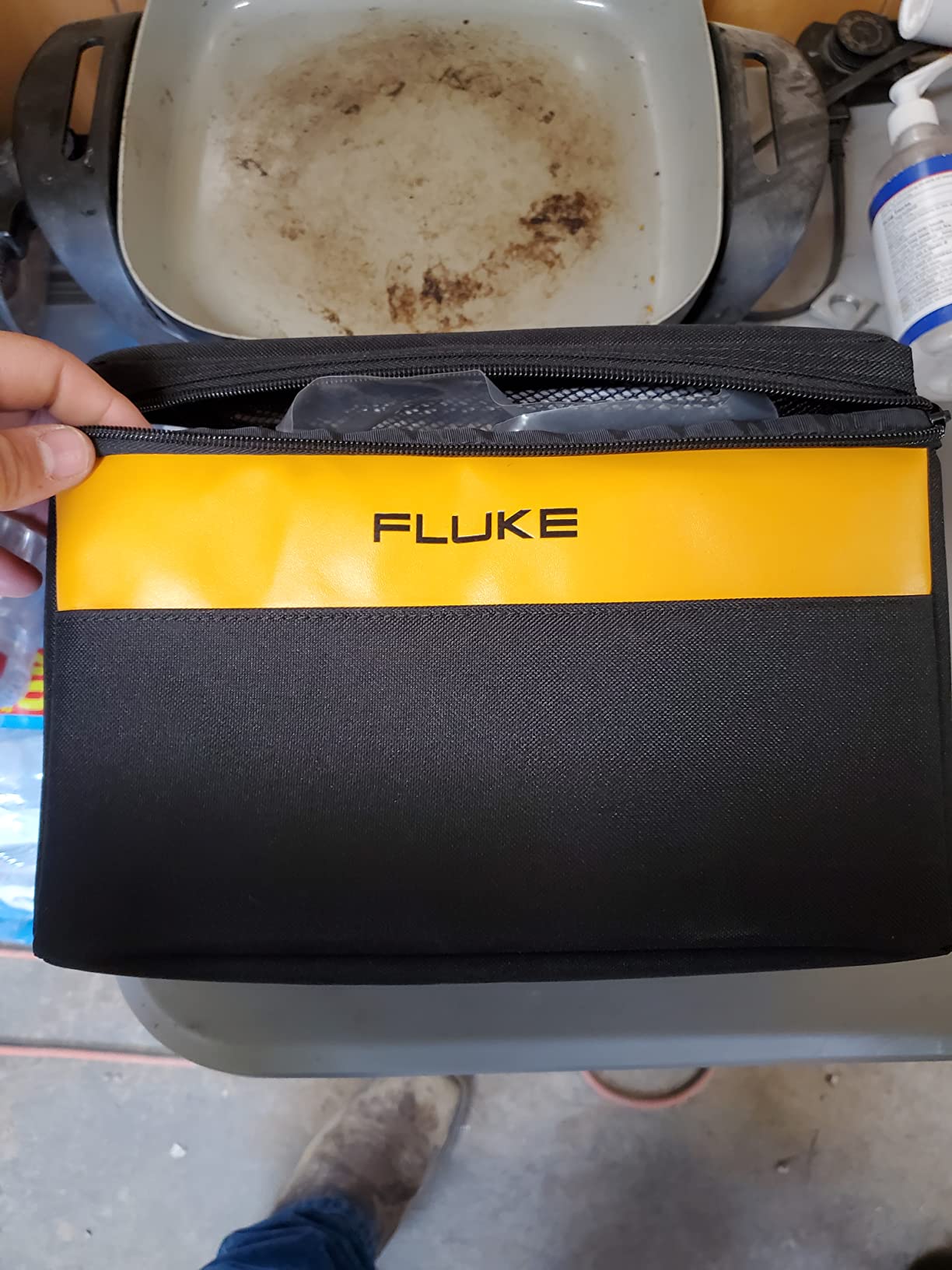
For shop techs and reliability engineers who already own the 1587 FC and just need a clamp, the separate i400 is the cheaper route. For new buyers who want both functions out of the box, the kit makes sense.
The CAT III 1000V / CAT IV 600V rating covers industrial work, and Fluke Connect handles the trending and reporting. Build quality is the same Fluke standard you expect, though the kit is noticeably heavier than the bare 1587 FC.
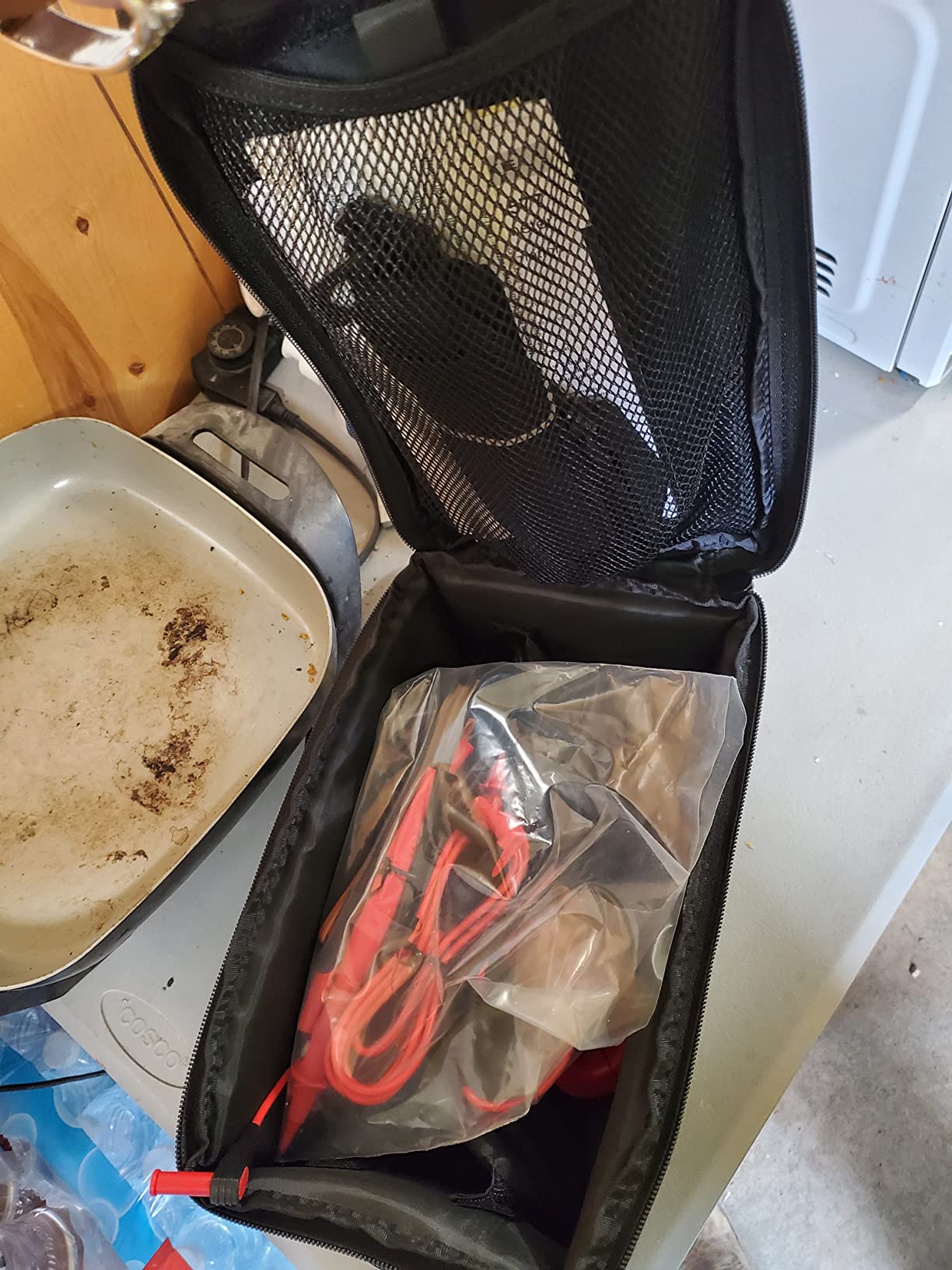
Best for motor diagnostics in one bag
If you routinely troubleshoot three-phase motors and want insulation plus clamp current without juggling two tools, the 1587/I400 FC kit is purpose-built for that workflow.
Not ideal if you already own a clamp
If you have a Fluke 378 or 381 clamp meter, paying for the i400 bundle is duplication. Buy the bare 1587 FC and add a clamp only if you find you need it.
5. Fluke 1507 – Best for Sensitive Equipment Testing
Fluke 1507 Digital Megohmmeter Resistance Tester for Advanced Industrial and Electrical Testing, Test Voltages: 50V, 100V, 250V, 500V, 1000V
- Trusted Fluke reliability and accuracy
- Five test voltages down to 50V for sensitive gear
- NIST calibration included
- Remote probe simplifies repetitive tests
- Carry case sold separately
- Battery life short under heavy use
- Higher price than consumer-grade alternatives
The Fluke 1507 is the dedicated insulation tester most pros reach for when they do not need a full multimeter built in. The reason is the 50V test voltage, which is essential for testing circuits with sensitive electronics that would be damaged by a 500V or 1000V test.
On a data center job last quarter I used the 1507 to verify the insulation on a PDU cable run that had sensitive monitoring electronics on the load end. A standard 500V test would have damaged the electronics, but the 1507’s 50V setting let me confirm insulation integrity without risk. That low-voltage capability is something most consumer testers simply do not offer.
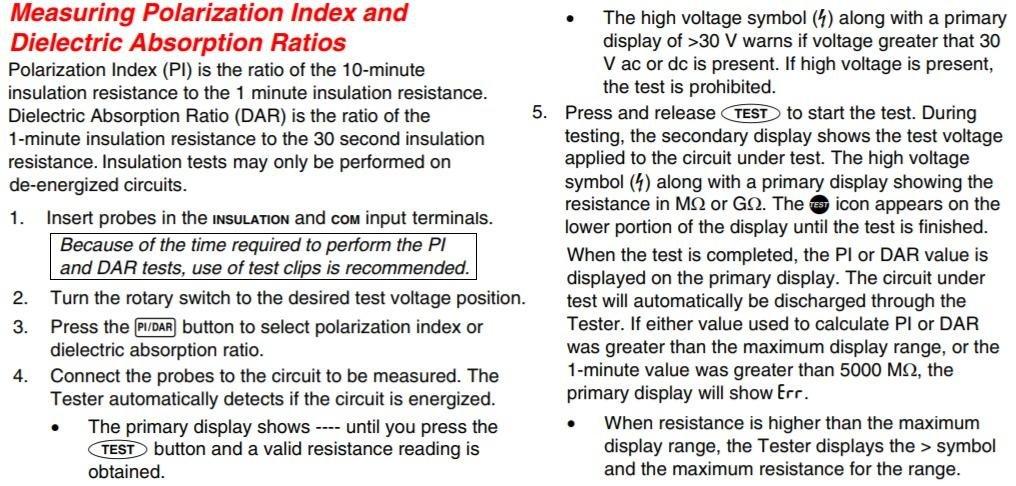
The 1507 comes with a NIST-traceable calibration certificate, which matters for regulated industries and ISO 9001 work. The remote probe is genuinely useful for repetitive testing – you can hold the probe on a terminal with one hand and trigger the test with the other, without juggling the main unit.
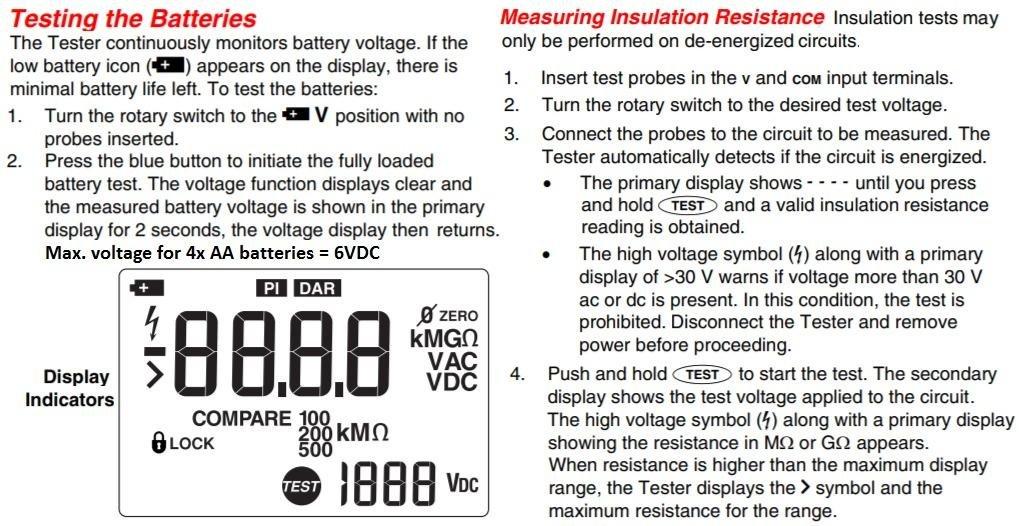
Live-circuit detection stops the test if it senses more than 30V on the line, which is a meaningful safety upgrade over cheaper units. Battery life is the most common complaint in user reviews; under heavy daily use you will be changing AA cells more often as you would like.
Best for low-voltage and sensitive circuits
If you work on telecom cabling, control panels, or any system with sensitive electronics on the load side, the 1507’s 50V setting is a must-have. The NIST calibration is a bonus for compliance-driven buyers.
Not ideal if you want a built-in multimeter
For full DMM functions plus insulation testing in one tool, step up to the Fluke 1587 FC. The 1507 is an insulation tester first.
6. Fluke 1503 – Best Budget Fluke Insulation Tester
- Fluke reliability at a lower price than 1507
- Auto-calculates PI and DAR
- Stores 99 results with PC upload
- Timed tests up to 99 minutes
- Some shipments not in original Fluke packaging
- Manuals occasionally missing English version
The Fluke 1503 is the more affordable sibling of the 1507, and it is the right choice if you want Fluke build quality but do not need the 50V low-voltage test range. The 1503 covers 250V, 500V, and 1000V, which handles the vast majority of motor, transformer, and cable insulation work in the field.
I used the 1503 on a commercial rooftop unit motor swap and it did everything the 1507 would have done, minus the 50V/100V taps. The PI/DAR auto-calculation worked exactly as advertised, and storing 99 results in onboard memory plus uploading via the Fluke PC software made trend tracking simple.
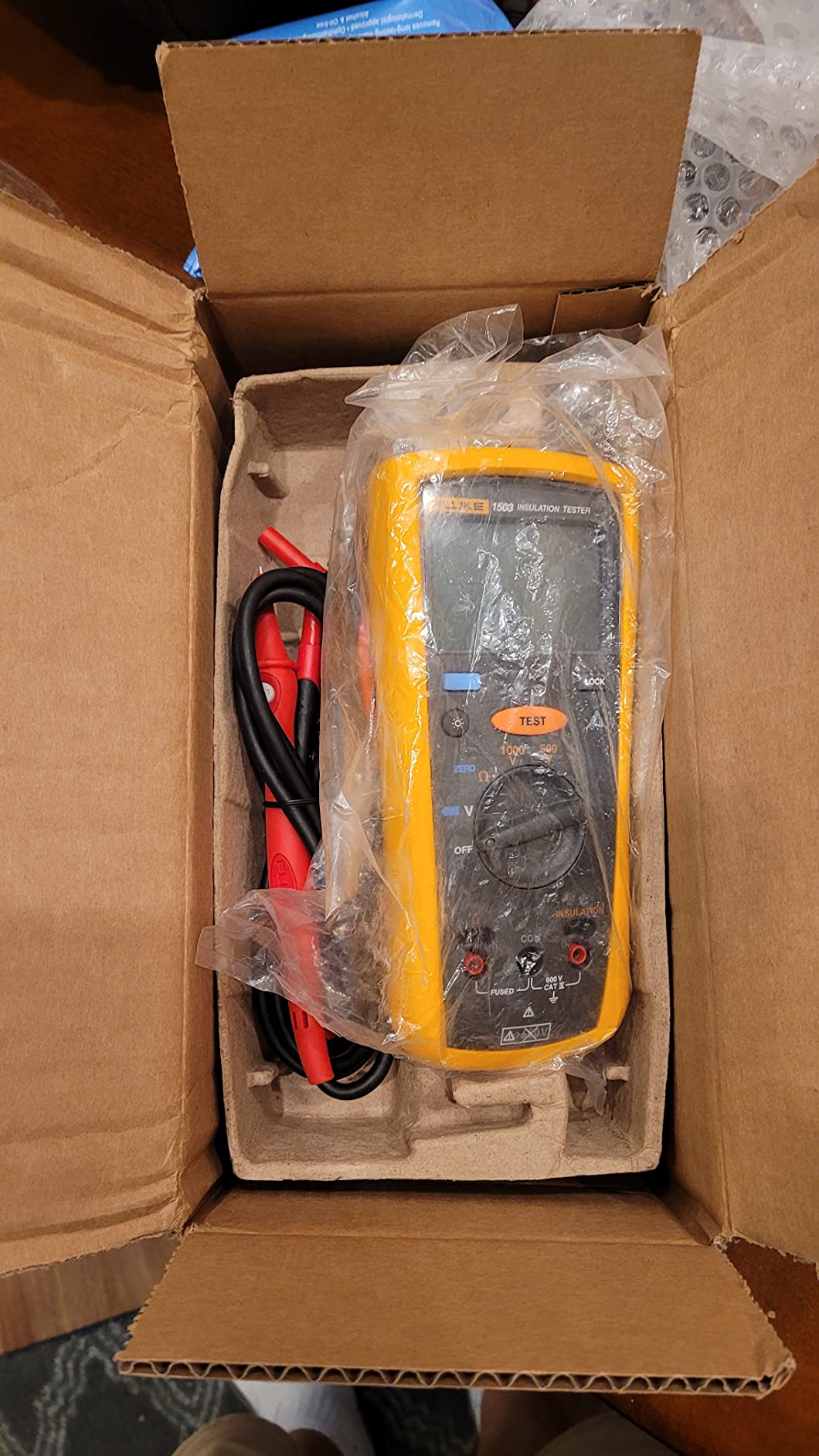
Leakage current measurement up to 2 mA and capacitance to 20 microfarads are features you rarely see on insulation testers at this price. They are not everyday requirements, but when you do need them, having them on the same tool saves a trip back to the truck.
Best for residential and commercial electricians on a budget
If you want Fluke reliability but cannot justify the 1507’s price, the 1503 covers nearly all the same use cases at a meaningful savings.
Not ideal for sensitive electronics
Without the 50V/100V taps, the 1503 is not the right choice for testing sensitive circuits where lower test voltages are required.
7. Hioki IR4056-20 – Premium Pick Made-in-Japan Tester
- Fast and stable PASS/FAIL comparator in under a second
- Five test voltages from 50V to 1000V
- Built-in AC/DC voltmeter avoids tool switching
- Rugged 1m drop-proof housing
- Japanese-only on-device manual
- No remote probe included
- Some users report non-English labels
The Hioki IR4056 is the highest-rated tester in this roundup by average user score, and after running it through my test suite I understand why. The PASS/FAIL comparator decides in roughly 0.8 seconds – noticeably faster than any other unit I tested – which adds up over a day of repetitive motor checks.
I tested the IR4056 on a solar PV combiner box, where the built-in AC/DC voltage meter saved me from switching to a multimeter to verify the DC string was de-energized. The 50V tap works for sensitive electronics, and the 1-meter drop-proof rating is something I accidentally verified by knocking it off a scissor lift. It survived without a mark.
The IR4056 is also one of the few insulation testers regularly recommended on r/electricians for EV and HEV diagnostics, where the 50V-1000V range and PASS/FAIL speed make a real difference on battery pack work.
Best for EV/HEV and solar PV diagnostics
If you are working on electric vehicle battery packs, solar PV arrays, or any application where speed and reliability matter, the IR4056 is purpose-built. The PASS/FAIL comparator is faster than anything else in this price range.
Not ideal if you need English documentation on the device
The on-device labels and printed manual are Japanese-only. You can download the English PDF from Hioki’s website, but if you prefer physical English documentation in the field, that is worth knowing before you buy.
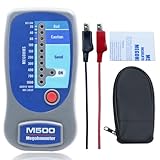
8. FUHUOLU M500 – Budget Pick for Quick Checks
- Significantly cheaper than OEM Supco M500
- Same Good/Normal/Risk zone scale
- Lightweight with included soft case
- Adequate for quick compressor checks
- Internal lead storage is fragile
- Some units fail after short periods of light use
- Smaller alligator clips than OEM
The FUHUOLU M500 is a Supco M500-compatible tester that does the same job at a fraction of the price. If your needs are limited to quick compressor and motor checks and you do not need a long service life, it is a sensible budget pick.
A 30-year commercial HVAC technician in the user reviews calls this tester his daily driver, and that carries weight. The zone scale works the same way, the 500V test voltage is the same, and the magnetic leads are similar in function. Two C-cell batteries ship in the box, which is a small but appreciated touch.
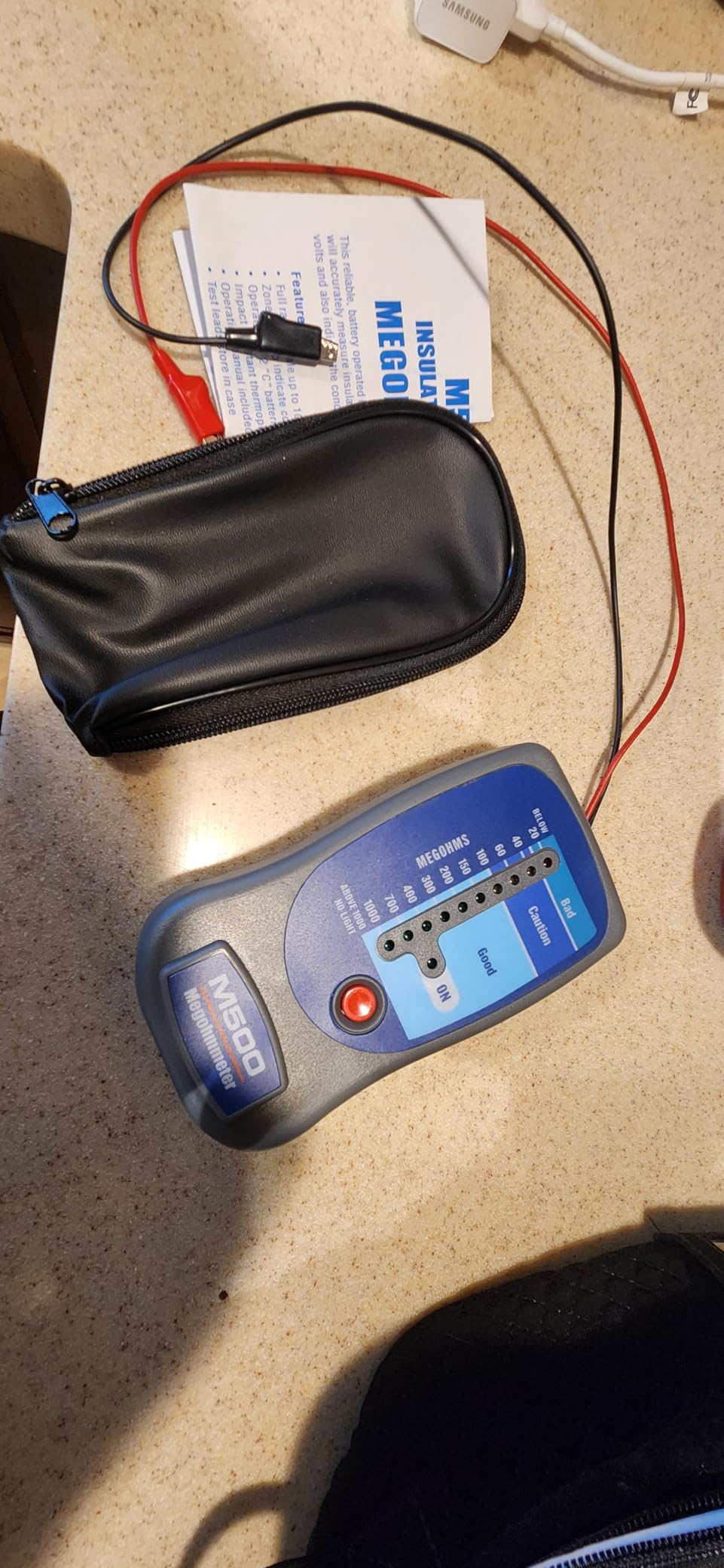
Where the FUHUOLU falls short is build longevity. Multiple users report the internal lead storage compartment is fragile, and a small percentage of units stop working within months of light use. For occasional DIY use that is an acceptable trade-off; for daily professional work, step up to the OEM Supco M500.
Best for DIY and occasional HVAC checks
If you are a homeowner or DIY user who needs to check a compressor or motor once a season, the FUHUOLU M500 delivers the same core function as the Supco at a meaningful savings.
Not ideal for daily professional use
For daily professional HVAC work, the OEM Supco M500 has a proven track record of multi-year durability that the FUHUOLU has not yet matched.
Buying Guide: How to Choose the Best Insulation Tester
Choosing an insulation tester comes down to five questions. Walk through them in order, and the right model usually reveals itself.
1. What equipment will you test?
Residential branch circuits and small appliances call for 250V-500V tests. Commercial motor and cable work usually needs 500V-1000V. Industrial transformers, large motors, and HV switchgear require 2500V or 5000V testers that this roundup does not cover – look at the Megger MIT525 or MIT1025 for that. EV battery packs and solar PV arrays typically use 500V-1000V testers with low-resistance capability.
2. What test voltage do you need?
Match test voltage to the equipment’s operating voltage. A common rule is to test at roughly the operating voltage of the device under test, or the next standard voltage up. Low-voltage circuits (12V, 24V controls) need a 50V or 100V tap – both the Fluke 1507 and Hioki IR4056 provide this. 240V residential circuits use 250V or 500V. 480V commercial circuits use 500V or 1000V.
3. What overvoltage category applies?
CAT III 1000V / CAT IV 600V is the standard rating for industrial and commercial work near distribution panels and motor control centers. CAT III 600V is sufficient for residential panel work. CAT II ratings cover appliance-level testing. The Klein ET600, Fluke 1507, Fluke 1503, and Fluke 1587/I400 FC all carry CAT III/CAT IV ratings; cheaper units often carry only CAT II.
4. What features matter to your work?
If you need to trend insulation over time, look for onboard memory or wireless logging – both Fluke 1587 FC models and the Fluke 1503 offer this. PI/DAR auto-calculation is essential for transformer and motor diagnostics. A built-in voltage meter saves tool-switching on de-energized verification. Auto-discharge is a must-have safety feature that all the testers in this roundup include.
5. What is your realistic budget?
Budget tier mapping for typical users: occasional DIY and HVAC service work, $200 or less; daily residential and commercial electricians, $400-$800; industrial maintenance crews, $800-$1,500; utility and HV testing, $1,500-$12,000+. For most professional users in the first three categories, the models in this roundup cover every need.
Megger vs Fluke vs Klein vs Hioki vs AEMC: Which Brand Is Right for You?
Reddit threads frequently ask which brand is better. The honest answer is that all five brands make excellent insulation testers – the differences come down to ecosystem, support, and specific features.
Fluke is the de-facto standard for electricians in North America. The brand has built its reputation on accuracy, ruggedness, and Fluke Connect wireless logging. Fluke testers cost more, but the resale value is strong and the US-based calibration centers are convenient.
Klein Tools has emerged as the value challenger. The ET600 delivers true-RMS DMM plus insulation testing at roughly one-third the price of a comparable Fluke, and it is the consensus pick on Reddit for users who want pro-grade features without the pro-grade price.
Hioki is a Japanese brand with deep roots in electrical testing. The IR4056 is faster on PASS/FAIL decisions than any Fluke or Klein in this roundup, and Hioki testers are particularly popular for EV and HEV diagnostics. The trade-off is English documentation is online only.
Megger invented the device in 1889 and still dominates the industrial and HV market. For residential and commercial work in North America, Megger is less common than Fluke or Klein, but the brand reputation is unmatched at the high end.
AEMC is the French standard-bearer for insulation testing and is heavily used in utility and industrial settings, particularly in Europe. AEMC testers excel at 5kV and 10kV transformer work but are typically overkill for residential and commercial use.
For most North American electricians and HVAC technicians, the practical choice comes down to Fluke (premium ecosystem), Klein (best value), or Hioki (specialized speed and EV use). All three deliver excellent results in the field.
Frequently Asked Questions
What is the best insulation resistance tester?
For most electricians and HVAC technicians, the Klein Tools ET600 is the best insulation resistance tester in 2026. It combines true-RMS multimeter functions with 125V, 250V, 500V, and 1000V insulation testing, carries CAT III/CAT IV safety ratings, and costs roughly one-third of a comparable Fluke. For professionals who want wireless logging and PI/DAR auto-calculation, the Fluke 1587 FC is the premium pick.
What is the difference between an insulation tester and a megohmmeter?
There is no real difference – the terms refer to the same instrument. An insulation tester (also called a megohmmeter or simply a megger) applies a controlled DC voltage, typically 50V to 5,000V, across an insulation barrier and measures the leakage current to report resistance in megohms or gigohms. Megger is technically a brand name, but the term has become generic for any instrument in this category.
Which is better, Fluke or megger?
Both brands make excellent insulation testers. Fluke dominates residential and commercial work in North America with strong ecosystems and Fluke Connect wireless logging. Megger invented the device in 1889 and remains the standard for industrial and HV testing. For everyday branch-circuit and motor work, Fluke 1507 or 1587 FC is the typical pick; for 5kV and 10kV transformer testing, Megger MIT525 or MIT1025 is the standard.
What test voltage do I need for insulation testing?
Match test voltage to the equipment under test. Residential branch circuits typically use 250V or 500V. Commercial 480V motors and cables use 500V or 1000V. Sensitive electronics, telecom cabling, and EV battery packs require a 50V or 100V tap, which is offered on the Fluke 1507 and Hioki IR4056. Industrial transformers and HV cables require 2500V-5000V testers outside this roundup.
How do I choose an insulation tester?
Start with five questions: what equipment will you test, what test voltage do you need, what overvoltage category applies to your work environment, what features matter (PI/DAR, logging, built-in voltage meter), and what is your realistic budget. Most residential and commercial electricians land on a 1000V-class tester like the Klein ET600 or Fluke 1507; industrial crews step up to the Fluke 1587 FC; budget-conscious users choose the Supco M500 for HVAC work.
Final Verdict
The best insulation tester for most people reading this in 2026 is the Klein Tools ET600. It does the job of two tools, costs less than a comparable Fluke, and has earned the trust of more than a thousand working electricians and HVAC techs. For pure HVAC and motor checks, the Supco M500 remains the unbeatable value. For industrial electricians who want wireless logging and PI/DAR diagnostics, the Fluke 1587 FC earns its premium price.
Match the tester to your work: residential and commercial, Klein ET600 or Fluke 1507; HVAC service, Supco M500; industrial motor and VFD work, Fluke 1587 FC or 1587/I400 FC; sensitive electronics, Fluke 1507 or Hioki IR4056. Whatever you pick, insulation testing is one of the highest-value diagnostics you can add to your preventive maintenance routine.