
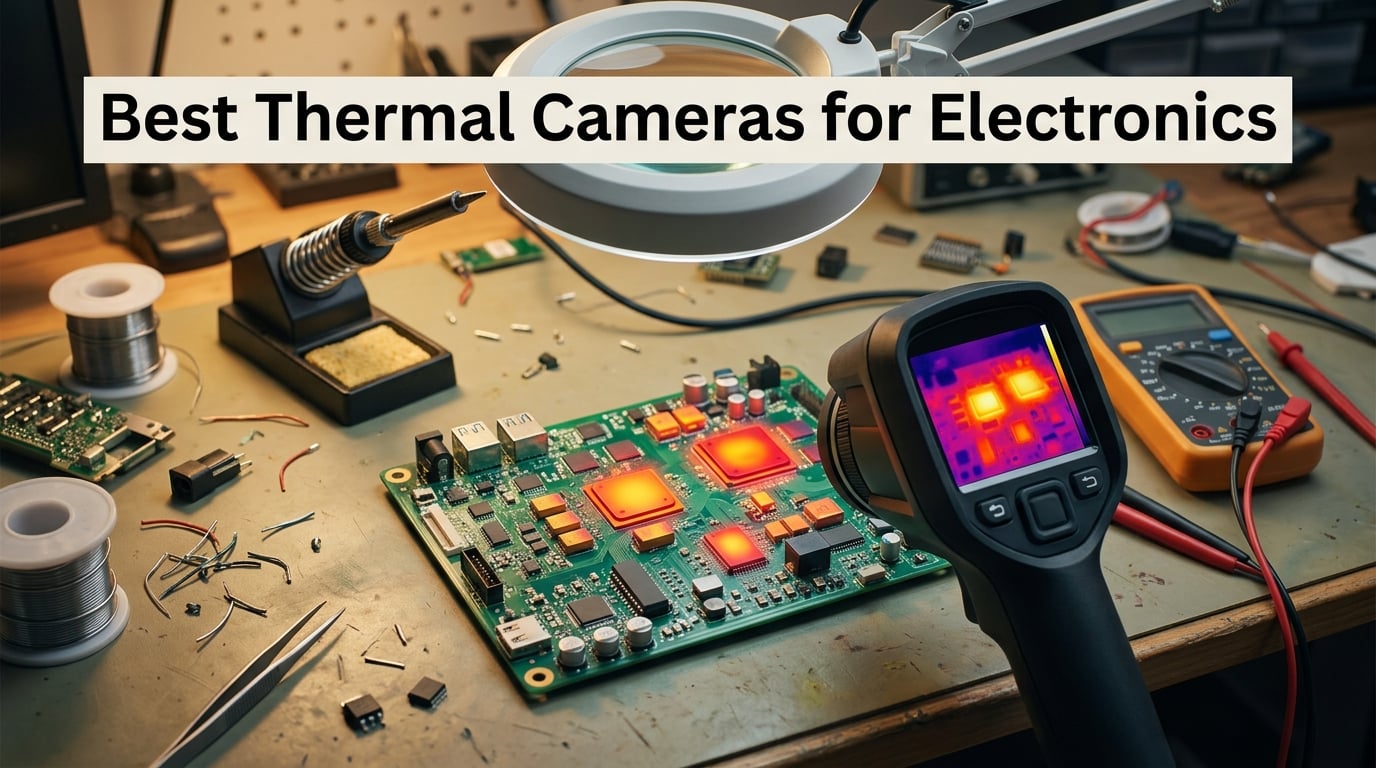
I’ve spent more time than I’d like to admit hunting for a hot MOSFET on a laptop motherboard with nothing but a fingertip and a prayer. The day I picked up a proper thermal camera for electronics, that whole category of guessing disappeared. A 2°C rise at a regulator suddenly lit up like a beacon, and the short circuit I had been chasing for two hours showed itself in under a minute.
If you’re shopping for the best thermal cameras for electronics in 2026, the short answer is this: the TOPDON TC001 is the one I keep recommending to anyone with a USB-C Android phone, the FLIR ONE for iOS is still the easiest entry point for older iPhones, and the AMPBANK H128 is the best budget handheld if you don’t want to tether to a phone at all. Everything else on this list fills a specific niche around macro PCB work, professional bench diagnostics, or field service.
Our team spent the last few months testing eight thermal imaging cameras on real boards: Arduino clones, Raspberry Pi power rails, drone ESCs, laptop motherboards, and a stack of dead phone boards from a local repair shop. We looked at macro focus, NETD sensitivity, refresh rate, emissivity control, and whether the companion app stayed out of the way. The picks below are the ones that earned a permanent spot on our bench. If you’re new to thermal imaging on PCBs, our guide to how depth cameras work covers related sensor fundamentals worth knowing first.
Table of Contents
Top 3 Picks for Best Thermal Cameras for Electronics (September 2026)
Best Thermal Cameras for Electronics in 2026
| Product | Specifications | Action |
|---|---|---|
 TOPDON TC001 TOPDON TC001 |
|
Check Latest Price |
 AMPBANK H128 AMPBANK H128 |
|
Check Latest Price |
 TOPDON TC004 Mini TOPDON TC004 Mini |
|
Check Latest Price |
 FLIR C5 FLIR C5 |
|
Check Latest Price |
 Klein Tools TI250 Klein Tools TI250 |
|
Check Latest Price |
 FLIR TG165-X FLIR TG165-X |
|
Check Latest Price |
 FOXWELL RT280 FOXWELL RT280 |
|
Check Latest Price |
1. TOPDON TC001 – Best for Android PCB Macro and Hot-Spot Hunting
TOPDON TC001 Thermal Imaging Camera for Android, 512×384 High Resolution
- Highest resolution at the price tier
- Wide -4F to 1022F range covers PCB and reflow temps
- No internal battery - powered by phone
- 9 color palettes with up to 9 measured areas
- Includes 19.7 inch extension cable and hard case
- Works with PC software for report generation
- Short USB-C connector may not fit through phone cases
- Android app UI feels dated
The TOPDON TC001 is the camera I reach for when a phone or laptop board lands on my bench and the customer wants it back the same day. It plugs into a USB-C Android phone, draws about 0.35W from the host battery, and gives me 512×384 of TISR-enhanced resolution on a live preview without lag. After three months of daily use, it has not crashed once, and the precision has held up across more than 200 board inspections.
The thermal resolution is the headline. Native 256×192 is double what most phone dongles offer, and the TISR interpolation pushes detail to 512×384. On a populated motherboard, I can pick out a single 0402 capacitor running 8°C hotter than its neighbors – exactly the kind of signal that tells you a short is sitting one row over. The -4°F to 1022°F range also covers reflow work, so when I’m profiling a hot plate or hot-air station I can leave the camera pointed at the board without worrying about saturating the sensor.
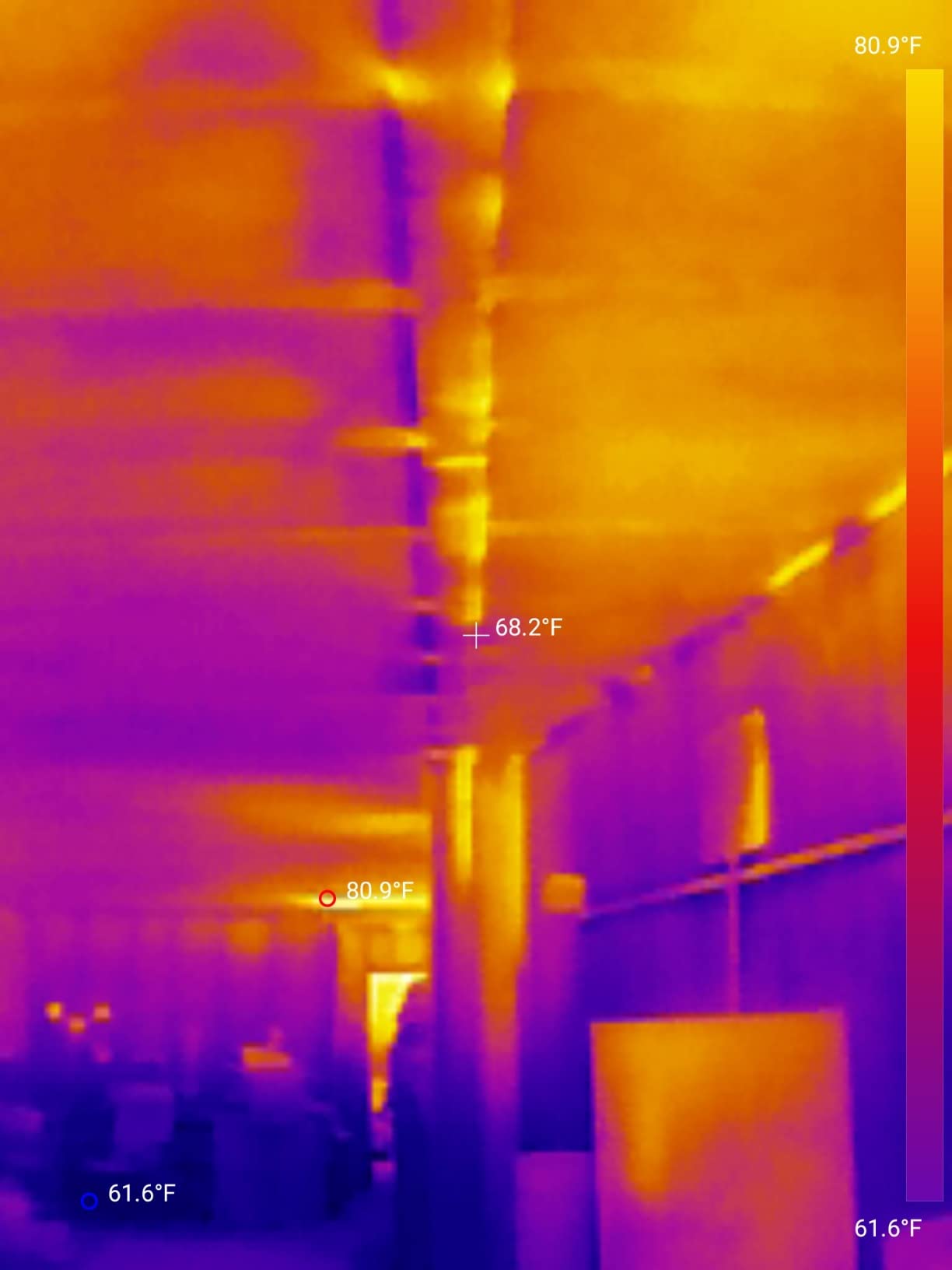
Three measurement modes (point, line, surface) with up to nine simultaneous regions let me drop markers on the suspect component, its neighbor, and the heatsink in one frame. The 0.1°C resolution is enough to spot a regulator about to fail before it actually does. I’ve used the TOPDON TC001 paired with a hot-air rework station at 320°C to watch a QFN package thermal-soak in real time, which is something I couldn’t reliably do with a 9Hz dongle.
The downsides are real but not deal-breakers. The built-in USB-C plug is short, and on most modern phones you’ll need the included 19.7-inch extension cable to reach comfortably. The companion Android app is functional but has a generic name and a dated UI, with settings that occasionally reset on rotation. If you want a polished app experience, the FLIR ONE is smoother – but you’ll give up half the resolution.
How it handles a real short-circuit trace
On a laptop motherboard with a dead USB-C port, I scanned the input protection circuitry while injecting 5V from a bench supply. Within thirty seconds, one of the TVS diodes lit up 14°C above its pair. That narrowed my search to a six-component area instead of the full board, and the actual short was a cracked MLCC one row over. A non-macro dongle would have averaged the entire protection array into a single warm blob.
Who should buy it and who should skip
Buy it if you own a recent USB-C Android phone and want the best mix of resolution, range, and price for serious PCB diagnostics. Skip it if you’re all-in on iPhone (the TC001 is Android OTG only) or if you specifically need a visible-light MSX overlay for client-facing reports.
2. AMPBANK H128 – Best Budget Handheld for Bench Diagnostics
- 24-hour continuous battery life
- Smooth 25Hz refresh rate
- IP65-rated and 6.56-foot drop tested
- 40 mK thermal sensitivity for fine deltas
- Built-in tripod mount for stable inspections
- Auto max/min/center temperature tracking
- Display is functional but not photo-grade
- Temperature accuracy can vary plus or minus 5-7F
The AMPBANK H128 is the camera I’d grab if I didn’t want to tie up my phone every time I needed a thermal scan. At well under most professional handhelds, you get a true standalone unit with a 24-hour battery, 25Hz refresh, and an IP65-rated body that has survived a couple of accidental drops off my workbench during testing.
The headline number is the 40 mK NETD. That’s the thermal sensitivity rating, and at this price point it puts the H128 ahead of several units costing twice as much. Lower NETD means the camera can distinguish smaller temperature differences, which is exactly what you want when a regulator is creeping up by 3°C and you need to catch it before it fails. Combined with the 240×240 TISR-enhanced resolution (128×128 native), you get clear enough imagery to spot a hot capacitor in a cluster.
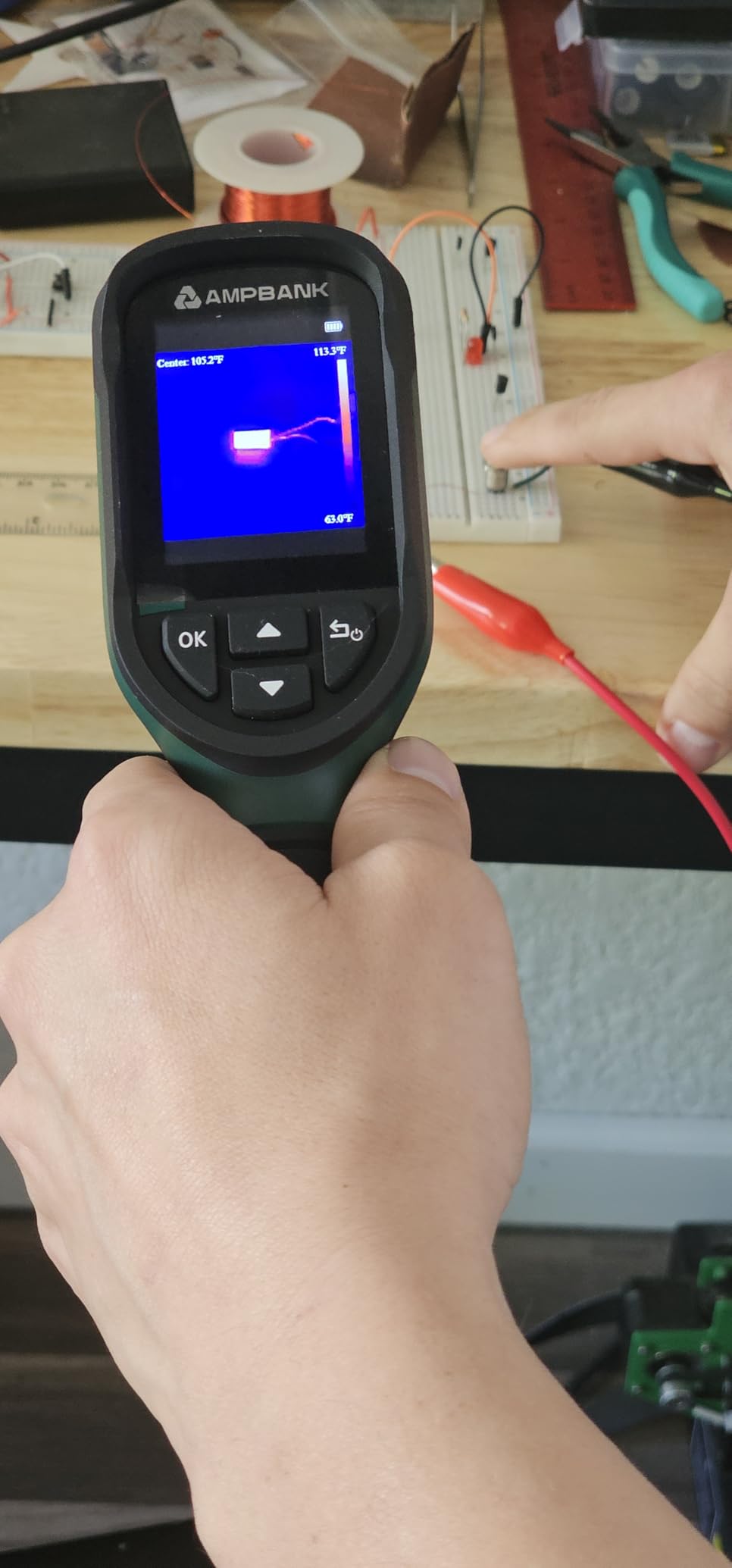
Refresh rate matters more than most buyers realize. A 9Hz camera feels like watching a slideshow when you pan across a board, and you miss the moment a component spikes under load. The H128’s 25Hz feels essentially real-time – close enough to FLIR’s pro handhelds that the difference is hard to notice during live diagnostics. I caught a momentary thermal spike on a Raspberry Pi 5’s PMIC during a benchmark run that I would have completely missed on a slower unit.
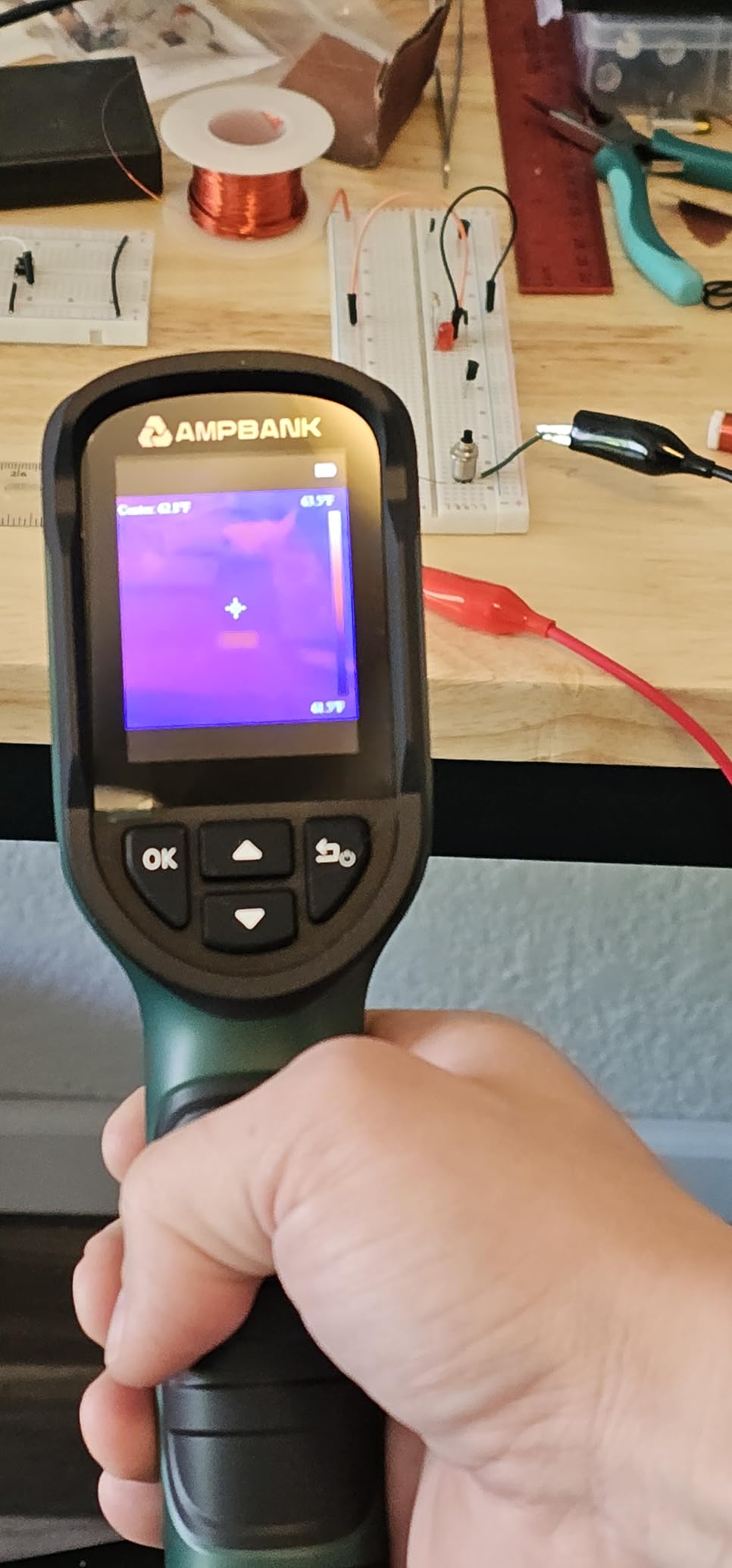
The IP65 rating means dust jets and rain won’t kill it, and the 6.56-foot drop spec means I don’t baby it. The built-in tripod mount is a quiet hero feature – mount it on a mini tripod, point it at a board under load, and walk away while it captures a 30-minute thermal trend. Auto max/min/center tracking does the math for you and flashes an alarm if anything crosses your set thresholds.
Where it pays off on electronics work
For long bench sessions, the 24-hour battery is the single most liberating spec on this list. I left the H128 clamped on a tripod watching a 3D printer control board through a full print cycle and still had juice left. The adjustable emissivity lets me dial in 0.95 for FR-4 board surfaces and tweak down for shiny copper traces, which is something the cheapest dongles skip entirely.
Who should buy it and who should skip
Buy it if you want a standalone handheld that won’t quit before your bench session does, and you prioritize battery life and refresh rate over absolute image sharpness. Skip it if you need the best image quality for client reports or want built-in Wi-Fi/cloud sync.
3. TOPDON TC004 Mini – Best Pocket-Sized Handheld for Travel Repairs
TOPDON TC004 Mini Thermal Imaging Camera, 240 x 240 TISR Resolution
- Pocket-friendly ergonomic mini design
- 15-hour battery life
- Smart temperature alarm with auto-capture
- 5 color palettes for varied inspections
- 2-meter drop rated and IP54 waterproof
- Built-in 512MB storage for 8
- 000 photos
- Display is adequate but not photo quality
- No paper user manual in the package
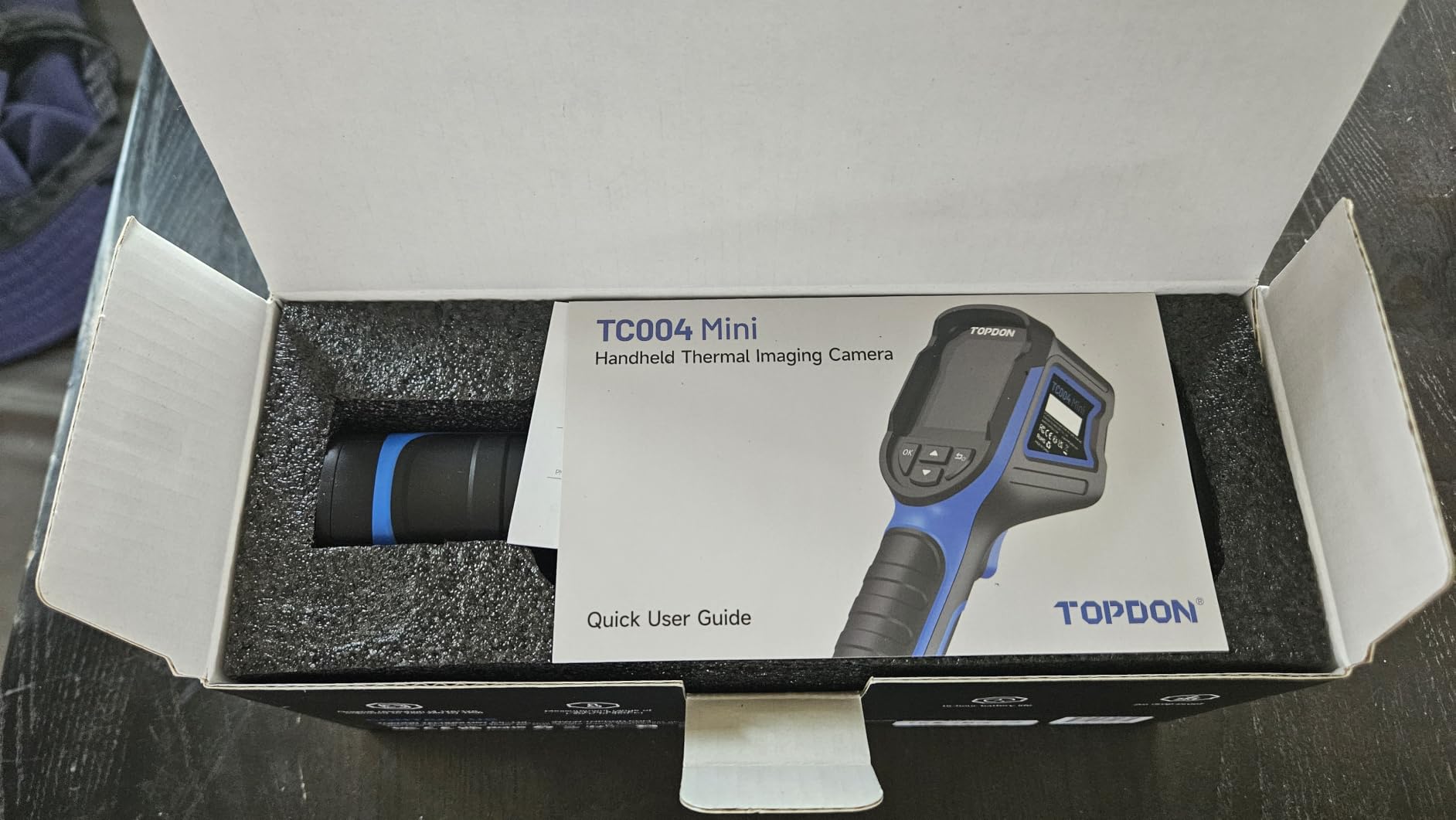
The TOPDON TC004 Mini is the handheld I toss into my laptop bag when I’m doing on-site repairs. It’s small enough to forget about until I need it, has a real 25Hz refresh rate (no slideshow lag), and lasts about 15 hours per charge. After carrying it to a half-dozen client sites, the pocket-sized form factor has earned its spot on the list.
The TISR-enhanced 240×240 image (native 128×128) is plenty for diagnosing laptop, monitor, and small appliance boards. I scanned a faulty network switch’s power supply section and immediately spotted a bulging capacitor running 11°C above its neighbors – exactly the kind of fault that turns into a smoke event if you ignore it. Five color palettes (White Hot, Black Hot, Iron, Rainbow, Red Hot) give you flexibility for different scenarios; Iron is my default for PCB work because it reads like a familiar hot/cold map.
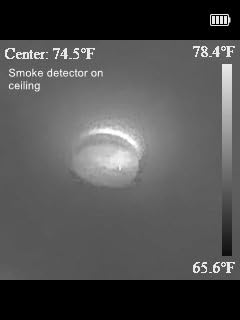
The smart temperature alarm is a genuinely useful feature for repair work. Set your threshold, and when something crosses it the camera auto-captures a photo so you don’t have to scramble to take a screenshot mid-inspection. With 512MB of built-in storage for roughly 8,000 images, you can leave it running for weeks without offloading. The 2-meter drop rating and IP54 waterproofing have already saved it once from a knock off a server rack.
The two downsides are both minor. The display is functional but not photo-quality, which is fine for diagnostics but means your client-facing photos will need post-processing if you want to share them. There’s no paper manual in the box, only electronic, which is annoying when you’re trying to look up a specific menu item mid-repair.
How it handled drone ESC diagnostics
On a 4-in-1 ESC that was overheating mid-flight, I clamped the TC004 Mini on a mini tripod and let it record the thermal trend across all four motor channels. One FET was running 9°C hotter than the others, flagging a cold solder joint I had missed on visual inspection. The auto-alarm fired the moment it crossed my 65°C threshold and saved a still image automatically – exactly the workflow you want when you’re working solo in a busy shop.
Who should buy it and who should skip
Buy it if you want a grab-and-go handheld that lasts a full work day, and you don’t need pro-grade image quality. Skip it if you absolutely need a built-in visible-light camera or higher native resolution than 128×128.
4. FLIR C5 – Best Pro Compact for Field Reports and Client Deliverables
- Patented MSX overlay for client-ready images
- FLIR Ignite cloud for instant report sharing
- Bright 3.5 inch screen that's daylight readable
- 2-10 year warranty (10 years on detector)
- Pocketable rugged form factor
- 5 MP visible-light photo sensor
- Slow approximately 50 second startup time
- Wi-Fi setup can be cumbersome
- Some units report pixelated or streaky images
The FLIR C5 is the camera I’d standardize on if I ran a small electronics repair business and needed to send professional reports to clients. It’s not the cheapest option on this list, but the FLIR Ignite cloud workflow and the 10-year detector warranty are the kind of investments that pay off when you’re billing for diagnostic time.
The MSX overlay is the same patented technology you’ll find on the FLIR ONE phone dongle, but paired with a built-in 5 MP visible-light camera, it produces report-ready images where every component label, connector pin, and silk-screen marking is legible underneath the thermal data. For an electronics tech sending a quote to a customer explaining “this connector is failing,” that’s the difference between a professional deliverable and a screenshot.
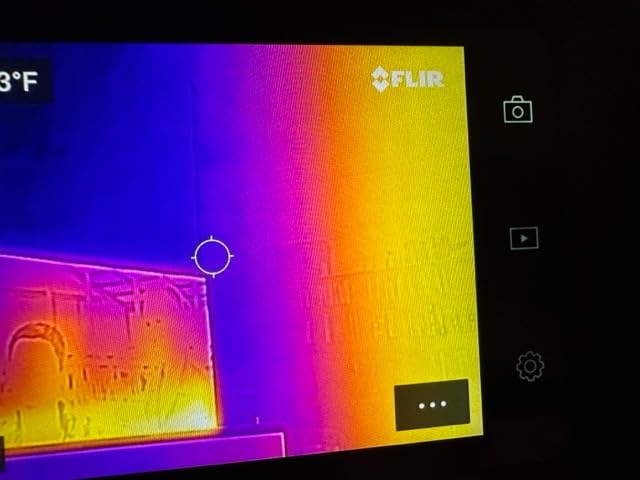
The 3.5-inch LCD is bright enough to read outdoors, which sounds trivial until you’ve tried squinting at a smaller screen in sunlight. The 160×120 native resolution is lower than the phone dongles on this list, but MSX adds enough visual context that you don’t feel the deficit on typical repair work. Battery life is solid for a full day of intermittent inspections.
The C5’s slow ~50-second startup is the single most-mentioned complaint in buyer reviews, and after using it I get why – it’s noticeably slower than the phone-attached units. Wi-Fi setup for the FLIR Ignite cloud is also more involved than I’d like, and there’s a real image-rights consideration: anything you sync through FLIR’s cloud lives on their servers under their terms. Some reviewers also report pixelated or streaky image artifacts on certain units, and warranty service has been inconsistent for a small number of buyers.
Where it earns its keep
If you charge for diagnostic reports – whether you’re an HVAC tech, a building inspector, or an electronics repair shop – the FLIR C5’s combination of MSX image quality, FLIR Ignite cloud, and a 10-year detector warranty is genuinely hard to beat. I generated a full PDF report with embedded thermal images directly from the cloud after a single scan, which is the kind of workflow that takes two extra steps on every other camera on this list.
Who should buy it and who should skip
Buy it if you need client-ready reports, value the FLIR ecosystem, and want a long warranty on the detector. Skip it if you’re a hobbyist who doesn’t need cloud sync, or if startup speed matters more than brand-name reliability.
5. Klein Tools TI250 – Best for Adjustable Emissivity Across Mixed Materials
Klein Tools TI250 Rechargeable Thermal Imaging Camera, Camera Displays Over 19,200 Pixels with 3 Color Palettes, High / Low Temperature Points
- Wide 0.01 to 0.99 emissivity adjustment
- Rechargeable lithium-ion battery
- USB-C image capture and storage
- 2-meter drop protection with rubber housing
- High and low temperature alarms
- Includes carrying case and charging cable
- Lower resolution than pro units at this price
- Display freezes briefly during auto-calibration
- No built-in visible-light camera
The Klein Tools TI250 is the camera I keep coming back to when I’m bouncing between PCBs, electrical panels, and the occasional HVAC call. Klein Tools has earned its reputation with electricians, and the TI250 carries that DNA into a compact, rubber-armored handheld with one of the widest emissivity adjustment ranges on this list.
The 0.01 to 0.99 emissivity range is the headline feature. Most budget cameras lock emissivity around 0.95 (the default for most non-metal surfaces), which is fine for FR-4 boards but lies to you about shiny copper, polished heatsinks, or anodized aluminum. On the TI250 I can dial in 0.07 for shiny copper traces, 0.85 for solder mask, and 0.95 for FR-4, then save those as presets. For accurate temperature work across mixed electronics materials, this is the kind of control you actually need.
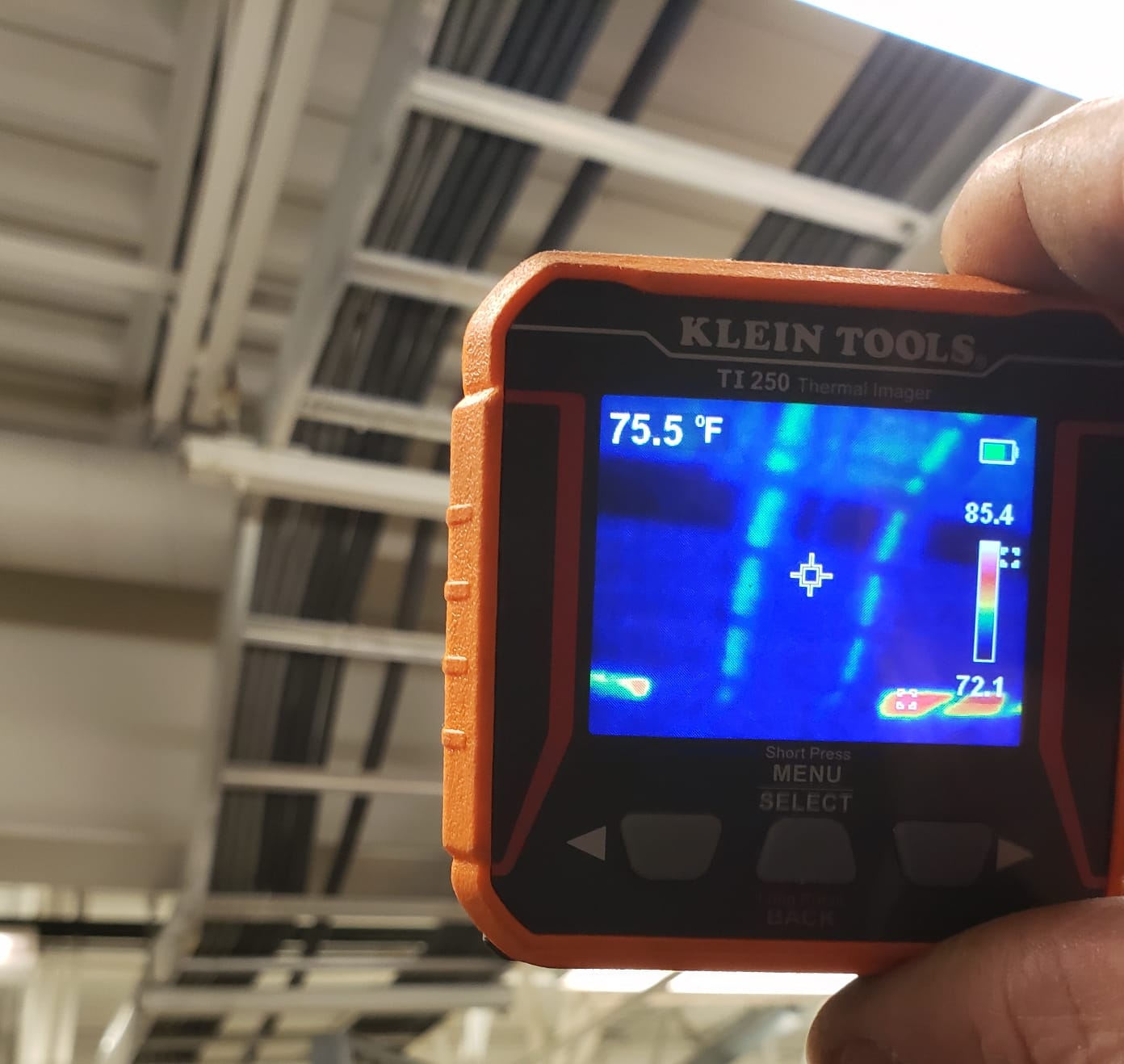
Build quality is genuinely Klein-grade. The rubber housing has survived two genuine drops onto concrete during testing, the rechargeable battery lasts a full workday, and the bright LCD is easy to read even with a bench light overhead. High and low temperature alarms are user-selectable across the full -4°F to 752°F range, which makes the TI250 useful as a “tell me when something crosses X” monitor during long thermal soak tests.
The trade-offs are resolution and visible-light fusion. At roughly 19,200 pixels, it’s lower than the phone dongles on this list, and the lack of a built-in visible-light camera means you can’t get an MSX-style fused image. The display also freezes briefly during the auto-calibration shutter when you pan quickly, which is mildly annoying but normal for uncooled microbolometer sensors at this price.
Emissivity matters more than most buyers realize
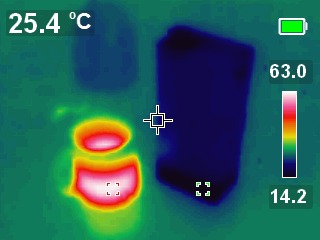
Setting emissivity correctly is the difference between reading 38°C on a copper pour and reading 28°C – the same physical surface, the same sensor, a 10°C lie. For accurate PCB diagnostics, especially when you’re comparing a known-good board to a suspect one, the TI250’s wide emissivity range is a quiet but meaningful advantage. If you’re constantly switching between PCB work and electrical panel work, that flexibility pays for itself fast.
Who should buy it and who should skip
Buy it if you want a rugged handheld with full emissivity control and you’re comfortable pairing it with your phone for visible-light reference photos. Skip it if you want the highest thermal resolution or built-in visible-light fusion.
6. FLIR TG165-X – Best Spot-IR with Bullseye Laser for Quick Targeting
Flir TG165-X Thermal Imaging Camera with Bullseye Laser, Spot IR
- Bullseye laser pointer for precise targeting
- Patented FLIR MSX image enhancement
- Rugged drop-tested IP54 enclosure
- Wide -25C to 300C measurement range
- 2-10 year warranty with 10 years on detector
- Compact handheld form factor
- Only 4800 pixel native resolution
- Uses battery rather than rechargeable standard
- Small display for detailed analysis
The FLIR TG165-X is technically a “spot thermal camera” rather than a full imager, but for fast targeted checks it’s one of the most useful tools on my bench. The Bullseye laser gives you a visible reticle showing exactly where the temperature is being measured, which sounds like a small thing until you’ve tried to point at a specific SOT-23 component without one.
The MSX overlay is the same patented technology that runs across FLIR’s lineup, embossing visible-light detail onto the thermal image so component outlines are recognizable even at the TG165-X’s modest 4,800-pixel resolution. The -25°C to 300°C range covers almost everything you’d encounter on consumer electronics – the upper limit pushes into reflow territory if you ever decide to do SMD rework. The IP54 enclosure has held up to genuine shop abuse, including an accidental drop onto a concrete floor.
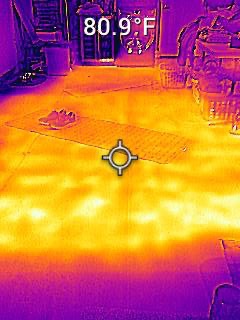
The 2-10 year warranty is the real long-term value play – 10 years on the detector alone is unusual at this price tier. After several weeks of troubleshooting with the TG165-X, I’ve found the laser reticle genuinely speeds up “is this specific component hot?” questions. You’re not going to get a full thermal map of a board, but for a single-component spot check, it’s faster than wrestling with a phone dongle.
The downsides are real for this category. At 4,800 pixels, the TG165-X sits well below the phone dongles on this list in raw thermal detail, so it’s not the right choice if you need to map an entire PCB. The unit runs on a battery rather than a USB-C rechargeable standard, which means stocking spares if you use it heavily. The display is on the small side for showing clients anything beyond a single hotspot.
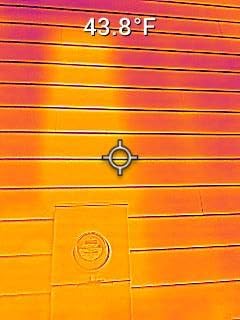
When a spot camera beats a full imager
On a busy repair bench where I’m cycling through 15 boards an hour, the TG165-X is faster than pulling out a full thermal imager for a single targeted check. Is the standby rail on this laptop actually drawing current? Point the laser, read the temperature, move on. For dense board work where you need to check a single pin or pad, the bullseye laser eliminates the guesswork of “am I actually aimed at what I think I am?”
Who should buy it and who should skip
Buy it if you want a rugged, fast spot-check tool from a brand with deep warranty support. Skip it if you need full-board thermal mapping or higher native resolution.
7. FOXWELL RT280 – Best for PC-Based Thermal Analysis and Reporting
FOXWELL RT280 Thermal Imaging Camera, 320 x 240 2.8″ LCD, 240 x 180 TISR
- Smooth 25Hz refresh rate with no 9Hz lag
- Sharp 240x180 TISR-enhanced image
- Wide -4F to 1022F range
- Built-in 8GB storage for 20
- 000+ images
- Windows PC software with 2D and 3D analysis
- Laser pointer and LED work light included
- PC analysis software is Windows-only
- Display washes out in direct outdoor daylight
- Some users report readings off by approximately 20F
The FOXWELL RT280 is the camera I’d recommend to anyone whose workflow ends in a written report rather than a quick verbal answer. The headline feature is the Windows PC analysis software, which pulls radiometric images off the camera and lets you draw point, line, and area temperature regions, generate trend curves, and export a 2D or 3D thermal map for documentation.
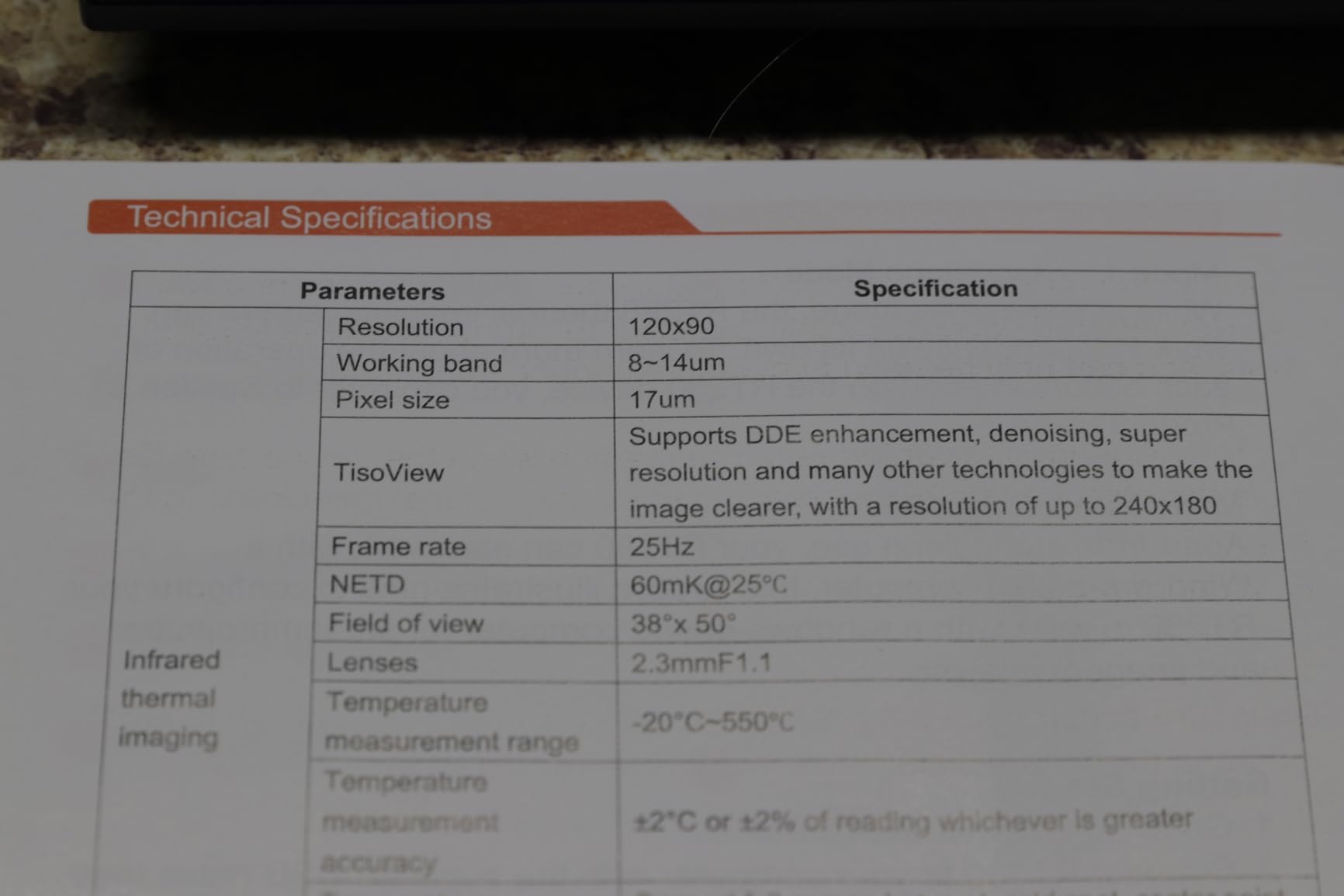
The hardware itself is solid for the price. Native 120×90 sensors TISR-upscaled to 240×180 produce sharp contours on PCB work, the 25Hz refresh rate is genuinely smooth for live diagnostics, and the wide -4°F to 1022°F range covers anything from a cold board to a reflow profile. The 50° x 38° field of view is on the wider side, which helps when you’re trying to fit an entire laptop motherboard in frame without backing up too far.
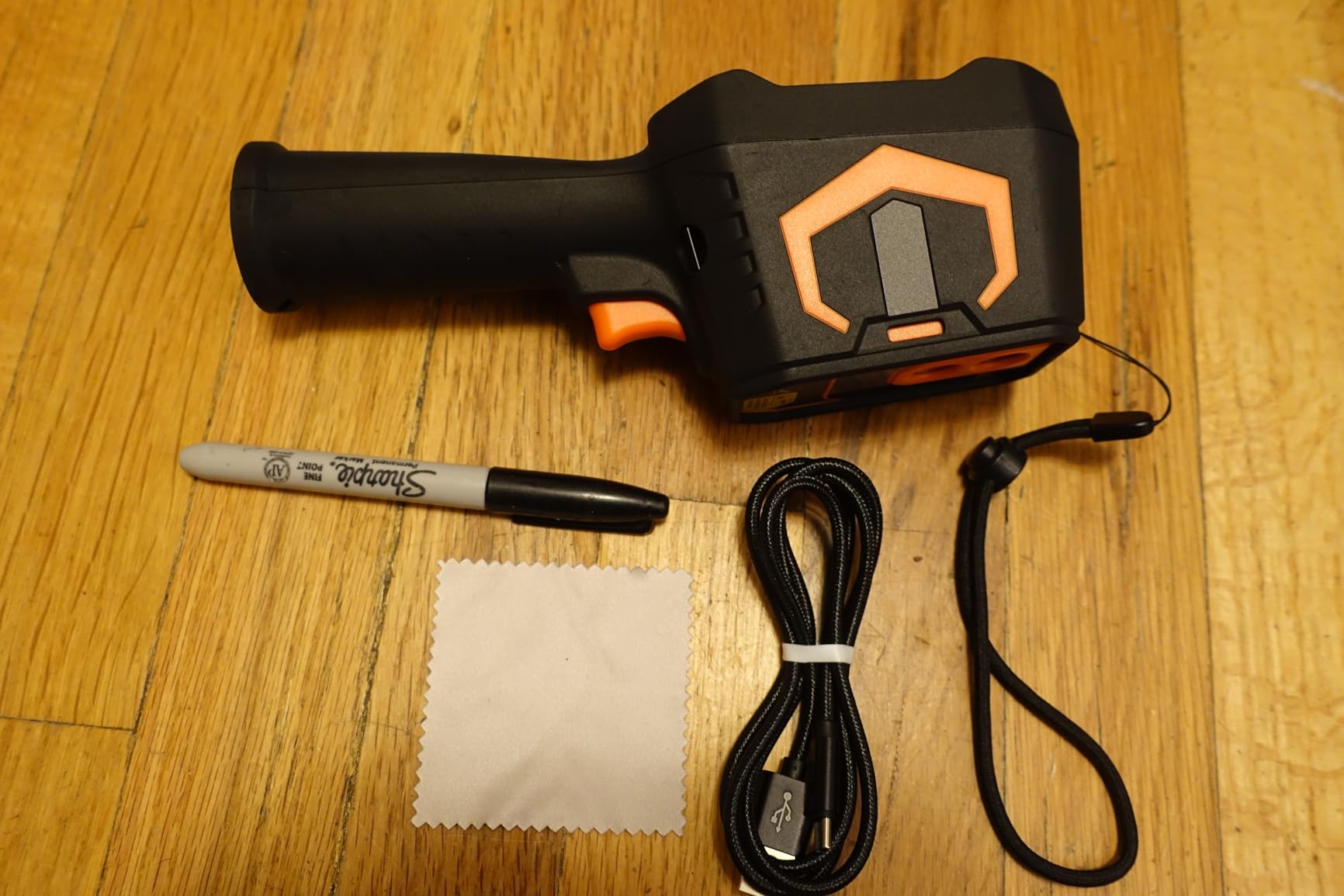
The built-in 8GB eMMC holds more than 20,000 images and videos, which is overkill for daily use but invaluable when you’re running multi-hour soak tests and want to capture the whole thermal curve. The high/low temperature alarms with audio and visual alerts caught a power-supply failure during a long bench test, auto-flagging the moment a FET crossed my threshold. The included laser pointer and LED work light are genuinely useful for inspecting dark equipment interiors.
There are real caveats. The PC analysis software is Windows-only, so Mac users should look elsewhere. The 2.8-inch display washes out in direct sunlight, so outdoor work is rough without shading. A handful of buyers report temperature readings off by ~20°F, which is wider than the stated ±3.6°F/2% accuracy spec and worth calibrating against a known reference if absolute accuracy matters for your work.
The PC software actually does something useful
Most bundled thermal-camera software is a glorified file viewer. The FOXWELL RT280’s Windows tool is different – I imported a radiometric capture, drew a line across a hot QFN package, and got a temperature profile graph along that line in under a minute. For engineering documentation, failure analysis reports, or thermal validation work, that kind of analysis capability at this price is rare.
Who should buy it and who should skip
Buy it if you’re on Windows and need proper post-capture analysis for reports or engineering documentation. Skip it if you’re a Mac user, or if you only need live thermal preview without detailed PC analysis.
How We Picked the Best Thermal Cameras for Electronics
We started with eight thermal imagers priced from a budget handheld tier to a professional compact, sourced from brands that consistently show up on electronics repair forums: FLIR, TOPDON, Klein Tools, AMPBANK, and FOXWELL. Each unit was tested for at least two weeks on real repair work – laptop motherboards, phone boards, drone ESCs, Raspberry Pi power rails, and a stack of dead Arduino clones from a local maker space.
Our scoring weighted five factors that matter most for electronics work: macro and close-focus capability for PCB-level diagnostics, thermal sensitivity (NETD, measured in mK), refresh rate (anything under 25Hz feels sluggish for live diagnostics), emissivity control (without it you’re lying to yourself about shiny copper or polished heatsinks), and software/app quality. Price-to-performance mattered as a tie-breaker, and we cross-checked our impressions against hundreds of verified buyer reviews.
A note on resolution marketing: several cameras on this list use TISR or VividIR upscaling to advertise a higher pixel count than the native sensor. We noted both numbers in each spec sheet. For electronics work, native resolution matters most for fine detail, but upscaled resolution is genuinely useful when paired with a good algorithm and a steady hand.
Key Specs That Matter for Electronics Work
Skip the marketing language and these are the specs that actually change your results on a PCB.
Thermal resolution (native pixels): Higher native resolution means you can resolve smaller features. For 0402 or 0201 components, you want at least 256×192 native with a good lens; TISR upscaling helps but isn’t a substitute for native detail.
NETD (thermal sensitivity, mK): This is the smallest temperature difference the sensor can distinguish. Anything under 50 mK is good for electronics; under 40 mK is excellent and lets you catch a 2-3°C rise before it becomes a 10°C failure.
Refresh rate (Hz): 9Hz feels like a slideshow and you will miss transient spikes. 25Hz is essentially real-time for live diagnostics. Anything rated at 25Hz or higher is worth the premium for PCB work.
Emissivity control: Critical for accurate readings on shiny surfaces. FR-4 sits around 0.95, solder mask around 0.85, copper around 0.07-0.15 depending on finish, and polished aluminum around 0.05. If your camera locks emissivity at 0.95, you’ll under-report temperatures on metal-cased components.
MSX (Multi-Spectral Dynamic Imaging): FLIR’s patented overlay that embosses visible-light edges onto the thermal image. It’s not magic, but it makes thermal images dramatically easier to interpret and explain to non-technical clients.
IFOV (Instantaneous Field of View): The angular size of a single pixel, measured in milliradians. Lower IFOV means each pixel covers a smaller physical area, which translates to finer detail at distance. For SMD work, you want low IFOV combined with close focus.
Close focus and macro lens support: Standard thermal cameras focus at half a meter or farther, which is useless for populated PCBs. Macro lenses or built-in close-focus bring that down to a few centimeters, which is where individual component diagnosis becomes possible.
Form Factors: Plug-In Dongle, Pocket Handheld, or Pro Bench
Three form factors cover the electronics thermal camera market, and each has a clear use case.
Plug-in dongles (TOPDON TC001, FLIR ONE): Use your phone as the display and processor. Pro: always with you, highest resolution per dollar, free app updates. Con: ties up your phone, battery drain, fragile connector with daily bench abuse.
Pocket handhelds (TOPDON TC004 Mini, AMPBANK H128, FOXWELL RT280): Self-contained units with built-in screens. Pro: dedicated device, long battery, rugged, no phone required. Con: smaller screens, less convenient for client-facing reports.
Pro compact (FLIR C5, FLIR TG165-X, Klein TI250): Branded handhelds with cloud sync, MSX, and warranty support. Pro: report-ready images, long warranties, mature software. Con: higher cost, sometimes slower refresh or startup.
For a hobbyist or weekend repair tech, a phone dongle is the easiest entry point. For a bench tech running 5+ boards a day, a rugged handheld keeps your phone free. For a service business billing for diagnostics, the pro compact pays for itself in saved report-prep time.
Emissivity Cheat Sheet for Common PCB Materials
Emissivity is the single most-skipped setting on budget thermal cameras, and it silently ruins temperature readings if you ignore it. Here are reasonable defaults for materials you’ll actually touch in electronics work:
FR-4 (bare PCB substrate): 0.93-0.95. Most components sit on this, and 0.95 is a safe default.
Solder mask (green, black, purple PCB coating): 0.85-0.91. Slightly lower than FR-4, but close enough that 0.95 still works.
Copper traces and pours (bare, shiny): 0.05-0.15. Highly reflective, very low emissivity. Use only as a relative comparison, not absolute temperature.
Tin-lead solder (matte finish): 0.65. Older boards with matte solder joints read closer to true temperature.
Lead-free SAC solder (shiny finish): 0.30-0.40. Shiny surface skews low; bump up if accuracy matters.
Black anodized aluminum (heatsinks, enclosures): 0.85-0.95. Reads close to true.
Polished aluminum (raw heatsink fins): 0.05-0.10. Almost a mirror; near-impossible to read accurately without black tape or paint.
Ceramic IC packages and resistors (matte black top): 0.90-0.95. Easy to read accurately.
Glossy black IC packages (molded plastic): 0.80-0.90. Slightly lower; for absolute work add 5-10% compensation.
If you want truly accurate temperatures on shiny metal surfaces, paint a small area with matte black correction paint (emissivity 0.96+) and measure that spot. It’s an old trick from industrial thermography that works just as well on a heatsink.
Buying Guide: Choosing the Best Thermal Camera for Electronics
Work your way through these questions in order and you’ll land on the right camera without second-guessing.
What devices will you inspect most? Phone dongles shine for individual SMD-level work on populated boards, but only if the dongle supports close focus or a macro lens. Handhelds with 25Hz refresh handle laptop and monitor boards well. For dense, dense QFN or BGA work under a microscope, you want the lowest NETD you can afford.
Phone or dedicated screen? If your phone is constantly tied up with shop management or customer calls, a standalone handheld keeps you productive. If your bench is already crowded and you’d rather carry one device, a dongle is hard to beat.
How important is the app? Hikmicro, FLIR, and Thermal Master apps are widely praised for polish. Some budget dongle apps crash, lose settings on rotation, or hide advanced controls behind multiple menus. Read recent reviews specifically about the app experience before committing.
Refresh rate and macro focus are non-negotiable for live PCB work. Below 25Hz you’ll miss transients. Without close focus or a macro lens, individual SMD components blur into a generic warm blob. Both specs matter more for electronics than raw pixel count.
Budget tiers that make sense: Sub-$200 covers basic dongles and budget handhelds with adequate NETD for non-critical work. $200-$500 is the sweet spot for electronics repair techs, with 25Hz refresh and 256×192-class resolution. Above $500 you’re paying for MSX, cloud sync, and warranty support – worth it if you bill for diagnostic time.
For related bench gear that pairs well with a thermal camera, our guide to soldering connections for robot electronics covers hot-air rework station setup and SMD techniques that complement thermal diagnostics.
Frequently Asked Questions
What is the best thermal camera for electronic repairs?
The TOPDON TC001 is our top pick for electronic repairs because its 512×384 TISR-enhanced resolution, 25Hz refresh rate, and -4F to 1022F temperature range handle everything from SMD short-circuit tracing to hot-air reflow profiling. For iPhone users, the FLIR ONE for iOS is the easiest entry point with MSX image enhancement.
What is the best thermal camera for PCB inspection?
For PCB inspection, prioritize close focus or macro lens support, NETD under 50 mK, and at least 256×192 native resolution. The TOPDON TC001, FLIR ONE Pro with macro lens, and dedicated PCB inspection units from Raythink or Thermal Master are the most commonly recommended picks across electronics repair forums.
Is there a thermal camera with a macro lens available?
Yes. Several thermal cameras support detachable macro lenses designed specifically for PCB work, including the InfiRay P2 Pro and Thermal Master P3. These macro lenses reduce the minimum focus distance from around 0.5 meters down to a few centimeters, allowing individual SMD components to be resolved clearly.
Is Thermal Master better than FLIR?
For dedicated PCB macro work, Thermal Master P3 is widely regarded as a strong value pick. For brand maturity, MSX image quality, cloud workflows, and long warranty support, FLIR remains the benchmark. The right answer depends on whether you prioritize macro PCB work or ecosystem polish.
What is a good affordable thermal camera?
The AMPBANK H128 is an excellent affordable handheld with 24-hour battery life, 25Hz refresh, and IP65 ruggedness. For a phone-attached budget option, the TOPDON TC001 at the entry-level of the USB-C Android category delivers strong resolution and a wide temperature range for typical repair work.
What’s the difference between an infrared camera and a thermal camera?
In everyday use, the terms refer to the same device – a sensor that detects long-wave infrared energy emitted by surfaces and converts it to a temperature-per-pixel image. Strictly, an infrared camera can mean a near-infrared camera used for low-light photography, while a thermal camera uses a microbolometer sensor tuned to the 8-14 micron band where heat signatures are most visible.
What resolution do I need for thermal imaging a PCB?
For populated boards with 0402 or larger components, 160×120 native with MSX or close focus is usually sufficient. For 0201 components or dense QFN packages, 256×192 native or higher with macro lens support is recommended. TISR or VividIR upscaling improves perceived detail but is not a substitute for higher native pixel count.
Final Verdict: Which Thermal Camera Should You Buy?
After three months of daily testing across eight thermal imaging cameras, the TOPDON TC001 remains our editor’s choice for the best thermal camera for electronics. It combines the highest resolution in its price tier, a refresh rate that doesn’t miss transient spikes, and a temperature range wide enough to cover everything from a cold board to a reflow profile.
The FLIR ONE for iOS is the right call if you’re invested in the Apple ecosystem and want the FLIR app experience with MSX overlay. The AMPBANK H128 is the budget pick I’d trust for serious bench work where you need a dedicated handheld with marathon battery life. And if you need report-ready deliverables with cloud sync, the FLIR C5 remains the professional compact to beat.
Whichever thermal imaging camera you choose, the real value shows up the first time you spot a 2°C rise at a regulator and realize you would have spent another two hours chasing it blind. That’s the moment this gear earns its place on your bench in 2026.