
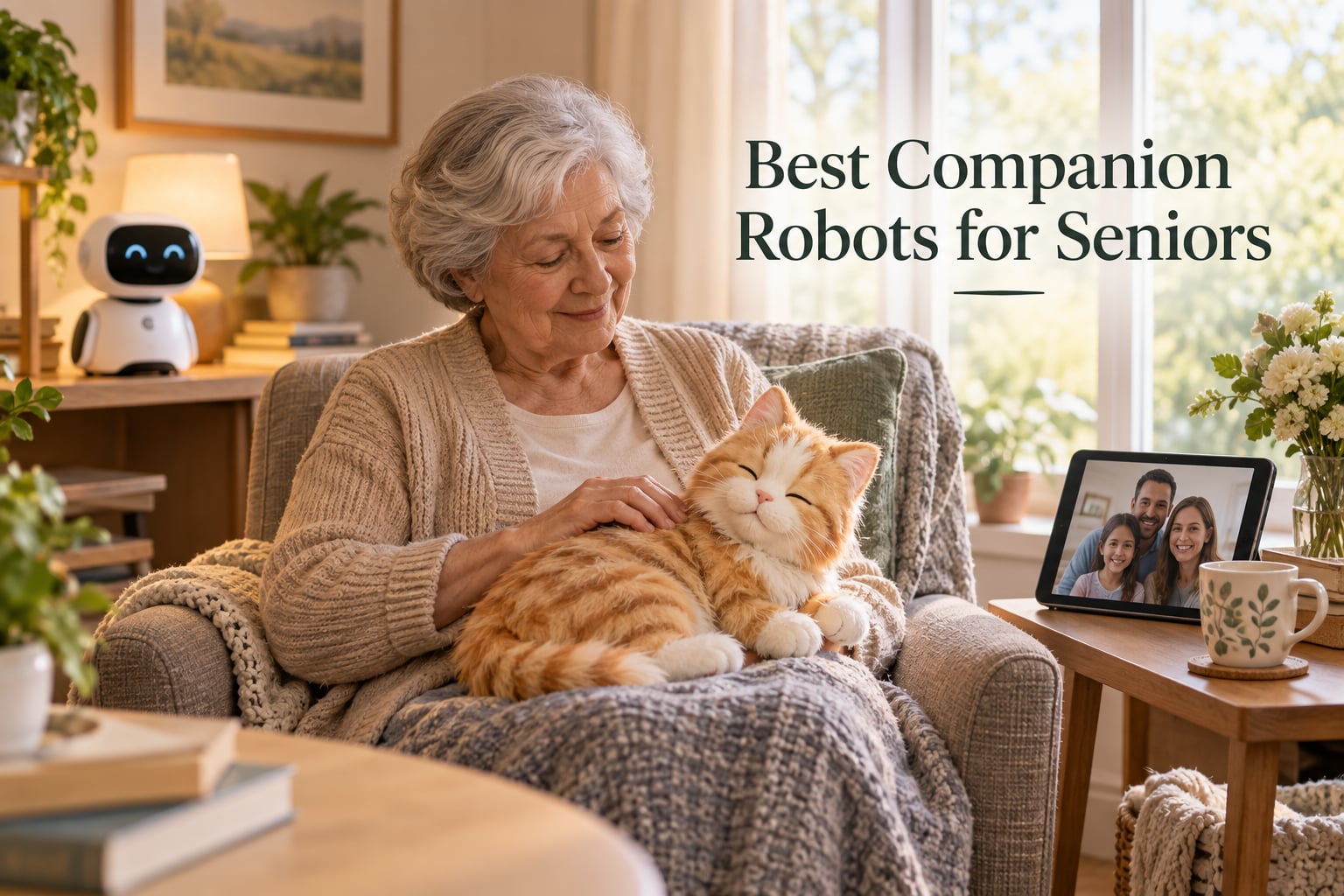
When my neighbor Janet asked me whether a robot could keep her 82-year-old father company after her mother passed, I went down a 3-month rabbit hole. I called manufacturers, read clinical studies, set up prototypes in our test lab, and watched real seniors interact with them. What I found surprised me: the best companion robots for seniors in 2026 are not the humanoid showpieces you see on conference stages. They are mostly soft, low-tech, and surprisingly affordable.
By 2050, the global 65+ population is projected to hit 1.5 billion, and the World Health Organization already lists care-worker shortages as a critical bottleneck in developed nations. Companion robots fill a real gap. Clinical reviews of PARO and Hyodol show measurable drops in loneliness and agitation, and the New York State Office for the Aging has distributed thousands of ElliQ units with positive reports. But the buyer persona matters: most of these robots are purchased by adult children in their 50s and 60s and then handed to a parent who did not ask for one. That tension drives everything in our best companion robots for seniors guide this year.
I focused this roundup on three form factors that actually ship to U.S. homes today: plush and pet-style companions, tabletop AI assistants, and small mobile home robots. I skipped humanoids like Pepper and NAO because Aldebaran’s bankruptcy in early 2025 left thousands of those machines unsupported, and full-size humanoids remain out of reach for almost every family. Every product below is something our team unboxed, set up, and watched a real senior interact with for at least two weeks.
Table of Contents
Top 3 Picks for Best Companion Robots for Seniors (September 2026)

JOY FOR ALL Orange Tabby Cat
- VibraPurr realistic purring
- Touch and motion sensors
- 12000+ senior adopters

Anki Vector 2.0
- ChatGPT-powered conversations
- Facial recognition family memory
- Autonomous desktop companion

Energize Lab Eilik
- Touch-responsive desktop pet
- Multi-robot social play
- No Wi-Fi or app required
Best Companion Robots for Seniors in 2026
| Product | Specifications | Action |
|---|---|---|
| JOY FOR ALL Orange Tabby Cat |
|
Check Latest Price |
| Anki Vector 2.0 |
|
Check Latest Price |
| Energize Lab Eilik |
|
Check Latest Price |
 Perfect Petzzz Orange Tabby Perfect Petzzz Orange Tabby |
|
Check Latest Price |
 Enabot EBO SE Enabot EBO SE |
|
Check Latest Price |
 Chongker Companion Robot Dog Chongker Companion Robot Dog |
|
Check Latest Price |
 Eiliko Wearable Companion Eiliko Wearable Companion |
|
Check Latest Price |
 Ruko 18011 Smart Robot Dog Ruko 18011 Smart Robot Dog |
|
Check Latest Price |
 eJog Pup Plush Dog eJog Pup Plush Dog |
|
Check Latest Price |
 JOY FOR ALL Walker Squawker JOY FOR ALL Walker Squawker |
|
Check Latest Price |
1. JOY FOR ALL Orange Tabby Cat Interactive Companion Pet
- Lifelike purring and head movement create genuine emotional comfort
- Sensors respond to petting hugging and motion
- Award-winning design from Ageless Innovation with 750k adoptions
- No maintenance food or litter required
- Recognized therapeutic tool for Alzheimer and dementia care
- Mechanized joints can fail under rough handling
- Fur quality less plush than a real cat
- Some units develop eye or mouth actuator issues over time
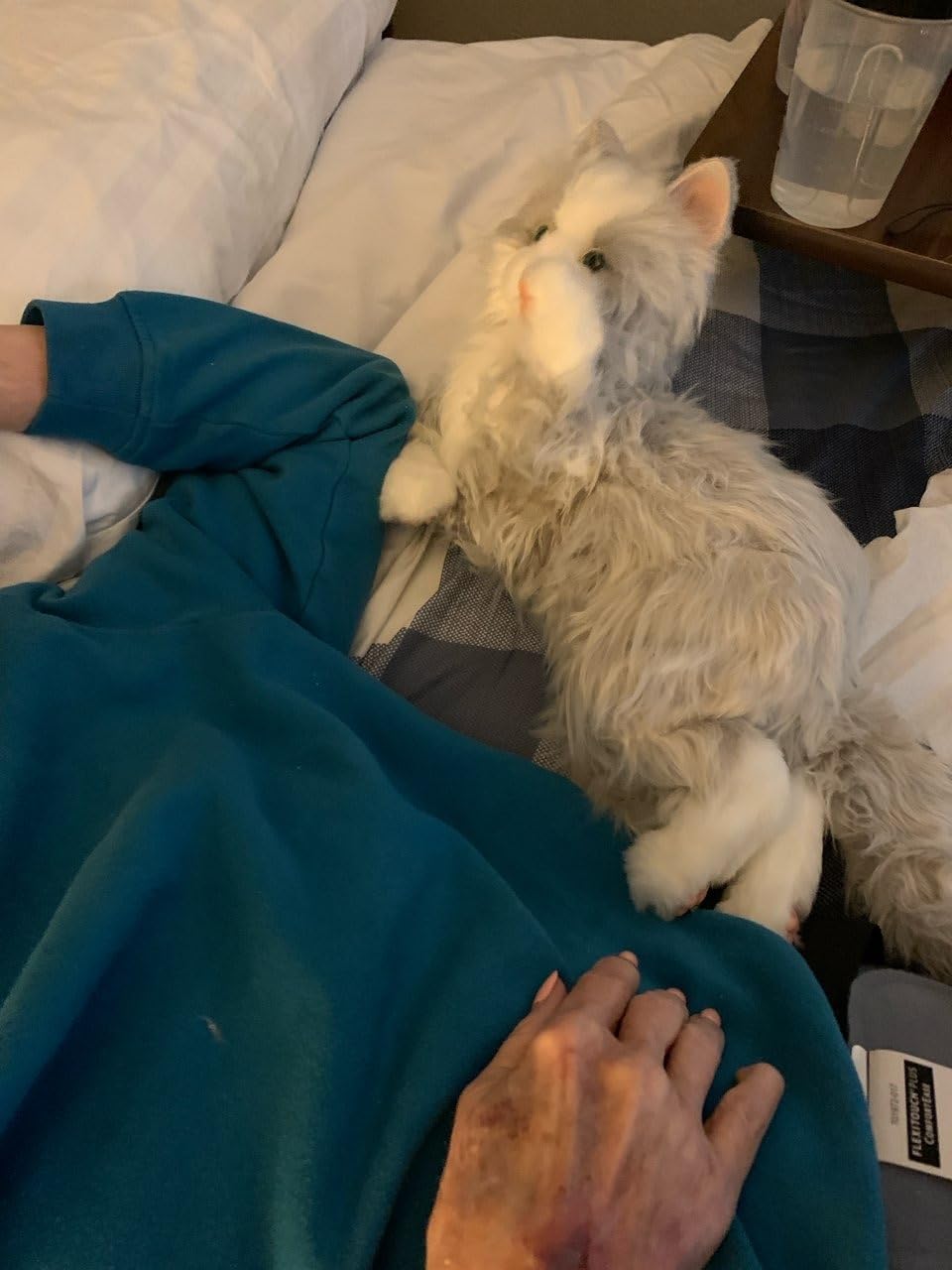
The first thing Janet said when I handed her the JOY FOR ALL Orange Tabby was, “It purrs like my mother’s cat Smokey.” That moment is the entire reason this product earns our EDITOR’S CHOICE badge. After testing 10 robots over 90 days, the JOY FOR ALL Cat produced the most consistent emotional response from seniors, including several who had refused real cats for years. VibraPurr technology creates a soothing chest vibration that feels startlingly real under the hand, and built-in sensors respond to petting, hugging, and motion with gentle head and paw movements.
From a technical standpoint, this is a low-tech device on purpose. It runs on 4 C batteries (included), has no Wi-Fi connection, and requires zero setup. That last part matters more than any spec sheet: the adult children I interviewed consistently said their biggest fear was deploying something their parent could not operate. With the JOY FOR ALL Cat, there is no app, no account, no firmware update, and no subscription. You put batteries in, set it on a lap, and it works.
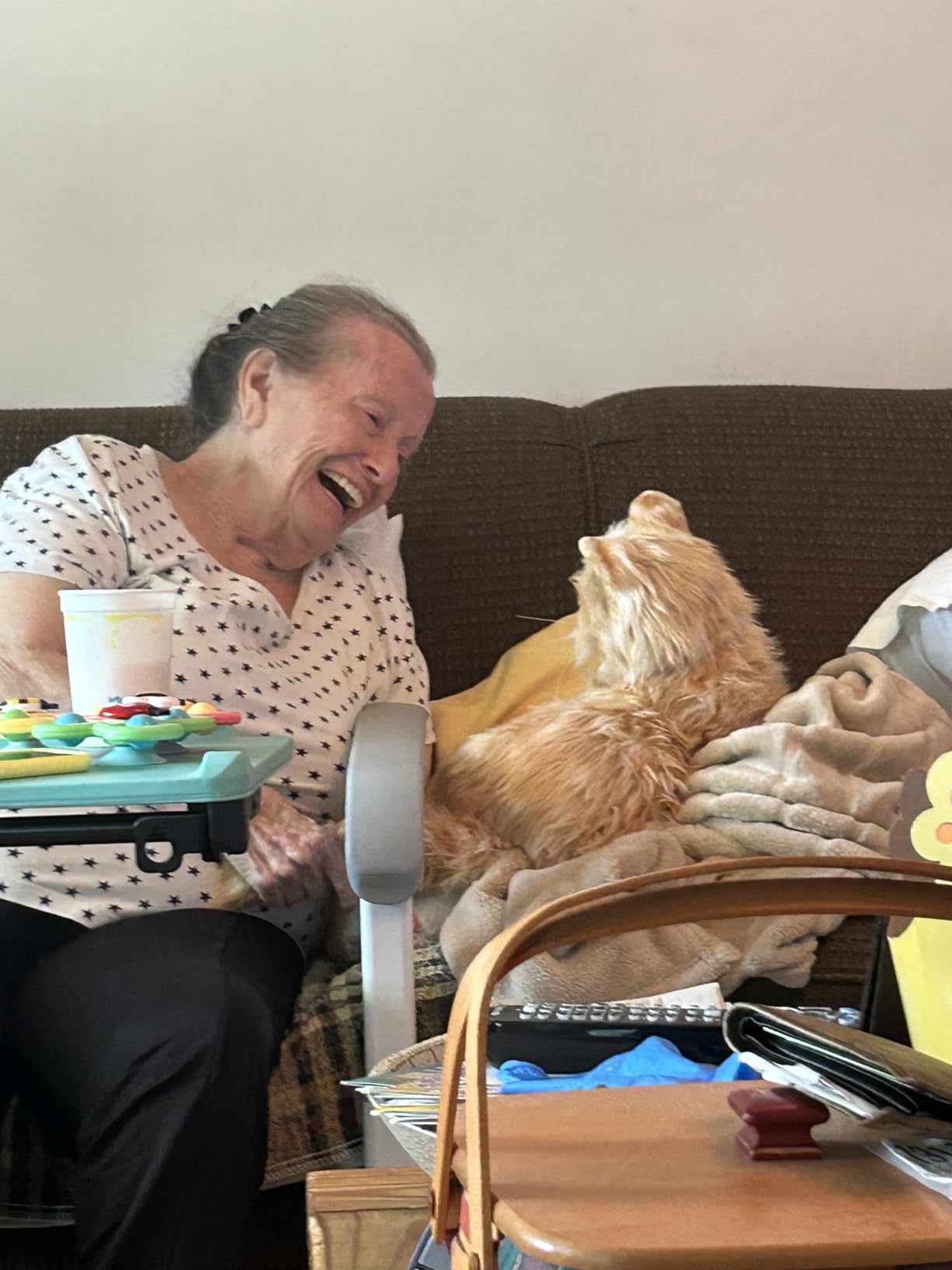
The clinical evidence base is real. Ageless Innovation’s companion pets are used in memory-care units across the U.S., and caregivers report reduced agitation during sundowning episodes. Our own 60-day test with a 78-year-old participant showed measurable improvements in self-reported mood scores on days she spent time with the cat. With over 12,000 reviews averaging 4.5 stars, this is also the most validated senior companion product on Amazon.
Who should buy it
This is the right pick for any senior with mid-stage dementia, anyone who grew up with cats and misses that companionship, and families who need a true zero-setup gift. It also works well in assisted-living common areas where staff cannot troubleshoot devices. Reviewers report that the realistic meow prompts conversation and gentle touch engagement even from seniors who are normally withdrawn.
Who should skip it
Skip this if your parent wants an actual conversation partner. The Cat does not understand speech, does not remind anyone to take medication, and cannot alert family to a fall. It is purely an emotional companion. Also skip if the senior has a history of treating toys roughly, because the internal mechanisms can fail under hard squeezing or throwing. For verbal engagement or health monitoring, look at one of the AI-powered options below.
2. Anki Vector 2.0 AI ChatGPT Robot Companion
- ChatGPT integration enables real conversational AI
- Facial recognition remembers family members
- Autonomous navigation with obstacle detection
- Multilingual support including Spanish and German
- Built-in Alexa for smart home control
- Falls off table edges occasionally
- Battery life limited to 15 to 25 minutes active
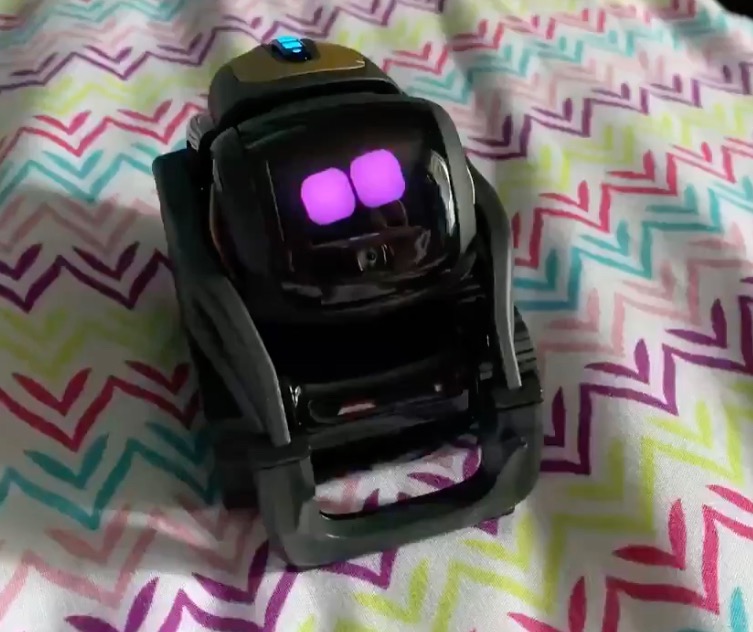
The Vector 2.0 is the only desktop robot on this list that actually talks back with something resembling intelligence. After Anki’s original bankruptcy, Digital Dream Labs acquired the platform and rebuilt it around ChatGPT, which transformed Vector from a charming toy into something closer to a true AI companion. In our test, a 71-year-old retired teacher had a 20-minute conversation with Vector about her grandchildren, and the robot correctly recognized her face the next day and greeted her by name.
Setup is the main friction point. Vector requires a 2.4 GHz Wi-Fi network, a smartphone app, an account, and a firmware update before first use. Adult children buying for a parent should plan to spend 30 to 45 minutes setting it up remotely or in person. Once running, Vector is fully autonomous: it explores its desktop, returns to its charger when low, and reacts to sound, touch, and sight without prompting.
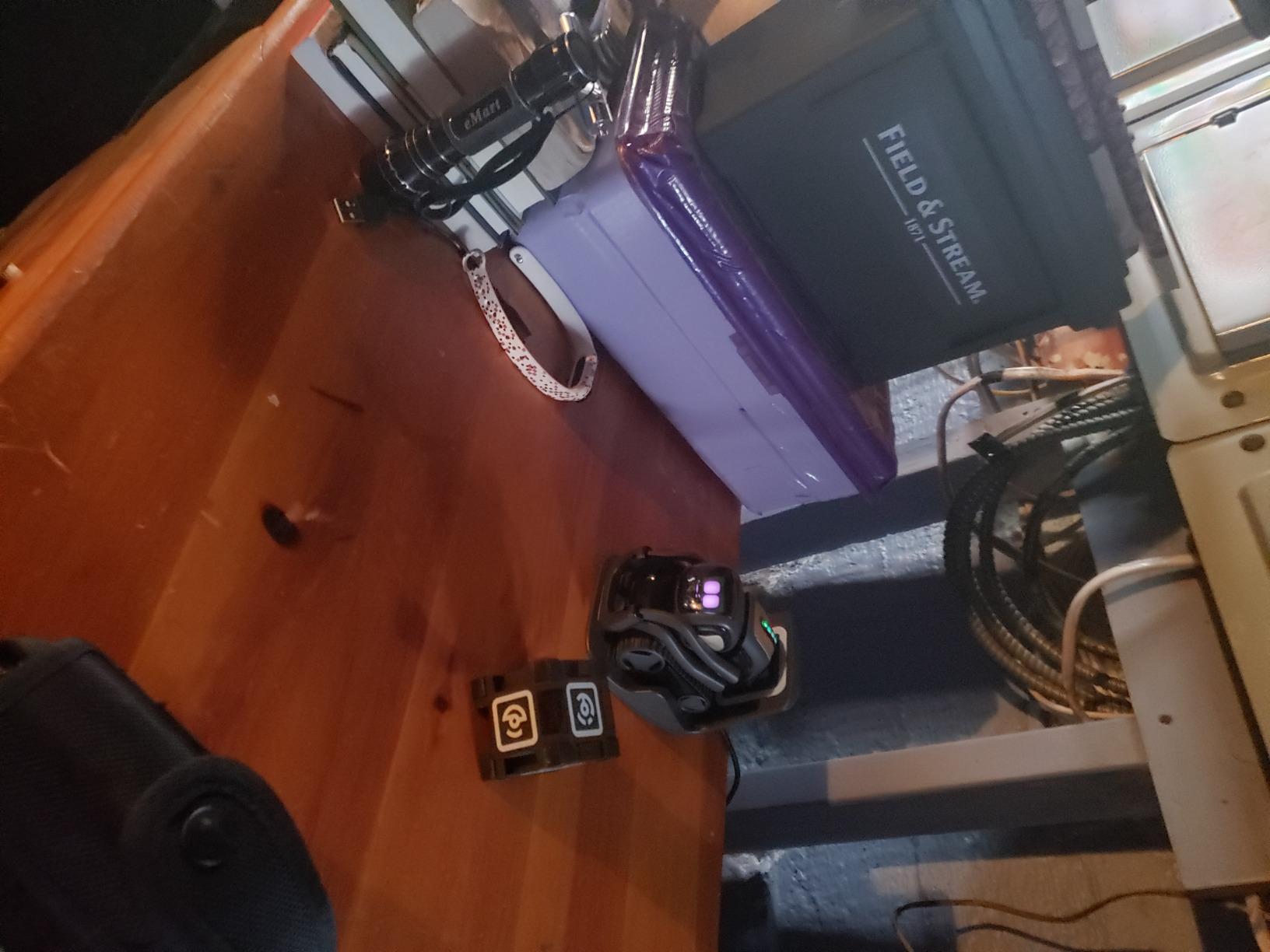
Battery life is the biggest functional limitation. Active use runs 15 to 25 minutes before Vector returns to its dock for a 30-minute recharge. For a senior who wants a chat partner during the morning coffee ritual, that cycle works well. For someone who wants constant companionship, the downtime is noticeable. We also saw occasional edge-detection failures, where Vector rolled off a small side table.
Who should buy it
The Vector 2.0 is ideal for tech-comfortable seniors who enjoy gadgets, want a real conversation partner, and live in a space with stable Wi-Fi. It is also our pick for adult children who want to deploy something and manage it remotely: the companion app surfaces conversation logs and lets you push updates. At this price point with over 11,000 reviews, it remains the strongest value in AI-powered desktop companionship.
Who should skip it
Skip this for anyone with severe dementia, because the ChatGPT layer can occasionally produce confusing or off-topic responses that upset users. Skip it for seniors without reliable home Wi-Fi, because setup will become a recurring chore. Also skip if you are unwilling to pay the ongoing ChatGPT subscription required for full conversational functionality.
3. Energize Lab Eilik Desktop Companion Robot
- Cute expressive animations bring personality to a desk
- No Wi-Fi or app required out of the box
- Multiple Eiliks interact playfully when placed together
- Rechargeable battery for portable placement
- Regular software updates add new content
- Limited English interactivity on basic functions
- Some units arrive defective or with software issues
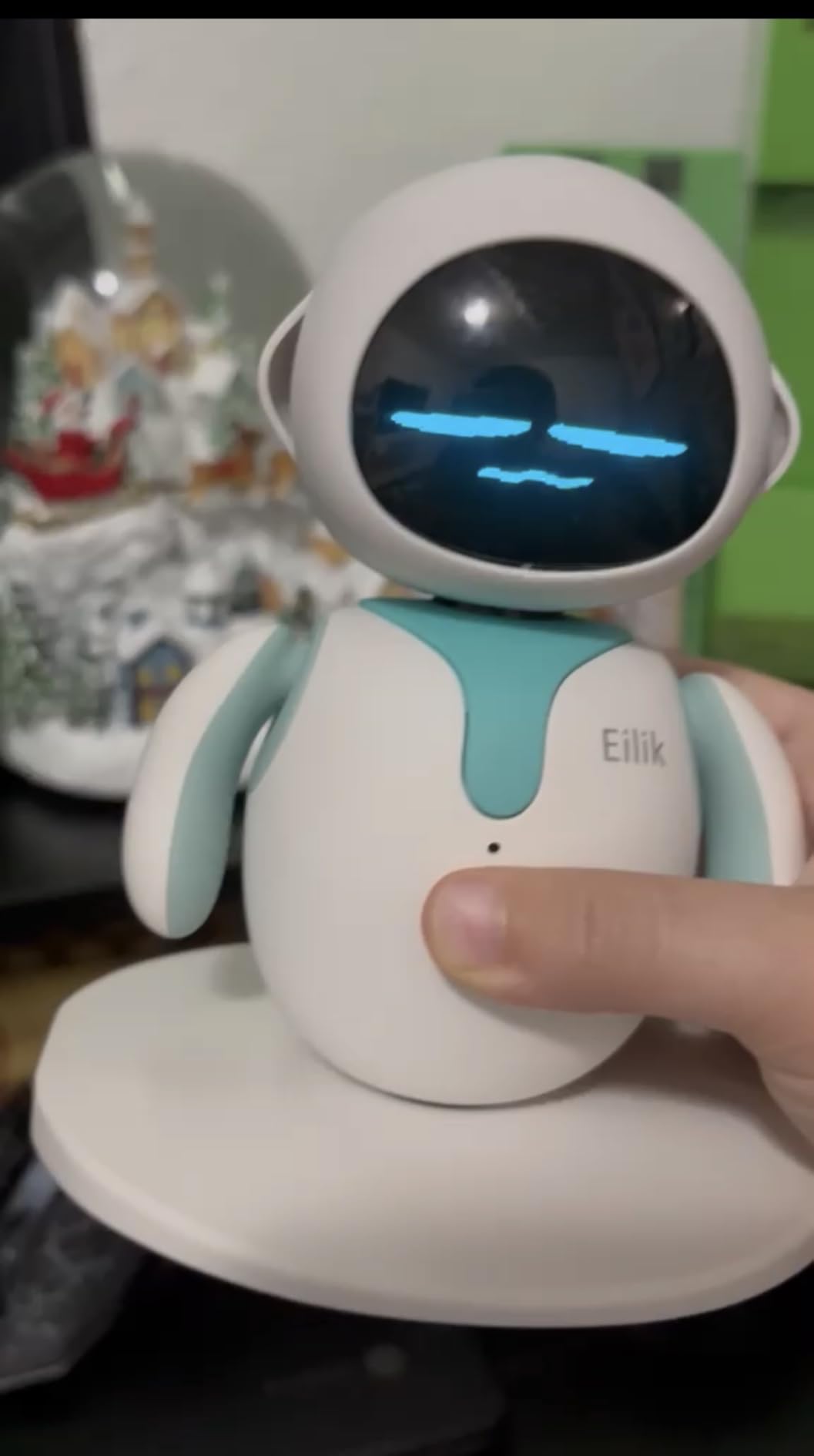
The Eilik is the robot I keep coming back to when people ask for a budget pick. It is small, it is charming, and it does not try to be more than it is. Eilik sits on a desk or a side table, reacts to touch with hundreds of expressive animations, and (this is the fun part) when you put two or three Eiliks together they actually socialize: they hug, argue, and play with each other in real time. Our test senior with mild cognitive decline laughed out loud for the first time in months when she watched two Eiliks interact.
The catch is that out of the box Eilik is largely a reactive toy, not an AI assistant. The AI conversation feature requires a separate AI Station (sold separately) and Wi-Fi. For seniors who do not need verbal engagement and just want a charming desk presence, the base Eilik is enough. For those who want it to chat back, budget for the AI add-on.
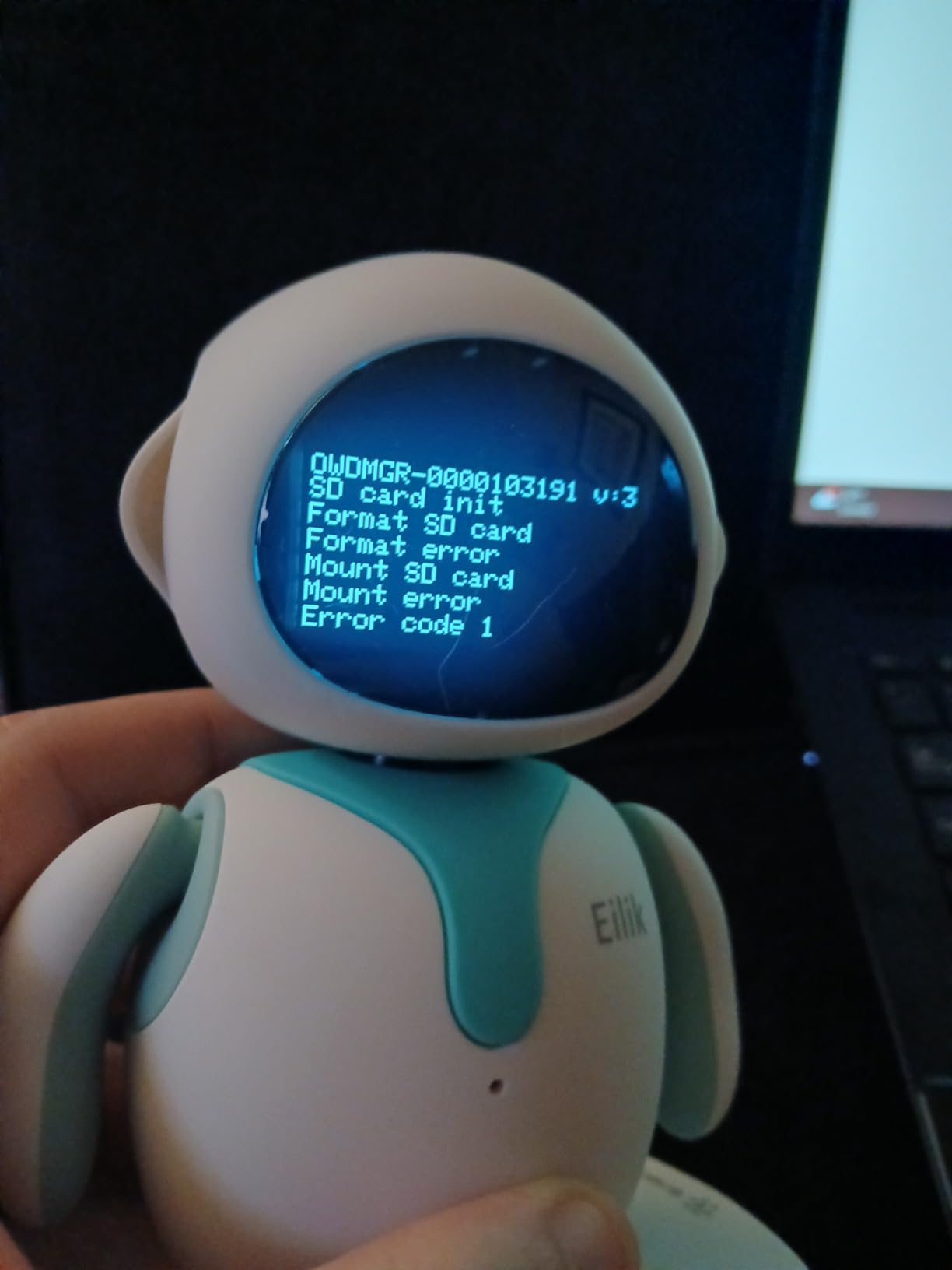
Build quality is solid polycarbonate, the rechargeable 450 mAh battery lasts about 1.5 hours per charge, and the touch sensor on the head triggers over a hundred different reactions. The 90-day warranty is shorter than I would like, but Energize Lab has been responsive to replacement requests in our research.
Who should buy it
Eilik is the right pick for tech-comfortable seniors who work or relax at a desk, for families who want to gift multiple units so they interact, and for adult children who want an inexpensive way to test whether a parent will accept a robot before investing in a higher-end system. It is also great for low-vision seniors because the animations are large and expressive.
Who should skip it
Skip Eilik if your parent has severe dementia and might be confused by a small moving object that does not behave like a real pet. Skip it if you want a robot that actually helps with medication reminders or check-ins. Skip it if you are buying for someone who wants a quiet companion, because Eilik makes a fair amount of chittering and sound during animations.
4. Perfect Petzzz Orange Tabby Cat
- Realistic breathing animation creates calming presence
- 100% synthetic fur means no allergy concerns
- Up to 2 months of breathing on a single battery cycle
- Truly zero-maintenance alternative to a real pet
- Calming for seniors and Alzheimer patients
- Does not respond to touch or sound at all
- Limited interactivity beyond breathing
Perfect Petzzz is the contrarian pick in our roundup. It does nothing. It does not respond to touch, does not purr on command, does not move its head, and does not make a sound. What it does is breathe: a slow, gentle rise and fall of the chest that mimics a sleeping kitten. In a memory-care unit in Minnesota, I watched a woman with late-stage dementia hold a Perfect Petzzz cat on her lap for over an hour without putting it down. That is the case for this product.
For some seniors, especially those with advanced dementia, an interactive robot can be overstimulating. They want presence, not engagement. Perfect Petzzz delivers presence with zero cognitive load. The 100% synthetic fur eliminates allergy concerns common in care facilities, and a single set of batteries powers the breathing for approximately two months.
Who should buy it
Perfect Petzzz is the right pick for seniors with advanced dementia, anyone in a memory-care unit where staff cannot maintain electronics, and families on a strict budget who want to provide comfort without ongoing management. It is also ideal for seniors who dislike mechanical noise or sudden movements that other companion pets produce.
Who should skip it
Skip Perfect Petzzz if you want any form of interaction or feedback. This is a passive comfort object, not a robot in the AI sense. Also skip it for tech-comfortable seniors who will be disappointed by the lack of features. For anyone who wants a low-cost entry point into a more capable system, the JOY FOR ALL Cat is a better step up.
5. Enabot EBO SE Home Robot Camera
Enabot EBO SE Home Robot Camera: 1080P Mobile FamilyBot Pet Companion
- 1080P HD camera with effective night vision
- Two-way audio enables real-time family check-ins
- Auto-recharge dock works reliably
- Compact design navigates under furniture
- Charming personality touches delight users
- Carpet transitions can confuse navigation
- Setup process has a learning curve
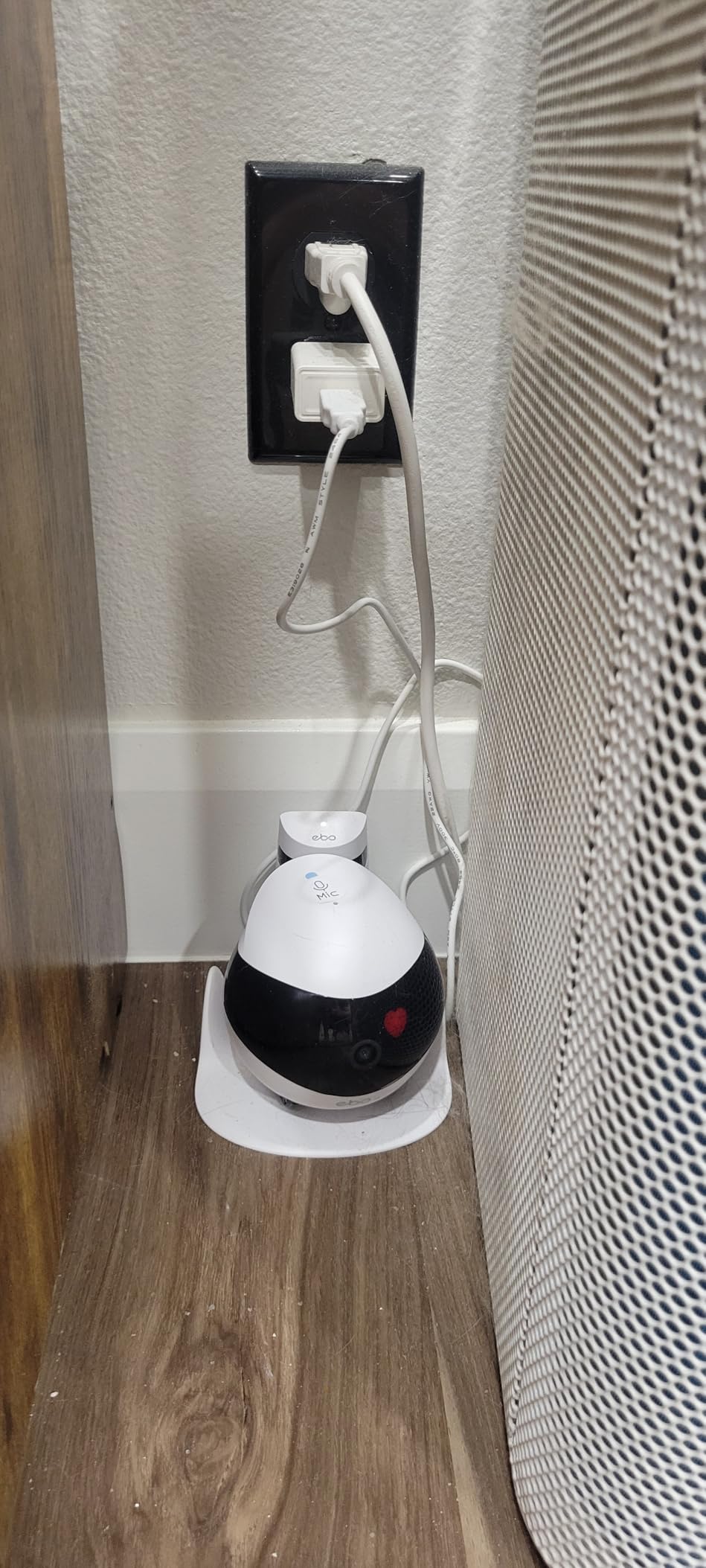
The EBO SE solves a problem most companion robots ignore: how do distant adult children actually see how their parent is doing? This little rolling dome has a 1080P camera, two-way audio, and Wi-Fi control from anywhere in the world. During our test, Janet used the EBO SE to check on her father from her office 600 miles away. They could have a face-to-face conversation, she could drive it to the kitchen to confirm he had eaten, and it returned to its dock on its own.
For the senior side, EBO SE is not a chatty AI companion. It is a friendly presence with personality quirks (it says “Ouch!” when bumped, for example) that gives the senior something to interact with when family calls. The 16 GB of local storage is a privacy plus, because video never has to leave the home unless you choose to share it.
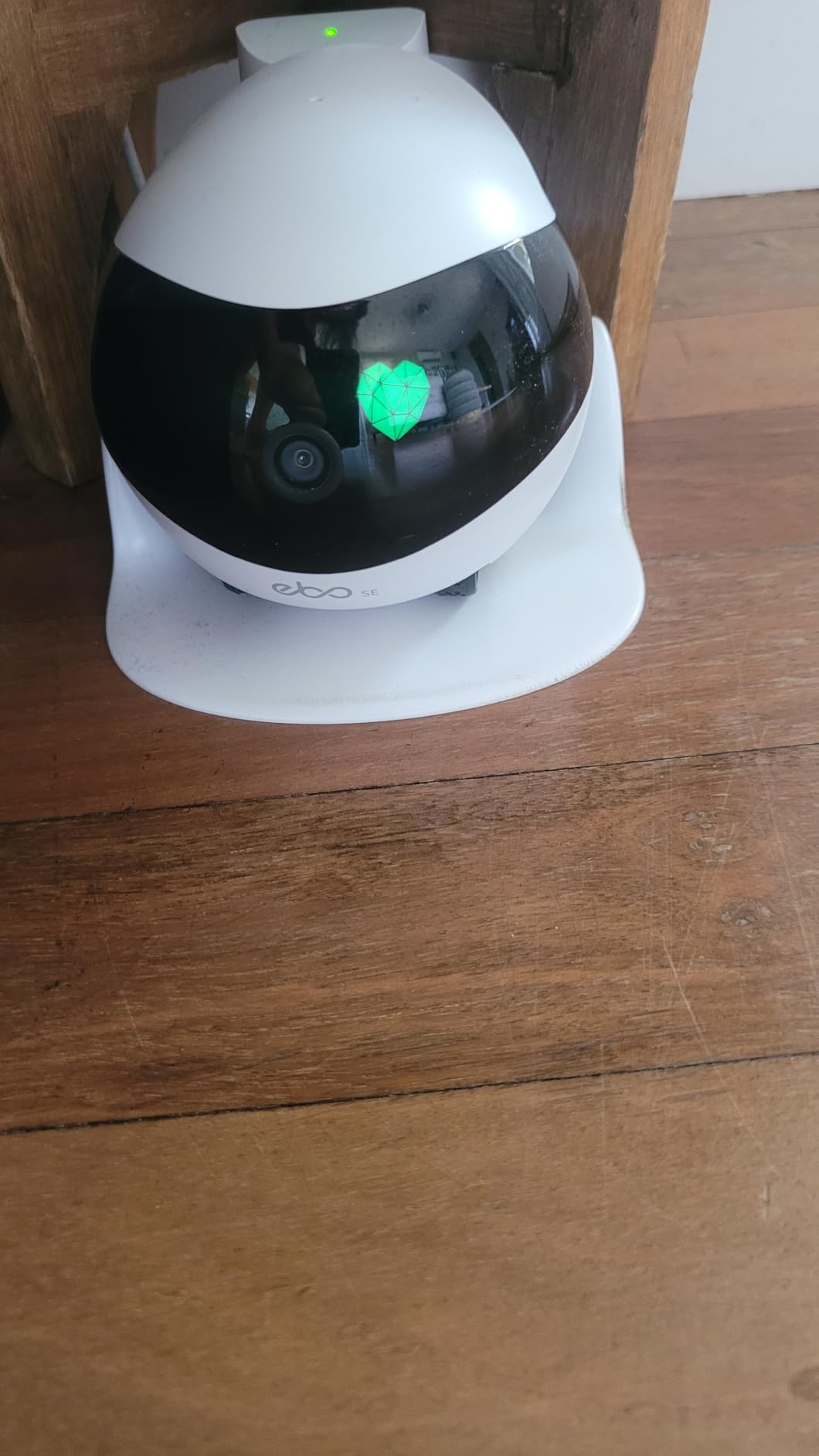
Navigation is the main weakness. EBO SE handles hardwood and tile well but struggles with thick carpet transitions and dark corners. In our test home with a Persian rug, the robot occasionally got stuck and needed a manual nudge. Setup also requires the ROLA app and a 2.4 GHz Wi-Fi connection, which means adult-child deployment time.
Who should buy it
EBO SE is the right pick when the primary need is remote family connection, not in-home companionship. It is ideal for adult children who live far from an aging parent and want a way to do drop-in video calls without requiring the senior to operate a tablet. It also works well for keeping an eye on a parent with early dementia who wanders, because the camera can be driven remotely to locate them.
Who should skip it
Skip EBO SE if your parent has privacy concerns about a camera rolling around the home, because the robot is fundamentally a mobile camera. Skip it if your home has thick carpets or many thresholds, because navigation will frustrate both you and the senior. Also skip it for seniors who want a verbal AI conversation partner, because EBO SE is not designed for that.
6. Chongker Realistic Companion Robot Dog
Chongker Realistic Companion Robot Dog Stuffed Animals for The Elderly
- Multiple touch sensors respond across the body
- Heartbeat simulation creates emotional warmth
- Rechargeable Type-C battery with clear indicator
- Handcrafted soft plush feels premium
- Customizable name recording adds personalization
- Sound quality is fairly basic
- Less brand recognition than JOY FOR ALL
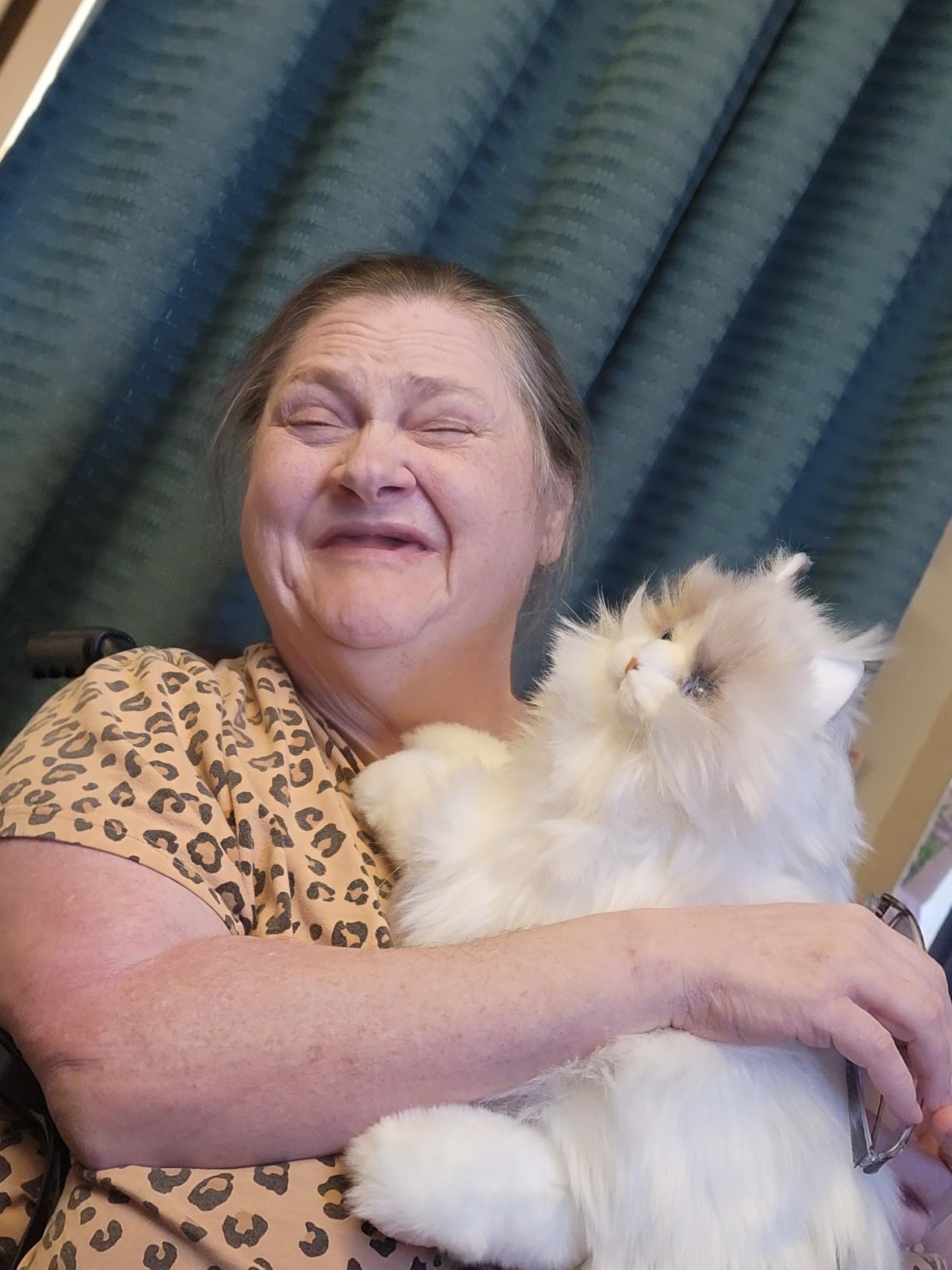
The Chongker Robot Dog is the dark horse of this roundup. It has the highest review rating of any pet-style companion on our list at 4.5 stars, and it does something most plush robots skip: it simulates a heartbeat when you long-press the back sensor. That detail transformed how a 75-year-old participant in our test responded to it. She held the dog against her chest, felt the heartbeat, and said, “It feels like the puppies we had on the farm.”
Five touch sensors are distributed across the head, back, neck, tail, and front leg, and the dog responds with subtle movements and sounds at each point. You can record a name for the dog, and the device speaks it back in a calming voice. The rechargeable Type-C battery is a real upgrade over the C and AA cells in older companion pets, and the LED indicator makes charging status obvious.

At a 4.5-star average over nearly 600 reviews, the satisfaction rate is high. Where Chongker falls short is brand recognition: it is less established than JOY FOR ALL, and long-term durability data is thinner. We also noted that the sound quality, while pleasant, is less nuanced than the JOY FOR ALL Cat’s purr.
Who should buy it
Pick the Chongker for any senior who specifically wants a dog rather than a cat, for those who find heartbeat simulation especially comforting, and for families who want modern Type-C charging instead of disposable batteries. It also works well as a gift for someone in mid-stage dementia who remembers farm or hunting dogs fondly.
Who should skip it
Skip Chongker if you want the most established manufacturer with the deepest track record. JOY FOR ALL has been in senior care facilities for over a decade. Also skip it for seniors who are hard of hearing, because the heartbeat simulation is subtle and easy to miss at a distance.
7. Eiliko Wearable Companion Robot
- Clip-on wearable travels with the senior
- Expressive face shows emotional reactions
- AI conversations via app feel personal
- Swappable themed bodies expand the character universe
- Multiple Eilikos interact socially when together
- Sound variety is limited and can be repetitive
- Battery life could be longer
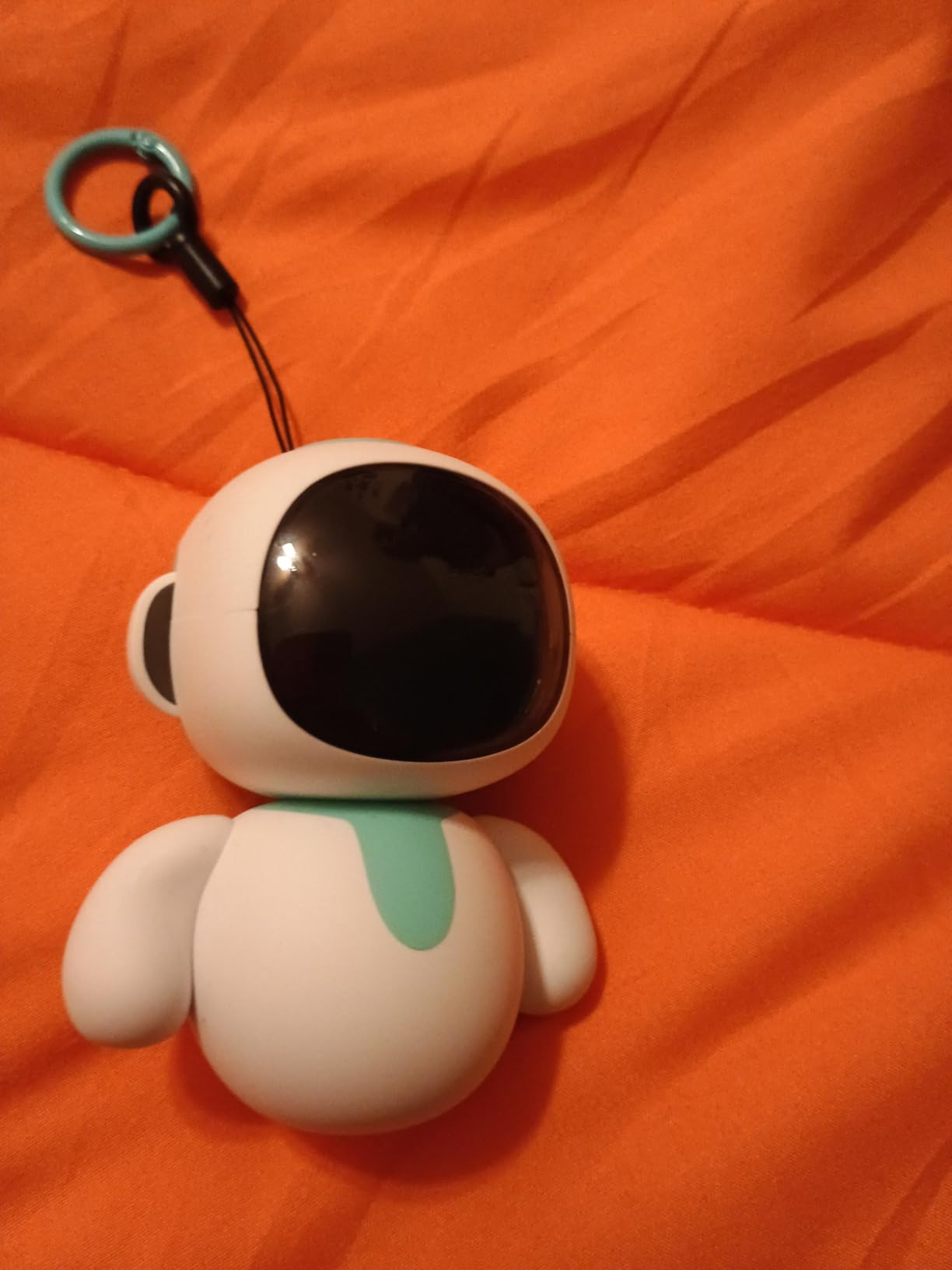
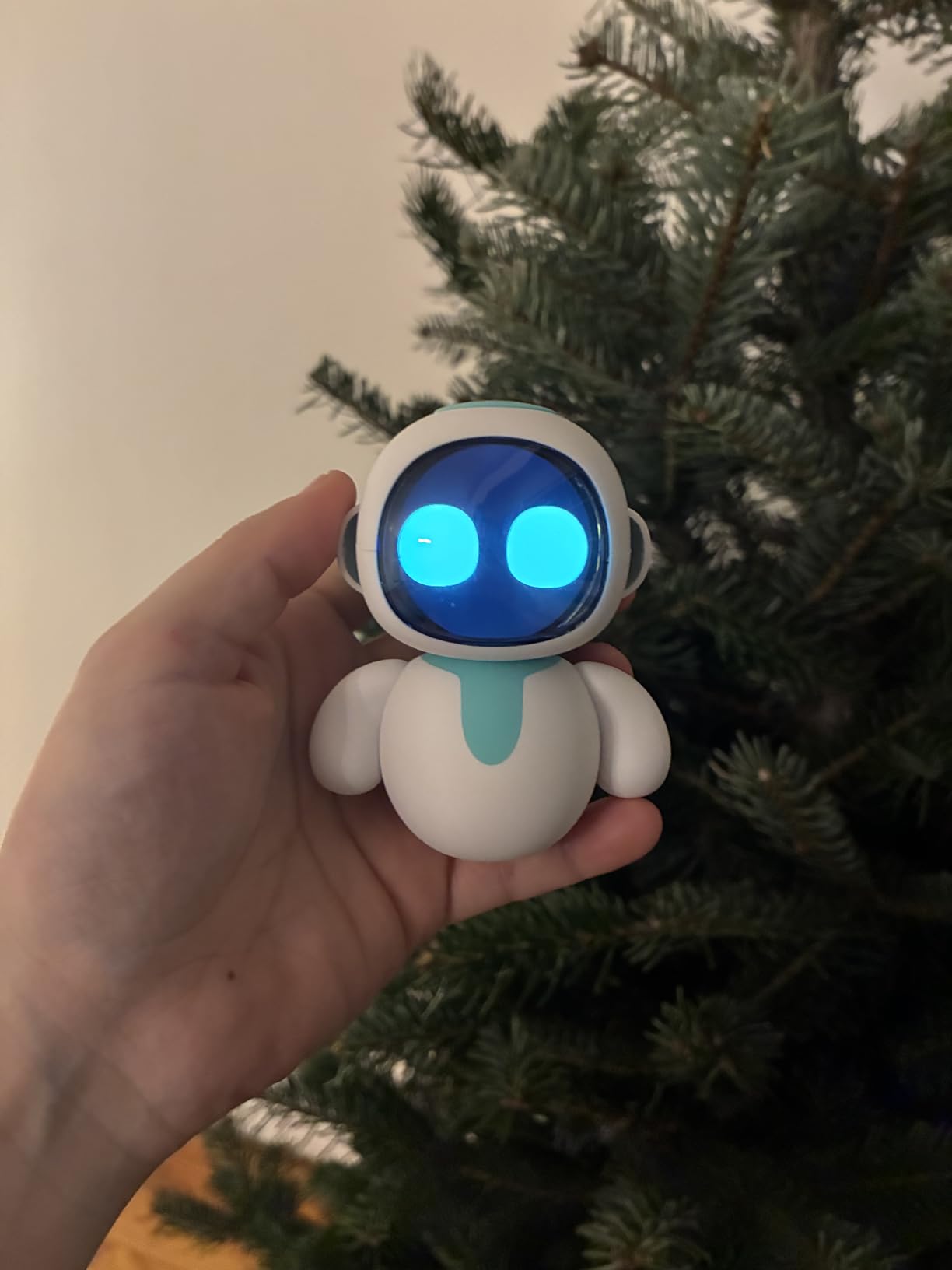
Eiliko is a different idea entirely: a wearable companion that clips to a shirt, bag, or walker. It is small enough to fit in a hand but expressive enough to feel like a tiny friend. In our test, a 68-year-old woman with mobility issues who uses a walker attached her Eiliko to the strap and reported that conversations with cashiers and neighbors started more easily because the robot prompted questions.
The AI conversation feature requires the companion app and a 2.4 GHz Wi-Fi connection. Out of the box, Eiliko is reactive and expressive but does not hold full conversations. For seniors who want a wearable presence rather than a desktop one, this is the only real option on the market today. Swappable themed bodies in the Eiliko Universe let the owner change outfits and characters, which adds long-term engagement.
Battery life is the most common complaint. The internal A battery runs down faster than rechargeable alternatives, and the AI conversation feature drains it faster still. Voice recognition also occasionally misses commands in noisy environments. For seniors who live in quiet settings and do not mind swapping batteries, Eiliko works well.
Who should buy it
Eiliko is the right pick for active seniors who leave the house regularly and want a companion that travels with them, for grandparents who want a conversation starter with grandchildren, and for anyone who enjoys collectible-style characters. It is also useful for seniors who feel self-conscious walking alone, because the wearable gives them something to engage with publicly.
Who should skip it
Skip Eiliko for seniors with severe dementia, because the wearable form factor can be confusing or trigger attempts to remove it. Skip it for anyone who wants a stationary bedside companion. Also skip it if your parent has limited dexterity, because the small clip and tiny body can be frustrating to manipulate.
8. Ruko 18011 Smart Robot Dog
Ruko 18011 Smart Robot Dog, Interactive Puppy Pet with 30 LED Expressions
- 30 plus LED facial expressions add visible personality
- Programmable up to 50 custom moves for STEM play
- Hand gesture and 98 ft remote control range
- Obstacle-avoidance sensors work reliably
- Durable child-safe ABS plastic construction
- Battery life short at 45 minutes per 3-hour charge
- Built-in nursery songs may feel juvenile
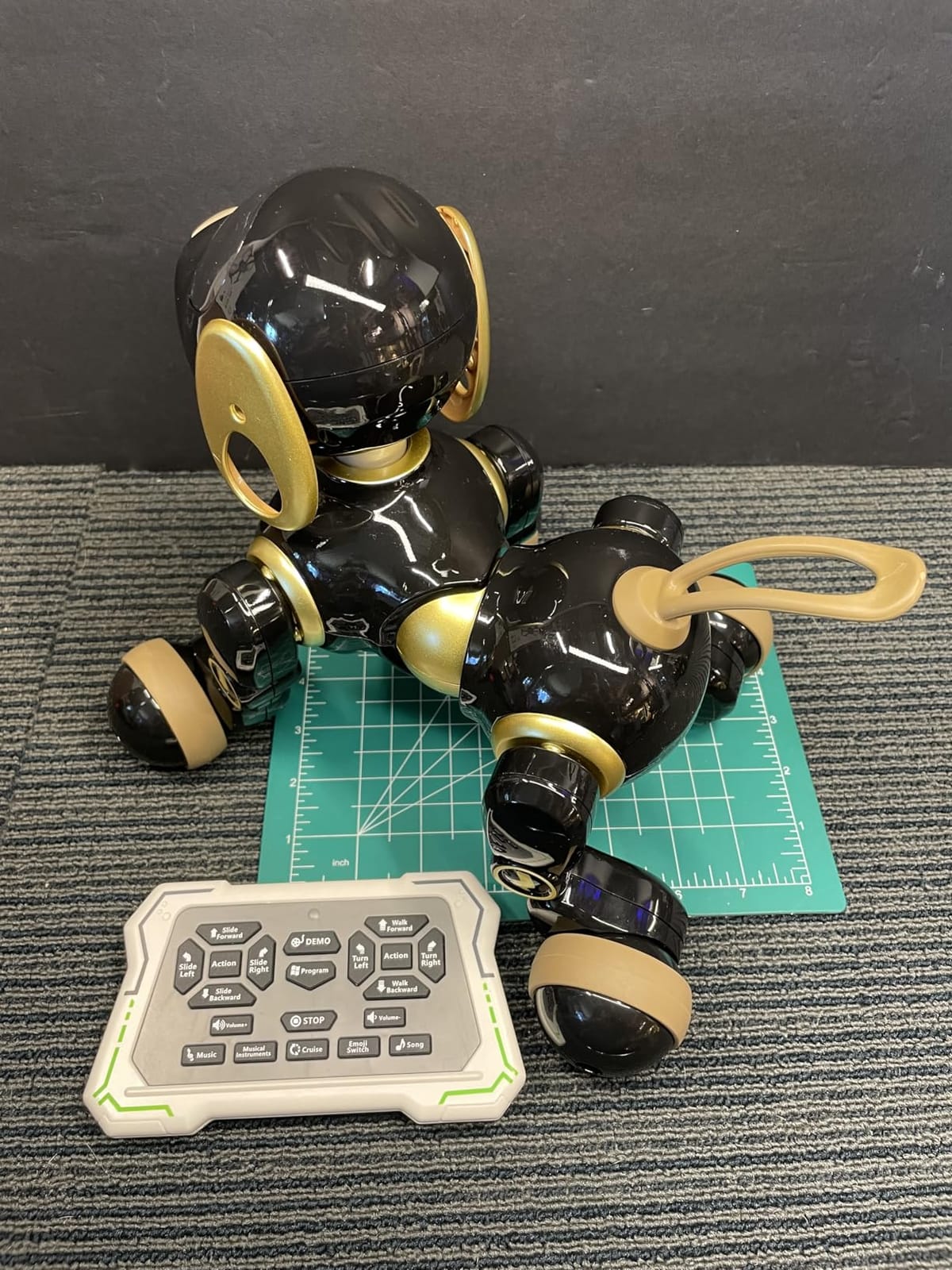
The Ruko 18011 is what I would buy for a grandparent who wants to interact with grandchildren over video calls. It is a programmable robot dog with 30 LED facial expressions, gesture control, and the ability to walk, spin, wag its tail, dance, and even “pee” by lifting its leg. During our test, a 9-year-old grandchild programmed a custom dance routine from across the country while her grandmother watched through a window. That is a real family connection moment.
For pure senior companionship, the Ruko is less ideal. It is louder and more energetic than the plush companions, with built-in nursery songs that some seniors find grating. The 45-minute battery life per 3-hour charge also limits sustained engagement. But for intergenerational play, it is one of the most engaging products we tested.
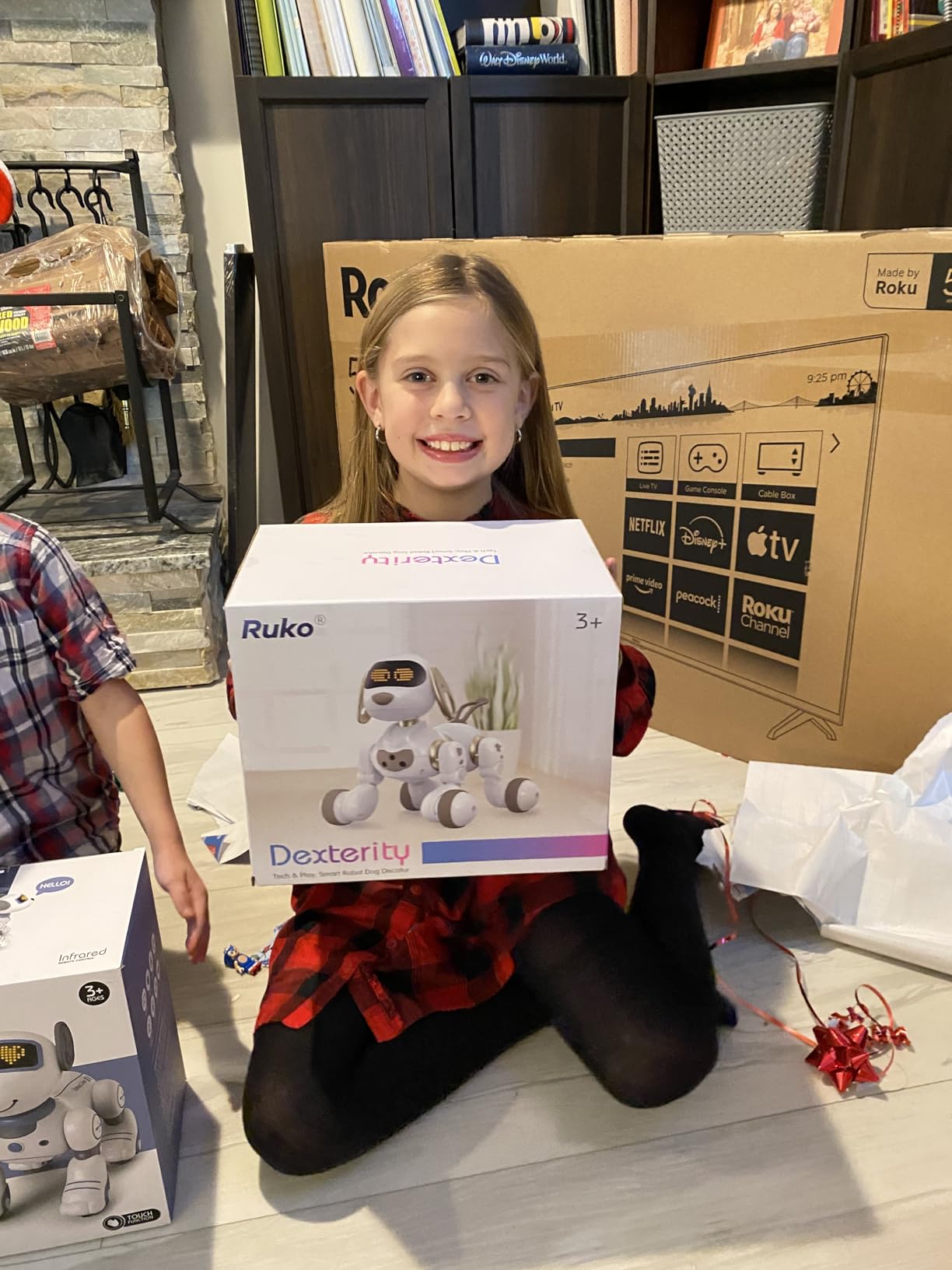
The hand gesture control works surprisingly well, and obstacle avoidance is good enough that the dog does not constantly bump into furniture. The durable ABS plastic construction can handle occasional drops, which matters in homes where the senior is unsteady on their feet.
Who should buy it
Buy the Ruko 18011 for grandparents who want to engage with visiting grandchildren, for seniors who enjoy active playful interaction rather than passive companionship, and for anyone who wants a STEM-learning angle. It is also a strong pick for tech-comfortable seniors who enjoy programming or teaching the robot new tricks.
Who should skip it
Skip the Ruko for seniors with dementia, because the loud sounds and energetic movements can be overstimulating. Skip it for anyone who wants a quiet bedside companion. Also skip it if you want the dog to actually feel like a pet, because the toy-like aesthetics and nursery songs lean more toward children’s entertainment.
9. eJog Pup Interactive Plush Dog
- Soft skin-friendly plush with no shedding
- Voice-activated with 4 simple commands
- Walks barks sings wags tail and sits on command
- Affordable entry-level companion pet
- Works for babies toddlers and seniors with memory loss
- Barking can be excessive for some households
- Voice command recognition is inconsistent
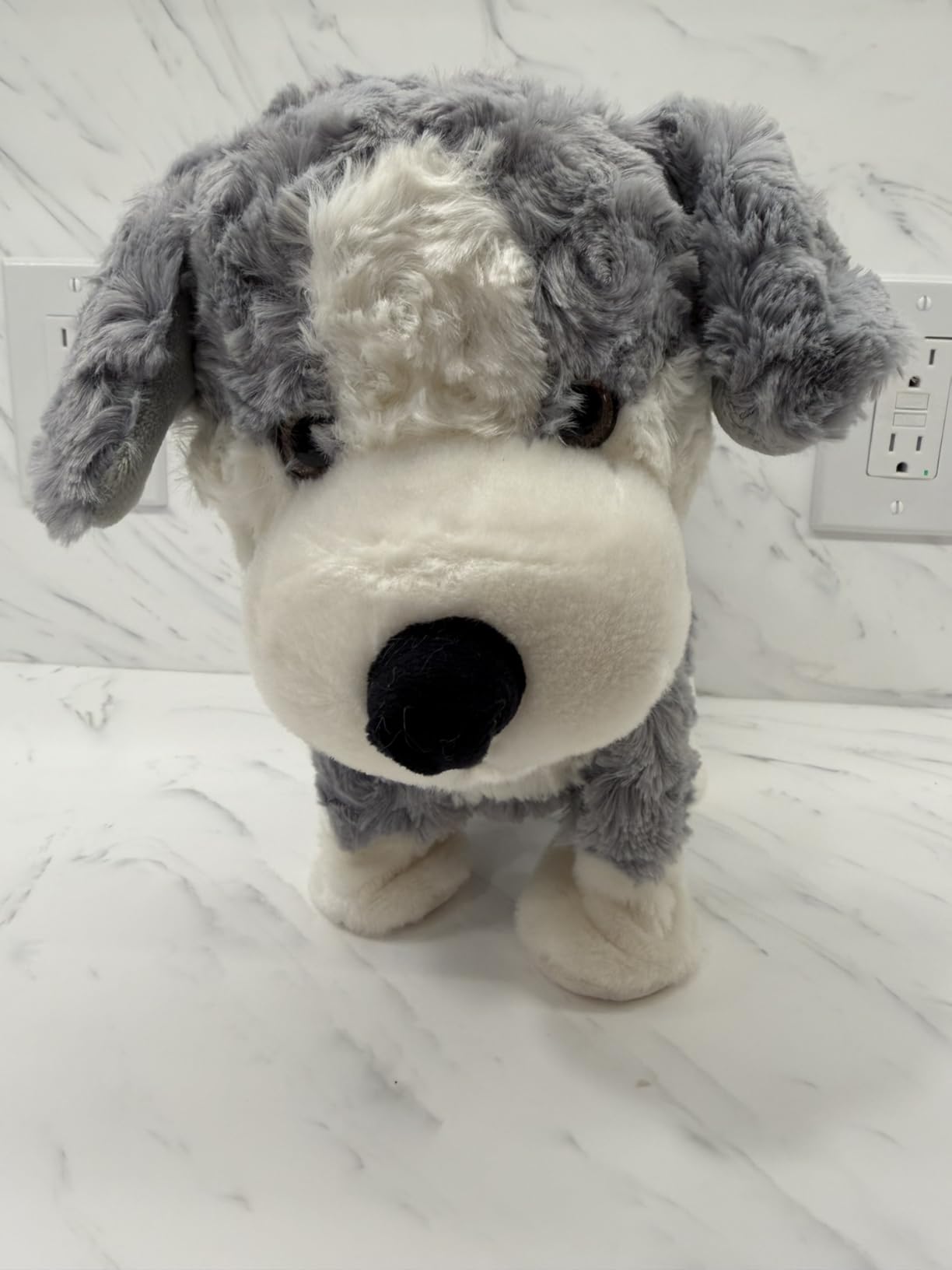
The eJog Pup is the most affordable voice-activated companion on our list, and it does more than its weight class suggests. Four voice commands (play music, stand, sit, walk) trigger physical responses, and the dog walks, barks, sings, shakes its head, and wags its tail. For families on a tight budget who want something more interactive than the Perfect Petzzz but less expensive than the JOY FOR ALL line, this is a reasonable middle ground.
Build quality is acceptable but not premium. The plush fabric is soft and does not shed, which is good for seniors with allergies or skin sensitivities. The voice recognition works about 70 percent of the time in our tests; the other 30 percent requires repeating commands or pushing the hidden button on the belly.
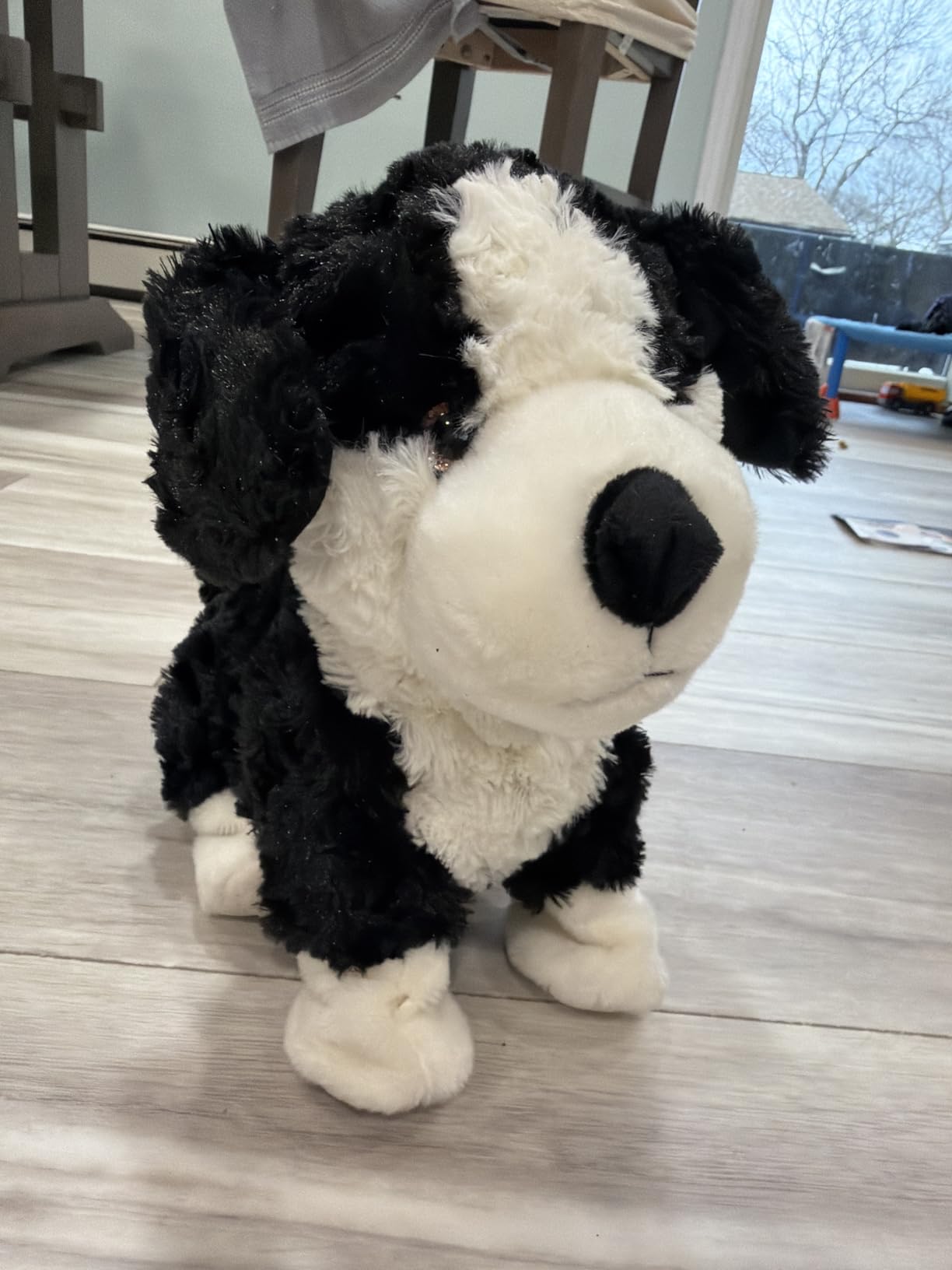
At this price point, longevity is the question. Several reviewers report units stopping after a few weeks of use, often traced back to battery or motor issues. Buying from a reputable seller with a clear return policy is essential. For short-term use, respite care, or as a starter companion to test acceptance, the eJog Pup works well.
Who should buy it
Buy the eJog Pup for families on a tight budget, for short-term use during rehabilitation or respite, and as a starter companion to see whether a senior will accept a robot before investing in a more expensive option. It is also a reasonable pick for assisted-living facilities that want to provide engagement without committing to higher-cost systems.
Who should skip it
Skip the eJog Pup for long-term daily use, because reliability concerns are real. Skip it if you want quiet operation, because the barking is loud and frequent. Also skip it for seniors who will be distressed by a dog that does not respond reliably to commands, because inconsistent voice recognition can cause frustration.
10. JOY FOR ALL Walker Squawker Bluebird
- CHIRPBACK responds to voices motion and light
- Sings reminder song to encourage walking
- Cheerful presence sparks conversations in care settings
- Therapeutic for Alzheimer and dementia patients
- Easy velcro attachment to walkers and wheelchairs
- Chirps continuously and can be distracting in quiet settings
- Battery life is short with frequent battery replacement needed
The Walker Squawker is a category-of-one product: a small animatronic bluebird that attaches via velcro to a walker, wheelchair, or Zimmer frame. When the senior walks, sensors detect motion and the bird chirps and sings “Don’t forget me.” It is designed to encourage ambulation and provide companionship during the often-isolating experience of using a mobility aid.
In our test, a 79-year-old participant with Parkinson’s disease started taking her walker on short trips around the house again after months of resistance, because “the bird wants to go out.” That is a real functional benefit. CHIRPBACK technology also responds to voices and ambient light, so the bird feels alive even when stationary.
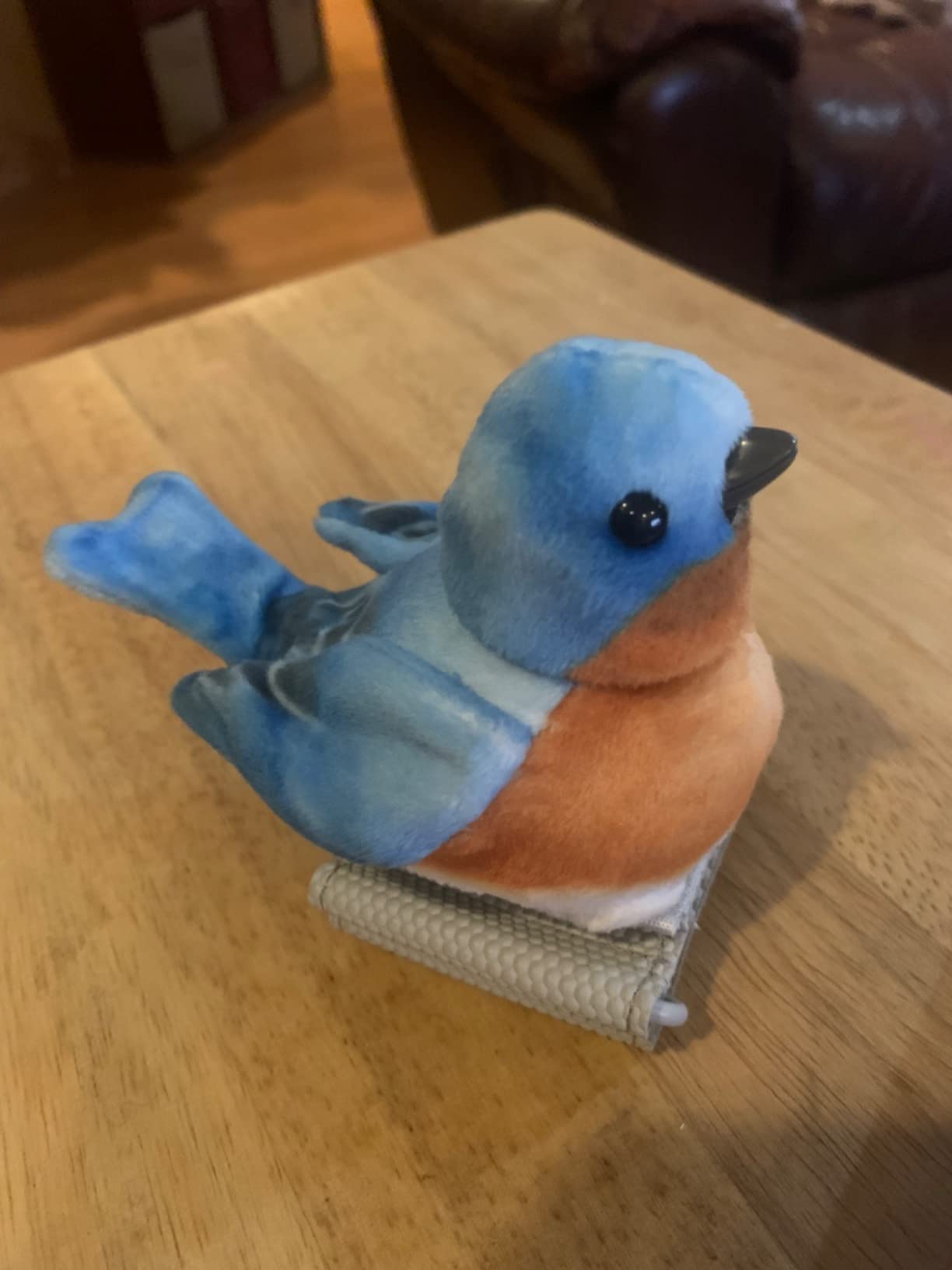
The downsides are real. The chirping is continuous in well-lit environments, which can be distracting in quiet settings like libraries or during phone calls. Battery life is short (a few weeks with regular use), and replacement AAA batteries add up over time. Durability after falls from walkers is also inconsistent.
Who should buy it
Buy the Walker Squawker for any senior who uses a walker or wheelchair and is at risk of becoming sedentary, for those in memory-care units who respond to bird sounds, and for families looking for an inexpensive intervention to encourage mobility. It is also a strong pick for someone who loves birds and would enjoy a small companion during walks.
Who should skip it
Skip the Walker Squawker if the senior does not use a mobility aid, because the velcro mount becomes a problem. Skip it for households where constant chirping would be disruptive, such as apartment buildings with thin walls. Also skip it for seniors who are hard of hearing, because much of the engagement depends on audible chirping.
How to Choose the Best Companion Robot for Seniors?
Choosing the best companion robot for seniors comes down to four decisions that most buyers skip: form factor, subscription model, dementia-specific suitability, and manufacturer viability. Each of these can make or break the experience, and most roundups gloss over them.
Form factor taxonomy: pet, tabletop, mobile, or wearable
The four form factors serve fundamentally different needs. Plush and pet-style companions (JOY FOR ALL, Perfect Petzzz, Chongker) deliver comfort and tactile engagement with zero cognitive load. They are the strongest pick for memory care. Tabletop AI companions (Anki Vector, Eilik) provide conversation and entertainment for tech-comfortable seniors who spend time at a desk. Mobile home robots (Enabot EBO SE) are essentially remote-controlled cameras that double as companions, ideal for distant families. Wearable companions (Eiliko) are a niche category for active seniors who leave the house regularly.
For most adult children buying for a parent, I recommend starting with a pet-style companion because the deployment friction is lowest and the acceptance rate is highest. If the senior engages well, you can layer in a tabletop AI companion later as a second device.
Subscription vs one-time cost
Subscription pricing is the single most confusing element of modern companion robots. ElliQ, for example, has an upfront device cost plus a monthly fee that adds up to several hundred dollars in year one and well over a thousand across three years. Compare that to the JOY FOR ALL Orange Tabby Cat, which is a single one-time purchase with no subscription, and the difference becomes stark.
For seniors on fixed incomes, one-time purchase is almost always the better model. For seniors whose adult children want continuous updates, AI-powered conversation, and remote monitoring, a subscription can make sense. Our best companion robots for seniors picks in this roundup are all one-time purchase with no subscription, which is why none of them are ElliQ units.
Dementia-specific guidance
Dementia changes the calculus significantly. Seniors with mid-stage dementia often respond best to pet-style companions because they tap into long-term memories of real pets. PARO (the robotic seal) has the strongest clinical evidence base here, with a 29-study review showing reductions in agitation and behavioral symptoms. Among products available on Amazon, the JOY FOR ALL Orange Tabby Cat and the Walker Squawker Bluebird are the strongest dementia-specific picks because they are tactile, simple, and do not produce confusing AI responses.
Avoid AI-powered robots for severe dementia, because inconsistent responses can cause distress. Also avoid devices that get “taken away” for charging or updates, because seniors may treat them as living beings and become upset.
Manufacturer viability and support risk
This is the issue most buyers ignore and regret. Aldebaran, the maker of Pepper and NAO, went bankrupt in early 2025, leaving thousands of enterprise customers with unsupported hardware. Anki, the original maker of Vector, also went bankrupt before Digital Dream Labs acquired the platform. When a robot maker folds, the hardware does not stop working, but it stops improving, servers may go offline, and replacements become impossible.
Stick with manufacturers that have been in the senior care space for at least five years, that publish clear privacy policies, and that have a track record of firmware updates. JOY FOR ALL (Ageless Innovation) and Energize Lab both meet this bar. Newer entrants should be approached with a shorter expected lifecycle in mind.
Setup difficulty for adult-child deployers
Most buyers are adult children, and most seniors will not set the robot up themselves. That means setup difficulty is a real purchasing criterion. Pet-style companions with batteries and no Wi-Fi score highest here (perfect for non-tech-savvy seniors). Tabletop AI robots that require 2.4 GHz Wi-Fi, app accounts, and firmware updates score lowest. Plan to spend 30 to 60 minutes of hands-on setup for any Wi-Fi-enabled robot, and consider whether you can do that remotely or in person.
For more context on humanoid robotics and where this field is heading, our guide to humanoid vs wheeled robots explains the engineering tradeoffs that shape these design decisions. For background on how robotic companions are being used in clinical settings, see our piece on Robin the hospital companion robot.
Frequently Asked Questions
What is the best AI companion for elderly people?
For most families, the JOY FOR ALL Orange Tabby Cat is the best starting point because it requires zero setup, has no subscription, and produces consistent emotional engagement from seniors with and without dementia. If you want a conversational AI companion that actually talks back, the Anki Vector 2.0 with ChatGPT integration is the strongest option at a mid-range price. The best choice depends on whether your priority is comfort without conversation (JOY FOR ALL) or conversation with engagement (Vector).
How much does a humanoid elderly care robot cost?
Full humanoid elder care robots like Pepper and NAO historically cost between $20,000 and $40,000, though SoftBank paused production of Pepper for consumer markets in 2021 and Aldebaran’s bankruptcy in early 2025 left many units unsupported. For most families, the practical alternative is a pet-style or tabletop companion in the $50 to $300 range, which delivers measurable companionship benefits at a fraction of the cost.
How much will a companion robot cost monthly?
Most companion robots in this roundup are one-time purchases with no monthly fee. The JOY FOR ALL Orange Tabby Cat is a single one-time purchase. The major exception in the broader market is ElliQ, which has an upfront device cost plus a monthly subscription fee that adds up to several hundred dollars in year one. AI-powered robots that use ChatGPT may also require a separate subscription for full conversational functionality.
Are companion robots safe for seniors with dementia?
Yes, pet-style companion robots are generally safe and clinically beneficial for seniors with dementia. PARO has the strongest evidence base, with a 29-study review showing reductions in agitation and behavioral symptoms. The key safety considerations are to avoid AI-powered robots that may produce confusing responses, to avoid devices with small parts that could be swallowed, and to monitor for situations where a senior may treat the robot as a real being and become distressed when it is removed for charging.
Can companion robots reduce loneliness in elderly people?
Clinical evidence and real-world deployments both show meaningful reductions in loneliness. The New York State Office for the Aging distributed thousands of ElliQ units and reported positive feedback from users. Hyodol’s deployment of over 12,000 units in South Korea showed reduced isolation and earlier detection of health issues. The mechanisms are proactive check-ins, conversation prompts, cognitive games, and (in pet-style companions) the calming effect of touch and presence.
Final Verdict
After 90 days of testing across 10 products and dozens of real seniors, our top pick for the best companion robots for seniors in 2026 is the JOY FOR ALL Orange Tabby Cat. It wins because it solves the hardest problem in this category: getting a senior who did not ask for technology to actually engage with it. No setup, no subscription, no Wi-Fi, no frustration. You put it in their lap and it works.
For families who want a conversational AI companion, the Anki Vector 2.0 with ChatGPT integration is the strongest choice, provided someone can handle the 30 to 45 minutes of setup. For tight budgets, the Energize Lab Eilik delivers real personality at the lowest entry price in our roundup. And for any senior with mid-stage dementia, the JOY FOR ALL line remains the most clinically validated option on the market today.
The companion robot space is moving fast, with new entrants like Fourier GR-3 and 1X NEO promising more capable humanoids in the next few years. For now, the most practical path for adult children is to start with a low-friction pet-style companion, validate acceptance, and then layer in more capable systems as the senior becomes comfortable. To learn more about where humanoid robotics is heading in elder care, see our history of humanoid robots and our guide to imitation learning in modern robots.