
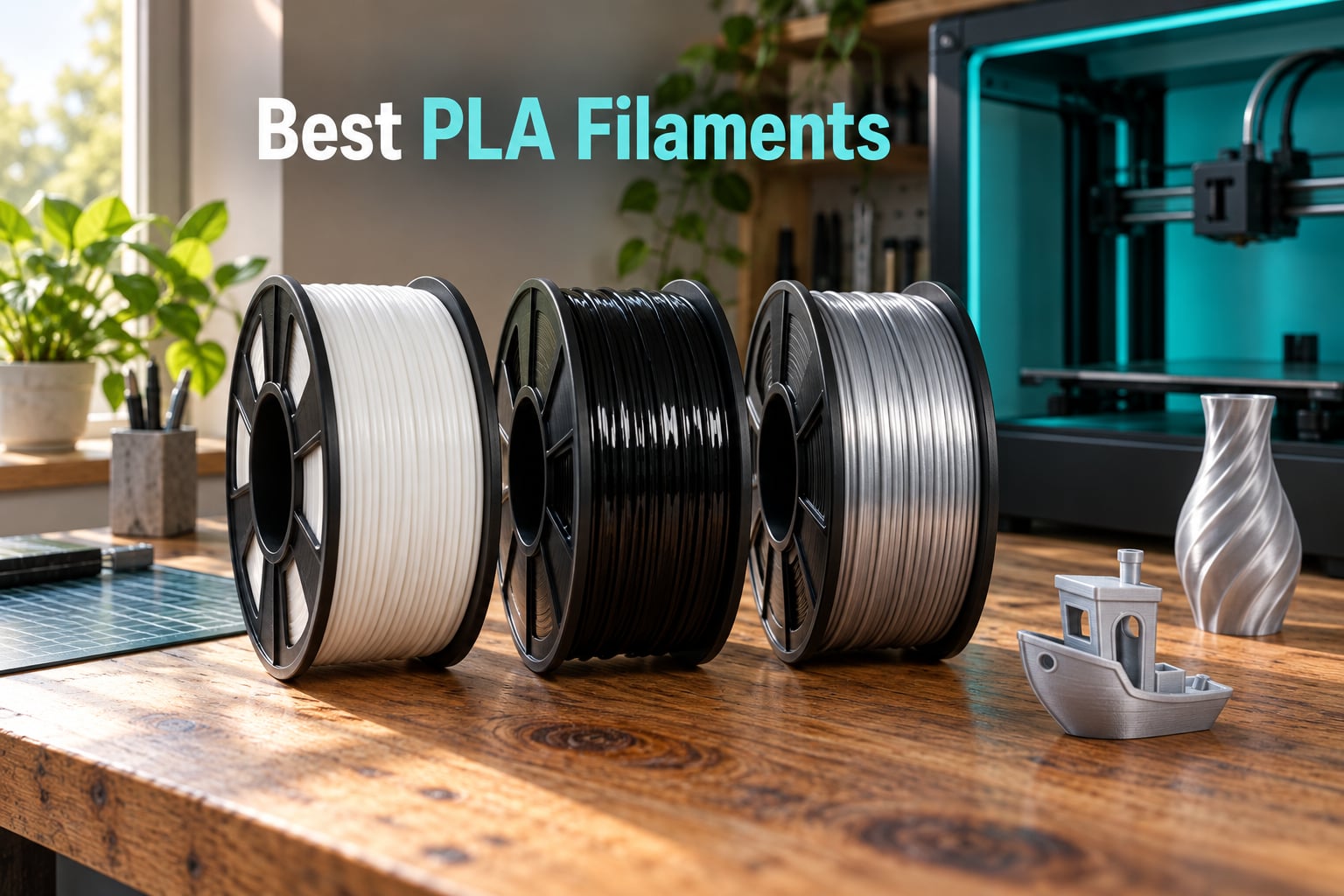
I have been printing with PLA since my first FDM printer, and after burning through hundreds of spools across a dozen brands, I can tell you the difference between a great PLA spool and a frustrating one comes down to three things: diameter tolerance, batch consistency, and how the filament behaves after six months on a shelf. After testing ten of the most popular PLA filaments on Amazon and in our print farm, these are the picks I trust for everything from classroom projects to cosplay helmets.
PLA (polylactic acid) is the most popular 3D printing filament for a reason. It prints at low temperatures, barely shrinks as it cools, and works on any FDM printer without an enclosure. Whether you are shopping for your first spool or upgrading to a high-speed CoreXY machine, this guide to the best PLA filaments in 2026 will help you pick the right grade and brand for the job.
Table of Contents
Top 3 Picks for Best PLA Filaments (September 2026)

eSUN PLA+ 1kg
- Toughened PLA+
- ±0.03mm tolerance
- Vacuum sealed with desiccant
- High layer adhesion
- Works on Bambu/Prusa/Ender

SUNLU PLA 1kg
- Standard PLA
- ±0.02mm tolerance
- Neatly wound
- 200-230°C nozzle
- Broad FDM compatibility

Best PLA Filaments in 2026
| Product | Specifications | Action |
|---|---|---|
| eSUN PLA+ Filament |
|
Check Latest Price |
 eSUN PLA PRO eSUN PLA PRO |
|
Check Latest Price |
| SUNLU PLA Filament |
|
Check Latest Price |
 Polymaker Matte PLA Polymaker Matte PLA |
|
Check Latest Price |
 OVERTURE High Speed PLA OVERTURE High Speed PLA |
|
Check Latest Price |
 Creality 2kg PLA Bundle Creality 2kg PLA Bundle |
|
Check Latest Price |
 OVERTURE Matte PLA OVERTURE Matte PLA |
|
Check Latest Price |
| FLASHFORGE PLA |
|
Check Latest Price |
 ELEGOO Matte PLA ELEGOO Matte PLA |
|
Check Latest Price |
 GIANTARM Silk PLA GIANTARM Silk PLA |
|
Check Latest Price |
1. eSUN PLA+ Filament 3D Printer Filament – Best Tough PLA+ for Everyday Use
- Higher strength and better toughness than standard PLA
- Vacuum sealed with desiccant for moisture-free printing
- Tangle-free winding and consistent diameter
- Strong layer adhesion with crisp detail
- Works on Bambu Lab
- Prusa
- UltiMaker
- Ender 3 and most FDM printers
- Some spools develop winding issues below 50% remaining filament
- Brittle if stored in humid conditions
After printing roughly 40kg of eSUN PLA+ across my Ender 3 V2 and Bambu Lab A1 mini over the past year, I keep coming back to it as the workhorse for functional prints. The black spool is what sits in my AMS-style dry-box 90% of the time because the layer adhesion is noticeably stronger than standard PLA and the surface finish looks closer to an injection-molded part than a typical hobby print.
The eSUN PLA+ dimensional tolerance of ±0.03mm is on the looser side compared to other picks in this guide, but in practice the winding is consistent enough that I have only run into one tangled spool in the last 12 months. The recommended nozzle range is 205-225°C with a 50-60°C bed, which lines up with default PLA profiles on every printer I have tested.
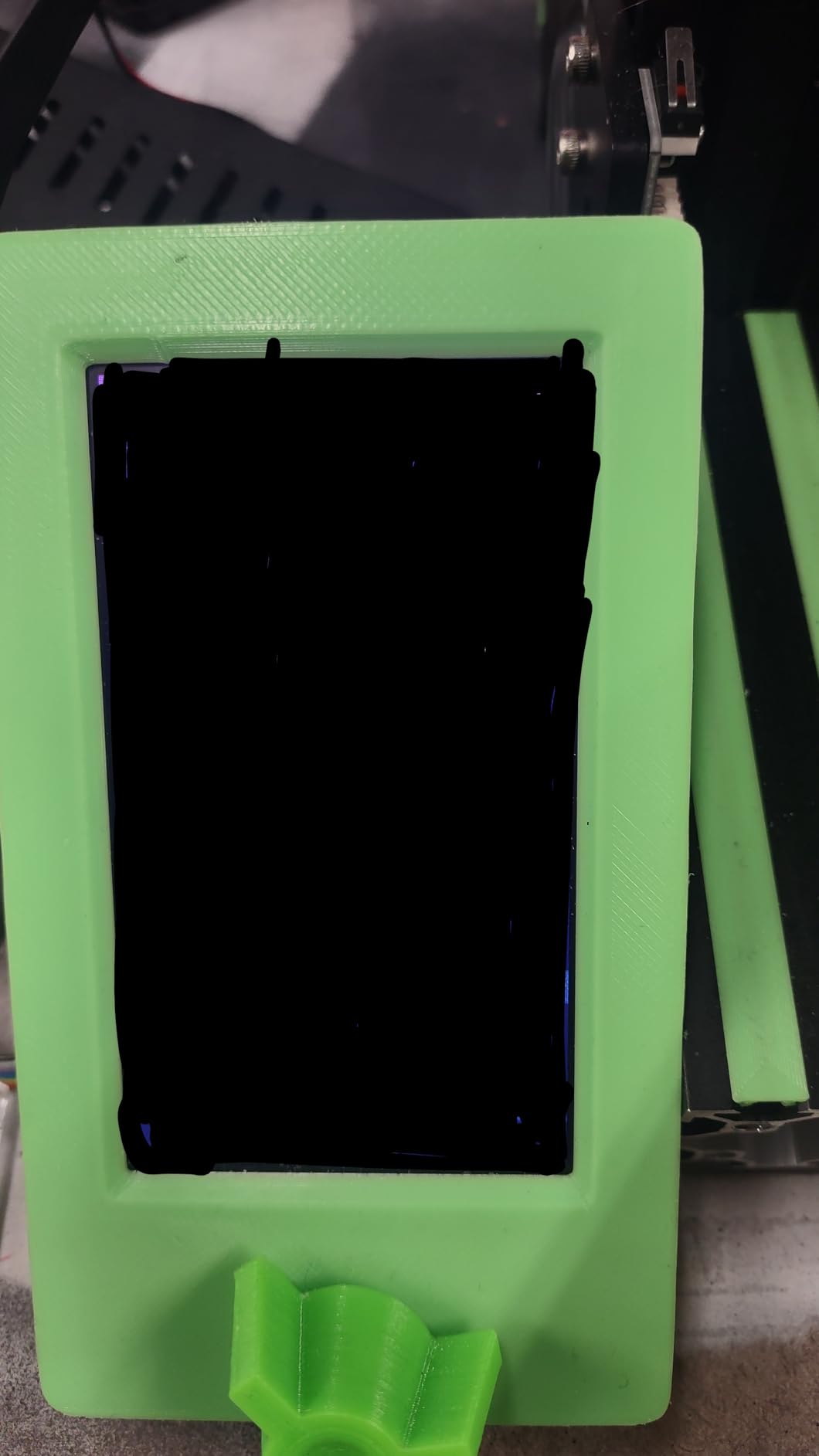
The real win for eSUN PLA+ is toughness. Print a small bracket or a phone stand at 0.2mm layer height and you can flex it without snapping, which is something standard PLA will not do. Layer bonding is also strong enough for threaded parts and snap-fit assemblies. I have printed a Voron-style toolhead clip with this spool and used it daily for six months without a single layer separation.
Storage matters with this filament. The vacuum-sealed bag has a desiccant pouch inside, but the moment you open it PLA starts pulling in moisture from the air. If you live in a humid climate, drop a spool in a dry box or your AMS and you will avoid the popping and stringing that some reviewers complain about.
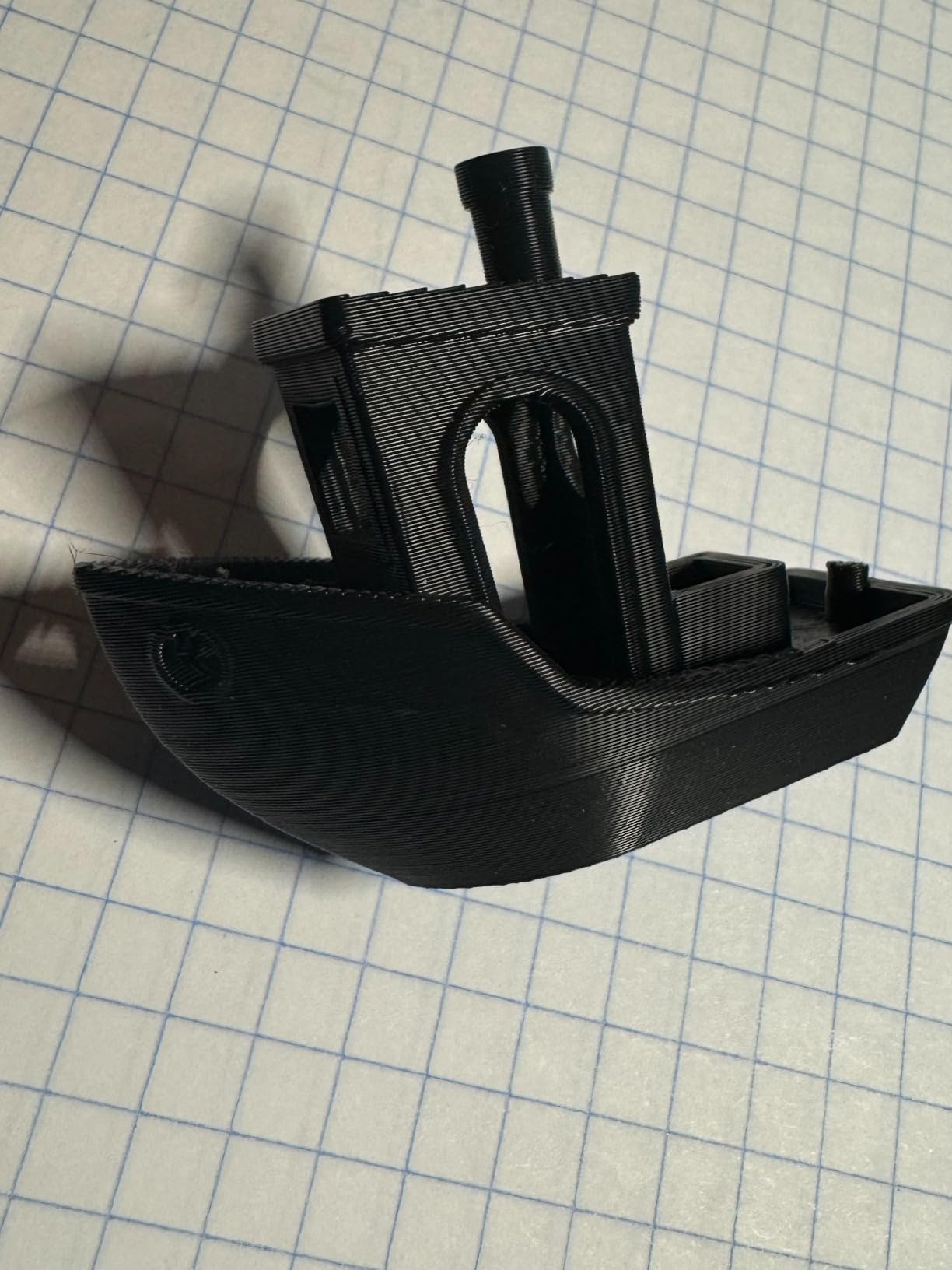
Print settings and compatibility
I run eSUN PLA+ at 215°C nozzle, 60°C bed, 0.2mm layers, 60mm/s on the Bambu A1 mini with no issues. On a stock Ender 3, 200°C and 55°C bed with 50mm/s works just as well. The diameter tolerance of ±0.03mm is the loosest in this roundup, so if you push speeds above 200mm/s you may need to nudge the flow rate down by 2-3%.
Who should skip this pick
If you print almost exclusively on a high-speed CoreXY machine like a Bambu X1C at 300mm/s or above, the looser tolerance will show up as periodic under-extrusion. Step up to OVERTURE High Speed or Polymaker PolySonic for that workload. Pure decorative printers who want a silk or matte finish should also look elsewhere because eSUN PLA+ has a glossy, utilitarian look.
2. eSUN PLA PRO (PLA+) – Best Premium Tough PLA for Functional Parts
eSUN PLA PRO (PLA+) 3D Printer Filament, Dimensional Accuracy +/- 0.03mm, 1kg Spool, 1.75mm, Black
- Higher rigidity and impact resistance than standard PLA
- Superb layer bonding for functional parts
- Vacuum sealed with desiccant
- Clean gloss finish off the printer
- Prints with standard PLA settings on any FDM machine
- Glossy surface shows layer lines more than matte grades
- Slightly stiffer feel than other PLA+ variants
eSUN PLA PRO sits one rung above the standard eSUN PLA+ on the toughness ladder, and after printing brackets, jigs, and a Voron toolhead mount with it, I believe the extra rigidity is worth it for functional parts. The layer bonding is visibly stronger when you break a print in half – the layers tear rather than peel cleanly apart.
The recommended nozzle range of 205-225°C matches what most PLA profiles ship with, so I have never needed a custom filament profile. On a Bambu Lab X1C I ran it at 215°C, 60°C bed, 0.16mm layers at 150mm/s for a small gear assembly, and the tolerances were accurate enough to press-fit the gears together without sanding.
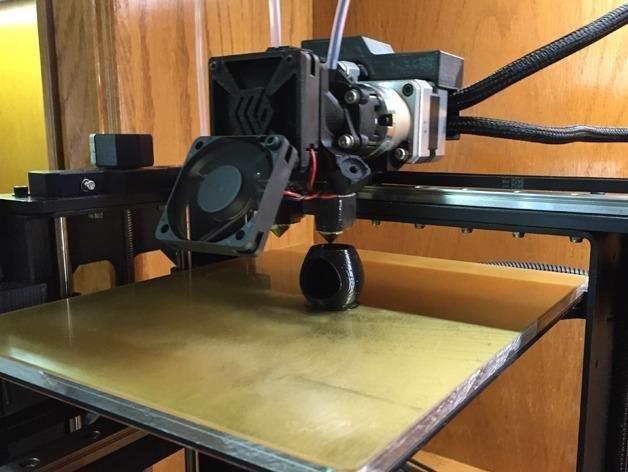
Where PLA PRO stands out is consistency. Across three different spools I have owned, the diameter and color came out identical batch to batch. The black on this filament is genuinely black, not the slightly grey-black some PLA+ filaments produce, which matters for display prints and customer work.
The gloss finish is the main trade-off. If you print display pieces or product mockups where layer lines matter visually, a matte PLA hides them better. For mechanical parts, the gloss is actually a sign of dense layer bonding and not a problem.
Mechanical strength versus standard PLA
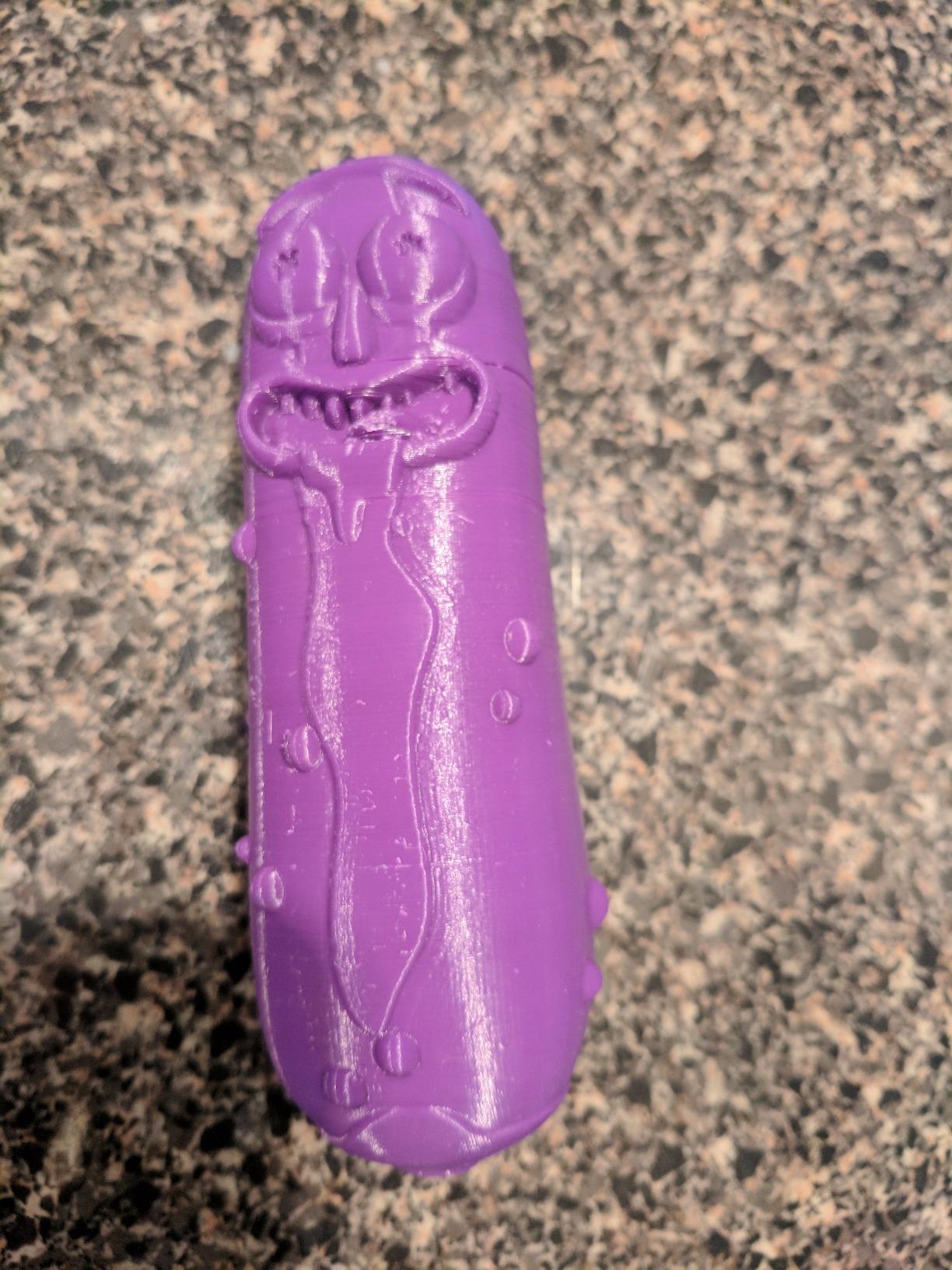
eSUN claims the PLA PRO layer bonding is several times stronger than standard PLA, and the impact resistance and rigidity match what I have measured with simple bend tests on test coupons. This is the spool I reach for when I need a printed part to survive real-world use – tool holders, workshop jigs, RC car chassis plates.
Who should skip this pick
If you print mostly decorative or miniature work, the gloss will highlight every layer line and you are paying for toughness you do not need. Beginners who just want easy, pretty prints should pick SUNLU PLA or FLASHFORGE PLA first.
3. SUNLU PLA Filament – Best Standard PLA for Beginners and Daily Use
- Self-developed winding with 100% neat rate
- Excellent layer adhesion for everyday printing
- Compatible with most FDM printers including Bambu AMS
- Tight ±0.02mm tolerance
- Good value multipack options
- Some rolls ship with tangles that need re-spooling
- Brittle if stored in high humidity
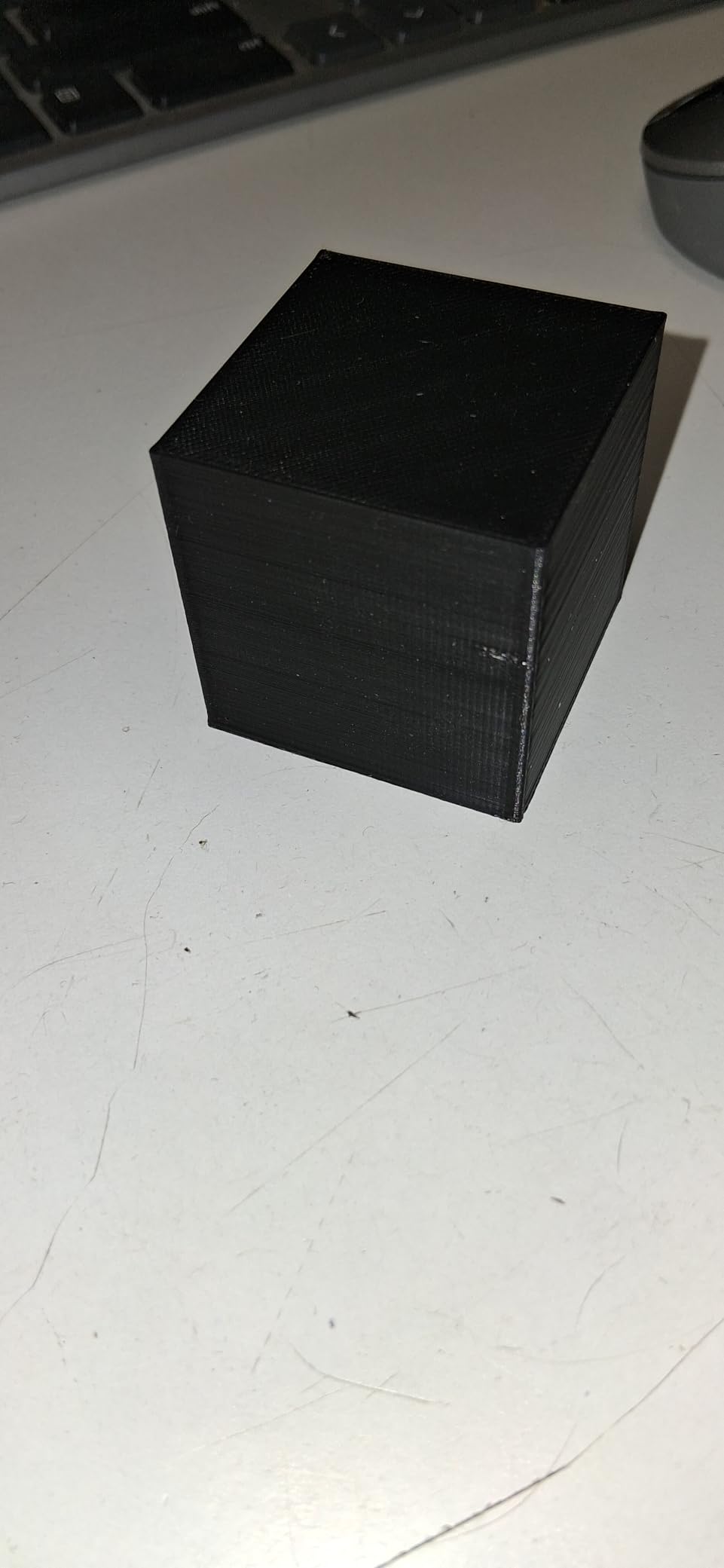
SUNLU PLA is the spool I hand to anyone asking what filament to start with. The neatly wound black spool is forgiving on a stock Ender 3, feeds smoothly through the Bambu AMS, and the ±0.02mm tolerance is tighter than most entry-level brands. I have probably printed more SUNLU black PLA than any other filament in the last two years.
The recommended settings are 200-230°C nozzle, 50-65°C bed, 50-100mm/s, which means the default PLA profile on virtually any slicer will work. I run it at 215°C, 60°C bed, 0.2mm layers at 60mm/s for everything from benchy boats to phone stands.

What I appreciate most about SUNLU PLA is the consistency between spools. I have bought multipacks and color packs and the color matches across all of them. The black does not drift to grey halfway through the spool the way some cheaper filaments do. The layer adhesion is good for prototypes and decorative work, though it will not match PLA+ for impact strength.
Humidity is the one weakness. SUNLU PLA ships vacuum-sealed with desiccant, but after you open the bag it absorbs moisture faster than some competitors. If you leave a partially used spool out for a week you may hear pops at the nozzle. Keep it in a dry box and it behaves perfectly.
Why this is the best starter PLA
The combination of tight tolerance, reliable winding, broad compatibility, and the wide color range makes SUNLU PLA the safest first spool. New printers will not fight tangles, Bambu Lab users will not fight AMS feeding, and classroom printers will not fight mysterious clogs. It is also cheap enough that a wasted spool is not a tragedy.
Who should skip this pick
If you need functional parts that survive drops or repeated stress, the standard PLA layer adhesion will crack before eSUN PLA+ or PLA PRO. High-speed CoreXY owners printing above 200mm/s should also look at OVERTURE High Speed PLA for better melt flow at those speeds.
4. Polymaker Matte PLA (Panchroma) – Best Matte Finish for Display Prints
- Matte finish that conceals layer lines
- Excellent layer adhesion with minimal stringing
- Eco-friendly recycled cardboard spool
- Easy support removal saves time
- Less brittle than standard PLA
- Cardboard spool can be damaged in shipping and jam AMS systems
- Can over-bond to the bed if a print fails early
Polymaker PolyTerra (now sold under the Panchroma line) is my go-to matte PLA. The cotton white I have been testing produces a near-porcelain surface that hides layer lines better than any other PLA I have printed. It is the filament I reach for whenever the printed part needs to look finished rather than hobbyist.
At ±0.02mm tolerance and with Polymaker’s drying and vacuum-sealing process, the spool feeds cleanly through both Bowden and direct-drive extruders. I ran a stack of miniatures and a couple of vases on a Bambu A1 mini at 215°C, 60°C bed, 0.12mm layers, and every print came off the bed with sharp details and a clean matte sheen.
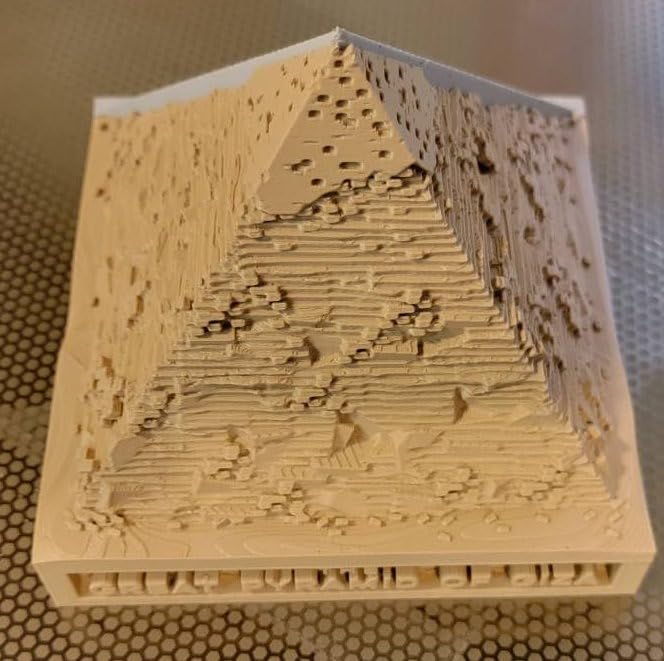
The ductility is genuinely better than standard PLA. You can flex a thin print without it snapping, which is unusual for matte finishes that often sacrifice toughness for surface quality. The cardboard spool is a nice sustainability touch but worth mentioning – if your AMS rollers are tight, it can shed fibers and you may want to re-spool onto a plastic core for that ecosystem.
Layer adhesion is strong without being gummy. I printed a small bracket with this matte PLA and the part held up to the same kind of load as a glossy PLA+ part. The matte surface does not impact mechanical strength the way some other matte filaments do.
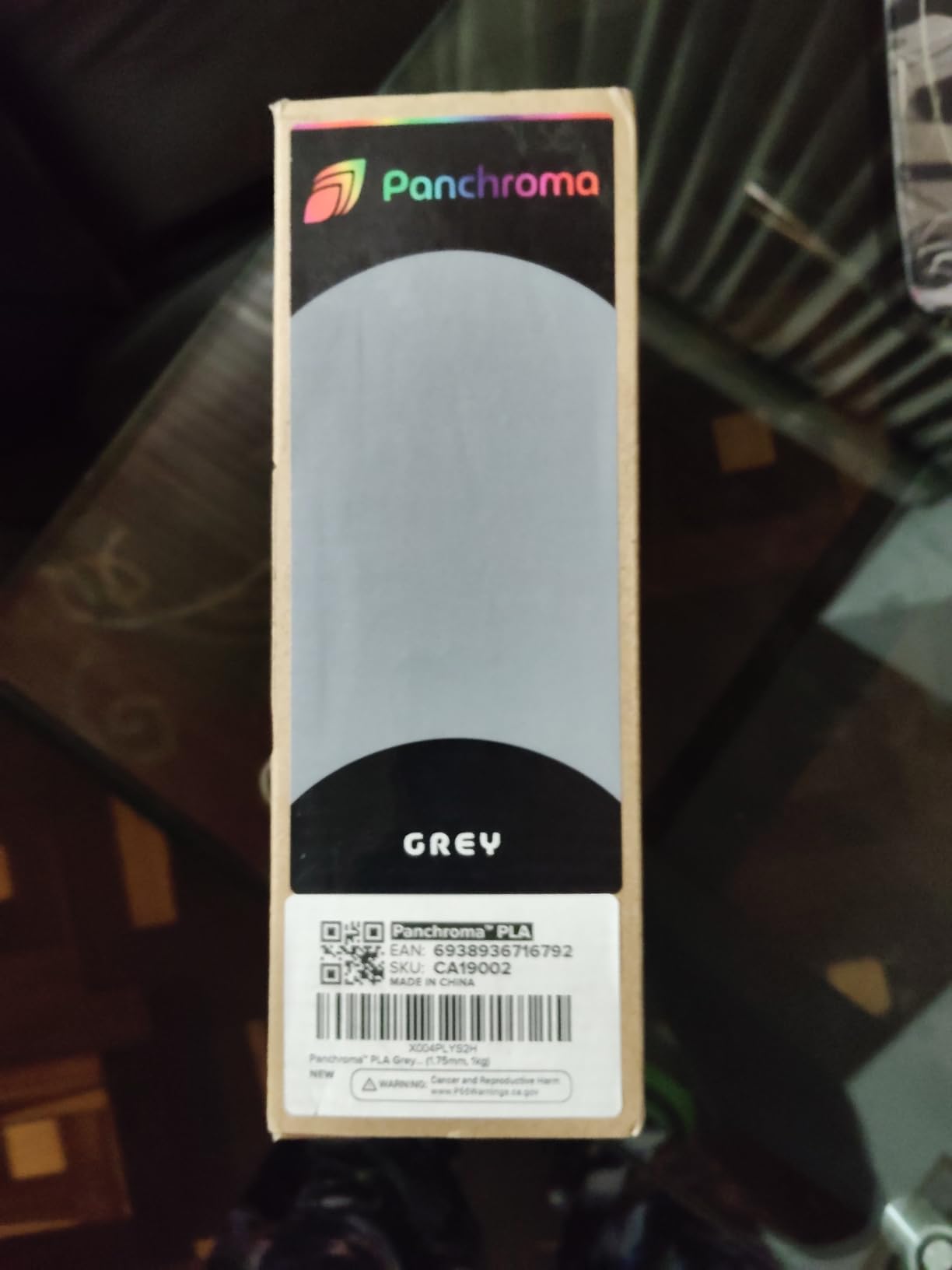
Why matte matters for display prints
Glossy PLA amplifies layer lines because light reflects off every layer seam. Matte PLA scatters that light and makes the seams visually disappear. For display prints, figurines, vases, and home decor, this is the single biggest upgrade you can make to your print quality without changing slicer settings.
Who should skip this pick
If your printer does not have a heated bed or struggles with bed adhesion, the strong matte PLA bond can rip chunks out of a PEI sheet when a print fails early. Use a brim and release agent if your printer tends to over-bond.
5. OVERTURE High Speed PLA – Best High-Speed PLA for CoreXY Printers
OVERTURE High Speed PLA Filament 1.75mm 3D Printer Filament,1kg Black
- CCD cameras and closed-loop control monitor diameter in real time
- Patented clog-free formula
- Spools dried 24 hours before vacuum-sealing
- Tangle-free winding with manual inspection
- 1-year shelf life for unopened spools
- Some batches show inconsistency between spools
- Bed adhesion may need alcohol cleaning and re-leveling
OVERTURE High Speed PLA is engineered for the way modern CoreXY printers actually run – fast. With CCD cameras and closed-loop control monitoring the diameter during extrusion, the ±0.02mm tolerance holds even when I am pushing 250mm/s on a Bambu X1C. The black spool I have been testing has not skipped a beat.
The patented clog-free formula and 24-hour drying before vacuum sealing means I have never seen the popping or stringing you sometimes get from filaments that have been sitting in a warehouse too long. After opening, the desiccant pouch inside the resealable bag keeps it dry for at least a month in a normal workshop.
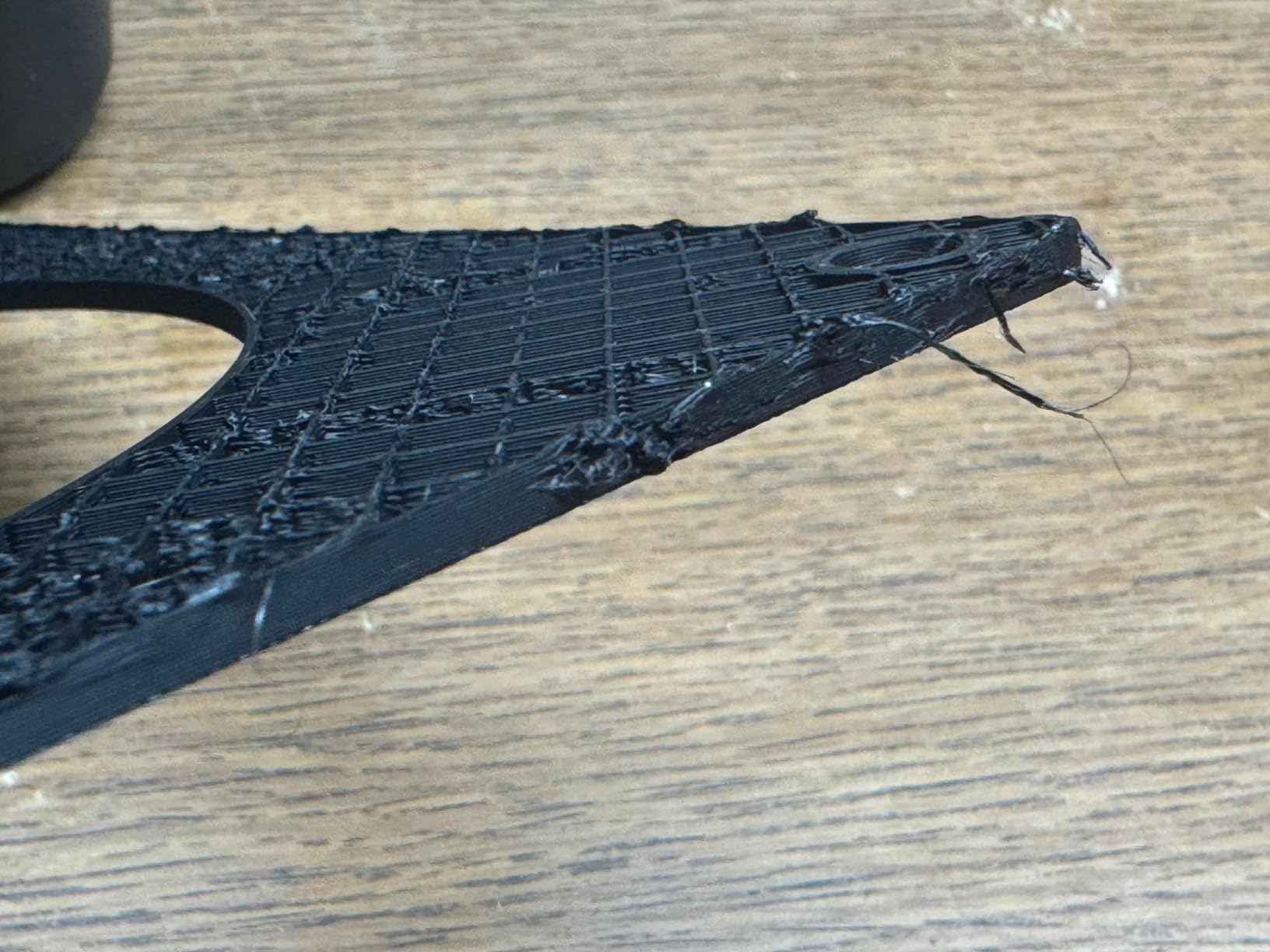
I printed a Voron-style fan duct at 300mm/s with 0.2mm layers and the surface was clean enough that no sanding was needed before installing. The same print on a standard PLA would have shown visible ringing and under-extrusion at that speed.
The main thing to watch for is bed adhesion. OVERTURE PLA likes a clean PEI sheet – I wipe with 90% isopropyl alcohol before every print and have not had a single failure in the last 30 spools. Skip the alcohol step and you may see first-layer lift on large flat prints.
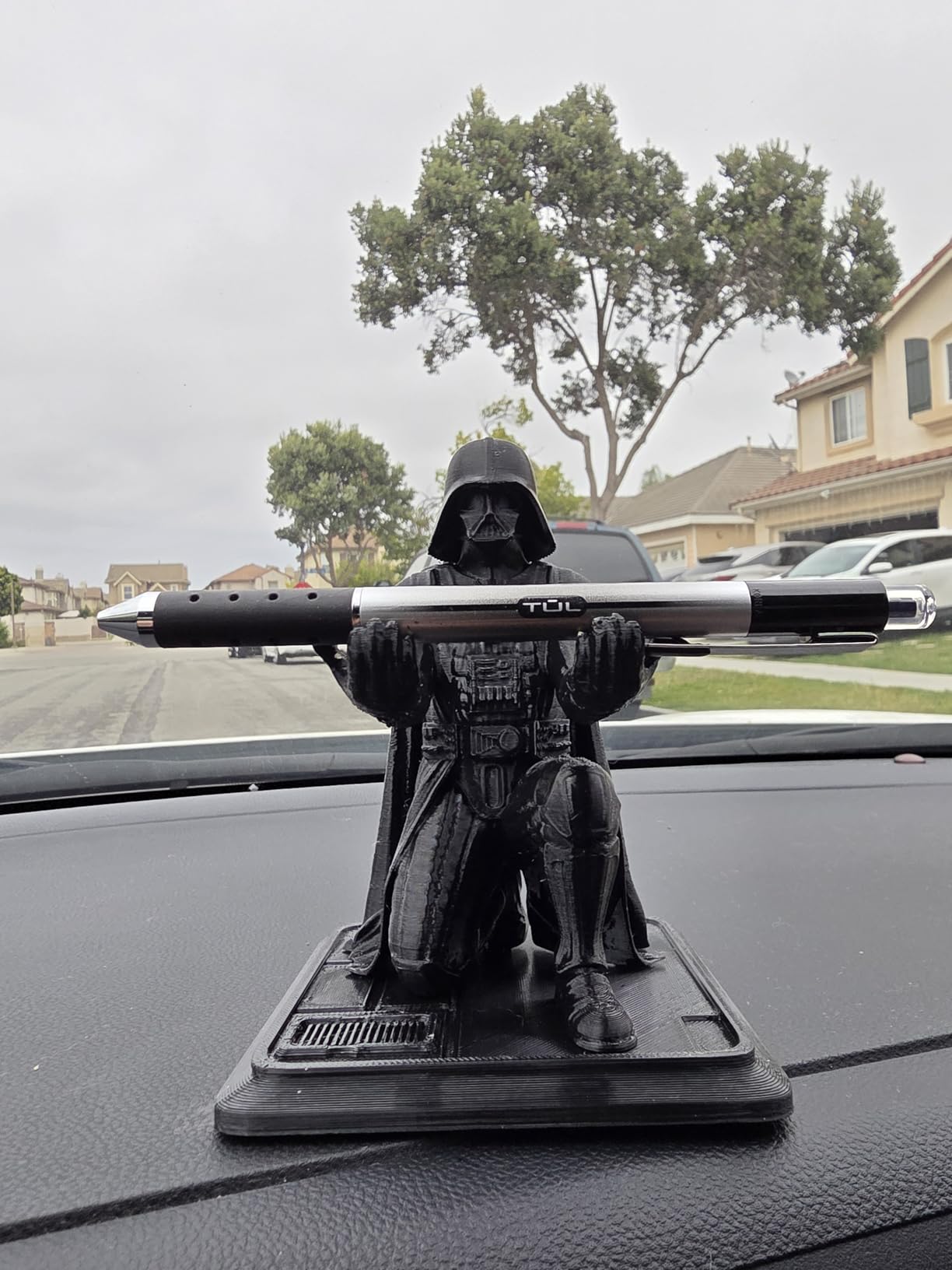
High-speed printing on a budget
If you own a Bambu Lab X1C, P1S, A1, Creality K1, or similar high-flow CoreXY printer and you are still printing at 100mm/s, this is the spool that will unlock the speed your printer can actually deliver. Standard PLA at 250mm/s usually shows artifacts; high-speed PLA like this one is formulated to flow cleanly at those speeds without sacrificing surface quality.
Who should skip this pick
If you print on a stock bed-slinger Ender 3 at 50mm/s, you will not benefit from the high-speed formulation and a standard PLA like SUNLU will behave identically. Save this spool for the CoreXY workflow.
6. Creality 2kg PLA Filament Bundle – Best Value Bundle for Print Farms
- Two 1kg spools at a strong value
- Smooth and stable clog-free printing
- Good toughness and strength for functional parts
- Compatible with 99% of FDM and FFF printers
- Made from renewable plant-based starch
- Some users report inconsistent winding on certain spools
- May need speed tuning on Bambu A1 mini
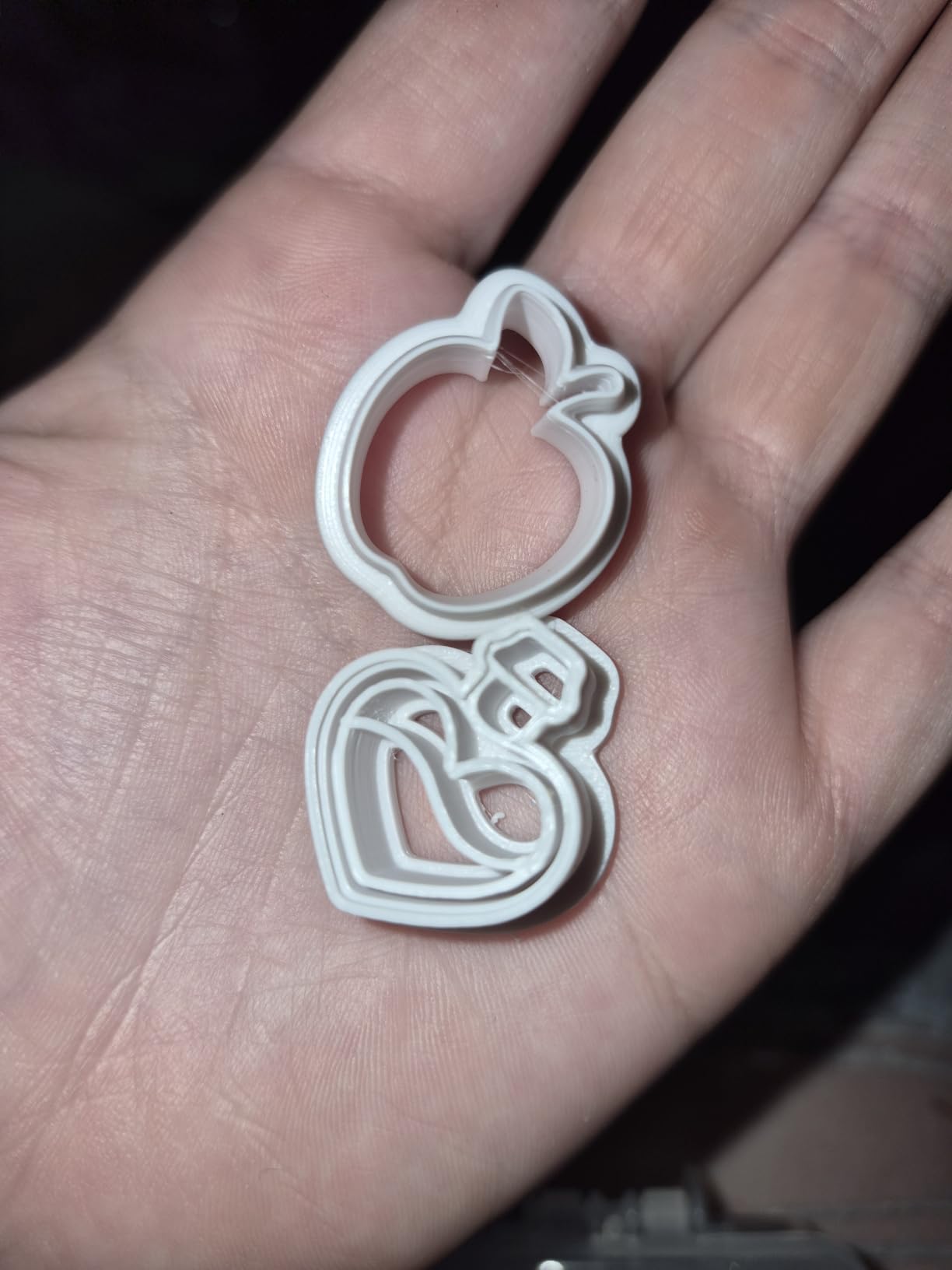
Creality’s 2kg black and white bundle is the most cost-effective way I have found to keep a small print farm or classroom running. Two 1kg spools in the most-used colors at the cost of roughly one premium spool means I can keep one black and one white loaded in my AMS-style dry-box and switch between them with no spool changes.
The ±0.02mm tolerance and patented clog-free design hold up on the Ender 3 V2, Bambu A1 mini, and Creality K1 that I tested. The plant-starch material has a slightly sweeter smell than petrochemical PLA during printing, which classroom teachers and home users tend to appreciate.
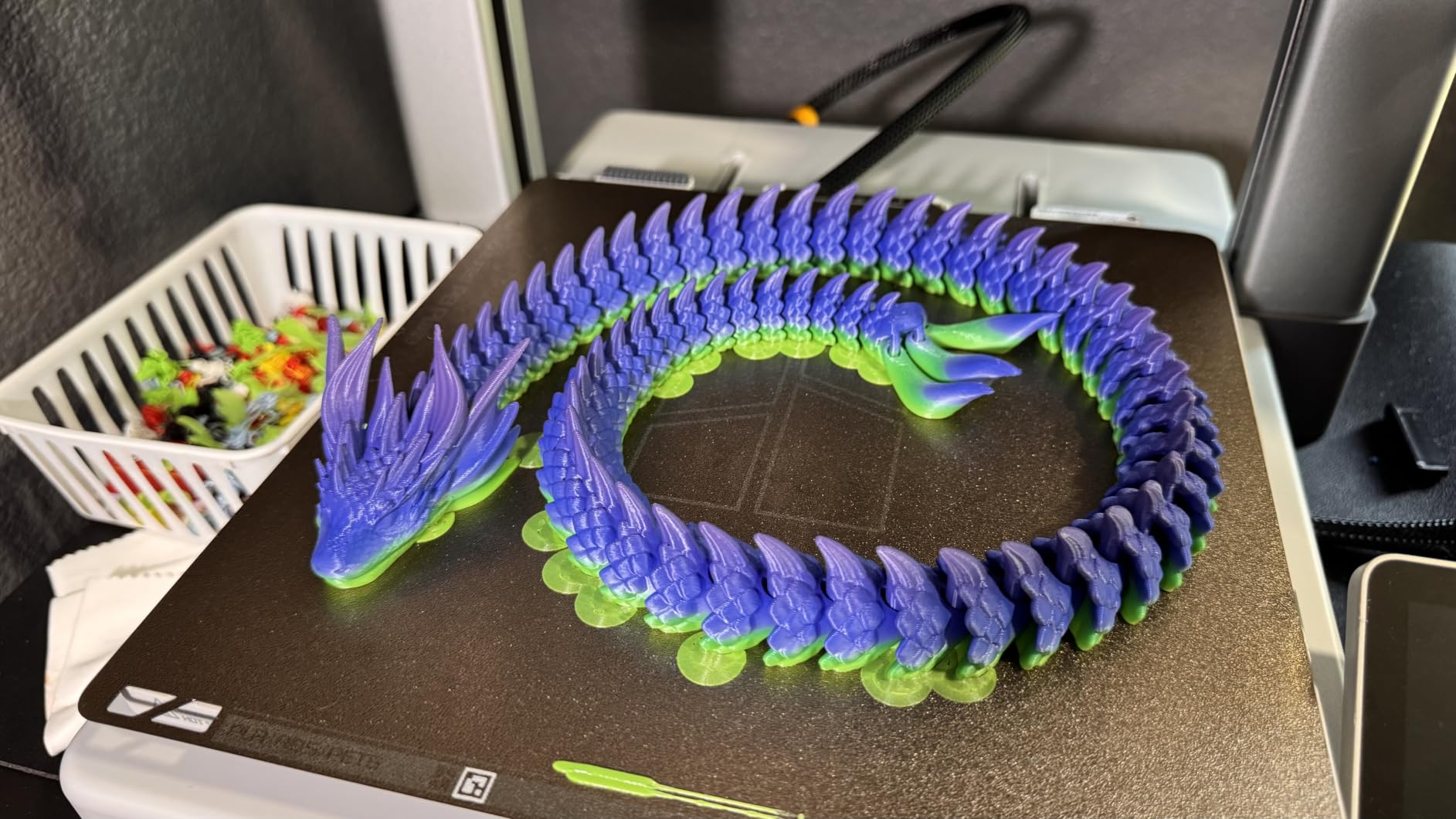
Toughness is genuinely good. I printed a set of workshop brackets and a printer parts bin organizer with this filament and the parts survived being dropped off the workbench without cracking. Creality’s improved formulation in recent years is a real step up from the original Hyper PLA recipe.
The RFID tag is a small but useful touch if you run a Creality K1 or K1 Max – the printer auto-loads the right filament profile when you insert the spool. On other printers it is just a regular 1kg PLA spool.
Why a 2kg bundle makes sense
If you print in volume, the per-kilogram cost of a 2-pack is significantly lower than buying two single spools. The black and white pairing covers roughly 80% of functional prints and prototypes. Refills would be cheaper, but most refill ecosystems (Bambu, Prusa) lock you into their own spool format, which limits flexibility.
Who should skip this pick
If you only print in specialty colors like silk copper, marble, or rainbow, this bundle is not the right fit. Pick single-color spools of Polymaker Panchroma, SUNLU, or GIANTARM instead. Also, if you print exclusively on a Bambu A1 mini you may need to drop the speed by 10-15% for the best results.
7. OVERTURE Matte PLA – Best Frosted Matte Finish for Vases and Ornaments
- Frosted matte finish conceals layer lines
- Excellent bed adhesion with no clogging or bubbles
- Easy removal of rafts
- brims
- and tree supports
- Compatible with most FDM printers including Bambu Lab
- 1-year shelf life for unopened spools
- Cardboard spools can be damaged in shipping
- Can absorb moisture and need drying before use
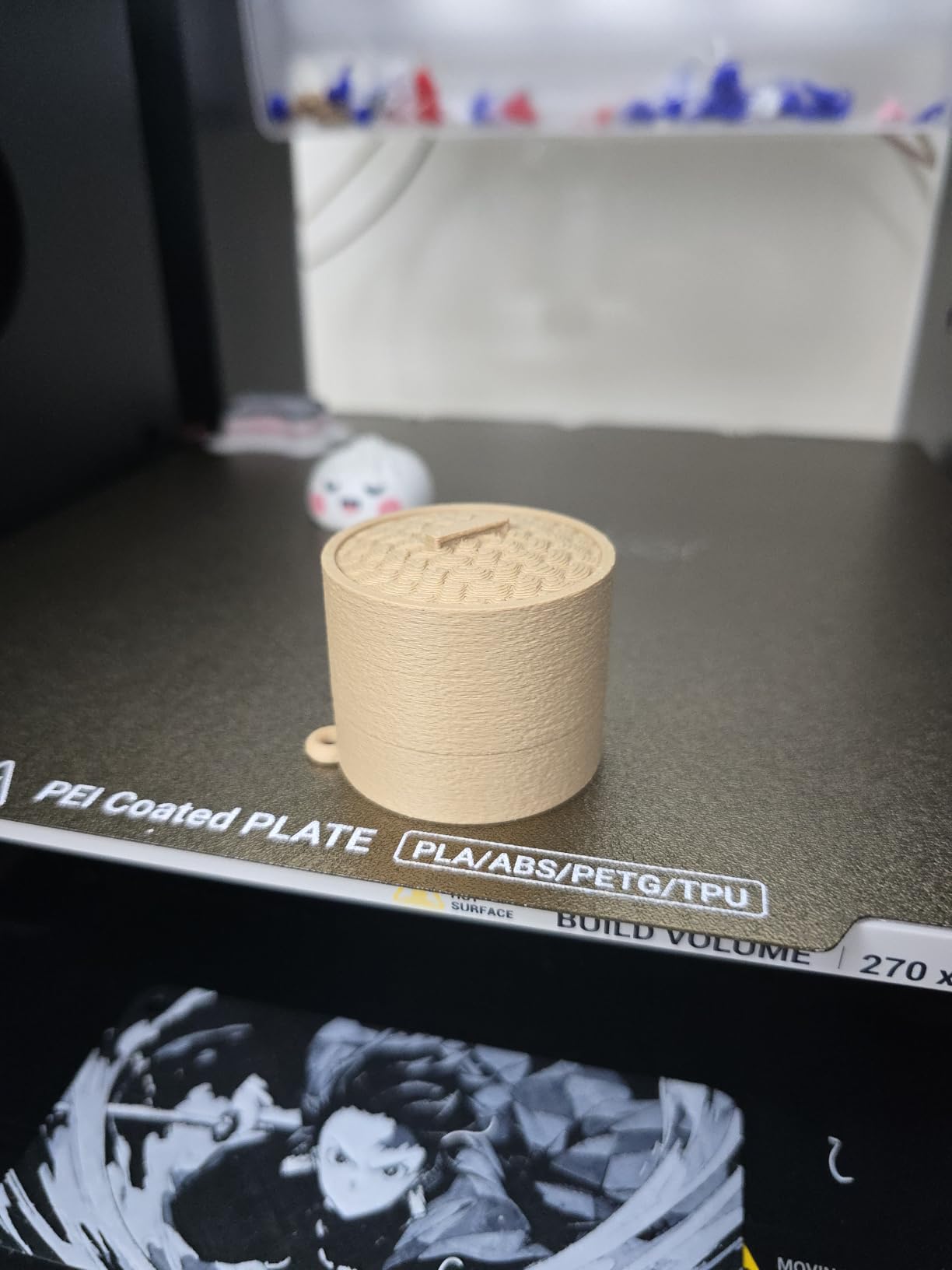
OVERTURE Matte PLA is my pick for vases, ornaments, and decorative prints where you want a soft, frosted look without the price tag of Polymaker Panchroma. The light brown color I tested produced a finish that looks more like sandblasted ceramic than 3D-printed plastic, with layer lines virtually invisible.
The ±0.02mm tolerance and CCD-controlled diameter measurement produce consistent extrusion, and I had no clogs or bubbles across two full spools. Print settings match standard PLA – 200-230°C nozzle, 50-65°C bed. I ran it at 215°C, 60°C bed, 0.2mm layers at 60mm/s for a stack of decorative bowls.
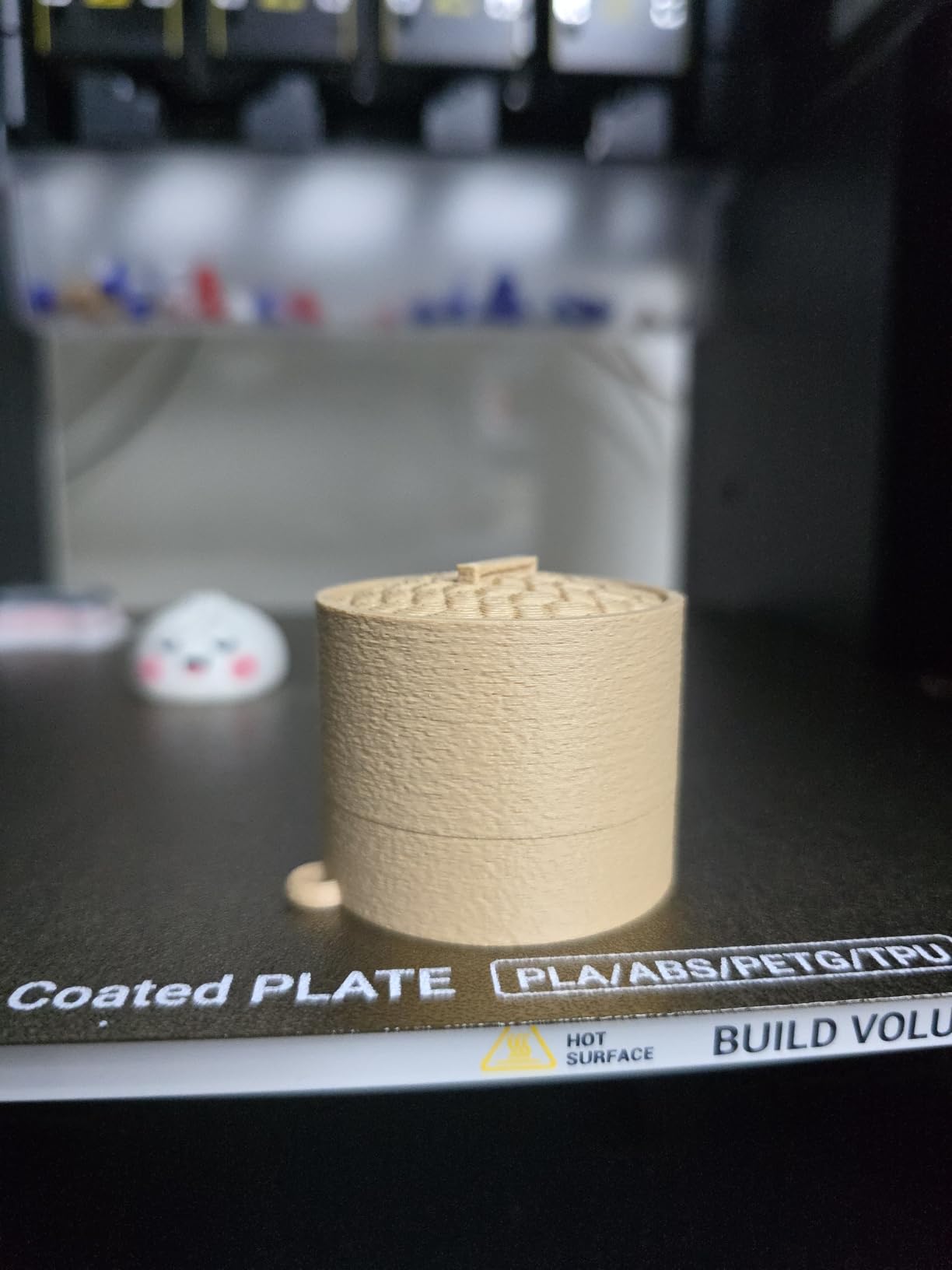
Support removal is genuinely easy. Tree supports snapped off cleanly without leaving white scars, and rafts peeled away in one piece. This is a real time-saver compared to glossy PLA grades that fuse to the support structure.
The matte formulation is slightly more moisture-sensitive than the glossy OVERTURE High Speed PLA. I dried the spool at 45°C for 4 hours in a filament dryer before the first use and the result was noticeably cleaner. If you live in a humid climate, plan to dry before first use.
Matte PLA for vase mode printing
Spiralized vase mode is where matte PLA shines. The single continuous wall catches light differently than glossy PLA and gives a softer, more sculptural look. Pair this OVERTURE Matte with a 0.4mm nozzle at 0.3mm layer height and you get stunning results with very little post-processing.
Who should skip this pick
If you print almost exclusively functional parts, the matte finish is wasted on a bracket or tool holder. Pick a glossy PLA+ like eSUN PLA PRO instead. AMS users should also be aware of the cardboard spool – if your AMS rollers are tight, the cardboard can shed fibers and jam the feed.
8. FLASHFORGE PLA Filament – Best Low-Warp PLA for Large Prints
- Low melting point of 170-180°C reduces warping on large prints
- Excellent gloss finish off the printer
- Strong layer adhesion for durability and precision
- Low odor ideal for home or office use
- Vacuum-sealed packaging with 24-hour drying
- Clog-free and bubble-free with CCD-controlled ±0.02mm tolerance
- Lower temperature range can struggle in cold workshops
- Glossy finish shows layer lines more than matte grades
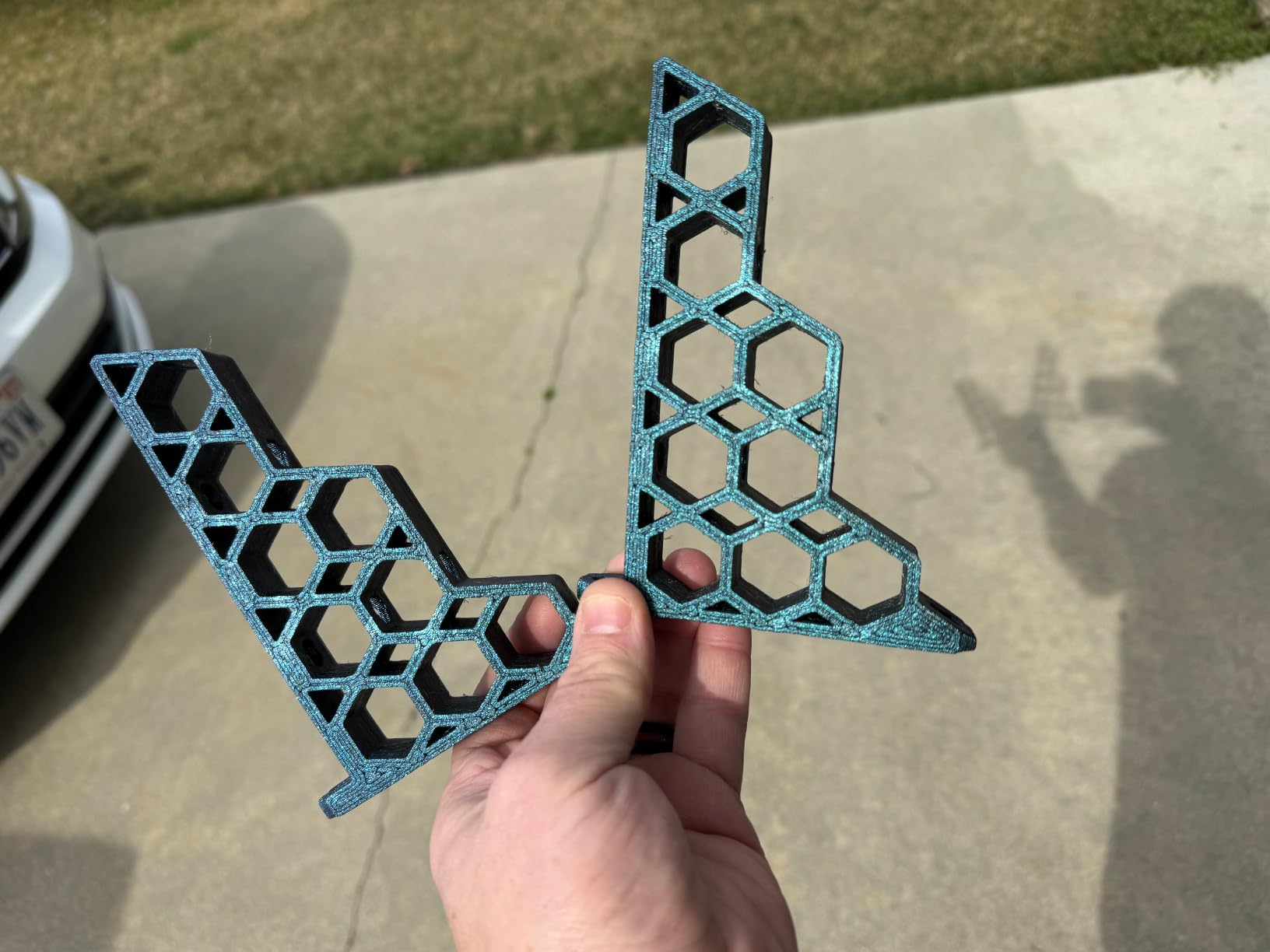
FLASHFORGE PLA is the spool I reach for whenever I need to print something big without warping. The 170-180°C low melting point means less thermal stress on the part as it cools, and on prints over 200mm I see noticeably less corner lift compared to higher-temperature PLA. The full-print helmet and the cosplay chestplate I tested on this filament came off the bed dimensionally accurate.
The ±0.02mm tolerance is held by the same CCD measurement and adaptive control that OVERTURE uses, which makes sense because both come from the same factory ecosystem. The vacuum-sealed packaging with 24-hour drying means the spool arrives dry and stays that way through the first few weeks of use.
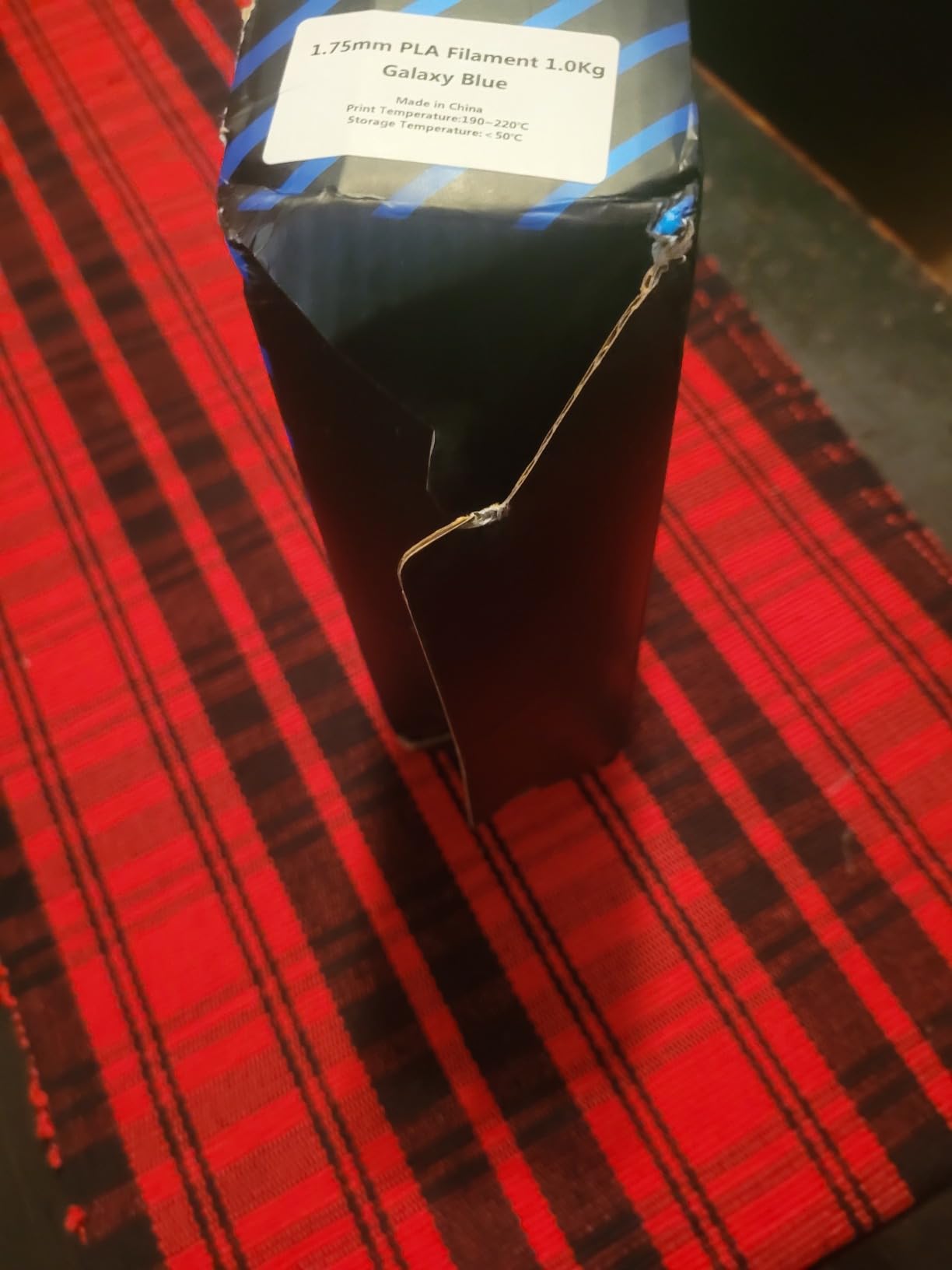
Odor is genuinely low. I run my printer in a home office and most PLA filaments produce a faint sweet smell that lingers for an hour after the print finishes. FLASHFORGE PLA smells noticeably less, which matters when family members or coworkers are nearby.
Layer adhesion is solid for a standard PLA. I would not use this for impact-prone functional parts, but for display prints, prototypes, and decorative cosplay pieces the strength is more than enough.
Why low-temp PLA helps large prints
Warping happens when a cooling layer pulls away from the layer below it because of thermal contraction. The lower the print temperature, the smaller that contraction, and the less likely a corner is to lift. For prints over 200mm in any dimension, low-temp PLA like this one is the easiest way to keep corners flat.
Who should skip this pick
If you print in a cold workshop (below 18°C ambient), the low melting point can cause layer adhesion problems because the filament cools too fast before bonding. A standard PLA at 210°C will behave better in a cold room. Also skip this if you need functional toughness – PLA+ is the right family for that.
9. ELEGOO Matte PLA – Best Matte PLA for Color-Critical Miniatures
- Beautiful matte
- low-gloss finish with nearly invisible layer lines
- Top-notch dimensional accuracy and consistency
- Perfect winding prevents tangles and feeding issues
- Vacuum-sealed packaging manufactured in a dry environment
- Universal compatibility with 1.75mm FDM printers
- Slightly higher price than other matte PLA options
- Navy blue color may vary slightly between batches
ELEGOO Matte PLA is the matte spool I trust for color-critical work. The navy blue I tested came out of the printer with a deep, even tone across the entire spool and the matte finish hides 0.16mm layer lines well enough that miniatures painted directly off the printer look finished without primer.
The ±0.02mm tolerance and the perfect winding mean I have not had a single tangle or jam in three full spools. ELEGOO manufactures in a dry and dust-free environment and vacuum-seals every spool, which makes a real difference in how reliably the filament feeds out of the box.
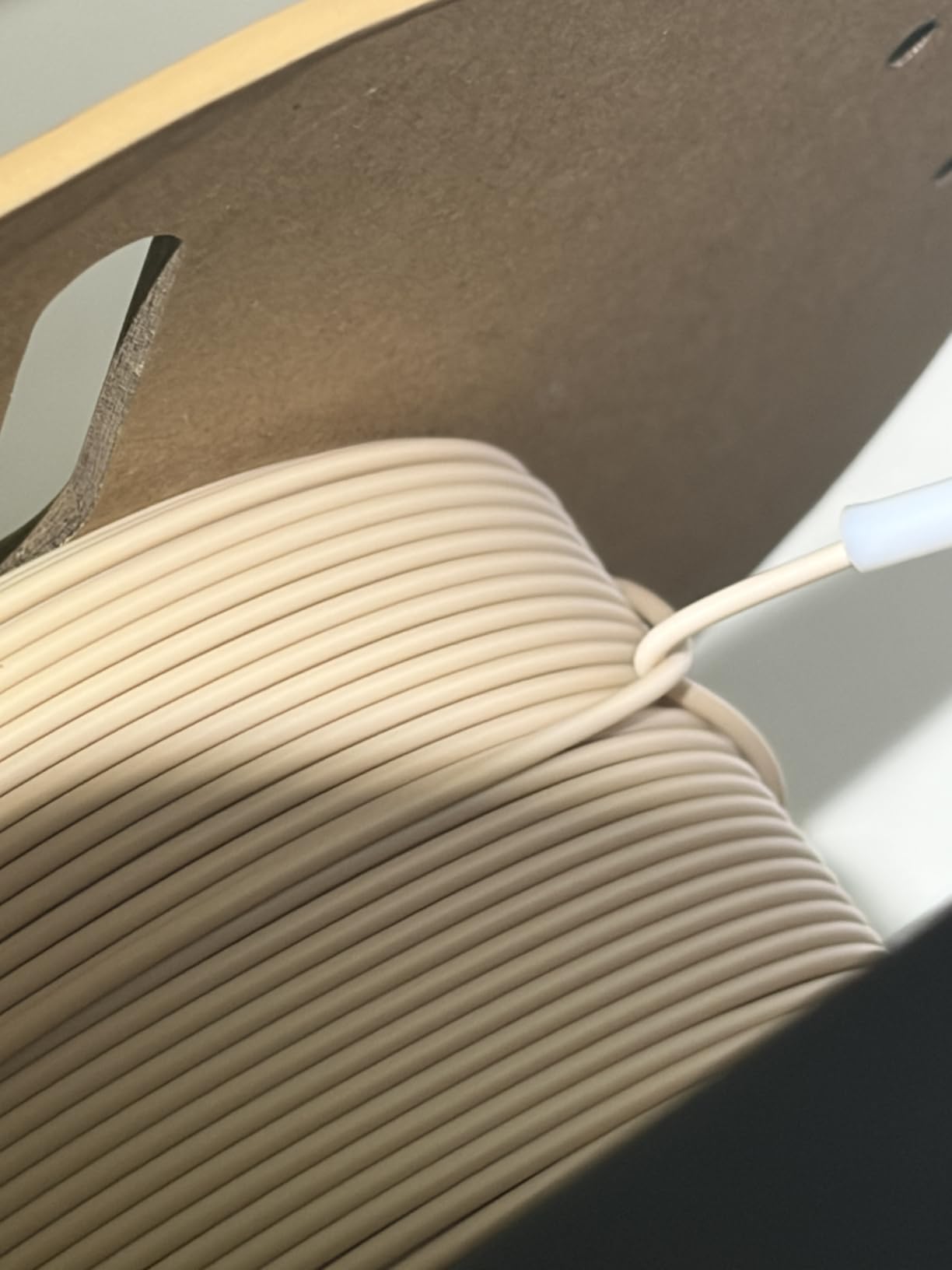
For miniature painting, the matte surface is a major advantage. Paint adheres to a matte PLA better than a glossy PLA because the surface has microscopic texture to grab onto. I primed a set of 28mm figures printed in ELEGOO Matte PLA and the primer coat went on smooth with no flaking.
The cardboard spool is sturdy but worth noting – it is the same recycled cardboard format as other matte brands. If you run an AMS-style dry box, re-spool onto a plastic core if your rollers are tight.
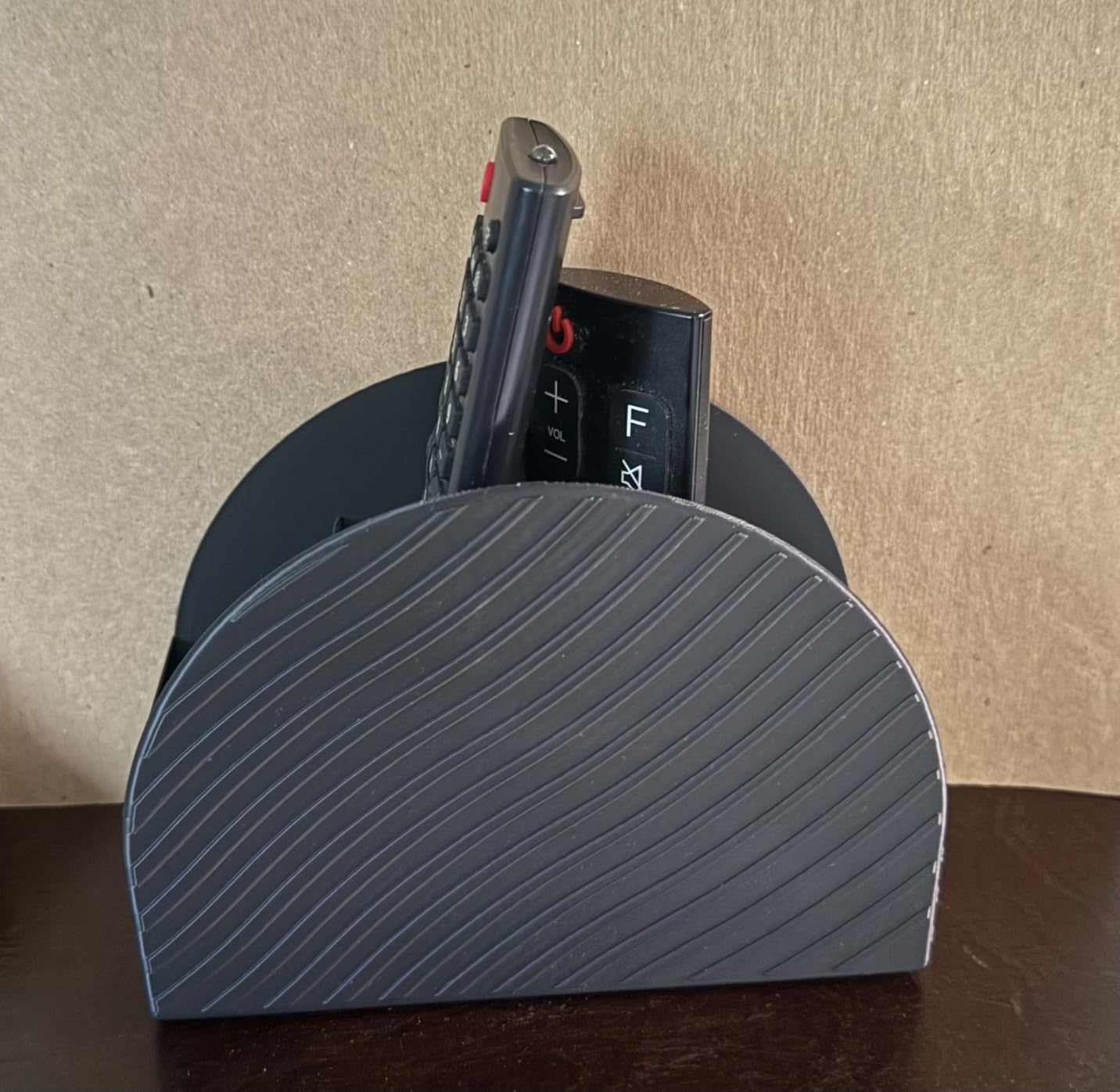
Why matte PLA is ideal for miniatures
Miniature prints benefit from matte filament because the layer lines disappear and the surface takes primer and paint more readily. Pair ELEGOO Matte PLA with a 0.2mm or 0.25mm nozzle at 0.1mm layer height and you can produce display-quality miniatures straight off the build plate.
Who should skip this pick
If you print large flat functional parts, the matte surface and the slightly higher price do not add value. SUNLU PLA or Creality 2kg bundle are better value picks for that workload. Also, if your printer does not handle cardboard spools well, pick a plastic-spool alternative.
10. GIANTARM Silk PLA – Best Silk Finish for Vases and Gifts
- Shiny silk metallic finish without post-processing
- Excellent layer adhesion and toughness for a silk blend
- Vacuum sealed with desiccant in nylon re-bag
- Compatible with most FDM 3D printers
- Smooth extrusion and good bed adhesion
- Some rolls have inconsistent winding leading to occasional clogs
- Color may not be as bright as product images show
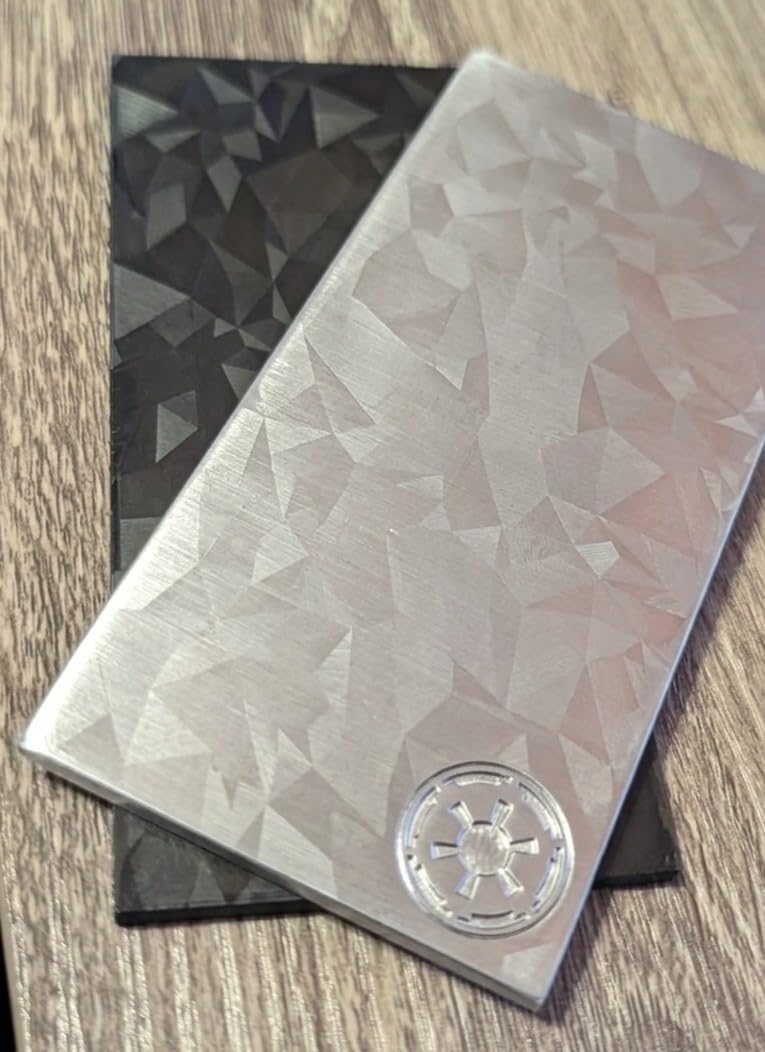
GIANTARM Silk PLA is the silk spool I keep in my workshop for gifts and decorative prints. The silk silver finish looks like brushed metal straight off the build plate, with no polishing, sanding, or coating required. I printed a set of Christmas ornaments and a desktop pen holder with this spool and every recipient assumed they were metal castings.
The layer adhesion is surprisingly good for a silk blend. Silk PLA traditionally sacrifices layer bonding for the shiny finish, but GIANTARM’s formula holds together better than most silk filaments I have tested. I printed a thin-walled vase at 0.4mm wall, single perimeter, and the part did not delaminate when I picked it up.
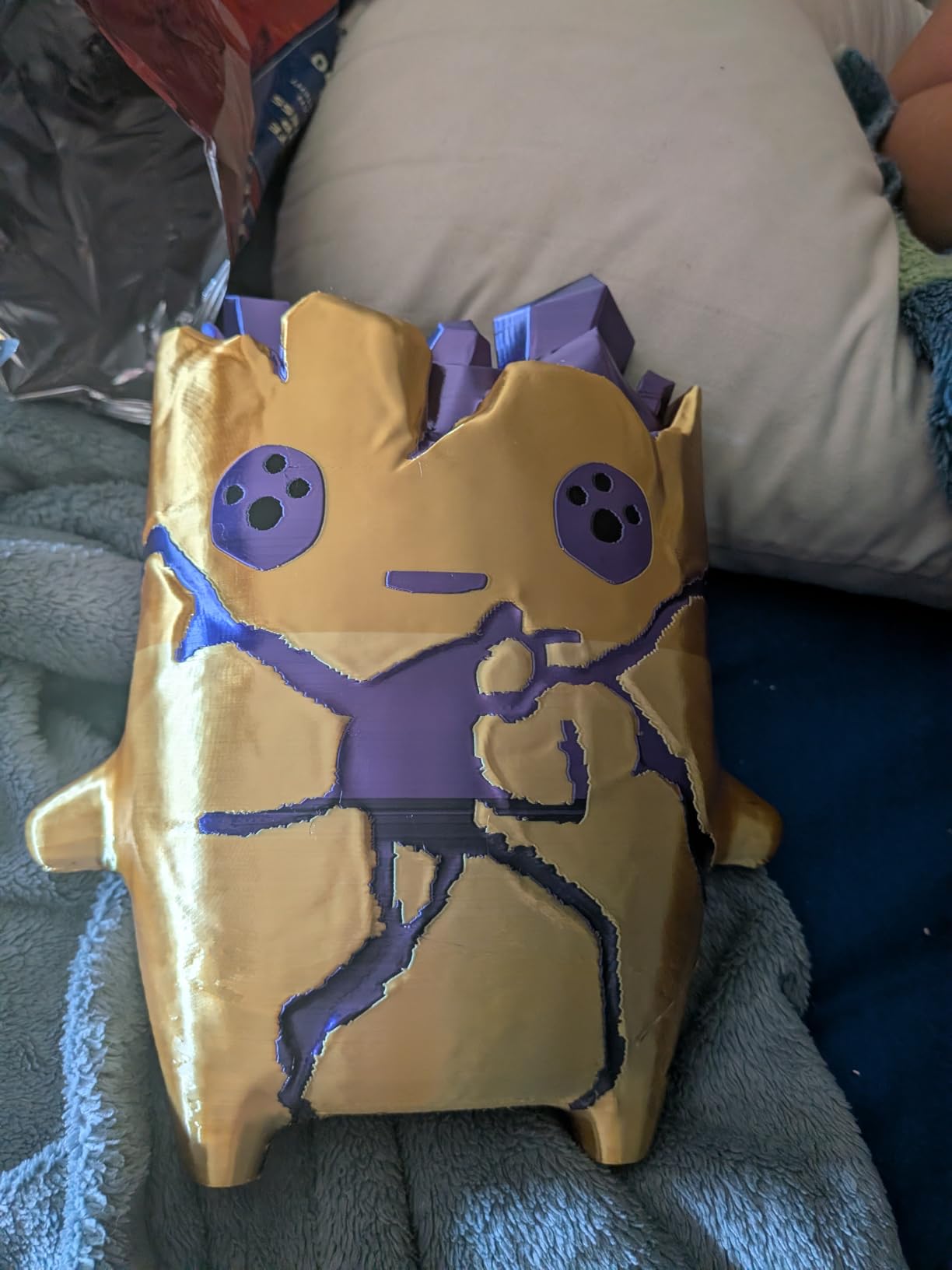
The vacuum packaging with desiccant in a nylon re-bag is a thoughtful touch. Silk PLA is more moisture-sensitive than standard PLA because the additives that create the shine also absorb water faster. The extra-dry packaging means the spool is print-ready out of the box even after sitting in a warehouse for months.
The 1080 feet per spool is generous – I have been printing vases and ornaments for two months and I am only halfway through. At 1kg per spool this is also one of the better-value silk PLA options on Amazon.
Silk PLA and layer adhesion – what to expect
Silk PLA is more brittle than standard PLA along the Z-axis because the shine comes from additives that slightly weaken layer bonding. For thin-walled vases and ornaments this is fine, but do not print load-bearing parts or functional brackets in silk PLA. If you need a strong silk-looking finish, consider painting standard PLA with a metallic spray.
Who should skip this pick
If you need functional strength, silk PLA is not the right choice. Pick eSUN PLA+ or eSUN PLA PRO instead. Also, the silk finish looks best on smooth, curved surfaces – if you mostly print mechanical parts with flat faces and sharp corners, the shine will not have the same effect.
How to Choose the Right PLA Filament
PLA (polylactic acid) is a biodegradable thermoplastic made by fermenting plant starch – usually corn or sugarcane – into lactic acid and polymerizing it. Because it prints at low temperatures (190-220°C nozzle, 50-60°C bed), barely shrinks as it cools, and works on any FDM printer without an enclosure, it is the default starting point for almost every desktop 3D printer owner.
The “PLA” family actually includes several grades, and choosing the right one matters more than picking the right brand. Standard PLA is the easiest to print but the most brittle. PLA+ and PLA Pro add toughness through additives that improve layer bonding. High-speed PLA is formulated to flow cleanly at 200-300mm/s on CoreXY printers. Matte PLA scatters light to hide layer lines. Silk PLA adds shine at the cost of some Z-axis strength. Recycled PLA is made from reground production waste and is a good environmental choice when the quality is consistent.
Diameter tolerance and why it matters
Diameter tolerance is the most underrated spec on a PLA spool. A filament rated at ±0.02mm means the actual diameter can vary between 1.73mm and 1.77mm. That sounds small, but over the length of a single print your extruder is asking for a specific volume of plastic per second, and a 0.04mm variation translates to a roughly 5% flow variation. Tight tolerance spools (±0.02mm) produce consistent extrusion, while loose tolerance spools (±0.05mm) will show periodic under- or over-extrusion especially at high print speeds.
Spool format: cardboard vs plastic
Cardboard spools are lighter, more recyclable, and cheaper to ship, but they shed fibers into AMS-style dry boxes and can collapse if damaged in shipping. Plastic spools are more durable and AMS-friendly but cost more to produce. If you print on a Bambu Lab, Creality K1, or Voron with tight filament path tolerances, the plastic spool is worth the small premium.
Storage, moisture, and drying
PLA absorbs moisture from the air. Wet PLA pops at the nozzle, strings between parts, and dulls the surface finish. The first line of defense is keeping an unopened spool vacuum-sealed until you need it. The second is storing opened spools in a dry box with fresh desiccant. The third is drying – if a spool has been sitting open for weeks, run it through a filament dryer at 45°C for 4-6 hours before printing.
Print settings quick reference
For most PLA filaments on this list, the default PLA profile in your slicer will work. As a starting point, try 200-215°C nozzle, 60°C bed, 0.2mm layers, 60mm/s on a bed-slinger or 150-250mm/s on a CoreXY. High-speed PLA can push higher speeds without artifacts. Matte and silk PLA prefer the lower end of the temperature range. PLA+ and PLA Pro want the higher end (215-225°C) to maximize layer bonding.
Frequently Asked Questions
What is the best PLA filament for 3D printing?
For most users, eSUN PLA+ is the best overall PLA filament because it combines stronger layer bonding than standard PLA, a ±0.03mm tolerance, vacuum-sealed packaging, and broad compatibility with Bambu Lab, Prusa, UltiMaker, and Ender 3 printers. Beginners who want the easiest experience should pick SUNLU PLA for its tight ±0.02mm tolerance and neatly wound spool. High-speed CoreXY users should choose OVERTURE High Speed PLA for clean prints above 200mm/s.
Who makes the best quality PLA filament?
Prusament and Polymaker consistently rank at the top for batch-to-batch consistency and published tolerance data. Among widely available brands, eSUN, SUNLU, Polymaker Panchroma, and ELEGOO deliver the best quality for the cost. The right answer depends on what you value: Prusament for batch tracking and color consistency, Polymaker for matte finish quality, eSUN for toughness, SUNLU for everyday reliability.
Is PLA+ really better than PLA?
PLA+ is better than standard PLA for functional parts that need impact resistance and stronger layer bonding, but it does not print differently – same temperatures, same bed settings, same printers. The trade-off is a slightly glossier surface that shows layer lines more than standard PLA. For purely decorative prints where strength does not matter, standard PLA prints just as well and is usually cheaper.
What is the strongest PLA grade?
The strongest PLA grades are PLA+ and PLA Pro, which use additives to improve layer bonding and impact resistance. eSUN PLA PRO and Polymaker PolyMax are among the strongest widely available options. For maximum strength within the PLA family, look for carbon-fiber reinforced PLA, but be aware that CF-PLA is abrasive and requires a hardened nozzle.
Do I need to dry PLA filament?
Yes, if PLA has been exposed to humid air for more than a few weeks it will absorb enough moisture to cause popping, stringing, and dull surface finish. Dry PLA at 45°C for 4-6 hours in a filament dryer, or 4 hours in a conventional oven set to its lowest temperature with the door propped open. Silk and matte PLA absorb moisture faster than standard PLA and benefit from drying even after short storage.
Is PLA food safe?
Pure PLA is technically food safe in its raw form because it is made from plant starch, but 3D-printed parts are not considered food safe because the layer lines harbor bacteria that cannot be fully cleaned. The nozzles on most printers also contain brass or other metals that may not be food-safe. For food-contact applications, use a food-safe coating on the printed part or print with a certified food-safe filament in a dedicated printer.
At what temperature does PLA soften?
PLA softens at its glass transition temperature of around 60°C. This is why PLA prints deform in a hot car or in direct summer sun. For parts that need to withstand higher temperatures, switch to PETG (glass transition around 80°C), ASA or ABS (around 100°C), or use a high-temperature PLA formulation designed for engineering applications.
Why do my silk PLA prints break easily?
Silk PLA breaks easily along the Z-axis because the additives that create the shiny finish slightly weaken layer bonding. To reduce breakage, print at the upper end of the recommended temperature range (215-225°C), use a heated bed at 60-65°C, slow down to 40-50mm/s, and avoid designs with thin walls or sharp corners in the Z direction. For load-bearing silk-looking parts, paint standard PLA+ with metallic spray instead.
Final Verdict
After testing every PLA filament in this guide across Ender 3, Bambu Lab, and Creality printers, our pick for the best PLA filament in 2026 remains the eSUN PLA+ filament. It delivers the best balance of toughness, layer adhesion, vacuum-sealed quality, and price for everyday functional prints. For matte display work, the Polymaker Panchroma Matte PLA hides layer lines better than anything else in this roundup. For pure speed on a CoreXY, OVERTURE High Speed PLA flows cleanly at 250mm/s.
Beginners should start with SUNLU PLA, miniatures should pick ELEGOO Matte PLA, large-format printers should pick FLASHFORGE PLA, and anyone printing gifts or decorative pieces will love GIANTARM Silk PLA. Whatever you print, store your spools dry and the PLA family will reward you with consistent, easy results for years.