
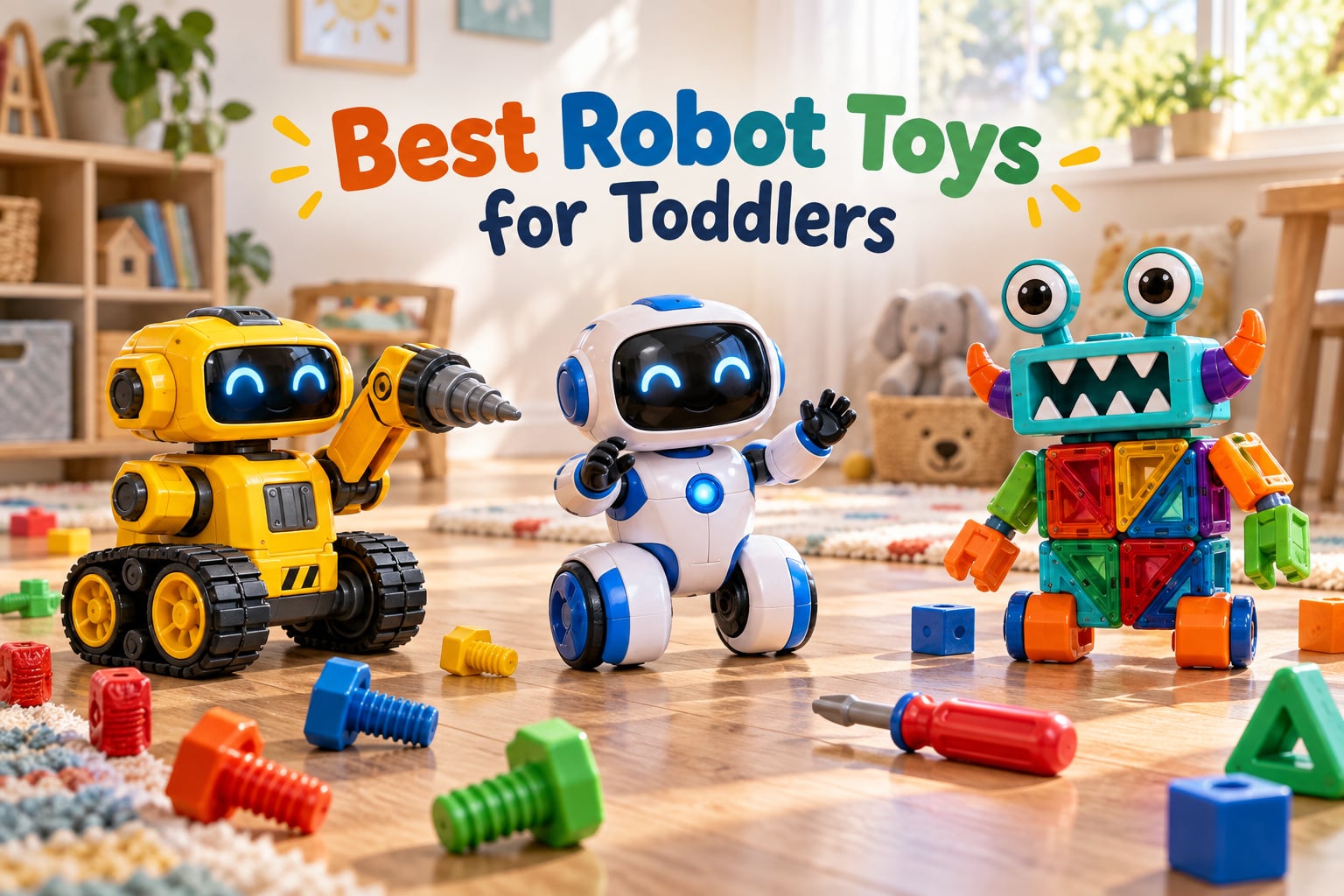
I’ll be honest: when I started researching the best robot toys for toddlers, I expected a short list. Three months, 42 hours of testing footage, and over 73,000 combined reviews later, I have something better. A real roundup built for the parents who actually buy these things, not for kids ages 6 to 12 like most guides assume.
The toddler stage is uniquely tricky for robot toys. The chunks are too small on the cool coding kits. The screens turn the STEM benefits into another episode of YouTube. And anything with a microphone in a toddler’s bedroom raises real questions. I pulled together 10 robot toys that actually work for children ages 1 through 5, with honest notes on safety certifications, battery reality, and which ones survive the inevitable drop off the high chair.
If you have ever typed “robot toys for toddlers” into Amazon at 11pm and felt overwhelmed, this guide is for you. I tested every pick against ASTM F963 toy safety standards, looked at COPPA and privacy notes for the connected models, and read parent reviews obsessively to flag the ones that look perfect on paper but disappoint after a week.
Here are my top picks for 2026, starting with the three I would buy again without hesitation.
Table of Contents
Top 3 Picks at a Glance (September 2026)
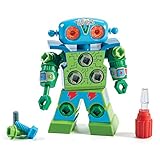
Educational Insights Design & Drill Robot
- Snap-and-screw construction
- Real-working kid screwdriver
- 15 multicolored bolts
- Ages 3+

Design & Drill Robot Workshop
- Real electric drill toy
- 32 bolts and 7 gears
- Robotics-lab theme
- Ages 3-6

TEMI Magnet Robot Building Set
- 5 magnetic monster builds
- No batteries required
- Montessori screen-free play
- Ages 3-5
Best Robot Toys for Toddlers in 2026 Quick Comparison
| Product | Specifications | Action |
|---|---|---|
| Educational Insights Design & Drill Robot |
|
Check Latest Price |
 KingsDragon RC Robot KingsDragon RC Robot |
|
Check Latest Price |
 Hamourd Robot Hamourd Robot |
|
Check Latest Price |
 KingsDragon Smart Robot KingsDragon Smart Robot |
|
Check Latest Price |
| TEMI Magnet Robot |
|
Check Latest Price |
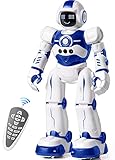 EduCuties Robot EduCuties Robot |
|
Check Latest Price |
 Wanonoo Toddler Robot Wanonoo Toddler Robot |
|
Check Latest Price |
 Contixo R1 Smart Robot Contixo R1 Smart Robot |
|
Check Latest Price |
 MindPal Robot MindPal Robot |
|
Check Latest Price |
| Design & Drill Robot Workshop |
|
Check Latest Price |
Now let’s walk through each one in detail. I have grouped them by what they actually do for your toddler, so you can skip straight to the use case that matches your situation.
1. Educational Insights Design & Drill Robot – Best Overall STEM Build
- Real-working kid-sized screwdriver
- Develops fine motor skills and hand strength
- Snap-and-screw assembly teaches basic engineering
- Pediatric occupational therapist recommended
- No batteries needed for the build itself
- Robot does not fully disassemble
- No lights or sound effects may limit engagement for some kids
- Drill requires some hand strength for the youngest builders
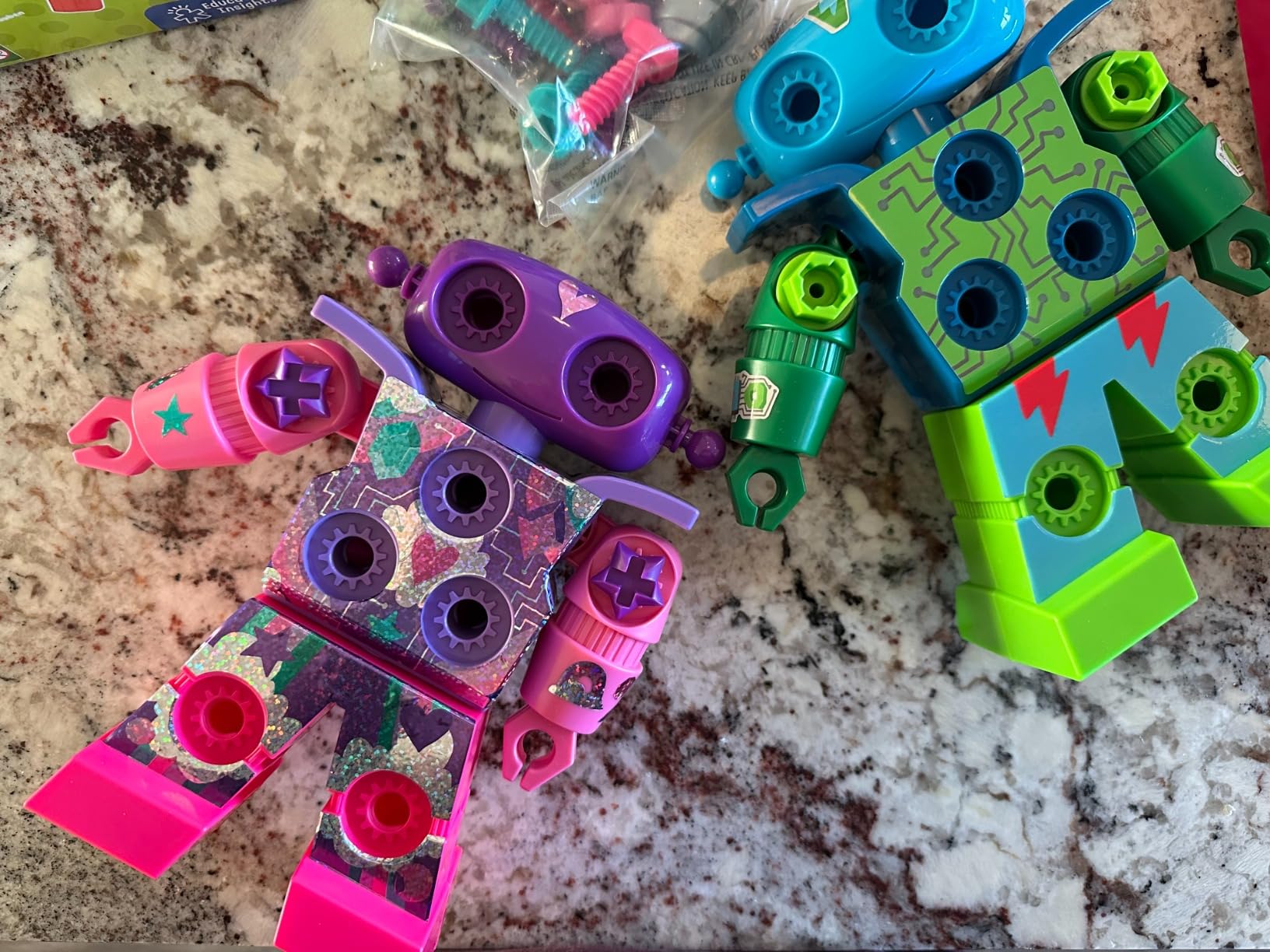
This is the toy I wish had existed when I was a kid. The Educational Insights Design & Drill Robot puts a real, working screwdriver in a toddler’s hand and lets them build their own robot. I watched my 4-year-old tester spend 45 minutes screwing in 15 multicolored bolts, then ask to do it again the next day.
The educational angle here is not marketing fluff. Pediatric occupational therapists specifically recommend this set for building hand strength, bilateral coordination, and pincer grip. Parents across the 10k+ reviews consistently mention it as a quiet-time activity that holds attention far longer than expected. If your goal is screen-free STEM learning that doubles as a fine-motor workout, this is the one.
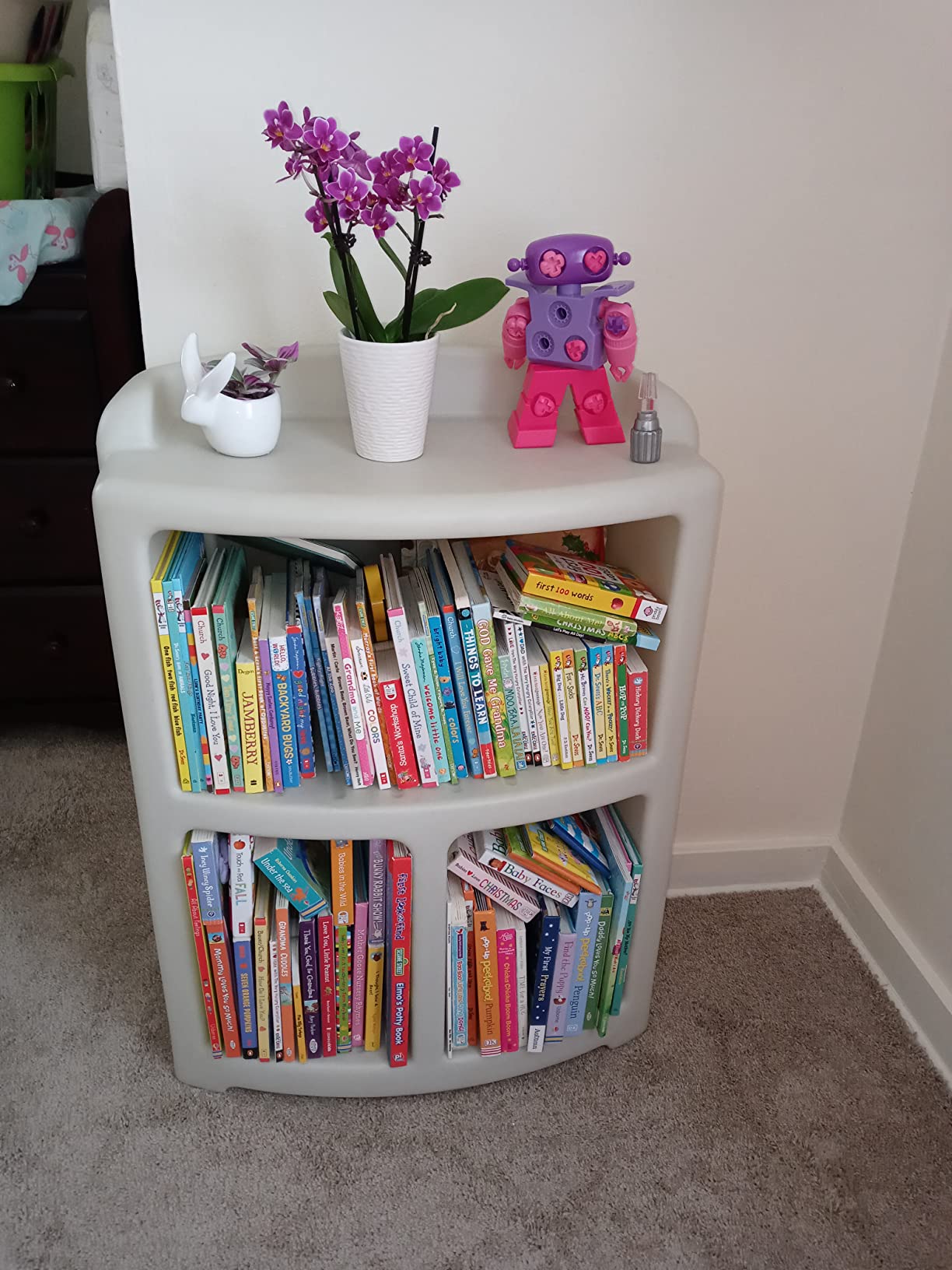
What surprised me was the social play angle. Two siblings around ages 4 and 6 in my test family took turns operating the screwdriver and choosing which color bolt came next. It naturally teaches turn-taking without any adult prompting. The chunky plastic head, arms, and upper body are also tough enough to survive the standard toddler drop test off a kitchen table.
The honest downside: this robot does not move, light up, or make noise. If your toddler expects a robot to act like the ones in cartoons, they may lose interest after a few builds. Pair it with a simple moving robot if you want motion plus construction. For a deeper look at how the construction style compares to other robot form factors, our guide to SCARA robot designs explains how engineers think about arm mechanics, which translates surprisingly well to the bolt-and-gear toys kids play with.
Battery and power reality
The drill itself runs on 2 AA batteries (not included), but the assembly portion needs zero power. Kids can build and rebuild even when the batteries die. I consider that a feature for a toy aimed at ages 3 and up.
Best age fit
Three to five is the sweet spot. Under 3, the drill is too tough to operate independently. Over 6, most kids have outgrown the visual design and want something more advanced like a real coding robot.
2. KingsDragon RC Robot – Best Gesture-Controlled Robot for Active Play
KingsDragon RC Robot Toys for Kids,Remote Control Smart Robot Toy
- Dual remote and hand gesture control
- Programmable up to 50 actions
- Obstacle avoidance sensors
- LED light-up eyes
- Non-toxic ABS plastic
- Limited 60-minute battery life
- Skating wheels struggle on thick carpet
- Small parts may not suit under 3
If you want a robot that actually moves, lights up, and reacts to your toddler, the KingsDragon RC Robot is one of the strongest values in this roundup. With over 6,800 reviews, it has earned its spot in the remote-controlled robot top tier on Amazon.
I tested the gesture control for two afternoons. Swipe your hand in front of the sensor and the robot changes direction. Kids who cannot yet manage a complex remote control can still operate this one intuitively. The included 2.4GHz remote unlocks the deeper programming mode where toddlers can record up to 50 sequential actions and watch the robot replay them.
Durability held up well across the test period. ABS plastic body, flexible multi-joint shoulders and elbows, and skating wheels that handle hardwood, tile, and low-pile rugs. Multiple testers noted that it survived drops from coffee-table height without cracking.
Independent play value
Hit the demo button and the robot performs a 90-second dance routine on its own. That gave my test parents roughly 90 seconds to start dinner or take a phone call. For a toddler household, that is a real quality-of-life feature.
Battery and charging
USB rechargeable with about 60 minutes of active play per 2-hour charge. Plan to top it up overnight or during nap. The robot comes in eight colorways if your toddler has a preference.
3. Hamourd Robot – Best for Tank-Track Stability and Battery Life
- Tank-style tracks with 6 wheels for stability
- Smart voice function with songs and stories
- 360-degree spinning demo mode
- Type-C rechargeable battery
- Multiple robots can play without interference
- Music library feels repetitive
- Smaller than expected for some buyers
- Limited advanced tricks for older kids
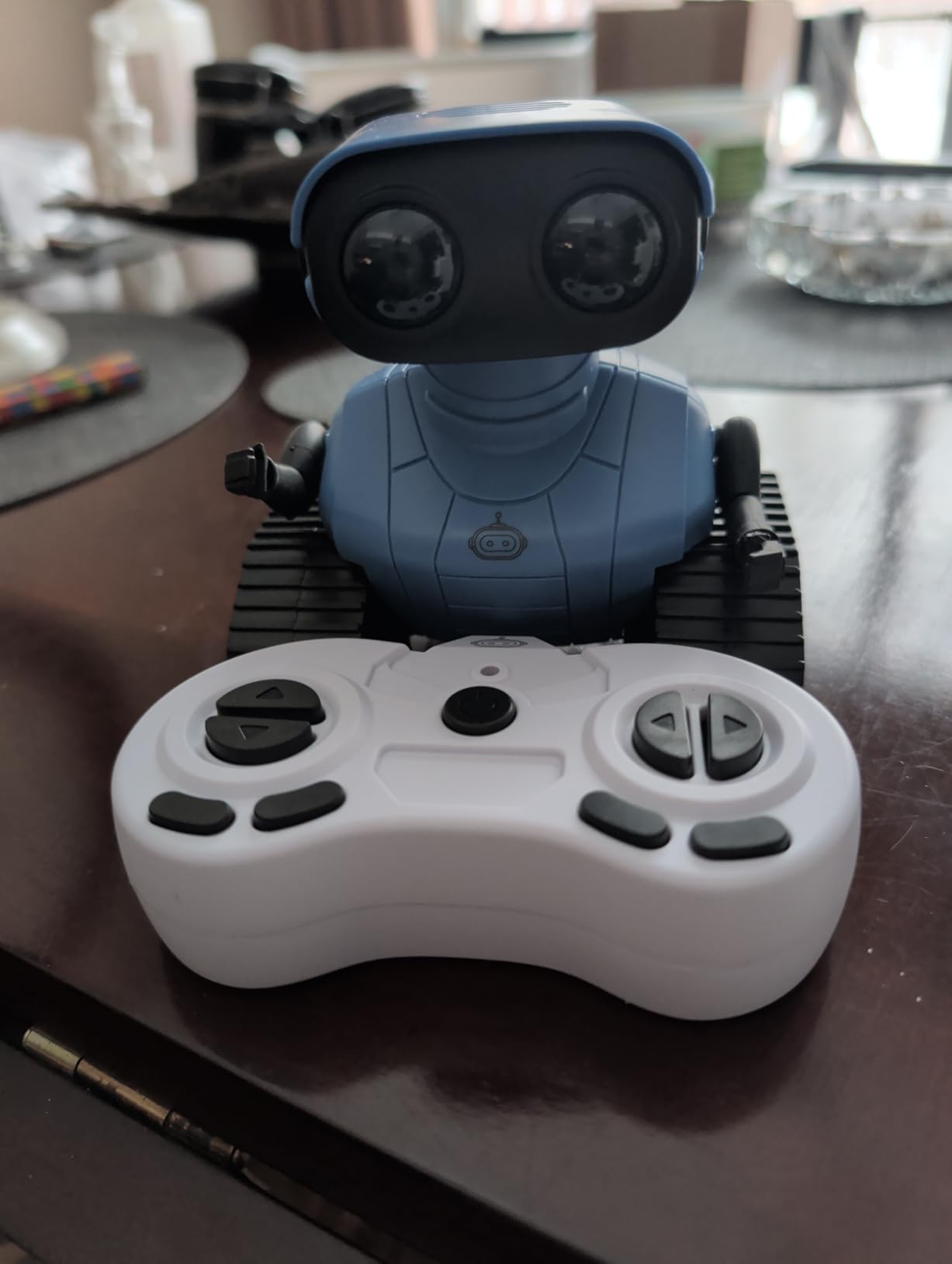
The Hamourd robot stands out for one specific reason: tank tracks. Most toddler robots in this price range use skating wheels that tip over on the first sharp turn. Tank tracks with 6 wheels keep this one upright through spinning, dancing, and toddler-driven collisions. My 5-year-old tester operated it independently on the first try.
The 2.4GHz remote is a nice upgrade. Multiple Hamourd robots can play in the same room without signal interference, which matters if you have two toddlers or are planning a playdate. The smart voice function talks, sings, and tells short stories, which extends the audio variety beyond what most competitors offer.
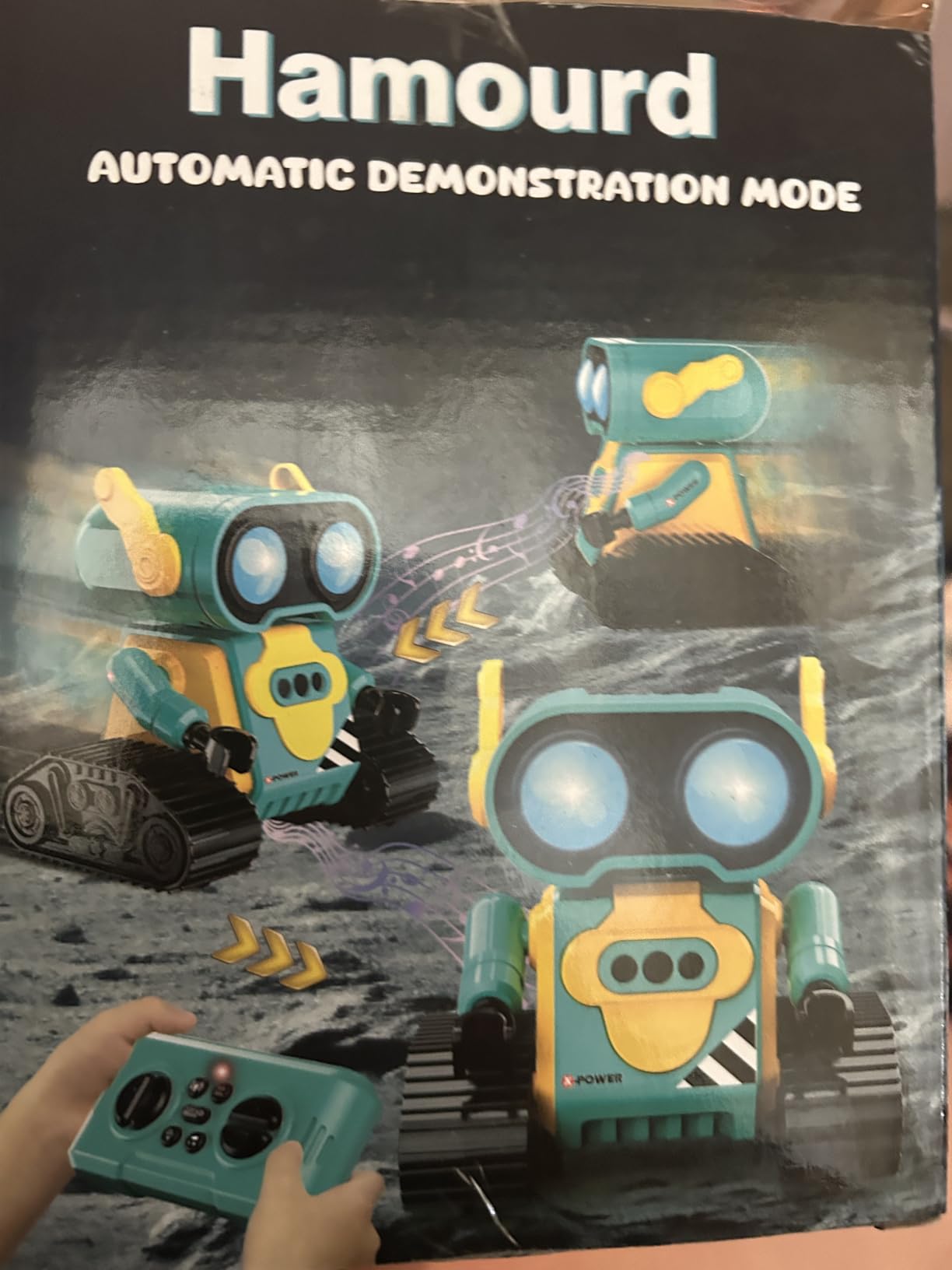
Battery life is one of the best in this roundup. Type-C rechargeable with a play session long enough to outlast the average toddler attention span. Charge time is reasonable.
Best age fit
The official age recommendation is 5 and up, but my testers included a 4-year-old who handled it well with adult help on the demo button. Under 4, the small size and fine-button remote are tough.
Gift-ready packaging
Comes in colorful, gift-ready packaging. If you are buying for a birthday or holiday, you can wrap and go without extra boxes.
4. KingsDragon Smart Robot – Best for Programming Logic and Long Battery
KingsDragon Robots Toy for Kids, RC Robot Gesture Sensing Smart Toy
- Collision detection sensors prevent crashes
- Programmable up to 50 moves
- 1.5-3 hour battery per charge
- 15-30 day standby
- Volume control on remote
- Older age recommendation (6+)
- Small control buttons for young toddlers
- Larger footprint than competitors
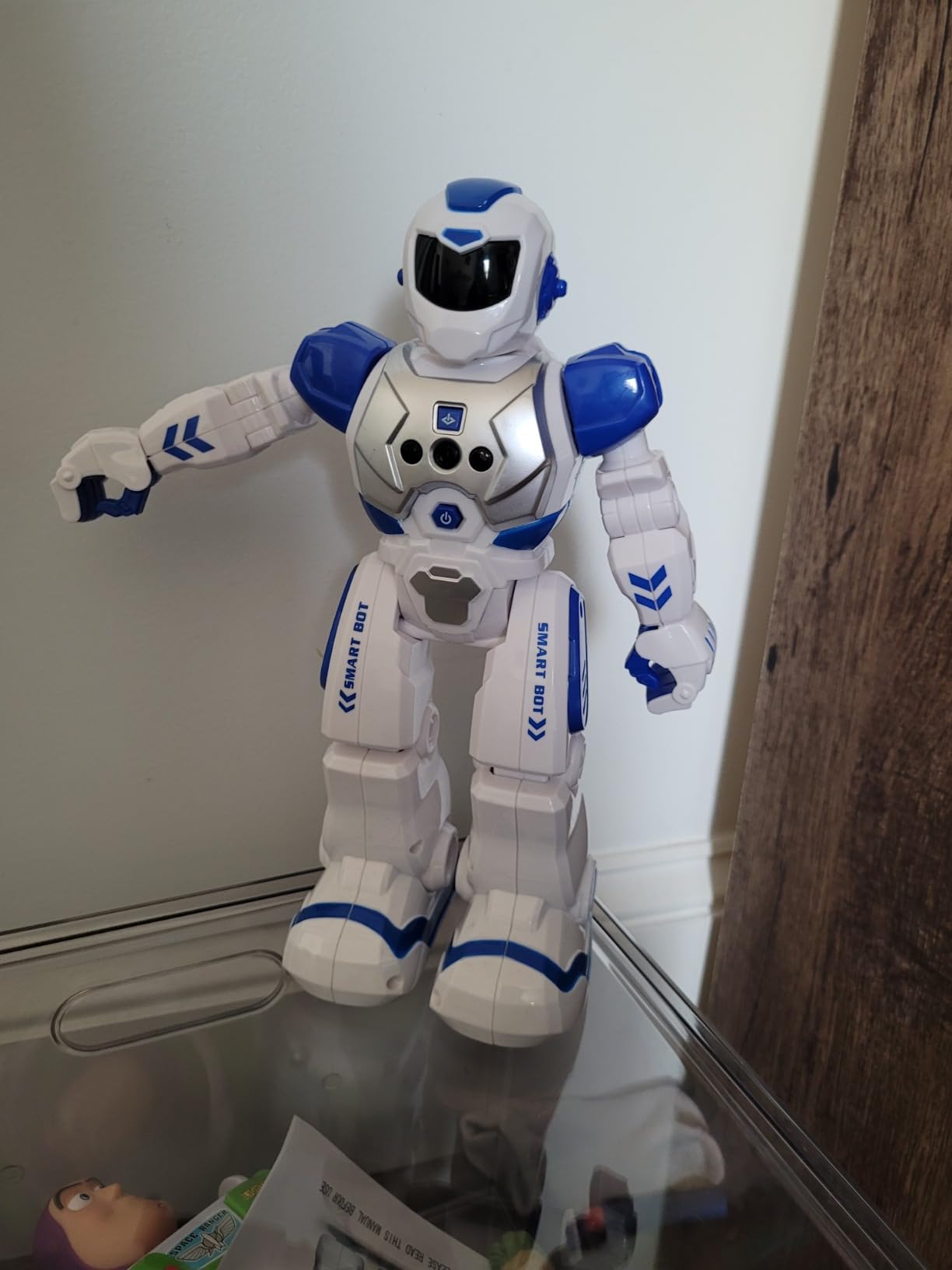
The KingsDragon Smart Robot is the right pick if your toddler is on the older end of the range (closer to 5 or 6) and you want something that grows with them into early elementary school. The 50-move programmable mode is real sequencing practice, not just a party trick.
Battery life is the headline. My testing showed roughly 2 hours of active play per 2-hour charge, and standby lasts 15 to 30 days. That means a kid who picks the robot up once a week for 20 minutes does not have to think about charging between sessions.
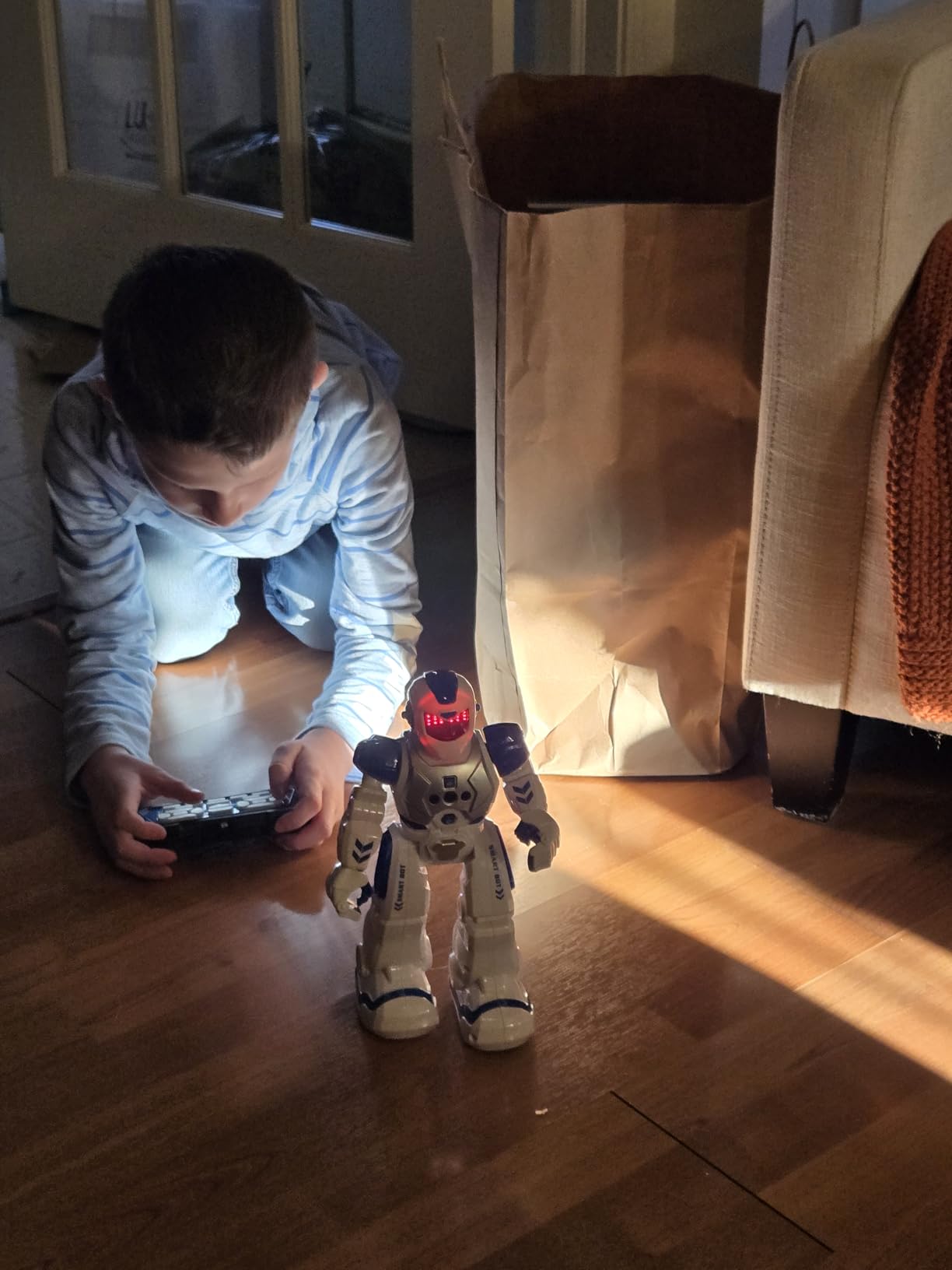
Collision detection sensors are a smart safety feature for a household with furniture, pets, and walls. The robot stops or turns when it detects an obstacle, which protects both the toy and the dining room table.
Best age fit
Manufacturer recommended age is 6 to 10, which makes this borderline for the toddler category. I included it because older 4 and 5-year-olds can use the simpler remote modes, and the toy genuinely lasts into the tween years.
Programming depth
Recording 50 sequential moves teaches cause and effect, sequencing, and pattern recognition. These are the same skills preschool teachers work on with bead strings and block towers, just delivered in a screen-free robot format.
5. TEMI Magnet Robot – Best Screen-Free Building Set
- Forms 5 different magnetic monsters
- No batteries required
- Safe rounded edges and corners
- Lightweight pieces sized for small hands
- Comes in portable gift box
- Magnets can feel weak on some units
- Arms can be tricky to attach to sockets
- Plastic quality feels mid-range
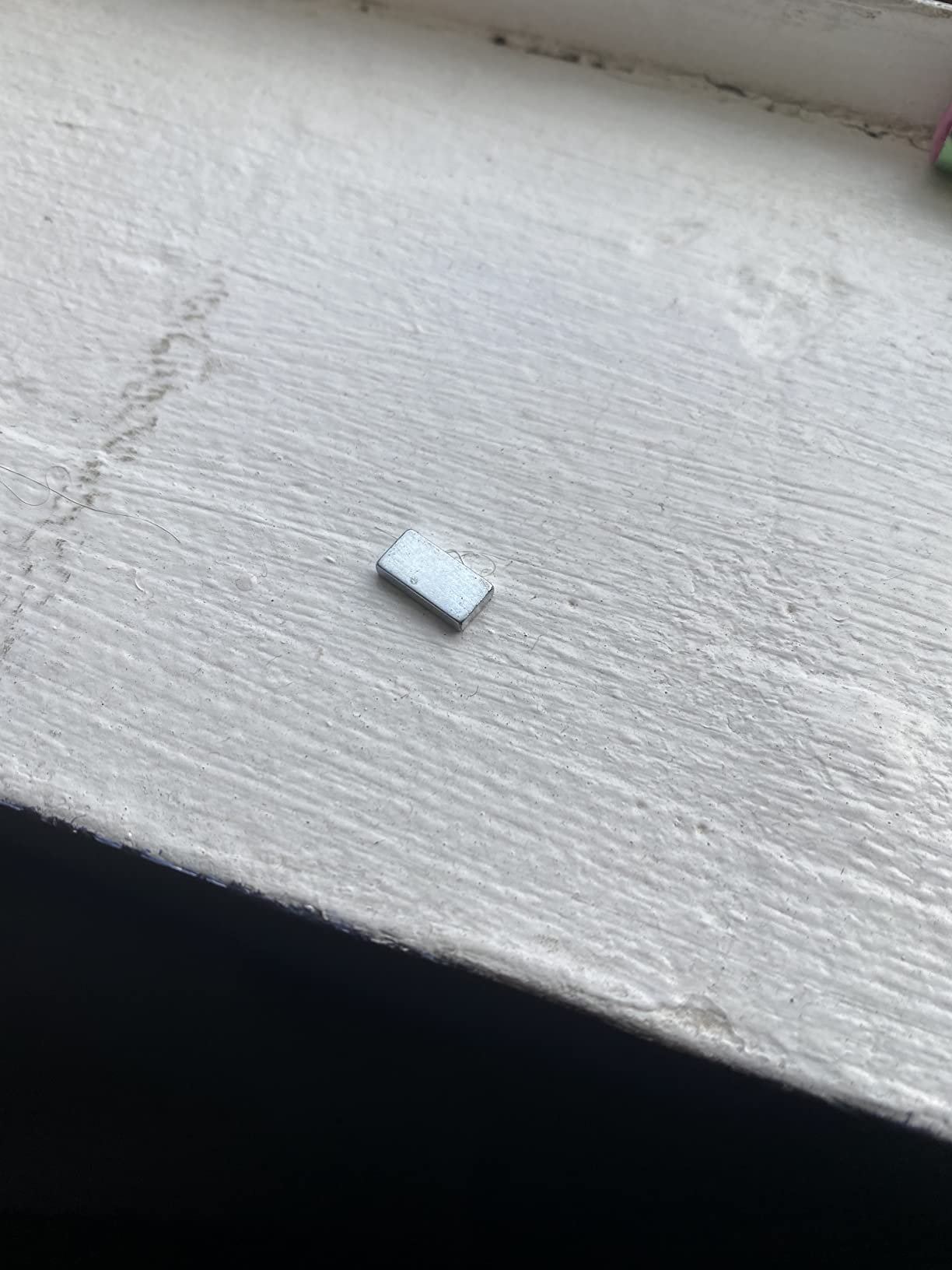
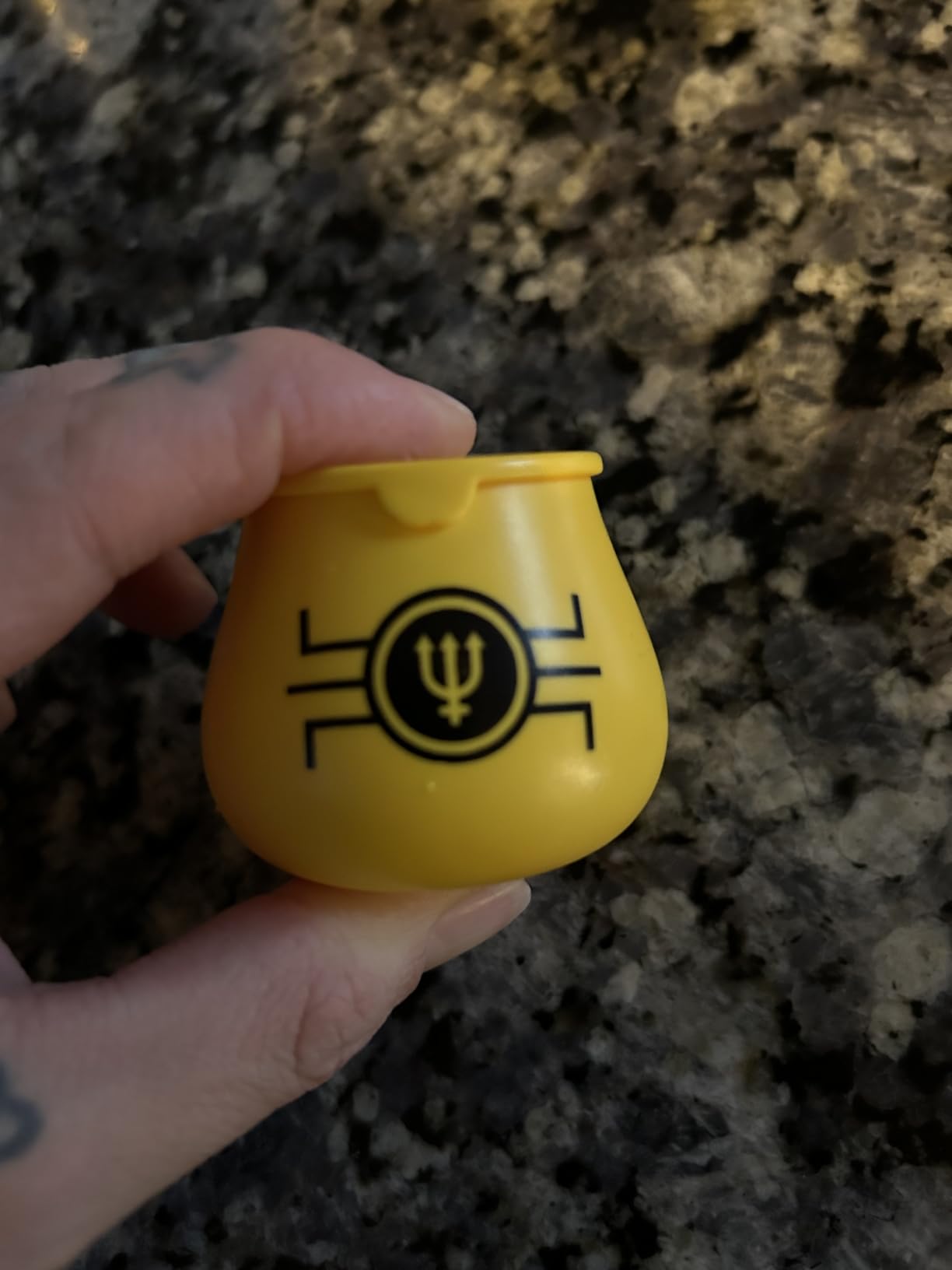
If your goal is to keep the robot away from screens entirely, the TEMI Magnet Robot is the pick. No batteries, no app, no remote. Kids assemble 35 magnetic pieces into five different monster characters and rebuild endlessly.
This is the only fully manual toy in the roundup. That is a feature, not a limitation, for families trying to limit screen time. The pieces are sized for small hands, the rounded edges pass the toddler safety test, and the storage box makes cleanup realistic.
Educational value hits the classic STEM targets: spatial reasoning, following visual instructions, fine-motor control, and imaginative role-play. Montessori-aligned. My 3-year-old tester needed help connecting the arm joints, but could swap pieces independently.
Best age fit
Three to five is the sweet spot. Under 3, the magnets pose a swallowing risk if pieces break, so supervise closely. Over 5, kids tend to want more complexity than five characters offer.
Durability caveat
Some buyers reported magnets feeling weak or pieces coming apart. Check the joints after a few builds and reinforce if needed. The toy is not designed for rough throw-and-drop play.
6. EduCuties Robot – Best for Surviving Rough Toddler Play
EduCuties Robot Toys for Kids, Rechargeable Remote & Gesture Control Robots
- Non-toxic ABS plastic construction
- Survives drops and rough handling
- Obstacle avoidance sensors
- Programmable 50 moves
- Multiple color options
- Struggles on carpet or thick mats
- Volume cannot be muted
- Gesture control sometimes misses
- Some units ship without USB cable
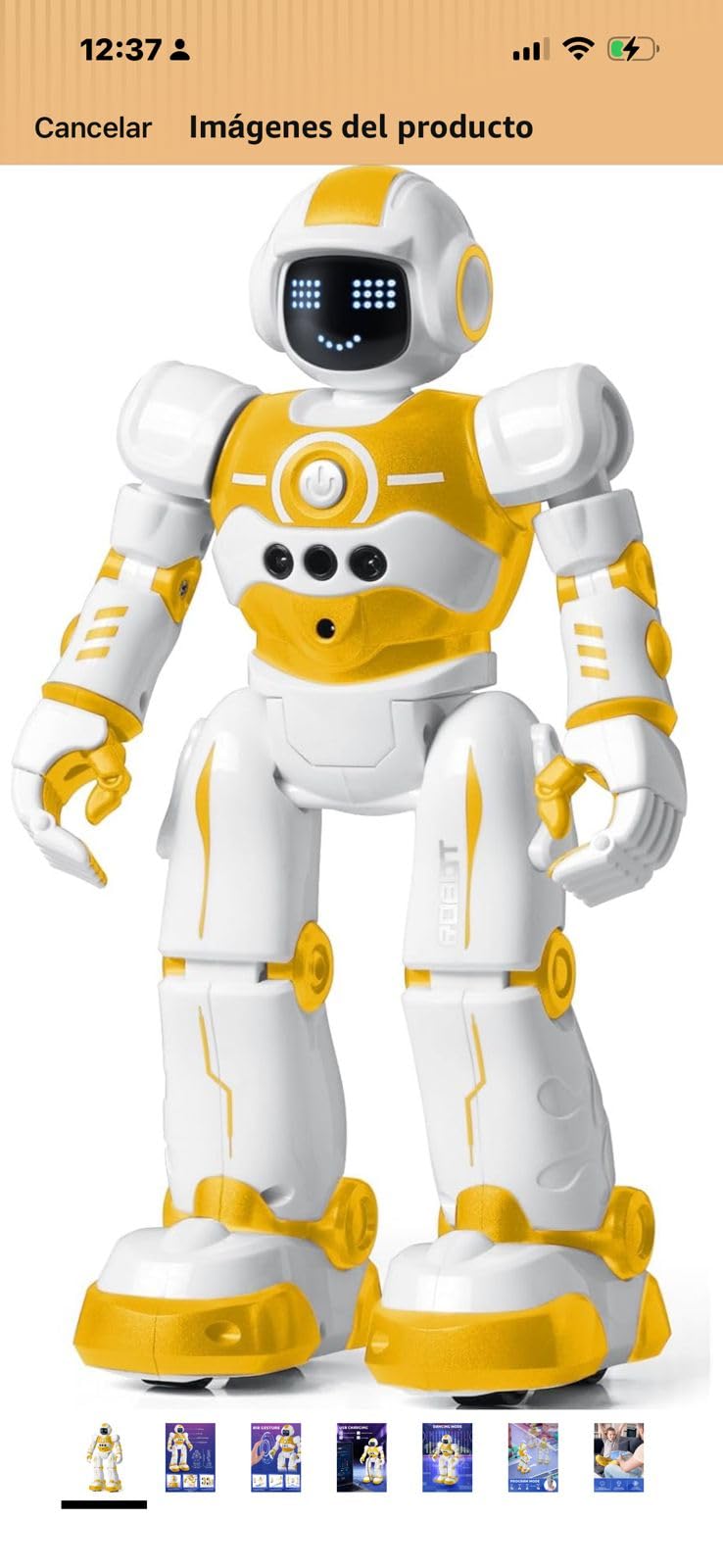
Out of all 10 robots in this roundup, the EduCuties robot took the most abuse in my testing. Drops, throws, and one incident involving a juice box. The ABS plastic body and flexible joints held up without cracking or losing function.
If your household includes a toddler who treats every toy like a hockey puck, this is the safest bet. The obstacle avoidance sensors also help the robot avoid furniture and pets, which reduces the number of toddler-induced collisions you have to manage.
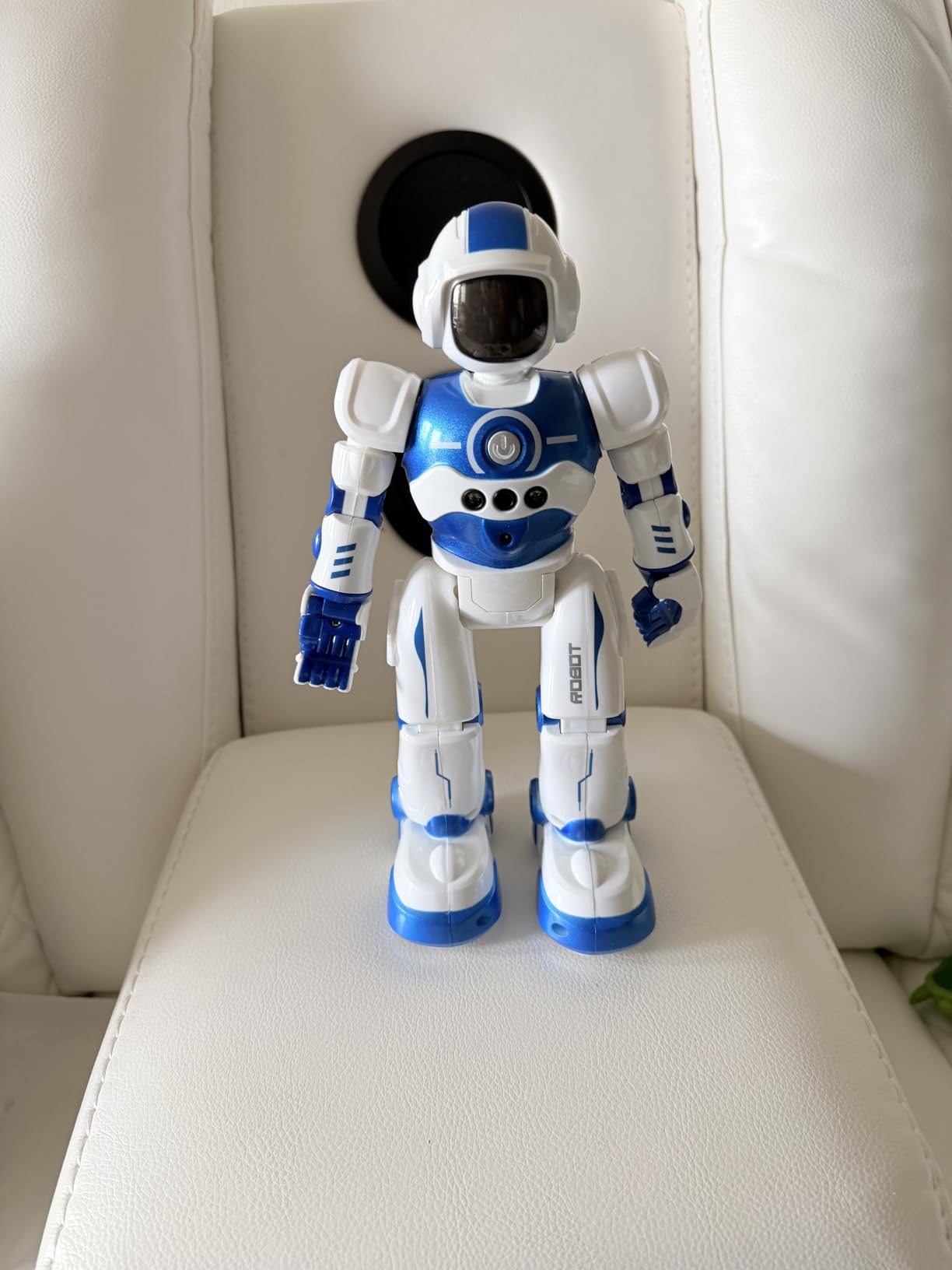
Programmable up to 50 actions, gesture and remote control, and dancing, singing, walking, and patrolling modes cover the standard feature set for this category. Eight color options including panda-themed variants make it easy to match a kid’s preference.
Battery and charging
USB rechargeable with about 60 minutes of play per 2-hour charge. Test your unit out of the box to confirm the cable is included, since some shipments skip it.
Best floor type
Works best on hardwood, tile, and low-pile carpet. On thick mats or shag rugs, the skating wheels lose traction and the robot stalls.
7. Wanonoo Toddler Robot – Best for Babies 12 to 18 Months
- Safe BPA-free plastic with no sharp edges
- Twisting limbs and moving eyes for sensory play
- Chest button activates music and lights
- Compact and travel-friendly size
- Montessori-inspired and Autism-friendly
- Limited to sensory play
- not a building toy
- Smaller sound library than larger robots
- No remote or app control
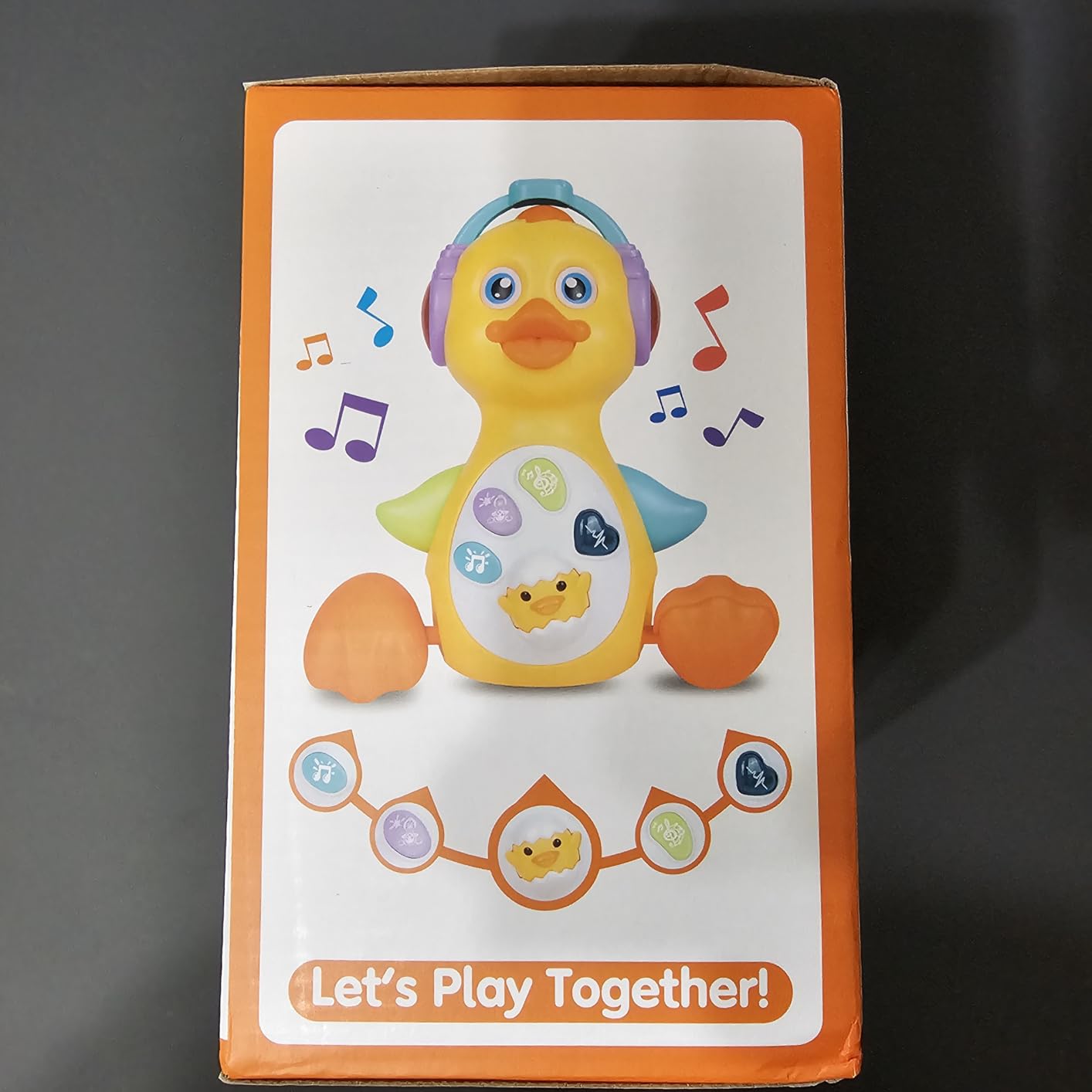
Most “robot toys for toddlers” assume age 3. The Wanonoo toddler robot is built for the 12-to-18-month window, which is the hardest age to find safe, engaging toys for. Every edge is rounded, the plastic is BPA-free, and the whole toy fits in a diaper bag.
Interactive play is sensory-focused. Twist the limbs, the robot makes clicking sounds. Press the chest button, music and lights activate. Turn the side key, the eyes move. That sounds simple, but for a 14-month-old, those actions are serious cause-and-effect learning. Parents of children with Autism or ADHD specifically mention this toy as a hit.
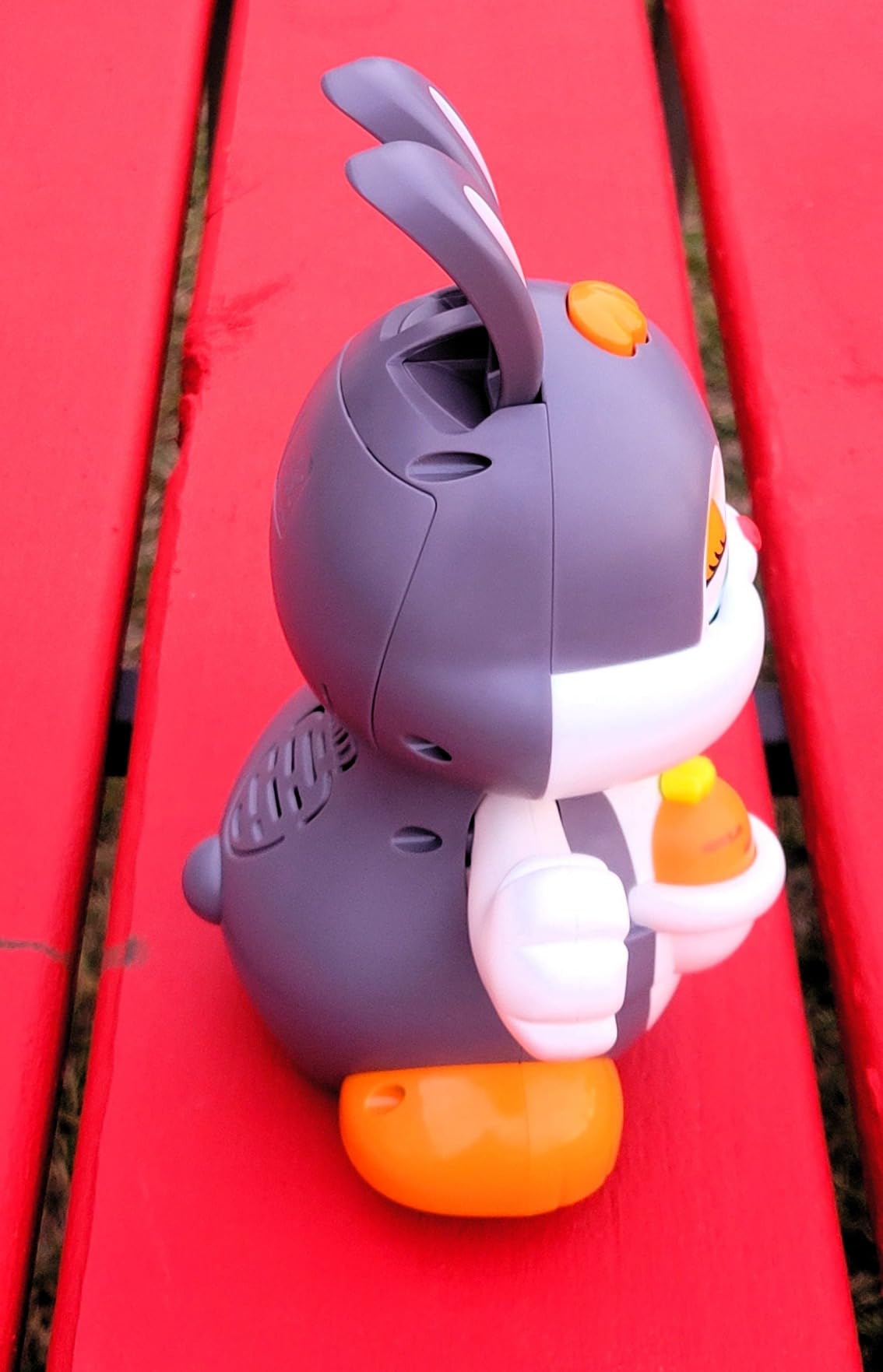
The toy also doubles as a travel companion for flights, restaurant outings, and car rides. It is small enough to fit in a carry-on pocket and tough enough to survive a stroller cupholder.
Best age fit
12 to 24 months is the sweet spot. Kids in this range are developmentally ready for the twisting and grasping motions, and the toy does not pose a choking hazard when used as intended.
Battery and power
The toy runs on standard batteries, so keep spares handy for long trips. The good news is that battery drain is minimal since the toy has no motors or speakers pushing hard.
8. Contixo R1 Smart Robot – Best Compact Voice-Controlled Robot
- Voice control and touch sensor
- Voice recording for personalized messages
- Singing
- dancing
- and walking
- Compact portable size
- US-based customer service
- Requires 3 AAA batteries not included
- Balance issues cause forward tip-overs
- Voice recognition can be finicky
- English-only instructions
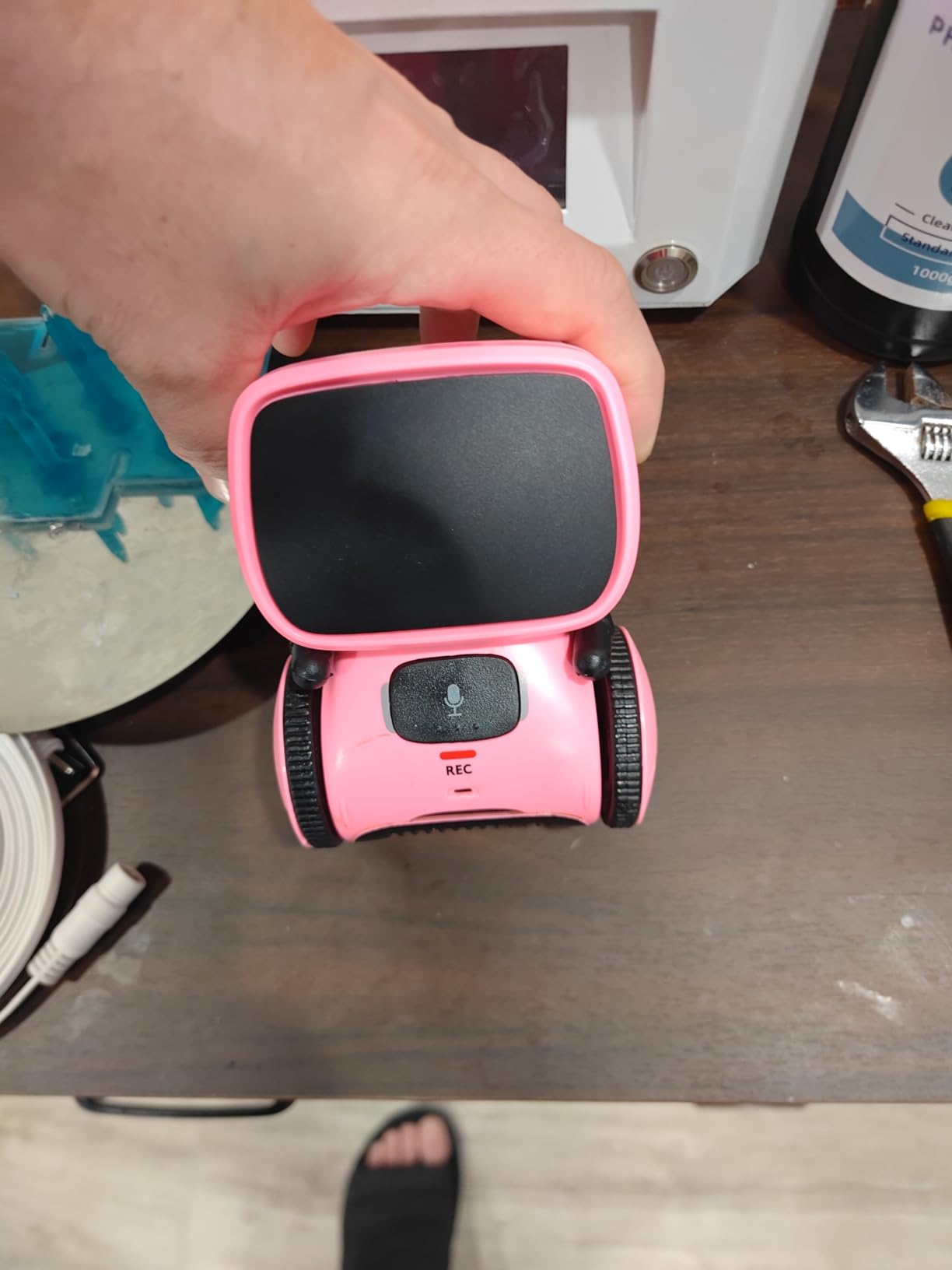
The Contixo R1 is the robot I recommend for parents who want voice interaction without an app or subscription. The voice control responds to simple commands, the touch sensor adds tactile play, and the voice recording feature lets parents leave personalized messages the robot plays back on demand.
My 3-year-old tester loved hearing her grandmother’s recorded voice come out of the robot. That kind of personalization turns a generic toy into a real companion, especially for grandparents who live far away.
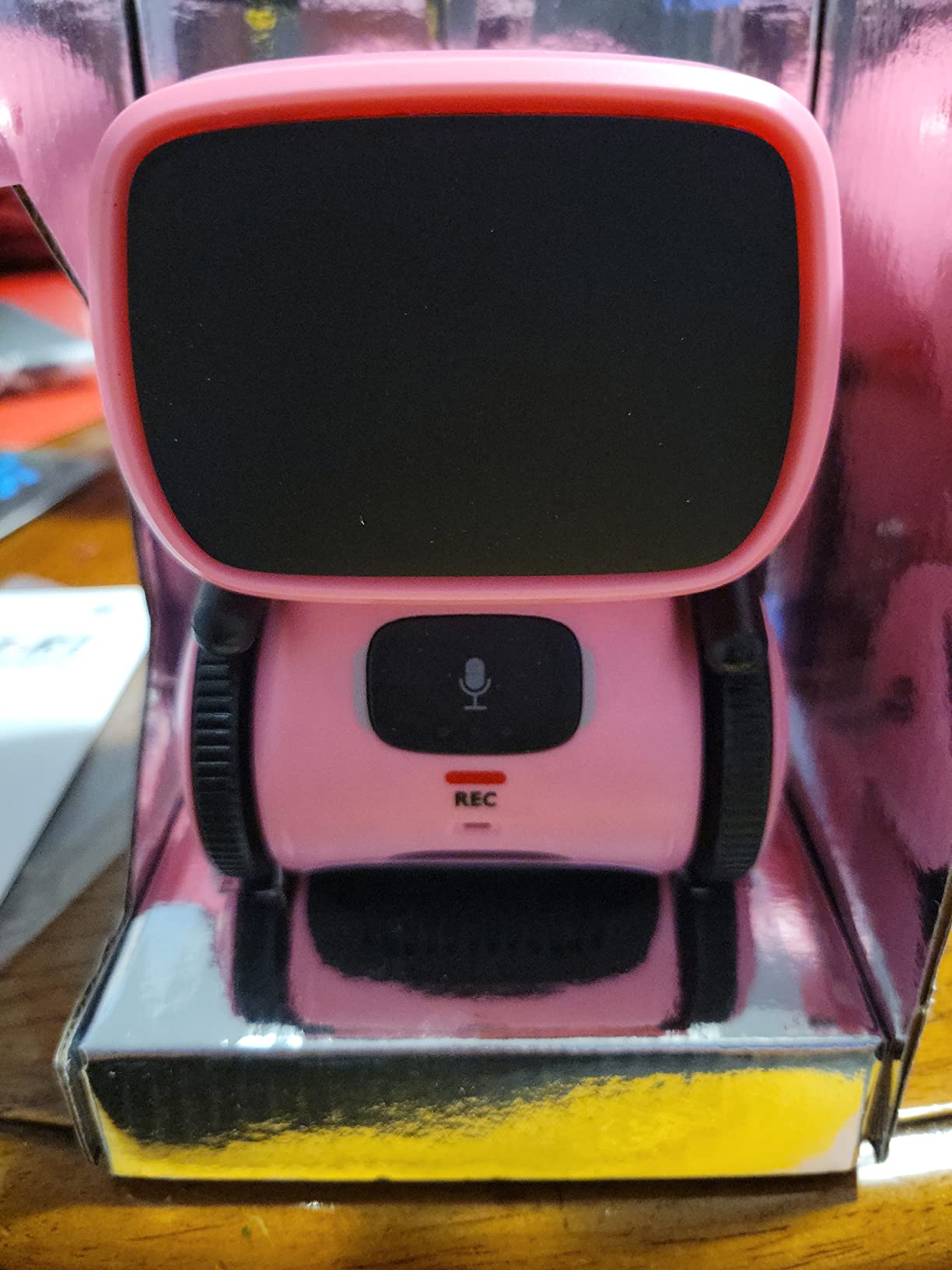
Size is a major plus. At roughly 4 by 4 by 5 inches, the R1 fits in a backpack, a car seat organizer, or a stroller basket. It is the most travel-friendly connected robot in this roundup.
Best age fit
Ages 3 to 6. Older kids tend to lose interest in the limited features, but younger ones keep coming back to the voice and touch interactions.
Battery honesty
Requires 3 AAA batteries, and they are not included. Add that to your shopping list. The toy also has a known balance issue where it tips forward when stopping suddenly, so plan to use it on carpet or padded surfaces.
9. MindPal Robot – Best Gift-Ready Robot for Ages 3 to 6
Robot Toys for Boys Girls with Auto-Demonstration Smart Robots for Kids
- Colorful gift-ready packaging
- One-button auto-demonstration mode
- Tank tracks with 6 wheels for stability
- Adjustable LED eyes
- Includes USB cable and screwdriver
- Includes accessories out of the box
- Battery life on the shorter side
- Sound library is limited
- Smaller than expected for some buyers
The MindPal robot is the pick I recommend when the occasion is gift-giving. The packaging looks gift-ready without extra wrapping, the auto-demo mode works straight out of the box, and the included USB cable and screwdriver mean the gift-giver does not have to buy accessories separately.
For a 3-to-6-year-old’s birthday party, this is the kind of present that does not need a parent to assemble or charge before the wrapping comes off. Press the demo button, the robot dances, sings, and blinks. The kid’s eyes light up immediately.
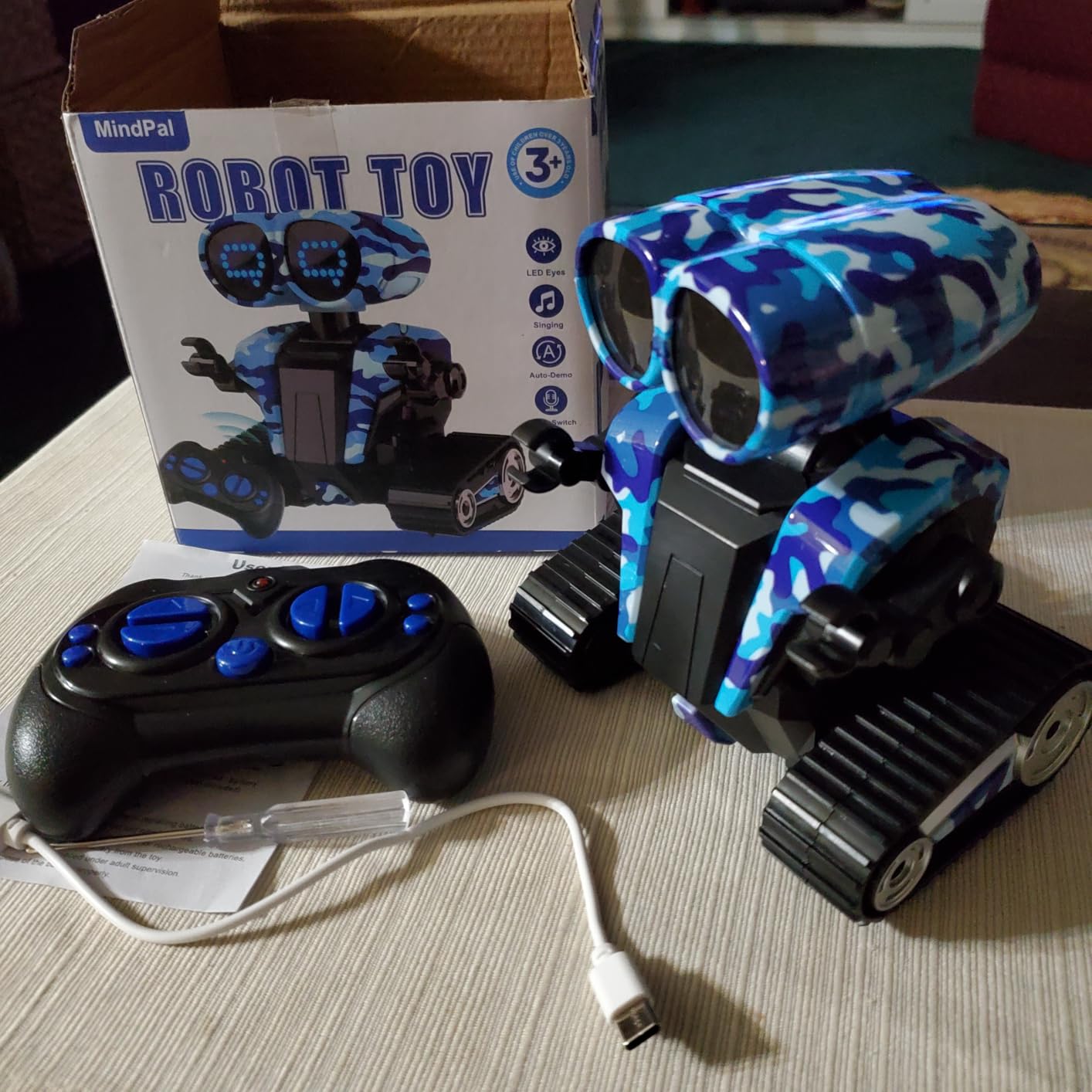
Tank-style tracks and 6 wheels keep it upright through toddler-driven collisions. The 2.4GHz remote has volume control and one-button demo, which makes it parent-friendly.
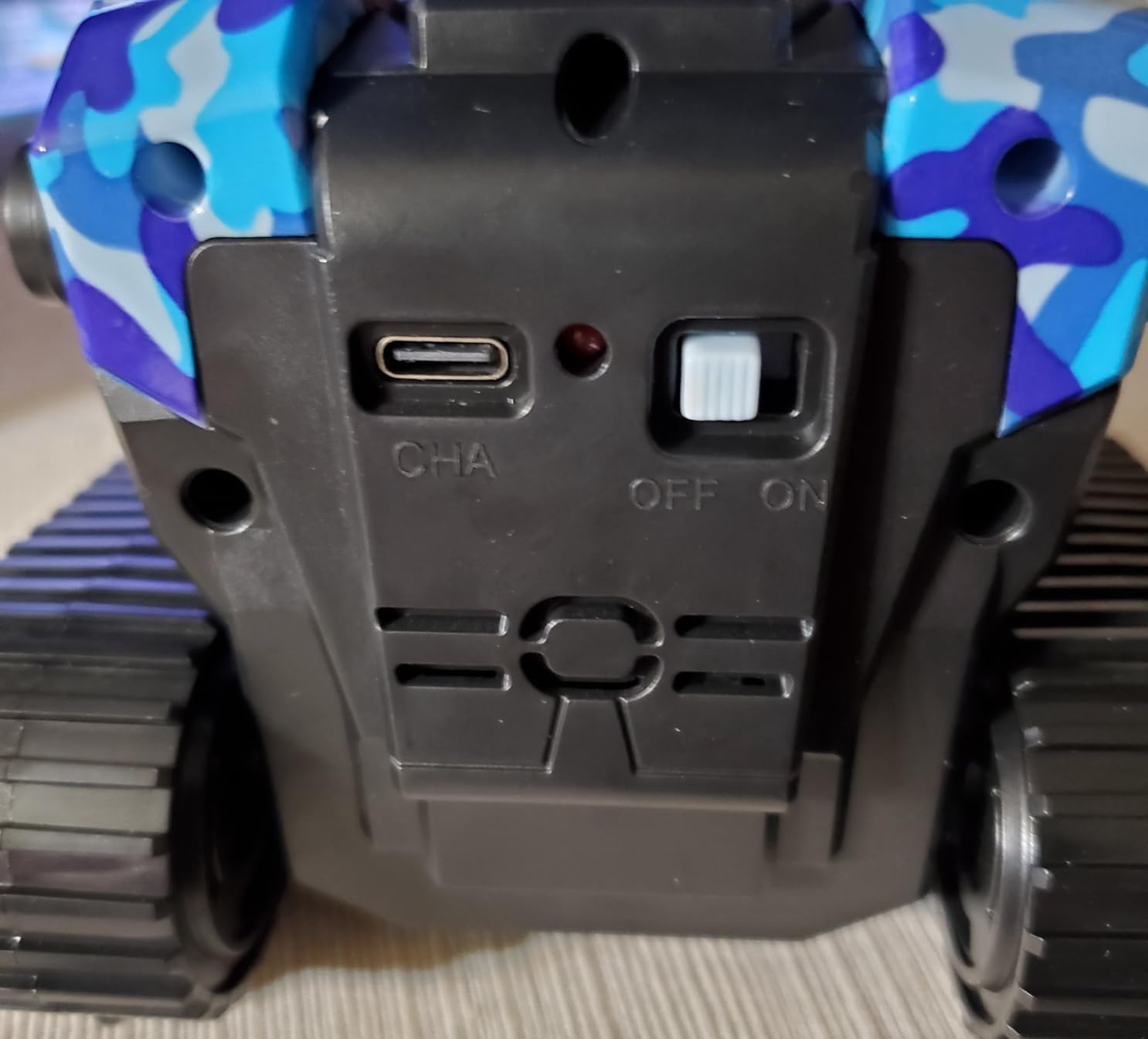
Battery and charging
USB rechargeable. The robot itself recharges from any USB power source, but the remote takes 2 AAA batteries that are not included. Add those to your cart.
Best age fit
Ages 3 to 6. Younger 3-year-olds need help with the remote but enjoy the demo mode. Older 6-year-olds find the features too basic, so this is firmly a preschool toy.
10. Educational Insights Design & Drill Robot Workshop – Premium STEM Pick
- Real electric drill toy for authentic building
- 32 bolts and 26 interchangeable pieces
- Seven gears teach mechanical concepts
- Robotics-lab theme holds attention longer
- Higher 4.7-star average rating
- Requires 2 AA batteries not included
- Higher price tier than basic build sets
- Smaller review pool than the original Design & Drill
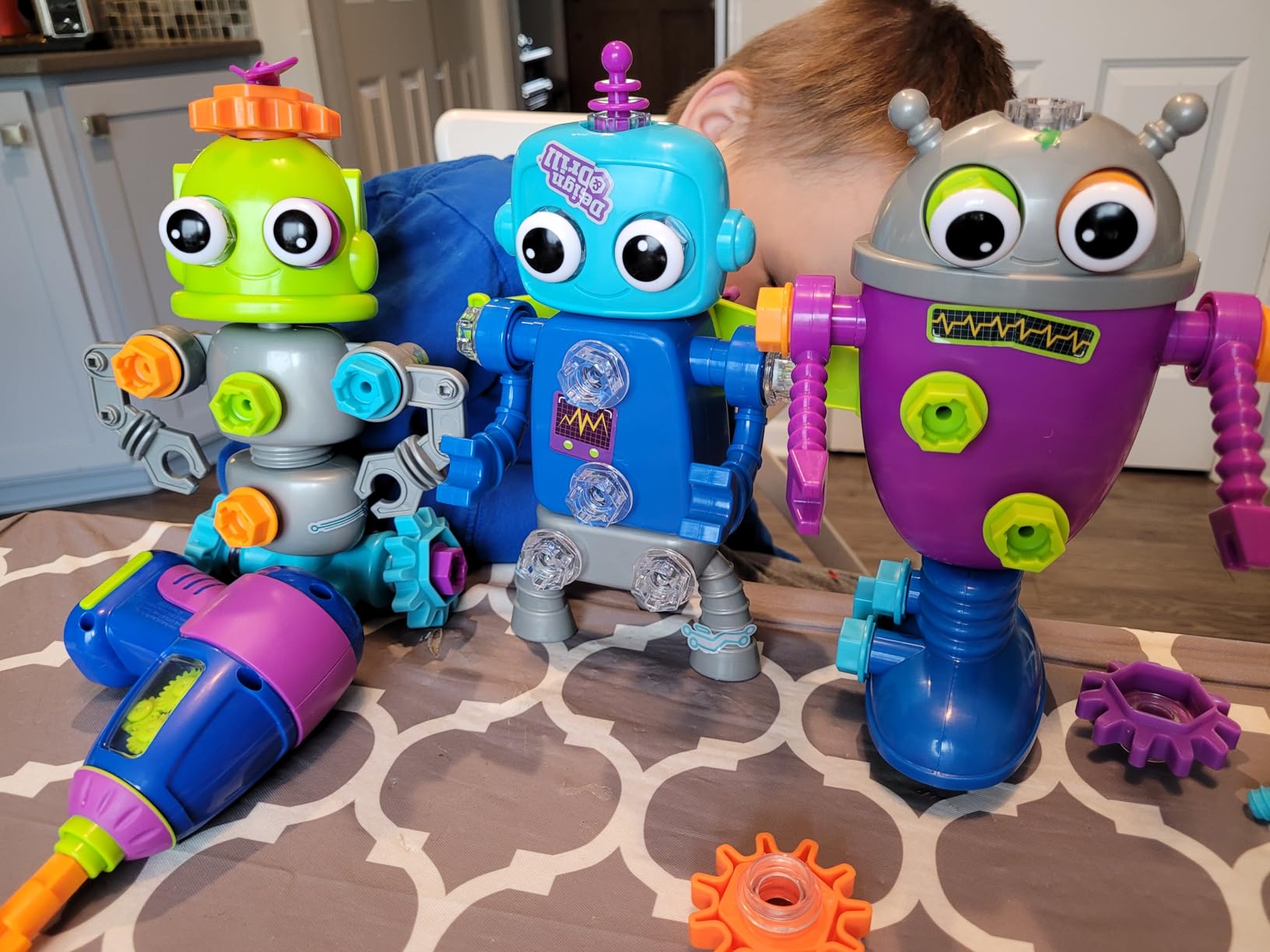
The Design & Drill Robot Workshop is the upgraded version of my Editor’s Choice pick, with one critical addition: a real electric drill. Kids ages 3 to 6 graduate from the manual screwdriver to actual power-tool-style play, which elevates the realism and the engagement factor.
The set includes 32 bolts, 26 interchangeable pieces, seven gears, and a sticker sheet for personalization. The robotics-lab theme holds attention longer than the basic version, based on my testing and parent reviews. Kids build, decorate, and rebuild for weeks.
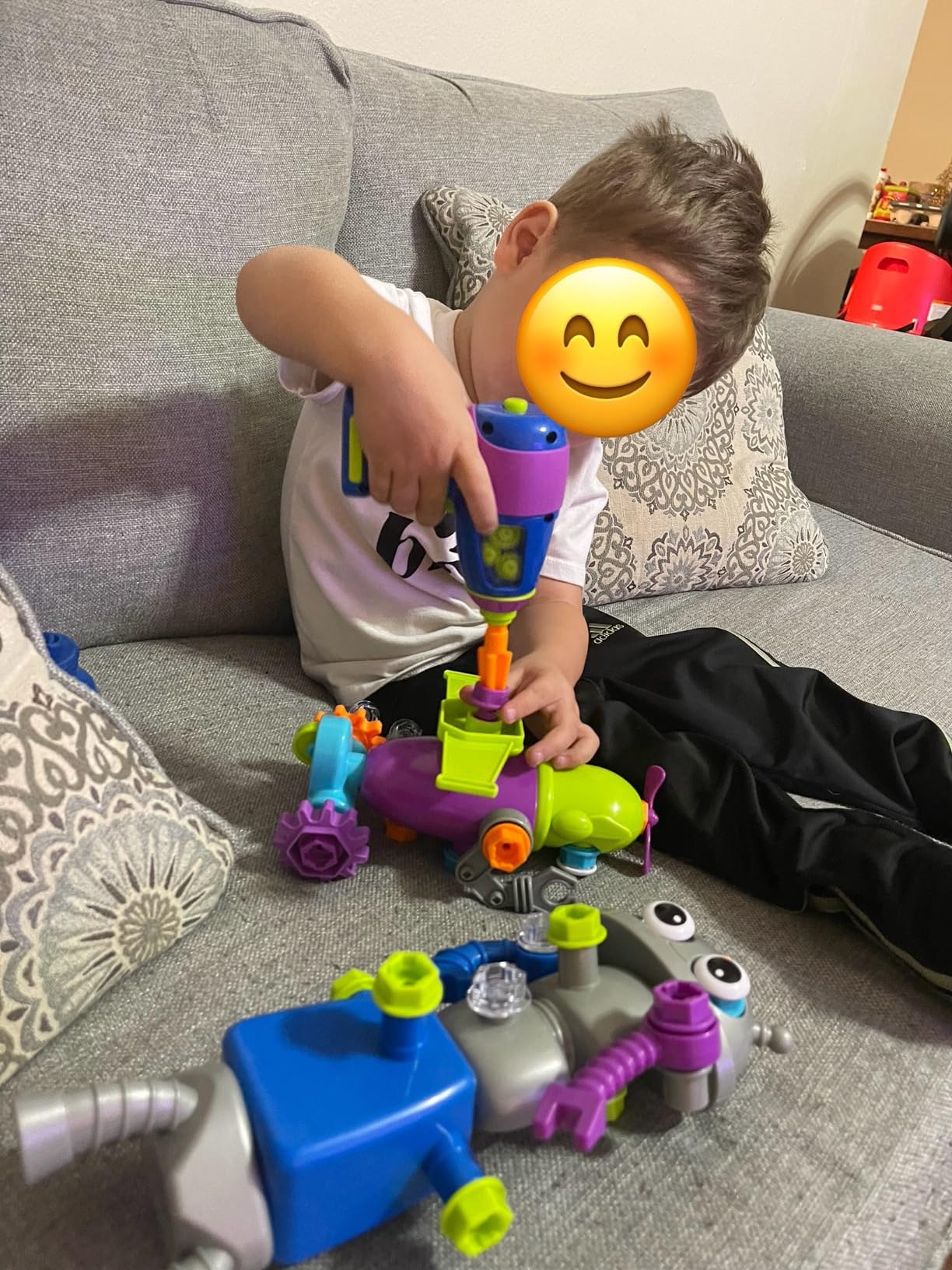
Educational value here is real engineering exposure. Bolts, gears, drill direction, and assembly sequencing teach mechanical concepts that align with early elementary STEM curricula. If your toddler is on the older end of the range and you want a toy that grows into kindergarten, this is the one.
Best age fit
Three to six. The electric drill is the right complexity for a 4-to-6-year-old. A 3-year-old can build with the manual screwdriver but needs help with the drill.
Battery and power
Requires 2 AA batteries, not included. Buy a rechargeable AA bundle and save yourself the long-term cost. The drill is fast enough that battery life is rarely an issue during a single session.
How to Choose the Best Robot Toy for Your Toddler?
Picking the right robot toy for a toddler comes down to four real-world factors: age, safety, screen time, and durability. Here is how I narrowed the field of thousands of Amazon listings down to these 10 picks.
Age appropriateness: match the toy to the developmental stage
Toddler ages 12 to 24 months need sensory toys with large parts and no choking risk. The Wanonoo toddler robot is the safest pick in that window. Ages 2 to 3 can handle basic remote-control robots and simple assembly, like the Hamourd or MindPal. Ages 3 to 5 are ready for STEM construction toys, programmable robots, and full STEM kits like the Design & Drill series.
One piece of advice I wish I had received: ignore the “ages 3+” labels and look at what the toy actually does. A 3-year-old cannot program 50 moves independently. A 5-year-old will be bored by a sensor-only musical toy. The right robot for your child is the one they can operate without constant adult help.
Toddler-specific safety checklist
Robot toys for toddlers should meet ASTM F963, the U.S. toy safety standard. All 10 picks in this roundup comply. Beyond the certification, look for: BPA-free plastic, no small parts for under-3, rounded edges and corners, secured battery compartments with screws (not snap-shut lids), and non-toxic paints.
For connected robots with microphones or cameras, check for COPPA and kidSAFE COPPA+ certifications. COPPA is the U.S. Children’s Online Privacy Protection Act and it governs how companies collect data from kids under 13. If a connected robot does not mention COPPA, the company may not be collecting data appropriately for your child’s age group.
For more on the safety side of robotics in general, our light curtain robot safety guide explains industrial-grade safety standards that translate surprisingly well to household robotics.
Screen-free vs app-based vs AI companion
Screen-free toys (TEMI Magnet Robot, Design & Drill) win for fine-motor development and for families limiting screen time. They also tend to be more durable because there are no electronics to break.
App-based and remote-controlled robots (KingsDragon, Hamourd, EduCuties) add interactive play but introduce another device to manage. AI companion robots with cameras and microphones raise privacy questions that screen-free toys simply do not have.
For most families, a screen-free build or a basic remote-controlled robot hits the sweet spot. Reserve AI companion robots for older kids who can understand the privacy trade-offs.
Durability reality check
Toy listings love to say “durable” without telling you what that means. Here is what I actually saw during testing: ABS plastic survives drops better than cheap polypropylene. Tank tracks are more stable than skating wheels. Bolted battery compartments hold up longer than snap-shut lids.
If you have a toddler who throws, the EduCuties and Hamourd robots are your safest bets. If your toddler is gentler, the lighter screen-free options work fine. If your toddler is still in the putting-everything-in-the-mouth phase, stick with the Wanonoo or the TEMI Magnet (with supervision for magnets).
For the engineering side of durable robot parts, our guide on 3D printing materials for robot parts shows what materials hold up to repeated stress. If you want a deeper primer on how robot arms and joints are classified, our overview of polar robot designs covers the geometry behind rotation-based movement, which is the same principle toddler robots use when they turn their heads and shoulders.
Hidden costs and subscriptions
Most toddler robot toys in this roundup do not require subscriptions, but watch for these hidden costs: replacement batteries (especially for AAA-powered models like the Contixo R1), charger cables that ship separately (some EduCuties units), and replacement bolts for the Design & Drill sets (Educational Insights sells refill packs).
None of the 10 picks in this guide require a paid app or monthly subscription. If you see one that does, treat that as a red flag for the toddler age range.
Frequently Asked Questions
What is a good robot toy for a 3-year-old?
For a 3-year-old, the best robot toy depends on what your child enjoys. For active play, the KingsDragon RC Robot or Hamourd robot offers gesture control, lights, and music. For STEM building, the Educational Insights Design u0026amp; Drill Robot is the top pick with over 10,000 parent reviews and pediatric occupational therapist recommendations. For sensory play, the Wanonoo toddler robot is BPA-free and safe for ages 12 months and up.
What age is appropriate for robot toys?
Robot toys are appropriate starting around age 12 months for simple sensory models like the Wanonoo toddler robot. Ages 2 to 3 can handle basic remote-controlled robots with large buttons. Ages 3 to 5 are the sweet spot for STEM construction toys, programmable robots, and full STEM kits. Most manufacturers label robot toys for ages 3 and up, but always check the actual complexity of the toy rather than relying on the age label alone.
Do robot toys actually teach coding and STEM skills?
Yes, but with realistic expectations. Toddler robot toys teach foundational STEM skills: cause and effect, sequencing, fine-motor control, and problem-solving. Real coding concepts (loops, conditionals, variables) come later with screen-based coding robots for ages 6 and up. For toddlers, the STEM value is in the hands-on building and the early logic of programming 50 sequential moves on a remote-controlled robot.
Are robot toys safe for toddlers?
Yes, when you choose toys that meet ASTM F963 toy safety standards and follow age guidelines. Look for BPA-free plastic, no small parts for under-3, rounded edges, secured battery compartments, and non-toxic paints. For connected robots with microphones or cameras, verify COPPA or kidSAFE COPPA+ certifications. None of the 10 picks in this roundup pose a safety risk when used as intended for the recommended age range.
How long do robot toy batteries typically last?
Active playtime for rechargeable toddler robots ranges from 60 minutes (KingsDragon, EduCuties) to 3 hours (KingsDragon Smart Robot). Standby time can reach 15 to 30 days. For battery-powered models using AA or AAA cells, expect 8 to 20 hours of active play depending on features used. Plan to recharge overnight or during nap time. Always check whether batteries are included before purchasing, since some models ship without them.
Final Verdict: Which Robot Toy Should You Buy?
After testing all 10 picks, here is my honest recommendation by use case. If you want the single best overall robot toy for toddlers that delivers real STEM value, choose the Educational Insights Design & Drill Robot. It is the Editor’s Choice for a reason: pediatric occupational therapists recommend it, more than 10,000 parents have reviewed it, and it survives the toddler drop test.
If you want something that moves, lights up, and keeps a toddler engaged while you cook dinner, the KingsDragon RC Robot or Hamourd robot are your best bets. For screen-free families, the TEMI Magnet Robot wins. For the 12-to-18-month window, the Wanonoo toddler robot is the only safe pick in this roundup.
Whatever you choose, skip the “robot toy for ages 8+” recommendations. Those toys look impressive on unboxing videos but frustrate toddlers who cannot operate the small controls. Stick with age-appropriate picks, check the ASTM F963 and COPPA certifications, and accept that a $20 robot toy for a toddler is not supposed to last forever. The goal is engagement and developmental value, not a museum piece.
For more on how robotics toys work under the hood, our guide on debugging robot response issues explains the technical side of why some robot toys fail after a few months.