
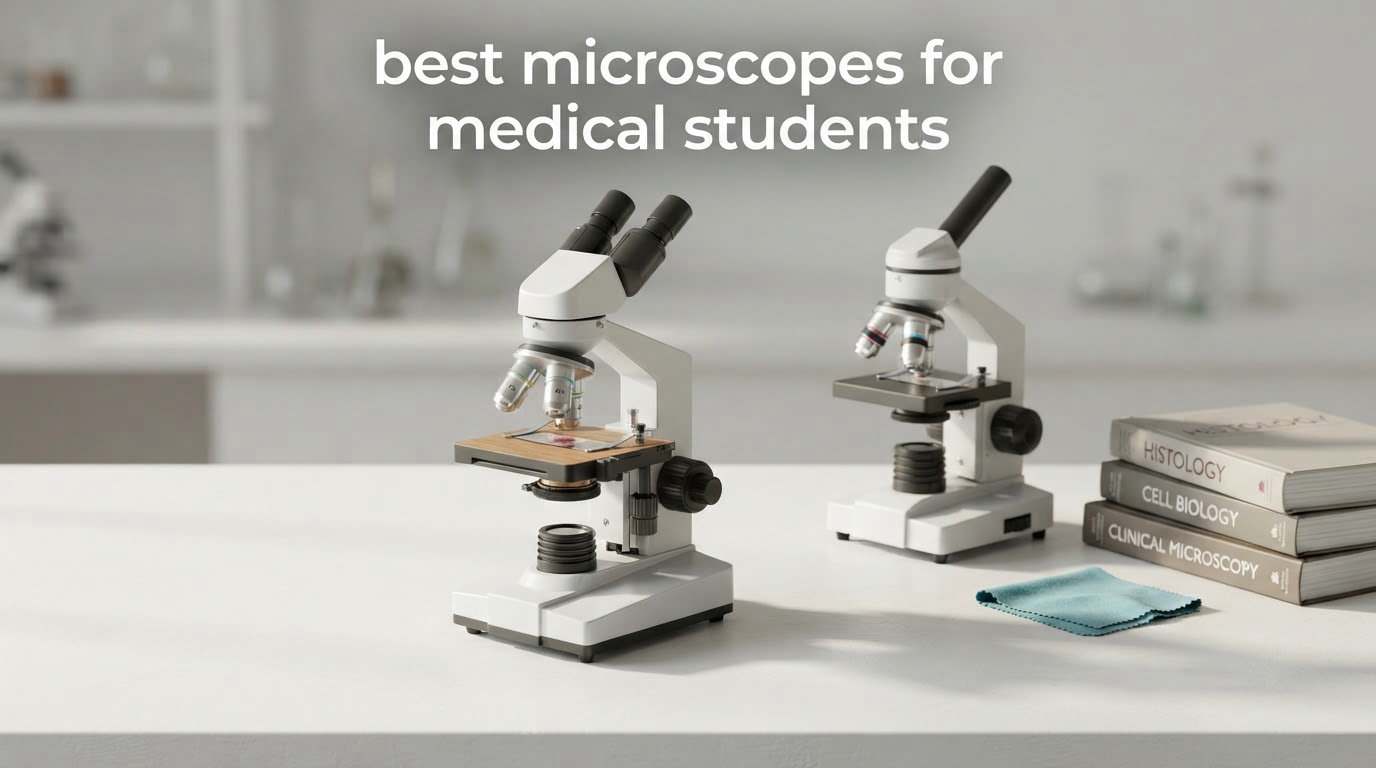
The best microscopes for medical students are binocular compound light microscopes carrying 4x, 10x, 40x and 100x oil immersion achromatic objectives, a mechanical stage, a focusable Abbe condenser and LED illumination. Our top pick is the OMAX M82ES-SC100-LP100-OM, which pairs a complete 40X-2000X achromatic set with a solid metal frame.
Here is the honest version of the situation. In the first two years of medical school, microscopy is how you learn to read a blood film, work out which tissue a histology slide came from, and recognise bacteria and parasites. The scope you practise on shapes how fast that skill arrives.
Most schools supply scopes for the practical itself, but they get shared across a whole class, and the queue is long. Buying your own means every spare hour between lectures can be spent on the slides you are actually being examined on. If you want the wider student picture, our general guide to student microscopes covers the non-medical cases too.
We worked through twelve scopes that sit in the range a first-year student actually considers, from a light monocular kit to a trinocular head with a camera port. What follows is what we found, including the two or three we would skip.
One warning before we start. A great many listings advertise 2000x or even 5000x, and those numbers are usually just eyepiece magnification multiplied by objective magnification. Meaningful medical-school resolution tops out around 1000x with a genuine 100x oil immersion lens, and numerical aperture matters far more than headline magnification. We come back to this in the buying guide.
Table of Contents
Top 3 Picks for Medical School (October 2026)
Three scopes stood out: one for the most complete objective set, one with the highest average rating in the group, and one that bundles a camera into a binocular body.
OMAX M82ES 2000X Binocular
- Achromatic 4X-1000X objective set
- Double-layer mechanical stage
- Solid metal frame
- 5-year warranty

SWIFT SW350B Binocular
- Six settings to 2500X
- Rotatable Siedentopf head
- Adjustable Abbe condenser
All 12 Microscopes for Medical Students in 2026 at a Glance
Every scope below reaches at least 40x on a real achromatic objective. Read the mechanical stage and camera rows carefully, because those two features decide whether a scope can support a full medical-school course.
| Product | Specifications | Action |
|---|---|---|
| OMAX M82ES-SC100-LP100-OM 2000X LED Binocular Compound Lab Microscope |
|
Check Latest Price |
 PalliPartners Compound Microscope for Adults and Students PalliPartners Compound Microscope for Adults and Students |
|
Check Latest Price |
| AmScope B120C-E1 LED Binocular Compound Microscope 40X-2500X |
|
Check Latest Price |
 OMAX M82E Series Binocular Biological Compound Microscope 40X-2000X OMAX M82E Series Binocular Biological Compound Microscope 40X-2000X |
|
Check Latest Price |
 SWIFT SW380B 40X-2500X Siedentopf Binocular Research-Grade Microscope SWIFT SW380B 40X-2500X Siedentopf Binocular Research-Grade Microscope |
|
Check Latest Price |
| SWIFT SW350B 40X-2500X Siedentopf Binocular Compound Microscope |
|
Check Latest Price |
 AmScope T490B Compound Trinocular Microscope 2000X AmScope T490B Compound Trinocular Microscope 2000X |
|
Check Latest Price |
 OMAX MD82ES10 2000X Digital LED Compound Microscope with Built-in 1.3MP OMAX MD82ES10 2000X Digital LED Compound Microscope with Built-in 1.3MP |
|
Check Latest Price |
 Herwicm Compound Microscope 40X-2500X Dual LED Mechanical Stage Herwicm Compound Microscope 40X-2500X Dual LED Mechanical Stage |
|
Check Latest Price |
 Woehrsh Trinocular Microscope 40X-5000X with Dual Stage and USB Camera Woehrsh Trinocular Microscope 40X-5000X with Dual Stage and USB Camera |
|
Check Latest Price |
 Poothoh Binocular Compound Microscope 40X-2000X Poothoh Binocular Compound Microscope 40X-2000X |
|
Check Latest Price |
 PalliPartners 40X-2000X Biological Compound Trinocular Microscope PalliPartners 40X-2000X Biological Compound Trinocular Microscope |
|
Check Latest Price |
1. OMAX M82ES-SC100-LP100-OM Binocular Compound Microscope – the Complete Achromatic Set
- Genuine 100X oil immersion objective in the box
- Double-layer mechanical stage with printed scales
- Solid metal frame with stain-resistant enamel
- Coaxial coarse and fine focus on both sides
- Includes 100 slides plus cover slips and lens paper
- Head is binocular only
- so no direct camera port
- Green filter helps flare but there is no Kohler or phase contrast
- 2000X needs oil immersion technique to look sharp
This is the scope we hand to a first-year student with no hesitation. It carries a full DIN achromatic objective set of 4x, 10x, 40x and a true 100x oil immersion lens, and that last one is the reason it ranks first. Blood films, Gram-stained smears and parasite ova all need the 100x step, and plenty of cheaper listings quietly leave it out.
The body is a full solid metal frame with a stain-resistant enamel finish, and reviewers consistently single out how stable it feels when you swing the arm across a bench. Coaxial coarse and fine focus knobs sit on both sides, which sounds like a small detail until you are the student at the far end of a shared bench.
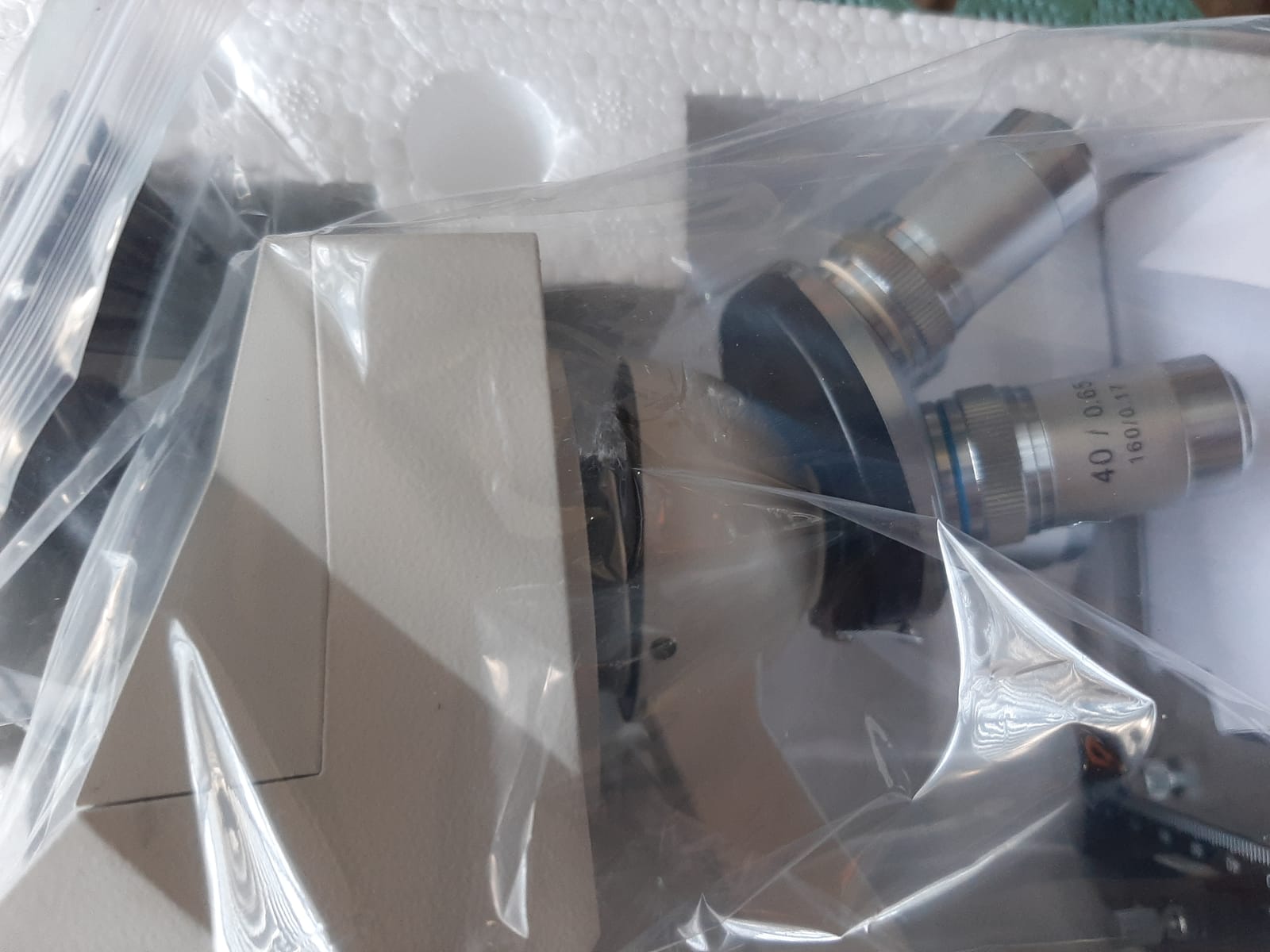
The mechanical stage is the reason it outclasses most of the field. It is a double-layer X-Y stage of 115mm by 125mm with printed scales and 70mm by 30mm of travel, so you can return to the exact field on a blood film the next week and find it again. The revolving quadruple nosepiece holds four objectives, and the head is a 45-degree inclined binocular that swivels 360 degrees with interpupillary adjustment from 55mm to 75mm plus diopter correction on both eyetubes.
Illumination runs through an N1.25 Abbe condenser with an iris diaphragm, fed by a transmitted LED of adjustable intensity. It is not Kohler illumination, so contrast control is coarser than on a hospital-grade scope, but for stained slides it is more than adequate and it never cooks a live wet mount the way a halogen lamp can.
What it handles in the medical curriculum
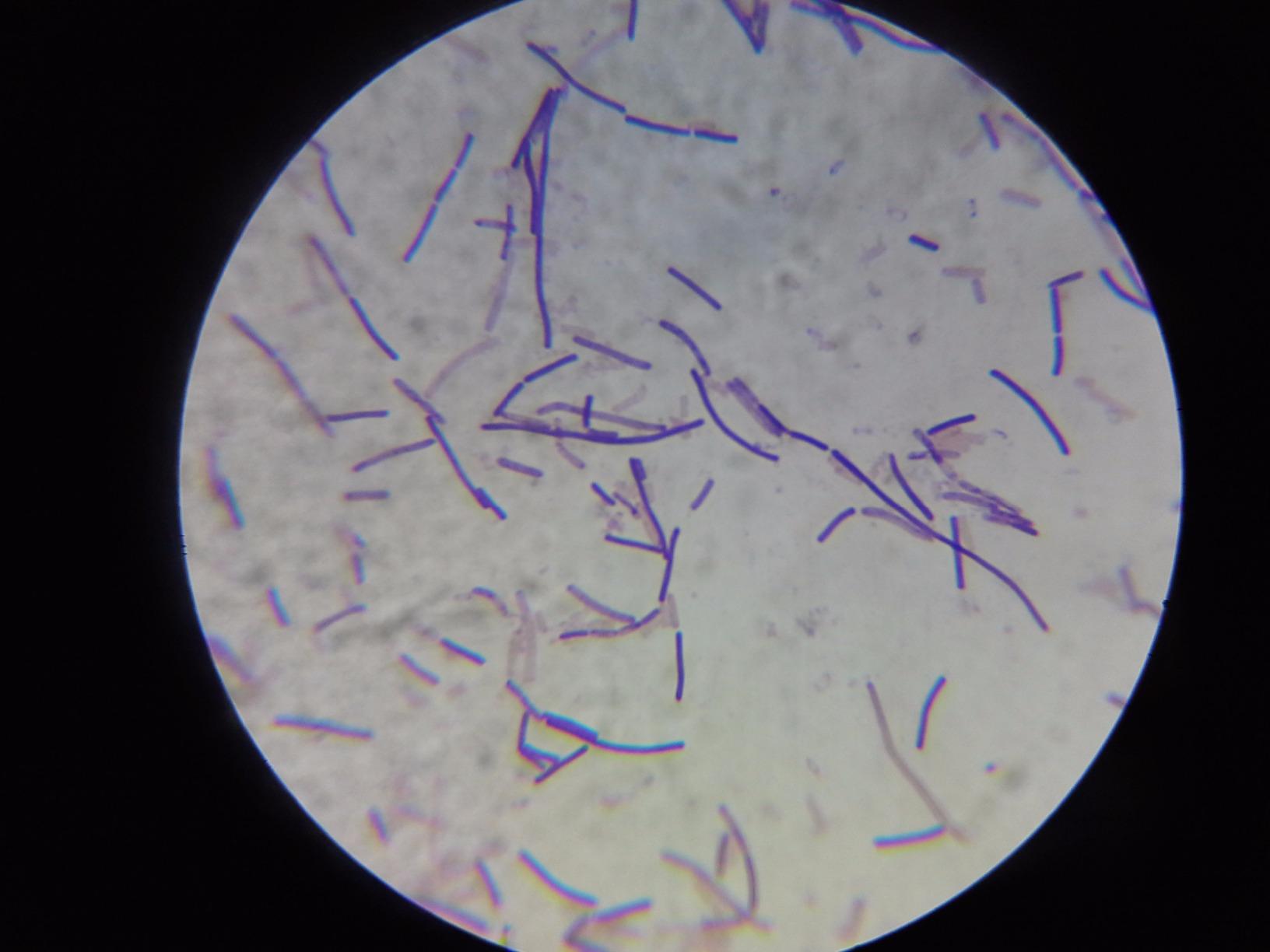
It covers the full first-year load: epithelial and connective tissue slides at 40x and 100x, peripheral blood films at 400x, and bacteria or ova at 1000x under oil. The included 100 blank slides and 100 cover slips mean you can make your own blood smears and coverslip wet mounts on day one, which is exactly the practice that separates a student who can read a film from one who cannot.
Reviewers report the mechanical stage precision and the metal build as the standouts, with the oil immersion learning curve the most common complaint. Budget an afternoon with a slide and a phone light before your first practical, and that complaint disappears.
Where it falls short
There is no trinocular port on this model. If your course requires photographs of every field for a lab report, you will be photographing through the eyepieces with a phone adapter instead, which is workable but never as clean.
It is also a fixed-configuration binocular, so there is no route to phase contrast later for live microbial work. For a medical degree that is rarely needed, but it is the one upgrade path you give up.
2. PalliPartners Compound Microscope for Adults and Students – the Low-Cost Way to Start
- Comes with 10 prepared and 18 blank slides
- Phone clip adapter and Bluetooth shutter included
- Top and bottom LEDs handle opaque and translucent samples
- Light enough to move between rooms
- Coaxial coarse and fine focus
- No mechanical stage
- so slides must be hunted by hand
- Only reaches 40x on a real objective
- Advertised 2000X is far beyond real optical performance
- Plastic body rather than metal
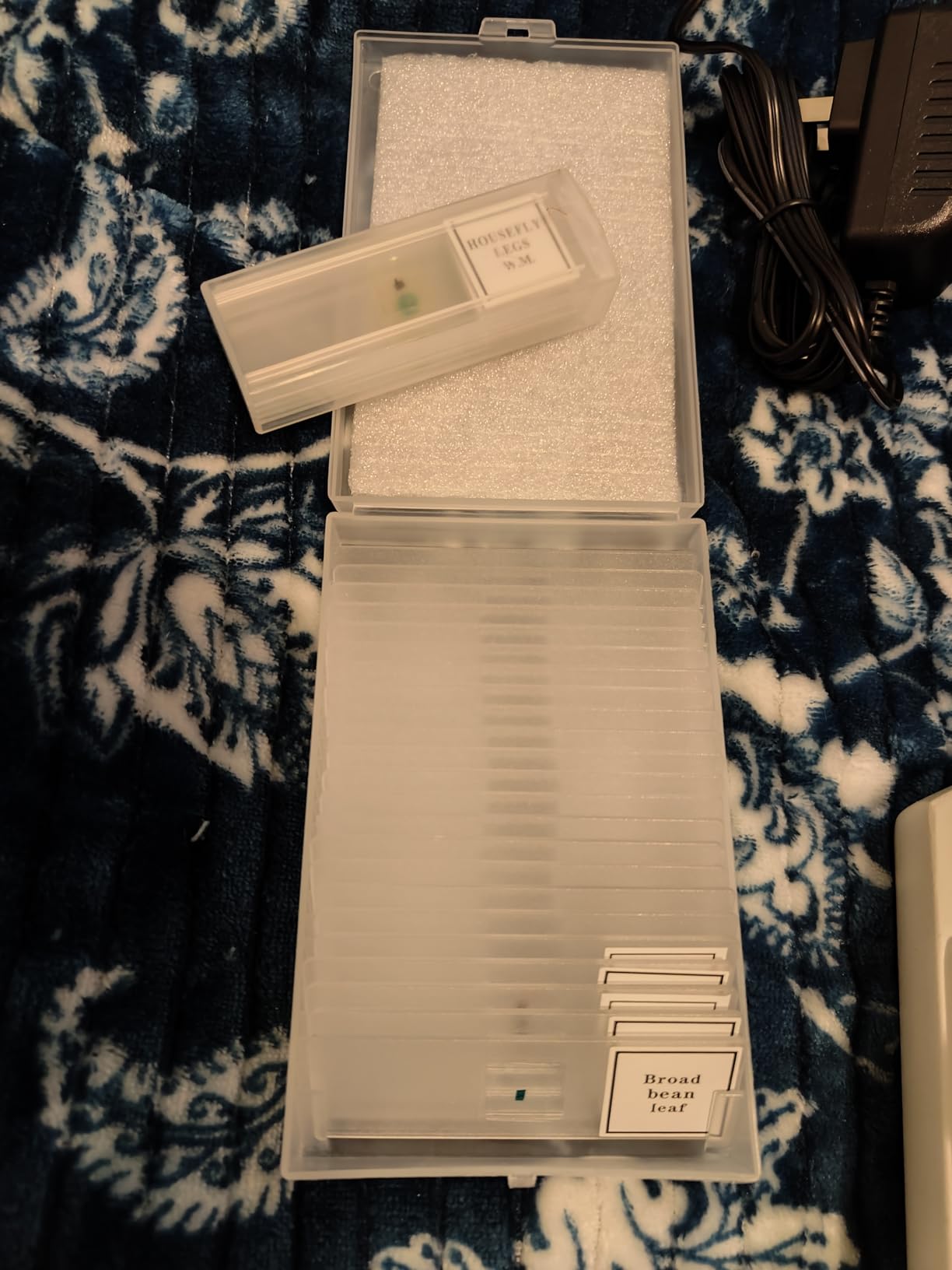
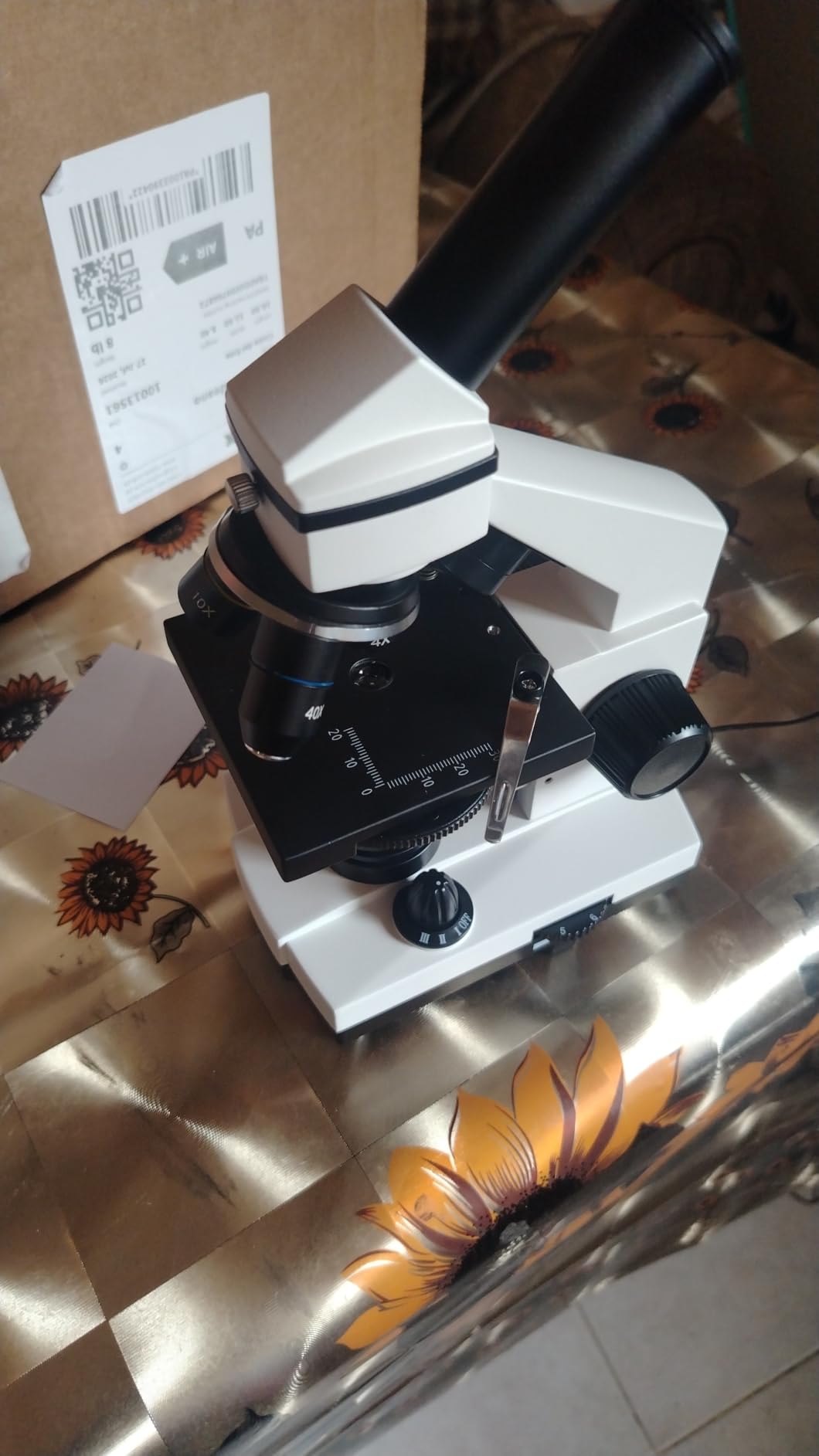
It is the scope you buy when the aim is to learn the mechanics before spending anything serious. It is a monocular compound scope at 1.65 kg, light enough to carry between a lecture hall and a kitchen table, and it arrives with 10 prepared slides, 18 blank slides, a phone clip and a Bluetooth shutter remote.
The optics are 4x, 10x and 40x objectives with a WF25X eyepiece and a 2x auxiliary lens, and the illumination switches between top and bottom LED so you can look at both translucent sections and opaque material. Coaxial coarse and fine focus is a genuine inclusion at this level.
What it does not have is a mechanical stage. That single omission changes how a scope feels, because you hunt for the specimen with your fingers while one eye stays shut. Reviewers who have moved up from a stage-equipped model notice the difference immediately, and experienced users are blunt about the overstated magnification figure and the thin documentation.
It is also mostly plastic in the body and lens modules can shift in their housings if knocked. Treat it as a teaching and orientation instrument rather than a course-long bench companion.
Where it genuinely helps
Used alongside a borrowed school scope, it is a good revision tool. Ten prepared slides on a tray, top lighting for a hair or a fabric fibre, and you can build the focus habit in an afternoon. It is also the sensible pick for a pre-med student who wants to know whether they enjoy microscopy before committing.
Reviewers describe it consistently as a family, homeschool and beginner scope, and that is exactly what it is. At this level the bundled slide set and dual lighting do more for a beginner than any amount of claimed magnification.
Where it falls short
A 40x ceiling on a real objective rules it out for microbiology. Without 1000x you cannot find a spore, separate a monocyte from a lymphocyte, or identify an ova, and those are exactly the assessments you will sit.
Skip it if your course includes parasitology or bacteriology. Buy it if you want to learn focusing, stage technique and slide preparation on modest terms, then move up within a year.
3. AmScope B120C-E1 LED Binocular Compound Microscope – Best All-Rounder With a Camera
- Bundled USB camera and software for PC capture
- Stable heavy frame with smooth mechanical stage
- Abbe condenser with pivot-out blue lens and dimmable LED
- Backed by a 5-year manufacturer warranty
- Multiple camera variants available
- Bundled 1.0 MP camera gives soft images
- No calibration slide included for size measurement
- 2500X oil step takes practice
- Stage knobs can shift a slide vertically as well
The B120 series is the workhorse that keeps showing up in forum threads when students ask where to start, and the C variant adds a USB camera without changing the optical body. You get 40x to 2500x across a DIN achromatic objective set, a Siedentopf binocular head and LED illumination through a fly-eye lens for bright, daylight-balanced light.
Users on r/biology consistently treat AmScope as the default value recommendation, and this model is the reason: a metal-and-plastic frame, a smooth mechanical stage, dual-precision focus and a five-year manufacturer warranty in one box.
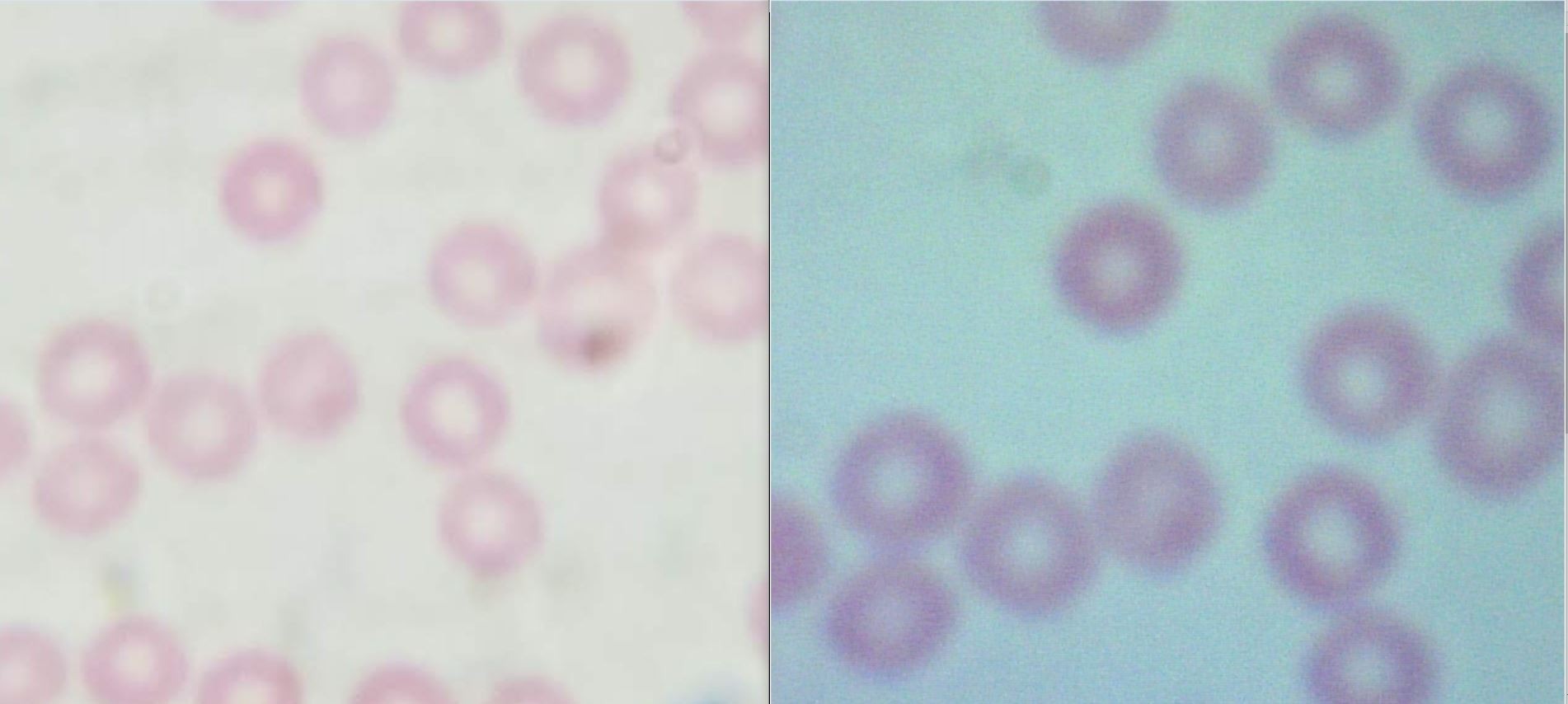
What makes it interesting for medical coursework is the condenser. An Abbe condenser with a pivot-out blue lens and dimmable LED gives you more usable contrast on stained tissue than a fixed condenser, and blue-filtered light keeps haematoxylin and eosin colours reasonably honest.
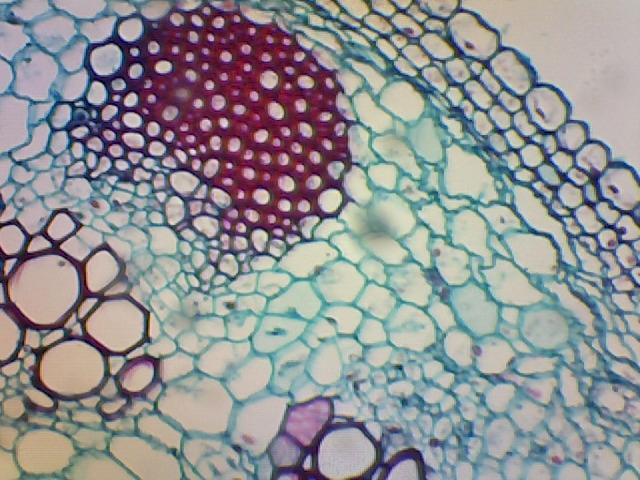
The bundled 1.0 MP camera with Windows software is genuinely useful for building a lab report, though reviewers are consistent that the image is soft with limited depth of field. Variants with 3.0 MP and 5.0 MP sensors and a camera-free option exist, so this chassis can grow with you.
Best for students who must document their work
If your module requires a photograph for every practical, the USB route is easier than a phone adapter and produces a straight file on your laptop. Higher-resolution variants solve the softness problem without changing anything else, which is why we would pick this chassis over a bare binocular model at the same level.
Owners highlight the heavy, stable build and smooth mechanics as the reasons the scope outlasts their course. Documentation is the weak point: the model number is scattered across listings, so confirm the camera variant before ordering.
Where it falls short
No calibration slide ships in the box, so any cell-counting or size-measurement exercise needs one bought separately. That is a small extra, but it catches people out in a quantitation practical.
The stage control knobs can also nudge a slide in the vertical axis as well as across it. On a blood film, that means re-finding your field more often than you would like.
4. OMAX M82E Series Binocular Compound Microscope – Parfocal Oil Immersion on a Budget
OMAX M82E Series Binocular Biological Compound Microscope 40X-2000X Magnification Lab LED with Mechanical Stage
- True 100X oil immersion objective in the standard configuration
- Parfocal achromatic objectives need only fine focus when switching
- Cool LED illumination will not harm live wet mounts
- Green filter holder supports darkfield experiments
- Solid metal frame
- Arrives without usable documentation
- Minimum interpupillary distance near 55mm is tight for close-set eyes
- No camera port or upgrade path
- A small number of owners report power supply failure
This M82E shares its frame with the top pick but sits lower in the range, and the practical difference is small enough that it deserves a look. You still get a sturdy metal frame, a mechanical stage and a 100x oil immersion objective in the standard configuration rather than as an add-on.
The objectives are parfocal, which means when you rotate from 40x to 10x you only need the fine focus knob. On a long histology practical that single feature removes most of the frustration beginners report, and reviewers highlight it repeatedly.
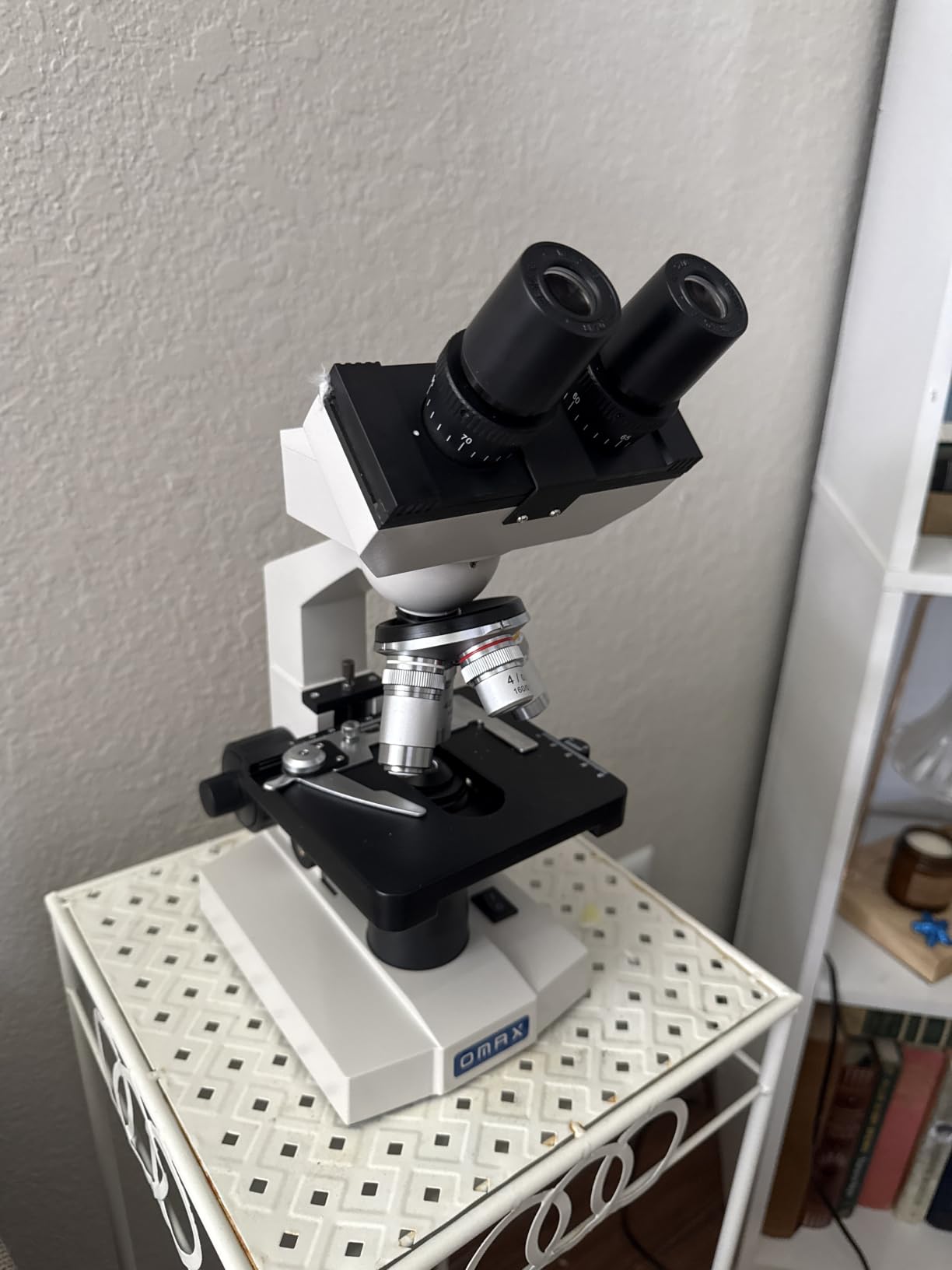
Illumination is a bottom gear LED with adjustable intensity, and the green filter holder lets you attempt darkfield work on your own time. That is a real bonus for parasitology students who want to see live motile organisms against a dark background.
The rating sits at 4.1 because of a 13 percent one-star share, and the complaints cluster in predictable places: missing documentation, tight binocular spacing and a handful of power supply failures.
Good for a student who works with live material
Cool LED illumination and the green filter make it a sensible pick for wet mounts and darkfield attempts. Parfocal objectives also mean less time refocusing mid-practical, which is where beginners lose the most time.
Reviewers consistently praise the oil immersion lens, the parfocal set and the metal frame at this level. If you find the binocular spacing tight at its roughly 55mm minimum, and you have close-set eyes, check that before committing.
Where it falls short
Documentation is the biggest practical problem. Buyers report that obtaining instructions can take several contacts with customer service, so budget time to learn the iris and the stage controls yourself.
There is no camera port and no route to phase contrast, so this is a binocular-and-stain scope rather than an imaging one. The listing also carries AmScope as the brand field and OMAX as the manufacturer, so check the warranty terms carefully before you rely on the five-year claim.
5. SWIFT SW380B Research-Grade Binocular Microscope – The Rotatable Head Specialist
- Rotatable Siedentopf head is rare at this level
- Interchangeable wide-field 10X and 25X glass eyepieces
- Full 1000X oil step within the range
- Metal construction and mechanical stage
- Camera and phone adapter variants available
- Condenser aperture adjustment is light with a limited range
- No slides or printed manual in the box
- No trinocular port on the standard configuration
The SW380B’s distinguishing feature is the Siedentopf binocular head, which is fully rotatable and fixed at a 30 degree tilt. In a shared lab that means you can swing the head to whoever is next in the queue without anyone craning their neck, which is a small ergonomic win over a fixed 45-degree head.
It runs 40x to 2500x across four DIN achromatic objectives on a revolving turret, with a mechanical stage and what the manufacturer describes as ultra-precise coaxial focusing. At 11 pounds it has the solidity you want on a bench for four years.
The wide-field 10X and 25X glass eyepieces are interchangeable and the interpupillary distance adjusts without losing focus. Wide-field eyepieces increase the field number, which means you see more of the slide at 40x and spend less time hunting for the right region on a low-power survey.
Ratings are strong at 4.5 with 73 percent five-star marks, reflecting satisfaction with build quality, magnification range and the head. Variants add a 2.0 MP or 5.1 MP camera, a 3 MP built-in digital head or a phone adapter, so the digital route exists if you need it later.
Best for shared benches and low-power survey work
If you plan to hand the scope to other students, or you want a large field of view to survey a tissue section before dropping to 40x, the rotatable head and wide-field eyepieces are the reason to pick this over a fixed-head binocular.
Reviewers note the critical cases concern focus that will not resolve crisply and the limited iris range rather than the optics themselves. Those are tolerance issues to check on arrival, not design faults.
Where it falls short
The condenser aperture adjustment is light and has a limited range, so contrast control on thick sections is coarse. You will be dialling brightness more than you would on an adjustable Abbe condenser.
Nothing is included in the box, no slides and no printed manual, and the standard configuration has no trinocular port for a camera. Plan to add a starter slide set and expect to learn the controls from demonstration videos.
6. SWIFT SW350B Compound Lab Microscope – The Highest-Rated Scope in the Group
- Highest average rating in the roundup
- Rotatable 360 degree Siedentopf head for group work
- Manually adjustable Abbe condenser for contrast
- Double-layer mechanical stage with secure slide holder
- Integrated carrying handle
- No printed instructions
- Slides and cover slips not included
- Iris aperture adjustment is flimsy with limited range
- Extra eyepiece settings take time to learn
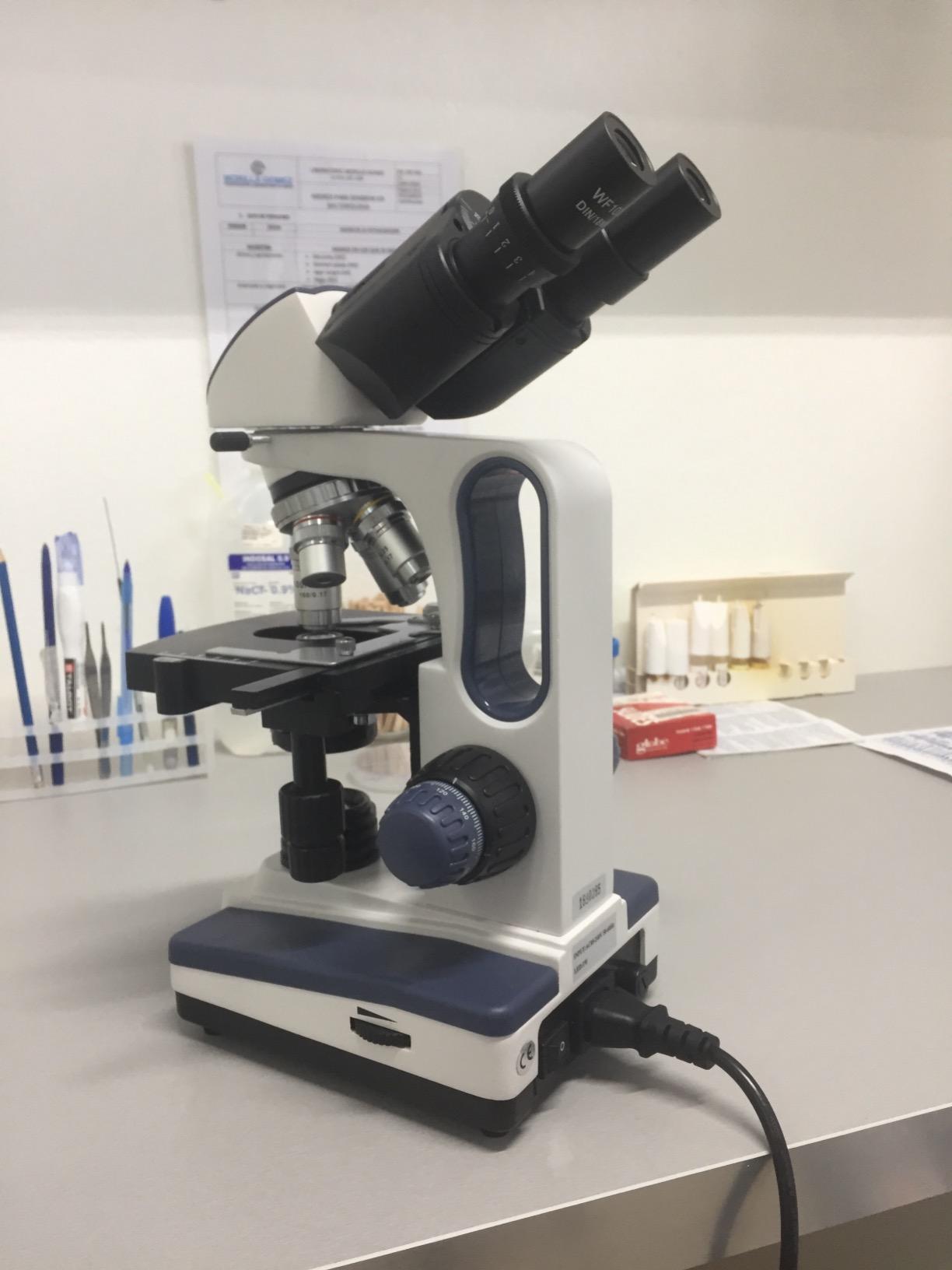
At 4.6 across 405 reviews this is the best-rated scope in the group, and 75 percent of those reviews are five-star. Owners single out the optics, the knob feel and the mechanical stage as worth considerably more than expected.
Optically it covers six settings, 40x, 100x, 250x, 400x, 1000x and 2500x, from four DIN achromatic objectives. The manually adjustable Abbe condenser under a dimmable LED is the feature that separates it from cheaper binocular scopes, because it is the one control that changes contrast rather than brightness.
On a thick epidermis section, or a liver slide stained heavily with eosin, the condenser is what separates a readable image from a pale one. Reviewers who upgraded from a fixed-condenser scope report the jump in sharpness, and the rotatable Siedentopf head at a 30 degree tilt is genuinely useful when a flatmate shares the scope.
The double-layer mechanical stage has a secure slide holder, which matters more than it sounds when you are tracking a single cell across a 100x field for ten minutes. At 10.7 pounds with a carrying handle, it also survives being moved between a campus room and a home desk.
Best all-round value for a full medical degree
If you want one scope that handles a first-year histology practical and a second-year microbiology session without compromise, the adjustable condenser is the detail that matters most. Combined with a 1000x oil step and a mechanical stage, it covers essentially everything an undergraduate course asks for.
The 360 degree rotatable head is the second reason we like it. When a group shares a scope, the person not looking can still hold the base and turn the head, which cuts the awkwardness of swapping seats.
Where it falls short
No printed instructions arrive, so setup and lighting adjustment need a demonstration video, and the iris aperture adjustment is described as flimsy with a limited range. Nothing is included in the box, so add slides and cover slips to your shopping list.
Because it is binocular, there is no photo port. If your course demands documented practicals, look at the trinocular options further down this list or plan on a phone adapter.
7. AmScope T490B Compound Trinocular Microscope – Built for Simultaneous Viewing and Capture
AmScope T490B Compound Trinocular Microscope, 2000X Magnification
- Simul-focal head keeps eyepiece view while a camera records
- 23mm photo port and included C-mount adapter
- 3D two-layer mechanical stage with low position control
- Metal frame and 5-year warranty
- Free-standing port suits heavier camera bodies
- Halogen lamp runs hotter and ages faster than LED
- Bulkier footprint than binocular models
- Only 212 owner reviews for long-term feedback
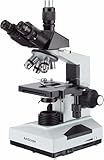
This is the first trinocular scope in the list, and the reason is a head design rather than the optics. A simul-focal trinocular head sends light down two eyepieces and a third port at the same time, so you can keep your eye on the field while a camera records it. For a lab report where the demonstrator is talking over the slide, that is the difference between usable footage and a blurred retry.
The 23mm photo port is generously sized, and a C-mount adapter is included. That matters because it will take a heavier camera body and a C-mount lens, which is where photo capability at this level usually gives up.
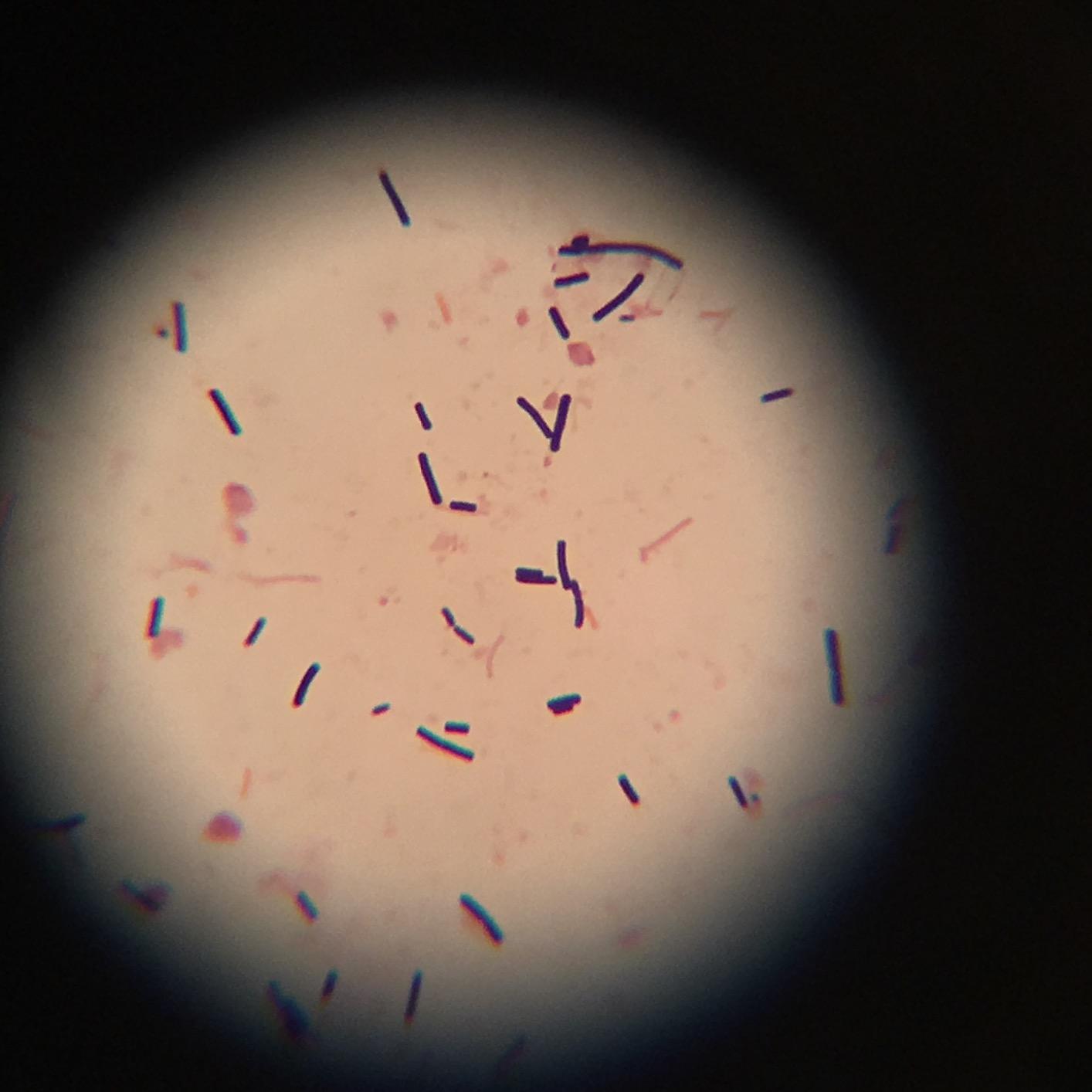
Magnification runs 40x to 2000x across eight widefield settings, and the 3D two-layer mechanical stage has a low position control so you can drop to 40x for a quick survey without swinging the arm. The metal frame and five-year manufacturer warranty suit long-term bench use.
It is chosen primarily for the photo port, and the trade-off owners note is the older halogen illumination. Halogen runs hotter and ages faster than LED, which means more colour shift over a four-year degree and eventually a bulb to replace.
Best for students documenting every practical
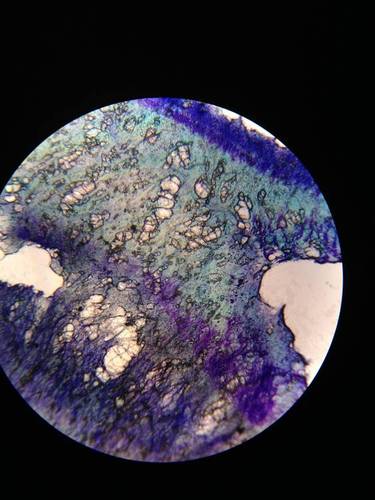
If your course keeps a practical notebook with images, the free-standing 23mm port is the most future-proof on this list. You can mount a mirrorless body, a C-mount camera or an adapter for a phone and keep looking through the eyepieces while it runs.
With 212 owner reviews the long-term feedback here is thinner than for the binocular models, so expect to test the port yourself in the first week. It is also one of the larger instruments in the roundup, so check your bench space and where it will be kept between terms.
Where it falls short
Halogen illumination is the main cost of the older platform. It runs hot, ages with visible colour shift, and the replacement bulb is another consumable to track.
There is no camera supplied. The port is excellent, but you are buying the capture capability and choosing the camera separately, so factor that into the total if imaging is your main reason for buying.
8. OMAX MD82ES10 Digital Compound Microscope with Built-in Camera – Plug and Play Imaging
OMAX MD82ES10 2000X Digital LED Compound Microscope with Built-in 1.3MP
- Built-in camera shows the eyepiece view live on a laptop
- Achromatic optics hold up at 1000X oil immersion
- Heavy solid feel with smooth two-axis mechanical stage
- Dimmable lamp and heavy eyepieces suit long sessions
- 1.3MP resolution is low for fine detail
- Bundled software disc can fail to read with no download link
- A small number of camera or lamp failures reported
- Slides and cover slips not included
This scope puts the camera inside the head rather than behind a photo port, so there is no adapter to fit and no C-mount to source. A 1.3MP CMOS sensor shows the eyepiece view live on a laptop over USB 2.0, and the software disc handles live viewing and image capture on Windows.
The optical body is the more interesting half. It runs 40x to 2000x on achromatic objectives over a double-layer mechanical stage, with a dimmable LED base and coaxial coarse and fine focus. Reviewers specifically endorse the 1000x oil immersion clarity, which is unusual in a digital-head scope.
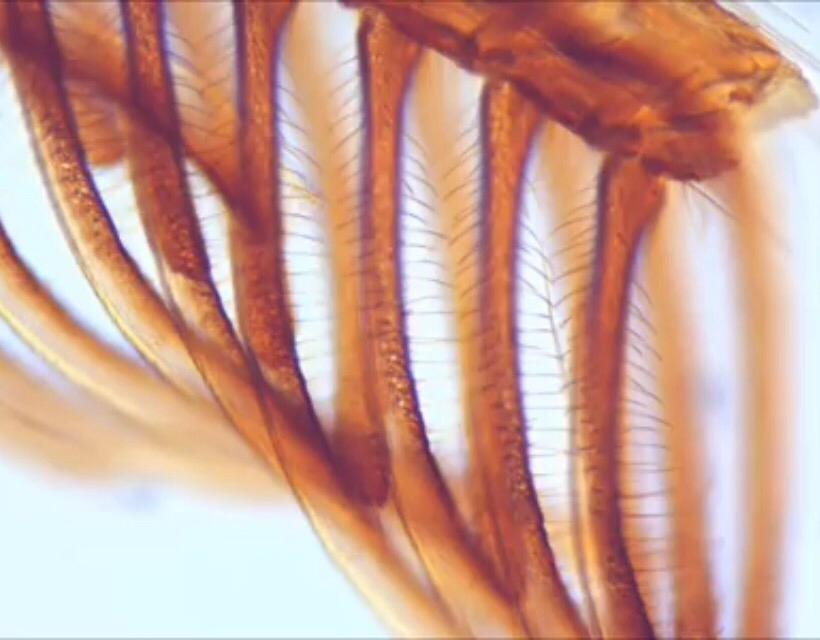
That combination makes it a strong pick if your lab reports need images and your budget will not stretch to a separate camera and adapter. You keep the eyepiece technique that actually builds skill, and the screen becomes a teaching aid rather than a replacement for looking down the tube.
Professionals and hobbyists rate the optics and the integrated camera as solid value. Dimmable illumination and solid eyepiece weight are called out as making long sessions comfortable, which matters when a scope session runs three hours.
Best for a student who films and still learns by eye
Digital and LCD microscopes get criticised in forums because students never build eyepiece-to-eye technique. This one avoids that trap: it is a real optical compound scope with a camera added, so you look through the eyepieces and record when you need to.
If you are studying at a shared bench and want to show a flatmate a field without giving up your seat, the live laptop view handles that well. It is also a cheap way to check a doubtful finding before committing it to a write-up.
Where it falls short
1.3MP is the limiting factor. A 100x oil field of bacteria or a blood film at 1000x needs more pixels than that to resolve in a printed report, so expect soft images on fine detail.
The bundled software disc can fail to read and there is no reliable download link, which is the most common installation complaint. Slide and cover slip consumables are not included either, and a few owners report the camera or lamp failing within months.
9. Herwicm Compound Microscope with Dual LED and Mechanical Stage – Wide-Field Value Pick
Compound Microscope,40X-2500X ,WF10x and WF25x eyepieces, Dual LED Lighting and Two-Layer Mechanical Stage,Microscope for Adults…
- Ultra-wide-angle eyepieces reduce eye strain over long sessions
- Dual top and bottom LED with integrated fill light
- Two-layer mechanical stage and coaxial focus
- Metal and glass body at an entry price
- Only 4X
- 10X and 40X objectives are listed
- No confirmed 100X oil immersion step
- Metal and plastic construction is lighter than all-metal rivals
- Manufacturer detail is generic
What distinguishes this scope is the eyepieces. They are all-optical ultra-wide-angle binocular eyepieces with a large field of view, and reviewers consistently point out that wide fields reduce eye strain over a long observation session. For a student doing four hours of slide work in a practical, that is not a cosmetic feature.
Illumination is adjustable top and bottom LED with an integrated fill light, coaxial coarse and fine handwheels sit on both sides of the base, and there is a two-layer mechanical stage with a spiral moving scale. Getting a mechanical stage at this level is genuinely unusual.
Specimen tracking with a mechanical stage and coaxial focus is much easier than hunting by hand, and that is the single biggest usability step up from a monocular kit. At 4.3 with 70 percent five-star ratings, the wide-field eyepieces, the dual lighting and the included stage are what reviewers like.
The listing advertises 40x to 2500x, but the stated objective set is 4x, 10x and 40x. Read that carefully: without a confirmed 100x objective there is no oil immersion step, which changes what the scope is for.
Best for long low-power sessions
A large field of view at 40x lets you survey a whole tissue section quickly and find the interesting region without constant refocusing. Combined with the fill light, it is comfortable for the sort of slow comparative work that first-year histology practicals reward.
If your course is histology and anatomy heavy, and you are studying alone rather than in a microscopy class, this covers the low-power work well. The mechanical stage also means you can mark a position and come back to it after a break.
Where it falls short
The missing 100x objective is the deal-breaker for anything microbiological. No oil immersion means no bacterial morphology, no parasite ova, and no fine detail on a blood film beyond the 40x step.
The body mixes metal and plastic, so it is lighter than the all-metal competitors, and the manufacturer copy is vague about the stage and the scale. Confirm the exact objective set with the seller before you commit to it for a microbiology module.
10. Woehrsh Trinocular Microscope with Dual Mechanical Stage and USB Camera – The Accessory Heavyweight
- Trinocular head bundled with a USB camera and accessory kit
- Metal body with double-layer mechanical stage
- Generous bundle of slides and cover slips plus petri dishes and tools
- 306 degree swivel head suits multiple users
- Advertised 5000X far exceeds what the optics deliver
- Marketing-heavy listing with limited long-term feedback
- Coating claim needs verification
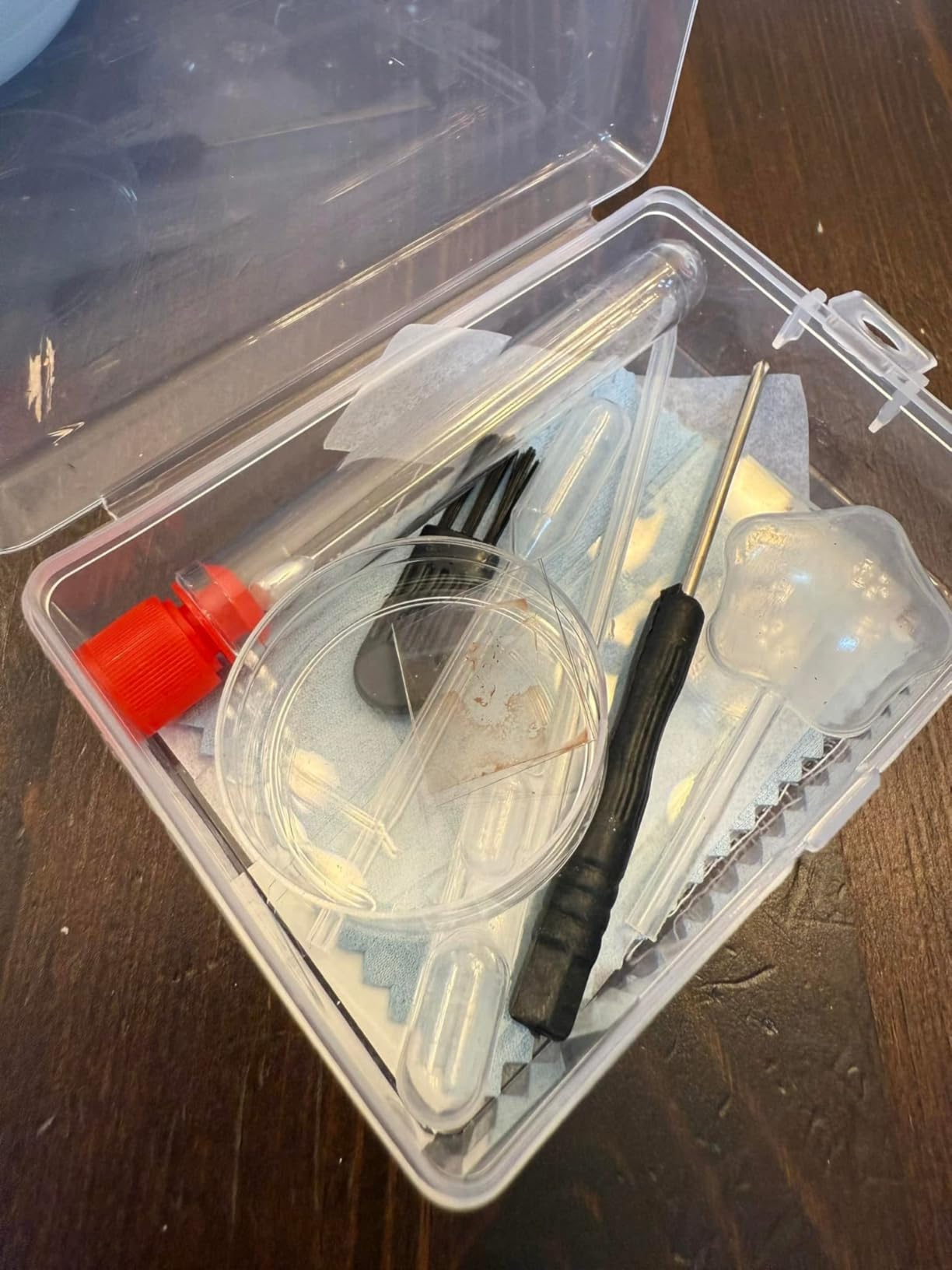
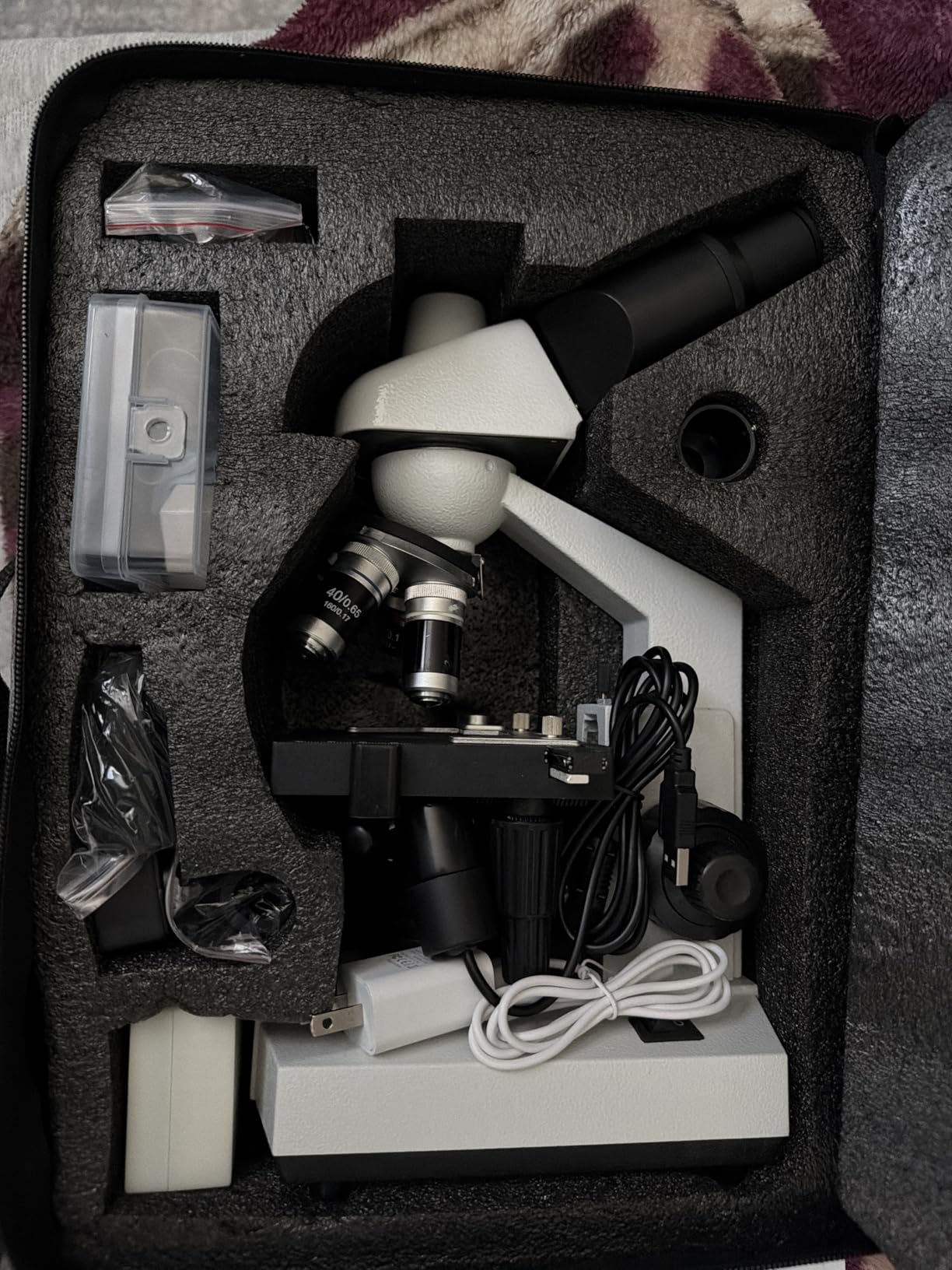
The bundle is the pitch here. Alongside the trinocular head and its high pixel electronic eyepiece, the package includes 10 slides, 100 cover slips, specimen sections, petri dishes, tweezers, droppers, a phone holder, a dust cover and shock-proof foam packaging. For a student setting up a first home bench, that removes the entire consumables shopping list.
Optically it uses a 1.95 achromatic objective in a coated infinity-corrected system, with LED illumination, dual coaxial coarse and fine focus, a double-layer mechanical stage and a 306 degree swivel head. Buyers value the combination of head, stage and bundled camera at this level.
Here is the catch, and it is a big one. The listing advertises 40x to 5000x. With 25X eyepieces and a 1.95 objective, the numbers multiply out, but multiplication is not resolution, and reviewers who are sceptical about the coating say so directly.
Treat the 5000x figure as marketing and read the real specs instead: 2 WF10x and 2 WF25x eyepieces, 2 2x auxiliary lenses, a mechanical stage and a real achromatic objective. On that basis it is a solid mid-tier scope with a very good bundle.
Best for a first-year home bench setup
Students who have never owned a scope spend as much on consumables as on the instrument. This one arrives with slides, cover slips, dishes and tools already included, so you can make a wet mount the same afternoon it arrives.
The swivel head and adjustable interpupillary distance suit more than one user, and the trinocular port means the electronic eyepiece can stay attached without blocking the two glass eyepieces. If your course has a group practical at home or a shared study flat, that flexibility counts.
Where it falls short
Long-term independent feedback is limited, and the listing language is marketing-heavy. Wide-field eyepieces also reduce the effective field at high power, which can make a 1000x view feel cramped compared with a standard 10x eyepiece.
Do not buy it on the strength of the 5000x headline. Buy it for the trinocular head, the accessory bundle and the mechanical stage, and treat anything above 1000x as untested territory.
11. Poothoh Binocular Compound Microscope 40X-2000X – The Filter Bar Specialist
- Five-colour filter bar genuinely helps with chromatic aberration
- Dual mechanical stages give fine control of a slide
- Coarse and fine coaxial focus is easy to learn
- Metal body with a protective case
- Clear images across the usable range
- Companion PC software is unreliable or flagged by antivirus
- Light intensity toggle fails on some examples
- Printed manual is tiny and partly non-English with no battery details
- Listing photo shows three eyepiece sets but only two are in the box
The detail that sets this one apart is the five-colour filter bar sitting under the dual LED illumination. Reviewers treat it as a genuine extra rather than a gimmick, because different filters help you correct the colour cast that cheap achromatic objectives produce at higher powers and make a stained section far easier to read.
Three achromatic objectives at 4x, 10x and 40x cover the low and medium range, with combined magnification advertised to 2000x. Coaxial coarse and fine focus handwheels make it straightforward to bring a specimen into view, and the dual mechanical stages give finer slide control than a single stage.
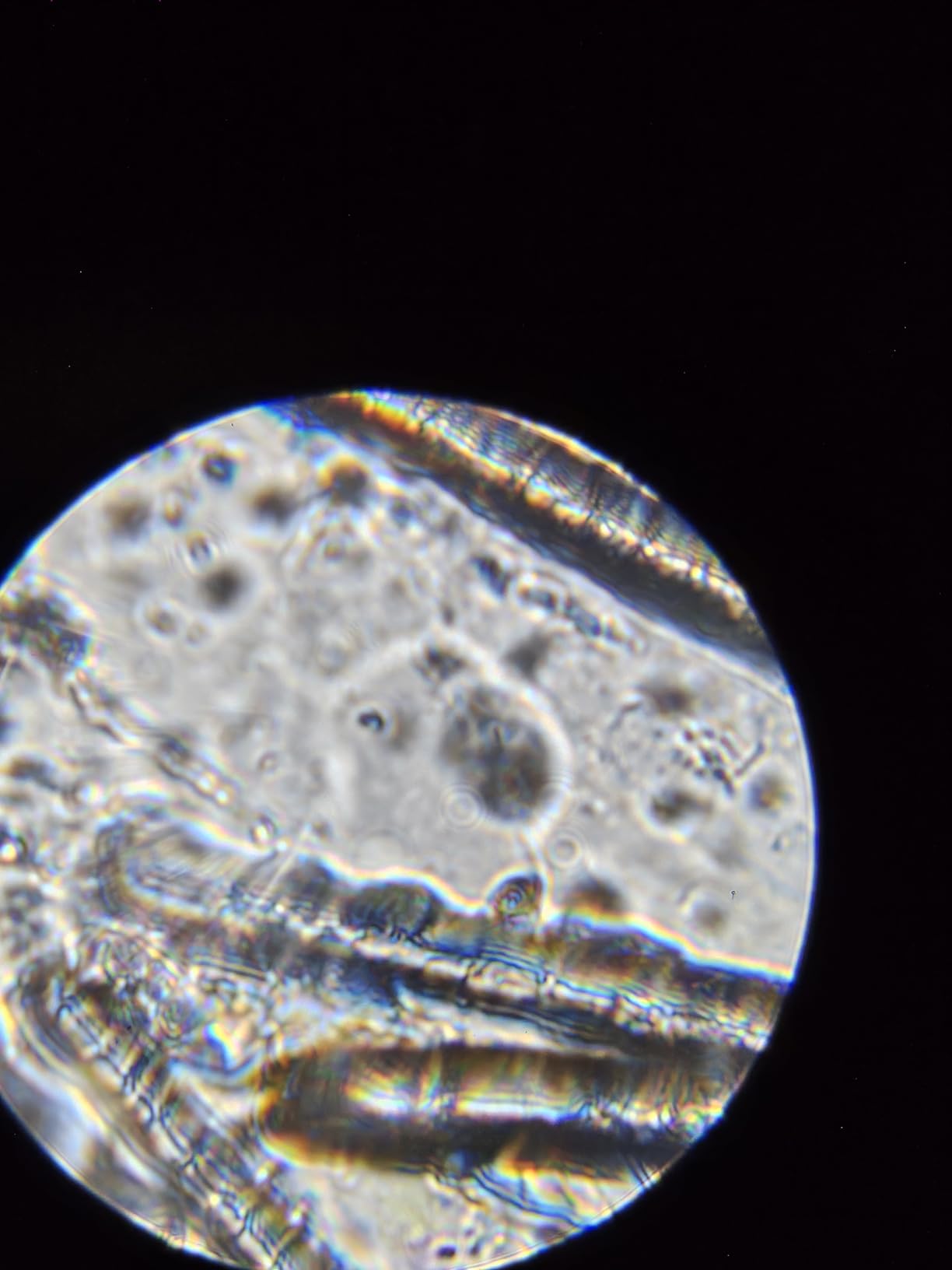
Users who bought it for eyepiece viewing are happy with the focus, the build and the value, and children in particular find it easy to use. For a second pair of eyes in a study flat, a scope that a non-medical partner can also operate is genuinely useful.
All of the recurring complaints concern the digital side rather than the optics. The electronic eyepiece is the weak point, not the compound optics underneath it.
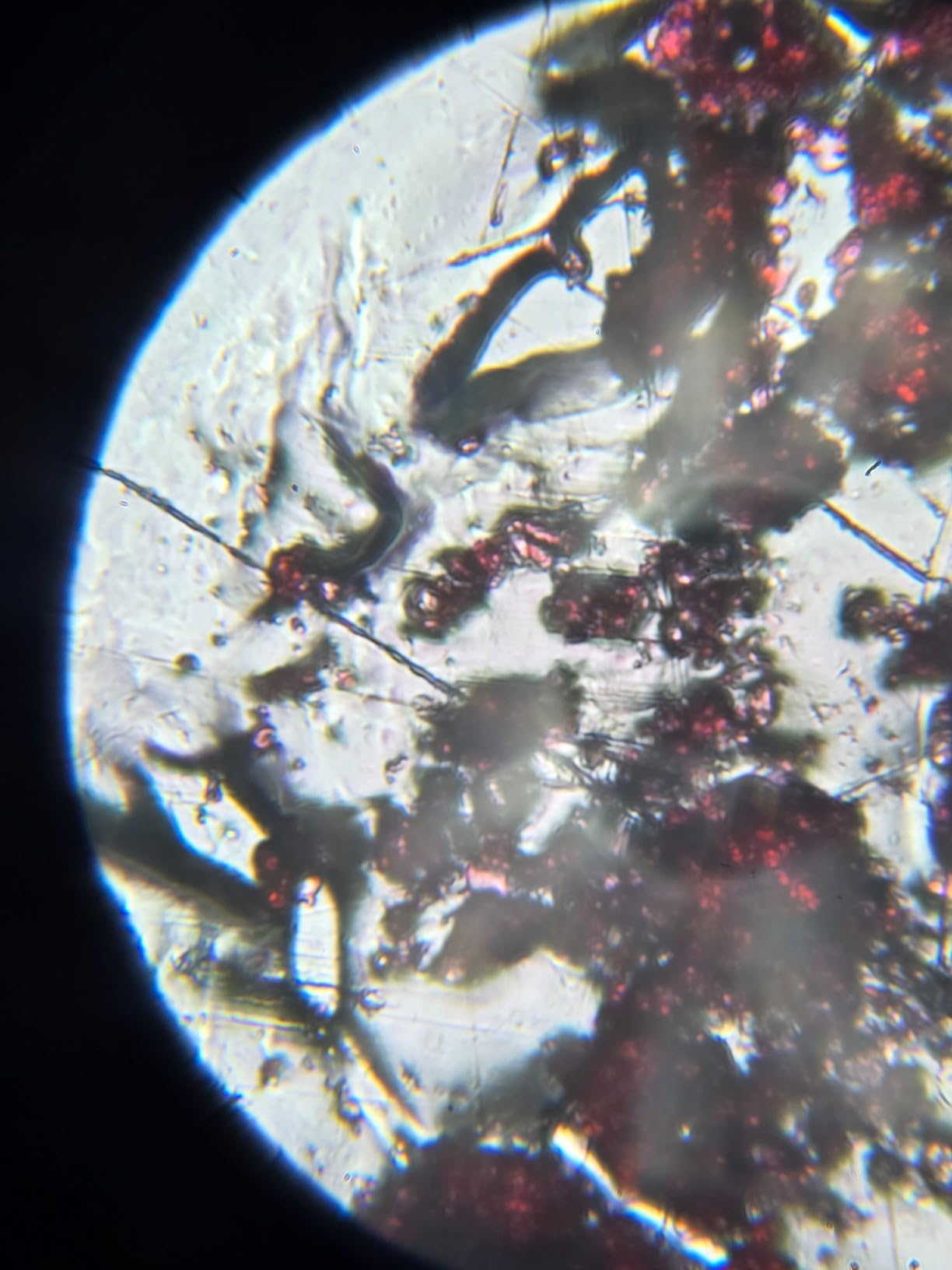
Best for correcting colour cast on stained slides
Haematoxylin and eosin slides and Gram-stained smears both look better through a filter, and the five-colour bar lets you adjust quickly instead of dialing the lamp. On achromatic objectives at 400x and above, that is a real improvement in legibility.
Dual mechanical stages are unusual below this price and help when you need to nudge a slide a fraction to follow a cell. The protective case is also worth having if the scope lives in a shared flat rather than a lab.
Where it falls short
The digital side is unreliable. The companion PC software cannot be downloaded cleanly and is flagged as unsafe by some antivirus tools, so treat the electronic eyepiece as a novelty rather than a capture route.
The light intensity toggle fails on some examples, which leaves illumination effectively fixed, and the printed manual is tiny, partly non-English and omits battery information. Owners also report only two eyepiece sets arriving despite the listing photo showing three, so check the box on arrival.
12. PalliPartners 40X-2000X Trinocular Microscope – A Trinocular Head on a Modest Budget
PalliPartners 40x-2000x Biological Compound Trinocular Microscope
- Trinocular head allows camera work without leaving the eyepieces
- Sharp optical quality at higher settings for the money
- Metal construction with a steady feel
- Double-layer stage holds slides steady
- Only a 1-year manufacturer warranty
- Resolution is adequate rather than exceptional
- Build leans toward lighter lab duty than heavy research use
This is the simplest way onto the trinocular ladder. The head lets you connect a camera or imaging device and keep working through both eyepieces, which is the feature that distinguishes this category from every binocular scope above it.
Magnification runs 40x to 2000x, the double-layer stage secures slides against shifting during observation, and top and bottom LED sources cover both transparent and non-transparent specimens. Separate coarse and fine focusing knobs give quick finding and precise imaging rather than a single combined control.
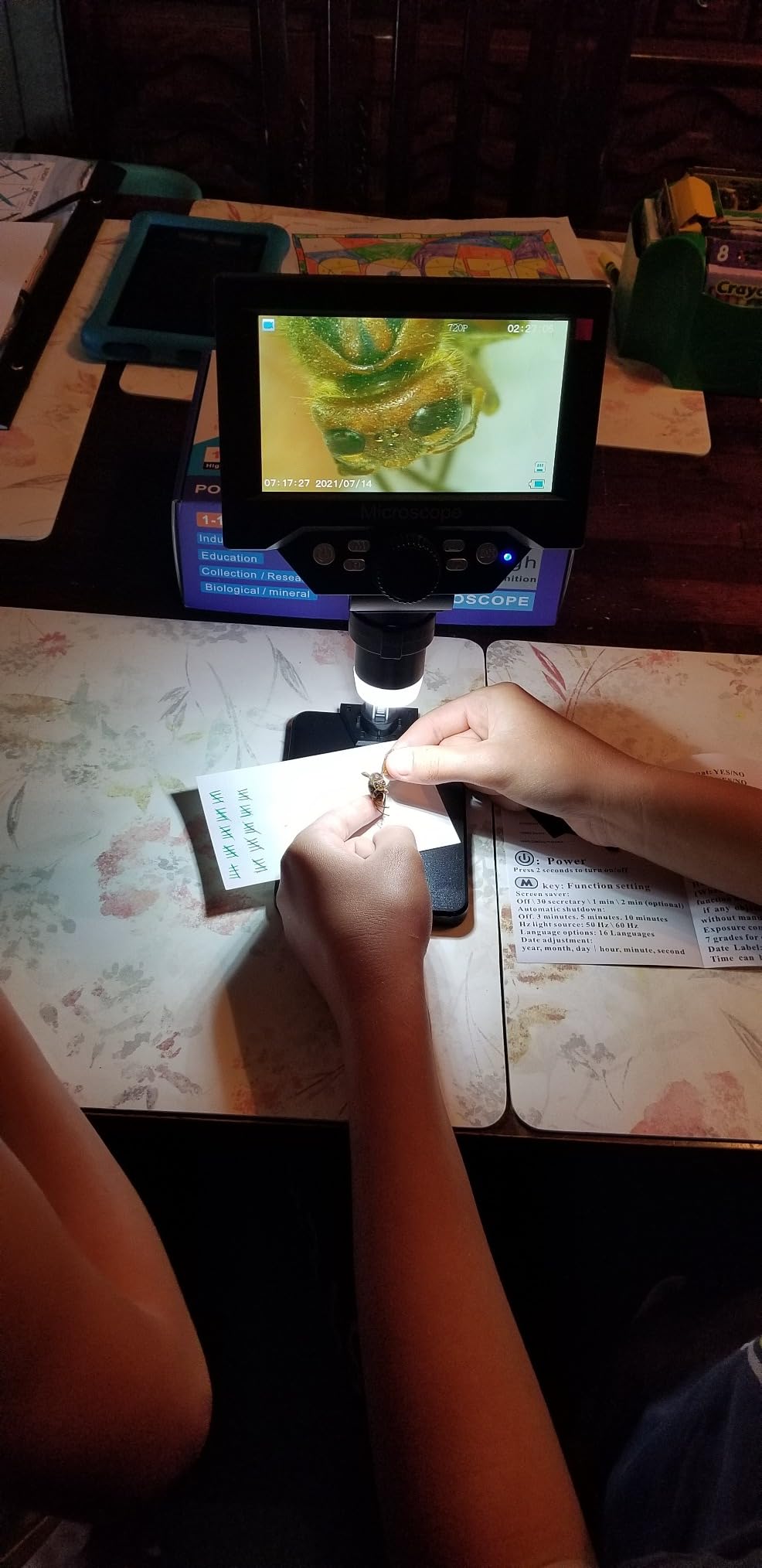
Owners who moved up from a cheaper scope describe the jump in sharpness, and the trinocular port is the feature they use most for documenting specimens. Metal construction gives it a steady, lab-appropriate feel that plastic-bodied budget scopes cannot match.
At 120 reviews this is the thinnest feedback base in the roundup, so treat the figures as provisional. The resolution is described as adequate rather than exceptional, and a few owners say it would justify spending more on a research-grade body.
Best for imaging without leaving the eyepieces
If your course wants documented work but you do not want a dedicated photo-port microscope with its larger footprint, this head does the same job in a standard binocular body. You can record a field, check it, and keep your eyes on the specimen.
The double-layer stage and dual focus knobs make it a good shared instrument, which suits a study group taking turns on one scope. Top and bottom lighting means wet mounts and opaque material both work without a swap.
Where it falls short
The one-year manufacturer warranty is the shortest in this list, against five years on several of the binocular models. On a tool you expect to use for four or five years, that difference is worth weighing.
Reviewers are candid that the build leans toward lighter lab duty than heavy research use. It is a solid student instrument rather than a bench workhorse, and if you know you will be doing research-level staining later, spend up instead.
How to Choose a Microscope for Medical School?
Six specifications decide whether a scope will carry you through a medical degree. Everything else is preference. Here they are in the order that actually matters.
1. A real 100x oil immersion objective. Read the objective list, not the headline magnification. You need 4x, 10x, 40x and 100x (S, Oil) as a DIN achromatic set. Blood films are read at 400x, bacteria and parasite ova at 1000x, and without a genuine 100x lens those assessments are simply not available to you.
2. A mechanical stage with a slide holder. This is the feature students underrate and then miss daily. Hand-moving a slide at 400x means one eye closed and constant refocusing, which is tiring and imprecise. A two-layer X-Y stage with printed scales lets you return to the same field the next week, which is exactly what a longitudinal study or a set of serial blood films needs.
3. A focusable Abbe condenser with an iris diaphragm. The condenser shapes the light cone reaching the specimen, and it is the control that changes contrast rather than brightness. On a fixed condenser you are stuck with whatever contrast the scope was built with, which is often too flat for eosin-heavy tissue.
4. Coaxial coarse and fine focus. Coarse and fine on the same axis, ideally on both sides, is a genuine time-saver across a long practical. Parfocal objectives, where only fine focus is needed when you change magnification, are a related and underappreciated feature.
5. A binocular head, and a rotatable one if you share. Binocular beats monocular for anything past an hour. Monocular means one eye at a time and constant re-centring, and binocular plus a rotatable Siedentopf head means the scope can be handed around a shared bench without anyone twisting their neck. Our full microscope guide covers the head options in more depth.
6. Metal construction, LED lighting and a real warranty. An all-metal frame with an enamel finish survives a student career, where a plastic body eventually cracks at a focus knob. LED illumination runs cool, which matters when you have live wet mounts on the stage, and a five-year warranty is a reasonable signal that parts and objectives will be available. Forum users consistently note that sourcing genuine spares for a broken objective is what kills a cheap scope.
On those inflated magnification numbers. Total magnification is eyepiece magnification multiplied by objective magnification. A 10X eyepiece on a 40X objective gives 400X, and an added 2X auxiliary lens turns that into 800X with no additional resolving power. A 2000X or 5000X headline usually means the manufacturer multiplied an auxiliary lens into the product. Judge a scope on numerical aperture and on whether the objectives are achromatic, not on the biggest number in the listing.
Should you buy at all, or wait for the school? If your school provides one per two or three students, your time is better spent on a portable scope for lectures and bedside teaching, and on slides at home. If you are assigned a scope for the whole term, buying your own pays back quickly. Our picks for non-clinical student work are collected in the student microscope guide.
Used and refurbished. The secondary market is full of teaching-lab scopes, and they are worth checking, but inspect before you commit. Look for stage drift when you push the slide sideways, backlash in the fine focus, cloudiness or fungus in the eyepieces, chipped lens threads and a stiff iris lever. Ask for a live video through the 40X objective. Remember that a broken stage or a missing objective is a hard part to replace, which is the most common way a cheap used scope becomes a shelf ornament.
Maintenance between terms. Wipe objectives with lens paper only, never a tissue. Clear immersion oil off the 100X lens immediately after use, or it oxidises into the coating. Store the scope covered, in its case if it has one, and loosen the stage tension before long storage so the rails do not take a set. A scope stored clean and covered survives a degree without a single service visit.
Digital options. Screen-based and USB digital scopes are common, and our digital microscope picks cover them in full. For medical school the useful version is a real optical compound scope with a camera added, not a screen replacing the eyepieces, because you still need to build eye-to-slide technique. For bench work with solder joints or circuit boards, a dedicated soldering microscope is a different category entirely.
Frequently Asked Questions
Which microscope is most appropriate for a student to use in the lab?
A binocular compound light microscope with 4x, 10x, 40x and 100x oil immersion achromatic objectives is the right instrument. It should also have a mechanical stage, a focusable Abbe condenser with an iris diaphragm, and LED illumination. For medical students the 100x oil objective is non-negotiable, because blood films, bacteria and parasite ova are all identified at 400x to 1000x.
What type of microscope is used in the medical laboratory?
Clinical medical laboratories use binocular compound brightfield microscopes, usually with a trinocular head and a camera port for recording and reporting. Pathologists read histology and cytology slides at low power for architecture and at 100x oil for cellular detail, and haematology laboratories read stained blood films at 400x. Hospitals often run Olympus BX-series instruments; a student scope is the same class of tool in simpler form.
What magnification do I need for medical school?
You need a usable range of 40x to 1000x total magnification, which means a 10x eyepiece paired with 4x, 10x, 40x and 100x oil immersion objectives. Headlines advertising 2000x or 5000x usually come from an added auxiliary lens rather than real resolving power. Numerical aperture and objective correction matter far more than the largest advertised number, so check the objective list before buying.
What is the difference between a binocular microscope and a compound microscope?
These describe different things. Compound refers to the optical design: light passes through the specimen and is magnified twice, once by the objective and again by the eyepiece, which is what medical slide work requires. Binocular refers to the head: two eyepieces instead of one, so both eyes stay open. A compound microscope can be monocular, binocular or trinocular, and for medical school you want compound and binocular at minimum.
Do medical students need to buy their own microscope?
Usually not for the practical itself, because most schools supply shared instruments. Buy your own if the class shares one scope between too many students, if you want to practise the slides you are being examined on between sessions, or if you are preparing for a course that starts with a biology-heavy year. Waiting until the second term is common, by which point you know which modules need oil immersion and which do not.
Is a cheap microscope good enough for medical school?
A cheap scope is good enough to learn focusing, stage handling and slide preparation, but not to identify bacteria or parasites. Anything without a listed 100x oil immersion objective will fail you in microbiology and parasitology. A monocular scope with no mechanical stage is tolerable for revision and painful for anything timed. Judge the objective list and the stage, not the magnification headline or the number of accessories in the box.
Conclusion: Where to Start
Start with the OMAX M82ES-SC100-LP100-OM. It has the complete achromatic 40X-2000X set including a true 100X oil objective, a double-layer mechanical stage, a solid metal frame and a five-year warranty, which is everything a medical degree asks for and nothing you will not use.
If your budget stretches further, the SWIFT SW350B is the highest-rated scope in the group at 4.6, with the manually adjustable Abbe condenser that most competitors at this level lack. If imaging is part of your course, the AmScope T490B and OMAX MD82ES10 cover the trinocular and built-in-camera routes.
Whatever you choose, verify the 100X oil objective and the mechanical stage before you pay, and treat any advertised 2000x or 5000x claim with suspicion.
Those are the best microscopes for medical students in 2026: true optics, a stage that holds position, and a head you can work through for hours.