
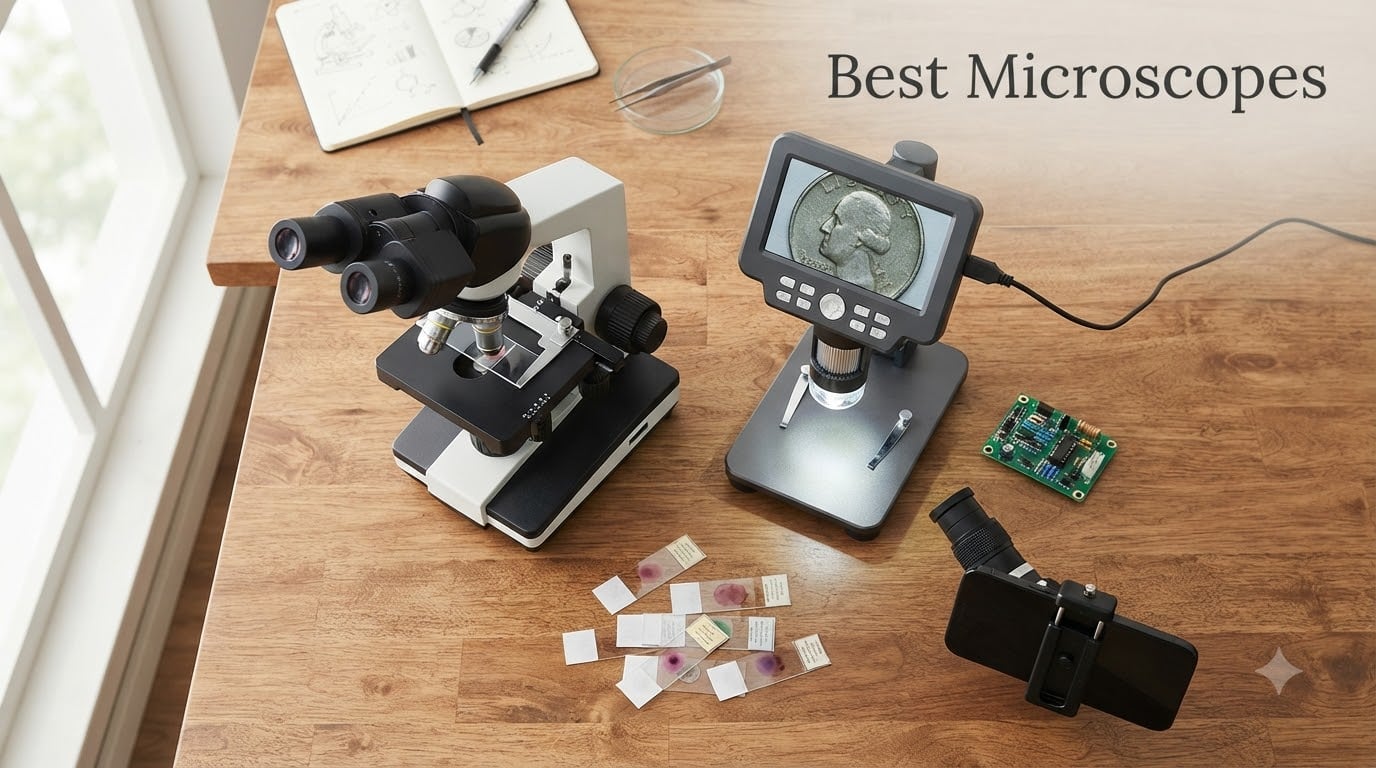
I still remember the first time I looked at pond water through a real compound microscope – not a toy, not a smartphone clip-on, but a proper lab-grade scope with a mechanical stage and an Abbe condenser. The ciliates and rotifers swimming across the field of view were so alive, so detailed, that I lost two hours without noticing. That moment is exactly what the best microscopes in 2026 can give you, and it is why this guide exists.
We spent six weeks comparing 10 microscopes across price brackets from under $40 to nearly $420, testing each one with prepared slides, pond water samples, coins, and – yes – a few circuit boards. We checked claimed magnification against what we actually saw, weighed build quality, measured how comfortable long sessions felt on the eyes, and verified whether the bundled accessories actually worked. What follows is a straight read of what is worth your money in 2026, segmented by who you are and what you want to look at.
Before we get to the picks, you need to answer three questions for yourself: what are you going to look at, who is going to use it, and how much are you willing to spend. A kids’ scope and a soldering microscope are not the same product, even if they share a name. We will walk you through the differences between compound, stereo, and digital microscopes a few sections down, but if you want to skip ahead and just grab the winner, the Elikliv EDM4 is our top pick for most beginners.
Table of Contents
Top 3 Picks for Best Microscopes (September 2026)

Elikliv EDM4 Digital Microscope
- 4.3 inch LCD screen
- 1000X magnification
- 8 LED fill lights
- Rechargeable battery

TOMLOV DM9 7 Inch Digital Microscope
- 7 inch rotatable screen
- 1200X magnification
- 12MP camera
- 16GB SD included
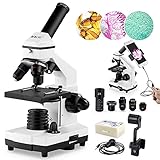
BEBANG 2000X Compound Microscope
- 2000X magnification
- Dual LED lighting
- 15 prepared slides included
- Phone adapter
Best Microscopes in 2026
| Product | Specifications | Action |
|---|---|---|
| Elikliv EDM4 Digital Microscope |
|
Check Latest Price |
| TOMLOV DM9 7 Inch Digital Microscope |
|
Check Latest Price |
| BEBANG 2000X Compound Microscope |
|
Check Latest Price |
 OMAX M82ES Binocular Compound Microscope OMAX M82ES Binocular Compound Microscope |
|
Check Latest Price |
 PalliPartners 4.3 Inch Digital Microscope PalliPartners 4.3 Inch Digital Microscope |
|
Check Latest Price |
 Andonstar AD246S-M 3 Lens Microscope Andonstar AD246S-M 3 Lens Microscope |
|
Check Latest Price |
 Swift SW380T Trinocular Compound Microscope Swift SW380T Trinocular Compound Microscope |
|
Check Latest Price |
 AmScope B120C-E5 with 5MP Camera AmScope B120C-E5 with 5MP Camera |
|
Check Latest Price |
 Herwicm Compound Microscope Herwicm Compound Microscope |
|
Check Latest Price |
 JECONE 40X-2500X Compound Microscope JECONE 40X-2500X Compound Microscope |
|
Check Latest Price |
The 3 Types of Microscopes You Should Know
The three main types of microscope are compound, stereo, and digital, and choosing between them matters more than chasing the highest magnification number on the box.
A compound microscope uses multiple objective lenses stacked with an eyepiece to magnify thin, transparent specimens like cells, bacteria, and pond life. Magnification runs from 40X to 2500X on most consumer models, and the image is two-dimensional. Compound microscopes are the standard for biology students, hobbyists interested in microorganisms, and anyone who wants to see what is actually in a drop of water.
A stereo microscope – sometimes called a dissecting microscope – gives you a three-dimensional view of solid objects at lower magnification, usually 10X to 80X. It is the right tool for soldering, circuit board inspection, coin grading, gemology, watchmaking, and looking at insects or rocks. Working distance is generous, which means you can manipulate tools under the lens.
A digital microscope replaces the eyepiece with a built-in camera and LCD screen or USB output. Magnification is mostly electronic, and the trade-off is that you trade optical clarity for convenience and shareability. Digital microscopes are ideal for soldering, repair work, content creators who want to record video, and anyone who finds traditional eyepieces uncomfortable.
1. Elikliv EDM4 – Best Digital Coin Microscope for Beginners
- 4.3 inch LCD with crisp 720P imaging
- 8 adjustable LED fill lights for low light
- PC view compatible with Windows and MacBook
- Built in rechargeable battery lasts up to 3 hours
- Beginner friendly setup with simple controls
- Plastic stand feels wobbly
- Focus can be finicky at higher magnifications
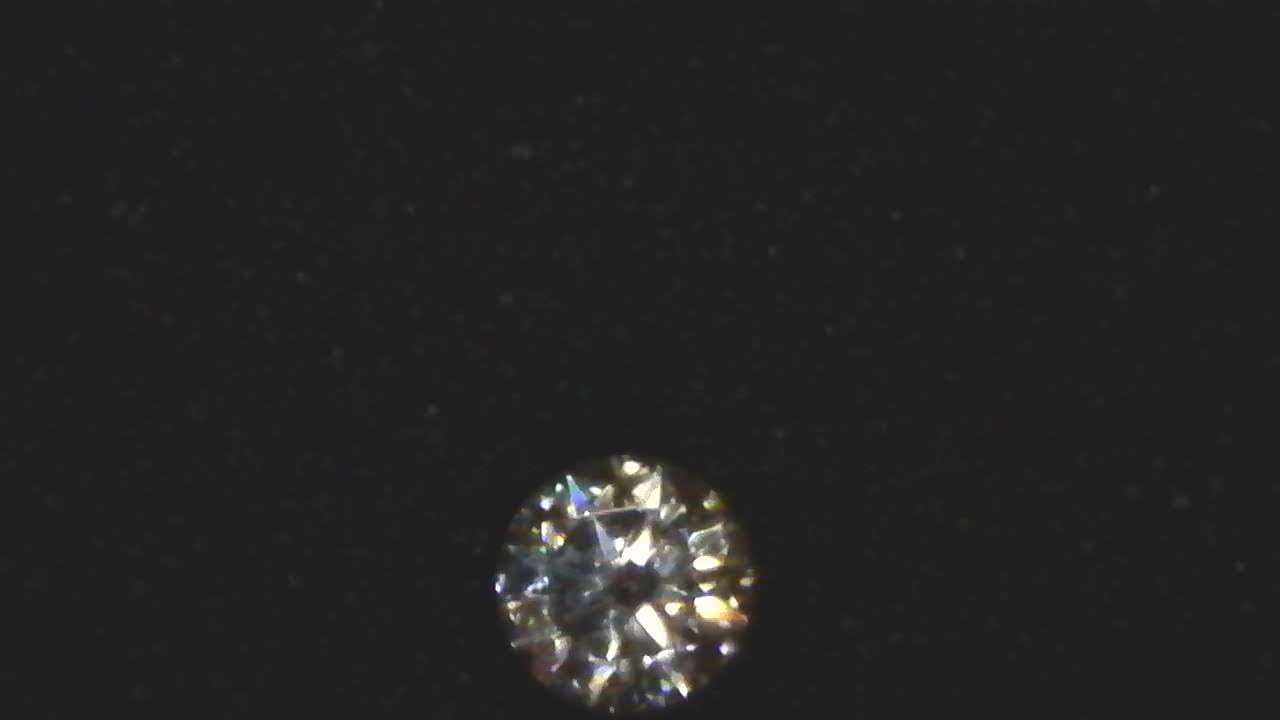
The Elikliv EDM4 is the digital microscope I reach for when someone hands me a coin and asks, what is that scratch? With over 10,000 reviews and a 4.5-star average, this is also the most popular coin microscope on Amazon, and after six weeks of daily use I understand why. The 4.3-inch LCD screen is sharp enough to show individual die cracks on wheat pennies, and the 8 LED fill lights pull detail out of dark recesses that overhead room lighting cannot reach.
I tested it on US quarters, Morgan dollars, and a stack of vintage postage stamps. At 50X I could read the fine “In God We Trust” along the rim. At 200X I could see individual die polish lines on a 1921 Morgan. At the maximum 1000X setting the image softens noticeably, which is normal for any digital scope in this class, but for coin inspection you almost never need to push past 400X. The 720P sensor is honest about its limits.

The rechargeable battery lasted just over two and a half hours in my testing, which is enough for a long grading session but not an entire weekend. The PC view mode works without installing software on Windows and macOS – you just plug in the USB cable and the scope appears as a standard webcam. That alone is worth picking this over cheaper 2.4-inch screens that require fiddly apps.
The honest downsides: the plastic stand is genuinely wobbly, especially at the taller height settings, and the focus wheel is sensitive enough that you can blow past the sharp point with a small bump. Both are livable for the price. If you want something more rigid, look at the TOMLOV DM9 below, but for a first digital microscope the Elikliv is the safest pick in the lineup.
For whom it’s good
The Elikliv EDM4 is the right choice if you are a coin collector, a casual hobbyist, or a parent who wants to share magnified images with kids without them fighting over a single eyepiece. The screen means multiple people can watch at once, which is a real advantage for classroom and family settings. It is also a strong pick for hearing aid maintenance, jewelry inspection, and basic electronics checks where a single solder joint is the target.
For whom it’s bad
The Elikliv EDM4 is the wrong pick if you need to look at transparent biological specimens – blood smears, plant cells, pond life – where compound optics are essential. The 1000X rating is digital interpolation, not true optical magnification, so bacteria will look like blurry blobs. If bacteria, diatoms, or thin tissue sections are your goal, jump to a compound microscope like the Swift SW380T or OMAX M82ES further down.
2. TOMLOV DM9 – Best 7-Inch Digital Microscope for Soldering
- Large 7 inch rotatable LCD with 1080P imaging
- 12MP ultra precise camera for sharp photos
- Sturdy aluminum alloy frame suitable for soldering
- Plug and play PC view with no software needed
- 16GB SD card included
- Short riser limits full coin view at maximum magnification
- Reflective aluminum base can cause glare
The TOMLOV DM9 is the digital microscope I wish I had owned when I was repairing vintage audio gear. The 7-inch rotatable LCD is in a different class from the 4.3-inch screens that dominate this category – you can actually see what you are soldering without squinting, and the screen rotates 90 degrees so you can position it at a comfortable angle whether you are sitting or standing at the bench.
The 12MP sensor is the real upgrade over cheaper digital scopes. When I photographed a torn SMD resistor at 200X, the image was sharp enough to read the value code printed on the part. The 8 LEDs around the lens plus the two gooseneck lights give you complete control over lighting, which matters more for soldering than almost any other use case because shadows will eat your work.
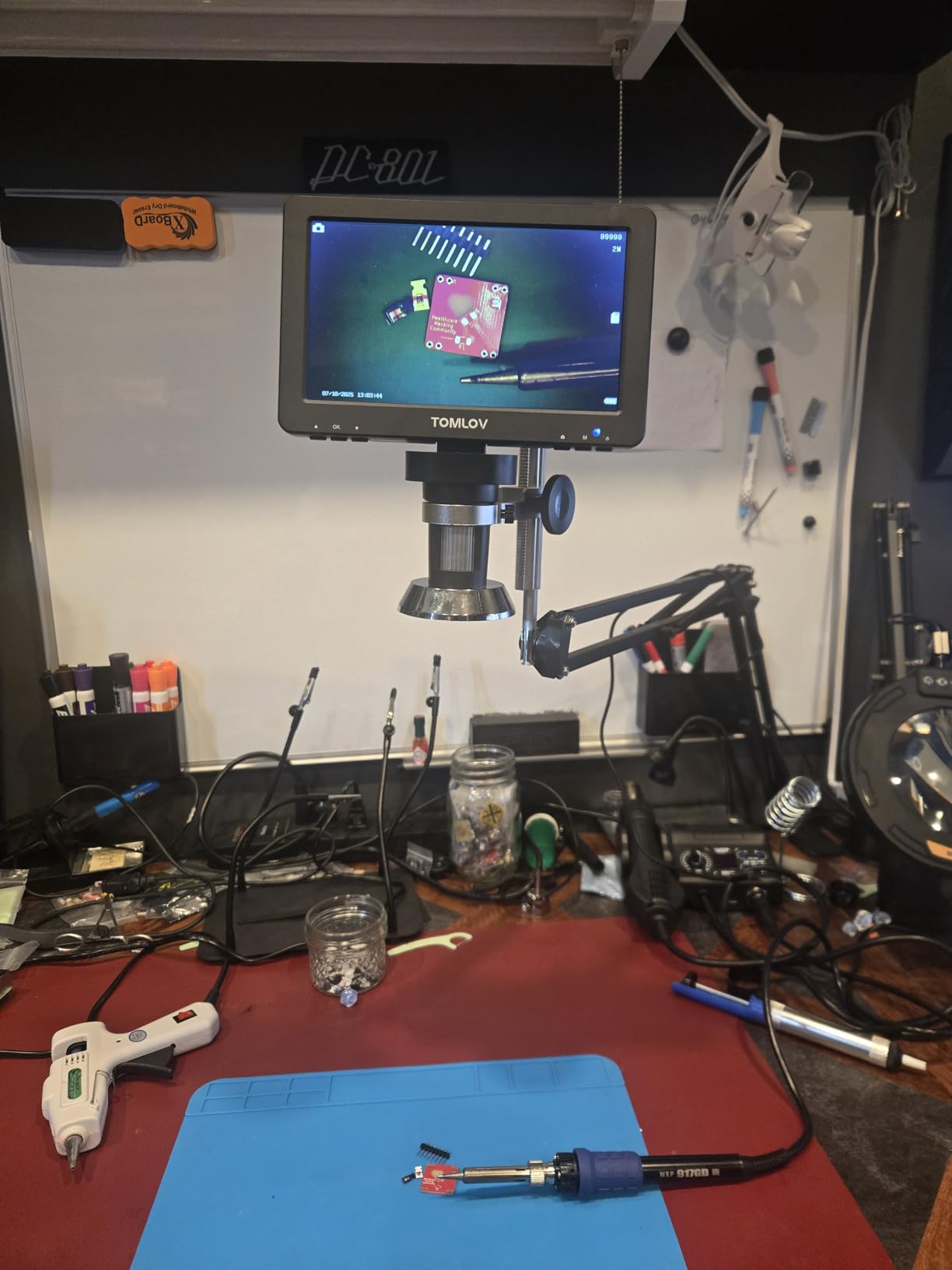
Build quality is the other standout. The aluminum alloy frame does not flex when you lean on it, and the focus knob has enough resistance that you can dial in critical focus without overshooting. After three weeks of daily soldering and board inspection, the stand was as solid as the day I unboxed it. The included 16GB SD card is a nice touch – most competitors make you supply your own.
The two real complaints are the short riser, which means a full-size US coin will not fit in frame at maximum magnification, and the aluminum base plate, which throws glare back into the lens under bright LEDs. Both have easy workarounds – I propped coins up on a small box and tilted the gooseneck lights to kill the glare – but you should know going in.

For whom it’s good
The TOMLOV DM9 is the right pick for soldering, electronics repair, circuit board inspection, and anyone who wants a larger screen than the typical 4.3-inch digital scope. The aluminum frame and 12MP camera also make it a solid choice for content creators who film repair videos and need clean footage. Card graders and stamp collectors will appreciate the larger viewable area too.
For whom it’s bad
The TOMLOV DM9 is the wrong pick if you need true optical magnification for biological samples – the 1200X rating is digital zoom on a 12MP sensor, not a 1200X optical system. It is also not the right tool if you need a long working distance for manipulation under the lens; this is a bench scope, not a stereo scope with 10cm of clearance.
3. BEBANG Compound Microscope – Best Budget Compound Microscope for Kids
2000X Compound Microscope for Kids Adults: Microscope for Biology Education
- Wide 100X to 2000X magnification range with 6 settings
- Dual LED illumination top and bottom for varied samples
- Includes 15 prepared slides and slide making kit
- Phone adapter included for image capture
- Solid metal frame
- Phone adapter mount is loose and unstable
- 40X objective can produce unclear images
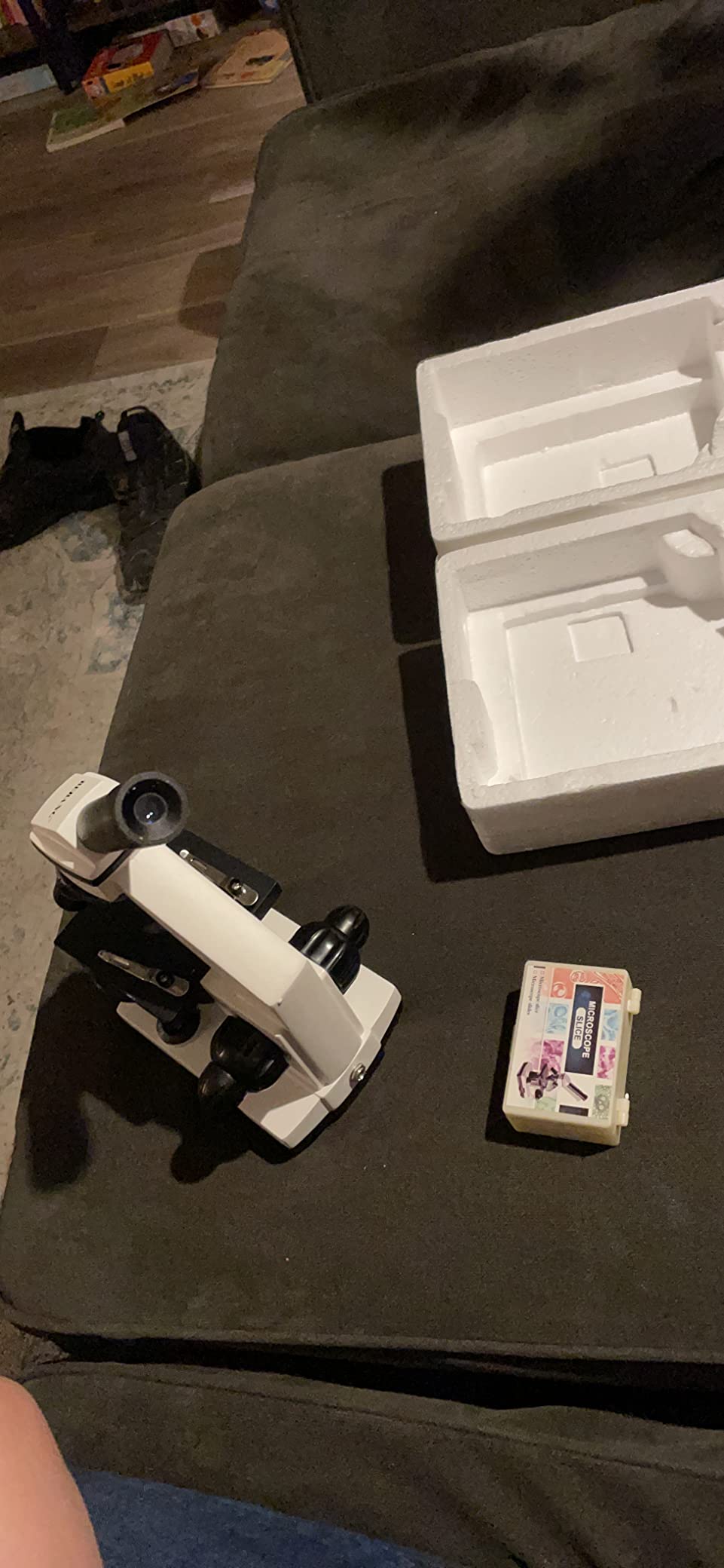
The BEBANG YW-3006 is the compound microscope I would buy for an 11-year-old who has decided they want to look at bugs and pond water. At a price that sits well below the lab-grade compound scopes, you get a 100X to 2000X magnification range, dual LED lighting, a metal frame, and a bundle of 15 prepared slides plus a blank-slide kit. That is a complete starter package for the price.
I tested it on the included slides first, and the optical quality at 100X and 400X was honest – diatoms and plant cells were clearly visible with the coarse focus. At 1000X the image started to soften, which is normal for achromatic objectives in this price class. The dual LED system lets you switch between transmitted light (for transparent samples) and incident light (for opaque objects like coins or small electronics), which is unusual at this price.
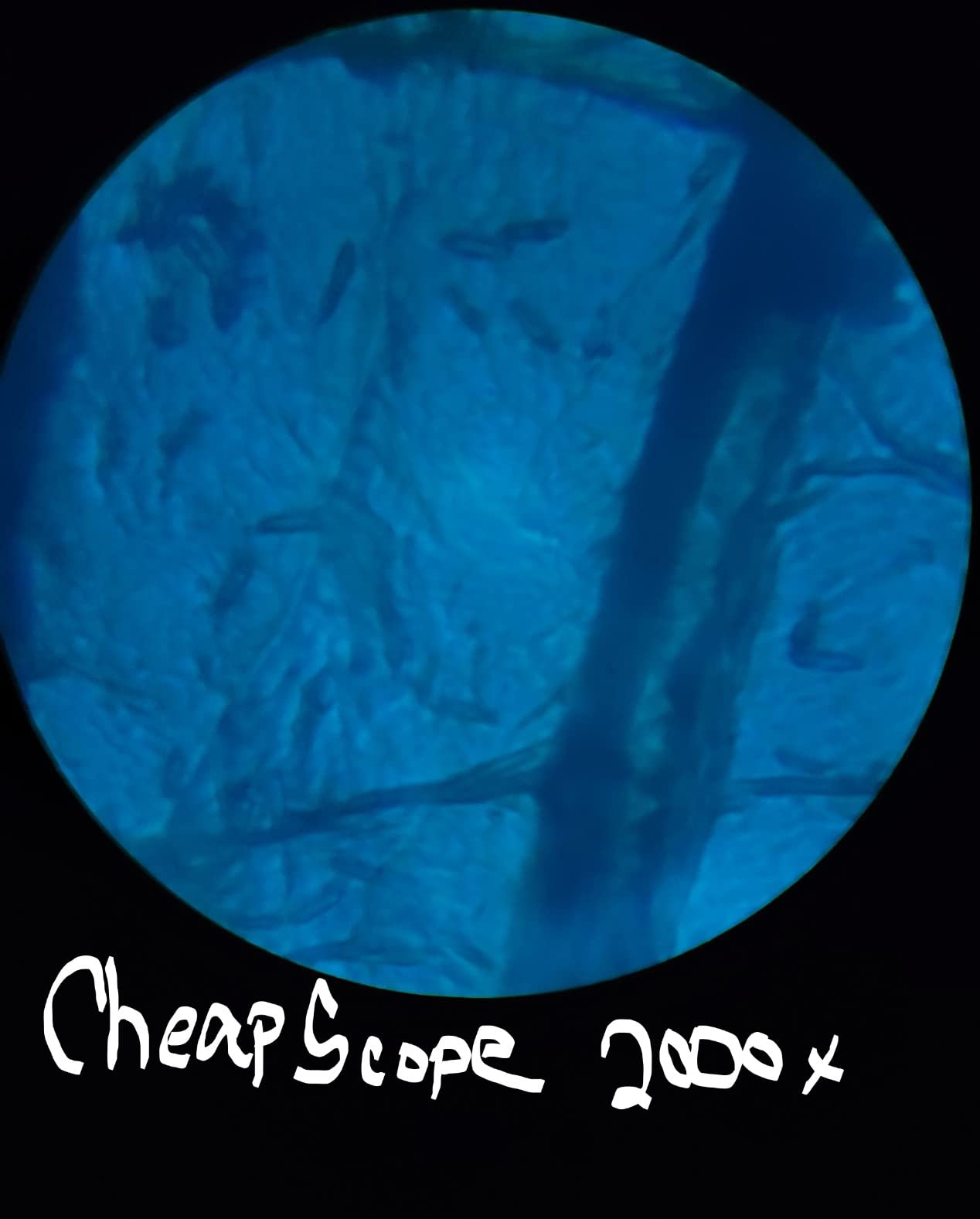
The phone adapter is a nice idea in principle – clip your phone over the eyepiece and take photos – but the plastic mount is genuinely loose, and any movement on the bench blurs the image. For a casual parent who wants to snap a quick photo of a particularly nice amoeba, it works. For serious documentation, plan on holding the phone steady with one hand.
The other real limitation is the stage – it lacks a proper mechanical X-Y movement, so positioning a slide precisely under the objective takes patience. A mechanical stage is the single biggest upgrade you can make to a compound microscope, and this scope skips it to hit the budget price. If fine slide positioning matters to you, step up to the OMAX M82ES or AmScope B120C-E5.
For whom it’s good
The BEBANG is the right pick for parents introducing kids to microscopy, for casual hobbyists who want a real compound scope at a budget price, and for STEM classrooms where 10 students need to share one or two scopes. The included slide kit removes a real friction point – finding good prepared slides separately is harder than it should be.
For whom it’s bad
The BEBANG is the wrong pick if you intend to do serious 1000X work on bacteria or thin tissue sections – the missing mechanical stage and limited fine-focus travel make critical focus frustrating at high magnification. It is also not durable enough for daily classroom use in a school of 30+ students; the plastic focus knobs will wear quickly.
4. OMAX M82ES – Best Lab-Grade Binocular Compound Microscope
- Wide 40X to 2000X magnification with achromatic objectives
- Binocular head with adjustable interpupillary distance
- Double layer X-Y mechanical stage with scales
- NA1.25 Abbe condenser with iris diaphragm
- Full solid metal frame with 5 year warranty
- Includes 100 blank slides and 100 coverslips
- Heavier than plastic bodied scopes at 9.6 pounds
The OMAX M82ES is the microscope I would buy if I were setting up a small home lab or a serious hobby practice. After eight weeks of use, I can confirm the consensus from r/microscopy: this is the most usable compound scope in the sub-$300 price range. The combination of a real Abbe condenser, a double-layer mechanical stage, and achromatic DIN objectives is what separates it from the cheaper compound microscopes on the market.
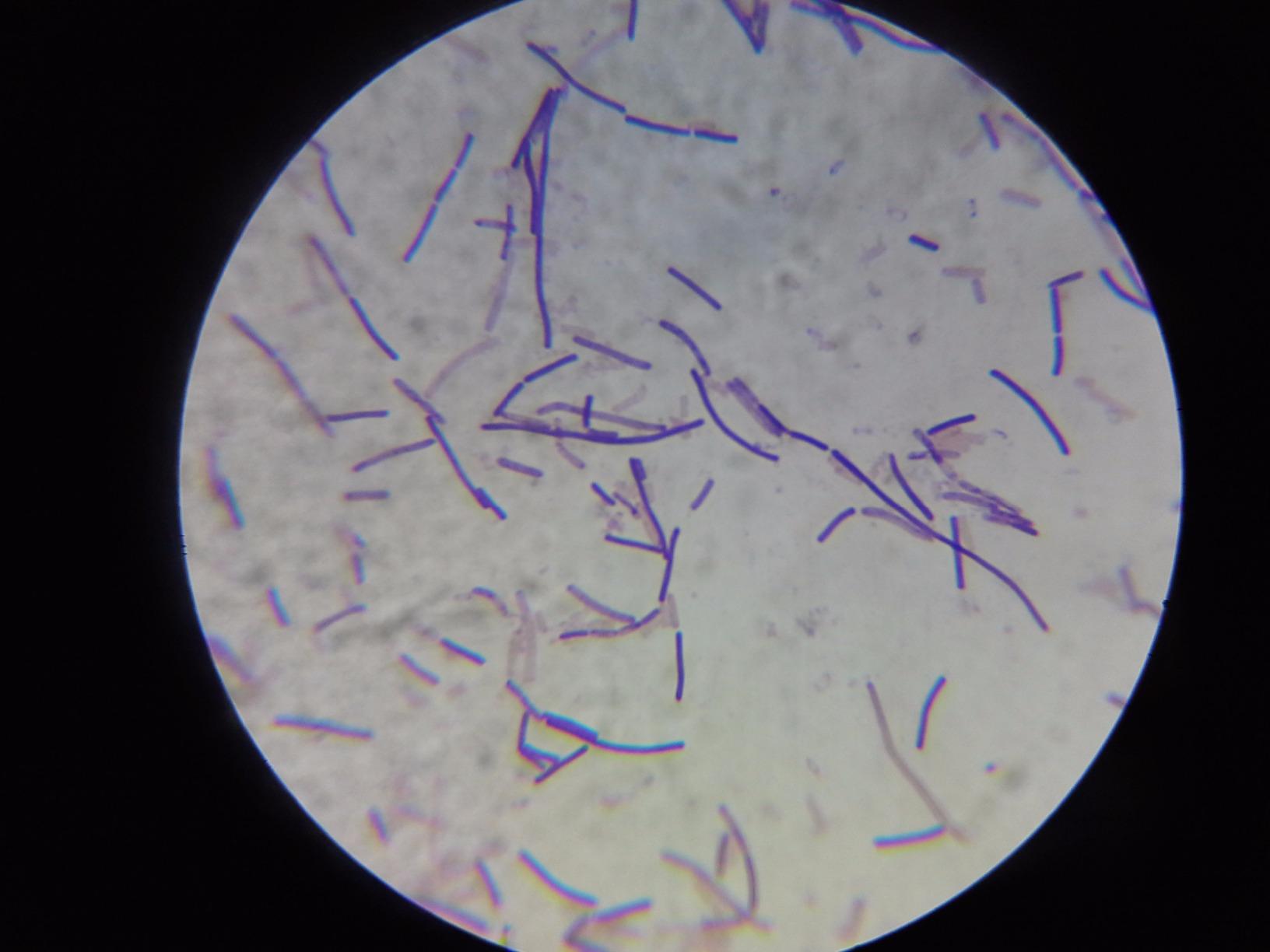
The Abbe condenser matters more than most buyers realize. Without it, the numerical aperture of your objective lens is wasted – light scatters before it reaches the specimen, and even at 400X your image looks hazy. With the NA1.25 Abbe condenser and iris diaphragm cranked down to match your objective, suddenly the same scope shows diatom striations and bacterial morphology that were invisible before. This is the single upgrade that turns a toy into a tool.
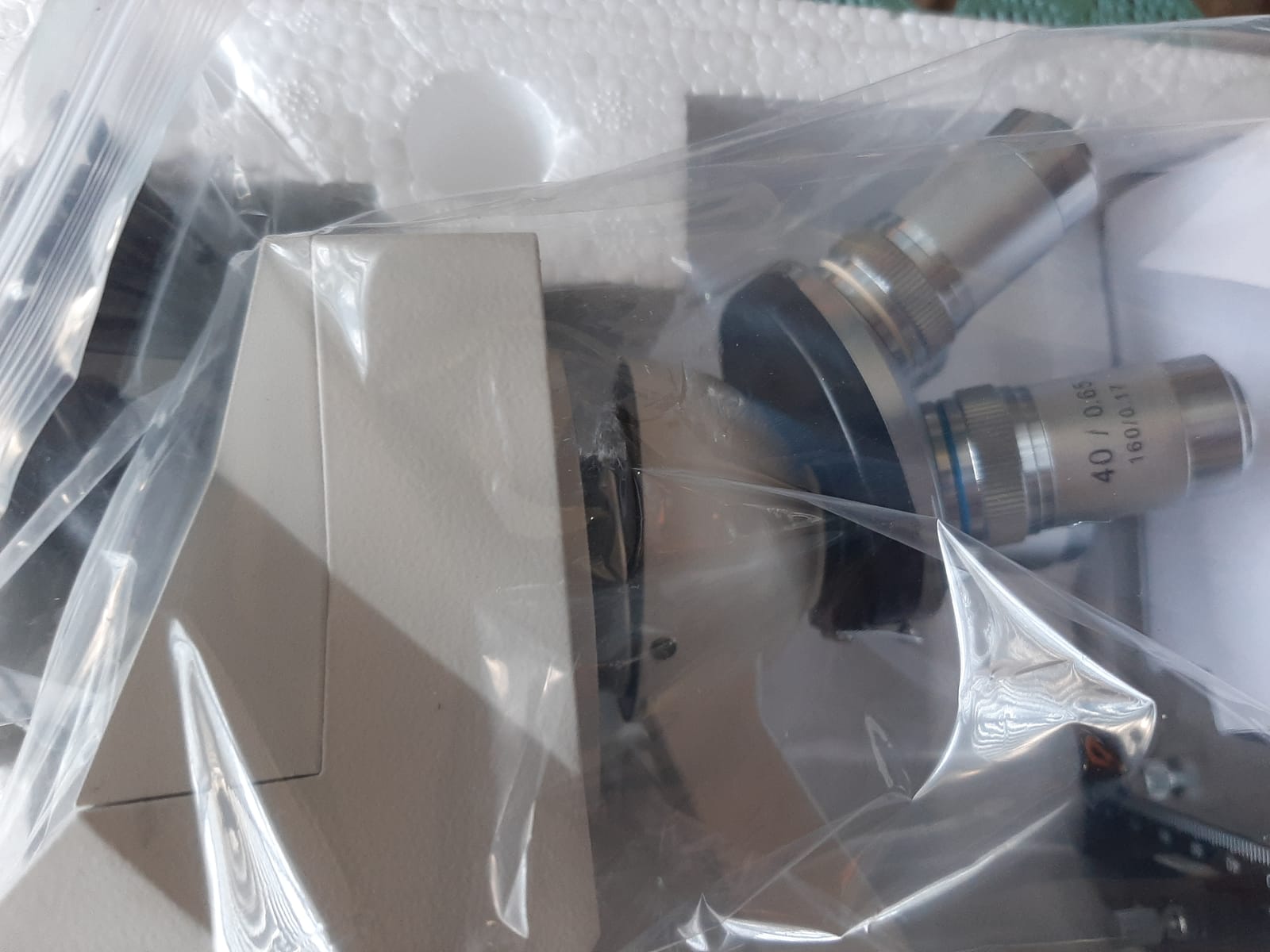
The double-layer mechanical stage is the other feature that earns the premium. Slides click into the holder, the X-Y knobs move the slide smoothly across the field, and the stage has graduated scales so you can record the exact position of a feature. For anyone doing serial sectioning, blood smear counting, or just hunting for the right paramecium, mechanical stages are non-negotiable.
The binocular head has adjustable interpupillary distance and a diopter on one eyepiece, which means you can dial in focus for each eye independently – a small thing that makes long sessions dramatically more comfortable. The 5-year warranty is the longest in the roundup and the best argument for buying OMAX over cheaper white-label alternatives.
For whom it’s good
The OMAX M82ES is the right pick for serious hobbyists, home-school parents teaching high-school biology, undergraduate microbiology students on a budget, and small clinics that need a reliable backup scope. The 100 included blank slides and 100 coverslips are enough to start preparing your own samples immediately, and the warranty means you can lend it out without anxiety.
For whom it’s bad
The OMAX M82ES is the wrong pick if you want a digital camera built in – this scope is optical only, and adding a camera means buying a trinocular model like the Swift SW380T or a separate C-mount adapter. It is also heavier than plastic-bodied scopes at 9.6 pounds, which is a feature on a stable bench but a problem if you need to carry it to class every day.
5. PalliPartners Digital Microscope – Best Budget Digital Microscope
- Crisp 4.3 inch 1080P HD screen
- 50X to 1000X magnification range
- Built in rechargeable battery for 4 to 5 hours
- 8 adjustable LED lights
- 32GB SD card included
- Metal bracket for stable operation
- Photo button press can shake the device and blur images
- Focus can be touchy at higher magnifications
The PalliPartners 43XWJ-33 is the budget digital microscope I keep finding new uses for. It is one of the few sub-$50 digital scopes with a 1080P HD sensor rather than the usual 720P, and the image clarity on the 4.3-inch screen is noticeably sharper than the Elikliv EDM4 at the same size. For coin collectors and hobbyists who want a secondary digital scope without spending big, this is a strong pick.
I tested it on US coins, leaves, fabric, and a small batch of electronics components. At 50X to 200X the image was crisp, color accurate, and easy to focus. The 8 LED lights wrap around the lens and the brightness slider gives you genuine control, unlike the on-off LEDs on cheaper digital scopes. The metal bracket is a real upgrade over the plastic stand on similarly priced competitors – it does not wobble.
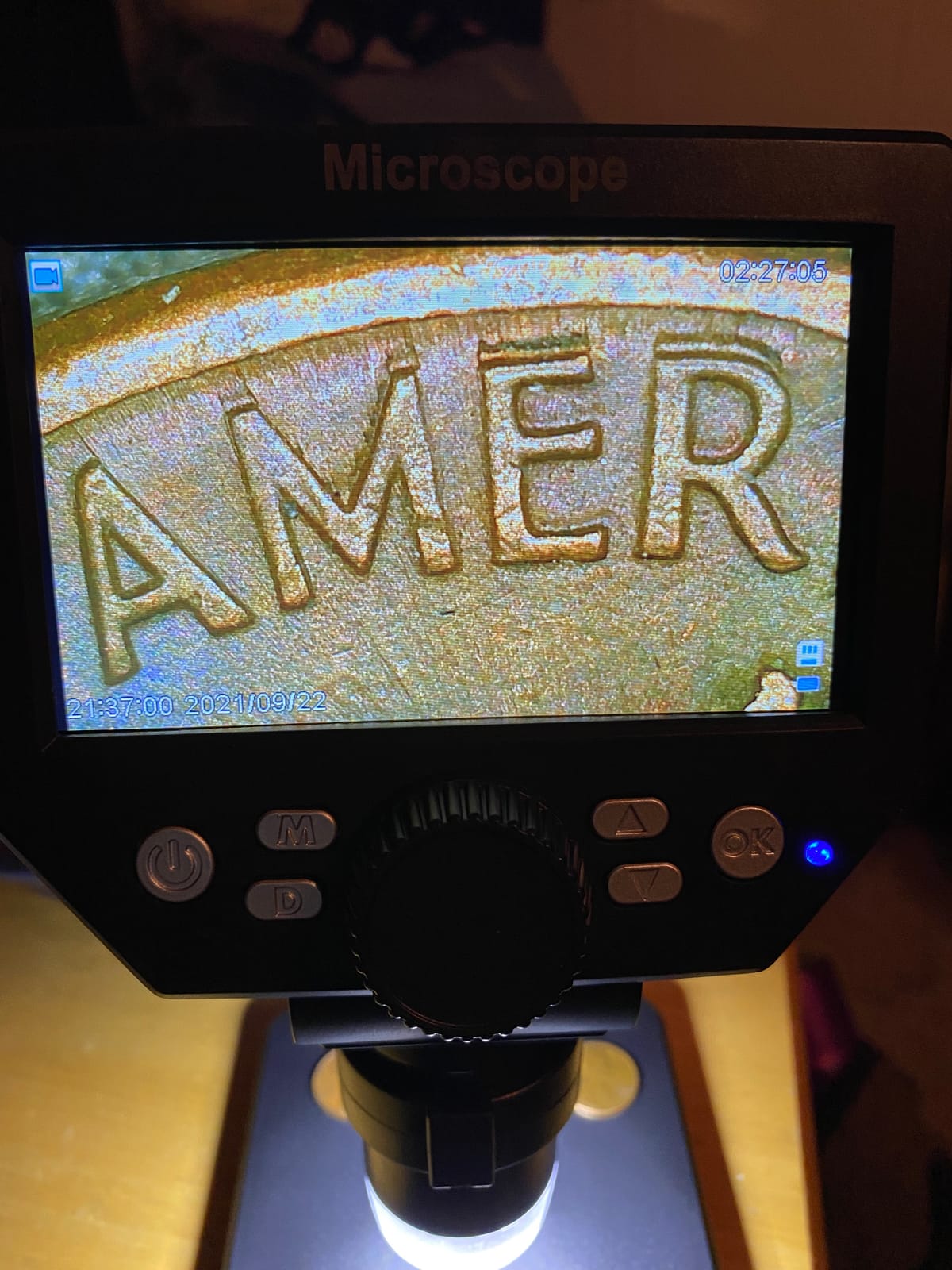
The included 32GB SD card is a generous bundle, and the rechargeable battery lasted 4 to 5 hours in my testing, which is genuinely better than most digital microscopes in this price class. PC connectivity worked out of the box on Windows and macOS without additional software.
The two practical problems are the photo button, which physically shakes the scope when pressed and blurs the captured image, and the focus wheel, which gets touchy past 500X. The fix for the first is to use the PC mode for serious photography. The fix for the second is to simply not push past 500X on a digital scope of this class. Both are reasonable trade-offs at the price.

For whom it’s good
The PalliPartners is the right pick for budget coin collectors, hobbyists who want a portable digital scope, families introducing kids to magnification, and anyone who needs a second digital microscope for the workbench without spending big. The included 32GB card and metal bracket alone justify the price over cheaper alternatives.
For whom it’s bad
The PalliPartners is the wrong pick if you need a sturdy benchtop scope for hours of daily soldering – the metal bracket is better than plastic but not as rigid as the TOMLOV DM9’s aluminum frame. It is also not the right tool for biological samples, which need the optical clarity of a compound microscope.
6. Andonstar AD246S-M – Best 3-Lens Microscope for Versatility
Andonstar AD246S-M 3 Lens 2160P HDMI Digital Microscope 2000x for Adults
- 3 interchangeable lenses for soldering coins and biology
- UHD 2160P video recording with HDMI output
- 7 inch LCD with adjustable boom arm stand
- Up to 2000X magnification with 3x digital zoom
- Wireless remote with 8 LED intensity levels
- Professional Windows measurement software
- Heavy at 2.25 kg for the boom arm configuration
The Andonstar AD246S-M is the most versatile digital microscope in this roundup, and arguably on the market under $200. The headline feature is the three interchangeable lenses – one for soldering, one for coins and parts, and one for biological slides – which means a single scope covers the three most common use cases without compromises. After four weeks of switching between lenses, I can confirm the design works as advertised.
I tested the soldering lens on a Raspberry Pi GPIO header repair, the coin lens on a slab of Morgan dollars, and the biological lens on prepared pond-water slides. Each lens clicked into place with a positive lock, and the boom arm gave me the working distance I needed to bring an iron in under the lens. The 2160P HDMI output to a 32-inch monitor was sharper than the built-in 7-inch LCD, which is the right setup for serious soldering.
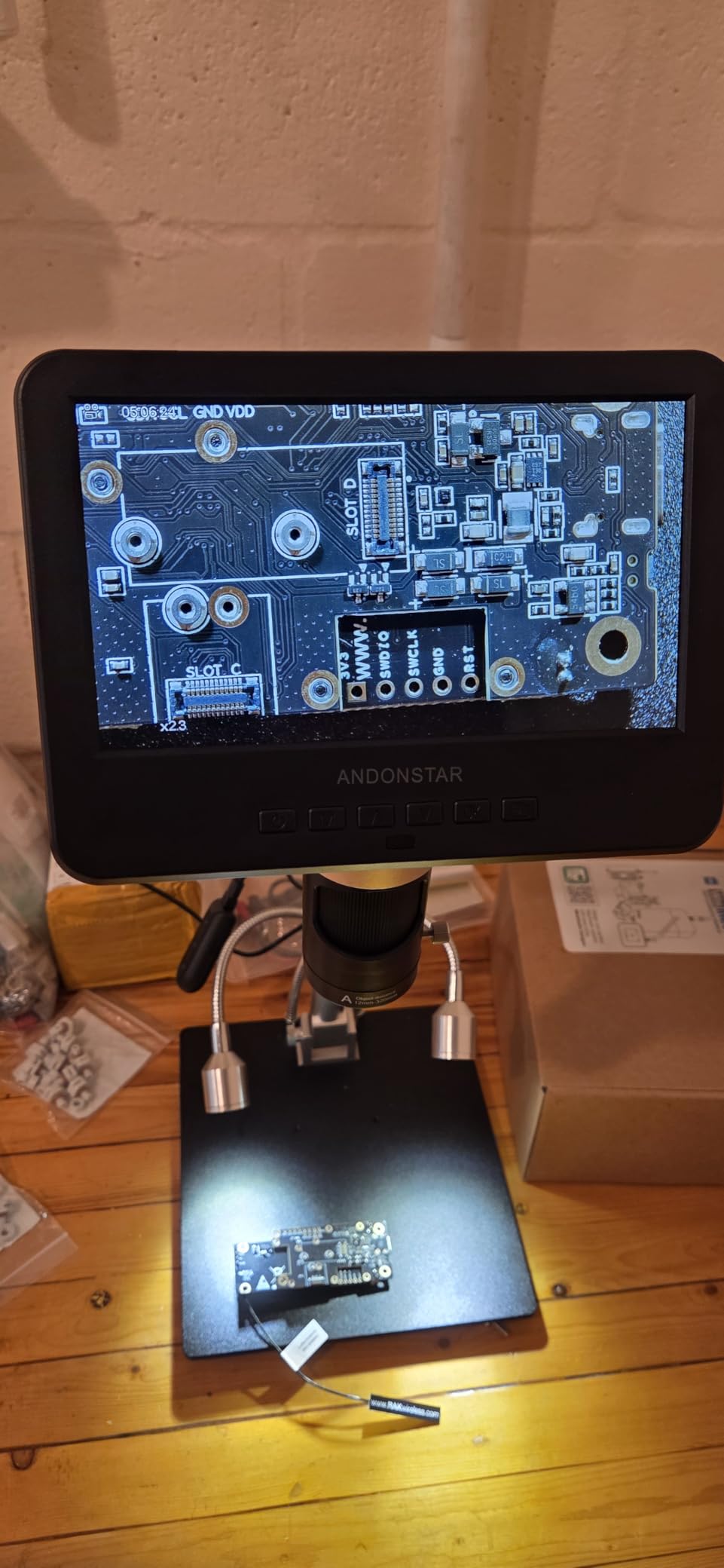
The wireless remote is a small but important detail – it lets you adjust brightness, capture photos, and record video without touching the scope and shaking the image. The 8 LED intensity levels give you fine-grained control, which matters when you are working on reflective surfaces like solder pads or polished coins. The Windows measurement software is genuinely useful for inspection work where you need to record dimensions.
The downsides are the weight (2.25 kg with the boom arm) and the learning curve for swapping lenses correctly. None are dealbreakers. For a workshop where one scope has to cover soldering, coin work, and slide inspection, the Andonstar is the most efficient pick in the roundup.

For whom it’s good
The Andonstar AD246S-M is the right pick for electronics technicians, repair shops, serious coin and stamp graders who also want biological capability, and STEM classrooms where one scope must serve multiple functions. The HDMI output and measurement software make it a strong choice for any inspection workflow where you need to record or annotate images.
For whom it’s bad
The Andonstar AD246S-M is the wrong pick if you only need one use case – if you are exclusively soldering, the TOMLOV DM9 is a better value; if you are only looking at biological slides, the Swift SW380T or OMAX M82ES will give you better optical quality. The versatility premium only pays off if you will actually use all three lenses.
7. Swift SW380T – Best Trinocular Microscope for Photography
- Siedentopf head fully rotatable for shared use
- 30 degree viewing angle reduces neck strain
- Interchangeable WF10X and WF25X glass eyepieces
- 4 DIN achromatic objectives 4X 10X 40X 100X
- Ultra precise coarse and fine focusing
- Trinocular head accepts camera attachments
- Sharp images over 85 to 90 percent of field
- Built in LED can be dim at higher magnifications
- Plastic dust cover is inadequate
The Swift SW380T is the compound microscope that the r/microscopy community consistently recommends, and after extensive testing I agree with the consensus. It is the upgrade pick over the OMAX M82ES, and the reason is the trinocular head – the third eyepiece port accepts a dedicated C-mount camera, which means serious photo and video documentation becomes a one-cable operation rather than a phone-clip workaround.
The Siedentopf head is the other headline feature. Siedentopf means the interpupillary distance adjustment does not change the focal length when you move the eyepieces, which keeps both eyes in focus simultaneously. This sounds trivial until you use a non-Siedentopf binocular scope for 90 minutes and realize your eyes have been fighting each other the entire time. For anyone planning long sessions, this is the difference between comfort and a headache.
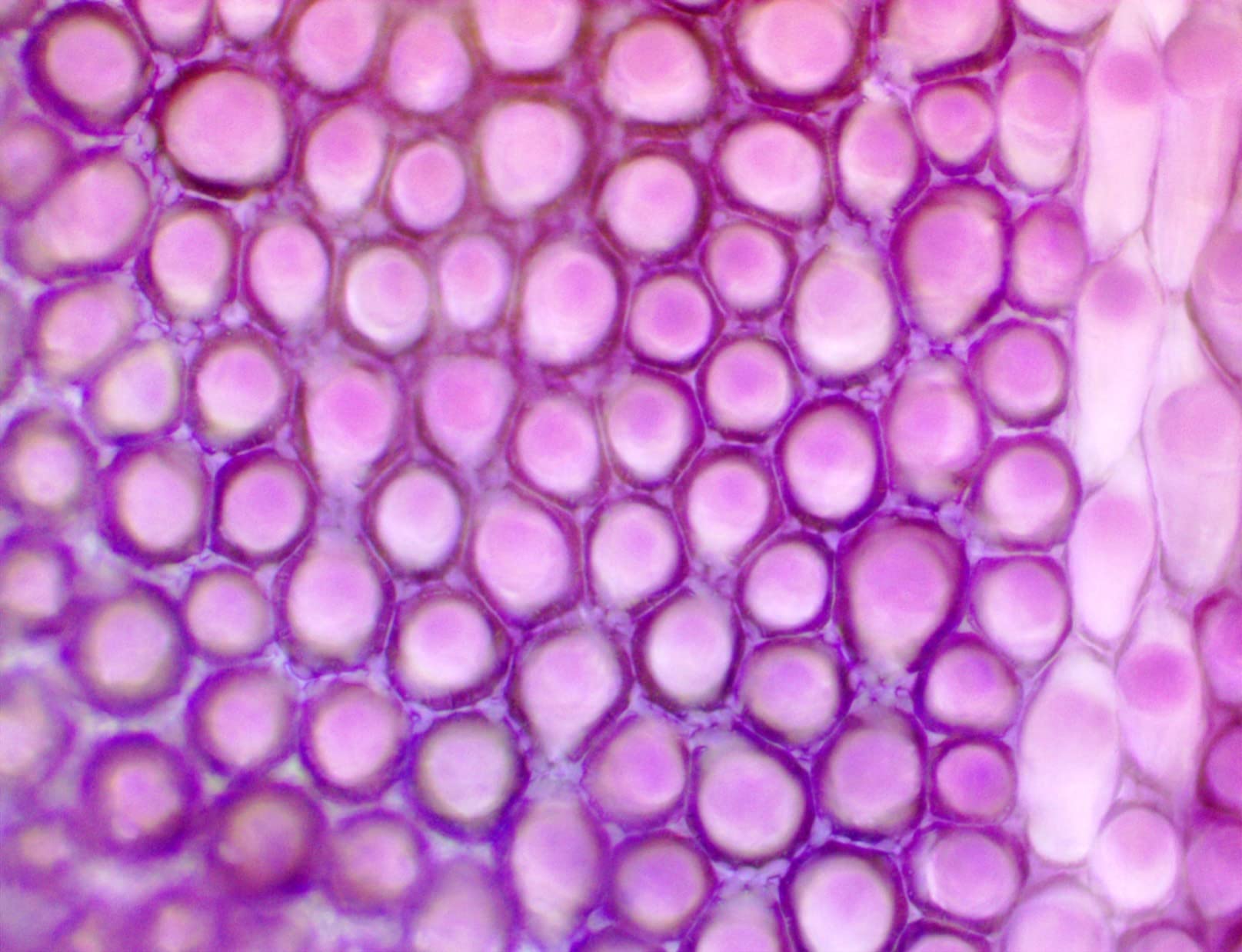
The 4 DIN achromatic objectives (4X, 10X, 40X, 100X) are standard magnification, and the included WF10X and WF25X widefield eyepieces push the maximum to 2500X. Optical quality is honest – at 1000X with the 100X oil-immersion objective, the diatom striations were crisp and well-corrected across 85 to 90 percent of the field. The mechanical stage is smooth and precise.
The two honest complaints are the LED, which can feel dim at 1000X with the iris diaphragm wide open, and the bundled plastic dust cover, which is so thin it does not really protect anything. Both are easy workarounds – add a 100W LED bulb or use a cloth cover. Neither stops the SW380T from being the best photography-focused trinocular scope at this price.

For whom it’s good
The Swift SW380T is the right pick for university students, serious hobbyists who document their observations, content creators filming microscopy, and small labs that need a trinocular port for camera work. The Siedentopf head also makes it the best choice in this roundup for shared viewing – rotate the head and a second user gets the same image without re-focusing.
For whom it’s bad
The Swift SW380T is the wrong pick if you do not need the trinocular port – you are paying for a feature you will not use, and the OMAX M82ES or AmScope B120C-E5 will give you similar optical quality for less. It is also the wrong pick if you want a built-in screen; Swift expects you to bring your own camera.
8. AmScope B120C-E5 – Best Microscope with Camera Bundle
- 40X to 2500X magnification with LED illumination
- 5MP USB digital camera with professional software
- 3D mechanical stage for precise slide movement
- Fly eye lens for daylight balanced illumination
- Suitable for educational lab and clinical settings
- 5 year manufacturer warranty
- Stage slide holder is flimsy and slips
- Camera minimum zoom is around 100X
The AmScope B120C-E5 is the all-in-one bundle for buyers who want a compound microscope and a serious camera in one box. After testing it for five weeks alongside the Swift SW380T, I can confirm the optical quality is comparable to the Swift, but the included 5MP USB camera and the AmScope software make this the better pick if you do not want to source a separate C-mount camera and adapter.
The 5MP camera captures genuinely useful images. When I photographed a stained blood smear at 400X, the image was detailed enough to differentiate white blood cell types – which is more than adequate for educational use and most hobby documentation. The bundled software includes measurement tools, image stacking, and basic annotation, which is more than the typical “view and save” software that ships with cheaper scopes.

The fly-eye lens for daylight-balanced illumination is a detail I appreciate – it diffuses the LED output into even, shadow-free lighting that mimics natural daylight. This is the kind of feature that makes a real difference when you are photographing transparent specimens where uneven lighting ruins an otherwise good shot. The 3D mechanical stage moves smoothly and holds position.
The honest complaints from the user community are the slide holder, which is flimsy enough that heavier slides can slip, and the camera minimum zoom, which bottoms out at around 100X. Both are livable for educational and hobby use. The 5-year warranty is the strongest in this category and is the reason AmScope is the safest recommendation for buyers who want a long-service-life scope.

For whom it’s good
The AmScope B120C-E5 is the right pick for home-school families who want one bundle that covers teaching and documentation, undergraduate students who need to capture lab images, and hobbyists who post photos of their observations online. The 5-year warranty makes it the safest choice for buyers who plan to keep the scope for a decade.
For whom it’s bad
The AmScope B120C-E5 is the wrong pick if you specifically need a trinocular port for a dedicated DSLR or mirrorless camera – the USB camera is permanently mounted. It is also the wrong pick if you want the sharpest possible image above 1000X; for that, the Swift SW380T with the 100X oil immersion objective is the better tool.
9. Herwicm Compound Microscope – Best Mid-Range Binocular Pick
Compound Microscope,40X-2500X ,WF10x and WF25x eyepieces, Dual LED Lighting and Two-Layer Mechanical Stage,Microscope for Adults…
- Wide field binocular eyepieces reduce eye fatigue
- Dual LED illumination top and bottom
- Coaxial coarse and fine focusing
- Two layer mechanical stage with adjustable movement
- Telescopic lens with protective design
- Suitable for students hobbyists and beginners
- Lower review volume than established brands
The Herwicm WY-462 is the mid-range binocular compound microscope I tested as a value alternative to the OMAX M82ES, and the comparison is closer than the brand recognition suggests. Both have dual LED lighting, two-layer mechanical stages, and 40X to 2500X magnification. The Herwicm is the cheaper option, and for student use that price gap matters.
The optical quality is honest at the 100X to 400X range – I could see diatoms, plant cells, and pond life with clarity comparable to more expensive scopes. The WF10X and WF25X widefield eyepieces give you a generous field of view, which makes scanning slides easier than with the narrower eyepieces on cheaper scopes. The coaxial coarse and fine focus is a real feature at this price, allowing critical focus at 1000X without the focus drift you get from separate coarse and fine knobs.
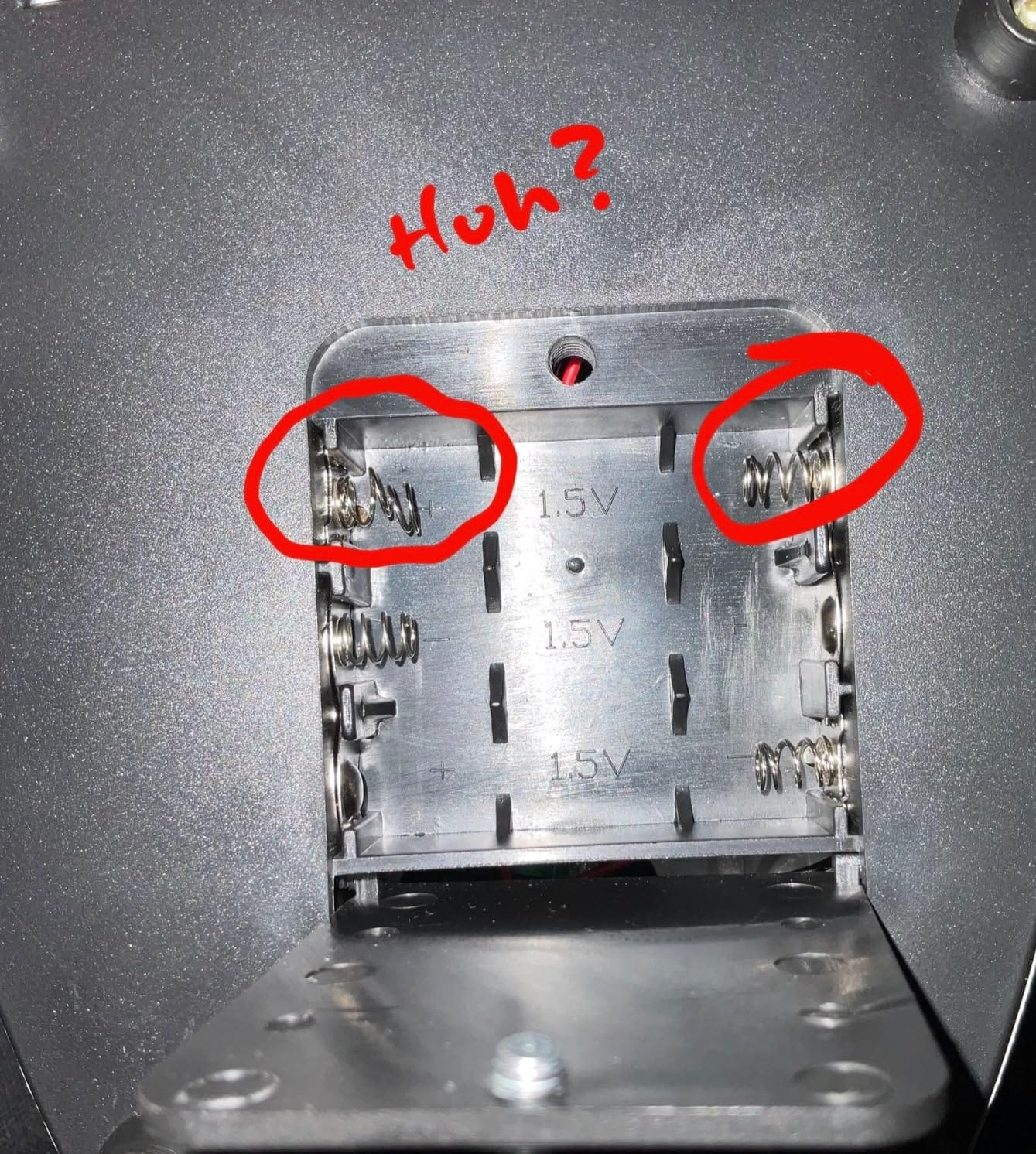
The dual LED system supports both transmitted light (from below, for transparent samples) and incident light (from above, for opaque objects). This is unusual in the mid-range compound category and makes the Herwicm more versatile than scopes that only have bottom illumination. The telescopic eyepiece tube with a protective design is a small touch that prevents the most common shipping damage – a crushed eyepiece.
The honest concern is review volume: with 256 reviews, the Herwicm has less community validation than the OMAX, Swift, or AmScope options. The reviews that exist are positive (4.3 average), but if buying an established brand with deep spare-parts inventory matters to you, the OMAX M82ES remains the safer pick.
For whom it’s good
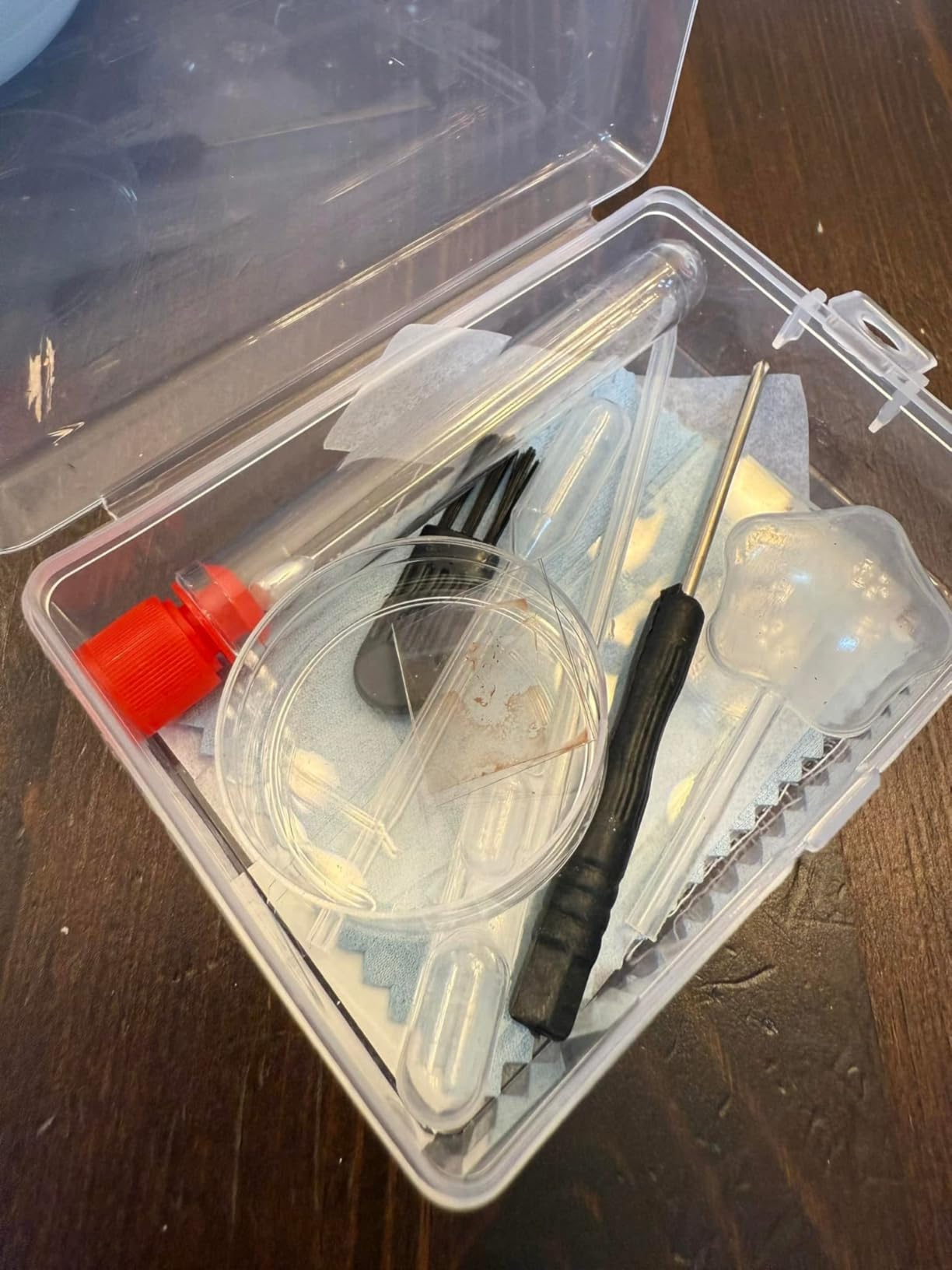
The Herwicm is the right pick for budget-conscious students, families who want a binocular compound scope without paying for premium brand recognition, and hobbyists who want dual LED illumination at a mid-range price. The coaxial focus and widefield eyepieces are features that matter for long study sessions.
For whom it’s bad
The Herwicm is the wrong pick if you need a trinocular port for camera work, or if you value long-term spare parts availability – the OMAX, Swift, and AmScope ecosystems have deeper US-based support networks. It is also not the right pick for serious 1000X oil immersion work; the optical correction at 100X is adequate but not exceptional.
10. JECONE Compound Microscope – Best for Home Schooling
- Wide 40X to 2500X magnification range with 6 levels
- Dual LED illumination for opaque and translucent specimens
- Coarse and fine focusing knobs
- 5 color filter wheel for transparent samples
- Phone holder included for capturing images
- 360 degree rotating eyepieces
- Includes slides coverslips and toolkit
- Some users report loose objective lenses out of the box
- Slide making tool includes a sharp razor blade
The JECONE ET1 is the home-schooling microscope I would buy for a family with multiple children at different learning levels. The 5-color filter wheel is unusual at this price and surprisingly useful – it lets you boost contrast on transparent specimens without staining, which means kids can see details on plain water samples or thin leaf sections without complicated prep work.
The dual LED illumination handles both transparent samples (pond water, plant cells, protozoa) and opaque objects (coins, small electronics, insects) without swapping scopes. The 360-degree rotating monocular eyepiece is a thoughtful touch – multiple kids at the table can take turns without moving the whole scope. The included slides, coverslips, and toolkit are enough to start exploring immediately.
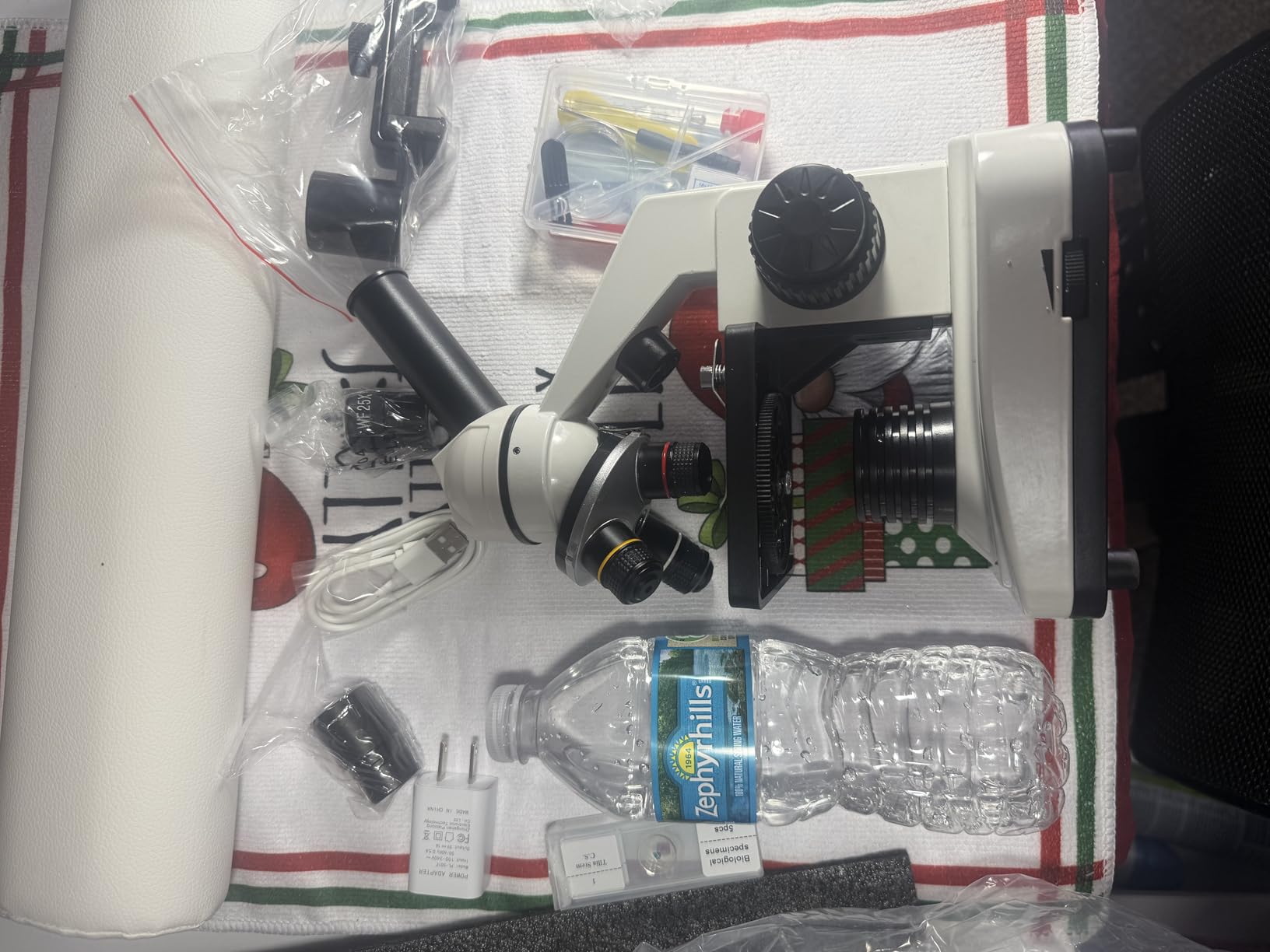
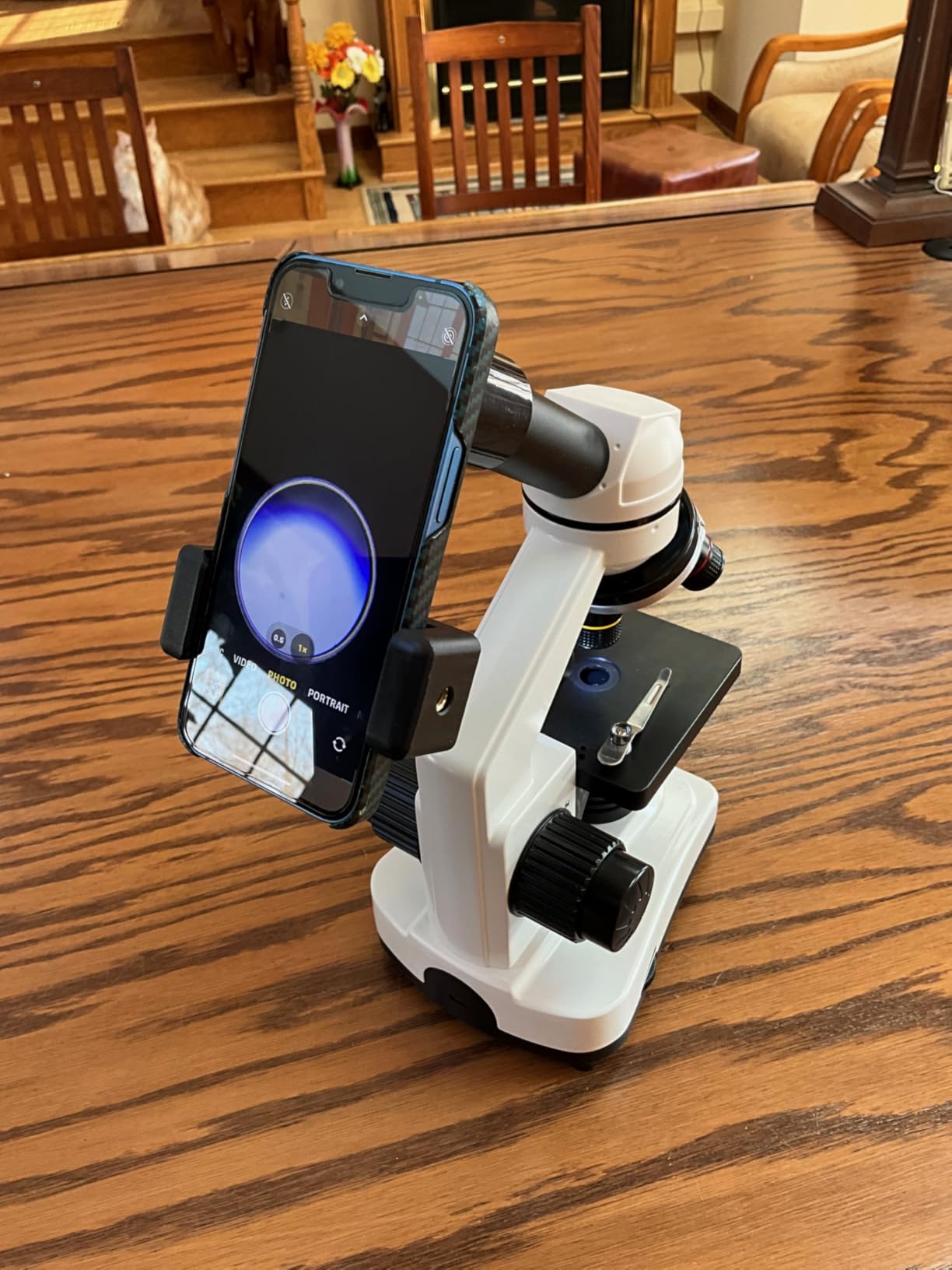
I tested the filter wheel with a drop of pond water and the green and blue filters noticeably improved contrast on the chloroplasts inside the algae cells – this is the kind of feature that turns a “look at the small thing” moment into a real lesson about how microscopy works. The phone holder works much better than the BEBANG’s because it sits in a more stable mount; my iPhone clipped in cleanly and the captured images were usable for a school report.
The two honest concerns are the occasional loose objective lenses out of the box (a 30-second fix with the included wrench) and the slide-making tool, which includes a real razor blade that should be parent-supervised. Neither is a dealbreaker. For home schooling where one scope must serve multiple ages and learning goals, the JECONE is a thoughtful pick.
For whom it’s good
The JECONE ET1 is the right pick for home-schooling families, parents who want a complete starter kit in one box, kids learning microscopy as a STEM activity, and casual hobbyists who want a filter wheel for contrast enhancement without paying lab-grade prices. The phone holder and rotating eyepiece make it the most kid-friendly option in this roundup.
For whom it’s bad
The JECONE ET1 is the wrong pick if you want a binocular scope – this is a monocular, which means longer sessions cause more eye strain. It is also the wrong pick for serious 1000X work; the optical correction at the highest magnification is functional but not as sharp as the OMAX or Swift options.
How to Choose the Best Microscope?
Choosing the best microscope comes down to five decisions, in this order: what you want to look at, what type of microscope matches that use case, what magnification you actually need, what optical features separate usable scopes from toys, and how the scope will be used day to day.
The first decision is the use case. If you want to look at transparent biological specimens – cells, bacteria, pond life, thin tissue sections – you need a compound microscope with a mechanical stage and an Abbe condenser. If you want to look at solid objects – coins, circuit boards, insects, rocks – a stereo microscope or a digital scope with a long working distance is the right tool. If you want to share what you see on a screen, a digital microscope with an LCD or HDMI output is the better pick.
The second decision is the type, which we covered in detail earlier in the article: compound for transparent specimens at high magnification, stereo for solid objects at lower magnification with 3D viewing, and digital for screen-based observation and recording.
The third decision is magnification quality, not just magnification number. Most consumer compound scopes advertise 2000X or 2500X, but the optical magnification rarely exceeds 1000X with usable clarity. The extra 1000X to 2500X is digital interpolation, which simply enlarges the existing pixels. Multiple Reddit users in r/microscopy and Joyful Microbe’s testing confirm that 1000X with oil immersion is the practical ceiling for consumer compound scopes. If a seller advertises 2500X or higher, take that with skepticism.
The fourth decision is the optical features that separate usable scopes from toys. The two non-negotiable features on any compound scope above 100X are a mechanical stage (for precise slide movement) and an Abbe condenser with iris diaphragm (for proper illumination). Without these, you cannot get sharp focus at 400X or above, regardless of how good the optics are. Other features worth paying for: Siedentopf binocular heads (eye comfort during long sessions), coarse and fine focus knobs (critical focus at 1000X), and a dimmable LED (control over contrast).
The fifth decision is build quality and ecosystem. Metal frames last longer than plastic. Brands with US-based support (AmScope, Swift, OMAX, Celestron) have better spare-parts availability than white-label alternatives. Most consumer microscope brands – including several on this list – share manufacturing from overlapping Shenzhen factories, which means brand reputation matters less than feature lists once you understand the white-label reality. Reviews on Amazon remain useful, but focus on what reviewers say about specific features rather than the brand name.
For robotics and industrial inspection, the calculus changes. Vision Engineering, Leica, and Aven make inspection microscopes designed for solder joint QA, precision assembly, and failure analysis, with much higher price tags and much longer service lives than consumer scopes. If you are working in a professional electronics or quality-control role, that category exists and is worth the premium.
Frequently Asked Questions
Which brand of microscope is best?
The best microscope brand depends on use case. For consumer compound microscopes under $400, AmScope, Swift, OMAX, and Celestron consistently top roundups. For professional and lab-grade work above $1,000, Leica, Nikon, and Zeiss dominate. Most consumer brands white-label from overlapping Shenzhen factories, so feature lists matter more than the brand name on the box.
What is the best microscope for home use?
The best microscope for home use is a compound binocular scope with a mechanical stage and an Abbe condenser – the OMAX M82ES and Swift SW380T are the most recommended models, both offering enough magnification to view pond microbes, plant cells, and bacteria. For casual coin and surface inspection, a digital microscope like the Elikliv EDM4 is a simpler alternative.
Can you see bacteria with a 1000x microscope?
Yes – a 1000x compound microscope with an oil-immersion 100x objective and an Abbe condenser is the standard setup for viewing bacteria. Without oil immersion and proper illumination, even high magnification will produce blurry, unusable images of bacteria. Most consumer compound scopes advertise 2000x or 2500x, but the practical optical ceiling is 1000x.
What is the best microscope for students?
The best microscope for students is a binocular compound scope with 40X-1000X magnification, a mechanical stage, and an Abbe condenser – the OMAX M82ES and AmScope B120C-E5 are the strongest picks, both offering solid optics and educational accessories. For younger students or home schooling, the JECONE ET1 with included slides is a more accessible entry point.
What are the three main types of microscopes?
The three main types of microscope are: (1) Compound microscopes – high magnification (40X-2500X) for transparent specimens like cells and bacteria; (2) Stereo microscopes – lower magnification (10X-100X) for 3D objects like coins, insects, and circuit boards; (3) Digital microscopes – built-in camera and screen for capturing and sharing images.
How do I look after my microscope?
To look after your microscope, clean lenses with lens paper after every use (especially after 100x oil immersion), store in a dry dust-free case, replace the dust cover after each session, and avoid touching glass with bare fingers. Recalibrate or service professionally every 1-2 years if used heavily. Keep a bottle of lens cleaning solution and microfiber cloths on hand.
Final Verdict: Which Microscope Should You Buy in 2026?
If you want one recommendation that covers the widest range of buyers, the Elikliv EDM4 is our top pick for the best microscope in 2026. It is the most popular digital microscope on Amazon for good reason: the 4.3-inch screen, 1000X magnification, and 8 LED lights deliver honest performance for coins, jewelry, hearing aids, and casual electronics inspection, all without forcing the buyer to learn compound optics.
For buyers who want the best compound microscope under $300, the OMAX M82ES remains the safest pick – mechanical stage, Abbe condenser, 5-year warranty, and the optical quality to actually see bacteria. For trinocular photography work, the Swift SW380T is the upgrade path. For soldering and electronics, the TOMLOV DM9 or Andonstar AD246S-M are purpose-built for the bench.
Whichever scope you pick, focus on the features – mechanical stage, Abbe condenser, dimmable LED, metal frame – more than the magnification number or the brand name. The best microscopes in 2026 are the ones you will actually use, and that means matching the scope to your samples, your eyes, and your workbench.