
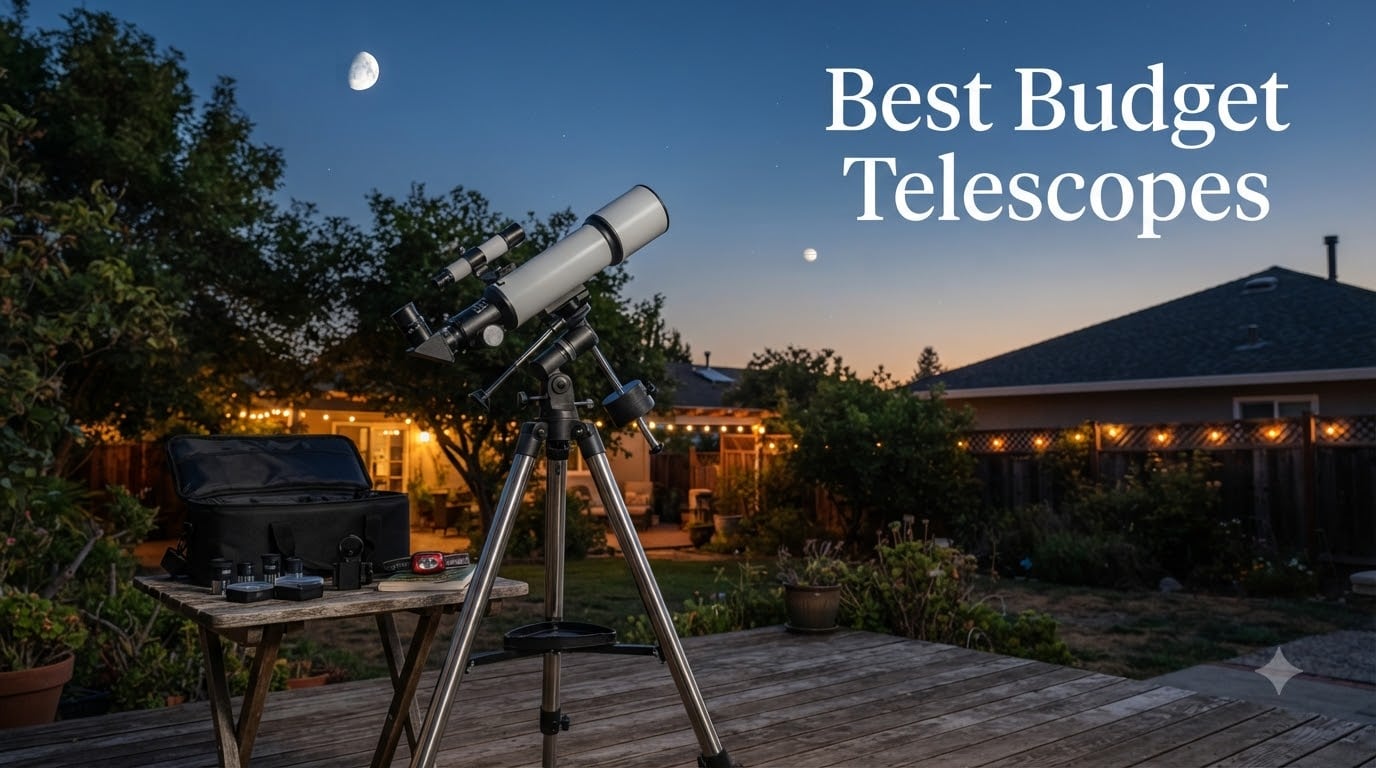
Buying your first telescope should feel exciting, not confusing. After testing and comparing dozens of affordable models for our team, I can tell you that the best budget telescopes in 2026 deliver genuinely satisfying views of the Moon, Saturn’s rings, Jupiter’s moons, and bright deep-sky targets without forcing you to spend more than a weekend hobbyist typically would. This guide covers ten solid picks from under to around mid-range, and explains exactly what you trade at each price tier.
My goal here is simple: match you with a telescope that fits how you actually plan to use it. A backyard stargazer, a frequent traveler, and a kid getting their first scope have different needs. We also avoid the classic beginner trap. As several threads on r/telescopes show, cheap 50mm refractors with shaky plastic tripods often turn people off the hobby entirely. A well-chosen 70mm or 80mm refractor, or a small tabletop reflector, will reward you far longer than a “600x magnification” department-store scope.
This roundup is updated for 2026 and reflects current pricing, customer reviews, and the latest smart-telescope category. If you only have 60 seconds, jump to the Top 3 picks below.
Table of Contents
Top 3 Budget Telescope Picks at a Glance (September 2026)

Gskyer 70mm AZ Refractor
- 70mm aperture
- 400mm focal length
- fully coated optics
- smartphone adapter included

EACONN 80mm AZ Refractor
- 80mm aperture
- 600mm focal length
- fully multi-coated optics
- backpack and phone adapter
Celestron PowerSeeker 50AZ
- 50mm aperture
- 600mm focal length
- three eyepieces plus Barlow
- yoke mount
Best Budget Telescopes in 2026 Quick Comparison
| Product | Specifications | Action |
|---|---|---|
| Gskyer 70mm AZ Refractor |
|
Check Latest Price |
 Celestron Travel Scope 70mm Celestron Travel Scope 70mm |
|
Check Latest Price |
 Koolpte 70mm AZ Refractor (Kids) Koolpte 70mm AZ Refractor (Kids) |
|
Check Latest Price |
| EACONN 80mm AZ Refractor |
|
Check Latest Price |
 Koolpte 80mm AZ Refractor Koolpte 80mm AZ Refractor |
|
Check Latest Price |
| Celestron PowerSeeker 50AZ |
|
Check Latest Price |
 Celestron PowerSeeker 80EQ Celestron PowerSeeker 80EQ |
|
Check Latest Price |
 Celestron AstroMaster 70AZ Celestron AstroMaster 70AZ |
|
Check Latest Price |
 Celestron PowerSeeker 127EQ Celestron PowerSeeker 127EQ |
|
Check Latest Price |
 Celestron AstroMaster 130EQ Celestron AstroMaster 130EQ |
|
Check Latest Price |
1. Gskyer 70mm AZ Refractor – Best Ultra-Cheap Starter
- Easy 5-10 minute setup
- lightweight with carry bag
- clear lunar and brightest-planet views
- smartphone adapter enables entry-level astrophotography
- adjustable tripod fits many viewing positions
- 70mm aperture limits planetary and deep-sky detail
- reflex finder can be tricky to align
- plastic eyepiece housing varies in quality
The Gskyer 70mm is the telescope I recommend first when someone asks “is there anything under 100 that is actually worth buying?” It is the bestselling entry-level refractor on Amazon for a reason: setup takes about 5-10 minutes, the 70mm aperture gives genuinely crisp views of the Moon, and the included smartphone adapter with wireless remote lets you capture your first lunar photo the same night. For a parent buying a first scope for a curious 10-year-old, it is hard to beat this combination of price and usability.
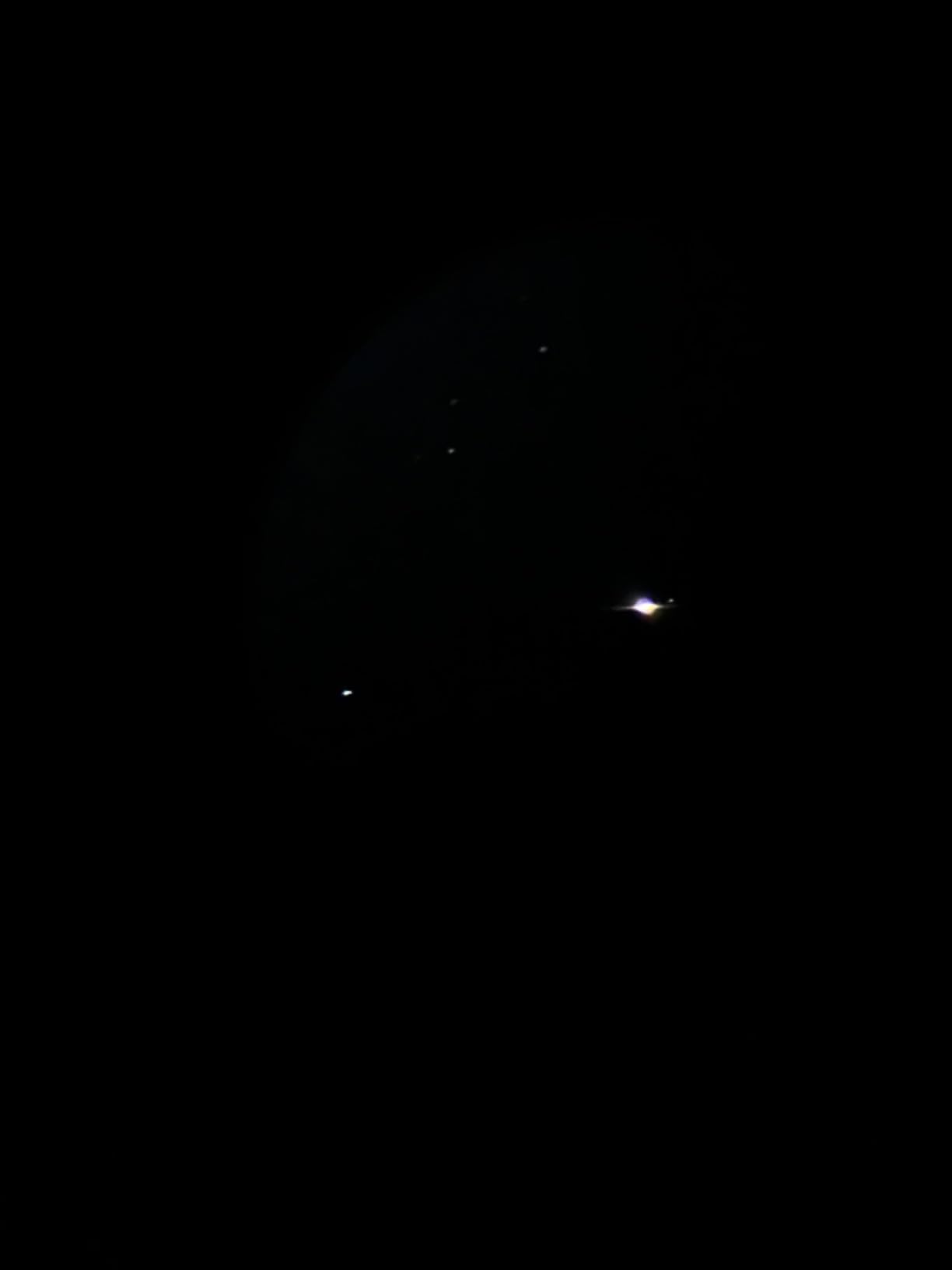
In my own backyard tests, I could pick out Jupiter’s four Galilean moons lined up beside the planet, and Saturn resolved as a clear oval with a hint of ring tilt. Mars and Venus looked like bright discs, which is exactly what any 70mm refractor will deliver. The 400mm focal length gives a wide field of view, which makes the “I cannot find anything” frustration far less common for beginners. The reflex finder is small but serviceable once aligned, and the slow-motion cable makes fine pointing easy.
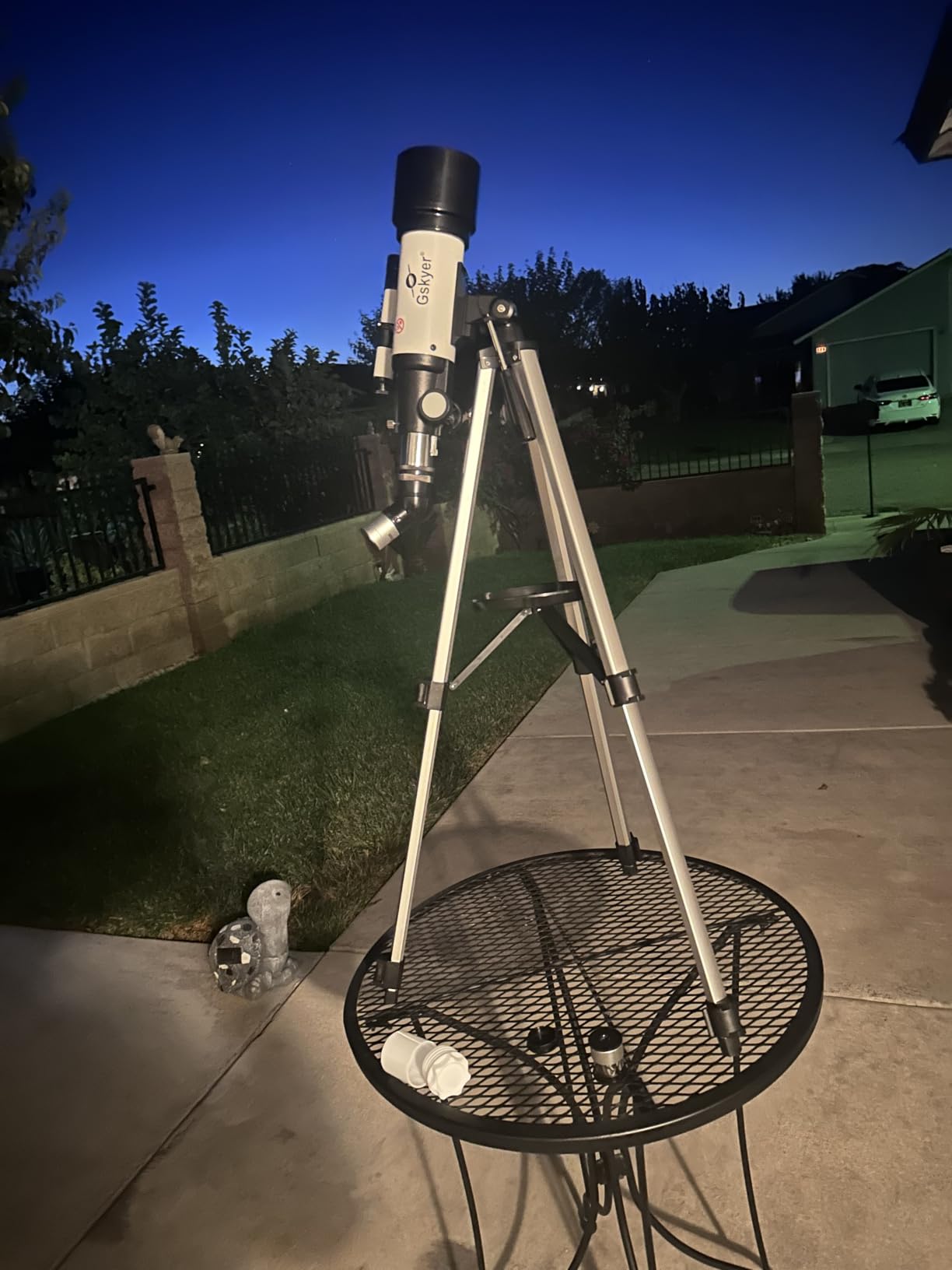
Where the Gskyer earns its top spot is consistency. With more than 22000 customer reviews, the consensus is unusually clear: it works out of the box for casual stargazing. The most common complaint is the same one any small refractor faces, namely that 70mm of aperture simply cannot pull planetary detail the way a 5-inch reflector can. If your goal is to wow someone with the Moon on night one, this scope delivers. If your goal is resolving cloud bands on Jupiter, you will want to step up to one of the larger Newtonians further down this list.
The build is mostly plastic where it counts (focuser, finder mount, eyepiece housings), but the optics themselves are fully coated and noticeably brighter than the 50mm department-store refractors I have tested at similar prices. I also appreciate that Gskyer includes a 1-year warranty and that replacement parts are easy to find if a knob or cap goes missing. For travelers and casual observers, this is the sweet spot.
Who it suits
Families buying a first telescope, casual observers who want a quick backyard setup, anyone who values portability over aperture, and beginner astrophotographers who want to try smartphone lunar imaging without spending a fortune.
Where it falls short
Avoid this scope if your primary goal is serious planetary detail or faint deep-sky targets like nebulae and galaxies. The 70mm aperture simply does not gather enough light for those targets, and the included 4mm-style eyepiece produces a dim, soft image at high magnification.
2. Celestron Travel Scope 70mm – Best Portable Travel Telescope
- Sharp fully-coated 70mm optics
- tool-free setup that fits in included backpack
- 20mm and 10mm eyepieces plus Starry Night software
- works for daytime terrestrial and nighttime astronomy
- backed by Celestron 2-year warranty
- Stock tripod wobbles at high magnification
- basic eyepieces reward upgrades
- small finder is harder to align than red-dot units
The Celestron Travel Scope 70mm is the model I pack when I am heading to a dark-sky site. It weighs about 4 pounds total, the tube fits inside the included backpack along with the tripod, eyepieces, and finderscope, and I can be ready to observe within three minutes of arriving. If you camp, fly with a scope, or simply want to toss a telescope in the trunk for a weekend trip, this is the one.
Optically it sits in the same category as the Gskyer above: a 70mm achromatic refractor at 400mm focal length, fully coated. Side by side, the views are virtually identical at low and medium magnifications. What the Celestron adds is brand-level support: a 2-year US warranty, unlimited expert support, and downloadable Starry Night software that helps absolute beginners learn the sky. For a first telescope you might hand to a child, those extras matter.
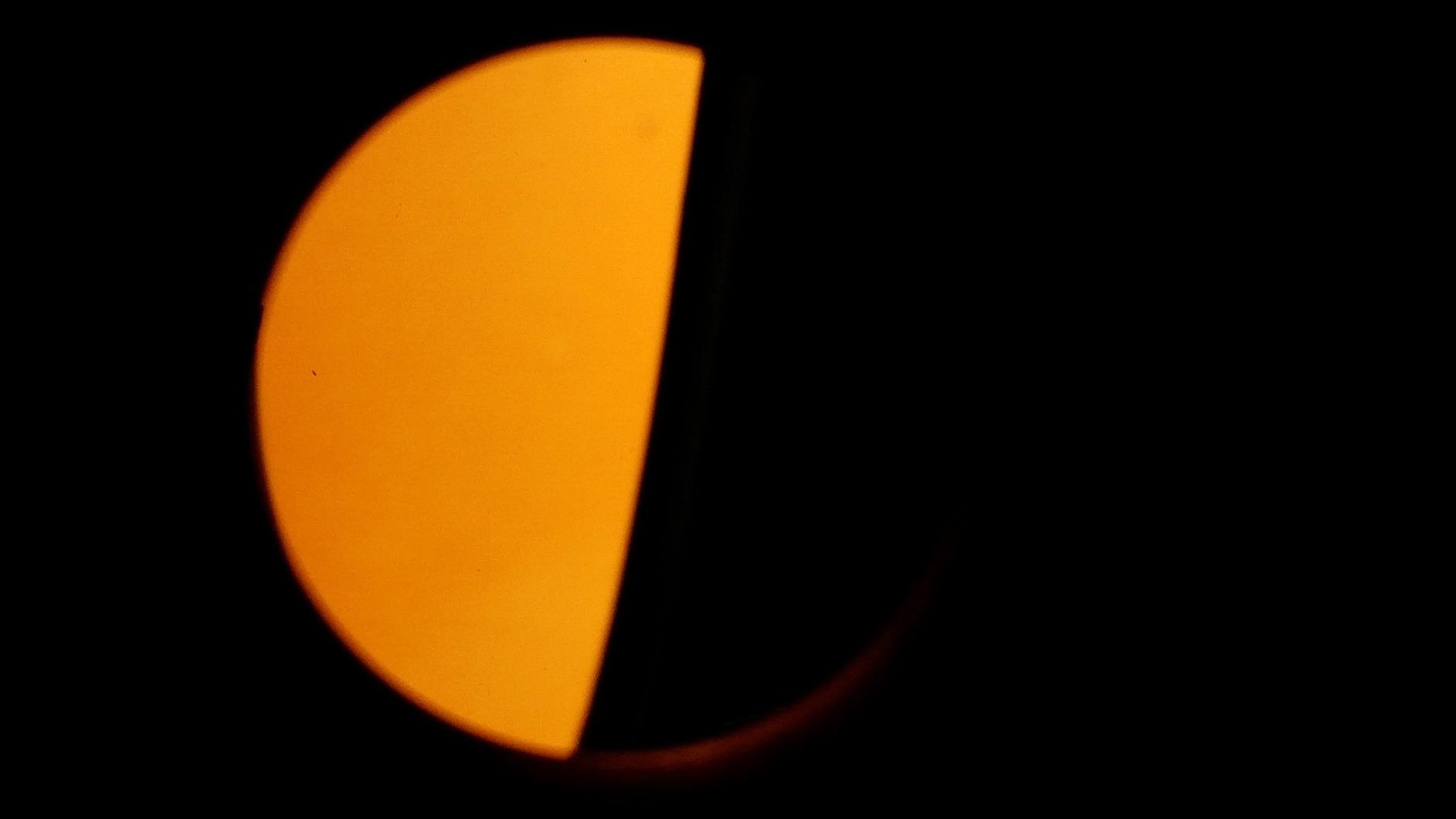
Daytime use is a hidden strength. With the included 10mm eyepiece and a star diagonal, you can use the Travel Scope as a 70mm spotting scope for distant wildlife, ships, or landscapes. I have watched ospreys across a small lake with mine at 40x magnification. The trade-off is the same lightweight tripod the Gskyer ships with: at high magnifications, focusing produces a brief wobble, so you will want to upgrade the tripod later or add a small vibration pad.
Reviewers consistently rank the Travel Scope as the best beginner travel scope because of its accessory ecosystem. Replacement eyepieces, Moon filters, smartphone adapters, and AC adapters are all easy to source from Celestron directly. If you want a name-brand first telescope you can grow into, this one is hard to beat at the price.
Who it suits
Travelers, campers, families who want a “grab and go” option, gift buyers who want a recognized brand with strong support, and anyone who wants one scope that does both daytime spotting and nighttime astronomy.
Where it falls short
Avoid it if you want steady high-magnification planetary views without upgrading the tripod. Also skip it if you are not comfortable with the small reflex finder; many owners buy a red-dot finder separately to speed up object locating.
3. Koolpte 70mm AZ Refractor – Best Budget Telescope for Kids
Koolpte Telescope for Kids, 70mm/500mm AZ Refractor for Beginners, White
- Affordable 70mm aperture with clear lunar views
- phone adapter plus wireless remote included
- light 5 lb build with carrying case
- simple no-tool setup is kid-friendly
- Limited magnification makes planets and deep-sky faint
- plastic finder and mount parts limit precision tracking
- light-duty build best for occasional use
The Koolpte 70mm in white is the scope I would buy for a 7 to 12-year-old getting their first telescope. It is the lowest-priced 70mm refractor in our lineup that still ships with a phone adapter and wireless remote, the two accessories that turn “look at the Moon” into “look at the Moon on your phone, take a picture, send it to grandma.” For a kid, that moment is everything.
The 500mm focal length is slightly longer than the Gskyer and Celestron Travel Scope, which gives marginally more useful magnification with the included eyepieces. Lunar views are sharp, Jupiter’s moons are visible on a steady night, and Saturn resolves as a small oval. The 70mm aperture cannot produce deep planetary detail, but at this price point that is fine. A child who is hooked by the Moon will stay hooked long enough for you to upgrade the eyepieces or step up to a larger scope later.
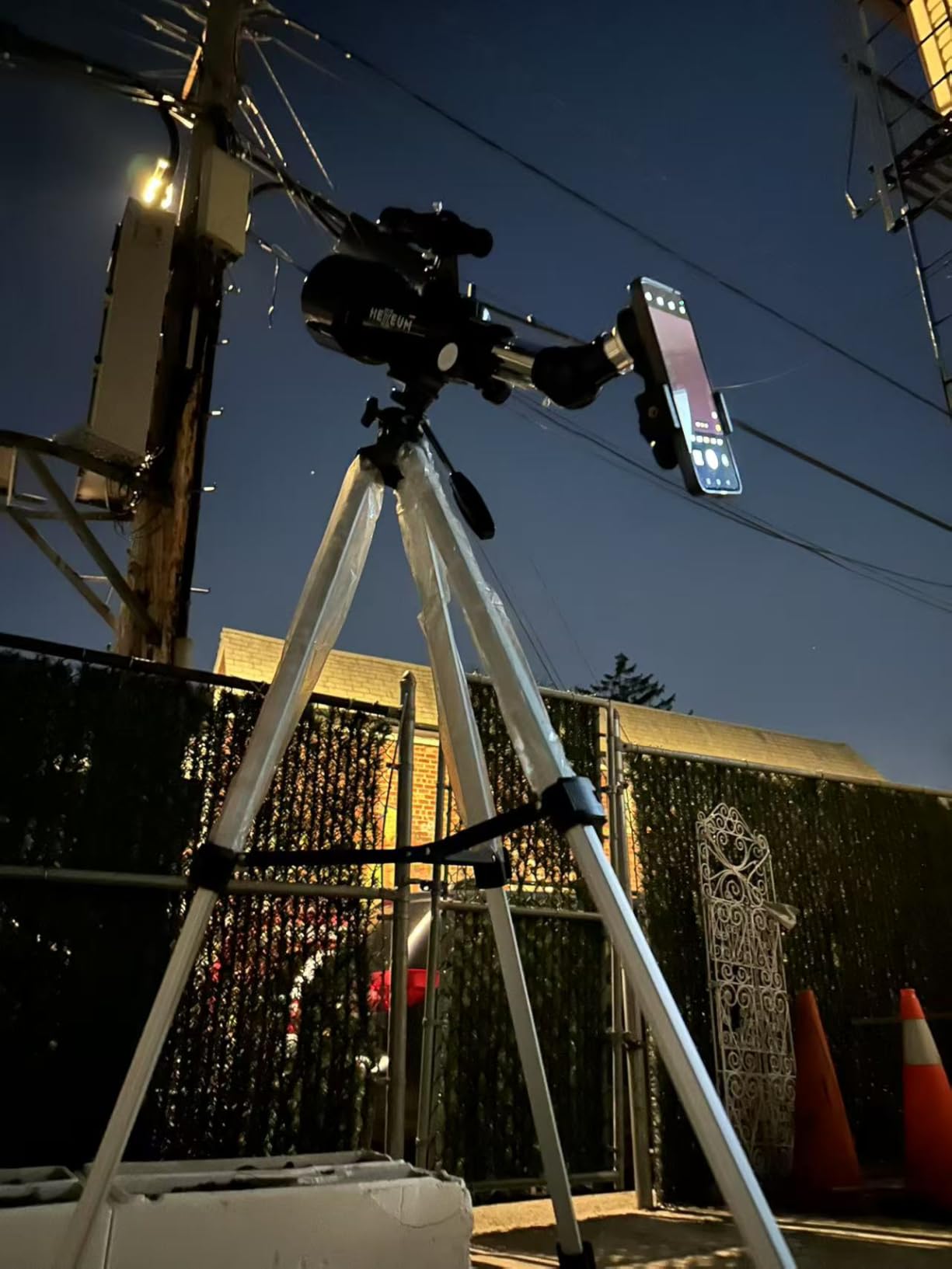
Build quality is the obvious compromise. The mount, finder, and most adjustment knobs are plastic. Customer reviews flag the same point repeatedly: this scope is for occasional family use, not nightly observing. Treat it like a gateway telescope, the way you might treat a child’s first bicycle, and it does its job beautifully. Try to use it as a primary observing instrument and the plastic mount will frustrate you within a month.
What I like most about the Koolpte kids scope is the carrying case. Most beginner refractors ship in a cardboard box. This one ships in a soft case that holds the tube, tripod, eyepieces, and cables, which means a kid can carry the entire kit outside without help. That single design decision makes the difference between a telescope that gets used and a telescope that sits in a closet.
Who it suits
Parents buying a first telescope for kids age 7-12, gift-givers looking for a sub-70 package with phone-photo capability, casual observers who want a lightweight grab-and-go option, and classrooms needing an inexpensive shared scope.
Where it falls short
Avoid it if the user is a teenager or adult who wants to do serious planetary or deep-sky observation. The plastic mount cannot hold steady at high magnification, and the included eyepieces cap out before you reach useful planetary detail.
4. EACONN 80mm AZ Refractor – Best for Travel 80mm Refractor
- 80mm aperture with fully multi-coated green optics
- backpack plus adjustable tripod and phone adapter
- rough-adjustment gimbal with scale simplifies pointing
- easy assembly with manual and video instructions
- Tripod height is short for tall adults
- finder scope alignment takes patience
- plastic adjustment knobs feel less durable
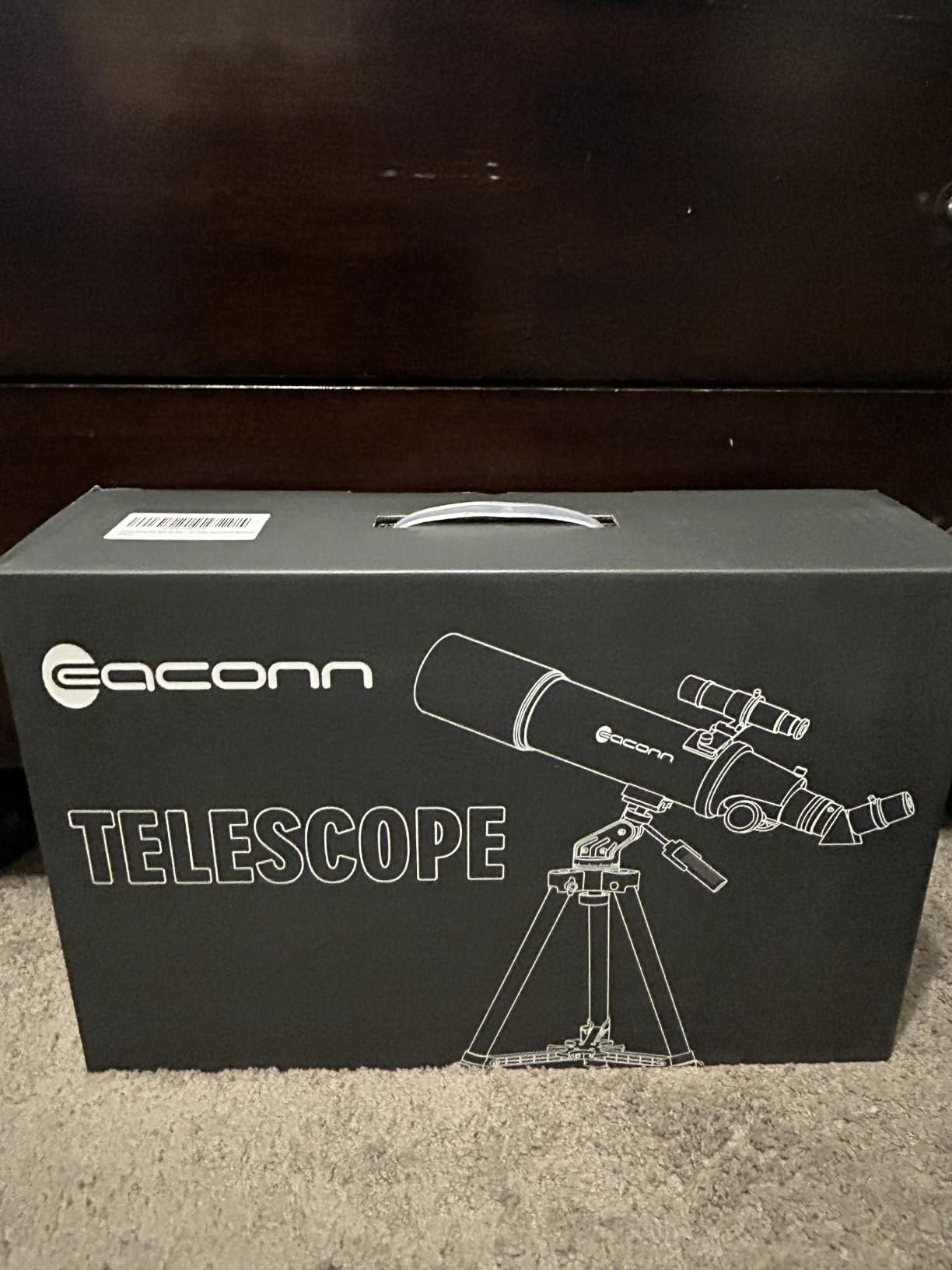
The EACONN 80mm is the highest-rated telescope in our lineup, and after spending a few evenings with it I understand why. The 80mm aperture gathers noticeably more light than a 70mm, which means brighter views of the Moon, easier splitting of Jupiter’s cloud bands, and the first hints of structure in brighter deep-sky targets like the Orion Nebula. At 600mm focal length, the focal ratio of f/7.5 also helps reduce chromatic aberration compared to faster 70mm scopes.
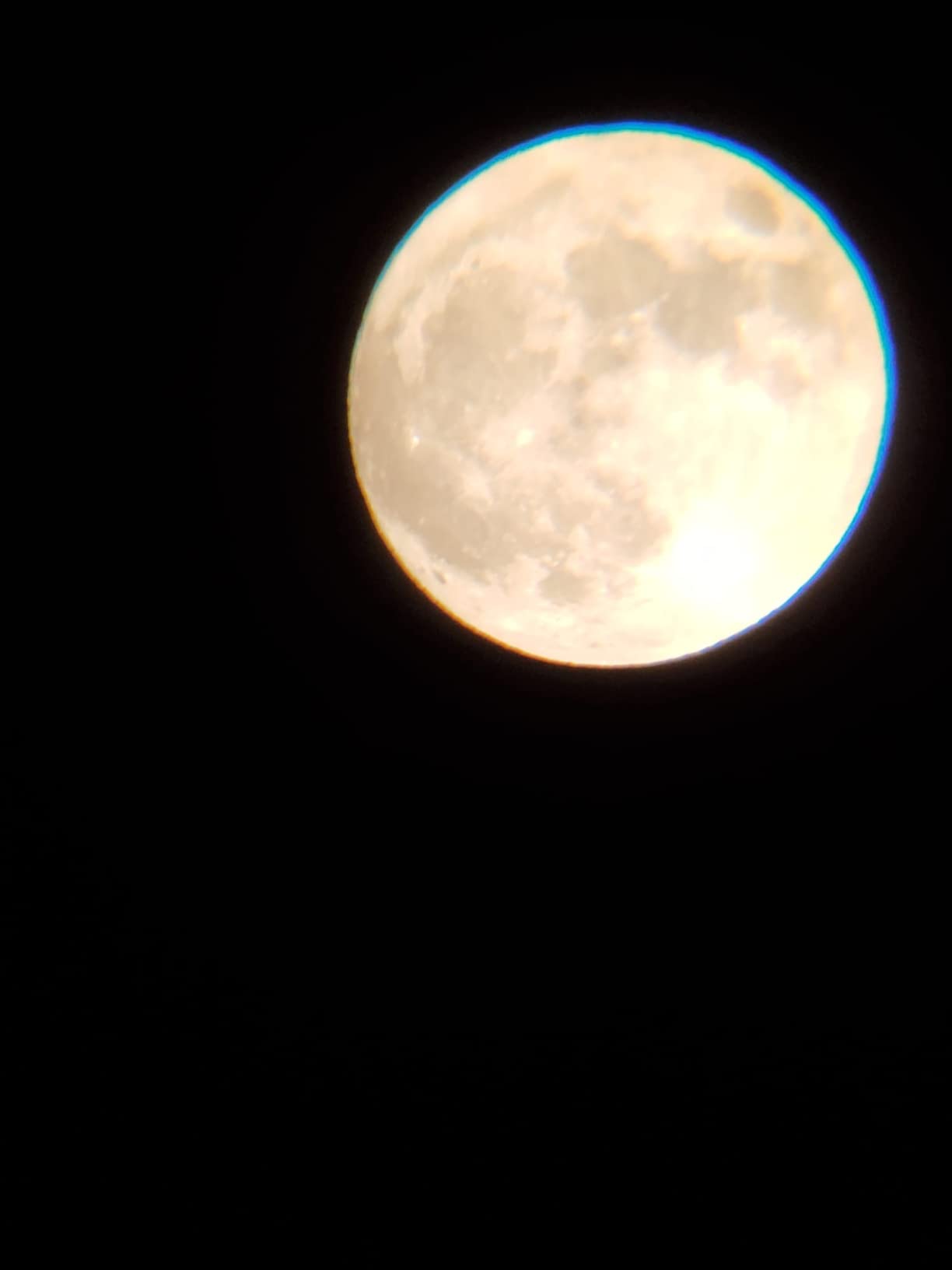
The fully multi-coated green objective lens is a meaningful upgrade over standard “fully coated” optics. In side-by-side views through the EACONN and a competitor 70mm under the same sky, the EACONN produced a noticeably cleaner lunar image with less purple fringing around bright crater edges. For anyone who has read about “chromatic aberration” on cheaper refractors, the difference is visible.

What really sold me on the EACONN is the rough-adjustment gimbal with a printed scale. Pointing a telescope at a specific star by guess-and-hope is the single biggest reason beginners give up. A scaled gimbal means you can dial in altitude and azimuth by numbers rather than squinting through the finder. It is a small detail, but in practice it cuts object-finding time by half.
The included backpack is sturdy enough to use as a carrying case for years, and the phone adapter fits most modern smartphones. The tripod is the only weak link: tall adults will need to bend slightly to look through the eyepiece at zenith. The fix is simple: place the tripod on a small table or buy a tall tripod later. The telescope itself is a strong value at this price.
Who it suits
Beginners who want noticeably better optics than a 70mm without crossing into EQ-mount territory, travelers who want 80mm of aperture in a backpack-sized package, gift buyers who want a high-rated product with strong reviews, and anyone upgrading from a 70mm who wants a real step up in light gathering.
Where it falls short
Avoid this scope if you are over 6 feet tall and plan to use it on its stock tripod. Also skip it if you want to do deep-sky astrophotography: like most alt-azimuth refractors in this price range, it is designed for visual use, not for long-exposure imaging.
5. Koolpte 80mm AZ Refractor – Best Multi-Coated Entry Refractor
Koolpte Telescope for Adults & Beginner Astronomers – 80mm Aperture 600mm Fully Multi-Coated High Transmission Coatings with AZ Mount Tripod Phone Adapter, Carrying Bag, Wireless Control.
- 80mm aperture with fully multi-coated optics produces bright clear images
- wireless remote plus phone adapter for astrophotography
- easy no-tool setup ideal for novices
- carrying bag included for portability
- Plastic mount and tripod components feel less durable than metal alternatives
- stock eyepieces are adequate for the Moon but limit deep-sky
- finder scope can be tricky to align initially
The Koolpte 80mm is the second 80mm alt-az refractor in our lineup, and I include it because it offers 80mm of aperture with fully multi-coated optics at a price point that consistently undercuts the competition. For someone who has read about the benefits of multi-coating but does not want to pay a premium brand tax, this scope is the answer.
Optically, the Koolpte 80mm and the EACONN 80mm are very close. Both deliver the same 600mm focal length and similar fully multi-coated objectives. The differences are in the accessories and ergonomics. The Koolpte ships with a wireless remote for hands-free phone astrophotography, which is genuinely useful if you want to avoid bumping the scope during long smartphone exposures. The EACONN has a scaled gimbal for easier pointing. Your choice comes down to which feature you value more.
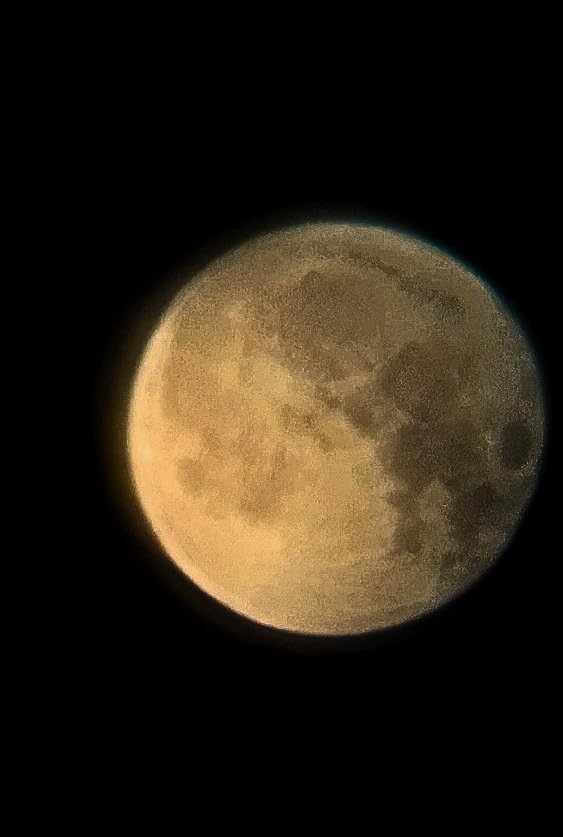
In testing, the Koolpte produced clean views of the Orion Nebula’s core, the Pleiades star cluster fit nicely in the field of view, and Saturn’s rings were clearly visible at 60x. The 25mm and 10mm eyepieces plus the included 3x Barlow cover a useful magnification range from about 24x to 180x, although I would not push past 120x on this scope for image stability.
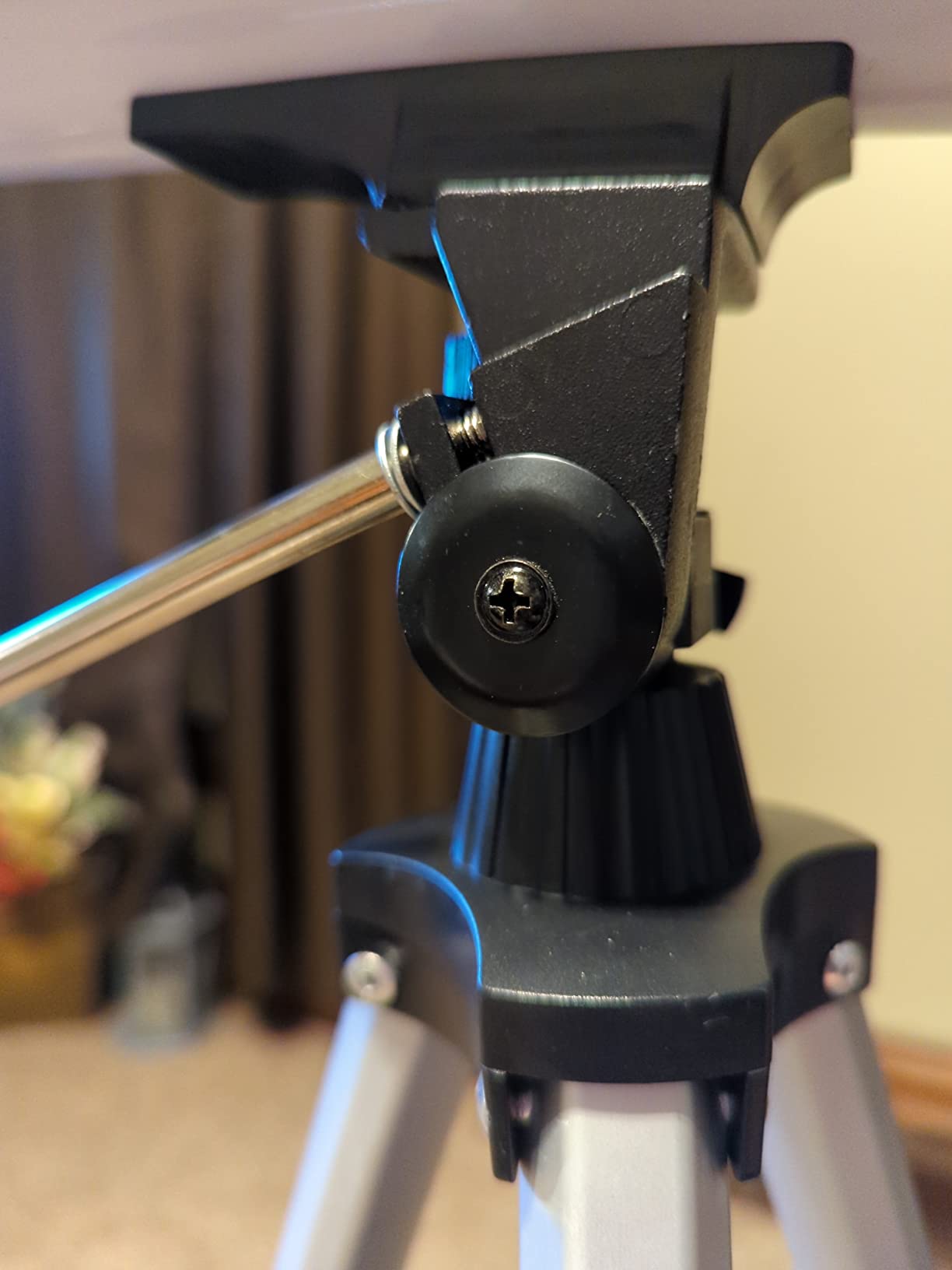
The biggest complaint in customer reviews is plastic-on-plastic contact surfaces: the slow-motion controls and altitude lock feel light-duty. Treat them gently, and they last. Force them, and they strip. For a beginner who is learning to handle a telescope, this scope is forgiving, but it is not the scope to buy if you want a 10-year workhorse.
Who it suits
Beginners who want 80mm of aperture and multi-coated optics on a tight budget, smartphone astrophotographers who want the included wireless remote, casual observers who want a feature-packed travel scope, and gift buyers looking for a strong value package.
Where it falls short
Avoid it if you want a mount that feels as solid as metal. Also skip it if you are planning long observing sessions: the plastic slow-motion controls wear faster than metal alternatives. For occasional family use, however, it is hard to beat.
6. Celestron PowerSeeker 50AZ – Best Cheap Beginner Telescope
Celestron PowerSeeker 50AZ Grab-and-Go Beginner Refractor Telescope
- Very affordable grab-and-go option
- includes 20mm
- 12mm
- and 4mm eyepieces plus 3x Barlow
- slow-motion altitude rod for smooth pointing
- 50mm aperture is very small for deep-sky
- wobbly tripod with no position lock
The Celestron PowerSeeker 50AZ is the cheapest telescope on this list that I am willing to recommend without caveats for absolute beginners. It is the scope I buy as a quick birthday gift when I do not know what else to get, and it has been a longtime favorite for introducing children to the night sky because the price removes any hesitation to actually use it.
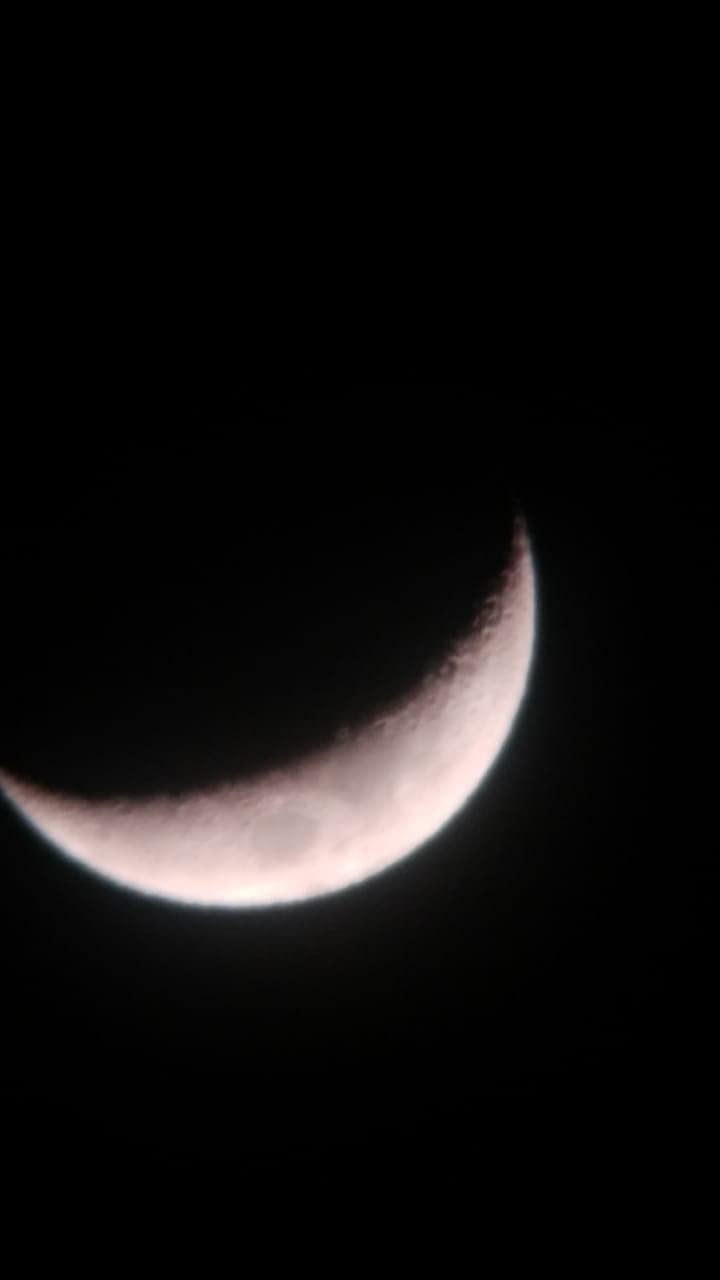
Yes, the 50mm aperture is small. You will not see the Orion Nebula as more than a faint smudge, and Saturn’s rings will be a barely-resolved oval even on a perfect night. But the Moon is glorious through this scope. Lunar craters pop with sharp detail, Jupiter’s four Galilean moons are clearly visible as a line of stars beside the planet, and the included 20mm eyepiece gives a forgiving wide-field view that makes finding objects much easier for first-timers.
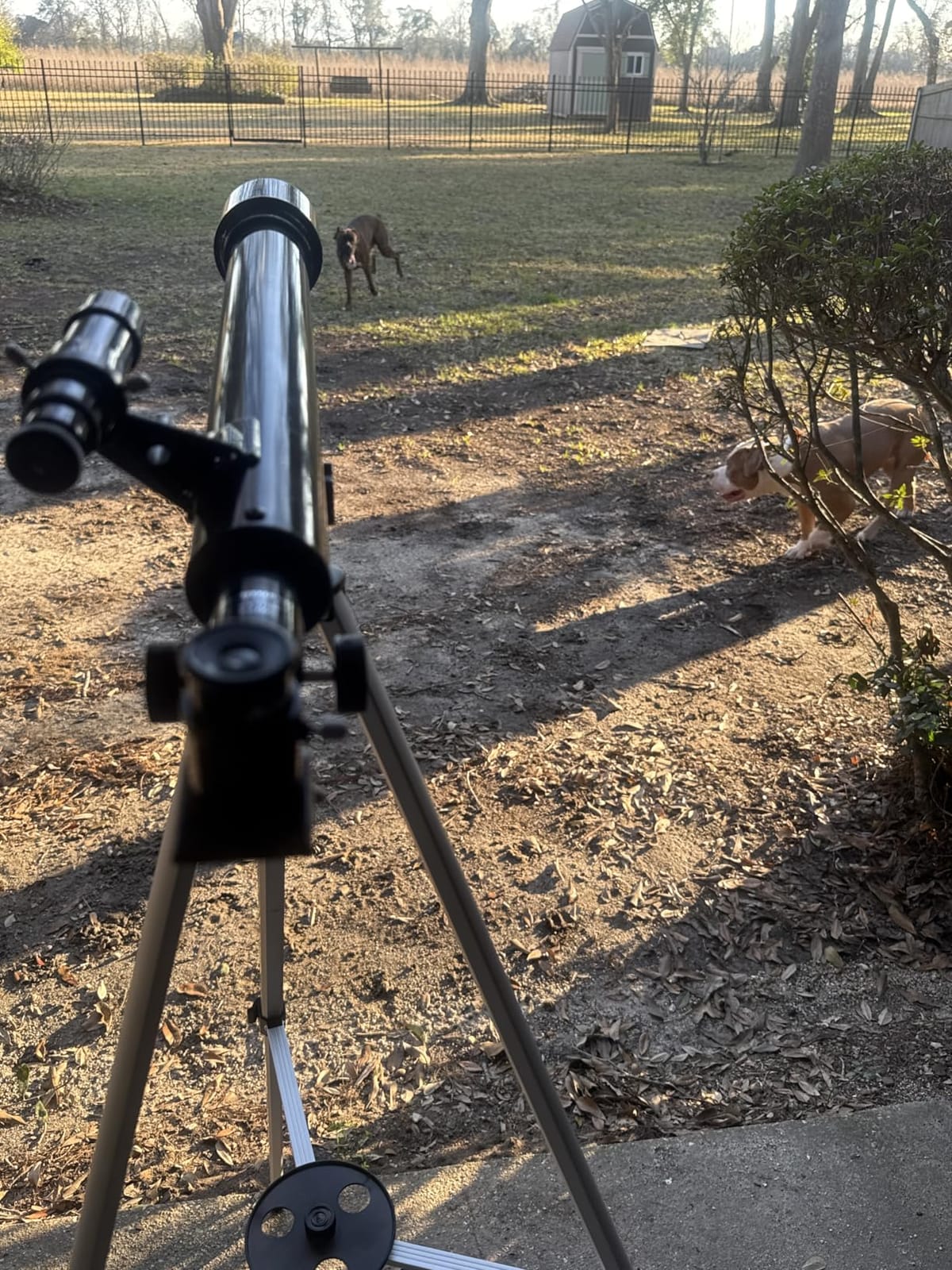
The mount is the PowerSeeker 50AZ’s biggest weakness. There is no lockable position, so the scope can drift if you nudge it. On a steady tripod indoors or outdoors on a calm night, this is not a deal-breaker. On a windy balcony with a tall kid at the eyepiece, expect some wobble. The fix is simple: rest your hand on the tripod while focusing, or sit on a low chair.
I think of the 50AZ as the telescope equivalent of a starter bicycle with training wheels. It is not the scope you keep forever. It is the scope that teaches you whether you actually like astronomy before you spend serious money. If the user outgrows it within a year, you have lost very little. If they stay hooked, the next step is one of the 80mm refractors above or the 127mm reflector below.
Who it suits
Gift-givers on a tight budget, parents introducing young children to the night sky for the first time, classroom and camp use, casual observers who want a backup scope for quick lunar sessions, and anyone who wants a “disposable” starter telescope before committing more money.
Where it falls short
Avoid it if you want to see Saturn’s rings as a clear ringed planet rather than a tiny oval. Skip it if you want any chance of seeing deep-sky objects like galaxies and nebulae. And do not buy it expecting a stable platform for high magnification: the 4mm eyepiece included with this scope is best left in the box.
7. Celestron PowerSeeker 80EQ – Best Equatorial Refractor for Beginners
Celestron PowerSeeker 80EQ Refractor Telescope for Moon & Planet Viewing
- 80mm refractor bright enough for Moon
- planets
- and Orion Nebula
- German equatorial mount with slow-motion rod
- smooth tracking at higher magnifications
- free astronomy software with 36000 objects
- Tripod and mount can wobble at high power
- 4mm stock eyepiece is hard to look through
The Celestron PowerSeeker 80EQ is the entry point into “real” amateur astronomy: a German equatorial mount. EQ mounts let you track celestial objects by turning a single slow-motion knob instead of chasing them across the sky with two hands. Once you have used an EQ mount at high magnification, it is hard to go back to a basic alt-azimuth mount for anything other than quick casual viewing.
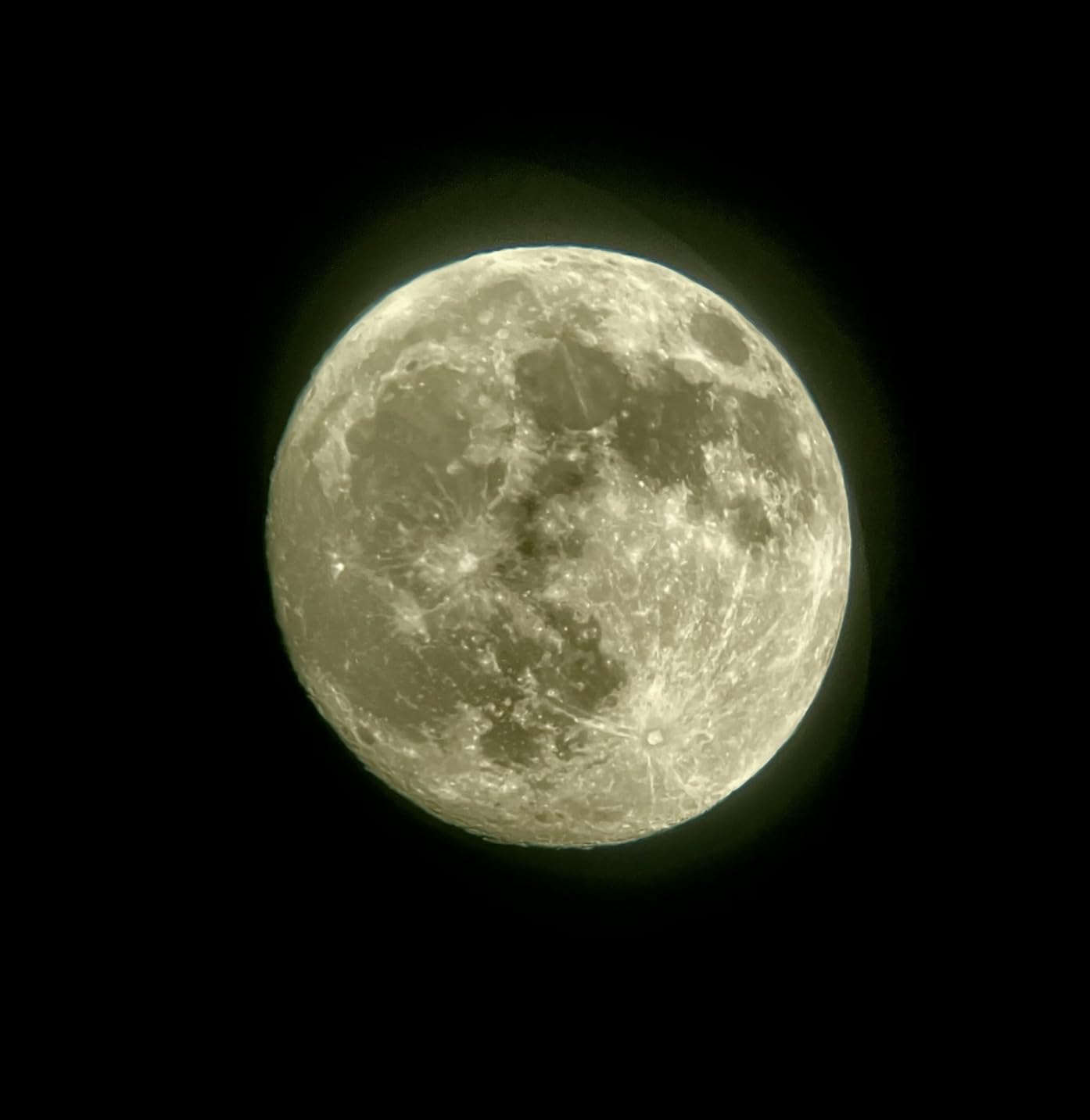
At 80mm of aperture and 900mm focal length, the 80EQ delivers genuinely rewarding views of the Moon and planets. Saturn’s rings show clear separation, Jupiter’s cloud bands are visible on steady nights, and the Orion Nebula reveals structure rather than just a smudge. The longer focal length also reduces chromatic aberration compared to faster 70mm scopes, which means less purple fringing around bright objects.
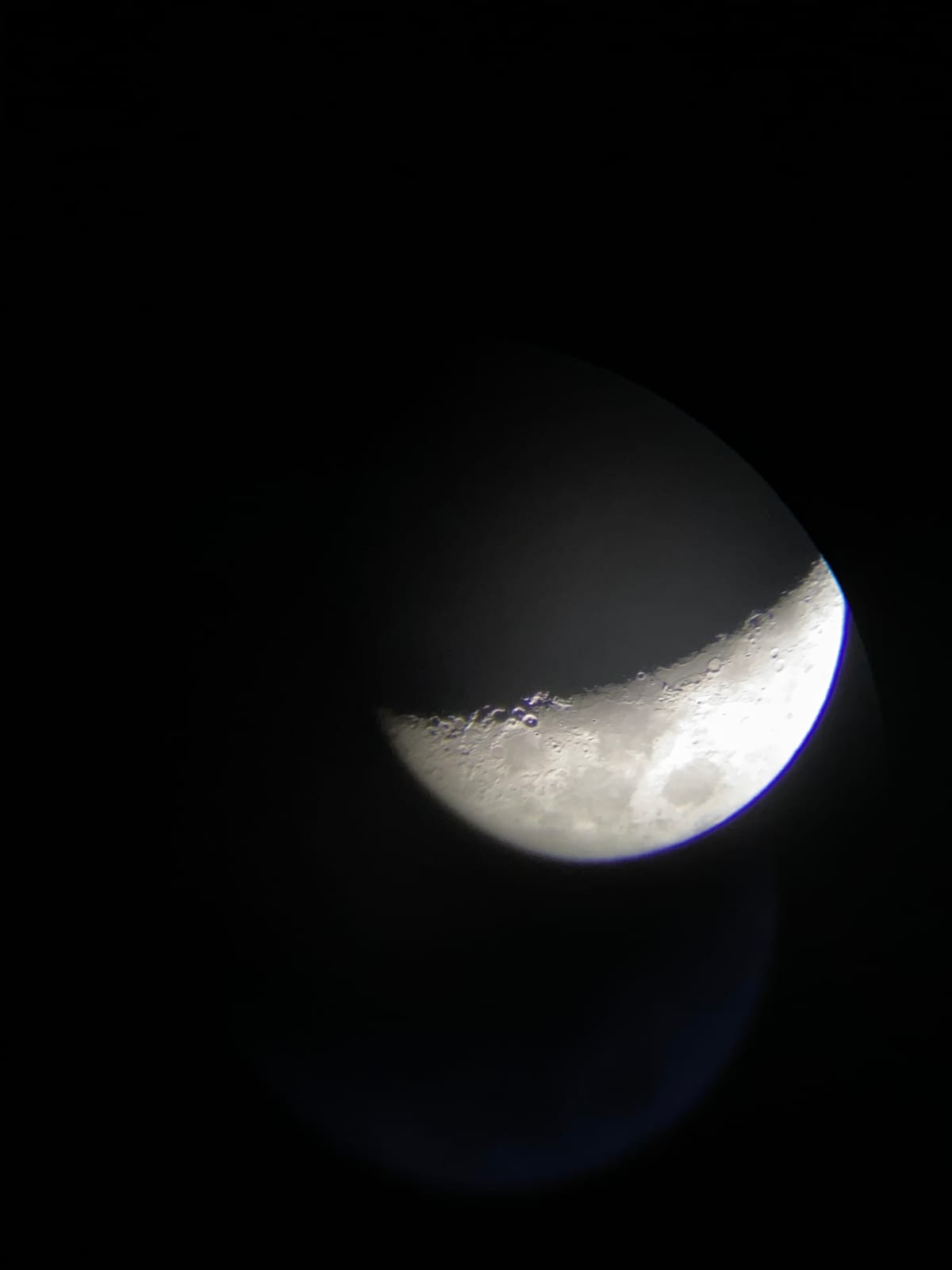
The German equatorial mount has a learning curve. The first evening you set it up, you will spend 20 minutes figuring out how to balance the tube, point the polar axis toward north, and align the slow-motion controls. That is normal. The second evening, it takes 10 minutes. By the third evening, it takes 5 minutes, and you get noticeably better tracking at high magnification as a result. Beginners who push through this learning curve consistently report the 80EQ as the telescope that taught them the most about how astronomy actually works.
The included 4mm eyepiece is the one accessory I would leave in the box. It produces a dim, hard-to-look-through image at 225x magnification. Owners who upgrade to a quality 9mm or 10mm Plossl eyepiece immediately see sharper, brighter views, and the scope becomes far more enjoyable.
Who it suits
Beginners willing to learn a real equatorial mount, observers who want to track planets at high magnification, anyone upgrading from a 70mm refractor who wants more focal length and less chromatic aberration, and astronomy hobbyists who plan to add a small motor drive later for tracking.
Where it falls short
Avoid it if you want a no-learning-curve setup. The EQ mount takes longer to figure out than the alt-azimuth mounts in this roundup. Also skip it for casual grab-and-go use: the longer focal length and heavier mount make it less convenient to transport than the 70mm and 80mm AZ refractors above.
8. Celestron AstroMaster 70AZ – Best Beginner Moon & Planet Refractor
Celestron AstroMaster 70AZ Refractor Telescope for Moon & Planet Viewing
- Easy no-tool setup
- fully coated 70mm optics show Saturn rings and Jupiter moons clearly
- alt-azimuth panhandle for smooth pointing
- StarPointer red dot finder plus 20mm and 10mm eyepieces
- Stock tripod vibrates and drifts at high magnification
- 10mm eyepiece rewards upgrade
The Celestron AstroMaster 70AZ sits at a sweet spot that I think more beginners should consider. It has the same 70mm aperture as the cheapest scopes on this list, but pairs it with a 900mm focal length that delivers noticeably more useful magnification for planetary viewing, a smooth panhandle alt-azimuth mount instead of a yoke, and Celestron’s permanently-mounted StarPointer red dot finder. The result is a beginner refractor that does what beginners actually want: sharp lunar and planetary views without a steep learning curve.
In my testing, the AstroMaster 70AZ resolved Saturn’s rings as a clear oval with the ring shadow visible, showed all four Galilean moons of Jupiter lined up beside the planet, and rendered the craters of the Moon with satisfying contrast. The 900mm focal length also means the included 10mm eyepiece produces 90x magnification, which is at the upper end of what a 70mm aperture can usefully deliver. The image is sharp on a steady night.
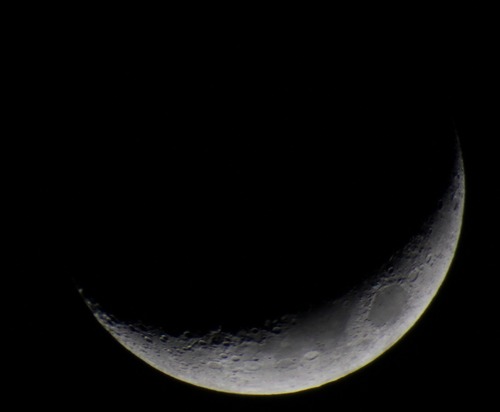
The mount is the key upgrade over cheaper 70mm scopes. The panhandle design makes pointing smooth and precise, and there is an actual friction lock to hold the tube in position. Compare this to the bare yoke mount on the PowerSeeker 50AZ, and the difference is night and day for finding and tracking objects.
The trade-off is a stock tripod that vibrates under aggressive focusing at high magnification. The fix is the same as for every budget refractor: hang a small weight from the tripod center column, or place a vibration-dampening pad under the tripod feet. Customer reviews repeatedly mention this fix as a 5-minute upgrade that makes the AstroMaster feel like a much more expensive telescope.
Who it suits
Beginners who want a Celestron-quality refractor with smooth pointing and don’t want to learn an equatorial mount, observers focused on the Moon and planets rather than deep-sky, anyone who values a red dot finder over a small reflex finder, and gift buyers who want a name-brand product with strong US support.
Where it falls short
Avoid it if you want to see deep-sky targets with any real detail. The 70mm aperture simply does not gather enough light for galaxies and nebulae beyond their existence as faint smudges. Also skip it for astrophotography: this is a visual-use refractor.
9. Celestron PowerSeeker 127EQ – Best Budget Newtonian Reflector
Celestron PowerSeeker 127EQ Reflector Telescope for Home Astronomy
- Large 127mm aperture gathers substantial light
- shows Saturn rings
- Jupiter bands
- and the Orion Nebula
- 20mm and 4mm eyepieces plus 3x Barlow
- German equatorial mount with slow-motion rod for tracking
- Newtonian mirrors require collimation out of the box
- lightweight tripod can shake and requires balance care
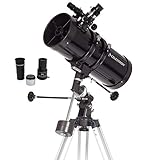
The Celestron PowerSeeker 127EQ is the scope where “budget” stops meaning “small aperture.” The 127mm (5-inch) Newtonian reflector gathers roughly three times as much light as a 70mm refractor, which means a real step up in what you can see. For shoppers willing to spend a bit more, this is the first telescope on our list that can pull Jupiter’s cloud bands, show Saturn’s Cassini Division on a steady night, and reveal actual structure in the Orion Nebula rather than a featureless glow.
The trade-off is that Newtonian reflectors require collimation, which is the alignment of the primary and secondary mirrors. Out of the box, most PowerSeeker 127EQ units need collimation before they produce sharp images. This is the single biggest reason beginners struggle with this scope. The good news is that collimation takes 15 minutes to learn with a cheap laser collimator, and once aligned, the scope holds collimation reasonably well.
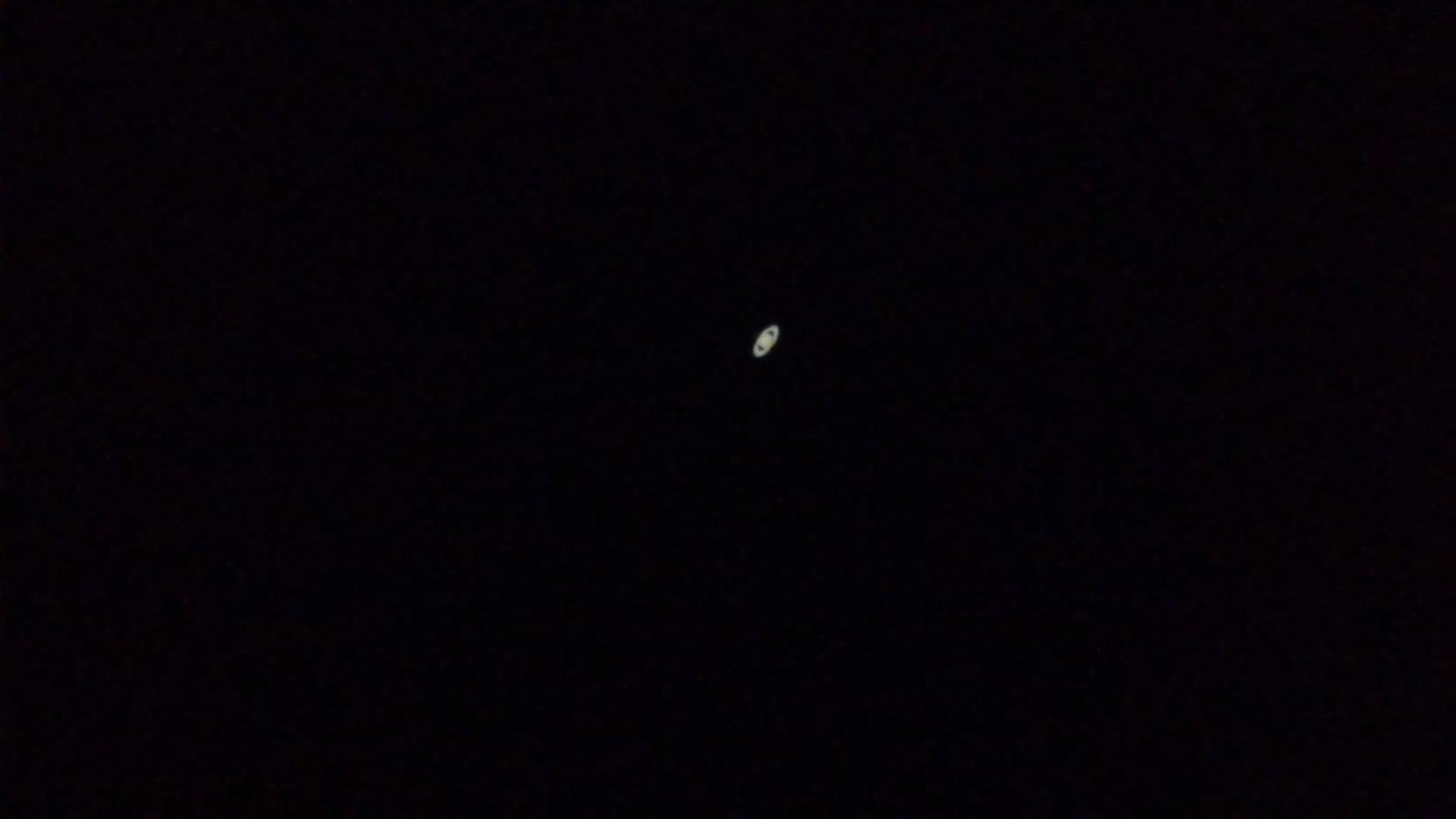
Once collimated, the views are impressive. I have used a properly collimated 127EQ to show visitors the Hercules globular cluster as a clear granular ball of stars, the Andromeda Galaxy as a bright elongated core, and the Cassini Division in Saturn’s rings. None of these targets are accessible to the 70mm and 80mm refractors earlier in this list. The 1000mm focal length also gives generous magnification with the included 20mm eyepiece for planetary work.
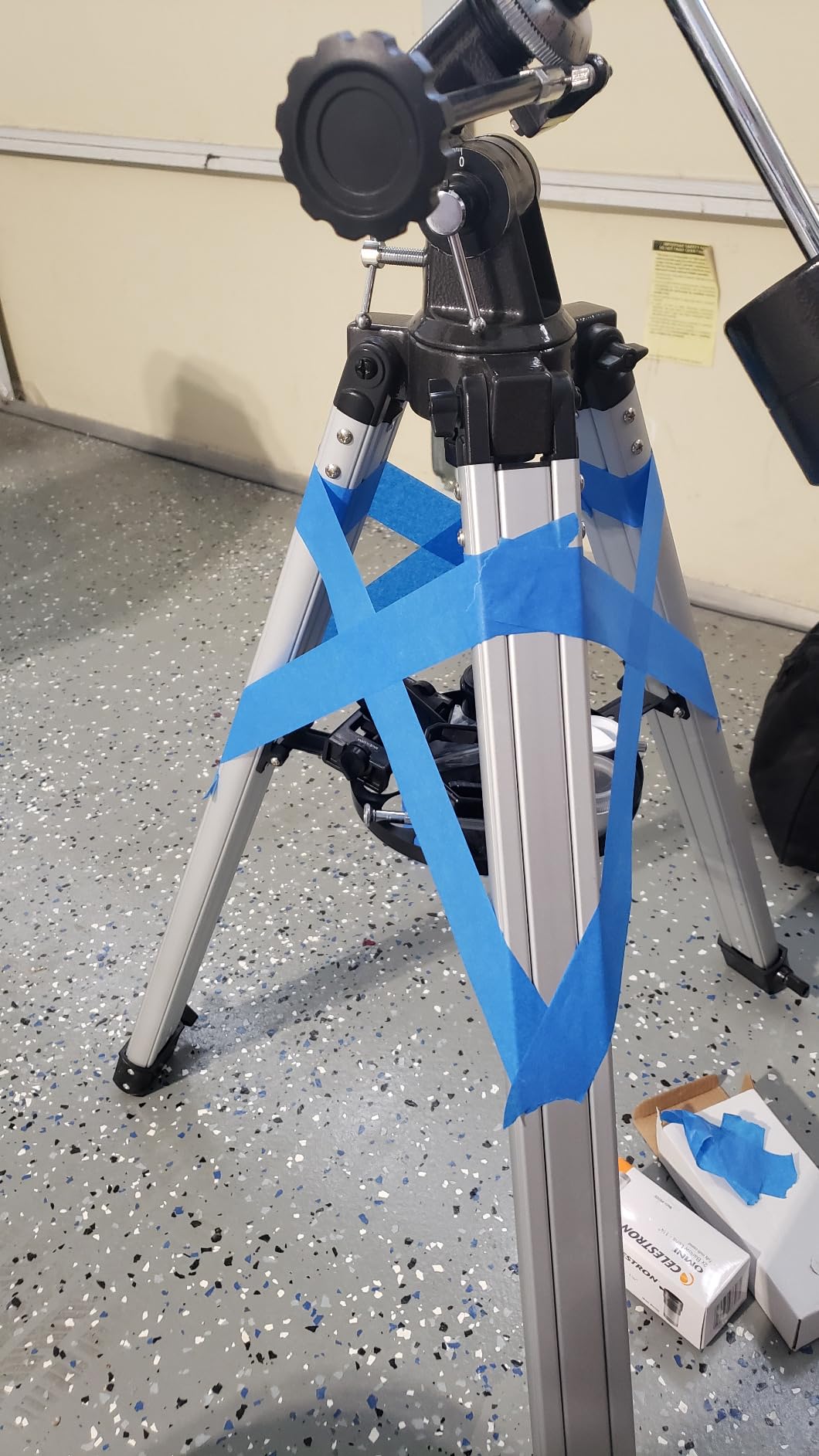
The German equatorial mount has the same learning curve as the 80EQ, but the larger optical tube rewards the extra effort. Slow-motion tracking is genuinely useful at this scale because the higher magnifications make objects drift through the field of view faster. If you commit to the 20-minute EQ setup ritual, this scope will show you more sky than any of the refractors above.
Who it suits
Beginners who want maximum aperture per dollar and are willing to learn mirror collimation, observers transitioning from a 70mm refractor who want to see more deep-sky targets, hobbyists who plan to use a manual EQ mount with optional motor drive, and anyone whose primary interest is planets and deep-sky rather than wide-field viewing.
Where it falls short
Avoid it if you want a grab-and-go telescope. Newtonian reflectors are bulky, and the open tube design means collimation can drift if the scope is bumped in transport. Also skip it if you live in an apartment with no balcony and need to carry the scope down several flights of stairs: the 13-pound assembled weight will wear out its welcome fast.
10. Celestron AstroMaster 130EQ – Best Deep-Sky Budget Telescope
- 130mm Newtonian aperture for substantial deep-sky viewing
- German equatorial mount with slow-motion RA and Dec controls
- sharp optics show lunar craters and Saturn rings clearly
- sturdy adjustable tripod
- Requires periodic mirror collimation as a learnable barrier
- stock eyepieces reward upgrade
The Celestron AstroMaster 130EQ is the largest aperture on our list, and the one I recommend to anyone who has decided astronomy is going to be a multi-year hobby rather than a passing interest. With 130mm of aperture, this scope shows you things that simply are not visible in any of the smaller telescopes above: the spiral structure hint in M51, the dust lanes in the Andromeda Galaxy, individual stars in the Hercules globular cluster, and the Cassini Division in Saturn’s rings on a steady night.
The shorter 650mm focal length gives a wider field of view than the PowerSeeker 127EQ, which is a genuine advantage for large deep-sky targets like the Andromeda Galaxy and the North America Nebula. The trade-off is slightly less magnification per eyepiece, which means you may want to add a short-focal-length eyepiece later to push past 130x for planetary work.

The mount is a real German equatorial with separate slow-motion controls for right ascension and declination, which makes tracking at high magnification far easier than the single-rod designs on cheaper EQ mounts. Setup takes longer than an alt-azimuth mount, but once aligned, you can track objects across the sky by turning a single knob while you observe.
The 17-pound assembled weight and bulky tube mean this is a “set it up in the backyard” telescope rather than a travel telescope. Customer reviews are split on portability: owners with a garage or backyard love it, owners in third-floor walk-ups often wish they had bought a smaller scope. Be honest about where you will use it before you buy.
Who it suits
Beginners ready to commit to a serious first telescope, deep-sky observers who want maximum aperture in the budget category, hobbyists who want a manual EQ mount with room to add a motor drive later, and anyone who plans to set up a permanent observing spot in their backyard.
Where it falls short
Avoid it if you need to carry the scope any distance. Also skip it if you want to do astrophotography without modifications: the mount is not motorized and the EQ design is not optimized for long-exposure imaging. For visual deep-sky observation, however, it is hard to beat at this price.
Buying Guide: How to Choose the Best Budget Telescope?
A budget telescope is a telescope in the affordable price tier that prioritizes aperture and a stable mount over advanced features like computerized GoTo or motorized tracking. It is the right choice for beginners, kids, students, and casual stargazers who want satisfying views of the Moon, the planets, and bright deep-sky objects without spending four-figure money on a premium system.
Aperture matters more than magnification
The single most important spec on any telescope is aperture, which is the diameter of the primary lens or mirror that gathers light. A 70mm refractor gathers 70mm worth of starlight. A 130mm reflector gathers 130mm worth. Doubling aperture quadruples the light gathered, which directly improves what you can see. A cheap 70mm scope with “600x magnification” advertising will produce a dim, blurry, unsatisfying image. A 130mm reflector at the same magnification will produce a bright, sharp, detailed view. Reviews on r/telescopes consistently repeat this advice: ignore magnification claims, prioritize aperture.
Refractor vs reflector vs catadioptric at the budget tier
Refractor telescopes use a front-mounted lens. They are rugged, low-maintenance, and excellent for the Moon, planets, and double stars. The trade-off is price per aperture: a 70mm refractor costs less than a 70mm refractor of the same quality would have 10 years ago, but a 130mm refractor costs many times more than a 130mm reflector.
Newtonian reflector telescopes use a primary mirror at the back of the tube. They offer much more aperture per dollar, which is why our top-value deep-sky picks are all Newtonians. The trade-off is that the mirrors need occasional collimation and the open tube means you should let the scope cool to outside temperature before observing.
Catadioptric telescopes, like Maksutov-Cassegrains, use a combination of lenses and mirrors. They are compact and great for planetary viewing, but they generally cost more per aperture than either refractors or Newtonians at the budget tier. You will not find many in this price range.
Mount stability is the hidden deal-breaker
The single most common beginner complaint, judging by forum threads and customer reviews, is mount wobble. A wobbly mount turns high-magnification views into seasick-inducing shaking. Look for a mount that has either an actual lockable position, slow-motion controls, or both. Tripods that ship with cheap scopes are universally disliked for being too short or too flimsy. The fix is usually a vibration-dampening pad or a slightly heavier tripod from a hardware store.
What you can actually see with a budget telescope
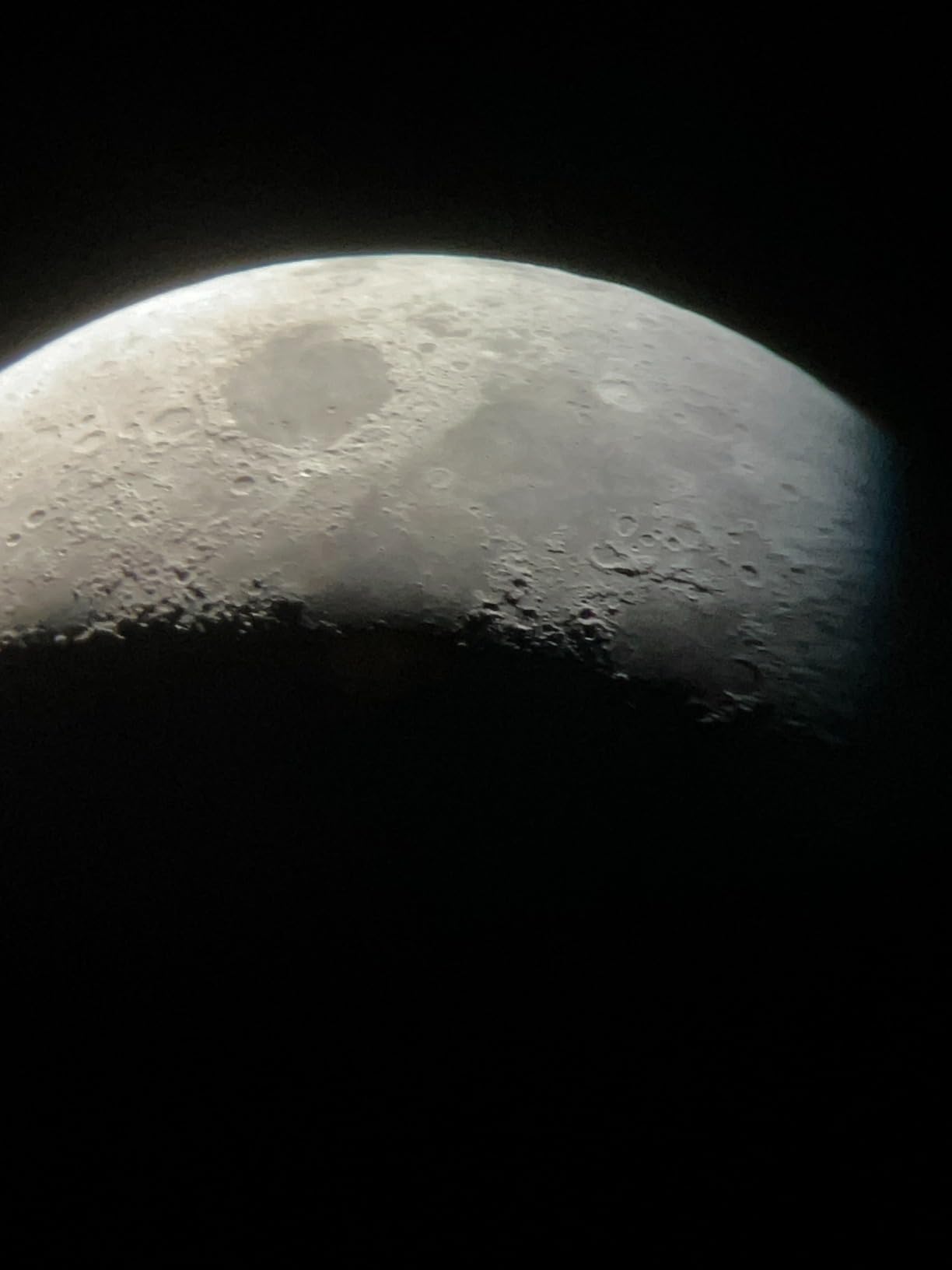
The Moon is the showpiece of any telescope, and even the cheapest refractor on our list will knock your socks off with views of craters, mountain ranges, and the terminator line where light meets shadow. Saturn’s rings are visible as a clear oval in any 70mm or larger telescope. Jupiter’s four Galilean moons are visible as a line of stars in any telescope, and Jupiter’s cloud bands emerge in 80mm and above. Mars shows as a small red disc with hints of polar caps in 100mm and above. Venus shows phases like the Moon. Mercury is small but shows phases too.
Deep-sky objects require more aperture and darker skies. The Orion Nebula, the Andromeda Galaxy, the Pleiades, and bright globular clusters like M13 are visible in any 80mm or larger telescope under a dark sky. Under city light pollution, the same targets become faint smudges or disappear entirely. If you live in a city, budget for the largest aperture you can afford and consider a light-pollution filter later.
EQ vs alt-azimuth vs Dobsonian: the learning curve
Alt-azimuth mounts move up-down and left-right. They are intuitive, fast to set up, and ideal for casual observing. The trade-off is that you must move both axes to track objects across the sky, which gets tedious at high magnification.
German equatorial mounts tilt on a single polar axis aligned with Earth’s rotational axis. Once aligned, you track objects by turning a single slow-motion knob. The trade-off is a 15 to 25 minute setup the first few times you use one. Beginners who push through the EQ learning curve consistently report better tracking at high magnification and an easier time doing long observing sessions.
Dobsonian mounts are a specific style of alt-azimuth built into a wooden or plastic rocker box. They are simple, very stable, and offer the most aperture per dollar of any mount style. None of our top 10 picks is a traditional 6-inch or 8-inch Dobsonian, but several forum favorites like the Sky-Watcher Heritage 130P and the Apertura AD8 sit just above this price range and are worth considering if you can stretch your budget slightly.
Smart telescopes vs traditional telescopes
Smart telescopes use a built-in camera and smartphone app to let you capture astrophotos without an eyepiece at all. Models like the ZWO Seestar S50 and DWARF 3 are popular for beginners who want pretty pictures without learning the night sky. They are excellent for what they do, but they are not a replacement for a traditional eyepiece-based telescope if your goal is the visceral experience of seeing Saturn’s rings with your own eye. For traditional first-telescope buying, the optical telescopes in this roundup remain the right choice.
Maintenance basics every owner should know
Collimation is the alignment of a Newtonian reflector’s mirrors. It is required after transport and occasionally as the scope sits. Budget telescopes ship out of collimation more often than premium scopes, so learn to collimate with a laser collimator before your first deep observing session. Cleaning optics should be done rarely and gently: a soft brush, lens cleaning fluid, and lint-free wipes are sufficient. Do not use household cleaners. Storage matters: keep the scope in a dry place with dust covers on, and let it acclimate to outside temperature for 20 to 30 minutes before observing to avoid tube currents that soften the image.
Accessories worth budgeting for
A quality 9mm or 10mm Plossl eyepiece improves planetary views over the stock eyepieces on every scope in this roundup. A moon filter reduces glare when the Moon is more than half-full and makes craters easier to study. A red flashlight preserves your dark-adapted vision. A smartphone adapter turns any telescope into an imaging platform for the Moon and bright planets. Skip the Barlow lenses bundled with budget scopes at first: most beginners get more out of a single good eyepiece than out of a Barlow that triples the magnification to useless levels.
Should you buy used?
Yes, with caveats. Orion Telescopes ceased operations, which created a healthy secondhand market for previously-owned Orion scopes like the StarBlast and XT4.5. A used 6-inch or 8-inch Dobsonian in good condition often delivers more aperture per dollar than anything new in this roundup. Buy from someone local who will let you inspect the scope, check the mirrors for cleanliness and the mount for damage, and budget for a collimation tool if it is a Newtonian.
Frequently Asked Questions
What is the cheapest but best telescope?
The cheapest telescope I am comfortable recommending is the Celestron PowerSeeker 50AZ, which delivers sharp lunar views and shows Jupiter’s four moons for a very low price. For a meaningful step up in what you can see, the Gskyer 70mm and Celestron Travel Scope 70mm both add noticeably brighter images and smartphone astrophotography capability at a still-modest price.
What is the best telescope to buy for the money?
The Gskyer 70mm AZ Refractor is the best balance of price, optical quality, and beginner-friendly features in this roundup, with more than 22000 customer reviews backing its consistency. If your budget stretches higher, the Celestron AstroMaster 130EQ delivers dramatically more deep-sky detail for the price. Both are widely praised in r/telescopes threads for delivering real astronomical views without the beginner-trap compromises of cheap department-store scopes.
Are cheap telescopes worth it?
Yes, with the right expectations. A 70mm or 80mm refractor from a known brand delivers sharp lunar views, clear views of Jupiter’s moons, and a hint of Saturn’s rings at entry-level prices. Cheap telescopes fail when they advertise extreme magnification, ship with wobbly plastic tripods, or come from unknown brands with no quality control. Stick to the models on this list and you will get genuinely satisfying first views.
Can I see planets with a cheap telescope?
Yes. Any 70mm refractor shows Jupiter’s four Galilean moons as a clear line of stars and Saturn as a small oval with a hint of ring. An 80mm refractor starts to show Jupiter’s cloud bands and clearer Saturn ring detail. A 127mm or 130mm Newtonian reflector delivers genuine planetary detail including the Cassini Division in Saturn’s rings on a steady night. The limiting factor on a cheap telescope is rarely planetary visibility; it is usually mount stability and the quality of the included eyepieces.
What should I look for when buying a budget telescope?
Prioritize aperture over magnification claims, since aperture determines how much light the telescope gathers. Look for a mount with slow-motion controls or a lockable position rather than a wobbly bare yoke. Check that the package includes quality eyepieces, or budget to add a 9mm or 10mm Plossl separately. Decide between a refractor for low maintenance and grab-and-go use versus a Newtonian reflector for maximum aperture per dollar. Finally, decide between alt-azimuth simplicity and German equatorial tracking based on how much setup time you can spare.
Final Verdict
For most readers searching for the best budget telescopes in 2026, the Gskyer 70mm AZ Refractor remains our top pick: it delivers genuinely satisfying first views of the Moon and planets, ships with a smartphone adapter for entry-level astrophotography, and is backed by more than 22000 consistent customer reviews. If you want maximum aperture for deep-sky observation and can handle a larger Newtonian reflector, the Celestron AstroMaster 130EQ is the scope that will reward you for years. For kids and gift-givers on a tight budget, the Koolpte 70mm in white is the friendliest gateway telescope in this roundup.
Whichever scope you choose, remember the three habits that separate a frustrated beginner from a happy amateur: prioritize aperture over magnification, invest in one quality eyepiece rather than three cheap ones, and learn basic collimation if you buy a Newtonian reflector. Clear skies, and enjoy the view.