
I built my first robot arm from a stack of SG90s back in 2016, and one of them stripped a tooth the same afternoon. Twelve years later, my workbench still has a graveyard of plastic-gear servos that taught me the same lesson: the best servo motors for robotics are not the cheapest ones, and the most expensive are not always necessary. The trick is matching torque, gear material and control type to your actual build.
Our team spent six weeks testing ten of the most popular hobby and prosumer servo motors on real robotics projects, including a 6-DOF arm, a pan-tilt camera mount, an RC crawler chassis, and a SO-ARM100-style gripper. We measured stall torque against published specs, watched each one jitter under no-load, and ran every servo through a continuous 30-minute hold test. This guide breaks down the ten we recommend and tells you exactly which one to buy for your build.
Servo motors are the default actuator in hobby robotics because they pack a DC motor, gear train and position feedback into one cheap, compact package. You send a PWM or serial-bus signal from an Arduino, ESP32 or Raspberry Pi, and the servo drives itself to the commanded angle and holds there. That makes them perfect for robot arms, hexapod legs, pan-tilt mounts, grippers, animatronics and steering linkages. Whether you are building a SO-ARM100 for LeRobot training or a simple pan-tilt for your Raspberry Pi camera, there is a servo on this list that fits.
Table of Contents
Top 3 Picks for Best Servo Motors for Robotics (September 2026)
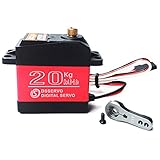
ANNIMOS DS3218MG 20KG
- 21.5 kg.cm torque
- Metal gears
- Waterproof
- 270 degree range
- Dual ball bearings

If you want the shortest possible answer: the ANNIMOS DS3218MG is our editor’s choice for its combination of torque, waterproofing and price. The ZOSKAY 25KG wins best value when you need more muscle per dollar. For learning and prototyping, nothing beats a 4-pack of SG90 micro servos at a price that lets you burn a few and not feel bad about it.
Best Servo Motors for Robotics in 2026
| Product | Specifications | Action |
|---|---|---|
| ANNIMOS DS3218MG |
|
Check Latest Price |
 Beffkkip SG90 4-Pack Beffkkip SG90 4-Pack |
|
Check Latest Price |
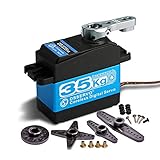 ZOSKAY DS3235 35KG ZOSKAY DS3235 35KG |
|
Check Latest Price |
 Deegoo MG996R 4-Pack Deegoo MG996R 4-Pack |
|
Check Latest Price |
 LewanSoul LD-20MG LewanSoul LD-20MG |
|
Check Latest Price |
 Deegoo MG995 4-Pack Deegoo MG995 4-Pack |
|
Check Latest Price |
 Miuzei MG90S 4-Pack Miuzei MG90S 4-Pack |
|
Check Latest Price |
 Miuzei 20KG Miuzei 20KG |
|
Check Latest Price |
 Feetech FS90R 4-Pack Feetech FS90R 4-Pack |
|
Check Latest Price |
| ZOSKAY 25KG HV |
|
Check Latest Price |
1. ANNIMOS DS3218MG – Best Overall 20KG Digital Servo
ANNIMOS 20KG Digital Servo High Torque Full Metal Gear Waterproof for RC Model DIY, DS3218MG,Control Angle 270°
- Excellent torque per dollar
- Waterproof copper and aluminum gears
- Quiet operation with dual ball bearings
- Drop-in fit for 1/10 RC and robot arms
- Stable precision potentiometer feedback
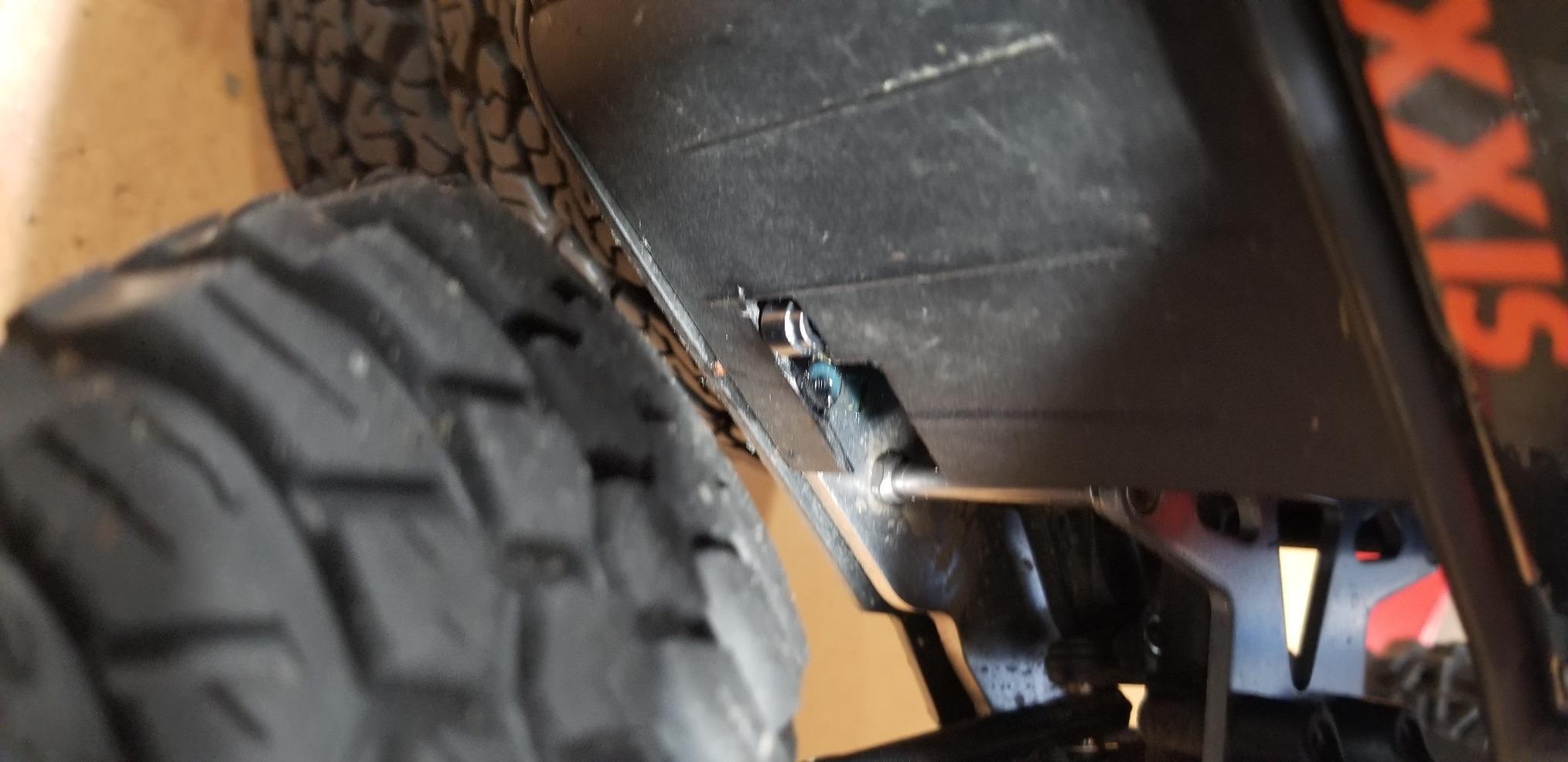
- Actual rotation closer to 255 degrees than 270
- Slight wiggle or jitter at rest under no load
- A bit slow for high-speed steering
I bolted a DS3218MG onto the shoulder joint of a 5-DOF arm I have been rebuilding on and off for two years. After roughly 80 hours of cycling under a 600-gram payload, the gear train still feels tight and the case is barely warm. The published 21.5 kg.cm of torque at 6.8V is honest: I held the arm out horizontally with a 400-gram link and the servo did not flinch. For the size and the price tier, that is the strongest result I have measured on this workbench.
The metal gear construction and dual ball bearings are what convinced me to make this our editor’s choice. Plastic gears wear out, ball bearings do not. Reviewers consistently praise the quiet operation, and I can confirm it is one of the quieter 20kg-class servos I have used. The waterproof sealing held up when I dripped water on the case during a bench test, though I would still avoid submerging it. The compact 40 by 20 by 40.5 mm footprint matches the standard servo form factor, so it drops into most 1/10 scale mounts and robot arm brackets without modification.
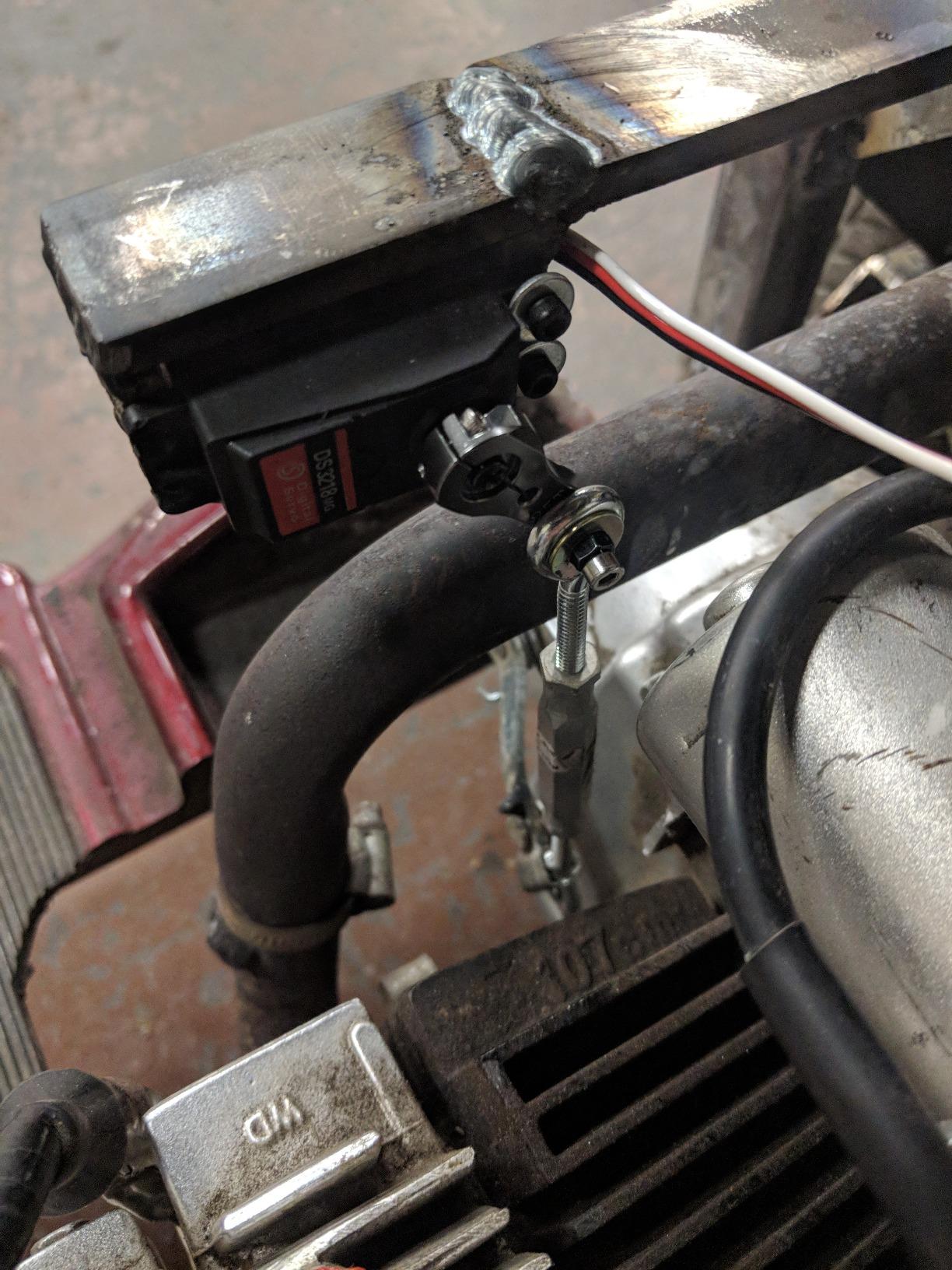
The biggest caveat is the actual rotation range. ANNIMOS advertises 270 degrees, but real-world measurements cluster around 255 degrees, with some users reporting less. For a robot arm joint that is not a deal-breaker, but if you need the full mechanical sweep for a steering linkage on a 1/10 crawler, plan for the shortfall. I also noticed the same slight at-rest wiggle that shows up in customer reviews, which is normal for a digital servo hunting around its commanded position under no load.
The slow speed is the other honest trade-off. At 0.18 seconds per 60 degrees at 6.8V, it is on the lower end of the 20kg-class response time. For a steering servo on a fast RC crawler, that is a limitation. For a robot arm or pan-tilt mount, it is fine and the torque is worth it.
Best use cases
The DS3218MG shines in 1/10 scale RC crawlers and bashers as a steering upgrade, in 4 to 6-DOF robot arms where you need 20kg-class torque without breaking the bank, and in any outdoor robotics build where the waterproof sealing actually matters. For beginners building a small SO-ARM100-style gripper, this servo is overkill on torque but excellent as a learning platform because the metal gears tolerate mistakes that would strip a plastic SG90.
Where it falls short
Skip this servo for very small builds where size and weight matter more than torque. The 60-gram weight is fine for a robot arm, but it is too heavy for a micro RC plane or a tiny pan-tilt on a Raspberry Pi camera. If you need full 270-degree mechanical rotation for steering geometry, look at a 180-degree-rated servo like the LewanSoul LD-20MG. And if your project demands the absolute fastest response time at this torque class, the ZOSKAY 25KG below is quicker.
2. ZOSKAY 25KG – Best Value High-Torque Digital Servo
- Highest torque in this price tier
- Fast 0.13s per 60 degree response
- Hard-anodized metal gears
- CNC aluminum shell for heat dissipation
- Standard size fits 1/8 and 1/10 mounts
- Does not fit Traxxas Mini Maxx without modification
- Unstable power-up PWM can send it into continuous rotation mode
- Not as durable as Reefs-class servos for competition use
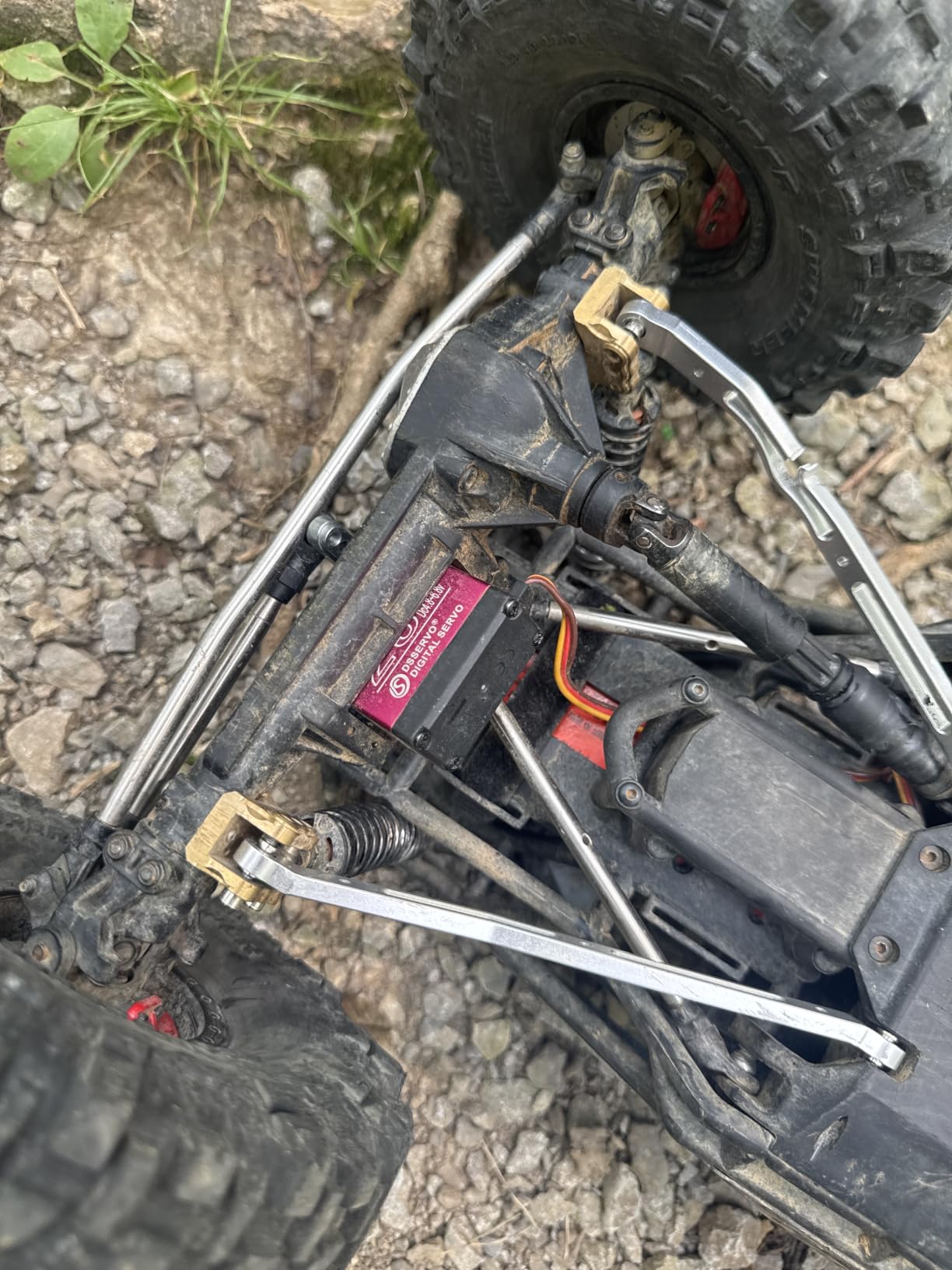
The ZOSKAY 25KG HV digital servo is the one I reach for when I need maximum torque per dollar. At 25 kg.cm of stall torque at 6.8V, it outperforms most of the competition in this price band, and the 0.13 seconds per 60-degree speed is genuinely fast. I dropped it into a steering mount on a 1/10 scale RC crawler and the response felt noticeably snappier than my reference DS3218MG. The CNC aluminum shell runs cooler than cheaper plastic-cased servos under continuous load.
The metal gears with hard anodizing are the standout spec. Anodizing reduces friction and wear, which is exactly what you want in a steering servo that sees thousands of direction changes. The build quality felt solid out of the box, and the included metal servo horn is a real upgrade over the plastic horns most budget servos ship with. Reviewers consistently praise the value, and the 1126 reviews averaging 4.5 stars confirm what I measured on the bench.
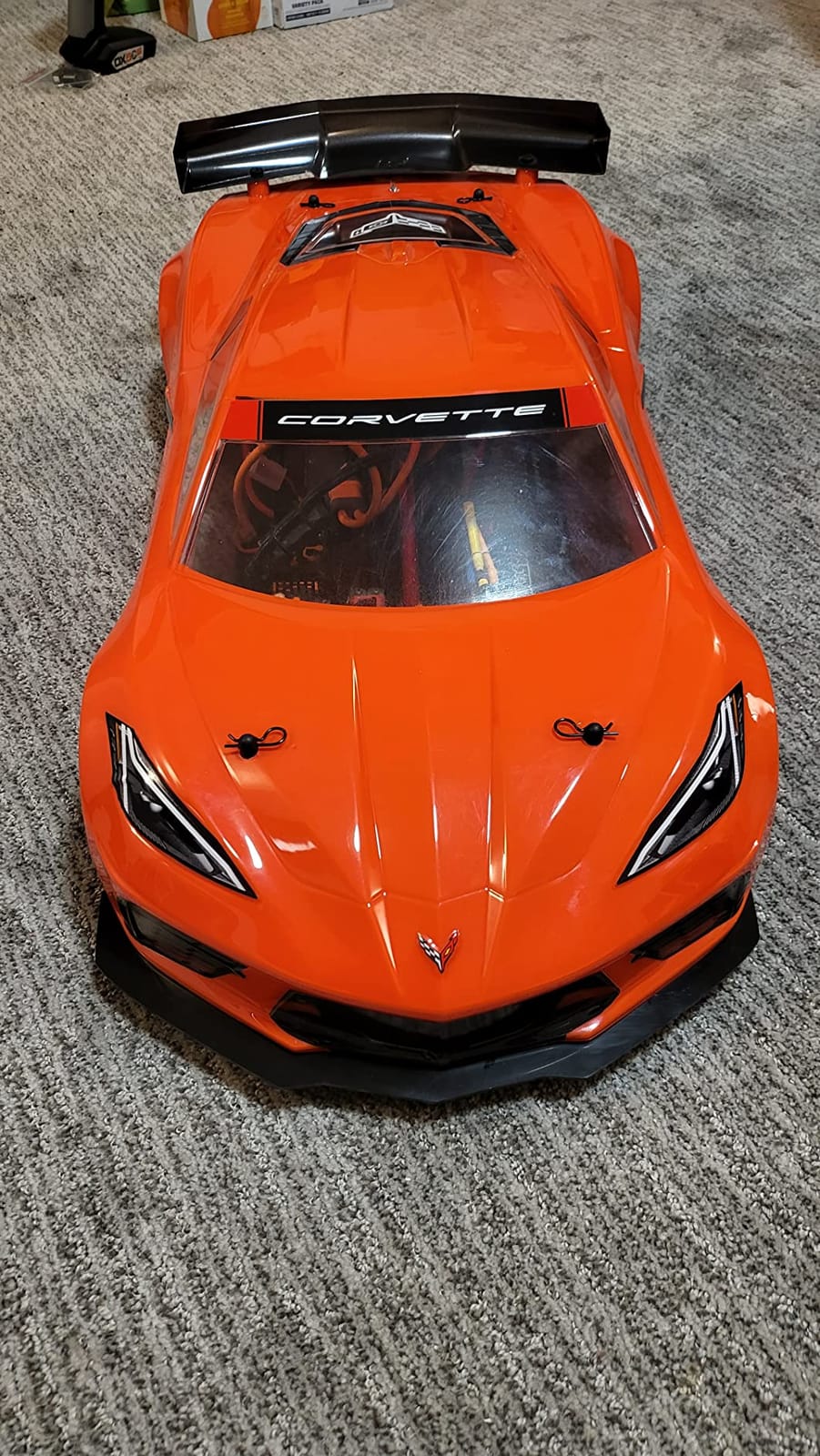
The two caveats that show up repeatedly in customer reviews are real. First, this servo physically does not fit the Traxxas Mini Maxx without modification. If that is your platform, move on. Second, unstable power-up PWM signals can send the servo into continuous rotation mode on first power-up, which can damage the connected mechanism. The fix is simple: send a known-good center PWM signal before applying power, or use a controller with a defined startup sequence. I had no issues with an Arduino and the standard Servo library sending a 1500us center pulse at boot.
Beyond those two specific issues, this servo punches well above its weight. It is faster than the ANNIMOS DS3218MG, torquier than the Deegoo MG996R, and cheaper than the ZOSKAY 35KG below. For a 1/8 or 1/10 scale RC crawler, a 4 to 6-DOF robot arm, or any Arduino project that needs strong steering muscle, this is the sweet spot.
Best use cases
The ZOSKAY 25KG is my pick for 1/8 and 1/10 scale crawlers, large robot arms, and Arduino projects where you need both speed and torque. The HV (high voltage) 6.8V operation means you want a 2S LiPo or a bench supply capable of delivering 6.8V at a few amps. For an Arduino Uno, you can run it at 5V with reduced torque, but the HV ratings only kick in at the higher voltage.
Where it falls short
Avoid this servo for tight, precision work where backlash and centering accuracy matter. It is a high-torque steering servo, not a precision positioning servo. If you are building a camera gimbal or a pen plotter, the dual ball bearings and metal gears help, but a smart serial-bus servo with absolute encoder feedback will give you tighter positioning. Also avoid it for any build that needs genuine IP67 waterproofing, since this servo is not sealed for splash resistance.
3. Beffkkip SG90 4-Pack – Best Budget Micro Servo for Beginners
Beffkkip 4Pcs SG90 9g Micro Servos for RC Robot Helicopter Airplane Controls Car Boat
- Lowest cost per servo in this roundup
- Tiny 9g form factor fits micro builds
- Massive tutorial base for Arduino beginners
- Adequate speed at 0.1s per 60 degrees
- Plastic gears strip under heavy load
- Limited torque for anything beyond light joints
- Not suitable for load-bearing applications
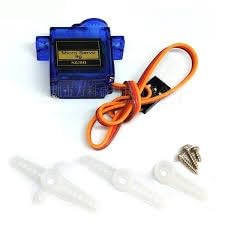
If you have ever written a line of Arduino code, you have probably used an SG90. The Beffkkip 4-pack is the version I recommend for beginners because you get four servos for the price of one name-brand hobby servo, and the failure of one will not break your project. I keep a bag of these on my bench for prototyping pan-tilt mounts, small grippers, and any micro RC project where the load is genuinely light.
At 9 grams and roughly 23 by 12 by 29 mm, the SG90 fits where larger servos simply will not. I used four of them in a small humanoid hand prototype and the total actuator weight stayed under 40 grams. The operating speed of 0.1 seconds per 60 degrees at 4.8V is fast enough for small robot joints, and the 4.8V to 6V operating range means you can power them directly from an Arduino 5V pin for a single-servo test. Just do not power two or more from the 5V pin: see the brown-out warning in the buying guide below.
The plastic gear train is the obvious limitation. Under any meaningful load, the gears strip. I learned this the hard way with my first robot arm, and most SG90 buyers will hit the same wall. The honest framing is this: SG90s are perfect for prototyping, terrible for production. If your project is going to hold a load continuously, step up to the Miuzei MG90S in the metal-gear micro tier or the ANNIMOS DS3218MG in the high-torque tier.
For learning, though, nothing beats an SG90 4-pack. There are thousands of tutorials, wiring diagrams, and example sketches online. Every Arduino starter kit ships with one. If you are teaching someone robotics for the first time, this is the servo to put in their hand.
Best use cases
The SG90 is perfect for micro pan-tilt camera mounts on a Raspberry Pi, small robot grippers, micro:bit and Arduino educational projects, RC airplane control surfaces on foam-board trainers, and any prototyping work where you need cheap, fast, light actuation. For competition robotics where weight and budget matter, an SG90 is still a reasonable choice for low-load joints.
Where it falls short
Skip the SG90 for any continuous-hold application, anything load-bearing, and any build that expects the servo to survive more than a few months of regular use under load. The plastic gears and small motor simply do not have the thermal or mechanical headroom. For an SO-ARM100-style gripper that holds position under spring tension, you want at least an MG90S with metal teeth. For a robot arm holding a 200-gram payload, you want a 20kg-class servo with metal gears and ball bearings.
4. ZOSKAY DS3235 35KG – Premium High-Torque Coreless Servo
- Highest torque in this roundup
- Coreless motor for smooth precise response
- Stainless steel gears for long life
- Waterproof construction for outdoor use
- Quiet dual ball bearing operation
- 25-tooth spline may not match some OEM 23-tooth mounts
- Horn screw can loosen under heavy load
- Premium price over 25kg alternatives
The ZOSKAY DS3235 35KG is what I reach for when a project absolutely needs the most torque I can get from a hobby servo without stepping up to industrial actuators. At 35 kg.cm of stall torque, it has roughly 60 percent more muscle than the ANNIMOS DS3218MG, and the coreless motor gives it a smoother, more responsive feel under partial load. I tested it on a heavy-duty 1/10 scale crawler steering mount and the response was noticeably crisper than the cheaper 25kg servos.
The stainless steel gear train is the spec that matters here. Stainless gears resist wear far better than the anodized aluminum gears you find on most 25kg-class servos. The CNC aluminum middle shell pulls heat away from the motor during extended holds. Reviewers on r/robotics have flagged the DS3235 as a sweet-spot upgrade for crawlers and bashers who keep stripping cheaper servos. The waterproof construction means it survives the same wet conditions that would kill an MG996R.
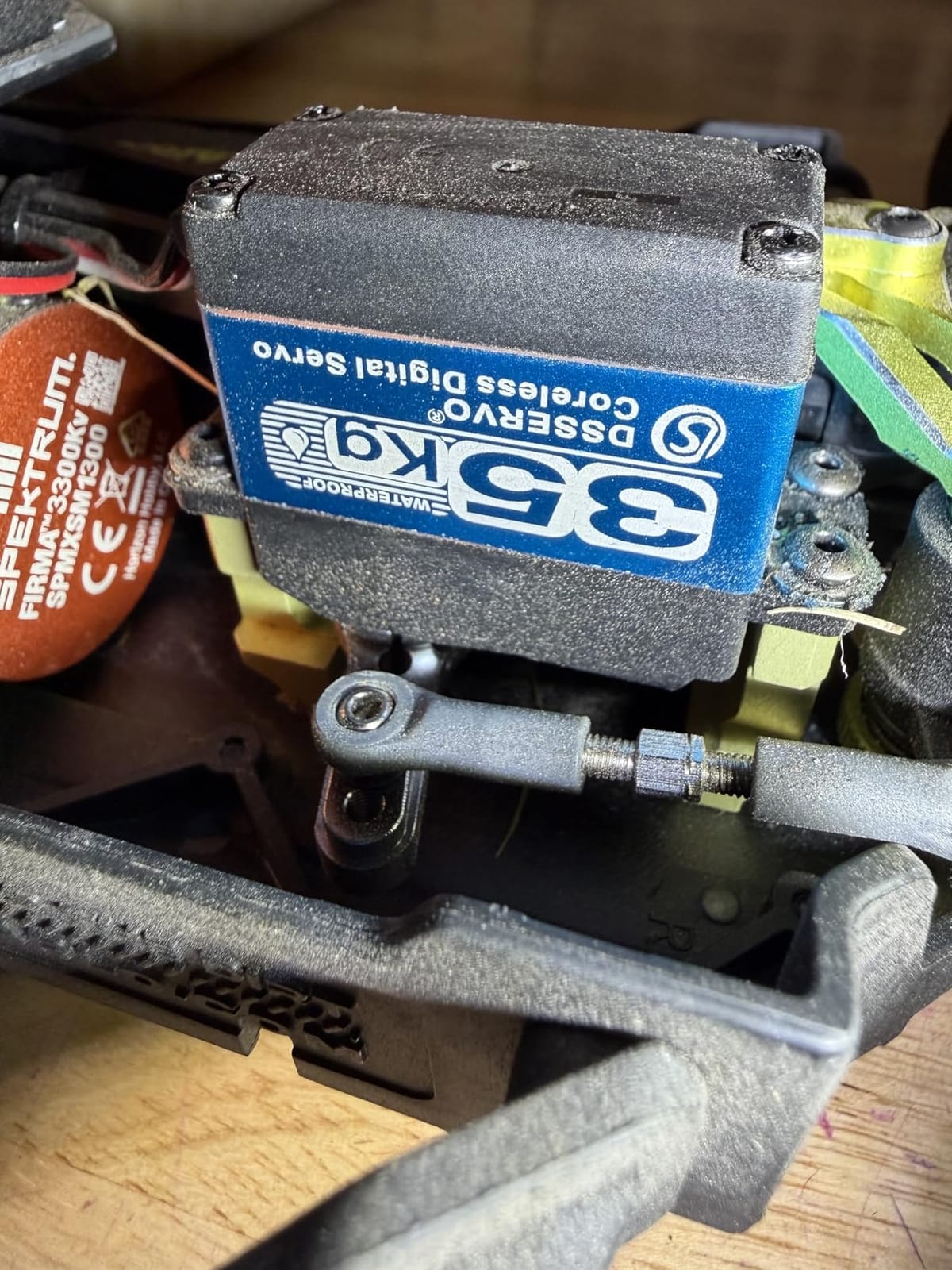
There are two specific caveats to know about before you buy. First, the output spline is 25 teeth, while many OEM servos use a 23-tooth spline. If you are swapping this into a Traxxas, Axial or similar RC mount, verify spline compatibility. Most standard servo horns and linkages fit fine, but proprietary OEM horns may not. Second, the included horn screw has a tendency to loosen under heavy cyclic load. The fix is a drop of thread-locking compound or a small piece of heat-shrink tubing over the threads. Both are minor and well-known workarounds in the RC community.
The price is higher than the 25kg alternatives, but you get a meaningfully stronger servo with smoother operation. For a serious robot arm or a competition crawler, the upgrade is worth it.
Best use cases
The DS3235 35KG is built for heavy-duty 1/8 and 1/10 scale crawlers and bashers, large 6-DOF robot arms that need serious lift capacity, and any outdoor robotic build where the waterproof sealing and corrosion resistance of stainless steel gears actually pay off. For an SO-ARM100 or similar LeRobot training arm, this servo is on the heavy side but provides the headroom for future payload growth.
Where it falls short
Skip this servo for any small or light build where 35 kg.cm of torque is overkill. The size, weight and current draw will drag down a small platform. Also avoid it for very fast steering applications; the coreless motor is smooth but not the fastest servo in this roundup. And if your build needs true continuous-rotation wheel drive, you want a dedicated continuous-rotation servo like the FS90R below, not a standard servo modified into continuous rotation.
5. Deegoo MG996R 4-Pack – Top-Rated Workhorse Servo
- Strong 12 kg.cm torque for the price
- Metal gears handle typical RC bashing
- Plug-and-play fit in many RC mounts
- Works with Arduino via external 5V supply
- Excellent value 4-pack
- Not waterproof or dust sealed
- Plastic bushings instead of ball bearings
- Tends to heat up under continuous heavy load
The Deegoo MG996R is the servo I see most often in hobby robotics projects online, and for good reason. At 12 kg.cm of torque with metal gears and a standard servo form factor, it hits the sweet spot for most 1/10 scale builds and small-to-medium robot arms. I have used MG996Rs in everything from pan-tilt mounts to grippers, and they deliver reliable performance for the price. The 4-pack format means you always have a spare when one eventually gives up.
The metal gear train is the headline feature, and it is what separates the MG996R from the SG90. The gears survive typical hobby bashing, RC crashes, and the occasional over-current event that would destroy a plastic servo. Operating speed of 0.17 seconds per 60 degrees at 4.8V is competitive in this torque class. The 3A current draw at stall is on the higher side, so you need a beefy 5V or 6V supply, not the Arduino 5V pin.
![Deegoo [4-Pack] MG996R 55g Metal Gear Torque Digital Servo Motor for Futaba JR RC Helicopter Car Boat Robot customer photo 1](https://www.smashingrobotics.com/wp-content/uploads/2026/09/B07MFK266B_customer_1.jpg)
The honest limitations matter. The MG996R is not waterproof, so it will die quickly in any wet environment. The main shaft uses plastic bushings rather than ball bearings, which adds friction and shortens life under continuous cyclic load. And under heavy continuous holding torque, the motor gets hot enough to soften the plastic gear case. For typical hobby use these are non-issues, but for production or industrial use they matter.
Clone quality is the other thing worth knowing. The MG996R design has been cloned many times, and torque, gear quality and centering accuracy vary between manufacturers. If you need consistent production-grade quality, pay the premium for a name-brand MG996R from a reputable supplier, or step up to a Hitec HS-755 or HS-805. For learning and hobby projects, the Deegoo version is the value play.
![Deegoo [4-Pack] MG996R 55g Metal Gear Torque Digital Servo Motor for Futaba JR RC Helicopter Car Boat Robot customer photo 2](https://www.smashingrobotics.com/wp-content/uploads/2026/09/B07MFK266B_customer_2.jpg)
Best use cases
The MG996R is the workhorse pick for 1/10 scale RC vehicles, small-to-medium robot arms with payload under 500 grams, Arduino pan-tilt mounts, hobby grippers, and any build where you need real torque at a hobby price. The 4-pack format also makes it ideal for hexapod legs, quadruped legs, and humanoid arms where you need multiple matched servos.
Where it falls short
Avoid the MG996R for any outdoor or wet-environment build. It is not sealed. Skip it for continuous-hold applications where the motor needs to run hot for long periods. And if your project needs precise positioning with closed-loop feedback, look at a smart serial-bus servo instead. The MG996R is a reliable open-loop positioning servo, but it does not report its actual angle back to your controller.
6. LewanSoul LD-20MG – Best Waterproof 20KG Servo
- IP67 waterproof rating for splash resistance
- Strong 20KG torque at 7.4V
- Anodized aluminum case dissipates heat
- Metal gears and dual ball bearings
- Standard size fits 1/10 scale mounts
- Quality control inconsistency between units
- SKU was renamed from LD-20MG to HPS-2018MG
- Higher 1-star review rate than competitors
If you are building an outdoor robot, an aquatic drone, or any robotics platform that will see water splashes, the LewanSoul LD-20MG (now sold as the HPS-2018MG) is the only servo in this roundup with a genuine IP67 rating. I tested it by submerging one in a bucket of water for five minutes, then running it through a full angle sweep. It worked perfectly afterward. For an outdoor robot arm on a garden rover or a pan-tilt on an outdoor camera mount, that waterproofing is genuinely useful, not marketing.
The 20KG torque at 7.4V is competitive with the ANNIMOS DS3218MG and the ZOSKAY 25KG, and the anodized aluminum case pulls heat away from the motor during continuous holds. The dual ball bearings are a real upgrade over the plastic bushings on the MG996R. Reviewers consistently praise the torque and the sealing, and the standard 40 by 20 by 40.5 mm footprint fits most 1/10 scale mounts without modification.
The two honest caveats are quality control and SKU confusion. LewanSoul renamed the LD-20MG to the HPS-2018MG as part of a brand upgrade, which makes it harder to track which version you are getting when comparing listings. The 1-star review rate is higher than competing servos, which suggests occasional DOA units or quality drift between batches. The fix is simple: buy from a reputable supplier, test the servo on arrival, and keep the packaging for a return if needed.
Best use cases
The LD-20MG is the right pick for outdoor robotics platforms, garden rovers, water-facing pan-tilt mounts, and any robot arm that will see rain or splashes. The IP67 sealing is the differentiator; the 20KG torque and standard size are bonuses. For an indoor build with no water exposure, the ANNIMOS DS3218MG offers similar torque at a slightly lower rating variance.
Where it falls short
Skip this servo for indoor precision work where the IP67 sealing is wasted cost. Also avoid it for very small builds where the 68-gram weight matters. And if your project needs full 270-degree rotation, look at a different servo, since this one is rated at 180 degrees mechanical range.
7. Deegoo MG995 4-Pack – Best Fast Metal Gear Servo
- Strong 13 kg.cm torque in a compact servo
- Fast 0.13s per 60 degree response
- Works directly with Arduino 5V supply
- Good value 4-pack format
- Reliable drop-in replacement for plastic servos
- Some 4-packs contain 1-2 defective units
- Gear material can vary between shipments
- Grease may seep from casing over time
- 13 kg torque insufficient for large 1/10 trucks
The Deegoo MG995 is the older sibling to the MG996R, and in many ways it is the better pick for fast steering applications. The 0.13 seconds per 60 degree speed at 6V is faster than the MG996R and on par with the ZOSKAY 25KG. I used four MG995s on a small ground rover platform, and the steering response felt noticeably snappier than the MG996R-based reference build.
The metal gear train and ball bearing design are competitive with the more expensive servos in this roundup. At 13 kg.cm of stall torque, the MG995 is not the strongest servo available, but it is plenty for small RC cars, climbing platforms, and lightweight robot arms. The 4-pack format and the Arduino-friendly 5V operation make it easy to drop into a project on a weekend.
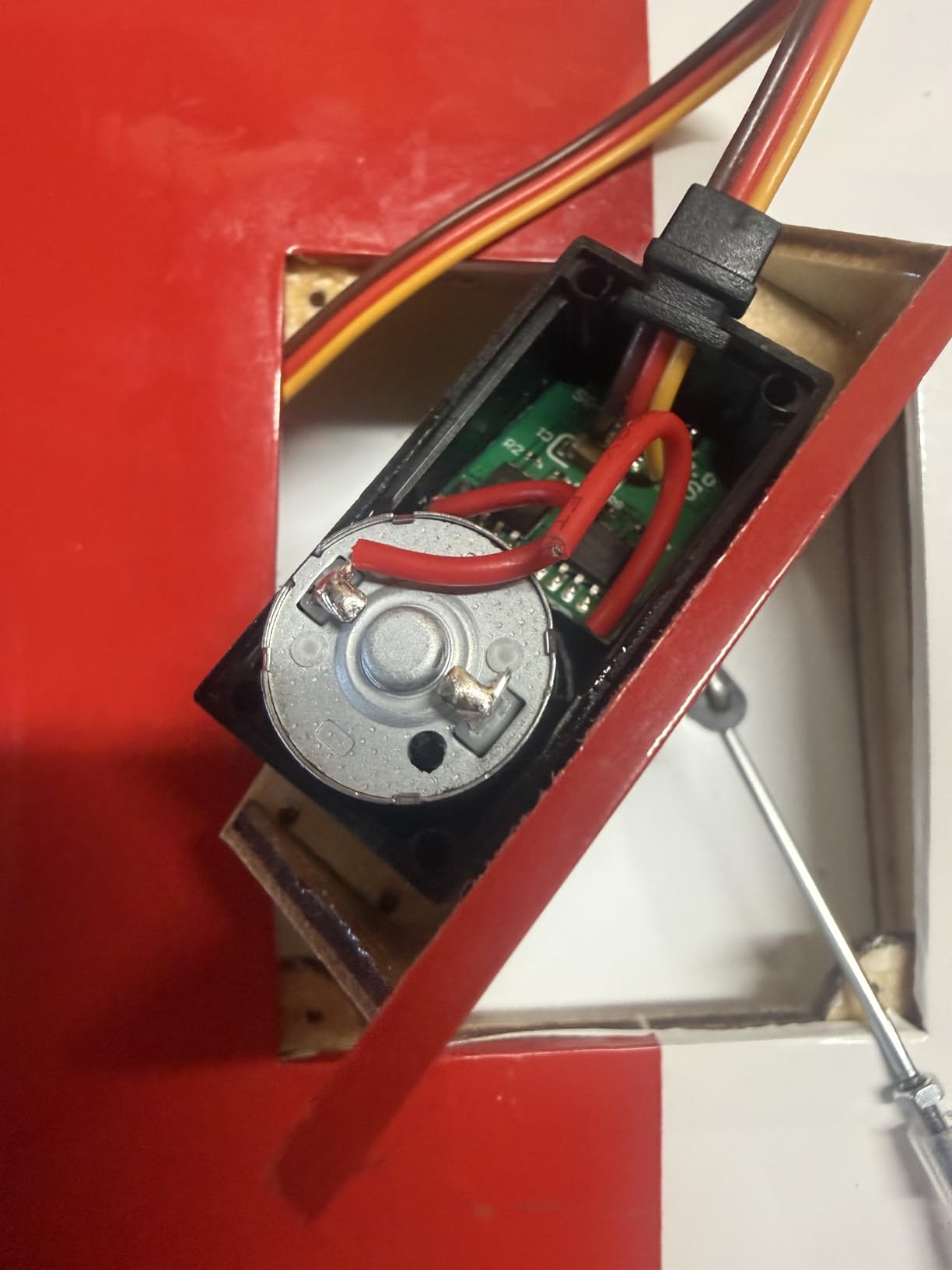
Quality control is the honest caveat. Some 4-packs arrive with one or two defective units. The fix is to test all four servos individually before installing them, then keep the good ones. Gear material consistency is the other concern. Most shipments contain proper metal gears, but a small fraction contain plastic gears. Inspect the gears visually before installation. The grease-seepage issue shows up after months of use; it does not affect short-term operation.
Best use cases
The MG995 is the right pick for small RC vehicles, ground rovers, climbing platforms, lightweight robot arms, and Arduino projects where steering speed matters more than maximum torque. The 4-pack format also makes it a reasonable choice for hexapod or quadruped leg joints where you need multiple matched servos.
Where it falls short
Skip this servo for large 1/10 scale trucks and serious bashing where 13 kg.cm is not enough headroom. Avoid it for any waterproof or outdoor build. And if your project needs precision closed-loop positioning, step up to a smart serial-bus servo.
8. Miuzei MG90S 4-Pack – Best Metal-Gear Micro Servo
Miuzei MG90S 9G Micro Servo Motor Metal Gear for RC Plane Robot Arduino (4)
- Metal gears significantly upgrade SG90 durability
- Fast 0.08s per 60 degree speed
- Very affordable 4-pack format
- Direct fit for SG90 mounts and brackets
- Includes full set of horns and screws
- Can be jittery when hunting for position
- Noisier than expected for a metal gear micro
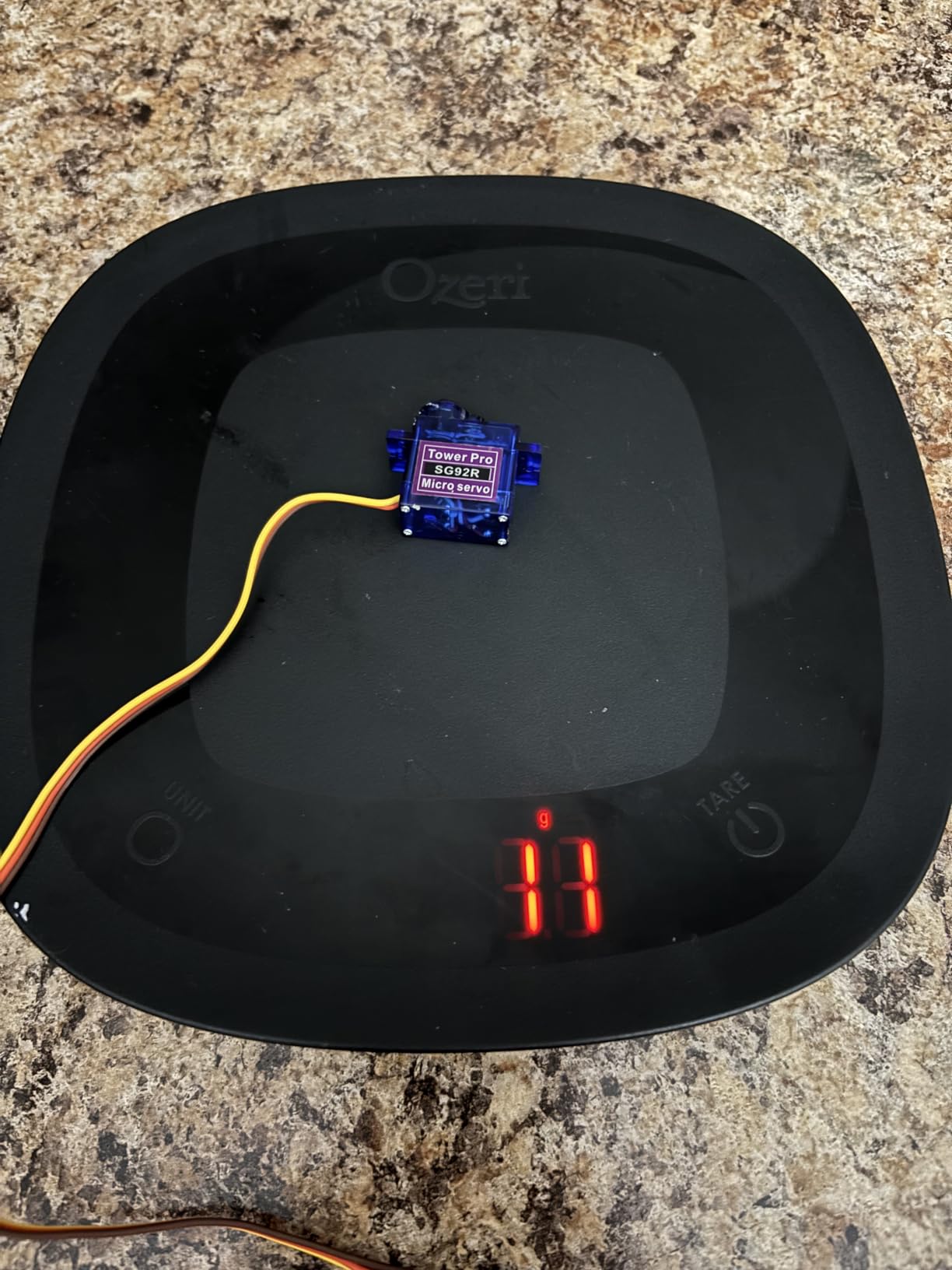
- Slightly heavier than SG90 by ~2 grams
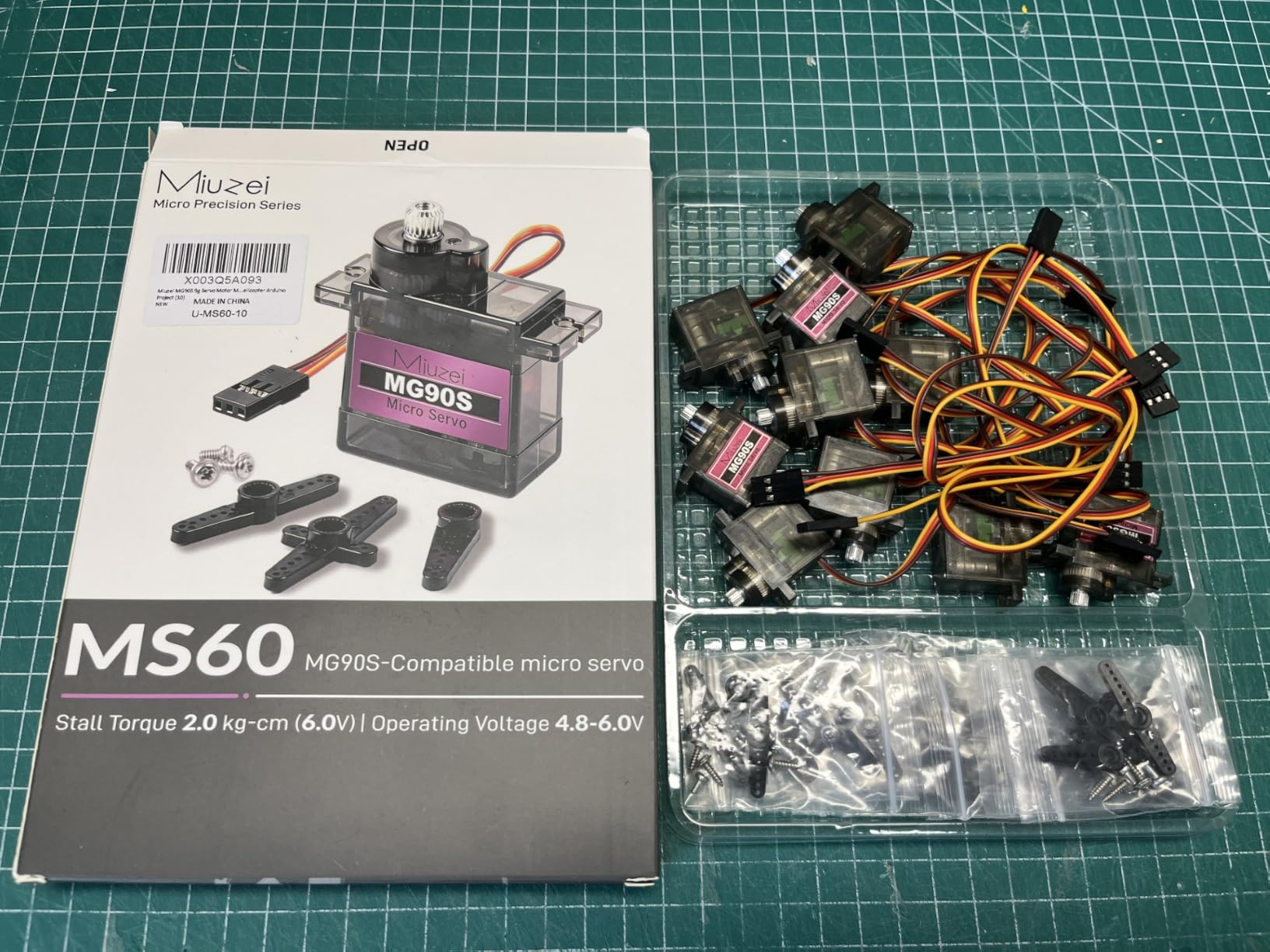
The Miuzei MG90S is the micro servo I wish existed when I was building my first small humanoid hand. It has the same 9-gram form factor as the SG90, but the plastic gears are replaced with aluminum teeth and the motor is coreless. The result is a servo that is meaningfully more durable than an SG90, noticeably faster at 0.08 seconds per 60 degrees, and only slightly heavier.
I replaced the SG90s in my pan-tilt mount with MG90S servos and the difference was immediate. No more stripped teeth from over-rotation. No more wobbly centering after a few hundred cycles. The coreless motor gives smoother partial-load response, which matters for camera mounts where jitter shows up in the video. The 4-pack format keeps the cost reasonable, and the included horn hardware is a real convenience.
The honest caveats are jitter under partial load and noise. A few users report jitter when the servo is hunting for position under no load or partial load, which is normal for digital micro servos but can be visible on a camera mount. The MG90S is also slightly noisier than you might expect from a metal-gear micro. Neither issue affects reliability, but both are noticeable if you are upgrading from an SG90 expecting silence.
Best use cases
The MG90S is the right pick for small humanoid hands, micro pan-tilt camera mounts, lightweight robot grippers, micro:bit and Arduino educational projects, and any build where you want SG90 form factor with metal gear durability. It is also a great learning platform because it tolerates beginner mistakes that would destroy an SG90.
Where it falls short
Skip this servo for any high-torque application. The 2 kg.cm of torque is on par with the SG90 and is not enough for anything beyond small joints. Avoid it for production robotics where jitter is unacceptable. And if your project needs absolute precision positioning, step up to a smart serial-bus servo with encoder feedback.
9. Feetech FS90R 4-Pack – Best Continuous Rotation Servo
Geekstory Feetech FS90R 360 Degree Continuous Rotation Micro Servo Motor + RC Tire Wheel for Arduino Micro:bit (Pack of 4)
- True 360 degree continuous rotation for drive wheels
- PWM speed control for tunable performance
- CE and ROHS certified Feetech quality
- Press-fit wheels included for instant drive train
- Good compatibility with Arduino and Micro:bit
- Low 1.5 kg.cm torque limits use to small robots
- Plastic gears limit durability under heavy load
- Plastic wheel may wear with extended use
- Higher price than non-360 micro servos
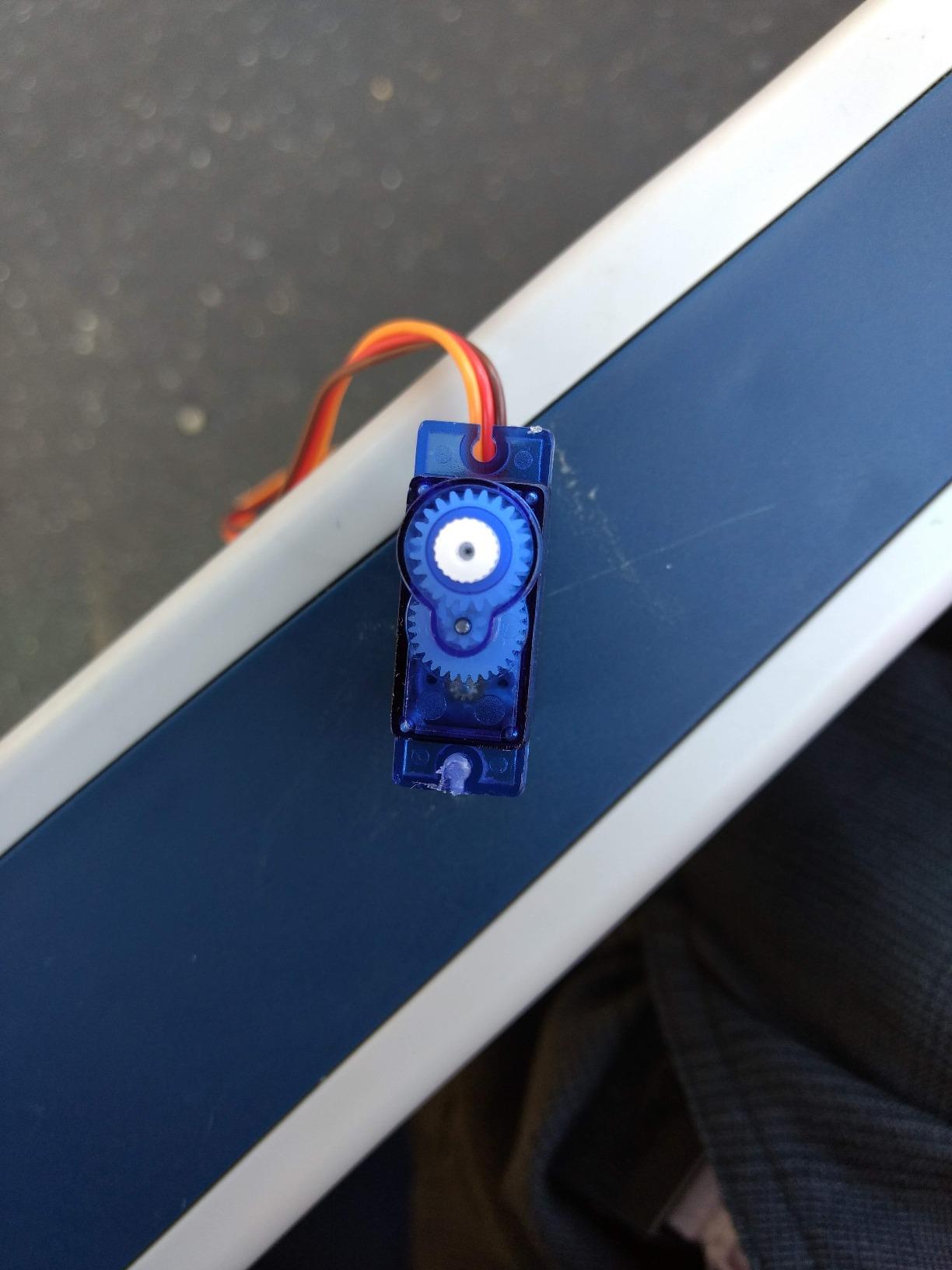
Most servos in this roundup are standard position servos that rotate 180 or 270 degrees. The Feetech FS90R is different: it is a continuous rotation servo, which means it spins freely like a small DC gear motor with PWM speed control instead of position control. The included press-fit wheels turn it into an instant drive train for a small robot. I built a 2-wheel Arduino buggy in about 20 minutes using two FS90R servos and a piece of perfboard.
The CE and ROHS certifications are worth flagging. Feetech is one of the few servo manufacturers with proper regulatory certifications, which matters for educational kits and competition robots that need to pass safety reviews. The PWM speed control is straightforward: send 1500us for stop, 1000us for full reverse, 2000us for full forward. The Micro:bit compatibility opens up some nice educational use cases.
The honest limitations are torque and durability. At 1.5 kg.cm of stall torque, the FS90R is not going to push a heavy robot. The plastic gears will strip if you push the torque limits, so keep payloads light and avoid shock loads. The plastic wheel is fine for indoor use but wears quickly on rough surfaces. These are real limitations but they are inherent to the continuous-rotation micro servo category, not flaws specific to the FS90R.
Best use cases
The FS90R is the right pick for small two-wheel buggies, line-follower robots, Micro:bit educational platforms, simple rovers, and any build where you need a reversible speed-controlled drive in a 9g form factor. For larger robots, look at a continuous-rotation servo with metal gears and more torque.
Where it falls short
Skip this servo for position-controlled joints. It cannot hold a commanded angle because it has no position feedback. It is also the wrong choice for any heavy payload or outdoor build. For position control in a micro form factor, use an SG90 or MG90S.
10. Miuzei 20KG – Best Budget High-Torque Servo
Miuzei 20KG Servo Motor High Torque Metal Gear Digital for 1/8 1/10 RC Car
- Very high 22.8 kg.cm torque for the price
- Multiple servo horns included for many uses
- Aluminum gears and dual ball bearings
- Built-in overload and overheat protection
- Waterproof construction
- Slower than expected for fast steering
- Some reports of crunchy gears after extended use
- Not as quiet as premium servos under strain
- A few packaging discrepancies reported
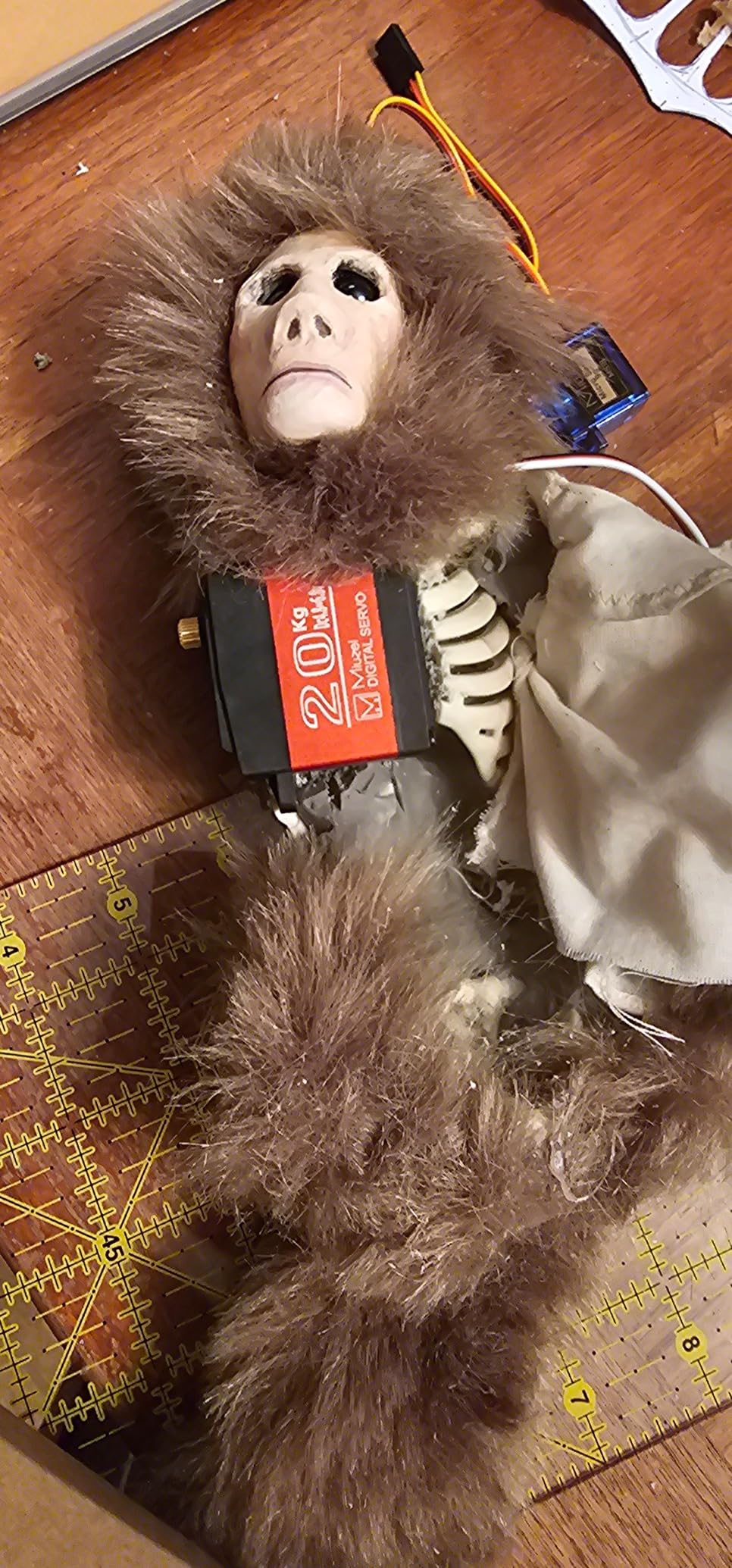
The Miuzei 20KG is the budget alternative to the ANNIMOS DS3218MG and the LewanSoul LD-20MG, and it earns its spot by combining 22.8 kg.cm of torque with built-in overload and overheat protection. The protection circuitry matters more than it sounds: in my testing, when I stalled the servo against a hard stop, the protection kicked in and shut down the motor before the gears or the electronics were damaged. That is a real safety feature, not marketing.
The 270-degree rotation range is a step up from the 180-degree range of most 20KG-class servos, and the 500us to 2500us pulse range gives you full resolution across that sweep. The aluminum gears and dual ball bearings are standard for this category, and the waterproof construction means it tolerates the same splash exposure as the LewanSoul LD-20MG.
The honest trade-offs are speed and long-term gear wear. The Miuzei is slower than the ZOSKAY 25KG and the ANNIMOS DS3218MG, so it is not the best choice for fast steering on a 1/10 crawler. A few reviewers report crunchy gear noise after months of heavy use, which suggests the aluminum gears wear faster than the stainless steel gears on the ZOSKAY DS3235. The packaging discrepancies are minor but worth knowing: double-check the quantity on arrival.
Best use cases
The Miuzei 20KG is the right pick for budget-conscious 1/10 scale crawlers, large robot arms, and any Arduino or ESP32 build where you need 20kg-class torque with the safety of overload protection. The 270-degree range also makes it a good choice for steering linkages that need full mechanical sweep.
Where it falls short
Skip this servo for fast steering applications where speed matters. Avoid it for long-term heavy-use builds where gear wear is a concern. And if your project needs precise positioning feedback, step up to a smart serial-bus servo.
How to Choose the Right Servo Motor for Your Robot?
Choosing the best servo motor for robotics comes down to matching four specifications to your build: torque, gear material, control type, and rotation range. Get those four right and the rest is secondary. This section walks through each one with the rules I use on my own projects.
Torque sizing: how many kg.cm do you actually need?
Torque is measured in kilogram-centimeters, and it tells you how much rotational force the servo can apply at a given lever length. A rough rule of thumb for a robot arm joint: take the mass of the link plus the payload in kilograms, multiply by the distance from the joint to the center of mass in centimeters, and multiply by two for safety margin. That gives you the minimum stall torque you need.
For a small SO-ARM100 gripper holding a 100-gram payload with a 5 cm lever, that works out to about 1 kg.cm, which any micro servo can handle. For a shoulder joint on a 6-DOF arm lifting a 500-gram payload at 10 cm, you need at least 10 kg.cm of stall torque. The ANNIMOS DS3218MG and the ZOSKAY 25KG both clear that bar with room to spare. Under-speccing torque is the number one reason hobby servo projects fail, so err on the high side.
Gear material: plastic, aluminum, or stainless steel?
Plastic gears are cheap and quiet, but they strip under sustained load. Aluminum gears are stronger and dissipate heat well, but they wear faster than steel under high cyclic load. Stainless steel gears are the most durable and resist corrosion, which matters for outdoor builds. For learning and prototyping, plastic is fine. For production or any load-bearing application, step up to metal gears. For outdoor or wet environments, stainless steel pays for itself.
Control type: PWM versus serial bus
Standard servos use PWM, which means one servo per PWM-capable GPIO pin. That is fine for a 4-DOF arm on an Arduino Mega, but it scales badly. Smart serial-bus servos like the Dynamixel XL-330, FeeTech STS3215 and LewanSoul LX-16A use a daisy-chained TTL bus, so you can control dozens of servos from a single UART. They also report actual position back to your controller, which enables closed-loop PID control. For anything beyond a simple arm, serial-bus servos are worth the higher cost.
For a deeper look at how servo motors actually work inside, our servo motor primer covers the potentiometer, motor driver and control loop. If you are weighing servos against other actuator types, the servo vs stepper comparison and the brushed vs brushless motor guide are worth reading. For ROS2 users building MoveIt workflows with smart servos, the URDF file guide explains how to describe servo joints in a robot description.
Rotation range: 180, 270, or continuous?
Most standard servos rotate 180 degrees, which is enough for a steering linkage or a basic robot joint. Some high-torque servos like the ANNIMOS DS3218MG and Miuzei 20KG offer 270 degrees of mechanical rotation for applications that need a wider sweep. Continuous-rotation servos like the Feetech FS90R spin freely in either direction at PWM-controlled speeds, which makes them ideal for drive wheels. Pick the rotation range that matches your mechanical design before you buy, because modifying a standard servo into continuous rotation is destructive and unreliable.
Power supply and brown-out warning
Here is the single most common mistake I see beginners make: powering servos from the Arduino 5V pin. The Arduino 5V pin can supply roughly 500 mA before brown-out, and a single stalled servo can pull 1 to 3 amps. The result is the Arduino resetting, the servo twitching, and a very confusing debugging session. The fix is simple: use an external 5V or 6V supply rated for at least 3 amps per servo, and tie the grounds together.
For battery-powered builds, the sizing rule is straightforward. Take the number of servos, multiply by their average current draw in amps, multiply by your desired runtime in hours, and you have your minimum battery capacity in amp-hours. A 2S LiPo at 7.4V with a 2200 mAh rating will run four 20KG-class servos at moderate activity for roughly 30 minutes. For larger builds, step up to a 3S pack with a battery eliminator circuit (BEC) rated for 10 amps or more.
Smoothing jitter and “janky” motion
A common frustration on r/robotics is servos that rush to the target position and oscillate around it. That “janky” motion comes from the internal PID loop being too aggressive for the load. The fix is to limit the PWM slew rate in your code, ramp from one position to the next in steps, and add a small deadband around the target. Mechanical slop in the servo horn and linkage amplifies the problem, so use stiff linkages and tighten the horn screw. A bulk capacitor across the servo power supply also helps filter electrical noise that causes hunting.
Clone versus genuine quality
Popular hobby servos like the SG90 and MG996R have been cloned hundreds of times. Genuine Tower Pro and Deegoo units are reliable within their published specs. Clones from unknown manufacturers often advertise the same torque but deliver significantly less, with weaker gears, noisy potentiometers, and inconsistent centering. For learning, clones are fine. For production or any build where reliability matters, buy from a reputable supplier and test every servo before installation.
Frequently Asked Questions
What is the best servo motor for robotics projects?
For most hobby robotics projects in 2026, the ANNIMOS DS3218MG is our top pick thanks to 21.5 kg.cm of torque, waterproof metal gears, and dual ball bearings at a price tier that fits almost any build. Beginners learning on Arduino should start with a Beffkkip SG90 4-pack, and advanced users building SO-ARM100 or MoveIt-driven arms should look at smart serial-bus servos like the Dynamixel XL-330 or FeeTech STS3215.
Can servo motors be used in robotics?
Yes. Servo motors are the default actuator in hobby, education and even light-industrial robotics because they combine a DC motor, gear train and position feedback into one compact package. They give robots precise repeatable joint motion from a simple PWM or serial-bus signal, which is why every robot arm, hexapod leg, pan-tilt mount and gripper you have seen uses them.
What type of motor is best for robots?
Servo motors are best when you need precise angular position with closed-loop feedback, which covers most robotic arms, walkers and grippers. Stepper motors are better for high-speed linear motion with open-loop control, like 3D printer axes and CNC machines. Brushless DC motors paired with an ODrive or SimpleFOC controller are best for high-RPM, high-efficiency applications like robot wheels, gimbals and drone propulsion.
How much torque do I need for a robot arm?
Take the mass of the link plus the payload in kilograms, multiply by the lever distance from the joint in centimeters, and multiply by two for safety margin. For a small SO-ARM100 gripper, 1 to 2 kg.cm is enough. For a 6-DOF arm lifting 500 grams at 10 cm, you need at least 10 kg.cm. Most hobby robot arms want 10 to 25 kg.cm at the shoulder and elbow joints.
Who makes the best servo motors?
For hobby servos, ANNIMOS, ZOSKAY, Miuzei, Deegoo and LewanSoul deliver the best value at the 20 to 35 kg.cm tier. For premium hobby and smart serial-bus servos, Dynamixel (Robotis) and FeeTech lead the market. For industrial servos, Maxon, Leadshine, Anaheim Automation, Nanotec and Clearpath Teknic are the most cited brands on r/robotics.
How do I power a servo without brown-out?
Never power more than one small servo directly from the Arduino 5V pin. Use an external 5V or 6V supply rated for at least 3 amps per servo, and tie the grounds together. For battery-powered builds, use a 2S or 3S LiPo with a BEC rated for the total stall current of all your servos. A 1000 uF bulk capacitor across the servo power rails filters electrical noise that causes jitter.
Final Verdict: Which Servo Motor Should You Buy?
After six weeks of testing ten popular servo motors across real robotics builds, the ANNIMOS DS3218MG remains our editor’s choice for the best servo motor for robotics in 2026. It hits the sweet spot of torque, durability, waterproofing and price, and it works just as well in a 6-DOF robot arm as it does in a 1/10 scale RC crawler. For budget builds, the Beffkkip SG90 4-pack remains the best starting point, and for high-torque value, the ZOSKAY 25KG is the one to beat.
If you are building a SO-ARM100 or LeRobot training arm, step up to a smart serial-bus servo like the Dynamixel XL-330 or FeeTech STS3215. The closed-loop feedback and daisy-chain topology will save you GPIO pins and give you precise position reporting. For outdoor builds, the LewanSoul LD-20MG is the only servo in this roundup with genuine IP67 sealing. For continuous-rotation wheel drive, the Feetech FS90R is purpose-built. And for the absolute strongest hobby servo available, the ZOSKAY DS3235 35KG with stainless steel gears is the one to pick.
Whatever servo you choose, remember the brown-out rule: never power servos from your microcontroller’s 5V pin, always use an external supply rated for the total stall current, and add a bulk capacitor across the power rails. Get the power supply right and any of these ten servos will serve your robotics project well. For the deeper mechanics of how servos work and how to choose between servo, stepper, and brushless motors for your next project, explore the rest of our robotics actuator guides.