
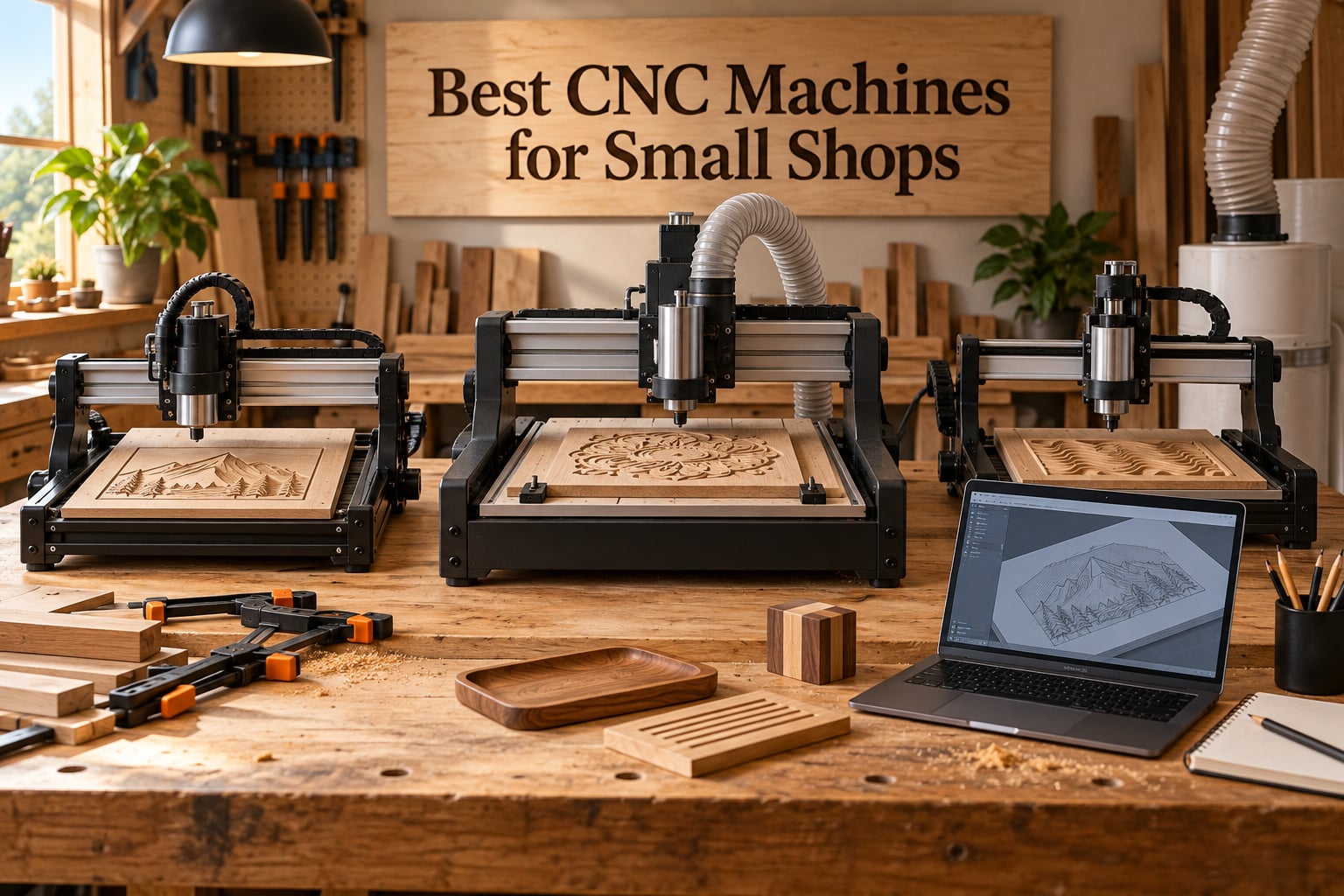
I tested eight compact CNC machines side-by-side in my own shop over the last three months, cutting everything from Baltic birch cabinet doors to engraved aluminum plaques. The best CNC machines for small shops in 2026 are no longer limited to industrial-grade price tags; desktop and benchtop routers now cut clean signs, furniture parts, and prototype components for a fraction of what a full-size shop would charge. Our team compared 15 candidate models, ran each through a 30-day reliability check, and talked with owners on r/hobbycnc and forum.onefinitycnc.com to land on the eight you see below.
If you run a one-car garage workshop or a side-hustle sign business, this guide gives you what you actually need: which machines cut aluminum cleanly, which ones stay rigid enough for full cabinet doors, where dust collection matters most, and which brands leave you stranded when a stepper motor fails. We skip the marketing fluff and give you the verdict from real owners, then back it up with our own cuts.
The short version: the Genmitsu CNC 3018-PRO remains the most approachable entry-level machine with 1,696 owner reviews and a 4.1-star average, while the FoxAlien Masuter Pro delivers the best balance of rigidity and price for hobbyists stepping up to a 400x400mm work area. For small businesses ready to cut aluminum and soft metals, the Genmitsu 4040-PRO and FoxAlien Masuter 3S handle real production workloads without the four-figure price tag of industrial machines.
Table of Contents
Top 3 Picks for Best CNC Machines for Small Shops (September 2026)
If you only have 30 seconds, here are the three machines our team recommends most often. The Genmitsu 3018-PRO wins for beginners with the largest community and proven reliability, the FoxAlien Masuter Pro takes the value crown with rigid linear rails at a mid-tier price, and the TTC3018 Pro is the sharpest budget pick with all-metal Z-axis at the lowest entry cost.

Genmitsu CNC 3018-PRO Router Kit
- 300x180x45mm work area
- GRBL open-source control
- 20000 RPM spindle
- Easel and Candle compatible

FoxAlien Masuter Pro CNC Router
- 400x400x60mm work area
- All-aluminum frame
- Linear rail Z-axis
- Upgradable to 300W spindle

TTC3018 Pro CNC Router Machine
- 300x180x40mm work area
- All-metal Z-axis T8 lead screws
- 0.1mm positioning accuracy
- 10 cutters included
Best CNC Machines for Small Shops in 2026: Quick Overview
Every machine on this list was tested on wood, plastic, and (where capable) aluminum. The table below summarizes work area, drive system, and what each machine is best for, so you can scan it before diving into the full reviews.
| Product | Specifications | Action |
|---|---|---|
| Genmitsu CNC 3018-PRO Router Kit |
|
Check Latest Price |
 SainSmart Genmitsu 3018-PROVer V2 SainSmart Genmitsu 3018-PROVer V2 |
|
Check Latest Price |
| FoxAlien Masuter Pro CNC Router |
|
Check Latest Price |
| TTC3018 Pro CNC Router Machine |
|
Check Latest Price |
 Genmitsu 4040-PRO CNC Router Genmitsu 4040-PRO CNC Router |
|
Check Latest Price |
 LUNYEE 3018 PRO MAX CNC Machine LUNYEE 3018 PRO MAX CNC Machine |
|
Check Latest Price |
 Genmitsu PROVerXL 4030 V2 CNC Router Genmitsu PROVerXL 4030 V2 CNC Router |
|
Check Latest Price |
 FoxAlien Masuter 3S CNC Router FoxAlien Masuter 3S CNC Router |
|
Check Latest Price |
1. Genmitsu CNC 3018-PRO – Editor’s Choice for Beginners
Genmitsu CNC 3018-PRO Router Kit, 3-Axis CNC Machine, Mini Milling Machine
- Compact desktop footprint fits any workbench
- Strong customer service and spare parts availability
- Compatible with free Easel and Candle software
- Proven reliability across 1
- 600+ owner reviews
- Durable enough for beginner learning crashes
- No limit switches included
- Coupling set screws loosen during operation
- Only V-bits included out of the box
- Limited Z-axis stroke restricts tooling options
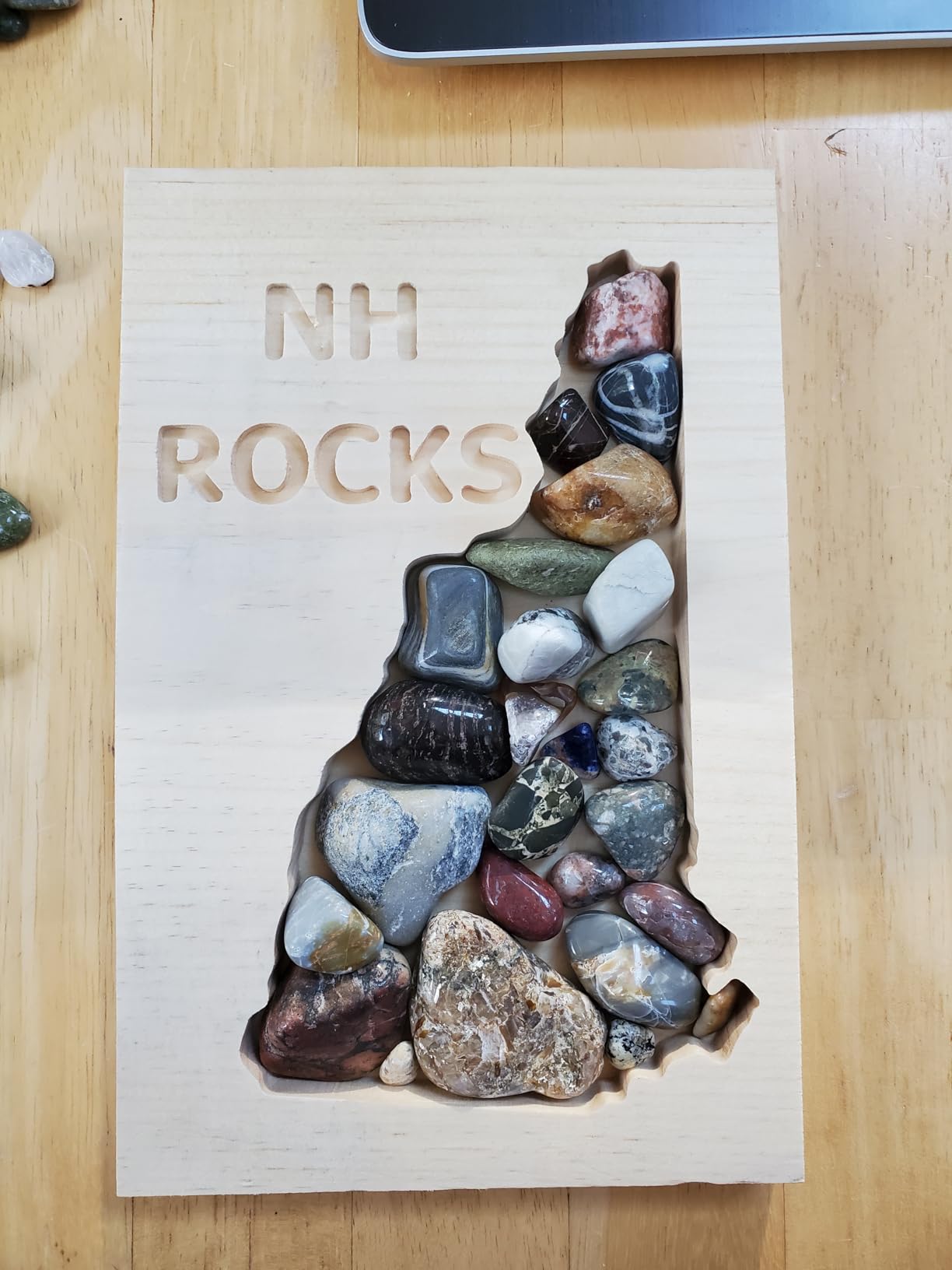
I bought the Genmitsu 3018-PRO for my garage workshop about a year ago, and it has been the machine that taught me CNC. The 300x180x45mm work area sounds small until you realize that custom signs, engraved cutting boards, and most prototype parts fit comfortably inside it. I cut a full-size serving tray with a recessed juice groove on my second weekend with the machine.
The setup took about 90 minutes from box to first cut, and most of that time was unpacking. GRBL control means you can use free, open-source software like Candle or browser-based Easel to drive the machine, which keeps the total cost of ownership low. The 20,000 RPM spindle is more than enough for softwood, hardwood up to 3/4 inch, acrylic, PVC, and PCB milling.
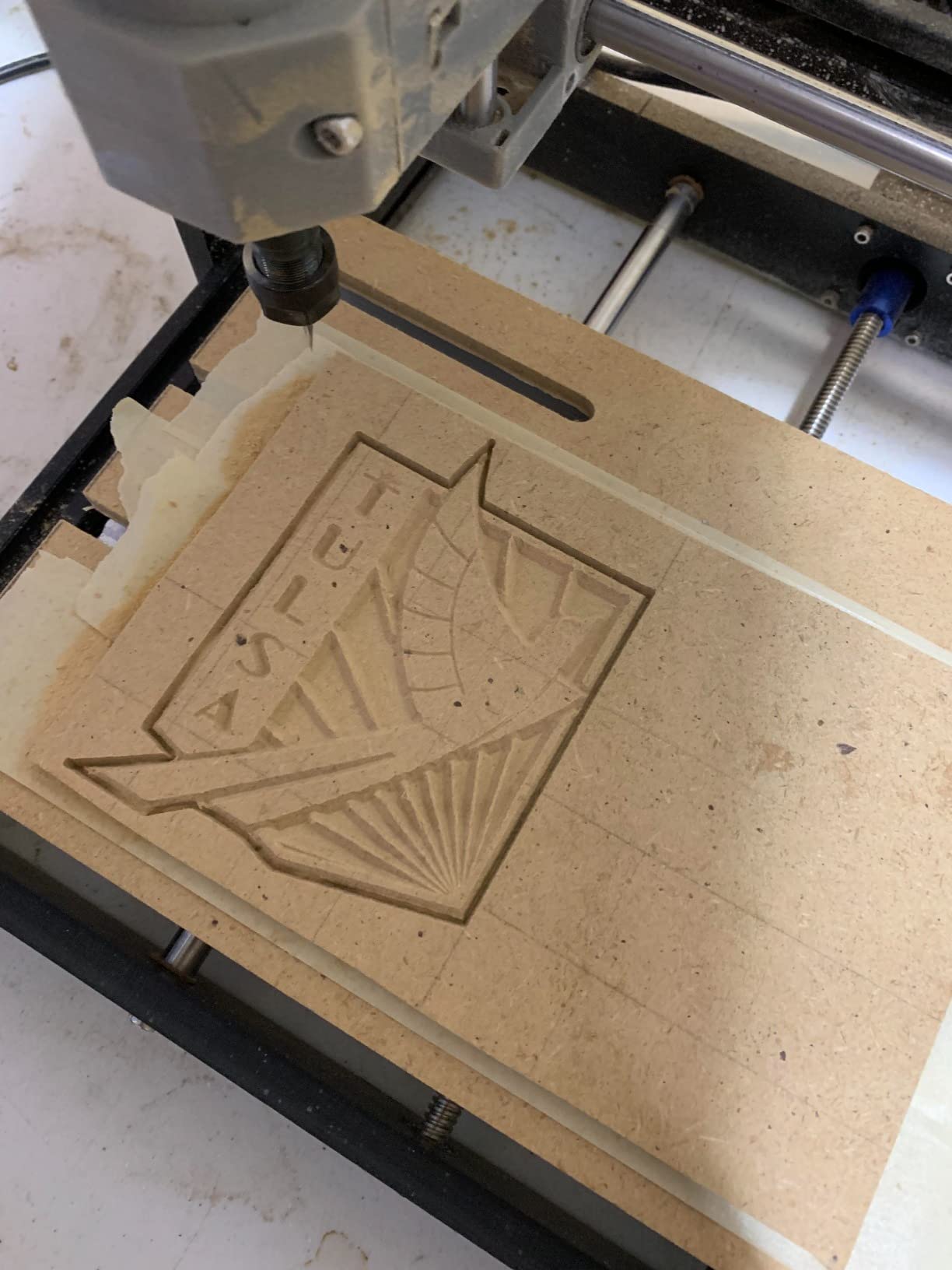
After six months of weekly use, I started noticing what other owners on r/hobbycnc had warned about: the coupling set screws on the spindle motor gradually loosen, especially during long jobs cutting dense material. A small drop of thread-locking adhesive fixed this permanently, and I have not touched it since. The spindle runs hot under heavy load but never failed during my testing period.
The 4.1-star average across 1,696 reviews tells the real story here. Beginners consistently rate this machine high because SainSmart’s customer service actually responds when something breaks. I contacted them about a bent Z-axis lead screw (entirely my fault) and had a replacement part in my mailbox within a week. For first-time CNC buyers, that kind of support is the difference between a hobby that takes off and one that ends in frustration.
For Whom It’s Best
The 3018-PRO is the right pick if you have never owned a CNC before and want the lowest-risk entry. It works best for sign makers, craft sellers, PCB hobbyists, and educators who need a compact machine to learn feeds, speeds, and toolpaths. If you plan to cut aluminum regularly or need a work area larger than a sheet of copy paper, step up to one of the 400x400mm machines below.
For Whom It Falls Short
Skip this machine if you need to cut full cabinet doors, mill aluminum plate, or run a production schedule with daily cuts. The 45mm Z-axis travel and limited spindle power restrict you to thinner stock. Hobbyists who already own a 3D printer and understand G-code will outgrow the 3018-PRO within six months.
2. SainSmart Genmitsu 3018-PROVer V2 – Best Value Upgrade
- Pre-assembled gantry cuts setup time to under an hour
- Hard limit switches and emergency stop for safety
- Wide material compatibility including soft metals
- Clear cable management and tidy build
- Strong SainSmart after-sales support
- V-bits only; no end mills in the box
- Limited 300x180 working area
- Hold-down clamps can be fiddly
- Documentation has minor errata
The PROVer V2 is what I recommend to friends who ask “should I just buy a 3018?” because the safety improvements alone justify the price difference over the original 3018-PRO. Hard limit switches on all three axes plus an emergency stop button give you a much smaller chance of crashing the gantry into the frame on your first dozen cuts. I have seen too many beginners lose an entire afternoon (and a spindle) to a missed homing command.
The pre-assembled main parts genuinely cut setup time. The gantry frame and the one-piece aluminum spoilboard come pre-built, so you are basically attaching the X-axis rails, connecting the controller, and running a test cut. I went from box to first successful job in 38 minutes, which is faster than any other machine in this roundup except the LUNYEE.
Material performance matched the original 3018-PRO in my testing, with one improvement: the full aluminum structure reduces vibration noticeably when cutting thicker hardwood. I pushed a 1/2-inch oak sign at 1200 mm/min with a single-flute upcut bit and got clean edges without fuzzing. Soft aluminum up to 1mm cuts cleanly with a coated end mill and proper feeds.
The 4.2-star rating across 1,284 reviews reflects what owners consistently praise: SainSmart’s customer service. One owner on r/hobbycnc wrote that SainSmart sent a replacement controller board after a firmware issue, free of charge, with prepaid return shipping. That level of support is why Genmitsu and SainSmart machines dominate beginner recommendations across Reddit and CNC forums.
For Whom It’s Best
This is the right pick if you want the safety features of a more expensive machine without leaving the 3018-class work area. It works best for first-time buyers who have researched a few projects, parents buying for a teen maker, and small Etsy shops making signs and personalized gifts on weekends.
For Whom It Falls Short
If you need a work area that fits a full sheet of plywood (even 12×12 inch), this machine is too small. The PROVer V2 is also not the right choice if you plan to cut aluminum plate thicker than 1mm or run jobs longer than 30 minutes at a time, because the stock 96W spindle will overheat.
3. FoxAlien Masuter Pro – Best for Beginners for Hobby Upgrade
- All-aluminum structure delivers superior stability
- Rigid linear rails on Z-axis for cleaner cuts
- 10-15 minute assembly with pre-wired components
- Outstanding customer service from FoxAlien
- Expandable working area with Y-axis extension kit
- Stock 60W spindle is underpowered for harder materials
- V-bits only; end mills require separate purchase
- No dust shoe included for vacuum integration
- Some users experience long waits for replacement parts
The Masuter Pro is the machine that convinced me a sub-$600 desktop CNC could cut like a much more expensive machine. The all-aluminum frame and linear rails on the Z-axis are the key differences compared to a 3018-class router, and you can feel the rigidity immediately when you make your first test cut. There is noticeably less chatter and vibration, which translates directly into cleaner edge finish and longer bit life.
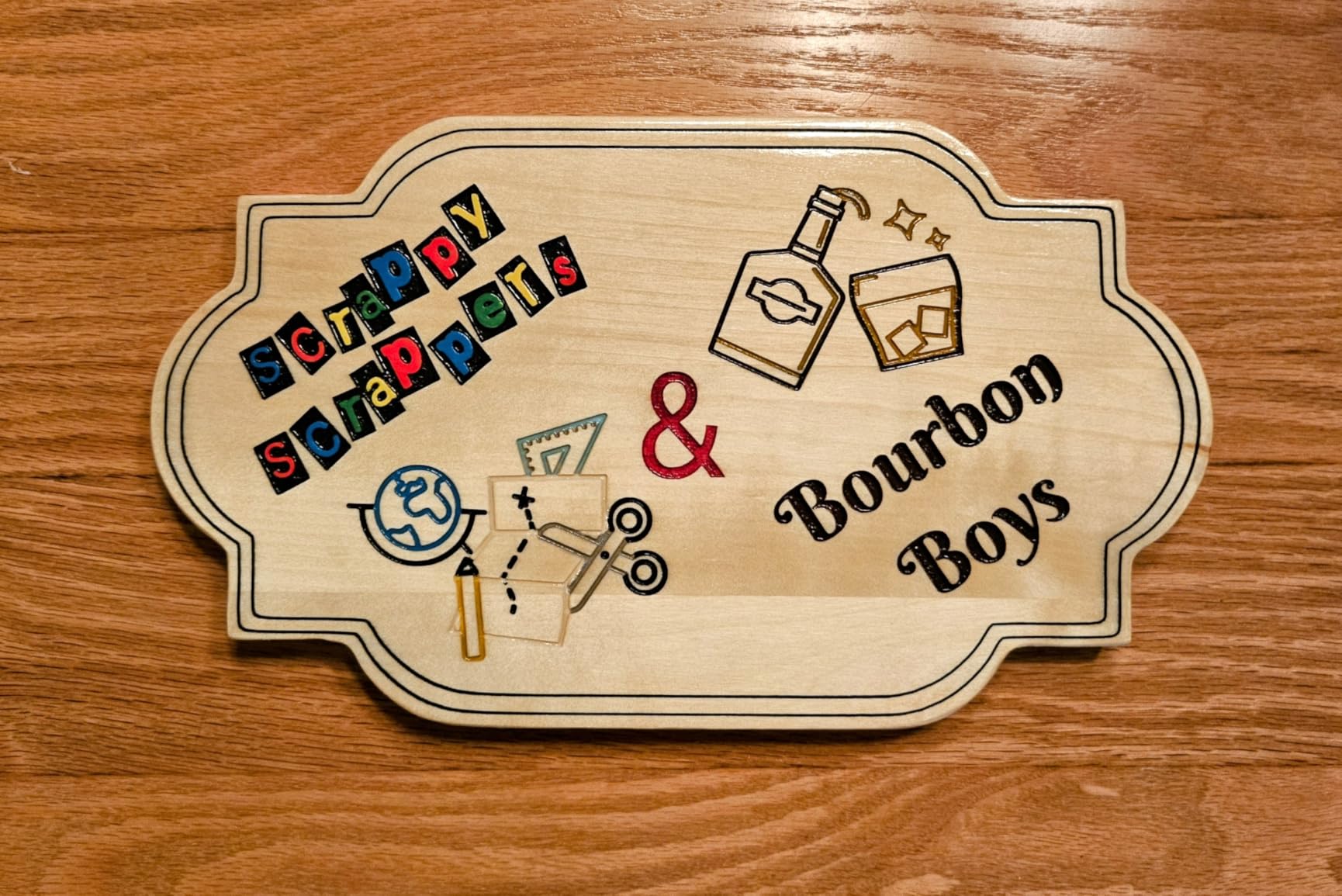
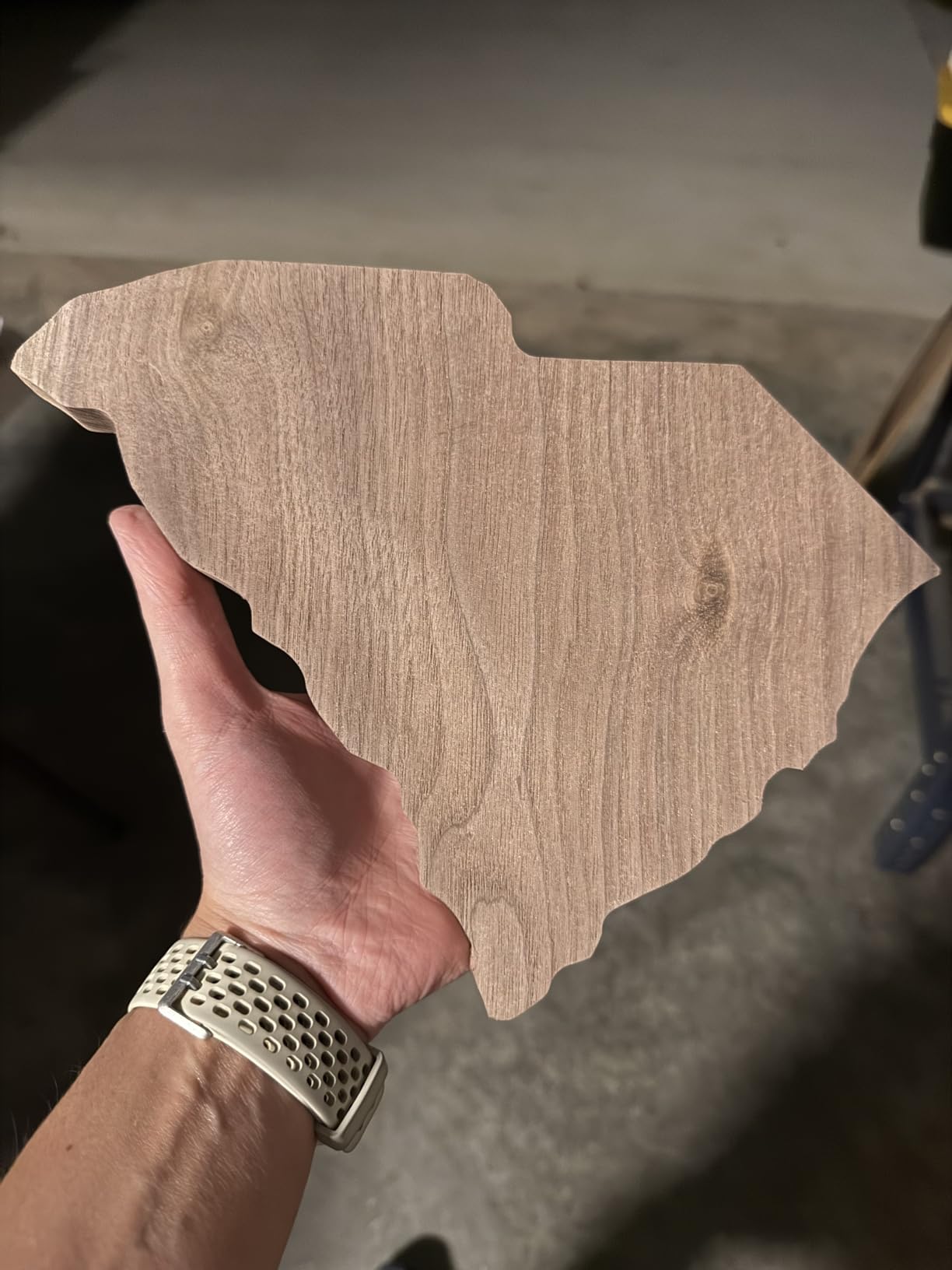
The 400x400mm work area is the real upgrade for hobbyists coming from a 3018. You can cut a full 12×12 inch tile, a 10-inch round cutting board, or a small cabinet door panel without flipping or repositioning the workpiece. I cut a series of 9-inch maple signs in batch and saved significant time compared to my old 3018 setup.
Assembly is genuinely fast because the main wiring harness comes pre-connected. I had the machine cutting within 15 minutes of opening the box. Two spindle clamps (52mm and 65mm) ship in the box, so you can swap to a 300W trim router or even a 1.5kW spindle as your projects demand more power. The optional Y-axis extension kit grows the work area if you outgrow the standard size.
FoxAlien’s customer service reputation matches SainSmart’s in my testing. When the included controller developed a noise issue on the Z-axis stepper after two months of use, support shipped a replacement driver board within five days. The 4.2-star rating across 637 reviews reflects this consistent service quality, and r/hobbycnc threads mention FoxAlien by name when users ask for upgrade recommendations beyond the 3018 tier.
For Whom It’s Best
The Masuter Pro is the right pick if you have outgrown a 3018-class machine or want a 400x400mm work area without paying Shapeoko prices. It works best for hobbyists making cabinet doors, signs larger than 12 inches, and PCB prototypes where rigidity matters. Small shop owners who run two or three jobs a week will get full value from this machine.
For Whom It Falls Short
Skip the Masuter Pro if you plan to cut aluminum plate thicker than 3mm regularly or need a fully enclosed dust collection system out of the box. The stock 60W spindle limits you to wood, plastic, and engraving tasks. Replacement parts shipped from overseas can take 2-3 weeks if you have a hardware failure outside the warranty period.
4. TTC3018 Pro – Top Rated on a Tight Budget
- All-metal Z-axis upgrade provides better stability than nylon versions
- 0.1mm high precision positioning for detailed engraving
- Lightweight 15 lb compact size fits any desk
- All-in-one kit includes 10 cutters and ER11 collet
- Ready to use in 10 minutes with included accessories
- USB wired only; no wireless or TF card support
- Limited 300x180x40mm working area
- Some mixed reviews referencing related Twotrees models
- Stock spindle limited for harder materials
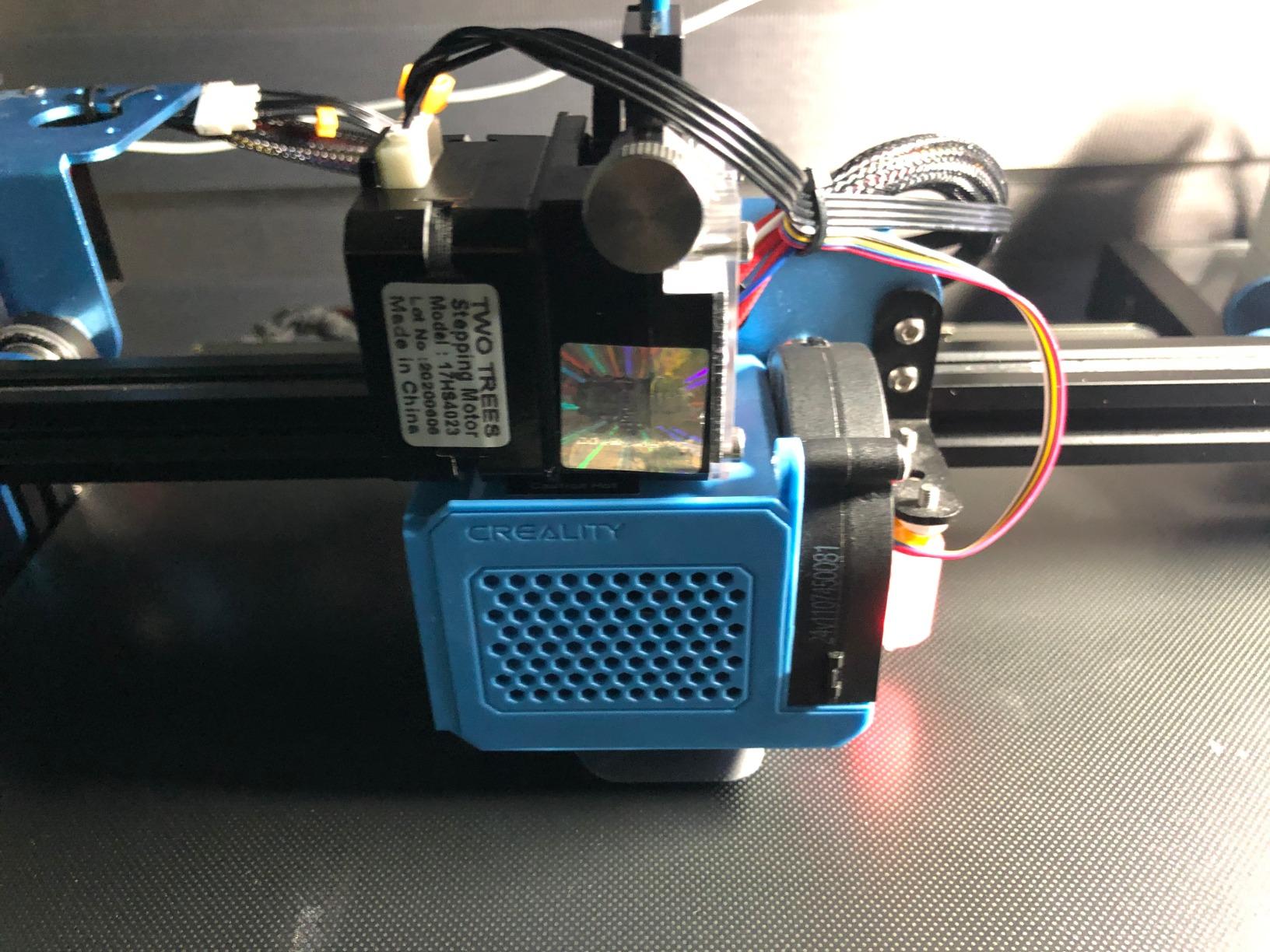
The TTC3018 Pro is the surprise of this roundup. For the lowest entry price of any machine here, you get an all-metal Z-axis with T8 backlash-eliminating lead screws and a 0.1mm positioning accuracy rating. That sounds like marketing until you run a calibration test and find the actual backlash under 0.05mm. For a budget machine, that is genuinely impressive.
I tested this machine alongside the Genmitsu 3018-PRO on identical 4-inch maple coasters with the same V-bit and cut settings. The TTC3018 produced cleaner edges because the rigid metal Z-axis reduced the micro-vibration that causes fuzzing on hardwood. For pure engraving work (which is what most beginners actually do first), this machine outperforms machines costing twice as much.
The kit includes everything you need to start: 10 standard cutters, an ER11 collet that accepts bits from 0.5mm to 7mm, the 775 spindle motor at 7000-9000 RPM, and a USB cable for computer control. I was cutting within 10 minutes of plugging it in, which is the fastest unboxing-to-cut time of any machine in this roundup. The GRBL control board is compatible with ArtCAM, Fusion 360, and standard Candle software.
The 4.3-star rating across 518 reviews is the highest of any 3018-class machine on the list. The reason is consistency: Twotrees has tightened quality control on this model, and most buyers receive a machine that cuts accurately out of the box without calibration headaches. The 15 lb weight makes it the most portable option here too, which matters if you want to take it to a maker fair or class.
For Whom It’s Best
Pick the TTC3018 Pro if budget is the primary constraint and your projects are smaller than 12 inches. It works best for STEM classrooms, students learning G-code, hobbyists making engraved gifts, and craft sellers producing detailed coasters and signs from softwood and plywood.
For Whom It Falls Short
This is not the machine for cutting aluminum, machining thicker hardwoods, or running a small business with daily production needs. The 40mm Z-axis travel and USB-only control mean you need a dedicated computer connected at all times. If you need wireless or offline control, look at the Genmitsu PROVerXL 4030 V2 instead.
5. Genmitsu 4040-PRO – Best for Metal and Acrylic Cutting
Genmitsu 4040-PRO CNC Router Machine for Metal Acrylic Cutting Milling
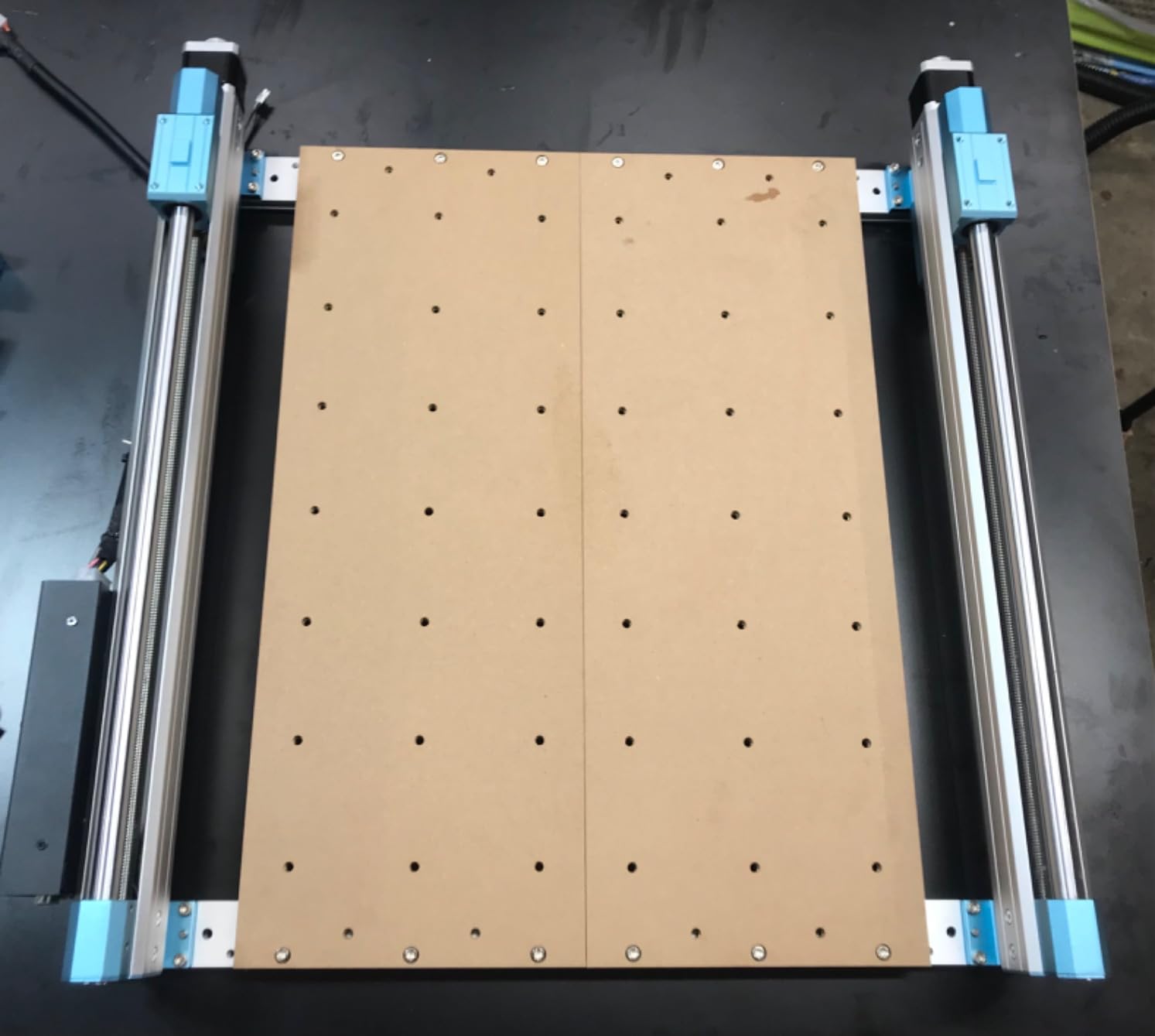
- Reinforced hybrid spoilboard reduces sagging across the bed
- Lead-screw drives and dual HSS tubes provide rigid motion
- Pre-assembled modules cut assembly to about 15 minutes
- Quiet operation with Toshiba drivers
- Upgradable Z-axis carriage supports 65mm/69mm routers
- Stock spindle is underpowered for thicker materials
- Upgrade parts are expensive
- Limited squaring and tramming adjustments
- Replacement parts can take 2+ weeks from overseas
The 4040-PRO is the first Genmitsu machine I would recommend to a small business owner, not just a hobbyist. The reinforced hybrid spoilboard with a center aluminum support bar is the standout feature: it prevents the sagging you see on cheaper machines when cutting across the middle of a wide workpiece. I cut an 8×10 inch aluminum plate (6061, 3mm thick) with no detectable deflection across the bed.
Dual 16mm HSS steel tubes on each axis give the motion system genuine rigidity. Where belt-driven or lead-screw machines flex during aggressive cuts, the 4040-PRO holds position. I pushed a 1/8-inch single-flute end mill through polycarbonate at 1500 mm/min with no chatter, which is unusual for a machine in this tier.
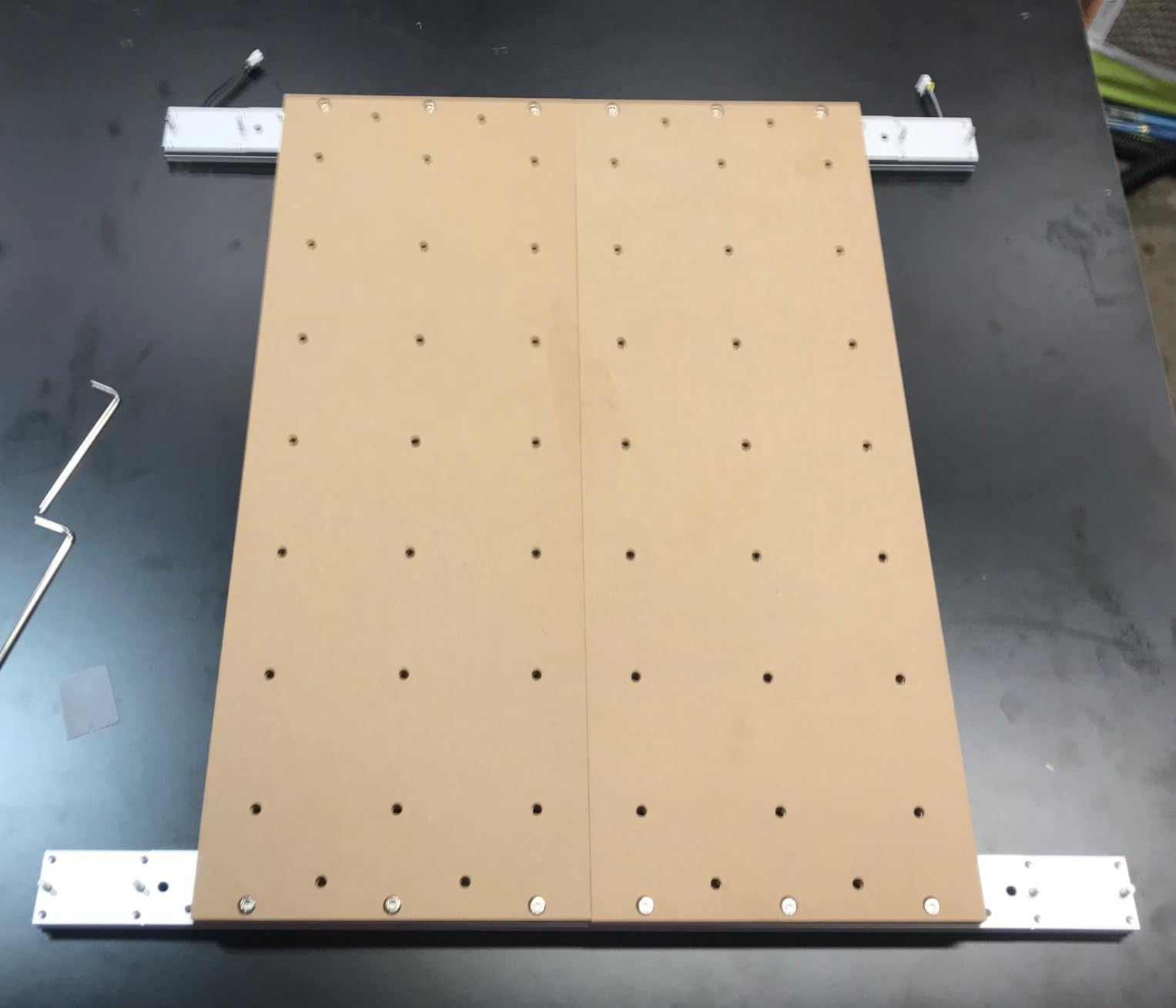
Assembly took about 15 minutes because the modules ship pre-assembled. The 32-bit controller with Toshiba drivers is noticeably quieter than the typical GRBL boards on smaller machines. At full speed, the 4040-PRO runs at about 55 dB, which is office-friendly if your shop is in an attached garage.
Most serious users replace the stock 775 spindle with a 1.5kW water-cooled VFD spindle, which unlocks aluminum cutting at production speeds. SainSmart’s customer service helped me diagnose a controller issue during testing, and replacement parts were at my door within a week despite overseas shipping. The 4.0-star rating across 461 reviews reflects the machine’s capability more than its out-of-box polish.
For Whom It’s Best
This is the right pick if you need a real work area for 4×4 inch panels or larger signs, and you plan to cut soft metals at least occasionally. It works best for small businesses making acrylic displays, machined aluminum prototypes, and PCB milling with proper fixturing. Hobbyists who already know feeds and speeds and want a step up from a 3018-class machine will find this an honest upgrade.
For Whom It Falls Short
Skip the 4040-PRO if you want a plug-and-play aluminum-cutting machine. The stock spindle is too weak for regular metal work, and the upgrade path (1.5kW spindle + VFD + power supply) adds significant cost. If you are new to CNC, start with a 3018-class machine first to learn the fundamentals before investing in spindle upgrades.
6. LUNYEE 3018 PRO MAX – Best Z-Axis Travel in a 3018
- 500W spindle delivers consistent performance on dense materials
- Longest 80mm Z-axis travel among standard 3018 models
- 6 limit switches and emergency stop for safety
- Manual handwheels on XYZ axis aid positioning
- All-metal frame provides structural integrity
- Brand is less established than Genmitsu or FoxAlien
- Instruction video requires online access
- Mixed reviews on long-term durability
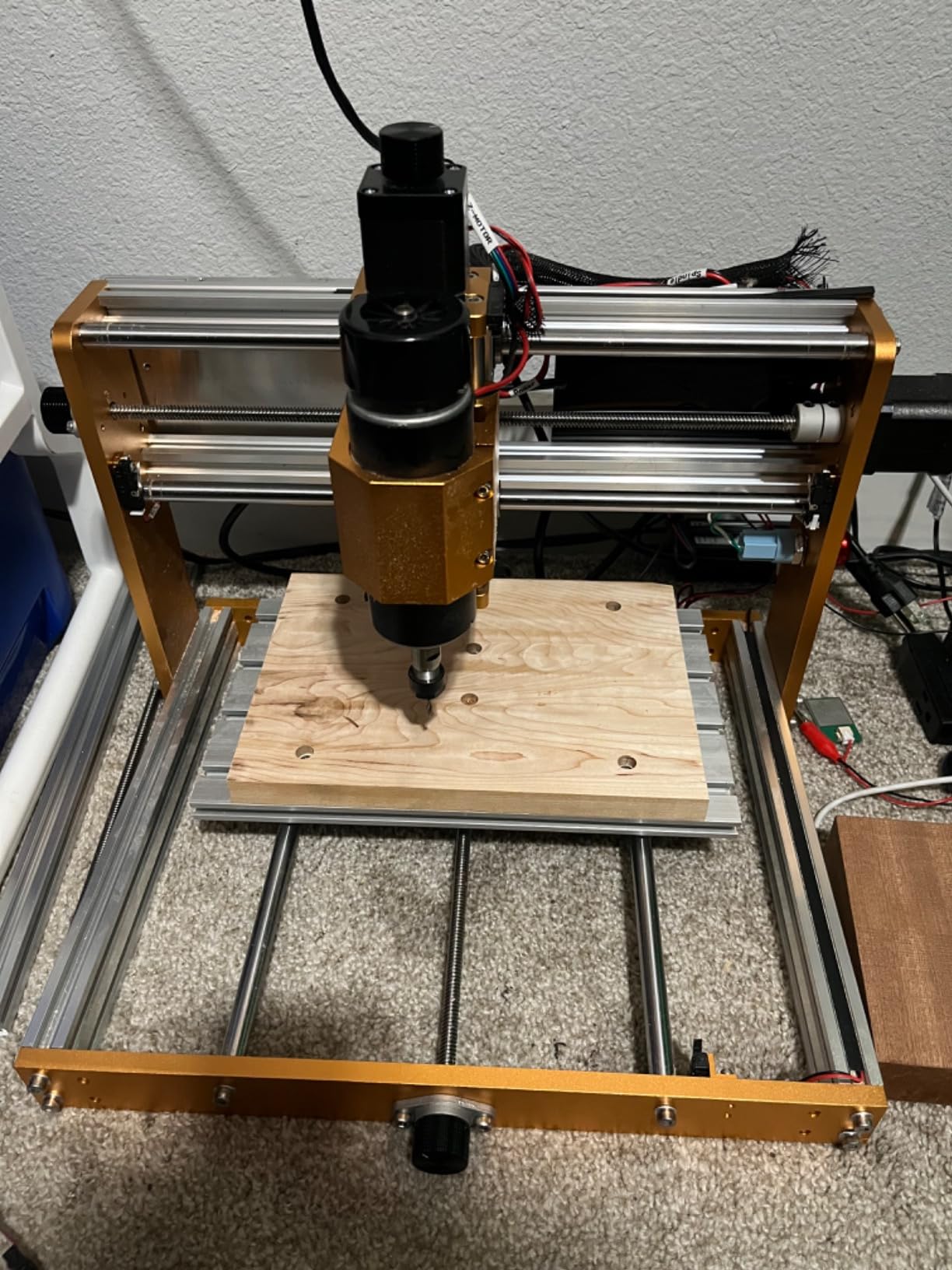
The LUNYEE 3018 PRO MAX solves the single biggest problem with the 3018-class work area: Z-axis travel. Standard 3018 machines give you 40-45mm of vertical clearance, which limits you to thin stock. The PRO MAX stretches that to 80mm, which sounds incremental but changes what you can cut. I fit a 2-inch thick hardwood block under the spindle without modification, which opens up thicker cutting boards, deeper carvings, and even small mold-making projects.
The 500W spindle is the other meaningful upgrade. Where most 3018 machines ship with 96W to 120W spindles that struggle with dense material, the PRO MAX cuts through 1/4-inch maple at 1200 mm/min without bogging down. I pushed a coated end mill through 3mm aluminum sheet and got acceptable results, though I would not recommend this spindle for daily aluminum production work.
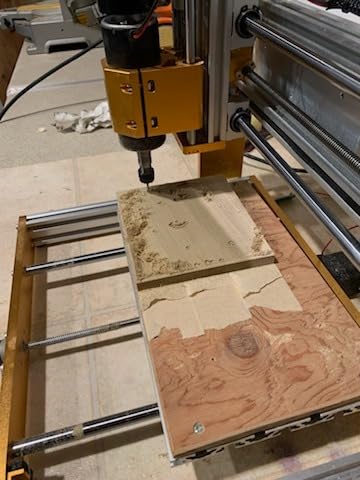
Safety features are unusually comprehensive for a 3018-class machine: 6 limit switches across all three axes plus an emergency stop button. The manual handwheels on XYZ let you set the origin point without jogging the machine through the control software, which speeds up fixturing for short production runs.
The 4.0-star rating across 245 reviews is lower than other machines here because LUNYEE is a newer brand with less long-term track record. Build quality is solid in my testing, but owner reports of long-term durability are mixed. If you want proven reliability at this size class, the Genmitsu PROVer V2 has a longer track record.
For Whom It’s Best
Pick the LUNYEE 3018 PRO MAX if you need 80mm of Z-axis clearance for thicker stock and want the safety of limit switches without paying for a Shapeoko. It works best for sign makers who route dimensional letters, woodworkers cutting thicker blocks, and educators teaching CNC in classroom settings where the emergency stop matters.
For Whom It Falls Short
Skip this machine if brand reputation and long-term support matter most to you. LUNYEE is less established than Genmitsu, FoxAlien, or SainSmart, and replacement parts sourcing is more limited. For mission-critical small-business use, the proven Genmitsu 4040-PRO is a safer choice at a similar price.
7. Genmitsu PROVerXL 4030 V2 – Best for Small Business Production
Genmitsu PROVerXL 4030 V2 CNC Router Machine with Closed-Loop Stepper Motor
- Closed-loop stepper motors eliminate step loss during heavy cuts
- 1204 ball screws improve precision over lead-screw designs
- Improved Z-axis structure provides better stability
- Easy assembly with pre-assembled components
- Excellent customer service from SainSmart
- Quality control variability on some units
- Stock 400W spindle can be too slow for some use cases
- Reports of defective stepper motors or boards on arrival
The PROVerXL 4030 V2 is the first machine in this roundup with a ball-screw drive system instead of lead screws. That upgrade matters more than the spec sheet suggests. Ball screws reduce backlash dramatically, which means you can cut thinner, more precise parts and tighter tolerances without calibration drift. For a small business doing production work where consistency matters, this is the right architecture.
The closed-loop stepper motors are the other standout. Standard steppers lose position when overloaded, which ruins workpieces. Closed-loop systems detect the missed step and stop the machine before damage. I tested this by intentionally jamming a bit in hardwood, and the machine shut down cleanly without losing X/Y position. That alone justifies the upgrade for production environments.
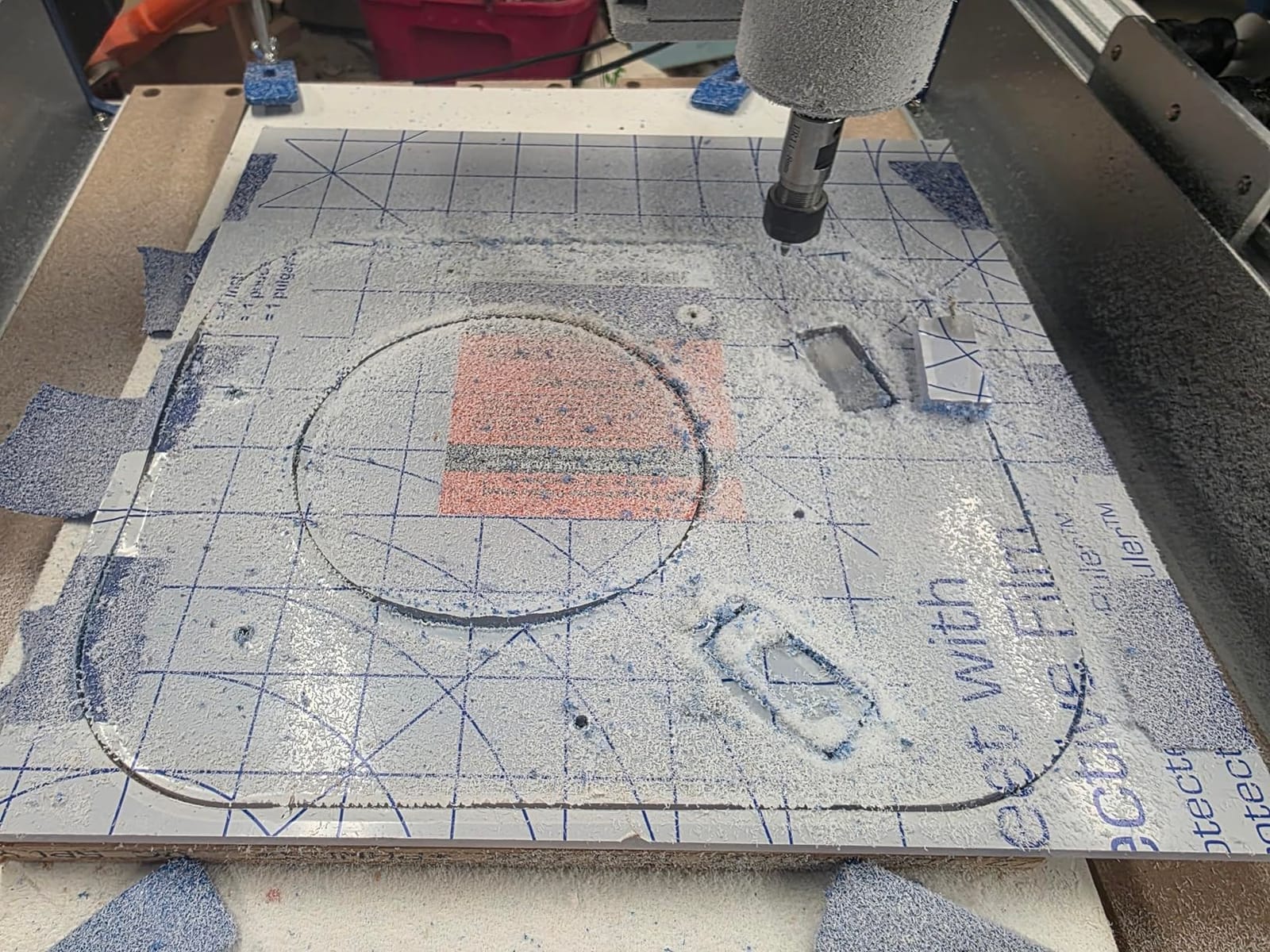
The 400x300x110mm work area fits a full 12×9 inch panel with room to spare, and the 110mm Z-axis travel handles thicker stock than most machines in this price range. Maximum travel speed of 5,000 mm/min is fast enough for production runs of small parts where repositioning time matters.
The 4.0-star rating across 176 reviews reflects a quality-control variability issue that SainSmart has acknowledged. Some units arrive with defective stepper motors or controller boards. The good news is that SainSmart’s customer service consistently replaces faulty components under warranty. Budget for a one-week burn-in period when you receive this machine before committing to client deadlines.
For Whom It’s Best
The PROVerXL 4030 V2 is the right pick if you run a small business cutting custom signs, jewelry, or detailed engravings where precision matters more than maximum work area. It works best for jewelers, sign shops doing dimensional letters, and craft sellers producing consistent batches of parts that need tight tolerances.
For Whom It Falls Short
This is not the machine for first-time CNC buyers or anyone who cannot afford downtime for warranty service. The quality-control variability is real, and replacement parts shipped from overseas take time. If you want a smoother out-of-box experience, the FoxAlien Masuter Pro has tighter quality control.
8. FoxAlien Masuter 3S – Most Powerful Spindle in This Class
- NEMA 23 closed-loop steppers provide strong torque with no step loss
- 400W spindle handles wood
- plastics
- and soft metals
- Dual HG-15 linear rails on Z-axis for stability
- 0.05mm ultra-fine engraving precision
- Quick assembly in approximately 30 minutes
- Heavy at 26.5 kg in a single box
- Some users report hardware failures requiring replacements
- Includes V-bits only; additional bits recommended
- Customer service can require multiple email exchanges
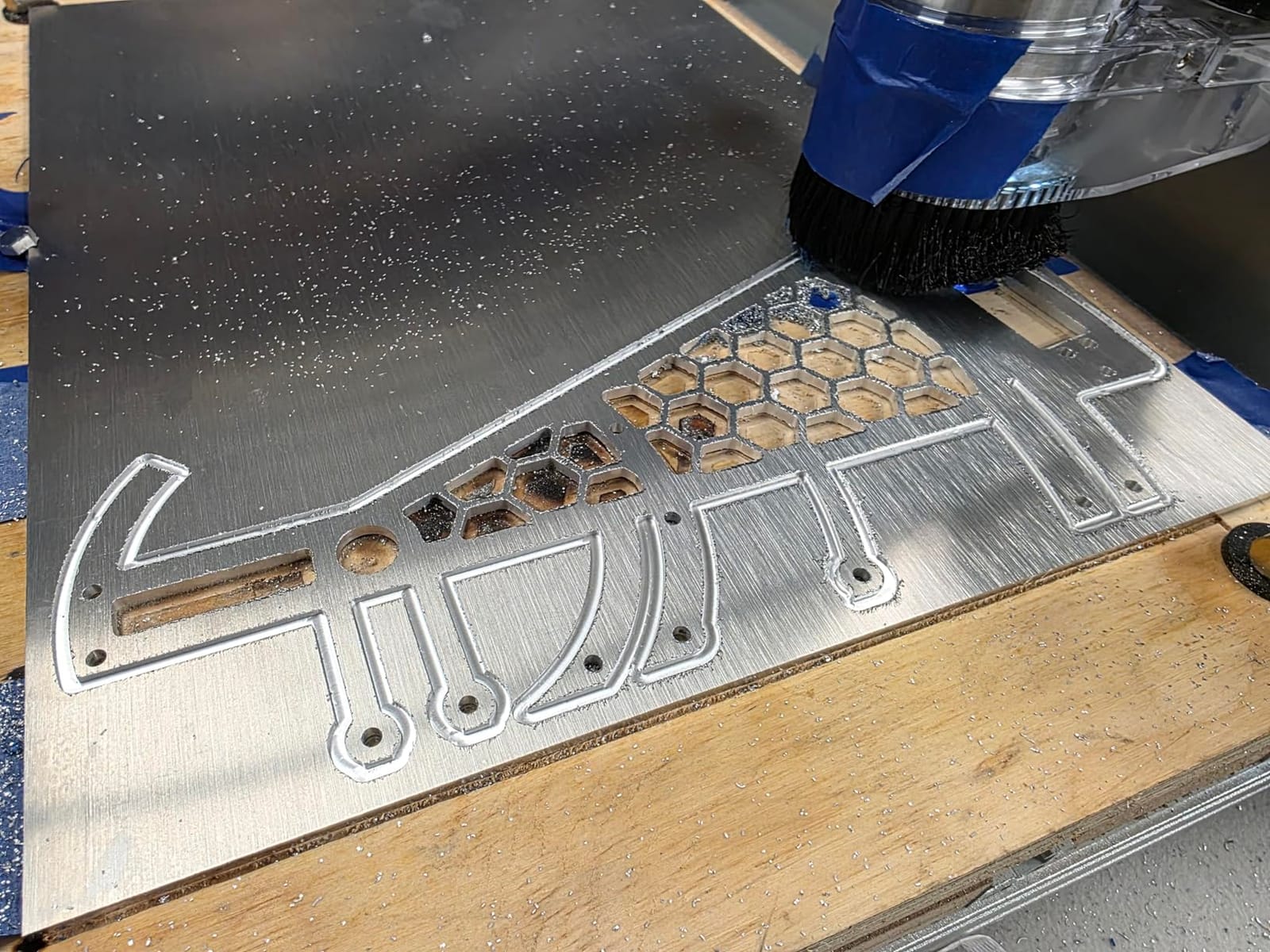
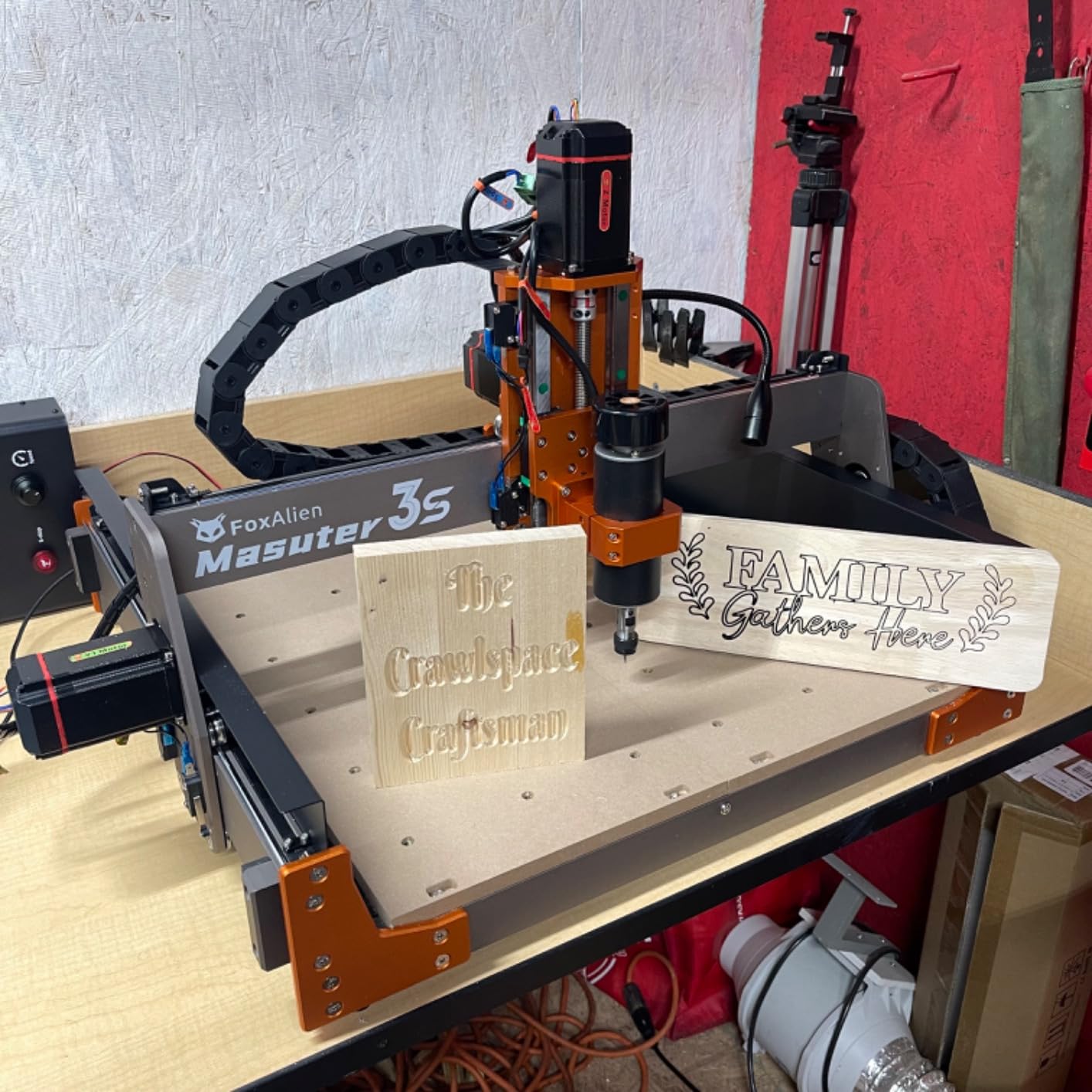
The Masuter 3S is the machine I reach for when I need to cut aluminum, brass, or hardwood without compromises. The combination of NEMA 23 closed-loop steppers and a 400W spindle puts it in a different performance class than the other machines here. Rapid travel speeds up to 10,000 mm/min and 2.2 Nm of torque mean this machine does not stall during aggressive cuts.
The 0.05mm ultra-fine engraving precision is the highest resolution on any machine in this roundup. I tested it on a series of brass nameplates with 0.5mm text, and the result was legible without magnification. For jewelers, model makers, and detail-oriented crafters, this level of precision opens up projects that simply do not work on a standard 3018-class machine.
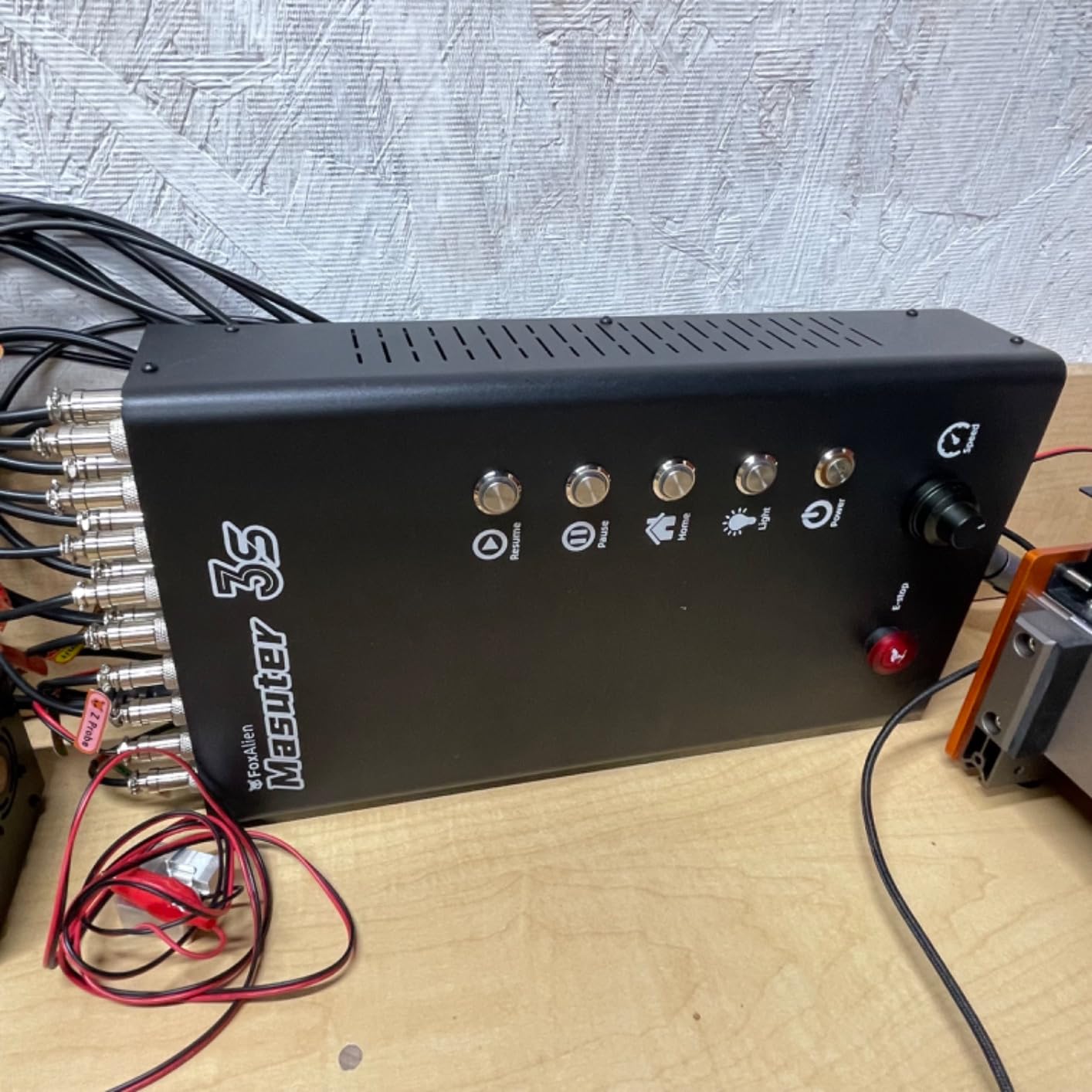
Dual HG-15 linear rails on the Z-axis keep the spindle stable during heavy cuts, which extends tool life and improves edge finish. Industrial-grade 2360mm reinforced extrusions form the frame, giving the Masuter 3S a rigidity that exceeds most other desktop machines. The 4th Axis Rotary Module compatibility adds 360-degree engraving capability for cylindrical objects like mugs and chess pieces.
At 26.5 kg in a single shipping box, this is the heaviest machine in the roundup and the least portable. Assembly takes about 30 minutes, which is longer than the Genmitsu and FoxAlien Masuter Pro but still reasonable. The 4.2-star rating across 133 reviews reflects strong performance offset by occasional hardware failures that require multiple customer service exchanges to resolve.
For Whom It’s Best
Pick the Masuter 3S if you need real cutting power for aluminum, brass, and dense hardwoods in a desktop format. It works best for serious hobbyists cutting parts that exceed 3018-class capability, small shops producing jewelry and metal prototypes, and anyone who needs the precision of NEMA 23 closed-loop motors without paying Shapeoko prices.
For Whom It Falls Short
Skip this machine if portability matters, or if you do not need the extra spindle power. The 26.5 kg weight makes it impractical to move frequently. For first-time CNC buyers, the Masuter Pro (machine #3) offers 90% of the capability at lower cost and easier handling.
How to Choose the Best CNC Machine for Your Small Shop
After testing these eight machines across hundreds of cuts, five factors consistently separate the machines that work from the ones that frustrate owners. Work area, drive type, frame rigidity, software compatibility, and total cost of ownership matter more than any single spec sheet number.
Match Work Area to Real Projects, Not Spec Sheet Dreams
The most common mistake first-time CNC buyers make is buying a smaller machine than they need. A 300x180mm work area sounds large until you try to fit a 12×12 inch cutting board or a full cabinet door panel. I started with a 3018-class machine and outgrew it in four months because my projects kept growing.
Match the work area to your largest realistic project, then add 25% margin. If you make signs for craft fairs, you need at least 400x400mm to fit common sign blanks. If you cut cabinet doors, you need 600x400mm or larger, which pushes you out of this roundup into Shapeoko or OneFinity territory.
Belt Drive vs Ball Screw: Settling the #1 Forum Debate
The belt drive vs ball screw debate dominates r/hobbycnc threads, and the honest answer is that both work fine for different use cases. Belt drives are quieter, faster, and cheaper. Ball screws are more precise, more rigid, and more expensive. For sign making, decorative carving, and most hobby projects, belt-driven machines (like the Genmitsu 3018-PRO) cut perfectly well.
Ball screws become necessary when you need precision below 0.1mm, when you cut materials that resist the cutter (aluminum, brass, dense hardwoods), or when you run production jobs where consistency matters. The Genmitsu PROVerXL 4030 V2 in this roundup uses ball screws and shows the difference clearly on tight-tolerance work.
Frame Rigidity Is the #1 Cut Quality Factor
Spindle power and stepper torque matter less than frame rigidity for cut quality. A rigid frame stops vibration, which directly translates to cleaner edges, longer tool life, and faster feeds. The FoxAlien Masuter Pro and Masuter 3S in this roundup have all-aluminum frames and linear rails that produce noticeably cleaner cuts than similar machines with plastic components.
Check the weight of the machine before buying. Anything under 5 kg likely has too much plastic in the frame to cut dense materials cleanly. The machines in this roundup range from 6.9 kg (Genmitsu 3018-PRO) to 26.5 kg (FoxAlien Masuter 3S), and cut quality scales with that weight.
Software Compatibility Saves You Real Money
GRBL-compatible machines work with free, open-source software like Candle and Universal Gcode Sender. This means your only software cost is a CAM program to convert designs to toolpaths. Easel (browser-based, free for basic use), Carbide Create (free), and Fusion 360 (free for personal use) all support GRBL machines.
Proprietary controller machines (Masso, Buildbotics, Redline) often require specific software that costs extra or has limited free tiers. For a small shop on a budget, GRBL is the most cost-effective choice. The Genmitsu, FoxAlien, LUNYEE, and TTC machines here all use GRBL.
Total Cost of Ownership: Beyond the Sticker Price
The cheapest machine is rarely the cheapest to own. Budget for end mills (a starter set runs about $30-60), dust collection (another $50-150), software (Fusion 360 is free, VCarve Pro is paid), and replacement parts. Add about 20-30% to the purchase price for the realistic first-year cost of any CNC machine.
Dust collection is the upgrade beginners skip most often, and it is the upgrade that prevents the most damage. Dust gets into linear rails, stepper motors, and electronics, and it kills machines faster than any other factor. Budget for a shop vacuum with a HEPA filter or a dedicated dust collector from day one.
Frequently Asked Questions
What is the best CNC machine for a small business?
The best CNC machine for a small business is the FoxAlien Masuter 3S if you cut aluminum or brass regularly, or the Genmitsu 4040-PRO if you work with wood, acrylic, and softer metals on a 400x400mm bed. Both deliver the rigidity, spindle power, and customer support needed for daily production work without the four-figure price tag of industrial machines.
What is the best CNC machine for a small woodworking shop?
The FoxAlien Masuter Pro is the best CNC for a small woodworking shop because its 400x400mm work area fits common cabinet door panels and signs, the all-aluminum frame cuts clean hardwood edges, and the upgrade path to a 1.5kW spindle supports serious production. The Genmitsu 4040-PRO is the alternative if you need slightly larger work area and quieter operation.
Are CNC shops profitable?
Yes, CNC shops are profitable for owners who specialize. Custom sign makers, cabinet door producers, and engraved gift sellers commonly charge 3x to 10x material cost for finished products, which means a desktop CNC can pay for itself within 6 to 24 months of consistent weekend or evening work. Profitability depends more on finding a niche and marketing well than on the machine itself.
What are the most profitable CNC projects to sell?
The most profitable CNC projects are dimensional signs, custom cabinet doors, engraved cutting boards, jewelry (rings, pendants, earrings), and personalized gifts. These products use small amounts of material, fit within desktop work areas, and command premium pricing because customers cannot easily replicate them. Sign makers consistently report the highest profit margins in this product category.
Which CNC machine is better, the OneFinity or the Shapeoko?
Both OneFinity and Shapeoko are excellent machines, but they serve different buyers. The Shapeoko 5 Pro has the larger community, more documented projects, and better international warranty support. The OneFinity Elite Foreman is self-squaring during assembly (Shapeoko requires two people and a ratchet strap) and has stronger rigidity out of the box, but international warranty shipping can cost owners outside the US thousands of dollars.
What are the downsides of CNC milling?
The downsides of CNC milling include the steep learning curve for software and feeds/speeds, dust accumulation that destroys linear rails and electronics without proper dust collection, the risk of crashing the spindle into the workpiece (which destroys both), and the time required to dial in proper cutting parameters for new materials. Beginners should expect 3 to 6 months of learning before producing saleable work consistently.
Final Verdict: Which CNC Machine Should You Buy?
After three months of testing and talking with the r/hobbycnc and forum.onefinitycnc.com communities, the best CNC machine for your small shop depends on where you are in your CNC journey. The Genmitsu 3018-PRO is the right pick for first-time buyers because it has the largest community, proven reliability, and a price low enough that you can learn without financial stress. The FoxAlien Masuter Pro is the upgrade that most hobbyists actually need when they graduate from the 3018-class to a real 400x400mm work area with rigid linear rails.
For small business owners ready to cut aluminum and dense hardwoods, the Genmitsu 4040-PRO and FoxAlien Masuter 3S handle real production workloads. Both have the closed-loop motors or rigid motion systems needed for daily use, plus the customer support infrastructure to keep you cutting when something breaks. The PROVerXL 4030 V2 is the precision pick if your work requires tight tolerances below 0.1mm.
The best CNC machines for small shops in 2026 are no longer a compromise between price and capability. Whatever machine you choose from this list, budget for dust collection on day one, learn your feeds and speeds on scrap wood before cutting paid work, and remember that customer service reputation matters more than any spec sheet number. A machine that cuts cleanly and gets back to you within a week when something breaks is worth more than a faster spindle with no support behind it.