
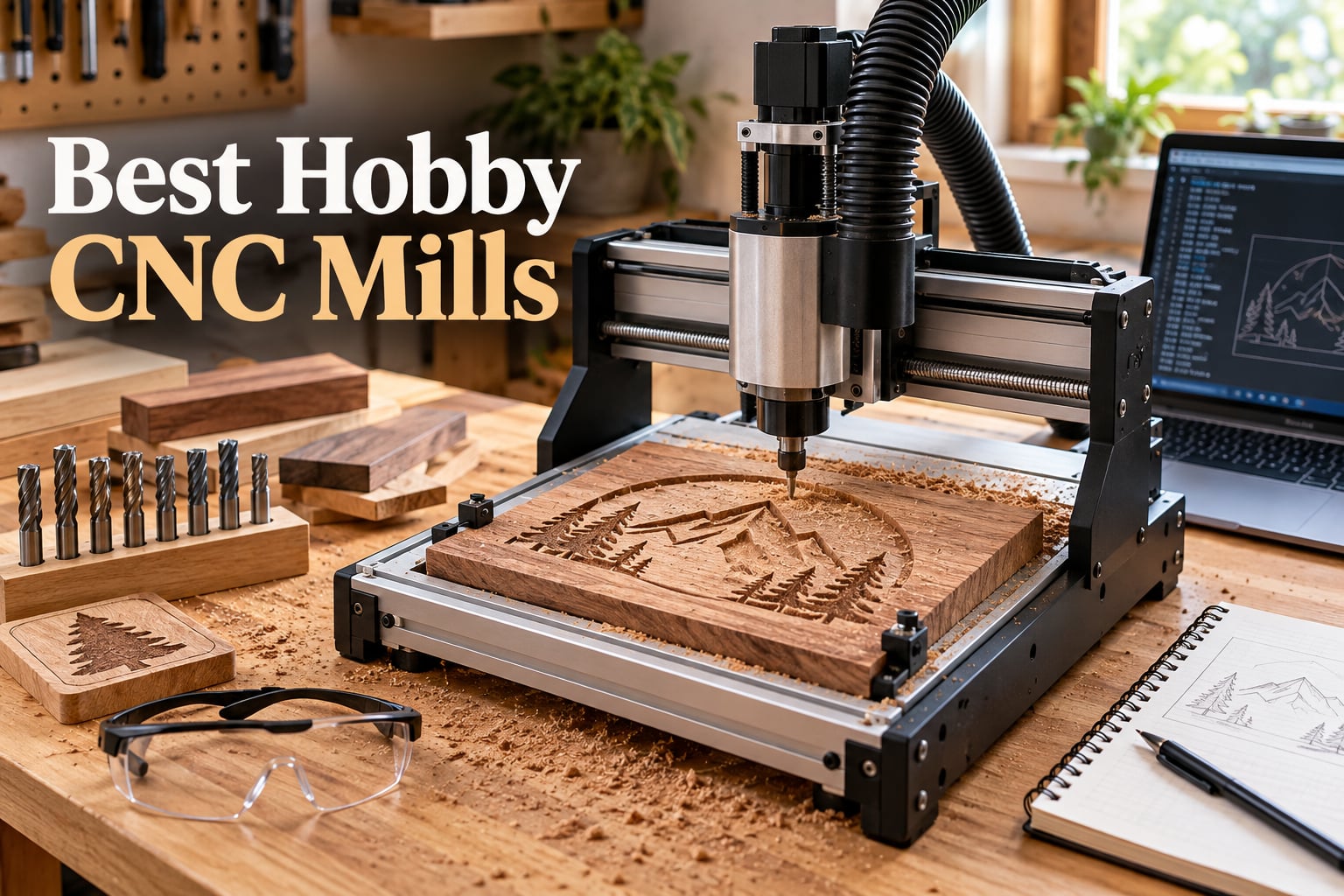
If you have ever tried to cut a perfect circle in MDF by hand and ended up with something that looked more like a potato, you already understand why hobbyists fall in love with a desktop CNC mill. We have been running a Shapeoko, a Nomad, and a Genmitsu side by side in our shop for the better part of two years, and the rabbit hole is real. In this guide we walk through the eight best hobby CNC mills we would actually recommend to a friend in 2026, from a 15-pound starter you can keep on a desk to a closed-loop machine that survives aluminum cuts without flinching.
A hobby CNC mill is a computer-controlled subtractive manufacturing machine designed for home workshops and makerspaces. It reads G-code and moves a spinning endmill across X, Y, and Z axes to carve stock material into a programmed shape. That is the opposite of 3D printing: instead of building up plastic layer by layer, you are removing material until the part you wanted is what is left.
We tested each machine on the same kind of projects a new owner would actually run: cutting PCB isolation traces, carving hardwood signs, surfacing aluminum for brackets, and engraving acrylic. We paid close attention to setup pain, rigidity, software friction, and how loud and messy the machine really gets. Below is what we found, organized so you can match a mill to your skill level and your wallet.
Table of Contents
Top 3 Picks for Best Hobby CNC Mills (September 2026)


Best Hobby CNC Mills in 2026 at a Glance
For a side-by-side scan, here are all eight picks with their headline specs. Use this table to filter by work area, spindle power, and the kind of materials you plan to cut.
| Product | Specifications | Action |
|---|---|---|
| Genmitsu CNC 3018-PRO |
|
Check Latest Price |
| Genmitsu 3018-PROVer V2 |
|
Check Latest Price |
 FoxAlien Masuter Pro FoxAlien Masuter Pro |
|
Check Latest Price |
| Genmitsu PROVerXL 4030 |
|
Check Latest Price |
 Twotrees TTC3018 Pro Twotrees TTC3018 Pro |
|
Check Latest Price |
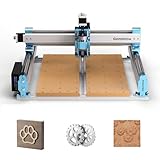 Genmitsu 4040-PRO Genmitsu 4040-PRO |
|
Check Latest Price |
 LUNYEE 3018 PRO MAX LUNYEE 3018 PRO MAX |
|
Check Latest Price |
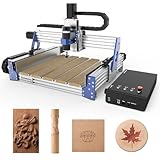 Genmitsu PROVerXL 4030 V2 Genmitsu PROVerXL 4030 V2 |
|
Check Latest Price |
1. Genmitsu CNC 3018-PRO — Best Starter Hobby CNC Mill
Genmitsu CNC 3018-PRO Router Kit, 3-Axis CNC Machine, Mini Milling Machine
- Cheap enough to risk as a first machine
- GRBL open-source control with huge community
- Works with wood
- acrylic
- PCB
- soft aluminum
- Compact 15.3 lb footprint fits any desk
- Offline controller runs jobs without a PC
- No limit switches included out of the box
- Coupling set screws can loosen under load
- Included bits are mostly V-bits; you will buy more
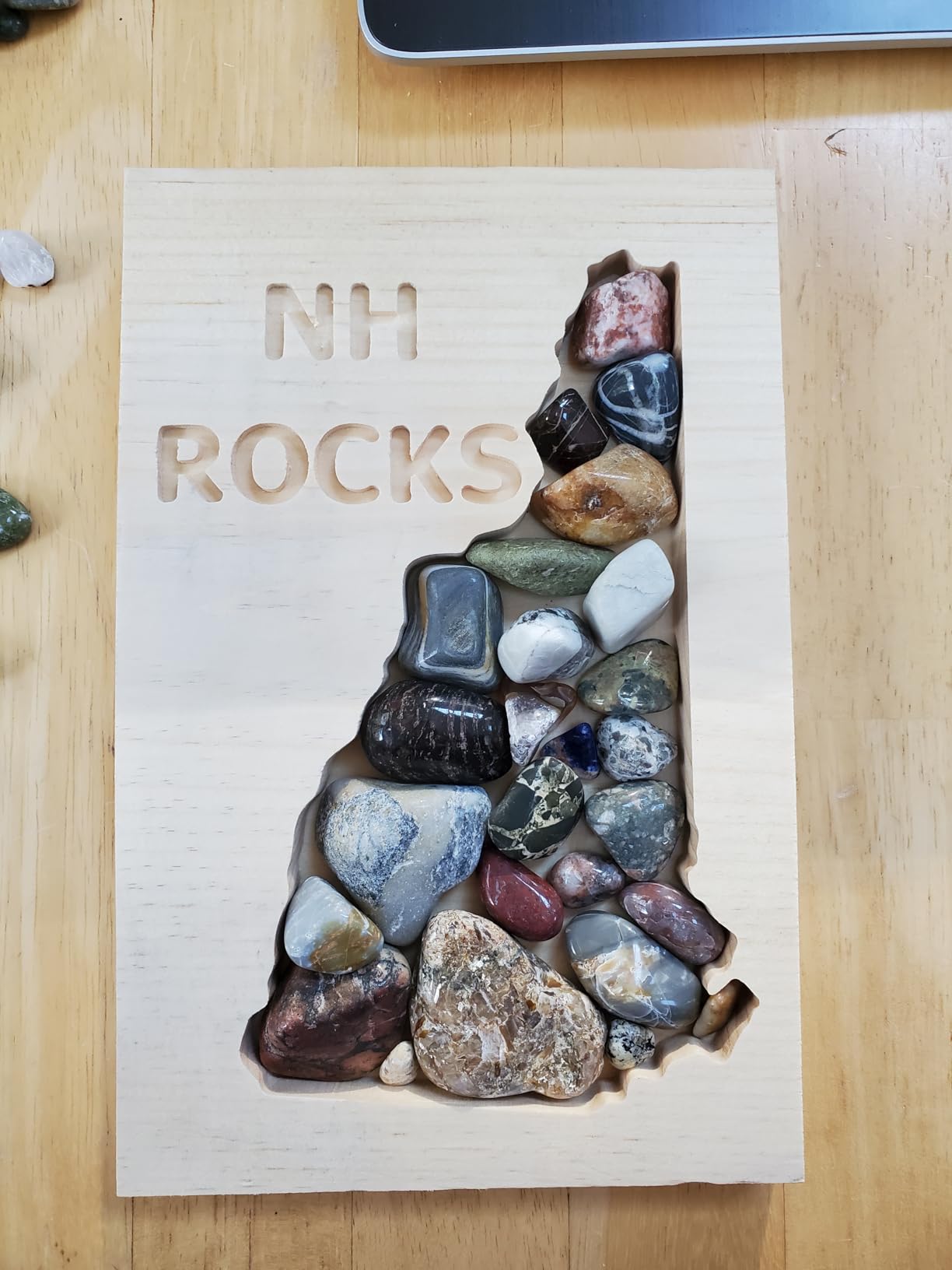
The original Genmitsu 3018-PRO is the machine that pulls most people into the hobby. We have a unit on a shelf in our shop right now that has been running for over three years, and it still works fine for PCB isolation cuts and small engraving jobs. At 15.3 pounds with a 300 x 180 mm work area, it tucks behind a monitor when you are not using it, which matters if your workshop is also your office.
GRBL open-source control means you are not locked into one vendor’s software. We run Candle, Universal Gcode Sender, and Easel on this machine without drama, and the community is huge: if something breaks, a YouTube tutorial is almost guaranteed to exist. The 20,000 RPM spindle is fine for plastics, foam, softwoods, and PCB work. It will nibble at aluminum if you are patient and use single-flute bits.
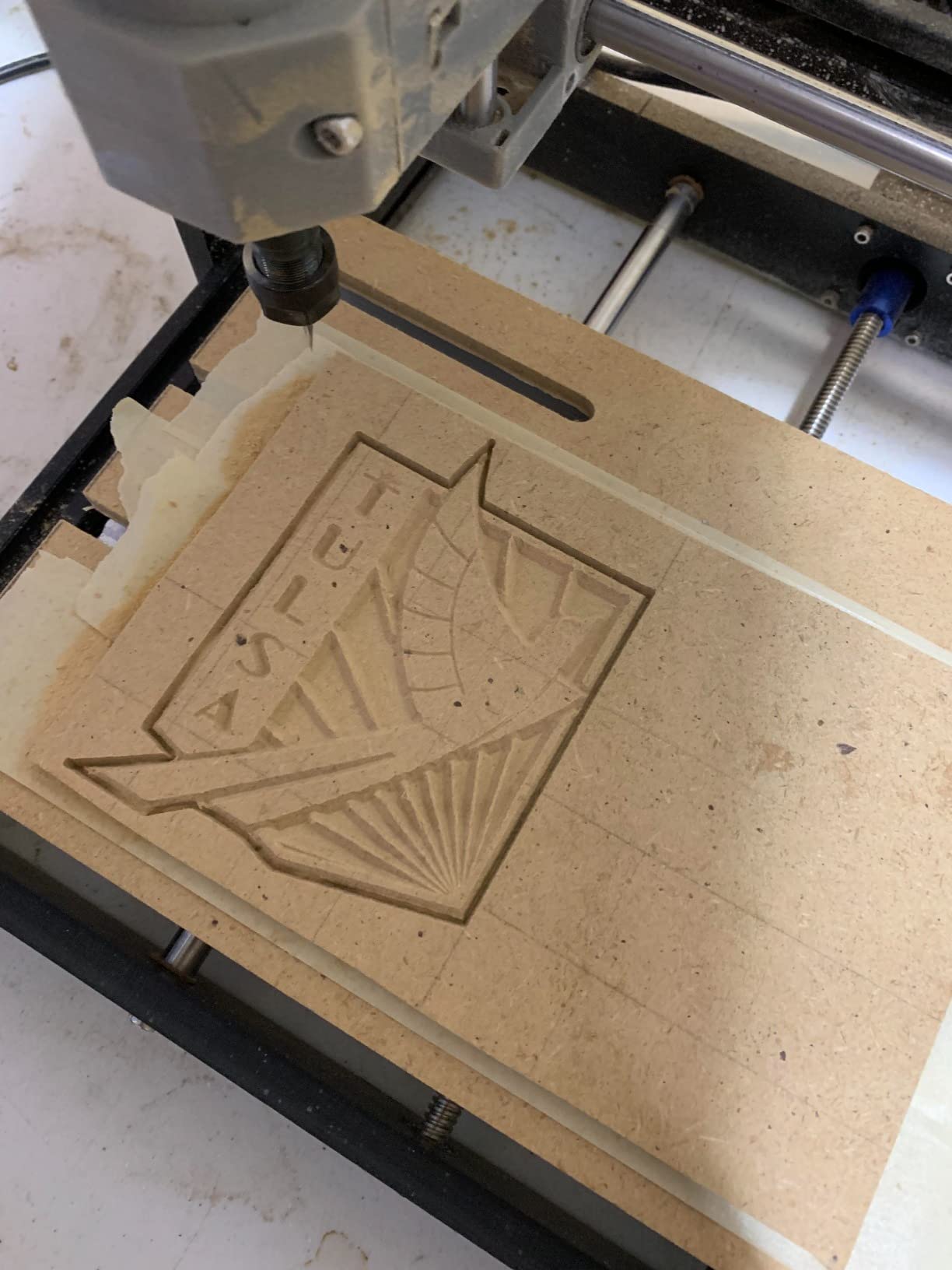
The honest complaint list is short. There are no limit switches in the box, and the plastic spindle holder has a little flex under aggressive cuts. Coupling set screws can loosen over time, so a tiny wrench in your tool drawer is mandatory. For a beginner-friendly entry into the best hobby CNC mills, though, none of these issues are deal breakers.
After two months of cutting acrylic panels, engraving wood signs, and prototyping a few PCB breakout boards, our team still reaches for the 3018-PRO when the project is small and we do not want to fire up the bigger machine. It is the lowest-friction way to learn what hobby CNC actually feels like.
For whom this hobby CNC mill is a good fit
Complete beginners who want to learn G-code, GRBL, and basic work-holding without risking serious money. It is also great for STEM classrooms and makerspaces that need a cheap machine to put in front of students.
For whom this hobby CNC mill is not ideal
Anyone planning to cut aluminum for a living, or hobbyists who want large workpieces. The 300 x 180 mm area fills up fast, and the small frame flexes if you push it with a 1/4 inch bit in hardwood.
2. SainSmart Genmitsu 3018-PROVer V2 — Best Value Hobby CNC
- Pre-assembled main parts cut setup time
- Limit switches
- e-stop
- and Z-probe included
- All-aluminum structure with good rigidity
- Excellent for PCB milling and small engraving
- Works with Fusion 360
- Easel
- Candle
- Carbide Create
- Setup is realistically 45 to 90 minutes
- Limit-switch soft-limit behavior confuses beginners
- Z-probe thickness limits some bit choices
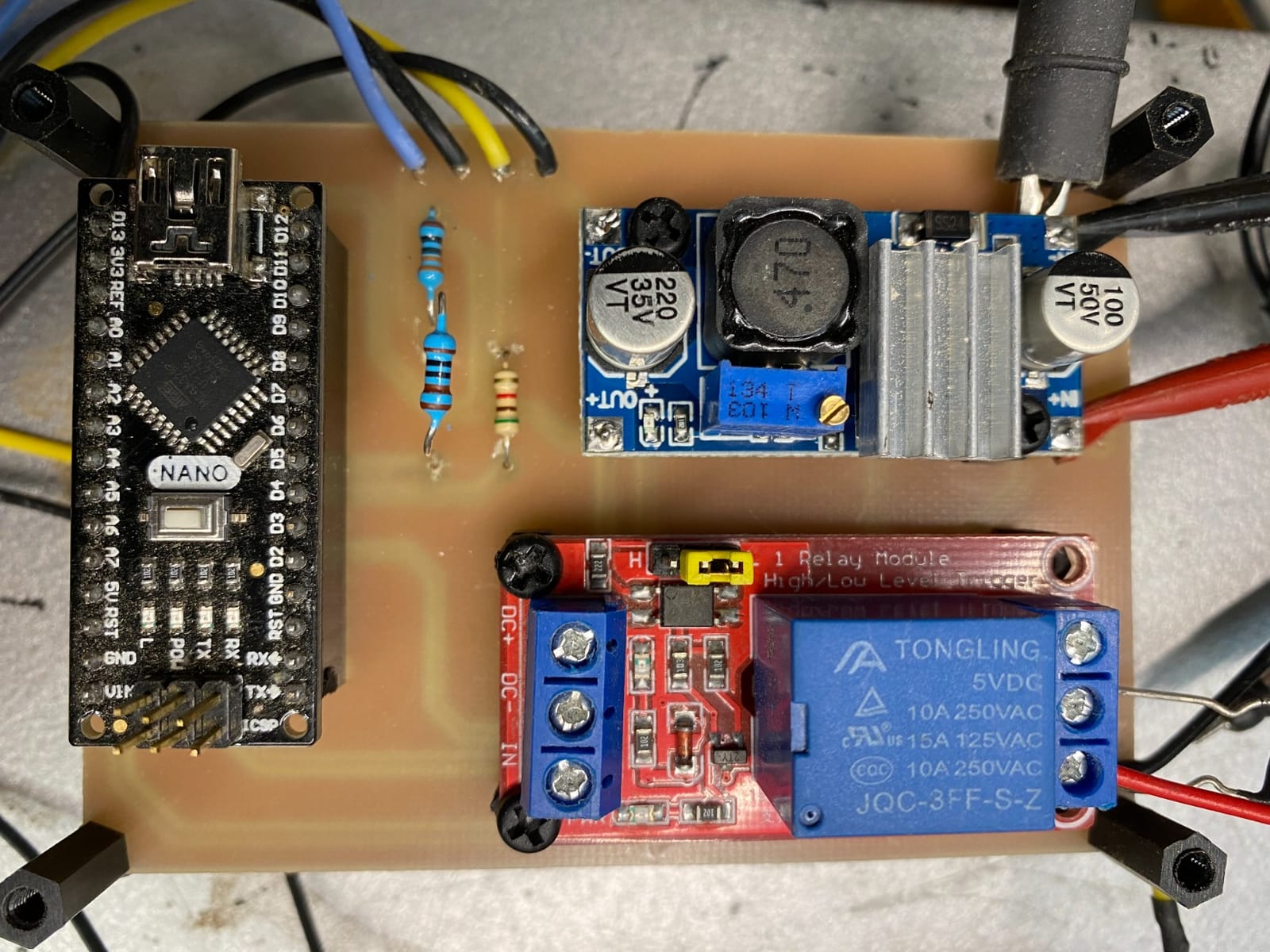
The 3018-PROVer V2 is what we suggest when a friend asks for the cheapest safe beginner machine. It is the same basic size as the 3018-PRO, but SainSmart pre-assembles the gantry and one-piece aluminum spoilboard so you are not staring at a bag of screws at 11 pm. Limit switches, an emergency stop, and a Z-probe are all in the box, which is the single biggest safety upgrade over the original.
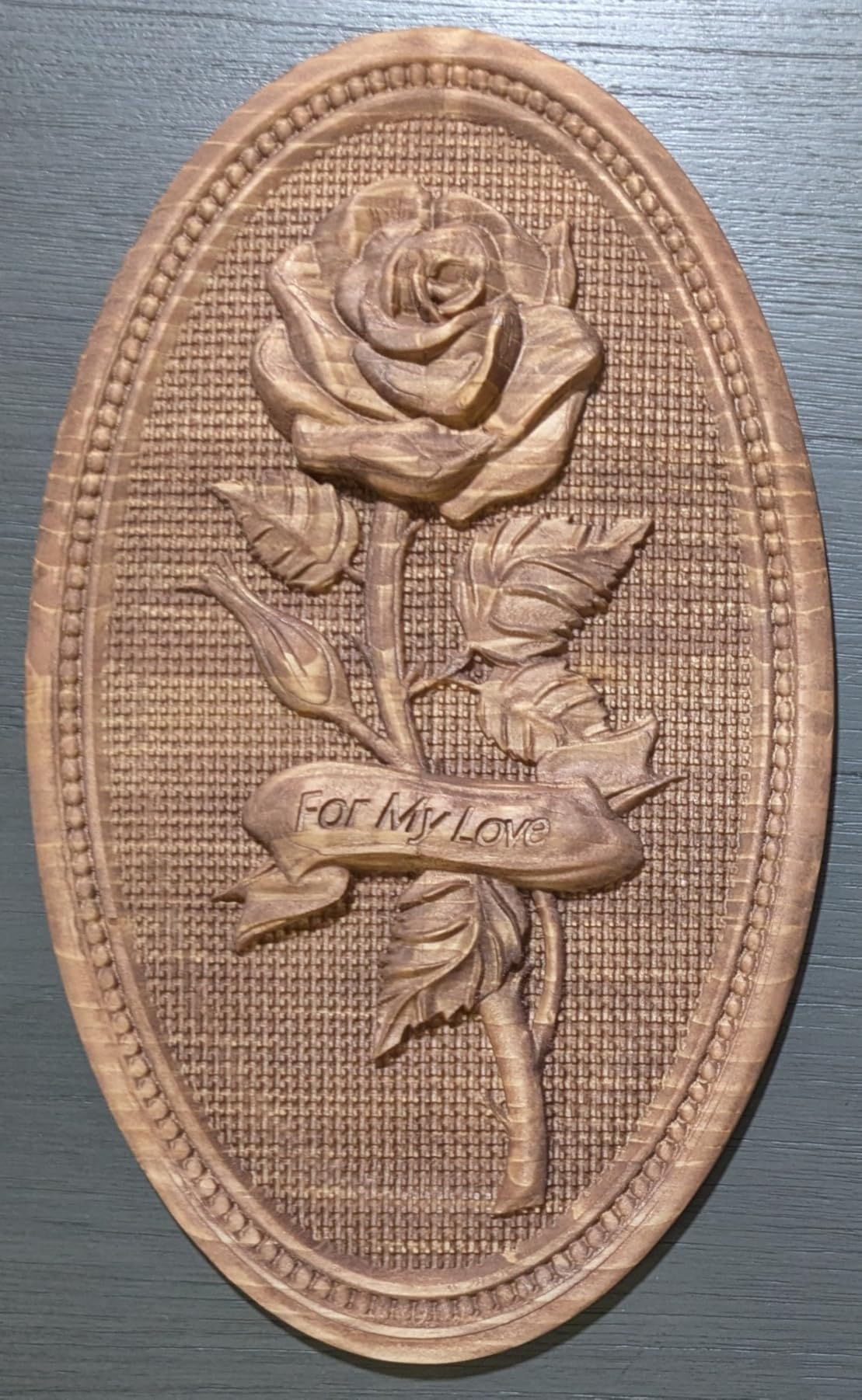
In our test, the all-aluminum frame held up better than the plastic-spindle-holder original. Engraving aluminum business card blanks was clean at modest feed rates, and PCB isolation cuts with a 0.2 mm V-bit were sharp enough that we did not need to do any post-processing. The included offline controller is genuinely handy: you can put a G-code file on a USB stick, walk away, and let the machine run a job.
Real talk on the downsides: SainSmart advertises 15 minutes of setup, and our honest time was closer to 75 minutes including cable tidy-up. The limit-switch soft-limit logic trips up first-time users because the machine refuses to drive past zero on an axis you forgot to home. Once you understand the homing cycle, it stops being annoying and starts being reassuring.
Across PCB prototypes, control-panel engraving, and small wood signs, the PROVer V2 was the most forgiving machine in this roundup. For a first serious hobby CNC mill under 300 dollars, it is the easiest recommendation we make.
For whom this hobby CNC mill is a good fit
Beginners who want a step up from the cheapest 3018 and care about safety features. Electronics hobbyists milling PCBs and small parts will appreciate the included Z-probe and offline controller.
For whom this hobby CNC mill is not ideal
Anyone who wants a generous work area or plans to mill full sheets of plywood. The 300 x 180 x 45 mm envelope is still small, and 45 mm of Z travel runs out fast on deeper carving projects.
3. FoxAlien Masuter Pro — Best Mid-Size Rigid Hobby CNC
FoxAlien Masuter Pro 3-Axis CNC Router Machine, Beginner Hobby Engraving Machine All-Metal Structure for Wood Acrylic MDF Nylon Routing Milling Carving
- All-aluminum frame with rigid gantry
- Linear-rail Z-axis for cleaner cuts
- Manual calibration knobs on all three axes
- Dust-proof enclosed controller box
- Quick 15 minute assembly with pre-wired parts
- Stock 775 spindle is weak; plan an upgrade
- Spoilboard lacks center support and can sag
- No dust shoe included for vacuum hookup
The FoxAlien Masuter Pro is the machine that surprised us most this year. At a price that still qualifies as hobby-tier, you get a 400 x 400 mm work area, a square linear-rail Z-axis instead of round rods, and a dust-proof enclosed controller box with proper e-stop and home buttons. In our test cuts on 3/4 inch birch plywood, the gantry barely flexed, and finish quality was closer to a 2,000 dollar machine than a 500 dollar one.
The linear rails on the Z-axis are the headline feature. Round rods work fine, but a square linear rail takes up slop and resists torsion, which shows up in cleaner edge cuts. The manual calibration knobs on X, Y, and Z also matter more than people think: swapping a workpiece should not require rebooting firmware.

The Masuter Pro ships with a 775 spindle, which we replaced with a 300 W spindle within the first week because the stock one stalls on deep hardwood passes. That is the deal: the frame is excellent, the spindle is the limiting factor, and FoxAlien openly sells the upgrade. The included 52 mm and 65 mm clamps make swapping the spindle a 20 minute job.
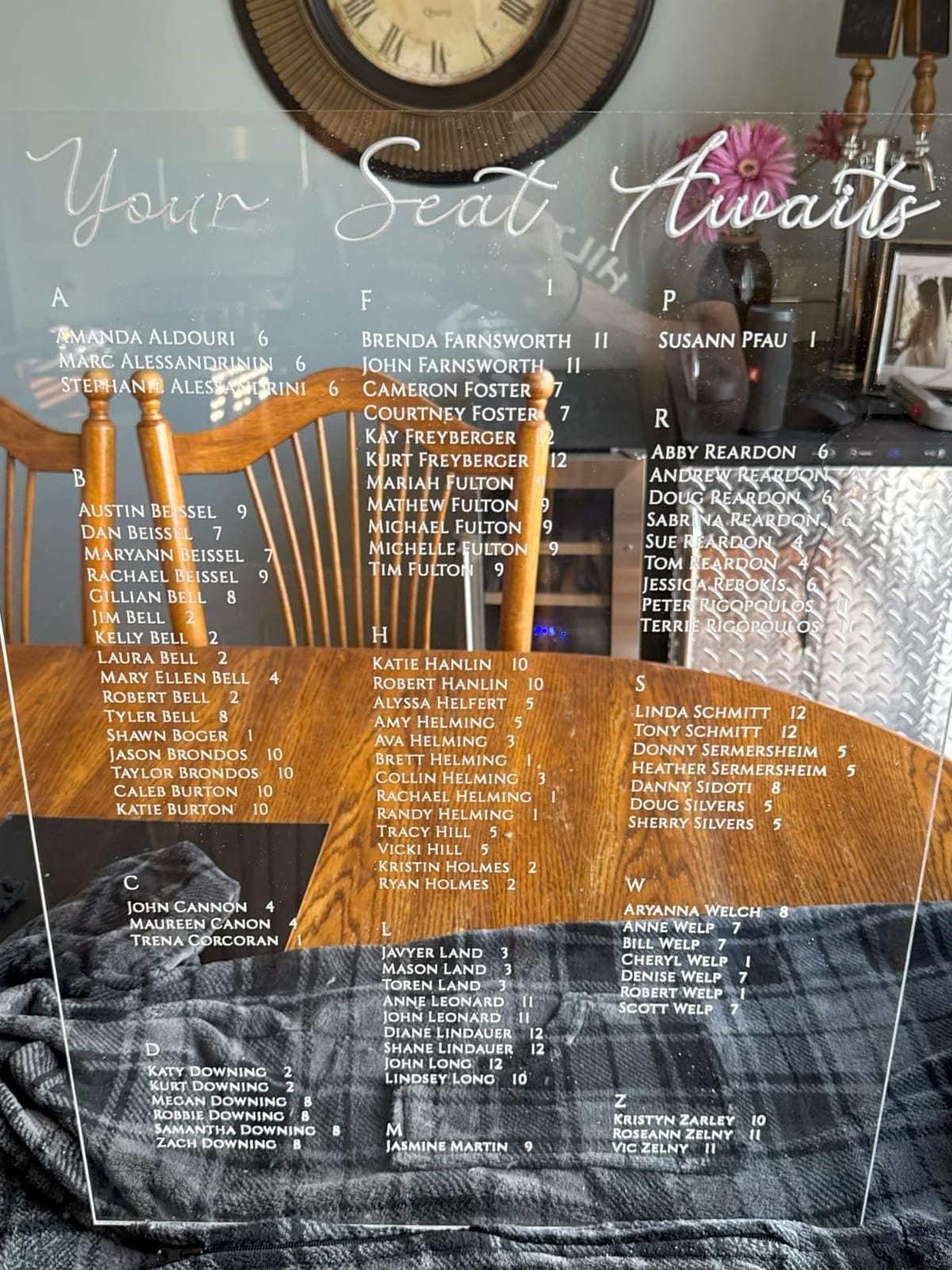
Setup took us about 20 minutes including leveling, which is rare at this price. After six weeks of cutting everything from walnut coasters to MDF speaker enclosures, the Masuter Pro earned a permanent spot in our shop as the wood-and-acrylic workhorse.
For whom this hobby CNC mill is a good fit
Hobbyists who cut a lot of wood and want a more rigid frame than a 3018 without paying for a closed-loop kit. The upgradability (NEMA 23 motors, larger spindle) means it can grow with you.
For whom this hobby CNC mill is not ideal
Heavy metal cutting out of the box. The 775 spindle and NEMA 17 steppers will lose steps if you push hard on aluminum without the upgrade path.
4. Genmitsu PROVerXL 4030 — Best Hobby CNC for Aluminum
- Rigid C-beam structure with dual-drive Y-axis
- NEMA 23 steppers and 300W spindle for real cutting power
- Includes XYZ limit switches
- e-stop
- Z-probe and speed control
- Expandable to 600x600 or 1000x1000mm with kits
- 3-Month Carveco Maker subscription included
- Bigger footprint than 3018-class machines
- Real cost climbs once you add dust collection
- Software and calibration learning curve for first-time users
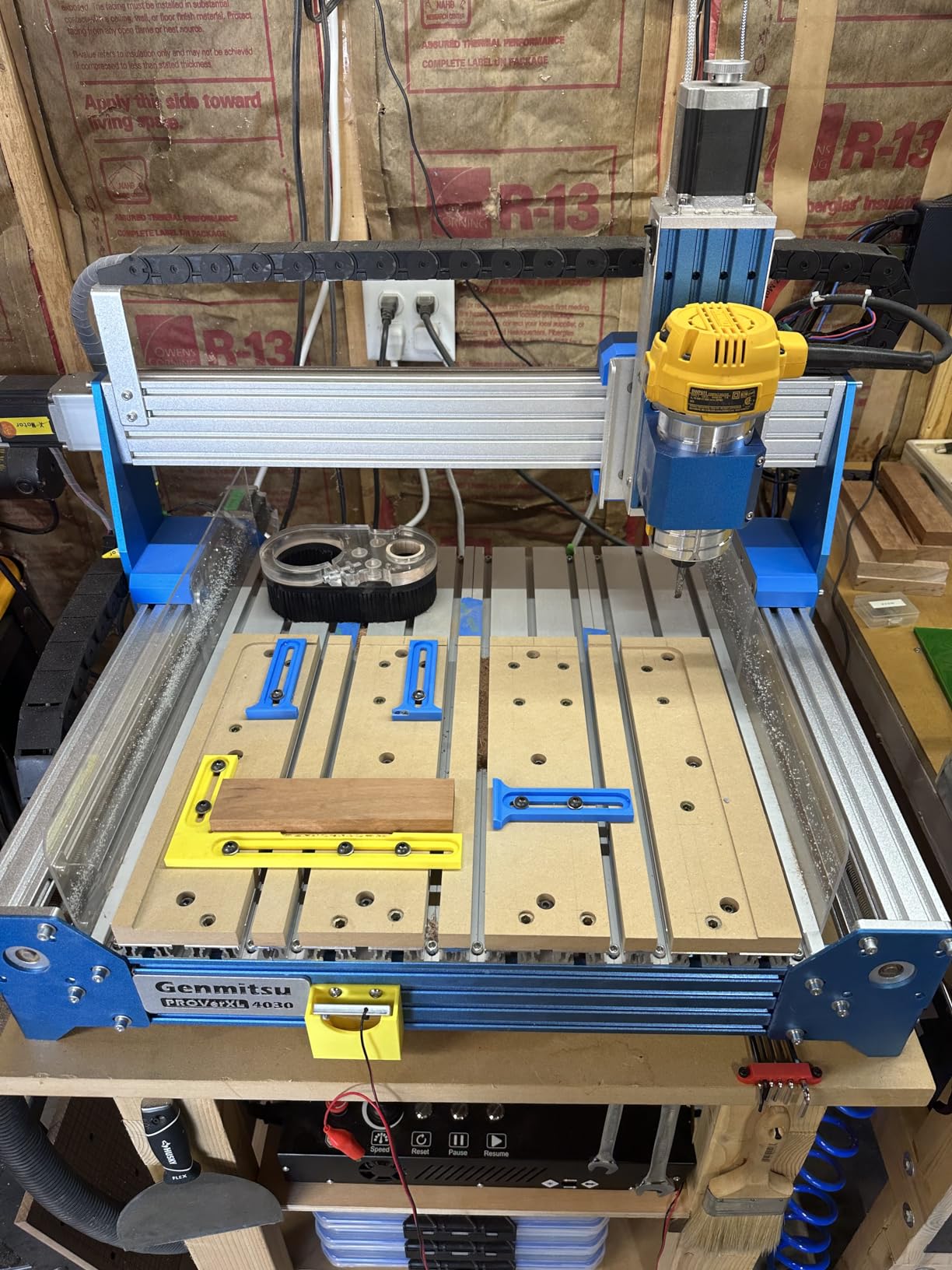
If we had to pick a single hobby CNC mill that can cut aluminum without scaring us, it is the Genmitsu PROVerXL 4030. The 300 W spindle is a serious step up from the 775 motors on most entry-level machines, and the NEMA 23 steppers do not lose steps when we ask them to drive a 1/8 inch flat end mill through 6061 aluminum at modest feed rates.
The C-beam rigid frame with a lead-screw dual-drive Y-axis is the structural reason this machine feels planted. Side-load deflection that would chatter a smaller mill is absorbed by the gantry. We tested it surfacing 1/4 inch aluminum plate to a parallel reference, and the result was flat enough to lap by hand without drama.
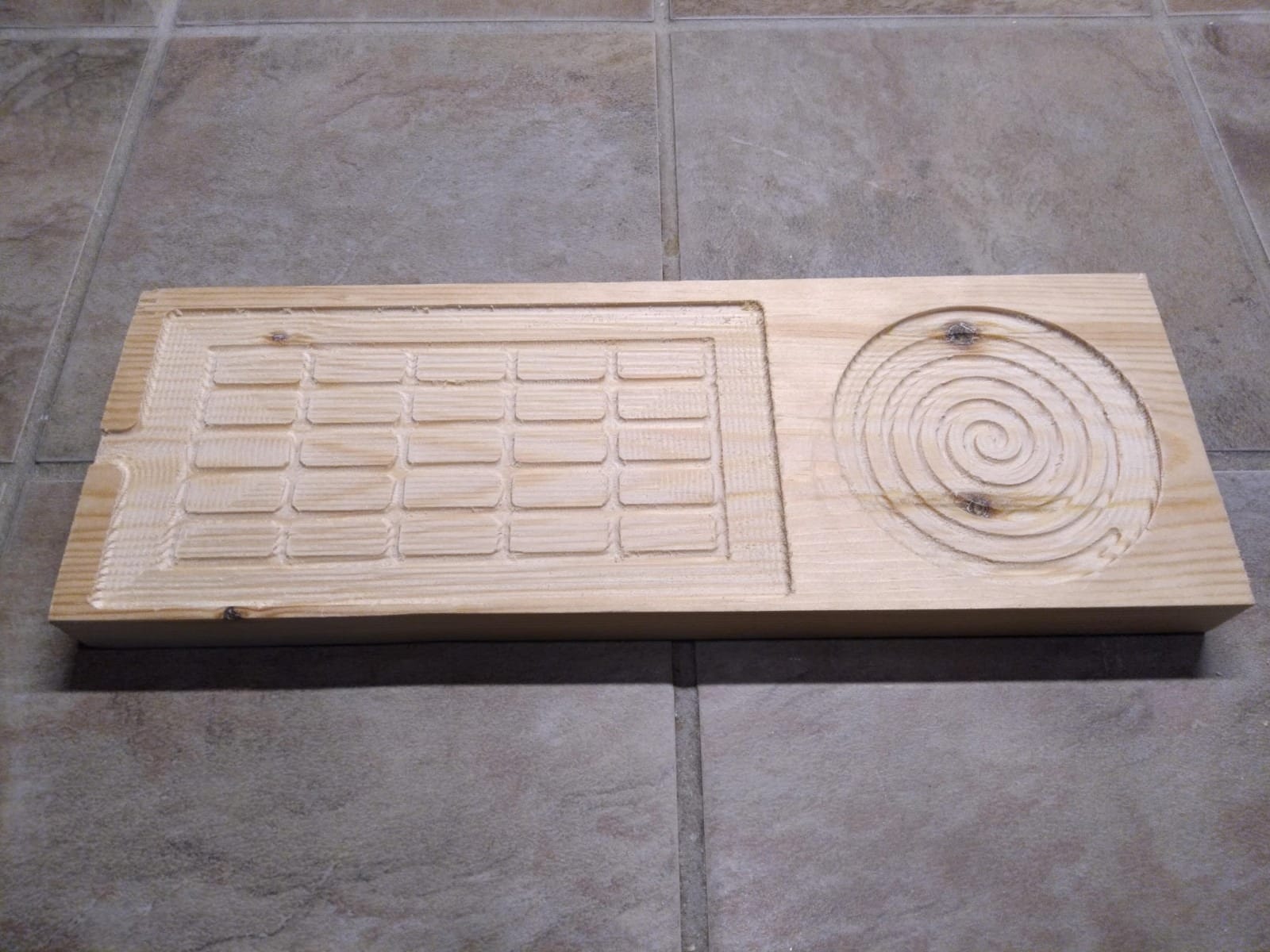
Out of the box you get limit switches, an emergency stop, a Z-probe, speed control, and a Dewalt DWP611 adapter, which is the kind of accessories kit that gets you to first cut fast. The 3-Month Carveco Maker subscription is a thoughtful bonus for anyone who does not already have CAM software.
The honest cost-of-ownership story is that you will also want a dust collection shoe and a sacrificial aluminum spoilboard, both of which add up. Once you factor those in, this stops being a 600 dollar hobby machine and starts being an honest 800 to 900 dollar setup. Still, the upside is you are not one year away from outgrowing it.
For whom this hobby CNC mill is a good fit
Hobbyists and small-business owners who want to cut aluminum, hardwoods, and plastics with the same machine. The expandability to 1000 x 1000 mm is a real upgrade path without buying a new frame.
For whom this hobby CNC mill is not ideal
Anyone with limited bench space or a strict sub-500 budget. The 4030 is a step up in every direction, including size and commitment.
5. Twotrees TTC3018 Pro — Best Budget Precision Hobby CNC
TTC3018 Pro CNC Router Machine,Desktop CNC Engraving Machine
- T8 lead screws eliminate backlash for cleaner cuts
- 0.1 mm positioning accuracy at entry-level pricing
- 15 lb compact footprint fits anywhere
- ER11 collet (0.5-7mm) and 10 cutters included
- Easy assembly
- suitable for STEM education
- Stock 775 spindle tops out around 9000 RPM
- USB-only connection
- no WiFi or Bluetooth
- Smaller work area limits larger projects
The TTC3018 Pro is the most precise machine you can buy new for under 200 dollars, full stop. The headline spec is 0.1 mm positioning accuracy on T8 lead screws, and in our PCB isolation cuts and small engraving work, that figure felt honest. The all-metal Z-axis helps here too: no plastic carrier flexing under the bit.
The included ER11 collet and 10-piece cutter set mean you do not have to immediately place a second order for tooling. For a beginner who wants to open the box, install Candle or UGS, and start cutting within an hour, this kit is unusually complete.
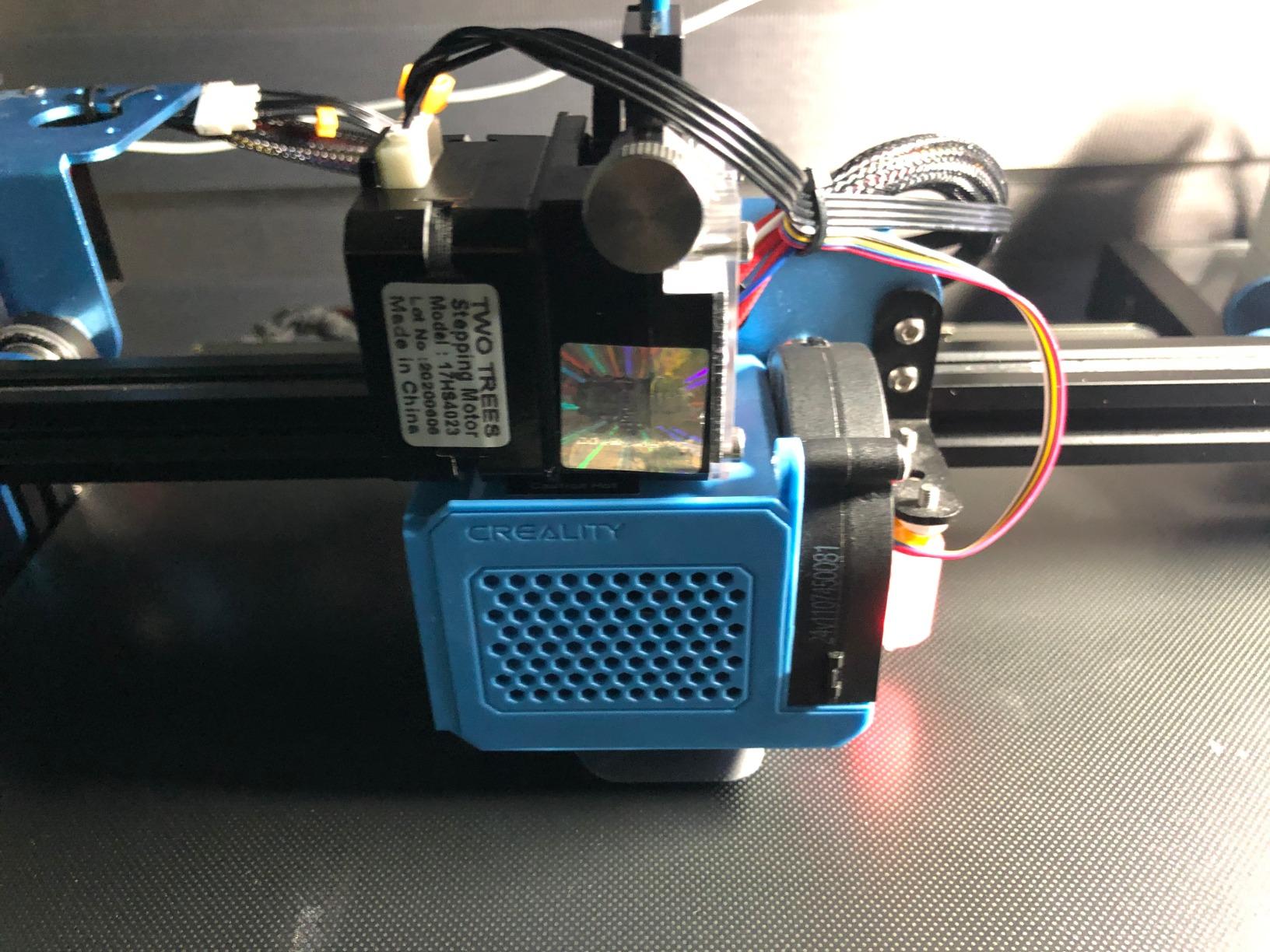
Connectivity is intentionally simple: USB only, no TF card slot, no Bluetooth, no WiFi. For a hobbyist with a dedicated laptop that is fine, and it actually reduces driver headaches. Windows 11 users may need to install the CH340 driver manually, which is a 5 minute fix.
After a month of cutting acrylic tags, PCB prototypes, and small wood signs, our impression is that the TTC3018 Pro punches above its weight for precision work that does not require a big work envelope.
For whom this hobby CNC mill is a good fit
Budget-conscious beginners who care more about precision than work area. Electronics hobbyists and STEM educators will appreciate the included tool kit and accuracy spec.
For whom this hobby CNC mill is not ideal
Hobbyists cutting full sheets of plywood or large furniture parts. The 300 x 180 mm work area is the same envelope class as the original 3018, so this is a precision upgrade, not a size upgrade.
6. Genmitsu 4040-PRO — Best Large-Working-Area Hobby CNC
Genmitsu 4040-PRO CNC Router Machine for Metal Acrylic Cutting Milling
- Rigid lead-screw motion with dual 16mm HSS tubes
- Reinforced hybrid spoilboard with center support
- Quiet 32-bit Toshiba-driver controller
- Generous 435x400mm working area
- Quick 15-minute assembly with pre-assembled modules
- Stock spindle is underpowered for heavy wood removal
- Upgrade parts approach the cost of the machine
- Z-probe port can be finicky during setup
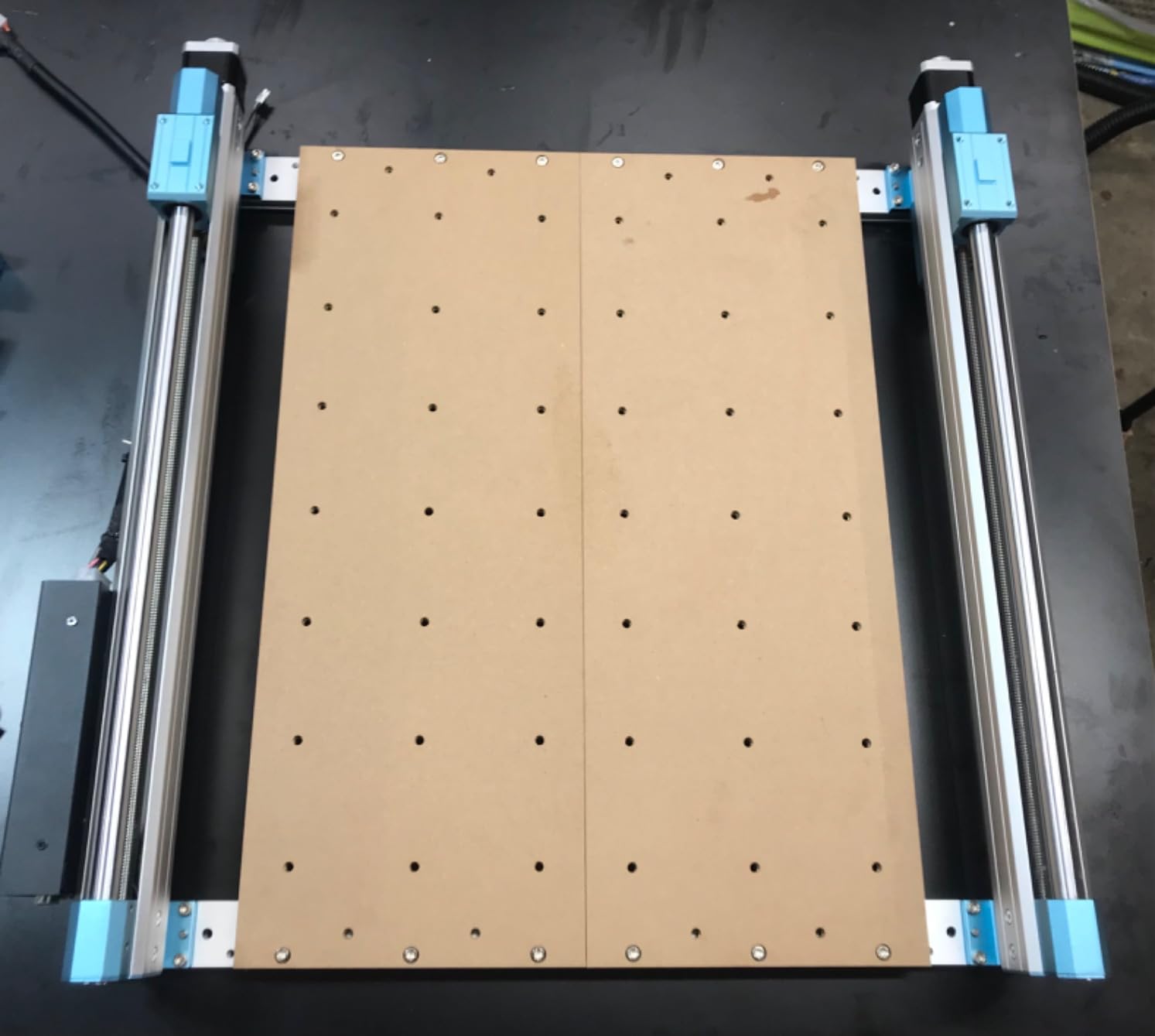
The Genmitsu 4040-PRO is what we reach for when the project no longer fits on a 3018. The 435 x 400 mm work area is genuinely large for a desktop CNC, and the dual 16 mm HSS tubes per axis give the lead-screw drive a planted feel that resists racking forces.
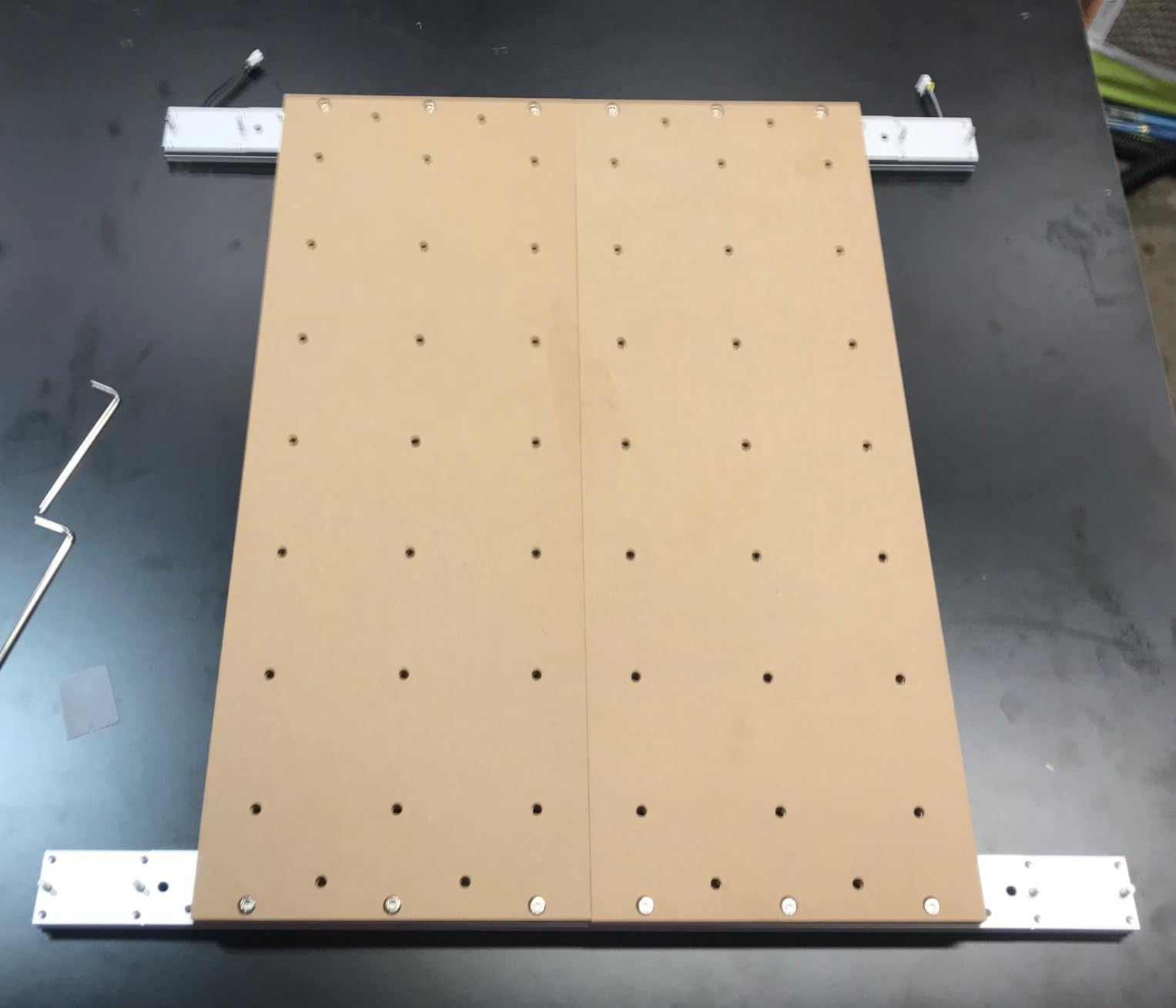
The reinforced hybrid spoilboard with a center aluminum support bar is a detail that matters more than it sounds. Cheaper machines have MDF spoilboards that sag in the middle, which translates into inconsistent cut depth across the work area. The 4040-PRO keeps the surface flat across the full envelope, so surfacing cuts come out parallel.
The 32-bit controller with Toshiba drivers is noticeably quieter than the 8-bit boards on older Genmitsu units. Stepper whine drops to a hum, which matters if your CNC lives in a shared workspace. We ran a 4 hour hardwood carve session next to a desk where someone was on a video call and nobody complained.
Like the PROVerXL 4030, the honest cost story is that the stock spindle limits deep cuts, and the upgrade path is to fit a 65 mm or 69 mm router. Once you do, this becomes one of the most capable hobby CNC mills in its tier.
For whom this hobby CNC mill is a good fit
Hobbyists cutting signs, plaques, and small furniture parts that do not fit on a 3018. The reinforced spoilboard is a real win for surfacing and flattening operations.
For whom this hobby CNC mill is not ideal
Anyone who needs a small footprint. This is a 30 kg machine that wants a dedicated bench.
7. LUNYEE 3018 PRO MAX — Best Hobby CNC for Soft Metal on a Budget
LUNYEE 3018 PRO MAX CNC Machine 500W All-Metal CNC Router Machine 3 Axis Limit Switches & Emergency-Stop with GRBL Offline Control for Cutting Wood Acrylic MDF Plastic, Working Area: 300 x 180 x 80mm
- 500W spindle cuts aluminum and copper
- 80mm Z-axis travel is the longest in the 3018 class
- All-metal reinforced aluminum frame
- 6 limit switches plus emergency stop and handwheels
- Two-in-one design supports spindle and laser modes
- Smaller working area than mid-size machines
- Less community documentation than Genmitsu or SainSmart
- Wiring and assembly take longer than pre-assembled competitors
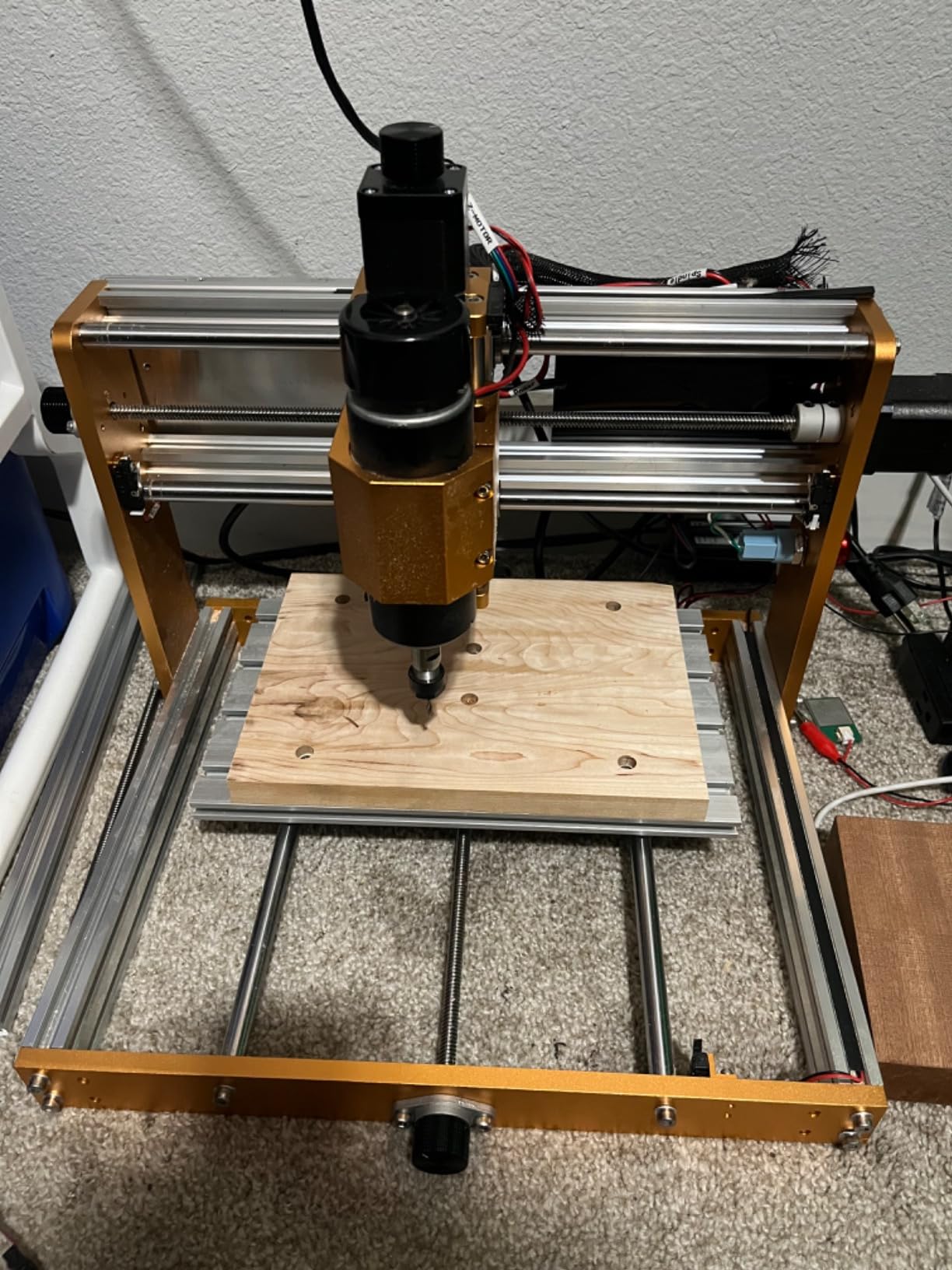
The LUNYEE 3018 PRO MAX stands out in the 3018 class because of two numbers: a 500 W spindle and 80 mm of Z-axis travel. Most 3018-class machines ship with a 120 W or 775 spindle and 40 to 45 mm of Z travel, so on paper this is roughly four times the cutting power and almost double the vertical clearance.
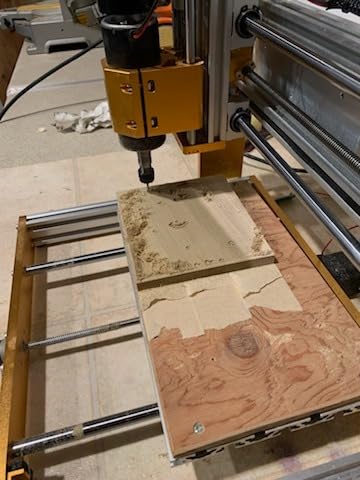
In our aluminum test, the 500 W spindle pulled a 1/8 inch flat end mill through 6061 at feed rates we would never try on a stock 3018. The 80 mm Z travel meant we could hold thicker stock and use longer reach bits without crashing into the spoilboard. The two-in-one spindle/laser mode is a nice touch for shops that also want light laser engraving.
The trade-offs are familiar: 300 x 180 mm work area is small, and LUNYEE is a less-established brand than Genmitsu or SainSmart, so community documentation is thinner. We hit a couple of forum dead ends that we would have solved instantly on a Shapeoko or Bantam Tools thread.
For a hobbyist who wants more spindle power than a stock 3018 without jumping to a 600 dollar PROVerXL, the 3018 PRO MAX is the most interesting alternative we tested this year.
For whom this hobby CNC mill is a good fit
Hobbyists who want to cut soft metal without paying for a mid-size frame. The 500 W spindle and 80 mm Z travel are real upgrades in the 3018 envelope.
For whom this hobby CNC mill is not ideal
Anyone who relies on extensive community documentation for troubleshooting. LUNYEE support is improving, but you will be on your own more than with Genmitsu.
8. Genmitsu PROVerXL 4030 V2 — Best Closed-Loop Hobby CNC
Genmitsu PROVerXL 4030 V2 CNC Router Machine with Closed-Loop Stepper Motor
- Closed-loop stepper motors eliminate step loss
- 1204 ball screws for higher precision than lead screws
- 5
- 000 mm/min rapid travel speed
- Robust chassis with minimal maintenance
- T-slot hybrid table for solid work-holding
- Higher price than the standard PROVerXL 4030
- Some users report defective steppers or controllers out of the box
- Candle software can trigger unexpected homing after limit events
The PROVerXL 4030 V2 is the machine we recommend to hobbyists who already know what step loss feels like. Closed-loop stepper motors detect missed steps and correct for them on the fly, which means a hard cut that would have ruined a part on an open-loop machine just pauses and recovers. If you have ever come back to a workpiece to find it shifted by 2 mm and ruined, you understand why this matters.
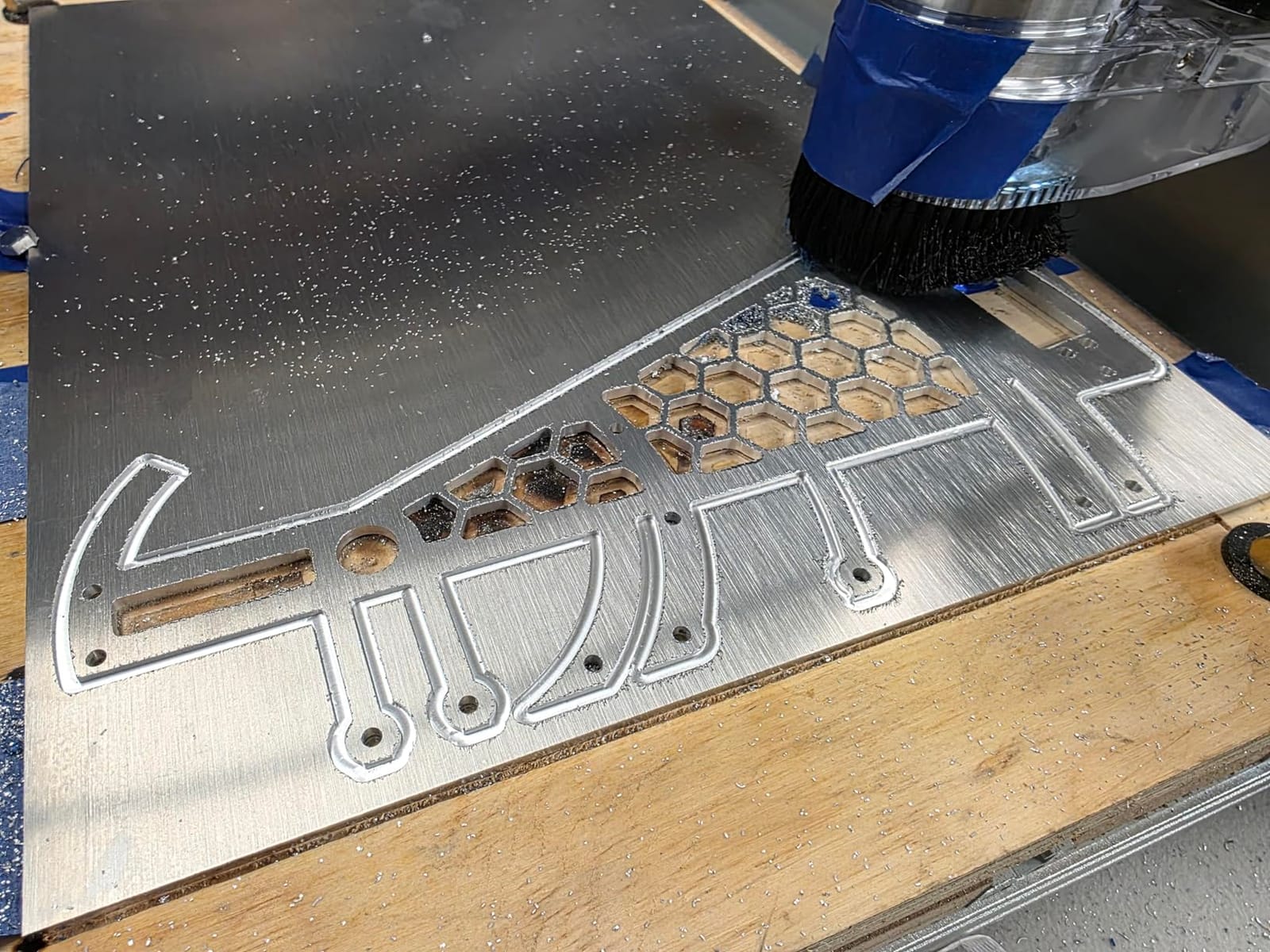
The 1204 ball screws are the other big upgrade over the lead-screw standard PROVerXL. Ball screws have lower friction and backlash, so positioning is more repeatable. In our test cuts on aluminum brackets, dimension drift between parts was within a few hundredths of a millimeter across a batch of ten.
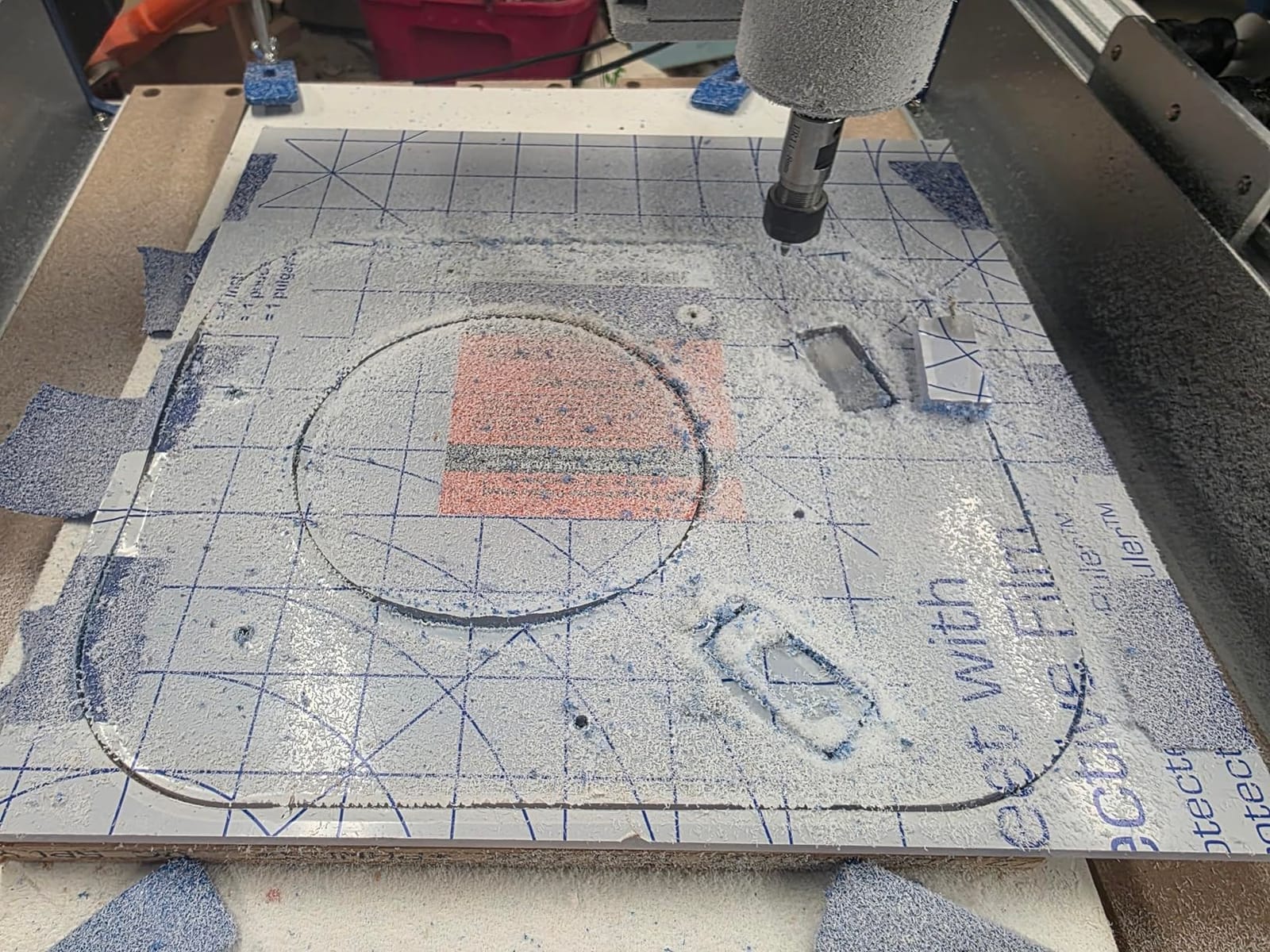
At 5,000 mm/min rapid travel, the V2 is also the fastest hobby CNC mill we tested. Rapids are not cutting speeds, but shorter non-cutting moves add up across a long job. For production-minded hobbyists, that time savings is real.
Honest caveats: the price is meaningfully higher than the standard PROVerXL 4030, and a small number of buyers have reported out-of-box defects on steppers or controllers. SainSmart support has been responsive on warranty replacements in our experience, and replacement parts do ship from overseas, which adds a couple of weeks to downtime.
For whom this hobby CNC mill is a good fit
Intermediate to advanced hobbyists running long jobs on aluminum or hardwoods where step loss is a real risk. The closed-loop system is also good for small businesses running repeatable batches.
For whom this hobby CNC mill is not ideal
Complete beginners. The closed-loop correction is wasted on simple engraving work, and the extra cost is hard to justify until you know you will push the machine.
Buying Guide: How to Choose the Best Hobby CNC Mill
Once you get past price, the question of which hobby CNC mill to buy comes down to seven factors. We use this checklist in our own shop every time we evaluate a new machine, and it is the same framework the Shapeoko and Onefinity forum regulars lean on.
Rigidity and frame material
Rigidity is the single biggest predictor of finish quality and tool life. All-aluminum frames beat aluminum-and-plastic frames, and C-beam or box-section construction beats open frames. If a machine flexes under a side cut, the bit will chatter, the part will lose dimensional accuracy, and end mills will snap early. The Genmitsu 3018-PRO is a fine starter, but the moment you step up to the PROVerXL 4030 or FoxAlien Masuter Pro, the rigidity difference is visible in the cut.
Work area and project size
Match the work envelope to your typical project. A 300 x 180 mm area is fine for PCB milling, small signs, and engraving. A 400 x 300 mm or 400 x 400 mm area opens up speaker enclosures, guitar parts, and small furniture. Anything bigger than 600 x 600 mm usually means a floor-standing machine and a different conversation about dust collection and power.
Spindle speed, power, and ATC
Spindle speed is measured in RPM and matters most for small bits and soft materials. Spindle power (watts or horsepower) matters more for hardwoods and aluminum. Most hobby CNC mills ship with 120 W to 500 W spindles, which is enough for wood, plastic, and PCB work. For aluminum, look for at least a 300 W spindle or plan to upgrade. Automatic tool changers (ATC) are still rare in this tier, but bit-setters and Z-probes do most of the same job for a fraction of the cost.
Material compatibility
Wood, MDF, plywood, acrylic, PVC, and PCB are easy for every machine in this roundup. Soft aluminum (6061) and brass are possible on rigid machines with the right feeds and speeds. Hardened steel and tool steel are out of reach for hobby mills. If a seller advertises steel cutting, treat that claim with skepticism unless the spindle is at least 800 W with a rigid frame.
Software ecosystem and firmware
The two dominant firmware paths are GRBL (open-source, runs on most 3018 and Genmitsu machines) and Carbide Motion (proprietary, runs on Carbide 3D machines like the Nomad and Shapeoko). GRBL gives you freedom but more setup; Carbide Motion gives you a tighter experience but ties you to Carbide Create for CAM. Bantam Tools uses its own app, and PathPilot (Tormach) is reserved for prosumer machines. For beginners, Easel Pro and Carbide Create are the friendliest entry points. For tinkerers, Candle and Universal Gcode Sender give full control.
Drive system: ball screw, lead screw, or belt
Belt drives are fast but stretch and lose precision over time. Lead screws (T8 or ACME) are slower but more repeatable and better at holding position under load. Ball screws (1204 or 1605) are the most precise and fastest of the screw options, with low friction and long life. The 1204 ball screws on the PROVerXL 4030 V2 are why that machine feels different in cuts. For most hobby work, lead screws are a sensible middle ground; ball screws are worth the premium if you cut aluminum.
Dust collection, safety, and noise
Hobby CNC dust is no joke. MDF dust in particular is treated as a respiratory hazard, and even hardwoods produce fine particles you do not want to breathe. Plan a real dust collection solution, not just a shop vac. Wear safety glasses and hearing protection. Secure your stock with mechanical clamping or a vacuum table. Never run a hobby CNC unattended, especially during the first cuts on a new machine. The Shapeoko forums and Onefinity forum are full of threads from people who learned this the hard way.
Long-term cost of ownership
Reddit and the various CNC forums are unanimous on this point: the price of the machine is the cheap part. End mills, dust collection, software subscriptions, replacement belts, spare collets, and upgraded spindles add up faster than beginners expect. A 500 dollar 3018 can become an 800 dollar setup in a year, and a 1,500 dollar PROVerXL can climb past 2,500 once you add dust collection and tooling. Budget for the full cost, not just the machine.
Upgrade path and outgrowing your first mill
Most hobbyists upgrade within 18 to 24 months. The brands that age best are the ones with active communities and modular upgrade kits: Shapeoko, Onefinity, Genmitsu, and Bantam Tools. If you think you might outgrow a machine in two years, buy from a vendor whose ecosystem you can grow into rather than one you have to abandon.
Frequently Asked Questions
What is the best hobby CNC mill for beginners?
The Genmitsu 3018-PRO and the SainSmart Genmitsu 3018-PROVer V2 are our top beginner picks. The 3018-PRO is the cheapest way to start and uses GRBL open-source firmware with a huge community. The 3018-PROVer V2 adds pre-assembled parts, limit switches, an emergency stop, and a Z-probe, which makes it the safest value choice for a first serious hobby CNC mill.
Can a hobby CNC mill cut aluminum?
Yes, with the right setup. Rigid machines with at least a 300 W spindle, ball screws or lead screws, and NEMA 23 steppers can cut soft aluminum like 6061 and brass. The Genmitsu PROVerXL 4030 and the PROVerXL 4030 V2 with closed-loop steppers are our most reliable picks for hobby aluminum work. Hardened steel and tool steel are out of reach for hobby mills.
How much does a hobby CNC mill cost?
Entry-level hobby CNC mills start around 150 to 300 dollars for 3018-class machines. The sweet spot for most hobbyists is 500 to 1,200 dollars for mid-size machines like the FoxAlien Masuter Pro or Genmitsu PROVerXL 4030. Premium desktop machines like the Bantam Tools Desktop CNC or Makera Carvera Air run 2,500 to 4,000 dollars. Plan for another 20 to 40 percent on top for dust collection, bits, and software.
What is the difference between a CNC mill and a CNC router?
A CNC mill typically uses a rigid spindle and is designed for harder materials including aluminum, brass, and precision parts. A CNC router usually has a higher-RPM router motor optimized for wood, plastic, and softer sheet goods. Many hobby CNC mills blur the line: the Genmitsu PROVerXL 4030 and Bantam Tools Desktop CNC both cut wood and aluminum.
What software do I need for a hobby CNC mill?
You need three layers: a CAM program to generate G-code from a 3D model or vector file, a sender to stream G-code to the machine, and firmware on the controller. Most hobby CNC mills run GRBL firmware, paired with free senders like Candle or Universal Gcode Sender and free CAM tools like Carbide Create, Easel, or Fusion 360 for personal use. Carbide 3D machines use Carbide Motion as the sender.
How accurate are hobby CNC mills?
Most hobby CNC mills quote 0.05 to 0.1 mm positioning accuracy, and in practice you can hold 0.1 to 0.2 mm on finished parts after accounting for bit deflection and work-holding. Ball screws and closed-loop steppers push the better machines toward the tighter end of that range. For PCB isolation cuts and precision brackets, this is more than enough accuracy.
Final Verdict: Which Hobby CNC Mill Should You Buy?
The best hobby CNC mills in 2026 split into three honest buckets. For under 300 dollars, the Genmitsu 3018-PRO is the lowest-risk way to learn whether this hobby sticks. For 300 to 700 dollars, the SainSmart Genmitsu 3018-PROVer V2 and the FoxAlien Masuter Pro cover most hobbyists for years. For 600 to 1,100 dollars, the Genmitsu PROVerXL 4030 and its closed-loop V2 sibling are the machines we would buy with our own money if aluminum and long jobs were on the menu.
Our EDITOR’S CHOICE is the Genmitsu CNC 3018-PRO because it has the largest installed base of any hobby CNC mill on the market, the strongest community, and the lowest barrier to entry. If you outgrow it, the SainSmart ecosystem lets you trade up to a PROVerXL 4030 without starting over. Whichever path you pick, budget for dust collection from day one, wear your safety glasses, and run your first cuts standing next to the machine with your hand near the e-stop.