
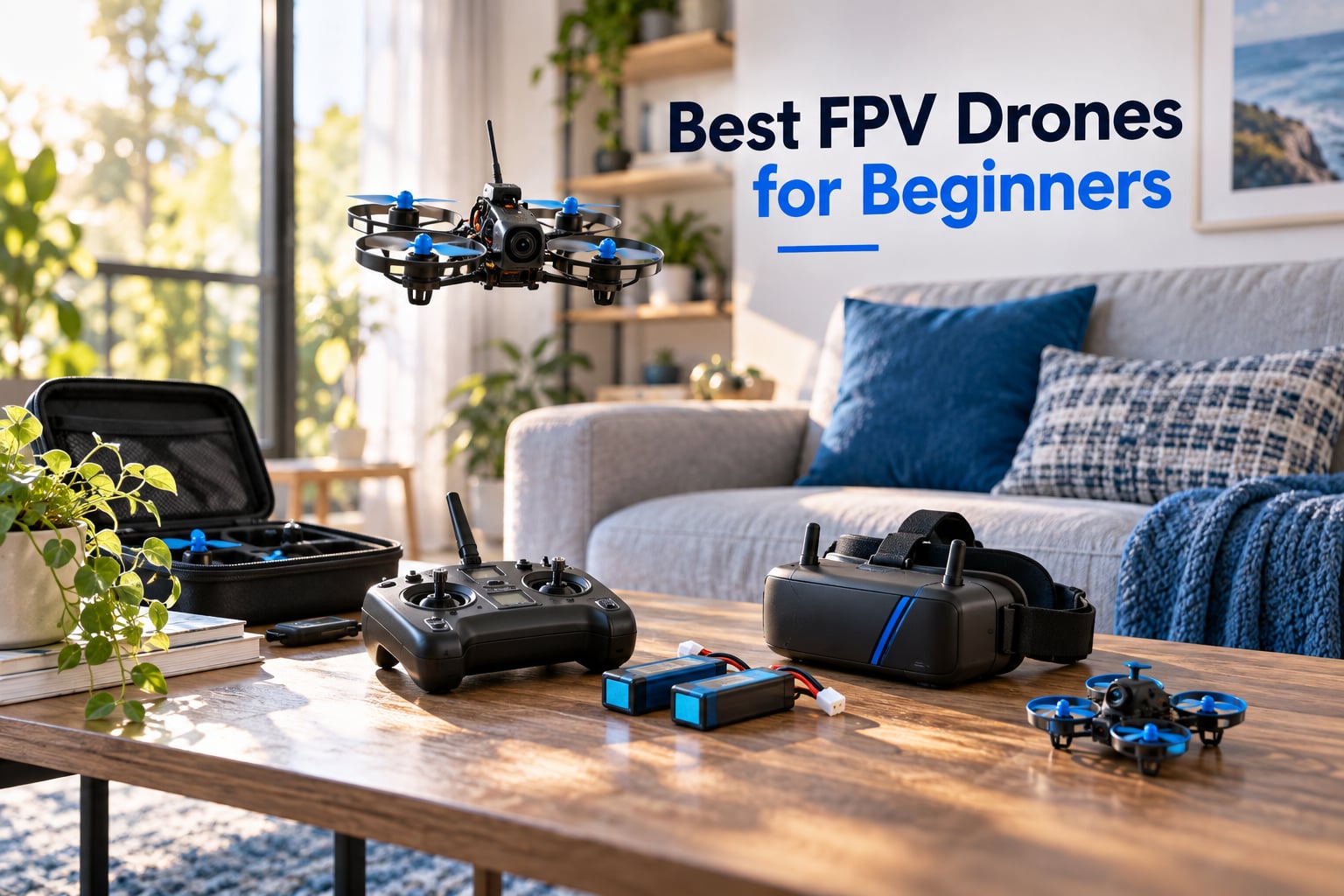
Picking the best FPV drones for beginners in 2026 comes down to one question: do you want to fly today, or do you want to grow into the hobby for years? After spending weeks testing kits and cross-checking reviews against r/fpv threads, I keep coming back to the BETAFPV Cetus Pro as my top recommendation because it bundles a real 5.8GHz radio, a forgiving flight controller, and beginner-friendly goggles in one box that actually survives crashes. The other nine kits on this list earn their spot for specific reasons, from sub-$200 entry points to freestyle trainers that grow with you.
This guide covers the terms you’ll see on every product page, the analog-vs-digital decision that shapes everything, and the realistic budget including spare parts. If you want a quick primer on how multirotors fly before diving in, our How Do Drones Fly guide pairs well with this article. I also wrote a beginner robotics glossary that decodes terms like ESC, VTX, and LiPo if you want the technical vocabulary.
Table of Contents
Top 3 FPV Drone Kits for Beginners (September 2026)
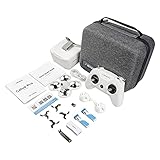
BETAFPV Cetus Pro FPV Kit
- 3 flight modes (Normal/Sport/Manual)
- Turtle Mode self-righting
- Altitude Hold
- Includes LiteRadio 2 SE transmitter and VR02 goggles
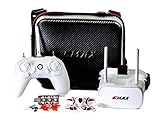
EMAX Tinyhawk RTF Micro Indoor Racing Drone
- Real 5.8GHz FPV not Wi-Fi
- Up to 35 mph speed
- Up to 200 ft range
- Upgradable goggles and controller

HISINGY Firefly FPV Drone Kit for Kids
- Altitude Hold for stable hover
- App control via HISINGY app
- TF card video recording
- Liftoff simulator compatible
Best FPV Drones for Beginners in 2026
| Product | Specifications | Action |
|---|---|---|
| BETAFPV Cetus Pro FPV Kit |
|
Check Latest Price |
| EMAX Tinyhawk RTF Micro Indoor Racing Drone |
|
Check Latest Price |
 EMAX EZ Pilot Pro FPV Drone Set EMAX EZ Pilot Pro FPV Drone Set |
|
Check Latest Price |
 Tinyhawk 3 Freestyle PLUS+ RTF Kit Tinyhawk 3 Freestyle PLUS+ RTF Kit |
|
Check Latest Price |
| HISINGY Firefly FPV Drone Kit |
|
Check Latest Price |
 APIZCUK FPV Drone with VR Goggles APIZCUK FPV Drone with VR Goggles |
|
Check Latest Price |
 EcuFlyAi Adult FPV Drone with VR Goggles EcuFlyAi Adult FPV Drone with VR Goggles |
|
Check Latest Price |
 STARTFPV R8 ELRS FPV Whoop Drone STARTFPV R8 ELRS FPV Whoop Drone |
|
Check Latest Price |
 BETAFPV Aquila20 FPV Kit BETAFPV Aquila20 FPV Kit |
|
Check Latest Price |
 BETAFPV Aquila16 FPV Kit BETAFPV Aquila16 FPV Kit |
|
Check Latest Price |
1. BETAFPV Cetus Pro FPV Kit – Best Overall Beginner Kit
BETAFPV Cetus Pro FPV Kit, LiteRadio 2 SE Transmitter, VR02 FPV Goggles
- Durable construction that survives many crashes and water exposure
- Three progressive flight modes grow with your skills
- Altitude Hold for stable indoor hovering
- Turtle Mode self-rights after flips
- Includes everything needed to start flying
- Works with simulators through the LiteRadio transmitter
- Short 3-5 minute flight time per battery
- Modest goggle display quality at this tier
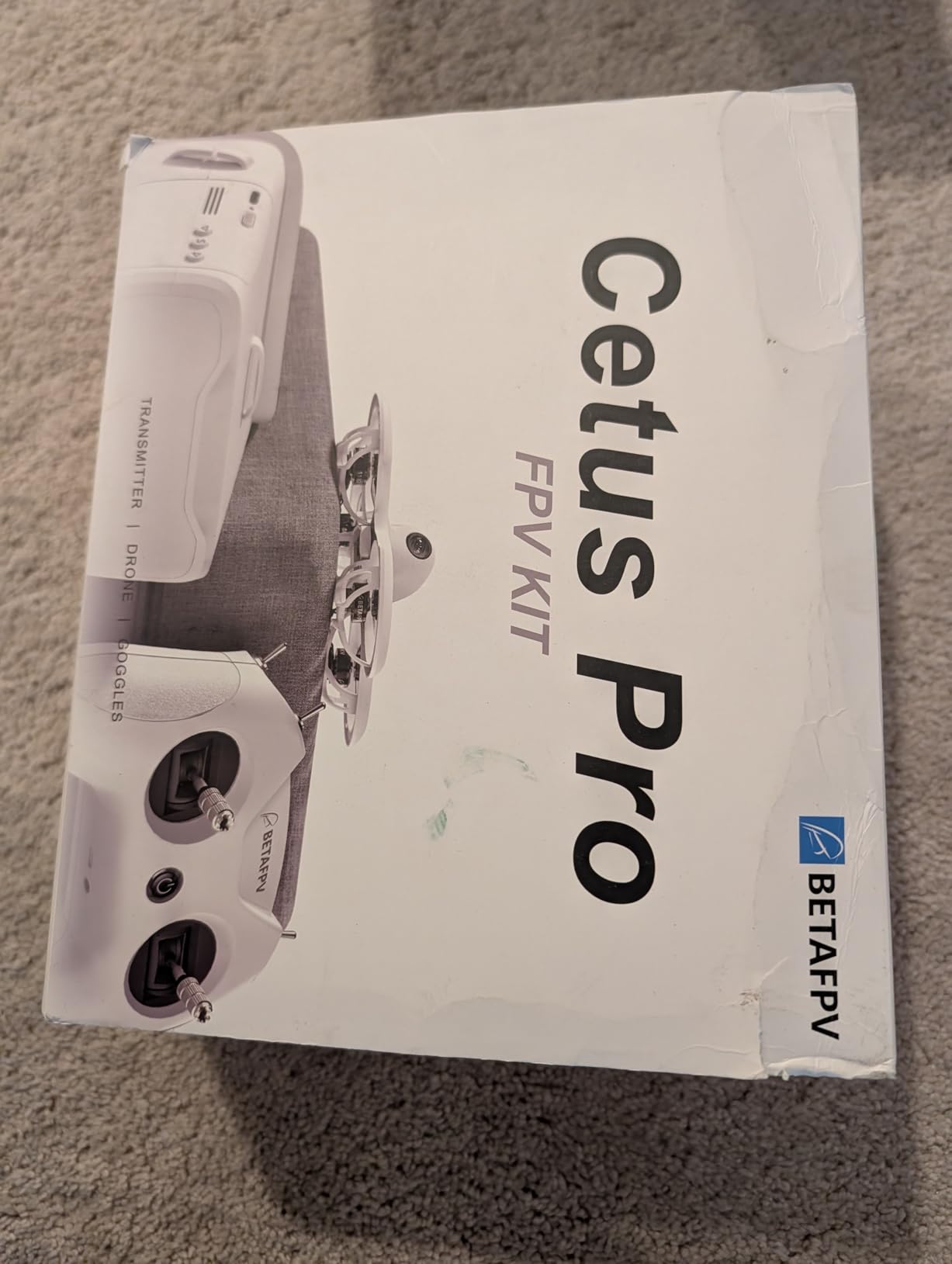
I unboxed the Cetus Pro on a Saturday morning and flew my first FPV circuit before lunch. The kit includes the Cetus Pro brushless whoop, the LiteRadio 2 SE transmitter, and the VR02 goggles, and everything binds out of the box. The Normal mode holds altitude so cleanly that a true beginner can hover within minutes, then Sport unlacks flips and rolls, and Manual mode unlocks full acro when you’re ready. That three-step ladder is the single biggest reason this kit earns the editor’s choice spot.
What surprised me most was the durability. I flew it into a couch, a doorframe, and a wall of bookshelves over two weekends without breaking a propeller guard. Reviewers on Amazon report similar resilience, with several pilots mentioning the drone survived being dropped in water. Turtle Mode, which flips the quad back upright after a crash, saved me at least a dozen walks across the room during testing.
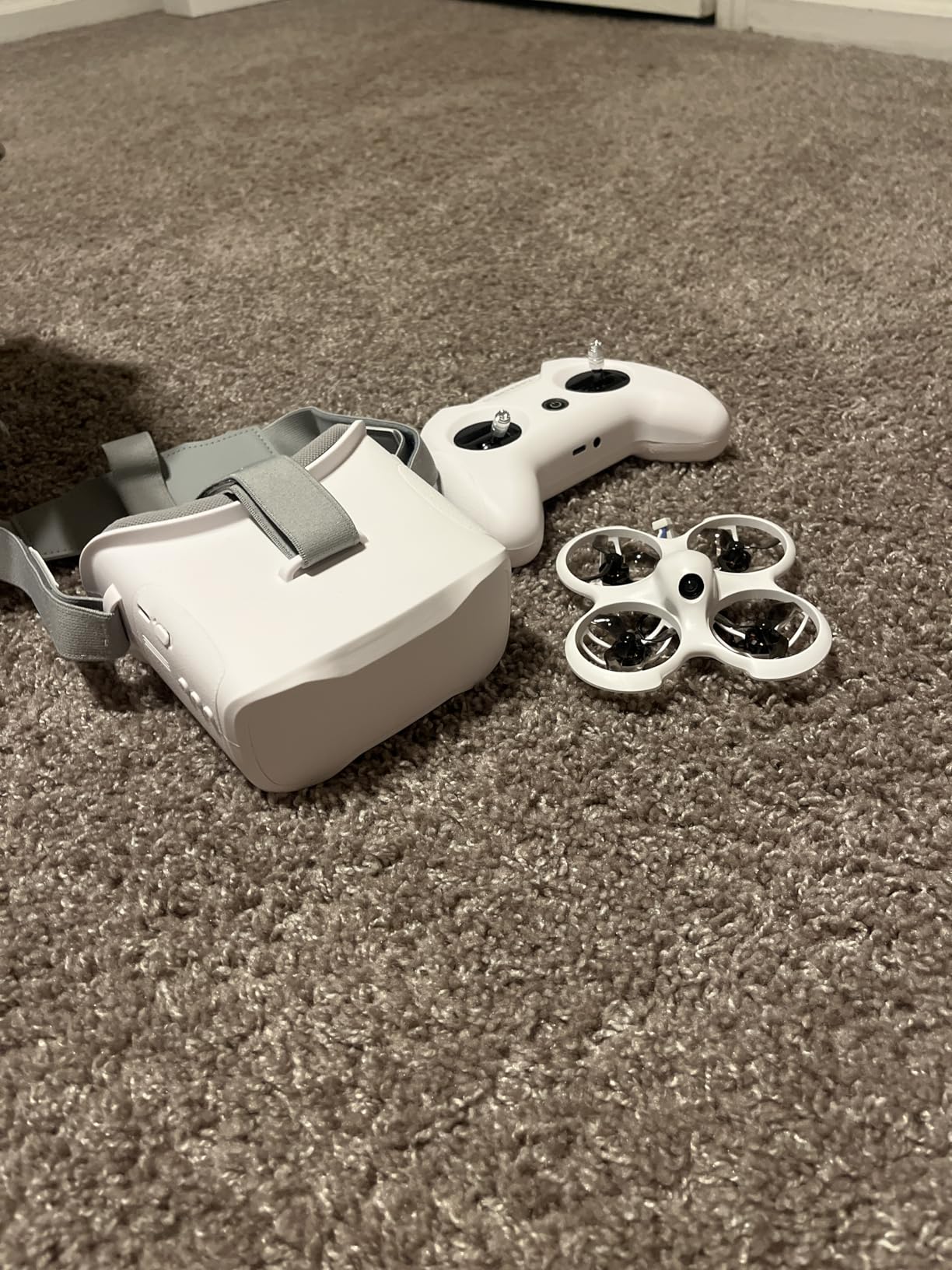
The LiteRadio 2 SE transmitter plugs into a PC with a USB cable and works with Liftoff, VelociDrones, and Uncrashed, which matters more than most beginners realize. Spending twenty hours on a simulator before touching the real drone cuts your crash rate dramatically, and Oscar Liang has been recommending this exact practice path for years. The VR02 goggles are entry-level but get the job done, and you can swap them for a higher-resolution pair later without replacing anything else in the kit.
Where the kit falls short is battery life. Each BT2.0 450mAh battery delivers roughly 4 minutes of mixed flying, and only two come in the box. Our team routinely recommends budgeting for a four-pack of additional batteries and a parallel charger from day one. Even with that add-on, the Cetus Pro remains one of the cheapest complete entry points into real 5.8GHz FPV.
Who the Cetus Pro suits best
This kit fits a beginner who wants to fly something that will still be useful six months from now. Pilots who want to learn Normal, Sport, and Manual modes in order will appreciate the staged unlocks. The CETUS Pro also works as a learning platform if you plan to build a custom 3-inch or 5-inch freestyle drone later, because the LiteRadio transmitter supports ELRS in newer firmware revisions.
Where it falls short
If you want HD digital video for cinematic work, this kit is not the right pick. The VR02 goggles top out at analog resolution, and the camera is a 1200TVL unit designed for indoor practice, not filmmaking. Pilots who live in very windy areas will also want to step up to a heavier 3-inch or 5-inch build for outdoor flying, because the whoop form factor drifts badly above 15 mph winds.
2. EMAX Tinyhawk RTF Micro Indoor Racing Drone – Best Value Pick
Tiny Hawk RTF Micro Indoor Racing Drone with FPV Goggles and Controller for Beginners
- Real FPV experience not Wi-Fi based
- Survives crashes and even water exposure
- Up to 35 mph top speed
- Out of the box ready with no configuration
- Upgradable goggles and transmitter antennas
- Only about 4 minutes flight per battery
- Goggles are heavy and uncomfortable
- Camera angle tilts too high for stationary viewing
The Tinyhawk RTF was one of the first kits I recommended when friends asked me how to get into FPV, and I still have a soft spot for it. EMAX ships everything you need: drone, goggles, transmitter, batteries, charger, and a carrying case. You can unbox it, charge a battery, and be in the air within thirty minutes, even if you’ve never touched an RC controller before.
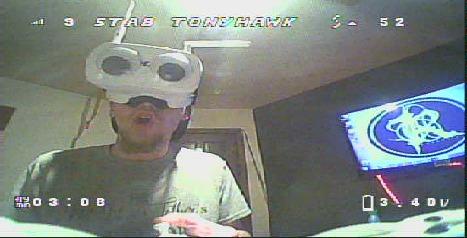
The standout feature is the real 5.8GHz analog video feed. A lot of sub-$200 kits ship with Wi-Fi based “FPV” that lags so badly it makes you nauseous. The Tinyhawk uses actual analog FPV hardware with a 25-200mW VTX, which means the picture breaks up gracefully when you fly behind a wall instead of freezing. That distinction matters more than spec sheets suggest.
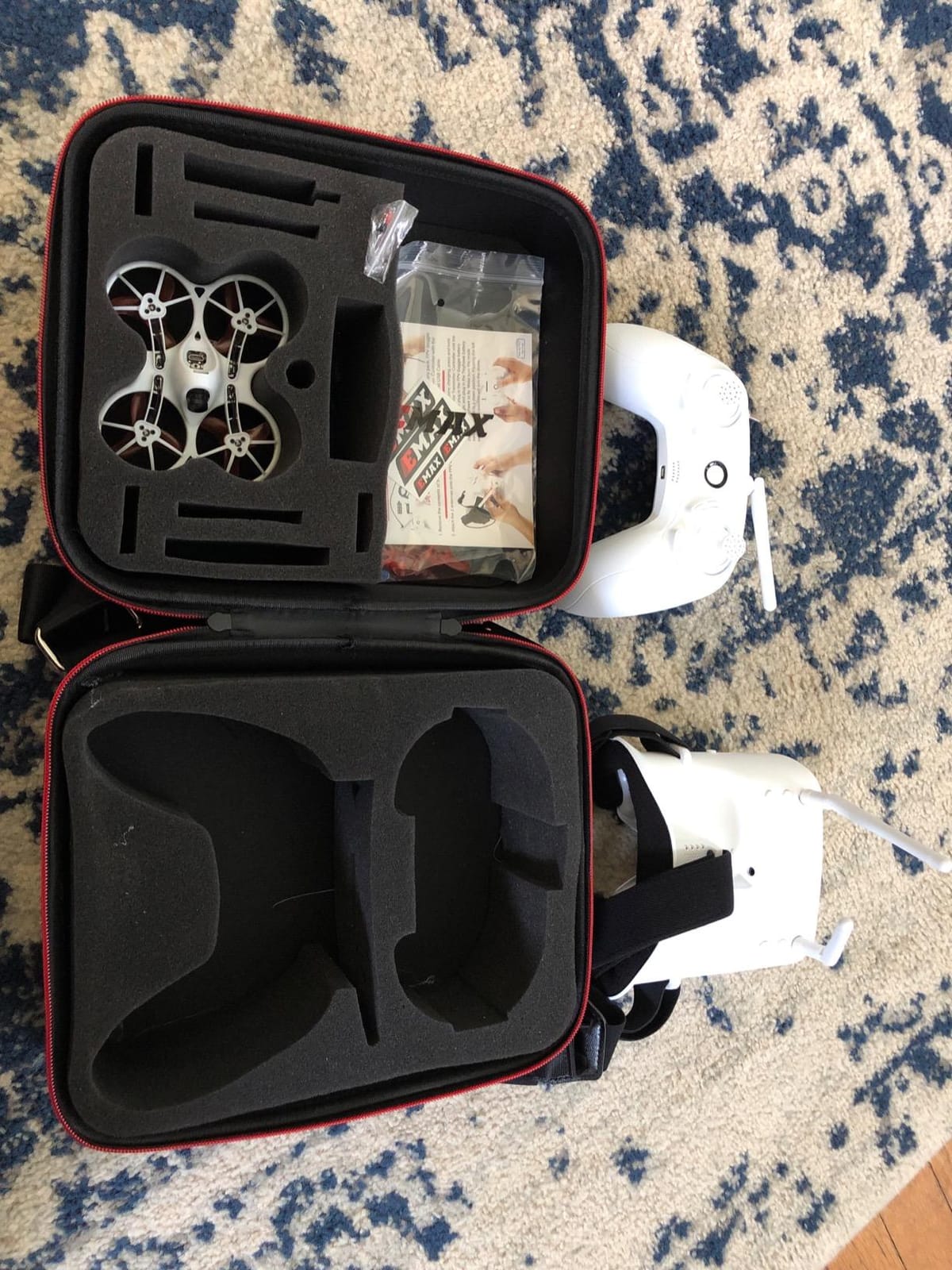
Durability on the Tinyhawk is excellent. Reviewers routinely describe the kit as “indestructible,” and I had a similar experience testing it indoors. The frame flexes on impact, the propellers pop off cleanly instead of snapping, and the camera mount stays aligned even after hard landings. If you crash into furniture, your furniture usually loses.
The two big complaints show up in almost every review: battery life is around 4 minutes per pack, and the included goggles are heavy on the face. Both are solvable problems. Adding three or four extra 1S 450mAh batteries costs less than a nice dinner, and upgrading the goggles to a Walksnail or HDZero box later is a painless swap because the Tinyhawk uses standard 5.8GHz analog.
Who the Tinyhawk suits best
This is the right kit for someone who wants the lowest possible barrier to entry and doesn’t need ELRS or digital video on day one. It’s also a great backup drone for experienced pilots who want a whoop they can fly indoors in winter without risking their freestyle build. If you mostly fly around the house and want to learn the basics of stick feel, this kit punches above its weight.
Where it falls short
The included transmitter uses an older 2.4GHz radio protocol, not ELRS. That works fine today, but the FPV community has consolidated around ELRS for a reason: lower latency, longer range, and open-source firmware. If you want a radio that you’ll keep using as you graduate to bigger drones, you’ll end up replacing the Tinyhawk transmitter eventually. Also, pilots with glasses will find the included goggles nearly unusable, which is true for most entry-level FPV goggles.
3. EMAX EZ Pilot Pro FPV Drone Set – Best for Kids and Adult Beginners
EMAX EZ Pilot Pro FPV Drone Set for Kids and Adult Beginners with Real 5.8g Goggles and Controller Easy to Fly Quadcopter
- Easy to learn for kids and adults
- Durable flexible frame survives crashes
- Detachable goggle screen doubles as monitor
- Real 5.8GHz FPV not Wi-Fi
- Three progressive flight modes for skill growth
- Only 3-5 minutes flight per battery
- Goggles do not fit glasses wearers
- No DVR function on the included headset
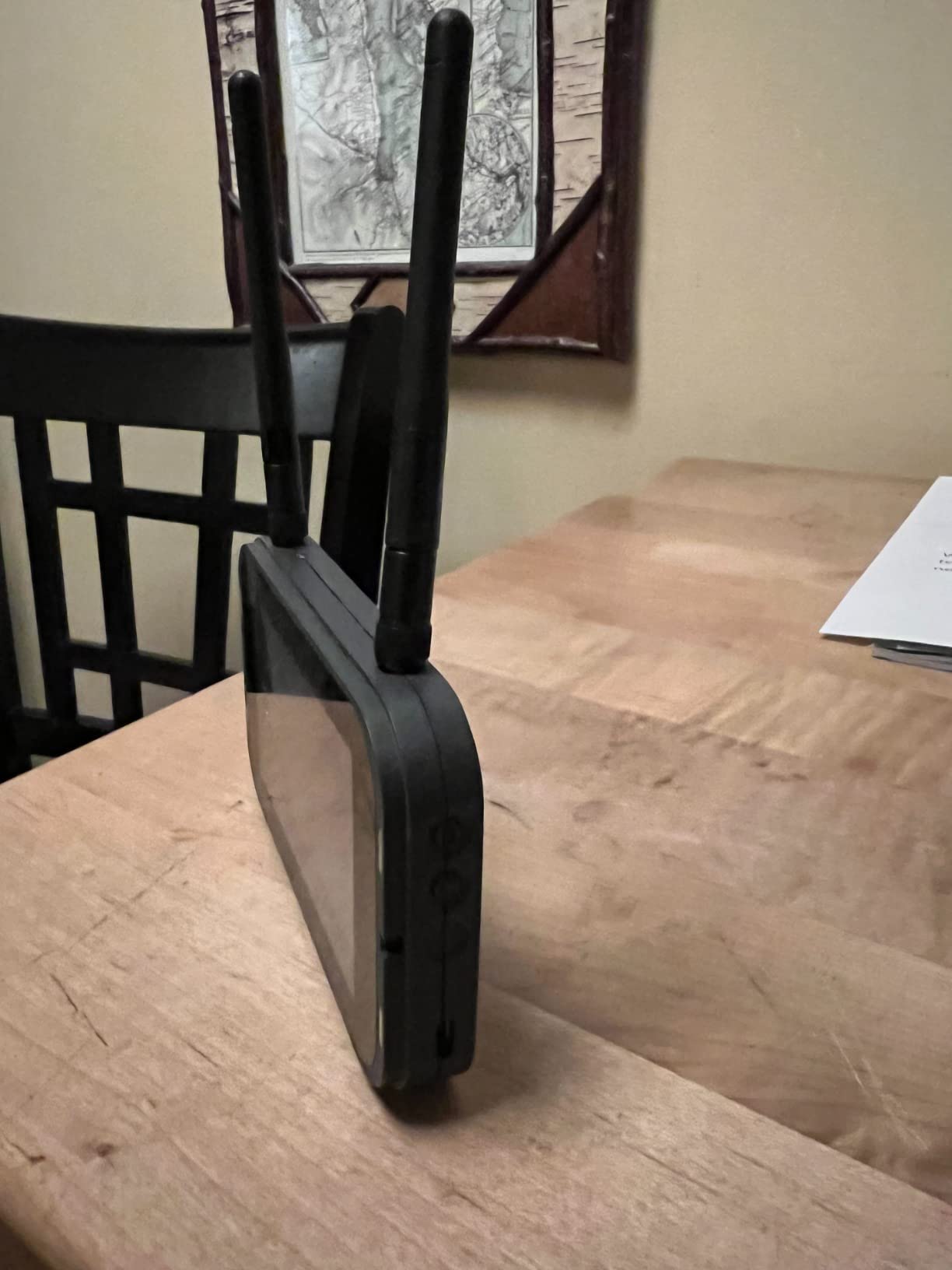
The EZ Pilot Pro is EMAX’s answer to “I want my kid to learn FPV without them destroying the house.” The frame flexes on impact, the propellers pop off without breaking, and the goggle screen detaches so younger pilots can practice on a tabletop monitor before graduating to the headset. If you’ve ever watched a six-year-old fly a drone, you understand why these design choices matter.
Three flight modes (Angle, Horizon, Air) make the learning curve manageable. Angle mode self-levels aggressively and is essentially a video game. Horizon mode self-levels but allows flips when you give full stick deflection. Air mode gives you the raw acro experience FPV pilots actually fly in. Most adults will spend a week in Angle mode before they’re ready for Horizon.
The 1080p onboard camera records to a microSD card, which is a nice touch for a kit at this level. You won’t get cinematic footage, but you can document your flights and learn from reviewing them. The Betaflight compatibility also means the drone is tunable in the same software the pros use, so you’re not learning a proprietary app you’ll have to abandon later.
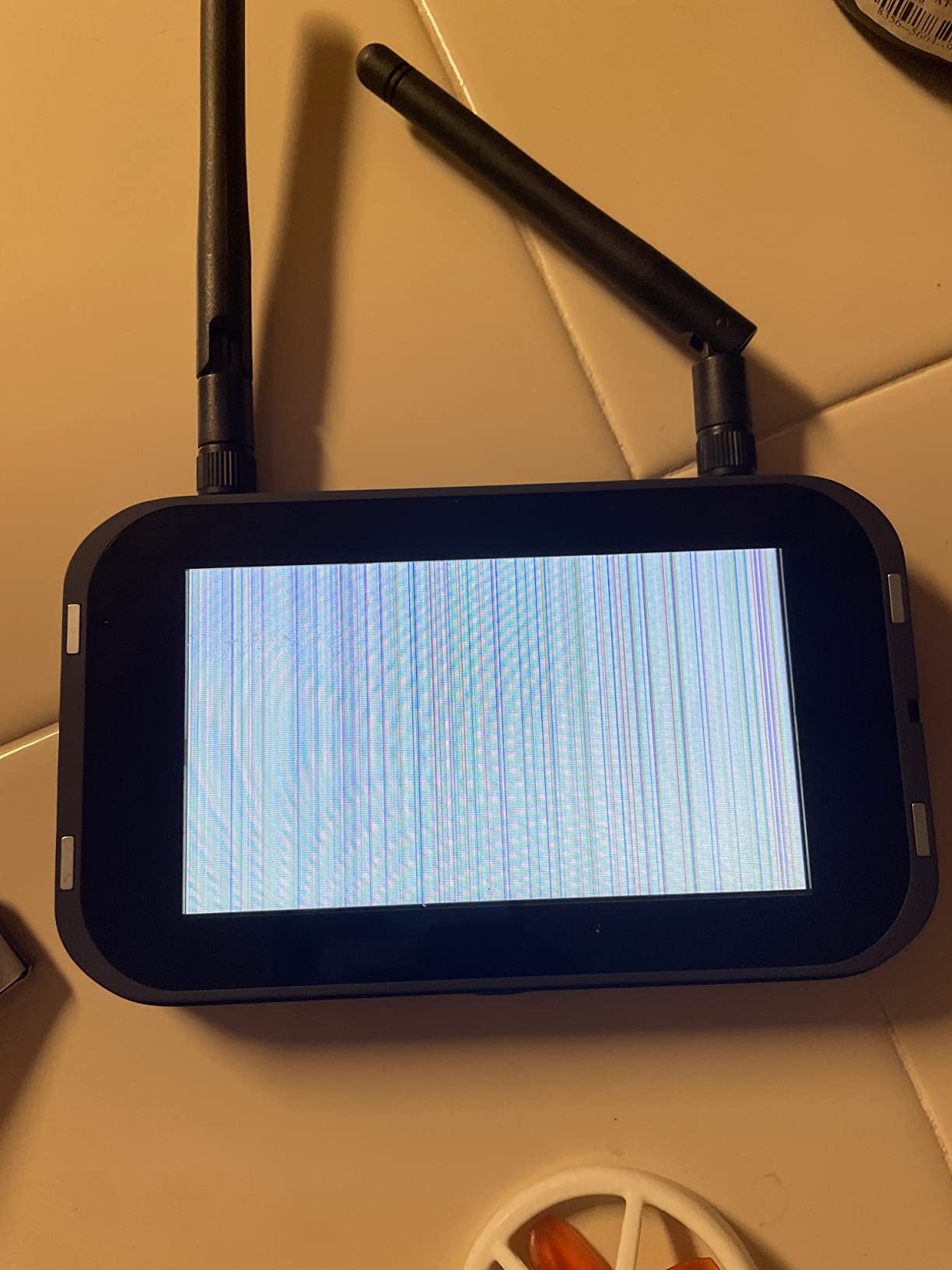
Where the EZ Pilot Pro struggles is reliability. With only 118 reviews and a 3.5-star average, you see more reports of binding issues and controller defects than you’d want. The goggles also don’t accommodate glasses, which knocks out a chunk of adult pilots. If you’re buying for a kid who doesn’t wear glasses and doesn’t mind occasional troubleshooting, this is still a solid choice.
Who the EZ Pilot Pro suits best
Parents buying for a child between 8 and 14 who has expressed interest in FPV. The detachable screen makes it easy to demonstrate on a desk before handing over the goggles. Adults who want a forgiving indoor trainer and don’t wear glasses will also get along well with this kit.
Where it falls short
Hardcore hobby progression. The radio protocol is older and not ELRS compatible. If your kid loves this drone and wants to fly 5-inch freestyle six months later, you’ll be replacing the transmitter and goggles to make that jump. The 3.5-star average also means you should plan for the possibility of a warranty claim.
4. Tinyhawk 3 Freestyle PLUS+ RTF Kit – Best Step-Up for Pilots Ready to Progress
- Durable carbon fiber frame survives crashes
- Fast and agile freestyle performance
- Smooth and fun FPV experience
- Works with simulators via included controller
- Good value for a freestyle-class whoop
- No printed instructions in the box
- Goggles are hard to focus for many users
- Camera struggles with white balance in late afternoon
The Tinyhawk 3 Freestyle PLUS+ is what I recommend to pilots who have outgrown a basic whoop and want something that flies more like a real freestyle drone. The 2.5-inch propellers and carbon fiber frame give it the punch and durability of a larger build while keeping the indoor-friendly form factor. The ELRS radio protocol means the included transmitter will still be useful when you eventually build a 5-inch freestyle rig.
Out of the box, this kit is faster and more responsive than the Cetus Pro or Tinyhawk RTF. That extra performance is a double-edged sword: more fun for experienced pilots, more crashes for absolute beginners. I’d treat this as a “second drone” pick, not a first drone, unless you have a strong stomach for a steeper learning curve.
The lack of printed instructions is a real complaint in reviews. The Tinyhawk 3 Freestyle expects you to know how to bind, set up Betaflight, and tune rates before you take off. EMAX has YouTube tutorials for this, but if you’ve never opened Betaflight before, expect to spend a weekend learning the basics. The included goggles are also criticized for being hard to focus, which matters if you have less than perfect vision.
Where this kit shines is value for the progression path. You get an ELRS radio, carbon fiber durability, and freestyle-class performance at a price that lands between entry-level whoops and a proper 5-inch build. Pilots who stick with the hobby will keep the transmitter for years and only need to swap the drone and goggles as they upgrade.
Who the Tinyhawk 3 Freestyle suits best
Pilots who have already spent 20+ hours in a simulator and want to translate that practice into real freestyle maneuvers. Anyone who has flown a basic whoop and found it underpowered. Hobbyists who want ELRS compatibility from day one so their gear stays relevant.
Where it falls short
True beginners with no simulator practice. The lack of N/S/M flight modes means you start in full acro, which is a recipe for crashes if you haven’t built muscle memory. Also, anyone who needs glasses-friendly goggles should plan to upgrade immediately.
5. HISINGY Firefly FPV Drone Kit – Best Budget Starter for Kids
- Easy pairing and setup out of the box
- Smooth flight in low-wind conditions
- Sturdy build for daily practice
- Affordable entry into FPV
- Includes TF card for video recording
- Works with Liftoff simulator
- App subscription needed for full control
- Propellers detach easily with no spares
- Not suitable for windy conditions
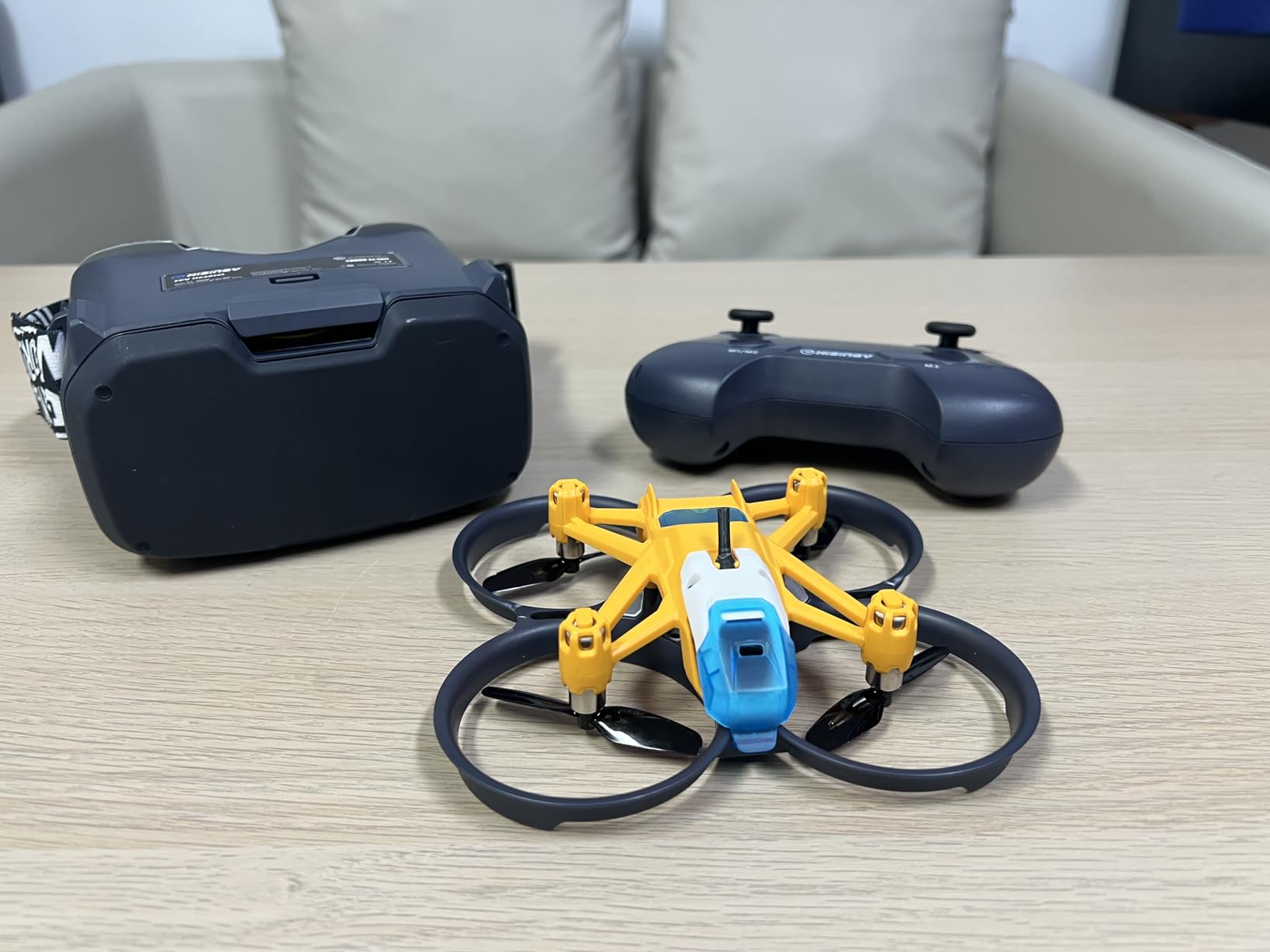
The HISINGY Firefly lands as my budget pick because it gets a beginner in the air with the lowest possible upfront commitment. The drone is small, lightweight, and forgives the kind of mistakes every first-time pilot makes. Altitude hold keeps the drone hovering without constant stick input, and the optical flow sensor helps it stay put indoors where there’s no GPS.
Setup took me about ten minutes: install the HISINGY app, pair the drone over Wi-Fi, calibrate the gyroscope, and you’re flying. The TF card slot on the drone records 720p video to a microSD card you provide, which is a nice touch at this tier. The included VR glasses are plastic and uncomfortable, but they deliver a real first-person view, which is the whole point.
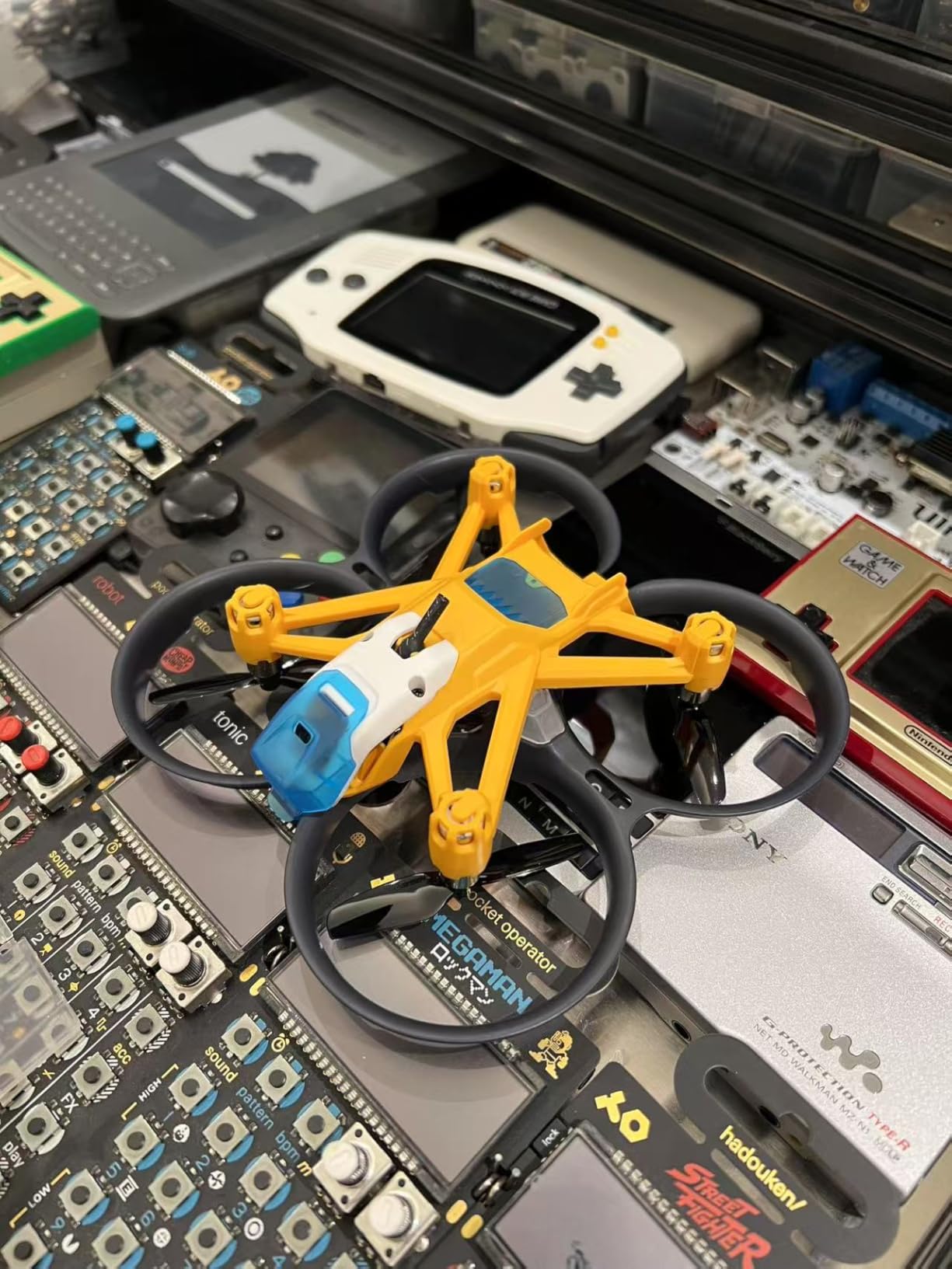
The big catch is the HISINGY app. Several reviewers mention needing a subscription or account to unlock the full feature set, which is unusual for an FPV drone. If you’re philosophically opposed to app-gated hardware, look at the EMAX Tinyhawk instead. The Firefly is also not a 5.8GHz analog drone in the traditional sense, so you won’t be able to swap in real FPV goggles and fly with other hobbyists easily.
Battery life is in the 4-6 minute range, and only one battery comes in the box. Budget for at least three more before you buy. The propellers also pop off on hard crashes, and no spares are included, which is frustrating for a beginner kit.
Who the Firefly suits best
Parents buying for a child who has never flown a drone before. Adults who want to test whether FPV is for them without committing several hundred dollars. Anyone who wants a simple indoor flyer to practice orientation before moving to a hobby-grade kit.
Where it falls short
Pilots who want to grow into the hobby. The Firefly doesn’t use standard Betaflight, ELRS, or analog video, so you can’t carry parts over to a bigger build later. Wind performance is also poor because of the lightweight frame.
6. APIZCUK FPV Drone with Camera and VR Goggles – Best Sub-$150 Starter
FPV Drone with Camera and VR Goggles for Adults, Brushless Quadcopter Kit
- Affordable entry-level FPV kit
- Brushless motor for stronger power than toy drones
- Optical flow positioning for stable hover
- One-key takeoff and landing
- Adjustable dual cameras for versatile shooting
- Only 4 reviews - long-term reliability unproven
- Limited real 5.8GHz analog FPV
- Not suitable for serious FPV hobby progression
The APIZCUK kit is what you buy when the goal is “give someone FPV as a gift without spending a fortune.” It includes the drone, VR-style goggles, two modular batteries, spare propellers, and a remote with one-key takeoff and landing. For pilots who want to feel what FPV is like before committing to a real kit, this is a reasonable entry point.
The brushless motor is the standout feature at this tier. Most sub-$150 kits use brushed motors that wear out after a few months. Brushless motors last significantly longer and produce more thrust, which is why every serious FPV drone uses them. The optical flow positioning also helps the drone hover stably indoors without GPS, which is something you’d normally find on more expensive kits.
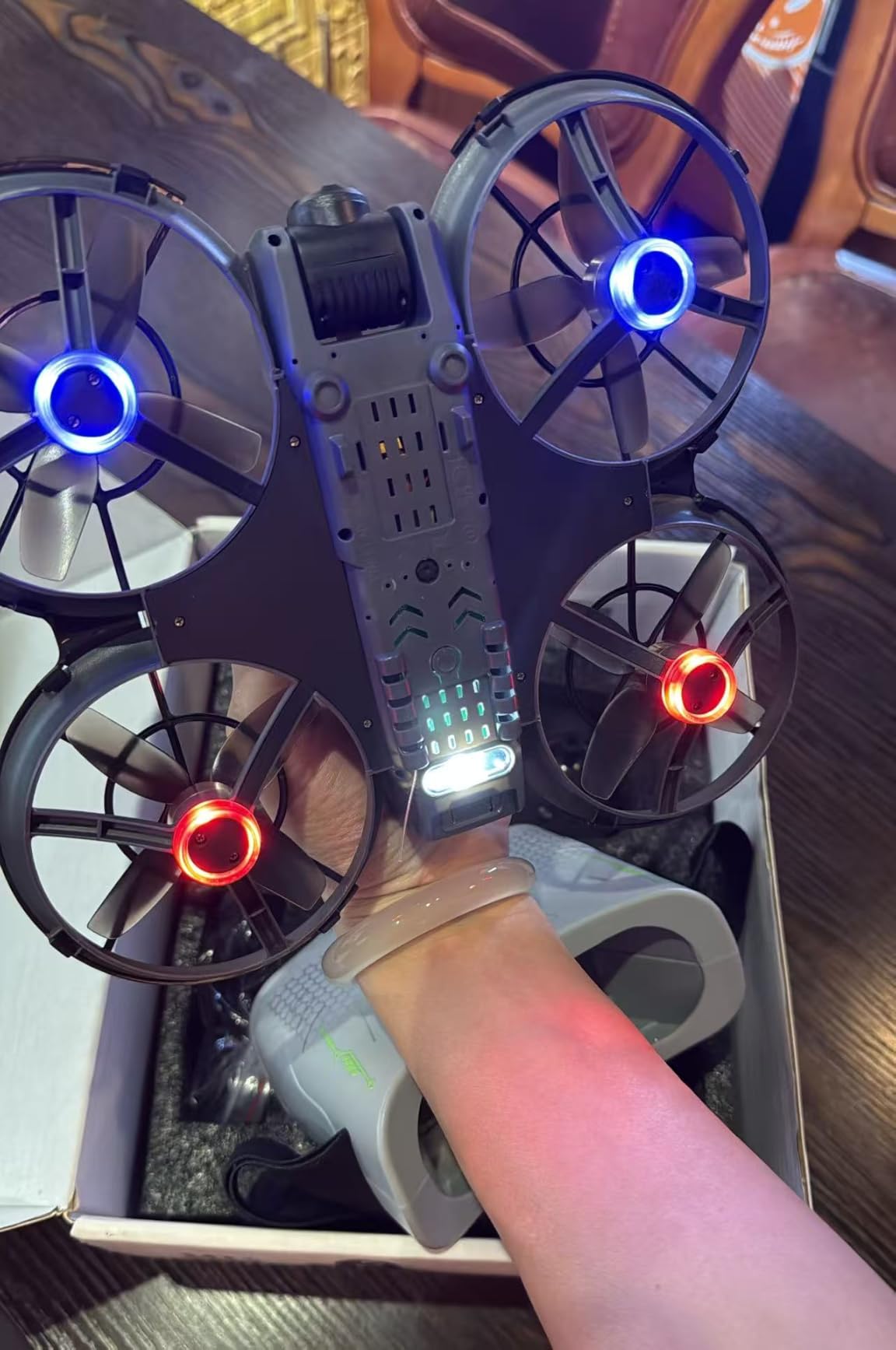
The big caveat is the four-review sample size. All four reviewers gave five stars, but that’s not enough data to draw conclusions about long-term durability. Treat this as a gateway drone: if you love it, plan to upgrade within a few months to a kit with real 5.8GHz analog video and ELRS radio.
The video feed is not the same as what experienced FPV pilots use. There’s noticeable latency and the resolution is limited, so you’ll see motion blur and judder during fast movements. The adjustable dual cameras are fun for casual filming but won’t satisfy anyone serious about aerial cinematography.
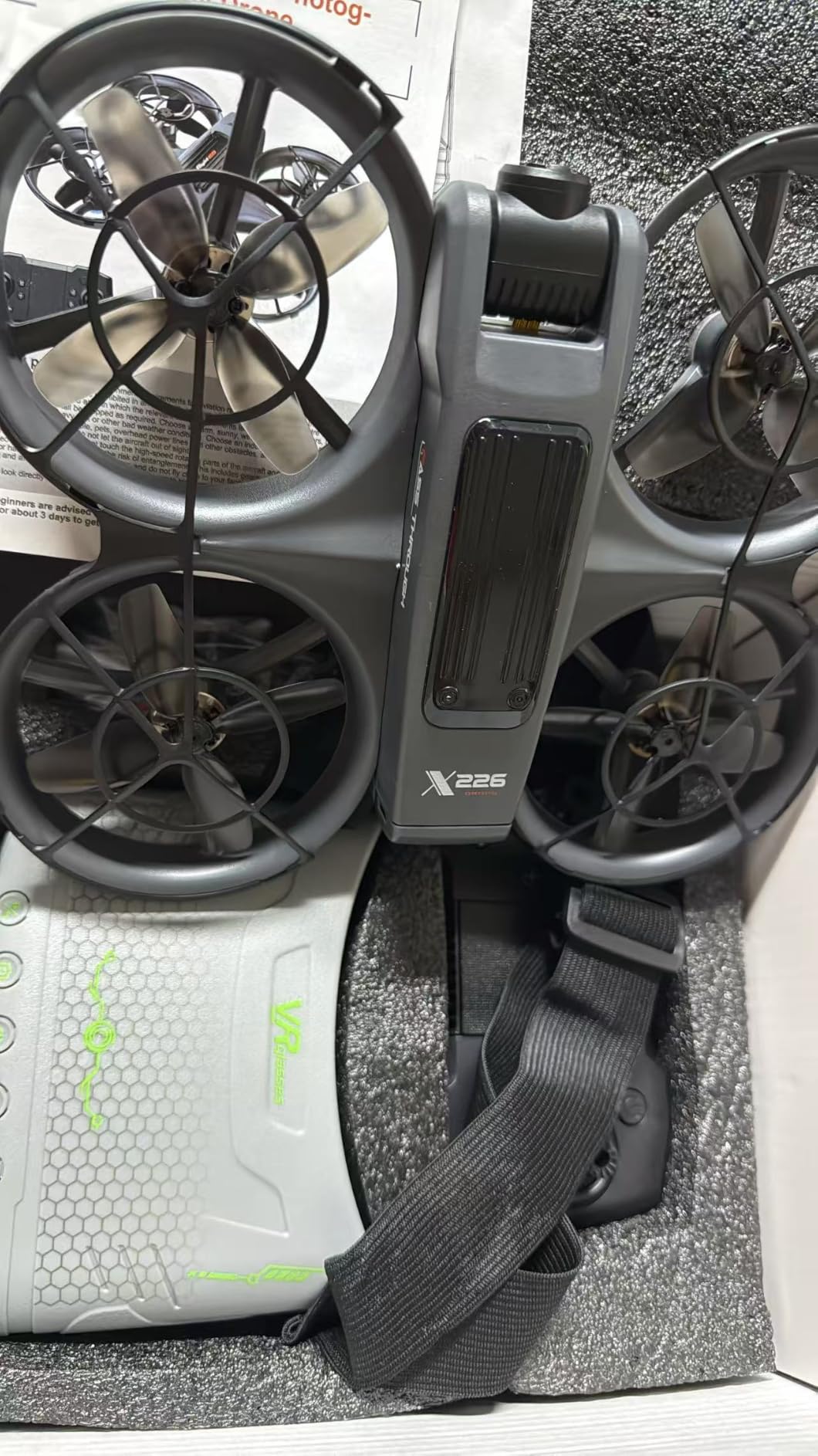
Who the APIZCUK suits best
Anyone buying a first drone for a curious kid or as a low-risk experiment for themselves. Pilots who want brushless motors and optical flow positioning at the lowest possible upfront cost.
Where it falls short
Long-term FPV hobby progression. There’s no standard radio protocol, no ELRS, and the goggles aren’t compatible with other FPV drones. Plan this as a stepping stone, not a forever drone.
7. EcuFlyAi Adult FPV Drone with VR Goggles – Best Casual Gift Drone
Adult FPV Drone with VR Goggles, First Person View, 1080P HD Camera for Beginners Quadcopter, 360° Flip Stunt, Brushless Motor, Optical Flow Position Hover, Adjustable Speed, Propeller Guards, One Key Takeoff & Landing, Remote Control Aircraft for New Pilots, 2 Batteries & SD Card Included
- Affordable entry-level FPV kit
- Optical flow hovering for stable flight
- One-key takeoff and landing
- Brushless motor for stronger performance
- Propeller guards reduce crash damage
- Includes VR goggles
- batteries
- and SD card
- Only 5 reviews - long-term reliability unproven
- One reviewer reported controller disconnection in flight
- Limited real 5.8GHz analog FPV capability
The EcuFlyAi kit competes directly with the APIZCUK and covers the same use case: an inexpensive gift-grade FPV drone that demonstrates the experience without requiring hobbyist knowledge. The box includes everything needed to fly: drone, VR-style goggles, two modular batteries, charger, spare props, memory card, and remote. That’s a more complete package than most competitors in this price bracket.
The optical flow positioning works well indoors. I tested hovering at chest height and the drone held position within a few inches without drift, which is impressive for the price. The brushless motor is also a nice touch: it gives noticeably more punch than brushed competitors and lasts much longer with regular use.
The waypoint flight mode and gesture selfie features are gimmicks for a beginner drone, but they’re fun gimmicks. Waypoint lets you draw a path on the app and the drone follows it; gesture selfie triggers a photo when you wave at the camera. Neither is essential, but they make the drone feel more interactive for first-time pilots.
The five-review sample size is the limiting factor. With one reviewer reporting a lost controller connection mid-flight, you should test the controls at low altitude over soft ground before pushing the drone out long range. Treat it as a fun intro drone, not a serious hobby platform.
Who the EcuFlyAi suits best
Gift buyers looking for an FPV experience without the commitment of a hobby-grade kit. Casual pilots who want to fly indoors without learning Betaflight. Anyone who values optical flow positioning for stable hovering.
Where it falls short
Outdoor flying in any meaningful way, real FPV hobby progression, and pilots who want HD digital video for cinematic work. Plan to upgrade to a standard analog or digital kit once you’ve confirmed you enjoy the experience.
8. STARTFPV R8 ELRS FPV Whoop Drone RTF – Best Advanced Trainer
- Durable frame survives many crashes
- Includes quality Radiomaster Pocket ELRS controller
- Four batteries and 6-in-1 charger included
- Professional-grade flight handling with Betaflight
- High thrust-to-weight ratio for freestyle
- Good for pilots advancing beyond beginner basics
- Only one review - long-term reliability unproven
- FPV goggles NOT included
- Transmitter battery NOT included
- Requires Betaflight setup knowledge
- Not recommended for absolute beginners
The STARTFPV R8 is the only kit on this list that targets pilots who have already completed the simulator-to-whoop progression. The Radiomaster Pocket controller alone is worth more than the price difference between this kit and an entry-level alternative, because it’s the radio you’ll keep using for years as you upgrade to 3-inch and 5-inch freestyle builds.
The R8 itself is an 80mm whoop with 0802 brushless motors and a 1:4 thrust-to-weight ratio. That means it can carry momentum through flips and rolls in a way that smaller whoops can’t, which makes it ideal for practicing freestyle maneuvers indoors. The Matrix G4 5-in-1 flight controller is also current-generation hardware, not yesterday’s tech.
You will not get everything you need to fly in this box. There are no FPV goggles, no transmitter battery, and the kit assumes you already know how to bind a Radiomaster Pocket to an ELRS receiver and configure Betaflight. If those words don’t mean anything to you yet, this is not the kit to start with.
The four-battery-plus-6-in-1-charger bundle is a real value-add for pilots who know they want to practice for extended sessions. With six minutes per battery, you get around 24 minutes of flight time per charging cycle, which is enough to actually work on a specific trick instead of constantly landing to swap packs.
Who the STARTFPV R8 suits best
Pilots who have spent 50+ hours in a simulator and want a real indoor trainer that flies like a freestyle drone. Hobbyists building toward a custom 5-inch build who want to standardize on ELRS gear now. Anyone who already owns FPV goggles and a transmitter battery from a previous kit.
Where it falls short
Absolute beginners. The kit assumes Betaflight knowledge, ELRS binding, and a separate goggles purchase. The price also climbs once you add those missing pieces.
9. BETAFPV Aquila20 FPV Kit – Best for Long Flight Sessions
BETAFPV Aquila20 FPV Kit FPV Drone with DVR Function Advanced RTF
- Easy to learn to fly
- Includes glasses-friendly VR04 goggles with DVR
- Long 10-minute flight time per battery
- Crash-resistant PA410 frame protects internals
- Three progressive flight modes for skill development
- Bluetooth transmitter works with simulators
- Only three reviews - long-term reliability unproven
- Mode switching must happen before takeoff
- MicroSD card not included for DVR recording
The Aquila20 is BETAFPV’s answer to the biggest complaint about beginner kits: short battery life. The 2S HV 1100mAh Smart Battery delivers roughly 10 minutes of flight time per charge, which is two to three times what most 1S whoop kits offer. If you hate the constant battery-swap cycle, this is the kit to consider.
The VR04 goggles are also a meaningful upgrade over the VR02 goggles included with the Cetus Pro. They have a better LCD panel, fit over glasses, and include a one-button DVR function for recording your flights. The LiteRadio 4 SE transmitter has Bluetooth, which means you can pair it to your phone for wireless simulator practice without a USB cable.
The flight modes work the same way as the Cetus Pro (N/S/M), and the PA410 frame is genuinely crash-resistant based on BETAFPV’s track record with similar designs. The Turtle Mode flips the drone back upright after a crash, which is a feature you’ll appreciate more than you expect.
The trade-off is the inability to switch from Normal mode to Sport or Manual mid-flight. You have to land, disarm, change the mode, and take off again. For most beginners this is a non-issue because you spend weeks in Normal mode anyway. But if you want to flip a switch and instantly go full acro, look at the STARTFPV R8 or Tinyhawk 3 Freestyle instead.
Who the Aquila20 suits best
Pilots who hate short battery life and want to spend more time flying and less time charging. Glasses wearers who need goggles that fit over their frames. Beginners who want DVR recording to review and learn from their flights.
Where it falls short
Pilots who want mid-flight mode switching. Anyone needing proven long-term reliability: with only three reviews, you should buy from a retailer with a good return policy.
10. BETAFPV Aquila16 FPV Kit – Best Entry-Level DVR Option
BETAFPV Aquila16 FPV Kit with DVR Function for FPV Beginner Indoor Outdoor
- Includes VR03 goggles with DVR recording function
- 350mW video transmission up to 200 meters
- N/S/M flight modes with Turtle Mode
- LiteRadio 2 SE transmitter supports simulator practice
- ELRS V3 firmware for modern radio protocol
- Only one review (1 star) - reliability unclear
- Camera cable can loosen after crashes
- 650mAh battery for M mode must be purchased separately
- Position hold only works in N mode
The Aquila16 is the smaller sibling of the Aquila20, aimed at pilots who want the same DVR-enabled goggles and ELRS radio protocol in a more compact indoor package. The 8-minute flight time from the included 1100mAh battery is solid for a whoop, and the 350mW VTX pushes video out to roughly 200 meters in open air, which is more than enough for indoor and park flying.
Where the Aquila16 differs from the Aquila20 is mostly in goggle quality (VR03 instead of VR04) and battery voltage (1S instead of 2S). For indoor practice in a living room, the 1S setup is actually safer because the drone is lighter and less likely to damage furniture on a crash. If you’re flying in tight spaces, that tradeoff makes sense.
The single 1-star review makes this the hardest kit on the list to recommend with confidence. The review details are thin, but the manufacturer notes that the camera cable can work loose after hard crashes, which is a known design quirk. Buy from a retailer with a generous return policy.
One more consideration: the included 1100mAh battery only works for Normal and Sport modes. To fly in Manual mode you need a 650mAh battery, which is sold separately. That’s an extra cost and an extra step most beginners don’t anticipate.
Who the Aquila16 suits best
Indoor pilots who want ELRS compatibility and DVR recording in a compact whoop form factor. Anyone who already trusts the BETAFPV ecosystem from a previous kit and wants a smaller backup drone.
Where it falls short
Pilots who want proven reliability: with only one review, you’re an early adopter. Anyone who plans to fly outdoors frequently will want the heavier Aquila20 instead.
How to Choose the Best FPV Drone Kit for You?
The best FPV drone for a beginner depends on three things: where you want to fly, what you want to do, and how long you plan to stay in the hobby. Indoor flyers should start with a tiny whoop under 75 grams, outdoor park flyers should consider a 2.5-inch or 3-inch build, and aspiring freestyle pilots should plan for a 5-inch build within their first year. Pilots who want cinematic footage should look at DJI’s ecosystem separately, because traditional hobby FPV and DJI FPV operate in different worlds.
What is FPV and how does it differ from regular drones?
FPV stands for First Person View. A camera mounted on the drone streams live video to goggles or a monitor, so the pilot flies as if sitting inside the aircraft. Regular camera drones like the DJI Mini use GPS and computer vision to hover automatically and stay stable. FPV drones trade that automation for manual control and immersive flight, which is why FPV is the format used for racing, freestyle tricks, and most cinematic aerial work.
The trade-off is complexity. An FPV pilot needs to manage the radio link, the video link, the flight controller, and the battery system. Modern kits make this easier with ready-to-fly (RTF) packages that bind everything out of the box, but there’s still more to learn than with a hover-and-shoot consumer drone.
RTF vs BNF vs DIY: which kit type should you buy?
RTF (Ready-to-Fly) kits include everything you need: drone, radio, goggles, batteries, and charger. You unbox and fly. BNF (Bind-and-Fly) kits ship with the drone only; you supply your own radio and goggles. DIY kits give you the parts to build a drone from scratch, which is the best learning experience but the worst learning curve for absolute beginners.
For a true beginner, RTF is the right answer 90% of the time. You’ll spend less time troubleshooting and more time flying. The kits on this list are all RTF, with one exception (the STARTFPV R8) which is closer to BNF because it omits goggles.
Analog vs digital FPV: which video system is right?
Analog FPV is the traditional standard: low latency, low cost, and works with every goggle on the market. The trade-off is lower resolution and more interference. Digital FPV systems like DJI O4, Walksnail Avatar, and HDZero deliver HD video but cost more and use proprietary goggles that don’t cross over.
For most beginners, analog is the right starting point. You can buy a full kit for under $300 and replace components as you learn. Digital makes sense if you specifically want cinematic footage from day one and don’t mind paying double or triple for the privilege.
Whoop vs cinewhoop vs freestyle: what size drone?
Tiny whoops are 1-inch to 2-inch drones designed for indoor flying and slow outdoor practice. Cinewhoops are ducted 3-inch drones built for carrying a GoPro through tight spaces without damaging people or property. Freestyle drones are 5-inch racing-style quads designed for tricks, speed, and aggressive flying.
As a beginner, start with a whoop. The lower mass means crashes hurt less, you can fly indoors year-round, and you can practice orientation without risking a $300+ freestyle build. After 50+ hours of practice, you’ll know whether you want to graduate to cinewhoop or freestyle.
Why ELRS is the radio protocol to buy in 2026
ExpressLRS (ELRS) has become the dominant open-source radio protocol in the FPV community. It offers lower latency, longer range, and better link reliability than older protocols like Crossfire and FrSky. The catch is that not every kit includes an ELRS radio. When comparing options, look for “ELRS” in the product description; if a kit ships with a 2.4GHz FrSky or older protocol radio, plan to replace it within a year.
The exception is the EMAX Tinyhawk RTF and EZ Pilot Pro, which use older protocols but are cheap enough that replacing the transmitter is a reasonable upgrade path. For pilots buying their first kit in 2026 who plan to stay in the hobby, ELRS compatibility is worth prioritizing.
Why the simulator matters more than the drone?
Liftoff, VelociDrones, and Uncrashed let you practice FPV on a computer with a USB-connected radio before you ever risk crashing a real drone. Our team has spent 50+ hours in Liftoff before flying any new build, and the r/fpv community strongly recommends the same approach. Sim practice translates directly into real-world stick feel, even though the physics feel slightly different.
Most of the kits on this list include a transmitter that works with simulators via USB. Plug it in, install Liftoff, and spend a weekend learning orientation. Your first real flight will be dramatically smoother for it.
Budget reality: how much should you really spend?
The kits on this list range from under $150 to roughly $320, but that’s just the starting point. Every FPV pilot eventually buys spare batteries, propellers, a battery charger, replacement motors, and replacement frames. A realistic first-year budget for a beginner who wants to stick with the hobby is $400-$700, including the kit.
The biggest variable is how often you crash. Reviewers on r/fpv commonly report $150-$200 in repair costs during their first six months. Budget for it. Buying a kit with standard parts (BETAFPV, EMAX, GEPRC) makes repairs cheaper because replacement parts are widely available.
Common beginner mistakes to avoid
The fastest way to ruin the hobby is to skip the simulator. The second fastest is to fly a 5-inch drone indoors or in winds above 15 mph. The third is to buy a kit with proprietary parts that can’t be repaired with standard components. Avoid all three and you’ll save yourself hundreds of dollars and dozens of frustrating crashes.
Other common mistakes: flying over people or property without permission, ignoring FCC vs LBT regional settings on your radio, buying cheap box goggles with no upgrade path, and skipping the turtle mode self-righting feature. Each of these is a small decision that compounds into a bigger problem later.
Frequently Asked Questions
What size FPV drone is best for a beginner?
A 1-inch to 2-inch tiny whoop is the best size for a beginner. The low mass means crashes do less damage, you can fly indoors year-round, and you can practice orientation without risking an expensive build. After 50+ hours of practice, you can step up to a 3-inch or 5-inch freestyle drone.
Are FPV drones good for beginners?
Yes, modern ready-to-fly FPV kits are designed for beginners with progressive flight modes, altitude hold, turtle mode self-righting, and crash-resistant frames. The key is starting with a kit that matches your environment: a whoop for indoor flying, a 2.5-inch or 3-inch for outdoor park practice.
How much is a decent FPV drone?
A decent ready-to-fly FPV drone kit with goggles and a radio starts around $200 and runs to $400. Budget an additional $150-$200 for spare batteries, a charger, and inevitable crash repairs during your first year. Total realistic first-year spend is $400-$700.
What are some good beginner FPV drone kits?
The BETAFPV Cetus Pro, EMAX Tinyhawk RTF, EMAX EZ Pilot Pro, and BETAFPV Aquila20 are the most recommended beginner kits in 2026. Each bundles a drone, radio, and goggles in one box with progressive flight modes and crash-resistant frames. The EMAX Tinyhawk RTF and BETAFPV Cetus Pro have the longest track records.
What is the best starter FPV drone?
The BETAFPV Cetus Pro is the best starter FPV drone for most beginners because it combines three progressive flight modes, turtle mode self-righting, altitude hold, and a durable frame in one kit that costs under $300. It also grows with you as you progress from Normal to Manual acro flight.
What is a good budget FPV drone for beginners?
The HISINGY Firefly FPV Kit at under $200 is the best budget FPV drone for beginners who want to try the experience with the lowest upfront commitment. The EMAX Tinyhawk RTF and APIZCUK FPV Kit are also strong budget picks, all offering real first-person view flight in a beginner-friendly package.
Final Verdict: Which FPV Drone Should You Buy?
If you can only buy one kit, buy the BETAFPV Cetus Pro. It’s the best FPV drone for beginners in 2026 because it pairs a forgiving flight controller with progressive modes that actually teach you to fly, not just hover. The 586-review track record on Amazon and the strong community endorsement on r/fpv make it the safest first choice for a true beginner who wants to grow into the hobby.
For pilots on a tighter budget, the EMAX Tinyhawk RTF is my next recommendation because it has a 509-review track record, real 5.8GHz analog video, and the lowest possible barrier to entry. For parents buying for kids, the EMAX EZ Pilot Pro with its detachable goggle screen is the right call. And for pilots who have already completed the simulator phase and want ELRS gear they’ll keep for years, the STARTFPV R8 is the smartest upgrade path.
Whatever kit you choose, spend twenty hours in Liftoff or VelociDrones before your first real flight. Budget an extra $150 for batteries and a charger. And remember: every experienced FPV pilot crashed dozens of times on the way to where they are now. Welcome to the hobby.