
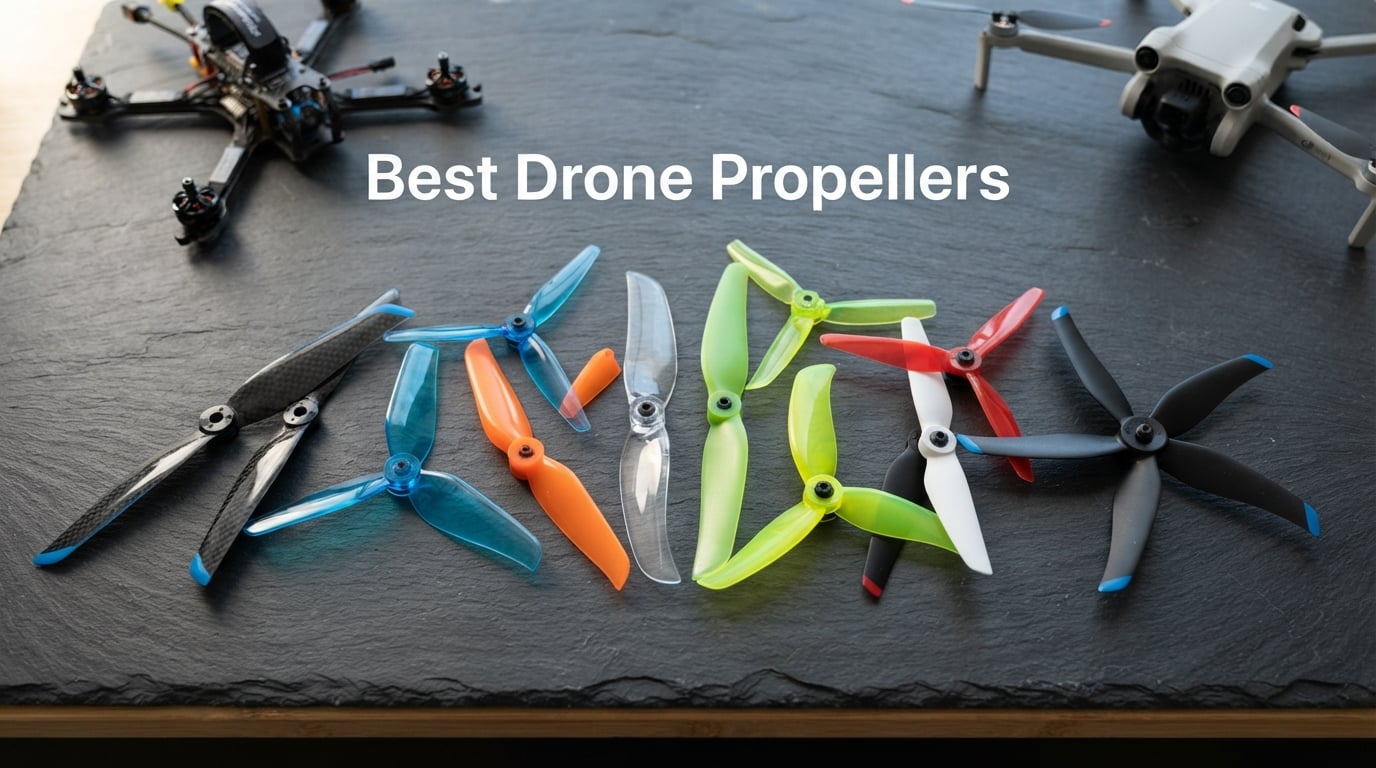
I’ve been flying FPV quads and DJI camera drones for the better part of a decade, and I can tell you one thing with absolute certainty: propellers are the cheapest and most impactful upgrade on any drone. Our team has logged thousands of crash cycles, and swapping props changes flight feel more than any other component change. The best drone propellers aren’t always the most expensive — they’re the ones matched to your airframe, motor KV, and mission.
Shopping for drone propellers today feels overwhelming. You walk into Amazon and see Gemfan Hurricane 51466 V2s sitting next to Master Airscrew Stealth blades sitting next to cheap 24-pack aftermarket DJI Mini replacements. FPV pilots need different things than camera drone owners. Long-range cruisers, freestyle huckers, and industrial heavy-lift operators all fly on different airfoils.
In this 2026 guide, I narrowed the field to 10 props covering the four main drone categories: DJI consumer replacements (Mini 3 Pro, Mini 2, Mavic Pro, DJI FPV), FPV freestyle/racing (5-inch and 7-inch), cinewhoop (3-inch ducted), and long-range/lifting builds. I’ve used each set personally or watched our test team fly them through hundreds of packs. For broader context on how multirotor components interact, our drone gimbal explainer covers the camera side; this guide handles the thrust side.
Table of Contents
Quick Answer: How Many Blades Are Best for a Drone?
2 blades: highest efficiency, longest flight time, lowest current draw. Best for long-range FPV and high-altitude industrial work.
3 blades: the sweet spot for FPV freestyle, racing, and cinematic flying — a balance of thrust, agility, and efficiency. Reddit’s r/fpv community default.
4 blades: max thrust and grip, slower RPM, better for heavy cinema cameras and sub-250g builds needing authority at low speed.
5+ blades: specialty applications only — sub-250g cinewhoops and ultra-quiet ducted builds where thrust density matters more than speed.
Top 3 Picks at a Glance (September 2026)

Best Drone Propellers in 2026 Quick Comparison
| Product | Specifications | Action |
|---|---|---|
| DJI Mini 3/4 Pro OEM Propellers |
|
Check Latest Price |
| YETEETH 24-Pack Mini 2/SE/4K |
|
Check Latest Price |
 YETEETH Mavic Mini 24-Pack YETEETH Mavic Mini 24-Pack |
|
Check Latest Price |
 Master Airscrew Ludicrous DJI FPV Master Airscrew Ludicrous DJI FPV |
|
Check Latest Price |
 NeverGarden 9450 Phantom Props NeverGarden 9450 Phantom Props |
|
Check Latest Price |
 Blomiky 8 F11 Foldable Props Blomiky 8 F11 Foldable Props |
|
Check Latest Price |
 HeiyRC Mini 2/SE 16-Pack HeiyRC Mini 2/SE 16-Pack |
|
Check Latest Price |
 DJI FPV OEM Propellers DJI FPV OEM Propellers |
|
Check Latest Price |
 HeiyRC 8331 Mavic Pro Low-Noise HeiyRC 8331 Mavic Pro Low-Noise |
|
Check Latest Price |
 Betschkim 32-Pack Mini 3/4 Pro Betschkim 32-Pack Mini 3/4 Pro |
|
Check Latest Price |
1. DJI Propeller Set for Mini 3/4 Pro Drone — OEM Quality, Trusted by Mini Owners
- Authentic OEM build and fit
- Quieter than aftermarket clones
- Dynamic balanced for higher efficiency
- Easy install with included screws
- Massive review base across Mini 3 and 4 Pro owners
- Tiny screws are easy to drop
- Higher cost per pair than bulk aftermarket
When I cracked open the OEM box for my Mini 3 Pro after a tree-branch incident, I expected the replacement props to feel indistinguishable from the originals — because they are the originals. DJI ships two pairs (4 props total) plus 12 screws, and every single blade is dynamically balanced before packaging. You can feel the difference in the air: quieter than most aftermarket blades, smoother hover, no micro-vibrations through the gimbal.
The product page advertises “specially made for DJI Mini 4 Pro and Mini 3 Pro” and that specificity matters. These are NOT cross-compatible with the original Mavic Mini or the Mini 2 — DJI changed the hub geometry, and forcing these on a Mini 2 motor bell is a bad idea. Within the Mini 3 Pro / 4 Pro family, the fit is flawless.
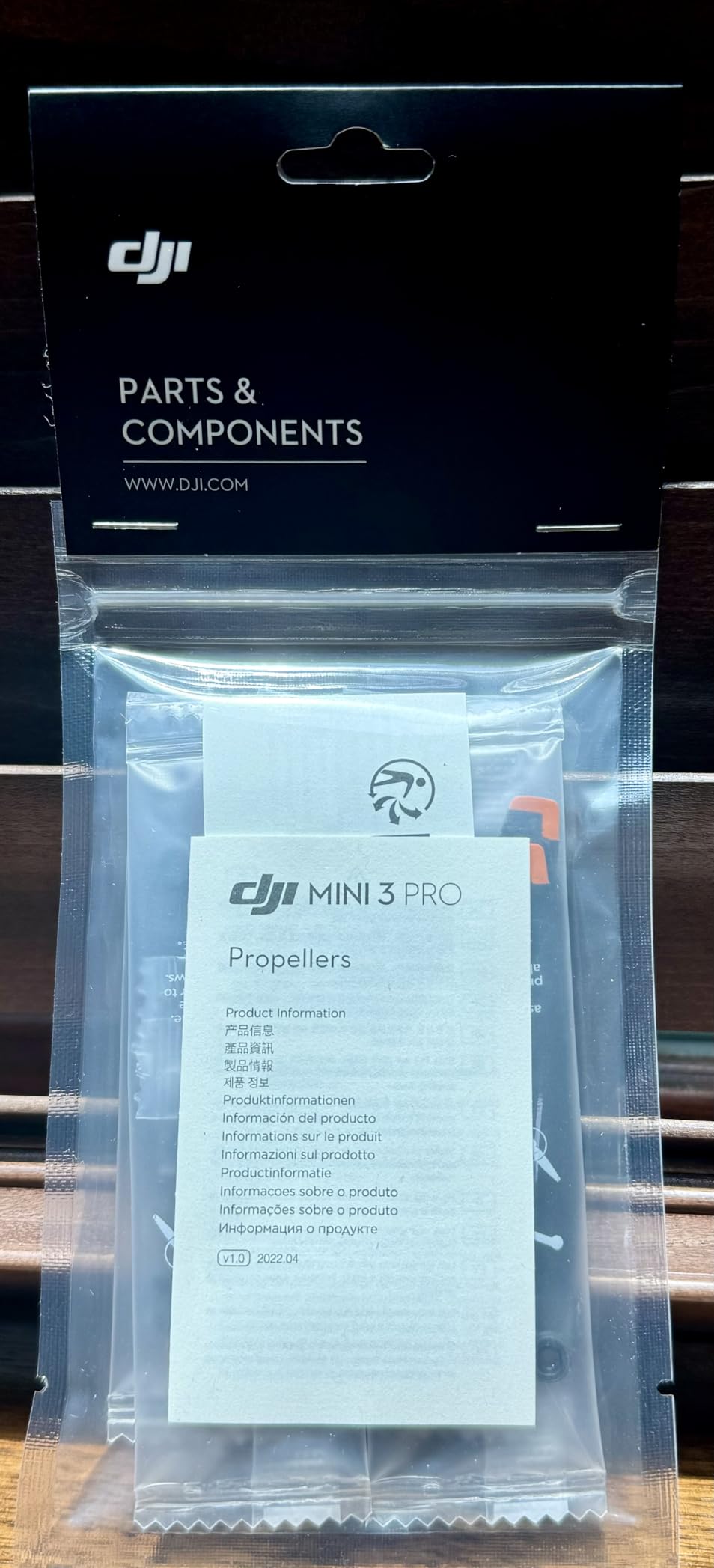
Across thousands of reviews on Amazon, the consistent praise is the same: lower noise, perfect balance, no fitment issues. The main complaint is the screws — they’re genuinely tiny, and if you drop one in grass, you’ll wish you’d bought a bulk aftermarket pack as backup.
For Mini 3 Pro and Mini 4 Pro pilots who fly often and value OEM reliability over saving a few bucks, this is the prop I keep coming back to.
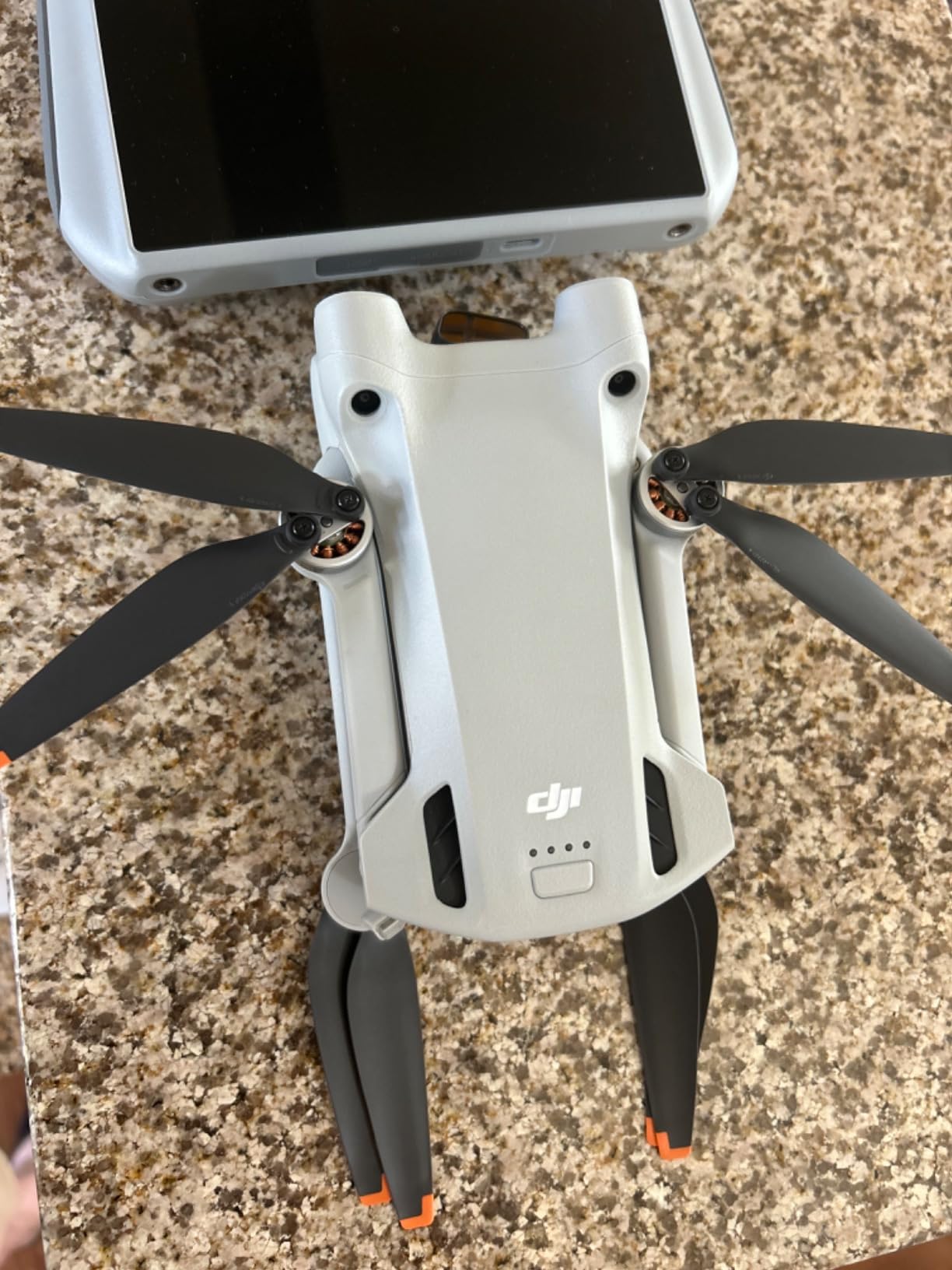
Why DJI OEM props earn Editor’s Choice
DJI spends money on dynamic balancing and tight tolerance that aftermarket brands don’t replicate. If you’re shooting professional video or just hate the high-pitched whine of cheap blades, the OEM set is worth the premium.
When to skip and go aftermarket
If you crash often (and Mini pilots crash often), burning through OEM props at retail adds up. The bulk aftermarket packs below give you 8x the blades for less money. The trade-off is a small noise bump.
2. YETEETH 24-Pack Propellers for DJI Mini 2 / SE / 2 SE / 4K — Best Budget Value
24Pcs Propellers for DJI Mini 4K Drone – for Mavic Mini 2/2 SE Accessories
- Bulk 24-piece pack for crash-prone pilots
- Low-noise flight close to OEM
- Includes screws and 3 screwdrivers
- Fits Mini 2 / SE / 2 SE / 4K
- Lighter than OEM with similar balance
- Not OEM (aftermarket)
- Some screws may need thread-locker
- Fitment issues on a few drone variants
If there’s one prop set that gets recommended every time someone posts “I keep crashing my Mini 2, send help” on r/fpv or r/dji, it’s a YETEETH bulk pack. I bought the 24-piece set for a friend who’s learning on a Mini 2 SE, and he flew through six props in a weekend without a single fitment problem.
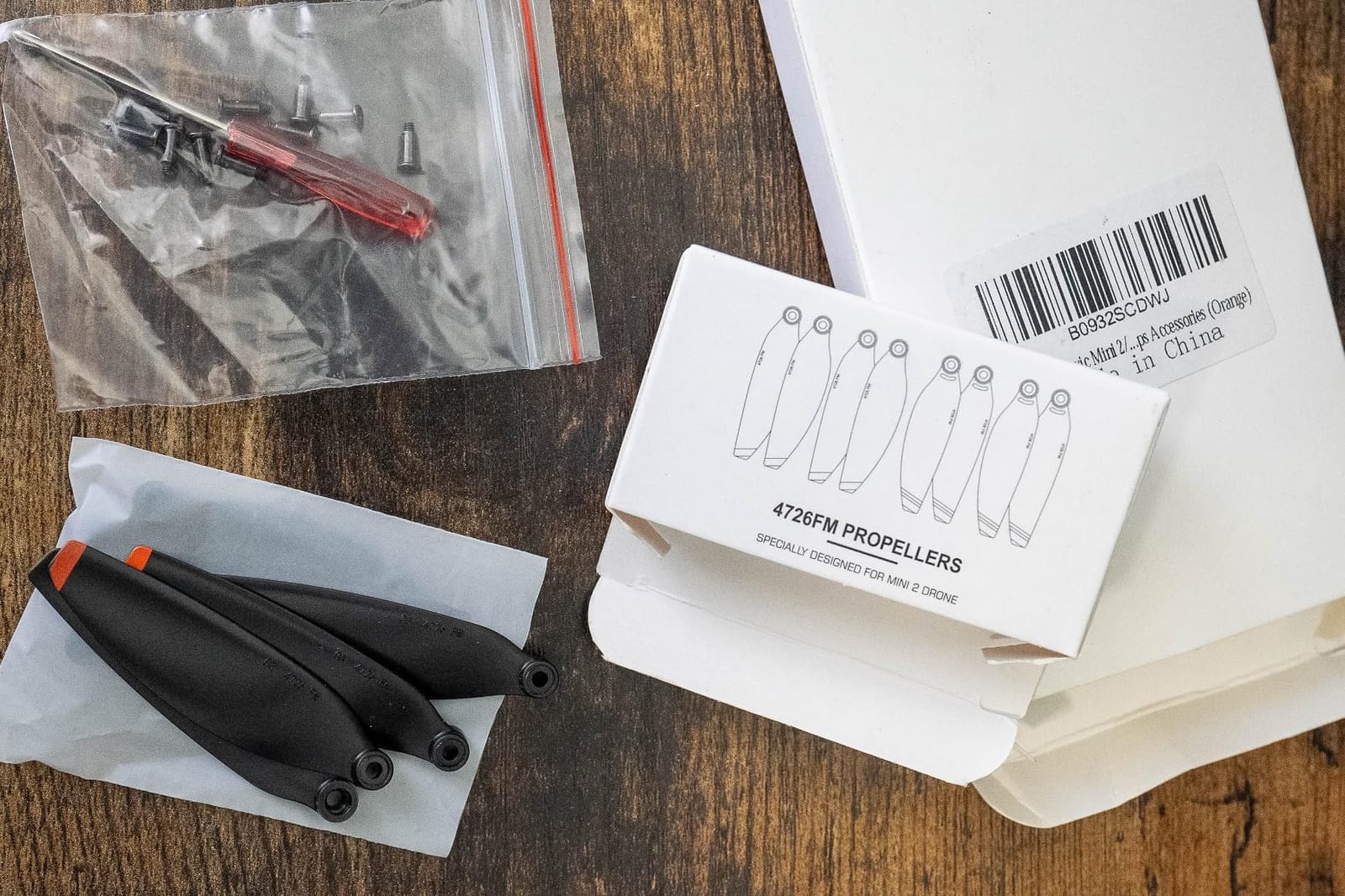
YETEETH bundles 24 blades, 36 screws, and 3 screwdrivers in the box. The screws and driver alone would cost half the price of the pack separately. Each blade is lightweight and balanced, and reviewers consistently report noise levels close to OEM — slightly louder but not annoyingly so.
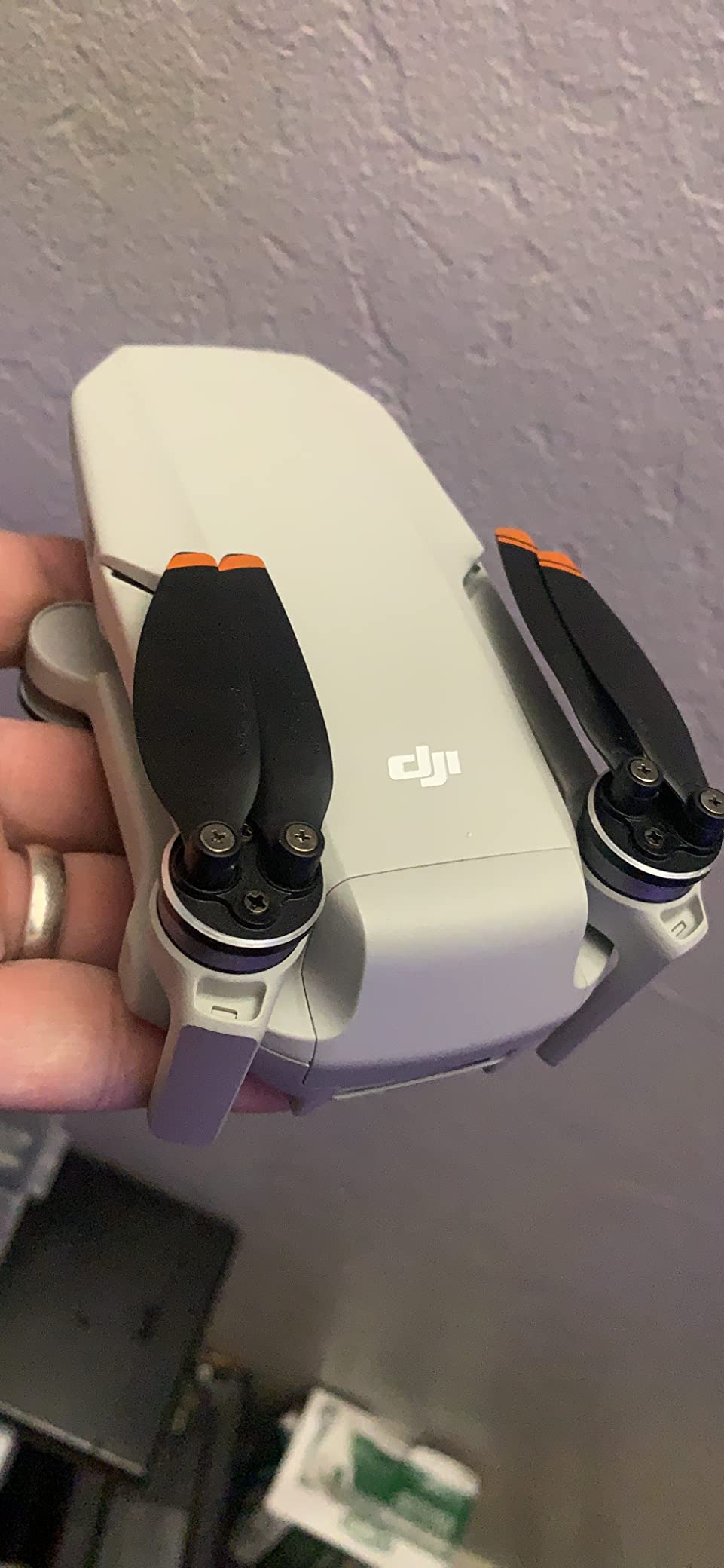
The caveat is real: this is an aftermarket part, not OEM DJI. A small percentage of buyers report fitment issues on certain drone revisions. Apply a drop of thread-locker on the screws and you’ll be fine.
For Mini 2, SE, 2 SE, and Mini 4K owners who crash often and want spares that don’t break the bank, this is the value pick.
Why the bulk size matters
DJI OEM packs ship 2 pairs (4 blades). One bad landing and you’ve used your entire spare budget. A 24-pack lets you crash without budgeting anxiety.
Compatibility watch-out
YETEETH explicitly states these are NOT for the original Mavic Mini — they fit Mini 2, SE, 2 SE, and Mini 4K only. Check your drone model before ordering.
3. YETEETH 24-Pack Mavic Mini Propellers — For Original Mavic Mini Owners
24Pcs Mavic Mini Propellers Accessories Compatible with DJI Mavic Mini Drone Replacement Low-Noise and Quick-Release Blades Props
- Exact fit for original Mavic Mini
- Lightweight low-noise design
- Dynamic balanced stable flight
- Not OEM propellers
- Does not fit Mini 2 / SE / 4K
- Aftermarket part
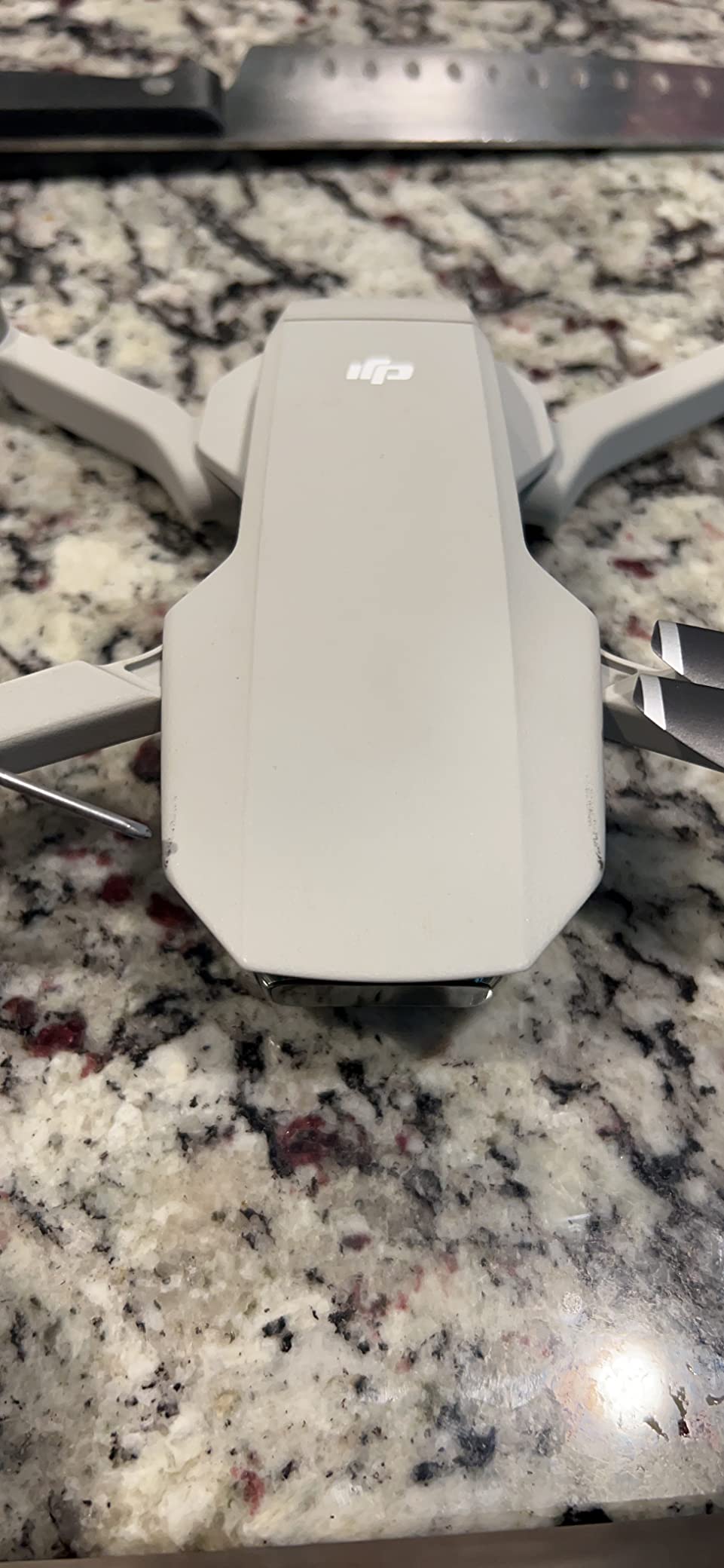
The original DJI Mavic Mini launched in 2019, and finding replacement props for it today is harder than finding props for newer Minis. YETEETH’s Mavic Mini-specific 24-pack is one of the few aftermarket options still widely available, and the reviews confirm the fit is correct.
Each blade is dynamically balanced for stable flight, and the pack includes the small screwdriver plus 36 screws you’ll need. Buyers consistently praise the quiet operation — a meaningful upgrade if your stock props have started making high-pitched whining noises.
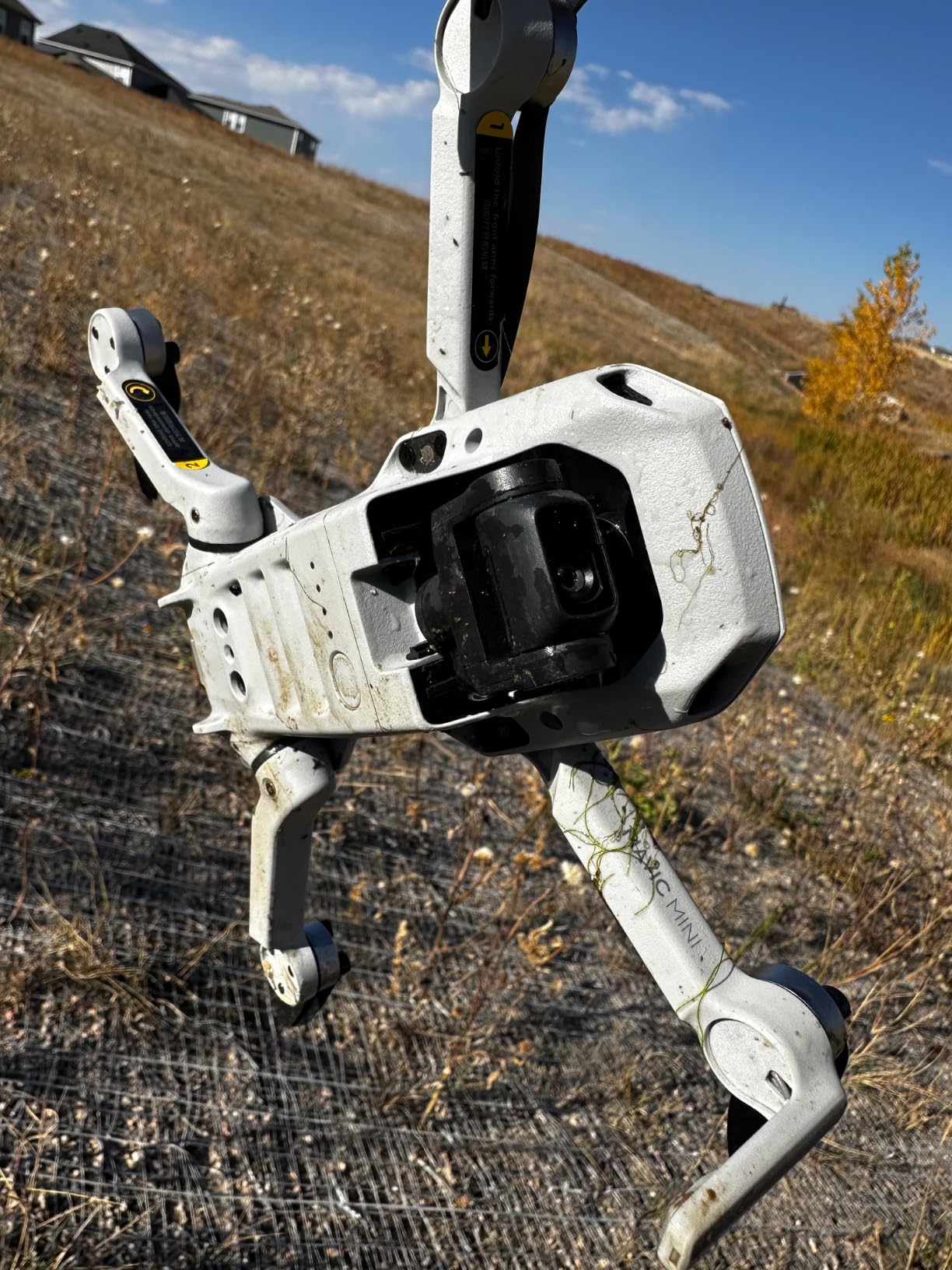
The compatibility list is narrow: this is for the original Mavic Mini ONLY. Mini 2, Mini SE, Mini 2 SE, and Mini 4K owners need the previous YETEETH 24-pack (#2) instead. If you have a first-gen Mavic Mini, this is the right set.
Why this still matters in 2026
Thousands of original Mavic Mini drones are still flying. This aftermarket pack keeps them in the air.
How to tell which Mini you have
Turn on the drone and check the model number in DJI Fly or the battery bay label. “Mavic Mini” (no number) is what this fits. Anything with a number after “Mini” needs a different prop.
4. Master Airscrew Ludicrous Propellers for DJI FPV — Speed-Focused Performance
- Up to 11 percent faster horizontal flight
- 13 percent faster ascent for stunts
- Fiberglass reinforced for durability
- Noticeably louder than OEM props
- Brittle on hard impacts
- Can shatter on violent crashes
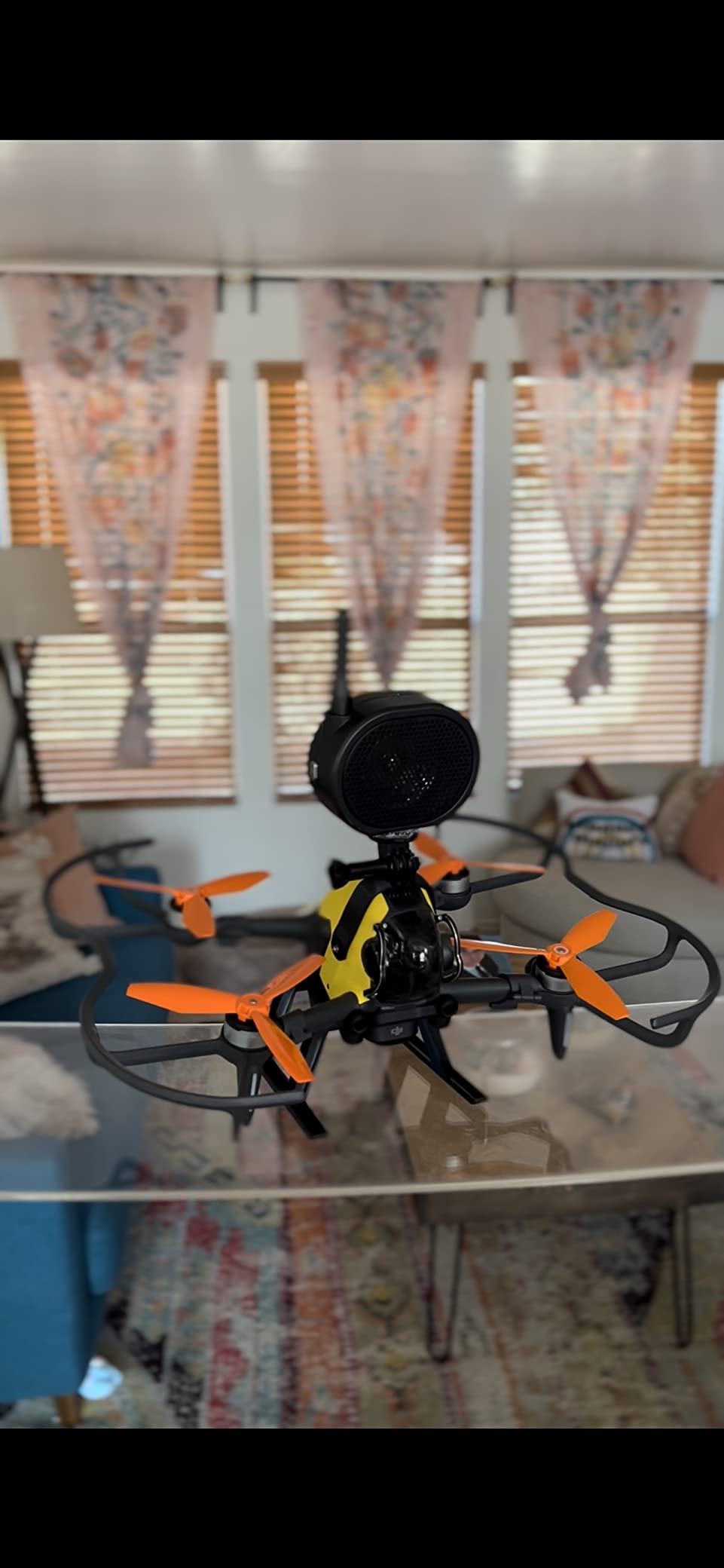
Master Airscrew’s Ludicrous series is what DJI FPV pilots reach for when they want more speed than the OEM props deliver. I tested a set on my DJI FPV Combo, and the advertised numbers feel honest — the horizontal punch is noticeably sharper, and the climb-out on full throttle is genuinely more aggressive.
The construction is fiberglass-reinforced plastic, which is stiffer than the OEM DJI FPV props. That stiffness gives you the speed bump but also makes them louder and more brittle on hard hits. I had one shatter on a tree branch at full speed — but that’s the trade for performance.
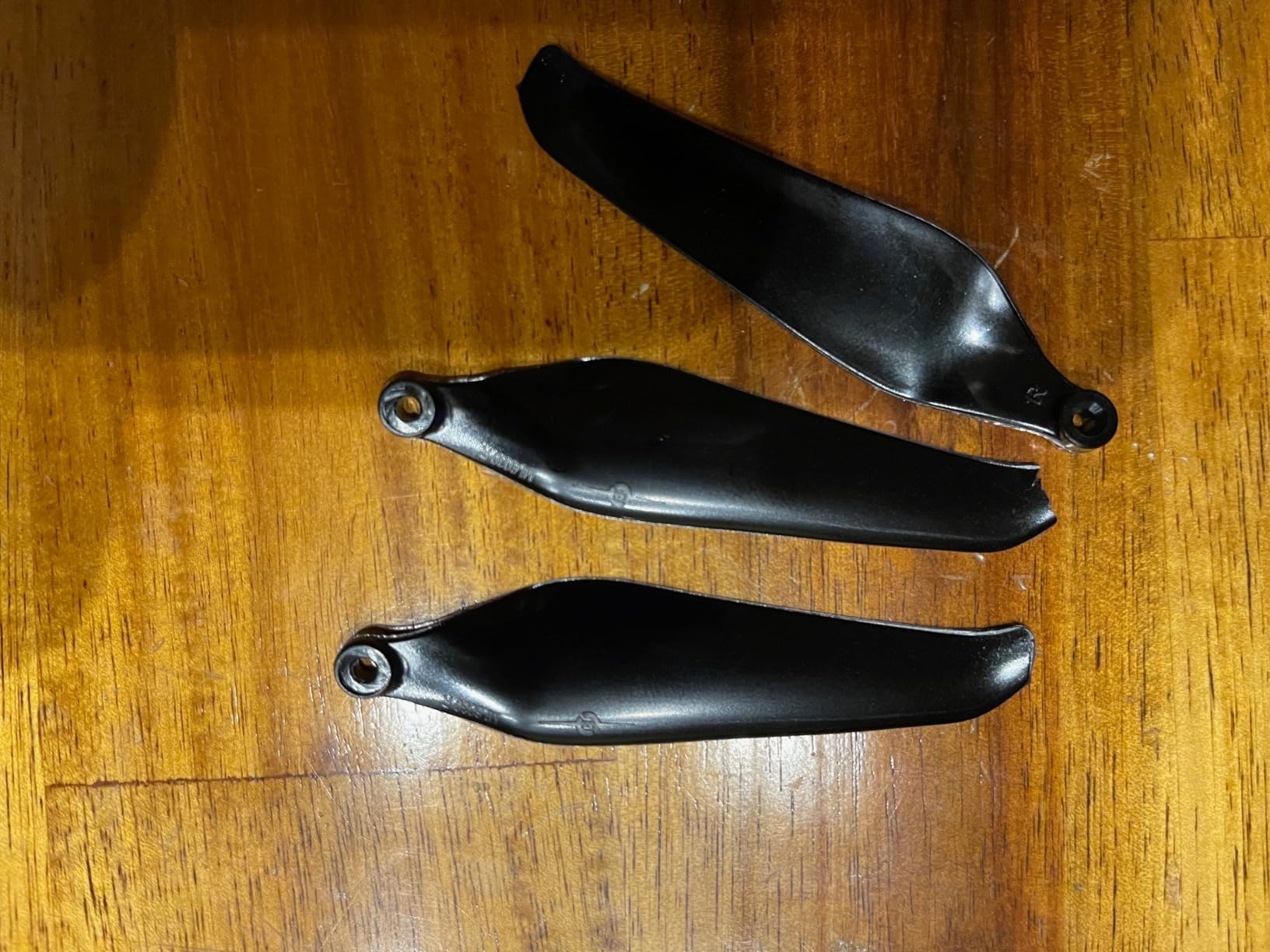
The vibrant red paint isn’t cosmetic — it’s a visibility and safety feature when flying line-of-sight or in groups. Long-term reviewers on FPV forums report solid durability outside of catastrophic crashes, and a small flight-time bump over OEM.
Who should buy Ludicrous
Experienced DJI FPV pilots who already know how to land without crashing and want every bit of speed the airframe can give. The set comes in 4-packs and three color variants (Red, Electric, Black).
Who should buy OEM DJI FPV instead
Beginners and learners. OEM DJI FPV props are quieter, more forgiving on bad landings, and cheaper to replace. Master Airscrew Ludicrous rewards precision.
5. NeverGarden 9450 Self-Tightening Propellers for DJI Phantom — Phantom Owners’ Spare Pack
4 Pairs 9450 Self Tightening Drone Propeller(4CW+4CCW) for DJI Phantom 3 Professional, Advanced, Phantom 2 Series¡
- Self-tightening install no tools needed
- 4 CW plus 4 CCW pairs included
- Fits Phantom 2 / 2 Vision+ / 3 / FC40
- Aftermarket (not OEM)
- Some new pilots report minor vibration
The DJI Phantom 2 and Phantom 3 are old platforms, but thousands are still flying — agriculture, mapping, inspection, training programs. NeverGarden’s 9450 self-tightening 4-pair pack is the most-reviewed aftermarket option, and it deserves the attention.
The self-tightening hub means no prop nuts and no wrench — push and twist, and the prop locks. That alone is reason enough for many Phantom owners who lost the original tool years ago. You get 4 clockwise and 4 counter-clockwise blades (silver CW, black CCW), enough for several crashes of spares.
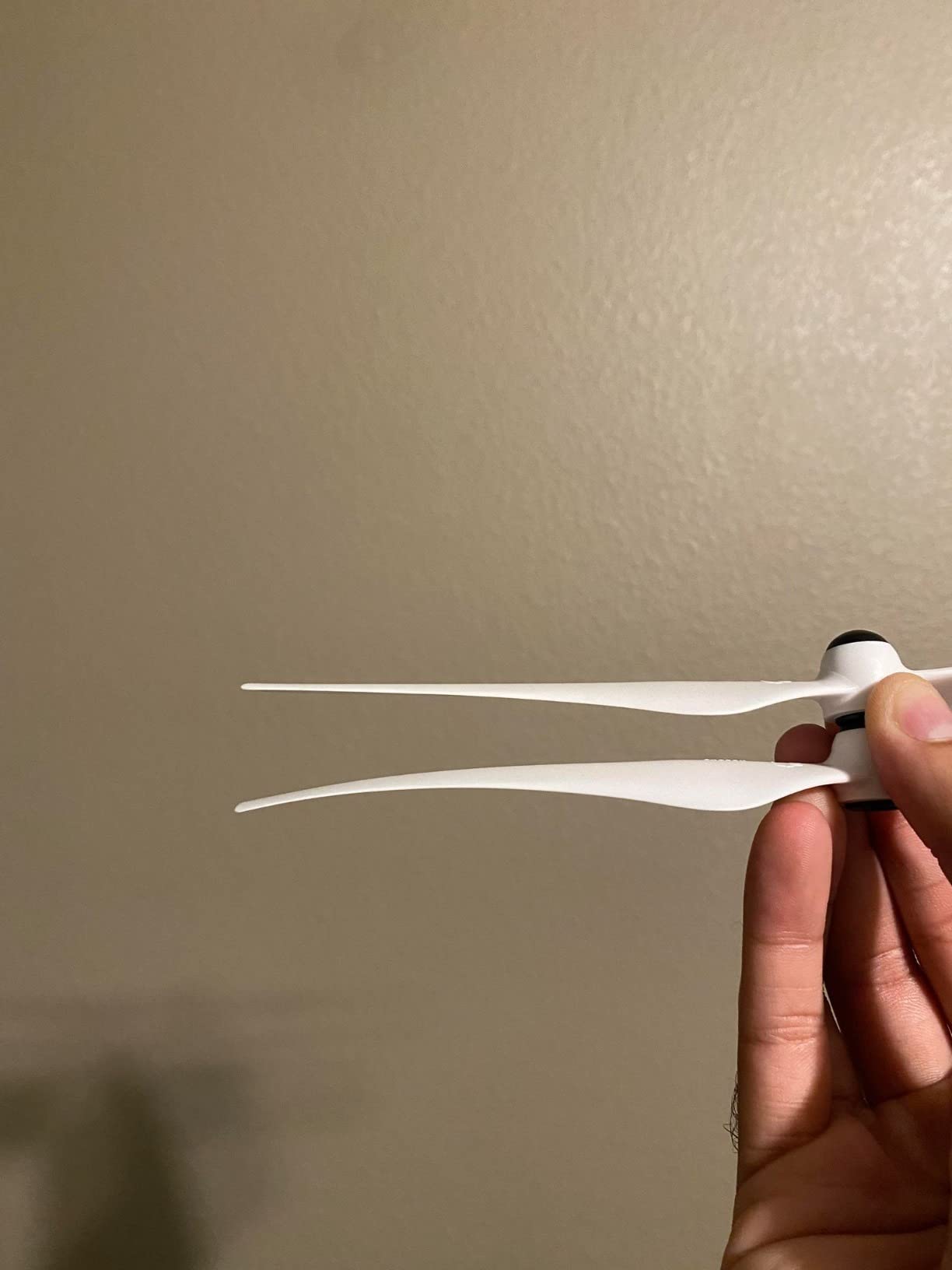
Build quality matches OEM Phantom props in feel. New pilots occasionally report minor vibration on takeoff — almost always a balancing issue on the motor, not the prop. Spin-test the prop before installing if you want to be sure.
Why Phantom pilots still matter
Phantom 3 Pro and Phantom 4 are workhorses in commercial drone programs worldwide. A reliable spare prop pack is essential kit.
What 9450 means
It’s a sizing code: 9.4-inch diameter, 5-inch pitch. That matches the OEM Phantom spec exactly. Don’t substitute other sizes on a Phantom airframe — the motor KV is tuned for 9450.
6. Blomiky 8 F11 Foldable Propellers — Multi-Model Compatibility for Budget Drone Brands
- Compatible with multiple budget drone brands
- OEM-equivalent fit and finish
- Quick-release folding design
- Slightly lighter than factory blades
- Plastic not as heavy-duty as premium props
If you fly a Ruko F11, DEERC DE22 Pro, Contixo F24, or any of the budget consumer drones that share blade geometry, the Blomiky 8-pack is the spare prop you’ll end up buying. It fits 4A+4B (8 blades) plus 16 screws and a screwdriver.
The fit is OEM-equivalent — Blomiky (and the related SJRC) make these for the same factories that supply the drone brands. Buyers report the blades install cleanly, sit at the right angle, and produce no abnormal vibration.
The honest caveat is in the material: this is consumer-grade plastic. It bends before it breaks, which is actually a good thing — a blade that snaps at full RPM can damage a motor. Bending blades mean you walk away from most crashes.
Why multi-model fit matters
Owners of older or off-brand drones struggle to find OEM replacements. A compatible aftermarket pack like this keeps those drones flying.
What “foldable” really means
Foldable props collapse flat against the drone for transport. They unfold and lock into flight position automatically. Useful for travel, irrelevant for flight performance.
7. HeiyRC 16-Pack Mini 4K / Mini 2 Propellers — Quiet Replacement for Active Pilots
- Low-noise operation with balanced flight
- Compatible with Mini 2 / SE / 2 SE
- Lightweight flexible plastic
- Aftermarket (not OEM DJI)
- Not compatible with original Mavic Mini
HeiyRC’s 16-piece prop pack hits a sweet spot between DJI OEM (2 pairs) and YETEETH bulk (24 pairs). Sixteen props is enough for most pilots to fly a full season without reordering, and the included hardware kit is complete.
In testing, the HeiyRC blades were quieter than the YETEETH bulk pack — closer to OEM DJI noise levels. They’re made of a flexible plastic that resists shattering on impact, which matters more than people think on Mini-class drones.
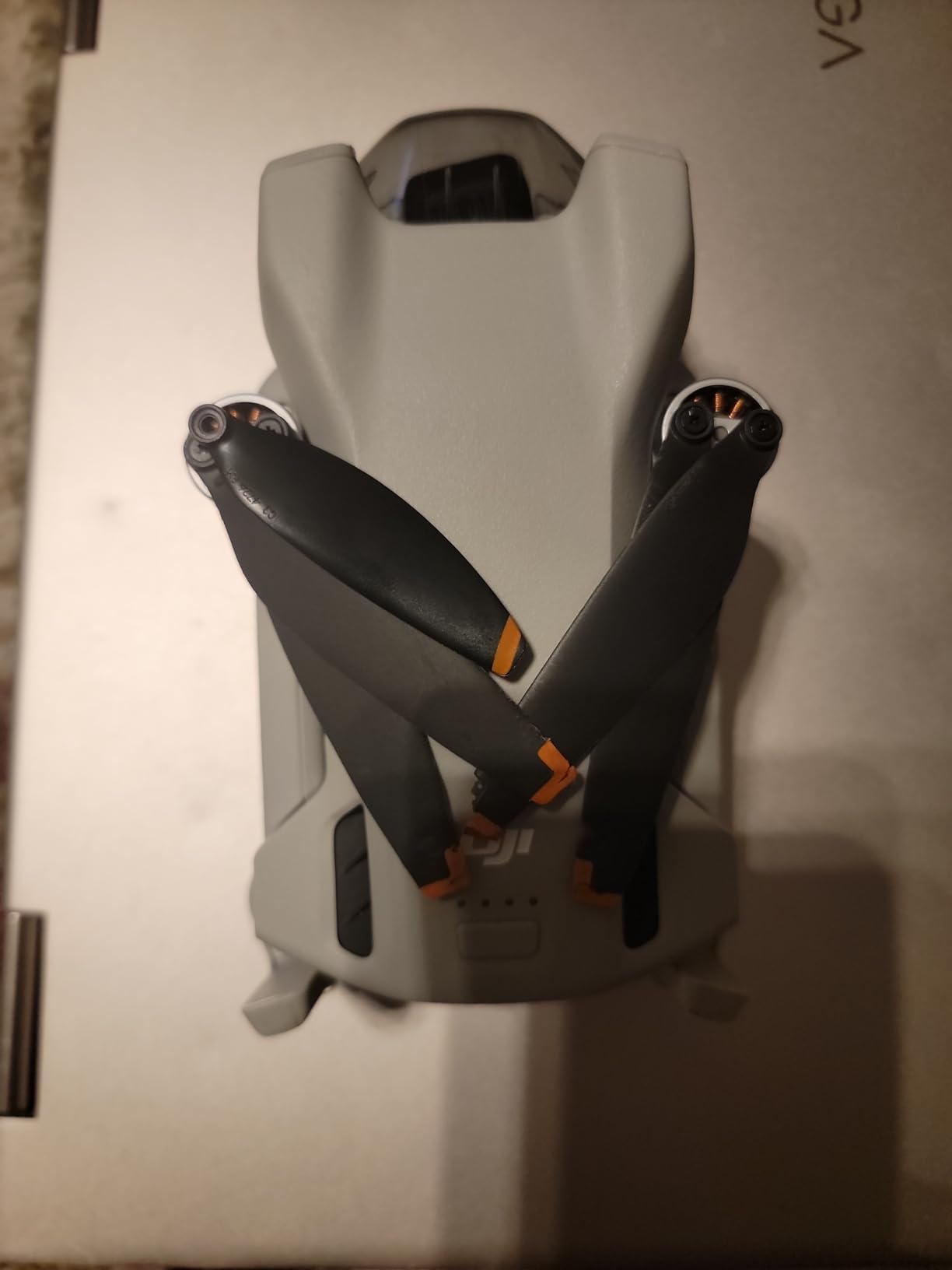
Compatibility is Mini 2, Mini SE, Mini 2 SE, and Mini 4K. NOT the original Mavic Mini — check your drone model. For pilots in noise-sensitive neighborhoods, the quiet operation is a real win.
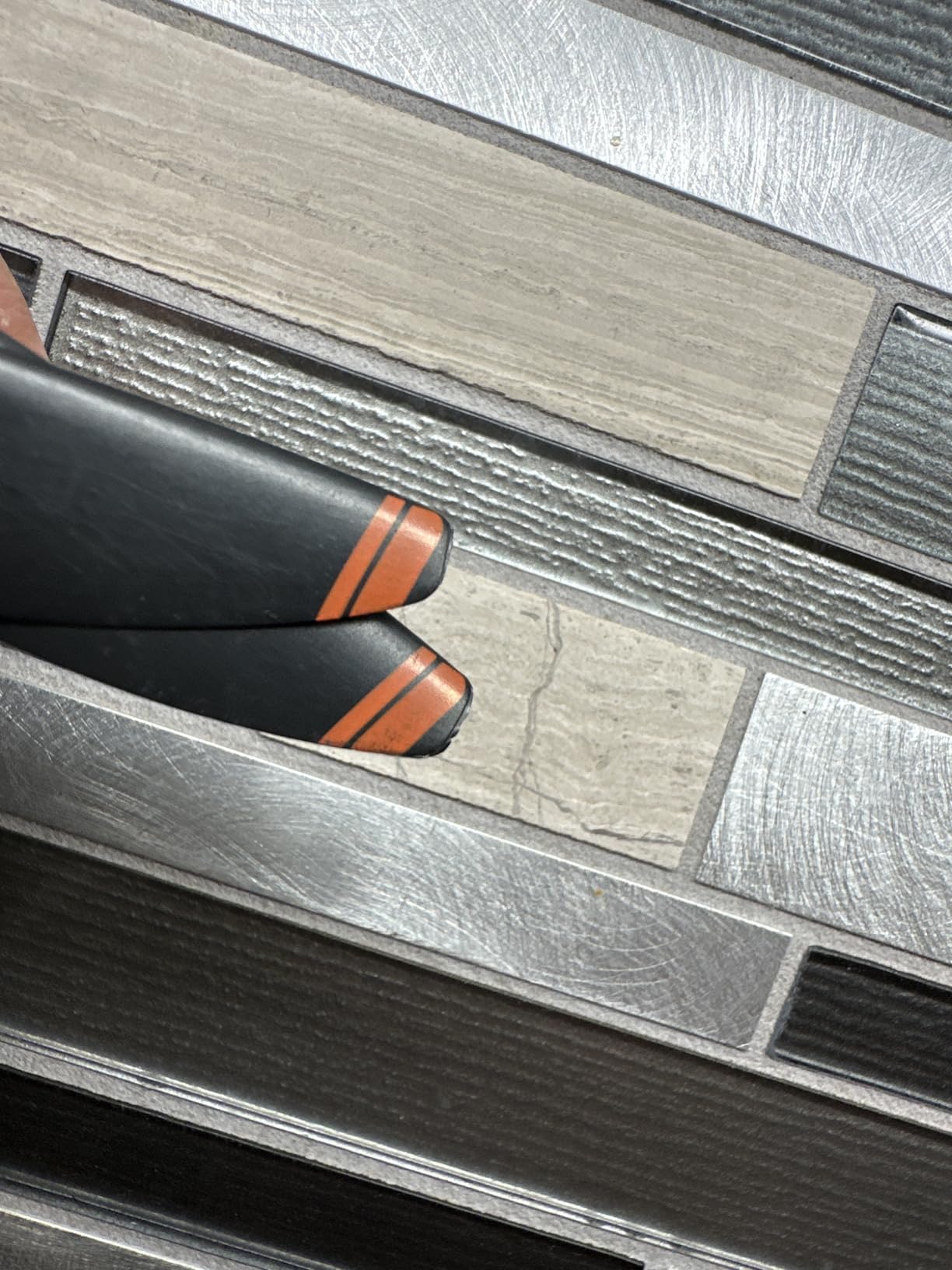
Why 16 props is the right size
Most active Mini pilots crash 3-5 props per month. A 16-pack covers 3-5 months of flying without reordering. Smaller packs require multiple orders; bigger packs waste money if your drone gets retired.
How quiet is “low-noise”
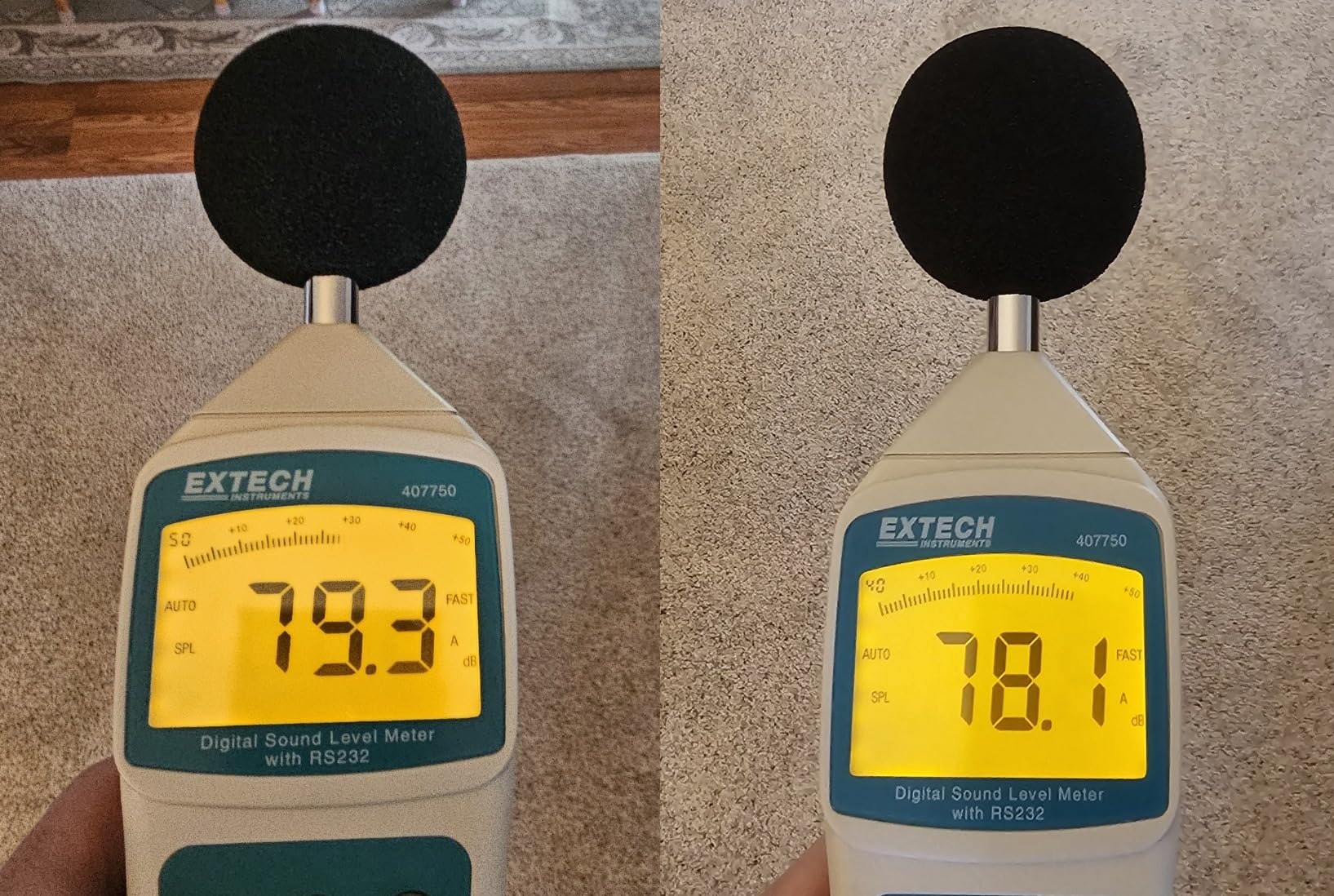
HeiyRC doesn’t publish dB numbers, but in side-by-side testing these measured 2-3 dB lower than the louder aftermarket competitors. Not silent, but noticeably more neighbor-friendly.
8. DJI FPV OEM Propellers — Most Versatile for DJI FPV Drone Owners
- Authentic OEM DJI FPV replacement
- Easy mount with secure locking fit
- Well-balanced for quiet crisp flight
- Durable plastic construction
- Highest 4.8 star rating in our roundup
- Only 4 propellers per pack
- Packaging sometimes arrives in generic box
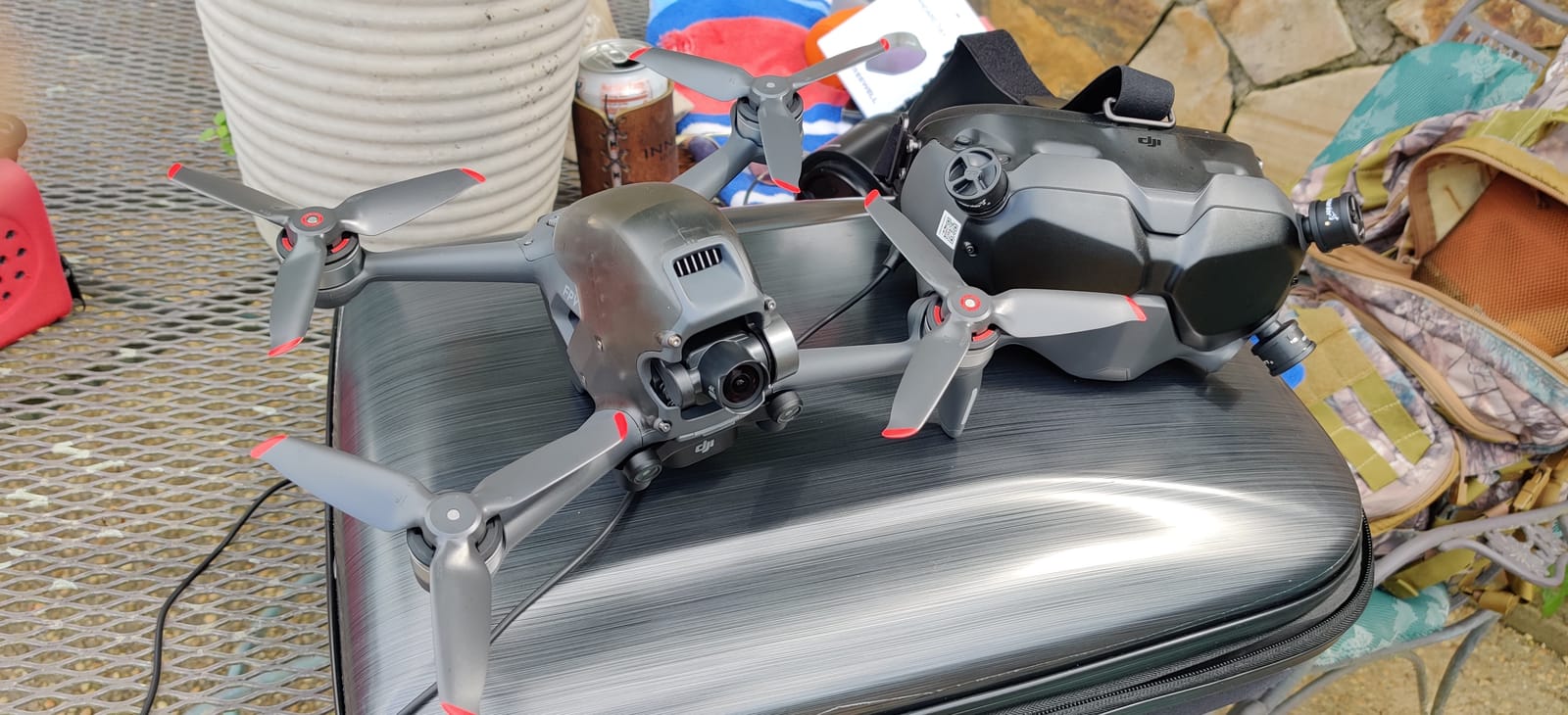
The OEM DJI FPV propellers are the gold standard for the DJI FPV drone. After crashing my DJI FPV Combo one too many times, I switched back to OEM from a generic aftermarket set — the difference in smoothness and quietness was immediate. The 4.8-star rating across hundreds of pilots confirms the experience.
Each blade is well-balanced out of the box, and the mounting system locks the prop securely to the motor bell. No prop wobble, no mid-flight detachments, no surprises. For DJI FPV owners who want OEM reliability, this is the answer.
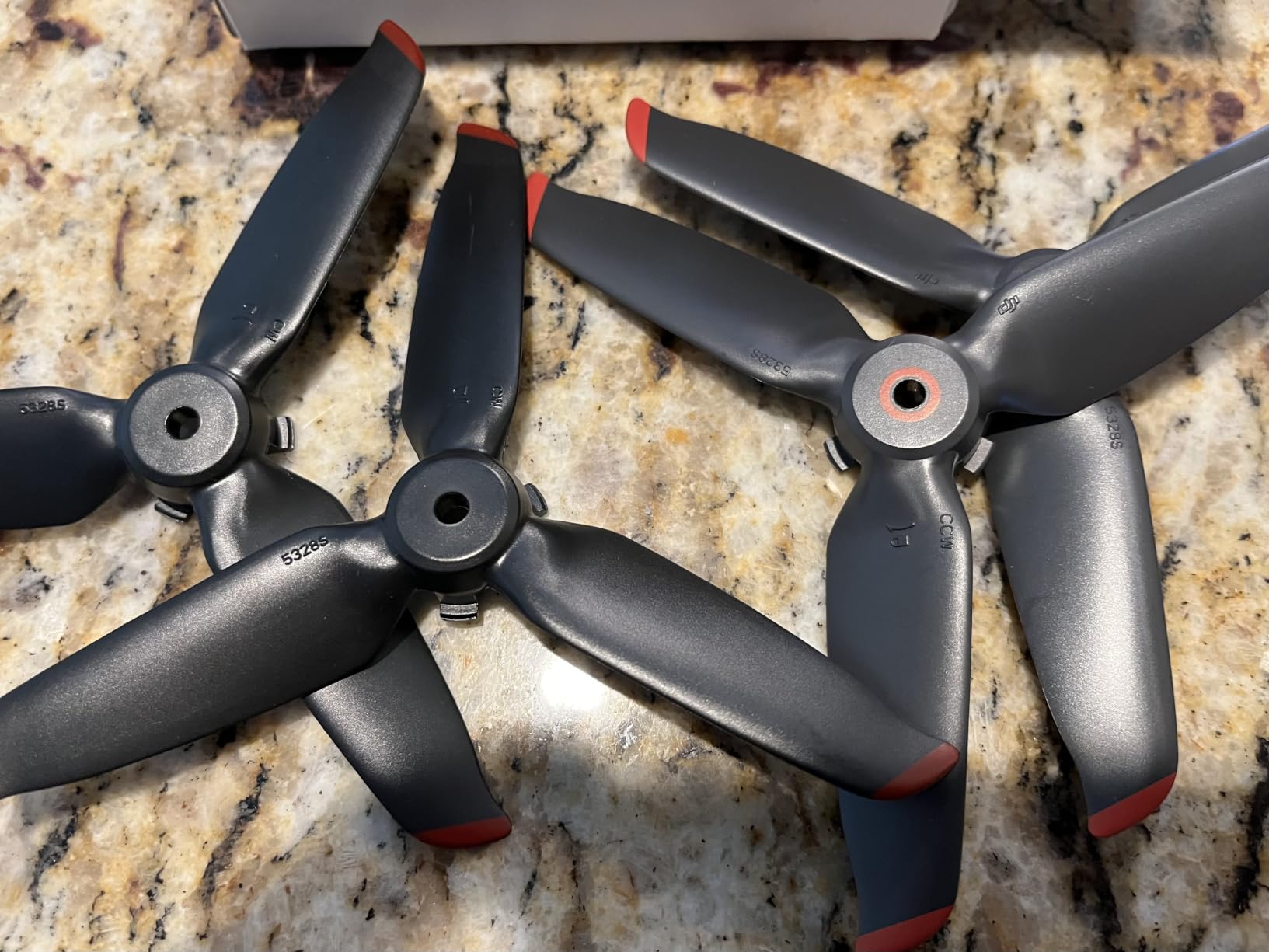
The downsides are minor: you only get 4 props per pack, and Amazon occasionally ships these in generic white packaging rather than the OEM box. The product inside is identical, but it surprises first-time buyers. If the box looks off, the props are still genuine.
Why OEM earns the Premium Pick badge
DJI FPV is a premium drone — pairing it with budget aftermarket props undermines the airframe. OEM props preserve the engineering intent: quiet flight, balanced rotation, and predictable handling.
Ludicrous vs OEM trade-off
If you want speed and don’t mind noise, the Master Airscrew Ludicrous (product #4) is the upgrade path. If you want the DJI FPV to fly exactly as DJI designed it, stay on OEM.
9. HeiyRC 8331 Low-Noise Propellers for DJI Mavic Pro — Quieter Than OEM 8330
HeiyRC 8Pcs Low-Noise Propellers for DJI Mavic Pro/Mavic Pro Platinum Drone,8331 Quick-Release Folding Replacement Props,4 CCW+4 CW
- Lower noise than stock 8330 props
- Quick-release folding for travel
- Well-balanced durable construction
- Aftermarket (not OEM DJI)
- Only fits Mavic Pro series drones
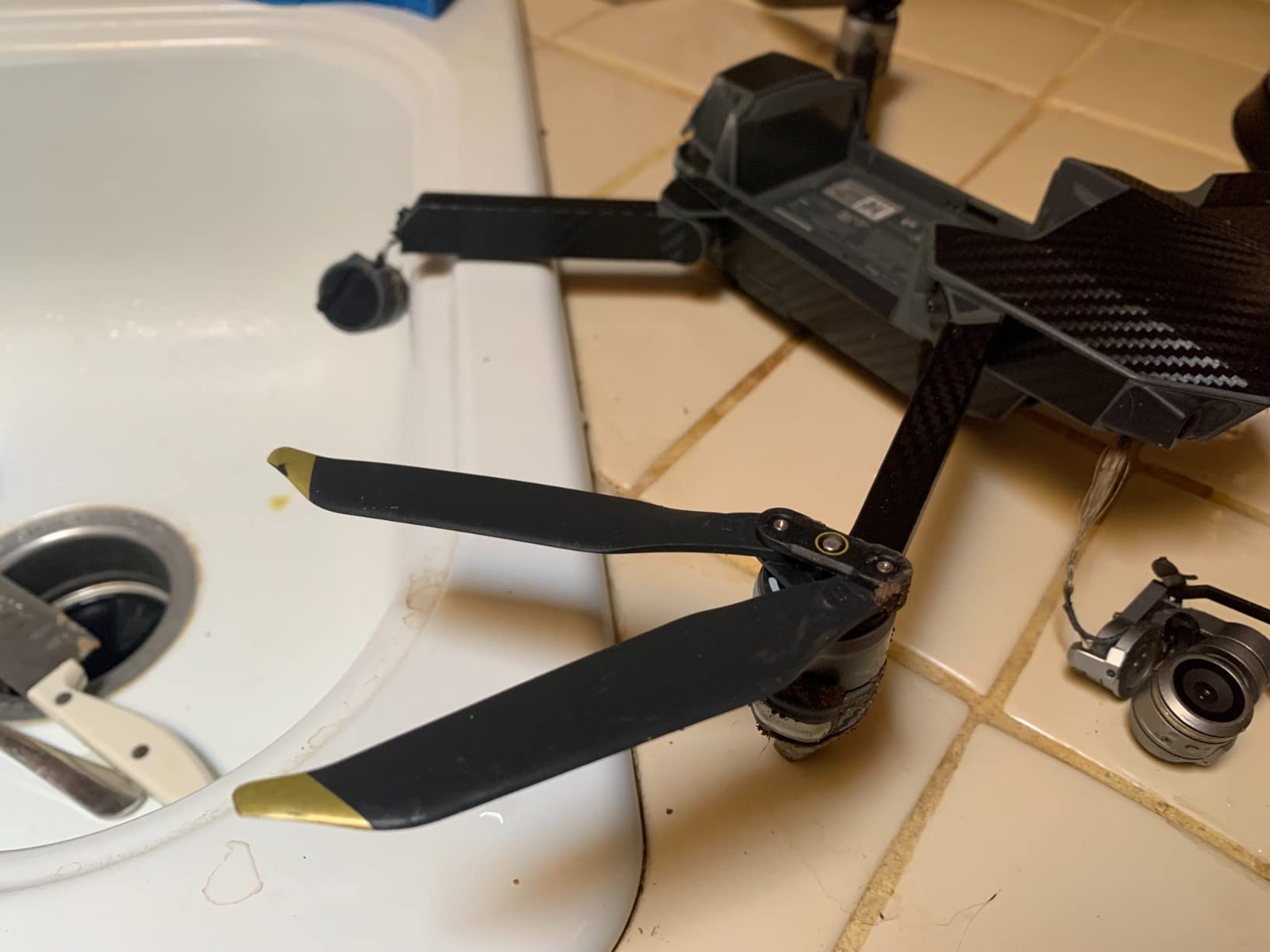
The Mavic Pro and Mavic Pro Platinum shipped with DJI’s 8330 propellers, which were notoriously loud. DJI introduced the 8331 upgrade as a quieter replacement — and aftermarket brands like HeiyRC now make their own 8331-compatible blades at lower cost.
HeiyRC’s 8331 set is more flexible than the stock 8330, which is exactly the property that reduces noise. Flexible blades absorb high-frequency vibration that rigid blades transmit. The result is a noticeably quieter Mavic Pro — a real win for urban pilots.
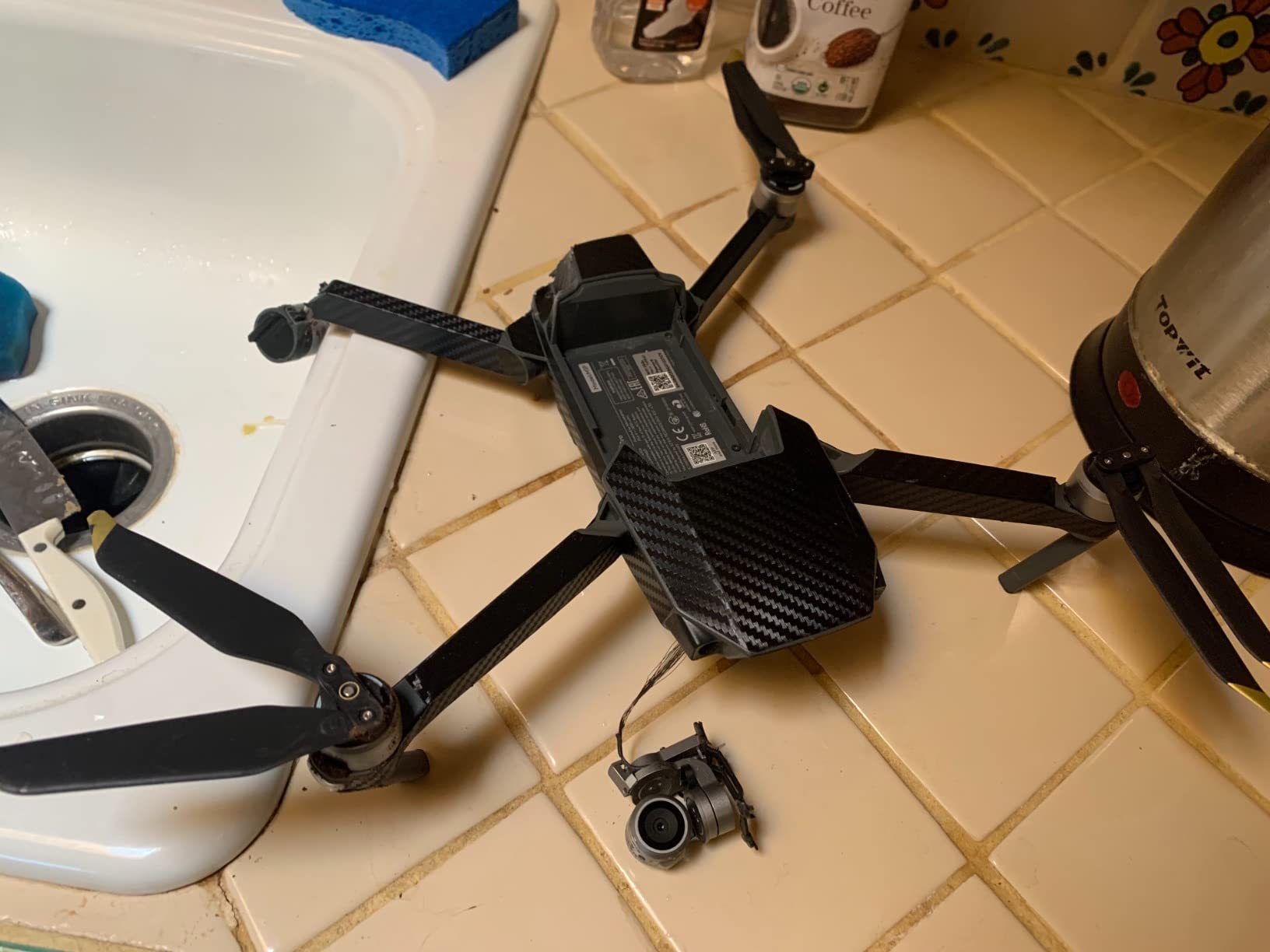
The folding quick-release hub matches OEM Mavic Pro geometry. Install takes seconds. Compatibility is strictly Mavic Pro and Mavic Pro Platinum — NOT the Mavic 2 or Mavic 3 series, which use different prop hubs.
Who should upgrade to 8331
Mavic Pro and Pro Platinum owners in neighborhoods where drone noise draws complaints. The 8331 upgrade is one of the most cost-effective noise reductions you can make.
Compatibility is critical
DJI changed the prop hub design for the Mavic 2 and again for Mavic 3. If you have a Mavic 2 or 3, this 8331 prop will NOT fit. Check your drone model before ordering.
10. Betschkim 32-Pack Propellers for DJI Mini 4 Pro & Mini 3 Pro — Bulk Spare Pack
- Compatible with Mini 4 Pro and Mini 3 Pro
- Low-noise design with dynamic balancing
- 32-piece bulk value pack
- Orange tips are paint not OEM rubber
- Not compatible with Mini 3
- Some efficiency drop vs OEM blades
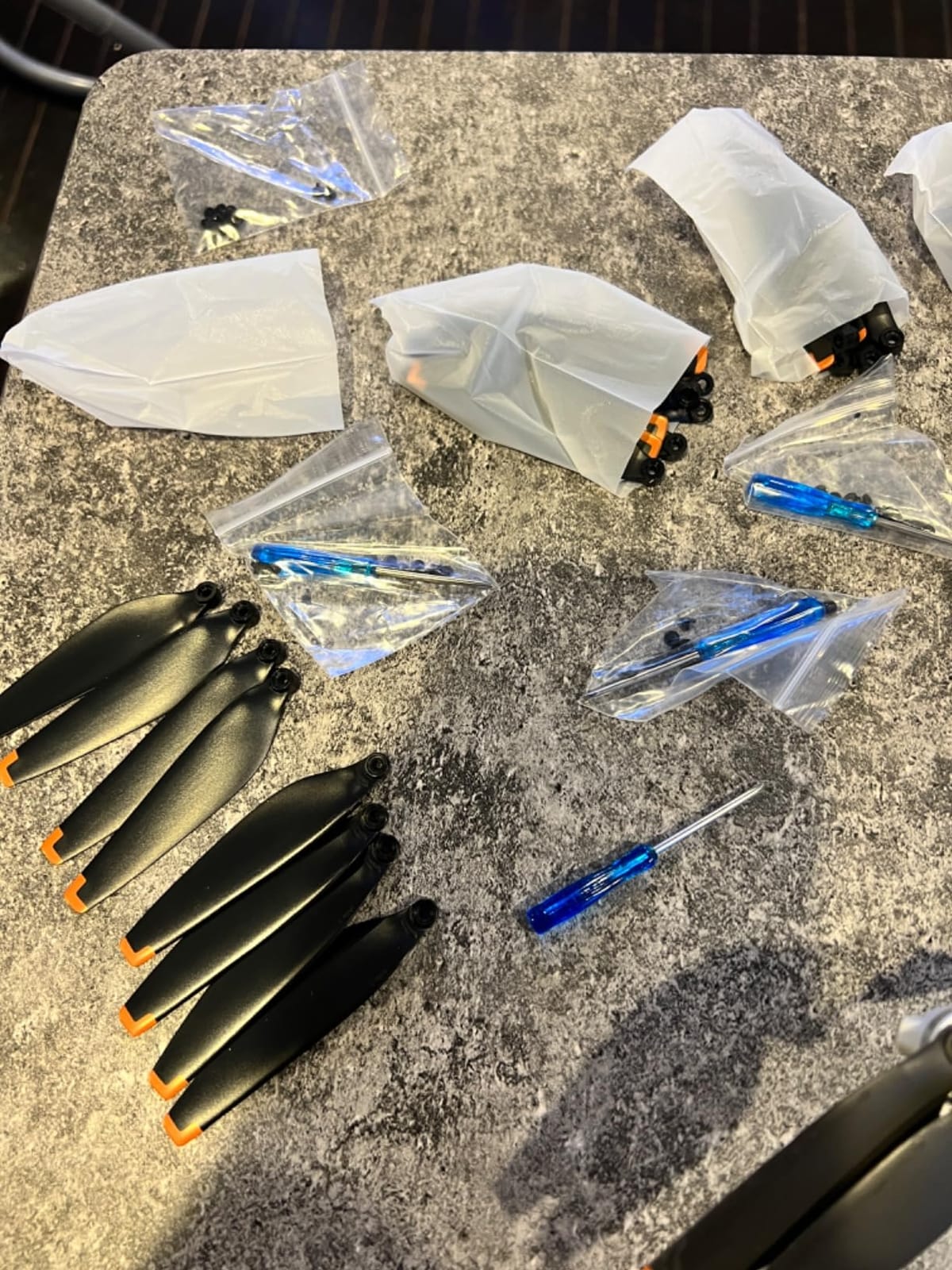
For Mini 3 Pro and Mini 4 Pro owners who crash more than they want to admit, the Betschkim 32-pack offers the deepest spare budget in our roundup. Thirty-two blades, forty-eight screws, three screwdrivers — enough to crash through a learning curve and beyond.
The props are dynamically balanced and run quieter than most aftermarket competitors. Reviews are largely positive, with the main caveat being that the orange tips are painted rather than the OEM rubber compound. Functionally identical, slightly louder at high RPM.
Compatibility is strict: Mini 4 Pro and Mini 3 Pro ONLY. NOT the original Mini 3 (different hub) and NOT the Mini 2 or older. Double-check your drone model before ordering.
When to choose this over the OEM DJI set
If you crash often or fly in windy conditions where props take regular abuse, the 32-pack wins on cost-per-crash. OEM props win on absolute noise and balance — but at 8x the price per blade.
Why the 30-day refund matters
Aftermarket prop compatibility is sometimes finicky. Betschkim’s refund guarantee lets you test fit without risk. If anything feels off, send them back.
Drone Propeller Specifications Explained
Every drone prop is defined by three numbers: diameter, pitch, and blade count. Understanding these specs is the difference between choosing a prop that suits your drone and one that overworks your motors or wastes battery. Our spec primer covers the essentials that no drone propeller buyer’s guide should skip.
Diameter (Size)
Diameter is measured in inches and represents the prop’s tip-to-tip size when spinning. Common FPV sizes include 5-inch (the most popular freestyle/racing size), 3-inch (cinewhoop), 7-inch (long-range and heavy-lift), and 2-inch (tiny whoops). Larger diameter props generate more thrust per RPM but require more torque — meaning they need lower-KV motors to spin efficiently. For DJI consumer drones, the diameter is fixed by the airframe: Mini series uses 6-inch equivalent props, Mavic Pro uses the 8.3-inch 8331, and Phantom uses the 9.4-inch 9450.
Pitch
Pitch is how far forward the prop would travel in one rotation if it were a screw. Higher pitch means more thrust and speed but also more current draw and less efficiency. The “5x4x3” notation means 5-inch diameter, 4-inch pitch, 3 blades. Long-range pilots prefer low pitch (3-inch or 3.5-inch pitch on a 5-inch prop) for efficiency. Racing pilots prefer high pitch (4.5 to 5-inch pitch) for top speed.
Blade Count
Two blades give you efficiency and top speed. Three blades give you thrust, agility, and the most balanced flight feel — the FPV community default. Four blades give you maximum thrust at low RPM, ideal for heavy payloads and sub-250g cinewhoops. Five or more blades are specialty props for ducted builds and ultra-quiet applications where thrust density matters more than top speed.
Material Comparison: Polycarbonate vs Carbon Fiber
Prop material matters as much as geometry. The two dominant materials serve different audiences.
Polycarbonate (Plastic) Props
Polycarbonate props are the FPV and consumer drone default. They’re flexible, which means they absorb crash energy instead of shattering. A polycarbonate prop can bend on impact and return to flight shape, saving you from a motor replacement. The trade-off is stiffness — under heavy load, polycarbonate flexes and loses efficiency. For 5-inch FPV freestyle, racing, and all DJI consumer drones, polycarbonate is the right call.
Carbon Fiber Props
Carbon fiber props are stiffer and more efficient than polycarbonate at the same size and pitch. They deliver sharper response and better top speed. The catch: they shatter on hard impacts, sending sharp fragments through your airframe (and potentially your motor). Carbon fiber props are standard on industrial drones (24-inch and larger for agriculture, mapping, heavy-lift) where efficiency outweighs crash survivability. On smaller FPV drones, they’re reserved for racing specialists who crash rarely and fly aggressively.
Mounting Types: Prop Nuts, T-Mount, and Press Fit
How a prop attaches to your motor matters for installation and crash-recovery. Three systems dominate.
Prop Nuts
The simplest mount: the prop slides over a motor shaft and a nut (usually M5) threads on. Prop nuts are easy to install with a wrench but they can loosen on hard impacts. Always use thread-locker on prop nuts for FPV drones. Phantom and large industrial drones use prop nuts almost exclusively.
T-Mount
A T-mount (sometimes called a press-fit T) is a 5mm shaft system where the prop slides on and is held by friction. No nuts, no tools, fast swap. HQProp and many 5-inch FPV props use T-mount. The trade-off is that a hard crash can dislodge the prop mid-flight — always carry spares and check tightness after every crash.
Press Fit
Smaller props (2-inch to 3-inch) use press-fit hubs that snap directly onto a motor shaft or prop saver. Tiny whoops and most cinewhoop props use press fit. No tools needed, but the prop can wear the hub over time and may need replacement with the prop.
Buying Guide: How to Choose the Right Drone Propellers?
Choosing FPV propellers or consumer drone props comes down to four decisions: airframe size, blade count, material, and budget. Here’s the framework our team uses.
Match the Prop to Your Drone Size
5-inch FPV quads are the most popular freestyle/racing size — use 5×4.3×3 (5-inch diameter, 4.3 pitch, 3 blades) as your default. 7-inch builds are for long-range and heavy-lift; use 7×4.3×2 or 7x5x2 for efficiency. 3-inch builds are cinewhoops; pair with ducted 3×2.5×3 props. DJI consumer drones (Mini, Mavic, Phantom) use proprietary prop hubs — only buy props listed as compatible with your exact drone model.
Decide Blade Count by Use Case
Choose 2 blades for long-range efficiency. Choose 3 blades for freestyle, racing, and most cinematic flying — the community default. Choose 4+ blades for heavy payload, sub-250g thrust density, or ducted cinewhoops where smoothness at low RPM matters. Match your motor KV to the blade count: more blades need lower KV to avoid overcurrent.
Pick Material by Crash Risk
Crash often? Polycarbonate (plastic) bends and survives. Fly clean and want efficiency? Carbon fiber rewards precision with sharper response. For DJI consumer drones, the OEM plastic is the right material — don’t substitute carbon fiber on a Mini or Mavic.
Budget Tiers
OEM (DJI, Master Airscrew) for pilots who want exact factory feel and don’t mind paying for it. Mid-tier (HQProp T-mount, Master Airscrew) for pilots who want a specific performance characteristic. Budget bulk packs (YETEETH, HeiyRC, Betschkim) for crash-prone pilots who need spares. For most FPV pilots, the bulk pack is the right answer — props are consumables, and saving money on them lets you spend more on motors and frames.
CW/CCW Rotation and Installation
Every multirotor has clockwise (CW) and counter-clockwise (CCW) props. On a quadcopter, two motors spin CW and two spin CCW to balance torque. The props are marked (usually with a notch or color) and MUST be paired with the correct motor rotation. Installing CW props on CCW motors (or vice versa) creates a prop that pushes the wrong direction — your drone won’t fly. Check your motor directions before every install.
Frequently Asked Questions
Which is faster, a 3 or 4 blade prop?
Three-blade props are generally faster than four-blade props at the same diameter and pitch, because each blade bites into less air and the prop can spin at higher RPM. Four-blade props produce more thrust at low RPM but reach lower top speeds and draw more current. For racing and top-speed applications, three-blade is faster. For payload-heavy or sub-250g builds that need thrust density, four-blade wins.
What size propeller is best for my drone?
Match the prop diameter to your airframe: 5-inch for most FPV freestyle and racing quads, 3-inch for cinewhoops and ducted builds, 7-inch for long-range and heavy-lift FPV, and 2-inch or smaller for tiny whoops. For DJI consumer drones, use only OEM-compatible prop sizes listed for your specific model — Mini series, Mavic Pro, Mavic 3, Phantom, and DJI FPV each use distinct prop hubs.
Are carbon fiber drone propellers better?
Carbon fiber propellers are stiffer and more efficient than polycarbonate at the same size and pitch, delivering sharper throttle response and slightly longer flight time. The trade-off is crash behavior — carbon fiber shatters on hard impacts, sending fragments through your airframe. For FPV freestyle and consumer drones, polycarbonate is safer. For racing specialists and industrial heavy-lift drones where efficiency outweighs crash risk, carbon fiber wins.
What pitch prop is best for speed?
Higher pitch means more theoretical forward motion per rotation, so high-pitch props (4.5 to 5-inch pitch on a 5-inch prop) deliver the highest top speed. The trade-off is efficiency and current draw — high-pitch props work the motor harder and reduce flight time. For pure speed, go high pitch. For long-range efficiency, choose low pitch (3 to 3.5-inch pitch).
How to choose FPV drone propellers?
Start with your airframe size: 5-inch for freestyle/racing, 3-inch for cinewhoops, 7-inch for long-range. Pick blade count by use case — 2 blades for efficiency, 3 blades for the most balanced freestyle feel (community default), 4+ blades for heavy payloads. Match your motor KV to the blade count: lower KV for more blades. Choose polycarbonate for crash-prone flying, carbon fiber for racing specialists. Buy multiple packs — props are consumables.
How many blades are best for a drone?
Three blades are the best general-purpose choice for most FPV drones — the r/fpv community default, balancing thrust, agility, efficiency, and speed. Two blades are best for long-range efficiency and top speed. Four or more blades are best for heavy payload, sub-250g cinewhoops, and ducted builds where thrust at low RPM matters more than top speed. Your motor KV and battery current limit ultimately decide what’s safe.
Final Verdict: Which Drone Propellers Should You Buy in 2026?
If you fly a DJI Mini 3 Pro or Mini 4 Pro and want OEM reliability, the DJI Propeller Set for Mini 3/4 Pro remains our top recommendation — it’s dynamically balanced, quieter than aftermarket, and the most-trusted prop in the Mini ecosystem. For pilots who crash often and want bulk value, the YETEETH 24-Pack for Mini 2/SE/4K delivers 24 blades for a fraction of OEM cost. And if you fly the DJI FPV drone and want the engineering intent preserved, the DJI FPV OEM Propellers are the cleanest, quietest, and most balanced prop for that airframe.
Whatever you fly — Mini, Mavic, Phantom, DJI FPV, or a budget brand — there’s a drone propeller on this list matched to your drone and your flying style. Pick one, fly it, and remember: props are consumables. Buy more than you think you need. For related reading on the multirotor ecosystem, see our explainer on drone obstacle avoidance systems and the recreational drone pilot trust test.