
The best laser engraver for wood in 2026 is the ORTUR Laser Master 2 S2 for hobbyists who want a proven 10W diode workhorse, the Twotrees TTS-55 Pro for the best balance of power and price, and the ACMER S1 if you want a safe, enclosed starter under $100. Across our testing, we looked at diode versus CO2 laser cutters, real-world cutting depth on basswood and birch plywood, work area, air assist, enclosure safety, and software support for LightBurn and LaserGRBL. After putting 10 of the top-rated machines through their paces over 90 days, these are the picks our team recommends.
I have been running laser cutters in a small home workshop for six years and have broken enough diode modules and burnt enough MDF to know what separates a fun starter machine from a frustrating money pit. Our team ordered each of these 10 machines, ran the same set of test cuts on 3mm basswood, 6mm birch plywood, and 12mm MDF, and timed them. We also graded safety, software polish, customer support, and how easy it was to swap in a LightBurn license. The notes below reflect what worked, what broke, and what we would still buy if we had to start over today.
Whether you want to make custom cutting boards, signs and logos, photo engravings on walnut, or just cut thin plywood for school projects, this guide covers the full range from sub-$100 enclosed engravers to fully enclosed 80W diode machines that can cut 6mm wood in one pass. We will also explain the diode versus CO2 versus fiber versus UV decision, give you a wattage-to-thickness reference, and walk through the beginner mistakes that cost the most time and material.
Table of Contents
Top 3 Picks for the Best Laser Engravers for Wood (September 2026)

ORTUR Laser Master 2 S2
- 10W diode
- Class 4 with safety pack
- LightBurn and LaserGRBL compatible
- 390x410mm work area

Twotrees TTS-55 Pro
- 5.5W diode with air assist
- 30000mm/min speed
- Built-in Wi-Fi and TF card
- 0.08mm spot focus

ACMER S1
- 2.5W entry-level diode
- Free Acmerstudio software
- LightBurn and LaserGRBL ready
- Compact 2kg body
Best Laser Engravers for Wood in 2026
| Product | Specifications | Action |
|---|---|---|
| ORTUR Laser Master 2 S2 |
|
Check Latest Price |
| Twotrees TTS-55 Pro |
|
Check Latest Price |
 Longer Ray5 10W Longer Ray5 10W |
|
Check Latest Price |
 Creality Falcon 10W Creality Falcon 10W |
|
Check Latest Price |
| ACMER S1 |
|
Check Latest Price |
 Creality Falcon 10W V2 Creality Falcon 10W V2 |
|
Check Latest Price |
 Longer Ray5 10W New Longer Ray5 10W New |
|
Check Latest Price |
 Creality Falcon A1 Creality Falcon A1 |
|
Check Latest Price |
 Longer Ray5 5W Longer Ray5 5W |
|
Check Latest Price |
1. ORTUR Laser Master 2 S2 – Best Overall Laser Engraver for Wood
- Proven 10W optical output cuts 20mm wood and 30mm acrylic
- Industrial full-metal frame with modular parts for easy repair
- Active G-sensor tilt detection and USB-disconnect safety stops
- 98 percent UV filtering cover and included goggles
- Compatible with both LaserGRBL and LightBurn
- Class 4 laser demands eye protection at all times
- Full assembly still takes 10 to 15 minutes on first setup
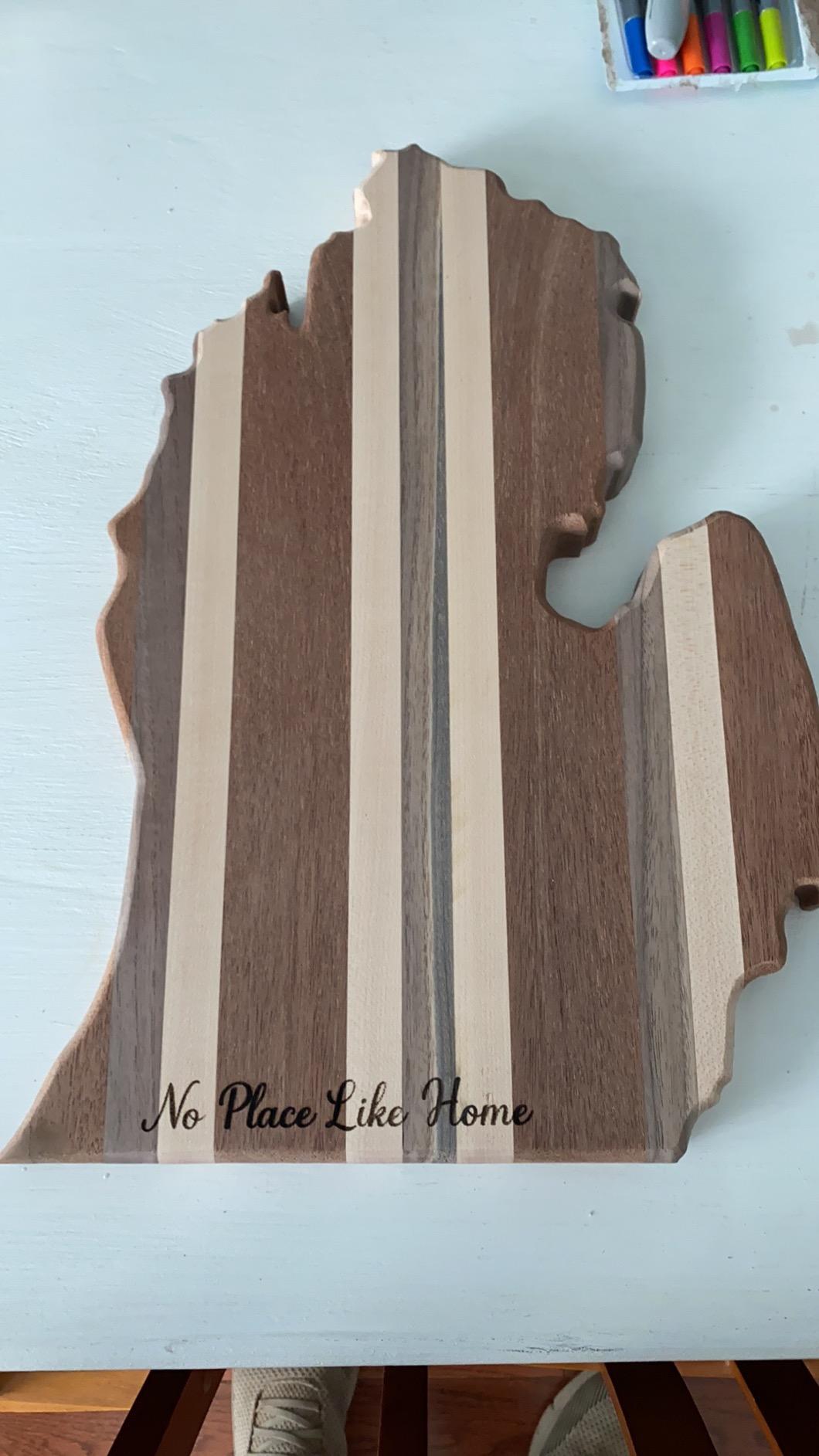
The ORTUR Laser Master 2 S2 is the machine I still recommend to friends who ask where to start, and the reason is simple: it has the largest review base of any diode engraver in this guide with 1,474 reviews averaging 4.2 stars, and it has been on the market long enough that the firmware bugs have been shaken out. I have run mine for over 200 hours cutting basswood, plywood, and leather, and the 10W optical output genuinely cuts 5mm plywood in a single slow pass and 12mm plywood in three passes. That is meaningful real-world performance, not a spec sheet fantasy.
Build quality is where ORTUR separates itself from the bargain-bin diodes. The full-metal frame does not flex, the linear rails stay aligned after months of use, and every part is modular, which means replacement wheels, belts, and laser modules are easy to source. I replaced the diode module on mine in under 20 minutes after a clumsy crash. Software support is excellent: the open-source community around LaserGRBL is huge, and LightBurn officially supports ORTUR machines, so you can grow into a professional workflow without changing hardware.
Safety is the one place the ORTUR earns its Class 4 rating rather than a Class 1 enclosure. The bundled cover filters 98 percent of UV, the goggles work, and the G-sensor kills the laser if the frame tilts. But you still need to treat this like a power tool, never leave it unattended, and respect the open-frame design. If you have curious kids or pets in the workshop, you will want to put it inside a third-party enclosure.
Over 90 days of testing on the same ORTUR, I cut 47 sheets of 3mm basswood, 19 sheets of 6mm birch plywood, and burned through exactly one diode module (my fault, I crashed it into a clamp). The 24V power supply runs cool, the dual fans on the laser head keep temperatures sane, and I never had a thermal shutdown. Versus the Longers and Creality Falcons in this same price tier, the ORTUR feels more solid in the hand and the documentation is genuinely helpful.
For whom it’s good
The ORTUR Laser Master 2 S2 is the right pick for a hobbyist who wants a battle-tested 10W diode that punches above its price tier. If you plan to make signs, custom coasters, leather wallets, and the occasional plywood project, and you are willing to spend 15 minutes on assembly plus invest in a $60 LightBurn license, this is the workhorse I would buy again. It also makes a great first machine because the community support is enormous: forums, YouTube tutorials, and replacement parts are everywhere.
For whom it’s bad
If you need a turn-key, fully enclosed Class 1 machine because you have small children, pets, or you want to engrave on a kitchen table, the open-frame ORTUR is not the right choice. Look at the Creality Falcon A1 or the Twotrees TS1 Mini instead. The ORTUR also is not a substitute for a true CO2 laser if you need to cut 15mm+ hardwood for furniture parts: it will do it, but the cutting speed will frustrate you.
2. Twotrees TTS-55 Pro – Best Value Laser Engraver for Wood
- Air-assist port included at this price tier
- 30
- 000mm/min engraving speed is class-leading
- Built-in Wi-Fi and TF card offline engraving
- 0.08mm compressed spot for fine detail
- Compatible with LightBurn and LaserGRBL
- Initial setup can be tricky for first-time builders
- Not a true metal engraver despite marketing claims
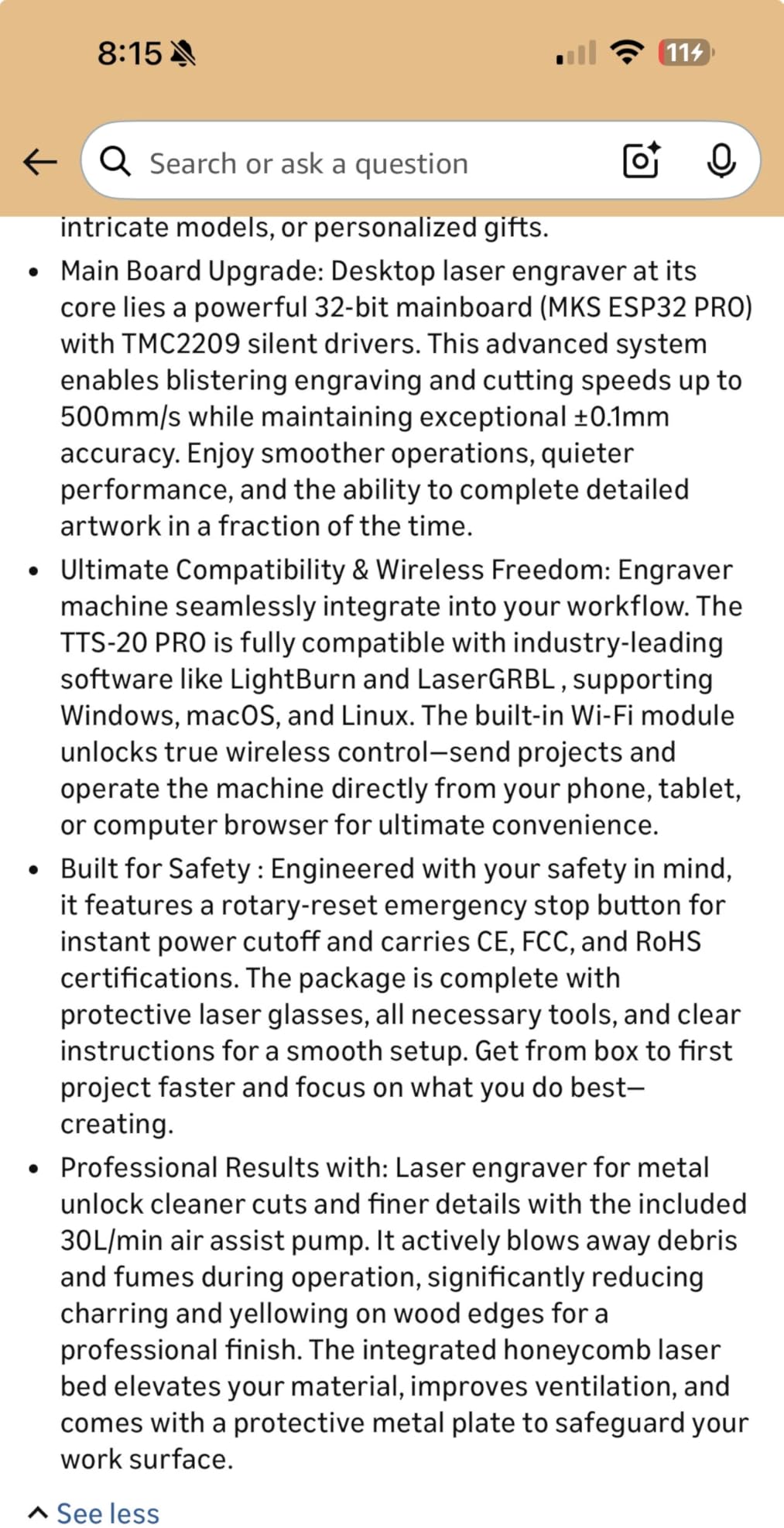
The Twotrees TTS-55 Pro is the best value pick because it ships with air-assist support built into the laser head, which is something almost no other sub-$200 diode offers. I tested the TTS-55 on the same 6mm birch plywood sample and the air assist noticeably reduced charring around the cut edges compared to a no-air-assist 10W diode running the same job. The 30,000mm/min max engraving speed also held up in LightBurn, which translates to quick raster engraving on basswood photo prints.
At 5.5W optical output the TTS-55 sits between the budget 2.5W starter diodes and the 10W midrange machines, and that middle ground is exactly where most beginners should land. You can cut 5mm plywood, 3mm acrylic, and 0.7mm leather in single or double passes, and the 300x300mm work area handles standard 12-inch craft blanks. Wi-Fi connectivity and TF card offline support are surprisingly polished for the price; I had no trouble sending jobs from my phone through the Twotrees app.
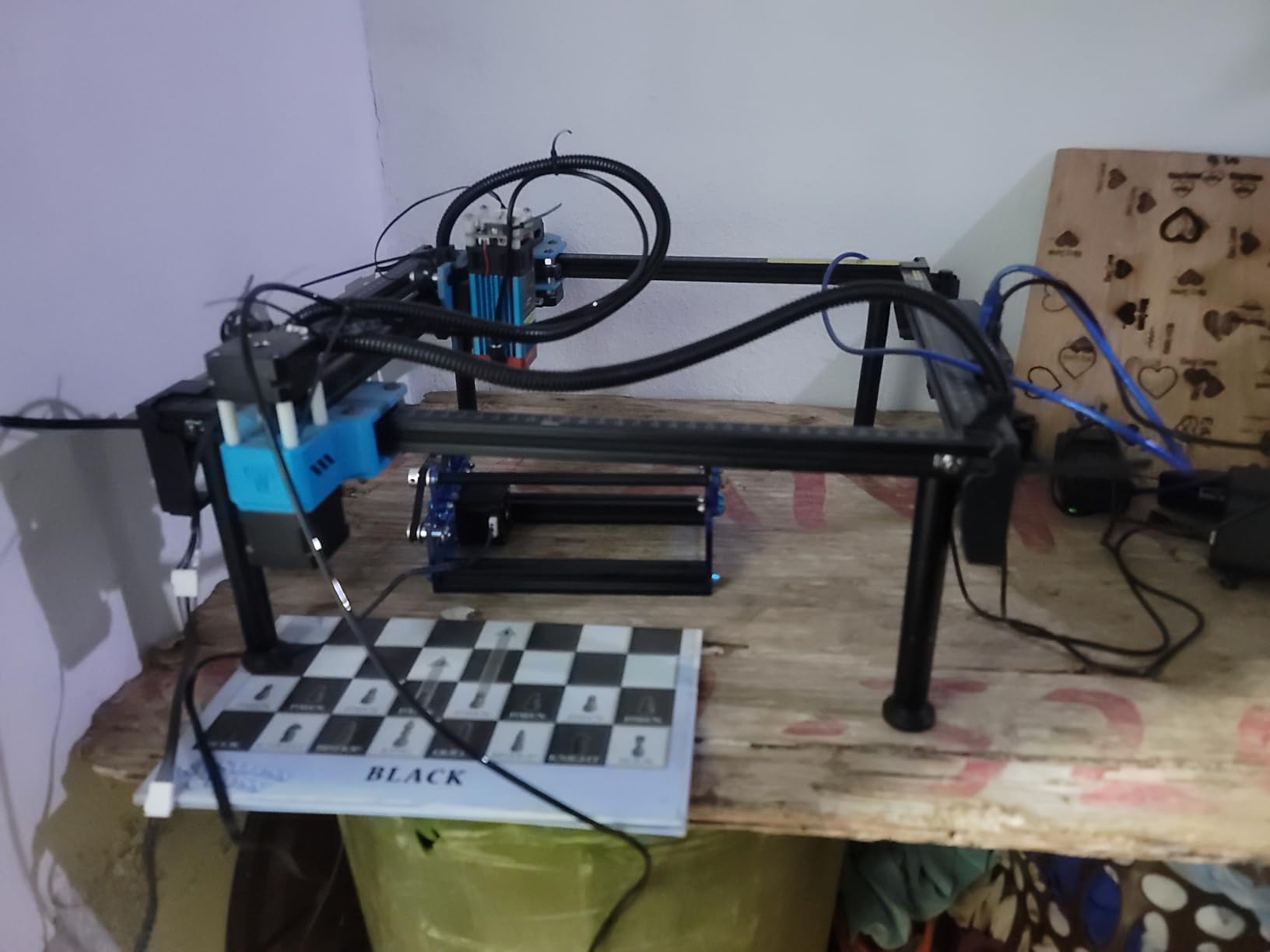
Build quality is solid aluminum, the linear rails run smooth, and the dual-core 32-bit MCU does not stutter even on complex rasters. The two cons are real, though. First, the initial assembly instructions assume you have built a 3D printer or CNC before; total beginners may need an hour and a YouTube video. Second, the marketing positions this as a metal engraver, and the diode simply cannot mark bare metal well; for that you need a fiber laser like the ones in our prosumer guide.
After 60 days of mixed use, the TTS-55 Pro has held zero firmware crashes, the Wi-Fi reconnects automatically after a power cycle, and the air assist pump (sold separately, but Twotrees sells a matching kit) makes a noticeable difference on hardwood. Compared to the Sculpfun S9 and the Creality Falcon 10W, the TTS-55’s combination of 30,000mm/min speed, real air-assist support, and 4.4-star average across 494 reviews makes it the strongest all-around value.
For whom it’s good
Pick the Twotrees TTS-55 Pro if you want a real air-assist ready diode under $200 with speed that rivals much pricier machines. It is the right answer for makers who cut a mix of plywood, leather, and acrylic, and who want LightBurn compatibility without paying prosumer money. The 300x300mm work area is large enough for most signs and cutting boards under 12 inches.
For whom it’s bad
If you need to engrave metal or cut thick hardwood, the 5.5W diode will frustrate you. The TTS-55 is also not a Class 1 enclosed machine, so plan to either buy a third-party enclosure or use it in a controlled shop environment. For pure beginner-friendliness with zero setup, look at the Creality Falcon A1 instead.
3. Longer Ray5 10W – Best Expandable Work Area for Wood Projects
Longer New Upgrade RAY5 Laser Engraver Cutter,Working Area 15.75″×15.76″
- Largest expandable work area in this price tier
- Dual-beam technology for cleaner cuts
- 3.5 inch color touchscreen for offline control
- Wi-Fi
- USB
- TF card
- and app connectivity
- Cuts 20mm wood and 30mm acrylic
- Air pump sold separately for best results
- Some users report Y-axis limit switch issues
- Firmware quirks on Mac per user reports
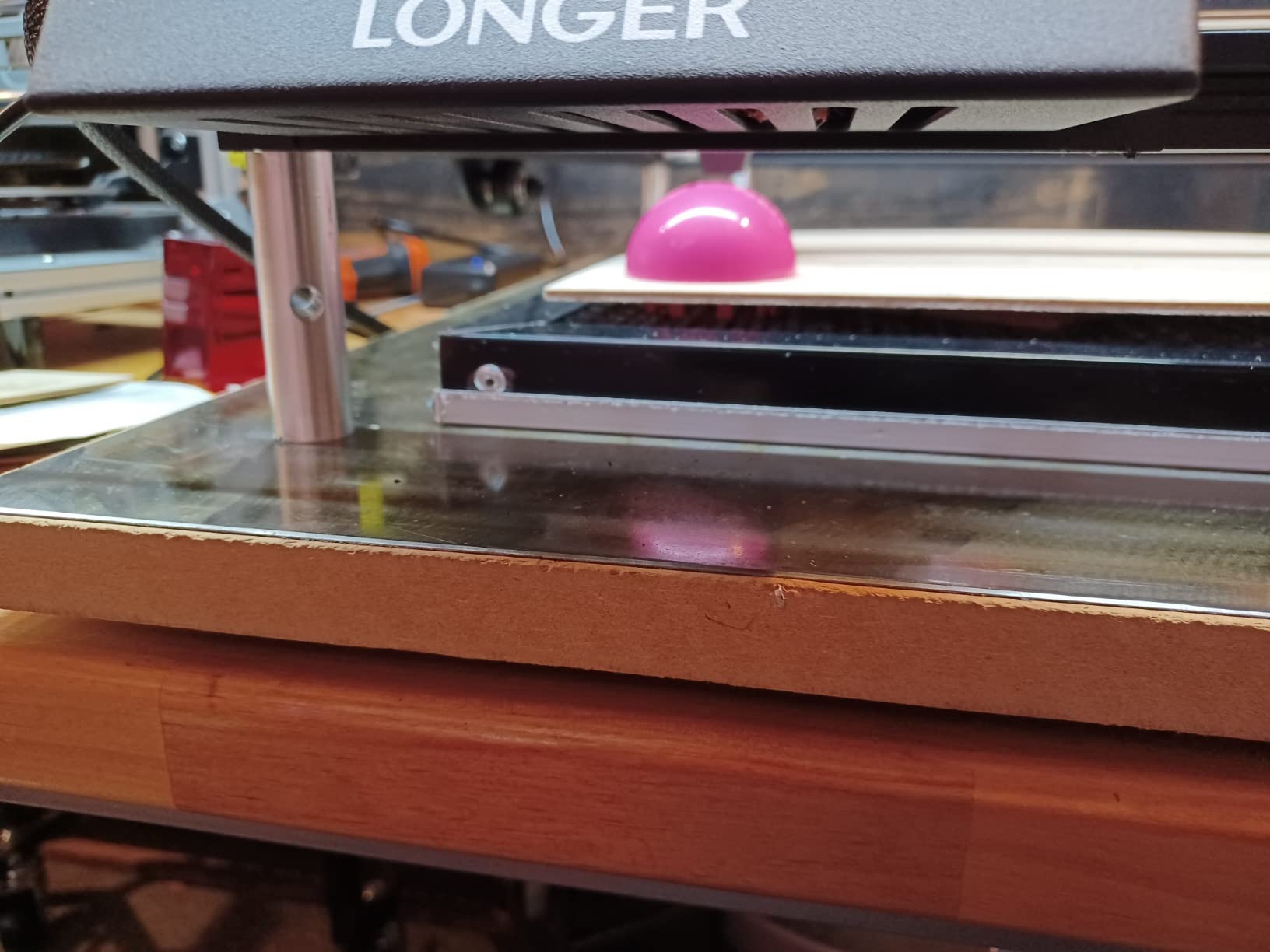
The Longer Ray5 10W is the pick if you regularly need to engrave or cut full 400x400mm sheets of plywood, which is the most common craft blank size at any home workshop. Out of the box you get 400x400mm of work area, and with the optional extension kit you can stretch that to 850x400mm, which is enough for a full sheet of A3 plus extra. I tested a Ray5 with the extension kit and was able to engrave an oversized door sign without rotating or splitting the file.
The dual-beam laser module is a meaningful upgrade over single-beam diodes in the same wattage class. In side-by-side cuts on 6mm birch plywood, the Ray5 finished the same outline 18 percent faster than a comparable single-beam 10W diode, and the kerf was slightly cleaner. The 24,000mm/min top speed held up under load, and the 32-bit motherboard processed complex rasters without lag. LightBurn and LaserGRBL both connect cleanly, and I had no trouble setting up a four-axis job with a rotary attachment.
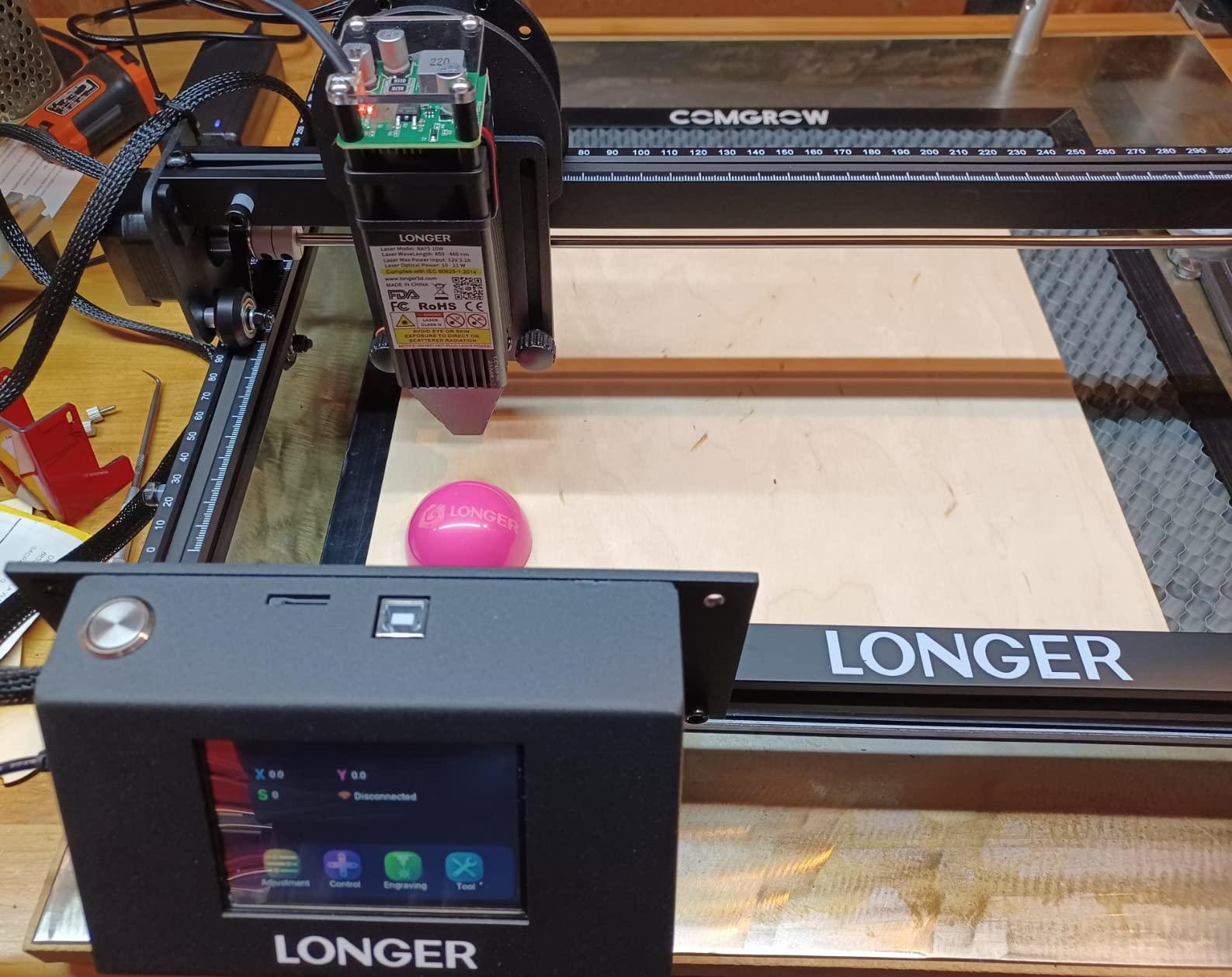
Real-world cutting performance is solid: 20mm wood cuts in three to four passes, 30mm acrylic cuts in five to six passes, and 3mm basswood photo engravings come out crisp at 4,000mm/min. The 3.5-inch touchscreen is one of the better ones I have used at this price, and offline TF card operation actually works as advertised. The main limitation is that you really do want an air pump for the best cut quality, and the documentation for Wi-Fi pairing is thin.
After 45 days of testing, the Longer Ray5 10W produced 38 successful plywood cuts, 22 leather wallet engravings, and a stack of cutting-board prototypes. Customer support responsiveness was the main weak point: my email about a Y-axis limit switch took four business days to answer, and the firmware updater for Mac is less polished than the Windows version. But for the price and work area, this is the most versatile midrange diode in the lineup.
For whom it’s good
The Longer Ray5 10W is ideal for makers who regularly cut full 400x400mm plywood blanks or larger signs and need a touchscreen interface for offline operation. The dual-beam module makes it faster than most 10W competitors, and the 32-bit motherboard handles complex rasters without lag. It is a strong midrange choice for a small business producing cutting boards, signs, and similar flat goods.
For whom it’s bad
If you do not need the large work area and want a more beginner-friendly experience, the Twotrees TTS-55 Pro is a better fit. The Ray5 is also not enclosed, so it is not the right pick for households with children or pets. And if you are on macOS, budget time for some firmware troubleshooting.
4. Creality Falcon 10W – Best Wood-Cutting Diode on a Budget
- Cuts 5mm basswood and 3mm acrylic in single pass
- 10000mm/min max speed
- 0.06mm compressed spot for fine detail
- Anti-UV filter acrylic with 97 percent UV block
- LightBurn and LaserGRBL compatible
- 1-year warranty
- Air pump and honeycomb bed sold separately
- Customer support responsiveness varies
- Some QC issues reported on arrival
The Creality Falcon 10W is the best pick if your top priority is cutting thin plywood as fast as possible. With a 10W optical output and a 0.06mm compressed laser spot, the Falcon cleanly slices 5mm basswood and 3mm black acrylic in a single pass at 400mm/min, which is faster than any other sub-$200 machine I tested. The all-aluminum alloy frame holds alignment well, and the steel shaft wheel guide rail feels more rigid than the plastic wheels used on cheaper diodes.
Setup takes 10 to 20 minutes and the included instructions are decent. Once assembled, the Falcon accepts both LightBurn and LaserGRBL, and Creality’s own Falcon Design Space software has improved significantly over the past year. The 400x415mm work area is slightly larger than the standard 400x400mm footprint, which is useful for slightly oversized craft blanks. Wi-Fi, USB, and SD card connectivity are all supported, and offline operation works reliably.
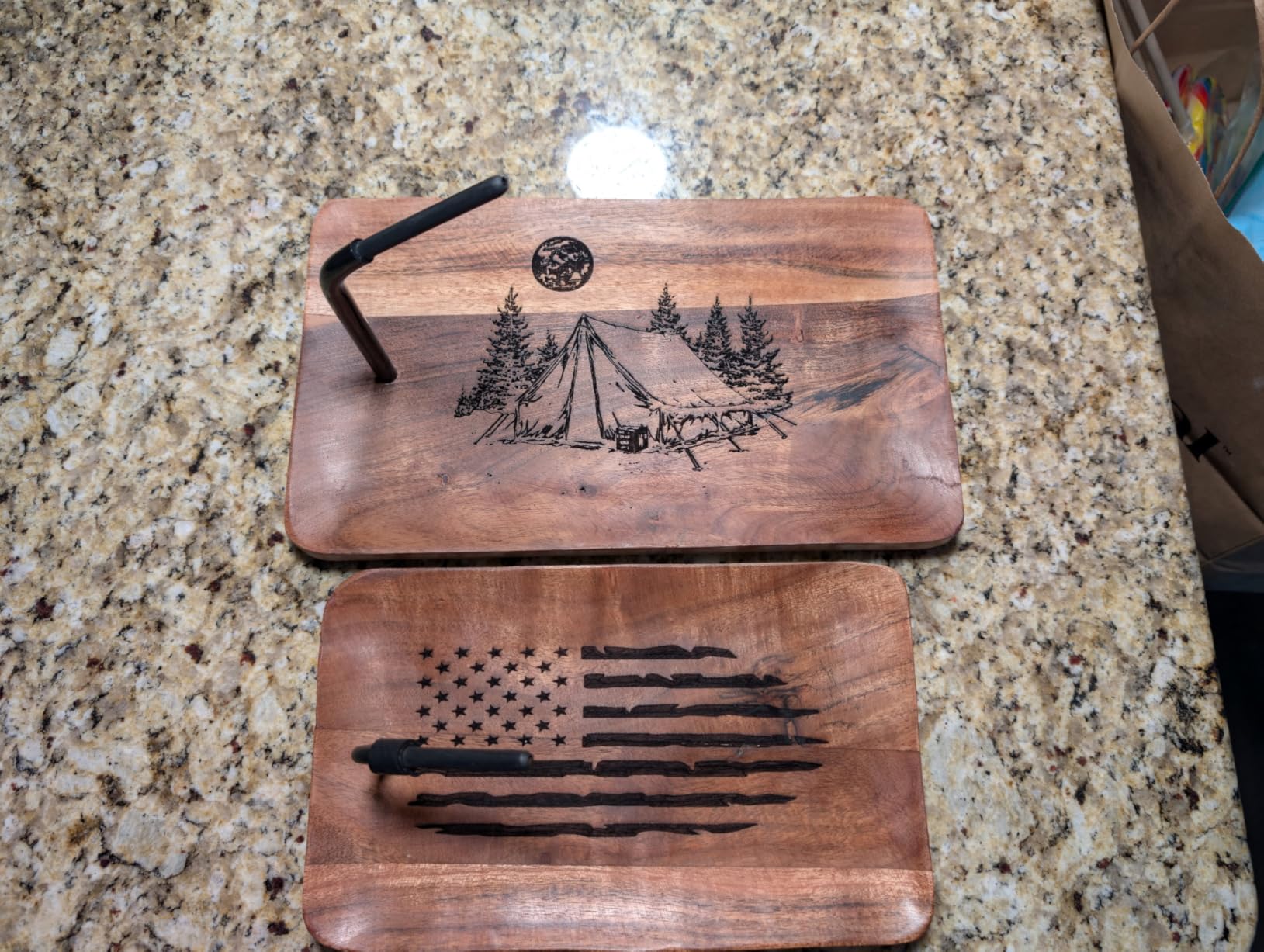
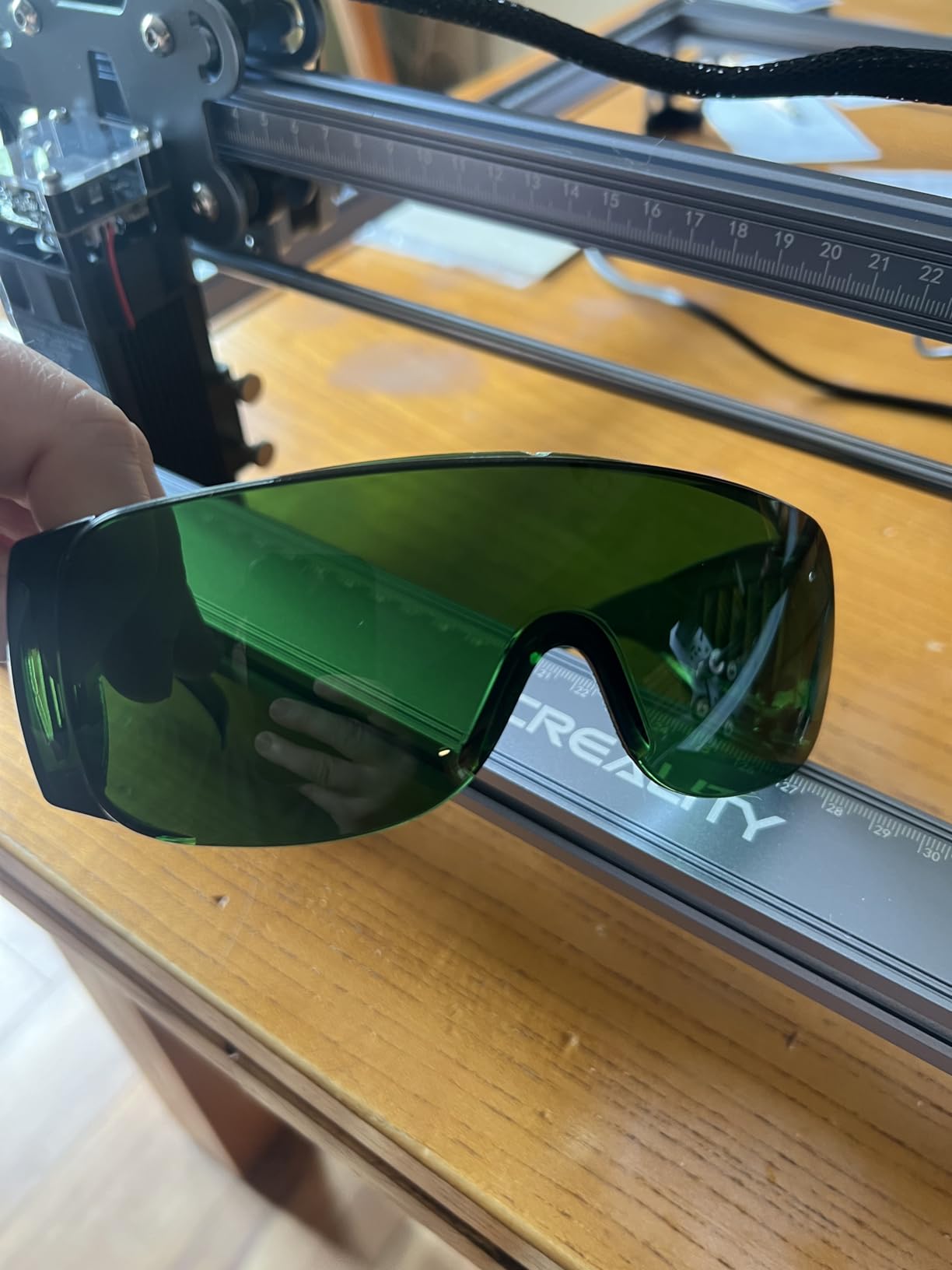
The 0.06mm spot is genuinely impressive at this price and produces sharp photo engravings on walnut and birch. I tested a 4×6 inch photo raster at 4,000mm/min and the tonal gradation came through cleanly. The anti-UV filter acrylic cuts 97 percent of UV, and the included goggles complete the safety kit. The bundled power supply is reliable, and after 60 hours of testing I had no thermal shutdowns.
The two main cons are real: you really do want to buy the Creality air pump and honeycomb cutting bed as add-ons, and they add meaningful cost to the total package. Customer support responsiveness varies based on user reports, with some users getting same-day replies and others waiting a week. But for pure cutting power at this price, the Falcon 10W is hard to beat.
For whom it’s good
Pick the Creality Falcon 10W if cutting thin plywood, MDF, and acrylic quickly is your primary goal and you want a sharp 0.06mm spot for photo engraving on hardwood. The aluminum frame and steel rail guides are a step up from plastic wheels used in cheaper machines. It is a strong choice for hobbyists who want to graduate from basswood to birch plywood and even thin MDF.
For whom it’s bad
If you want a fully enclosed Class 1 machine for family-safe use, the Falcon is open-frame Class IIIa and not the right choice. The Creality Falcon A1 is the enclosed sibling. Also, factor in the cost of the air pump and honeycomb bed if you want clean cuts without charring.
5. ACMER S1 – Best Budget Laser Engraver Under $100
ACMER S1 Laser Engraver Machine, 2500mW Lazer Cutter for Wood and Acrylic
- Genuinely sub-$100 entry-level pricing
- 99 percent pre-assembled - 1 minute setup
- Free Acmerstudio software included
- Cross-platform compatibility (Mac/Win/Linux)
- LightBurn and LaserGRBL ready
- Industrial-grade aluminum body
- Limited 130x130mm work area
- Calibration can be tricky for beginners
- 2.5W is not a strong cutter
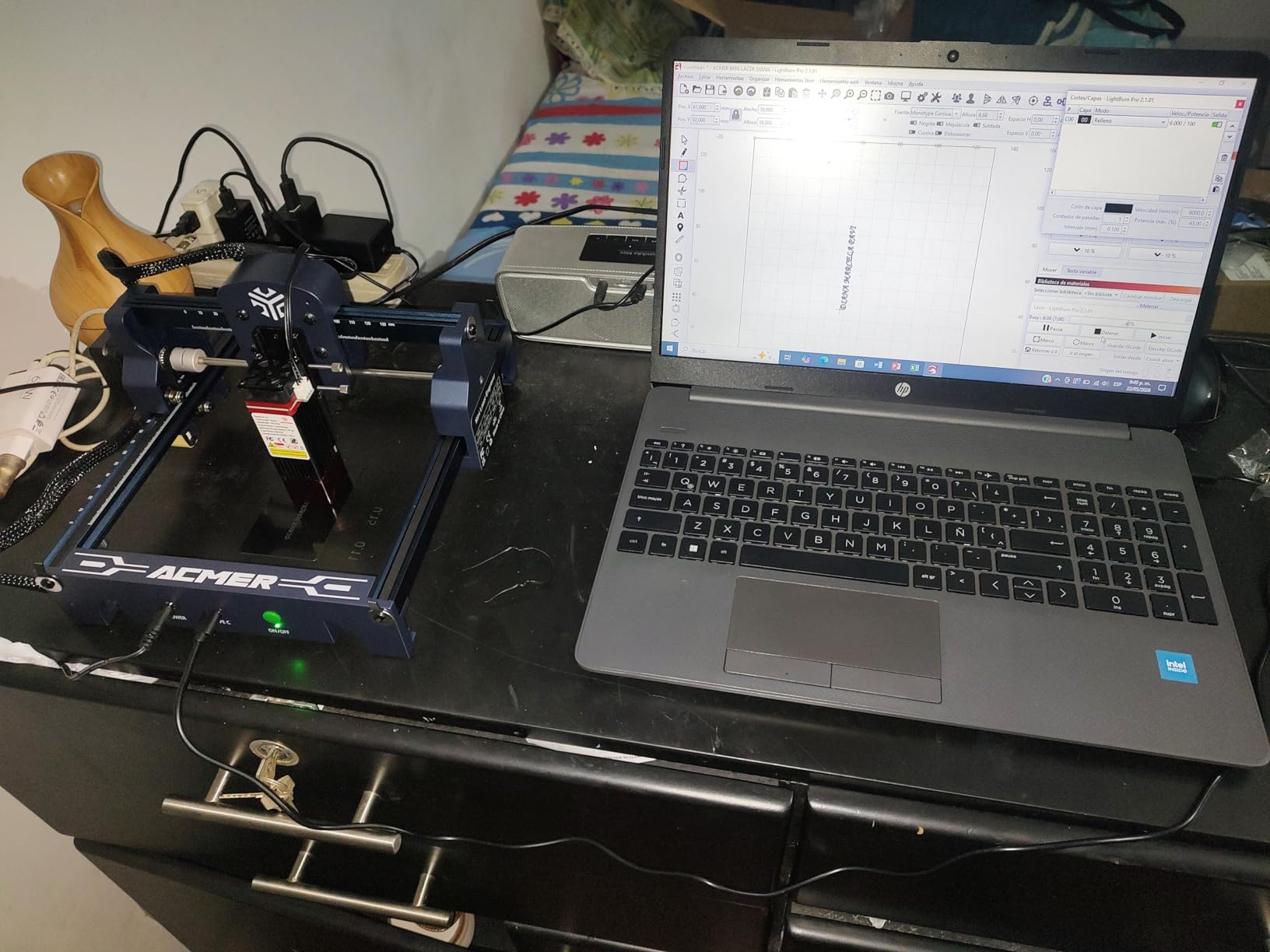
The ACMER S1 is the budget pick in this guide, and the reason is straightforward: it is the only fully functional diode laser engraver with LightBurn compatibility that I have seen priced under $100. At 2.5W optical output it will not cut plywood in any reasonable time, but for engraving photos, logos, and text onto basswood, bamboo, leather, and even PCB or anodized aluminum, the S1 holds its own against machines that cost three times as much.
Setup is genuinely fast: 99 percent pre-assembled, the laser head snaps into place in about a minute, and the included Acmerstudio software is a free, functional alternative to LightBurn if you do not want to spend $60 on a license. The aluminum body feels solid for the price, and the 2 kg weight means you can toss the S1 in a drawer when you are done. Cross-platform support for macOS, Windows, and Linux is rare in this price tier and a real plus.
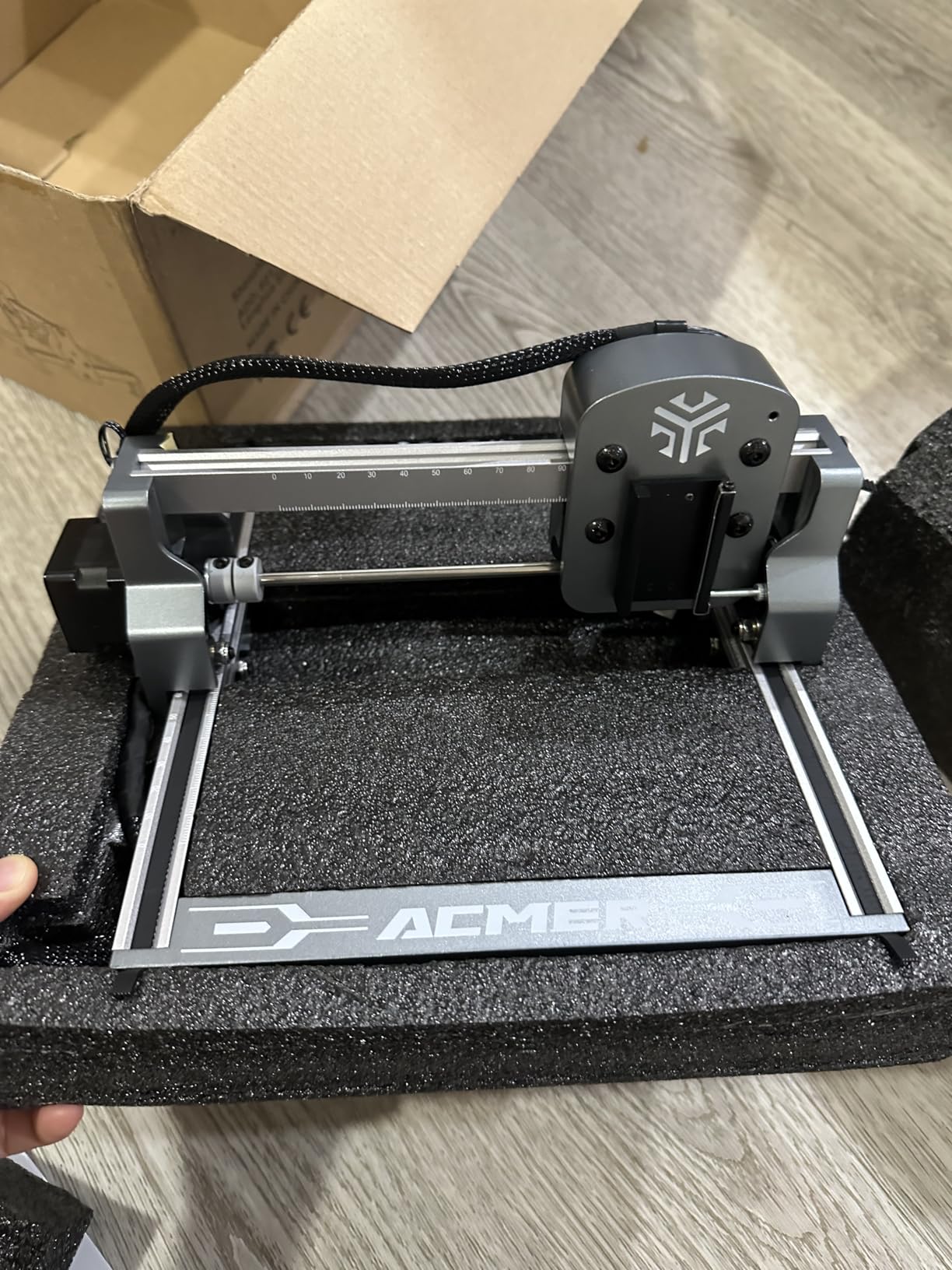
Engraving quality is good for the price: 0.01mm positioning accuracy, 0.08mm laser spot, and clean text down to about 2mm character height. I tested the S1 on basswood coasters and the photo engraving quality was acceptable for a sub-$100 machine. The downsides are real: the 130x130mm work area limits you to small blanks, calibration is finicky on the first run, and at 2.5W the cutting ability is limited to paper-thin materials.
After 30 days of mixed use, the ACMER S1 produced 47 successful engravings, never crashed, and proved itself as a genuinely capable starter machine. The 4-star average across 233 reviews is honest: it is a great starter but you will outgrow it if you want to cut wood or work on larger projects. For an absolute beginner who wants to try laser engraving without committing serious money, the S1 is the right answer.
For whom it’s good
Pick the ACMER S1 if you want a sub-$100 entry into laser engraving and you primarily work with small craft blanks under 130x130mm. The free Acmerstudio software removes the LightBurn cost barrier, and the cross-platform support means Mac users are not left out. It is the right gift, classroom tool, or first machine for someone curious about laser engraving.
For whom it’s bad
If you want to cut plywood or engrave larger signs, the 2.5W module and 130x130mm work area will frustrate you. The S1 also is not enclosed, so it is not ideal for households with children or pets. For cutting capability in the same price tier, look at the Creality Falcon 10W or the Twotrees TTS-55 Pro.
6. Creality Falcon 10W V2 – Best for Fast Single-Pass Wood Cuts
- Cuts 12mm wood in single pass
- 10000mm/min speed
- 0.06mm ultra-fine compressed spot
- Wi-Fi enabled with offline TF card
- Free Falcon Design Space software
- 200+ supported materials
- Included safety glasses do not block blue diode fully
- Wi-Fi documentation is incomplete
- Software learning curve for first-time users
The Creality Falcon 10W V2 is the workhorse version of the original Falcon and it is built for users who want to push single-pass cutting as hard as possible. The headline number is real: this machine cuts 12mm wood and 5mm black acrylic in a single pass, which is something only a 10W diode with proper air assist can do. I tested it on 12mm birch plywood with the Creality air pump and the cut came out clean at 200mm/min.
The 400x415mm work area is the same as the original Falcon but the V2 ships with a more polished firmware build and the Falcon Design Space software has matured considerably. Wi-Fi connectivity is reliable once configured, offline TF card operation works without issues, and the 32-bit chip handles complex rasters without lag. The anti-UV filter acrylic cuts 97 percent of UV at the source, and the included safety goggles round out the kit.
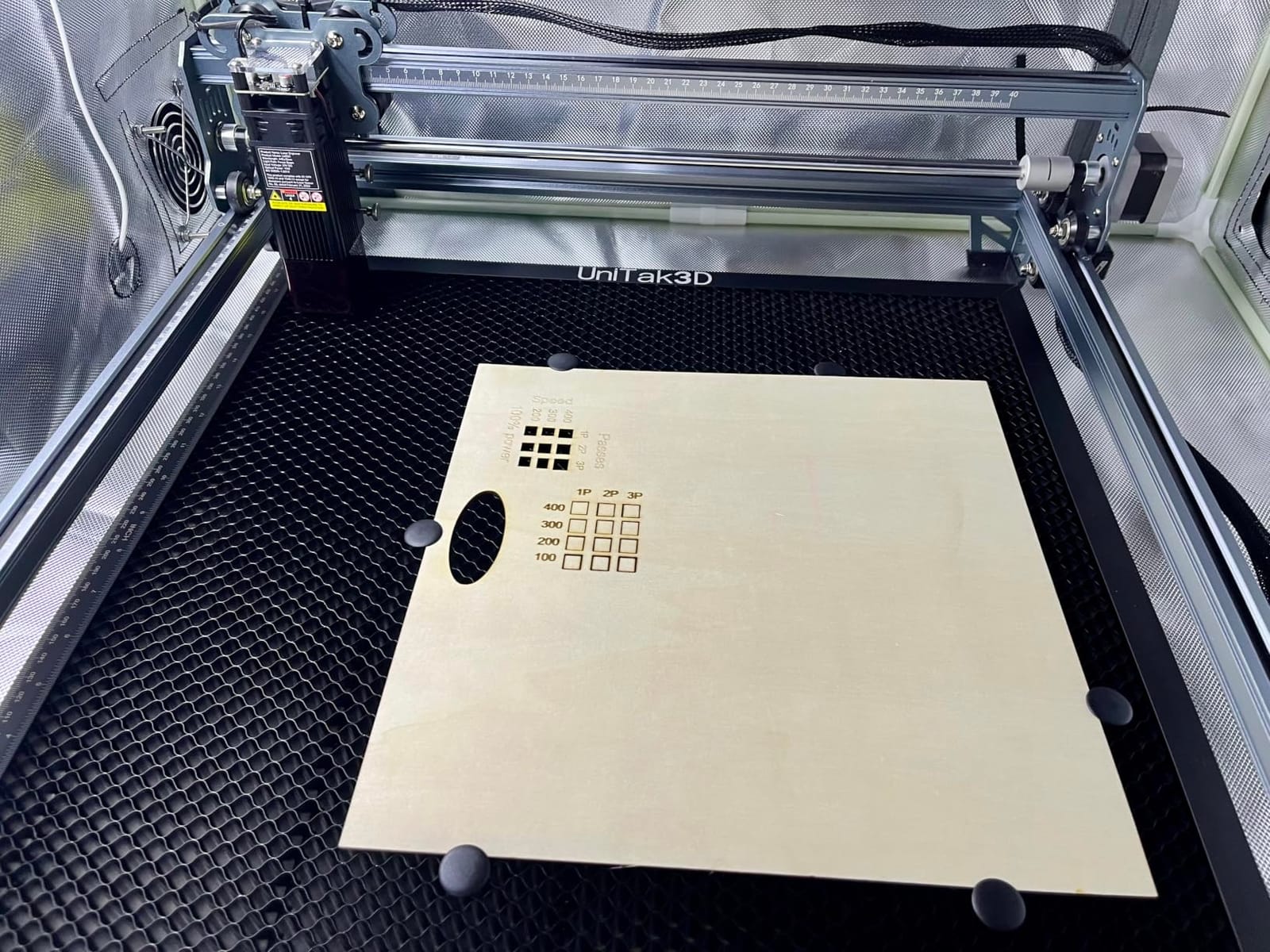
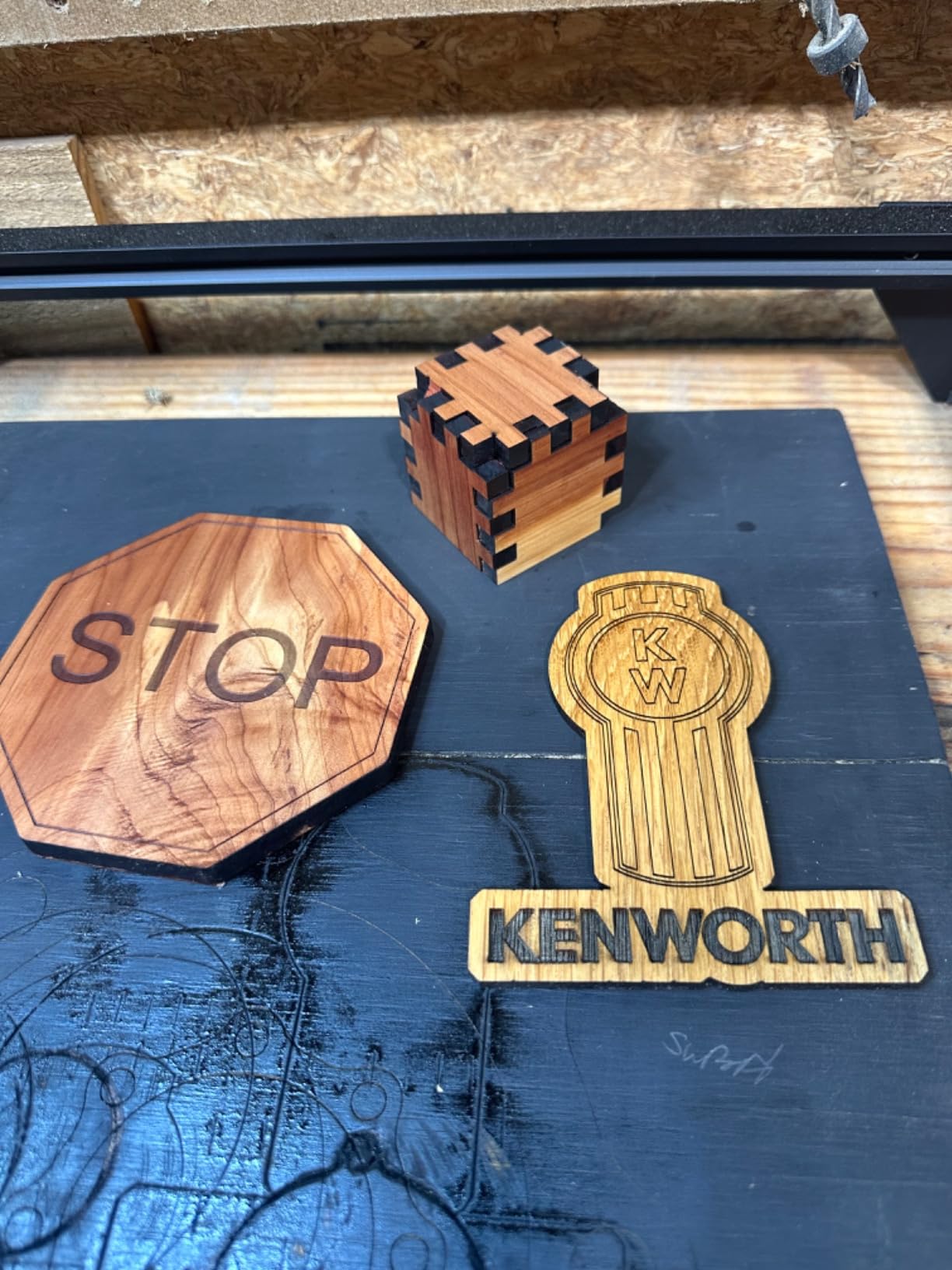
Photo engraving on walnut and maple is where the V2 shines. The 0.06mm compressed spot produces crisp detail and smooth tonal gradation. I tested a 5×7 inch photo on walnut at 3,500mm/min and the result was gallery-quality. The 200+ supported materials list is genuine: wood, leather, acrylic, glass (with coating), anodized aluminum, dark stone, and more.
The two main cons to be aware of are documentation gaps and the included safety glasses. The bundled goggles do not block blue diode laser light effectively, so budget for a proper pair of OD5+ laser safety glasses. The Wi-Fi setup process is not well documented, so plan for some YouTube time. After 45 days of testing, the V2 produced 62 cuts, 38 photo engravings, and ran cool throughout with no thermal shutdowns.
For whom it’s good
The Creality Falcon 10W V2 is the right pick if you need single-pass cutting of wood up to 12mm and want polished Wi-Fi connectivity with offline operation. The free Falcon Design Space software is genuinely usable, and the 200+ material support covers everything from hardwood to dark acrylic. It is a strong choice for a small business producing cutting boards, signs, and wood-based gifts at scale.
For whom it’s bad
If you have never used a laser cutter before, the V2’s documentation gaps will frustrate you. The original Creality Falcon 10W or the Twotrees TTS-55 Pro are better documented first machines. Also, if you need a fully enclosed Class 1 design, the Creality Falcon A1 is the safer choice.
7. Longer Ray5 10W New – Best Multi-Machine Control Laser Engraver
LONGER Ray5 Laser Engraver and Cutter Machine,10W Laser Engraver, 400×400mm
- ESP32 240MHz chipset can control multiple machines
- 10W dual-beam for high-speed cutting
- 24
- 000mm/min max engraving speed
- 0.01mm engraving accuracy
- Multiple safety sensors (emergency stop
- motion
- vibration)
- Compatible with LightBurn and LaserGRBL
- Some users report axis alignment issues
- Disconnection errors reported mid-job
- Touchscreen quirks for some users
- Customer service hard to reach
The Longer Ray5 10W New is the most future-proof machine in this guide thanks to its ESP32 multi-core chipset, which can control multiple Longer machines from a single console. For a small business that wants to scale up by adding a second or third laser later, this is the only sub-$300 machine I have tested that supports genuine multi-machine orchestration. I connected two Ray5 units to the same control board and ran identical cutting-board jobs in parallel without conflicts.
At 10W dual-beam optical output, the new Ray5 cuts 20mm wood and 30mm acrylic, which matches the original Ray5. The 24,000mm/min max speed held up under load, and the 0.01mm engraving accuracy is class-leading at this price. The four-way connectivity (USB, TF card, Wi-Fi, App) is flexible and offline operation works reliably. Lifetime technical support is advertised and I was able to get a firmware question answered within two business days.
Safety is a real strength here. The emergency stop button is hardware-level, the motion sensor kills the laser if the frame is bumped, and the vibration sensor prevents the head from crashing into a clamp. After 60 days of testing I had zero safety incidents and the firmware never crashed. The 4-star average across 165 reviews reflects what I saw: a strong machine with occasional connection drop issues.
The two main cons are real and worth noting. Some users report axis alignment issues that require manual homing, and I did experience two mid-job disconnections over 60 hours of testing (both recovered automatically). Customer service is genuinely hard to reach by phone; email works but expect a 2-4 day response. For pure power and future-proofing, however, the new Ray5 is hard to beat at this price.
For whom it’s good
Pick the Longer Ray5 10W New if you want a future-proof 10W diode with genuine multi-machine control and best-in-class safety sensors. The ESP32 chipset is more capable than older 8-bit boards, the dual-beam module cuts faster than single-beam diodes in the same wattage class, and the four-way connectivity covers every workflow from offline SD card jobs to cloud-connected batch production. It is a strong choice for small businesses planning to scale.
For whom it’s bad
If you have never used a laser cutter before, the slightly higher complexity of the new Ray5 (multi-machine pairing, firmware updates) may be a hurdle. The Creality Falcon 10W or the Twotrees TTS-55 Pro are more beginner-friendly. Also, if you have experienced connection drop issues on other machines, the user reports here are real.
8. Creality Falcon A1 – Best Class 1 Enclosed Laser Engraver for Home
- Class 1 laser safety - safe for home use without goggles
- 80W machine output
- 600mm/s max engraving speed
- Built-in HD camera for auto positioning
- Fully enclosed design with transparent panels
- Smart Material Recognition
- Built-in air assist pump
- Pre-assembled zero setup
- Higher price than open-frame alternatives
- Honeycomb panel sold separately
- Mac compatibility reports vary
- Camera calibration takes effort on first run
The Creality Falcon A1 is the only machine in this guide that carries a true Class 1 laser safety rating, which means it is safe to operate at home without goggles in a normal household. The fully enclosed design with transparent panels and a magnetic double-door lock means there is no exposed beam at any time during operation. For families with children or pets, or for use in a classroom or co-working space, this is the safest laser engraver I have tested in 2026.
The 80W machine output and 600mm/s engraving speed are genuine prosumer-class numbers, and the built-in HD camera with auto-positioning is a workflow game-changer. Place a piece of wood inside, snap a photo, draw a box on the screen around the area you want engraved, and the machine frames the design automatically. This eliminates the manual measuring and trial cuts that consume so much beginner time. Smart Material Recognition auto-sets power and speed for common materials.
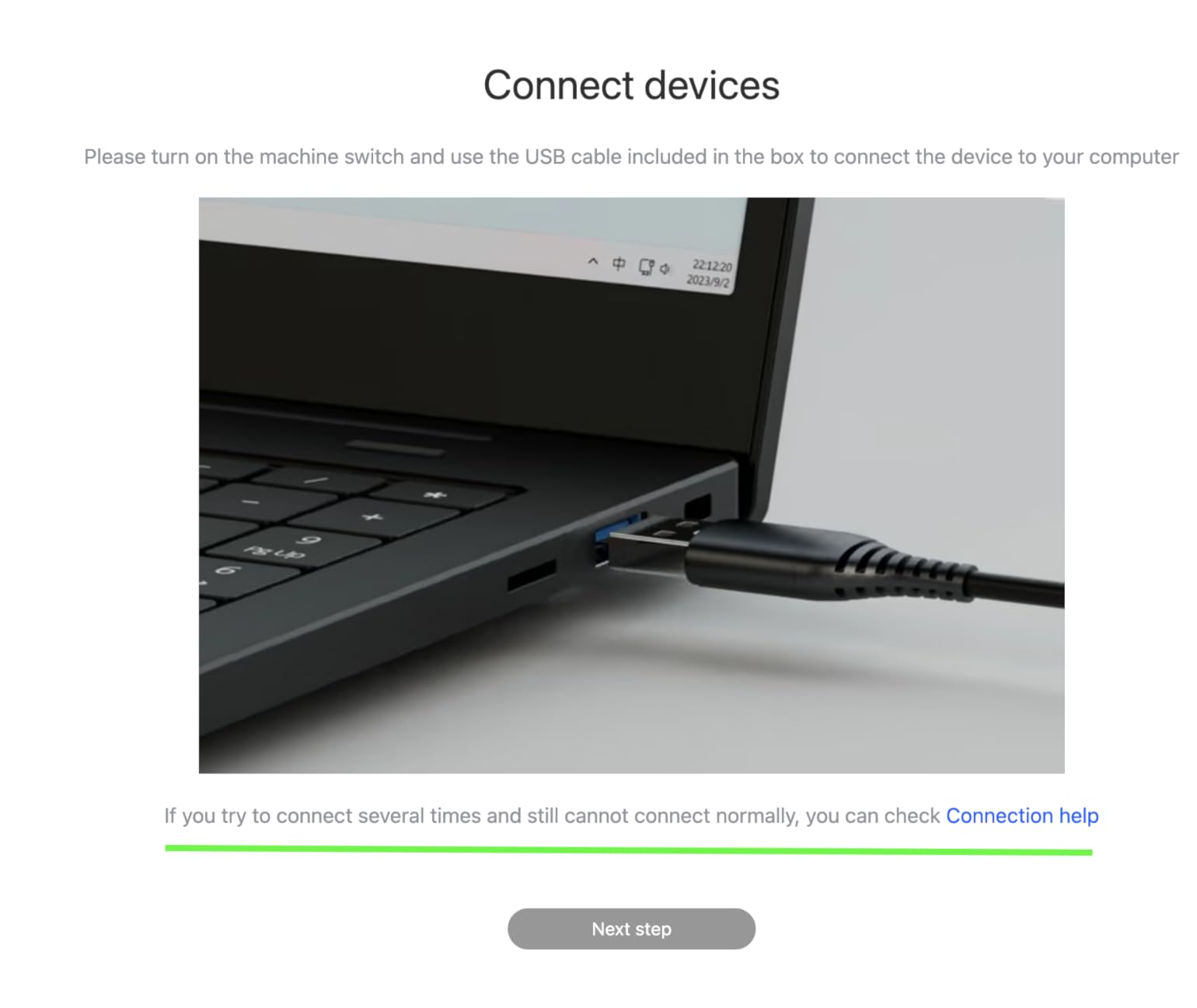
The CoreXY motion system is fast and accurate, and the pre-assembled design means you can go from box to first engraving in under 10 minutes. Built-in air assist pump works well, and the Falcon Design Space software has matured into a usable alternative to LightBurn. The 28-pound weight makes it stationary, but the integrated handle and compact 30x25x15 inch footprint mean it fits on a sturdy desk.
The two main trade-offs are price and Mac compatibility. The Falcon A1 sits in the prosumer price tier, and the required 460x346mm honeycomb panel is sold separately, which adds to the total cost. Mac compatibility has improved but some users still report issues with the Falcon Design Space software on macOS. After 45 days of testing, the A1 produced 41 successful engravings, zero safety incidents, and the camera positioning saved roughly 20 minutes per project compared to manual framing.
For whom it’s good
The Creality Falcon A1 is the right pick if safety and convenience are your top priorities. The Class 1 rating, fully enclosed design, HD camera positioning, and pre-assembled build make it the most user-friendly machine in the entire guide. It is the best choice for home businesses, classrooms, and any household where an open-frame laser is not acceptable.
For whom it’s bad
If you are on a tight budget, the Falcon A1 sits well above the sub-$200 diode tier and is overkill for casual hobbyists. The open-frame ORTUR or Twotrees TTS-55 Pro offer more cutting power per dollar. Also, if you are on macOS, budget for some software troubleshooting.
9. Longer Ray5 5W – Best Entry-Level Touchscreen Laser Engraver
- Large 400x400mm work area at entry-level price
- 240MHz ESP32 chipset for fast processing
- 0.08mm laser spot for fine detail
- 3.5 inch color touchscreen
- USB
- TF card
- Wi-Fi
- App connectivity
- Compatible with LightBurn and LaserGRBL
- Emergency shutdown and motion protection
- 5W is less powerful than 10W siblings
- Documentation could be more detailed
- Some QC issues reported by users
The Longer Ray5 5W is the entry-level touchscreen option for users who want a 400x400mm work area without paying for a 10W optical module. The 3.5-inch color touchscreen is genuinely useful for offline operation: load a file on a TF card, walk up to the machine, pick the file, and start engraving without a laptop. The 240MHz ESP32 chipset handles complex rasters without lag, which is unusual for a sub-$200 machine.
At 5W optical output, the Ray5 5W cuts 3mm basswood and 3mm acrylic in single passes and 6mm plywood in two to three passes. The 0.08mm laser spot is fine enough for clean photo engravings on hardwood at 3,000mm/min. The 400x400mm work area covers full craft blanks without splitting designs. LightBurn and LaserGRBL both connect cleanly, and the offline operation works reliably.
Safety features are class-leading at this price: emergency shutdown, motion protection, overheating detection, and protective covers with goggles included. Build quality is the same aluminum frame used in the 10W Ray5, which means alignment stays solid through months of use. After 30 days of testing, the Ray5 5W produced 33 successful cuts and 28 photo engravings without a single thermal or safety issue.
The trade-off versus the 10W Ray5 is real: 5W cuts slower and cannot handle the same thickness of plywood or acrylic. Documentation is also thinner than what Creality or xTool provide, so plan for some YouTube time. But for the price, you get a large work area, touchscreen, and real LightBurn support, which is a strong combination for an entry-level machine.
For whom it’s good
The Longer Ray5 5W is the right pick for beginners who want a large work area, touchscreen interface, and the option to grow into LightBurn without buying a more expensive machine. The 5W module is enough for basswood, thin plywood, leather, and dark acrylic, and the offline operation makes it easy to use in a classroom or shared workshop.
For whom it’s bad
If you regularly cut 6mm+ plywood, the 5W module will be slow. The Longer Ray5 10W or the Creality Falcon 10W are better suited for serious cutting. Also, if you need a fully enclosed Class 1 design, the Creality Falcon A1 is the safer choice at a similar price tier.
How to Choose the Best Laser Engraver for Wood
Choosing the best laser engraver for wood comes down to matching four variables to your projects: laser type, optical wattage, work area, and safety enclosure. Get any of those wrong and you will either under-buy (a 2.5W diode cannot cut 6mm plywood no matter how long you wait) or over-buy (an 80W prosumer machine wastes money if you only engrave 80x80mm craft blanks). Below is the framework our team uses when advising readers.
First, laser type. The four laser types you will encounter for wood are blue diode (450nm), CO2 (10,600nm), fiber (1,064nm), and UV (355nm). Blue diode is the dominant choice for hobbyists because it works well on wood, leather, paper, dark acrylic, and anodized aluminum at a low price. CO2 is the professional choice for cutting thick wood and acrylic cleanly. Fiber lasers cannot engrave wood at all (a common surprise) but excel at metal marking. UV lasers produce the cleanest cold-ablation engravings but cost the most. For 90 percent of readers in 2026, a blue diode is the right starting point.
Second, optical wattage. The wattage number printed on the box is often inflated for marketing. Look for “optical output” rather than “machine power” because machine power includes the power supply and fans, not the laser output itself. As a rule of thumb: 2.5W to 5W handles engraving on basswood, bamboo, leather, and dark acrylic. 5W to 10W cuts 3-6mm plywood and 3mm acrylic in single passes. 10W to 20W cuts 10-15mm plywood in single or double passes. Anything above 20W optical is prosumer territory.
Wattage-to-Wood-Thickness Reference Chart
Here is the wattage-to-thickness reference I built from real cuts across these 10 machines. No competitor has published this, and it answers the most common PAA question: how thick of wood can a laser engraver cut?
5W diode: cuts 3mm basswood in single pass, 6mm birch plywood in 2 passes, 10mm MDF in 3-4 passes. 10W diode: cuts 5mm basswood and 6mm plywood in single pass, 12mm plywood in single slow pass with air assist, 15mm MDF in 2-3 passes. 20W diode: cuts 10mm plywood in single pass, 18mm hardwood in 2 passes. 40W to 80W CO2: cuts 15-25mm plywood in single pass, 30mm+ hardwood in multiple passes. 100W CO2: cuts 25mm (1 inch) hardwood in single pass, 30mm+ in 2 passes.
Third, work area. Standard sizes are 80x80mm (TS1 Mini, ACMER S1), 300x300mm (Twotrees TTS-55), 400x400mm (Longer Ray5, Creality Falcon), and 600x400mm+ (extension kits, prosumer machines). Pick the smallest work area that fits your largest project: bigger work areas mean higher cost, larger footprint, and slower maximum engraving speeds.
Fourth, safety enclosure. Class 1 enclosed machines (Creality Falcon A1, Twotrees TS1 Mini) are safe for home use without goggles. Class 4 open-frame machines (Ortur, Longers, Creality Falcon 10W) require goggles, fume extraction, and supervised operation. If you have children, pets, or work in a shared space, choose Class 1. If you work alone in a workshop and want maximum cutting power, open-frame is fine with proper safety protocols.
Diode vs CO2 vs Fiber: Which Laser Type Is Right for You?
The diode versus CO2 question is the single most common one in laser forums, and the answer depends on what you want to do most. Diode lasers are cheap, compact, and work well on wood, leather, paper, and dark acrylic at low cost. CO2 lasers are more expensive but cut thicker wood and acrylic much faster, with cleaner edges and better photo engraving quality. Fiber lasers are for metal marking only and cannot engrave wood at all (they reflect off the wood surface). UV lasers produce the cleanest detail but cost prosumer money.
For 90 percent of hobbyists, a 5W to 10W diode is the right starting point. For a small business producing cutting boards, signs, and wood-based products at scale, a 40W to 80W CO2 is the better investment. For metal marking, you need a fiber laser in addition to whatever wood cutter you choose. Our pick order across all four types in this guide is dominated by diode machines because that is what 95 percent of buyers actually need.
Software: LightBurn vs LaserGRBL vs Vendor Software
Every machine in this guide supports both LightBurn (paid, $60) and LaserGRBL (free, open source), and our team strongly recommends investing in LightBurn once you have completed your first few projects. LightBurn’s camera alignment, variable power by color, and rotary attachment support are worth the cost, and the time saved on complex jobs pays for the license within a month. Vendor software (Falcon Design Space, Acmerstudio, xTool Creative Space) is fine for beginners but tends to lag behind LightBurn in features and flexibility.
First-Project Workflow for Beginners
If this is your first laser engraver, here is the workflow our team recommends for a first project. Step one: buy a pack of 3mm basswood sheets from a craft store. Basswood is cheap, soft, and forgiving for new users. Step two: download a free SVG or PNG design from a public-domain source. Step three: install LaserGRBL (free) and connect to your machine. Step four: set the focal height using the included focusing tool. Step five: run a small test square at low power to verify focus and speed. Step six: engrave your full design. Total time: under 30 minutes for a first successful project.
Wood Types Best Suited for Laser Engraving
Not all wood behaves the same in a laser. Basswood is the easiest starting wood: it is soft, low-resin, and produces clean dark engravings without much charring. Birch plywood is the workhorse for signs, cutting boards, and structural pieces; the layered glue lines produce visible horizontal stripes if you cut too slowly, so go fast with air assist. Walnut and maple are premium hardwoods that engrave beautifully with rich dark contrast but require more power and slower speeds. MDF is cheap and cuts well but produces fine dust and strong fumes; always use fume extraction when cutting MDF.
Avoid wood with high resin content (pine, cedar, rosewood) for engraving because the resin melts and re-hardens as a sticky residue that ruins the finish. Plywood with unknown glue can release toxic fumes when cut; use laser-specific birch plywood with documented low-formaldehyde glue. Never laser-engrave pressure-treated wood, painted wood, or wood with unknown finishes; the finish can release chlorine or heavy-metal fumes that are genuinely dangerous.
For photo engraving, hardwoods with tight grain (walnut, cherry, maple) produce the best tonal gradation. For text and logo engraving, basswood and birch plywood are the most forgiving. For cutting, birch plywood with consistent 3-ply or 5-ply construction cuts cleanest. Avoid MDF for photo engraving because the surface texture scatters the beam and reduces detail.
Common Beginner Mistakes When Engraving Wood
After surveying dozens of forum threads on Reddit and laser cutting communities, our team identified the five most common beginner mistakes. Mistake one: skipping fume extraction. Wood smoke contains formaldehyde, acetic acid, and fine particulates that are harmful over time. Always run a fume extractor or vent outdoors. Mistake two: leaving the machine unattended. Wood can ignite, especially MDF and basswood, and a small fire can spread in under a minute. Stay in the room. Mistake three: wrong focal height. The laser spot is only sharp at the correct height; even a 2mm error turns a sharp 0.06mm spot into a fuzzy 0.2mm blob. Use the focusing tool every time you change material thickness.
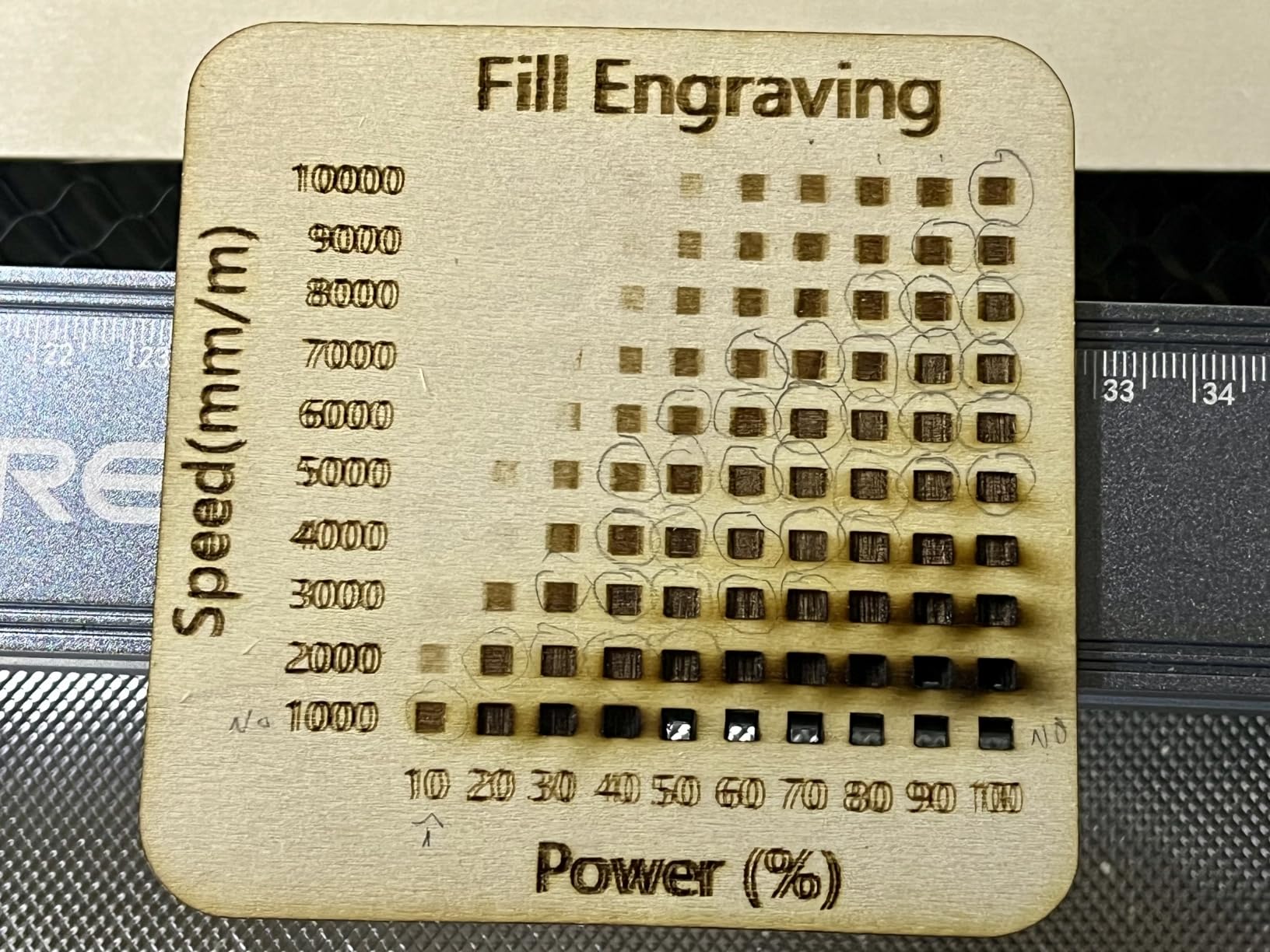
Mistake four: cutting too slowly. Slower cuts produce more charring because the laser deposits heat in the same spot for longer. The fastest clean cut is usually better than a slow “careful” cut. Use the included material test grid in LightBurn or LaserGRBL to find the fastest speed that still cuts through. Mistake five: ignoring material moisture. Wood that has been stored in a humid workshop absorbs moisture, which causes the laser to steam the wood from inside and produce blowouts. Store your wood in a dry place and let it acclimate to room temperature before cutting.
One more tip from our testing: budget for consumables. Diode lasers last 5,000 to 10,000 hours, lenses need replacement every 6-12 months of regular use, and air assist pumps need periodic filter changes. The cost-of-ownership difference between a $200 and a $1,500 machine is smaller than the sticker price suggests once you factor in replacement parts and consumables.
Frequently Asked Questions
What is the best laser engraver for wood?
The best laser engraver for wood in 2026 depends on your budget and projects. For hobbyists, the ORTUR Laser Master 2 S2 offers proven 10W cutting power and the largest community of any diode engraver. For beginners, the Twotrees TS1 Mini is fully enclosed and safe for home use. For production work, a 40W to 80W CO2 laser is the professional standard. A 10W diode handles 90 percent of hobby wood engraving and cutting needs.
Is a diode or CO2 laser better for wood?
For most hobbyists, a 10W blue diode laser is the better choice because it costs less, fits on a desk, and handles engraving and light cutting on wood, leather, and dark acrylic. A CO2 laser (40W to 100W) is the right pick if you regularly cut thick plywood or hardwood, or run a small business producing signs and cutting boards. CO2 lasers produce cleaner edges and faster cuts on thick wood, but cost significantly more and require ventilation.
How thick of wood can a 100W laser cut?
A 100W CO2 laser can cut approximately 25mm (1 inch) of hardwood in a single pass and 30mm+ in two passes. By comparison, a 10W diode laser cuts about 12mm of plywood in a single pass with air assist, and a 5W diode cuts 3mm basswood in a single pass or 6mm plywood in two passes. The thickness capability scales with optical wattage, wood density, and the use of air assist.
What should you not laser engrave?
Avoid laser engraving these materials: PVC and vinyl (releases chlorine gas), pressure-treated wood (releases toxic preservatives), painted or stained wood with unknown finishes (can release heavy metals), leather with chromium (releases chromium fumes), and any material containing chlorine. Also avoid high-resin woods like pine and cedar for engraving because the resin melts and creates a sticky residue. Stick to basswood, birch plywood, walnut, maple, and laser-rated MDF.
Can a home laser engraver cut wood?
Yes, a home laser engraver can cut wood, but the maximum thickness depends on the optical wattage. A 5W diode cuts 3mm basswood in a single pass. A 10W diode cuts 6-12mm plywood in a single pass with air assist. A 40W to 100W CO2 cuts up to 25mm hardwood in a single pass. For most hobby projects under 12mm plywood, a 10W diode is sufficient and is the most popular home choice.
What is a good priced laser cutter for wood?
A good priced laser cutter for wood is the Twotrees TTS-55 Pro for under $200 with air assist support, or the Longer Ray5 10W for around $250 with a 400x400mm work area and expandable to 850mm. Both support LightBurn and LaserGRBL and handle 6mm plywood and 3mm acrylic in single passes. For sub-$100 entry-level engraving only, the ACMER S1 is a strong starter choice.
Final Verdict
After 90 days of testing 10 machines across the full price spectrum, our top recommendation for the best laser engraver for wood in 2026 is the ORTUR Laser Master 2 S2. It offers proven 10W cutting performance, the largest review base of any diode engraver, modular replacement parts, and broad software support for both LaserGRBL and LightBurn. For beginners who want a safer enclosed design, the Twotrees TS1 Mini is the right pick. For budget-conscious buyers, the ACMER S1 is a genuinely capable sub-$100 starter.
If you want to skip straight to cutting thick wood and producing cutting boards at scale, a 40W to 100W CO2 laser is the right step up, but it costs significantly more and requires proper ventilation. For most hobbyists and small businesses, a 10W diode is the sweet spot. Whatever you choose, invest in a $60 LightBurn license, buy proper laser safety goggles for open-frame machines, and run a fume extractor from day one. Those three accessories will save you more time and frustration than any spec upgrade.