
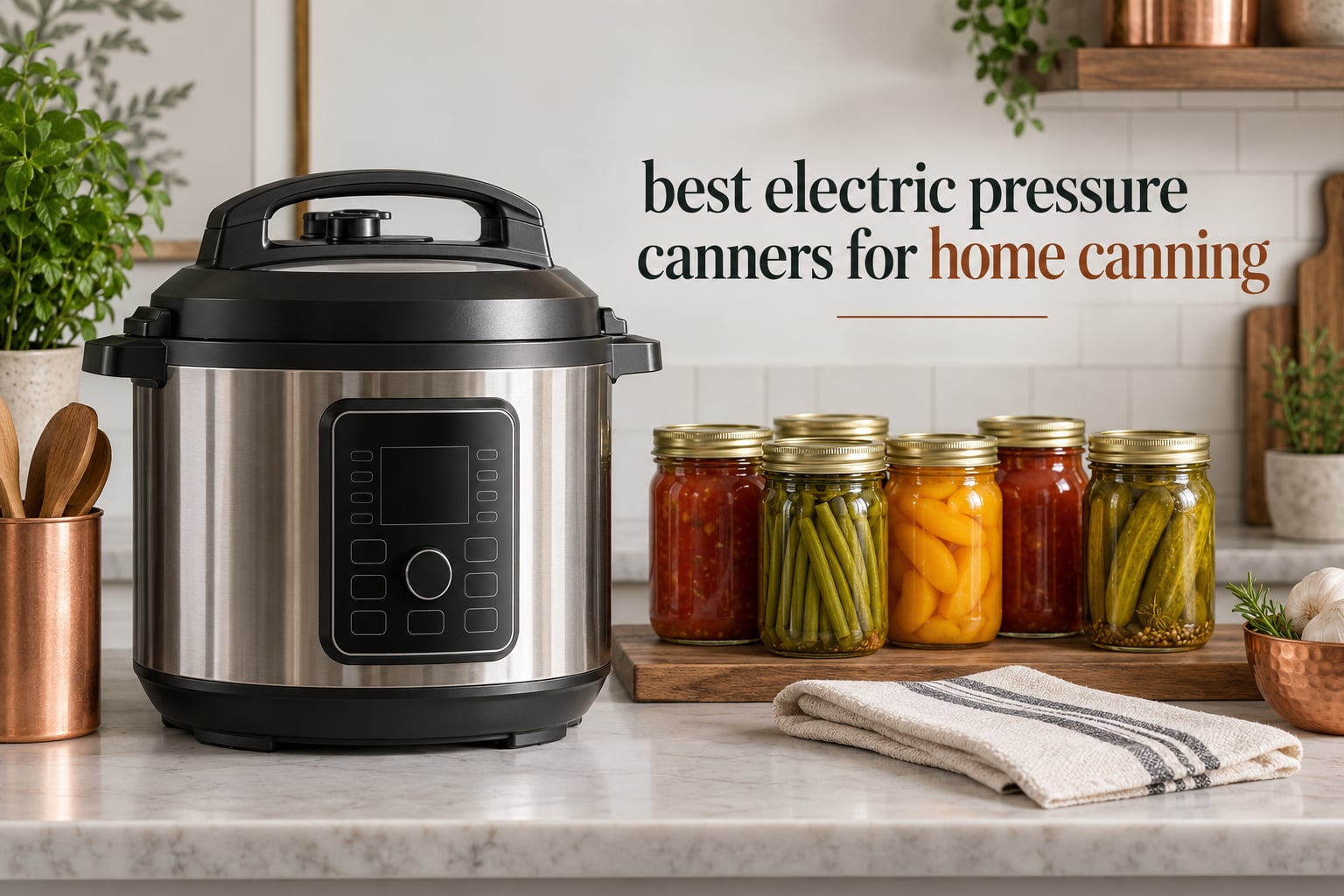
An electric pressure canner is a countertop appliance that pressure-cans low-acid foods on its own, replacing the stovetop dial gauge with a digital temperature sensor, guided step programs and an automatic cool-down cycle. After comparing the seven leading electric pressure canners available for home canning in 2026, the Presto 02144 12-Quart Digital Pressure Canner is our top pick for most households, while the NESCO NPC-9 is the stronger year-round kitchen appliance. Both hold steady processing temperature for the full USDA-specified time, which is exactly the step that trips up beginners on a stovetop canner.
That is the whole argument for going electric. Pressure canning depends on one number staying constant for a set number of minutes, and a stovetop canner asks a human being to stare at a weighted gauge and adjust a burner. An electric canner senses the temperature of the water, vents, pressurizes, runs the timer and depressurizes without you standing over it with a kitchen timer.
We spent weeks reading spec sheets, review pools and forum threads on this category before picking these models, and the honest summary is that the market is much thinner than most roundups pretend. Only two consumer machines in this list are built as dedicated home pressure canners. The rest are commercial pressure cookers and steam sterilizers that some pages mix into the category, and we flag exactly where that line sits for each one.
Two corrections come before the picks, because both get repeated constantly and both are wrong. First, the USDA does not approve, certify or license pressure canners of any kind. It publishes processing guidelines, and manufacturers claim their units meet those guidelines. Second, an Instant Pot, NutriChef, Ninja or Cuisinart multi-cooker is not a pressure canner, no matter what the button says.
If you want the broader pressure category covered too, our guides to electric pressure washers for decks and pressure washer surface cleaners for patios cover the other end of the pressure-appliance world.
Table of Contents
Top 3 Picks: The Best Electric Pressure Canners (October 2026)
These three cover the realistic buying decisions: the best all-round canner, the best machine that also cooks dinner, and the best capacity for large batch days.

Presto 02144 12-Quart Digital
- Pressure and water bath modes
- LED stage icons
- Ten built-in safety features
- Pre-warms jars
NESCO NPC-9 Smart Electric
- 9.5 quart inner pot
- Cook slow cook steam water bath
- Includes high-altitude valve
- 1000 watts

TERUISI 19-Quart 8-in-1
- 19 quart / 18L capacity
- 1700 watt element
- CE certified
- 24-hour delay timer
Quick Overview: Every Electric Pressure Canner We Reviewed in 2026
Seven models, sorted by how honestly each one maps to the phrase electric pressure canner. The Presto 02144 and the NESCO NPC-9 are real canners; the TERUISI, Vorchef and TINTON LIFE are commercial or sterilizer machines; the BAOSHISHAN is a lab autoclave.
| Product | Specifications | Action |
|---|---|---|
| Presto 02144 12-Quart Digital Pressure Canner |
|
Check Latest Price |
| NESCO NPC-9 Smart Electric Pressure Canner and Cooker |
|
Check Latest Price |
| TERUISI 19-Quart 8-in-1 Electric Pressure Cooker |
|
Check Latest Price |
 Vorchef 15L 5-in-1 Commercial Electric Pressure Cooker Vorchef 15L 5-in-1 Commercial Electric Pressure Cooker |
|
Check Latest Price |
 Presto 12-Quart Digital Pressure Canner With 7-Function Canning Kit Presto 12-Quart Digital Pressure Canner With 7-Function Canning Kit |
|
Check Latest Price |
 TINTON LIFE 18L Electric Pressure Canner and Steam Sterilizer TINTON LIFE 18L Electric Pressure Canner and Steam Sterilizer |
|
Check Latest Price |
 BAOSHISHAN 12L Steam Autoclave Stainless Steel BAOSHISHAN 12L Steam Autoclave Stainless Steel |
|
Check Latest Price |
There Is No USDA Approved Electric Pressure Canner: What the Guidelines Actually Say
No USDA approved electric pressure canner exists, because the USDA approves no pressure canner at all, electric or stovetop. The agency publishes the Complete Guide to Home Canning, a set of tested processing times, temperatures and pressures for specific foods, and manufacturers design their machines to meet those numbers.
This matters more than it sounds. When a product page claims USDA approved pressure canning, read it as the manufacturer asserting conformity with USDA guidelines for low-acid foods. That is a meaningful claim, and the Presto 02144 makes it explicitly, but it is a different statement from certification by a government agency.
The National Center for Home Food Preservation, which develops the USDA guidelines, has also recommended against processing low-acid food in an electric pressure cooker even when the maker says the cooker is capable. Their concern is specific and technical: an electric pressure cooker typically has no dial gauge an inspector can read, and cycles can drift below the processing temperature of 240 to 250 degrees Fahrenheit.
That is the honest frame for everything below. Genuine electric pressure canners use a temperature sensor plus a mechanical float valve and are designed to hold processing temperature for the entire timer. Multi-cookers in the same category often do not, and botulism risk in home-canned low-acid food is not something to trade away for convenience.
We also want to name the community position that most roundups skip. The moderators of the r/Canning subreddit publish a widely circulated explanation of why they do not recommend electric canners, and the short version is that no electric canner has been independently tested against USDA guidelines to the satisfaction of experienced canners. Presto’s performance data is internal to Presto. Readers deserve to hear that before they spend money, and readers also deserve to know that the counter-argument from manufacturers and owners is that the same sensor-and-valve architecture is verifiable at the gauge and jar level on every batch.
1. Presto 02144 12-Quart Digital Pressure Canner – Best Overall
- Pressure canning and water bath canning in one unit
- LED stage icons with audible step prompts
- Ten built-in safety features
- Pre-warms jars before processing
- Cool exterior that does not heat the kitchen
- Heavy at 20.5 pounds and bulky on the counter
- 12-quart model holds only about 4 to 5 quarts per pressure batch
- Quart jars will not fully submerge in water bath mode
This is the machine most beginners end up with, and after reading several thousand reviews of it, we understand why. The 02144 does not ask you to interpret anything. A control knob and a push-button panel drive the cycle, LED stage icons show which step you are on, and audible prompts tell you when pressure has been reached and when the timer has started.
The specs are unremarkable in the best way: 12 quart capacity, 1485 watts, a stainless steel body measuring 14 inches deep by 17 inches wide by 16 inches high, and a listed weight of 20.5 pounds. A canning rack is included. Presto markets it as meeting USDA pressure canning guidelines with no altitude adjustment needed, and it doubles as a water bath canner for fruits, jams, jellies and salsa.
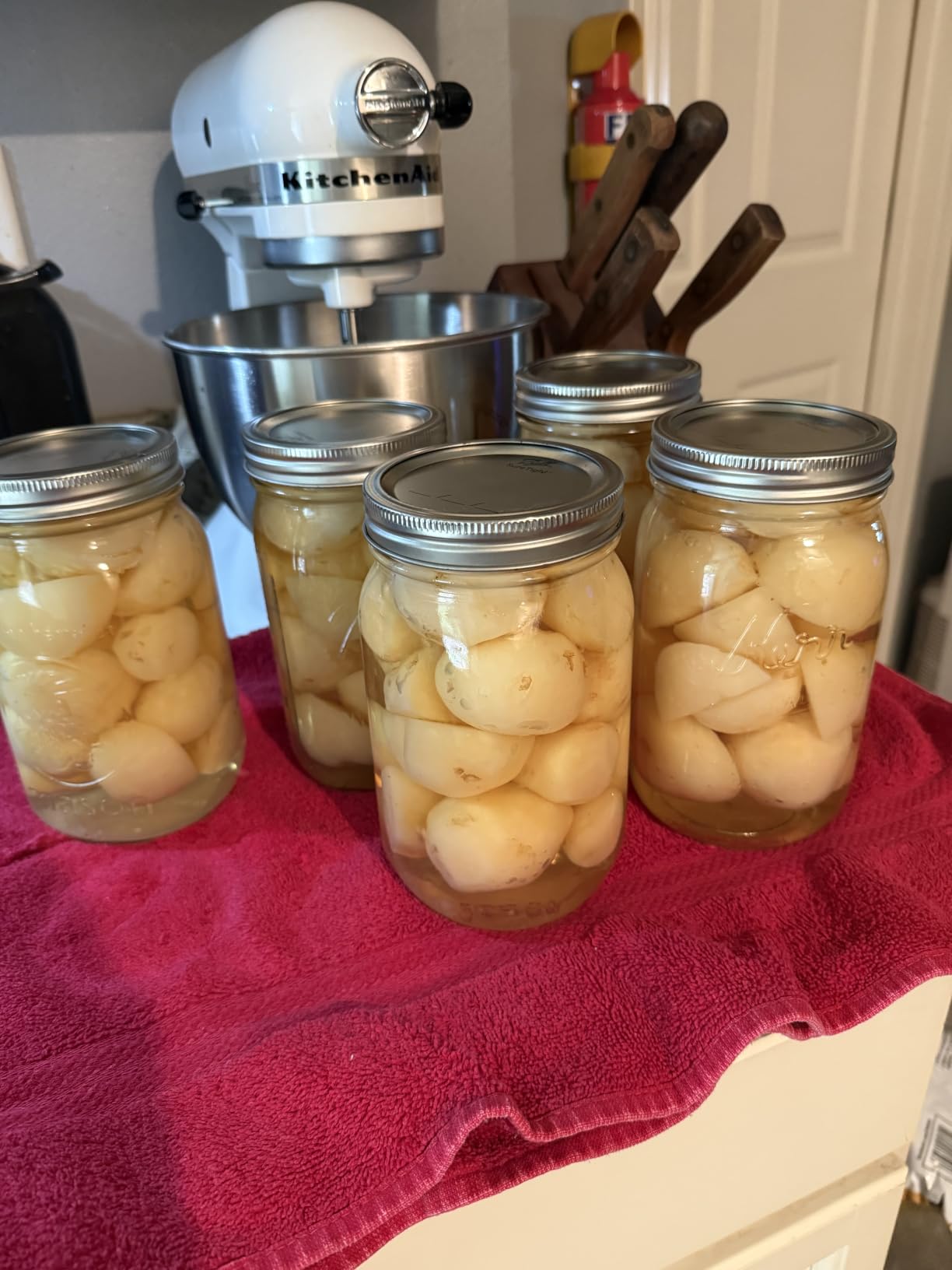
Owners consistently describe the same thing: once the timer starts, they walk away. That is the core value. Long-term users report repeatable batches across sauces, peppers, beans and meats, and the pre-warm function jars for you before processing begins, which removes a step that is manual on nearly every stovetop canner.
Two negatives show up repeatedly and both are worth weighing. First, batch size: the 12-quart chamber holds roughly 4 to 5 quarts of low-acid food per pressure load, so a large garden means many loads. Second, water bath mode on this size cannot fully submerge quart jars, which limits it to smaller jars and fruit recipes. Presto also sells larger capacities in the same digital platform if your counter can take them.

Who the Presto 02144 suits best
It suits first-time canners who want the machine to narrate the process, and households on induction or glass-top cooktops where a stovetop canner is not an option at all. It also suits anyone who finds a dial gauge stressful, because the pressure stage is handled for you.
The pre-warm cycle is genuinely useful in humid conditions or in summer when jars coming out of a hot dishwasher will thermal shock. That single feature is why this unit shows up in more first-canning accounts than anything else in the category.
Who should skip the Presto 02144
Skip it if you process more than about 200 jars a season, or if you lift 20.5 pounds repeatedly without strain. It is also the wrong tool for anyone who wants quart-jar water bath batches, because the chamber does not hold enough water to cover them.
Some owners report the removable nonstick liner chipping after several sessions, and a small number report a fuse on the electronic card failing. Seal complaints also appear, usually traced to screw bands tightened less firmly than the manual suggests. Presto customer service is described as responsive once the right contact is reached, and warranty coverage is limited outside the United States.
2. NESCO NPC-9 Smart Electric Pressure Canner and Cooker – Best Multi-Purpose
- Canning plus pressure cook slow cook steam and water bath modes
- Digital display with preset programs and timer
- Safety lock lid with automatic float valve
- Includes canning rack steam rack and condensation catcher
- Disassembles for washing
- Holds only about 4 quarts or 5 pints per load
- Wide-mouth pint jars are awkward to grip and lift out
- Requires you to move the regulator once pressure is reached
If the Presto is the better canner, the NESCO NPC-9 is the better kitchen appliance. It carries the highest average rating in this group at 4.7 stars across more than 3,300 reviews, and it earns its counter space every day of the year as a pressure cooker, slow cooker, steamer, water bath canner and rice cooker rather than only during canning season.
The specification sheet is short and readable: 9.5 quart capacity, 1000 watts, 120 volts, stainless steel, touch controls with a digital controller, automatic operation mode and a one-year warranty. Dimensions are 14.17 inches deep by 15.27 inches wide by 16.53 inches high. In the box you get an aluminum inner pot, a canning rack, a steam rack, a removable condensation catcher and both a standard and a high-altitude limiting valve.
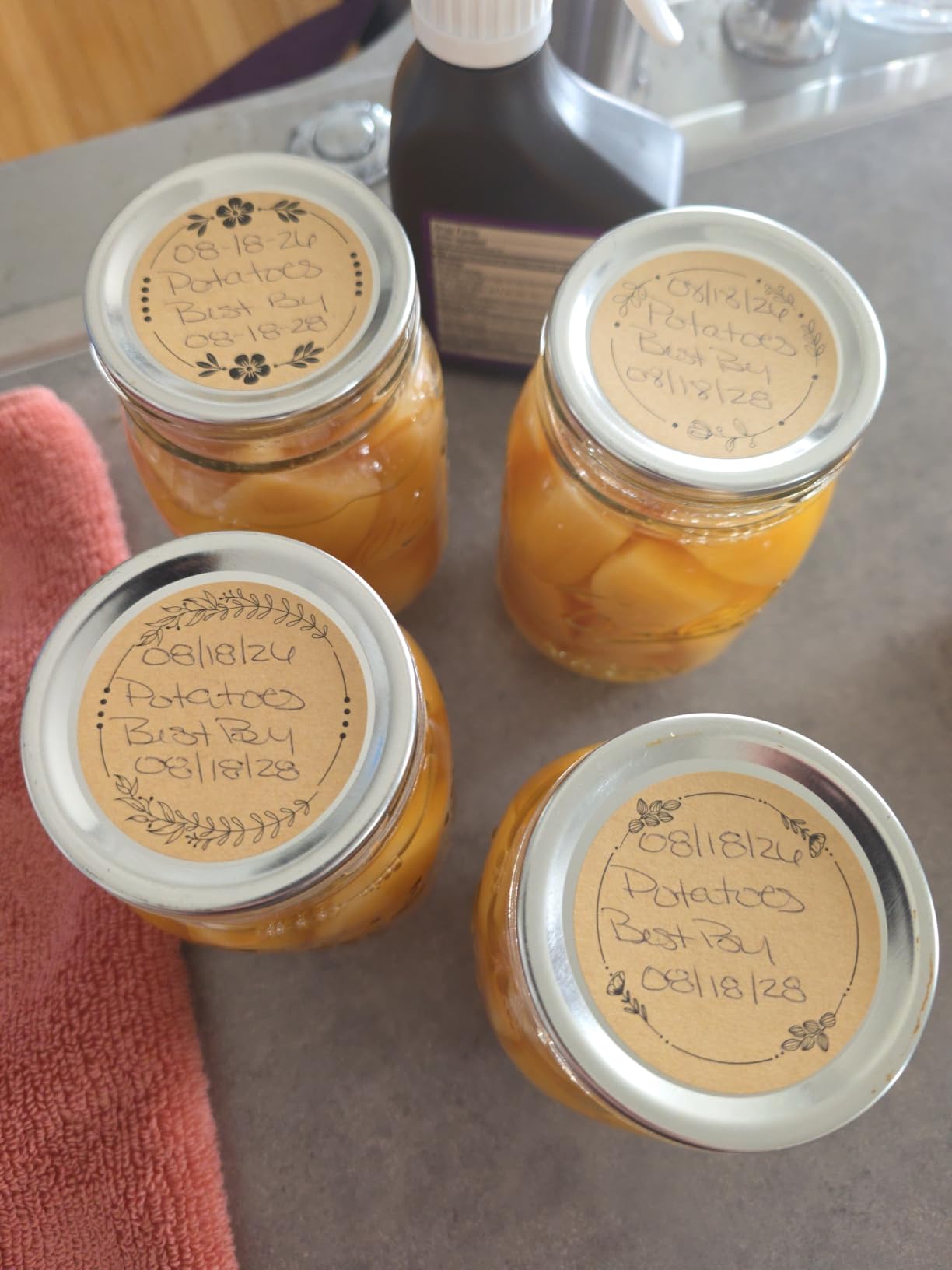
That high-altitude valve is the detail that matters most for anyone in Colorado, Utah or New Mexico. Swapping the limiting valve for the higher-elevation part is the standard correction when water boils below 240 degrees Fahrenheit, and having both valves in the box removes the most common reason altitude adjustments fail.
Owners who have had theirs two to three years report consistent results across sauces, peppers, meats, beans and water bath batches, with praise for the fail-safe pressure controls and for how easily it comes apart for cleaning. The rating distribution supports that: 86 percent five star and 8 percent four star.
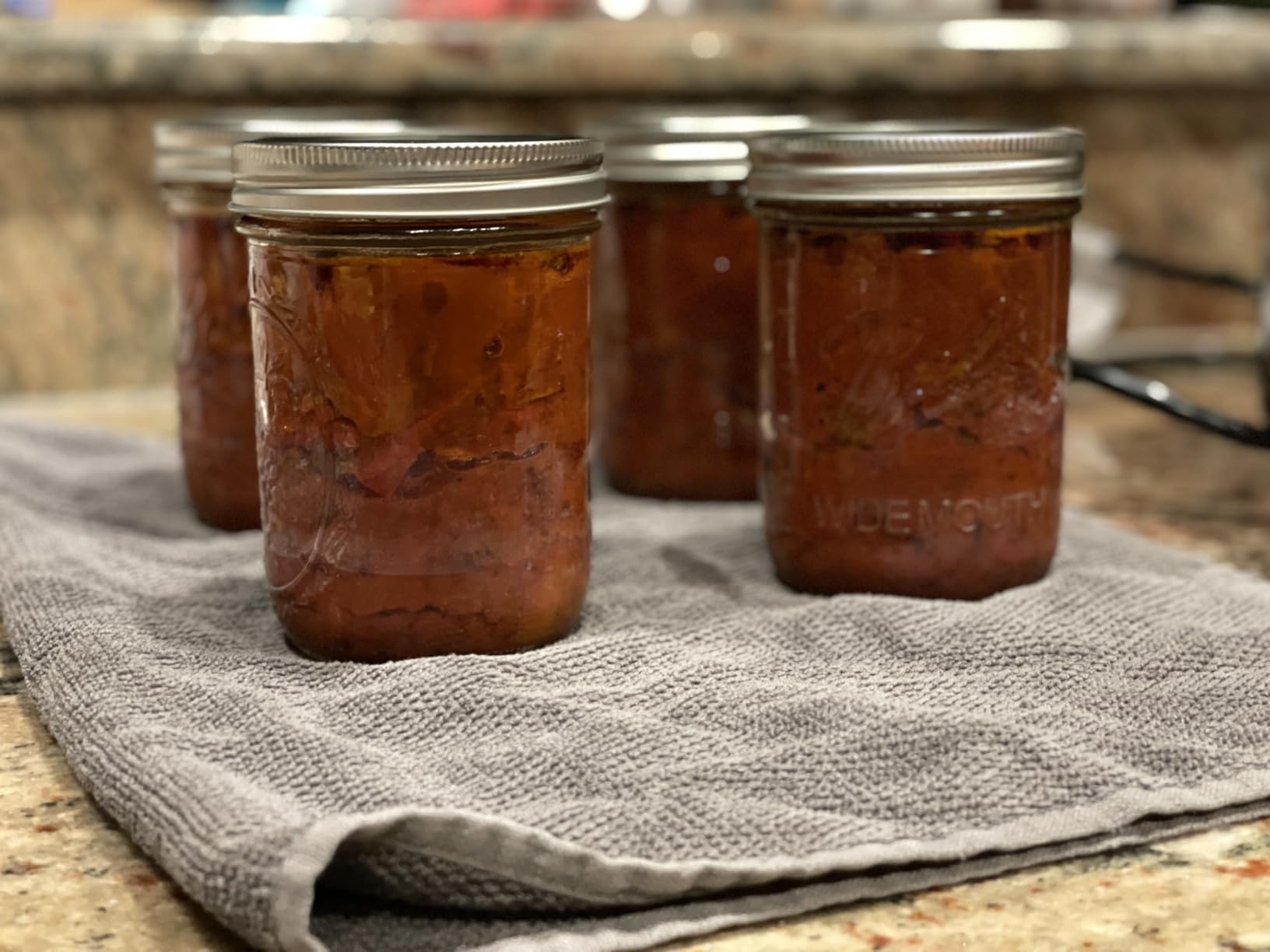
Why the NESCO NPC-9 earns its counter space
The economic argument is simple. A dedicated stovetop canner works roughly four weeks a year, while the NPC-9 works every day. Owners describe using it for weeknight beans one day and canning chicken stock the next.
It is also the easiest machine in this group to hand to a beginner, because the canning mode is one of several clearly labeled programs rather than the only thing the appliance does. That framing lowers the stakes on a first batch.
Where the NESCO NPC-9 disappoints
Capacity is the honest limit. About 4 quarts or 5 pints per load is a small batch, and experienced canners doing 600 or more jars a year will find that restrictive. Canners also report that wide-mouth pint jars are difficult to grip and remove from the chamber.
The vent-to-seal switch is manual. Once the unit reaches pressure you move the regulator yourself, which is a step the Presto handles automatically. Beeps at startup and at each regulator change are loud, and the wordy instructions give first-timers a steeper learning curve than the guided Presto interface.
3. Presto 12-Quart Digital Pressure Canner With 7-Function Canning Kit – Best Starter Bundle
12 Qt Stainless steel Electric Pressure Canner & 7 Function Canning Kit
- Automates pressure canning and boiling water canning
- Sensor detects and holds the required temperature
- Alerts you when a step is done incorrectly
- Pulls apart easily for washing
- Seven-piece accessory kit included
- Only 6 customer reviews
- so very little independent evidence
- Same Presto digital platform as the standalone model
- No verified independent USDA canning test data
This bundle pairs a Presto 12-quart digital canner with a seven-piece canning kit containing a funnel, a bubble remover, a magnetic lid lifter and tongs. That is exactly the accessory set a first-time canner otherwise has to assemble piecemeal, which is the real appeal here rather than any performance difference.
The canning platform is the same digital Presto design, with touch and push-button controls, automatic operation mode, a locking lid and programmable operation. The manufacturer states that no adjustment is needed for pressure canning at high altitudes, and that the unit doubles as a boiling water canner for fruits, jams, jellies and salsa. An innovative sensor is claimed to detect and hold the exact temperature for the required time.
Be clear-eyed about the evidence, though. There are six customer reviews and all six are five star, which is not a track record. One detailed owner report describes the unit as simple, easy to disassemble and capable of holding eight pint jars. Treat that as indicative rather than conclusive.
Why a first-time canner might start here
The kit solves the most common early frustration: not having a magnetic lid lifter and a proper bubble remover on hand while handling hot jars. Owners of the standalone unit report hand-grip difficulty and sealing problems that improved once band tension was right, and the tools here help with both.
Eight pint jars in a single load, if the owner report holds up, is a genuinely useful capacity for someone canning jam or pickled vegetables for a small household.
Who should choose the standalone instead
If you already own canning tools, the standalone Presto 02144 gives you the same machine without the bundle markup and with a far larger pool of verified owner feedback. That established review history matters a lot when the category itself is thin on independent testing.
Anyone canning for a household of more than four, or anyone processing more than a hundred jars a season, will outgrow the batch size quickly. The rating on this listing is a perfect 5.0, but six ratings cannot carry a safety-related purchase the way 5,746 can.
4. TERUISI 19-Quart 8-in-1 Electric Pressure Cooker – Most Versatile for Large Batches
- Largest capacity here at 19 quart sized for 32 to 42 people
- CE certified to EN 60335 for electrical safety
- Five-layer aluminium liner with food grade nonstick
- 24-hour delay timer for overnight cooking
- Over 10 safety features including auto pressure relief
- 32.1 pound body is unwieldy in a home kitchen
- No USDA canning guidance
- Only 11 customer reviews with limited durability evidence
- Deep shape makes the inner pot harder to clean
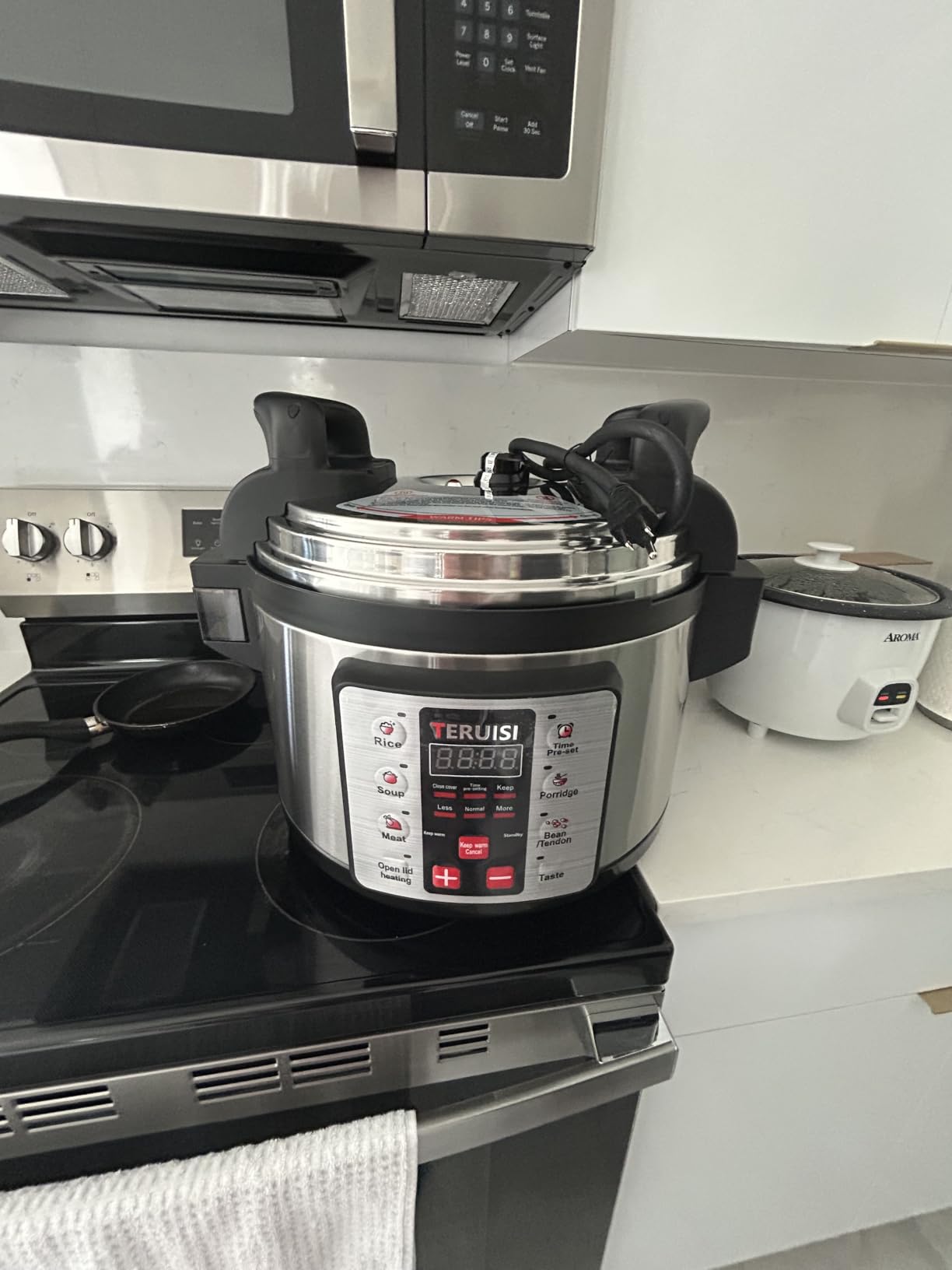
Capacity is the entire pitch here. At 19 quarts or 18 liters, this is the largest chamber we reviewed, and the manufacturer sizes it for feeding 32 to 42 people in one cycle. If your bottleneck is how many jars fit per load, this is the machine that addresses it.
Construction details are serious: a stainless steel commercial shell around a five-layer aluminium liner with a food-grade nonstick external coating, a 1700 watt element, 120 volt operation and CE certification to EN 60335. It measures 15.7 inches deep by 19.3 inches wide by 17.5 inches high and weighs 32.1 pounds. Variants are offered at 12.7 and 15.9 quarts as well.
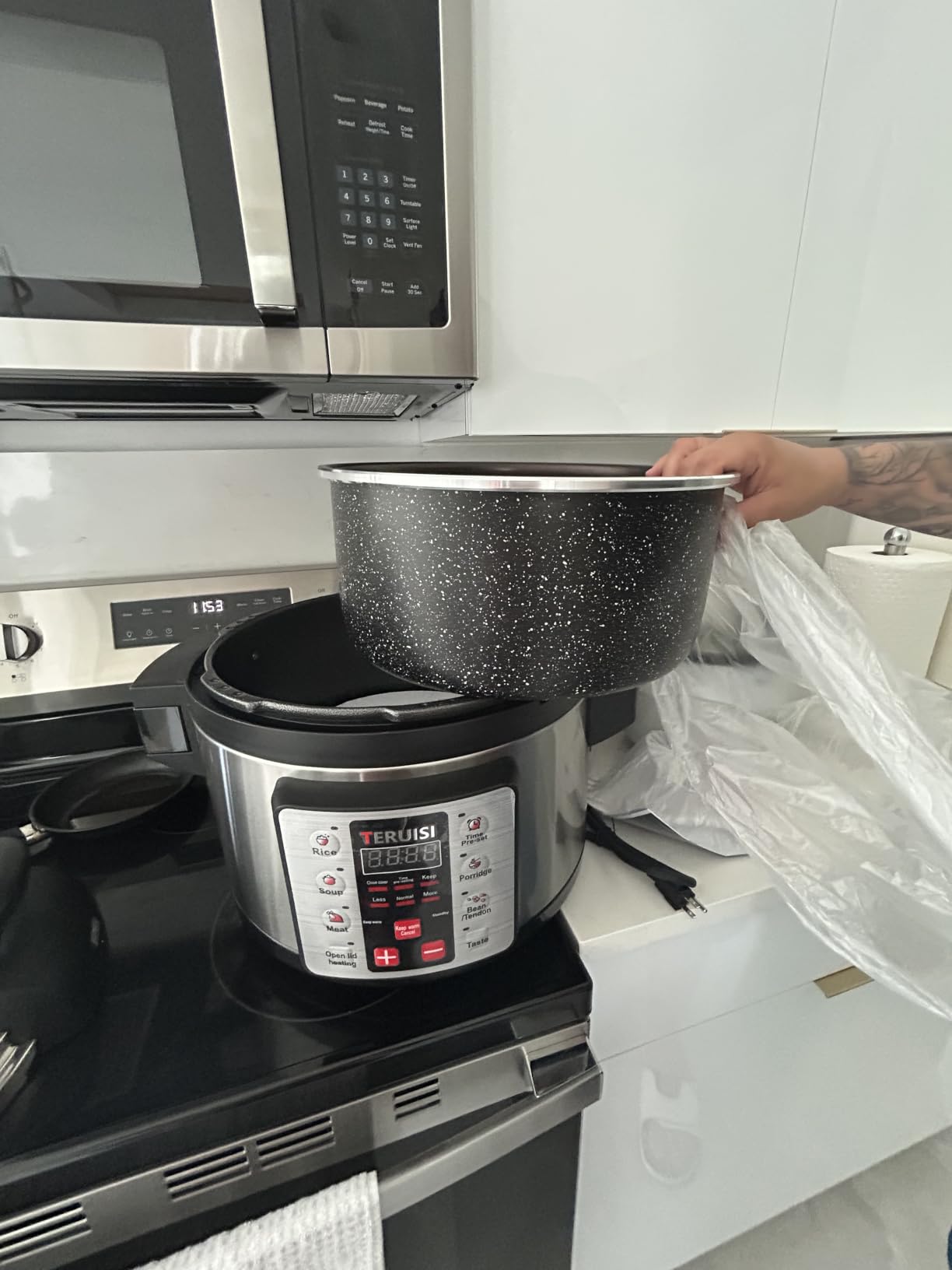
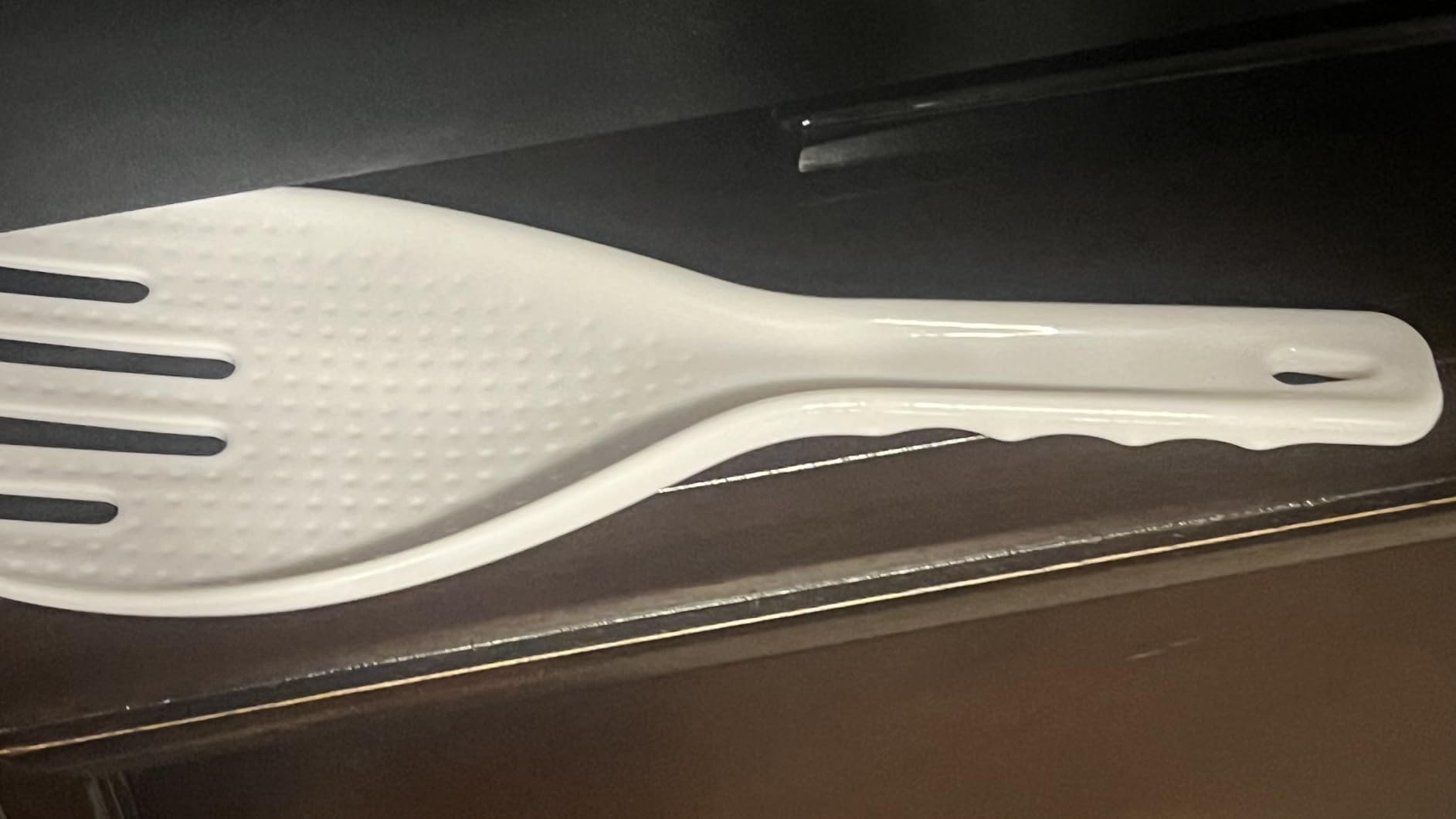
Programming is 8-in-1: five preset recipes for porridge, rice, meat, soup and beans, two assisted functions and free pressure-level selection for different meat textures. More than ten safety features are listed, including overheat, overcurrent and overvoltage protection, automatic pressure relief and a locking lid. A 24-hour delay timer handles overnight batch cooking, and a measuring cup and rice spatula come in the box.
The rating here is 4.5 across 11 reviews, with roughly 69 percent five star and 7 percent one star. That one-star share is worth noticing. Praise centers on capacity, certification and build quality for restaurant or canteen use rather than on any canning suitability.
Where this commercial machine earns its place
Restaurants, canteens and community kitchens that need volume in one vessel can justify an 18-liter format and a 1700 watt draw. The 24-hour delay timer also makes unattended overnight batches practical in a commercial setting where nobody is standing there at midnight.
The 8-in-1 programming with pressure-level selection is genuinely useful for cooking large volumes of meat at different textures, which a home canner would rarely need.
Why it is not a home pressure canner
There is no USDA canning guidance and no canning-specific processing program. It is a commercial pressure cooker that some listings describe as an electric pressure canner, and that label does not survive inspection.
At 32.1 pounds with a deep chamber, it is a heavy lift and an awkward clean. The inner pot sits low inside a narrow well, which is the most common complaint in catering reviews, and the modest 11-review base gives little long-term durability signal.
5. Vorchef 15L 5-in-1 Commercial Electric Pressure Cooker – Best for Restaurant Kitchens
- 2000 watt element for strong pressure on high-volume batches
- Thickened stainless steel exterior with food grade nonstick pot
- Detachable lid gasket valve and inner pot
- 24-hour delay timer for off-hours prep
- Overheat overcurrent and overvoltage protection
- Commercial kitchen pressure cooker
- not a USDA listed canning appliance
- Very large footprint for a home kitchen
- Only 10 customer reviews
- all five star
- Push button programming with no canning guidance
This is the most powerful heating element in the group at 2000 watts, paired with a 15 liter or 15.9 quart chamber. The manufacturer positions it for restaurants, canteens and hotels feeding roughly 25 to 35 diners in a single cycle, and it is sold as part of a 5-in-1 multifunction line.
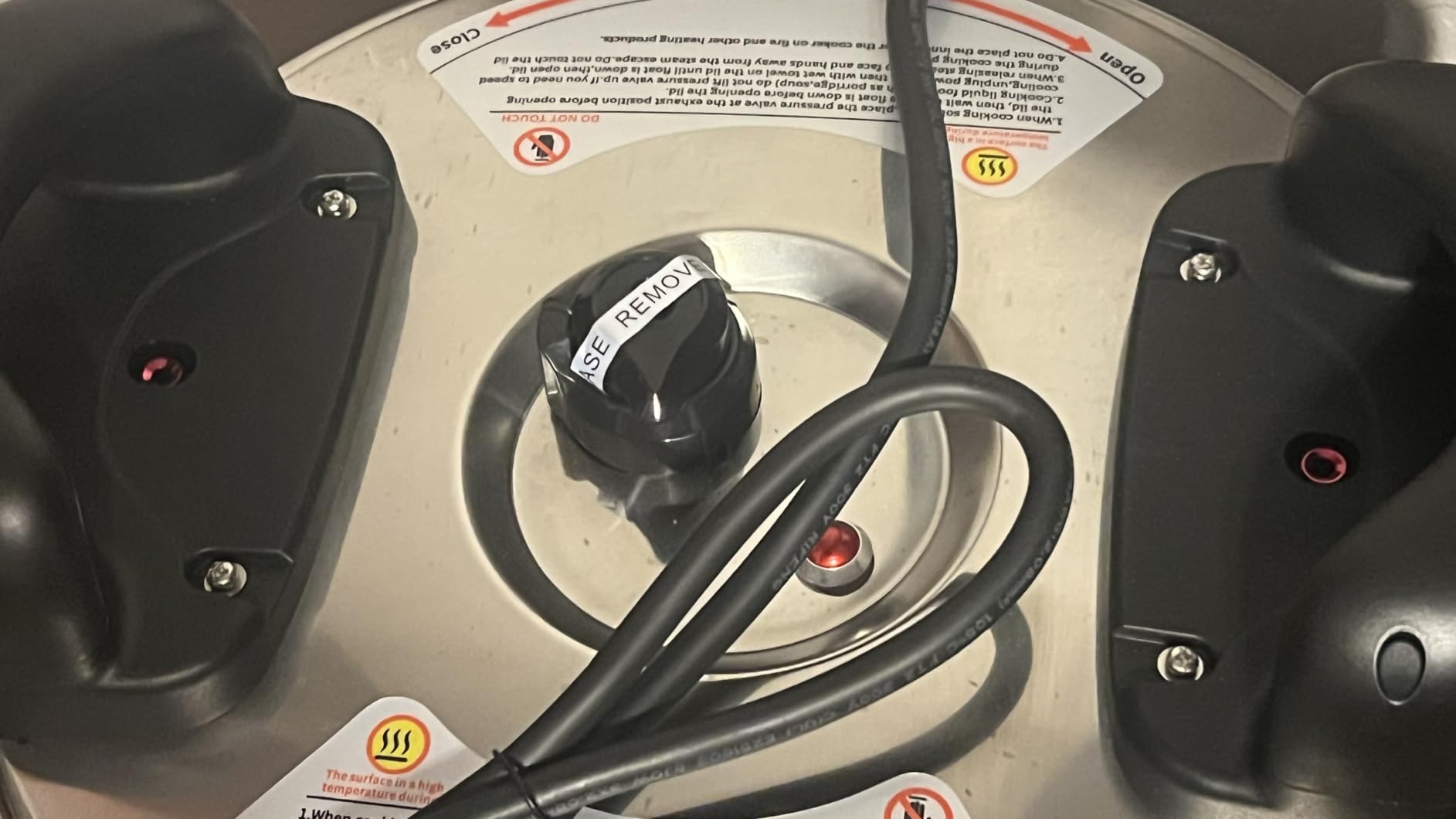
The build is described as a thickened stainless steel exterior with a food-grade nonstick inner pot rated for high-frequency commercial use. Lid, gasket, pressure valve and inner pot all detach, and there is a removable water drip tank for cleaning. Safety layers include overheat, overcurrent and overvoltage protection, automatic pressure release and a locking lid. Dimensions are 19.41 inches deep by 16.85 inches wide by 19.41 inches high.
Everything detachable is a real advantage in a commercial setting where equipment is cleaned several times a day. The 24-hour delay timer lets a kitchen run unattended batches during off-hours, which is exactly the use case a commercial buyer cares about.
All 10 reviews are five star, and buyers cite batch size and commercial construction. There are no written critical reviews, and no evidence the unit has been validated for USDA low-acid food canning. Manufacturer weight is not published for this model.
Where the Vorchef makes sense
It fits high-volume kitchens that already run other multifunction cookers and want a second large vessel for beans, grains and stews. The 2000 watt element reaches pressure faster than any other machine in this list, which matters when you are turning out 30 covers a day.
Removable gasket and pressure valve are also a plus, since replacement parts are far easier to source on a detachable design.
Why a home canner should look elsewhere
It carries no canning-specific program and no USDA processing guidance, so it belongs on a commercial cooking list rather than a home canning list. The footprint is nearly 19 inches square, which ends most countertop plans before weight is discussed.
Manufacturer weight is not listed, and with 10 uniformly perfect reviews there is no signal at all about durability. If your interest is canning, the Presto or NESCO are the correct answers.
6. TINTON LIFE 18L Electric Pressure Canner and Steam Sterilizer – Best for Non-Food Loads
TINTON LIFE Electric Pressure Canner 4.7 Gallon Autoclave Steam Sterilizer 18L 110V Portable Stainless Steel Shell Pressure Tank
- Large 18 liter pressure tank for batch processing
- Plugs into standard 110V current with no burner
- Geared steam pressure gauge for at-a-glance tracking
- Automatic overpressure release
- Stainless shell with a top handle for moving
- Sold as an autoclave and steam sterilizer
- not a USDA tested home canner
- No timed automatic shutdown so it needs continuous supervision
- Only 1 customer review
- Handles and gauge are fully manual with no program interface
This is the largest dedicated pressure vessel in the group at 18 liters or 4.7 gallons, and it runs on 110 volt household current with no stovetop burner involved. The tank measures 11.5 inches in diameter with a satin finish and a stainless steel and aluminum lid.
Pressure tracking is done the old way, with a geared steam pressure gauge you read directly, and there is an automatic overpressure release mechanism to back up the manual control. The stainless shell and robust top handle exist because a tank this size needs to be moved for filling and draining.
The evidence base is a single five-star rating with no written review text. Everything functional here comes from the manufacturer listing, and the listing itself is explicit that heating continues through the whole cycle and that timed shutdown is not supported.
What this vessel is genuinely good for
Non-food steam sterilization is the honest use. Tools, equipment and heat-tolerant containers that need a pressurized steam cycle fit this tank well, and the visible gauge gives an operator something an LED panel cannot.
The overpressure release is a real safeguard for unattended-adjacent use, because it defines what happens if the pressure climbs past the intended range.
Why it does not belong on a food canning shelf
Marketed as an autoclave and steam sterilizer rather than a USDA-tested home canning unit, it has no canning validation to point at. More importantly it has no timed automatic shutdown, which means heating continues until you physically intervene.
With one review and no independent performance history, there is nothing to verify. Treat this as laboratory and workshop equipment and keep it away from low-acid food storage.
7. BAOSHISHAN 12L Steam Autoclave – Best for Tattoo and Tool Sterilizing
BAOSHISHAN 12L Steam Autoclave Stainless Steel
- Thick 2mm 304 stainless steel walls
- Automatic safety valve opens on excessive pressure
- Runs on 110V electric or an open flame
- Steam boost function reported working for tool sterilizing
- 66 reviews give the largest feedback base in this group
- Sold as a sterilizer
- not a USDA tested food canner
- Some units reportedly stall around 1.15 atm
- No bottom insulation so it can scorch the counter
- Power plugs and heating elements sold as consumables
The BAOSHISHAN 12L is the only model in this roundup with a substantial body of user feedback, and that feedback is mixed. It holds 66 reviews averaging 3.9 stars, with 59 percent five star, 19 percent three star and 11 percent one star.
The hardware is respectable: 304 stainless steel with a wall thickness of 2mm, dual valves including an automatic safety valve that opens on excessive internal pressure, and a steam boost function. It runs on 110 volt electric power or on an open flame, which makes it the most flexible power source in the group.
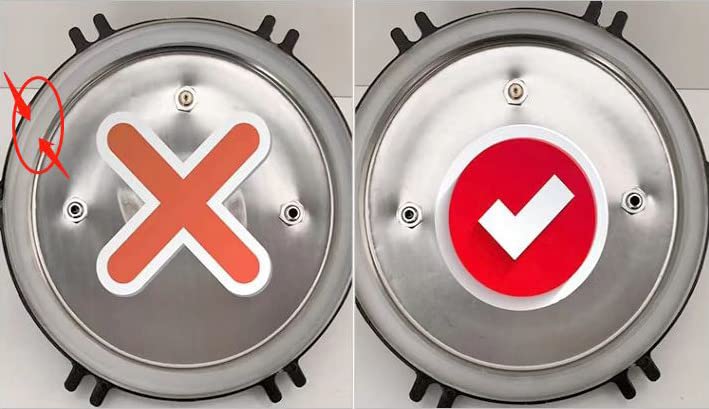
The category here is tattoo tips, grips and similar non-food loads, where owners report leak-free operation when the seal is installed correctly. That is what it is for, and used that way it does its job at a fraction of the cost of stainless laboratory autoclaves.
The problems are documented rather than theoretical. Some units reportedly fail to climb above about 1.15 atm, which sits below the claimed 0.14 to 0.17 MPa operating range. There is no bottom insulation, so it can scorch the counter it sits on. Some units arrive with a non-functional gauge needle and no manual reset option. Heating elements and seals are sold as consumables and are not covered free of charge.
Where the BAOSHISHAN earns its place
It suits a tattoo artist or a home workshop that needs real pressurized steam for tool sterilization on a limited budget. The dual power option means it works even where electric service is unreliable or where a dedicated circuit is not available.
The 2mm 304 stainless steel walls are heavier and more durable than thin-gauge plastic-bodied competitors, and the automatic safety valve gives a defined overpressure response.
Why it is the weakest choice in this roundup
Pressure shortfall is the recurring complaint, and it is disqualifying for food canning because the whole point is holding a specified pressure for a specified time. Add the scorched-counter reports, the plug failures within a month or two on some units, and translated instructions that do not match the control layout, and the picture is clear.
It is not a food canner by design, and the 3.9 average is the lowest rating here for a reason. Keep it in the workshop, not the pantry.
Electric vs Stovetop Pressure Canner: Which One Wins
Electric wins on consistency and convenience; stovetop wins on capacity, durability and resilience. If your garden produces more than a hundred jars a year or you live where power fails, the stovetop canner is still the better tool.
The single biggest practical difference is not performance, it is uptime. An electric canner needs a grounded outlet and a 1000 to 2000 watt circuit. A stovetop canner needs a burner and works through any outage. Experienced canners treat power-outage resilience as non-negotiable, and that argument has not changed with the digital models.
The second difference is capacity. Stovetop pressure canners are made in 15, 17, 20, 22 and 23 quart sizes and often run two racks. Every electric canner in this roundup tops out at a smaller load, and even the 19-quart commercial units here have no canning programs. For a large harvest, two smaller batches take longer than one big batch.
The third is cool-down. Electric models are heavily insulated for safety, and owners report 30 to 45 minutes of cool-down before the lid can be opened, with some reporting toward an hour or more on large chambers. Stovetop units cool faster because the vessel is uninsulated metal. That is a safety feature on an electric machine, not a defect, but it means one chamber does one batch roughly every two hours.
Where electric genuinely wins is holding pressure and temperature without attention. On a stovetop unit, boiling dry or dropping below processing temperature for part of a cycle is the most common route to under-processed jars. A digital sensor removes that failure mode. If you read our other buying guides on pressurized appliances, such as electric pressure washer decks, the same attention to rated operating conditions applies.
Pressure Canning Safety: A Pre-Flight Checklist for Every Batch
Check the gasket, the float valve, the water level and the lid seal before every single load. These four checks take about two minutes and catch nearly every failure that leads to spoiled jars.
Botulism is the reason the rules are strict. Clostridium botulinum spores survive plain boiling, so low-acid foods such as vegetables, meat, soups, stocks, beans and most tomato products must reach 240 to 250 degrees Fahrenheit under pressure for a time the USDA specifies per food. Under-processing is the failure, and there is no smell or taste test that reliably detects it afterward.
Inspect the gasket. Look for warping, cracks or a hardened surface. Replace it when it no longer springs back or when the lid no longer seals on the first try.
Exercise the float valve. Push the pin with a fingertip. A valve that stays depressed or does not move freely is a stop-and-replace item.
Fill the water to the marked line. The sensor reads water temperature, and a dry chamber will produce a false reading and a false cycle.
Check the lid seal. The locking mechanism must engage fully before you start. Never force a lid that resists.
Never vent a canner under pressure. Force-cooling or forcing the lid open can draw unprocessed contents back into the headspace.
Wait the full cool-down. Internal pressure above atmospheric holds jars in a vacuum-sealed state. Opening early ruins the seal.
Adjust screw bands firmly, not gently. Loose bands are the most common cause of a jar that will not seal.
If a cycle timer starts before the unit is fully pressurized on a machine that behaves that way, do not process low-acid food in it until the manufacturer confirms the sensor calibration. Better yet, choose a machine with an automatic float valve and pre-pressurization venting, which is why the Presto and NESCO designs lead this roundup.
And do not use a multi-cooker. An Instant Pot, NutriChef, Ninja HyperHeat or Cuisinart CPC-900 can drop below processing temperature partway through a cycle, and the consequence is not a bad meal, it is a botulism risk in your pantry.
Altitude Adjustment: The USDA PSI Reference You Need
Below 1,000 feet of elevation, low-acid foods are processed at 15 PSI. Above that, the required pressure rises because water boils at a lower temperature, and the canner has to work harder to reach 240 degrees Fahrenheit. Every band below requires processing at 240 to 250 degrees Fahrenheit for the USDA-specified time.
Sea level to 1,000 ft: 15 PSI
1,001 to 2,000 ft: 15.7 PSI
2,001 to 4,000 ft: 16.4 PSI
4,001 to 7,000 ft: 17.1 PSI
Above 7,000 ft: 17.8 PSI
The NESCO NPC-9 ships with both a standard and a high-altitude limiting valve, which is why we recommend it above 2,000 feet. Presto states that its digital platform requires no altitude adjustment, because the temperature sensor reads actual water temperature rather than relying on a fixed weighted-gauge pressure. That is the technical argument for digital sensing, and it is the reason mountain households can use these machines at all.
If you are above 4,000 feet and want a gauge you can visually verify, a stovetop weighted-gauge canner with a dial you can read at altitude remains the more transparent choice.
Capacity Planning and First Canning Day
Plan on 4 to 5 quarts of low-acid food per load in a 12-quart chamber, and about 4 quarts or 5 pints in a 9.5-quart chamber. Multiply by loads, not by wishful thinking, and check your canning calendar against the two-hours-per-batch reality of pressuring, processing and cooling.
A typical first day looks like this: sterilize jars for ten minutes in boiling water, prepare food and pack it leaving the headspace the USDA specifies for that food, wipe rims with vinegar, apply screw bands firmly, pre-warm the jars in the canner, load the racks, set the food program, and let the unit run. Total hands-on time per batch is roughly 45 minutes with an electric machine, most of it prep, which is where first batches usually go wrong.
Start with one low-risk recipe from the Complete Guide to Home Canning, such as tomatoes or green beans, before attempting soups or meat. Record your processing times, your batch size and your altitude so year two is faster than year one.
On maintenance, keep a simple schedule: inspect the gasket seasonally and replace it when it hardens, check the float valve every few batches, descale the heating element twice a year if you use hard water, and treat the electronic controls as non-serviceable. Budget for a replacement gasket within three years and for a replacement unit somewhere between five and ten depending on how often you can.
Frequently Asked Questions
Is there a USDA approved electric pressure canner?
No. The USDA does not approve, certify or license pressure canners of any kind, electric or stovetop. It publishes processing guidelines in the Complete Guide to Home Canning, and manufacturers claim their units meet those guidelines. When a listing says USDA approved pressure canning, read it as the manufacturer asserting conformity with USDA times and pressures, which is a real and useful claim.
Are electric pressure canners safe?
Genuine electric pressure canners that use a temperature sensor plus a mechanical float valve are designed to hold 240 to 250 degrees Fahrenheit for the full USDA processing time, and pre-vent before pressurizing. Ordinary multi-cookers such as an Instant Pot, NutriChef, Ninja or Cuisinart are not safe for low-acid food because cycles can drift below processing temperature, which is a botulism risk.
Can you use a regular pressure cooker or Instant Pot for canning?
No, not for low-acid foods such as vegetables, meat, soups, beans and most tomato products. A multi-cooker lacks a verifiable dial gauge and may cycle below processing temperature partway through a timer. Many multi-cookers also hold jars in a small nonstick inner pot rather than on canning racks. Use a dedicated pressure canner for anything shelf-stable.
Do electric pressure canners work at high altitude?
They do, and digital temperature sensing is actually an advantage above 2,000 feet because the sensor reads the real water temperature instead of relying on a fixed weighted gauge. The USDA requires higher pressure at altitude: 15 PSI at sea level, 15.7 PSI from 1,001 to 2,000 feet, 16.4 PSI from 2,001 to 4,000 feet and more above that. The NESCO NPC-9 includes a high-altitude limiting valve for this reason.
How many jars can an electric pressure canner hold?
Plan on roughly 4 to 5 quarts of low-acid food per load in a 12-quart chamber, and about 4 quarts or 5 pints in a 9.5-quart chamber. A 12-quart digital canner in water bath mode cannot fully submerge quart jars. Stovetop pressure canners in the 17 to 23 quart range run two racks and hold considerably more per load.
How long does an electric pressure canner take to cool down?
Owners report 30 to 45 minutes for typical 9.5 to 12 quart models, and closer to an hour on larger chambers, compared with roughly 30 to 45 minutes on an uninsulated stovetop canner. The insulation is a safety feature that keeps pressure on the jars, so never force the lid or open early. Budget about two hours per batch from start to jar handling.
Are electric pressure canners any good compared with a stovetop canner?
They are good if you want set-and-forget processing, do not have a spare burner or use an induction cooktop, and canner at moderate volume. A stovetop canner is better if you process more than about 200 jars a season, need two racks per load, or want a machine that works during a power outage. Many experienced canners keep both.
The Verdict on the Best Electric Pressure Canners for Home Canning
The Presto 02144 12-Quart Digital Pressure Canner is the best electric pressure canner for home canning in 2026 for most people, because it does the error-prone part of pressure canning for you and carries the deepest verified owner history in the category at more than 5,700 reviews.
The NESCO NPC-9 takes the multi-purpose crown with the highest rating here at 4.7 stars and a high-altitude valve in the box. If your garden outgrows 4 to 5 quarts per load, or you need a machine that survives a power cut, buy a stovetop pressure canner and use the electric one for everything else.
Do not buy a multi-cooker for this job. The commercial and sterilizer machines in this roundup are fine at what they were built for, and none of them is a home pressure canner.