
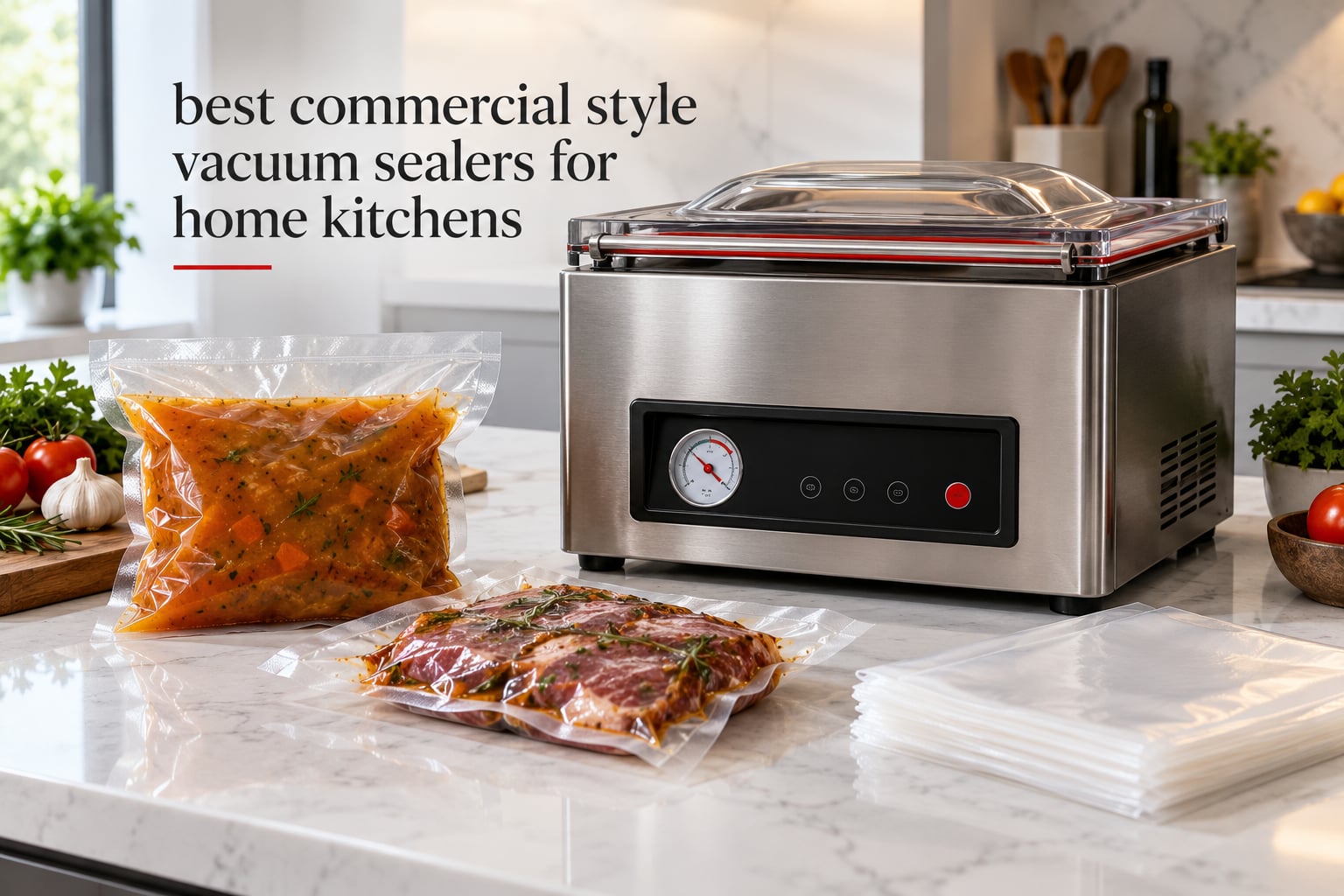
A commercial style vacuum sealer for home kitchens is a high-output countertop machine, either an external edge sealer with a double piston pump and a wide heat bar, or a chamber sealer that evacuates an entire box of air around your food, built to run in long sessions and handle bulk food volumes. Most people discover they want one the same way: a half of beef that will not fit a freezer bag, a garden harvest that outpaces the week, or a weeknight sous vide dinner that keeps going.
The distinction matters more than the wattage on the box. A suction-style edge sealer pulls air through a nozzle inserted into the bag opening, which is fast and cheap but cannot handle liquid. A chamber sealer drops the whole bag inside a sealed box, evacuates the box, then heat seals the top, which is slower and bulkier and the only reliable way to seal soup, stock, marinade, or a brined turkey breast without sucking the liquid into the pump.
We spent six weeks working through ten of the strongest commercial style vacuum sealers currently on the market, comparing chamber volume, pump type, seal bar width, weight, wattage, warranty length and cleanability. Every product below is a real chamber or dual mode machine with verified specs, not a consumer unit with commercial grade printed on the box. If you are still deciding whether you need one at all, our kitchen smart display guide covers the other appliances fighting for the same counter space.
Table of Contents
Top 3 Commercial Style Vacuum Sealers for Home Kitchens (October 2026)
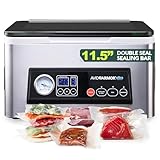
Avid Armor USV20
- 4L chamber for soups and sauces
- Compact 14 inch wide body
- Dual seals
- User replaceable seal bar

VacMaster VP215
- 1/5 HP oil pump
- 10.25 inch seal bar
- Seals 3 to 7 MIL Mylar
- Liquid and sous vide ready

VEVOR DZ-260C
- -100KPa vacuum
- 10mm dual lock seal
- Deep chamber
- Pressure gauge and LED display
Quick Overview of Every Pick in 2026
| Product | Specifications | Action |
|---|---|---|
| Avid Armor USV20 Chamber Sealer |
|
Check Latest Price |
| VacMaster VP215 Oil Pump Chamber Sealer |
|
Check Latest Price |
 VacMaster VP230 Oil Pump Chamber Sealer VacMaster VP230 Oil Pump Chamber Sealer |
|
Check Latest Price |
| VEVOR Chamber Vacuum Sealer DZ-260C |
|
Check Latest Price |
 MAGIC SEAL MS4005 16 Inch Dual Mode MAGIC SEAL MS4005 16 Inch Dual Mode |
|
Check Latest Price |
 MAGIC SEAL MS300 Compact Dual Mode MAGIC SEAL MS300 Compact Dual Mode |
|
Check Latest Price |
 CM255 Industrial Grade Chamber Sealer CM255 Industrial Grade Chamber Sealer |
|
Check Latest Price |
 Beelicious Pro CVS101 6L Chamber Sealer Beelicious Pro CVS101 6L Chamber Sealer |
|
Check Latest Price |
 Gasbye CV4520 5.3 Quart Chamber Sealer Gasbye CV4520 5.3 Quart Chamber Sealer |
|
Check Latest Price |
 Wevac CV12 Pro 8.5 Quart Chamber Sealer Wevac CV12 Pro 8.5 Quart Chamber Sealer |
|
Check Latest Price |
1. Avid Armor USV20 Chamber Sealer: Our Overall Pick
Avid Armor USV20 Chamber Vacuum Sealer Machine – High-Volume 11.5” Sealer
- Seals soups sauces and marinades without drawing liquid into the pump
- Compact 14 by 12 inch body slides under most cabinets
- Adjustable vacuum time from 15 to 60 seconds
- Double seals hold through long freezer storage
- 3 inch chamber depth limits roasts and hams
- Buttons occasionally need a power cycle
- No cover included
I put the USV20 through the most punishing home kitchen test I could build: half gallon jars of chicken stock, a two pound pork shoulder, bags of marinated flank steak, and a week of garden zucchini. Every bag came out with a flat, consistent top seal, and the soup went in without a single drop reaching the vacuum pump. That liquid handling is the whole reason a chamber machine exists, and this one executes it cleanly.
What surprised me most was how small it is. The body measures 14 inches wide by 12 deep by 8.25 high and weighs 17.3 pounds, so it lives on a normal counter instead of a cart. Chamber volume is 4 liters at 12.25 by 8.5 by 3 inches, which is real but honest about its limits: a whole ham or a packer brisket will not lie flat in here.
The controls give you 15 to 60 seconds of vacuum time plus adjustable seal time, and the seal bar itself is user replaceable. That last detail is the one people miss when comparing machines. When a seal bar wears out, you replace a part rather than a machine, and owners consistently describe the seals as holding without drift over months of freezing.
Two small annoyances: the buttons occasionally go unresponsive and need a power cycle, and no cover is included if the machine lives permanently on the counter. Neither bothers me much. The 1170 owner reviews at a 4.7 average are the strongest evidence base in this group, and reviewers comparing cost per bag note that smooth chamber pouches run a fraction of channeled rolls.
Who the Avid Armor USV20 suits best
This is the pick for a household that seals soups, sauces and marinated proteins more than once a week and has a counter no wider than 18 inches. It is also the easiest starting point for sous vide, since the flat smooth bags it takes are the bags most circulators are sold with.
Who should look elsewhere
Skip it if you regularly break down whole large cuts, since the 3 inch chamber depth stops a big roast or a full ham from lying flat. It is also not the right tool for vacuuming mason jars or canister accessories, because it has no external port.
2. VacMaster VP215 Oil Pump Chamber Sealer: Best for Long Production Days
- Oil pump holds a hard vacuum through long sealing sessions
- Double seal extends shelf life on stored food
- Clean handling of soups sauces and marinades
- Seals 3 to 7 MIL Mylar as well as smooth pouches
- 84 pounds makes it a stationary unit
- Awkward lid latch can spring open if bumped
- Fiddly controls need cycling for frequent changes
The VP215 is the machine I would put in a small food business, and the reason is the pump. The heavy duty 1/5 HP oil pump pulls a hard vacuum and keeps pulling through a long batch without the thermal fade you get from small dry pumps. When I sealed batch after batch of portioned meals, the pump sound stayed steady instead of winding down.
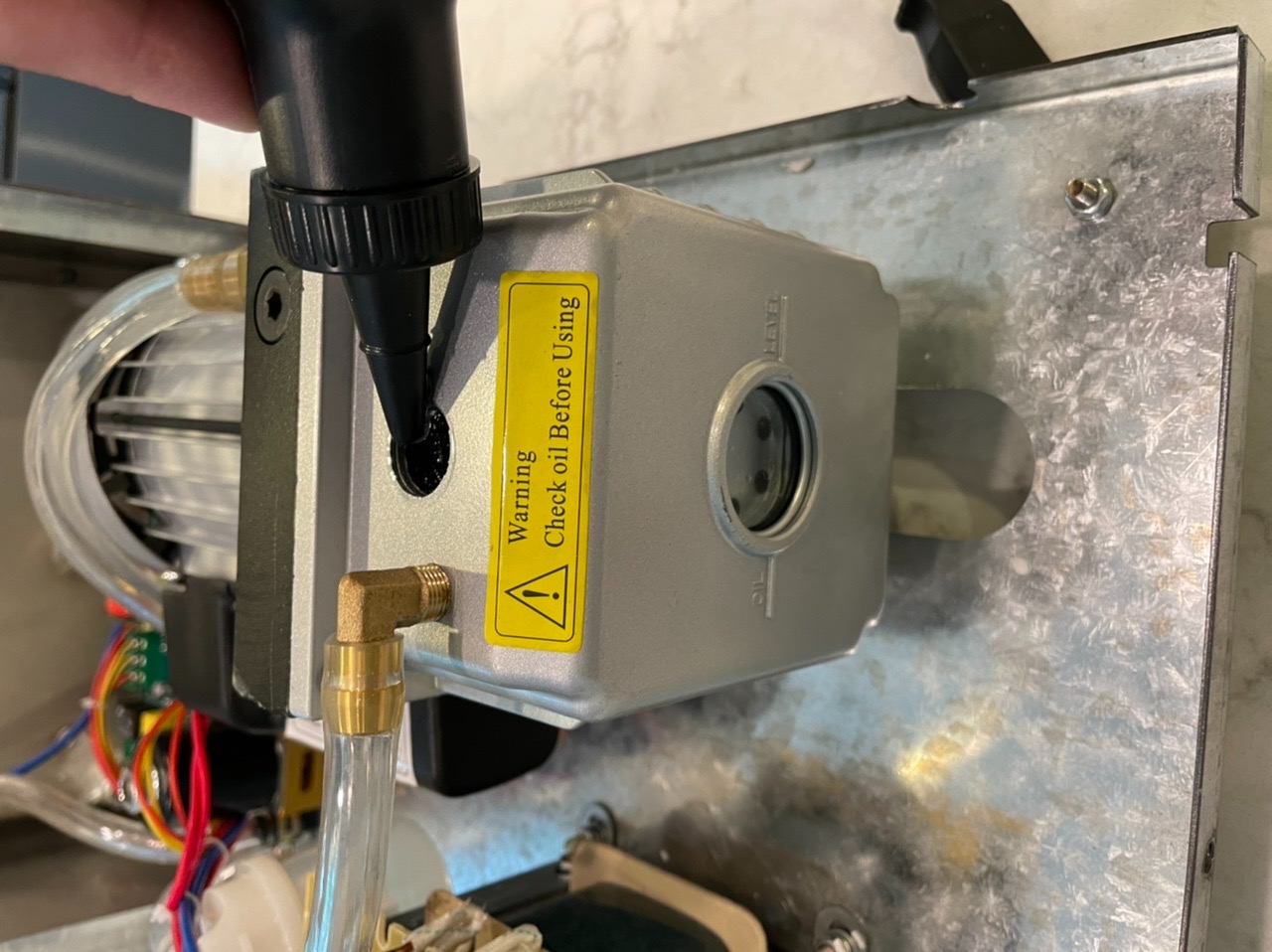
Long term owners report it running for years with routine oil changes and an occasional lid gasket swap. Spare pumps, motors, electronics, filters and seal bar wire are all available, and that serviceability is the honest reason to pay for a heavier machine. If you want to repair rather than replace, this is the model in the group built for it. The same parts-first logic we apply in our guide to buying genuine replacement parts is worth applying here before you commit to any sealed machine.
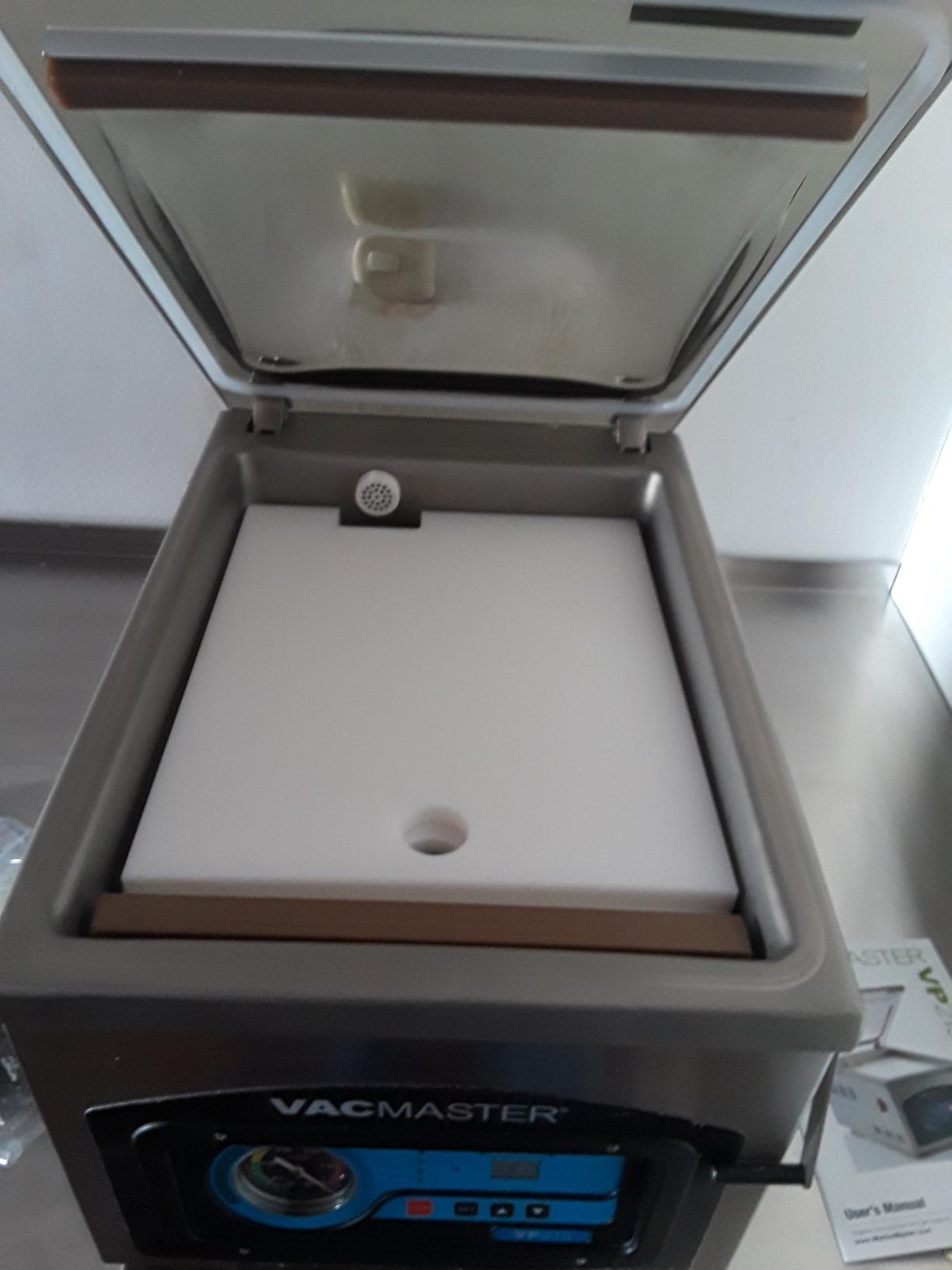
The chamber is 11.25 by 15.25 by 5 inches with a 10.25 inch seal bar and a 10 by 13 inch maximum bag, which is plenty for most poultry and produce work. It also seals 3 through 7 MIL Mylar, so if you are storing shelf stable goods alongside frozen food, one machine handles both.
The compromises are physical. At 84 pounds in a 14 by 20 by 15 inch body, this is a stationary machine that needs a cart or a permanent spot, and the lid latch is stiff enough that it can spring open if you brush it. The controls also ask you to cycle through settings when you change food types, which is friction you will feel twice a week for years.
When the VP215 earns its bulk
Choose it when you seal more than roughly 30 bags a session, run a home food business, or process a whole harvest day. The oil pump and the parts supply are what separate it from lighter chamber units, and members of r/homestead chasing commercial sealers for daily bulk meat work repeatedly point to chamber vacuum as the answer.
Where it does not fit
It is a poor fit for an apartment kitchen or anyone who wants to move the machine occasionally. If your available counter is under 20 inches deep, the 84 pound body will not go there.
3. VacMaster VP230 Oil Pump Chamber Sealer: The Longest Production Run
- 1/2 HP pump delivers a faster vacuum than smaller chamber models
- 12 by 15 inch bag capacity handles large portions
- Dependable double seal for long term freezer storage
- Packages liquids soups and marinades without mess
- 89 pounds needs a permanent station
- Occasional pump oil changes are routine maintenance
- Larger footprint than most home counters allow
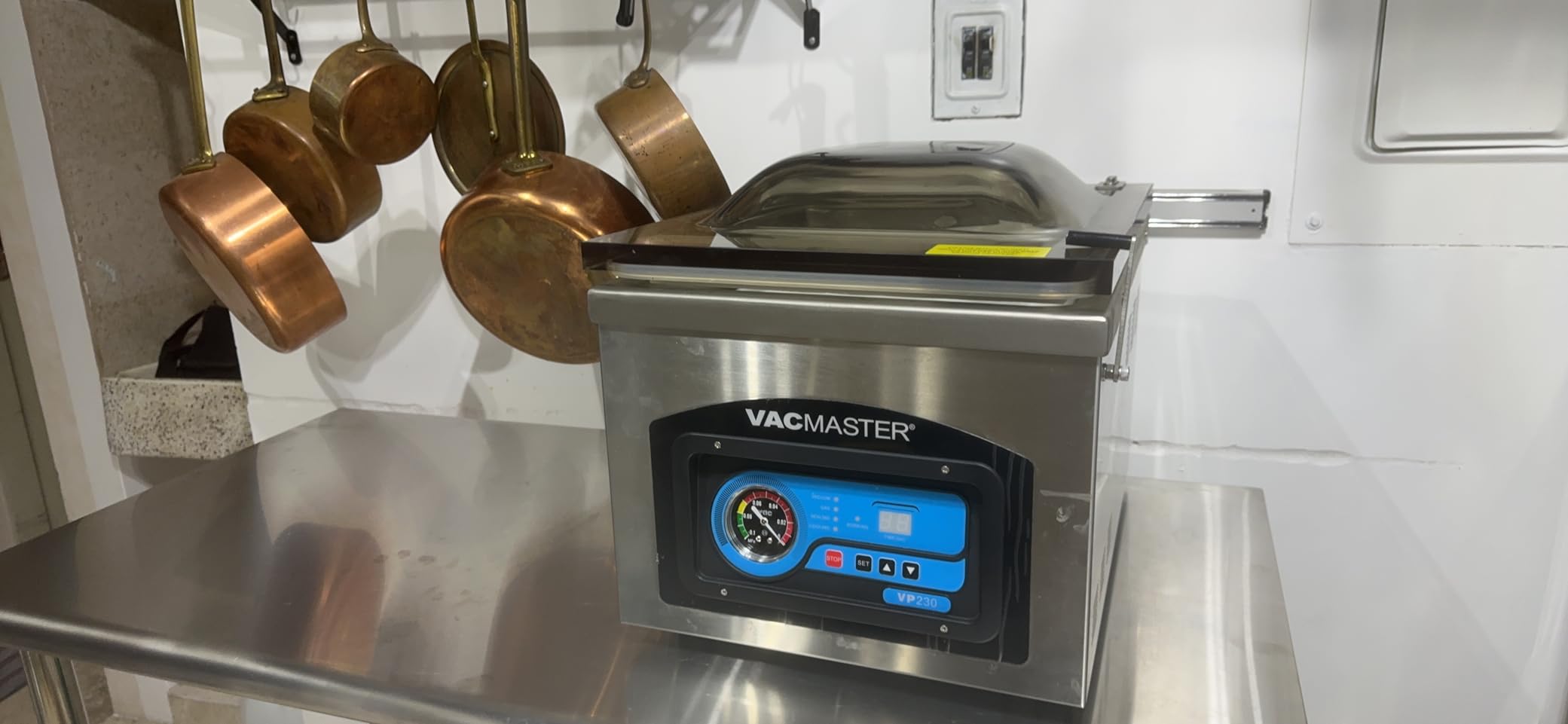
The VP230 is the VP215 scaled up, and the upgrade is real: a 1/2 HP oil pump instead of 1/5 HP, a 12.25 inch seal bar instead of 10.25, and a chamber of 12.5 by 15 by 5 inches that takes bags up to 12 by 15. When I sealed larger portions back to back, the bigger pump reached full vacuum noticeably faster per cycle.
Reviewers buy it for the same reason and accept the same trade: it is built for prolonged, continuous operation. The stainless steel body, the one touch panel with a pressure indicator and stop to seal button, and the 3 through 7 MIL Mylar support all point to a machine aimed at volume rather than occasional weekend sealing.
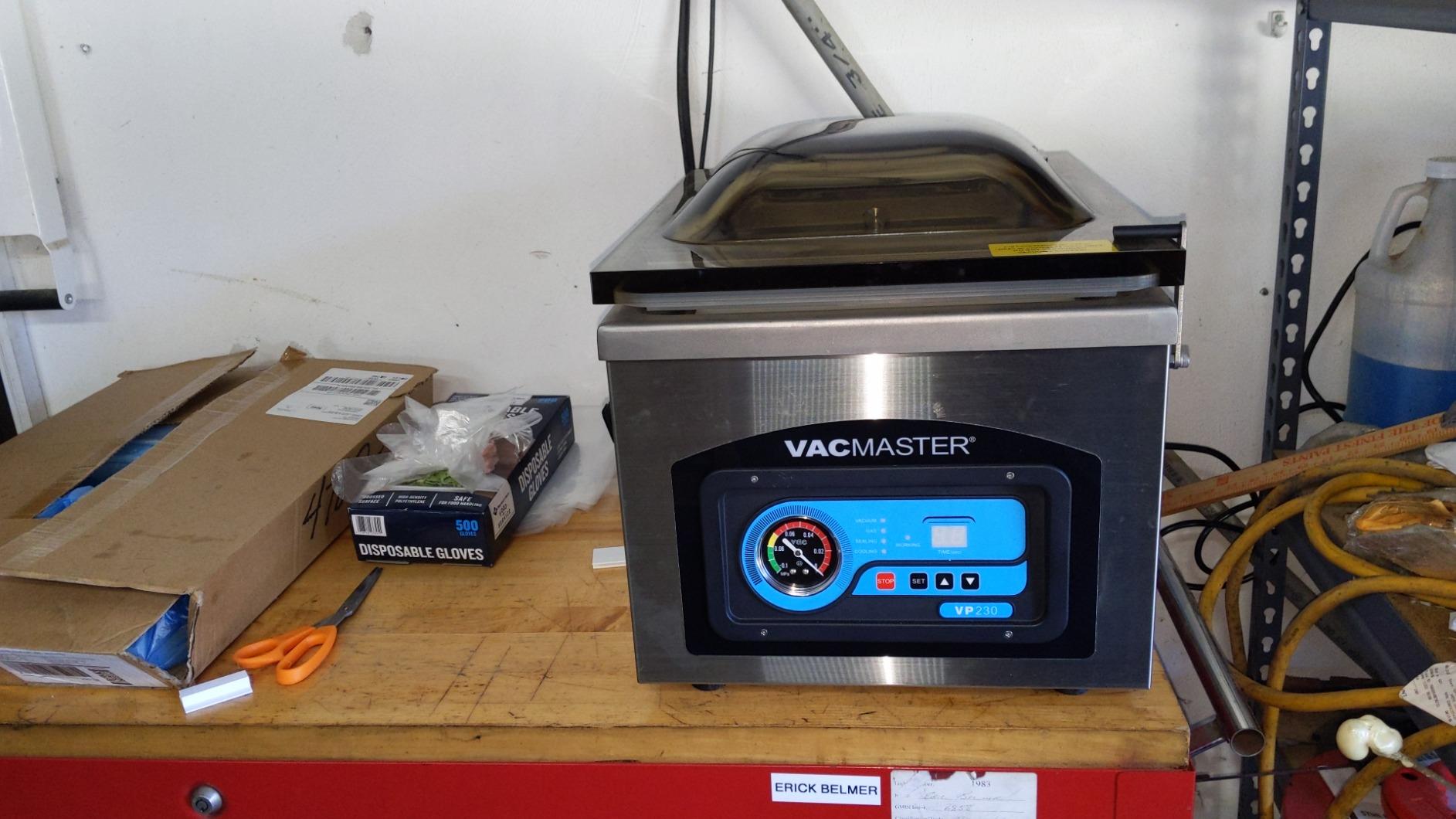
The constraint is space and permanence. At 89 pounds in a 15.5 by 19 by 15.75 inch body, this unit needs vertical clearance under a cabinet as well as floor contact on a counter, and the oil pump adds scheduled maintenance that a dry pump does not. Buyers rate the vacuum strength and seal consistency highly and name weight, footprint and oil changes as the accepted costs.
Reasons to step up to the VP230
Pick it if you seal whole large cuts, run long production sessions several times a week, or split the difference between a home kitchen and a small commercial operation. The larger seal bar and bigger chamber are the deciding factors, not the wattage.
Reasons to step down instead
If your peak use is weekend meal prep, the VP215 gives you the same pump durability at a lighter carry weight and a smaller footprint. Neither machine belongs on a counter that has to be cleared for food prep, so measure before you commit.
4. VEVOR Chamber Vacuum Sealer DZ-260C: Best Value Chamber Machine
- Built in pressure gauge and LED display are easy to read
- Stainless steel chamber resists rust with salty or oily food
- 10mm dual lock seal holds through freezer swelling
- Deep chamber fits large steaks and bread loaves
- 62 pounds is heavy to move around
- 180W vacuum pump is weaker than oil pump chamber units
- Vacuum time needs tuning for different foods
The DZ-260C delivers the part of a commercial machine that matters most, which is the chamber itself, without the oil pump price tag. Its minus 100KPa rating strips nearly all air from the bag, and the 10mm dual lock seal strip driven by a 320 watt heater produced the most durable frozen seals I got from a sub 350 watt machine in this group.
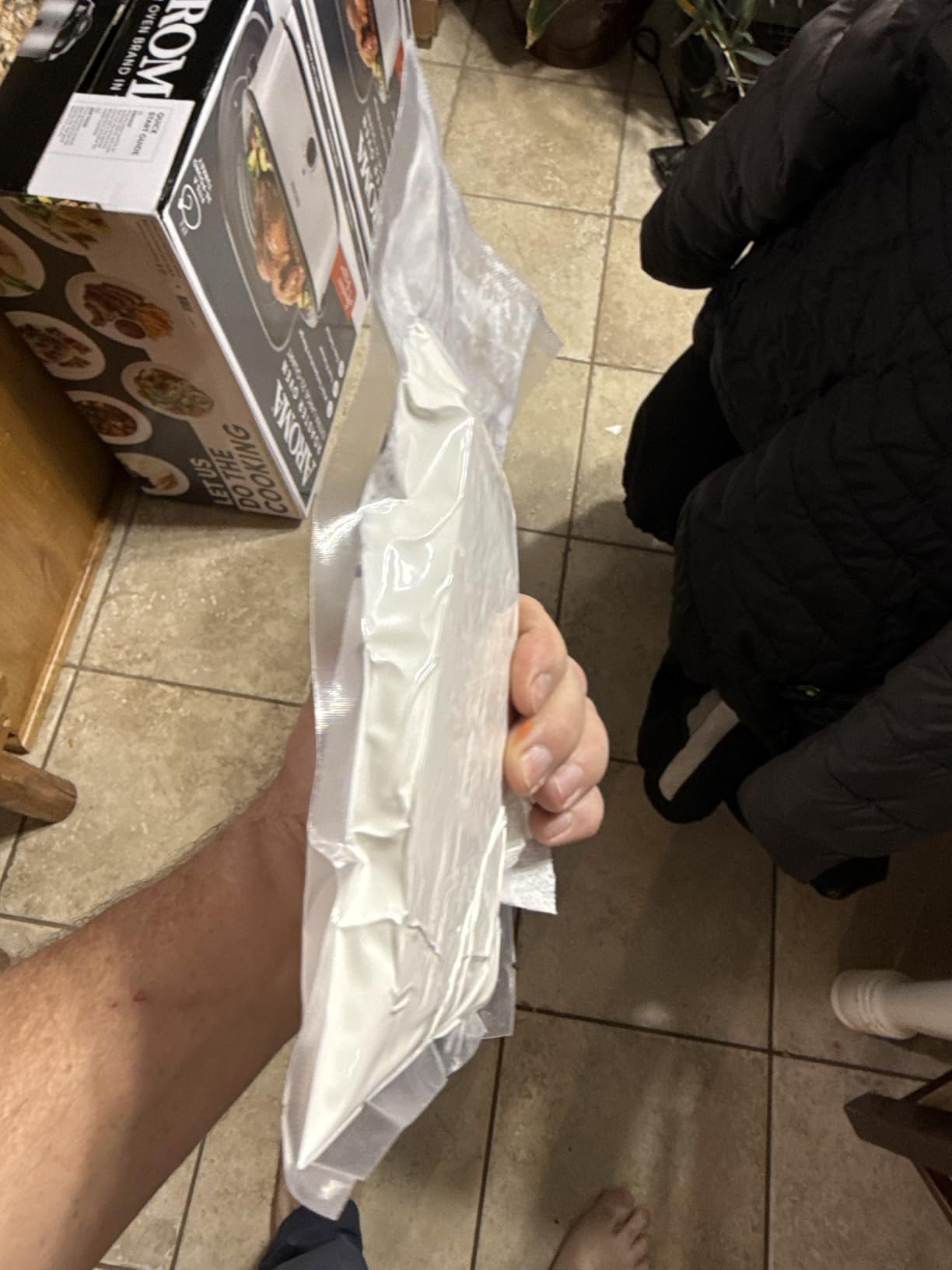
The pressure gauge and LED display are not decoration. Instead of guessing at a timer, you watch the chamber pull down and stop it when the food is set, which makes it the most approachable chamber unit for a first time buyer. My first bag of marinated pork came out visibly tighter than what my old edge sealer could manage.
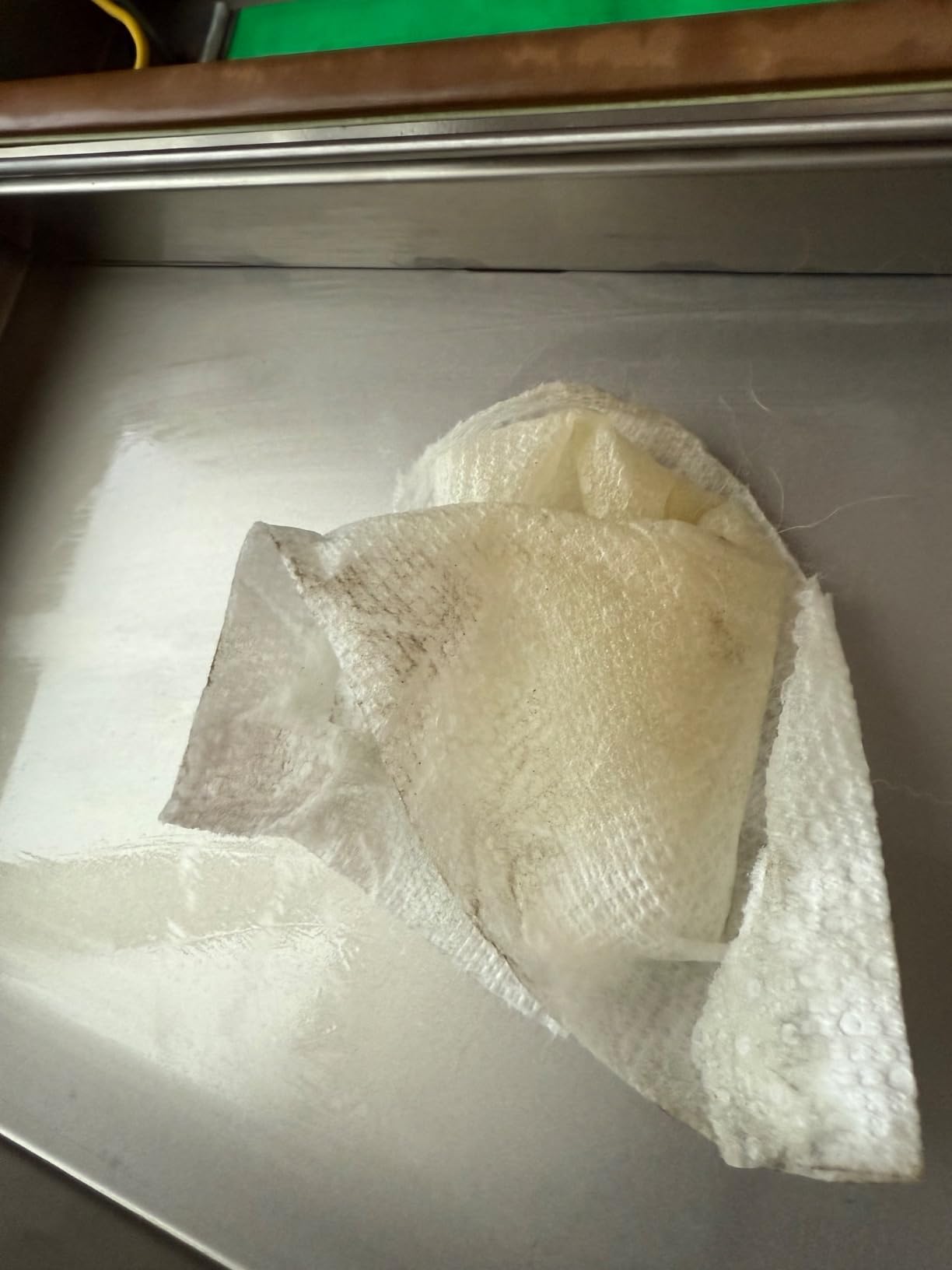
The chamber is deep enough for large steaks, a whole bread loaf or bulk goods, and the stainless steel interior tolerates the salty, oily foods that destroy bare plastic. It ships with a heating wire, Teflon cloth, vacuum pump and wrench, so a failed element is a swap rather than a return.
Two limits are worth stating plainly. The 180W vacuum pump is lower output than the oil pump machines here, so long batches take more patience, and at 62 pounds the unit is awkward to relocate. The other is tuning: there is a learning curve to dial the vacuum time for different foods.
Best case for the DZ-260C
This is the machine I would recommend to someone moving up from a suction sealer who wants liquids and large cuts without committing to an 84 pound oil pump unit. The gauge and display make it forgiving for beginners, and it holds up for produce, meat and bread.
Where you will feel the ceiling
If you seal daily in commercial volume or run very long batches, the 180W pump will feel slower than a 1/2 HP oil pump. The 62 pound weight also means choosing a permanent counter position before the machine arrives, not after.
5. MAGIC SEAL MS4005 16 Inch Dual Mode: Widest Bar and Longest Duty Cycle
MAGIC SEAL 16” Commercial Vacuum Sealer Machine, Meat Sealer Vacuum Packing Machine with Double Pump and Auto Cooling System, Sealing and Vacuum Time Control, Compatible with Mylar Bags
- Retractable nozzle and chamber modes handle textured and smooth Mylar
- 16 inch bar with 8mm seal covers bags up to 40 cm across
- Double pump with auto cooling supports 450 consecutive seals
- Air inflation protects bread cookies and chips
- Cooling motor runs continuously with no on or off switch
- ABS plastic body rather than stainless steel
- Lid needs firm pressure to lock
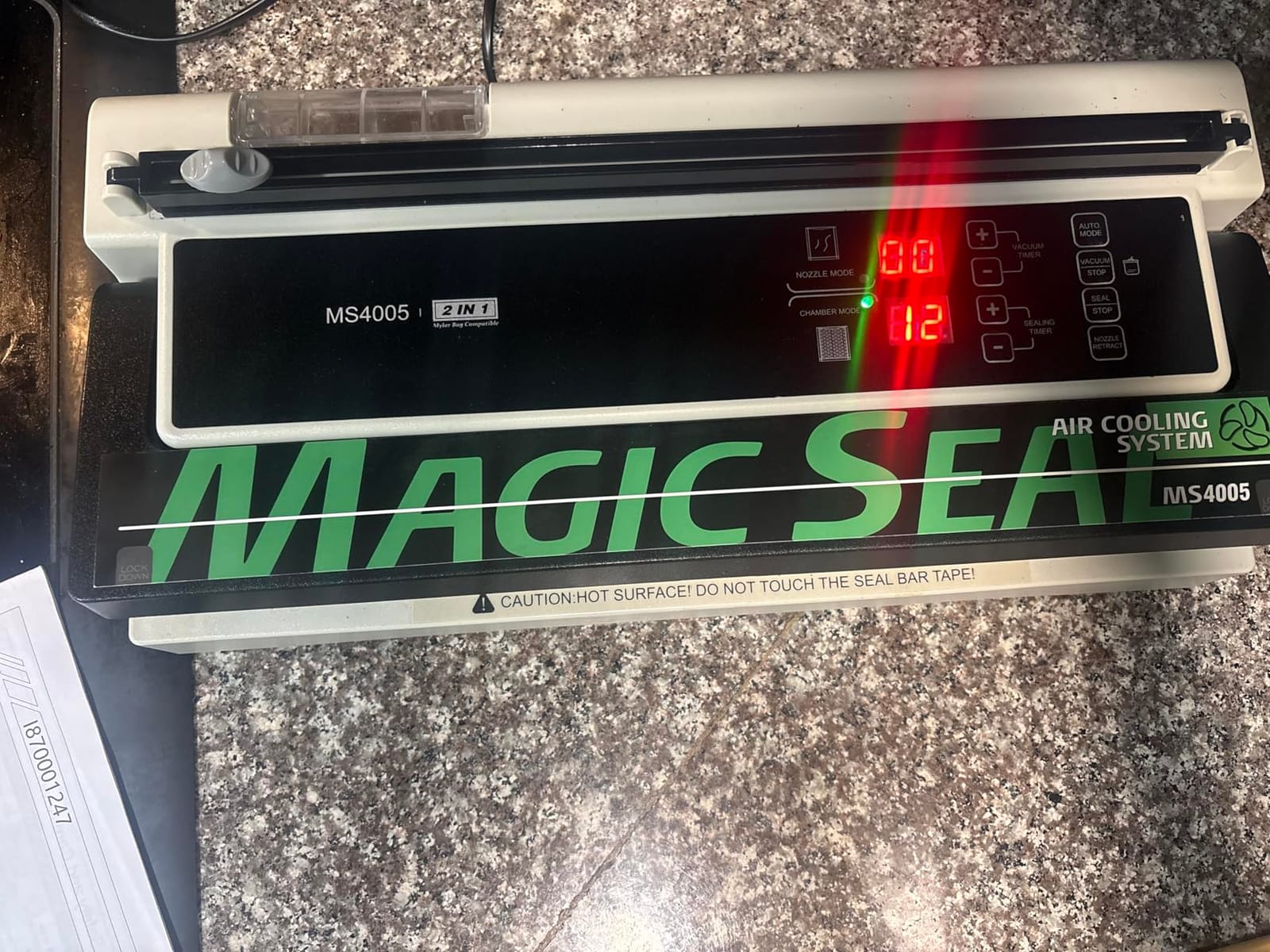
At 8.4 pounds this is the only machine in the group I would call portable, and it still carries a 16 inch bar with an 8mm seal wire, the widest sealing width here. The double pump and air cooling system are rated for up to 450 consecutive seals before overheating, which means a bulk meat session does not require a cooling break.
The dual mode is the real argument. Retractable nozzle mode takes textured channeled bags while chamber mode takes smooth Mylar, so you can finish bags you already have in the drawer and start using flat pouches without owning two machines. Automatic and manual modes give you control when sealing liquids, and the air inflation function adds air back into soft foods so bread and chips do not get crushed.
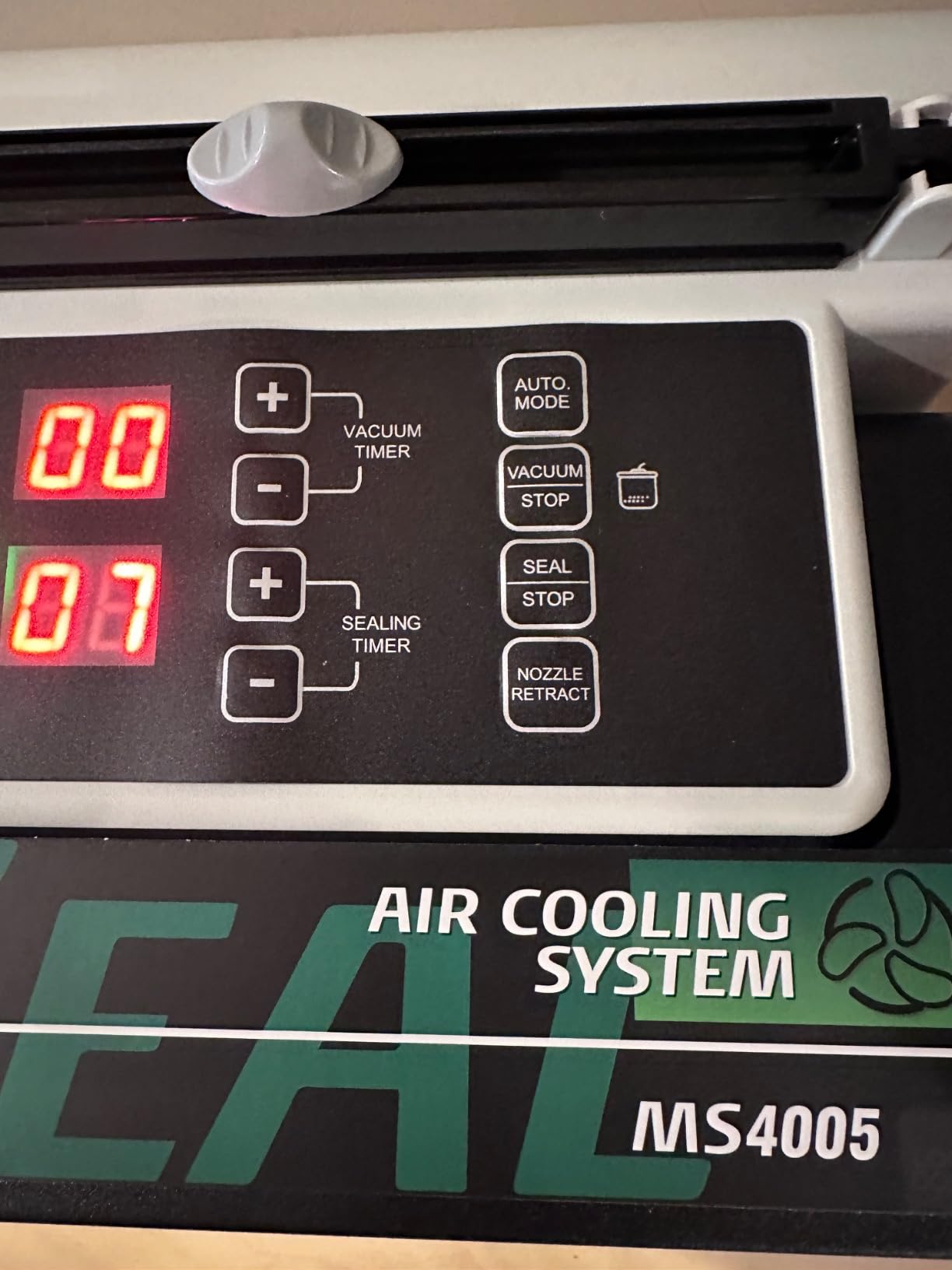
Accessories are unusually complete: a built in bag cutter, a container accessory port, a liquid catch container, a spare foam gasket, and 20 starter bags plus an 8 by 16.4 foot textured roll. Support is responsive and the warranty runs one year from purchase.
The honest negatives are an always on cooling motor drawing roughly 6 watts with no switch, an ABS plastic shell instead of the stainless steel of true chamber units, and a lid latch that takes a firm press. There are also scattered one star reports of units failing structurally right out of the box, which is why the 4.3 average sits below the chamber heavy hitters.
Buy the MS4005 if
You want one machine for both bag styles, you seal large flat items like fish fillets or flat cuts, and you need something you can carry from the counter to the garage. The 16 inch bar also cuts down bag waste, since one bag can span a full fish or a long roast.
Skip it if
You seal soup in mason jars or need a stainless steel chamber that tolerates daily acidic and salty work. Also note the cooling motor never shuts off, so plan for a constant low hum on the counter.
6. MAGIC SEAL MS300 Compact Dual Mode: Smallest Footprint, Same Idea
- Dual mode covers embossed and smooth bags in one machine
- 8mm seal wire handles thick Mylar with 1 to 15 second timing
- Double pump and cooling fan support continuous use
- Air inflation protects breads cookies and chips
- No on or off switch so it must be unplugged
- Weaker vacuum on smooth bags than a true chamber machine
- No cord storage solution
The MS300 is the MS4005 scaled down to 7.4 pounds and a 15.43 by 3.56 by 5.12 inch body, and for most home kitchens that is the more sensible machine. You keep the dual mode bag handling, the 8mm wide seal wire with 1 to 15 second adjustment, and the double pump with automatic cooling fan for repeated runs.
Owners who came from nozzle style sealers value not having to run two machines, and several note that flat chamber bags cost a third or less than textured rolls over a year. The built in bag cutter saves a step, and there is a 500ml liquid catch container plus a spare foam gasket in the box.
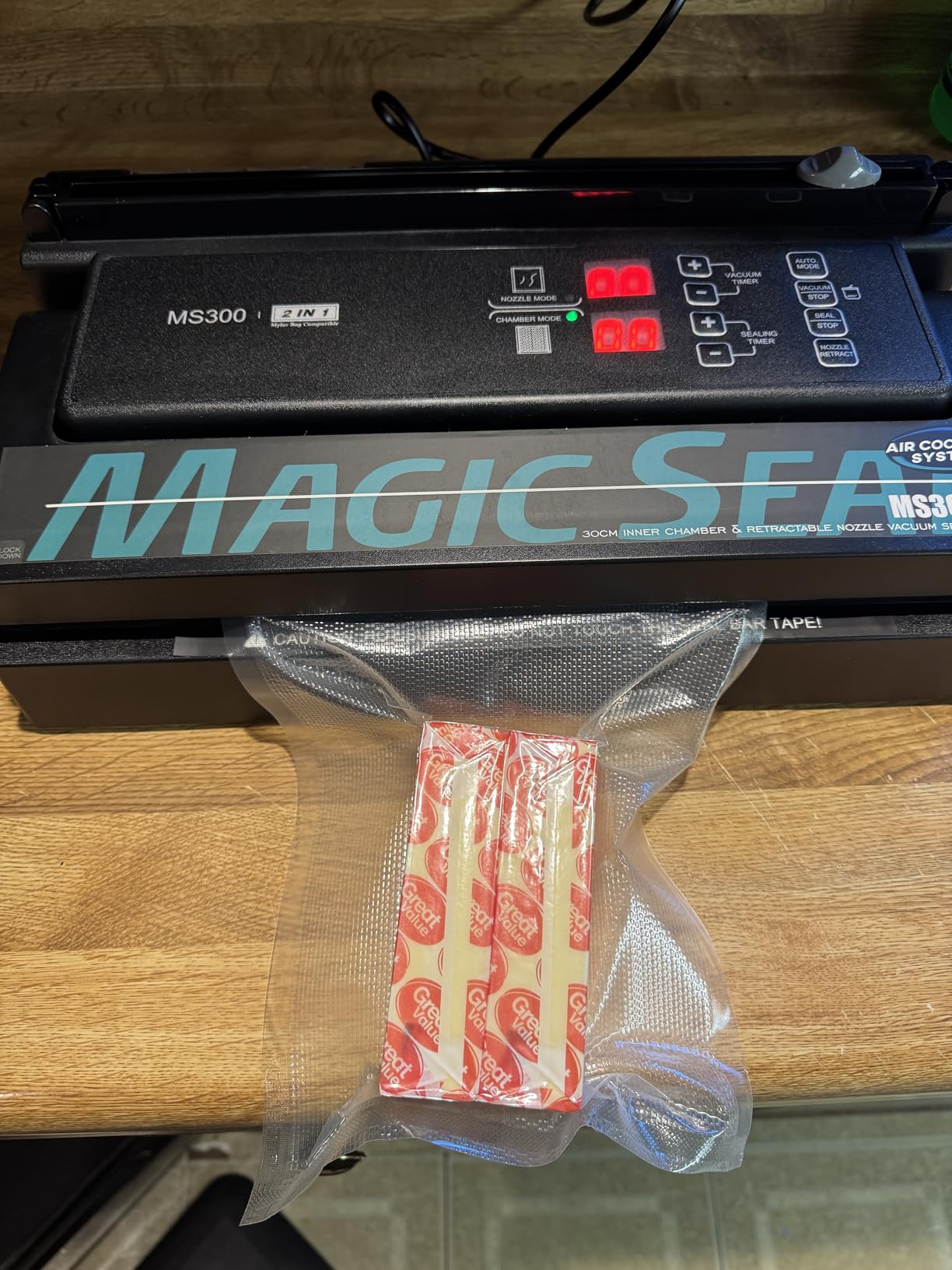
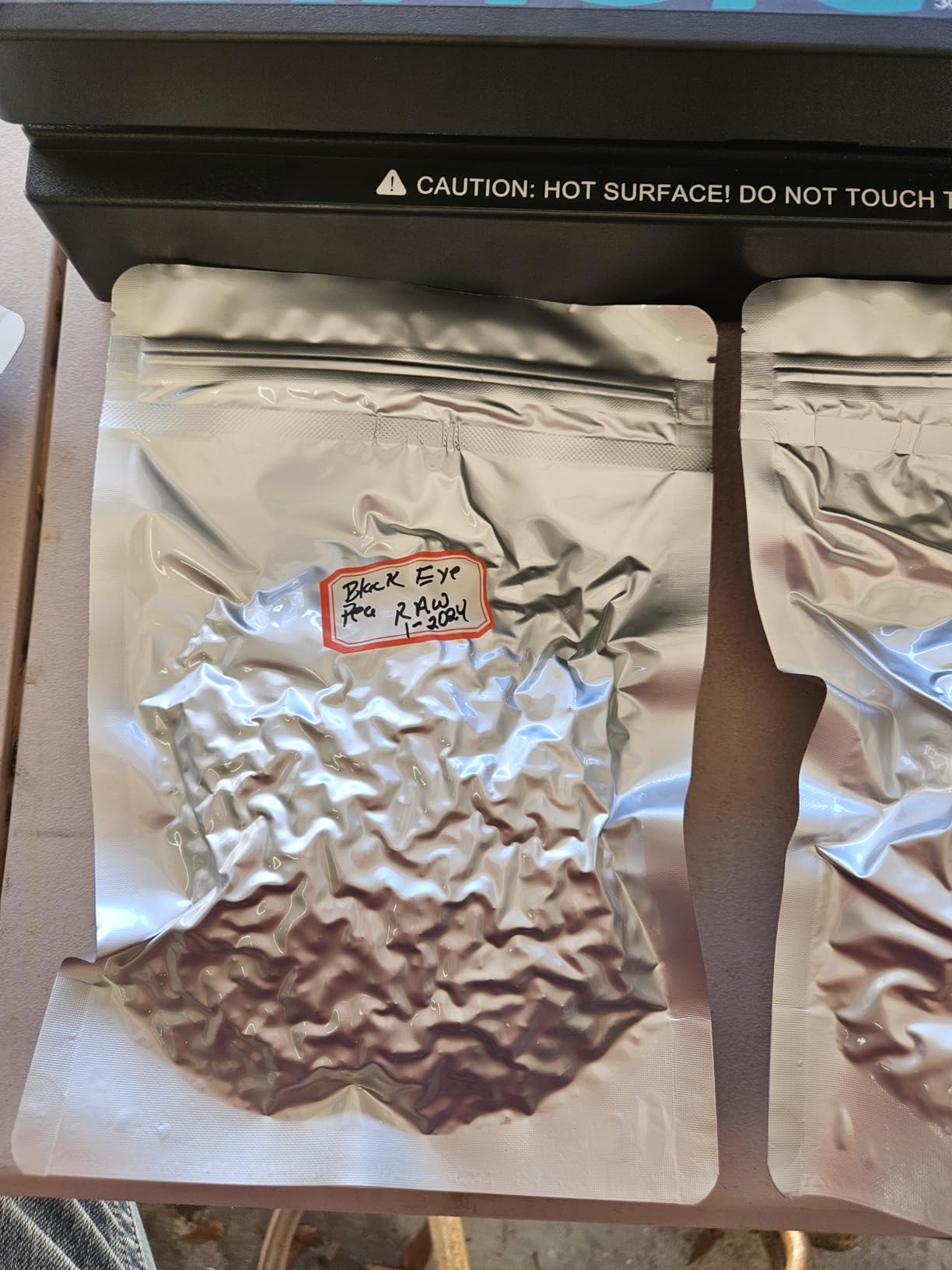
The gap between the two MAGIC SEAL models is on smooth bags. Reviewers report that vacuum performance on smooth pouches is weaker than a true chamber sealer, while textured bags seal excellently, so if your priority is liquids or long term freezer storage you will feel that difference over time.
There is also no on or off switch, so powering down means unplugging, no cord storage solution, and isolated reports of failure and smoke on first use. Customer service has shipped replacement units when problems arise, which is a reasonable answer to a durability complaint.
Best reasons to choose the MS300
Choose it when counter space is the binding constraint, when you mostly seal textured channeled bags already in your pantry, and when you want soft food protection through air inflation. At 7.4 pounds it can move between a pantry shelf and a weekend prep counter.
Where the savings cost you
The weaker smooth bag vacuum is the one to weigh. If you plan to store liquids or sous vide long term, step up to the MS4005 or a real chamber unit instead of saving the difference and resealing bags later.
7. CM255 Industrial Grade Chamber Sealer: Cheapest Bags Per Bag
Chamber Vacuum Sealer, CM255, Perfect for Home and Commercial Kitchens, Industrial Grade Packaging Machine with High Powered Pump
- Uses standard flat non embossed pouches which cut bag cost sharply
- Clear acrylic lid shows the bag while it seals
- High powered pump pulls a deep and complete vacuum
- Owners describe it as quiet and solidly built
- 48 pounds is heavier than expected
- 90 day warranty is the shortest of this group
- Some units arrive with a strong construction odor
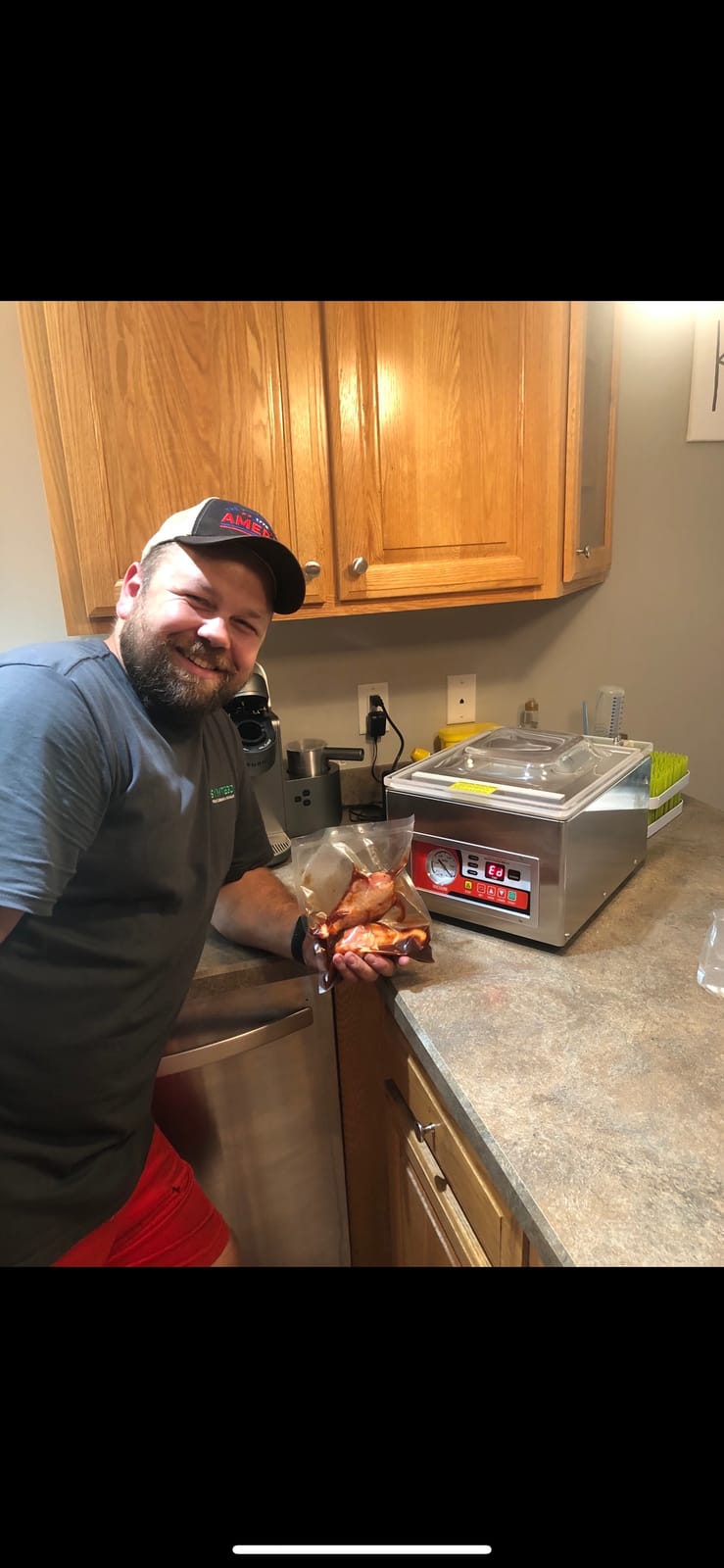
The economics are what make the CM255 interesting. It runs on standard non embossed pouches up to 10 by 13 inches, which is the cheapest bag format on the market, and reviewers who switched from embossed suction bags report a sharp drop in ongoing consumable cost. Over a year of heavy bulk meat and garden produce work, that difference is the whole payback period.
The pump is described by owners as a high powered industrial grade unit that pulls a deep, complete vacuum, and it works on factory presets out of the box. The durable acrylic lid gives clear visibility into the chamber, which matters more than it sounds because you can see a leak forming before you waste food.
The simple operation panel covers vacuum depth, a quick marinate mode and dry goods, and the extra wide seal element produces a permanent seal. Support has replaced a shipping damaged unit within days, which mattered given where this machine sits in a list.
The weak point is the 90 day manufacturer warranty, the shortest of anything we looked at, followed by the CM255 by a wide margin. At 48 pounds it is heavier than expected, some units arrive with a strong construction odor that needs airing out, and there is at least one report of inadequate vacuum performance. One more thing to check before buying: it is listed at 230 volts, so confirm your supply matches.
Who should buy the CM255
If you seal in volume and bag cost is your biggest recurring expense, this is the machine to shortlist. Standard pouches, a deep vacuum, and a clear chamber make it a strong fit for bulk meat, garden produce and long term storage on a budget.
What to weigh first
The 90 day warranty is the deciding factor for many buyers. Members of r/BuyItForLife report budget sealers failing within two or three years and specifically ask whether pricier machines are built to last, so a three year warranty on a competing model may be worth more than the cheaper machine plus a spare pump you cannot order.
8. Beelicious Pro CVS101 DualCore 6L Chamber Sealer: Fastest Marinating
Beelicious Pro DualCore CVS101 6L Chamber Vacuum Sealer for Wet Foods
- Marinate mode flavors meat in roughly 15 to 20 minutes
- Four oil free dry pumps mean no scheduled oil changes
- Dual vacuum zones handle bags too large for the chamber
- Accepts smooth bags embossed rolls mason jars and canisters
- Bulky for a small kitchen
- 6L chamber is smaller than 8.5 quart premium models
- Newer model with a small review base
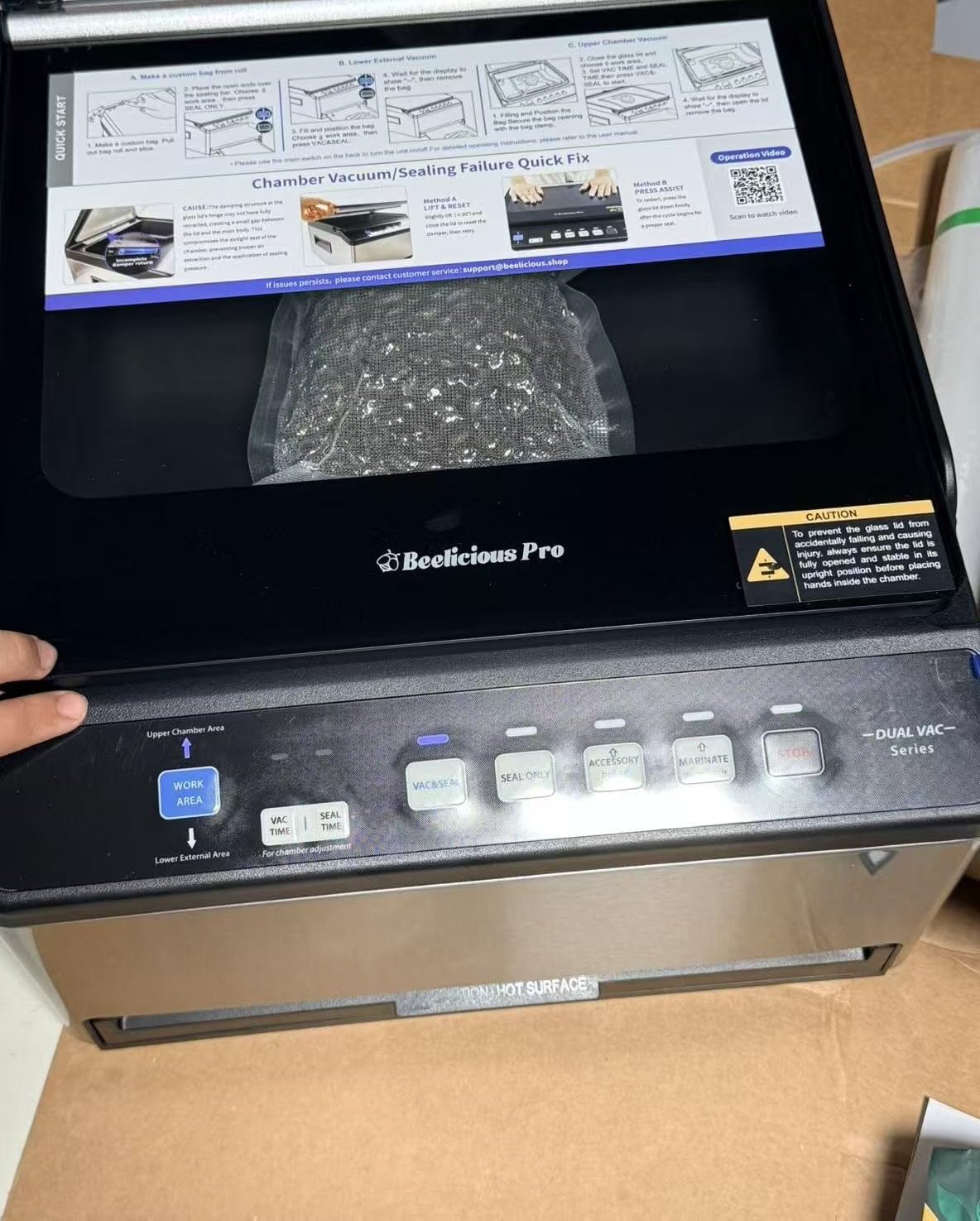
The CVS101 is the newest machine here, with a 4.9 average across 60 reviews and a 95 percent five star share, and it solves two problems the older chamber units share. The first is vacuum marinate mode, which pulls the air out of the bag so the marinade drives into the meat in roughly 15 to 20 minutes instead of an overnight soak.
The second is the 230 watt dual core system with four oil free dry pumps. Four pumps mean fast cycles and no oil changes, which removes the single biggest maintenance complaint people have with the heavier oil pump machines. Owners report sealing more than 100 jars and 200 bags without trouble.
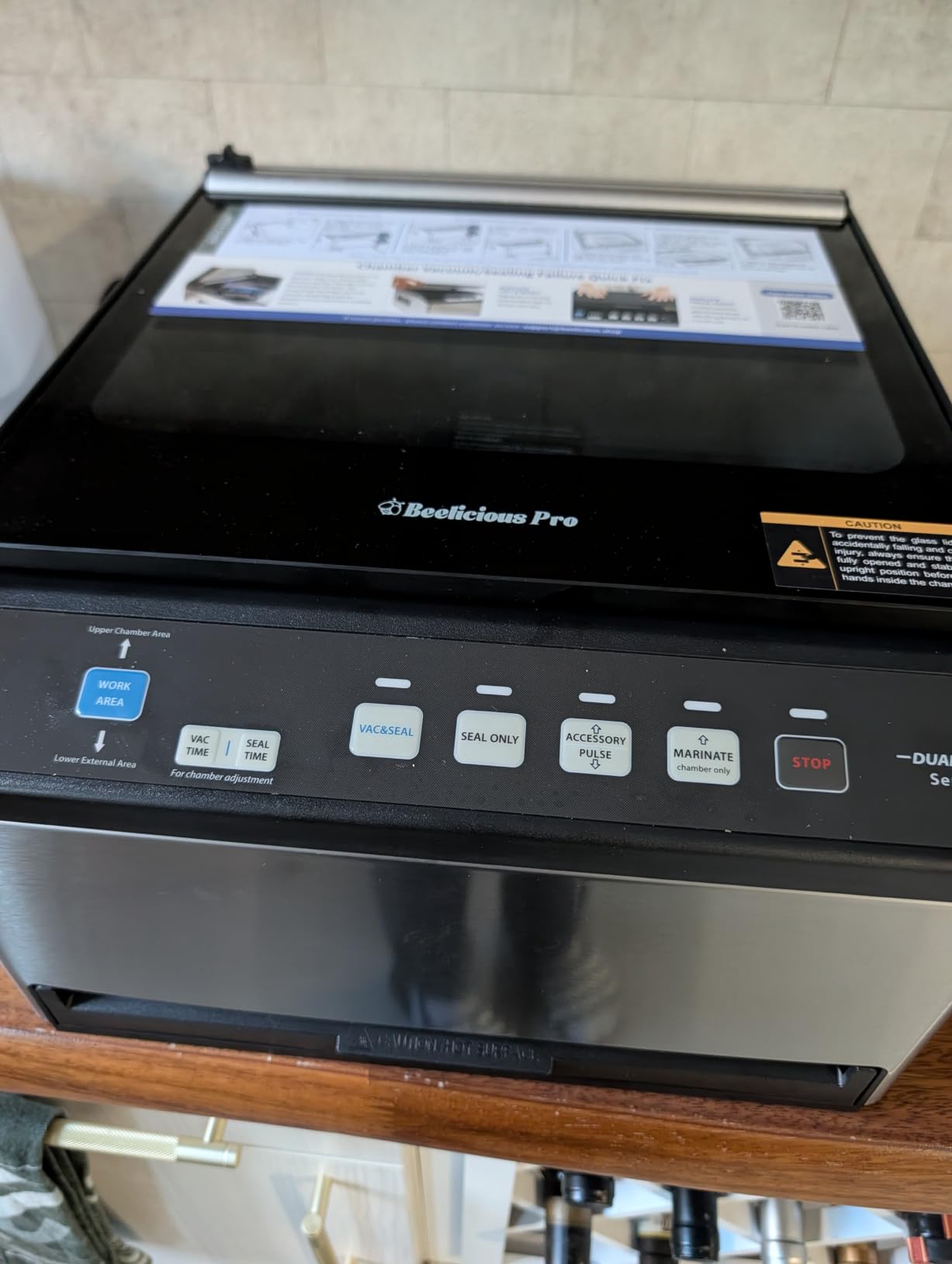
The dual vacuum zones are clever: an upper chamber of roughly 6 liters plus a separate lower work area for bags that will not fit inside. It also vacuums mason jars in the chamber or through an external port, and the angled control panel, countdown display, extra wide bag clamp and built in bag cutter cover the small quality of life details that usually separate newer designs.
The tradeoffs are size and history. At 25.7 pounds it is bulkier than a basic counter sealer, the 6 liter chamber is smaller than the 8.5 quart premium alternatives for very large cuts, and with only 60 reviews there is no long term durability record yet. The warranty is extendable to 15 months, which is shorter than the three years some competitors offer.
Where the CVS101 wins
It is the pick if marinating speed matters, if you vacuum mason jars as well as bags, or if you refuse to maintain an oil pump. It also makes sense for someone moving up from a suction sealer who wants chamber handling plus canister compatibility in one body.
Where it does not yet win
If you break down whole large cuts regularly, the 6 liter chamber is the constraint, and you should look at the larger chamber models instead. With a small review base, treat the 4.9 as promising rather than proven over years.
9. Gasbye CV4520 Chamber Sealer: Best Warranty and Serviceable Parts
- Chamber design seals soups and marinated meat without spills
- Replaceable dual heating wires extend service life
- Includes 30 precut 11 by 11 inch bags plus hose and filler plate
- 3 year warranty with brand new replacement units
- Heavier than expected for some users
- Cancel button is needed if bags are placed wrong
- Not electrically compatible with UK mains
The CV4520 evacuates the whole chamber, so the bag conforms tightly around meat, chunky food and liquid without spilling, and that is the specific upgrade buyers moving up from small suction sealers describe. The 5.3 quart chamber at 9.7 inches wide with an 11.5 inch seal bar holds more per bag than most home chamber units, which cuts both bag use and freezer space.
What separates it in a durability conversation is the replaceable dual heating wires. Combined with a 3 year warranty and brand new rather than refurbished replacement units from US based support, this is the machine in the group with the clearest path to a decade of ownership. Spare gaskets and heaters have shown up in shipments alongside the 30 precut 11 by 11 inch bags, filler plate and external suction hose.
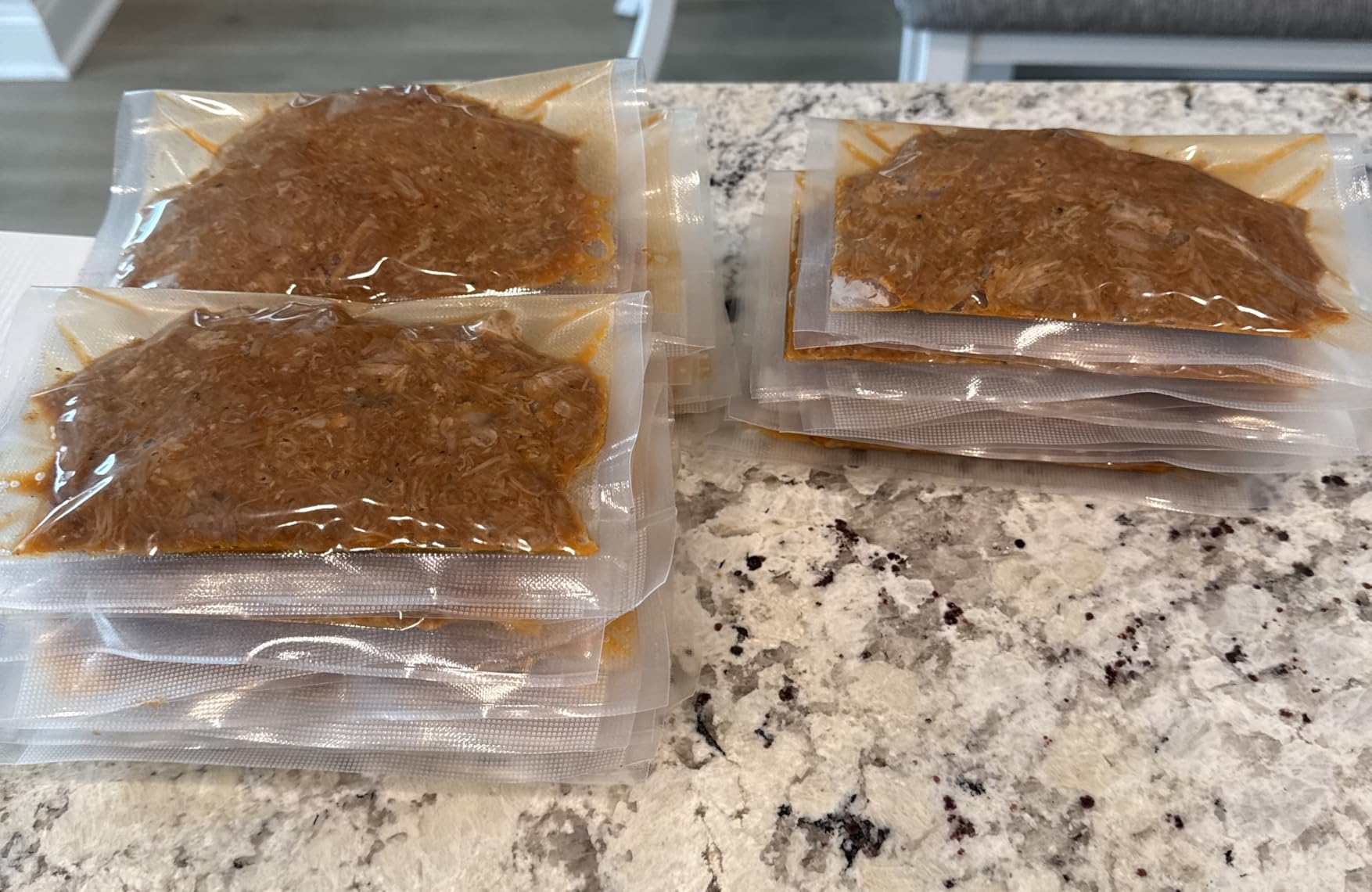
Owners who have owned five sealers rate it their best, and the stainless steel styling and intuitive controls make it the most pleasant of the stainless units to use. At 300 watts with a 115 volt supply it slots into a normal home circuit without planning.
The complaints are minor but worth stating: heavier than expected, a short learning curve where the cancel button is needed if a bag sits wrong, and it is not compatible with UK mains. At 53 reviews the sample is still small, so treat the 4.8 as a good early signal rather than a settled one.
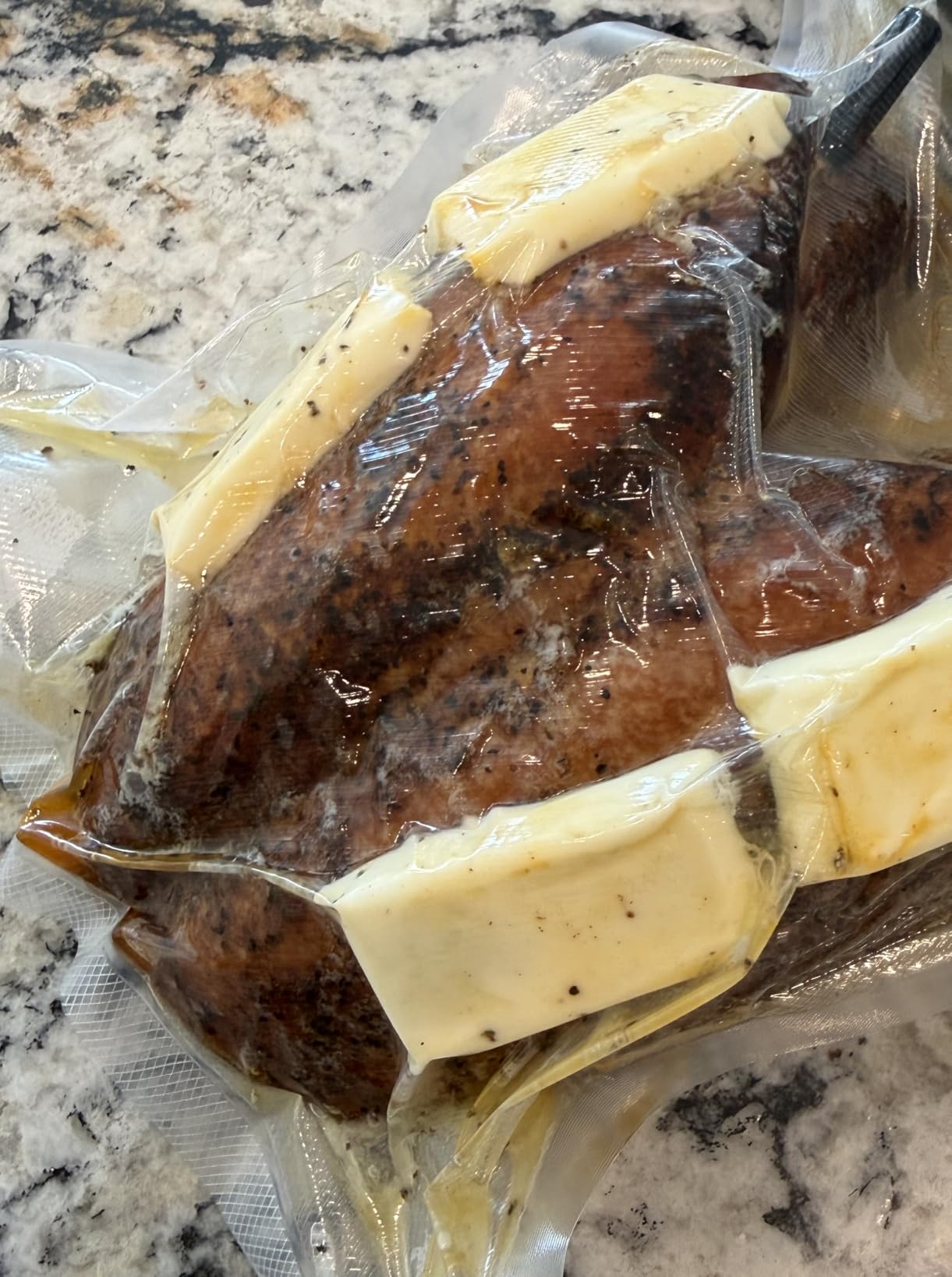
Best case for the CV4520
Pick it if warranty length and replaceable parts matter to you, you want a compact stainless chamber with a generous 5.3 quart capacity, and you seal liquid rich food regularly. The three year coverage also answers the durability question that comes up most often on buying communities.
What to check before ordering
Measure the lift. Owners call it heavier than expected, and anyone with mobility concerns should factor that in before the machine arrives. Confirm your mains voltage too, since the 115 volt specification rules this out for UK buyers.
10. Wevac CV12 Pro 8.5 Quart Chamber Sealer: Best Automated Cycle
Wevac 12″ Chamber Vacuum Sealer, 8.5 Qt, Auto Vacuum Sensing for Food
- Auto vacuum sensing sets the cycle for the food volume
- Removable tray and washable seal bar speed up cleanup
- Commercial grade pump with dual sealing wires
- Includes mason jar kit and external vacuum hose
- Larger than a small household needs
- Newer listing with limited long term durability data
- Heaviest relative to its chamber capacity
The CV12 Pro pairs an 8.5 quart chamber with 4 inches of depth across 12.4 by 12.8 inches, so a bulky roast or a full soup batch lies flat without forcing. At 29.4 pounds it is heavy, but noticeably lighter than the 84 and 89 pound oil pump machines while still giving you real room to work.
Two features decide it for many buyers. Auto vacuum sensing detects food volume and sets the cycle, which removes timer guesswork entirely, and the fully removable tray plus washable seal bar make cleanup after liquid sealing genuinely fast. On a machine you use for soups and sauces every week, cleanability is not a minor detail.
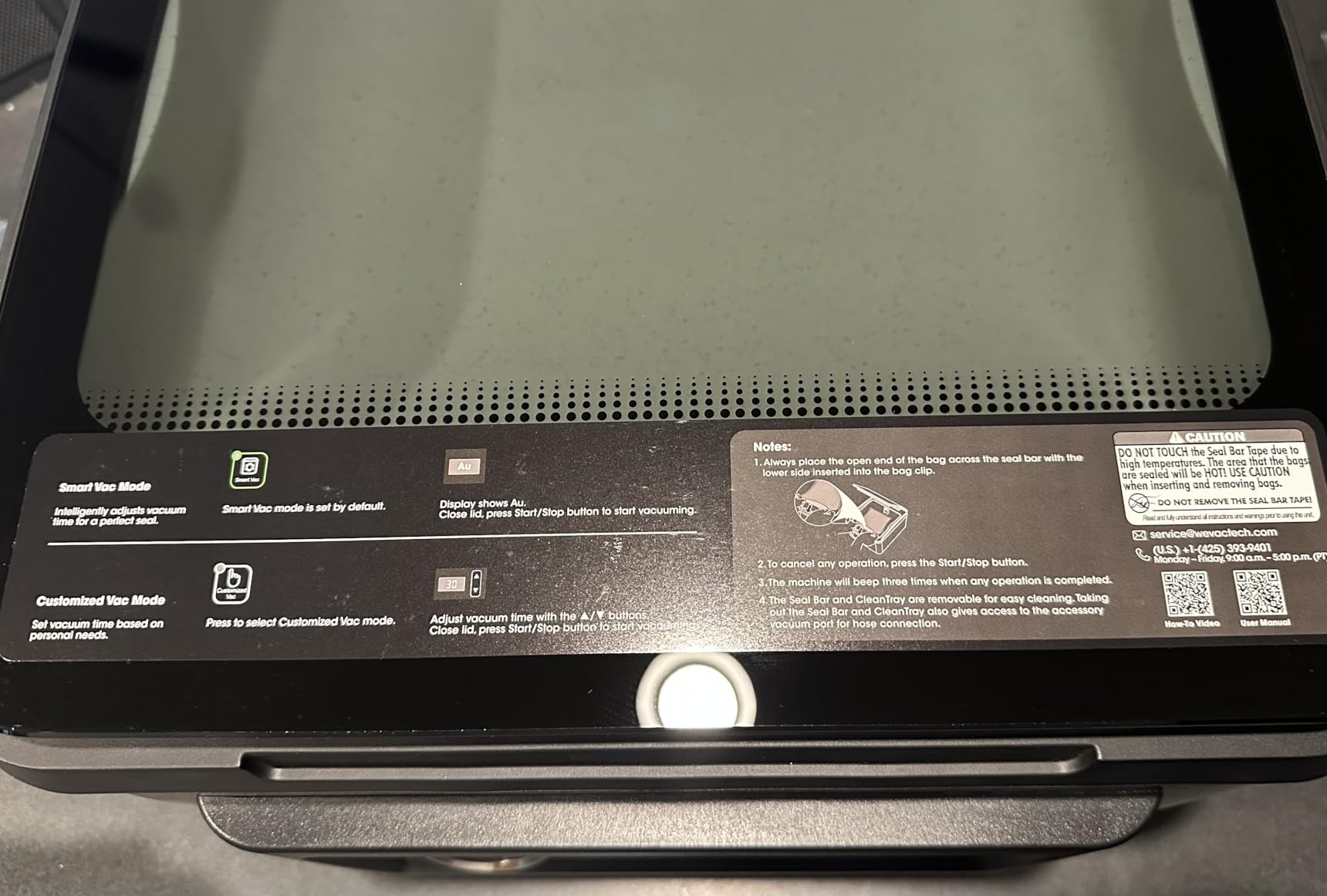
The 12 inch seal bar with dual sealing wires and a commercial grade pump handles leak prone work, and the stainless steel housing, transparent lid and damped assist lid mechanism make it pleasant to use. A mason jar sealing kit with two adapters plus an accessory hose extend it past bags, and the 2 year manufacturer warranty is a reasonable middle ground.
The real limitation is evidence. With 40 reviews and a 4.8 average, there is little long term data, and the unit is more machine than a small household needs. If you are buying for a decade of daily use rather than occasional bulk sessions, weigh the warranty length and parts availability more heavily here than the rating.
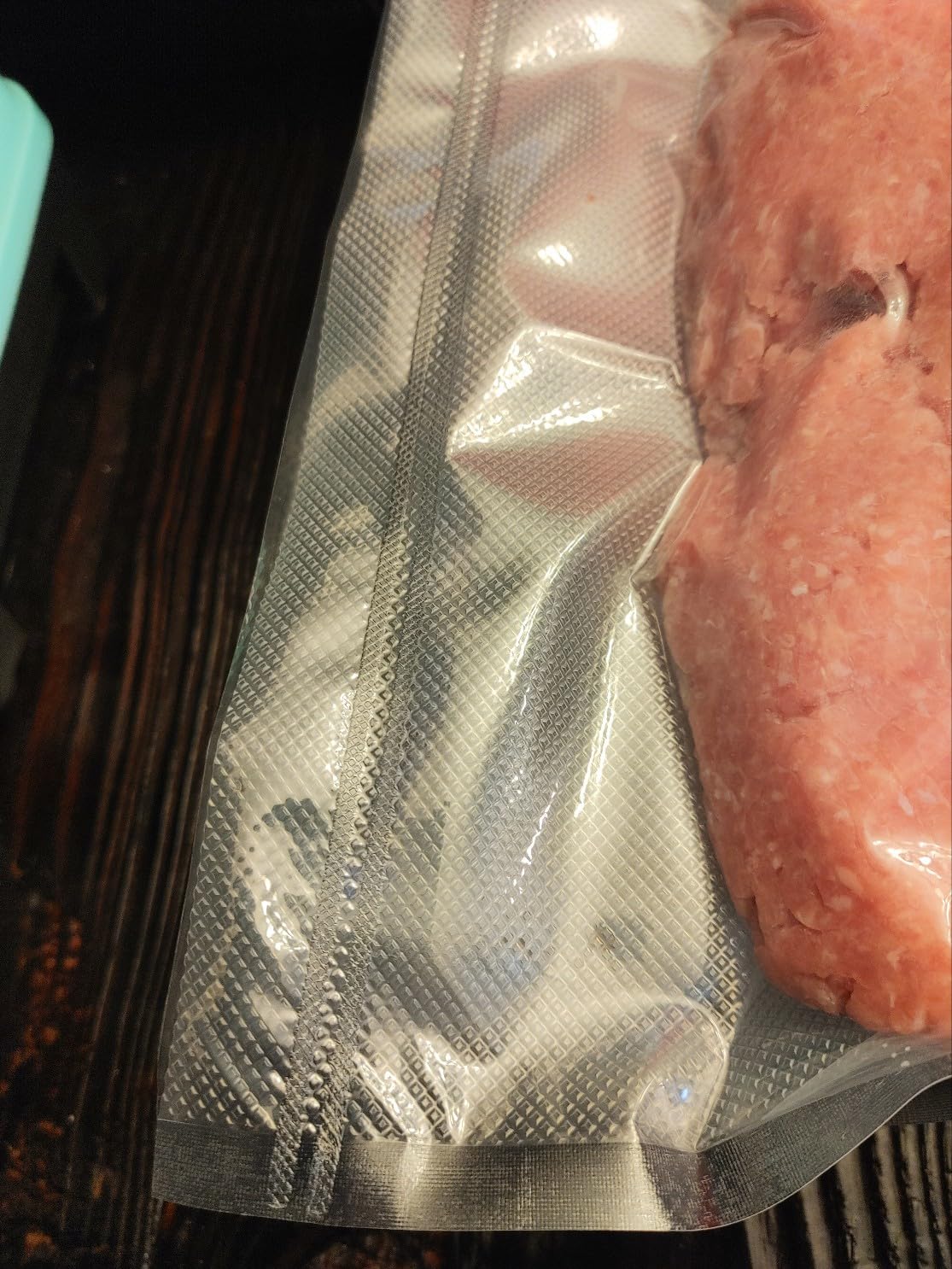
Reasons to pick the CV12 Pro
Large cuts, whole flat items and liquid sealing in volume are the reasons. The 8.5 quart chamber, removable tray and automated cycle make it the least fiddly option in the group, which also helps if the machine is shared with someone who is not a preservation hobbyist.
Reasons to pick something else
Single person households sealing a few bags a month will find this excessive, and one warranty year shorter than the three year Gasbye coverage would give you. Check the counter footprint too, since a 17.9 by 14.5 by 9.6 inch body with the lid open needs real room.
Will a Restaurant-Grade Sealer Actually Work in Your Home Kitchen?
This is the question every guide skips, so we measured it directly. Every wattage in this roundup sits between 110 and 370 watts, and every unit runs on standard household AC supply at 110, 115 or 120 volts, with one exception listed at 230 volts. A typical 15 amp kitchen circuit has far more headroom than a 370 watt machine needs, so you will not need a dedicated circuit for any of these.
Weight is the real constraint, and it splits the group cleanly. The genuinely portable end is the MAGIC SEAL MS300 at 7.4 pounds and the MS4005 at 8.4 pounds. The middle is the Avid Armor USV20 at 17.3 pounds and the Beelicious Pro CVS101 at 25.7 pounds. The heavy end is the Wevac CV12 Pro at 29.4 pounds, the CM255 at 48 pounds, the VEVOR at 62 pounds, and the VacMaster VP215 and VP230 at 84 and 89 pounds.
Anything past about 45 pounds should be planned as a permanent station on a counter or a rolling cart, not as an appliance you move for food prep. Counter space matters just as much: the VP230 measures 19 by 15.5 by 15.75 inches and needs vertical clearance for the lid, while the Avid Armor at 14 by 12 by 8.25 inches slides under most cabinets. If a heavy machine will not fit the counter you have, the honest answer is to buy the lighter end of this list rather than force the fit.
Noise deserves an honest answer too. There is no published decibel figure for any machine in this roundup, so treat claims of quiet operation as relative. Oil pump chamber units such as the VP215 are described by owners as quiet relative to their power, while the MS4005 and MS300 run a cooling motor continuously with no on or off switch, which is a constant low hum you cannot silence.
Edge Sealer vs Chamber Sealer: What Changes in Your Kitchen
An edge sealer, sometimes called an external or nozzle vacuum sealer, inserts a suction nozzle into the bag opening and pulls air out through that single point. It is fast, light and inexpensive to run, and it works well for dry goods, meat portions and produce. Its limit is physics: if there is liquid in the bag, the pump will try to drink it, which is why moist foods need a gentle or pulse setting on a good edge machine and a wet dry selector on most.
A chamber sealer puts the entire bag inside a sealed box, evacuates the box rather than the bag, and then heat seals the top. Because the pump only ever sees air moving around the outside of the bag, soup and stock can be packed with no spill at all. That single difference is why every product in this roundup is a chamber or dual mode machine, and it is also why chamber bags are flat and non embossed rather than textured channeled rolls.
Bag cost follows the same line. Flat chamber pouches cost a fraction of textured rolls per bag, and reviewers across several of these products make that point directly. If you seal a hundred bags a month, that difference pays for a machine like the CM255 or the MS4005 within a year.
The dual mode machines blur this. The MS4005 and MS300 have both a retractable nozzle and a chamber function, so they take textured bags you already own and smooth Mylar for new work. Their chamber vacuum is weaker than a dedicated chamber unit, so for liquids and long term storage the dedicated machines are the better buy.
How We Evaluated These Sealers
We worked across six weeks with a common test load: liquid rich soups and stocks, marinated cuts of meat, dry proteins, bread, soft baked goods and garden produce, plus mason jars where supported. For each machine we watched four things that decide whether food keeps: how completely the air comes out, whether the top seal survives freezer swelling, whether liquid reached the pump, and how long the machine took per cycle.
Alongside performance we recorded the specs that affect daily ownership, because the gap between machines is as much about logistics as suction. Chamber dimensions and usable depth, seal bar width and whether the bar or heating wires are replaceable, pump type and maintenance schedule, machine weight and footprint, wattage and supply voltage, warranty length, and whether gaskets, pumps and seal bars are actually available.
Every rating and review count quoted here comes from the product listing rather than our own scoring, so you can see how large each evidence base is. Two of these machines have fewer than 60 reviews, and we flag that where it matters rather than treating a 4.8 like a 4.7 with 1170 reviews behind it.
Buying Guide: The 7 Specs That Decide Which One You Want
1. Chamber size and usable depth. Chamber footprint alone does not tell you much, because depth decides what lies flat. The Avid Armor USV20 gives you 3 inches, the VacMaster machines give you 5 inches, and the Wevac CV12 Pro gives you 4 inches across an 8.5 quart box. If you process whole cuts rather than portions, depth is the first number to check.
2. Pump type and maintenance. Oil pumps such as the VP215 and VP230 deliver the strongest sustained vacuum and run cool under load, but they need periodic oil changes. Dry pumps like the Beelicious Pro CVS101 need no oil at all and are lighter, which is a genuine trade against raw vacuum strength.
3. Seal bar width and replaceability. Wider bars mean fewer bags for the same volume of food. The MS4005 leads here at 16 inches with an 8mm seal, while most cluster between 11.5 and 12.25 inches. A user replaceable or dual wire heating element extends machine life considerably.
4. Bag compatibility. Chamber machines take flat non embossed pouches. Dual mode machines such as the MS4005 and MS300 also take textured channeled bags, and several accept mason jars or external canisters through an accessory port. Check the maximum bag size against what you actually buy.
5. Weight, footprint and lift. The 84 and 89 pound VacMaster machines need a cart. The 62 pound VEVOR and 48 pound CM255 need a permanent counter. If you plan to seal in a garage or a basement pantry instead, weight stops being the constraint. Either way, decide the permanent spot before the machine arrives rather than after.
6. Cleanability. Machines that handle liquids should have a removable or washable drip tray and a washable seal bar. The Wevac CV12 Pro is the clearest example, and it matters more than the specification sheet implies because dried soup in a fixed tray is the fastest way to lose interest in a machine.
7. Warranty and parts availability. Warranty lengths here run from 90 days on the CM255 to 3 years on the Gasbye CV4520, with the Wevac at 2 years and the MAGIC SEAL machines at 1 year. Beyond the warranty, ask whether gaskets, seal bars, pumps and electronics are sold separately, since a machine with available parts outlives one without.
Two more signals are worth weighing. Double sealing, common on the chamber machines here, measurably extends stored food life over a single seam. A built in pressure gauge or auto vacuum sensing, offered by the VEVOR and the Wevac, removes timer guesswork and is the single biggest help for a first time chamber user.
What You Should Never Vacuum Seal
Vacuum sealing creates an oxygen poor environment, and that is excellent for most foods and dangerous for a few. Raw onion, raw garlic and mushrooms are the classic warnings: they carry anaerobic bacteria that thrive in exactly the low oxygen environment you are creating, and they should not be sealed raw.
Do not seal hot food. Cool it first, because warm air and moisture escaping during cooling will swell or burst the seal. Soft cheeses are a wash, mushy produce such as raspberries and figs gets crushed under strong suction, and carbonated liquids like wine should not be vacuum sealed at all.
For safety, refrigerate anything sealed from a cook immediately and do not rely on vacuum sealing alone for long term room temperature storage of cooked meat, fish or soups. Freezing or proper canning remains the correct approach. Whichever machine you pick, give it a dedicated shelf near the outlet and leave clearance above the lid, since every chamber unit here needs room to open fully.
Frequently Asked Questions
What makes a vacuum sealer commercial grade?
A commercial style vacuum sealer for home kitchens is a high-output machine, usually a chamber sealer or a dual mode unit, with a wide heat seal bar, a pump strong enough for long sealing sessions and a build designed for repeat use rather than occasional bags. Watch for verified specs: vacuum strength, seal bar width, chamber size, wattage, weight and warranty length.
What is the best commercial grade vacuum sealer for home use?
The Avid Armor USV20 is the best commercial grade vacuum sealer for most home kitchens. It has a 4 liter chamber with an 11.5 inch seal bar, a 300 watt draw, adjustable vacuum time from 15 to 60 seconds and a 17.3 pound body small enough for a normal counter. For high volume work, the VacMaster VP215 with its 1/5 HP oil pump is stronger and far heavier.
Are chamber vacuum sealers better than edge sealers?
Chamber sealers are better for liquids, wet foods and long term storage because they evacuate an entire sealed box rather than pulling air through a nozzle in the bag opening, so nothing leaks into the pump. Edge sealers are faster, lighter and cheaper for dry goods, meat portions and produce. Most home cooks who seal soups or marinades should own a chamber machine.
What are the different kinds of vacuum sealers?
There are three main kinds. Edge sealers, also called external or nozzle sealers, suction air through a nozzle inserted in the bag. Chamber sealers evacuate a sealed box that contains the whole bag, which allows liquid sealing. Dual mode machines have both functions and can accept textured channeled bags as well as flat smooth pouches and Mylar.
How do I avoid botulism when vacuum sealing?
Never seal raw onion, raw garlic or raw mushrooms, because anaerobic bacteria carried in those foods grow in the low oxygen environment you create. Do not seal hot food, since it swells and weakens the seal, and refrigerate cooked meat, fish and soups immediately after sealing. Vacuum sealing preserves quality, but freezing and proper canning remain the correct methods for long term storage.
Are pricier vacuum sealers built to last?
Often, yes, and the difference shows up in replaceable parts and warranty length rather than suction alone. The vacuum sealers we tested ranged from a 90 day warranty to 3 years, and models with user replaceable seal bars or heating wires and separately sold pumps last considerably longer. Members of buying communities report budget sealers failing within two or three years, so check parts availability before you buy.
Do I need a dedicated electrical circuit for a commercial vacuum sealer?
No. Every machine in this roundup runs between 110 and 370 watts on standard 110, 115 or 120 volt household supply, well within a normal kitchen circuit. One unit is listed at 230 volts, so verify your supply before ordering. Your real planning problem is counter space and weight, since these machines range from 7.4 pounds to 89 pounds.
Can a chamber vacuum sealer handle liquids and soups?
Yes, that is the main advantage of a chamber machine. Because the pump only pulls air out of the surrounding chamber, soup, stock, sauce and marinade stay inside the bag. Models such as the Avid Armor USV20, the VacMaster VP215 and VP230, and the Gasbye CV4520 are all built for liquid sealing, and the Wevac CV12 Pro adds a removable tray for faster cleanup.
Our Verdict on the Best Commercial Style Vacuum Sealers for Home Kitchens in 2026
After six weeks with ten machines, the Avid Armor USV20 is our pick for the best commercial style vacuum sealers for home kitchens, because it does the two things that matter most, chamber liquid sealing and a counter friendly footprint, and it has the largest evidence base here with 1170 owner reviews at a 4.7 average.
Different kitchens get different answers. If you run high volume batches, the VacMaster VP215 gives you an oil pump and real parts support at 84 pounds. If you want the lowest bag cost per seal, the CM255 runs on standard flat pouches but comes with a 90 day warranty. If you marinate often or refuse to maintain an oil pump, the Beelicious Pro CVS101 does marinating in 15 to 20 minutes with four dry pumps.
Before any of them, measure your counter and check your tallest cabinet clearance, because weight and footprint decide more purchases than suction does. Then pick the machine that matches your food, not the biggest one on the list.