
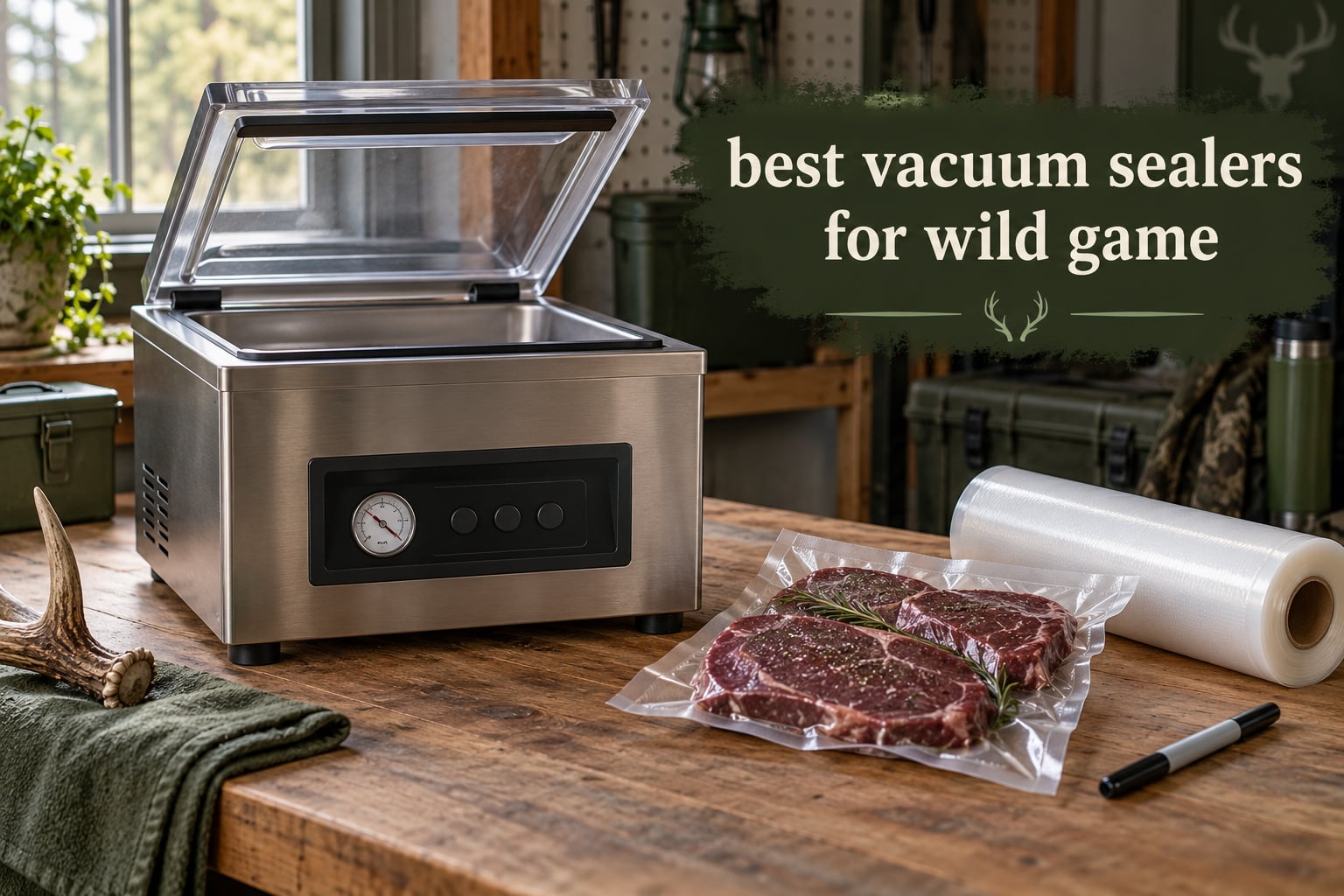
A whitetail deer yields somewhere between 100 and 200 pounds of usable meat after field dressing, and an elk or moose can double that. If you are picking the best vacuum sealers for wild game, the deciding factor is not watts or brand prestige. It is whether the machine can pull a full vacuum from a bag holding blood, juice and marinade without dragging that liquid into the seal bar.
That single failure mode is what separates a machine that survives a deer season from one that ends up with two dozen freezer bags of half-sealed venison going fuzzy in the chest freezer by February. We went through the current crop of countertop vacuum sealers, chamber sealers and hybrid units side by side, weighed the specs against real hunter workflows, and sorted out which ones earn a permanent spot on a processing bench.
Our short version: a chamber vacuum sealer is the right answer for most hunters processing multiple animals, and an external vacuum sealer is enough if you are putting up a few pounds at a time or working in a small kitchen with no counter space to spare. The picks below cover both camps, plus a couple of units that do something neither category name suggests.
We also spend time on the things that go wrong quietly. Bag economics over a season, the electrical requirements nobody prints on the box, and the list of things you should never put through a vacuum sealer at all.
Table of Contents
Chamber vs External Vacuum Sealers: What Hunters Actually Need
A chamber vacuum sealer puts the whole bag inside a sealed cavity and evacuates air from the entire chamber. Because pressure equalizes on every side, liquid inside the bag cannot migrate into the machine, which is exactly the situation you are in when you bag a loin, a bloodied shoulder, or a bucket of marinated game.
An external vacuum sealer, sometimes called a channel or clamp-style sealer, clamps onto the mouth of a bag and pulls air out through a suction bar before heat-sealing across the top. These are cheaper, lighter and much easier to store, but liquid that sits near the opening can be drawn straight into the seal bar and ruin the bag.
Hunters on r/Hunting and the specialist meat-processing forums reach the same conclusion we did after looking at the failure data. Chamber sealers are far superior for wet wild game, and external units are where seal failure complaints cluster. Forum users report seal failure rates in the range of 5 to 10 percent on some external machines once the meat goes into the freezer.
One Habitat Talk user running a VacMaster VP321 through four deer in a single day shortened the vacuum time from the factory setting because 60 seconds was far too long for his bags. He sealed three 10 by 13 inch pouches at a time successfully, while four at once made the bags shift off the seal bar. That is the kind of dial-in knowledge you only get from bulk processing.
Top 3 Picks for Vacuum Sealing Wild Game (October 2026)
Our three headline machines cover the three ways people actually use a sealer after a hunt. Each one earns its place for a different reason, and the badges below match the full reviews further down.
FoodSaver V4400 2-in-1
- Automatic bag detection
- Automatic moisture detection
- Removable drip tray
- 5 year limited warranty
Avid Armor USV20 Chamber
- 4L stainless steel chamber
- 11.5 inch heating bar
- Adjustable vacuum time
- Smooth pouches
Potane Precision VS5736
- Pre-programmed food modes
- 8 mm sealing element
- Built-in storage and cutter
- 5 year warranty
Quick Comparison of All 12 Vacuum Sealers in 2026
Every machine below is in the list exactly once. The comparison table sorts the full lineup by type and duty, so you can narrow the field before reading the long reviews.
| Product | Specifications | Action |
|---|---|---|
| FoodSaver V4400 2-in-1 |
|
Check Latest Price |
| Avid Armor USV20 Chamber |
|
Check Latest Price |
| Potane Precision VS5736 |
|
Check Latest Price |
 NESCO VS-12 Deluxe NESCO VS-12 Deluxe |
|
Check Latest Price |
 Potane VS2736 Next Gen Potane VS2736 Next Gen |
|
Check Latest Price |
 FoodSaver FM2100 FoodSaver FM2100 |
|
Check Latest Price |
 Vakumar VH5186 Vakumar VH5186 |
|
Check Latest Price |
 Gasbye VS5166 Gasbye VS5166 |
|
Check Latest Price |
 LEM MaxVac 500 LEM MaxVac 500 |
|
Check Latest Price |
 MAGIC SEAL 16 Inch MAGIC SEAL 16 Inch |
|
Check Latest Price |
 LEM MaxVac 250 LEM MaxVac 250 |
|
Check Latest Price |
 CM255 Chamber Sealer CM255 Chamber Sealer |
|
Check Latest Price |
How We Evaluated These 12 Machines
We judged each machine on the four things that decide whether game keeps or spoils. First, seal integrity on a wet bag with liquid pooling near the top. Second, how the machine behaves on a long run rather than a single bag. Third, throughput, meaning whether you can still move after three hours of sealing. Fourth, what the bag ecosystem costs you over a season.
Published review volume mattered too. A machine with a 4.7 rating across 200 reviews tells you less than a 4.4 across 10,000, so we weighted our recommendations toward the machines with deep, long-running owner feedback.
Where a spec is quoted below, it comes from the manufacturer’s own listing. Where we describe how a machine behaves, that comes from the pattern of owner reports rather than from our own lab numbers, and we have kept the two separate.
1. FoodSaver V4400 2-in-1: The Best All-Round Vacuum Sealer for Game
FoodSaver V4400 2-in-1 Vacuum Sealer Machine with Automatic Vacuum Sealer Bag Detection and Starter Kit
- Automatic bag and moisture detection removes placement guesswork
- Removable dishwasher-safe drip tray catches juice overflow
- Built-in roll storage and cutter for custom bag sizes
- Backed by a 5 year limited warranty
- Heaviest and largest countertop footprint in the set
- 800 watt draw shares an outlet with other appliances
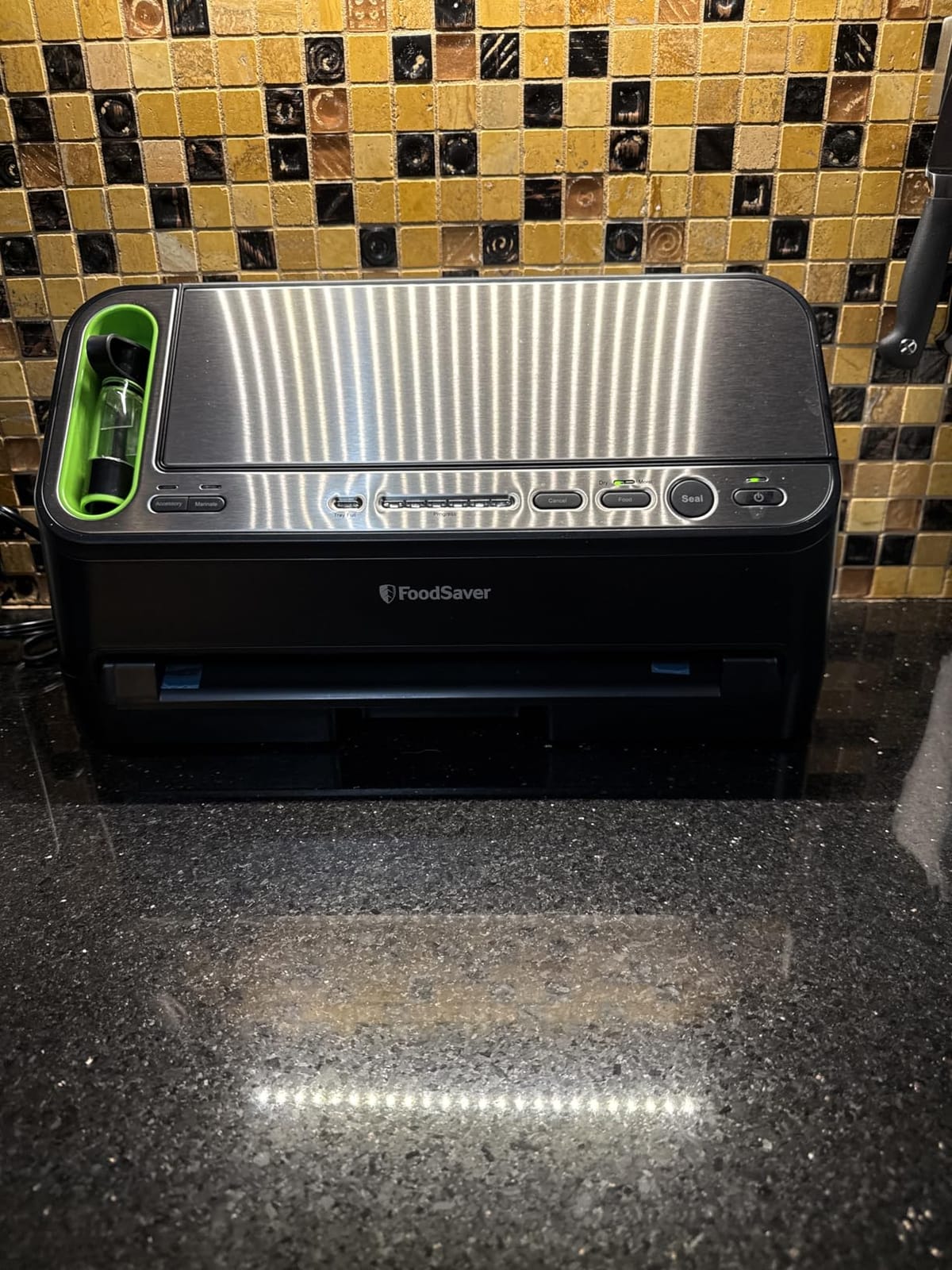
The V4400 is the machine we keep coming back to for hunters who want one box to handle steaks, roasts and the occasional wet-packed batch. Automatic bag detection means you drop the bag in and press once instead of hunting for the right button, and the moisture detection switches modes on its own when it senses a wetter bag than the last one.
That automatic behavior matters more for wild game than it does for leftover storage. Venison varies enormously in moisture content from one cut to the next, and a fixed-setting machine forces you to guess every time. The removable dishwasher-safe drip tray is the detail hunters notice first after the first bag of bloodied meat.
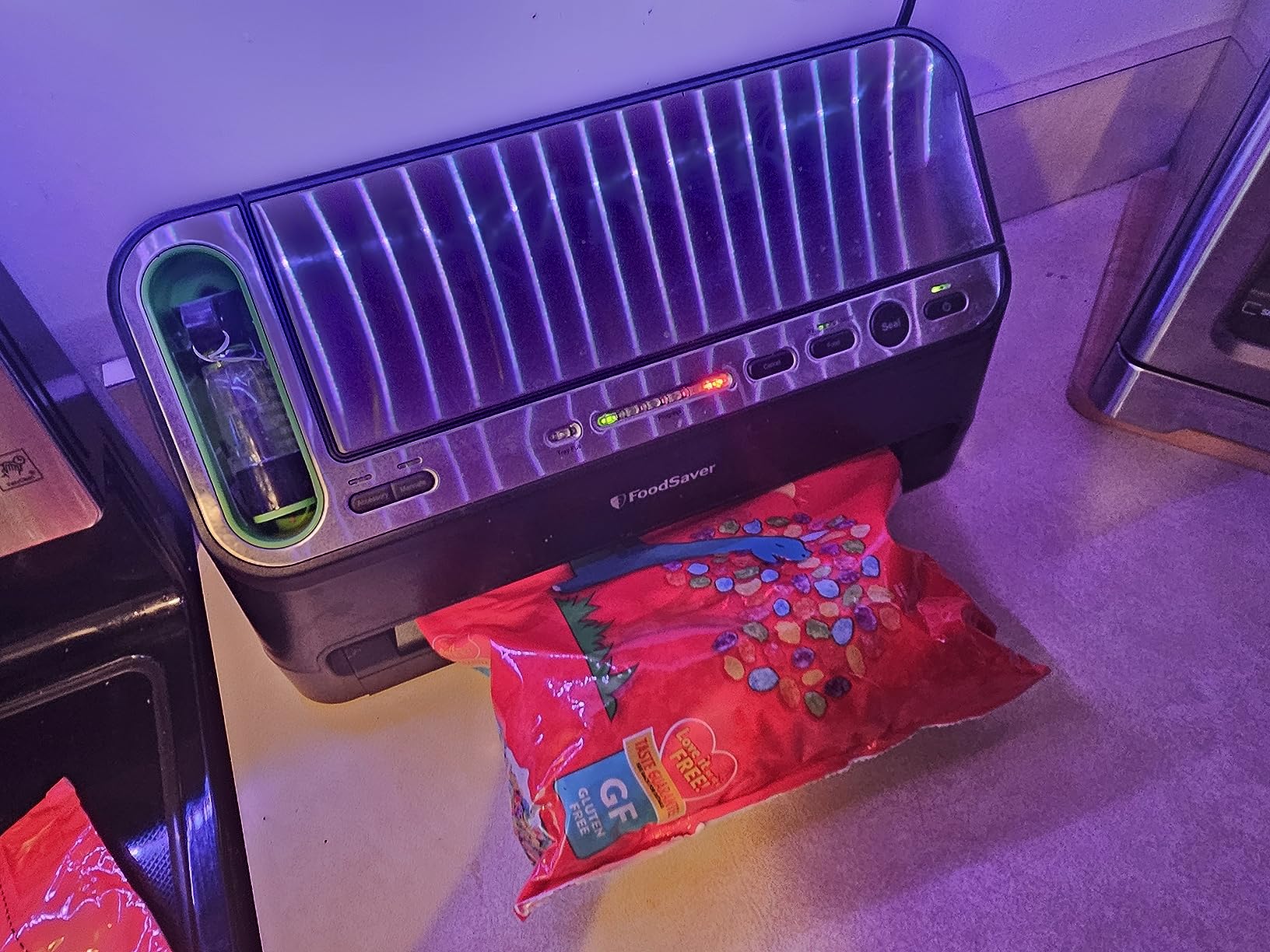
Owners rate it at 4.6 stars across more than 11,000 reviews, with 79 percent giving it five stars. The pattern in that feedback is set-and-forget consistency rather than excitement, which is what you want when you are standing over a table of trimmed roasts at nine at night.
The tradeoffs are size and weight. At 10 pounds with an 11 by 20 by 12 inch body, it occupies more counter space than anything else on this list. If your processing happens in a garage on a folding table, that footprint is annoying in a way the sealed bags never are.
Where the V4400 handles game best
This is the pick for the hunter doing a mixed run. Deer steaks in the morning, a couple of gallons of brined fish in the afternoon, and a batch of portioned grouse before dark all go through the same box. The accessory port and included hose let you pull air from canisters when you are not bagging.
Automatic cycles also mean one person can work unsupervised, which matters when you are processing alone in a basement or garage and walking between the saw and the sealer.
Where the V4400 will disappoint you
It is an external vacuum sealer, so it shares the category weakness. Juice sitting in the bag opening can migrate toward the suction channel, and the moisture detection helps but does not change the physics of a clamp-style machine.
If you are putting up 150 pounds of wet-packed venison in one session, look at a chamber unit instead. The V4400 handles game beautifully. It simply is not built for soupy marinade.
2. Avid Armor USV20 Chamber: The Best Chamber Sealer for Wet Game
Avid Armor USV20 Chamber Vacuum Sealer Machine – High-Volume 11.5” Sealer
- Full-chamber liquid sealing keeps juices out of the pump
- Adjustable vacuum time from 15 to 60 seconds protects delicate cuts
- Compact body stores under cabinets at 17.3 lb
- User-replaceable seal bar keeps repair costs low
- 3 inch chamber depth will not fit bulky roasts or hams
- Buttons sometimes need a moment before responding
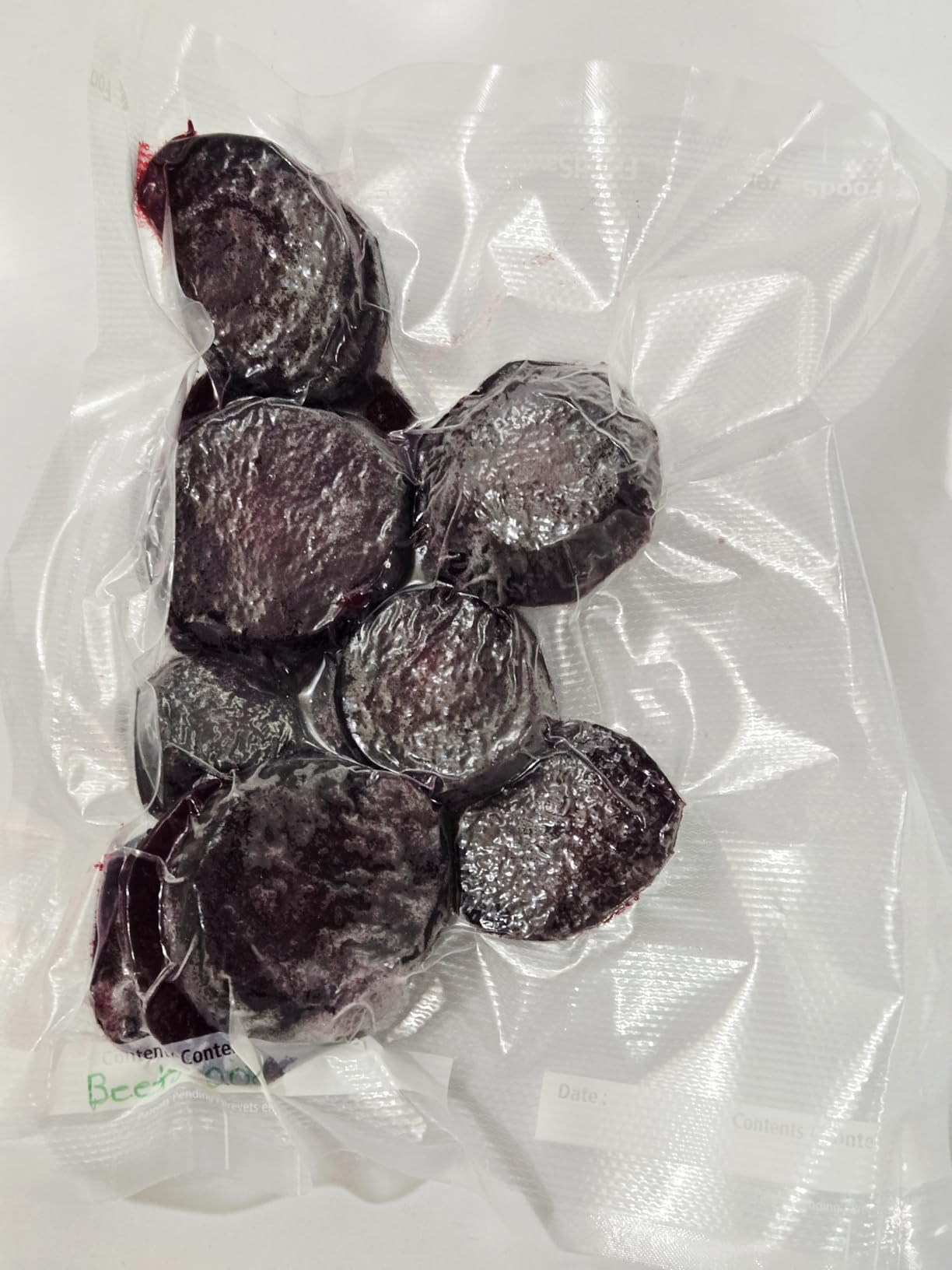
This is the chamber machine we would put in front of a hunter who is done losing venison to failed seals. Because the entire chamber evacuates, liquid in the bag stays in the bag. Reviewers consistently describe it as a large upgrade over suction-style sealers for wet and marinated food, which is the whole ballgame with a deer shoulder.
The adjustable vacuum time from 15 to 60 seconds is the control you will use most. Start short on a bag of roasts so the bag does not crush the meat, then extend it when you are packing a densely filled pouch. That flexibility is what separates a chamber sealer from a fixed-cycle external unit.
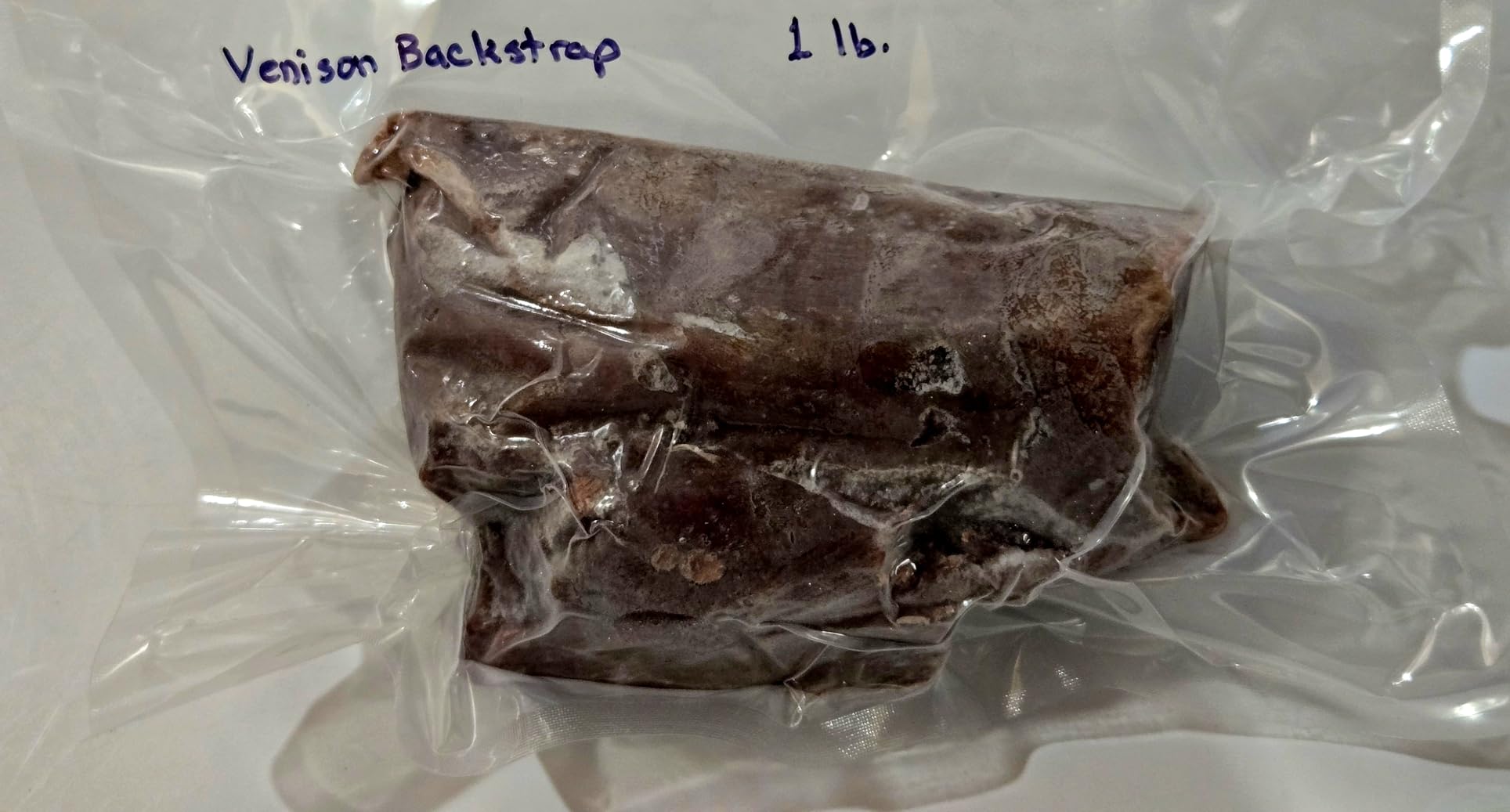
Owners also praise how inexpensive the smooth bags are compared with embossed channel bags, and the compact 14 by 12 by 8.25 inch body means you are not forced to claim a whole corner of the kitchen. Kansas-based customer care is a small thing, but it matters when a machine arrives with a question about gaskets.
At 4.7 stars the rating is at the top of this group. The 1,170 reviews behind it are fewer than the countertop units, so treat the score as strong rather than proven at scale.
Where the USV20 handles game best
Wet-packed venison, brined fish, sausage links and anything sitting in its own liquid. The full-chamber approach simply does not have the failure mode that wrecks external sealers, and that is the whole reason this machine is on the list.
It also suits portioning work. Set a shorter vacuum time and a bag of tenderloins comes out shaped like the meat rather than compressed against the film.
Where the USV20 will disappoint you
The 3 inch maximum chamber depth is a hard limit. A whole prime rib, a cured ham or a large smoked brisket will not fit, and no amount of adjusting fixes that.
Some settings take a moment to learn, and a few owners report buttons that need a beat before they respond. Budget an hour with the manual before your first processing day rather than during it.
3. Potane Precision VS5736: The Best Value Sealer for Bulk Game Batches
- Pre-programmed modes hold up over 100 consecutive uses
- One-hand C-type half-wrapped chamber with easy-locking lid
- All-inclusive package with two bag rolls and a spare gasket
- 5 year warranty is far longer than the category norm
- Built-in storage makes the body bulky for an 11 inch width
- Occasional need to align bags manually before sealing
The Precision is the sleeper pick of this roundup. Owners running continuous batch sealing call out the pre-programmed food mode settings as the feature that holds up over 100 or more consecutive uses without drifting, and that is precisely the deer-season pattern: bag after bag after bag for three hours.
The 8 mm sealing element with a 3 mm sealing width and a brushless mechanical motor give it a durability profile you would normally associate with a bigger machine. At 4.6 pounds it moves around a processing table easily, which matters more than it sounds when your sealer shares a bench with a saw and a grinder.
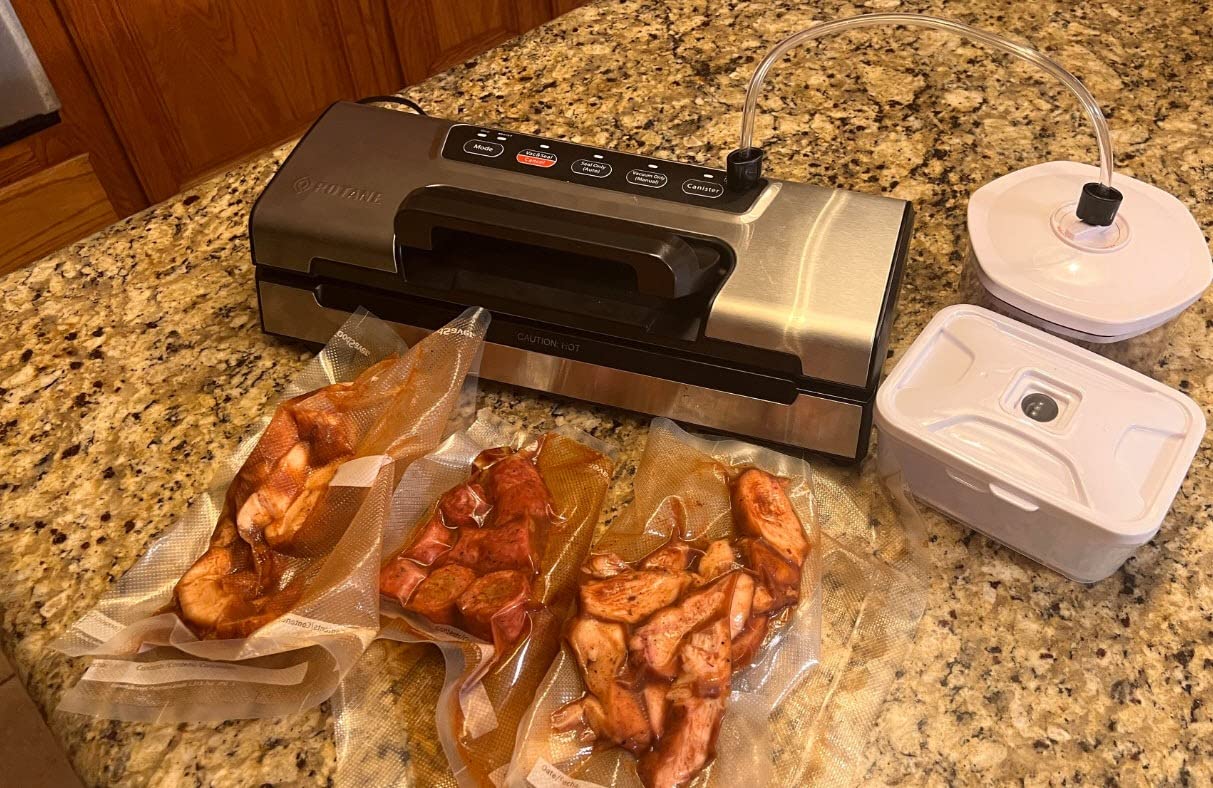
Included accessories are unusually generous. You get a cutter bar, slide cutter, accessory port for canisters and jar sealers, two bag rolls at 11 by 16 feet and 8 by 16 feet, plus a spare foam gasket. A five-year warranty with responsive support is well ahead of the one-year coverage most competitors in this class offer.
Reviewers highlight durability under heavy batch sealing and the one-hand locking lid, with 79 percent five-star ratings across more than 6,000 reviews.

Where the Precision earns its slot
Moderately wet game in quantity. Venison steaks, chops and portioned bundles go through reliably, and the pre-programmed modes mean you set it once instead of making a decision for every bag at hour two of the evening.
It is also the pick if you want one machine that can double as a canister and jar sealer through the accessory port.
Where the Precision falls short
It is still an external sealer. Pools of liquid in a bag opening remain the weak point, and a few owners report needing to align bags manually before each cycle.
The built-in storage compartment, which holds rolls up to 20 feet, keeps the body bulky relative to its 11 inch width. If counter space is tight, a roll-free design would be a better fit.
4. NESCO VS-12 Deluxe: The Most Reviewed Compact External Sealer
Nesco Deluxe Food VS-12 Vacuum Sealer, 130 Watts, Kit Bags & Viewing Lid, Compact, Silver
- Highest review volume of any machine in this roundup
- Double heat seal technology gives a more durable seal
- Viewing window lets you confirm bag placement
- Built-in roll storage and sliding bag cutter
- Manual operation mode slows repetitive batch work
- Lowest average rating in the group at 4.3
More than 15,000 reviews makes the VS-12 the most battle-tested machine here, and that record is worth reading before you buy. Buyers credit strong pump suction from the 130-watt double pump and reliable double seals, with the viewing lid and built-in cutter easing bag handling during long sessions.
The dry, moist and double seal modes plus a gentle vacuum option give you control over pressure and sealing strength. For a hunter sealing venison that has been trimmed and patted dry, that gentle option is genuinely useful because it reduces the chance of crushing a soft cut.
Two bag rolls ship in the box, one at 8.6 by 9.85 inches and one at 11.8 by 9.85 inches, and the whole unit is 15.75 by 8 by 4.5 inches at 6 pounds. That footprint is small enough for a garage shelf or a fish camp table.
Where the VS-12 fits a hunting workflow
It suits the hunter putting up modest quantities. A deer cut into portions and sealed the same evening, or a week of salmon fillets, is exactly the workload this machine was designed for.
The 11.8 inch bag roll in the box handles roasts and larger cuts, and the viewing window is a genuine help when you are working alone in poor light.
Where the VS-12 falls short
Manual operation is the headline drawback. Every bag needs you to run the handle, which adds up over a long session and is the reason we would not choose it for a multi-animal processing weekend.
A 4.3 average with 8 percent one-star reviews reflects a machine that works well for most owners and disappoints a noticeable share. The one-year manufacture warranty is also the shortest on this list.
5. Potane VS2736 Next Gen: The Best Budget Pick for Home Hunters
- Lightest machine in the roundup at 3.9 pounds
- Moist mode runs 3x longer heating with a liquid isolation tray
- Guided seal bar aligns textured and aluminum bags
- Instant-read screen with no hidden menus
- Dual pump layout means no built-in bag roll storage
- Viscous oils and marinades still need manual vacuum mode
The VS2736 is the machine we would hand to a hunter who has never owned a sealer and wants something that will not intimidate them. The smart LED status system and instant-read screen make the process self-explanatory, which matters when you are learning a new workflow alone at the end of a long hunt day.
Despite the low weight, the commercial-grade dual pump produces strong and fast suction on larger bags. It handles bags up to 12 inches wide, which is wider than anything else on this list and lets you seal a whole venison loin in one bag instead of two.
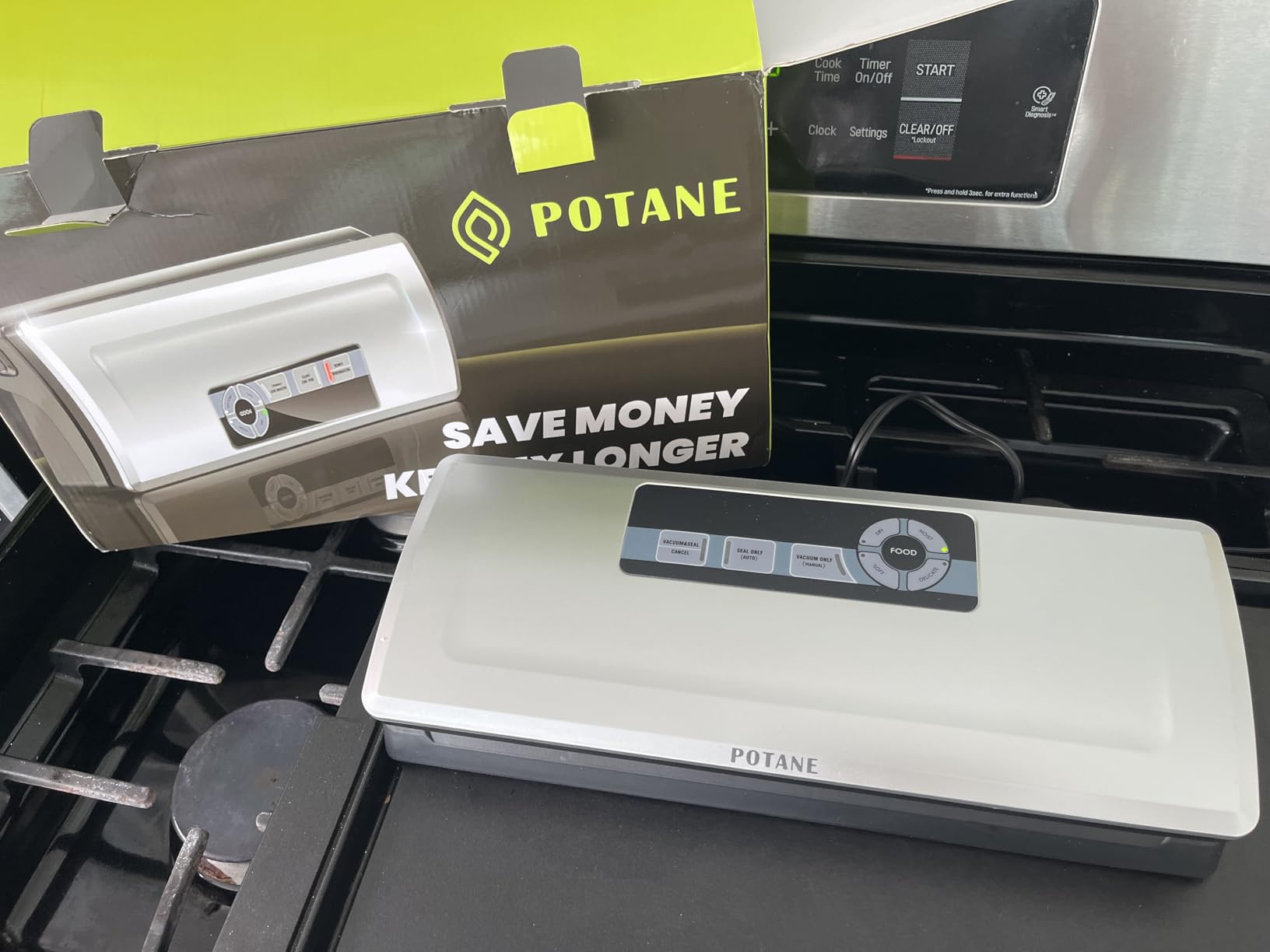
Moist mode is the feature to understand. It triples the heating time and pairs that with a liquid isolation tray and absorbent memory foam gaskets, which is the closest an external machine gets to chamber-level liquid handling.
At 4.4 stars across more than 10,000 reviews, this is one of the best-proven machines in the group. The five-year manufacturer warranty and the arthritis-friendly one-hand lock are both genuinely nice touches at this tier.
Where the VS2736 works for game
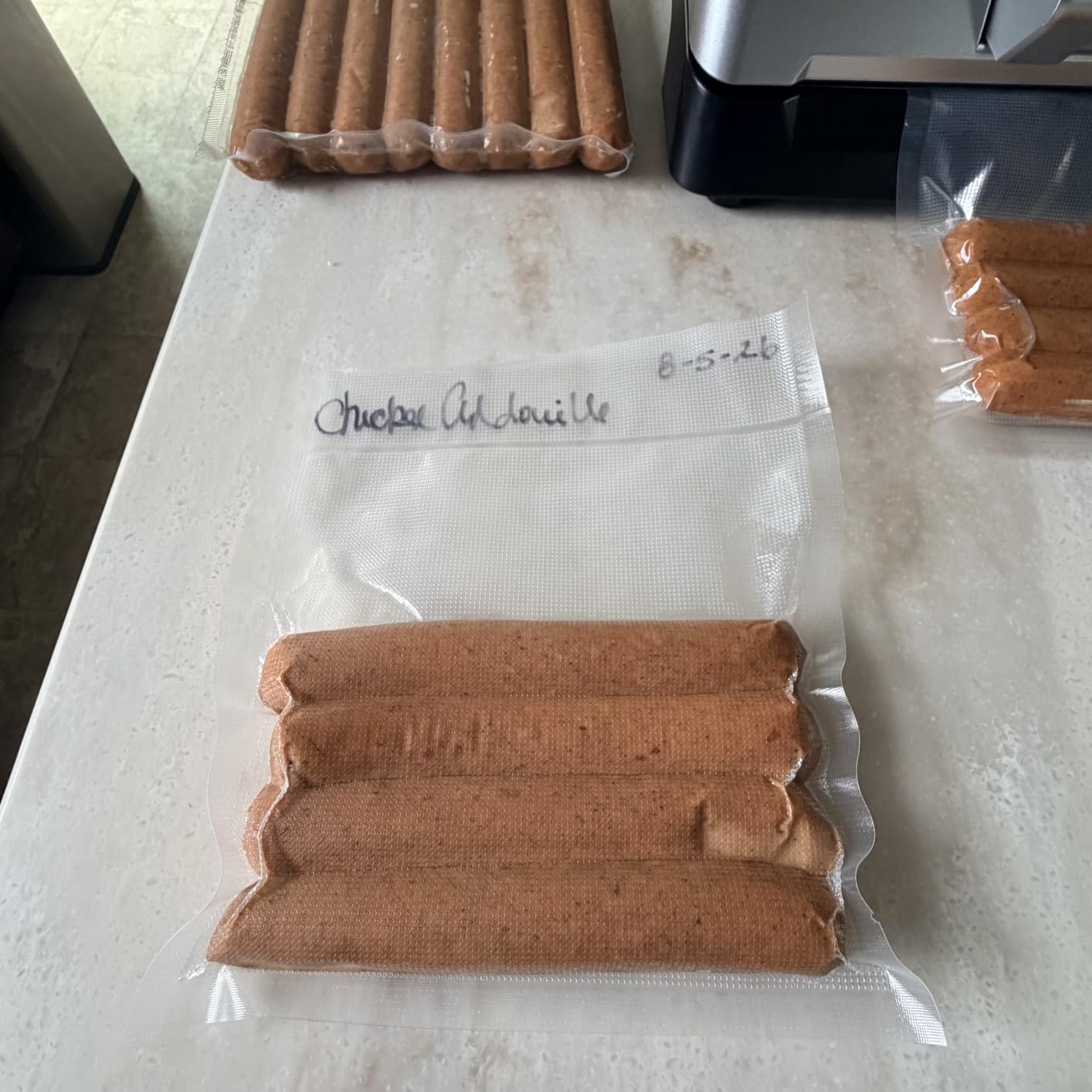
Portioning steaks and chops in quantity. The 12 inch bag width and the guided seal bar reduce the frustration of aligning textured bags one after another across a long evening.
It is also the lightest option here, so moving it between a kitchen counter and a garage bench is realistic.
Where the VS2736 works against you
Thick marinade is the limit. Users report that viscous liquids, oils and heavy marinades can still block the bag micro-channels, which means switching to manual vacuum mode and accepting a longer cycle.
Giving up the built-in bag roll storage keeps the body small but means you need a separate holder or a box under the bench for your rolls.
6. FoodSaver FM2100: The Best Vacuum Sealer for Sous Vide and Mixed Use
- One-touch operation needs no learning curve
- Built-in cutter minimizes bag waste with custom sizes
- Accessory port works with the handheld sealer and canisters
- Comes with a full starter kit of bags roll and hose
- No moisture or bag auto-detection at this tier
- 120 watts is the lowest output in the comparison
The FM2100 is a straightforward workhorse, and for most hunters that is exactly the right thing. One-touch sealing runs the cycle for you, dual heat sealing strips deliver consistent vacuum levels, and the built-in roll cutter lets you cut bags to the size of the cut rather than paying for oversized precut bags.
It is also the natural pick if you sous vide wild game alongside your freezer packing. Game that has been held for two to four weeks loses surface moisture, and a controlled vacuum plus a wide heat seal reduces the risk of a leak during a long water-bath cook.
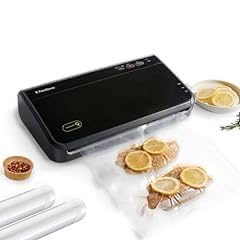
Owners value the simple one-touch operation, reliable seals and the included starter kit for leftovers, bulk buys and sous vide. At 4.5 stars with 9,219 reviews and 77 percent five-star ratings, the feedback is steady and unexciting in the best possible way.
The starter package includes an 11 by 10 foot roll, three quart bags, two gallon bags and the accessory hose, so you can start packing on day one without a separate supply run.
Where the FM2100 suits a hunter
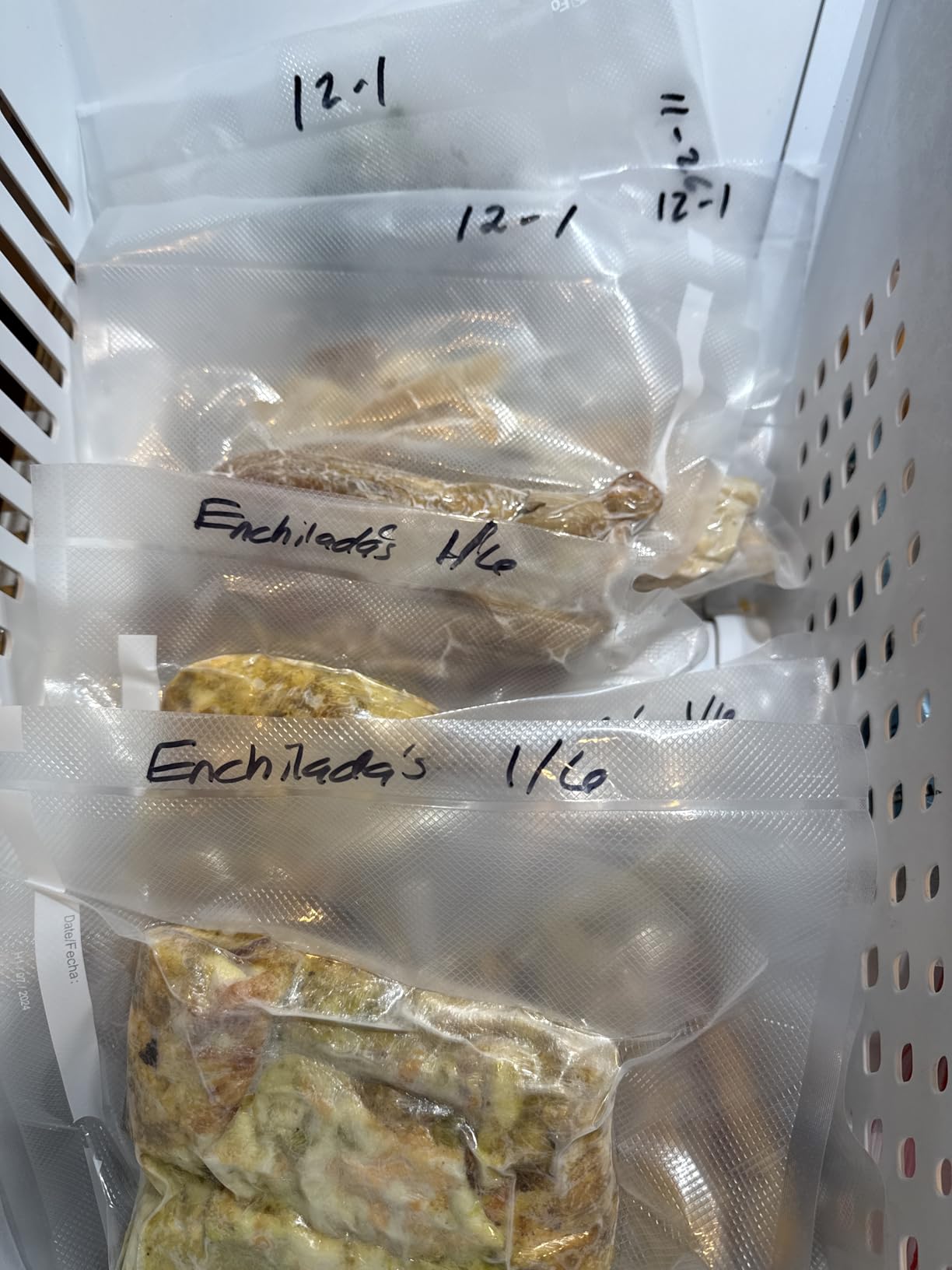
Vacuum sealing a few pounds of game at a time, and keeping those bags organized in a chest freezer. The roll cutter reduces waste, which matters when you are filling several dozen bags over a season.
It works well as a second machine beside a bigger unit, handling dry fish fillets and venison strips while a chamber sealer takes the wet batches.
Where the FM2100 falls short
At 120 watts it is the least powerful machine here, and there is no automatic moisture or bag detection at this tier. You choose the mode yourself every time.
For game with pooled liquid near the opening, you will be managing that yourself too. Keep the seal bar area dry and you will get good results.
7. Vakumar VH5186: The Best Vacuum Sealer for Liquids and Marinades
- Dedicated liquid mode handles soups stews and purees
- 90 kPa pump rated for 200 plus continuous seals
- Ten modes including pulse and marinate
- Removable drip tray and stainless steel body simplify cleanup
- Some buyers report liquid drawn into the chamber even in liquid mode
- Large bag refill rolls do not fit the built-in storage
Long-term owners with decades of sealer use describe the Vakumar as clearly superior on moist, liquid and gentle settings, and they report running more than 100 consecutive seals without overheating. For a hunter wet-packing venison in a brine, that is the specific capability you are shopping for.
The ten modes are unusually granular. You get dry, moist and liquid sealing, strong and soft vacuum pressure, vac and seal, manual seal, container, marinate and pulse. Marinate mode in particular pulls air out in stages so a chunky marinade distributes into the meat instead of pooling at the bottom.
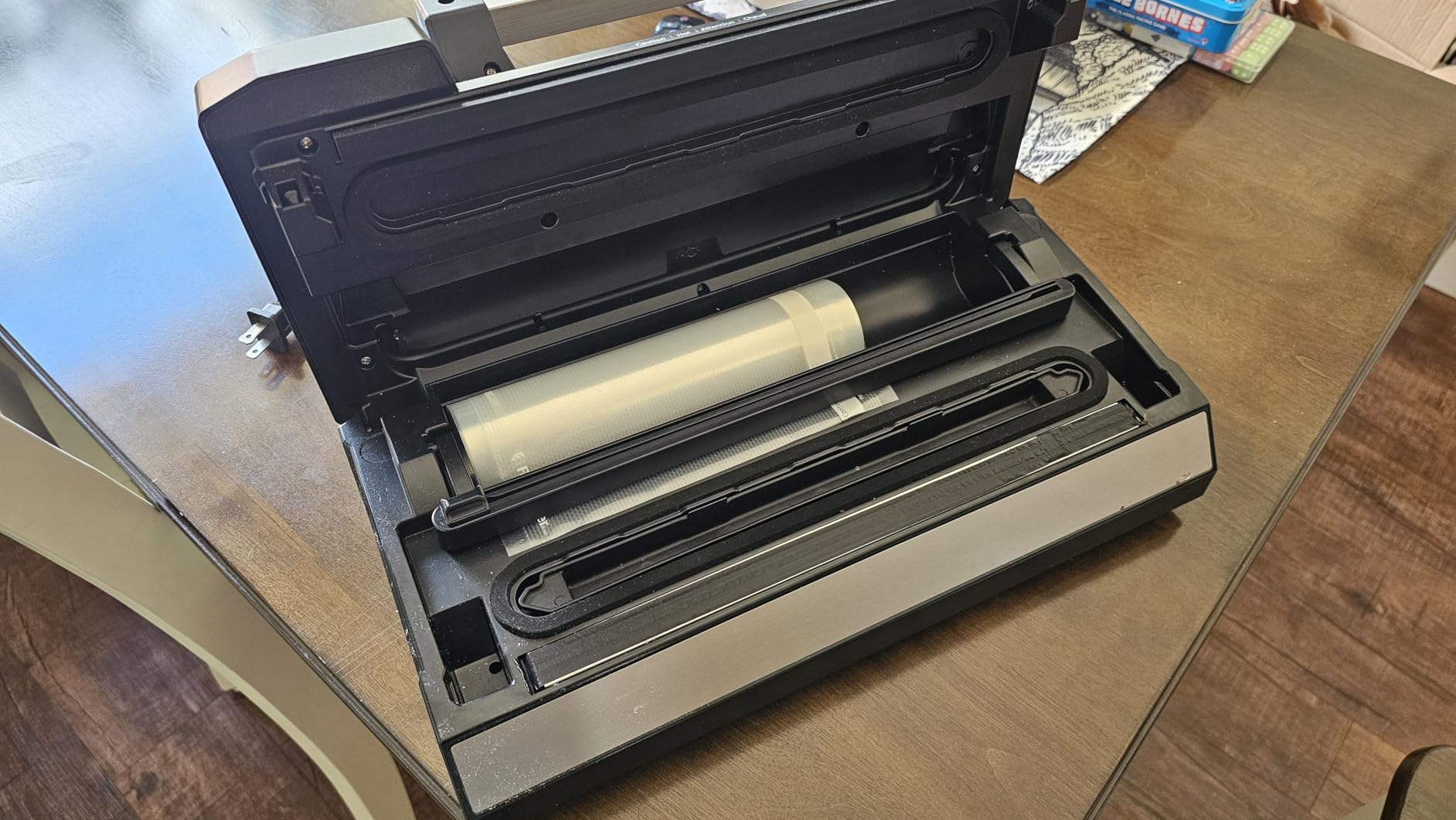
Build quality is a step up with a 304 stainless steel body, a patented one-hand locking handle with an LED progress bar, and double heat seals on every bag. The starter kit includes two rolls, a hose adaptor, an extra lower gasket and five multi-function pumping bags.
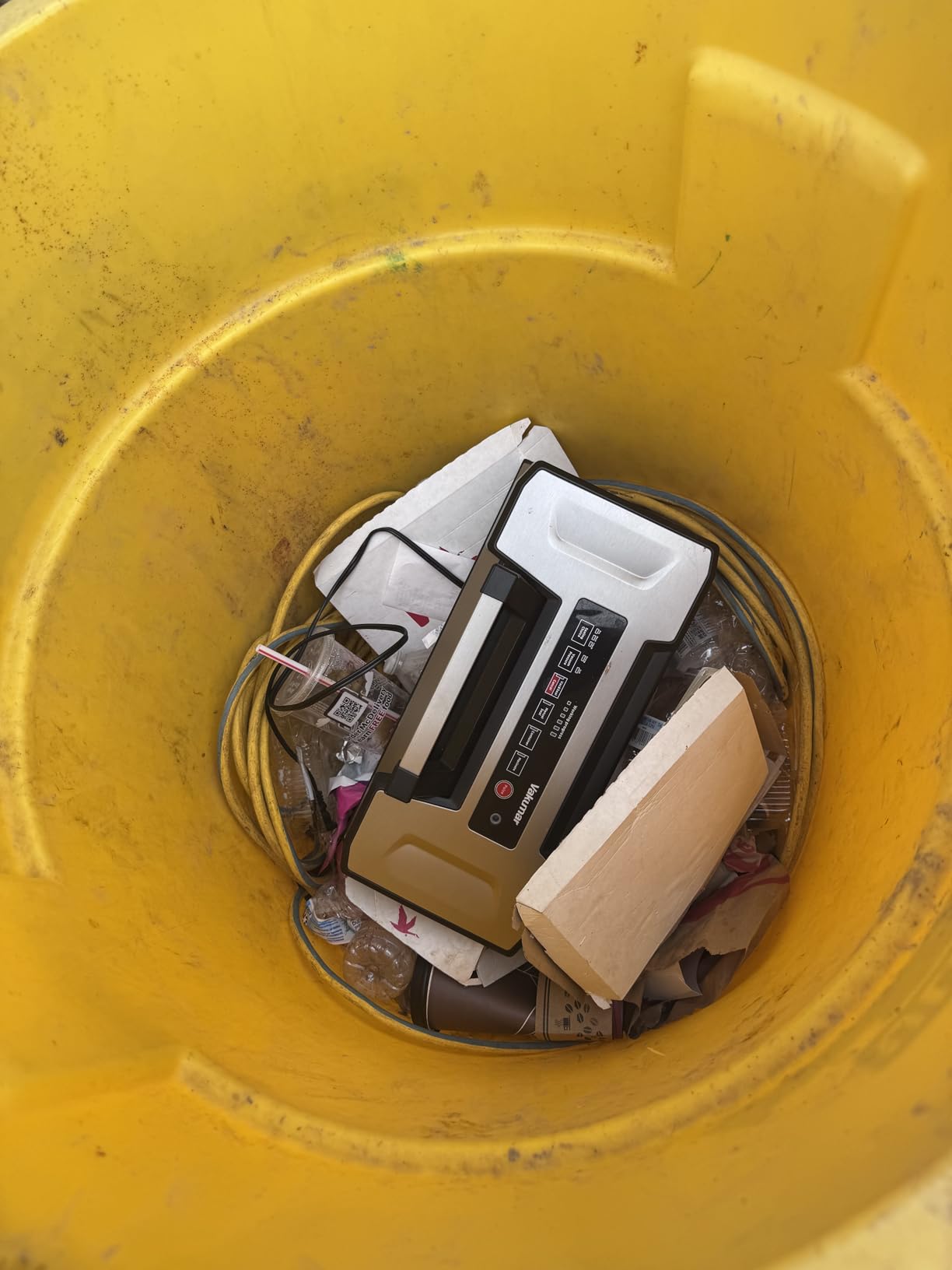
At 4.3 stars across 3,181 reviews, with 9 percent one-star ratings, this is a machine with a clear strength and a clear weak spot. Know which one you need before buying.
Where the VH5186 beats the alternatives
Wet-packed game, brined fish, and batches of sausage or bologna where liquid is part of the plan. Very few external sealers have a mode designed specifically for this, and the isolator behavior is better than the generic moist setting on competing machines.
The pulse mode also gives you gentler handling of delicate fish fillets than a full vacuum pull.
Where the VH5186 disappoints
Some users report liquid contents being drawn into the chamber even when liquid mode is selected. That is the same category weakness as every other external machine here, just less frequent than on budget units.
Large refill rolls do not fit the built-in storage area, and at 8.5 pounds it is one of the heavier machines in this group.
8. Gasbye VS5166: The Best Vacuum Sealer for Delicate Fish Fillets
- Highest average rating in the group at 4.7 with 85 percent five-star reviews
- 95 kPa dual pump delivers consistent tight seals
- Pulse mode gives step-by-step control for delicate and moist foods
- Built-in roll storage and cutter cut exact sizes to reduce waste
- Compatible vacuum container is sold separately
- Lowest review count in the group so the rating history is shorter
Anglers get more out of this machine than anyone else. Pulse mode evacuates in controlled steps rather than all at once, which means a delicate salmon fillet or a thin venison cut does not get crushed against the film as the air leaves the bag.
The 95 kPa dual pump is one of the strongest suction figures in this comparison, and the double heat seals are sous vide ready. Reviewers report tight, reliable seals and praise the progress display and easy-lock handle for making a long evening of fish packing less fiddly.
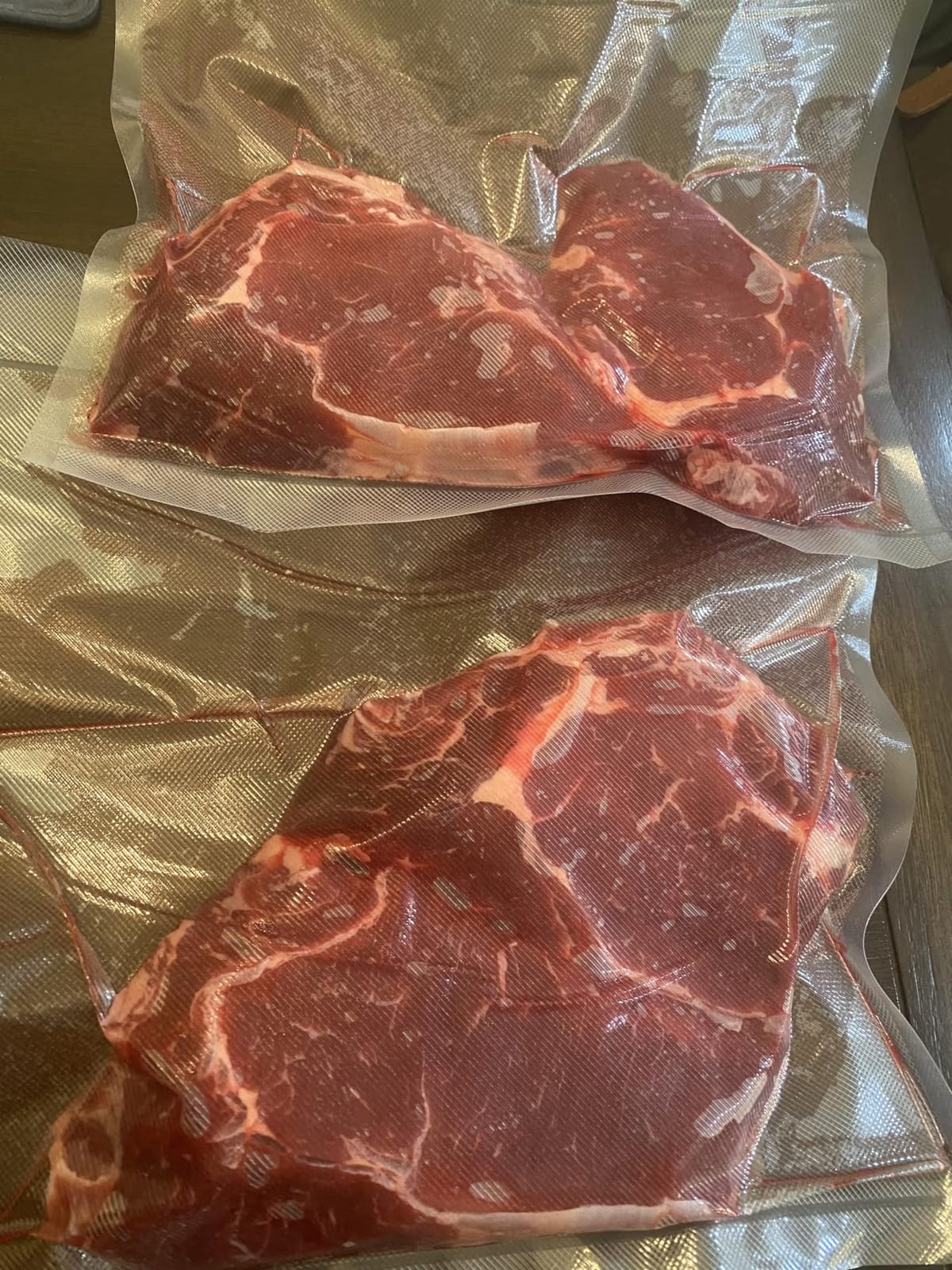
Replacement parts are sold individually and cheaply, including foam gaskets, the drip tray and the built-in cutter. That matters more than it sounds, because the gasket is the part most likely to need replacing after a few seasons of wet game.
At 4.7 stars this is the highest average rating in the group, with 85 percent five-star ratings across 1,736 reviews. We treat that as excellent rather than definitive, because the history is shorter than the machines with five-figure review counts.
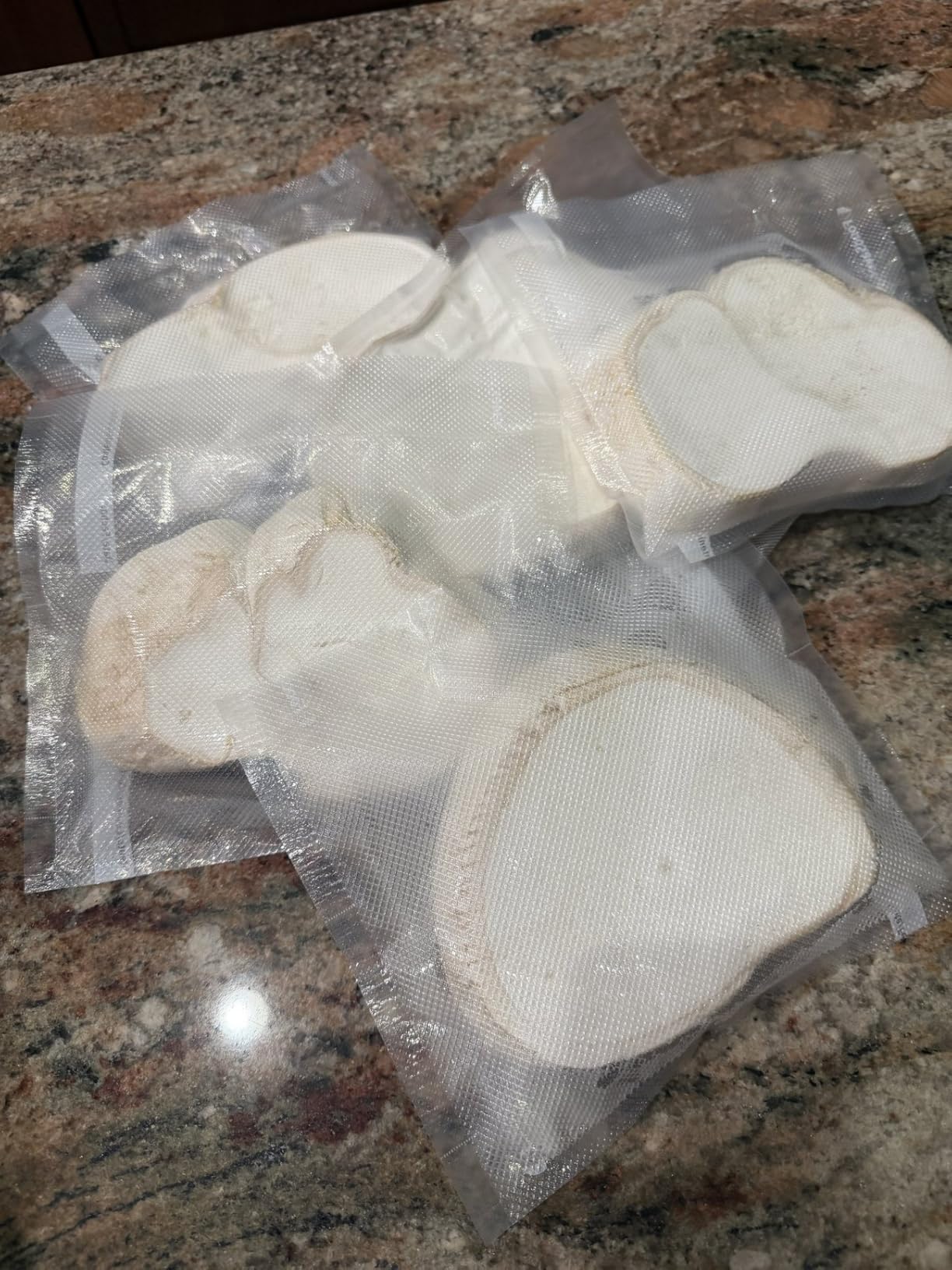
Where the VS5166 shines
Fish camp work and delicate cuts. If your freezer holds salmon, lake trout or venison loin rather than shoulder steaks, pulse control is the feature that protects your yield.
It is also compact at 6.5 pounds and 15.7 by 7.8 by 4.7 inches, so it travels to a cleaning station without much fuss.
Where the VS5166 falls short
The dedicated vacuum food container is sold separately, so budget for it if you want canister sealing out of the box. Reusable zipper bags are not recommended with this machine.
Coverage is limited to one year with full or free replacement, the shortest warranty among the highly rated units here.
9. LEM MaxVac 500: The Best Vacuum Sealer for Uninterrupted Bulk Runs
LEM Products MaxVac 500 Vacuum Sealer Machine, Heavy-Duty Aluminum
- Up to 500 continuous seals over as long as 5 hours with the cooling fan
- Large chamber is easy to clean and designed to keep liquid out of the pump
- Removable roll holder and cutter plus an included 8 inch by 25 foot roll
- Two-year warranty with lifetime support and replacement parts
- Large footprint takes substantial counter space with the roll attached
- Vacuum strength cannot be dialled down for wetter foods
The MaxVac 500 is built around a single promise: it will not quit while you still have meat. The built-in cooling fan supports up to 500 consecutive seals over as long as five hours, and buyers processing bulk meat and wild game rate it highly for uninterrupted high-volume sealing that does not overheat.
The 21 inch Hg vacuum and the 1/4 inch wide heat strip are both generous. A wide heat strip seals more reliably through moisture, which is the condition most of your bags will be in during deer season.
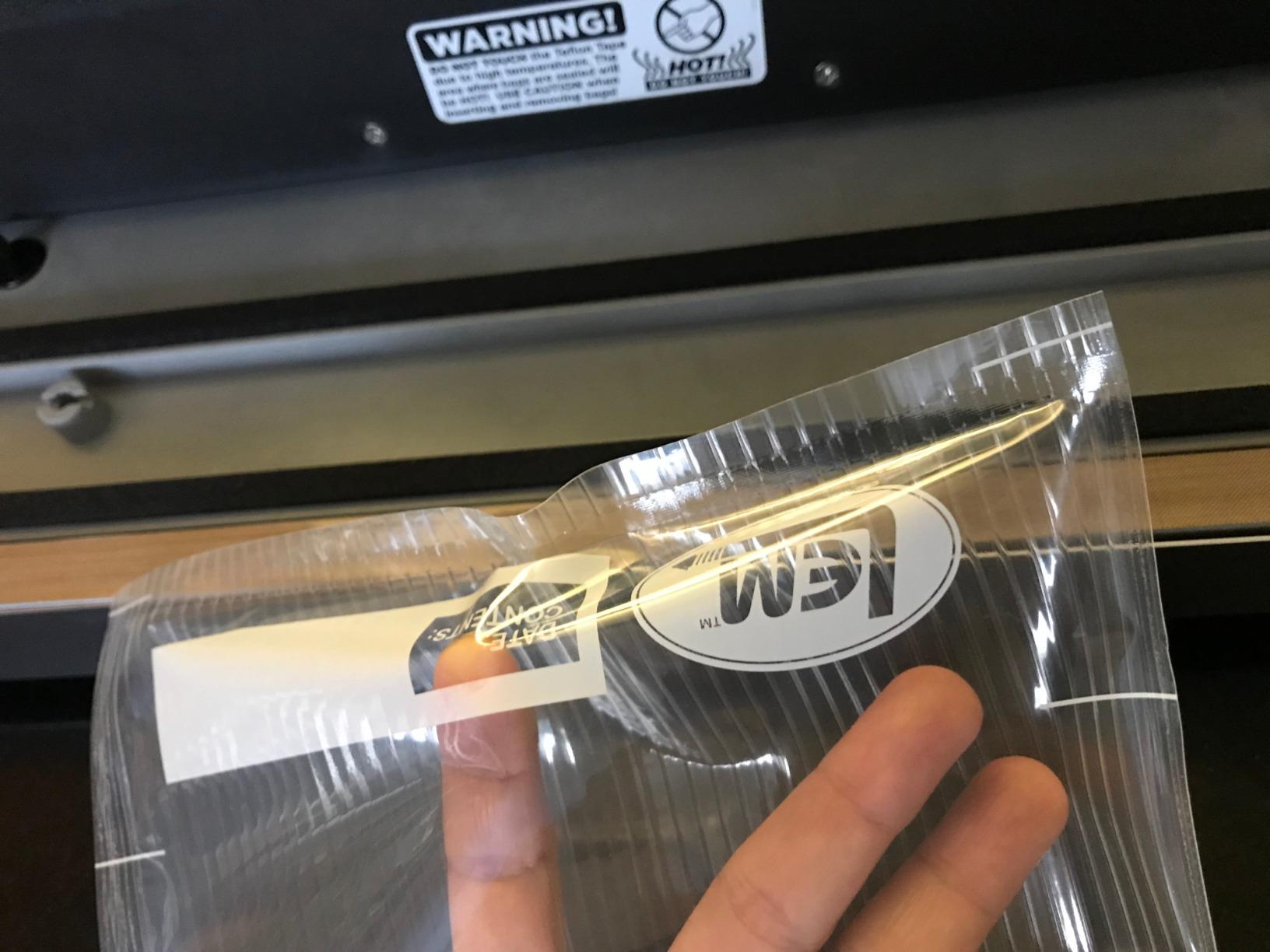
There is a practical detail that matters here. The large chamber is easy to clean and designed to keep liquid out of the pump, so the cleanup after a day of bleeding-out game is far less unpleasant than it would be with a machine whose pump sits directly under the seal bar.
The 14 inch seal bar lets you seal a full width of bag in one pass, which matters when you are cutting bags to fit a roast rather than working with quart-size precut bags.
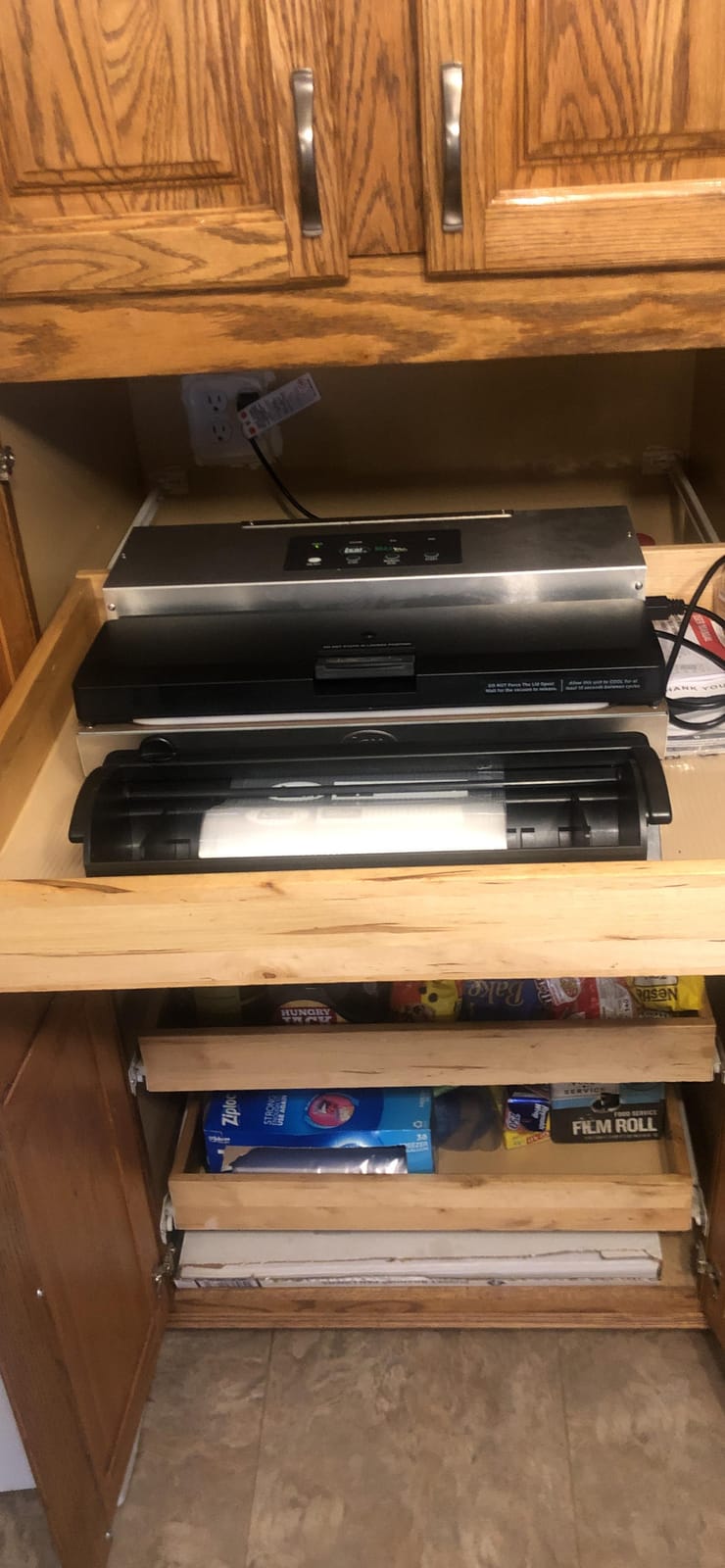
Where the MaxVac 500 earns its place
Long processing days. If you process three to six deer a season plus fish, this is the machine that keeps going while you do. The removable roll holder and cutter mean every bag is cut to size, so you pay for the plastic you actually use.
Replacement parts and lifetime customer support are available, which forum users consistently rank highly when deciding between brands.
Where the MaxVac 500 is awkward
At 14.4 pounds and 20 by 9 by 22 inches, it is a large machine that claims a permanent counter position. Plan for that space before it arrives rather than after.
Vacuum strength is not adjustable downward, so soupy foods can pull juice into the chamber. A few owners also needed firm pressure on the lid gasket, and replacement foam gaskets have been reported to fit slightly short.
10. MAGIC SEAL 16 Inch: The Best Wide-Bar Sealer for Oversized Bags
- Retractable nozzle switches between chamber and suction modes
- 16 inch bar with 8 mm sealing width
- Double pump with air cooling for up to 450 consecutive seals
- Air inflation function protects breads and delicate items
- Cooling motor runs continuously with a low but noticeable hum
- Some buyers report structural defects out of the box
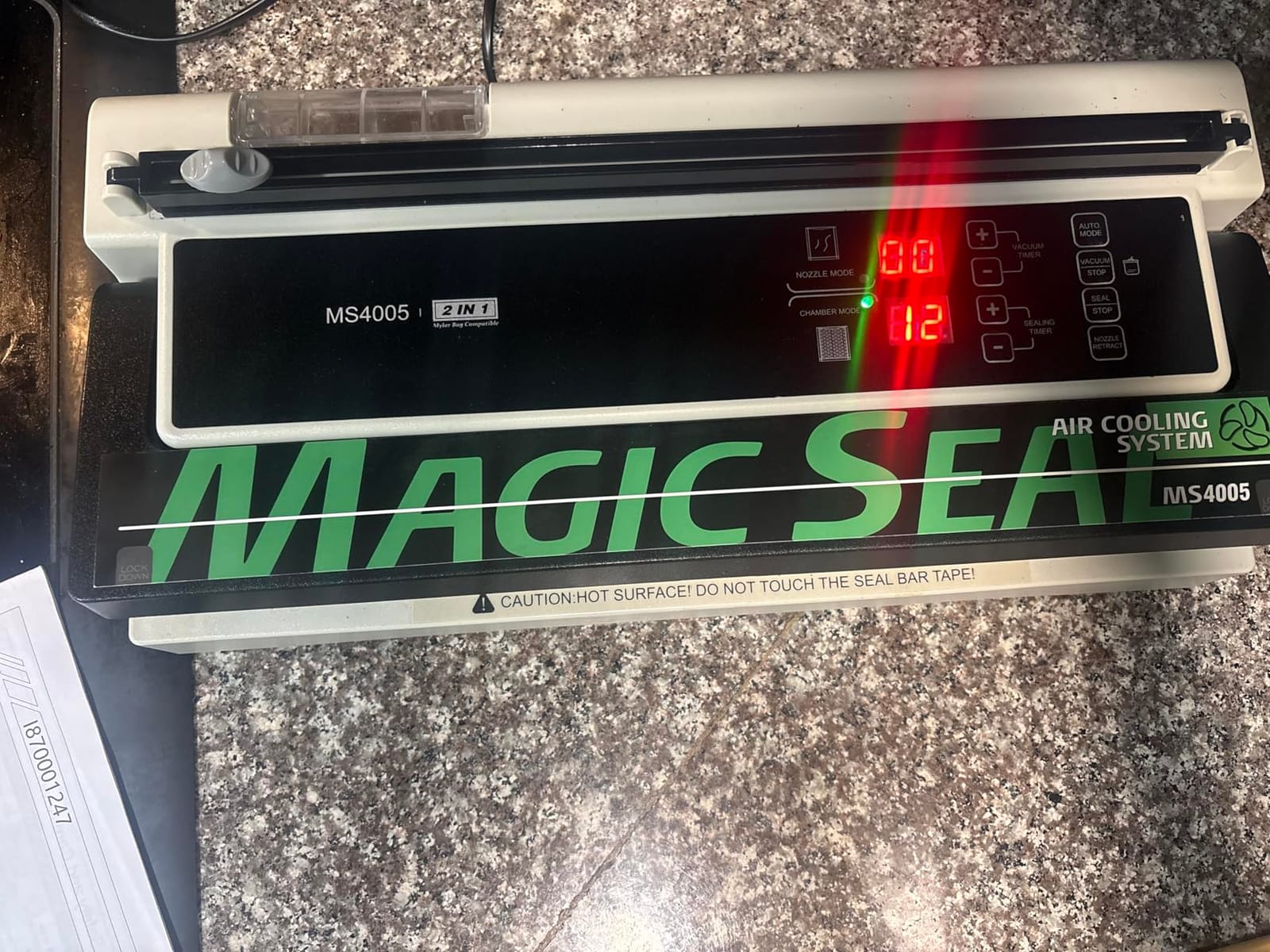
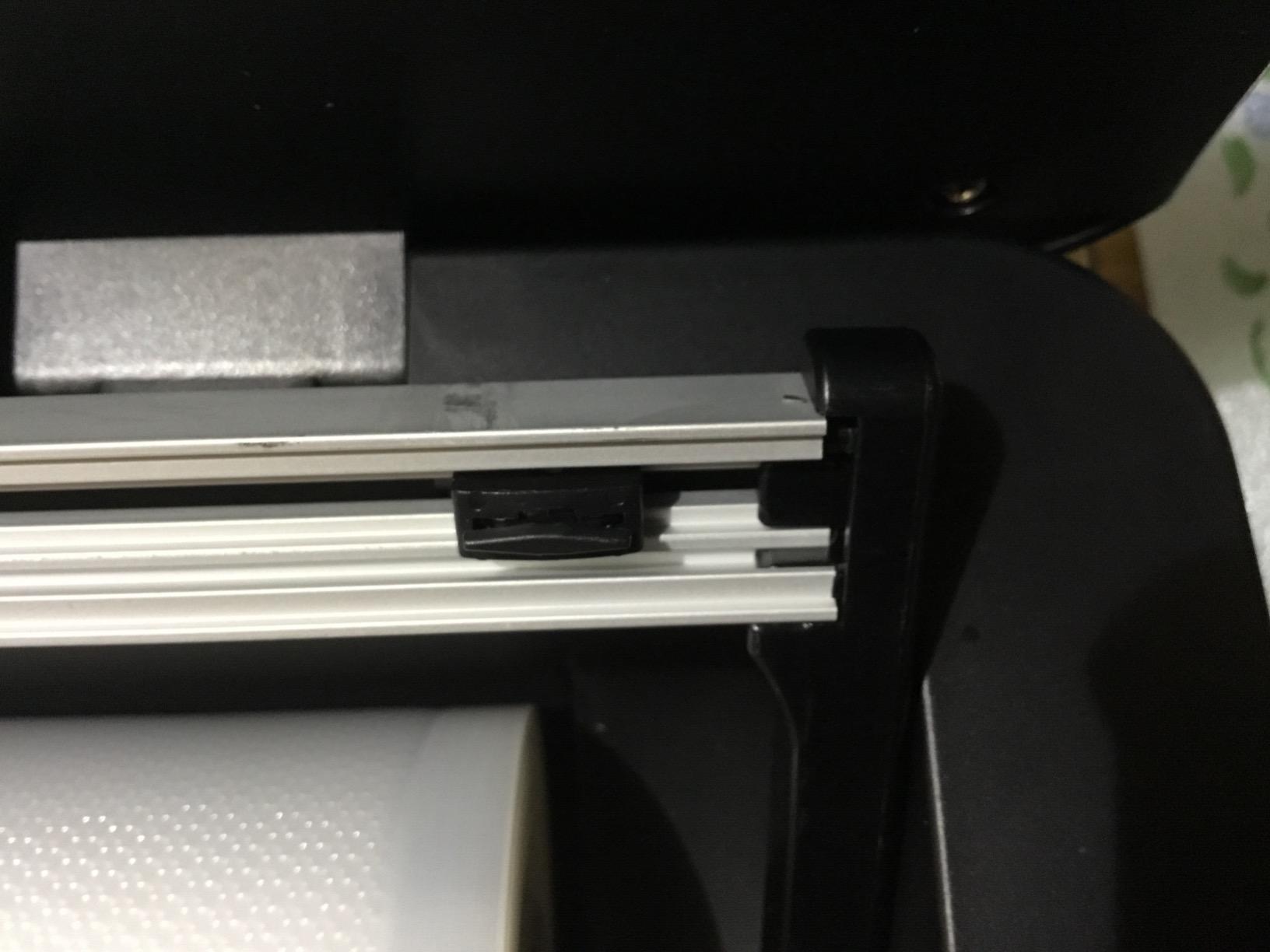
This machine does something unusual: it works as both a chamber sealer and an external suction sealer. A retractractable nozzle switches between chamber mode for smooth bags and suction mode for textured bags including Mylar, which is rare at this size and genuinely useful when your bag supply is mixed.
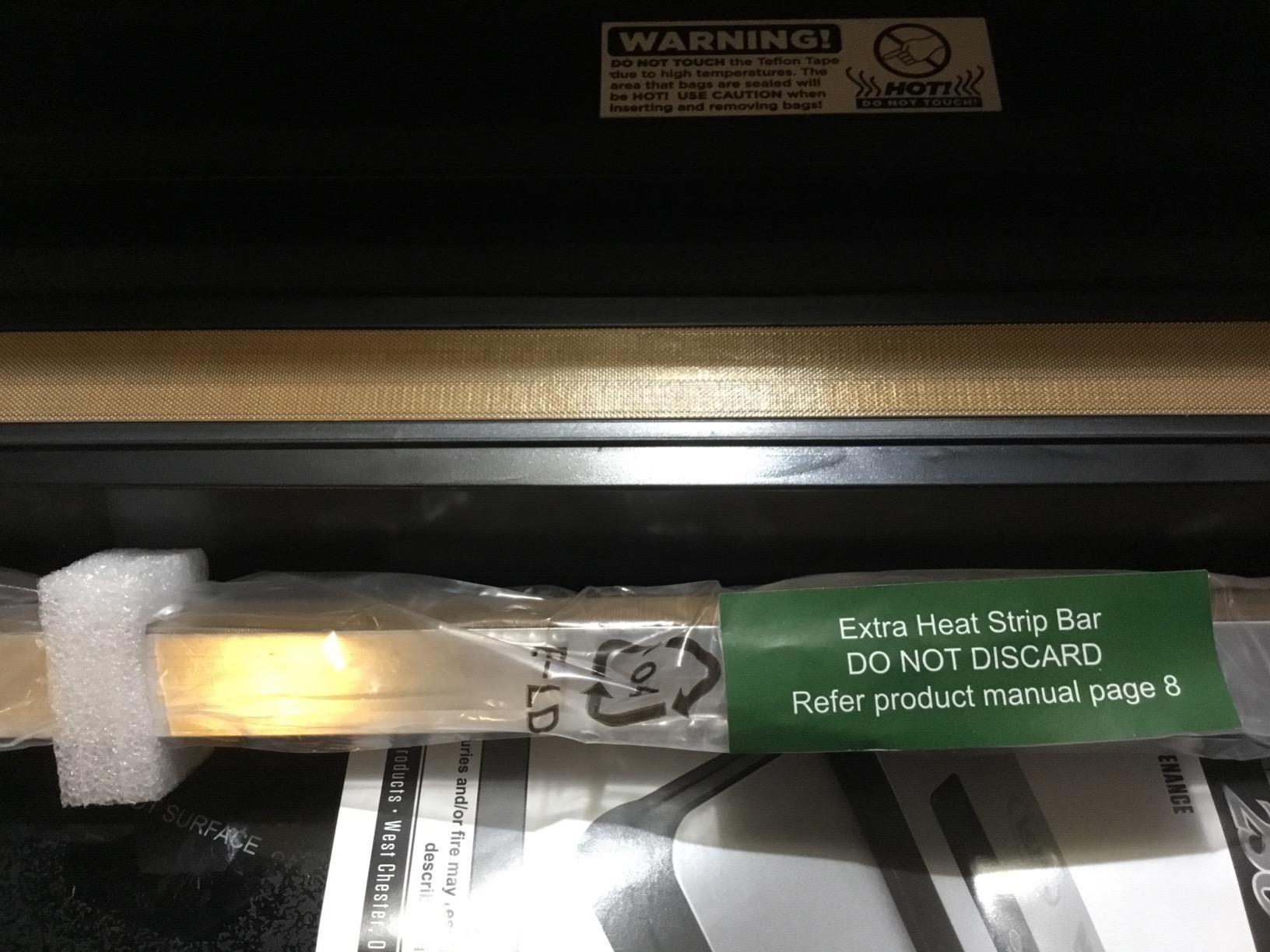
The 16 inch bar with an extra-wide 8 mm seal wire produces a strong, wide seal across large bags. For a hunter who wants to seal a full venison side or a large fish in one bag instead of three, the bar width is the reason to look here.
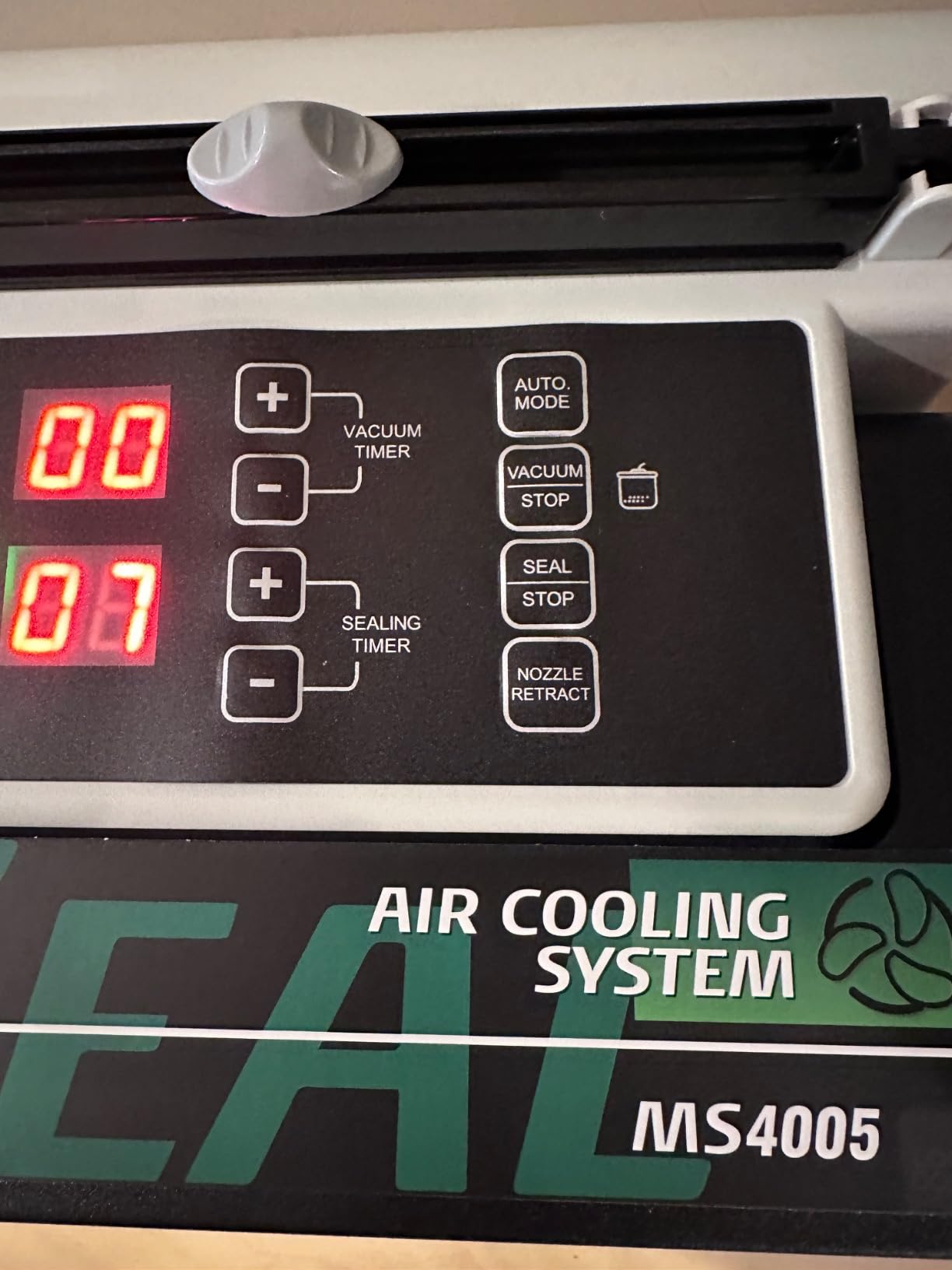
The double pump with air cooling supports up to 450 consecutive seals, and automatic one-touch mode is backed by manual control for liquids, moist and delicate foods. Owners running small food businesses or home sous vide workflows value the combination of both seal types in a single unit.
Response from customer support is repeatedly praised, including replacement units sent when a buyer had a problem. That kind of service matters when a machine sits idle for nine months between deer seasons.
Where the 16 Inch model works for game
Oversized packages and mixed bag inventories. If you alternate between cheap smooth pouches for bulk and Mylar for long-term storage, having one machine that handles both removes a whole category of frustration.
The 450-seal rating covers a serious processing weekend without a thermal shutdown.
Where the 16 Inch model is not ideal
The cooling motor runs continuously and draws about 6 watts, producing a low but noticeable hum. There is no external power switch built in, so you unplug it at the wall.
At 4.3 stars across 231 reviews the history is thin, and a small number of buyers report units arriving with structural defects. New users also need time to learn the pump and seal adjustments to avoid incomplete seals.
11. LEM MaxVac 250: The Best Mid-Size Heavy-Duty Vacuum Sealer
- Strong 21 inch Hg vacuum with a 13.39 inch seal bar
- Cooling fan supports 250 continuous seals over about 2.5 hours
- Pulse function protects delicate foods from being crushed
- One-hand locking lid and multi-function control panel
- Exterior bag width and chamber size limit the largest packages
- Manual operation mode takes more practice than automatic units
The MaxVac 250 sits between the compact countertop units and the MaxVac 500, and for many hunters that middle position is exactly right. You keep the 21 inch Hg pump and a 13.39 inch seal bar while giving up a large amount of counter space and weight.
The cooling fan supports 250 continuous seals over roughly two and a half hours, which covers a serious single-animal processing day with room to spare. Pulse vacuum protects delicate foods from being crushed, which is useful when you are sealing tenderloin rather than roasts.
Buyers note it is more compact and lighter than the larger LEM machines while retaining the wide seal bar and continuous sealing with cooling for long bulk runs. At 11.1 pounds it can be moved by one person when you need the counter space back.
The one-hand locking lid and multi-function panel simplify operation, and the built-in roll holder with an 8 by 10 foot starter roll lets you cut any bag size.
Where the MaxVac 250 makes sense
Hunters who want LEM build quality and a wide seal bar without the bulk of the 500 model. It handles steaks, chops and roasts with dry or lightly moist surfaces well.
If your processing days are one or two animals rather than a season-long grind, 250 consecutive seals is more than enough duty.
Where the MaxVac 250 is limited
Exterior bag width and chamber size cap the largest packages you can seal. If you regularly bag a full ham or a large shoulder, this is not the machine.
Manual operation takes practice, and moisture on or near the sealing line can prevent a clean seal. Keep that area wiped between bags.
12. Online Packaging Solutions CM255: The Best Chamber Sealer for Large Pouches
Chamber Vacuum Sealer, CM255, Perfect for Home and Commercial Kitchens, Industrial Grade Packaging Machine with High Powered Pump
- Chamber accepts pouches up to 10 by 13 inches
- Industrial grade pump produces a deep complete vacuum
- Uses inexpensive smooth bags instead of embossed channel bags
- Stainless steel construction with a clear acrylic viewing lid
- Heavy at 48 pounds so it is hard to move or store away
- Warranty is only 90 days
The CM255 is the chamber unit for hunters who fill very large bags. Its chamber takes pouches up to 10 by 13 inches, which is larger than most home chamber sealers, and the stainless steel body with a clear acrylic lid lets you watch the vacuum develop.
The economics are its strongest argument. It runs on standard smooth bags rather than expensive embossed channel bags, which cuts per-bag cost substantially over a season when you are sealing dozens of bags per animal.
Reviewers describe it as a solidly built, tank-like machine that is quieter than expected and arrives very well packed. Owners running home bulk food storage or small commercial packaging value the deep vacuum from the industrial-grade pump and the extra-wide seal element.
The control panel gives full manual control over vacuum level and timing, so you can set a short pull for tenderloins and a long pull for dense roasts.
Where the CM255 handles game well
Large-volume, lower-frequency processing. If you are putting up game in big pouches and storing it for a year or more, the chamber size and the smooth-bag economics are hard to match.
Because it is a chamber design, blood and marinade stay in the bag. That is the core reason it belongs on a hunting list at all.
Where the CM255 is not the right buy
At 48 pounds it is not convenient to move often or store away, so it needs a permanent home on a sturdy bench. This is the single biggest reason hunters skip chamber sealers.
The 90-day manufacturer warranty is the shortest here by a wide margin, some units arrive with a noticeable construction or packaging smell inside the chamber, and a minority of buyers report incomplete vacuum pulls.
What Not to Vacuum Seal (and What To Do Instead)
Free-flowing liquid in an external vacuum sealer is the single most common way people ruin a bag of game. If blood, brine or marinade is loose in the bag rather than absorbed into the meat, it will migrate toward the seal bar as the vacuum pulls.
For soups, stews and loose marinade, pre-freeze the contents solid, leave headspace at the top, and seal the frozen block. Liquid that is frozen cannot move. This is the standard workaround and it works on every machine on this list.
Also avoid sealing very hot food directly. Steam expands under vacuum and will pop a seam, so cool game to room temperature first.
On odor transfer, keep strong fish separate from venison in the same batch. Seal fish last, run the pump purge cycle if your machine has one, and wipe the chamber between batches so salmon does not follow you into next year’s deer steaks.
Never seal a bag that has been punctured by a bone edge. Ice crystals and bone tips are the main causes of long-term failures, and both are handled by trimming and by choosing a wider bag that gives the cut room.
How to Vacuum Seal Wild Game Meat Step by Step
Start with dry meat. Pat steaks and chops dry with paper towels, and press out surface blood. Surface moisture is what causes a failed seal, more than anything else you can control.
Portion the animal before it gets cold. Decide your bag sizes at the cutting table rather than at the sealer, and leave two inches of headspace above the meat so the bag has something to grip.
Use an 8 inch minimum bag opening when you can. Forum consensus is clear on this point: 6 inch bags are a genuine nuisance to fill, and narrow openings are where bags shift off the seal bar mid-cycle.
Set the vacuum time deliberately. Start at the shorter end for soft, bulky cuts and extend it for dense roasts. The Habitat Talk user who processed four deer in a day settled well below the factory 60-second setting.
Label every bag with the animal, the cut and the date before it goes into the machine. Nine months later, freezer organization is the difference between eating your venison and finding it again.
Freeze promptly, then store bags flat rather than on end. Bags stacked on edge crease the seal, and creased seals are the ones that leak first.
Bag Economics: What a Deer Costs You to Seal
Bag cost is where the budget difference between a chamber sealer and an external sealer becomes obvious. Chamber sealers run on plain smooth pouches, which cost a fraction of what embossed channel bags or precut external bags cost per unit.
That gap multiplies fast. A single deer cut into portioned bags can fill 20 to 40 bags depending on how much you are breaking down and how large a piece you call a portion. Across a two-animal season you are looking at hundreds of bags, and the per-bag difference is real money.
Chamber smooth bags also let you cut any width you want from a roll, so you stop paying for a gallon bag to hold a stack of venison steaks. Roll-based systems win on waste even when the per-bag cost looks similar.
The other economic factor is failure rate. A seal that fails in the freezer means the meat is lost, and the bag was paid for twice. That is why we weighted seal integrity above pump wattage throughout this roundup.
Buying Guide: Seal Bar Width, Pumps, Duty Cycle and Modes
Seal bar width decides what you can bag in one pass. Anything at 11 inches handles roasts and steaks, 13 to 16 inches lets you bag a whole side or a large fish, and anything narrower than 8 inches is a nuisance for game. Buy the widest bar your counter and bag supply can support.
Pump type matters less than the forums suggest, and the forum consensus is worth repeating: choose the machine that can handle the heaviest and thickest bags rather than chasing pump wattage. Chamber machines with dual pumps or industrial-grade pumps win on liquid handling, not on raw suction numbers.
Duty cycle is the number to read carefully. Claims of 100, 250, 450 or 500 consecutive seals describe how long a machine runs before thermal protection forces a cool-down. For a deer season, anything above 200 gives you a full processing day without a pause.
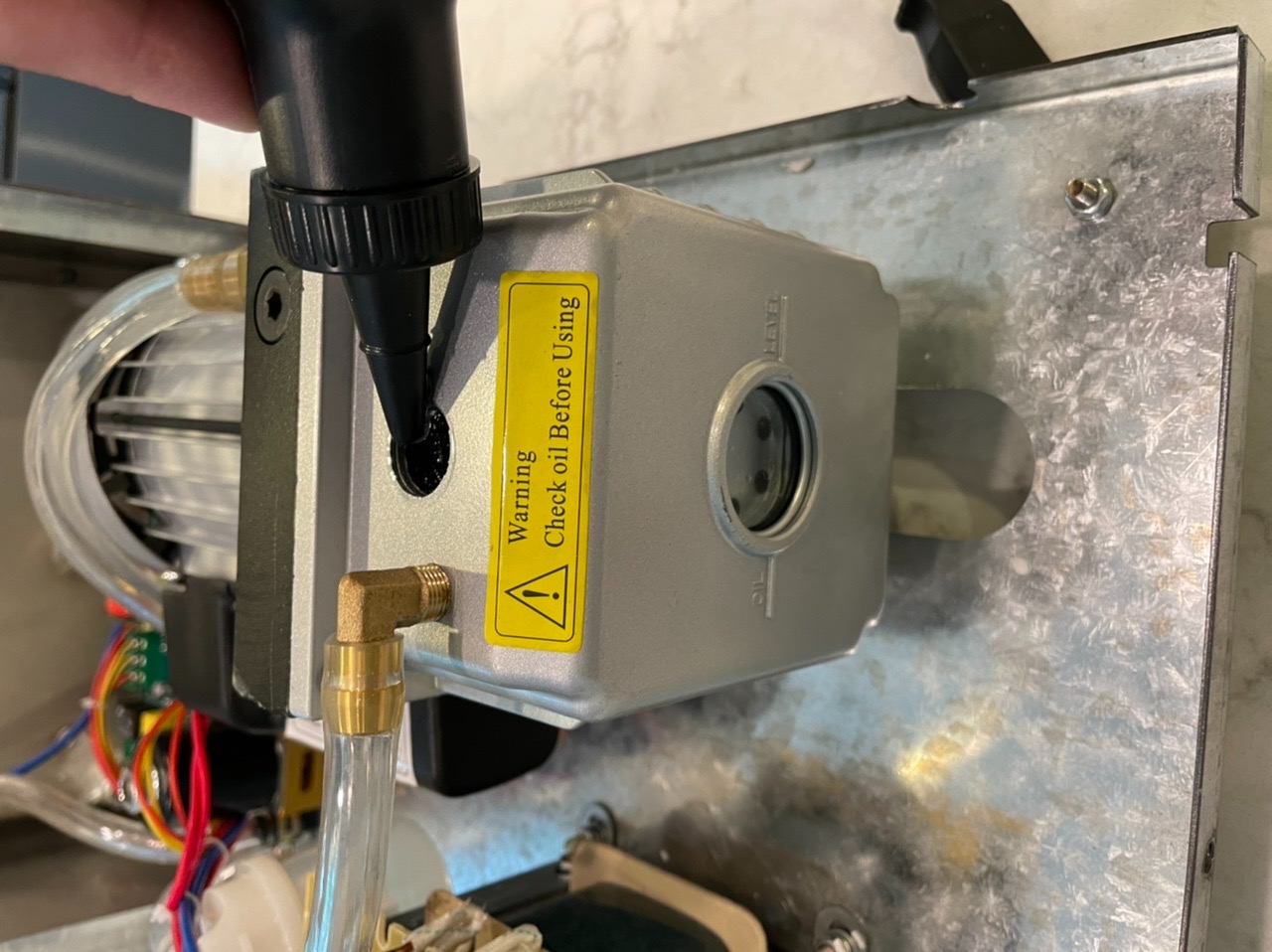
Oil-less versus rotary oil pumps comes up constantly. Oil-less pumps need no fluid changes and are simpler to maintain, and hunters report them as noticeably louder during operation. Rotary oil pumps are quieter but demand periodic oil changes and a maintenance routine before first use, since the pump must be filled before the machine will pull.
Modes are where wet game is won. Dry, moist and pulse are the minimum. Liquid or marinate modes are genuinely useful for brined venison. A gentle or soft vacuum setting protects tender cuts from being crushed, and adjustable vacuum time gives you repeatability.
Bag economics and warranty are the last two filters. Prefer machines that use standard smooth pouches, and prefer a warranty of five years if the price difference is small, because gaskets and seal strips wear out long before the machine does. Replacement parts availability matters as much as the warranty itself.
Counter space and weight deserve the same attention as specs. Chamber units range from about 17 pounds to nearly 50 pounds and are not moved easily. If your partner will be sharing that kitchen, footprint is a real constraint, not a preference.
Power, Voltage and Noise on a Garage Processing Bench
Check your circuit before you buy a high-draw chamber unit. Forum users running rotary pumps on heavy chamber machines report tripping household breakers, and after a power glitch a unit can lock up with no display for a period before it resets itself.
Voltage compatibility is the most common unanswered question from readers outside the United States. Several machines here are listed at 120 volts, while a couple of LEM models carry different voltage figures on their technical sheets, so confirm the rating on the unit itself before ordering.
Noise is worth planning for too. Oil-less chamber pumps are noticeably loud during operation, and cooling motors add a steady low hum. If you process game in a home attached to living space, that runs past midnight, buy ear protection and check your neighbors first.
Frequently Asked Questions
What is the best vacuum sealer for preserving wild game?
A chamber vacuum sealer is the best choice for most hunters because it evacuates the entire chamber, which keeps blood, juice and marinade inside the bag instead of pulling liquid into the seal bar. An external vacuum sealer works well for a few pounds at a time or when counter space is limited.
What are the two types of vacuum sealers?
A chamber vacuum sealer places the bag inside a sealed cavity and removes air from the whole chamber, so pressure equalizes and liquid stays put. An external vacuum sealer clamps onto the bag opening, pulls air through a suction bar and heat-seals across the top.
Is Nesco or FoodSaver better?
FoodSaver is the stronger choice for hunters because models like the V4400 add automatic bag detection and automatic moisture detection, which handle the wet, variable bags that come out of game processing. NESCO remains a solid, compact, manual machine with an excellent track record of more than 15,000 reviews, but it asks more of the operator.
What should not be vacuum sealed?
Avoid loose liquid in an external vacuum sealer, since it migrates to the seal bar and ruins the bag. Do not seal very hot food, and pre-freeze soups, stews and liquid-heavy marinades before sealing. Keep strong-smelling fish separate from venison in the same batch to avoid odor transfer.
Should meat be frozen before vacuum sealing?
Meat does not need to be frozen before sealing, and sealing it fresh works well as long as the surface is dry. The exception is anything with free-flowing liquid such as soup, stew or brine, which should be frozen solid first so it cannot move toward the seal bar.
How many vacuum bags does one deer fill?
A single deer cut into portioned bags typically fills 20 to 40 bags depending on portion size, and larger animals take more. Bag cost and failure rate are the reason chamber smooth pouches often work out cheaper over a full season than precut external bags.
Final Verdict: The Best Vacuum Sealers for Wild Game in 2026
The FoodSaver V4400 is our pick as the best vacuum sealers for wild game choice in 2026 because it automates the two decisions that vary most across a bag of venison, and because more than 11,000 reviews say it holds up. It is the machine we would put in a kitchen that has room for it.
If your kitchen does not have room, or your game is genuinely wet and bloody, the Avid Armor USV20 chamber is the better tool despite its smaller review count. Chamber design solves the liquid problem rather than managing it, and no amount of moist-mode tuning on an external machine changes that.
For a hunter who wants high-volume capability without giving up a large share of the counter, the Potane Precision VS5736 and the LEM MaxVac 500 cover the middle of the market. The rest of this list exists so you can match the machine to your actual season: a few pounds, or a few hundred.
Whichever you choose, keep the seal bar dry, use an 8 inch minimum bag opening, and label every bag before it goes in the machine.
Related guides on our site cover the maintenance side of keeping small appliances running between seasons, including why a household machine keeps stopping mid-cycle and why a dock base stops registering. For consumable parts and replacement planning, see our guide to genuine replacement parts and how cliff detection works.