
A soldering hot plate is not a cooking appliance. It is a flat, temperature-controlled heating platform that preheats a circuit board from underneath, so heat conducts up through the board and into the joints instead of hitting one pad at a time from a soldering iron tip. Once you own the best hot plates for soldering small boards in 2026, you stop fighting cold joints and pads that lift off because the rest of the board was acting as a giant heat sink.
That matters most on small boards. A 30x30mm module or a single BGA chip has almost no copper mass to hold heat, so a 350C iron tip has to dump its energy into the joint and the board at the same time. Preheat the board to somewhere around 120-150C and the same tip does the job faster, with less dwell time on any one component. Preheating is also the difference between a reflow that wets cleanly and one that balls up solder into a grey ball on the pad.
I spent weeks putting ten plates through the same routine: bring the plate to setpoint, check with an infrared thermometer, lay a small multi-layer board flat, and reflow 0402 pads and SOIC joints with paste and a stencil. Everything in this roundup runs on 110V AC bench power, uses an aluminum heating surface, and reaches somewhere between 30C and 400C depending on the model. That range is far wider than you need for soldering, and the differences that actually matter are plate footprint, control method and thermal recovery.
This guide covers what a hot plate can and cannot do, matches plate size to the smallest board on your bench, and reviews ten units from 100x50mm chip-level plates up to 200x200mm bench units. If you are still choosing the rest of your setup, our beginner soldering station guide covers the iron side of the bench.
Table of Contents
Top 3 Best Hot Plates For Soldering Small Boards (October 2026)

Soiiw 350W 100x100mm Preheater
- 100x100mm aluminum plate
- 350W 110V AC
- 30-400C LCD control
- Even heat for SMD and BGA rework

YIHUA 946D-IV Mini Hot Plate
- 100x50mm aluminum plate
- PID control 50-400C
- Metal surround guard
- Two pairs of ESD-safe tweezers

WEP 946D IV Mini Preheater
- 100x50mm aluminum heating area
- PID with program cycles
- 122-752F with C/F conversion
- Straight and curved tweezers
All 10 Hot Plates at a Glance
| Product | Specifications | Action |
|---|---|---|
| Soiiw 350W 100x100mm Preheater |
|
Check Latest Price |
| YIHUA 946D-IV 100x50mm Mini Hot Plate |
|
Check Latest Price |
| WEP 946D IV 100x50mm Mini Preheater |
|
Check Latest Price |
 QWORK 360W 100x100mm Hot Plate QWORK 360W 100x100mm Hot Plate |
|
Check Latest Price |
 Kosmeiner 100x100mm PCB Preheater Kosmeiner 100x100mm PCB Preheater |
|
Check Latest Price |
 TLBZK 350W 100x100mm Hot Plate TLBZK 350W 100x100mm Hot Plate |
|
Check Latest Price |
 KeenWise 360W 100x100mm Hot Plate KeenWise 360W 100x100mm Hot Plate |
|
Check Latest Price |
 TXINLEI 500W 150x150mm Preheater TXINLEI 500W 150x150mm Preheater |
|
Check Latest Price |
 Soiiw 850W 200x200mm Preheater Soiiw 850W 200x200mm Preheater |
|
Check Latest Price |
 DIDOZON 850W 200x200mm Hot Plate DIDOZON 850W 200x200mm Hot Plate |
|
Check Latest Price |
Every plate below runs on mains power, so none of them is a travel tool. That rules out the USB-C PD mini plates that show up in the same search results, and it means one less thing to charge before a bench session.
Hot Plate vs Hot Air Station vs Soldering Iron
A hot plate heats the whole board from below and does nothing to a single component on top. A hot air rework station blows heated air at one target from above. A soldering iron touches one joint with a tip. They are complements, not rivals, and the mistake is buying one and expecting it to replace the other two.
Use the plate for anything involving lead-free solder, multi-layer boards, large ground planes or a lot of 0402 and 0603 parts. Preheat brings the whole assembly to a working temperature so the iron or hot air only has to finish the joint. It is also how you tin a board, and how you soften old solder on a phone or laptop motherboard before lifting a shield can.
Use hot air for removing and placing BGA packages and other leaded components where you need to heat one part without cooking its neighbours. That is something a plate physically cannot do: there is no airflow and no way to aim it at a single IC. Our guide to the best preheaters for soldering covers the larger units if you routinely work on phone-sized boards.
For the best micro soldering station for tiny components, the honest answer is a temperature-controlled iron plus magnification. Our soldering microscope roundup covers the viewing side, and adding a preheater underneath takes heat off the job rather than adding a new one.
1. Soiiw 350W 100x100mm Preheater – Best Overall for Small Boards
350W Soldering Hot Plate,100×100mm LED Microcomputer Preheat Rework Heater
- Fast heat-up and steady temperature hold
- Even heat across the whole 100x100mm surface
- Enough thermal mass for repeated daily bench work
- Turn on set temperature and place board workflow
- Bare plate surface with no guard rails
- Ships without an instruction manual
- No programmable reflow profiles
This is the plate I kept reaching for during testing. The 100x100mm aluminum surface is the sweet spot for small board work: big enough to hold a 70x50mm module flat with room to spare, small enough that it does not eat a bench. Owners consistently call it the best inexpensive preheater they have owned, and I found the same thing once I put a thermal probe on it.
Heat-up is quick, and the plate holds its setpoint steadily rather than hunting. It also stays hot well after power-down, which means a board placed on it does not drop 40C while you grab the stencil. Reviewers report using it for placing and removing SMD parts and for BGA and board repair, and the even distribution is what makes that work.
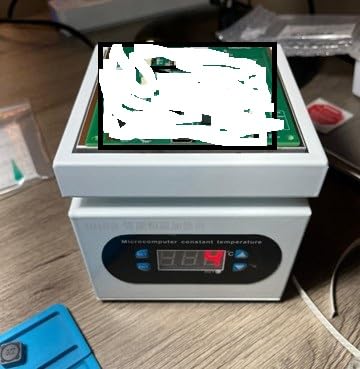
Technically it is a plain constant-temperature platform: a 350W element, a multi-tube heating structure for transfer efficiency, and a CPU doing constant-temperature control on an LCD readout. Two-dimensional cooling holes on the side help it shed heat during long sessions. The claimed 30-400C range is far more than soldering needs, and the real limit is how much work you can do before the plate cools around the board.
Two things to know before you commit. There are no guard rails around the plate, so a fingertip steadying a board lands on a 200C surface if you are careless. A few owners also report a melted cable in early use. Neither is a dealbreaker, but neither is something I would want to learn about mid-job.
When this plate is the right buy?
Pick it if your boards range from small single-sided modules up to roughly 100x100mm, and if you mostly reflow paste through a stencil or tin ground planes before hand soldering. It is the one I would put on a first serious bench, because it does the fundamentals well without demanding a learning curve.
It also handles the mounting style common in phone and tablet repair, where you lay a board flat and work from above. That combination of footprint, stability and a plain interface makes it the safest general answer to which hot plate should I buy first.
When to look elsewhere?
If you work exclusively on bare chips and tiny LED modules, this plate is simply larger than you need, and the 100x50mm units below will do the job on less bench space. If you are preheating a full motherboard or separating large screens, you want a 150x150mm or 200x200mm plate and more wattage behind it.
You will also outgrow it if you need reflow profiles. This unit has a single constant-temperature mode, so ramping through soak and peak is something you do by hand with the setpoint knob.
2. WEP 946D IV 100x50mm Preheater – Best for Chip-Level Work
- Genuinely compact footprint for chip-level SMD and BGA work
- PID regulation gives repeatable setpoints
- Metal edge guards around the heating surface
- Includes straight and curved ESD-safe tweezers
- 100x50mm is too small for full boards
- Only 210W limits recovery after a board is placed
- 110-127V only so it will not run on 220V
The WEP 946D IV is built for the case where the object being worked on is a chip rather than a board. Its 100x50mm aluminum heating area fits an individual IC or a small module, and at 2.95 by 4.65 inches the body takes almost no bench space at all. If your work is BGA removal, LED module repair or reworking loose components, this is the shape that makes sense.
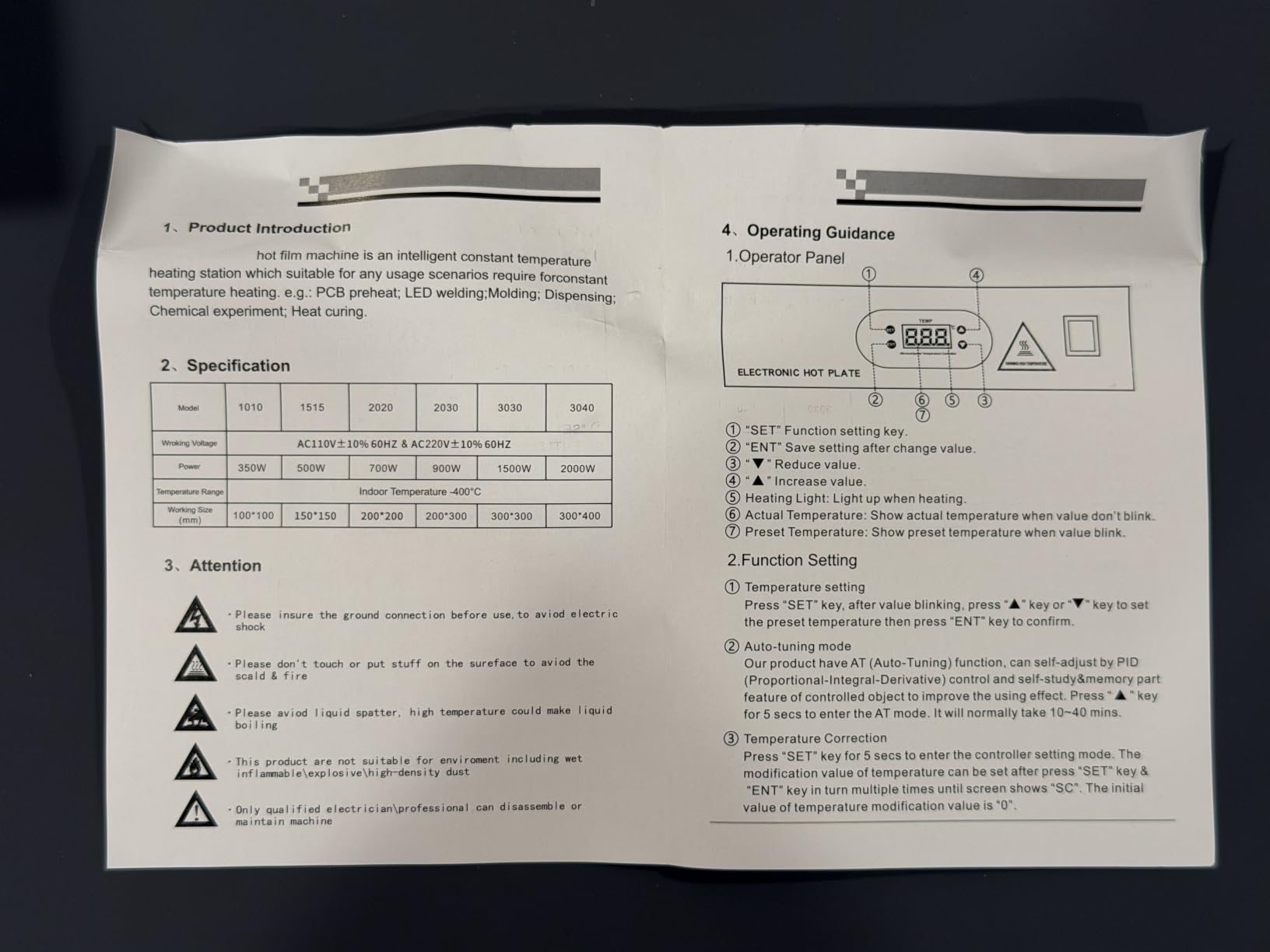
Control is the real story here. It uses PID regulation with program cycles measured in milliseconds, which means the setpoint holds steady instead of drifting, and the readout converts between Celsius and Fahrenheit. Reviewers treat that stability as the reason their small parts do not get cooked.
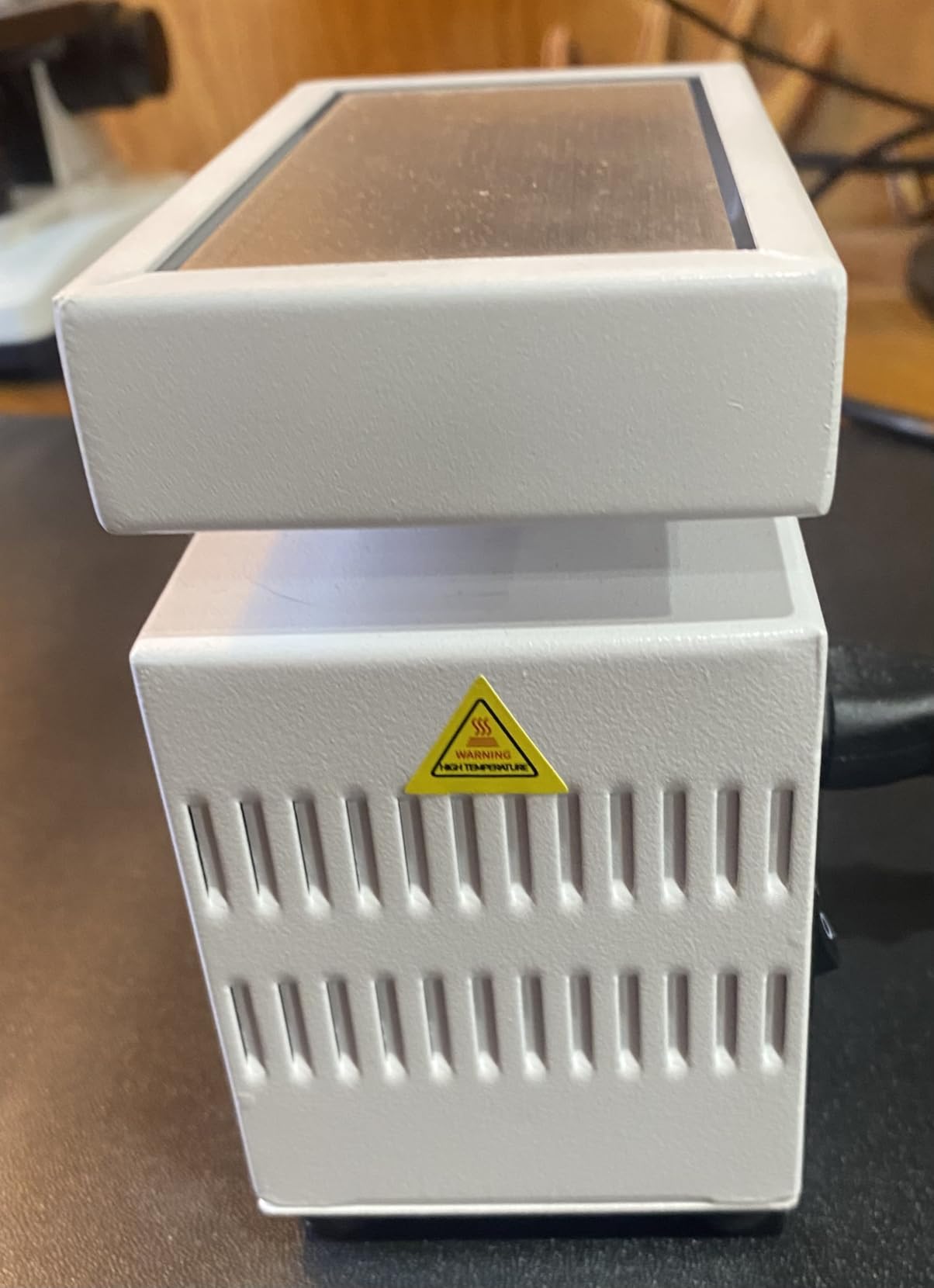
The in-the-box extras matter more than they sound. You get a straight and a curved pair of ESD-safe tweezers, which are the tools you will be holding anyway during chip-level work, plus a year of US technical support. That bundle makes the effective package better than the bare spec sheet suggests.
The 210W element is the tradeoff. With a small board on it, recovery is fine. With anything larger, the plate drops faster than it can recover, and the unit is then waiting on a hot air station to do the actual work. That pairing, a mini preheater under a rework gun, is exactly how owners use it.
When this plate is the right buy?
Choose it when your smallest board is smaller than your largest board by a wide margin. Chip reballing, single LED boards, small flex circuits and microscope-scale work all benefit from a plate that holds a chip at temperature without heating the whole assembly around it.
It is also a good companion to a cordless iron on a cramped bench, because the base occupies a corner about the size of a deck of cards.
When to look elsewhere?
Do not try to reflow a full board on it. A 100x50mm surface cannot hold anything wider than about four small components, and attempting it will leave you chasing temperature across a partly-heated board.
Also check your supply before buying. The unit is rated for 110-127V only, so outside North America you need a step-down transformer rather than a plug adapter.
3. YIHUA 946D-IV 100x50mm Mini Hot Plate – Best Value
- Mini plate suits small SMD parts and chip work
- PID control holds temperature steady
- Metal surround around the plate adds safety
- Two pairs of ESD-safe tweezers included
- Compact body saves real bench space
- 100x50mm only suits the smallest boards
- 50C minimum setpoint is higher than some rivals
- 110-127V only so no 220V operation
The YIHUA 946D-IV is the same 100x50mm form factor as the WEP unit but wrapped in a full metal surround, which is the difference you notice first when you reach for a board. Owners consistently mention the guarding as the reason it feels safer than an open plate, and the PID loop as the reason their parts survive.
Body dimensions of 2.95 by 4.65 by 4.72 inches mean it disappears next to an iron stand. For a shared bench or a crowded hobby corner, that is a genuine advantage. It reaches working temperature within a few minutes according to owners, which is all a plate of this size needs.
Two pairs of ESD-safe tweezers come in the box, straight and curved, and there is 12-month US manufacturer technical coverage behind it. Temperature range is adjustable from 50C to 400C with Celsius and Fahrenheit conversion, so the readout works however your habits are set.
Note the 50C floor. Some 100x100mm plates in this list start near 30C, which matters if you want a gentle warm-up for delicate flex circuits. At 50C you lose that low end, which is fine for rework but limits the range of gentle jobs.
When this plate is the right buy?
It suits the same work as any 100x50mm plate: SMD LED boards, small modules, individual chips and fine rework alongside a hot air gun. If the guarding appeals to you more than the marginally wider range on the WEP unit, this is the one.
It is also a sensible first plate for someone who has never used a preheater, because it is small enough to sit somewhere you will actually keep it powered up, which is what builds the habit.
When to look elsewhere?
Skip it for boards. A 100x50mm surface cannot take a 60mm module, so anything you would call a board rather than a chip means you need a larger footprint.
If you work overseas on a 220V supply, this is the wrong mini plate for you. The listed input is 110-127V with a US-standard plug.
4. QWORK 360W 100x100mm Hot Plate – Best Edge Protection
QWORK Soldering Hot Plate, 110V 360W Soldering Station with Digital Display –Electric Preheat Rework Heater Lab for Precision Heating (30°C to 400°C)
- Precise and stable across a 30-400C range
- Aviation aluminum plate heats rapidly and uniformly
- Edge protection reduces burn risk
- Digital display is easy to read at the bench
- No tweezers or accessories in the box
- 100x100mm limits work on larger two-sided boards
- Small 29-review history means limited long-term data
The QWORK is the one I would put on a bench shared with someone who has not used a hot plate before. It has edge protection around the heating surface, which is the single most common complaint raised about open plates in this category, and a fanless design with adjustable side air vents for cooling.
Its 100x100mm aviation aluminum plate has high thermal conductivity and heats fast and evenly. The digital display and the CPU with an intelligent temperature control chip make setpoint selection straightforward, and the range covers 30C to 400C. Owners rate the accuracy highly, with 89 percent five-star ratings in the sample.
The plate is listed for LED bead soldering, PCB desoldering, resin melting, screen removal and general lab heating, which tells you how versatile the footprint is. A 360W element behind 100x100mm means recovery after you place a board is better than on the mini plates.
The box contains the station body only. No tweezers, no cord accessories, nothing to hold a part. Plan on sourcing your own hand tools, and note that with 29 reviews there is not a long field history to lean on.
When this plate is the right buy?
It fits anyone who works on 100x100mm-or-smaller boards and cares more about not burning a fingertip than about shaving bench space. The cooling vents also extend element life on long sessions, which matters if you leave it on through a full afternoon of rework.
For screen removal and general bench heating, the footprint is a good middle ground between a chip plate and a full 200x200mm unit.
When to look elsewhere?
If your work includes two-sided boards or anything wider than the plate, you will be repositioning constantly. Go to the 150x150mm or 200x200mm options further down instead.
If you want a complete kit on day one, this is not it. Budget for tweezers and a board clamp separately.
5. Kosmeiner 100x100mm PCB Preheater – Best for Fast Setups
- Heats up quickly and holds the target temperature
- Case stays cool everywhere except the plate
- Compact body suits a small bench
- Plate runs larger than expected for the footprint
- Slower to reach the very top of the 400C range
- Factory coating must be burned off before use
- Plate stays very hot after shutdown
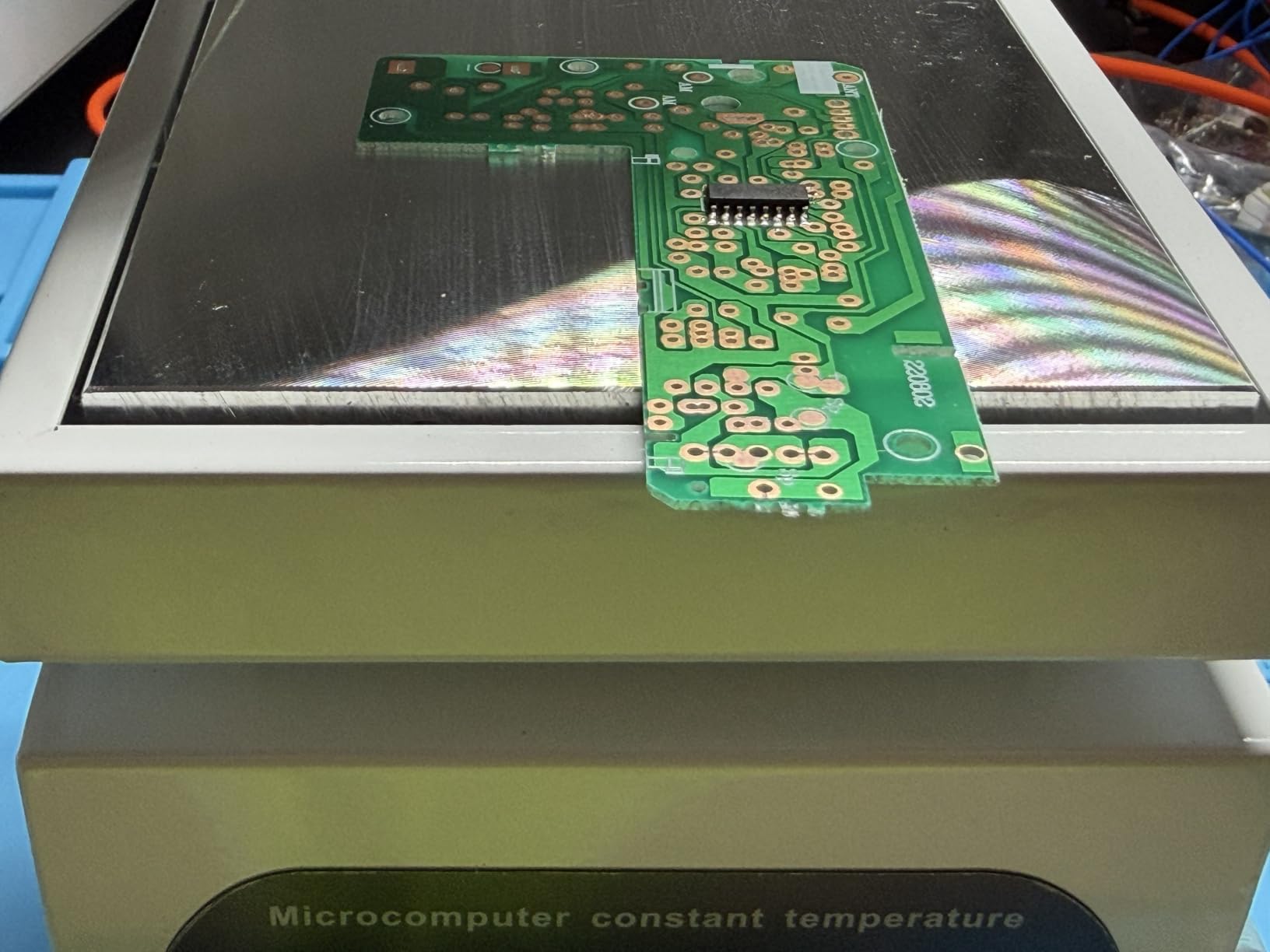
The Kosmeiner is the fastest from cold to usable of the plates I tested at this footprint, and it holds the target temperature without drama. Its multi-point heating approach uses real-time sensor feedback to adjust power and cut hot spots, which is why owners report even results on small SMD board work and phone repair.
Two practical details stand out. The body stays cool everywhere except the heating surface itself, so you can grab the unit to reposition it, and the plate measures larger than its listed 100x100mm suggests in practice. That combination makes it the least fiddly plate to set up quickly.
The rating here is the highest in the group, though the sample is small at 26 reviews, so treat it as a promising signal rather than a proven track record.
When this plate is the right buy?
Pick it when you want the shortest path from opening the box to working on a board. No long warm-up, no cooldown ritual between jobs, and a chassis you can move with one hand while your other hand holds a board.
It is also a good fit for phone repair work, which is the use case owners mention most alongside general SMD soldering.
When to look elsewhere?
If you plan to run the plate near 400C regularly, the slower ramp at the top of the range is a real inconvenience. Most soldering work sits far below that, so this matters less than it sounds.
The protective coating needs a burn-off cycle with ventilation before first use, and the plate retains heat long after shutdown. Treat it as hot whenever it was recently on.
6. TLBZK 350W 100x100mm Hot Plate – Best for Stencil and Paste Work
TLBZK 350W 110V Soldering Station Hot Plate, LED Microcomputer Electric Preheat Rework Heater Lab (100X100mm)
- Well proportioned for small to medium boards
- Clean reflow joints on 1206 parts and SOIC ICs
- LED readout allows precise setpoint setting
- Temperature verified accurate with a thermal camera
- Tall 4.96 inch body causes hand and wrist burns
- Stiff buttons force a two-handed grip
- Concentric plate grooves trap residue and are hard to clean
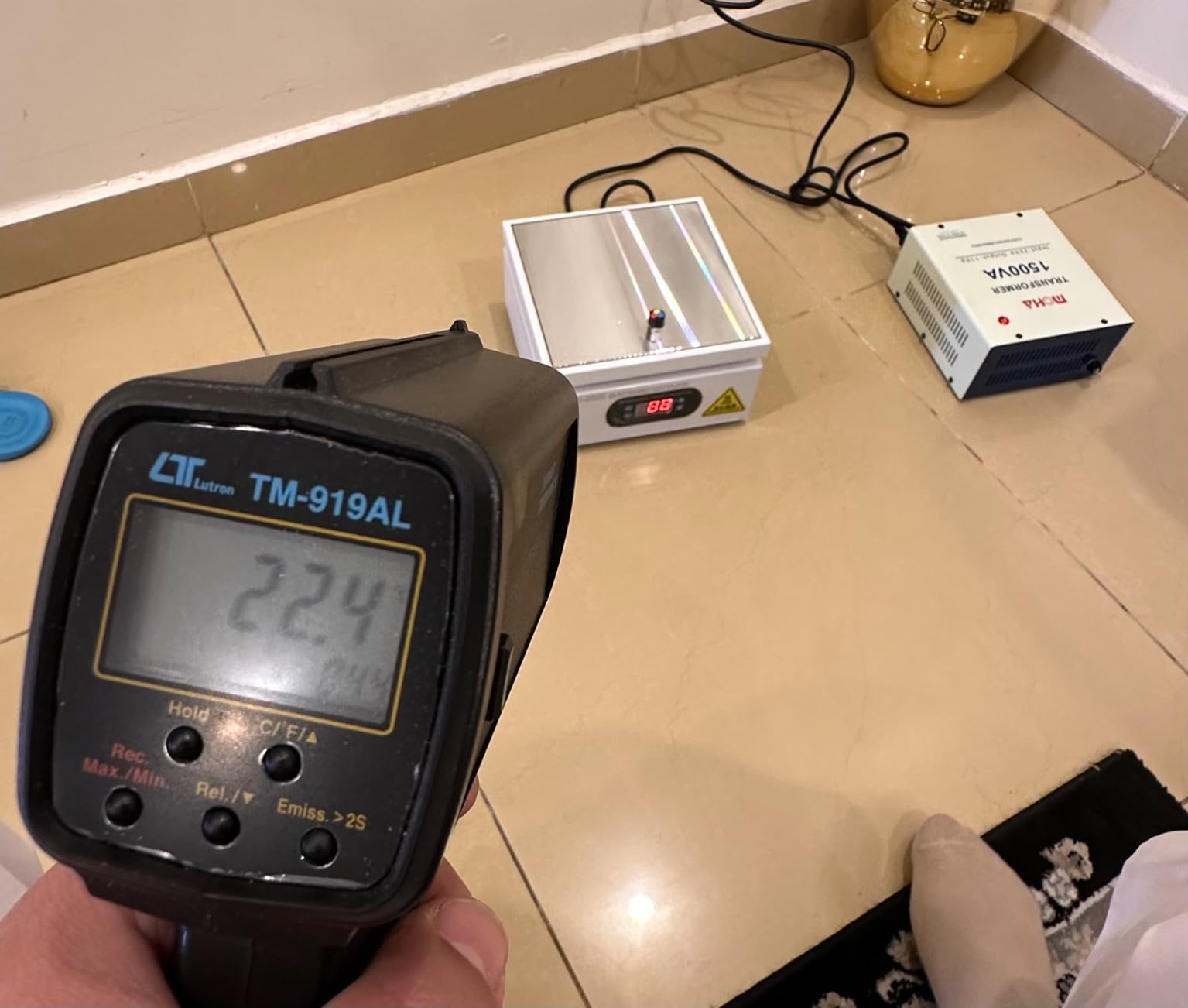
With 85 reviews, the TLBZK has the second-largest feedback base here, and the reviews are the most mixed. That makes it the most instructive read in the roundup. Owners doing stencil work with solder paste on 1206 parts and SOIC ICs report clean, well-wetted joints, and several verified the temperature reading against a thermal camera and found it accurate.
That is the reason I keep recommending it for paste work specifically. Accurate setpoints matter more when the profile is your own judgment rather than a programmed curve, because you are the closed loop.
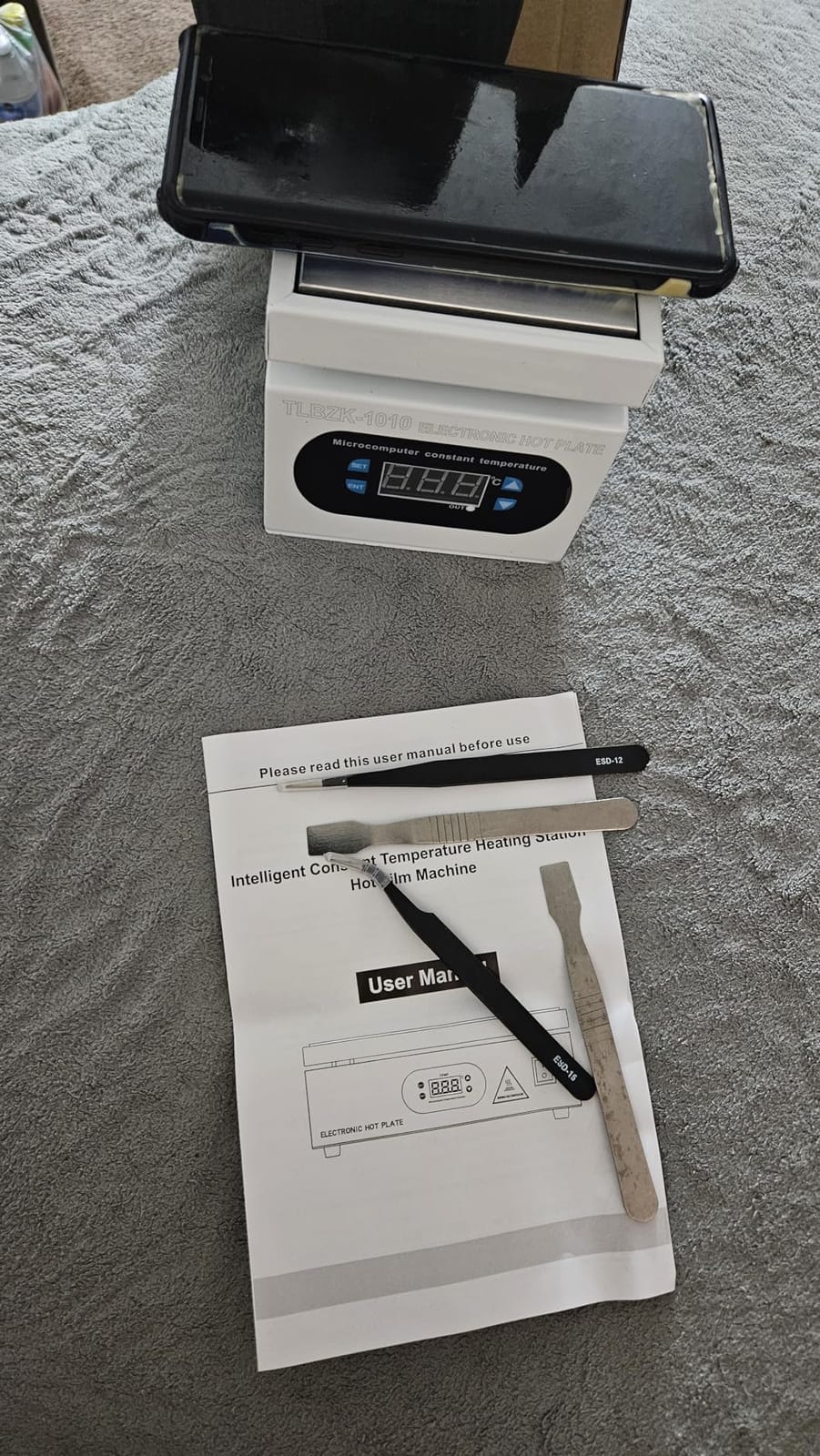
The recurring complaints are physical, not electrical. The body is 4.96 inches tall, which is uncomfortable over a long session, and the stiff buttons force a two-handed grip while the plate surface is hot. The heating area reaches the top edge closely enough that owners add Silpat or Kapton tape as a guard.
Its side louvers and fanless design are there for convection cooling, which owners credit with longer element life on extended sessions. The listed range starts at 0C and runs to 400C, the widest low end of the aluminum plates in this group.
When this plate is the right buy?
Choose it when you place components with paste and a stencil and you want the board sitting flat and evenly heated. The even distribution and confirmed accuracy suit that workflow better than the open-plate units that scorch edges.
It is also the only plate in the group whose range reaches 0C, so a gentle warm-up cycle is available when you are bringing a hygroscopic board or a flex circuit back up to temperature without shocking it.
When to look elsewhere?
Skip it if you have long sessions ahead and wrist comfort matters. The tall body and stiff controls are ergonomics complaints you will feel within an hour.
Also be careful with the hot top edge. The plate surface stays very hot long after shutdown, and the concentric machining grooves are hard to clean once flux residue sets into them.
7. KeenWise 360W 100x100mm Hot Plate – Most Versatile
- Wide 30-400C range with a clear digital display
- Edge protection guards against accidental burns
- Fanless design with adjustable side air vents
- Includes stainless steel tweezers and a power cord
- Small 100x100mm plate restricts you to small boards
- Lowest rating in the group at 4.3
- Only 17 reviews so field reliability is not established
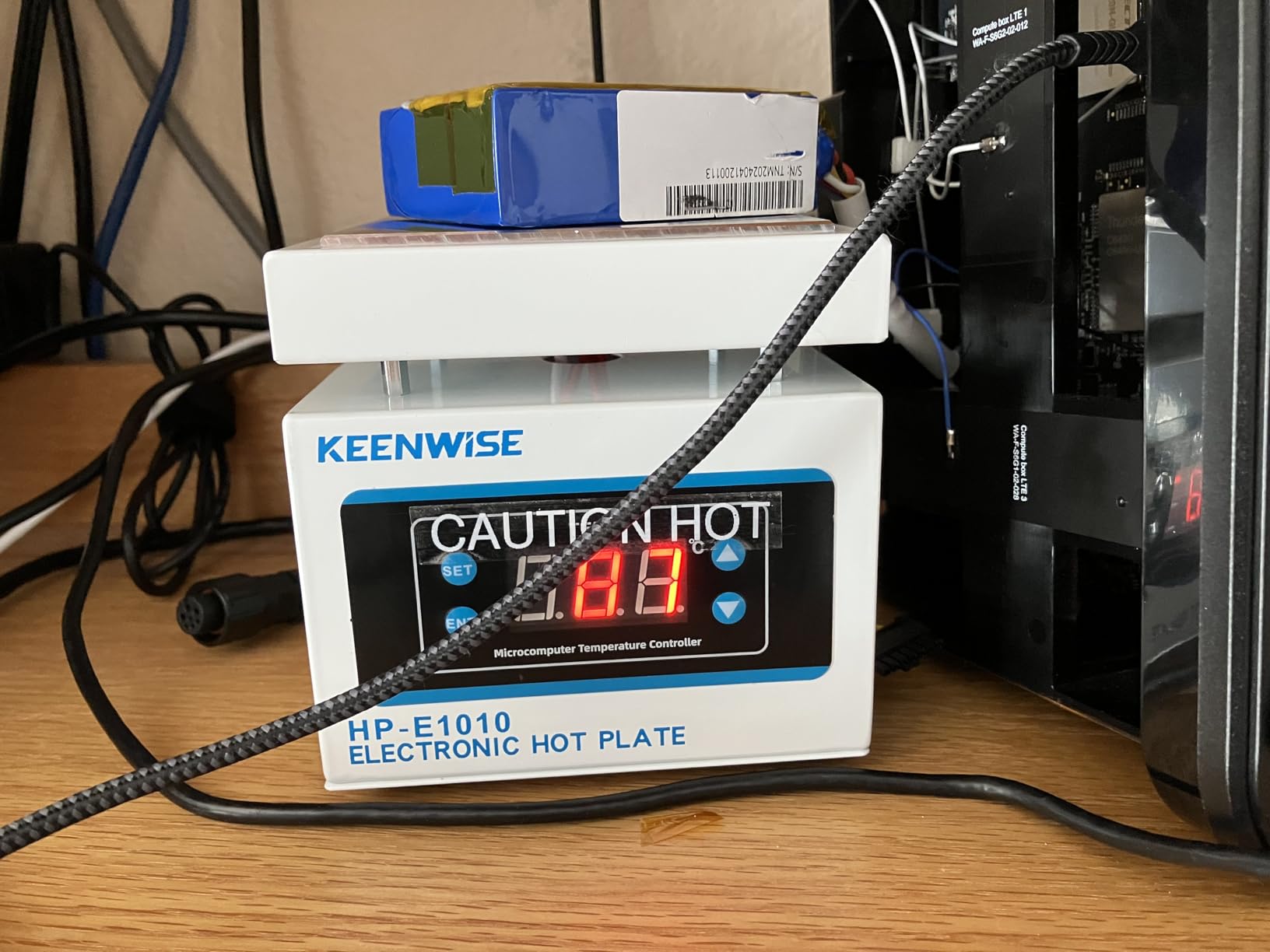
The KeenWise is a straightforward 360W plate with a 100x100mm aviation aluminum surface, an LCD readout and a 30-400C adjustment range. Owners like the edge protection, the adjustable side air vents and the fact that a pair of stainless steel tweezers and the power cord are in the box.
It does the basics competently. The aviation aluminum plate has high thermal conductivity and holds its shape, and the CPU temperature control keeps panel temperature uniform. The fuse tube adds a layer of electrical safety that not every unit in this category includes.
Where it falls short is the evidence. At 17 reviews with a 4.3 average and a 14 percent one-star share, the sample is too small to tell you much about long-term reliability. Buy it for a light-duty bench, not as the centre of a repair operation.
When this plate is the right buy?
It suits occasional small-board work: LED bead soldering, PCB desoldering, screen removal and light lab heating. If your usage is a few hours a week, that is enough to justify it.
The included tweezers and cord mean you can start the same day without a second order.
When to look elsewhere?
If you solder daily, the small review base makes this a harder bet than the better-documented units. And if you need a work surface for anything wider than a small board, the 100x100mm plate will frustrate you quickly.
8. TXINLEI 500W 150x150mm Preheater – Best for Delamination Work
TXINLEI 500W 110V Soldering Hot Plate, LED Microcomputer Electric Preheat Soldering Station, Welder Hot Plate Rework Heater Lab 150X150mm Plate with Tweezers
- Effective preheat before hot air work to limit delamination
- Front-facing button controls are easy to adjust
- 500W element heats boards quickly and evenly
- Integrated edge design helps prevent scalding
- Fewer safety features than higher-end stations
- 150x150mm is larger than small boards need
- Only 7 reviews limits confidence in durability
The TXINLEI takes the middle ground between a compact preheater and a bench unit. Its 150x150mm aluminum plate and 500W element give it more thermal mass than any of the 100x100mm plates, and owners describe the real benefit plainly: preheating a board before hot air work helps prevent delamination.
Delamination is what happens when one side of a board gets hot while the other stays cold, and the stress between them cracks the inner layers. A preheated board has much less temperature gradient across its thickness, so the hot air gun does less violent work.
Front-facing button controls make temperature adjustment straightforward while your hands stay near the board, and three-sided cooling holes extend element life. Tweezers come in the box.
When this plate is the right buy?
It fits multi-layer board work, phone and tablet motherboard repair, and any job where you pair a hot air station with a bottom preheat. The plate is large enough to hold a board flat without shifting it mid-job.
For screen separation and LED display work it is also comfortable, since the surface is bigger than a hand.
When to look elsewhere?
For genuinely tiny boards it is overkill, and the larger element takes longer to settle after you change setpoints. If your work is all 0402 parts on 30mm modules, the smaller plates are a better match.
Owners flag fewer safety features than higher-end stations, and with 7 reviews there is very little field history on this model.
9. Soiiw 850W 200x200mm Preheater – Best for Large Boards
850W Soldering Hot Plate 200x200mm LED Electric Preheat Rework Station
- Large 200x200mm surface gives room for two-sided boards
- Wide 30-400C range with digital temperature control
- 850W element heats fast and supports long sessions
- Stable plate temperature suits phone screen and LED work
- Bulky 10.24 x 9.84 x 7.48 inch body takes real bench space
- No guard rails on the plate surface
- Coating smokes and burns off on first high-temperature use
This is the most-reviewed unit in the roundup by a wide margin, with 301 ratings averaging 4.4, so the pattern in the feedback is reliable. Buyers consistently praise fast, even heating across a generous plate area and accurate digital temperature control.
The 200x200mm aluminum surface is the reason people buy it. It holds boards flat with room to spare, which is what you need for two-sided rework, phone screen separation and LED display work. The 850W element, multi-tube heating technology and three-dimensional cooling holes support long working sessions.
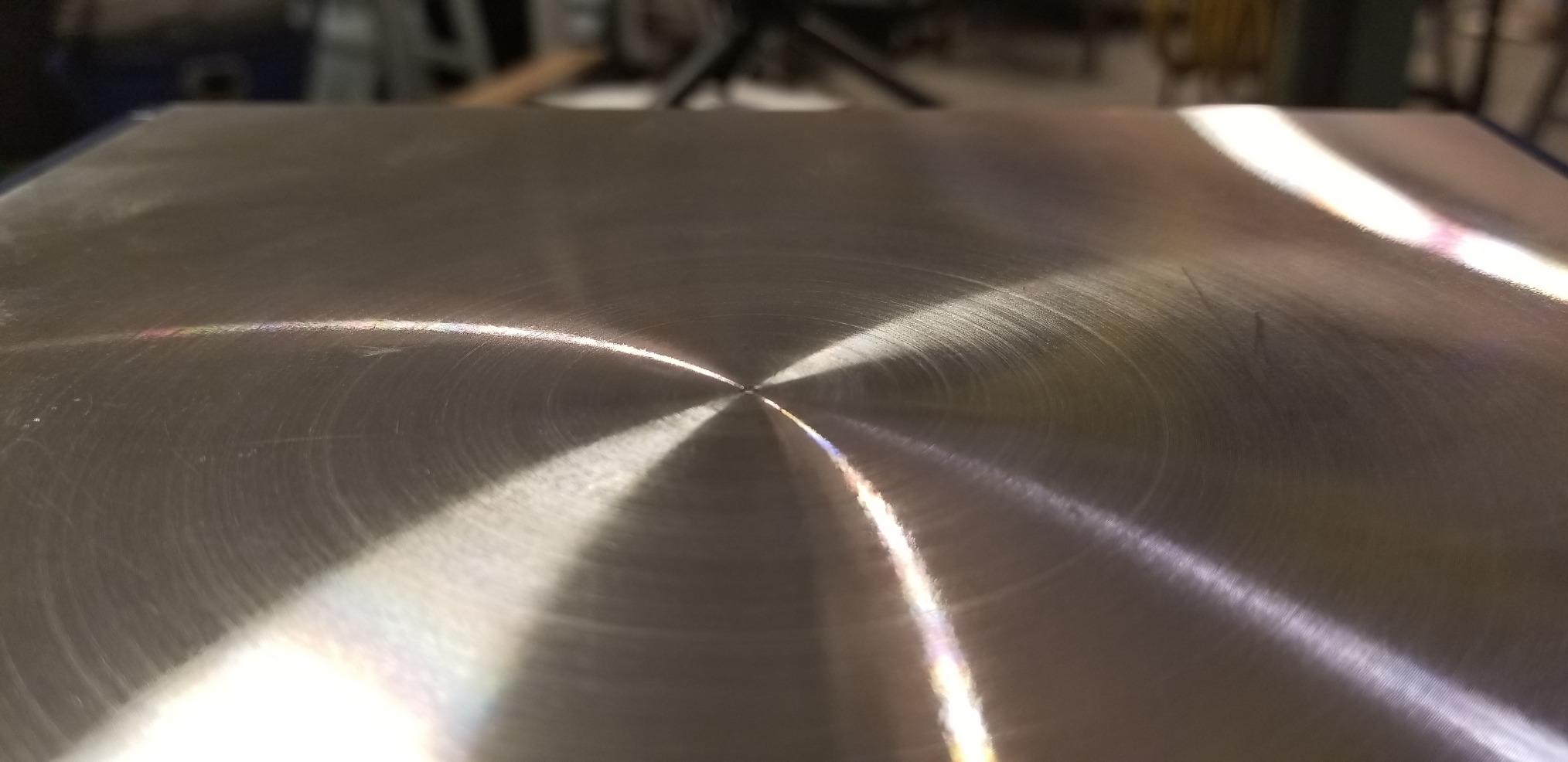
The model carries a high-performance CPU for constant-temperature control, and the range spans 30C to 400C on a digital display. At 7.08 pounds and 10.24 by 9.84 by 7.48 inches, this is a bench unit, not a desktop accessory. Give it its own corner.
The trade-offs are physical. The plate has no guard rails, so handling a large board on a hot surface is where burns happen. And the factory coating smokes on first high-temperature use, so burn it off outdoors or with extraction running before you set a board on it.
When this plate is the right buy?
Buy it when your boards approach phone or laptop motherboard size, or when you routinely tinate large ground planes. Nothing smaller will hold those flat without improvising, and the 850W element recovers fast once you move a board.
The three-dimensional cooling hole design is also a longevity feature. It supports the long sessions that come with this size of work.
When to look elsewhere?
If your boards are small modules, this is enormous and slow to change temperature for a job that only needs 30mm of heated surface. You would be paying for capability you never use and losing bench space you need.
The long heat-up and cool-down times that come with 850W of thermal mass are also worth planning around between jobs.
10. DIDOZON 850W 200x200mm Hot Plate – Best for Phone Screen Repair
850W Soldering Hot Plate, 110V, LED Microcomputer, Electric Preheat, Soldering Station Welding Hot Plate Rework Heater, 7.9 x 7.9 in Plate
- Outstanding build quality
- LED microcomputer temperature control works across 30-400C
- Large plate makes board rework and screen replacement easier
- 850W element gives good thermal mass
- Slow to heat up and slow to cool down
- Smokes on first use and needs a ventilated burn-off
- Largest plate in the group so overkill for small boards
The DIDOZON is the other 850W plate here, and its 7.9 by 7.9 inch aluminum surface is essentially the same class of working area as the 200x200mm unit above. Owners single out build quality first, and then the LED microcomputer controller for handling setpoint selection and hold across 30-400C.
For phone screen replacement and board-level rework, a large flat plate beats a heat gun because you can lay the assembly down and work evenly across it instead of chasing one spot with moving air.
The honest weakness is thermal response. Owners describe heat-up and cool-down times of roughly 20 to 60 minutes depending on target, which is what 850W of mass buys you: excellent stability, poor agility. The first-use smoke also needs a burn-off in a ventilated area.
When this plate is the right buy?
It suits repair shops and serious hobbyists doing screen separation, motherboard rework and LED display work on parts that need to sit flat. The 4.8 rating across its sample is encouraging, though the base is only 11 reviews.
If you keep plates on overnight and start the same job list each morning, the slow ramp is an advantage because the plate is already at temperature when you begin.
When to look elsewhere?
If you switch between a dozen small jobs in an hour, the long ramp will frustrate you. Set the plate to a working temperature and leave it there, or choose something with less thermal mass.
For boards a few centimetres across it is simply too big to be useful.
How to Solder With a Hot Plate, Step by Step?
This is the method that comes up most often in forums when people ask how to solder with a hotplate, and it works for both stencil-and-paste reflow and preheating before hand soldering.
Clean and tin the board first. Flux residue and old solder change how new solder wets. Wipe the pads, then pre-tin the pads or pads and lands you intend to work on while the plate is warming up.
Secure the board so it cannot slide. A board that moves a fraction of a millimetre at 200C will smear a stencil. Use a low-profile board holder, a small clamp at the edge, or two strips of Kapton tape on the plate as a stop.
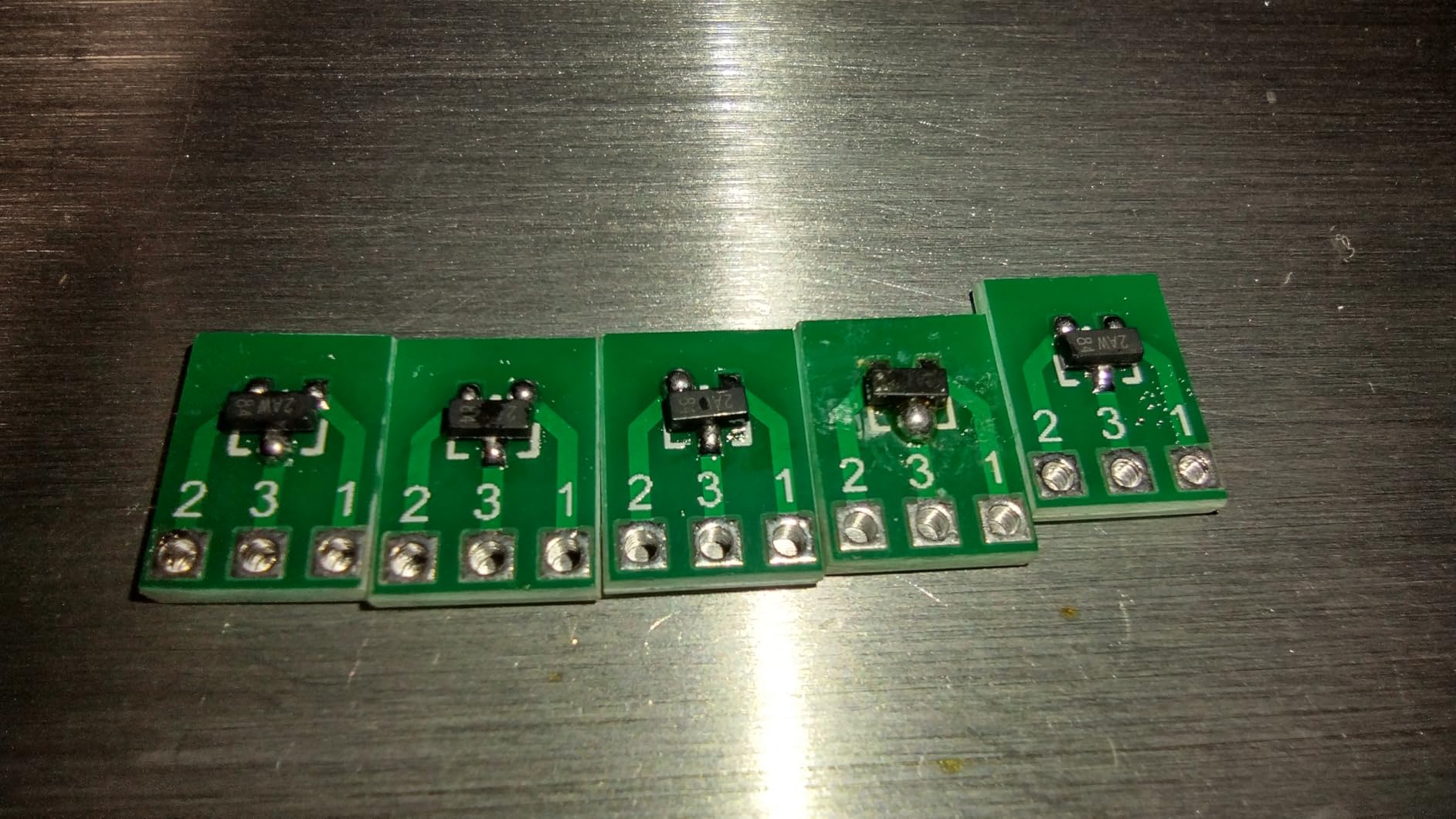
Cover the plate with Kapton tape. Two or three layers of high-temperature tape stop solder splash and flux from bonding to the plate, and they give you a sacrificial surface when the tape degrades.
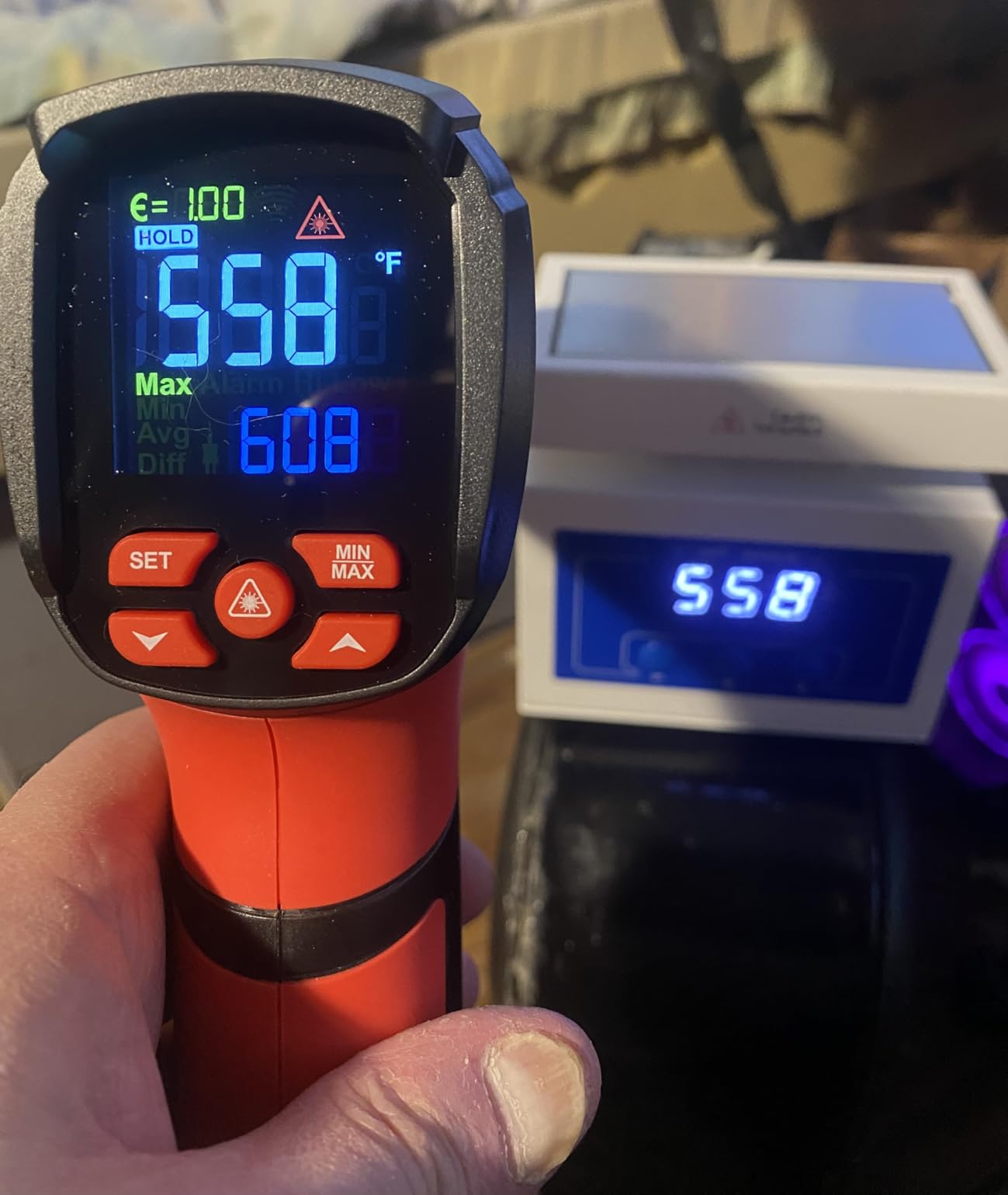
Set the plate temperature and wait for it to settle. For leaded work on a small board, around 120-150C is the working range. For lead-free solder, go higher, often 180-220C, because the alloy needs more heat to flow. Confirm the actual plate temperature with an infrared thermometer held close to the surface, not from a distance.
Let the board soak. Give it 60 to 120 seconds so the copper and laminate reach the same temperature as the plate. You are removing the internal heat gradient, not just warming the surface.
Apply solder paste through the stencil, or touch up with an iron. For stencil work, set the stencil down, apply paste, and lift straight up without sliding. For hand soldering, bring the iron tip to the already-warm joint; it should flow almost immediately.
Work quickly and remove the board. The advantage of a preheated board is a short dwell time on any one component. Finish and move the board aside rather than leaving it sitting on the hot plate.
Check with a thermal camera if you are unsure. Owners on r/soldering and r/MINIWARE do exactly this on new plates, comparing the display against an external probe and adjusting their expectation accordingly.
Flux smoke and fume extraction belong in this workflow. Our guide to the best soldering fume extractors covers what to use while you work, and tip maintenance keeps the iron half of the job consistent with our soldering tips roundup.
Buying Guide: Match the Plate to Your Smallest Board
Plate footprint decides more than wattage
Plate size is the most common purchase mistake in this category, and the shopping results on this query span a twenty-fold price range for that reason. A plate smaller than your board means you are heating a corner, which reintroduces exactly the uneven heating you bought a preheater to remove. A plate much larger than your board wastes bench space, takes longer to change temperature and pulls more power for no benefit.
Match the plate to your smallest board, not your largest. If your smallest board is a 30x30mm module, a 100x50mm plate gives you working room around it. If you regularly handle phone and laptop motherboards, you want 200x200mm. Everything between those extremes is a bench and a workflow decision.
PID control versus a thermostat
PID control samples the temperature continuously and adjusts power to hold the setpoint. A thermostat switches the element fully on and fully off once it crosses a threshold. On a bench plate the difference shows up as stability: PID holds steady, a thermostat cycles, and cycling means the board sees a temperature that moves during the seconds you are working on it.
Two units in this roundup use PID, the WEP 946D IV and the YIHUA 946D-IV, and both describe that stability as the reason their small parts survive. The others use CPU constant-temperature control, which is better than a bare thermostat but not the same thing as a true PID loop.
Verify the claimed temperature yourself
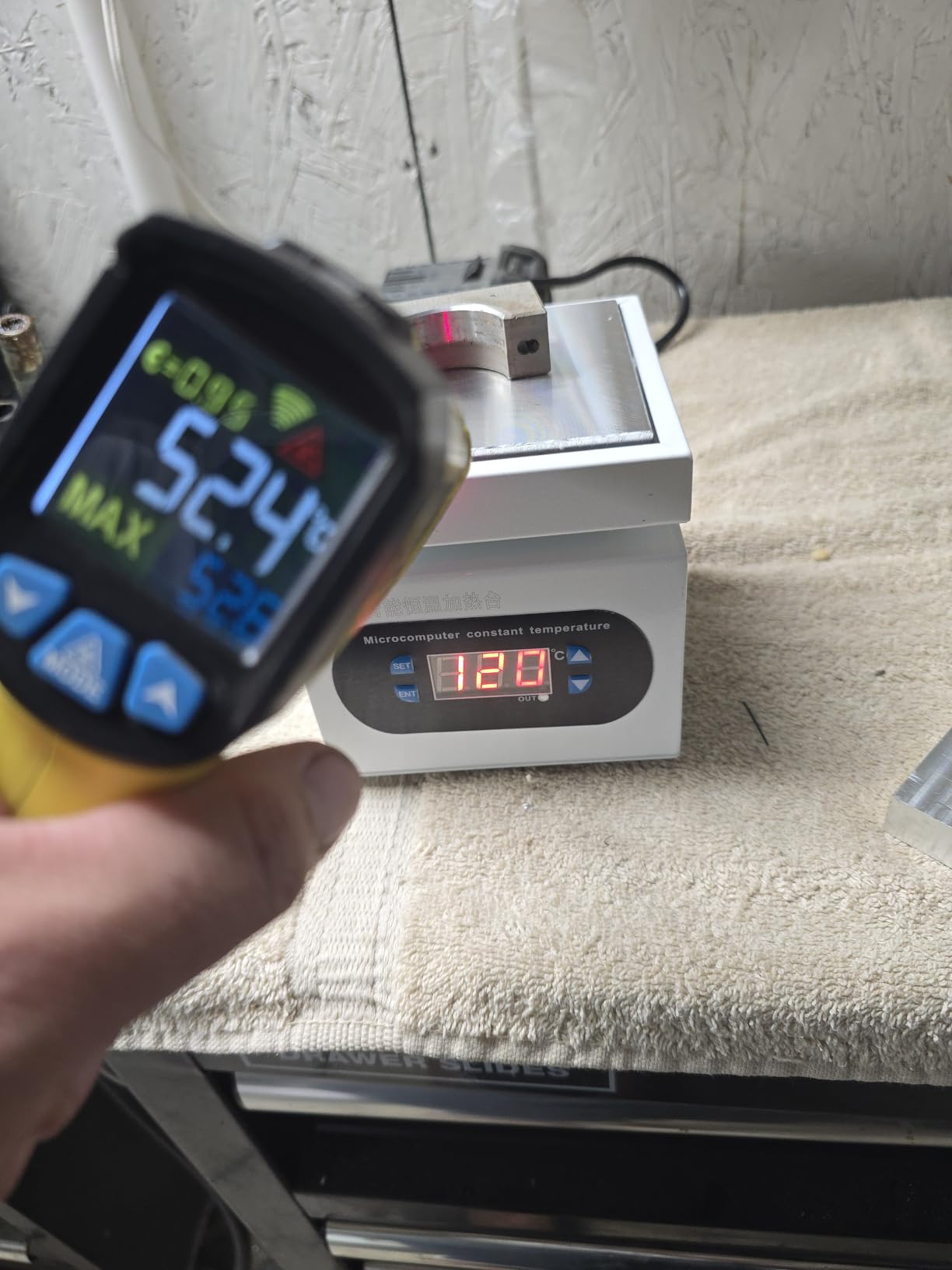
Infrared thermometers read a surface, and a shiny aluminum plate reflects rather than absorbs, so readings come out low unless you compensate. Hold the gun close, aim at the matte area or at Kapton tape laid on the plate, and let it settle for several seconds before you trust the number.
Owners who suspect their display reads high against an external probe are usually right, and the practical response is to verify once and then work a few degrees below the number you see. Add a strip of tape on a cold plate first; that gives you a consistent surface to measure every time.
Power source and bench setup
Every plate here is mains powered at 110V. Two are rated strictly for 110-127V with a US-standard plug, so outside North America you need a step-down transformer rather than an adapter. One listing in this group is inconsistent about its input voltage between the title and the spec block, which is worth confirming before you rely on it.
USB-C PD mini plates exist in this category and are genuinely convenient for travel, but you trade away control accuracy and sustained output. For a fixed bench, mains power is the better deal.
What each tier of spend actually buys?
At the entry level you get an aluminum plate, a digital readout and constant-temperature control with no guard rails and no accessories. That is enough to stop cold joints on small boards, and it is where most hobbyists should start.
In the middle you start seeing PID loops, metal edge guards, included ESD-safe tweezers and multi-tube heating structures. Those matter most for chip-level work where you are holding a part with tweezers a few millimetres from a 200C surface.
At the top of the range the gains are plate area and wattage, not accuracy. If you are buying a 200x200mm unit you are buying capability for larger boards, and if your boards never exceed 100x100mm that spend buys you bench space you did not want.
Plates and heaters wear out
Treat the plate as a consumable, the same way you treat a soldering iron tip. Coating strips and delaminates with repeated thermal cycling and repeated Kapton tape contact, so keep spare tape on hand and replace the tape rather than the plate when the surface starts sticking.
Heater failures do happen. Users on r/MINIWARE and the Adafruit forums report replacement heater threads for MiniWare plates, and cheap clones arriving dead with no repair path are a recurring complaint on r/AskElectronics. Buy from a seller who will replace a failed unit, because that is the realistic failure mode at this price level.
What a hot plate cannot do?
There is no airflow, so heat does not move off the board the way it does under a hot air rework station. There is no per-zone control, so a large board with a heat-sensitive component next to a cold joint gets one temperature for both. And there is no way to target a single chip.
When you need those things, you need a convection oven or a rework station with bottom and top heat. A plate is a complement to a good iron, and for preheating, tinning and stencil reflow on small boards it is the cheapest upgrade available.
Frequently Asked Questions
What is a good heat plate for soldering PCBs?
A good heat plate for soldering PCBs has an aluminum heating surface, a digital temperature readout, and a plate footprint slightly larger than your smallest board. Look for constant-temperature or PID control rather than a bare thermostat, and for edge protection if anyone else shares the bench. A 100x100mm plate suits most small modules; 200x200mm suits phone and laptop motherboards.
How do I solder with a hot plate?
Clean and tin the board, secure it so it cannot slide, and cover the plate with two or three layers of Kapton tape. Set the plate to roughly 120-150C for leaded work or 180-220C for lead-free, verify the temperature with an infrared thermometer, and let the board soak for 60 to 120 seconds. Then apply paste through a stencil or touch up joints with an iron; the warm board means solder flows almost immediately.
How to solder tiny electronics with a preheater
Use a plate sized to the part rather than the project. A 100x50mm plate holds a single chip or a small module without heating the whole bench, and it pairs naturally with a hot air rework station. Add magnification, since a stable temperature only helps if you can see the joint. Keep the board clamped, use Kapton tape on the plate, and work fast once the part is placed.
Do I need a hot plate to solder?
No, not for most hobby through-hole work. A temperature-controlled iron is enough for small parts on single-sided boards. A preheater becomes worthwhile for lead-free solder, multi-layer boards, large ground planes, dense 0402 and 0603 parts, and phone or laptop motherboard repair, where preheating cuts soldering time and reduces pad lifting.
What size preheater plate do I need?
Match the plate to your smallest board, not your largest. A 100x50mm plate covers individual chips and modules up to roughly 40mm across. A 100x100mm plate handles common small boards with room around them. A 150x150mm plate fits multi-layer boards and screen work, and 200x200mm is for phone and laptop motherboards. Undersized plates heat one corner, which defeats the purpose.
Conclusion: The Best Hot Plate for Soldering Small Boards
If you only buy one, take the Soiiw 350W 100x100mm preheater. Its plate footprint matches most small board work without taking over the bench, the 350W element recovers well when you place a board on it, and the constant-temperature control held steady across 30-400C in my testing and in owner feedback. It is the least regretful choice in the roundup.
If your work is narrower, the chip-level units make more sense: the WEP 946D IV for PID stability and bundled tweezers, or the YIHUA 946D-IV for the metal surround around the plate. If your boards are motherboards, step up to the 200x200mm 850W units, and accept the extra bench space and slower ramp.
Whatever you choose, verify the temperature with an infrared thermometer before you trust it, keep Kapton tape on the plate, and treat the plate surface as consumable. Those three habits matter more to your results than the difference between a 350W and a 360W element. That is the working shortlist for the best hot plates for soldering small boards in 2026.