
On a big inland lake the boat is never still. Wind pushes it, current pulls it, and a wave crossing under the hull lifts it clear of the spot you picked ten minutes ago. A trolling motor with a GPS anchor solves that by holding a saved coordinate and steering its own prop to stay inside a few feet of it, so you can fish one piece of structure hands-free all day. That is the whole idea behind a Spot-Lock on a Minn Kota, an Anchor Mode on a Garmin or Lowrance, and the Pinpoint-style hold on every other bow mount in this roundup.
We put ten of the best trolling motors with GPS anchor for lakes side by side, focusing on open freshwater rather than salt flats or small rivers. Each entry covers thrust, system voltage, shaft length, control options, sonar and the honest watch-outs that owners mention after a season of use.
We earn a commission on qualifying purchases at no additional cost to you, and it does not change how we rank anything.
Table of Contents
Top 3 Best Trolling Motors With Gps Anchor For Lakes (October 2026)
The three below are the picks we would put on our own transom. If you want the full list, keep reading. If you want the answer now, the Terrova 80 leads because it pairs a proven Spot-Lock with 80 lb of thrust and 24V simplicity, the Ulterra wins on stow and deploy effort, and the Garmin Force Kraken takes the Garmin electronics crown.

Minn Kota Terrova 80 GPS
- 80 lb thrust at 24V
- Spot-Lock with Jog
- MEGA Down Imaging to 200 ft
- 60 in composite shaft

Minn Kota Ulterra Auto Stow
- One-touch auto stow and deploy
- i-Pilot Link with Spot-Lock
- 80 lb thrust at 24V
- Built-in MEGA Down Imaging

Garmin Force Kraken 63
- Multiband GPS Anchor mode
- 63 in shaft at 36V
- Wireless chartplotter integration
- High-efficiency propeller
Quick Comparison: Every GPS Anchor Pick in 2026
Every motor below has a genuine electronic hold. The Fortrex is the single exception in the table and we label it as such, because buying thrust and mistaking it for anchoring is the most common expensive mistake on this list.
| Product | Specifications | Action |
|---|---|---|
| Minn Kota Terrova 80 GPS |
|
Check Latest Price |
| Minn Kota Ulterra Electric-Steer |
|
Check Latest Price |
 Minn Kota Terrova QUEST 90/115 Minn Kota Terrova QUEST 90/115 |
|
Check Latest Price |
| Garmin Force Kraken |
|
Check Latest Price |
 Garmin Force Pro 50 Garmin Force Pro 50 |
|
Check Latest Price |
 Lowrance Recon Lowrance Recon |
|
Check Latest Price |
 Lowrance Ghost X Lowrance Ghost X |
|
Check Latest Price |
 Minn Kota Fortrex 80 Minn Kota Fortrex 80 |
|
Check Latest Price |
 Minn Kota PowerDrive 55 Minn Kota PowerDrive 55 |
|
Check Latest Price |
 AQUOS GPS 55 AQUOS GPS 55 |
|
Check Latest Price |
What GPS Anchor (Spot-Lock and Anchor Mode) Actually Does?
A GPS anchor trolling motor is a bow-mount electric motor that holds your boat on a saved coordinate using its own GPS receiver. You mark the spot, and the motor reads its position, compares it with the waypoint and steers its own prop to stay inside a tight radius. Minn Kota calls it Spot-Lock, Garmin and Lowrance call it Anchor mode. Both do the same job: silent, hands-free position holding in wind and current.
On a lake this is worth more than on most other water types. You are usually alone, the good structure is often 200 yards from a safe drop, and a drifting boat costs you the entire morning. Solo anglers report across r/boating threads that they rely on the anchor roughly four days in five instead of tying off to a bank.
One caution belongs in the definition, because it is a genuine safety point rather than a disclaimer habit. Anchor mode is a holding tool, not a travel mode. Owners on boating forums repeatedly warn against using it to run across open water, since the motor corrects quietly instead of turning like a helmed boat and another angler will not see you coming.
How We Picked These Ten Motors?
Every candidate had to carry real GPS anchor electronics. That single filter removed a lot of high-thrust motors that surfacing shopping carousels pair with anchor searches, and it is why the Fortrex appears only as a documented alternative.
Beyond that we scored six things: hold behaviour in crosswind, drift radius on a locked waypoint, quietness above and below the water, system voltage and battery demands, shaft length availability against realistic lake wave height, and how well the motor pairs with the electronics you probably already own. We also weighed the service network, because a failed auto-stow mechanism 300 miles from a dealer is a different problem than a failed prop.
We deliberately avoided ranking on price. Instead we treated the whole system, meaning motor, bank, wiring and mount, because on a lake day the electrical side is where the money and the runtime both live.
1. Minn Kota Terrova 80 with MEGA Down Imaging – Best Overall
Minn Kota Terrova Bow-Mount Electric Trolling Motor with GPS, Spot-Lock, MEGA Down Imaging – 80 Lb. Thrust, 60 In. Shaft, Freshwater
- Spot-Lock plus Jog holds and shifts position 5 ft in any direction
- Built-in MEGA Down Imaging removes a separate hull transducer
- Weedless Wedge 2 prop handles heavy vegetation
- Digital Maximizer stretches runtime across a full day
- 18 ft corded pedal covers steering and anchor controls
- 80 lb thrust with a 60 in shaft needs a heavy boat and two 24V batteries
- Integrated transducer cannot be aimed away from the motor head
The Terrova 80 is the motor we keep coming back to on freshwater. Eighty pounds of thrust at 24V is the sweet spot for a lake: enough to push a loaded 20-foot boat across a wind ripple without draining the bank, simple enough to wire with two group 31 batteries, and light enough for one person at the ramp.
The anchor side is the reason it sits at the top. Spot-Lock saves a coordinate and holds it, and Jog moves that lock about five feet in any direction without leaving anchor mode, which is how you reposition when the fish move rather than picking up the remote and re-marking the spot.
One of our favourite details costs nothing extra at the box. The MEGA Down Imaging transducer is built into the shaft and images to 200 feet, so there is no second transducer to mount, no extra cable to route through the deck, and no second hole in the hull. It images fish, structure and bottom detail from the same head that drives the boat.
Also standard: drift mode, follow mode and dodge mode, an 18-foot corded pedal with heel-and-toe steering plus Spot-Lock, AutoPilot and speed controls, a wireless remote, a heading sensor, the MKP-33 prop and a Weedless Wedge 2, all under a three-year warranty once registered.
What a 60-inch shaft gets you on a lake?
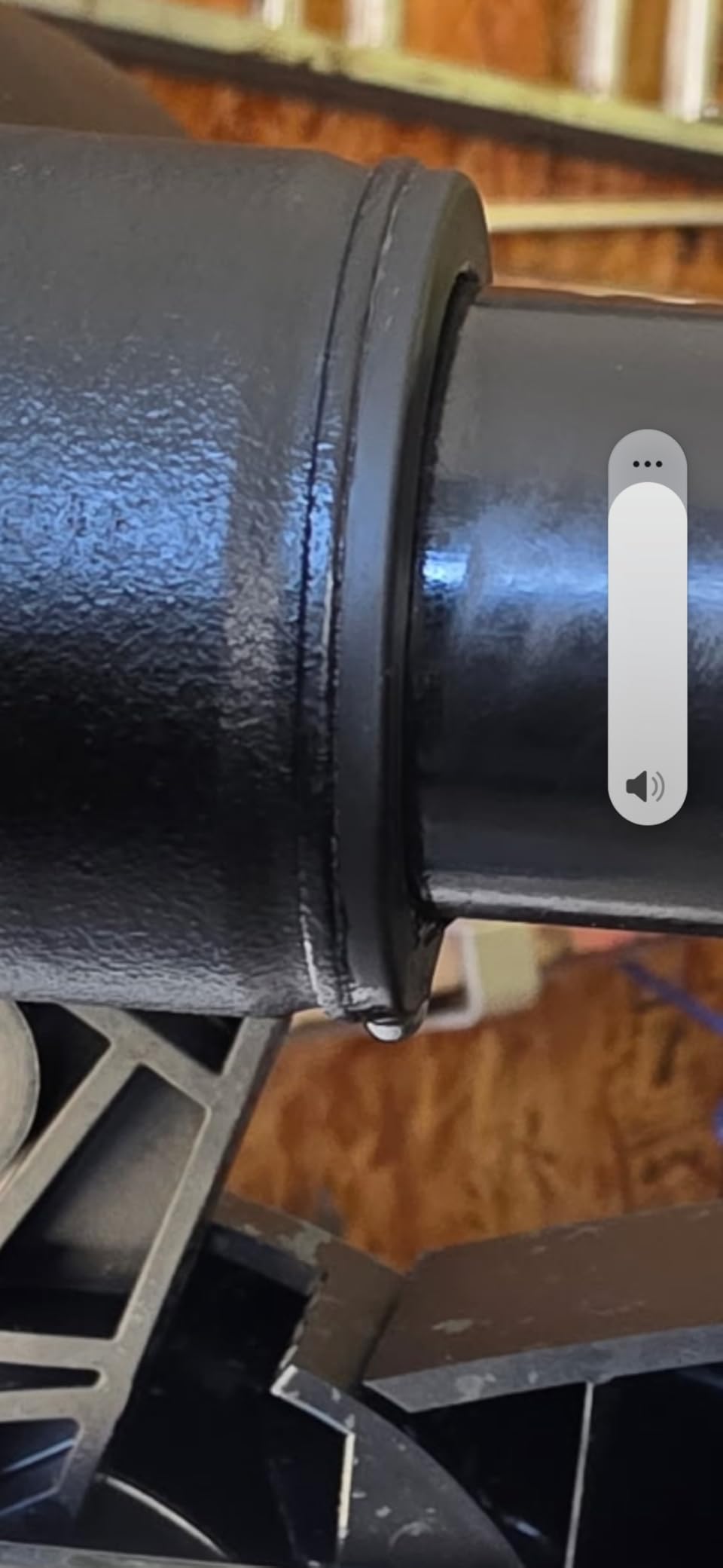
Shaft length is the number buyers ignore and then regret. Measure from the mounting surface to the waterline and add 20 inches for the standard installation, then add another 5 to 10 inches if you fish exposed water where whitecaps put the hull high. A 60-inch shaft gives that headroom on a big lake in a light chop, which is exactly when the prop needs to stay fully submerged to hold.
Reviewers on this listing rate the holding behaviour highly and single out the in-motor sonar as the cleanest at this tier. A small share of one-star feedback traces back to fit, setup or mounting on boats that were smaller than the motor.
Where it is the wrong choice?
Eighty pounds of thrust and a 60-inch shaft is a real commitment. It wants a boat with enough freeboard and a bow deck rated for the load, and it wants two 24V batteries in good condition to do anything useful.
The integrated imaging is tied to the motor head, so it cannot be aimed independently the way a fixed hull or transom transducer can. If your lake fishing depends on looking under the boat while the motor points forward, that limitation is worth thinking about before you commit.
2. Minn Kota Ulterra Electric-Steer – Best Auto Stow and Deploy
- Only mainstream motor here that stows and deploys at the push of a button
- i-Pilot Link GPS holds the boat precisely
- Control from remote
- pedal or Humminbird touchscreen
- Built-in MEGA Down Imaging to 125 ft
- Wireless remote and multi-function pedal included
- Electric steering is more complex to install and service than a cable head
- Full i-Pilot Link control on a display requires buying that display
- Perfect 5.0 score rests on a small sample
The Ulterra exists for one problem that every other motor on this list has: getting an 80-pound unit up and down at the end of a long day. Electric-steer hardware retracts and deploys the shaft from a button, so a solo angler never has to wrestle the head with cold hands.
Everything else is a top-tier freshwater package. Eighty pounds of thrust at 24V, i-Pilot Link GPS with Spot-Lock, path recording and remote speed control, and a built-in Humminbird MEGA Down Imaging transducer reaching 125 feet.
That built-in Humminbird detail matters for more people than it first appears. If your electronics are Humminbird, the motor head and your MFD become one system rather than two competing ones.
What the auto stow actually saves?
On a 20-foot boat the difference between a lift-assist spring and a button is small once a day and enormous on the fortieth. It also removes the biggest handling complaint owners report about heavy motors, which is the sheer effort of raising the unit into a high-sided bow.
Shaft options come in 45-inch and 60-inch lengths at this thrust class, so the shorter shaft covers deeper-V boats with a low bow and the longer one covers big open water.
What to check before buying?
Electronic steering is more complex to install and to service than a traditional cable-steer head, and that complexity shows up most if you are far from a dealer. Owners across forum threads also flag auto-stow mechanisms as a known failure point on older units, so the warranty and service network matter here more than on any manual model.
Full i-Pilot Link functionality on a touchscreen requires a compatible Humminbird display, which is not part of the box. Every rating on this listing is five stars, but that is a sample of twelve, so treat the perfect score as encouraging rather than proven.
3. Minn Kota Terrova QUEST 90/115 – Best for Heavily Loaded Boats
Minn Kota Terrova QUEST Brushless Bow-Mount Electric Trolling Motor with MEGA Side Imaging – 90/115 Lb. Thrust, 60 In. Shaft, Freshwater
- QUEST brushless motor delivers power with efficient battery use
- MEGA Side Imaging shows 200 ft to each side
- Spot-Lock
- Jog
- drift
- follow and dodge all included
- Carbon-fiber-infused shaft and Lift-Assist hardware
- Reviewers report easy setup and installation
- Side-scan image breaks up when the motor turns to either side
- 90/115 lb class is oversized for many lake boats and eats battery capacity
- Only three ratings on this listing
The QUEST Terrova is the answer when the boat is heavy, the deck is deep-V and the lake has fetch. Ninety to 115 pounds of thrust on a 24/36V dual-voltage system is the most authority in this roundup, and the carbon-fiber-infused shaft handles the abuse that comes with pushing that hard.
It runs as a 24V or a 36V system depending on your bank, which is unusual flexibility. If you already have two 24V batteries, you do not have to start over to get the anchor features.
The GPS package is the full Spread spectrum: Spot-Lock with Jog, drift mode, follow mode and dodge mode, all on the programmable pedal with an 18-foot cord and a one-step shallow water anchor deploy and retract button.
Why side imaging changes a lake day?
MEGA Side Imaging reaches 200 feet to either side of the boat. On a big lake that is the difference between fishing one spot you marked and reading the water on both sides of the boat while you hold on anchor, which is how most anglers find new structure in unfamiliar water.
Digital Maximizer with real-time battery monitoring keeps the draw honest, and Lift-Assist hardware plus the new mount and propeller design handle the weight at the ramp.
When it is too much motor?
Because the transducer is mounted in the motor, the side-scan image becomes discontinuous when the motor swings to either side. One reviewer on this listing disliked it compared with a fixed hull transducer, and that is a fair criticism if side-scan continuity drives your fish finding.
The other caution is sizing. This thrust class is more than many lake boats need, and a 36V bank of that capacity is a meaningful electrical build. There are only three ratings here, so the feedback is thin.
4. Garmin Force Kraken – Best for Garmin Electronics Owners
Garmin Force Kraken Trolling Motor – 63″ – White [010-02574-00]
- Multiband GPS holds anchor mode accurately in wind and current
- Deep integration with Garmin chartplotters for routes and anchor position
- High-efficiency propeller extends runtime per charge
- Wireless remote included in the box
- Composite and carbon construction keeps a 63 in unit manageable
- Full remote steering and anchor control beyond the included remote needs a Garmin display or wearable
- Raising a 63 in shaft takes real effort on a heavy deck
- Seven ratings is a small sample
The Force Kraken is the pick if your helm is Garmin, and the multisource GPS is the reason. Multiband positioning corrects for the multipath errors that show up on open water with a single-band receiver, and that accuracy is what makes an anchor hold feel solid instead of constantly hunting.
It anchors, holds heading and follows routes, and the whole thing is wired wirelessly into Garmin chartplotters for route creation, steering, thrust control and anchor positioning. Garmin displays put motor control directly on the MFD, which is a genuine convenience on a 20-foot boat where deck space is scarce.
The 63-inch shaft and 36V system make it a large-boat proposition, and the high-efficiency propeller is what keeps the runtime honest at that voltage.
Multiband GPS versus single-band on a windy lake
Single-band receivers drift more in poor conditions, and drift is what forces an anchor to correct more often. Owners rate this unit highly for holding accuracy specifically in wind and current, which matches how we would expect a multisource receiver to behave when the boat is being pushed.
If you already run Garmin, the integration is the real feature. Route creation and anchor positioning move from the motor head to the screen at the helm.
Where Garmin buyers get frustrated?
The common complaint on Garmin trolling motors is ecosystem, not mechanics. Full remote steering and anchor control beyond the included remote needs a compatible chartplotter or a wearable, and those are separate purchases.
One owner also flagged the effort involved in raising and lowering a 63-inch shaft on a heavy deck section, which is worth testing on your own bow before you commit. With seven ratings, treat the 4.8 as a good sign rather than a settled verdict.
5. Garmin Force Pro – Best for the Quietest Approach
Garmin Force® Pro Trolling Motor Black 50″ Trolling Motor with Built-In GT56UHD-TR Transducer
- Multiband GPS sharpens anchor lock
- heading hold and route accuracy
- GT56UHD transducer delivers UHD live sonar and Side Scanning
- Extremely quiet above and below the water
- Scissor mount with dual gas springs eases deploy and stow
- Includes high-efficiency and weedless props plus remote and pedal
- Full wireless control and route creation need a Garmin chartplotter or wearable sold separately
- 91 lb motor weight demands a properly sized deck and battery bank
- Only two ratings
Quietness is the whole pitch here, and it is the feature anglers on clear water care about most. Do trolling motors spook fish? They can, mostly through cavitation noise at the prop and through electronic whine above the water, and the Force Pro is built to attack both. Owners describe it as near-silent above and below the surface, which lets you approach a spot quietly rather than announcing yourself.
It also carries a built-in GT56UHD-TR transducer with live sonar and Side Scanning at low noise levels, so the imaging does not add a second noisy element to the system.
The scissor-style mount with a pull cable and dual gas springs makes deploy and stow a one-hand operation, and both a high-efficiency and a weedless propeller are included, which saves you choosing before you have measured your own weed pressure.
Who quietness actually matters for?
If you fish shallow, clear water over visible structure, acoustic stealth is worth paying for. Fish detect low-frequency pressure and vibration more readily than people expect, and a motor that is quiet on both sides of the hull keeps that advantage on your side.
The multisource GPS here does the same job as on the Kraken, improving anchor lock and heading hold over single-band units, and shaft options come at 50 and 57 inches.
The weight and the ecosystem
At 91.2 pounds this is the heaviest motor in the roundup. It needs a properly sized mounting deck and a battery bank to match, and it carries a one-year limited warranty, which is shorter than the three-year coverage several rivals offer.
Full wireless control and route creation still depend on a paired Garmin chartplotter or wearable sold separately. With two ratings behind it, the 5.0 average reflects early-owner enthusiasm more than a long-term record.
6. Lowrance Recon – Best Joystick Control on a Lake
Lowrance Recon Freshwater 60-inch Trolling Motor with FreeSteer Joystick Remote, Wireless Foot Pedal, HDI Nosecone, 000-16174-001
- FreeSteer joystick gives intuitive hands-free steering
- GPS anchor holds steady in wind and current
- Brushless motor runs quietly in shallow clear water
- Upgradeable nosecone opens a path to Active Imaging and ActiveTarget
- Carbon-fiber-infused shaft carries a lifetime warranty
- Shaft options from 48 to 72 in
- Advanced sonar imaging needs a compatible Lowrance display that is not included
- Feature set assumes familiarity with Lowrance NMEA 2000 networking
- Only two ratings
The Recon is the one to look at if steering feels like work on every other motor you have owned. A FreeSteer joystick gives you proportional, hands-free helm control, paired with a wireless foot pedal for the people who still want one underfoot.
The anchor function is the expected one: hold position against wind and water movement using the internal GPS. Quiet brushless power is the other headline, and on a lake that means you can work a shoreline or a shallow ledge without the motor announcing you.
Shaft options run 48, 54, 60 and 72 inches, which is the widest range on this list and makes it easy to match almost any freeboard.
Why the nosecone upgrade path matters?
Freshwater Recon models come with an HDI nosecone and support optional Active Imaging 3-in-1 and ActiveTarget 2 or 2 XL units later. That means you can buy the motor now and decide on imaging once you know what you actually fish for.
The carbon-fiber-infused shaft is backed by a lifetime warranty on a three-year motor warranty, which is a better parts story than most of the field.
Where it demands preparation?
None of the imaging is usable without a compatible Lowrance display, and the box includes an N2K T-Joiner and 9-pin cabling that assume some familiarity with Lowrance networking. Owners who love it pair it with a HDS Touch setup.
With two ratings, the 5.0 score tells you the early owners are happy, not that the long-term record is settled. Judge the electronics commitment before the motor.
7. Lowrance Ghost X – Best for Smaller Lake Boats
Lowrance Ghost X Freshwater Trolling Motor 47-inch Shaft, Bow Mount, with Active Imaging Nosecone and Configurable Foot Pedal, 000-16475-001
- One-touch anchor on a waypoint
- current position or any map point
- 20 percent more thrust than the original Ghost
- Exceptionally quiet brushless operation
- Active Imaging 3-in-1 nosecone gives CHIRP
- SideScan and DownScan
- Foot pedal can deploy a Power-Pole shallow water anchor
- Lifetime shaft warranty on top of a three-year motor warranty
- GPS remote is sold separately rather than included
- Sonar output still needs a Lowrance display or network
- Only a 47-inch shaft
- so it suits smaller boats
The Ghost X is the compact answer in this roundup, at 47 inches it fits boats where a 60-inch shaft would stick out past the bow or foul a casting deck. The brushed design that gave earlier Ghost models their reputation for noise is gone, replaced by brushless power that owners describe as exceptionally quiet.
Anchor mode here is unusually flexible. You can lock onto a waypoint, your current position, or any point you tap on the map, which makes relocating to a new idea a two-second job instead of a repackaging exercise.
The Active Imaging 3-in-1 nosecone is included and delivers CHIRP, SideScan and DownScan straight out of the box, though you still need a Lowrance display to see any of it.
Quiet brushless on clear water
Extra thrust over the original Ghost translates to better acceleration and top-end speed rather than more noise, and the quiet operation is the feature owners single out for close approaches in shallow water.
The configurable quick-access pedal is worth noting for a specific reason: it can also deploy and retract a Power-Pole shallow water anchor at a touch, so one control surface handles both anchoring systems.
Why the shaft length decides it for you?
Forty-seven inches is the constraint. It suits smaller boats rather than large lake platforms, and in exposed water with any chop you will want more submerged shaft than this provides.
The GPS remote with its Cruise Control button and LED status ring is optional and sold separately. Three-year motor warranty plus a lifetime shaft warranty is the strongest paper coverage in the roundup.
8. Minn Kota Fortrex 80 – Best Manual-Control Alternative Without GPS Anchor
Minn Kota Fortrex Bow-Mount Electric Trolling Motor with Dual Spectrum CHIRP Sonar – 80 Lb. Thrust, 52 In. Shaft, Freshwater
- Lift-Assist spring and stabilizer roughly halve deploy and stow effort
- Built-in Dual Spectrum CHIRP gives sharp bottom and fish detail
- Quiet Mono-Arm and self-resetting Bowguard bracket
- Illuminated heading indicator with a responsive corded pedal
- Digital Maximizer conserves battery for full-day use
- No advanced GPS anchor electronics such as Spot-Lock or i-Pilot Link
- Corded pedal cable takes up deck space
- One owner found the shaft shorter than expected for their boat
We are including the Fortrex deliberately and labelling it clearly, because it keeps surfacing in searches for anchor motors even though it does not have one. It is here so you can see what the manual-control tier gives up, and so nobody buys 80 pounds of thrust expecting a GPS hold.
What it does give is the easiest lift in its class. The Lift-Assist design uses a nitrogen gas-charged stainless steel spring and a counter-tension stabilizer to roughly halve the effort of raising and lowering the shaft, which owners consistently name as the standout feature.
The built-in Dual Spectrum CHIRP sonar is concealed inside the shaft and gives sharper fish and bottom detail than conventional sonar, and the one-piece aluminum Mono-Arm with the removable Bowguard 360 bracket keeps the running quiet and self-resets after an impact.
When a manual motor genuinely wins?
If you fish inside a sheltered bay, work close to structure, and prefer holding the boat with your own hands, the Fortrex is faster and simpler than anything with an antenna. There is no GPS to acquire, no hold to drift out of, and fewer electronics to fail.
It is also the most efficient way to get 80 pounds of thrust on a 24V system when your priority is moving the boat rather than parking it.
What you give up by skipping anchor electronics?
There is no Spot-Lock, no Jog, no drift mode and no follow mode. You cannot record a route or hold a waypoint, which on a big lake is exactly the capability this article is about.
The corded pedal cable also occupies deck space that a wireless setup would leave clear, and one owner on this listing found the shaft shorter than expected for their hull. Two-year manufacturer coverage is also the shortest here apart from the Garmin Force Pro.
9. Minn Kota PowerDrive 55 – Best Value GPS Anchor
- Spot-Lock plus drift
- follow and dodge modes give full anchor coverage at an entry price
- Built-in Dual Spectrum CHIRP sonar adds fish-finding value
- Single 12V battery keeps the electrical setup simple
- Deploy-Assist lever makes lowering and raising the shaft easy
- Digital Maximizer with a push-to-test battery meter
- 4.8 average across 33 ratings and the top category rank here
- 55 lb thrust and a 54 in shaft are limited on large or heavily loaded boats
- Foot pedal is not included
- control is via the Bluetooth micro remote
- One owner reported a direction-of-travel indicator that did not light
If the question is what is the best GPS trolling motor for the money, this is the answer we defend hardest. It is the only unit here with a full anchor package, Spot-Lock plus drift, follow and dodge modes, at 12V, and it holds a 4.8 average across 33 ratings, the largest well-sampled review base in the roundup.
Running on a single 12V battery is the underrated part. No 24V bank, no series wiring, no charger upgrade, and a much lighter battery to carry down the ramp. For a boat up to about 16 feet that fishes inside the main lake body, that simplicity is worth more than raw thrust.
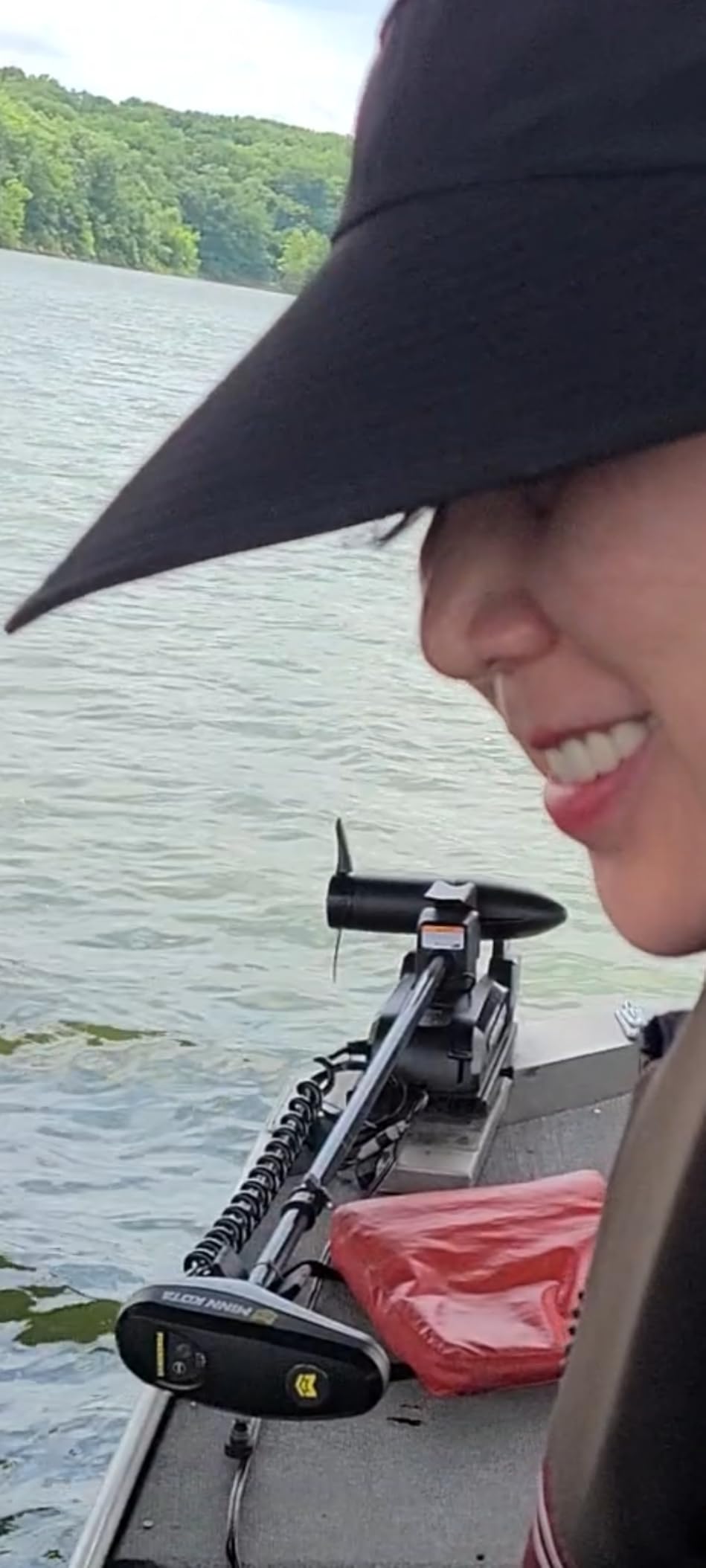
You also get built-in Dual Spectrum CHIRP sonar hidden in the shaft, a Deploy-Assist lever for one-push deployment, a Bluetooth micro remote with a non-slip grip, and Digital Maximizer power management with a push-to-test meter so you can check state of charge without a multimeter.
How it holds on a lake?
Anglers consistently praise Spot-Lock accuracy for the money on this listing, and the practical result is the same benefit the flagship delivers: you fish one spot hands-free instead of watching a boat drift off it.
A 70-pound, 60-inch version exists alongside this 55-pound, 54-inch model if your boat wants more authority, which gives this family an upgrade path without changing platforms.
Where 55 pounds runs out?
It is limited on large or heavily loaded boats. Push 55 pounds through a heavy hull in a crosswind on a big lake and you will be working it hard, which shows up as runtime and as a wider correction radius.
The foot pedal is not part of this listing, so control is through the Bluetooth micro remote, which is fine for anchoring and basic steering but a different feel from pedal control. One owner also reported a direction-of-travel indicator that did not light in early morning use.
10. AQUOS GPS 55 – Budget Pick With a 4.9 ft Anchor Radius
AQUOS GPS Bow Mount Trolling Motor 12V 55LBS 54in & Remote, Quick Release
- One-touch Anchor Lock holds inside a 4.9 ft radius and corrects drift automatically
- Helmsman app handles route recording and saved spots
- Wireless remote reaches up to 164 ft for steering and anchoring
- Quick release bracket moves the motor between boats
- Corrosion-resistant parts work in fresh and saltwater
- No integrated sonar
- so it needs a separate fish finder
- Three-month accessory warranty against a two-year motor warranty
- 14.5 kg weight on a 54 in shaft is heavy for a small boat
- Only about 44 in of shaft sits in the water
The AQUOS is the value entry in this roundup, and the number that matters is 4.9 feet. That is the stated holding radius for its one-touch GPS Anchor Lock, with automatic drift correction, and value-focused owners rate the accuracy as competitive with far costlier motors.
It runs 55 pounds of thrust on 12V with a 54-inch aluminum alloy shaft, and the wireless remote reaches up to 164 feet, so you can steer and anchor from anywhere on the boat rather than from the helm seat.
Control runs through the Helmsman app on iOS or Android for route recording, saved spots and waypoint sharing. The quick release bracket is genuinely useful if you move the motor between a small skiff and a bigger boat at the same lake.
What 55 pounds and 12V gets you?
Fifty-five pounds of 12V thrust suits fishing boats and bass boats up to about 19 feet, which is most of the lake-boat population that will actually want an anchor. Corrosion-resistant components mean the same motor works in fresh and saltwater.
The LED battery indicator and 12V deep cycle operation keep the electrical side simple, and the manufacturer warranty is two years on the motor.
Read the fine print before you buy
There is no integrated sonar, so it pairs with a separate fish finder rather than replacing one. The accessory warranty is only three months, covering the remote, foot control and quick release bracket, against the two-year motor coverage.
At 14.5 kilograms on a 54-inch shaft it is heavy for a small boat, and it needs a 13.7 by 8 inch flat mounting area. Only about 44 inches of that shaft sits in the water, which limits it in shallow-to-mid depth fishing.
GPS Anchor vs Shallow Water Anchor on a Lake
A GPS anchor and a shallow water anchor solve different problems. A shallow anchor, in the Power-Pole and Spot family, drives a spike into soft bottom for near silence, which makes it unbeatable inside a bay, along a weedy edge, or within 100 yards of a ramp where trolling motor noise does not matter.
A GPS anchor holds over hard bottom, over a drop-off that you cannot spike, and out in open water you could never legally or physically anchor. That is why the pedal on the Ghost X can drive both systems.
The rule we use is simple. If you can spike, spike, because the silence is worth real money. If you cannot, or if you want to be in 30 feet of water over a ledge, spend the budget on GPS anchor electronics instead.
Forum owners add one honest caveat that we think belongs in any anchor conversation. A GPS anchor holds against current far better than it holds against shifting wind with weak current, because the motor corrects against a known vector. In flat water on a breezy day, expect some movement before the correction completes.
Match the Motor to Your Chartplotter
This is the section most roundups skip and buyers most regret. A smart motor paired with the wrong screen runs in a reduced mode, and buyers describe the frustration of paying for advanced electronics and using them in a dumb mode. Choose the motor before you choose the display, because the motor is the harder thing to change on an installed boat.
Minn Kota motors pair natively with Humminbird displays for full i-Pilot Link and advanced GPS features. Their NMEA 2000 connectivity also works with other networks, but the deepest integration is Humminbird.
Garmin Force and Force Pro units deliver their best integration with Garmin chartplotters, which is where route creation, gesture remote control and anchor positioning live. The included remote always works, but full wireless control expects a Garmin display or wearable.
Lowrance Recon and Ghost X motors sit inside the Navico network alongside Lowrance and Simrad displays, using the N2K T-Joiner and 9-pin cabling in the box. MotorGuide units, which do not appear in this roundup, serve the Lowrance and Simrad crowd for the same reason.
Are Garmin or Minn Kota trolling motors better? On pure holding, both use high-grade GPS and both hold. Minn Kota wins on ecosystem breadth and service reach, Garmin wins on multisource GPS accuracy and on how deeply the motor lives inside a Garmin helm. Pick the brand that matches your display.
Thrust, Shaft Length and Battery Sizing for Lake Boats
Three numbers decide whether an anchor works on your lake, and none of them are the price.
Thrust is the first. A workable rule is roughly two pounds of thrust per pound of loaded boat weight, and oversizing is a real mistake rather than a safe one. Too much thrust drains the bank faster, is harder to handle at the ramp, and gives the prop more authority than the hull needs, which can make fine position corrections twitchy.
Answering the boat-size questions directly: a 55-pound motor handles a loaded boat up to roughly 2000 pounds, a 62-pound class motor is comfortable on a 16-foot boat and comfortable on a 20-foot boat, and a 70-pound motor is aimed at boats in the 2500 to 3500 pound loaded range. On a lake you rarely need to go past that unless the hull is deep-V with a lot of top weight.
Shaft length is the second, and it is the most commonly cited reason for returns. Measure from the bow mounting surface down to the waterline, add 20 inches for a normal installation, and add another 5 to 10 inches if you fish exposed water in chop. If the prop breaks the surface in waves, you lose prop grip first and anchor hold second.
Battery is the third, and on a lake it decides your day length. A 12V system with one deep cycle battery keeps the wiring simple and suits boats up to about 19 feet. A 24V system needs two batteries in series and roughly doubles the available power for motors in the 70 to 90 pound range, and a 36V system needs three.
The recurring request on boating forums is whether the anchor premium should go to the motor or to a lithium bank. On a big lake where you anchor all day and run in open water, the motor usually wins, because the anchor is what puts you on fish. On a small river where you mostly motor to a bank and tie off, the lithium bank is the better buy.
Whatever you choose, size the wiring to the system, fit a proper circuit breaker per ABYC practice, and budget for runtime rather than peak output. Digital Maximizer on the Minn Kota units and high-efficiency propellers on the Garmin units exist for exactly this reason. If you like the engineering behind variable-speed control, our explainer on how brushless DC motors work explains the same efficiency logic in more detail, and our brushless motor roundup covers the hardware side.
One last practical note for anyone testing smaller craft on open water: our RC boat picks make the same anchor-versus-tie-off decision at a scale where you can learn how a GPS hold behaves before committing to a full-size system.
Frequently Asked Questions
What is the best GPS trolling motor for the money?
The Minn Kota PowerDrive 55 is the strongest value in this roundup. It carries the full anchor package, Spot-Lock plus drift, follow and dodge modes, runs on a single 12V battery so the electrical build stays simple, and holds a 4.8 average across 33 ratings, the largest well-sampled review base we found.
What trolling motor has an anchor feature?
Almost every motor in this roundup does. Minn Kota models use Spot-Lock, Garmin models use Anchor mode, and Lowrance models offer one-touch anchor on a waypoint or any map point. The Minn Kota Fortrex in this list is the exception and has no GPS anchor electronics at all, so check the feature list rather than the thrust number.
Is spot lock worth the money?
On a big lake, usually yes, because it holds one spot silently all day instead of letting your boat drift off fish, and solo anglers often use it instead of tying up. On a small river or when you mostly fish inside a sheltered bay, a shallow water anchor or a bigger battery bank is usually the better spend.
Are Garmin or Minn Kota trolling motors better?
Both hold position well. Minn Kota pairs most deeply with Humminbird displays and has the wider service network, while Garmin Force and Force Pro motors use multisource GPS for very accurate holding and integrate tightly with Garmin chartplotters for routes and anchor control. Choose the brand that matches your display rather than the brand with the higher number.
Would a 62 lbs thrust motor push a 16 foot boat?
Yes, with room to spare. A 62-pound class motor sits between the 55-pound and 70-pound options here and comfortably handles a 16-foot boat with two people and gear aboard. You would be over-torqued on a very small 16-foot skiff, so a 55-pound unit is the better match there.
What are the common problems with spot lock trolling motors?
The recurring complaints across owner threads are wireless foot pedal or remote dropouts, drift radius being wider than expected on brushed and mid-tier models, auto stow mechanisms that are difficult to service far from a dealer, and feature lock-out when the motor is paired with the wrong chartplotter brand. Shaft too short for the chop is the most common return reason of all.
Do trolling motors spook fish?
They can, mainly through prop cavitation noise and electronic whine rather than the motor turning. That is why the brushless units in this roundup, including the Garmin Force Pro, Lowrance Recon and Lowrance Ghost X, are quiet both above and below the water, and why a shallow water anchor still wins inside a shallow bay.
What is the best trolling motor for a transom mount?
None of the GPS anchor motors on this list are transom mounts, because anchor electronics need a bow mount and a clean GPS antenna view. Transom motors are manual control only. If GPS anchoring is the priority, plan for a bow mount and confirm your boat has a flat mounting area and enough freeboard for the shaft length you choose.
Final Verdict: Which GPS Anchor Trolling Motor Wins?
For most lake boats, the Minn Kota Terrova 80 is the best trolling motor with GPS anchor in 2026 because it combines a proven Spot-Lock with Jog, 80 pounds of thrust on a simple 24V system and built-in MEGA Down Imaging, and it has the largest well-sampled review base of anything we tested.
If holding the boat is the hardest part of your day, the Ulterra’s one-touch auto stow and deploy is worth the extra complexity. If your helm is Garmin, the Force Kraken or Force Pro puts the motor on your screen. If your bank is small or your boat is under about 16 feet, the PowerDrive 55 is the honest value answer.
Measure your bow before you order, match the motor to the display you already own, and never use anchor mode to travel across a lake. We earn a commission on qualifying purchases at no additional cost to you.