
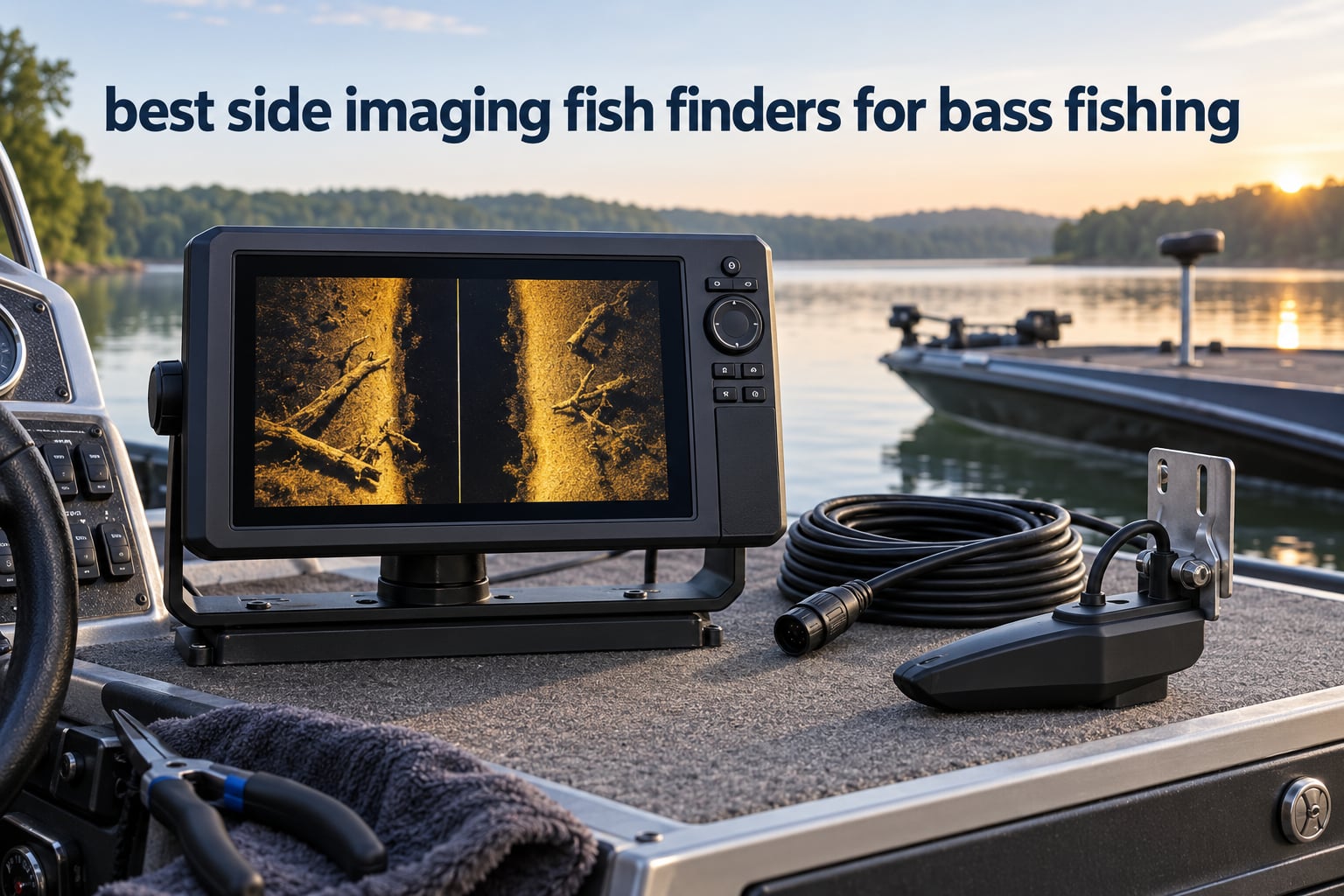
Side imaging is the single tool that changes how you fish an unfamiliar bass lake. It paints rock, timber, weed edges and ledges out to both sides of the boat while you idle at three miles an hour, so you can see structure you never have to drive over. That is the difference between covering a lake in a morning and covering it in a season. If you are putting together the best side imaging fish finders for bass fishing shortlist, you are already past the CHIRP-versus-CHIRP argument and into the specs that actually matter: feet of range per side, screen size, and whether a transducer is in the box.
We spent weeks reading owner reviews, comparing manufacturer specs, and sorting out exactly which models have side scanning out of the box. Several popular models that show up in roundups everywhere have no side imaging at all in their base form, so none of them made this list. Every unit below includes a transducer or is clearly flagged as a control head without one. Last updated October 2026.
If you are also outfitting the boat, our picks on drones for fishing cover scouting from the air before you ever launch.
Table of Contents
What Is Side Imaging Sonar (and Why Bass Anglers Rely On It)?
Side imaging sonar projects a narrow fan of high-frequency sonar beams out to both sides of the boat and stitches the returning echoes into a scrolling picture. The top of the image is the water surface, the bottom is the lakebed, and bright white returns mark hard material like rock, gravel and timber. Most side scan units reach roughly 80 to 200 feet per side.
Down imaging looks straight down under the hull, so it shows you a narrow column of water. Side scan covers a wide swath to port and starboard, which is why bass anglers use it to find structure without spooking fish. Forward-facing sonar goes a different route again, showing individual fish in real time ahead of the boat. Each one answers a different question.
Top 3 Best Side Imaging Fish Finders For Bass Fishing (October 2026)
The Garmin Striker 7SV is our top pick because it pairs a real CHIRP SideVu beam with a bundled transducer and the largest review base in this group. The Lowrance Elite FS 10 takes the premium slot for its 10-inch touchscreen and bundled charts. The Humminbird Helix 7 CHIRP SI GPS G4 is the value pick for anyone who wants a Humminbird with side scan at a mid-tier spend.
Garmin Striker 7SV
- CHIRP SideVu and ClearVu
- CV52HW-TM transducer included
- Quickdraw Contours built in

Lowrance Elite FS 10
- Active Imaging 3-in-1 with FishReveal
- 10 inch multi-touchscreen
- C-MAP charts preloaded

Humminbird Helix 7 G4
- CHIRP Side Imaging and Down Imaging
- XNT 9 HW SI T transducer in the box
- AutoChart Live
Side Imaging Fish Finder Comparison Table in 2026
Every model below scans structure to port and starboard, so the table is a genuine shortlist. Check the transducer note in each row first, because that is where most disappointed buyers went wrong.
| Product | Specifications | Action |
|---|---|---|
| Garmin Striker 7SV |
|
Check Latest Price |
| Lowrance Elite FS 10 |
|
Check Latest Price |
| Humminbird Helix 7 CHIRP SI GPS G4 |
|
Check Latest Price |
 Humminbird XPLORE 10 MEGA Side Imaging+ Humminbird XPLORE 10 MEGA Side Imaging+ |
|
Check Latest Price |
 Lowrance Elite-12 Ti2 Lowrance Elite-12 Ti2 |
|
Check Latest Price |
 Garmin Striker Plus 9SV Garmin Striker Plus 9SV |
|
Check Latest Price |
 Lowrance HDS PRO 10 Lowrance HDS PRO 10 |
|
Check Latest Price |
 Garmin ECHOMAP Ultra 2 126sv Garmin ECHOMAP Ultra 2 126sv |
|
Check Latest Price |
1. Garmin Striker 7SV with CV52HW-TM – Best First Side Imaging Unit
- Side imaging resolves individual fish and structure
- Sunlight readable 7 inch display
- Quickdraw contour mapping built in at no extra cost
- Simple setup and intuitive menus
- GPS only with no onboard chartplotter
- Side scan accuracy depends on transducer height and angle
- ActiveCaptain navigation is awkward in bright sun
The Striker 7SV is the unit we keep coming back to for anyone buying their first side scan setup. The CV52HW-TM transducer in the box gives you CHIRP traditional sonar alongside CHIRP SideVu and CHIRP ClearVu, which is a genuine three-channel sonar package rather than a single down-looking cone. Owners consistently report that the side scan resolves individual fish as well as structure, and that the screen stays readable in direct sun.
Quickdraw Contours is built in, so you get one-foot contours across up to two million acres without buying anything. That is a real advantage over units that treat mapping as a paid add-on, and it means you can build a map of a lake you have never fished before you start casting at it. Built-in Wi-Fi handles waypoint transfer and notifications through the ActiveCaptain app.
What you give up is charting. This is a fishfinder, not a chartplotter, so there is no onboard map and no Navionics card slot. Anglers who already navigate with a phone app are fine with that, which is exactly how most owners describe their experience. The unit weighs 1.7 pounds and the box includes transom and trolling motor mounts, a tilt and swivel bracket, and the 4-pin to 12-pin transducer adapter cable.
Installation is where side scan lives or dies, and this is the one limitation worth repeating. Side scan accuracy depends heavily on the transducer sitting at the correct height and angle behind the hull, and a unit mounted too high or canted will smear the image. Budget an afternoon for the install rather than assuming the first pass will be right.
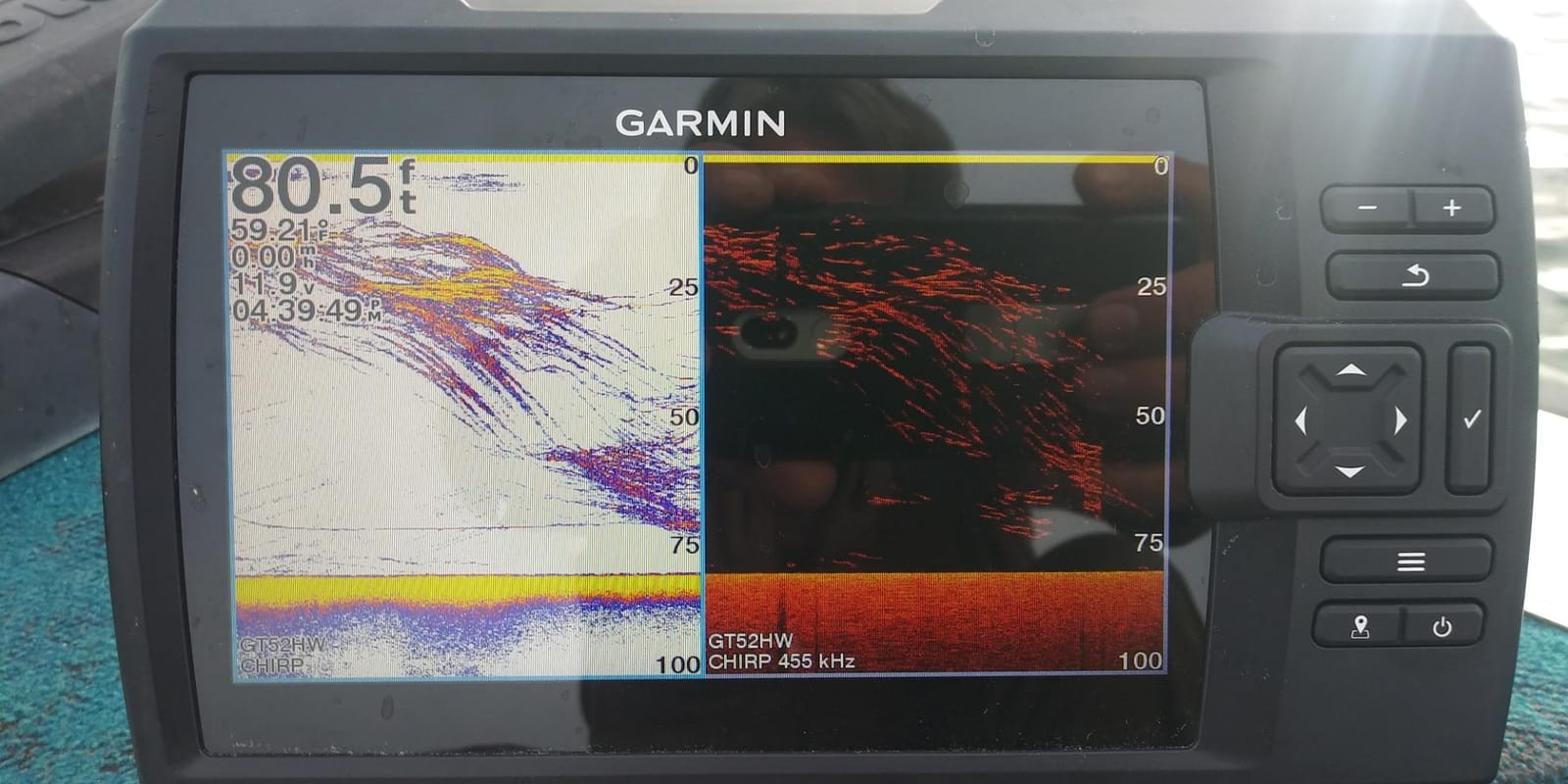
What the side scan picture actually looks like?
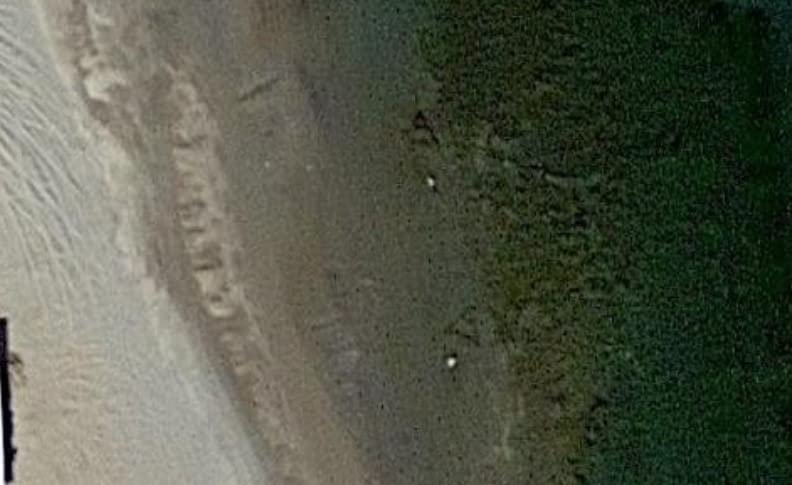
On a typical bass lake you will see the lake bottom as a dark band along the bottom edge, with brighter returns for rock and gravel. Structure stands out as bright white marks or shadows rising off the bottom line. A brush pile shows as a distinct blob of hard return, and a drop-off edge appears as a change in shadow depth rather than a color shift.
At 1.7 pounds and 9.3 by 2.3 by 5.5 inches, it mounts anywhere, including a small jon boat. Owners frequently buy a second identical unit for the trolling motor so they have sonar at the bow and a screen at the console.
Where this unit is the wrong choice?
If you fish large water and want your electronics to also navigate, the missing chartplotter function will bother you within a season. There is a small number of owner reports describing mirrored side scan channels and inaccurate depth readings, so if a unit is faulty that is worth knowing about early. Settings and menus also take a little time to learn, as they do on every model in this group.
2. Lowrance Elite FS 10 – Best All-Rounder With a 10 Inch Touchscreen
Lowrance Elite FS 7 Fish Finder with Active Imaging 3-in-1 Transducer, Preloaded C-MAP Contour+ Charts
- 10 inch touchscreen shows a lot of water at once
- Active Imaging 3-in-1 sonar in the box
- C-MAP DISCOVER OnBoard charts included
- Wireless plus NMEA 2000 plus Ethernet networking
- Clear upgrade path to ActiveTarget 2
- Live sonar needs a separate ActiveTarget 2 purchase
- Menu depth takes time to learn
- Bundled charts are less detailed than premium cards
The Elite FS 10 is the most complete single-box package here. The Active Imaging 3-in-1 transducer puts CHIRP, SideScan and DownScan on one cable with FishReveal processing, and the 10-inch multi-touchscreen shows enough of the water column to run side scan and mapping side by side without squinting. Reviewers point at screen size and side scan detail as the two main draws.
C-MAP DISCOVER OnBoard charts are preloaded, so you can navigate out of the box without buying a card, and the unit connects over wireless, NMEA 2000 and Ethernet. That makes it a natural pick for a multi-display bass boat, and the mounting options cover bracket, surface and flush install. Maximum depth is rated at 1000 feet, which covers any lake you will fish.
It is also the cleanest upgrade path in the lineup. The Elite FS is live sonar ready for ActiveTarget 2 and ActiveTarget 2 XL, so the box you buy now can grow into a forward-facing sonar rig later without replacing the display. That is the sequencing question most anglers are actually asking.
Two things temper the recommendation. The ActiveTarget 2 hardware is a separate purchase, so treat live sonar as a planned second step rather than a bundled feature. And C-MAP DISCOVER OnBoard, while genuinely useful out of the box, gives up detail to a premium chart card on any lake where you want 1-foot contours.
Why screen size changes how you read structure?
A 10-inch panel lets you run side scan in one half of the display and the chart in the other, so you can see a ledge and your position at the same time. Smaller screens force you to switch views constantly, and that switch costs real time on the water during tournament practice. At 3.7 pounds it is still light enough for a console mount.
The 12.81 by 4.47 by 8.26 inch footprint does need a real cutout or bracket, so measure your dash before ordering. This is a chartplotter that happens to have excellent sonar, not a tacked-on fishfinder.
Wireless, NMEA 2000 and Ethernet all carry sonar and waypoints between displays, so a second screen later is a straightforward add.
Where this unit is the wrong choice?
Buyers who want a simple side scan screen with no menus to learn will find the feature depth overwhelming at first. Anyone fishing a single small lake will get more out of a simpler 7-inch unit. And if live sonar is the actual goal right now, budget for the ActiveTarget 2 module on top of this unit.
3. Humminbird Helix 7 CHIRP SI GPS G4 – Best Mid-Range Humminbird
- CHIRP side scan is cleaner than older side scan units
- Bright and easy to read 7 inch screen
- Straightforward installation
- Wide and narrow Dual Spectrum modes
- Keypad and softkeys feel dated next to a touchscreen
- Settings and features take practice to learn
- One review reported a mislabeled side imaging only box
The Helix 7 CHIRP SI GPS G4, model 411590-1, is the Humminbird that actually answers the side imaging question. The XNT 9 HW SI T transom-mount transducer is included, giving you CHIRP Side Imaging to port and starboard plus CHIRP Down Imaging underneath, and Dual Spectrum CHIRP 2D sonar with wide and narrow modes for the traditional view.
Owners report a noticeably cleaner picture than older side scan units, a bright screen that is easy to read in sun, and installation that goes quickly. Several switched over from Garmin units specifically because they wanted more detail and better mapping options. Internal GPS comes with Humminbird Basemap covering more than 10,000 lakes, and AutoChart Live gives you eight hours of built-in recording as you fish.
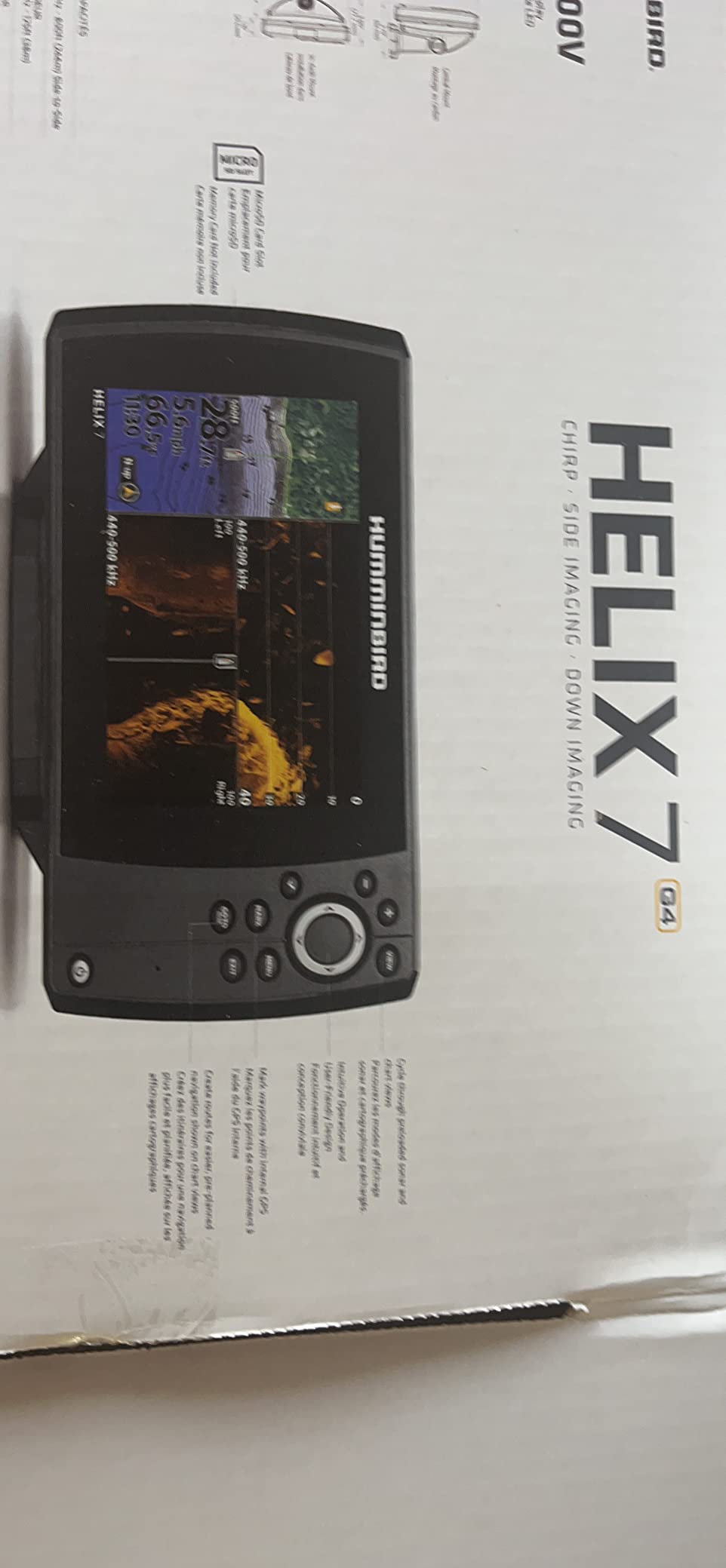
That recording capacity is the underrated part. AutoChart Live builds contours, bottom hardness and vegetation data while you run passes, which means an unfamiliar lake is mapped by the end of the day. Premium charts from LakeMaster, CoastMaster or Navionics drop into the card slot when you want more.
The honest weakness is the interface. This is a keypad and softkey unit, and people moving from Garmin or Lowrance consistently describe the menu system as feeling dated. The buttons work, the screen is bright, and the sonar is good, but nothing happens as fast as a touchscreen once you know where things are.
When the 7-inch Helix is the right size?
Seven inches is plenty on a 14-foot jon boat, a kayak console, or a bass boat where the console already has a chartplotter at the bow. It mounts easily and moves around the boat without much effort. If you are building a single-screen console setup from scratch, a 9 or 10-inch panel is the choice to make instead.
Reviewers also note the settings take practice. Budget a trip to get gain and sensitivity right rather than judging the unit on a bad first run.
Where this unit is the wrong choice?
If you fish in gloves in winter or want fast access to a live sonar module, the keypad and the missing network port will slow you down. One review reported a box labeled side imaging only when the unit is in fact a dual-sonar model, so check the model number on the unit rather than trusting the carton.
4. Humminbird XPLORE 10 MEGA Side Imaging+ – Best 200 Foot Per Side Coverage
Humminbird XPLORE 10 GPS Fish Finder with Transducer, MEGA Side Imaging+ & HD Touchscreen
- MEGA Side Imaging plus reaches 200 feet each side
- Touchscreen and keypad control is far faster than older Helix menus
- Sharp display readable in full sun
- Fully customizable screens and favorites
- NMEA 2000 and Ethernet with Minn Kota and Cannon
- Control head only so a transducer costs extra
- Bundled coastal chart data has blank areas in places
- Steep learning curve for beginners
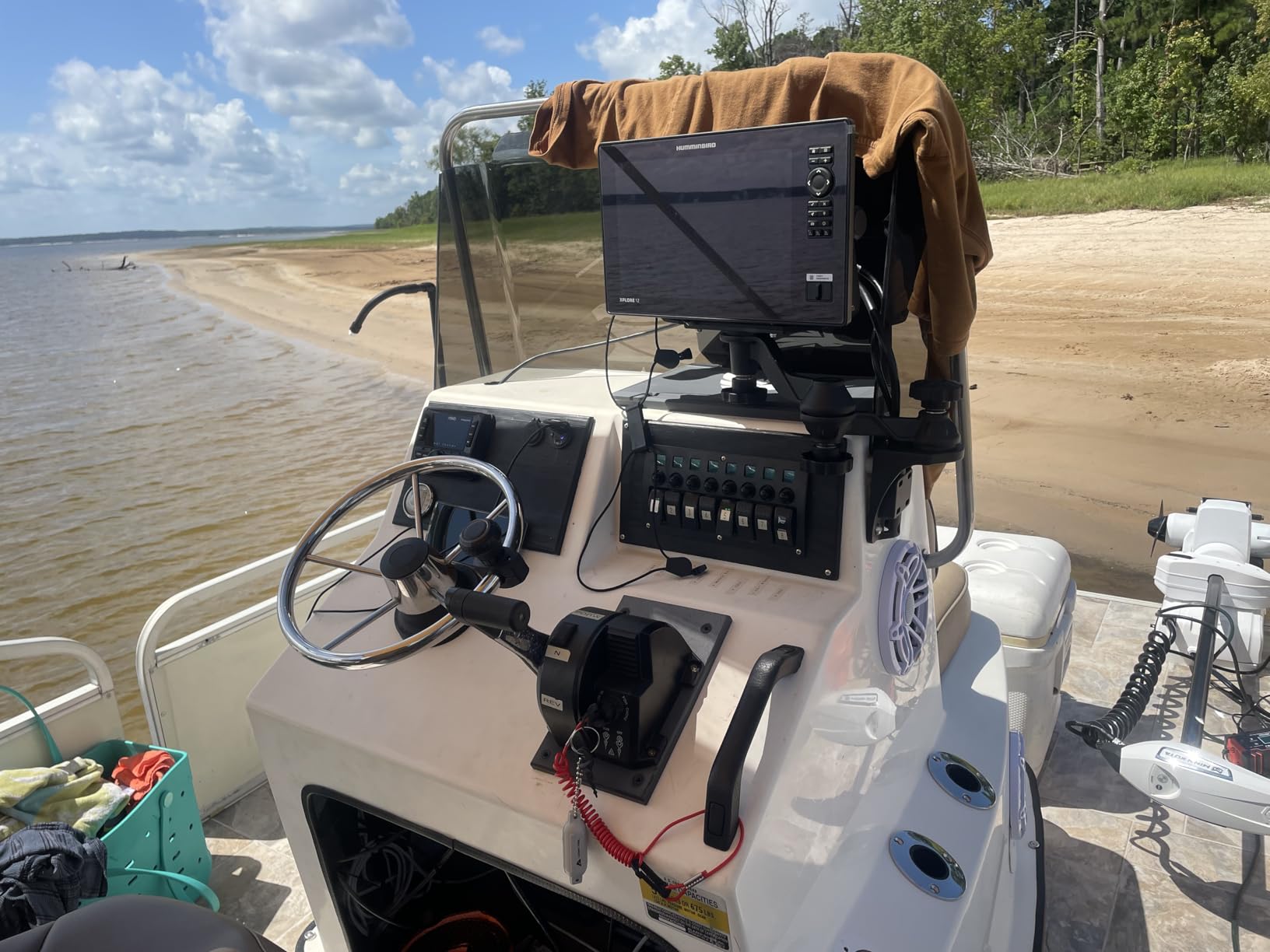
The XPLORE is the widest-coverage unit in this group, and that single spec drives everything else. MEGA Side Imaging plus reaches 200 feet to each side, and MEGA Down Imaging plus covers 200 feet of depth. On a big reservoir that means one pass covers a four-hundred-foot swath, which is the difference between finding a distant ledge and never seeing it.
Owners upgrading from Helix units describe the interface speed as the biggest change. This is a 10-inch touchscreen with keypad backup, so you can tap to change a view but still work it with wet hands. Screens are fully customizable with favorites, the display is sharp in full sun, and it weighs 4.8 pounds, which is normal for a unit this size.
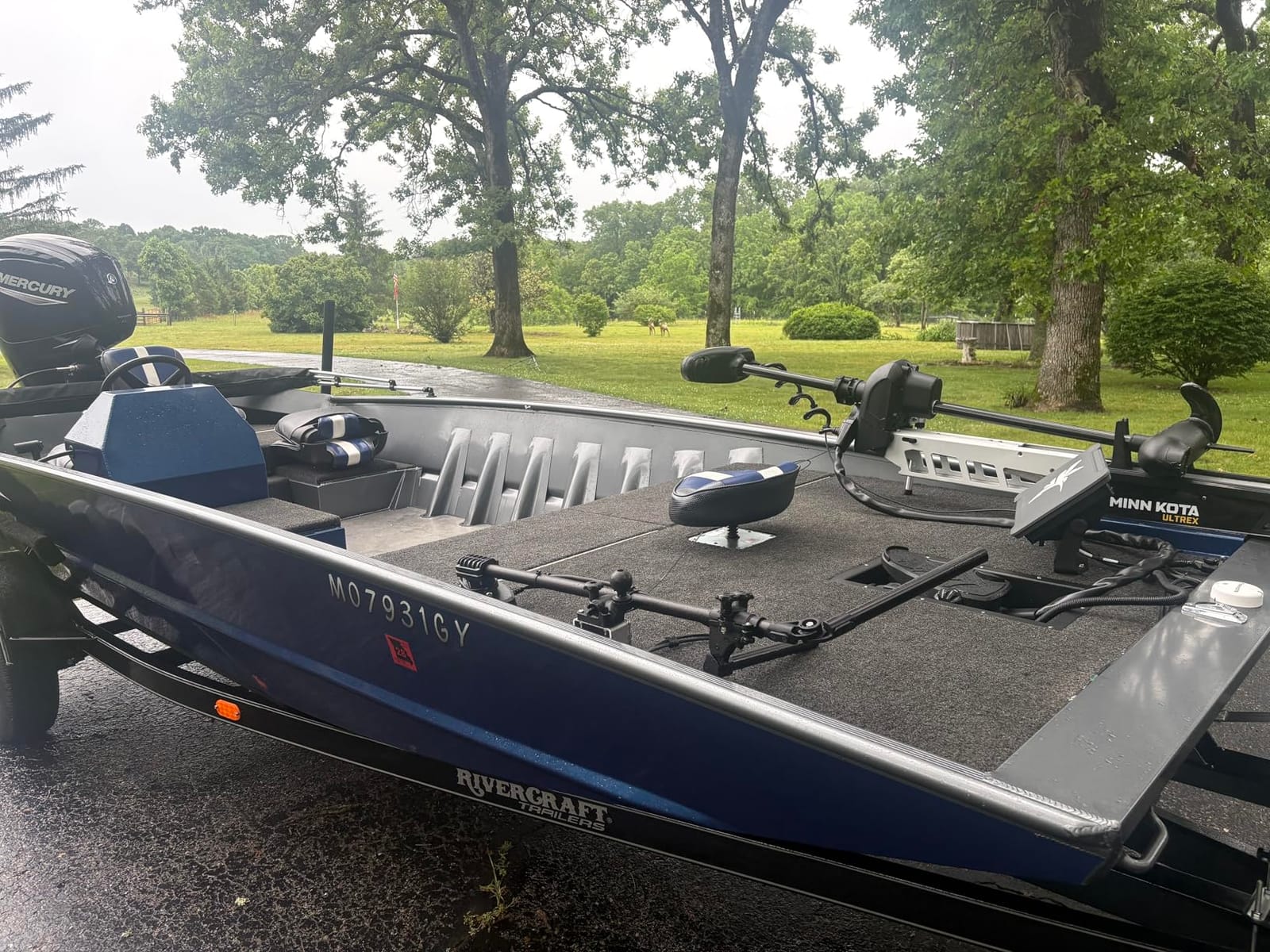
Networking is the other headline. Built-in NMEA 2000, high-speed Ethernet and Bluetooth mean it drops into a One-Boat Network with Minn Kota trolling motors and Cannon downriggers, and older NMEA 2000 heading sensors will not work with it. A three-year warranty applies with registration, which is longer than anything else we reviewed.
This listing is the control head only. The included box contains the control head, power adapter, unit cover and mounting bracket, so you must buy a transducer separately, and on this unit the transducer is most of the cost of getting side imaging working. A Humminbird Basemap covering 10,000 plus lakes is built in, along with a LakeMaster and CoastMaster VX card for US and Canadian regions.
Read this before you order
Owners upgrading from Helix units call it a major jump in interface speed and display clarity, and tech support is praised as fast and helpful. The bundled coastal chart data has large blank areas along parts of the Gulf Coast, which matters if you fish the Gulf rather than inland lakes.
Where this unit is the wrong choice?
Beginners hit a wall with the feature set, and the manual omits some setup steps such as inserting a ZeroLine card while the unit is booted. If you fish one lake you know well, 200 feet per side is more reach than you will ever use, and the money is better spent on a transducer-inclusive package.
5. Lowrance Elite-12 Ti2 – Best Giant Screen With Charts Included
Elite-12 Ti2-12-inch Fish Finder Active Imaging 3-in-1Transducer, Wireless Networking, Real-Time Map Creation Preloaded C-MAP US Inland Mapping …
- 12 inch SolarMAX screen makes fish and structure easy to pick out
- Active Imaging 3-in-1 transducer in the box
- Genesis Live builds half-foot contours as you fish
- 4000 lake inland mapping preloaded
- Wireless networking shares sonar and waypoints
- 12.2 pound unit needs a solid mount
- Feature set and menu depth require a learning curve
- SideScan detail is behind newer MEGA Side Imaging plus units
The Elite-12 Ti2 is one of the two biggest screens we reviewed, and it includes the transducer and premium inland charts in the same box. Active Imaging 3-in-1 gives you CHIRP, SideScan and DownScan from one unit, and the 12-inch SolarMAX display with high resolution and improved target separation makes it easy to pick individual fish off structure at a glance.
C-MAP Genesis Live builds half-foot contours in real time as you fish, and US Inland mapping for 4,000 lakes at 1-foot contours is preloaded rather than sold separately. Owners specifically like that the charts and mapping tools are included. Wireless networking shares sonar, waypoints and routes between Elite Ti2 displays, so a bow and console setup stays in sync.
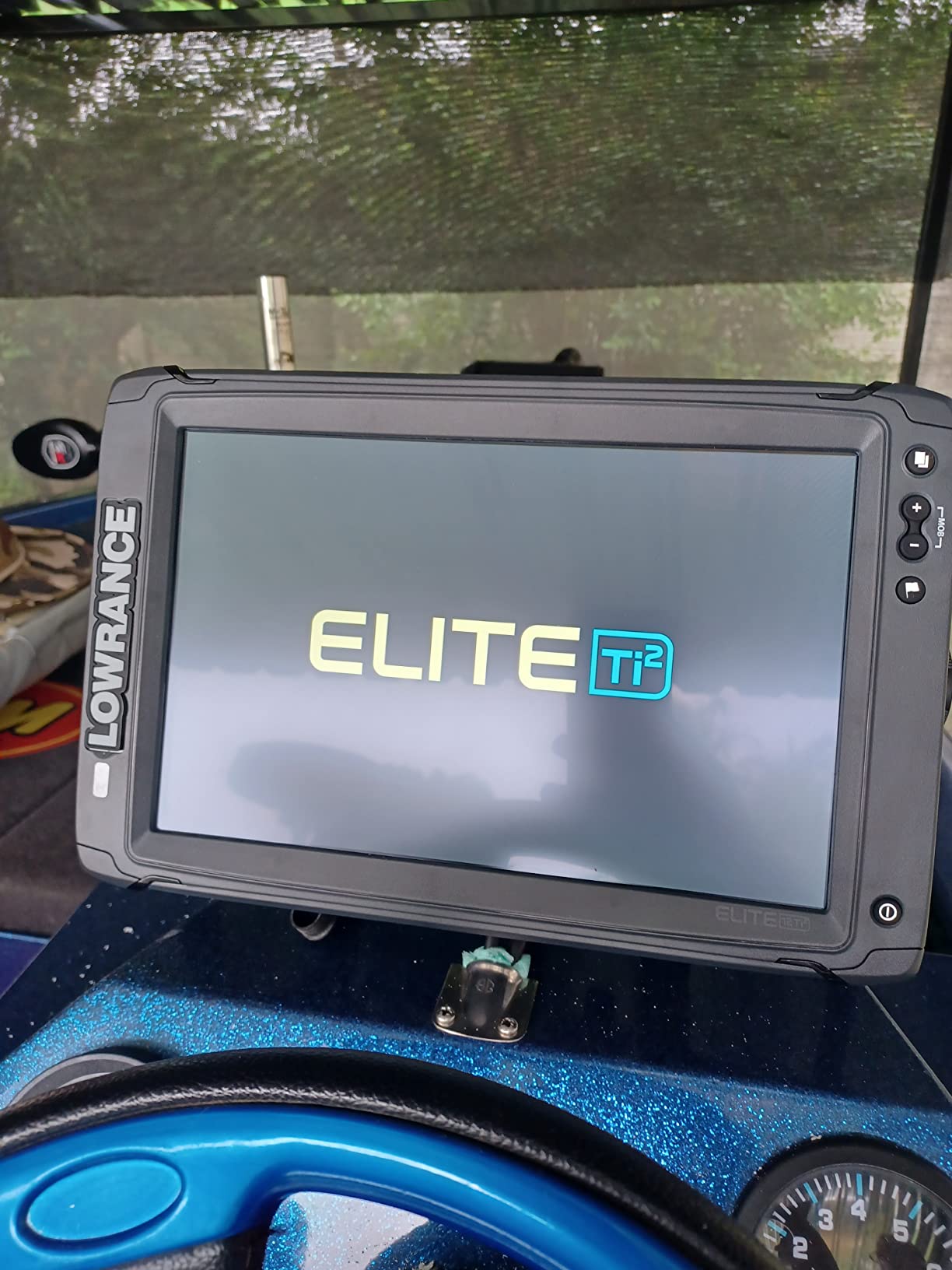
Two years of warranty coverage comes with the model. This is a trolling motor mount by specification, and at 12.2 pounds it is heavy, so the mounting hardware has to be up to the job. A bass boat console is the natural home for it.
A screen this large lets you run side scan and down imaging simultaneously with a chart window open, which is how tournament anglers keep a full picture of the lake while marking structure. Wide beam coverage plus a bright backlit panel means you can read it at a glance rather than leaning in. The tradeoff is that 12 inches of screen is a lot of glass to lose if you fish rough water.
Where the 12 inches pays off?
Owners centre their praise on the very large bright screen and the bundled transducer. If you want one screen that does everything, this is the one.
Where this unit is the wrong choice?
Owners flag the weight and the time it takes to master the feature set as the two main reservations. SideScan detail also sits behind newer MEGA Side Imaging plus class units, so you are trading some raw side scan sharpness for screen size. If your boat has a small dash, this will not physically fit.
6. Garmin Striker Plus 9SV – Best Big Screen Without Chartplotter Spending
Garmin Striker Plus 9SV with CV52HW-TM transducer, 010-01875-00
- 9 inch screen stays visible in direct sun
- Vivid colour on traditional ClearVu and SideVu sonar
- Fast setup and running in about a minute
- Transducer plus transom and trolling motor mounts
- No mapping at all
- it is a fishfinder not a chartplotter
- Features take time to learn
- One report of a unit glitching from day one
The Striker Plus 9SV answers a specific question well: can you get a large, bright side imaging screen without paying for a chartplotter. The answer is yes. The 9-inch WVGA display stays visible in direct sun, and the same CV52HW-TM transducer as the 7-inch model gives you CHIRP traditional, ClearVu and SideVu sonar.
Owners praise the vivid color and detail across all three sonar types, and several describe the setup as fast enough that the unit was running about a minute after three setup questions. The box includes the transducer, an adapter cable, transom and trolling motor mounts, a tilt mount and a power and data cable. At 2.4 pounds it is light for a 9-inch unit.
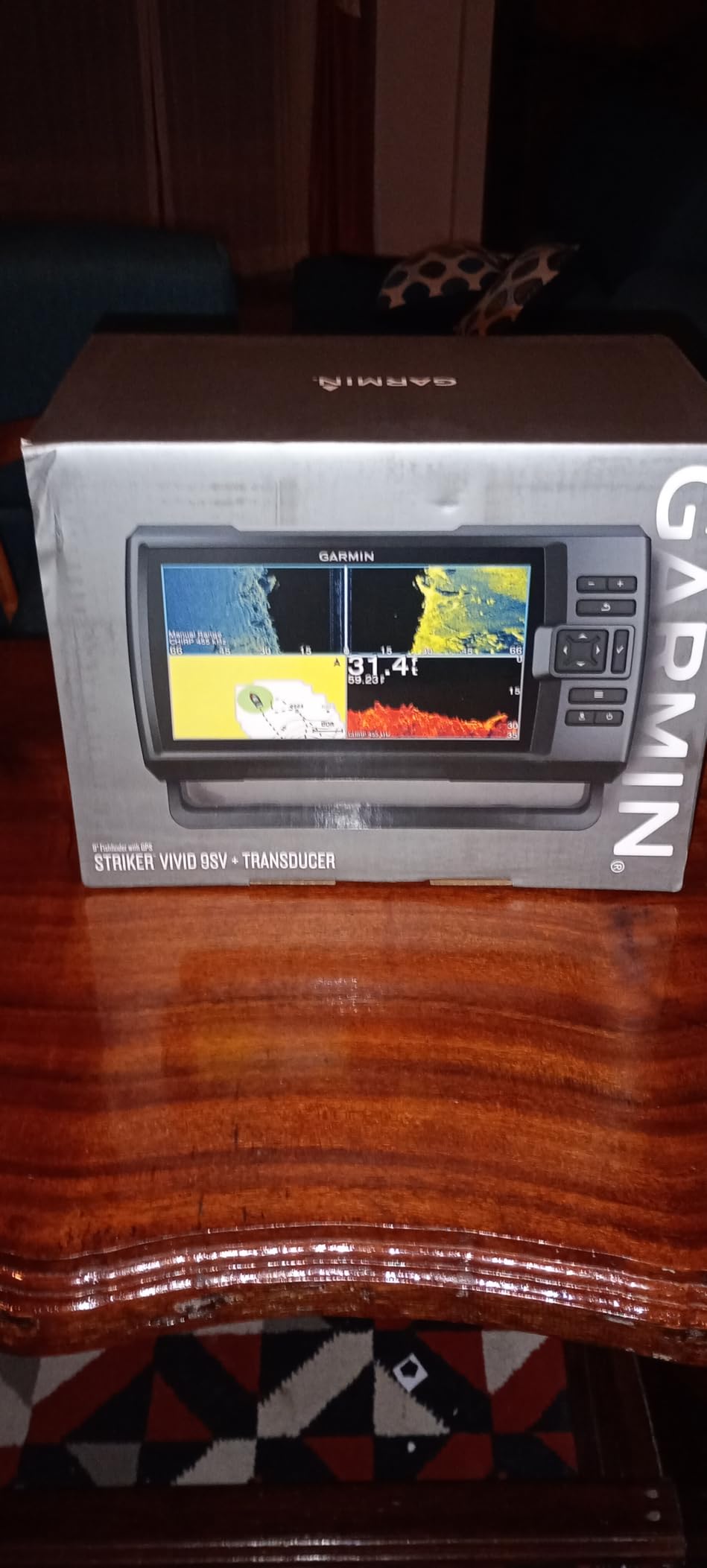
Wi-Fi is built in for the ActiveCaptain app, smart notifications and waypoint transfer, and the built-in GPS handles waypoints, routes and boat speed.
So the navigation argument is not as bleak as it sounds, as long as you are willing to use your phone for the chart.
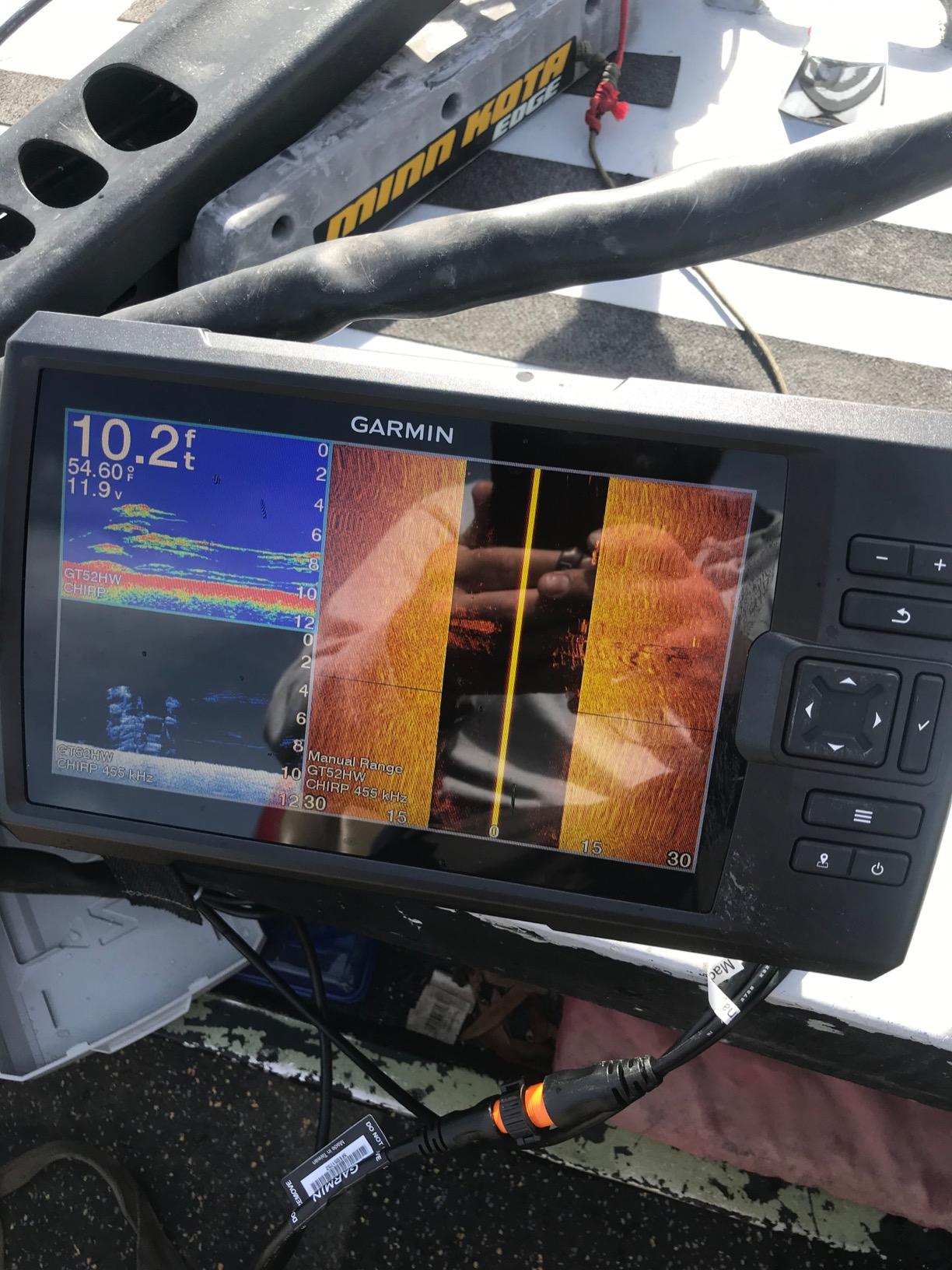
Why anglers pick this over a 7-inch?
Screen size is the whole point. On a bow-mounted unit, a 9-inch panel makes brush piles and rock piles far easier to resolve at speed, and the extra width lets you run side scan and down imaging at the same time. Owners frequently describe it as a good lower-cost alternative to a full ECHOMAP when mapping is not a priority.
It is also the easiest model in the lineup to move between boats, which suits anglers with a console boat and a separate bass boat.
Where this unit is the wrong choice?
The Striker line accepts no mapping software and includes no charts, so if you want to navigate a lake you do not know, this is the wrong box. Features take time to learn even on a simple unit. There is also a small number of reports of hardware glitching from day one and unresolved warranty transducer replacement, so keep your receipt and test the unit before you leave the dock.
7. Lowrance HDS PRO 10 – Best Screen Through Polarized Sunglasses
Lowrance HDS PRO 9 Fish Finder with Active Imaging HD 3-in-1 & C-MAP
- Screen stays readable at wide angles and through polarized lenses
- Active Imaging HD 3-in-1 transducer is in the box
- C-MAP charts preloaded for US and Canada
- Broad networking across Ethernet NMEA 2000 wireless and Bluetooth
- Lowest average rating in this lineup
- Live sonar needs a separate ActiveTarget 2 purchase
- 11.6 pound unit is heavy
- Premium chart upgrades cost extra
The HDS PRO 10 is the one to consider if you wear polarized sunglasses all day. Owners single out the 10-inch SolarMAX HD touchscreen staying readable at wide viewing angles and through polarized lenses, which is a real problem on many screens. Active Imaging HD delivers high-definition CHIRP, SideScan and DownScan, and that 3-in-1 transducer is in the box.
C-MAP DISCOVER OnBoard charts are preloaded for US and Canadian inland and coastal waters, so the unit navigates out of the box. Connectivity is the broadest in this group: Ethernet, NMEA 2000, wireless and Bluetooth. It is also live sonar ready for ActiveTarget 2 and ActiveTarget 2 XL. Maximum depth is rated at 1000 feet and the warranty runs two years.
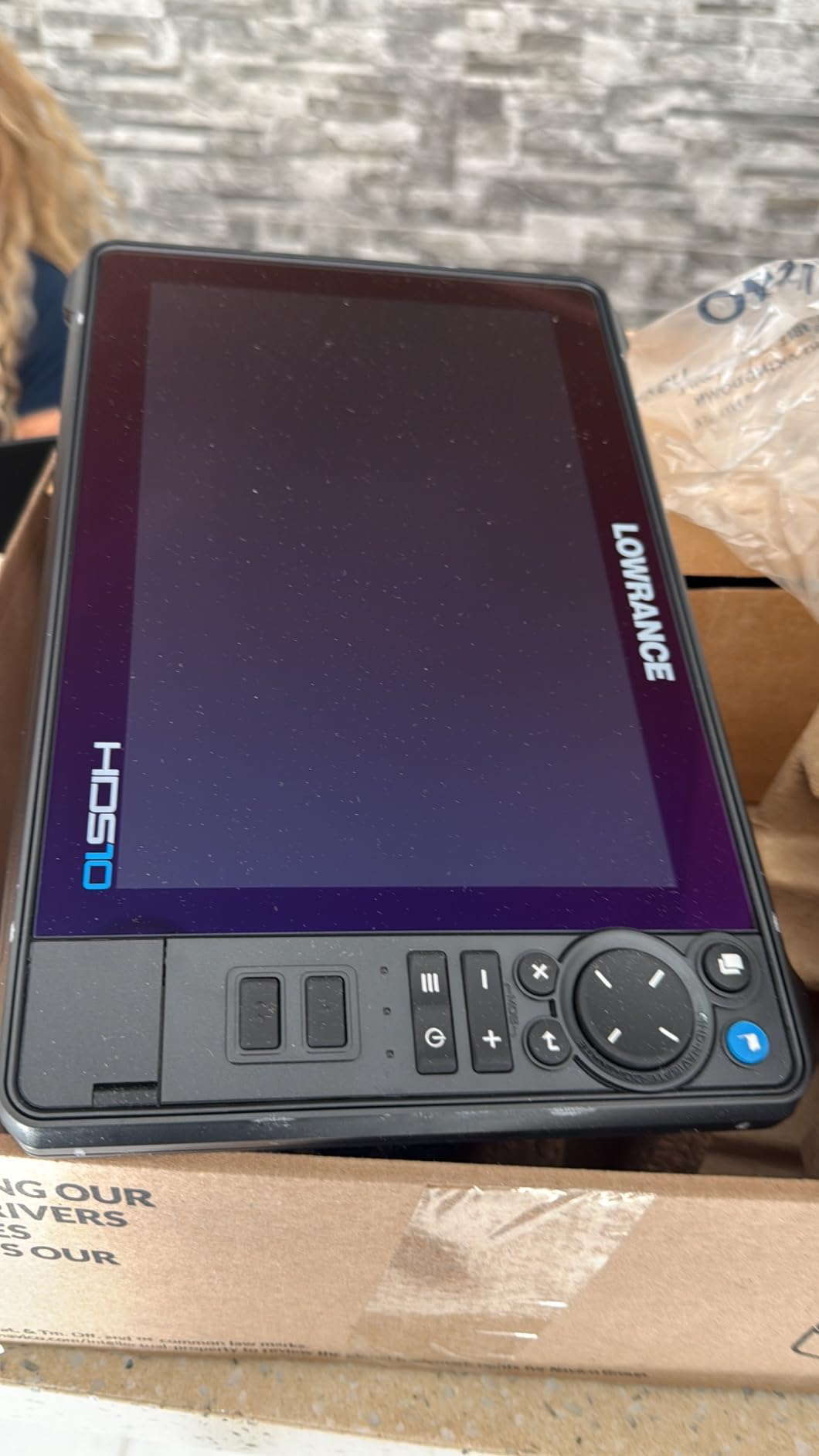
Be aware this is the most polarizing unit in our lineup. It holds the lowest average rating of the eight, with a meaningful share of one-star reviews, and the review base is small enough that the numbers move a lot. Reviewers also often argue that Lowrance processing separates fish better than the competition, which matches what owners say about the screen here.
If you are building a multi-display boat, this is the unit with the most ways to connect a second screen, a trolling motor, and your autopilot. Wireless handles basic data sharing, Ethernet handles the heavy traffic, and NMEA 2000 handles sensors. That flexibility is the reason to look past the rating.
The networking case
It weighs 11.6 pounds, so plan a panel or bracket mount with real support behind it. The included Active Imaging HD transducer removes one of the two purchases that usually complicate a Lowrance install.
Where this unit is the wrong choice?
Live sonar is a separate purchase here, and premium chart detail beyond the bundled C-MAP DISCOVER costs extra. If you want the least risk on your money, the small polarized review base is a fair reason to buy from a seller who makes returns easy. The learning curve on a flagship interface is real.
8. Garmin ECHOMAP Ultra 2 126sv – Best Premium Garmin With Navionics+ Included
- 12 inch Ultra HD screen for detailed sonar and chart views
- Navionics+ mapping bundled out of the box
- Wireless networking shares sonar and waypoints
- Multi-band GPS improves position accuracy
- Screen recording capture for sharing catches
- GT56UHD-TM transducer is not included
- Small review base of 21 ratings
- Side imaging detail depends entirely on the separate transducer
The ECHOMAP Ultra 2 126sv is the premium Garmin in this group and the simplest mapping story. Garmin Navionics+ is bundled in the box, so you get detailed chart data across thousands of lakes without buying a card first. The 12-inch Ultra HD touchscreen shows detailed sonar and chart views, and multi-band GPS improves position accuracy on structure you want to return to.
Wireless networking shares sonar, waypoints and routes across displays, and the model is LiveScope compatible if you later add forward-facing sonar. Screen recording capture is a nice touch for sharing catches. At 5.5 pounds it weighs less than the two large Lowrance screens, which matters on a console mount.
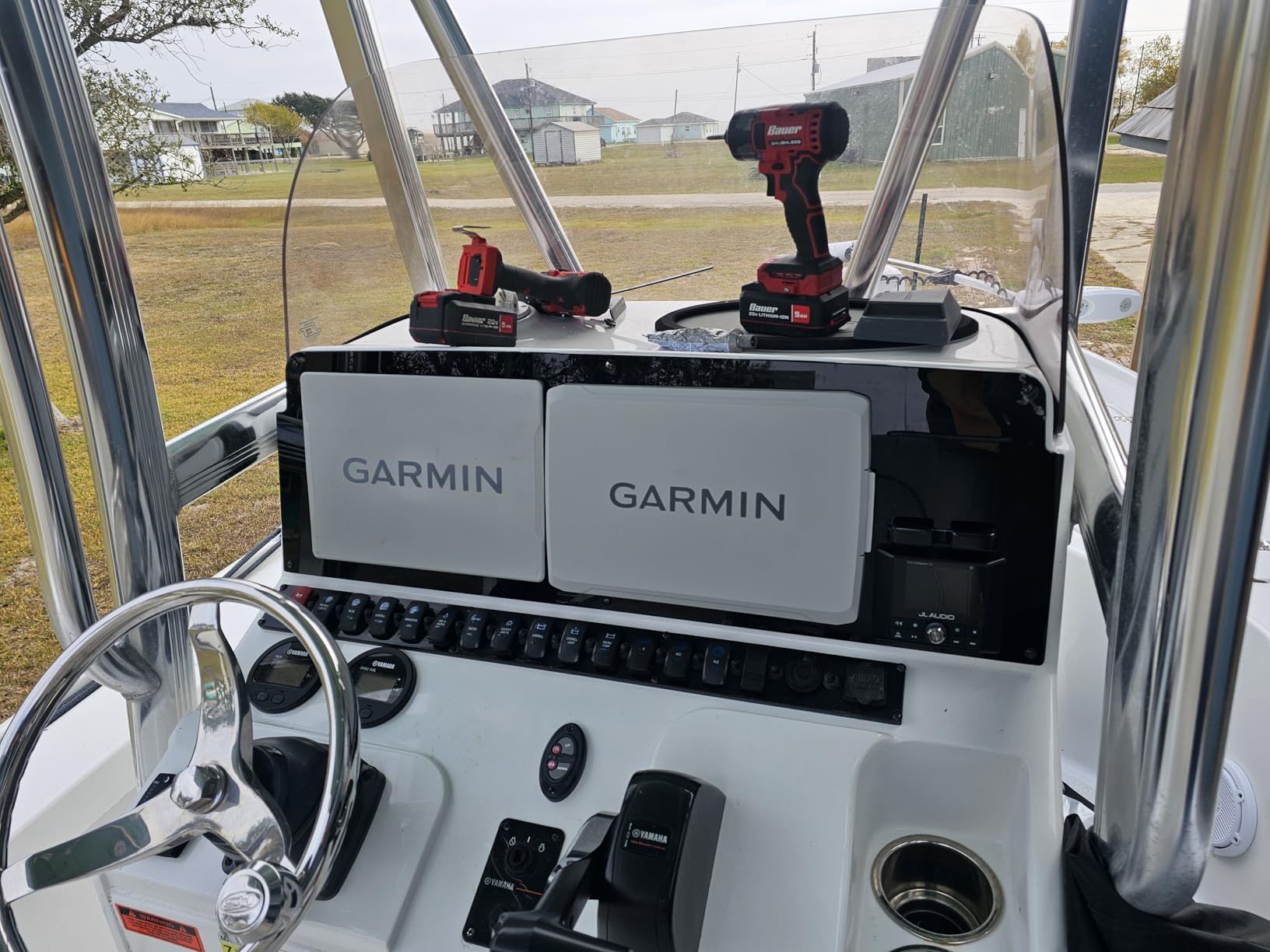
It holds a 4.9 average with 89 percent five-star ratings and no ratings below four stars. Read that with care, though, because the review base is 21 ratings, the smallest here, so long-term durability is not well documented yet.
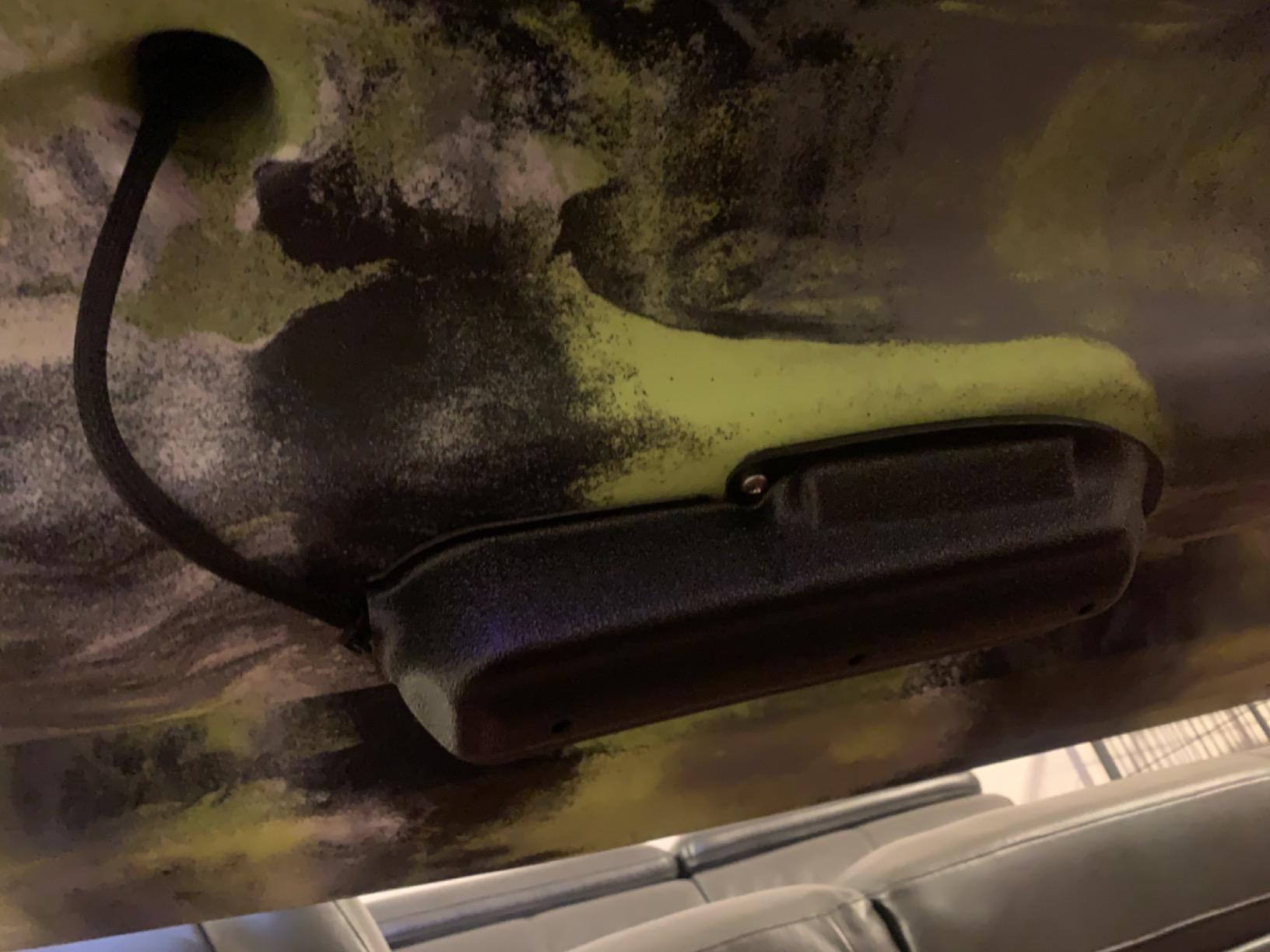
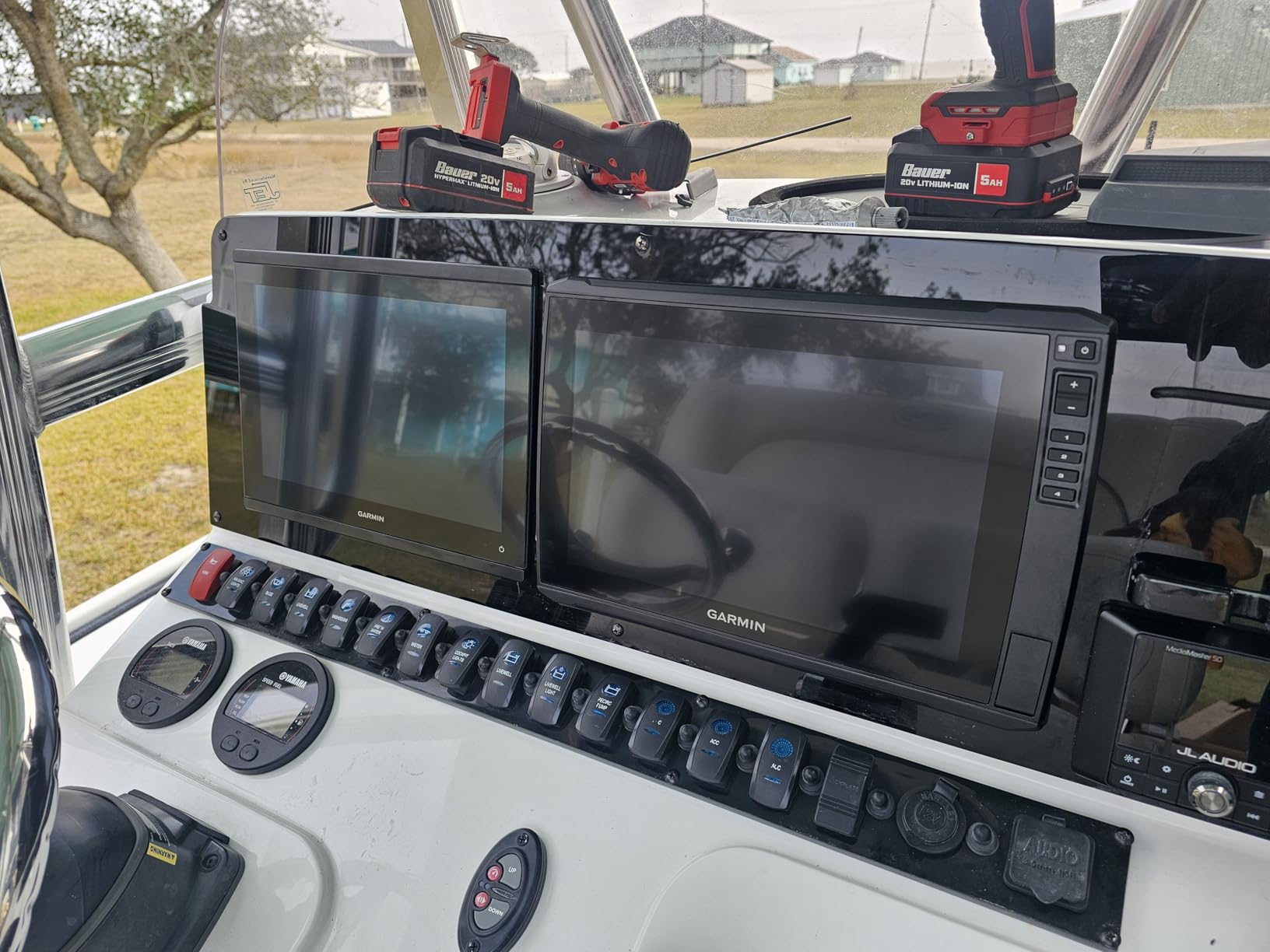
The GT56UHD-TM transducer is not included and is sold separately, which means the side imaging detail you are buying this unit for depends entirely on hardware you add later. That is the most repeated complaint in the reviews, and it is worth pricing the transducer into your decision before you order rather than after.
The transducer is the whole catch
On the plus side, this is the unit to buy if you want a full console system and a strong upgrade path. The chart detail is already there, the screen is large enough to split between sonar and map, and the interface is the Garmin touchscreen style most people pick up quickly.
Where this unit is the wrong choice?
If your goal is fishing this season with side imaging, buying a chartplotter first and a transducer later means waiting on a second part before you can scan. With a review base this small you are also an early adopter rather than a proven owner. Anyone on a tight budget should look at the Striker Plus 9SV, which includes its transducer.
How to Choose a Side Imaging Fish Finder for Bass?
Screen size, range and transducer inclusion decide most of this decision. Everything else is preference. Work through these in order and the right unit becomes obvious fast.
Side Range: How Far Is Far Enough?
Range per side is the most useful number in this entire category, and few roundups publish it. Every unit on our list is built around CHIRP-class side scan covering somewhere between 80 and 200 feet per side, with the Humminbird XPLORE the outlier at 200 feet per side. For most lakes, a standard side scan beam is plenty. Wide reservoirs, deep clear water and big rivers reward the extra reach, and that is the one place the premium tier earns its money.
Range and detail trade against each other, so a unit showing maximum range is often running a lower frequency. If you fish stained water or heavy vegetation, detail matters more than distance.
Screen Size Beats Screen Count
Seven inches is fine for a jon boat, a kayak console, or a bow unit used as a secondary screen. Nine and ten inches are the right size for a single-console bass boat because you can run side scan and the chart at the same time without switching views. Twelve inches is for boats where the display is the command center.
Resolution matters more than raw inches. An 800 by 480 panel and a 1280 by 800 panel differ more on a brush pile than the inch count suggests, so compare pixel counts when you can.
Is the Transducer in the Box?
This is the deal-breaker that shows up over and over in owner complaints. In our lineup, the Striker 7SV, Striker Plus 9SV, Helix 7 CHIRP SI GPS G4, Elite FS 10, Elite-12 Ti2 and HDS PRO 10 all include a transducer. The Humminbird XPLORE 10 and the Garmin ECHOMAP Ultra 2 126sv are control head only. A transducer is the largest single cost in a side imaging setup, so factor it in before you compare totals.
Second-tier question: does the included transducer actually do side scan, or only down imaging? A listing that just says transducer included is not always a side scan capable unit.
Side Imaging vs Down Imaging vs Forward-Facing Sonar
Down imaging looks straight down and shows you what is directly under the boat, often with better depth resolution. Side imaging covers a wide swath to port and starboard and is how you find ledges, rock piles, brush piles and creek channels. Forward-facing sonar shows individual fish in real time ahead of the boat. For bass, side imaging is the foundation, down imaging is the confirmation, and forward-facing sonar is the final hunting tool.
Buy in that order. If you can only afford one unit, buy side imaging. The honest truth, which anglers debate endlessly on forums, is that side and down imaging both do a mediocre job of showing fish directly. They show structure brilliantly, and structure is where the fish are.
Mapping, Charts and Networking
Decide whether your display navigates. The Striker line is a fishfinder with GPS and no chartplotter capability at all, which is fine if you navigate with a phone. The Elite FS, Elite-12 Ti2, HDS PRO and ECHOMAP Ultra 2 all chart out of the box with preloaded C-MAP or Navionics+ data. The Helix 7 CHIRP SI GPS G4 has AutoChart Live with eight hours of built-in recording, and Garmin’s Quickdraw Contours is built into the Striker units.
For networking, NMEA 2000 and Ethernet are what connect a second display, a trolling motor and your autopilot. Minn Kota and Cannon integration is the specific reason to pay for a networked unit on a bass boat.
Touchscreen or Keypad With Gloves On
Touchscreens are faster once learned and easier to configure. Keypads and softkeys are genuinely better with wet hands, cold hands and gloves, which is a real condition from December through March in much of the country. The Humminbird XPLORE is the compromise that works well here, offering a touchscreen with keypad control.
Menu depth is the other factor. Every flagship in this group has a learning curve, and several reviewers say so plainly. Budget a full day on the water with any of them before you judge the image quality.
Power and Batteries for a Multi-Screen Bass Boat
One 12-inch display on a single battery is a modest draw. Two displays plus a live sonar module on the same boat is a different conversation, and this is a top worry on every angling forum we looked at. A single 50 amp-hour deep-cycle group handles one screen comfortably. Two screens plus forward-facing sonar wants a 100 amp-hour bank, and a second group in the bow keeps voltage up on long runs.
Set a low voltage cutoff around 10.5 volts so a flat battery does not take your electronics down mid-trip. Lithium LiFePO4 batteries hold a steadier voltage than flooded lead acid and are worth considering for a boat that runs electronics hard all season. For pre-dawn scouting runs, a star tracker for wide field imaging is a different problem, but early morning light is when side imaging earns its keep.
How to Read Side Imaging for Bass?
Run your passes at 3 to 6 miles an hour. Faster than that and the image smears into unreadable noise. Keep parallel passes about 50 yards apart so the edges of your swaths overlap and nothing is missed.
Learn to read the bottom line first. A hard bottom throws bright white returns, while a soft bottom shows as a thin, dim line. That single distinction tells you whether you are over a sandbar, a mud flat or a rock shelf, and it tells you which species to look for next.
Structure reads as a shadow or a hard blob rising off the bottom edge. A brush pile is a compact bright return with a shadow behind it. A ledge shows as a sudden change in shadow height. Weed lines appear as a soft, fuzzy band that often sits above a change in bottom depth, and those edges are where bass feed.
Mark every target as you pass it and run a confirming pass at a different angle. Anglers who mark and return fish it far more often than anglers who try to hold a whole lake in their head.
Humminbird vs Garmin vs Lowrance for Bass Side Imaging
This is the question that fills every angling forum, and the honest answer is that the gap is smaller than the brand loyalty suggests. In our lineup, Garmin supplies the easiest setup and the best value at the entry end, Humminbird supplies the widest side scan reach and the most familiar keypad workflow, and Lowrance supplies large screens with charts already in the box.
On raw side scan clarity, reviewers generally put Humminbird and Lowrance on equal footing, with one regular forum commenter noting Humminbird has a slight edge in side scan while Garmin leads in forward-facing sonar. That pattern shows up across our own reviews too, where the Helix and XPLORE produce noticeably cleaner pictures than older side scan units.
Where they differ most is interface. One angler running a Garmin SV93 next to a Helix 10 reported the Garmin was easier to learn and adjust, and that is a common description. A kayak angler on the forums recommended a Humminbird Helix for image detail while calling a Garmin 93sv a good starting point. Menu friction is real, and switching brands mid-career is the mistake that costs anglers the most money.
Pick the ecosystem that has the charting and networking you want, buy the transducer-inclusive version, and stop worrying about the other two brands.
Frequently Asked Questions
Which fish finder has the best side scan?
Among the units we reviewed, the Humminbird XPLORE 10 with MEGA Side Imaging plus has the widest side scan reach at 200 feet per side, while the Garmin Striker 7SV is the best value pick and the Lowrance Elite FS 10 is the best all-round chartplotter. Best overall depends on your boat and whether you fish big water.
Does Garmin or Humminbird have better side imaging?
It is close. Humminbird generally produces cleaner side scan detail and covers more range per side, particularly with MEGA Side Imaging plus. Garmin wins on ease of setup, a more modern interface, and built-in Quickdraw Contours mapping. The difference is smaller than brand loyalty suggests, so pick the charting and networking you want and stay in that ecosystem.
Is side imaging or down imaging better for fishing bass?
Side imaging, for structure. Down imaging shows a narrow column directly beneath the boat and gives better depth detail, while side imaging sweeps a wide swath to port and starboard so you can find ledges, rock piles and brush piles without driving over them. Most serious bass setups run both from the same 3-in-1 transducer.
Which is better, the Humminbird Helix 5 or the Garmin Striker 5?
Neither base 5-inch model is a side imaging unit, so neither answers this question. For side scan on a small boat, look at the Humminbird Helix 7 CHIRP SI GPS G4 or the Garmin Striker 7SV, both of which include a side scan capable transducer in the box.
How far does side imaging reach?
Most CHIRP side scan units in this group cover roughly 80 to 100 feet per side in normal use, with the Humminbird XPLORE 10 reaching 200 feet per side with MEGA Side Imaging plus. Range and image detail trade against each other, since maximum reach usually runs at a lower frequency.
Do I need side imaging or forward-facing sonar for bass?
Buy side imaging first. It is the foundation tool for finding structure, and it costs less. Add forward-facing sonar later if you want to watch individual fish before you cast. Several models here, including the Lowrance Elite FS 10 and HDS PRO 10, are live sonar ready for that later upgrade.
Final Verdict: Which Side Imaging Fish Finder Should You Buy in 2026?
Buy the Garmin Striker 7SV if you want the simplest path to real side scan. It includes the CV52HW-TM transducer, it has the largest review base in this group, and Quickdraw Contours is built in. Pair it with a phone for navigation and you have everything a bass angler needs to break down an unfamiliar lake.
Move up to the Lowrance Elite FS 10 if you want one screen that navigates as well as it scans, with a 10-inch touchscreen and charts in the box. Go to the Humminbird XPLORE 10 if you fish big water where 200 feet per side earns its keep, and remember to budget a transducer separately. The Lowrance Elite-12 Ti2 is the pick for a dash that can host a very large screen.
Whichever one you choose, confirm the transducer is in the box, give yourself a full day to learn the settings, and run your passes at 3 to 6 miles an hour. That habit matters more than the badge on the unit. For pre-dawn scouting or long-range planning of a lake you have never fished, our thermal imaging camera picks cover another way to read water before you launch.