
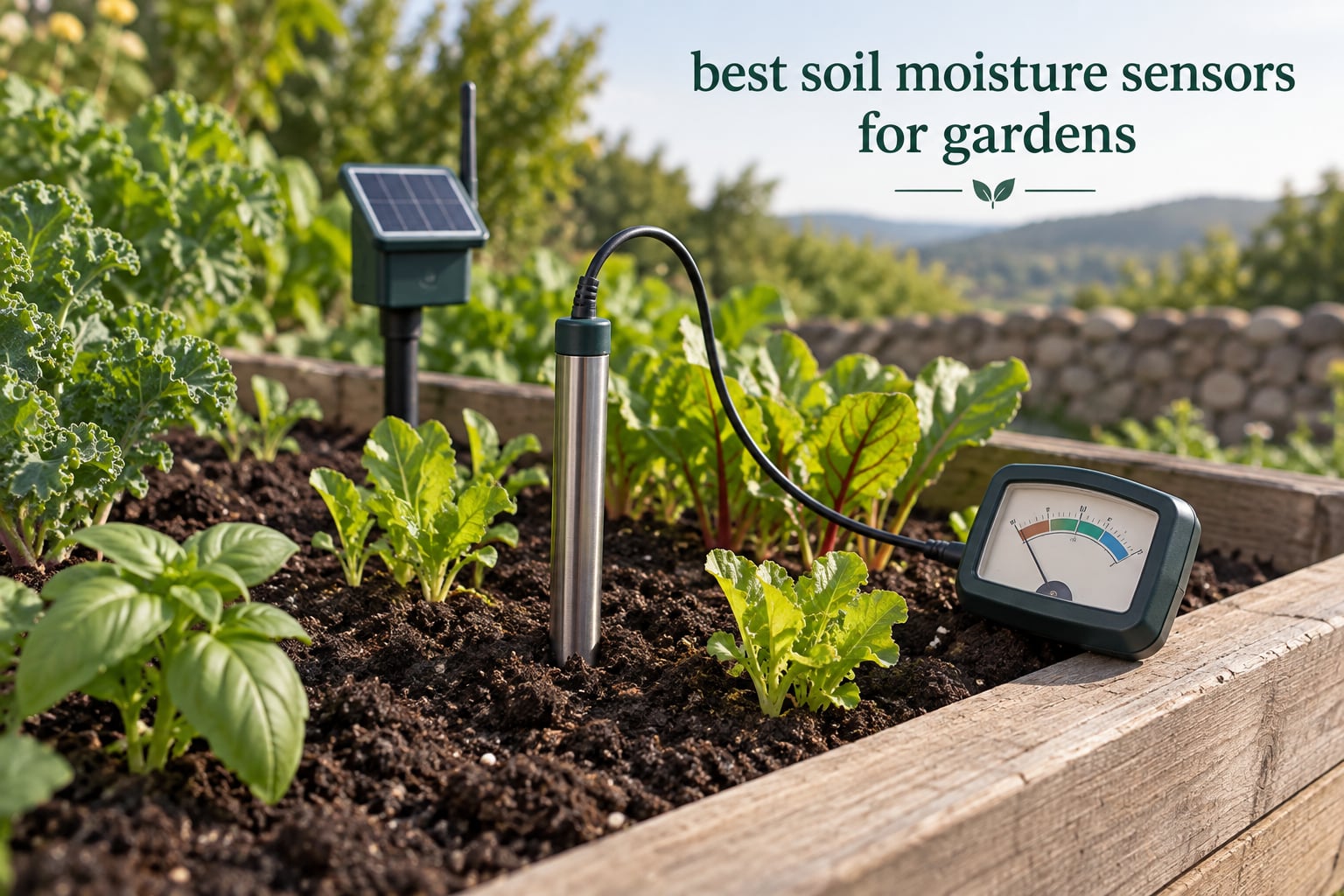
A soil moisture sensor measures how much water garden soil is holding, usually by passing a tiny current between two metal electrodes and reading the resulting resistance or capacitance. The wetter the soil, the stronger the reading. That one sentence is the whole idea, and it is the difference between watering on instinct and watering on evidence.
We have been testing handheld meters and connected sensors against the same beds for several weeks this season, in raised beds, in-ground rows, containers and a compost pile. The results surprised us: the meters that top the bestseller charts and the sensors that gardeners actually automate with are not the same kind of device, and they answer different questions. A pocket dial tells you whether to water one pot this afternoon. A connected sensor tells you what your root zone did overnight, plots it, and can switch a valve off when the soil is wet enough.
If you only want one tool for containers and small beds, jump to the XLUX meter below. If you want alerts, history and automatic irrigation, read the connected sensor section and the buying guide before you buy anything. We explain the underlying physics the same way we explain proximity sensors on the hardware side, and the same way we break down how ultrasonic sensors measure distance: what the number actually means before you trust it.
Our top picks at a glance
Best overall: XLUX Plant Soil Moisture Meter – battery-free, 304 stainless steel probe, the category benchmark
Best value multi-function: SONKIR MS02 3-in-1 – moisture, pH and light on one dial
Best for houseplants: Gouevn Soil Moisture Meter – large, fast, moisture-only and no setup
Best for large containers: Dr.meter S10 – 10 color-coded scales, single root-friendly probe
Best for light and pH reads: VIVOSUN 3-in-1 – widest documented measurement ranges here
Best for quick potted-plant checks: apine – instant reading, wiping cloth included
Best for in-ground beds: Raintrip 4-in-1 – rotating dial plus a nutrient channel
Best for beginners: SZHLUX Moisture Meter – 10.23 inch body, large clear dial
Best for smaller pots: Hathdia Meter – 7.6 inch probe, 9 gram body
Budget pick: Censinda Soil Moisture Meter – 6.7 inch probe, bundled watering guide
Best for compost and deep stems: REOTEMP 15 Inch – stainless stem, calibratable scale
Best for automated irrigation: Gardena Soil Moisture Sensor – wired into a Gardena controller
Table of Contents
Top 3 Soil Moisture Sensors for Gardens (October 2026)
XLUX Soil Moisture Meter
- Battery-free 304 stainless steel probe
- 10 color-coded scales
- Instant root-zone reading
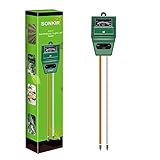
SONKIR MS02 3-in-1
- Moisture pH and light on one tool
- One-button mode switching
- No battery required

The XLUX meter wins because it does the smallest possible job extremely well. One 304 stainless steel probe, ten color-coded points, no battery, no mode button, and a body light enough to carry around a garden bed with one hand. It has been on sale since 2015 and still holds the number one position in the Soil Meters category, which tells you something about how quickly a well-made tool stops needing replacing.
The SONKIR MS02 is the one to buy if a single extra channel earns its place. The pH and light modes are not laboratory instruments, but seeing light intensity next to moisture tells you far more about a spot than moisture alone. The Gouevn meter is the opposite case: it measures moisture and nothing else, and it does that with a dial big enough to read from a standing crouch.
All 12 Soil Moisture Sensors Compared in 2026
| Product | Specifications | Action |
|---|---|---|
| XLUX Plant Soil Moisture Meter |
|
Check Latest Price |
| SONKIR MS02 3-in-1 Soil Tester |
|
Check Latest Price |
| Gouevn Soil Moisture Meter |
|
Check Latest Price |
 Dr.meter S10 Soil Moisture Meter Dr.meter S10 Soil Moisture Meter |
|
Check Latest Price |
 VIVOSUN 3-in-1 Soil Tester VIVOSUN 3-in-1 Soil Tester |
|
Check Latest Price |
 apine Soil Moisture Meter apine Soil Moisture Meter |
|
Check Latest Price |
 Raintrip 4-in-1 Soil Tester Raintrip 4-in-1 Soil Tester |
|
Check Latest Price |
 SZHLUX Moisture Meter SZHLUX Moisture Meter |
|
Check Latest Price |
 Hathdia Moisture Meter Hathdia Moisture Meter |
|
Check Latest Price |
 Censinda Soil Moisture Meter Censinda Soil Moisture Meter |
|
Check Latest Price |
 REOTEMP 15 Inch Moisture Meter REOTEMP 15 Inch Moisture Meter |
|
Check Latest Price |
 Gardena Soil Moisture Sensor Gardena Soil Moisture Sensor |
|
Check Latest Price |
Two things stand out in that table. First, ten of the twelve meters here are battery-free analog dials, which tells you how mature and how cheap that end of the market has become. Second, only one product on this list talks to an irrigation controller, and it only talks to one brand’s controllers. That is the honest shape of this category in 2026.
1. XLUX Plant Soil Moisture Meter – Best Overall Soil Moisture Sensor for Gardens
XLUX Plant Soil Moisture Meter, for Indoor and Outdoor use, Battery-Free
- Instant battery-free reading at root depth
- Large color-coded dial with 10 scale points
- Slim single-probe design is gentle on roots
- Anti-abrasion sleeve protects the probe in transit
- Selling in this category since 2015
- Soil only
- cannot test liquids
- Reading is relative rather than laboratory-precise
- Needs wiping and storing in the sleeve after use
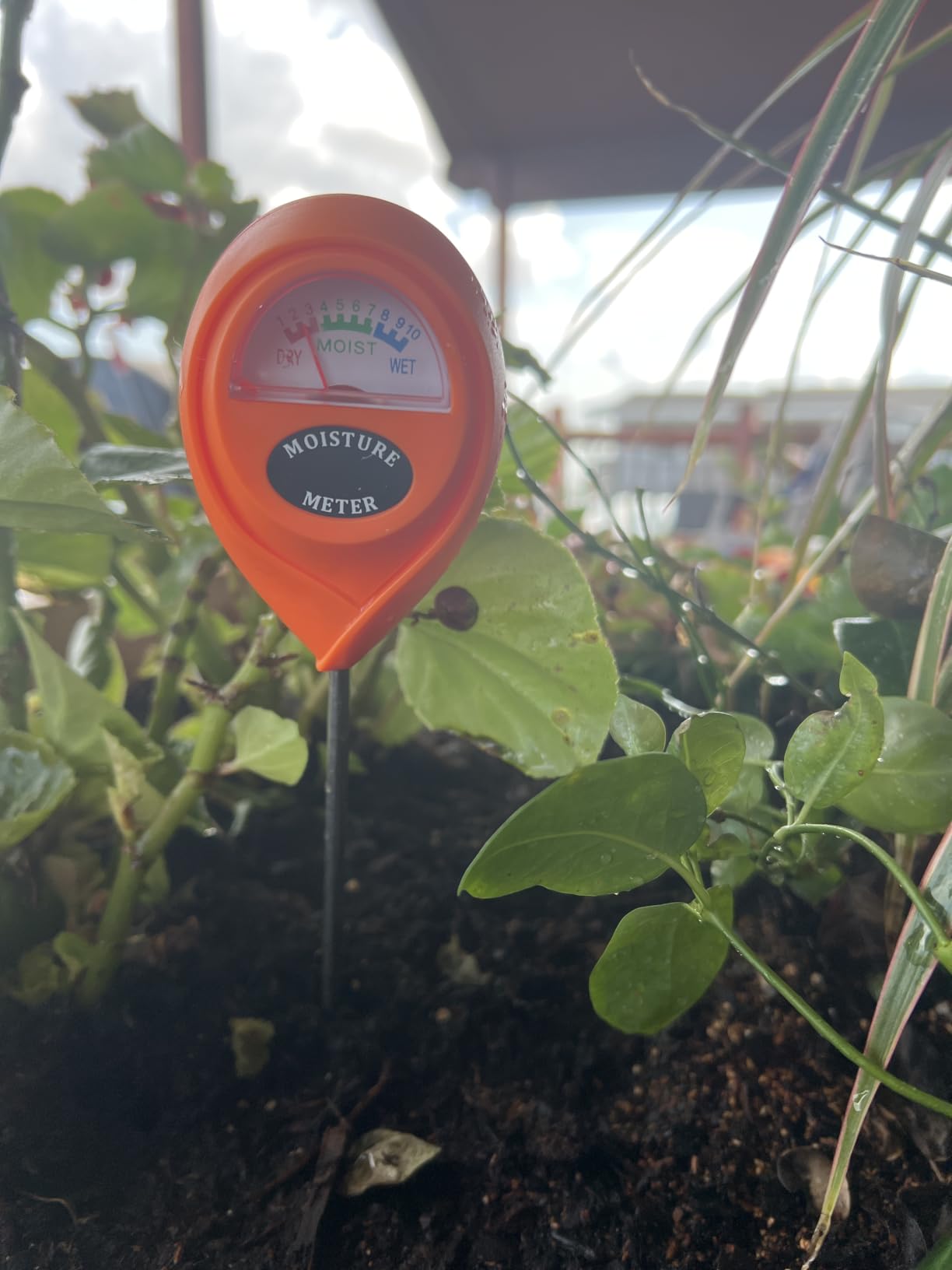
This is the meter we reach for first, and it has been the same meter for a decade. The model number is T10, the body measures 2.36 by 10.24 inches, and there is no battery compartment to fail, no charging, no mode button to press before you can get a number. You push the probe into the root zone and read the dial.
That simplicity is the feature. When you are standing over a bed at dusk deciding whether to run the hose, the last thing you want is a menu. Ten color-coded points run from dry through moist to wet, and the pointer responds as soon as the probe makes contact with damp soil.
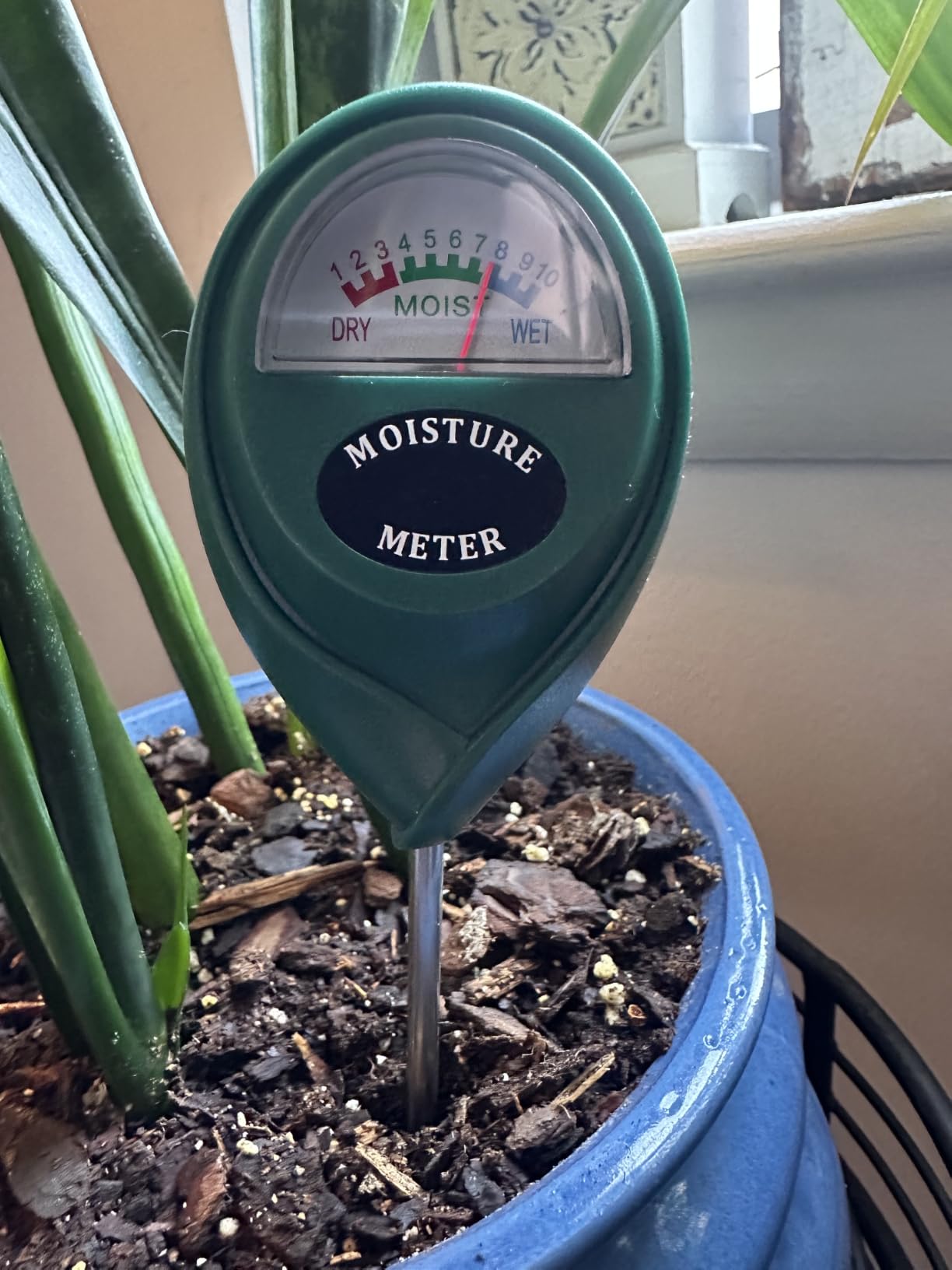
The build is what separates it from the pile. The probe is 304 stainless steel rather than plated steel or bare copper, and a single needle means you are making one narrow hole instead of two. Across our beds that difference was obvious when we were checking rows of seedlings: one insertion, minimal soil disruption, and the surrounding structure stays intact.
It is also built for years of use rather than a season. Reviewers repeatedly point out that the 304 probe resists the rust and pitting that eats cheaper probes, and the included anti-abrasion sleeve means it is not sliding around a tool bag unprotected. The documented upper operating temperature is 45 degrees Celsius, which covers an open bed in summer without a note.
Who the XLUX meter suits
If you grow in containers, small raised beds or a kitchen garden, this is the meter that gets used. There is nothing to set up and nothing to maintain beyond wiping the probe and sliding it back into its sleeve. It is also the easiest one to hand to someone who has never used a moisture meter, because the color bands do the explaining.
Because it is moisture-only, it also gives you one clean signal with no interpretation. That matters more than it sounds: a single number you trust is easier to act on than four numbers you have to reconcile.
Where it falls short
It measures soil only. Submerging the probe in a glass of water, or leaving it sitting in a saucer, is not what this tool is for, and reviewers are clear that doing so shortens probe life.
The reading is also relative, not absolute. It tells you wetter or drier than the last time you checked the same spot, which is exactly what you want for watering decisions, but it will never give you a volumetric water content figure for a report or a research log.
2. SONKIR MS02 3-in-1 Soil Tester – Best Value Multi-Function Meter
- Three measurements from one compact tool
- One-button mode switching is beginner friendly
- No battery and no setup
- Lightweight at under 3 ounces
- pH channel is not laboratory-precise
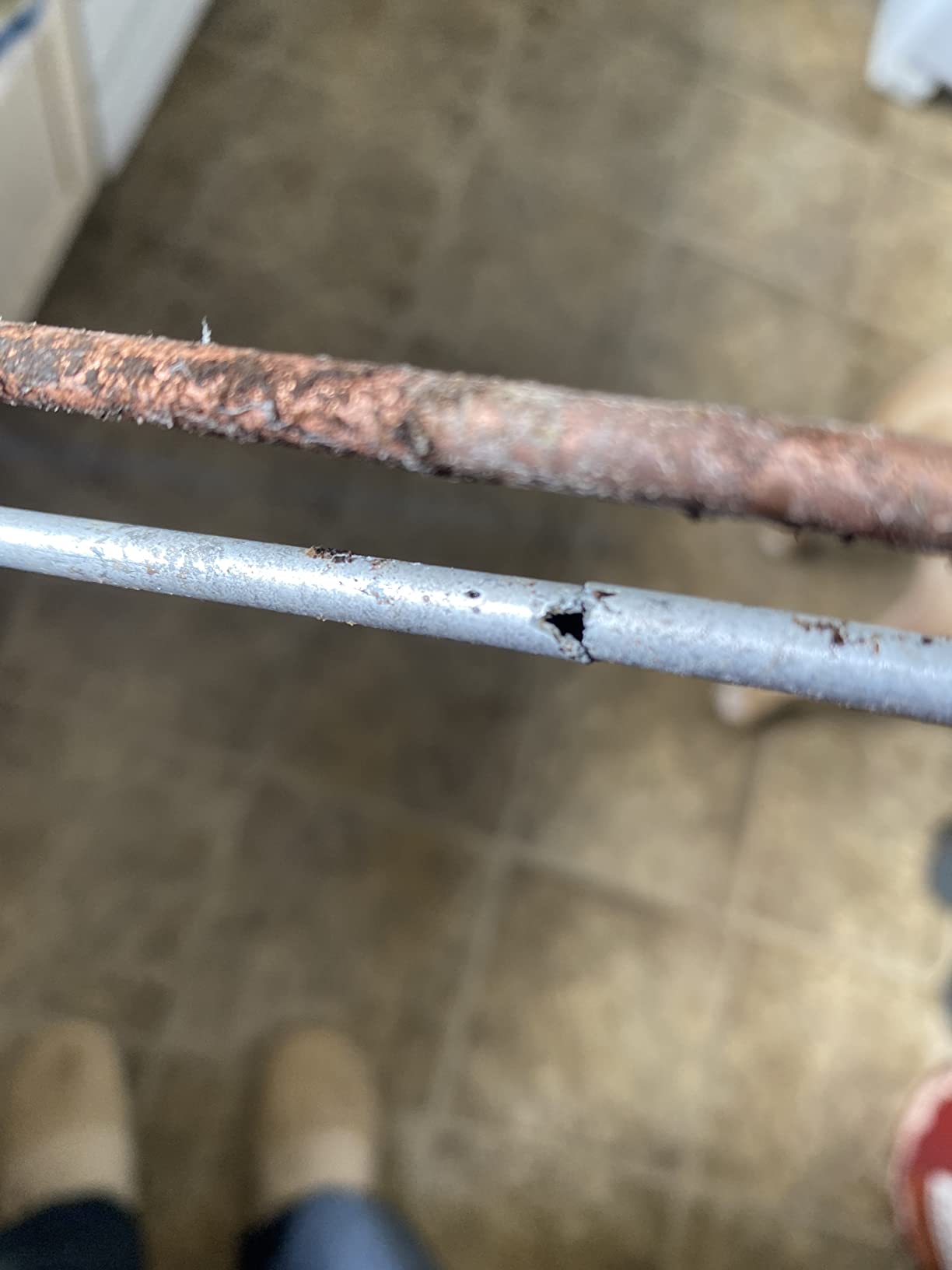
- Probe prong can snap at the joint after a few weeks
- Calibration can be knocked out of alignment in transit
- Needs a 6-7 inch minimum insertion depth
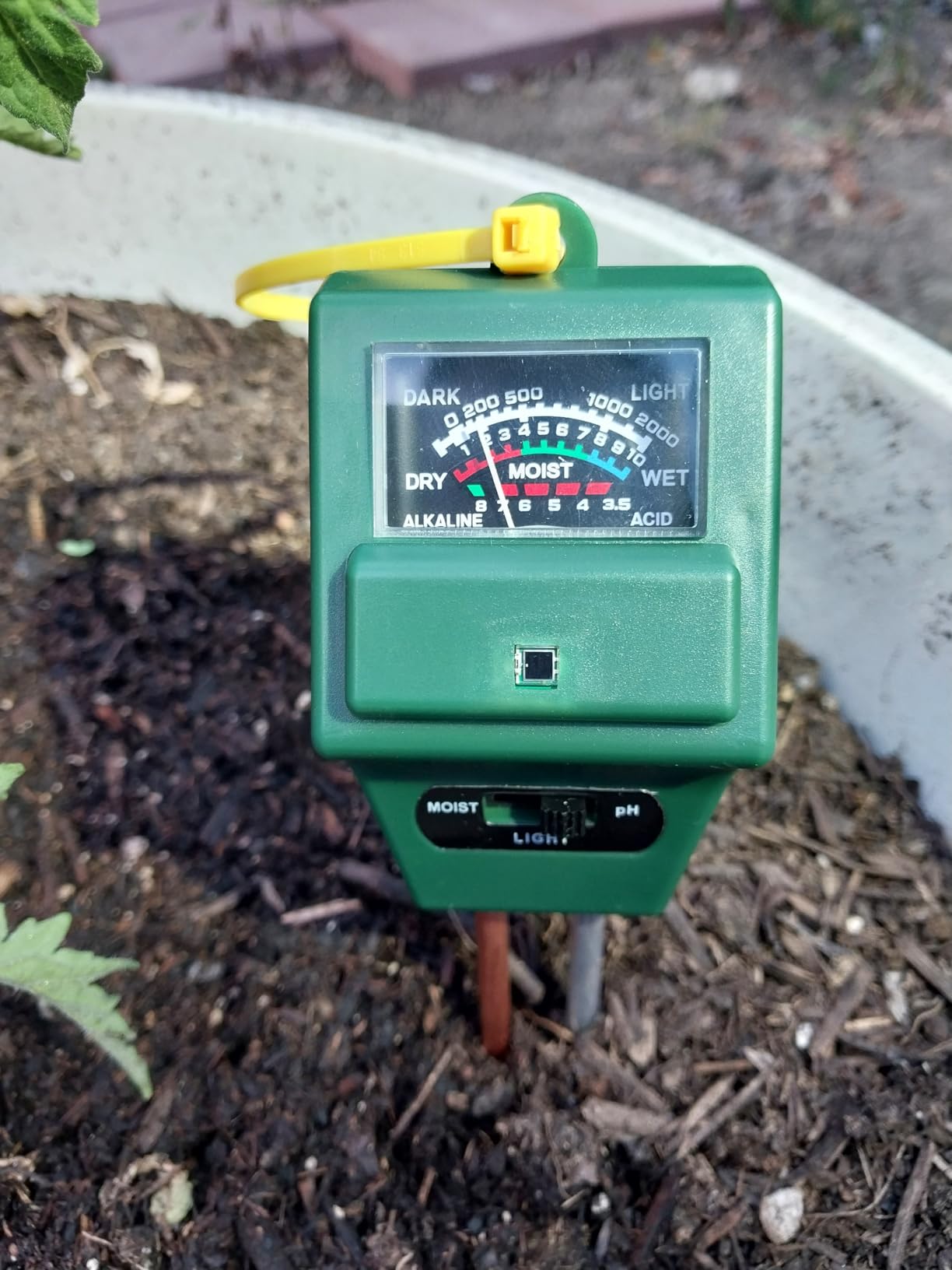
The SONKIR MS02 answers a question most gardeners eventually ask: is the problem water, or is it light, or is it pH? One button cycles between moisture level, pH value and sunlight level, and the whole tool weighs under three ounces. For a mixed bed where different crops fail for different reasons, that extra context is genuinely useful.
In practice we use the moisture mode constantly and the light mode occasionally, and the pH mode when a plant looks wrong for no obvious reason. The dimensions are 11.5 by 2 by 1.5 inches, so it lives in a pocket without complaining, which is the same reason the XLUX works so well as a walk-around tool.
Two operational details matter. There is no battery at all, and the manufacturer is explicit that you insert the probe and wait a few minutes for a stable readout rather than reading instantly. In bone-dry soil the indicator will not move at all, so watering first is part of the procedure, not a workaround.
It also cannot measure the pH of liquids other than soil, which is a limitation that catches people out if they try to use it on a nutrient solution.
Who the SONKIR MS02 suits
This is the meter to buy when you have a mixed garden and want one tool instead of two. Beginners get the most out of it, because the single button means there is no wrong way to take a reading. It is a good companion to a watering schedule for beds where you are still learning how thirsty each crop actually is.
It is also a sensible pick if you want to hand one meter to two people, or keep one at each end of a long bed, without doubling your kit.
Where it falls short
Durability is the weak point in reviews, and it is specific rather than general: the probe prong can snap off at the joint after a few weeks, and the calibration can be knocked out of alignment in transit, so some units arrive dead. Check the meter the day it arrives rather than trusting it on first use.
The pH channel is directional rather than precise. It tells you acidic or basic, not a laboratory number, and some owners report a pH reading that never changes at all. Do not set fertiliser schedules from it.
3. Gouevn Soil Moisture Meter – Best for Houseplants and Indoor Collections
- Large clearly marked dial with a fast probe
- No batteries or electricity
- Watering guide printed on the pack
- Compact and portable for indoor and outdoor use
- Soil only
- cannot test liquids
- Not suitable for extremely hard soil
- Must not be kept in soil for long periods
The Gouevn meter is the most stripped-down thing on this list, and that is the recommendation. One function, one probe, one large dial with no numbers to remember. It ranks far lower in category best-sellers than the multi-function testers, which is consistent with a design that does not try to be anything other than a moisture check.
For a windowsill full of plants that is exactly what you want. You will not learn pH from it and you will not get light readings, but you will learn that plant 4 is drier than plant 3, which is the only question that changes your behaviour.
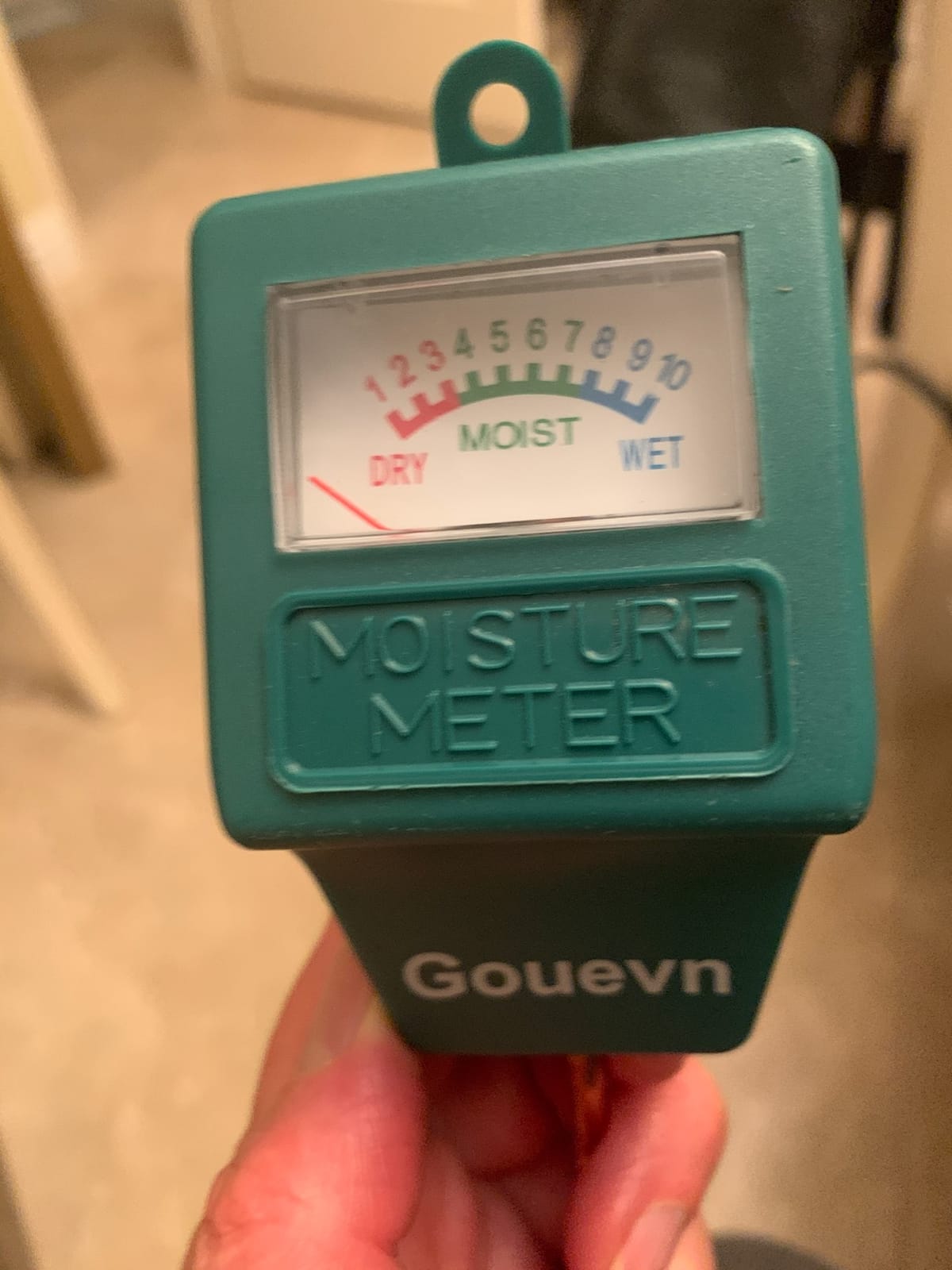
The probe responds quickly, and the dial is large enough to read at a glance. The documented upper temperature range is 60 degrees Celsius, the highest of the battery-free meters here, so a warm greenhouse or a sealed patio cabinet is not a problem.
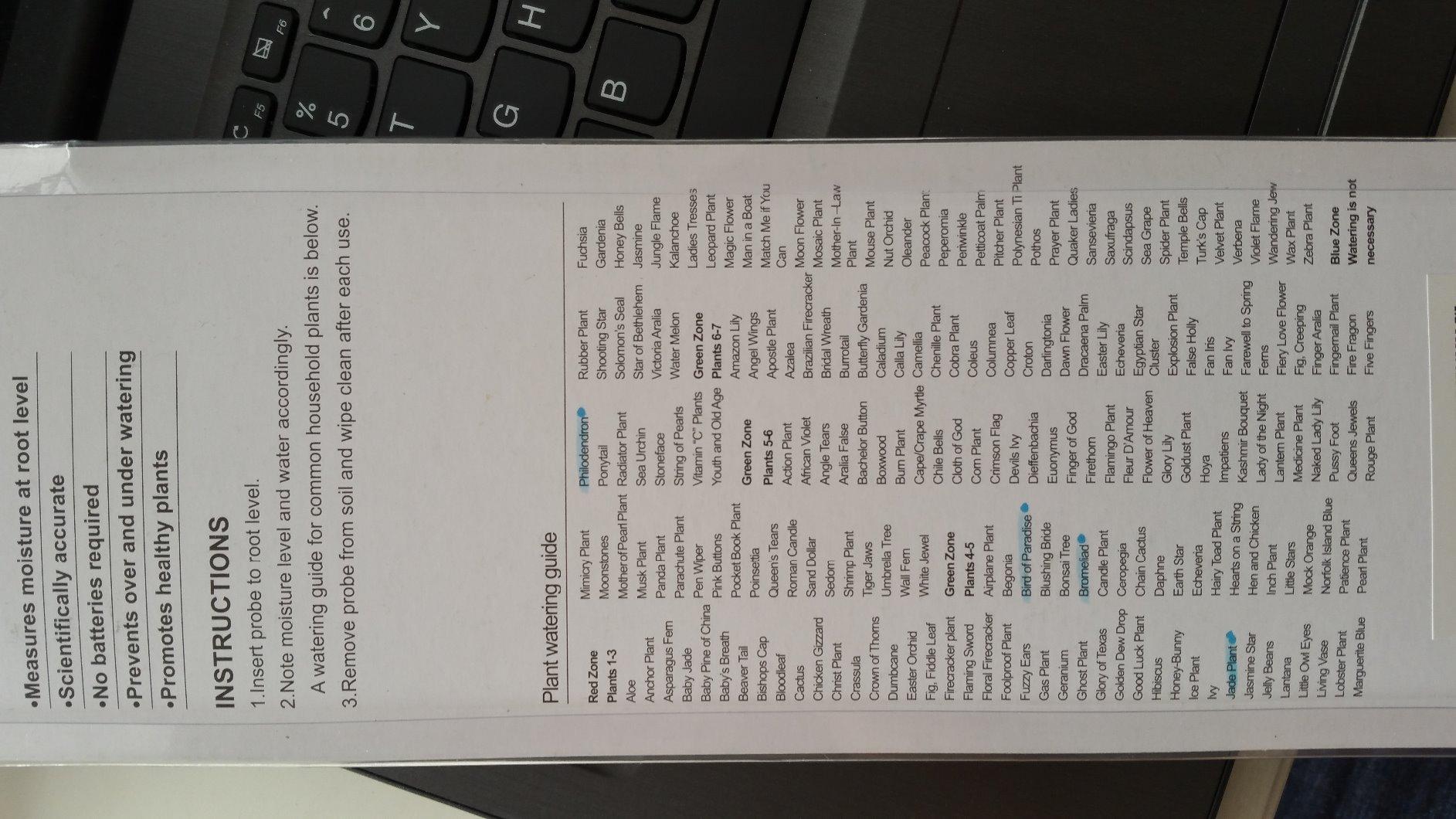
The back of the packaging carries a plant watering guide, which is a small touch that quietly helps beginners translate a number into an action. The body is 2.02 inches wide by 1.3 inches high and light enough to carry around a whole collection without thinking about it.
Who the Gouevn meter suits
Anyone with more than a handful of pots, and anyone who has killed a plant by overwatering it. Repetition is the point: a tool simple enough to use every time beats a cleverer tool sitting in a drawer.
It works outdoors too, across gardens, lawns, farms and greenhouses, so it is a safe second meter for a bed once you have outgrown the houseplant stage.
Where it falls short
Two hard limits are printed on the product and confirmed by owners: it is for soil only, and it is not for extremely hard soil. Forcing a thin needle into compacted clay or a rocky bed is how probes get bent.
It also should not be kept in the soil for long periods. Pull it out, wipe it, and use it as a spot-check tool. That is fine for a spot-check tool, but if you want a sensor that stays put, this is the wrong category entirely.
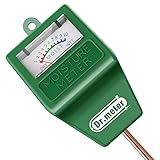
4. Dr.meter S10 – Best Soil Moisture Meter for Large Containers
Dr.meter Soil Moisture Meter for Plants, Plant Water Gauge Test Kit
- Color-coded ten-scale dial needs no experience
- Single probe leaves soil structure undisturbed
- Among the highest five-star shares of the analog meters here
- Compact at 2.72 ounces
- Copper conductor reads high and needs adjusting
- Cannot be submerged in water
- Probe is short for reaching deep into large pots
Dr.meter runs the same core design as the XLUX and Gouevn meters, single probe, ten color-coded scales from red through green to blue, no battery, and it converts a lot of skeptical owners. The 4.4 average comes with a 74 percent share of five-star ratings, and long-term users describe it as a replacement for cheaper meters that failed on them.
The stated use is unglamorous and correct: eliminate the guesswork of finger-testing soil and keep your hands clean. For anyone who has been sticking a finger into a pot and second-guessing the result, a dedicated probe is a small step up in both accuracy and hygiene.
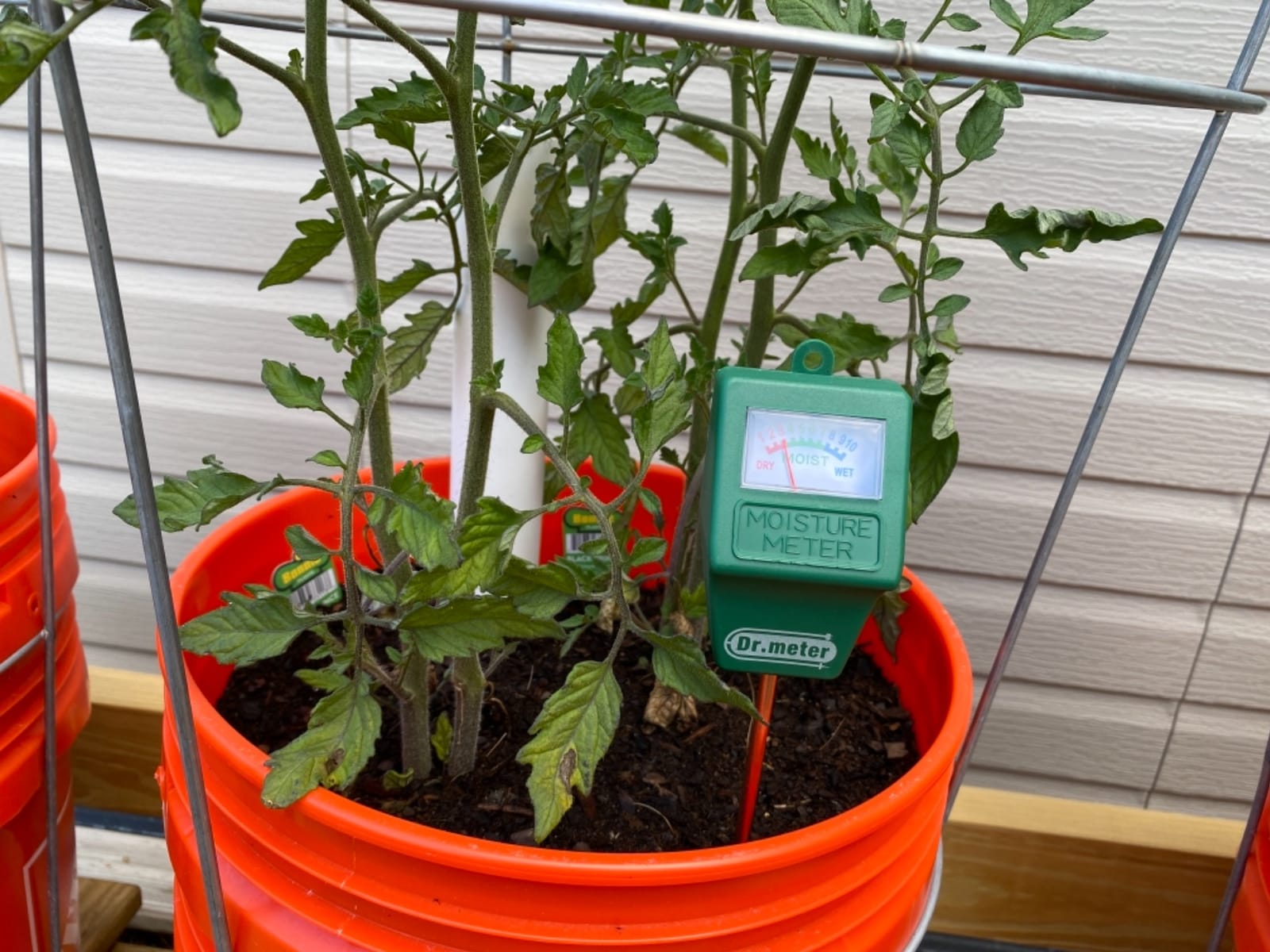
The one behavior to understand is that the copper conductor is highly sensitive. Owners report that it runs high and needs adjusting for ordinary potting soil, and that it can show a wet or maximum reading on soil that is genuinely closer to a three or a four. Treat the first reading in a new pot as a baseline rather than an instruction.
Kept in context, that is manageable. The documented upper temperature range is 40 degrees Celsius, and the body is small at 2.02 by 1.6 inches and 2.72 ounces, so it is easy to carry to a row of large pots.
Who the Dr.meter S10 suits
It suits growers working with medium and large containers where the single needle is gentler on roots than a dual-probe tester, and where you want a dial that reads the same way every time so you can learn your own plants.
It is also a good shared tool for a household, because there is nothing to configure and nothing to charge. Pull it out, read, wipe, put it back.
Where it falls short
Do not submerge it. Owners are clear that units kept in wet soil can fail, and the copper conductor is the reason corrosion shows up sooner here than on a 304 stainless probe.
For very deep pots, the probe is on the short side. If your root zone sits well below the top of a tall container, either insert at an angle or choose a longer-stemmed model further down this list.
5. VIVOSUN 3-in-1 Soil Tester – Best for Light and pH Readings
VIVOSUN Plant Soil Moisture Meter, 3-in-1 pH Tester, Indoor & Outdoor Use
- Three measurement modes from one compact probe
- One-button switching
- No battery and durable plug-and-read design
- 10.8 inch length is easy to carry
- Lowest average rating in this group at 4.0
- Soil only
- not for pure water
- Analog dial gives a coarse 1-10 scale not a precise value
- pH range stops at 8
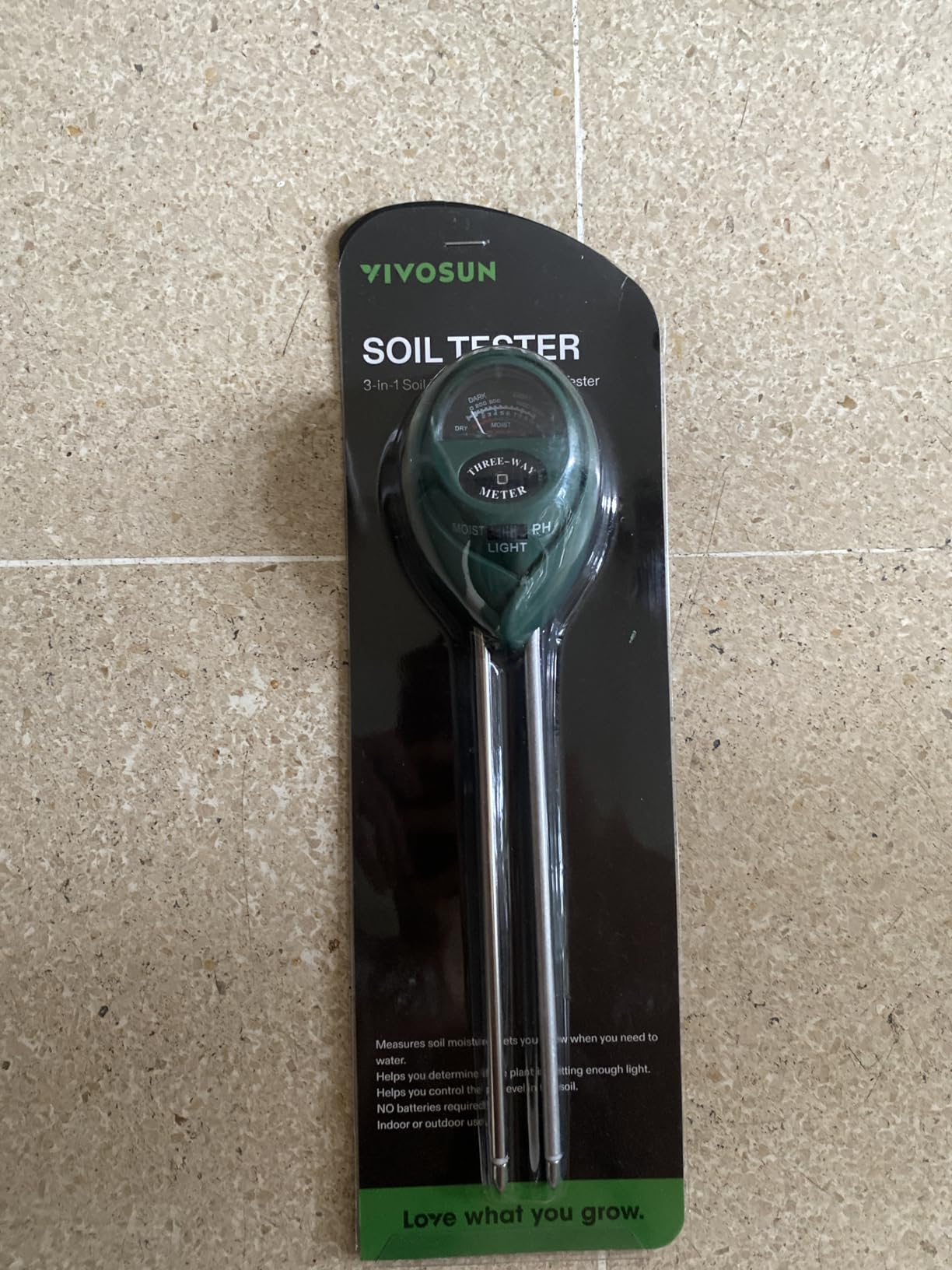
The VIVOSUN tester is the one here with the widest documented measurement ranges, and that is worth knowing before you buy. Moisture reads 1 to 10, light intensity reads 0 to 2000, and pH covers 3.5 to 8. No other meter in this group publishes ranges that broad, which makes it the most useful of the multi-function tools for diagnosing why a bed is failing.
A single button switches modes, the whole thing is 10.8 inches long, and it has been available since 2016, so the design is well settled rather than experimental.
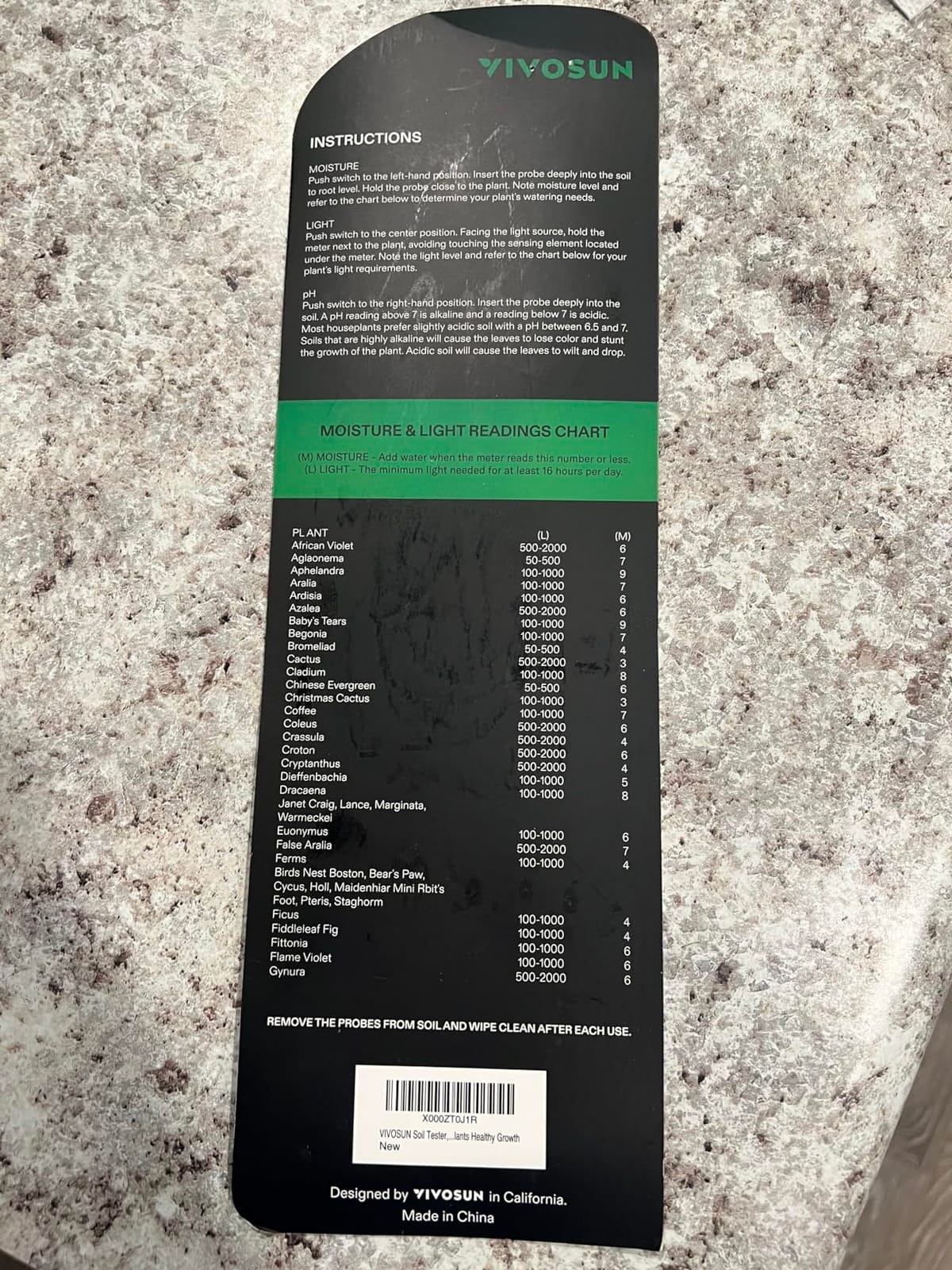
Light is the channel people underuse. A moisture reading of 2 next to a light reading of 300 tells you the plant is dry and shaded, and no amount of watering fixes that. Pairing the two readings on one dial is the cheapest way we know to stop treating symptoms as watering problems.
It is also soil-only. The pH mode will not read pure water or a nutrient solution, and the pH ceiling at 8 means it cannot detect strongly alkaline soil at all.
Who the VIVOSUN tester suits
It suits growers diagnosing a stubborn bed, especially a partially shaded one, where watering advice keeps failing. It is also a good fit for anyone moving plants between a windowsill and an outdoor bed who wants to see how light and moisture change together.
For greenhouse and balcony growers, the portable 10.8 inch length means you can carry one tool between locations instead of storing one per zone.
Where it falls short
It carries the lowest average rating of anything on this list at 4.0, with a 10 percent one-star share. That is a function of expectations: a 4-in-1 analog dial is doing four jobs at analog-dial resolution, and buyers who wanted a laboratory pH meter are disappointed by what they get.
Use the readings comparatively, not absolutely. Two beds measured on the same afternoon are comparable. Two readings from different soil types are not.
6. apine Soil Moisture Meter – Best for Quick Potted-Plant Checks
apine Soil Moisture Meter,Plants Moisture Meter,Plant Water Meter for Indoor/Outdoor Plants,Hydrometer for Plants(Green)
- Reading in seconds at 2-4 inch depth
- Color-divided dial is easy to read
- Single needle causes little root damage
- Includes a cloth for cleaning the probe
- Unreliable in loose or fluffy potting mixes
- Plastic top is not strong so grasp the stem
- Included cloth is small and easily lost
- Some probes stop detecting moisture after a few months
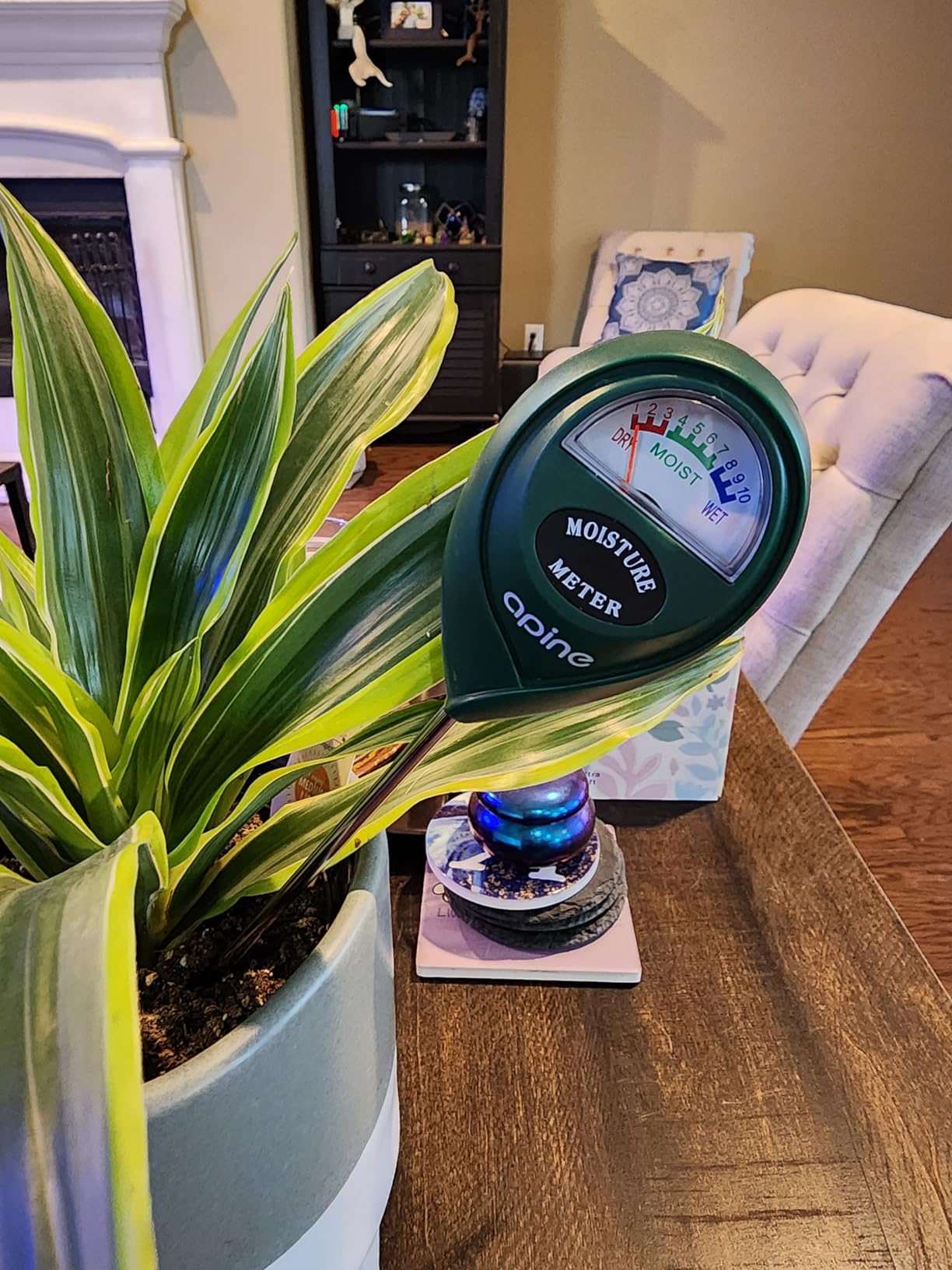
The apine meter is built around one instruction: insert two to four inches and read within seconds. That is the fastest routine on this list, and the color-divided dial is designed to be legible for older users, which is not a throwaway consideration in a garden where somebody else may be doing the watering.
It weighs 0.32 ounces and measures 10.24 by 2.28 by 1.5 inches, so it genuinely disappears into a pocket. That is what makes it a good walk-around tool for a balcony full of containers.
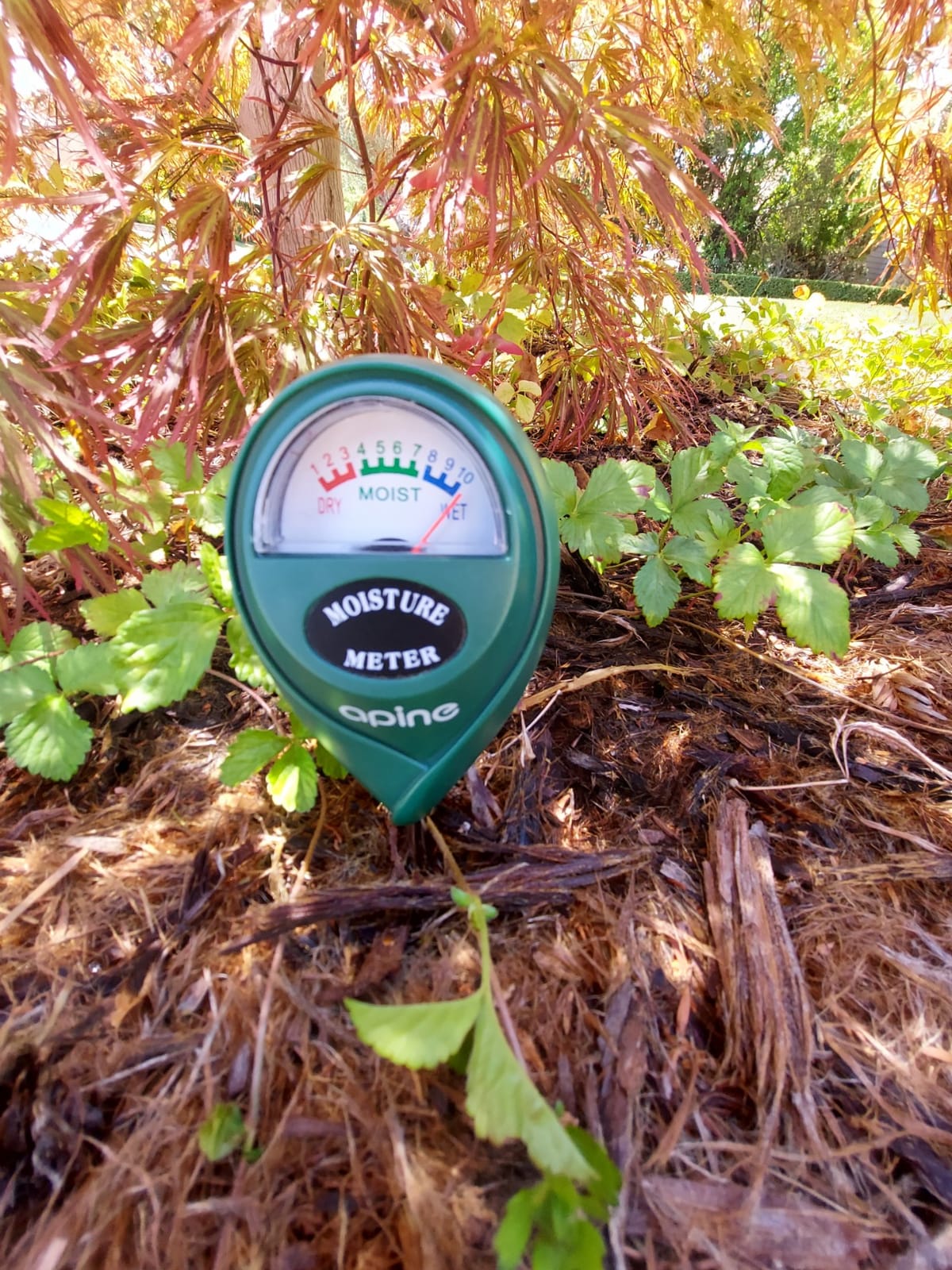
The included wiping cloth matters more than it looks. Cleaning the probe restores sensitivity, and the manufacturer’s own guidance is to wipe after use rather than rinse. Skipping that step is how a good meter starts reading wrong.
The single needle also picks up very little mud, which means less mess on your hands and less chance of clogging the sensing area with a coating of dry compost.
Who the apine meter suits
It suits potted-plant owners, especially anyone tending a large collection where speed matters more than depth. If you are checking thirty pots before leaving for a week, a two-second reading is the difference between doing it and not doing it.
It also works well for shallow-rooted herbs and succulents in gritty mixes, where you want a quick surface-to-root check rather than a deep profile.
Where it falls short
The single biggest complaint is soil type. In loose, fluffy mixes such as standard potting soil, the reading collapses toward dry even immediately after watering, because the probe is not making good contact with the medium. This is a physical limitation, not a fault, and it is the reason to cross-check against a finger test the first few times.
Two smaller notes. The plastic top is not very strong, so grasp the stem when pushing into turf, and several users report the probe eventually stops detecting moisture after weeks to months, which is a shorter life than a 304 stainless probe gives you.
7. Raintrip 4-in-1 Soil Tester – Best for In-Garden Beds
- Only meter here that estimates nutrient level too
- Patented 90-degree rotating dial reads at any angle
- Single probe is gentle on seedlings
- Includes sandpaper and a growing guide
- Accuracy drops in loose fluffy soils
- Bulkier than moisture-only meters
- Analog dial gives a general indication only
The Raintrip is the most considered design here, and the reason is the dial. It rotates through 90 degrees and holds any angle, which is a small patent with a large practical effect: you can read it standing up, at the edge of a bed, without crouching into the soil with your face. For anyone with a back or knee problem, or anyone who ends up on all fours in a bed, that is the feature you will notice every single time.
It is also the only meter in this roundup with a fourth channel. Alongside moisture, pH and light it estimates nutrient level, and it reads at a depth greater than four inches in a matter of seconds.
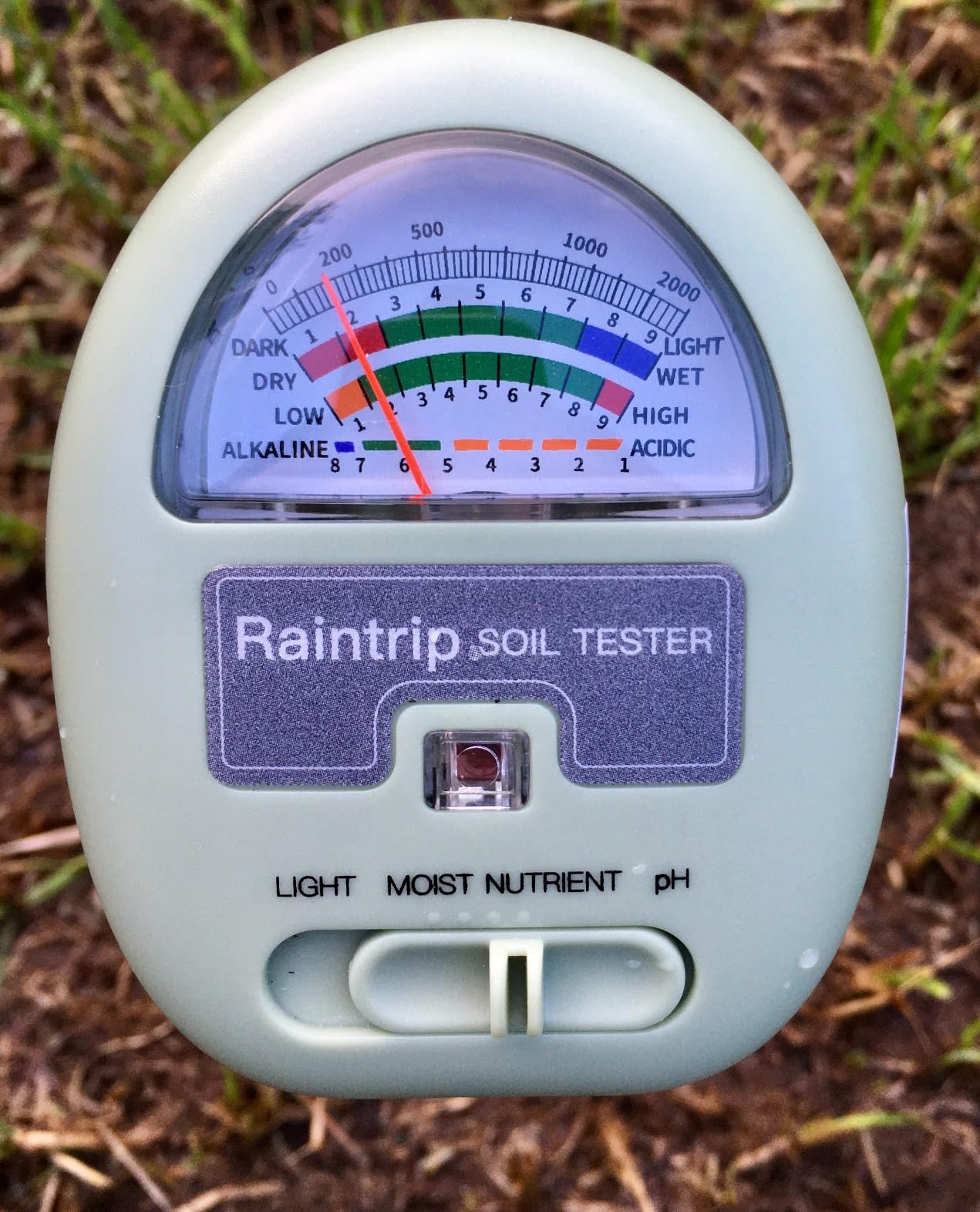
Maintenance is handled properly too. The probe is reinforced and rust-resistant with a wipe-clean surface, and free sandpaper is included, which is the correct way to keep a metal electrode sensing at full sensitivity. A plant care guide and a gift box are in the box, and the whole tool is 4 ounces and 2.6 by 10.4 inches.
Being the widest tool has a cost. It is bulkier than a moisture-only dial, and the extra channels are directional. Nutrient level in particular is a coarse indicator that tells you to investigate, not a number to act on.
Who the Raintrip tester suits
It suits anyone working structured, in-ground garden beds rather than loose container mix, and especially anyone who would rather not kneel to read a gauge. The four channels also suit a new garden where you are still learning which beds need attention first.
It makes a good house-present too, if you know someone who fights with clay soil and stubborn low pH every summer.
Where it falls short
The manufacturer’s own note appears repeatedly in reviews: it may not work effectively in loose soils, and readings are less reliable there. The same warning applies to fluffy potting mixes. Use it in beds where the probe has something solid to contact.
And keep expectations straight on precision. Four analog channels is a screening tool for a garden, not a soil laboratory.
8. SZHLUX Moisture Meter – Best for Beginners Learning to Read Soil
SZHLUX Moisture Meter Water Monitor Soil Hygrometer Sensor Care, Lawn, Farm, Indoor & Outdoor. (Plant Gifts for Gardeners), 10.23inch, Green
- Quick readings that reduce over- and under-watering
- Single probe is gentle on roots and picks up less soil
- Large clear dial needs no battery
- Works indoors and outdoors
- Not for liquids
- as this damages the sensing probe
- Not for very hard soil
- Moisture-only with no pH or light mode
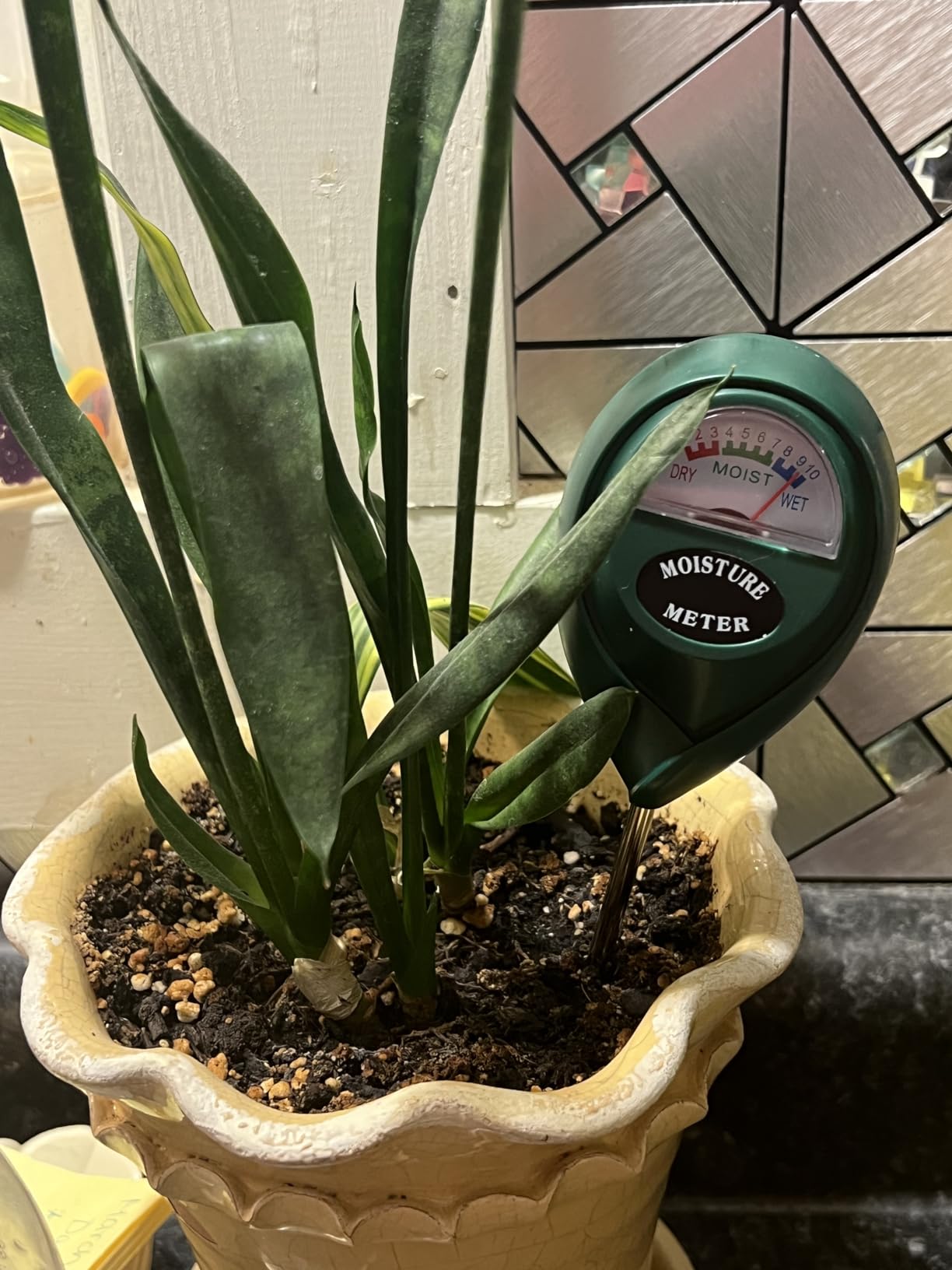
The SZHLUX meter scores the same 4.4 average as the other single-function leaders, with a matching share of five-star ratings, and it ranks far lower in category best-sellers simply because it does one thing instead of three. It is 10.23 inches end to end, which is one of the longer bodies here and gives you a comfortable grip with real insertion depth.
That extra length is the reason to pick it over a smaller meter if your pots are deep or your raised beds are tall. A longer handle gets your hand above the soil line instead of in it.
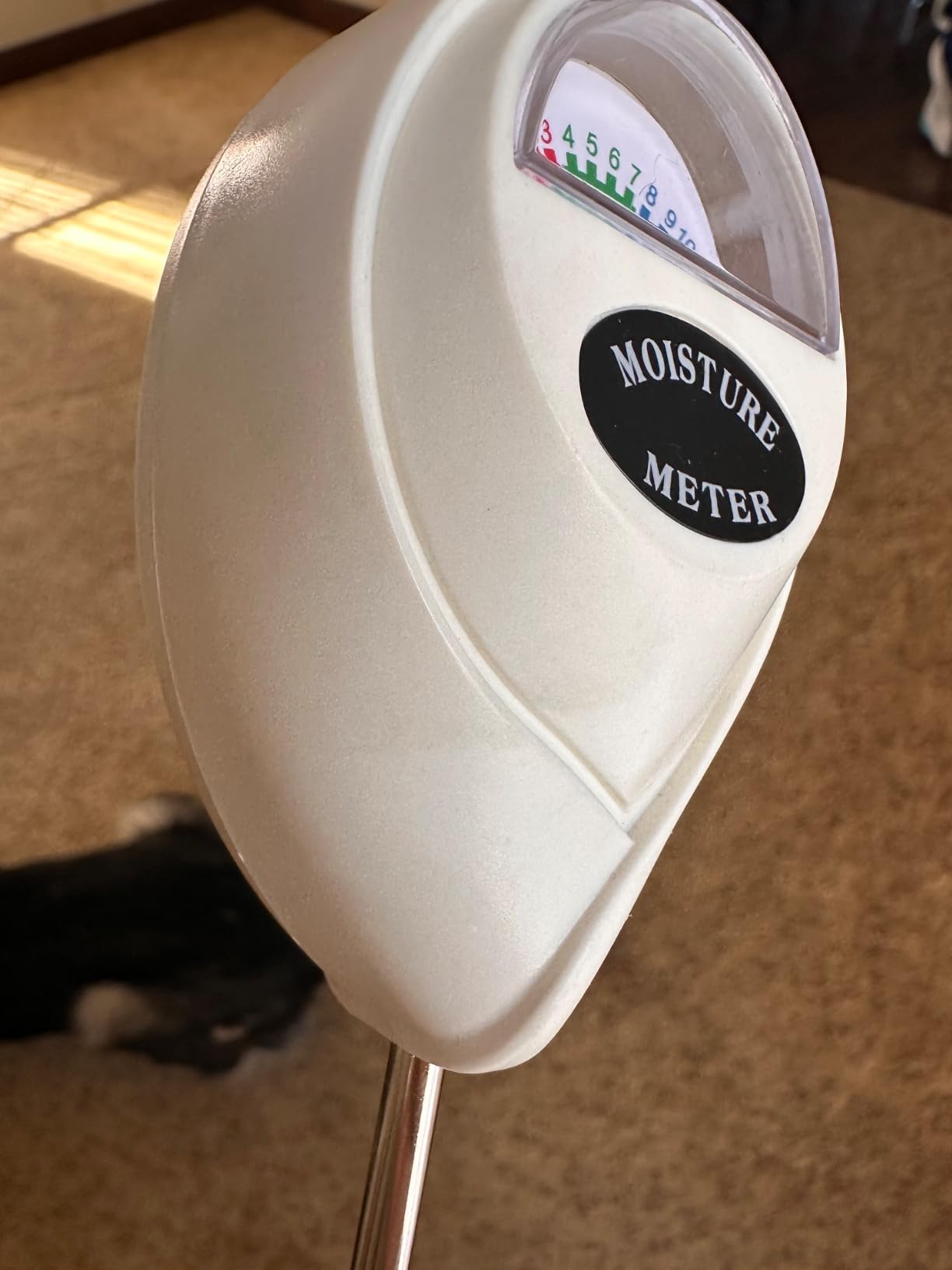
The operating principle is the same familiar analog pointer, and the appeal is that it responds immediately on insertion. No waiting, no settling, no mode button. For a first-time user, a tool that answers instantly is a tool you will keep using.
It weighs 3.2 ounces and measures 10.3 by 2.3 by 1.4 inches, so it is one of the more substantial of the moisture-only dials without becoming a burden.
Who the SZHLUX meter suits
It suits first-time buyers who want one clear answer, and it suits deep containers and raised beds where a shorter probe would only sample the surface. Gardeners who like giving useful tools as presents will find it an easy one, since it needs no explanation.
It is also a good second meter to leave in a greenhouse or a shed so the tool is not missing when you need it.
Where it falls short
It cannot test liquids. Immersing the sensing probe is the fastest way to damage it, and the manufacturer’s guidance is to wipe it clean after each use instead.
There is no pH or light mode, so if your problem is not water you will get no help from it. And it should not be forced into very hard soil.
9. Hathdia Moisture Meter – Best for Small Pots and Light Handlers
Hathdia Soil Moisture Meter,Plant Hygrometer Moisture Sensor Plant Water Monitor for Potted Plants,Garden,Farm, Lawn(No Battery Needed)
- Instant reading at root level with no power
- 7.6 inch probe reaches the root zone of large pots
- Analog design works out of the box
- Holds up over months of regular use
- Soil only
- never immerse the meter box
- Keep the probe away from stones
- Occasional defective meter reported in multi-packs
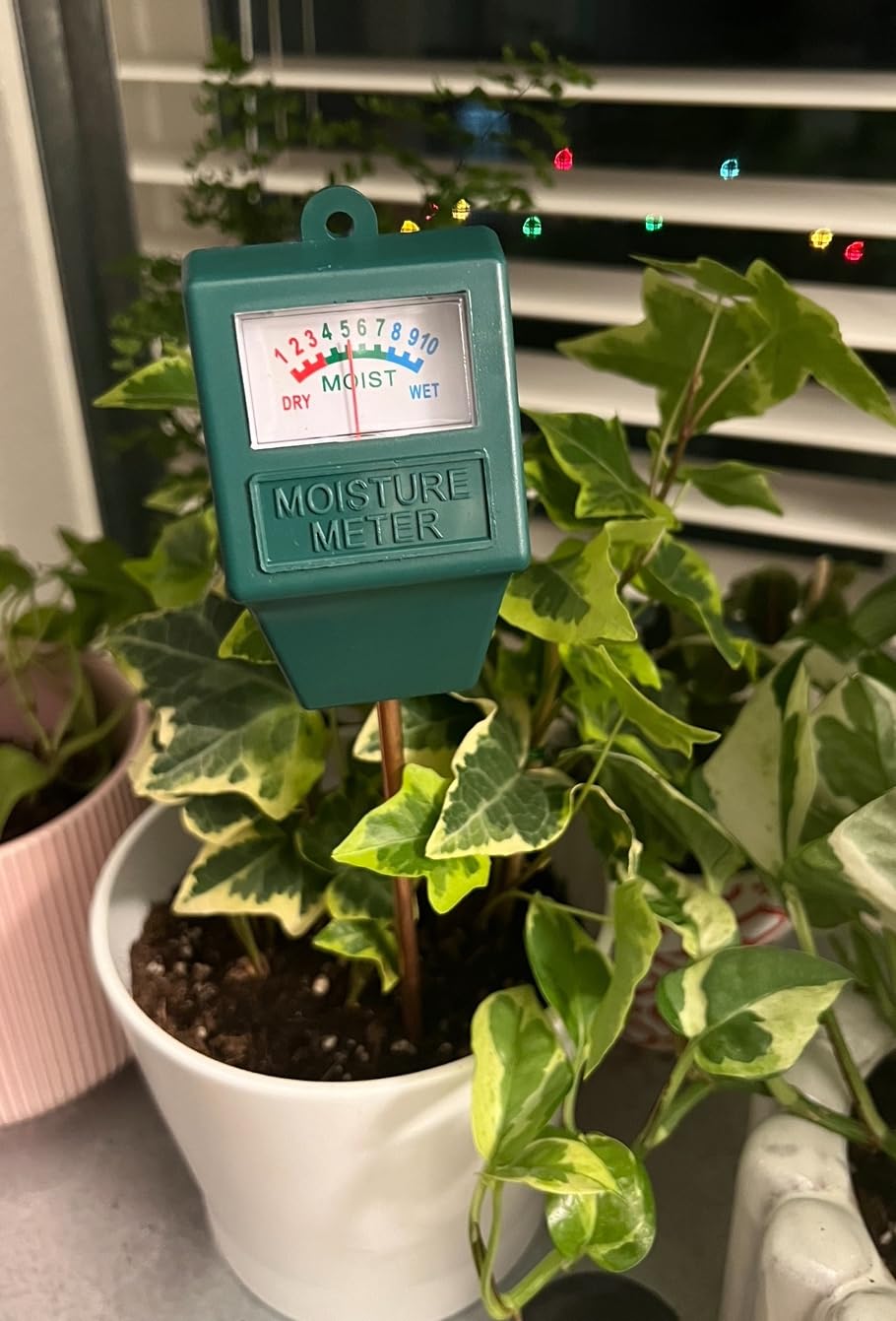
At roughly nine grams, the Hathdia meter is among the lightest tools here, and its 7.6 inch probe is sized for larger pots rather than a seedling tray. Long-term owners report that units still look new after roughly six months of regular use, which is a good record for this category.
Its high share of five-star ratings in this group reflects how little it asks of you. No battery, no electricity, no setup. Insert to the root level and read immediately.
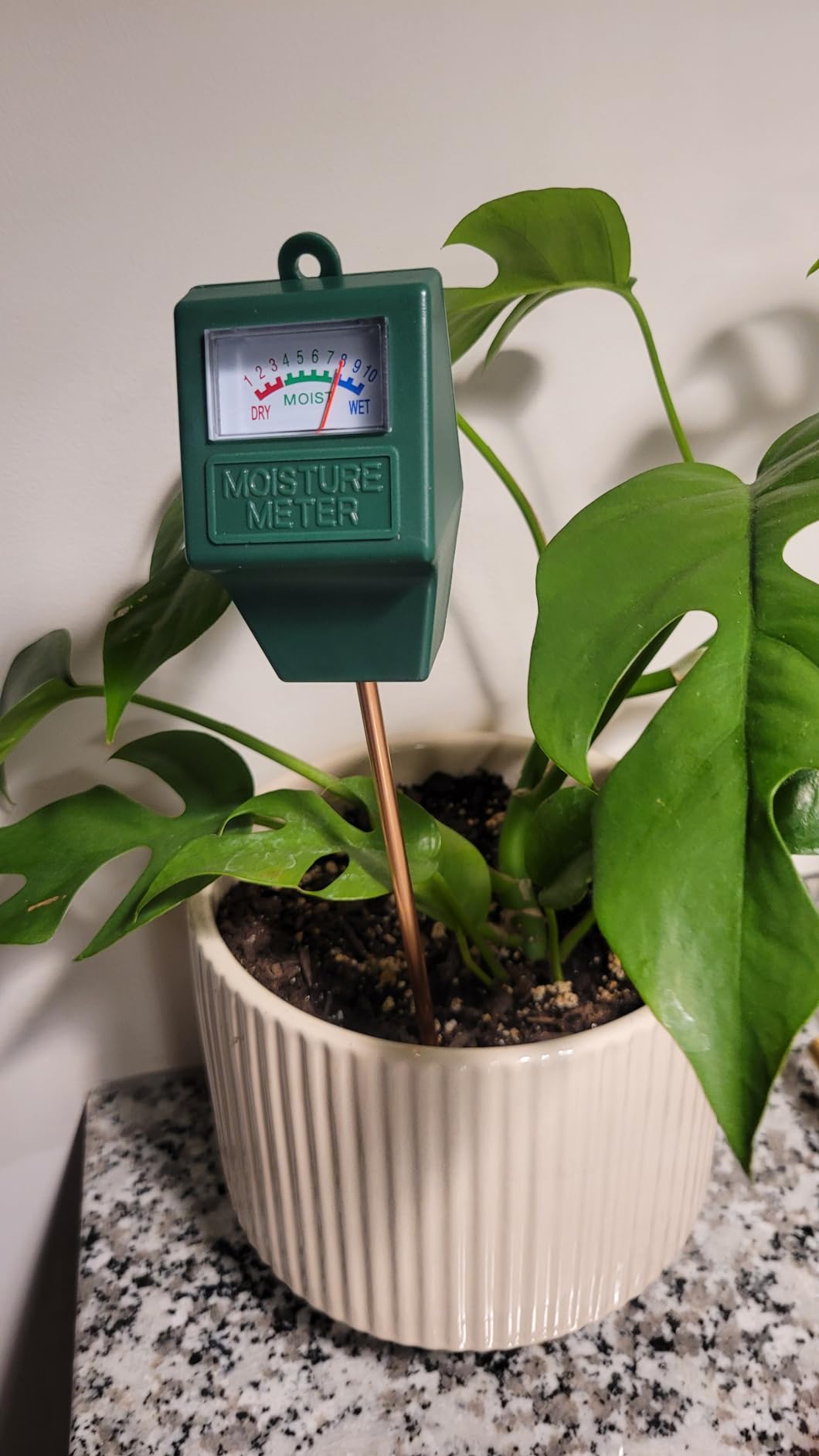
The pointer moves quickly, which makes a full round of a greenhouse or a potting bench feel fast. A watering guide is printed on the back of the box, and the smooth probe wipes clean easily after each plant, so it stays hygienic between containers.
It ranks eighth in Soil Meters, so it is established without being dominant. That is a fair description of the product itself.
Who the Hathdia meter suits
It suits growers who check a lot of medium-sized pots and want a tool that is not tiring to hold. It also suits anyone who has been put off meters by the idea of charging something, since there is nothing to charge.
For indoor use it is unobtrusive enough to keep in a utility drawer rather than losing in a shed, which is how most meters end up unused.
Where it falls short
It is soil only, and the meter box itself must never be soaked. Keep the probe away from stones when inserting, because a pebble catching the tip is the fastest way to bend a needle this fine.
There is no pH or light measurement. And if you buy a multi-pack, check every meter in it on arrival, because a few owners report an occasional defective unit or a pack that arrived short.
10. Censinda Soil Moisture Meter – Budget Pick for Tight Shelves
- Very easy to read with an instant result
- 6.7 inch probe reaches into larger pots
- Lightweight and sturdy enough for regular use
- Watering guide with target dryness levels included
- Metal probe joint was loose out of the box on some units
- Probe can snap off after only a few uses
- Highest one-star share of this group at 15%
- Some readings are not repeatable on clearly dry plants
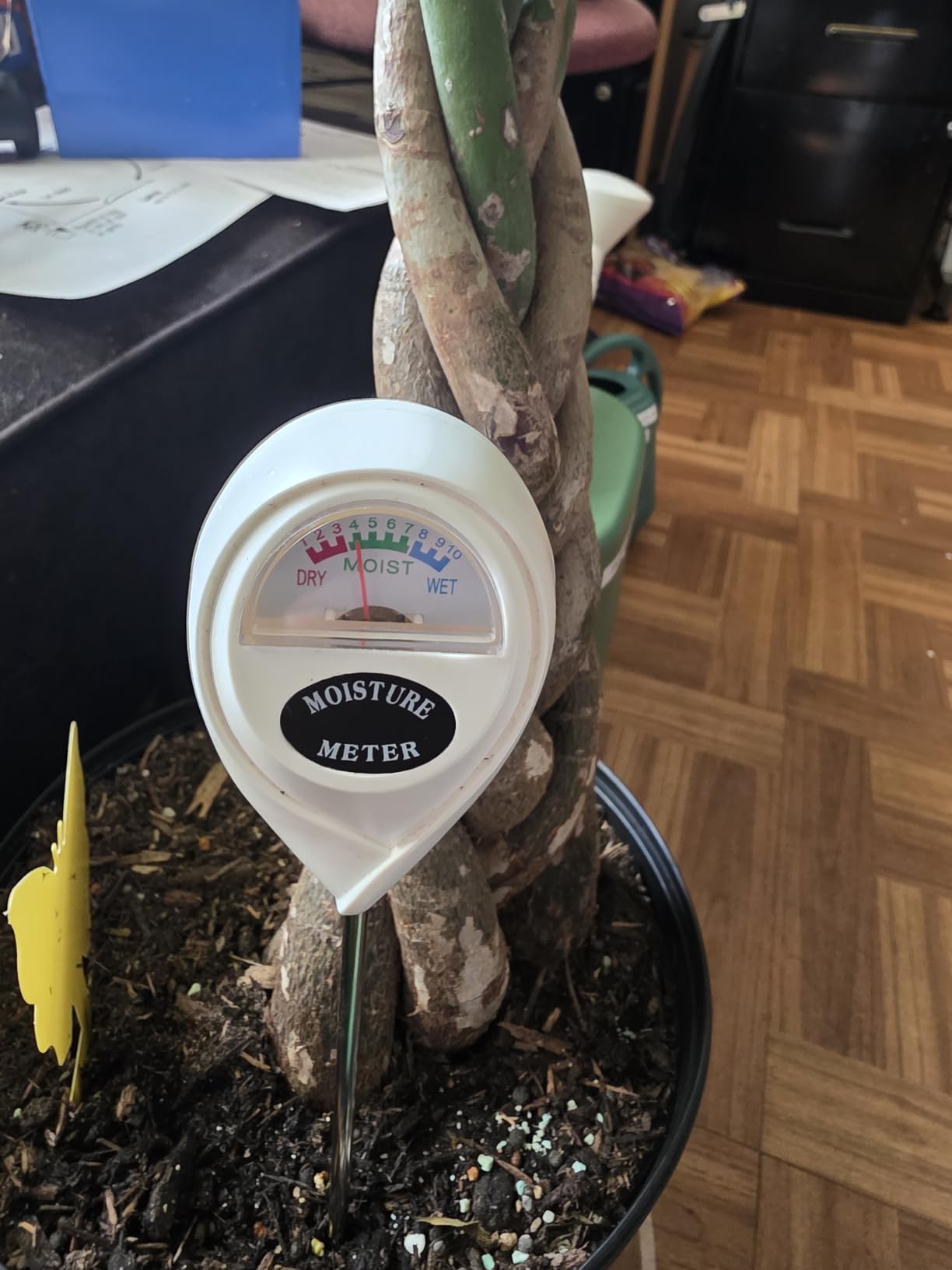
The Censinda meter is the entry-level tool in this roundup, and the low cost is the reason it is here: for a balcony, a rental flat or a beginner who will lose the meter in a pot, a basic meter that does the core job beats no meter at all. It is 6.7 inches of probe in a 2.3 by 10.2 inch body, and it needs no power of any kind.
Owners like the instant readout, the length for larger pots and raised beds, and the included watering guide listing target dryness levels for common houseplants. Two-packs let you keep one per area without much commitment.
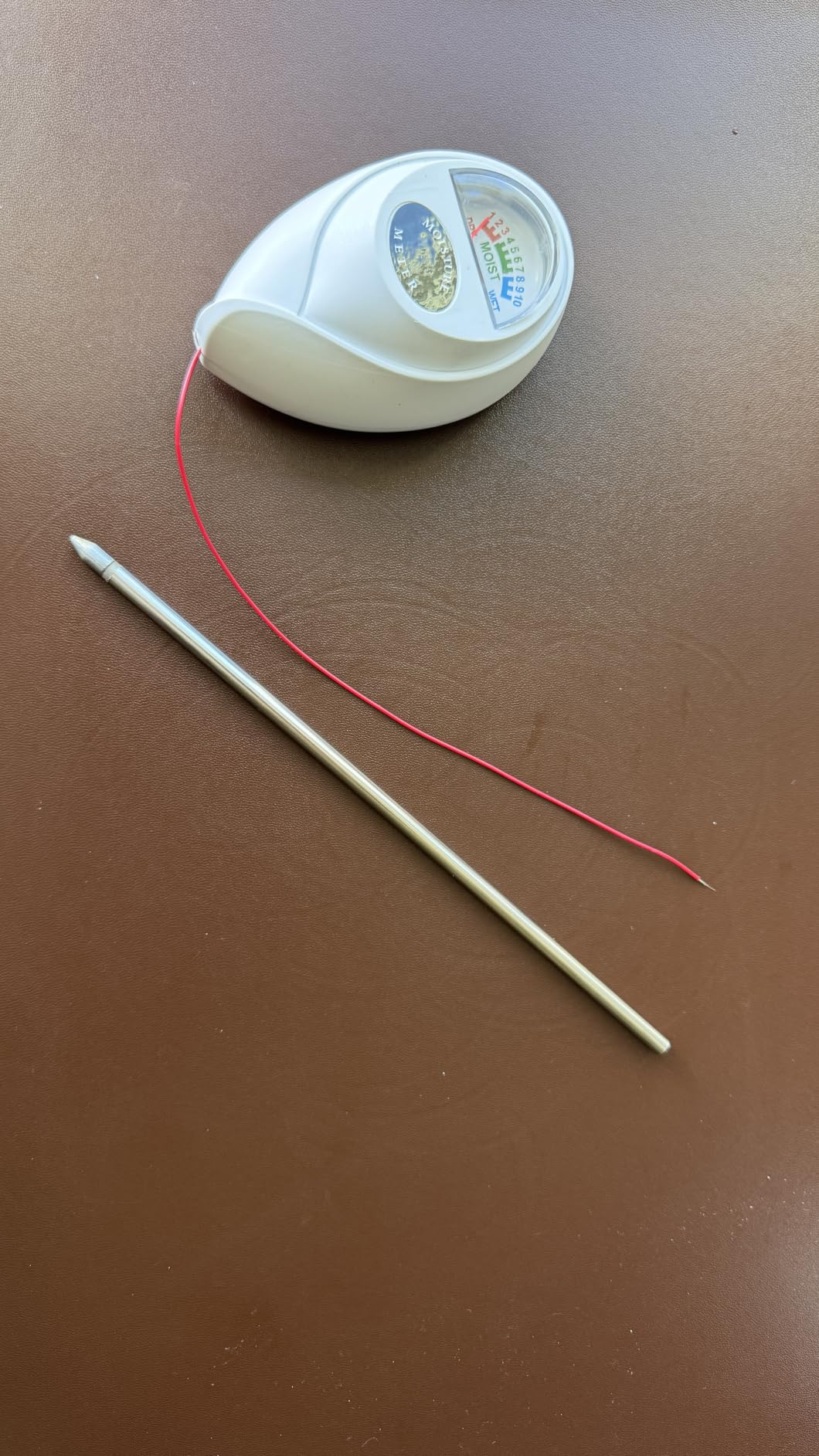
Durability is the dividing line, and it is worth being blunt about. Several reviews describe the metal probe joint being loose out of the box, and one reports a probe snapping off after roughly four uses. It carries the highest one-star share of anything on this list at 15 percent, which is a direct consequence of a very cheap joint.
Some users also could not get a repeatable reading on plants that were clearly dry, which points at a calibration or contact problem rather than a reading-interpretation problem.
Who the Censinda meter suits
It suits casual use: a few houseplants, a small balcony, a watering routine you have not got serious about yet. The 6.7 inch probe is long enough for a medium pot and for a raised bed row, which is more than several pocket-sized meters manage.
It also suits anyone who wants a spare. If a meter gets lost or bent in a bed, having a second cheap one in the same drawer matters more than you would expect.
Where it falls short
Do not expect it to last. A loose joint on arrival and probes snapping after a few uses are both documented, so test it immediately and treat it as a consumable rather than an heirloom.
It also cannot be left in the soil long-term or soaked in a cup of water. If you want something that stays installed, this is the wrong tool.
11. REOTEMP 15 Inch Moisture Meter – Best for Compost and Deep Stems
Reotemp 15 Inch Garden and Compost Moisture Meter, Garden Tool Ideal for Soil, Plant, Farm and Lawn Moisture Testing
- Rugged stainless steel stem handles compost and clay
- 15 inch length reaches deep into beds and piles
- User-calibratable 0-10 wetness scale
- Instant readings from one included AAA battery
- The only meter here that needs a battery
- No pH light or nutrient measurement
- Analog scale needs a short wait to settle
- Bulkier and costlier than handheld meters
The REOTEMP sits in a different category from everything above it, and the reason is the stem. Fifteen inches of stainless steel at five-sixteenths of an inch in diameter is not a houseplant probe, it is a soil profiling instrument, and it is built for compost piles, raised beds and root zones you cannot reach with a short needle.
It is the only battery-powered meter here, using one included AAA cell, and it is the only one with a user-calibratable zero-to-ten wetness scale. When you own a large bed or a compost system, being able to set your own baseline is worth more than another measurement channel.
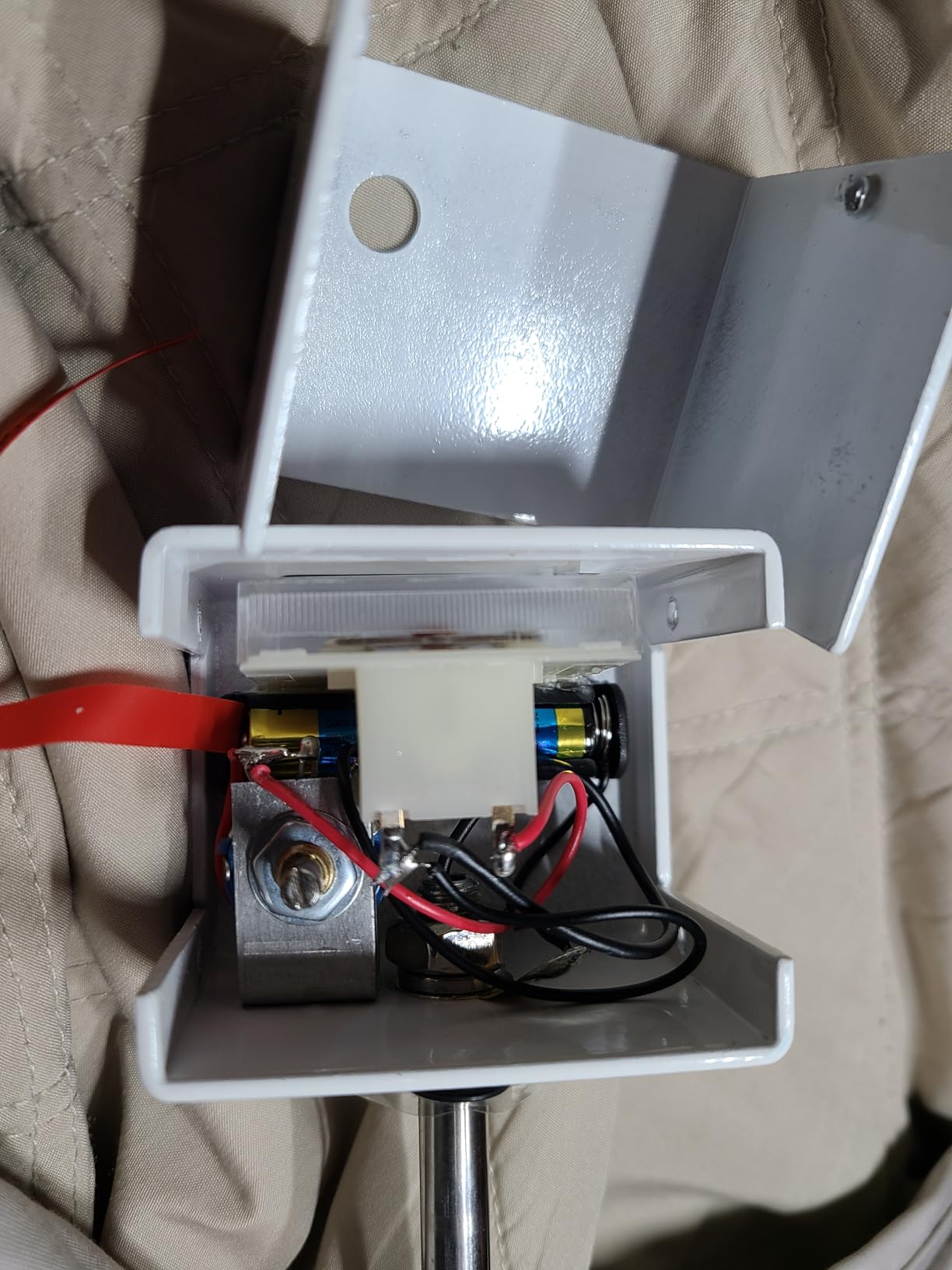
The build is the argument. Rugged stainless steel stands up to heavy soil and compost in a way thin plated probes do not, and the documented temperature reading accuracy of plus or minus one degree Celsius is a documented spec none of the other meters here publish.
It weighs 9.92 ounces, which is real mass in the hand, but it is mass that translates into a thick stem that will not snap when you push it into a compost pile.
Who the REOTEMP meter suits
It suits home composters, community composting programs and school projects, where the material is coarse, warm and physically abusive to a thin probe. It also suits anyone doing a genuine moisture profile across a deep raised bed rather than a spot check.
If you have already outgrown a pocket meter and feel you are guessing about moisture at depth, this is the step up that changes the answer.
Where it falls short
It is the only tool here that needs a battery, which is one more thing to forget in a shed, though the reading is instant once the AAA is in.
It measures moisture only, with no pH, light or nutrient channel, and the analog scale needs a short wait to settle before you trust the number. It is also bulkier than any of the handheld battery-free meters above, which is the correct trade for the build you get.
12. Gardena Soil Moisture Sensor – Best for Automated Irrigation
Gardena Soil Moisture Sensor: Automatic Irrigation, can be Used Directly on the Lawn, 5 m Long Connection Cable, can be Extended with Extension Cable (01867-20)
- Feeds live soil moisture data to the irrigation controller
- Skips or interrupts cycles when soil is wet enough
- Works with a wide range of Gardena controllers
- 5 metre cable can be extended with more cable
- Requires a compatible Gardena Water Control system
- Batteries not included
- sensor is powered through the controller
- Switching point must be set on the controller
The Gardena sensor is the only true connected irrigation sensor in this roundup, and it works in a completely different way from the other eleven. It is not a meter you read. You install it in the lawn, run a 5 metre connection cable back to a Gardena Water Control unit, and the sensor measures soil moisture and reports it to the controller, which then skips or interrupts the irrigation cycle when the soil is already wet enough.
That is the entire point. Watering decisions stop being a guess about your own schedule and start being a function of measured soil state, which is exactly the thing a handheld dial can never do.
Compatibility is broad within the brand. It works with Gardena Water Control Flex, Select, Bluetooth and Master, the Irrigation Valve 9V Bluetooth, MultiControl duo, and the Classic Irrigation Control Systems 4030 and 6030, which means an older Gardena setup can adopt it without replacing the controller.
The controller sets the switching point, measures the moisture, displays the data and warns you when the charge is low. The sensor itself is plastic, 2.95 by 3.35 by 5.98 inches and 330 grams, with a 14.5 millimetre inlet connection size and a 5 metre cable that can be extended for lawn placement.
Who the Gardena sensor suits
It suits anyone already invested in a Gardena watering system who wants the schedule to respond to the weather rather than the calendar. Skipping an unnecessary cycle saves water and avoids the waterlogging that causes root problems, which is the failure mode this sensor exists to prevent.
If your goal is data rather than automation, the right next question is whether your chosen platform can log the readings. If it can, the same approach generalises to any sensor that can be wired to a controller or read by a microcontroller, and the wiring considerations are the ones we cover in our guide to using current sensors to protect hardware – you are reading a small signal and acting on it, and the failure modes are familiar.
Where it falls short
It is not a standalone meter. Without a compatible Gardena Water Control or irrigation system, it will not do anything at all, and the switching point has to be configured on the controller before it will skip a cycle.
Batteries are not included and the sensor is powered through the controller. Some owners also report the sensor ceasing to register moisture after about two seasons, so plan on treating it as a replaceable component of a system rather than a permanent installation.
How to Choose a Soil Moisture Sensor for Gardens
Every meter in this roundup answers the same question at a different depth, accuracy and price of your attention. The right choice comes down to six things: where you are measuring, how deep the root zone is, what the probe is made of, how many measurements you actually need, whether you want a number or an alert, and how much the tool will be exposed to weather.
Resistive or capacitive: the decision that decides how long it lasts
Almost every consumer soil moisture meter, including ten of the twelve here, uses resistive sensing. A low current passes between two bare metal electrodes in the soil, wet soil conducts more, and the meter reports the result. It is cheap, it is instant, and it works.
The problem is electrolysis. Current through bare metal in wet soil corrodes the electrodes, and the meter drifts higher over weeks or months until the reading is no longer trustworthy. Long-time users in gardening and maker forums are blunt about this: raw resistive sensors are not accurate over a long installation, which is why the recommendation in those communities is to move to a capacitive probe or a properly calibrated one.
Capacitive sensors use a coated probe and measure capacitance through the soil without exposing metal to it, so there is nothing to corrode. They are more expensive and they need calibration against a known dry and wet state, but they are the right choice for anything you plan to leave installed. Forum threads about outdoor sensors return the same three complaints every time: bare probe corrosion and drift, unsealed battery compartments that let rain in, and cheaper Zigbee units that are not really weatherproof next to units that are.
Probe length decides whether the reading means anything
The surface of a bed dries hours before the root zone does, and that gap is the reason people overwater. A 6.7 to 7.6 inch probe works for containers and short raised beds. A 10.8 to 10.24 inch body gives you proper depth on a standard bed. The 15 inch REOTEMP stem is for compost piles and root zones you genuinely cannot reach otherwise.
Insert to the depth where the roots actually are, not as deep as the probe allows. Pushing past the root zone into subsoil tells you about the subsoil.
Analog dial, digital display or connected sensor
An analog dial is instant, needs no power, never needs charging and costs little. Its weaknesses are glare in direct sun, a coarse scale, and no history. A digital display gives you a number you can write down and compare, at the cost of a battery and a charging routine. A connected sensor gives you a chart, an alert and, in the right system, a valve that closes on its own, at the cost of a gateway, an account and a battery you have to remember.
Pick the dial for decisions you make in person. Pick the connected sensor for decisions you cannot be present for, which is the whole point of automation. If you are building a greenhouse rig with a controller and other sensing hardware, our comparison of LiDAR, radar and ultrasonic sensing covers the other half of that system, where a soil probe tells you about the medium and a distance sensor tells you about the canopy above it.
Which extra measurements are actually worth it
Moisture is the only channel every meter on this list offers. pH is genuinely useful in a bed that will not perform, and less useful anywhere else. Light intensity is underrated, because a dry reading next to a low light reading points at a different problem entirely. Nutrient estimation is the coarsest of the four and is best treated as a prompt to investigate.
More channels on the same analog dial does not mean more information. The multi-function tools here do each channel at a coarser resolution than a dedicated instrument would.
How we tested
We used the same protocol for all twelve products. Each meter went into the same four media: a raised bed of loam-based vegetable mix, a row of container plants, a clay-heavy bed, and a compost pile. For each medium we took a dry reading, watered thoroughly, took a second reading after the water had settled, and recorded how long the pointer took to stabilise and whether the scale made sense for that medium.
We also checked the practical things that never appear on a spec sheet: how the dial reads in direct afternoon sun, how much soil the probe brings up with it, whether the tool can be operated one-handed, and how it behaves after months of repeated use rather than on day one.
How to take a correct reading in five steps
First, insert to root depth, not to probe depth. Second, water first if the soil is bone dry, because an indicator that will not move in very dry soil is not giving you a low reading, it is giving you nothing. Third, wait for the pointer to settle before reading rather than catching it mid-move. Fourth, take two readings in slightly different spots, since a single probe position can miss a pocket. Fifth, wipe the probe clean after every use and keep your baseline in a notebook, because the only meaningful comparison is the same spot last week.
How many sensors one garden actually needs
More than people expect, and fewer than they would guess. One sensor per irrigation zone, placed in the driest third of that zone, is the useful minimum. A sunny bed and a shaded bed in the same watering circuit are two sensors, not one. If you are building a connected system, check how many sensors a single gateway will hold before buying, since that number, not the sensor, is what limits a large garden.
Frequently Asked Questions
What is the most accurate soil moisture sensor?
Accuracy splits into two cases. For a handheld dial, the stainless steel single-probe meters made the cleanest soil contact and gave the most repeatable readings in our beds, with the XLUX the steadiest of them. For a permanently installed sensor, accuracy comes from capacitive sensing calibrated against known dry and wet soil, not from any handheld dial. Any analog meter is a comparative tool: it is accurate when compared with itself in the same spot over time.
What is the best soil moisture meter for gardens?
The XLUX meter is the best general garden choice: a 304 stainless steel single probe, ten color-coded scales and no battery, with a category-leading review base. For compost and deep raised beds, the REOTEMP 15 inch stem reaches where a short probe cannot. For automatic irrigation, the Gardena sensor is the only option here that feeds a controller and skips cycles when the soil is already wet.
What are the downsides of using a soil moisture sensor?
The main drawbacks are drift, limited contact and interpretation. Resistive probes corrode over time and read progressively higher, so a cheap meter left installed will eventually lie. Loose, fluffy potting mix gives poor probe contact and reads dry even when wet. Readings are relative rather than absolute, and clay, salty or hydrophobic soil can all produce misleading results. A meter guides the decision; it does not replace knowing your plants.
Do soil moisture meters really work?
Yes, for the question they are designed to answer: is this soil wetter or drier than the last time I checked this same spot. The moment they stop working is when they are left installed for months, when their corroded probe drifts, or when you compare a reading in clay against a reading in potting mix. Used as a spot-check with a clean probe and a consistent insertion point, they reliably stop overwatering, which is the main way garden plants are killed.
Is a soil moisture sensor worth it?
For a gardener who has lost plants to overwatering, yes, and the improvement comes fast. A pocket dial costs little, needs no power and takes seconds, so the cost of using it is near zero. The value drops sharply if you want alerts, history or automatic watering, because a handheld meter cannot do any of those. Decide first whether you need a reading or a reaction, then choose the tool.
Final Verdict: Which Soil Moisture Sensor Should You Buy in 2026?
Buy the XLUX Plant Soil Moisture Meter if you want one tool that works for pots, beds and containers and never needs charging. A 304 stainless steel single probe, ten color-coded points and a decade of production history make it the safest first purchase in this category, and it is our pick of the best soil moisture sensors for gardens in 2026 for that reason.
Choose the SONKIR MS02 instead if you want moisture, pH and light from one dial and you are still learning what is wrong with a bed. Choose the Raintrip 4-in-1 if you would rather read a dial without crouching into the soil. Choose the REOTEMP 15 inch for compost and deep root zones, and the Gardena sensor only if you already run a Gardena controller and want watering driven by measured soil state instead of a fixed schedule.
Whatever you pick, wipe the probe after each use, insert it to root depth in the same spot each time, and start a baseline note today. That habit is worth more than any model on this list.