
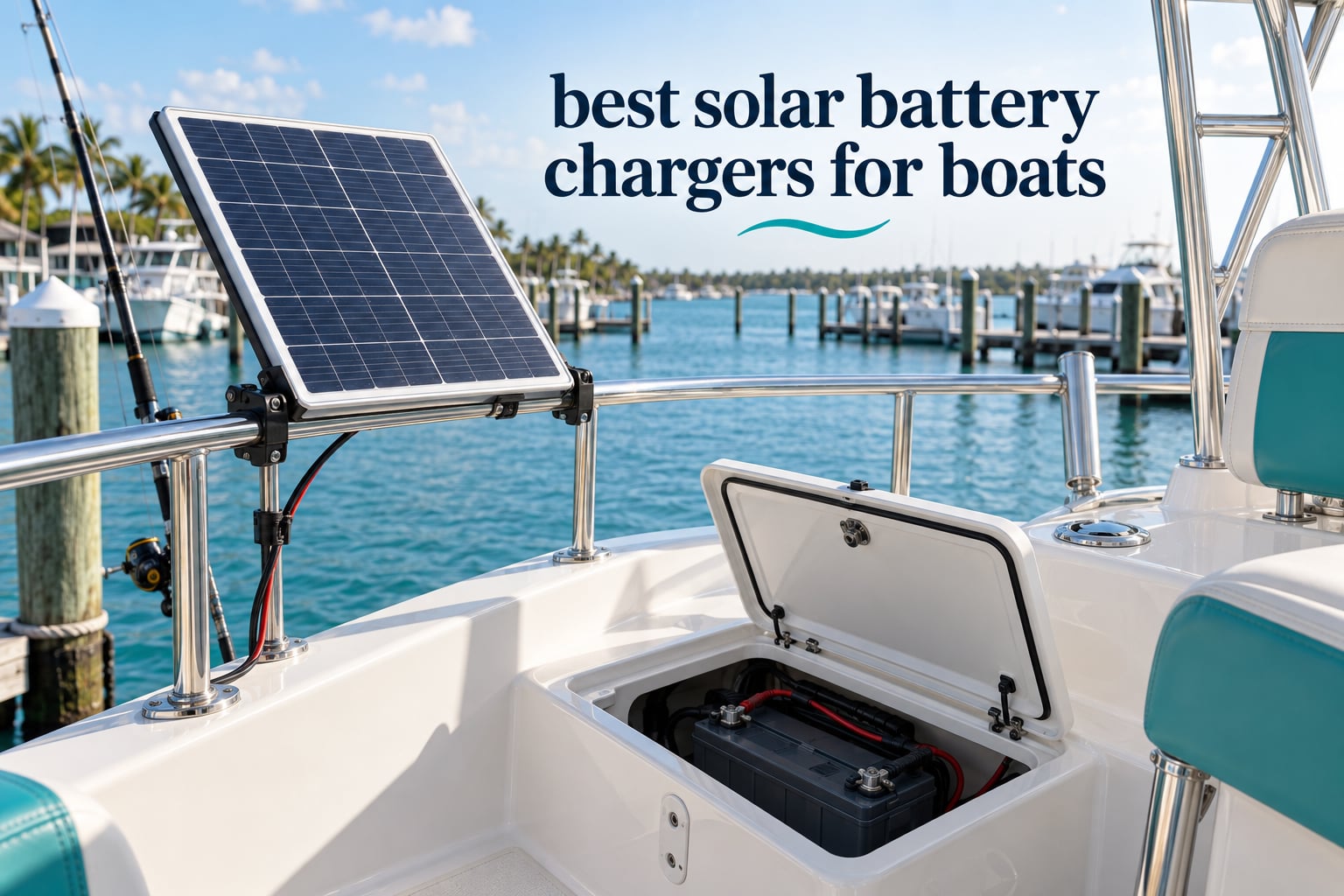
A boat battery does not fail loudly. It drains a little every week from instrument draw, a stuck bilge pump cycle and plain self-discharge, and by the time you notice, the deep-cycle bank under your helm is sitting well below the state of charge it needs to start an engine or run a fridge overnight. Shore power solves this only when the boat is plugged in, and a boat on a trailer or in a slip over winter is rarely plugged in for weeks at a time. That gap is where solar battery chargers for boats come in.
We spent six weeks working through the marine solar chargers now on the market, reading the controller types, checking the enclosure ratings, and matching each unit to the job it can realistically do on a boat. The honest headline first, because the category is full of overpromising: the best solar battery chargers for boats fall into three very different buckets. Small 1.5W to 13W panels are float maintainers that hold a healthy battery topped up while the boat sits. The 20W to 30W kits with MPPT controllers are the first tier that can offset a live electronics load. Only the 50W-and-up kits approach anything you would call charging a depleted bank, and even then it takes days of sun.
Everything in this roundup is written from a marine electrical angle rather than a spec-sheet angle, because a panel that works perfectly on a garage roof can fail on a wet deck for reasons that have nothing to do with its wattage. We look at IP ratings as a minimum rather than a selling point, at whether the panel frame will fight the boat’s bonding system, and at what vibration from wave action does to terminals over a season. If you also work with battery charging hardware in other fields, our guides to LiPo battery chargers and smart battery chargers cover the chemistry side in more detail.
Table of Contents
Top 3 Solar Battery Charger Picks for Boats (September 2026)
Before the full list, these three cover the range. The SUNER POWER 12W is the all-round pick: 12 watts, a built-in MPPT controller and three-stage charging in a sealed frame that tolerates a wet cockpit. The SOLPERK 50W kit is the one to buy if you want panel area on a deck and a real charge controller, and the FlexSolar 20W is the cleverest option when your mounting surface is curved and awkward.

SUNER POWER 12W Waterproof MPPT
- 12W panel
- Built-in MPPT controller
- 3-stage charging
- Sealed marine-ready frame

SOLPERK 50W Monocrystalline Kit
- 50W monocrystalline panel
- IP65 controller
- 0-60 degree bracket

Best Solar Battery Chargers for Boats in 2026: All 10 Compared
Here is the full lineup with the numbers that actually decide the purchase. Wattage tells you what job the unit can do, the controller type decides how efficiently it does that job, and the IP rating tells you whether it belongs on a boat at all.
| Product | Specifications | Action |
|---|---|---|
| SUNER POWER 12W Waterproof MPPT Maintainer |
|
Check Latest Price |
 Topsolar 10W 12V Solar Trickle Charger Topsolar 10W 12V Solar Trickle Charger |
|
Check Latest Price |
 Sunway Solar 1.5W Amorphous Maintainer Sunway Solar 1.5W Amorphous Maintainer |
|
Check Latest Price |
| SOLPERK 50W Monocrystalline Solar Kit |
|
Check Latest Price |
| FlexSolar 20W Flexible Panel Kit |
|
Check Latest Price |
 Callsun 7.5W IP68 Waterproof Maintainer Callsun 7.5W IP68 Waterproof Maintainer |
|
Check Latest Price |
 ECO-WORTHY 2.5W ETFE Solar Maintainer ECO-WORTHY 2.5W ETFE Solar Maintainer |
|
Check Latest Price |
 BALDR 13W Dual-Sided MPPT Maintainer BALDR 13W Dual-Sided MPPT Maintainer |
|
Check Latest Price |
 ZZE 20W MPPT IP68 Solar Kit ZZE 20W MPPT IP68 Solar Kit |
|
Check Latest Price |
 VEVOR 30W MPPT Solar Charger Kit VEVOR 30W MPPT Solar Charger Kit |
|
Check Latest Price |
Two things stand out from the table before we get into detail. First, most of this category is under 20W, which is float-maintenance territory. Second, the IP ratings cluster at IP65, IP67 and IP68, and only the units rated IP67 or better belong above deck in salt spray without a protective enclosure.
1. SUNER POWER 12W Waterproof MPPT Maintainer: Best Overall for Boats
- MPPT tracking efficiency of 99 percent
- Three-stage bulk absorption and float charging
- Works with flooded gel AGM SLA and LiFePO4
- Tempered glass with corrosion-resistant frame
- Plug-and-play alligator clip leads
- Suction cups soften in extreme heat
- Casing can pop open when the cups are pulled
- Instructions are vague about needing sunlight to detect the battery
The SUNER POWER 12W is the unit we ended up recommending to most people, and the reason is that it does the small-battery job properly instead of pretending to be a charger. It puts out 12 watts from a 16.5 by 9.4 inch panel, which is enough to hold a healthy Group 24 or Group 27 deep-cycle bank at float through months on a trailer, and it has a real MPPT controller doing the regulating rather than a bare blocking diode.
What sells it on a boat specifically is the sealing and the frame. The listing describes it as waterproof and spark-proof, with tempered solar glass and a corrosion-resistant frame, and the eight listed protections include reverse polarity, over-current, short circuit and over-temperature, which is the kind of list that matters when a connection is made with wet hands in a cockpit.
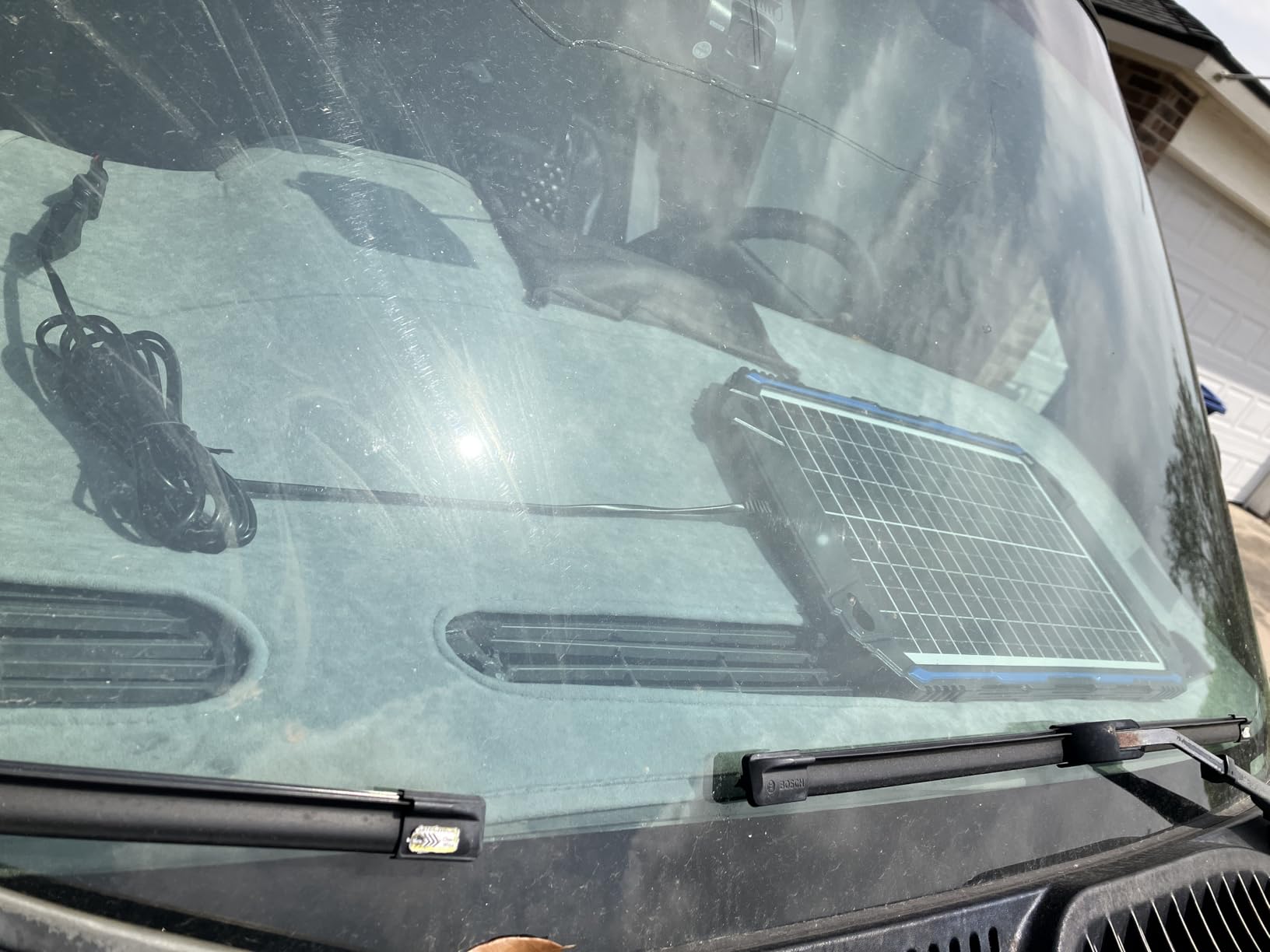
The three-stage algorithm is bulk, absorption, then float, so it does not simply dump current into the battery until it stops taking it. For a deep-cycle marine battery that self-discharges monthly, holding a steady float voltage of roughly 13.2 to 13.4V is exactly what you want, and owners consistently report that a battery left flat for a few weeks comes back up and holds there.
Reviewers are split on the mechanical side. The mounting method is suction cups, and multiple owners note that the cups can let go in high heat or that the housing cracks slightly when they are pulled off. That is a fair criticism for a trailer boat in a sunny driveway, and it is why I would use the included clip leads and a proper bracket if the panel is going to live on a rail for a season.
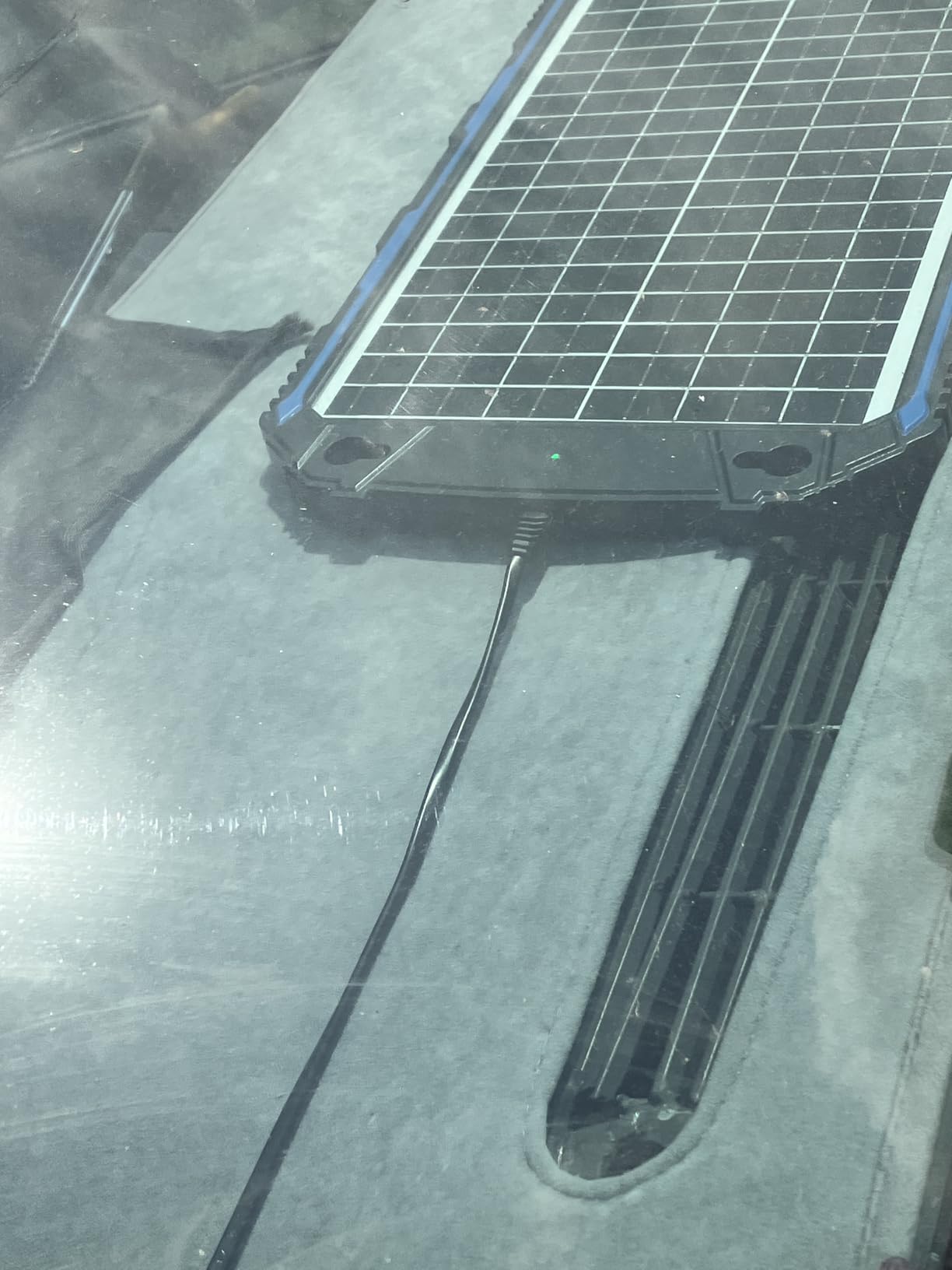
What it does well in a long lay-up
In a winter storage scenario this is the charger I would fit without hesitating. A 12W panel through an MPPT controller pulls roughly 0.6 to 0.8 amps in good sun, and that comfortably covers the parasitic draw of a stereo, a depth sounder and a live well pump cycling occasionally. It also carries LiFePO4 in its compatibility list, which matters for anyone who has already swapped their house bank over to lithium.
Where it is the wrong tool
It is not a recovery charger and it is not a live power source. If your boat needs to run a trolling motor, cabin lights and a chartplotter all day on a long trip, 12 watts contributes a rounding error and you still need the alternator. Treat this as a float maintainer that happens to be well built.
2. Topsolar 10W 12V Solar Trickle Charger: Most Versatile
- Light at 0.75 lb for easy stowage
- Kit includes cigarette plug clips and extension cord
- Works with wet gel SLA EFB AGM and deep cycle batteries
- Built-in overcharge and reverse protection
- 12-month warranty with lifetime technical support
- 10W is maintenance power only not recovery power
- Falls behind any boat with heavy parasitic draw
- Cigarette plug only works on an always-on socket
The Topsolar 10W is the sensible cheap option and the one most owners actually need. It is a 10 watt panel rated at 0.58 amps, weighing in at a little under a pound, and it comes with everything: a cigarette lighter plug, alligator clips and an extension cord. Nothing to buy separately, nothing to figure out.
For a boat that sits in a slip for a month between trips with a small start battery or a lightly used house bank, that is genuinely sufficient. The built-in protection covers overcharge, reverse charging and reverse connection, and the compatibility list runs from wet cell through gel, SLA, EFB, AGM and deep cycle, so chemistry is not a limitation here.
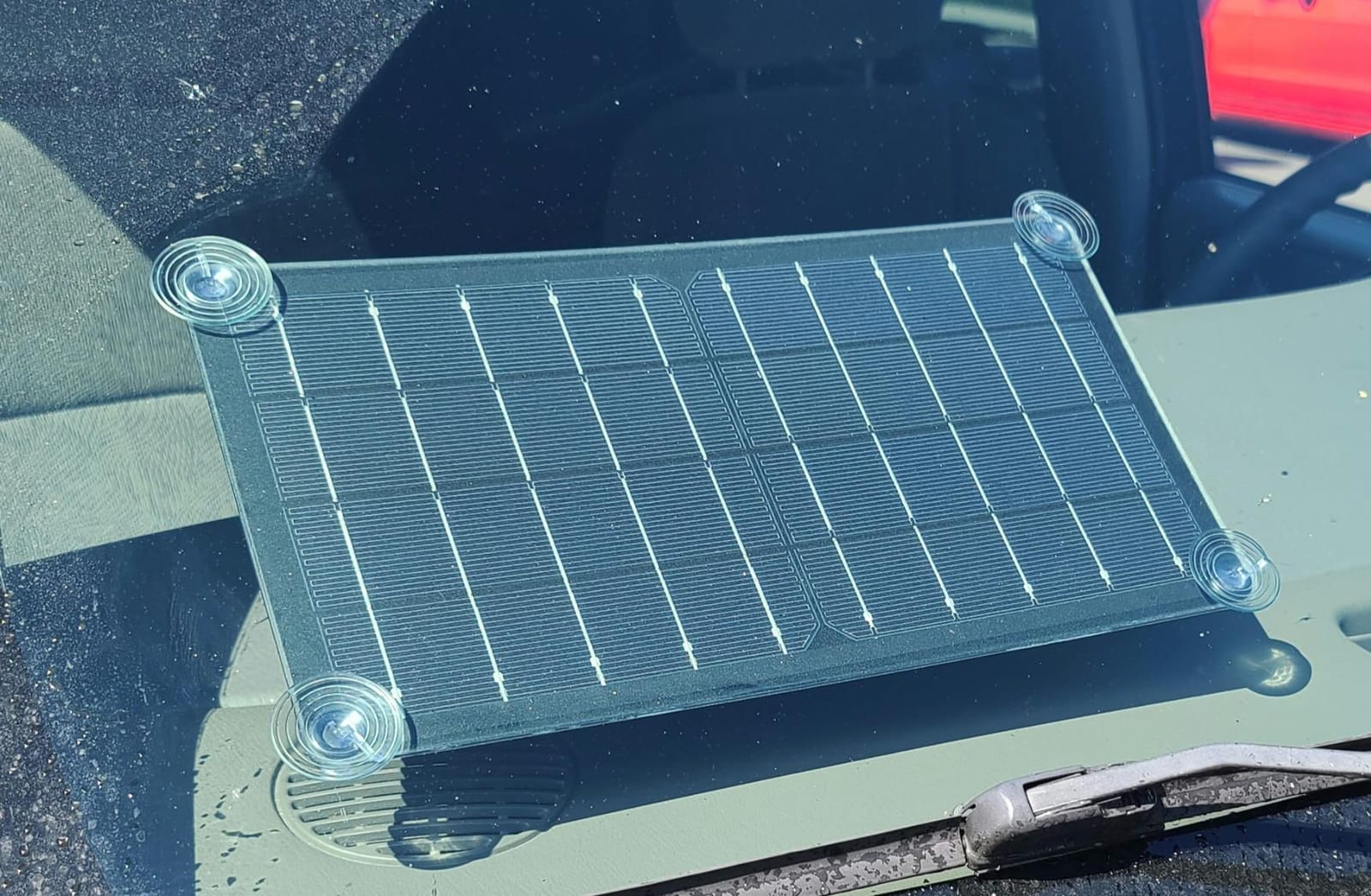
The 12-month warranty with lifetime technical support is unusual in this price bracket and worth noting. Owners who have had a panel fail report that the support response was reasonable, which matters more than the warranty length when a 10W panel is cheap annual insurance on a far more expensive battery.
The limitation is the same one that limits every panel in this class. At 0.58 amps peak, a 10W panel needs several hours of direct sun to put back an amp-hour, so it can hold a battery at float but will never bring one back from deep discharge. Owners with boats that sit in the sun at a marina with shore power disconnected and a live electronics load running constantly report that the panel simply loses the argument.
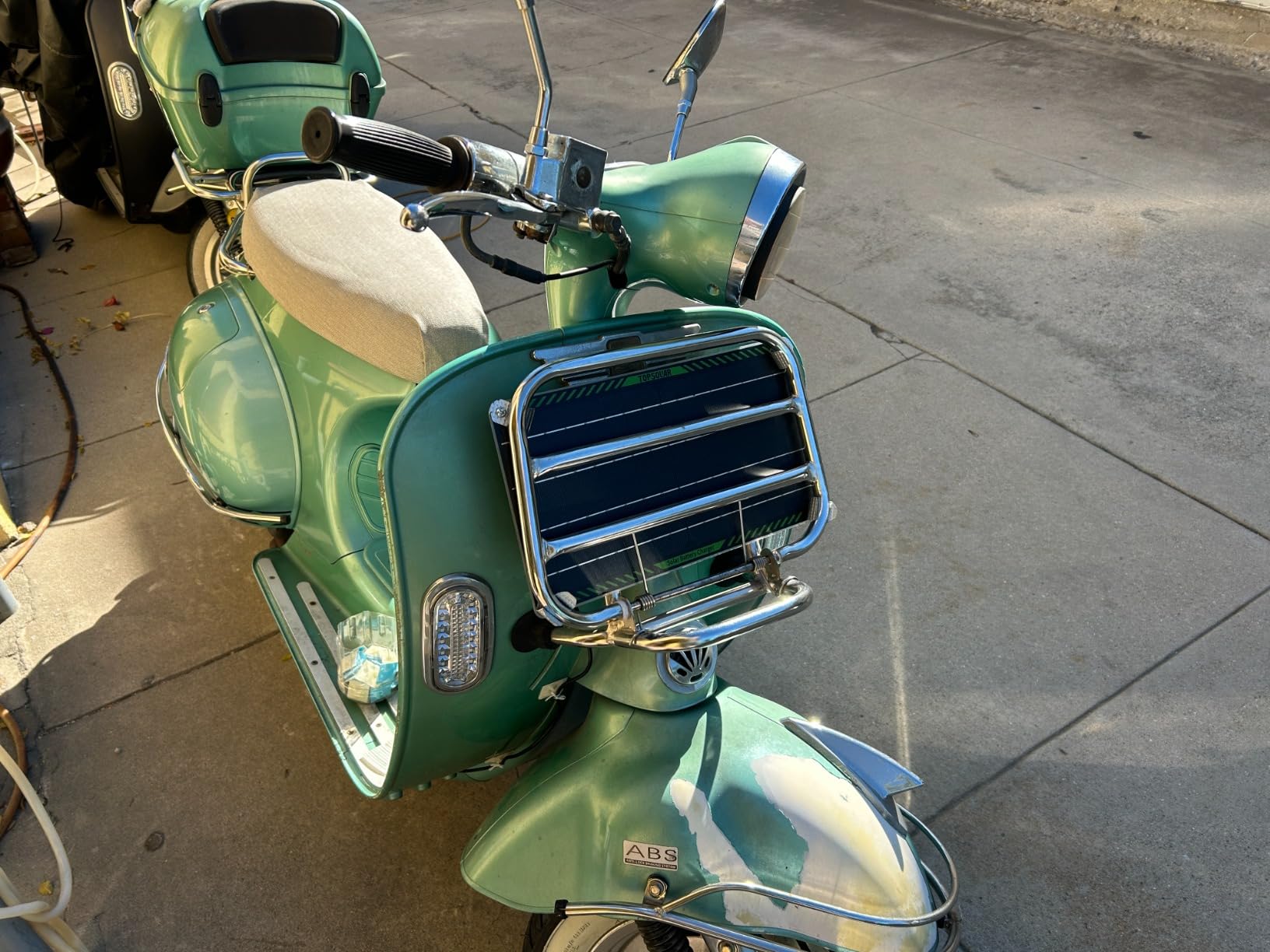
When 10W is the right amount
Small sailboats, runabouts and personal watercraft with a single Group 24 in good condition, stored on a trailer or a lift through the off season. If your parasitic draw is under about 50 milliamps, a 10W panel more than covers it, and the cigarette plug connection means you can move the panel to whichever battery matters that day.
When 10W is not enough
Any boat with a fridge, a live well, a VHF and a stereo running for a full weekend, or any battery that has already gone flat. Ten watts cannot chase a live load. If you are in that category, look at the 20W to 50W kits further down this list rather than buying two of these.
3. Sunway Solar 1.5W Amorphous Maintainer: The Smallest Panel That Works
- Amorphous cells gather light under cloud cover
- Blocking diode stops night-time battery drain
- LED shows charging status at a glance
- Includes cigarette adapter and alligator clamps
- Weighs 640 g and mounts to a dash
- 1.5W only holds a small battery at float
- Suction cups reported as unreliable
- Plastic case can warp in high heat
The Sunway Solar 1.5W is the smallest useful thing in this roundup, and the largest review count on it, which tells you something about how these are actually used. At 1.5 watts and 0.13 amps it is not a charger by any definition, it is a maintainer for the smallest batteries on the boat, and it is popular for exactly that reason.
Two design choices make it work in poor conditions. The panel is amorphous, and amorphous cells hold up better in low, diffuse light than monocrystalline cells do, which matters a lot on a boat in winter when the sun is weak and the sky is grey. The built-in blocking diode stops the panel draining the battery backwards overnight, which is the single most common failure mode in cheap maintainers.
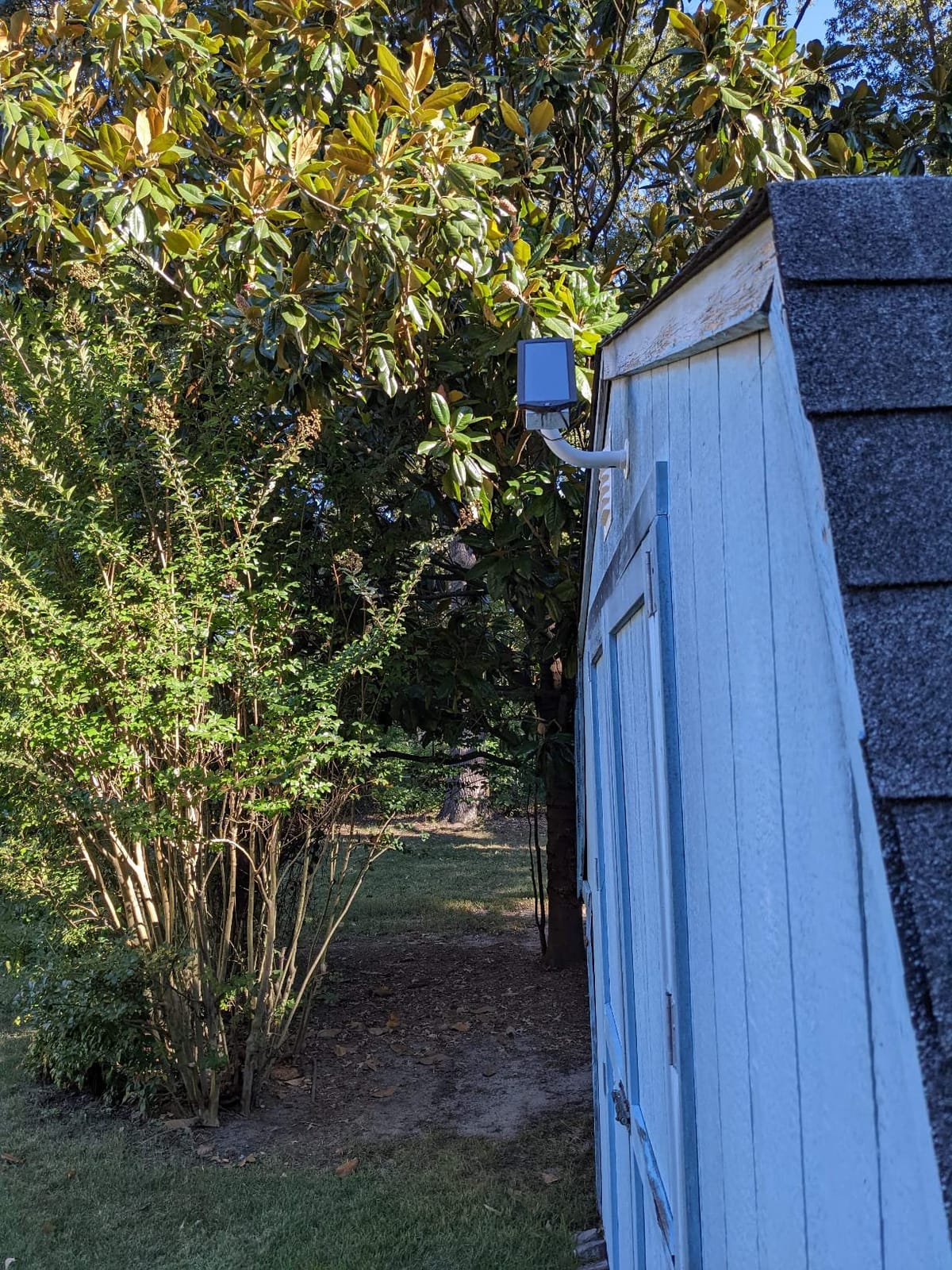
The mounting story is a dash or windscreen placement with suction cups, and reviewers commonly suggest putting it outside on the glass rather than on the dashboard, because glass transmission losses are real and outside placement recovers a meaningful share of the output. The LED indicator is a small touch that saves you from connecting it in the dark and wondering whether it is doing anything.
Where it falls down is durability of the mounting and the sheer size of the output. Suction cups are the recurring complaint, as is the ABS plastic housing warping in high heat, and a 13.9 by 5 inch panel on a boat deck is going to see a lot of summer sun. If you need to mount permanently, expect to add a bracket.

Small boats and small banks
This one is right for a small craft with a modest battery, a kayak anchor light setup, or a boat on a trailer where you just want the start battery held. At 0.13 amps it is comfortably matched to a battery with very low self-discharge and almost no electronics load, and the alligator clamps make the connection permanent rather than dependent on a socket.
Why 1.5W is not a boat charger
It cannot run anything and it cannot recover anything. Owners with even a modest electronics load report that the indicator shows no meaningful charge, because the load is consuming everything the panel produces. Treat it as insurance on a battery that is already healthy, and nothing more.
4. SOLPERK 50W Monocrystalline Kit: Best for Large Banks and Live Loads
- 50W output is the highest here
- Complete kit with controller bracket cables and clips
- Bracket adjusts through seven positions from 0 to 60 degrees
- Rated for 2400Pa wind and 5400Pa snow load
- Performs in overcast and rainy weather
- Some controller failures reported near three months
- Large panel needs a real flat mounting surface
- LED indicator on the panel has been unreliable
The SOLPERK 50W is the only unit here with enough panel area to make a dent in a real battery deficit, and that changes the conversation entirely. Fifty watts of monocrystalline silicon with a 10 amp waterproof controller is a genuine charging system rather than a maintainer, and it is the one I would consider for a boat with a large house bank or electronics that need topping up while the boat is away.
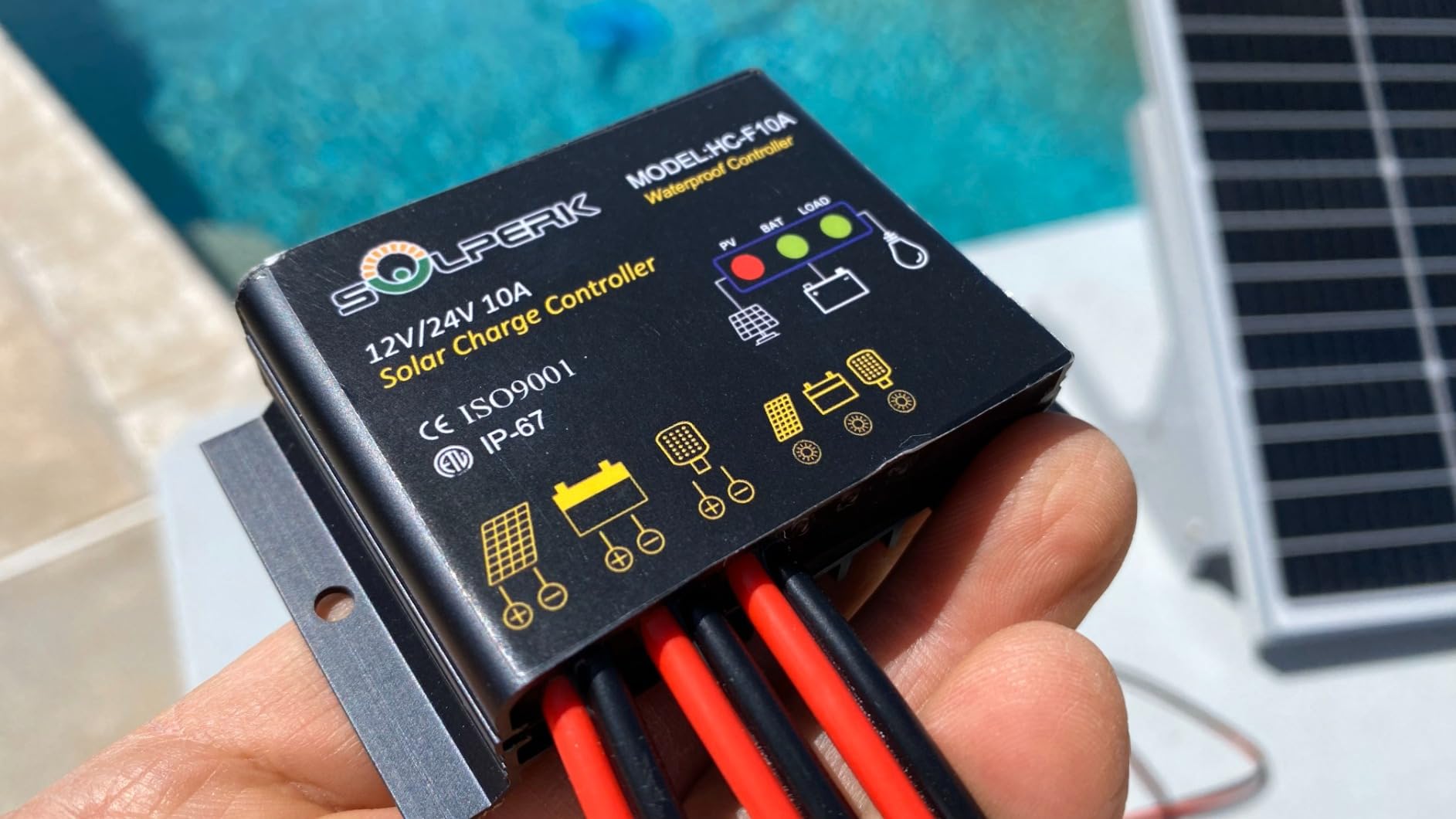
The kit arrives complete: panel with a 10 foot SAE cable, the 10A controller, alligator clips and a mounting bracket. The controller is IP65 rated, which is enough for a cockpit or an open helm but not for standing water, so I would mount it inside a console or under a seat rather than on the transom. The three-status LEDs on the controller tell you at a glance whether it is in bulk, absorption or float.
Two ratings on the spec sheet matter more on a boat than anywhere else. The panel is rated for 2400Pa of wind pressure and 5400Pa of snow load, which is a reasonable proxy for surviving a gust off open water, and the low-iron tempered glass over a corrosion-resistant aluminium frame is the construction you want when salt spray is the default atmosphere for half the year.
Users on larger installations, including a report from an owner in Alaska, note good performance in cloudy and rainy weather, and the adjustable bracket lets you seasonally change the angle rather than leaving it at whatever position it was bolted in during July. That is a real advantage on a boat where the sun angle shifts dramatically between a marina in Florida and a mooring in Maine.
Running live electronics and offsetting a load
At 50W, after controller losses you are realistically looking at around 4 amps of charge in good sun. That offsets a chartplotter, a VHF, cabin lights and a stereo running for a day, and it will recover a Group 27 over a long weekend of sun. It still will not replace the alternator while the engine is running, but it changes the arithmetic on how long you can sit on a mooring without shore power.
Mounting and controller concerns
The panel is 21.3 inches square, so it needs a genuine flat surface, and the reported controller failures around the three-month mark are worth factoring in if you are relying on this for a live load. Check the controller status LEDs the first few times you visit the boat rather than assuming it is working.
5. FlexSolar 20W Flexible Panel Kit: Best for Curved and Awkward Mounting
FlexSolar 20W 12V Solar Panel Battery Trickle Charger Maintainer Kits
- Only 0.11 inch thick so it bends to a curved deck
- Four connection options including OBD-II and ring terminals
- Zero reverse current discharge protection built in
- Lightweight at 1.7 lbs
- Holds useful output in overcast conditions
- Included cables feel cheap and flimsy
- Suction cups slip in frost or cold weather
- Some reports of the controller draining a battery after a few days
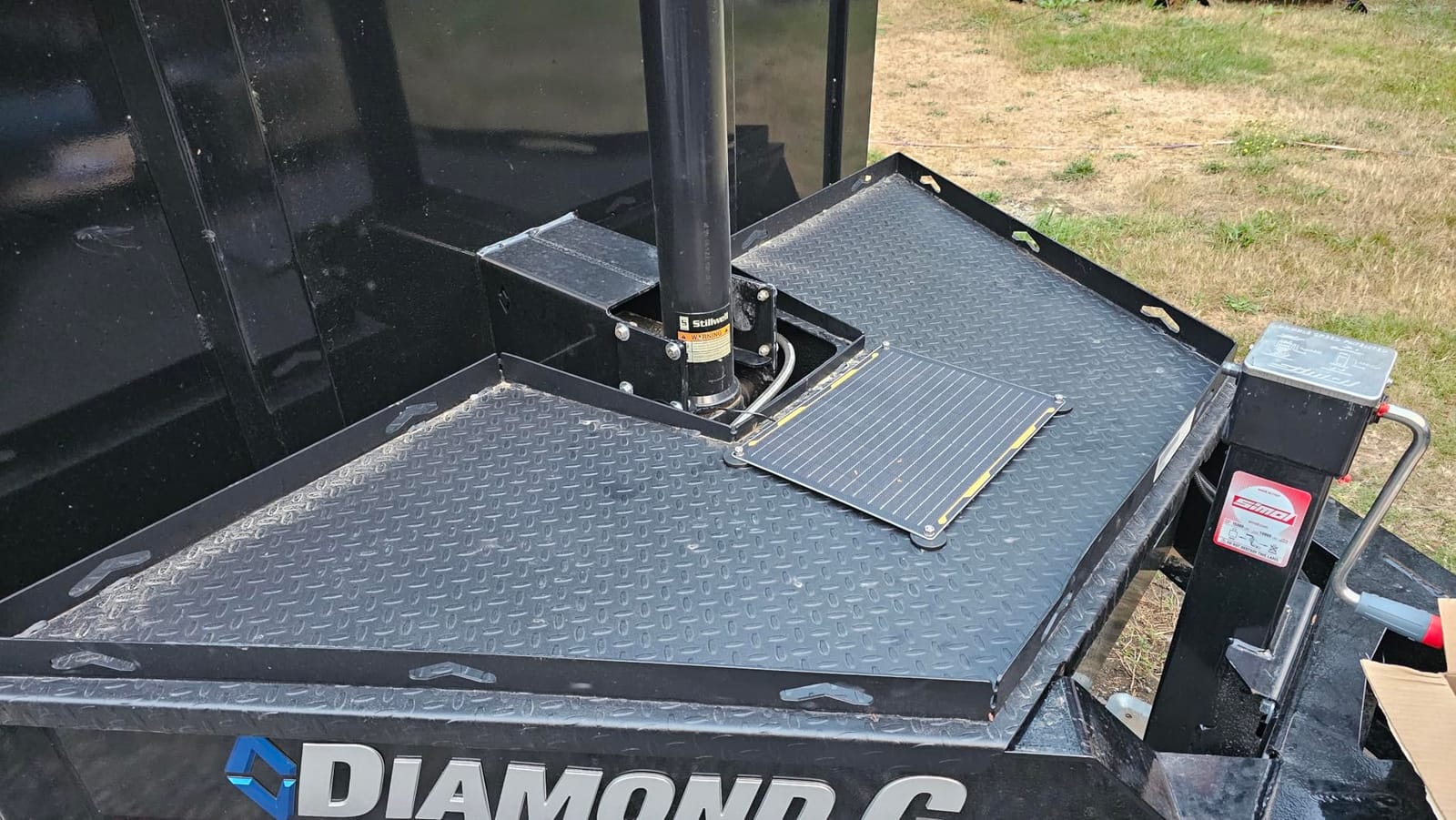
The FlexSolar 20W solves a problem that rigid panels create on boats: almost nothing on a boat is flat. A windshield curves, a helm seat back is compound-curved, a console top has a compass dome in the middle, and a rigid panel either does not fit or needs a bracket that rattles. At 0.11 inch thick this one conforms to the surface, which is the whole point of it.
The cells are monocrystalline at 20 to 25 percent conversion efficiency, and the integrated controller uses autonomous charge cycling with zero reverse current discharge, so the panel will not sip from the battery overnight. The four connection methods cover cigarette lighter, alligator clips, OBD-II and ring terminals, and the ring terminal option is the one a boat owner actually wants since it makes a permanent connection.
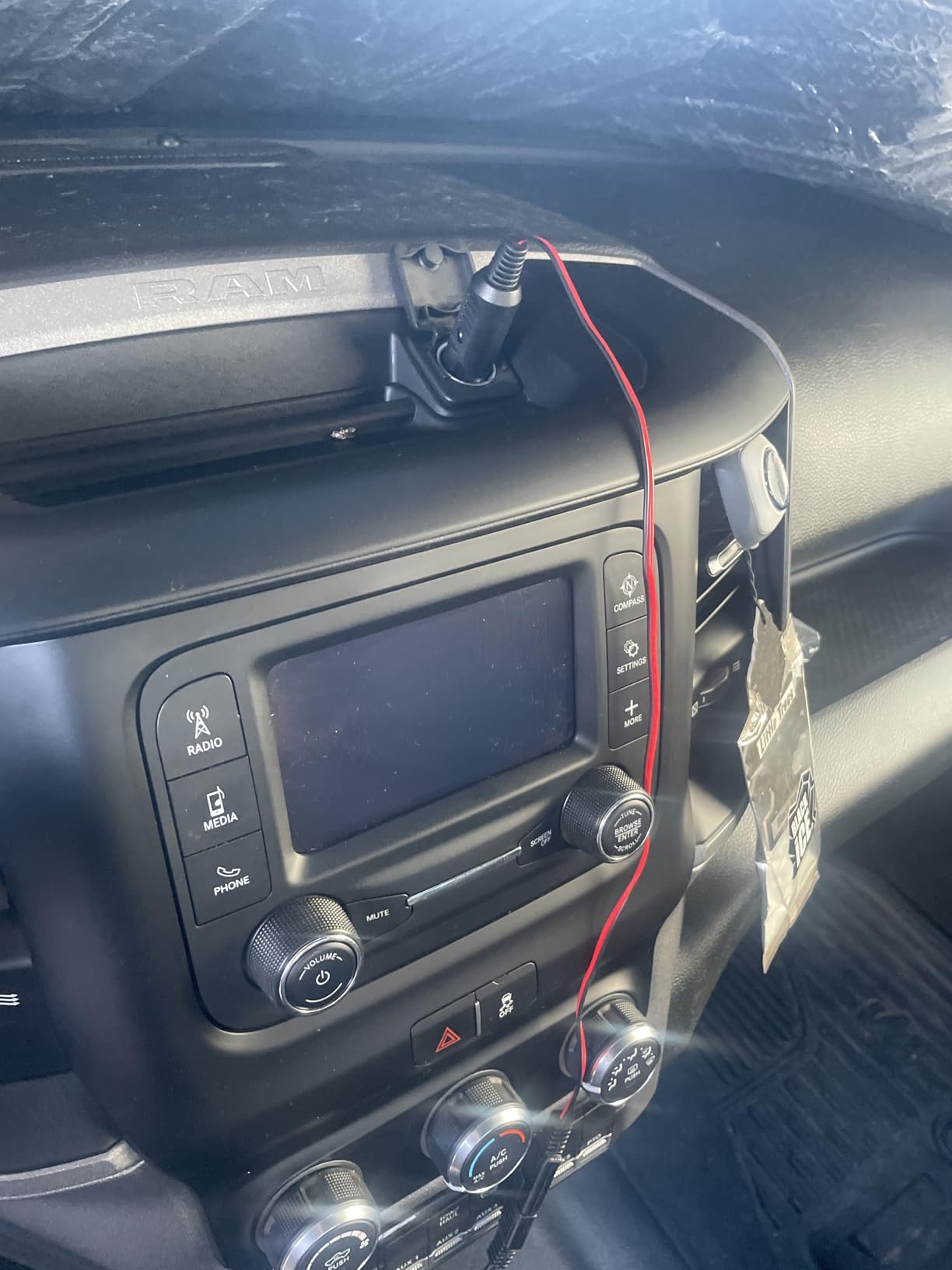
It ships with four suction cups and four carabiners, and the included Project Farm review coverage noted the mounting versatility as the standout. Carabiners are the reason this works on a boat at all, since a rigid bracket would need drilling into a fiberglass or gelcoat surface that most owners do not want to touch.
The weaknesses are in the accessories rather than the panel. Reviewers describe the included cables as cheap and flimsy, which on a boat is a genuine problem because cable quality determines how much voltage survives the run from a windshield mount to a battery bay ten feet away. A few owners also report the controller draining a battery after sitting unused for several days, which is the sort of fault that only shows up when you are not watching.
Where a flexible panel genuinely wins
Windshields, sunroofs, curved console tops and the flat-ish areas of a cabin top where drilling is not an option. At 20W it is also the first panel in this list that meaningfully offsets a live electronics load, and the lightweight 1.7 lb build makes it easy to reposition seasonally as the sun angle changes.
Cable and cold-weather weaknesses
Replace the included leads if you are running any real distance. Voltage drop over a long cable run on thin wire is the single most common reason an apparently decent panel disappoints, and the suction cups will not hold through a frost, so use the carabiners or a proper adhesive mount in cold climates.
6. Callsun 7.5W IP68 Waterproof Maintainer: Best Sealing in the Class
- IP68 sealing on both the panel and the controller
- 360 degree adjustable bracket with impact-resistant corners
- Three-colour LED shows sun charging and maintenance states
- Rated to 70 C and supports LiFePO4 AGM and gel
- Produces useful output in low light
- 7.5W will not recover a depleted bank
- Some owners never see the green maintenance LED
- Check the listed voltage figures before a long cable run
The Callsun 7.5W earns its place for one reason above all others: IP68. That is the highest enclosure rating in this roundup, and it covers both the panel and the controller, which means immersion resistance rather than just splash resistance. On a boat that lives in salt water, that is the difference between a charger that lasts a few seasons and one that corrodes at the terminals in a year.
The 3.2mm low-iron tempered glass sits in a corrosion-resistant anodised aluminium alloy frame, rated to 70 degrees C, and the panel is monocrystalline silicon claiming 30 percent conversion efficiency. The SmartTrack sunlight tracking behaviour and the three-colour LED system give you real diagnostics: blue for detected sunlight, red for actively charging, green for maintenance float.
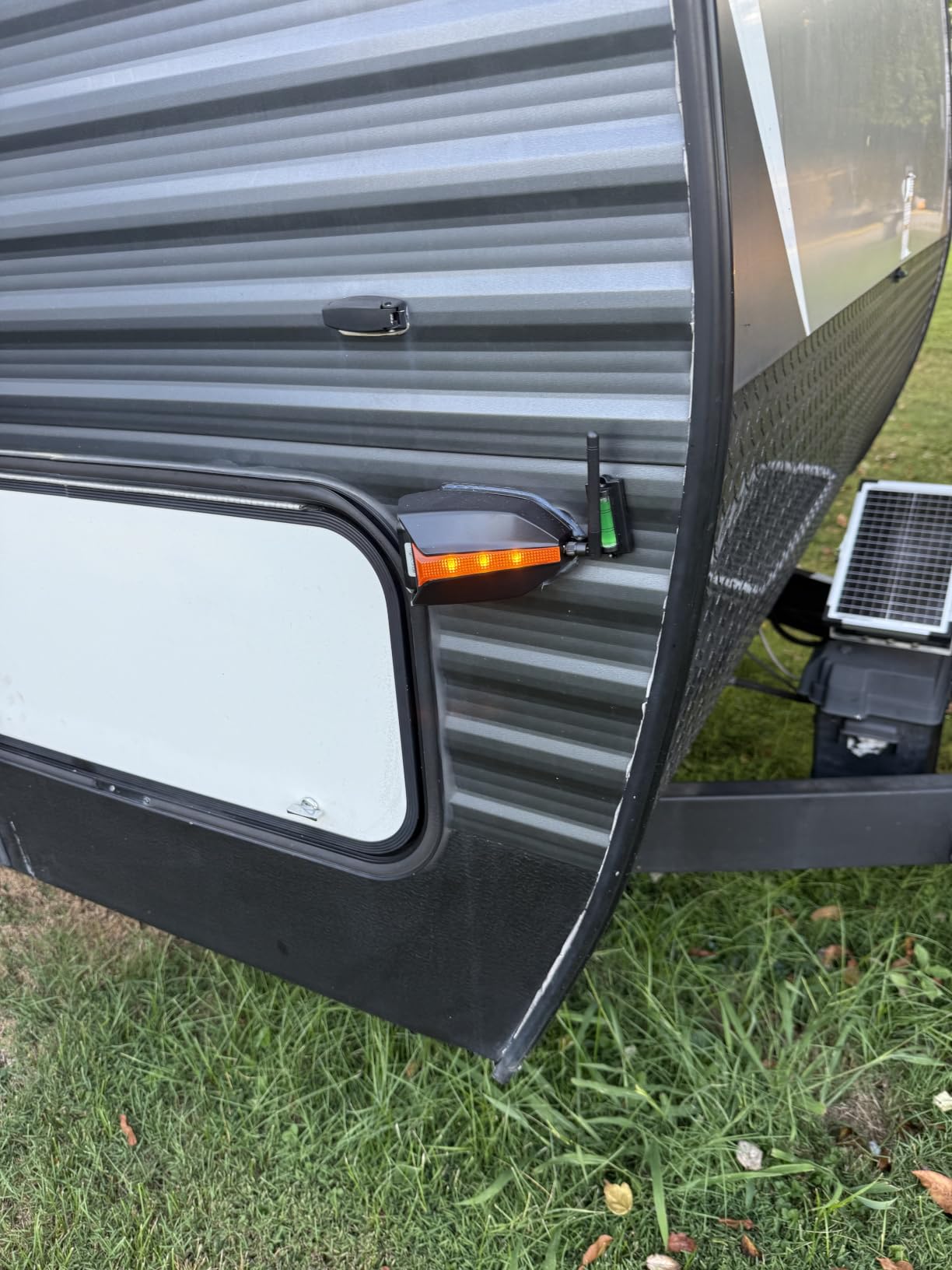
Boat owners are notably enthusiastic about this one in the reviews, and the reason is consistent with the spec sheet rather than contradicting it. A 360 degree adjustable bracket with impact-resistant corner protectors means it can be fixed to a rail, a mast base or a console without drilling, and the fact that the whole unit is sealed means the mount location stops being a compromise between sun exposure and weather exposure.
Chemistry support covers LiFePO4, AGM and gel, and the six-point safety system includes overcharge, reverse charging and overvoltage protection. That is a short list compared with some of the eight-protection units here, but the protections that are present are the ones that actually prevent damage.
Salt, spray and standing water
If your boat lives on a lift in a saltwater estuary, or you want the controller mounted somewhere that gets splashed regularly, this is the unit to shortlist. IP68 removes the most common cause of failure in this category, which is water sitting in a controller junction box until the corrosion starts eating the terminals.
The voltage specification question
The listed figures include an 18.42V maximum and a 21.87V output, which sit oddly against a 12V nominal panel and are worth confirming against your battery and cable before committing to a long run. At 7.5W the charging current is small either way, so this is a maintenance unit, not a recovery tool.
7. ECO-WORTHY 2.5W ETFE Solar Maintainer: Best for the Lightest Install
- Weighs only 8 ounces
- ETFE layer at 95 percent light transmittance
- Built-in blocking diode and upgraded charge algorithm
- Kit includes alligator and cigarette adapters
- Panel is about a third the thickness of a rigid unit
- 2.5W is too small for most marine batteries
- Suction cups do not hold in wind
- Connector polarity differs from other solar gear
At 8 ounces and 2.5 watts, the ECO-WORTHY is the lightest and least capable product in this roundup, and we include it because boats have real corners where only something tiny will fit. A 2.5W panel can live in an electronics locker, in a battery box lid recess, or taped to the inside of a hatch where a rigid panel would never sit.
The material spec is the interesting part. It uses 95 percent transmittance ETFE rather than conventional glass, which resists UV degradation and yellowing over years of sun, and the cells are crystalline silicon at a claimed 30 percent conversion rate. The built-in blocking diode with an upgraded charge algorithm is reported to add 20 to 30 percent efficiency over a plain diode.
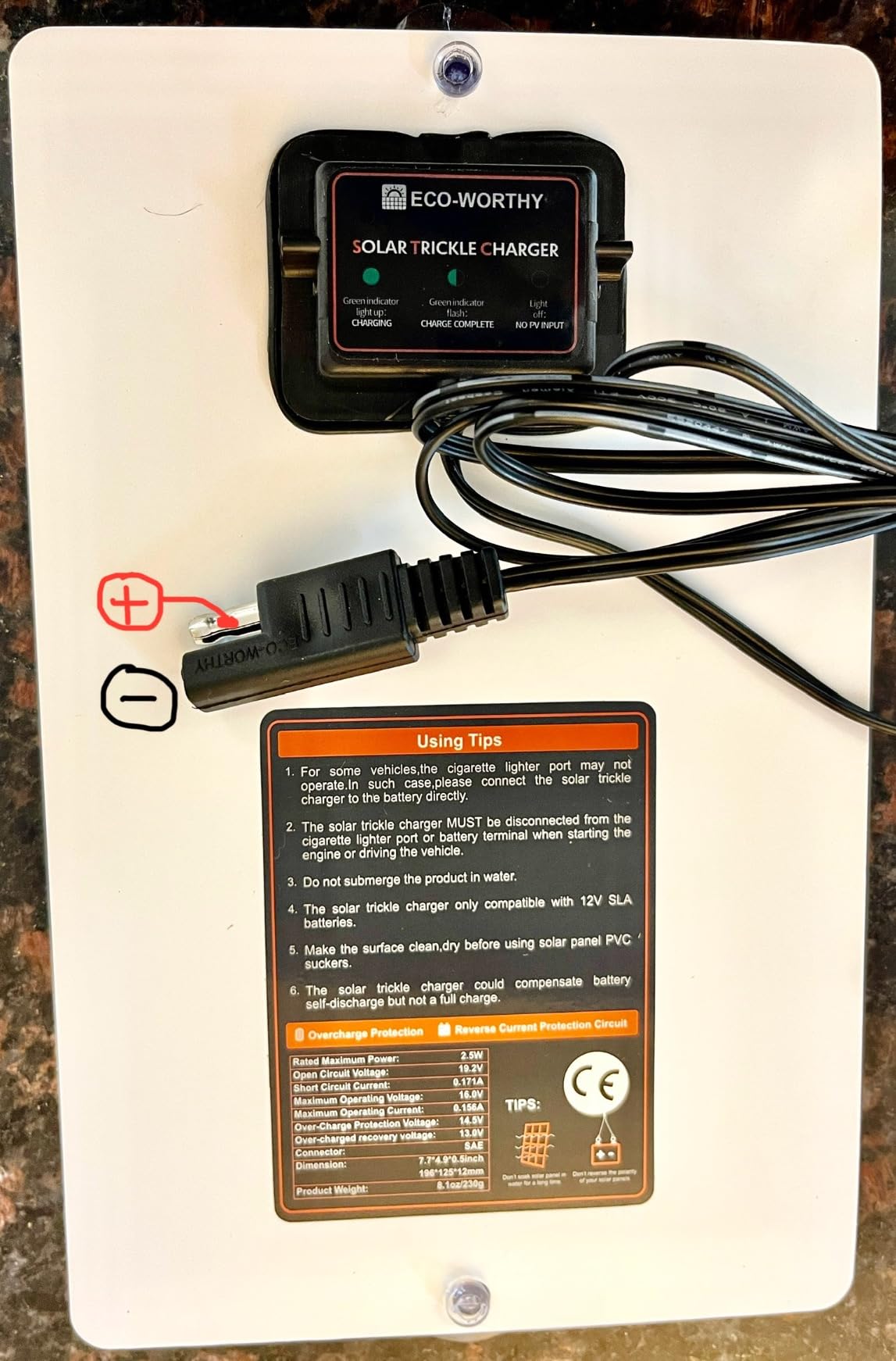
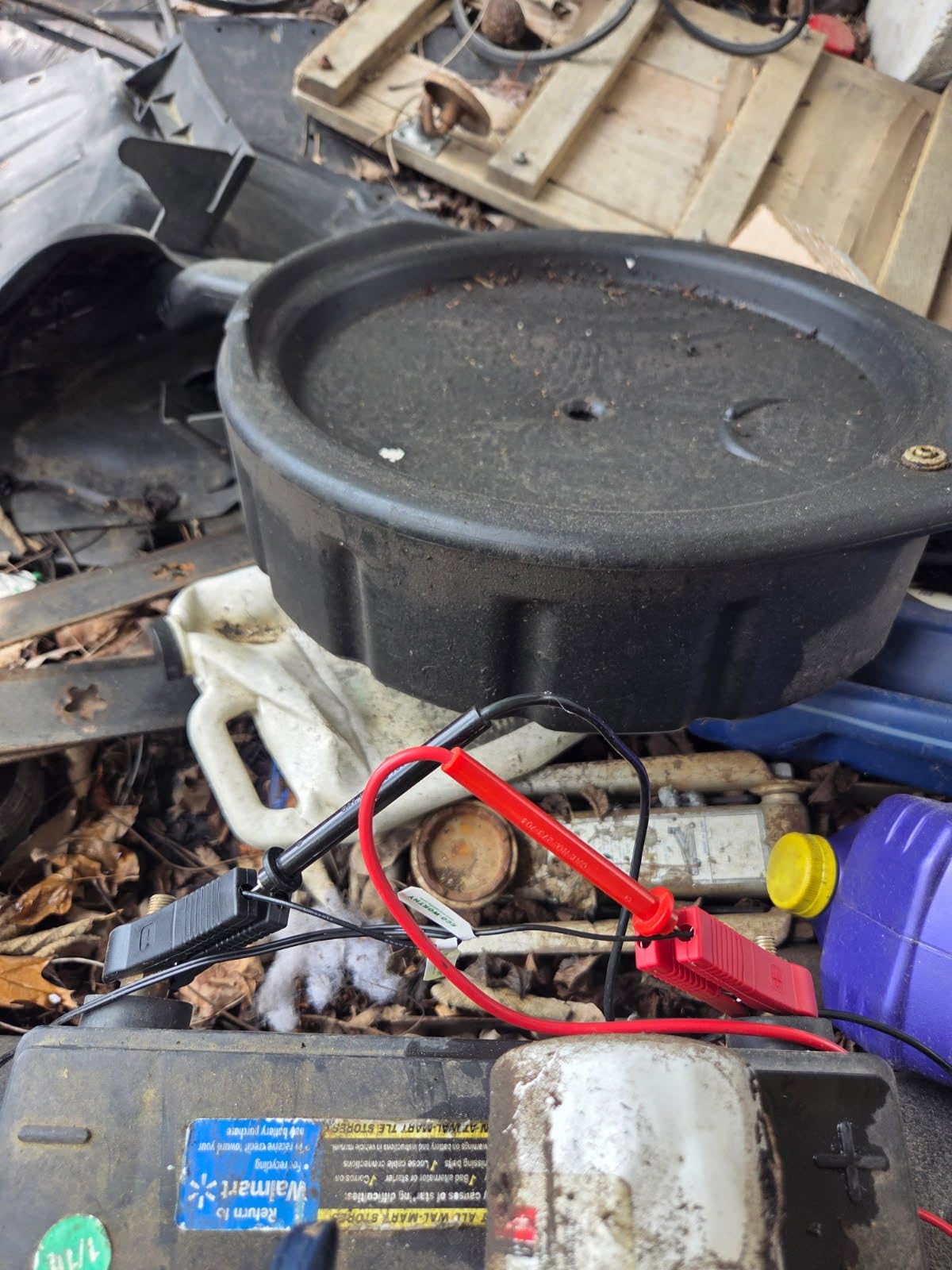
Protections cover overcharge, over-discharge and reverse polarity, and the junction box carries status indicators so you can tell charging from saturated. The kit includes alligator clips and a cigarette lighter adapter on 19.7 inch leads, plus four PVC suction cups, and it is UL and IEC specified.
The polarity note in the reviews is worth flagging for anyone who already owns other solar gear. Several owners report that the connector polarity runs opposite to other panels they own, which means an SAE adapter or a matched lead is needed rather than assuming everything plugs into everything. That is a five-minute problem but an annoying one on a wet deck.
Where 2.5W is the right answer
Tiny battery, tiny need. A small maintenance battery, a trolling motor battery you only want to hold between outings, or a battery compartment where space is measured in square inches. At this output level the panel can hold a float on almost anything with low self-discharge and no active load.
Why it falls short on a boat bank
Suction cups do not hold in wind, the panel is thin enough to flex, and 2.5 watts is genuinely negligible next to a 100Ah house bank. Reviewers who bought it expecting it to look after a boat battery report disappointment, and that expectation gap is the main source of returns in this category.
8. BALDR 13W Dual-Sided MPPT Maintainer: Best Bifacial Panel
BALDR 12V Solar Battery Charger, 13W Waterproof Dual Sided Battery Maintainer, IP67 MPPT Trickle Charger for Car, Trailer, Lawn Mower, Boat
- Generates from both faces for a claimed 25 percent boost
- MPPT controller with strong real-world output
- IP67 sealing suits a wet deck
- Operates from minus 40F to 185F
- Three mounting options with US phone support
- 13W is moderate output for a large bank
- Suction cups fail in extreme conditions
- Higher cost per watt than larger rigid panels
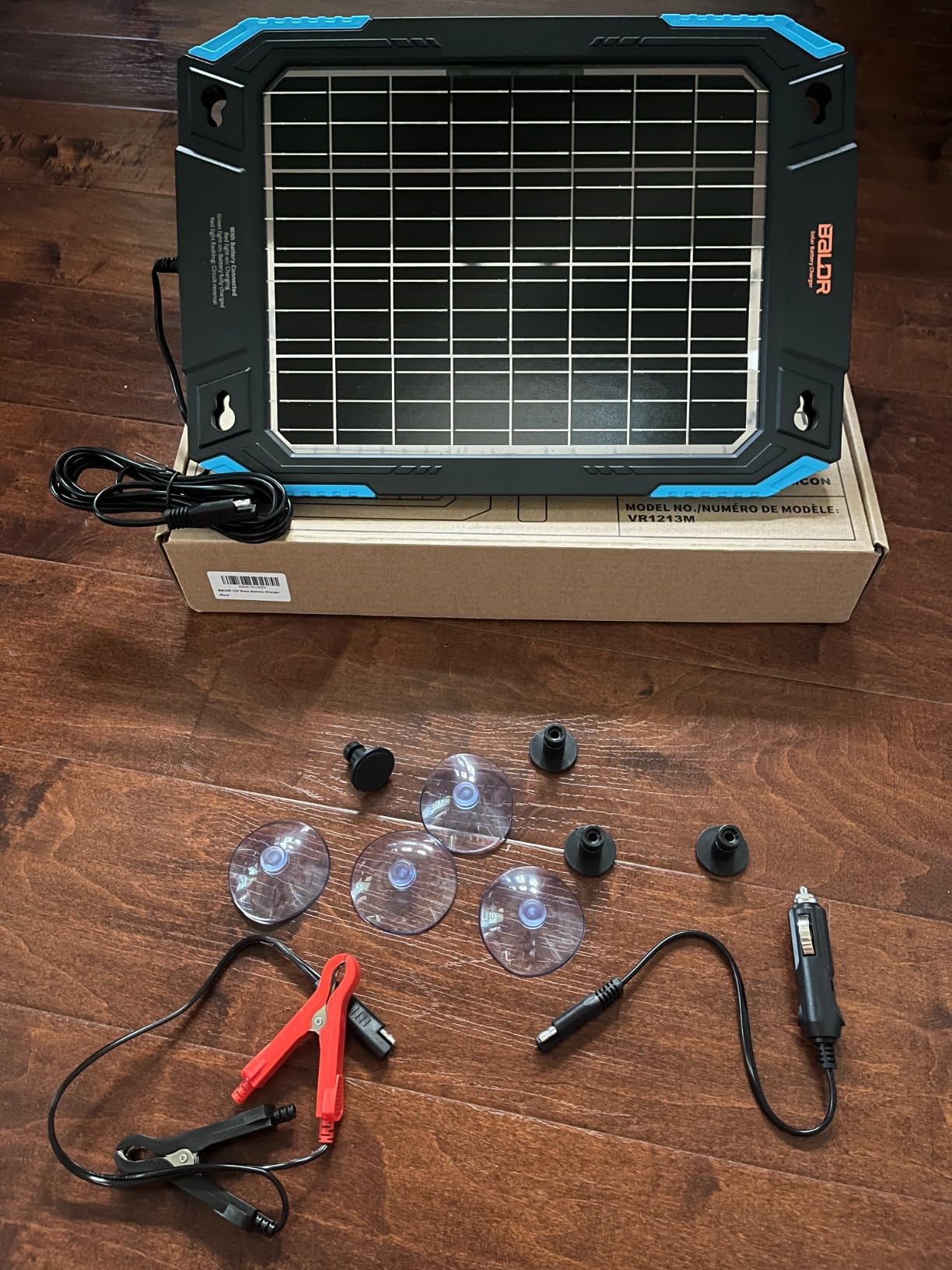
The BALDR 13W is the only bifacial panel here, meaning it generates from both the front and the back face. On a boat that is more useful than it sounds, because a panel mounted with an air gap underneath picks up reflected light off a white deck rather than sitting flush against a surface that blocks half of itself.
Underneath is a built-in MPPT controller, and the claim is around 30 percent better real-time output than comparable 13W panels. Whether that holds exactly depends on how much reflected light you have, but the mechanism is real and a mounting position that allows light to reach the back face is the reason to pick this over a conventional single-sided 13W panel.
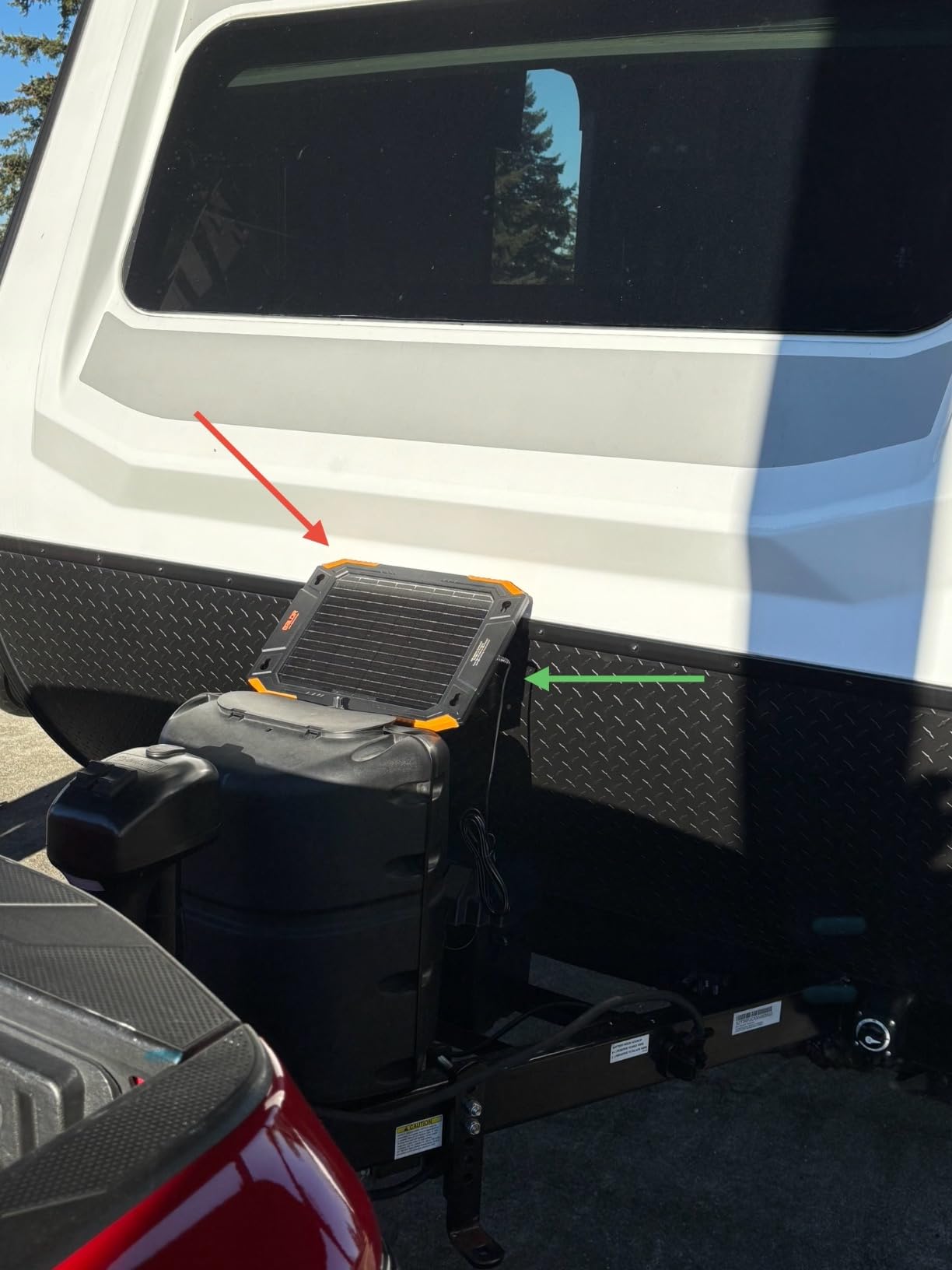
IP67 sealing and an operating range of minus 40F to 185F make it one of the more marine-credible enclosures in this list, and the dual-sided glass is described as anti-fall and anti-scratch, which matters for a panel that lives on a deck rather than in a garage. Three installation options are offered: bracket, suction cup and suspended or screw-mounted.
Owners also note that it starts producing earlier in the morning and runs later into the evening than single-sided panels, which is exactly the behaviour you want on a boat where usable daylight hours are limited in the shoulder seasons. The warranty is three years with US-based telephone support, which is the strongest support commitment among the mid-size units here.
Dual-sided output in low light
This is the panel for anyone who has watched a maintainer sit idle through an overcast morning. The bifacial gain is largest exactly when light is diffuse and reflected, so the extra face earns its keep in poor conditions rather than only at solar noon on a clear day.
Cost per watt and mounting limits
Thirteen watts is a mid-range output that covers a small bank well and a large one poorly, and the price per watt works out higher than a larger rigid panel. If the goal is watts, buy watts. If the goal is a panel that works in poor light and on a curved or awkward surface, the bifacial gain may justify it.
9. ZZE 20W MPPT IP68 Solar Kit: Most Protections with 20W
- 20W output with an MPPT controller
- Eight protections including backflow and high temperature
- IP68 sealing on both panel and controller
- Works with LiFePO4 Li-ion AGM SLA gel EFB and MF
- Extended cable lengths for flexible placement
- Some units arrive with cracked glass
- Actual output reported closer to 8 to 10W on some units
- Controller can sit on fully charged and not resume
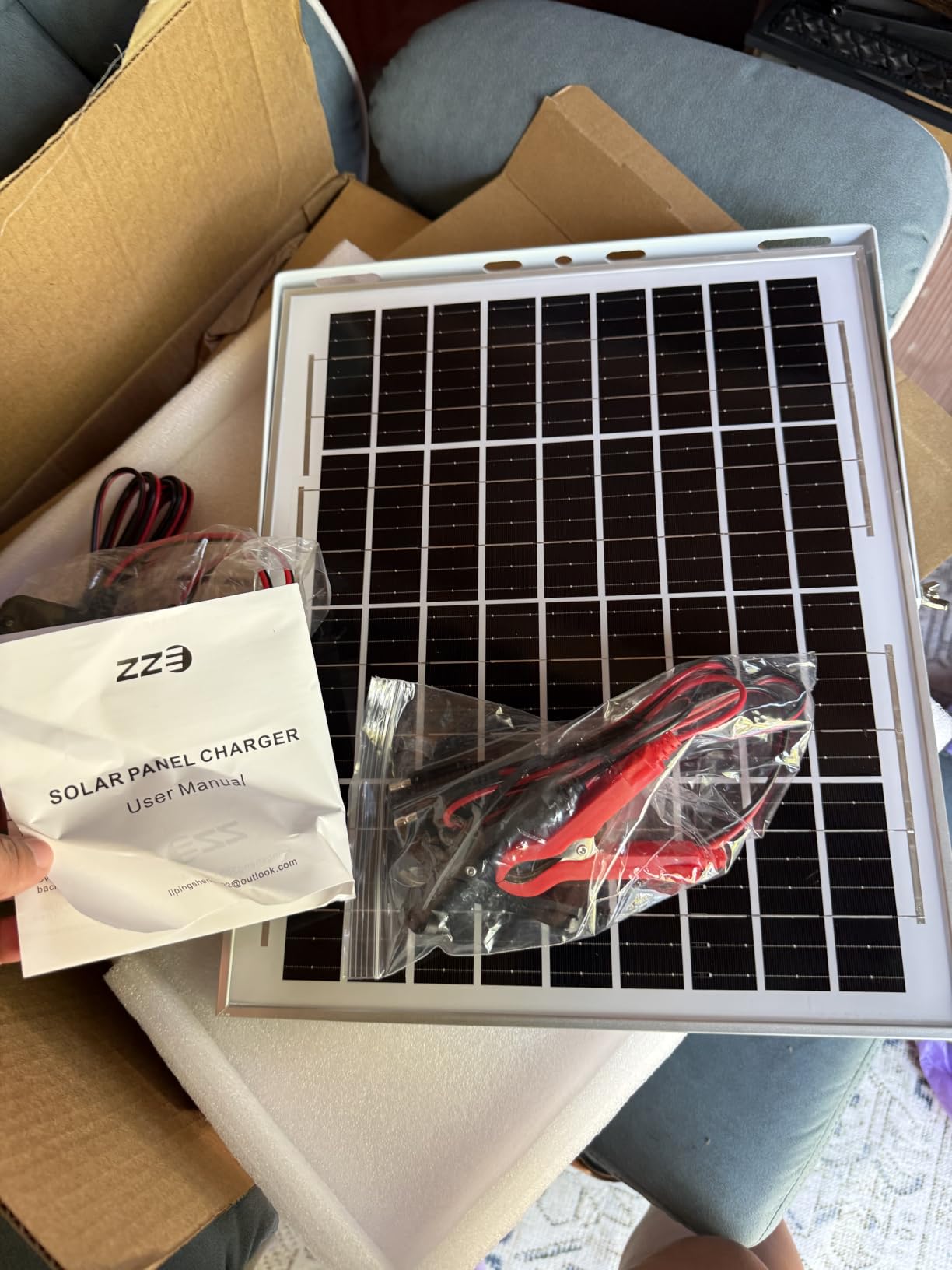
The ZZE 20W pairs the wattage of the mid-size class with IP68 sealing, which is the combination you want if the panel has to live above deck in salt water. The controller lists eight protections: overcharge, over-discharge, reverse polarity, over-current, over-voltage, backflow, short circuit and high temperature. Backflow and high temperature are the two that matter most on a boat.
Chemistry coverage is the broadest in this roundup. LiFePO4, Li-ion, AGM, SLA, gel, EFB and flooded MF batteries are all supported, so it does not matter what a previous owner left in the battery box. The monocrystalline panel comes with a 360 degree adjustable bracket and extended cable lengths for placing the panel in the sun and the battery out of reach of spray.
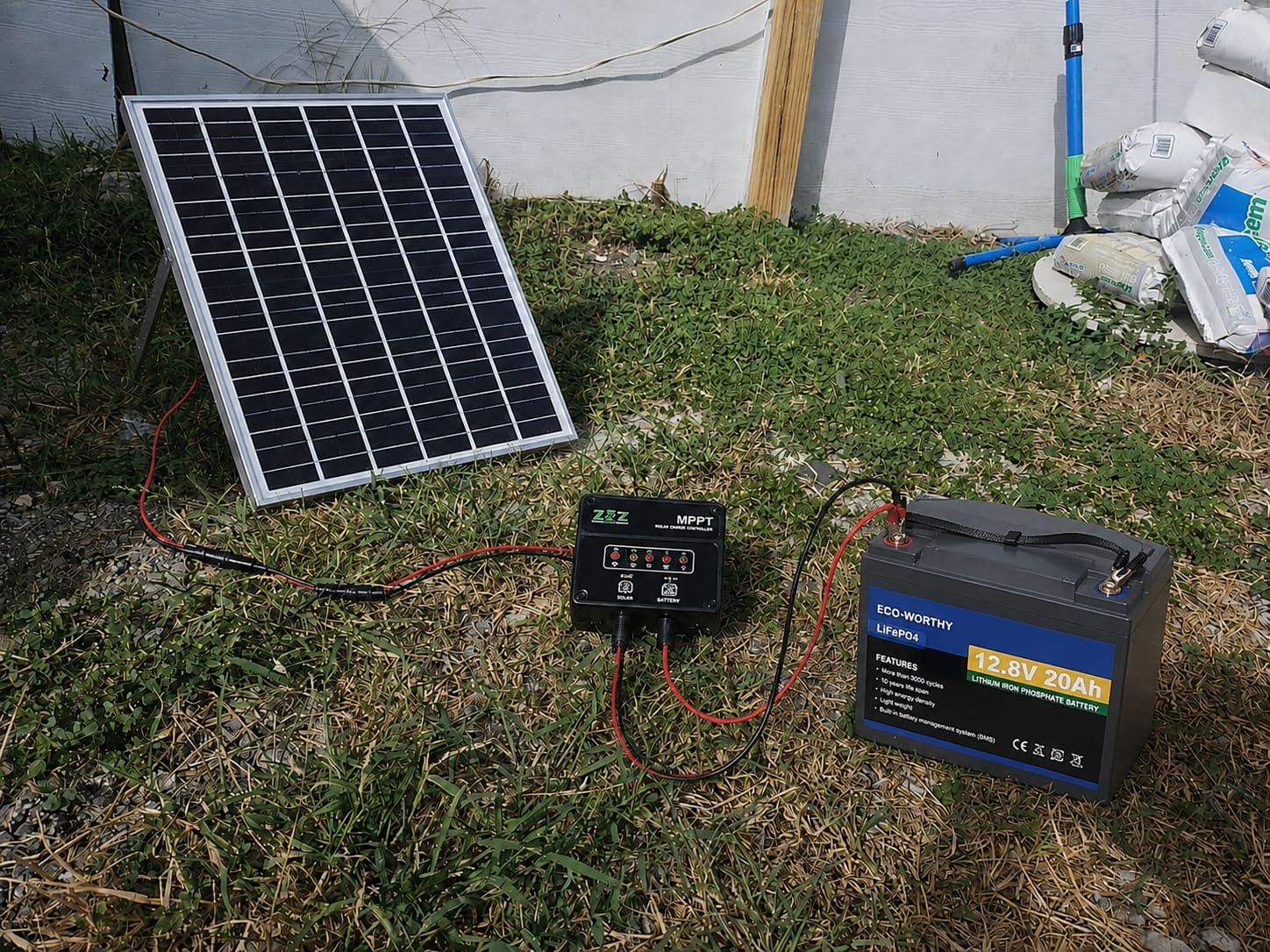
Where it is genuinely good is the combination of IP68 sealing, MPPT control and 20W of output at a modest cost, with plug-and-play connections and LED status indicators that tell you whether the controller is actually doing something.
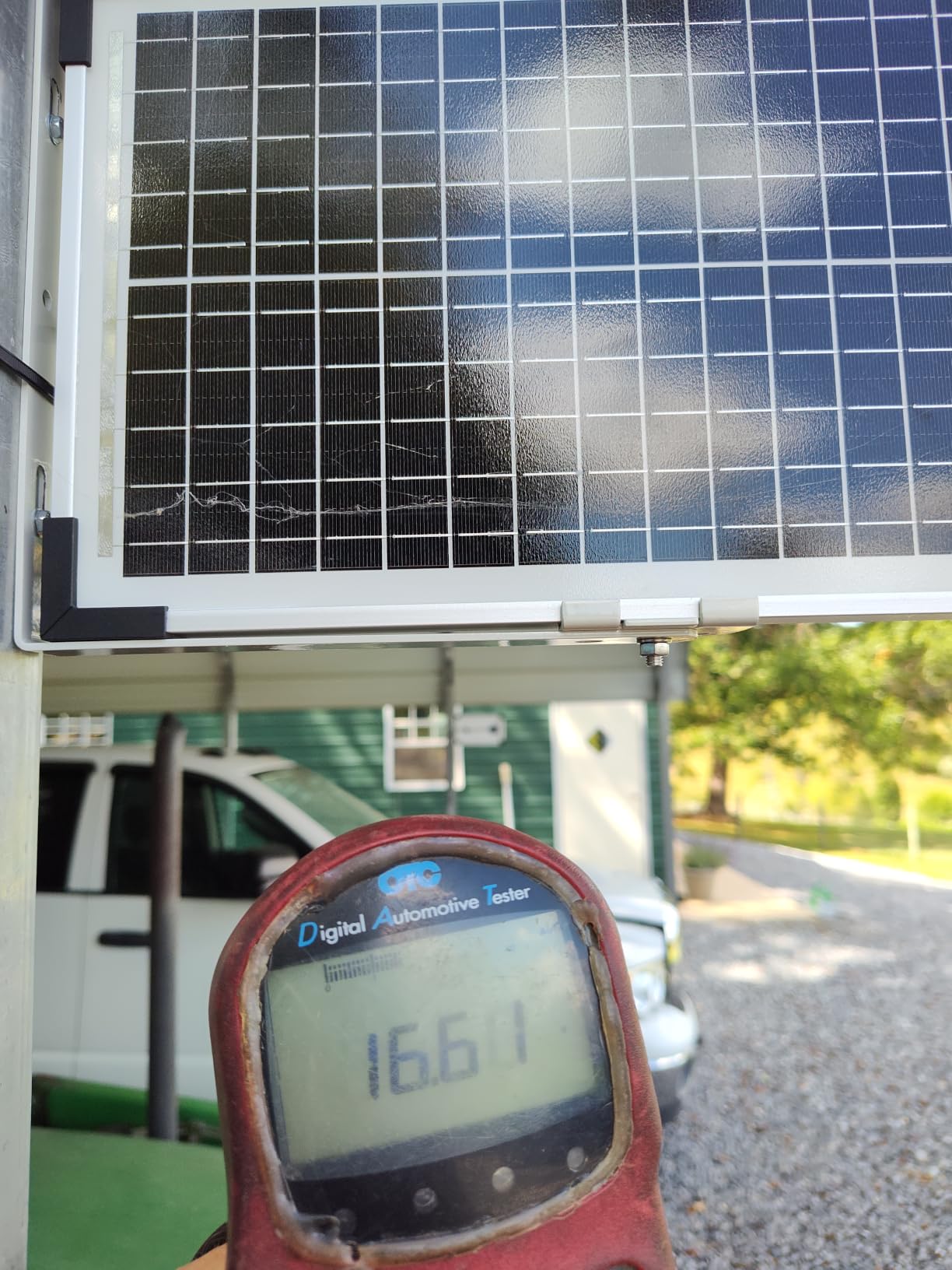
Where it is not is quality control. With a much smaller review history than the established names here, there are reports of units arriving with broken glass, controllers that sit on a fully charged indication and do not resume when voltage drops, and measured output well below the rated 20W on some units. Inspect the glass on arrival and confirm charge current with a meter on your first sunny day rather than trusting the LED alone.
Chemistry coverage and where 20W gets you
Twenty watts through an MPPT controller is roughly 1.5 amps of charge in good sun. That offsets a modest electronics load on a boat left at a mooring, and it is the point at which a charger starts to add rather than merely subtract from your battery’s state of charge over a long trip.
Quality control and real output
The failure modes reported here are all inspection issues rather than design issues. Check the glass, check the charge current, and keep the review count in mind when you decide how much you depend on this unit while you are away from the boat.
10. VEVOR 30W MPPT Solar Charger Kit: Best Mid-Wattage Mounted Install
- 30W output covers a mid-size house bank
- Includes a 122 inch extension and 43 inch clips
- Bracket adjusts through 0 to 60 degrees
- Works with LiFePO4 Li-ion AGM gel SLA and EFB
- Auto-stops at 12V and resumes on voltage drop
- Some owners report the controller is not true MPPT
- Thin wiring costs output over a long run
- Mounting stand is flimsy on a moving boat
The VEVOR 30W is the most generous amount of cable in this roundup, and on a boat that turns out to matter more than it first appears. The kit includes a 122 inch extension cable and 43 inch alligator clips, which means the panel can live on a mast or a bow rail in full sun while the controller and battery sit in a protected compartment, with a cable run long enough to make that routing realistic.
The panel is 30 watts of monocrystalline cells under high-transparency tempered glass, with a bracket that adjusts from 0 to 60 degrees. The controller is intelligent MPPT with six-stage protection and an auto-stop behaviour: it halts charging at 12V and resumes when the battery voltage drops again, which is a sensible float-stage approximation for unattended installations.
Chemistry support covers LiFePO4, Li-ion, AGM, gel, SLA and EFB, and the IP65 rating suits a mounted position that gets rained on but is not in standing water. At 4.7 pounds it is a solidly built panel rather than something you would worry about in a wake.
The consistent complaints concern the accessories rather than the panel. Multiple owners report that the included controller is not true MPPT, that the supplied wires are too thin and cost real output over a long run, and that the mounting stand is flimsy on a boat that is moving. Several buyers describe a pattern of keeping the panel and replacing the controller and cables, which is a reasonable approach if you are comfortable with a bit of wiring.
Cable length and mid-size banks
For a boat with a mid-size house bank and a need to place the panel well away from the battery, that 122 inch extension is the most useful single feature in this kit. Thirty watts offsets a genuine electronics load while the boat sits unattended, which puts it in the same practical territory as the 50W kit but with a much smaller footprint.
Controller and wiring complaints
Measure the charge current the first time you get a full sunny day, and if it looks like PWM behaviour rather than MPPT, replacing the controller is a small job with a big payoff. Thinner-than-ideal wire over a 10 foot run is the other thing to address, and the included leads are where the money was saved.
What Size Solar Charger Does Your Boat Battery Need?
Size the panel to the job, not to the battery’s label. A battery’s amp-hour capacity tells you how much energy is stored; it does not tell you how much power your panel needs to deliver. What matters is the daily energy deficit in watt-hours, which is the load you want to cover plus any recovery you are planning.
Start with the load. Measure or estimate what your boat actually draws while you are away: a live well pump, a fridge in low draw, a stereo, a depth sounder, a VHF on standby, plus the parasitic losses of the battery itself. Most boats fall somewhere between 50 milliamps for a small runabout on a trickle and 300 milliamps for a cruising boat with a fridge and instrumentation running continuously.
Then divide by peak sun hours. That is the number of hours per day the panel receives full, direct, unshaded sun, and it is the single most over-optimistic number in most sizing advice. A summer day at a low-latitude marina might give you five or six equivalent hours. A winter day at 45 degrees north with cloud cover might give you two. Size for your worst realistic month, not your best.
Worked example, because this is where most articles hand-wave. A 100Ah house bank holds roughly 1200 watt-hours of energy. Recovering half of that, say 600 watt-hours, at three peak sun hours per day needs 200 watts of panel before controller losses, so realistically a 250W to 300W array. At the small end of this roundup, a 50W panel supplying about 4 amps for three hours puts 12 watt-hours back per day, which is maintenance, not recovery. The same maths explains why a 1.5W panel, at 0.13 amps, simply cannot catch a live load.
As a rule of thumb for the units in this list: 5W to 13W panels cover parasitic draw and float maintenance on banks up to roughly 50Ah. The 20W to 30W kits start to offset a live electronics load and suit banks in the 50Ah to 100Ah range. The 50W kit is where you start talking about real charge recovery on a mid-size bank, and even then, plan in days rather than hours.
Answering the related question directly: for a 12 volt marine battery, a healthy daily maintenance charge is 0.5 to 1 amp, so a 10W to 15W panel does it. Offsetting a 15W electronics load needs about 1.5 amps of charge, so 20W to 30W with an MPPT controller. Recovering a flat bank needs three amps or more, which means 50W as a starting point and a real panel array beyond that.
MPPT vs PWM: Which Charge Controller a Boat Actually Needs
Both types regulate the panel output so the battery is not overcharged, and both are far better than no controller at all. The difference is in how efficiently the panel’s power reaches the battery, and that difference grows with three specific conditions that a boat satisfies more often than almost any other application.
MPPT, maximum power point tracking, runs the panel at its true peak power point, which sits well above the battery’s charging voltage, and then converts that down. PWM, pulse width modulation, simply chops the panel output to the battery voltage. The difference is the power above battery voltage that PWM throws away.
Condition one is heat. Panel output peaks in cold conditions, and a deck panel in winter sunlight can push a nominal 12V panel to 18V or more. MPPT captures that difference; PWM does not. Expect the gap to be small on a hot summer day at noon and large on a bright winter day, which is exactly when maintenance charging matters most.
Condition two is long cable runs, and this is the marine-specific one. A 12V panel sitting ten feet from a battery through thin wire loses voltage, and MPPT systems operate at a higher input voltage so the same current needs less conductor. The practical effect is that MPPT lets you use thinner wire over a longer run without giving up as much charge, which matters when the panel is on a mast and the battery is in a hull compartment.
Condition three is partial shading, which on a boat comes from rigging, antennas, a bimini frame or a mast shadow. MPPT tracks the highest power point of the string, so a partially shaded panel still delivers useful current rather than collapsing the way a simple PWM regulator does. On a sailboat with a forestay crossing the panel, this is the difference between charging and not charging.
The honest counterweight is cost and complexity. PWM controllers are cheaper, simpler and, at the 1.5W to 13W level, entirely adequate because the energy being thrown away is trivial. The rule that works for most owners: PWM for anything under about 20W where the run is short and the panel is unshaded, MPPT for everything above that, for every long cable run, and for anything on a shaded deck.
Marine Durability: IP Ratings, Salt Spray and Vibration
This is the section that separates a marine charger from a solar charger with a boat sticker on it, and it is the one most roundups skip. Waterproofing, corrosion and motion are three different failure modes and each has its own indicator.
IP65 means dust-tight and protected against water jets from any direction, which is fine for a panel under a canopy and marginal for anything in a splash zone. IP67 adds temporary immersion, one metre for thirty minutes, and is the minimum we would accept for a controller mounted on or near an open helm. IP68 is a continuous immersion rating and is the only one of these that gives real confidence in a saltwater environment where condensation and salt film accumulate on every surface.
Salt spray attacks at the terminals before it attacks anywhere else. A controller that is technically sealed but has a connector gland that was not seated properly will corrode at the wire entry first, and you will see the evidence as a rising self-discharge rate long before the controller fails outright. Stainless hardware and a marine-grade backplate matter here more than the enclosure label, and the panel frame’s relationship to the boat’s bonding system is worth a thought as well, since a panel frame that is not isolated can create a galvanic path to the hull.
Vibration is the failure mode nobody mentions. A boat in a seaway is shaking continuously at a frequency that will slowly walk a loose terminal out of a clamp, and the symptom is not a dead charger, it is intermittent charging that only shows up in rough water. This is why the spring clips on a proper connection matter more on a boat than in a garage, and why we would rather see a terminal tightened and dressed with a marine sealant than a neat plug-and-play arrangement.
Temperature swings complete the picture. A battery on a deck in summer reaches temperatures that shorten lead-acid life considerably, and a controller that is not temperature compensated will overcharge in exactly those conditions. Every unit in this roundup lists over-temperature protection, but only the units with real bulk, absorption and float algorithms manage it well, and that is an argument for MPPT over PWM as much as it is for quality over price.
How to Install a Solar Battery Charger on a Boat
Most of these kits are plug and play and the whole job takes twenty minutes. The decisions that matter are where the panel sits, where the controller sits, and how the cable is routed.
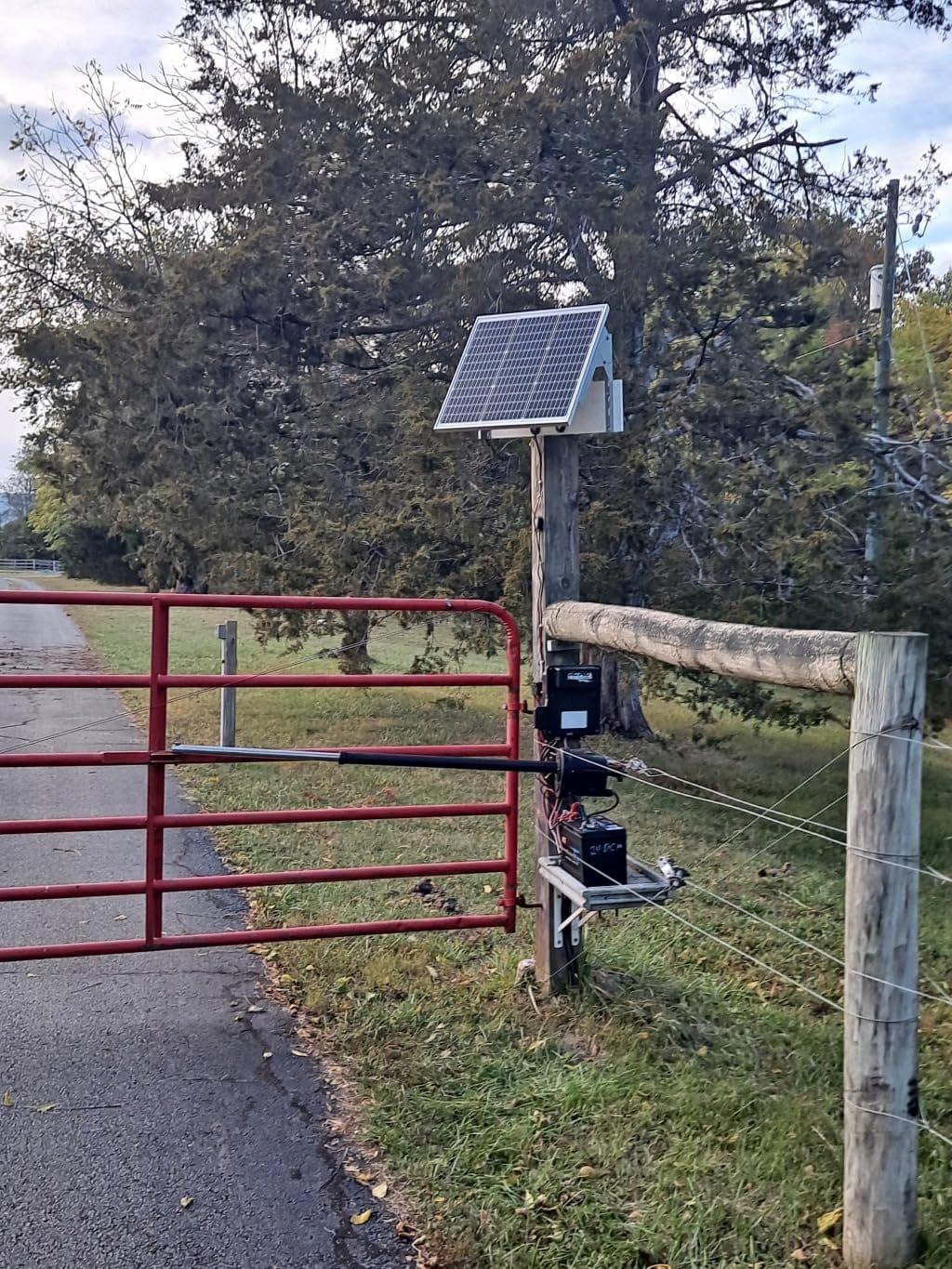
First, position the panel for sun rather than for convenience. It should be unshaded for as much of the day as you can manage, angled toward the sun, and clear of anything that will shed salt water onto it. On a sailboat that usually means the forward face of a coachroof panel or a pole-mounted panel forward of the shrouds, not the helm where the mainsail will shade it at the worst time of day.
Second, place the controller somewhere protected. This is the part people get wrong on boats: the panel is designed to take weather, the controller generally is not. Under a console, inside a seat base or in a dry locker is the right answer even if it means more cable.
Third, size the wire for the run. Voltage drop over distance is the quiet killer in these installations, and the leads supplied with cheaper kits are usually thinner than they should be. For a run under about six feet the included wire is fine; beyond that, move up a gauge and keep the connection tight. This is standard practice in our guides to 18650 battery charger setups where cable length eats the same kind of budget.
Fourth, fuse the positive lead. A panel is a current source, and if the cable is damaged or the battery is dropped from a bracket, the fault current can be significant. An inline fuse close to the battery is cheap insurance and it is the one piece of the install most people skip.
Fifth, make the connection properly. A ring terminal on a clean battery post beats an alligator clip every time, and adding a light coat of corrosion inhibitor to the connection is what keeps a marine terminal healthy. The alligator clips in these kits are fine for a quick test; they are not the end state on a boat that lives in salt water.
Finally, decide whether the panel charges the house bank, the start battery, or a dedicated solar bank. A common arrangement is a small bank for electronics and a dual battery isolator for the rest, and a heavier unit like the 50W kit or a 30W kit with a controller you can set for your chemistry is what makes that arrangement workable.
What Boat Owners Say About Solar Chargers
Forum threads took four of the top eight positions for this search term, and reading them is more useful than any spec sheet. The single most repeated correction on the marine boards comes from TheMalibuCrew, where a senior member points out that these chargers are designed to trickle charge batteries while the boat is at the dock, not to sustain a live electrical system. That distinction is the one that decides which product on this list you should buy.
The second consistent message, from r/kayakfishing, is a set of real current readings. Users testing small solar kits on tiny boats measured roughly 40 to 50 milliamps of output, and concluded that this is good for tending a battery but not worth much effort compared with simply putting a paddle in the water when the boat is in use. That matches our own arithmetic: anything in the 1.5W to 7.5W range produces tens of milliamps in ordinary conditions.
On the DIY Solar Forum the conversation shifts to what owners actually install on longer passages, and the recurring answer is a DC to DC charger rather than a panel. Owners running high-amp marine alternators with lithium banks combine alternator charging and solar in one unit, with the Renogy MPPT DC to DC charger named often, and the Victron Orion-TR Smart cited as the premium alternative. If your boat spends weeks away from a dock with a lithium house bank, that route is the one these forums keep returning to.
Physical placement comes up constantly and is answered nowhere in the roundup space. Where do you put the panel, where do you put the controller, and how do you run the cable without it chafing through a deck seal? The consensus is the panel forward and high for sun, the controller low and dry, and cable run secured and checked twice a season. On the F150Forum the practical recommendations lean toward pairing a known controller with a known panel rather than buying an all-in-one kit, which is the same conclusion we reach about the accessory quality complaints in the lower half of this list.
One more thread worth noting is longevity rather than performance. Owners who report years of trouble-free service talk about installed systems with proper mounting, not about the newest all-in-one kit. That is a consistent signal across every board we looked at.
Frequently Asked Questions
What size solar charger do I need for a boat battery?
Match the panel to the daily energy deficit, not the amp-hour label. A 5W to 13W maintainer covers parasitic draw on banks up to about 50Ah. The 20W to 30W MPPT kits offset a live electronics load and suit 50Ah to 100Ah banks. Recovering a flat bank realistically needs 50W or more, and a lot of sun.
How many amps do I need to charge a 12 volt marine battery?
For maintenance, 0.5 to 1 amp of charge is enough. To offset a 15W electronics load you need about 1.5 amps. To recover a discharged 100Ah bank you want 3 amps or more, which means a 50W panel as a starting point. Divide the required amps by roughly 5 peak sun hours to work backward to panel size.
What is the best marine solar battery charger?
For general boat storage, a 12W panel with a built-in MPPT controller and a sealed corrosion-resistant frame is the safest all-round choice. If you need to offset a live load, move to 20W to 30W with MPPT. If the boat lives in salt water above deck, only IP67 or IP68 enclosures are worth trusting.
Can a solar charger stay connected to a boat battery all year?
Yes. A charger with a proper charge controller and reverse current protection is designed to stay connected indefinitely. It moves to a float stage once the battery is full and stops drawing from the battery at night. What you should not do is leave a panel with only a blocking diode and no controller on a large bank.
Will a solar charger bring a dead boat battery back to life?
Not the small ones. A 1.5W to 13W maintainer will hold a healthy battery at float but will not recover one that has gone deeply flat, because the current is measured in tenths of an amp. You need a 30W to 50W kit for that, and even then recovery takes days of direct sun rather than hours.
What IP rating do I need for a marine solar charger?
IP65 is acceptable for a sheltered cockpit mount. IP67 is the sensible minimum for anything on an open helm or near a splash zone. IP68 covers continuous immersion and is the right choice for a boat that lives in salt water, a lift, or anywhere condensation and salt film build up on every surface.
If you want the same rigorous treatment of charging hardware for other applications, we have covered RC battery chargers and drone chargers using the same panel-on-controller logic.
Final Verdict: Which Solar Battery Charger Should You Buy
For most boat owners, the SUNER POWER 12W is the right answer. It has a real MPPT controller rather than a bare diode, three-stage charging, a sealed corrosion-resistant frame and a chemistry list that includes LiFePO4, and it is sized to hold a healthy battery at float indefinitely. If your boat lives in salt water above deck, pick the Callsun 7.5W instead for the IP68 sealing and accept the smaller output. If you need panel area and real charging current, the SOLPERK 50W kit changes the conversation, and the FlexSolar 20W is the smarter choice whenever the mounting surface is curved.
Whichever you pick, match it honestly to the job. Maintainers hold float, mid-size kits offset a live load, and only the large kits approach recovery. Priced against the cost of replacing a flat house bank in spring, any of these is cheap insurance, but only if the expectation matches the wattage.
Read our other charging guides for LiPo battery chargers if you are also upgrading the chemistry in your boat bank.