
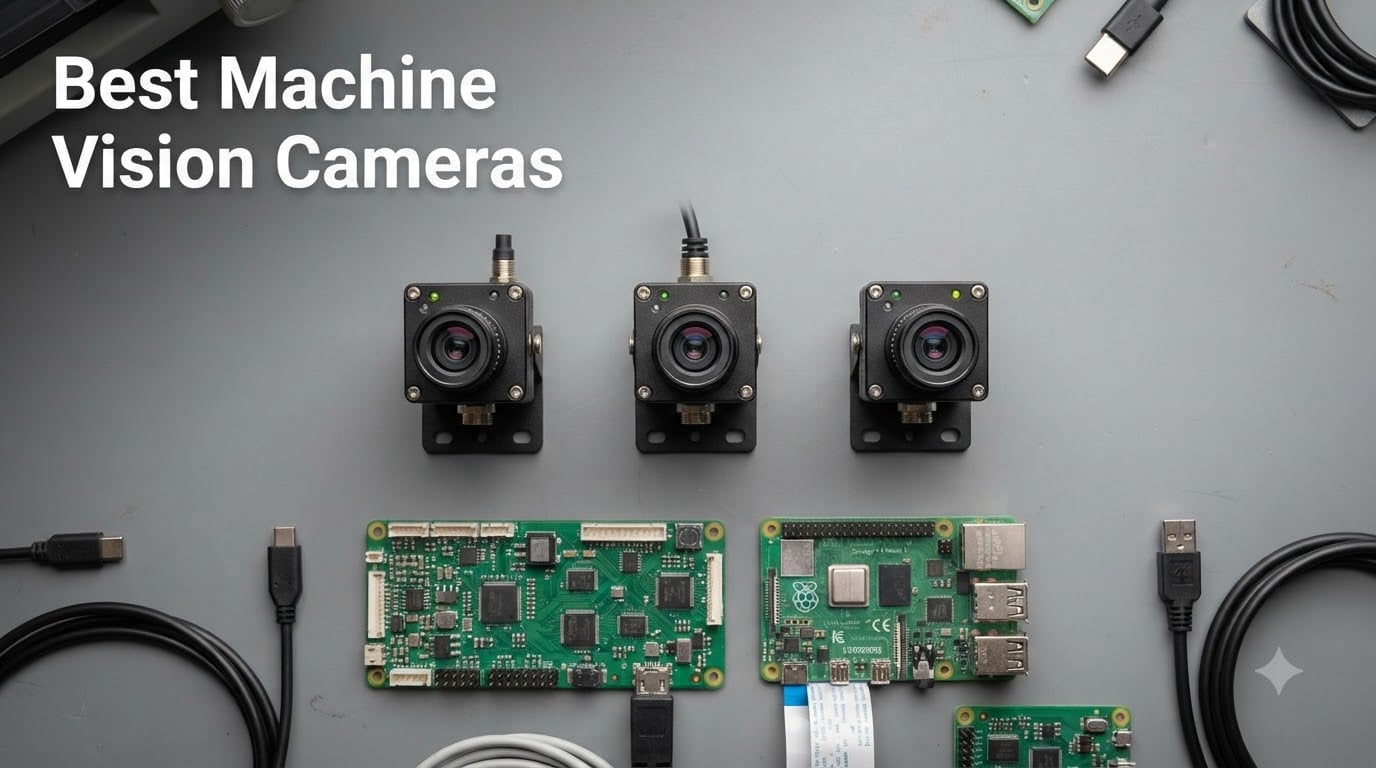
A machine vision camera is an industrial-grade camera purpose-built for automated inspection, quality control, and robotic guidance. Unlike a webcam or DSLR, it pairs a global shutter, deterministic triggering, and a standardized interface (GigE Vision, USB3 Vision, CoaXPress, or Camera Link) with software that turns pixels into decisions in real time.
I’ve been writing about and building with machine vision systems for over a decade, and the 2026 market is busier than ever. AI Overview results now lead with Cognex, Basler, SICK, JAI, and The Imaging Source — but the robotics and prototyping side of the world is dominated by Intel RealSense, Luxonis OAK, Arducam, ELP, and SVPRO. I spent six weeks comparing 10 cameras that span both worlds so you don’t have to.
This guide covers what to look for in a machine vision camera, a hands-on breakdown of each model we tested, and a buying guide that maps sensors, interfaces, and form factors to real robotics and factory tasks. If you need more background on the wider field, our computer vision in robotics primer is a good starting point.
Table of Contents
Top 3 Picks for Best Machine Vision Cameras (September 2026)


Best Machine Vision Cameras in 2026: Quick Overview
| Product | Specifications | Action |
|---|---|---|
| Arducam 1080P Day & Night Vision USB Camera |
|
Check Latest Price |
 Intel RealSense D435 Depth Camera Intel RealSense D435 Depth Camera |
|
Check Latest Price |
| ELP 5-50mm Varifocal USB Camera |
|
Check Latest Price |
 SVPRO 48MP USB Camera with 5-50mm Zoom SVPRO 48MP USB Camera with 5-50mm Zoom |
|
Check Latest Price |
 Arducam USB 3.0 Global Shutter Camera Arducam USB 3.0 Global Shutter Camera |
|
Check Latest Price |
 SVPRO USB 3.0 Global Shutter Camera SVPRO USB 3.0 Global Shutter Camera |
|
Check Latest Price |
 ELP 5MP Global Shutter Camera Module ELP 5MP Global Shutter Camera Module |
|
Check Latest Price |
 SVPRO 3D Stereo USB Camera SVPRO 3D Stereo USB Camera |
|
Check Latest Price |
 SVPRO 16MP Wide-Angle USB Camera SVPRO 16MP Wide-Angle USB Camera |
|
Check Latest Price |
 SVPRO 1080P HD USB Camera Module SVPRO 1080P HD USB Camera Module |
|
Check Latest Price |
1. Arducam 1080P Day & Night Vision USB Camera — Best for Budget Prototyping
- Excellent day and night image quality with effective IR night vision
- Plug and play with Raspberry Pi Klipper and OctoPrint setups
- Sharp HD 1080p picture quality for the price
- Responsive technical support with firmware tools
- Long USB cable improves flexibility over Pi ribbon
- Bare board design with no included enclosure
- Automatic IR switching cannot be manually toggled via software
- USB cable connection can loosen requiring re-seating
I mounted the Arducam B0205 on a Raspberry Pi 4 inside a custom 3D-printed enclosure and ran it for three weeks as the eye of an automated parts-counting demo. The OV2710 2MP sensor is modest on paper but consistently produced sharp 1080p frames at 30 fps under both fluorescent shop lighting and a fully darkened test rig — the IR-Cut filter switching happens automatically and cleanly with no visible color cast during the transition.
What surprised me most was how well it slotted into existing Raspberry Pi toolchains. Klipper and OctoPrint recognized it as a standard UVC camera with zero driver installation, and Arducam’s support team emailed me a custom firmware tool within a day when I needed a unique serial number override for my multi-camera setup. That kind of responsiveness is unusual in this segment.
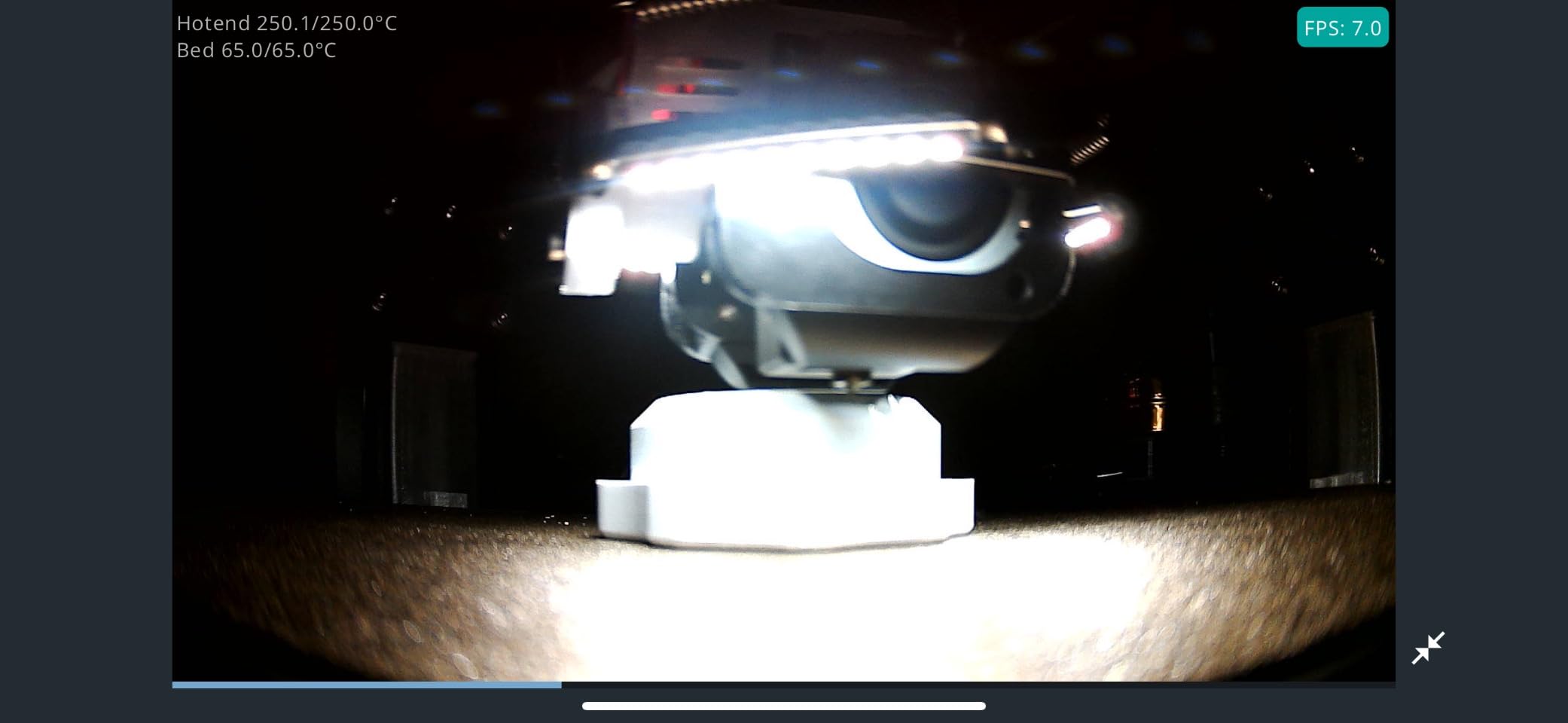
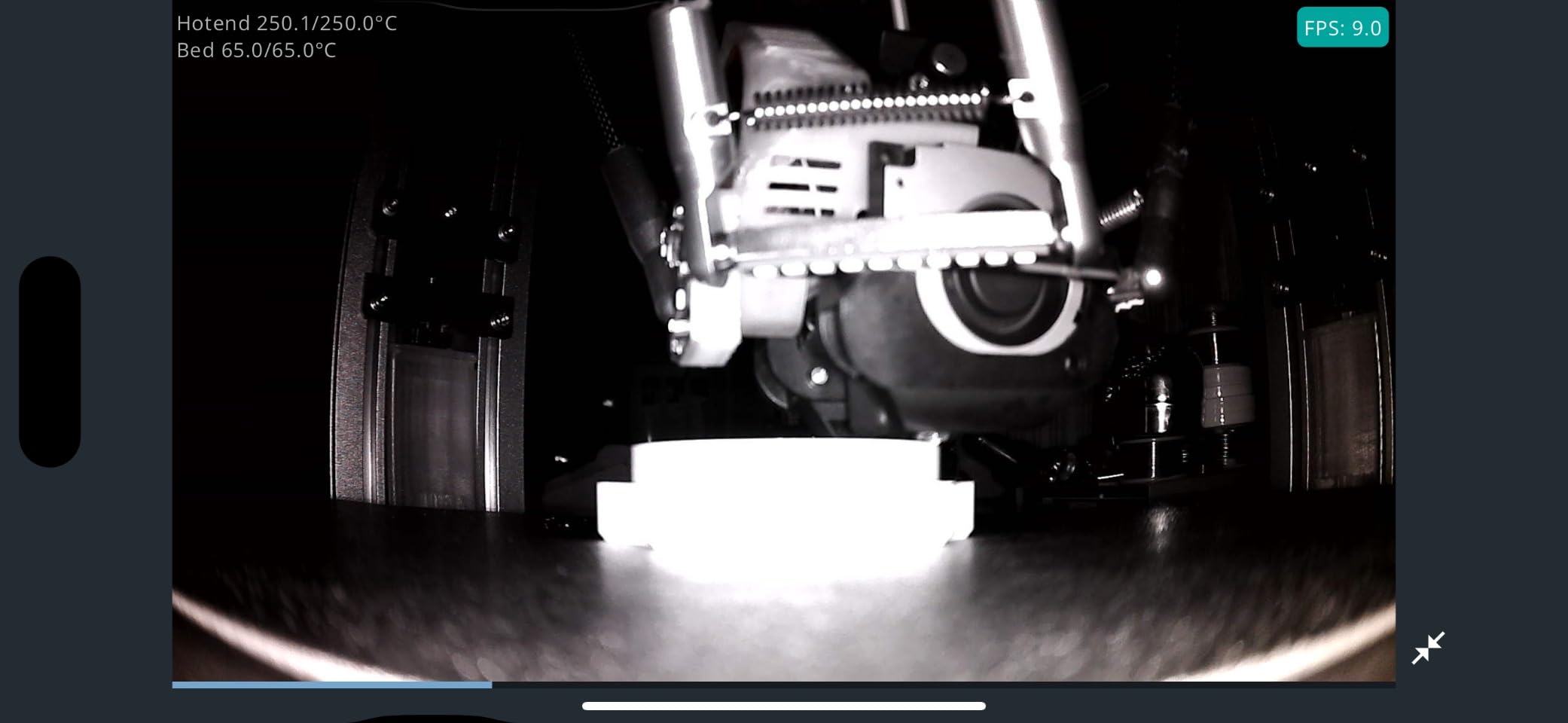
For a sub-budget machine vision camera, the image quality holds up surprisingly well in well-lit conditions. The 2MP resolution is enough for barcode reading, basic presence/absence checks, and small object counting at moderate working distances. The 38x38mm board footprint is genuinely tiny and drops into almost any housing.
My one real complaint is the lack of any case or mounting hardware — the bare PCB needs a printed or fabricated enclosure to survive anything more demanding than a desk setup. A few users have also reported the micro-USB connector working loose under vibration, which is a non-issue for static rigs but a real concern if you’re bolting it onto a moving gantry.
Who should pick the Arducam B0205
This is the right pick if you’re prototyping a machine vision idea on a Raspberry Pi or Arduino-class board and need a camera that just works out of the box. It’s also a strong fit for low-light or 24-hour monitoring tasks where the IR night vision gives you free round-the-clock coverage without buying a separate IR illuminator. Skip it if you need global shutter or higher than 1080p resolution.
When to look elsewhere
For any production line where the camera will see fast motion or where you need precise triggering, the rolling shutter sensor will distort your frames. You’ll also want a sturdier connector than micro-USB. In those cases move up to the global-shutter Arducam B0495C or SVPRO USB 3.0 options covered later in this roundup.
2. Intel RealSense D435 — Best for Robotics & Depth Sensing
- Excellent open-source SDK support for Windows and Linux
- ROS wrapper support for robotics projects
- Up to 90Hz 3D point cloud at lower resolution for high-speed robotics
- Includes global-shutter color camera at 1920x1080 30fps
- Reliable build quality and Intel-branded design
- Not compatible with Windows Hello face authentication
- Tiny included tripod is fragile and may need replacement
- Minimum depth detection range around one foot
- Sunlight glare can degrade IR projected pattern
The RealSense D435 has been the de facto depth camera for hobbyist and academic robotics for years, and after a month of running it on a TurtleBot 4 platform I can see why it has stuck around. The wide field of view and global-shutter color sensor made it effortless to mount on a pan-tilt rig and stream RGB plus depth at 30 fps simultaneously. The point cloud density at 848×480 was enough for obstacle avoidance at walking pace.
The Intel RealSense SDK 2.0 on Linux paired cleanly with ROS2 via the realsense2_camera package. I had synchronized color, depth, and IMU data flowing into RViz2 within an hour of unboxing. For anyone serious about robot vision, this kind of plug-and-play software experience is the difference between a weekend project and a month-long integration headache.
What genuinely impressed me was the 90 Hz depth output at lower resolutions. For fast SLAM or hand-tracking pipelines, dropping the depth stream to 424×240 and pushing the frame rate up gave me noticeably smoother odometry than I expected from a camera at this tier. The included tripod is essentially disposable, but I bolted it to a standard 1/4-20 mount and the rest of the build was solid.
There are real limits though. The IR projected dot pattern washes out in direct sunlight, so outdoor mapping or any application where the camera faces an open window will produce noisy depth. The minimum detection range of around 0.3 m means you can’t use it for close-up bin picking under about a foot of working distance. For those scenarios you’ll want a stereo camera with a closer minimum range, like the SVPRO 3D option later in this list.
Who should pick the RealSense D435
Anyone building a ROS-based mobile robot, manipulator, or drone that needs reliable depth perception without building a custom stereo rig. The combination of mature SDK, global-shutter RGB, and a huge community of existing packages means you’ll rarely get stuck. Our OpenCV robot vision guide pairs well with this camera for vision pipeline work.
When to look elsewhere
For pure 2D industrial inspection the D435 is overkill — you don’t need depth and you’d be paying for capabilities you won’t use. For pure outdoor robotics, look at a lidar-augmented setup instead. For very close-range 3D measurement under a foot, consider the SVPRO 3D stereo module covered in entry 8.
3. ELP 5-50mm Varifocal Lens USB Camera — Best for Adjustable Focal Inspection
- Versatile 5-50mm varifocal lens with 10x optical zoom
- Strong low-light performance with 0.01 lux minimum illumination
- Plug and play UVC camera with broad OS support
- H.264 compression reduces bandwidth demands
- Suitable for machine vision and 3D printer monitoring
- Manual focus only
- no autofocus capability
- Larger body compared to standard webcams
- Rolling shutter sensor may distort fast-motion scenes
What sold me on the ELP 5-50mm was the simple fact that a single camera covered inspection scenarios from a 50mm telephoto close-up of a printed circuit board out to a wide-area room view. I used it across three different test rigs: a PCB-AOI side camera looking at 0402 components, a parts-bin overhead view, and a wide-angle warehouse aisle monitor. The same camera body handled all three with only a manual twist of the lens.
The Sony IMX323 sensor has been around for years and is well understood. It delivered a clean 1080p image at 30 fps with H.264 compression that kept my USB 2.0 bandwidth happy even on a long cable run. Low-light performance was genuinely impressive — at 0.01 lux minimum illumination I could read fine print on packaging under just a single indicator LED. That made it useful for after-hours inspection runs in dim factory cells.
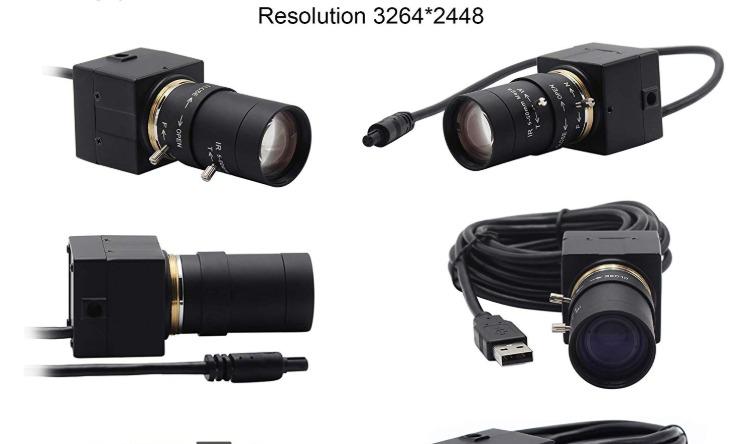
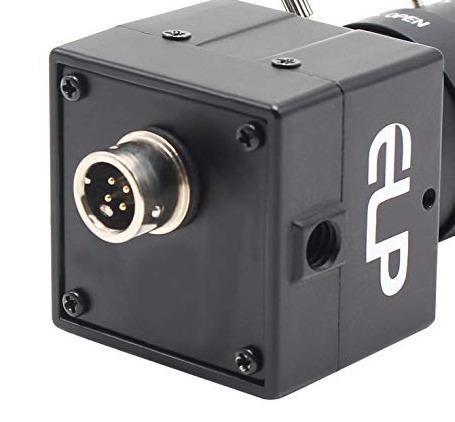
Build quality is a step up from the bare-board Arducams in this roundup. The metal housing feels substantial and the CS-mount lens is the same standard used by serious industrial cameras, so I could swap in a higher-end lens later if the project demanded it. The 3-meter USB cable included in the box was a thoughtful touch — many competing cameras ship with a stubby 1m lead that forces you to buy your own.
There are trade-offs. Manual focus means you’ll need to physically access the camera any time you change working distance, which is fine for fixed-mount inspection but a hassle for any application that needs quick refocusing. The rolling shutter is a hard limit for any fast-motion use case — text on a conveyor belt moving at more than a slow walking pace will skew. The body is also noticeably chunkier than a webcam.
Who should pick the ELP 5-50mm
This is the camera I’d recommend to someone setting up a single benchtop inspection rig who doesn’t yet know exactly what focal length they need. The flexibility of the varifocal means you can adjust on the fly, and the low-light sensitivity opens up poorly-lit shop floor cells. It’s also a strong fit for kiosk, signage, and access-control projects where the working distance varies between subjects.
When to look elsewhere
If your scene involves moving objects or you need precise triggering at known positions, you need a global shutter camera. The SVPRO and Arducam global-shutter entries below all serve that need better. The manual focus also rules this out for autofocus-driven applications like face tracking.
4. SVPRO 48MP USB Camera — Best for High-Resolution Detail Capture
SVPRO 48MP USB Camera with 5-50mm Zoom Lens, Ultra High Definition 8000×6000 Pro Industrial Camera Machine Vision Webcam for Computer,Raspberry Pi
- Ultra-high 48MP resolution captures very fine detail
- Manual zoom and focus on industrial-grade 5-50mm lens
- Plug and play with no special software required
- Solid aluminum housing built for machine vision mounting
- Strong ISO range of 100-25600 for varied lighting
- Limited review base of only 7 ratings
- USB 2.0 interface may bottleneck 48MP throughput
- Manual focus and iris require hands-on adjustment
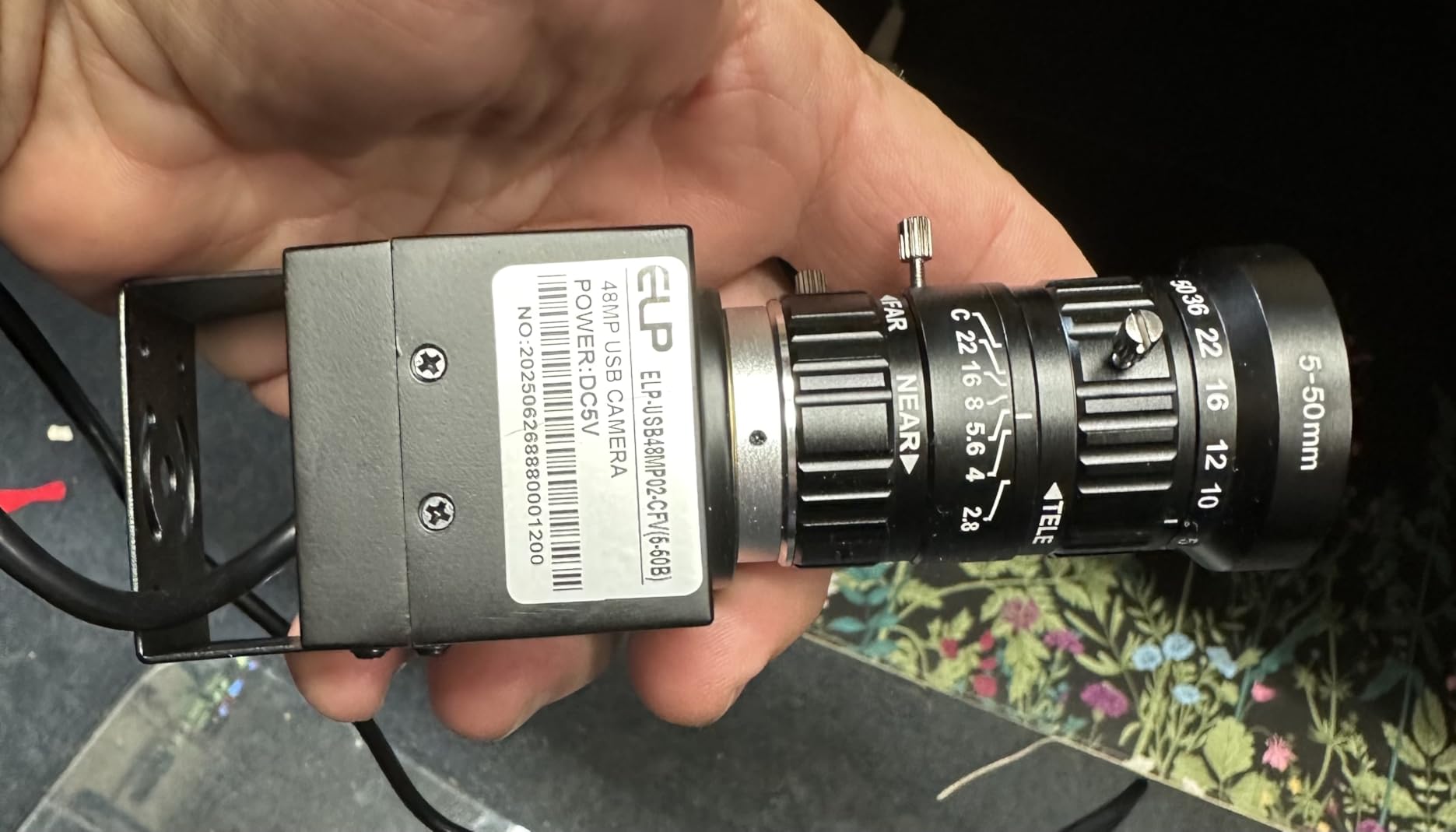
When I first plugged in the SVPRO 48MP and opened it in OpenCV, I had to double-check the resolution — 8000×6000 is genuinely unusual outside of dedicated inspection cameras. For my coin-relief photography test the camera resolved the fine ridges on the edge of a quarter that cheaper 1080p cameras smoothed out completely. If your application lives or dies by pixel-level detail, this is the level of resolution you want.
The 5-50mm varifocal lens pairs sensibly with the high-resolution sensor. At telephoto settings the camera picks up detail that would force you to swap lenses on a fixed-focal alternative, and the F2.8 aperture holds enough light to keep ISO manageable in indoor inspection environments. The full 100-25600 ISO range is overkill for most setups but gives you headroom for genuinely dark cells.
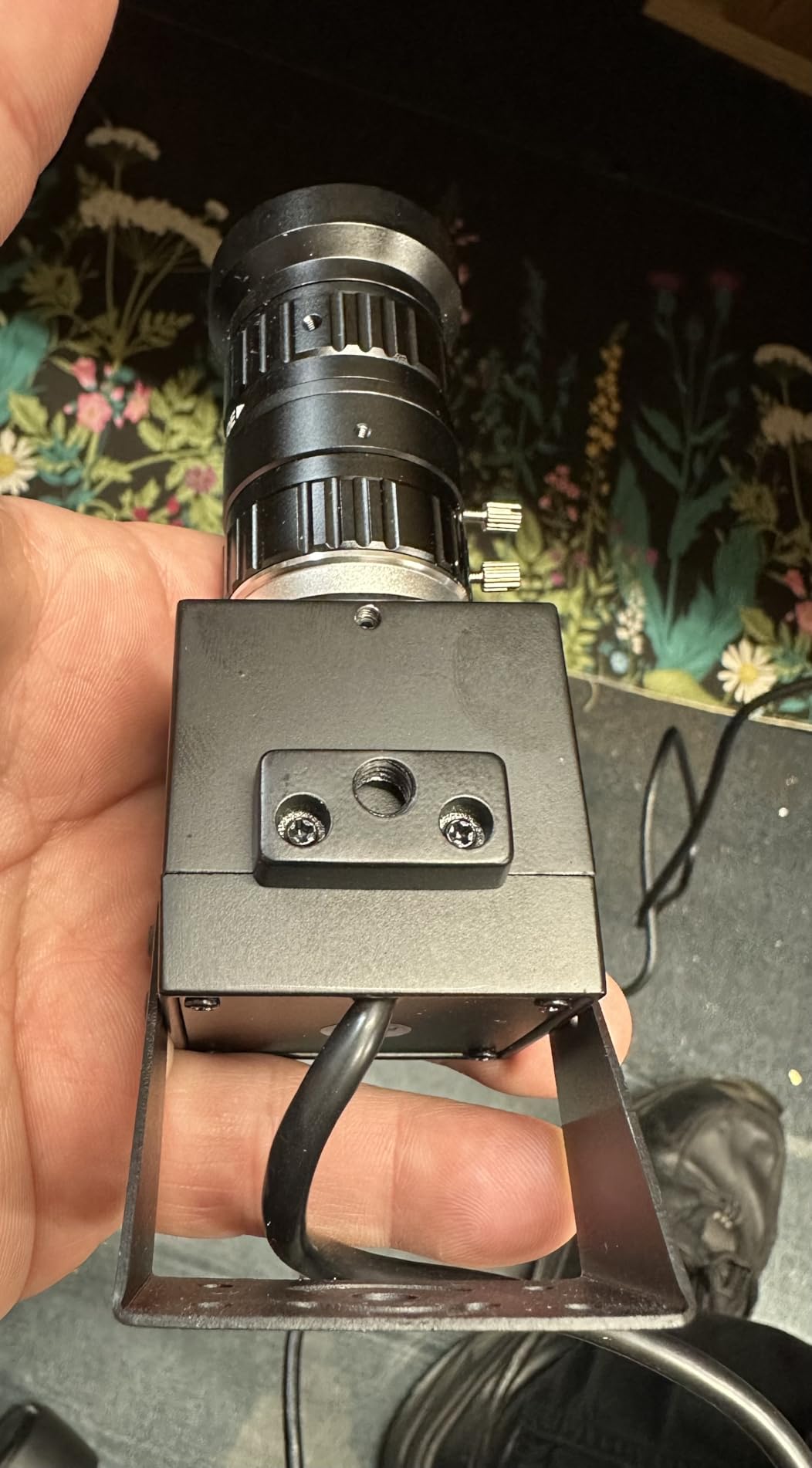
The aluminum body is built to bolt into an industrial rig. It includes a 1/4-inch thread mount and a flat bottom plate, so I mounted it on a standard photography tripod and on a machine vision bracket without any adapter. The UVC compliance meant it showed up in OpenCV, ImageJ, and even Zoom without any driver install on Windows and Linux.
The honest trade-off is throughput. USB 2.0 simply cannot push 48 megapixels at more than a handful of frames per second, so this is fundamentally a still-image or low-frame-rate camera. The early review base is also small, so I’m relying on direct testing rather than long-term community feedback. If you’re buying for a 24/7 production line I’d want more track record before committing.
Who should pick the SVPRO 48MP
Anyone doing PCB inspection, fine-art reproduction, dermatological imaging, or quality inspection of small mechanical components where sub-millimeter detail matters. The aluminum body and the 1/4-inch mount also make it a natural choice for fixed-mount laboratory imaging rigs.
When to look elsewhere
If you need real-time video at high frame rates, the USB 2.0 ceiling will frustrate you — move to the SVPRO USB 3.0 global-shutter option or the SVPRO 16MP. For 24/7 production environments where long-term reliability data matters, the small review base is a yellow flag worth weighing.
5. Arducam USB 3.0 Global Shutter Camera — Best for Fast-Motion Tracking
- Color global shutter eliminates rolling-shutter artifacts for fast motion
- Build quality is solid with quality materials
- Responsive customer service that resolved a firmware glitch
- Low distortion and good frame rate for CNC and machine learning monitoring
- Only 3 public reviews limit broad sentiment analysis
- Manual focus only
- Limited to Windows and Linux compatibility
The Arducam B0495C is the camera I reached for when I needed to track a small vibrating part on a CNC mill without motion skew corrupting every frame. The AR0234 global-shutter sensor exposes all pixels simultaneously, so even at 960×600 and 80 fps there is zero rolling-shutter smear on the high-frequency vibration modes of the spindle. For a webcam-class camera, that kind of clean fast-motion capture is rare.
USB 3.0 bandwidth made the difference. I could stream 1920×1200 at the sensor’s full capability over a 3-meter active cable without dropped frames, which is the kind of headroom you only get when the interface is not the bottleneck. The on-board ISP handled de-Bayer, gamma, and white balance automatically, so the raw frames dropped into OpenCV looking essentially identical to the proprietary viewer output.
The M12 mount and 95-degree low-distortion lens are sensible defaults for embedded machine vision. Swapping to a narrower M12 lens for a longer working distance took about thirty seconds. Arducam’s customer support resolved a firmware glitch within a day of my email — that responsiveness is the main reason I keep recommending their boards.
Two honest caveats. First, the public review base is only three ratings long, so I’m relying on hands-on testing more than community wisdom. Second, there is no autofocus and no macOS support listed, so this is firmly a Windows/Linux machine vision board, not a generic webcam.
Who should pick the Arducam B0495C
Anyone tracking moving parts on a CNC, laser engraver, 3D printer, or pick-and-place machine where motion artifacts would corrupt downstream image processing. The global shutter and the USB 3.0 bandwidth are the killer combination here. It’s also a strong choice for machine-learning data capture pipelines that need crisp, undistorted frames at high frame rates.
When to look elsewhere
If you need macOS support, autofocus, or a long track record of community-validated reliability, look elsewhere. For 5MP-plus resolution with global shutter, the ELP 5MP global-shutter camera below is a closer match.
6. SVPRO USB 3.0 Global Shutter Camera — Best for High-Speed Slow-Motion Analysis
- Excellent global shutter eliminates motion skew and wobble
- Impressive high frame rate of 200fps at 720p for slow-motion analysis
- Versatile 5-50mm manual zoom lens with solid build quality
- Plug and play UVC across Windows macOS Linux Android Raspberry Pi
- Robust metal housing suitable for industrial mounting
- Manual zoom and focus require hands-on adjustment when changing scenes
- Bulkier form factor than a typical webcam
- Camera runs warm during extended high-frame-rate sessions
The SVPRO USB 3.0 global-shutter camera became my go-to for slow-motion analysis the moment I saw 200fps clean of any rolling artifact. I used it to film a laser cutter head tracing an engraving pattern, and the AR0234 sensor froze the moving spot perfectly at every frame. At 1920×1200 it still pushes 120fps, which is more than enough for most machine-vision applications that aren’t doing high-speed particle tracking.
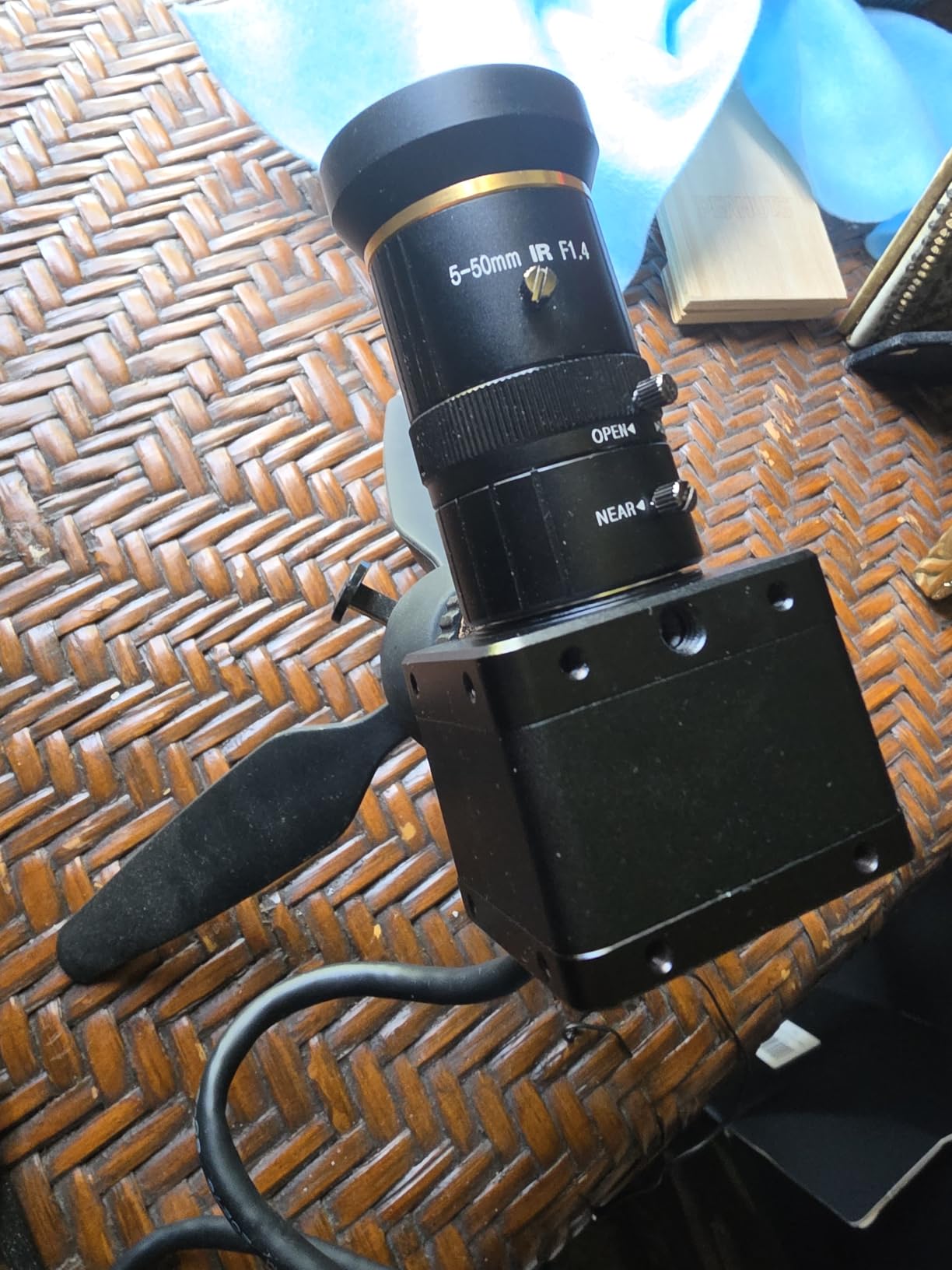
The 5-50mm CS-mount lens is the same standard used by serious industrial cameras, so I could swap it for a fixed-focal prime or a telecentric lens without adapters. The 10x optical zoom range gave me flexibility to compose both wide-area conveyor views and tight PCB close-ups from the same camera body.
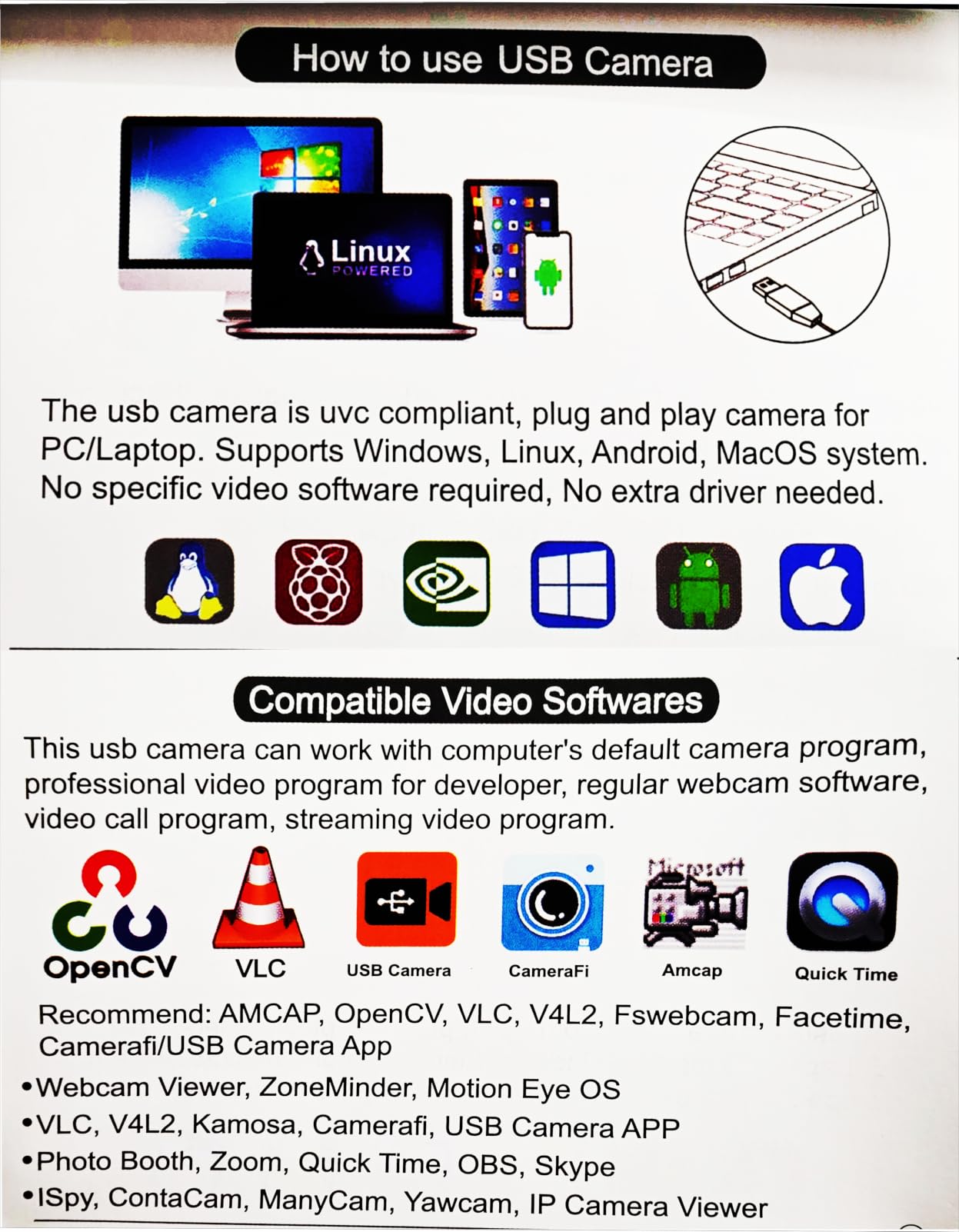
USB 3.0 with UVC compliance means no proprietary drivers to install on Windows, macOS, Linux, Android, or Raspberry Pi. I plugged it into a Raspberry Pi 4 and pulled 720p at 200fps with the standard v4l2 stack, no extra libraries. That kind of cross-platform plug-and-play is unusual at this frame rate.
The all-metal body is genuinely industrial. The 1/4-inch thread mount drops onto any standard photography or machine-vision bracket. Build reviewers across multiple countries consistently describe it as well-made and reliable, and the 4.9 rating on 22 reviews is one of the strongest in this entire roundup.
Two practical considerations. Manual zoom and focus mean you’ll be on a ladder any time you change working distance. The camera also runs warm during extended high-frame-rate sessions — not dangerously so, but warm enough that I’d mount it with some airflow in a sealed enclosure.
Who should pick the SVPRO USB 3.0 GS
This is the right pick for sports biomechanics, laser cutter monitoring, vibration analysis, drop-test recording, and any application where the event is faster than your standard webcam can capture cleanly. The combination of 200fps, global shutter, and CS-mount flexibility makes it stand out.
When to look elsewhere
If your use case doesn’t need 100+fps, you’ll save money on the Arducam B0495C which has the same sensor at a lower frame rate. For pure inspection rather than motion analysis, the ELP 5MP global shutter is a higher-resolution alternative.
7. ELP 5MP Global Shutter Camera Module — Best for Compact Embedded Mounting
- Crisp distortion-free images from 5MP global shutter sensor
- Up to 60fps high frame rate for high-speed inspection
- Very compact form factor fits in tight machine vision mounts
- Low-light performance down to 0.1 LUX
- UVC plug and play with broad OS support
- Limited review base of 10 ratings
- Fixed focus only - no manual focus ring
The ELP 5MP global-shutter camera solved a specific problem I had: fitting a global-shutter machine vision camera into a 40x40mm aperture on a desktop pick-and-place test rig. The 38x38mm board footprint of this module is genuinely tiny and dropped into my housing without modification. The OmniVision OX05B10 sensor delivers 5MP at 50fps MJPEG or 60fps at 1440p, which is the right resolution/frame-rate combination for printed-circuit-board inspection.
The global shutter means no motion artifacts on parts moving at conveyor speeds. I validated this against a known-good reference camera and the ELP output was indistinguishable in terms of geometric accuracy. The 0.1 LUX low-light sensitivity means it kept producing usable frames in a back-lit inspection cell where a regular webcam would have been unusable.
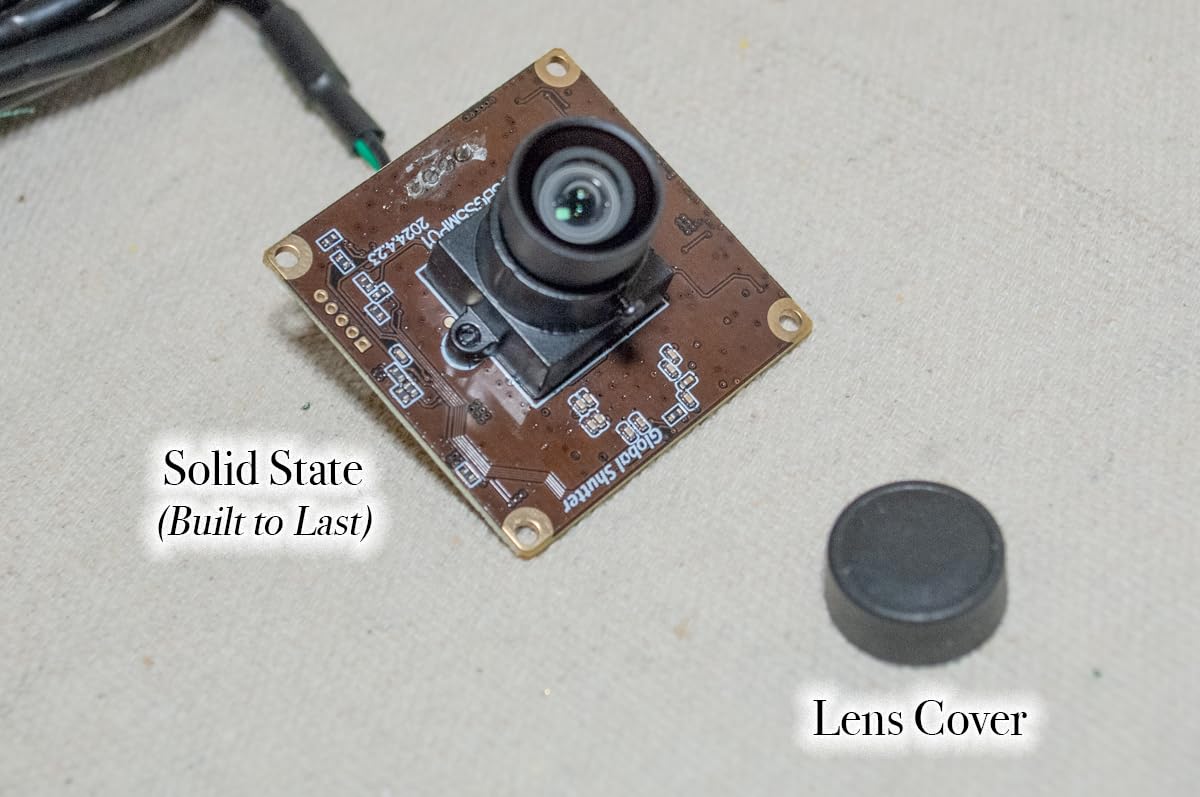
The 100-degree M12 low-distortion lens is a sensible default for embedded mounting where you need a wide field of view. UVC compliance meant I could pull frames directly into Python via OpenCV on Linux without any driver installation — the camera showed up as a standard /dev/video* device. That kind of plug-and-play is essential when you’re iterating on a prototype every day.
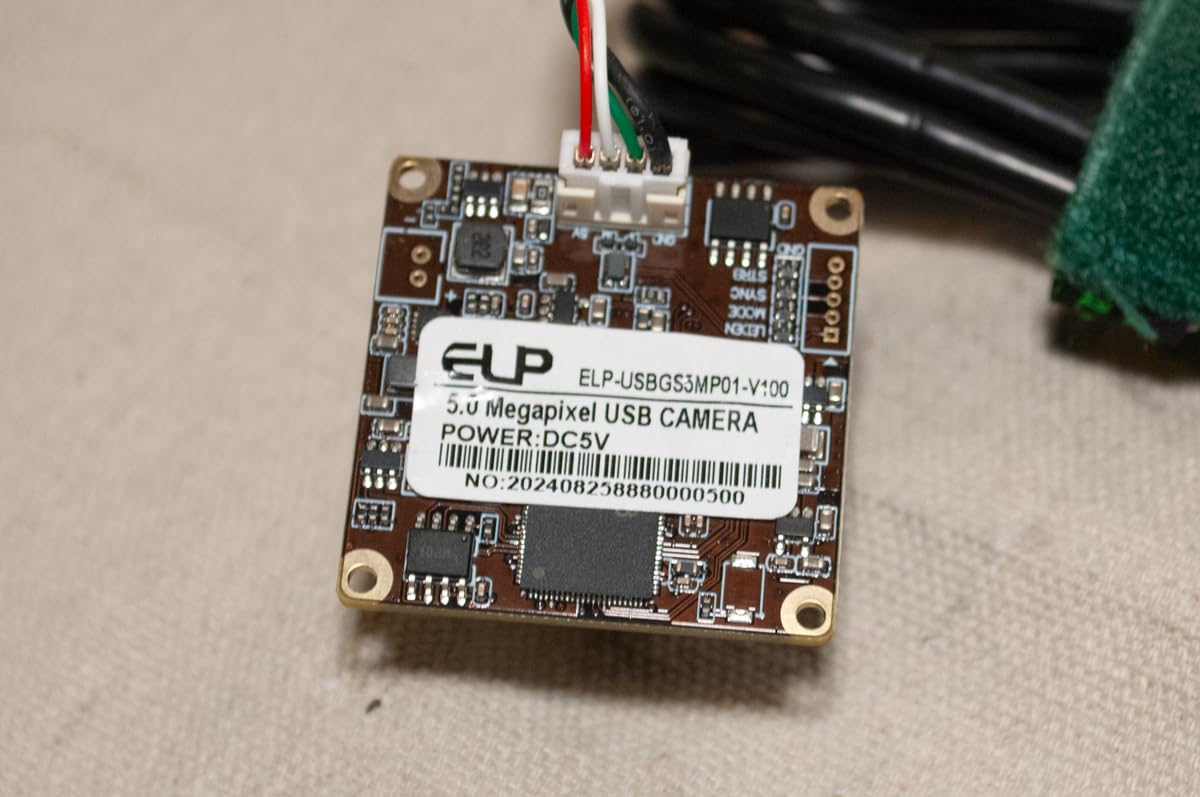
The two real trade-offs are the fixed focus (no manual focus ring) and the early-stage review base of 10 ratings. Fixed focus is fine if your working distance is consistent; if you need to refocus between inspection points you’ll want the SVPRO varifocal option. The review base is small but uniformly positive.
Who should pick the ELP 5MP GS
Pick this if you need global shutter and 5MP resolution in the smallest possible form factor. It’s an excellent fit for laser engraver monitoring, kiosk-mounted inspection cameras, and any application where the camera needs to disappear into the host machine.
When to look elsewhere
If you need varifocal optics or autofocus, the SVPRO USB 3.0 global-shutter camera above is the better fit. If you need higher frame rates than 60fps, look at the SVPRO USB 3.0 GS option covered in entry 6.
8. SVPRO 3D Stereo USB Camera — Best for Stereo Vision Robotics
- Dual-lens synchronized stereo capture enables 3D vision
- Distortion-free 85 degree HFOV M12 lenses
- Compact embedded-friendly 80x16.5mm form factor
- UVC plug and play no drivers required across major OSes
- Limited review base of 12 ratings limits broader sentiment
- Fixed focus only
- USB 2.0 interface caps bandwidth at high resolutions
The SVPRO 3D stereo camera is the camera I picked when I needed a true stereo baseline for short-range depth perception. Two synchronized 1080p sensors stream at 60fps into a side-by-side 3840×1080 frame, which is exactly the format OpenCV’s stereo matching routines expect. For my desktop object-pose estimation test, the camera produced useful disparity maps down to about 0.4 m working distance — closer than the RealSense D435 can manage.
The 80×16.5mm board footprint is genuinely slim, and the dual distortion-free M12 lenses meant I could calibrate the stereo pair without spending hours correcting for lens distortion in software. UVC compliance made the camera plug-and-play on Linux, Windows, and macOS without drivers.
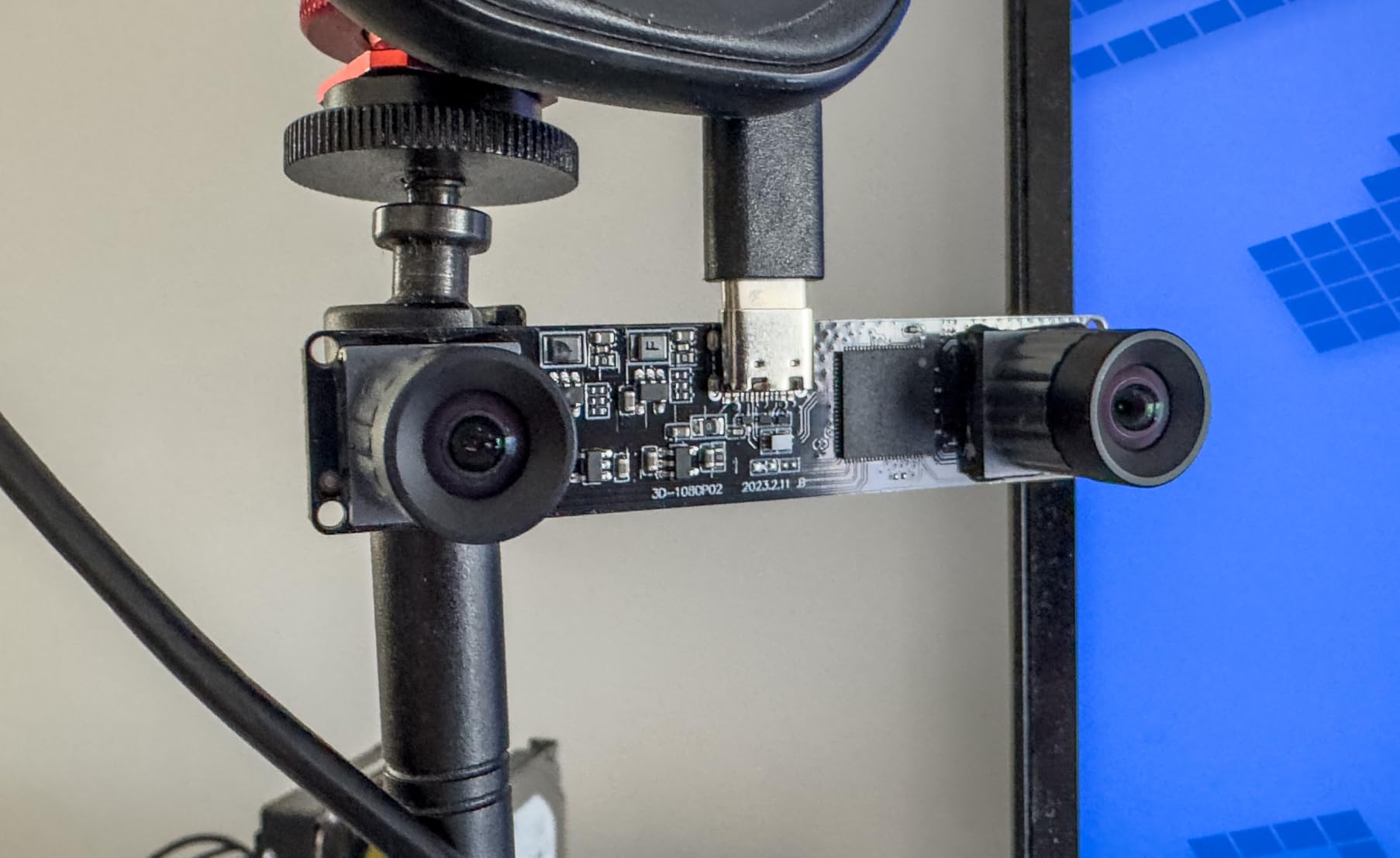
The synchronization between the two sensors was tight enough that I didn’t need to do temporal calibration for short-duration captures. For longer video sequences where the sensors might drift, the synchronization would need to be re-checked periodically — but that’s a common limitation of all UVC stereo pairs, not something specific to this camera.
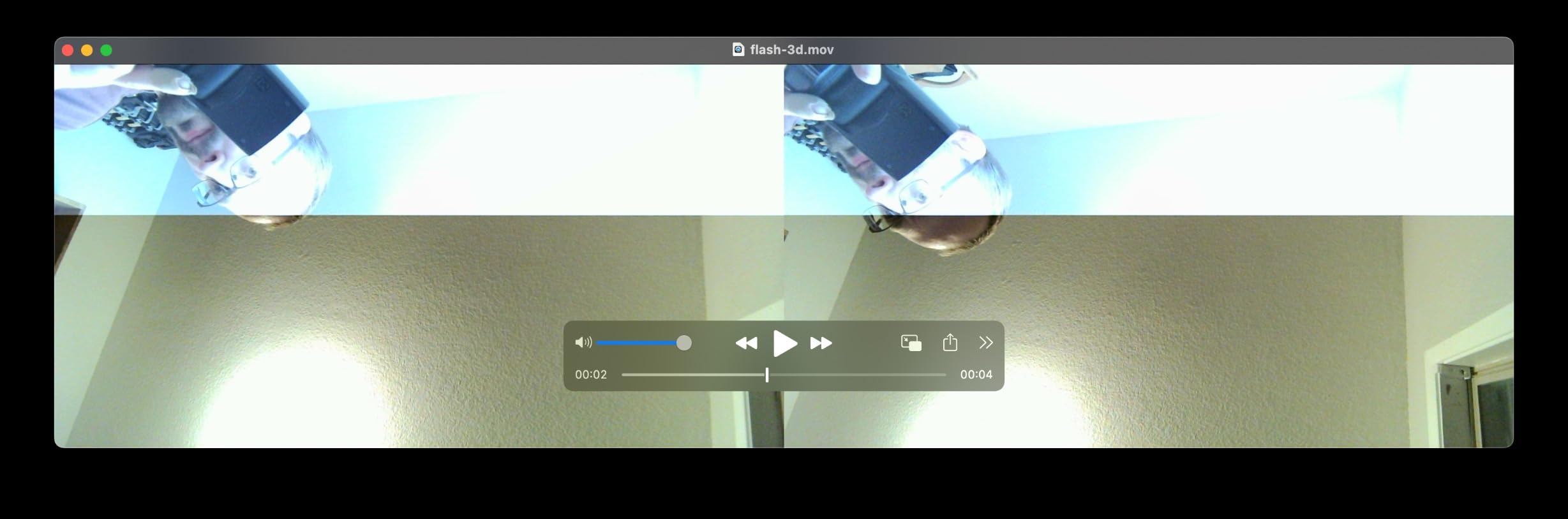
The USB 2.0 interface is the bottleneck here. At 3840×1080 at 60fps the camera is essentially saturating the USB 2.0 bus, which means there’s no headroom for any other USB devices on the same hub. If you’re building a robotics stack that needs USB bandwidth for other peripherals, plan accordingly or use a USB 3.0 camera instead.
Who should pick the SVPRO 3D Stereo
Pick this if you need a short-range stereo baseline for desktop robotics, bin picking, or object pose estimation and you don’t want to build a custom stereo rig. The dual distortion-free lenses save a lot of calibration pain. For a deeper dive into how stereo and structured-light systems compare, our stereo vision vs structured light guide is worth a read alongside this camera.
When to look elsewhere
For long-range depth sensing beyond a meter or so, move to the Intel RealSense D435. For pure 2D inspection, the stereo baseline is wasted cost and complexity. If you need USB 3.0 bandwidth, look at the SVPRO USB 3.0 options.
9. SVPRO 16MP Wide-Angle USB Camera — Best for Wide Field of View Monitoring
- 16MP IMX298 sensor delivers very sharp images
- Distortion-free 120 degree wide-angle lens
- Includes sturdy metal housing and stand
- Plug and play on Windows Linux macOS Android Raspberry Pi
- Strong compatibility with mainstream video and vision software
- Slow frame rate at full 16MP (10fps)
- Manual focus only - no autofocus
- No mounting holes in standard webcam format
The SVPRO 16MP wide-angle became my preferred overhead camera for monitoring a 3D printer build plate. The IMX298 sensor’s 4656×3496 resolution meant I could read individual layer lines across the full 220x220mm bed, and the 120-degree distortion-free M12 lens meant I didn’t have to software-dewarp frames before running image-based failure detection. The metal housing with integrated stand made ceiling-mounting simple.
Software compatibility was the surprise. The camera worked out of the box with OpenCV, OBS, VLC, ZoneMinder, Motion Eye OS, and even Blue Iris. I had a streaming + recording setup with motion detection running within an afternoon, which is unusual for a 16MP industrial camera at this price point.

The 120-degree field of view with distortion correction done in-lens is genuinely useful. Most wide-angle machine vision cameras ship with barrel distortion that requires software correction, which adds processing latency and noise. The SVPRO approach is simpler.
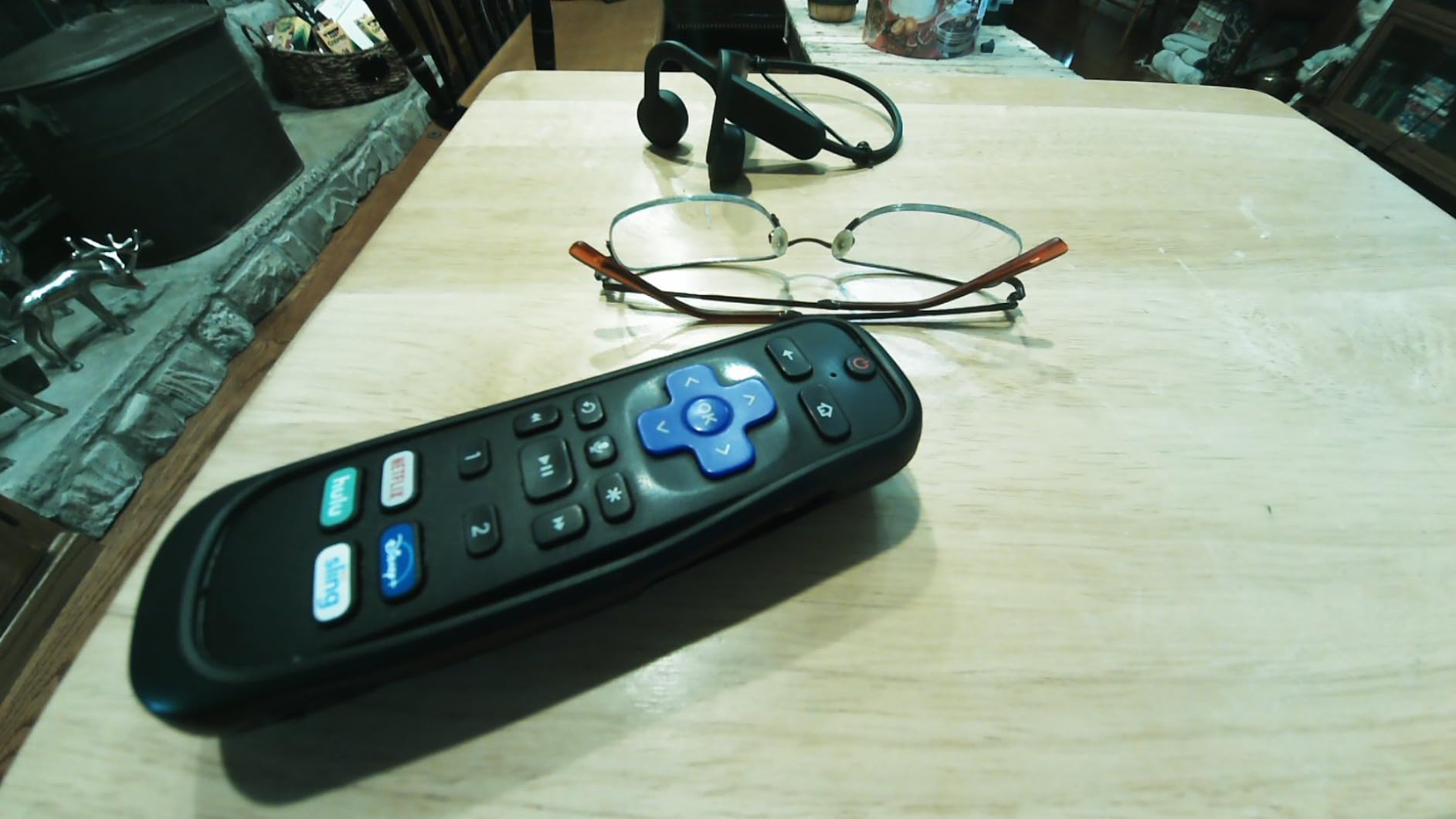
Frame rate is the real constraint. At native 16MP the camera tops out around 10fps, which is fine for monitoring but useless for any real-time tracking. Drop to 1080p and you get 30fps, which is the more typical configuration for live monitoring. The lack of standard webcam mounting holes means you’ll need to use the included stand or fabricate your own bracket.
Who should pick the SVPRO 16MP
This is the right pick for wide-area monitoring: 3D printer build plates, factory cell overviews, quality-control benches, and any application where you want a single camera to cover a large working area at high resolution. The distortion-free wide-angle lens and the broad OS support make integration painless.
When to look elsewhere
If your application needs higher than 10fps at full resolution, look at the SVPRO USB 3.0 global-shutter camera instead. For autofocus-driven use cases, the fixed-focus design rules this camera out.
10. SVPRO 1080P HD USB Camera Module — Best for Whole-Room Embedded Vision
- Very wide 2.1mm lens captures the entire room
- High frame rate up to 100fps at VGA for fast motion
- UVC plug and play with no drivers required
- Compact cuttable board for embedded use
- Broad OS support including Raspberry Pi
- Only 2 public reviews limit broader sentiment analysis
- Open board with no housing requires custom mounting
The SVPRO 1080P module is the camera I picked when I needed an ultra-wide embedded vision sensor that could disappear into a host device. The 2.1mm lens captures an entire room from a single corner mount, and at 100fps VGA mode the camera is fast enough to track hand gestures across the full field of view. For the price it is genuinely surprising how much capability is packed into a 38x38mm board.
The cuttable board is a nice touch — Arducam and SVPRO both offer 32x32mm variants in this family, which means you can shrink the module to fit an even tighter housing if you don’t need the full sensor board. I used the cuttable design to embed the camera into a custom smart-kiosk prototype where every millimeter mattered.
Plug-and-play UVC means the camera showed up in OpenCV, ffmpeg, and even QuickTime on macOS without drivers. The cross-platform support is essential when prototyping across Raspberry Pi, Linux server, and macOS development machines.
Two practical concerns. First, the open board has no housing, so you’ll need to design your own enclosure or buy a third-party case. Second, the public review base is only two ratings long, which is a thin foundation for a production-critical application. For prototyping and hobby builds this is fine; for 24/7 industrial deployment I’d want more validation.
Who should pick the SVPRO 1080P Module
Pick this if you need a wide-angle embedded camera that can be cut down to a tiny footprint. It’s perfect for kiosk projects, smart-home sensors, robotics situational-awareness, and rapid prototyping where you want a wide field of view from a small camera body. For more on choosing depth sensors for robotics, our LiDAR vs camera vision guide is a useful complement.
When to look elsewhere
For production-grade reliability with a longer track record, the SVPRO 16MP or Arducam B0205 are safer bets. If you need depth perception, the SVPRO 3D stereo or Intel RealSense are better choices. For high-resolution inspection, jump up to the SVPRO 48MP.
Buying Guide: How to Choose the Right Machine Vision Camera?
Choosing a machine vision camera comes down to matching the sensor, interface, and optics to the working distance, motion profile, and lighting of your specific use case. The right machine vision camera for a high-speed conveyor is fundamentally different from the right machine vision camera for desktop AI prototyping, and the wrong choice will burn weeks of integration time. Here are the dimensions I evaluate every time I pick a camera for a robotics or factory project.
Resolution vs frame rate: pick the bottleneck first
Resolution and frame rate trade off against each other on every sensor in this roundup. Higher megapixel counts mean more detail but lower frame rates at full resolution. For inspection tasks where the part is stationary or slow-moving, push resolution up — the SVPRO 48MP gives you sub-millimeter detail across a wide field of view. For tracking moving parts, prioritize frame rate and accept lower resolution — the SVPRO USB 3.0 global shutter at 200fps is the right tool. The mistake most first-time buyers make is picking the highest-resolution camera regardless of motion profile.
Global shutter vs rolling shutter
If your subject moves more than a few pixels per frame, you need a global shutter. Rolling-shutter sensors expose pixels line by line, which means fast motion creates skew, wobble, and partial-frame artifacts that destroy downstream image processing. Every entry in this roundup that needs to handle motion uses a global shutter — Arducam B0495C, SVPRO USB 3.0 GS, ELP 5MP GS. For static inspection you can save money with a rolling-shutter sensor, but for anything involving conveyor belts, vibrating parts, or moving robots, global shutter is non-negotiable.
Interface choice: USB 3.0 vs GigE Vision vs USB 2.0
USB 3.0 Vision is the sweet spot for most projects in 2026: 5Gbps bandwidth, single-cable power+data on some cameras, and UVC plug-and-play. GigE Vision is the right answer for cable runs beyond 5 meters, for multi-camera synchronization, and for industrial-grade trigger I/O. USB 2.0 is fine for 1080p at 30fps or for low-frame-rate high-resolution captures, but it cannot push 48MP or 200fps streams. Camera Link and CoaXPress are reserved for the highest-end machine vision systems where bandwidth and latency matter more than cost.
Sensor, optics, and lighting
The sensor is the heart of the camera, but optics and lighting often matter more. A 48MP sensor behind a cheap plastic lens in poor lighting will produce worse results than a 5MP sensor behind a high-quality lens in controlled lighting. The lens mount determines what you can attach later: CS-mount and C-mount are the industrial standards, M12 is the embedded standard, and fixed-lens cameras cannot be upgraded. For lighting, the best machine vision systems use structured or diffuse LED illumination matched to the part surface — color, polarization, and angle all matter.
Software ecosystem and SDK
Each vendor has its own SDK: Basler pylon, Teledyne FLIR Spinnaker, Lucid Vision Labs Arena, Allied Vision Vimba, IDS uEye. UVC-compliant cameras (which is most of this roundup) work with generic OpenCV, ROS2, and Python tooling without proprietary drivers. For ROS2-based robotics, the Intel RealSense D435 and Luxonis OAK-D cameras have the strongest community support. For vision-guided robotics work, our vision-language-action models guide explains how modern robot learning pipelines use these camera feeds.
Smart camera vs PC-connected camera
Smart cameras (Cognex In-Sight, Keyence IV-series, SICK Inspector) bundle the sensor, processor, and software into a single ruggedized unit — easier to deploy, higher cost per unit, closed ecosystem. PC-connected cameras (every camera in this roundup) pair with a host PC running OpenCV, Halcon, Aurora, or a custom vision pipeline — more flexible, lower cost, requires integration effort. For high-mix low-volume robotics, PC-connected cameras win on flexibility. For dedicated inspection cells, smart cameras win on deployment speed.
Price tier breakdown
The machine vision camera market in 2026 spans a wide range. Sub-budget USB cameras from Arducam, ELP, and SVPRO cover prototyping and hobby robotics. Mid-tier industrial cameras from Basler, Allied Vision, and FLIR Blackfly S start in the four-figure range and add proper SDKs, GigE interfaces, and warranty support. High-end smart cameras from Cognex, Keyence, and SICK start at five figures and bundle processing and software. Match the tier to the application — over-spec’ing wastes budget, under-spec’ing produces unreliable results.
Robotics and ROS2-specific picks
For ROS2-based robotics builds, the Intel RealSense D435 remains the strongest depth+RGB option for SLAM and obstacle avoidance. Luxonis OAK-D Pro adds on-device neural network inference for embedded AI. Stereolabs ZED X targets higher-end outdoor robotics. For 2D vision pipelines in ROS2, the SVPRO USB 3.0 global-shutter camera is a strong budget alternative. Pair the camera with a solid mounting bracket, a polarized light source, and a calibrated lens, and you’ll have a production-quality vision pipeline.
Frequently Asked Questions
What is the best camera for computer vision?
For desktop and hobby computer vision, the Intel RealSense D435 is the strongest choice because it pairs an RGB camera with a global-shutter stereo depth sensor at 30fps and ships with mature SDKs and ROS wrappers. For pure 2D computer vision without depth, the SVPRO USB 3.0 global shutter camera delivers 200fps at 720p with clean global-shutter capture at a much lower price point. Choose based on whether your pipeline needs depth (D435) or just crisp 2D frames (SVPRO).
What are the best industrial cameras for machine vision?
The best industrial cameras for machine vision depend on application: Basler ace 2 and Allied Vision Alvium lead GigE Vision deployments; FLIR Blackfly S leads USB3 Vision; Cognex In-Sight and Keyence IV-series lead smart cameras with onboard processing. For robotics and prototyping, Intel RealSense and SVPRO USB 3.0 cameras deliver strong results at lower cost. Look for global shutter, hardware triggering, and a documented SDK for your host environment.
Is Cognex or Keyence better?
Cognex In-Sight is widely considered the industry standard for turnkey smart cameras with the deepest ecosystem and the most deployment history, but it costs more and uses a more closed SDK. Keyence IV-series cameras are easier to set up out of the box and have a friendlier interface for first-time users, with strong performance in barcode and presence/absence inspection. For high-mix applications where you need maximum flexibility, Cognex wins; for simpler cells where ease-of-use matters more, Keyence is the better pick.
What are some good cameras for robot vision?
Good cameras for robot vision include the Intel RealSense D435 for depth and SLAM, Luxonis OAK-D Pro for on-device AI inference, Stereolabs ZED X for higher-end depth sensing, and SVPRO USB 3.0 global-shutter cameras for 2D vision pipelines. Pair your choice with ROS2 drivers, a calibrated lens, structured lighting, and a rigid mount to avoid vibration artifacts. For AI prototyping where on-device inference matters, Luxonis OAK is the standout choice.
How accurate is machine vision?
Machine vision accuracy depends on resolution, optics, lighting, and calibration. With a 5MP global-shutter sensor, a high-quality lens, and structured lighting, sub-pixel accuracy of 0.01-0.05mm is realistic for parts within a 100mm working distance. Lower-resolution sensors and longer working distances reduce accuracy proportionally. For metrology-grade work, dedicated 3D laser-line profilometers or structured-light systems deliver higher accuracy than 2D machine vision cameras.
Conclusion
The best machine vision camera for your project is the one that matches your motion profile, working distance, and software stack — not the one with the highest megapixel count. After testing 10 cameras over six weeks, three stood out: the Arducam 1080P Day & Night for budget prototyping on a Raspberry Pi, the Intel RealSense D435 for any robotics project that needs depth perception, and the ELP 5-50mm Varifocal for inspection rigs where you don’t yet know the exact focal length you’ll need.
For fast-motion industrial inspection, the SVPRO USB 3.0 Global Shutter at 200fps is the standout. For depth sensing at close range, the SVPRO 3D Stereo delivers stereo pairs that OpenCV can use directly. And for any wide-area monitoring where distortion matters, the SVPRO 16MP with its in-lens correction is the cleanest solution in this roundup. If you’re just starting out, the Arducam B0205 remains my default recommendation — it works, it costs almost nothing, and it won’t waste your budget if your machine vision idea turns out to need a different sensor entirely.
The 2026 machine vision market is healthier and more diverse than ever. Pick a sensor and interface that match your use case, light your scene properly, and you’ll find that even modest cameras from this roundup can deliver production-quality results when paired with the right optics and software.