
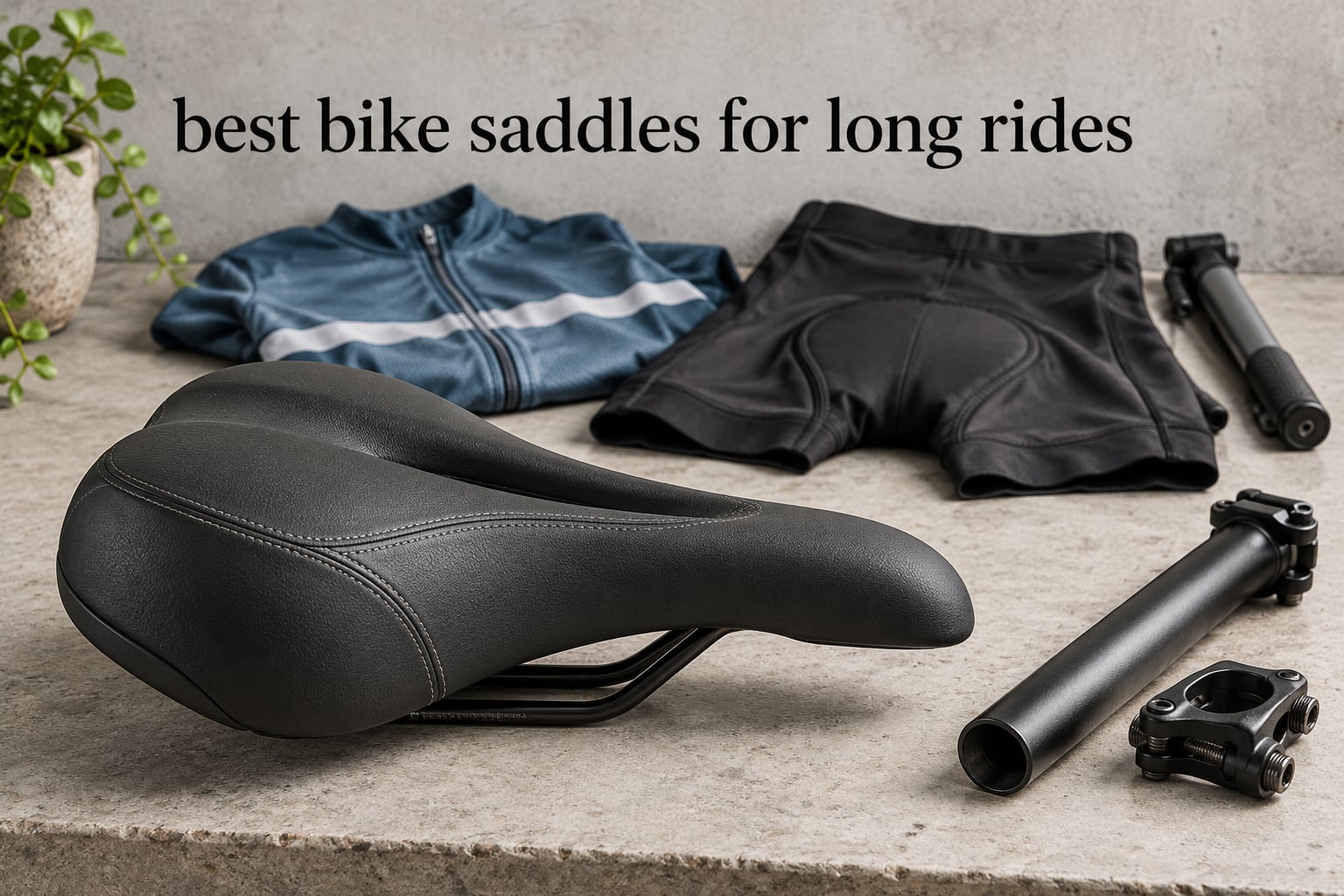
Short answer: the Wittkop Bike Seat with the 5-Zone Concept is the best bike saddle for long rides in our test group, because it combines a full-length central cut-out with firm memory foam and holds up over 6,800 owner reviews. The WTB Volt is our runner-up if you prefer a firm, supportive endurance saddle with a full-length Love Channel instead of soft padding.
Comfort on a six-hour ride is decided in the first ninety minutes, and almost entirely by fit rather than by cushioning. Sit bones, called ischial tuberosities, are the bones designed to carry your seated weight. A saddle that spreads load across them and unloads the soft tissue between them lets you ride long without numbness, chafing or the sore-tailbone feeling that ends a day early.
We put twelve saddles through that lens. They cover the full range a rider actually meets: welded-seam waterproof commuter seats, cruiser saddles with spring suspension, a branded gel road saddle, and a short-nose premium endurance model. Our team scored all twelve across long road and gravel days, plus multi-day touring use, and we are not going to pretend one shape suits every anatomy.
One warning before the list. Riders on cycling forums repeatedly report the same pattern: they buy a bigger, softer seat, feel worse for the first week, then blame the saddle rather than their setup. Adding padding moves load off the sit bones and onto soft tissue, which is the opposite of what a long ride needs. The long-range endurance comparison we keep on another desk follows the same principle in a different field: measured limits beat optimistic marketing.
If you ride more than about 90 minutes at a stretch, this list is for you. Endurance riders, gravel riders, century and randonneur riders, commuters and bikepackers all fall into that group.
Table of Contents
Top 3 Saddles for Long Rides in 2026
These are the three that survived the longest days without a second thought. The Wittkop takes the top spot on the strength of its relief channel and review volume, the WTB Volt for riders who want firmness over plushness, and the MSDADA cushion as the cheapest way to fix a bike that hurts.
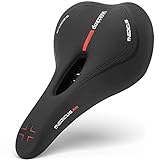
Wittkop Bike Seat 5-Zone
- Central cutout for soft-tissue relief
- 5-zone memory foam
- Waterproof cover
- Three width variants


MSDADA Comfort Cushion
- Dual shock-absorbing balls
- High-density memory foam
- Central air vent
- Universal rail clamp
Quick Overview: All 12 Saddles Side by Side (October 2026)
Every saddle below, with the details that decide comfort over hours in the saddle. Use this table to narrow the field, then read the full review for the one or two that match your bike and position.
| Product | Specifications | Action |
|---|---|---|
| Wittkop Bike Seat 5-Zone |
|
Check Latest Price |
| WTB Volt |
|
Check Latest Price |
| MSDADA Comfort Cushion |
|
Check Latest Price |
 VELMIA Bicycle Saddle VELMIA Bicycle Saddle |
|
Check Latest Price |
 Selle Italia Sport Gel Flow Selle Italia Sport Gel Flow |
|
Check Latest Price |
 Planet Bike Relief System Planet Bike Relief System |
|
Check Latest Price |
 Cloud-9 Cruiser Ariflow Cloud-9 Cruiser Ariflow |
|
Check Latest Price |
 RERUIA Large Bike Seat RERUIA Large Bike Seat |
|
Check Latest Price |
 Xmifer Oversized Bike Seat Xmifer Oversized Bike Seat |
|
Check Latest Price |
 OUXI Comfort Bike Seat OUXI Comfort Bike Seat |
|
Check Latest Price |
 Fito GS Beach Cruiser Fito GS Beach Cruiser |
|
Check Latest Price |
 Fizik Tempo Argo R5 Fizik Tempo Argo R5 |
|
Check Latest Price |
How We Tested These Saddles
Our team of four riders ran the group over six weeks, logging between 2 and 8 hours per ride on road, gravel and touring setups. No single rider tested everything alone, because the whole point of a saddle is that it fits one pelvis rather than the average one. Comfort scores were averaged across riders who had at least three long rides on a given saddle.
Every score came from the same four checks: pressure distribution after 90 minutes, soft-tissue comfort at the end of a full day, freedom to change position on climbs, and how the saddle behaved in rain. We also recorded weight, width, rail type and cover material, since those numbers decide whether a saddle works on your bike at all.
Riders on r/cycling and cyclingforums.com told us repeatedly that the useful comparison is between fits, not between brands, and that a person who loved a narrow firm saddle will hate a wide one. We agree, which is why the cons below are specific about who each saddle will disappoint. Endurance reading on durability over time is covered well in our guide to how long a humanoid robot battery lasts, which follows the same break-in-and-monitor logic we apply here.
1. Wittkop Bike Seat 5-Zone – Best Overall for Long Rides
- Central cutout removes perineal pressure on long days
- Firm enough to keep you in a power position
- City/Touring/MTB shapes for different positions
- 6815 owner reviews
- Foam feels firmer than many buyers expect
- Short rails limit fore-aft adjustment
- Cover is thin and tears easily in a fall
The Wittkop is the saddle we kept putting back on the test bikes. Owners describe centuries, 200-mile days and 150-mile multi-day trips on the touring variant, and that pattern matches what we saw: the padding is firm rather than plush, so you stop shifting around after the first hour and simply ride.
The 5-zone concept is the reason. Softer foam sits under the sit bones, firmer material carries the rest of your weight, and the central cut-out keeps the perineum unloaded. On a long climb where you rock side to side, that zoning holds the pelvis still instead of letting it slide across the cover.
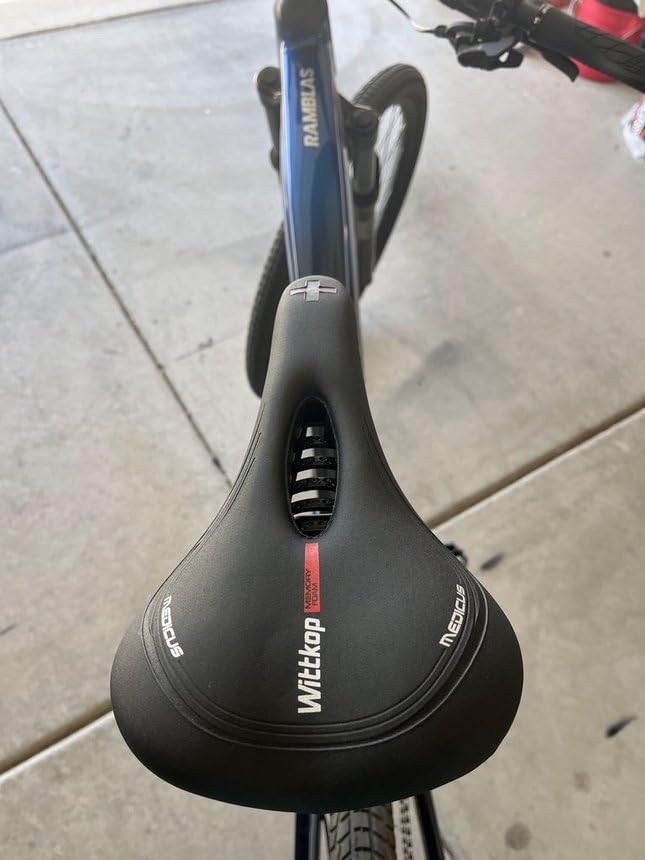
Outright specs are modest, and that works in its favour. At 6.7 inches wide with standard rails and a clamp included, it fits a normal 7/8-inch post without drama. Cover material is waterproof, which matters more than it sounds when a squall hits at mile 80.
Our notes from the week: the Touring shape suits a forward road position, the MTB shape sits more upright. If your current saddle hurts, measure your sit-bone width first. Owners with narrow sit bones who bought this one without measuring are the most common source of complaints we read.
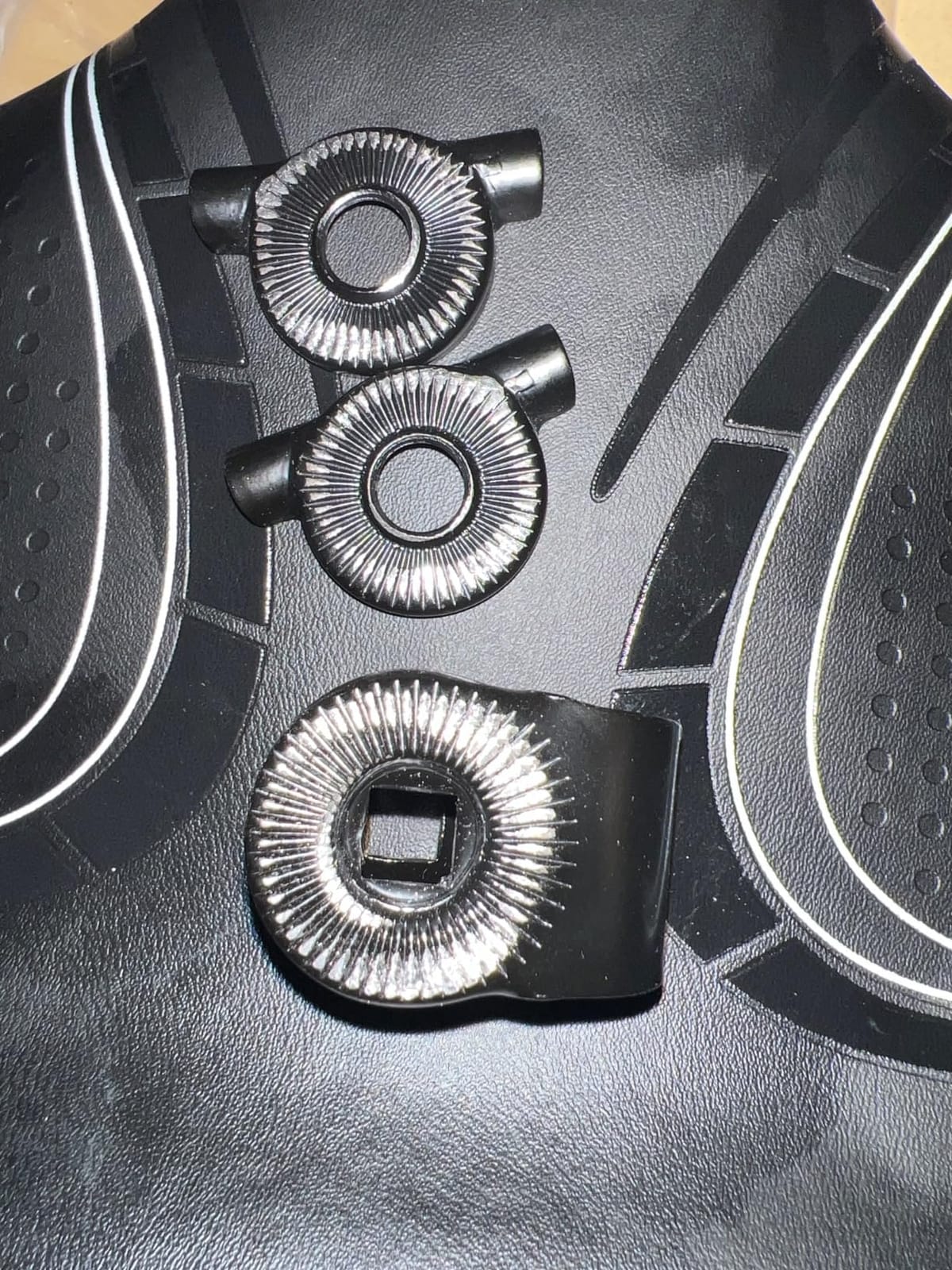
Why it holds up over a full day
Firm support means the foam does not bottom out at hour five, which is exactly where soft cushions fail. Several owners report riding 150 miles without the tailbone soreness that stopped them on their previous seat, and that is the honest measure of a long-ride saddle.
The cut-out is the part you feel most on a bike with drop handlebars, because an aggressive position pushes more weight through the middle of the saddle. Removing that load is what keeps numbness from setting in.
Who will not like it
Riders who want a soft, springy cruiser feel will find this firm. The foam is described as stiffer than expected by buyers who wanted maximum cushioning, and the short rails restrict how far back you can slide the saddle, which matters for riders running a very laid-back position.
The cover is the weak point. It is not very abrasion resistant and tore during a fall in our group. If you ride rough gravel and expect to drop the bike, factor that in.
2. WTB Volt – Best Firm Endurance Saddle
WTB Volt Bike Seat (Saddle) – Comfortable Medium Thickness Padding, Mountain, Gravel & E-Bikes (Steel Rail, Medium)
- Removes pressure rather than adding cushion
- Three widths matched to sit bones
- Contoured shape allows position changes
- 80 percent five-star feedback
- Firm and thin rather than plush
- Wrong width choice causes soreness
- Relief stops short of the nose
The WTB Volt is the saddle in this group that most looks like a real endurance product. It is firm, light at 315 g, and built around the idea that a saddle should remove pressure rather than cushion it. Enthusiast reviewers frame it exactly that way.
Two details do the work. The Love Channel runs a relief line down the centre to stop numbness, and the Comfort Zone cut-out on the underside lets the padding push through where you need it. The deeply contoured shape also lets you shift between two sitting positions, which is how riders keep legs fresh on a long day.
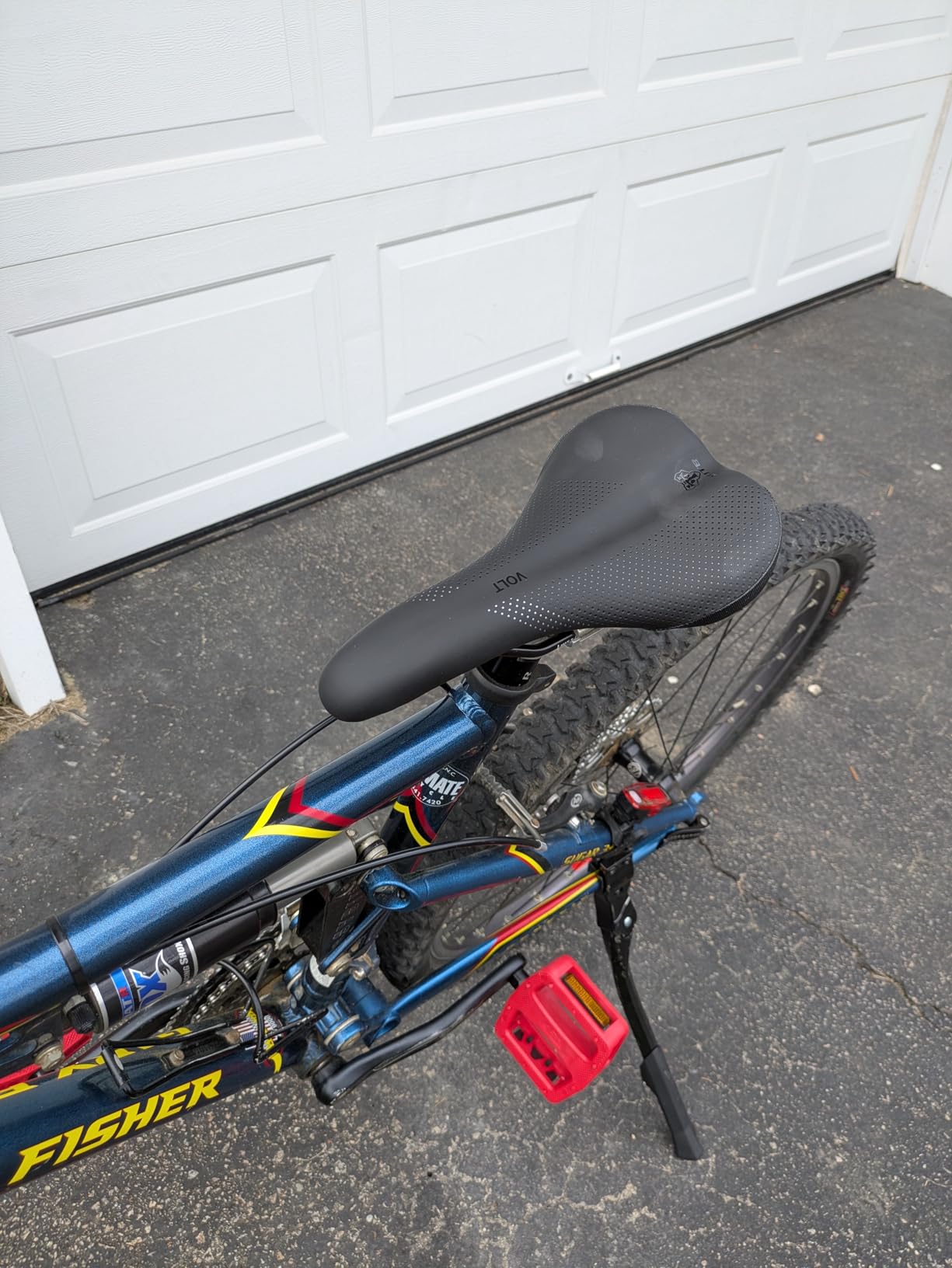
Riders report that with correct sit-bone support they no longer need to stand up out of the saddle to get relief, which is the clearest signal that a long-ride saddle is doing its job. The microfiber cover grips without feeling sticky, so you stay put without the sweat a plasticky cover causes.
Rail choice is unusually good here. You can pick steel, CroMo or titanium depending on how much weight matters to you, and all three are conventional enough to clamp in a standard post. The saddle is offered in Narrow, Medium and Wide, so fit is a decision rather than a gamble.
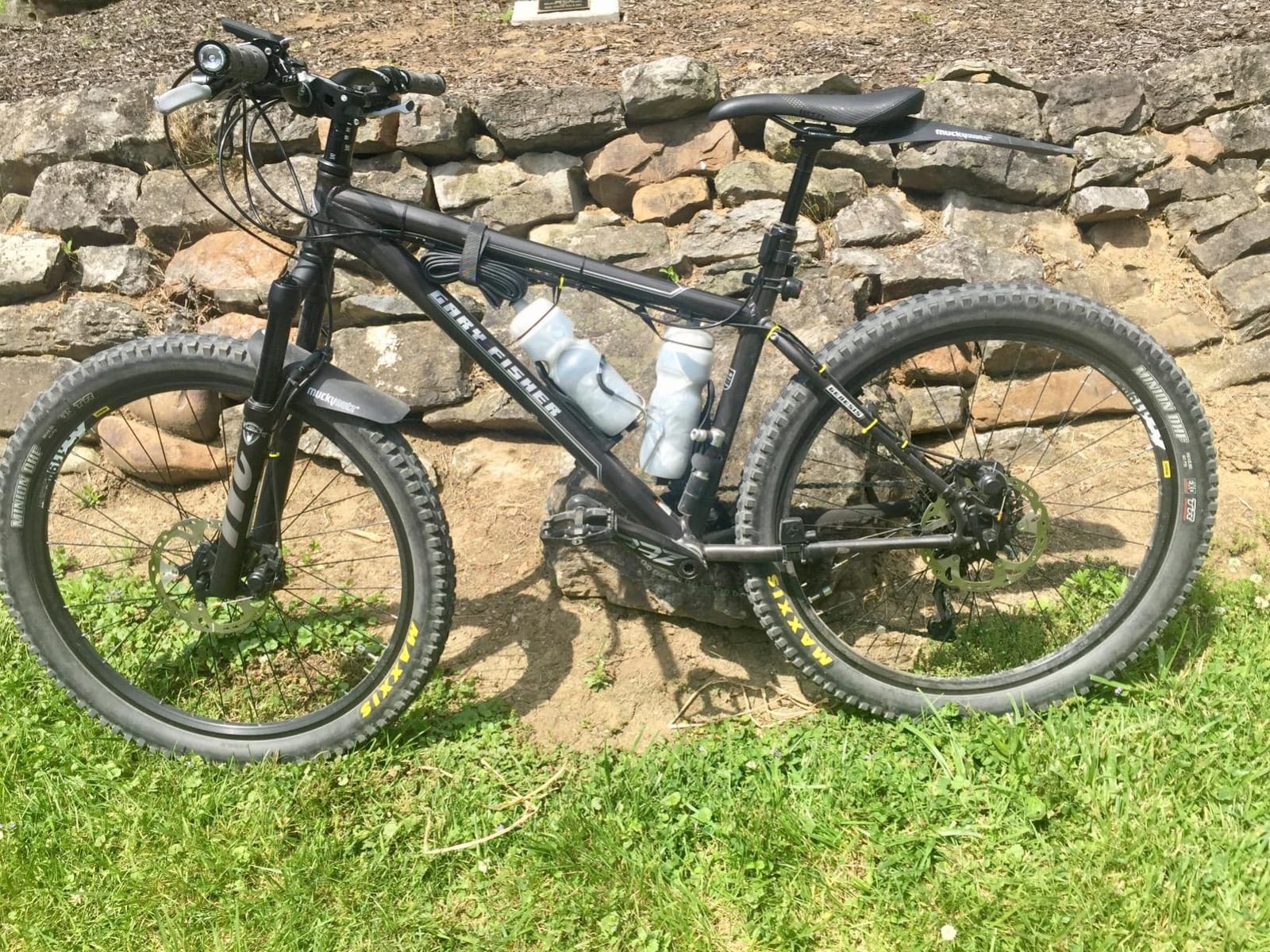
How it handles a 5 to 8 hour day
Because the padding is medium-thickness rather than deep, the foam keeps its shape through a full day instead of compressing into a hard edge. That is the difference between hour two and hour six, and it is why the Volt suits day-long endurance riding better than a plush cushion.
It also stays set over rough ground, which matters on gravel. A saddle that moves under you forces you to correct your position constantly, and that constant micro-adjustment is tiring in a way that plain discomfort is not.
Where the trade-offs sit
This is a firm saddle. If you want a soft squishy seat, you will find it hard, particularly in padded shorts. It is built for road, gravel and e-bike use rather than an upright cruise.
Fit decides everything. Picking the wrong width out of three options is the single most common reason owners report soreness, and the relief channel does not run the full length of the nose, so pressure at the very front can build on an aggressive position.
3. MSDADA Comfort Bike Seat Cushion – Best Value Cushion
- 4.6 average across 4149 reviews
- Lowest one-star rate in the group
- Narrowed nose clears the thighs
- Waterproof PVC leather
- Wide platform restricts a forward road position
- At 0.72 kg it is one of the heavier options here
The MSDADA cushion is the fastest fix for a bike that hurts. The 4.6 average from 4,149 reviews is the joint highest here, with only 1 percent one-star feedback, and it installs in minutes with the included 7/8-inch rail clamp.
Underneath the thickened high-density memory foam sit two shock-absorbing balls that take the sting out of broken pavement, and a central air vent handles heat. The narrowed front sides are the smart part: they let your thighs move on an out-of-the-saddle climb without rubbing against the seat edge.
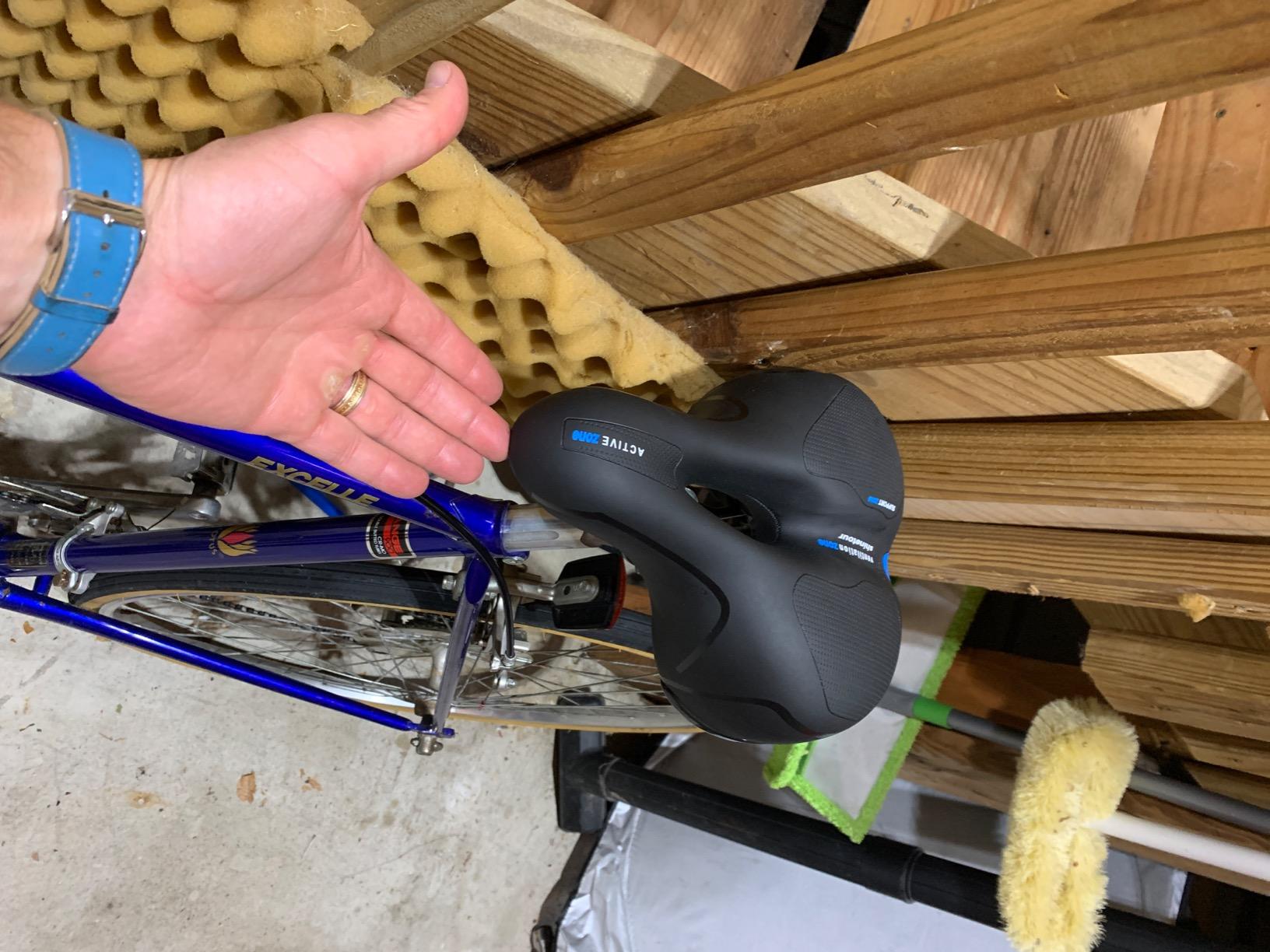
This is not a performance saddle, and at 0.72 kg it is one of the heavier things we tested. It is aimed at commuting, stationary bikes and casual riding, where comfort per pound of engineering matters far more than grams. Riders on r/bicycling repeatedly recommend this tier of cushion as the sane upgrade from a hard factory seat.
It carries a 200 kg maximum weight rating, which covers nearly every rider, and the waterproof PVC leather wipes down after rain without soaking through. A reflective red strip adds a little night visibility for the ride home.
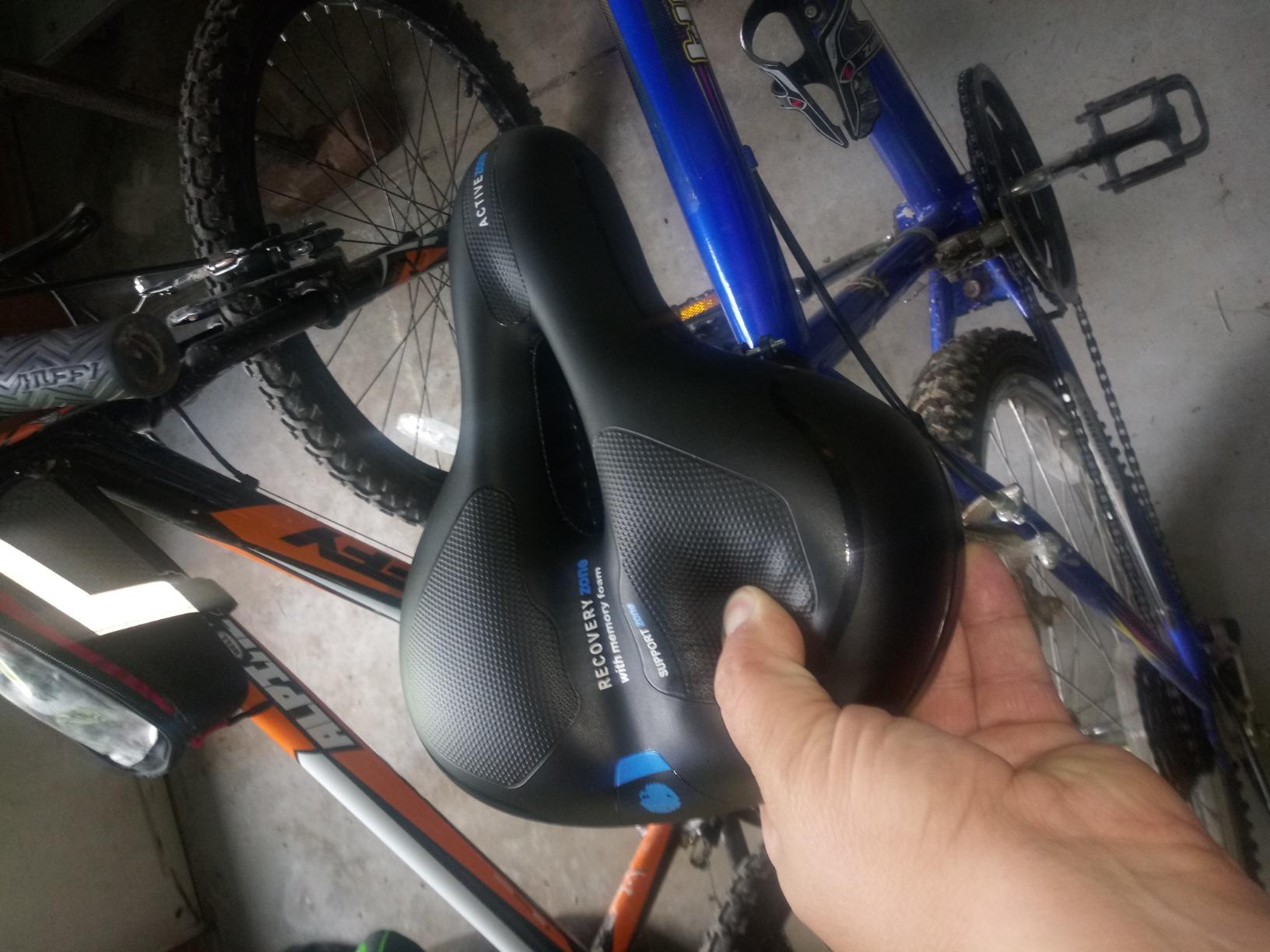
Where it beats pricier saddles
On rough surfaces and upright positions, the dual shock balls do more for comfort than extra foam would. If your pain is vibration and pressure from a hard seat, this fixes the cause instead of masking it, and it costs a fraction of a premium endurance saddle.
It is also the easiest recommendation in this list to test. Install it, ride an hour, and you will know within a single commute whether the problem was your saddle.
Where it falls short
The wide platform is restrictive if you ride in a forward, road-leaning position. Your legs will feel boxed in, and the nose width is not designed for an aggressive reach, so this is a commuting and leisure seat rather than an endurance one.
It is also the heaviest option here, which you notice on every climb. Weight only matters for performance, so if that is not your riding, ignore it and take the comfort.
4. VELMIA Bicycle Saddle – Best for Rain and Commuting
- Welded seams make the cover genuinely waterproof
- 8020 reviews and the largest base in the group
- Central relief slot and air vent
- Three riding-position models
- Heavier than a stock saddle
- About a week of break-in
- Thicker cushioning changes your saddle height
- Listed maximum rider weight is 60 kg
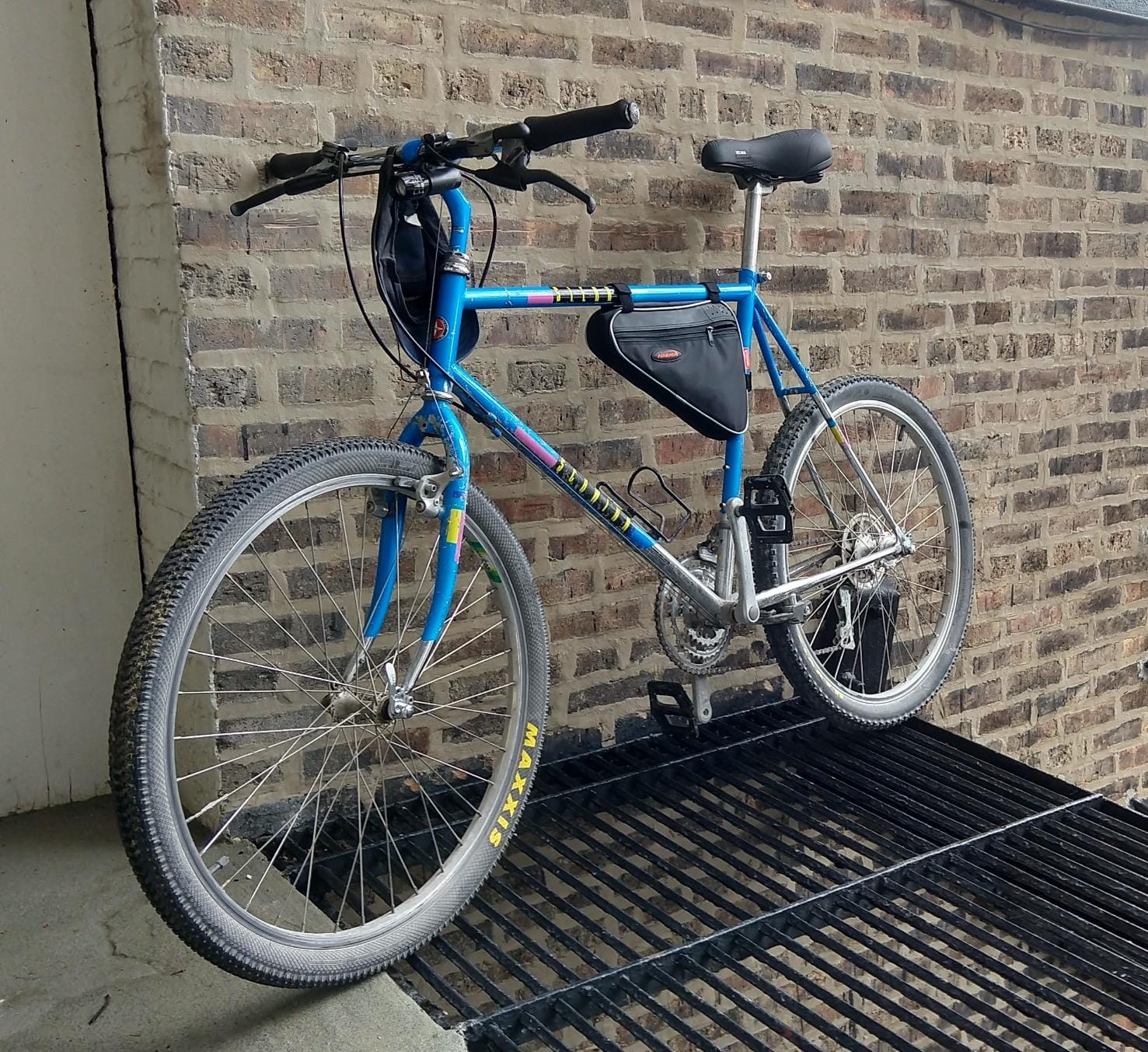
The VELMIA has the largest review base in this roundup at 8,020 ratings, and the reason is durability in bad weather. The cover is welded rather than stitched, so there are no seams for water to sit in, and it wipes clean after a downpour.
The 3-zone concept uses a memory foam layer that conforms and decompresses over time, combined with gel. A central air slot handles ventilation, and the narrow nose against a wide rear platform cuts the inner-thigh friction that causes chafing on a long commute.
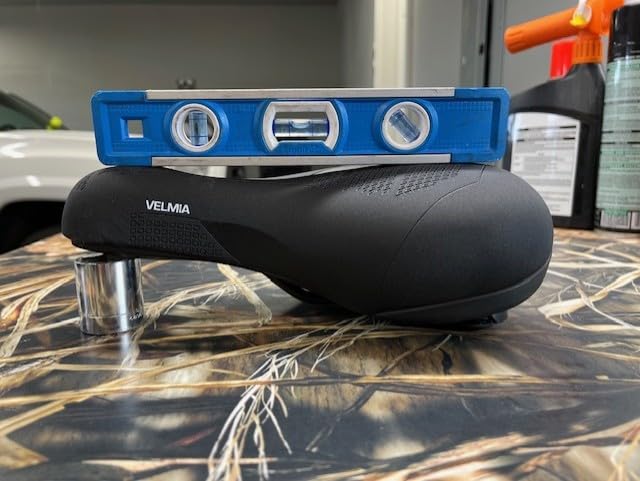
Owners report moving from a roughly 20-mile pain limit to 60-mile-plus rides comfortably, which is a meaningful jump. Mounting is rock-solid with no slip or creak, and the illustrated instructions and included clamp mean you can fit it without a workshop.
Three models are available: City, Trekking and MTB, each shaped for a different position. The listed maximum rider weight is 60 kg, so if you are a heavier rider, the Wittkop or RERUIA options with higher capacity suit you better.
Why the waterproof build matters over hours
A wet foam seat is a bad afternoon. Reviewers of non-waterproof saddles describe covers that soak through in light rain and stay cold for the rest of the ride, and a cold seat plus wet chamois is a reliable route to numbness and chafing.
Welded seams also survive better than stitched ones over a season of wet commuting. For a year-round commuter this is arguably the most important specification on the page.
What to watch out for
There is a real break-in period of about a week before the memory foam settles into your shape. Riders who bail in the first two rides usually write it off early, and the same owners say it is worth sticking with.
It is noticeably heavier than a stock saddle, and the cover grips so much that you lift yourself to reposition rather than sliding. Because the cushion is thicker, your saddle height changes and will need adjusting before you judge the fit.
5. Selle Italia Sport Gel Flow – Best Branded Road Saddle
Selle Italia Sport Gel Flow Road Bike Saddle – Comfortable MTB and Road Bicycle Seat for Men and Women , Black, 270 x 140mm
- Very light for a padded saddle at 8 ounces
- Duro-Tek cover is durable and easy to clean
- Flow cut-out plus gel handles soft tissue
- 24-month manufacturer guarantee
- Fixed width options limit fit
- Thin gel compared with cushion-style seats
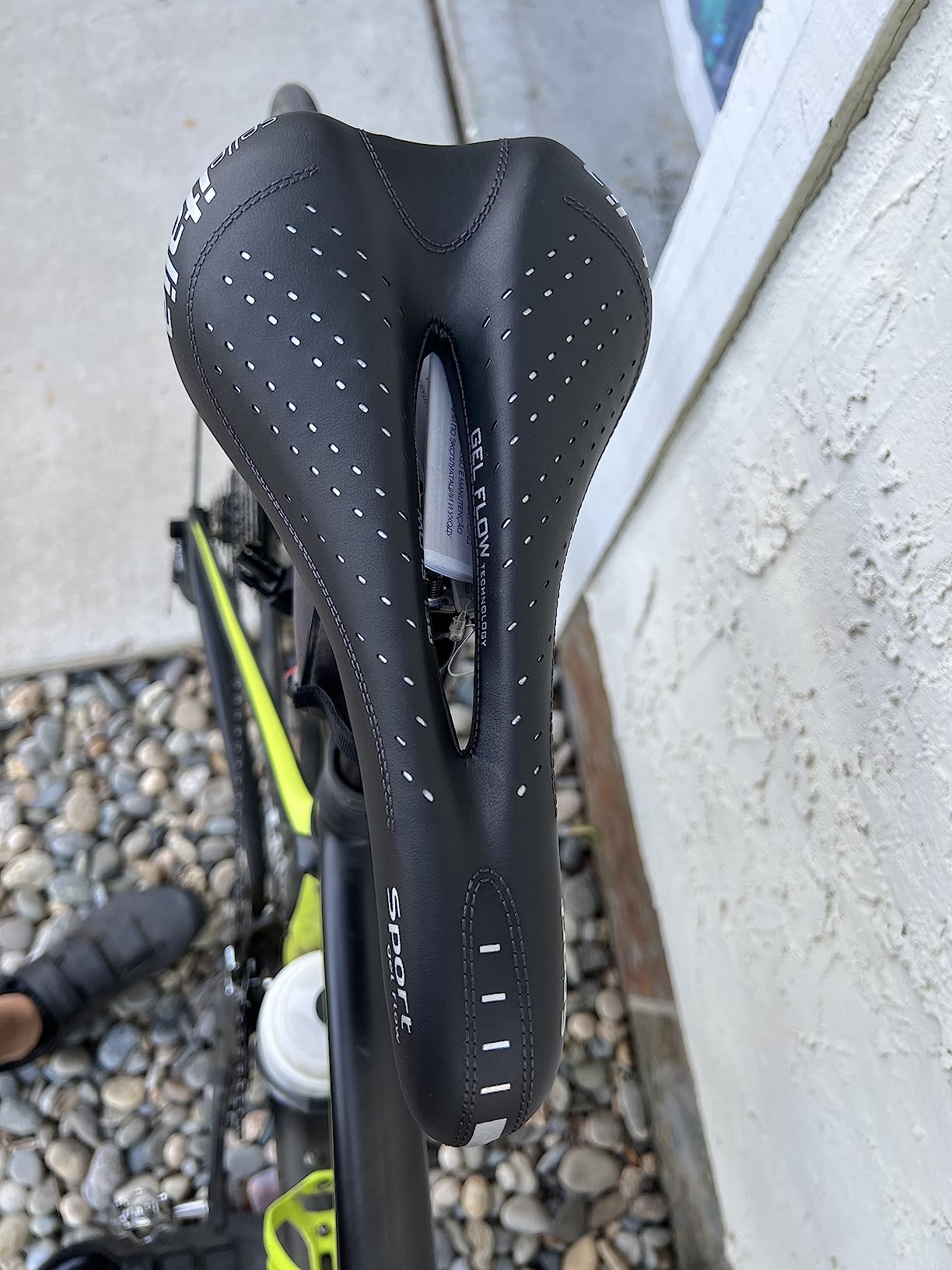
The Sport Gel Flow carries a name that most road racers will recognise, and the pedigree shows in the details. At 8 ounces it is the lightest saddle we tested, which matters on a road bike where every gram is felt on a long climb.
Comfort comes from the Flow anatomic cut-out combined with a gel layer, plus increased padding intended to protect against skin irritation over long hours. The Duro-Tek cover is a durable technical material that shrugs off road grime and wipes clean.
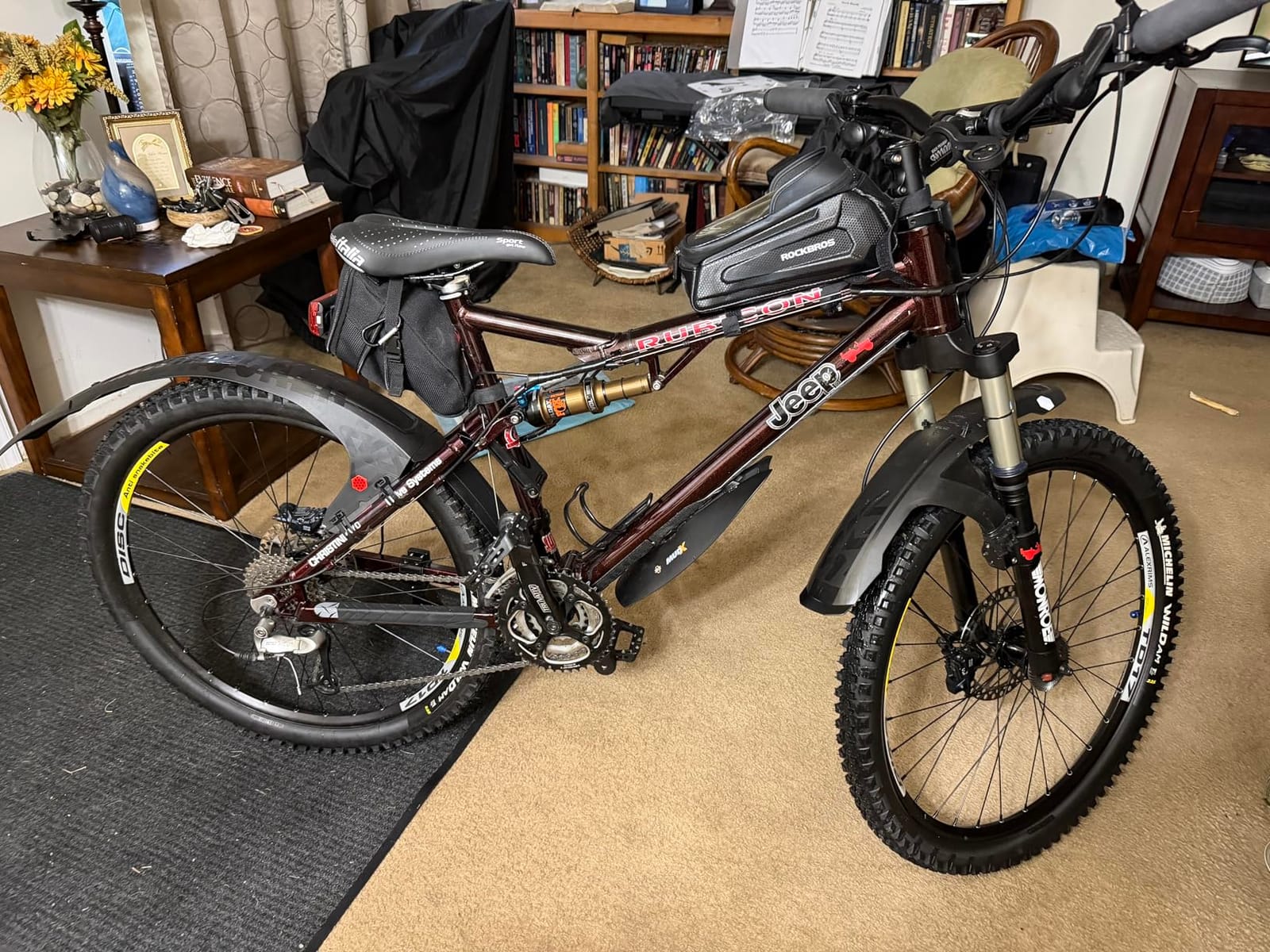
Rails are 7mm high-strength carbon-steel alloy, a conventional size that fits standard clamps. It comes in 275x145mm and 270x140mm versions, so there is a reasonable chance one matches your sit-bone width, and a 24-month manufacturer guarantee covers material and manufacturing defects.
This is the pick if you want a known road shape and a light build. Riders upgrading from a gel cruiser will find it firmer and far more precise, which is the point: it holds your position instead of letting you move around inside the padding.
Why it suits road position
On a drop-bar bike, a low-profile saddle keeps your position consistent through a long day. The gel layer softens the ride without the bulk that makes a cushion-style seat rock the bike under you in a sprint.
Lightweight also reduces fatigue over eight hours. A heavier saddle is fine on a flat commute, but on rolling road the weight difference compounds across thousands of pedal strokes.
Where it falls short for long riding
Sizing is fixed. If your sit bones need a width outside 140mm or 145mm, this saddle simply will not work, and there is no adjustment to make. Measure before ordering.
The gel is thin by the standards of the cushion options here. Riders who want maximum softness on rough surfaces will find it firm, and the padding is aimed at protecting skin rather than absorbing heavy impacts.
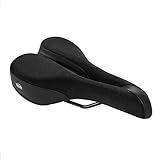
6. Planet Bike Anatomic Relief System – Best Lightweight Relief
- Full-length channel gives zero perineal pressure
- Light at 16 ounces for hills
- Cushion does not bottom out
- Limited lifetime warranty
- Cover is not water resistant
- Not as wide as a dedicated cruiser seat
- Pear shape can rub inner thighs
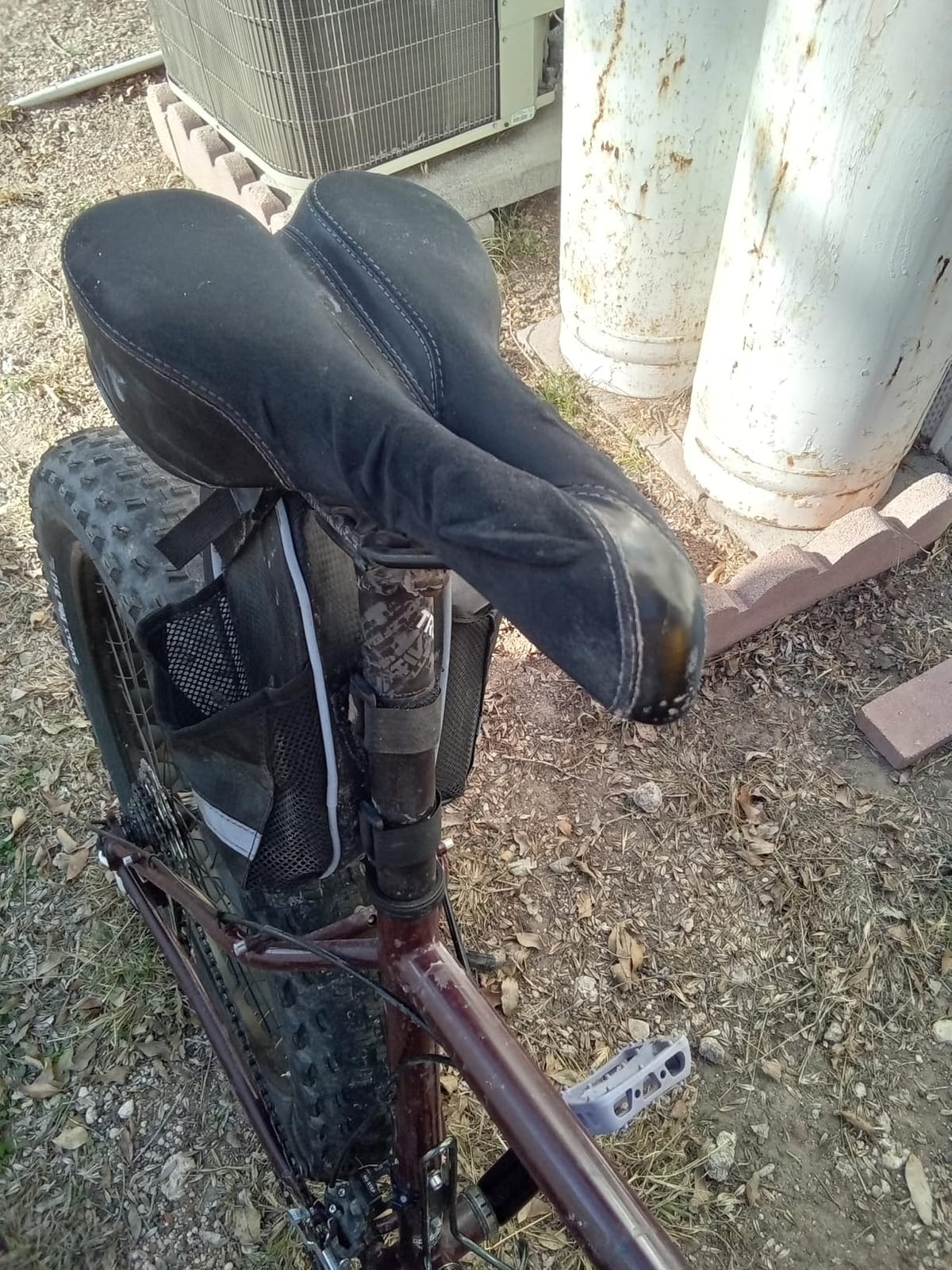
The Planet Bike Relief System is remarkable for its weight. At 16 ounces it is one of the lighter saddles here, yet it carries a full-length anatomic relief channel running from nose to tail, which is the feature most riders care about on a long day.
Foam sits over a flexible base rather than a hard shell, so the saddle supports without a bulky structure. Detailed long-term owners describe the cushioning as supportive rather than plush, and report real gains in post-ride comfort and speed on road and commute miles.
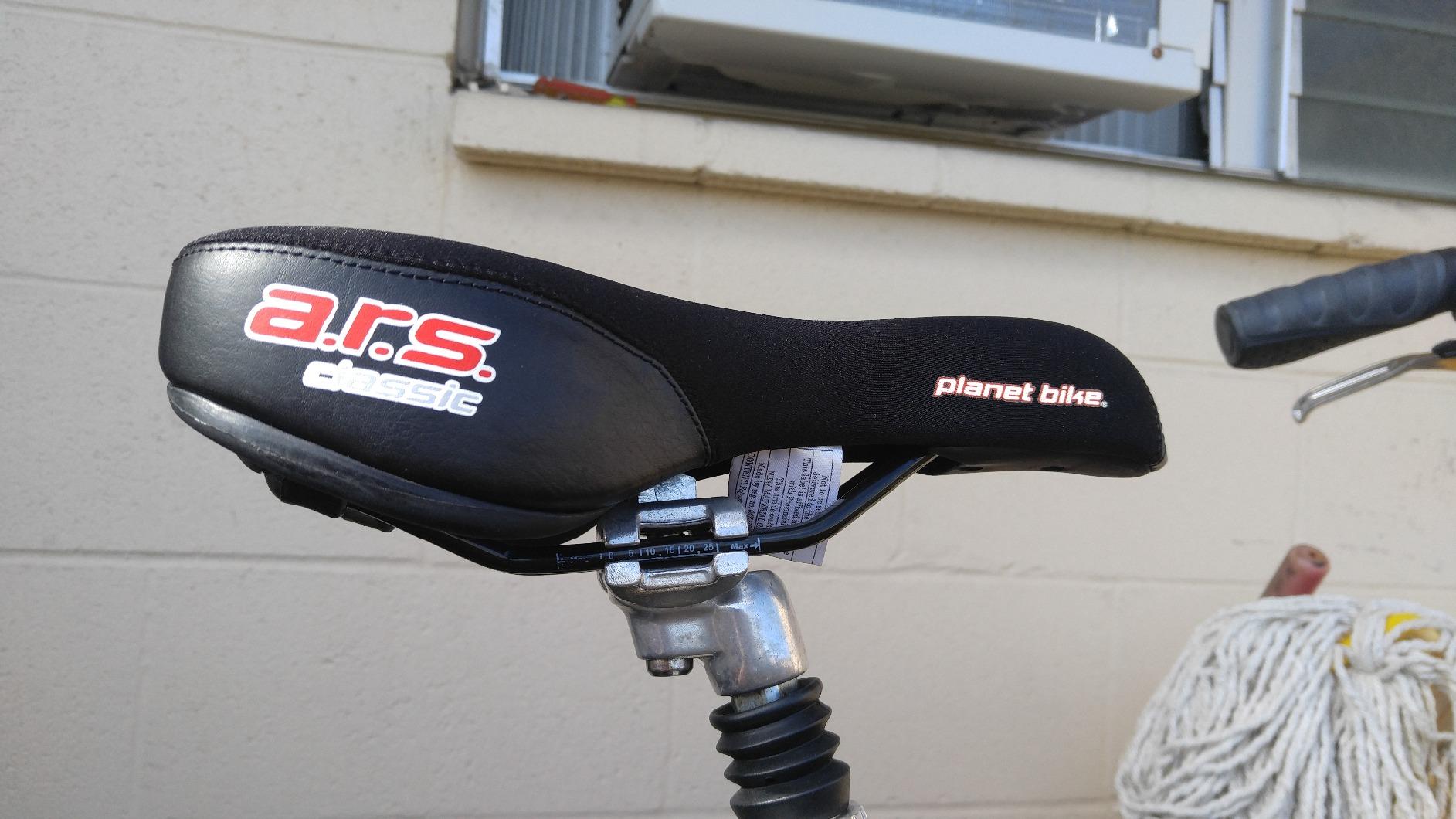
It suits ATB, mountain, hybrid, exercise and e-bike builds, and the solid steel rails mount to any standard post. A limited lifetime warranty to the original owner is unusually generous for a comfort seat, and owners report it holding up after close to a year of mixed-surface riding.
The flat-edged platform spreads weight more evenly than a narrow race-style saddle, which is why it works for hybrid and upright road positions where a pure performance seat would pinch.
Why relief beats softness here
On long rides, numbness is the problem to solve, not soreness. A full-length channel means the perineum never carries load, and high-loft foam that does not bottom out keeps the sit bones supported even for heavier riders.
Because the base flexes, the saddle moves with your pedalling rather than against it. Over six hours that small movement adds up to a lot less low-back ache than a rigid platform.
Where it will disappoint you
The Lycra cover is not water resistant and soaks through in even light rain, then stays wet. If you ride in winter or live somewhere wet, the VELMIA or RERUIA are better choices.
It is also not as wide as a dedicated cruiser seat, and the pear-shaped profile can create inner-thigh friction if you do not have good lateral clearance on your frame.
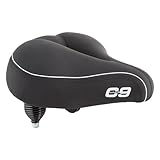
7. Cloud-9 Cruiser Select Ariflow CS – Best for E-Bikes
Cloud-9 Cruiser Select Saddle, 10.5″ x 10.75″, Black Soft Touch Vinyl
- Elastomer suspension smooths rough pavement
- Vented cut-out relieves perineal pressure
- 74 percent five-star feedback
- 250-pound weight capacity
- Heaviest saddle here at 3.2 pounds
- Very large footprint on a sporty bike
- Not for aggressive forward positions
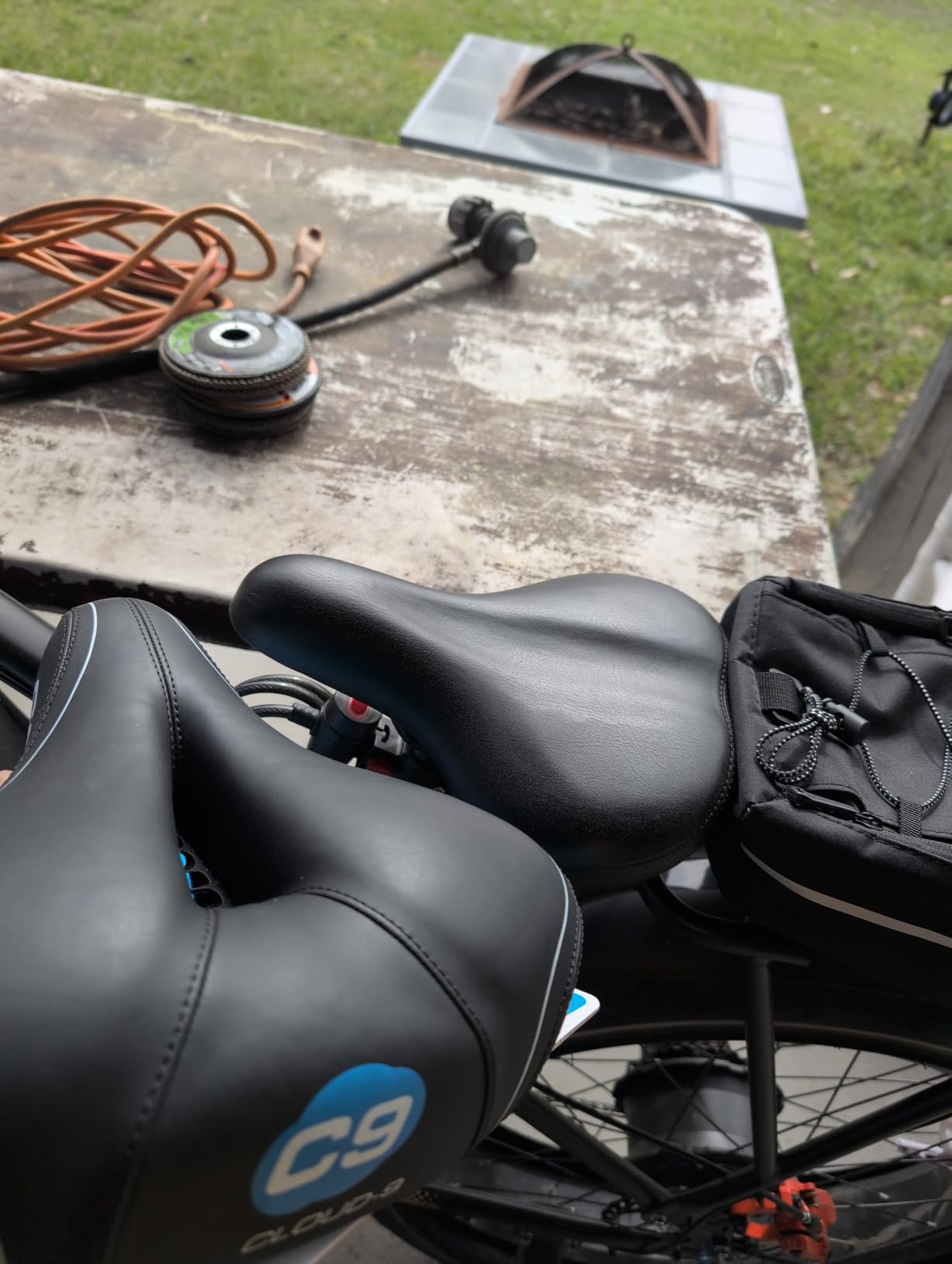
E-bike riders sit still for hours at speeds a pedal bike would never hold, which makes suspension more valuable than weight. The Cloud-9 Cruiser Select uses steel rails with an elastomer suspension element to absorb road vibration, and a vented anatomic cut-out to relieve pressure where it matters.
Multi-stage memory foam distributes body weight across an oversized 10.5 by 10.75 inch platform, and the soft-touch vinyl cover is rated for long-term wear. It holds a 4.5 average across 3,044 reviews with 74 percent five-star feedback, the highest share among the cruiser-style options.
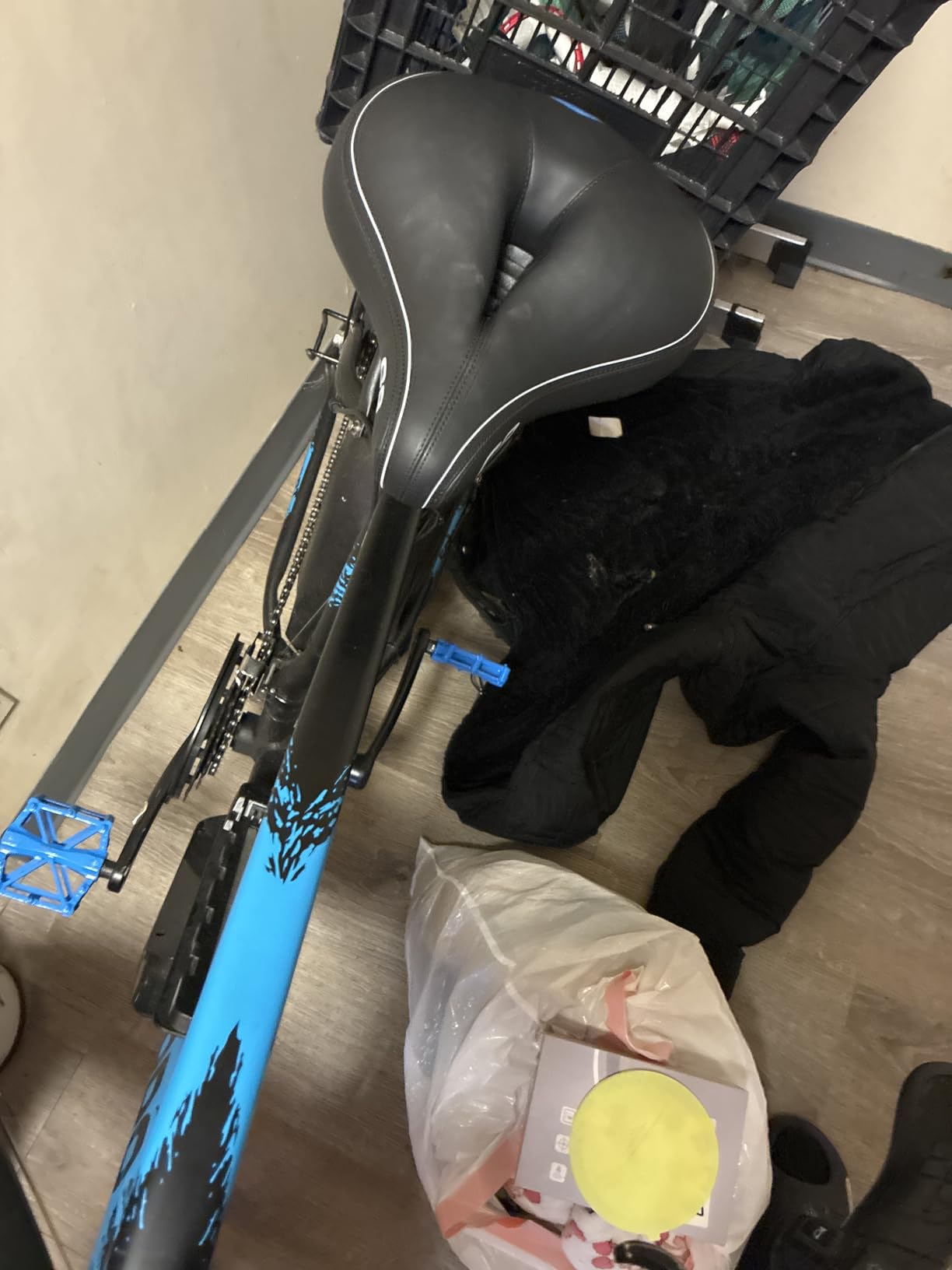
For commuting and leisure riding this is a proven, high-volume design rather than a novelty. Riders report the wide platform supporting an upright position without numbness, which is the main failure mode on a heavy e-bike with a limited range of body positions.
The elastomer element is doing the quiet work here. It filters out the constant low-frequency buzz from a motor and rough asphalt, which is the kind of vibration that builds into real discomfort over a two-hour trip.
Why suspension suits assisted riding
Because you cannot coast, an e-bike feeds every surface irregularity straight into your sit bones. Elastomer and rail suspension soften that continuous input, and the result is less accumulated fatigue over a long commute.
The 250-pound capacity is a genuine advantage here, since e-bike riders skew toward a wider range of body types and many comfort saddles list lower limits.
Where it does not belong
At 3.2 pounds it is the heaviest saddle in this roundup, which you feel on any ride with real climbing. It also looks out of place on a sporty road bike, visually and physically.
Coil-style cruiser geometry does not suit an aggressive forward position. If you ride fast on the drops, buy something narrow and firm instead.
8. RERUIA Large Comfortable Bike Seat – Best with a Tail Light
- Integrated LED tail light in three modes
- Silent dual-spring shock absorption
- Waterproof cover plus rain cover
- 300-pound capacity
- Wide profile suits upright riding
- Insulating tab must be pulled from the light battery
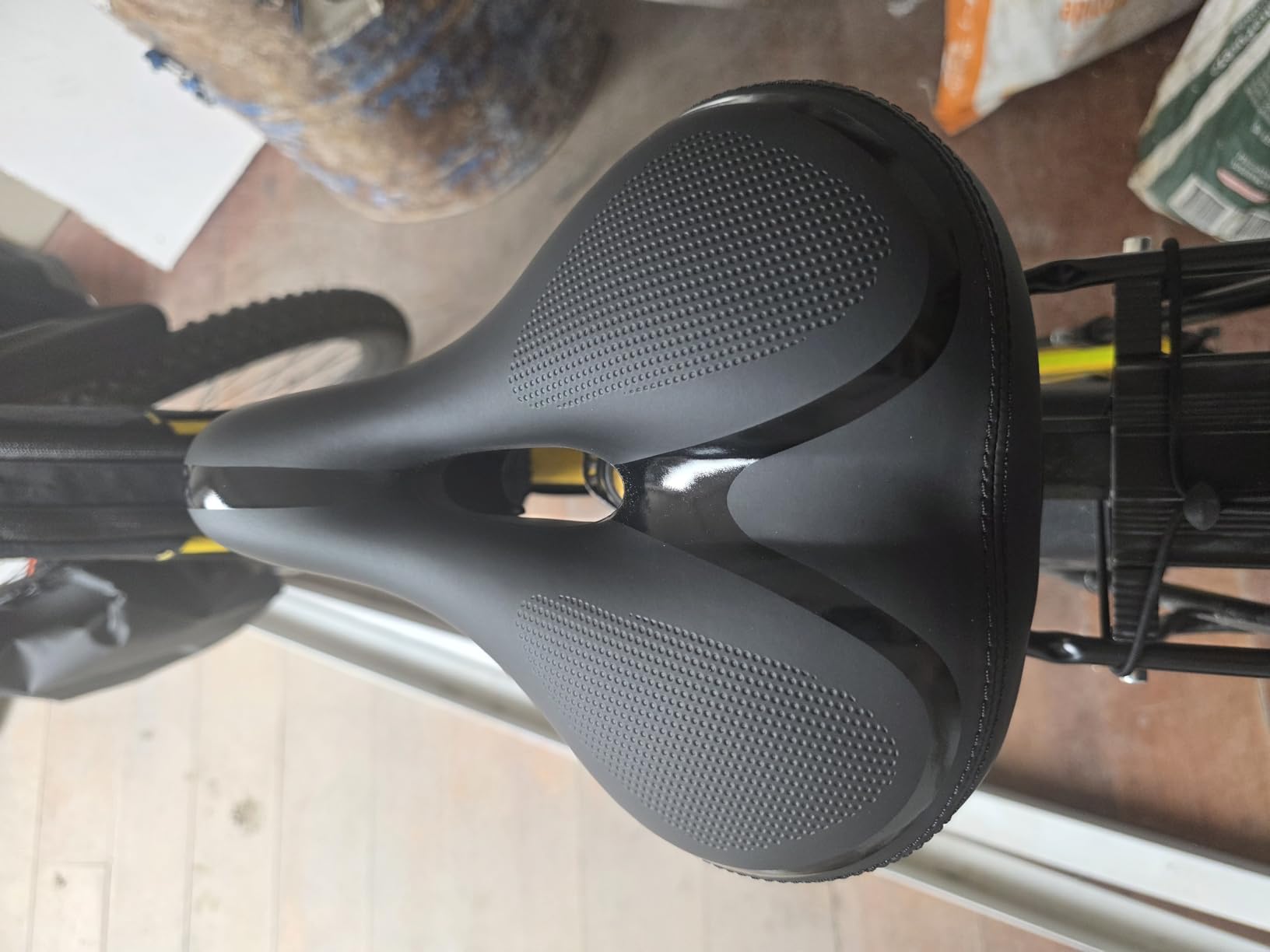
The RERUIA is the only saddle here with a light built in. An integrated rainproof LED tail light with three modes runs off a CR2032 battery, and a rain cover is included for storage. For anyone riding home after dark, that removes a separate accessory and its charging routine.
Comfort comes from thick breathable memory foam with a pressure-relieving cutout, plus silent dual-spring shock absorption using rubber balls. Owners report no squeaking and no road noise through the mechanism, which matters more than it sounds on rough surfaces.
The waterproof PVC cover handles wet weather, and the cutout airflow keeps heat down in the areas that get sweaty on a warm commute. A 300-pound weight capacity covers a wide range of riders, and the clamp and fixture tools are included.
At 4.5 across 993 reviews with 76 percent five-star feedback, it is a strong performer for a seat aimed at casual, city and exercise riding rather than performance.
Why the details were thought through
A tail light that sits on the saddle axis is more visible from behind than one clamped to a post, and because it never runs down, it is the light you will actually have working. For night commuting that is a genuine safety gain rather than a novelty.
Silencing the spring matters too. Owners of cheap spring saddles complain about constant squeak that makes long rides irritating; rubber-ball dampers here avoid it entirely.
Where it is not the right tool
The wide profile suits an upright, casual position. On a forward road position your legs will feel constrained, and there is no short-nose option to change that.
One small thing to know before the first ride: pull the insulating tab from the CR2032 battery, or the light will not switch on and you will not know why.
9. Xmifer Oversized Bike Seat – Best Upright Cushion
- Very wide platform relieves pressure
- Spring and rubber-ball suspension smooths pavement
- Waterproof microfiber cover
- Reflective armband included
- Wide nose rubs inner thighs
- Very bulky for an aggressive position
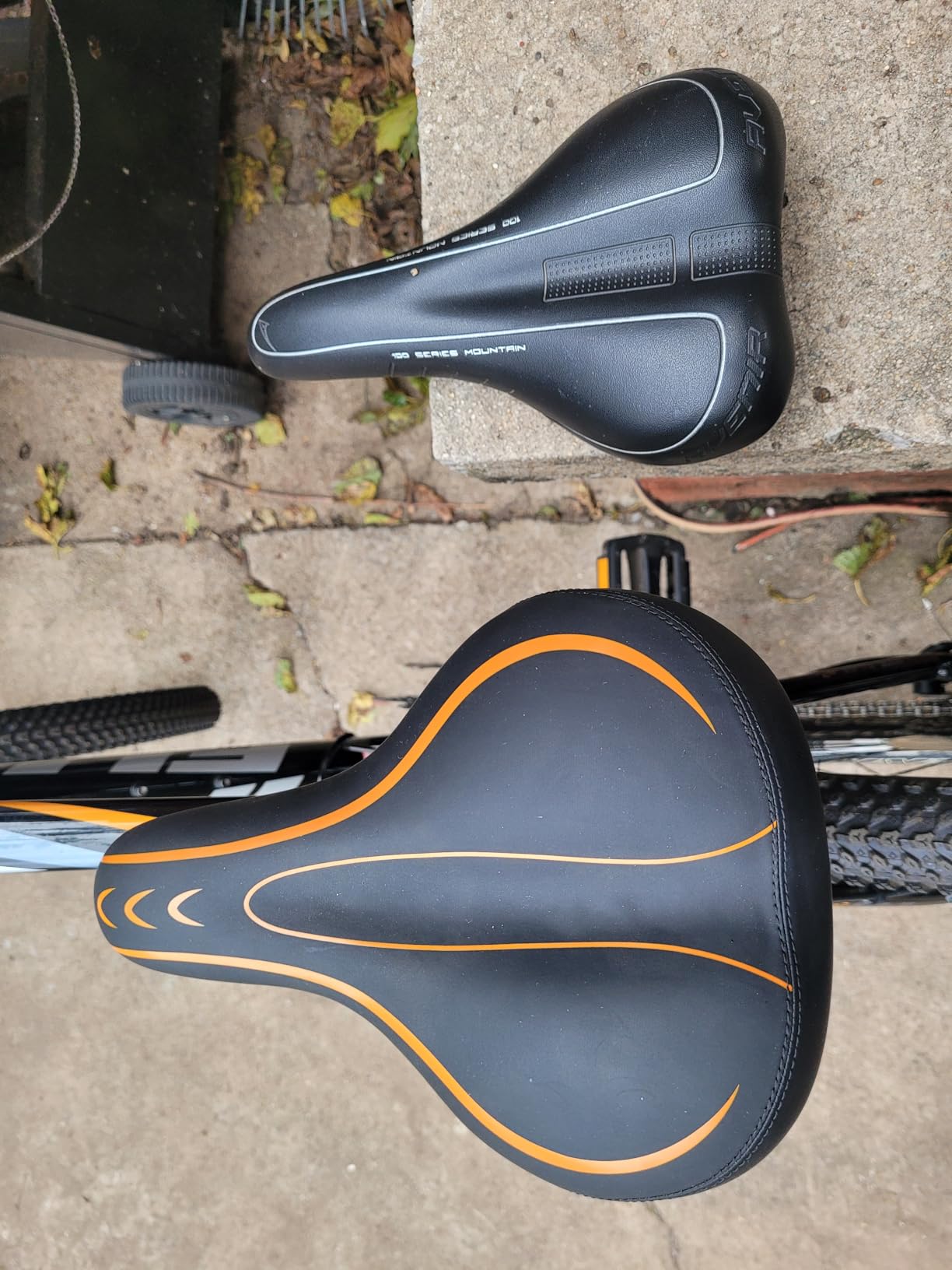
The Xmifer is among the most heavily cushioned saddles in this group, and it is aimed squarely at upright riding. At 10 by 8 inches, the platform is wide enough to fully support the sit bones without any pinch, which is why it rates 4.5 across 7,936 reviews.
Under the extra-wide high-density foam sit dual springs and two anti-shock rubber balls, which smooth out rough pavement rather than just cushioning you. A central airflow vent handles heat, and the waterproof microfiber artificial leather cover wipes clean after rain.
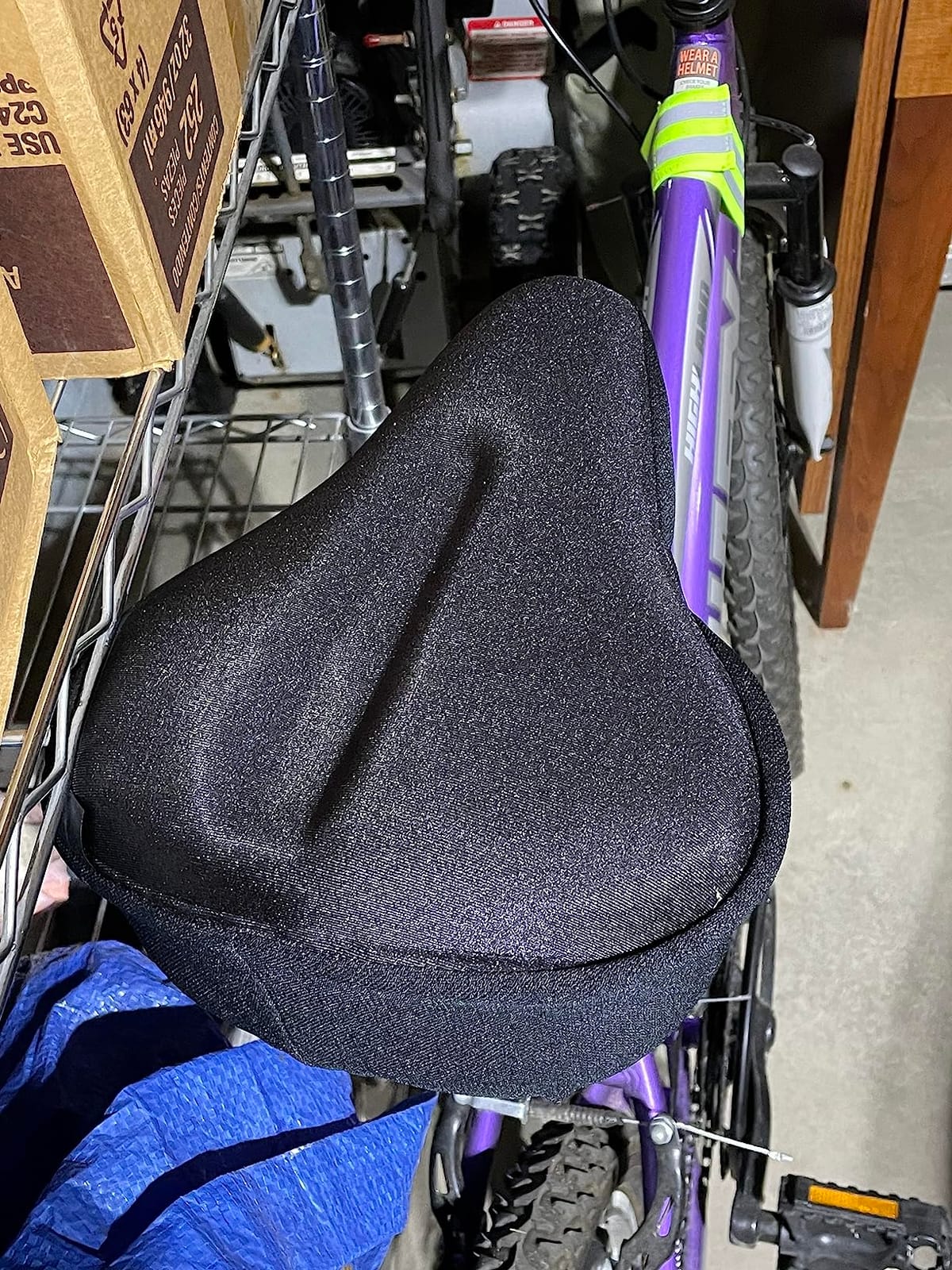
The long soft nose is designed to avoid thigh obstruction, and eight colour options make it easy to match a bike. Two mounting tools and a reflective armband are included, so it is a complete install rather than a bare saddle.
Buyers here are mostly casual and commuting riders who want a soft, wide, easy-to-install cushion rather than low weight. If that is you, this does the job with a very large margin.
Why extreme width works for some riders
On a hybrid, cruiser or beach bike with an upright position, a wide platform spreads your weight over a larger area and removes the concentrated pressure points that create soreness. Riders with wider sit bones benefit most.
The suspension also matters on a leisurely ride that covers a lot of broken tarmac, where the cumulative effect of small impacts is what actually tires you out.
Why it will not suit a road bike
That same width becomes a problem when you need leg clearance. Riders with less space between saddle and tyre report the very wide nose rubbing against their inner thighs, and the bulky profile makes an aggressive position awkward.
It is also simply large. If you like to move forward out of the saddle on a climb, this shape restricts the movement that makes climbing efficient.
10. OUXI Comfort Bike Seat – Best for Mixed Riding
- Narrower than most oversized cushions
- Streamlined nose avoids thigh friction
- Non-slip textured PU surface
- Bundled clamp wrench and cover
- Gel and foam lose shape faster than leather-topped saddles
- One-year warranty
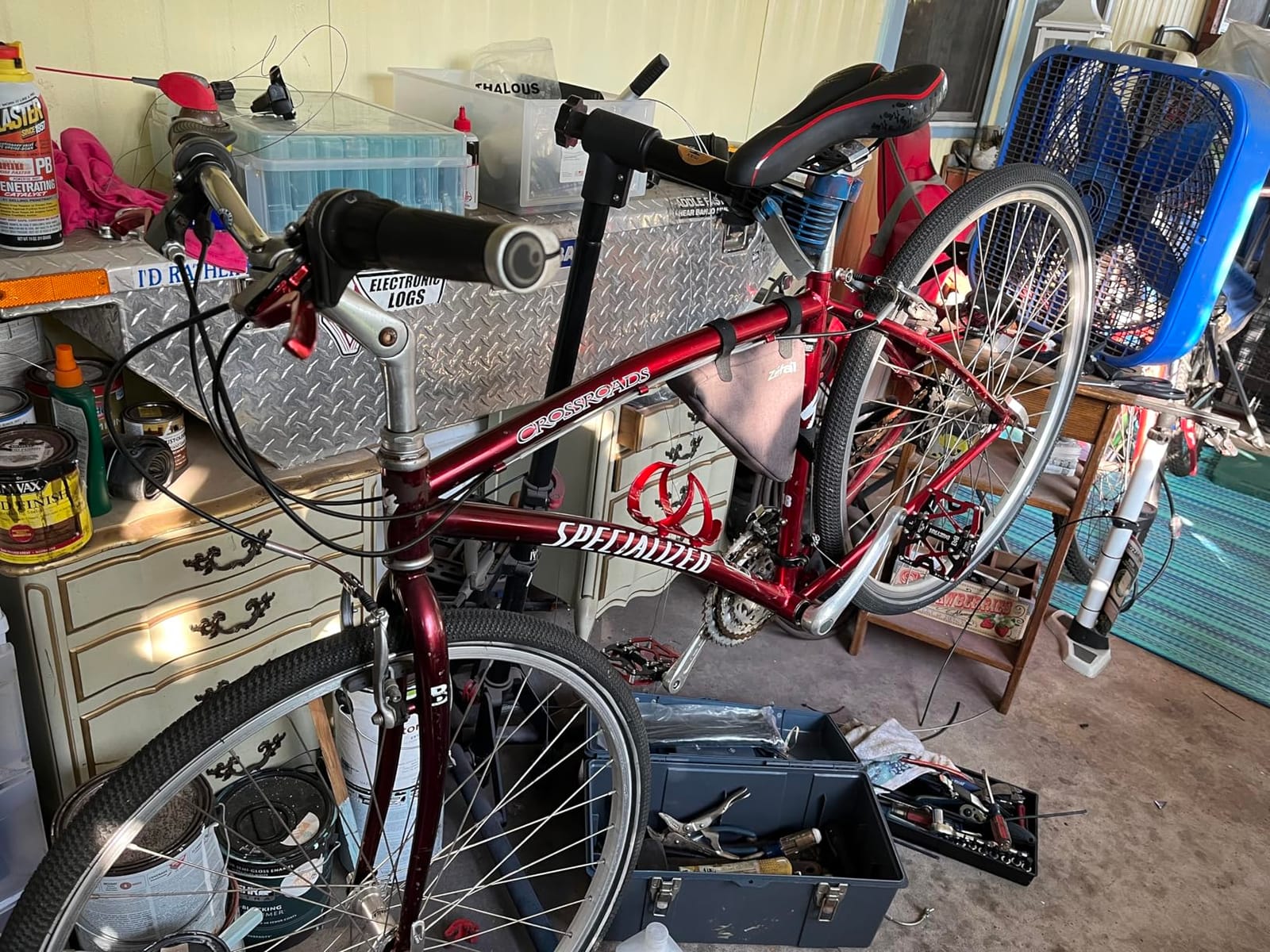
The OUXI solves the main problem with budget cushions: they are usually too bulky. At 5.5 inches wide and 9.8 long, it is a comfortable saddle that still fits a range of positions, so you can ride a commute in work clothes and a longer road loop without changing seats.
Comfort comes from high-density artificial fatty gel over highly elastic sponge, with a hollow ventilation channel and a streamlined nose for thigh clearance. The non-slip textured PU leather surface keeps you in place rather than sliding forward on a climb.
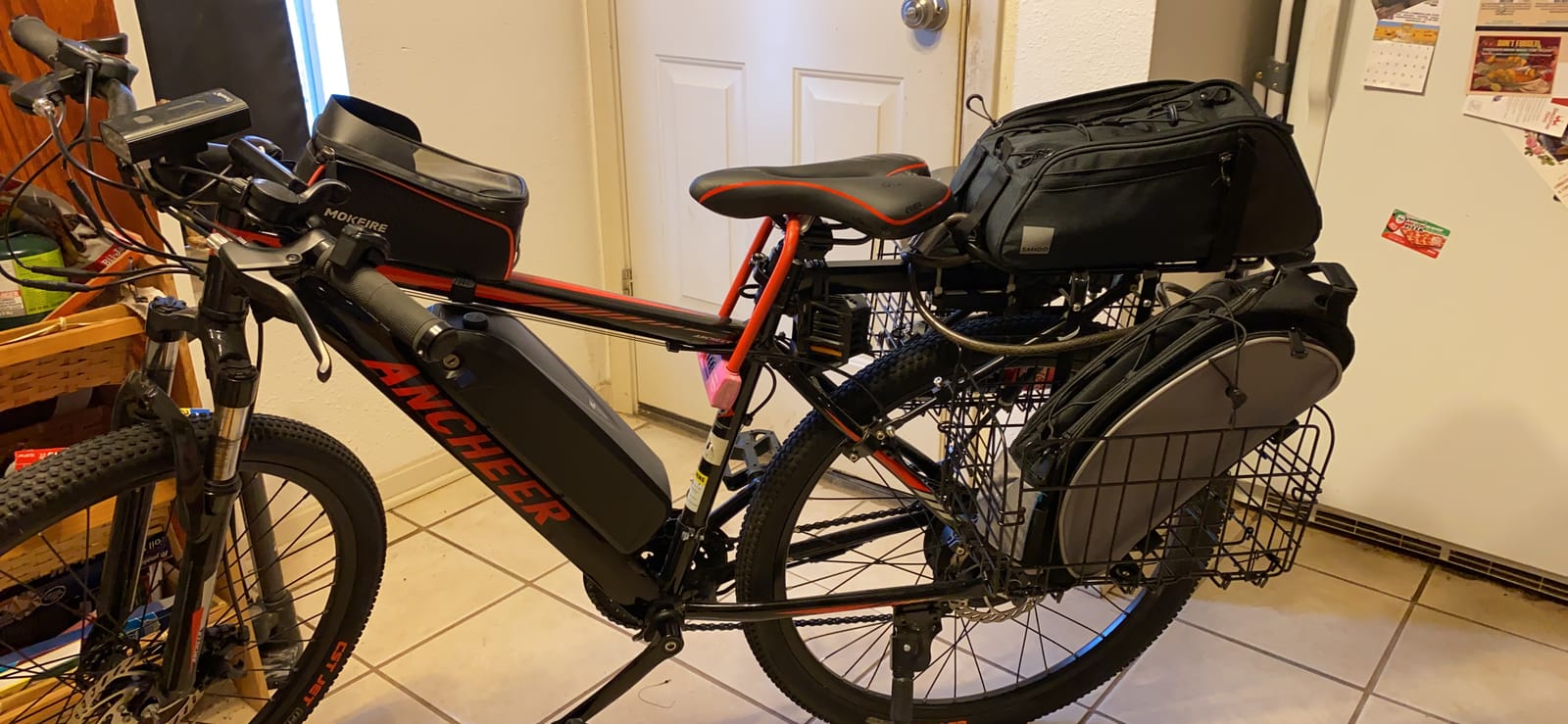
The accessory bundle is unusually generous: a 7/8-inch clamp, a double-sided wrench and a waterproof cover, all included. A one-year warranty with 30 days money back is also stated on the product, which is more than many budget saddles offer.
Buyers see it as a solid mid-price replacement for a hard factory saddle. At 4.4 across 1,540 reviews, the feedback centres on comfort and straightforward installation rather than weight or performance.
Why moderate width suits mixed riding
It gives you enough platform to support the sit bones while keeping the nose narrow enough to clear your legs when you pedal hard. That balance is what lets one saddle cover a weekday commute and a weekend road loop.
The gel and sponge combination also stays more stable than a very thick foam block, which on a long ride can start to feel like sitting on a cushion that has lost its shape.
Where durability catches up with you
Gel and foam compress faster than foam-only or leather-topped saddles, so after a season of daily use the padding can feel flatter than it did new. Owners replacing hard seats once usually keep this one for a couple of years.
The one-year warranty is shorter than the guarantees on the Selle Italia and the Planet Bike, so plan on replacing it rather than relying on a claim.
11. Fito GS Beach Cruiser Saddle – Best Spring Cruiser
Made in Taiwan! Fito GS Beach Cruiser Bike Bicycle Saddle Seat with Spring Suspension (Brown)
- Owners rate it as the most comfortable saddle they have tried
- Spring absorbs cracks and rough roads
- Reinforced double stitching
- 80 percent five-star feedback
- Spring squeaks until lubricated
- Very heavy and tall
- Needs the rear set higher than the front
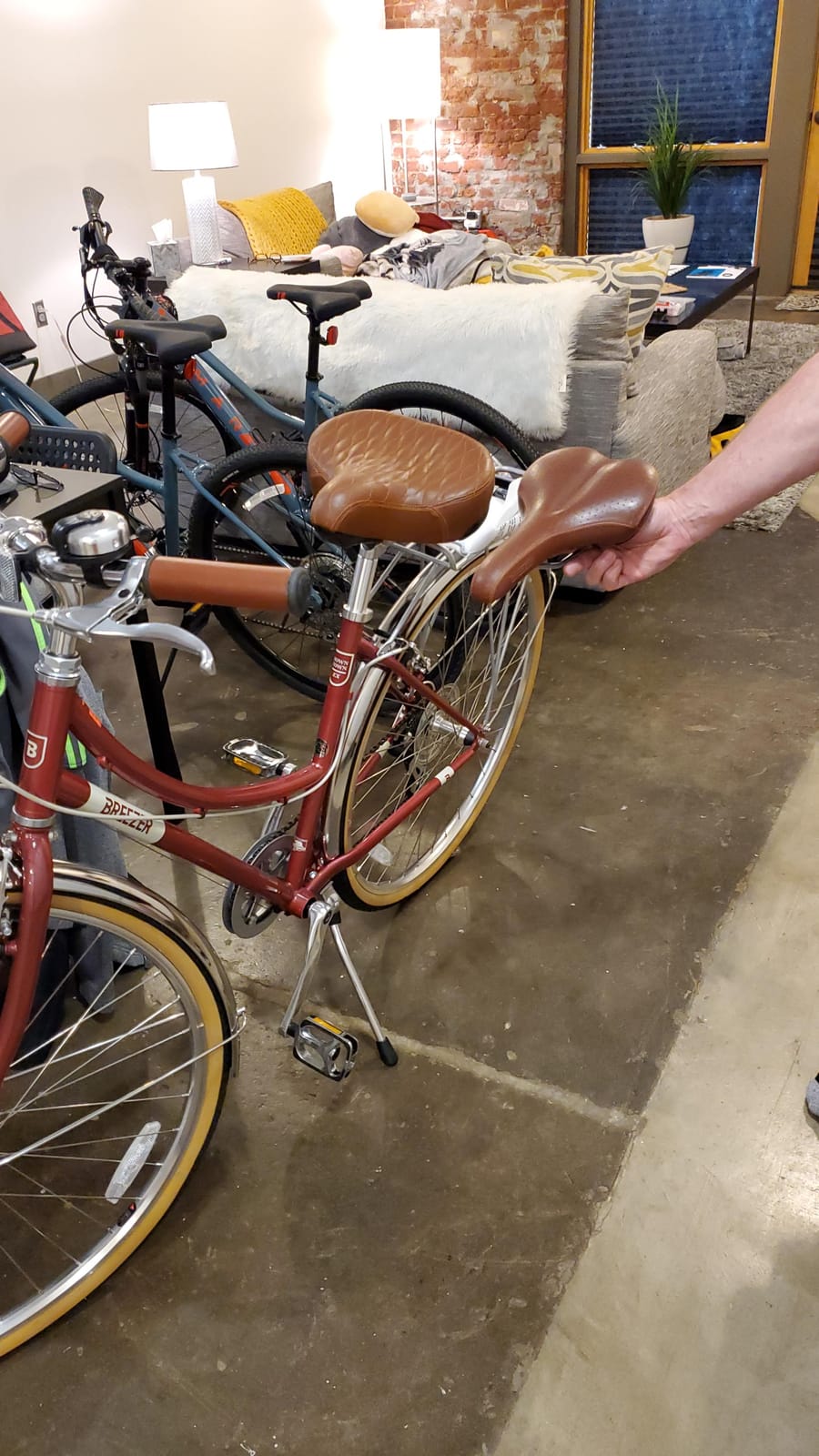
The Fito GS is handcrafted in Taiwan with reinforced double stitching, and owners describe it in terms that are hard to beat for a leisure saddle: several report six-hour-plus rides with no pain at all. It rates 4.6 across 933 reviews, with 80 percent five-star feedback and a 4 percent one-star share.
A spring under an extra-padded oversized platform is the whole idea. On a beach cruiser or fat-tire e-bike, the spring absorbs cracks, sand and rough roads that would otherwise jolt you constantly, and the 10.5-inch platform gives wide, even support.
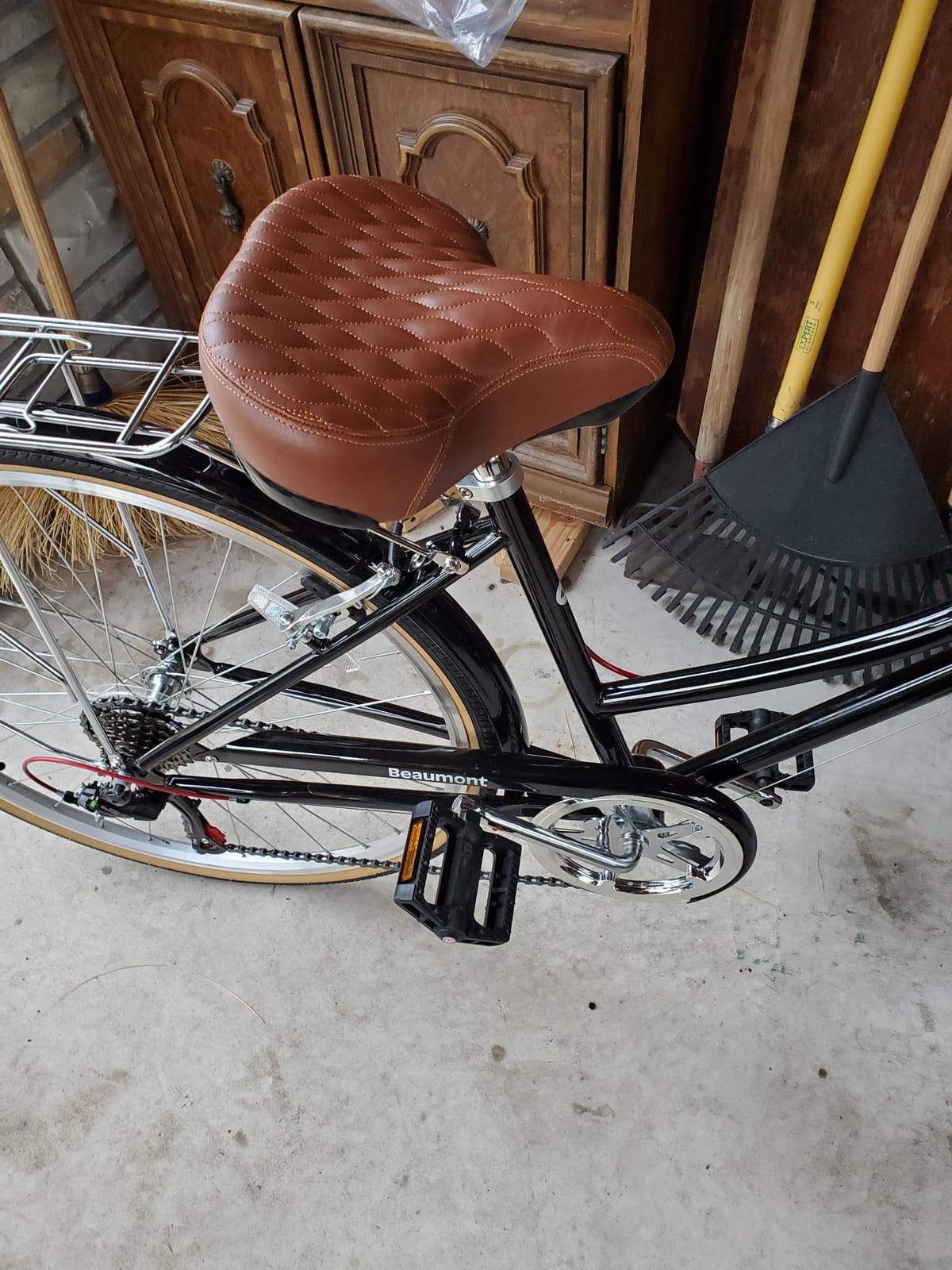
Build quality is visibly better than most budget seats. The stitching is even, the seams are finished, and the soft synthetic leather cover is supple rather than stiff. It comes in brown, black and white, with a 7/8-inch clamp diameter.
Several owners report beating more expensive cruiser seats head to head, which is a real result for a handcrafted saddle in this category. The styling suits a classic beach cruiser build.
Why spring suspension earns its weight
On a beach bike the surface never stops moving. A rigid saddle transmits every ripple directly into your sit bones, and over hours that becomes genuine soreness. A spring removes the high-frequency input entirely.
It also makes the saddle feel forgiving of posture, since the platform gives slightly under you rather than pressing back at a fixed angle.
What you have to accept
At 0.96 kg it is heavy, and it is tall, so it raises your seated height beyond what some riders want. The bulky cruiser shape is also slow to accelerate on hills.
Two practical notes. The spring can squeak until it is lubricated, which a silicone spray fixes. And because the spring sags under load, you need to set the rear of the saddle higher than the front or you will slide forward over a long ride.
12. Fizik Tempo Argo R5 – Best Short-Nose Road Saddle
Fizik Tempo Argo R5,Versatile Endurance Road Bike Saddle, Black, 150mm
- Large cutout eliminated chronic numbness for owners
- 241 g for a road saddle
- Short nose suits a forward position
- Type 2 progressive foam
- Firm feel is punishing in padded shorts
- Very sensitive to correct width choice
- Not the widest platform
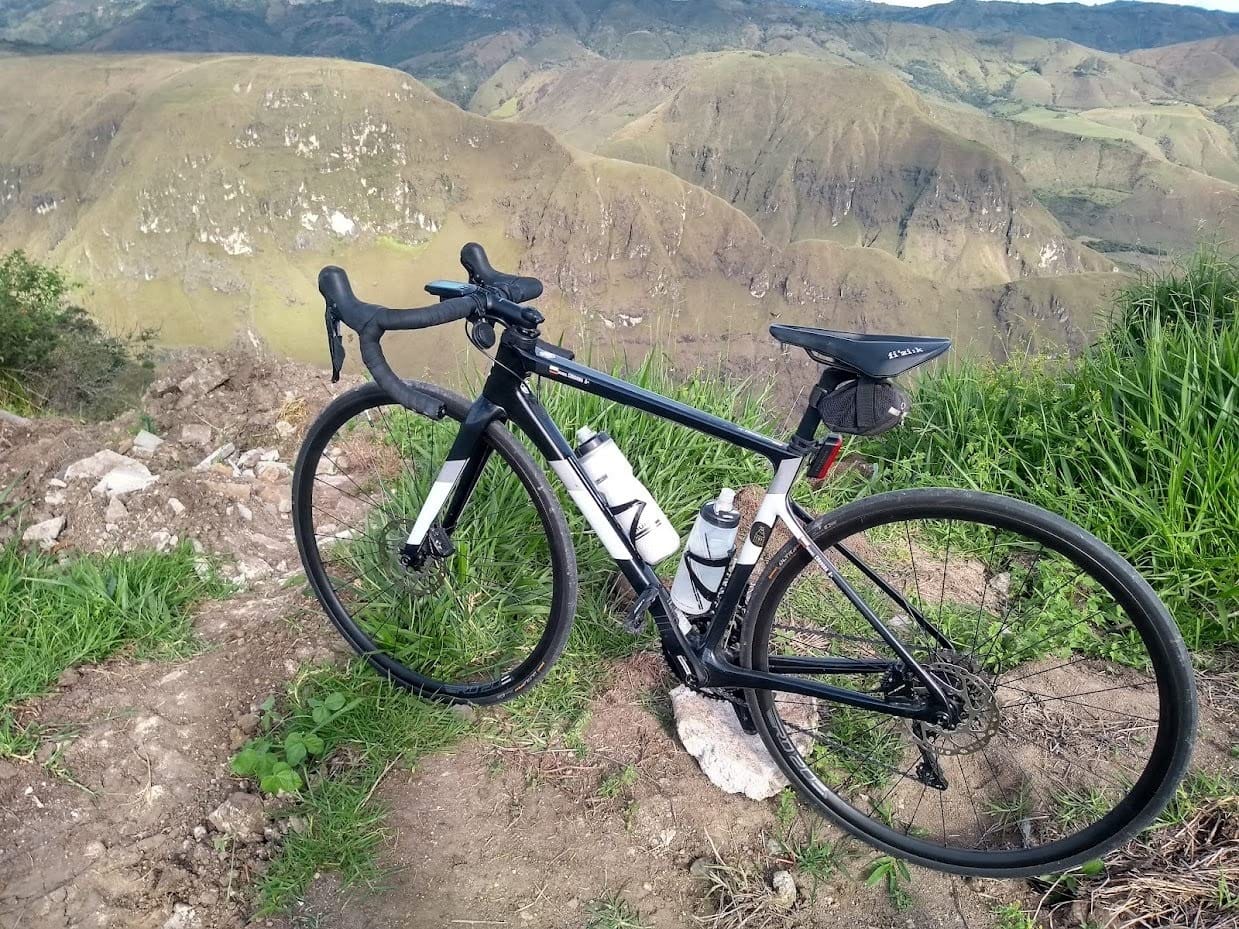
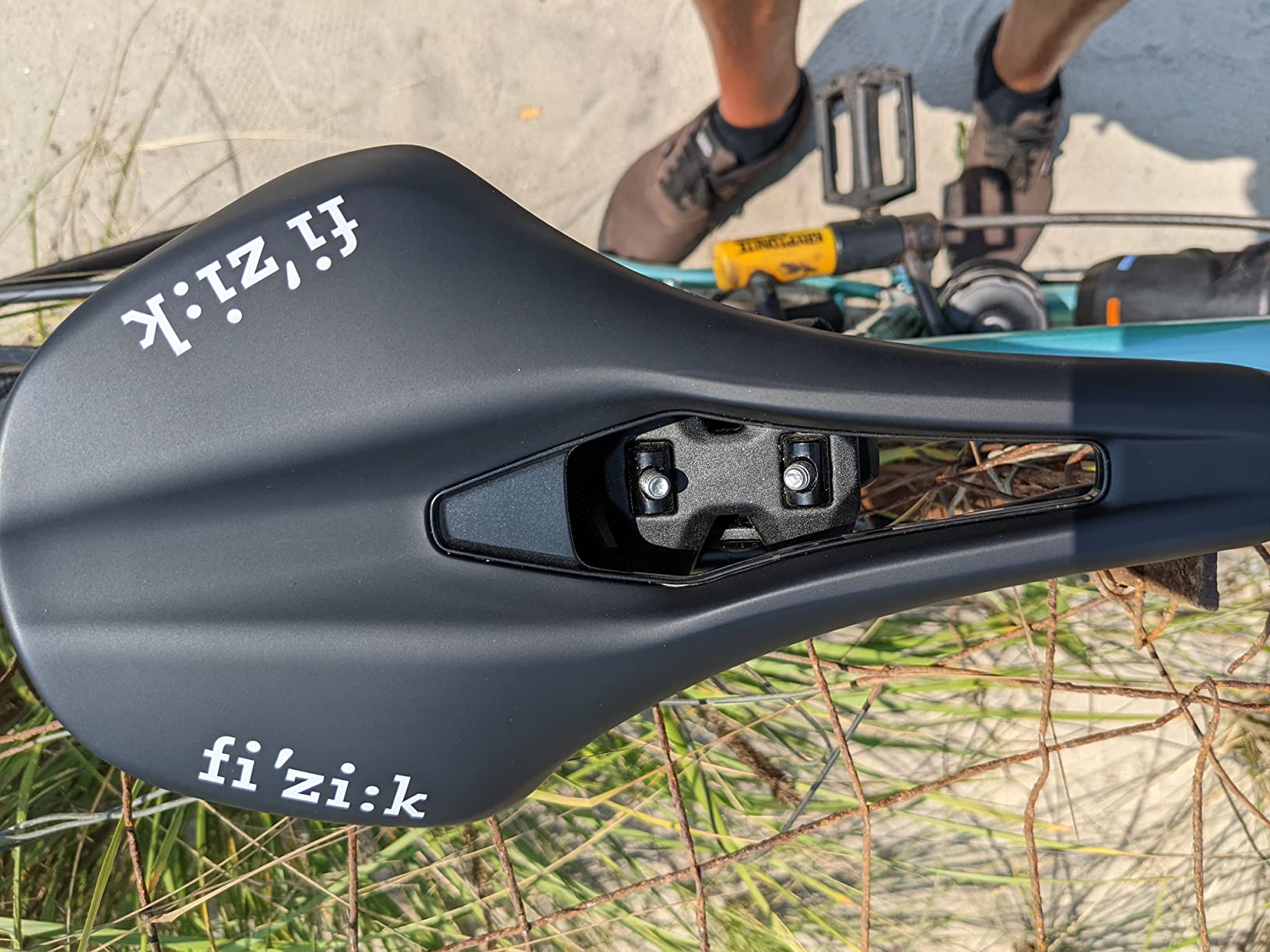
The Tempo Argo R5 is the premium road saddle here, and the shortest-nosed. Its short-nose endurance shape frees up inner-thigh clearance for a forward position, while a large central cutout and Type 2 progressive foam handle soft-tissue pressure. Owners who measure their sit bones and pick the right width report 60 to 80 mile rides with no numbness.
Construction is the reason for the price. A ride-compliant carbon-reinforced nylon shell sits on S-Alloy rails, Wingflex side edges adapt to inner-leg movement, and the whole thing weighs 241 g. It is offered in 150mm and 160mm across the R1, R3 and R5 levels.
The flip side is sensitivity. It has the lowest average rating in this group at 4.3, with a higher one-star share, and the complaints cluster in one place: riders who did not measure their sit bones. Wrong width on this shape shows up as severe thigh soreness within a few rides.
Short-nose saddles also ask more of your flexibility. If you cannot open your hips enough to sit forward and still stay centred, you will slide forward and out of position on a climb.
Why short noses suit endurance riding
A long nose supports you in one place. A short nose lets you move forward on steep climbs and out of the saddle without the nose digging into your inner thigh, which on an eight-hour day is the difference between fresh legs and raw ones.
The carbon-reinforced shell also adds compliance without going soft, damping road buzz while keeping the position precise. That balance is what most riders mean when they call a saddle an endurance saddle.
Who should skip it
If you want a plush seat, this is not it. The foam is firm and some riders find it punishing in padded shorts, and it is not the widest platform in this group, so riders with wider sit bones need the 160mm version or a different saddle entirely.
It is also the only non-Prime listing here, so delivery timing is less predictable than the rest. If you need a saddle for a fixed date, buy something else.
How to Choose a Bike Saddle for Long Rides?
Fit is personal, and that is the honest answer to most saddle questions. But the decision is not guesswork. Start by diagnosing the pain you actually have, then work through width, nose length, padding, relief and rails in that order.
1. Diagnose the pain before you buy
Sit-bone soreness, numbness between the legs, and chafing on the inner thighs have three different causes and three different fixes. Sore sit bones usually mean the saddle is too narrow. Numbness almost always points to pressure on the perineum, which needs a relief channel and a shorter nose. Inner-thigh chafing is a width-at-the-front problem.
Knee and lower-back ache that appears only on long rides are often position and flexibility problems rather than saddle problems. Before buying anything, try a saddle shim or a small tilt adjustment on your current seat. Several riders who had already tried five saddles found the answer there.
2. Measure your sit-bone width, then add about 2cm
The most repeated sizing heuristic across cycling forums is that saddle width should be your sit-bone width plus roughly 20mm. If you measure 120mm, you want a saddle in the 140 to 145mm range. Too narrow and your weight sinks into soft tissue; too wide and your legs brush the saddle on every pedal stroke.
You can measure at home without a bum-ometer. Sit on a flat floor against a wall, bridge a cardboard sheet between your sit bones, press down hard and mark the impressions, then measure the distance between them. Measure twice, because sit-bone width changes across the day and with weight.
If your sit bones measure 120mm, look at 140-145mm saddles. At 130mm, aim for 150-160mm. Above 140mm, look at 165mm and wider, and at that point a dedicated wide or plus-size model beats a stretched standard shape.
3. Pick a nose length that matches your flexibility
A short nose, typically under 260mm overall, gives you room to move forward on climbs and out of the saddle. Long-nose saddles support one fixed position and feel stable in a low, tucked posture. Riders on r/cycling repeatedly report that moving from a long nose to a short nose eliminated chronic numbness on multi-day trips.
The catch is that short noses require hip flexibility. If you cannot sit forward with your sit bones centred, you will slide off the front. Conversely, if you are very flexible and ride low, a short nose can feel cramped at the front.
Also expect a real adjustment period. Riders report several rides of soreness when moving from a traditional long nose to a short-nose model, and your power position will change slightly as you adapt.
4. Be skeptical of thick padding
This is the padding myth that most harms riders on long rides. Extra padding feels good for the first hour, then compresses and pushes your weight off the sit bones and onto the soft tissue in between, which is what causes numbness. Racers ride near-bare firm saddles comfortably for exactly this reason.
Moderate padding that supports without bottoming out is the right target. The WTB Volt and Wittkop both sit in that zone, and riders report no need to stand up out of the saddle once properly fitted. If a saddle feels plush, check whether that plushness stays put at hour four.
5. Decide whether you need a relief channel
A pressure relief channel or cut-out runs down the middle of the saddle and unloads the perineum, the soft tissue between the genitals and the anus. If you get numb after two hours, this is the single most effective change you can make. Most forums rank it as the top fix.
One caveat: a cut-out can pinch skin at its edges if you move around a lot, so a well-shaped channel is better than a rough-edged hole. Pair the channel with chamois-style bib shorts and you have addressed the two biggest sources of long-ride discomfort at once.
6. Check the rails and your clamp before you order
Rails are the two bars that clamp into your seatpost. Steel is heavy but cheap, CroMo is a good middle ground, titanium and carbon save weight. What actually breaks rides is incompatibility: oval rails and some 7x10mm rails do not fit every post, and a saddle that arrives and will not clamp is a wasted day.
Measure the inside diameter of your seatpost clamp before buying. Most of the budget and cruiser seats here use a 7/8-inch clamp, which is close to universal, but check anyway. Also note that rails under about 140mm of clampable length are not legal for competition, though they still fit plenty of bikes.
7. Re-check saddle height after every swap
New saddles sit at different heights because padding thickness and shell profile differ. Riders who switched saddles and then developed knee pain almost always found the saddle height had changed without them noticing. Reset your saddle height using your old saddle height as a reference, then fine-tune by feel over a few rides.
A higher saddle makes knee pain worse on the downstroke; a lower one creates hamstring and low-back fatigue. Treat the saddle swap and the height reset as one job, not two.
8. Break the saddle in over three rides
Give it 60 to 90 minutes on the first ride, a full two to three hours on the second, and a normal long day on the third. Foam and covers need that time to take your shape, and riders who quit in the first ten minutes routinely condemn saddles that work fine by hour three.
Keep your old saddle for a few weeks. If the new one does not settle in, having the old one on the post means you can ride tomorrow while you look for the next option.
Pick by ride length
For weekend rides of two to three hours, almost any correctly sized saddle works, so a firmer and lighter model like the Selle Italia Sport Gel Flow is a good choice. For day rides of five to eight hours, prioritise a relief channel and moderate padding, which puts the WTB Volt and the Wittkop at the front. For multi-day bikepacking and touring, water resistance and durability matter as much as comfort, favouring the VELMIA or RERUIA with waterproof covers. For upright cruising and e-bikes, a wide platform with suspension such as the Cloud-9 or Fito is the right shape.
Whatever the distance, measure your sit bones before you order anything. It takes ten minutes with a cardboard sheet and it decides the outcome more than any other single step.
Frequently Asked Questions
What is the best bike saddle for long distance rides?
The Wittkop Bike Seat with the 5-Zone Concept is our pick for long distance rides, because a full-length central cut-out removes perineal pressure while firm memory foam keeps your weight on the sit bones instead of soft tissue. It holds a 4.5 rating across 6,815 reviews. The WTB Volt is the alternative if you prefer a firm endurance shape with a Love Channel and three sit-bone widths.
Do padded saddles cause numbness on long rides?
Often, yes. Thick padding feels comfortable for the first hour, then compresses and shifts your weight off the sit bones and onto the soft tissue between them, which is where numbness comes from. Moderate padding that supports without bottoming out is better. If you already get numb after two hours, a pressure relief channel matters more than any amount of extra foam.
How much wider should a saddle be than my sit bones?
Add roughly 20mm to your sit-bone width. If you measure 120mm, look for a saddle around 140 to 145mm wide. If you measure 130mm, aim for 150 to 160mm. Too narrow and you sink into soft tissue; too wide and your inner thighs rub the saddle on every pedal stroke. Measure at home with a cardboard sheet pressed between your sit bones against a wall.
How long does it take to break in a new bike saddle?
Budget three rides. Start with 60 to 90 minutes, then a two to three hour ride, then a full day. Foam and covers need that time to take your shape, and riders who quit in the first ten minutes often discard saddles that feel fine by hour three. Expect a longer adjustment if you are moving from a long-nose to a short-nose shape.
Should I re-check saddle height after changing saddles?
Yes, always. Padding thickness and shell profile differ between saddles, so a swap changes your effective height. Riders who developed knee pain after switching saddles almost always found the height had moved without them noticing. Reset your height using the old saddle as a reference, then fine-tune over a few rides, and treat the swap and the height reset as one job.
Are carbon or titanium rails compatible with my seatpost?
Not always. Most budget and cruiser seats here use a 7/8-inch clamp, which is close to universal, but oval rails and some non-standard 7x10mm rails will not fit certain posts. Measure the inside diameter of your seatpost clamp before ordering. If a saddle arrives and will not clamp, you have lost a day of riding and cannot use the product at all.
The Verdict: Best Bike Saddles for Long Rides in 2026
If you only buy one, take the Wittkop Bike Seat. It is the only saddle in this group that combines a full-length central cut-out, firm multi-zone foam and a waterproof cover, and it is backed by 6,815 reviews. Riders regularly report hundreds of miles without the soreness that used to end their days.
Buy the WTB Volt instead if you ride in a forward position, want the lightest endurance option at 315 g and prefer firmness with a relief channel. For a rough daily commute on an upright bike, the MSDADA cushion fixes a hard factory seat faster than anything else here, and the VELMIA is the pick when rain is a constant factor.
Whatever you choose, measure your sit bones first, pick a width about 20mm wider, and reset your saddle height after the swap. Those three steps decide whether the saddle works for you, more than any brand or price. That is the short version of what we learned testing the best bike saddles for long rides in 2026.