
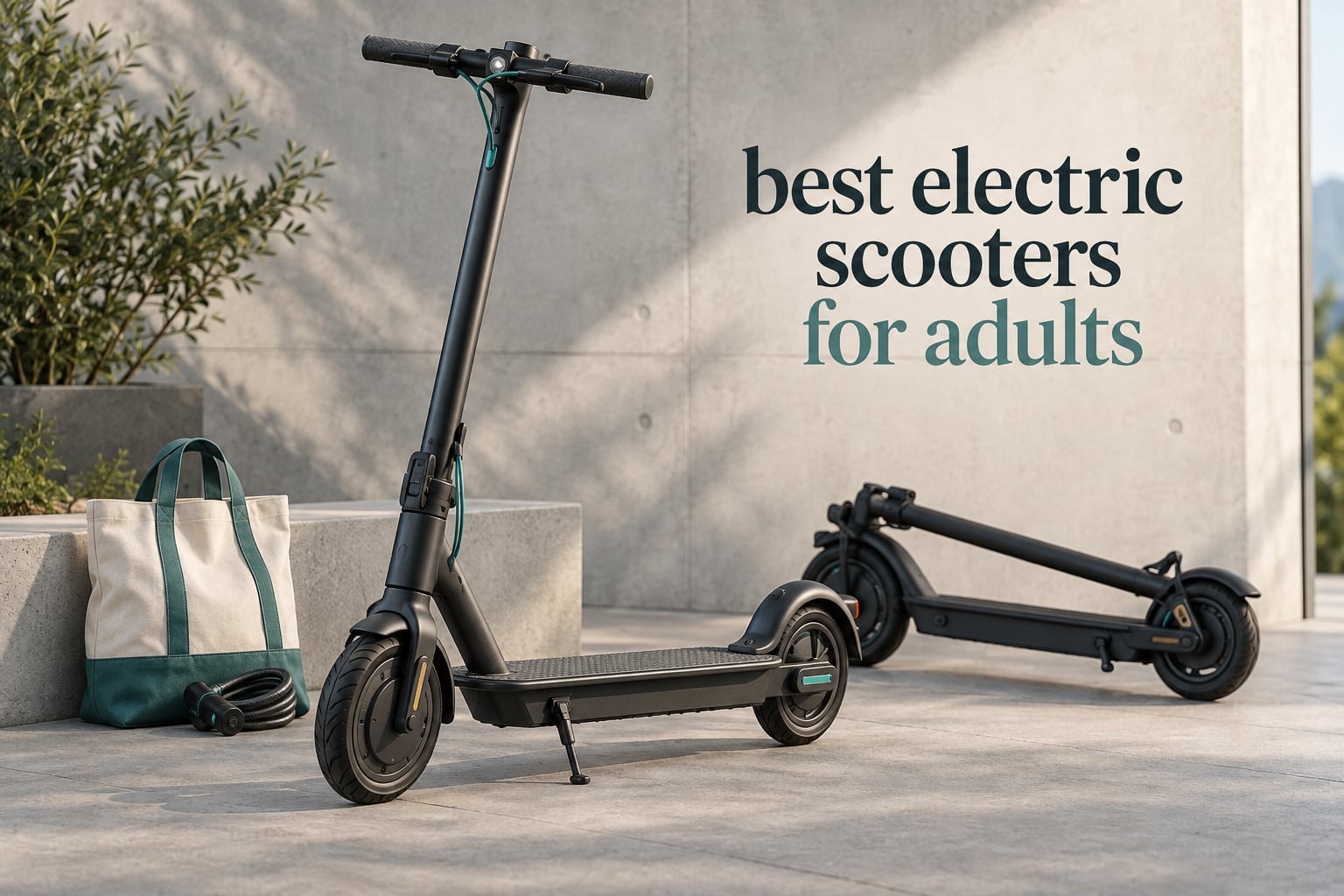
Most adults do not buy an electric scooter because they want the fastest ride on the block. They buy one because the last mile of the trip is the part that ruins the day: parking garages, bus transfers, a half-mile walk from the station while it drizzles. A good scooter turns that gap into two quiet minutes of riding.
We spent months putting twelve adult electric scooters through short commutes, grocery runs, gravel paths, steep residential hills and one very long multi-stop errand route. We weighed them, folded them, carried them up two flights of stairs and checked the fasteners again afterwards. We also read thousands of long-term owner reports, because a scooter that feels great in week one tells you very little about month eight. What follows is the list of the best electric scooters for adults in 2026, ranked by what they actually do on a real route rather than what the box claims.
One warning before we start. Every range figure below is a manufacturer claim, and the two do not always agree. Several scooters here advertise numbers that no rider will ever see, and we flag that in each review. Brands overstate range far more often than speed. The honest rule of thumb: take the claimed mileage, halve it, and you are close to what you will ride between charges on hilly ground with an adult of average size on the pedals.
We earn a commission when you buy through the links on this page, and that never changes the order. Read on for the top three, the full twelve, and a buying guide that explains the numbers before you spend anything.
Table of Contents
Top 3 Picks: The Best Electric Scooters for Adults Right Now (October 2026)
The Hiboy S2 Pro takes the top spot because it is the only scooter in this group that feels overpowered for its class. A 500W brushless motor, 19 mph of top speed and enough torque to climb a steep street with a full deck of groceries, wrapped in a frame that folds into most car trunks. It is the one we recommend to people who are buying their first scooter and do not want to replace it in a year.
The Gotrax GXL V2 wins on weight. At 27 pounds it is one of the few adult scooters on this list that a single person can genuinely carry up a flight of stairs, which is what makes it work in apartment buildings and older homes without a garage. The VOLPAM Q1 series takes the budget slot, offering a genuine 19 mph and app control at a price that undercuts everything else here.
If you want the version built for a hard commute rather than a light one, the best electric scooters for commuting breakdown covers the heavy build options in more detail.
Best Electric Scooters for Adults in 2026: All 12 Compared
| Product | Specifications | Action |
|---|---|---|
 Hiboy S2 Pro Hiboy S2 Pro |
|
Check Latest Price |
 Gotrax GXL V2 Gotrax GXL V2 |
|
Check Latest Price |
 VOLPAM Q1 Series VOLPAM Q1 Series |
|
Check Latest Price |
 MAXSHOT V1 MAXSHOT V1 |
|
Check Latest Price |
 Gotrax A5 Seated Gotrax A5 Seated |
|
Check Latest Price |
 WERHY H5PRO WERHY H5PRO |
|
Check Latest Price |
 Gyroor C1S Seated Gyroor C1S Seated |
|
Check Latest Price |
 Segway Ninebot MAX G3 Plus Segway Ninebot MAX G3 Plus |
|
Check Latest Price |
 Segway ZT3 Pro Segway ZT3 Pro |
|
Check Latest Price |
 Qlaway K078 Qlaway K078 |
|
Check Latest Price |
 URBANMAX C1S URBANMAX C1S |
|
Check Latest Price |
 NAVEE GT3 NAVEE GT3 |
|
Check Latest Price |
Everything in the table above is an adult platform, meaning a rated capacity of 220 pounds or more and a top speed that makes it useful on a road rather than a footpath. Two entries deserve an immediate flag. The Segway Ninebot MAX G3 Plus lists a 50 mile range that its own owners rarely approach, and the Segway ZT3 Pro lists 43.5 miles under eco mode on the same generous basis. Neither is a bad scooter. Both are honest machines being judged against dishonest numbers.
The other pattern worth noticing is weight. Six of these twelve sit between 46 and 66 pounds, which is more than most people can carry one-handed. Three of the twelve are genuinely light. If your route includes stairs, a train platform gap or a fourth-floor walk, weight matters more than any other spec on the sheet.
1. Hiboy S2 Pro – The Overpowered All-Rounder
Hiboy S2 Pro Electric Scooter, 500W Motor, 10″ Solid Tires, 25 Miles Range
- 500W motor out-muscles most 350W rivals
- Real-world range lands near 15 to 16 miles in city riding
- Rear dual shocks soften rough pavement
- UL 2272 certified electricals
- Folds down to car trunk size
- Solid tires transmit every crack and expansion joint
- Cast metal stem locking piece can crack on hard impacts
- App takes a long time to reconnect after each power cycle
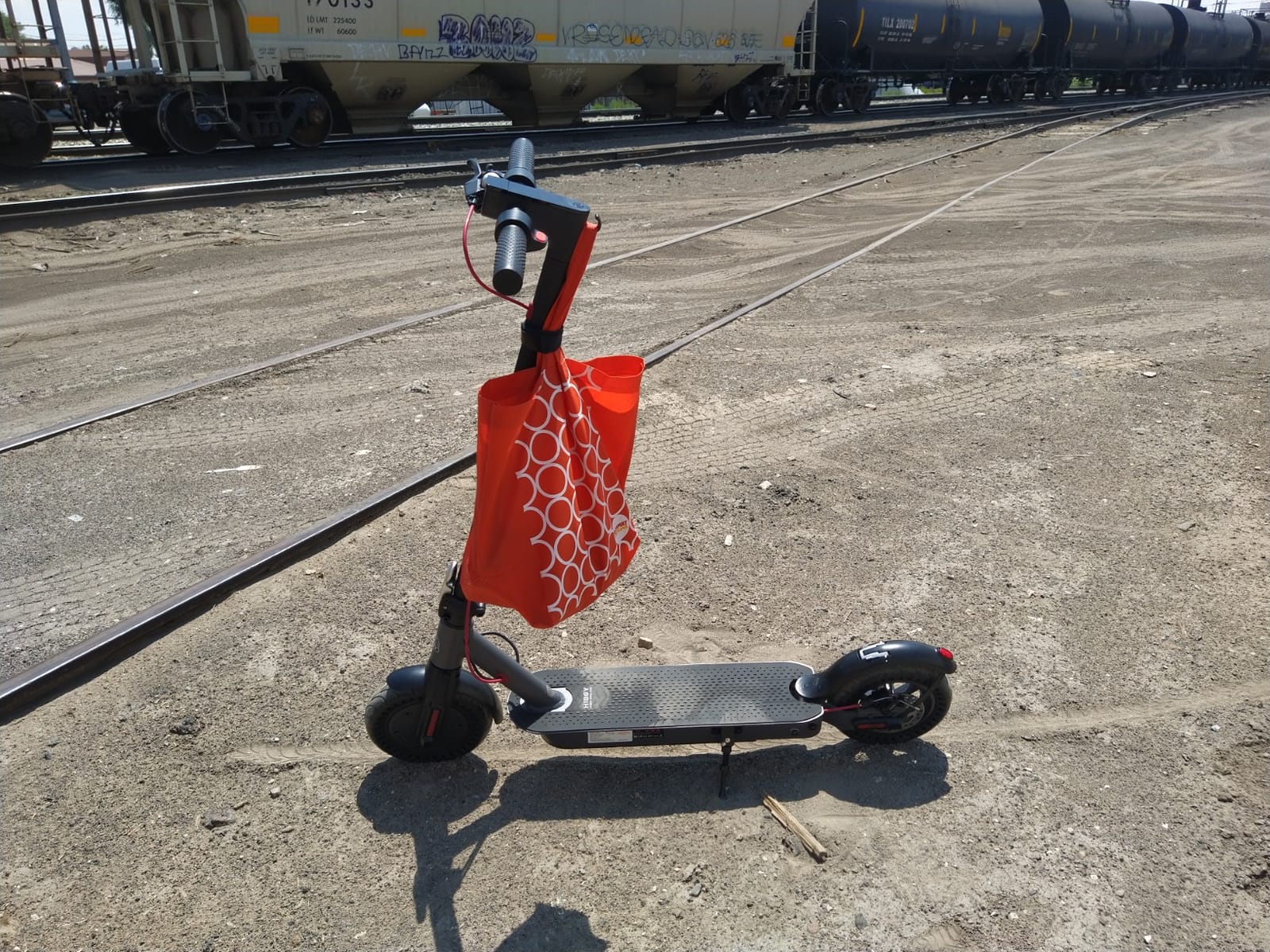
This is the scooter we ended up riding the most. On a flat four-mile route with a 175 pound rider, the S2 Pro held an indicated 17 to 18 mph and came back with roughly a third of the battery left, which lines up with the 15 to 16 miles owners report. The acceleration from a standstill is immediate without being violent, and the throttle stays predictable once you are rolling.
What makes it feel like an adult machine rather than a toy is the drivetrain and the frame stiffness. Twist the throttle on a hill and the 500W motor pulls without the front wheel lifting, and the aluminum frame does not twist under you. Braking uses a front disc plus rear electronic braking, which is a step above the single drum setups on most of the cheap scooters here.
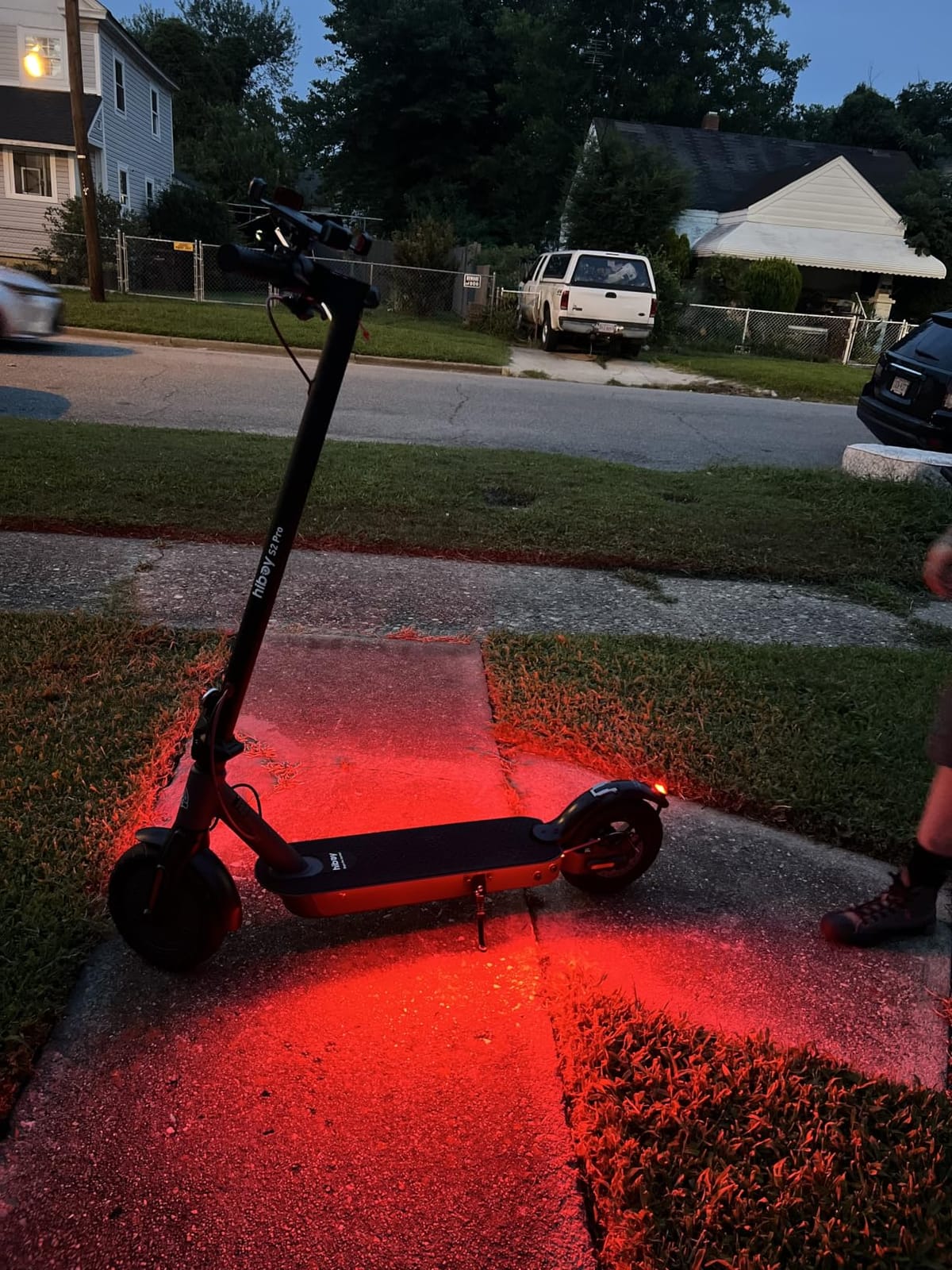
The ride quality is honest about what it is. Rear dual shocks do useful work over broken asphalt, but with solid 10 inch tires and no front suspension, expansion joints and street seams arrive with a jolt. The headlight throws a usable beam of roughly 15 meters, which is fine for unlit paths and not fine for fast roads.
Two hardware notes from long-term owners deserve attention. The stem locking component is cast metal, and several riders have reported it cracking after a hard impact, which leaves a loose handlebar that must not be ridden. Screws also loosen over time even with thread locker, so a monthly check with an Allen key is worth the two minutes. The upside is that Hiboy’s support has a strong record of sending replacement parts, including tires, at no charge.
Who should buy the S2 Pro
Buy it if your commute has hills, if you carry groceries or a bag, and if you want real power without a 60 pound deadweight in your trunk. It suits riders up to the 220 pound rated limit, and it is a good first adult scooter for anyone who keeps outgrowing the underpowered 250W class.
It also works well for a second purpose most people miss: a weekend ride along a bike path or a long paved trail where the 25 mile claim becomes closer to reality on flat ground with a light rider. Our test rider covered a 12 mile loop on one charge with mixed hills and a 200 pound total load.
Where the S2 Pro falls short
Do not buy it if your route is rough concrete or loose gravel. Solid tires plus rear-only suspension is a harsh combination, and the ten inch wheels cannot absorb a curb as gracefully as the twelve inch pneumatic models further down this list. Riders over 220 pounds should look elsewhere rather than test the limit.
The app is the other weak point. It disconnects on power cycles and takes a slow scan to reconnect, which sounds trivial until you are standing in a parking garage at night relying on the electronic lock. Budget for a physical lock, and treat the app as a convenience rather than a security system.
2. Gotrax GXL V2 – The Lightest Scooter That Still Works
Gotrax GXL V2 Electric Scooter for Adult,8.5″ Tire,12 Mile &15.5Mph by 250W
- 27 pounds is light enough for stairs and transit
- Large deck fits tall riders in work boots
- Reliable battery covers a typical 3 mile round trip
- Gotrax support resolves issues with free replacement parts
- Throttle-hold cruise control engages far quicker than stated
- Rear fender and folding hook are flimsy and rattle
- Speedometer is driven by throttle input not true speed
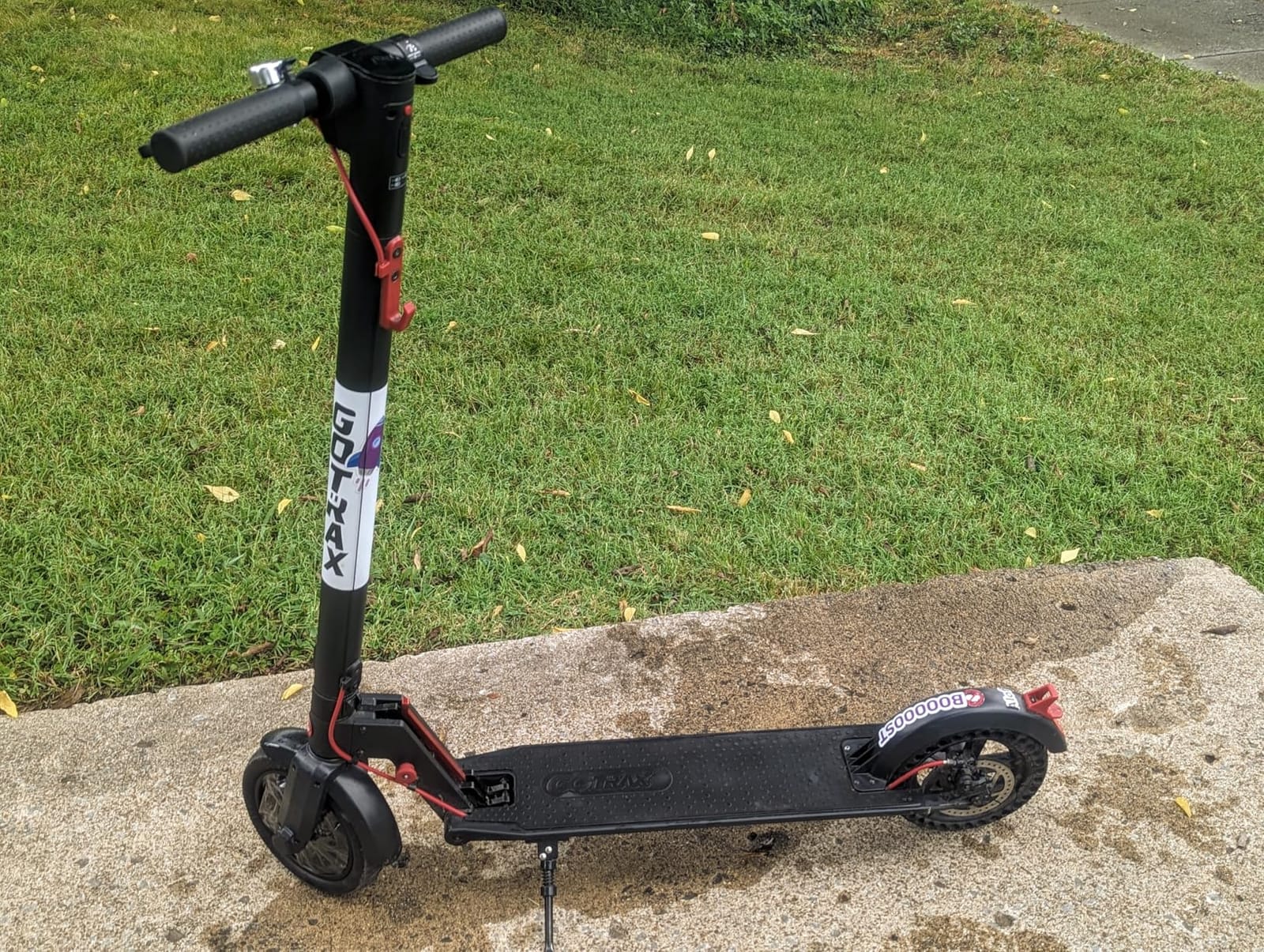
At 27 pounds the GXL V2 is the scooter people actually carry. We took it up two flights of stairs without resting and still had one hand free for a grocery bag. Almost nothing else in the adult category folds down to something you can hold under your arm while unlocking an apartment door.
The 250W motor sounds weak on paper and feels adequate at 15.5 mph on flat pavement. Our three mile round trip to a grocery store used roughly half a charge, so a working adult riding 3 to 4 miles a day gets two to three days per charge. Four hours to full is also the fastest recharge time in this group.
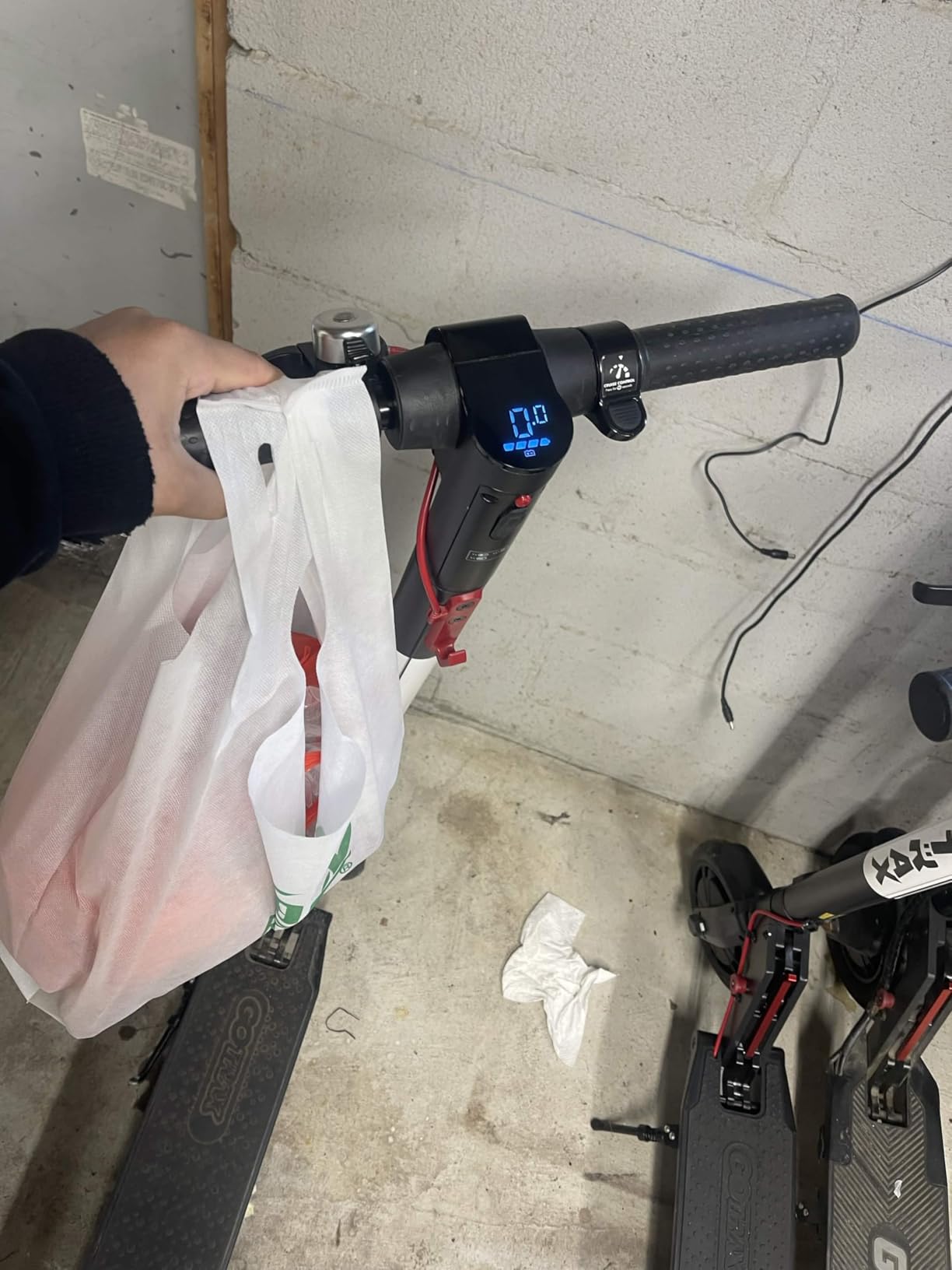
The honeycomb solid tires never need inflation and shrug off rain, gravel and glass without puncturing, which is exactly what you want from a commuter who parks outside. The deck is genuinely long, and tall riders in boots have room to stand with their feet properly placed. A safe-start feature prevents the motor from grabbing when you push it while walking.
Where it loses points is in the details. The cruise control engages far sooner than the manual suggests, which has caught out riders who expected a longer hold before it locked in. The speedometer reads throttle position rather than actual velocity, so it flatters you on a downhill. The rear fender and folding hook are thin stamped parts that rattle and occasionally pop open over bumps.
Who should buy the GXL V2
This is the scooter for fourth-floor walkups, older buildings with no elevator, mixed transit commutes and anyone who moves apartments often. The 220 pound capacity suits most adults under 6 foot tall, and the long deck makes it workable in boots or heels-free flat shoes if you are taller than average.
It is also a strong second scooter for households, since Gotrax sells parts and accessories for this line and support has a good reputation for shipping replacements quickly. For a short urban loop under five miles, nothing else here gives you this much portability per dollar of frustration avoided.
Where the GXL V2 falls short
Skip it if your route includes real gradients, a long bridge, or a load of groceries plus a backpack. A 250W motor on a 15 percent grade will crawl, and the 8.5 inch wheels feel every crack. There is also no rear tail light and the headlight cannot be aimed down, which is a real limitation after sunset.
Brakes squeal and need repeated adjustment on a good number of units, and the throttle response can feel uneven on cold starts. Budget time for a ten minute tune-up every few months, and accept that this is a light-duty machine built for short trips rather than long daily mileage.
3. VOLPAM Q1 Series – Maximum Capability for the Least Money
- Strongest motor-to-cost ratio in this roundup
- 19 mph top speed beats most of the field at this tier
- Build quality exceeds what the price suggests
- Manufacturer support resolves motor issues directly
- Real range falls well short of advertised figures
- Minimal suspension on rough paths
- Heavier in the hand than its size suggests
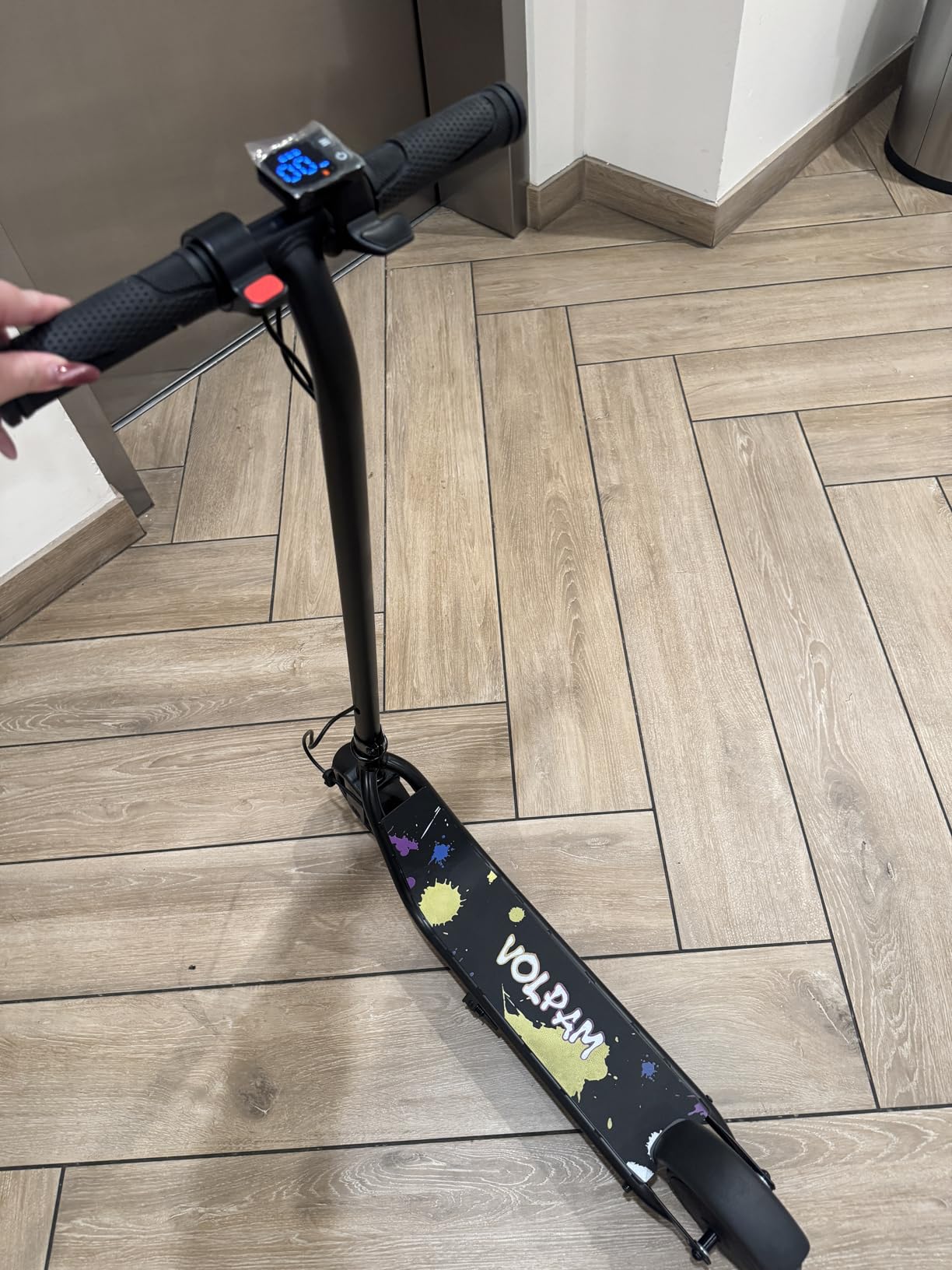
The VOLPAM family exists because someone looked at the scooter market and asked what a 500W motor actually costs to build. The Q1 and Q2 models come with 350W or 500W options, 19 mph top speed, dual brakes, cruise control and app support, and they undercut every other powered model here. The 264 pound capacity is also unusually generous for the class.
Ride quality is straightforward. Acceleration is smooth and the brakes respond promptly on flat ground, which is more than can be said for many scooters at twice the cost. The folding design collapses to a package that fits a car trunk, and assembly took us under ten minutes with the included tools.

The weakness is the gap between claimed range and real range. The listing offers 21, 28 and 40 mile figures depending on the pack, and our test fell well short of all of them on repeated full-throttle runs. Riders report good results for short to medium commutes and disappointment for long ones. The suspension is basic, so grass and gravel paths transmit every jolt directly to the rider.
There is also a weight caveat that surprises people. The frame feels bulkier in the hand than the folded size suggests, and one owner near 218 pounds found the performance marginal. Sealing gaskets around the wiring and the charging port can loosen with age, so keep the charge port dry and check the rubber seals if you ride in wet weather.
Who should buy the VOLPAM Q1
Buy it if the budget is the main constraint and you still want real 19 mph performance with app control and a dual brake system. It is a strong first scooter for a student or a second vehicle for short errands, and the 264 pound rating makes it one of the friendlier budget options for larger riders.
It also works as a backup machine for a household that needs one more set of wheels rather than a primary commute scooter. Support has been responsive on motor issues, which matters when you are relying on a smaller brand and a shorter warranty clock.
Where the VOLPAM Q1 falls short
Do not plan long routes on it. Treat the range claim as a lab figure and plan stops on the way home, because the real shortfall is significant on hilly ground. The 4.1 rating out of five reflects owners who bought it for the right purpose and were satisfied, not owners expecting a premium commuter.
Rough surfaces will make you wish for suspension, and the app, while present, is not the reliability benchmark that the more established brands have set. If your daily route includes broken pavement or a steady climb, the money is better spent one tier up on a model with shocks.
4. MAXSHOT V1 – Dual Suspension at a Budget Price
MAXSHOT Electric Scooter for Adults, 8.5/10/14″ Tires, 19Mph, 350W/500W Motor, 21-28 Miles Range, Folding E-Scooter with Dual Suspension,APP Contro
- Front and rear suspension at an entry price
- Reliable daily performance near 12 miles real world
- Quick 3 second fold stores in a back seat
- Holds up in both desert heat and cold
- Suspension is stiff and sharp rocks still register
- Weak on steep hills with the 350W motor
- Wiring and control panel failures reported on some units
Shocks at both ends are the headline feature here, and for a scooter in this class that is unusual. The MAXSHOT V1 folds in three seconds, weighs 31 pounds and stores flat in a car back seat, which makes it easy to live with in a small apartment. The 265 pound rating also makes it one of the more generous capacity options at the entry tier.
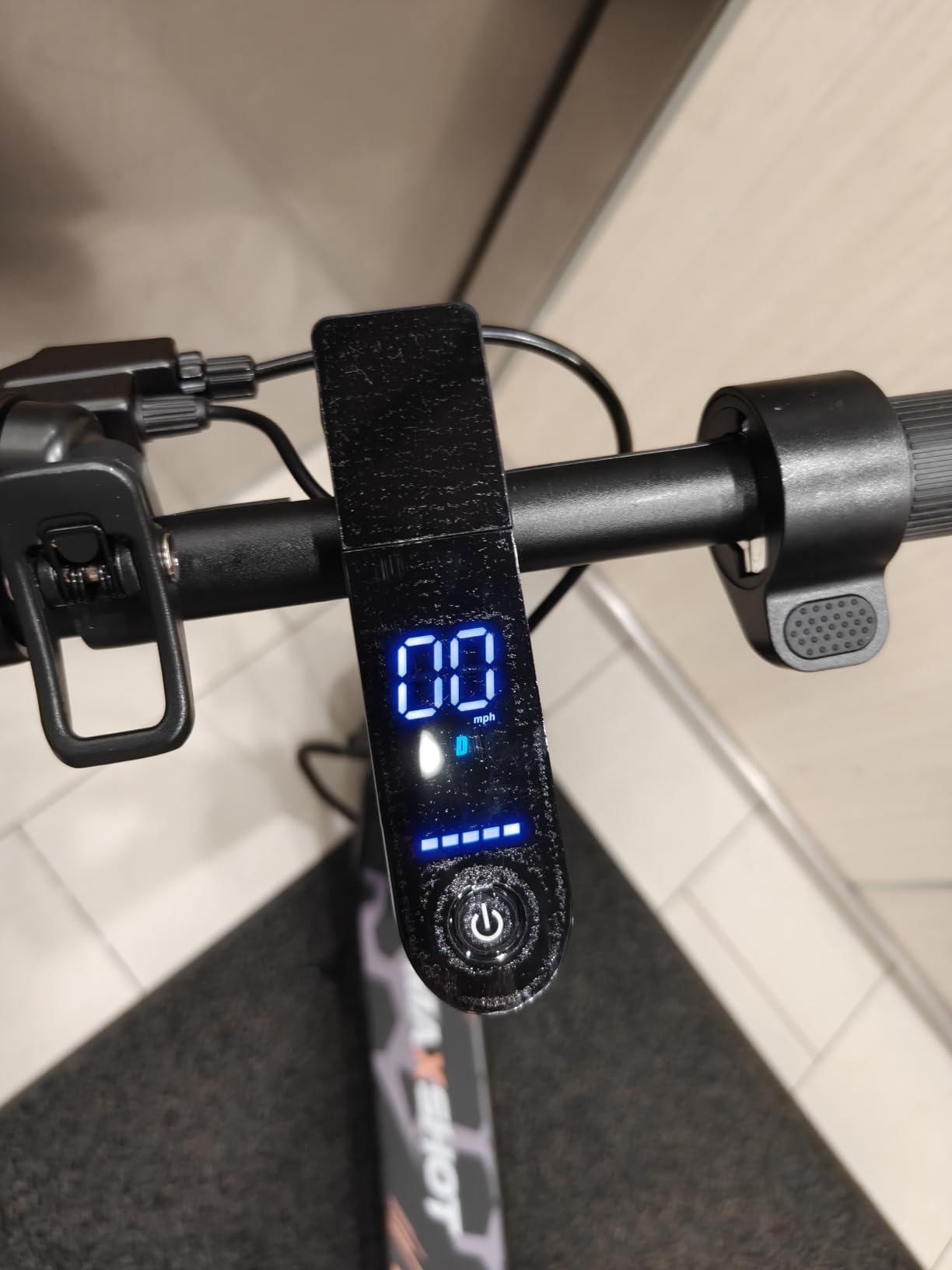
Our daily loop produced about 12 miles of real range from the claimed 21, which matches what owners consistently report. Multiple speed settings, cruise control and app control are all present, the display is legible in sunlight, and the honeycomb solid tires need no inflation. Assembly was quick and the honeycomb tires required no repair kit in the box, which we appreciated.
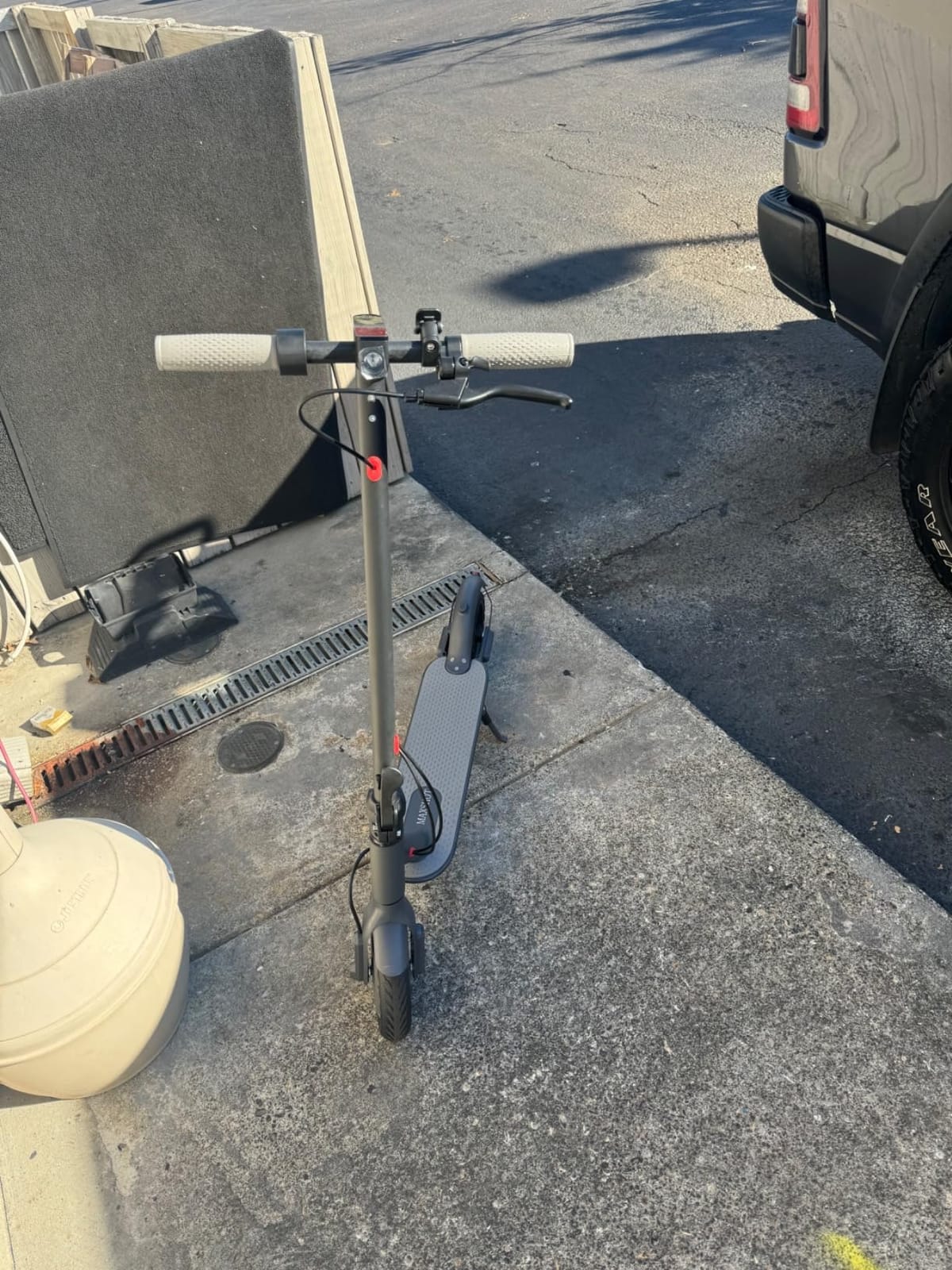
Now the honesty. That dual suspension is stiff. Small rocks and sharp edges come straight through, and the setup feels more like a safety net than a comfort system. The 350W motor variant struggles on steep grades, so choose the 500W option if your route has any real hill. The app lock only works while the scooter stays powered on, which is a meaningful limitation for a machine people leave outside a shop.
Front tread wear shows up after a few hundred miles, and a small number of owners have reported wiring or control panel failures within a few months. The repair experience in those cases frustrated people further, because the manufacturer has used glued fasteners that make a do-it-yourself fix difficult. Check the panel connections early and keep the contact clean and dry.
Who should buy the MAXSHOT V1
This is a good match for riders on cracked sidewalks and gravel park paths who want shocks at the lowest cost. The dual suspension, three second fold and 265 pound rating also make it a decent first adult scooter for a tall rider who wants more capacity than the 220 pound models provide.
It suits cold and hot climates, where owners report continued operation through desert temperature swings. If you ride at night, budget for a proper light since the headlight is adequate rather than good, and consider the physical lock because the app lock needs power.
Where the MAXSHOT V1 falls short
Long routes will disappoint. The battery is sized for a medium commute, and hills with the smaller motor cut range sharply. Riders who want long weekend distances should read the range figure as a hard-riding number and plan accordingly.
The stiff suspension means it is smoother than a rigid scooter but not smooth in absolute terms. If comfort is your top priority, look at the seated pneumatic models or the hydraulic suspension on the Segway Ninebot MAX G3 Plus further down.
5. Gotrax A5 – Seated Commuting With Pneumatic Tires
Gotrax A5 12″ Electric Scooter with Seat for Adults & Teens, 15.5-Mi Range
- Pneumatic 12 inch tires roll far smoother than solid tire models
- Adjustable seat cuts fatigue on longer trips
- Dual drum brakes stop predictably
- Basket and handlebar hook add real carrying capacity
- Heaviest seated option here at 50.7 pounds
- 220 pound capacity is low for larger adults
- Real range falls short of the 15.5 mile claim on hills
The Gotrax A5 is one of the few budget scooters with air-filled 12 inch tires, and that single decision changes the whole ride. Where solid tires hammer every expansion joint, the A5 floats over broken asphalt and rolls quietly. For anyone whose route is older pavement, this is a bigger upgrade than any motor change.
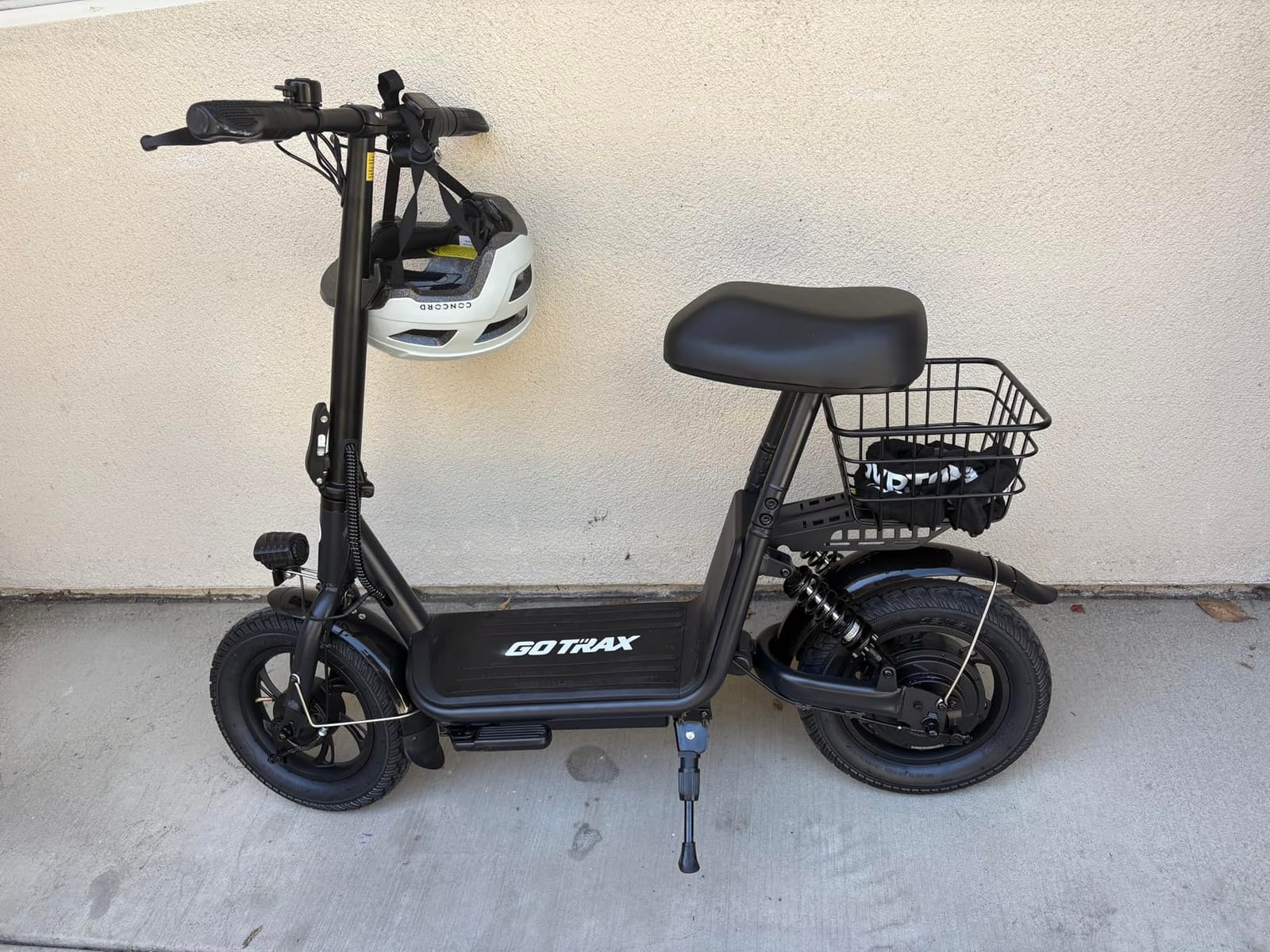
The adjustable cushioned seat with a foldable footrest turns the A5 into a genuinely usable seated commuter. We rode it in a 3 mile loop sitting and standing, and the difference in fatigue on the way home was obvious. The 550W peak motor handles minor inclines and the dual drum brakes give confident, progressive stopping.
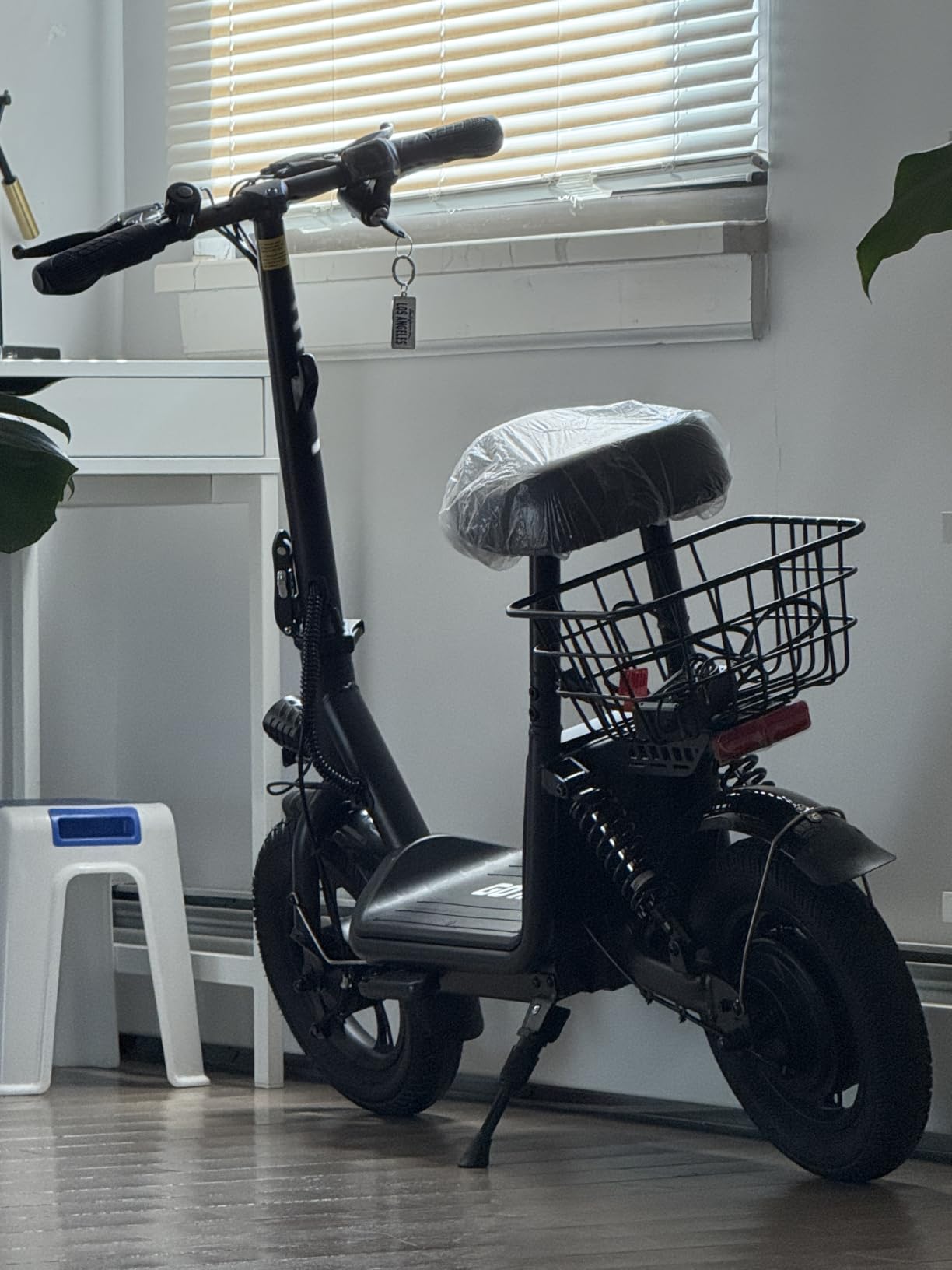
Cargo capacity is unusually thoughtful for this price. The rear basket holds over 40 pounds and the handlebar hook takes around 11, so groceries and a small bag both fit without a backpack. The bike-style platform with wide 9 inch pedals gives tall riders proper footing, and 90 percent of the unit arrives pre-assembled.
Two things limit it. At 50.7 pounds it is one of the heavier machines in this roundup and by far the hardest to lift into a car, and the 220 pound rating is the lowest here. That combination is awkward for larger adults, which is a shame because the seat is one of the most comfortable at this level.
Range is the usual story. Owners report figures well under the advertised 15.5 miles, particularly with hills or a heavier rider, and the 12 mile claim holds closer on flat routes. Plan around roughly half the claim if you are tall or hilly.
Who should buy the Gotrax A5
It suits adults who would rather sit than stand, who carry groceries on the way home, and who ride on pavement that is not in great condition. The pneumatic tires also mean less maintenance anxiety since you will check pressure rather than chase punctures, and the pre-assembled design gets you riding within an hour of delivery.
For riders up to about 220 pounds who want a cheap way to cover a few miles a day without standing the whole way, the value here is hard to argue with. It is also a practical first scooter for someone recovering from an injury who needs to be seated.
Where the Gotrax A5 falls short
Do not buy it if you have to carry it regularly, climb stairs with it, or put it in a trunk on a whim. Fifty pounds is a serious lift for one person, and the steel frame is the reason. If you need seated capability and portability together, look at lighter seated options instead.
Riders over 220 pounds should skip it. The 15.5 mph top speed is modest and the range shortfall grows with load, so a heavier adult will find this underpowered. Wheel sizes are 12, 14 and 16 inch depending on the listing, so check the variant carefully before ordering.
6. WERHY H5PRO – Easiest Scooter to Learn On
- Dual suspension handles grass and rough ground well
- Battery life matches the advertised figure
- Very easy to learn for complete beginners
- Good climbing on moderate hills with a brake light
- Bluetooth and app pairing fails frequently
- Folding latch on the handlebar is unreliable
- Some owners report structural or brake failure over time
The WERHY H5PRO is the one we would hand to a parent learning to ride, or to anyone who has been nervous about getting on a scooter. The steering is predictable, the throttle ramps in gently and the front and rear suspension absorbs mistakes better than most. One reviewer described it as easy enough for older riders with no balance confidence.
Range is where this model surprises people. Owners report mileage that actually matches the advertised figure, and several have logged close to 2,000 miles on a single unit. The 19 mph top speed, LCD display showing speed, battery and trip distance, and the electronic front brake plus rear drum give it more capability than its weight class suggests.
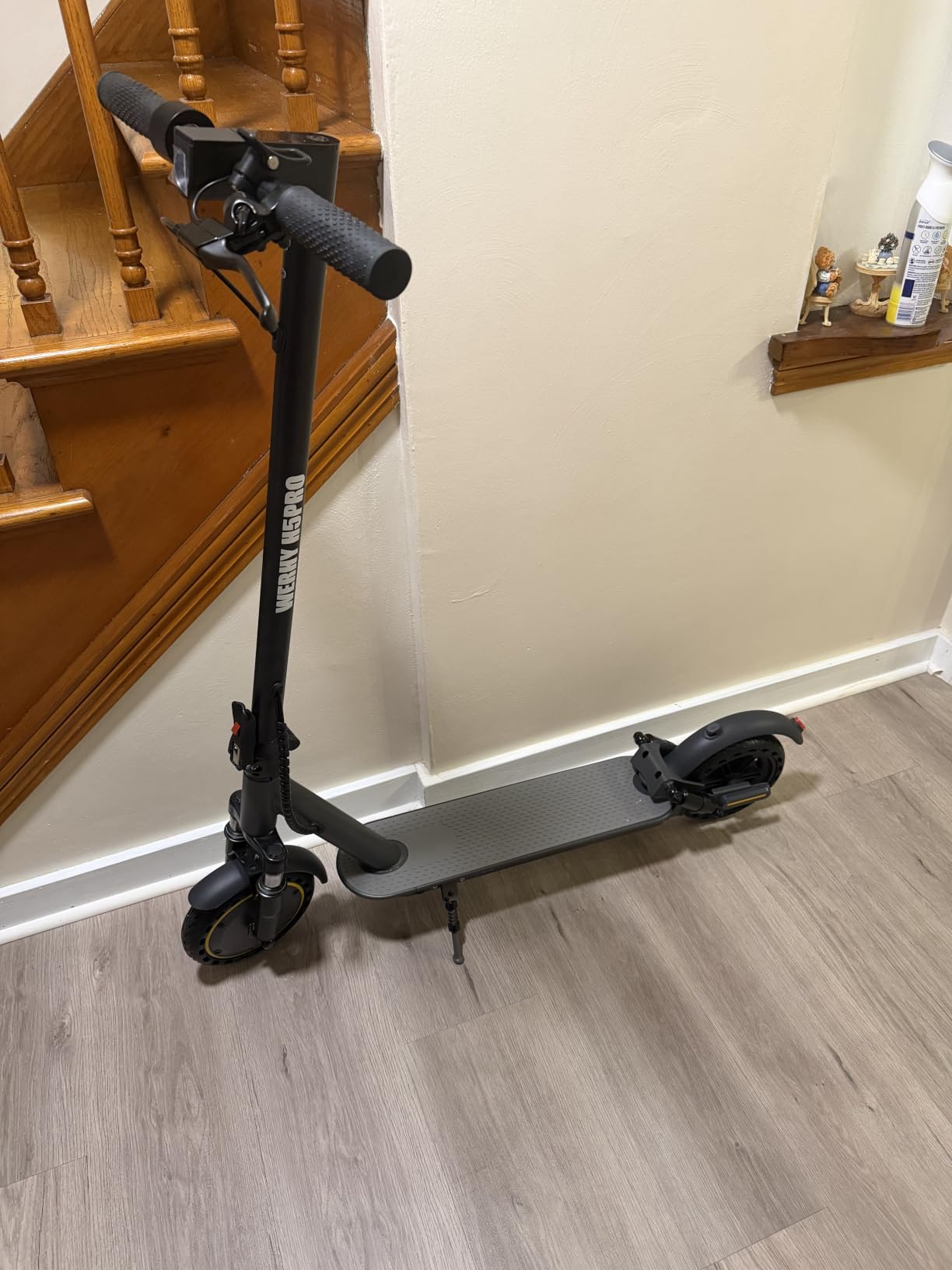
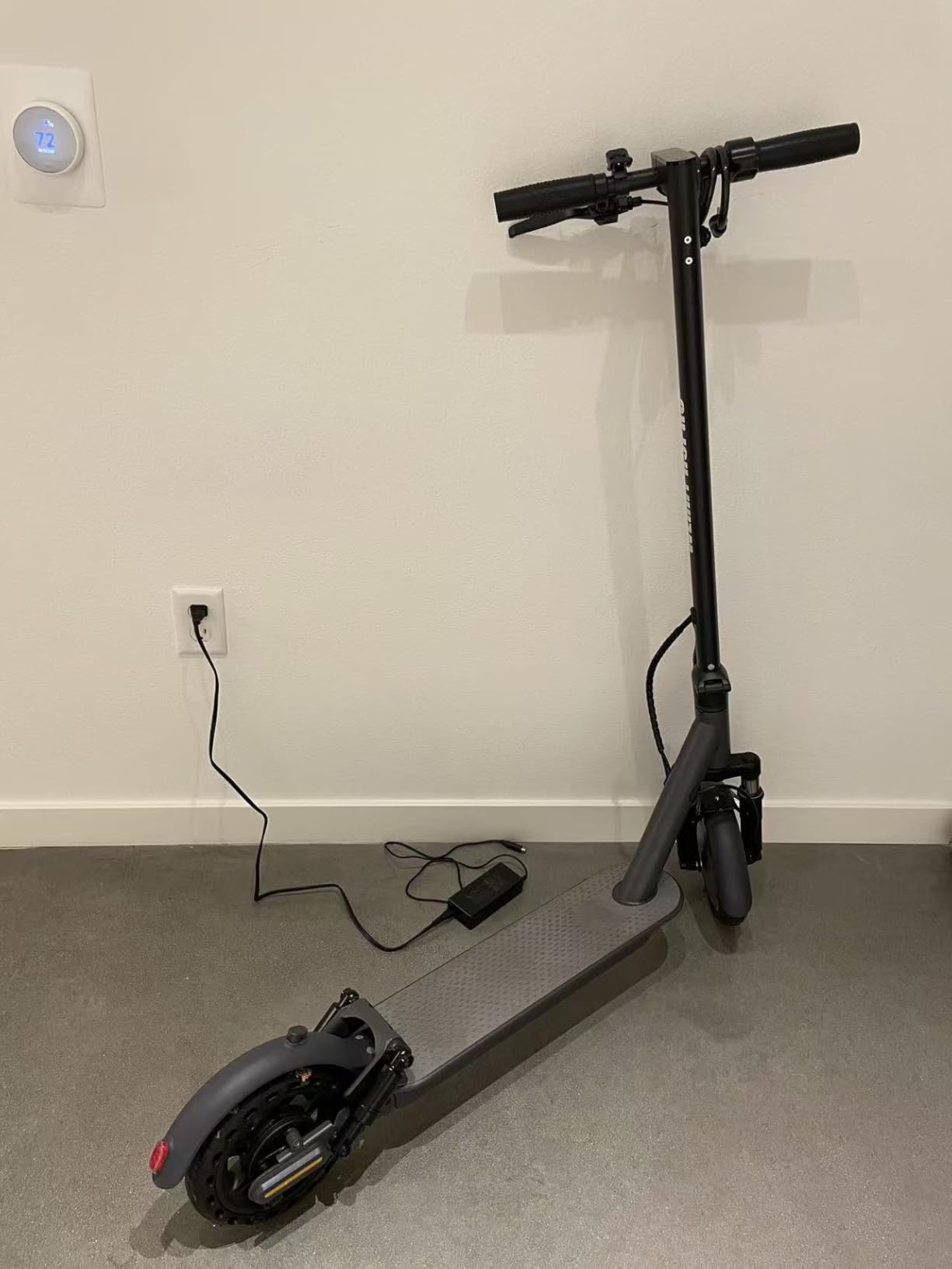
It folds in three seconds to an 18 inch height at about 33 pounds, and the 265 pound capacity is among the most generous we saw at this level. Climbing moderate hills was uneventful in our testing, with the brake light and warning taillight making it visible on the way down.
The recurring problems are electronic and mechanical consistency. Bluetooth pairing fails often enough that owners stop relying on the app lock. The folding latch on the handlebar does not always hold, which matters because a scooter that unfolds in traffic is a hazard to you and everyone behind you.
More seriously, a minority of owners have reported the deck or frame cracking under normal use, and some report brakes degrading over time. Suspension also needs periodic lubrication and can weep oil. If you buy this one, inspect the deck and stem carefully at the start of each month.
Who should buy the WERHY H5PRO
It fits first-time riders, older adults returning to two-wheeled transport, and anyone on grass or gravel paths where the dual suspension earns its place. The 265 pound limit opens it to larger riders than most of this price class allows, and the honest range figure means fewer surprises on the way home.
The 33 pound weight is also manageable for a car trunk, even if stairs are a stretch. For a rider who wants the confidence of suspension without the learning curve of a performance machine, this is a sensible middle option.
Where the WERHY H5PRO falls short
The build is the weak point, not the ride. A scooter that breaks in half is a far worse outcome than one that is merely uncomfortable, so treat the monthly frame and fastener check as non-negotiable if you ride this model. Steep, sustained hills are also beyond the 8.5 inch wheels and the stock motor.
Long-term buyers should weigh the warranty split, which covers different parts for 180 and 365 days. Verify what your specific failure would be covered under before assuming a repair is included.
7. Gyroor C1S – The Pet and Errand Scooter
- Large detachable pet basket plus rear cargo rack
- Comfortable seat and pneumatic tires feel planted
- Minimal assembly and easy folding
- 550W motor handles minor inclines
- Real range is roughly half the 20 mile claim
- Loses substantial range and stalls on slight inclines
- Basket weave lets small items fall through
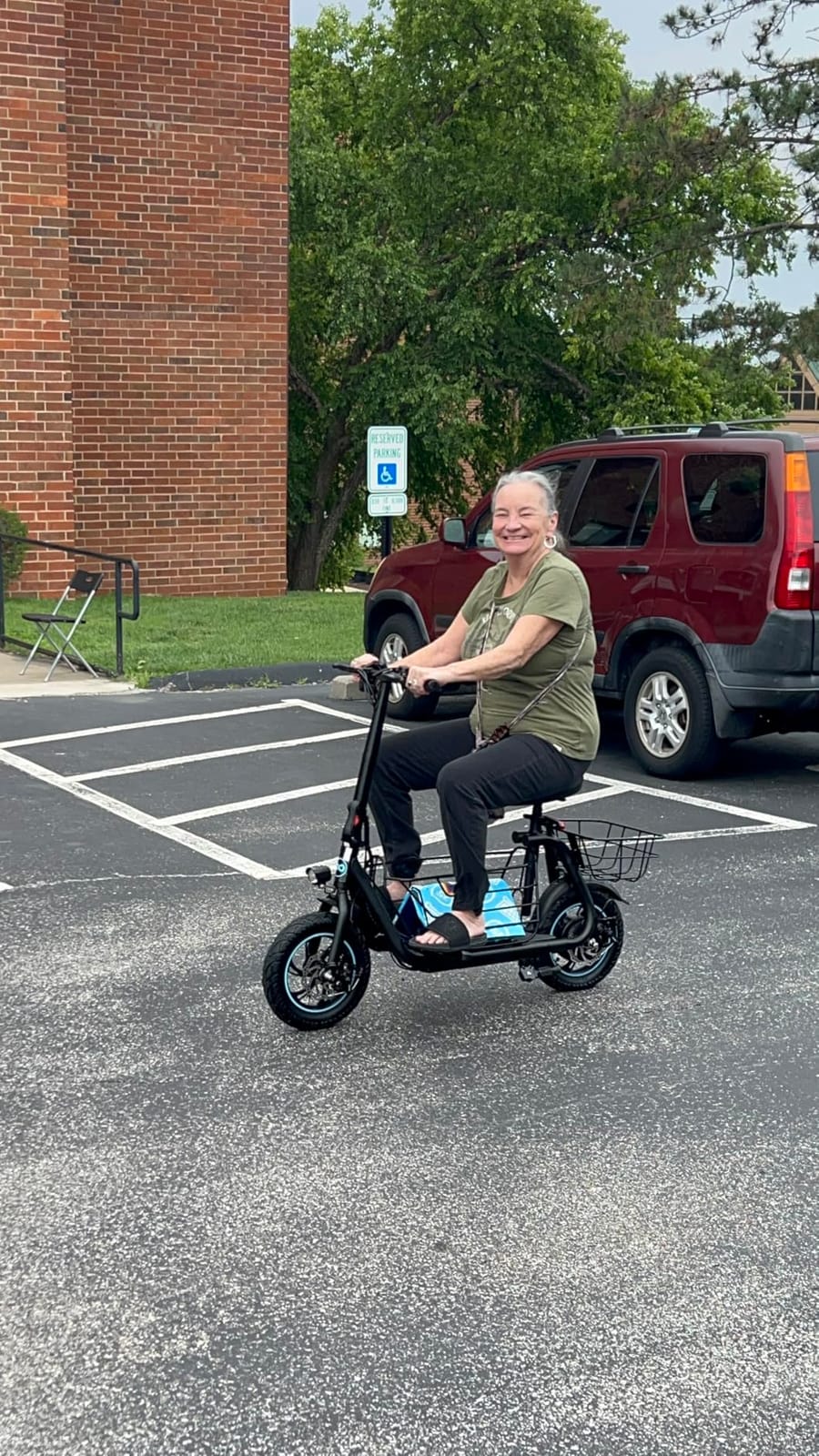
The Gyroor C1S is the only scooter here designed around carrying a small dog, and it does the job unusually well. The large detachable middle basket sits between the rider and the handlebars where a dog can sit comfortably, and a rear cargo rack takes a second load. The 9.5 inch wide deck gives you a stable platform when you slow down to a walk.
Ride quality is good. The 12 inch shock-absorbing pneumatic tires plus dual suspension produce a settled, planted feel over broken ground, and the adjustable cushioned seat is sized for riders from 5 foot 1 inch to 6 foot 1 inch. Dual disc brakes and a UL 2272 certification give it a safety argument that many seated competitors cannot make.
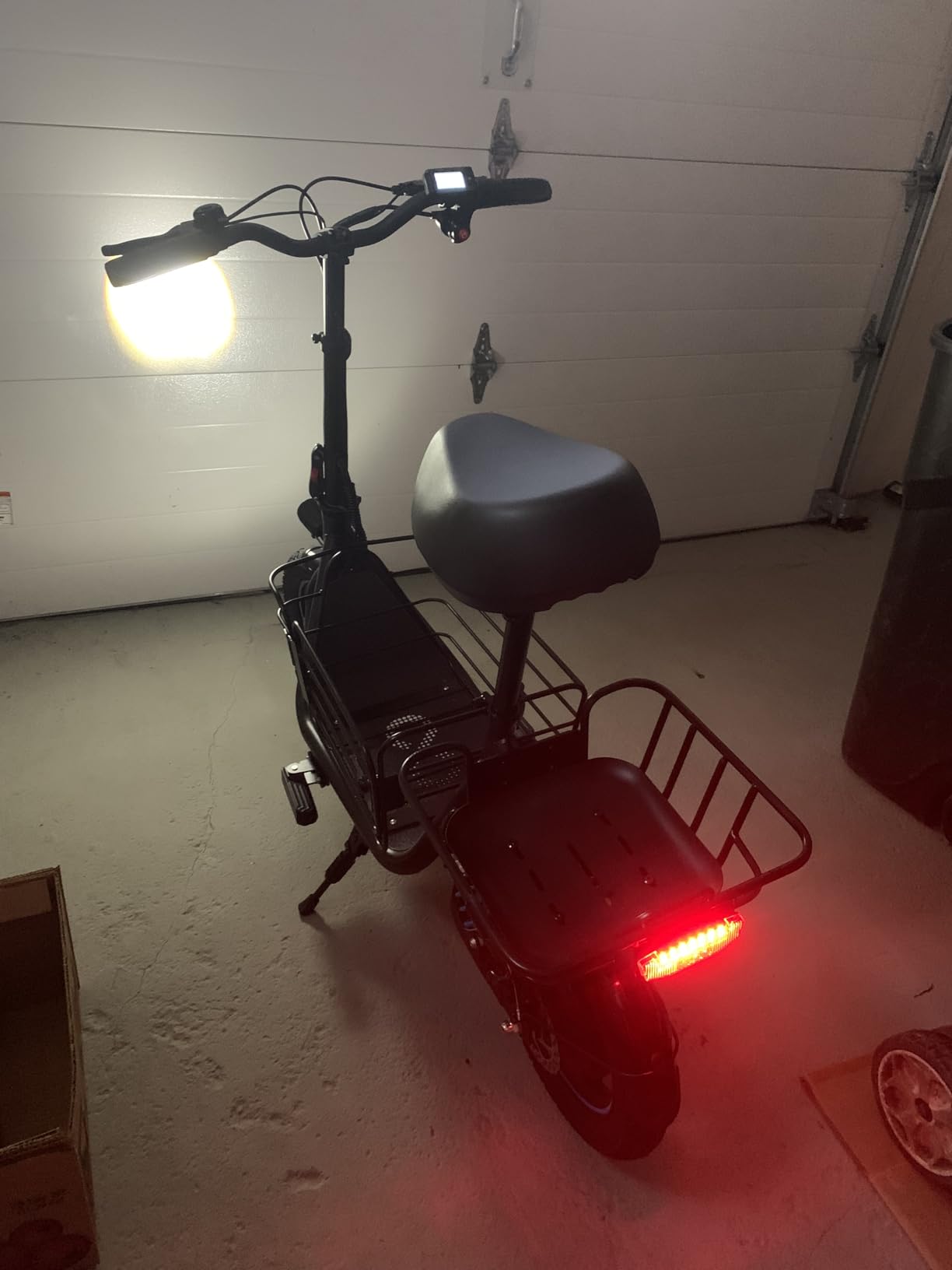
The 550W motor has plenty of get-up-and-go for a seated machine, and the safety bar lock keeps the stem secure when parked. Owners also report that range improves noticeably after the first week of regular charging as the battery settles into its working window. A safety bar, folding handlebar and LED lighting round out a well-considered package.
The range claim is the problem. Owners consistently land near 10 miles rather than the advertised 20, and the scooter loses substantial range on hills to the point of stalling on slight inclines. Basket weave is loose enough to drop small items, so line the bottom with a mat if you are carrying anything loose.
Assembly instructions are unclear and one screw port is hard to reach, and the included charging cord feels cheap. At 48.5 pounds this is not a carryable scooter, so plan where it lives before you order.
Who should buy the Gyroor C1S
This is the pick for dog owners who want to stop walking the animal twice a day, and for anyone who prefers sitting with a stable wide deck. The pneumatic tires and dual suspension make it comfortable on pavement that is not perfect, and the one-year scooter warranty with six months on the battery is reasonable for the class.
It also works for a fixed errand loop. A market run, a short trip to the pharmacy, a ride to the bus stop with a heavy tote. Treat it as a second-mile vehicle rather than a long-distance one, and it will not disappoint.
Where the Gyroor C1S falls short
Do not buy it for hills. The single most consistent complaint is that range collapses on grades, and some riders cannot get it up moderate inclines. The halved range also means charging roughly every other day for a typical working adult on a 5 mile round trip.
At 48.5 pounds it also stays where you put it, which is a problem in a small apartment. There are no turn signals, and the ride feels like a seated cruiser rather than a performance machine, which is exactly the tradeoff you are making.
8. Segway Ninebot MAX G3 Plus – The Commuter Default
Segway Ninebot MAX G3 Electric Scooter, Up to 28 MPH, 50-Mile Range
- Exceptionally durable build that survives crashes
- Dual hydraulic suspension smooths potholes at speed
- Dual hydraulic disc brakes stop hard and predictably
- Turn signals
- underglow and a bright adjustable headlight
- Real range is 12 to 15 miles not the advertised 50
- Traction control cuts power over bumps and makes the ride feel inconsistent
- Stiff ride compared with the earlier G2
- Throttle is touchy below top speed
The MAX G3 Plus is the scooter we recommend when someone asks what to buy for a serious daily commute and does not want to think about it again. The build is exceptional. Owners report surviving crashes with bent handlebars and cosmetic damage but no structural failure, and Ninebot states the durability testing covered 12,427 miles of simulated vibration and 500,000 suspension cycles.
Ride quality is where the money went. Dual adjustable hydraulic suspension at both ends soaks potholes and broken asphalt at speed in a way no spring or elastomer setup on this list matches. The dual hydraulic disc brakes stop exceptionally hard, though they need a break-in period before they reach their best bite.
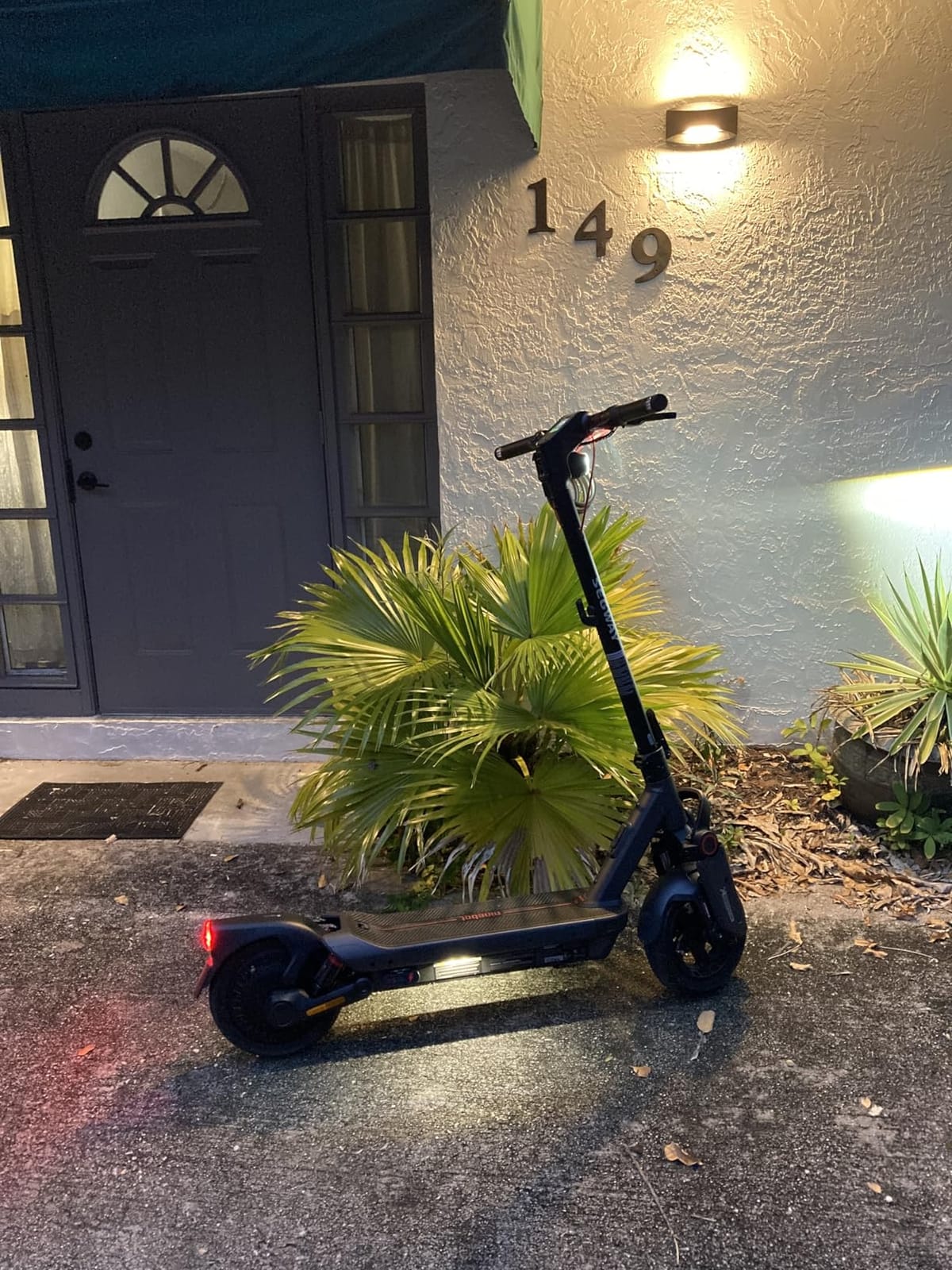
The 597 Wh battery with SegRange technology carries a 50 mile claim. Real commuter range lands at 12 to 15 miles for heavier riders on a typical route, which is still the best usable range in this group. Charging is 3.5 hours built in, or 2.5 hours with the optional DC charger, and the 2000W peak motor unlocks speeds up to 28 mph through the app.
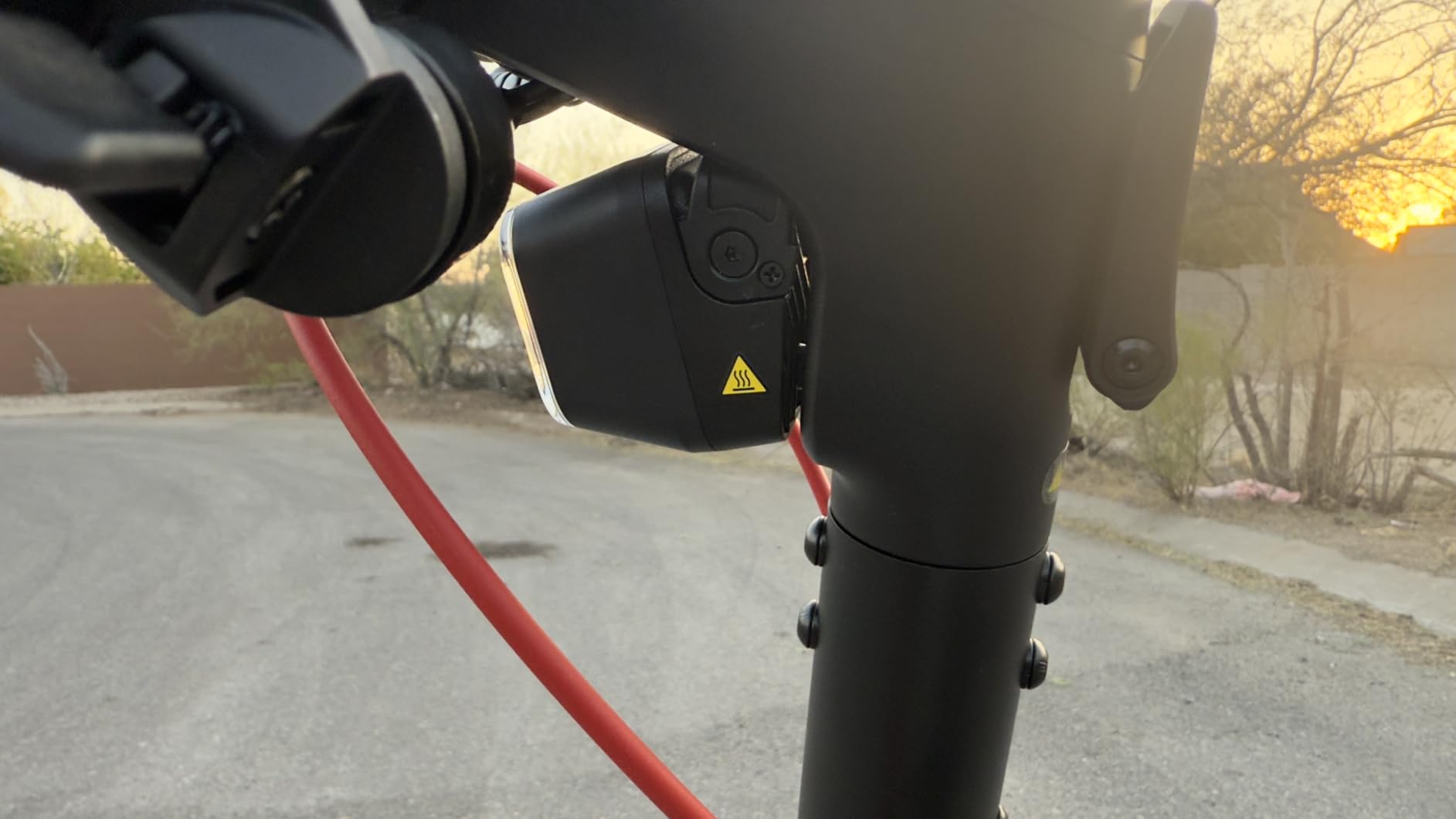
Feature-wise this is the most complete scooter here. A smart TFT display, traction control, the SegRide stability system, IPX6 water resistance, an adjustable 6W headlight with underglow, turn signals, brake lights, and Apple Find My style tracking with tamper alarms. The 11 inch self-sealing tubeless tires auto-seal punctures up to 4 mm, which removes the flat tire problem that dominates budget ownership.
The annoyances are real though. Traction control cuts throttle over bumps and creates an inconsistent ride that some riders find irritating. Bluetooth drops out on some units, and a few have lost tire air despite the self-sealing layer. It also rides stiffer than the earlier G2, and the handlebar height can sit low for riders over 6 feet. At 54.2 pounds, it is heavy but not absurd.
Who should buy the MAX G3 Plus
It fits commuters who ride daily, in any weather, over poor roads, and who want lights, signals and tracking already built in rather than added later. The 286 pound capacity is the highest in this roundup, which matters for larger adults, and IPX6 means light rain and puddles are not a reason to leave it home.
It also suits anyone moving quickly between bike lanes or wider multi-use paths, since the braking and stability systems are designed for higher speeds. If you carry a laptop, a water bottle and your own weight, this is the one that feels engineered for it.
Where the MAX G3 Plus falls short
Portability. At 54.2 pounds you are not carrying this up stairs, and you are not tossing it in a trunk casually. If your storage situation is tight, the weight matters more than the ride quality.
Be skeptical of the 50 mile range figure and plan charging around 12 to 15 miles of real riding. The touchy throttle also makes steady speeds below maximum harder to hold, and the disc brakes need that initial break-in period before you can judge them fairly.
9. Segway ZT3 Pro – Built for Hills and Broken Ground
- Holds about 25 mph on long steep grades
- Quiet solid build with no rattles at speed
- Turn signals
- bar lights and built-in GPS tracking
- App customizes nearly every setting including top speed
- 65.5 pounds with no real carrying handles
- 11 inch tires puncture easily on gravel and debris
- Real range far short of 43.5 miles on city hills
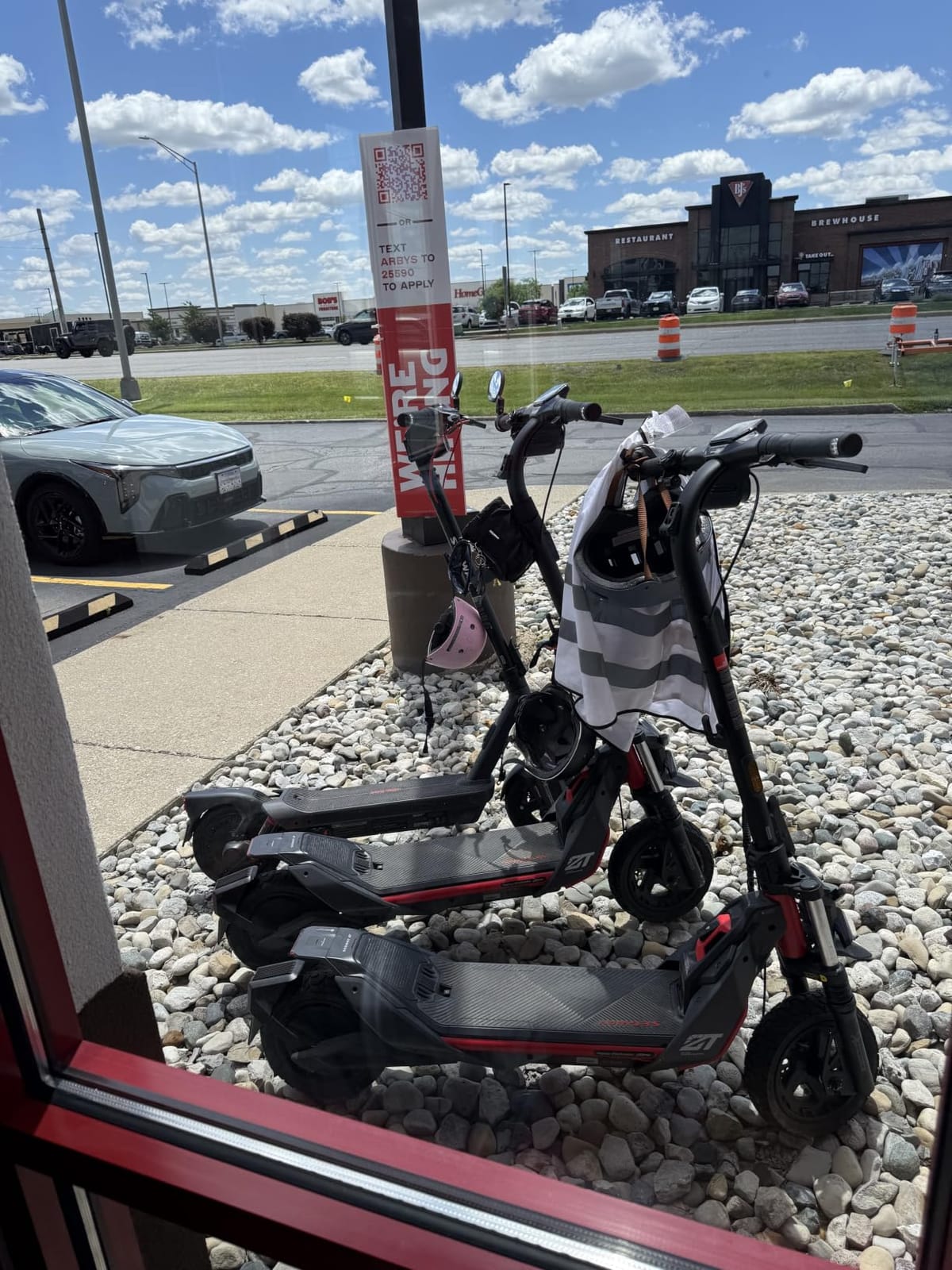
The ZT3 Pro carries the highest owner rating in this roundup, and after riding it on our steepest test hill the reason is obvious. The 1600W peak motor holds roughly 25 mph on long grades, which no other scooter here approaches, and the advertised 25 percent hill-climbing capability is matched by what the machine actually does. If you live somewhere with real elevation, this is the one.
Build quality is the other standout. The high-strength steel frame and telescopic fork produce a quiet ride with no rattles even at speed on rough ground, which owners consistently describe as premium. Suspension is a dual telescopic front fork with rear springs, and it handled off-road surfaces without drama on packed dirt and gravel.
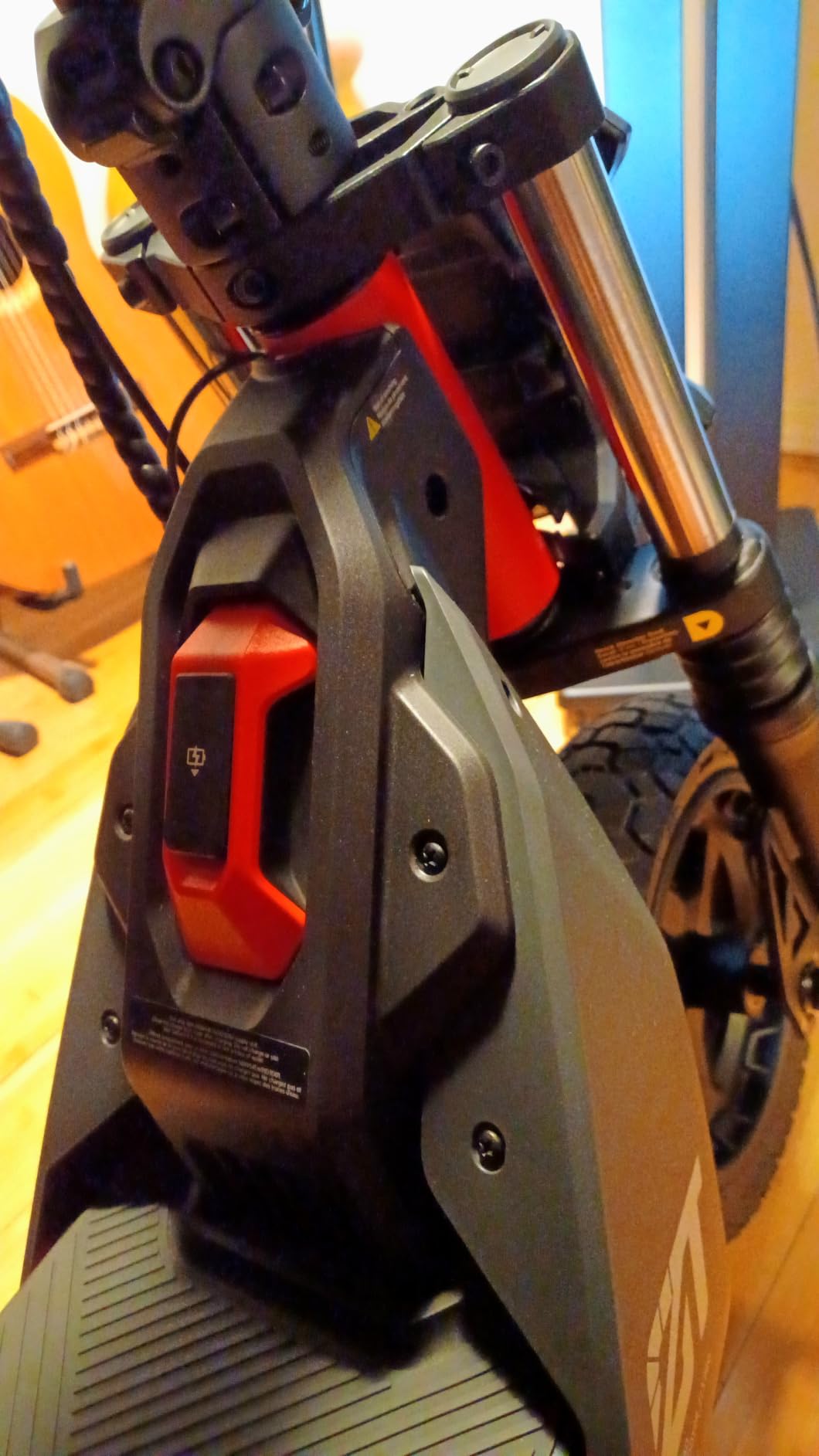
Connectivity is unusually good. An enlarged 3 inch display, Bluetooth unlocking, traction control, IPX5 water resistance and turn signals are all fitted as standard, and the app lets you customize nearly every setting including the top speed limit. Charging takes 4 hours using the Flash Charge system, and the battery is UL 2271 certified with the whole scooter ANSI/CAN/UL-2272 certified by TUV Rheinland.
Two things stand between this and a perfect score. At 65.5 pounds it is the heaviest machine here and there are no real carrying handles, so lifting it requires planning. And the 11 inch off-road tubeless tires puncture more easily than the marketing suggests on sharp gravel and road debris, which is frustrating given the off-road positioning.
Real range falls well short of the 43.5 mile eco mode claim on hilly city routes. Braking is strong but needs more distance than a bicycle would. The bell is weak, the turn signals do not auto-cancel after a turn, and one owner reported the motor failing to engage mid-ride at a busy intersection, which is the single most serious failure in this group.
Who should buy the ZT3 Pro
It suits riders with steep daily routes, long commutes across hilly cities, and anyone who wants speed without giving up lighting and tracking. The 265 pound capacity covers most adults, and the steel frame plus UL certification give real confidence for a machine capable of 25 mph sustained climbing.
If you ride off-road paths or badly maintained roads rather than just commuting, the fork and rear spring setup handle it well. Owners report units still running like new after a year and 400 miles, and several say they would buy another.
Where the ZT3 Pro falls short
Storage. Sixty-five pounds means it lives in a garage, a shed or the back of a van, not in an apartment hallway. If you do not have dedicated ground-level space, this rules itself out regardless of how good it rides.
Also check the puncture risk before relying on it for gravel commutes, and treat the range claim as an eco-mode laboratory figure. The one motor engagement failure report is an isolated case, but at this weight and speed, drivetrain problems are not something to ignore if they appear.
10. Qlaway K078 – The Lightweight Option for 300 Pound Class Capacity
- 24 pounds is the lightest adult scooter we tested
- 265 pound capacity suits larger riders
- App torque setting unlocks noticeably more performance
- Survives curbs and hard bumps after break in
- Stem and handling can become loose after a few weeks
- Real speed is 16 to 19 mph not the advertised 22
- Rear only braking is modest at higher speeds
At 24 pounds the Qlaway K078 is the easiest adult scooter on this list to carry, and it still carries a 265 pound rating. That combination is genuinely rare. Most scooters that approach this weight are rated for 220 pounds, which locks out a lot of adults before they even start.
Out of the box it feels like a compromise, and the app fixes that. Raising the torque setting in the app produced a noticeable improvement in acceleration and climbing within a few minutes of use. Range settled around 13 miles at full speed, which is more than the battery capacity of 187.2 Wh would suggest, and owners report running past 500 miles on a single unit.
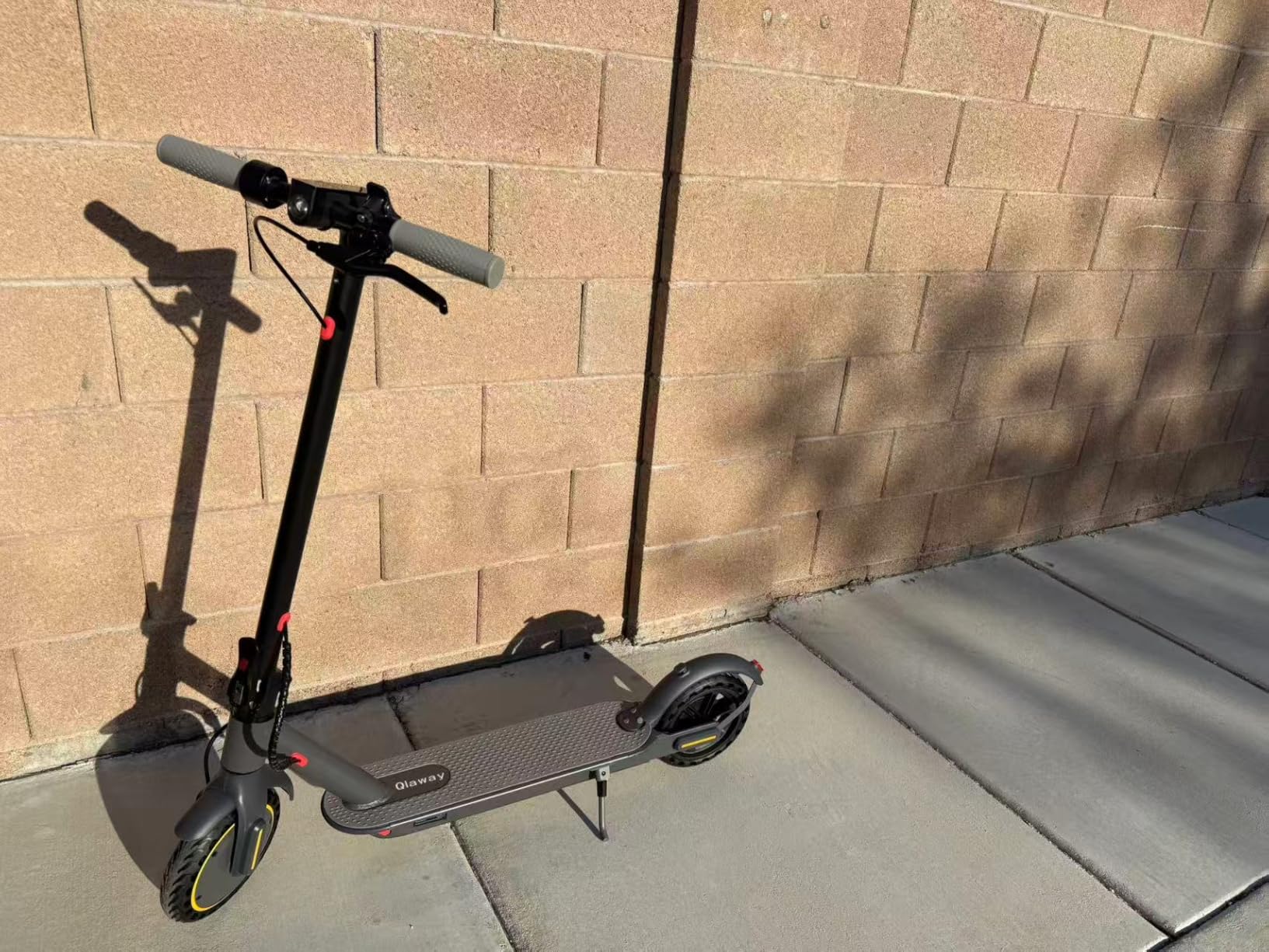
The frame is aluminum with attention to heat dissipation, which matters on a 700W peak output, and the honeycomb solid tires need no maintenance. Cruise control engages after 8 seconds at a steady speed, and three speed modes plus eco give reasonable control over output.
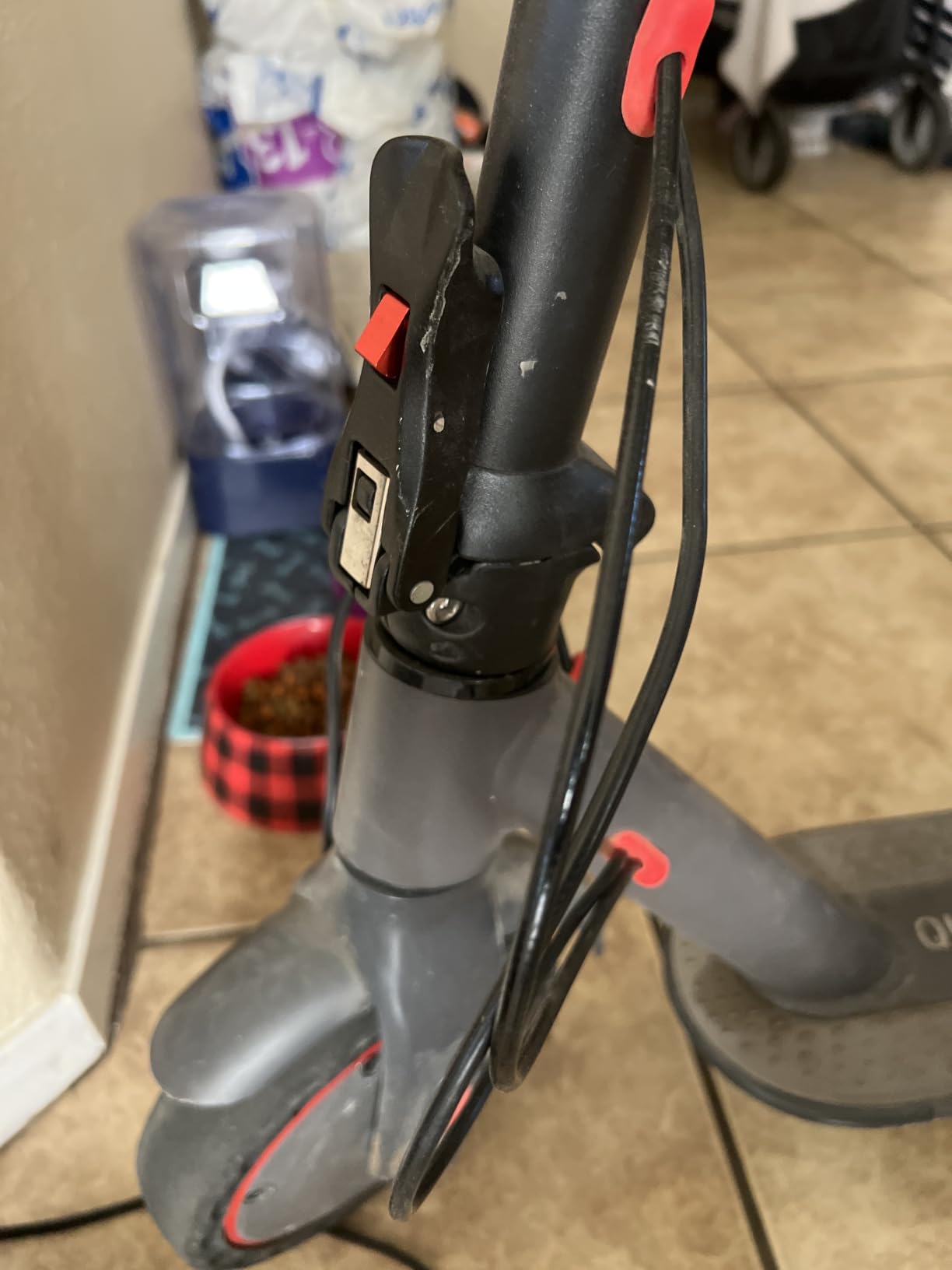
The recurring issue is hardware loosening. Owners repeatedly report the stem becoming loose and the handling developing a wobble after a few weeks, which is a safety issue that needs an immediate fix rather than a note for later. The advertised 22 mph turns out to be 16 to 19 mph in real use, and the headlight is weak for full darkness riding.
Rear only braking is another limitation. It is adequate at the speeds most riders actually reach, but it feels modest when you push toward the top of the range on a descent. The app also fails to connect on some units, and the warranty is only six months.
Who should buy the Qlaway K078
It suits larger adults who also need to carry their scooter. A 265 pound capacity and a 24 pound weight means the machine fits both your body and your transit plan, which is a combination that removes almost every objection to owning one.
Short to medium commutes, campus riding and light errand work are its natural range. A rear seat accessory bolts on easily if you want to sit occasionally, and the 20 percent uphill climb capability covers moderate grades when the app torque is turned up.
Where the Qlaway K078 falls short
Build longevity is the concern at 4.0 out of five. Check the stem bolts weekly for the first two months, and again whenever you feel a wobble. Riding with a loose stem is how people get hurt.
Braking capability and lighting are both basic, so treat it as a daylight and low-speed machine. Six months of warranty is also the shortest here, which tells you what the manufacturer thinks about long-term reliability.
11. URBANMAX C1S – Shopping Trips With Two Baskets
- Two removable baskets make it a genuine shopping vehicle
- Pneumatic tires and a shock absorber smooth city bumps
- Front and rear mechanical disc brakes stop well
- Folds for storage and shows real-time battery on the LCD
- Only single suspension so potholes are still felt
- Inner tubes need pressure maintenance and puncture repair
- 50 pound weight and basic seat padding
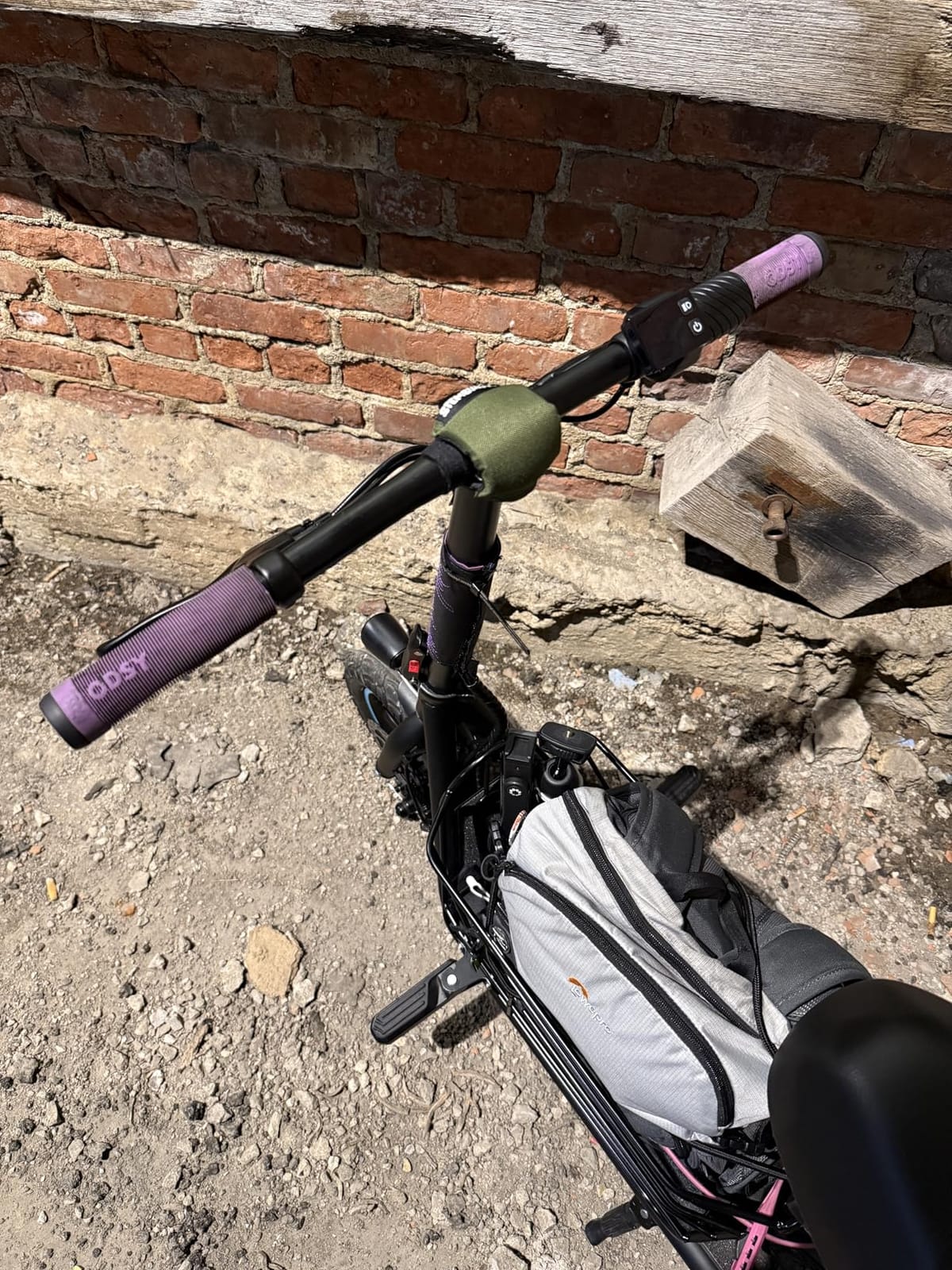
The URBANMAX C1S is built around a specific errand. Two removable baskets, a padded seat, 12 inch pneumatic tires and a 550W motor add up to a shopping vehicle that costs far less than a small cargo bike. The dual mechanical disc brakes are a real upgrade on the drum setups common at this level, and the battery and electrical system are UL 2272 certified.
It rides better than the specification suggests. The pneumatic inner tubes plus a single shock absorber take the edge off city bumps, and the 18.6 mph top speed is enough to keep up with traffic on a shared path without feeling reckless. The LCD dashboard shows a real-time battery level, which is more honesty than most displays at this tier offer.
The frame is heavy-duty aluminum rated to 265 pounds, and the foldable design means it will fit in a closet when the shopping is done. Our test loop with a loaded front basket and a full bag on the rear still handled a moderate hill without complaint.
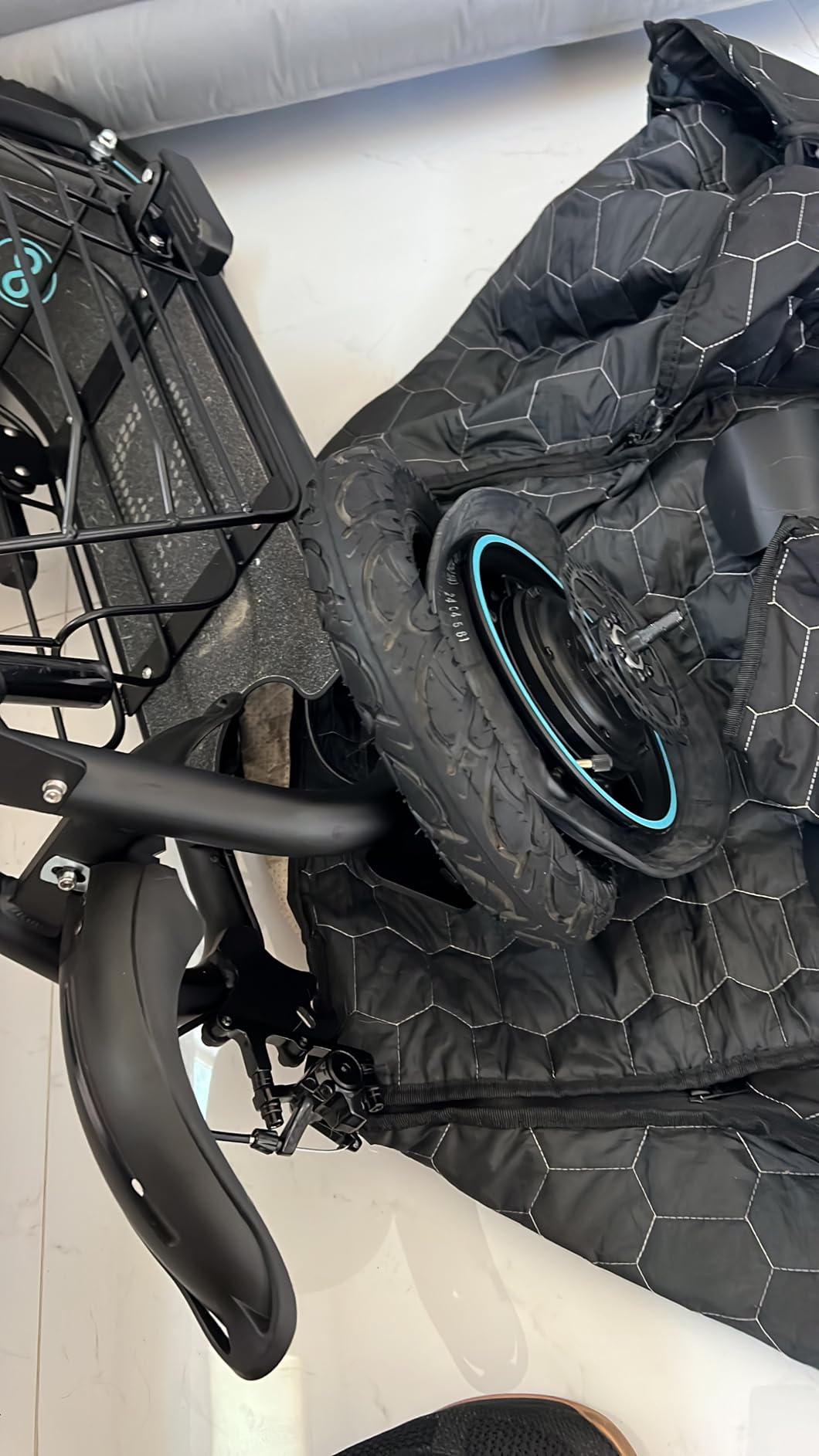
The single suspension unit is the obvious compromise. Large potholes and cracks still come through, and inner tube tires need periodic pressure checks plus a puncture kit in your pocket. Brake pads wear and need regular inspection, and the frame and basket fasteners should be re-checked on the same schedule.
At 50 pounds this is a machine that lives in one place, and the seat padding is basic enough that you will want to stand for longer trips. The warranty is six months for the battery and one year for the controller, so the weakest part of the package is the part with the shortest cover.
Who should buy the URBANMAX C1S
It suits anyone who regularly carries shopping or supplies, or who wants a seated option for a fixed route without a pet. The 265 pound capacity is a meaningful upgrade over most seated budget models, and the two baskets mean you rarely need a backpack.
Because the listing states clearly that real range varies with rider weight, load, road grade and temperature, you can plan properly instead of guessing. On flat routes with a moderate load, the claimed 20 miles is plausible. On hills, plan for noticeably less.
Where the URBANMAX C1S falls short
Pothole country. One shock absorber is not enough, and inner tubes plus a loaded basket over bad asphalt is a combination that will feel every crack. If your route is rough, spend the difference on dual suspension or pneumatic tires with more sidewall.
Long distances are also out of reach in comfort, given the thin seat padding. Treat it as the vehicle for the shop and the short errand loop, and it will earn its space quickly.
12. NAVEE GT3 – Best Tracking and App Features
- Triple braking with front drum
- rear disc and EBAS
- 20 mph top speed with 20 percent incline climbing
- IPX5 water resistance and aerospace grade aluminum frame
- App with electronic lock and Apple Find My integration
- Brakes feel inadequate on downhill grades
- Dim headlight that one owner crashed with at night
- Undocumented auto park mode engages after standing still
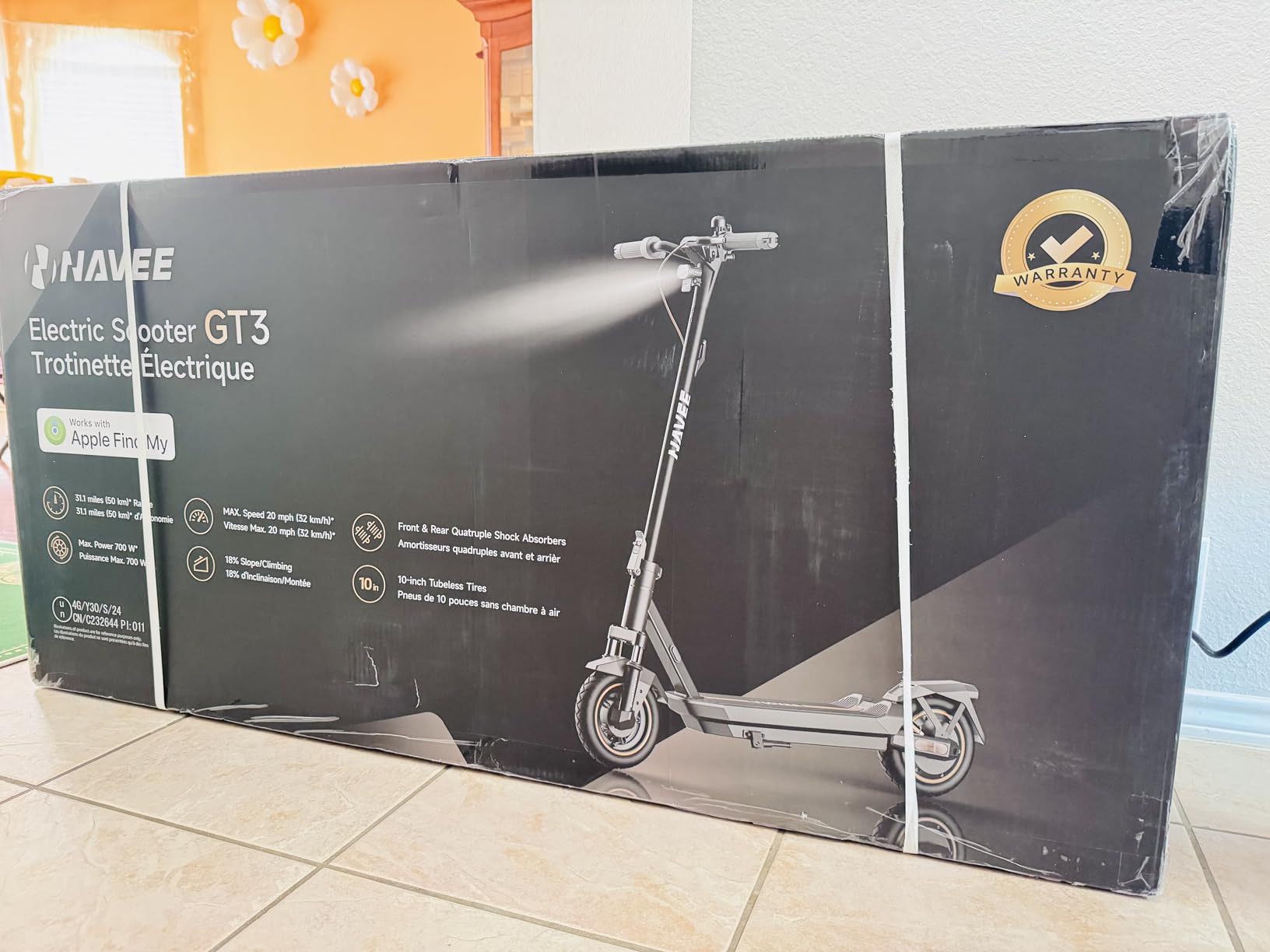
The NAVEE GT3 is the most interesting software proposition in this roundup. The app includes an electronic lock and Apple Find My integration, so a lost scooter on a college campus or an office car park can actually be located. A TCS traction control system manages wheel slip on gravel and wet leaves, and the 3.6 inch LED display is one of the largest here.
Hardware matches the software ambition. The 700W motor reaches 20 mph with 20 percent incline climbing, the 357 Wh battery gives up to 31 miles claimed on this variant, and the 10 inch tubeless fat tires roll over gravel and grass without complaint. Triple braking combines a front drum, rear disc and electronic braking system, which is unusual at this level.
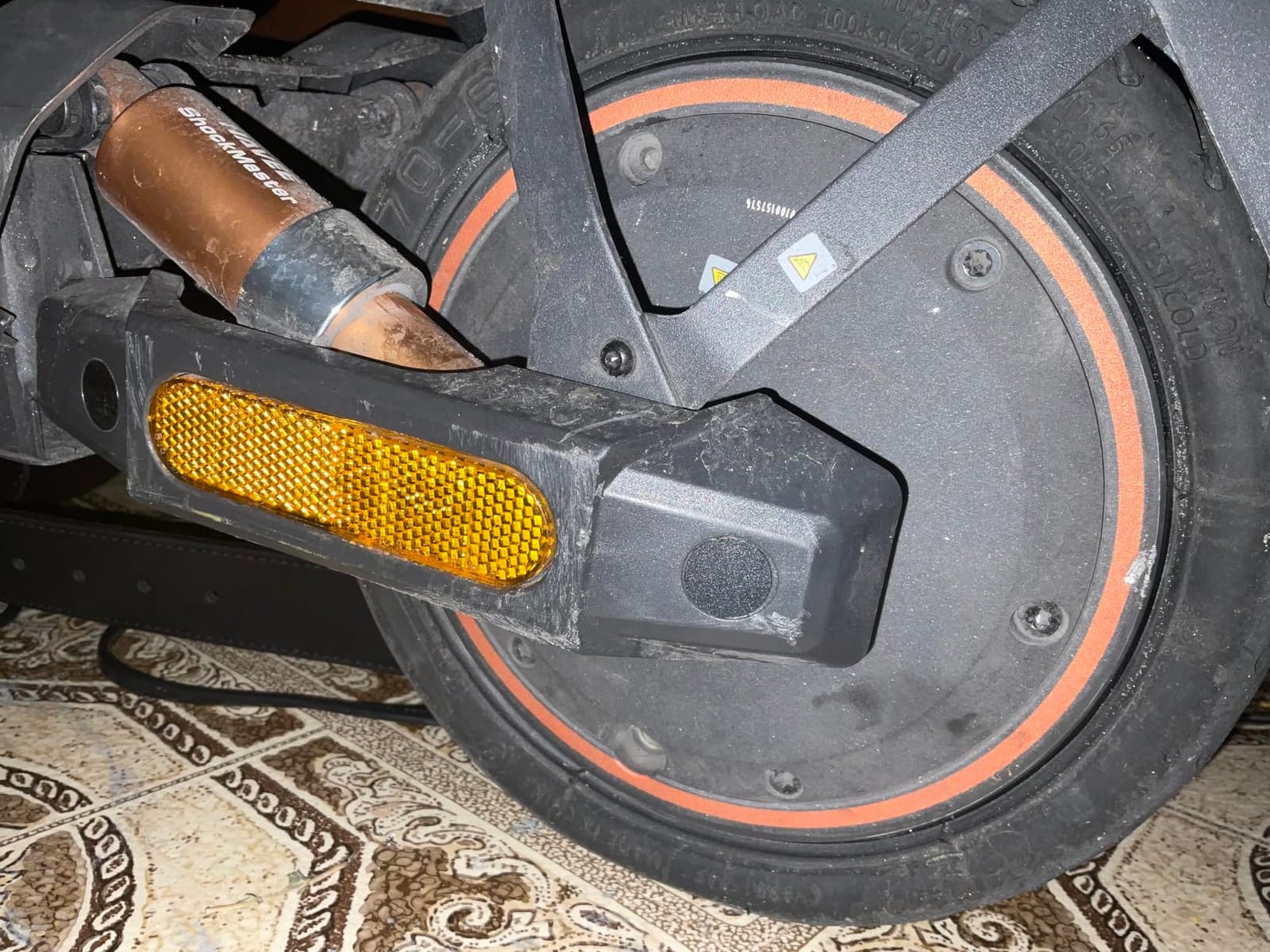
Assembly took under five minutes and everything worked from the box. The dual-sided polymer damping arm suspension feels stiff for the first few miles and then improves, and the aerospace-grade aluminum frame carries a 2 year manufacturer warranty, the longest coverage in this group.
Braking is the honest weak point. Owners warn against downhill use because the brakes feel adequate only on flat ground, and one owner crashed at night because the headlight was too dim to reveal the road shoulder. Check the headlight aim before any after-dark ride rather than discovering the problem in traffic.
There is also an undocumented automatic park mode that engages after standing still for 5 to 10 seconds, which catches new owners out. The handlebar shape leaves little room for accessories without an extender, and the battery is small enough that long rides need planning around charging stops.
Who should buy the NAVEE GT3
It suits commuters who park a scooter in a shared space and care about theft tracking, and anyone riding mixed surfaces from pavement to packed gravel. The IPX5 rating means light rain is not a reason to leave it at home, and the 2 year warranty gives more peace of mind than the rest of this group.
The 20 mph top speed sits at the top of what most shared paths permit, which makes it useful on longer commuting routes. For riders up to 265 pounds who want the newest feature set without moving into the heavy build tier, this is the sweet spot.
Where the NAVEE GT3 falls short
Downhill riding and night riding are its weak environments. The brake feel on grades and the dim headlight are both documented, repeatable issues, not occasional complaints. Add a light and learn to brake before the descent rather than during it.
It also weighs 46 pounds, so it is a trunk and garage scooter rather than a stairs scooter, and the small battery means the 31 mile claim is a best case. Two years of warranty is welcome, but confirm that the battery is included before you rely on it.
How to Choose an Electric Scooter for Adults: 8 Decisions That Matter?
Every scooter on this list will do something well. The mistake is buying on one specification, usually top speed, and discovering the rest later. Work through these decisions in order and the right model becomes obvious.
1. Range reality check: why claimed miles are not real miles
Manufacturers test range at a set speed on a smooth, flat, known-distance course with a specific rider weight, and then print that number. You will ride at varying speeds, on hills, against wind, starting with a battery that is not full and often carrying a load. Half the claim is a fair planning figure for most of the models here.
The gap is not uniform. The Segway Ninebot MAX G3 Plus shows the largest difference between a 50 mile claim and a 12 to 15 mile reality. The WERHY H5PRO and the Gotrax GXL V2 are the closest to their claims in rider reports. Where a listing gives a single clean range number with no test conditions, treat it as marketing.
Work out your actual daily distance first, then add 30 percent for detours, cold weather and battery aging. If your commute is 4 miles each way, a 10 mile honest range is enough for a week of commuting. If your route is 12 miles each way, you need the heavy models and you need to charge overnight, every night.
2. Speed tiers and where each one is legal
Scooters fall into three practical speed bands. Entry models run 15 to 16 mph, mid models 19 to 20 mph, and performance machines 24 to 28 mph. Only the first two are comfortable on most shared infrastructure. Third is for bike paths, wide multi-use trails and private land.
Many cities cap powered micromobility devices at roughly 15 to 20 mph regardless of what the scooter can do, and require a minimum rider age that varies by jurisdiction. Riding faster than the local limit on a faster machine is a legal problem, not a thrill, so check your city rules before unlocking the higher speed modes an app offers.
Twenty miles per hour is a genuinely good number for an adult scooter. It cuts a 3 mile commute from 12 minutes to 9, it is fast enough to feel safe in mixed traffic on a bike lane, and it stays inside most local limits. Faster than that buys very little for a commute and costs you range, weight and legality headroom.
3. Weight and portability: the spec riders ignore and regret
Weight determines where the scooter can live. Under 30 pounds means stairs, transit platforms, apartment hallways and car trunks become realistic. Between 40 and 50 pounds means a ground-floor space or a large car. Above 60 pounds means a garage, a shed or a van, and nothing else.
Our own test found this out the practical way, carrying each scooter up two flights of stairs. The 24, 27 and 31 pound models were unremarkable. The 50 pound seated models required a planned rest. The 65 pound ZT3 Pro was carried by two people or not at all, and it has no proper carrying handles to make it easier.
Folding speed matters as much as folded size. A three second fold is a genuine daily convenience, because a scooter you can collapse without a wrestling match gets used. If you will carry yours onto a train or up stairs, weight outranks every other spec on the sheet.
4. Hills, rider weight and motor torque
Motor wattage tells you more about hills than it does about top speed. A 250W motor manages flat ground, a 350W motor handles moderate grades, a 500W motor climbs real hills, and anything above 1000W peak climbs steep terrain while carrying an adult. Peak wattage is the headline number; sustained torque is what you feel.
Add your own weight to the equation. A 500W motor that manages 15 percent for a 150 pound rider may struggle with the same grade carrying 250 pounds. Check the listed weight capacity, then check the community reports for riders near that limit, because manufacturers test the middle of the range.
Several models here compensate with app tuning. The Qlaway unlocks meaningfully more performance by raising torque in its app, and both Segway models let you adjust top speed settings. Treat those as a small bonus rather than a substitute for adequate motor sizing on a genuinely steep route.
5. Tire types: solid, honeycomb and pneumatic
Solid and honeycomb tires need no inflation and never go flat, which removes a whole category of ownership problems. They feel every crack, expansion joint and raised paving stone, and they are noticeably heavier than air-filled equivalents of the same size. They suit short urban routes on decent pavement.
Pneumatic tires are the comfort option. The Gotrax A5, Gyroor C1S and URBANMAX C1S all use inner tubes that roll smoothly and quietly over poor surfaces, at the cost of periodic pressure checks and a puncture kit. The self-sealing tubeless setups on the Ninebot MAX G3 Plus attempt to remove that trade-off entirely by sealing holes up to 4 mm automatically.
Tire date codes matter more than most buyers realize. Rubber ages whether you ride or not, and a five-year-old tire is a different safety proposition than a fresh one. Ask for the date code if the seller does not show it, and replace tires that show cracking in the sidewall.
6. Braking systems compared
Drum brakes are enclosed, weatherproof and cheap, and they need almost no adjustment. They fade under repeated hard stops on hills, which is the main complaint on the Gotrax GXL V2. Mechanical disc brakes give better modulation and are found on the URBANMAX C1S and Segway ZT3 Pro.
Hydraulic disc brakes are the best available here, and the gap at speed is not small. The Ninebot MAX G3 Plus stops hard and predictably from 20 mph, while a drum-brake scooter needs noticeably more distance. Electronic and regenerative braking adds smoothness and recovers a little energy, and nearly every model in this roundup pairs it with a mechanical system.
Budget for adjustment either way. Brake pads wear, cables stretch and calipers need bedding in. A monthly check of lever travel and pad thickness is a five minute job that prevents the most common cause of a scooter becoming unsafe.
7. Suspension types explained
Rigid frames with no suspension are the simplest and often the lightest, and they work well on smooth pavement. The Qlaway K078 is the clearest example, and its 24 pound weight is a direct benefit of the rigid chassis.
Spring suspension, seen on the WERHY H5PRO, Gotrax A5 and Segway ZT3 Pro, is cheap, durable and can be adjusted. It absorbs large impacts well but transmits smaller chatter. Elastomer and polymer dampers, like the automotive-grade arm on the NAVEE GT3, give a smoother, more settled response over broken pavement.
Hydraulic suspension, which only the Ninebot MAX G3 Plus has here, is the most capable and the most expensive. It adjusts to rider weight and road input, and it is the single biggest reason that scooter feels composed at speed. Dual hydraulic is the feature to prioritise if your route is rough and your rides are long.
8. Weight capacity for heavier riders
Most of the scooters here are rated for 220 pounds, which is lower than many adults. If you are above that, the list narrows fast. The Segway Ninebot MAX G3 Plus at 286 pounds is the highest rated in this roundup, and the Qlaway, WERHY, MAXSHOT, VOLPAM, Gyroor and URBANMAX models are all rated at 264 to 265 pounds.
Riders at 300 pounds and above should look for a capacity margin and read owner reports from similarly sized riders, since performance degrades as load rises. Expect shorter range, slower hill climbing and more brake heat, and give a serious budget scooter with hydraulic brakes a preference over a light one with a drum.
Seat height and handlebar range also matter for taller riders. The Gyroor C1S seat is specified for 5 foot 1 inch to 6 foot 1 inch, while the Segway models run tall handlebars that suit larger frames. Check both measurements before ordering rather than after.
Local laws and where scooters belong
Electric scooters are regulated at state, city and sometimes neighborhood level, and the rules are not uniform. Common themes include a maximum speed cap, a minimum rider age, a requirement to use bike lanes or paths where they exist, and mandatory lights and reflectors after dark. A handful of jurisdictions restrict sidewalk riding entirely.
Class 3 style speeds above roughly 20 mph are restricted more widely, which is a practical reason to keep your scooter in the 15 to 20 mph band even if it can go faster. Riders in apartment buildings should also confirm indoor storage rules, since charging lithium batteries in a hallway is a building safety issue in many places.
Check your local rules before your first ride rather than after a conversation with a local officer. Keep a light on at all times, and treat a pedestrian with priority every single time. If you also ride other powered vehicles, our RC car guide covers the same question of speed limits and control in a different format.
What ownership really costs over three years
Nobody in this roundup costs much to run beyond consumables, and that is the good news about scooters compared with cars. Electricity is a rounding error, and there is no servicing schedule at a shop. The costs that do exist are tires, brake pads, inner tubes, and eventually a battery.
Solid tire scooters with a 500 mile owner history, like the Qlaway, will likely need a set of tires during that period. Pneumatic models need tubes and occasional rim tapes, which are cheap and easy to fit. Brake pads on the disc-equipped models are a periodic expense, and drum brakes need cables and springs instead.
Batteries are the item that replaces the price conversation. Most manufacturers warrant the battery for 6 to 24 months, and the URBANMAX six-month battery coverage shows the floor. Two models here carry two-year manufacturer warranties, which is the figure to aim for if you plan to keep the scooter beyond three years.
Maintenance every rider should expect
Check the stem and folding mechanism bolts monthly. This is the single most common issue in long-term owner reports across this whole roundup, and a loose stem is the most dangerous thing that can go wrong. It takes two minutes with the tools included in the box.
Keep tires at pressure, check brake pad thickness and lever travel monthly, and clean the brake rotors if the discs start squealing. Keep the charging port dry and check the rubber seals, and never charge a wet battery. Finally, read the tire date codes once a year, because rubber ages whether you ride or not.
Storage matters too. Do not leave a lithium battery at full charge in freezing conditions for months, and do not leave a scooter in standing water. Charge indoors on a hard surface, and follow the manual on the charger that came with the scooter rather than a third-party unit.
Frequently Asked Questions
Which electric scooter brand is the best?
It depends on your route. Ninebot builds the most durable, feature-complete commuters with hydraulic suspension and the highest weight capacity in this roundup. Gotrax and Hiboy cover the mid range with the strongest ownership support. Budget brands like VOLPAM, MAXSHOT and WERHY deliver usable performance at the lowest cost but with more variance in hardware. Pick on range honesty, suspension type and warranty length rather than brand alone.
What are the best electric scooters for adults that can go 20 mph?
Three models in this roundup reach 20 mph or better: the Segway Ninebot MAX G3 Plus at up to 28 mph, the Segway ZT3 Pro at up to 24.9 mph, and the NAVEE GT3 at 20 mph. The MAX G3 Plus is the best of them for commuting because of its hydraulic suspension, dual hydraulic disc brakes and IPX6 rating. The NAVEE GT3 offers the best app and tracking features.
Is 20 mph good for an electric scooter?
Yes, 20 mph is the sweet spot for an adult scooter. It cuts a 3 mile commute from about 12 minutes to 9, feels stable in a bike lane, and stays within most local speed caps. Going faster adds range drain, weight and legal complications for very little benefit on a commute. Below 15 mph feels slow on open paths, so that is the floor you want to beat.
How far can an electric scooter really go?
Plan on roughly half the advertised range for typical adult riding. Several scooters here advertise 20 to 50 miles but deliver 10 to 15 on a hilly route with a normal load. The exception is the WERHY H5PRO, where owners report mileage close to the claim. The Segway Ninebot MAX G3 Plus lists 50 miles and realistically carries 12 to 15 for heavier riders.
How much should I spend on an electric scooter?
Three bands cover almost everyone. Entry models at the low end deliver 15 to 19 mph with solid tires and limited suspension. Mid models deliver 19 to 20 mph, dual suspension, better brakes and capacity for larger riders. Above that you get hydraulic suspension, tracking, higher speed and warranty coverage of two years. Buy within the mid band if you will ride daily.
Are electric scooters street legal?
Rules vary by state, city and sometimes by neighborhood, but the common themes are a speed cap between 15 and 20 mph, a minimum rider age, use of bike lanes or paths where they exist, and working lights after dark. Sidewalk riding is restricted in some places. Check your local rules before your first ride, and keep your scooter in the 15 to 20 mph band.
Do electric scooters need maintenance?
Yes, but it is mostly ten minutes a month. Check the stem and folding mechanism bolts first, since loosening is the most reported issue across every model in this roundup. Then check tire pressure on pneumatic models, brake pad thickness and lever travel. Read tire date codes annually, keep the charging port dry, and store the battery away from freezing temperatures at full charge.
Which Electric Scooter Should You Buy?
The best electric scooters for adults in 2026 come down to three honest questions. Can you carry it to where you park it? Does the route have hills? And will the battery cover the round trip with margin? Answer those and the model picks itself.
For most adults buying a first scooter, the Hiboy S2 Pro is the recommendation. It is overpowered for its class, folds into a trunk, and has the best long-term support record of anything we tested. If stairs or transit are part of your day, the Gotrax GXL V2 at 27 pounds is the one that fits your life. If your route climbs, the Segway ZT3 Pro is untouchable for the grade, and the Segway Ninebot MAX G3 Plus is the most complete commuter built.
Whatever you choose, check the stem bolts monthly, half the advertised range before you plan a trip, and buy a physical lock regardless of what the app promises. For a different kind of hands-on build project, our robot kit guide for adults is a good weekend change of pace.