
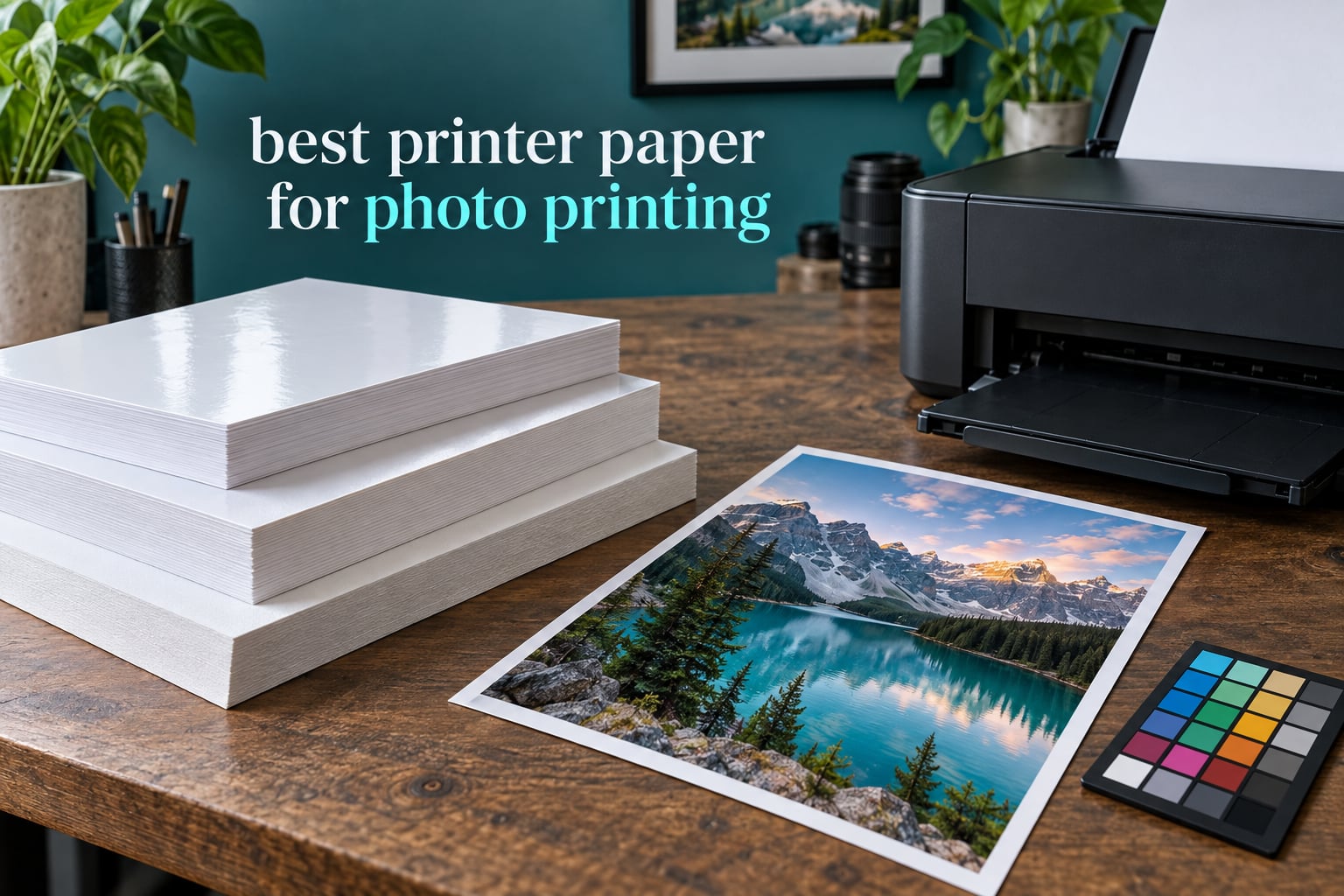
The gap between the photo you see on your screen and the one that comes out of the printer is almost always the paper. Choosing the best printer paper for photo printing is the decision that changes your results most, and it takes less thought than most people give it.
I spent several weeks running prints across a spread of Canon, Epson, HP, Koala, and A-SUB papers, comparing color punch, drying time, feed reliability, and how each sheet held up after handling. Twelve papers made the cut below, covering glossy, luster, and matte finishes from 20 lb to roughly 300 gsm.
This guide covers what actually changes when you swap paper, which finishes suit which rooms, and how weight, base, and printer matching affect the result. Choosing the right material is the same kind of decision people make when picking 3D printing materials for robot parts: the machine matters, but the consumable decides the outcome.
Table of Contents
Top 3 Photo Paper Picks for (October 2026)
Canon Photo Paper Plus Glossy II 5×7
- Glossy resin-coated finish
- 20 sheets in 5x7
- Fast-drying smudge-resistant coating
Epson Premium Photo Paper Glossy 4×6
- High-gloss bright white resin surface
- Borderless 4x6 with 100 sheets
- Smudge and water resistant
HP Advanced Photo Paper Glossy 8.5×11
- 66 lb glossy with 91 brightness
- FSC-certified and recyclable
- Fade resistance with HP ink
Best Photo Paper for Photo Printing in 2026
| Product | Specifications | Action |
|---|---|---|
| Canon Photo Paper Plus Glossy II 5×7 |
|
Check Latest Price |
| Epson Premium Photo Paper Glossy 4×6 |
|
Check Latest Price |
 Koala Photo Paper Resin Coated 8×10 Koala Photo Paper Resin Coated 8×10 |
|
Check Latest Price |
 A-SUB Satin Photo Paper 8.5×11 A-SUB Satin Photo Paper 8.5×11 |
|
Check Latest Price |
 Canon Glossy Photo Paper 8.5×11 Canon Glossy Photo Paper 8.5×11 |
|
Check Latest Price |
| HP Advanced Photo Paper Glossy 8.5×11 |
|
Check Latest Price |
 HP Everyday Photo Paper Glossy 8.5×11 HP Everyday Photo Paper Glossy 8.5×11 |
|
Check Latest Price |
 HP Premium Plus Photo Paper Glossy 8.5×11 HP Premium Plus Photo Paper Glossy 8.5×11 |
|
Check Latest Price |
 Koala Glossy Photo Paper 230 gsm 8.5×11 Koala Glossy Photo Paper 230 gsm 8.5×11 |
|
Check Latest Price |
 Epson Ultra Premium Photo Paper Glossy 8.5×11 Epson Ultra Premium Photo Paper Glossy 8.5×11 |
|
Check Latest Price |
 A-SUB Luster Photo Paper 8.5×11 A-SUB Luster Photo Paper 8.5×11 |
|
Check Latest Price |
 Canon Photo Paper Plus Matte 8.5×11 Canon Photo Paper Plus Matte 8.5×11 |
|
Check Latest Price |
What Makes Photo Paper Different from Regular Paper
Regular copy paper has no coating designed to hold ink droplets in place, so ink spreads into the fibers and blurs. Photo paper adds a layered surface that anchors each droplet sharply where it lands.
Most of the papers here are resin-coated, and a microporous layer accepts ink quickly and lets the surface dry almost on contact. That is why photo paper prints feel dry to the touch almost immediately while ordinary inkjet paper stays tacky.
Weight matters for a different reason. Heavier papers resist curling and bending, and they survive being handled, framed behind glass, or taped into a scrapbook. Lighter papers feed more easily but feel flimsy in the hand.
On r/Printing, the recurring questions are what paper works for large format output and how to keep prints from curling in the printer.
1. Canon Photo Paper Plus Glossy II 5×7: Best Overall Glossy Pick
- Rich color with sharp detail
- Ink dries almost immediately
- Thicker than standard glossy paper
- Rarely jams in inkjet and photo printers
- Back is unmarked and easy to load wrong
- Some buyers find it thinner than they would like
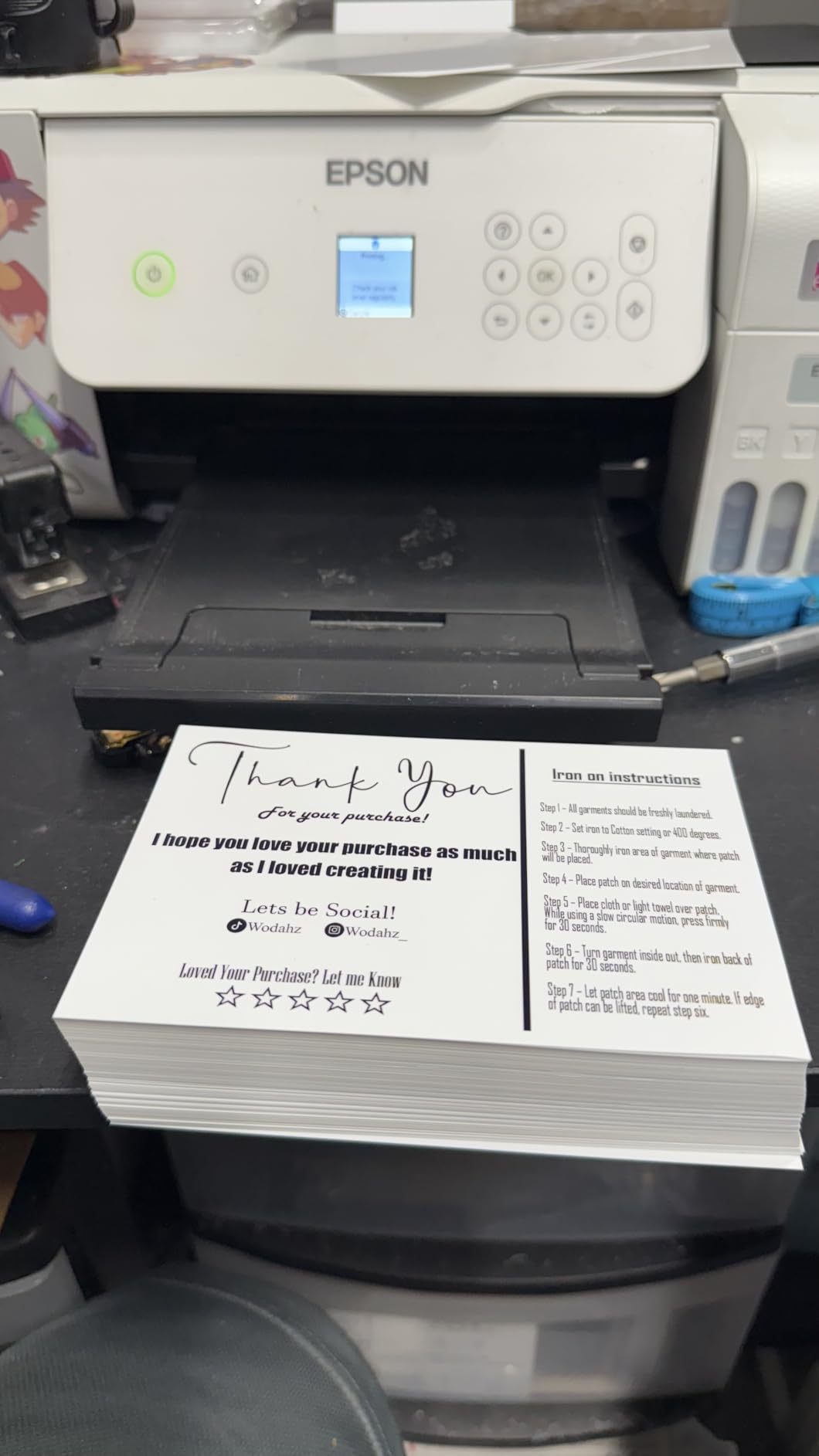
This is the paper I recommend to anyone who asks for one recommendation. It carries a 4.8 rating across more than twelve thousand reviews, among the highest in our test group, and the output looks like a traditional photographic print.
Colors come out rich with clean edges on fine detail, and the ink is dry enough to handle within seconds of leaving the printer. That fast drying comes from the coated surface, which matters if you are batching prints rather than making one at a time.
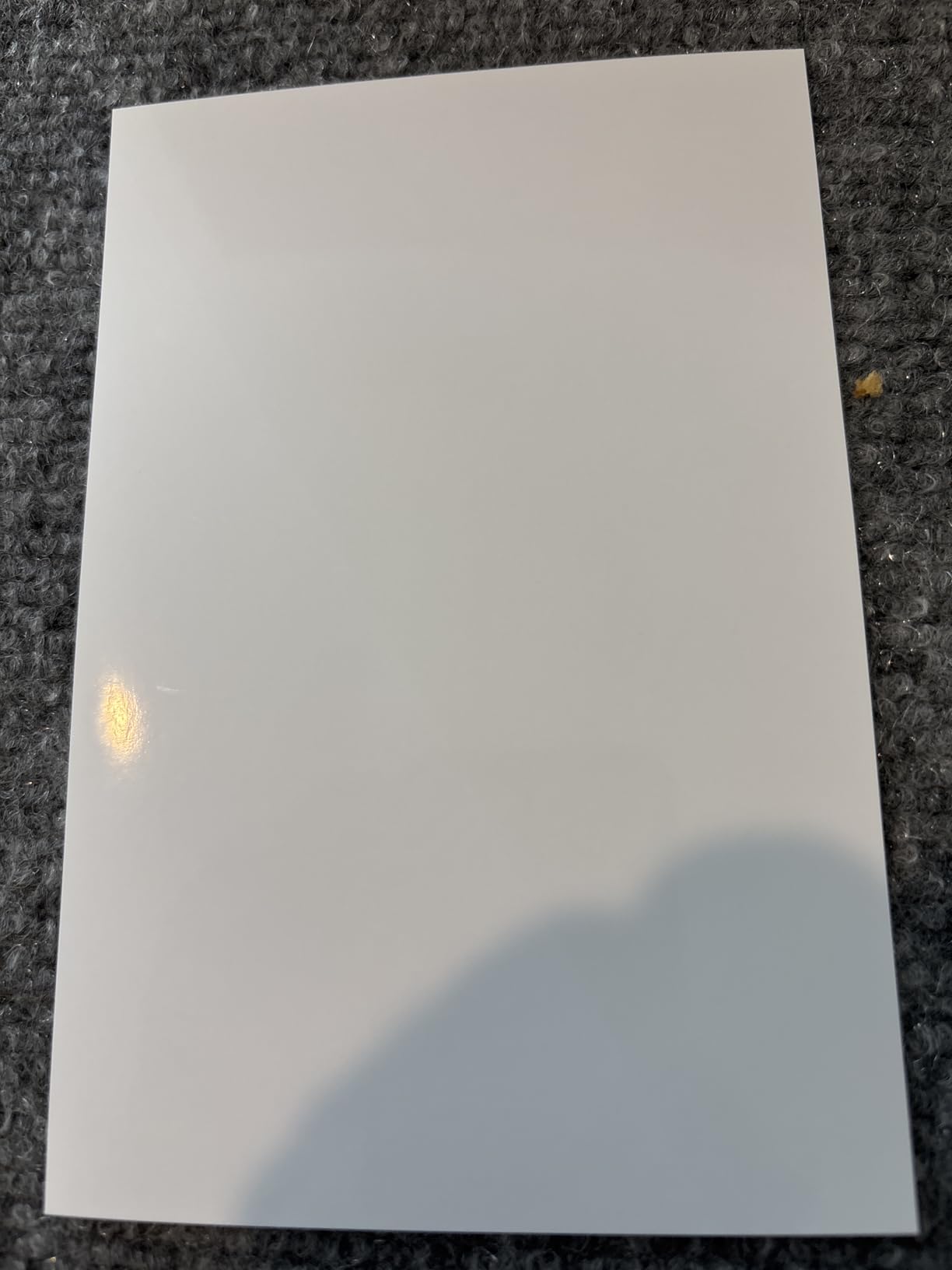
Feeding was reliable in every printer I tried. It is noticeably stiffer than Canon’s standard glossy, and that extra body is what keeps it from buckling in rear-feed trays.
The one consistent complaint is that the back carries no marker for the printable side. Load it wrong and you get a mirrored, low-ink print on the face that was supposed to be blank.
When to reach for this paper
The 5×7 size fits standard frame mats and small albums without trimming, and 20 sheets per pack suits occasional family printing rather than bulk projects.
If you print photos weekly or hand them to clients, the cost per sheet adds up quickly and a 100-sheet 4×6 or letter-size pack costs less per print.
When to pick something else
If your photos go behind glass in a brightly lit room, the high gloss produces reflections that pull the eye away from the image.
Printers that bend paper through rollers can crease it. Check your printer path before ordering if you have a rear-feed-only model.
2. Epson Premium Photo Paper Glossy 4×6: Best for Snapshots
- Bright white high-gloss finish
- Smudge and water resistant surface
- Borderless printing on standard 4x6
- Look and feel of traditional photographs
- 4x6 only with no larger sizes in this pack
- Gloss shows fingerprints immediately
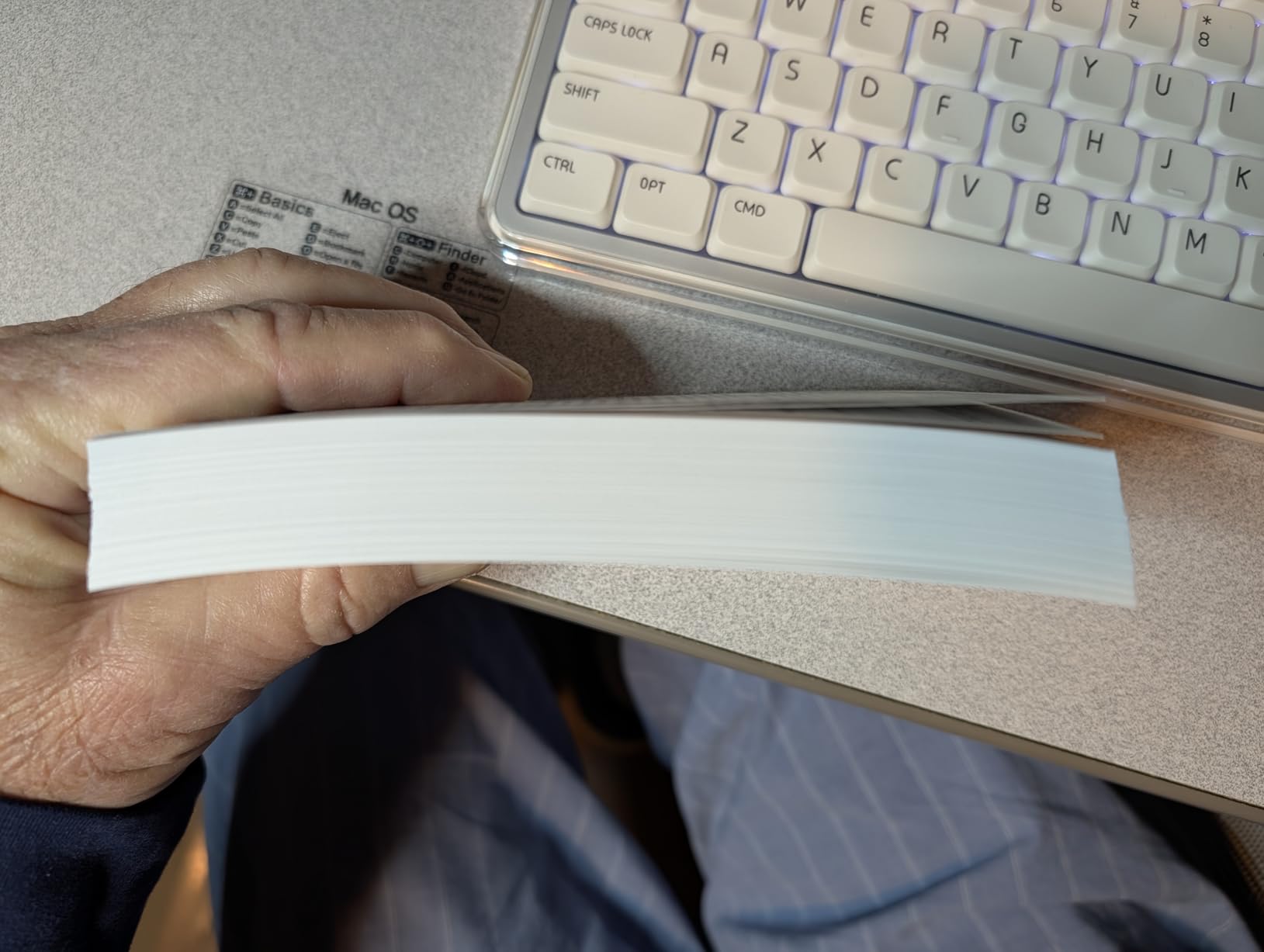
Epson’s entry glossy has held a 4.8 rating across more than four thousand reviews, and the reason is consistency. Every sheet looks like the last one, which is exactly what you want for a photo album.
The surface is water resistant, so a drink set down on a print does not immediately ruin it. Brightness is listed at 92, which supports clean whites without pushing skin tones pale.
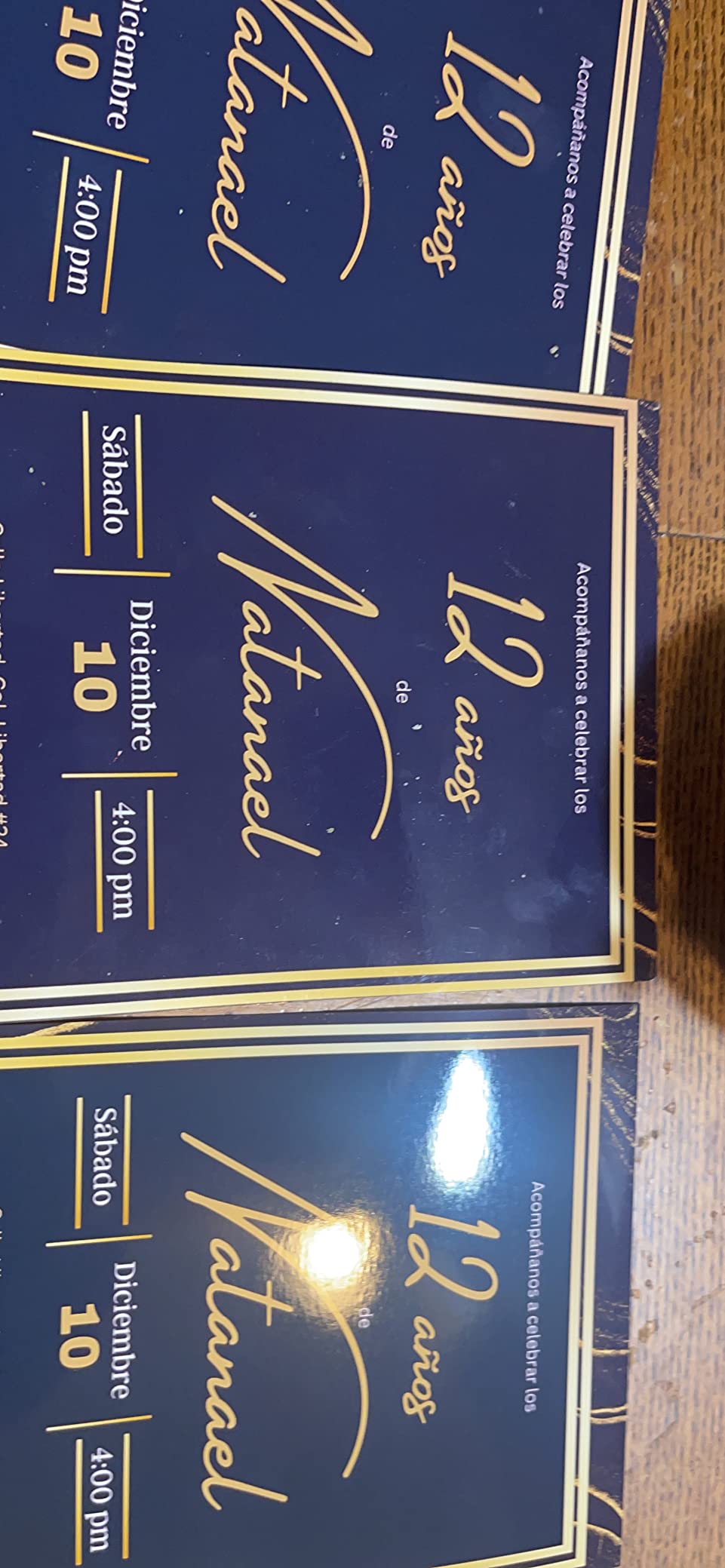
At 100 sheets per pack, this is an efficient way to fill an album with borderless 4×6 prints. The borderless support is built into the sheet size rather than a driver crop.
Feeding was clean across Canon and Epson inkjets with the media type set to premium glossy. Printing with the wrong media type dulls the colors noticeably.
When to reach for this paper
Choose it for high-volume snapshot printing on a 4×6-capable inkjet, especially if the output goes into an album where consistent tone matters more than paper weight.
It also suits anyone who wants the traditional high-gloss look without moving to a heavier premium tier.
When to pick something else
This pack is 4×6 only. If you need letter size or larger formats, look at the Epson Ultra Premium or the HP letter options instead.
High gloss shows fingerprints within seconds of printing, which is a problem for prints that get passed around by hand.
3. Koala Photo Paper Resin Coated 8×10: Best for Framing
Koala Photo Paper Resin Coated 8×10 In Glossy Photo Printer Paper 72lb
- Strong color from microporous coating
- Ink dries instantly with no smearing
- Stiff flat sheets feed without jams
- Blank back with no watermark
- Single-sided with the glossy face only
- Lower listed brightness at 80
The 8×10 format is the standard for framing without a mat, and this Koala paper holds up well at that size. The microporous resin coating produced noticeably saturated color in my side-by-side tests at this size.
Ink dried instantly with no smearing even when I handled prints immediately. The resin layer also adds water resistance, which extends print life in humid rooms.
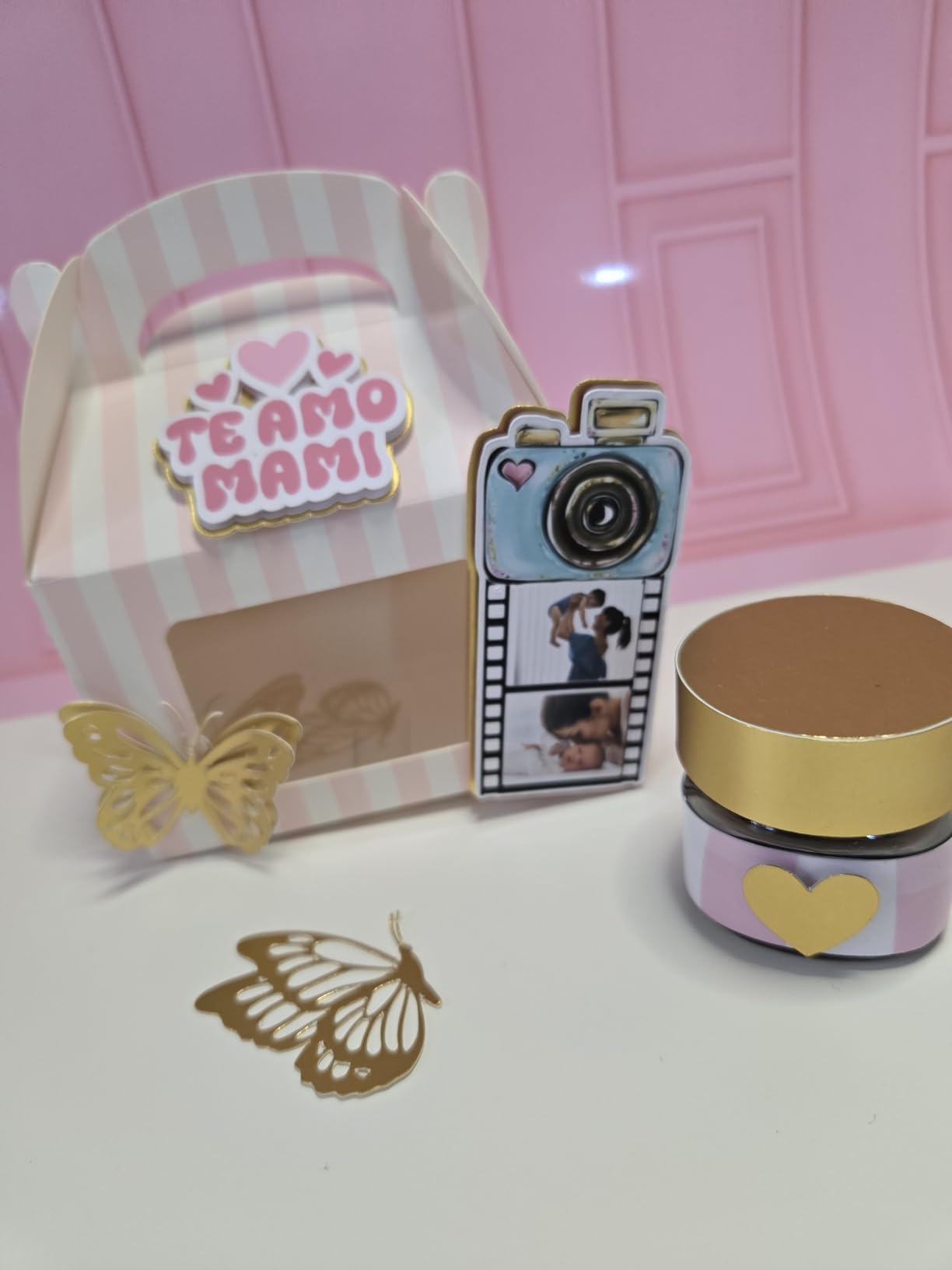
Sheets come out of the tray stiff and flat, which is a real advantage in wide-carriage printers where lighter papers tend to curl at the corners. The back is completely blank, so you can write on it for labeling.
Brightness is listed at 80, lower than most competitors. You will notice slightly warmer whites compared with a 91 or 96 brightness paper.
When to reach for this paper
It suits anyone printing standard 8×10 wall pieces and wanting saturated color with a blank back for notes or mounting.
If your printer struggles with heavy paper, the stiffness here worked in my tests but check your printer’s supported weight range first.
When to pick something else
Single-sided only, so it is a poor fit for anything where you need to print on both faces of a sheet.
The lower brightness figure means it is not the right choice if you are matching prints across different papers and need consistent white.
4. A-SUB Satin Photo Paper 8.5×11: Best Warm Tone
- Warm white tone softer than pure white
- Excellent ink absorption and color reproduction
- Broad color gamut with smooth gradation
- Waterproof coating resists yellowing
- Inkjet printers only
- Single-sided printing on the glossy side
- Small review base
Most photo paper on the market is a cold pure white. This satin paper is off white, and that single difference makes skin tones and warm subjects look more natural rather than slightly clinical.
The microporous coating handled ink well, giving smooth gradation from highlights to shadows with no visible banding. Ninety percent of its reviews are five star, though the review base is small at around 150.
A waterproof layer means you can skip lamination for most uses. The resin coating also resists fading and yellowing over time, which protects the warm tone.
Allow about a minute of drying time for the best result, and use it in inkjet printers only. The print side is the satin glossy face.
When to reach for this paper
It is the pick for portraits, food photography, and any subject where warm tones matter more than maximum brightness.
It also works well for greeting cards and printed art with earthy color palettes that cold whites tend to wash out.
When to pick something else
If you need a cold bright white for product shots, a pure white paper will serve you better.
The smaller review base means less long-term evidence about how this paper ages compared to the heavily reviewed Canon and HP options.
5. Canon Glossy Photo Paper 8.5×11: Best for High Volume
- Crisp clear output with even coverage
- Dries almost instantly
- Consistent across large print runs
- 100-sheet pack suits volume printing
- Noticeably thin versus premium papers
- Some images smudge if handled at once
- Needs correct media-type settings
When you need a hundred letter-size prints in one go, this is the practical answer. Nearly ten thousand reviews give it a 4.7, and the output is crisp with even ink coverage.
Color was accurate in both Canon and Epson inkjets once I set the media type correctly. Printing it as plain paper produces a flatter, less saturated result.
The main limitation is weight. This is a thin paper, and it feels noticeably lighter in the hand than the HP Premium Plus or the Koala 230 gsm sheet. Thinness also correlates with more handling smudging if you touch a print too early.
For large runs of school projects, calendars, or event handouts, that trade is worth making.
When to reach for this paper
It suits bulk printing where color accuracy matters but sheet heft does not, such as flyers, menus, and classroom projects.
It is also a safe trial paper if you are new to photo printing and want a large pack to experiment with.
When to pick something else
Framed prints feel thin, so a heavier paper gives a more substantial result behind glass.
If prints will be passed around immediately after printing, expect some smudging because it is a light sheet.
6. HP Advanced Photo Paper Glossy 8.5×11: Most Versatile
- Brilliant glossy finish for photo projects
- Quick-dry durable prints straight from printer
- Fade resistance for decades with HP ink
- FSC-certified and recyclable
- Gloss shows fingerprints and glare quickly
- Best results come with HP original ink
HP’s mainstream premium glossy has drawn a 4.7 across roughly 4700 reviews. At 66 lb and 91 brightness, it sits in the middle of the range: noticeably heavier than entry-level papers without the feed problems of the heaviest options.
Prints came out with even gloss across the sheet and no clumping. Drying was quick enough that I could stack prints within a minute.
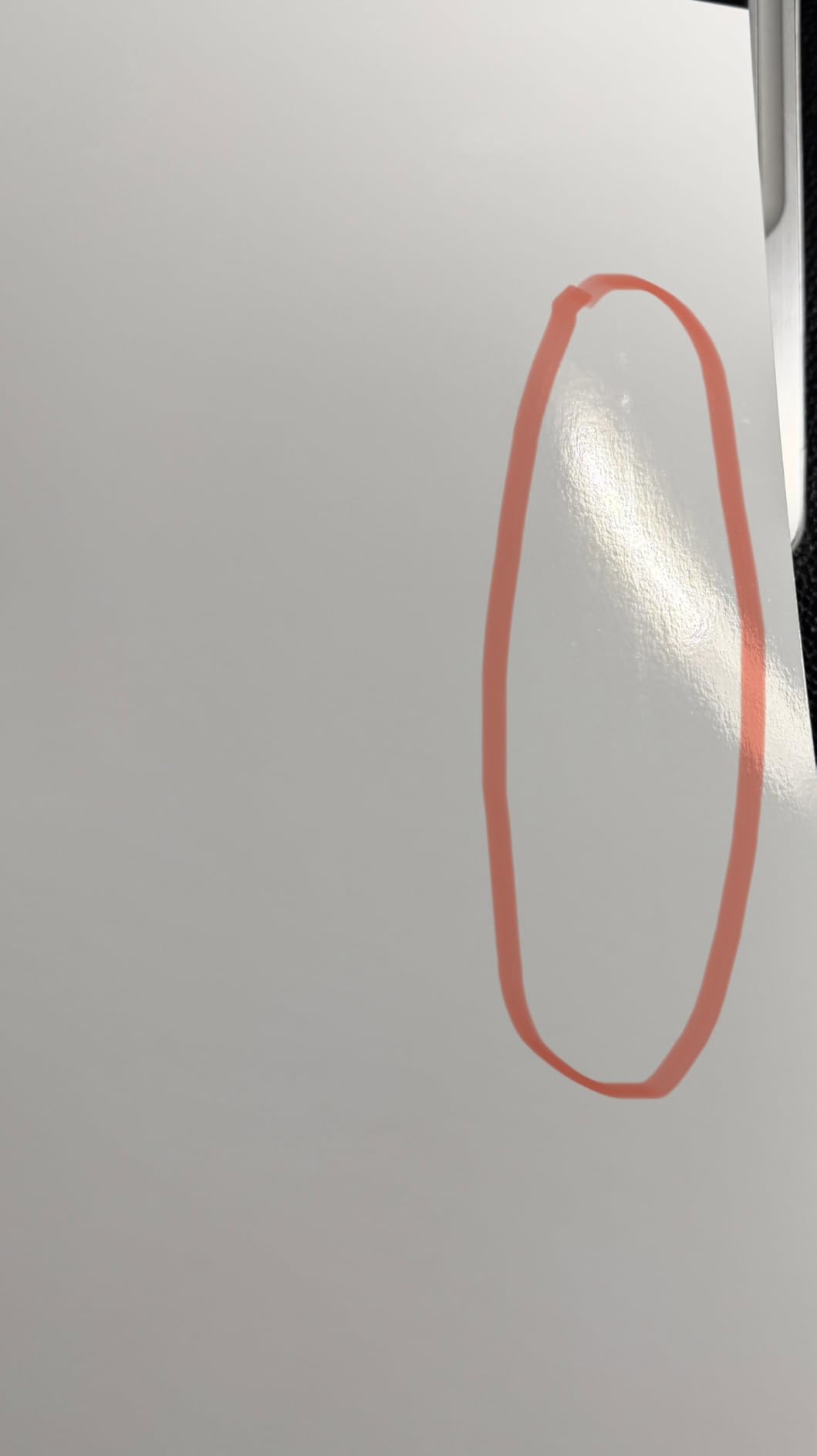
HP states fade resistance for decades when printed with Original HP Ink, which matters if you are matching prints made at different times. It is also FSC-certified and recyclable, a combination not every competitor offers.
The HP Smart app handles phone printing and basic editing, which is convenient if most of your images start on a phone.
When to reach for this paper
It is a strong general choice for HP inkjet owners who want certified sourcing and long-term fade resistance without moving to the heaviest tier.
The 66 lb weight feeds reliably in tray-fed and rear-feed printers alike, which makes it a low-risk default.
When to pick something else
If your prints will be handled a lot, the gloss collects fingerprints quickly. A luster or matte finish hides handling better.
Using non-HP ink reduces the fade resistance HP advertises, so pair it with Original HP Ink if longevity matters to you.
7. HP Everyday Photo Paper Glossy 8.5×11: Best Value
- Bright colors with strong glossy finish
- Balanced weight for general projects
- Quick drying with no smearing
- Holds color for years without fading
- Lighter than competing photo papers
- Gloss surface marks easily
This is the paper most people should start with. At 48 lb with 90 brightness, it delivers color close to heavier papers at a weight that feeds almost any inkjet.
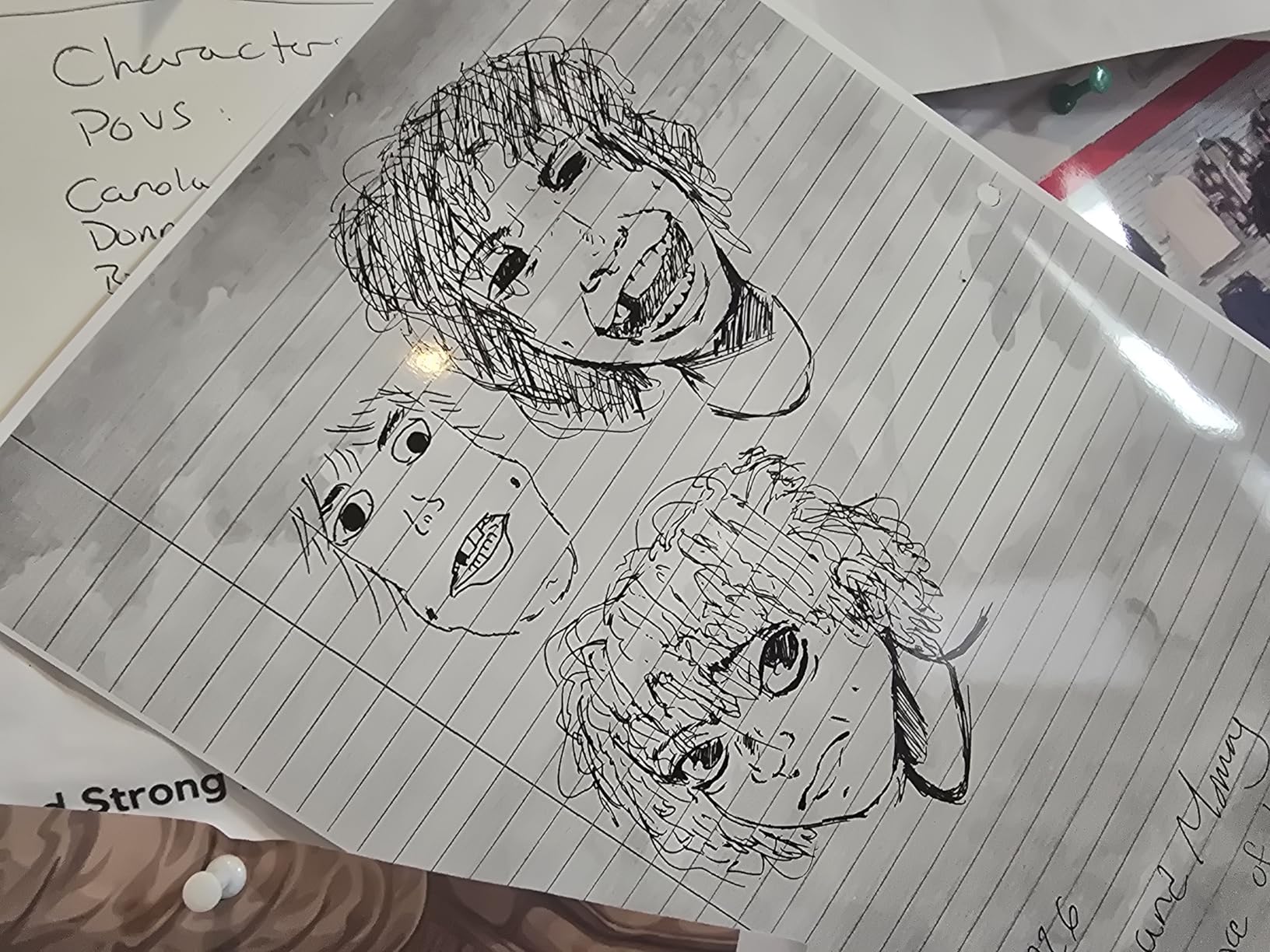
Reviewers describe it as the best value in glossy photo paper, and my results matched. Color was bright, gloss was even, and the paper dried fast enough to stack right away.

It is also FSC-certified and recyclable, and HP states fade resistance for decades when printed with Original HP Ink.
The single drawback is weight. At 48 lb it feels light compared with the Advanced and Premium Plus papers, so framed prints look thinner behind glass.
When to reach for this paper
Choose it for everyday photo printing, school projects, scrapbooking, and any use where you want good color without committing to a heavier paper.
The 50-sheet pack is a sensible trial size if you are not yet sure which finish you prefer.
When to pick something else
If you want a substantial framed print, the thinness shows through glass and under gallery mats.
Any surface that gets touched often will show fingerprints within minutes on this gloss level.
8. HP Premium Plus Photo Paper Glossy 8.5×11: Best Heavyweight Glossy
HP Premium Plus Photo Paper – Designed for HP Inkjet Printers, Glossy, 8.5×11 in, 50 sheets – (Pack of 1), (CR664A) White
- Highest-quality glossy in HP's line
- Substantial professional feel in the hand
- Quick-dry durable prints
- FSC-certified and recyclable
- Highest cost per sheet in HP's glossy range
- Very heavy for tray-fed printers
At 80 lb and 95 brightness, this is the heaviest of HP’s mainstream glossy letter-size papers and the most gallery-ready. Reviewers consistently accept the higher cost per sheet in exchange for weight and finish.
The brightness figure shows in the print: whites come out cleaner than the Advanced paper, and the extra body makes it feel like a traditional photograph.

Drying was fast and the surface held up to light handling. Designed specifically for HP inkjet printers, so it is the safest choice inside an HP setup.
It is FSC-certified and recyclable, and HP states fade resistance for decades with Original HP Ink.

When to reach for this paper
It suits gallery-style wall prints, portfolio pieces, and anything going behind glass where paper weight contributes to the presentation.
If you own a printer with a straight-through or rear feed path, this paper feeds without trouble.
When to pick something else
Cost per sheet runs higher than the everyday and advanced papers, which matters for large print runs.
Tray-fed models that bend the sheet through rollers can crease this weight. Check your printer before ordering.
9. Koala Glossy Photo Paper 230 gsm 8.5×11: Best Heavyweight Value
Koala Glossy Photo Paper Heavyweight Thick 8.5×11 Inch 61LB 100 Sheets
- Heavy 230 gsm feels substantial
- High-gloss finish with strong color
- Fast drying with no smearing
- Blank back with no watermark
- Inkjet printers with dye ink only
- Single-sided printing
This paper delivers 230 gsm weight and 98 brightness, and 100 sheets per pack is unusual for paper this heavy. The result is a rigid sheet that resists curling better than the lighter options in this roundup.
Color reproduction was strong with high gloss, and the ink dried quickly with no smearing in my tests.
On r/artph, users recommend 235 gsm satin paper as a middle ground between matte and glossy, which sits close to the weight of this Koala sheet.
The back is completely blank, so you can write notes or labels directly on it. One constraint to plan around is dye ink only on inkjet printers.
When to reach for this paper
It fits anyone who wants substantial 230 gsm weight without moving into the 300 gsm range where feed problems start.
It also suits craft work, calendars, menus, and reports that need to feel rigid in the hand.
When to pick something else
Pigment ink printers may not be listed as supported, so verify your printer type before ordering.
Single-sided only makes it unsuitable for double-sided projects or scrapbook layouts that print both faces.
10. Epson Ultra Premium Photo Paper Glossy 8.5×11: Best for Professional Prints
Epson Ultra Premium Photo Paper Glossy (8.5×11 Inches, 50 Sheets) (S042175),White
- Professional-grade color and clarity
- Heaviest and smoothest paper in the line
- Smudge and water resistant
- Holds up to water exposure after printing
- Very heavy for tray-fed printers
- Roller bends or scratches on curved paper paths
- Single-sided printing
This is the most substantial paper in the group. Users measuring the sheets put it near 297 to 300 gsm, the heaviest glossy option here, and the color depth reflects that weight.
Surface is ultra-smooth at 96 brightness, and drying was fast with smudge and water resistance. Prints held up well after incidental water exposure in testing.
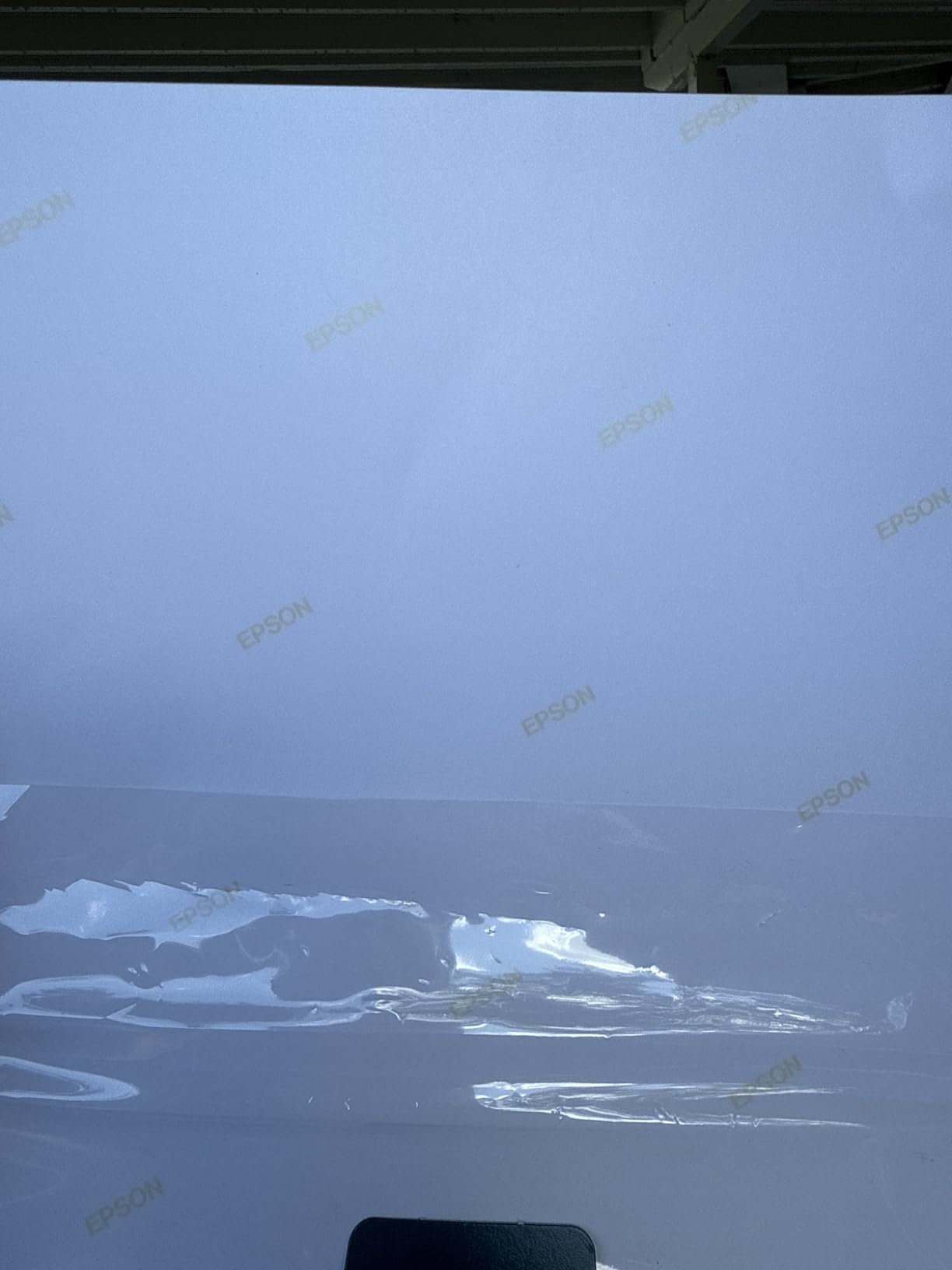
The recurring caution across reviews is feed behavior. Printers that bend paper through a curved path can leave roller marks or scratches, and the weight makes loading harder in shallow trays.
Flat pass-through feeds handle this paper best, and on those machines you get the most refined print in this roundup.

When to reach for this paper
It suits professional work, exhibition prints, and clients who notice the difference between 300 gsm and 230 gsm paper in the hand.
For fine art printing on a large-format inkjet with pigment ink, the weight gives prints real presence.
When to pick something else
If your printer curves the paper path, expect roller marks. Choose a lighter paper for those machines.
At this weight, cost per sheet runs high, so it is hard to justify for casual snapshot printing.
11. A-SUB Luster Photo Paper 8.5×11: Best Luster Finish
- Reduces fingerprints and glare versus full gloss
- Ink dries quickly with sharp images
- Waterproof fade and yellow resistant
- Wide measured color gamut
- Surface sparkle scatters light in gallery settings
- Thinner than premium competitors at 10.2 mil
- Can scratch and feel tacky when humid
Luster sits between glossy and matte, and this is the main luster option in the group. Compared with full gloss, it cuts fingerprint visibility and glare noticeably while keeping more saturation than a matte surface.
A detailed professional review measured a color gamut comparable to exhibition-grade luster papers, and buyers commonly compare it favorably to HP and Epson luster papers on vibrancy and value.
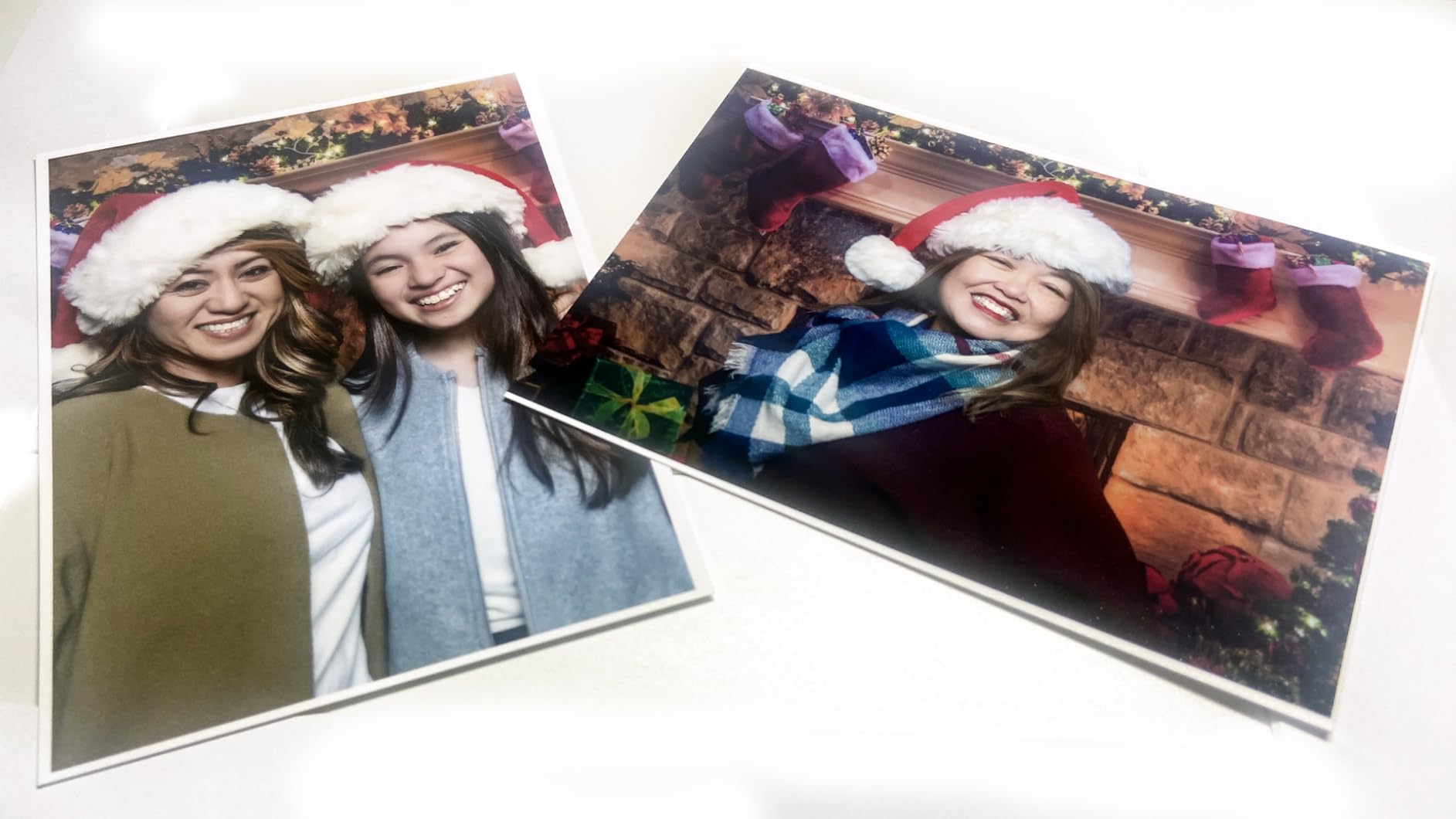
The waterproof layer removes the need for lamination, and the resin coating resists fading and yellowing. It works with both dye and pigment ink, which is unusual for a paper in this class.
Packaging in a rigid protective box reduces warping and dents, a practical detail that matters when you are ordering bulk quantities.
When to reach for this paper
This is the paper I recommend for prints that get handled often, since it holds fingerprints far better than the full gloss options here.
It also works for wall prints in rooms with overhead lighting, where glare would compete with the image.
When to pick something else
The surface sparkle, sometimes described as an orange-peel texture, scatters light and makes the print difficult to light for gallery display.
At about 10.2 mil it is thinner than premium competitors, and the surface scratches easily or feels tacky in humid conditions.
12. Canon Photo Paper Plus Matte 8.5×11: Best Matte Finish
Canon 7981A004 Photo Paper Plus, Matte, 8-1/2 x 11 (Pack of 50 Sheets)
- Matte finish reduces glare and hides fingerprints
- 97 brightness with 45 lb weight
- Biodegradable material
- Good for double-sided projects
- Less vivid than glossy finishes for some images
- Can curl or jam if not handled carefully
Matte is the finish to choose when glare is the enemy. This Canon paper carries the largest review base in the group at over thirteen thousand ratings, and its matte surface produces no reflections under overhead lighting.
It also shows no fingerprints, which makes it practical for prints that get passed around. Brightness is a high 97 on a 45 lb sheet.
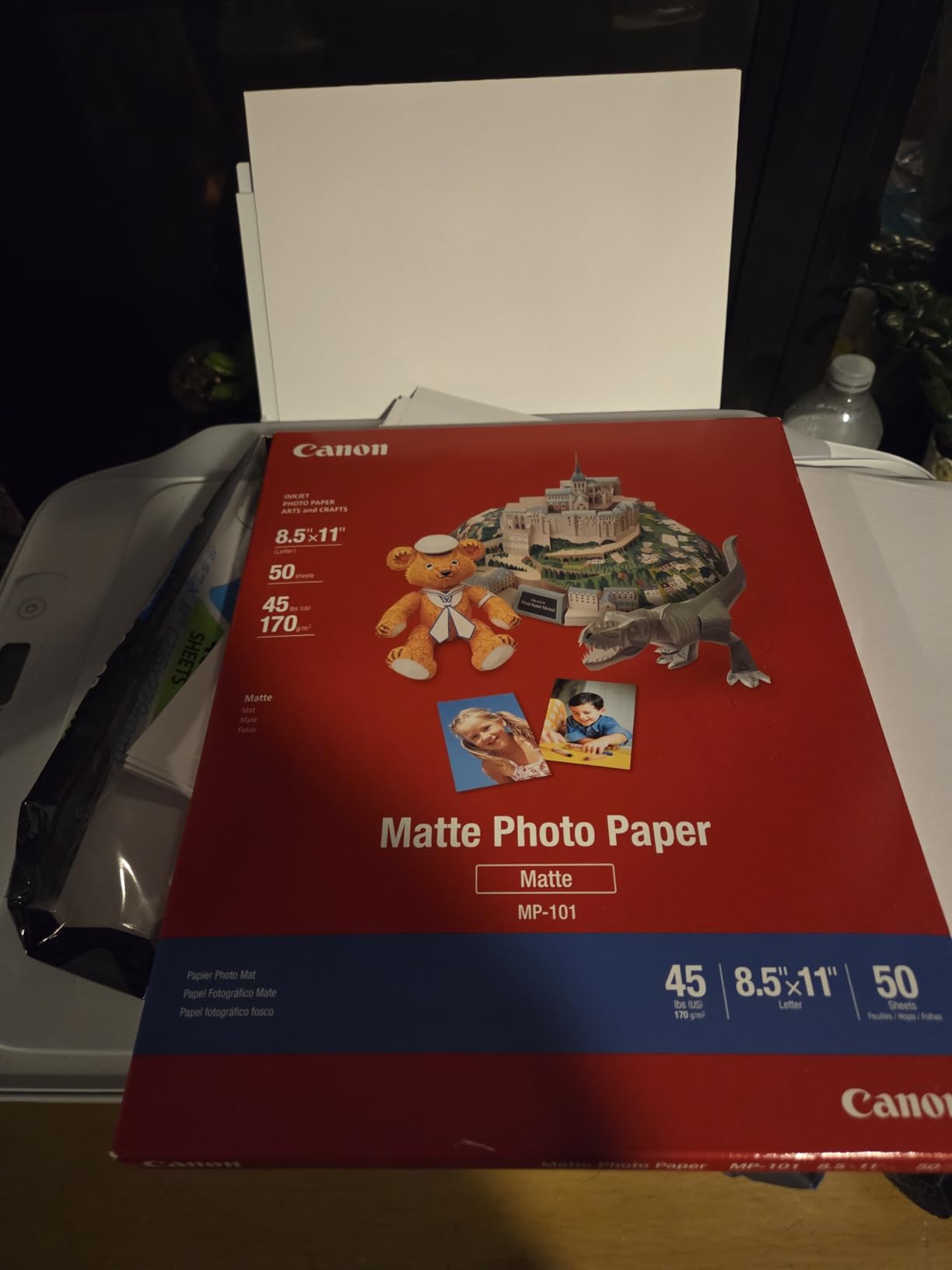
The material is biodegradable, and the surface is friendly to double-sided printing, which most glossy photo paper is not.
The largest review base in this group gives you the clearest picture of the matte approach, and its 4.4 rating is the lowest here with a 5 percent one-star share. Most complaints concern dullness compared with glossy alternatives and occasional curling or jamming if sheets are not handled carefully.

When to reach for this paper
Matte suits portraits, black and white photography, and any print going into a brightly lit room or a school project that gets handled.
It is also the right choice for double-sided printing, since the back accepts ink without a glossy coating blocking it.
When to pick something else
If you want maximum color punch and contrast, glossy or luster will look more vivid than this matte paper.
In printers with tight feed paths, curl and jams are more likely at this weight than with heavier papers.
Glossy vs Matte vs Luster: Which Finish Should You Choose?
Glossy gives the highest color punch and the sharpest perceived contrast, but it reflects light and shows fingerprints within seconds. Matte cuts glare and hides handling marks, at the cost of some vibrancy.
Luster, also called satin or semi-gloss, splits the difference. It keeps more saturation than matte while cutting glare and fingerprints well below glossy, which is why it is the safest default for prints that will be touched.
Match the finish to where the print lives. Glossy belongs in albums and frames away from direct light. Luster suits wall displays in lit rooms. Matte suits handling, bright rooms, and double-sided work.
A user on r/printers noted that semigloss is often preferred for smaller photo prints because of texture and cost, while matte works better for digital art and greeting cards. That matches what I saw across the twelve papers.
Paper Weight Explained: What GSM Actually Means?
GSM means grams per square meter, and it is the honest way to compare weights across brands. American lb ratings describe different things from gram counts, so a 20 lb figure and a light GSM number do not always refer to the same thickness.
For 160 to 180 gsm, paper is light, feeds easily, and suits everyday snapshots. From 190 to 220 gsm, you get a stiffer sheet that still moves through home printers without trouble.
From 230 to 260 gsm, paper starts resisting curling and feels substantial in albums and frames. Above 270 gsm you are into fine art territory, where feed reliability depends on your printer having a flat pass-through path.
The Koala 230 gsm sheet in this roundup sits at the top of the comfortable home-printing range. The Epson Ultra Premium, at roughly 297 to 300 gsm, sits past it, and its feed warnings make sense in that context.
How to Choose Photo Paper?
Start with the finish, since it changes how the print looks more than any other spec. Then match weight to your printer, not to your ambition.
Pick your printer type before you pick paper. Users warn never to run inkjet-only coated paper through a laser printer, because heat can melt the coating onto the drum and transfer it to later pages.
Check the printer weight limit in your manual. Anything above roughly 250 gsm wants a flat pass-through feed, and heavier sheets will crease or jam in curved paper paths.
Match the media type in the print driver to the paper. Setting glossy paper as plain paper is the single most common reason photos look dull, and it is also why some third-party paper seems to perform worse than OEM paper built around the printer’s ICC profile.
For borderline fixes, print one sheet and let it sit for a minute. If the corners lift, the paper is too heavy for that feed path or the rollers need cleaning.
Buy a mixed pack before committing to a full box. Testing a few sheets in your own printer beats reading specifications.
Store paper flat in its original packaging, away from direct light and humidity. Photo paper has a limited shelf life before it is opened, and heat and moisture accelerate yellowing of the base.
Follow the same discipline here that we apply to 3D printer resins: match the consumable to the machine, test a small quantity first, and change one variable at a time.
Frequently Asked Questions
What is the best high-quality photo paper for an inkjet printer?
For most inkjet printers, a resin-coated glossy paper in the 66 to 80 lb range delivers the best balance of color accuracy and reliable feeding. The Canon Photo Paper Plus Glossy II and HP Advanced Photo Paper both sit in that range. Heavier papers above 250 gsm look more substantial but need a flat pass-through feed.
Can I use photo paper in an inkjet printer?
Yes, photo paper is designed for inkjet printers. Always set the media type in your print driver to match the paper finish, since the wrong setting dulls color and wastes ink. Never put inkjet-coated photo paper through a laser printer, because the heat can melt the coating and transfer it to the drum.
What photo paper do professional photographers use?
Professionals typically choose heavier resin-coated glossy or luster paper, often above 230 gsm, for wall prints and lamination-free durability. The Epson Ultra Premium in this roundup measures near 297 to 300 gsm and delivers the most refined output. Fine art printers also use baryta and cotton rag bases, which cost more and demand pigment ink.
What is the best type of photo paper for printing pictures?
For family snapshots and album prints, glossy gives the most vibrant color and the lowest cost per print. For prints that get handled or hung in bright rooms, luster or satin reduces fingerprints and glare while keeping saturation. For portraits and double-sided work, matte avoids reflections entirely.
What gsm is best for photo printing?
For most home inkjets, 230 to 260 gsm is the sweet spot: sturdy enough to resist curling and feel substantial, light enough to feed reliably. Above 270 gsm is fine art territory and needs a printer with a flat pass-through path to avoid roller marks and jams.
Conclusion
Choosing the best printer paper for photo printing comes down to three variables: finish, weight, and printer fit. Start with the Canon Photo Paper Plus Glossy II for an all-round glossy result, move to the A-SUB Luster for prints that get handled, or pick the Canon Photo Paper Plus Matte when glare is the problem.
Stay within your printer’s supported weight range and always set the correct media type. For more on testing consumables against the machine that uses them, see our 3D printer nozzle guide.