
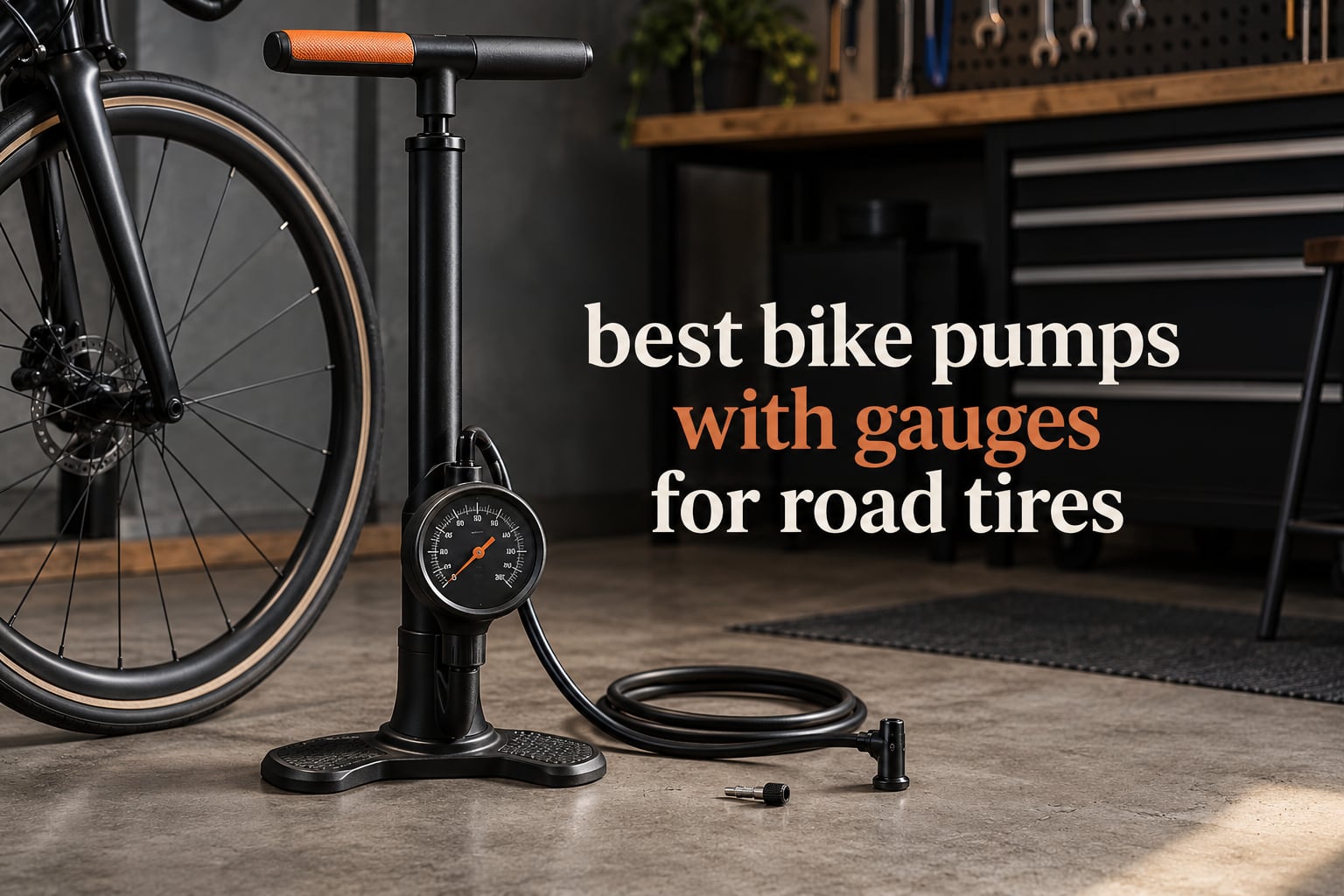
Road bike tires live at the opposite end of the pressure scale from mountain bike tires, and that single fact decides which pumps are worth owning. Most road tires want somewhere between 90 and 100 PSI (about 6.2 to 6.9 bar) on a typical adult rider setup, which is far beyond what most general-purpose floor pumps can reach. Our two headline picks for the best bike pumps with gauges for road tires in 2026 are the Topeak JoeBlow Sport III for the garage and the Topeak Road Morph G for the frame bag. Both put a live pressure readout on the pump itself, so you can stop inflating when you hit your number instead of guessing by ear and pinching flat spots.
We spent the last few weeks working through twelve gauge-equipped pumps, comparing max PSI rating, gauge type and readability, valve compatibility, weight and the stroke count each one demands to move a narrow tire from flat to 100 PSI. Nine of the twelve carry verified customer photos, and every rating and review count below is copied directly from the product listing rather than estimated. This list was last checked in October 2026, which matters because every editorial roundup still ranking for this query is several years old and well behind current pump designs.
Two kinds of pump are deliberately missing here. CO2 inflators are out because they push a fixed burst of air and then you top off by hand, and generic high-volume mountain bike pumps are out because a big barrel and lots of air per stroke is exactly the wrong trade at road pressures. One electric pump made the cut on its own merit, and we explain below why speed alone does not make it the default answer.
If you also maintain other pumping equipment around the house, our guide to pond pumps for backyard ponds covers a very different kind of flow and sizing problem.
Table of Contents
Top 3 Bike Pumps With Gauges for Road Tires (October 2026)

Topeak JoeBlow Sport III
- 160 PSI max
- 3 inch analog gauge
- Steel barrel
- Presta Schrader Dunlop

Lezyne Sport Floor Drive 3.5
- 220 PSI max
- 3.5 inch analog gauge
- Threaded ABS chuck
- Steel barrel
All 12 Road Pumps Compared in 2026
Every pump below carries a gauge, reaches at least 120 PSI and accepts Presta valves, which covers every road tire we consider. Sort the list by max PSI if you ride above 100 PSI, or by weight if the pump lives on the frame.
| Product | Specifications | Action |
|---|---|---|
| Topeak JoeBlow Sport III |
|
Check Latest Price |
 Topeak Road Morph G Topeak Road Morph G |
|
Check Latest Price |
 GOBKO 160 PSI Floor Pump GOBKO 160 PSI Floor Pump |
|
Check Latest Price |
 TOOLITIN 160 PSI Floor Pump TOOLITIN 160 PSI Floor Pump |
|
Check Latest Price |
 VeloChampion 120 PSI Mini VeloChampion 120 PSI Mini |
|
Check Latest Price |
 CLOLOP Floor Pump with Gauge CLOLOP Floor Pump with Gauge |
|
Check Latest Price |
 ETENWOLF S0 Electric Mini ETENWOLF S0 Electric Mini |
|
Check Latest Price |
| Lezyne Sport Floor Drive 3.5 |
|
Check Latest Price |
 Tiakia 220 PSI Compact Pump Tiakia 220 PSI Compact Pump |
|
Check Latest Price |
 MEETLOCKS Double Cylinder Pump MEETLOCKS Double Cylinder Pump |
|
Check Latest Price |
 MOHEGIA 160 PSI Floor Pump MOHEGIA 160 PSI Floor Pump |
|
Check Latest Price |
 Topeak Mini Dual G Topeak Mini Dual G |
|
Check Latest Price |
1. Topeak JoeBlow Sport III – Best Overall Road Bike Floor Pump With Gauge
- Large 3 inch top-mounted analog gauge is easy to read
- Steel barrel and base built for years of regular use
- TwinHead DX5 head locks onto Presta Schrader and Dunlop
- Rotating long hose reaches any tire angle
- Holds and reads road pressures reliably
- Short barrel needs many strokes from fully flat
- Metal foot plate can mark hard floors
- Tubeless setup is a hassle with this pump
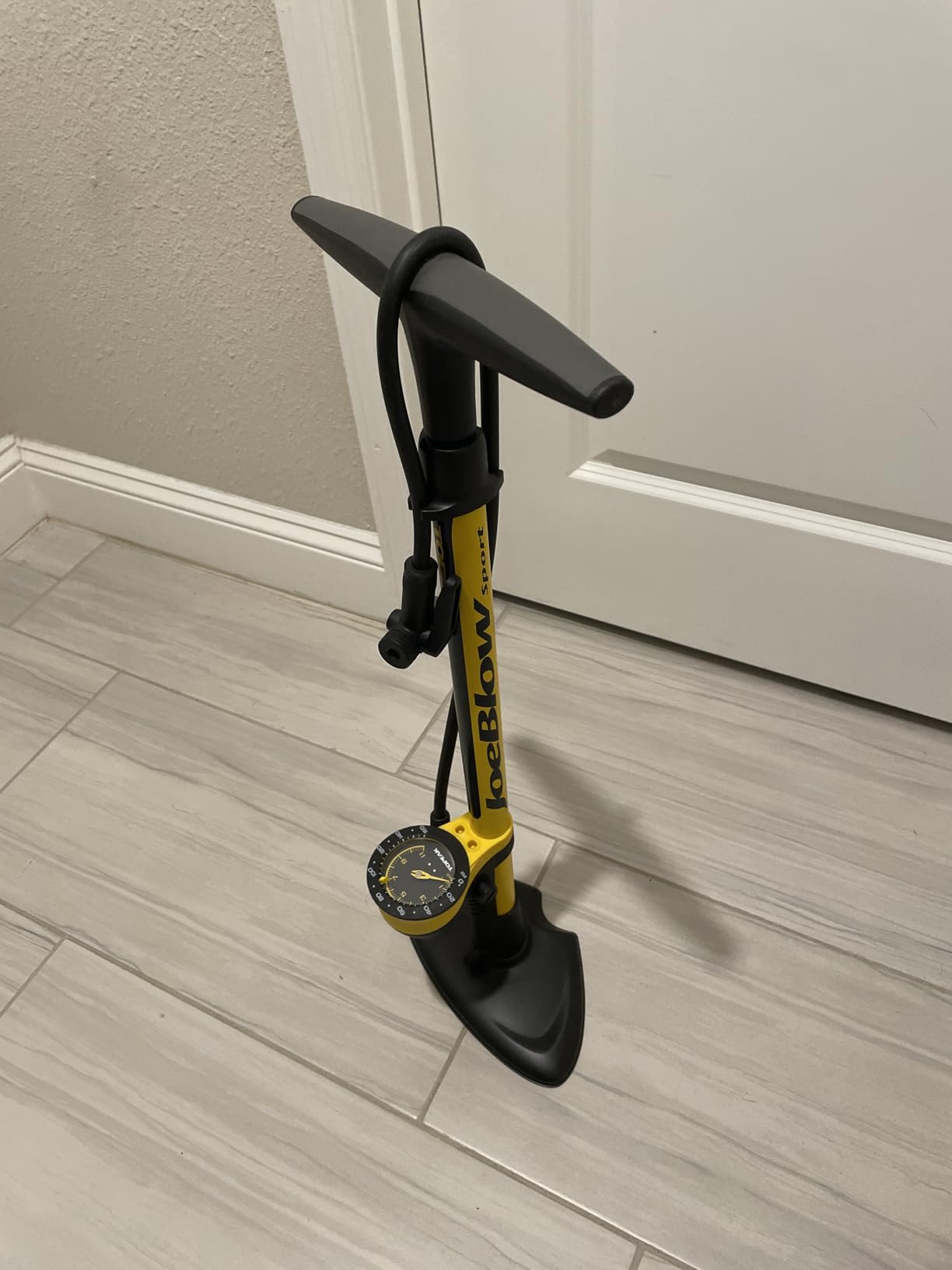
The JoeBlow Sport III is the pump we kept reaching for during this test, and it is the one most riders on BikeForums name when they explain why they upgraded from a cheap marketplace floor pump: the gauge. A 3 inch dial mounted on top of the barrel is readable in a dim garage and still readable in daylight, which matters more than whether the readout is analog or digital.
Build quality is the second argument. The barrel and base are alloy steel rather than thin stamped aluminum, the piston moves 318 cc per second of airflow, and the pump is rated to 160 PSI. That is 60 PSI of headroom over a typical 100 PSI road target, which means the final strokes still feel light instead of turning into arm wrestling.
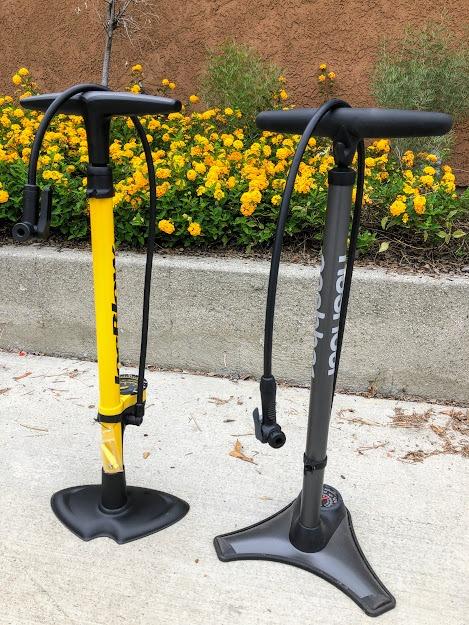
The head is a TwinHead DX5 that fits Presta, Schrader and Dunlop valves without an adapter, and the hose rotates so the pump can sit flat on the floor while the hose reaches up to the valve. Owners frequently mention the metal foot plate marking hardwood or laminate, and that base has no rubber feet fitted, so a mat under it is worth doing.
The honest weakness is stroke count. The barrel is short by design, which keeps the package compact at 10 by 4.6 by 27 inches and 3.7 pounds, but it means a fully flat 700x25C tire takes noticeably more pushes than a long-barreled track pump. For weekly top-ups from 90 to 100 PSI that is irrelevant. For seating tubeless tires or bringing a dead-flat road tire up from 5 PSI, plan on taking breaks.
Who the JoeBlow Sport III suits
This is the pump for a garage corner, a wall mount and a weekly routine. If you own road wheels and run a fixed target pressure, the 3 inch gauge and the 160 PSI ceiling cover the range without you thinking about it. It handles both tubeless and clincher setups, and the included ball and bladder needles mean it doubles as a general inflation pump.
Riders on BikeForums consistently single out the JoeBlow line for its large readable gauge rather than for being the most powerful pump on the market, and that matches our experience. The one-year manufacturer warranty is the shortest of the branded options here.
Who should skip it
Skip the JoeBlow Sport III if tubeless tire seating is your main job. Owners report it as a hassle for blasting a bead onto a rim, and a volume pump does that job far better. It is also 3.7 pounds of steel and plastic, so it does not belong on a bikepacking load or in carry-on luggage.
2. Topeak Road Morph G – Best Value Pump With a Gauge for Carried Road Pressure
- Reaches full road pressures of 100 PSI and beyond
- Hose protects the valve during high-pressure strokes
- Fold-out foot pad makes hard strokes manageable
- Only 220 g with a two year manufacturer warranty
- Inline gauge is small and only accurate within a few PSI
- Switching Presta and Schrader means flipping an internal grommet
- Getting above 100 psi takes real effort
- Too long for some frames without moving a bottle cage
The Road Morph G is the pump that shows up most often in road rider threads when people ask for a portable option that still has a gauge. It behaves like a small floor pump: a 220 g aluminum body, a flexible hose and a fold-out foot pad you stand on while you push.
That combination is what makes it work at road pressures. Most mini pumps fight you above 70 PSI because you are pushing against a small bore with your body weight only. The foot pad gives you a platform, the hose means the pump handle stays vertical, and together they turn a hard session into a manageable one. Riders in r/bicycletouring specifically call out the gauge, the extendable hose, the T-handle and the pop-out foot peg as the reason this model keeps coming up.
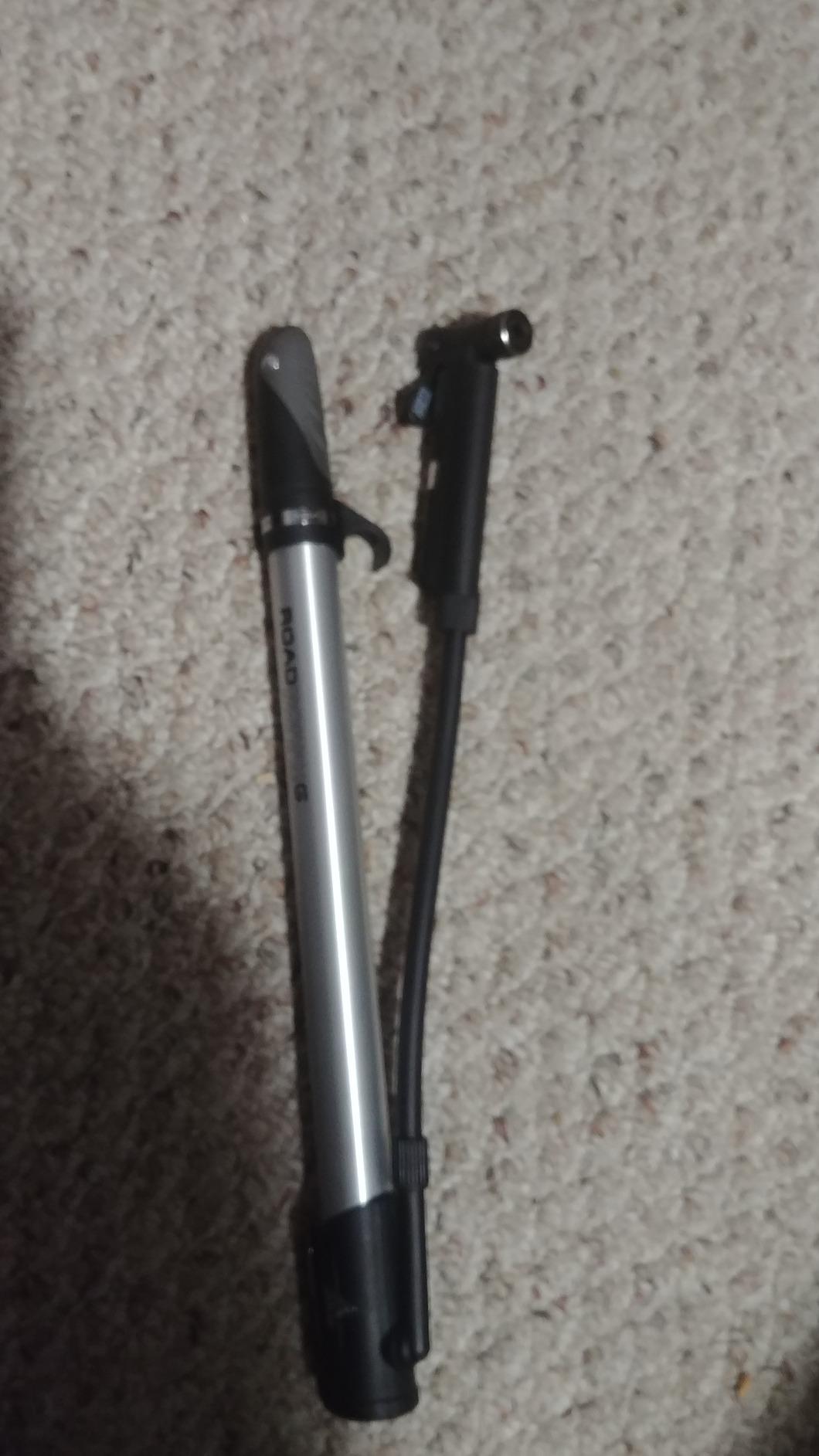
The compromises are all about the gauge and the head. The dial sits in line along the barrel rather than on top, so you have to look down the length of the pump and the reading is accurate to within a few PSI. Converting between Presta and Schrader means flipping an internal grommet, which is a fiddly ten-second job in a garage and an annoying one at the roadside. The 140 PSI ceiling is plenty for road tires but leaves nothing for track or BMX pressure.
Size is the other constraint. At 13.8 inches long it does not fit every frame without displacing a bottle cage, so measure before you commit. The two-year manufacturer warranty is the joint-longest in this group.
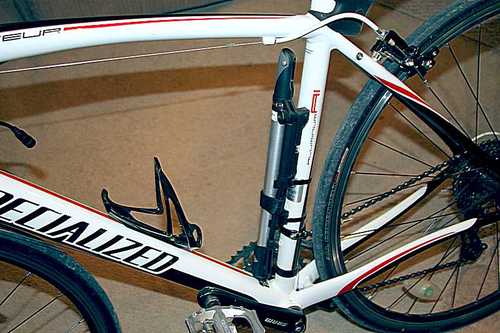
Who the Road Morph G suits
It suits riders who do not want to carry a separate pressure gauge on a long ride. If your tires run at 90 to 100 PSI and you top off at a café or a race start, this pump handles it in a way that a 90 PSI mini pump cannot. RoadBikeReview threads and r/bicycletouring both offer the Lezyne Road Drive as an equal alternative, but the gauge-equipped version of that model reads more easily.
It also works well as a second pump at home for anyone who travels with wheels or runs a compressor nearby for low-pressure tasks.
Who should skip it
Skip it if you need dialed-in precision. The gauge is the weakest part of an otherwise well-built pump, and a rider who cares about hitting 98.0 PSI rather than approximately 98 PSI will be disappointed. It is also the wrong tool for tubeless seating.
3. GOBKO 160 PSI Floor Pump – Best High-Rated Budget Pump With a Gauge
- Very large review base for a budget pump
- Copper movement gauge reads accurately for the price
- Steel construction with an anti-slip base
- Handles Presta and Schrader with four needles and two nozzles
- Rating held back by a visible share of one-star reviews
- Brand is little known outside budget marketplace listings
- Seal and durability complaints appear in the low reviews
GOBKO is the brand name most riders have never heard, and that is the point. With more than twelve thousand reviews behind it, this pump has been volume-sold long enough that you can read its failure modes in the ratings rather than guess at them.
The spec sheet is genuinely good for the tier. Rated to 160 PSI and 11 bar, alloy steel construction, an anti-slip base, a 22 inch hose and a gauge driven by a copper movement rather than a stamped plate. The copper movement detail matters: it is the reason owners describe the readings as more trustworthy than they expected, and it is a design choice you rarely see at this level.
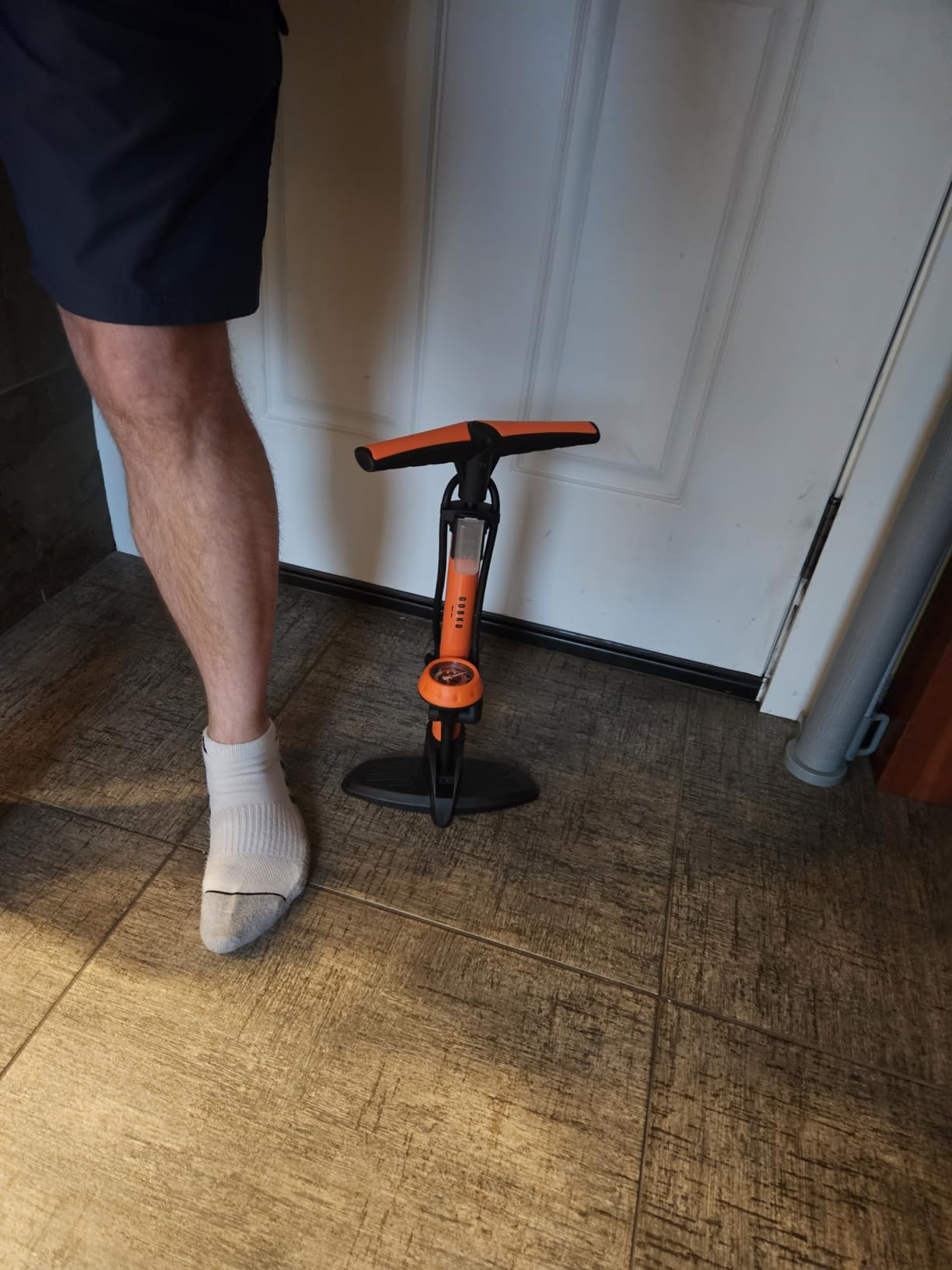
The airflow figure is listed at 2 liters per second, which is generous for a pump this size, and at 848 g it is light for a full-size floor pump. The kit includes a multifunction adapter, four ball needles and two nozzles, so it covers sports balls and inflatables as well as bike tires.
The weakness shows up in the distribution of ratings. A 4.2 average across this many reviews is not a precision instrument story, and there is a real share of one-star feedback around seals and long-term durability. That is a fair warning if you inflate weekly for years rather than occasionally.
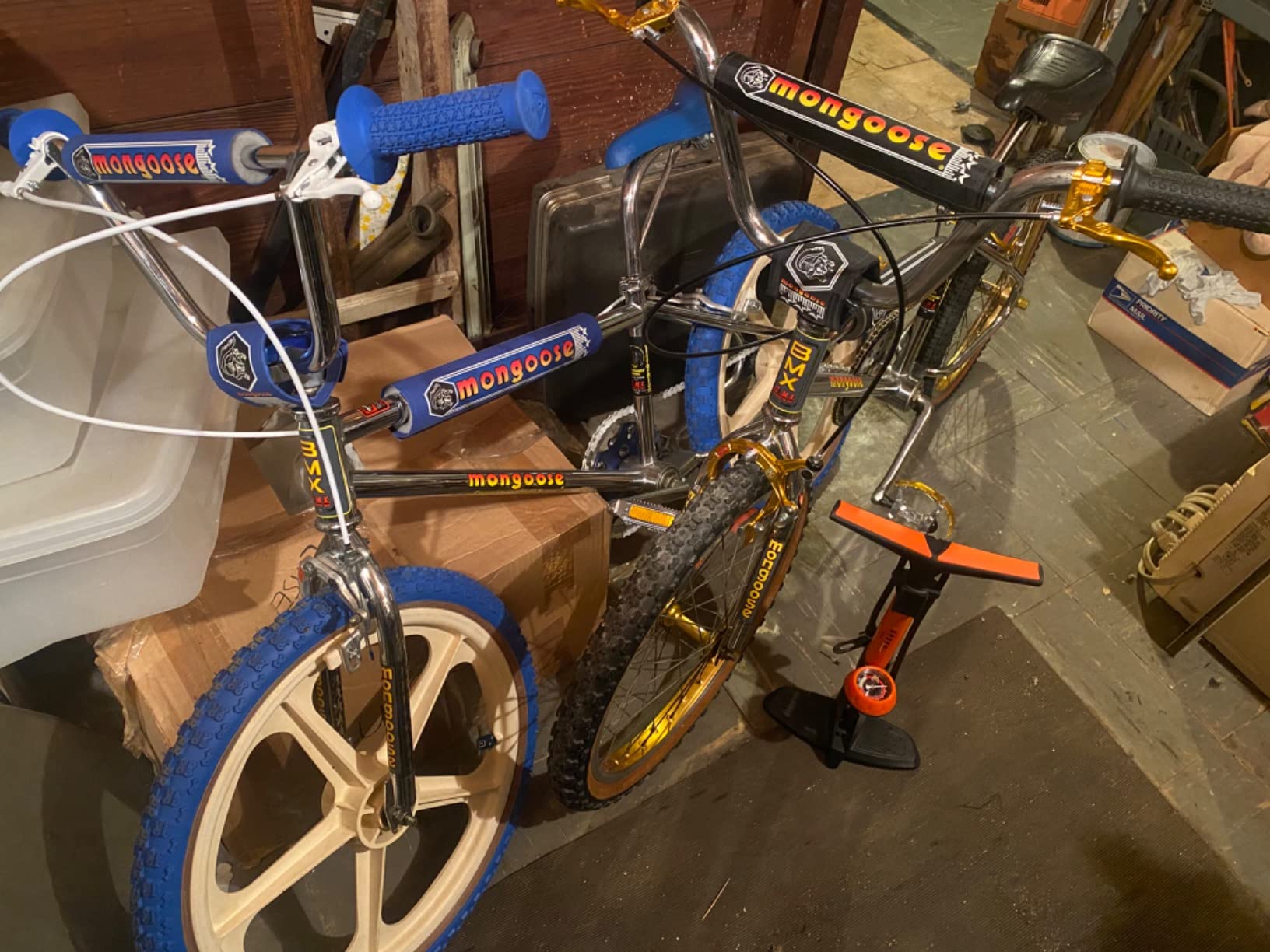
Who the GOBKO pump suits
It suits a rider who wants a rated 160 PSI floor pump with a decent gauge and does not want to spend heavily on the first one. For a commuter inflating once a week, or a household with several bikes at different pressures, the numbers are more than good enough.
It is also the option to consider if you have been using a general-purpose pump that tops out well below road pressure and you want headroom without buying a track pump.
Who should skip it
Skip it if gauge calibration is the thing you care most about, or if you plan to keep the pump for a decade. The copper movement is a good start, but there is no calibration story and no meaningful warranty detail on the listing beyond a bare number.
4. TOOLITIN 160 PSI Floor Pump – Best for Road, MTB and E-Bike Fleets
- Readable gauge lets you hit a target without a separate gauge
- Two-way head makes Presta and Schrader changes simple
- One-piece wider base stays stable
- Several inflation adapters included for balls and inflatables
- Arrives partly assembled so the handle and foot rest need fitting
- Long-term durability is unproven among newer owners
- One-piece barrel is heavier than a compact alternative
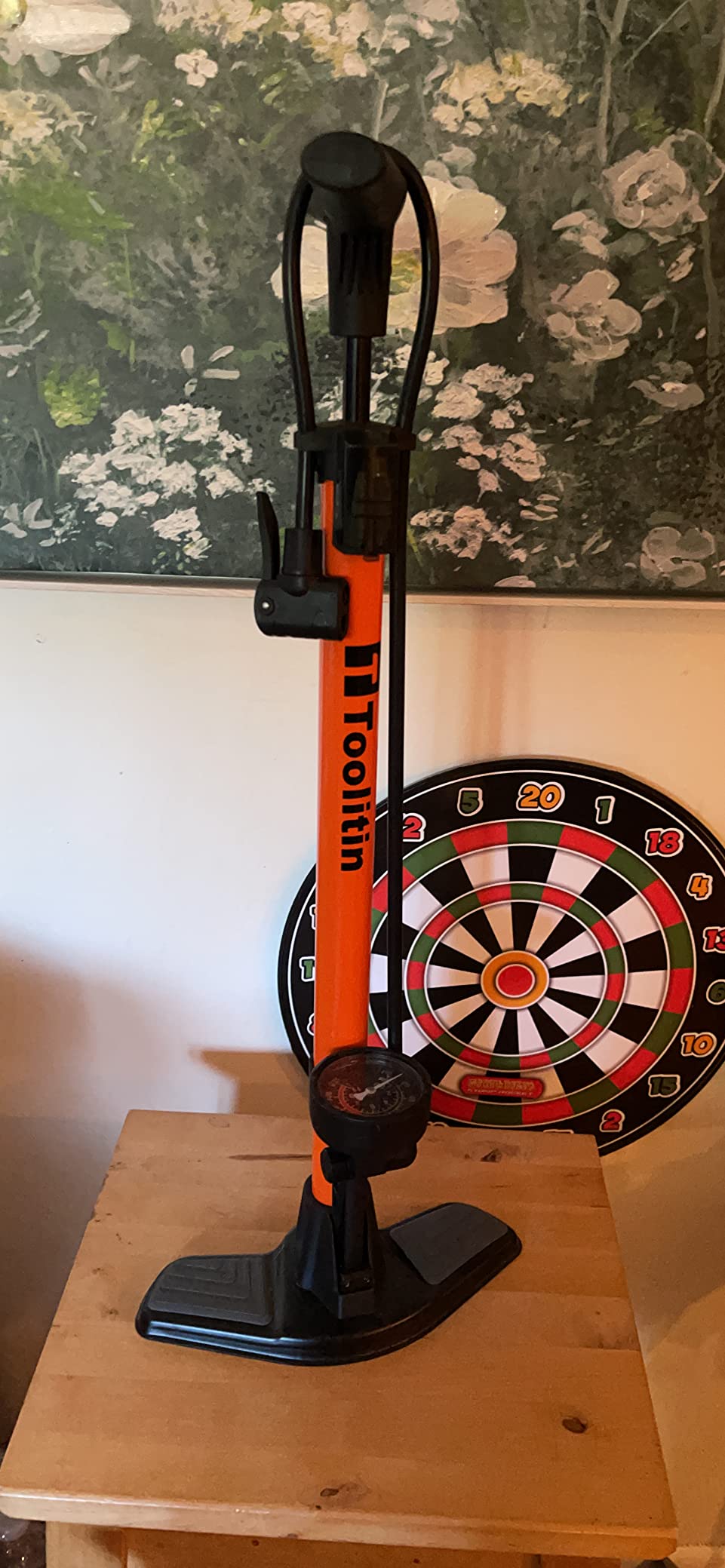
The TOOLITIN is the pump to look at if your household has more than one kind of bike. It is rated to 160 PSI or 11 bar, it takes both valve types, and the reviews describe owners switching over from a bench compressor and finding it does everything they need.
The base is the detail that impressed us. A one-piece wider and thicker composite base gives a planted feel even on uneven garage flooring, which matters because a pump that rocks at 100 PSI makes fine pressure dialing impossible. The two-way head flips between Presta and Schrader without flipping a grommet, which is simpler than the Road Morph G approach.
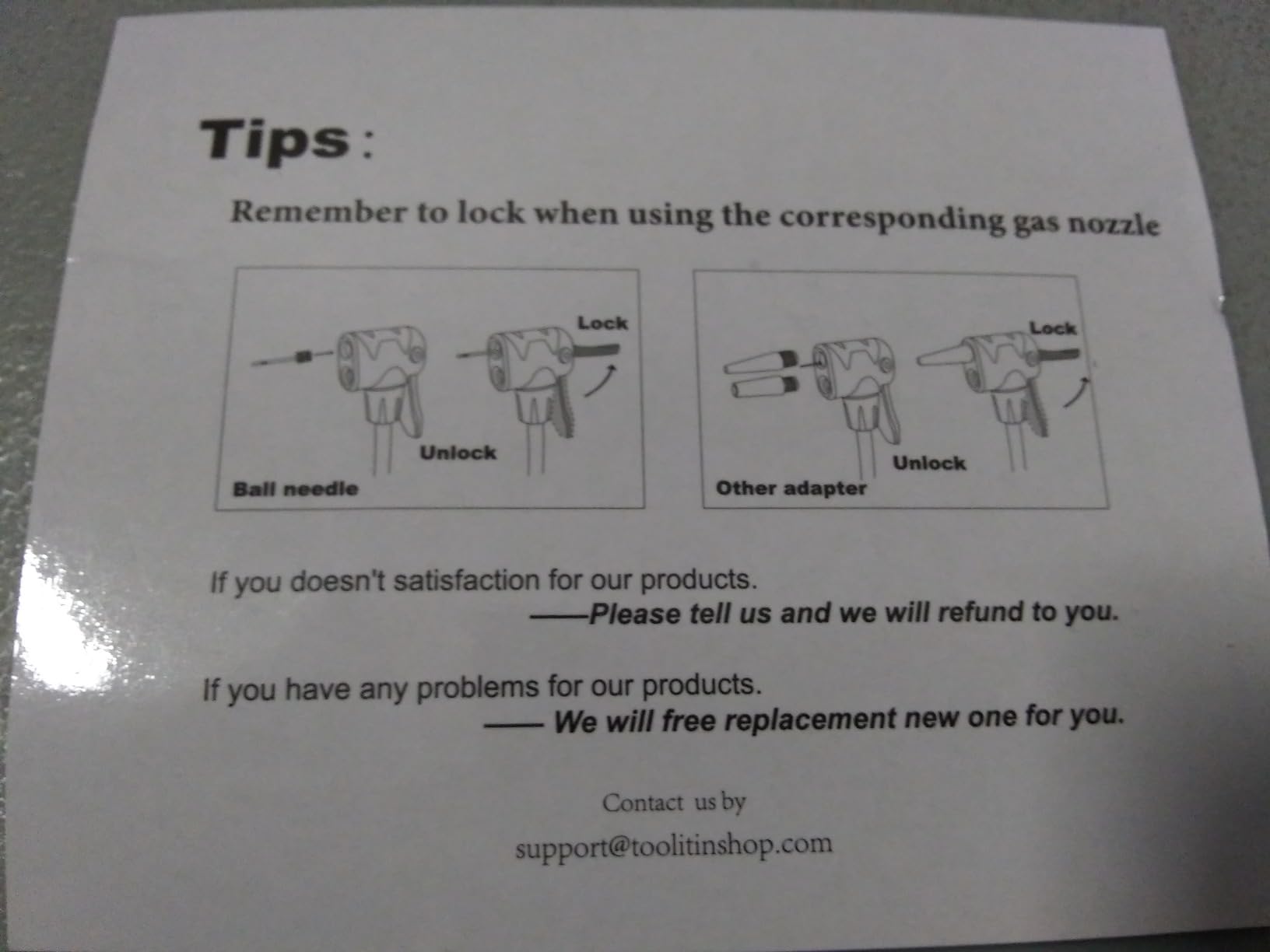
An upgraded accessory box stores three parts inside the handle, so the ball and inflatable needles stay attached instead of rattling around a drawer. At 2.2 pounds it is a manageable floor pump weight, and the aluminum one-piece barrel resists the flex that cheap thin-wall pumps show at high pressure.
Two honest caveats. The pump needs a short assembly step before first use because the handle and foot rest are not fixed at the factory, and the aluminum one-piece barrel makes it heavier than the 848 g GOBKO. Long-term durability is not yet established for newer owners, which matters if you are comparing it against a steel pump.
Who the TOOLITIN suits
It suits mixed fleets: a road bike at 100 PSI, an e-bike in the 50s and a mountain bike at 25 PSI, all handled by one pump without adapters. Riders who have switched from an air compressor also report it handles the higher road pressures well.
It is a good choice for a shared garage where the person using the pump is not the person who bought it, because the dual head and stored adapters remove the guesswork.
Who should skip it
Skip it if you cycle precision matters more than coverage. It is a broad-purpose pump with a usable gauge, not an instrument, and it will not give you the readability of a 3.5 inch dial. Riders chasing 100 PSI with confidence every single week should look at the JoeBlow Sport III.
5. VeloChampion 120 PSI Mini Pump – Best Budget Gauge Pump to Carry
VeloChampion 120PSI Mini Bike Pump with Pressure Gauge & T-Bar Handle
- Built-in gauge removes the guessing from roadside inflation
- T-bar handle locks at right angles for real prying power
- Light at 199 g and holds up over years of use
- Frame mount with velcro stays secure on rough roads
- Small volume per stroke means long pumping sessions
- Some sets arrive without the listed accessories
- Isolated reports of a head leaking as much air as it delivers
Most mini pumps with gauges have a dial so small you can only use it while kneeling. The VeloChampion is different. Its gauge sits in a readable window on the pump body, and owners report reaching road pressures around 100 to 110 PSI with it, which is inside the range most riders actually need.
The feature we would point out first is the T-bar handle that locks at 90 degrees. Locked out, it gives you a two-handed lever position with much better mechanical advantage than a straight shaft, and that is exactly the geometry you need in the last 30 PSI where the resistance climbs sharply.
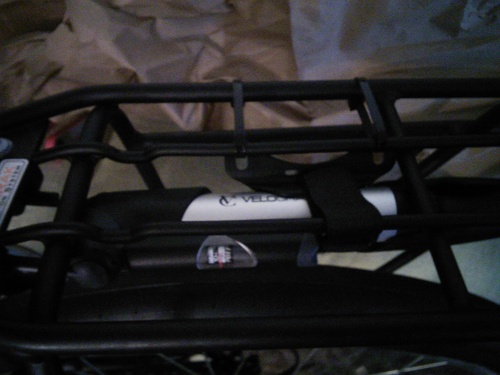
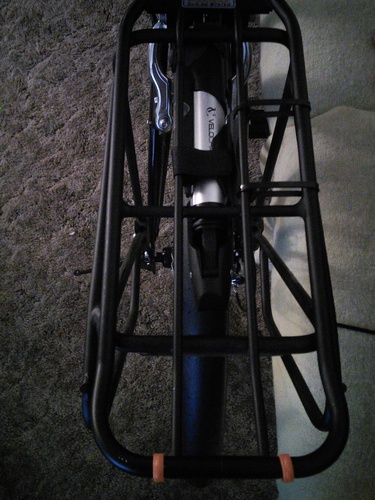
At 199 g and 8.6 inches long it is genuinely portable, and the included frame mount with velcro strap keeps it secure on rough roads where a loose pump rattles around. It is also reversible, fitting Presta, Schrader and Dunlop valves. The box includes a frame mount and ball needles, and the one-year manufacturer warranty is standard for this category.
Stroke count is the trade. Small-bore mini pumps move a fraction of the air per push that a floor pump does, so topping off from 60 to 100 PSI is fine but a fully flat tire is a workout. Some sets also arrive without the listed accessories, so check the box contents on arrival.
Who the VeloChampion suits
It suits riders who carry a pump every day and want a pressure readout without carrying a separate gauge. The combination of a locking T-bar, a readable gauge and 199 g makes it a strong budget carry option in this list, and it handles the 90 to 110 PSI band most road riders live in.
It also works for anyone who inflates away from home regularly and does not want to depend on a shop compressor for accurate pressure.
Who should skip it
Skip it if you ride at 120 PSI or above, since 120 PSI is the hard ceiling with no headroom. It is also the wrong tool for tubeless seating or for a genuinely flat tire, where the small volume per stroke becomes the limiting factor.
6. CLOLOP Floor Pump with Gauge – Best Low-Cost Garage Pump
- One of the least expensive floor pumps that still includes a gauge
- Dual valve head removes the need for separate pumps
- Alloy steel with a detachable heat and frost resistant hose
- Ships with a multi-function adapter and four nozzles
- One-star reviews cluster around seal and durability complaints
- Basic stamped gauge rather than a calibrated movement
- Gauge scale is coarse across the 160 psi range
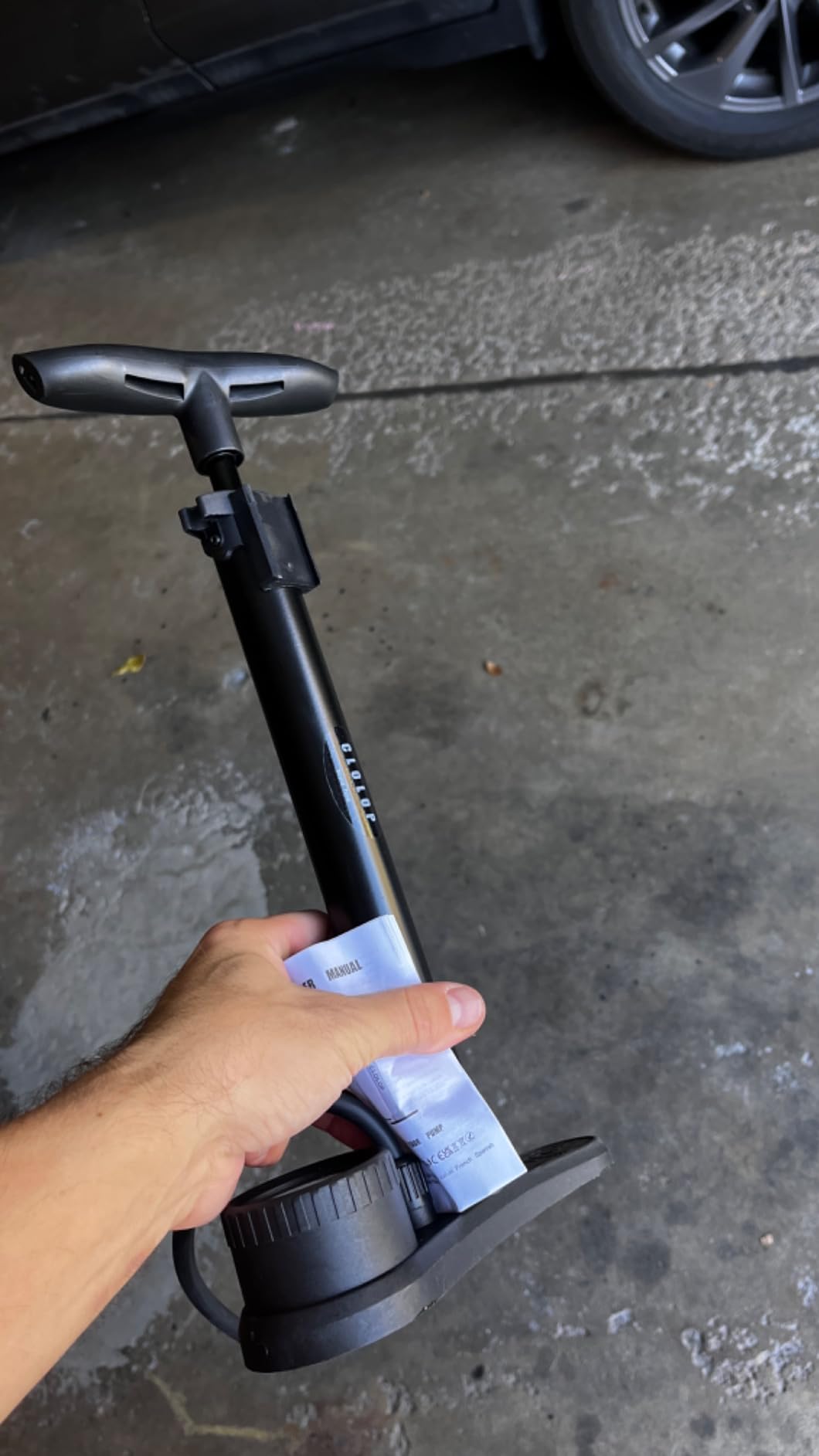
The CLOLOP exists because a surprising number of riders do not need a track pump. At 450 g and rated to 160 PSI, it is a compact floor pump that covers road pressure and still handles sports balls and inflatables with the included adapters and nozzles.
Two design choices are worth calling out. The hose detaches from the barrel, which is unusual at this level and means a cracked hose does not end the pump’s life. And the dual head fits both Presta and Schrader without any internal grommet to flip, which removes the single most common roadside complaint about dual-valve pumps.
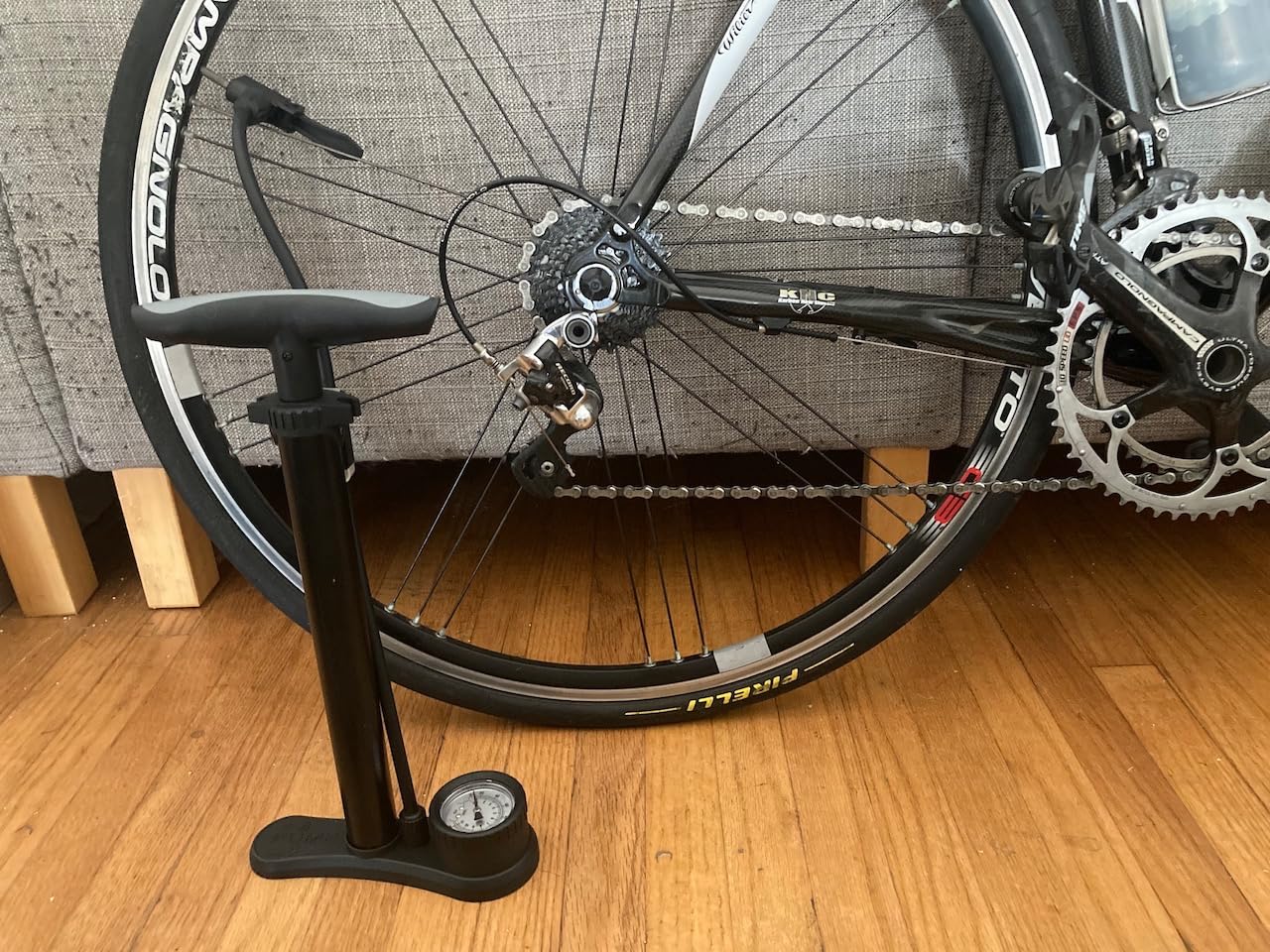
The gauge is where the money was saved. It is a stamped gauge rather than a calibrated movement, so the reading is approximate, and at 160 PSI across the dial the useful part of the scale for a road rider occupies only the lower fifth. Readable, but not precise.
Review patterns for this pump cluster one-star feedback around seals and longevity rather than around failure to inflate. If you want a low-cost gauge-equipped floor pump and accept an approximate dial, this fills the gap. If you want the dial to be trustworthy, the copper movement in the GOBKO is the better buy at a similar tier.
Who the CLOLOP suits
It suits occasional riders and households where the pump lives in a closet and comes out once a month. The detachable hose and dual valve head are the practical wins, and 450 g means it is easy to move between a hallway and a garage.
It is also a reasonable backup pump to keep alongside a better one, since a second cheap pump with a gauge is still more useful than none.
Who should skip it
Skip it if you want to inflate to a specific number and verify it. The stamped gauge cannot deliver that, and the seal complaints in the low reviews are a fair signal for a pump you plan to keep for years.
7. ETENWOLF S0 Mini Pump – Best for Fast Road Pressure Top-Ups
ETENWOLF S0 Mini Bike Pump, 20s Fast Inflate Bicycle Pump with Gauge,Orange
- Fills a 700x23C tire from 80 to 100 PSI in about 20 seconds
- Digital gauge accurate to plus or minus 1 PSI with auto-stop
- Under a pound and fits in a jersey pocket
- Two year warranty backs the build
- Presta requires clipping on a separate nozzle adapter that is easy to misplace
- Needs charging between long trips
- Bulkier than a plain manual mini pump
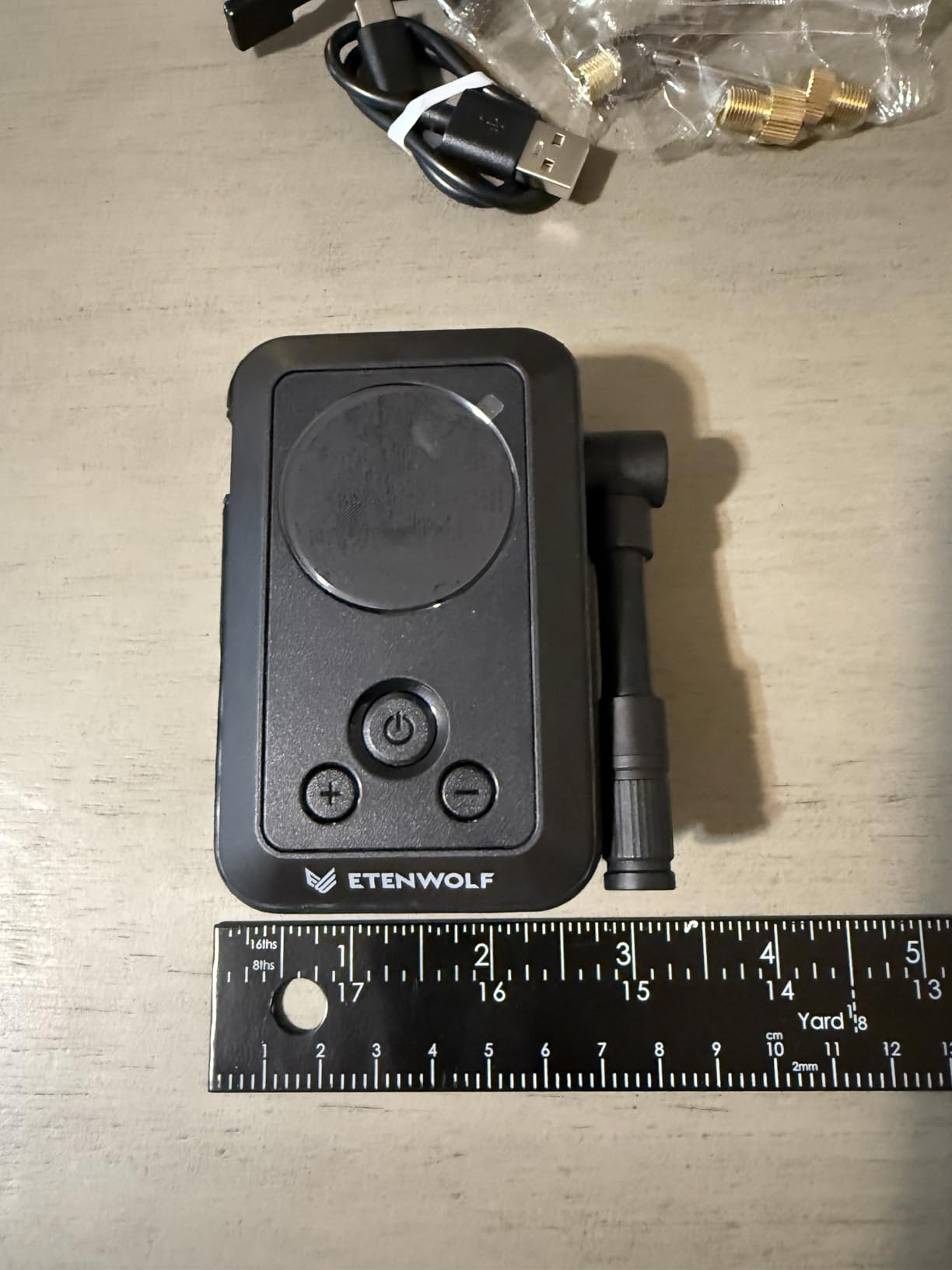
The ETENWOLF S0 is the only electric pump in this list, and it earns its place by a wide margin on speed. Owners report taking a 700x23C from 80 to 100 PSI in roughly twenty seconds, which no manual mini pump in this roundup comes close to.
The gauge is also the most precise instrument here. It is an LED digital readout accurate to plus or minus 1 PSI, with auto-stop at a target pressure you set, so you can dial a number and walk away. Flow is listed at 18 liters per minute and the 2400 mAh lithium battery is claimed to handle up to eight fully flat tires per charge.
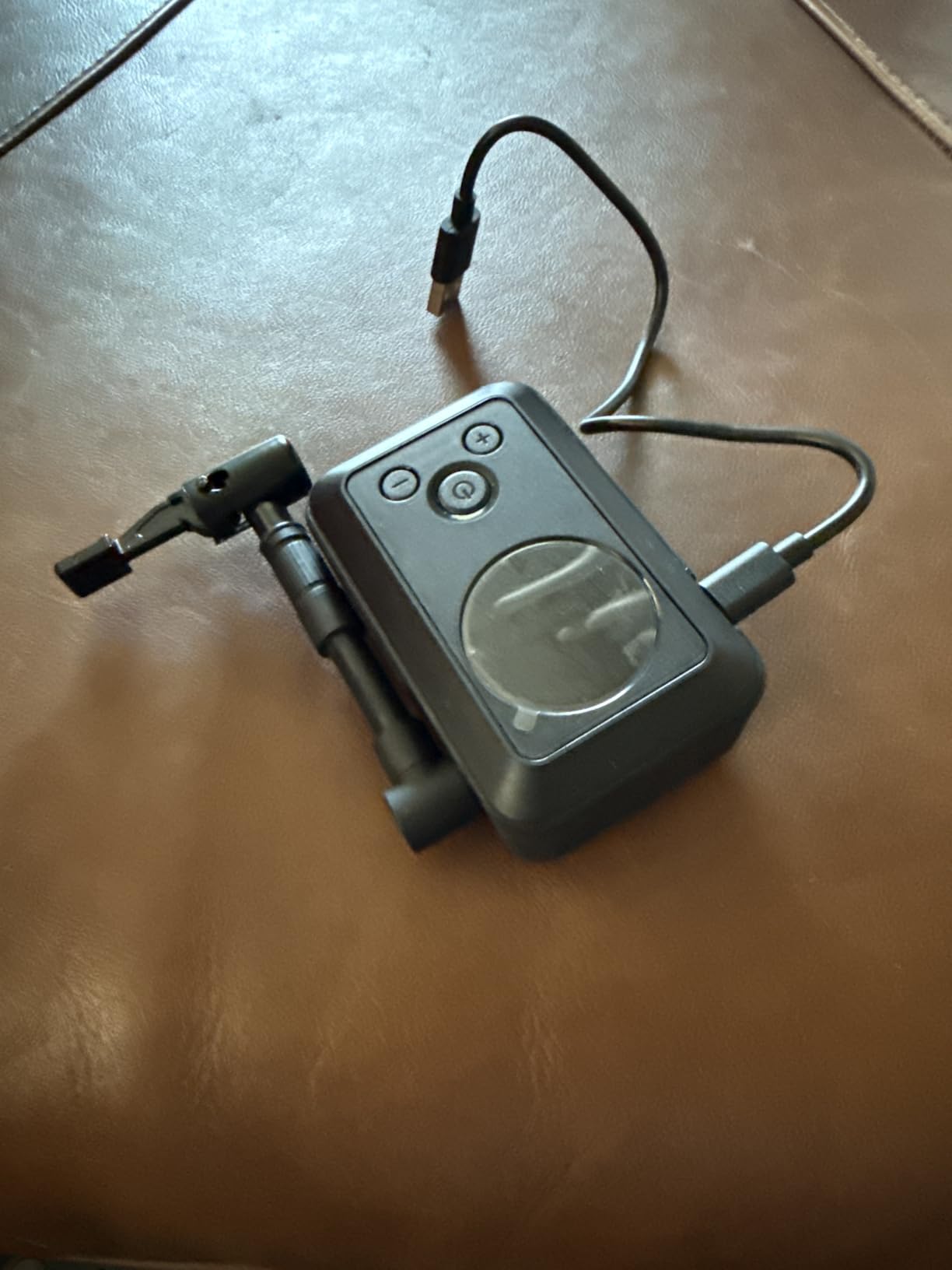
At 8.64 ounces it packs into a jersey pocket or a small bag with a drawstring included. A 360 degree rotating hose makes the awkward angle at the valve stem manageable, and a memory function recalls your target.
Two practical frictions. Presta requires clipping on a separate nozzle adapter, and that adapter is the part most likely to end up missing from a bag. And like any electric pump, it needs charging, which is why riders on cycling forums still keep a manual pump as backup even when they own one of these.
Who the ETENWOLF S0 suits
It suits riders who top off before races or rides and dislike spending two minutes on their knees to add 20 PSI. The auto-stop means you can set 100 PSI once and use that as your default, which removes the biggest friction point in pre-ride prep.
It is also a good fit for anyone who struggles with the effort of a manual pump above 80 PSI, or who rides with a partner who does not want to wait.
Who should skip it
Skip it as your only pump. If the battery is flat or the adapter is missing, you are carrying dead weight, and that is exactly why forum riders pair an electric pump with a manual one. Digital gauges also lose a little pressure when you disconnect, which we cover in the buying guide.
8. Lezyne Sport Floor Drive 3.5 – Best for Track Pressures
- Oversized 3.5 inch analog gauge is genuinely easy to read
- Narrow barrel reaches 220 PSI with little effort on final strokes
- Threaded ABS chuck seals leak-free and saves valve stems
- Extra-long hose reaches bikes on a stand or hitch rack
- No hose clip so the long hose flops in storage
- Base is composite rather than steel
- Threaded chuck takes deliberate tightening to attach
Lezyne’s 3.5 inch gauge is the largest analog dial in this group, and on a pump rated to 220 PSI that combination is unusual. Most high-pressure pumps fit a small gauge on a wide scale, which leaves the 90 to 100 PSI band crammed into a corner. This one uses most of its face on the range where road riders actually work.
The gauge is calibrated in-house rather than sourced, and owners describe the readings as both easy to read and accurate. For anyone who wants to trust an analog dial at 100 PSI, this is the pump we would measure against a handheld reference gauge.
The 220 PSI ceiling is the reason to buy it even if you never ride above 110. Track riders and time trialists need it, but there is a second benefit: the narrow barrel means the last strokes to 100 PSI require far less effort than a wide-barreled pump demands. That is a real difference when you are pumping four wheels.
The ABS-1 Pro chuck threads onto the valve rather than clipping over it. It seals leak-free and saves valve stems on delicate Presta valves, at the cost of needing deliberate tightening. The 67 cm hose reaches bikes on a stand or a hitch rack. Owners do complain that there is no hose clip, so the hose flops in storage, and the base is composite rather than the steel some listings imply.
Who the Lezyne Sport Floor Drive 3.5 suits
It suits riders above 110 PSI and anyone who measures their pressure seriously. The oversized dial plus in-house calibration is the combination we would look for first if gauge accuracy is your top criterion, and the threaded chuck is kinder to road valves than a pin head.
It also suits anyone pumping multiple wheels at once, because the narrow barrel makes high-pressure strokes feel easier than on the JoeBlow.
Who should skip it
Skip it if 220 PSI capability is wasted on you and you want the simplest possible garage pump, since the composite base and the lack of a hose clip are not the most refined details at this level. At 3.3 pounds it is also not a travel pump.
9. Tiakia 220 PSI Compact Pump – Best for Travel and Long-Distance Riding
Tiakia Mini Bike Floor Pump with Gauge, 220PSI High Pressure for Road Bikes
- Mini format that still pumps to 220 PSI which is unusually high for its size
- 80 cc per intake with a fold-out foot pedal cuts effort on road pressures
- Alloy spring gauge holds a steady reading over time
- Only 240 g and comes with a PU storage bag
- Mechanical gauge stops at 140 PSI even though the pump reaches 220
- Small 7 inch footprint means limited air volume per stroke
- Gauge range gap appears above 140 PSI
The Tiakia solves a specific problem: a pump small enough to live in a jersey pocket or a pannier that still reaches genuine road pressure. It is rated to 220 PSI or 15 bar, moves 80 cc per intake and weighs 240 g, which is a rare combination at this size.
Its gauge uses a forged alloy-steel spring, which reviewers credit with holding a steady reading over time rather than drifting. That is exactly the failure mode riders complain about in cheap mechanical gauges, and a steel spring is the mechanical answer to it.
The T-shape dual valve head switches between Presta and Schrader directly and also supports Dunlop, so no adapters are needed for standard road wheels. A fold-out foot pedal gives the same mechanical advantage as the Road Morph G foot pad, and the package includes two Presta adapters, two ball needles, two tapered nozzles and a PU storage bag. The one-year warranty is modest.
Here is the catch, and it is worth being precise about. The pump reaches 220 PSI but the mechanical gauge reads only to 140 PSI. For road riding that ceiling is irrelevant, but if you ride above 140 PSI you are pumping blind. Reviewers note this split explicitly, and it is the one specification on this pump that can catch you out.
Who the Tiakia suits
It suits touring riders, bikepackers and anyone who carries a pump as insurance rather than as a weekly tool. At 7.1 inches folded and 240 g it disappears into a bag, and the storage bag keeps the adapters with it. The foot pedal is what makes 80 cc per stroke bearable at road pressures.
It also suits riders who want a second opinion gauge they can carry, because a second pump reading close to your garage pump reading is a cheap way to sanity-check your setup.
Who should skip it
Skip it if you run above 140 PSI, and skip it if you need a large readable dial because the compact format means a small face. It is also not a tubeless seating pump despite the pressure rating.
10. MEETLOCKS Double Cylinder Floor Pump – Best Air Per Stroke
- Double cylinder barrel moves noticeably more air per stroke
- Smart valve head covers Presta Schrader and Dunlop
- Iron base frame with rubber feet and a pedal locking clip
- Gauge mounted high on the barrel is easy to read while pumping
- Heaviest of the budget floor pumps at nearly 2 kg
- Basic steel base can flex under hard pumping
- Pump body is small at 4.7 by 11 inches
The double cylinder barrel is the idea worth understanding here. Instead of one piston moving a large volume of air once per stroke, two smaller cylinders alternate, so each push delivers a meaningful charge of air while the handle travel stays short. Reviewers credit the design with cutting inflation time at 160 PSI noticeably.
The pump is compact, measuring 4.7 by 11 inches, and rated to 160 PSI or 11 bar. The smart valve head covers Presta, Schrader and Dunlop valves without adapters, which is the broadest valve compatibility here alongside the Topeak units.
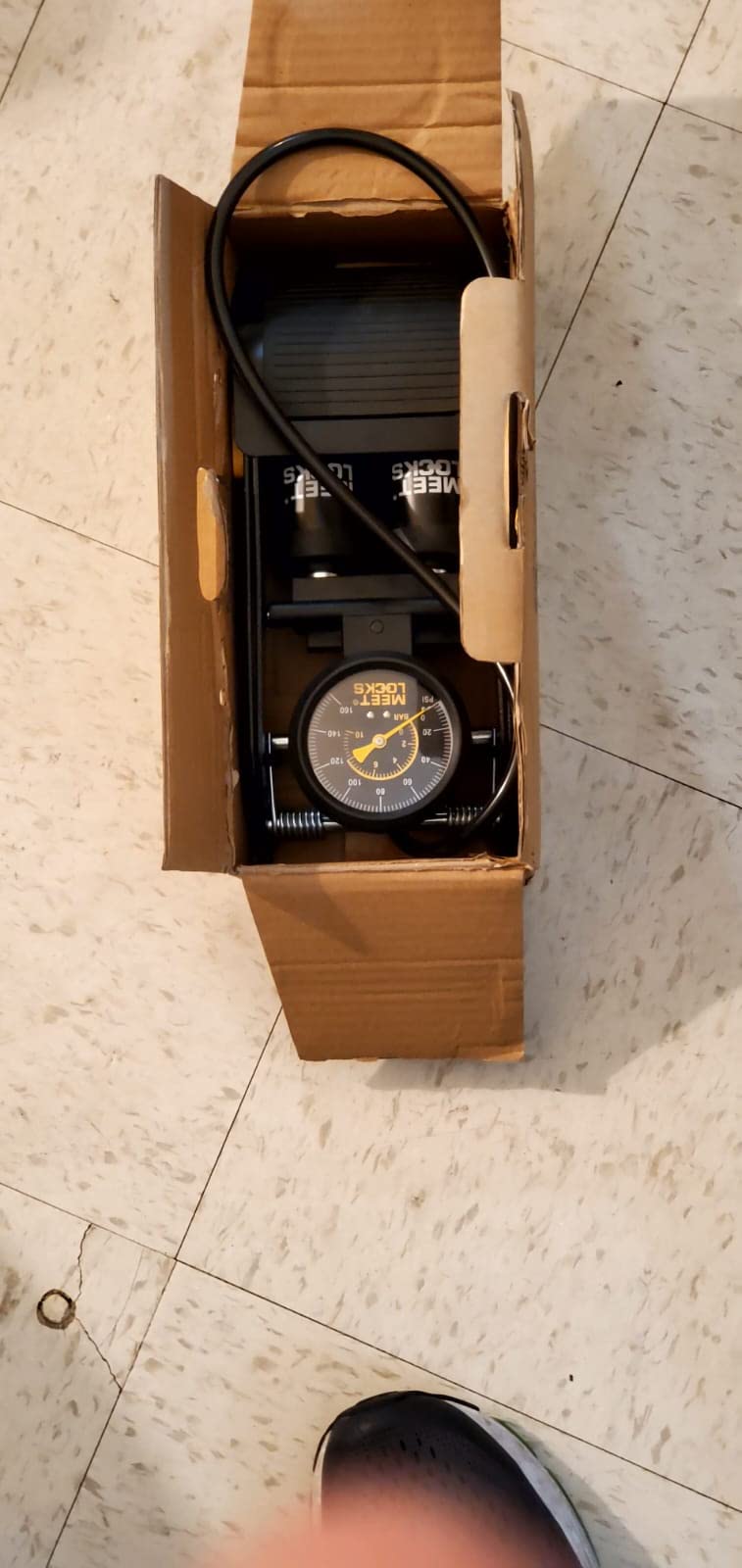
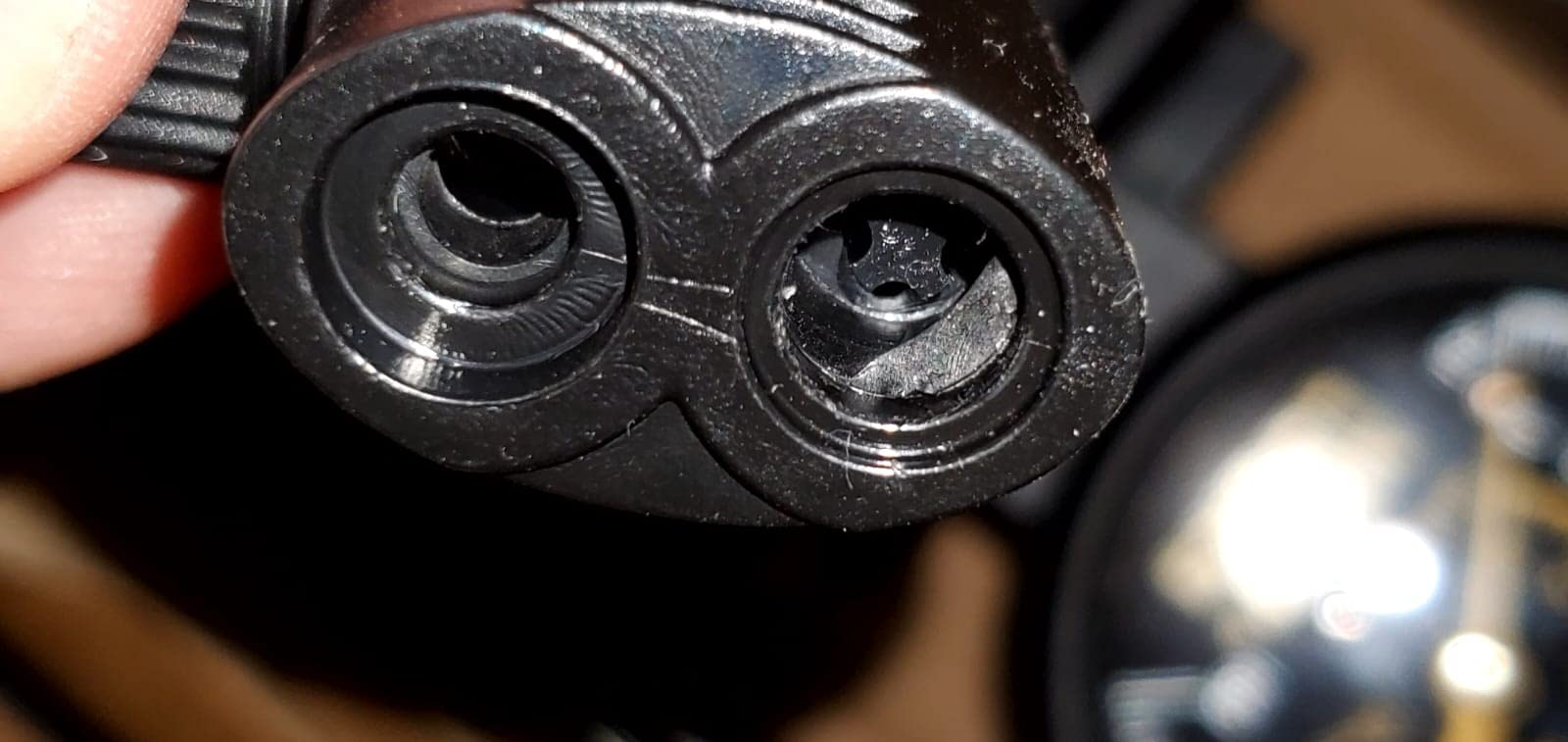
Two design decisions stand out. The gauge sits 20 cm above the iron base rather than at the bottom of the barrel, so you can read it while pumping instead of craning down to floor level. And there is a built-in safety pedal locking clip plus two rubber feet, so the pedal does not fold under load.
The costs are weight and rigidity. At 1.97 kg it is the heaviest budget floor pump in this group by a wide margin, and the steel base frame can flex under hard pumping at road pressure. Neither matters much in a garage, but both are reasons to think twice if you plan to move the pump regularly.
Who the MEETLOCKS suits
It suits riders who inflate from flat more often than they top off. Whether that is a commuter riding home on a near-flat tire every week or a racer setting up two wheels in a driveway before a start, the double cylinder barrel cuts the number of pushes sharply compared with a single-cylinder budget pump.
The raised gauge is also a genuine comfort feature for anyone who has crouched over a floor-mounted dial in a dark garage.
Who should skip it
Skip it if you move your pump between locations, because nearly 2 kg is a lot of weight for a floor pump. It is also the least refined base in this list, and base flex is exactly what you do not want when dialing the last few PSI.
11. MOHEGIA 160 PSI Floor Pump – Best for Bikes, Balls and Inflatables
MOHEGIA Bike Floor Pump with Gauge,Air Bicycle Pump Inflator with High Pressure 160 PSI,Fits Schrader and Presta Valve/Blue
- Low-cost floor pump that reaches 160 PSI with a readable gauge
- T-handle and wide base give a stable controlled push
- Adapter box keeps three ball and inflatable needles organized
- Handles bikes e-bikes motorcycles balls and inflatables
- Low-star reviews hint at seal and gauge reliability issues
- Stainless steel tube adds weight at this level
- No stated warranty detail beyond a model number
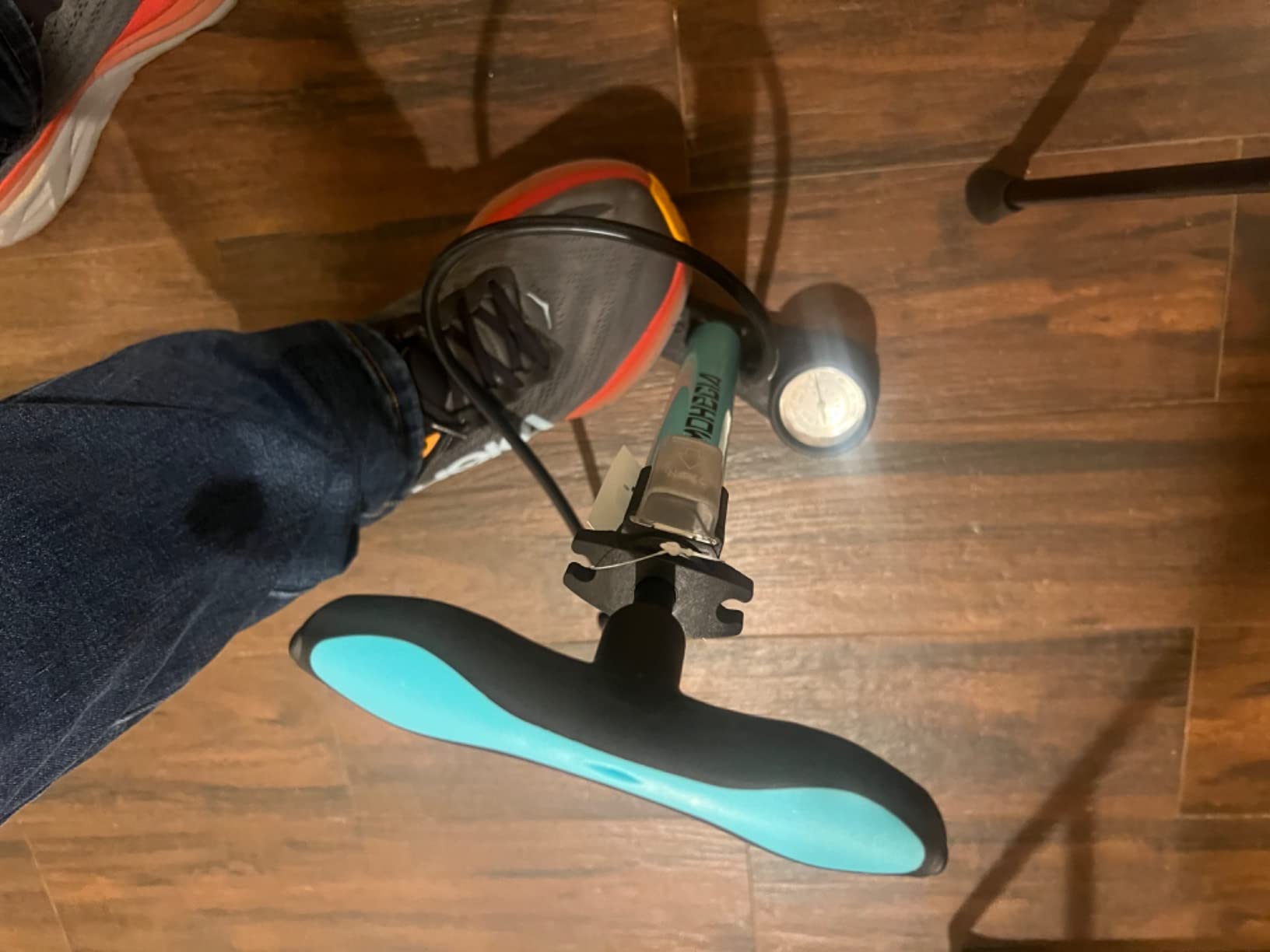
The MOHEGIA is a simple stainless steel floor pump rated to 160 PSI or 11 bar with a live pressure gauge. The seamless steel pipe, T-handle and wide base give a stable, controlled push, and the proportions at 7.8 by 2.3 by 16.5 inches make it a small floor pump that still feels planted under load.
The adapter box is the feature that separates it from other budget pumps. It stores three inflation needles inside the handle area, so ball and inflatable accessories are always attached to the pump instead of disappearing into a drawer.
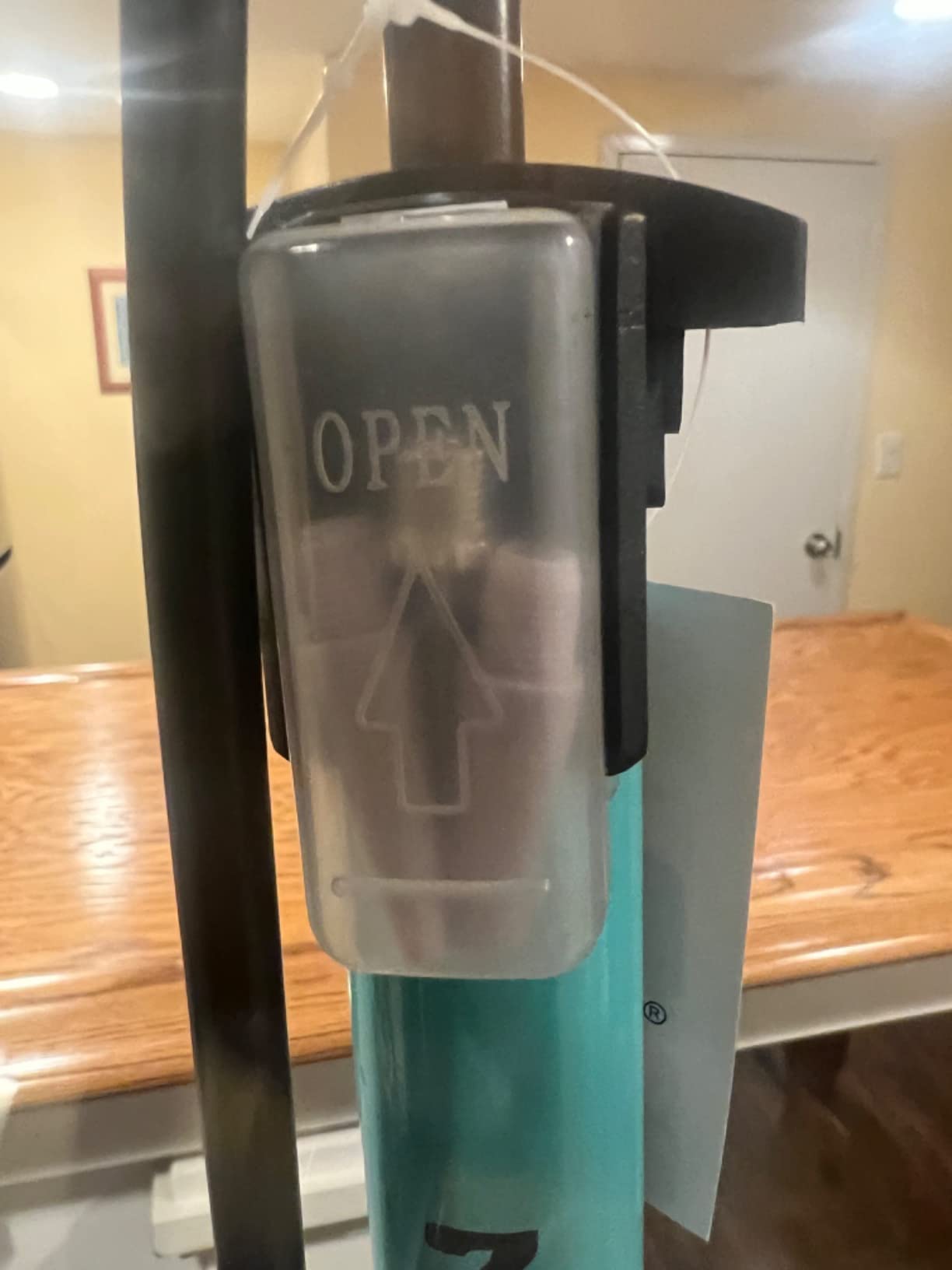
Dual Presta and Schrader support means no adapter juggling, and the tube handles bikes, e-bikes, motorcycles, sports balls and inflatable toys. That range makes it a genuinely multi-use household tool rather than a bicycle-only purchase.
The limitation is quality consistency. Around 8 percent of the reviews are one star, and the complaints cluster around seal and gauge reliability rather than around the pump failing to inflate. The stainless steel tube is a durability plus, but it also makes the pump heavier than an aluminum equivalent at this level.
Who the MOHEGIA suits
It suits households that inflate more than bike tires. If you run e-bike tires, motorcycle tires, sports balls and pool inflatables alongside road wheels, the included adapter kit and the 160 PSI rating cover all of it with one tool.
It also suits anyone who wants a small floor pump that stores easily, since the 16.5 inch height is shorter than most steel barrel pumps.
Who should skip it
Skip it if you care about gauge reliability over the long term, since seal and gauge complaints are the recurring low-rating theme. For a once-a-week commuter it is fine; for a daily rider who trusts the dial to set pressure, the copper movement in the GOBKO is the safer bet.
12. Topeak Mini Dual G – Best Emergency Gauge Top-Off Pump
Topeak Mini Dual G Bike Hand Pump – Compact Dual-Action with In-Line Pressure Gauge, Aluminum Barrel, Presta/Schrader/Dunlop Compatibility & Mount Bracket
- Dual action push-pull effectively doubles the air volume per cycle
- In-line gauge reads while pumping with the valve at the top of the wheel
- Light at 158 g and mounts under a bottle cage
- Effective lever lock seals with no leaks once engaged
- Gauge is difficult to read and not accurate for precision work
- High pressures take many strokes and heat the pump body
- Valve switching instructions are cryptic
- Mount fits round frame tubes poorly
The Mini Dual G is an emergency pump rather than an inflation pump, and understanding that is the key to using it well. The dual-action push-pull design sends air on both the push and the pull stroke, which roughly doubles the air moved per cycle compared with a conventional mini pump of the same length.
At 158 g and 10.79 inches it is the lightest pump here, and the included side mount bracket fits under a bottle cage. Rated to 140 PSI or 9.6 bar, owners report it getting a road tire to roughly 100 PSI, which is exactly the emergency top-off range.
The in-line gauge reads while you pump if the valve is positioned at the top of the wheel, which is a real trick worth knowing: rotate the wheel so the stem points up and the dial sits in your line of sight. The lever lock seals effectively once engaged, and owners report no leaks from it.
The criticisms are consistent. The gauge is vague and not accurate enough for precision work, the instructions for switching valve types are cryptic, and pushing to high pressures takes many strokes and leaves the pump body very warm. The outlet seal does not always stay closed, and the mount fits round frame tubes poorly.
Who the Topeak Mini Dual G suits
It suits riders who carry a pump purely as insurance and weigh every gram on a long ride. At 158 g it costs you almost nothing to carry, and the push-pull action means a roadside fix takes far fewer cycles than a standard mini pump would need.
It is also a sensible secondary pump for a rider who already owns a good floor pump, since its role is getting home rather than setting a precise pressure.
Who should skip it
Skip it if you want the gauge to set your pressure. This dial is for reassurance, not for measurement, and anyone chasing an exact number will be frustrated. It is also the wrong pump for anything beyond a top-off.
How to Choose a Bike Pump With a Gauge for Road Tires?
Road tire pressure is a range, not a number, and the range depends on your weight and your tire width. As a starting point, riders run roughly 90 to 100 PSI for a 700x25c tire, with lower pressures toward the bottom of that band for lighter riders and narrower tires, and higher pressures toward 110 PSI for heavier riders on wider casings. Wide gravel or touring tires sit lower, often in the 40 to 60 PSI range.
That single fact drives every other decision on this page. A pump rated to 160 PSI or more leaves headroom so that the final strokes feel light. A gauge you can actually read at 100 PSI matters more than whether it is analog or digital. And air volume per stroke matters far less than it does for a mountain bike tire, which is why a high-volume pump is the wrong purchase here.
Floor Pump, Track Pump, Frame Pump or Mini: Which One Do Road Riders Actually Need?
The four categories below all appear in this roundup, so it is worth saying what each one is for. A floor pump is a full-size barrel that stands on the ground, roughly 27 inches tall on the picks here, and it is the fastest way to move a lot of air in a garage. A track pump is a slim, usually metal floor pump designed for road and track pressure, where the narrow barrel trades volume for a much higher pressure ceiling.
A frame pump mounts to your frame with a bracket and is what you carry on a ride. A mini pump is the same idea in a smaller, cheaper, lighter form factor, and the difference between the two here is mostly stroke volume and head quality. CO2 inflators push a fixed 12 or 16 gram cartridge and then stop, which is why experienced riders treat them as a starting point rather than a way to reach a target pressure. An electric pump does the strokes for you and adds an auto-stop, which is why it wins on speed and loses on charging.
For road riding specifically, most riders end up owning two of these: a floor or track pump at home and a frame pump in a bag. The buying mistake is buying only one and expecting it to cover both jobs, which is why the JoeBlow Sport III is our garage pick and the Road Morph G is our carry pick rather than one product doing both.
What PSI Should Road Bike Tires Run At?
Start at the number printed on the tire sidewall and treat it as a ceiling rather than a target, since sidewall figures assume a heavier rider and a conservative test. Most riders land between 90 and 100 PSI on a standard 25 mm road tire, and the trend for anyone riding regularly is to drift downward from where they started, because lower pressure rolls faster and feels better on rough tarmac.
Going underinflated is the more common mistake and the more costly one. Low pressure increases rolling resistance, raises pinch-flat risk at low speeds and reduces cornering grip. Going overinflated shrinks the contact patch and gives you a harsh ride that many riders mistake for fitness. The gauge on your pump is the whole reason these numbers can be checked weekly instead of guessed at.
Why Analog Gauges Beat Digital Gauges on Road Tires
The default advice in most pump roundups is that digital is more accurate, and for a portable electric pump that is often true. But road tires expose a specific failure mode that makes a large analog dial the better tool: pressure escapes when you disconnect.
Many pump heads seal to the valve and vent a small amount of air as the connection breaks, and digital pumps read pressure live while the head is still attached, so the number you see includes that trapped air. By the time the head is off, the tire sits several PSI lower than the display said. Reported losses on lock-on digital heads run to around 10 PSI per disconnection in some testing, which on a road tire is the difference between 100 and 90 PSI.
Analog gauges mounted on the barrel read the same trapped volume as the digital version, but they are less seductive. A mechanical dial cannot imply a precision it does not have, so riders who pair one with a handheld gauge check it and move on. One owner on record reported a twenty-year-old handheld gauge reading 2 PSI low while a cheap floor pump gauge matched a digital gauge within 1 PSI, which is the argument in a nutshell: dial size and readability beat nominal accuracy.
How to Check Whether Your Pump Gauge Is Lying to You
A pump gauge is a single sensor, so it is worth one check rather than a lifetime of trust. Inflate a tire to a round number such as 100 PSI, then compare the pump reading against a known-good handheld gauge. Agreement within about 2 PSI means you can stop worrying about it and use the pump dial every week.
If they disagree, the cheapest fix is to keep using the handheld gauge for the weekly check and let the pump dial tell you roughly when to stop pushing. The expensive fix is a recalibration service, and for a mechanical dial most riders simply replace the pump, because a drifting gauge looks identical to a working one while telling you nothing.
Presta vs Schrader: Attaching the Pump Without Losing Pressure
Road bikes use Presta valves, which are narrow and have a small knurled tip you unscrew before pumping. Schrader valves are the wider, more common kind found on mountain bikes and car tires. Almost every pump here handles both, which matters if your household is mixed.
The routine that works: remove the valve cap, then unscrew the Presta tip and press it once with a thumb to release the seal. Attach the pump head and push the lever to lock it, then pump. When you reach your target, close the valve lock, unplug from the valve, and only then screw the Presta tip back down. Pump heads with a bleed valve let you trim a couple of PSI off at the end instead of overshooting.
A note on how we keep hardware in mind at work: the idea of verifying a measurement against an independent reference before trusting it is not new. It is the same reasoning behind how self driving cars see the road, where a single sensor reading is checked against several sources before it is acted on. A pump gauge is a single sensor, and the check costs a few seconds.
What Riders Actually Say About Road Pumps
The results for this query are unusually dominated by forum threads, and the consensus there is consistent enough to be useful. On r/bicycletouring and RoadBikeReview, riders repeatedly name the Topeak Road Morph G and the Lezyne Road Drive as the portable gauge pumps worth carrying. On BikeForums, the Topeak JoeBlow is endorsed specifically because of its larger gauge compared with cheap marketplace pumps. On r/cycling, the counterpoint shows up just as often: multiple riders argue that a basic gauge floor pump from a discount retailer does the job perfectly and there is no point paying more.
Both positions are defensible, and the way to resolve them is to be honest about what you need. If you inflate weekly at home, an approximate dial on a steel floor pump is genuinely sufficient. If you carry a pump on long rides or set pressure at a race start, the readability of a 3 inch or larger gauge becomes worth paying for. Track pumps are also reported to be faster and less effortful than CO2 for reaching road pressures, and they need no cartridges, which is the main reason experienced riders carry one instead.
Pumps to Avoid for Road Tires
Three categories do not belong on this list. High-volume mountain bike pumps have large barrels and generous airflow, which is the wrong trade at 100 PSI because you end up pushing hard for very little air per stroke. Single-pin heads that rely on you holding the head in place are frustrating at road pressure, where you want both hands available. And 200 PSI gauges with coarse markings are hard to read in the 90 to 100 PSI band even though the pump behind them is powerful.
There is also a specification trap worth flagging, and the Tiakia is the clearest example in this group: a pump can be rated to 220 PSI while its gauge only reads to 140. The pump rating describes what the pump can do, not what you can verify. Check both numbers before buying anything above 110 PSI.
Frequently Asked Questions
What is the best cycle pump with a gauge?
The Topeak JoeBlow Sport III is the best cycle pump with a gauge for most riders. It is rated to 160 PSI, has a large 3 inch analog dial mounted on top of the barrel and an alloy steel barrel and base. For riders who carry a pump instead of storing one, the Topeak Road Morph G is the equivalent answer at 220 g.
Do you need a special pump for road bike tires?
You need a pump rated well above road pressure, and that is the main difference. Road tires typically run at 90 to 100 PSI, so a pump rated to at least 160 PSI leaves headroom and keeps the final strokes light. A high-volume mountain bike pump is the wrong tool because a large barrel is a disadvantage at high pressure, and a pump without a gauge means you are inflating by guesswork.
What should I pump my road bike tires to?
Most riders on a 700x25c tire land between 90 and 100 PSI, and the number printed on the sidewall is a sensible ceiling rather than a target. Lower pressure rolls faster and feels better on rough tarmac, while higher pressure reduces pinch-flat risk and improves cornering grip. Wider gravel and touring tires usually sit far lower, often between 40 and 60 PSI.
Is a digital or analog bike pump gauge better?
For road tires a large analog dial is usually better, mainly because many pump heads vent a little air when you disconnect them, so a live digital reading can read several PSI higher than the tire actually ends up. Digital is more precise while connected, which matters if you use auto-stop, and it is the better choice in a compact electric pump. Analog wins on readability and on avoiding that disconnect loss.
What is the most accurate bike pressure gauge?
Accuracy depends as much on the dial as the technology. The Lezyne Sport Floor Drive 3.5 has an oversized 3.5 inch analog gauge calibrated in-house, and its wide usable scale keeps the 90 to 100 PSI band readable. Gauges driven by a copper or alloy-steel movement hold readings steadier over time than stamped plates. Check any pump gauge against a known good handheld gauge before you trust it.
Do I need a bike pump with a gauge?
If you inflate at home weekly, a pump with a gauge saves you carrying a separate handheld gauge and removes the guesswork from every ride. If you only inflate after a puncture or carry a pump purely as emergency insurance, the gauge matters less and weight matters more. Riders who race or set pressure before every fast ride benefit most from a dial they can read quickly.
The Best Bike Pumps With Gauges for Road Tires in 2026
After working through all twelve, the Topeak JoeBlow Sport III is the pump we would put in your garage for the best bike pumps with gauges for road tires. It reaches 160 PSI, its 3 inch analog gauge is readable in any light, and the steel barrel and base are built for years of weekly use rather than a single season.
Take the Topeak Road Morph G if you carry your pump instead of storing it, the Lezyne Sport Floor Drive 3.5 if you ride above 110 PSI or care most about gauge readability, and the GOBKO or TOOLITIN if you want a rated 160 PSI floor pump without a large outlay. Check the list again in October 2026 if your tires or riding position have changed, because the pressure range you need is the only specification that should drive this purchase.