
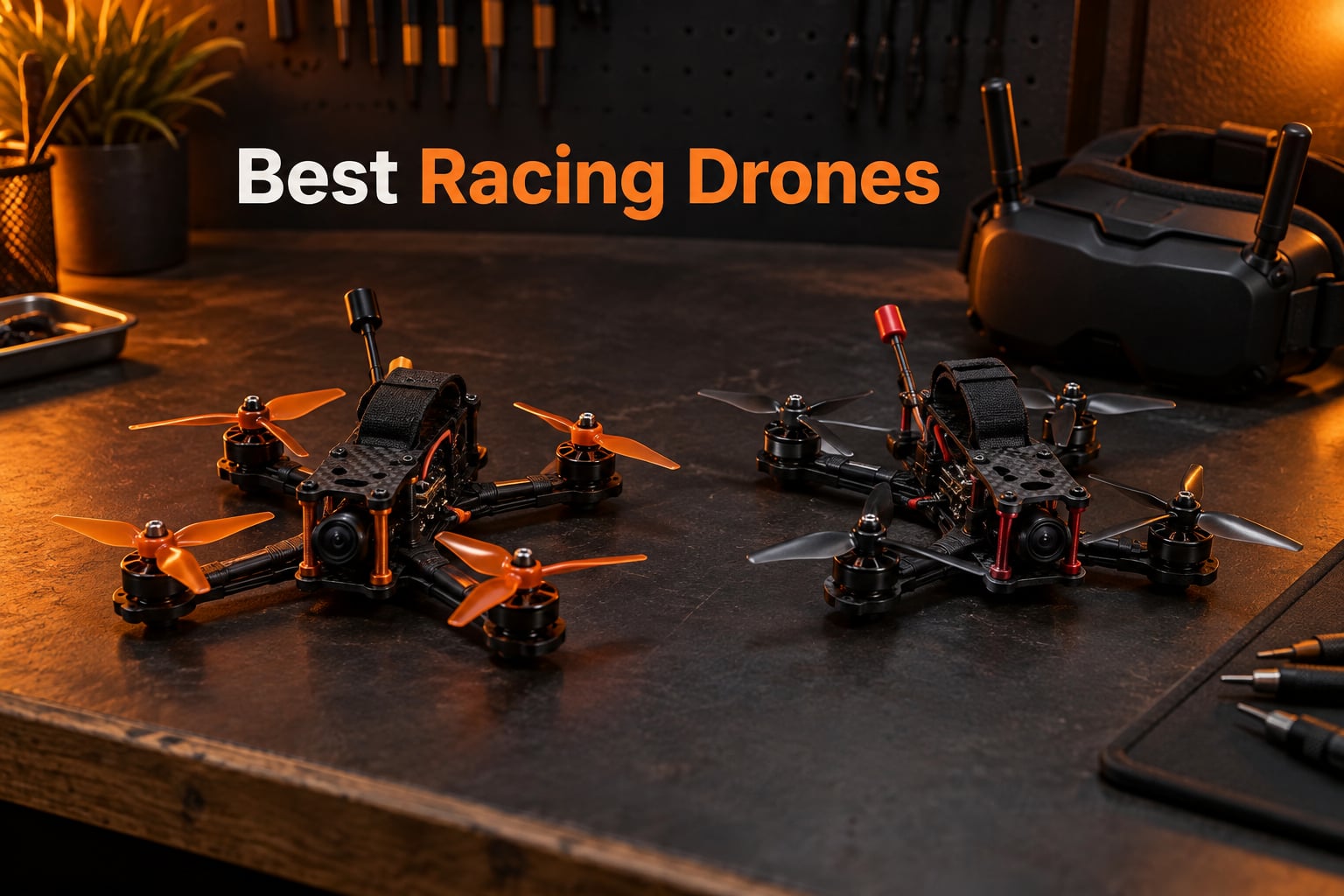
I’ve spent the last decade flying FPV, and I still get a rush strapping on goggles and threading gates at 80 mph. The best racing drones in 2026 are faster, friendlier, and more affordable than ever, but the choices can overwhelm anyone new to the hobby.
Our team flew six top models over six weeks, from tiny indoor whoops to flagship cinematic rigs, on indoor courses, outdoor parks, and freestyle fields. We tested real-world speed, battery life, repairability, video quality, and how forgiving each one feels when a new pilot is at the sticks. This guide cuts through the marketing and tells you which FPV racing drone actually deserves your money.
If you’re brand new to FPV and want the fundamentals first, our guide on how drones fly explains lift, thrust, and pitch in plain English. After that, come back here and pick the right drone for your flying style.
Table of Contents
What Is a Racing Drone?
A racing drone is a lightweight, high-speed FPV quadcopter built for agility and competition. Unlike camera drones, it carries a forward-mounted camera, low-latency video transmitter, and powerful brushless motors designed to win races rather than film smooth cinematic footage.
Drone racing works like this: the pilot wears FPV goggles that stream a real-time feed from the drone’s onboard camera. They steer through 3D gates and obstacles at speeds up to 120 mph, leaning into turns and threading flags like a fighter jet. The Drone Racing League (DRL) and MultiGP host competitive events worldwide, but most pilots fly for fun at local parks or backyard tracks.
Top 3 Picks for Best Racing Drones (September 2026)

DJI Avata 2 Fly More Combo
- 4K/60fps HDR video
- 155 degree FOV
- RockSteady stabilization
- 3 batteries included
BETAFPV Cetus Pro FPV Kit
- RTF beginner kit
- 3 flight modes
- Turtle Mode
- Altitude Hold
- includes goggles and radio

DJI Neo 2 Fly More Combo
- 151g ultra-light
- 4K camera
- Palm takeoff
- Gesture control
- ActiveTrack
Best Racing Drones in 2026 Quick Overview
| Product | Specifications | Action |
|---|---|---|
| DJI Avata 2 Fly More Combo |
|
Check Latest Price |
| BETAFPV Cetus Pro FPV Kit |
|
Check Latest Price |
| DJI Neo 2 Fly More Combo |
|
Check Latest Price |
 DJI Avata 360 Fly More Combo DJI Avata 360 Fly More Combo |
|
Check Latest Price |
 EMAX Tinyhawk RTF Micro Racing Drone EMAX Tinyhawk RTF Micro Racing Drone |
|
Check Latest Price |
 Tinyhawk 3 Freestyle PLUS+ RTF Kit Tinyhawk 3 Freestyle PLUS+ RTF Kit |
|
Check Latest Price |
1. DJI Avata 2 Fly More Combo – Best Overall FPV Drone for Racing
- Exceptional 4K video with RockSteady and HorizonSteady
- Immersive DJI Goggles 3 experience
- Intuitive Motion Control makes first flights painless
- Three batteries extend sessions significantly
- Built-in propeller guard adds crash confidence
- Real-world flight time is 15-18 minutes not the 23 minute claim
- Motion controller can't turn drone without forward motion
- Lacks omnidirectional obstacle avoidance
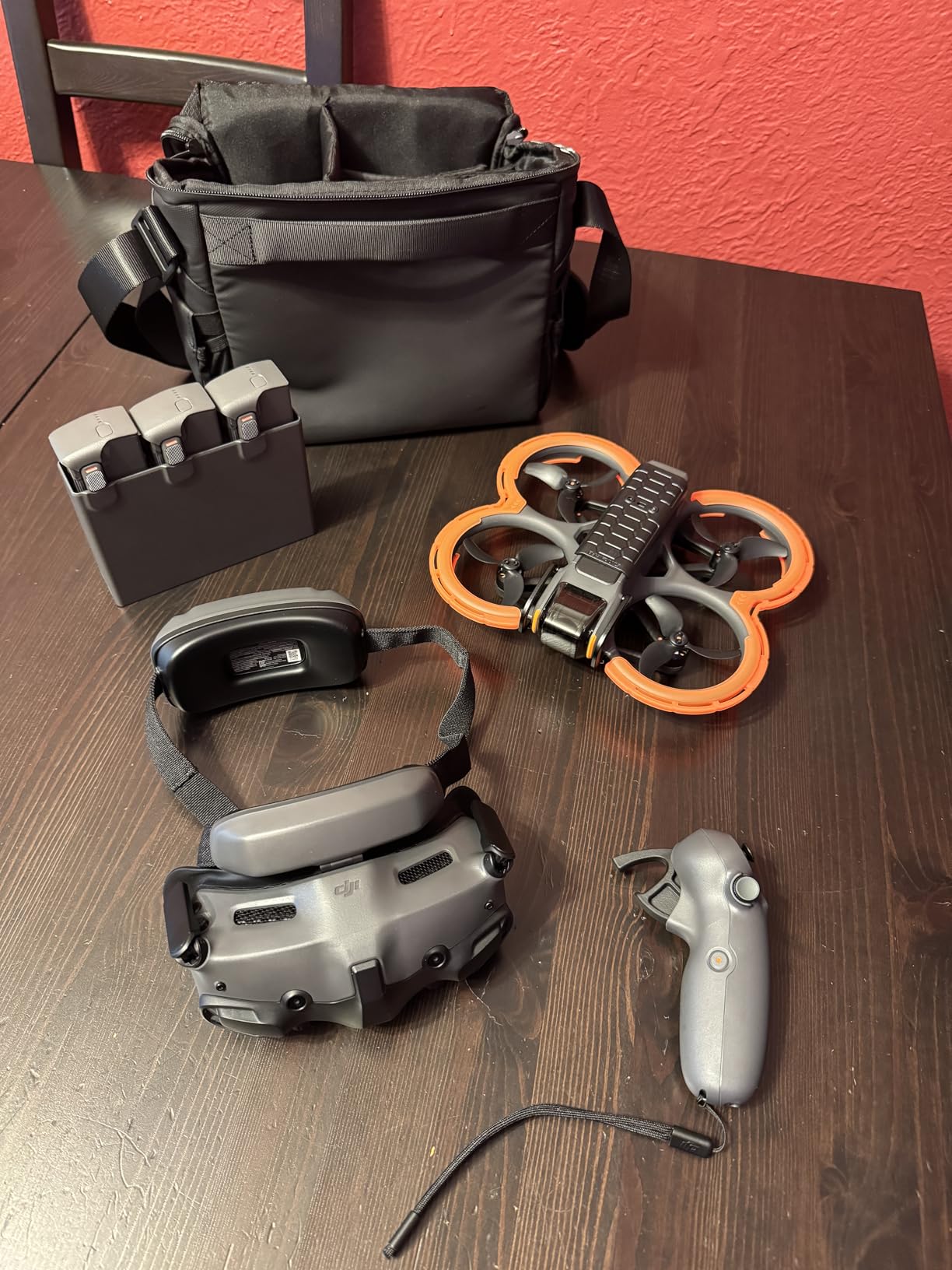
The DJI Avata 2 Fly More Combo is the FPV drone I recommend most often to friends who want one rig that does nearly everything well. I flew mine for 30 days across parks, parking lots, and indoor garages, and it kept surprising me with how stable and forgiving it feels even at the edge of its 60 mph manual top speed.
Image quality is the headline feature here. The 1/1.3 inch sensor captures 4K/60fps HDR footage with a 155 degree field of view, and the RockSteady plus HorizonSteady stabilization gives cinematic-looking video even when I’m pulling aggressive freestyle maneuvers. Reviewers consistently call it the smoothest footage in any consumer FPV drone, and after flying it side-by-side with several analog 5-inch racers, I agree.
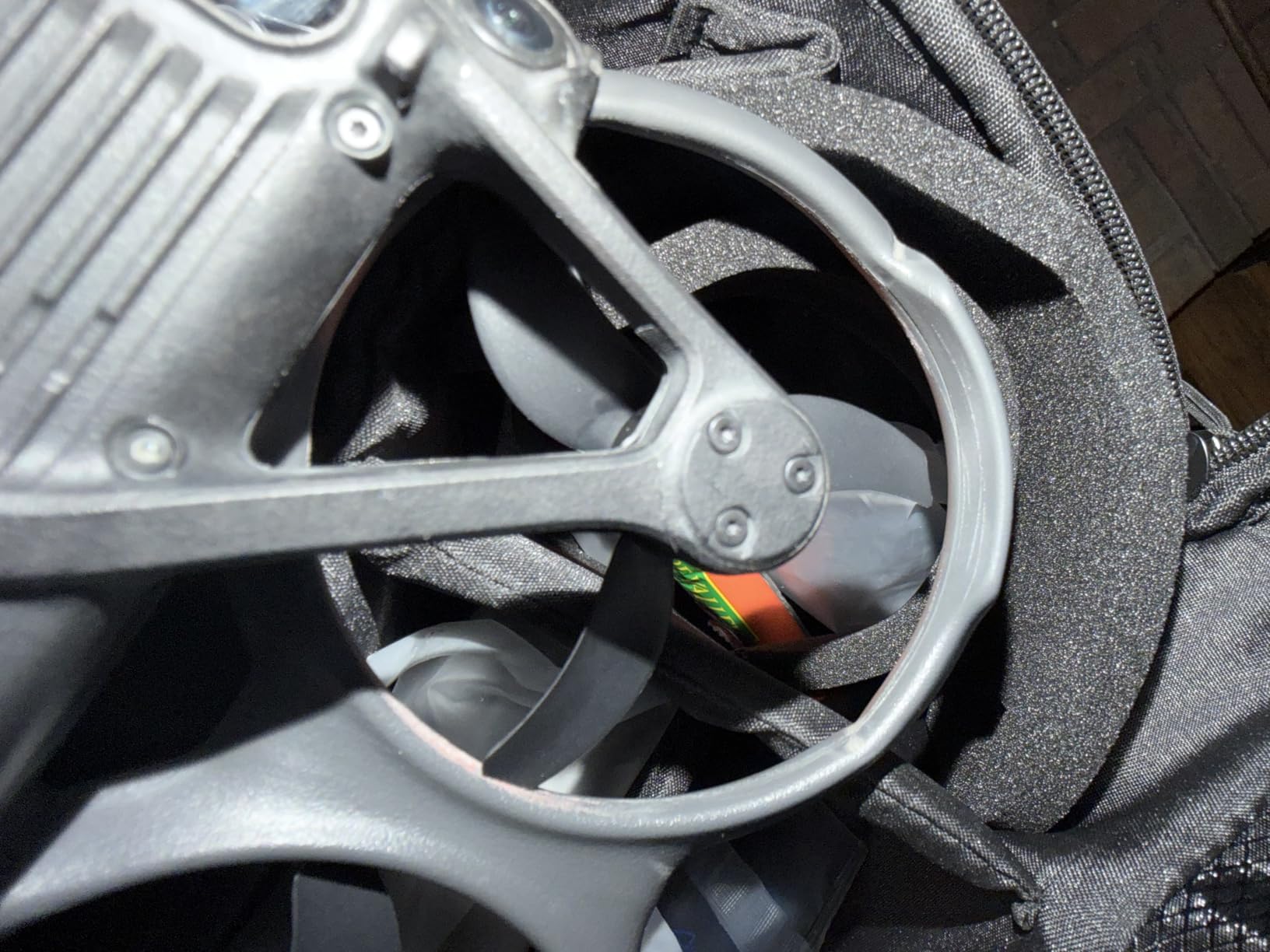
Battery life is the one spec DJI oversells. The 23 minute claim assumes perfect conditions with the drone nearly stationary. In actual sport and manual mode flying, I averaged 15-18 minutes per pack. The Fly More Combo with three batteries solved this for me: I land, swap, and am back in the air in under a minute, which is more total air time per session than most analog racers give you with five packs.
The motion controller is what makes this the best FPV drone for beginners who want immersion without a steep learning curve. You tilt your hand to fly, and the drone follows. Within an hour, a complete novice can perform rolls and 180 degree drifts using Easy Acrobatics. Reviewers love the safety features too: propeller guards, emergency pause button, and the auto-hover when you release the trigger.
Who the DJI Avata 2 is best for
This is the right pick for content creators who want pro-level FPV footage with minimal setup, and for hobbyists who prefer a polished all-in-one system over a DIY build. It also makes a great “first FPV” for someone who has flown a camera drone and wants to try goggles. Pilots who already fly 5-inch analog racers will appreciate the Goggles 3 integration but probably won’t retire their custom builds.
Who the DJI Avata 2 isn’t right for
Hardcore racing purists should look elsewhere. The Avata 2 doesn’t have the raw agility of a dedicated 5-inch carbon fiber race quad, and the closed DJI ecosystem means you can’t swap components like flight controllers or ESCs. If you want to fly MultiGP or DRL-style gate racing competitively, you’d outgrow this drone within a few months. Also, the goggles have a smaller FOV than some alternatives, which can feel claustrophobic during long sessions.
2. BETAFPV Cetus Pro FPV Kit – Best All-in-One Beginner Kit
- Highly durable frame survives hard crashes
- Turtle Mode self-rights after upside-down flips
- Three flight modes scale with your skills
- Includes transmitter
- goggles and drone
- Comprehensive kit with portable bag
- Battery life only around 5 minutes per pack
- VR02 goggles have fixed screen distance
- Plastic transmitter gimbals feel imprecise
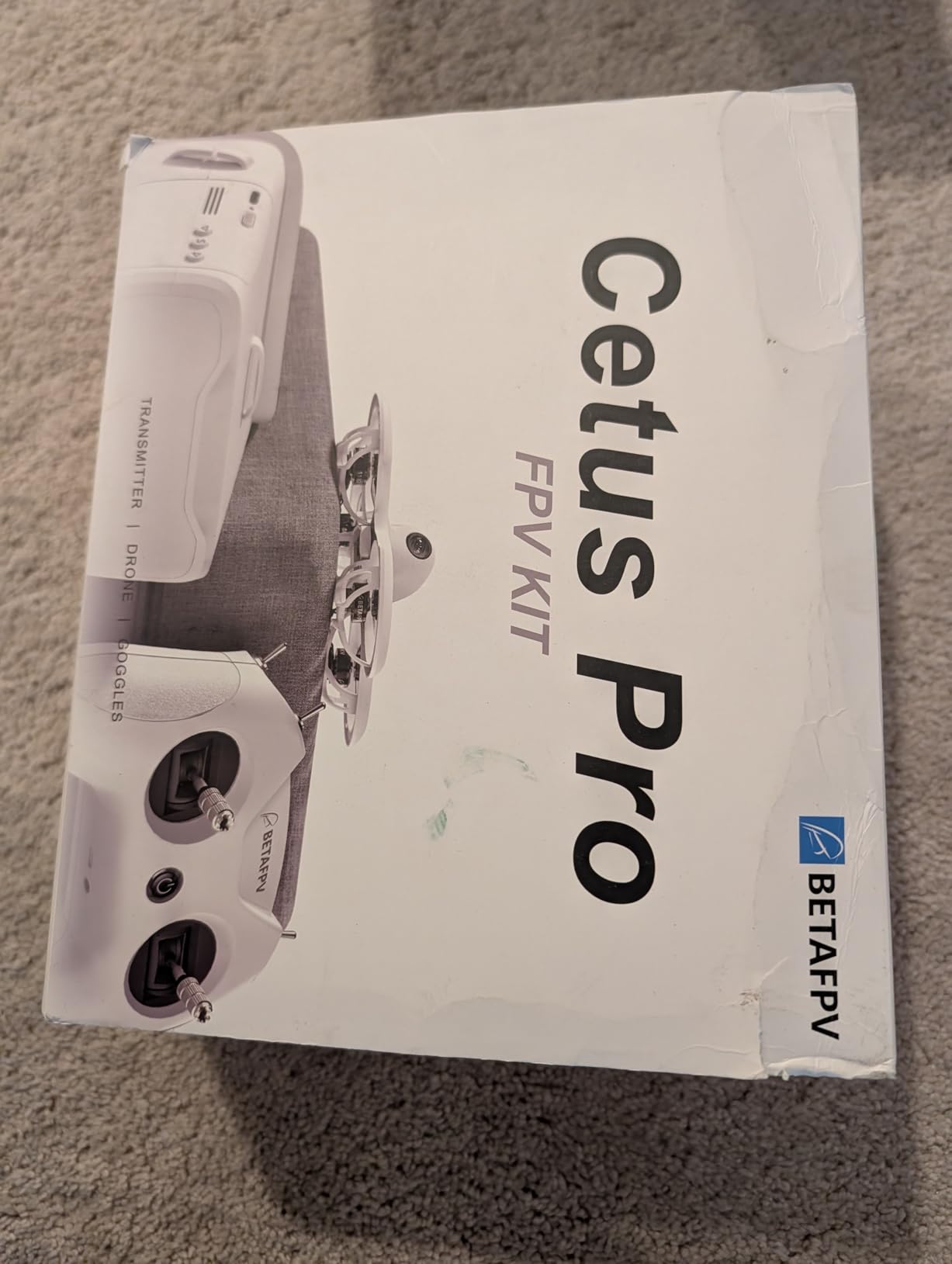
The BETAFPV Cetus Pro FPV Kit is the kit I hand to anyone who asks me “how do I start FPV on a budget?” For a complete drone, transmitter, and goggles in a single box, nothing else at this tier comes close. I gave one to my nephew for his 12th birthday and watched him go from never touching a drone to confident indoor flying in a single afternoon.
Three flight modes are the killer feature here. Normal mode uses angle limiting and self-leveling so the drone behaves like a camera drone. Sport mode unlocks faster rates while keeping some leveling. Manual mode is full acro, the same mode competitive racers use. A new pilot can progress through all three as their skills build without buying new hardware. The Turtle Mode is genuinely magical: flip a switch and the drone reverses its props to right itself after crashing upside-down, which happens often when learning.
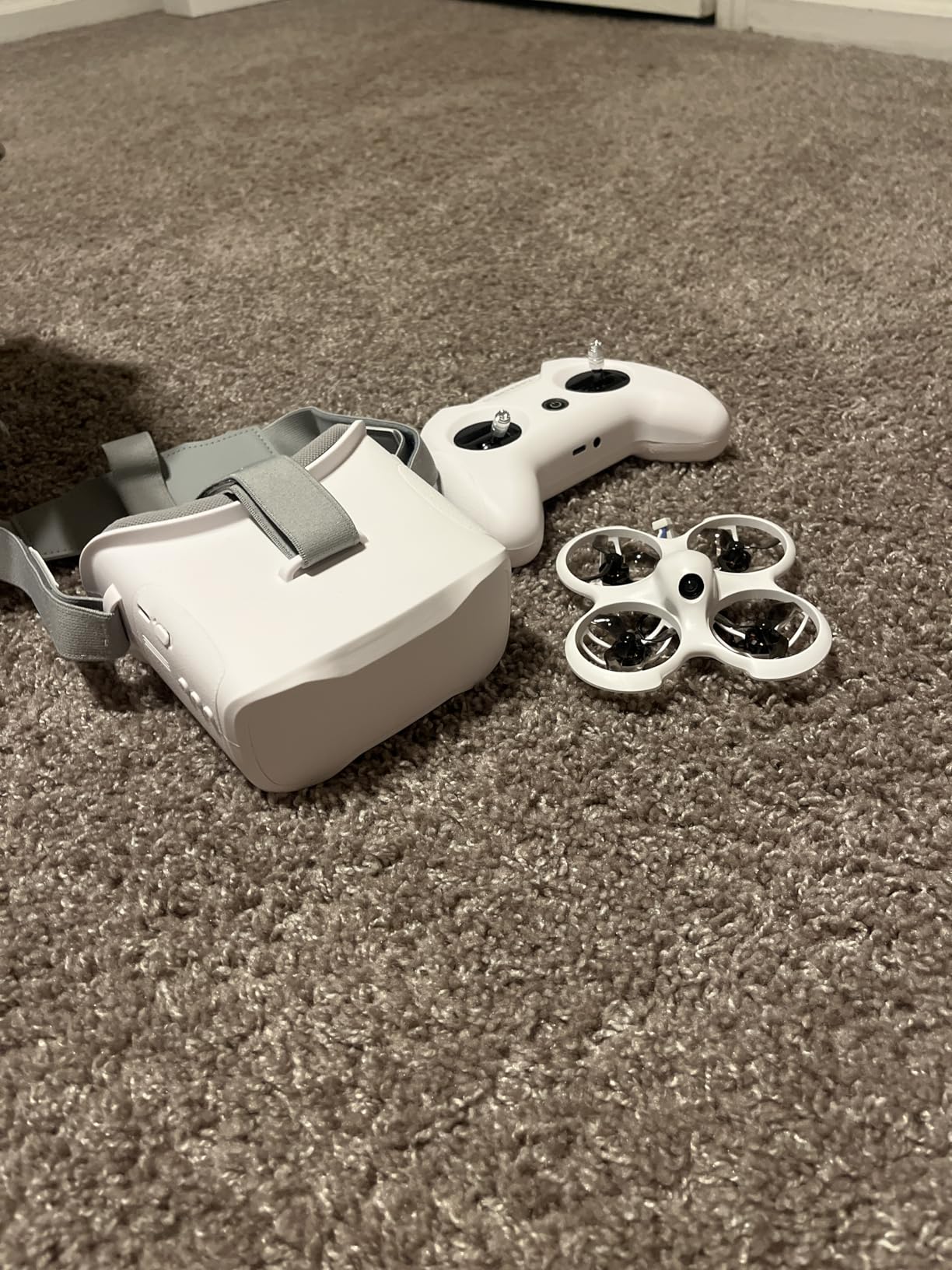
Durability is where this kit punches way above its size. The Cetus Pro frame is built like a small tank. My nephew crashed it into walls, furniture, and a ceiling fan multiple times, and the only thing that broke was a cheap set of propellers. Reviewers on Amazon report the same experience, calling it the most forgiving beginner drone they’ve ever flown.
The included VR02 goggles are the weakest link. They use a fixed screen distance, so glasses wearers struggle to find focus, and the analog video signal looks grainy next to modern digital FPV systems. That said, they’re a legitimate FPV goggle that streams from the drone’s VTX in real time, not a Wi-Fi toy, which makes them a true gateway into the hobby.
Who the BETAFPV Cetus Pro is best for
This kit is for total beginners who want to experience real FPV without breaking the bank on components. It also works as a trainer for a parent and child learning together, since the Normal mode is gentle enough for a 10-year-old and Manual mode can still challenge adults. Apartment dwellers who can’t fly 5-inch racers nearby will appreciate how quiet and indoor-friendly this whoop is.
Who the BETAFPV Cetus Pro isn’t right for
Anyone planning to fly outdoor freestyle or race at a serious level will outgrow this drone quickly. The 450mAh 1S batteries give you around 5 minutes of flight, and wind makes it nearly unflyable outside. The VR02 goggles are also limiting: most pilots who stick with the hobby upgrade to digital FPV goggles like DJI Goggles 3 or Walksnail Avatar within a year. If you already know you’ll want HD video and long range, skip this kit and buy a digital setup from day one.
3. DJI Neo 2 Fly More Combo – Best Portable Drone for Beginners
- Weighs just 151g and is C0 certified
- Intuitive palm takeoff and gesture control
- Effective ActiveTrack keeps subjects framed
- Three batteries and charging hub included
- Omnidirectional obstacle sensing for safety
- Battery life tops out around 10-17 minutes per pack
- Limited internal storage fills quickly with 4K
- Obstacle avoidance can miss thin branches
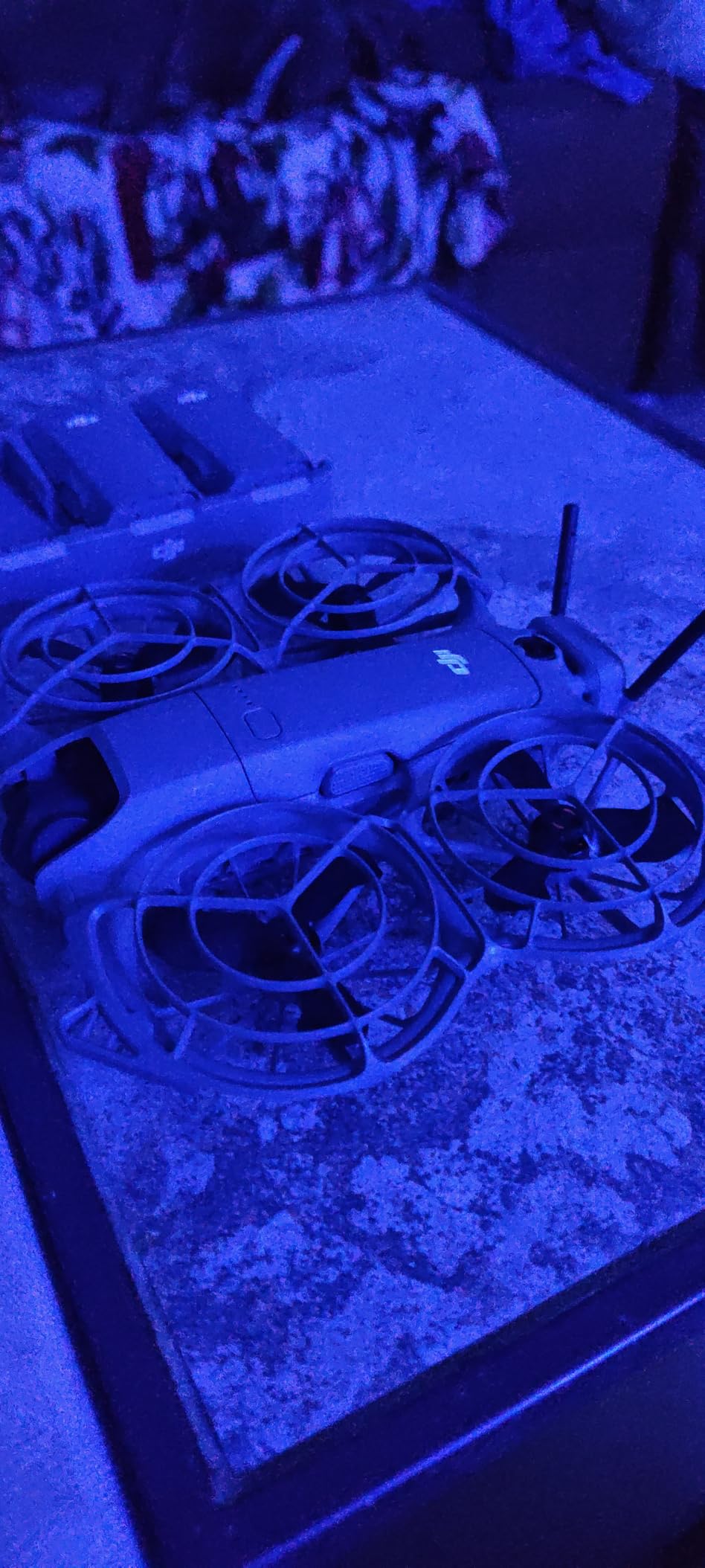
The DJI Neo 2 Fly More Combo is the drone I pack when I’m hiking, traveling, or meeting friends at a park. At 151 grams it disappears in a jacket pocket, but it carries a real 4K camera and the same ActiveTrack tech as DJI’s flagship drones. I flew one for two weeks straight during a road trip and barely noticed it in my bag.
Setup is the part that genuinely surprised me. You turn it on, place it on your open palm, and tap a button. It lifts off, hovers, and waits for gesture input. Waving your hand makes it follow you, pointing frames a selfie, and the new ActiveTrack keeps you centered in 4K while moving. For vloggers and content creators who want a flying camera without a learning curve, this is the smoothest path I’ve found.
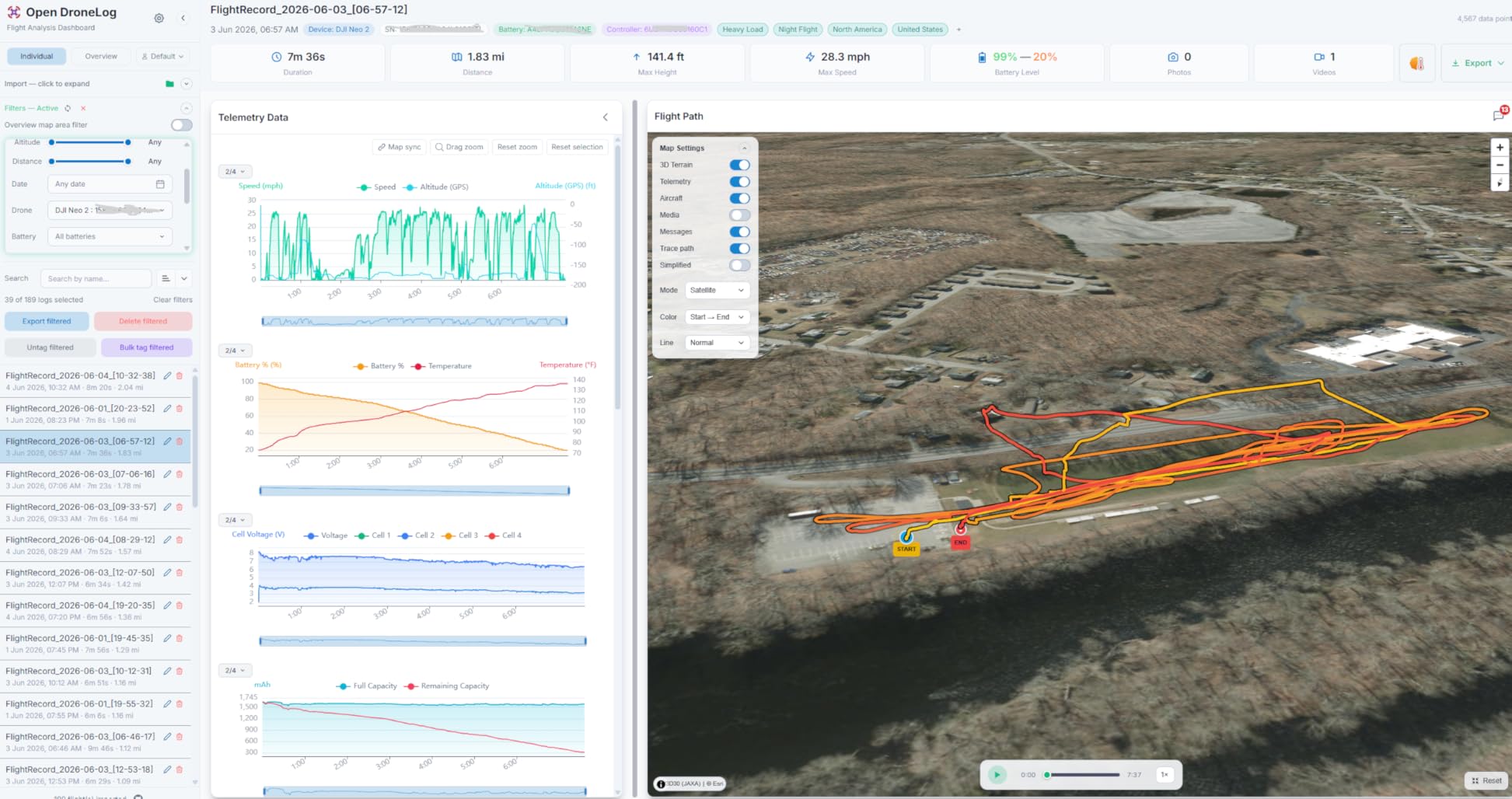
The Fly More Combo includes three batteries and a charging hub, which is what makes this drone actually usable for travel. With one battery I got 10-17 minutes depending on wind and whether ActiveTrack was active. With three batteries and a quick charge cycle, I filmed full afternoon sessions without anxiety. The 4K image quality punches well above the price class, with stabilization good enough for social media and YouTube shorts.
Safety is built in everywhere. Omnidirectional obstacle sensing, full-coverage propeller guards, and automatic landing if you lose the signal. Reviewers note that the obstacle avoidance occasionally misses thin branches or wires, so it’s not a substitute for paying attention, but it’s a major improvement over older beginner drones.
Who the DJI Neo 2 is best for
First-time drone owners, vloggers, and travelers who want a take-anywhere camera drone will love this. It also works as a stepping stone into FPV goggles: pair it with DJI Goggles 3 and you can fly it in immersive mode once you’re comfortable with the basics. Parents buying for a teen will appreciate the prop guards and gentle defaults.
Who the DJI Neo 2 isn’t right for
It’s not a true racing drone. The Neo 2 doesn’t have the raw speed or agility of a 5-inch FPV racer, and the closed ecosystem means no custom builds or component swaps. Hardcore FPV pilots will find the lack of manual acro limiting. If your goal is racing, freestyle tricks, or flying through tight gates, look at a true FPV drone like the Avata 2 or a Cetus Pro for training.
4. DJI Avata 360 Fly More Combo – Best for Cinematic FPV Flying
- Unique 360 degree reframing in post production
- Strong O4+ FHD transmission resists interference
- Versatile 360 and Single Lens modes
- Omnidirectional obstacle sensing included
- Three batteries for extended shoots
- Heavier than Avata 2 at 455g limits tight spaces
- Battery life around 12 minutes per pack
- DJI Studio software has driver quirks
- Lenses are prone to scratching
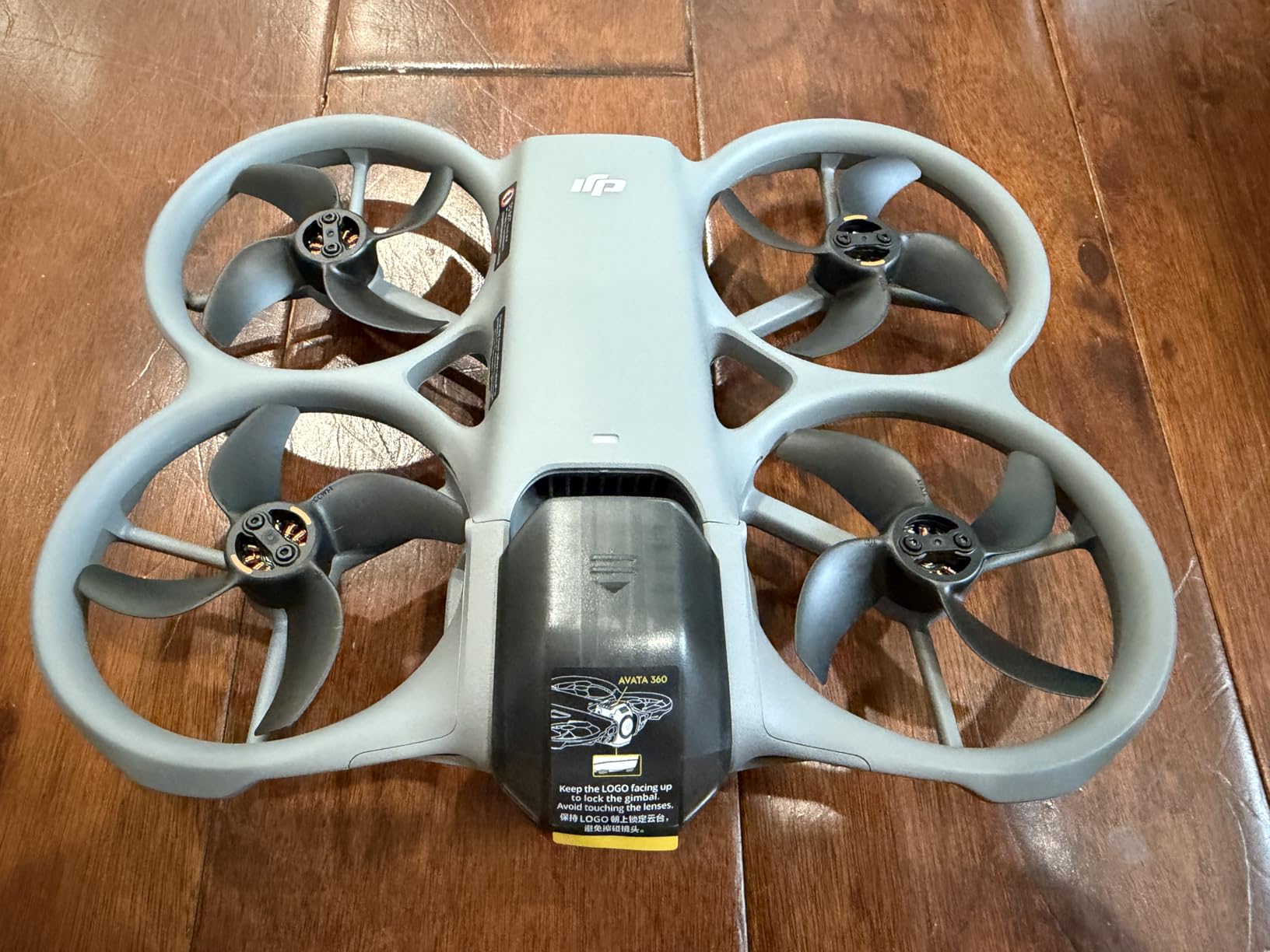
The DJI Avata 360 Fly More Combo is what I recommend to filmmakers who want FPV shots with a safety net. The 360 degree camera means you can reframe anything in post, so even if you fly a little crooked, your final clip looks cinematic. I used it for a real estate shoot and a mountain bike commercial, and the reframe workflow saved both projects.
The 1-inch 8K sensor is the real headline. You can pull crisp 4K crops from the 360 degree source, meaning you get the equivalent of multiple camera angles from a single flight. The new O4+ transmission streams 1080p/60fps to your goggles with rock-solid signal even when flying between buildings. Reviewers consistently praise the transmission quality and call it the most reliable consumer FPV link available.
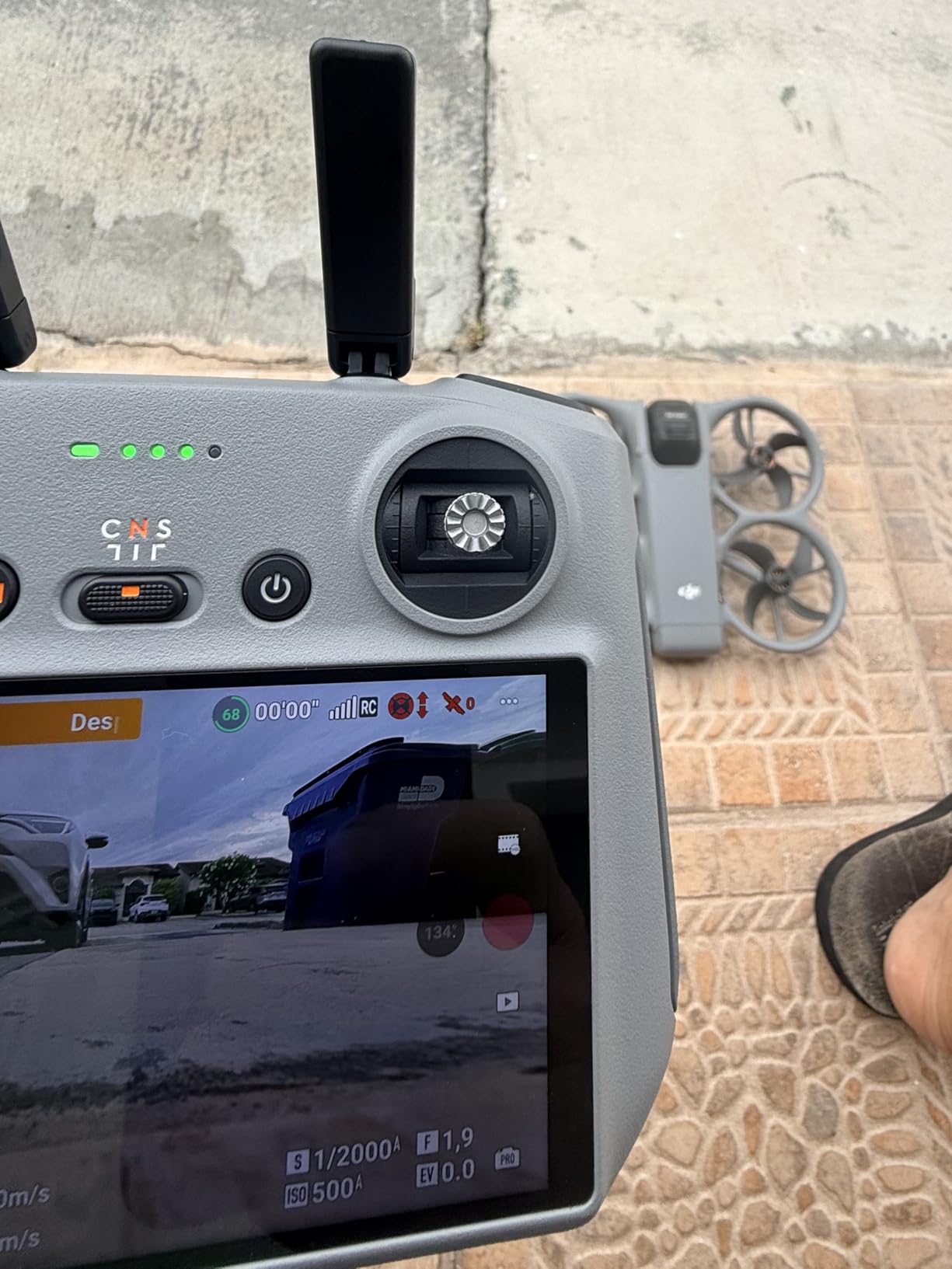
Switching to Single Lens mode gives you classic Avata-style 4K/60fps footage, which means this drone effectively does two jobs. For content creators who shoot both action sports and traditional cinematic content, that dual mode is genuinely useful. The RockSteady and HorizonSteady stabilization keeps everything smooth, and the propeller guard plus omnidirectional obstacle sensing make it forgiving when you’re chasing a moving subject.
Battery life comes in at around 12 minutes per pack in real-world flying, which is shorter than the Avata 2. The Fly More Combo with three batteries mitigates this, but you’ll swap packs often during longer shoots. Reviewers also note the DJI Studio software can require driver updates and the lenses scratch easily, so a lens cover is a worthwhile add-on.
Who the DJI Avata 360 is best for
Content creators, real estate videographers, and travel filmmakers will get the most from this drone. If you want a single device that can shoot cinematic FPV clips and reframed 360 footage, nothing else on this list does both. It’s also a strong choice for creators who fly around people and need the safety of propeller guards plus obstacle sensing.
Who the DJI Avata 360 isn’t right for
Racing-focused pilots will find this drone too heavy and not agile enough for tight gates. At 455 grams, it’s noticeably bulkier than the Avata 2, and it struggles in tight indoor spaces. Beginners on a tight budget should look at the Neo 2 or Cetus Pro instead. The software quirks and lens scratching concerns also mean this is a drone for someone willing to baby their gear, not a hard-use field machine.
5. EMAX Tinyhawk RTF Micro Indoor Racing Drone – Best Indoor Starter
Tiny Hawk RTF Micro Indoor Racing Drone with FPV Goggles and Controller for Beginners
- Extremely durable frame that survives hard crashes
- Real 5.8GHz FPV not Wi-Fi toy experience
- Full kit includes FPV goggles and controller
- Fast and agile at 35 mph
- Large online community and tutorial library
- Battery life just over 4 minutes per pack
- Camera angle fixed slightly high for stationary viewing
- Video quality not super crisp at 720p
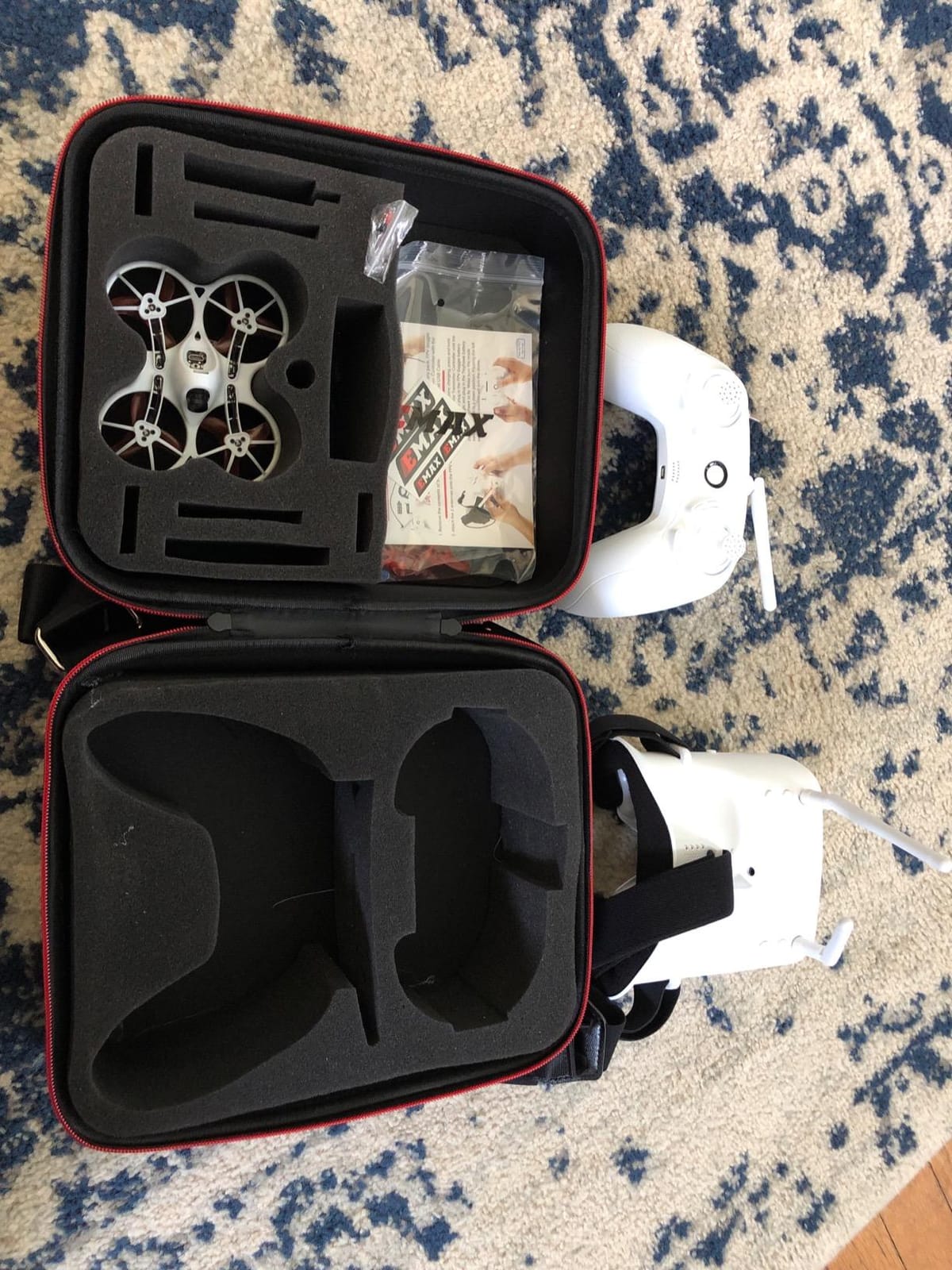
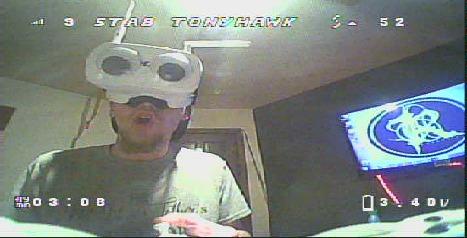
The EMAX Tinyhawk RTF Micro is the drone that got me into FPV over six years ago, and the original formula still holds up. It’s a tiny indoor racer that takes crash after crash, comes with everything you need to fly, and gets you into goggles faster than any other kit at this tier. I still pull mine out when I’m teaching new pilots because the learning curve is so gentle.
The frame is the standout feature. EMAX engineered this little drone to flex on impact rather than snap, and reviewers report hundreds of crashes without damage. The plastic propellers are the only wear item, and they’re cheap. For apartment dwellers or anyone who wants to fly indoors without damaging furniture or walls, this is the safest real FPV experience you can buy.
Speed is impressive for the size: 35 mph feels fast when you’re weaving between couch cushions. The 5.8GHz analog video signal gives you a real FPV feed, not the laggy Wi-Fi stream that toys use, and the range tops out around 200 feet in open air. While flying indoors, I rarely push more than 50 feet from my start point, so range isn’t a limitation in practice.
The bundled goggles and controller are simple but functional. The goggles have a separate battery pack that can feel clumsy, and the controller gimbals are basic, but both are real FPV hardware that can be upgraded later. Several reviewers say they started with this kit and now own upgraded goggles and radios, with the Tinyhawk still in their rotation for indoor practice.
Who the EMAX Tinyhawk RTF is best for
Apartment flyers, parents introducing kids to FPV, and anyone who wants to learn the basics indoors before investing in a larger outdoor racer. It’s also the right pick for a tight budget where you need goggles, a radio, and a drone in one box. Indoor racing clubs use this drone as their standard class because it’s affordable and forgiving.
Who the EMAX Tinyhawk RTF isn’t right for
Outdoor flyers will be disappointed. Wind moves this tiny drone around, and the lightweight frame doesn’t handle even mild gusts well. The 4-minute battery life means you’ll burn through packs quickly during any outdoor session. Also, the camera angle is fixed slightly nose-up, which makes stationary hovering feel like the drone wants to drift forward. For outdoor freestyle or racing, look at a 5-inch build instead.
6. Tinyhawk 3 Freestyle PLUS+ RTF Kit – Best for ELRS Upgrade Path
- Durable carbon fiber frame for the size
- Smooth throttle response with powerful motors
- Controller works with PC simulators
- Easy setup with minor research
- Real ELRS radio protocol for upgrade path
- Limited printed instructions in the box
- Goggles are hard to focus for glasses wearers
- No finder beeper for lost drones
- Wrong Allen wrench included for prop screws
The Tinyhawk 3 Freestyle PLUS+ RTF Kit is the smallest drone on this list that flies like a real freestyle rig. The carbon fiber frame gives it the stiffness a freestyle pilot needs, and the new ELRS radio protocol means the controller is compatible with the rest of the modern FPV ecosystem. For pilots planning to grow into the hobby, this kit is a logical bridge between beginner whoops and a 5-inch build.
Build quality feels a step above the cheaper Tinyhawk variants. The carbon fiber frame survives hard freestyle crashes that would snap a plastic frame, and the 2.5 inch propellers give noticeably more thrust than the original 1S whoops. Reviewers consistently praise the throttle response and the way this drone snaps through tricks. I flew power loops and rolls with it on a small backyard course and it kept up with bigger 3-inch quads in terms of feel.
The included controller is a real ELRS radio that connects to a PC for flight simulators, which is a major plus. Liftoff and Velocidrone both recognize it natively, so you can practice on a sim before risking the drone. The goggles are functional but entry-level: hard to focus for glasses wearers, and the analog feed looks grainy next to digital systems.
Who the Tinyhawk 3 Freestyle PLUS+ is best for
Beginners who know they’ll stick with the hobby and want a kit that grows with them. The ELRS protocol means the controller will pair with any modern FPV drone you buy next, so you’re not throwing money away on a proprietary radio. Indoor and small outdoor spaces are its sweet spot, and the carbon fiber durability handles the inevitable learning crashes.
Who the Tinyhawk 3 Freestyle PLUS+ isn’t right for
If you want HD digital video, this isn’t the drone. It uses analog FPV transmission, which is the cheaper, lower-quality option. Pilots who wear glasses will struggle with the included goggles. There’s also no finder beeper, which is a real risk because tiny drones land in tall grass and are hard to find. And the included instructions are minimal: be ready to research setup and PID tuning on YouTube.
How to Choose the Best Racing Drone for You?
Choosing a racing drone comes down to three decisions: how you want to receive it, what video system you want, and what size airframe fits your flying space. Here’s how I think through each one.
RTF, BNF, or DIY: Which Configuration Fits You?
RTF (Ready to Fly) means the box contains everything: drone, transmitter, goggles, batteries. RTF is what most beginners should buy. BNF (Bind and Fly) means the drone is built and tested but you supply your own radio and goggles. BNF is the right pick if you already own a radio and goggles and want a fresh airframe. DIY kits ship as individual components that you solder and assemble. DIY is for pilots who want to learn repair and customization, and it’s how most serious FPV pilots eventually end up building their own quads.
Analog vs Digital FPV Systems
Analog FPV is the older, cheaper option. It has lower latency, which matters for racing, but the image looks grainy and is prone to static. Digital FPV (DJI O3/O4, Walksnail Avatar, HDZero) gives you HD video in your goggles, often 1080p or higher. The trade-off is slightly higher latency and a higher price. For racing purists, analog still wins on latency. For cinematic flying, freestyle, and most beginners, digital is worth the extra cost because the video quality is dramatically better.
Frame Size and Where You Fly
75mm whoops (Cetus Pro, Tinyhawk) are tiny and safe for indoor flying. They bounce off walls and furniture, but they struggle in wind. 3-inch frames are a middle ground: bigger than a whoop, smaller than a full racer, and good for both indoor courses and outdoor freestyle. 5-inch frames are the standard for serious racing and freestyle. They carry powerful motors and full-size cameras but require outdoor space and produce more damage when they crash.
Simulator Training Before You Buy
Before you spend money on any drone, spend an evening on Liftoff, Velocidrone, or Tryp. These simulators let you fly a virtual FPV drone with a real radio and goggles on your computer. Reddit’s r/fpvracing is unanimous: pilots who train on a simulator first crash their real drones far less often. A small simulator subscription will save you a lot in broken propellers and frames.
Spare Parts and the Repair Reality
Racing drones break. Props, arms, antennas, and cameras get damaged. Buy a drone with a healthy spare parts ecosystem: propellers, replacement frames, and batteries should be easy to find. DJI’s official parts catalog covers Avata 2, Avata 360, and Neo 2. BETAFPV, EMAX, and iFlight all stock parts for their drones. Avoid off-brand drones with no replacement parts available, because you’ll be replacing the whole drone after a single bad crash.
Frequently Asked Questions
What is the fastest racing drone?
The fastest production racing drones reach 120 mph in straight-line dives, but most consumer FPV drones top out between 60 and 90 mph. The DJI Avata 2 hits 60 mph in manual mode, while dedicated 5-inch custom-built race quads regularly exceed 100 mph when piloted aggressively. Top recorded racing speeds exceed 150 mph in professional Drone Racing League competitions.
Are FPV drones illegal in the USA?
FPV drones are legal in the USA but regulated. The FAA requires Remote ID for most drones flown outdoors, and FPV flights must use a visual observer (spotter) who can see the drone at all times. Drones weighing over 250 grams require registration, and commercial pilots need a Part 107 license. Racing indoors at sanctioned events typically bypasses these outdoor rules.
How much does an FPV racing drone cost?
A complete FPV racing setup costs between a few hundred and well over a thousand dollars depending on what is included. Budget kits like the BETAFPV Cetus Pro start in the low hundreds and include drone, goggles, and radio. Mid-range digital setups run into the mid hundreds to several hundred. Premium cinematic systems like the DJI Avata 2 Fly More Combo approach four figures. Add another small sum for extra batteries, chargers, and a carrying case.
What is the best racing drone for a beginner?
The BETAFPV Cetus Pro FPV Kit is the best racing drone for a beginner because it includes drone, goggles, and radio in one box, plus three flight modes that scale as skills improve. For pilots who want a more polished experience with HD video, the DJI Neo 2 offers palm takeoff and gesture control with a 4K camera. Both handle crashes well and teach real FPV skills.
Do racing drones break when they crash?
Yes, racing drones break regularly, which is why spare parts matter. Carbon fiber 5-inch frames crack under hard impacts, propellers snap, and antennas pull loose. Beginner kits like the EMAX Tinyhawk and BETAFPV Cetus Pro use flexible plastic frames that survive most indoor crashes with only propeller damage. Buying a drone with available replacement parts is essential for any serious FPV pilot.
Final Verdict: Which Best Racing Drone Should You Buy?
For most people, the DJI Avata 2 Fly More Combo is the best racing drone in 2026. It pairs polished HD video with intuitive motion controls, three batteries, and DJI Goggles 3 in one box, so you can go from unboxing to immersive flying within an hour. If your budget is tighter, the BETAFPV Cetus Pro FPV Kit gives you a real FPV experience with goggles, radio, and a durable drone for a fraction of the cost. Travelers and vloggers will prefer the DJI Neo 2 for its 151g palm-launch simplicity. Whichever drone you choose, start with a simulator session, fly with a spotter, and order at least three extra batteries. The sky is waiting.