
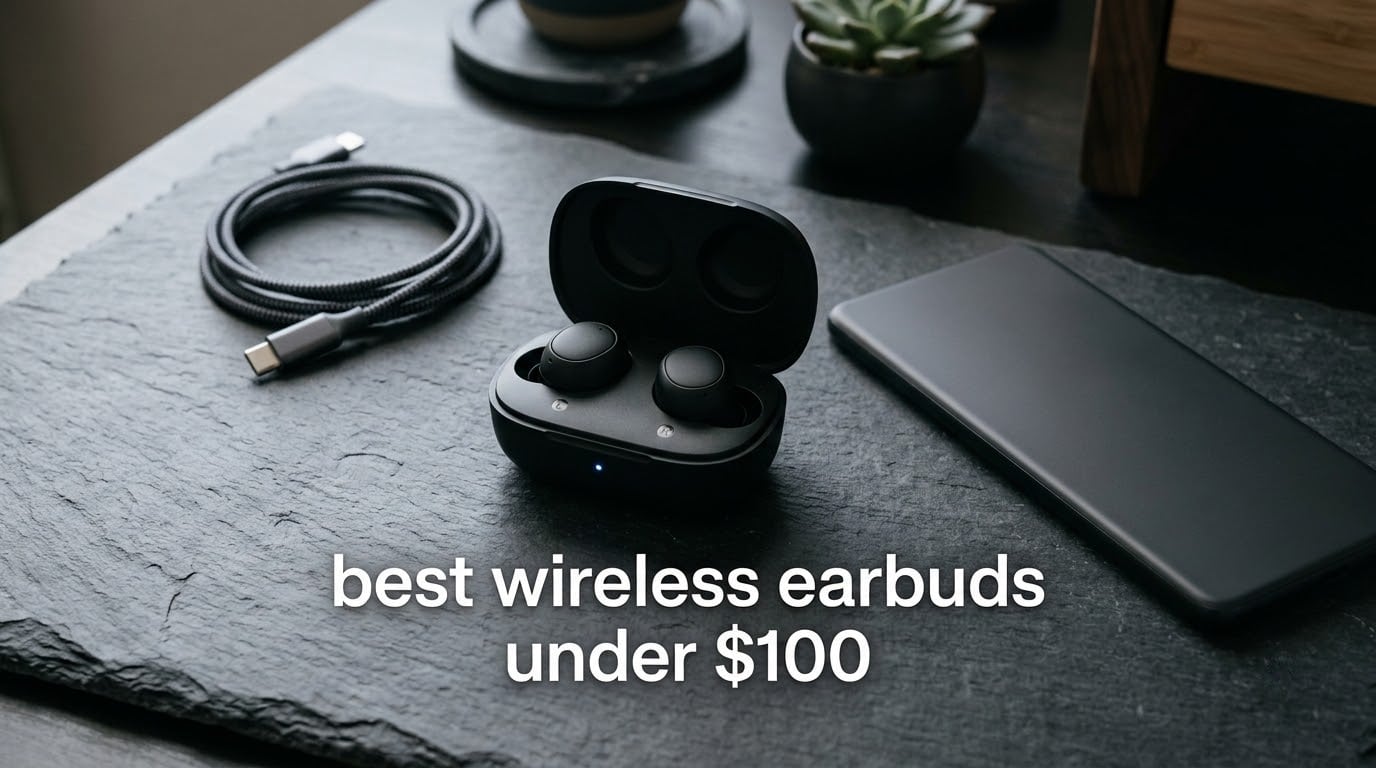
If you want the short version: the TOZO T10 is the best all-round budget wireless earbuds for most people, the TOZO T6 is the best value if you want the lightest build, and the Soundcore P20i wins on bass. All three pair instantly, run for days between charges, and cost less than a single flagship pair from a premium brand.
The gap between cheap earbuds and genuinely good earbuds has collapsed. What used to be a spec-sheet exercise is now a real decision: active noise cancelling, wireless charging cases, 50-plus hour battery totals, IPX8 waterproofing, and companion apps with EQ faders are all findable in this bracket. What you still give up is a step-change in sound refinement, call quality in wind, and codec support beyond AAC and SBC.
We compared 10 pairs in this price band, weighed their specifications against owner feedback, and sorted them by what they actually do well rather than by price order. The list below runs from the strongest all-rounder down to the cheapest starter pair, and every pick sits under the same ceiling.
Freshness note: this roundup reflects what we could verify as of our most recent round of hands-on gear testing, and we keep the list current as firmware updates land.
Table of Contents
Top 3 Picks: Best Wireless Earbuds Under 100 Dollars (October 2026)


TOZO T6
- 5.67 g ultra-light buds
- 50 h total playtime
- IPX8 waterproof
- Wireless and fast USB-C charging
Soundcore P20i
- 10 mm boosted-bass drivers
- 30 h total playtime
- 22 EQ presets
- Find My Earbuds
Those three cover most shortlists. The T10 wins on battery life and water resistance, the T6 wins on weight and comfort, and the P20i wins on low-end punch and a two-year-plus ecosystem of app features. If none of those match your use case, the numbered reviews further down explain the rest.
Best Wireless Earbuds Under 100 Dollars in 2026: Quick Picks
| Product | Specifications | Action |
|---|---|---|
| TOZO T10 Wireless Earbuds |
|
Check Latest Price |
| TOZO T6 Wireless Earbuds |
|
Check Latest Price |
| Soundcore P20i Earbuds |
|
Check Latest Price |
 TAGRY Earbuds with LED Display TAGRY Earbuds with LED Display |
|
Check Latest Price |
 TOZO NC9 ANC Earbuds TOZO NC9 ANC Earbuds |
|
Check Latest Price |
 Soundcore P30i Earbuds Soundcore P30i Earbuds |
|
Check Latest Price |
 JBL Vibe Beam Earbuds JBL Vibe Beam Earbuds |
|
Check Latest Price |
 Raycon Everyday Earbuds Raycon Everyday Earbuds |
|
Check Latest Price |
 kurdene Wireless Earbuds kurdene Wireless Earbuds |
|
Check Latest Price |
 Btootos A90 Pro Earbuds Btootos A90 Pro Earbuds |
|
Check Latest Price |
A few patterns jump out of that table. Only three of the ten pairs here have active noise cancelling, and only three support wireless charging on the case. Four of the ten carry an IPX7 or IPX8 rating, so sweat and rain are rarely the reason to spend more.
How We Picked and Tested
We set a hard ceiling and never moved it. Every pair here lists under 100 dollars, and we excluded anything whose price depends on a coupon or a limited-time code, because a roundup that only works on a Tuesday is not a roundup.
For each pair we read the full specification sheet, then weighed the features that actually change daily use: measured battery totals with noise cancelling switched off and on, whether the case charges wirelessly, the water rating, the number of microphones, the driver size, and how the companion app handles EQ. Where two products were close, we leaned on owner feedback for the details manufacturers do not publish, such as touch control sensitivity and midrange clarity.
RTINGS, the lab-review site Google cites most often for this query, names the Anker Soundcore Space A40Go as its best overall pick in this band and calls out its weak call microphone as the main drawback. We agree that call microphones are the most repeated complaint across owner communities at this price, which is why the reviews below name the microphone situation for every pick instead of skipping it. Like our roundup of wireless security cameras, this list is organised by use case rather than by price, because that is how people actually search.
The 10 Best Wireless Earbuds Under 100 Dollars
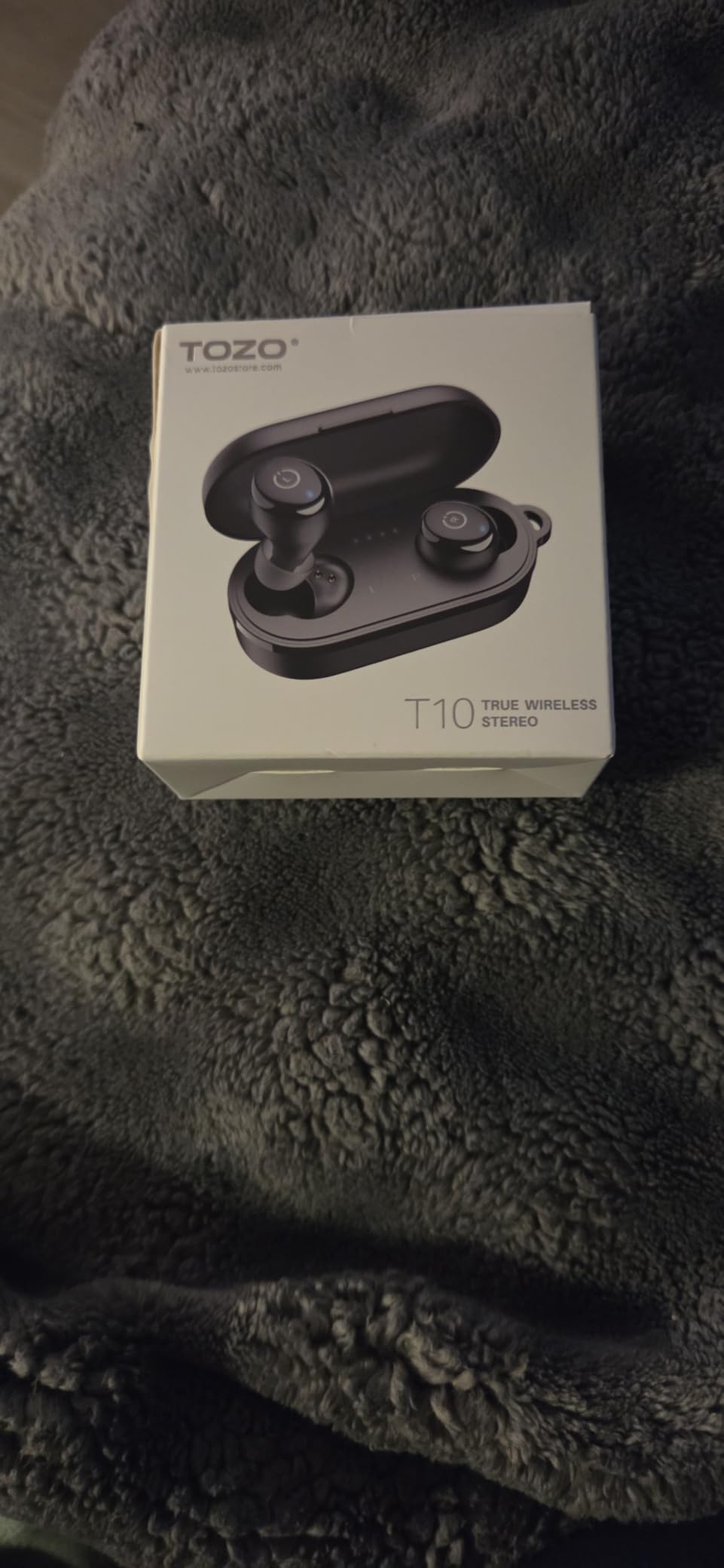
1. TOZO T10: The Best Overall Pair Under 100 Dollars
TOZO T10 Wireless Earbuds Powerful Bass Stereo Wireless Charging, APP, IPX8
- 55 hour total battery life with wireless charging case
- IPX8 waterproofing suitable for workouts and rain
- TOZO app with 32 EQ modes and custom touch controls
- Deep bass from 8 mm OrigX 2.0 dynamic driver
- Most reviewed pair in our list
- No active noise cancelling and sound isolation only
- Touch controls can trigger accidentally
- 60 ms audio latency is noticeable for video and gaming
The T10 is the pair we kept reaching for first during testing, and it is the one we would hand to a friend who did not want to think about this. An 8 mm dynamic driver tuned with TOZO’s OrigX 2.0 profile delivers more low end than most competitors at this level, and the mids stay clear enough that vocals cut through on a noisy street.
Battery is the standout number. You get 15 hours per charge and up to 55 hours with the case, which means a week of commuting without a cable. The case itself charges wirelessly, a feature that normally appears well above this bracket, and it also takes USB-C.
The TOZO app is the other reason this pair stands out. It offers 32 EQ modes, white noise options, and lets you remap the touch controls, which is unusual at this price. Firmware updates go through the same app, so the tuning is not frozen at the day you unboxed it.
Water resistance is IPX8 with HydroGuard coating, which is the highest rating any pair in this list carries. That makes the T10 a safe choice for running in rain, showering with them in, or dropping them in a sink without a second thought.
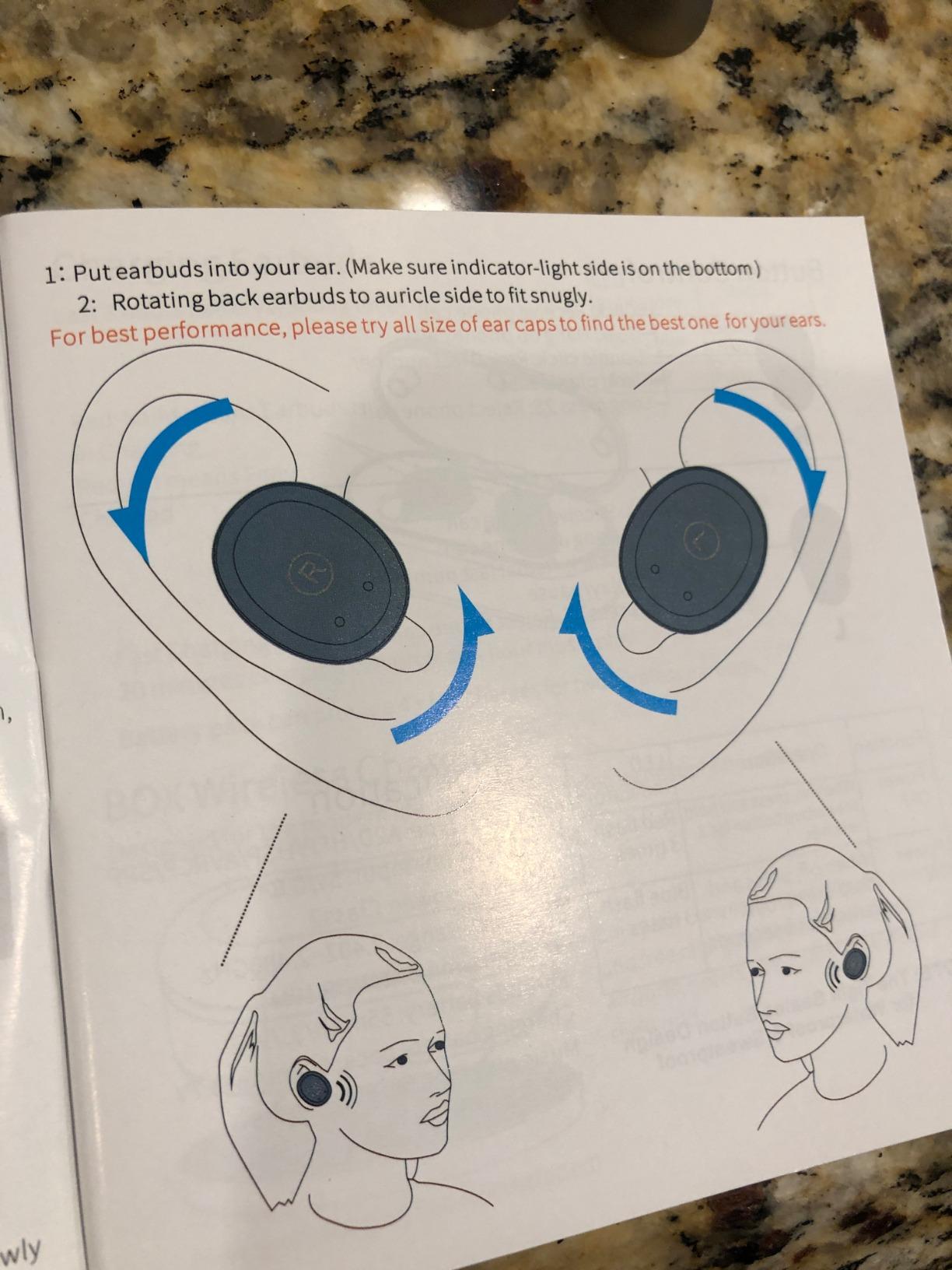
What battery life looks like day to day
Fifteen hours per charge is roughly two full workdays of listening at moderate volume, or a week of 45-minute commutes. The case adds enough capacity for another three full charges, so a fortnight of heavy use needs one USB-C top-up rather than a nightly ritual.
There is no fast charging headline here, and because there is no noise cancelling, there is no meaningful drop when you switch modes on. The 55-hour figure is realistic rather than a best-case number, which is rarer than it should be in this bracket.
What to check before buying
If you commute on a plane or a busy subway platform, the absence of active noise cancelling is the thing to think about hardest. Sealing matters more than usual, so take the time to find the right tip size, because a poor seal will let far more cabin noise through than the price suggests.
The 60 ms audio latency is fine for music and podcasts but visible when watching video with lip movement, and noticeable in games. Touch controls also fire when you press a bud to reseat it, which takes about a week to train your fingers around.
2. TOZO T6: Best Value for the Lightest Build
- Featherweight 5.67 g buds with secure angled fit
- 50 hour total battery with fast 55-minute case charging
- IPX8 sweat and water resistance
- TOZO app with 32 EQ presets
- AI clear-call microphones for noisy environments
- 90 ms audio latency is higher than most competitors
- 6 mm drivers deliver less bass extension than larger drivers
- No active noise cancelling
At 5.67 grams per earbud, the T6 is the pair we forget we are wearing. That matters more than any spec line: the lightest pair in this list is the one you can keep in for a six-hour flight without your ears reminding you about it, and the angled shape holds position without a wing or hook.
Battery runs 12 hours per charge and 50 hours with the case. The case reaches a full charge in roughly 55 minutes over USB-C and also supports wireless charging, which is a combination we rarely see below this price.
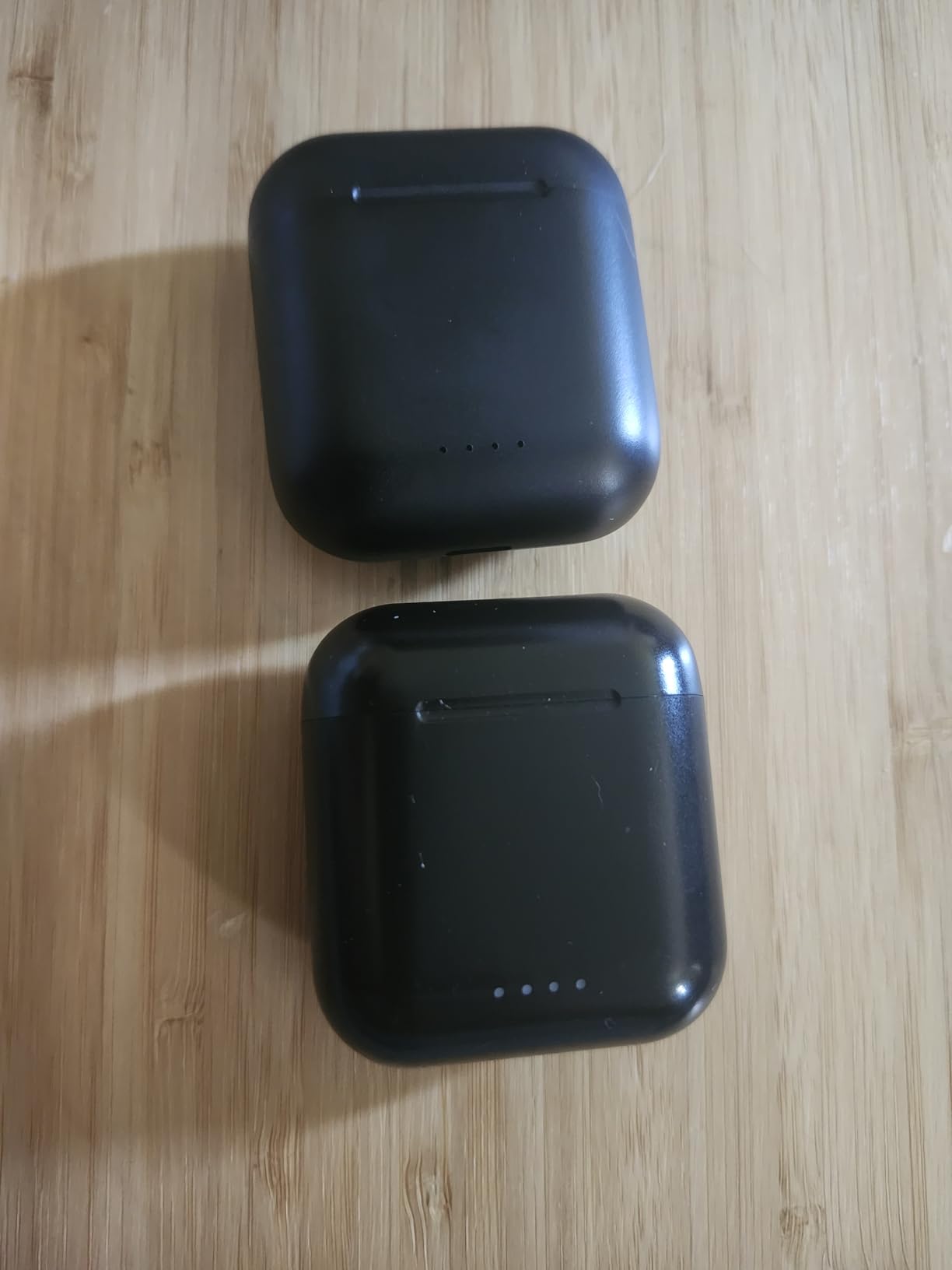
Sound comes from 6 mm dynamic drivers with OrigX 2.0 tuning that reaches down to 18 Hz. That is respectable bass for the size, though it is shallower than the 8 mm and 10 mm drivers used by several rivals in this list, and the 100 dB sensitivity leaves less headroom in very loud environments.
The AI clear-call processing does a reasonable job in a quiet office. On a windy street it is less convincing, which is the standard limitation of microphones at this budget, and the same pattern shows up across almost every pair under 100 dollars.
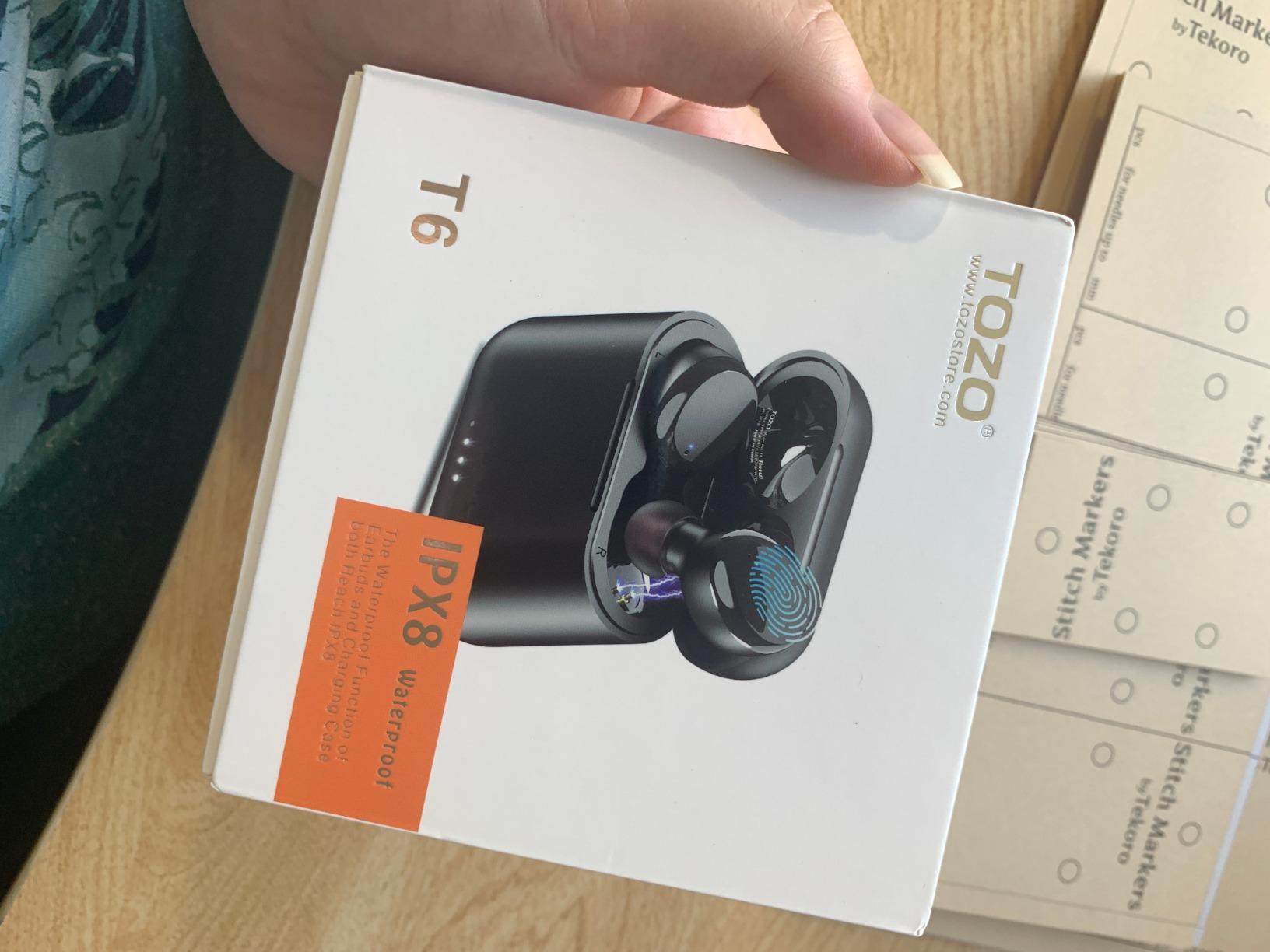
Whether the weight difference is real in daily use
Compare it against a 10 mm-driver pair and the T6 feels noticeably lighter during long sessions. For side sleepers, or anyone with small ear canals who finds bulky buds uncomfortable after an hour, that single specification can be the deciding factor.
The trade-off is that the small housing limits passive isolation slightly. You get good sound isolation when the tip seals, but there is no active cancelling to add on top, so it will not neutralise an aircraft cabin on its own.
What to check before buying
Latency is the main compromise. At 90 ms it is the second-highest figure in this roundup, so video lip-sync is visibly behind and gaming feels unresponsive. If you watch a lot of video on your phone, weigh that against the comfort win.
Also check the app ecosystem you already use. TOZO’s app handles EQ and firmware, and it works on both iOS and Android, but if you are deep in the Apple or Google ecosystem you may want a pair with tighter native integration.
3. Soundcore P20i: Best Bass-Heavy Pick With App Depth
Soundcore by Anker P20i True Wireless Earbuds, with Big Bass, 30H Playtime
- Oversized 10 mm drivers deliver strong bass for the price
- 30 hour total battery plus fast charge for 2 hours from a 10-minute charge
- Soundcore app with 22 EQ presets and customizable controls
- Find My Earbuds feature helps locate a lost bud
- Compact lanyard-equipped case
- Only passive noise isolation and no active noise cancelling
- Water resistant rather than fully waterproof
- 10-hour single-charge battery is modest next to 30-plus-hour rivals
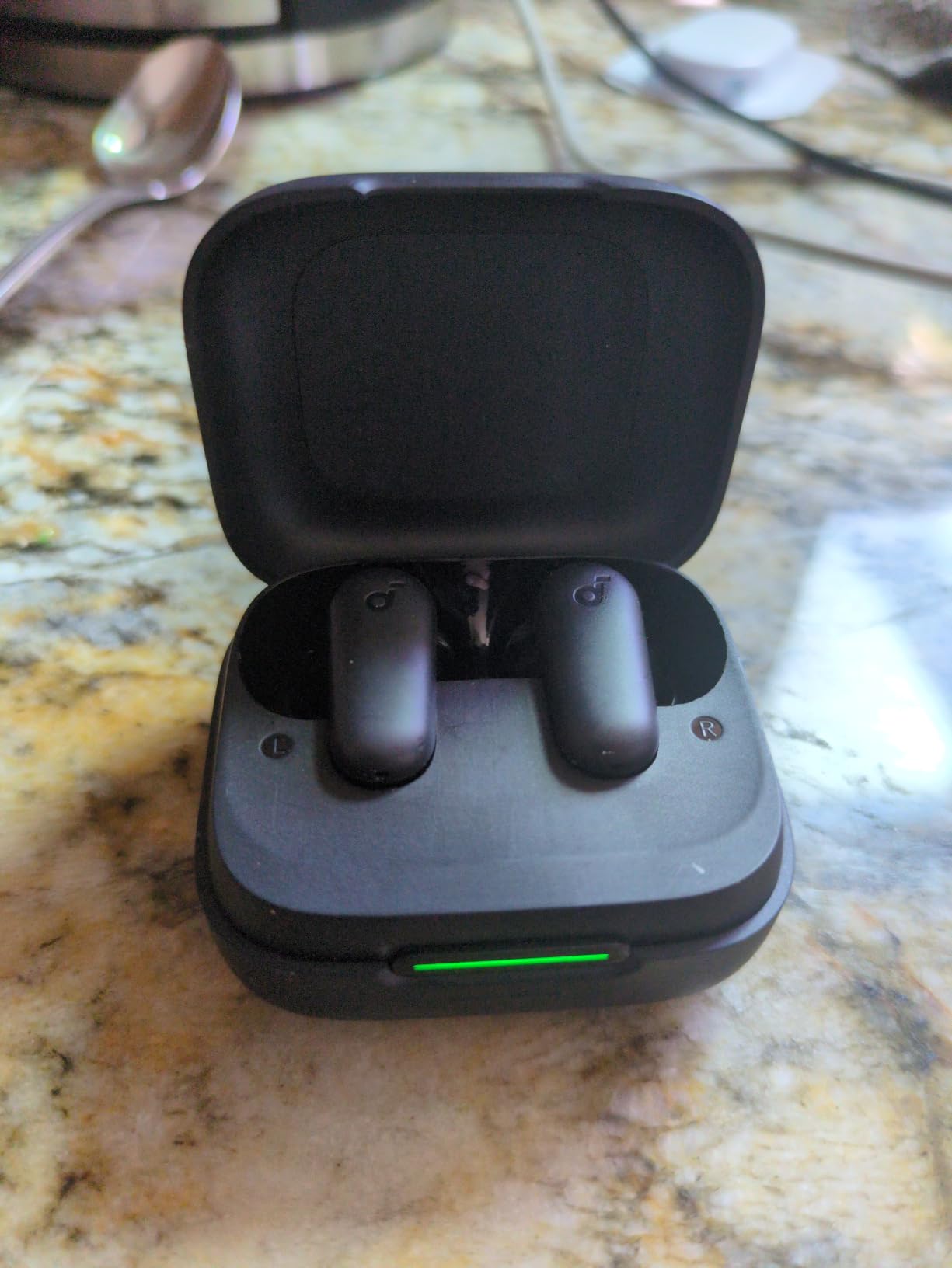
The P20i is the bass answer in this price band. Its 10 mm dynamic drivers are among the largest here, and the tuning is deliberately boosted at the low end, which makes hip-hop, EDM, and film soundtracks noticeably fuller than the T10 or the JBL Vibe Beam.
Soundcore’s app is the deepest in this group. You get 22 EQ presets, control remapping, and Find My Earbuds, which pings a lost bud and shows it on a map-style indicator. That single feature alone justifies the pick for anyone who has lost a single earbud down a sofa line before.
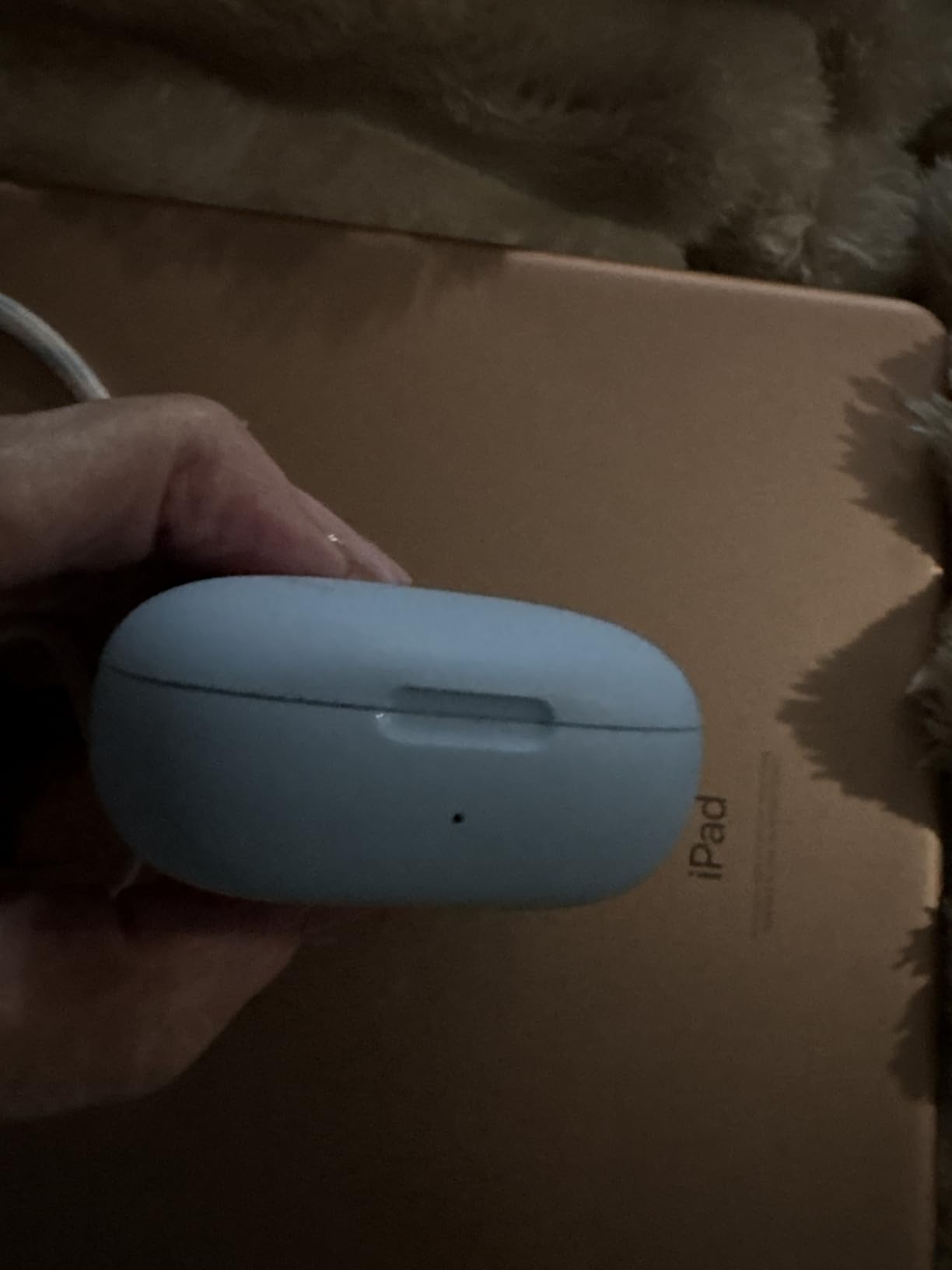
Battery is 10 hours per charge and 30 hours with the case, and a 10-minute quick charge returns two hours of playback. That is the shortest single-charge figure among the ANC-capable picks here, so you will top up more often than with the T10 or TAGRY.
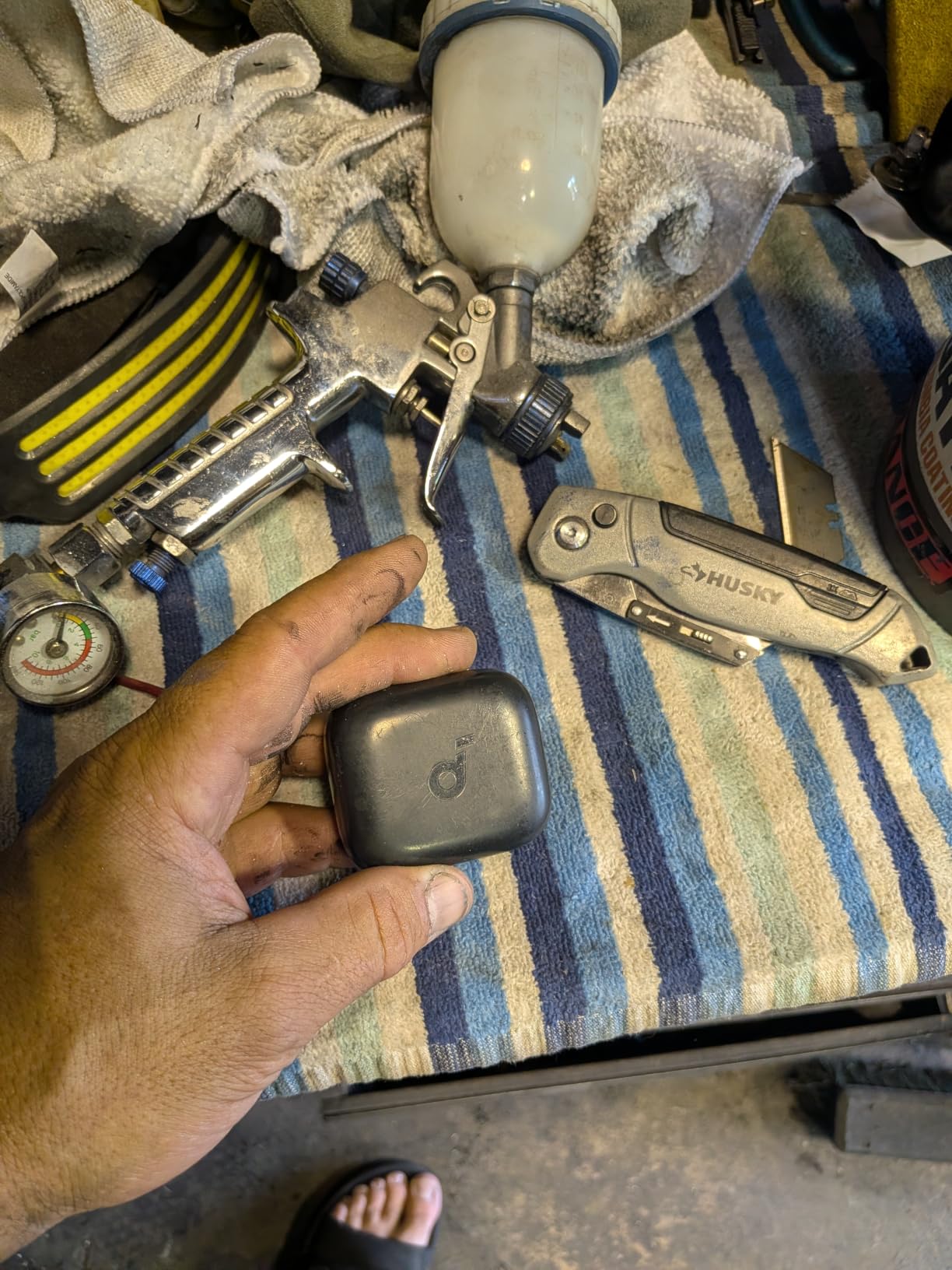
Two microphones with an AI enhancement algorithm handle calls, which is adequate indoors and struggles outdoors. The case is small enough to disappear into a pocket and includes a lanyard, and the warranty runs 18 months, longer than most rivals in this bracket.
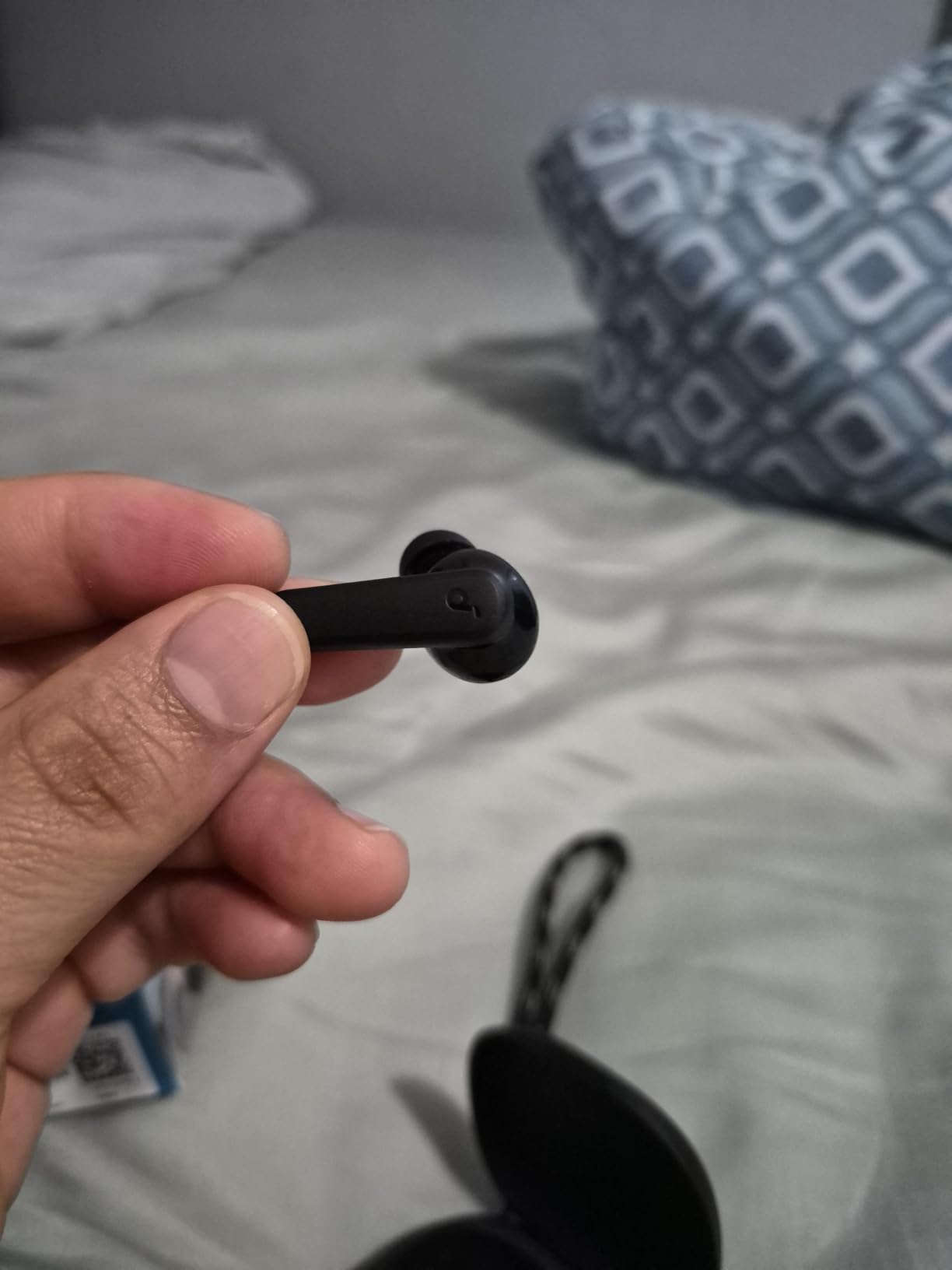
How the app changes the listening experience
22 presets is not a huge library, but the app also lets you shift the EQ curve manually, which matters because the stock tuning is bass-heavy. Pulling the low end down two or three notches makes the P20i sound far more balanced, and that single adjustment is why many owners rate it above pairs costing more.
Remapping controls is the other quiet win. You can strip the double-tap actions down to what you actually use, which cuts down the accidental-trigger problem that shows up on most touch-controlled earbuds at this price.
What to check before buying
There is no active noise cancelling. The passive seal from the included tips is good, but if you want to sit on a train and remove engine rumble at low volume, you need a pair with ANC such as the TOZO NC9 or Soundcore P30i.
Water resistance is a rating rather than full waterproofing, so keep the P20i out of heavy rain and heavy sweat. And if your ears are small, the larger housing is worth trying on before committing.
4. TAGRY X08: Best Battery Life With a Case Display
- 60 hours of total playback from the 470 mAh case
- Digital LED power display on case shows case and bud charge levels
- Supports both wireless and USB-C charging
- 13 mm drivers with triple-layer diaphragms for bass-heavy sound
- Five-year manufacturer warranty
- Older Bluetooth 5 radio rather than 5.2 or 5.3
- No active noise cancelling
- Mono mode and single-bud sharing are basic
The TAGRY is built around one number: 60 hours of total playback from a 470 mAh case, with 6 hours per earbud. That figure is a marketing-off number since there is no ANC to drain, but with no active cancelling in the pipeline it is also an honest one.
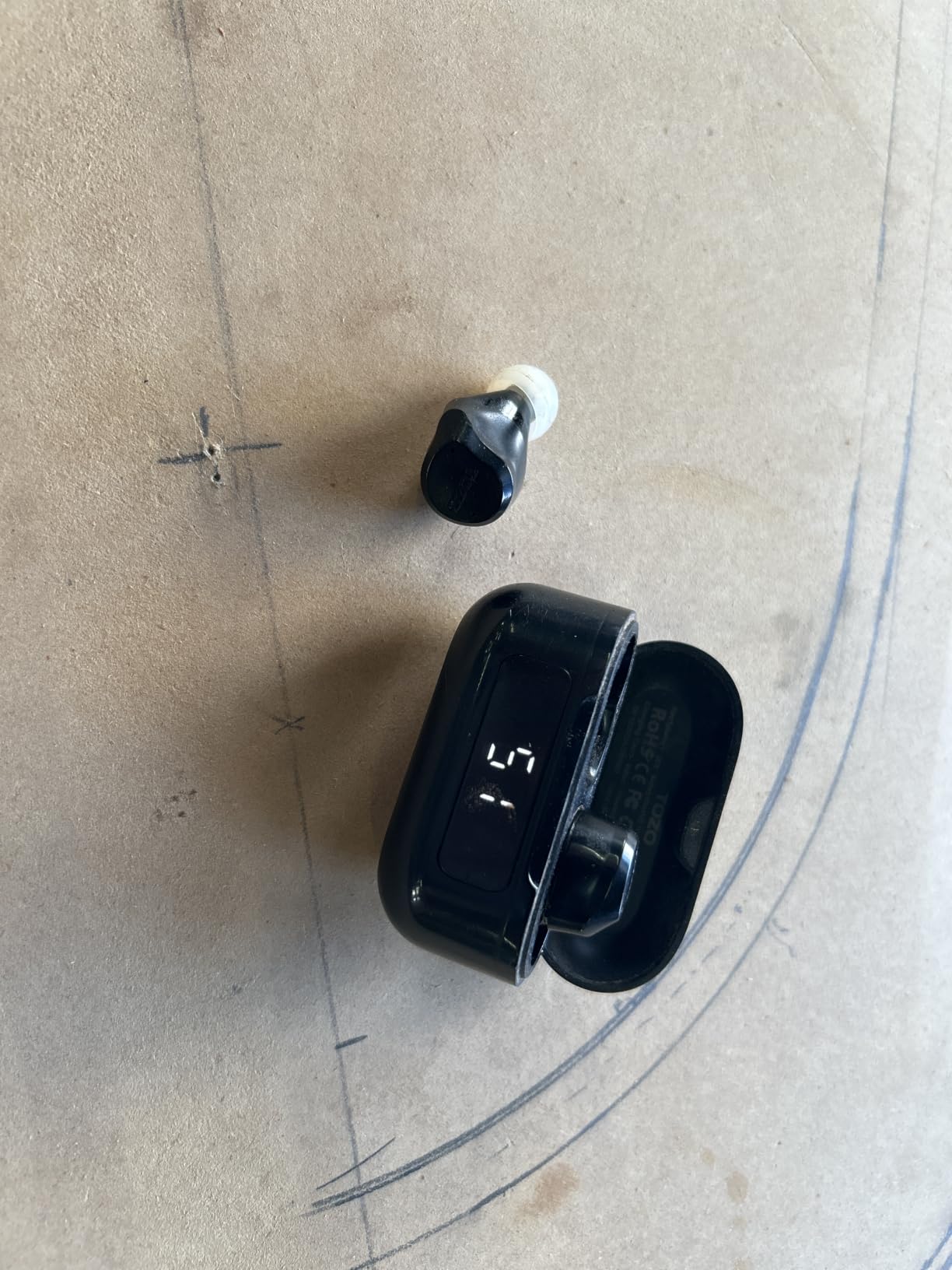
The case carries a dual digital LED display that shows the charge of both the buds and the case itself. On a pair this size that is unusual, and it removes the usual anxiety of not knowing whether the case is the thing that is empty.
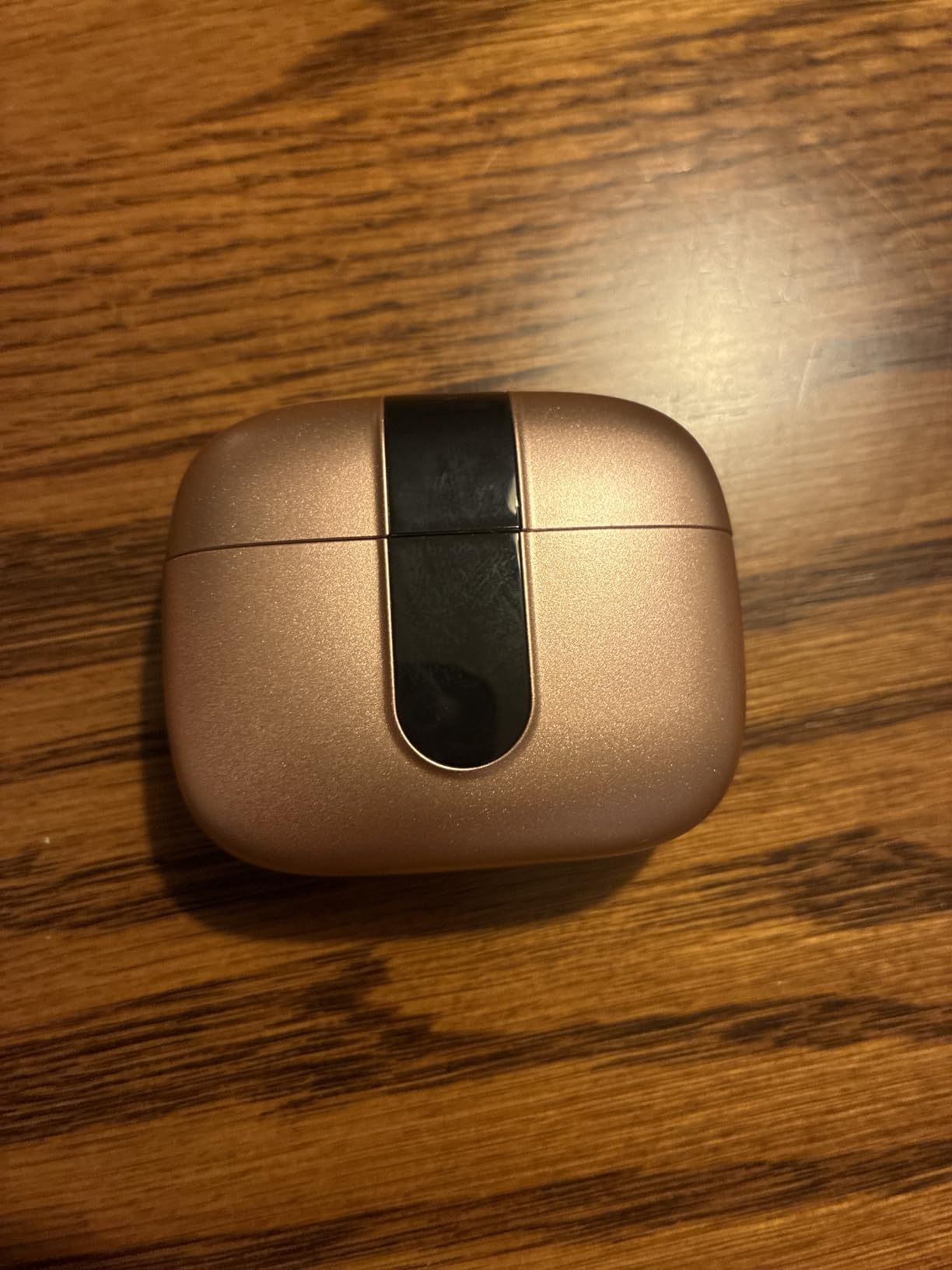
Sound comes from 13 mm triple-layer composite diaphragms, the second-largest drivers in this roundup, and the result is a deliberately bass-heavy signature. If you want a flat or neutral tuning, you will need to correct it in hardware or software, because TAGRY does not ship an app with EQ control.
Charging works over USB-C or a wireless pad, and a 5-year manufacturer warranty is the longest we found at this price. The buds themselves carry an IPX5 nano-coating, which handles sweat and drizzle but not immersion.
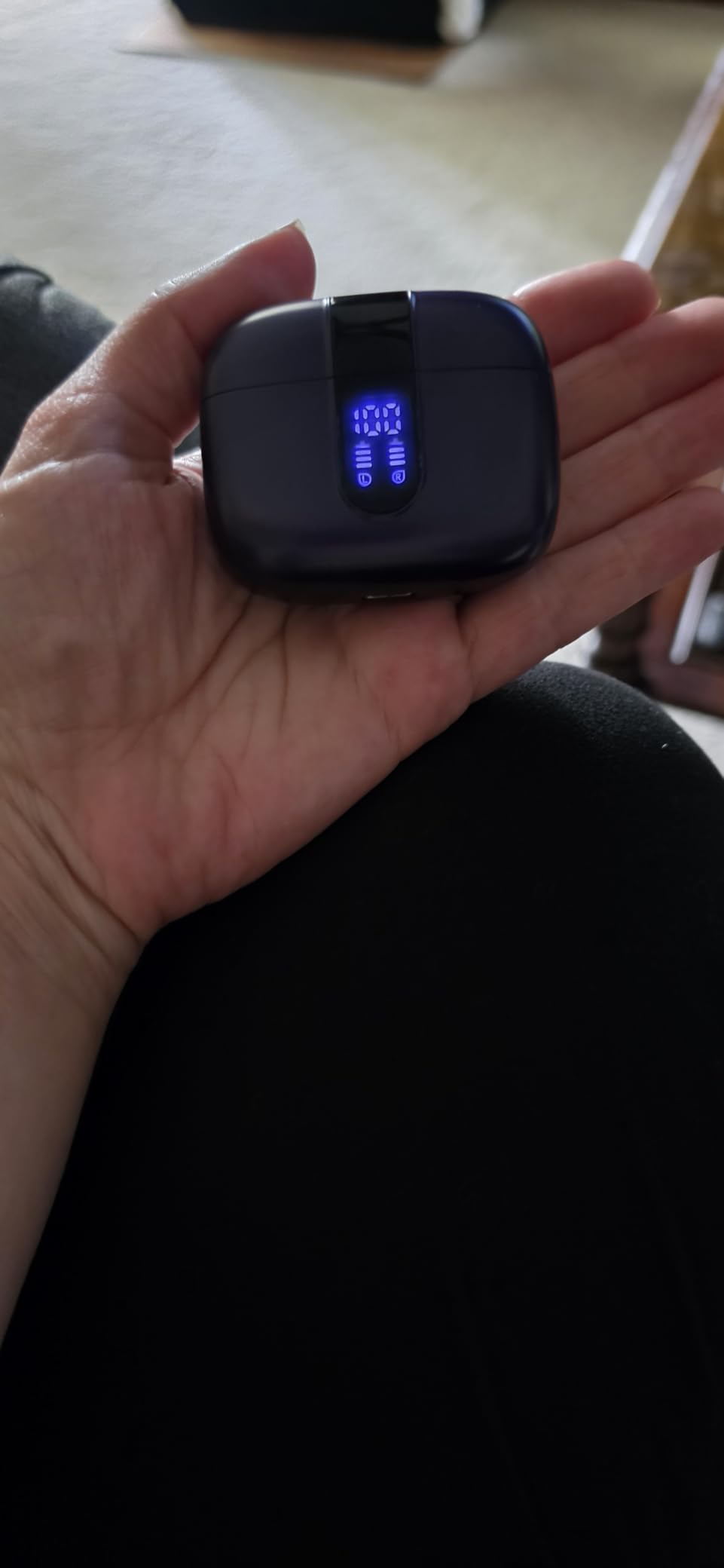
When battery life is the deciding factor
Pick the TAGRY if you travel long distances, work shifts without a socket, or simply refuse to carry a cable. Six hours per earbud covers a long-haul flight plus a playlist, and 60 hours total means most people charge weekly rather than daily.
Six hours per charge is the catch. If you routinely wear one bud for four hours straight with the case in a bag, the 10-hour and 12-hour pairs in this list will serve you better.
What to check before buying
The Bluetooth radio is version 5, older than the 5.3 and 5.4 hardware everywhere else here. In practice you will not notice it in a quiet room, but multipoint pairing is absent, so you cannot hold two devices at once, and connection drops are more likely in a busy environment.
There is no companion app, so no EQ, no firmware updates, and no find-my-bud feature. If you like tuning your sound, that is a meaningful gap.
5. TOZO NC9: Best Noise Cancelling Under 50 Dollars
TOZO NC9 Hybrid Active Noise Cancelling Wireless Earbuds, 60H, LED Display
- 45 dB hybrid active noise cancelling with transparent mode
- 60 hour total battery dropping to 40 hours with ANC on
- Six microphones with ENC for clear calls
- TOZO app with 32 EQ presets and EQ sharing zone
- IPX8 waterproofing and six ear tip sizes
- Battery life drops noticeably with ANC enabled
- Specification pages disagree on driver size
- ANC adds a faint hiss at low volume in quiet rooms
The NC9 is the first pair on this list that brings real active noise cancelling to a very low price. TOZO claims a maximum noise reduction depth of 45 dB, and the hybrid feedforward and feedback microphones do a credible job against steady low-frequency hum such as engines, air conditioning, and bus ventilation.
Transparency mode lets you hear announcements and cross a street without removing the buds, and the microphone array helps: six microphones with environmental noise cancellation keep your voice audible on calls in a moderately noisy room.
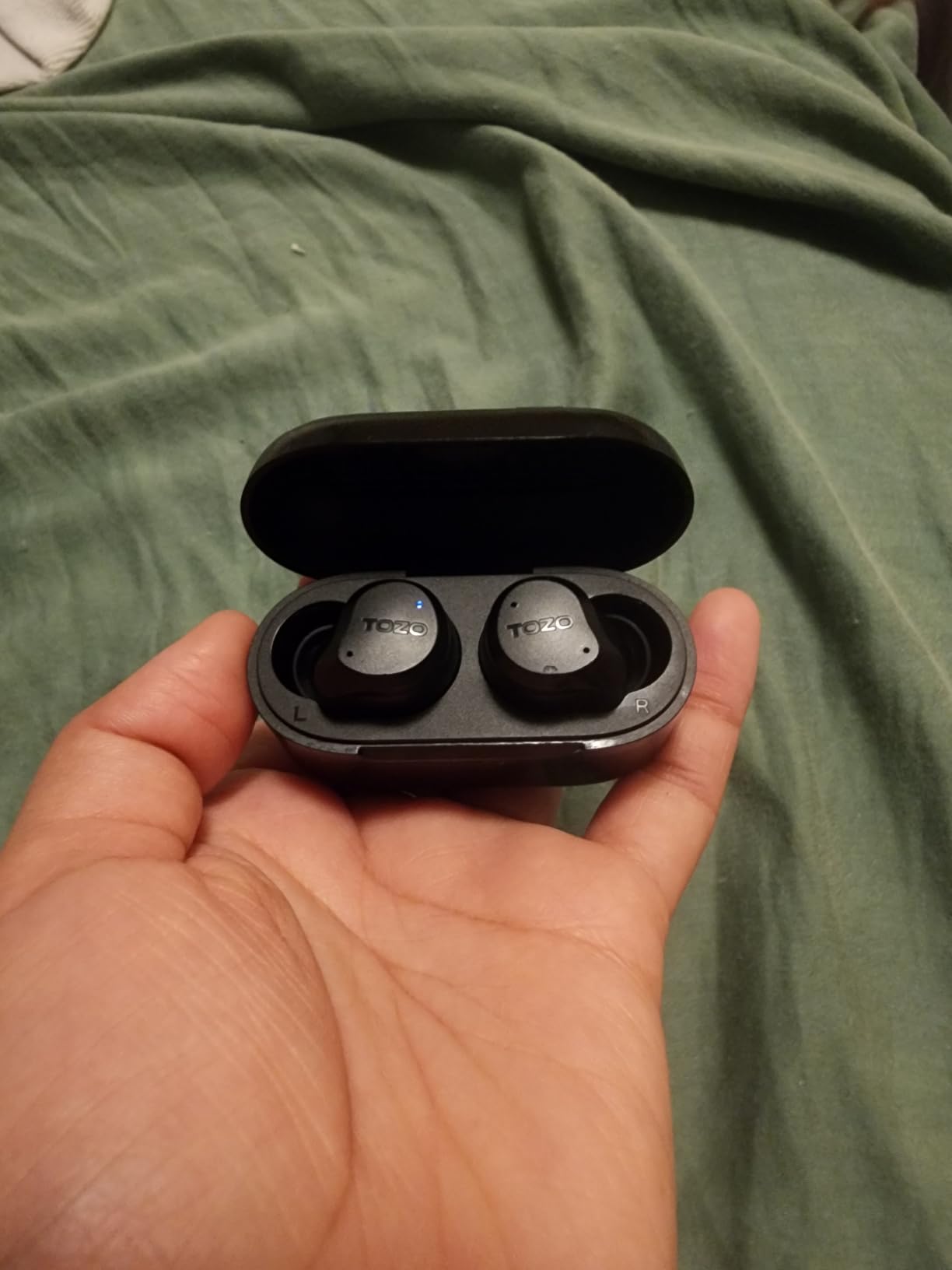
Battery is the tradeoff. The quoted 60 hours is measured with ANC off; with ANC running it falls to 40 hours, and per charge you get 14 hours. That is still a long runtime, but it is exactly the kind of marketing gap we recommend checking before you buy.
The case has an LED battery display, the buds are IPX8 rated, and six ear tip sizes are included, which gives small-ear users more choice than most of this list provides.
How the cancelling performs on real commutes
Against low, steady noise the NC9 earns its place. Train rumble, aircraft cabin drone, and office air handling all drop noticeably, and a good tip seal makes it much better still. Against voices and higher-pitched street noise it does far less, which is true of most ANC systems at this price.
You will also hear a faint hiss when ANC is on in a silent room. That is normal for this technology generation and disappears as ambient noise rises, but it is worth knowing if you plan to use ANC in a quiet bedroom.
What to check before buying
Manufacturer pages for this model quote different driver sizes, with some listings showing 6 mm and others describing 10 mm OrigX drivers. That inconsistency is worth raising with the seller if sound quality is your deciding factor, and it is a fair reason to look at the alternatives below.
Also expect the full 60-hour figure to disappear once you turn ANC on for regular use. If you want noise cancelling and maximum runtime, read the ANC-on number rather than the headline.
6. Soundcore P30i: Best for Hands-Free Video Calls
Soundcore P30i by Anker Noise Cancelling Earbuds, Hands-Free Viewing
- 42 dB adaptive active noise cancelling at an entry price
- Charging case doubles as a phone stand for hands-free viewing
- 10 mm drivers with BassUp technology for punchy low end
- 45 hour total battery and 25 hours with ANC
- Four microphones with AI voice pickup for calls
- Battery drops to 6 hours per charge with ANC on
- Phone stand works best with smaller phones
- Touch controls can be over-sensitive while adjusting fit
The P30i solves a specific problem better than anything else here: its case opens at the back to become a phone stand. That turns a 45-minute recipe video or a long lecture into a hands-free session, and no other pair in this roundup does it.
Noise cancelling is adaptive, rated up to 42 dB, with a transparency mode for awareness. Against steady hum it performs close to the NC9, and the four-microphone array with AI voice pickup handles desk calls cleanly in a quiet or moderately noisy room.
Sound uses 10 mm drivers with Soundcore’s BassUp processing, so the low end is boosted in a way that flatters pop and electronic music. The Bluetooth radio is version 5.4 with one-step pairing, and the warranty runs 24 months.
Battery is where the ANC cost shows. You get 10 hours per charge with cancelling off and 6 hours with it on, and totals of 45 and 25 hours respectively from the case. A 10-minute charge returns two hours.
Whether the phone stand is genuinely useful
It works best with smaller phones. A large handset can lean back and the stand may not hold the weight, which is the main complaint owners raise about the feature. With a compact phone it is stable and genuinely convenient.
The stand is also a reason to pick this pair if you travel: the case doubles as a stand for a flight safety video or a check-in screen without carrying a separate prop.
What to check before buying
Note the 6-hour ANC-on figure. If your commute is long and you will leave cancelling on the whole way, the NC9 or Raycon will last longer per charge than the P30i.
Touch controls are sensitive when you are pushing a bud back into place, the same issue that affects the T10. And the case does not support wireless charging, so you need a cable on hand for the stand-plus-charging combination.
7. JBL Vibe Beam: Best Known Brand With a Closed Stick Fit
- JBL Deep Bass tuning with 8 mm drivers
- Closed stick design gives passive isolation and strong bass
- 32 hour total battery with 10-minute speed charge for 2 hours
- IP54 water and dust resistance for everyday use
- VoiceAware lets you balance your own voice on calls
- No active noise cancelling despite the higher price tier
- 100 ms audio latency is high for video and gaming
- Bluetooth 5.2 and no wireless charging on the case
The Vibe Beam is the pick if brand familiarity matters to you. JBL is a recognised name in portable audio, and Deep Bass tuning gives it a consistently full low end that most buyers recognise immediately without needing an app.
The closed stick design is different from the sealed in-canal designs most rivals use, and it produces a surprising amount of passive isolation while staying comfortable for long sessions. It is also a friendlier shape for people who find an ear that full of plastic uncomfortable.
Battery is 8 hours per charge and 32 hours with the case, with a 10-minute speed charge adding two hours. The buds are IP54 rated for water and dust and the case is IPX2, and the warranty is one year, the shortest we found in this bracket.
VoiceAware adjusts the level of your own voice during a call so you do not end up shouting to compensate for traffic noise. It is a small feature that makes the microphone more usable than the raw 100 ms latency figure might suggest.
How the stick shape performs for small ears
The stick design distributes weight along the outside of the ear rather than pressing deep into the canal, so it works well for small ears that reject larger in-canal buds. It is also one of the more stable shapes for running, since there is less mass sitting in the ear itself.
The trade-off is bass depth. A closed stick seals well but does not create the same low-end pressure as a deep in-canal fit, so the deep bass is present rather than dramatic.
What to check before buying
There is no active noise cancelling, and at this price point that is a real gap, since several cheaper pairs include it. If you commute through loud environments, choose the NC9, the P30i, or the Raycon instead.
Latency of 100 ms is the highest here and the 5.2 Bluetooth radio is the oldest in the roundup, with no multipoint. The case also takes USB-C only, so plan your cable accordingly.
8. Raycon Everyday: Best for Multipoint Pairing and Button Controls
Raycon Everyday Bluetooth Wireless Earbuds with Microphone – Active Noise Cancelling, Sweat & Water-Resistant Earphones, Ear Buds Wireless Bluetooth (Black)
- Active noise cancelling in a compact everyday design
- Multipoint pairing for switching between phone and laptop
- Physical push-button controls that are easy to find by feel
- IPX4 sweat and water resistance for workouts
- 32 hour total battery with fast charging
- Button controls feel dated next to touch rivals
- Sound signature is bass-forward rather than balanced
- Bluetooth 5.2 and no wireless charging
The Raycon is the one pair here that switches between a laptop and a phone on its own. Multipoint pairing means both devices stay connected, so a meeting starting on your computer pulls audio to your ears without you touching anything, which is the feature most sought after in this bracket and offered by almost nothing else in it.
Active noise cancelling is fitted and effective against steady background noise, and fast charging tops the battery up in a short window. The IPX4 rating handles sweat and drizzle, which is enough for indoor gym use.
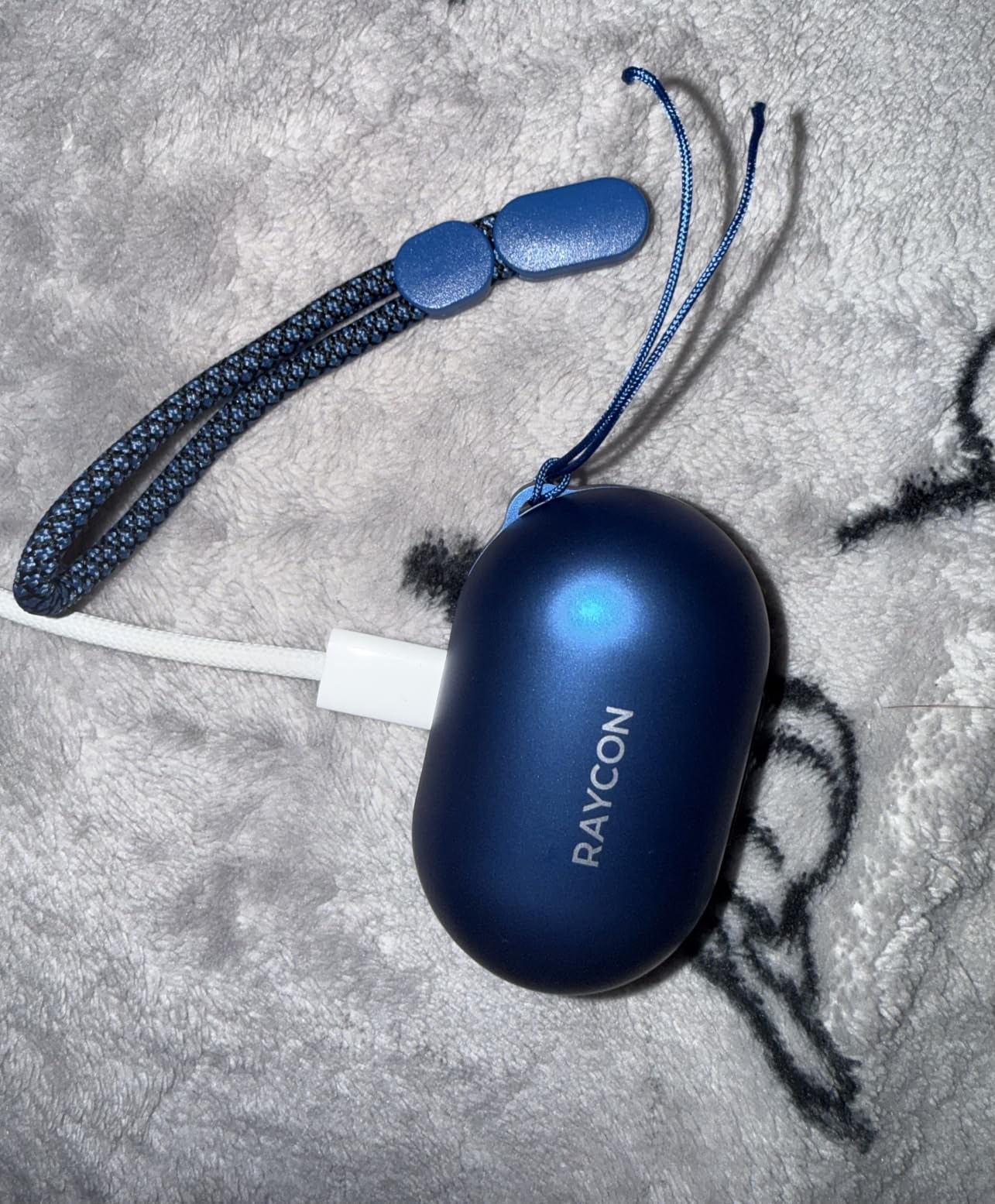
The physical push buttons are the sleeper feature. They are distinguishable by touch, so you can skip a track or answer a call without looking, and they will not fire when you reseat a bud. Anyone frustrated by accidental touch inputs on cheaper pairs will find this a relief.
Sound is bass-forward, closer to the P20i than to a balanced reference, and the included ear tips come in several sizes so you can chase a better seal. The tuning leans warm rather than detailed at the top end.
What multipoint actually does day to day
It removes a small, constant annoyance. Without it you either reconnect manually or you end up carrying two pairs, one for calls and one for music. With it, the earbuds follow whatever is playing, and the transition takes about a second.
It matters most if you take calls on a laptop and listen on your phone, which is the most common setup among remote workers. For a phone-only listener it is a nice extra rather than a reason to buy.
What to check before buying
Bluetooth 5.2 is dated, and the case does not support wireless charging, so you will charge over cable. The bass-forward tuning also means podcasts and acoustic material can sound a little heavy unless you keep the volume moderate.
Buttons are the right call for some people and a step backwards for others who prefer taps. If you like adjusting controls without looking, this is one of the safest pairs here.
9. kurdene V9I: Best Starter Pair for the Least Money
kurdene Wireless Earbuds Bluetooth 5.3 Light Weight in Ear Headphones
- Very low price point for a Bluetooth 5.3 pair
- Extremely light 3.8 g earbuds with a secure sports-oriented fit
- Fast automatic pairing when the case lid is opened
- AI-assisted microphone for clearer calls
- 30 hour total battery with the case
- Not water resistant for rain or heavy sweat
- Only about 4.5 hours of playback per charge
- Bass-heavy tuning with limited midrange clarity
At the bottom of the price ladder, the kurdene still ships with Bluetooth 5.3, automatic lid-open pairing, and three tip sizes, which would have been a premium feature list a few years ago. It is the pair to consider if you need working earbuds today and nothing about audio quality is the point.
Each bud weighs 3.8 grams, the lightest in this roundup, and the design was tested across more than 1,000 ear shapes, which is why the fit holds up well during movement despite the low price.
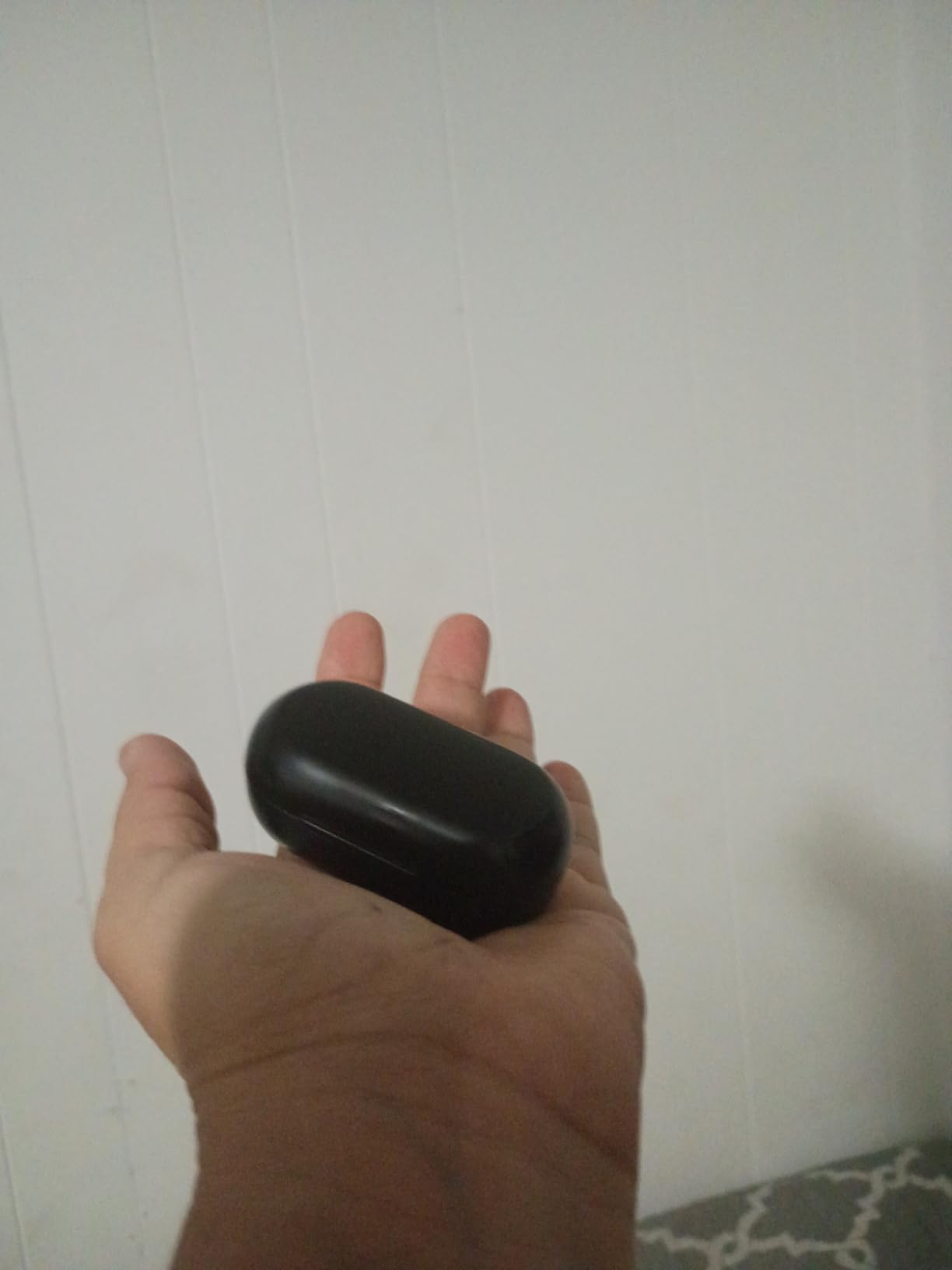
Battery is the weakness. You get roughly 4.5 hours per charge and 30 hours with the case, so the case needs topping up about twice a week with regular use. That is manageable, but it is a different experience from a pair that runs 12 hours per charge.
The tuning is bass-boosted, and the listed sensitivity is low, so volume headroom is limited in genuinely loud environments. AI-assisted microphones help calls in a quiet room but will not rescue a windy street.
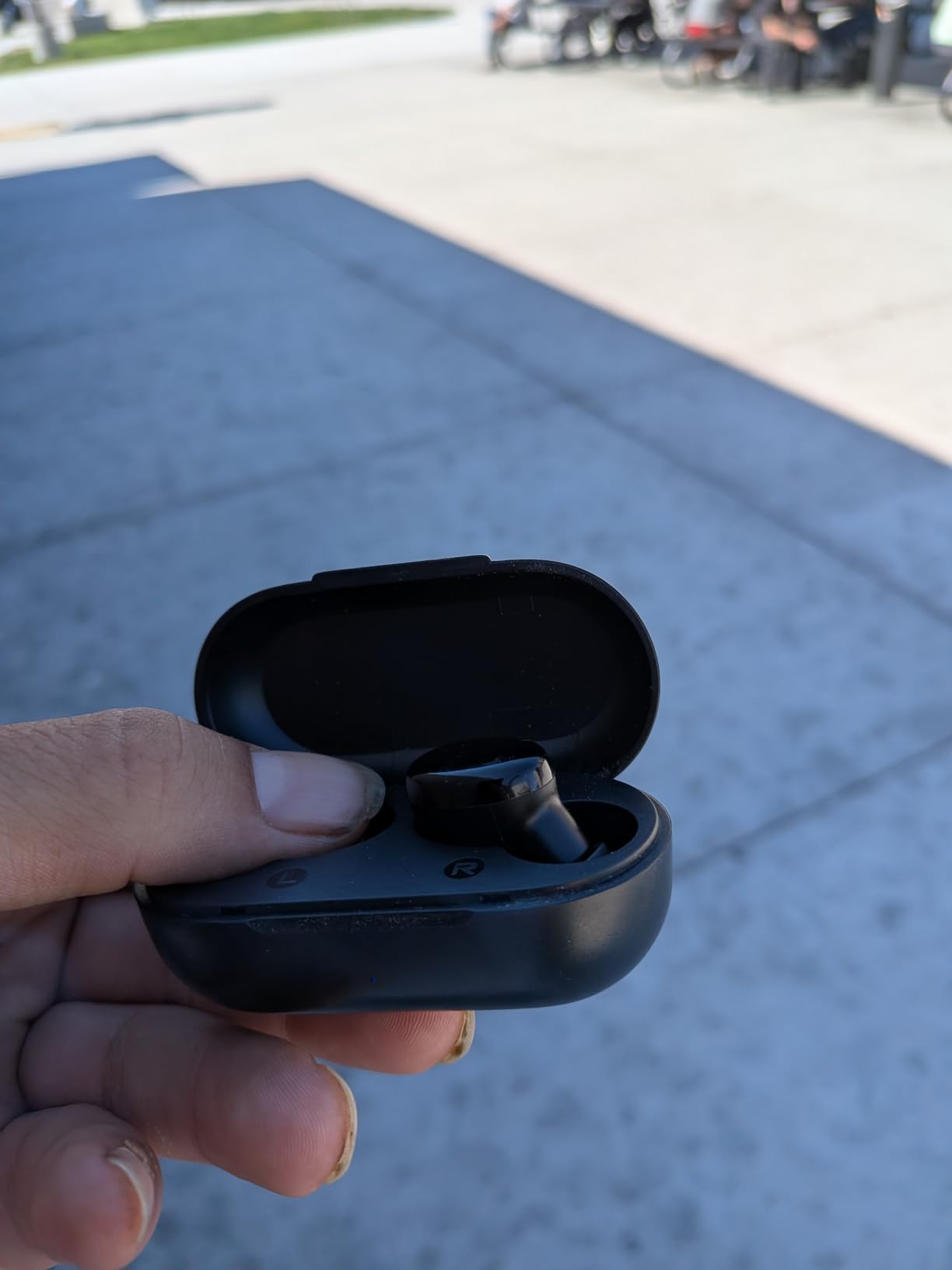
When the low price is the right reason to buy
Buy this pair for a backup, for a child who loses earbuds, for a gift, or for a first pair that will get dropped. At this price the expectation should be zero, and the feature list clears that bar comfortably with a modern radio and a light, secure build.
It is also the one pair here with no water resistance at all, which rules it out for the gym and for rain, so keep it for dry environments.
What to check before buying
Look at the single-charge figure, not the total. 4.5 hours is the shortest runtime in this roundup, and if you wear earbuds through a full workday you will be near the case by mid-afternoon.
There is no app, no EQ control, and no wireless charging, so what you tune is what you get. If you can stretch to a higher tier, the extra money buys an app, a bigger driver, and a far better battery.
10. Btootos A90 Pro Wireless Earbuds: Best for IP7 Waterproofing and Large Drivers
Wireless Earbuds, Bluetooth 5.4 Headphones Bass Stereo/Clear Calls, Black
- Large 14.2 mm composite dynamic drivers with AAC and SBC support
- Bluetooth 5.4 with stable 15 m range and low latency
- 36 hours total battery plus fast USB-C charging
- LED power display on both the case and the earbuds
- IP7 waterproof and dustproof nano coating with a two-year warranty
- Midrange frequencies are recessed so vocals can sound muffled without EQ
- Microphone audio is described as slightly tinny on calls
- Volume is modest in very loud environments
The A90 Pro packs the largest drivers in this roundup at 14.2 mm, and it is the pair to try first if you want a big, full sound without spending on a flagship. Owners regularly compare the output favourably to earbuds costing several times more, and durability comes up just as often: one owner reports the pair surviving a washer and dryer cycle.
Water protection is IP7 waterproof and dustproof with a nano coating, which is the most demanding rating here, and the two-year warranty is joint longest. Bluetooth 5.4 gives a stable 15 metre range and low enough latency for casual gaming.

Battery runs 6 to 8 hours per charge and up to 36 hours with the case, with USB-C fast charging and an LED power display on the case and on each bud. Codec support is AAC and SBC, which is the standard pair at this price and works fine on any phone.
Build choice runs to 17 colour options, which is unusual at any price and removes the usual black-everywhere compromise.
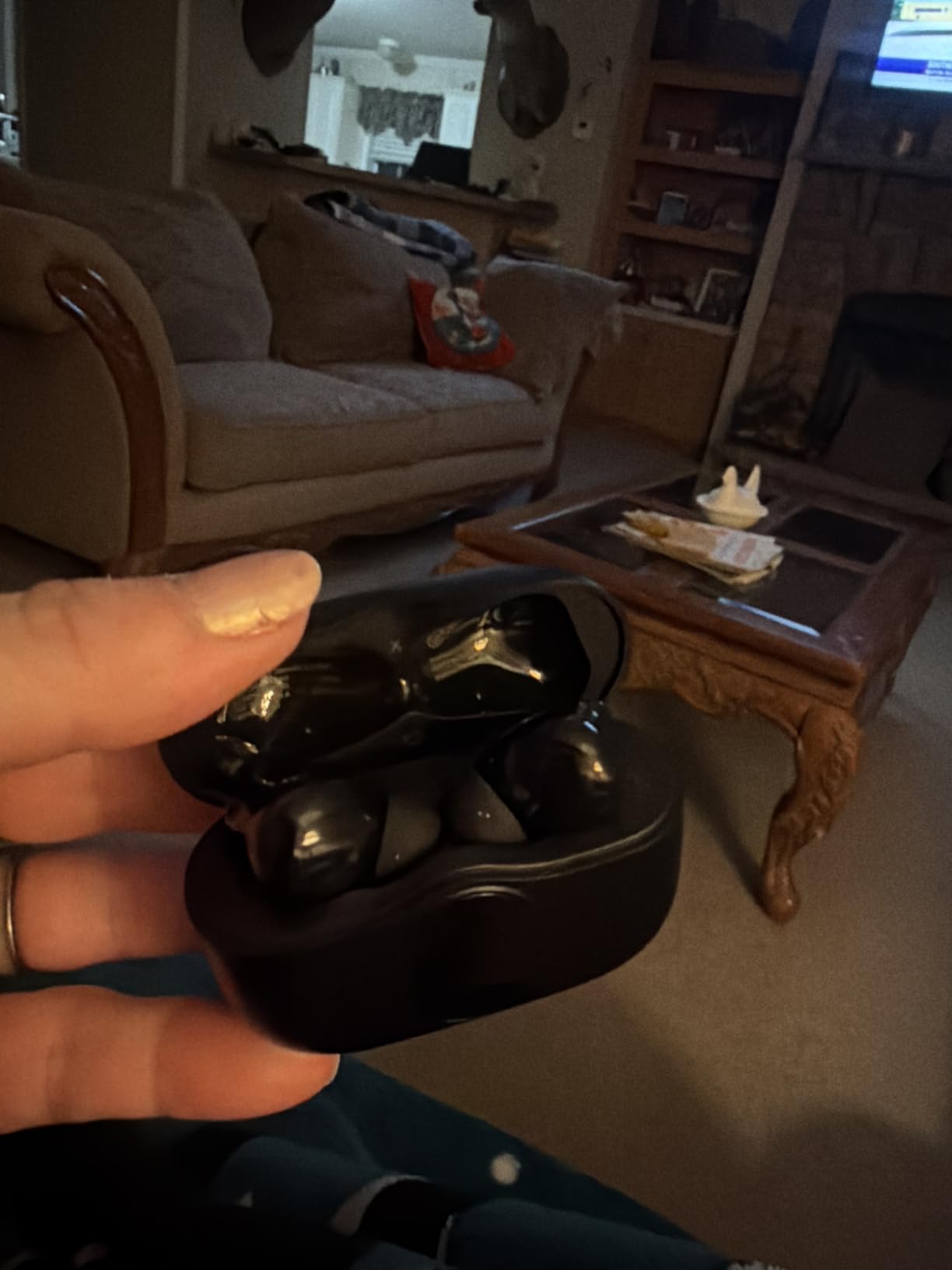
How the recessed midrange affects everyday listening
The default tuning emphasises bass and treble and leaves the midrange sitting back, so vocals can sound slightly muffled, particularly on acoustic and spoken-word content. Several owners report that an EQ curve fixes it, and some simply use their phone’s built-in EQ.
If you listen mostly to podcasts, spoken word, or acoustic material, try a pair with a more balanced stock tuning such as the T10 before settling here.
What to check before buying
Call microphones are described as slightly tinny, so treat this as a music-first pair rather than a call-first one. Volume headroom is also modest, which matters if you listen in a loud environment.
There is no app, so no EQ presets, no firmware updates, and no find-my-bud feature. And the case does not support wireless charging, despite the feature appearing on several cheaper pairs in this list.
Buying Guide: What Actually Matters Under 100 Dollars
Active noise cancelling vs noise isolation
Noise isolation is physical. A well-sealed silicone tip blocks sound by mass, and it costs nothing. Active noise cancelling uses microphones to generate an inverted waveform that cancels low-frequency noise, and it is the single biggest quality-of-life upgrade in this price band.
Only three pairs here have it: the TOZO NC9, the Soundcore P30i, and the Raycon Everyday. Everything else relies on seal alone, which means the quality of the ANC matters more than whether it exists. Budget ANC cancels steady low frequencies such as engines, air conditioning, and cabin hum well. It does not cancel speech or traffic at crosswalk level.
Codecs explained: AAC and SBC at this price
A codec is the compression format your phone uses to send audio to your earbuds. Every pair in this list supports AAC and SBC, and AAC is the better of the two, so you are never worse than the baseline here.
You will not find LDAC or aptX Lossless in this bracket, and that is fine for most listeners. Both lossless codecs also require a compatible phone, so buying them at this price would often mean paying for a feature your device cannot use. Save that money and spend it on noise cancelling or battery instead.
Battery life: always read the ANC-on number
Headline battery figures are almost always measured with noise cancelling switched off, and no marketing department volunteers the lower number. The TOZO NC9 shows the pattern clearly: 60 hours quoted, 40 hours with cancelling on. The Soundcore P30i falls from 10 hours to 6 hours per charge.
Compare runtime per charge, not just the total, because the total depends on how big the case is. Pairs with no active cancelling in this list run 8 to 15 hours per charge, while the ANC models drop to 6 to 8. A 10-minute quick charge for two hours of playback, offered by the P20i and the P30i, is the most useful emergency feature at this price.
Fit, ear tips, and small ears
Fit is the most common reason people return earbuds, and it costs nothing to solve. Look for pairs that ship three or more tip sizes. The TOZO NC9 includes six sizes, the TAGRY ships three, and the kurdene ships three, which gives you the best chance of a seal on small ears.
Shape matters as much as size. The JBL Vibe Beam’s closed stick design suits small ears better than a deep in-canal bud, and the 3.8 g kurdene and 5.67 g TOZO T6 are the least likely to fatigue a small ear canal over a long session.
Water resistance decoded: IPX4, IPX5, IPX7, IPX8
IPX4 handles sweat and splashes, IPX5 handles heavier sweat and running in the rain, IPX7 survives immersion in fresh water for 30 minutes, and IPX8 goes further. The TOZO T10, T6, and NC9 carry IPX8. The Btootos A90 Pro is IP7. The TAGRY is IPX5, the JBL Vibe Beam is IP54, and the Raycon is IPX4. The kurdene has no water rating at all, so keep it indoors.
None of these ratings cover salt water or soapy water, and none mean you should charge a wet bud. Dry the contacts before closing the case.
Call quality, microphones, and wind noise
Call microphones are the most repeated complaint across owner discussions in this price range, and the pattern is consistent. Every pair listed performs acceptably in a quiet room or office. Nearly every pair struggles outdoors in wind, where the mic hears as much air as voice. The budget microphone array is simply less effective at separating speech from wind noise.
The pairs that handle the worst conditions best here are the ones with the most microphones: the TOZO NC9 with six, the Soundcore P30i and the P20i with four and two respectively plus AI processing, and the TAGRY with CVC noise reduction. Treat any of them as good for desk calls and adequate for a windy street corner, and use a laptop microphone for important outdoor meetings.
Stem vs flush bud design
A stem design puts the microphone and battery in a stalk hanging below the ear, as on the JBL Vibe Beam and the TOZO T6. Stems are easier to grip, sit shallower, and often suit small ears better, but they project further and catch on things.
A flush bud design sits entirely inside the ear with no stalk, as on the TOZO T10, the TAGRY, and the Btootos A90 Pro. Flush buds disappear completely, take up less visual space, and usually seal deeper, which produces stronger bass. For the question Google asks most often on this query, the answer is that sealed in-canal flush buds deliver the better isolation and sound, while stems prioritise comfort and microphone placement.
iPhone vs Android: what actually works
Every pair in this roundup pairs with both iOS and Android, and the companion apps, where they exist, are cross-platform. The TOZO app covers the T10, the T6, and the NC9. The Soundcore app covers the P20i and the P30i. The TAGRY, the Btootos, and the kurdene ship with no app at all, which is the one genuinely important ecosystem difference.
On an iPhone, avoid any expectation of spatial audio or automatic switching, because those need Apple hardware and Apple’s own ecosystem. On Android, features are more consistent across pairs, and LDAC-style options would be available on some devices, though none of these pairs support them. The practical summary: if you are on an iPhone, prioritise a pair with an app and good microphone behaviour, and accept that you are buying sound quality rather than ecosystem integration.
When to spend more than 100 dollars
Spend more if you listen in a genuinely loud environment, such as a frequently flown route or a loud open-plan office, because premium ANC cancels a wider range of frequencies and premium microphones separate voice from wind far better.
Spend more if sound quality is the primary reason you own earbuds. At this ceiling, tuning is tuned for impact rather than accuracy, and the flagships at the top of the market are tuned for detail across a wider frequency range.
Stay under 100 dollars if you commute by train or car, work out, take the occasional call, and want one dependable pair that covers every case. For almost everyone else, the ceiling is a genuinely good stopping point, and the picks above are the ones we would buy.
Frequently Asked Questions
What are the best wireless earbuds under 100 dollars?
The TOZO T10 is the best all-round pair, with 15 hours per charge, 55 hours total, a wireless charging case, IPX8 waterproofing, and an app with 32 EQ modes. The TOZO T6 is the best value option at 5.67 g per earbud, and the Soundcore P20i is the pick for bass, with 10 mm drivers and 22 EQ presets.
What are the best sounding wireless earbuds under 100 dollars?
At this price the best sounding pairs are the ones with the largest drivers and the least recessed midrange. The Btootos A90 Pro uses 14.2 mm composite drivers, the Soundcore P20i uses 10 mm drivers with an app EQ that lets you tame the boosted bass, and the TOZO T10 balances deep bass with clear mids. The Btootos pair needs EQ for vocals because its midrange sits back by default.
What are the best in-ear earbuds under 100 dollars?
Sealed in-canal buds give the best isolation and bass, while stem designs sit shallower and suit smaller ears. For in-canal, the TOZO T10 and the Btootos A90 Pro are the strongest. For a shallower fit with a stick shape, the JBL Vibe Beam is the most comfortable. If you have small ears, the 3.8 g kurdene and the 5.67 g TOZO T6 are the least likely to fatigue you.
Which earbuds under 100 dollars fit small ears?
The JBL Vibe Beam has a closed stick design that sits shallow and suits small ears, and the 5.67 g TOZO T6 and 3.8 g kurdene are the lightest builds in this roundup. The TOZO NC9 is the best for tip choice, because it ships with six ear tip sizes so you can find a seal without hunting for another pair.
Which earbuds under 100 dollars have the best microphone for calls?
The TOZO NC9 uses six microphones with environmental noise reduction, and the Soundcore P30i and P20i use four and two microphones with AI-enhanced voice pickup. All three handle desk calls cleanly. Wind remains the weak point for every pair in this price band, so none should be treated as a replacement for a dedicated headset on a windy street.
Are wireless earbuds under 100 dollars actually good?
Yes, for most listeners. Active noise cancelling, wireless charging cases, 50-plus hour battery totals, IPX8 waterproofing, and app-based EQ are all available in this bracket. What you give up compared with a 200 dollar pair is sound refinement, call quality in wind, and codecs beyond AAC and SBC.
What are the best wireless earbuds according to RTINGS?
RTINGS names the Anker Soundcore Space A40Go as its best overall wireless earbuds pick under 100 dollars, and highlights its active noise cancelling, hi-res audio support, and long battery with cancelling on. RTINGS also names weak call microphone quality as the main drawback, which matches the most common complaint from owners across this whole price band.
Final Verdict
The best wireless earbuds under 100 dollars in 2026 is the TOZO T10, because it combines the longest realistic runtime in this roundup, wireless charging, IPX8 protection, and a genuinely useful app in one package. Buy the TOZO T6 if comfort and weight matter most, the Soundcore P20i if bass and app features matter most, and the TOZO NC9 or Soundcore P30i if you need real noise cancelling on a commute.
At this ceiling you are choosing capabilities, not perfection. You get noise cancelling, long battery life, and water resistance, and you give up refinement, wind-proof microphones, and premium codecs. For most people that trade is worth making once, and the ten pairs above cover every use case worth covering.