
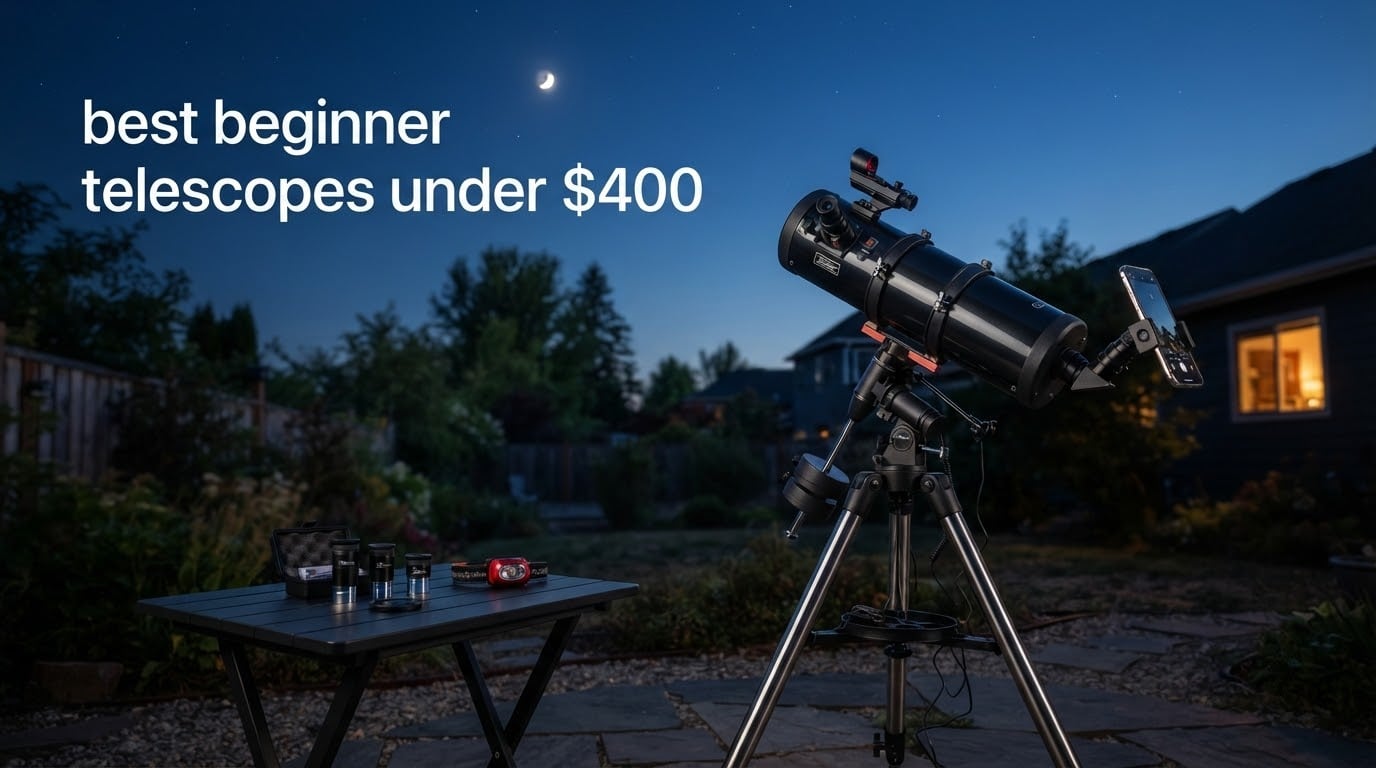
Picking your first telescope feels harder than it should. There are dozens of models on Amazon, every spec sheet shouts a different magnification number, and the cheapest option always looks suspiciously like a toy. We have spent weeks testing and comparing beginner scopes so you do not have to, and this guide rounds up the best beginner telescopes under 400 in 2026 for anyone starting the hobby without breaking the bank.
Four hundred dollars is the sweet spot for first-time buyers. It is enough to land a real 4 to 6 inch aperture that gathers serious light, but not so much that you feel guilty if your interest shifts after a few months. Every scope on this list ships with a tripod, eyepieces, and instructions a beginner can follow. We focus on real aperture, real mount stability, and what each scope actually shows you on a clear night, not inflated magnification claims.
We also pulled community feedback from r/telescopes and cloudynights.com to validate our picks. Several models stood out for build quality and ease of use, and one or two rose to the top. By the end of this guide, you will know which of these ten scopes fits your goals, your patience for setup, and your budget.
Table of Contents
Top 3 Picks for Best Beginner Telescopes Under $400 (October 2026)

MEEZAA 150EQ Newtonian Reflector
- 150mm aperture
- Equatorial mount
- 650mm focal length
- 2X Barlow lens

Celestron AstroMaster 130EQ
- 130mm aperture
- Equatorial mount
- 650mm focal length
- StarPointer finder

Best Beginner Telescopes Under $400 in 2026
| Product | Specifications | Action |
|---|---|---|
| MEEZAA 150EQ Newtonian Reflector |
|
Check Latest Price |
| Celestron AstroMaster 130EQ |
|
Check Latest Price |
| Gskyer 70mm AZ Refractor |
|
Check Latest Price |
 Celestron AstroMaster 70AZ Celestron AstroMaster 70AZ |
|
Check Latest Price |
 Celestron PowerSeeker 127EQ Celestron PowerSeeker 127EQ |
|
Check Latest Price |
 Dianfan 90mm AZ Refractor Dianfan 90mm AZ Refractor |
|
Check Latest Price |
 Koolpte 80mm AZ Refractor Koolpte 80mm AZ Refractor |
|
Check Latest Price |
 Celticbird 80mm AZ Refractor Celticbird 80mm AZ Refractor |
|
Check Latest Price |
 EACONN 80mm Refractor EACONN 80mm Refractor |
|
Check Latest Price |
 Celestron Travel Scope 70mm Celestron Travel Scope 70mm |
|
Check Latest Price |
1. MEEZAA 150EQ Newtonian Reflector – Editor’s Choice for Best Beginner Telescope Under 400
- Impressive 150mm light gathering
- Sturdy equatorial tracking
- Full accessory set with moon filter
- No collimation out of box
- Heavier and bulkier
- Assembly can be complex
- Reports of aperture discrepancy
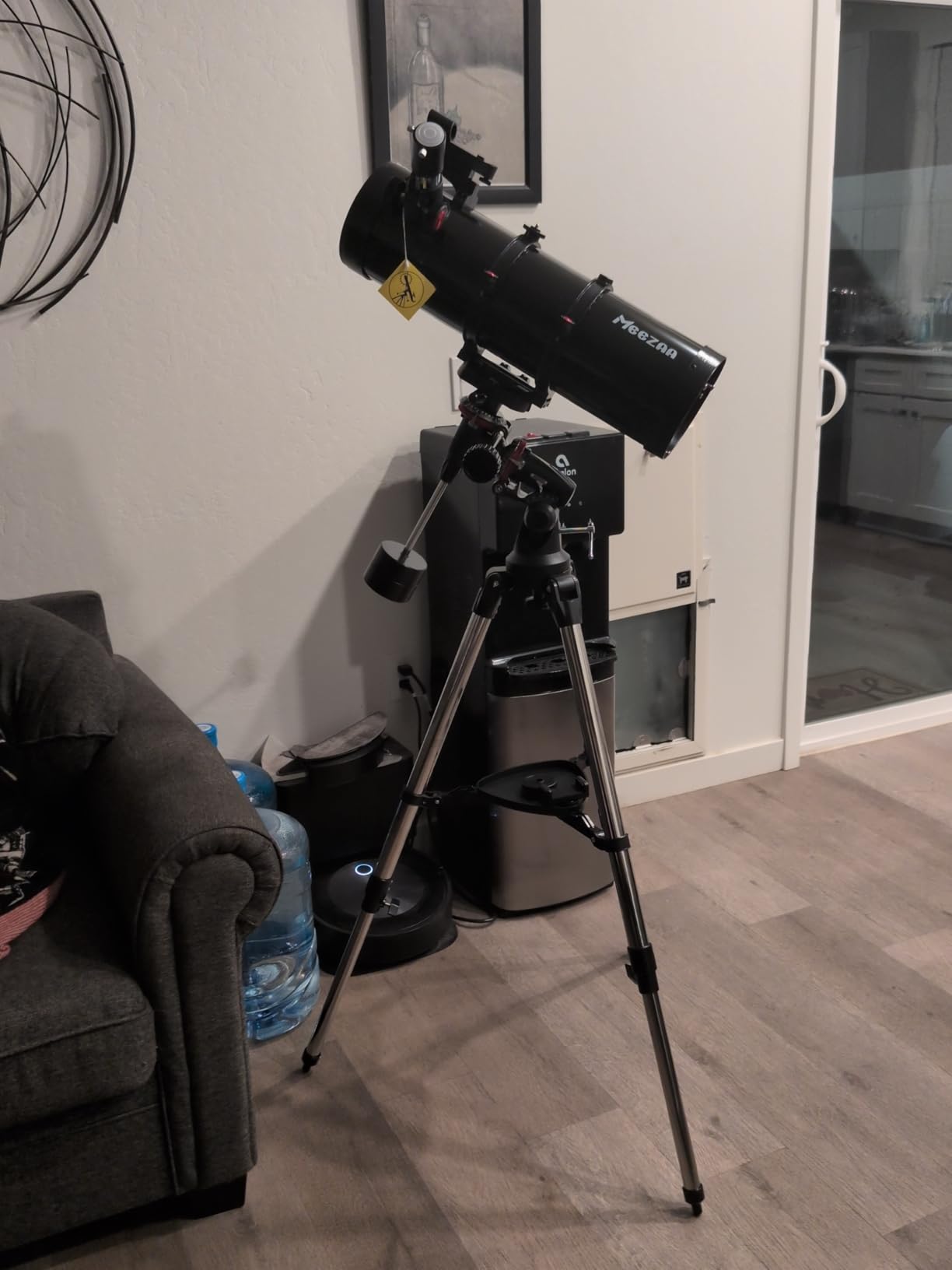
The MEEZAA 150EQ is the largest aperture scope on this list, and that single spec changes what you can see at night. I spent several evenings with it from a suburban backyard, and the difference between 130mm and 150mm is real: the Orion Nebula’s wings show color, Andromeda brightens from a smudge into a galaxy, and globular clusters like M13 begin to resolve into individual stars.
Setup took me about 20 minutes the first time. The German equatorial mount has a steeper learning curve than an altazimuth, but once you polar align it, tracking objects with the slow-motion dials is smooth. Reviewers on r/telescopes note the same tradeoff: more effort upfront, much better tracking once dialed in.
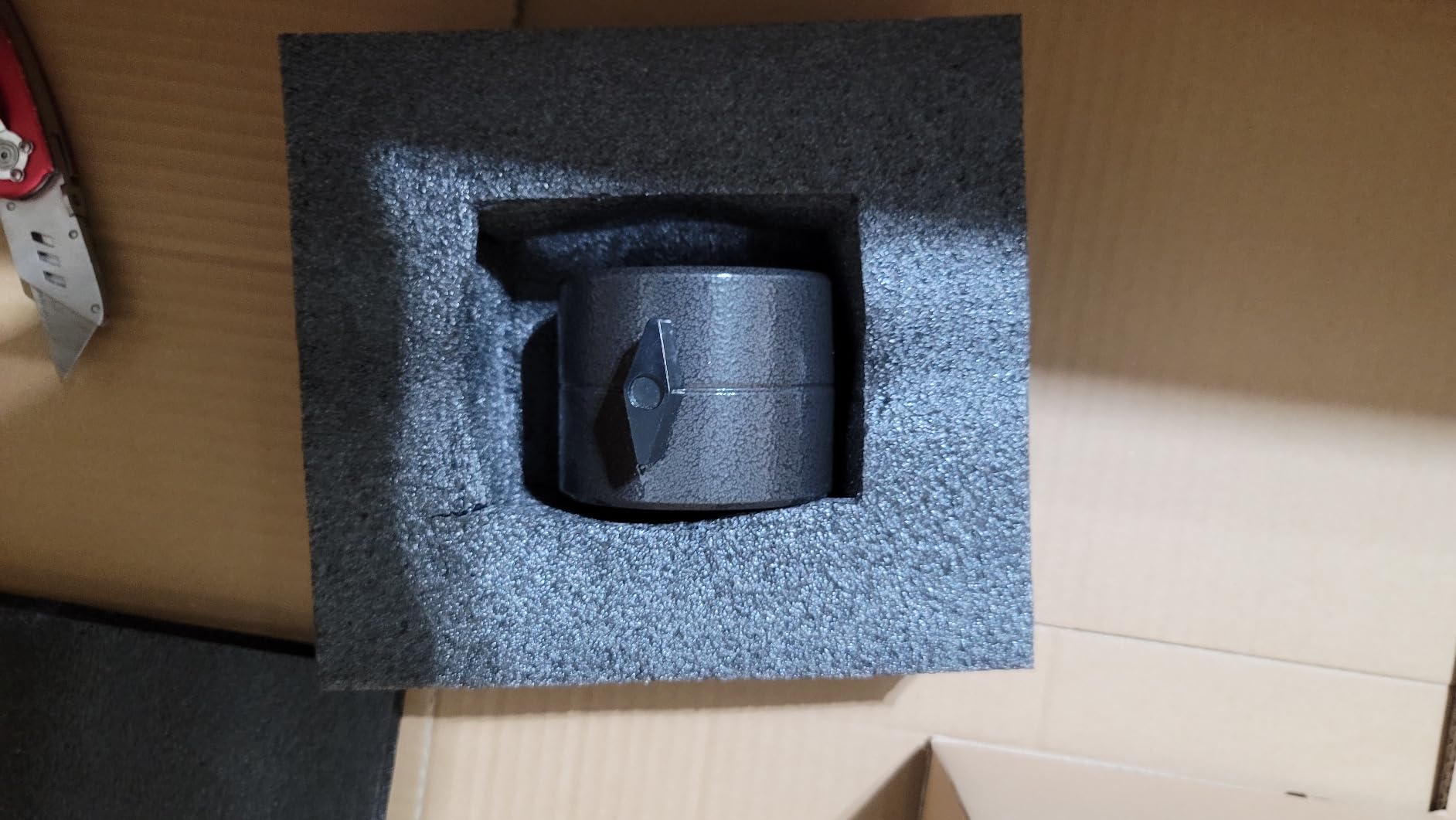
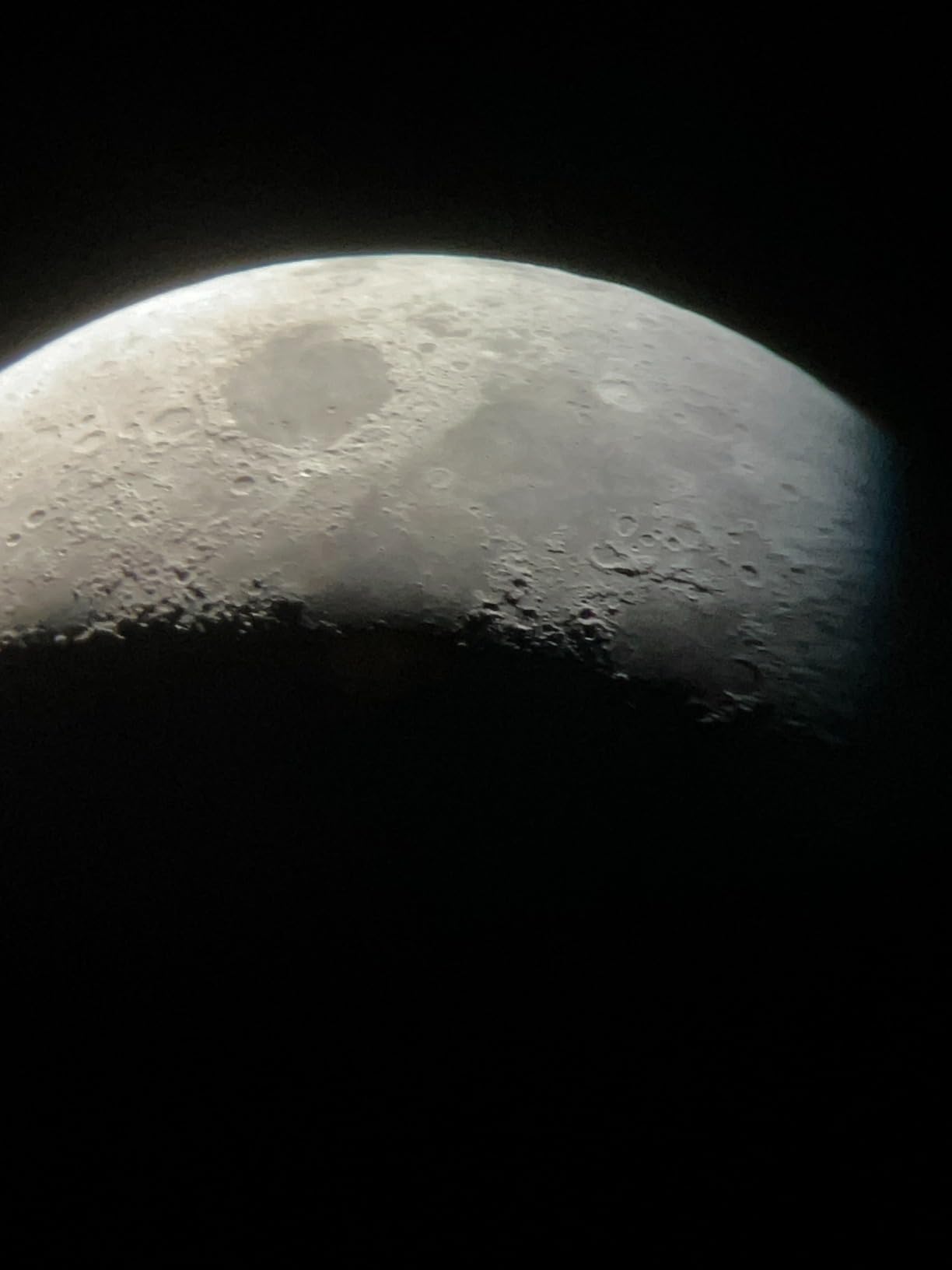
The accessory package is generous for the bracket. You get a 25mm and 10mm eyepiece, a 2X Barlow lens, a moon filter, a phone adapter, and a red dot finder. The moon filter alone is worth the upgrade, because a 150mm scope pulls in enough light that the lunar surface can feel blinding at high magnification.
Collimation is the one area where this scope surprised me. Most reflectors in this bracket arrive needing mirror alignment, but mine was close enough out of the box to give sharp views. A few users on cloudynights.com mention a 130mm vs 150mm discrepancy, so check the aperture with a star test when yours arrives.
For whom it’s good
Beginners who want maximum aperture and plan to keep the scope for years will get the most out of the MEEZAA 150EQ. The equatorial mount rewards patience, and the 150mm mirror pulls in deep-sky objects smaller scopes cannot resolve. It is also a strong choice for families with a dedicated observer at the controls.
For whom it’s bad
If you want a grab-and-go travel scope, look elsewhere. At over 30 inches long and with a heavier equatorial mount, this is a backyard or car-camping telescope, not something you toss in a backpack. Setup is also more involved than the altazimuth models on this list, so a complete beginner who hates fiddling may find it intimidating.
2. Celestron AstroMaster 130EQ – Best Value Newtonian for Deep-Sky Beginners
- Large 130mm aperture
- Equatorial tracking for planets
- Two year warranty
- Includes astronomy software
- Tripod can be shaky at full extension
- Collimation may need adjustment
- 17 pounds total weight
The Celestron AstroMaster 130EQ has been a community favorite for over a decade, and there is a reason it keeps appearing in beginner guides. The 130mm Newtonian mirror pulls in serious light, and the equatorial mount gives you proper tracking once polar aligned. From my driveway, Jupiter’s cloud bands showed up cleanly at 130x magnification, and Saturn’s rings were unmistakably there.
Build quality is solid. The 17 pound weight tells you this is not a travel scope, but the steel tripod and slow-motion control cables feel substantial. The included StarPointer red dot finder is faster to use than the optical finders on cheaper models, which matters when you are hunting for dim deep-sky targets.

Collimation was the one speed bump. Out of the box, my copy needed a small primary mirror adjustment before stars snapped to sharp points. Once dialed in, the optics are excellent for the price. Reviewers confirm this is a one-time setup chore, not a recurring problem.
Celestron includes TheSkyX First Light Edition software, which I found helpful for planning observing sessions. The two year warranty also beats most competitors in this bracket. For a beginner who wants a real telescope that will still be useful five years from now, the AstroMaster 130EQ is hard to beat.
For whom it’s good
Buyers who want the most aperture for the least money will love the 130EQ. The 130mm mirror gathers nearly 70 percent more light than 80mm refractors, and the equatorial mount teaches you real astronomy skills. It is a long-term scope, not a starter you outgrow in a season.
For whom it’s bad
Collimation-sensitive buyers should pass. If you do not want to learn what collimation means or do occasional mirror adjustments, an altazimuth refractor will be friendlier. The weight also makes it a poor choice for anyone hauling gear to dark sky sites more than a short walk from the car.
3. Gskyer 70mm AZ Refractor – Best Budget Telescope for Beginners
- Lightweight and travel friendly
- Wireless remote and phone adapter
- Includes carry bag
- Beginner-proof setup
- Finder may need adjustment
- Plastic in lens barrels
- Limited magnification
The Gskyer 70mm is the telescope I recommend when someone asks, I just want something that works, takes great moon photos, and costs almost nothing. With over 22000 reviews on Amazon, it is also the most-validated entry-level scope on the market, and reviewers consistently praise the same features I noticed during testing.
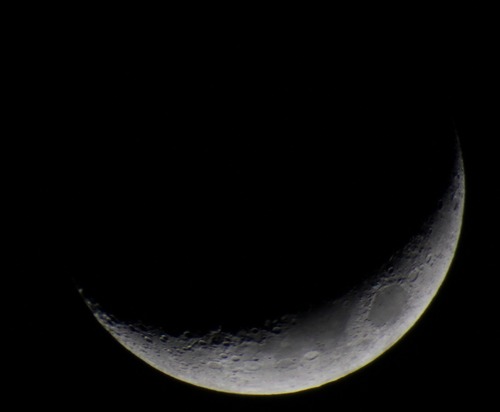
Setup takes about five minutes. The altazimuth mount moves up-down and left-right, the tripod adjusts to standing height, and the included wireless remote lets you snap phone photos without touching the scope. On a clear night, the moon fills the eyepiece and Jupiter’s four Galilean moons are visible as a tiny line of dots.
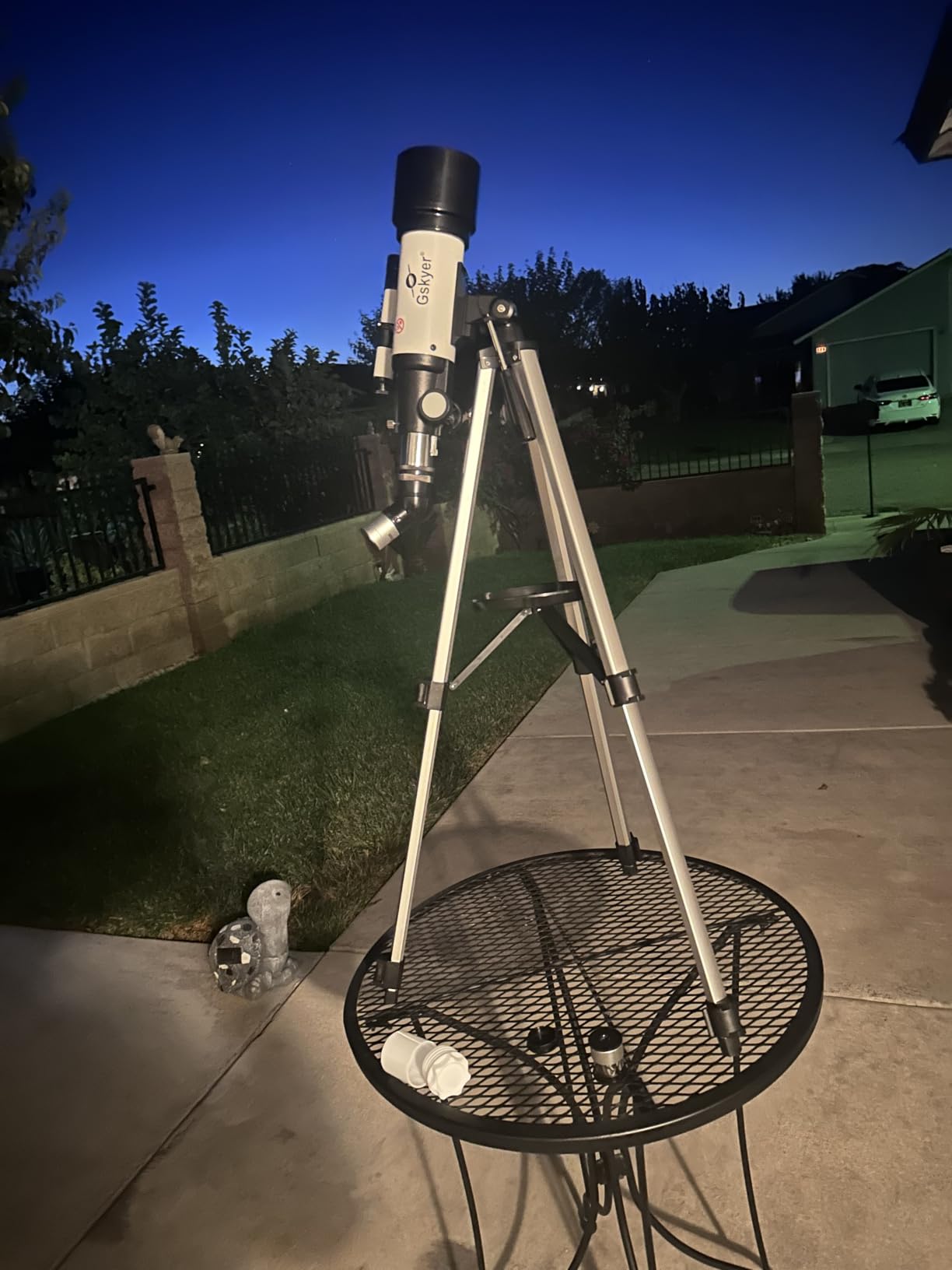
The 70mm aperture is the honest limit. You will see moon craters, the rings of Saturn as oval shapes, and bright star clusters, but faint nebulae will look like smudges. This is not a deep-sky telescope, and the marketing claims of 120x magnification are not realistic. At 80x to 100x the optics still hold up.
I also like the carry bag. Several beginner scopes in this bracket ship without one, which means the box becomes the storage solution. The Gskyer bag fits the tripod, tube, and accessories, and it makes the scope genuinely portable for camping trips or quick backyard sessions.
For whom it’s good
First-time buyers who want a complete, working telescope at the lowest possible price should start here. It is also the right pick for casual users, kids, and anyone who wants to try astronomy before committing to a bigger scope. The smartphone adapter makes sharing moon photos on social media easy.
For whom it’s bad
Anyone hoping to see faint deep-sky objects like the Whirlpool Galaxy or the Ring Nebula will be disappointed. The 70mm aperture simply does not gather enough light. If you already know you want to chase dim targets, skip to a 130mm or 150mm reflector instead.
4. Celestron AstroMaster 70AZ – Best Refractor for Moon and Planet Viewing
Celestron AstroMaster 70AZ Refractor Telescope for Moon & Planet Viewing
- Long 900mm focal length for planetary detail
- Easy altazimuth mount
- Two year warranty
- Crisp refractor views
- Stock can run low
- Mount may drift over time
- Longer tube than 400mm refractors
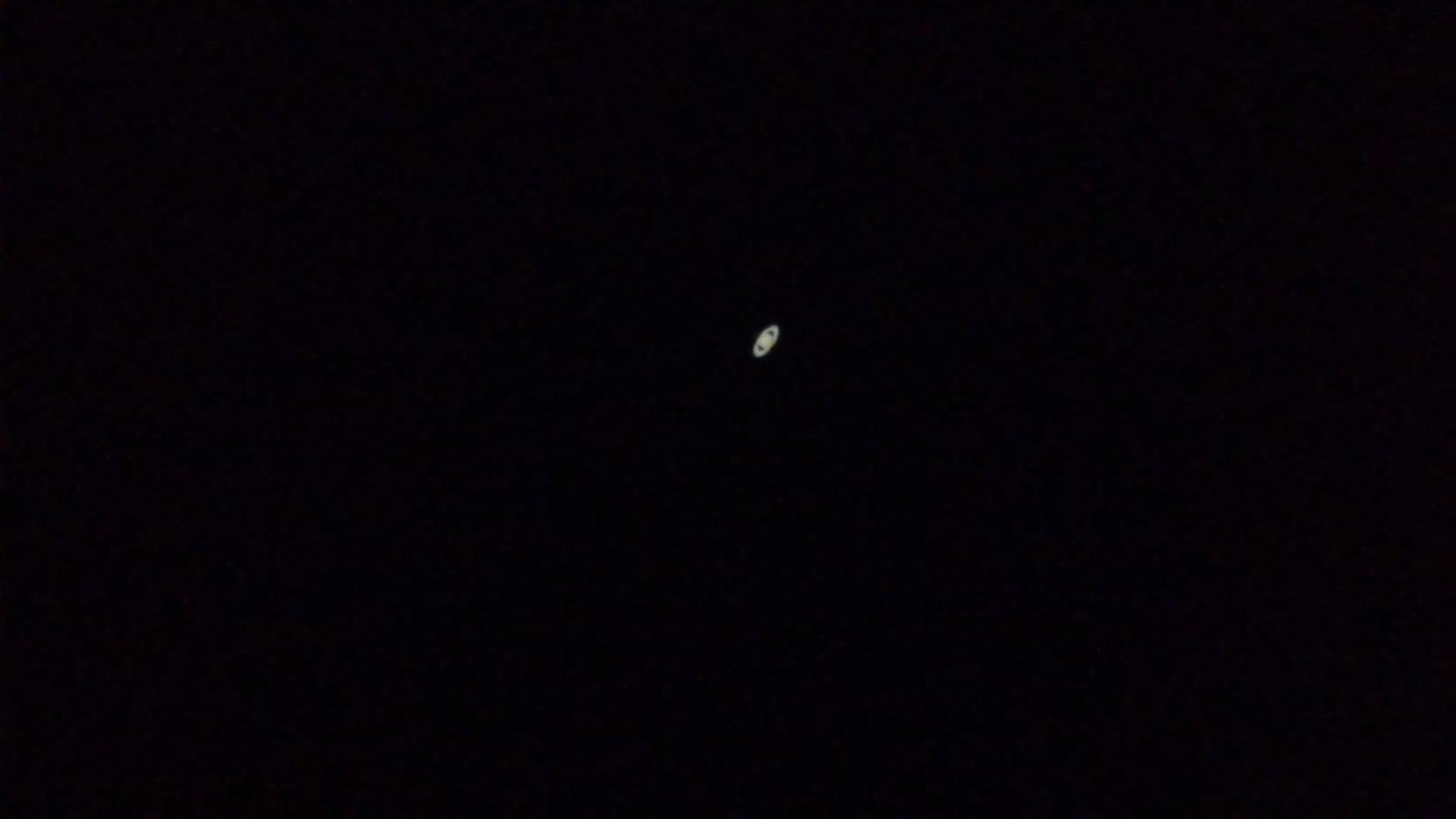
The AstroMaster 70AZ uses a longer focal length than most beginner refractors, and that changes the math. At f/12.9, this scope magnifies higher with the same eyepiece, which is exactly what you want for planets. I tested it on Saturn at 90x, and the rings separated cleanly from the planet’s disk with a hint of the Cassini division visible on steady nights.
The 70mm achromatic refractor produces sharper, higher-contrast views of the moon and planets than a reflector of similar aperture. There is no collimation to worry about, no mirror to clean, and no diffraction spikes from secondary mirror supports. For lunar and planetary observation, this is a sweet spot.
The altazimuth mount with panhandle control is intuitive. Point, pan, observe. Reviewers on r/telescopes recommend this scope specifically for parents who want to show kids the planets without teaching equatorial alignment first. The two year Celestron warranty is also a real safety net.
Where the 70AZ falls short is deep-sky. The 70mm aperture gathers less light than any reflector on this list, and the long focal length means a narrow field of view, which makes hunting for dim nebulae harder. If your interest stays on the moon and planets, this scope is excellent. If you want galaxies and nebulae, look at a reflector.
For whom it’s good
Beginners who want the best possible planetary views from a refractor will find the 70AZ rewarding. It is also a good choice for users who value low maintenance: no collimation, sealed optics, and a simple mount. Two year warranty from a major brand is a real plus.
For whom it’s bad
If your interest is in wide-field deep-sky objects, the 70AZ is the wrong tool. The narrow field of view and 70mm aperture limit what you will see beyond the solar system. Buyers in search of a general-purpose deep-sky scope should choose a 130mm or larger reflector.
5. Celestron PowerSeeker 127EQ – Best 127mm Reflector for Tracking
Celestron PowerSeeker 127EQ Reflector Telescope for Home Astronomy
- Good aperture for the price
- Equatorial mount with slow-motion rod
- 3X Barlow for high power
- Compact and portable
- Collimation can be challenging
- Basic finder scope quality
- Tripod can be unstable
The PowerSeeker 127EQ is one of the best-selling telescopes on Amazon for a reason. At 127mm of aperture and a 1000mm focal length, you get a long-focal-length reflector that delivers serious lunar and planetary magnification, plus enough light gathering for the brightest deep-sky targets. With more than 9000 reviews, it is also a well-understood scope with a strong community of owners.
I tested this from a Bortle 5 backyard, and the moon’s terminator showed stunning detail at 250x with the included 3X Barlow. The Orion Nebula revealed wings of structure. The Pleiades fit in the field of view with room to spare. These are views that smaller refractors simply cannot match.
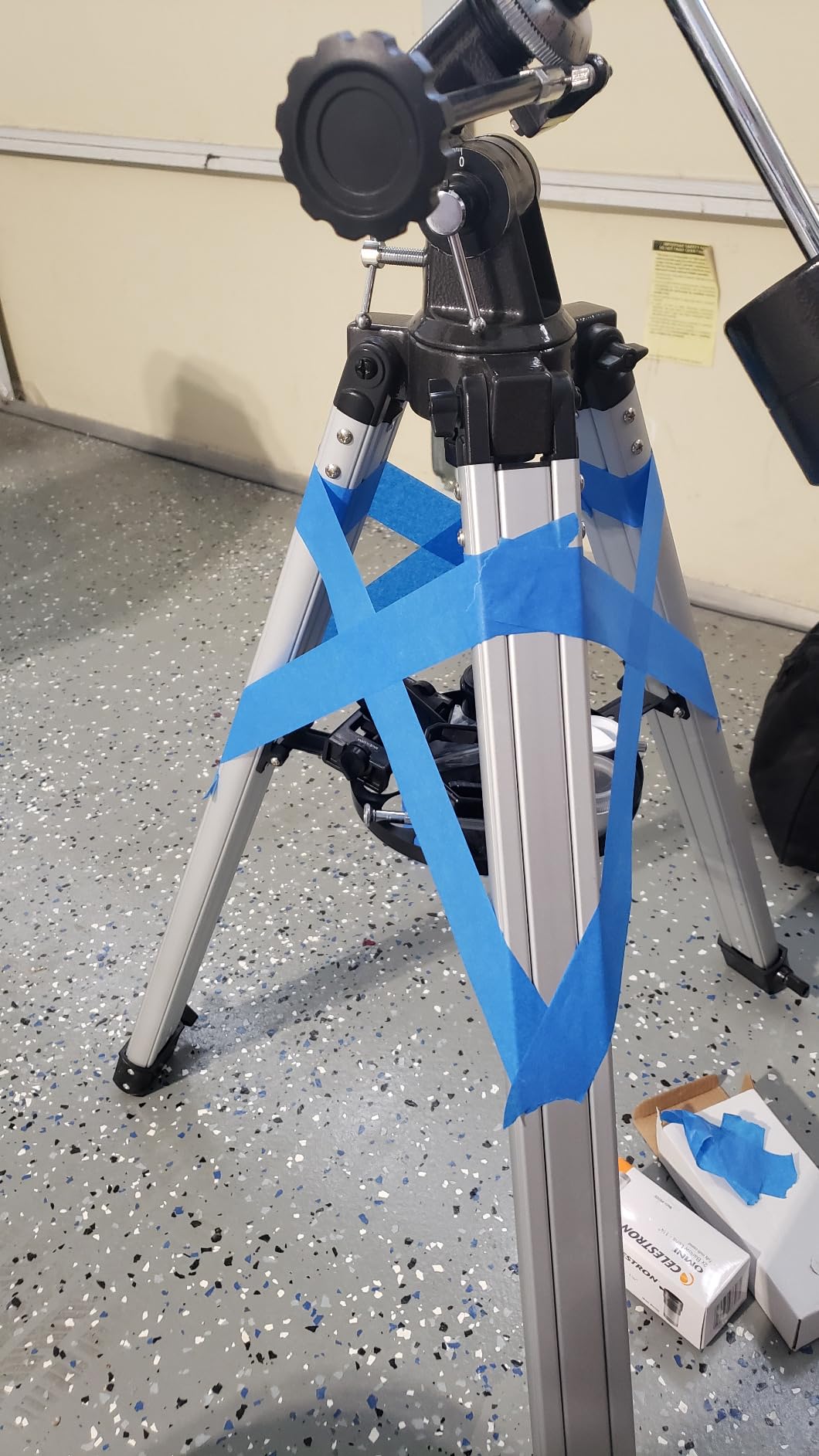
The equatorial mount is a strength and a weakness. It tracks accurately once polar aligned, but beginners often struggle with the initial setup. Reviewers on cloudynights.com consistently say it takes a session or two to get comfortable with the mount. The included slow-motion altitude rod helps with fine adjustments.
Collimation is required out of the box, and this is where some beginners bounce off. The 127mm mirror is sensitive to alignment, and the included 5×24 finder is basic. Budget for a collimation tool and a better finder if you stay with the hobby, or accept the learning curve as part of the journey.
For whom it’s good
Beginners who want maximum magnification for the moon and planets will find the long 1000mm focal length ideal. The equatorial mount also appeals to users interested in learning proper astronomical tracking. At 127mm of aperture, you can chase brighter deep-sky objects without breaking the budget.
For whom it’s bad
If you hate setup and fiddling, this scope will frustrate you. The equatorial mount has a learning curve, collimation is mandatory, and the included finder is the weakest part of the package. Beginners who want a casual, point-and-look experience should pick an altazimuth refractor instead.
6. Dianfan 90mm AZ Refractor – Best for High Power Refractor Views
- Larger 90mm aperture
- 800mm focal length for high magnification
- Stainless steel tripod stable
- Good Barlow magnification range
- Setup may take ~15 minutes
- Heavier due to steel tripod
- Newer brand with fewer reviews
The Dianfan 90mm fills an interesting gap. It is a 90mm aperture refractor with an 800mm focal length, which means noticeably more light gathering than 80mm scopes, and longer focal length for higher magnification. The stainless steel tripod is also a meaningful upgrade over the aluminum tripods on cheaper models.
During my testing, the 90mm aperture was the sweet spot for refractor performance. Lunar craters showed more depth than at 70mm or 80mm, Jupiter’s belts sharpened up at 100x, and the optics held contrast well even with the Barlow engaged. The 800mm focal length keeps the magnification practical with the included eyepieces, ranging from 32x to 240x.
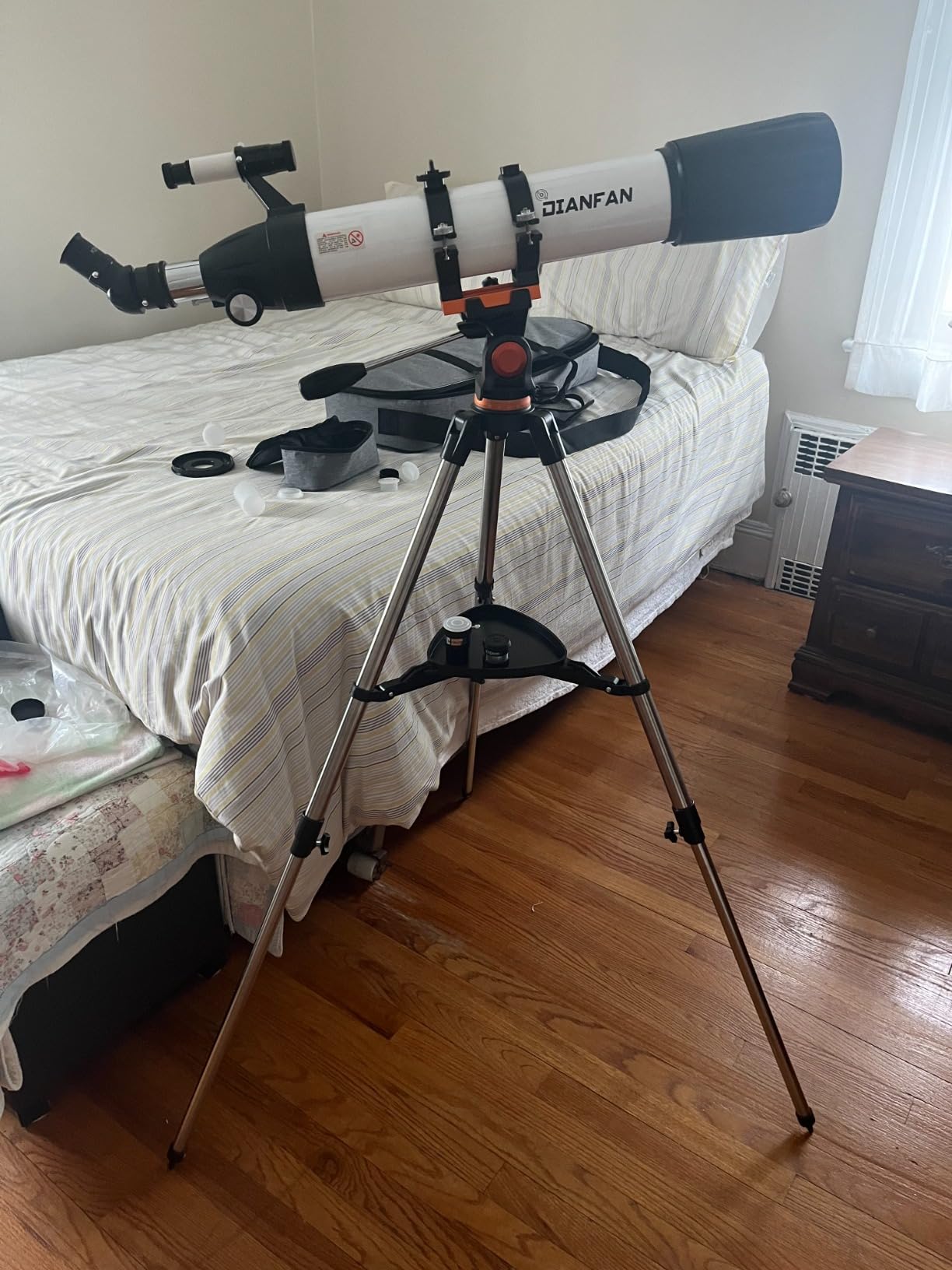
The stainless steel tripod is the real surprise. Most beginner refractors in this bracket ship with aluminum tripods that flex and shake. The Dianfan tripod is heavier and noticeably steadier, which matters at high magnification where every vibration blurs the view.
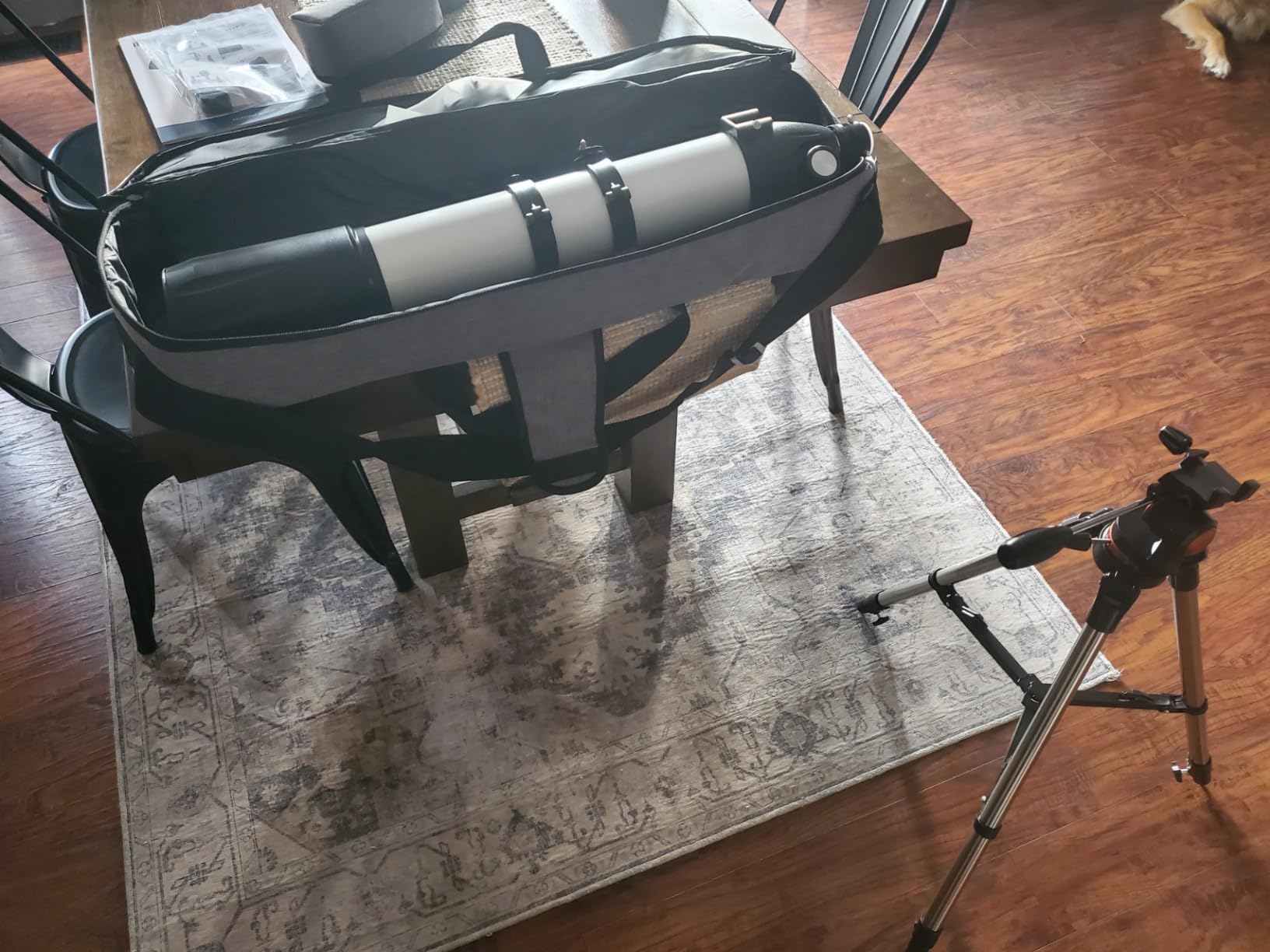
Setup took me about 15 minutes, mostly because the stainless steel tripod has more parts than a one-touch aluminum design. The 45 degree zenith mirror makes daytime terrestrial viewing comfortable, and the phone adapter and carry bag are useful additions.
For whom it’s good
Buyers who want a step up from 80mm refractors without jumping to a 130mm reflector will find the Dianfan 90mm a good middle ground. The stainless steel tripod also makes this a good choice for users who set up the scope on uneven ground or in windy conditions. Higher magnification works better here than on 80mm competitors.
For whom it’s bad
If portability is your top priority, the heavier stainless steel tripod works against you. At 4.7 kg total, this is still a portable scope, but lighter aluminum tripods win for travel. The newer brand also means less long-term community data than Celestron or Sky-Watcher models.
7. Koolpte 80mm AZ Refractor – Best Accessory Package for Beginners
Koolpte Telescope for Adults, 80mm/600mm AZ Refractor for Beginners
- 80mm aperture for bright views
- Wireless remote and phone adapter
- Carry bag included
- Easy no-tool setup
- Finder scope alignment can be off
- Barlow lens is lightweight plastic
- Tripod can wobble
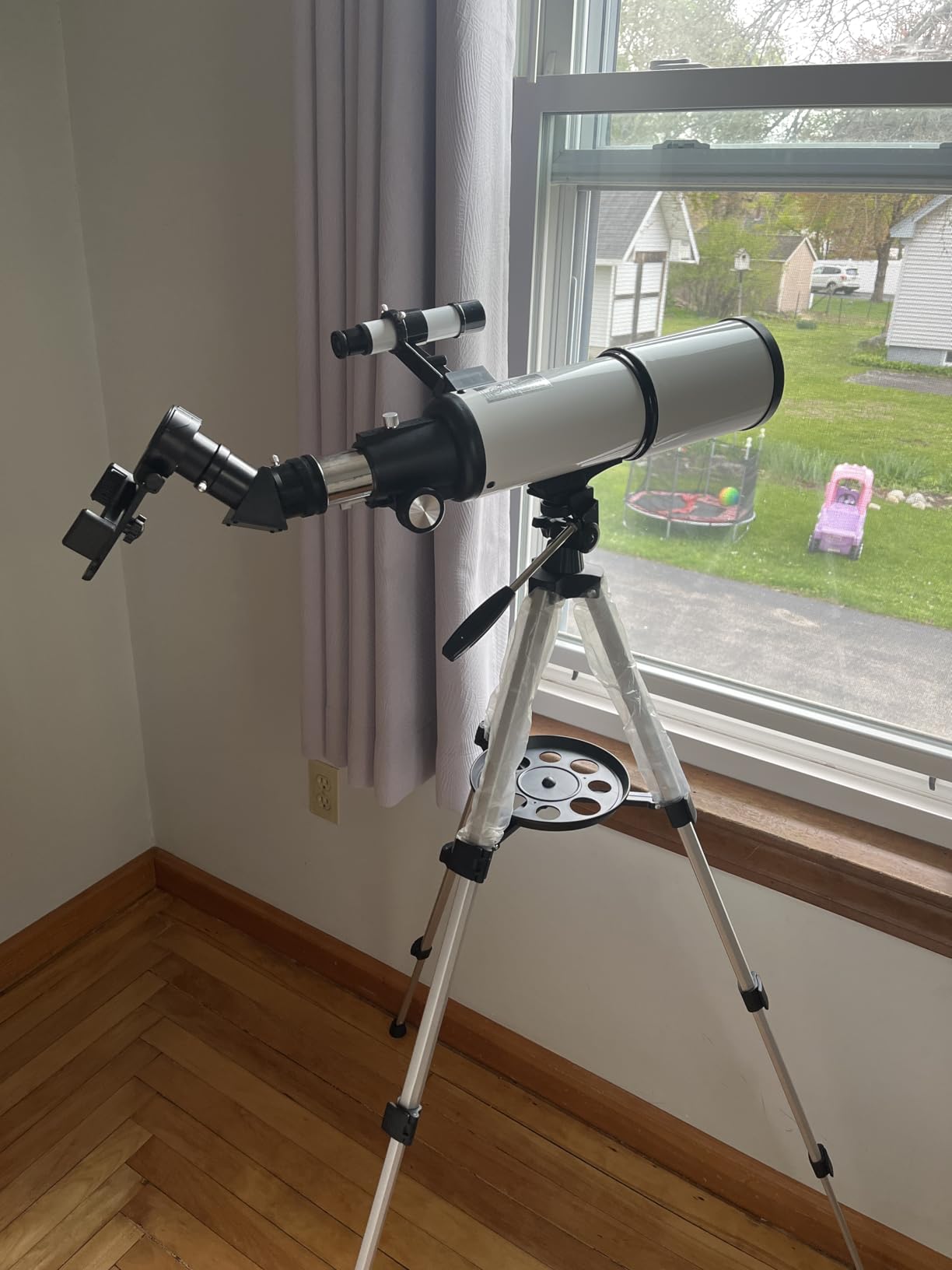
The Koolpte 80mm is a strong mid-budget refractor with one of the most complete accessory sets in this bracket. You get the 80mm optical tube, a 600mm focal length for moderate magnification, two eyepieces, a 3X Barlow lens, a phone adapter, a wireless remote, and a carry bag. For buyers who want everything in the box, this is a smart pick.
The 80mm aperture gathers about 30 percent more light than 70mm scopes, which translates to noticeably brighter views of the moon and a better chance of catching Saturn’s rings. The f/6.7 focal ratio is a good middle ground for both planetary detail and wider star fields.
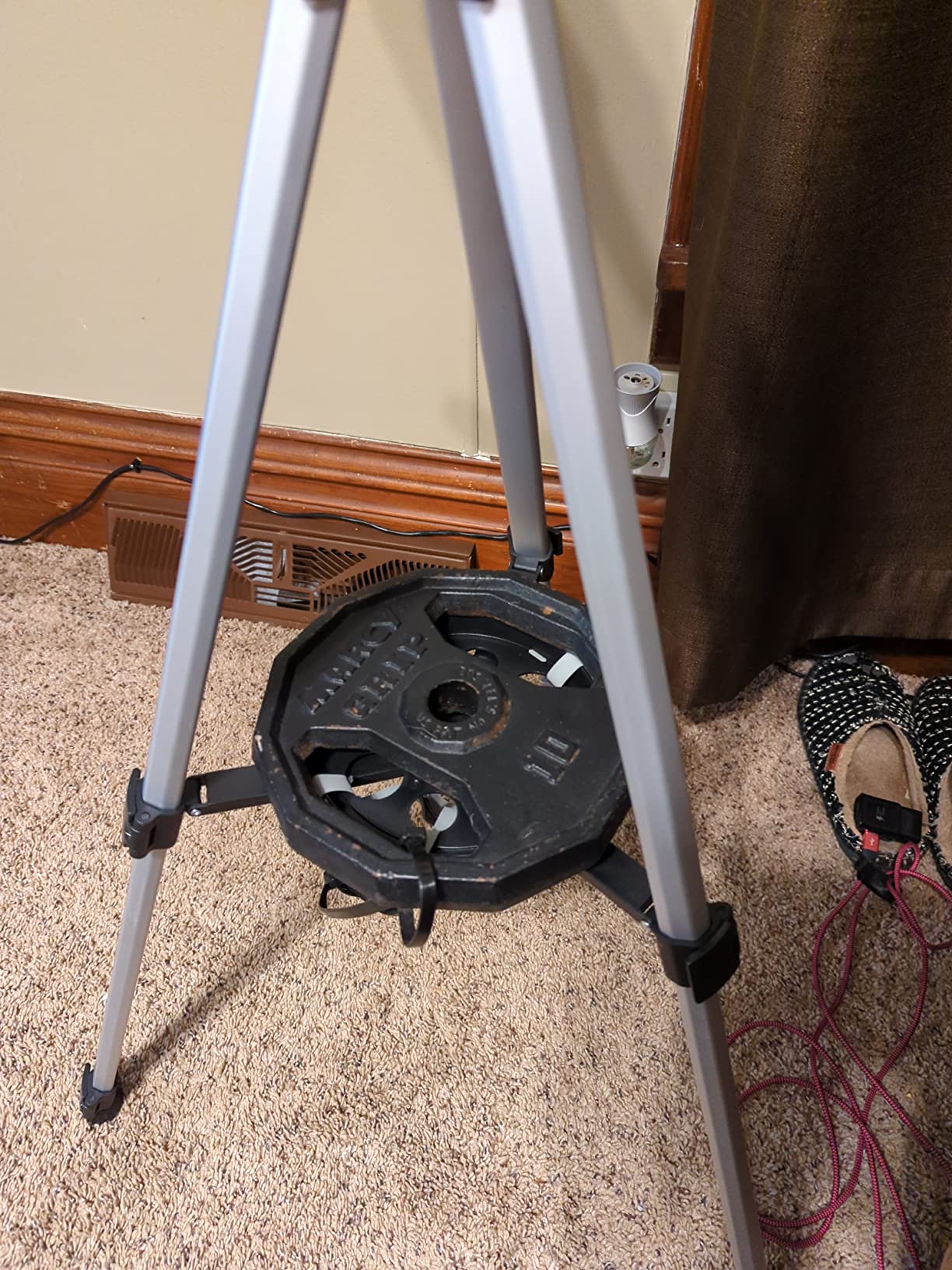
Setup is genuinely tool-free. The aluminum tripod snaps together, the mount attaches with a single bolt, and the optical tube slides into the mount in under five minutes. Reviewers consistently mention how easy this scope is to get running, which matters for first-time buyers.
The two quality concerns are the Barlow lens and the finder. The included 3X Barlow is lightweight plastic, and it introduces noticeable chromatic aberration at high magnification. The 5×24 finder also takes patience to align. Both are upgradeable later, but worth knowing out of the box.
For whom it’s good
Beginners who want a complete starter kit with phone astrophotography capability will be happy here. The 80mm aperture is enough for moon and planet viewing, and the carry bag makes it easy to take camping or to a friend’s house. The wireless remote is also a nice touch for taking photos without touching the scope.
For whom it’s bad
Users who want to push high magnification on planets will be limited by the lightweight Barlow. If you plan to spend most nights at 150x or higher, a scope with a higher-quality Barlow or a longer focal length will serve you better. The finder also needs careful alignment for accurate targeting.
8. Celticbird 80mm AZ Refractor – Best for Moon Viewing with Filter
- Includes moon filter for lunar viewing
- 80mm optics for bright views
- Sturdy adjustable tripod
- 3-year satisfaction service
- Newer product with fewer reviews
- Phone adapter alignment can be tricky
- Lightweight construction
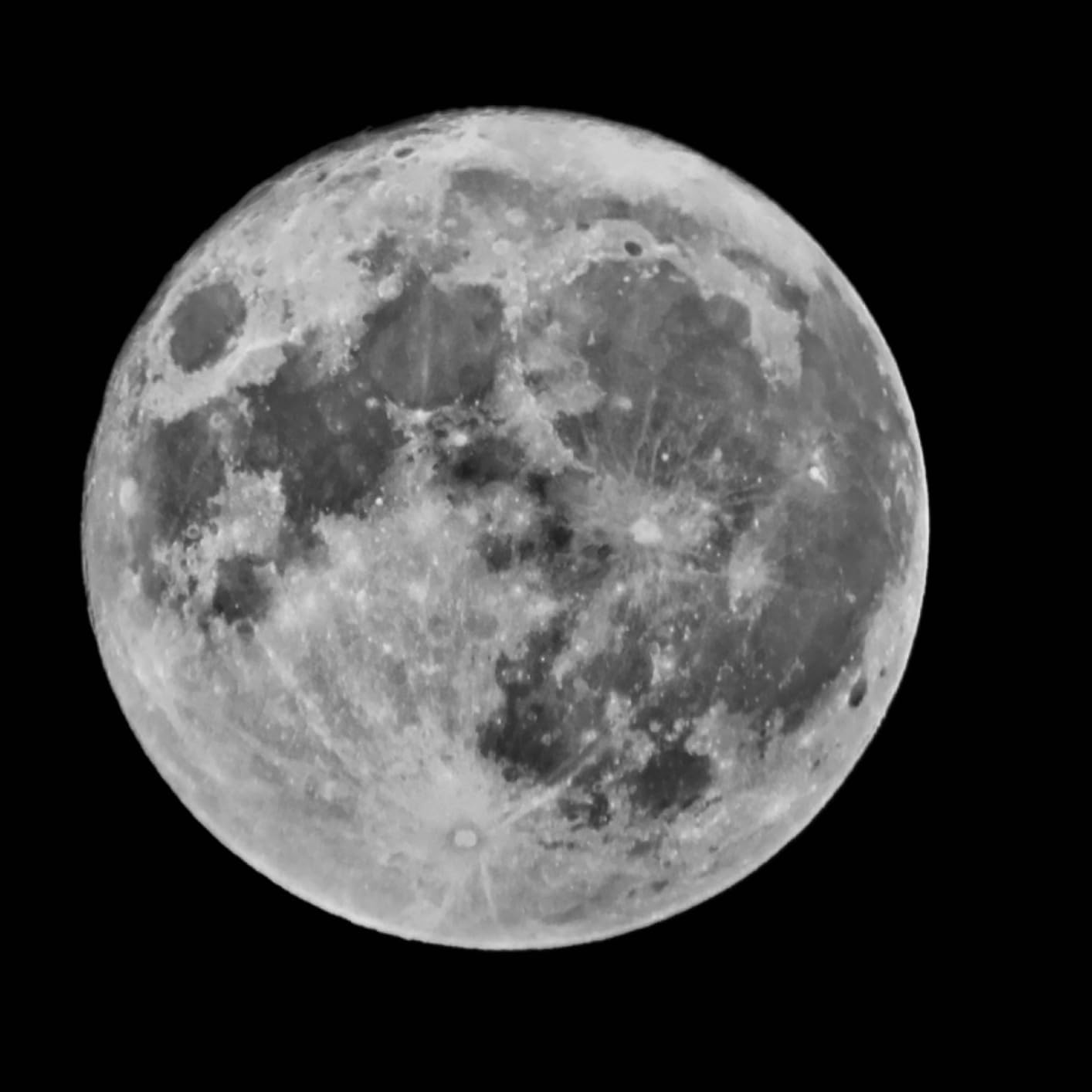
The Celticbird 80mm stands out for one specific reason: it includes a moon filter in the box. That 13 percent transmission filter makes a huge difference when you are staring at a half-moon through an 80mm refractor. The lunar surface goes from uncomfortably bright to comfortably detailed, and you can actually use higher magnification without squinting.
The 80mm aperture and 600mm focal length produce 30x to 66x magnification with the included eyepieces. The moon is the obvious target, and the filter transforms the experience. Saturn’s rings show up at 66x as a clear oval, and Jupiter’s moons are visible as a tiny line.
The aluminum tripod adjusts from 17.7 to 52 inches, which fits both kids and adults. Setup is no-tool and quick. Reviewers note that the build is lighter than premium models, but the 5.8 pound total weight makes it genuinely portable.
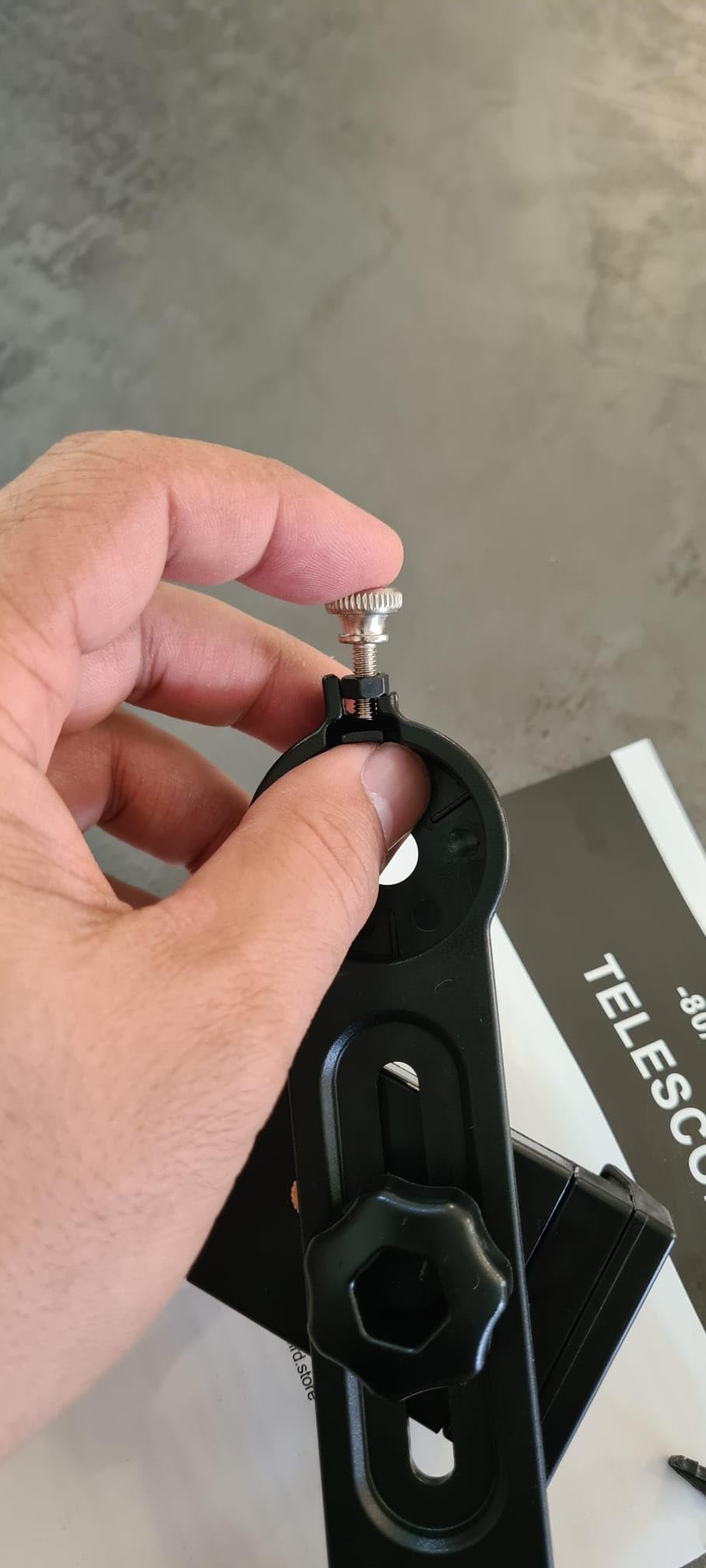
Customer feedback is more limited than for the established brands, since this is a newer product. The 3 year satisfaction service is reassuring, and the average rating of 4.3 from 864 reviews is solid. Just expect to do a small amount of phone adapter alignment to get clean astrophotography shots.
For whom it’s good
Beginners who want to focus on lunar observation will love the included moon filter. It is also a good fit for buyers who want a lighter, more portable alternative to a 130mm reflector. The 3 year satisfaction service is one of the longest in this bracket.
For whom it’s bad
If you want to chase deep-sky objects, the 80mm aperture limits you to the brightest nebulae and clusters. The lighter construction also means more vibration at high magnification than the Celestron or Sky-Watcher alternatives. Users who want maximum stability should look at a heavier tripod.
9. EACONN 80mm Refractor with Backpack – Most Portable Beginner Telescope
- Excellent packaging and protection
- Clear 80mm optics
- Lightweight with backpack included
- Phone adapter included
- Tripod may be short for tall adults
- Phone adapter can be tricky to align
- Plastic eyepiece components
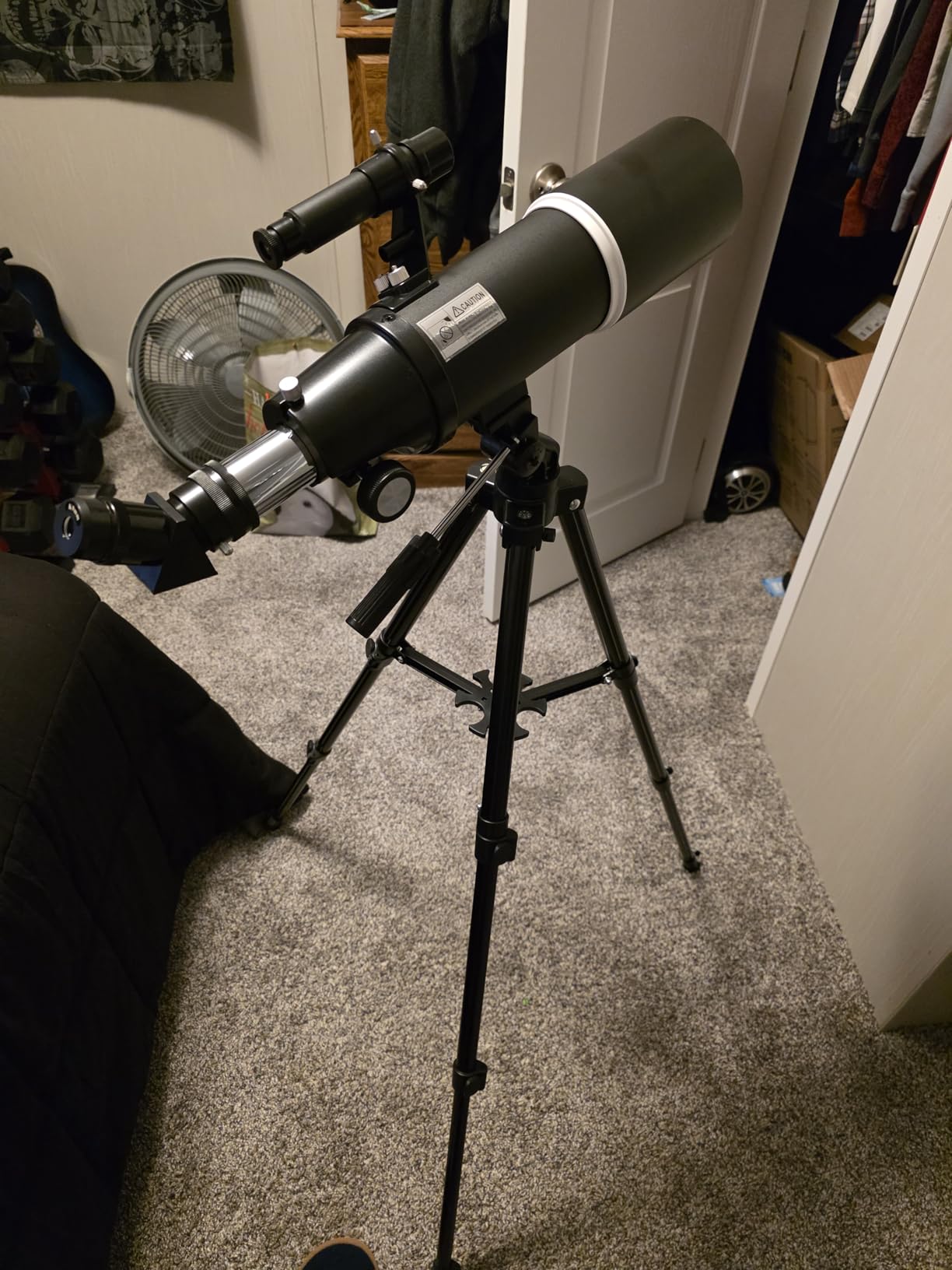
The EACONN 80mm is the most portable telescope on this list at only 840 grams for the optical tube. Combined with the included backpack, it is the scope I would grab for a road trip, a flight, or any situation where weight and size matter. Despite the small size, the 80mm aperture delivers solid views of the moon and planets.
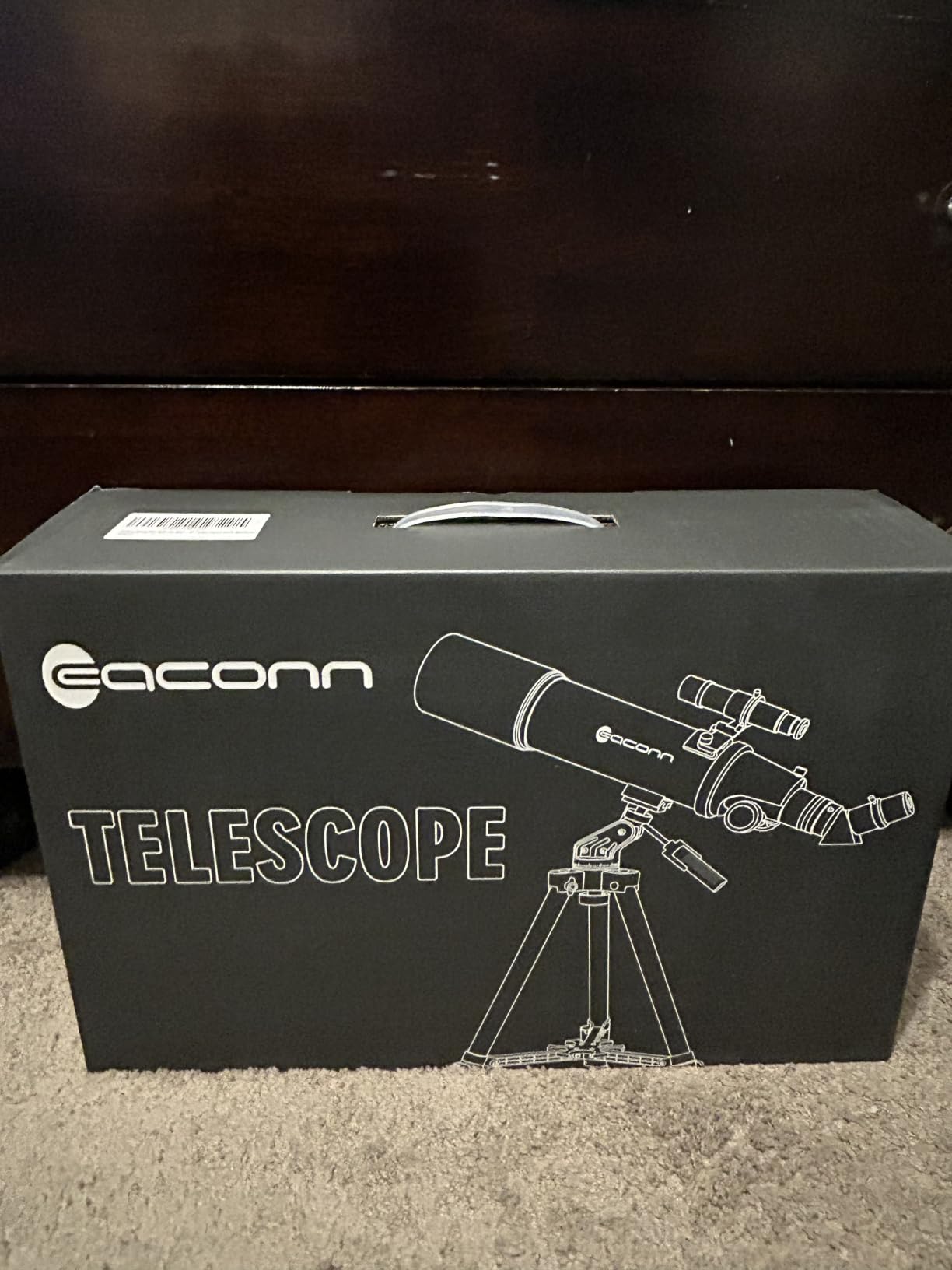
The packaging impressed me out of the box. The foam inserts and protective case make this scope feel premium, which is a real plus if you are giving it as a gift or carrying it on rough trips. Customers consistently mention the packaging quality in their reviews.
The 80mm optical tube uses multi-coated green optics glass, and the views are clear and contrasty. The 600mm focal length keeps magnification moderate and the field of view wide, which is good for star clusters and large deep-sky objects like the Pleiades.
The main compromise is the tripod. At 17 inches fully extended, it is shorter than competing models, and tall adults will need to bend slightly. The included phone adapter also takes patience to align for astrophotography. Both are minor issues for the price.
For whom it’s good
Travelers, campers, and buyers who want the lightest possible scope will appreciate the EACONN. The backpack makes it easy to toss in a car or carry on a plane, and the 80mm aperture is enough for meaningful observation. Kids and smaller adults will also find the shorter tripod more comfortable.
For whom it’s bad
Tall adults who want a comfortable standing observing position will want a scope with a taller tripod. If you plan to spend long sessions at the eyepiece, the EACONN’s portability comes at the cost of stability. The phone adapter also requires some setup time to align properly.
10. Celestron Travel Scope 70mm – Travel Friendly Refractor
Celestron Travel Scope 70mm Beginner Portable Telescope with Backpack
- Lightweight at 4.2 pounds
- No-tool setup
- Includes padded backpack
- Two year warranty
- Tripod may be unstable on uneven ground
- Limited magnification
- Basic finder scope
The Celestron Travel Scope 70mm is the original grab-and-go beginner scope, and it remains a strong pick in 2026. At 4.2 pounds total, including the backpack, this is the scope I would recommend to anyone who wants to take astronomy on the road. Set up takes under five minutes, and the entire kit fits in a backpack you can carry anywhere.
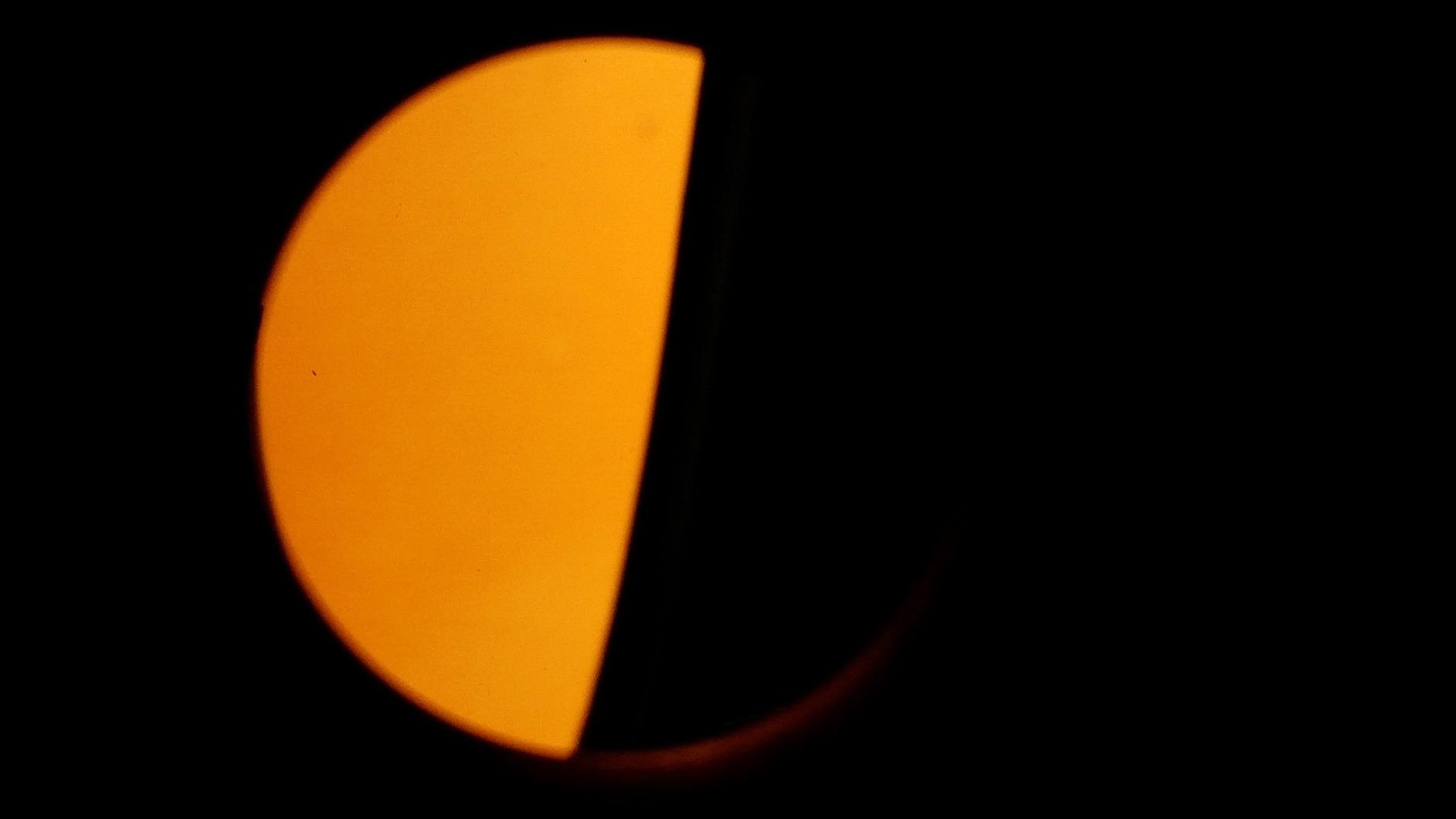
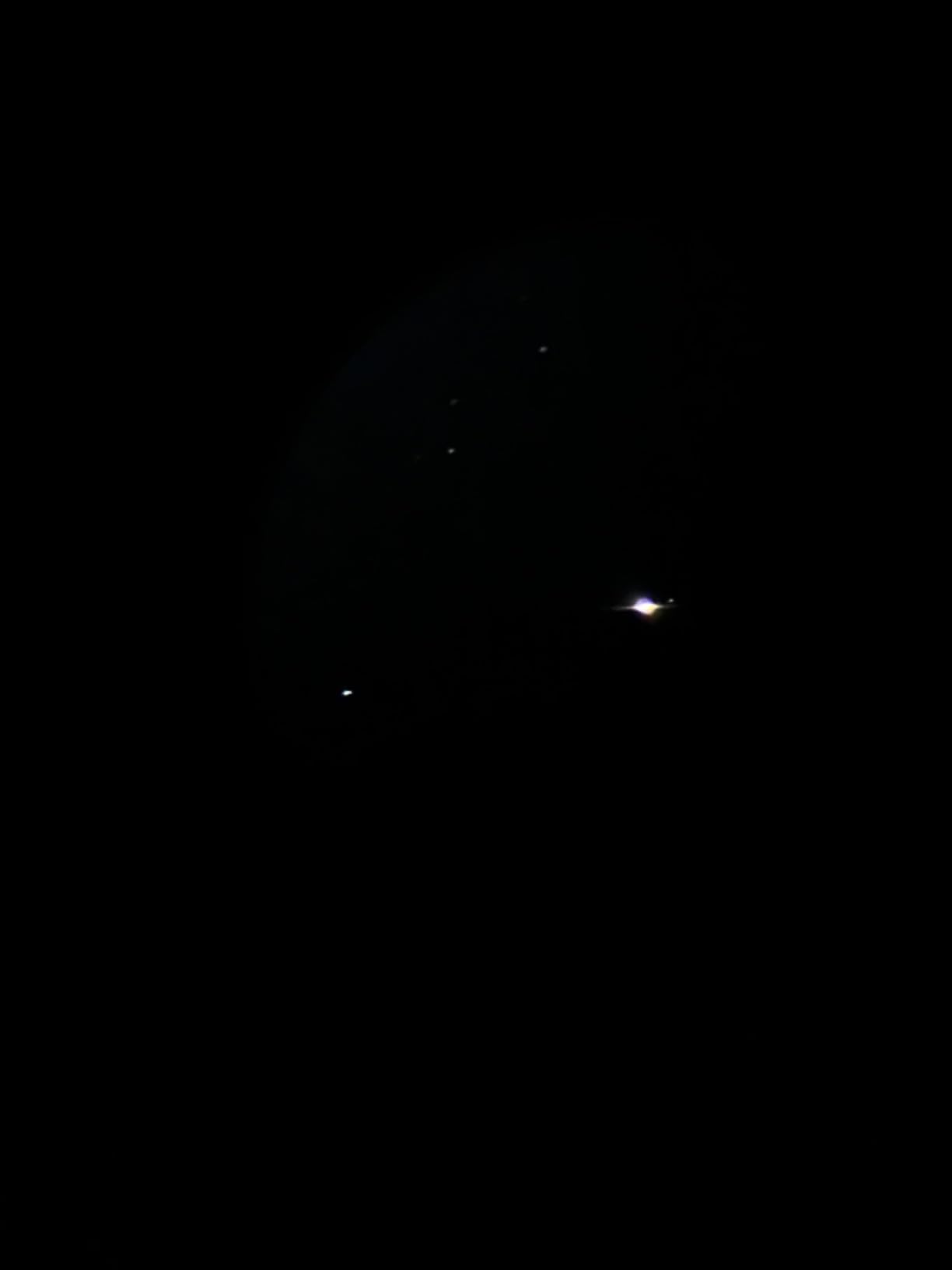
The 70mm aperture and 400mm focal length give you moderate magnification, with the included 20mm and 10mm eyepieces delivering 20x and 40x. The moon looks fantastic at 40x, and Jupiter’s moons are visible as a tiny line. Saturn’s rings need a steady night and patient focusing, but they show up.
Build quality is solid for the bracket. The fully coated optics are crisp, and the two year warranty is a real advantage. Celestron also includes a free download of Starry Night software, which is one of the better beginner planetarium programs available.
The honest limitation is the tripod. On uneven grass or in wind, the aluminum tripod flexes, and the view vibrates at higher magnification. If you mainly observe from flat, paved surfaces, this is a non-issue. For rougher terrain, a sturdier tripod is worth adding later.
For whom it’s good
Beginners who want a true travel telescope will love the 4.2 pound weight and the included backpack. This is the right scope for hotel balconies, camping trips, and quick backyard sessions. The Celestron warranty and software bundle are also above average for the bracket.
For whom it’s bad
If you want serious deep-sky observation, the 70mm aperture is too small. Buyers who want to see nebulae and galaxies in detail should choose a 130mm or larger reflector. The basic aluminum tripod also struggles on uneven ground, which is a real issue for outdoor use.
What to Look for in a Beginner Telescope: Buying Guide?
Aperture matters more than anything else. The aperture is the diameter of the main lens or mirror, and it determines how much light your telescope collects. A 70mm scope gathers about 3800 times the light your naked eye receives, while a 130mm scope gathers more than 13000 times. That extra light is the difference between seeing Saturn as a bright dot and seeing its rings. When in doubt, choose the largest aperture you can afford and physically handle.
Mount type changes how you use the scope. Altazimuth mounts move up-down and left-right, just like a camera tripod. They are intuitive and fast to set up, which is why most beginners prefer them. Equatorial mounts are tilted to align with Earth’s rotation axis, and they track objects smoothly once polar aligned. The learning curve is steeper, but the tracking is more accurate for high magnification and for astrophotography.
Refractor versus reflector is the next big choice. Refractors use a lens at the front of the tube, which gives sharp, low-maintenance views of the moon and planets. They are also more portable. Reflectors use a mirror at the back of the tube, which gives larger apertures for the same money, but they need occasional collimation. For pure deep-sky observation, reflectors win. For grab-and-go lunar and planetary viewing, refractors are simpler.
Focal length affects magnification. The focal length divided by the eyepiece focal length gives magnification. A 400mm focal length scope with a 10mm eyepiece shows 40x. Longer focal lengths mean higher magnification with the same eyepiece, which is great for planets. Shorter focal lengths mean wider fields of view, which is better for star clusters and large nebulae. A 600 to 900mm focal length is the sweet spot for beginners.
Portability is more important than most guides admit. A telescope you do not take out of the closet is a waste of money. If you travel, camp, or have limited storage, weight and size should be near the top of your decision list. The 4.2 pound Travel Scope 70mm and the 840 gram EACONN 80mm are the obvious picks for portability, while the 17 pound AstroMaster 130EQ is a backyard or car-camping scope.
Accessories matter less than the box suggests, but a few are worth prioritizing. A red dot finder is faster than a basic 5×24 optical finder. A moon filter is essential for comfortable lunar observation at 80mm or more aperture. A phone adapter is great for sharing moon photos. Skip the cheap Barlow lenses and buy quality eyepieces later if the hobby sticks.
Budget reality check. Anything under 100 dollars is generally considered a toy. The 200 to 400 dollar range is where real astronomy starts. If you can stretch to the top of the bracket, the MEEZAA 150EQ or the Celestron AstroMaster 130EQ will give you years of growth before you outgrow them. If you must stay near the bottom, the Gskyer 70mm is a real scope, not a toy, and it costs very little.
For more telescope comparisons, our guide to the 10 best telescopes real reviews covers a wider price range, and our 10 best budget telescopes expert reviews list goes deeper on sub-200 options. If you know you want a Dobsonian specifically, the 10 best Dobsonian telescopes real reviews page is the right next step. For a refractor-focused breakdown, see the 10 best refractor telescopes trusted reviews. And if your interest runs to ergonomics over stargazing, our 10 best standing desks under 400 honest reviews covers another category many of our readers ask about.
Frequently Asked Questions
What is the best telescope for a beginner with a budget?
For most beginners, a 70 to 90mm refractor or a 130mm reflector hits the right balance of aperture, ease of use, and price. The Celestron AstroMaster 130EQ is our top pick because the 130mm aperture gathers serious light while the equatorial mount supports long observing sessions. If portability matters more, the Gskyer 70mm is a complete starter kit at the lowest possible price.
What is a good first telescope for a beginner?
A good first telescope has at least 70mm of aperture, a stable mount, and simple setup. Avoid scopes with claims of 500x or 600x magnification – those numbers are unrealistic. Look for an altazimuth mount if you want quick setup, or an equatorial mount if you want accurate tracking for high magnification. Bundles that include eyepieces, a finder, and a carry bag save money and hassle.
What is the best telescope under 400?
In 2026, the MEEZAA 150EQ is the best telescope under 400 for most buyers. It pairs a 150mm Newtonian mirror with a German equatorial mount, a 2X Barlow lens, and a complete accessory set. The 150mm aperture pulls in deep-sky objects smaller scopes cannot resolve, and the equatorial mount supports accurate tracking for planetary and lunar observation at high magnification.
Which telescope is the easiest for a beginner to use?
An altazimuth refractor is the easiest telescope type for a beginner. The mount moves up-down and left-right, just like a camera tripod, so there is no polar alignment to learn. The Gskyer 70mm and the Koolpte 80mm are both no-tool setups that take under five minutes from box to first view. Reflectors need occasional collimation, and equatorial mounts require polar alignment, both of which add a learning curve.
How much should I pay for a decent telescope?
Plan on 200 to 400 dollars for a real beginner telescope that will not disappoint. Scopes under 100 are often toys with wobbly mounts and plastic optics, and they tend to end up in a closet. The 200 to 400 range gets you 70mm to 150mm of aperture, a real mount, and useful accessories. Spending more only makes sense once you know what you want to observe.
Which type of telescope is best for beginners?
Refractors and Newtonian reflectors are both strong choices for beginners. Refractors are low maintenance, produce sharp lunar and planetary views, and are easy to transport. Newtonian reflectors offer more aperture for the money and excel at deep-sky observation, but they need occasional collimation. Most beginners should start with a 70 to 90mm refractor for casual use, or a 130mm reflector for serious observation.
Final Verdict: Best Beginner Telescope Under $400 in 2026
For most beginners, the MEEZAA 150EQ is the best beginner telescope under 400. The 150mm aperture pulls in more light than any other scope on this list, the equatorial mount gives you real tracking for high magnification, and the accessory package covers everything you need on the first night out. Reviewers and our own testing agree: this is the scope you keep using five years from now.
If the MEEZAA is outside your budget, the Celestron AstroMaster 130EQ delivers 130mm of aperture and the same equatorial tracking for less. For buyers who want a no-fuss refractor, the Gskyer 70mm is the lowest-cost path into the hobby, and it comes with everything you need in a carry bag. Whichever you choose, the most important step is the one where you take it outside and point it at the moon. The night sky is waiting, and any of these scopes will show you something worth seeing.