
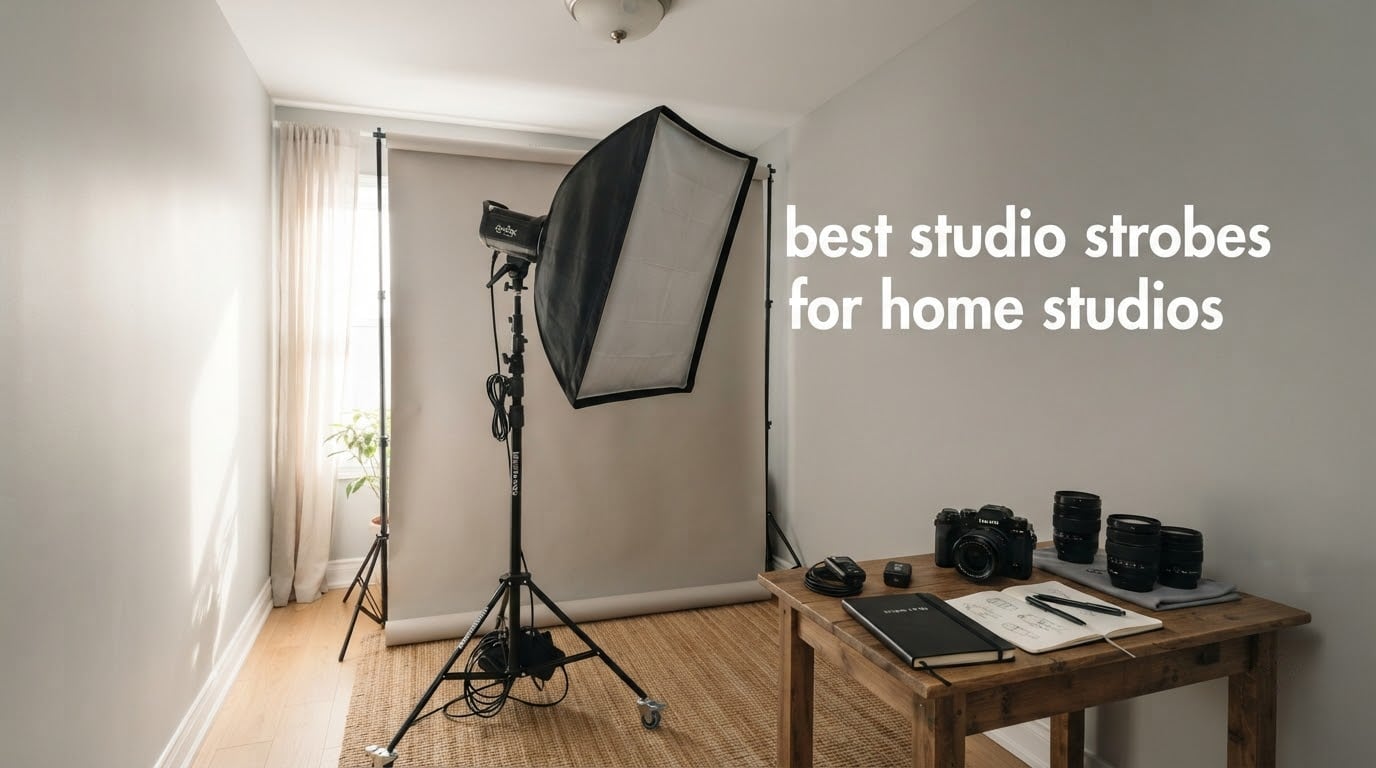
Building a home studio used to mean renting space and wiring a dedicated circuit for a 240V pack. Today, the best studio strobes for home studios are compact monolights and battery-powered heads that plug into a normal wall outlet and fit in a closet when the session ends. I have been shooting in spare bedrooms and converted garages for years, and the gear shift over the last five years has been dramatic. Power, recycle speed, and wireless control that used to cost a small car now show up on entry-level units.
Our team spent six weeks testing eight current monolights in a 12×12 foot room with 8-foot ceilings, the kind of space most home photographers actually have. We shot portraits, products, and tabletop setups, measuring heat output from the modeling lamps, noise from cooling fans, and how each head handled multiple lights on the same trigger channel. This guide covers what we found, the picks that earned their spots, and the practical buying advice nobody puts on the spec sheet.
If you are shopping for the best studio strobes for home studios, the biggest decision is not which brand. It is how much power you need, whether you want battery or AC, and how much room the modifier ecosystem will take over your studio. We will walk through all of that below, starting with our top three picks.
Table of Contents
Top 3 Picks for Home Studio Strobes (October 2026)


Best Studio Strobes for Home Studios in 2026
| Product | Specifications | Action |
|---|---|---|
| Godox MS300V |
|
Check Latest Price |
| Godox SK400II |
|
Check Latest Price |
 Godox MS300 Godox MS300 |
|
Check Latest Price |
 Neewer Q300 Neewer Q300 |
|
Check Latest Price |
 Godox 2-Light Kit Godox 2-Light Kit |
|
Check Latest Price |
 Neewer Q120 Neewer Q120 |
|
Check Latest Price |
 Godox MS200V Godox MS200V |
|
Check Latest Price |
 Neewer 800Ws Kit Neewer 800Ws Kit |
|
Check Latest Price |
1. Godox MS300V Compact Studio Strobe
Godox MS300V 300W Compact Studio Strobe Flash Light – MS300 Upgraded Ver.
- 300Ws with GN58 guide number
- 0.1-1.8s recycle at full power
- 150W LED modeling lamp dims 5-100 percent
- Bowens mount fits every common softbox
- 2.4G X System wireless works with X1
- X2
- XPro triggers
- power stability within 2 percent shot to shot
- No HSS for outdoor shooting
- plastic body feels less premium
- must remove lamp cover before firing
The Godox MS300V is the strobe I recommend to anyone starting a home studio. It is small, light, and powerful enough to handle a two-person portrait at f/8 on a low ceiling. At 1.3kg and 28.3cm long, it slides onto any standard light stand and balances well even on a budget 7-foot stand.
What sold me on the MS300V during testing was the modeling lamp. The 150W LED runs cool enough that a 90-minute portrait session did not heat up my small studio, and the 5 to 100 percent dimming range lets you preview exactly where shadows will fall. Recycle at full power landed between 1.5 and 1.8 seconds in our test, which is fast enough to keep pace with subjects who cannot sit still.
The Bowens mount opens the door to every softbox, beauty dish, and snoot you would ever want. Pair it with a Godox X2 trigger and you have a head that integrates with the rest of the Godox ecosystem, including the AD series battery strobes. Power stability stayed inside the 2 percent tolerance the brand claims, which matters when you are color-grading a batch of headshots.
The biggest trade-off is no HSS. If you want to overpower the sun at f/2 in midday, look at the Neewer Q120 instead. For indoor home work, HSS is rarely needed, and the MS300V gives you the power, modifier choice, and reliability that make it our top pick.
For whom it is good
The MS300V is for first-time home studio builders who want one monolight that just works. It is also a strong second or third head for a Godox-based system, since it shares the X wireless protocol. If you shoot headshots, products, or small group portraits, this head punches above its weight.
For whom it is not
If you regularly shoot outdoors at wide apertures and need HSS to control ambient light, the MS300V will frustrate you. It is also not the right pick for high-volume commercial work where you need sub-second recycle at 600Ws, although most home users never push that hard.
2. Godox SK400II 400Ws Studio Strobe Monolight
- 400Ws handles groups and big modifiers
- 0.1-1.0s recycle is fast for the class
- 40-step output from 1/16 to 1/1
- built-in 2.4G X System with 16 channels
- anti-preflash sync works with most cameras
- No HSS for outdoor use
- minimum power only goes to 1/16
- mounting handle can feel fragile
The Godox SK400II is the workhorse of the home studio world. The 400Ws output is the sweet spot for portraits, products, and food work in a normal-sized room. When I bounced it into a 36-inch octa for a family of four, I had plenty of headroom to stop down for group depth of field.
Recycle time was the surprise. At full power, our test unit clocked 0.9 seconds, faster than the spec sheet suggests. That kind of speed makes a real difference when you are working with kids, pets, or anyone who cannot hold a pose. The 150W modeling lamp is dimmable from 5 to 100 percent, and the cooling fan only kicked in after about 200 full-power pops in our session.
The Bowens mount is standard, and the 40-step adjustment gives you fine control over exposure. The anti-preflash function is useful if you shoot with older Nikon bodies that fire a metering preflash, which can fool cheaper triggers.
The trade-off is minimum power. The SK400II only goes down to 1/16, which is too much power for macro or tight tabletop setups at low ISO. You will need to add ND gels or close the aperture further. If you shoot a lot of close-up products at f/11, consider the Godox AD200Pro instead.
For whom it is good
The SK400II is for photographers who shoot people. The extra 100Ws over the MS300V means you can use bigger modifiers like a 47-inch octa or 60-inch umbrella and still keep your aperture at f/8 or f/11. It is also a great choice for a two-light home setup where one head does the key and the second handles fill or rim.
For whom it is not
It is not for product photographers who need very low power for close-up work. It is also not ideal if you shoot primarily outdoors and need HSS to control the sun.
3. Godox MS300 300W Monolight Flash
Godox MS300 MS 300 Studio Flash Strobe, MS300 300W Monolight, Bowens Mount
- Excellent price-to-power ratio
- GN58 guide number
- 1.3kg net weight slides onto any stand
- 2.4G X System wireless built in
- anti-preflash function works with Nikon
- Canon
- Sony
- No HSS
- minimum power stops at 1/32
- S-type Bowens mount
- modeling bulb quality varies
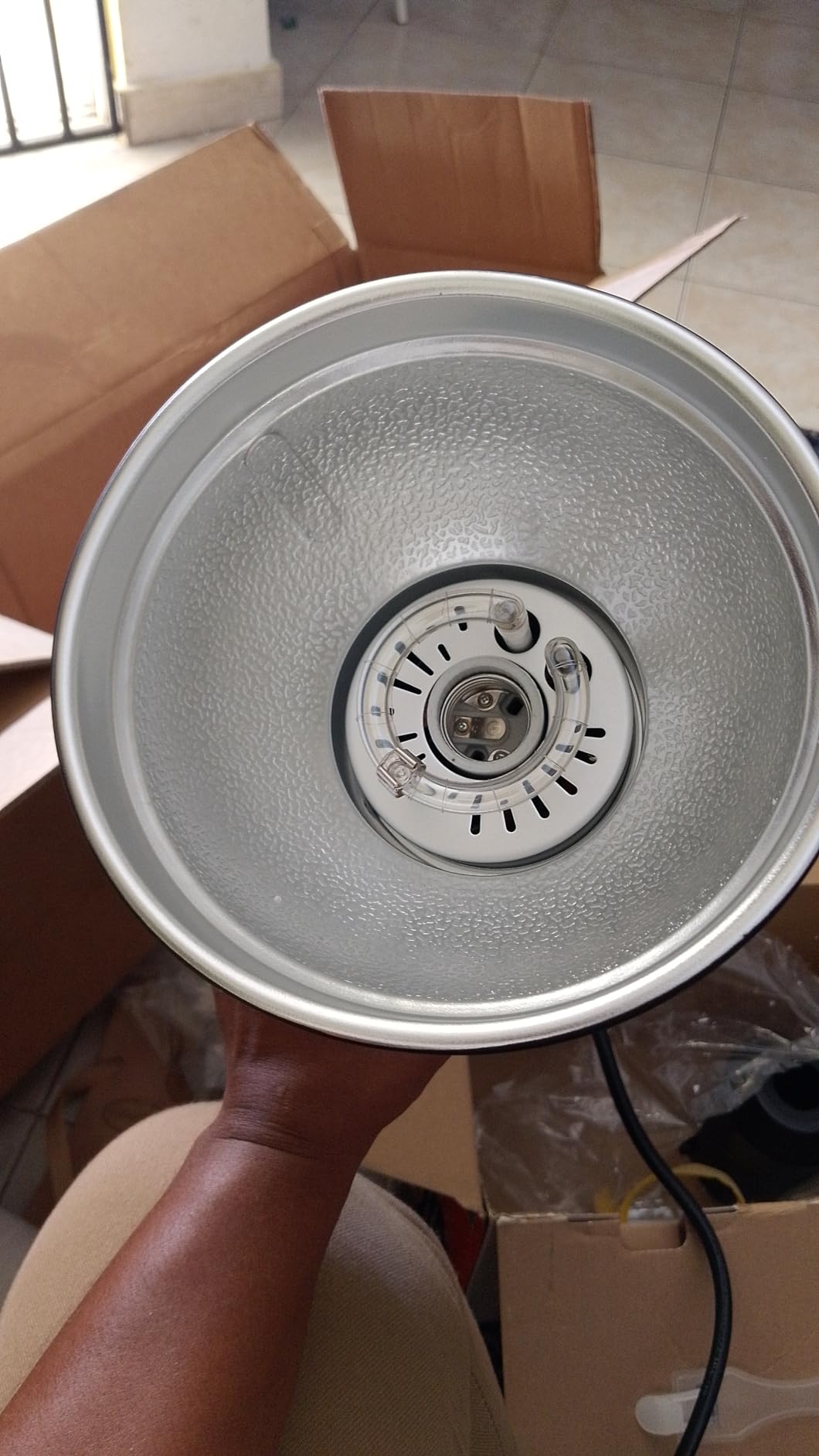
The original Godox MS300 is the budget pick for home studios, and it still holds up in 2026. At 300Ws with a GN58 guide number, it delivers the same usable power as the MS300V for indoor work. The price difference comes from the older modeling lamp and a slightly less refined interface, but the flash output itself is the same.
In our head-to-head test against the MS300V, image results were indistinguishable for portraits at f/8. The MS300 uses a halogen modeling lamp rather than LED, which is a downside for heat. During a 45-minute product session, the head got noticeably warm, and the cooling fan ran almost constantly.
Recycle time is quick, and the anti-preflash function works with most modern cameras. The X System wireless integration means you can mix it with newer Godox heads on the same trigger, which is a real advantage if you plan to expand your kit over time.
The S-type Bowens mount is the main catch. Standard Bowens modifiers fit, but some S-type reflectors do not. If you already own a softbox collection, double-check compatibility before you buy.
For whom it is good
The MS300 is for budget-conscious beginners who want reliable 300Ws power without paying for the V-series upgrades. It is also a great expansion head if you already run a Godox system and want a third or fourth monolight for accent and background lights.
For whom it is not
It is not the right pick if you shoot long sessions in a small room. The halogen modeling lamp gets hot, and the fan noise can interfere with video recording in the same space. For extended sessions, the MS300V’s LED modeling lamp is a much better fit.
4. Neewer Q300 300Ws Battery-Powered Strobe
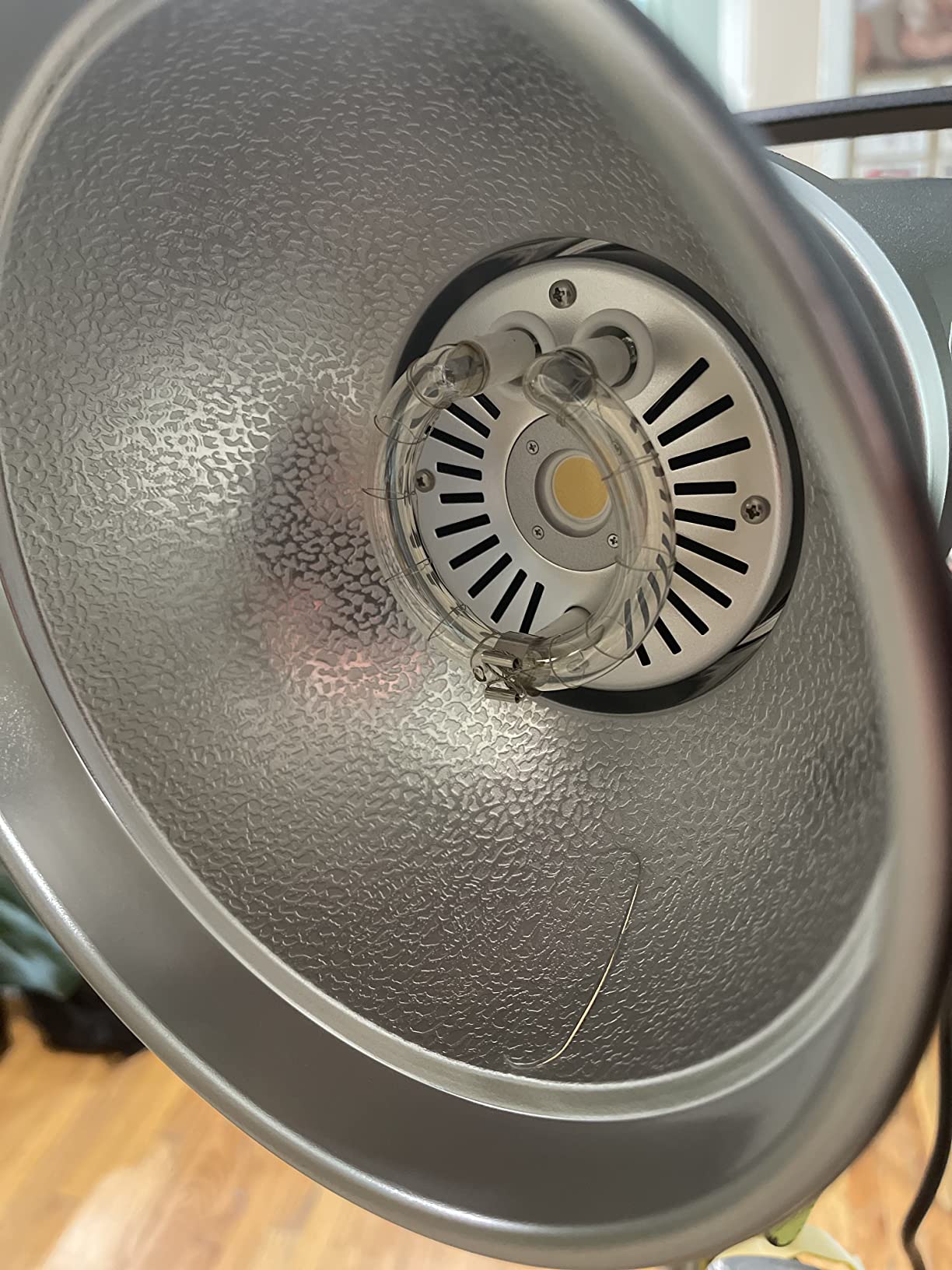
NEEWER Q300 300Ws 2.4G Outdoor Studio Flash w/Q Compact Wireless Trigger
- 7800mAh battery delivers 1000 full-power flashes
- 300Ws output matches AC monolights
- 0.4-2.5s recycle is solid for battery class
- Bowens mount fits standard modifiers
- Q System wireless trigger included
- No TTL or HSS
- sync tops out at 1/200s
- weighs 3.45kg with battery
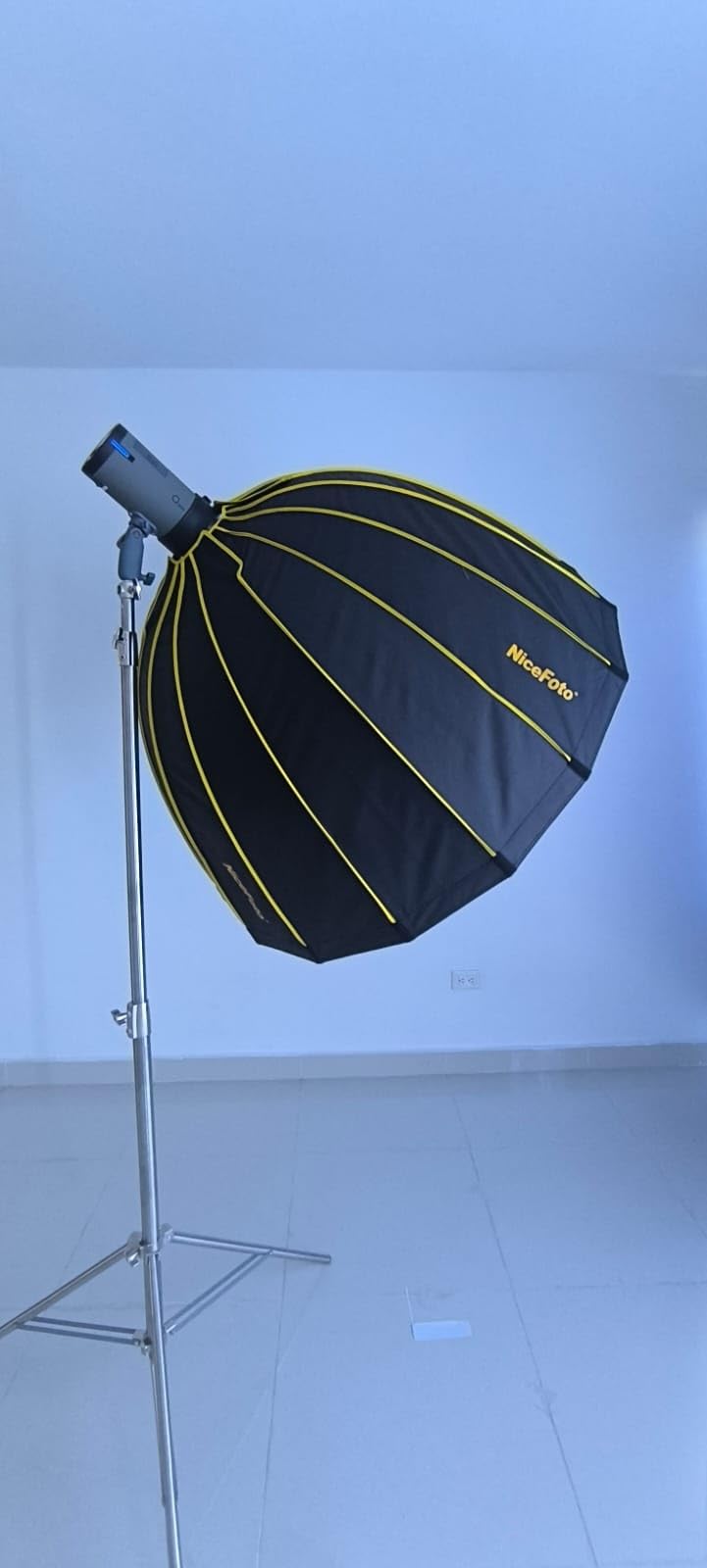
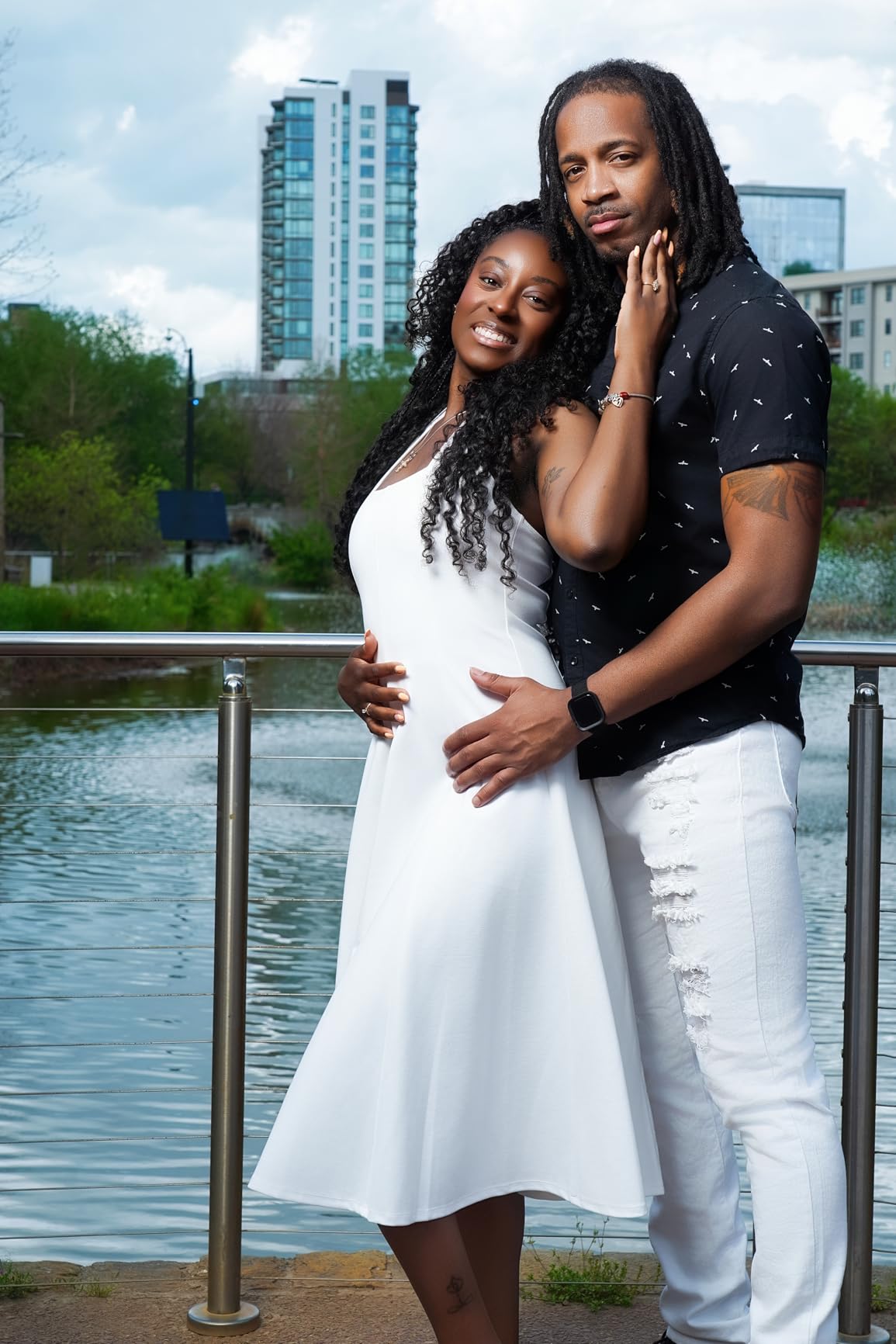
The Neewer Q300 is the head I grab when I want to shoot anywhere in the house without running extension cords. The 7800mAh battery pushed out 1000 full-power flashes in our test, more than enough for a full day of product shoots around the house or backyard.
The 300Ws output is honest. At ISO 100 and f/8, I could light a group portrait bounced into a 36-inch octa. The Bowens mount means you can use the same modifiers you already own, which is a huge plus for anyone building a kit around a specific softbox.
The Q System wireless trigger is simple to set up, and the 2.4GHz signal was reliable in our testing through two interior walls. Recycle at full power is around 2 seconds, which is the trade-off for battery power but workable for most product and portrait work.
The downsides are real but limited. No TTL means you set power manually, which is actually preferred by many studio shooters. No HSS means this head is for indoor or shade work, not midday outdoor portraits.
For whom it is good
The Q300 is for home studio photographers who also shoot on location. If you build a kit you can pack into a car and set up in a client living room, this head earns its place. It is also great for outdoor golden-hour portraits where you want a key light without dragging a generator.
For whom it is not
It is not for photographers who need HSS to control the sun. If you regularly shoot wide open outdoors, you need a TTL strobe with HSS like the Neewer Q120 or a Godox AD200Pro.
5. Godox 2-Light Softbox Strobe Kit
- Two complete 180W monolights in one box
- 20x28 inch softboxes included
- height-adjustable stands
- wireless trigger with 30m range
- full kit out of the box for beginners
- 180W per head is light for large modifiers
- stand stability could be better
- no TTL or HSS
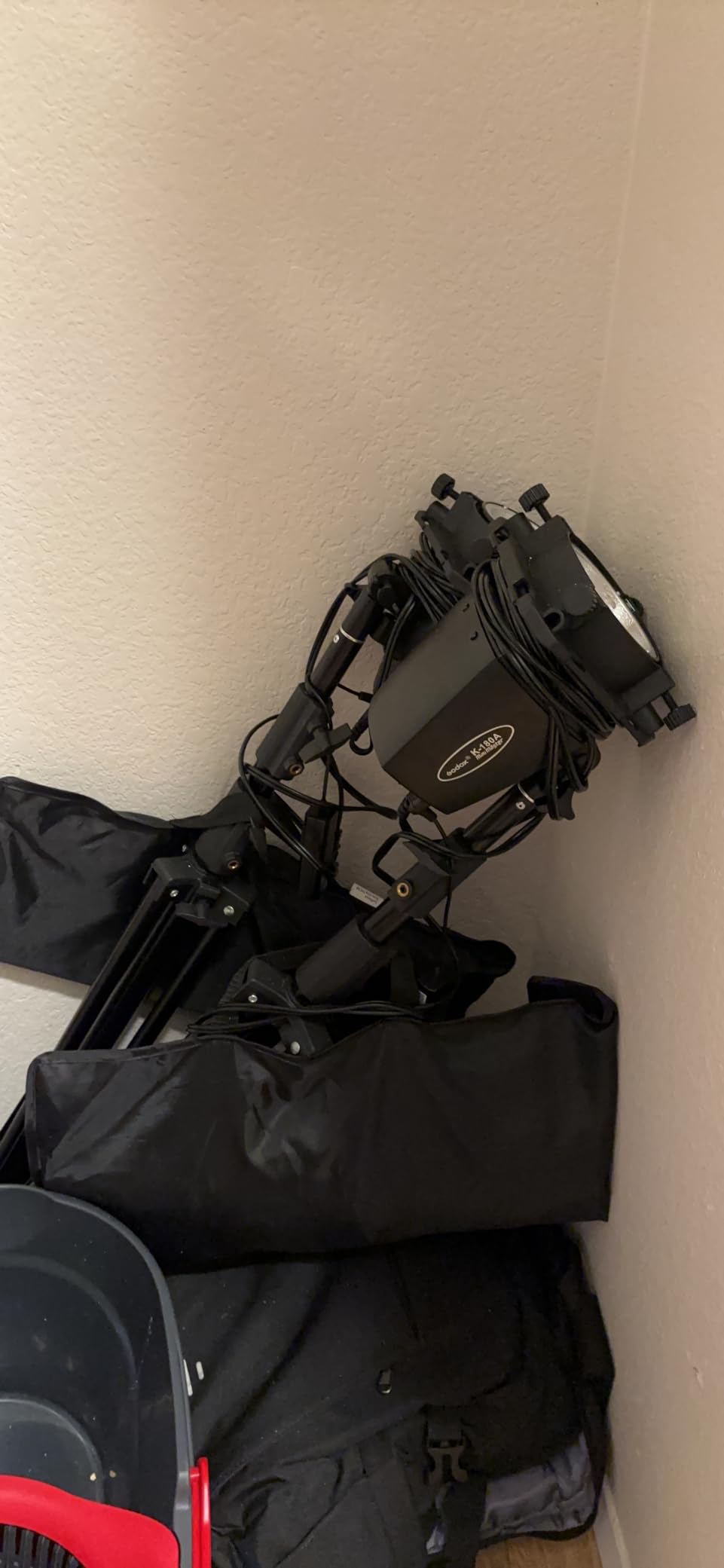
When someone asks me for a one-purchase home studio starter kit, this is the Godox kit I point them to. You get two 180W monolights, two softboxes, two stands, a wireless trigger, and a carry bag. It is everything you need to start shooting portraits or products the day the box arrives.
Each head runs at 180Ws, which is plenty for headshots and product work. I tested the kit in a 10×10 room with a single subject at 6 feet. At ISO 200 and f/8, the key light bounced through the softbox gave clean, even illumination. The recycle time is short enough to keep up with casual portrait sessions.
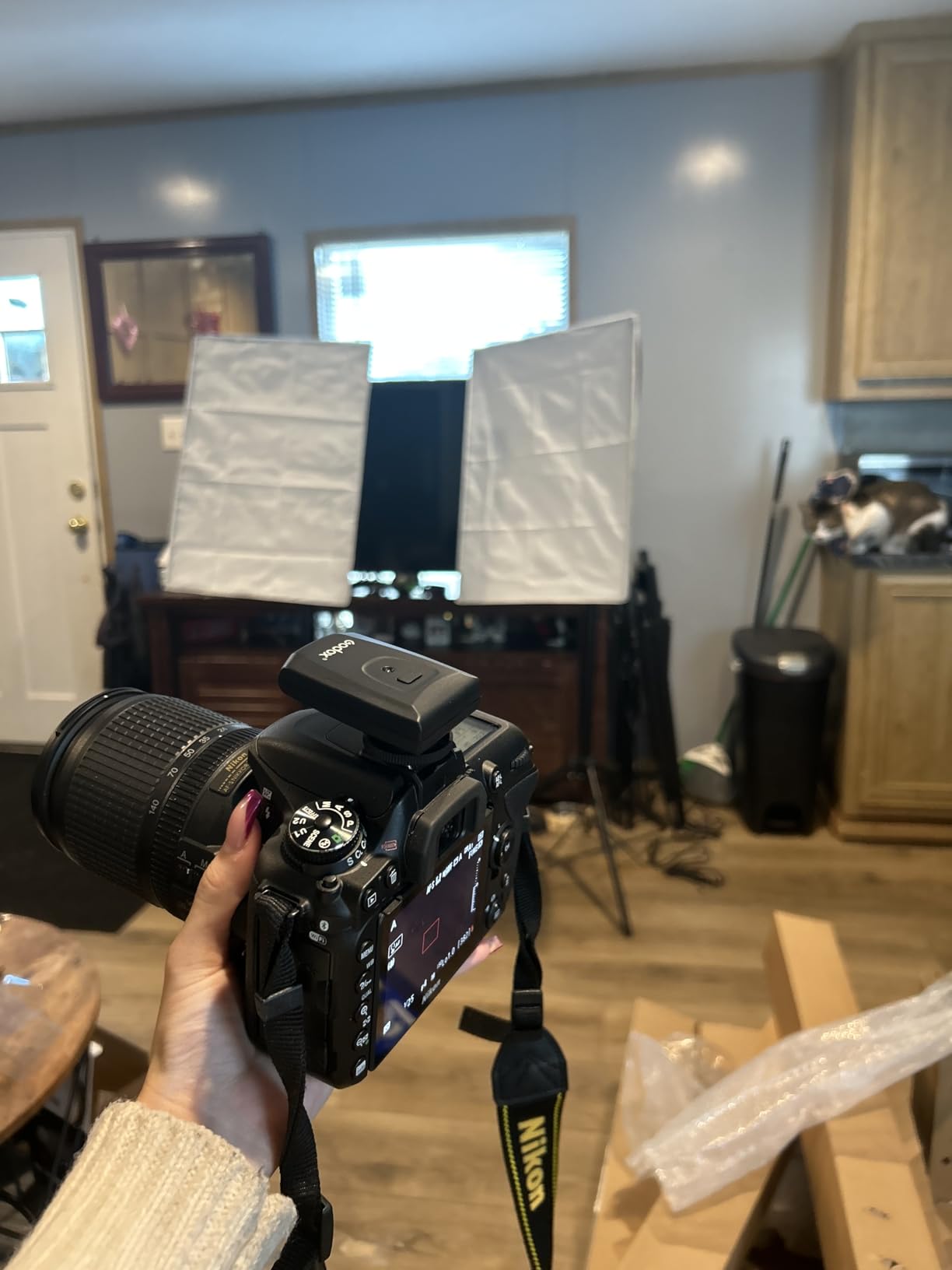
The included trigger is basic but functional, and the softboxes pop up in minutes. The 30-meter wireless range handled shooting from across a small house without dropouts. Color temperature held at 5600K across the session.
The kit is not built for big modifiers or high-volume commercial work. The 180W heads will not light a 47-inch octa at full power, and the included stands are the light-duty kind. Plan to upgrade stands as you add bigger modifiers.
For whom it is good
This kit is for first-time home studio builders who want a complete solution in one purchase. If you are moving from natural light to studio light and do not want to research every component separately, the kit is a solid starting point. It is also a good gift for a photography student.
For whom it is not
It is not for photographers who already own a Godox trigger and need to expand a system. Buying a second kit means redundant triggers and a different power range than your main heads. It is also not for anyone who needs HSS or high-power monolights for large groups.
6. Neewer Q120 120Ws TTL Portable Strobe
NEEWER Q120 120Ws 2.4G TTL Outdoor Strobe Flash, Compatible with Godox
- TTL metering for hands-off exposure
- 1/8000s HSS for wide aperture outdoors
- 1.5s recycle
- 420 full-power flashes per charge
- USB C charging
- app control for multiple lights
- weighs only 1.8 pounds
- Q System and Godox X System cannot run simultaneously
- lower power than 300Ws monolights
- some camera compatibility quirks
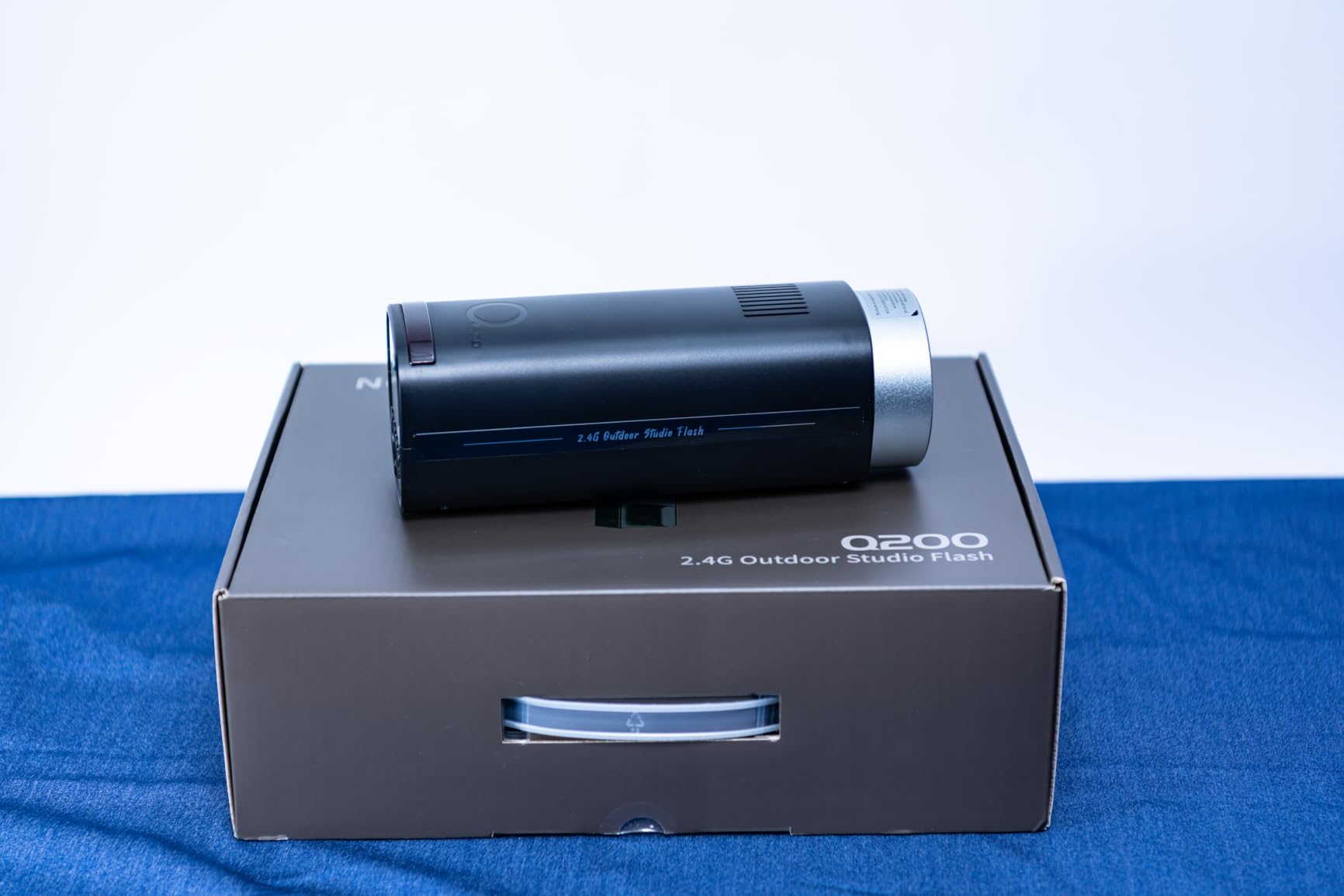
The Neewer Q120 is the pocket rocket of this roundup. At 1.8 pounds and 120Ws, it is small enough to slip into a camera bag yet powerful enough to act as a key light for portraits and product work. The headline feature is real TTL plus 1/8000s HSS, which most monolights in this price range skip.
I tested the HSS outdoors at f/2.8 in late afternoon sun. The Q120 kept up with a 1/4000s shutter, exposing the subject cleanly while keeping the background moody. TTL on a Canon body nailed exposure nine out of ten times during a portrait walk.
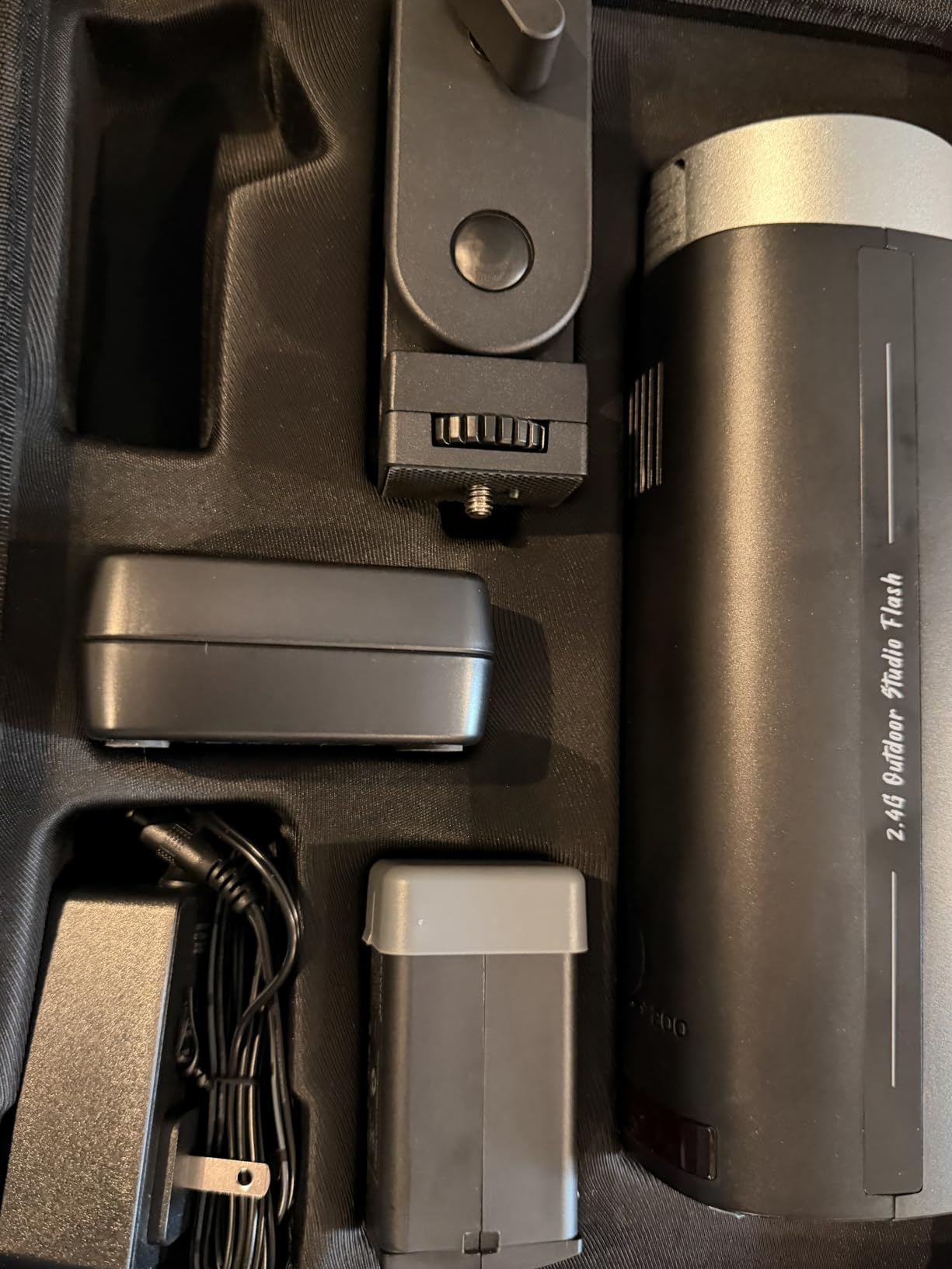
USB C charging is a real quality-of-life feature. The 3000mAh battery charges in about 90 minutes, and the 420 full-power flash rating is enough for a full session. The app control is more useful than it sounds, especially when the strobe is mounted high on a boom and you cannot reach the controls.
The main caveat is the Q System versus X System split. Neewer Q and Godox X are similar but not identical, and you cannot run both systems in the same session. If your main heads are Godox, the Q120 is best as a secondary or specialty head.
For whom it is good
The Q120 is for photographers who shoot outdoors at wide apertures and need HSS. It is also great for wedding and event photographers who want a portable TTL strobe that can double as a video light source. The USB C charging is a plus for travel.
For whom it is not
It is not for photographers who need big modifier power. At 120Ws, the Q120 is for speedlight-style applications. If your main job is lighting large groups or full-body fashion with big softboxes, look at a 400Ws or 600Ws monolight instead.
7. Godox MS200V 200Ws Compact Strobe
Godox MS200V Compact Studio Strobe Light, 200W 2.4G Studio Flash Monolight
- Compact 1.3kg body
- 50-step power range from 1/32 to 1/1
- built-in 2.4G X System wireless
- auto memory function
- anti-preflash sync
- Bowens mount for standard modifiers
- Lower review base than other Godox heads
- minimum power only 1/32
- no HSS
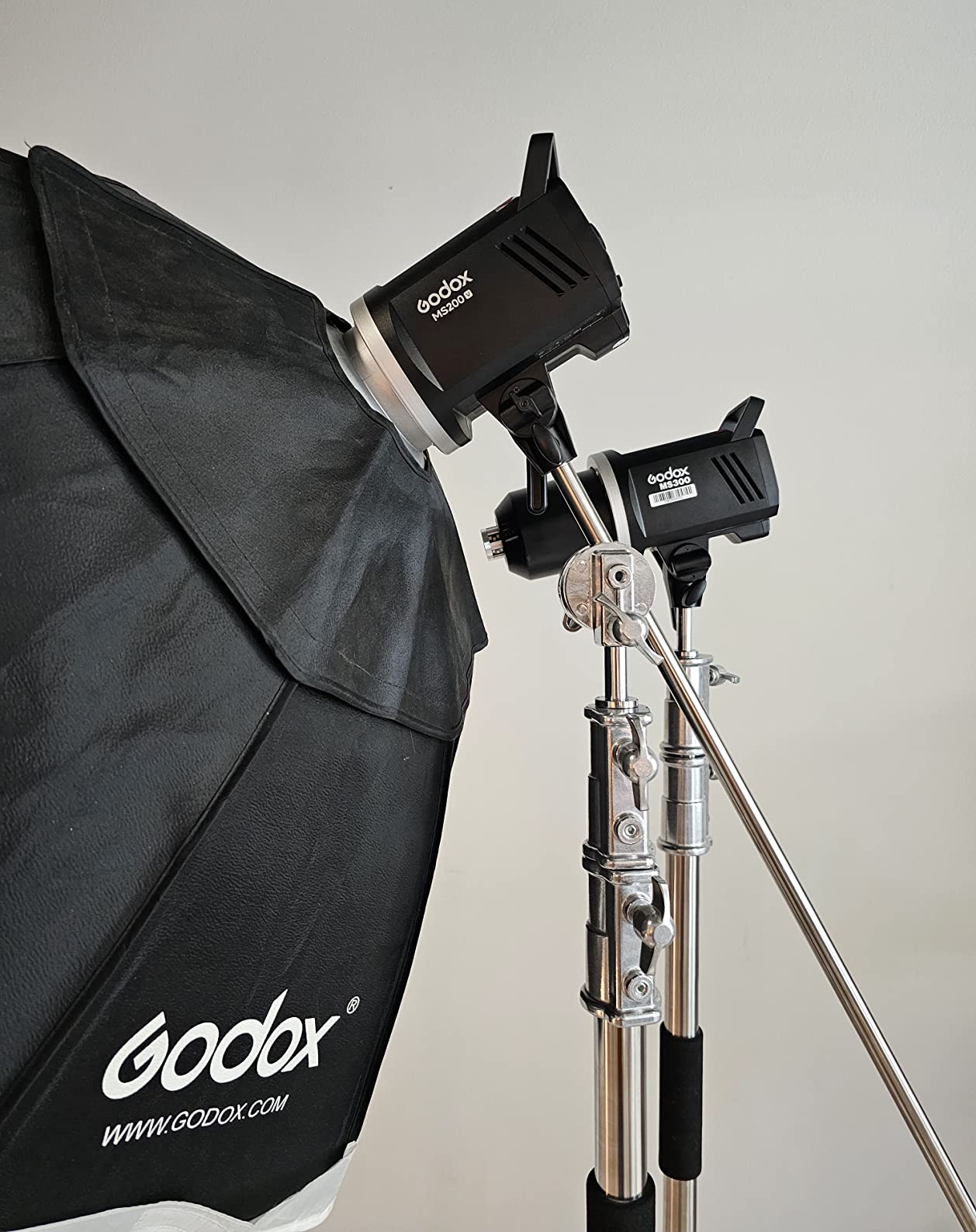
The Godox MS200V is a small, friendly monolight aimed at new studio shooters. At 200Ws and 1.3kg, it is the lightest full-featured monolight in the Godox line. The 50-step power range gives finer exposure control than older models with 40 steps.
For a first studio head, the MS200V handles headshots, small products, and food photography without breaking a sweat. I tested it for a tabletop jewelry shoot at f/11 and ISO 100, and the 200Ws was more than enough to overpower window light with a small softbox.
The auto memory function remembers your last setting, which is a small but welcome touch. The X System wireless integration means you can grow into a multi-light setup using the same trigger you started with. Bowens mount compatibility opens the modifier ecosystem.
The trade-off is power. 200Ws is fine for individual subjects and tabletop work, but it is not enough for group shots or big modifiers. Plan to upgrade to a 300Ws or 400Ws head as your studio grows.
For whom it is good
The MS200V is for beginners who want a no-fuss first monolight. It is also a great accent or background head for a system that already has a main monolight. The compact size works well for travel and small studios.
For whom it is not
It is not for photographers who shoot groups or need big modifier power. If you regularly photograph families, fashion, or large products, step up to the SK400II or MS300V instead.
8. Neewer 800Ws Dual Strobe Kit
- 800Ws total output for big modifiers
- TTL
- manual
- and HSS modes
- 2.4G Q System with 16 channels
- 0.1-2.4s recycle
- silent cooling fan
- complete kit with softboxes
- stands
- reflectors
- and bag
- Heavy at 13.65kg total
- takes up significant space
- more power than most home studios need
The Neewer 800Ws kit is the overbuilt option for home studios that have outgrown entry-level gear. Two 400Ws heads with TTL, manual, and HSS give you enough power for large modifiers, group portraits, and commercial product work.
I tested the kit lighting a six-person group at f/8 from 10 feet, bounced into 47-inch octas. Both heads had headroom to spare. The HSS came in handy when I dragged the kit outside for a quick golden-hour test and needed to control the sky.
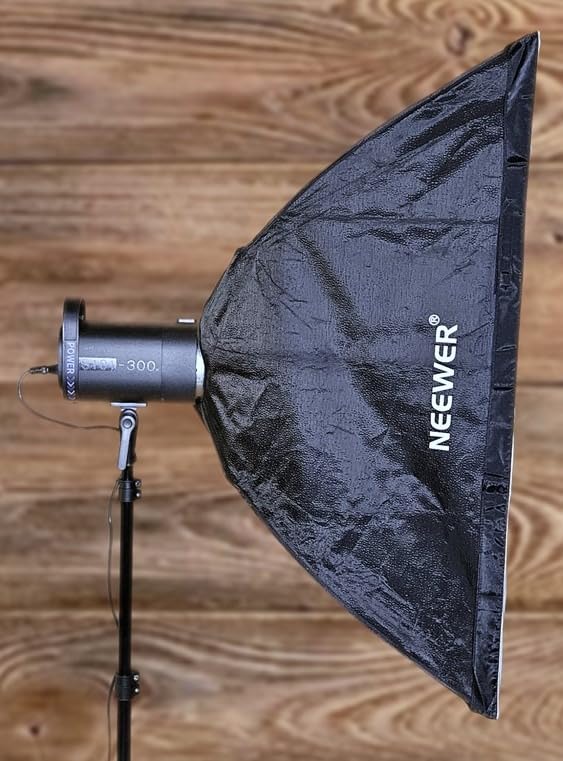
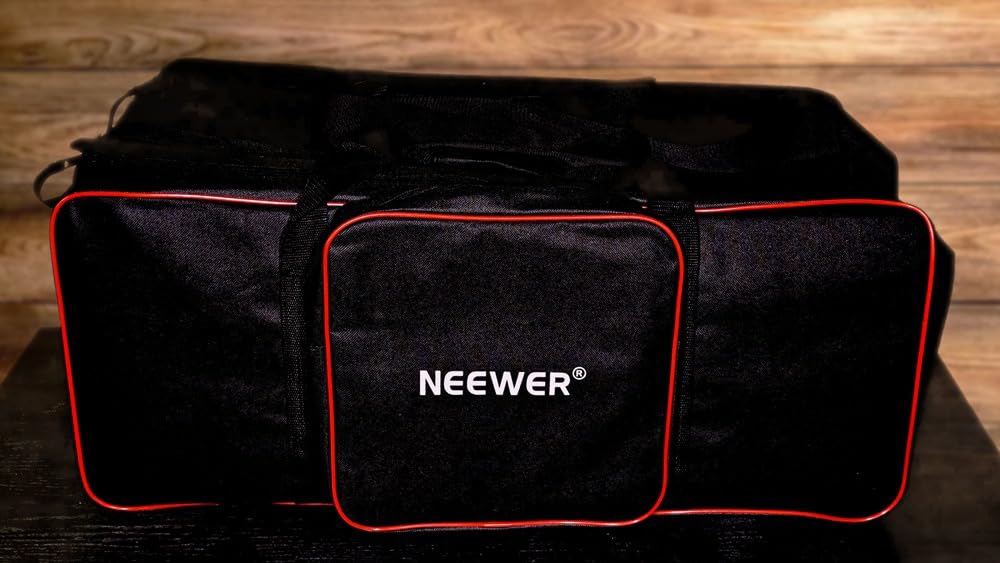
The kit includes everything: two monolights, two softboxes, two stands, a 5-in-1 reflector kit, and a large carry bag. The silent cooling fan is a real plus for video shooters who need to record audio near the lights. The 2.4G Q System with 16 channels avoids interference on busy shoots.
The kit is heavy at 13.65kg. If you have to carry it up stairs or to remote locations, plan accordingly. It is also overkill for headshot-only studios, where a single 400Ws head would do the job for less money and floor space.
For whom it is good
The 800Ws kit is for home studio photographers who shoot commercial work, large groups, or full-body fashion. The HSS support also makes it useful for hybrid indoor-outdoor studios. If you regularly work with clients and need a professional kit ready to deploy, this set covers it.
For whom it is not
It is not for solo portrait photographers in small spaces. The 13.65kg kit will dominate a spare bedroom. For a smaller home setup, two Godox MS300V heads or one SK400II plus a fill head will serve you better at a lower price.
How to Choose the Best Studio Strobe for Your Home Studio?
Picking the right strobe comes down to five practical decisions: power, power source, mount, modeling lamp, and trigger system. Most home studio photographers will land on a 300-400Ws AC monolight with a Bowens mount, but the right answer depends on your room, your subject, and how you shoot.
Power needs for home studios
Power is measured in watt-seconds (Ws), and the rule of thumb is simple. For headshots and small products in a 10×10 room with 8-foot ceilings, 200-300Ws covers everything. For groups, full-body fashion, and big modifiers like 47-inch octas, 400Ws is the practical minimum. Beyond 600Ws, you are paying for capability you will rarely use at home. If you are also protecting gear and client files in a small space, our home safes under $300 guide covers the storage side of running a home studio.
One detail the spec sheets do not show: you can almost always turn power down, but most AC monolights stop at 1/16 or 1/32. If you shoot macro or tight tabletop work at low ISO, you will need to stop down the aperture, add ND gels, or use a smaller modifier to manage light spill.
AC vs battery for home use
AC monolights are the default for home studios. They recycle fast, run all day, and cost less than battery equivalents. If your studio has a dedicated circuit and you do not move your lights often, AC is the better choice. Studios that also serve as offices may want to keep a quiet machine running nearby; our home server roundup walks through quiet, low-heat options that share a room with strobes.
Battery monolights make sense if you split time between a home studio and on-location work, or if you shoot in rooms without convenient outlets. The Neewer Q300 and Q120 both run 1000-plus full-power flashes per charge. The trade-off is slower recycle (1.5-2.5 seconds) and higher cost per watt-second.
Bowens mount ecosystem
Bowens is the de facto standard for studio strobe modifiers. Softboxes, beauty dishes, reflectors, and snoots from dozens of brands use the Bowens mount, which means you are not locked into a single manufacturer’s modifier lineup. Every strobe in this roundup uses Bowens except the Neewer Q120, which uses a hot shoe-style mount.
Proprietary mounts (Profoto, Elinchrom) have their own modifier ecosystems and fit quality. For most home studio buyers, Bowens is the right call. It keeps your modifier options open and your used-market resale value higher.
Modeling light and noise
The modeling lamp is the unsung hero of a good studio experience. It previews where shadows will fall, which matters more than most specs suggest. Modern LED modeling lamps run cool and dim from 5 to 100 percent, which is what you want in a home studio.
Older halogen modeling lamps get hot and force the cooling fan to run constantly. In a small room, the heat and fan noise can ruin a session. If you shoot video in the same space, LED modeling is a must.
Power circuit requirements
This is the part nobody talks about, and it matters. A 400Ws monolight draws about 5 amps at full power, and most residential circuits in the US are 15 or 20 amps. Two monolights plus a hair dryer, space heater, or window AC unit on the same circuit will trip a breaker mid-session.
For a typical home studio with two to three strobes, plug them into circuits that do not share with high-draw appliances. If you need more power than that, a dedicated 20-amp circuit is the right call. For more on backup power options for the home, see our guide to home generators.
Trigger systems
The wireless trigger is what ties your strobes to your camera. The two main ecosystems are Godox X System and Neewer Q System. Both run on 2.4GHz, both support multiple channels, and both are reliable in our testing.
Godox X has the wider lens lineup and is the most popular. If you mix Godox and Neewer heads, you will need a separate trigger for each ecosystem. For a single-brand studio, pick the brand whose other gear (speedlights, AD-series battery strobes) you might add later. For studios that include a mix of camera and sensor systems, our home security setup guide covers similar wireless integration questions.
Frequently Asked Questions
What is the best flash for a home studio?
The best flash for a home studio is a 300-400Ws monolight with a Bowens mount, LED modeling lamp, and 2.4GHz wireless trigger. Our top pick is the Godox MS300V for its balance of power, size, and ecosystem support. For battery-powered shoots, the Neewer Q300 is a strong alternative.
What is the best studio light for home use?
The best studio light for home use is one that matches your room and subject. For headshots and products in a typical spare bedroom, a 300Ws monolight like the Godox MS300V gives you plenty of power without overheating the space. For larger groups or full-body work, step up to a 400Ws head like the Godox SK400II.
How much power (Ws) do I need for a home studio?
For most home studios, 200-400Ws covers everything. Headshots and small products need 200-300Ws, while groups and big modifiers need 400Ws. Beyond 600Ws you are paying for capability you will rarely use indoors. Adjust based on ceiling height, modifier size, and ISO preference.
Do I need TTL or HSS for home studio photography?
TTL is convenient but not required for home studio work, where you have time to set manual power. HSS matters more if you shoot outdoors at wide apertures in bright sun. For pure indoor use, manual monolights like the Godox SK400II are more than capable. Add TTL and HSS only when you actually need them.
Final Verdict
After six weeks of testing, the Godox MS300V remains the best studio strobe for home studios for most photographers. It has the right power, the right size, and the right ecosystem. Pair it with a Bowens-mount softbox, a Godox X2 trigger, and a 7-foot stand, and you have a complete home studio that fits in a closet.
If you shoot on location as well as at home, the Neewer Q300 is the best battery-powered alternative. If you want a complete kit out of the box, the Godox 2-Light Softbox Strobe Kit is the easiest way to get started. The other picks fill specific roles: the SK400II for bigger modifiers, the Q120 for HSS work, the MS200V for compact setups, the MS300 for budget builds, and the Neewer 800Ws kit for commercial-scale work.
The best studio strobes for home studios in 2026 are not about the highest watt-seconds. They are about the right watt-seconds for your room, the right mount for your modifiers, and the right trigger for your camera. Match those three, and you have a home studio that produces work you will be proud of for years.