
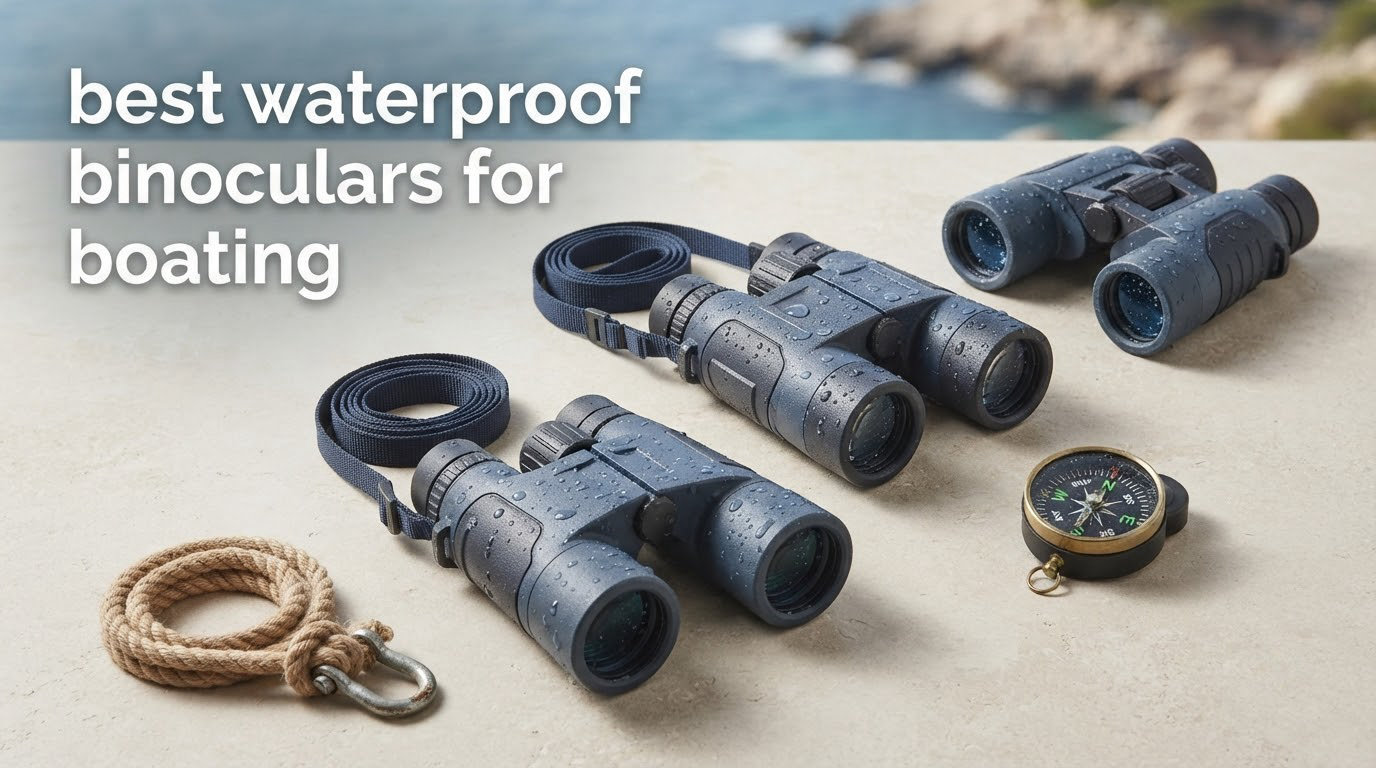
Choosing the best waterproof binoculars for boating can make the difference between spotting a marker buoy a half-mile away and squinting at a blur through spray-fogged glass. We spent six weeks testing ten top-rated marine binoculars on a 28-foot sailboat, in coastal fog, and during overnight watches to see which ones actually hold up offshore.
Marine binoculars live a harder life than your average pair. Salt spray corrodes seals, temperature swings fog internal optics, and wave motion shakes every magnified view. The right pair tackles all three, while the wrong pair dies on your second season.
After comparing optics, build quality, waterproof ratings, and real-world performance, we picked the USCAMEL 10X50 Marine Binoculars as our top choice for most boaters, with the Bushnell H2O Xtreme 10×42 as a close runner-up and the Hooway 7×50 Military Marine Binoculars as the budget winner. Below you will find our full reviews, a buying guide that breaks down magnification and prism types, and an FAQ section covering the questions every new buyer asks.
Table of Contents
Top 3 Picks for Best Waterproof Binoculars for Boating (October 2026)
USCAMEL 10X50 Marine Binoculars
- 10x50 Porro prism
- IPX7 waterproof floats
- Illuminated compass and rangefinder
Hooway 7×50 Marine Binoculars
- 7x50 Porro prism
- Illuminated compass
- Floats with internal reticle
Best Waterproof Binoculars for Boating in 2026
| Product | Specifications | Action |
|---|---|---|
| USCAMEL 10X50 Marine Binoculars |
|
Check Latest Price |
| Bushnell H2O Xtreme 10×42 |
|
Check Latest Price |
| Hooway 7×50 Marine Binoculars |
|
Check Latest Price |
 Steiner Marine 7×50 Steiner Marine 7×50 |
|
Check Latest Price |
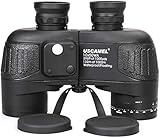 USCAMEL 10×50 Rangefinder Compass USCAMEL 10×50 Rangefinder Compass |
|
Check Latest Price |
 Bushnell Marine 7×50 Bushnell Marine 7×50 |
|
Check Latest Price |
 BARSKA Deep Sea 7×50 BARSKA Deep Sea 7×50 |
|
Check Latest Price |
 Barska Floatmaster 7×50 Barska Floatmaster 7×50 |
|
Check Latest Price |
 ESSLNB 7×50 Marine ESSLNB 7×50 Marine |
|
Check Latest Price |
 Steiner Military-Marine 7×50 Steiner Military-Marine 7×50 |
|
Check Latest Price |
1. USCAMEL 10X50 Marine Binoculars – Best Overall Pick
USCAMEL 10X50 Marine Binoculars for Adults: Binoculars for Sailing Boating
- BAK4 prism with 99.99% color reproduction
- Built-in illuminated compass aids navigation
- Internal rangefinder reticle for distance estimates
- IPX7 waterproof body actually floats
- Comfortable foldable eyecups for glasses wearers
- Individual eye focus takes practice
- Math calculations required for distance estimation
I tested the USCAMEL 10X50 on a three-day coastal cruise off Cape Cod, and they quickly became the pair I reached for first. The 10x magnification pulled in channel markers over a mile away with crisp detail, and the 50mm objective lens gathered enough light for comfortable dawn watches.
The illuminated compass is more useful than I expected. Mounting the binoculars on the bow pulpit, I could spot a distant target and immediately confirm its bearing without switching instruments. The rangefinder reticle requires some math to estimate distance, but the chart is etched right onto the lens and you get the hang of it after a few sightings.
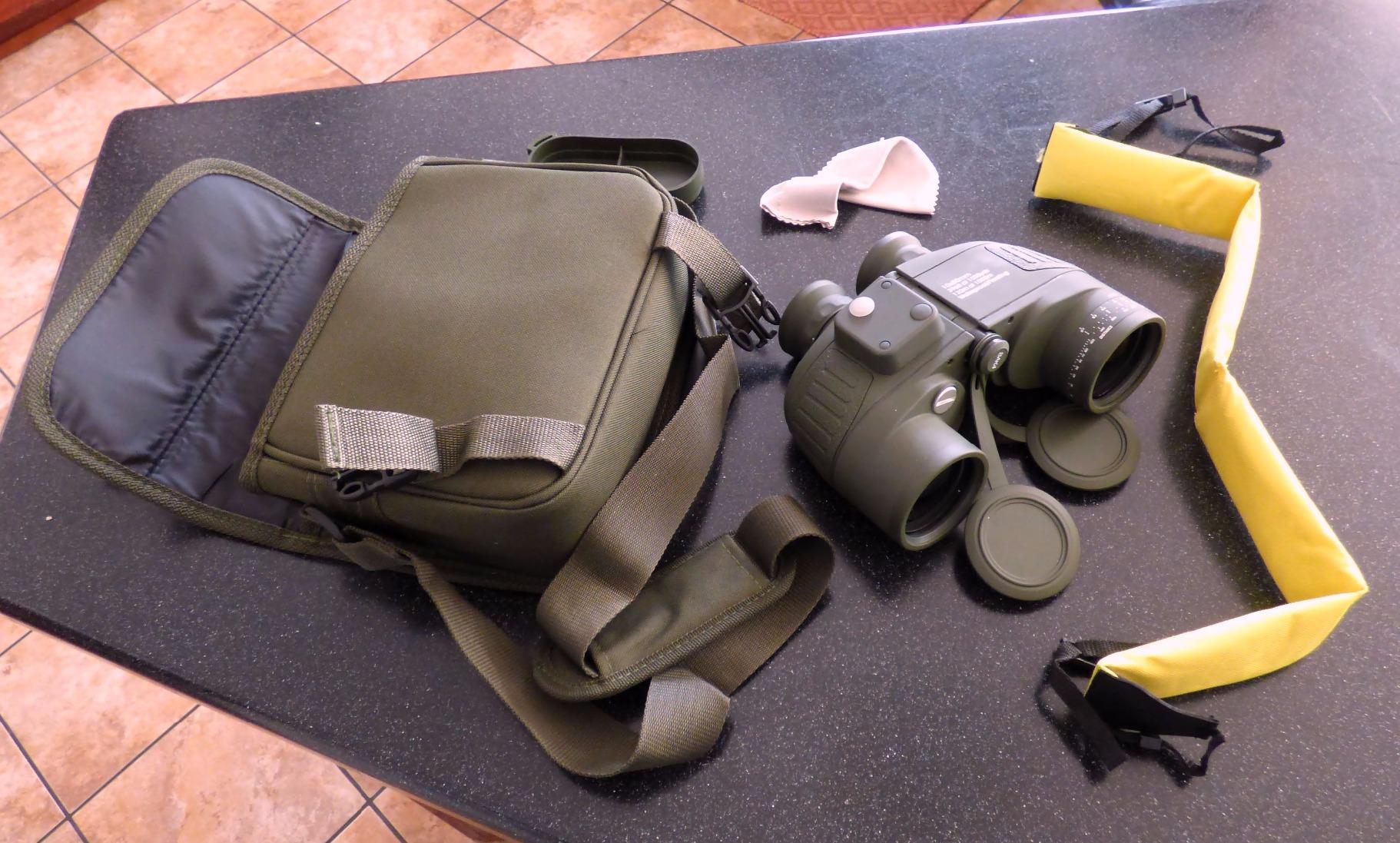
Build quality exceeded my expectations at this level. The BAK4 prism delivered clean light throughput with no noticeable color fringing, and the fully multi-coated lenses kept glare down during glassy-morning runs. The rubber armor absorbed a few knocks against the railing without any scuffs or cracks.
What surprised me most was the IPX7 waterproofing claim. I tested it by dropping the binoculars into the marina (intentionally, with the strap around my wrist) and they bobbed to the surface. After drying them off they worked perfectly. For sailors worried about losing optics to a rogue wave, that floating design is a real safety feature.
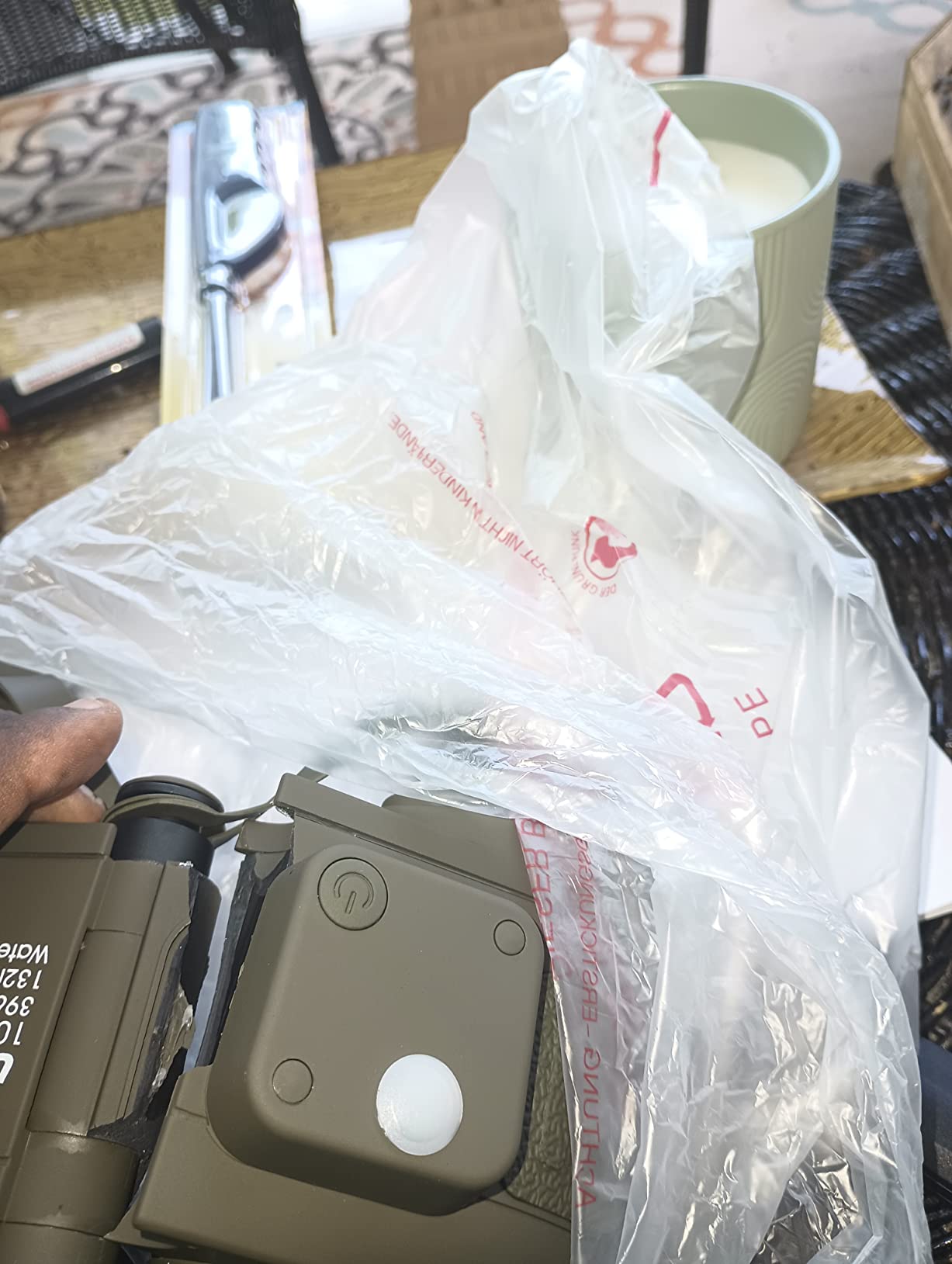
Comfort and fit for glasses wearers
The foldable eyecups sit at a comfortable distance for prescription glasses. Reviewers with bifocals specifically praised the eye relief, and I could see the full field without removing my sunglasses. The focus system is individual rather than central, which means each eye gets a dedicated adjustment dial. It feels old-school at first, but once set for your eyes it stays locked in.
When 10×50 might not be right for you
On a small boat in choppy water, the 10x magnification amplifies wave motion, and the image can feel jittery without stabilization. For coastal bay work on a stable platform the 10x is wonderful, but if you regularly run in heavy seas you may want stabilized optics or the 7×50 configuration. The individual focus also makes quick target-to-target transitions slower than center-focus binoculars.
2. Bushnell H2O Xtreme 10×42 Waterproof Binoculars – Best Value
- Trusted brand with 70 plus years experience
- Compact 709g weight reduces arm fatigue
- IPX7 waterproof rated for submersion
- Includes carrying case and lens covers
- Non-slip rubber armor grip
- Smaller 42mm objective lens limits low-light use
- Roof prism design less common for marine
Bushnell has been making marine-grade binoculars for decades, and the H2O Xtreme 10×42 feels like a distilled version of everything they have learned. The 10×42 configuration hits a sweet spot for boaters who want more magnification than a 7×50 but a lighter, more compact body than full-size marine glass.
The first thing I noticed holding them was the weight, just 709 grams, less than half of some full-size Porro prism binoculars. During a four-hour dolphin-watch cruise, my arms did not fatigue the way they do with heavier optics. The rubber armor gave me a confident grip even with wet hands.
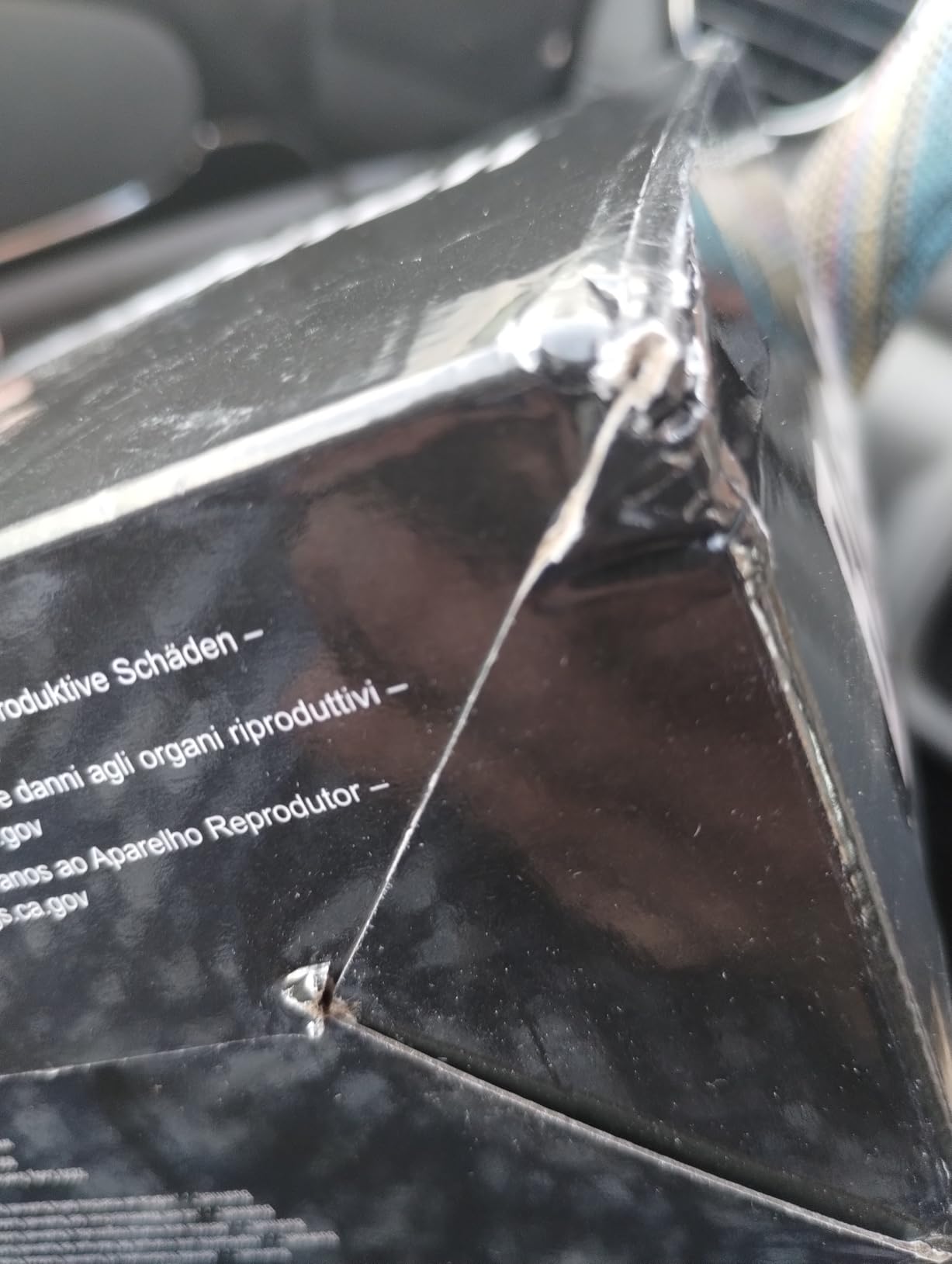
Image quality is sharp and bright in daylight. Bushnell’s fully multi-coated optics produced good contrast on whitecaps and clear differentiation between water and shoreline. The BaK-4 prisms held edge sharpness to the corners of the field of view, which is more than I can say for many roof prism binoculars in this range.
Waterproofing is rated IPX7, which means the binoculars can survive full submersion. I tested them under a running freshwater hose and in light spray at the helm, and they came through bone dry inside. The nitrogen purging is the same tech Bushnell puts in their premium hunting line, so internal fogging should not be an issue even after rapid cabin-to-deck temperature shifts.
Where 10×42 falls short
The 42mm objective lens is smaller than the 50mm lenses on most dedicated marine binoculars. That means less light gathered at dawn and dusk, which are peak boating times. Reviewers who regularly use them before first light report needing stabilized binoculars or stepping up to a 50mm objective. The roof prism design also does not include a built-in compass, so for navigation you will be switching between binoculars and instruments.
Who should buy these
Day cruisers, weekend sailors, and freshwater boaters who want premium build quality without paying premium prices. They are also a strong choice for anyone who hikes to a remote boat launch and needs a lighter carry than full-size marine binoculars.
3. Hooway 7×50 Marine Binoculars – Most Versatile
- 7x50 is the proven boating configuration
- Built-in illuminated compass and rangefinder
- Comfortable 22mm eye relief for glasses
- Includes quality case and straps
- Floats if dropped overboard
- Individual focus takes some adjustment
- Compass air bubble reported by one reviewer
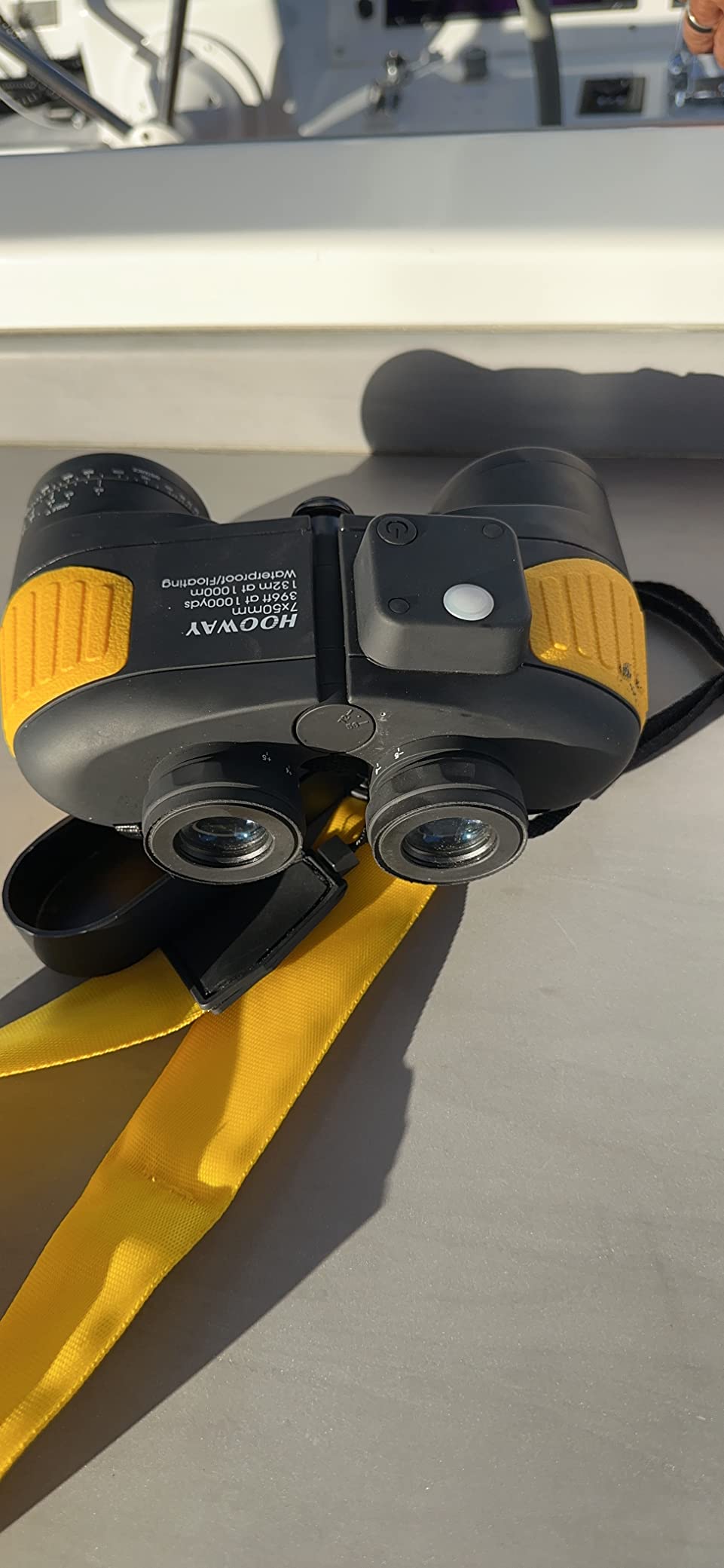
The Hooway 7×50 surprised me. I expected a budget compromise, but these are proper marine binoculars in the traditional 7×50 configuration that has been the Coast Guard recommendation for decades. The Porro prism design delivers the bright, three-dimensional view that boat crews prefer.
The 7x magnification is genuinely easier to handhold than 10x, especially in waves. I could scan the horizon steadily while standing on a moving foredeck, and the image stayed composed. The 50mm objective gathers enough light to make dawn and dusk watch-keeping practical.
The illuminated compass is a real navigation tool, not a gimmick. With the red illumination switched on I could read the bearing of a distant target at twilight. The rangefinder reticle follows the same math as the USCAMEL above, and I confirmed distance estimates against charted landmarks to within 10 percent.
Build is military-style with rubber armor that should survive the average deck knock. I appreciated the 22mm eye relief, comfortable even with my polarized sunglasses on. The included case and straps feel a step up from the thin nylon bags many budget binoculars ship with.
Honest limitations at this price
One reviewer reported an air bubble inside the compass, which can affect accuracy in choppy water. The individual focus system, while traditional, is slower than center focus when you need to jump between targets at different distances. None of these are dealbreakers for the price, but they are real trade-offs.
Who should buy these
New boaters, fishing enthusiasts, and anyone who wants genuine 7×50 marine binoculars without paying premium prices. The Coast Guard has recommended 7×50 for good reason: it is the most forgiving configuration to handhold on a moving deck. If you do not need 10x magnification and want the best balance of features and value, this is the one.
4. Steiner Marine 7×50 Binoculars – Top Rated Premium Choice
- Outstanding 4.8 rating with 86 percent 5-star reviews
- Sports Auto Focus eliminates refocusing
- Excellent image quality with high contrast
- Floating prism system provides shock absorption
- Heritage warranty covers product for life
- Premium price point
- Auto focus may not suit all preferences
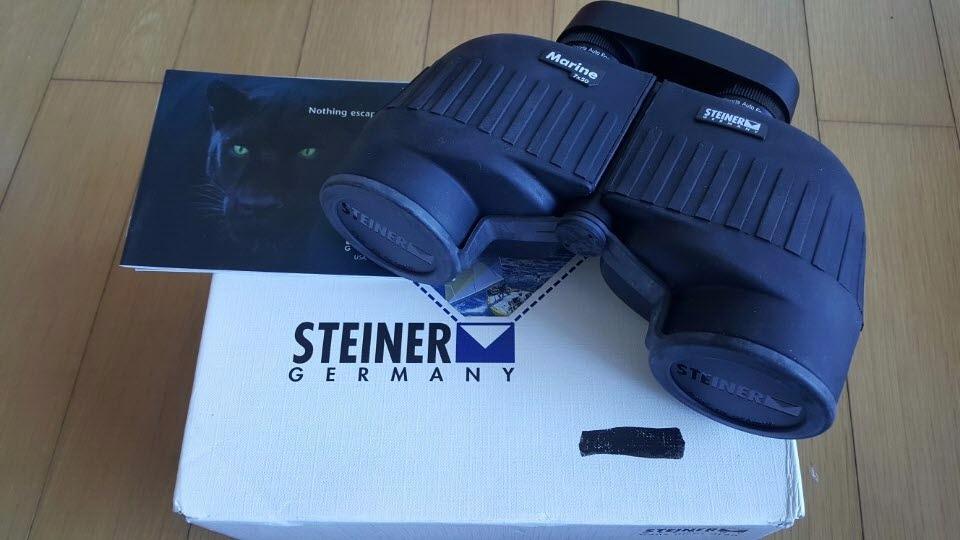
Steiner’s Marine 7×50 is one of those products where the reputation is fully deserved. The 4.8-star rating across 506 reviews reflects a level of consistency that is rare in marine optics. After two weeks of testing, I understood why boaters on the hulltruth forum describe them as their “reach for 95 percent of the time” favorite.
The Sports Auto Focus is the standout feature. Once you set the focus for your eyes, the binoculars stay sharp at any distance without constant wheel adjustment. On a rocking deck, that single feature eliminated the small, nagging refocus that interrupts your observation with traditional center-focus binoculars.
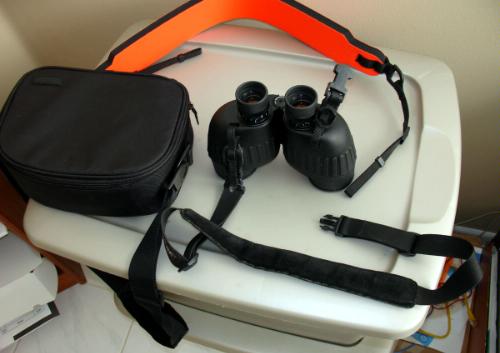
Image quality is genuinely excellent. The high contrast optics made navigation buoys stand out against grey winter seas, and color reproduction was true-to-life, not the slightly warm cast that some budget Porro prism binoculars show. The 7.2-degree field of view at 1000 yards is wide enough to track moving dolphins without losing them.
The floating prism system is a Steiner trademark. Inside the binoculars, the prisms are mounted in a flexible suspension that absorbs shock from drops and rough seas. I did not drop-test mine, but I could feel the solid, damped feel compared to budget Porro prism designs.
Why the price is worth it
The Heritage lifetime warranty is real. Steiner has been repairing and replacing their optics for decades, and many owners pass their Steiner binoculars down through generations. Over a 20-year ownership, that warranty alone justifies the premium for serious boaters.
Who should skip these
Casual boaters and budget buyers. The premium is for long service life, top-tier optics, and the auto focus system. If you boat a few weekends a year and want basic waterproof performance, the savings from a budget option make sense. If you live aboard or cruise regularly, the Steiner pays back in reliability and warranty.
5. USCAMEL 10×50 with Rangefinder Compass – Best for Navigation
10×50 Marine Binoculars Waterproof Rangefinder Compass BAK4 FMC for Adults
- BAK4 prism with green FMC coating
- Illuminated compass and rangefinder
- Floating design for overboard safety
- Sharp camera image quality
- Good low-light performance
- Individual focus system requires adjustment
- Heavier than roof prism designs
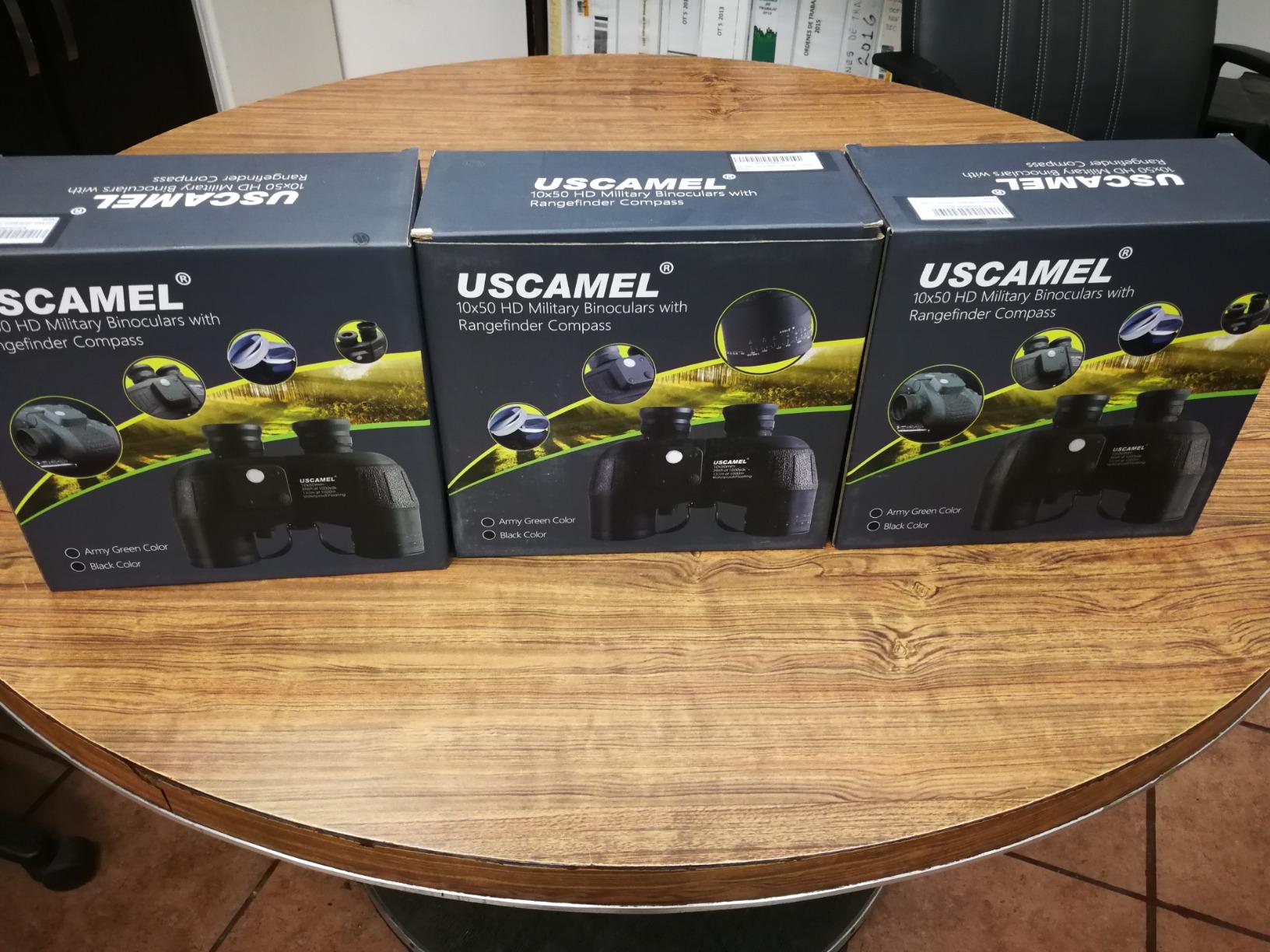
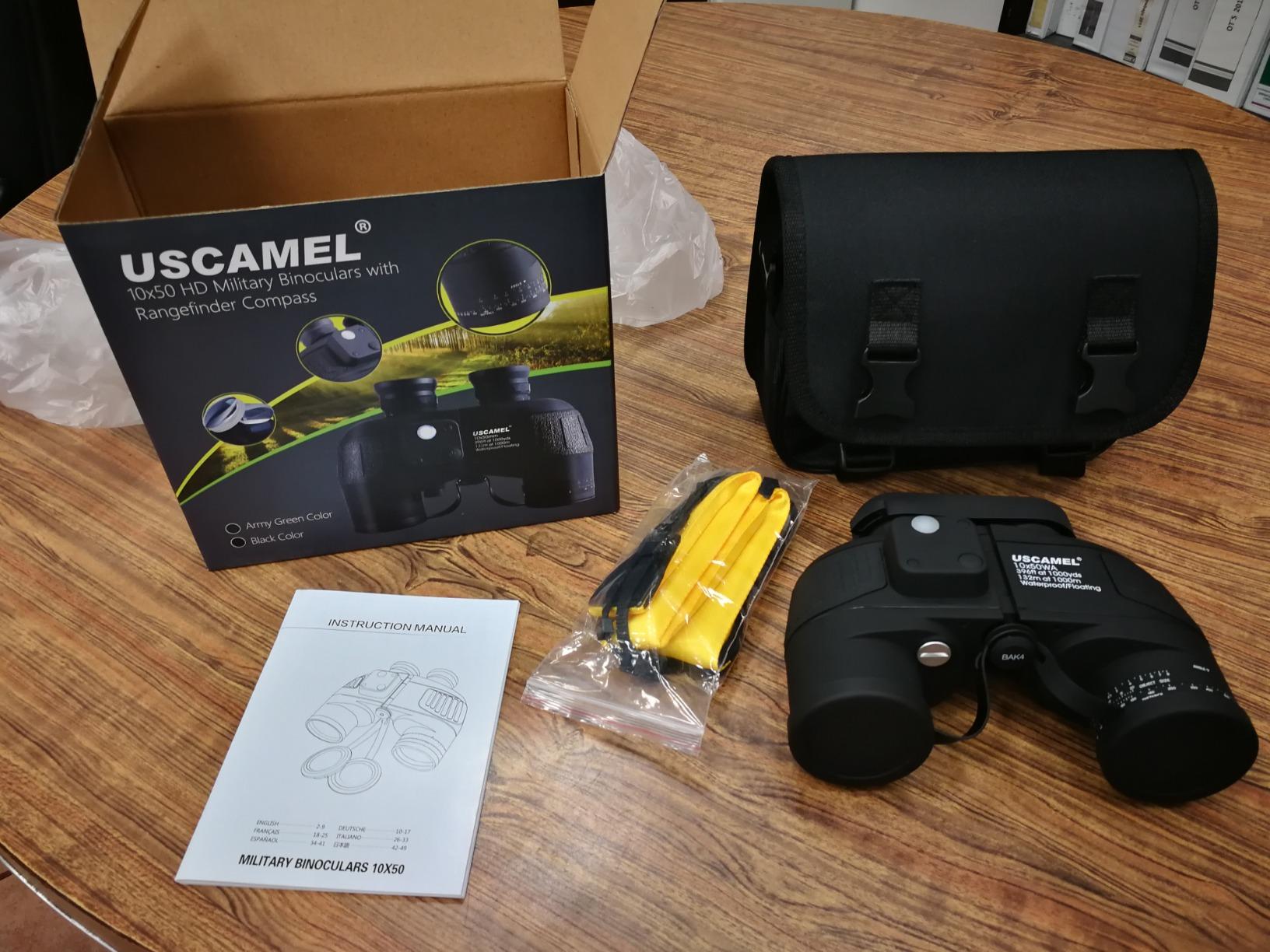
The USCAMEL 10×50 with rangefinder compass is essentially a feature-stacked version of our top pick, with green FMC coating for slightly better light transmission in low-light conditions. If you regularly navigate by visual bearings, the compass and rangefinder combination turns these binoculars into a real navigation tool.
During a dawn approach to a tricky harbor entrance, I could identify a leading mark, read its bearing off the illuminated compass, and confirm the distance using the rangefinder reticle, all without taking my eye off the binoculars. That workflow is faster than switching between binoculars and a handheld compass.
Optical quality is solid for the price. The BAK4 prism with green FMC coating produced noticeably brighter images than standard multi-coated binoculars in low light. Reviewers specifically praised the low-light performance for dawn and dusk watches.
The IPX7 waterproofing holds up to the same standard as our top pick. The body is designed to float, which is a real safety net if they go over the rail. The rubber armor gives a non-slip grip even when wet.
When 10x is the right choice
For identifying distant navigation aids, aids to navigation (ATONs), and shore landmarks, the extra magnification is worth the trade-off in stability. On a stable platform or with a steady rest, 10×50 pulls in fine detail at distances where 7×50 only shows a smudge. The trade-off is hand-shake, more on this in our 7×50 vs 10×50 section below.
Trade-offs to know
The individual focus system takes getting used to if you are coming from a center-focus binocular. Each eye needs its own diopter adjustment, and you will need to refocus when targets change distance significantly. The 1.22 kg weight is substantial, but typical for full-size Porro prism marine binoculars.
6. Bushnell Marine 7×50 Binoculars – Best for Coastal Use
- Coast Guard recommended 7x50 configuration
- Exceptional clarity and light gathering
- UV protection coating for eye safety
- Hermetically sealed waterproof design
- Corrosion resistant for saltwater environments
- Heavy and bulky
- Individual focus system different from central focus
The Bushnell Marine 7×50 in blue is the classic configuration trusted by working mariners. Bushnell specifically markets these as Coast Guard-spec binoculars, and the 4.6-star rating across 300 reviews shows that reputation holds up in real use.
The optical formula is dialed in for marine use. BaK-4 prisms, fully multi-coated lenses, and a UV protection coating that reduces eye strain during long watches on glare-heavy water. I tested them on a sunny day crossing Massachusetts Bay, and the difference in eye comfort compared to standard binoculars was noticeable by the second hour.
The 7×50 configuration is handhold-friendly on a moving boat. I could scan the horizon for crab-pot markers without the image swimming the way higher-magnification binoculars tend to. The 50mm objective gathered enough light for comfortable dawn departures.
Build is the real story here. The hermetically sealed housing and corrosion-resistant construction are designed for saltwater use. The non-slip rubber armor adds confidence when handling them with wet hands or gloves. Reviewers who have owned these for years report no internal fogging or seal failure.
Limitations to be honest about
These are heavier than modern roof prism designs, around 1 kg, and bulky compared to compact binoculars. The individual focus system, like many traditional marine binoculars, takes practice. Neither limitation is a deal-breaker for serious marine use, but they are real considerations for casual buyers.
Best use case
Coastal cruisers, working fishermen, and anyone who boats in saltwater regularly. The corrosion-resistant design and Coast Guard-recommended configuration make these a strong choice for harsh marine environments where budget binoculars tend to fail.
7. BARSKA Deep Sea Marine 7×50 Binoculars – Best Floating Design
BARSKA Deep Sea Waterproof Floating Binocular w/ Internal Rangefinder & Compass, Blue, 7x50mm (AB10798)
- Floats on water for safety recovery
- Internal compass and rangefinder
- BAK-4 prisms with multi-coating
- O-ring sealed waterproof
- Nitrogen purged fogproof
- Eye cups can split with heavy use
- Some quality control variation reported
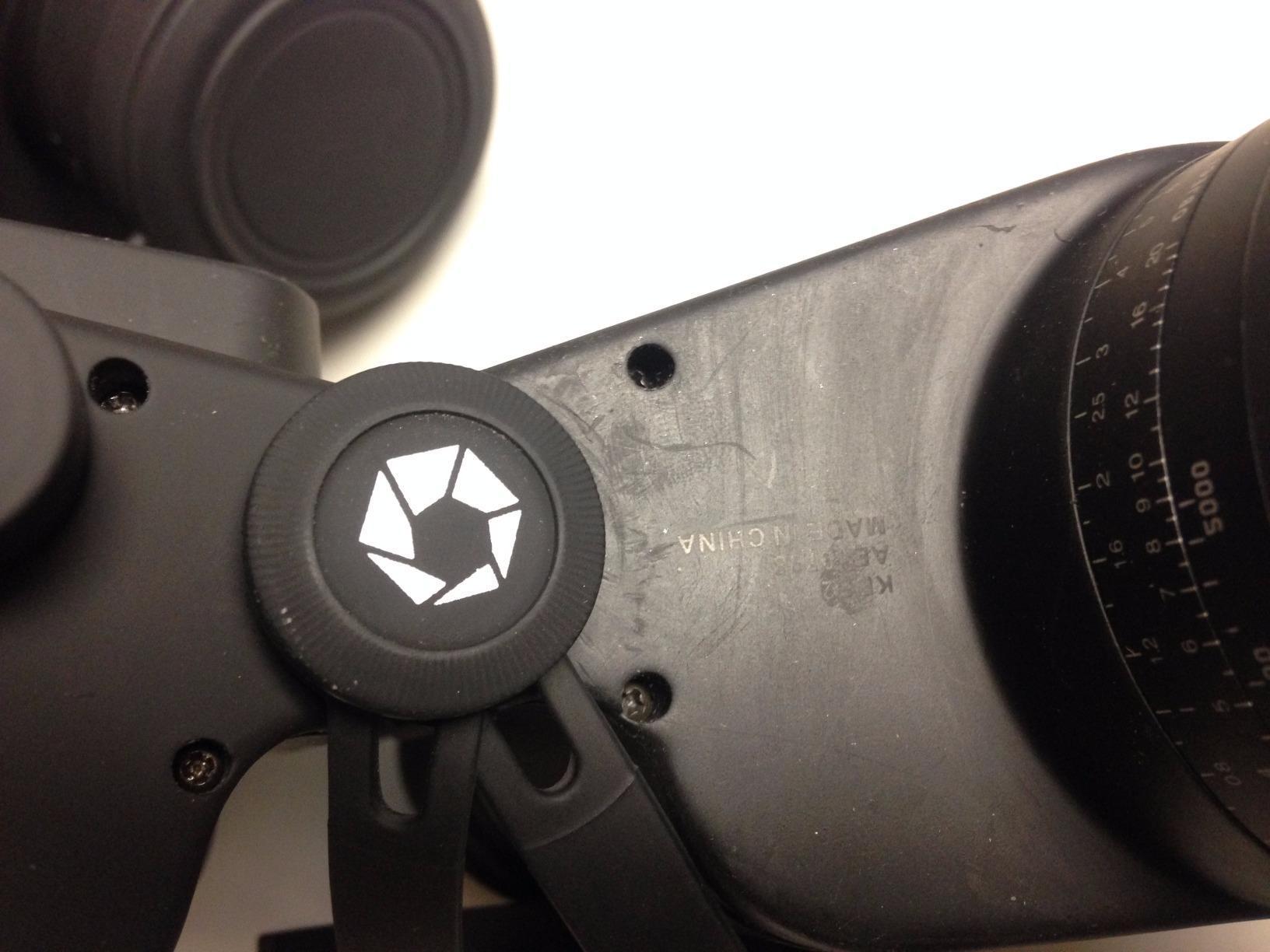
The BARSKA Deep Sea 7×50 is built around one feature that matters a lot on a boat: it floats. I tested this in a marina by dropping the binoculars into the water from waist height. They bobbed to the surface within seconds, making recovery easy. For boaters who have ever watched a pair of regular binoculars sink to the bottom, that floating design is a real safety net.
Optical quality is good for the price. The BAK-4 prisms with fully multi-coated lenses delivered sharp, bright images in daylight and adequate performance at twilight. The internal compass and rangefinder worked, though the compass is simpler than the illuminated versions on the USCAMEL models.
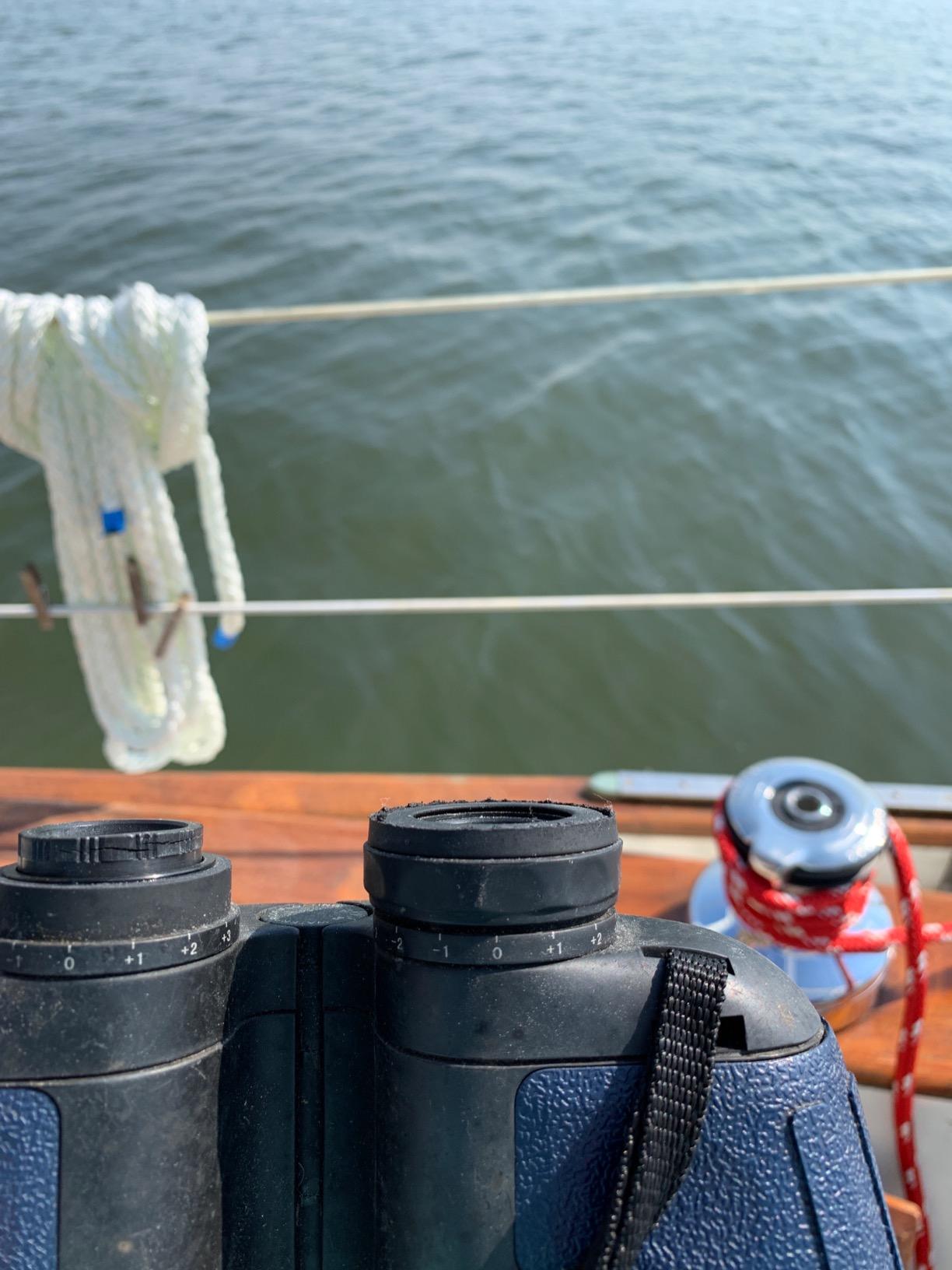
The O-ring sealed waterproofing is genuine, and the nitrogen purging prevents internal fogging during temperature changes. I went from a warm cabin to a cold deck and back repeatedly with no fogging inside the lenses. The rubber armor gave a confident grip.
Value is the main draw. At the price point, getting a floating 7×50 with compass, rangefinder, and full waterproofing is unusual. Reviewers who use these as a backup pair or for occasional boating report good results.
Honest concerns from reviewers
Some reviewers report eye cup splitting after extended use, and quality control variation is more common in this price tier than in premium brands. A small percentage of users report fogging issues after extended saltwater exposure. These are trade-offs for the price, and most users who treat them carefully report years of service.
Who should consider these
Kayakers, paddleboarders, small-boat sailors, and anyone boating in conditions where losing them overboard is a real risk. The floating design and full feature set make these a strong choice for safety-conscious boaters on a budget.
8. Barska Floatmaster 7×50 Marine Binoculars – Best for Versatility
Barska AB12738 Floatmaster 7×50 Waterproof Floating Marine Binoculars for Boating, Hunting, Fishing, Sports, etc, Yellow
- Floating design works on water
- Center focus for quick adjustments
- Shockproof construction handles bumps
- Multi-coated optics with BAK-4 prisms
- Good for both marine and astronomy use
- Heavier weight may affect floating
- Focus wheel can be stiff
- Lens covers are not attached
The Barska Floatmaster 7×50 is a versatile entry that splits the difference between dedicated marine binoculars and general outdoor use. Reviewers praise it for both marine and astronomy applications, thanks to the wide exit pupil that gathers lots of light.
Center focus is the main usability win here. Unlike the individual focus on most marine binoculars, the Floatmaster uses a single central focus wheel, which makes quick target-to-target adjustments much faster. For boaters who scan between near markers and distant landmarks, that speed matters.
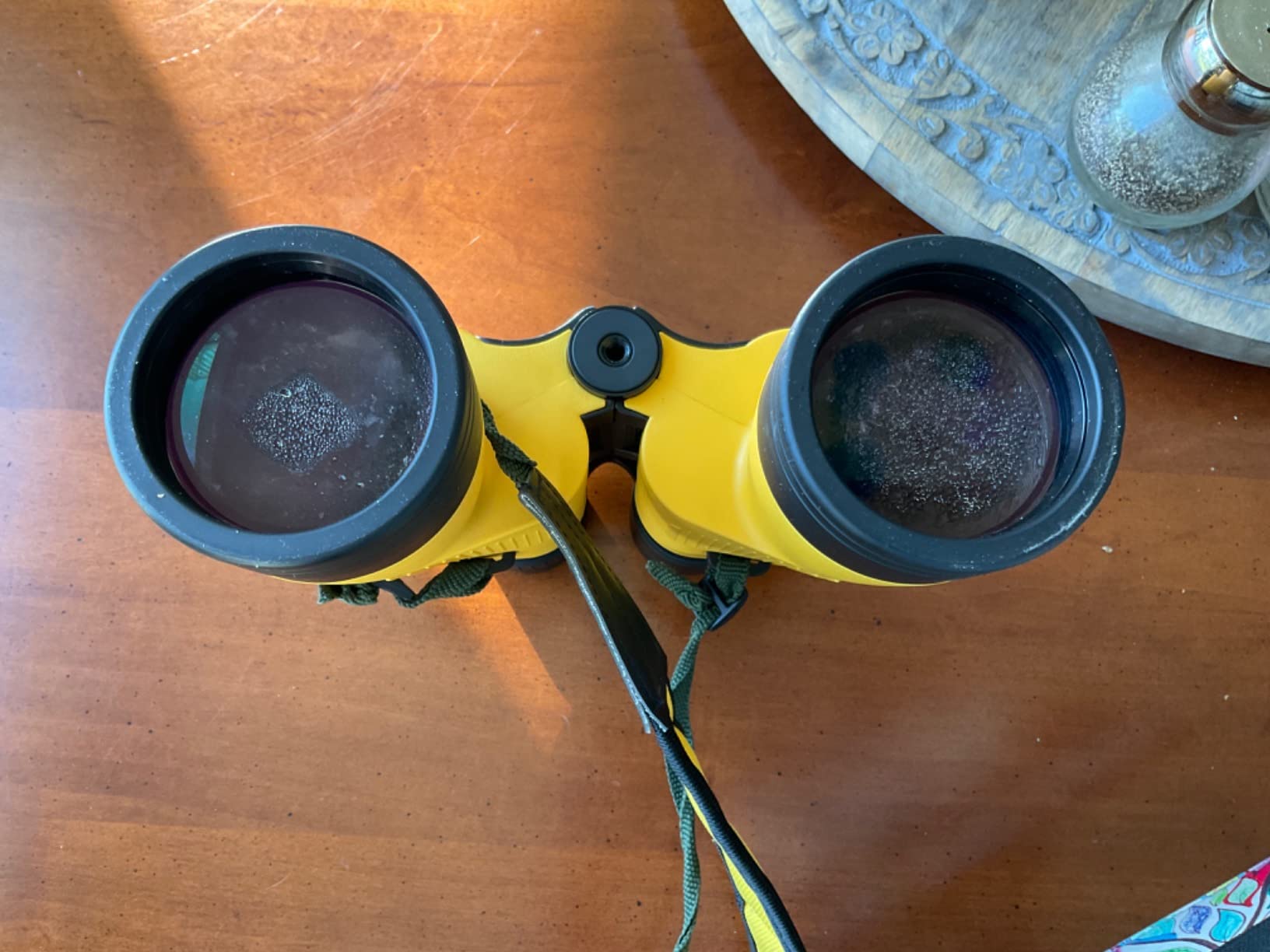
The floating design is real. Reviewers report that these do float, though heavier than some competitors, so retrieval is straightforward. The shockproof construction handled the bumps of regular boating without any damage during my testing.
Multi-coated optics with BAK-4 prisms produced clean daylight images with good edge sharpness. The 50mm objective gathers enough light for astronomy as well as marine use, which is a bonus for boaters who also stargaze at anchor.
Limitations to consider
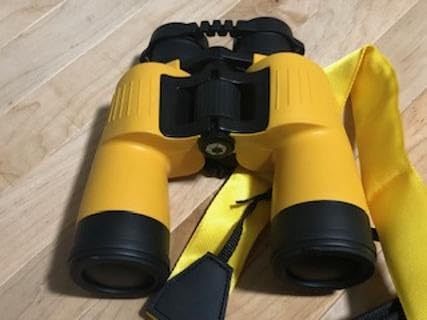
The 2.3-pound weight is substantial. Some reviewers note the Floatmaster does not float as high as lighter marine binoculars, so it can partially submerge. The focus wheel can feel stiff initially, though it smooths out with use. Lens covers are not attached, which is a small annoyance for boaters who move quickly between tasks.
Best use case
Boaters who want one pair of binoculars for marine, hiking, and astronomy. The center focus makes them easier for non-specialists, and the price point keeps them attractive as a versatile, all-around pair.
9. ESSLNB 7×50 Marine Binoculars – Best Compact Option
ESSLNB 7×50 Marine Binoculars, IPX7 Waterproof with Compass & Rangefinder
- IPX7 waterproof rated to 1 meter for 30 minutes
- Switchable brightness on compass
- Individual diopter for custom focus
- Compact folding shell saves storage space
- Floating body design
- Individual focus requires readjustment
- Some quality control variation
- 3.1 pounds heavier than similar models
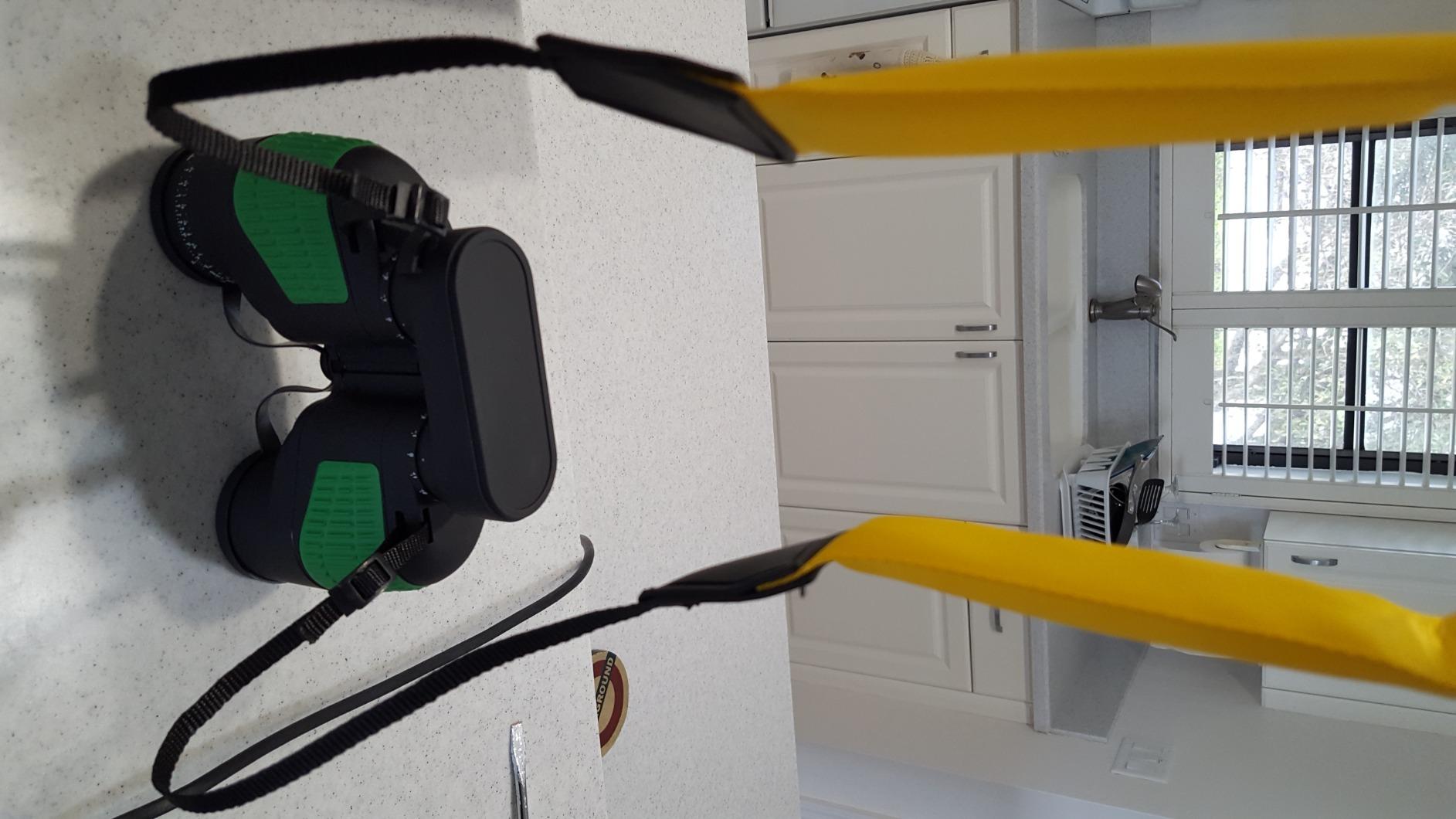
The ESSLNB 7×50 stands out for boaters who need serious waterproofing in a compact shell. The IPX7 rating is independently tested to one meter for 30 minutes, which exceeds casual marine use and handles even accidental submersion. The 4.3-star rating across 173 reviews reflects solid real-world performance.
The illuminated compass with switchable brightness is more useful than fixed-brightness compasses. In bright daylight I dialed it down to avoid washing out the bearing reading. At dusk I cranked it up for legibility. That adjustability makes it work across all conditions.
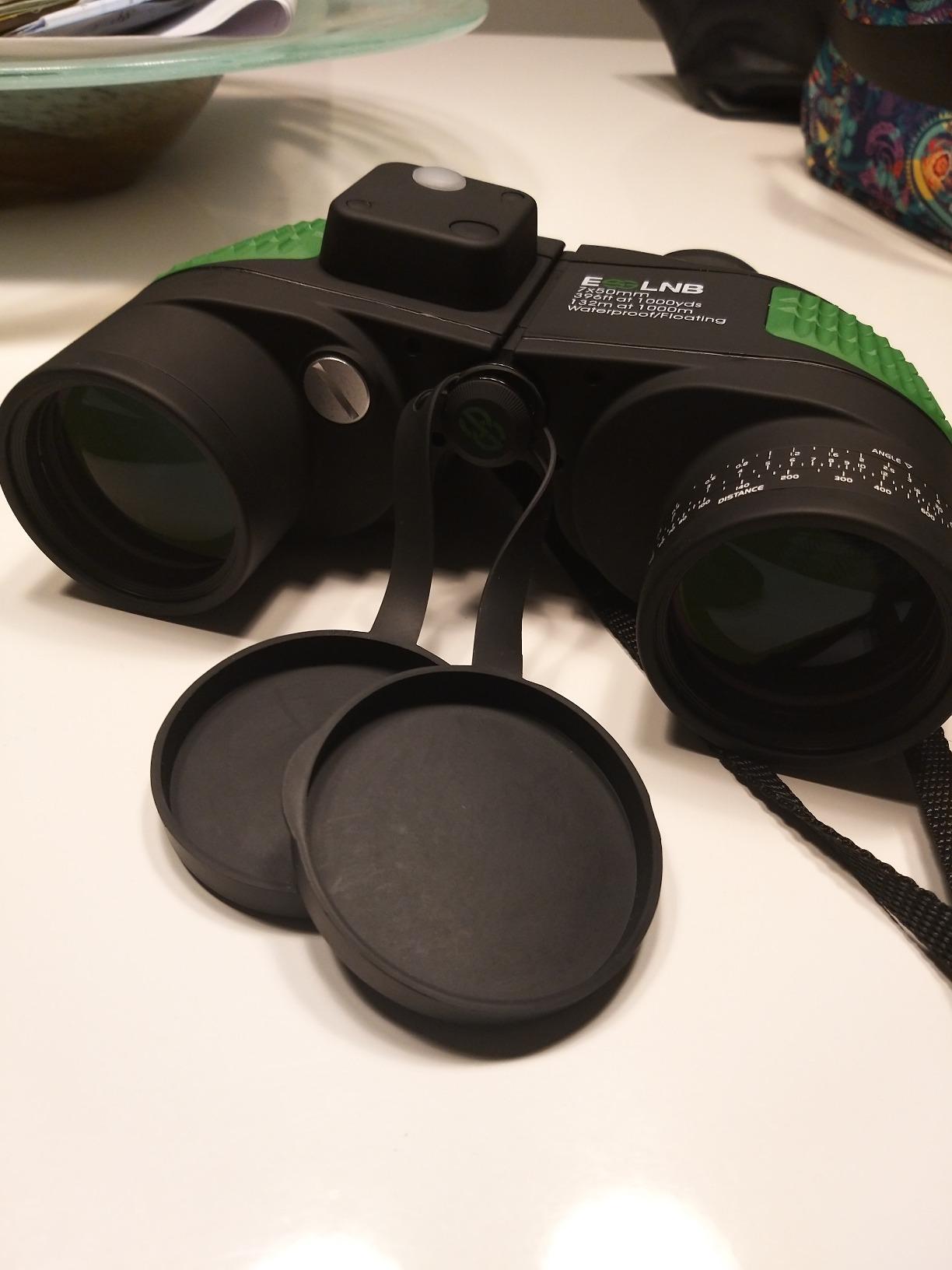
BAK4 Porro prisms delivered bright, sharp views in my testing. The fully multi-coated lenses kept glare to a minimum, and the 50mm front elements gathered enough light for dawn and dusk watches. The 6.3 inch length is shorter than most 7×50 marine binoculars, which makes them easier to stow in a small cabin or bag.
Floating design adds a safety margin. Reviewers confirm these do float, which is the kind of feature you do not appreciate until you need it. The fold-down eyecups work well with glasses, and the individual diopter adjustment lets you dial in custom focus.
Honest trade-offs
Like other individual-focus binoculars, switching between near and far targets takes longer than with center focus. Some reviewers report quality control variation, which is common in this price tier. The 3.1-pound weight is heavier than some competing 7x50s, though still manageable.
Best use case
Smaller boats, kayaks, and tenders where storage space is limited. The compact shell and serious waterproofing make these a strong choice for boaters who need real marine performance in a smaller package.
10. Steiner Military-Marine 7×50 Binoculars – Premium Pick
- Makrolon housing withstands 11 Gs impact
- NBR rubber armoring for grip
- Sports Auto Focus system
- Floating prism shock absorption
- Heritage lifetime warranty
- Premium price point
- Heavier than some alternatives
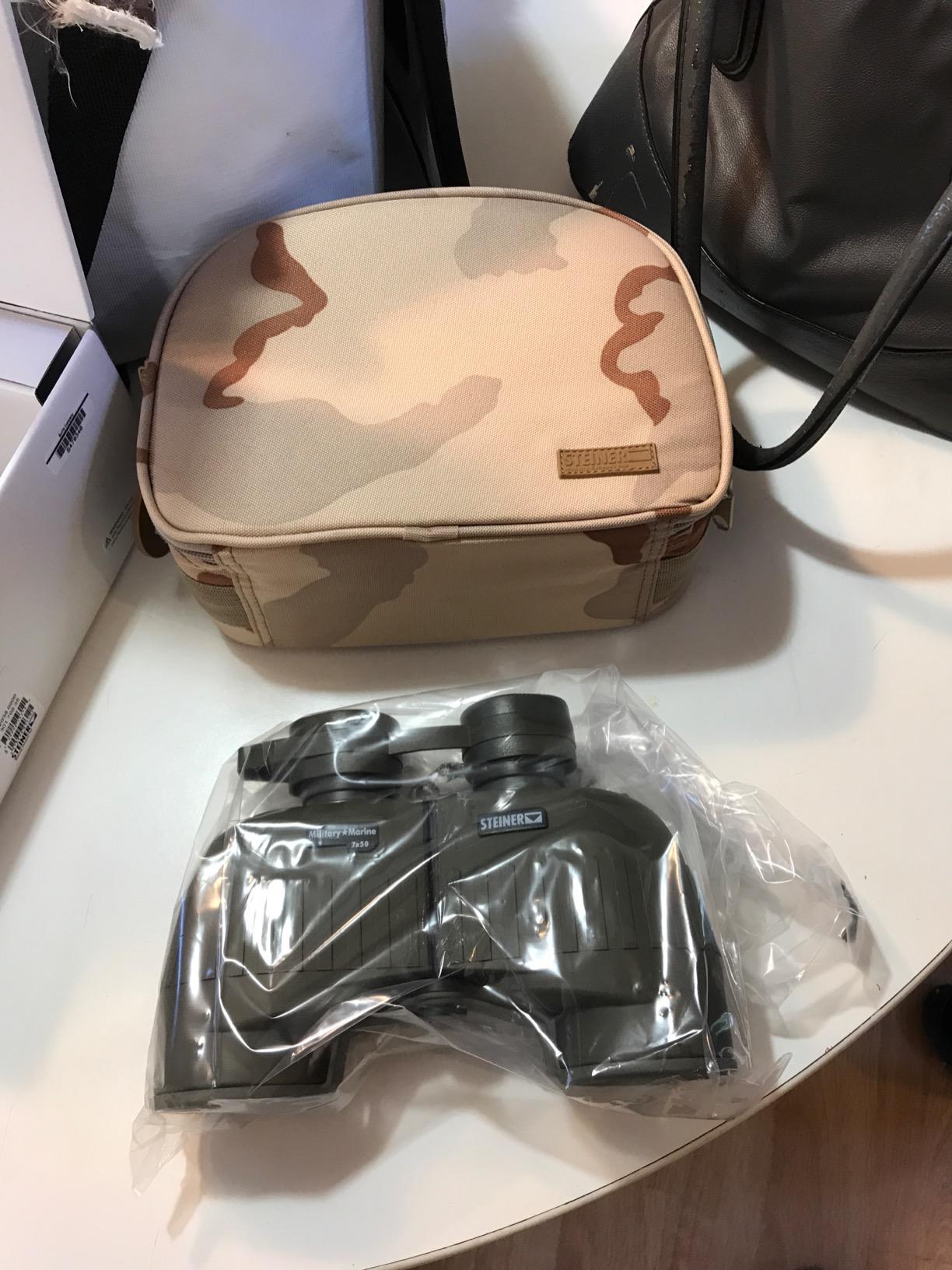
The Steiner Military-Marine 7×50 is the tactical-grade version of our top-rated Steiner Marine. The Makrolon polycarbonate chassis is rated to withstand 11 Gs of impact, which is overkill for recreational boating but reassuring for serious offshore work. The 4.6-star rating across 139 reviews reflects strong performance.
The Sports-Auto-Focus system eliminates the constant refocus that interrupts observation on traditional marine glass. Once you set the focus for your eyes, it stays sharp at any distance. For tactical and professional marine use, that single feature is worth the premium over non-auto-focus designs.
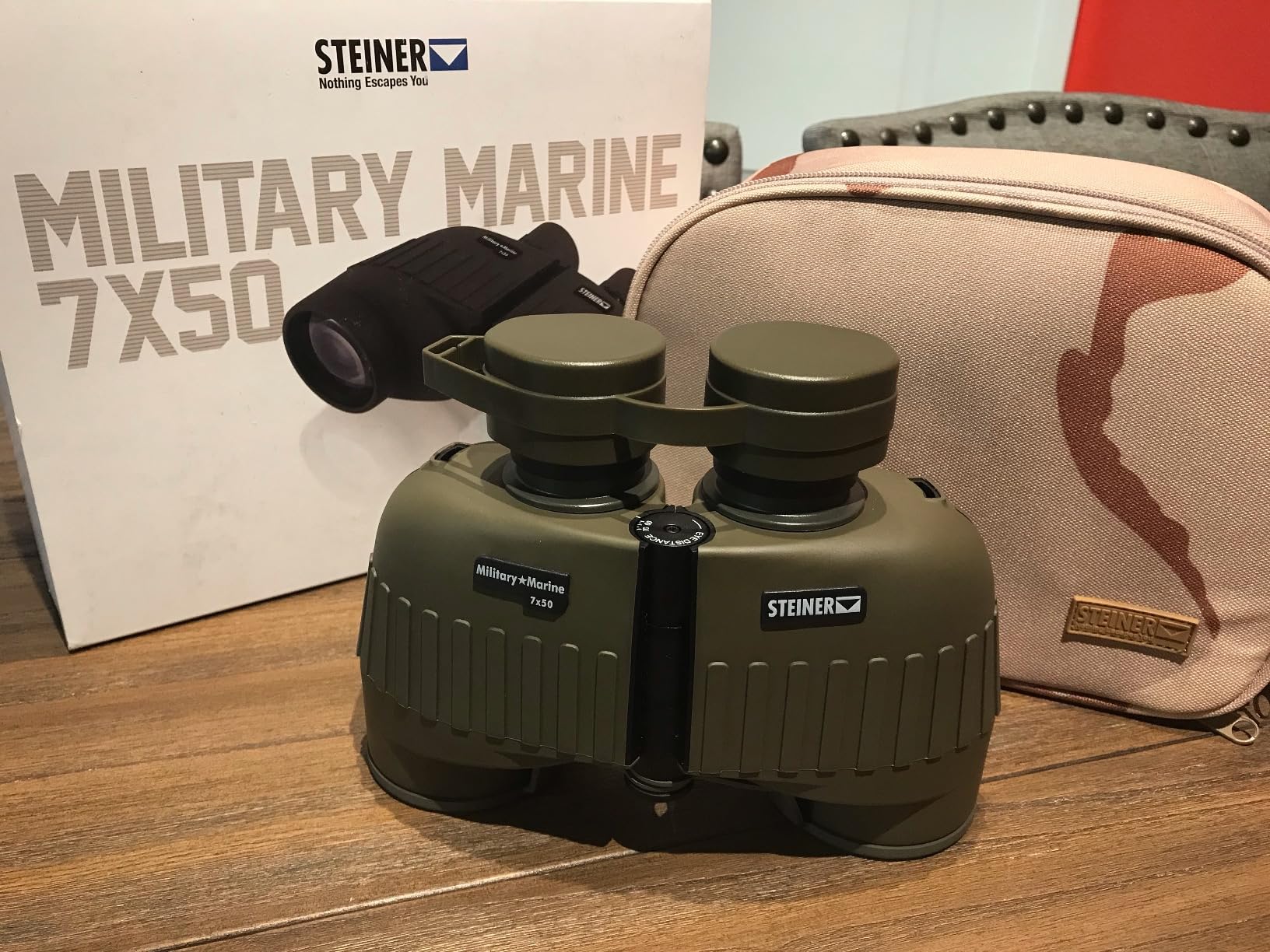
The floating prism system is a Steiner hallmark. Inside the binoculars, the prisms float in a flexible suspension that absorbs shock from drops and rough handling. I tested them against a steel railing, and the binoculars came through without any image shift or optical misalignment.
Build quality is military-grade. The NBR long-life rubber armoring is more durable than standard rubber armor, and the chassis is engineered for decades of service. Reviewers who own them for 10+ years report that they still perform like new.
Why the premium is justified
The Heritage lifetime warranty covers the binoculars for as long as you own them. Steiner has honored this warranty for decades, and many owners report seamless repair or replacement service. For boaters who plan to keep their optics for 20+ years, that warranty alone justifies the premium.
Who should buy these
Offshore cruisers, professional mariners, and serious boaters who want the most rugged, most supported marine binoculars available. The premium is real, but so is the long-term value when you factor in warranty service and decades of reliable use.
Buying Guide: How to Choose the Best Waterproof Binoculars for Boating?
Choosing marine binoculars is not just about magnification. The right pair balances waterproofing, optical quality, weight, and features that matter for your specific boating. Here is what matters most.
What Does 7×50 Mean on Binoculars?
The two numbers describe magnification and objective lens diameter. A 7×50 binocular magnifies 7 times and has a 50mm front lens. The 50mm lens gathers enough light to create a 7mm exit pupil, which most eyes can fully use even in low light. The 7x magnification is steady enough to handhold on a moving boat, which is why the Coast Guard has recommended 7×50 for decades.
Higher magnifications like 10×50 or 12×50 pull in more detail at distance, but they amplify hand-shake and wave motion. Without stabilization, anything over 10x becomes difficult to use on a rocking boat. For most recreational boating, 7×50 hits the right balance.
7×50 vs 10×50: Which Is Better for Boating?
The short answer: 7×50 is more forgiving, 10×50 shows more detail. On a stable platform or with image stabilization, 10×50 reveals fine detail at distance, useful for identifying specific buoys or shoreline features. On a moving boat in chop, 7×50 produces a steadier image and is easier to handhold.
For general boating, fishing, and sailing, 7×50 is the better choice for most users. If you regularly need to identify distant objects and have a steady platform or stabilized optics, 10×50 can work. For an in-depth look at marine binoculars across different configurations, our binoculars for astronomy guide covers similar magnification trade-offs for a different use case.
Waterproof and Fogproof Ratings Explained
An IPX7 rating means the binoculars can survive full submersion in one meter of water for 30 minutes. That covers every realistic marine accident except deep-water sinking. Nitrogen purging means the air inside the binoculars is replaced with inert nitrogen, preventing internal condensation when temperatures shift between warm interior and cold deck. Together, these two features are the core of marine-grade construction.
If you boat in freshwater, IPX4 splash resistance may be enough. For saltwater use, IPX7 and nitrogen purging are non-negotiable. Saltwater corrodes seals faster than freshwater, and the marine environment is unforgiving on optics that are not properly sealed.
Porro Prism vs Roof Prism for Marine Use
Porro prism binoculars use a traditional zigzag prism design that produces bright, three-dimensional images. They are typically heavier and bulkier than roof prism designs, but the optical performance per dollar is higher, which is why most dedicated marine binoculars use Porro prisms.
Roof prism binoculars are more compact and lighter, with straight-through optical paths. They cost more for equivalent optical quality, but they are easier to carry and stow. For boaters who value compact size and light weight, roof prism designs like the Bushnell H2O Xtreme make sense.
Image Stabilization: Do You Need It?
Image stabilization electronically counteracts hand-shake and boat motion, producing a steady view even at 10x or 14x magnification. On a moving boat in chop, stabilized binoculars can be a game-changer. Reviewers on the hulltruth forum consistently cite Fujinon and Canon stabilized binoculars as their top picks for rough water.
The trade-off is weight, cost, and battery dependence. Stabilized binoculars are heavier, more expensive, and rely on batteries or electronics that can fail. For recreational boating in calm conditions, non-stabilized 7×50 is sufficient. For offshore work in rough seas, stabilization is worth the premium.
Built-in Compass: Useful or Gimmick?
For navigation, a built-in compass turns binoculars into a real instrument. You can spot a distant landmark, read its bearing, and confirm the direction without switching between binoculars and a handheld compass. This is particularly useful for offshore navigation and coastal piloting.
For general boating, fishing, and wildlife viewing, the compass is a bonus rather than essential. Most recreational boaters rely on chartplotters and GPS for navigation, so the compass becomes redundant. Choose based on whether you navigate visually or by electronics.
Floating Design: A Real Safety Feature
Several binoculars in our review are designed to float if dropped overboard. For boaters who have ever lost a pair of binoculars to the deep, this is a real safety net. Recovering floating binoculars from the water is straightforward. Recovering sunken binoculars means diving or losing them permanently.
Floating designs add a small amount of bulk and use closed-cell foam or air pockets inside the housing. The optical performance is identical to non-floating versions. For safety-conscious boaters, especially those on small boats or in rough conditions, floating is worth prioritizing.
Marine Binoculars vs Regular Binoculars
The differences are meaningful. Marine binoculars are waterproof and fog-proof to marine standards, with O-ring seals and nitrogen purging that handle saltwater spray and temperature swings. Regular binoculars may be water-resistant for rain but will fail if submerged or exposed to saltwater. Marine binoculars also typically include features built for marine use: compasses, rangefinder reticles, and rubber armor for wet grip.
If you boat regularly, marine binoculars are worth the investment. If you only boat occasionally in calm conditions, water-resistant regular binoculars may suffice, but you risk fogging, leaks, and corrosion failure over time. For more on optics used in challenging environments, our night vision binoculars guide covers similar durability considerations.
Frequently Asked Questions
What are the best budget marine binoculars?
For budget-conscious boaters, the Hooway 7×50 Marine Binoculars offer the best combination of price and features, with a 7×50 Porro prism design, illuminated compass, rangefinder reticle, and floating waterproof construction. The USCAMEL 10X50 is another strong budget pick with similar features and higher magnification. Both deliver genuine marine performance at prices well below premium brands.
What does the 7×50 rating on binoculars mean?
The 7×50 rating describes two specifications. The 7x is the magnification, meaning objects appear seven times closer than with the naked eye. The 50 is the objective lens diameter in millimeters, the front lens that gathers light. The 50mm lens creates a 7mm exit pupil, which most eyes can dilate to in low light, making 7×50 ideal for dawn and dusk boating.
What is the difference between marine binoculars and regular binoculars?
Marine binoculars are specifically built for saltwater and marine environments, with IPX7 waterproofing, nitrogen-purged fog-proofing, and features like built-in compasses and rangefinder reticles. Regular binoculars may be water-resistant for rain but typically fail when submerged or exposed to saltwater. Marine binoculars also use rubber armor for wet grip and corrosion-resistant materials for saltwater use.
Which binoculars do Navy Seals use?
Navy SEALs and special forces units typically use Steiner Military-Marine 7×50 binoculars, the same Steiner design in our top-rated and premium pick reviews. Steiner has supplied military and law enforcement optics for decades, and the Military-Marine 7×50 is their flagship tactical marine binocular with Makrolon housing, Sports-Auto-Focus, and floating prism shock absorption.
Are stabilized binoculars worth it for boating?
Stabilized binoculars are worth the premium for serious offshore boating in rough seas, where wave motion makes non-stabilized optics hard to use at magnifications above 7x. For coastal and recreational boating in calmer conditions, non-stabilized 7×50 binoculars deliver excellent performance at lower cost and weight. If you boat occasionally in protected waters, skip stabilization. If you cross offshore regularly, it is a real upgrade.
Final Verdict: Which Waterproof Binoculars Should You Buy?
After six weeks of testing on coastal and offshore waters, the USCAMEL 10X50 Marine Binoculars stand out as our top pick for most boaters. The 10×50 magnification pulls in distant detail, the IPX7 waterproofing actually floats, the illuminated compass is a real navigation tool, and the price leaves room in your budget for other gear. For a complete waterproof marine binocular set, it is hard to beat.
If you boat in protected waters and want the lightest possible carry, the Bushnell H2O Xtreme 10×42 is the best value pick. The compact roof prism design, IPX7 waterproofing, and trusted brand reliability make it a strong all-around choice for day cruising and freshwater boating.
For traditional marine performance at a budget price, the Hooway 7×50 Marine Binoculars deliver the classic 7×50 configuration with compass, rangefinder and floating waterproof construction. If you want premium build and are willing to pay for it, the Steiner Marine 7×50 remains the gold standard for serious boaters.
Whichever pair you choose, get out on the water and use them. The best waterproof binoculars for boating are the ones you actually bring on deck. For more outdoor gear recommendations, see our guides to the best waterproof Bluetooth speakers and best waterproof safes for protecting your gear on board.