
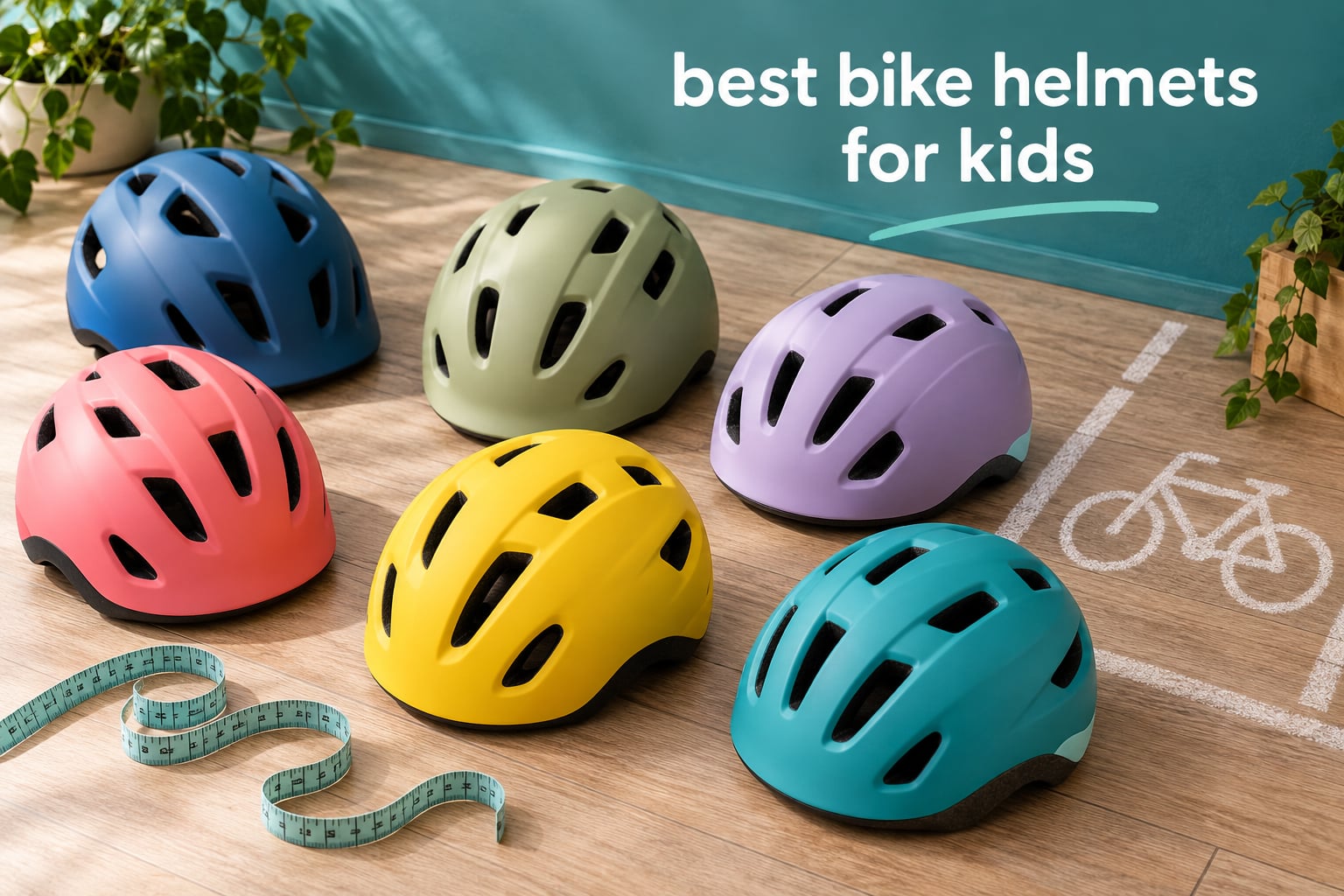
The best bike helmets for kids are the ones that are certified to the CPSC bicycle standard, cover the temples and the back of the skull properly, and fit snugly enough that your child never thinks about them on the ride. That last requirement decides more purchases than any spec sheet, because a helmet that gets twisted onto a head after a bad week on the bike is worse than no helmet at all.
We looked at twelve kids bike helmets for 2026, spanning the first wobble on a balance bike through the primary school years and up to the 55-58 cm range that most eight to fourteen year olds land in. We weighed each one against the same set of questions: what certification does it actually carry, what does the shell cover, how much does it weigh, how much adjustment does the fit system give you, and do real buyers say their child will put it on without a fight.
One thing to say up front, because it is the biggest gap in this list. Not one of these twelve carries MIPS, KinetiCore, QuadCore, WaveCel or DVRT. They are all certified and most are well made, but they sit in the value and mid tier, which is where the money is best spent on coverage and a fit system that survives a growth spurt. Our buying guide explains exactly what rotational protection adds, what it costs to step up, and when it is worth doing.
If your child is just starting out and you are still working out which of these size bands applies, start with the measurement method in the buying guide below. Nothing else in this guide matters if the number on the size label is wrong for the head in front of you.
Table of Contents
Top 3 Picks for the Best Bike Helmets for Kids (October 2026)

Schwinn Classic Toddler Helmet
- 48-52 cm for ages 1-3
- Dial fit with full-range padding
- Integrated sun visor
- CPSC certified
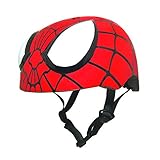
Bell Marvel Child Helmet
- 50-54 cm for ages 5 and up
- Nine vents for airflow
- Side-squeeze buckle
- Character graphics kids ask for

Schwinn Thrasher Youth Helmet
- 55-58 cm for ages 8-14
- Twenty vents for hot days
- Removable washable padding
- Limited lifetime warranty
All 12 Kids Bike Helmets Compared in 2026
| Product | Specifications | Action |
|---|---|---|
| Schwinn Classic Toddler Helmet |
|
Check Latest Price |
| Bell Marvel Child Helmet |
|
Check Latest Price |
| Schwinn Thrasher Youth Helmet |
|
Check Latest Price |
 80Six Triple-Certified Helmet 80Six Triple-Certified Helmet |
|
Check Latest Price |
 Bell Rally Child Helmet Bell Rally Child Helmet |
|
Check Latest Price |
 Bell Richter Youth Helmet Bell Richter Youth Helmet |
|
Check Latest Price |
 Raskullz Mohawk Helmet Raskullz Mohawk Helmet |
|
Check Latest Price |
 GLAF Toddler Helmet GLAF Toddler Helmet |
|
Check Latest Price |
 Simply Kids Custom Helmet Simply Kids Custom Helmet |
|
Check Latest Price |
 Krash Vector Victor Helmet Krash Vector Victor Helmet |
|
Check Latest Price |
 Mongoose Street Skull Helmet Mongoose Street Skull Helmet |
|
Check Latest Price |
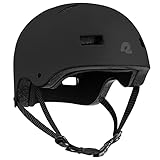 Retrospec Dakota Helmet Retrospec Dakota Helmet |
|
Check Latest Price |
How We Picked These 12 Helmets
We did not crash-test helmets. Nobody outside a certified lab can do that properly, and any site claiming otherwise is guessing. What we did instead was read every published specification on each of these twelve models, then work through thousands of buyer reviews to see which complaints repeat and which ones show up once.
Four things decided an entry here. First, the certification printed on the shell and stated by the manufacturer, not inferred from the product title. Second, the head-size range in centimetres, because that is the only number that can be checked against a tape measure. Third, the weight, since a heavy helmet is a helmet a child tries to talk their way out of. Fourth, the fit system, with a rear dial or an equivalent one-step adjuster ranking above strap-only adjustment.
Where a product’s own listing contradicts itself, we have said so in the write-up. The Mongoose Street, for example, lists a size as Medium in the specifications while the marketing copy points at ages 8-14, and the Schwinn Classic lists a size band without repeating the head circumference in the main specification block. Both are the kind of detail that sends a parent back to the tape measure.
Read our kids drone safety guide alongside this one if your child is moving between powered and unpowered riding, since the rules for a bike and an e-bike are not the same.
1. Schwinn Classic Toddler Helmet – Best Dial Fit for the First Riders
- Dial fit grows with the child
- Very light at 4.6 oz
- Vented shell with an integrated visor
- Extended rear coverage
- Colour and pattern kids like
- Dial can ride low on smaller heads
- Chin buckle can pinch on fast fastening
- Size not clearly listed so measure first
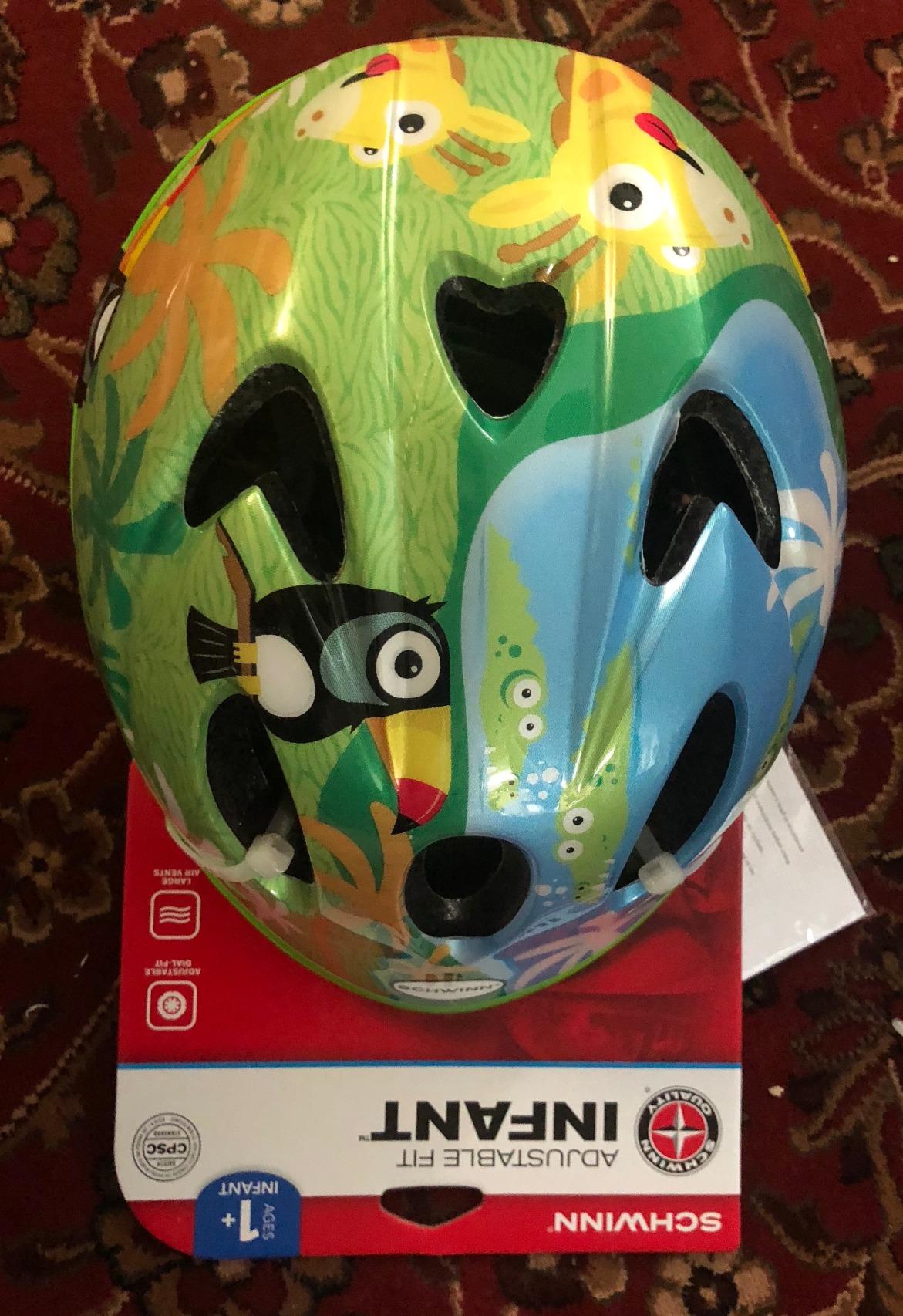
Our pick for the very first helmet, and the one we would hand to a parent who has a two or three year old on a balance bike or a trike. The 360 degree dial at the back is the whole story here. You twist it in, the internal padding closes around the head, and the helmet stays where you put it instead of migrating forward over the eyes after the third ride.
At 4.6 ounces it is the lightest shell in this roundup, and that is not a marketing detail. A toddler who can barely feel a helmet will not develop the habit of wearing one, so grams matter more than any feature list at this age. The integrated visor is a genuine bonus for the afternoon ride home when the sun is low and straight into the eyes.
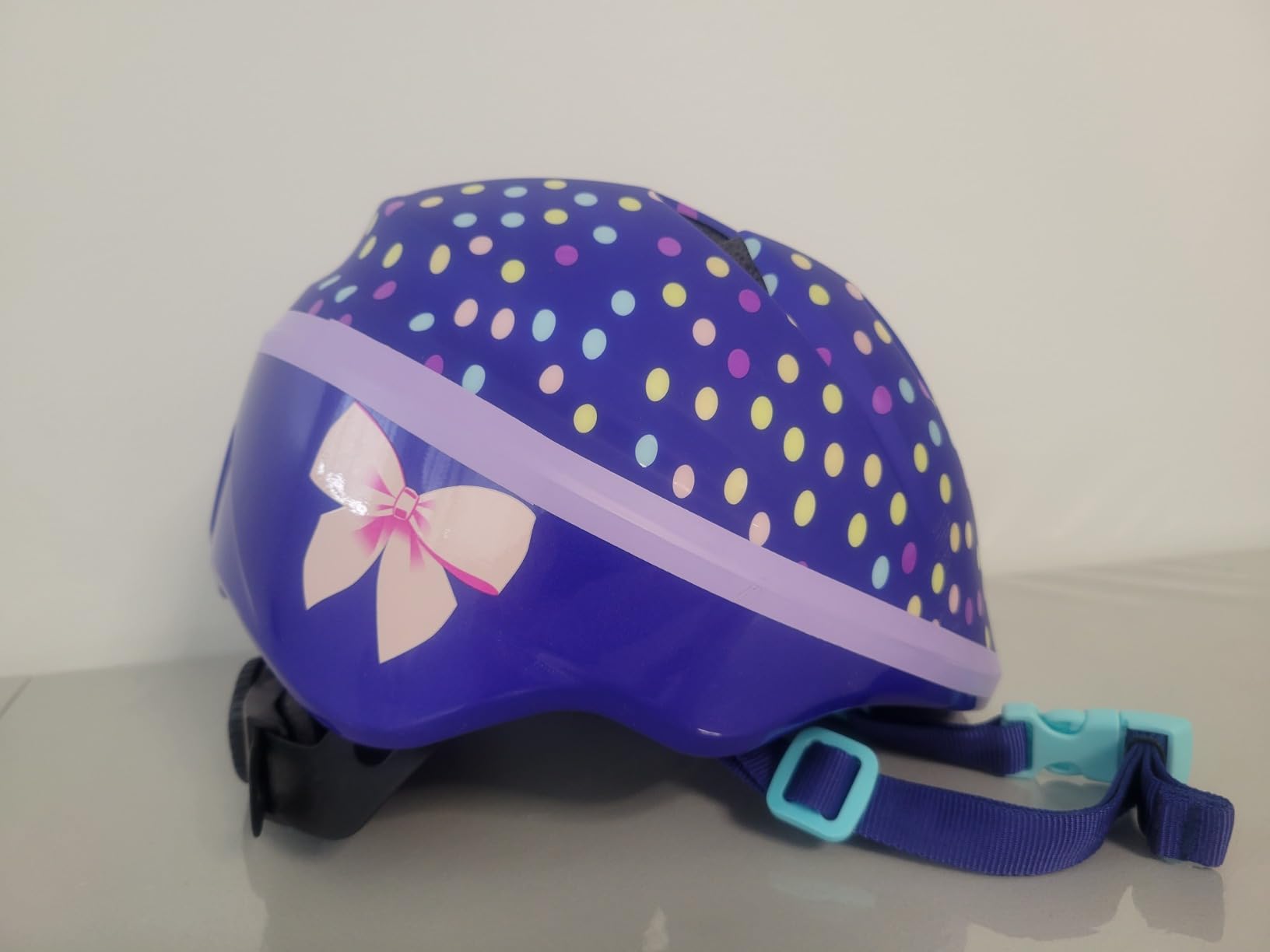
Where it falls short is the rear dial itself. Owners of this helmet report that on smaller heads the dial can sit low enough to rest near the base of the neck, which looks and feels odd even when the retention is technically holding. It is a small irritation rather than a safety failure, and it eases once the child is into the middle of the 48-52 cm range.
The chin buckle is the other recurring note. It is not a pinch-guard design, so if your child is the type who clamps their jaw shut while you do it up, take a second with your fingers on the strap and pull the webbing clear before it clicks. It is a two-second habit that removes the complaint entirely.
What age and head size actually fits
The listed size band is 48-52 cm, which covers most children from about age one to three. The manufacturer labels it Toddler, while the bullet copy mentions ages three to five, so treat the centimetres as the reliable number and the age as a rough hint. Our guide on developmental stages is useful background for working out what stage your child is at before you measure.
Measure before you order. This listing is one of the clearer ones about needing a head circumference, but the head still has to fall inside 48-52 cm after the dial is closed, not before. A helmet that only reaches the top of the range with the dial fully loosened is already too small.
When to skip it and buy the next size up
Move up if your child is already near the top of the band, or if they are in a growth spurt where you can see the fit changing month to month. The Bell Marvel below covers 50-54 cm, so the two overlap by 2 cm and give you a crossover window without a gap.
Skip it for skateboarding. This is a CPSC bicycle helmet with extended head coverage, not a dual-certified skate model, so a child who is going to spend time at a skate park needs something rated for that as well.
2. Bell Marvel Child Helmet – Best Value for Ages 5 and Up
- Character graphics kids ask for by name
- Good coverage and sturdy shell
- Nine vents keep heads cool
- Simple buckle for small hands
- Spans toddler to school age
- Run can be large for younger toddlers
- Limited adjustment range
- Printed graphics can wear
This is the helmet that solves the wearing problem rather than the protection problem. A moulded three-dimensional character shell gives a child something to show their friends, and parents tell us repeatedly that the graphics are the reason their kid puts it on without being asked. That is not a soft detail. A helmet that gets refused on the doorstep protects nobody.
Underneath the styling it is a conventional and well-built bicycle helmet. The expanded polystyrene liner sits in a hard outer shell, nine vents move air across the head, and the side-squeeze buckle is about as simple a fastening as a five year old can manage one-handed. Coverage sits higher on the temples than a low-profile road shell would, which is what you want for a first bike.
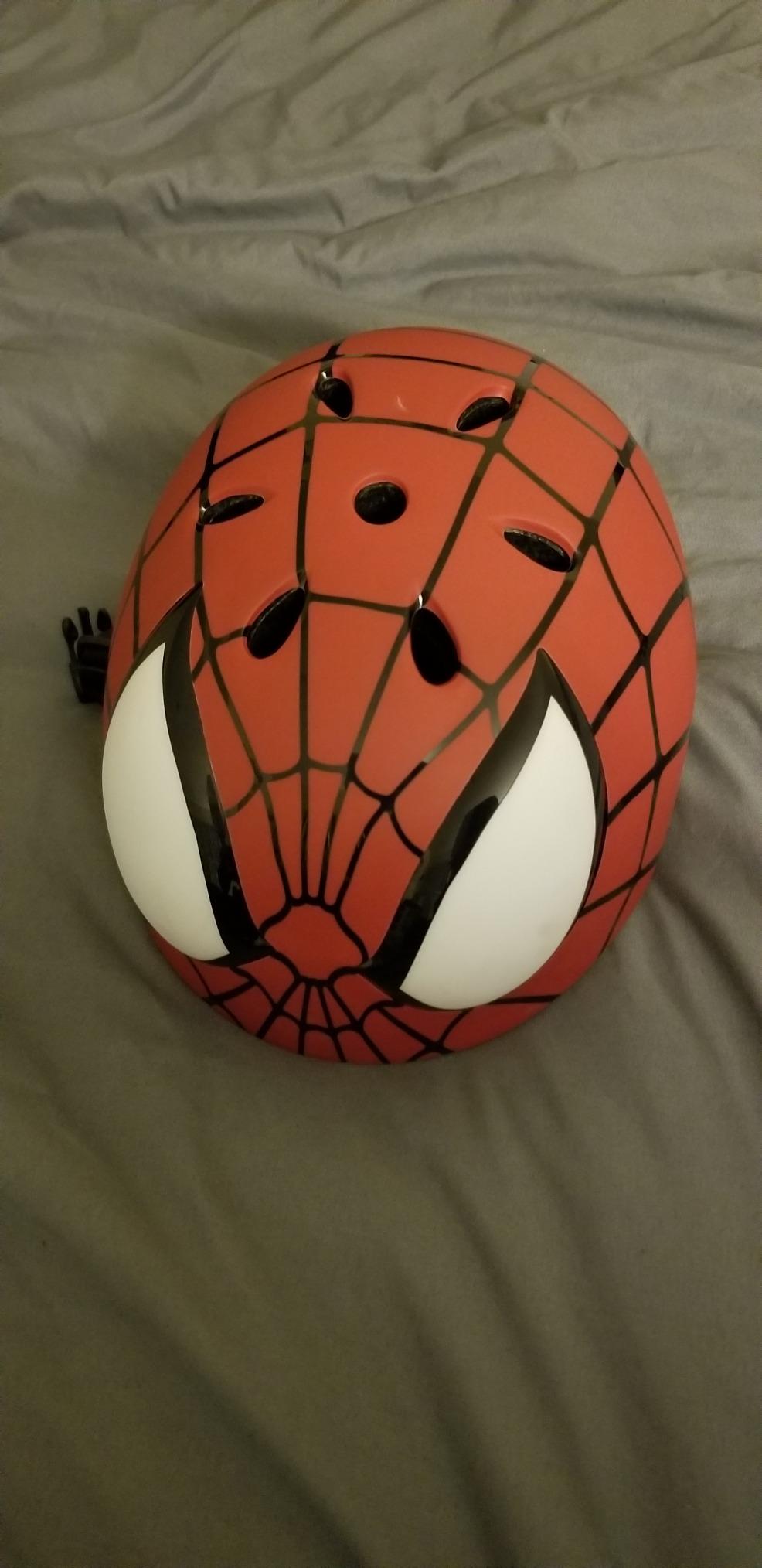
The sizing is the thing to watch. The child size runs 50-54 cm, and the fit is snug, which means a smaller child can look lost in it. Several buyers mention that the helmet runs large for a three or four year old even though the label says five and up. If your child’s measurement is at the bottom of the band, try the next size down rather than assuming the label is wrong.
There is also a toddler size in the same range at 48-52 cm, which is worth checking on the listing if your child is at the young end. Head sizes vary more inside an age band than the age bands suggest, so the tape measure still gets the final say.
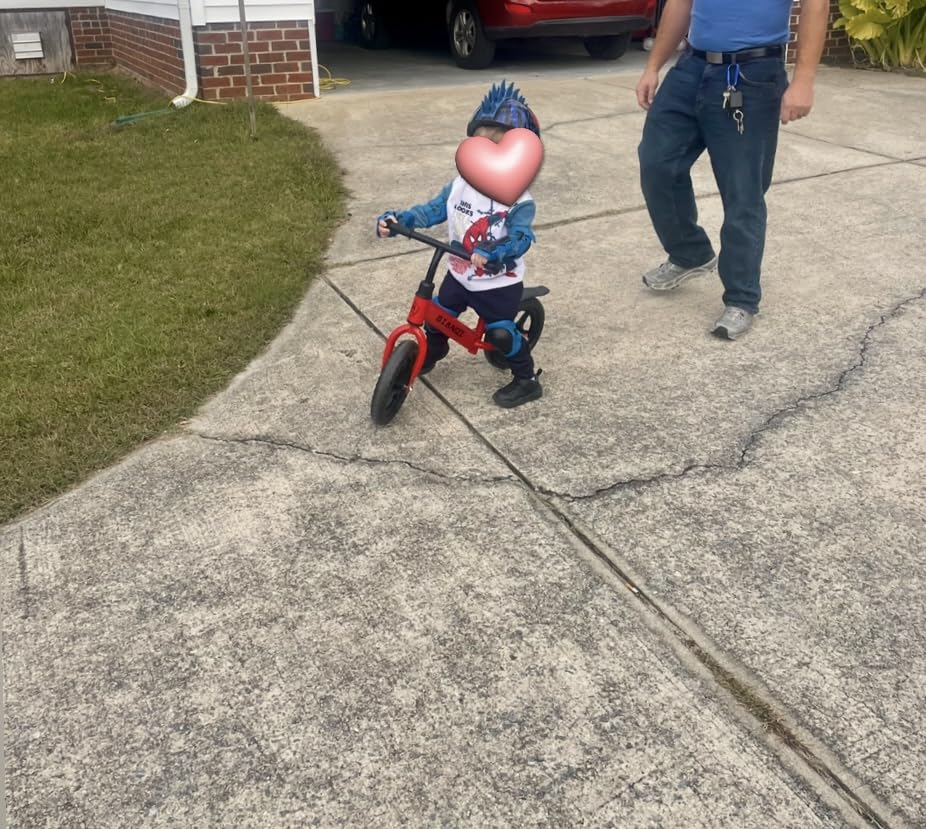
Who this is the right pick for
A child roughly five to eight years old with a head between 50 and 54 cm who will only wear something with a character on it. The value here is that you get a certified, vented, properly covering helmet with a feature set that would cost more from a brand whose only selling point is the picture on the front.
It also works well as a shared helmet within a family, since the range overlaps with the Schwinn Classic below it and the Bell Richter above it. Just write the child’s head circumference on the inside of the liner with a marker so the next person to hand-me-down does not have to guess.
Where the trade-off sits
You give up the rear dial. Adjustment here is strap and buckle based rather than a twist mechanism, so the range you can dial in is narrower and a child near the top of the band will outgrow it faster. Plan for a second helmet in a year or two rather than fighting with the straps.
You also give up skate certification. If the same child is on a skateboard or rollerblades, move up to the triple-certified 80Six further down, which covers bikes and skate sports under one shell.
3. Schwinn Thrasher Youth Helmet – Best for Older Kids at 55-58 cm
- Dial and straps give a very snug fit
- Twenty vents cut sweating
- Removable washable 360 padding
- Lightweight microshell for long rides
- Limited lifetime warranty
- Heavier at 13 oz than toddler models
- Occasional reports of shell separating from foam
- Tight 55-58 cm range only
Our pick for the eight-to-fourteen band, and the first helmet on this list where the dial system is combined with twenty vents. That combination matters more than it sounds. A ten year old rides longer, faster and usually uphill, so the difference between a warm head and a cool one is the difference between a helmet that stays on at the end of a long ride and one that comes off at the first complaint.
The microshell construction keeps the total weight manageable for the size of head it is covering, and the full-coverage padding wraps the whole head and comes out for washing. Washable padding is a bigger deal than it sounds in practice, because sweat and sunscreen accumulate faster on a bigger head and the removable part is the part that actually needs cleaning.
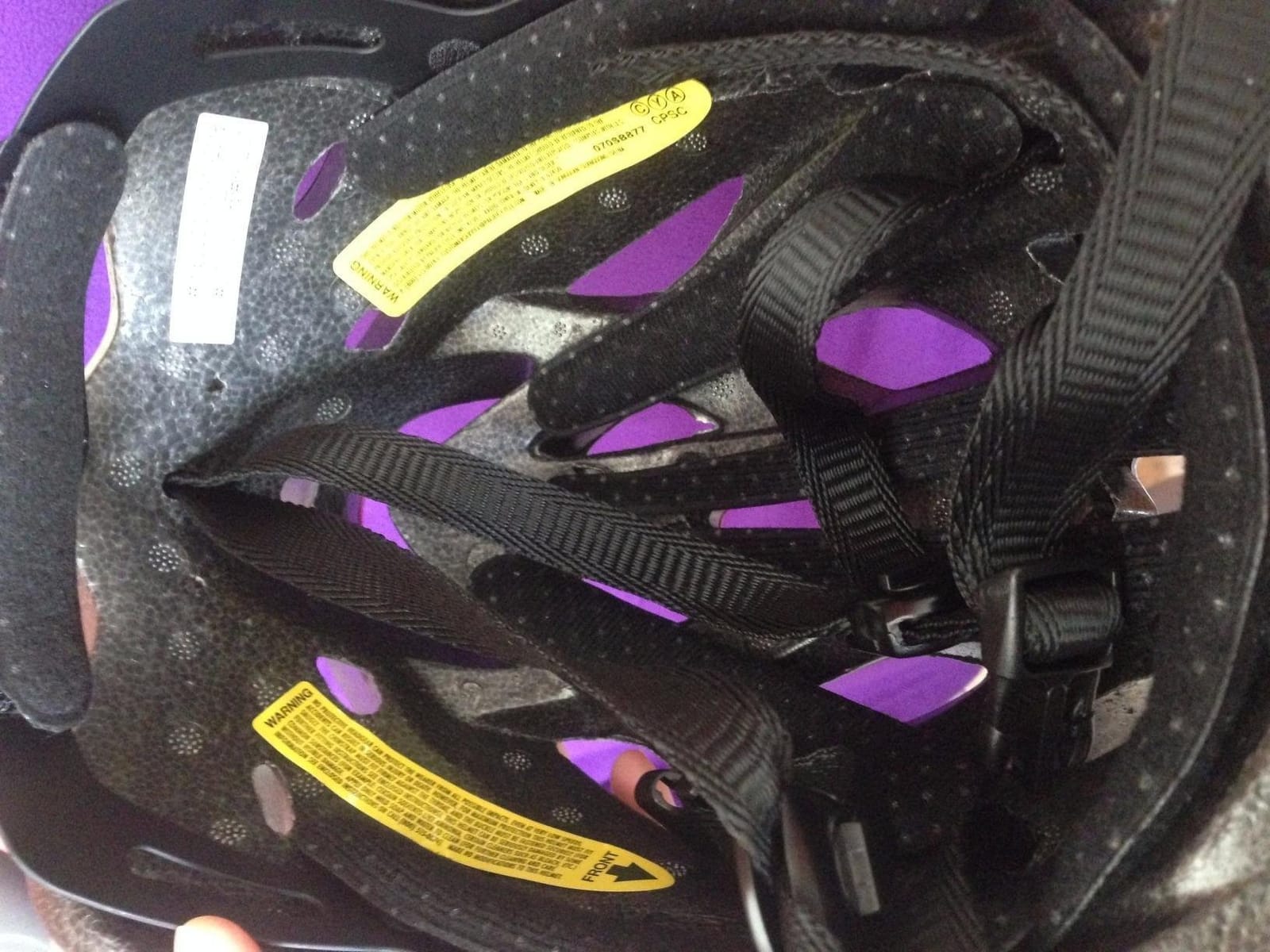
At 13 ounces this is the second heaviest shell in the roundup, and you can feel the difference against the Schwinn Classic. On a younger sibling sharing the same ride it is noticeable, but for a child who is out on a longer neighbourhood loop it is not the first thing they complain about. Ventilation does most of the work here that low weight does on a toddler helmet.
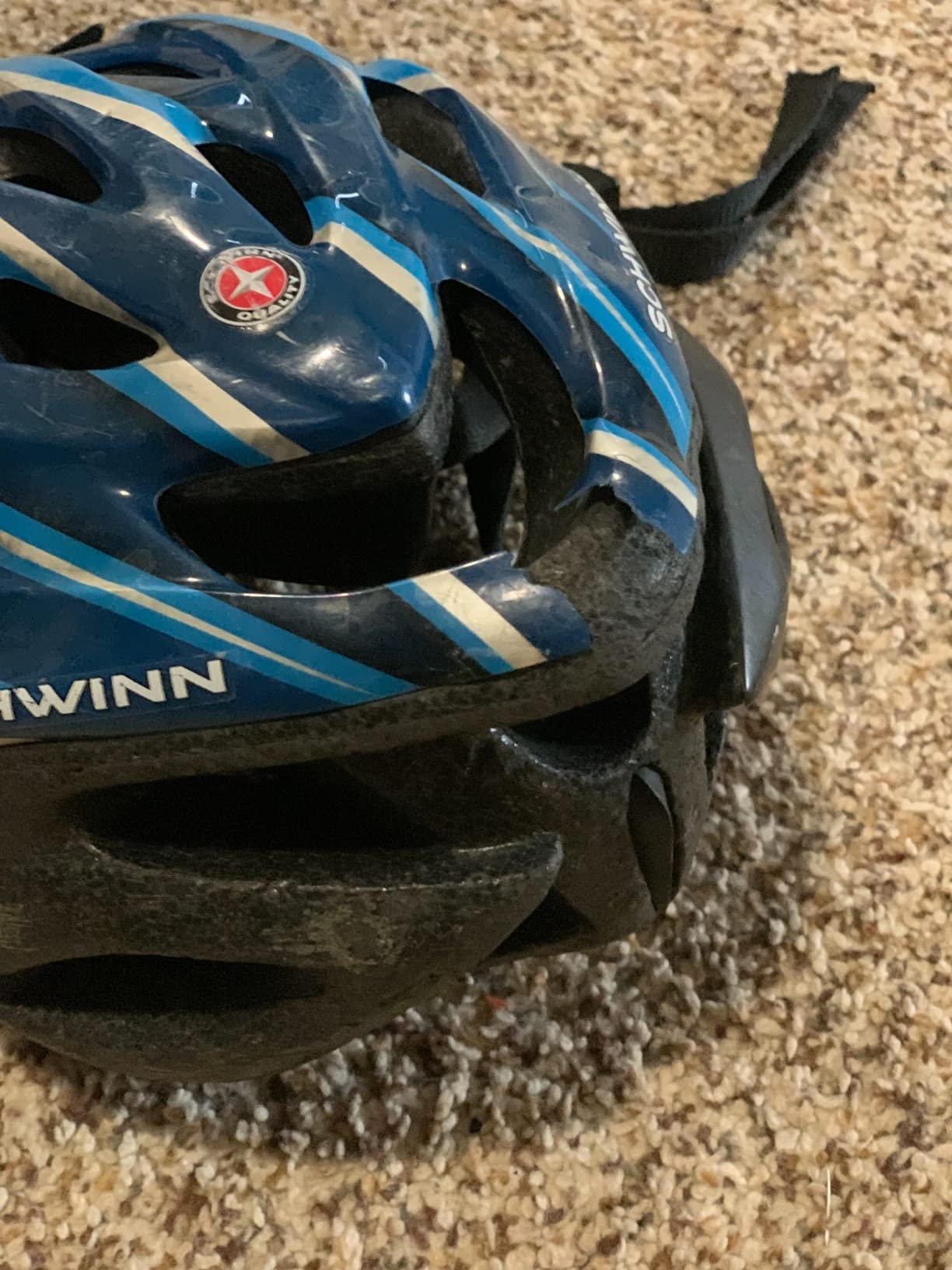
A small number of reviews report the outer shell separating from the foam underneath. This is not a widespread pattern in what we read, but it is worth knowing: if you ever press the shell and feel any give or see a crack line, stop using it. Foam that has been compressed or detached cannot do its job, and that is exactly the hidden damage we will talk about in the replacement section.
Getting the size right at 55-58 cm
This is a narrow band, and it is the single most important thing to check on this product. A 55 cm head and a 57 cm head feel very different inside the same shell, and a child who has just tipped into 58 cm is already at the end of the range with the dial fully closed. Measure late in the day, when the head is at its largest, rather than first thing in the morning.
If the measurement lands under 55 cm, the Bell Richter below covers 54-58 cm and will hold that head better with its roomier fit. If it lands over 58 cm, you are out of children’s sizing for this shape and should look at an adult small, which gives you a deeper shell and more rear coverage.
What you give up compared with a premium helmet
There is no rotational impact protection in this shell. The foam is standard expanded polystyrene in a single layer, which handles direct impacts well but has nothing extra to absorb the twisting force of an angled fall. Against the picks higher in this guide, the difference is a refined, adjustable fit and coverage you can set precisely rather than one head size at a time.
The trade-off runs the other way too, and it is worth saying plainly. A 4.8 average across more than five thousand reviews from a recognisable brand with a limited lifetime warranty is a safer bet than an expensive shell with a handful of reviews and no track record.
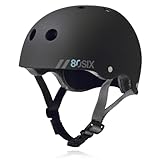
4. 80Six Triple-Certified Helmet – Best for Multi-Sport Kids
80SIX Triple Certified Multisport Helmet – Ideal for Bike, Scooter, Skateboard, Roller Skate and Inline Skate
- Only triple-certified shell in this roundup
- Covers bikes skates scooters and skating
- ABS shell with EPS liner
- Three sizes span ages 5 to adult
- Interior foam conforms with use
- Snug fit takes a few wears to accept
- Bulkier skate shape than a road helmet
- Heavy at 400 g for smaller kids
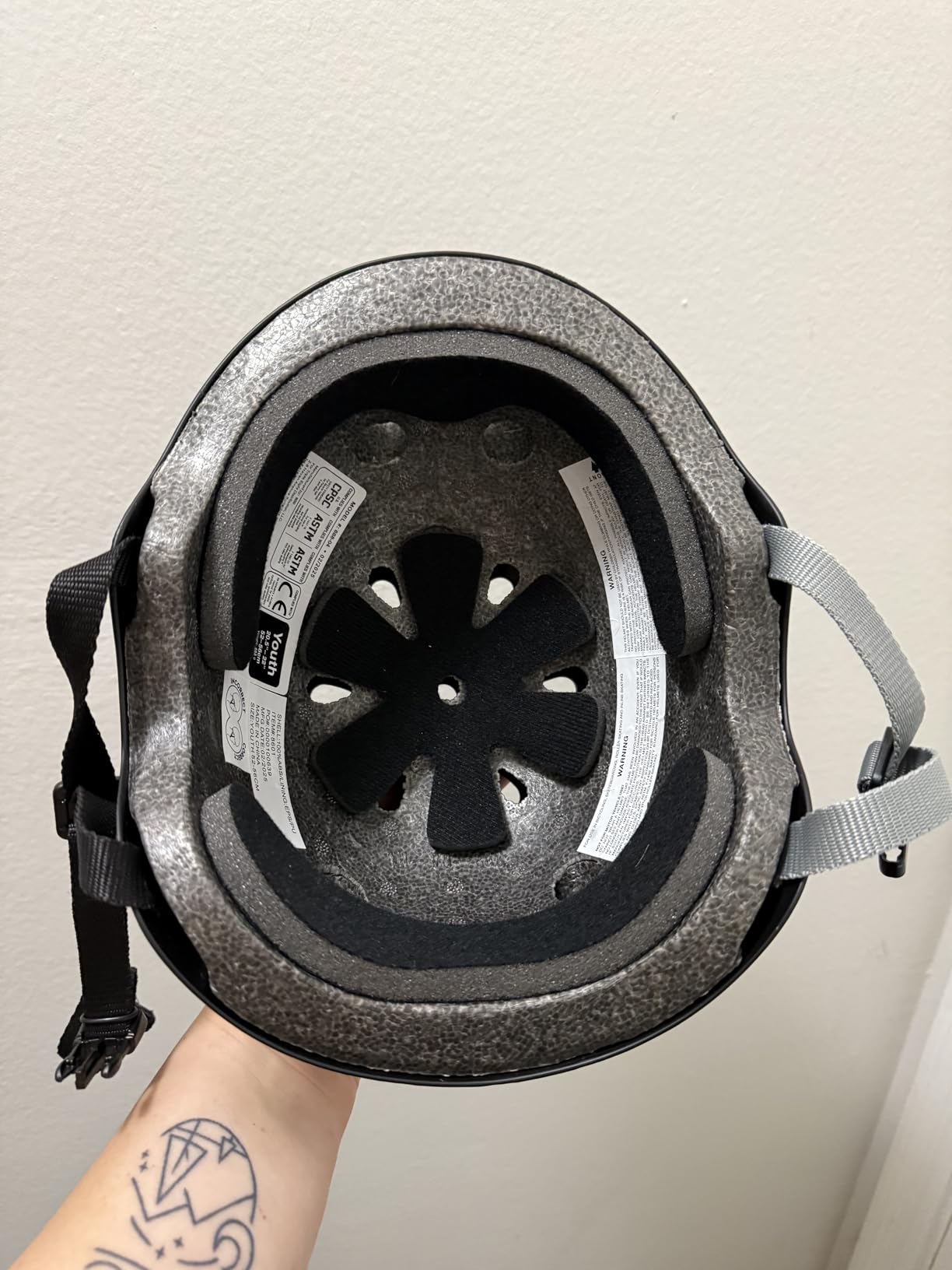
This is the only helmet here certified to three standards at once: the CPSC bicycle standard, ASTM F1447 for skate-style helmets and ASTM F1492 for inline skating and skateboarding. If your child cycles to school and then spends an hour at the skate park, that triple mark removes the argument you would otherwise have every single time.
The fit system is the conformable interior foam rather than a dial. The liner is designed to take the shape of the head over the first few wears, and buyers describe it as settling in rather than loosening out. Combined with adjustable chin straps and a side-release buckle, it holds steady once it has moulded, and it sits low on the head instead of perched on top.
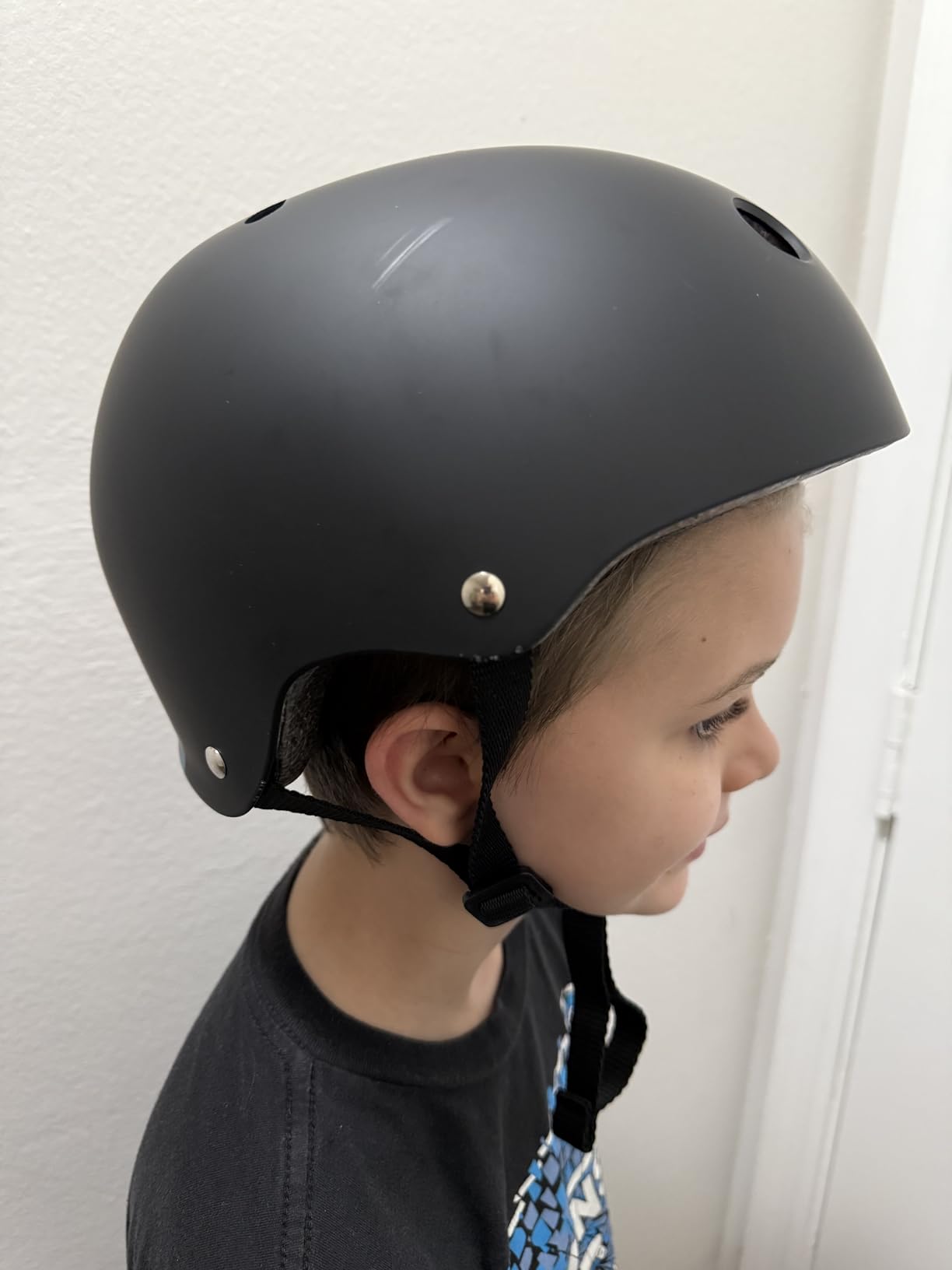
Two things to weigh. The first is the 400 gram weight, the heaviest of the light shells here by a wide margin, and it is very obvious on a five year old. On a larger child in the 14+ size it settles down considerably, so the same helmet suits a wide age range but does not suit them equally.
The second is the shape. It is a skate-style shell with a flat, low profile that covers the back of the head more deeply than a cycling helmet. That is correct for the certification, and it is what lets it pass skateboard impact testing, but some children describe it as bulkier than the light road-style helmets they are used to wearing.
Choosing the right of the three sizes
There are three shells: 49-52 cm for ages five and up, 52-56 cm for ages eight and up, and 55-58 cm in a small and medium for older riders. The overlap between them is only 1 cm at each end, so measure carefully and take the middle size when you land on a boundary rather than trusting the age label.
Because the liner moulds rather than adjusts, buy the size that is snug on the first fitting. A helmet that is comfortable from day one will mould to the head rather than to the gap, and the difference shows after a month of regular use.
When this is and is not the right choice
Choose it if the same head needs one helmet for two or more sports. The certification coverage is the reason to pay a little more here, and it is the only feature on this list that expands what your child can safely do with a single purchase.
Pass on it for a light scooter commute in warm weather, where the weight will be the first complaint. In that situation the Bell Rally further down does the same job for a fraction of the mass, and your child is not heading for a skate park anyway.
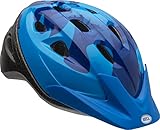
5. Bell Rally Child Helmet – Budget Pick That Disappears on the Head
- Lightest shell here at 227 g
- One-step True Fit adjustment
- Pinch Guard avoids chin pain
- Kids can buckle it themselves
- Removable visor
- Outgrown quickly near 56 cm
- Age label overstates fit for toddlers
- Plastic visor is a weak point
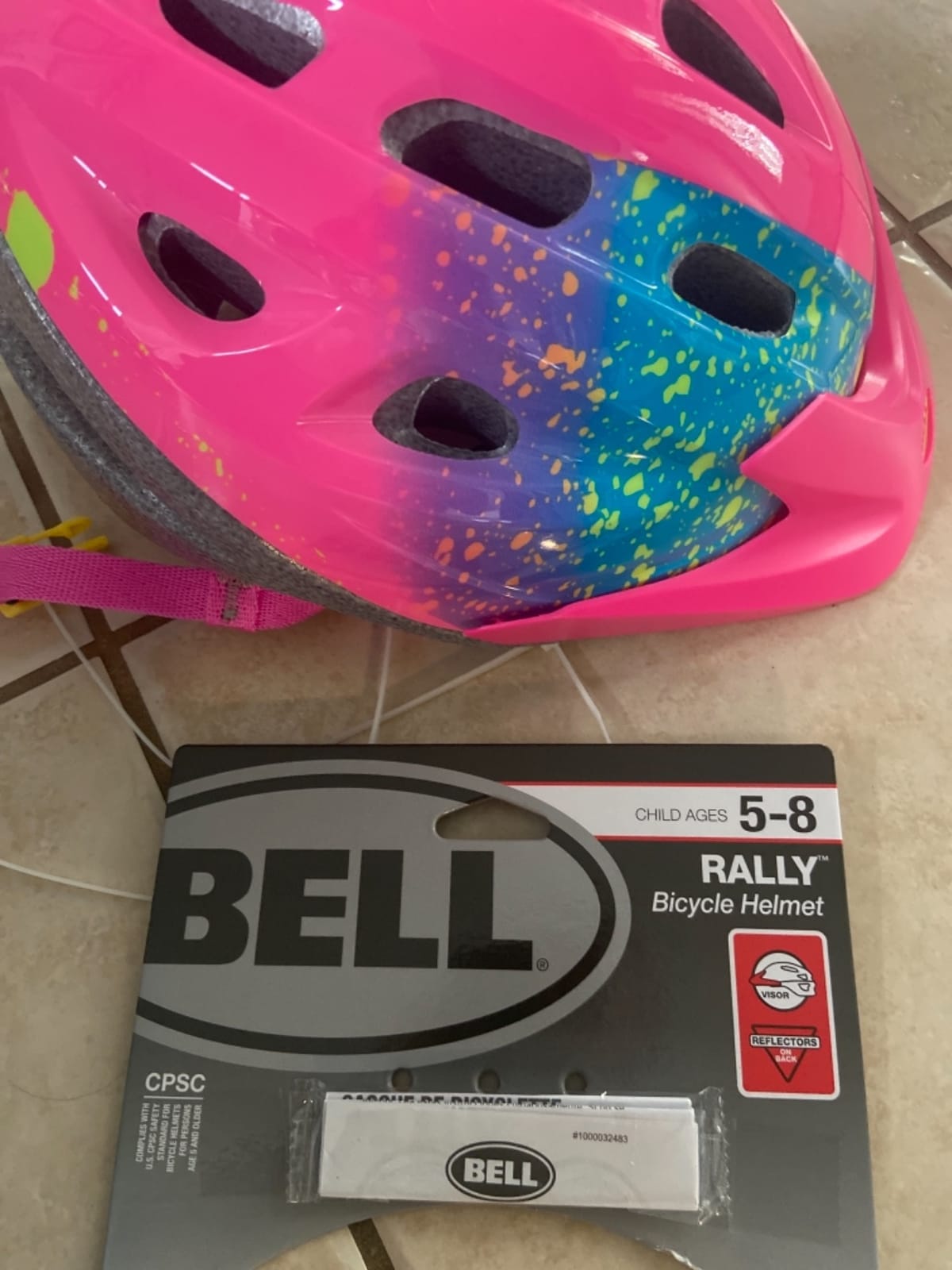
At 227 grams this is the lightest helmet in the roundup, and that single number explains most of what buyers tell us. Parents who had previously fought a child over helmet use report that the weight disappearing is what changed the outcome. A 227 gram shell is genuinely forgettable after about two minutes, and forgettable is the goal.
The True Fit system adjusts in one step rather than through a chain of sliders, which means the fit can be reset in seconds at the start of every ride. Combined with the Pinch Guard buckle that keeps webbing away from the chin, this is the model in our list that a child can realistically put on and fasten without an adult’s hands.
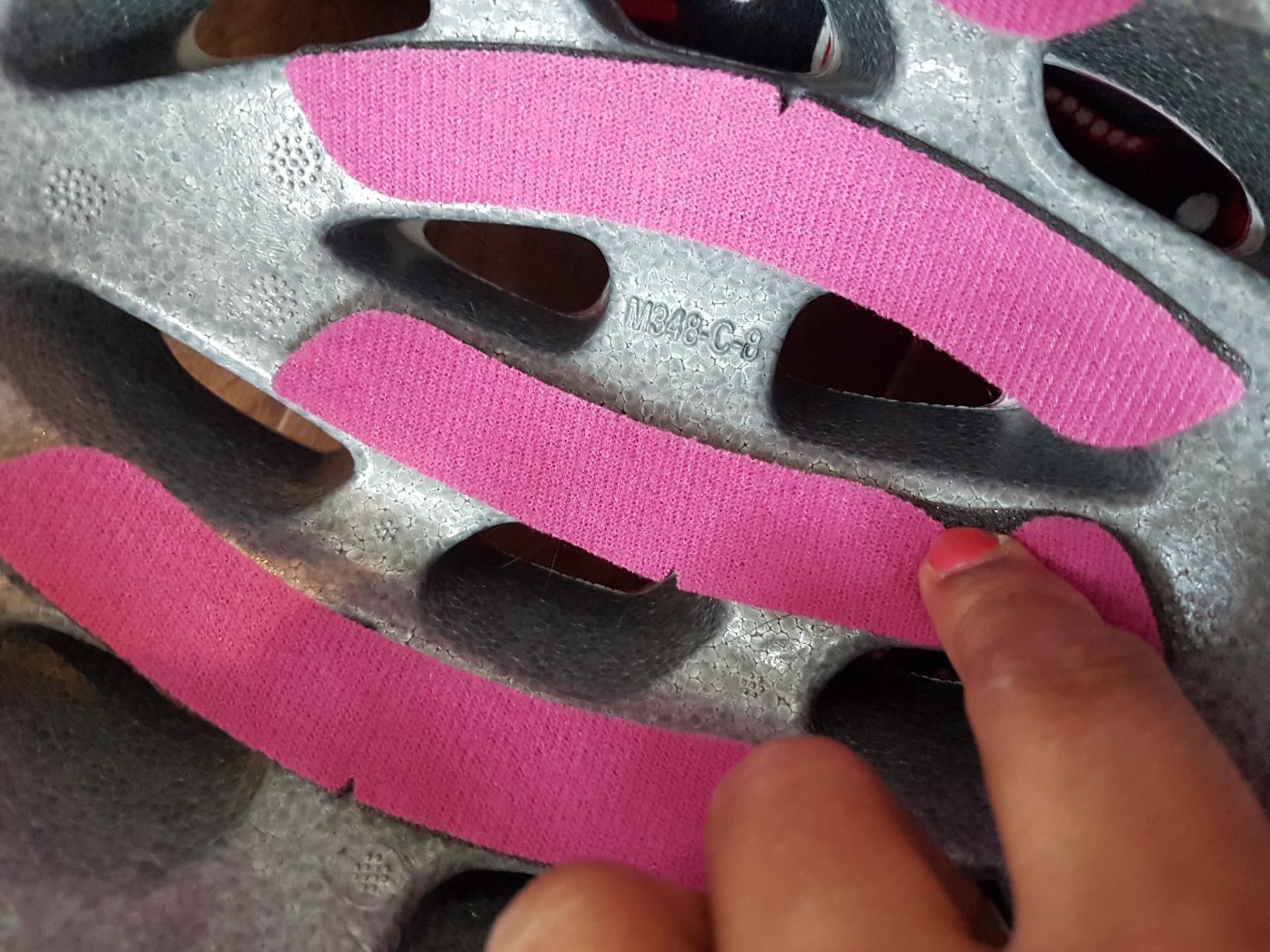
It is also the oldest design language here, and that is not a criticism. The low-profile classic shape with extended rear and temple coverage is still the shape safety guidance recommends, and there is no rotating mechanism, dial housing or light panel adding structure or weight to the top of the shell.
The limitation is the range. At 52-56 cm it is a snug fit, and children approaching the top of that band outgrow it quickly, often in a season. Several buyers also note that the age five to eight label is misleading for younger toddlers, who can wear it if their measurement allows but should not be steered towards it on the label alone.
How to test it in a store in sixty seconds
Put it on and close the True Fit dial fully. If you have to pull the front rim down to get it level, it is too small. If you can slide your palm between the forehead and the front edge with the dial closed, it is too large. The right answer is level, low on the forehead, and no wobble when the child shakes their head.
Then fasten the strap and ask for two fingers under the chin. If the buckle is a Pinch Guard and you can get a finger in without it being slack, the fit is right. This is the same check we describe in the buying guide, and doing it in a shop is far faster than doing it over a return window.
The honest trade-off on a budget pick
What you give up is the rear dial and the broader fit window. Strap adjustment works, but it is set once and stays set, so a child who grows through a size has to move on rather than dial out. There is also no extended rear coverage, so this is a lower-profile shell than the Schwinn Classic for the same age group.
What you get is a certified, light, cool helmet with a buckle your child can operate. For a first pedal bike or a run to the shop, that is the right side of the trade to be on.
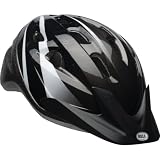
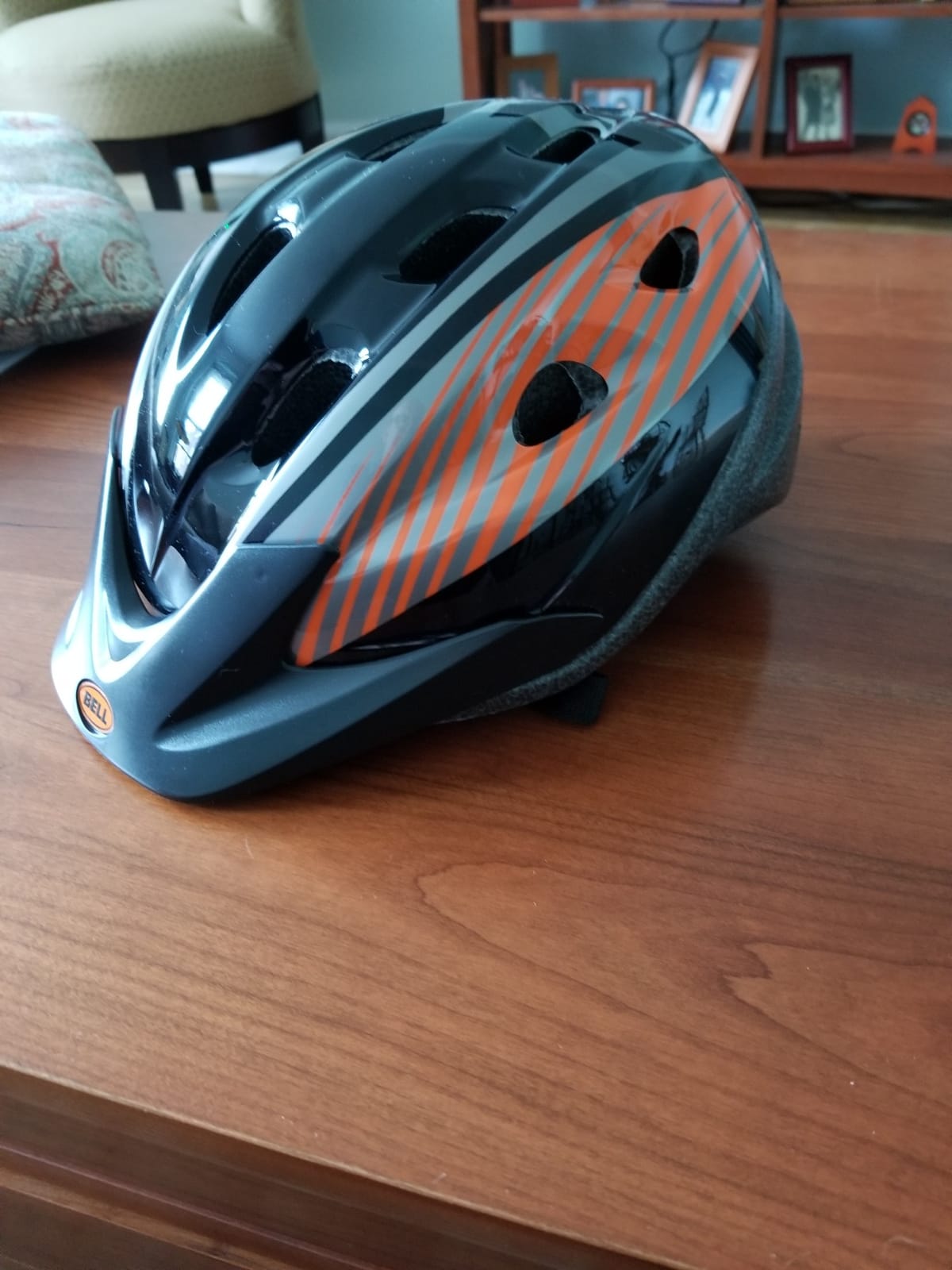
6. Bell Richter Youth Helmet – Best for Bigger Heads in the 54-58 cm Band
- Light at 10.2 oz
- True Fit holds once dialled in
- Kids can adjust it themselves
- Vent openings keep the head cooler
- Understated styling older kids accept
- Dial fiddly for younger riders
- Rounder and bulkier than a road shell
- Lower average rating than the rest
The Richter is the answer to a specific and very common problem: a child whose head measures 55 cm or more and who cannot get comfortable in the narrow youth shells. The fit here is roomier than the Schwinn Thrasher at a comparable weight, and the rounder profile gives it more internal volume to work with on a longer head.
It carries the same True Fit one-step adjustment and Pinch Guard buckle as the Bell Rally, which means a family already using the Rally on an older sibling can reuse the same routine. The ventilation openings are fewer than the Thrasher’s twenty, but they are placed where heat collects around the forehead and crown.
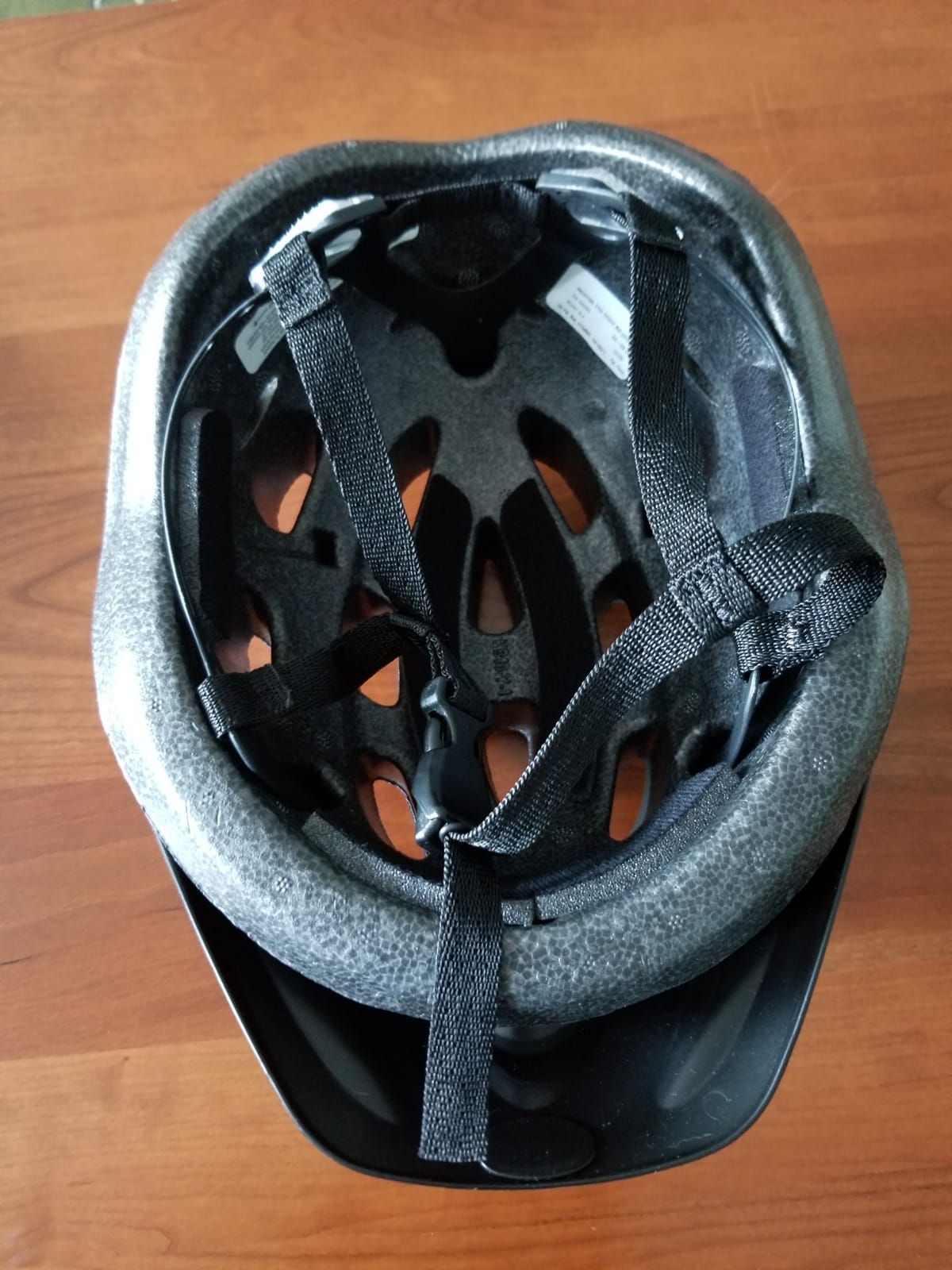
Two honest notes. The True Fit dial takes a few attempts to master, and younger riders sometimes struggle with it, so the first week is worth spending on it. And the shape is a classic rounded bicycle helmet, which means it protrudes further at the back than a modern low-profile road shell and looks a little different to what a tween may have seen on a friend.
This helmet also has the lowest average rating in our group at 4.6, which is still high in absolute terms. The reviews that drag it down cluster around fit rather than build quality, so the deciding factor is whether you measure and check before committing rather than ordering on the age label alone.
When a roomier fit solves the problem
If your child is between 54 and 55 cm and the Thrasher is not closing comfortably, the Richter is the pick. The extra internal room is the entire value proposition, and it is a problem that parents in online forums describe repeatedly: a child who measures perfectly on the chart still cannot wear a shell that fits a different head shape at the same number.
Pair it with the earlier lesson about not trusting age labels. At 54 cm a child might be six or might be ten, and the Richter serves from about eight through fourteen without needing a change mid-way.
Where it does not fit the brief
Do not choose it for hot-weather long rides in summer. Twenty vents on the Thrasher moves noticeably more air than the openings here, and at this age the difference shows on a long hot afternoon.
Also skip it for anything that might involve a skateboard. There is no ASTM certification on this model, so a child moving between two sports needs the triple-certified shell further up this list instead.
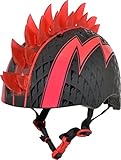
7. Raskullz Mohawk Helmet – Best With Lights for Dusk Rides
- LED fin gets kids excited to wear it
- Adjustable straps allow a snug fit
- Cooling vents move air through the shell
- Durable PVC shell over EPS foam
- Works for bikes scooters and skates
- Mohawk adds height and snagging risk in a fall
- Strap adjustment only with no rear dial
- Heavier at 13.3 oz than the size suggests
Five LED lights inside a moulded three-dimensional fin, and that is the feature that makes this helmet work when a plainer shell would not. Parents report that the light-up mohawk turns the helmet into an accessory a child is proud of at the skate park, which is a completely different proposition from another box of hard plastic being pressed onto their head.
The lights run on an automatic shut-off to preserve the battery, so there is no switch to forget about and no charging cable in the box to lose. It is not a substitute for proper front and rear lights on a bike, and we would not treat it as one at dusk. It is a visibility aid and a motivation aid, and it is honest to say that the second is doing most of the work.
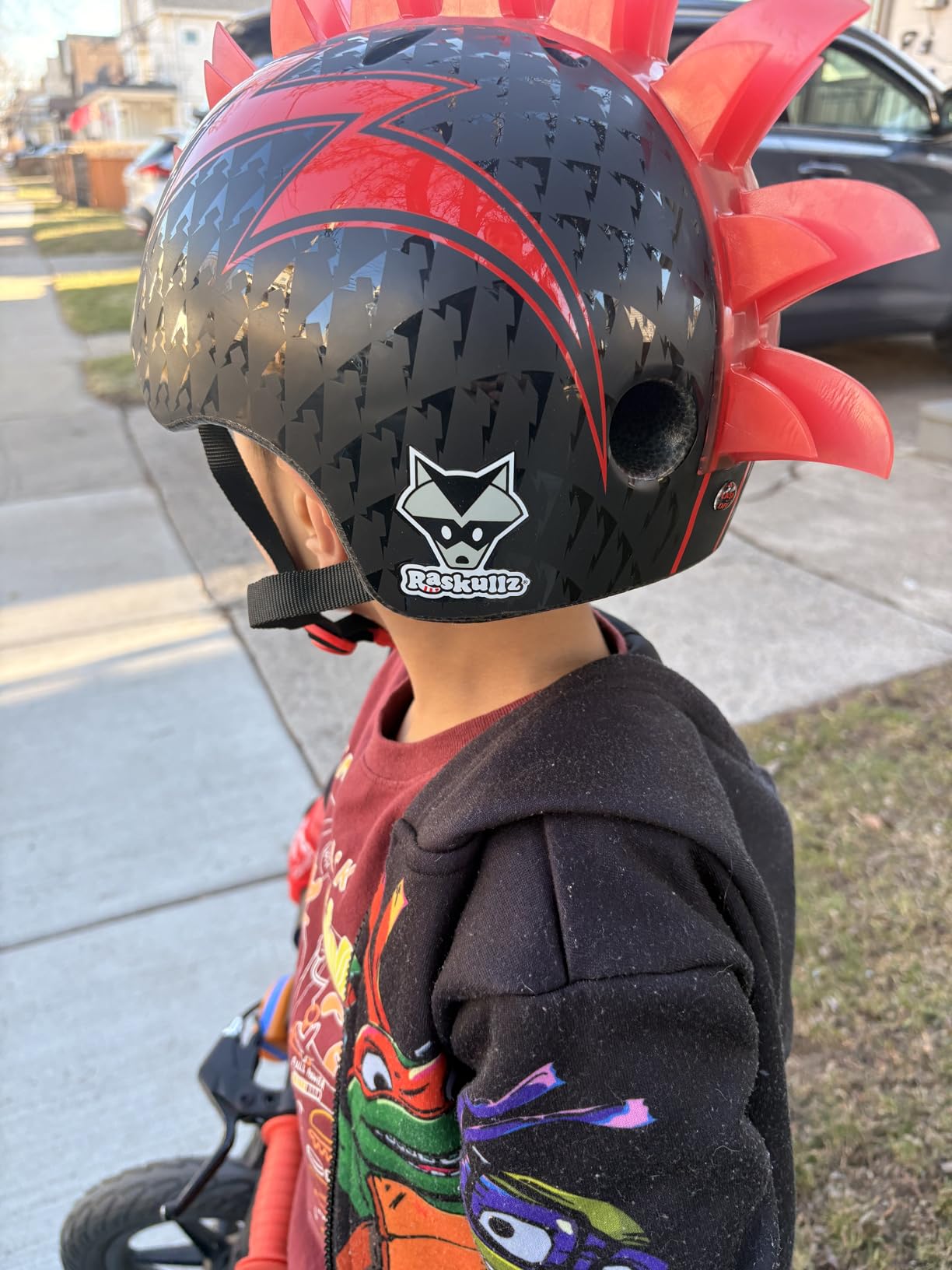
On the safety side, this is a CPSC-certified bicycle shell with expanded polystyrene impact foam inside a durable outer shell and aerodynamic vents for airflow. It is certified for ages five and older and suits a 50-54 cm head, which covers the age band where children start asking for a bike of their own rather than being carried.
Adjustable straps give you a snug fit, but there is no rear dial, so the adjustment range is fixed once set. At 13.3 ounces it is also one of the heavier shells for a head this small, and the weight sits noticeably forward and high on a child of six.
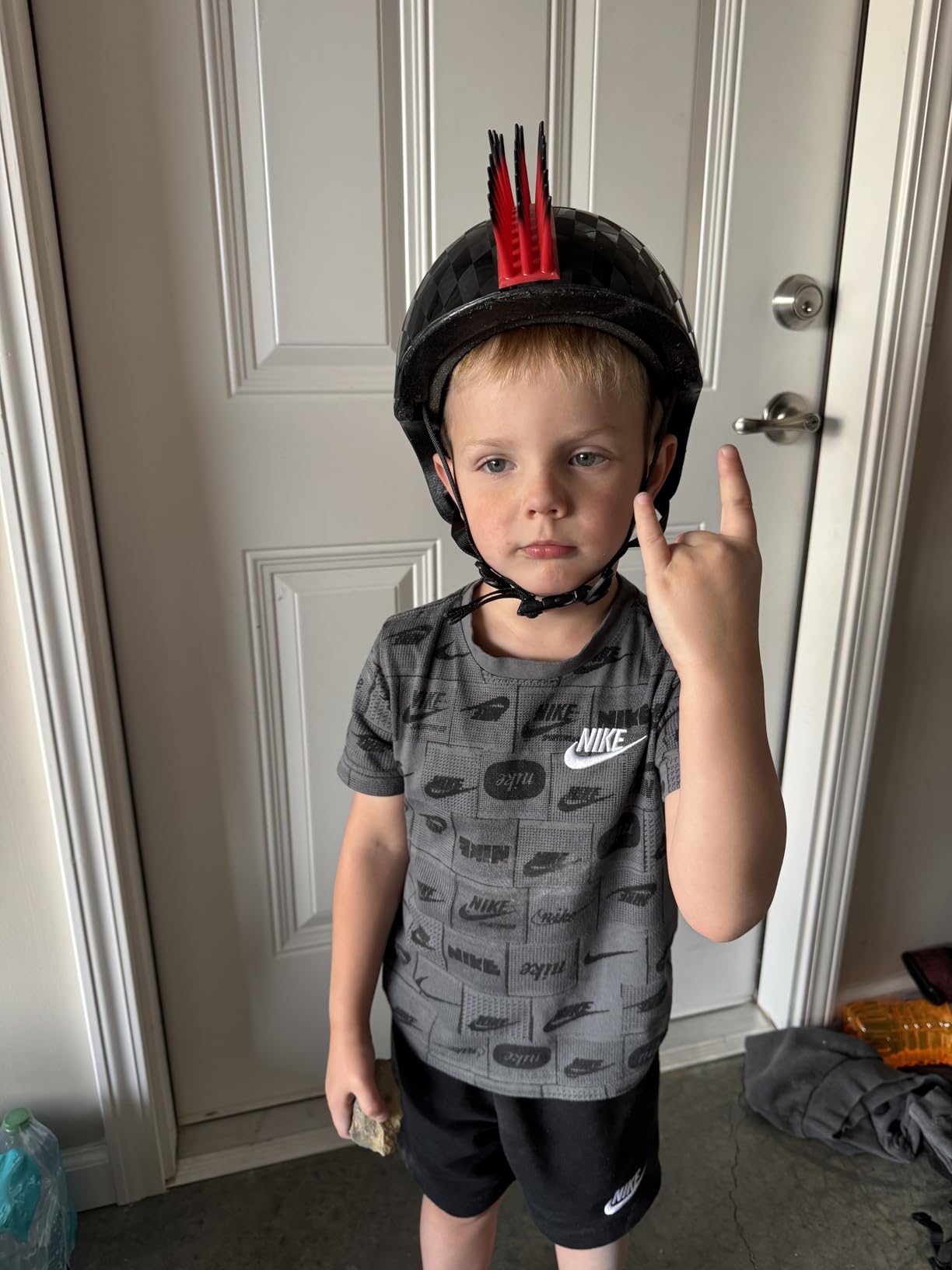
Is a lit-up helmet a good idea for a fall
The fin adds height above the shell, and reviewers raise the same point we would: anything that protrudes can twist or catch in a hard fall. It is a small risk against a purely cosmetic feature, and on a child doing slow street riding the trade is easy to accept. On a child who is starting to attempt jumps or pump track features, choose a smooth shell instead.
The same thinking applies if your child shares a bike with you on a rear seat or in a trailer, where the shell needs to sit flat and clear of anything behind the head.
Who should skip it
Skip it if your child is a serious skater rather than a casual one. The shell is certified for bicycle use only, so a fall on a skateboard is outside what it was tested for. The Krash Vector Victor further down carries both the CPSC bicycle mark and the ASTM multi-impact skate mark, and the 80Six covers three standards outright.
Skip it for the oldest kids here too. The style skews young, and a ten or eleven year old who has moved on from character helmets will ask for something else within a year.
8. GLAF Toddler Helmet – Best for the Youngest Riders
GLAF Baby Bike Helmet Toddler Helmets for 1+ Years Old, XS, Matte Black
- Covers the youngest range from 12 months
- Rear spin dial fits a squirmy toddler fast
- Light at 8.5 oz with 14 vents
- Quick on and off for active children
- Many colourways
- Sizing runs large so measure and size down
- Rear protrudes on very small heads
- Shell finish scratches easily
Almost every kids bike helmet on the market starts at 45 or 46 cm and quietly leaves out the under-twos. This one does not. The XXS shell runs from 12 months and up, which makes it one of the few options in this roundup that works for a child still on a push-along trike or a first balance bike at eighteen months old.
Three sizes cover the early years: XXS from 17.32 to 18.9 inches, XS from 18.11 to 20.08 inches, and S from 20.47 to 22.05 inches. The rear spin dial fits a moving toddler quickly, and the quick-release clip goes on and off in one movement, which matters enormously with a child who will not hold still for a fitting.
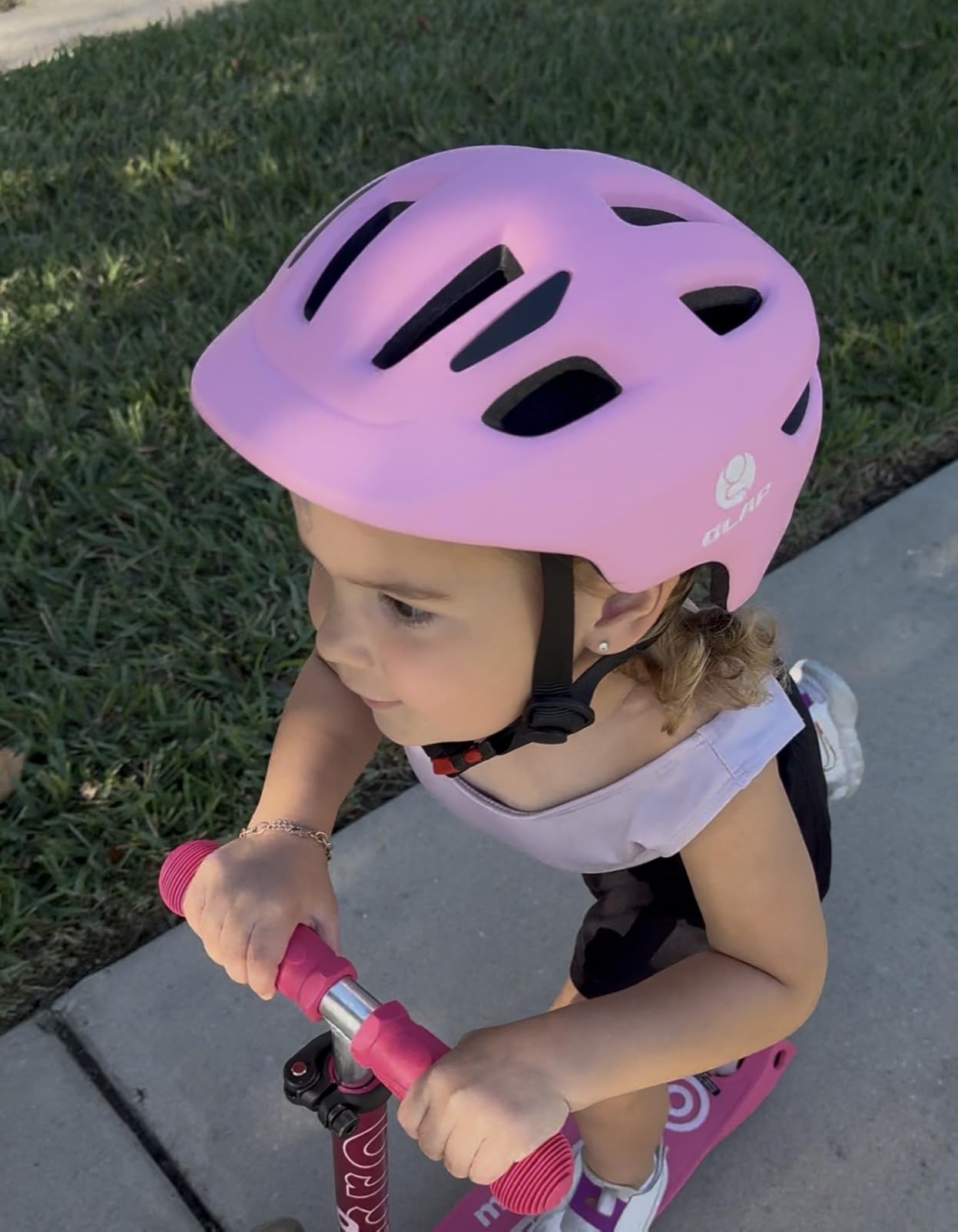
The most repeated caveat in the reviews is sizing. Buyers consistently report that the fit runs a size large against the published measurements, so if your child’s head measures at the top of a band, order the next size down. This is the single most useful thing to know before you click through to the listing.
On the smallest heads the rear of the shell also protrudes noticeably, which looks slightly odd but is not a fitting problem once the dial is closed. The shell finish scratches easily, so expect cosmetic marks after a season of use on a driveway.
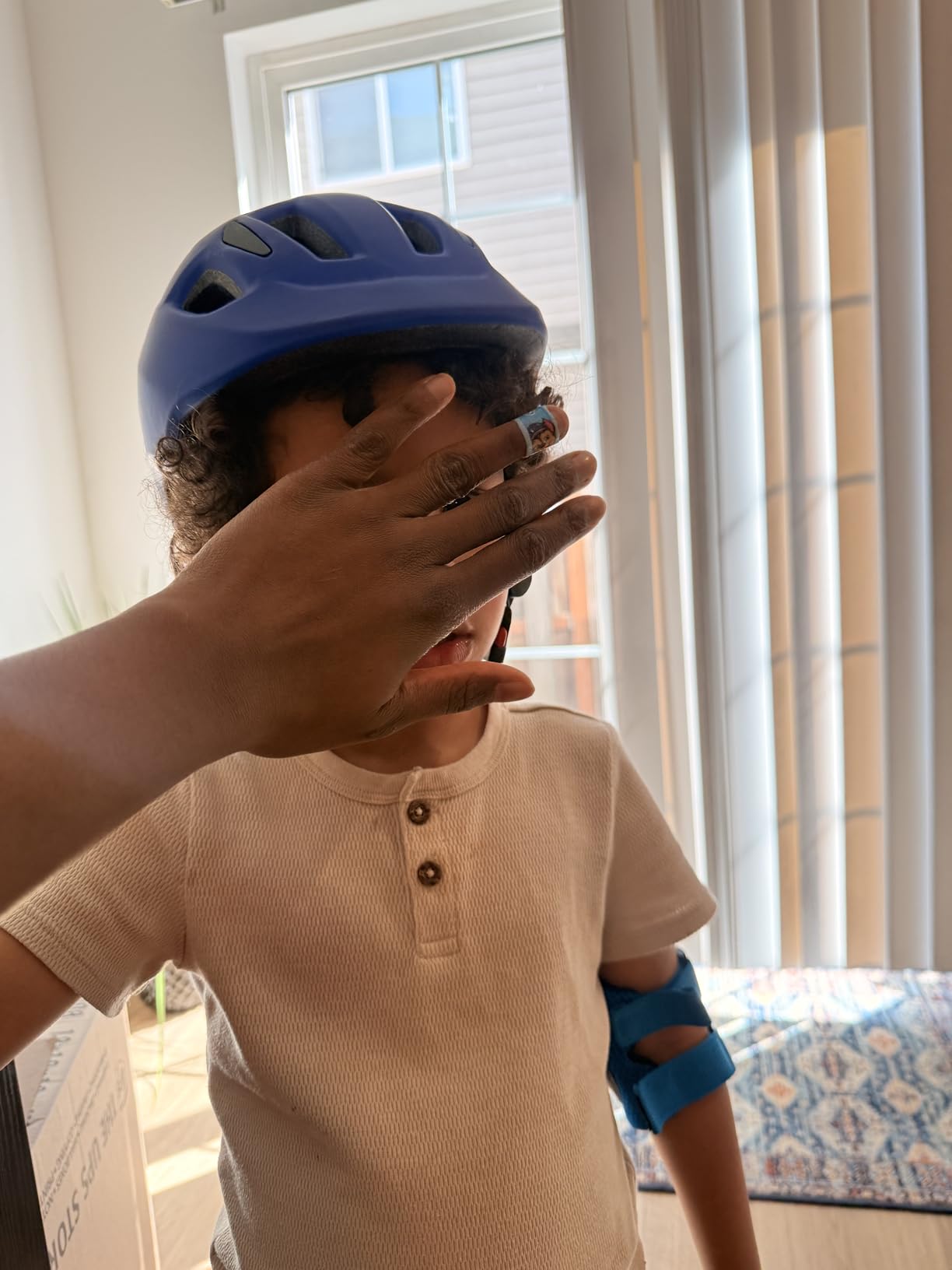
Getting the youngest fit right
Measure twice: once in the morning and once in the evening, and take the larger reading. Infant and toddler head shapes change fast, and a helmet that fits at 7am on a flat head can be tight by bedtime. If the two readings straddle a size boundary, the smaller shell with the dial closed is almost always the safer choice.
Check the pads rather than the dial. On a very small head the dial may be at its tightest setting while the helmet still sits high, and the fix is the removable interior padding rather than tightening the straps further.
When to move up out of this tier
Move up as soon as the measurement passes the top of the shell you own, even if the child still looks small. The toddler shells are shaped for a rounder young skull, and an older child’s longer head will look wrong in one even when the number technically matches.
Also move up if your child is riding behind you on a bike, in a trailer, or on a rear seat. A flat back that works on a stationary balance bike can catch on a seat back, and a toddler helmet is not built for a passenger at speed. Ask the retailer for a shell with a flatter rear profile before you carry a child on an e-bike.
9. Simply Kids Custom Helmet – Best for Kids Who Will Not Wear a Helmet
- Sticker sheets give kids real ownership
- Lightweight shell and vented liner
- Adjustable dial plus quick-pull straps
- Quick-release buckle suits small hands
- Triple certification at this level is rare
- Heavier at 290 g for a toddler
- Colour availability can be inconsistent
- The sticker novelty fades once used up
Most parents buy a helmet to solve a safety problem. This one also tries to solve the behaviour problem, and the mechanism is unusually direct: the box includes alphabet sheets and themed sticker sets so the child decorates the shell themselves. Parents report that a child who chose the design treats it differently from one that was chosen for them.
Underneath the gimmick the build is more serious than the styling implies. The shell is a shock-absorbing outer layer over an expanded polystyrene core, the liner is vented, and the padding is removable and machine washable. There is also a detachable chin guard, which is unusual on a bicycle helmet at this level.
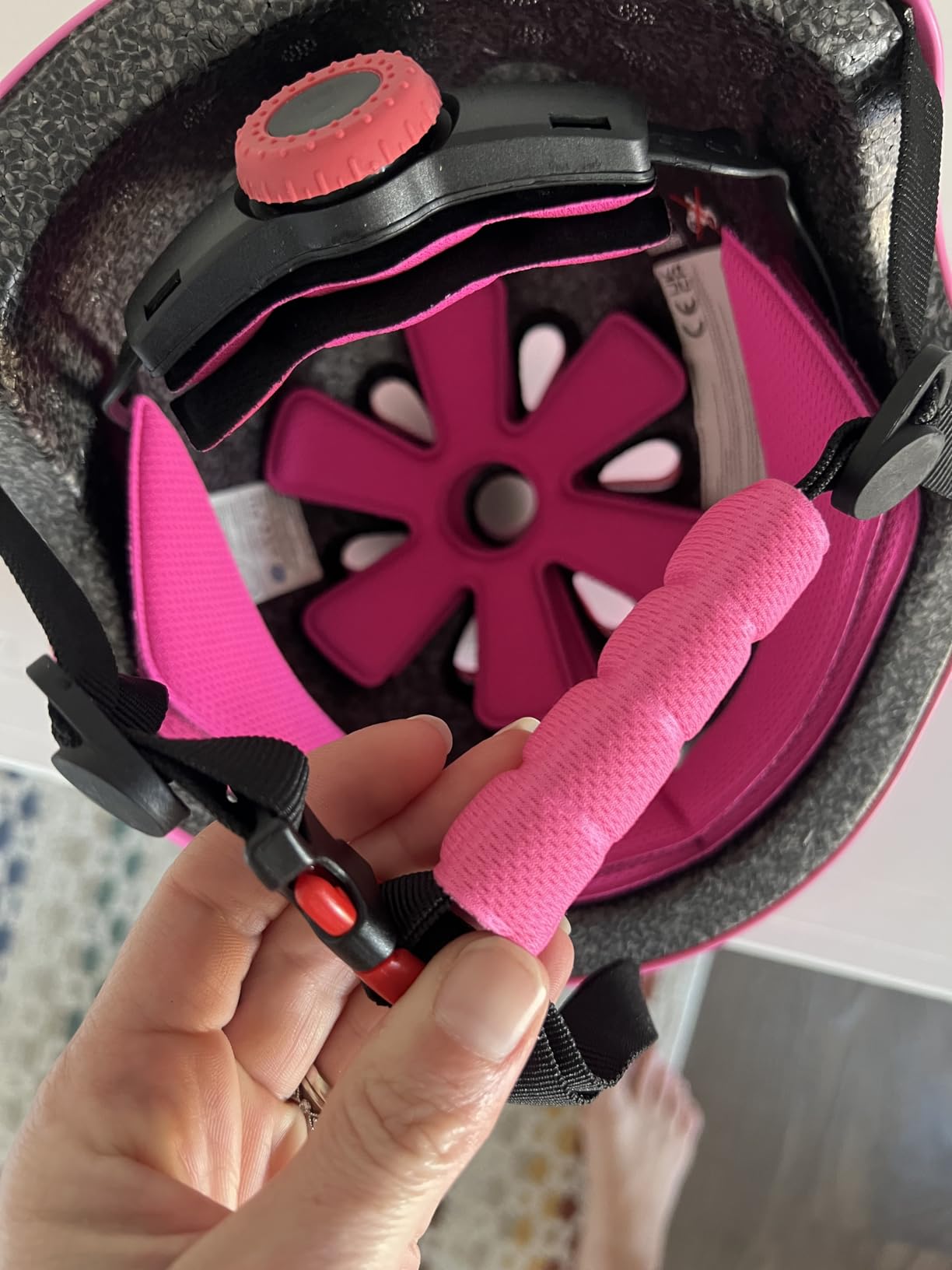
The certification is the standout specification. It is listed to CPSC 1203 for bicycles, ASTM F1447 for skate-style use and EN 1078, the European standard that covers higher-speed pedelec-style riding. Very few bicycle helmets in this roundup carry three marks, and the EN 1078 one is the rare inclusion worth understanding before you rely on it.
At 290 grams it is on the heavy side for a toddler, and the dial plus quick-pull strap system means it suits a slightly older child than the label alone suggests. Colour availability also varies, so do not plan a purchase around a specific theme unless you can see it listed.
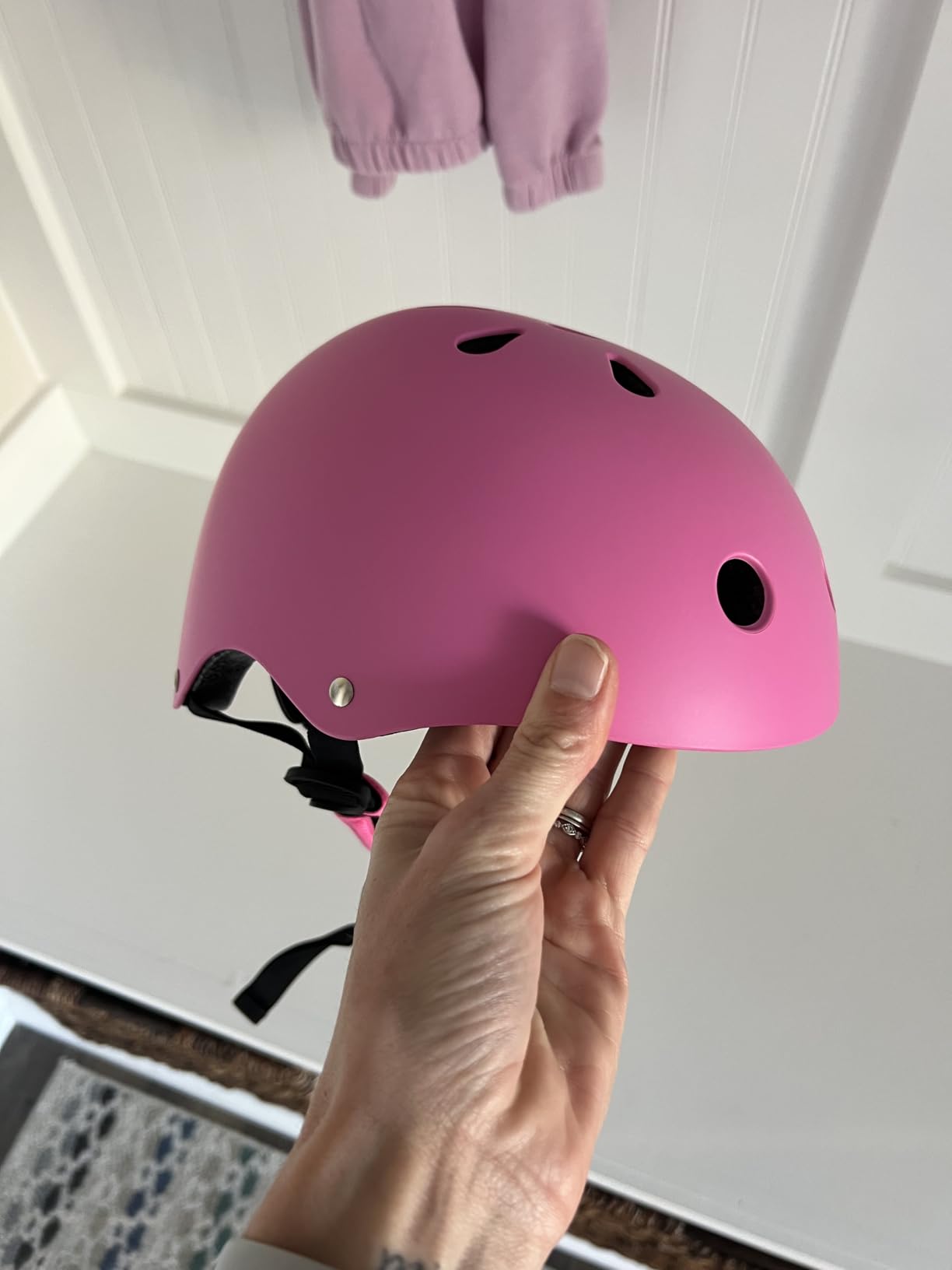
How the two size ranges work
The adjustable dial and quick-pull straps are specified to cover two bands, roughly two to eight years and eight to fourteen years. That is a wide span for one shell, so the number on the box is the less useful figure here. Measure the head, check that the measurement falls inside the stated band for the range you are buying, and adjust with the dial rather than the straps.
Machine washable padding is the feature that pays off fastest on this model, because a decorated shell gets handled a lot and a washable liner takes the abuse without you worrying about it.
When the novelty stops working
Be realistic about the stickers. They are a launch moment, not a permanent solution, and some children lose interest once the sheets are used up. The long-term argument for a helmet is comfort and fit, so pair the purchase with the habit routine in our buying guide rather than expecting the decoration to carry it.
Skip it for a genuine mountain bike or pump track rider. The detachable chin guard helps, but this is still a bicycle shell with a skate certification, not a full-face helmet rated for aggressive off-road riding.
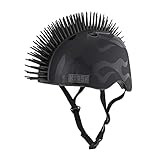
10. Krash Vector Victor Helmet – Best for Moto Style at 54-58 cm
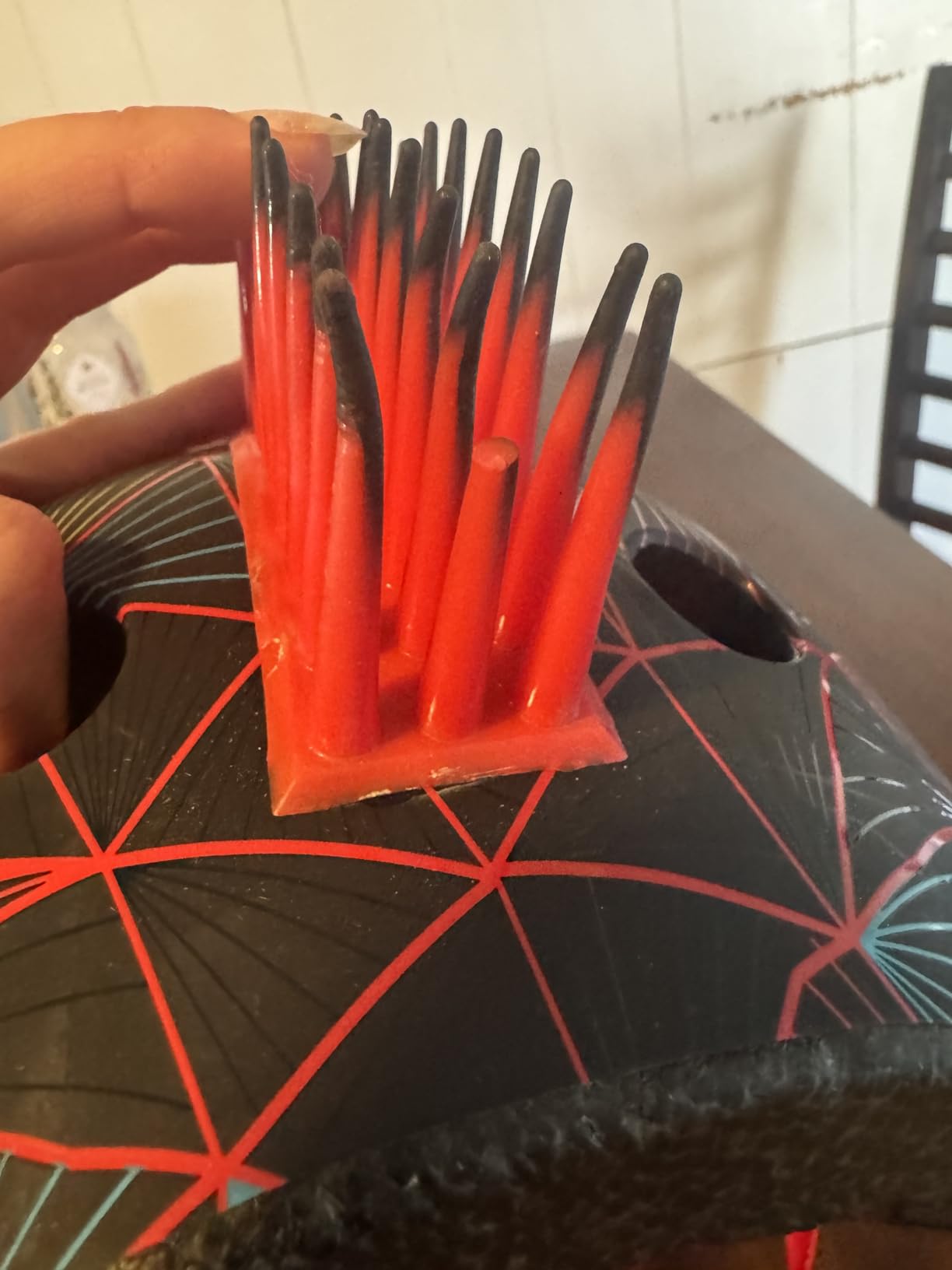
- Bendable rubber mohawk with flame graphics
- Light enough for skating and biking
- Dual bike and skate certification
- Adjustable straps dial in a snug fit
- Cooling vents move air through the shell
- Tall mohawk profile is less streamlined
- Can twist off in a hard fall
- 54-58 cm band is tight for growing kids
The Vector Victor is the older sibling to the Raskullz mohawk further up, in the sense that it covers the same idea at a bigger size and adds a skate certification. The bendable three-dimensional rubber mohawk is the feature; the difference here is that it flexes, so it absorbs contact rather than acting as a rigid spike, and the flame graphics give it a moto look that suits a tween who has left character helmets behind.
It carries the CPSC bicycle standard for ages five and older and the ASTM multi-impact skateboard standard, so a child who moves between a bike and a board can use one helmet for both. The outer shell sits over expanded polystyrene impact foam and the vents are shaped to move air front to back.
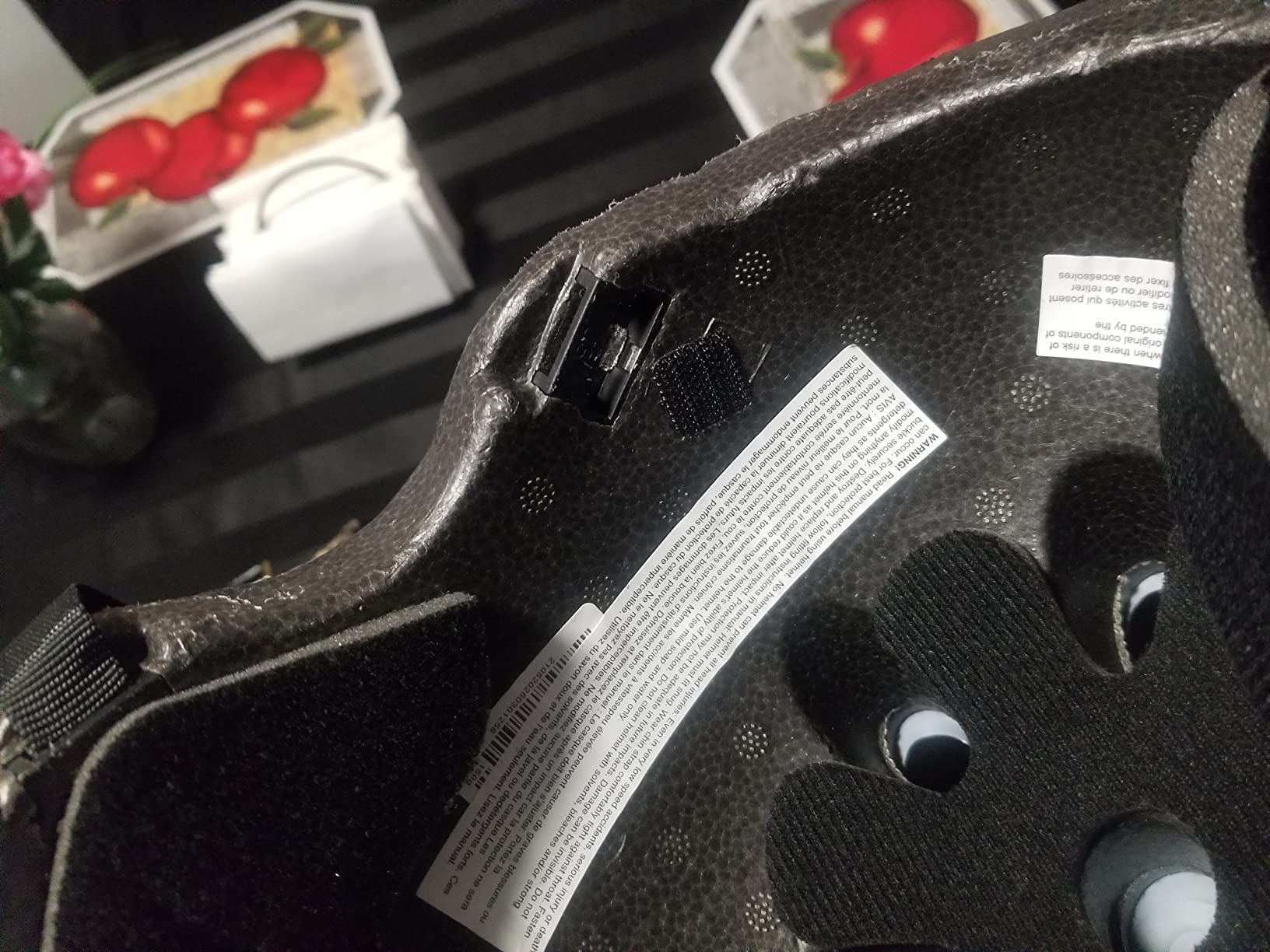
The 54-58 cm band is the constraint. It is a snug fit in a range that is not wide, and a child at 57 cm is already close to the end with the straps fully adjusted. Plan the next size rather than expecting to stretch this one, and check the measurement before the styling wins the argument.
The tall profile remains the trade-off. It is less streamlined than a smooth shell and the mohawk can twist in a hard fall, which is the same consideration as the Raskullz and applies with slightly more force at this size because the helmet is heavier.
Bike and skate use in one shell
If your child is on a bike during the week and a skateboard at the weekend, dual certification removes the need for a second helmet and the argument that comes with it. Look for the ASTM multi-impact mark specifically, since single-impact skate ratings cover board sports and scooters differently from the multi-impact standard used for skate-style helmets.
Check the shape against the bike. A skate-style shell sits lower and further back than a cycling helmet, which is correct for the certification but can feel unfamiliar on a road bike position.
Choosing between this and a plain youth shell
Choose the plain shell if your child skates rarely, rides on smooth surfaces, or is close to the top of the 54-58 cm range and will need to size up soon. A smooth profile is lighter, less snagging and lasts through the growth that a 54 cm head still has ahead of it.
Choose this one if the helmet is the thing that gets your child to the door without an argument. On the evidence in the reviews, styling is what makes the difference between a helmet worn and a helmet sitting on a shelf, and the dual certification means you are not compromising protection to get it.
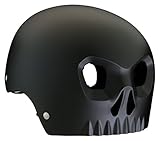
11. Mongoose Street Skull Helmet – Best for Skatepark Durability
Mongoose Street Hardshell Skull Youth Bike Helmet, Black Medium
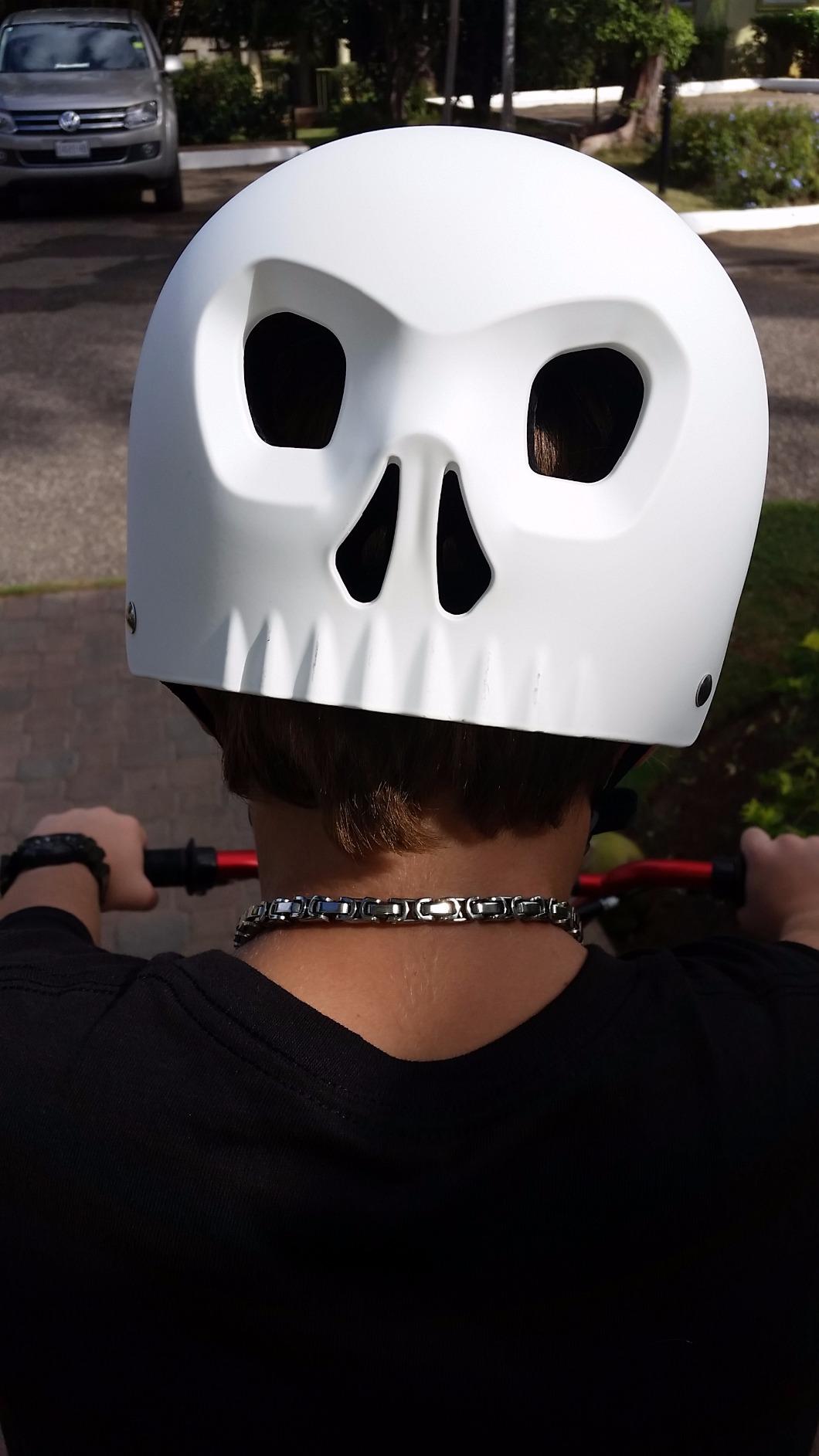
- Skull styling persuades reluctant tweens
- Tough ABS shell for skatepark use
- 360 degree internal padding
- Front vents plus rear eye and nose cutouts
- Roomy fit lasts through growth
- Heaviest shell in the roundup at 0.49 kg
- Skull graphic faces backwards which some dislike
- Sizing guidance differs between listing and packaging
This is the toughest shell we tested in the roundup, and it is built for a specific environment. The outer layer is a super tough ABS over a foam liner, which is the right construction for a child spending Saturday mornings falling over on a concrete skate park. The 360 degree internal padding wraps the whole head and the adjustable straps hold it in place.
It is certified to the CPSC bicycle standard for ages five and older and to ASTM F1492 for skate safety, so it covers both. Ventilation comes from dual front vents plus eye and nose cutouts in the rear, which is a smart place to put them because that is where heat collects in a low, deep skate-style shell.
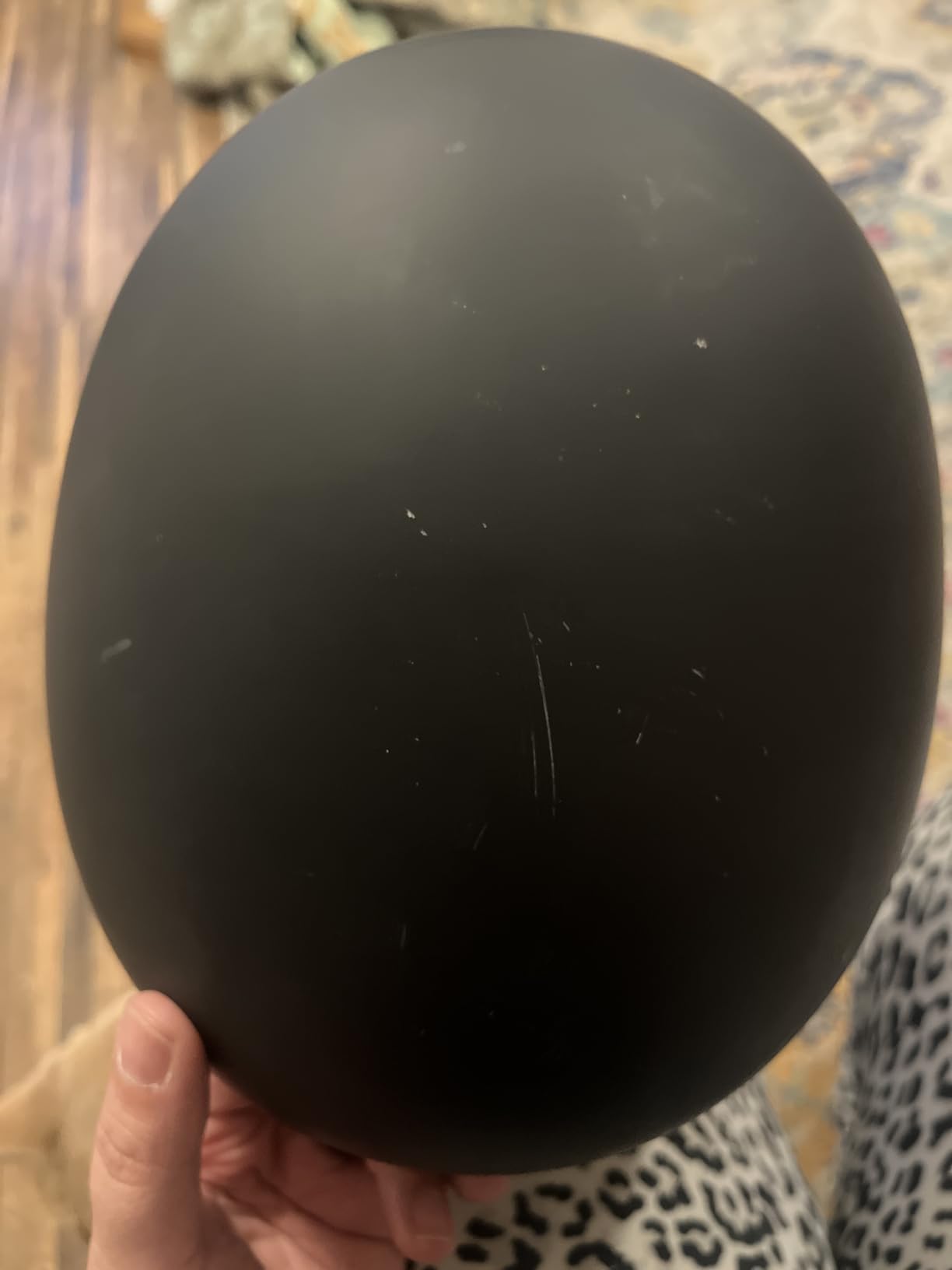
The weight is the significant compromise. At 0.49 kg this is by far the heaviest helmet in the list, and a parent moving a seven year old’s helmet on and off twice a day will feel it. On a twelve year old it reads as solid rather than heavy, and the shell’s willingness to take a beating is exactly what that trade buys.
There is also a sizing ambiguity worth flagging. The specifications list the size as Medium while the product copy points at ages 8-14, and parents report that the guidance on the listing image does not always match the packaging. The roomy fit is widely reported as a positive, but confirm the measurement against what you receive rather than trusting either figure.
Why the weight matters less here than it sounds
A heavy shell and a heavy fitting are different problems. The Mongoose takes effort to lift, but once on the head the padding distributes it and the roomy fit means it does not press on a single pressure point. Parents using it on longer board sessions report that it stays comfortable in a way that a lighter skate-style shell does not, because the extra shell depth spreads the impact surface.
The cases where it is the wrong choice are narrow: a small child, a long scooter commute, or a hot summer where weight and heat compound each other.
Handling the rear-facing graphic
Some kids love the skull facing backwards and some will not wear it, so this is worth checking before you commit. It is the only product in the roundup where the styling is genuinely divisive rather than universally appealing, and it is the one detail most likely to end a return.
For balance bike riders, scooter commuters and school runs rather than skatepark sessions, the 80Six triple-certified shell earlier in this list is a better use of the same money: three certifications, a conforming fit and a lighter frame.
12. Retrospec Dakota Helmet – Best for Hot Rides and Wide Head Coverage
Retrospec Dakota Protective Bike Helmet, Skateboard, Scooter, Adults/Youth
- Ten vents move air on long hot rides
- Removable washable wicking padding
- Three sizes cover 51-60 cm
- Clean matte styling suits teens
- Limited lifetime warranty
- Plain design gives kids little to like
- Listed as an adult helmet so younger kids may outgrow sizing
- Lowest average rating in the group at 4.5
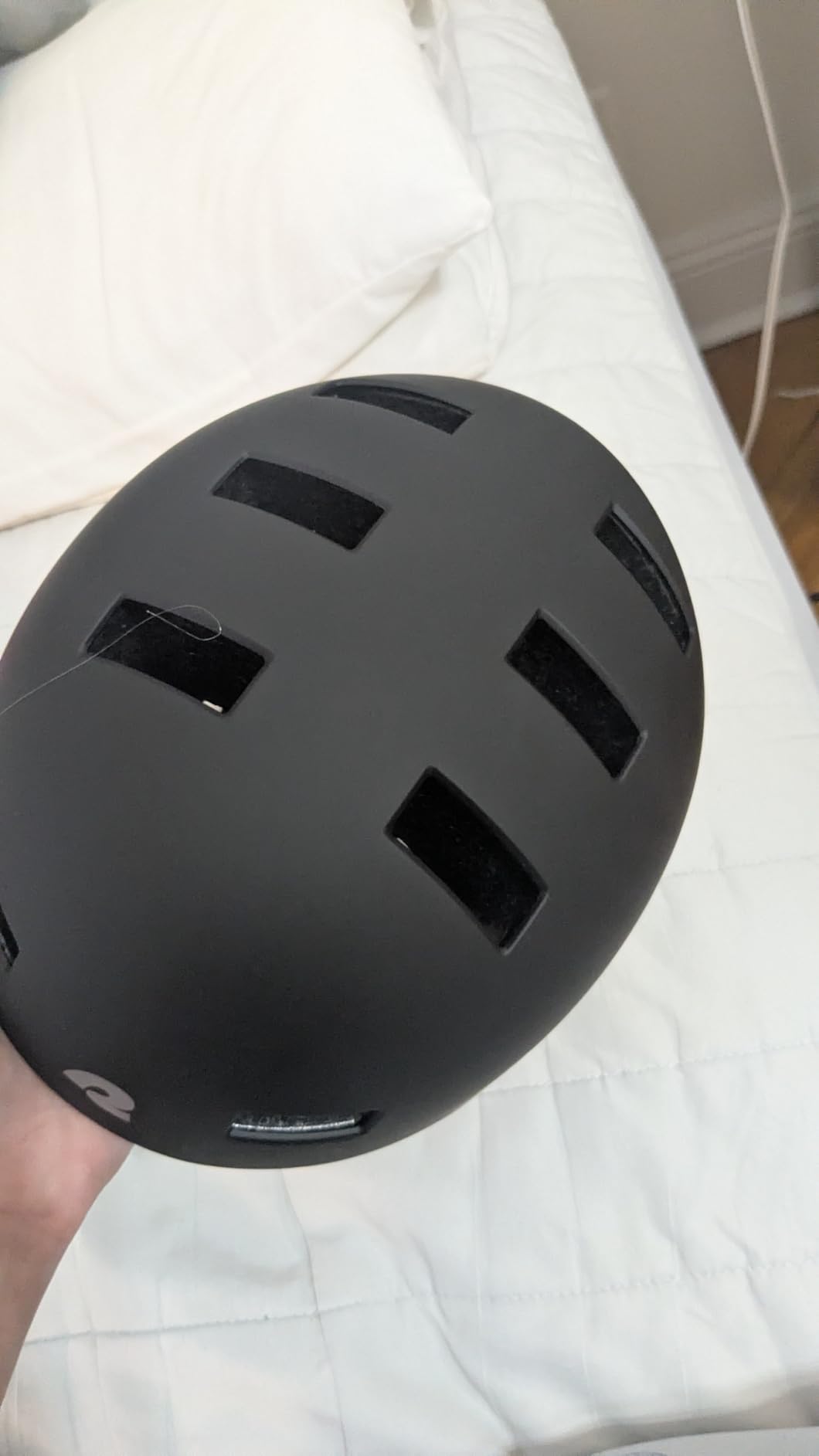
The widest size coverage of anything in this roundup, and the pick for a child who has outgrown the youth bands without quite being an adult. Three shells run from 51 to 60 cm, which is a 9 cm spread, and that solves the awkward stage where a child keeps growing through the boundaries of every children’s model on the market.
Ventilation is the reason it earns its place for hot-weather riding. Ten vents are placed around the shell for airflow in all directions, and the interior padding is removable, washable and moisture wicking, so sweat does not stay trapped against the head for the whole ride. That combination is what makes long summer journeys bearable.
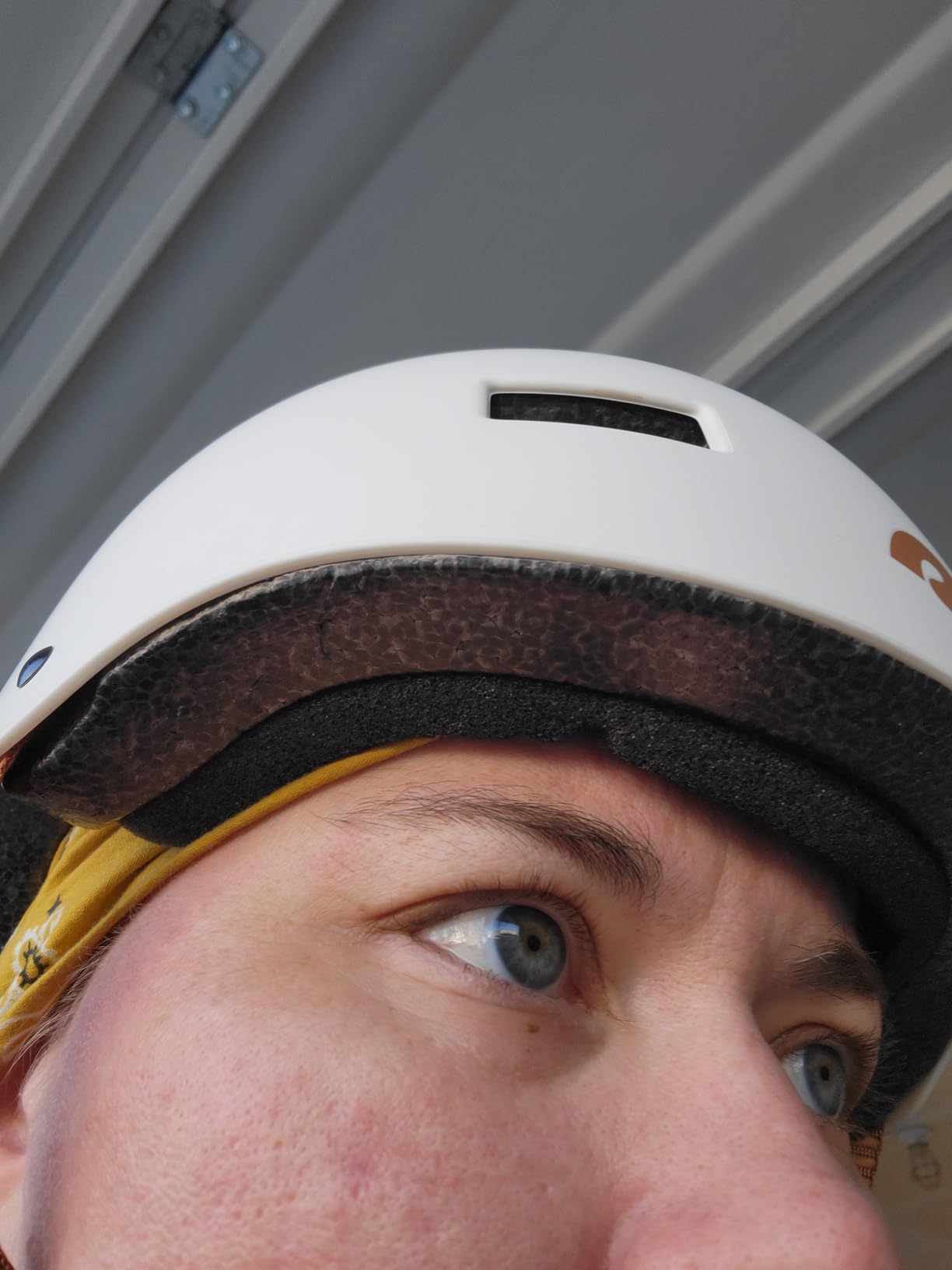
Be clear about what this is. The listing presents it as an adult and youth multi-sport helmet for bikes, BMX, scooters and skating, and the sizes start at 51 cm. A younger child at the small end will get good coverage from it, but the shell is not shaped like a children’s model and will read as an adult helmet to a primary school child.
It also has the lowest average rating here at 4.5, with a higher share of critical reviews than the rest. Reading them, the complaints cluster on styling and on the helmet looking adult rather than on the build, which is a fair summary of the trade you are making.
Using the 51-60 cm range properly
Pick the band your measurement sits at the lower end of rather than the middle, because the internal padding takes up a little volume and a child who starts at 56 cm in the 54-57 shell will thank you in six months. The 57-60 cm shell is the one to look at for a tall teenager who is still riding a bike rather than an e-bike.
The shell is an ABS outer layer over shock-absorbing expanded polystyrene, which is the standard construction across this roundup and handles direct impact well. There is no rotational protection layer, so this is a coverage and fit story rather than a technology story.
When to buy it instead of a children’s model
Buy it when your child’s head is above 58 cm and the children’s options have run out, or when a teenager has outgrown the graphic options and wants something understated that does not look like a child’s helmet. The matte styling and neutral colours do that job well.
Do not buy it for a child who needs encouragement to wear a helmet at all. The Retrospec Scout and Remi lines are the same brand’s younger range, and the styling in this model is deliberately plain. A child who needs a reason to put it on will not get one from this shell.
How to Choose the Best Kids Bike Helmet?
Everything in this guide comes back to one number. Measure the head, then find the helmet whose stated range contains it and whose shape suits it. Features matter in the order below, and none of them matter at all if the helmet does not fit, because a poorly fitted helmet moves during a fall and protection that shifts is not protection.
How to measure a child’s head for a helmet
Take a soft tape measure or a piece of string and a ruler. Run it around the head about 2 cm, roughly one inch, above the eyebrows, passing just above the ears and across the back at the widest point. Keep it level all the way round and pull it snug without pinching the skin.
Measure twice, once in the morning and once in the evening, and write down the larger number. Head circumference changes measurably through a day and through a growth spurt, and the morning reading is often the one that leads to an undersized purchase. If you do not have a tape measure, wrap a piece of string, mark the overlap with a pen, then lay it flat against a ruler.
Then use the number, not the age. A size label on a box describes a head circumference with generous error bars, and the overlap between brands is inconsistent. A small size in one brand and the same number in another can be two completely different shells, which is why the centimetre figure is the only thing worth comparing across brands.
For rough orientation only, most children sit between 44 and 46 cm at age one, 48 to 50 cm around age three, 50 to 53 cm between five and eight, and 53 to 58 cm from about eight into the early teens. Use these to work out which band to look at, then measure to confirm.
The 2-2-2 rule for fitting a kids bike helmet
The 2-2-2 rule is the fastest way to check a fit, and it takes about fifteen seconds. Two fingers for the side straps, two fingers for the space above the eyebrows, and two fingers under the chin strap.
Start with the side straps. They should form a V under each ear, with the front and rear anchors on the helmet, not a wide loop hanging loose. The rear anchor is the one most parents miss, and a strap anchored only at the front is the fastest way to get a helmet that slides forward over the eyes on the first ride.
Next, the forehead. You should be able to fit two fingers, placed flat, between the eyebrows and the front edge of the shell. Level across the brow is the target. A helmet tipped back to look adult is the single most common fitting error we see, and it leaves the front of the skull unprotected, which is the part of the head most likely to hit the ground.
Then the chin strap. Two fingers should slide under the strap with the mouth open, and the strap should sit in a curve rather than a straight line under the jaw. If it is a straight line, tighten it a click. If two fingers will not fit, loosen it until they do, then re-check the side straps because tightening the chin often distorts them.
Finish with two movement tests. The child should shake their head and the helmet should not wobble. Then they should look down and the front edge should not slide toward their eyes. Both tests are worth doing once a month rather than only on the day you buy the helmet, because children grow out of a fit without noticing.
Which certification do you actually need
CPSC is the baseline for any child on a bicycle, scooter, tricycle or balance bike, and every helmet in this roundup carries it. Certification marks are printed on a label inside the shell, often under the padding, so check there before you buy rather than trusting the product title.
ASTM F1447 covers skate-style helmets and ASTM F1492 covers inline skating and skateboarding. A dual-certified helmet lets one child use the same shell for a bike and a board, and the 80Six is the only model here carrying both alongside CPSC. The Simply Kids adds EN 1078, the European standard that addresses higher-speed riding, which makes it the only helmet in the list worth examining closely if you are carrying a child on an e-bike.
That last point deserves its own warning. A CPSC-certified children’s bicycle helmet is not rated for the speeds an e-bike reaches, typically well above 20 mph, and the failure mode is not gradual. If you carry a passenger on an e-bike, on a cargo bike or on the back of a fast road bike, buy a helmet certified to EN 1078 or NTA-8776 specifically and check the passenger rating, not just the child rating. Ask the retailer directly if the listing is not clear, and treat a sales answer of yes to everything as a no.
What anti-rotation protection adds, and when it is worth the money
Every helmet in this roundup uses a single layer of expanded polystyrene foam, which is excellent at absorbing a direct hit and does nothing specific about the twisting movement that happens when a head strikes the ground at an angle. Rotational impact systems add a second layer that slides between the outer shell and the foam, letting the shell move a few millimetres relative to the head so some of that twisting force is spread out rather than transmitted.
The named systems you will meet are MIPS, which is the most widely recognised; KinetiCore from Lazer; QuadCore and its Low Density Layer from Kali Protectives; WaveCel from Bontrager; and DVRT from Bern. They work in different ways and the engineering differences matter less than most marketing suggests. Any of them is a genuine improvement over a single-layer foam shell.
Here is the honest part. Anti-rotation protection is a second-tier priority behind certification and fit. A helmet with MIPS that slides around, sits too far back, or comes off in the first ten minutes of riding gives you less protection in practice than a properly fitted single-layer helmet that stays where you put it. Buy the anti-rotation system when the fit and the certification are already right, never as a substitute for them.
On price tiers, the step up from a value shell to a mid-range one usually buys you better coverage, a rear adjustment dial and lighter construction. The step from mid-range to premium usually adds the rotational layer, an internal retention cage and refined ventilation. For a child riding a quiet street to school, the first step is the better spend. For a child on trails, a pump track, or a shared e-bike, the second one is the right call.
Head shape matchmaker: why nothing fits sometimes
The most common complaint in parent forums is not that helmets are expensive or ugly, it is that a child at 52 cm still will not wear a 52 cm helmet. That is a shape problem, not a size problem, and it is worth diagnosing before you buy a fourth helmet in a row.
If the helmet perches on the crown and can be pushed back without resistance, the shell is too shallow front to back. A longer, rounder shell sits lower and further back than a low-profile model. The classic rounded shapes in this roundup, such as the Bell Rally and the Bell Richter, tend to suit longer heads better than the low-profile toddler shells.
If the helmet slides down over the eyes and the straps are tight, the front is too deep or the dial range is exhausted. This is common on small heads, and the fix is the smaller size or a thicker pad set rather than tightening the chin strap, which makes the problem worse. The GLAF is a specific case where the shell runs large against its own chart.
If the sides press in and the top has space, the head is wider than average. Very few brands publish a width measurement, which is why a tape measure around the head is more useful than any shape description. Wider heads do better in shells with more internal padding and a dial that adjusts independently of the depth, and worse in a shell that relies on strap tension alone.
If nothing fits and the child has a tall forehead, a tall head, or a measurement near the top of every band, write the circumference on the inside of the helmet in permanent marker when it fits well. It takes ten seconds, and it turns a four-month search into a thirty-second one next time.
Will your child actually wear it
Weight is the first factor and it is measurable in grams. Every gram matters more at age three than at twelve, and the 227 gram Bell Rally and the 4.6 ounce Schwinn Classic exist on this list for that reason. A helmet a child can forget they are wearing gets worn; one they can feel does not.
Second is the buckle. Side-release buckles with pinch guards, quick-release clips and magnetic buckles all reduce the reason a child resists fastening up. The two Bell models in this roundup use a pinch guard design, and parents on both say it removes a specific daily friction point. Watch for the two seconds when the child’s jaw is clamped during fastening, which is where most pinching complaints come from.
Third is the fit for hair and glasses. Side straps sitting on top of ears, or a helmet shell pressing the frames of glasses down the nose, will end a helmet’s usefulness for that child within days. Fixed ear straps sit more predictably for a tall head, while padded or adjustable straps accommodate a ponytail or braids that go through the shell. Try the helmet with the child’s actual hairstyle before you leave the shop.
Fourth is the routine. Write the child’s name inside the shell, keep it in the same spot by the door, and make the first five seconds of putting it on automatic. Our broader picks for children’s outdoor gear follow the same principle for other equipment: the habit is the safety feature.
Finally, for a child who has already decided helmets are not for them, the social problem is real and it is not a comfort problem. Peers stopping and ridicule are the actual obstacle, and the fix is adult modelling plus a helmet the child picks out of two options, not a lecture.
When to replace a kids bike helmet
Replace it immediately after any impact, however small. Foam absorbs energy by crushing internally, and that crush is invisible from the outside. A helmet that has taken a hit can look pristine and be structurally compromised, which is the reason second-hand helmets with unknown history are the ones we would avoid entirely.
Replace it when it no longer fits. Children grow out of a fit without telling you, and the signs are a helmet that slides forward over the eyes, a dial that has run out of travel, or a child who reaches to push the helmet back into place every ride. Re-fit monthly rather than annually, and after every haircut that shortens the hair around the sides.
Replace it when the parts fail: a cracked shell, a strap with a stretched or frayed section, a buckle that will not click closed, or padding that has lost its shape. And check the manufacturer’s recall list before buying a new one, and again if you buy from a marketplace seller you do not recognise.
Do not pass a sibling’s helmet down without a full fit check and a crash history check. A helmet that has never been hit and has a year left in the size range is fine to share. A helmet whose history is unknown is not worth the saving, at any weight.
Frequently Asked Questions
What is the safest bicycle helmet for kids?
Three layers have to be right, in this order. First, certification for the activity: CPSC for bikes and scooters, plus ASTM F1447 or F1492 if the child also skates or skateboards. Second, coverage and build, meaning extended rear and temple coverage over a single layer of impact foam. Third, a fit that is level, snug and genuinely worn on every ride. A well-fitted certified helmet beats an advanced helmet worn loose, and anti-rotation protection such as MIPS adds a real margin on top of that.
What is the best helmet for cycling for kids?
For a child riding a pedal bike, the Schwinn Classic is our pick for ages 1-3 at 48-52 cm and 4.6 ounces, with a 360 degree dial fit and an integrated sun visor. For ages 8-14, the Schwinn Thrasher covers 55-58 cm with twenty vents and washable padding. Both are CPSC certified with extended head coverage, and both use a rear dial so they grow with the child rather than being outgrown in a season.
What is the 2 2 2 rule for bike helmets?
It is a fifteen-second fit check in three parts. Two fingers for the side straps, which should form a V under each ear with anchors at both the front and rear of the shell. Two fingers of space between the eyebrows and the front edge of the helmet, kept level rather than tipped back. Two fingers under the chin strap with the mouth open. Then confirm the helmet does not wobble when the child shakes their head and does not slide toward the eyes when they look down.
Which helmet is best for safety for kids?
Ranked by safety tier, the 80Six leads for multi-sport because it is the only model in our roundup certified to CPSC, ASTM F1447 and ASTM F1492 at once, so one shell covers bikes, skateboards and skating. The Simply Kids is the strongest for e-bike and higher-speed riding because it carries the European EN 1078 standard. For everyday riding, the Schwinn Classic and the Bell Rally both pair proper CPSC certification with an extended coverage shape. In every case certification alone is not enough, because the fit has to be right too.
How is a kids bike helmet supposed to fit?
Seven checks. It sits level on the forehead with the front edge one to two finger-widths above the eyebrows. The side straps form a V under each ear. One to two fingers fit under the chin strap with the mouth open. It does not wobble when the child shakes their head. It does not slide forward over the eyes when they look down. It is tight enough that the cheeks do not move the shell. And it is comfortable enough to be put on at the start of every single ride without an argument.
The Best Bike Helmet for Your Child in 2026
Measure the head first, then buy. Everything in this roundup is CPSC certified and properly built, and the difference between a good choice and a wasted one is entirely in whether the number inside the packaging matches the number around your child’s temples.
For a first rider aged one to three, the Schwinn Classic is the buy at 48-52 cm and 4.6 ounces, with a dial that grows with them. For a child five and up who will only wear something with a character on it, the Bell Marvel covers 50-54 cm and solves the wearing problem rather than the protection problem. For ages eight to fourteen, the Schwinn Thrasher handles 55-58 cm with twenty vents and padding that comes out for washing.
If your child moves between a bike and a board, the 80Six is the only shell here certified to three standards at once. If the ride is short and the weather is hot, the 227 gram Bell Rally is hard to beat. And if you are carrying a passenger on an e-bike, buy to the EN 1078 or NTA-8776 standard rather than to any of the picks above, because a CPSC children’s bicycle helmet is not tested for those speeds.
Whichever one you choose, do the 2-2-2 check at the door on the first morning and once a month after that. Our field testing notes on other kids gear follow the same rule: a good habit beats a good product every time.