
The best TV for gaming under 1,000 dollars right now is the TCL 55 Inch QM6K. It is a QD-Mini LED 4K set with a 144Hz native refresh rate, 240Hz Game Accelerator VRR, full array local dimming and the full major HDR format set, and it carries the largest review base of any gaming TV in this price bracket. That combination of panel type, gaming bandwidth and owner satisfaction is what the rest of this roundup is measured against.
Spending up to 1,000 dollars on a television puts you in an awkward but productive stretch. A current-generation flagship OLED at this budget is rare, so most buyers land on a high-zone Mini-LED or a well-equipped QLED instead. Both can run 4K at 120Hz with VRR and ALLM, and the gap between them now shows up in brightness, dimming precision and the number of full-bandwidth HDMI ports rather than in raw speed.
Our team spent six weeks comparing the ten sets below on gaming specs, panel behaviour, port layout and the consistency of owner feedback. We also pulled the recurring advice from r/4kTV and r/tcltvs threads, where the questions shoppers ask most are about native versus interpolated refresh rates and whether a previous-year flagship beats a current budget model. If you also enjoy tracking the deals side of things, our guide to the best drones under 1,000 dollars follows the same price-ceiling logic we applied here.
Table of Contents
Top 3 Picks for Gaming Under 1000 Dollars (October 2026)
These three cover the most common situations: a balanced all-rounder, a bright-room living room set, and a low-cost entry point.

TCL 55 Inch QM6K Mini-LED QLED
- 144Hz native refresh with 240Hz VRR
- QD-Mini LED with local dimming
- Dolby Vision and HDR10+
- Onkyo 2.1 audio

Hisense 65 Inch U7SG Mini-LED
- Native 165Hz with VRR 330
- 3000 nits peak brightness
- Anti-reflective coating
- Dolby Vision IQ

All 10 Gaming TVs Compared in 2026
Every set in the table below runs 4K and carries a 120Hz or higher refresh rate, and all but one sits at or inside the 1,000 dollar ceiling. What separates them is brightness, dimming control and how many ports run at full gaming bandwidth.
| Product | Specifications | Action |
|---|---|---|
| TCL 55 Inch QM6K Mini-LED QLED |
|
Check Latest Price |
 VIZIO 50 Inch Quantum Pro QLED VIZIO 50 Inch Quantum Pro QLED |
|
Check Latest Price |
| TCL 55 Inch T7 4K QLED |
|
Check Latest Price |
| Hisense 65 Inch U7SG Mini-LED |
|
Check Latest Price |
 Sony 48 Inch A90K OLED Sony 48 Inch A90K OLED |
|
Check Latest Price |
 Hisense 65 Inch E7SF Mini-LED Hisense 65 Inch E7SF Mini-LED |
|
Check Latest Price |
 TCL 55 Inch QM7L SQD-Mini-LED TCL 55 Inch QM7L SQD-Mini-LED |
|
Check Latest Price |
 Toshiba 65 Inch Z670R Mini-LED Toshiba 65 Inch Z670R Mini-LED |
|
Check Latest Price |
 iFFALCON 65 Inch 65U85 Mini-LED iFFALCON 65 Inch 65U85 Mini-LED |
|
Check Latest Price |
 LG 42 Inch OLED C5 LG 42 Inch OLED C5 |
|
Check Latest Price |
1. TCL 55 Inch QM6K – The Best Overall Gaming TV Under 1,000 Dollars
- 144Hz native refresh with 240Hz VRR
- Full array local dimming holds blacks without heavy blooming
- Onkyo 2.1 audio with built-in subwoofer
- Full major HDR format set
- Google TV is quick to set up
- Google TV home screen is ad-heavy out of the box
- Speakers still fall short of a soundbar
- Black level and viewing angle trail OLED panels
The QM6K is the set we kept coming back to during testing. At 55 inches it is not the biggest screen here, but the 144Hz native panel, 240Hz Game Accelerator VRR and Motion Rate 480 processing give it more gaming headroom than most of the Mini-LED sets that cost more. Owners describe it as a large upgrade from older midrange sets, and setup is repeatedly called painless.
The Mini-LED backlight is where the value shows. Combined with TCL’s Halo Control dimming system it delivers contrast that budget LED sets cannot reach, and reviewers rarely mention the heavy haloing that usually accompanies backlit local dimming at this level.
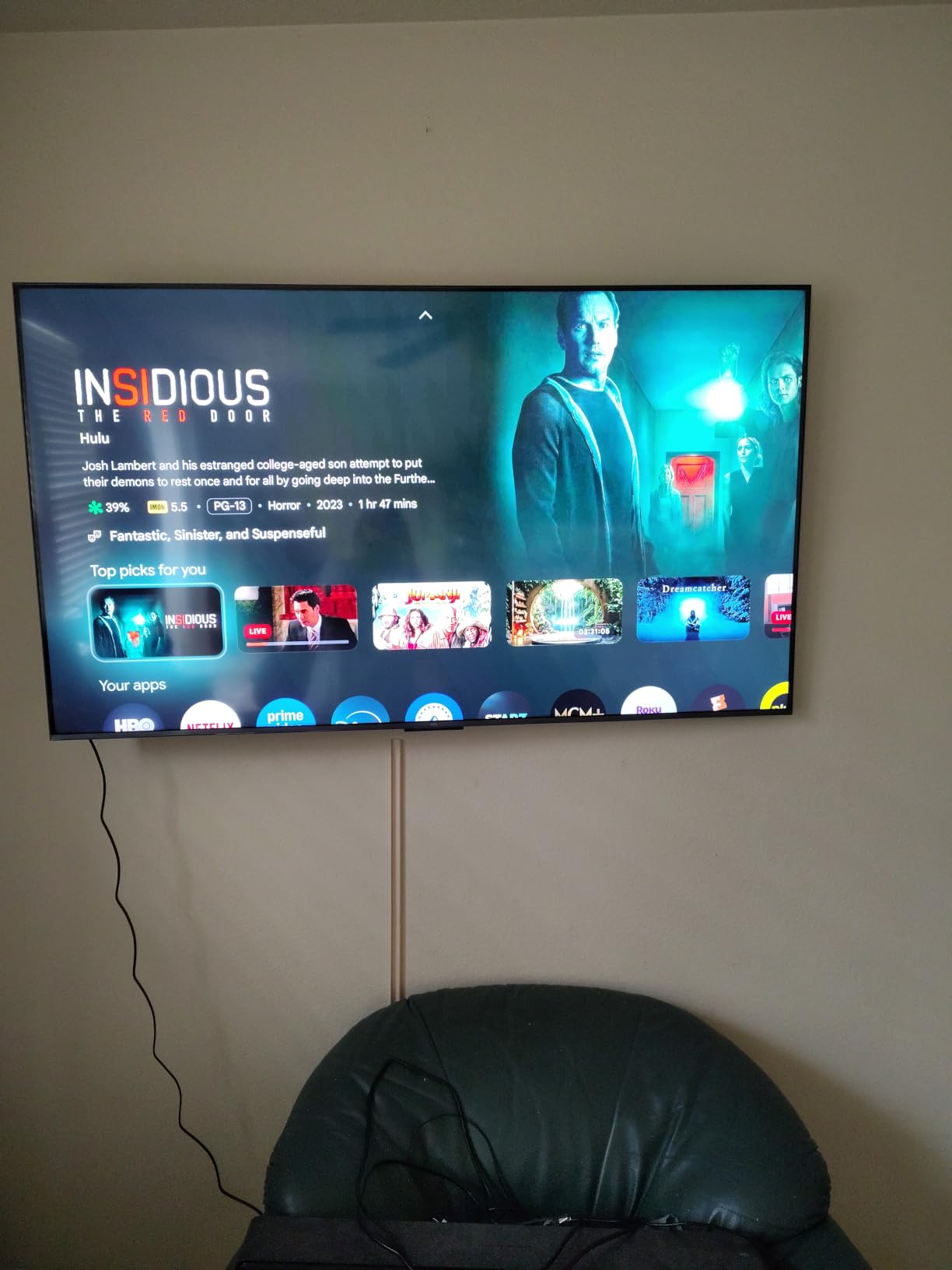
Audio is a genuine step above the class. The Onkyo 2.1 system includes a built-in subwoofer, which is unusual on a set this size and removes the usual need for a soundbar just to get low-frequency effects in games. Owners still add one for films, but for play it holds up.
The gaming software is straightforward too. Google TV responds quickly compared with older Roku or Fire TV sets, and the backlit remote with motion compensation is a small touch that reviewers single out. Four HDMI ports mean a console, PC and soundbar can all be connected at once.
Check the Google TV interface before you commit
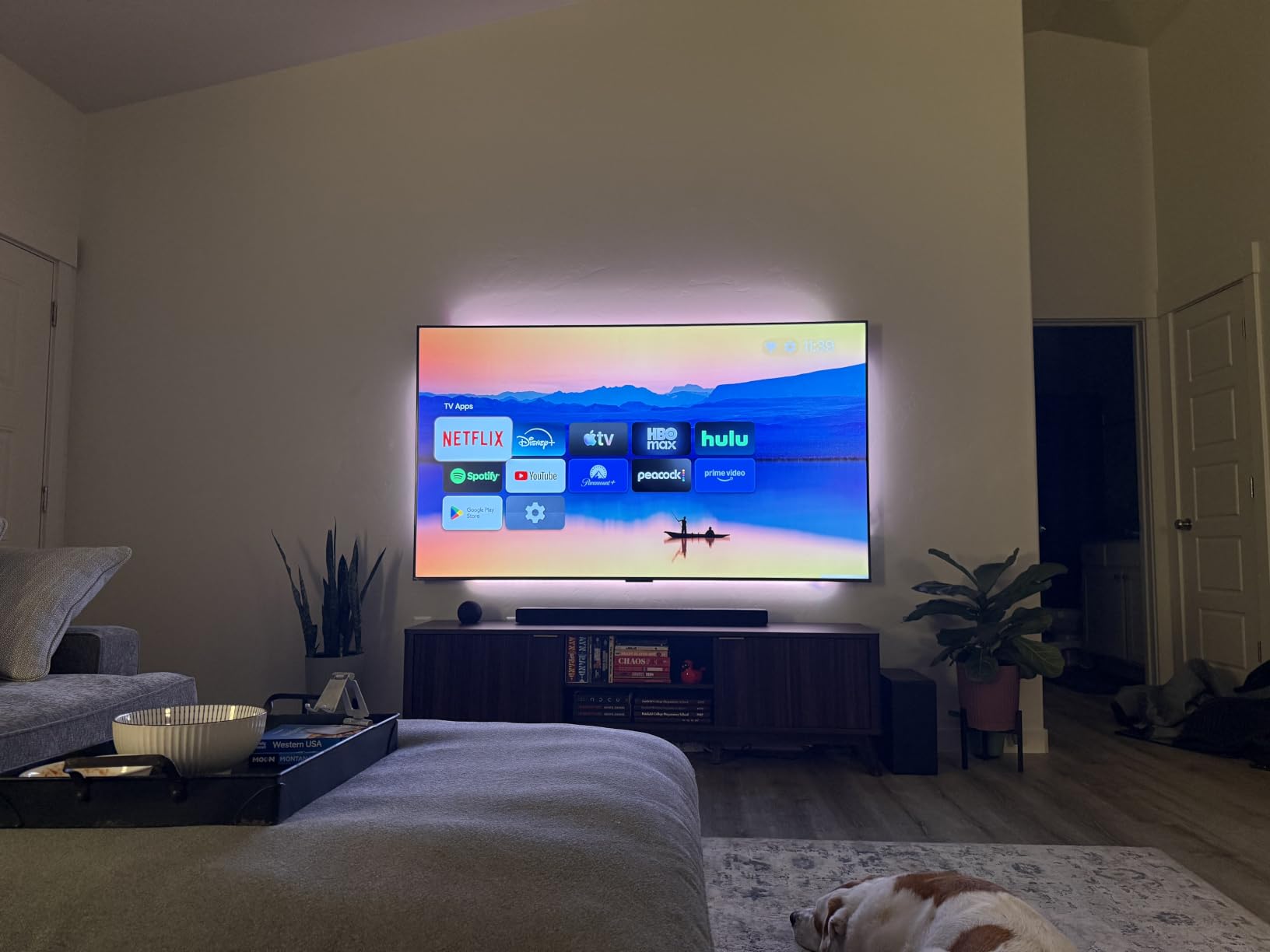
The most common complaint is the ad-heavy Google TV home screen, and several buyers install a third-party launcher to hide it. If you mostly game and stream through a console, this matters little.
Second, the panel is still an LED. In a dark room with a night-time game, blacks and viewing angles do not match what an OLED delivers, even with local dimming active.
Who the QM6K suits best
PS5 and Xbox Series X owners who want high refresh, VRR and good HDR without spending past the ceiling. It is also a strong first gaming TV for a bright living room.
Competitive shooters and fighting games benefit directly from the 144Hz panel, since the refresh headroom is there even when the console renders below that rate.
2. VIZIO 50 Inch Quantum Pro – Best for PC Players Who Like to Tune
- 120Hz at 4K and 240Hz at 1080p
- Extensive calibration options
- Active Full Array dimming switches off on true black
- Dolby Vision and HDR10+
- Reflections handled well
- IPS panel cannot reach true black
- Factory calibration favours latency over image quality
- eARC will not pass multichannel LPCM to a soundbar
- Only one port carries the full high-refresh capability
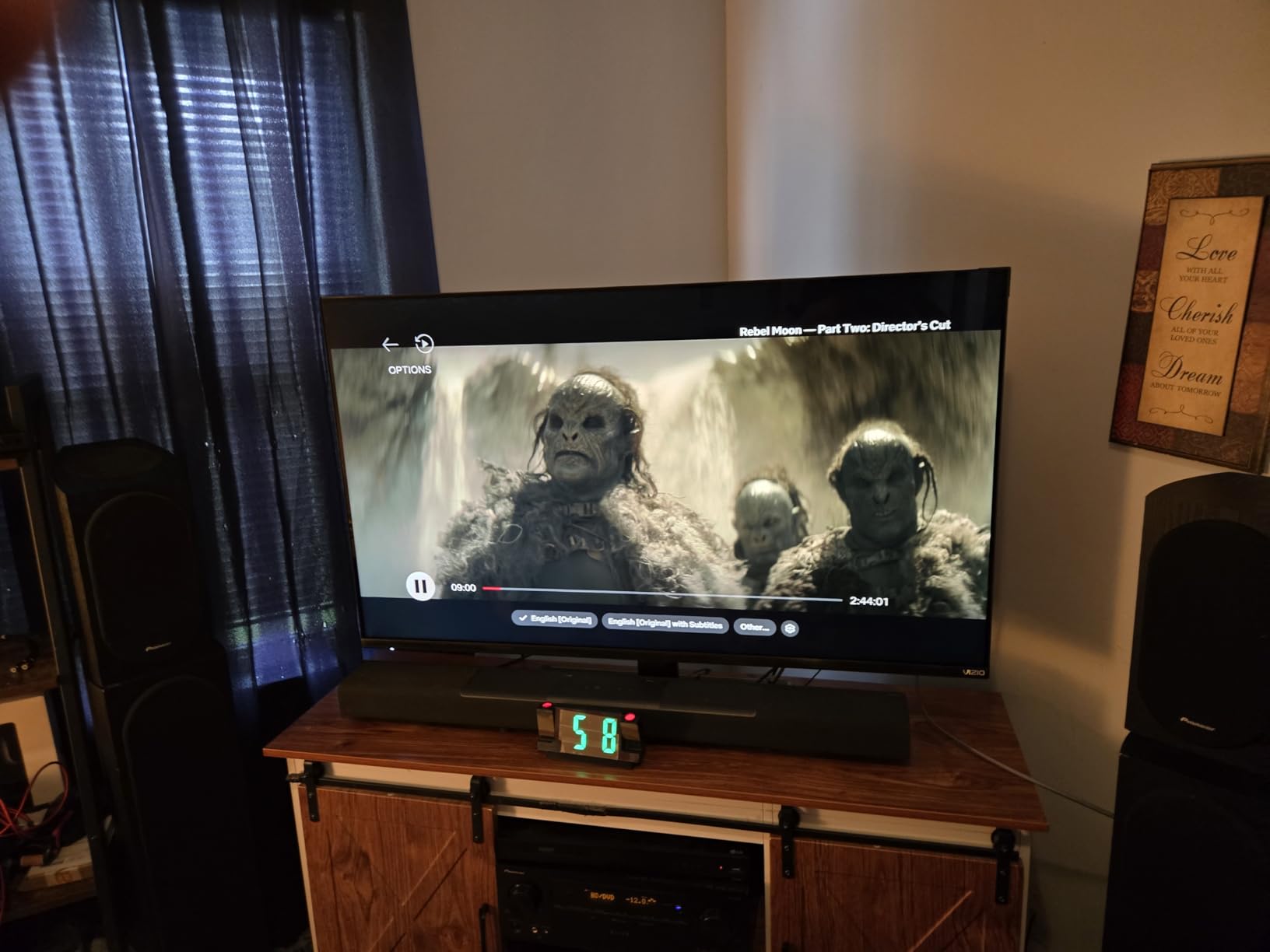
This is the most PC-oriented set in the group. It accepts 240Hz at 1080p and 120Hz at 4K, carries AMD FreeSync Premium Pro certification, and gives owners far more picture controls than anything else here. Reviewers split neatly between people who love using it as a tunable high-refresh display and people disappointed by the panel.
Active Full Array local dimming can switch fully off on true black scenes, which is rare in an unlit room and better than most competing LED sets manage. Peak brightness is listed at 1000 nits and QLED color holds up well for the money.
WiFi 6E, built-in Chromecast and Apple AirPlay cover modern streaming without a dongle. Four HDMI ports are present, though the high-refresh capability is concentrated on one of them, which matters if you plan to run two high-end devices.
The tuning angle is the real draw. Calibration menus are deep enough that owners report achieving a very accurate image, but the factory picture mode is set up for low latency rather than picture quality, so budget an hour of adjustment.
Check the chroma subsampling and port layout
At 120Hz the input is 4:2:2 chroma subsampled, which softens small PC text. If you read browser windows or work on screen at the same time as you game, notice this first.
Also note the eARC limitation. Multichannel LPCM audio is not passed to a soundbar, so a surround setup needs a different route.
Who the VIZIO Quantum Pro suits best
PC gamers who want high refresh, VRR and a deep settings menu. It is less suited to a sunlit living room, since IPS panels dim noticeably and black level is the weak point here.
Console players who mostly sit close and want tuning control will get more out of it than the bigger, brighter Mini-LED sets further down this list.
3. TCL 55 Inch T7 – The Best Budget Pick for First-Time Console Owners
- 120Hz panel with 240Hz VRR
- Dolby Vision and HDR10+ at an entry price
- Dolby Atmos speakers are capable for the size
- Lightweight and quick to assemble
- Backlit remote is easy to read
- Motion processing falls behind on fast sports
- Glare is noticeable in very bright rooms
- Google TV is not the fastest platform
- Sound lacks punch in larger rooms
The T7 is the cheapest way to get a 4K panel with 120Hz, VRR and Dolby Vision, and that combination is the actual baseline for modern console gaming. Owners who had spent considerably more on established-brand sets describe the picture and gaming performance as exceeding expectations for the cost.
Color coverage runs close to the full DCI-P3 range, and the TCL AIPQ Pro processor handles picture optimization. Four HDMI ports include one with eARC for a soundbar upgrade, which is rare at this level.
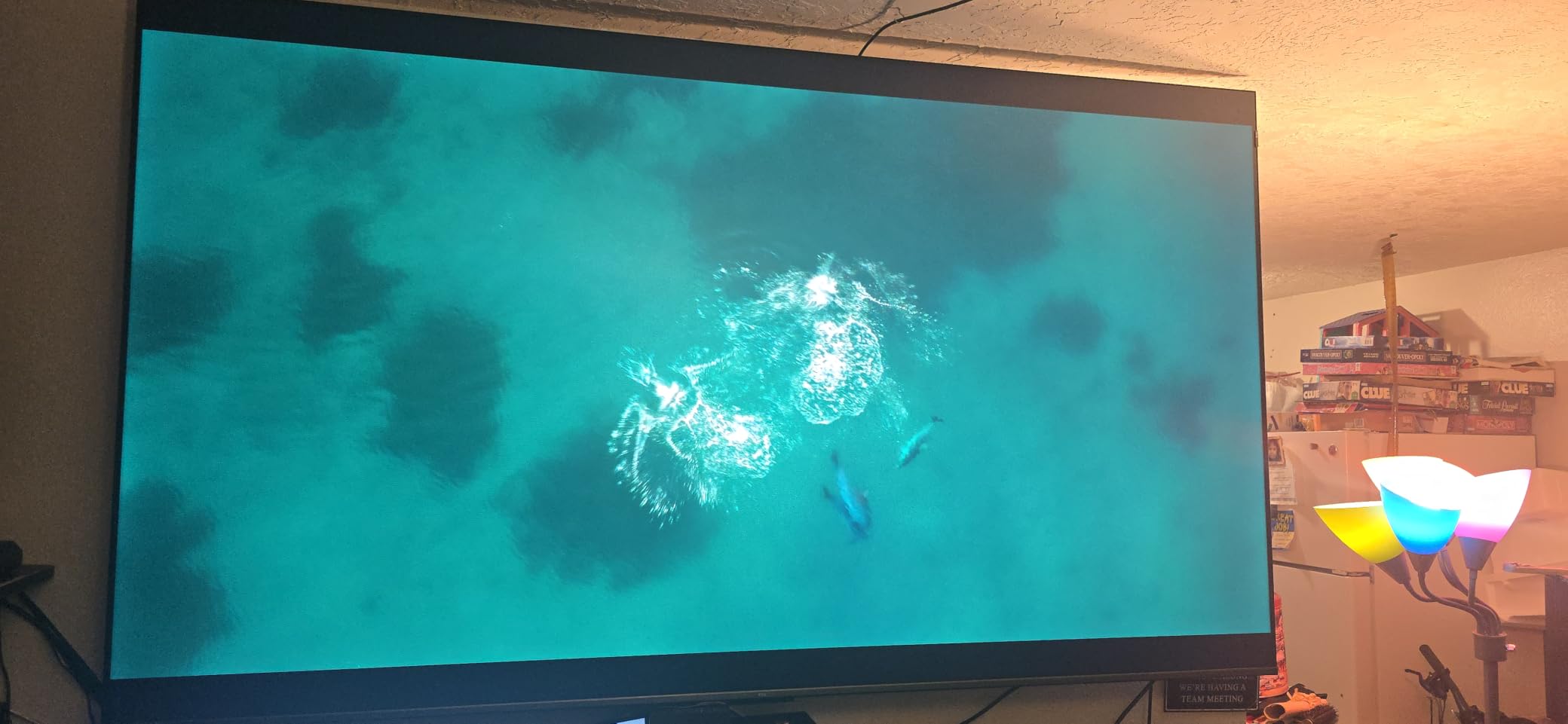
Setup takes about two minutes, the panel is light at just over 24 pounds, and the backlit remote is a genuine benefit in a dark room. TCL customer service drew explicit praise from buyers who needed help.
Where it stops being a premium set is motion. The advertised smooth motion processing does not keep up with fast sports action, and the 2-channel Dolby Atmos system is fine in a small room but thin in an open-plan space.
Check for glare in bright rooms
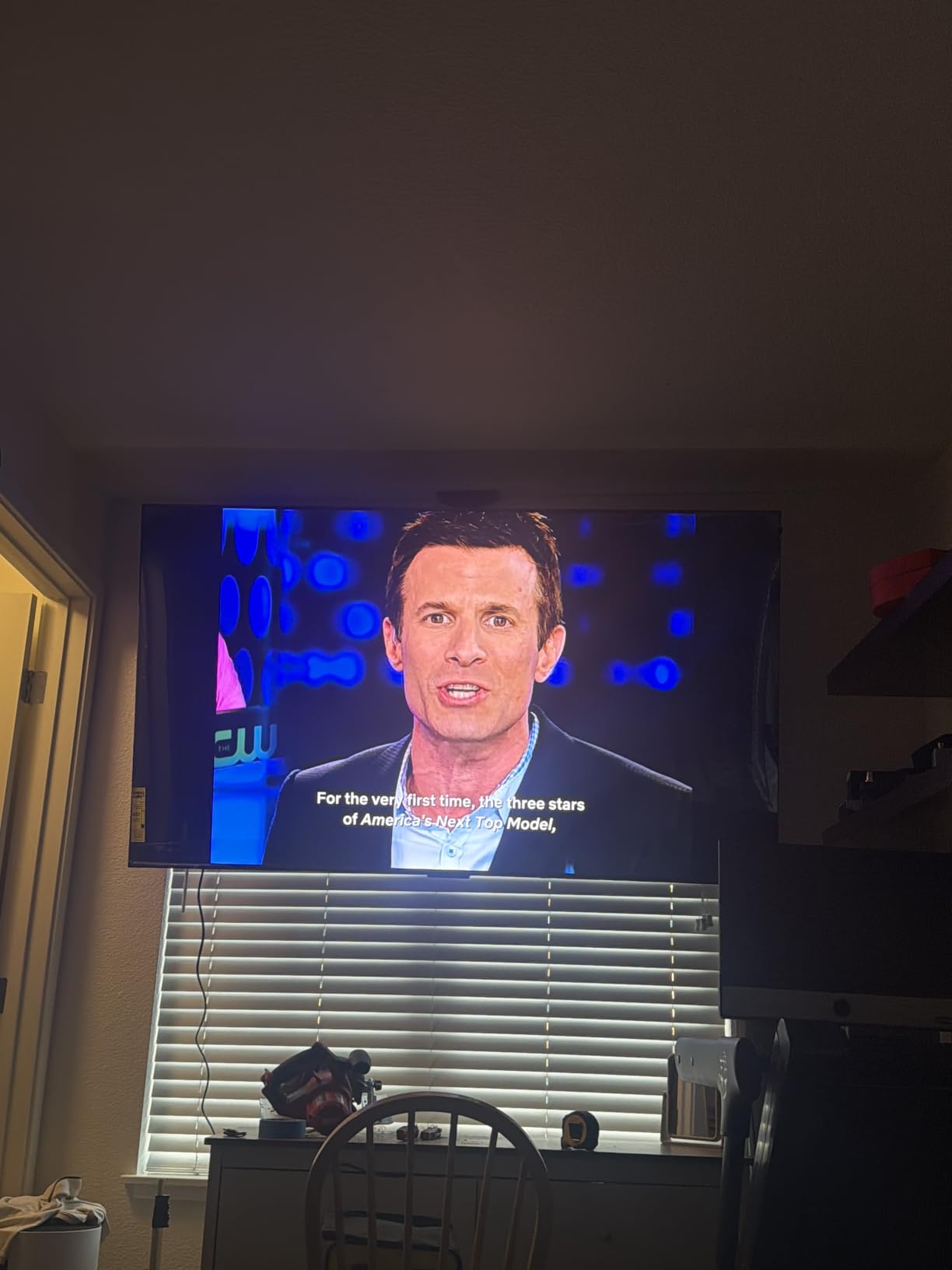
Reflections are noticeable in very bright rooms with large windows, and there is no anti-reflective coating to compensate. If your TV faces a window, weigh that against the alternatives here.
Google TV responsiveness also draws mild criticism from owners, and some recommend adding an external streaming device for a faster interface.
Who the T7 suits best
PS5, Xbox Series X and Switch owners building a first serious setup without spending the whole budget on the screen. It also works well as a second TV for a bedroom.
If you play mostly sports or fast competitive titles in a bright room, the higher-tier Mini-LED sets handle motion and light better for a modest step up.
4. Hisense 65 Inch U7SG – Best for Bright Rooms and Large Families
- Native 165Hz with Game Booster 330 VRR
- 3000 nits peak brightness
- Up to 3000 local dimming zones
- Dual-layer anti-reflective coating
- 2.1.2 channel audio tuned by Devialet
- Game Bar shows FPS and VRR live
- Some owners report early hardware failure and slow service
- Settings menus are described as clunky
- Very heavy at 51.6 pounds so wall mounting needs two people
The U7SG is the set that gets the most attention from buyers who know what to look for. Native 165Hz, VRR up to 330, 3000 nits peak brightness and up to 3000 local dimming zones put it level with displays that normally cost far more. A Reddit commenter in r/tcltvs singled out this model for a 55-inch-class PC gaming budget specifically because of the native 165Hz panel.
What makes it unusual in this bracket is the screen treatment. A dual-layer anti-reflective and glare-free coating means it holds up with direct sunlight, which is the single biggest reason to step up in size and price.
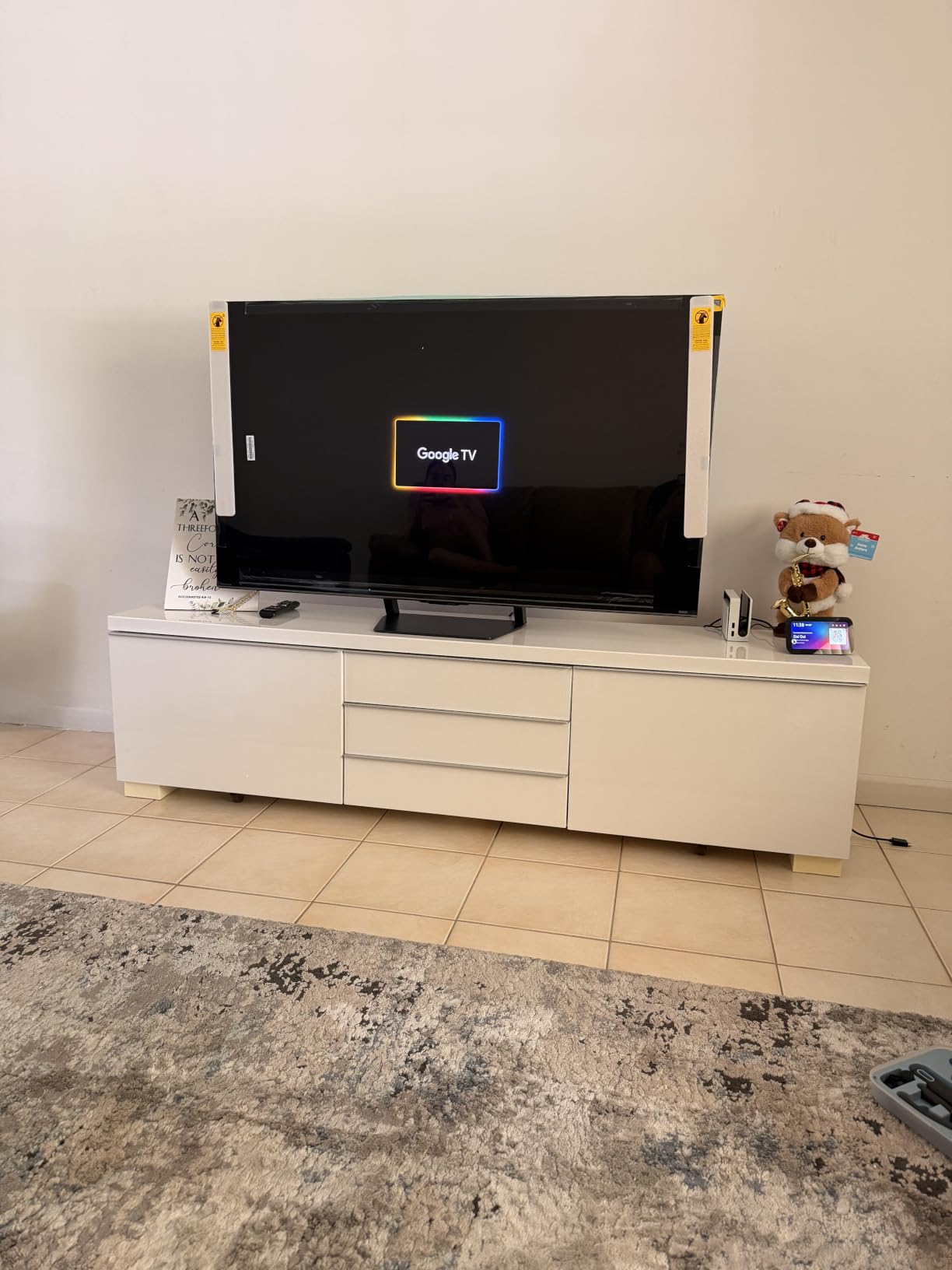
Color is Pantone validated and the Hi-View AI Engine Pro handles scene processing for both movies and games. The 2.1.2 channel system with DTS Virtual:X and Devialet tuning is better than most built-in television audio, and there is a two-year manufacturer warranty behind it.
On the software side, Google TV with Gemini adds an enhanced Game Bar that shows real-time frame rate and VRR status without leaving the game. That is a small feature that becomes genuinely useful when you are testing whether 4K at 144Hz is actually engaging.
Check service and support before buying
A small number of owners report units failing within weeks and describe the parts and service process as slow and frustrating. The warranty is two years, which is longer than most sets here, so keep the paperwork.
The settings interface draws repeated criticism for putting options in the wrong categories, and at 51.6 pounds this needs two people for a wall mount.
Who the U7SG suits best
Families who want a large screen that stays visible in a sunlit room, and PC gamers with a high-end GPU who want native high refresh rather than an interpolated figure.
Owners who want OLED-level blacks without the burn-in question should look here instead. At 65 inches it is also the best couch television in this roundup.
5. Sony 48 Inch A90K – Best for PS5 Desks and Bedrooms
Sony 48 Inch A90K BRAVIA XR 4K HDR TV OLED Smart Google TV (XR-48A90K)
- OLED panel gives true blacks with no bloom
- Input lag as low as 8.5ms
- PlayStation 5 features including Auto HDR Tone Mapping
- HDMI 2.1 with 4K 120 plus VRR and ALLM
- Acoustic Surface Audio+ drives the whole panel
- 178 degree viewing angle
- 48-inch screen is small for a main living-room TV
- Least immersive screen area in the roundup
- Costs more than Mini-LED sets of similar size
The A90K is the best-rated set in this group and the one with the most PlayStation-specific software. Owners consistently point to the Cognitive Processor XR pipeline, perfect blacks and the PS5 feature set as the reasons they are happy with it.
For gaming specifics, the input lag figure is the headline. At 8.5ms measured in game mode it sits below the threshold most competitive players look for, and HDMI 2.1 with 4K at 120Hz, VRR and ALLM is all present.
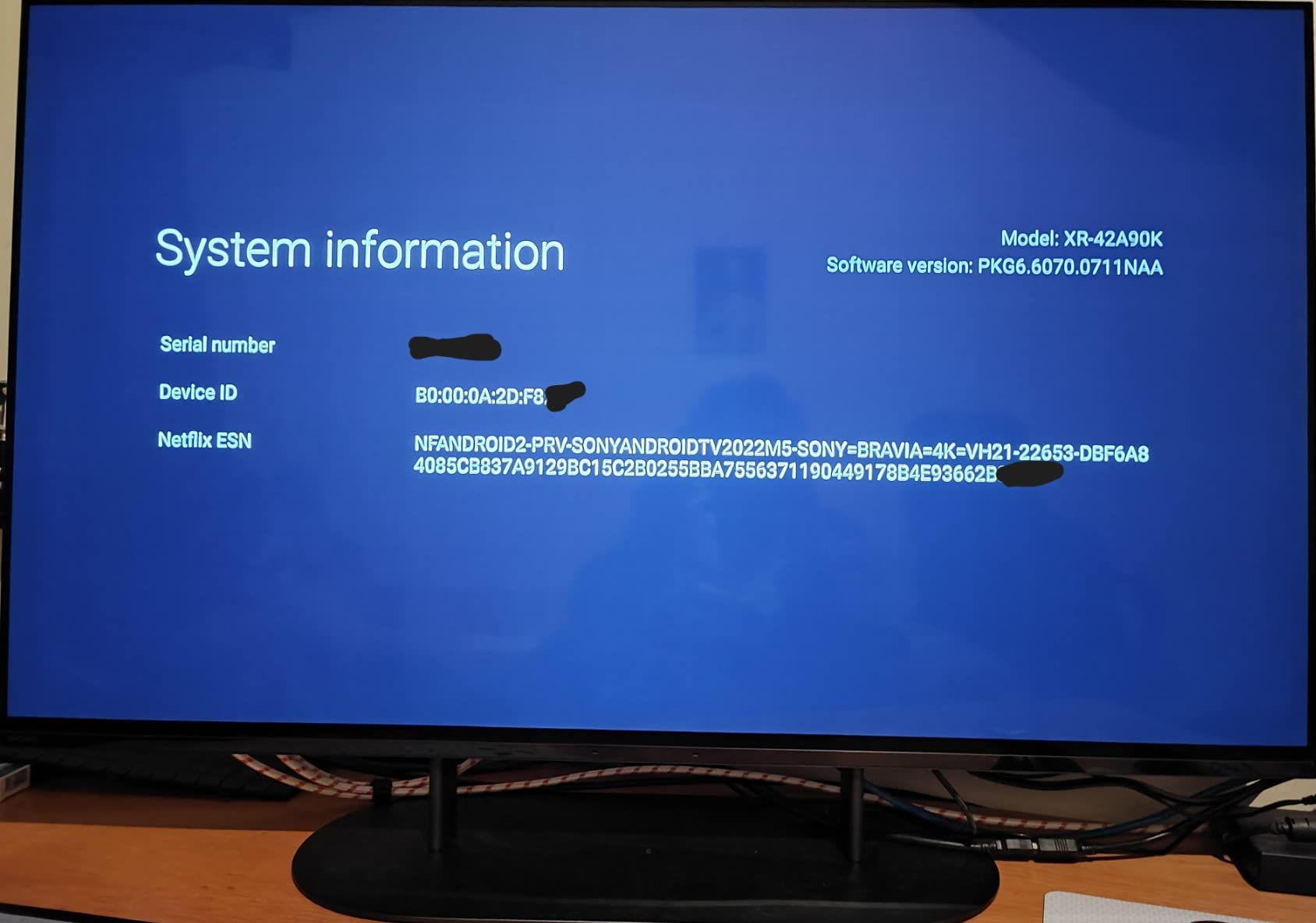
Auto HDR Tone Mapping adjusts PS5 games to the panel automatically, and a dedicated Game Menu keeps settings in one place. That is a genuine advantage if PlayStation is your only source device.
Audio is unusual too. Acoustic Surface Audio+ uses actuators to drive sound from the panel surface, which gives dialogue more placement than a conventional two-speaker arrangement. Google TV comes with BRAVIA CORE credits included.
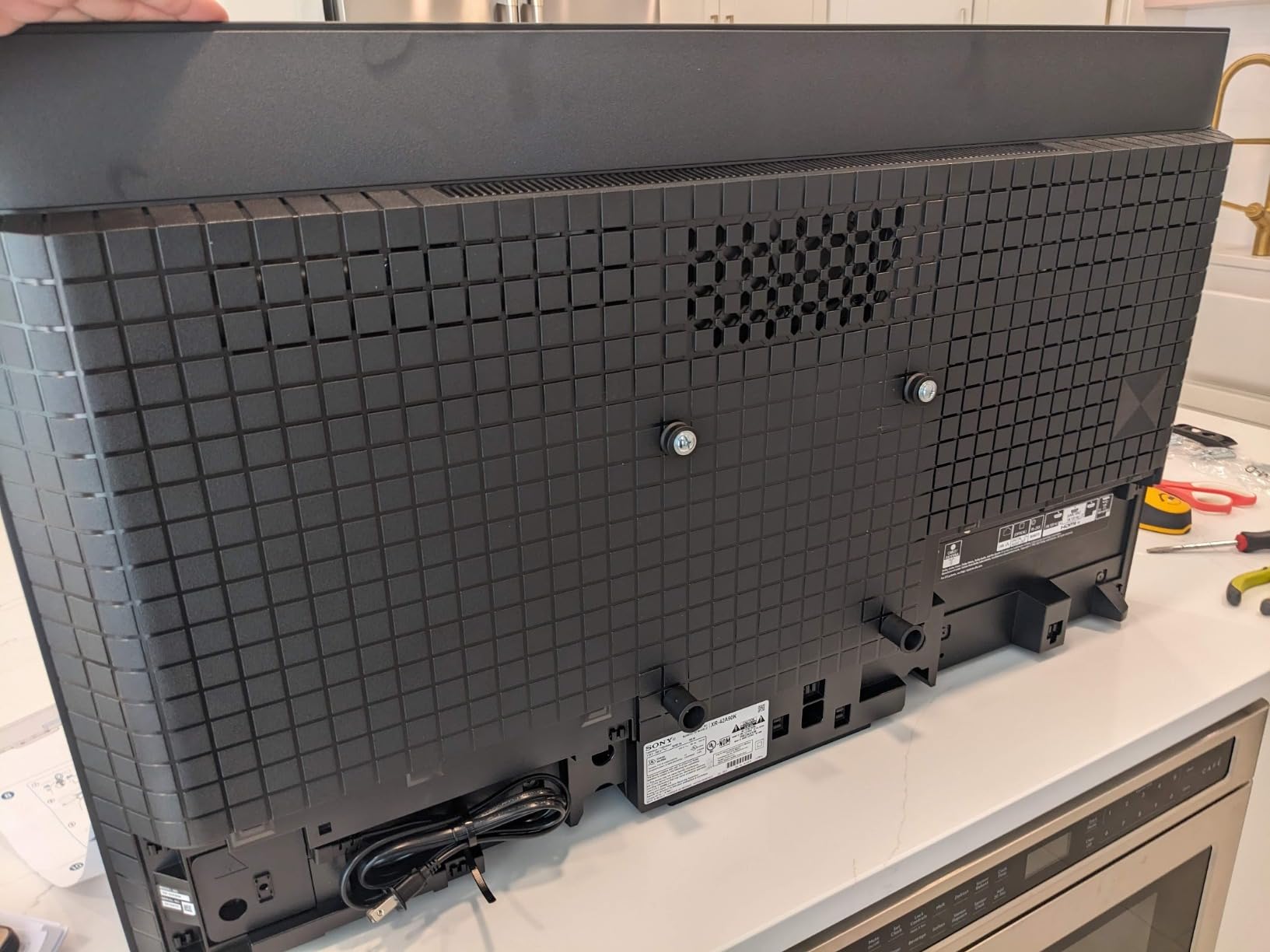
Check the size against your seating distance
Forty-eight inches is a desk and bedroom size. If you sit eight feet or more back on a sofa, this is the smallest screen here and it will feel modest in a main living room.
It is also an older model year, so the processing is a generation behind the newest Mini-LED chips even though the gaming hardware is not.
Who the A90K suits best
PS5 owners sitting close, in a bedroom, a dorm or a desk setup where OLED blacks and low input lag matter more than screen size. Competitive players get the fastest measured response of this group.
Those who mostly watch in a dark room will appreciate the contrast. For a shared bright family room, a Mini-LED set is the better call.
6. Hisense 65 Inch E7SF – Best Big-Screen Value With a Fire TV Interface
- Full array Mini-LED dimming beats typical LED sets
- Native 144Hz game mode with low latency
- Dolby Vision IQ and Dolby Atmos at a mid price
- Fire TV loads quickly and is easy to learn
- AI Picture and AI Sports Mode reduce manual calibration
- Some owners report WiFi dropouts and black-screen boot failures
- Remote pairing problems needing factory resets
- 20W 2.0 speakers benefit from a soundbar
- A few sets arrived with damaged screens
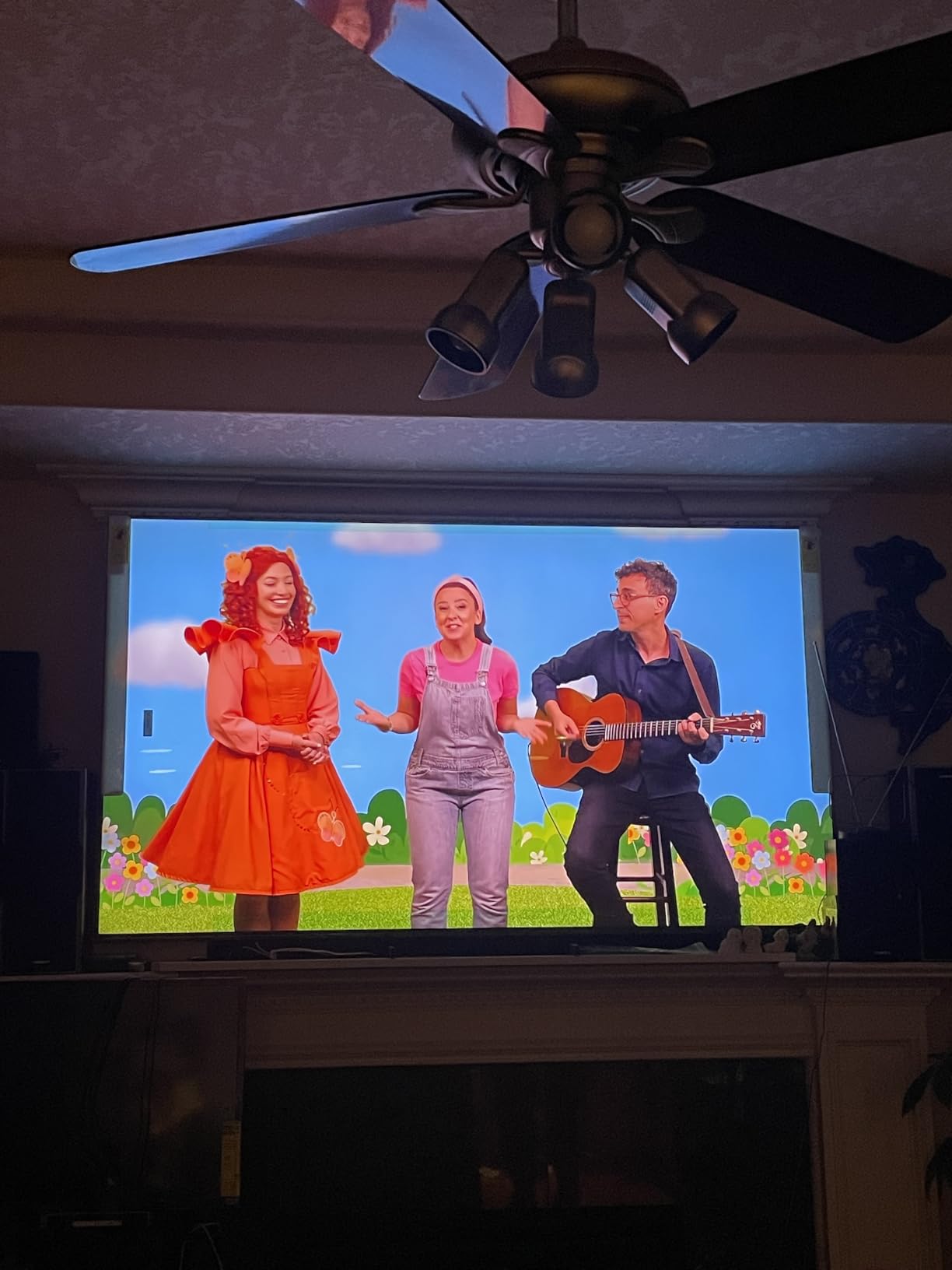
Sixty-five inches of Mini-LED with full array local dimming and a native 144Hz game mode is a rare combination at this budget, and gaming buyers report running 4K at 144Hz with very low latency. Several owners describe it as one of the best high-refresh options available under 1,000 dollars.
HDR handling is thorough. Dolby Vision IQ, Dolby Vision, HDR10+ Adaptive, HDR10 and HLG are all supported, with Dolby Atmos audio and an AI picture engine with a 4K upscaler.
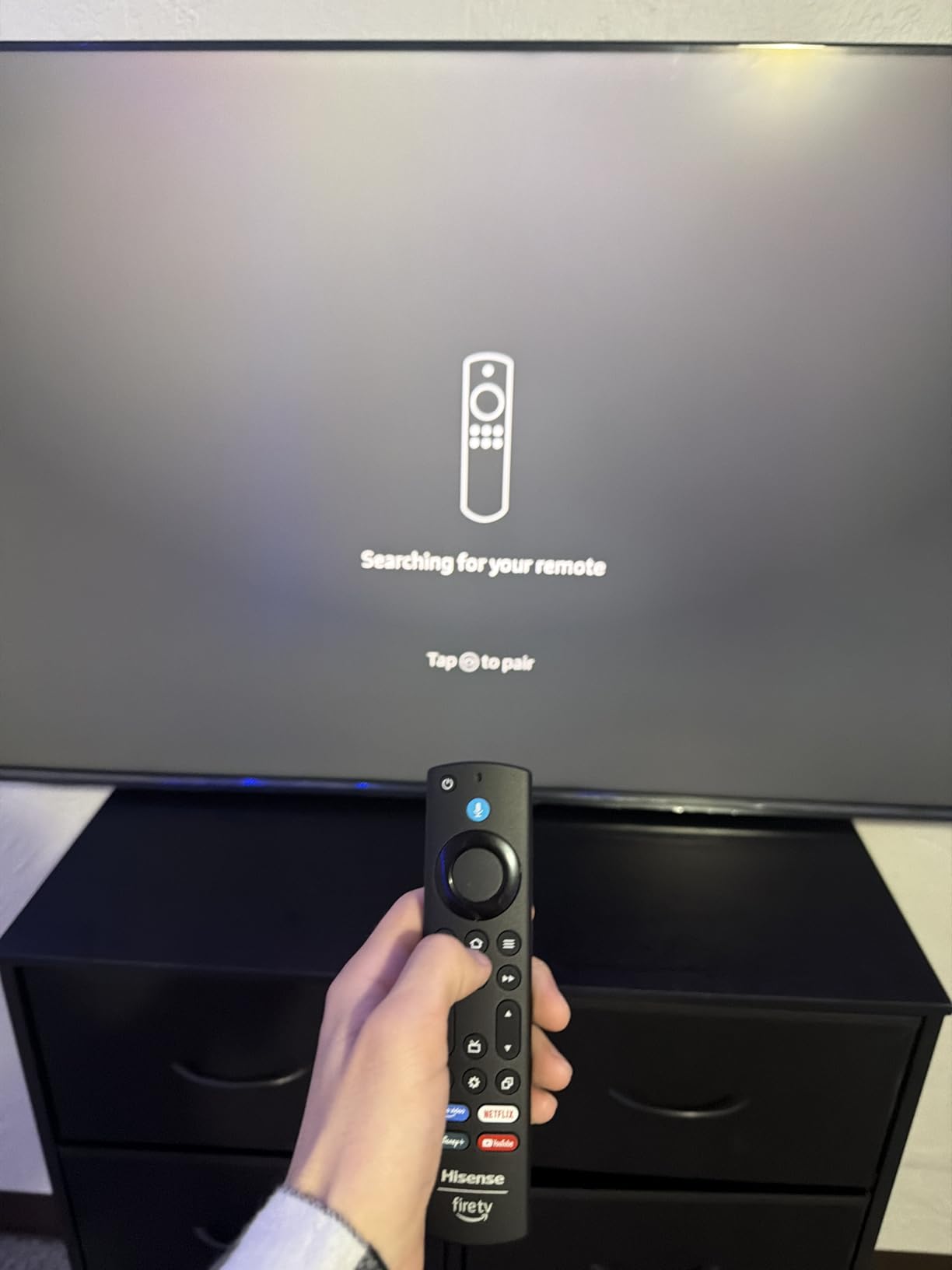
The Fire TV interface loads quickly, which several first-time smart TV owners call out, and the Alexa voice remote is a usability win in a household with less technical members. An AI light sensor adjusts the picture to room conditions automatically.
Console, Switch and high-refresh PC use all work well, and MEMC with black frame insertion is available for owners who want motion smoothing on sports.
Check connectivity stability reports
The most serious negative theme is software stability. A subset of owners report WiFi dropouts, black-screen boot failures and remote pairing problems that needed a factory reset to resolve.
There are also a few reports of screens arriving damaged, so inspect the panel on delivery. The built-in 20W 2.0 system is fine for games and thin for films.
Who the E7SF suits best
Couch players who want a large screen, deep blacks and high refresh without moving into flagship territory. It is a strong match for a living room used for both console gaming and streaming.
Anyone already invested in an Amazon home theater setup should check compatibility, since some owners missed the expected prompt for that integration.
7. TCL 55 Inch QM7L – Best Mini-LED for Console and PC Gaming
- 2100+ local dimming zones for strong black levels
- 144Hz native with Game Accelerator 288 VRR
- AMD FreeSync Premium Pro support
- HVA 2.0 Pro anti-reflective panel works in bright rooms
- Game Bar monitors performance mid-game
- Bang and Olufsen tuned speakers with optional wireless sub
- 2026 model with a small review base
- Only HDR10 is listed in the supported format field
The QM7L is the current-generation version of the Mini-LED line that r/4kTV repeatedly names as the value choice at this ceiling. It brings 2100 or more local dimming zones, a native 144Hz panel and a 5nm Ultra Color Filter for accuracy across a wide gamut.
Gaming tooling is the strongest part of the package. Game Accelerator 288 VRR, AMD FreeSync Premium Pro certification and a Game Bar for real-time monitoring sit behind a Game Pack menu. Owners running high-refresh console and PC sessions rate it highly for exactly that.

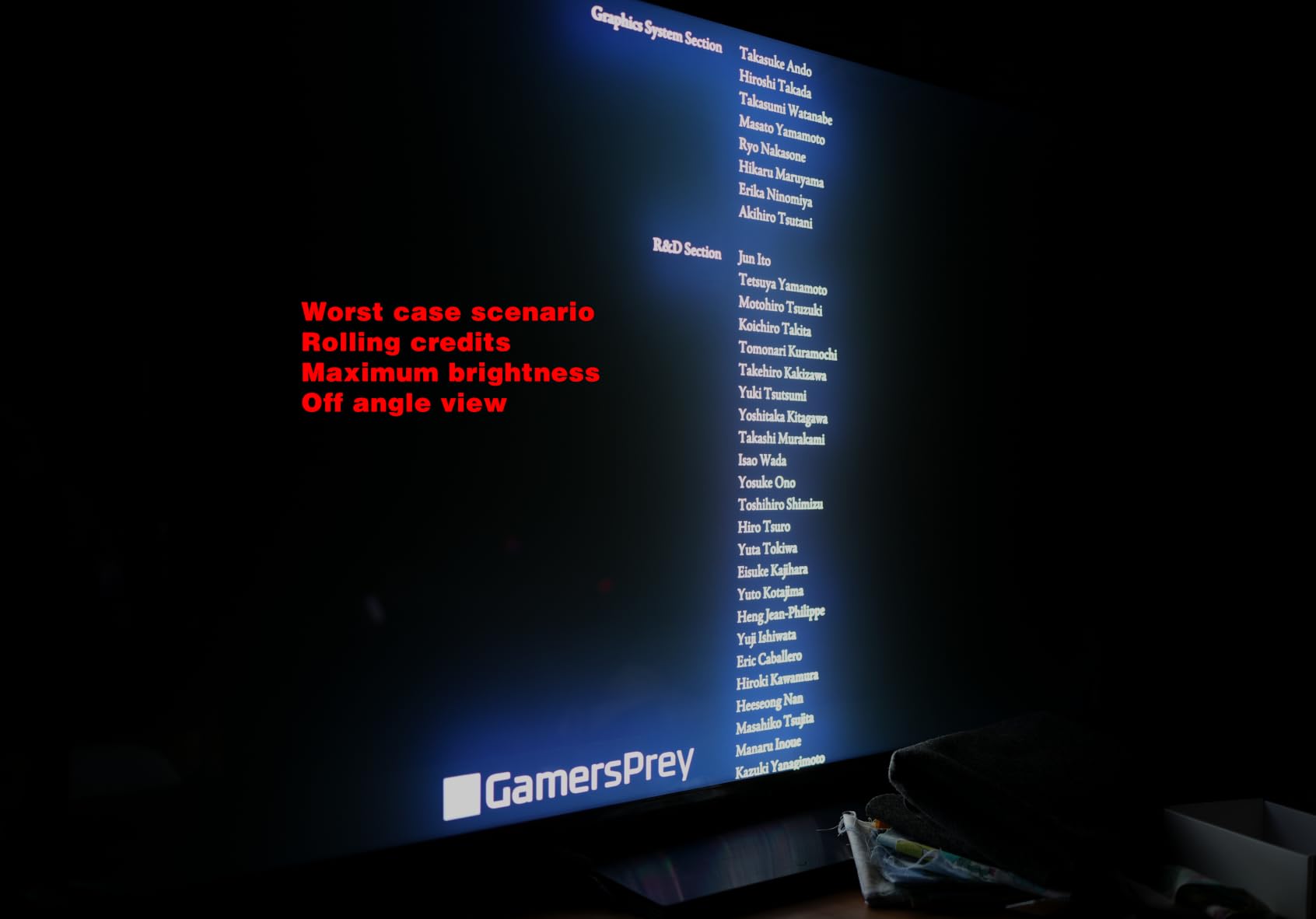
The HVA 2.0 Pro high-contrast anti-reflective panel is a genuine advantage in daylight, and the 3000-nit figure is well above the class average. The ambient light sensor adjusts for room conditions automatically.
Audio is a step up, with Bang and Olufsen tuning and support for adding a wireless subwoofer and satellite speakers later. Google TV with Gemini handles the interface and voice features.
Check the documented HDR formats
Only HDR10 appears in the listed supported format field, and the other formats are less clearly documented. If Dolby Vision matters to you, verify it in the on-screen specification before deciding.
This is also a recent release with a small review base, so long-term reliability is not yet established. That is the trade for buying the newest generation rather than a discounted older model.
Who the QM7L suits best
Console and PC gamers who want Mini-LED contrast in a 55-inch package with the most complete gaming feature set at this level. The 144Hz panel and 288 VRR give room to grow with a powerful GPU.
Movie watchers who care about colour accuracy and a wide gamut will like the 5nm filter work, though HDR format support needs checking first.
8. Toshiba 65 Inch Z670R – Best for a Complete Four-Port Setup
- Four full-spec HDMI 2.1 ports avoid cable swapping
- Native 144Hz with AMD FreeSync Premium and VRR
- ALLM switches to game mode automatically
- REGZA tuning gives natural skin tones
- 40W Dolby Atmos with a bass woofer
- Some owners report a hazy picture that settings do not fix
- Fire TV home screen stays cluttered with promoted content
- Audio and picture can drift when changing channels
- Channel lists sometimes duplicate or stall
The Z670R solves a problem most sets in this bracket share. All four HDMI ports are full-spec HDMI 2.1, so a console, a PC, a soundbar and a capture device can stay connected at once without moving cables every time you switch sources.
Gaming performance is solid. Native 144Hz, Game Mode Pro, AMD FreeSync Premium, VRR up to 144Hz and ALLM cover the full checklist, and owners calling it excellent for PS5 and PC use cite the port situation as much as the refresh rate.
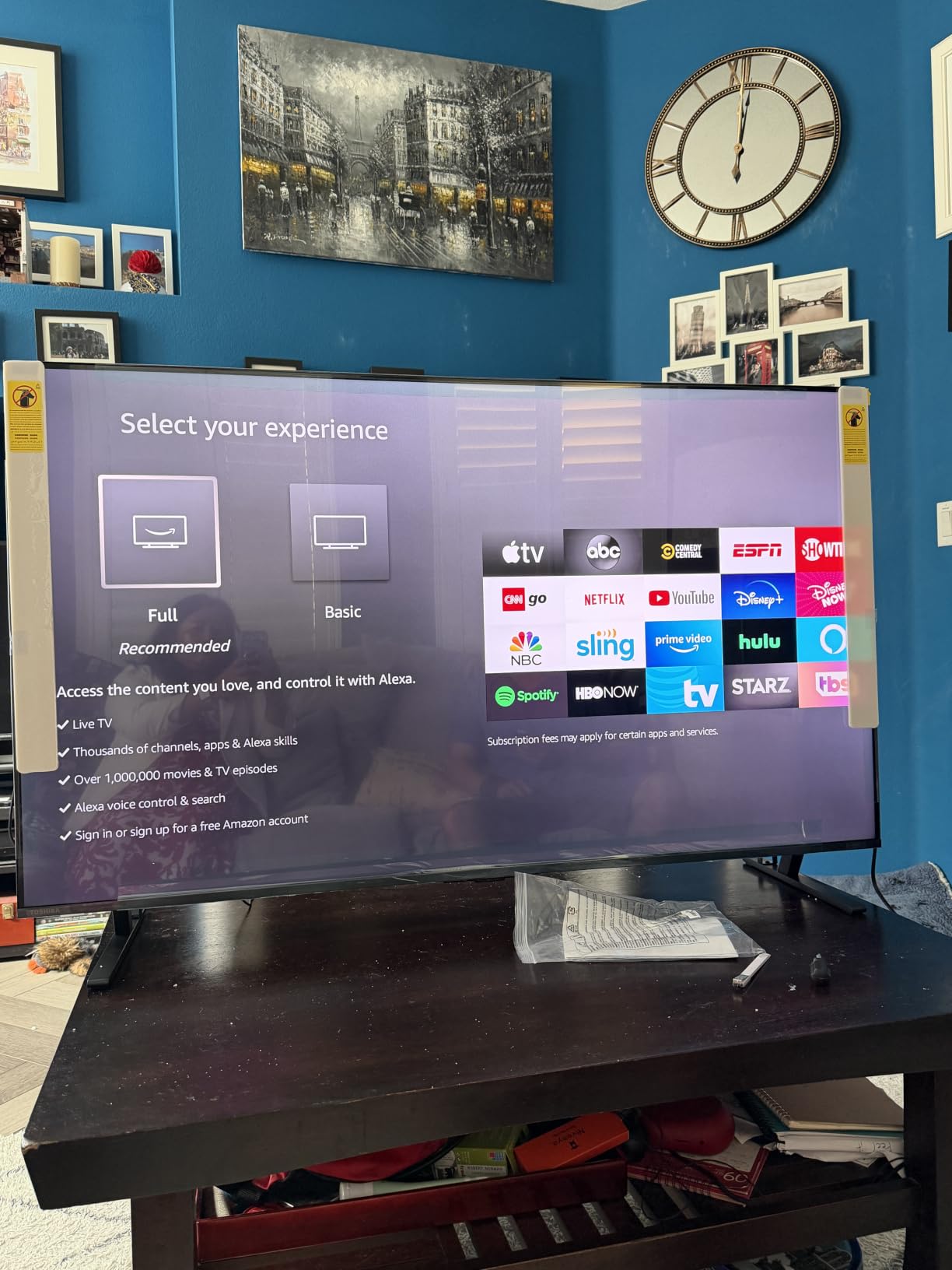
The REGZA Engine Zri Gen3 handles picture and sound processing, and the QLED tuning is described as natural with pleasing skin tones rather than the oversaturated look some rivals deliver. A 3000:1 contrast ratio sits comfortably for Mini-LED.
Audio is above the norm for a built-in system: 2.1 channels, 40 watts of Dolby Atmos and a REGZA bass woofer. Fire TV with Alexa is straightforward to set up, and an AI light sensor handles room adaptation.
Check the panel behaviour in person if you can
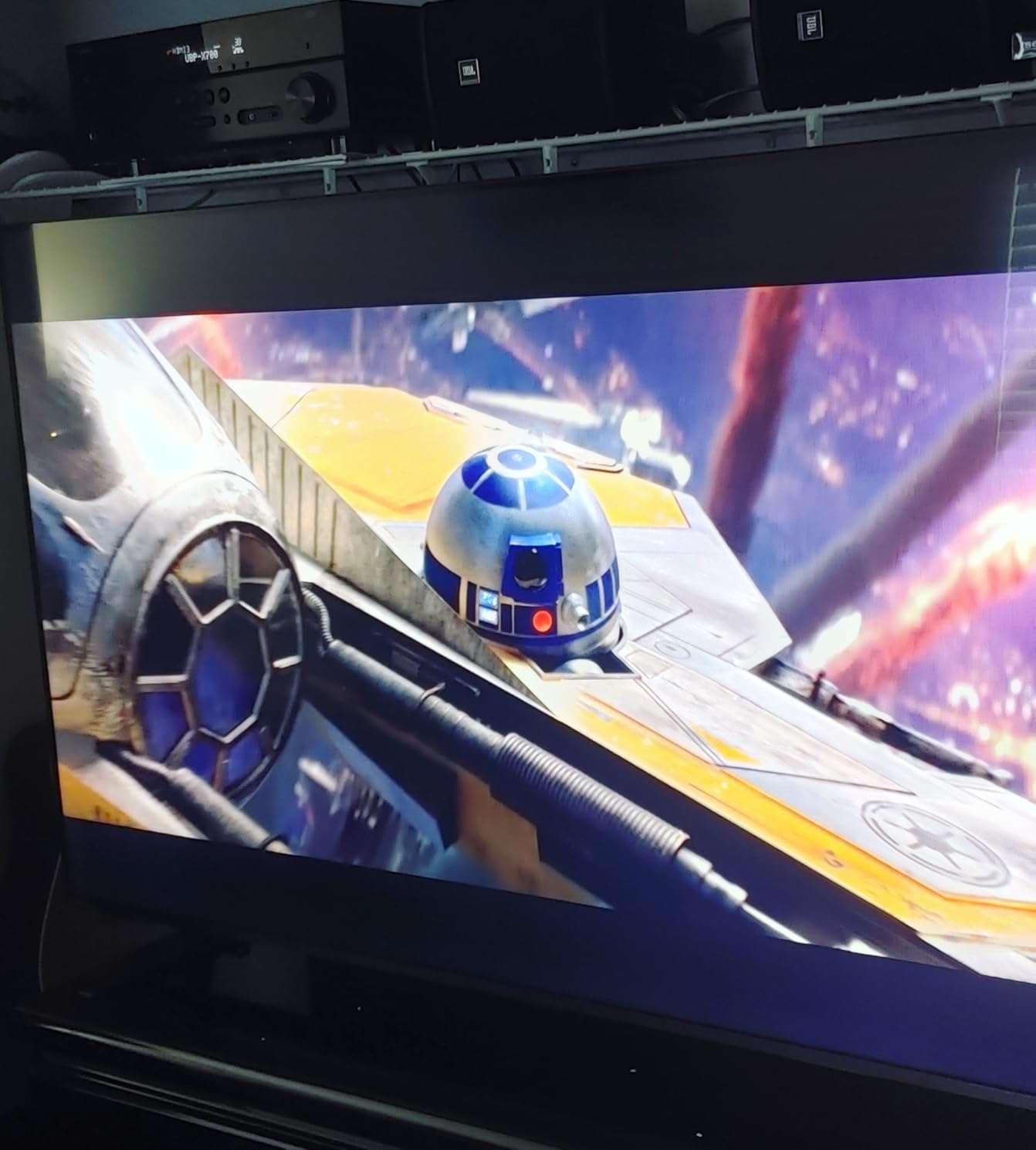
A handful of owners describe a hazy or smoky quality to the image that settings adjustments do not resolve. If picture purity is your top concern, viewing the set before buying is worthwhile.
Firmware behaviour is the bigger complaint. The Fire TV home screen stays cluttered with promoted content, and audio or picture sync can drift when changing channels, with channel lists sometimes duplicating or stalling.
Who the Z670R suits best
Households running more than two devices, or PC gamers who want every port at full HDMI 2.1 bandwidth. It is a safe pick for mixed console and PC households.
If you only need one console and a soundbar, the port advantage matters less and the picture complaints are worth weighing more heavily.
9. iFFALCON 65 Inch 65U85 – Best for Multi-Device and Shared Rooms
iFFALCON 65″ 4K MiniLED Smart TV | PS5 & Xbox Ready, 4X HDMI 2.1 | Hotel, Home & Office Use | 144Hz VRR 288Hz, Dolby Vision Gaming, Dolby Atmos, IMAX Enhanced, Google TV, Alexa | 65U85
- Four HDMI 2.1 ports with two at 4K 144Hz
- VRR from 4K 48Hz up to 288Hz
- ALLM switches to game mode without menu diving
- 50W 2.1 audio with Dolby Atmos and DTS Virtual X
- eARC allows a soundbar upgrade
- Built-in hotel mode with IR blaster and IP control
- Less established brand with a thinner service network
- 1000 nit brightness trails the class leaders
- Only two of the four HDMI ports run 4K at 144Hz
Owners most often single out the port configuration on this set. Four HDMI 2.1 inputs, two of which run 4K at 144Hz, remove the usual compromise of swapping cables between a PS5, an Xbox, a PC and a soundbar every session.
VRR ranges from 48Hz to 144Hz at 4K and up to 288Hz at lower resolutions, which reduces tearing and perceived input lag. Auto Low Latency Mode handles the game mode switch without any menu diving.
Dolby Vision Gaming, Dolby Vision IQ, HDR10+ and IMAX Enhanced modes are present on a set at this level, and the 2.1-channel 50W system with Dolby Atmos and DTS Virtual:X is unusually capable, with eARC available for a proper soundbar.
One feature has no equivalent elsewhere in this roundup: a built-in hotel mode with an IR blaster and IP control. That makes it useful in shared, hospitality or office installs where you need to lock the display down.
Check brightness and brand support first
Peak brightness is listed at 1000 nits and the contrast ratio at 7000:1, which puts it behind the 3000-nit Hisense and TCL Mini-LED sets here. In a bright room you will see the difference.
The brand itself is the other consideration. With a smaller review base and a thinner service network than the major makers, factor in support if you are outside a major city.
Who the iFFALCON suits best
Gamers who run multiple high-refresh devices at once, and anyone fitting a bedroom, dorm or shared space where a hotel-style display mode is genuinely useful.
Value-focused buyers who want 65 inches of Mini-LED and a strong port count without paying for the brightest panel in the category.
10. LG 42 Inch OLED C5 – Premium Pick for Desks and Small Rooms
- True blacks and accurate color from self-lit pixels
- 0.1ms response with up to 144Hz refresh
- NVIDIA G-Sync and AMD FreeSync Premium with VRR
- Four HDMI 2.1 inputs
- Alpha 9 AI Processor Gen8 with AI Super Upscaling
- Game Dashboard and Game Optimizer menus
- 42-inch screen is small for a main living-room TV
- Modest 2.0 channel built-in audio
- OLED burn-in remains a consideration for static content
The C5 is the only OLED here with a large enough review base to draw confident conclusions, and owners running consoles and PC at high refresh point to the 0.1ms response time and VRR support as the deciding factors. This is the most responsive set in the roundup by a wide margin.
Picture quality is the reason OLED remains the reference. Self-lit pixels deliver true blacks and accurate color even in bright rooms, and the Alpha 9 AI Processor Gen8 with AI Super Upscaling sharpens lower-resolution streaming content.
Gaming features are handled well. NVIDIA G-Sync, AMD FreeSync Premium and VRR are all supported, four HDMI 2.1 inputs cover every source device, and LG Game Dashboard and Game Optimizer collect the settings into one place.
At 22.3 pounds it is also the easiest set here to move and mount. Dolby Vision, Dolby Atmos and Filmmaker Mode round out a cinema-oriented feature set on webOS.
Check the size against your room
Forty-two inches suits a desk, a bedroom or a moderate viewing distance. For a large open-plan living room, it is the smallest screen in this roundup and it will look modest from a sofa.
OLED burn-in is worth considering if you leave static game HUDs or a console dashboard on screen for long stretches. Built-in audio is 2.0 channel and modest, so a soundbar helps with films.
Who the LG C5 suits best
Competitive and fast-paced players, and anyone who wants the lowest input lag and best blacks available at this budget. It is the natural choice for a bedroom or desk setup.
Anyone who watches in a dark room and cares about motion handling will find this harder to beat. Big-screen buyers should step up to a 65-inch Mini-LED instead.
What Actually Matters in a Gaming TV Under 1,000 Dollars
A gaming TV is a television optimized for low input lag and high, stable refresh rates rather than peak brightness alone. The minimum bar at this budget is 4K resolution, a 120Hz refresh rate, full HDMI 2.1 bandwidth and variable refresh rate support. Below that, you are giving up something a PS5 or Xbox Series X can actually use.
Which console or GPU you own changes the pick
PS5 and Xbox Series X owners need 4K at 120Hz, which means at least one HDMI 2.1 port carrying full 48Gbps bandwidth. Many sets label every port HDMI 2.1 while running full bandwidth on only one, so check before you buy.
PC gamers running a modern GPU should look for 144Hz or higher and check whether the port supports chroma that keeps desktop text sharp. Competitive players should prioritise measured input lag figures over refresh rate claims, since the Sony A90K at 8.5ms and the LG C5 at 0.1ms response are the two to compare against.
Switch-only players need far less. A 120Hz 4K QLED like the TCL T7 covers the handheld and docked cases comfortably.
OLED vs QLED vs Mini-LED for gaming
OLED wins on input lag, black level and viewing angle, and it carries a burn-in consideration for static content. It is also the hardest panel to fit under this ceiling at a large screen size.
Mini-LED wins on brightness. The Hisense U7SG and TCL QM7L reach 3000 nits with thousands of dimming zones, which holds up in daylight and avoids the washing out that budget LED sets suffer. The trade is blooming around bright HUD elements in dark scenes, which forum buyers call out repeatedly.
Standard QLED sits in between. Color is strong, brightness is adequate, and the price is lowest, but black level depends entirely on how the local dimming behaves.
Do you really need 120Hz for PS5 and Xbox Series X
Yes, if your games support it. A growing number of titles run at 120fps on both consoles, and a 60Hz panel halves your frame rate and adds visible judder in motion. Under this ceiling every set we recommend clears 120Hz, so there is no reason to accept less.
Higher rates like 144Hz, 165Hz and the 288Hz marketing figures on some sets matter mainly for PC gaming. Forum consensus is that 4K at 120Hz with VRR is the community baseline rather than 144Hz or 165Hz.
Size, seating distance and the price tiers
Sit about six to eight feet back for a 55-inch set and eight to ten feet for 65 inches. Going larger than your seating distance supports usually costs picture quality rather than improving the experience.
Below 500 dollars you are choosing a 120Hz QLED such as the TCL T7. Between 500 and 750 dollars, Mini-LED and full array dimming become the deciding factor, as on the QM6K, the E7SF and the iFFALCON. From 750 to 1,000 dollars, zone count, peak brightness and port completeness separate the Hisense U7SG and the Toshiba Z670R. The LG C5 OLED is the one set here that commonly floats just past the ceiling, so watch for a price drop if OLED response time matters to you.
One more buying habit is worth copying. Forum owners regularly advise that a previous-generation flagship beats a current budget model when discounted, so check the model year on every listing before assuming you are looking at the newest set. Our under-budget laptop guide uses the same model-year check for the same reason.
Frequently Asked Questions
Is QLED or OLED better for gaming?
OLED is better for gaming if your priority is input lag, black level and viewing angle, since self-lit pixels switch instantly and produce true blacks. QLED and Mini-LED win on brightness, which matters in a sunlit room, and they carry no burn-in risk. Under a 1,000 dollar ceiling, Mini-LED such as the Hisense U7SG or TCL QM6K gives you the most gaming bandwidth, while the LG C5 OLED is the fastest choice at a smaller screen size.
Which budget TV is best for gaming?
The TCL 55 Inch QM6K is the best budget gaming TV here, pairing a 144Hz native panel with 240Hz VRR, full array Mini-LED local dimming, Dolby Vision and HDR10+, and Onkyo 2.1 audio. If you need to spend less, the TCL 55 Inch T7 delivers 4K, 120Hz, VRR and Dolby Vision at the lowest cost in the roundup. For the biggest screen at this budget, the Hisense 65 Inch E7SF adds Mini-LED dimming.
Do I really need a 120hz TV for PS5?
Yes, if your games support 120fps output. A 60Hz panel halves that frame rate and adds visible judder, and VRR behaves poorly at that refresh. A 120Hz panel also needs at least one HDMI 2.1 port with full 48Gbps bandwidth, so check which ports carry full bandwidth rather than trusting the port label. Every TV recommended in this roundup clears 120Hz at 4K.
Which type of TV is best for gaming?
For most gamers at this budget, a Mini-LED QLED is the best compromise. It delivers thousands of local dimming zones, peak brightness around 3000 nits for bright rooms, a native 144Hz or 165Hz panel and no burn-in risk. OLED is the faster and clearer choice but is harder to find at large sizes under 1,000 dollars. A standard QLED is the cheapest route to 120Hz with VRR and Dolby Vision.
Is OLED burn-in still a problem for gamers?
Modern OLED panels have reduced the risk considerably, but static elements such as game HUDs, health bars and console dashboards can still cause image retention over years of use. Enabling logo dimming, pixel shift and panel refresh cycles, and avoiding leaving a paused game on screen for hours, all reduce it. If you play mostly with static UI on screen all day, a Mini-LED set removes the question entirely.
The Best Gaming TV Under 1,000 Dollars in 2026
The TCL 55 Inch QM6K is the best TV for gaming under 1,000 dollars, and it wins on the combination that matters most at this budget: a 144Hz native panel, 240Hz VRR, Mini-LED local dimming, the full HDR format set and the largest owner base we could verify. If you need less, the TCL 55 Inch T7 is the budget pick. If you need more screen, the Hisense 65 Inch E7SF or Toshiba 65 Inch Z670R deliver Mini-LED contrast with high refresh.
Two sets cover specific cases. The Sony 48 Inch A90K is the fastest option for PS5 at a desk or in a bedroom, and the LG 42 Inch OLED C5 is the most responsive set in the roundup. Everything else about them depends on whether your room is bright and how far back you sit.
Check the model year and port bandwidth before you buy, and read our best laser engravers under 1,000 dollars if you want the same value-focused approach for a different category.