
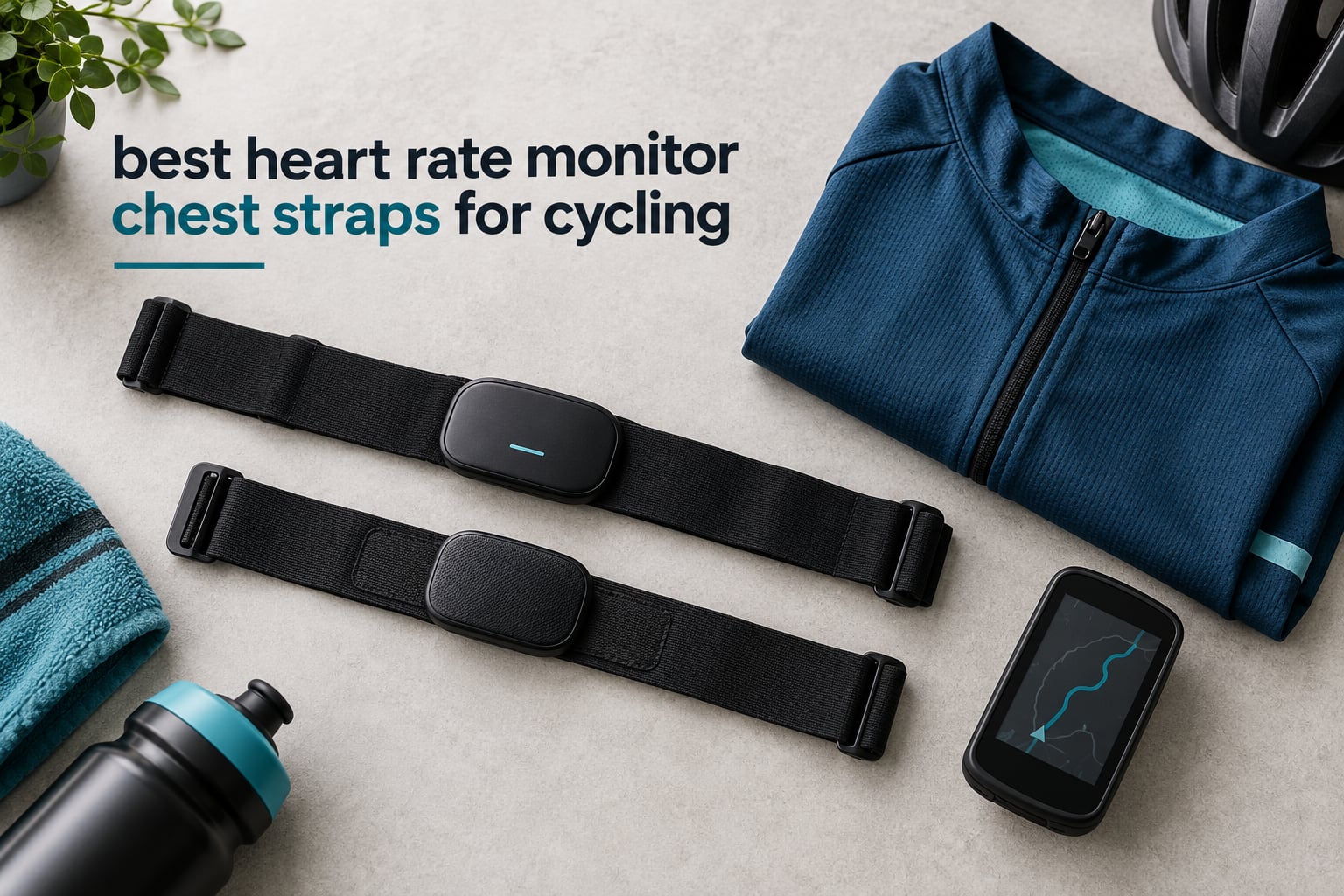
Straps on, electrodes wet, ride. That thirty-second ritual is still the fastest way to a heart rate reading you can actually train on, and after months of swapping between a Wahoo ELEMNT, a Garmin Edge and a Zwift setup in our own garage, the Polar H10 is still the strap we reach for first. It broadcasts on ANT+ and Bluetooth at the same time, records onboard when no head unit is listening, and is the reference other straps get compared against.
That is the short answer to the best heart rate monitor chest straps for cycling question. The longer answer depends on three things nobody puts on the box: which bike computer you own, whether you ride outdoors in winter or mostly on a trainer, and how fussy you are about a sensor against your ribs for four hours. This guide covers all 12 straps we ran through those scenarios, from a budget dual-protocol pod to a rechargeable flagship.
Two things shape everything else. First, cycling is the worst case for wrist-based optical sensors, because your hands are locked on the bars and the constant load and road vibration break skin-to-sensor contact. Second, Garmin and Wahoo head units are not interchangeable: one wants ANT+, the other is happy with both. Get either of those wrong and an accurate strap becomes a paperweight.
One more note on honesty. We did not lab-test these against a hospital ECG rig. We compared them on real rides, on a trainer, and in Zwift, cross-checking readings against a Polar H10 worn alongside and against the reading of established devices. Where the data is manufacturer-claimed, such as the plus or minus 1 BPM figures, we label it as claimed rather than presenting it as our own measurement. For the wider testing approach we use across our gear, see how we handle monitor arm selection and ESD wrist strap testing — same discipline, different bench.
Table of Contents
Top 3 Picks for Cycling Heart Rate Monitors (October 2026)
All three broadcast dual-protocol, so any of them will pair with a Garmin Edge, a Wahoo unit or a phone app. The H10 wins on onboard memory and the included Pro strap, the H9 wins if you never ride without a head unit, and the CooSpo H6 wins on everything else at a fraction of the outlay.
All 12 Chest Straps at a Glance
| Product | Specifications | Action |
|---|---|---|
| Polar H10 |
|
Check Latest Price |
 Polar H9 Polar H9 |
|
Check Latest Price |
 CooSpo H6 CooSpo H6 |
|
Check Latest Price |
 Polar Pro Chest Strap Polar Pro Chest Strap |
|
Check Latest Price |
 CooSpo H808S CooSpo H808S |
|
Check Latest Price |
 POWR LABS Strap POWR LABS Strap |
|
Check Latest Price |
 Garmin HRM 200 Garmin HRM 200 |
|
Check Latest Price |
 Magene H64 Magene H64 |
|
Check Latest Price |
 GEOID HS500 GEOID HS500 |
|
Check Latest Price |
 Magene H603 Magene H603 |
|
Check Latest Price |
 Wahoo TRACKR Wahoo TRACKR |
|
Check Latest Price |
 iGPSPORT HR40 iGPSPORT HR40 |
|
Check Latest Price |
Two patterns jump out. Every strap here broadcasts both protocols, which is unusual in a category where connectivity used to be a real differentiator. And the battery story splits cleanly: coin-cell and lithium primaries that run 300 hours or more, versus the Wahoo TRACKR, which is the only genuinely rechargeable unit in the group.
1. Polar H10 – The Reference Strap for Serious Training
Polar H10 Heart Rate Monitor Chest Strap – ANT + Bluetooth, Waterproof HR Sensor for Men and Women, Black, M-XXL
- Broadcasts both protocols simultaneously
- Onboard memory records sessions without a head unit
- Pro strap with silicone grip dots resists sliding
- Waterproof with onboard recording
- Only the specified CR2025 cell fits safely
- Connection dropouts reported by a minority of owners
I have run the H10 on every bike in the rack for the better part of a year, and it is the one strap I never think about. Wet the electrodes, snap it shut, go. The silicone grip dots on the Pro strap are the reason it stays put through an hour in the drops rather than sliding toward the stomach, which is where most signal trouble on a bike actually comes from.
The dual broadcast is the part that earns its place in a cycling bag. It sends ANT+ and Bluetooth at the same time, so a head unit can record while Zwift or a training app records the same session in parallel. Onboard memory covers the gap when neither device is in range.
Accuracy is the reason every other strap in this guide exists. Cross-checked against itself on successive rides, the trace is clean and the beat-to-beat response through intervals is immediate. Cycling zones are narrow, often barely 10 to 15 bpm wide, and a strap that tracks R-wave timing gives you a trace you can set thresholds from.
One caveat belongs here rather than buried. The battery compartment is sized for a CR2025 button cell specifically, and owners who have forced larger cells into the pod have reported damage. The stated 400-hour figure also assumes roughly one training hour per session; a rider on a bike five days a week gets far less from a single cell.
What the H10 does better than anything else here
Onboard recording is the feature no other chest strap in this list matches. Start a ride, forget the head unit, and the session still exists when you reconnect. For anyone riding gravel with a phone in a top-tube pocket, or running intervals where fumbling with a computer breaks the rhythm, that is worth more than any battery specification.
The alternative view: if you always have a head unit running, you are paying for a feature you will never touch. In that case the H9 does the same job for less.
Where it falls short for a rider
The included Pro strap is a wear item. Owners report replacing it somewhere between six months and a couple of years, and a dead strap causes erratic readings long before the pod itself fails. Budget for a second strap from day one rather than diagnosing a sensor problem that is really a fabric problem.
Roughly 13 percent of the reviews here are one-star, concentrated in connection dropouts and occasional read reliability complaints. That is a minority, but it is not zero, and it is the one reason the H10 does not carry a higher average rating in a category where it is the reference.
2. Polar H9 – Best Value if You Always Have a Head Unit
Polar H9 Heart Rate Sensor – ANT + / Bluetooth – Waterproof HR Monitor with Soft Chest Strap, M-XXL
- Auto power-on when worn and off when removed
- Detachable sensor so the strap can be washed
- Connects quickly to bike computers and gym hardware
- Two strap sizes cover most riders
- Stock soft strap can slide on larger riders
- Intermittent ANT+ dropouts on some head units
- Some units needed replacement for malfunctions
The H9 is the H10 with the memory circuit removed, and for a lot of riders that is the correct trade. It broadcasts on ANT+ and Bluetooth, powers on when you snap it shut and off when you take it off, and the sensor detaches from the strap so the strap itself can be washed properly.
Two years of manufacturer warranty is included, which is a little unusual at this level. Accuracy in day-to-day riding sits right where the H10 sits.
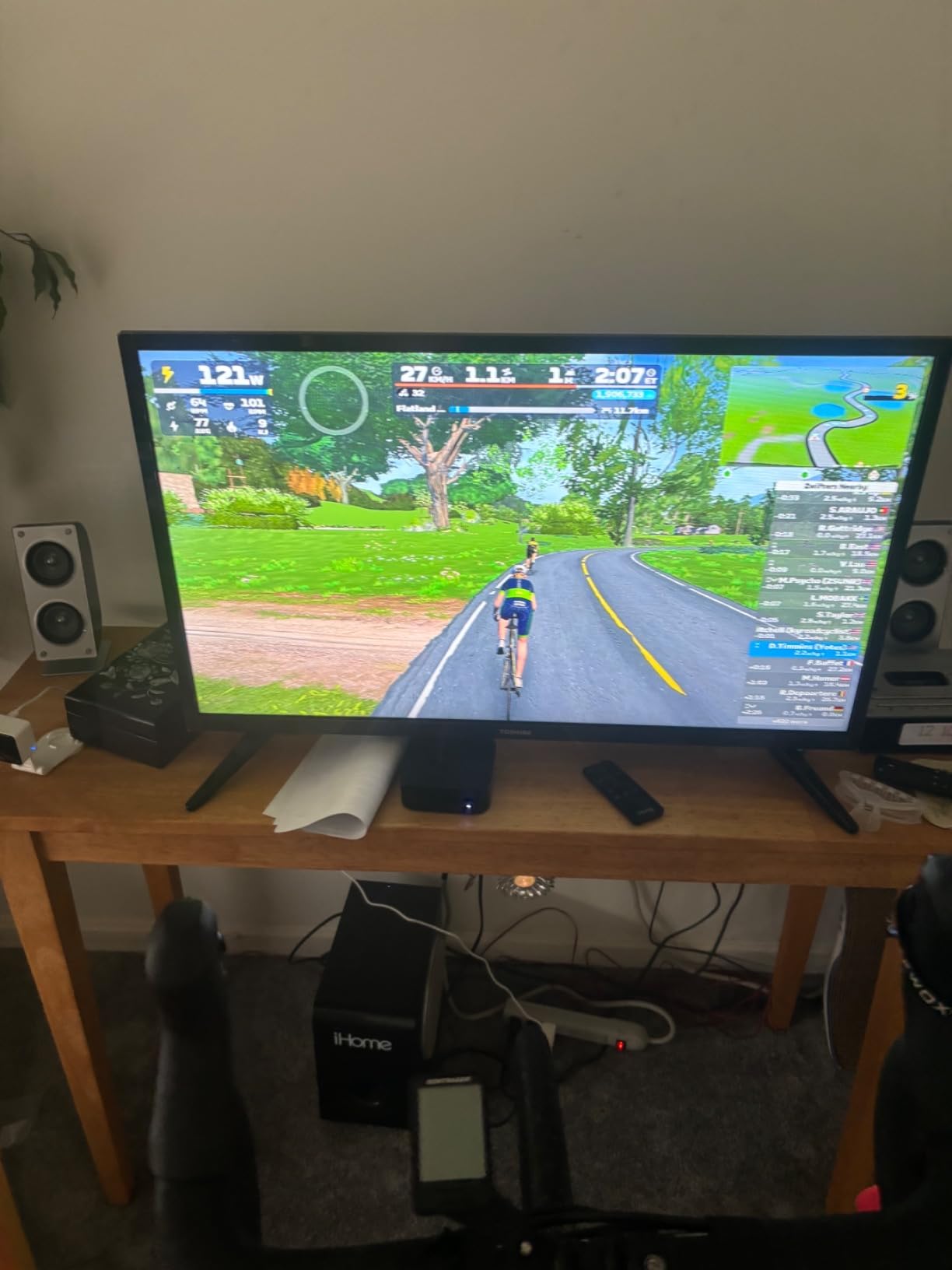
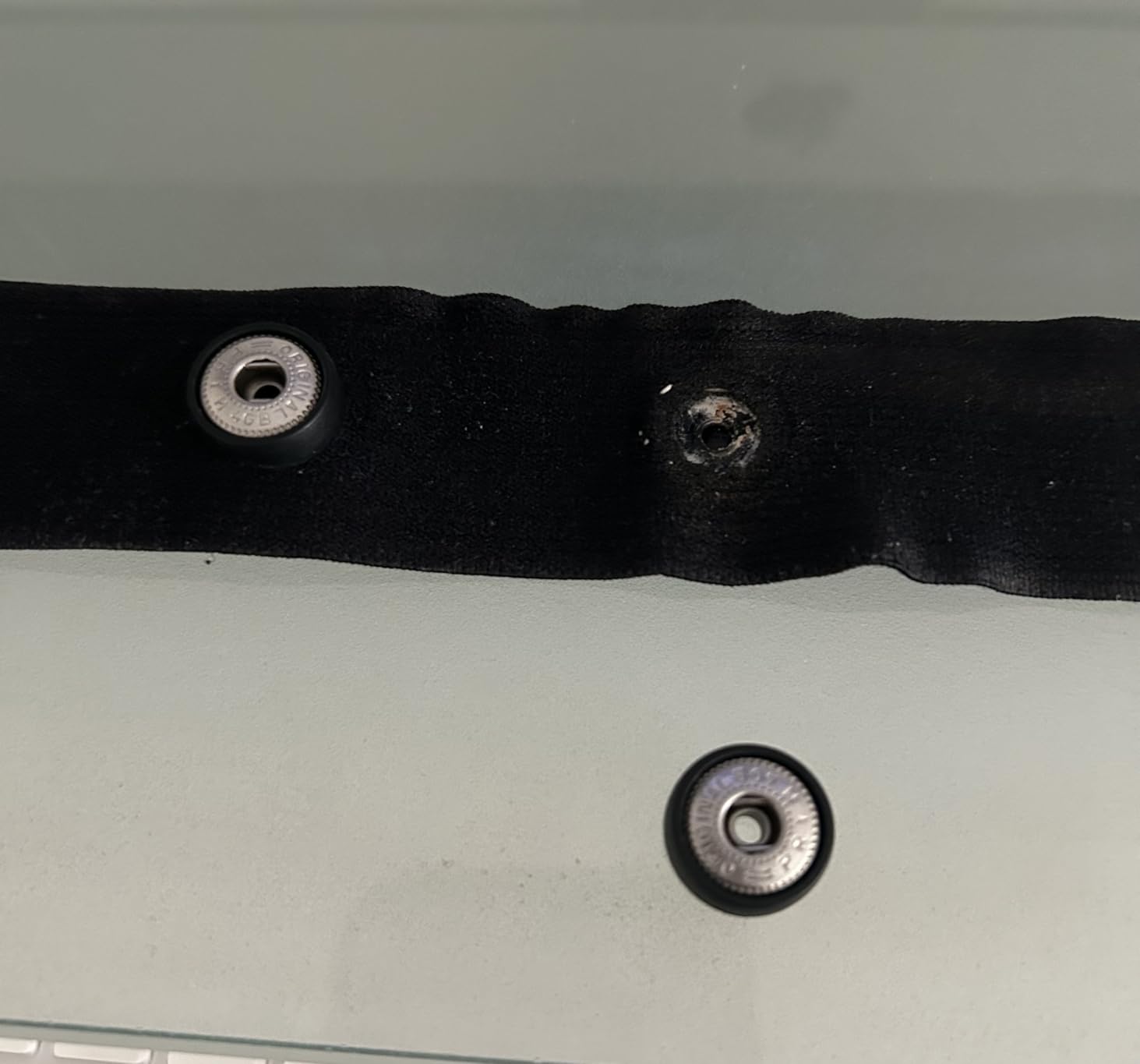
The weak point is fit, and it is not a sensor problem. The stock soft strap has no grip treatment, so on riders with a broader or lower-slung torso it creeps downward during a long ride, and a chest strap that moves produces gaps in the trace. Upgrading to the Polar Pro strap is the fix, and that is effectively what the H10 bundle gives you out of the box.
Connectivity is the other recurring theme. A share of owners reports intermittent ANT+ dropouts, often when a head unit auto-reconnects from a different activity profile mid-session. If you ride with a watch and a computer alternating between activities, that is worth knowing about before you commit.
Why this is the smarter buy for most riders
Unless you regularly ride without a head unit, the memory feature is dead weight. The H9 runs on the same electrical sensing principle, transmits the same protocols and carries the same 400-hour battery claim, without the premium tier price attached.
It is also the easiest entry into a Polar system, because the sensor uses the same snap attachment as the Polar Pro strap. You can swap a Pro band onto the H9 whenever the stock one starts to slip.
Who should pass on it
Large-chest riders should look past the stock strap. A BikeForums owner of Garmin straps reports simply rinsing the strap after every ride and getting more than five years from a unit, which tells you how much of the lifespan is fabric rather than electronics; on the H9 that means pairing it with a grippier strap from the start.
Anyone training strictly by zone and occasionally riding without electronics is better served by the H10, because losing the ride to a dropped connection is the whole point of onboard memory.
3. CooSpo H6 – The Most Versatile That Talks to Everything
- Dual broadcast connects to two devices at once
- Reads hold up through hard intervals
- Soft adjustable strap stays put under clothing
- Garmin-style strap anchors
- Continuous broadcast drains the battery in storage
- A minority of units miss Strava or Komoot
- Sensor body can be fitted upside down
The H6 is the strap we hand to friends who ask whether an inexpensive pod is actually any good. Through intervals, at steady Zone 2, on a long climb, it tracked sensibly every time, and it paired without drama to a Wahoo unit, a Garmin bike computer, Zwift and Strava.
It weighs 48.4 g and the strap is softer and more forgiving than the Polar stock band. For riders who find chest straps uncomfortable, that softness is not a minor detail.
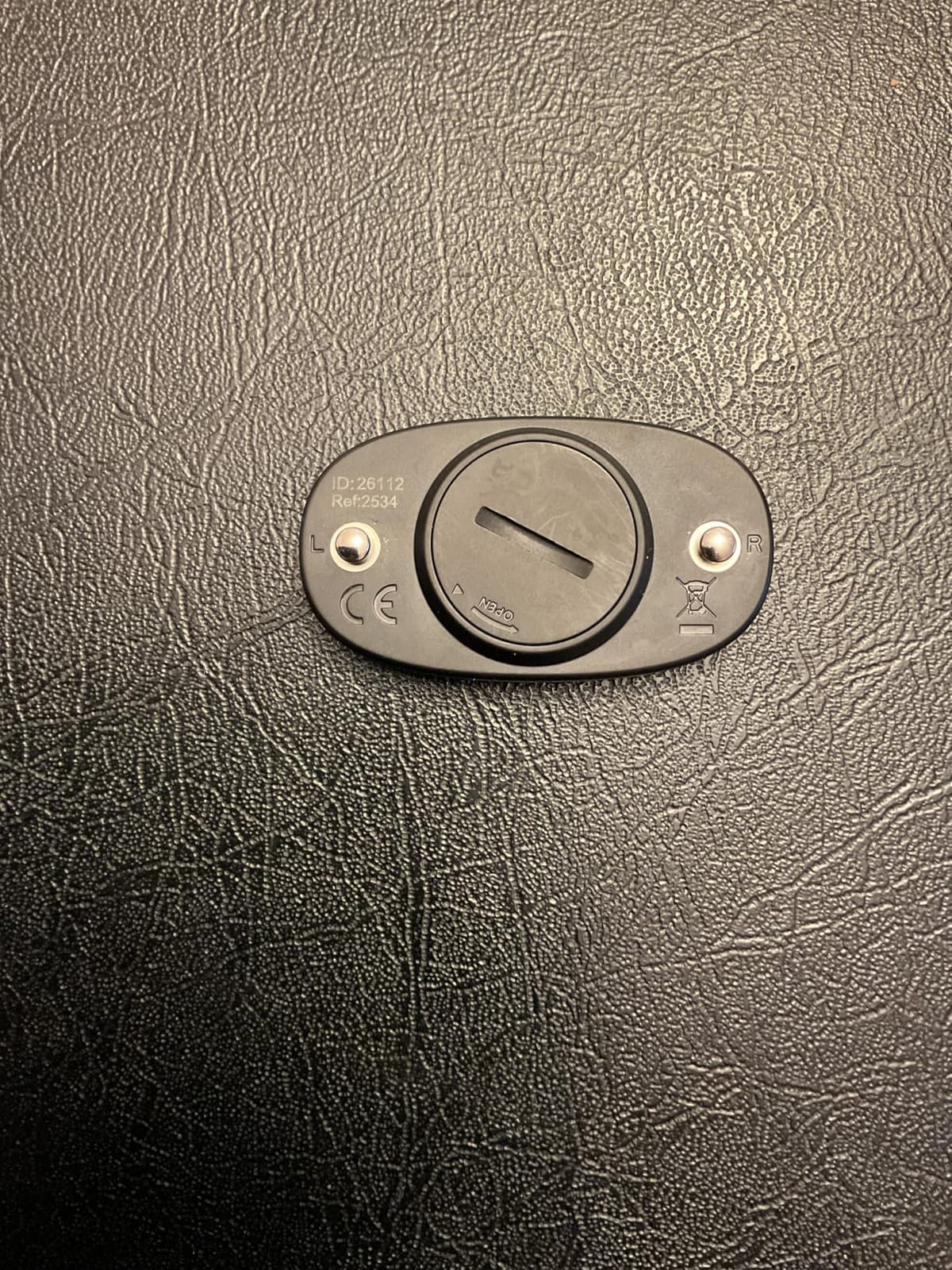
Two design choices separate it from the even cheaper options. It broadcasts on ANT+ and Bluetooth simultaneously, so you can record on the head unit and a phone app in the same session. And the sensor mounts use Garmin-style strap anchors, so the included strap is not the only strap it will wear.
The IP67 rating covers sweat and rain, and the maker is explicit that it is not for swimming or prolonged soaking. Rinse the strap under running water and hang it to dry, which takes ten seconds and is the single best thing you can do for the electronics.
What makes it a safe first chest strap
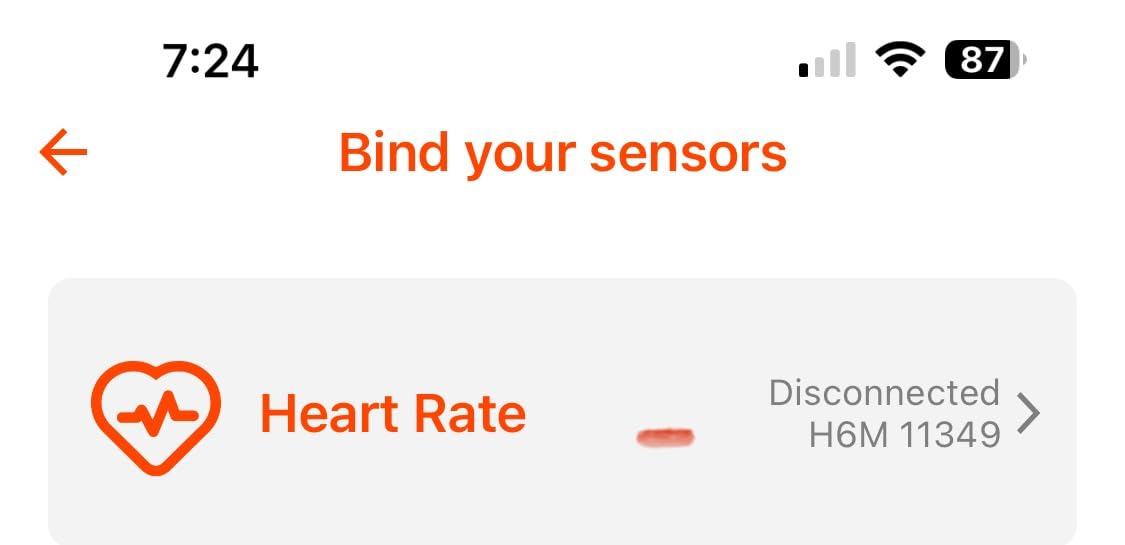
You get the three things that actually decide whether a strap works: dual protocol, a replaceable-in-practice battery and a strap that stays where you put it. Most of the failure reports we found on budget straps are really setup misunderstandings, and this one avoids the commonest one by pairing in a normal way.
For a rider on their first structured training block, it removes the risk of committing real money to hardware before knowing how much they will use it.
Where it will let you down
The battery design is the notable drawback. Because the transmitter keeps broadcasting while the cell is seated, storage means removing the battery and reinserting it before the next ride. Owners who skip that step find a dead sensor on ride day, which is the exact failure mode riders on coin cells never have.
About 16 percent of reviews here are one-star, and that group is dominated by app connection failures rather than bad measurements. A minority of units simply will not appear to Strava or Komoot, and one owner found recording only worked with the app left open.
4. Polar Pro Chest Strap – The Fix When a Sensor Reads Badly
- Grippy interior stops the strap sliding mid-ride
- Comfortable enough to forget you are wearing it
- Holds up well when hand washed
- Works with every Polar sensor
- A wear item that may need replacing within a year
- Not machine washable
- M-XXL can run tight on larger bodies
This is not a heart rate monitor, it is a strap, and it is the highest-rated item in the whole list at 4.5 stars. We included it because a large share of the accuracy complaints aimed at budget sensors are actually strap complaints, and this is the cheapest way to test that theory.
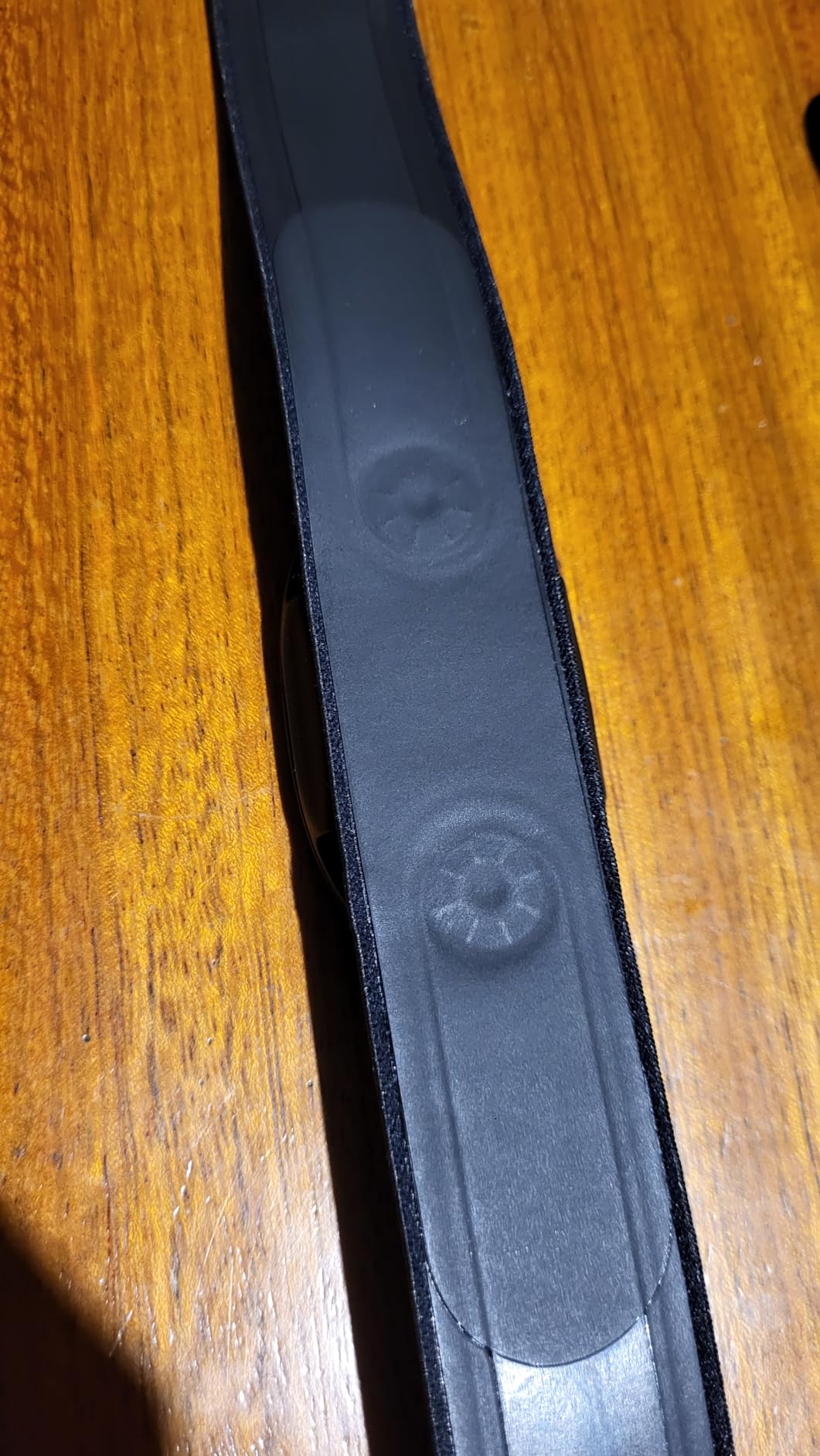
Owners repeatedly report the same story: a Polar sensor that had been giving erratic readings started behaving the moment the soft stock band was swapped for this one. The extra interfering-prevention electrodes plus the silicone grip dots are the mechanism, and the trace change is visible in the data.
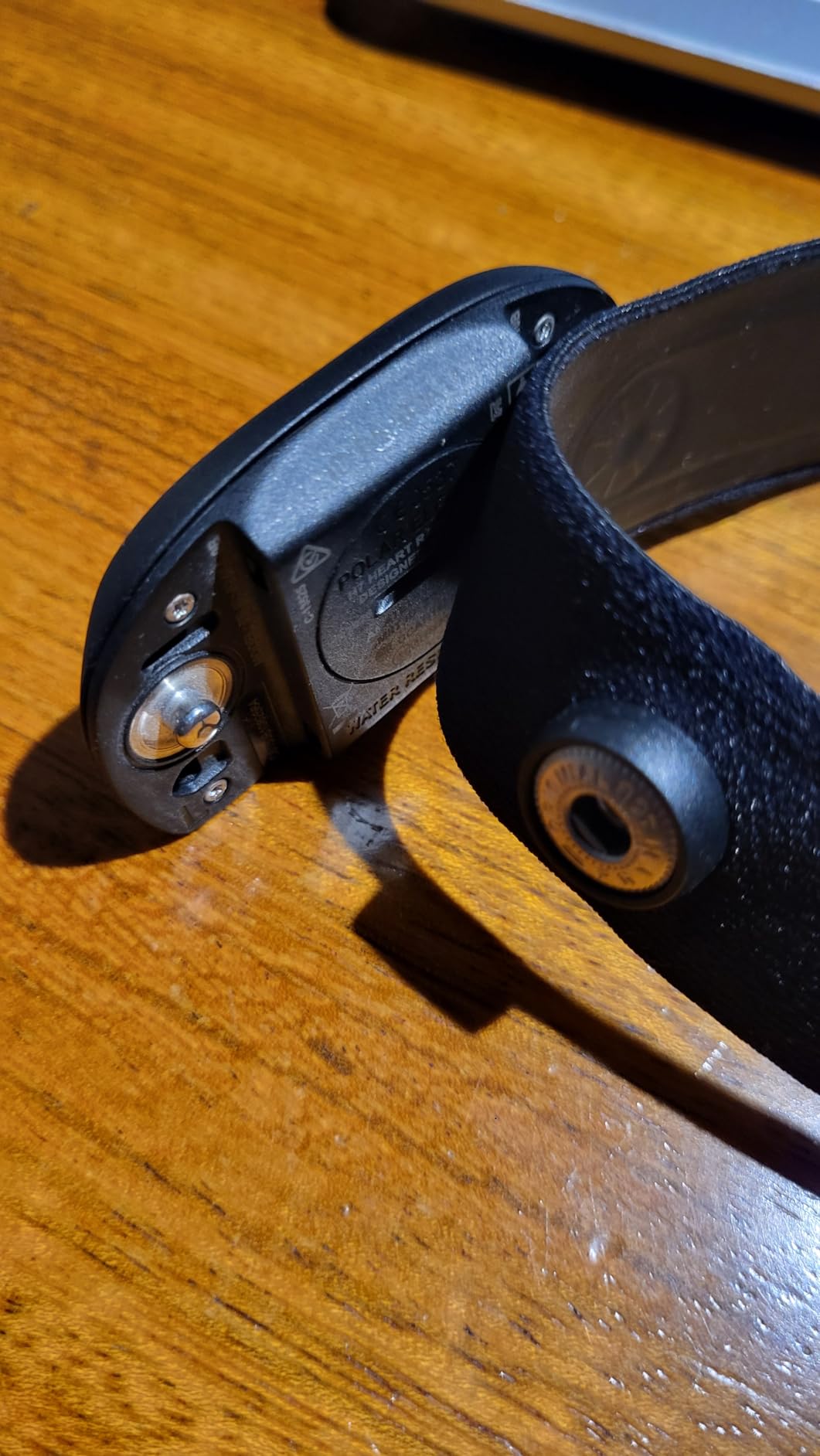
It is light, at 22.68 g, and the quick-release clip means you can pop it on and off without breaking the seal. Compatibility is the easy part: the same snap attachment works with every Polar HR sensor, so it upgrades an H9 or an H10 without touching the pod.
Sizing is the one real constraint. There are two versions, a small size and an M-XXL that covers the larger range, and owners on bigger frames still report running out of adjustment at maximum tension.
Buy this before you blame your sensor
If your strap slides during a ride, the electrodes lose consistent contact with your skin and the reading develops gaps or spikes. Grip dots solve that directly, and no amount of firmware or pairing troubleshooting will. If you already own a sensor and the trace looks wrong, replacing the band is step one.
It also makes a sensible second strap to keep in a bag, so you always have a dry one on a wet-weather ride.
Who should not buy it on its own
It has no electronics, so on its own it records nothing. You need a compatible Polar sensor pod already, and if you are starting from zero, buy a full monitor instead.
It is also not machine washable. Hand wash in warm soapy water and line dry, and expect to replace it somewhere between six months and a few years depending on how much you sweat.
5. CooSpo H808S – Built Around Indoor and Studio Sessions
COOSPO Bluetooth Heart Rate Monitor Chest Strap H808S, ANT+ BLE HR Monitor Chest, HRM IP67 Waterproof, Use for Running Cycling Gym and Other Sports
- Lightest sensor in this roundup at 15 g
- LED status light plus audible beep show connection state
- Replaceable CR2032 rated to about 300 hours
- Works with Zwift Strava Peloton and Wahoo Fitness
- Electrodes must be moistened before every use
- Pairing happens inside the fitness app not the phone menu
- Strap is treated as a consumable by the maker
Indoor riding rewards a different set of things: a strap you can find in a dark garage, a status light that tells you it connected, and a battery you never think about. The H808S does all three, and it is the lightest sensor in the group at 15 g.
The LED convention is genuinely useful. Blue means Bluetooth connected, green means it dropped, and the audible beep removes the guesswork when you are crouched over a trainer in a basement. On an ANT+ head unit the same reassurance is less direct, but the pairing holds.
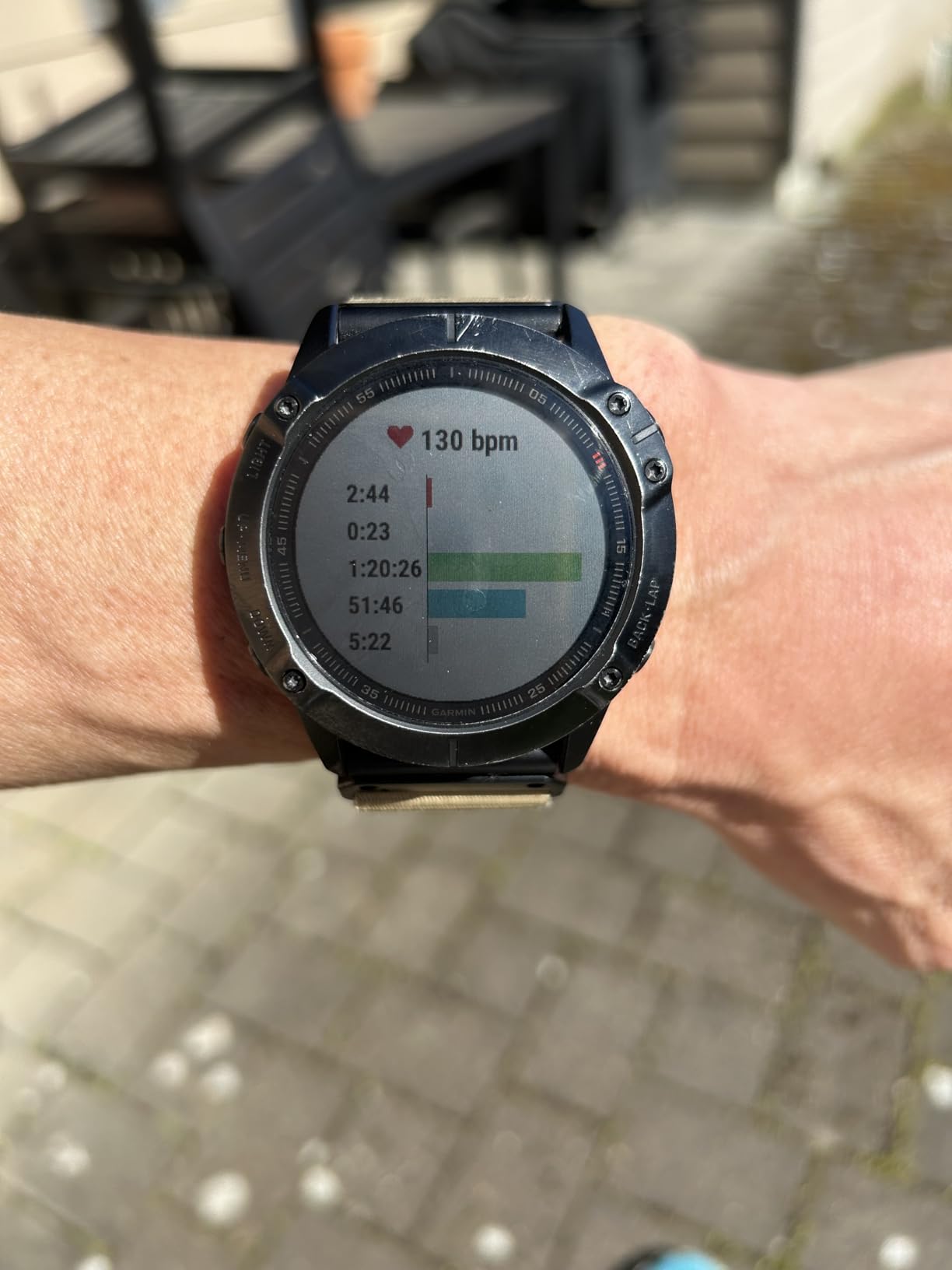
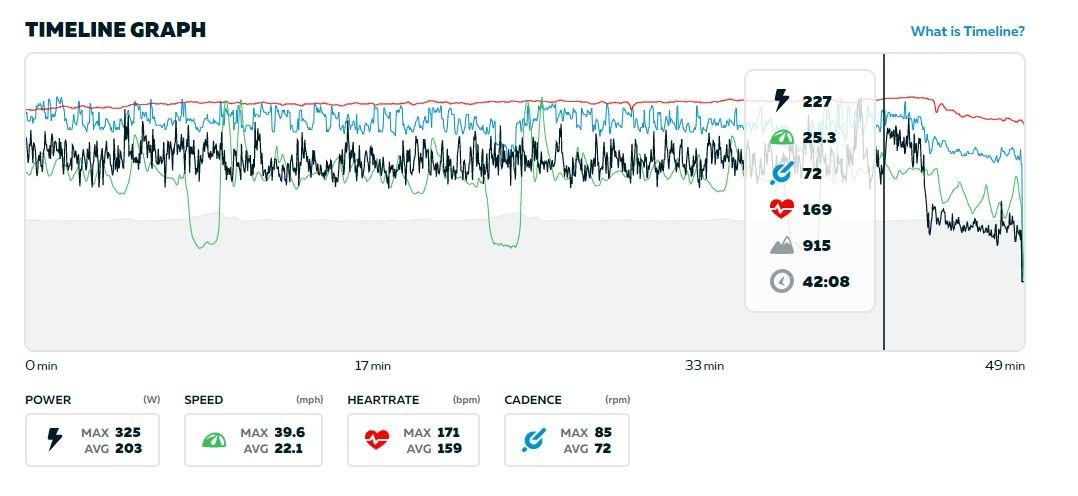
Accuracy claims of plus or minus 1 BPM come from the manufacturer rather than our own bench testing. In practical use the readings behaved sensibly alongside the H10 during steady efforts, and connection to Zwift, Strava, Peloton and Wahoo Fitness all worked once the app-based pairing flow was used.
That pairing flow is the thing people trip over. The sensor is not visible in the phone’s Bluetooth menu; you have to search for it inside the fitness app, and it always appears under the same generic name. It is a thirty-second hurdle that generates an unreasonable share of one-star reviews.
Why indoor riders like it
There is no wind chill, no sun flare and no navigation distraction, so an indoor session is the easiest place to judge whether a strap is comfortable. A 15 g pod and a soft band disappear within a few minutes, and the LED means you are not riding 20 minutes before noticing the connection failed.
The 300-hour CR2032 figure is measured in real broadcast conditions, so on a four-rides-a-week Zwift schedule you would change the cell roughly once every two years.
Where it is the wrong tool
Electrode moisture is mandatory. If you show up in cold dry conditions without sweat and without wetting the contacts, you will get no reading at all. That also makes it a slightly worse choice as a first outdoor strap in winter.
The maker recommends replacing the strap roughly every six months or 300 washes, which is a consumable cost most riders do not budget for. Treat the strap as part of the purchase, not an accessory.
6. POWR LABS – The Strap That Fits the Widest Range of Chests
POWR LABS Bluetooth ANT+ Heart Rate Monitor Chest Strap for Garmin, Peloton
- Seamless soft fabric that resists chafing and slippage
- Adjusts from 24 to 61 inch
- far wider than a standard band
- Replaceable battery means no charging cables on tour
- Claimed plus or minus 1 BPM accuracy
- No onboard memory so a paired device is required
- Sensor must be worn and wet before pairing
Riders with a 42 inch chest or larger consistently report that stock straps run out of adjustment and slide. This one is built backwards from that problem, with an adjustment range from 24 to 61 inches of strap, wider than any other band here.
The fabric is a seamless soft weave rather than stitched elastic, and that single design choice drives most of the comfort feedback. Reviewers mention specifically that it does not chafe and does not slip on long sessions, which are the two complaints that come up most often in cycling forums about chest straps generally.
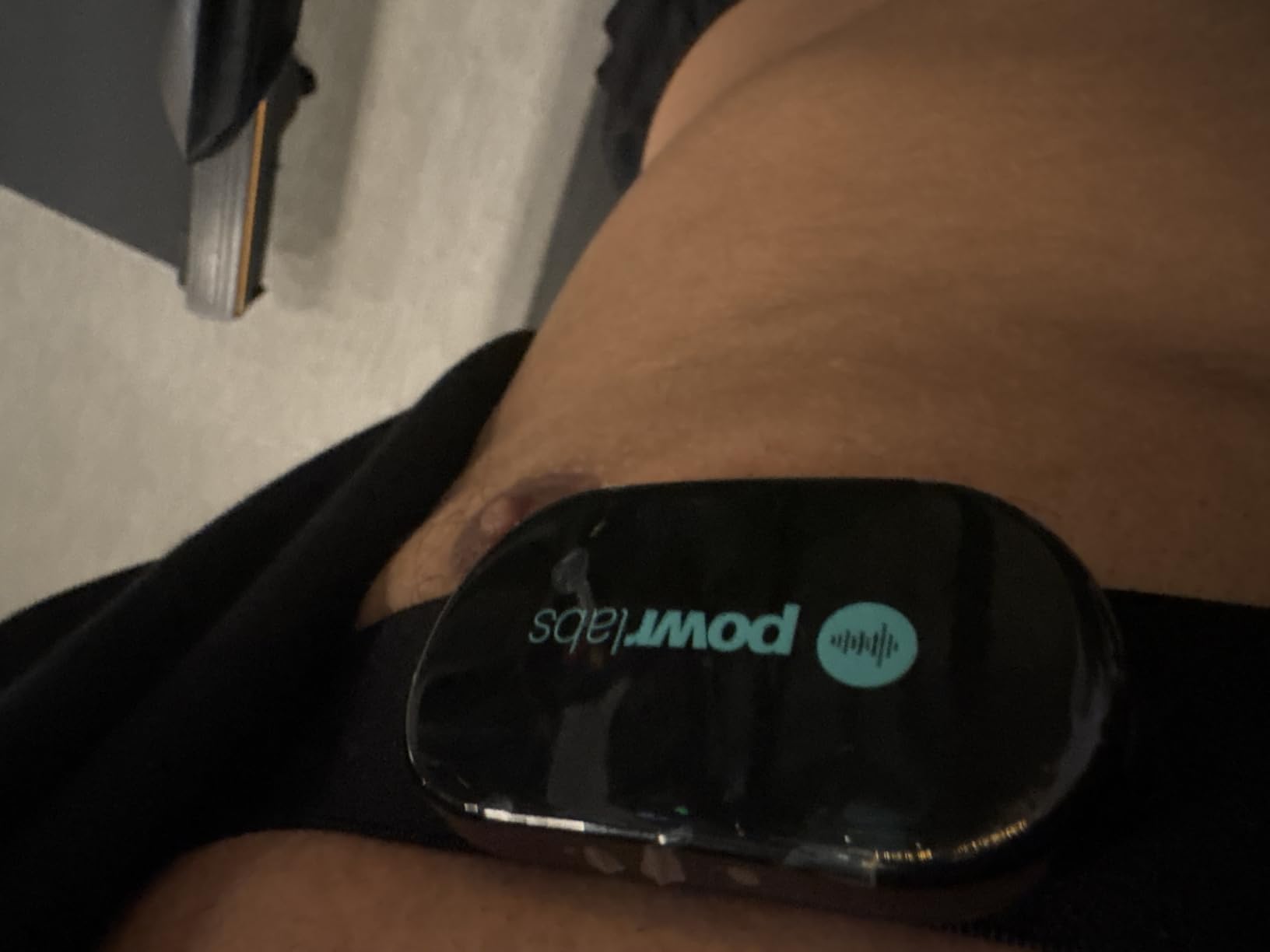
It broadcasts on Bluetooth 4.0 and ANT+ at the same time, so a head unit and a phone app can both record. It tracks heart rate, HRV and calories in compatible apps, and the brand is US-based and athlete-owned, which matters if you want support in your own time zone.
The replaceable lithium battery is the quiet advantage. Wahoo owners recharge, Polar owners hunt for the right coin cell, and this one swaps a pack in seconds. The marketed figure is 400 hours of training use, with a longer number quoted for standby.
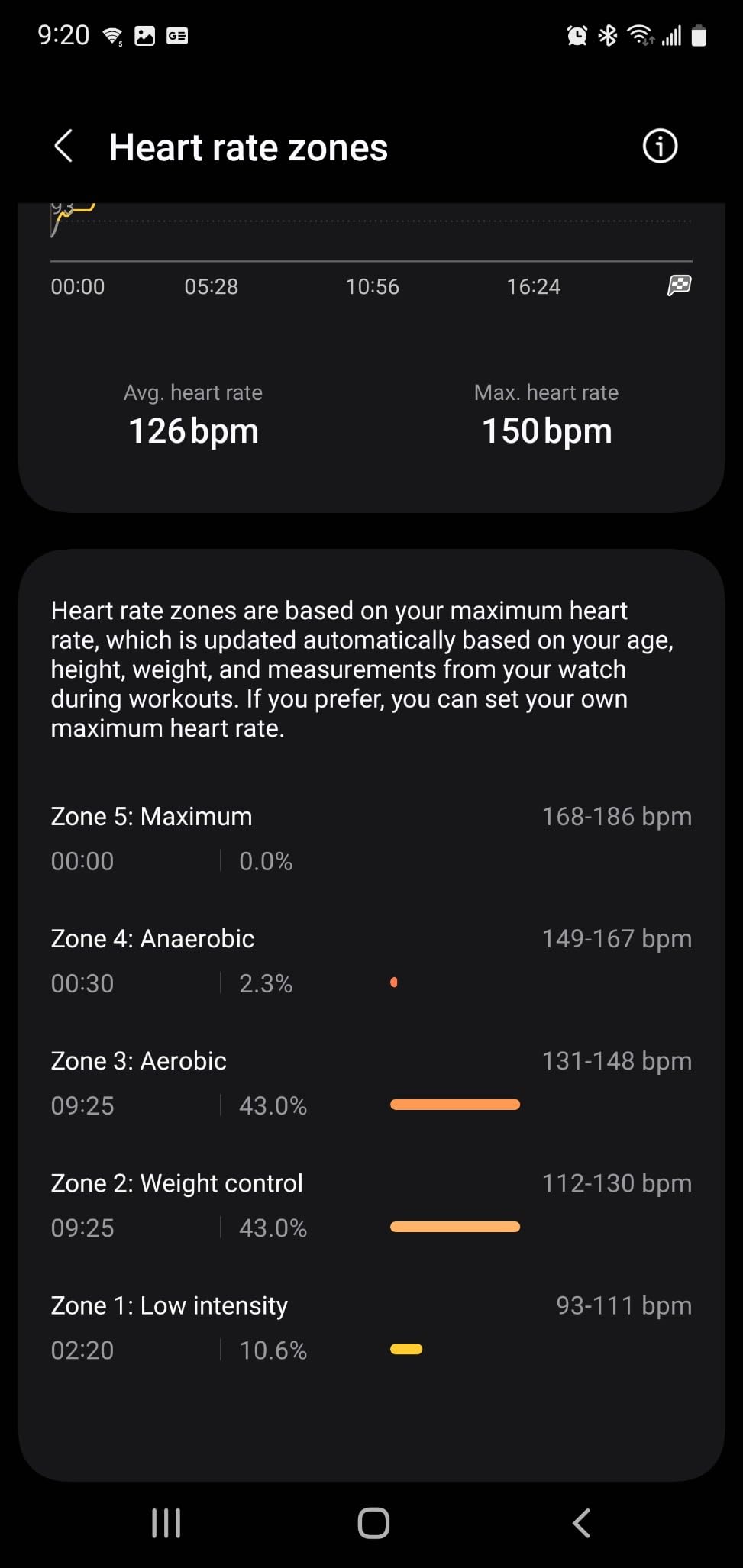
Best choice if standard straps do not fit you
Fit is the single biggest cause of bad chest strap data, and a strap that is stretched to its limit or sliding downward will produce gaps no algorithm can fix. Buying into a very wide adjustment range removes the variable entirely, and combined with the grippy seamless fabric it is the safest pick for a larger frame.
It is also a good call for riders who wear their strap over a jersey rather than against skin, where a narrow strap tends to ride up.
What you give up
There is no onboard memory. If you ride somewhere without a paired head unit or phone, the session is simply gone. That is fine for structured training with a computer, and unacceptable for recording a solo gravel ride on a phone you left at home.
About 16 percent of reviews are one-star, and that cluster is about setup and the missing memory rather than accuracy. And the sensor must be worn and moistened before you attempt to pair, or the connection simply fails.
7. Garmin HRM 200 – Built for Garmin Ride Computers
- Connections re-establish automatically once paired
- Strap stays flat and does not roll on long rides
- Front LED and pairing button make setup obvious
- Machine washable strap and a year of battery
- Companion app needs a paired Garmin device to be useful
- Phone connection can drop when the phone is not worn
- One owner reported degraded readings after about eight months
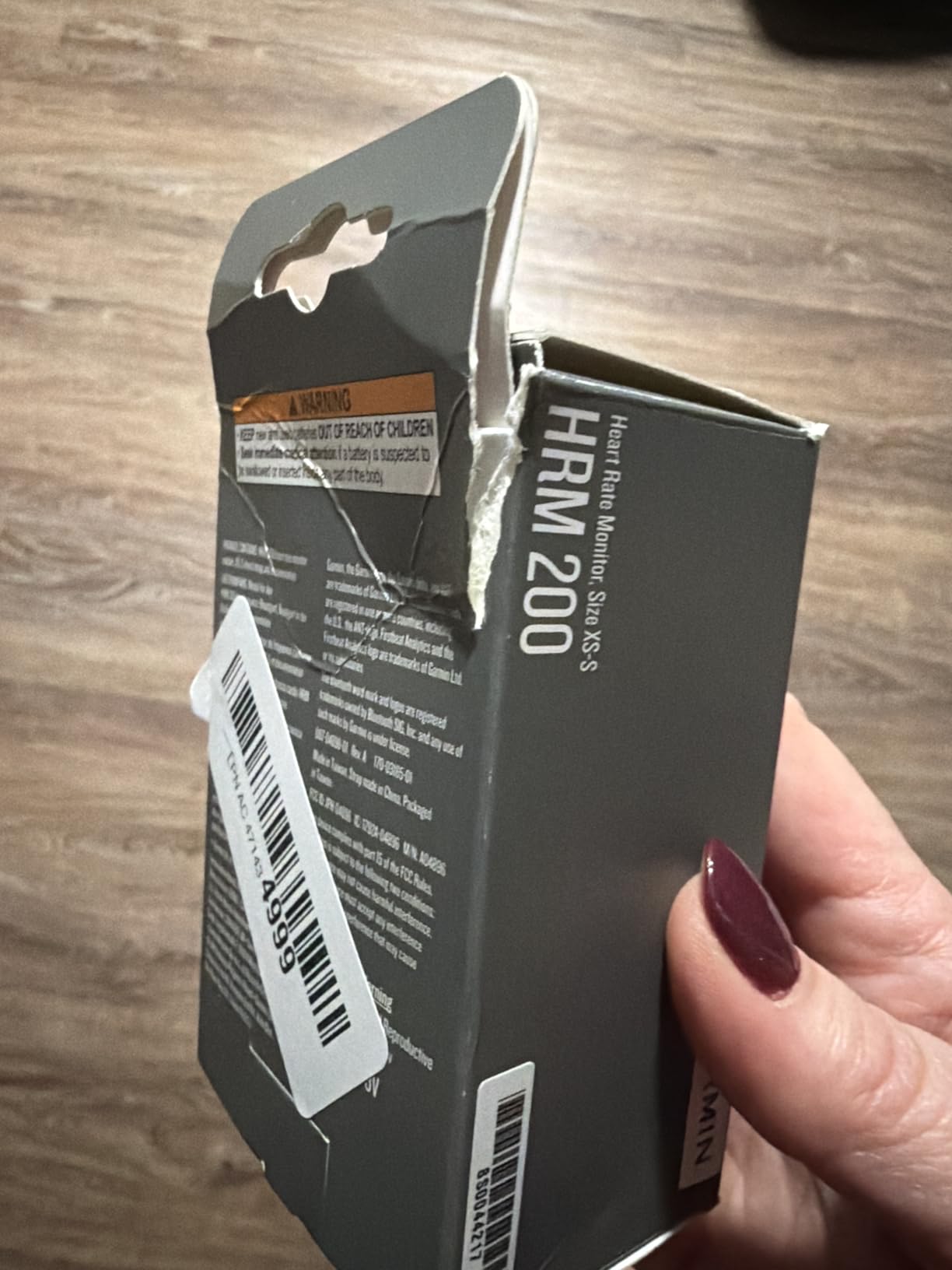
Everything about the HRM 200 is designed around the Garmin pairing experience, and if your bike computer is a Garmin Edge or a Garmin watch, that focus is worth paying for. Pair once and the connection re-establishes itself on subsequent rides without a manual reconnection step.
The strap is the other story. It lies flat against the skin and does not roll, which is exactly the failure we see in the cheaper bands after an hour or two. For a long road ride or a multi-hour gravel day, that stays comfortable in a way a rolling strap does not.
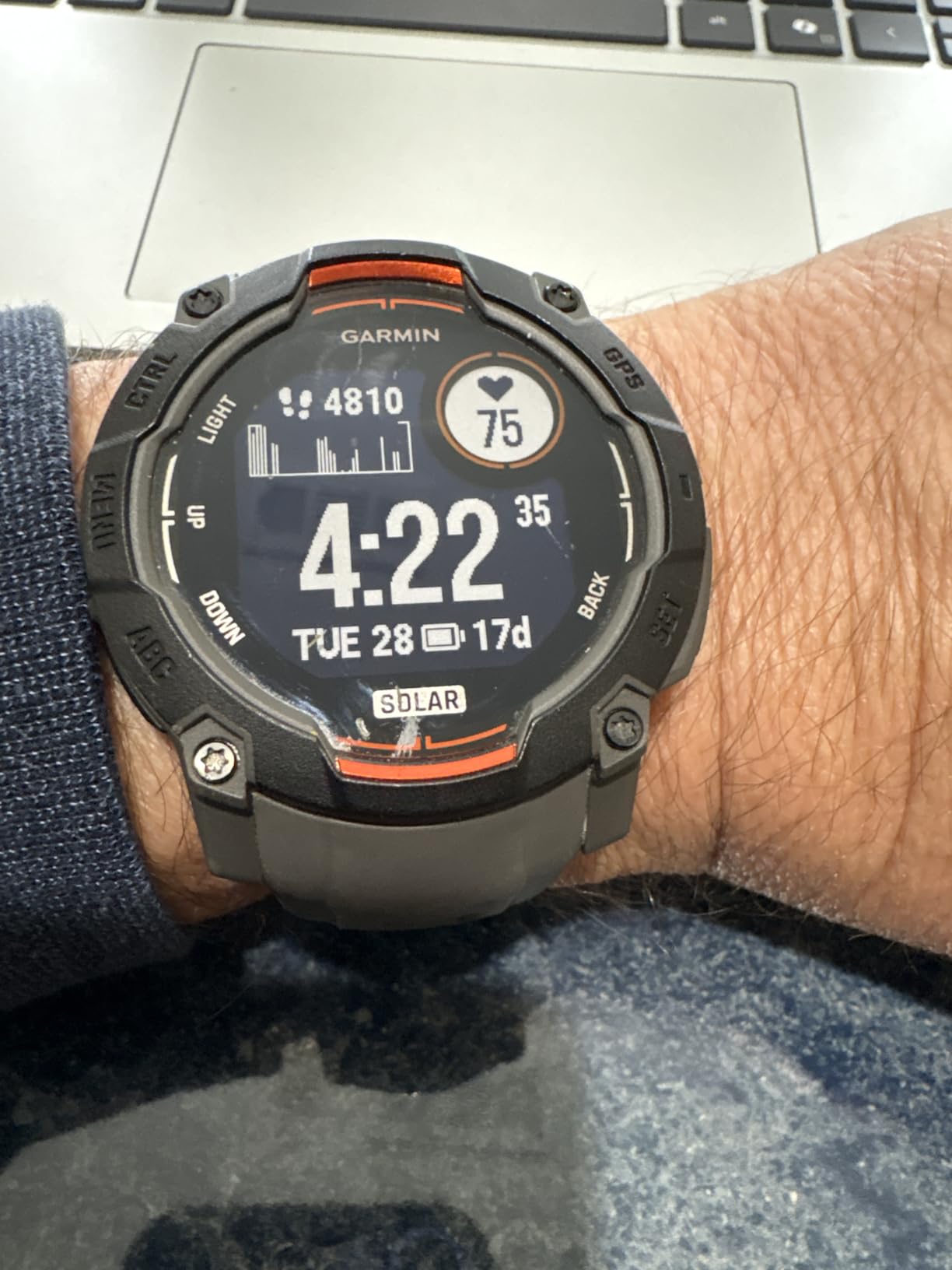
Beyond heart rate it transmits heart rate variability data in real time, which the training apps use for recovery and load decisions. Two strap sizes are available, and the module includes a front LED status indicator and a pairing button for guided setup rather than a hidden menu sequence.
The battery is user-replaceable and rated at up to one year. The 3 ATM water rating is modest next to a full IP rating but entirely adequate for sweat and rain, and the strap is machine washable, which almost nothing else in this roundup can claim.
Why Garmin riders should look here first
Two protocol details are worth understanding. This unit connects over Bluetooth, which is what a Garmin Edge uses for sensors, and it also supports the ANT+ side of a multi-band Garmin ecosystem. The upshot is a connection that behaves predictably inside Garmin Connect rather than one you troubleshoot across two systems.
It ranks fourth in the Heart Rate Monitors category with a 76 percent five-star share, and the stable reconnection behaviour is the most common thing owners single out as an upgrade from older dual-frequency straps.
Where it is not the right answer
The companion app is the weak point. It is unintuitive, and it does not track heart rate on its own without a paired Garmin watch, so if you are not already inside the Garmin ecosystem you get very little from it. Phone connectivity can also drop when the phone is not on your body.
There is also an isolated report of readings becoming unreliable after roughly eight months, which is worth weighing against the one-year battery claim if you are a high-mileage rider.
8. Magene H64 – The Low-Commitment Way Into a Chest Strap
Magene H64 Heart Rate Monitor, Heart Rate Sensor Chest Strap, Protocol ANT+/Bluetooth, Compatible with iOS/Android APPs (New H64)
- Battery rated at 1000 hours under typical training
- Records on a head unit and a phone app at once
- Works with smart trainers including Peloton and iFIT
- IP67 dust and water protection
- Invisible in the phone Bluetooth menu and must be found in the app
- Insulating sheet must be pulled from the battery before use
- Electrode area must be wet and the logo must face up
The H64 exists because most riders who need a chest strap only need one. It broadcasts ANT+ and Bluetooth simultaneously, so the same workout can be recorded on your bike computer and in Zwift, Strava or TrainerRoad at the same time, and the battery figure means you will basically stop thinking about batteries.
The stated battery life is 1000 hours, which the manufacturer frames as roughly two and a half years at one hour a day four times a week. That is a realistic framing rather than a laboratory claim.
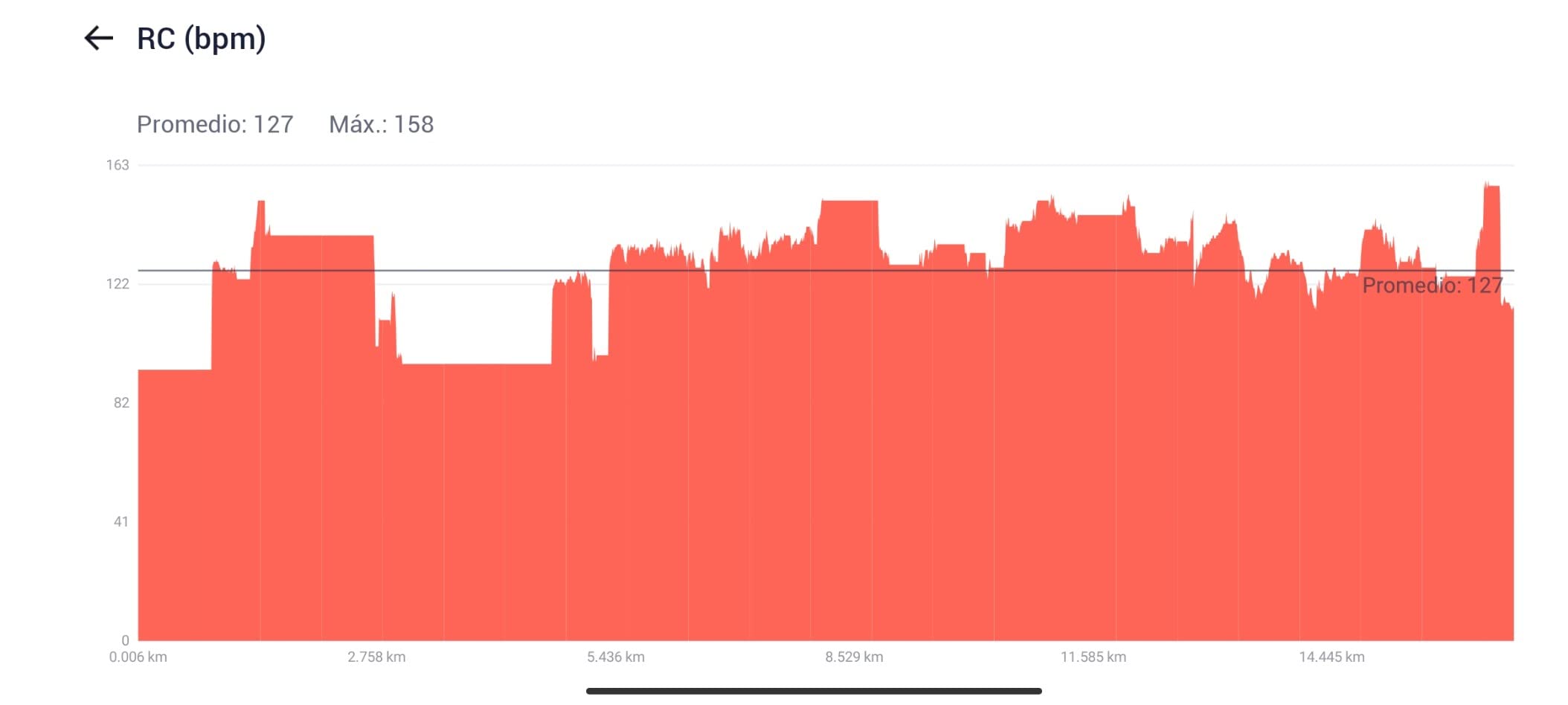
Compatibility is broader than the low price suggests. ANT+ covers Magene, Wahoo, IGSPORT and Bryton head units, while Bluetooth covers the app side including Zwift, Strava, TrainerRoad, Rouvy and Wahoo Fitness. Smart trainers from Peloton, Onelap, Nordic and the Pro-Form, iFIT and Echelon families are also named.
It also auto-sleeps after about 30 seconds off the body, which cuts the one real power drain in this category: a sensor sitting in a jersey pocket all day.
What a first-time buyer gets here
For a rider who has never used a chest strap and does not yet know how seriously they will train, this is a low-commitment way in. The simultaneous broadcast means you do not have to choose between your head unit and your training app, which is the most common reason people give up on chest straps.
It is equally good as a garage backup. Straps fail, batteries die, and having a second pod that pairs to anything in the house removes a frustrating category of problem.
The setup mistakes to avoid
Three things generate almost all of the complaints. Searching your phone’s Bluetooth settings will not find this sensor; it has to be located inside the app. The battery ships with an insulating sheet that must be removed or the unit will look dead forever. And the electrode area must be wet with the logo oriented upward, or head units will not detect it.
None of these are hardware faults, and all of them feel like faults if you do not know them in advance. Thirteen percent of the reviews here are one-star, and they are concentrated in exactly these three points.
9. GEOID HS500 – A Budget Strap Built Around Winter Starts
GEOID HS500 Heart Rate Monitor, Heart Rate Sensor Chest Strap, Protocol ANT+/Bluetooth, 800h Battery, IP67 Waterproof, Compatible with iOS/Android APPs
- Connects quickly to Garmin watches and Zwift
- Red LED confirms the unit is on before you roll
- 800-hour replaceable CR2032
- Sub-one-second wake-up
- Needs electrode moisture to acquire a signal when you are not sweating
- A minority of owners report inconsistent readings
- Strap quality is the weak point and the elastic can fail
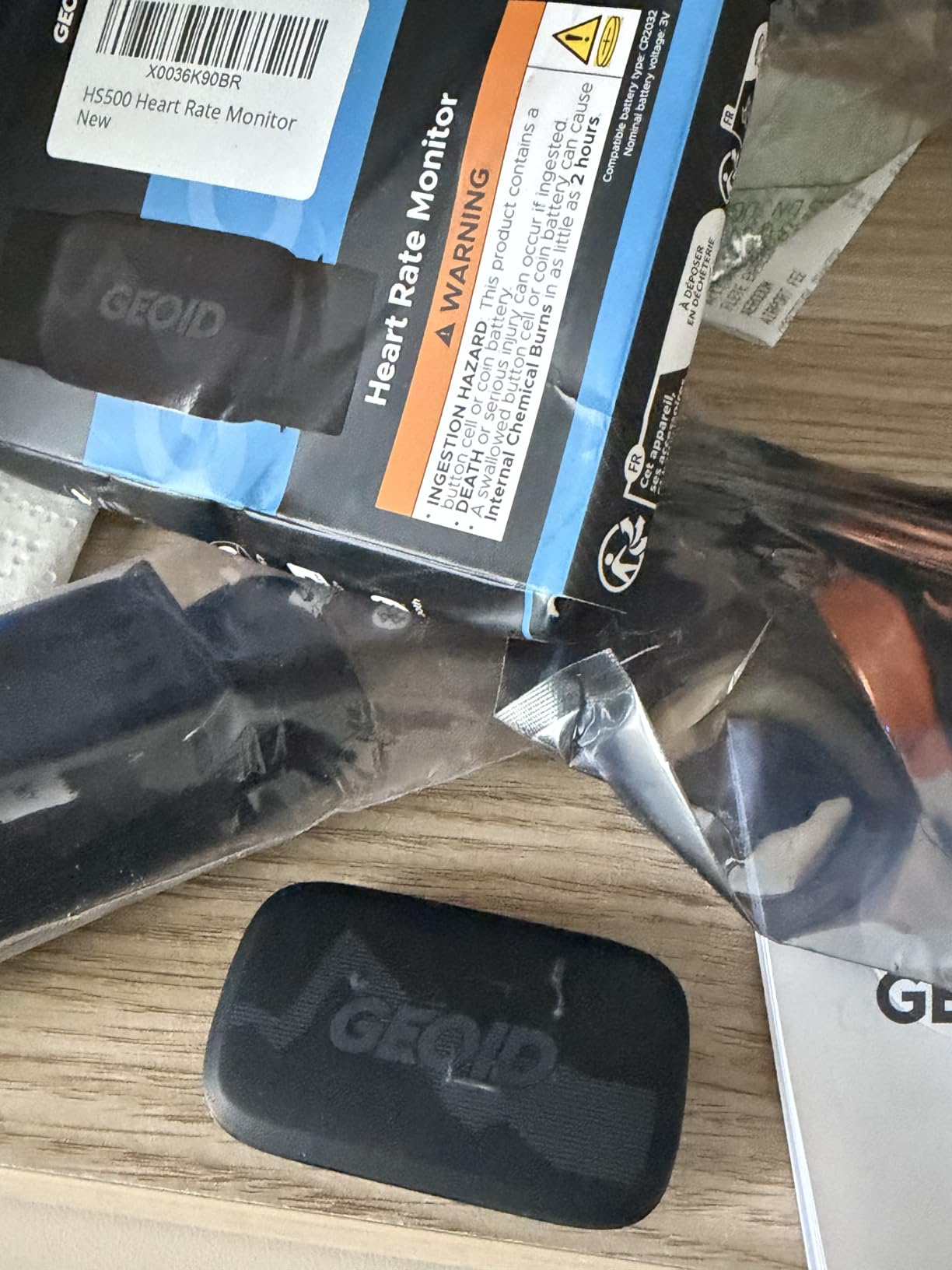
The GEOID is a straightforward budget dual-protocol strap, but the red status LED is a smarter detail than it sounds. Before a cold January ride, being able to see that the unit is powered and acquiring a signal takes the anxiety out of the first few minutes.
Connection speed is the other strength. Wake-up is quoted at under a second with a longer communication range, and in practice it showed up quickly on Garmin watches, IGSPORT bike computers and Zwift without repeated connection attempts.
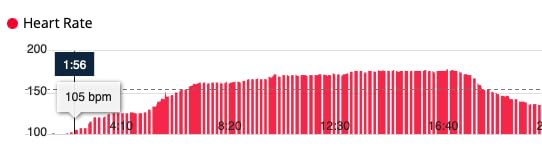
The hardware and algorithms were reworked to reject movement and sweat noise, and cycling-specific reviews report readings that match far more expensive units with real-time responsiveness good enough for Zone 2 work, which is the pace where lag is most damaging.
It is IP67 for dust and water, though the maker does not recommend swimming. At 56 g including packaging it is not the lightest pod here, though the difference is imperceptible over a ride.
What it does well for the money
It covers the basics without cutting any that matter: both protocols, an 800-hour replaceable CR2032, a status LED and IP67 protection. For a rider building a first training habit, that is the whole requirement list met.
It is also a reasonable second strap to keep at home, since the CR2032 is a coin cell you can buy almost anywhere.
Where it falls down
Cold and dry conditions are its weak spot. With no sweat to bridge the electrodes, you need to wet them deliberately or the sensor will not lock on. That is a solvable problem, but it is a problem, and it is the one that catches riders out on a frosty morning.
Fourteen percent of the reviews are one-star, split between reported accuracy failures and strap durability. The elastic is described as low quality and can peel or be perforated by the hook, so expect to replace the band sooner than you would a Polar one.
10. Magene H603 – A Split Strap for Riders Who Hate Rolls and Twists
Magene H603 Chest Strap Heart Rate Monitor, ANT+ and Bluetooth Compatible with Fully Adjustable Strap, iPhone & Android Compatible
- Split band design rather than one continuous loop
- Split strap suits some body shapes better than a loop
- IML-moulded shell resists sweat scratches and fading
- Dual broadcast records on two devices at once
- Must be found inside the fitness app rather than the Bluetooth menu
- Electrode area must be wet and correctly worn
- Smaller review base than the alternatives
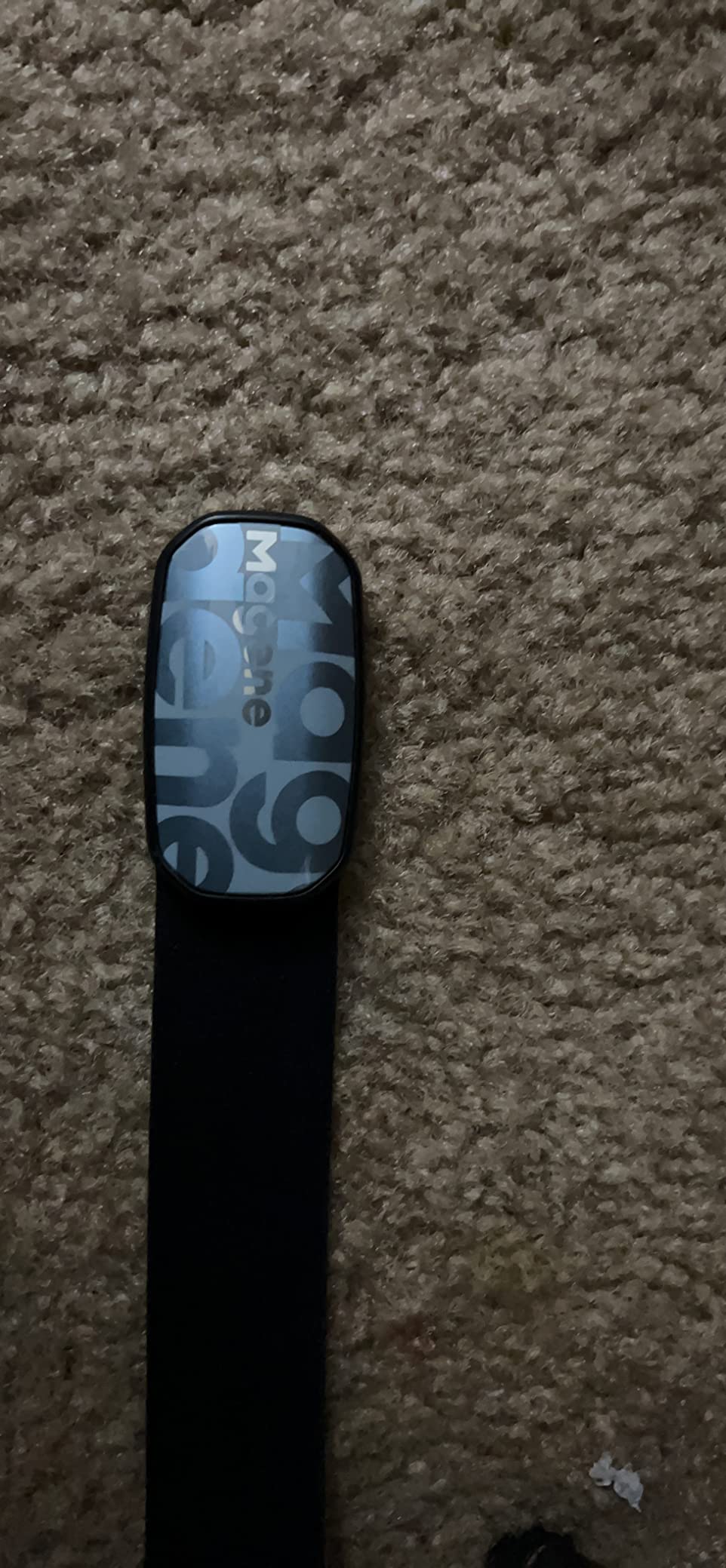
Every other strap here is a single continuous band, and the H603 is not. It uses a split design with two separate pieces meeting at the buckle, which changes how the tension distributes around the ribcage, and riders who find conventional straps constrictive tend to get on with it better for that reason.
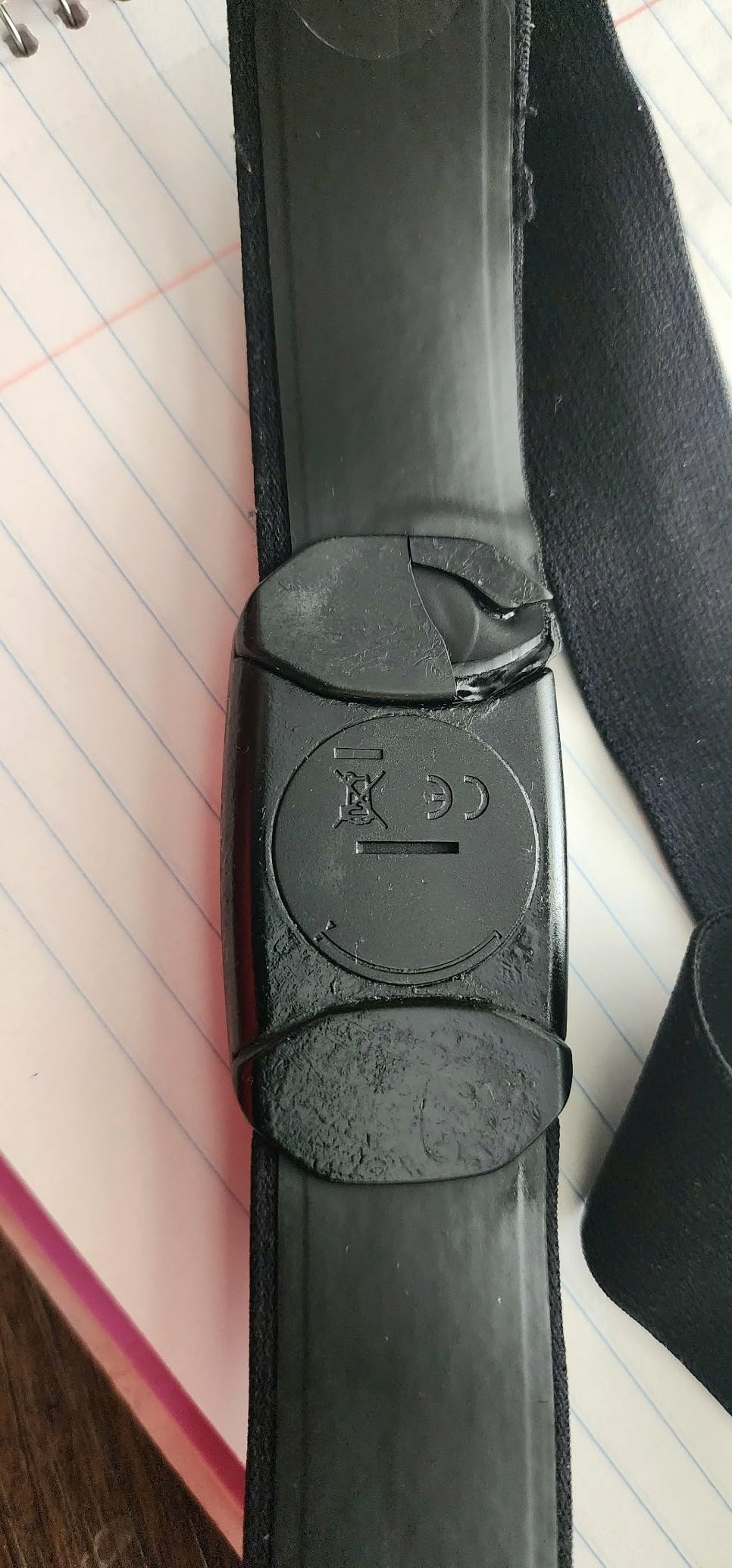
The shell is IML injection-moulded rather than glued together, which is why it resists scratches, sweat and fading. That matters more than it sounds: a sensor pod that goes chalky and brittle after a season looks and reads worse than one that does not.
Internally it is the same proposition as the H64 with the same 1000-hour battery figure, ANT+ and Bluetooth broadcast, IP67 rating and one-year warranty, plus a noise-filtering algorithm tuned for movement and sweat and a red LED that confirms power and connection.
Because the two Magene units share so much underneath, the honest question is whether you should own one or both. The H603 is the better strap; the H64 is the better entry point.
Who genuinely prefers it
Anyone who has had a conventional band dig in or roll up on a long ride. The split design removes the continuous loop that has nowhere to go, and for riders with a larger ribcage or a sports-bra fit it distributes pressure very differently.
It is also the one to try if you have previously abandoned chest straps entirely. A TrainerRoad user who found straps too constrictive moved to an arm sensor, and the split design is the cheaper experiment to run before you give up on chest readings altogether.
What to know before buying
The pairing rule is the same across the budget tier: search for the sensor inside the fitness app, not the phone’s Bluetooth menu. And the electrodes must be wet and the unit worn the right way round or nothing will detect it.
With 813 reviews the sample is smaller than most here, and 67 percent of that sample is five-star, so treat the strong scores as encouraging rather than conclusive. The main friction reported is setup guidance, not measurement performance.
11. Wahoo TRACKR – The Only Rechargeable Strap in the Roundup
- No coin cells to hunt down before a ride
- Slim soft strap that stays secure through hard efforts
- Over 100 hours of active use per charge
- LED indicators for heart rate battery and connection
- Needs periodic recharging where coin cells run for a year
- Thinner strap may not feel as durable long term
The TRACKR is the answer to the battery anxiety that dominates forum threads in this category. Riders who have turned a ride around at the top of a climb because the sensor died mid-ride are the target user, and a rechargeable pack with over 100 hours of active life removes the problem permanently.
A charging cable is included, which sounds obvious but is not true of every rechargeable alternative. It is also the current Wahoo chest strap, replacing the older TICKR and TICKR X models, so buying advice pointing at the retired SKUs is out of date.
Connectivity covers phones, broadcast equipment and training apps over both ANT+ and Bluetooth, so it works with a Wahoo ELEMNT or BOLT, a Garmin head unit and Zwift without an adapter. The 30 g pod is light and the strap is slim, soft and secure-fit through hard efforts.
Three LED states cover what you would otherwise be guessing at: heart rate detected, battery level and connection status. For indoor riding in particular, that removes the twenty-minute wait before you notice a failed connection.
Why the rechargeable approach works for some riders
Riders who go long between rides get the clearest benefit. If you train three days a week, a coin cell sorted years of sessions. If you ride seasonally, or you simply do not want to think about batteries before an early start, charging a pod the night before is easier than finding the right cell in a kitchen drawer.
It is also a cleaner long-term answer than disposable cells, and the LEDs make the state of the device visible rather than inferred.
What you trade for it
Recharging is a routine you cannot skip. A rider doing back-to-back sessions in a hotel gym with no remembered cable has a dead sensor that a coin-cell strap would not have. That is the honest weakness of the design and the reason the Polar units remain the default pick.
A few owners also find the slimmer strap construction feels less durable over long-term use, and 68 percent five-star share suggests satisfaction without being overwhelming. Accuracy itself is rarely questioned in the reviews.
12. iGPSPORT HR40 – A Backup Strap With Genuine Multi-Year Durability
iGPSPORT for Running Cycling Gym Compatible with Garmin Polar Wahoo Bike Computer
- Comfortable enough to forget you are wearing it
- One owner used a unit almost daily for close to three years
- Reads generally within about 5 percent of an Apple Watch
- Broadcasts to a phone app and a bike computer at once
- A minority of reviewers report inaccurate readings
- Signal loss reported on one long wet ride
- Strap wear eventually becomes the point of failure
The iGPSPORT HR40 earns its place on durability rather than features. One owner in the review set used a unit almost daily for close to three years before replacing it, and that is the kind of longevity claim that matters more than any specification when you are choosing something to strap to your body every week for a decade.
It is a light pod at roughly 47 g worn, with a soft textile band adjustable from 25.6 to 37.4 inches, dual ANT+ and Bluetooth broadcast, and compatibility with Endomondo, Polar Beat, Wahoo Fitness, Zwift and its own app.
Readings are reported by owners as landing within about 5 percent of an Apple Watch, which is a looser standard than an ECG strap but entirely workable for general training. Treat it as a primary strap for easy riding, or as a durable backup for your main one.
Battery life is quoted at up to one year at one hour of use per day, and there is one year of manufacturer warranty behind it.
Where it earns its keep
As a second strap it removes a real category of headache. Straps end up forgotten in a jersey pocket, batteries die and hardware fails, and having a second pod that broadcasts to whatever is nearby means a broken sensor never costs you a ride.
It is also a sensible first purchase for a rider on a strict budget who wants a strap that will not need replacing every season.
What to watch out for
About 15 percent of reviews are one-star and include outright accuracy complaints, which is a fair warning if you intend to set training zones from this device. Dual broadcast to a head unit and a phone app is supported, so verify your pairing before a session that matters.
One owner lost signal on a long rainy ride, possibly water reaching the contacts, and like most straps here the band is the part that eventually fails. A replaceable strap is a sensible companion purchase.
How to Choose a Heart Rate Chest Strap for Cycling
ECG or optical: why the bike breaks wrist sensors
A chest strap measures the electrical signal of your heart, an electrocardiogram, and picks up the R-wave. An optical sensor uses light through the skin to estimate blood volume change. The first measures the thing directly; the second infers it.
On a bike, the inference breaks down in three specific ways. Your hands are locked on the bars for hours, so your wrist position does not change and the sensor sits in one fixed spot, often pressed hard into the harness or the tops. Continuous grip pressure reduces the blood volume change the optical sensor is trying to detect. And road vibration constantly shifts skin against the sensor face.
The result is the specific complaint riders describe about their watch reading high when they get into the drops on a climb. Because a wrist sensor sitting one zone high turns a two-hour Zone 2 session into something close to tempo, the error is not cosmetic.
Which strap fits which bike computer
This is the most consequential decision and the one most guides bury. All 12 straps here broadcast both ANT+ and Bluetooth, so protocol is less of a trap than it used to be, but the surrounding ecosystem still matters.
If you ride a Garmin Edge or a Garmin watch, prioritise a strap with a proven record inside Garmin Connect. The Garmin HRM 200 is the one built around that, and its reconnection behaviour is the specific thing owners praise. If you ride a Wahoo ELEMNT or BOLT, any dual-protocol strap works and the Wahoo TRACKR is the natural pairing.
Hammerhead Karoo accepts both protocols, so protocol is not the deciding factor there. For indoor riding, plan your Bluetooth budget instead: a trainer, a power meter and a heart rate strap all competing for connections is the channel-limit problem that forum riders actually hit.
Coin cell or rechargeable
The trade is simplicity against flexibility. Coin-cell and lithium-primary straps such as the Polar H10, H9, the CooSpo units, GEOID, Magene H64 and Magene H603 run for 300 to 1000 hours and need no charging, but a dead cell on ride day is a real failure mode. The Wahoo TRACKR charges instead and removes that failure entirely, at the cost of a cable you have to remember.
One habit matters more than the battery type: take the pod off the strap after a ride, or remove the cell as the CooSpo H6 instructions suggest. A sensor left in a jersey pocket keeps broadcasting, and that broadcast is what drains a primary cell.
Reading water resistance ratings
IP67, which covers most of the budget tier, protects against dust and temporary immersion. IPX7, which the POWR LABS carries, adds full submersion protection. Garmin’s 3 ATM is an older pressure-based rating that handles sweat and rain but not swimming. For cycling, every one of these ratings is more than sufficient, because you are dealing with sweat and rain rather than immersion.
Fit, chafing and larger chests
Most strap discomfort is a fit problem rather than a material problem. The two recurring forum complaints are chafing and a band that feels constrictive around the ribcage. Grip dots and seamless fabric address the first, the Magene H603 split design and the POWR LABS wide adjustment range address the second.
If you have a 42 inch chest or larger, do not buy a narrow strap and hope. The POWR LABS adjusts from 24 to 61 inches, the Polar Pro strap has a dedicated larger size, and the Garmin HRM 200 offers an M-XL band. Wet the skin slightly before fastening so the electrodes settle against you rather than dry fabric.
Maintenance that adds years
Rinse the strap under running water after every ride and hang it to dry. That single habit, repeated by long-term owners, is what separates a five-year strap from a one-year one. Hand wash the band in warm soapy water rather than a washing machine, and treat it as a consumable that needs replacing on a schedule rather than a permanent accessory.
Store the pod separately from the strap. The electronics stay drier, and you avoid the slow electrochemical drain that a permanently installed cell suffers.
Who should skip a chest strap entirely
Easy riding with no training structure does not need one. A watch or bike computer with an optical sensor is accurate enough for recreational miles, and the cost difference buys you a better bike. Riders who genuinely cannot wear something on their chest should look at an arm-based optical sensor instead, accepting the accuracy trade in exchange for comfort.
And if you already own a Polar H10 or a Garmin HRM 200 that pairs cleanly to your setup, the upgrade path is a better strap rather than a new monitor.
Frequently Asked Questions
What is the most accurate heart rate monitor for cycling?
The Polar H10 is the most accurate chest strap for cycling because it reads the electrical R-wave of your heartbeat directly rather than inferring heart rate from blood volume. It broadcasts ANT+ and Bluetooth at the same time, stores sessions onboard when no head unit is in range, and stays stable through interval work where a 10 to 15 bpm zone error would matter most.
What is the best heart rate monitor for cycling training?
For structured zone-based training the Polar H10 is the best overall choice, and the Polar H9 is the best value option if you always ride with a bike computer. For riders on a strict budget, the CooSpo H6 gives you dual-protocol broadcast and a 300-hour battery for a fraction of either. If you train indoors, the Wahoo TRACKR removes battery anxiety entirely.
How to monitor heart rate while cycling?
Wet the electrodes, fasten the strap snugly across the base of your sternum, and confirm the connection before you set off. On your bike computer, open the sensors menu and add a heart rate monitor, then wait for the reading to appear. Turn the strap off by unclipping it or removing the battery when you finish, and check the reading against a known source during your first ride before trusting it for zones.
Which chest strap is the most accurate for heart rate monitoring?
Any ECG chest strap beats a wrist or arm optical sensor for cycling, because vibration and grip pressure interfere with optical readings. Among chest straps, the Polar H10 is the accuracy benchmark. The Garmin HRM 200 and Polar H9 track closely, and budget options like the CooSpo H6 and GEOID HS500 perform well provided the electrodes are wet and the strap does not slide.
Do I need ANT+ or is Bluetooth enough for a heart rate monitor?
For most riders today Bluetooth alone is enough, because every strap in this roundup broadcasts both protocols at the same time. ANT+ still matters inside the Garmin ecosystem and for multi-sensor broadcast setups on head units that prioritise it. The practical reason to care is simultaneous recording: dual broadcast lets your bike computer and Zwift or TrainerRoad log the same ride at once.
Which Chest Strap Should You Buy in 2026?
For the best heart rate monitor chest straps for cycling, the Polar H10 remains the default: direct electrical measurement, simultaneous dual-protocol broadcast, onboard recording and a 400-hour cell. If you always ride with a head unit, the Polar H9 does the same job for less and adds a two-year warranty. Budget riders should take the CooSpo H6, which talks to everything and stays soft against the ribs.
Match the strap to your ecosystem, fit it properly, wet the electrodes, and rinse it after every ride. That last habit is the difference between a sensor that lasts a season and one that lasts half a decade.