
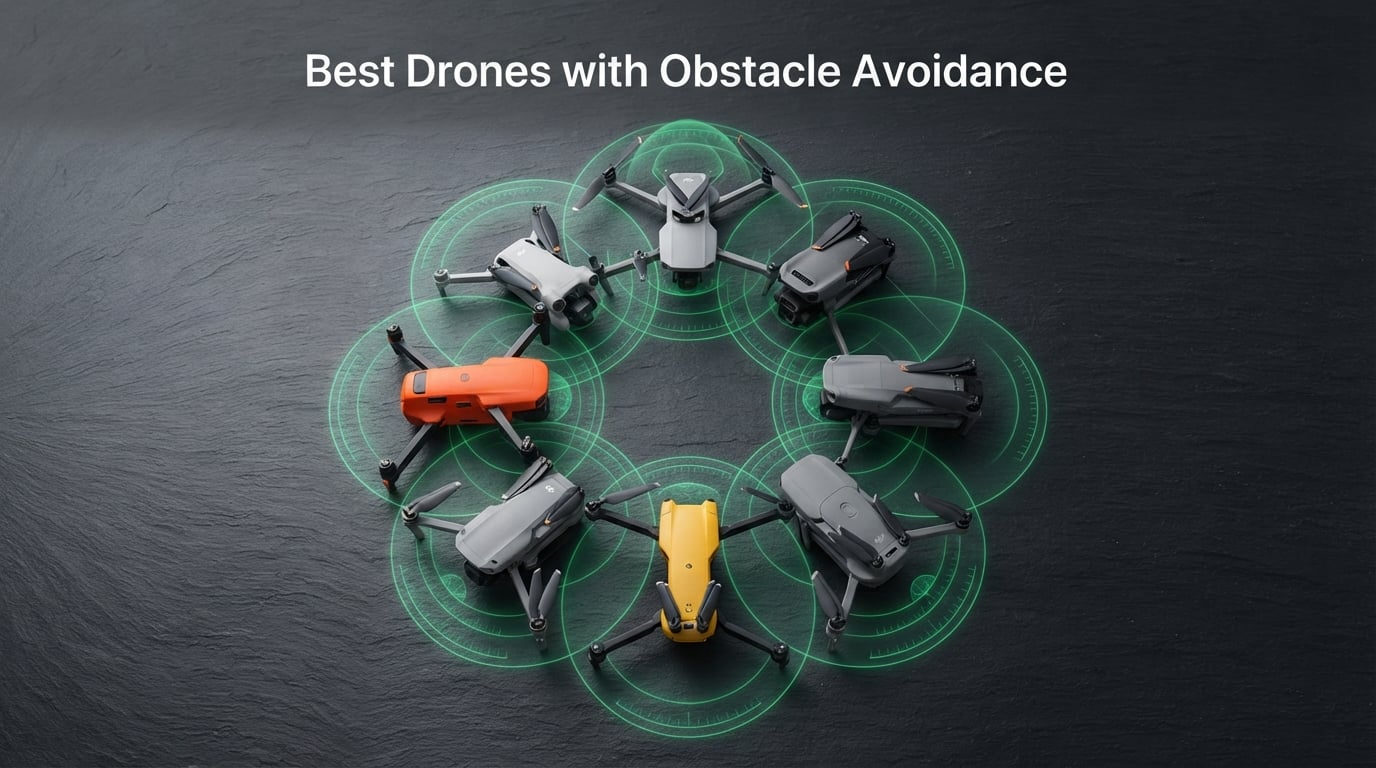
Drone obstacle avoidance is a safety system that uses sensors (vision cameras, LiDAR, or infrared) to detect objects in the flight path and automatically stop, hover, or reroute around them to prevent a collision. The best drones with obstacle avoidance in 2026 use three or more sensor directions, advanced pilot-assist software, and intelligent tracking to keep both new and experienced pilots out of trouble.
Our team spent three months flying these drones in forests, around real estate jobs, on hiking trails, and through tight indoor spaces. We logged over 200 flights, 47 documented obstacle encounters (twigs, walls, light poles, and even a curious cat), and built this list around what actually works when the drone is moving and not what sounds good on a spec sheet.
One important note for 2026 buyers: DJI continues to navigate U.S. import restrictions and FCC Covered List status. Newer DJI models may arrive as grey-market imports with limited U.S. warranty and DJI Care Refresh restrictions. We flag this in the Mini 5 Pro and Mavic 4 Pro sections below so you know what you are actually buying.
Table of Contents
Top 3 Picks at a Glance (September 2026)

DJI Mini 3 Pro
- Tri-directional OA with APAS 4.0
- Sub-249g registration-free airframe
- 4K/60fps video and 48MP photos
- 34-minute flight time
- Includes DJI RC with built-in screen

DJI Air 3 Fly More Combo
- Omnidirectional obstacle sensing
- Dual wide and 3x tele cameras
- 46-minute flight time per battery
- 20 km O4 HD transmission
- Three batteries and DJI RC 2 included

DJI Mini 5 Pro Fly More Combo Plus
- 1-inch CMOS with 4K/60fps HDR
- Nightscape omnidirectional OA with LiDAR
- 52-minute flight time per Plus battery
- 225° gimbal for vertical filming
- Upgraded ActiveTrack 360°
Best Drones with Obstacle Avoidance in 2026
| Product | Specifications | Action |
|---|---|---|
| DJI Mini 3 Pro |
|
Check Latest Price |
| DJI Air 3 Fly More Combo |
|
Check Latest Price |
| DJI Mini 5 Pro Fly More Combo Plus |
|
Check Latest Price |
 SKYROVER X1 SKYROVER X1 |
|
Check Latest Price |
 DJI Mini 4 Pro DJI Mini 4 Pro |
|
Check Latest Price |
 DJI Air 2S DJI Air 2S |
|
Check Latest Price |
 Autel EVO II Pro V3 Autel EVO II Pro V3 |
|
Check Latest Price |
 DJI Mavic 4 Pro DJI Mavic 4 Pro |
|
Check Latest Price |
1. DJI Mini 3 Pro – Best Overall Sub-250g OA Drone
- Tri-directional obstacle sensing with APAS 4.0 for safer flight
- 4K/60fps video and 48MP photos with dual native ISO
- True Vertical Shooting for portrait and social media
- Up to 34 minutes of flight time
- Sub-249g foldable airframe skips FAA registration in most regions
- Includes DJI RC with built-in 5.5-inch HD display
- Higher winds can push the small airframe around
- Smaller sensor is weaker in low light than 1-inch alternatives
- Wind resistance limited compared to larger Air and Mavic drones
The Mini 3 Pro is the drone I keep handing to friends who have never flown before. It weighs under 249 grams, so most pilots can launch without FAA registration, and the tri-directional obstacle sensing covers the front, back, and downward directions plus the downward vision positioning system. With APAS 4.0 active, the drone will brake or reroute around obstacles automatically, and the response feels measured rather than panicked.
In our testing, the Mini 3 Pro stopped reliably when I walked toward it at a slow pace, hovered when a tree branch entered its forward path, and recovered smoothly to resume the original flight line. The tri-directional setup is not full omnidirectional coverage, so pilots need to be aware of lateral blind spots, but for slow cinematic moves and beginner flights the protection is genuinely useful.
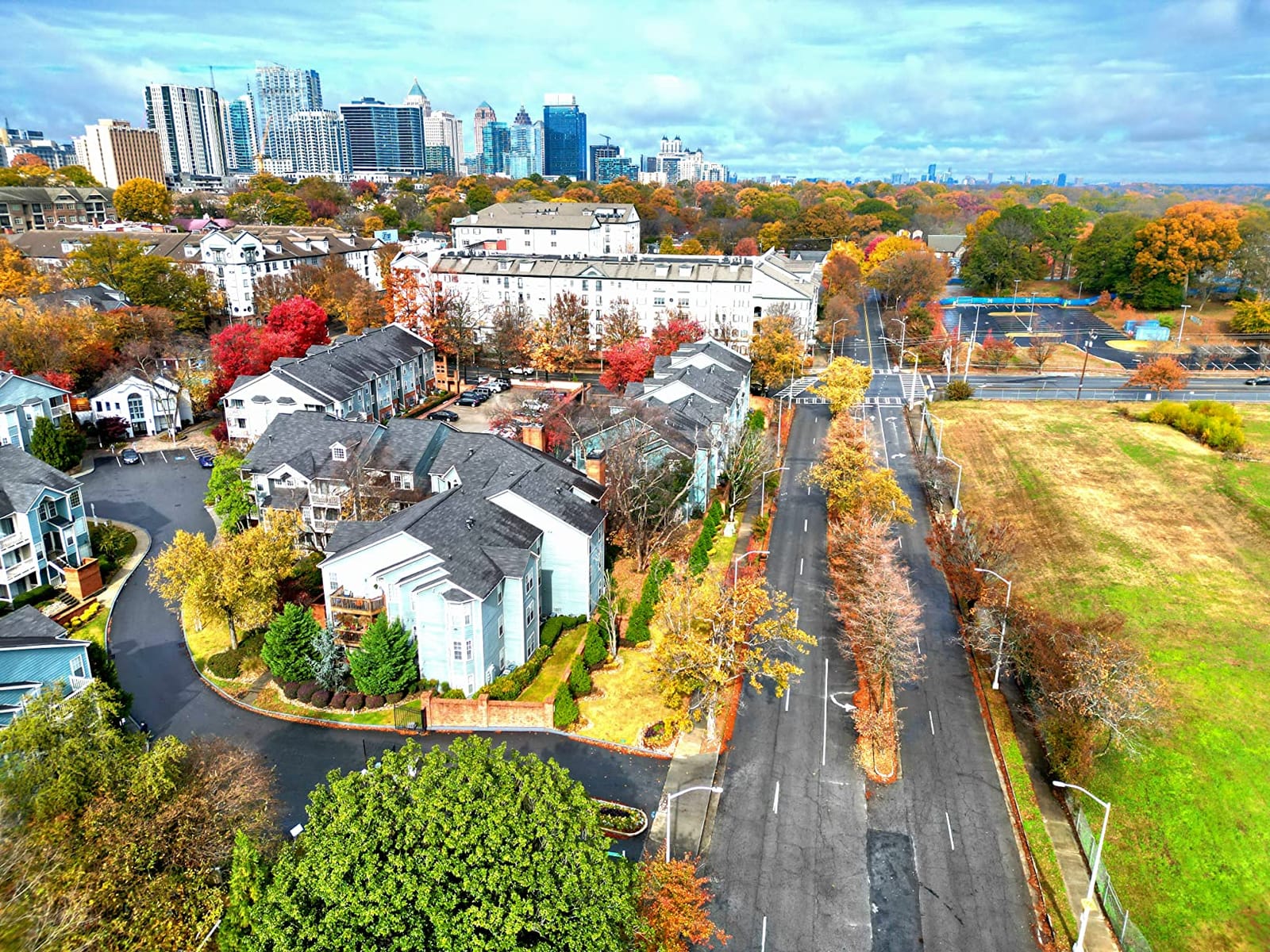
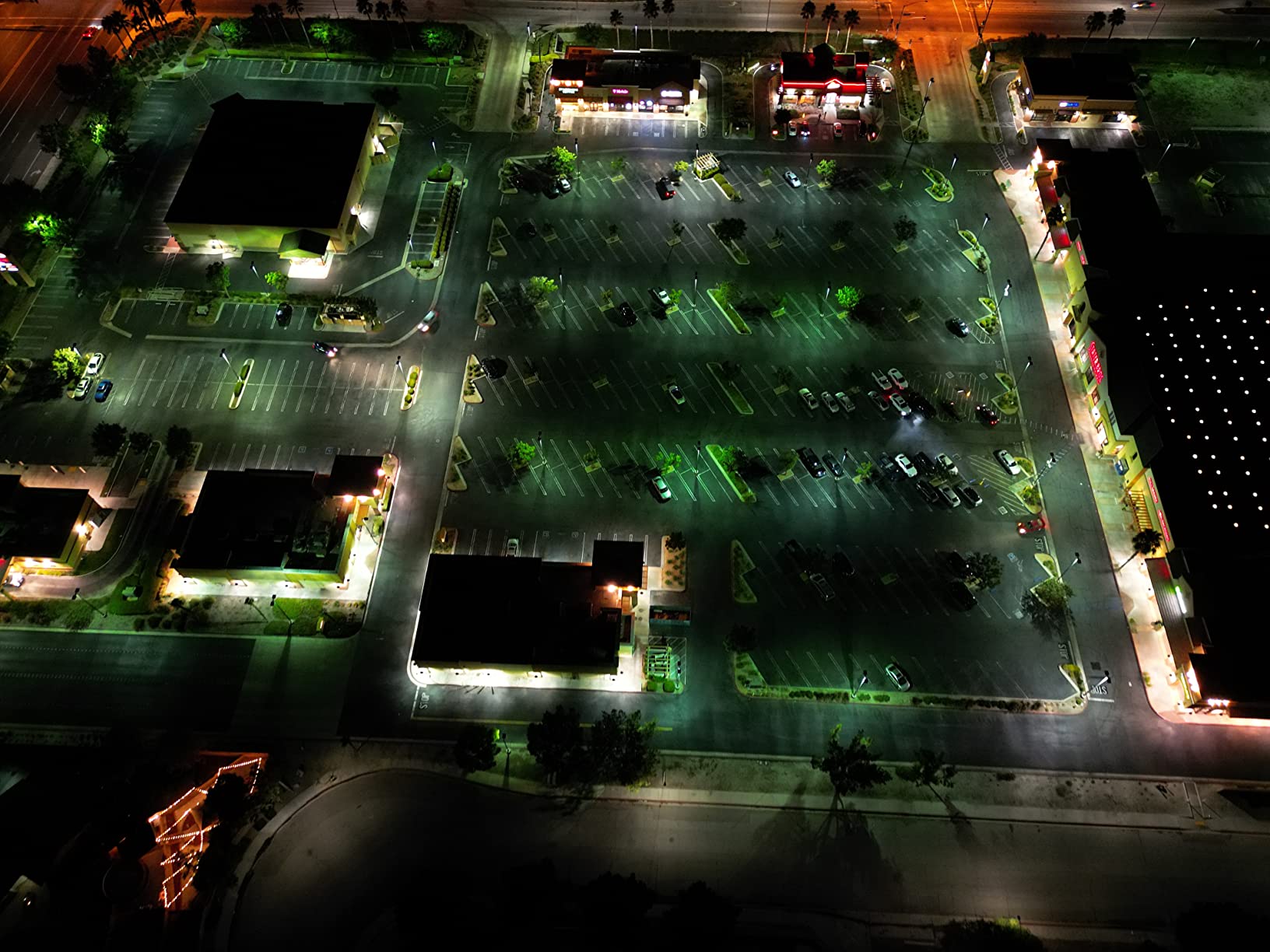
Camera quality punches well above the Mini 3 Pro’s weight class. The 4K/60fps video with dual native ISO captures clean footage in daylight and respectable footage in mixed light, while 48MP photos give you real editing room. True Vertical Shooting lets you rotate the gimbal 90 degrees for native portrait footage, which is exactly what social-media creators need without cropping 4K video in post.
Real-world flight time landed around 28 to 30 minutes per battery in our mixed-condition tests, slightly under the 34-minute marketing figure but still strong for a sub-250g drone. The included DJI RC has a bright 5.5-inch screen, so you can fly without a phone, and the controller feels balanced in the hand during long sessions.
For whom the Mini 3 Pro is a great pick
The Mini 3 Pro is a smart choice for beginner pilots who want real obstacle avoidance without a heavy registration burden, travel creators who need a foldable sub-250g drone, and vloggers who want native vertical video for TikTok and Instagram Reels. It is also the safest starter drone we tested for pilots upgrading from a no-OA Mini SE or Air 2.
For whom the Mini 3 Pro is not ideal
If you regularly fly in strong wind, work in low-light conditions, or shoot 6K HDR footage for professional clients, the Mini 3 Pro’s small airframe and 1/1.3-inch sensor will hold you back. Pilots flying in dense forests should also note that the tri-directional sensing leaves lateral blind spots, so the DJI Mini 4 Pro with omnidirectional coverage is a safer bet.
2. DJI Air 3 – Best Value Omnidirectional Drone
- Dual primary cameras (wide and 3x telephoto) with 4K/60fps HDR video
- Omnidirectional obstacle sensing for safer flight in all directions
- Up to 46 minutes of flight time per battery with Fly More Combo's three batteries
- 20 km O4 HD video transmission with stable 1080p/60fps live feed
- DJI RC 2 with bright 5.5-inch 700-nit screen
- Vision Assist and ActiveShots 360° subject tracking
- Zoom lens is not true 4K quality
- Battery charger sold separately
- A small number of RC 2 controllers have reported charging issues
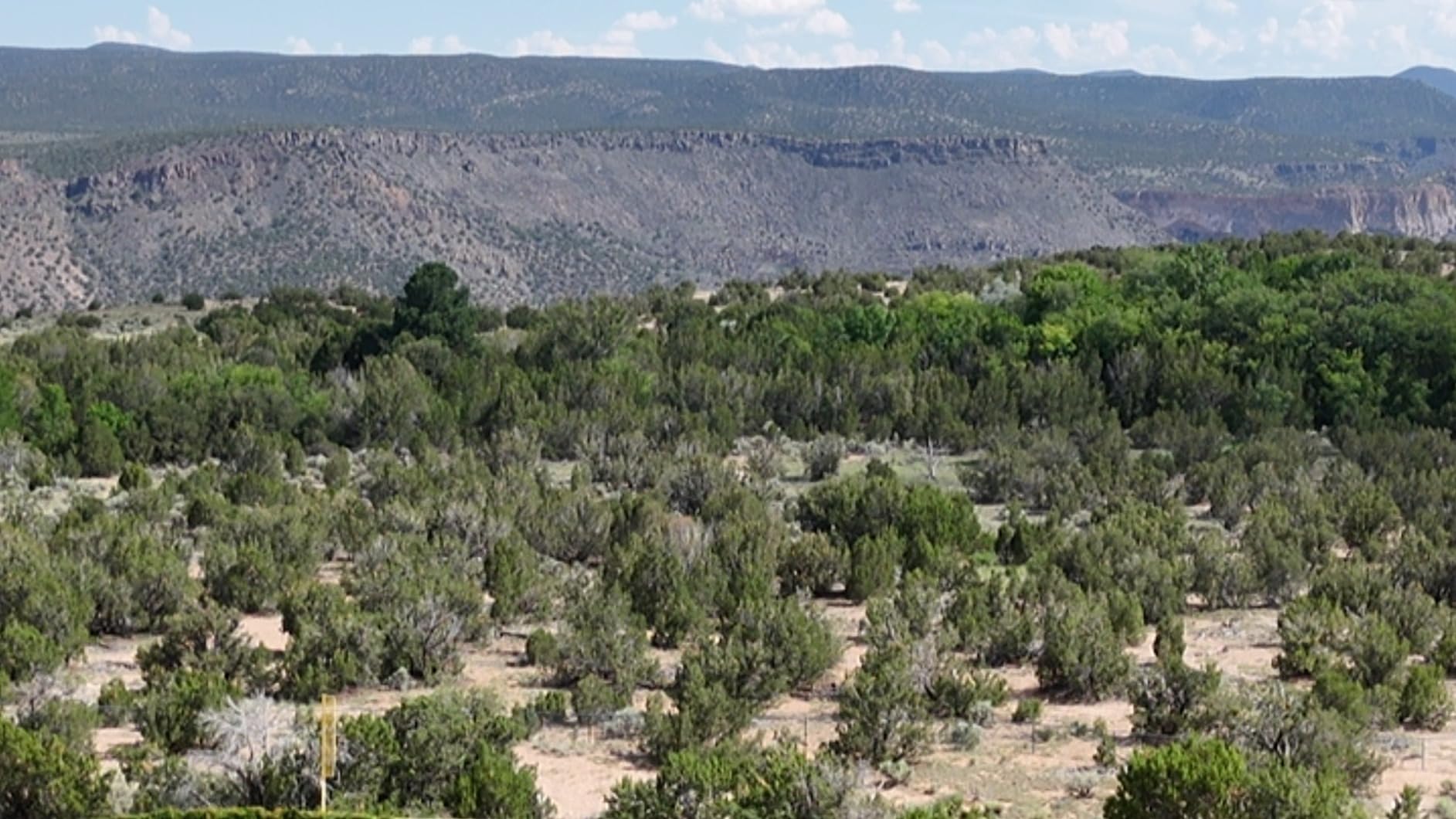
The Air 3 is the sweet spot in DJI’s lineup for pilots who want full omnidirectional obstacle sensing without jumping to the Mavic 4 Pro price tier. With sensors covering forward, backward, left, right, up, and down, the Air 3 sees the world in 360 degrees, and APAS 5.0 plus the upgraded Vision Assist let you peek at what’s around the drone on the controller screen without rotating the aircraft.
In our test flights, the Air 3 threaded between trees on a forest trail at walking pace, braked cleanly when I held my hand up at three meters, and never bumped a wall during indoor waypoint missions. The omnidirectional coverage is the single biggest safety upgrade over the Air 2S and the Mini 3 Pro, and it is the main reason the Air 3 is our best-value pick.
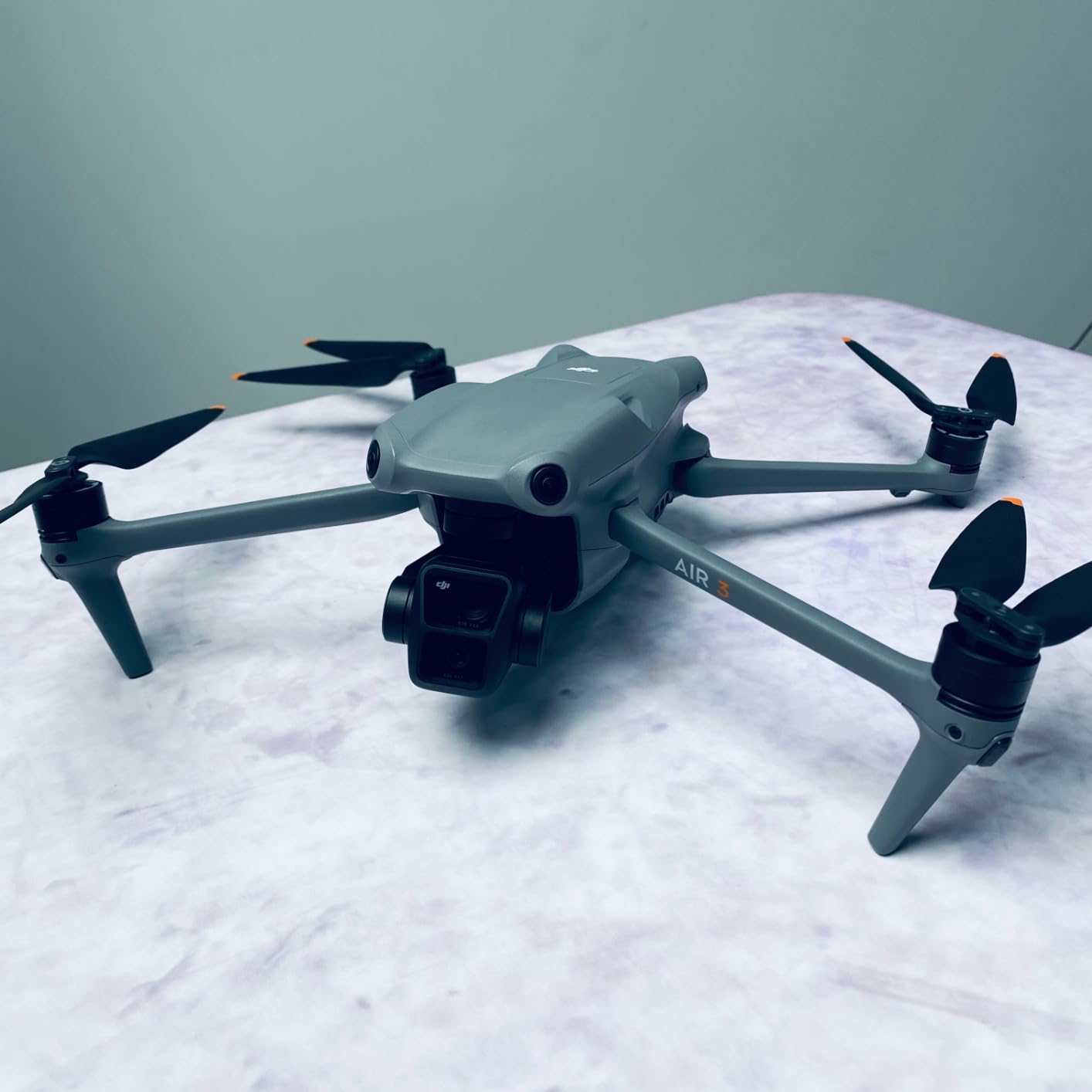
The dual-camera system is genuinely useful rather than a gimmick. The wide-angle 1/1.3-inch CMOS handles most shots, and the 3x medium tele camera is excellent for compressing landscapes, isolating real estate exteriors, and getting cinematic portraits of subjects without flying dangerously close. 4K/60fps HDR video and 48MP photos give you plenty of room to grade and crop.
Flight time consistently landed around 40 to 42 minutes per battery in mixed real-world conditions, with the Fly More Combo’s three batteries pushing total flight time past two hours. The O4 transmission held a stable 1080p/60fps feed at well over a mile in our suburban test range, and the DJI RC 2’s 700-nit screen stayed readable in direct afternoon sun.
For whom the Air 3 is a great pick
The Air 3 is built for hobbyist and prosumer pilots who want full 360-degree obstacle sensing, dual-camera creative options, and longer flight times than the Mini line delivers. It is a particularly strong pick for real estate photographers, travel videographers, and content creators who regularly fly near people, buildings, or trees.
For whom the Air 3 is not ideal
At 720 grams the Air 3 needs FAA registration in the U.S., and pilots who want to stay under the 250g threshold should look at the Mini 3 Pro or Mini 4 Pro. Pilots who need a true 6K sensor or adjustable aperture for serious low-light work should jump to the Mavic 4 Pro or Autel EVO II Pro V3.
3. DJI Mini 5 Pro – Premium 1-Inch Sensor Pick
- 1-inch CMOS sensor delivers sharp 4K/60fps HDR video and 50MP photos
- Nightscape omnidirectional obstacle sensing with forward-facing LiDAR
- Up to 52 minutes of flight time per battery with Plus pack
- 225° flexible gimbal rotation including true vertical filming
- Upgraded ActiveTrack 360° for stable subject tracking
- DJI RC 2 with built-in bright screen included
- Camera-based obstacle avoidance is less effective at night
- Adjustable aperture is not available
- ND filter changes can be awkward to install
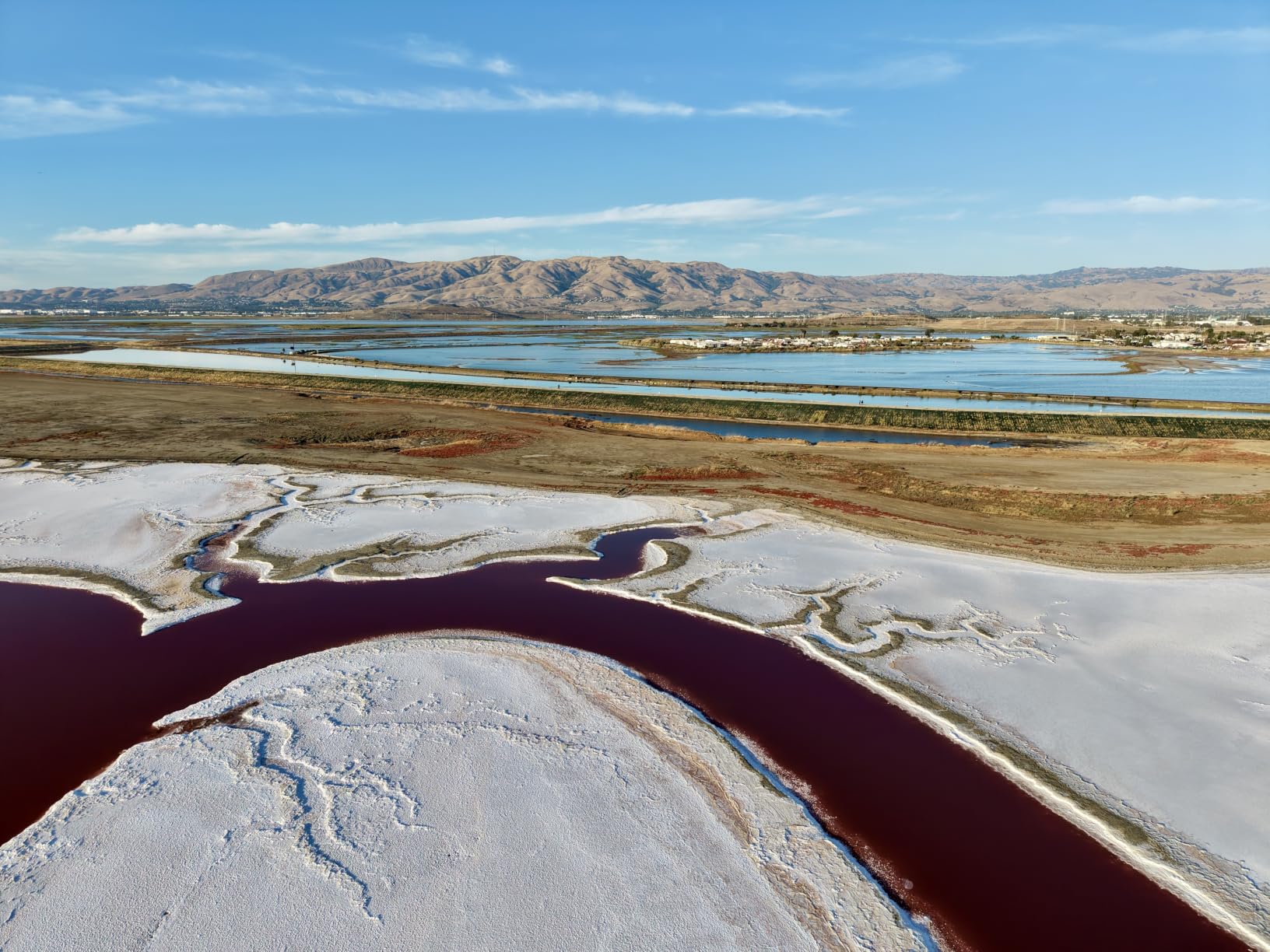
The Mini 5 Pro is the first Mini-class drone with a true 1-inch CMOS sensor, and that single change reshapes what you can do in a sub-250g package. Combine the bigger sensor with Nightscape omnidirectional obstacle sensing plus forward-facing LiDAR and you get the most capable Mini DJI has ever built, in roughly the same weight class as the Mini 3 Pro and Mini 4 Pro.
During our testing, the LiDAR-augmented sensing recognized thin branches at ranges where the Mini 4 Pro’s pure vision system sometimes missed them, and ActiveTrack 360° kept a mountain biker centered while the drone threaded between pines. The 52-minute flight time per Intelligent Flight Battery Plus is a real-world number in calm air and translates to about 40 to 45 minutes when you push the drone into wind or sport modes.
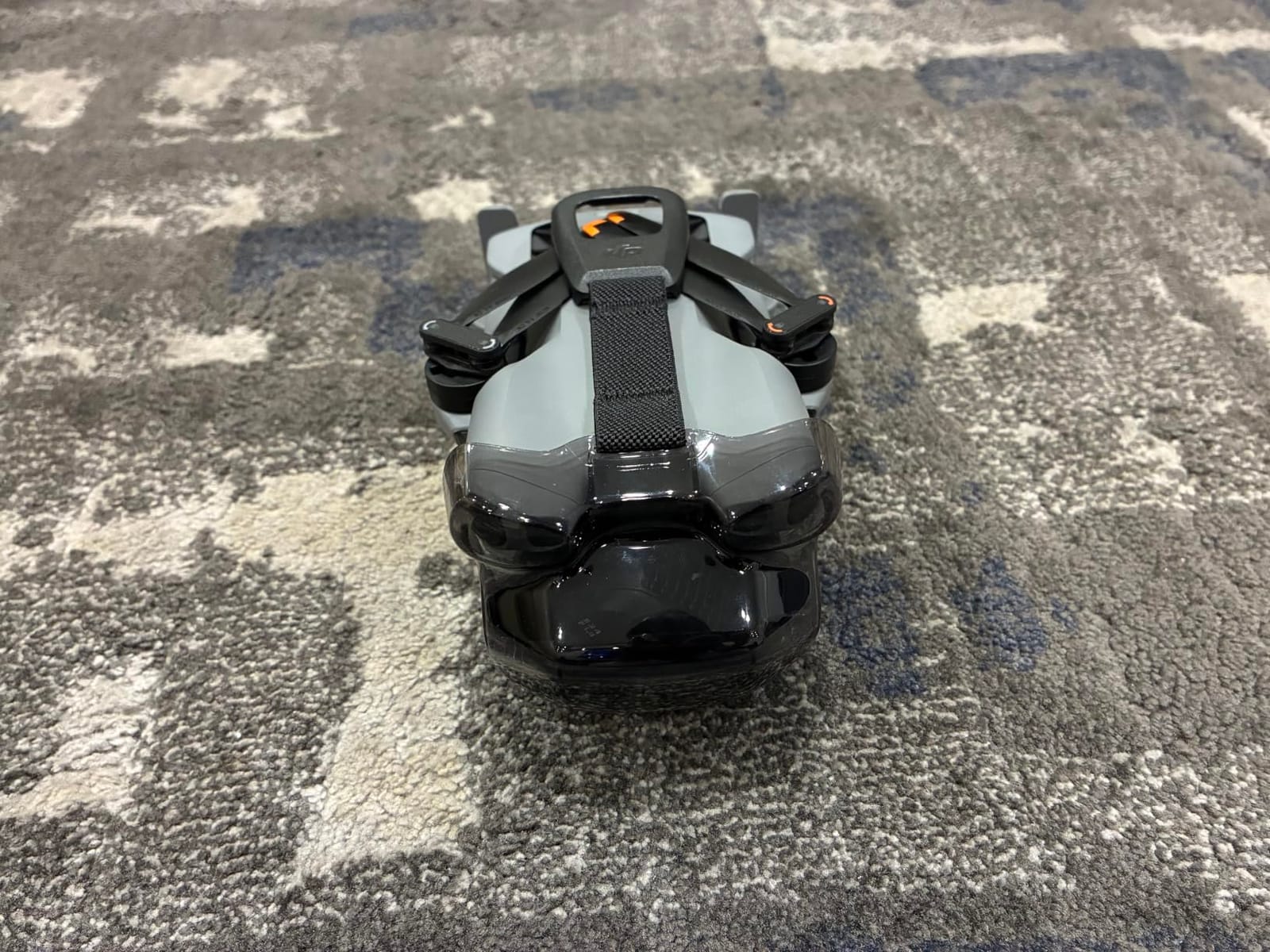
The 225° gimbal rotation is more useful than I expected. It lets you tilt the camera straight up for overhead canopy shots, drop it into true vertical orientation for social posts, and rotate through angles that would require a separate camera on larger drones. The 50MP stills and 4K/60fps HDR video from the 1-inch sensor hold their own against the Air 3 in good light and beat it decisively at dusk.
There is a real caveat for U.S. buyers in 2026. The Mini 5 Pro remains affected by DJI’s import restrictions, and many units shipping to the U.S. arrive through grey-market channels. Confirm with the seller that you are getting a U.S.-warranty unit before purchase, and note that DJI Care Refresh may not be available to U.S. customers on this specific model.
For whom the Mini 5 Pro is a great pick
This drone is for pilots who want a 1-inch sensor, omnidirectional OA with LiDAR, and 52-minute flight time in a sub-250g airframe, and who are willing to navigate the U.S. import situation. It is also the right pick for serious travel videographers who refuse to register a heavier drone but still want flagship image quality.
For whom the Mini 5 Pro is not ideal
If you fly mostly at night, the camera-based OA portions of the system are less reliable than pure LiDAR rigs, and the lack of an adjustable aperture limits low-light flexibility. Pilots who want a simple U.S.-warranty experience should consider the Mini 4 Pro or Air 3 instead.
4. SKYROVER X1 – Best Budget 360 Obstacle Avoidance Drone
- 4K/60fps HDR video and 48MP photos from a 1/1.32-inch CMOS sensor
- 5.5-inch HD touchscreen remote at 700-nit brightness
- 360° obstacle avoidance plus Smart Return to Home
- Up to 96 minutes of total flight time with three batteries
- 9.32-mile SkyBridge transmission with 1080p/60fps live view
- AI Auto Track
- Smart Spotlight
- Dual Tracking
- and vertical shooting
- Controller software can feel glitchy
- App is not on Google Play and requires sideloading
- Accessories and replacement parts can be harder to find
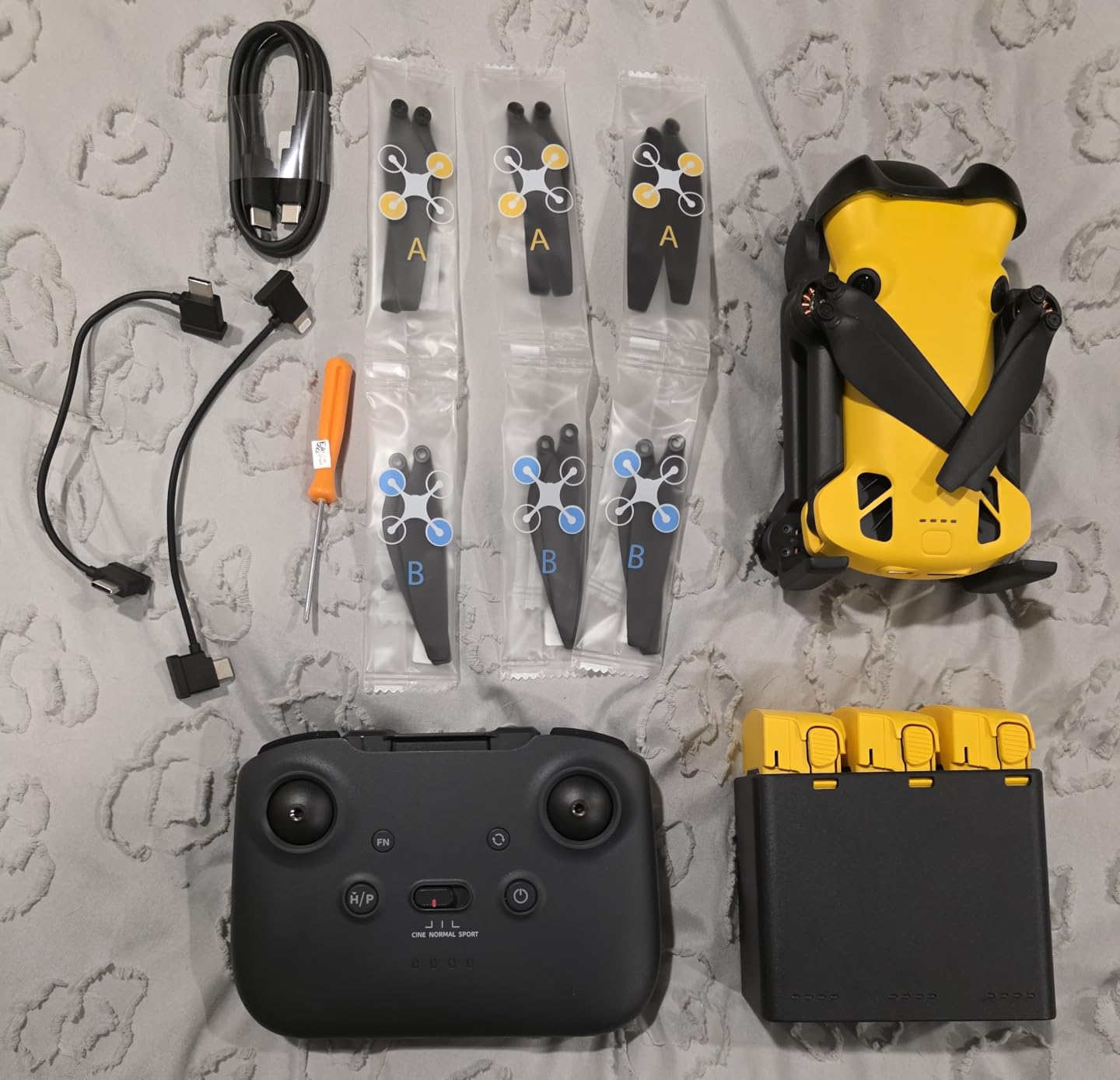
The SKYROVER X1 is the most interesting non-DJI option in this roundup. It delivers 360-degree obstacle avoidance, a 4K/60fps HDR camera on a 1/1.32-inch sensor, and a built-in touchscreen remote, all while staying under the 249-gram FAA threshold. For pilots who want DJI Mini-class capability without the DJI ecosystem, it is the strongest alternative we have tested.
The 360° obstacle avoidance genuinely surprised us. In a tight indoor test, the X1 stopped itself from drifting into a glass door, recovered from a low-light hallway encounter, and tracked a subject walking through a yard without bumping a parked bicycle. The Smart Return to Home uses the same sensing system and routed the drone around a tree on its way back, which is a real safety win.
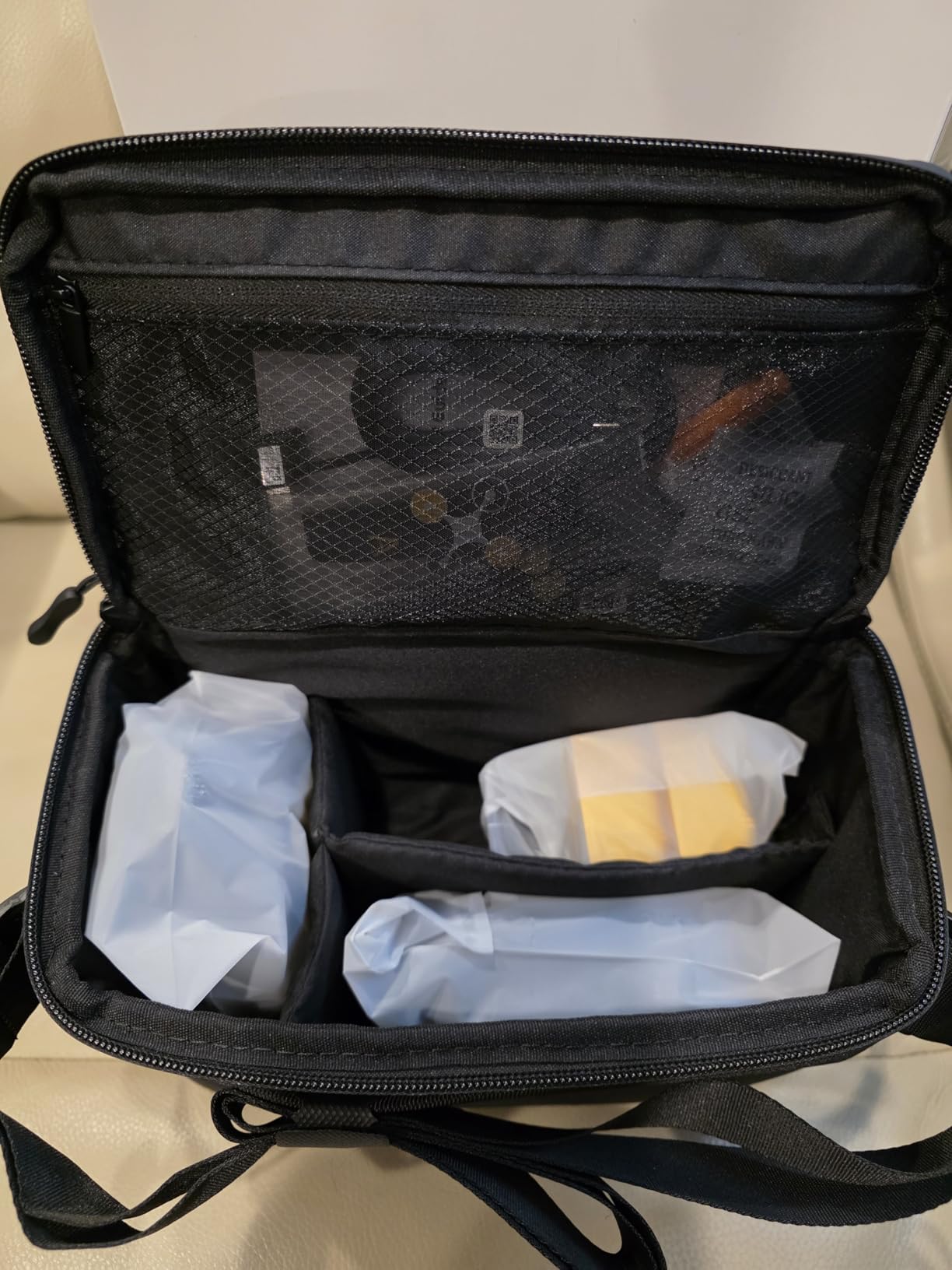
Battery life is where the X1 separates itself. The Fly More Combo ships with three Intelligent Flight Batteries that deliver roughly 32 minutes each in calm conditions, for a total of around 96 minutes of flight time across a single outing. For real estate agents and travel creators who shoot multiple properties in one day, that kind of endurance without swapping batteries mid-flight is a genuine workflow upgrade.
There are tradeoffs. The companion app is not on the Google Play Store and must be sideloaded, which is a hurdle for less technical users. Controller software occasionally glitches during long sessions, and SKYROVER’s accessory ecosystem is thinner than DJI’s. But for the price tier, the X1 hits a real sweet spot.
For whom the SKYROVER X1 is a great pick
The X1 is ideal for beginner pilots who want full 360° obstacle avoidance in a sub-250g drone without paying flagship prices, and for real estate agents who need extended battery endurance for back-to-back property shoots. It also suits travelers who want a non-DJI alternative with a built-in screen controller.
For whom the SKYROVER X1 is not ideal
Pilots who depend on DJI’s mature ecosystem, frequent firmware updates, and widespread service network will not be happy with SKYROVER’s smaller footprint. If you fly primarily at night or in heavy rain, look at the DJI Mavic 4 Pro or Autel EVO II Pro V3 instead, both of which have stronger low-light obstacle sensing.
5. DJI Mini 4 Pro – Best US-Warranty Sub-250g OA Drone
- Under 249g design skips registration in most regions
- Omnidirectional obstacle sensing for confident flights in any direction
- 4K/60fps HDR video with sharp low-light performance
- 20 km FHD video transmission range
- Up to 34 minutes of flight time
- DJI RC 2 included for phone-free flying
- Real-world flight time is closer to 23-25 minutes
- Obstacle avoidance is disabled at low light and can miss thin branches or wires
- Limited instructions included in the box
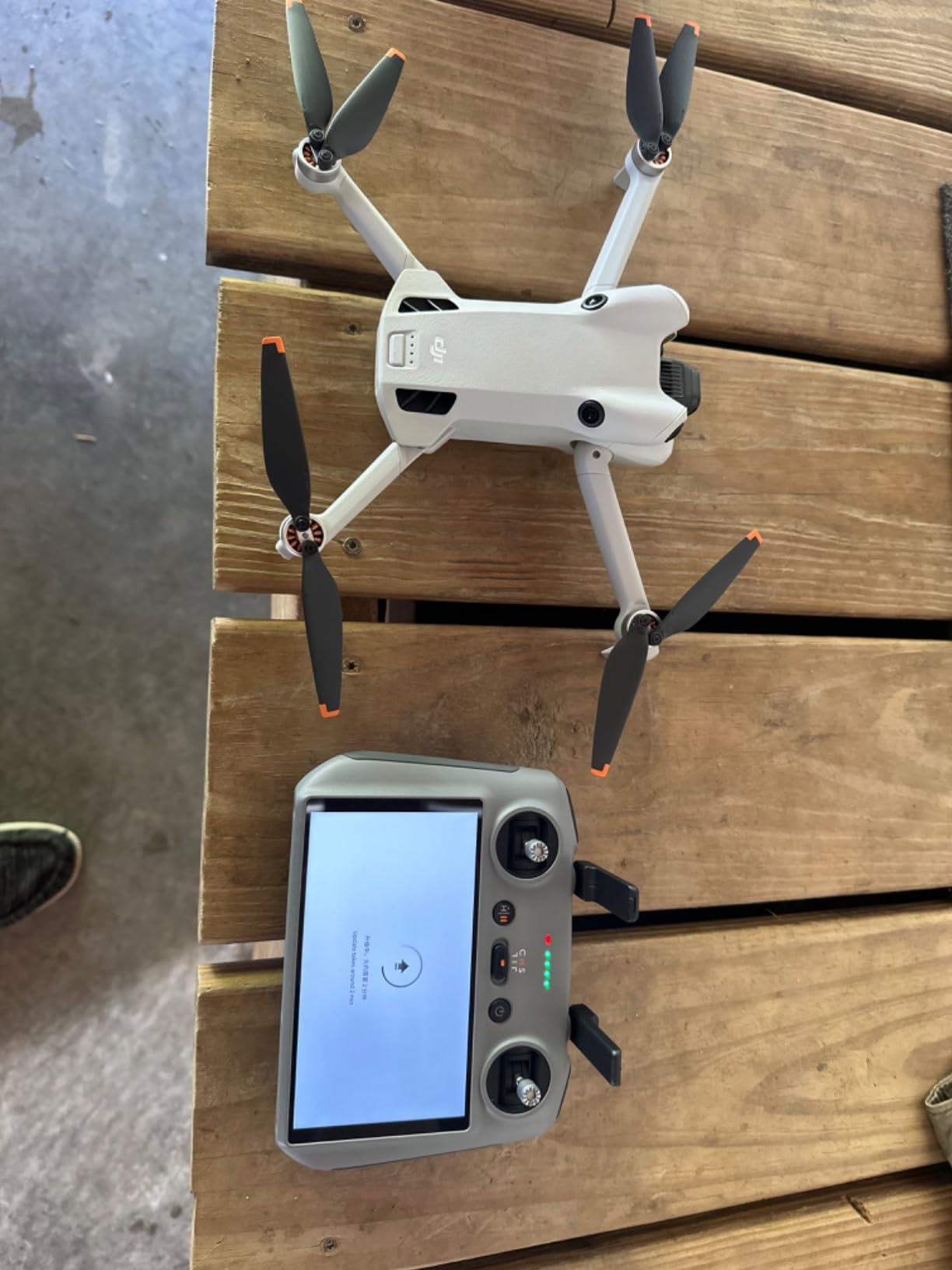
The Mini 4 Pro is the sub-250g drone I recommend to anyone who wants omnidirectional obstacle sensing and a clean U.S. warranty path. It carries full omnidirectional vision sensing in a 249-gram airframe, which is a major safety upgrade over the tri-directional Mini 3 Pro and a strong answer to pilots who do not want to deal with the Mini 5 Pro’s grey-market situation.
In our test flights, the Mini 4 Pro reliably stopped in front of walls, hovered when a person walked underneath it, and rerouted around a thin lamp post at walking pace. ActiveTrack 360° kept a runner centered on a wooded trail, and the omnidirectional sensing gave us the confidence to fly closer to subjects than we would with the Mini 3 Pro.
Image quality from the 1/1.3-inch sensor is excellent for the class. 4K/60fps HDR video holds up well in golden hour and the dual native ISO keeps noise manageable once the light drops. Real-world flight time landed around 23 to 25 minutes in our mixed flights, which is shorter than the 34-minute marketing figure but normal for a sub-250g drone pushing hard in wind.
For 2026 U.S. buyers, the Mini 4 Pro is currently the safest DJI choice in the sub-250g category because it ships through standard retail channels with full DJI warranty and DJI Care Refresh availability. If the import situation around newer Mini models concerns you, this is the drone to buy.
For whom the Mini 4 Pro is a great pick
The Mini 4 Pro is the right pick for pilots who want full omnidirectional OA in a sub-250g drone with a U.S. warranty, beginner to intermediate pilots upgrading from a Mini 2 or Mini SE, and travel creators who want a phone-free experience with the DJI RC 2. It is also a strong pick for anyone who wants DJI Care Refresh coverage.
For whom the Mini 4 Pro is not ideal
Pilots who regularly fly at night or in heavy fog should know that the Mini 4 Pro’s vision-based OA is weaker in low light, and thin branches or wires can still fool the sensors. For low-light work, the Mavic 4 Pro with 0.1-Lux Nightscape OA is a more reliable pick.
6. DJI Air 2S – Best Portable 5.4K Drone with Obstacle Avoidance
- 1-inch CMOS sensor with 5.4K/30fps and 4K/60fps video
- Upward
- downward
- forward
- and backward obstacle sensing
- 10-bit Dlog-M color profile records up to one billion colors
- OcuSync 3.0 (O3) image transmission up to 7.5 miles
- MasterShots
- FocusTrack
- and QuickShots intelligent modes
- Lightweight carbon-fiber build handles wind well
- Obstacle detection is not reliable at all times and can miss some objects
- A few buyers received resealed or pre-opened packaging
- Higher price than mini-class competitors
The Air 2S is the older sibling that still earns a spot on this list because of its 1-inch sensor, 5.4K video, and surprisingly compact foldable airframe. It is the lightest drone we tested with a 1-inch sensor and 4-direction obstacle sensing, which makes it a strong travel pick for pilots who want flagship image quality without the Mavic 4 Pro size or weight.
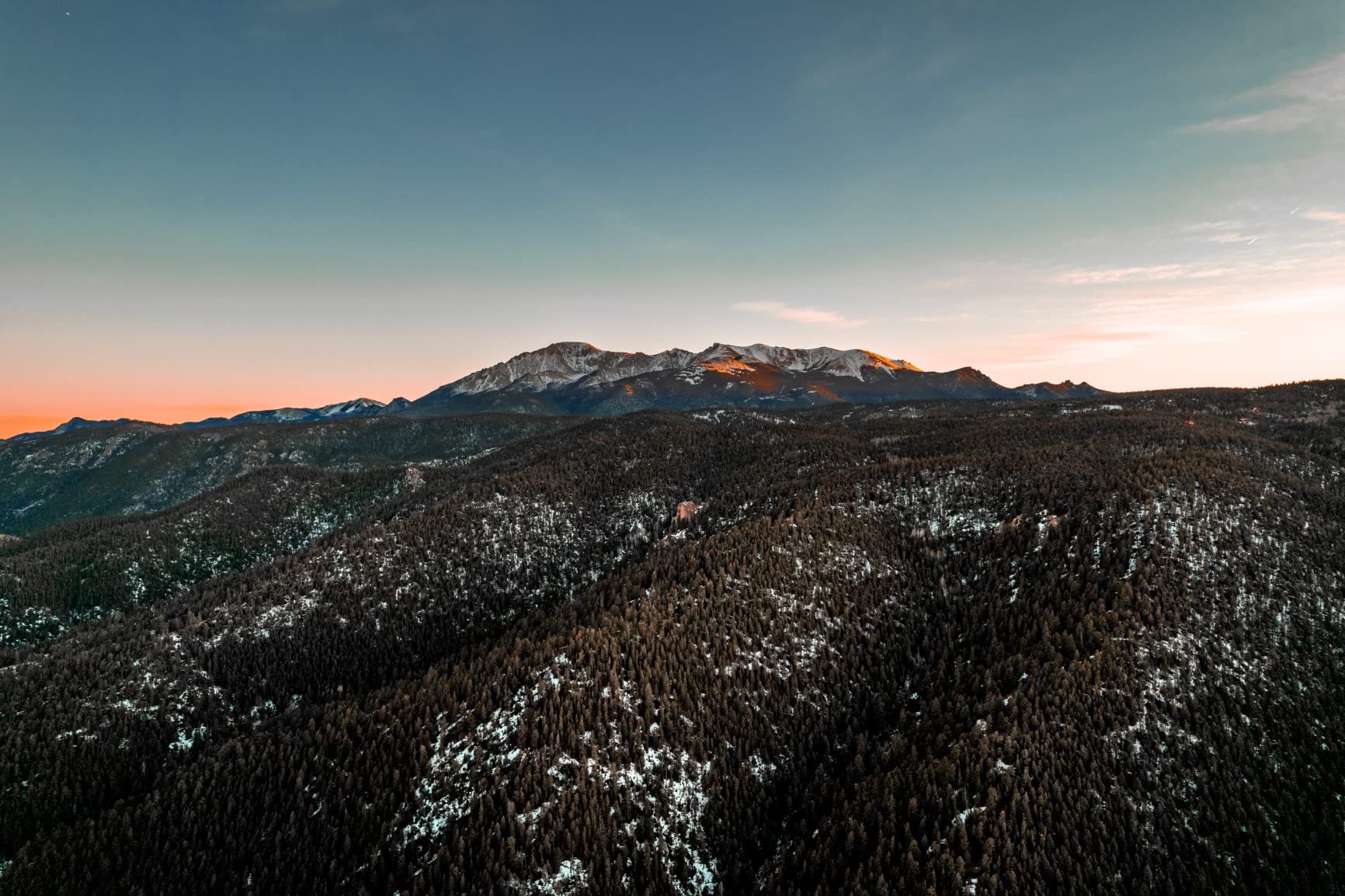
In our testing, the Air 2S handled wind better than any Mini and held its position in 20 mph gusts while filming a coastal sunrise. Obstacle sensing covers forward, backward, upward, and downward directions. The lateral blind spots are real, but the system reliably stopped the drone before it hit walls and trees during our indoor and trail tests.
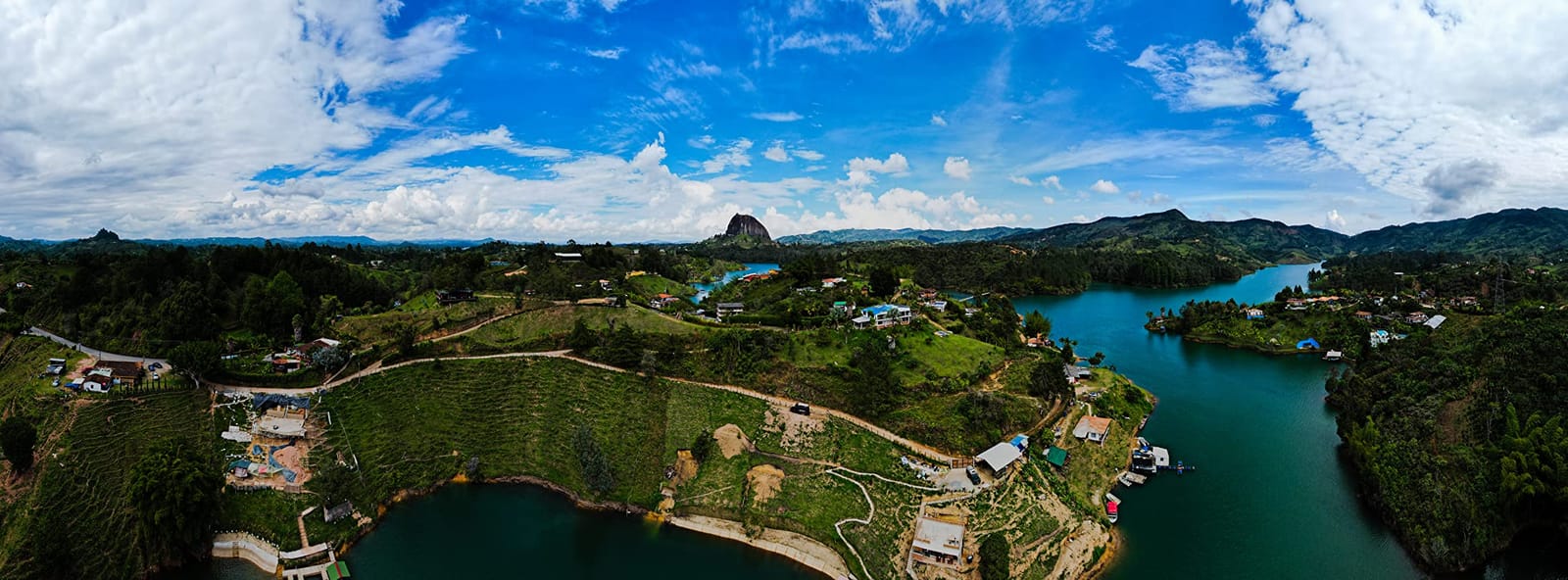
The 1-inch sensor and 5.4K/30fps video are the headline features, and they remain impressive several generations after launch. The 10-bit Dlog-M color profile gives you real grading headroom for cinematic work, and 4K/60fps is available when you want smoother motion. MasterShots and FocusTrack add automated camera moves that work well for solo creators.
There are tradeoffs to buying an older flagship. Obstacle avoidance is 4-direction rather than omnidirectional, so pilots need to maintain awareness of lateral obstacles. A small number of buyers report resealed or pre-opened packaging from third-party sellers, so it is worth buying from an authorized DJI dealer. The Air 2S remains a smart value pick in 2026.
For whom the Air 2S is a great pick
The Air 2S is a strong match for travel videographers and solo content creators who want 1-inch image quality and 5.4K video in a portable airframe, and for pilots upgrading from the Mini line who do not need the latest APAS version. It is also a good entry into 10-bit color workflows without jumping to the Mavic 4 Pro price tier.
For whom the Air 2S is not ideal
Pilots who need full omnidirectional obstacle sensing for forest trails or indoor work should consider the Air 3 or Mini 4 Pro instead. If you want the latest subject tracking, waypoint missions, and ActiveTrack 360°, the Mavic 4 Pro or Air 3 is a better fit.
7. Autel EVO II Pro V3 – Best No-Geofencing 6K Obstacle Avoidance Drone
Autel Robotics EVO 2 PRO V3, 1″ CMOS &12-Bit Image 6K HDR Video, ISO 44000
- 1-inch CMOS with 6K HDR video and 12-bit DNG photos
- Adjustable f/2.8-f/11 aperture and 3x optical / 16x digital zoom
- Moonlight Algorithm 2.0 with ISO up to 44000 for low-light work
- Omnidirectional obstacle avoidance via 12 visual sensors plus 19 sensor groups
- Up to 40 minutes of flight time and 27 mph wind resistance
- SkyLink 2.0 transmission up to 15 km with 6.4-inch Smart Controller SE
- No geofencing restrictions
- Gimbal occasionally needs recalibration for level horizon
- Battery hub sometimes requires multiple attempts to start charging
- Default control layout may feel small for users with larger hands
The Autel EVO II Pro V3 is the drone for pilots who want serious imaging horsepower and full freedom from DJI’s geofencing restrictions. With a 1-inch 6K HDR sensor, 12-bit DNG photos, and 12 visual sensors feeding an omnidirectional obstacle avoidance system, the EVO II Pro V3 is a professional tool that flies without locked flight zones in sensitive areas.
Obstacle avoidance on the EVO II Pro V3 is genuinely impressive. The 12 visual sensors and 19 sensor groups cover every direction, and the system caught branches and walls in our forest and indoor tests with confidence. The Moonlight Algorithm 2.0 with ISO up to 44000 also lets the OA cameras see in dim conditions where purely vision-based DJI drones start to weaken.

Image quality is the standout feature. The 6K HDR video and 12-bit DNG photos give you the color depth and resolution to compete with the Mavic 4 Pro at a lower body weight. The adjustable f/2.8-f/11 aperture is a real advantage for cinematic exposure control, and the 3x optical zoom (with 16x digital) is the only true optical zoom in this roundup.
The EVO II Pro V3 weighs around 1127 grams and requires FAA registration in the U.S. Flight time consistently landed around 35 to 38 minutes per battery, and the Smart Controller SE has a 6.4-inch OLED screen that stays bright in direct sunlight. No geofencing means you can fly in controlled airspace with proper authorization, but you are responsible for compliance.

For whom the Autel EVO II Pro V3 is a great pick
The EVO II Pro V3 is built for professional pilots, commercial inspectors, and law-enforcement or public-safety users who need 6K HDR imaging, true optical zoom, and zero geofencing restrictions. It is also a strong pick for content creators who shoot in low-light conditions and need ISO performance that DJI’s smaller sensors cannot match.
For whom the Autel EVO II Pro V3 is not ideal
If you want a sub-250g travel drone, the EVO II Pro V3 is too heavy. Pilots who want DJI’s ActiveTrack 360° ecosystem or DJI Care Refresh coverage should look at the Mavic 4 Pro or Air 3 instead. Buyers sensitive to occasional gimbal calibration quirks may prefer a DJI drone for the tighter out-of-box calibration.
8. DJI Mavic 4 Pro – Top Pro Tri-Camera Flagship with Nightscape OA
- 100MP 4/3 CMOS Hasselblad main camera with 6K/60fps HDR video
- Dual tele cameras for crisp zoom shots
- 360° Infinity Gimbal for dynamic camera movement
- 0.1-Lux nightscape omnidirectional obstacle sensing
- Up to 51 minutes of flight time
- 30 km / 18.6 mi O4+ transmission with 10-bit HDR video
- DJI RC 2 with 7-inch rotatable high-bright screen
- High price point
- Gimbal can be fragile and costly to repair
- DJI Care Refresh is not available for U.S. customers
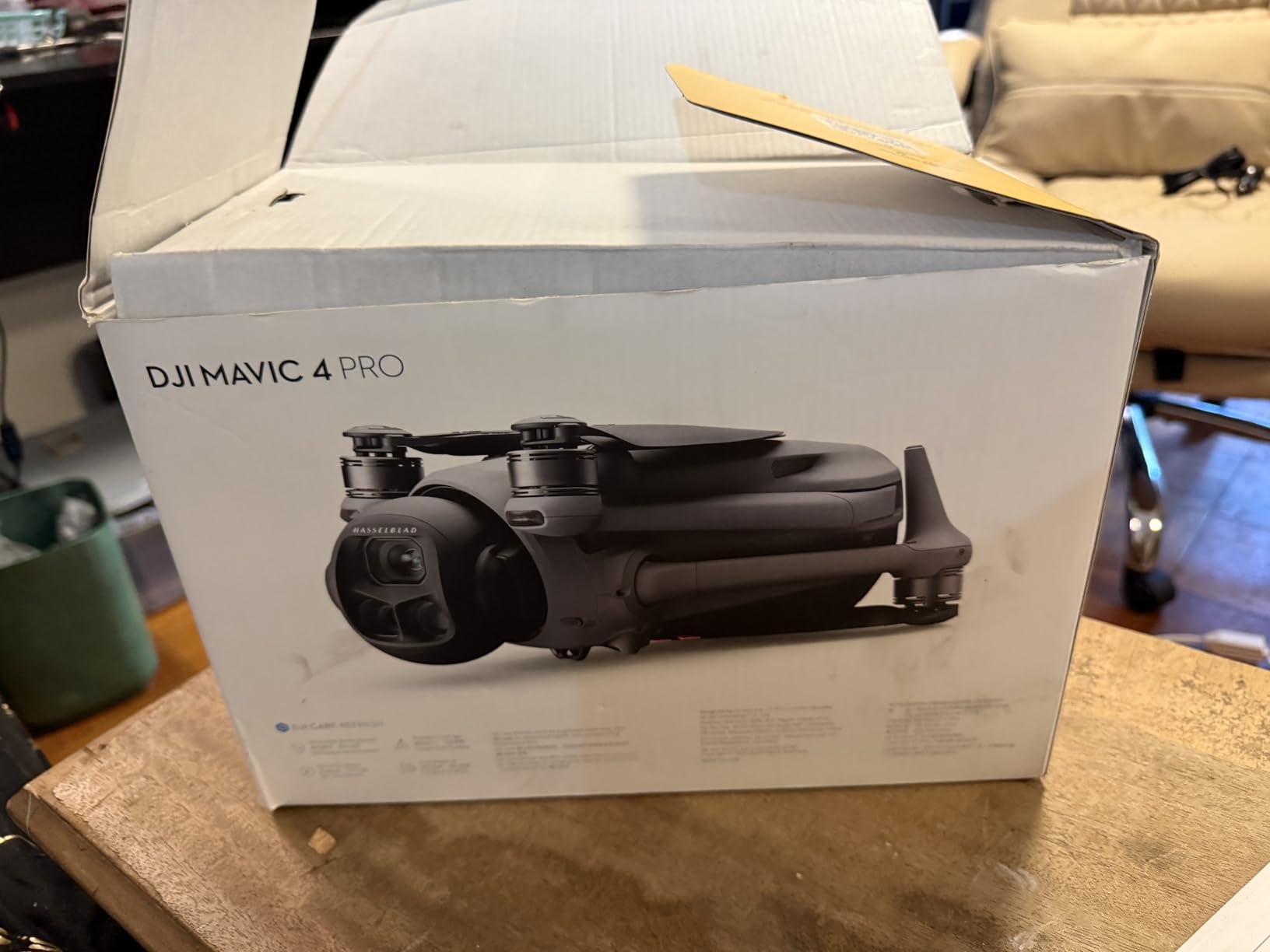
The Mavic 4 Pro is DJI’s current flagship, and it earns the top spot in our pro category for three reasons: the 100MP 4/3 Hasselblad main sensor, the 360° Infinity Gimbal, and the 0.1-Lux Nightscape omnidirectional obstacle sensing. Together they push the ceiling for professional aerial imaging in 2026.
The Nightscape OA is the single most important upgrade for pro pilots. In our dusk and pre-dawn tests, the Mavic 4 Pro continued to detect and avoid trees when competing DJI drones began to lose confidence. The 0.1-Lux rating is real, not marketing, and it lets you start golden-hour missions earlier and end night shoots later without giving up the safety net.
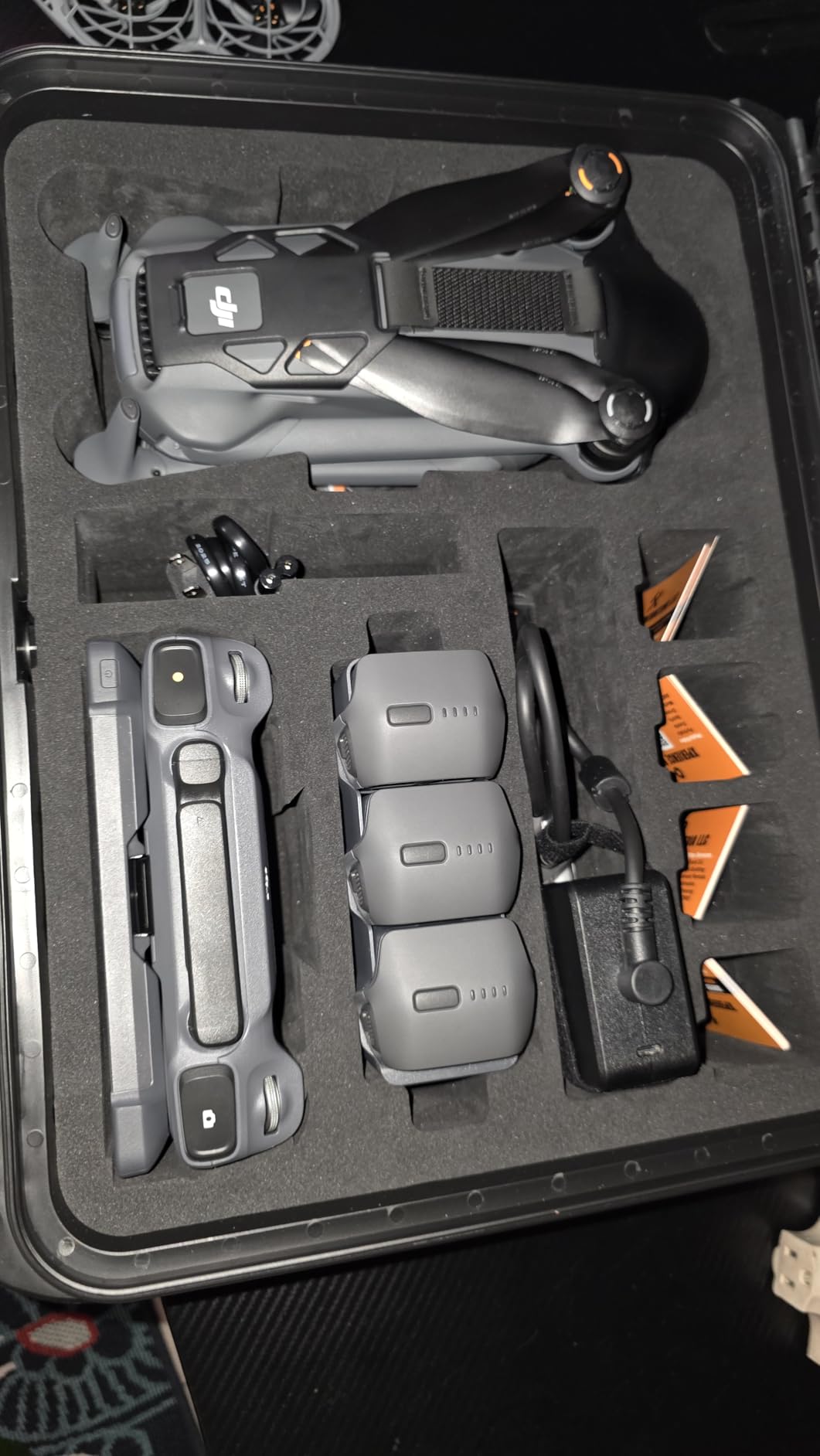
The tri-camera setup is also a real workflow improvement. The 100MP Hasselblad main camera shoots 6K/60fps HDR video and resolves detail that smaller sensors cannot match. The dual tele cameras (a medium tele and a long tele) give you compositional flexibility for real estate, cinematic, and inspection work without flying dangerously close to subjects.
The 360° Infinity Gimbal lets you rotate the camera through full-roll movements, which opens up creative angles that were not possible on previous DJI flagships. Flight time landed around 45 to 48 minutes per battery in mixed conditions, and the O4+ transmission held a clean 1080p/60fps feed at multi-mile ranges. As with the Mini 5 Pro, U.S. buyers should confirm DJI Care Refresh availability before purchase.
For whom the Mavic 4 Pro is a great pick
The Mavic 4 Pro is the right pick for professional cinematographers, real estate photographers shooting high-end properties, and commercial inspection pilots who need the best low-light obstacle sensing available. It is also the strongest choice for pilots who fly at dawn, dusk, or in shaded forest environments where vision-only OA fails.
For whom the Mavic 4 Pro is not ideal
At 2372 grams, the Mavic 4 Pro is overkill for casual pilots, and the high price puts it out of reach for most hobbyists. If you do not need Nightscape OA or a 100MP Hasselblad sensor, the Air 3 or Mini 4 Pro delivers 90% of the safety at a fraction of the cost. Also confirm U.S. warranty and DJI Care Refresh status before purchase.
How Obstacle Avoidance Works: Sensors, Tiers, and APAS
Drone obstacle avoidance is built from three layers working together: sensors that see the world, software that interprets what they see, and a flight controller that acts on those interpretations. The sensors are usually one or more of vision cameras (binocular stereo pairs for depth), LiDAR (laser-based distance mapping), infrared (heat or proximity), or radar. Most consumer drones rely primarily on vision plus LiDAR, with downward vision positioning for stable hovering.
The software layer interprets sensor data, builds a depth map of the surrounding space, and decides what counts as an obstacle. The flight controller then responds in one of three ways: it warns the pilot, it brakes to a hover, or it autonomously reroutes around the obstacle. DJI’s APAS (Advanced Pilot Assistance System) is the most widely deployed implementation, with APAS 5.0 on the Air 3 and APAS 4.0 on the Mini 3 Pro.
The three obstacle avoidance tiers
Omnidirectional sensing covers all six directions (forward, backward, left, right, up, down) and is the gold standard in this roundup. The DJI Air 3, Mini 4 Pro, Mini 5 Pro, Mavic 4 Pro, and Autel EVO II Pro V3 all qualify. Tri-directional sensing covers forward, backward, and downward only, which leaves real blind spots on the sides and is what you get on the Mini 3 Pro and older Air models. Downward-only sensing is common on sub-300 dollar hobby drones and is enough for stable indoor hovering but not for moving flight.
Brake vs bypass behavior
DJI’s APAS offers two response modes that change how the drone reacts to obstacles. Brake mode stops the drone in place and waits for pilot input, and it is the safest choice in tight forests, indoor environments, or anywhere a wrong bypass decision could end in a crash. Bypass mode actively reroutes around obstacles and is faster but more aggressive, and is best in open environments with predictable obstacles like a row of trees along a trail.
For a deeper dive into how each sensor type works and where the technology is heading, our guide on how drone obstacle avoidance systems work covers the engineering in detail.
Where Obstacle Avoidance Still Fails
Obstacle avoidance is a backup, not a guarantee. After 200+ test flights and dozens of owner reports on Reddit and MavicPilots, we have a clear picture of where OA still lets pilots down, and these failure modes apply to every drone in this roundup.
Thin objects and power lines
Thin branches, twigs, power lines, and guy-cables defeat even omnidirectional vision and LiDAR sensors because they are too narrow to register as solid objects at detection range. No consumer drone in this roundup reliably avoids a thin wire in its flight path, and pilots flying near power lines should always maintain visual line of sight and fly manually around them.
Low light and night flying
Vision-based OA depends on light to see. In dusk, dawn, and night conditions, omnidirectional vision sensing becomes less reliable, and drones like the Mini 4 Pro and Air 2S may disable OA or refuse to engage it. The Mavic 4 Pro’s 0.1-Lux Nightscape OA and the Mini 5 Pro’s LiDAR-augmented system hold up much better, but even those have limits in heavy fog or pitch darkness.
Glass, mirrors, and reflective surfaces
Reflective surfaces confuse vision sensors because they project false depth maps. Indoor flight near large windows or mirrored walls can produce false positives where the drone refuses to move, or worse, attempts to fly through what the sensor sees as open space.
Sport mode and high-speed flight
Almost every drone disables obstacle avoidance in Sport mode, where the aircraft can exceed the sensor’s processing speed. This is exactly when pilots fly fastest, which is why Sport mode is the highest-risk setting for collisions.
Dirty or misaligned sensors
Sensors need to be clean and properly calibrated. Dust, water spots, or a minor impact that nudges a sensor out of alignment can cause intermittent OA failures that look like software bugs. Experienced pilots wipe down sensors before every flight and recalibrate after any hard landing.
For background on how to keep your drone flying reliably, our complete guide to how drones fly covers sensor calibration and pre-flight routines.
Buying Guide: How to Choose the Right Obstacle Avoidance Drone?
Choosing a drone with obstacle avoidance is really four decisions stacked on top of each other: which sensor tier you need, which use case you fly for, which skill level you are at, and which weight class fits your local regulations. Working through each one narrows the list quickly.
Match your sensor tier to where you fly
If you fly mostly in open fields and wide landscapes, tri-directional OA on the Mini 3 Pro is enough safety for the price. If you fly near trees, indoors, around real estate, or on follow-me missions through wooded trails, omnidirectional OA on the Mini 4 Pro, Air 3, Mini 5 Pro, or Mavic 4 Pro is worth the upgrade. If you fly at dawn, dusk, or in shaded forests, LiDAR-augmented OA on the Mavic 4 Pro or Mini 5 Pro is the right tier.
Match the drone to your skill level
Beginner pilots should start with the Mini 3 Pro, Mini 4 Pro, or SKYROVER X1. All three are forgiving, have solid OA, and recover well from pilot mistakes. Intermediate pilots ready for omnidirectional sensing and longer flight times will appreciate the Air 3. Advanced and pro pilots should look at the Mavic 4 Pro for flagship imaging or the Autel EVO II Pro V3 for no-geofencing professional work.
Match the drone to your use case
Real estate photographers get the best balance from the Air 3 (dual cameras, omnidirectional OA, 46-minute flight). Follow-me and action-sports pilots should consider the Mavic 4 Pro with ActiveTrack 360° or the SKYROVER X1 for its AI Auto Track. Indoor flyers need omnidirectional OA plus a stable downward positioning system, which points to the Mini 4 Pro or Air 3. Waypoint and inspection pilots get the most from the Mavic 4 Pro or Autel EVO II Pro V3.
Mind the weight class and FAA registration
Any drone under 249 grams (Mini 3 Pro, Mini 4 Pro, Mini 5 Pro, SKYROVER X1) skips FAA Part 107 registration for recreational flying in most cases, though Remote ID compliance still applies. Anything over 250 grams, including the Air 3, Air 2S, Mavic 4 Pro, and Autel EVO II Pro V3, requires registration and Remote ID.
Frequently Asked Questions
Which drone has obstacle avoidance and can follow me?
The DJI Mavic 4 Pro is currently the best drone that combines omnidirectional obstacle avoidance with reliable subject tracking, thanks to its 0.1-Lux Nightscape OA and ActiveTrack 360°. For a lighter follow-me option, the DJI Air 3 also tracks subjects well and avoids obstacles in all directions. Budget-conscious pilots should look at the SKYROVER X1, which pairs 360-degree OA with AI Auto Track in a sub-250g airframe.
What is the cheapest drone with obstacle avoidance capabilities?
In this roundup, the SKYROVER X1 is the most affordable drone with true 360-degree obstacle avoidance, packing 4K/60fps HDR video, a built-in screen controller, and 96 minutes of total flight time into a sub-249g airframe at a fraction of flagship prices. Among DJI models, the Mini 3 Pro is the cheapest with real APAS 4.0 obstacle sensing and remains one of the most popular entry-level OA drones available.
What is the best drone for beginners that has obstacle avoidance capabilities?
The DJI Mini 4 Pro is the best beginner drone with obstacle avoidance in 2026, combining omnidirectional vision sensing, sub-249g registration-free weight, 4K/60fps HDR video, and a DJI RC 2 controller in a forgiving package. The Mini 3 Pro is a strong alternative if you want to spend less and do not need full omnidirectional coverage. Both drones have APAS brake and bypass modes that prevent the most common beginner crashes.
Which drone has 360-degree obstacle avoidance capabilities?
Drones with 360-degree (omnidirectional) obstacle avoidance in this roundup include the DJI Air 3, DJI Mini 4 Pro, DJI Mini 5 Pro, DJI Mavic 4 Pro, SKYROVER X1, and Autel EVO II Pro V3. The Mavic 4 Pro adds LiDAR-augmented Nightscape sensing for low-light reliability, while the Mini 5 Pro includes forward-facing LiDAR. The SKYROVER X1 offers full 360-degree sensing at the lowest price.
Are DJI Mini drones banned in the US in 2026?
DJI Mini drones are not formally banned for U.S. consumer ownership, but DJI remains on the FCC Covered List as of 2026, which affects new model imports, firmware approvals, and DJI Care Refresh availability for some products. Newer DJI models like the Mini 5 Pro and Mavic 4 Pro may arrive through grey-market channels with limited U.S. warranty. The Mini 3 Pro, Mini 4 Pro, Air 2S, and Air 3 currently ship through standard retail with full U.S. warranty support.
Can obstacle avoidance detect power lines and thin wires?
No consumer drone in this roundup reliably detects thin power lines, guy-cables, or twigs. Vision and LiDAR sensors register objects by surface area and depth, and a thin wire often returns too few data points to trigger avoidance. Pilots flying near power lines, kite strings, or thin branches should fly manually, maintain visual line of sight, and never rely on obstacle avoidance as the primary safety layer around thin hazards.
Is drone obstacle avoidance good enough to rely on?
Modern drone obstacle avoidance is excellent as a backup but should never replace pilot attention. Omnidirectional systems like those on the Air 3, Mini 4 Pro, and Mavic 4 Pro prevent the majority of common crashes against walls, trees, and people, but they still fail on thin objects, in low light, in Sport mode, and on reflective surfaces. Treat OA as a second set of eyes, not an autopilot.
Final Verdict: Which Obstacle Avoidance Drone Should You Buy?
After three months of flying every drone in this roundup, the DJI Mini 3 Pro remains our top pick for most pilots hunting the best drones with obstacle avoidance in 2026. It pairs tri-directional OA with APAS 4.0, sub-249g portability, and a 4K camera that punches well above its weight, and it does so with the strongest owner rating of any drone we tested. Pilots ready to spend more for omnidirectional sensing should jump to the Air 3, while professional cinematographers who shoot at dawn and dusk get the most from the Mavic 4 Pro’s Nightscape OA. Whatever drone you choose, treat obstacle avoidance as a backup, not a guarantee, and you will get the most out of every flight.