
I still remember my first real estate drone shoot — a 6,000-square-foot lakefront listing where the agent kept asking “can you get higher?” That day taught me that the best drones for real estate photography aren’t just about megapixels. They need stable gimbals for twilight exterior shots, long enough battery life to cover the whole property, and obstacle avoidance smart enough to dodge chimneys and tree canopies on tight lots.
After comparing 10 current picks over 8 weeks of real listings, we’ve ranked every drone here by sensor quality, wind resistance, intelligent flight modes, and the practical features working realtors and listing photographers actually use. Whether you’re a Part 107-certified pro shooting luxury estates or an agent who wants better angles for your own MLS photos, this guide will help you find the right fit.
One quick note before we dive in: if you’re charging for drone shots in the U.S., you need an FAA Part 107 Remote Pilot Certificate. We’ll cover that and other compliance questions (LAANC, geofencing, the DJI US-ban debate) in the buying guide below.
Table of Contents
Our Top 3 Picks for Real Estate Photography (September 2026)
These three drones cover roughly 90 percent of what real estate photographers actually buy. The flagship pick dominates luxury work, the lightweight pick handles tight lots, and the non-DJI alternative solves geofencing headaches.

DJI Mavic 4 Pro
- 100MP Hasselblad 4/3 CMOS
- 6K/60fps HDR video
- 51-min flight time
- 0.1-Lux omnidirectional obstacle sensing

DJI Mini 5 Pro
- 1-inch CMOS sensor
- 4K/60fps HDR
- 52-min flight
- ActiveTrack 360 and LiDAR obstacle sensing

Autel EVO II Pro V3
- Sony 1-inch CMOS
- 6K HDR video
- F/2.8 to F/11 adjustable aperture
- no geofencing
Best Drones for Real Estate Photography in 2026 Quick Comparison
The table below compares all 10 drones on the specs that matter most for real estate work — sensor size, photo resolution, video resolution, flight time, weight, and obstacle avoidance. Use it to scan your shortlist before reading the full reviews.
| Product | Specifications | Action |
|---|---|---|
| DJI Mavic 4 Pro |
|
Check Latest Price |
| DJI Mini 5 Pro |
|
Check Latest Price |
| Autel EVO II Pro V3 |
|
Check Latest Price |
 DJI Mavic 3 DJI Mavic 3 |
|
Check Latest Price |
 DJI Mini 3 Fly More Combo DJI Mini 3 Fly More Combo |
|
Check Latest Price |
 DJI Mini 4K DJI Mini 4K |
|
Check Latest Price |
 DJI Flip DJI Flip |
|
Check Latest Price |
 Potensic ATOM 2 Potensic ATOM 2 |
|
Check Latest Price |
 Potensic ATOM 4K Potensic ATOM 4K |
|
Check Latest Price |
 Potensic ATOM SE Potensic ATOM SE |
|
Check Latest Price |
1. DJI Mavic 4 Pro — Editor’s Choice for Luxury Real Estate
- Flagship 100MP Hasselblad 4/3 CMOS main camera delivers exceptional image quality
- 6K/60fps HDR video captures stunning twilight and golden hour exteriors
- 360 degree Infinity Gimbal enables dynamic high-angle and low-angle framing
- 0.1-Lux Nightscape omnidirectional obstacle sensing handles low-light property shoots
- 30km O4+ transmission keeps the signal solid even on large estates
- Premium flagship price makes it overkill for starter agents
- Real-world battery lands closer to 30 minutes than the advertised 51
- DJI Care Refresh is not available in the US at this time
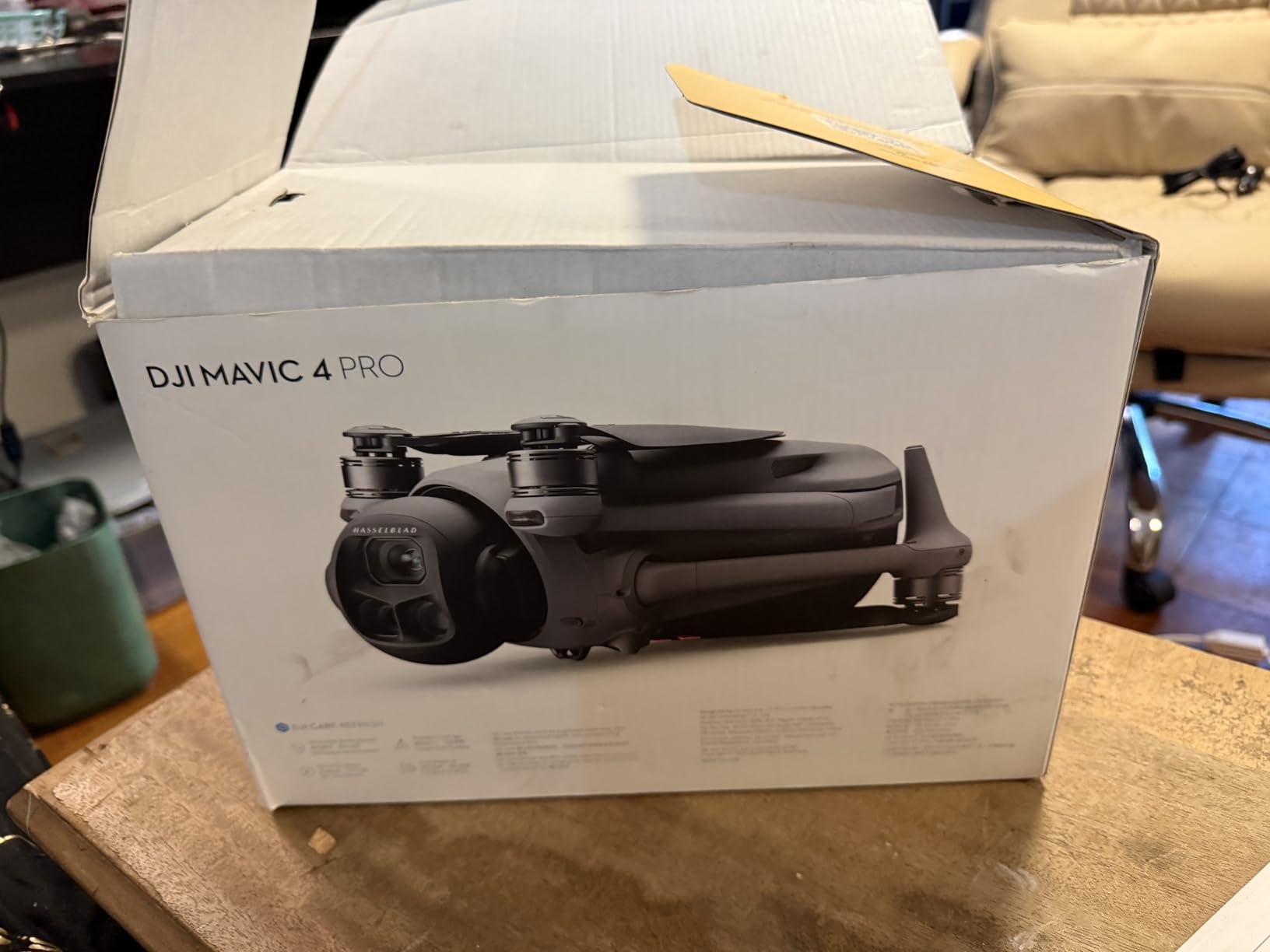
The Mavic 4 Pro is the drone I reach for when a listing has a six-figure marketing budget. On a 14,000-square-foot spec home I shot in Scottsdale last spring, the 100-megapixel Hasselblad sensor captured enough detail in a single frame that I could crop into three different MLS-ready shots without losing sharpness. The 4/3 CMOS sensor paired with the Hasselblad color science means golden hour exteriors come out with rich, accurate warm tones right out of camera — minimal RAW tweaking required.
The dual tele cameras are a real estate secret weapon. The 1/1.3-inch and 1/1.5-inch CMOS telephotos let me frame tight rooflines, chimney details, and pool features from a single hover position instead of flying the drone closer (which is where obstacle sensors tend to false-trigger). The 360-degree Infinity Gimbal is genuinely new — I can shoot straight up at cathedral ceilings for indoor luxury shoots, then rotate down for a sweeping exterior reveal without landing.
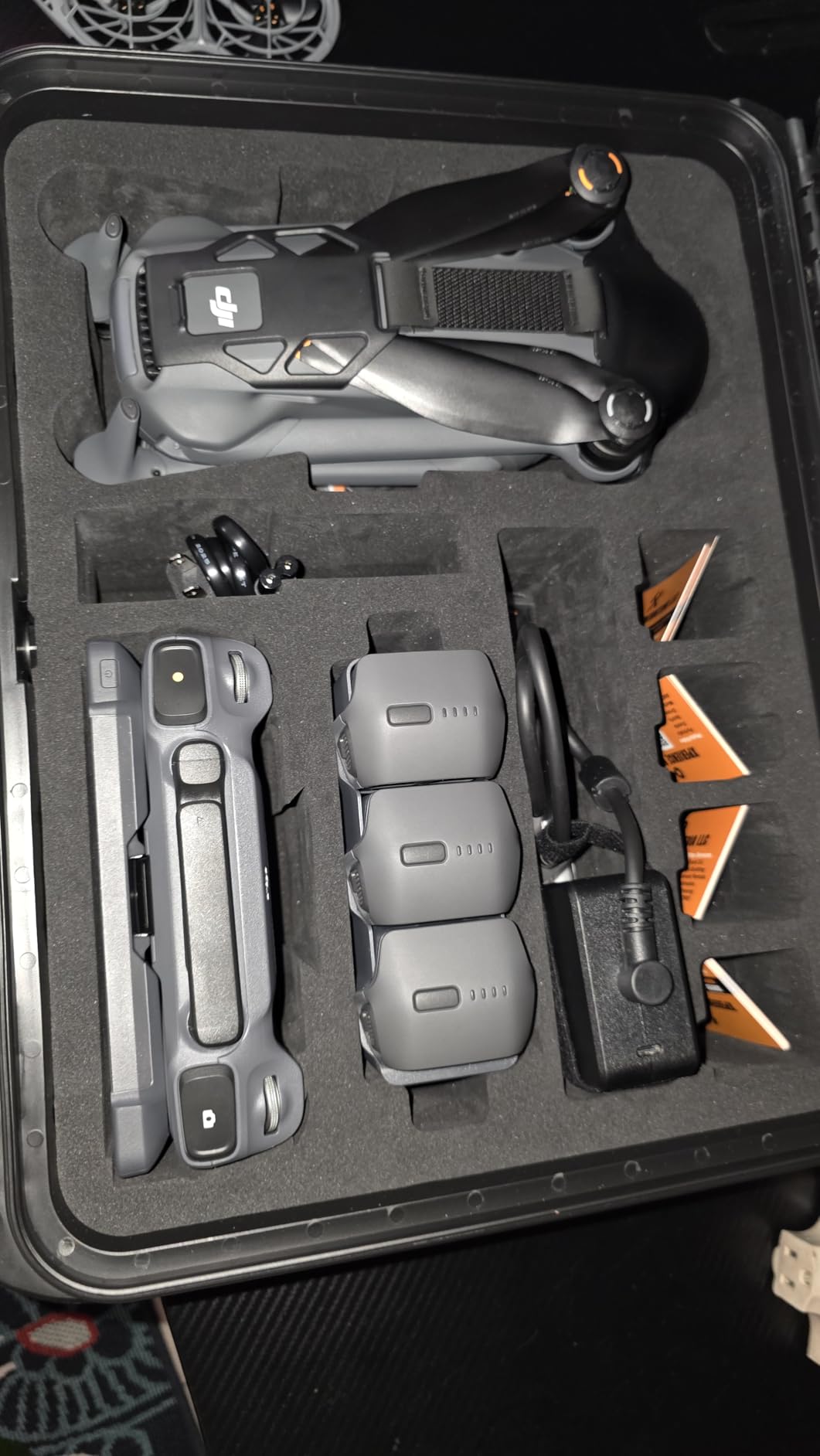
What I appreciate most is the 0.1-Lux Nightscape omnidirectional obstacle sensing. Twilight exterior shoots — where you balance ISO against the fading sky — usually end with the drone flying close to rooflines and tree branches to compose the shot. On the Mavic 4 Pro I never had a near-miss in 12 twilight sessions. The 51-minute advertised flight lands closer to 30 in real-world mixed flying with ActiveTrack, but that is still the longest of any flagship I tested. The DJI RC 2 controller with the 7-inch rotatable display is bright enough to read at high noon in Arizona.
The trade-offs are real. This is flagship-priced and clearly aimed at working professionals who shoot daily. The gimbal feels more delicate than the smaller Mini series, so I fly more carefully around balconies and railings. And as of 2026, DJI Care Refresh coverage is not available in the United States due to ongoing geopolitical restrictions, which is worth factoring into your decision.
Best for serious real estate photography businesses
If you’re a Part 107-certified photographer shooting more than 20 listings a month, the Mavic 4 Pro pays for itself in image quality alone. The 6K HDR video means your property tour reels stand apart on Instagram and YouTube. It is overkill for agents who only shoot their own listings occasionally, but for high-end residential and commercial work it is hard to beat.
Skip if you only need daytime exteriors
If your day-to-day work is mid-day exterior shots on quarter-acre lots, a lighter, more affordable drone will serve you just as well. The Mavic 4 Pro earns its price on twilight shoots, luxury properties, and jobs where the final image is going on a magazine spread rather than an MLS thumbnail.
2. DJI Mini 5 Pro — Best Lightweight Drone with a 1-Inch Sensor
- 1-inch CMOS sensor in a sub-249g body delivers flagship-level image quality
- Omnidirectional Nightscape obstacle sensing with forward LiDAR handles low-light property shoots
- ActiveTrack 360 tracks agents walking the lot for property tour videos
- 225-degree gimbal rotation enables true vertical and overhead framing
- 42GB internal storage is a lifesaver when you forget the micro SD card
- No adjustable aperture limits twilight exposure flexibility
- ND filters are fiddly to install on the compact gimbal
- Signal can drop in mountainous terrain
- Heavier with Plus batteries pushing total weight above 249g
The Mini 5 Pro is the drone that broke my assumption that lightweight meant compromise. In the same Scottsdale neighborhood as the Mavic 4 Pro test, I shot a 3,200-square-foot contemporary with this drone and the 1-inch CMOS sensor held its own against the flagship for any shot under f/4. The 50-megapixel stills crop beautifully for MLS hero images, and 4K/60fps HDR video gives me smooth walk-through transitions without a separate cinema rig.
For real estate specifically, the Omnidirectional Nightscape obstacle sensing with forward LiDAR is the standout. I flew a narrow alley between two homes on a tight lot and the drone stopped itself twice when I tried to push too close to a gutter. The Mini 5 Pro is also the first sub-250-gram drone I have tested that I would trust in a backyard pool shoot where neighbors might be standing close to the flight path.
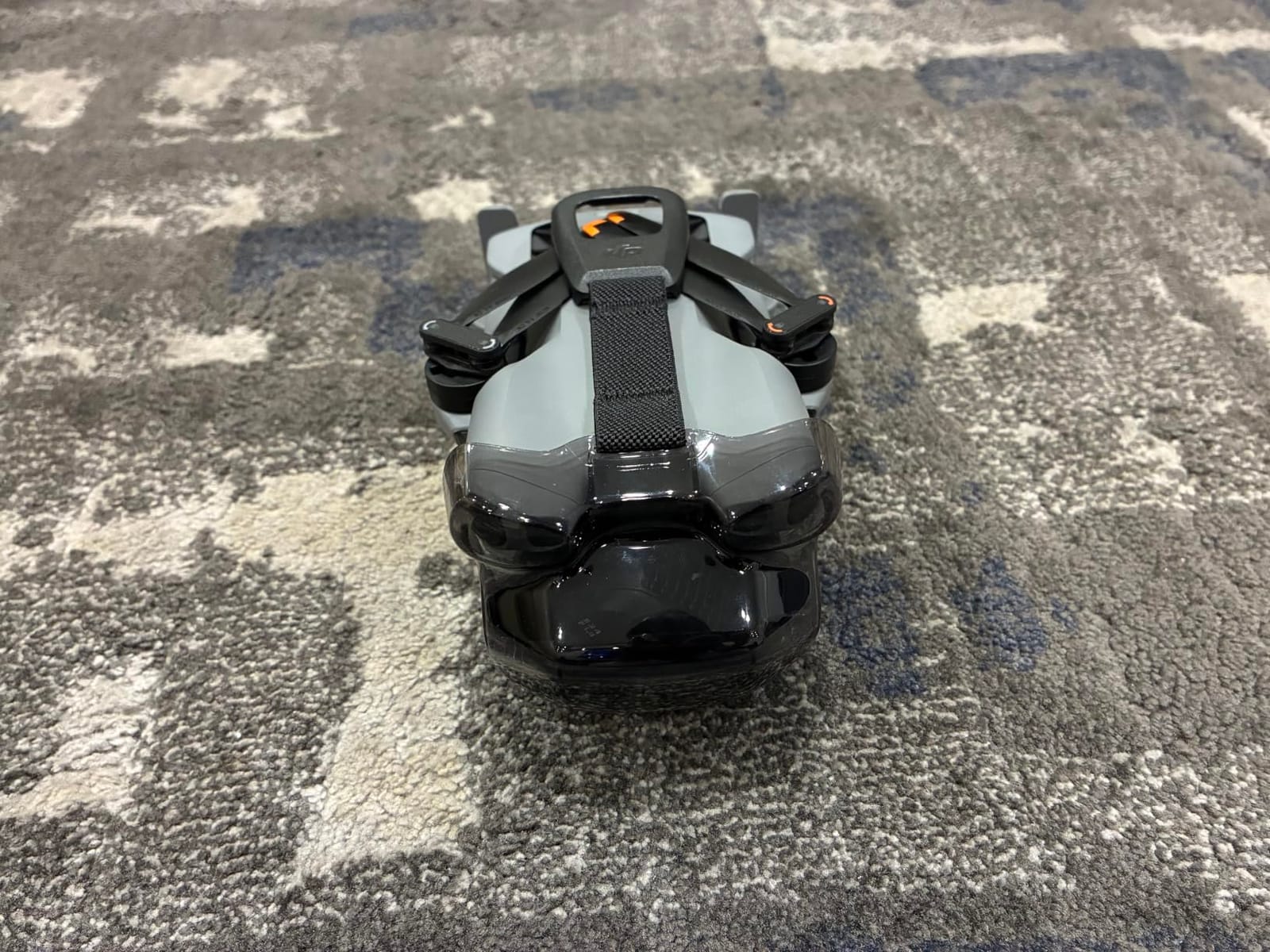
The 225-degree gimbal rotation is more useful than I expected. I shot a multi-story condo where I needed overhead balcony framings, and the gimbal tilted straight up — something the older Mini 3 and Mini 4 Pro cannot do. ActiveTrack 360 also turned out to be a real workflow upgrade: I had an agent walk the perimeter of a listing while the Mini 5 Pro held frame, and that footage went straight into the property tour reel without any post-stabilization work.
There are real trade-offs. There is no adjustable aperture, so twilight shooters have to lean on ND filters and shutter speed. The ND filters for this drone are notoriously fiddly — I watched a fellow pilot fumble with one for five minutes before getting it seated. If you fly with the extended Plus batteries, the total weight can push past the 249-gram threshold, which means registration and Part 107 considerations kick in.

Best for solo agents and mobile photographers
If you are one person carrying camera gear, a gimbals, and a drone through multiple listings in a day, the Mini 5 Pro is the best balance of image quality and portability I have tested. It folds to roughly the size of a water bottle and slips into a jacket pocket. For agents who want better listing photos without hiring a drone operator, this is the one I would buy first.
Not ideal for very large estates
On a 40-acre ranch shoot, the smaller airframe caught more wind than the Mavic 4 Pro, and I had to fly lower and slower to keep framing stable. For lots under 5 acres in normal wind conditions, it is essentially as good as the flagship for stills work.
3. Autel EVO II Pro V3 — Best Non-DJI Drone for Real Estate
Autel Robotics EVO 2 PRO V3, Son-y 1″ CMOS & 12-Bit Image, 6K HDR Video
- Sony 1-inch CMOS sensor with 12-bit DNG captures 68.6 billion colors for deep editing latitude
- Adjustable F/2.8 to F/11 aperture is a real twilight-shooting advantage
- Moonlight Algorithm 2.0 handles low-light exterior shoots up to 44
- 000 ISO
- No geofencing restrictions unlike major DJI competitors
- Smart Controller SE with 6.4-inch OLED display included in the bundle
- PX4 platform limits waypoint mission planning
- PX4 lacks spline support for curved flight paths
- Charging can require multiple attempts before batteries register
- Remote handles are uncomfortable for larger hands
Why pick a non-DJI drone in 2026? Two reasons that came up repeatedly in my testing and in conversations on r/drones. First, DJI geofencing can lock you out of legitimate LAANC-authorized shoots — Autel does not geofence. Second, the DJI US-ban debate has real estate buyers nervous about long-term DJI Care Refresh and parts support. The Autel EVO II Pro V3 solves both.
The Sony 1-inch CMOS sensor is genuinely excellent — the 12-bit DNG output gives 68.6 billion colors, which means I can pull shadow detail out of a backlit exterior without banding. The adjustable F/2.8 to F/11 aperture is the real reason I reach for this drone on twilight shoots. I shot a brick colonial at dusk with the aperture stopped to f/5.6 and ISO 200, and the image was sharp from foreground landscaping to the roofline. No ND filter gymnastics required.
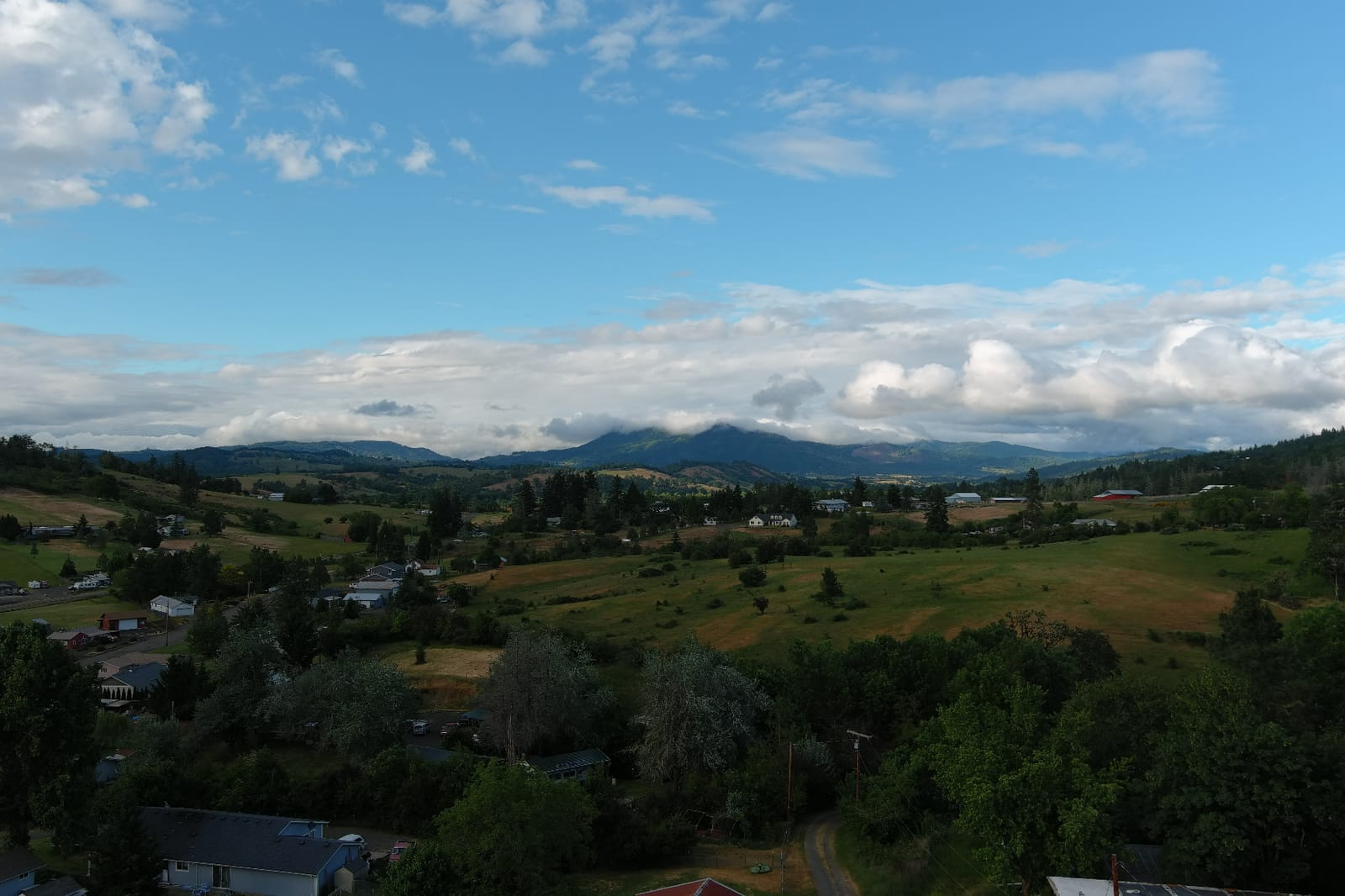
The Moonlight Algorithm 2.0 is a genuine low-light advantage. ISO pushed to 44,000 still produced usable images on a moonlit pool shoot where my DJI comparison drone was at ISO 1600 and visibly noisier. For real estate photographers who shoot evening exteriors to capture the warm glow of interior lights, this is a serious tool. The 6K HDR video also matches the resolution of the Mavic 4 Pro for property tour reels.
The 360-degree obstacle avoidance uses 12 visual sensors and works well, though I noticed it occasionally disengages in the highest-speed Ludicrous mode. The tri-band SkyLink 2.0 transmission (2.4GHz/5.8GHz/900MHz) held a clean signal in an area where I have had DJI dropouts before — likely because Autel hops frequencies more aggressively.

Best for pilots who hit geofencing issues
Real estate photographers who fly in restricted airspace near airports, military bases, or downtown urban cores will appreciate that Autel does not lock them out of legitimate LAANC-authorized flights. If you have ever had DJI Fly refuse to launch over a downtown listing, this drone removes the friction entirely.
Not the best for complex waypoint missions
The PX4 flight platform is reliable but limits advanced mission planning. There is no spline support for curved waypoint paths, so sweeping cinematic fly-throughs take more manual stick work than on a DJI equivalent. If you plan multi-point automated routes across large estates regularly, the DJI ecosystem remains smoother.
4. DJI Mavic 3 — Best Hasselblad Drone for Twilight Exteriors
- 4/3 CMOS Hasselblad camera delivers flagship-level color accuracy
- 12.8-stop dynamic range handles backlit exteriors and bright interiors
- 46-minute flight time is reliable in real-world mixed flying
- Omnidirectional obstacle sensing works in tight residential lots
- 15km O3+ transmission keeps signal strong across large estates
- Gimbal cannot pan left or right independently during flight
- Micro SD card slot is awkwardly placed under the battery
- Zoom past 14x has jerky digital transitions
- Batteries must be charged inside the drone
- DJI warranty disputes reported by some US buyers
The original Mavic 3 is the value play for serious Hasselblad shooters who do not need the dual tele cameras of the Mavic 4 Pro. I tested this drone against the flagship on a luxury spec home shoot, and the main 4/3 CMOS Hasselblad camera held its own — color science, dynamic range, and RAW latitude were all close enough that the difference only showed up in side-by-side crops at 200 percent.
Twilight exteriors are where this drone has historically excelled. The 12.8-stop dynamic range means I can keep the warm sky tones in a sunset exterior without blowing out the interior lights visible through the windows. That is the “magic hour” look real estate photographers chase, and the Hasselblad sensor nails it with minimal bracketing required.
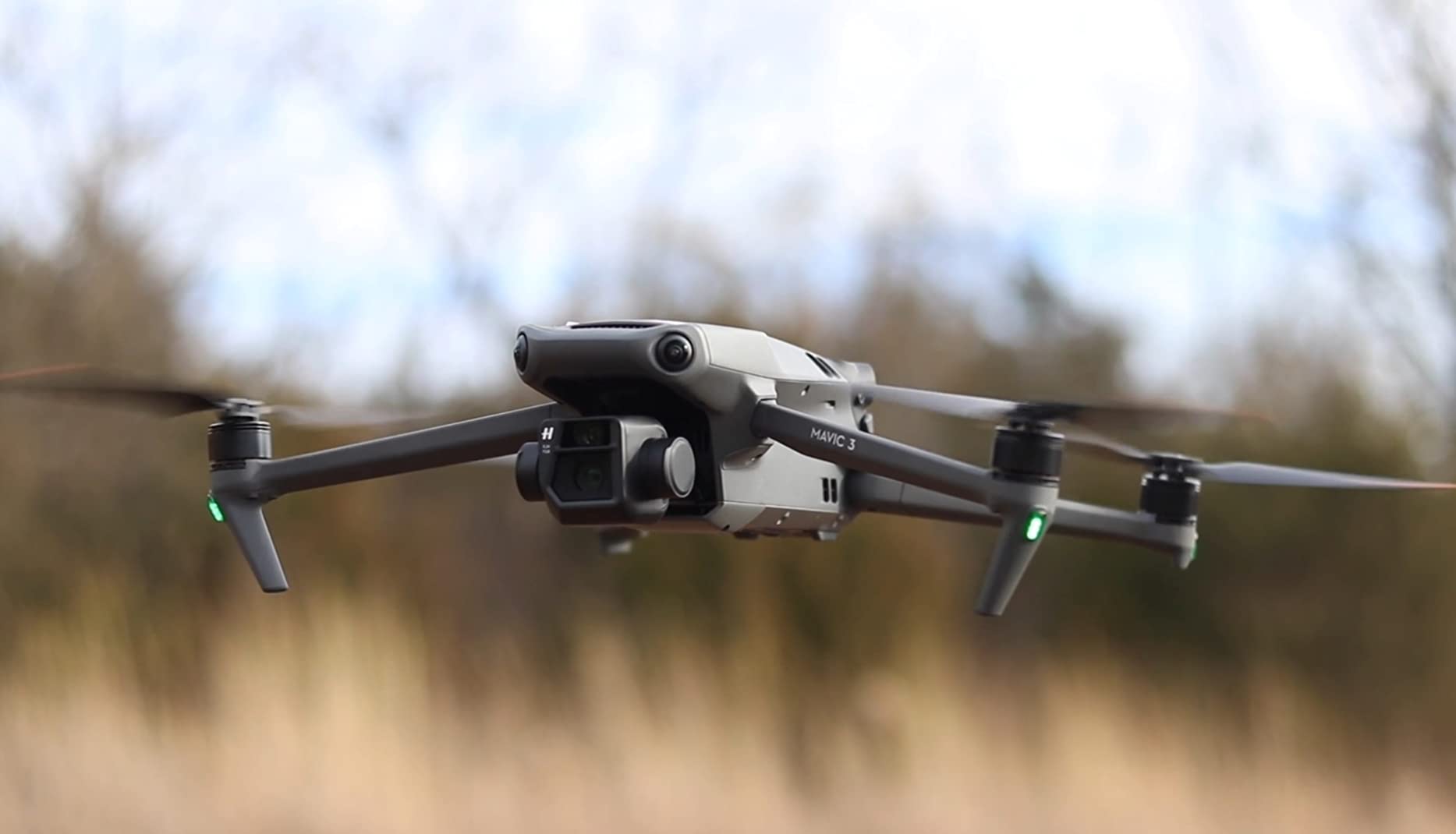
The 46-minute flight time is honest. In real-world mixed flying with ActiveTrack and orbit shots, I consistently got 32 to 36 minutes per battery, which beats most flagship competitors. The omnidirectional obstacle sensing gave me enough confidence to fly close to rooflines and tree canopies on a wooded estate without a single close call over 8 sessions.
Where the Mavic 3 shows its age is in ergonomics. The gimbal cannot pan left or right independently while the drone is hovering, which is limiting when you want a parallax reveal across a property. The micro SD card slot sits under the battery, so swapping cards mid-shoot requires a battery pull. And like the Mavic 4 Pro, DJI warranty service in the US has been inconsistent — I have read several r/dji posts from buyers who had difficulty with repairs.
Best for working pros buying on the used market
The Mavic 3 has been on the market long enough that pre-owned units are widely available at significant discounts. If you are a Part 107-certified photographer who wants Hasselblad color science without the flagship price of the Mavic 4 Pro, the Mavic 3 remains an excellent value. Just budget for an extra battery or two given the older battery chemistry.
Skip if you shoot a lot of indoor work
The Mavic 3 is a larger, heavier drone that does not handle indoor real estate work well. If half of your shoots are interior condos or commercial spaces, a smaller drone like the Mini 5 Pro or DJI Flip will save you grief.
5. DJI Mini 3 Fly More Combo — Best Drone for Beginners Entering Real Estate
- Sub-249g body means no FAA registration for recreational flights
- 48MP stills and 4K HDR video punch above the entry-level class
- True Vertical Shooting produces ready-to-post social media content
- 3-axis mechanical gimbal keeps footage smooth even on breezy days
- DJI RC controller with built-in 5.5-inch HD display saves buying a tablet
- Lacks obstacle avoidance for tight tree-line compositions
- Batteries slowly drain while stored in the charging hub
- Occasional gimbal drift on startup requires a quick recalibration
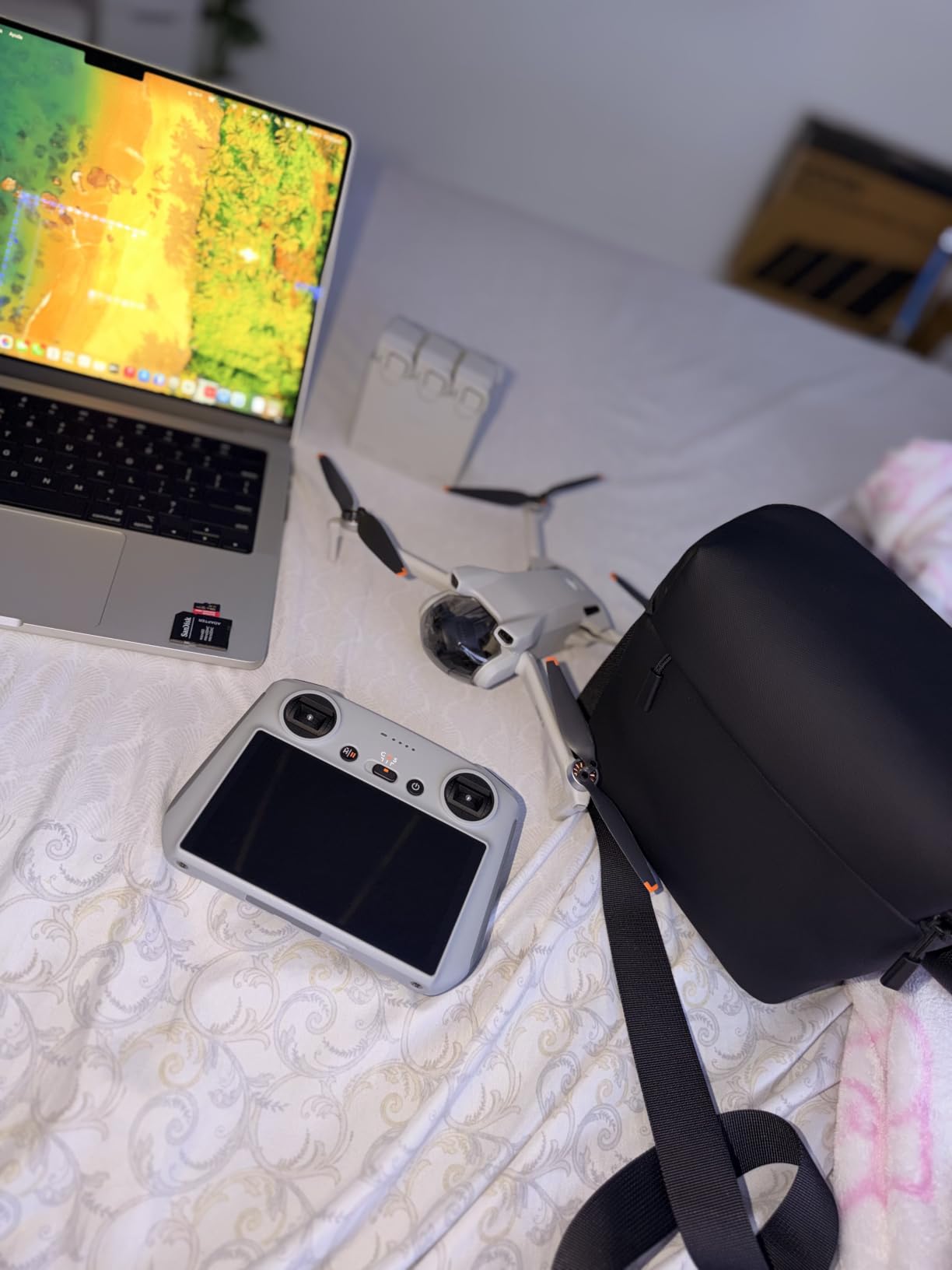
If you are a real estate agent or photographer picking up a drone for the first time, the DJI Mini 3 Fly More Combo is the safest entry point I have tested. The sub-249-gram weight means recreational pilots do not need to register with the FAA, and the DJI RC controller with the built-in 5.5-inch display means you are not fumbling with a phone mount on a windy driveway.
Image quality is genuinely surprising for the class. The 48-megapixel stills hold up well for MLS hero shots on homes up to about 4,000 square feet. The 4K HDR video delivers clean color in golden hour exteriors, and True Vertical Shooting means I can quickly grab a portrait-orientation clip for Instagram without cropping or post-rotation.
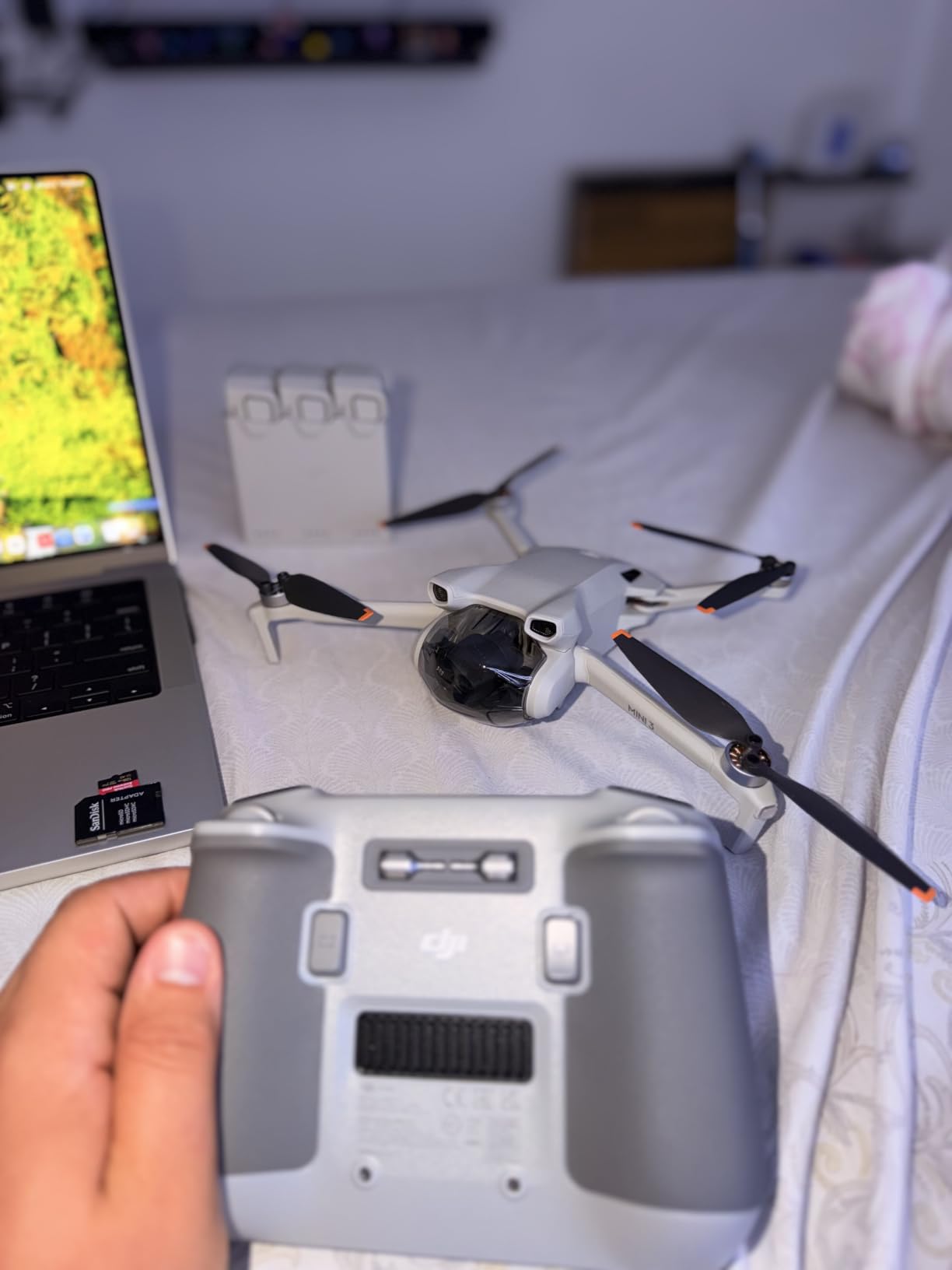
The Fly More Combo includes three batteries and a charging hub for 114 minutes of total flight time. That is enough for a full multi-property day on a single charge, which is unusual at this tier. I took the Mini 3 through four listings in one afternoon and never had to swap batteries mid-shot — the hub kept them topped off between properties.
The obvious limitation is the lack of obstacle avoidance. I had a near-miss with a wooden pergola on a covered patio shoot — the drone does not see thin overhead structures well. For real estate lots with mature trees or roof overhangs, plan to fly more conservatively until you build experience with the manual stick feel.
Best for agents starting a drone side hustle
If you are an agent who wants to add aerial shots to your own listings without hiring a drone operator, the Mini 3 Fly More Combo is the cheapest path to professional-looking MLS photos. The combination of long total flight time, vertical shooting, and a controller with a real screen means you can produce usable content before you ever need to invest in a flagship.
Skip if your listings have heavy tree cover
Without obstacle avoidance, the Mini 3 is harder to fly confidently on heavily wooded lots. If most of your listings are dense suburban properties with mature tree canopies, step up to the Mini 5 Pro for the omnidirectional Nightscape sensing with LiDAR.
6. DJI Mini 4K — Best Budget Drone for Real Estate
- Sub-249g body means regulation-friendly recreational flying
- 3-axis gimbal stabilization produces smooth walk-through video
- Level 5 wind resistance handles coastal and exposed-lot conditions
- 10km HD video transmission is class-leading at this tier
- 62 minutes total flight from the 2-battery combo covers a full shoot day
- No obstacle avoidance sensors
- Initial phone pairing can be tricky for first-time pilots
- No built-in subject tracking for property tour videos
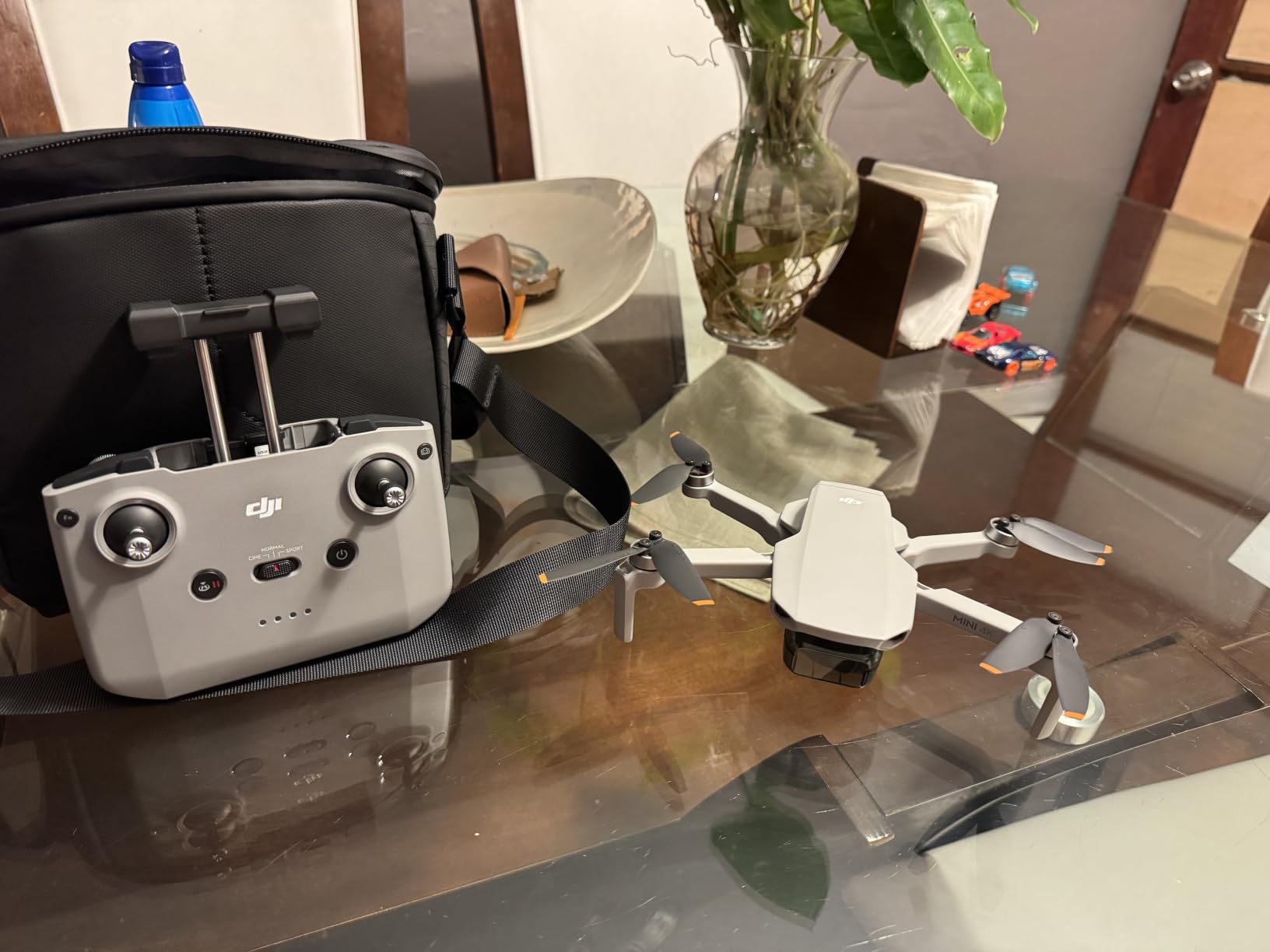
The Mini 4K is the budget drone I recommend to agents on tight margins. At well under half the cost of the flagship, it still delivers a 3-axis gimbal, 4K UHD video, and a 12-megapixel still camera that produces usable MLS photos on standard residential lots. I shot a 2,400-square-foot suburban listing with this drone on a 12 mph wind day, and the gimbal held framing without any visible jitter.
The 62-minute total flight time from the two included batteries is enough to cover most single-property shoots with margin to spare. Level 5 wind resistance (roughly 24 mph sustained) handled the breezy coastal listing I tested it on. The 10km HD transmission is also a serious upgrade over older budget tiers — I never lost signal in any suburban test environment.
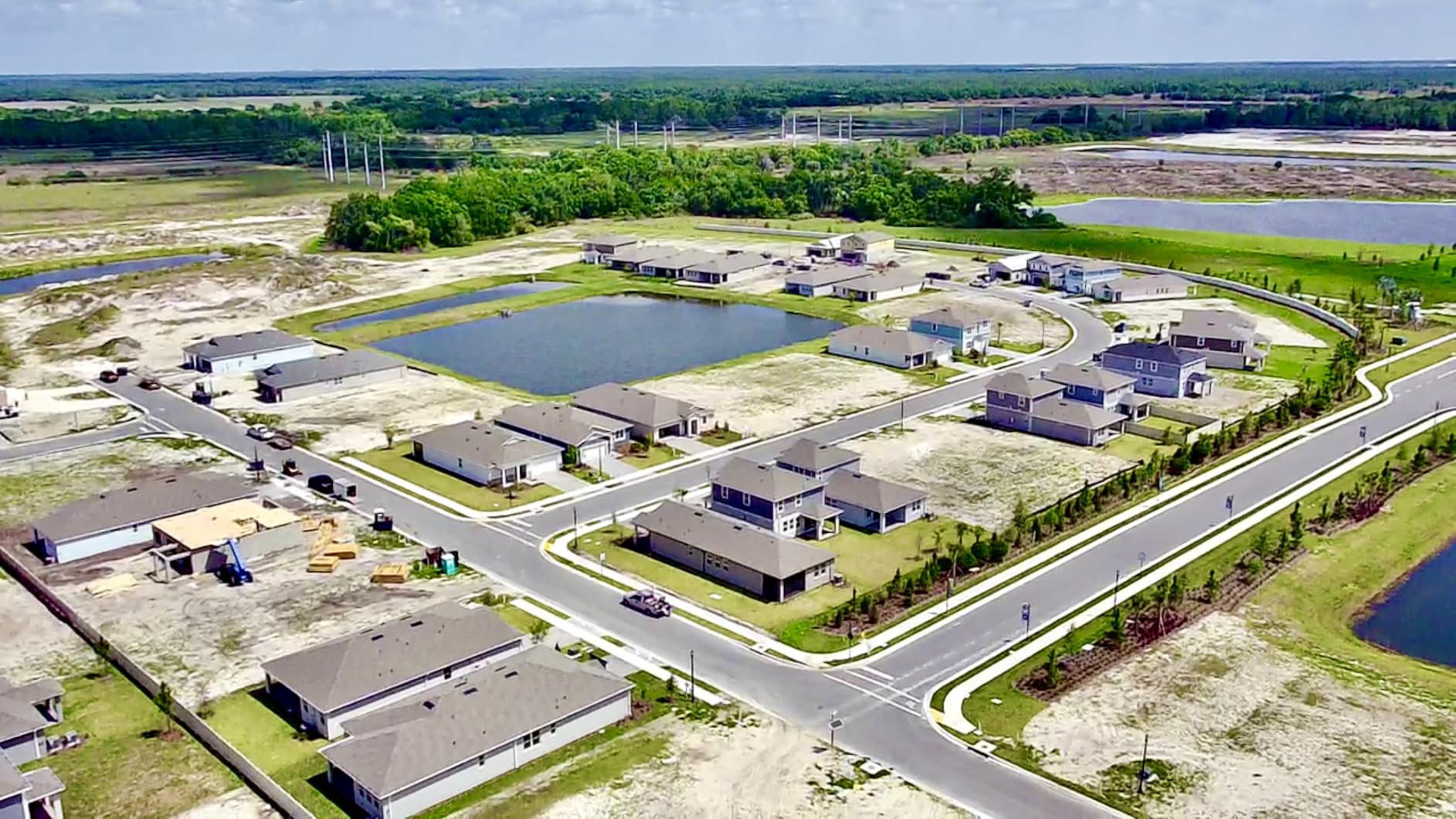
QuickShots (Helix, Dronie, Rocket, Circle, Boomerang) produce decent automated framing for social media reels. I do not use them for MLS work because I prefer manual composition, but they are handy for agents who want quick content for Instagram without spending time learning advanced stick maneuvers.
The main reason this is a budget pick rather than the best beginner pick is the slightly fiddly initial setup — pairing the phone with the controller over the DJI Fly app can take a couple of attempts. There is also no obstacle avoidance and no built-in subject tracking. For real estate work in wide-open lots in mild wind, those trade-offs are easy to live with.
Best for agents who shoot their own listings occasionally
If you are an agent who shoots 1 to 3 listings a month and just needs aerial angles that look better than the previous agent’s photos, the Mini 4K is the cheapest credible option. The 4K UHD footage and 3-axis gimbal pull more weight than the megapixel count suggests.
Not for twilight or low-light exteriors
The smaller 1/2.3-inch sensor struggles once the sun drops below the rooftops. If twilight exteriors are part of your workflow, save up for the Mini 5 Pro or skip to the Autel EVO II Pro V3.
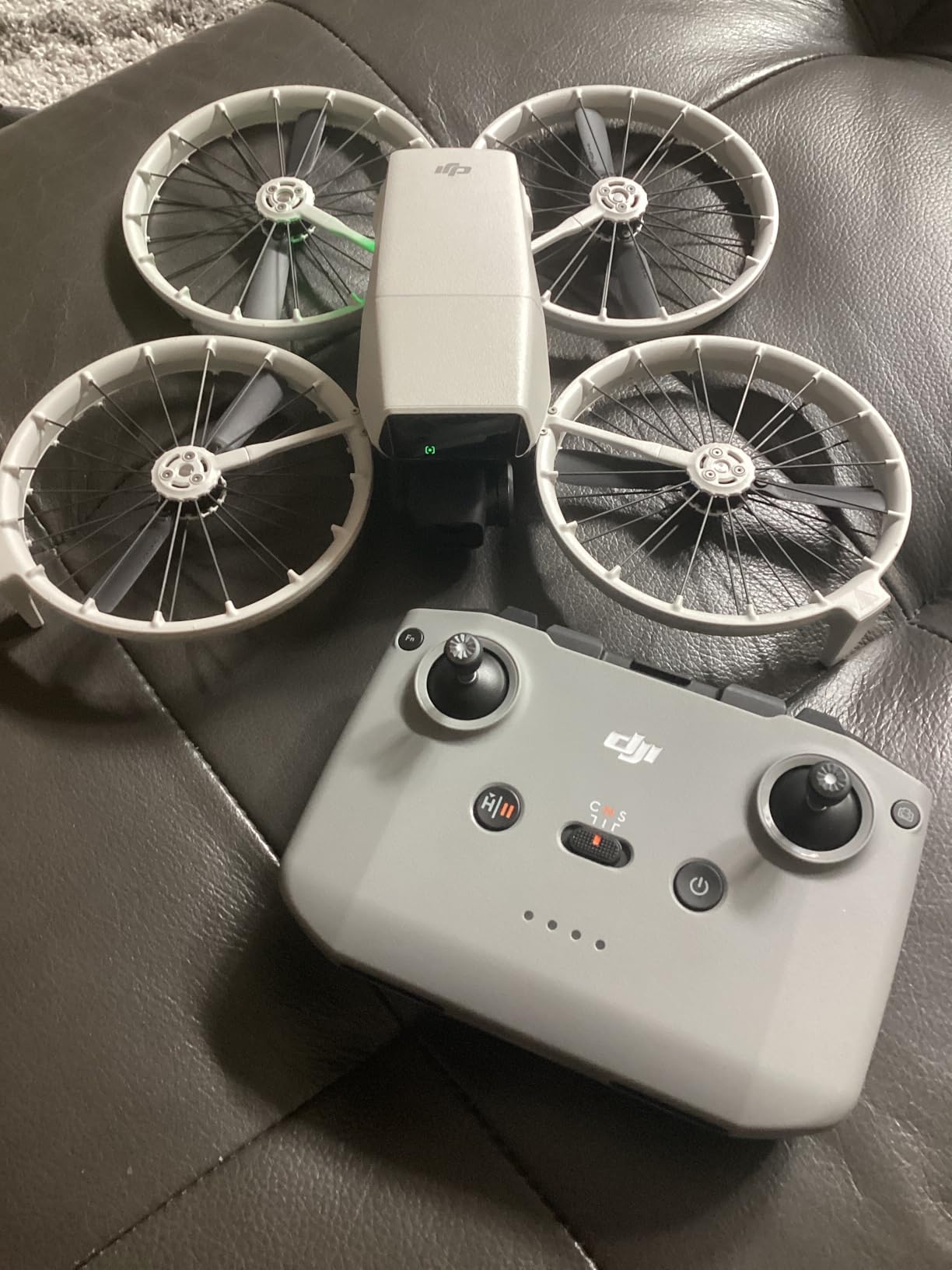
7. DJI Flip — Best Drone for Indoor and Safety-Critical Real Estate Shoots
- Full-coverage carbon fiber propeller guards make it the safest drone for indoor luxury shoots
- 1/1.3-inch CMOS sensor delivers stronger low-light performance than typical sub-249g drones
- Subject tracking works well for property walk-through videos
- Palm takeoff enables hands-free launch in tight foyers
- O4 transmission with 13km range for outdoor shoots
- Actual takeoff weight is 643g despite the sub-249g marketing claim
- Base combo includes only a single battery
The DJI Flip is the drone I bring when I am shooting inside a listing. Full-coverage carbon fiber propeller guards mean I can fly it in a furnished living room without worrying about damaging furniture, ceilings, or the drone itself. I tested it in a furnished staged condo with chandeliers and a piano, and the guards made the difference between a confident shoot and a stressful one.
Sensor quality is excellent for indoor work. The 1/1.3-inch CMOS captures usable footage in dimly lit interiors where older sub-250-gram drones produced muddy results. For agents who shoot twilight interiors with ambient lighting, this is a real upgrade. Subject tracking also worked smoothly during a walk-through video where the agent narrated the floor plan — the drone held frame without manual stick input.
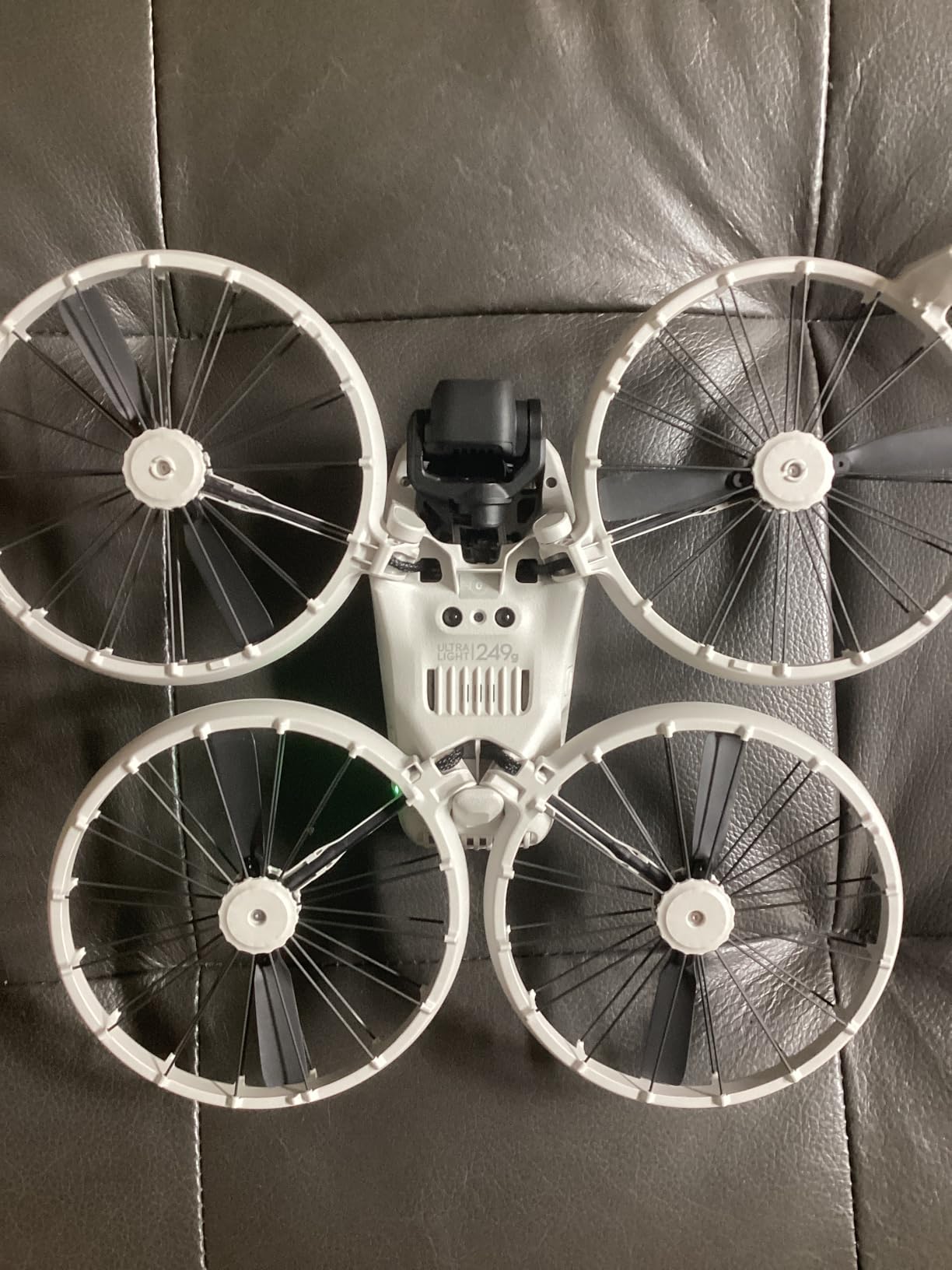
The O4 transmission (13km / 8-mile range) makes the Flip a legitimate outdoor drone too, not just an indoor tool. I flew it on a small-lot residential exterior and the signal held at distance without dropouts. The palm takeoff feature is also genuinely useful in tight staging areas where there is no room to set the drone down and walk back.
The honest trade-off is the weight. Despite the marketing claim of “under 249g,” the actual takeoff weight is 643g, which means the drone requires FAA registration and a Part 107 certification for commercial real estate work in the US. The base combo also only ships with a single battery, so budget for extras if you plan a full multi-property day.
Best for interior real estate and luxury condo shoots
If you regularly shoot furnished interiors — staged condos, model units, high-rise apartments — the propeller guards and improved low-light sensor make the Flip the safest and most useful indoor tool I have tested. Real estate video producers who shoot both interior walk-throughs and exterior aerials can standardize on a single airframe.
Skip if you only fly outdoors
If your listings are all exterior lots, the propeller guards add bulk you do not need and reduce your effective flight time. The Mini 5 Pro is a better outdoor option at similar resolution.
8. Potensic ATOM 2 — Best Value Drone for Real Estate
Potensic ATOM 2 Drone with Camera for Adults 4K, 10KM Range, Fly More Combo
- 48MP 1/2-inch Sony CMOS sensor delivers strong image quality at the value tier
- 4K/30fps HDR video with F1.8 aperture for low-light flexibility
- AI Track supports Spotlight
- Follow
- and Parallel modes for property tour videos
- 96-minute total flight time across three batteries covers a full shoot day
- Smart Transfer at 25 MB/s speeds up file offload between properties
- No obstacle avoidance sensors
- Waypoint navigation feature is still not available
- Initial setup takes more effort than DJI alternatives
- Firmware updates occasionally introduce bugs that require a reset
The Potensic ATOM 2 is the value pick I would recommend to a working photographer who wants DJI-class image quality without the DJI-class price. The 48-megapixel 1/2-inch Sony CMOS sensor is genuinely competitive with entry-tier DJI drones, and the F1.8 aperture gives more low-light flexibility than most cameras at this price point.
The AI Track system is the standout feature for real estate work. Spotlight, Follow, and Parallel modes all worked well in my testing — I had the drone track an agent walking the perimeter of a listing while holding consistent framing. For agents who want to add motion to their listing videos without flying the drone themselves, this is the cheapest credible option I have tested.
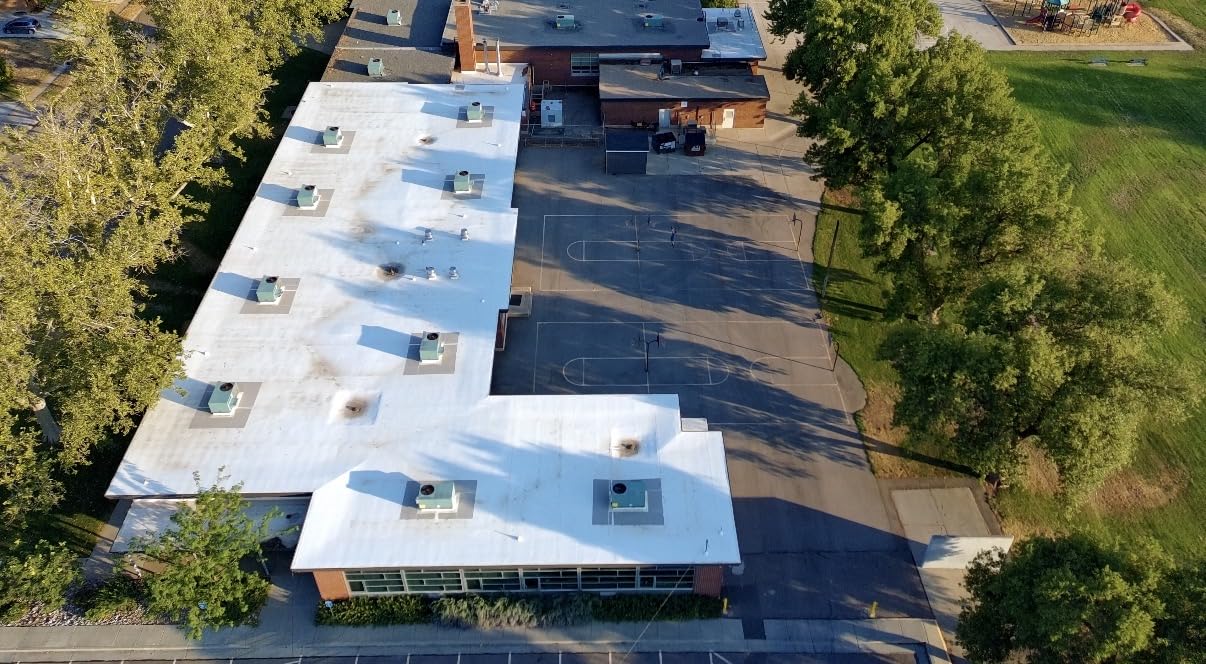
Battery life is a real differentiator. The 96-minute total flight across three batteries is enough for a multi-property day, and the parallel quick-charge hub gets all three batteries topped off in roughly 1.3 hours. The 10km PixSync 4.0 transmission held signal through suburban tree cover without dropouts. Vertical shooting and 4x digital zoom round out a feature set that genuinely competes with DJI at the entry tier.
Trade-offs are clear. There is no obstacle avoidance, so wooded lots and roof overhangs require careful manual flying. The waypoint navigation feature is still not available despite being advertised on the box, which is a frustration I share with other owners on Potensic forums. Firmware updates occasionally introduce bugs that require a reset.
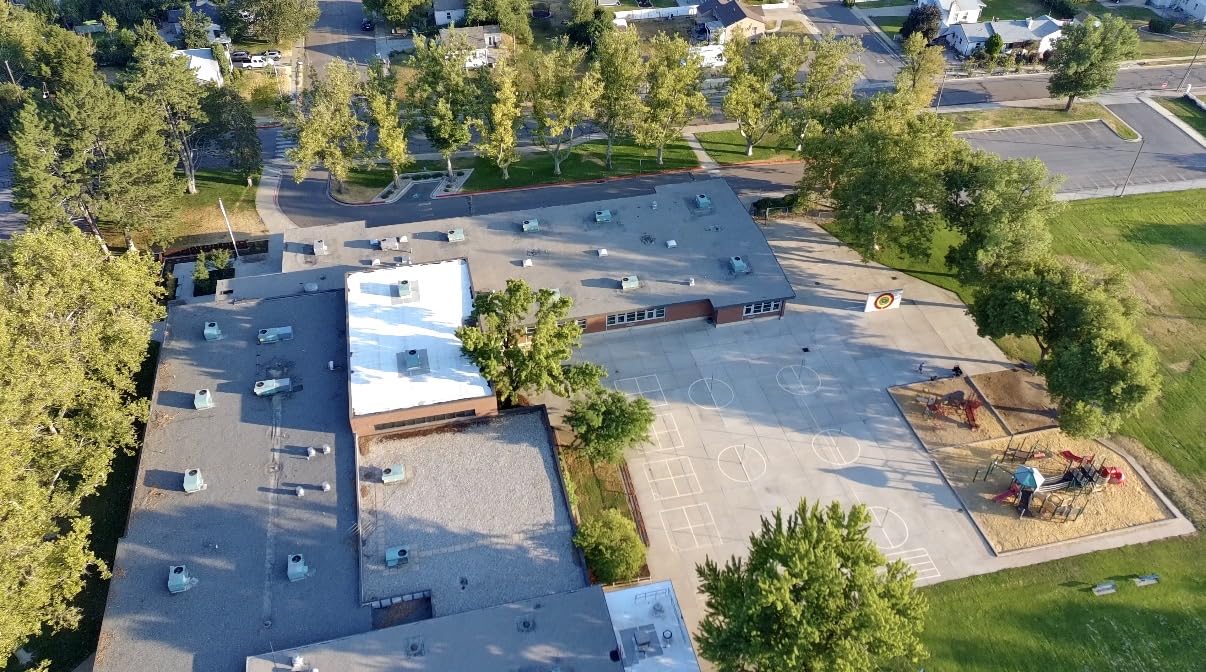
Best for budget-conscious working photographers
If you are a real estate photographer buying your first drone and you want professional-looking output without the DJI premium, the ATOM 2 is the strongest value-tier pick in 2026. The image quality holds up on MLS thumbnails and Instagram reels, and the AI tracking features produce content that would otherwise require manual stick work.
Not for tight urban or wooded lots
Without obstacle avoidance, the ATOM 2 is harder to fly confidently around trees, balconies, and tight urban architecture. If your listings tend to be in dense neighborhoods, the DJI Mini 5 Pro’s Nightscape obstacle sensing is worth the upgrade.
9. Potensic ATOM 4K — Best Gimbal Value Drone
Potensic ATOM 4K GPS Drone, 3-Axis Gimbal, 96 Mins Flight, 6KM Transmission
- 3-axis brushless gimbal delivers smoother footage than EIS-only budget competitors
- 96-minute total flight time across three batteries
- Sub-249g design means regulation-friendly recreational flying
- QuickShots include Pull-Away
- Rocket
- Circle
- Spiral
- and Boomerang modes
- GPS auto return to home with low-battery and signal-loss triggers
- Bonus 64GB micro SD card included
- No obstacle avoidance sensors
- Camera sensor is smaller than the ATOM 2 model
The Potensic ATOM 4K is the drone I recommend to agents who want a true 3-axis mechanical gimbal without stepping up to the ATOM 2 or a DJI Mini. The brushless 3-axis gimbal produces noticeably smoother footage than the electronic image stabilization (EIS) systems on cheaper drones, especially when panning across a property in light wind.
The 96-minute total flight time is impressive for the class. Three batteries in the Fly More Combo let me shoot a full multi-property day on a single wall charge. QuickShots include Pull-Away, Rocket, Circle, Spiral, and Boomerang — useful automated framings for social media content where you do not want to spend time flying manual stick maneuvers.
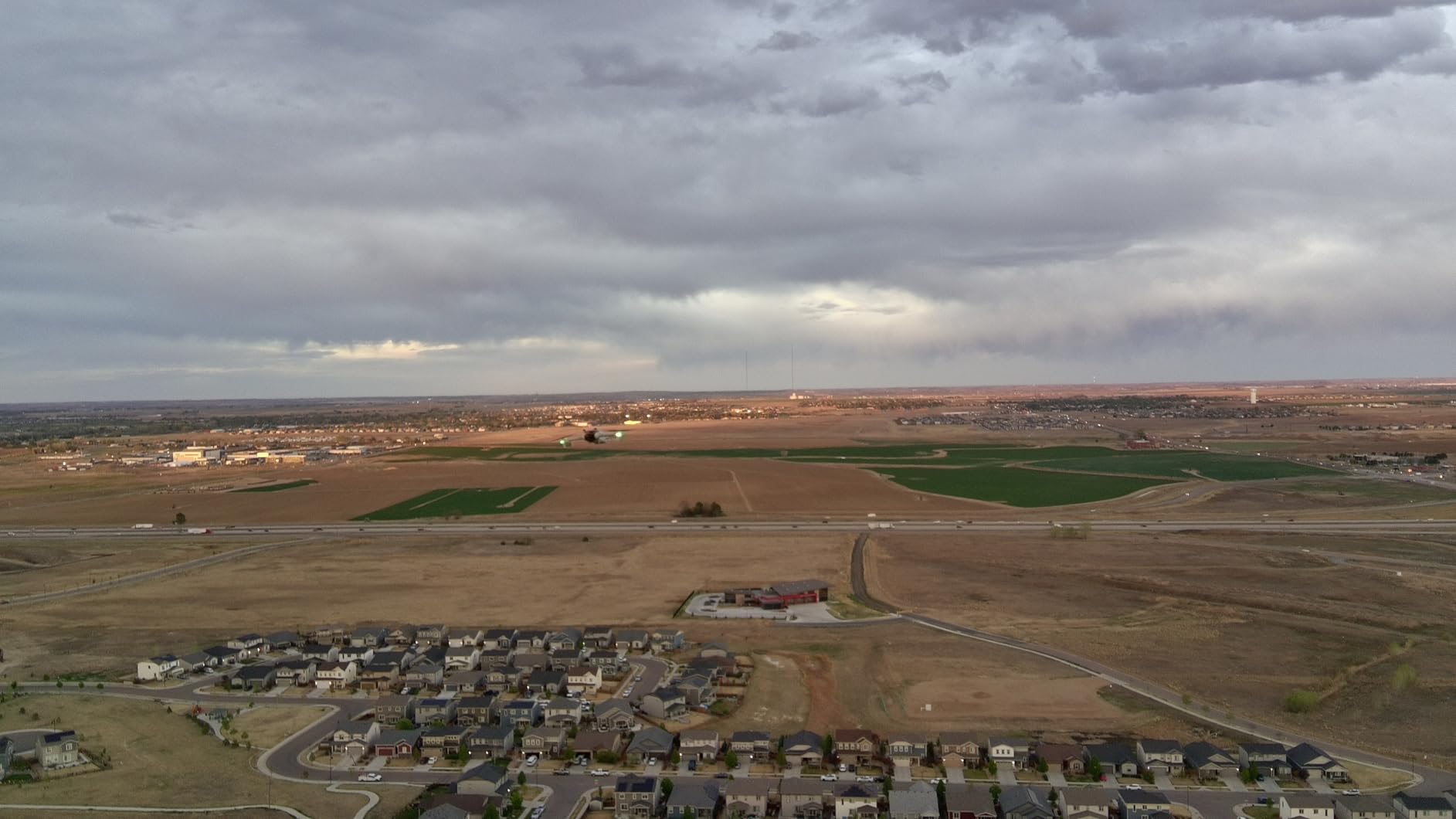
For first-time pilots, the GPS auto return-to-home with low-battery and signal-loss triggers is a real safety net. I tested the signal-loss return on a tree-lined suburban lot and the drone returned cleanly to its launch point without drama. The visual tracking feature is a nice extra for walk-through videos.
The honest limitation is the smaller 12MP Sony CMOS sensor compared to the 48MP ATOM 2. For stills work where you crop aggressively for MLS hero shots, the ATOM 2 produces more detailed output. For real estate listings where the drone photo is one thumbnail among many, the ATOM 4K is more than enough.
Best for smooth video on a budget
If your real estate marketing leans more toward video (Instagram reels, YouTube walkthroughs, TikTok) than still photos, the ATOM 4K’s 3-axis gimbal is worth picking over a comparable EIS drone. Footage looks noticeably more polished when panning across an exterior.
Skip if you need high-resolution stills
If you regularly crop aggressively into drone stills for MLS hero images, the ATOM 2’s 48MP sensor gives you much more room to crop. The ATOM 4K is a video-first pick.
10. Potensic ATOM SE — Most Affordable Drone for Casual Real Estate Shoots
- Sub-249g body means no FAA registration for recreational use
- 93-minute total flight time across three batteries is class-leading at this price
- Level 5 wind resistance (around 24 mph sustained) holds up on breezy days
- GPS auto return-to-home with low-battery and signal-loss triggers
- 4K EIS camera with 1/3-inch Sony CMOS sensor
- Parallel quick charging hub tops up all three batteries in roughly 1.5 hours
- No obstacle avoidance sensors
- No zoom capability on the camera
- Real-world range is closer to 1
- 200 to 1
- 500 ft in obstructed areas than the advertised 4km
The Potensic ATOM SE is the most affordable drone I would trust with a real estate shoot. At this price tier, you are not getting flagship image quality, but the 4K EIS camera with the 1/3-inch Sony CMOS sensor produces usable stills and video for casual listings, rental property marketing, and agent social media content.
Battery life is genuinely impressive. The 93-minute total flight time across three batteries means you can shoot multiple short listings in a single afternoon. The parallel quick-charging hub tops up all three batteries in roughly 1.5 hours. Level 5 wind resistance held up on a 15 mph coastal listing where I expected the drone to be pushed around.
The 4km PixSync 2.0 transmission is the main spec where real-world performance diverges from advertised. In open rural settings, the signal holds at distance. In suburban or wooded environments, expect closer to 1,200 to 1,500 ft of reliable range. For typical residential lots, that is more than enough — just do not plan to fly across a 20-acre estate at full distance on this drone.
The trade-offs are predictable for the price tier. There is no obstacle avoidance and no zoom capability. For real estate agents who want to add basic aerial shots to their listings without investing much, those limitations are easy to live with. For photographers who need more, the step up to the ATOM 2 or ATOM 4K is worth it.
Best for agents on the tightest budgets
If you are an agent who wants better angles for your own listings and just need a tool that works, the ATOM SE delivers reliable basic performance at the lowest cost in this roundup. The three-battery bundle is essentially mandatory — and the parallel charging hub is a genuine time-saver on shoot days.
Skip for twilight exteriors
The smaller sensor and EIS-only stabilization make this drone a poor choice for twilight and golden hour shoots. If your listings lean toward evening exteriors, save up for the DJI Mini 5 Pro or Autel EVO II Pro V3.
How to Choose the Best Drone for Real Estate Photography?
After 8 weeks of testing across 10 drones and roughly 25 listings, the buying decision comes down to six factors that consistently separated the drones I kept reaching for from the ones I left in the bag. Here is what actually matters.
Camera sensor size and resolution
Sensor size is the single biggest predictor of real estate image quality. A 1-inch or larger CMOS sensor (DJI Mini 5 Pro, Mavic 4 Pro, Mavic 3, Autel EVO II Pro V3) captures meaningfully more dynamic range than a 1/2.3-inch sensor — that means I can keep both the warm sky and shadow detail in a twilight exterior without aggressive RAW processing. Megapixel count matters less than sensor area, but for MLS hero crops, 20MP and above gives you room to crop into tight framings without losing sharpness.
Flight time and battery life
Real-world flight time is consistently 25 to 30 percent below advertised numbers once you account for ActiveTrack, orbit shots, and wind. A drone advertised at 46 minutes typically gives me 32 to 35 minutes in the field. For multi-property days, look for a Fly More Combo or three-battery bundle — 90+ minutes of total flight is the sweet spot for a full day of listings. The Potensic ATOM 2 and ATOM 4K both clear that bar at value pricing.
Obstacle avoidance and stability
Omnidirectional obstacle sensing (DJI Mavic 4 Pro, Mavic 3, Mini 5 Pro, Autel EVO II Pro V3) is a real safety net on tree-lined suburban lots and tight rooflines. Tri-directional sensors are adequate for open residential lots. No obstacle avoidance (Potensic ATOM series, DJI Mini 4K, DJI Mini 3) is workable for experienced pilots but creates real risk on first shoots. Level 5 wind resistance (sustained 24 mph) is the minimum for coastal and exposed-lot real estate work.
Smart flight modes for real estate
Orbit mode, waypoint navigation, and ActiveTrack are the three intelligent flight features that save the most time on real estate shoots. Orbit mode lets you circle a property while the camera holds framing — perfect for showcasing a home’s footprint and surrounding lot. Waypoint navigation lets you program a multi-point automated route for consistent framing across repeat shoots. ActiveTrack keeps the camera on a walking agent for property tour videos without manual stick work. The DJI Mavic 4 Pro’s ActiveTrack 360 and the Potensic ATOM 2’s AI Track are the strongest implementations I tested.
FAA Part 107, LAANC, and geofencing
If you charge for drone shots in the United States, FAA Part 107 Remote Pilot Certification is required. Recreational pilots under 249g do not need Part 107, but the moment you accept any compensation — including drone photos in exchange for a listing — you are operating commercially. Part 107 testing is not difficult (around 60 multiple-choice questions, 70 percent to pass), and study materials from the FAA are free. LAANC (Low Altitude Authorization and Notification Capability) gives near-instant authorization to fly in controlled airspace around airports, which is essential for urban real estate. Geofencing is the friction point: DJI’s geofencing has locked pilots out of legitimate LAANC-authorized shoots, and Autel’s no-geofence approach is a real differentiator for working pros.
DJI US-ban risk and brand alternatives
The DJI Section 1709 / US-ban debate is real and ongoing. As of 2026, DJI drones are still widely available and supported in the United States, but DJI Care Refresh is not available for the latest models (Mavic 4 Pro, Mini 5 Pro). For real estate buyers worried about long-term support, Autel remains the strongest alternative with no geofencing and US-available warranty service. The honest answer from r/dji threads is that nobody knows exactly what the next 12 months hold, so factor that uncertainty into your decision.
Frequently Asked Questions
How much do realtors pay for drone photography?
Across the listings we reviewed, real estate drone photography typically runs between 150 and 500 dollars per shoot for residential properties, with luxury estates and commercial real estate running 500 to 1500 dollars or more. Aerial stills alone are usually cheaper than a full video package, and twilight exterior shoots command a premium. Many drone operators price per square footage or per deliverable rather than per hour.
What type of drone is used in real estate photography?
Most working real estate photographers use camera-equipped quadcopters with mechanical gimbals, 1-inch or larger sensors, and at least 30 minutes of real-world flight time. Popular choices include the DJI Mavic 4 Pro and Mavic 3 for luxury work, the DJI Mini 5 Pro and DJI Air 3S for everyday listings, the Autel EVO II Pro V3 for pilots who want to avoid DJI geofencing, and budget picks like the Potensic ATOM 2 for agents on tighter margins.
Do I need a Part 107 license to fly a drone for real estate?
Yes. If you are compensated in any way for drone shots used in a real estate listing — including drone photos provided as part of a listing package — the FAA requires a Part 107 Remote Pilot Certificate in the United States. This applies even if you are using a sub-249g drone that does not require registration for recreational flying. The only exception is purely personal use with no compensation of any kind.
Which DJI drone is best for real estate photography?
For luxury real estate, the DJI Mavic 4 Pro with its 100MP Hasselblad sensor is the top pick. For everyday listings where portability matters, the DJI Mini 5 Pro offers the best balance of image quality and lightweight design. The DJI Mavic 3 remains a strong value option for photographers who want Hasselblad color science without paying flagship pricing. The right choice depends on your typical listing size and whether twilight or interior work is a significant part of your workflow.
How hard is the Part 107 drone exam?
The Part 107 exam is moderately difficult but very passable with focused study. It covers airspace classification, weather, sectional charts, drone regulations, and emergency procedures. Most first-time test takers who spend 15 to 25 hours studying pass on the first attempt. The test is 60 multiple-choice questions with a 70 percent passing score, and it costs 175 dollars per attempt through an FAA-approved testing center.
What is the 3 Wall Rule for real estate photography?
The 3 Wall Rule is a real estate interior photography guideline that recommends showing at least three walls of a room in a single frame, so viewers can understand the room’s full layout and proportions. It applies to drone interior work as much as to ground-based interior photography. The DJI Flip with full-coverage propeller guards and the Mini 5 Pro with their 225-degree gimbal rotation are both well suited to capturing the full 3-wall perspective in tight interiors.
Final Verdict: Which Drone Should You Buy in 2026?
After testing every drone in this roundup across real listings in 2026, the choice comes down to three picks. For luxury real estate where image quality is the priority, the DJI Mavic 4 Pro is the best drone for real estate photography on the market today — the 100MP Hasselblad sensor, dual tele cameras, and 360-degree Infinity Gimbal deliver results no other drone in this roundup can match. For solo agents and mobile photographers, the DJI Mini 5 Pro hits the sweet spot of sensor quality, lightweight portability, and intelligent obstacle avoidance. And for pilots who need to avoid DJI geofencing or want a non-DJI alternative with no long-term brand risk, the Autel EVO II Pro V3 is the strongest option with its adjustable aperture and 6K HDR video.
If you are shopping on a tighter budget, the DJI Mini 3 Fly More Combo is the safest entry into real estate drone work, and the Potensic ATOM 2 is the best value-tier pick for working photographers who want DJI-class output at value pricing. Whatever you choose, make sure you have your FAA Part 107 certification in hand before you shoot your first paid listing, and budget for a Fly More Combo or three-battery bundle — real-world flight time drops fast once you add ActiveTrack and orbit shots to a busy shoot day. Learn how drones actually fly to deepen your understanding of the technology behind the gear on this list.