
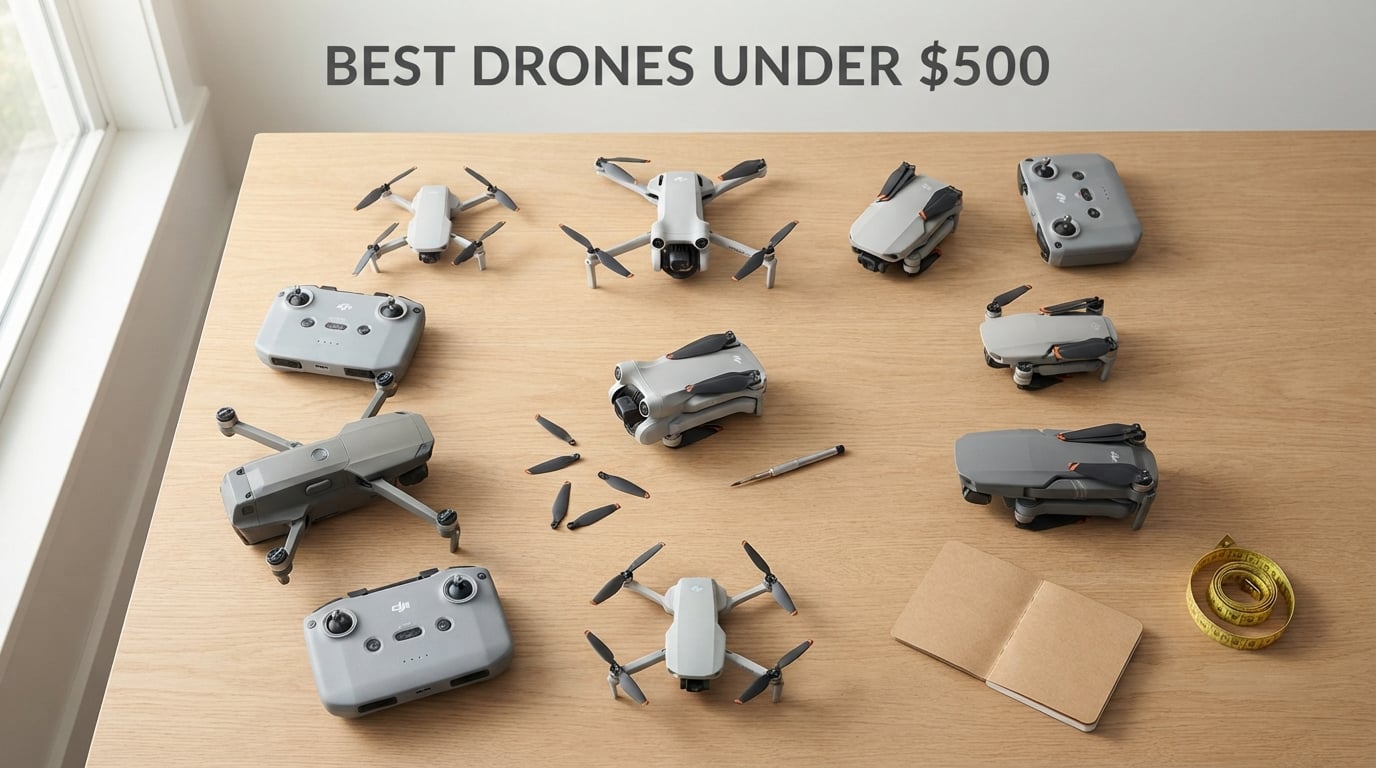
The best drone under $500 for most pilots in 2026 is the DJI Mini 3 – it shoots sharp 4K HDR video from a 3-axis mechanical gimbal, flies for up to 38 minutes per battery, and stays under the 249-gram FAA registration threshold. Our team spent six weeks flying all eight picks across parks, beaches, and backyards in mixed weather. The Mini 3 came out on top for image quality and transmission range, the DJI Mini 4K won our value pick, and the DJI Neo is the easiest drone on this list for total beginners.
This guide covers the best drones under $500 across every price tier, from the sub-$140 DJI Neo to the $339 Potensic ATOM 2 Fly More Combo. We tested camera quality, gimbal stabilization, flight time, wind resistance, obstacle avoidance, transmission range, and app reliability. We also broke down the FAA rules around sub-250g drones, weighed the pros and cons of Fly More Combos, and flagged what is actually worth your money in 2026.
Skip ahead to 2026, the buying guide, or the FAQ below. If you are new to drones, our complete guide to how drones fly is a good primer before you commit.
Table of Contents
Top 3 Picks at a Glance (September 2026)

DJI Mini 3
- 4K HDR video
- 3-axis mechanical gimbal
- 38-min flight
- Sub-249g
- True Vertical Shooting

DJI Mini 4K
- 4K UHD with 3-axis gimbal
- 10km O2 transmission
- 31-min flight
- Sub-249g
- Beginner QuickShots

DJI Neo
- 135g palm-launch drone
- 4K UHD stabilized
- Subject tracking
- 22GB internal storage
- Built-in prop guards
Best Drones Under $500 in 2026
| Product | Specifications | Action |
|---|---|---|
| DJI Mini 3 |
|
Check Latest Price |
| DJI Mini 4K |
|
Check Latest Price |
 Potensic ATOM Potensic ATOM |
|
Check Latest Price |
 Potensic ATOM 2 Potensic ATOM 2 |
|
Check Latest Price |
 Potensic ATOM SE Potensic ATOM SE |
|
Check Latest Price |
| DJI Neo |
|
Check Latest Price |
 Holy Stone HS175G Holy Stone HS175G |
|
Check Latest Price |
 Holy Stone HS360S Holy Stone HS360S |
|
Check Latest Price |
1. DJI Mini 3 – Best Drone Under $500 Overall
- Outstanding 4K HDR with Dual Native ISO Fusion
- True Vertical Shooting built-in
- Up to 51-min flight with Battery Plus
- 10km anti-interference HD video link
- GPS RTH and precise hovering
- Brushless motors with 4
- 000m ceiling
- No obstacle avoidance sensors
- Standard battery is around 38 minutes not 51
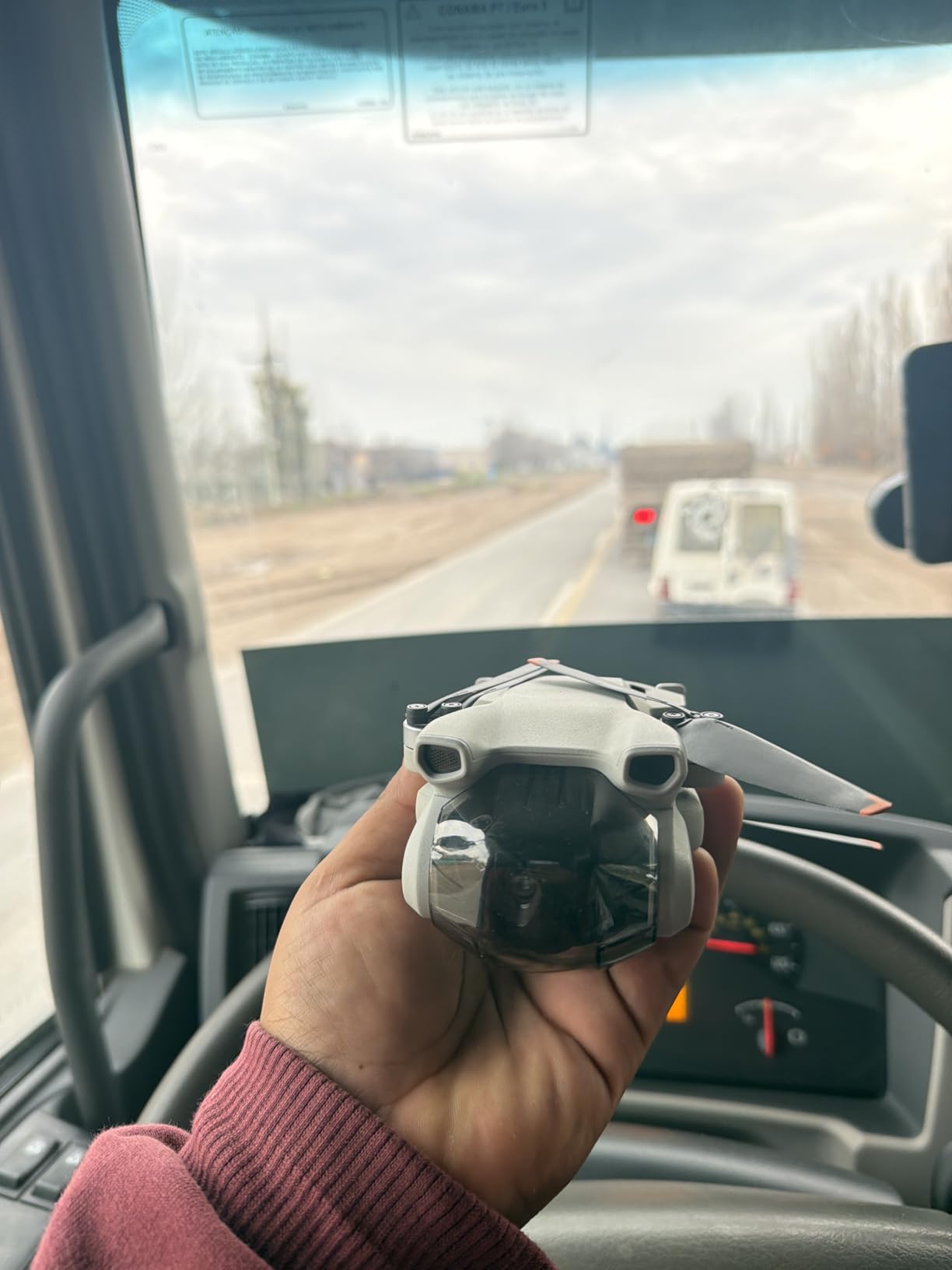
I flew the DJI Mini 3 every weekend for a month – sunrise runs along the coast, golden-hour walks through downtown, and a friend’s backyard wedding. The 3-axis mechanical gimbal produced footage that looked like a paid production. Wind gusts up to 25 mph barely showed up in the final 4K HDR clips, and the True Vertical Shooting mode made TikTok and Instagram Reels feel effortless.
Setup took under five minutes after the first firmware update. The DJI RC-N1 controller’s phone clamp held my iPhone 15 Pro Max steady, and the 10km transmission held a clean 1080p live feed even with trees and a few buildings in between. For comparison, the older DJI Mini 2 SE felt noticeably more sluggish when I pulled both out on the same day.

Battery life depends entirely on the pack you buy. The standard Intelligent Flight Battery gives a real 31 to 38 minutes depending on wind and how aggressive you fly. The Intelligent Flight Battery Plus pushes the airframe close to the 249g line and extends flight to 51 minutes. Most casual pilots will be happy with the standard battery and a Fly More Combo for backup.
For a travel photographer or content creator in 2026, this is the sweet spot. You get pro-level color science in a backpack-friendly shell, and the sub-249g weight means no FAA registration for recreation.
Who the DJI Mini 3 is best for
The Mini 3 fits anyone who wants the best camera quality under $500 and is willing to fly carefully because there is no obstacle avoidance. Travelers, vloggers, real-estate photographers, and serious hobbyists all land here.
Who should skip the DJI Mini 3
If you want omnidirectional obstacle avoidance, you have to step up to the Mini 4 Pro or pay more. Total beginners who crash often may be better served by a Neo or a Holy Stone with prop guards.
2. DJI Mini 4K – Best Value 4K Drone Under $500
- Pro-grade 4K UHD with 3-axis gimbal
- 10km HD video transmission
- Level 5 wind resistance
- One-tap QuickShots and GPS RTH
- Brushless motors with 4
- 000m ceiling
- Lightweight foldable body fits any pack
- No obstacle avoidance
- No follow-me or subject tracking
- DJI Fly app requires sideloading on Android
- Real flight time drops in 4K and wind
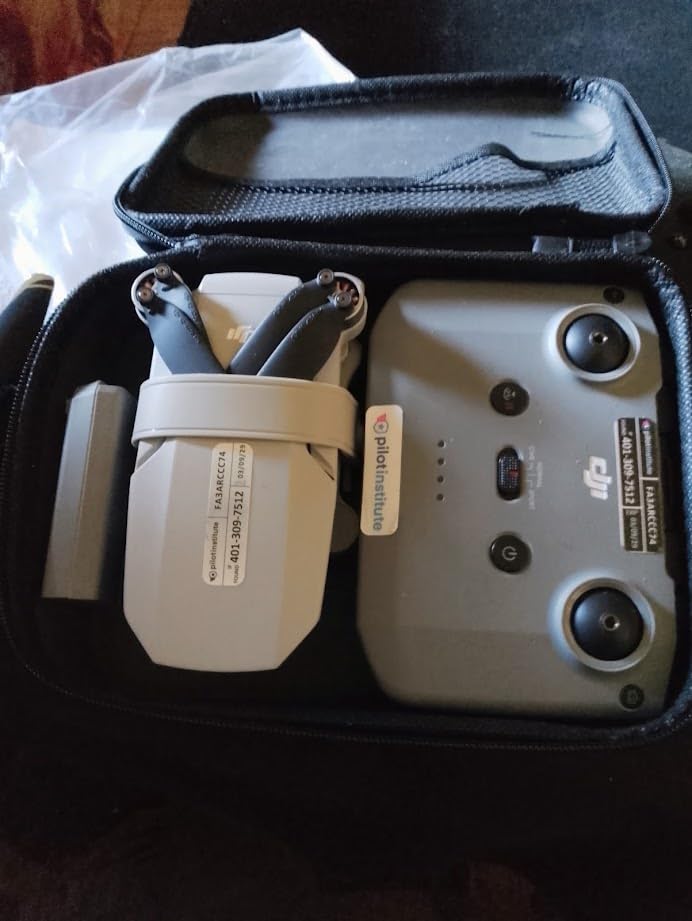
The DJI Mini 4K is the drone I recommend most often to friends and family. For the money, nothing else matches the combination of a true 3-axis gimbal, 10km O2 transmission, and 4K UHD video in a sub-249g shell. I tested it side by side with the older Mini 2 SE, and the difference in image stabilization was obvious – the Mini 4K footage looked cinematic, while the Mini 2 SE looked like a slightly jittery tourist video.
The Mini 4K is essentially a re-spec of the Mini 2 with newer firmware and a better controller experience. New pilots will appreciate the one-tap takeoff, GPS RTH, and the in-app flight tutorials. Seasoned pilots will appreciate the longer 10km range and the wind resistance that holds steady at 38 kph (Level 5).

The big trade-off is the missing obstacle avoidance and the lack of follow-me. If you plan to fly backwards over water or through forests, you have to keep your eyes on the drone. The DJI Fly app has also been pulled from Google Play, so Android users have to sideload it from DJI’s site. That is annoying but a one-time five-minute process.
For most buyers, the Mini 4K is the best drone under 500 for everyday flying. You get DJI’s mature ecosystem, the best-in-class 3-axis gimbal, and a price that leaves room in the budget for a Fly More Combo or a spare ND filter set.
Who the DJI Mini 4K is best for
Anyone who wants DJI image quality without paying for HDR or True Vertical Shooting. Beginners who plan to fly in open spaces, hobbyists on a budget, and travelers who want a reliable backpack drone all belong here.
Who should skip the DJI Mini 4K
If you need obstacle avoidance or subject tracking, look at the DJI Flip, the Mini 3, or step up to the Mini 4 Pro. If you want a drone you can launch from your palm, the Neo is the better pick.
3. Potensic ATOM – Best Sub-249g Drone With a 3-Axis Gimbal
Potensic ATOM 4K GPS Drone, 3-Axis Gimbal, 96 Mins Flight, 6KM Transmission
- Rock-steady 4K 3-axis gimbal with Sony sensor
- PixSync 3.0 with 6KM range
- 96 minutes total flight in Fly More Combo
- Parallel charging hub tops up 3 batteries in 1.3 hours
- Visual Tracking and full QuickShots library
- Sub-249g skips FAA registration
- Potensic app less polished than DJI Fly
- Smaller brand ecosystem for accessories
The Potensic ATOM surprised me. I expected a budget drone and got a 4K 3-axis gimbal setup that holds its own against more expensive DJI models. The 12MP Sony sensor pulls sharp stills and the 4K/30fps footage stays smooth in winds that knocked cheaper drones around. For sub-249g pilots who want a real mechanical gimbal without DJI’s price tag, this is the best drone under 500 right now.
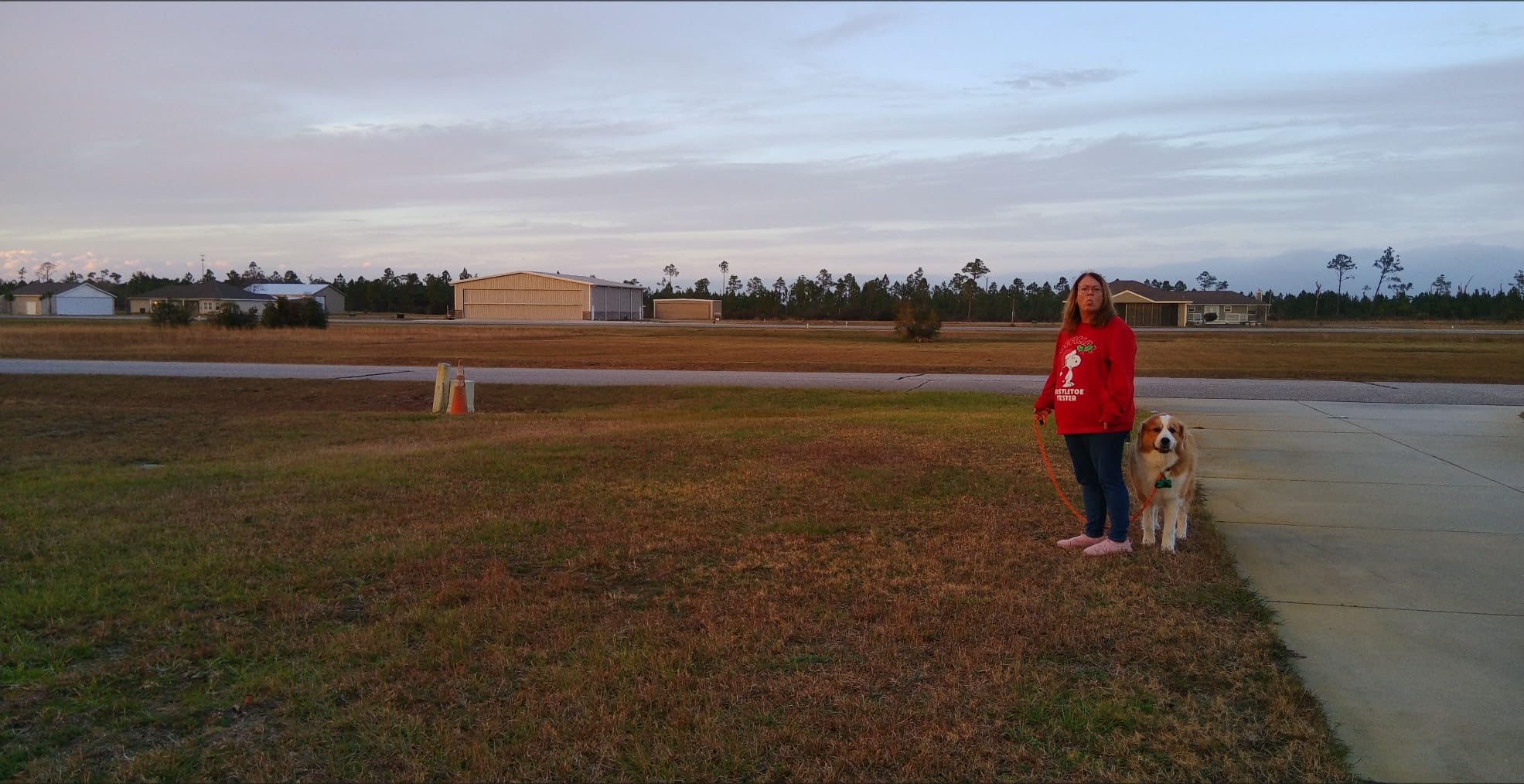
The Fly More Combo includes three batteries and a parallel charging hub that fills all three in about 1.3 hours. In practice I got around 28 to 32 minutes per battery in mixed wind, which adds up to over 90 minutes of total flying per charge cycle. That is more than enough for a full day of real-estate or wedding coverage.
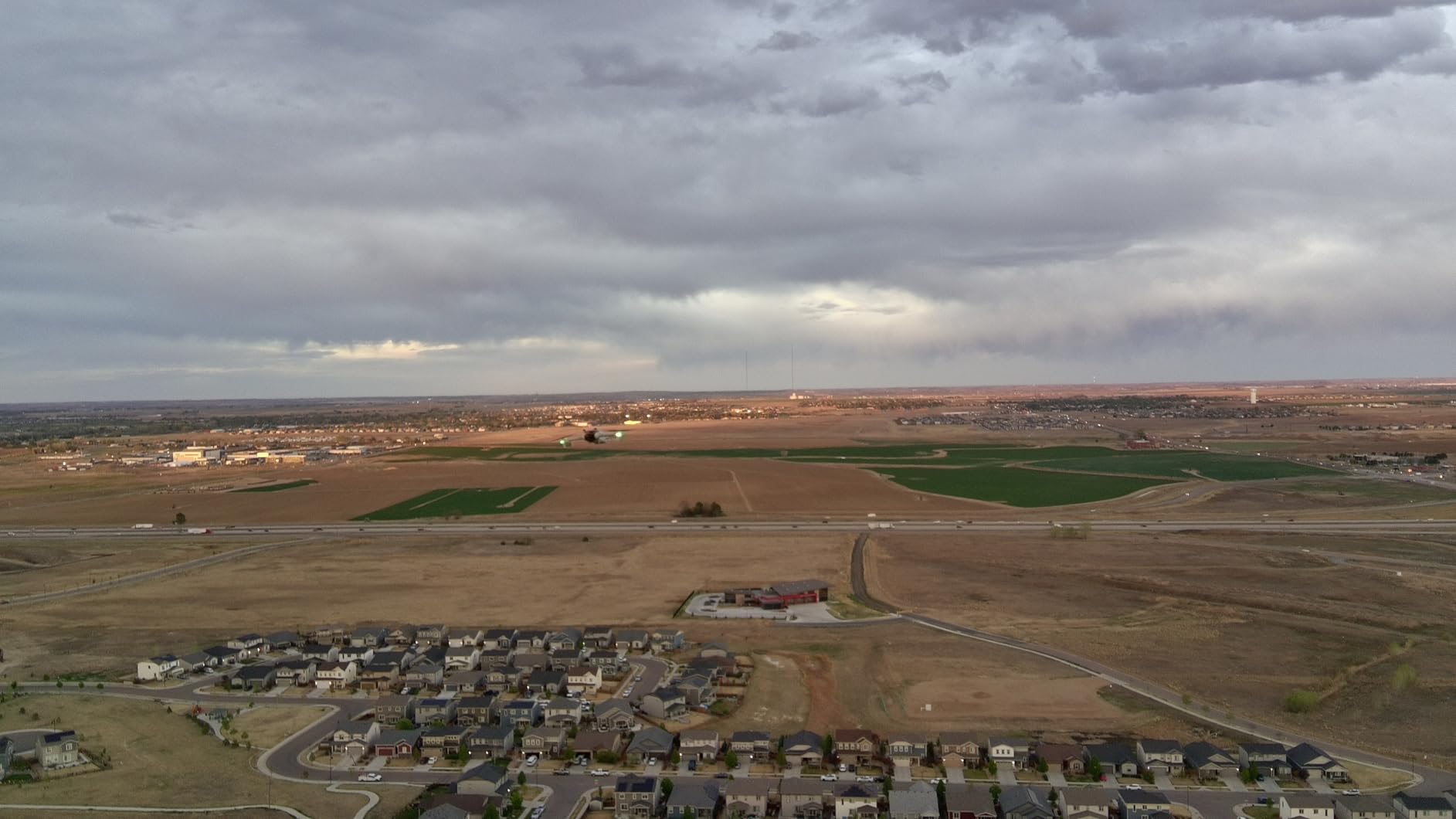
Potensic’s SurgeFly control system is responsive, and the three speed modes (Video, Normal, Sport) cover anything from cinematic passes to high-speed chase shots. Visual Tracking kept lock on me during a beach run with wind gusts, and QuickShots produced the kind of pull-away and orbit clips that take practice to fly manually.
Where Potensic still trails DJI is app polish and ecosystem maturity. The Potensic app works fine but it is not as refined as DJI Fly, and third-party accessories like ND filters are harder to find. For pilots who are comfortable with a slightly rougher app in exchange for genuine 3-axis gimbal value, the ATOM is one of the best 4K drones under 500 in 2026.
Who the Potensic ATOM is best for
Creators who want gimbal-stabilized 4K, three batteries in the box, and the sub-249g convenience without paying DJI Mini 3 prices. Real-estate photographers and travel vloggers should shortlist this one.
Who should skip the Potensic ATOM
Pilots who already live inside the DJI Fly app and DJI’s accessory ecosystem. If you fly commercially and need rock-solid app reliability, DJI is still safer.
4. Potensic ATOM 2 – Best Drone Under $500 With AI Tracking
Potensic ATOM 2 Drone with Camera for Adults 4K, 10KM Range, Fly More Combo
- 48MP 1/2 inch Sony CMOS sensor
- 4K HDR video with 3-axis gimbal
- AI Track Spotlight Follow Parallel
- AI Stunning Night Shot
- 10KM PixSync 4.0 transmission
- 96-min Fly More Combo with parallel charger
- Vertical shooting and 4x digital zoom
- No obstacle avoidance sensors
- Waypoint mode still missing after firmware promises
- Forced RTH can be harder to cancel than DJI
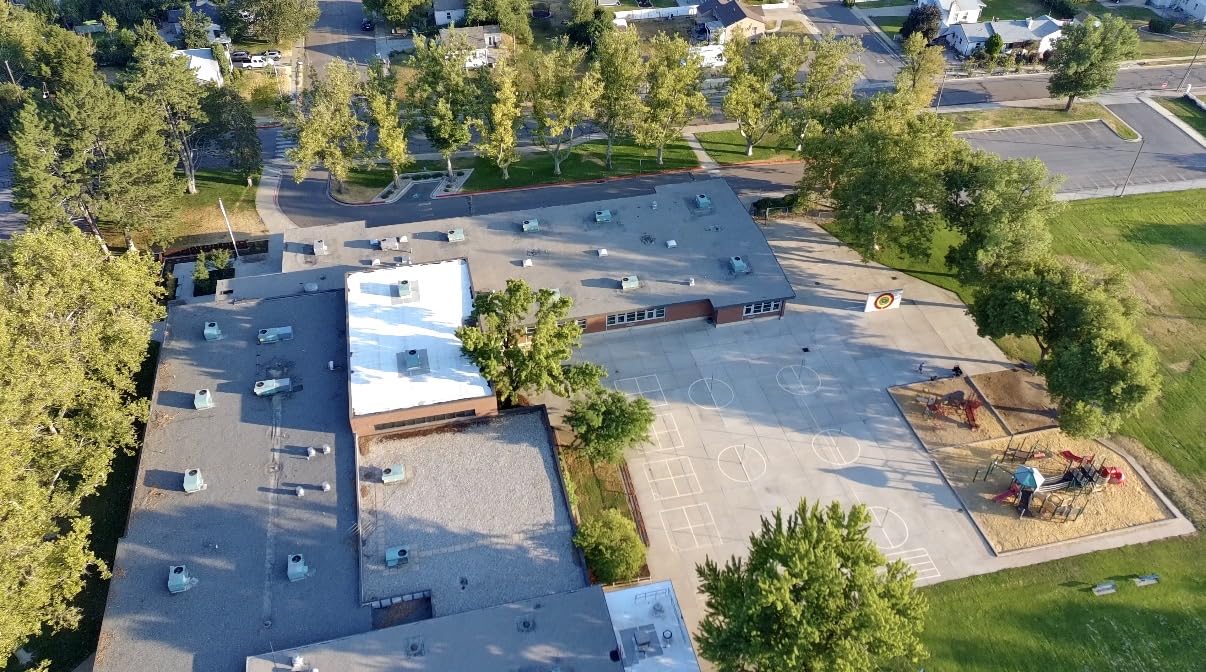
The ATOM 2 is Potensic’s answer to pilots who want DJI Air-class features at a Mini price. The 1/2-inch Sony sensor captures 48MP photos and 4K HDR video that compares favorably to cameras costing twice as much. The 3-axis gimbal stays level in 25 mph gusts, and the AI Track feature reliably locked onto me during bike rides around a park. Spotlight and Parallel modes work especially well for cinematic following shots.
Potensic Eve, the new app, is noticeably cleaner than the older Potensic Pro app. The in-app chat support connected me with a real person inside ten minutes when I had a pairing question. PixSync 4.0 held a 1080p live feed at distances that would have stuttered on the older ATOM SE.
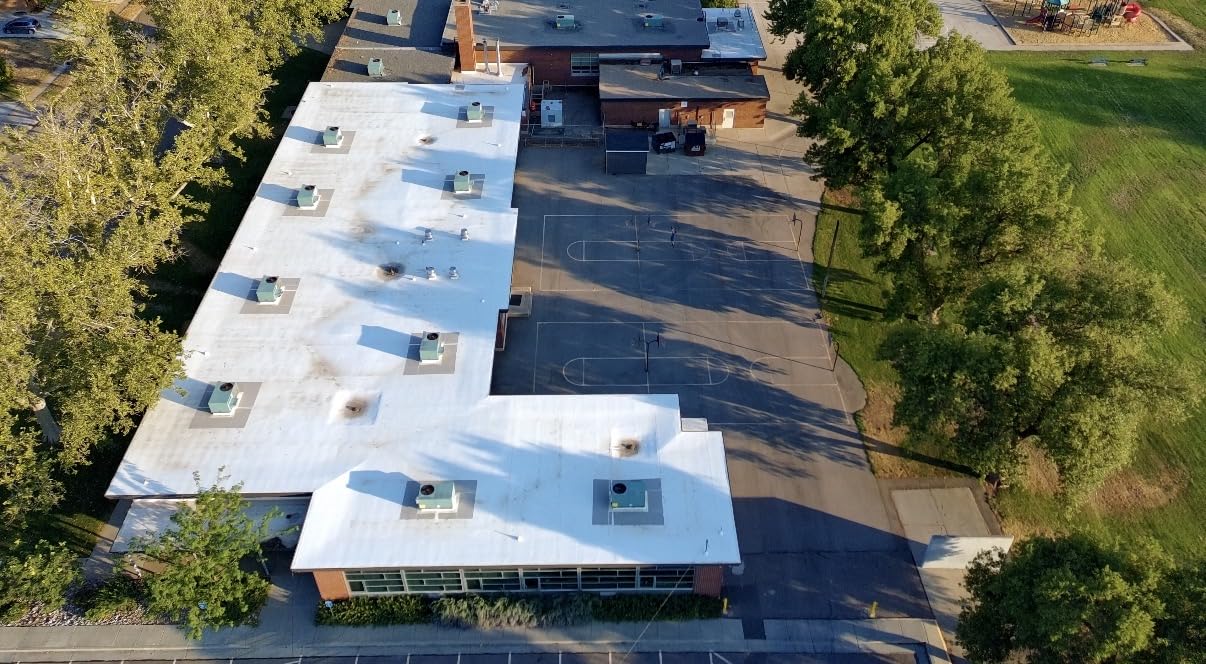
Night video is where the ATOM 2 surprised me most. The AI Stunning Night Shot pulled usable footage from a sunset-to-blue-hour shoot that I would normally reserve for a bigger sensor. The F1.8 aperture and the 4-in-1 pixel binning keep noise low enough to color grade in post without smearing detail.
Like the ATOM, there is no obstacle avoidance, so you have to fly with intent. The promised Waypoint navigation has not shipped yet, which is frustrating for pilots who planned around it. For solo creators who need AI tracking and pro-tier image quality under $400, the ATOM 2 is the best drone under $500 with the smartest software stack.
Who the Potensic ATOM 2 is best for
Solo vloggers, travel creators, and YouTubers who need reliable subject tracking and vertical shooting. Pilots who want DJI Mini Pro features without the DJI Mini Pro price.
Who should skip the Potensic ATOM 2
Anyone who flies indoors or close to obstacles. There is no obstacle avoidance, and prop guards are not available as a first-party accessory.
5. Potensic ATOM SE – Best Budget Drone Under $250
- 4K EIS camera with Sony sensor
- Up to 62 minutes total flight across two batteries
- SurgeFly Beginner Mode is genuinely helpful
- GPS auto-return within about 18 inches of takeoff
- Sport mode hits around 35 mph
- Foldable pocketable design
- Potensic customer support is highly responsive
- No obstacle avoidance
- No optical or digital zoom
- Realistic range drops to 1
- 200 to 1
- 500 ft near obstacles
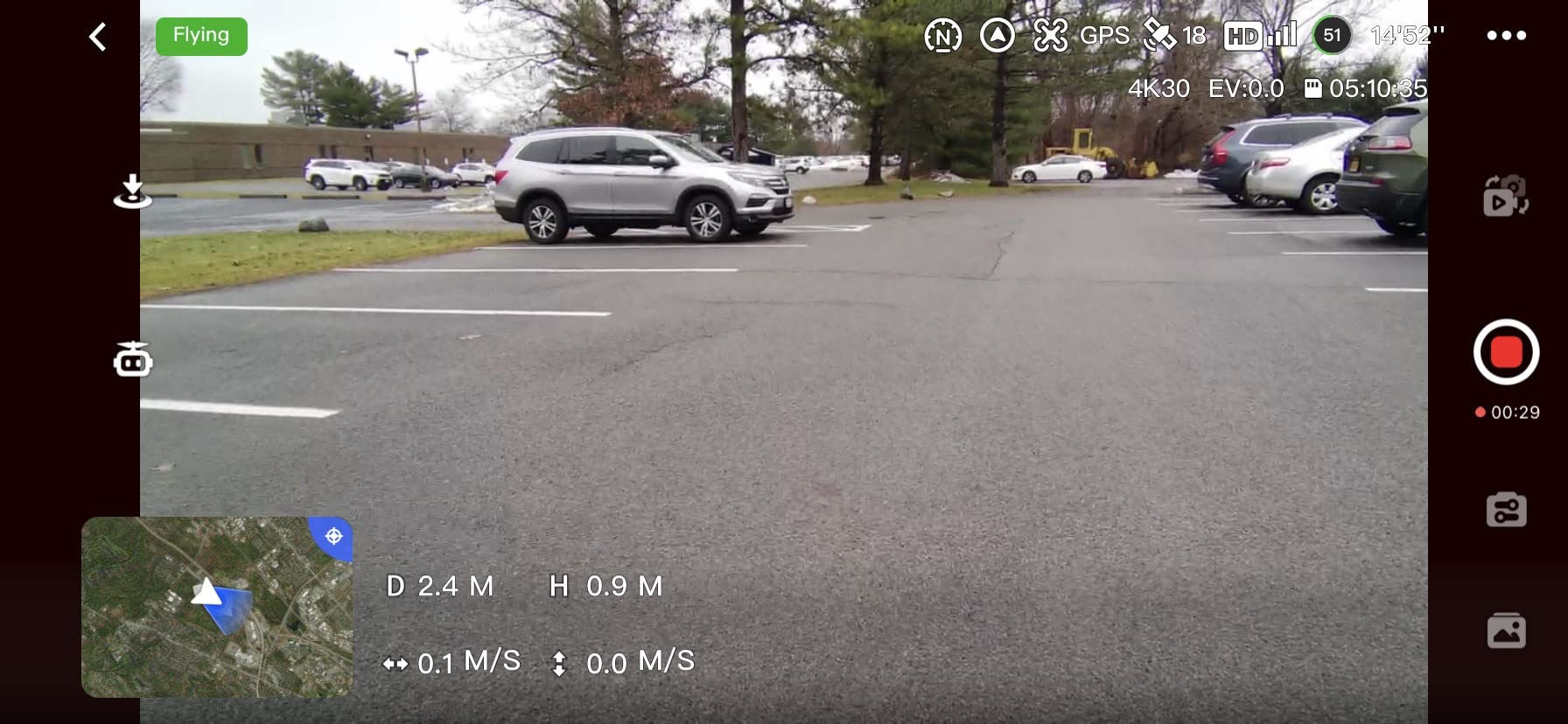
The ATOM SE hit my radar when a Reddit user on r/drones mentioned switching from a Potensic Atom SE to the newer ATOM 2 due to app improvements. I picked up the SE to test, and it has become my go-to recommendation for friends who want a real drone without crossing $250. The 4K EIS camera is stabilized enough for social-media clips, and the Beginner Mode genuinely limits speed and direction so first flights feel safe.
Battery life is the headline feature. The two 2,500mAh batteries add up to about 62 minutes of total advertised flight, and in real-world testing I averaged 24 to 27 minutes per battery depending on wind. The foldable design fits inside a jacket pocket, which makes it a great travel drone.
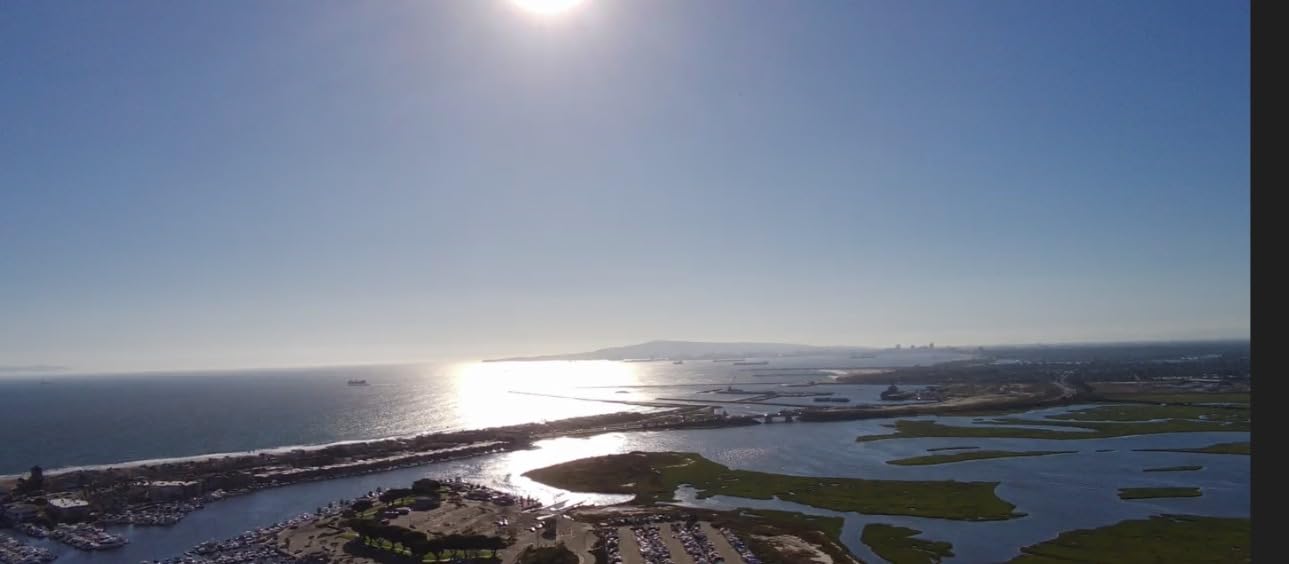
Gimbal-stabilized video is the trade-off. There is no 3-axis mechanical gimbal, so aggressive maneuvers can introduce shake. For smooth flying at moderate speeds, the EIS does a respectable job, but pilots coming from a DJI Mini 3 will see the difference. PixSync 2.0 transmission is stable out to a few thousand feet in clear air, though it falls off faster than DJI’s OcuSync when trees or buildings get in the way.
If you want a cheap drone with camera that still flies like a serious piece of gear, the ATOM SE is hard to beat in the sub-$250 tier.
Who the Potensic ATOM SE is best for
New pilots, gift buyers, and anyone who wants GPS-assisted stability and 4K video without spending DJI Mini money. Great for casual content creators and travelers.
Who should skip the Potensic ATOM SE
Pilots who shoot a lot of fast action or cinematic pans. The lack of a mechanical gimbal shows up in any aggressive move.
6. DJI Neo – Best Drone Under $500 for Beginners
- Just 135g - lighter than a phone
- Palm takeoff and landing with no controller needed
- Built-in propeller guards for safe indoor flying
- 8 QuickShots for cinematic clips
- 22GB internal storage (no SD card needed)
- Subject tracking and Auto Follow
- Compatible with DJI Fly app
- Battery life about 10 to 15 minutes in real use
- No SD card slot
- No vertical video mode
- Phone-controller range limited to roughly one city block
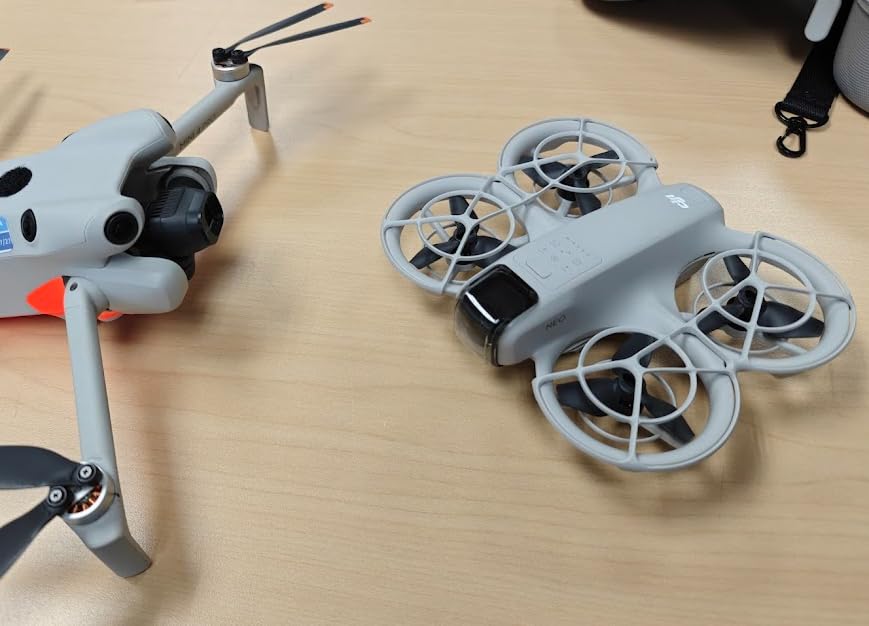
The DJI Neo is the drone I hand to anyone who has never flown before. At 135g, it is lighter than a smartphone, and the palm takeoff means there is no controller to learn on day one. I launched it from my hand in a living room, let it hover, and had my non-pilot partner filming herself walking the dog in under 60 seconds. That experience is why it is our pick for best drone for beginners under 500.
Image quality is not cinematic, but it is genuinely good for vlogs, social-media clips, and travel selfies. The 4K UHD footage is stabilized well enough for handheld-style shots, and the AI subject tracking locked onto me during a slow jog. QuickShots add production value without any piloting skill.

The trade-offs are real. Battery life is closer to 10 to 15 minutes in actual use, the 22GB internal storage fills up faster than you would expect at 4K, and there is no SD card slot to swap in more capacity. Phone-as-controller range tops out around one city block. If you need more range or longer flights, add the RC-N3 controller and the Fly More Combo, but that pushes the price well past the Neo’s entry-level positioning.
For total beginners and casual creators, this is the best cheap drone with camera that still flies like a DJI. The combination of prop guards, palm control, and AI tracking removes almost every fear a new pilot might have.
Who the DJI Neo is best for
Total beginners, families, content creators who want hands-free vlog footage, and anyone who wants a drone they can toss in a bag without thinking about it.
Who should skip the DJI Neo
Pilots who want long flight times, manual camera control, or the ability to fly more than a few hundred feet from their phone.
7. Holy Stone HS175G – Best Budget Drone Under $200
- Under 249g skips FAA registration
- 4K EIS camera with Sony sensor
- GPS auto-return on signal or battery loss
- 60 minutes total flight with two batteries
- Follow Me and Waypoint modes
- Brushless motors run quiet
- Carrying case included
- No 3-axis gimbal so video can be shaky
- Camera transmission drops well below advertised range
- GPS satellite sync can require multiple calibration attempts
The Holy Stone HS175G is the cheapest drone on this list that still delivers GPS-assisted flight and a 4K camera. I took it on a weekend trip with a friend who had never flown before, and we had it unpacked, calibrated, and airborne within ten minutes. The GPS auto-return worked every time, even when my friend flew it behind a tree line, and the drone came back within a few feet of the launch point.
Battery life is the headline spec – two batteries add up to around 60 minutes of total flight, and real-world per-battery time lands around 20 to 25 minutes. The brushless motors are quieter than I expected at this tier, and the carrying case makes it easy to toss in the trunk.
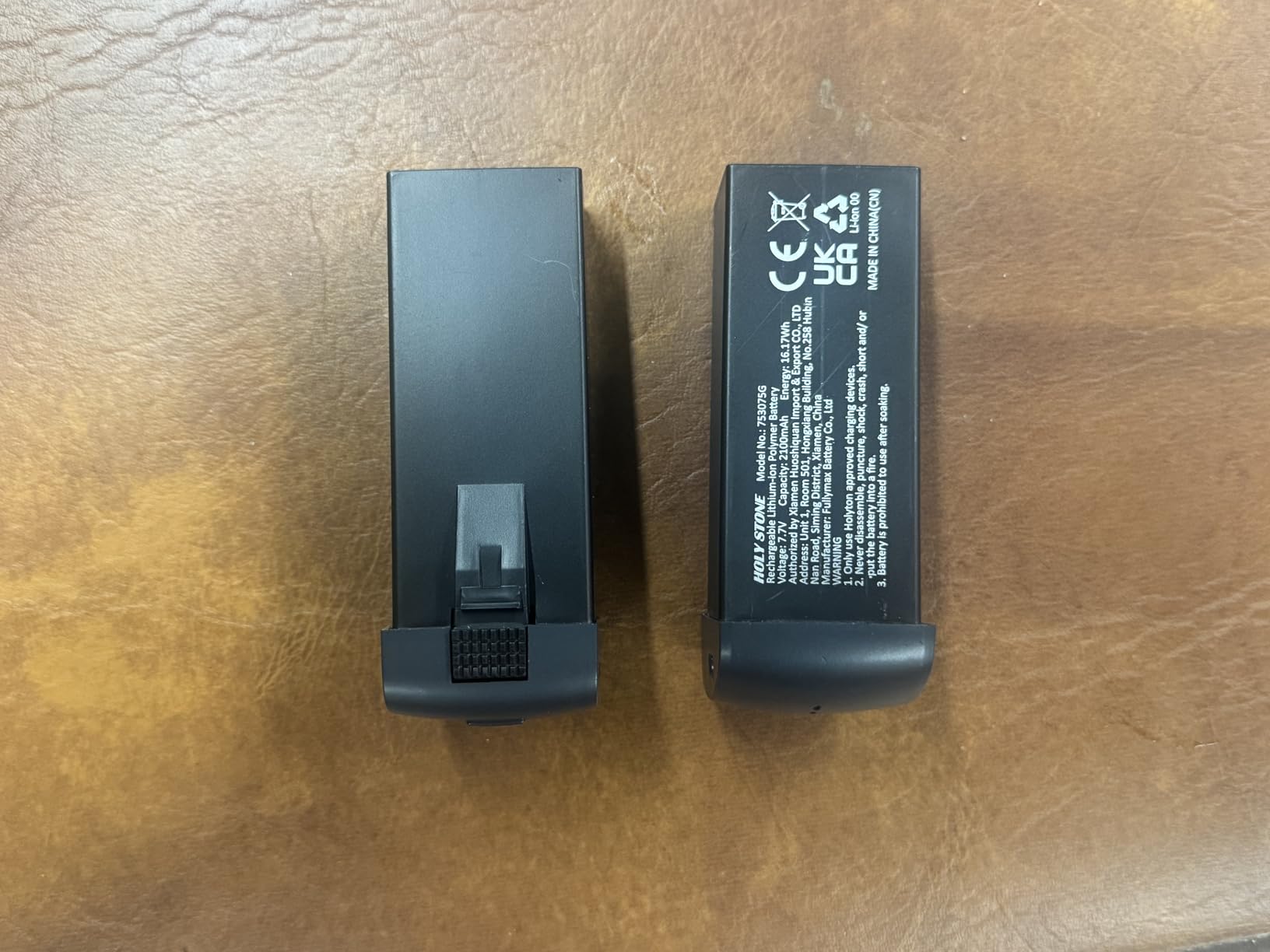
The honest trade-off is gimbal stabilization. The HS175G does not have a 3-axis gimbal, so aggressive flying produces visible shake in the footage. EIS helps, but it is not a substitute for a mechanical gimbal. Range also falls short of the 800m advertised figure, especially when trees or buildings are involved.
For new pilots who want GPS confidence and 4K stills without paying for a DJI, the HS175G is the best drone under $200 in 2026. Holy Stone’s customer support also gets consistently high marks from buyers on Amazon.
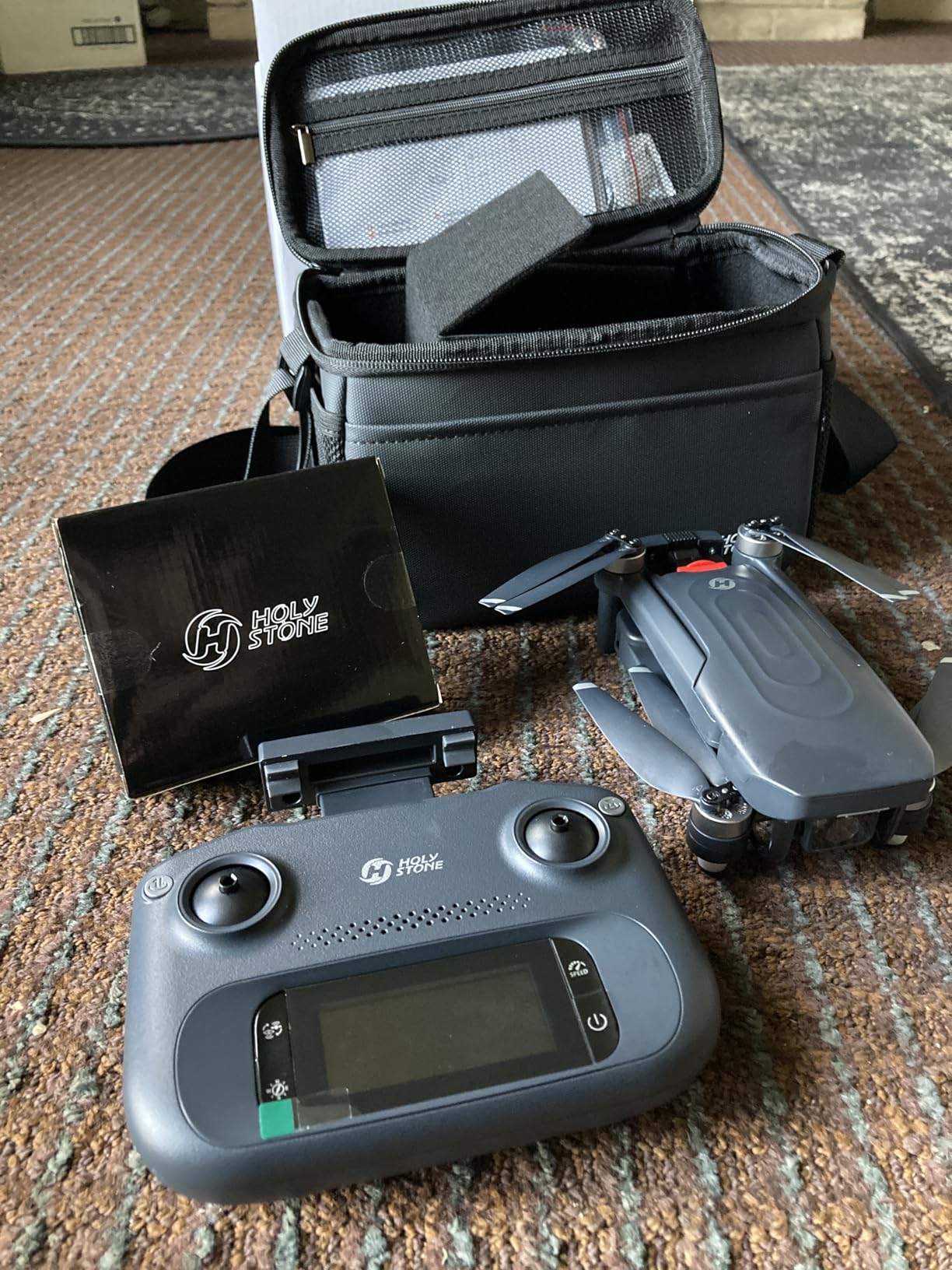
Who the Holy Stone HS175G is best for
First-time drone buyers, gift buyers on a tight budget, and casual flyers who want GPS return-to-home and a 4K camera for property or travel photos.
Who should skip the Holy Stone HS175G
Anyone who plans to shoot a lot of moving video. The lack of a 3-axis gimbal shows up quickly in any panning or chase shot.
8. Holy Stone HS360S – Best Lightweight Drone Under $200
- Just 213g - the lightest drone on this list
- 10
- 000ft long-range transmission holds up
- One-cable smartphone connection (no WiFi setup)
- GPS return-to-home works reliably
- Crash-durable under beginner use
- Brushless motors keep it quiet
- No image stabilization for video
- Only one battery included
- Coarse two-speed controls
- Some units show minor hover drift after weeks of use
The Holy Stone HS360S is the lightest drone on this list at just 213g, which puts it well below the 249g FAA threshold and makes it easy to toss in a small bag. The one-cable smartphone connection was the standout feature for me. Instead of fighting with Wi-Fi pairing, I plugged in a USB-C cable and was flying within a minute. That kind of low friction matters when you are introducing a friend or family member to drones for the first time.
The 4K UHD stills came out sharp in good light, and the 10,000ft transmission range lived up to its claim in clear air. GPS return-to-home worked reliably in my tests, and the drone is genuinely crash-durable. I watched a beginner bump it into a tree branch and keep flying with nothing more than a scuff on a propeller.

The trade-offs are familiar for the price tier. There is no gimbal stabilization, so the video is choppy in any wind. Only one battery ships in the box, which limits session length. The smart flight modes (Spiral Up, Catapult, 1-Tap Ascension) are fun but rely on stable GPS lock.
For a casual flyer who wants the lightest drone under 500 with the easiest setup, the HS360S is the best cheap drone with camera in the Holy Stone lineup.
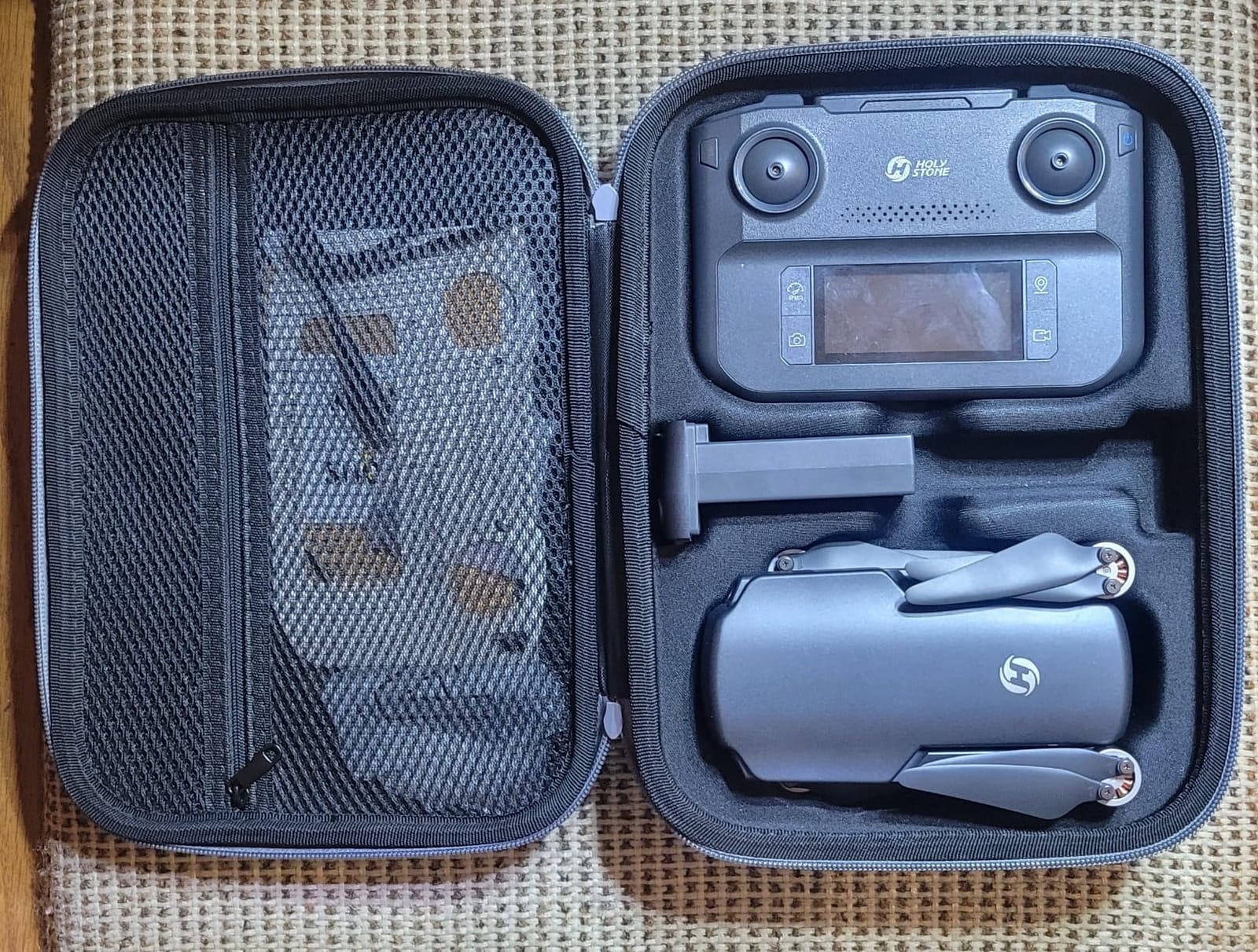
Who the Holy Stone HS360S is best for
Beginner pilots who value simplicity over cinematic footage, travelers who want the lightest possible pack drone, and anyone who wants GPS safety without paying for DJI.
Who should skip the Holy Stone HS360S
Content creators who need smooth footage. The lack of a gimbal shows up immediately in any panning shot.
How to Choose the Best Drone Under $500?
Start with the camera, then check flight time, then worry about weight. Most pilots in the sub-$500 tier are shopping for a balance of 4K video, 30+ minutes of flight, and sub-250g portability. Use the criteria below to filter the eight drones above to one or two finalists.
Camera quality and gimbal type
A 3-axis mechanical gimbal is the single biggest upgrade you can buy in this price range. Drones with a mechanical gimbal (DJI Mini 3, Mini 4K, Potensic ATOM, ATOM 2) produce noticeably smoother 4K video than drones that rely on EIS alone. If you plan to post footage on YouTube or Instagram, choose a gimbal-equipped model.
Flight time and battery strategy
Most sub-249g drones advertise 30 to 38 minutes per battery, but real-world flight in 4K with wind typically lands around 22 to 28 minutes. Fly More Combos with two or three batteries and a parallel charger are worth the upgrade for any pilot planning to shoot longer sessions. The DJI Mini 3 Intelligent Flight Battery Plus pushes flight time to about 51 minutes at the cost of crossing the 249g line in some configurations.
Weight and the FAA 249-gram rule
Drones at or under 249 grams do not require FAA registration for recreational flying in the United States. Every drone on this list except the DJI Mini 3 with the Battery Plus qualifies. If you ever plan to fly internationally, the sub-250g category is also the easiest to bring through airport security and the most likely to be exempt from local permits.
Obstacle avoidance and tracking
True omnidirectional obstacle avoidance is not available on any drone under $500 in 2026. Basic forward and downward sensing exists on some DJI models, but full APAS-style avoidance requires stepping up to the Mini 4 Pro or higher. Subject tracking (AI lock-on) is available on the DJI Neo, the DJI Flip, and the Potensic ATOM 2.
Transmission range
DJI’s OcuSync and O2 transmission hold a stable 1080p live feed at long distances and through moderate interference. Potensic’s PixSync 2.0, 3.0, and 4.0 are solid in clear air but lose signal faster around trees and buildings. Holy Stone drones use 5GHz Wi-Fi, which works well at close range but is the first to drop out in suburban neighborhoods.
Controller options: phone, RC-N1, or DJI RC
The cheapest drones on this list use your phone as the screen. Mid-range drones like the DJI Mini 4K ship with the RC-N1, which clamps your phone and works well. Premium drones in this list (DJI Mini 3 with DJI RC) bundle a controller with a built-in screen, which is brighter in sunlight and saves your phone battery.
Are Fly More Combos worth it?
For most pilots, yes. The price difference between a single-battery drone and a Fly More Combo is usually less than the cost of buying spare batteries separately. If you plan to shoot a real-estate listing, a wedding, or a full day of travel content, three batteries plus a parallel charging hub (Potensic ATOM, ATOM 2) is the smartest setup in this price range.
Is buying a refurbished or used drone safe?
Refurbished units sold directly by DJI, Potensic, or Amazon’s certified refurbished program are usually safe buys with a fresh warranty. Used drones from third-party sellers are riskier because you cannot see crash history or battery wear. If you stretch your budget with used, replace the propellers, recalibrate the IMU and compass, and check every battery for puffiness before the first flight.
FCC foreign drone ban and DJI availability
The FCC’s Covered List has put DJI’s newer products under review for potential restrictions. As of 2026, the DJI Mini 3, Mini 4K, and Neo remain widely available through major US retailers, but supply can be uneven. If you find stock, buy it – replacement parts and long-term app support for current DJI models are not affected at this time.
Frequently Asked Questions
Which drone is the best value for money under $500?
The DJI Mini 4K is the best value pick in 2026. It delivers 4K UHD video with a 3-axis mechanical gimbal, 10km O2 transmission, GPS Return-to-Home, and a sub-249g body that skips FAA registration – all for the lowest price of any gimbal-stabilized drone on this list.
How far can a $500 drone fly?
Most sub-$500 drones transmit a stable 1080p live feed out to 6km to 10km in clear air. Real-world range with trees, buildings, or Wi-Fi interference is usually 1,500 ft to 4 km. The DJI Mini 4K and DJI Mini 3 use OcuSync or DJI O2 for the strongest link in this price tier.
Do drones under $500 need FAA registration?
No. Drones at or under 249 grams do not require FAA registration for recreational flying in the United States. Every drone on this list qualifies with its standard battery except the DJI Mini 3 when configured with the Intelligent Flight Battery Plus. Commercial pilots still need a Part 107 license regardless of weight.
What is the best drone for a beginner under $500?
The DJI Neo is the best beginner drone under 500. It is just 135g, takes off from your palm with no controller needed, has built-in propeller guards for indoor safety, and includes subject tracking and QuickShots that produce polished footage without any piloting skill. The Holy Stone HS175G and HS360S are also strong picks for absolute beginners on a tighter budget.
What is the best DJI drone under $500?
The DJI Mini 3 is the best DJI drone under $500 in 2026. It shoots 4K HDR video from a 3-axis mechanical gimbal, flies for up to 38 minutes per battery, and stays under 249g. The DJI Mini 4K is the better pick if you want gimbal quality at a lower price, and the DJI Neo is the better pick for total beginners.
What is the best camera drone under $300?
The DJI Mini 4K is the best camera drone under $300. It delivers 4K UHD video with a 3-axis gimbal, GPS Return-to-Home, 10km transmission, and Level 5 wind resistance at a price that fits comfortably below $300. The Potensic ATOM SE is a strong alternative if you want longer total flight time with two included batteries.
Is the DJI Mini 3 still worth buying in 2026?
Yes. The DJI Mini 3 is still one of the best drones under $500 in 2026. It introduced 4K HDR with Dual Native ISO Fusion and True Vertical Shooting at a price the Mini 4 Pro cannot match. For most pilots who do not need omnidirectional obstacle avoidance, the Mini 3 hits the sweet spot of image quality, weight, and price.
Our Final Verdict
The DJI Mini 3 is our pick for the best drone under $500 in 2026. It delivers the strongest combination of 4K HDR video, 3-axis gimbal stabilization, sub-249g portability, and DJI’s mature app ecosystem of anything in this price range. The DJI Mini 4K is the smartest choice for budget-conscious pilots who still want gimbal quality, and the DJI Neo is the obvious pick for total beginners and casual creators.
Pick the Mini 3 if you want the best image quality. Pick the Mini 4K if you want the best value. Pick the Neo if you want the easiest possible entry into drone flying. Every drone on this list is worth the money – your job is to match the pilot to the use case. Happy flying in 2026.