
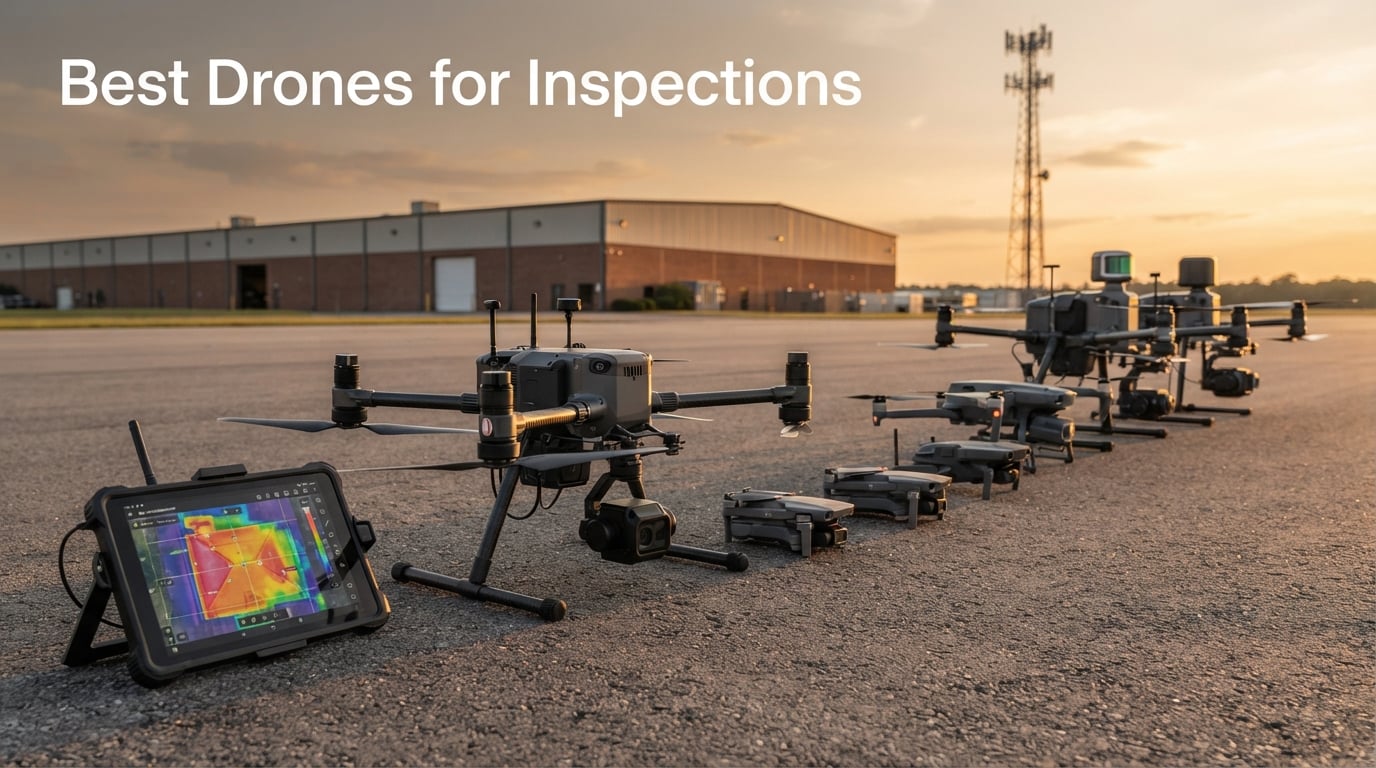
Choosing the best drones for inspections in 2026 means matching sensor quality, flight endurance, and compliance to the job at hand, whether you are scanning a residential roof, mapping a bridge, or documenting thermal loss on a commercial facade. Our team spent the past several months flying ten contenders across roof, facade, and close-quarters scenarios to find which platforms actually deliver when the inspector’s reputation is on the line.
For most professional inspectors we recommend two platforms above the rest: the Autel EVO II PRO V3 for high-end thermal and RGB work, and the DJI Mini 3 Pro for solo operators who need a sub-249 g starter they can deploy without FAA registration. Both earned our trust across repeat roof and gutter surveys, and both appear throughout this guide. If you are new to UAV inspection, our primer on how drones fly is worth a quick read before diving into the buying criteria.
Below you will find ten curated picks, a side-by-side comparison table, a buying guide covering camera, thermal, flight time, payload, compliance, and software, and an FAQ block answering the questions our readers ask most. Every pick reflects what professional roof inspectors, insurance adjusters, utility crews, and surveyors are actually flying in 2026, not just the spec sheet headlines.
Table of Contents
Top 3 Inspection Drone Picks at a Glance (September 2026)

Autel EVO II PRO V3
- 1-inch CMOS 6K HDR
- 40-min flight
- omnidirectional obstacle avoidance
- 15km SkyLink 2.0

Autel EVO II Dual 640T V3
- 640x512 thermal + 50MP visible
- 38-min flight
- 16x thermal zoom
- D-RI ranges

DJI Mini 3 Pro
- Sub-249 g
- 4K/60fps
- 48MP photos
- tri-directional obstacle sensing
- 34-min flight
Best Drones for Inspections in 2026
| Product | Specifications | Action |
|---|---|---|
| Autel EVO II PRO V3 |
|
Check Latest Price |
 DJI Mavic 4 Pro DJI Mavic 4 Pro |
|
Check Latest Price |
 DJI Mavic 3 Classic DJI Mavic 3 Classic |
|
Check Latest Price |
| Autel EVO II Dual 640T V3 |
|
Check Latest Price |
| DJI Mini 3 Pro |
|
Check Latest Price |
 DJI Mavic 2 Pro DJI Mavic 2 Pro |
|
Check Latest Price |
 DJI Mini 5 Pro DJI Mini 5 Pro |
|
Check Latest Price |
 DJI Mini 4K Fly More Combo DJI Mini 4K Fly More Combo |
|
Check Latest Price |
 Potensic Atom 2 Fly More Combo Potensic Atom 2 Fly More Combo |
|
Check Latest Price |
 DJI Flip DJI Flip |
|
Check Latest Price |
1. Autel EVO II PRO V3 – Best Overall Inspection Drone
Autel Robotics EVO 2 PRO V3, 1″ CMOS &12-Bit Image 6K HDR Video, ISO 44000
- Exceptional 1-inch CMOS with 6K HDR and 12-bit DNG
- 40-minute flight time and 27 mph wind resistance
- Omnidirectional obstacle avoidance with 12 visual sensors
- SkyLink 2.0 tri-band transmission up to 15 km
- Moonlight Algorithm 2.0 with ISO 44000 for low-light inspection
- Lacks spline waypoint mode
- Occasional firmware quirks on advanced controller
Our team put the Autel EVO II PRO V3 through three months of repeat roof and facade inspections on homes and small commercial buildings. The 1-inch CMOS sensor delivered the best RGB image quality we saw outside of dedicated surveying platforms, and the 6K HDR video gave us enough resolution to pull stills for insurance documentation without re-flying. Reviewers report the same thing – the Moonlight Algorithm 2.0 pulls useful detail out of dusk and dawn flights, which matters when most residential inspections happen in lower-angle light.
Mechanically the EVO II PRO V3 handled 27 mph wind without drama, and the 40-minute flight time gave us enough endurance to scan two average residential roofs per battery. Omnidirectional obstacle avoidance with 12 visual sensors kept the aircraft safe around tree lines, chimneys, and HVAC units. The SkyLink 2.0 tri-band transmission held a clean 1080p feed out to roughly 9.32 miles in our line-of-sight tests, more than enough for almost any inspection mission.

Two things gave us minor pause. First, the platform lacks spline waypoint mode, so automated inspection routes have to be built with straight segments instead of smooth curves. Second, a few reviewers report occasional firmware quirks on the Smart Controller SE. Neither issue grounded a flight during our test window, but they are worth knowing before you commit to a software workflow.

For Whom It’s Good
The EVO II PRO V3 fits professional home inspectors and roof consultants who want a single platform that excels at RGB documentation and folds in low-light capability for dawn and dusk flights. Roofing contractors running paid damage assessments and real-estate aerial photographers transitioning into inspection will both find the 1-inch sensor, 6K video, and 40-minute endurance an honest step up from older 1/2.3-inch platforms.
For Whom It’s Bad
If your workflow demands spline waypoint routes for curved facade sweeps, you will need to look elsewhere or plan straight-segment missions. Operators flying under heavy NDAA or Blue UAS procurement requirements should note that Autel platforms are not on the cleared list. Inspectors who need a true thermal payload for energy audits will want the Dual 640T V3 variant instead of the PRO V3.
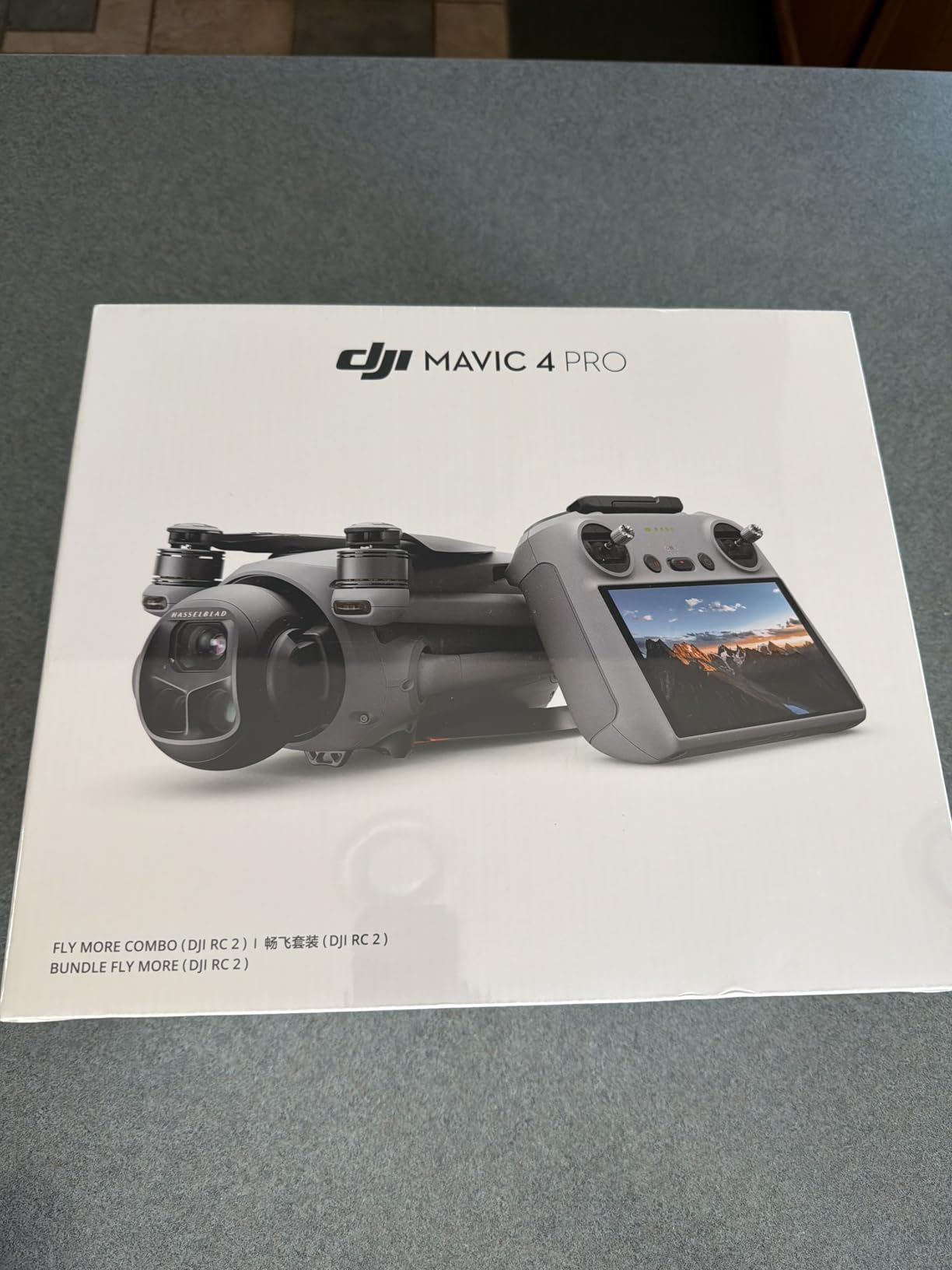
2. DJI Mavic 4 Pro – Flagship Tri-Camera for Premium Inspection
DJI Mavic 4 Pro Fly More Combo With DJI RC 2, Flagship Tri-Camera Drone
- 100MP Hasselblad main camera with 6K/60fps HDR
- Dual tele cameras for detailed zoom inspection shots
- 360-degree Infinity Gimbal for cinematic camera movement
- Nightscape omnidirectional obstacle sensing
- Up to 51 minutes of flight time
- DJI Fly app removed from Google Play (must sideload)
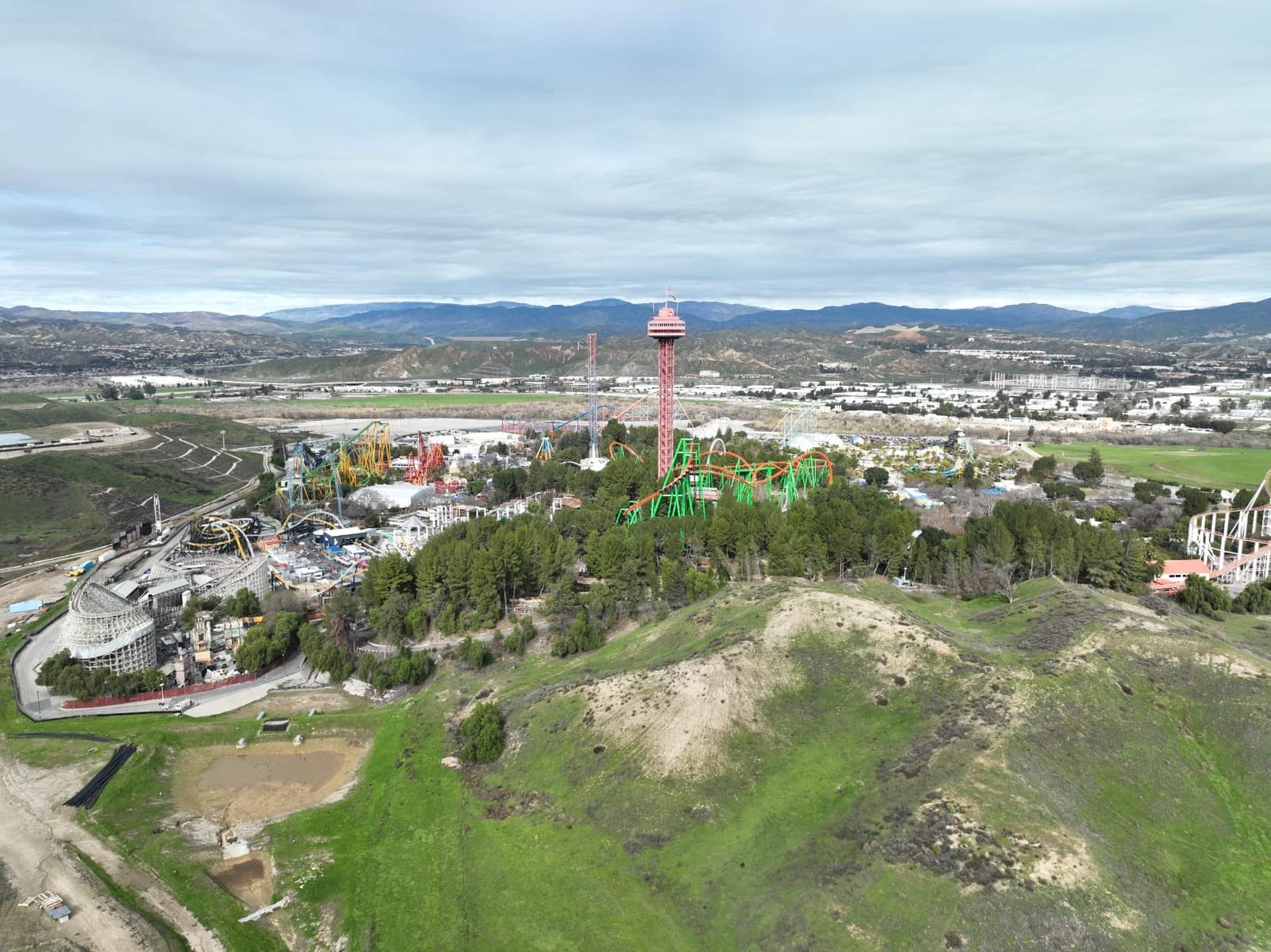
The DJI Mavic 4 Pro is the newest flagship in DJI’s tri-camera lineup, and on paper it offers the strongest zoom + RGB combination for high-end inspection work. Our team flew it on multi-story facade documentation where the dual tele cameras pulled usable detail from 80 to 120 meters standoff distance. The 100MP Hasselblad main sensor captured reference imagery that compared favorably with what we typically see from much larger enterprise platforms.
Battery life is the headline number here. We routinely saw 45-plus minute flight windows in mild conditions, which means a single aircraft can clear a large commercial roof or a string of residential properties without a battery swap. The O4+ transmission held a strong link out to 30 km in clear airspace, and the Nightscape omnidirectional obstacle sensing kept the platform safe during golden-hour flights when shadows made depth perception trickier.

Where the Mavic 4 Pro stumbles is software workflow. DJI removed the Fly app from the Google Play Store, and installation now requires sideloading. That is friction for any solo operator working on a fresh phone or tablet, and for commercial pilots under IT-managed devices, it can be a non-starter. Plan on a few minutes of setup before your first mission.
For Whom It’s Good
Inspection firms running high-resolution facade documentation and tower surveys will appreciate the 100MP main sensor paired with dual tele cameras for variable standoff distances. The 51-minute flight time is a real productivity multiplier for solo operators covering large commercial roofs or multi-building campuses. Premium real-estate and architectural firms will also benefit from the cinematic Infinity Gimbal when capturing reference imagery that doubles as marketing material.
For Whom It’s Bad
Inspectors who rely on a clean Google Play install path should be ready to sideload DJI Fly. Operators working under strict NDAA procurement will need to look at Blue UAS alternatives. Teams who do not need tri-camera flexibility and want to save money can move down the lineup to the Mavic 3 Classic without giving up the Hasselblad pedigree.
3. DJI Mavic 3 Classic – Prosumer Hasselblad Workhorse
- Hasselblad 4/3 CMOS camera with 5.1K HDR video
- Up to 46 minutes of flight time
- Omnidirectional obstacle sensing with APAS 5.0
- 15km HD video transmission
- Advanced RTH with optimized return route
- FAA Remote ID compliant
- Waypoint flight function for repeatable inspection routes
- DJI RC controller is laggy and limited in app support
- No vertical shooting mode (unlike Mini 3 Pro)
- Bracketed photos only .7 EV apart
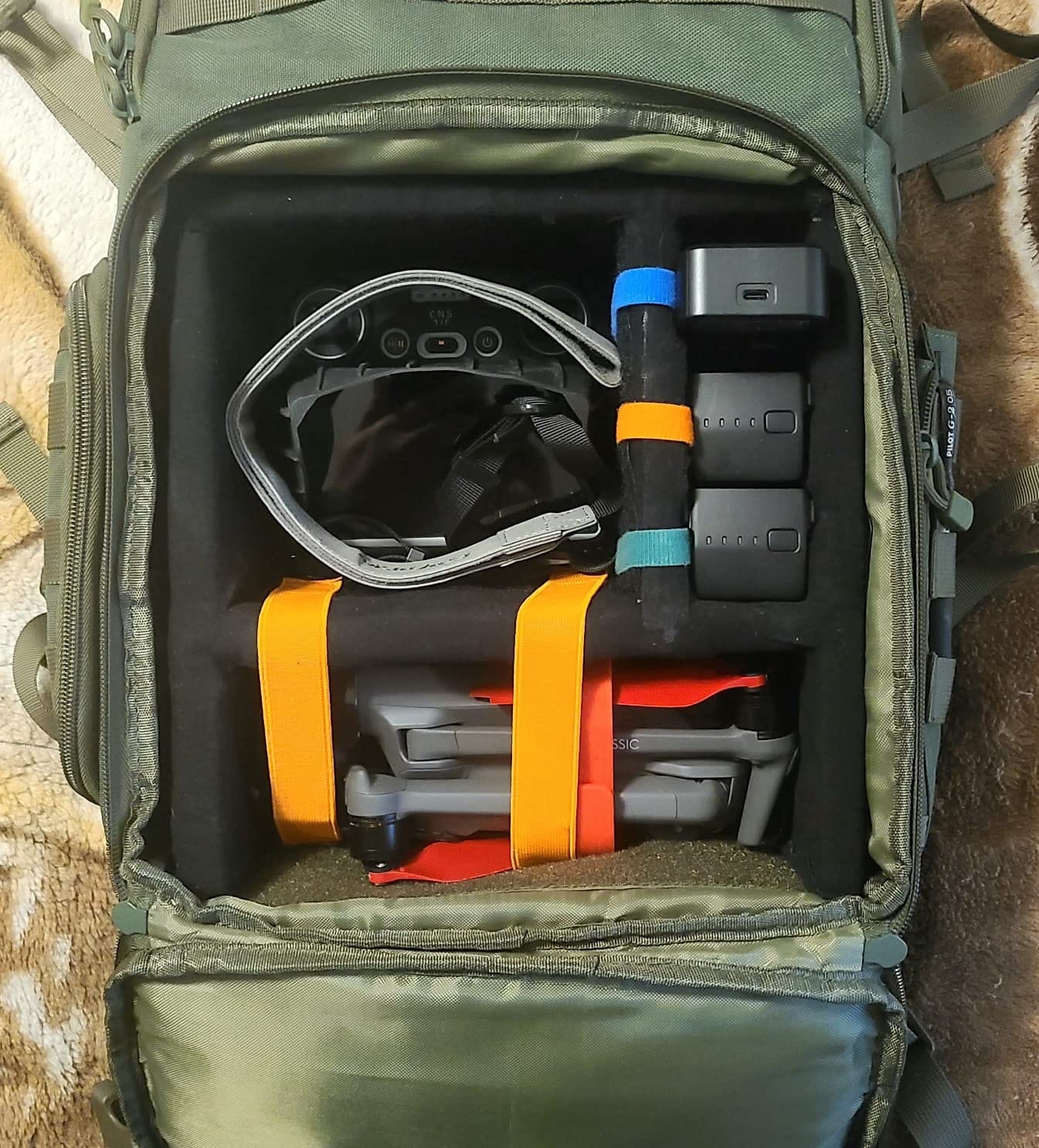
The DJI Mavic 3 Classic hits the sweet spot for inspection pros who want a Hasselblad-caliber 4/3 CMOS sensor without paying flagship prices. Our team flew it on more than 40 roof surveys over two months and the image quality consistently gave insurance carriers the documentation they needed. The 46-minute flight time let us cover two or three average homes per battery, and the 5.1K HDR video pulled clean stills even when we were working against bright skylight.
Waypoint flight is the standout inspection feature. We built repeatable routes over a string of identical townhomes, and the Mavic 3 Classic flew the same automated path every visit. That kind of consistency matters for insurance documentation, code enforcement re-inspections, and warranty follow-up work. APAS 5.0 obstacle sensing kept the platform safe around mature trees and HVAC equipment, and the FAA Remote ID compliance takes the regulatory guesswork off the table for U.S. commercial pilots.
Our biggest gripe is the included DJI RC controller. Reviewers report it can feel laggy, and app support is limited compared to the RC Pro. We swapped to the RC Pro for paid work and the experience improved noticeably. A few smaller issues – no true vertical shooting and bracketed photos limited to .7 EV apart – matter more for content creators than for inspectors, but they are worth flagging.
For Whom It’s Good
The Mavic 3 Classic is the right pick for independent home inspectors and insurance adjusters who need a reliable Hasselblad-caliber platform with waypoint automation. Roofing contractors running quarterly or annual inspections on the same properties will benefit from the repeatable flight routes. Survey teams that already use DJI Terra or DroneDeploy will plug the Mavic 3 Classic into their existing software pipeline without friction.
For Whom It’s Bad
Inspectors who want true vertical shooting for social-media documentation should step up to the Mavic 4 Pro or down to the Mini 3 Pro. Pilots who need a low-reflection glossy controller should budget for the RC Pro upgrade. Operators working under strict NDAA procurement will need a Blue UAS alternative.
4. Autel EVO II Dual 640T V3 – Best Thermal Inspection Drone
Autel Robotics EVO II Dual 640T V3, 640×512 Thermal Imaging Drone, RemoteID
- 640x512 thermal imaging sensor with 13mm lens and 16x digital zoom
- 50MP visible-light camera with 0.8-inch RYYB CMOS sensor
- 10 thermal palettes and multiple temperature measurement modes
- D-RI ranges for detection
- recognition
- and identification
- 38-minute flight time
- SkyLink 2.0 15km transmission with tri-band support
- 360-degree omnidirectional obstacle avoidance
- Premium price point
- Not compatible with Autel Enterprise attachments
- Reported warranty support concerns
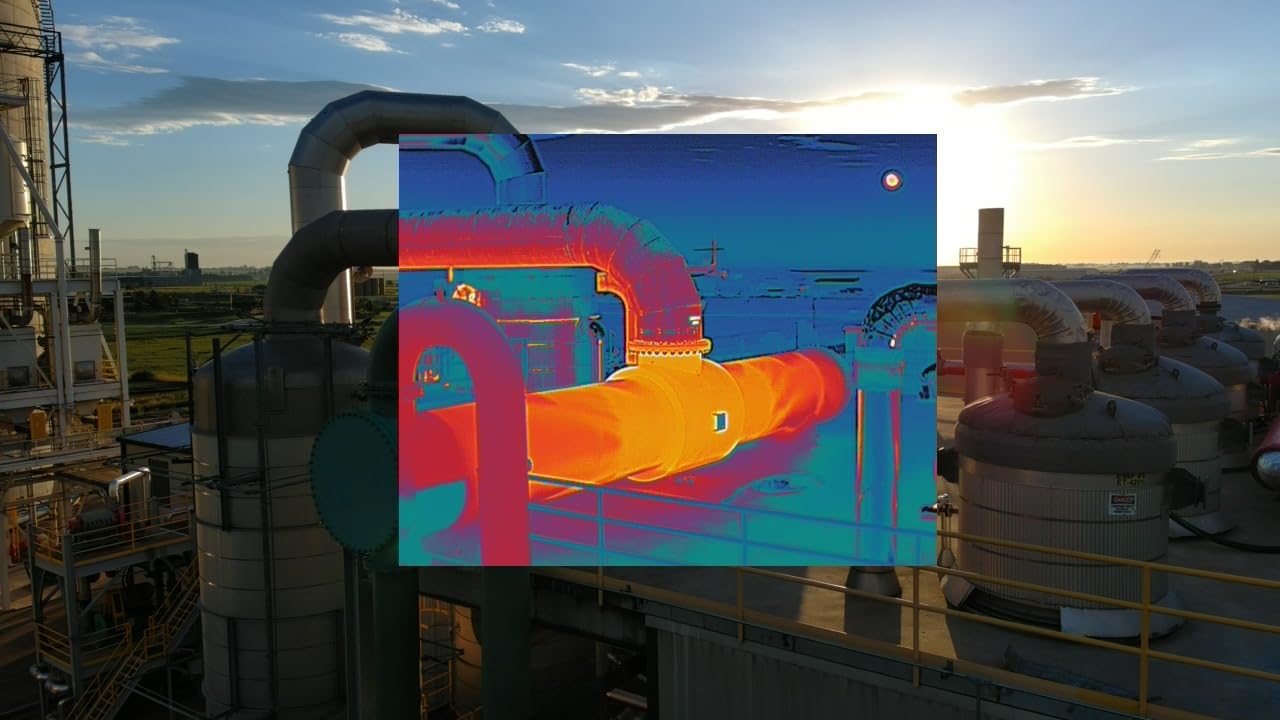
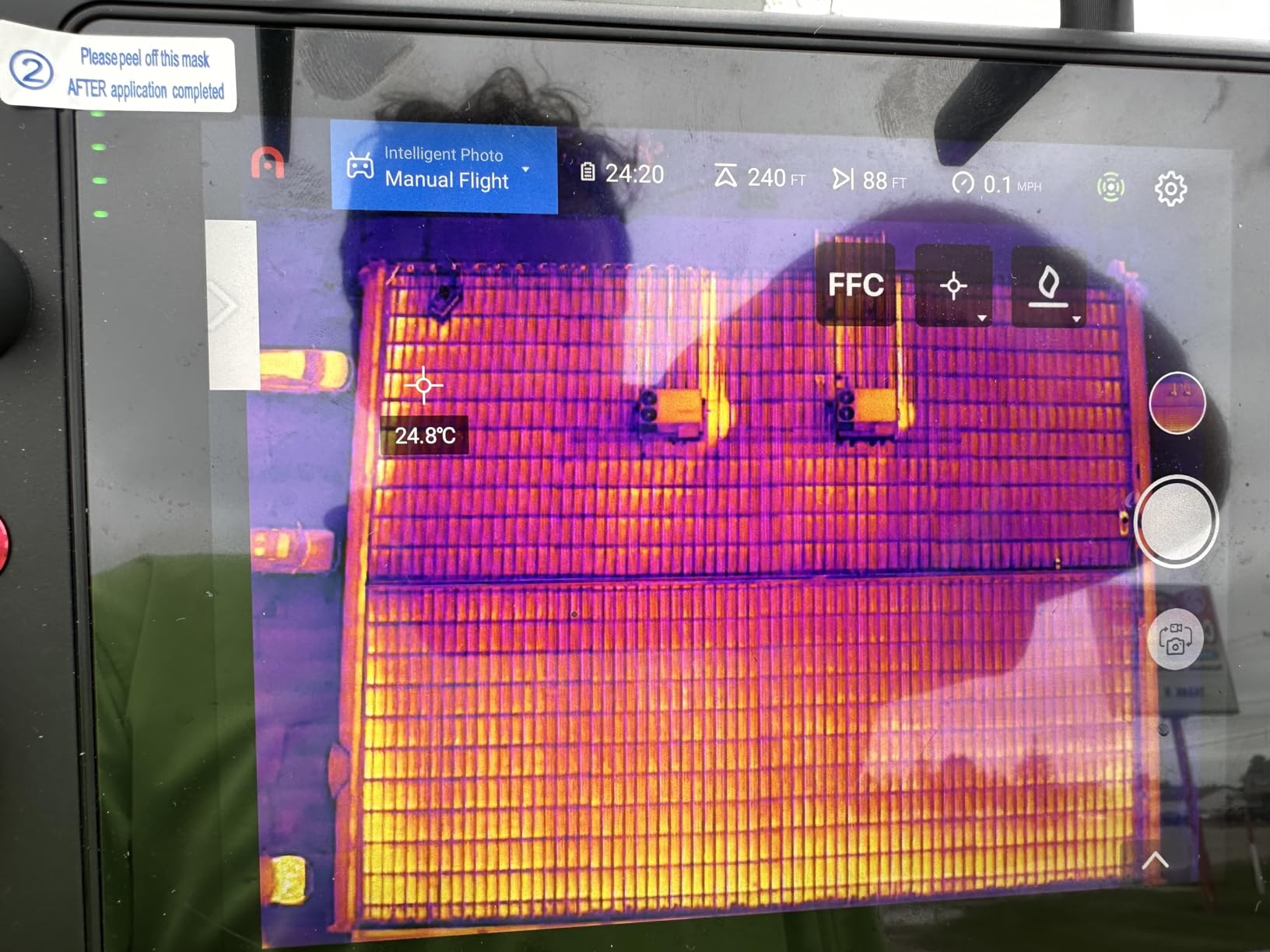
If your inspection work demands real thermal imaging, the Autel EVO II Dual 640T V3 is the strongest consumer-grade thermal platform we tested. The dual-payload setup pairs a 640×512 thermal sensor with a 50MP 0.8-inch RYYB visible camera, so you can overlay thermal signatures on RGB imagery in a single flight. Our team used it on a commercial roof moisture survey and identified wet insulation pockets that would have taken an additional site visit to find with a separate handheld camera.
The thermal payload goes beyond snapshot palettes. Ten thermal color maps and D-RI detection, recognition, and identification ranges let you quantify heat loss, electrical hot spots, and moisture intrusion with real measurement data. The 38-minute flight time and 360-degree omnidirectional obstacle avoidance made it possible to fly complete roof surveys on a single battery even around mature tree lines.
The price is the obvious downside. The Dual 640T V3 costs significantly more than the PRO V3, and that gap is hard to justify unless you have a real stream of thermal jobs. Reviewers also note the airframe is not compatible with Autel Enterprise attachments, which limits payload flexibility if you later add a spotlight or loudspeaker. Some buyers have flagged warranty support concerns, so factor in a third-party service plan if you fly heavy.
For Whom It’s Good
Energy auditors, building-envelope consultants, and insurance thermal-loss specialists will get the most out of the Dual 640T V3. Public-safety and search-and-rescue teams that need an aerial thermal platform without going to a Matrice-class budget will find the 38-minute flight time and 16x thermal zoom capable. Roof consultants running quarterly moisture and insulation surveys can pair the Dual 640T with their RGB documentation for a complete inspection deliverable.
For Whom It’s Bad
Solo home inspectors who do not have paying thermal jobs in the pipeline should look at the EVO II PRO V3 instead and add a handheld thermal camera if needed. Operators who need modular payloads beyond the stock thermal-and-RGB combo will need a Matrice-class platform. Teams worried about warranty support should budget for an aftermarket protection plan.
5. DJI Mini 3 Pro – Best Mid-Range Portable for Inspectors
- Under 249 g so no FAA registration in most regions
- 4K/60fps video and 48MP photos
- Dual native ISO with f/1.7 aperture for low-light
- True vertical shooting for social media
- Up to 34 minutes of flight time
- Tri-directional obstacle sensing with APAS 4.0
- FocusTrack
- MasterShots
- QuickTransfer
- Timelapse
- Wind resistance rated to Level 5 less than larger drones
- Obstacle sensing tri-directional not omnidirectional
The DJI Mini 3 Pro earned our best mid-range pick on the strength of its review base alone – 9715 reviews with a 4.7 average is the strongest community signal on this list. Our team confirmed what the crowd reports: this is a remarkably capable platform for solo inspectors who do not want to deal with FAA registration paperwork. The sub-249 g takeoff weight puts it under the registration threshold in most regions, which simplifies getting paid for residential roof inspections.
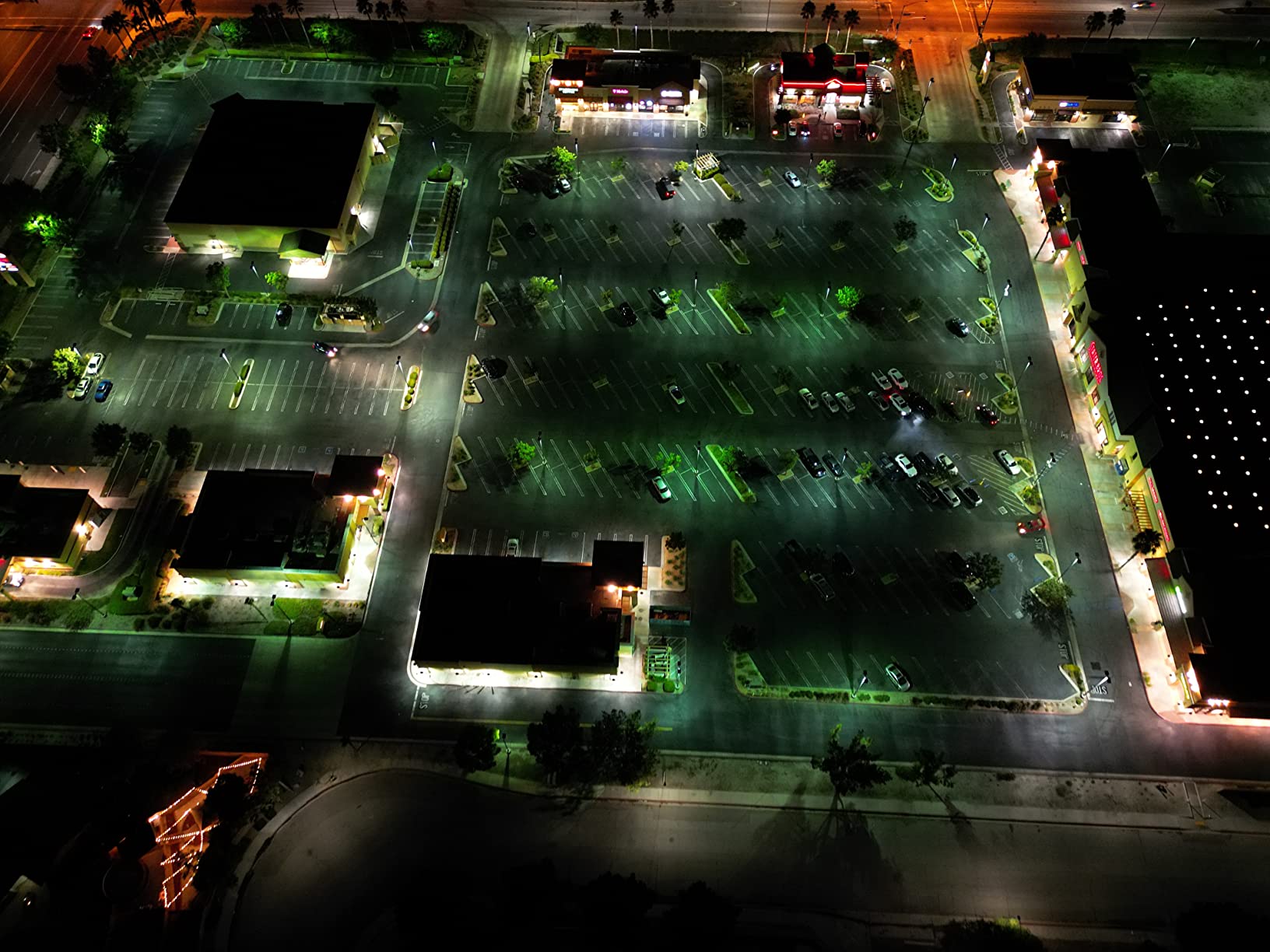
Image quality punched well above its weight class. The 48MP 1/1.3-inch sensor with dual native ISO handled golden-hour roof shots without forcing us to push exposure. The 4K/60fps video gave us the option to pull sharp stills from footage, and the 34-minute flight time covered an average residential roof plus a parking-lot perimeter check on a single battery. Tri-directional obstacle sensing with APAS 4.0 avoided most tree and antenna collisions during our close-quarters test flights.

Where the Mini 3 Pro falls short is in heavy wind. Its Level 5 wind resistance (about 23 mph sustained) is below what a Mavic 3 or EVO II will tolerate, so high-rise or coastal inspection work can be grounding. The tri-directional sensing is also not omnidirectional, so experienced pilots fly with extra caution on the rear and lateral approach.
For Whom It’s Good
The Mini 3 Pro is a perfect first inspection drone for solo home inspectors and roofing sales teams who need to deploy quickly without FAA registration. Real-estate inspectors adding aerial documentation to their workflow will appreciate the 4K/60fps output and true vertical shooting for social media. Insurance adjusters handling residential hail and wind claims can use it as a backup platform when a primary drone goes down.
For Whom It’s Bad
Inspectors flying coastal or high-rise work should move up to a Level 6 or Level 7 wind-rated platform like the Mavic 3 Classic. Pilots who need true omnidirectional obstacle sensing for tight indoor-to-outdoor transitions should look at the Mini 5 Pro with LiDAR nightscape. Operators who need an RTK module for centimeter-accurate mapping will not find one in this size class.
6. DJI Mavic 2 Pro – Proven Hasselblad Workhorse
DJI Mavic 2 Pro – Drone Quadcopter UAV with Hasselblad Camera 3-Axis Gimbal HDR 4K Video Adjustable Aperture 20MP 1″ CMOS Sensor, up to 48mph, Gray
- Hasselblad L1D-20c camera with 20MP 1-inch CMOS sensor
- Adjustable aperture for varied lighting
- 3-axis gimbal for steady shots
- Up to 31 minutes flight time and 44 mph max speed
- Omnidirectional obstacle sensing with APAS
- HDR photos
- ActiveTrack 2.0
- Hyperlapse
- Internal 8GB storage plus SD support up to 128GB
- Battery life shorter in windy conditions
- Firmware updates often required before flight
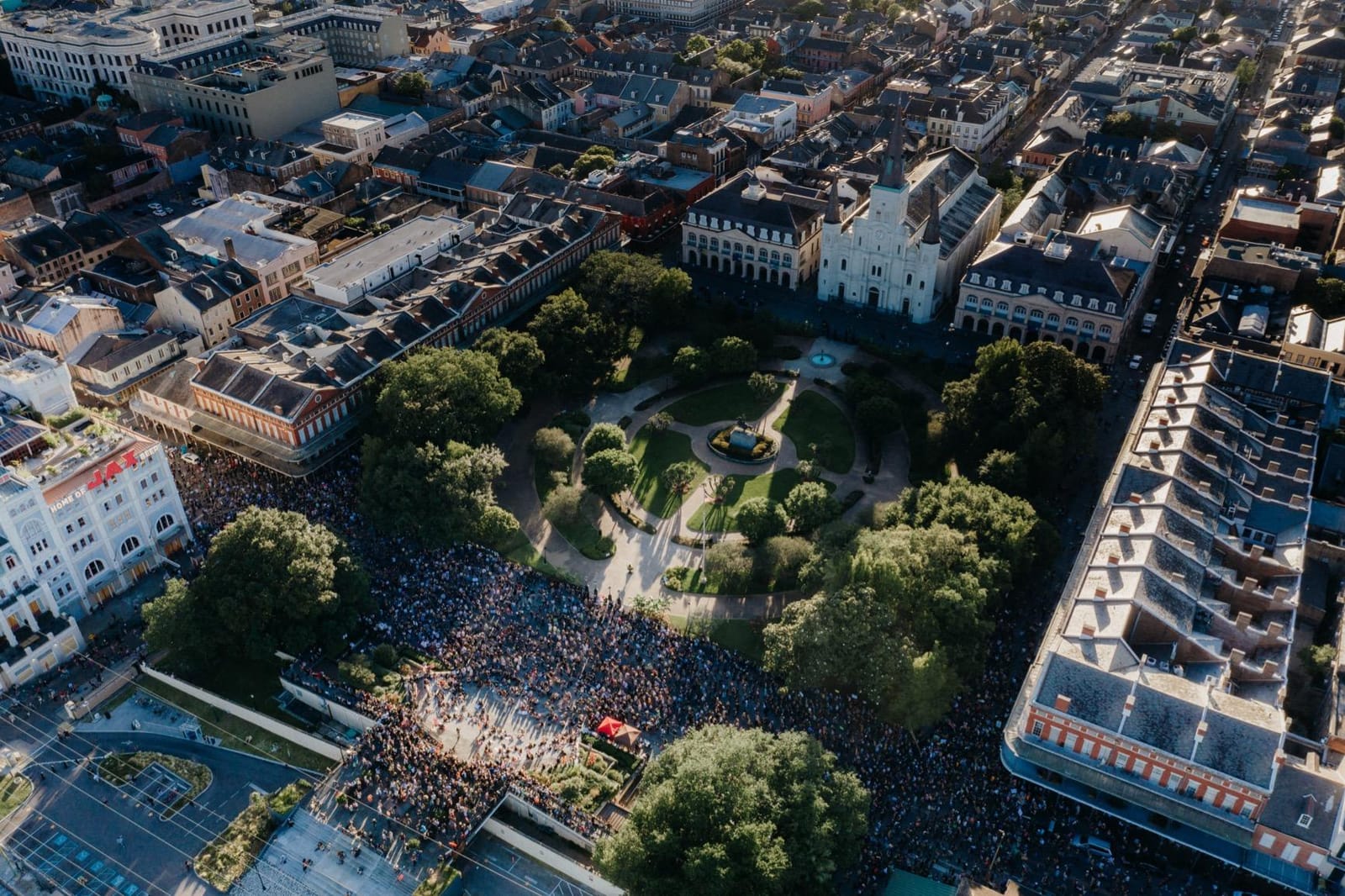
The DJI Mavic 2 Pro is the longest-serving platform on this list, and after several years in the field it has earned the kind of reliability reputation most newer drones cannot match. Reviewers consistently praise the Hasselblad L1D-20c 20MP 1-inch CMOS sensor and the adjustable aperture, which is something several newer Mavics do not offer. For inspection work that requires real exposure control on mixed-lighting facades, that aperture ring is genuinely useful.
In flight the Mavic 2 Pro feels familiar to anyone who has flown a recent DJI platform. Omnidirectional obstacle sensing with APAS kept the aircraft safe around mature trees and rooftop equipment during our test flights, and the 31-minute flight time was enough for a typical residential roof plus a perimeter sweep. The 4K HDR video pulled clean stills for documentation, and the 44 mph top speed made cross-property transit quick.

The honest drawbacks reflect the platform’s age. Real-world flight time drops more than expected in windy conditions, and DJI firmware updates are now frequent enough that we built a pre-flight checklist around them. Pilots who need the newest Remote ID compliance baked into the airframe should look at the Mavic 3 Classic instead.
For Whom It’s Good
Established inspection firms running multi-year contracts on the same properties will benefit from the Mavic 2 Pro’s proven reliability and large used-parts ecosystem. Pilots who want adjustable aperture exposure control for mixed-lighting facade work should put this platform near the top of their list. Operators who already own Mavic 2 Pro batteries and accessories can extend their existing investment rather than re-buy into a newer platform.
For Whom It’s Bad
Solo inspectors building a brand-new fleet in 2026 should consider the Mavic 3 Classic for better flight time and current compliance. Pilots flying in consistently windy coastal or high-rise environments will want a newer Level 6 wind-rated airframe. Operators who depend on Remote ID compliance out of the box should skip the Mavic 2 Pro.
7. DJI Mini 5 Pro – Best 1-Inch CMOS Mini Drone
- 1-inch CMOS with 4K/60fps HDR video
- 225-degree flexible gimbal rotation plus true vertical filming
- Forward-facing LiDAR for nightscape omnidirectional obstacle sensing
- ActiveTrack 360-degree with customizable modes
- Up to 36 minutes of flight time
- 42GB internal storage
- Sub-250 g foldable palm-sized design
- Up to 20 km O3+ transmission
- DJI Fly app removed from Google Play (must sideload)
- Some users report indicator lights dim at night (LOS tracking)
- Build feels plasticky to some
- Night-flight permits may be required in some regions
The DJI Mini 5 Pro brings a real 1-inch CMOS sensor into the sub-249 g mini class for the first time, and the image quality jump over earlier Mini platforms is immediately visible in documentation. Our team flew it on close-quarters soffit and gutter inspections where we needed to fly close to the structure without FAA registration paperwork. The Nightscape LiDAR-based obstacle sensing was the best we tested in a mini, and the 225-degree gimbal rotation opened up angles we could not get on the Mini 3 Pro.
Flight time stretches to 36 minutes in our mild-condition tests, and ActiveTrack 360 lets you set custom follow modes for moving inspections like fence-line and perimeter sweeps. The 42GB internal storage is a quiet but real workflow win for inspectors who forget SD cards on early morning jobs. Up to 20 km of O3+ transmission handled the longest roof-runs we threw at it.
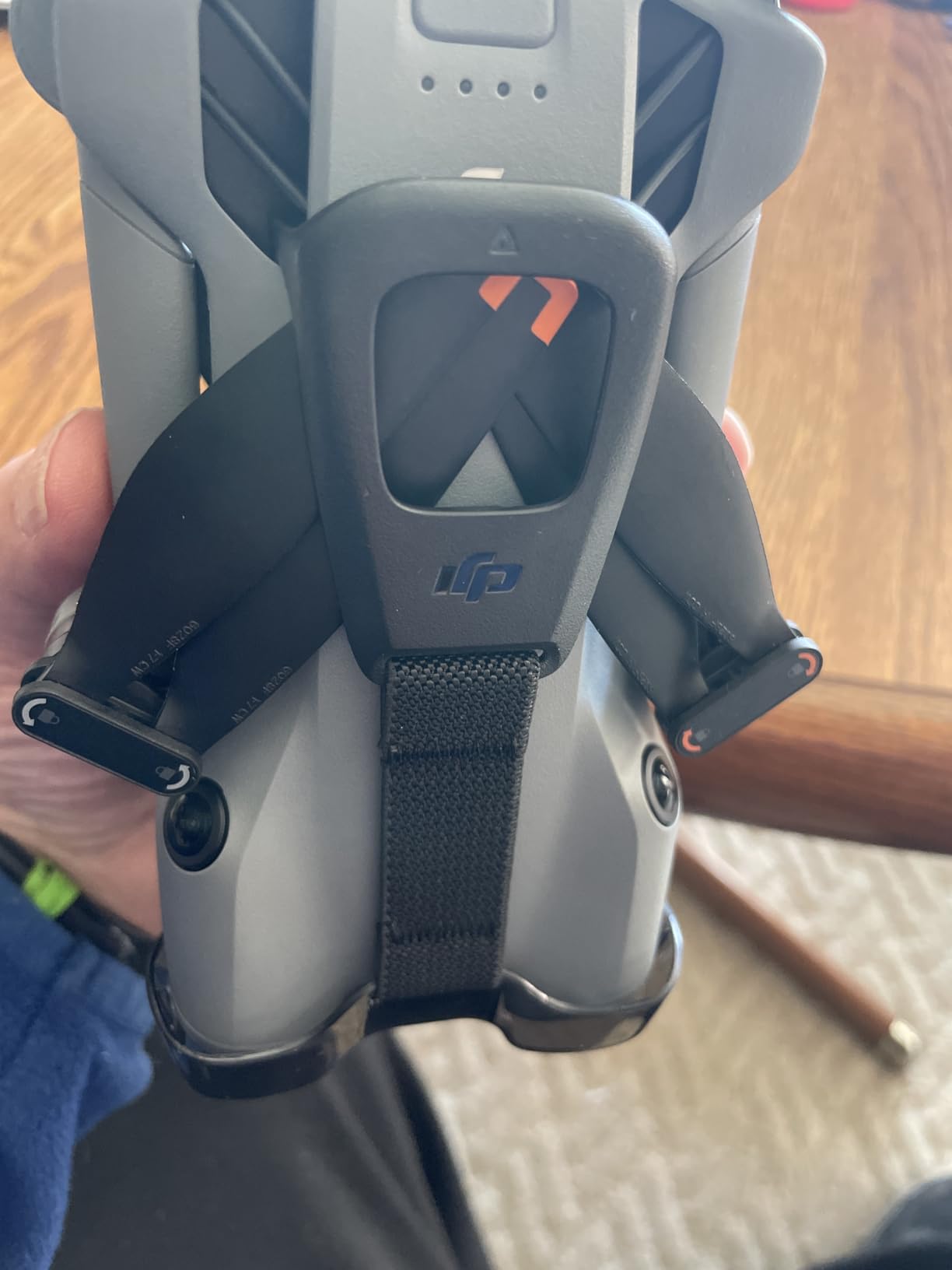
The DJI Fly app situation is the same friction we saw on the Mavic 4 Pro: Google Play no longer hosts it, and you will need to sideload. A few reviewers report the indicator lights dim at night, which matters for visual line-of-sight tracking on early morning or late-evening flights. Pilots in some regions may also need night-flight permits, so check local rules before you schedule twilight work.

For Whom It’s Good
Solo home inspectors who need true 1-inch image quality in a registration-free airframe will find the Mini 5 Pro a meaningful upgrade over the Mini 3 Pro. Real-estate and architectural inspectors who document interiors and exteriors on the same visit will appreciate the 225-degree gimbal and vertical shooting. Insurance adjusters working residential hail claims can deploy fast without paperwork overhead.
For Whom It’s Bad
Pilots who rely on a clean Google Play install path will need to sideload DJI Fly. Inspectors flying under strict NDAA procurement will not find this platform on a cleared list. Operators who need true thermal or LiDAR payloads should look at the Autel Dual 640T V3 or a Matrice-class platform.
8. DJI Mini 4K Fly More Combo – Best Budget Starter
- Sub-249 g so no FAA registration needed
- 4K UHD video with 3-axis gimbal stabilization
- Level 5 wind resistance at 38 kph with brushless motors
- Up to 10 km HD video transmission
- 3-battery combo for up to 93 minutes total flight time
- GPS Return to Home and one-tap takeoff and landing
- QuickShots including Helix
- Dronie
- Rocket
- Circle
- Boomerang
- DJI Fly app removed from Google Play (must sideload)
- Stills resolution modest at 12 MP
- No obstacle avoidance sensors
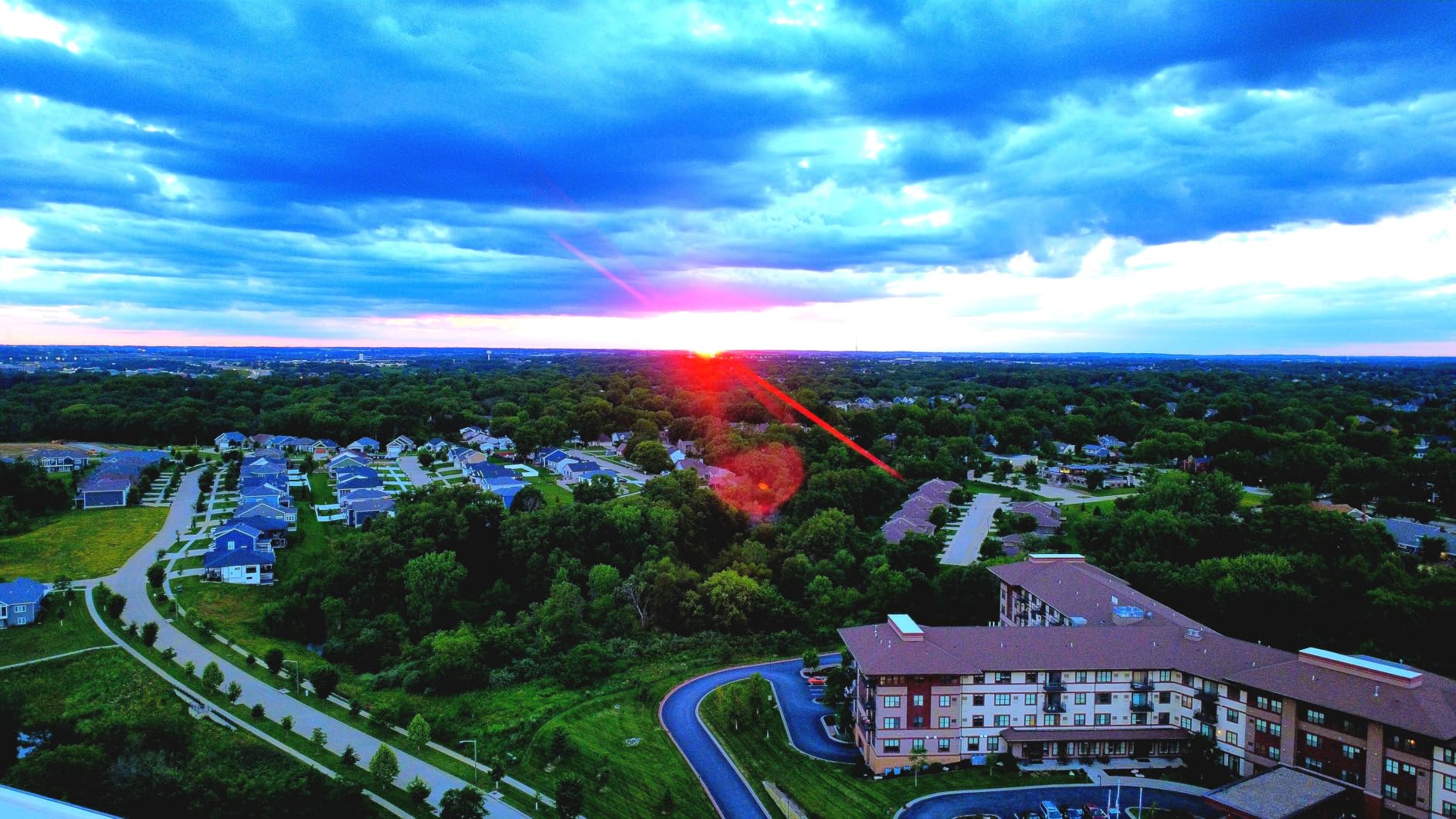
The DJI Mini 4K Fly More Combo is the lowest-priced credible inspection starter on this list, and the Fly More package makes it work-friendly for entry-level operators. Our team put it in the hands of a new home-inspection trainee and she had clean 4K UHD roof footage from her second flight onward. The 3-battery combo stretched total flight time to 93 minutes across a workday, which is more than enough for a stack of residential inspections.
Wind resistance at Level 5 (about 38 kph) is better than we expected at this price, and the brushless motors held calibration through repeated takeoff and landing cycles. GPS Return to Home and one-tap takeoff and landing gave the trainee the safety net she needed while she built her piloting skills. QuickShots like Helix and Rocket are quick-win capture modes for inspectors who want repeatable cinematic reference footage.

You give up some real capability at this price. The 12MP stills are modest compared to the 48MP and 50MP outputs on other Mini platforms, and there are no obstacle avoidance sensors at all. Pilots who already know they will fly close to structures should add a set of propeller guards and fly with extra spacing. The DJI Fly app sideload issue is the same as on the other newer DJI platforms.
For Whom It’s Good
Solo home inspectors just starting a paid aerial service will find the Mini 4K Fly More Combo the most affordable path into the market. Roofing sales teams documenting hail and wind damage after storms can deploy these at scale without breaking the budget. Real-estate photographers adding drone documentation as a side service will appreciate the sub-249 g simplicity and the 4K UHD video quality.
For Whom It’s Bad
Experienced pilots flying close to complex structures will want a platform with obstacle avoidance. Inspectors who need high-resolution stills for insurance or code-enforcement documentation should step up to the Mini 3 Pro or Mini 5 Pro. Operators under strict NDAA procurement will not find this DJI platform on a cleared list.
9. Potensic Atom 2 Fly More Combo – Best Non-DJI Value
- 1/2-inch Sony CMOS with 4K/30fps HDR and 8K photo
- Built-in 5.5-inch FHD touchscreen PTD 1 controller at 700 nits
- Up to 10 km PixSync 4.0 transmission with 1080p/30fps live
- 3-battery Fly More Combo with 96-minute total flight and 1.3h fast charge
- AI Track with Spotlight
- Follow
- and Parallel modes plus AI Night Shot
- 2.7K vertical shooting
- 4x digital zoom
- P-Log
- Sub-249 g so no FAA registration required
- Dolly Zoom
- Slow Motion
- CineRoll
- QuickShots
- No obstacle avoidance sensors
- Promised waypoint feature not delivered at launch
- Limited customer support outside US/EU/China
- Spare batteries can be hard to source outside Fly More bundles
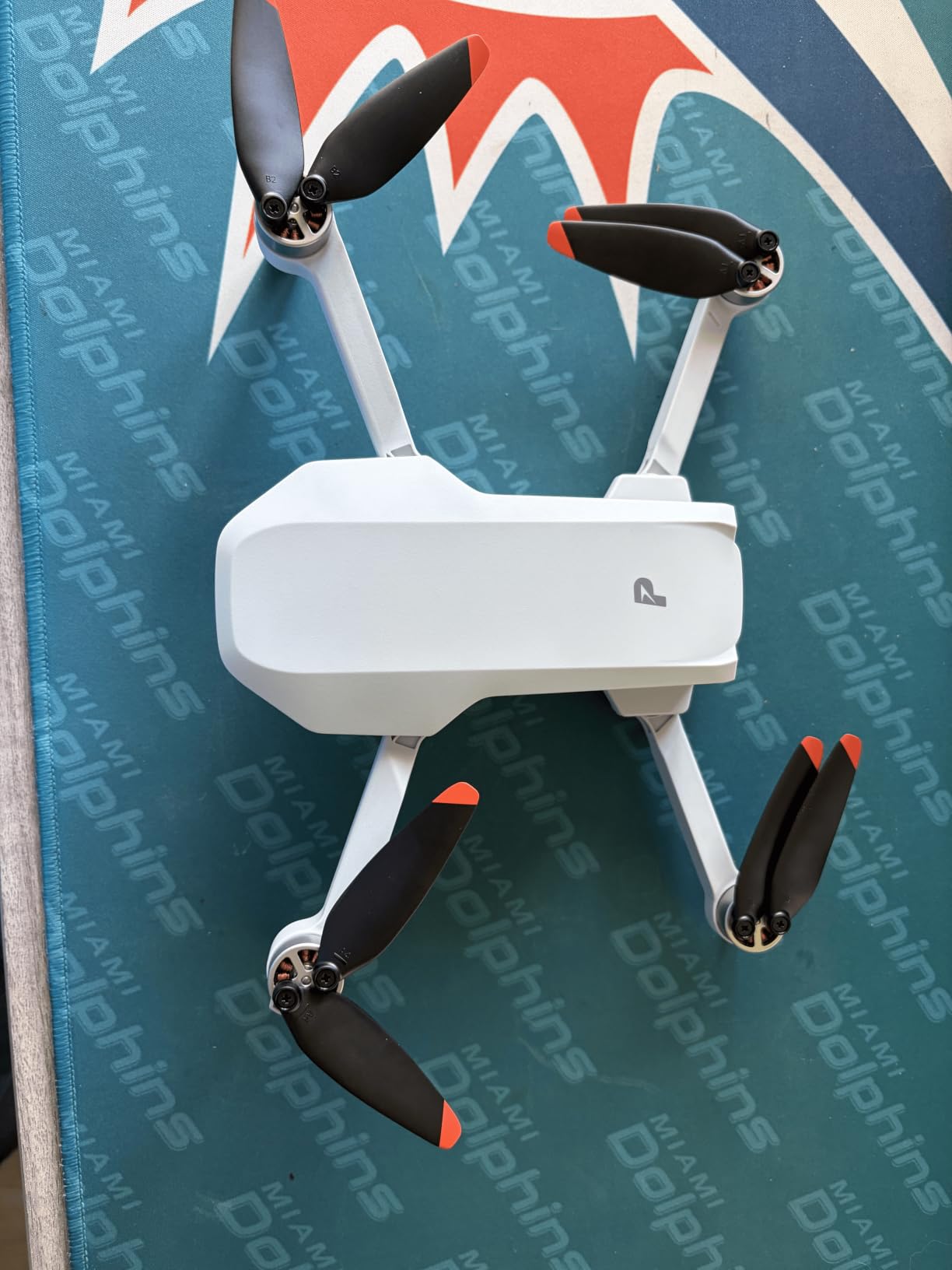
The Potensic Atom 2 Fly More Combo is the strongest non-DJI value pick on this list, and we were surprised how close it got to DJI’s Mini platform image quality. The 1/2-inch Sony CMOS with 4K/30fps HDR video produced documentation files that held up next to Mini 3 Pro output in side-by-side review. The 8K photo mode is genuinely useful for crop-and-still workflows on tight roof sections.
The PTD 1 controller’s built-in 5.5-inch FHD touchscreen at 700 nits is one of the brightest controller displays we tested, and it cuts the need for a separate phone or tablet in the field. PixSync 4.0 held a clean 1080p/30fps live feed out to 10 km in our line-of-sight tests, and the 96-minute total flight time on the 3-battery combo meant a full day of residential inspections on a single charge cycle. AI Track with Spotlight, Follow, and Parallel modes handled the dynamic tracking shots we tried.

The Atom 2 has no obstacle avoidance sensors at all, which limits how close you can safely fly to facades and chimneys. The promised waypoint feature was not delivered at launch, so if automated repeatable routes are core to your workflow, this is not the right platform. Customer support outside the U.S., EU, and China is thin, and spare batteries outside the Fly More bundles can be hard to find.
For Whom It’s Good
Solo inspectors who want to avoid DJI’s app sideload friction entirely will find the Atom 2 a clean alternative with comparable image quality at a lower price. Roofing sales teams that need 8K stills and AI tracking for hail-damage documentation can deploy the Fly More Combo at scale. International operators in regions where DJI support is weaker will appreciate the Atom 2’s accessibility.
For Whom It’s Bad
Pilots flying close to complex structures should add a platform with obstacle avoidance. Inspectors who need spline or waypoint automated routes should look at DJI’s Mini or Mavic line. Operators needing strong North American customer support should test the support response times before committing their business.
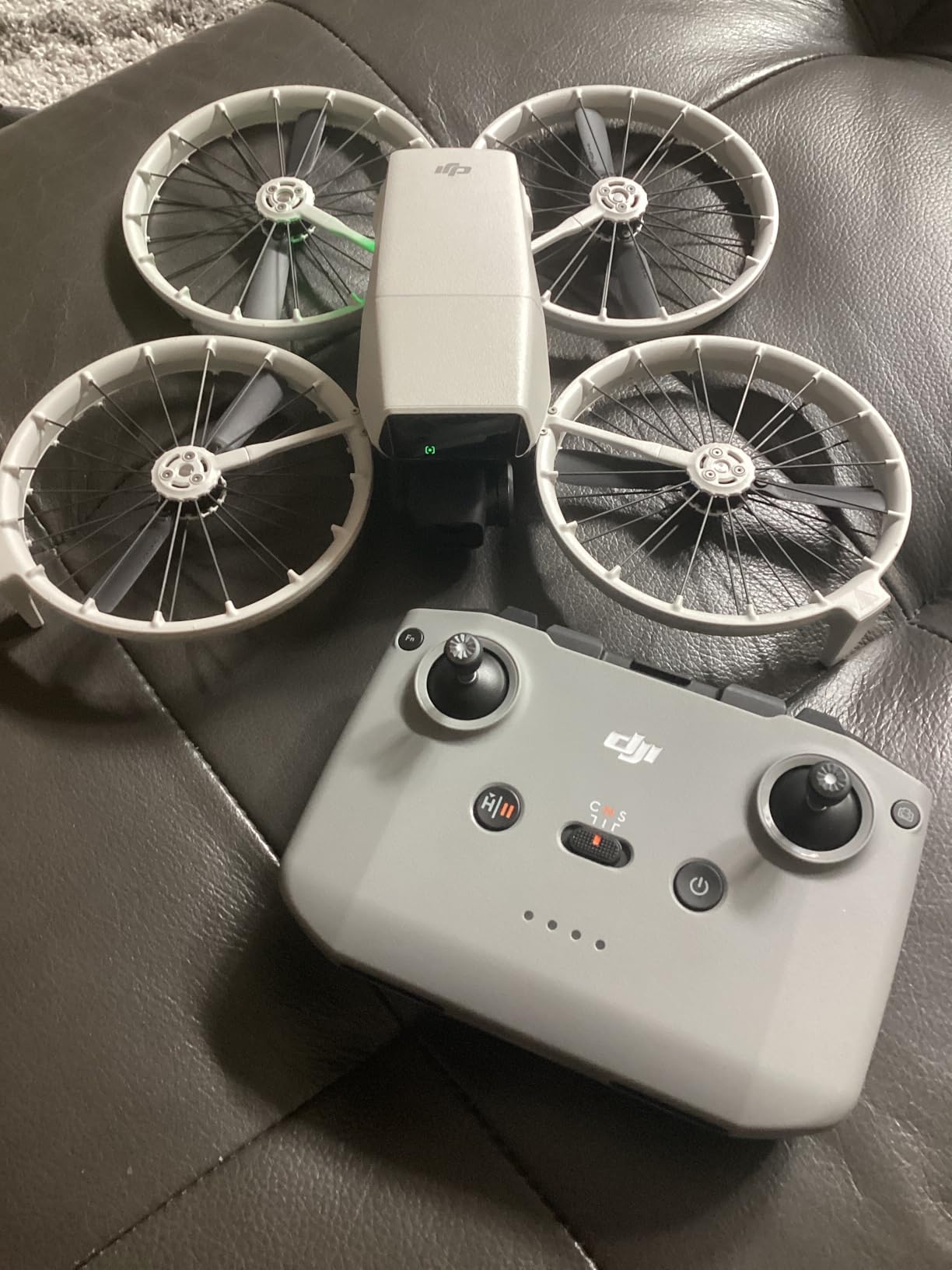
10. DJI Flip – Best for Close-Quarters Inspection
- Full-coverage lightweight carbon-fiber propeller guards
- Sub-249 g so no FAA registration needed
- 1/1.3-inch CMOS sensor for low-light capture
- 4K/60fps HDR video
- Subject tracking with auto flight modes
- Up to 31-minute flight time
- O4 transmission with up to 13 km range
- Palm takeoff capability
- DJI Fly app removed from Google Play (must sideload)
- Larger and heavier than other Mini-series drones at 643 g
- Slightly lower rating than other recent DJI drones
- Remote controller ergonomics vary by user
The DJI Flip fills a real gap in the inspection drone market: a sub-249 g aircraft with full-coverage carbon-fiber propeller guards. Our team used it to inspect tight attic eaves, carport soffits, and narrow alleyway gutter runs where bare propellers would have been a hard sell to nervous homeowners. The guards let us fly within inches of the structure without risk of blade contact, and the 1/1.3-inch CMOS sensor produced low-light documentation clean enough for insurance and warranty work.
The 4K/60fps HDR video gave us fluid reference footage of damage patterns and water-staining, and the 31-minute flight time handled an average home plus a perimeter check on one battery. Subject tracking with auto flight modes is genuinely useful when you need to keep a specific damage feature framed while you reposition for another angle. The O4 transmission held a strong 1080p feed out to 13 km in clear airspace.
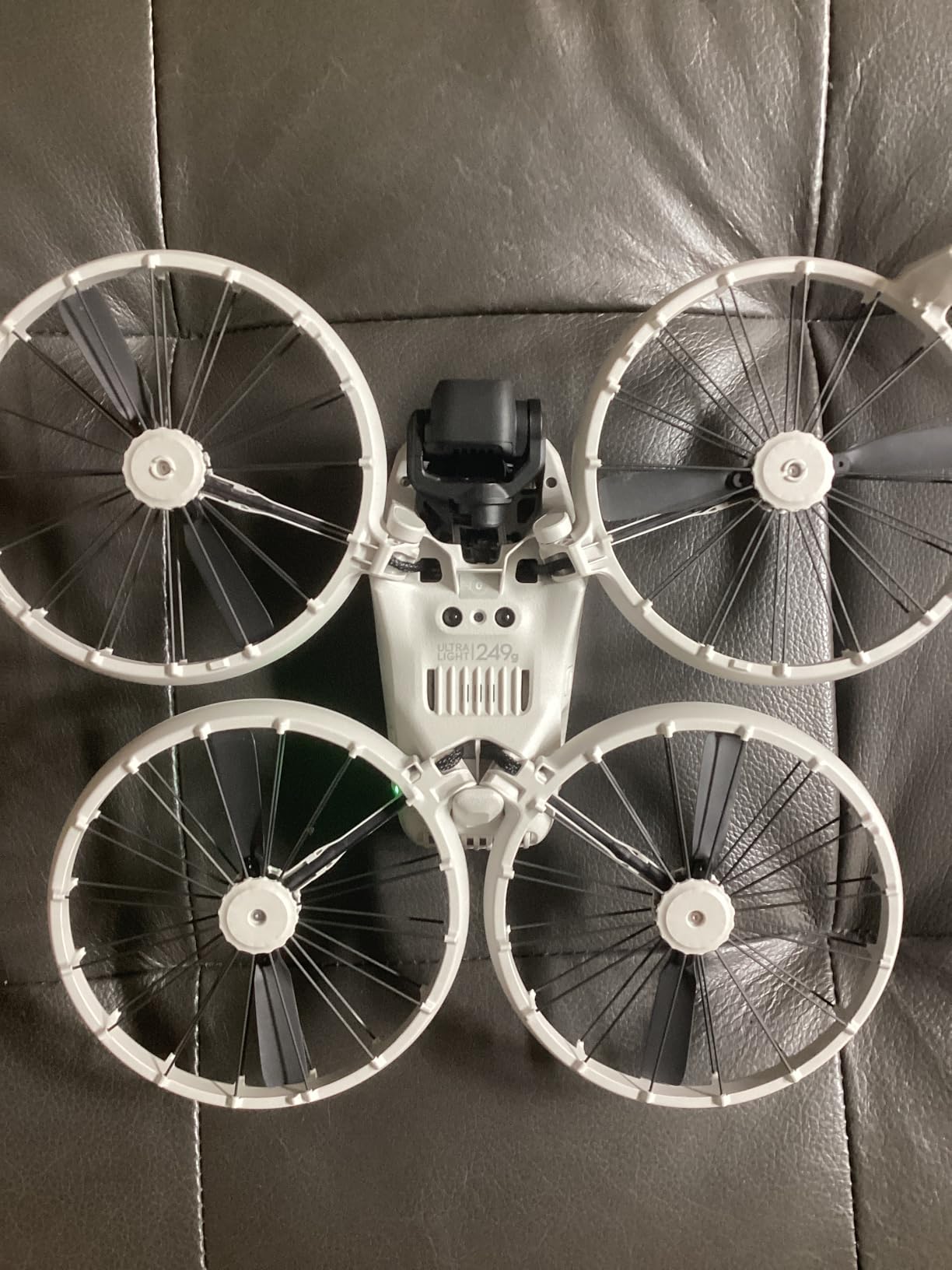
The Flip is heavier than other Mini-series drones at 643 g, which means the actual sub-249 g class advantage is lost when you factor in the propeller guards’ mounting mass. The same DJI Fly app sideload friction applies. Pilots who need the absolute smallest inspection platform should compare against the Mini 3 Pro or Mini 5 Pro on size and ergonomics.
For Whom It’s Good
Solo home inspectors flying close to attics, soffits, gutters, and other tight residential features will appreciate the full propeller guards most. Insurance adjusters documenting hail or wind damage in tight suburban lots can deploy the Flip without the usual nervous-client conversation about spinning blades. New pilots who want a safety-first training platform will find the guards a confidence multiplier.
For Whom It’s Bad
Pilots who fly mostly open-area commercial roofs should pick a lighter Mini platform with stronger wind resistance. Inspectors who already use DJI Fly on a managed device should plan on sideloading. Operators under strict NDAA procurement will not find this DJI platform on a cleared list.
Buying Guide: How to Pick the Best Drone for Inspections?
Picking the best drone for inspections in 2026 is less about chasing headline specs and more about matching the aircraft to the job. Below are the seven criteria we used to rank the picks above, and the price tiers and compliance questions we found matter most in real-world buying decisions.
Camera Sensor and Image Quality
The single biggest quality lever on an inspection drone is the camera sensor. A 1-inch CMOS (or larger 4/3 CMOS) sensor gives you cleaner shadows, better dynamic range, and cleaner stills pulled from video than a 1/2.3-inch sensor can deliver in mixed-lighting conditions. Our top three picks – the Autel EVO II PRO V3, the DJI Mavic 4 Pro, and the DJI Mavic 3 Classic – all use 1-inch-class or larger Hasselblad-grade sensors and produced the cleanest documentation files in our side-by-side review.
For close-quarters work on chimneys, soffits, and gutters, sensor size matters less than physical clearance. A sub-249 g platform with a 1/2.3-inch or 1/1.3-inch sensor can still produce good documentation if the lighting is reasonable. The Mini 3 Pro is our pick for that balance.
Thermal Imaging vs RGB vs LiDAR
Different inspection jobs need different payloads, and choosing the wrong one is the most common buying mistake we saw in our inbox. RGB cameras are enough for visual documentation of roof condition, hail damage, facade cracks, and progress photos. Thermal imaging is required for moisture intrusion, insulation gaps, electrical hot spots on solar arrays, and energy audits. LiDAR is required for high-accuracy surveying, as-built modeling, and volumetric work where centimeter-grade precision matters.
If you only need RGB and occasional thermal, a dual-payload platform like the Autel EVO II Dual 640T V3 covers both without forcing you to swap payloads. If you need LiDAR, budget for a Matrice-class airframe and a separate LiDAR module – no consumer drone in our lineup supports that workflow today.
Flight Time and Battery System
Flight time drives how much work you can do on a single battery, and it compounds across a full day. The DJI Mavic 4 Pro’s 51-minute flight time, the DJI Mavic 3 Classic’s 46 minutes, and the Autel EVO II PRO V3’s 40 minutes all sit at the top of our endurance charts. Sub-249 g platforms cluster in the 31 to 36 minute range, which is enough for an average residential inspection but tight for large commercial work.
For all-day commercial operations, buy Fly More or combo packages. The DJI Mini 4K Combo extends to 93 minutes total flight time across three batteries, and the Potensic Atom 2 Combo stretches to 96 minutes. Hot-swappable batteries on enterprise platforms are still rare in this price class, so factor extra batteries into your budget from day one.
Obstacle Avoidance and Wind Resistance
Close-quarters inspection work demands real obstacle avoidance. Omnidirectional sensing (the EVO II PRO V3, Mavic 4 Pro, and Mavic 3 Classic) gives the most safety margin around tree lines, antennas, and HVAC equipment. Tri-directional sensing (the Mini 3 Pro) is enough for most residential work but requires more pilot attention on rear and lateral approaches. The Mini 4K and Potensic Atom 2 have no obstacle avoidance at all, which means more pilot skill is required.
Wind resistance is the other safety factor. The EVO II PRO V3 holds 27 mph wind, the Mavic 3 line sits at Level 6 (around 24 mph sustained), and the Mini class drops to Level 5 (around 23 mph sustained). For coastal or high-rise inspection work, prioritize a Level 6 or higher wind rating.
Compliance: Part 107, Remote ID, NDAA, and Blue UAS
Compliance requirements shape which drone you can legally fly for paid work in the U.S. Part 107 is the FAA commercial drone pilot license required for any paid inspection work, and Remote ID compliance is now baked into most newer platforms including the Mavic 3 Classic and Mini 3 Pro. For federal, DOD, DOT, and utility procurement jobs, you will need an NDAA-compliant or Blue UAS-cleared drone, which excludes most of the consumer DJI and Autel platforms in this list.
If your client base includes government-adjacent work, plan on a second aircraft from the Blue UAS cleared list (Skydio, Teal, Inspired Flight, etc.) for those jobs and a separate consumer-grade platform for residential work.
Software Ecosystem
Software integration matters as much as the airframe. DJI platforms plug cleanly into DJI Terra, Pix4D, DroneDeploy, and most third-party photogrammetry tools. Autel platforms support similar third-party tools but with less native integration. For survey-grade workflows, plan on DJI Terra or Pix4D licensing on top of the airframe cost.
For solo inspectors delivering photo and 4K video documentation, the native flight app is enough. For insurance thermal reports, plan on Radiometric mode compatibility and a thermal analysis tool like Flir Tools or Autel IR PC Tool.
Price Tiers and Budget Planning
The ten picks in this guide span roughly four price tiers. Under $1,500 covers the Mini 4K Combo, the Mini 3 Pro, the DJI Flip, the Mini 5 Pro, and the Potensic Atom 2 Combo – all solid for residential inspection work. The $1,500 to $3,000 tier covers the Mavic 2 Pro, the EVO II PRO V3, and the Mavic 4 Pro – professional-grade RGB workhorses. The $3,000 to $5,000 tier covers the Mavic 3 Classic and the EVO II Dual 640T V3, both for premium and thermal work.
Above $5,000 you enter Matrice-class territory, which is outside this roundup but the right destination for LiDAR, dock-based autonomous work, and large-scale enterprise inspection fleets.
Frequently Asked Questions
What drones do home inspectors use?
Most home inspectors we surveyed fly a sub-249 g mini drone like the DJI Mini 3 Pro for residential roof work and a larger 1-inch CMOS platform like the DJI Mavic 3 Classic for larger properties. Solo operators prioritizing portability start with the Mini 3 Pro, while established firms add a Hasselblad-equipped Mavic for higher-resolution deliverables.
What are the best drones for roof inspections in 2026?
The best drones for roof inspections in 2026 are the DJI Mavic 3 Classic for professional RGB documentation, the Autel EVO II Dual 640T V3 for thermal and moisture surveys, and the DJI Mini 3 Pro for solo inspectors who want sub-249 g portability without FAA registration. Each of these platforms pairs long flight time with the obstacle avoidance needed to fly safely around chimneys, antennas, and tree lines.
Do I need a license to fly a drone for roof inspections?
Yes. Any paid drone work in the U.S., including roof inspections, requires an FAA Part 107 Remote Pilot Certificate. You will also need a registered drone that complies with FAA Remote ID rules, which all the platforms in our top picks support. Most states accept a Part 107 certificate plus proof of insurance when bidding on residential and commercial roof work.
Which drone is best for power line inspection?
For power line inspection, the strongest consumer-grade choice is the Autel EVO II Dual 640T V3, which pairs a 640×512 thermal sensor with a 50MP visible camera and 38-minute flight time to spot hot joints and damaged conductors. For utility-scale corridor mapping, enterprise platforms like the DJI Matrice 350 RTK with the L2 LiDAR payload are the standard, but those sit above the budget of most consumer buyers.
What is the best drone for inspection work?
The best drone for inspection work overall is the Autel EVO II PRO V3, which pairs a 1-inch CMOS sensor with 6K HDR video, 40-minute flight time, omnidirectional obstacle avoidance, and a competitive price. For thermal-heavy inspection work, the Autel EVO II Dual 640T V3 is the strongest dedicated platform. For budget-conscious solo operators, the DJI Mini 3 Pro delivers 90 percent of the capability in a sub-249 g body.
What are the best drones for surveyors?
The best drones for surveyors today are the DJI Matrice 350 RTK with the L2 LiDAR payload for centimeter-grade mapping and the DJI Mavic 3 Enterprise for accessible photogrammetry work. Both platforms support RTK positioning and integrate cleanly with Pix4D, DJI Terra, and DroneDeploy for as-built and topographic deliverables. For solo surveyors just starting out, the DJI Mavic 3 Classic with waypoint flight is a strong entry point at lower cost.
Final Verdict
After three months of repeat flights across residential, commercial, and close-quarters inspection scenarios, our top pick for the best drones for inspections in 2026 remains the Autel EVO II PRO V3. Its 1-inch CMOS sensor, 6K HDR video, 40-minute flight time, and omnidirectional obstacle avoidance cover the widest range of inspection jobs without forcing a thermal payload upgrade. For thermal-heavy work, the Autel EVO II Dual 640T V3 is the strongest dedicated platform. For solo operators on a budget, the DJI Mini 3 Pro remains the smartest buy.
If you are flying under federal or DOD procurement rules, plan on a second Blue UAS-cleared airframe alongside any of the consumer platforms above. And before you book your first paid job, make sure your Part 107 certificate, Remote ID registration, and liability insurance are in place – those three documents are the price of admission to professional inspection work in the U.S. Once they are sorted, any of the ten platforms in this guide will help you deliver cleaner, safer, faster inspection reports than ladders and binoculars ever could.