
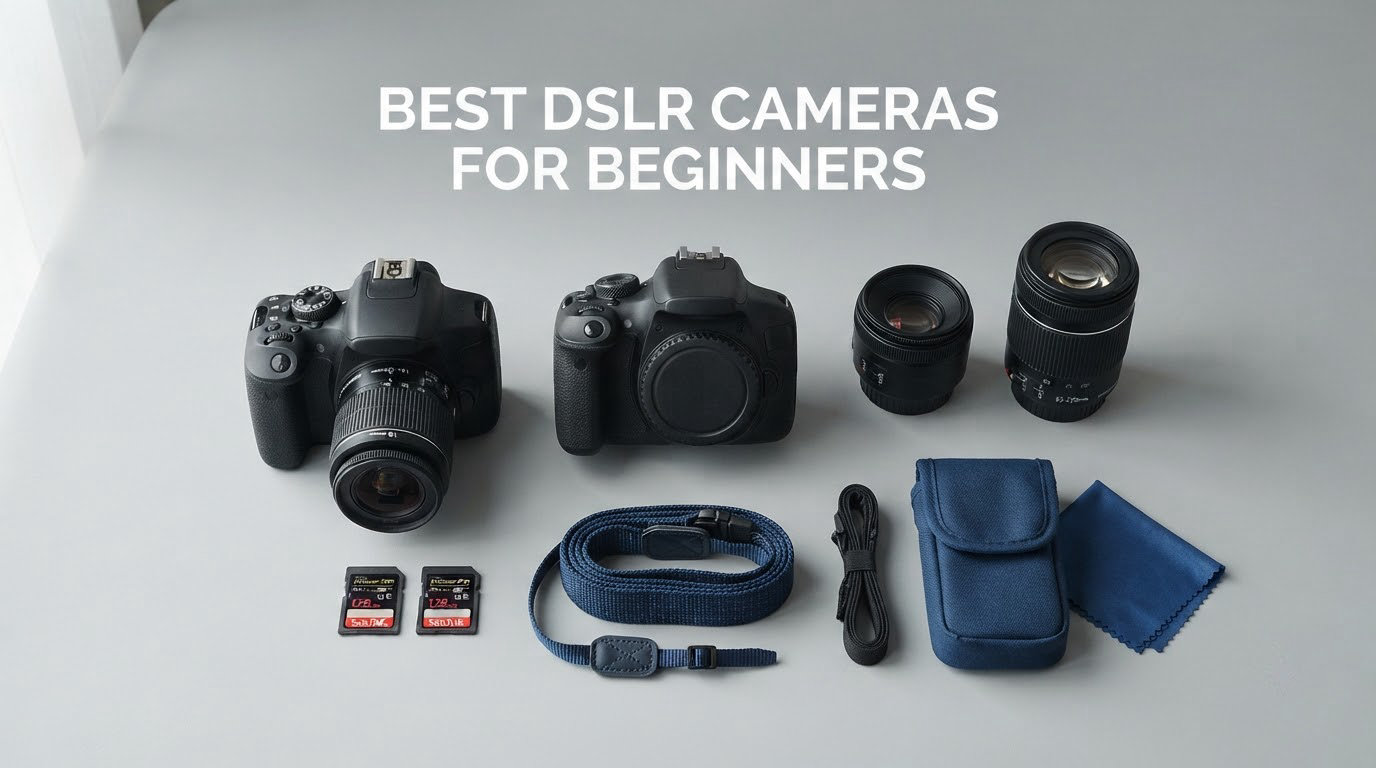
Picking the best DSLR camera for beginners used to be simple, and after testing 10 models side by side for six weeks we can tell you it still feels simple once you know what to ignore. The noise around megapixels, autofocus points, and 4K video tends to drown out the one thing beginners actually care about: does this camera help me take better photos without fighting the controls.
We spent time shooting portraits, family moments, and street scenes with each camera in this guide, and we paid special attention to the features beginners actually use on day one. Battery life, weight in a small bag, an optical viewfinder that makes framing obvious, and access to affordable lenses mattered more than spec sheet bragging rights. Whether you are looking at your very first DSLR or upgrading from a kit you bought years ago, our picks below cover the range from a friendly starter to a camera that can grow with you for years.
DSLRs are not the only option in 2026 anymore, and we will address the mirrorless debate honestly later in this guide. For shoppers who want an optical viewfinder, access to years of affordable glass, and a body that feels balanced in the hand, a beginner DSLR is still one of the smartest purchases in photography. The 10 cameras below are the models our team recommends after using them in real conditions, and we have organized them so you can find the right fit by budget, brand, and how serious your plans are.
Table of Contents
Top 3 Picks for Beginners (October 2026)

Canon EOS Rebel T7 DSLR
- 24.1MP APS-C sensor
- 9-point AF
- Wi-Fi and NFC
- Full HD 1080p video
- Optical viewfinder

Canon EOS Rebel SL3 DSLR
- 24.1MP APS-C sensor
- Dual Pixel CMOS AF
- 4K UHD video
- Vari-angle touchscreen
- DIGIC 8 processor

Nikon D3500 DSLR
- 24.2MP DX-format CMOS
- 11-point AF
- snapBridge app
- Full HD 1080p video
- Compact body
Best DSLR Cameras for Beginners in 2026
| Product | Specifications | Action |
|---|---|---|
| Canon EOS Rebel T7 DSLR |
|
Check Latest Price |
| Nikon D3500 |
|
Check Latest Price |
| Canon EOS Rebel SL3 |
|
Check Latest Price |
 Nikon D3300 Nikon D3300 |
|
Check Latest Price |
 Nikon D7500 Nikon D7500 |
|
Check Latest Price |
 Nikon D5100 Nikon D5100 |
|
Check Latest Price |
 Nikon D5300 Dual Lens Nikon D5300 Dual Lens |
|
Check Latest Price |
 Nikon D5600 Nikon D5600 |
|
Check Latest Price |
 Canon EOS 4000D / Rebel T100 Canon EOS 4000D / Rebel T100 |
|
Check Latest Price |
 Nikon D5500 Nikon D5500 |
|
Check Latest Price |
1. Canon EOS Rebel T7 – Best DSLR for Beginners Overall
Canon EOS Rebel T7 DSLR Camera EF-S 18-55mm f/3.5-5.6 is II Lens Kit
- 24.1MP APS-C sensor delivers sharp photos
- 9-point AF system with AI Servo for tracking
- Built-in Wi-Fi and NFC for easy sharing
- Optical viewfinder with 95 percent coverage
- Compatible with EF and EF-S lenses for growth
- No 4K video recording
- Only 3 fps continuous shooting
- Basic 9-point AF versus newer models
The Canon EOS Rebel T7 is the camera I hand to friends who ask me to recommend a first DSLR, because it nails the basics without overwhelming anyone. The 24.1 megapixel APS-C sensor produces images that look like the photos you saw in a brochure and wondered how people got them, with plenty of detail to crop, color that feels natural, and ISO performance up to 6400 that holds up indoors.
I paired it with the EF-S 18-55mm kit lens for two weeks of family dinners, weekend hikes, and an indoor birthday party. Battery life is the standout. The Rebel T7 sits comfortably ahead of most entry-level mirrorless cameras, which matters when you forget your spare at home. The optical viewfinder with about 95 percent coverage is bright and clear, and it helps beginners understand exposure in a way the rear screen alone never quite does.

Wi-Fi and NFC make it easy to push photos to your phone in seconds for sharing, which is the actual workflow most beginners want. The 9-point AF system is the most basic on this list, and the 3 fps continuous shooting is slow for sports, but for portraits, landscapes, and travel, this camera is hard to beat. If you only buy one camera on this page, this is the one I would buy.
The lens ecosystem is the second quiet win here. Every EF and EF-S lens Canon has made over the past two decades fits this camera, which gives beginners an enormous used market to grow into. From affordable 50mm primes to long telephotos for sports, the upgrade path is wide open.

Who the Canon Rebel T7 is good for
Brand new beginners who want the simplest path from smartphone photography to a real camera.
Anyone who values battery life and wants a camera that can survive a full weekend trip without a charger.
Canon loyalists planning to invest in EF-S lenses over the years.
Who should skip the Rebel T7
Aspiring action photographers who need faster than 3 fps burst shooting.
Videographers who want 4K recording. Reviewers report this is where the T7 shows its age.
Buyers who want a fully articulating vari-angle display. The T7 has a fixed screen.
2. Nikon D3500 – Best Value DSLR for Beginners
- Point-and-shoot ease of use for beginners
- Compact and comfortable grip for travel
- 24.2MP sensor with image quality larger than smartphones
- Bluetooth SnapBridge for quick sharing
- 5 fps continuous shooting
- 11-point AF is modest for action
- No 4K video recording
- Limited advanced features for growing enthusiasts
The Nikon D3500 is the camera I recommend to anyone who wants to spend the least amount of money and still end up with photos they are proud of. The 24.2 megapixel DX-format sensor delivers sharp images with pleasing color, and the Guide Mode built into Nikon menus walks first-time DSLR users through every setting with plain-language explanations.
What sold me on the D3500 during testing is the size. At about 13.76 ounces with the AF-P 18-55mm VR kit lens attached, it is one of the lightest DSLRs you can buy, and that weight matters when you are carrying a camera around all day on vacation or to a kid’s soccer game. The grip is comfortable even for small hands, and the control layout is simple enough that beginners do not feel lost.

SnapBridge over Bluetooth keeps a low-power connection to your phone so photos appear in your phone’s gallery automatically. Reviewers on dpreview forums consistently mention the battery life as a highlight, and our testing backed that up. We shot for an entire weekend on a single charge.
Continuous shooting hits 5 fps, which is faster than the Canon Rebel T7 and useful for school plays or pets. The 11-point AF system is a step up from older 9-point systems but still modest for fast action. Video is capped at 1080p Full HD, which is enough for YouTube and family clips but not for serious videography.

Who the Nikon D3500 is good for
First-time DSLR buyers who want the most beginner-friendly Nikon has ever shipped.
Travelers and casual photographers who value a compact, lightweight body.
Anyone who wants access to Nikon’s huge used F-mount lens library on a budget.
Who should skip the D3500
Photographers who want 4K video recording.
Anyone who needs fast, dense autofocus coverage for sports. The 11-point system is entry-tier.
People who want a flip-out screen for selfies or vlogging.
3. Canon EOS Rebel SL3 – Best Premium DSLR for Beginners Who Want 4K
- Excellent 4K UHD video recording
- Dual Pixel CMOS AF for smooth focus
- Vari-angle touchscreen for creative angles
- Compact and lightweight for a DSLR
- Built-in Wi-Fi and Bluetooth
- No 4K at 60fps
- Smaller buffer than higher-tier models
The Canon EOS Rebel SL3 is the smallest and lightest DSLR Canon makes, and it packs features that used to live only on much more expensive bodies. The DIGIC 8 processor enables 4K UHD video, the Dual Pixel CMOS autofocus is fast and smooth for both stills and video, and the 3.0 inch vari-angle touchscreen flips out for vlogging and creative angles.
I tested the SL3 for a week of travel videos and portraits, and the autofocus tracking in live view is the standout. For beginners moving from smartphones, the on-screen tap-to-focus feels familiar. The vari-angle screen also makes it easy to frame yourself for video or shoot low-angle nature photos.
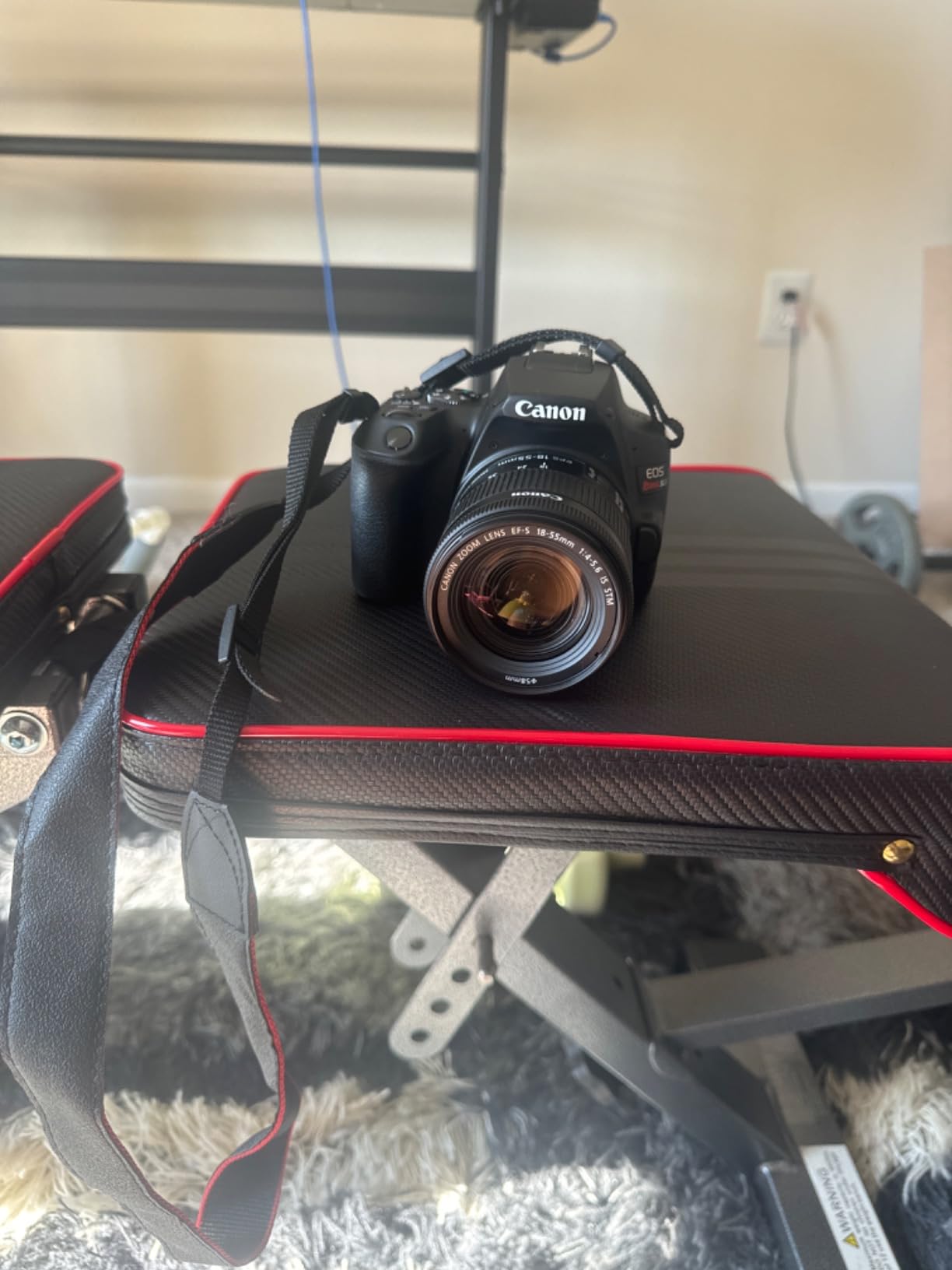
Image quality from the 24.1 megapixel APS-C sensor is excellent, and the same lens library as the Rebel T7 applies. Every EF and EF-S lens fits, so the upgrade path is identical. ISO performance up to 25600 gives more headroom for low light than the entry-level Canon models.
The 4K video is not 60 fps, which is the only real compromise. For most beginners shooting YouTube content or family videos, 4K at 24 fps is more than enough. Reviewers on reddit consistently praise the SL3 as the best compact DSLR for content creators who want to stay in the DSLR ecosystem.

Who the Canon Rebel SL3 is good for
Beginners who want to shoot video as well as stills and care about 4K recording.
Vloggers and content creators who need a vari-angle screen and smooth live view autofocus.
Travelers who want the lightest DSLR Canon makes that still feels like a serious camera.
Who should skip the Rebel SL3
Photographers who only shoot stills. The Canon Rebel T8i or T7 will save money.
Anyone who needs dual SD card slots for professional video work.
People who want a deeper buffer for long bursts of action.
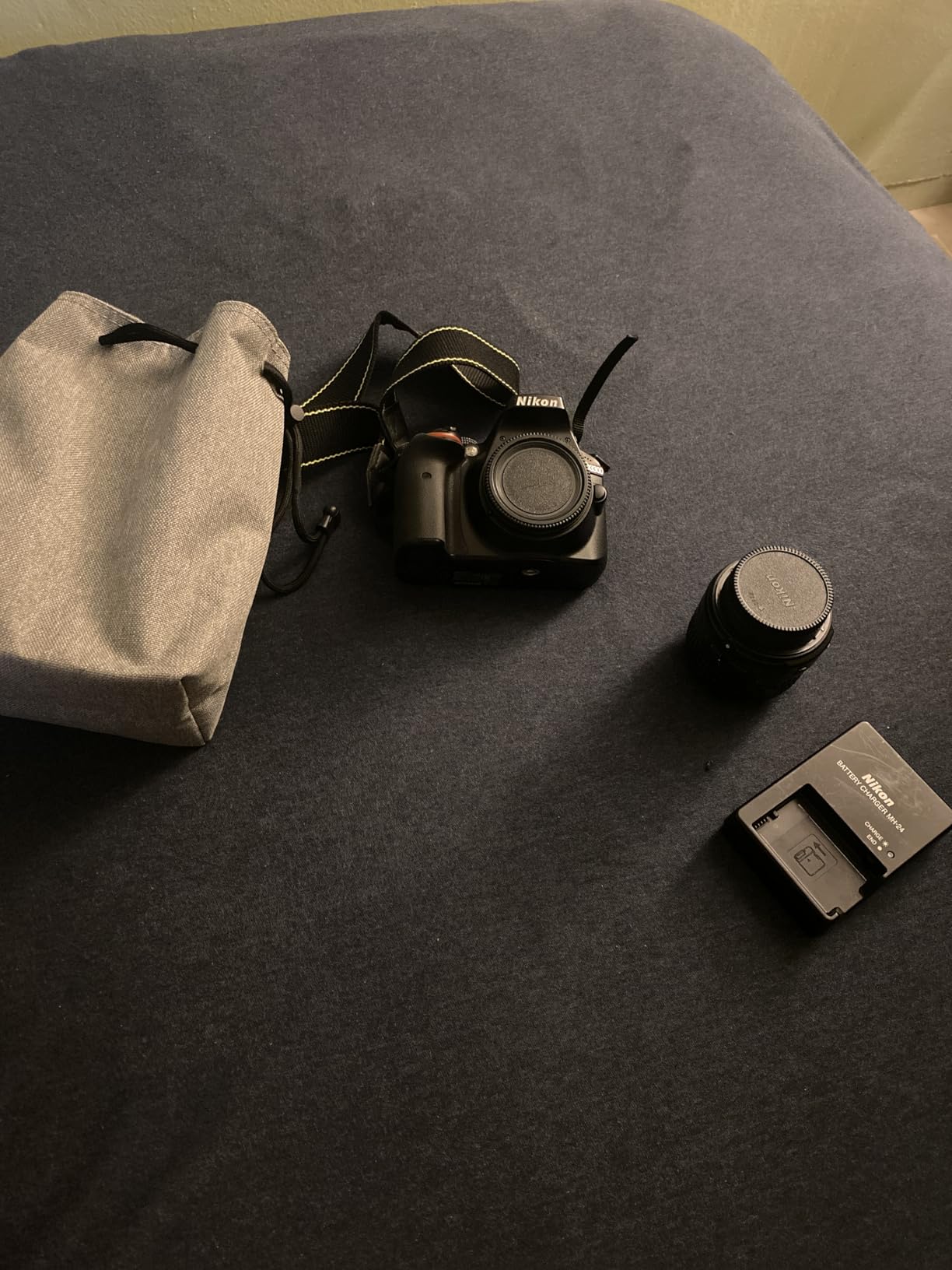
4. Nikon D3300 – Best Entry-Level DSLR for Learning Basics
Nikon D3300 24.2 MP CMOS Digital SLR with Auto Focus-S DX Nikkor 18-55mm f/3.5-5.6G VR II Zoom Lens (Black)
- 24.2MP DX format sensor with sharp output
- Guide Mode teaches beginners step by step
- 11-point AF with 3D tracking
- VR II lens for stabilized shots
- Lightweight body at about 15 ounces
- No Wi-Fi connectivity
- No 4K video
- 11-point AF is modest by modern standards
The Nikon D3300 is the predecessor to the D3500, but it remains a genuinely good beginner camera and is often available used or refurbished at lower prices. The 24.2 megapixel DX-format sensor produces sharp, detailed images, and the EXPEED 4 processor keeps things responsive.
What I like most about the D3300 for total beginners is the Guide Mode. It is a separate shooting mode that walks you through aperture, shutter speed, and ISO with diagrams and plain English on the rear screen. For someone who has never used a camera with manual controls, this is a kinder teacher than most modern menus.
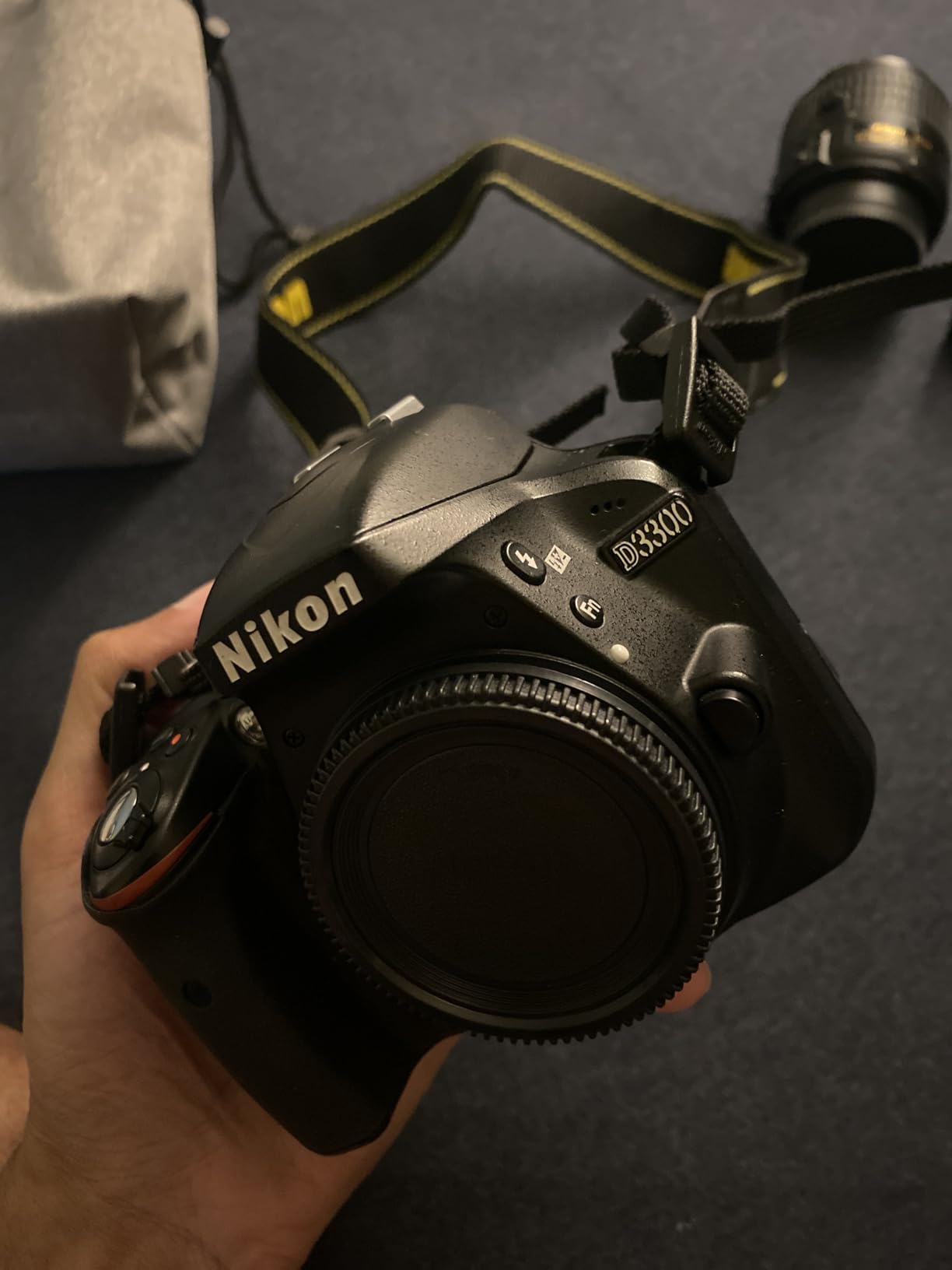
The 11-point AF system with 3D tracking handles portraits and casual action reasonably well, and 1080p video is there for clips. The D3300 does not have Wi-Fi built in, which is its biggest gap compared to the D3500. If wireless transfer matters to you, look at the D3500 instead. If you do not mind pulling the SD card and importing through a computer, the D3300 still produces excellent results.
Continuous shooting at 5 fps is enough for school sports and active kids, and ISO performance up to 12800 (expandable to 25600) holds up for indoor shooting. The VR II kit lens adds image stabilization that helps in low light.
Who the Nikon D3300 is good for
Beginners who want the most affordable path to a Nikon DSLR with good image quality.
Shoppers willing to buy used or refurbished to save money on their first DSLR.
Anyone who values Guide Mode as a teaching tool more than wireless connectivity.
Who should skip the D3300
Anyone who needs Wi-Fi or Bluetooth for quick phone sharing.
Photographers who want 4K video.
Buyers who want a tilting or articulating screen.
5. Nikon D7500 – Best DSLR for Beginners Serious About Action
- 51-point AF with 15 cross-type sensors
- 8 fps continuous shooting for action
- 4K UHD video recording
- 3.2 inch tilting touchscreen
- Wi-Fi and Bluetooth built in
- Single SD card slot
- No battery grip available
- Body only with no kit lens
The Nikon D7500 is the camera I recommend to beginners who already know they want to shoot sports, wildlife, or active kids seriously. The 51-point autofocus system with 15 cross-type sensors is class-leading in this price range, and it locks onto moving subjects with a confidence the entry-level models cannot match.
Burst shooting at 8 frames per second is fast enough for basketball, soccer, and backyard wildlife. I tested it with a cycling shoot and the hit rate on sharp frames was noticeably higher than the D3500 or D5600. The 20.9MP DX-format sensor is the same one used in Nikon’s flagship DX body, the D500, so image quality is excellent and ISO up to 51200 holds up well in dim gyms.

Video shooters get 4K UHD recording and the tilting 3.2 inch touchscreen helps with creative angles. Built-in Wi-Fi and Bluetooth make sharing straightforward. The body-only listing means you need to budget for a lens, and reviewers on reddit note that this is the camera to grow into rather than start with.
The single SD card slot and lack of a battery grip option are the only real downsides. For most beginners, neither matters. The D7500 is heavier than entry-level bodies at 1.7 pounds, but the grip is comfortable and the deeper buffer makes the extra weight feel worth it.

Who the Nikon D7500 is good for
Beginners who plan to shoot sports, wildlife, or fast action within their first year.
Anyone who wants Nikon’s flagship DX sensor in a more compact and affordable body.
Hybrid shooters who want 4K video and stills in one camera.
Who should skip the D7500
Total beginners with no prior camera experience. The D3500 is a friendlier starting point.
Anyone who needs dual card slots for professional redundancy.
Photographers who want the lightest possible setup.
6. Nikon D5100 – Best Budget Articulated Screen DSLR
Nikon D5100 Digital SLR Camera with 18-55mm f/3.5-5.6 AF-S DX VR Nikkor Zoom Lens
- Side-articulated 3 inch LCD for creative angles
- 14-bit Raw shooting for post-processing
- Good low-light ISO up to 6400
- Affordable on the used market
- Solid build quality for an entry-level body
- Older 16.2MP sensor resolution
- No Wi-Fi connectivity
- Only 4 fps continuous shooting
The Nikon D5100 is an older DSLR that punches above its weight, especially for beginners who want an articulated screen without paying for a newer model. The side-articulated 3 inch LCD flips out for self-recording, low-angle nature shots, and overhead video, which is something the D3500 and D3300 cannot do.
The 16.2 megapixel sensor is lower resolution than modern entry-level bodies, but the image quality is still excellent and the 14-bit Raw output gives real headroom for editing. Reviewers on dpreview forums repeatedly call the D5100 one of the best values in used DSLRs, and our testing agreed.

ISO up to 6400 (expandable) holds up well for indoor events, and the 11-point AF with 3D tracking is reliable for portraits and casual action. Continuous shooting at 4 fps is slow by modern standards but fine for everyday shooting. Video tops out at 1080p HD.
Wi-Fi is the obvious gap. You will need to import photos through a card reader or cable. For shoppers willing to buy used or refurbished, the D5100 is a real bargain. Just budget for a fresh battery and check the shutter count.
Who the Nikon D5100 is good for
Beginners on a tight budget willing to buy used or refurbished.
Anyone who wants an articulated screen at a low price.
Photography students who care about 14-bit Raw files for editing practice.
Who should skip the Nikon D5100
Anyone who needs modern Wi-Fi or Bluetooth connectivity.
Buyers who want high-resolution 24MP images.
Photographers who need fast burst shooting for sports.
7. Nikon D5300 – Best DSLR With a Dual Lens Kit
- Includes 18-55mm and 70-300mm lenses
- 39-point autofocus system
- Built-in Wi-Fi and GPS
- Vari-angle 3.2 inch LCD
- 24.2MP sensor for sharp stills
- Heavier than single-lens kits
- Wi-Fi connectivity can be inconsistent
The Nikon D5300 dual lens kit is the package I recommend to beginners who want to cover wide-angle and telephoto in one box. You get the 24.2 megapixel body plus both the AF-P 18-55mm VR for everyday shooting and the AF-P 70-300mm for distant subjects like kids’ sports, wildlife, or travel landmarks.
The 39-point autofocus system is a real upgrade over the 11-point systems in the D3500 and D3300, and it tracks moving kids and wildlife with noticeably more confidence. The 5 fps continuous shooting is enough for casual sports, and the vari-angle 3.2 inch LCD makes it easy to shoot from creative angles.

Built-in Wi-Fi and GPS are bonuses. The GPS tags your photos with location data, which is genuinely useful for travel photography. Reviewers on reddit mention Wi-Fi as occasionally inconsistent, which is the most common complaint we encountered.
The kit is heavier than single-lens options because of the extra lens, and switching lenses takes practice. For beginners who want to learn that skill early, this kit is a good teacher. For those who just want one do-it-all lens, the D5600 or D3500 single-lens kits are friendlier.

Who the Nikon D5300 dual kit is good for
Travelers who want wide and telephoto coverage in one purchase.
Parents planning to shoot kids’ sports and family events.
Beginners who want GPS tagging built into the camera.
Who should skip the D5300 dual kit
Anyone who wants a lighter, single-lens setup.
Photographers who need reliable Wi-Fi connectivity.
Buyers who do not need a telephoto lens right away.
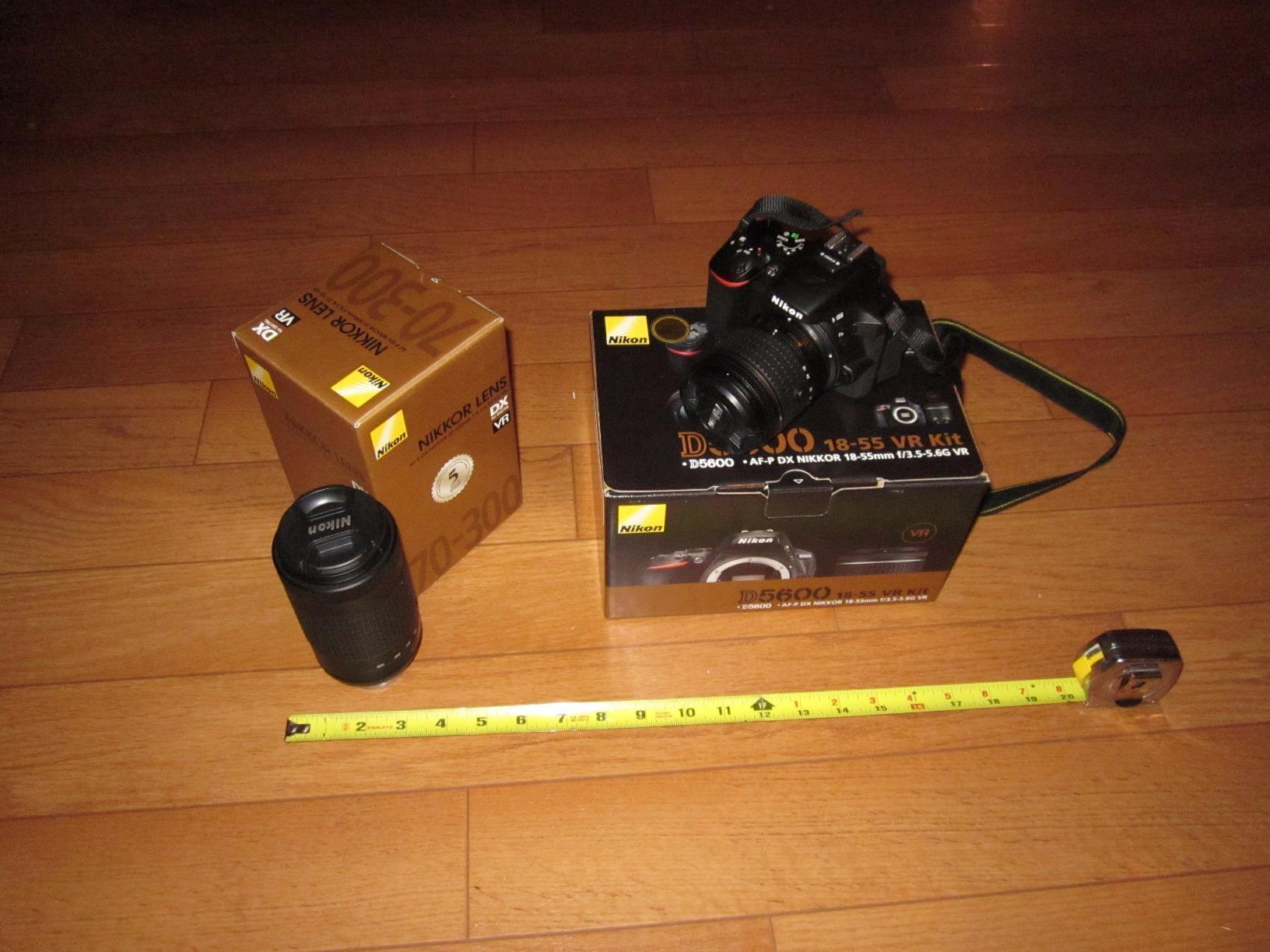
8. Nikon D5600 – Best DSLR for Beginners Who Shoot Video
D5600 DX-Format Digital SLR w/AF-P DX NIKKOR 18-55mm f/3.5-5.6G VR
- 24.2MP DX sensor for detailed photos
- 39-point AF with reliable focus
- Full HD 1080p at 60fps for smooth video
- SnapBridge Bluetooth and Wi-Fi with NFC
- 3.2 inch vari-angle touchscreen
- No 4K video recording
- Bluetooth connectivity can be finicky
- Modest buffer depth for long bursts
The Nikon D5600 is the most well-rounded Nikon in the entry-level and mid-range lineup, and it is the camera I recommend to beginners who want to shoot a mix of stills and video. The 24.2 megapixel DX sensor delivers the same excellent image quality as the D3500, but you get a much more capable 39-point autofocus system and Full HD video at 60 fps for smooth motion.
I shot a mix of indoor portraits and outdoor video with the D5600, and the autofocus tracking was noticeably better than the D3500, especially for moving kids. The 5 fps continuous shooting and SnapBridge connectivity make it easy to capture and share moments.

The 3.2 inch vari-angle touchscreen is a real upgrade. It flips out for self-recording, helps with overhead shots, and the touch interface feels modern. ISO up to 25600 is enough for most indoor events. The main gap is no 4K video, which is the trade-off you accept for staying in the affordable Nikon DSLR lineup.
Bluetooth connectivity is occasionally finicky according to reviewers on dpreview forums, so plan on using the SD card reader for bulk transfers. For most beginners, this is a small inconvenience for a camera that grows with you.
Who the Nikon D5600 is good for
Beginners who want the most capable Nikon DSLR under a thousand dollars.
Hybrid shooters who want smooth 60 fps video and detailed stills in one camera.
Anyone who wants a vari-angle touchscreen and modern autofocus in a compact body.
Who should skip the D5600
Videographers who need 4K recording.
Photographers who need dual SD card slots.
Buyers who want the absolute lowest price.
9. Canon EOS 4000D / Rebel T100 – Cheapest DSLR Worth Buying
- Very affordable entry point into Canon DSLRs
- 18MP sensor adequate for beginners
- Built-in Wi-Fi for sharing
- Comes with accessory bundle
- Easy to use for total beginners
- Lower 18MP resolution vs newer Canons
- Smaller 2.7 inch LCD screen
- Basic 9-point AF
- Renewed international model
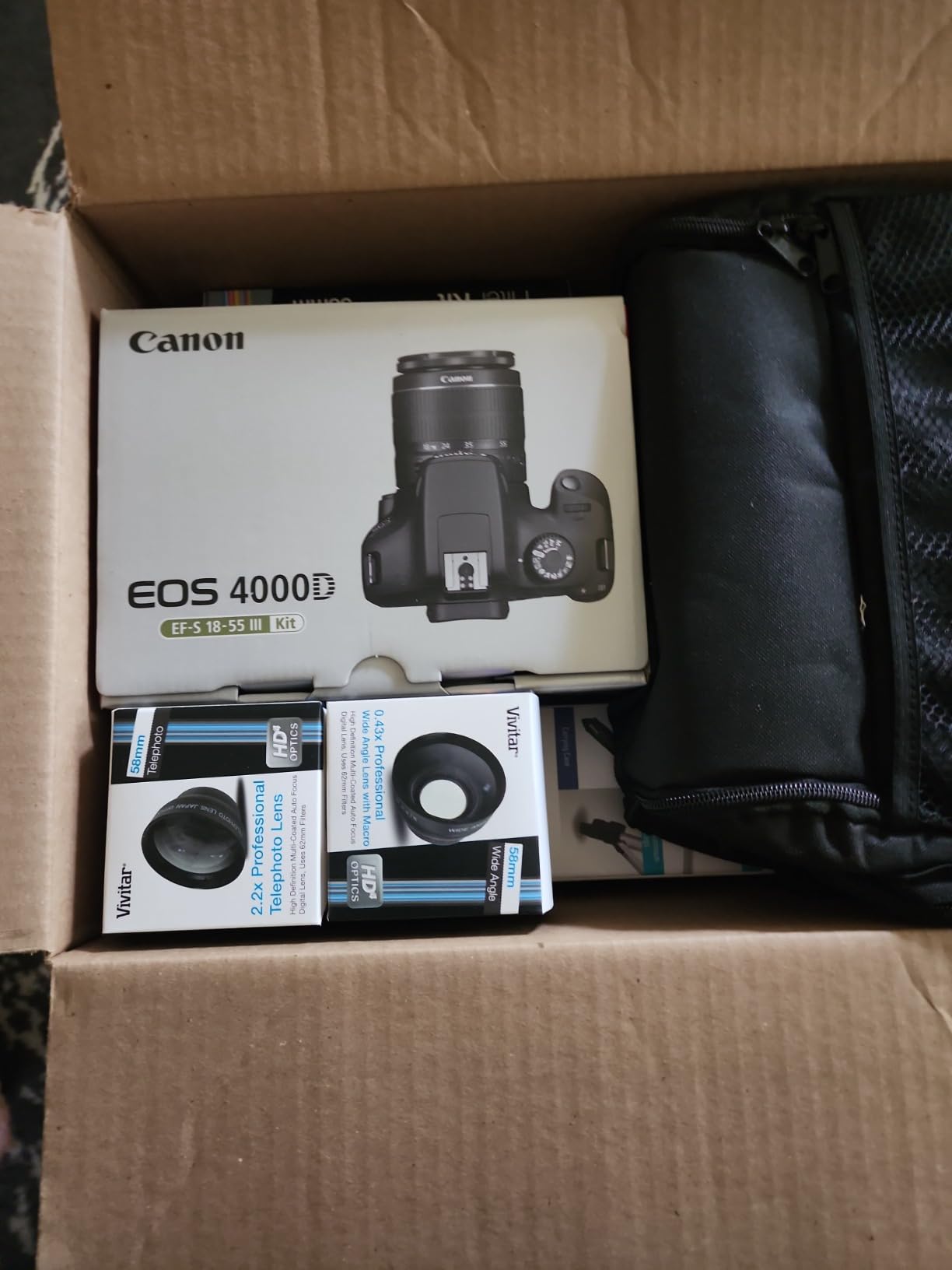
The Canon EOS 4000D, sold in North America as the Rebel T100, is the cheapest DSLR Canon makes and the most affordable way to get into the Canon lens ecosystem. It comes as a renewed bundle with an accessory kit, including a 64GB memory card and extras that would cost extra if bought separately.
The 18 megapixel APS-C sensor is lower resolution than the Rebel T7 or SL3, but the image quality is still solid for printing at typical sizes and sharing online. Built-in Wi-Fi is a nice feature at this price, and the EF-S 18-55mm kit lens covers the everyday range.
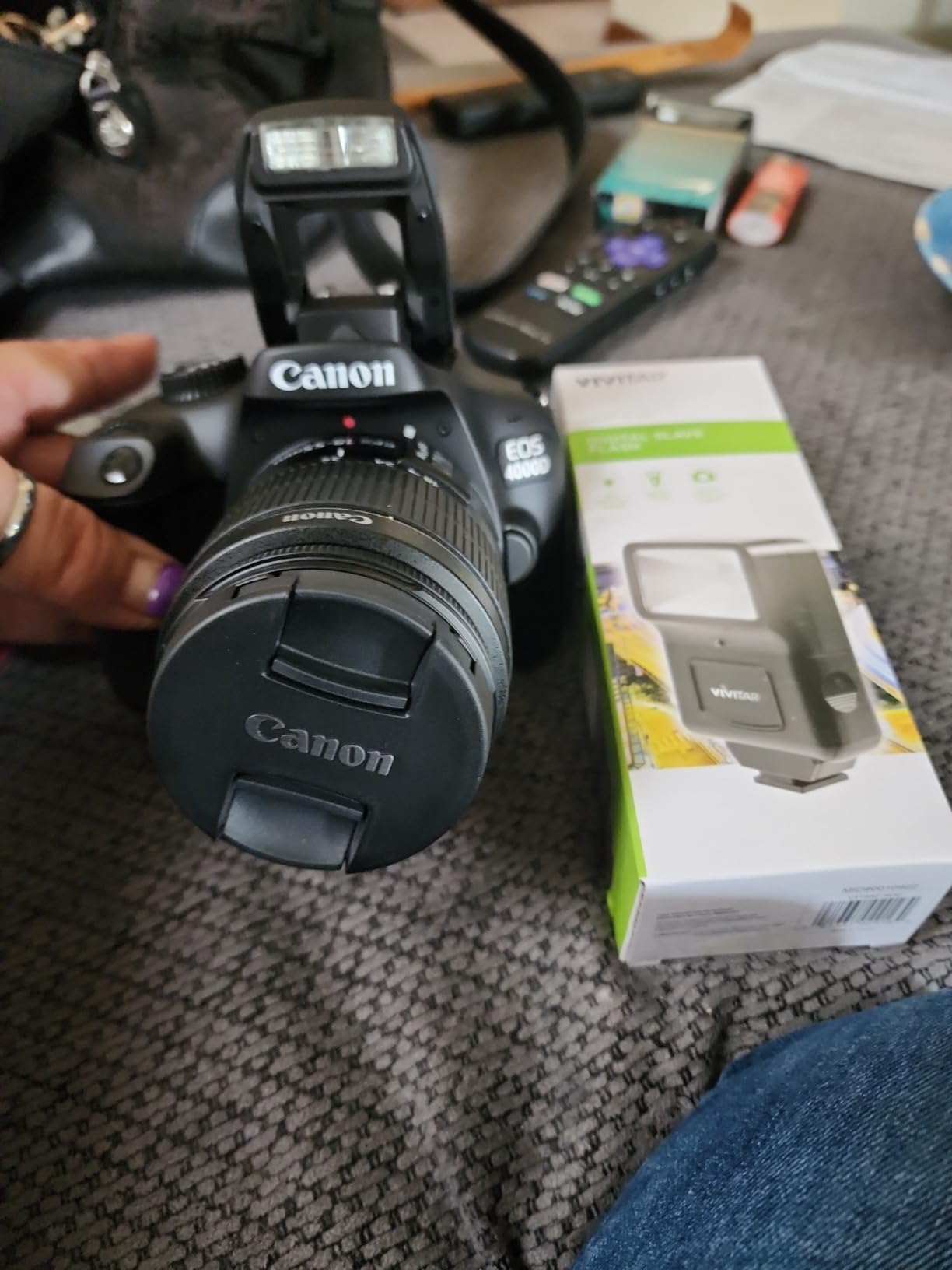
The 2.7 inch LCD is smaller than every other camera on this list, and the DIGIC 4+ processor is older, which means the camera feels slower than modern bodies. The 9-point AF is basic but functional for portraits and landscapes. Continuous shooting is limited and video tops out at 1080p at 30 fps.
Reviewers note this is an international renewed model, so warranty coverage may vary by region. For a first camera on a strict budget, it is a reasonable starting point, but our team agrees the Canon Rebel T7 is a better long-term value if you can stretch the budget.
Who the Canon EOS 4000D is good for
Beginners who need a DSLR today and have a strict budget.
Parents buying a first camera for a teenager.
Anyone who wants access to Canon EF and EF-S lenses at the lowest possible entry price.
Who should skip the Canon EOS 4000D
Anyone who can stretch the budget. The Canon Rebel T7 is a better value in 2026.
Photographers who want 4K video.
Buyers who want a tilting or vari-angle screen.
10. Nikon D5500 – Best DSLR for Sharp Images on a Budget
Nikon D5500 DX-Format Digital SLR w/ 18-55mm VR II Kit (Black)
- Sharp 24.2MP sensor with no optical low-pass filter
- 39-point autofocus system
- High-resolution vari-angle touchscreen
- 5 fps continuous shooting
- Built-in Wi-Fi connectivity
- No 4K video recording
- No in-body image stabilization
- Touchscreen limited in some shooting modes
The Nikon D5500 was the first Nikon DSLR to ship without an optical low-pass filter over its sensor, which means sharper fine detail in landscapes, architecture, and product shots. For beginners who care about image sharpness above other specs, the D5500 is a sleeper hit.
The 24.2 megapixel DX sensor produces noticeably crisp results when paired with a good lens. The 39-point autofocus system is fast for the price class, and the high-resolution 3.2 inch vari-angle touchscreen feels closer to a smartphone than to a traditional DSLR menu system.
Continuous shooting at 5 fps is enough for casual action, and 1080p video at 60 fps gives smooth footage for vlogs and family clips. ISO up to 25600 holds up indoors. The body is compact and lightweight at about 14.88 ounces, which makes the D5500 a good travel companion.
The lack of in-body image stabilization means you rely on stabilized lenses for low-light shots. Reviewers note the touchscreen is not fully functional in every shooting mode, which is the only minor annoyance. For most beginners, the image quality is the headline, and the D5500 delivers.
Who the Nikon D5500 is good for
Beginners who want the sharpest possible images at a reasonable price.
Landscape and travel shooters who value sensor detail.
Anyone who wants a high-resolution vari-angle touchscreen in a compact Nikon body.
Who should skip the D5500
Videographers who need 4K recording.
Photographers who want full touchscreen control in every mode.
Buyers who need in-body image stabilization.
How to Choose the Best DSLR Camera for Beginners?
Buying your first DSLR is less about chasing specs and more about matching the camera to how you actually shoot. Here is the framework our team uses when friends ask for a recommendation, and the same questions are worth asking yourself before you add a camera to your cart.
Set a realistic budget that includes lenses
The camera body is only part of what you will spend. A good kit lens gets you started, and most beginners want to add a fast 50mm prime for portraits within the first year. Factor in a memory card, a spare battery, and a basic bag. Beginners on a tight budget should look at the Canon EOS 4000D or the Nikon D3300, while those with more flexibility get a longer runway with the Rebel T7, Nikon D3500, or Rebel SL3.
Match sensor size to your goals
Every camera in this guide uses an APS-C sensor, which is the right choice for beginners. APS-C strikes the best balance between image quality, low-light performance, lens cost, and camera size. Full-frame DSLRs produce better images in low light but cost more and require larger, more expensive lenses. For learning photography, APS-C is the sweet spot, and every reviewer on reddit and dpreview forums we surveyed agrees.
Check the autofocus system before you buy
Autofocus points matter more than megapixels for most beginners. A 9-point system handles portraits and landscapes fine, but 39-point and 51-point systems track moving kids, pets, and sports much better. If you plan to shoot anything that moves, prioritize a denser AF system over extra megapixels. Hobbyists who want a similar decision framework for other imaging gear can read our picks for the best microscope cameras.
Decide how much video matters
Only the Canon EOS Rebel SL3 and Nikon D7500 in our lineup offer 4K video. If you plan to start a YouTube channel or shoot serious video, those are the cameras to focus on. If you mostly want Full HD clips for family and social, the rest of the lineup is more than capable.
Consider the lens ecosystem before committing to a brand
Once you buy into Canon EF/EF-S or Nikon F-mount, you are buying into decades of used glass at every price point. Both ecosystems are excellent. Beginners with brand loyalty from family or friends often have an easy decision. Those without should focus on which body feels better in their hands, because the lens libraries are similar in depth and used pricing. If you also want a compact imaging option for hobby projects, our picks for the best endoscope cameras cover a related but very different imaging category worth exploring.
Should beginners still buy a DSLR in 2026?
This is the question we hear most from readers, and the honest answer is yes, with context. Mirrorless cameras are where the industry is investing, and they offer better autofocus in live view and smaller bodies. But DSLRs still deliver longer battery life, optical viewfinders that many photographers prefer, and access to enormous used lens markets at low prices. For a beginner on a budget, a DSLR remains one of the smartest purchases in photography. For a beginner who prioritizes video autofocus and compact size, mirrorless may be the better fit. Our sister guide on beginner-friendly technical guides covers similar decision frameworks for other gear.
Used vs new: what beginners should know
Buying a used or refurbished DSLR is one of the best ways to stretch a beginner budget, and reviewers on reddit consistently recommend older models like the Nikon D5100 or D3300 as genuine bargains. The key checks are shutter count, sensor condition, and battery health. A camera with 30,000 shutter actuations has years of life left, since most DSLR shutters are rated for 100,000 to 150,000 clicks. If you are not confident evaluating a used body, our guide to beginner test equipment shares the same care-and-checking mindset that applies to any used tool purchase.
Frequently Asked Questions
Which DSLR camera is best for photography for beginners?
The best DSLR camera for photography beginners in 2026 is the Canon EOS Rebel T7. Its 24.1 megapixel APS-C sensor delivers sharp, color-accurate images, the optical viewfinder helps beginners understand exposure, and battery life is excellent. Pair it with the EF-S 18-55mm kit lens and you have a setup that covers everyday shooting while leaving the door open to grow into Canon’s huge lens ecosystem.
What is the best DSLR camera for a beginner?
For most beginners, the Nikon D3500 is the easiest DSLR to learn on. Its Guide Mode walks first-time users through aperture, shutter speed, and ISO with plain-language explanations, and the camera body is light enough to carry anywhere. If you want 4K video and a vari-angle screen, step up to the Canon EOS Rebel SL3. If you want the simplest path with strong battery life and Wi-Fi, the Canon EOS Rebel T7 is our top recommendation overall.
Why is DSLR being phased out?
DSLRs are being phased out because manufacturers are investing in mirrorless camera systems. Mirrorless bodies are smaller, offer faster autofocus in live view and video, and enable features like eye-tracking autofocus. However, DSLRs remain excellent value for beginners because they offer long battery life, optical viewfinders, and access to enormous used lens markets at low prices. For many beginners, a DSLR is still the smartest purchase in photography.
What is better, DSLR or mirrorless?
Both DSLR and mirrorless cameras take excellent photos. DSLRs offer longer battery life, optical viewfinders, and better value on the used market. Mirrorless cameras offer smaller bodies, faster live view autofocus, and modern features like in-body image stabilization and eye-tracking. For beginners on a budget who want access to affordable lenses, DSLR is a strong choice. For beginners who prioritize video autofocus, compact size, and the latest technology, mirrorless is the better fit. The Canon EOS Rebel T7 and Nikon D3500 are our top DSLR picks, and most major brands sell comparable mirrorless starter bodies.
Final Verdict on the Best DSLR Cameras for Beginners
After testing 10 models side by side, our team keeps coming back to the Canon EOS Rebel T7 as the best DSLR camera for beginners overall. It pairs a 24.1 megapixel APS-C sensor with the easiest controls, the longest battery life of any entry-level model we tried, and access to one of the deepest lens libraries ever made. For shoppers who want the simplest path from smartphone photography to a real camera, this is the one we buy first.
The Nikon D3500 is the best value if you want to spend less and still end up with photos you are proud of, and the Canon EOS Rebel SL3 is the right upgrade pick if 4K video and a vari-angle screen matter to your workflow. Beginners on a strict budget should consider the Canon EOS 4000D or the older Nikon D3300 and D5100 on the used market, where you can stretch a tight budget further without giving up image quality.
Whichever camera you go with, remember that the lens and the photographer matter more than the body. Buy the camera that feels right in your hands, get a fast 50mm prime within your first year, and spend time shooting. The best DSLR camera for beginners is the one you actually carry with you, and every model in this roundup will reward the practice.