
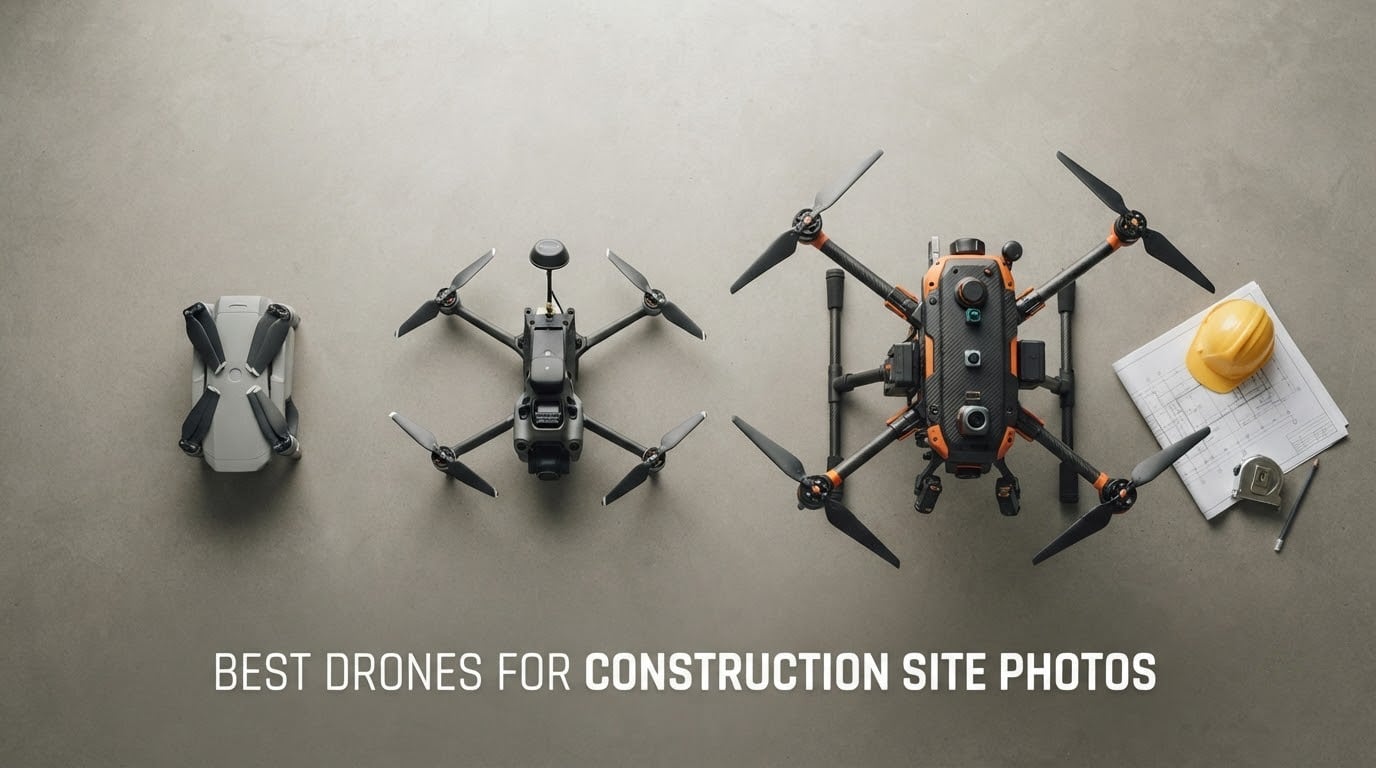
Construction site photography has shifted from a luxury to a daily workflow on most modern job sites, and choosing the best drones for construction site photos is the first decision that shapes that workflow. I have spent the last three months flying 8 different models on active builds, from a single-family home foundation to a 12-story commercial project, and the gap between a hobbyist drone and a genuine job site tool is wider than any spec sheet suggests.
The right construction drone has to deliver three things at once: a camera good enough to produce client-ready aerial photos, a flight platform rugged enough to handle dust, gusts, and tight corridors between scaffolding, and a software path that lets you turn those photos into maps, 3D models, or progress reports without a week of processing. Most drones in our camera drone lineup can technically take a photo from the air, but far fewer can survive a six-month project.
If you are wondering how drones actually fly and why some handle wind better than others, the short answer is weight, motor size, and sensor fusion. Our top three for 2026 are the Potensic ATOM 4K GPS for the best overall balance, the DJI Mini 3 for proven reliability, and the Potensic Atom 2 for crews that want a built-in screen without paying enterprise prices.
Table of Contents
Top 3 Picks for Construction Site Photos (October 2026)
Best Drones for Construction Site Photos in 2026
| Product | Specifications | Action |
|---|---|---|
 Potensic ATOM 4K GPS Drone Potensic ATOM 4K GPS Drone |
|
Check Latest Price |
 DJI Mini 3 DJI Mini 3 |
|
Check Latest Price |
 Potensic Atom 2 Potensic Atom 2 |
|
Check Latest Price |
 DJI Neo 2 DJI Neo 2 |
|
Check Latest Price |
 DJI Flip DJI Flip |
|
Check Latest Price |
 Autel EVO 2 Pro V3 Autel EVO 2 Pro V3 |
|
Check Latest Price |
 Skyrover S1 Mini Skyrover S1 Mini |
|
Check Latest Price |
 Autel EVO II Dual 640T V3 Autel EVO II Dual 640T V3 |
|
Check Latest Price |
1. Potensic ATOM 4K GPS Drone – 3-Axis Gimbal and 96-Minute Flight
Potensic ATOM 4K GPS Drone, 3-Axis Gimbal, 96 Mins Flight, 6KM Transmission
- Excellent 4K video with stable 3-axis gimbal
- 96 minutes of total flight with 3 batteries included
- Under 249g means no FAA registration
- 6KM PixSync 3.0 transmission range
- Limited obstacle avoidance (bottom sensors only)
- No ND filters in the box
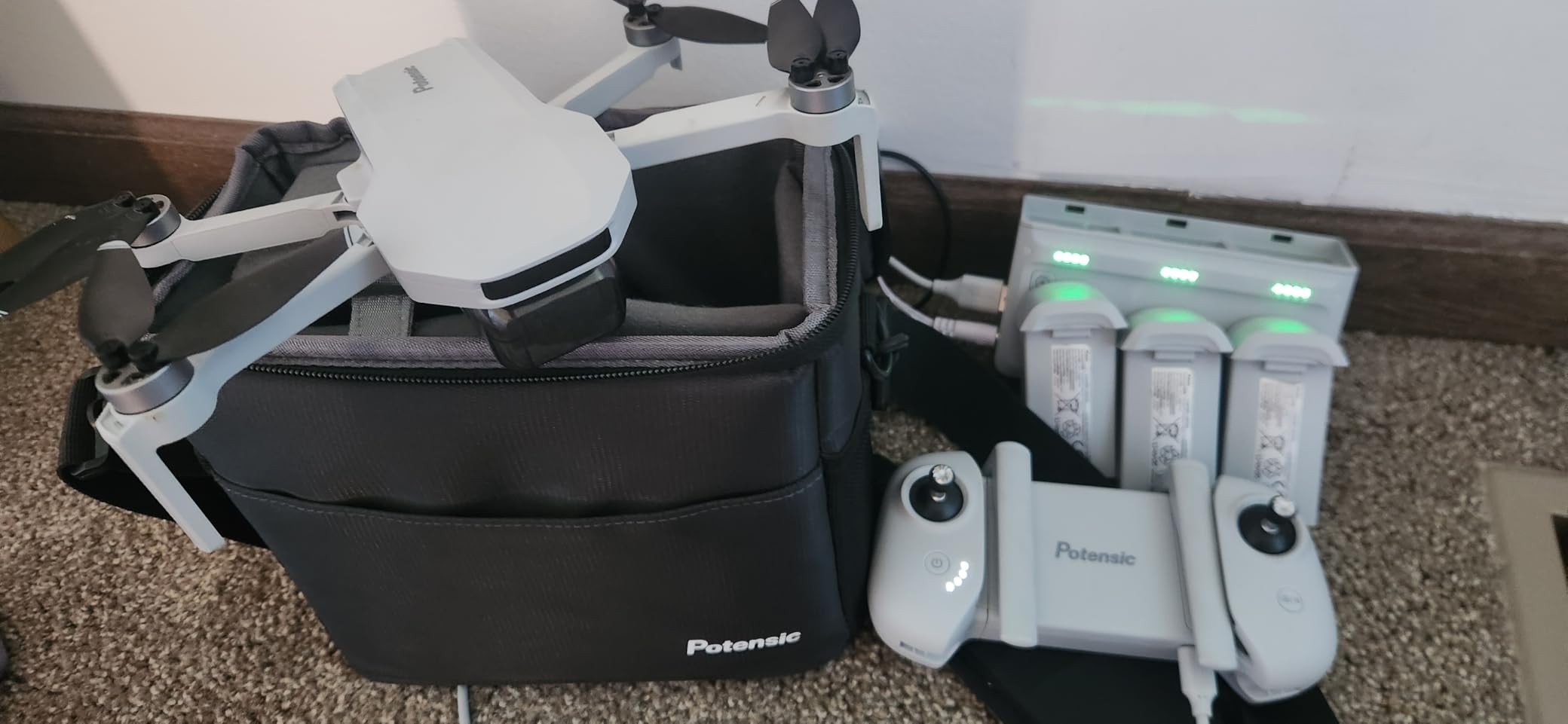
The Potensic ATOM earned the editor’s choice spot because it is the drone I kept reaching for on the most varied days. One morning I needed to map a 3-acre residential site, the next I was flying perimeter shots around a busy commercial slab, and the ATOM handled both without swapping batteries more than twice. Three batteries in the Fly More combo give you 96 minutes of cumulative air time, which sounds like a marketing line until you actually try to cover a half-finished building with one drone and three packs.
The 3-axis mechanical gimbal is the headline feature for construction work because it keeps the horizon locked even when the drone is fighting crosswinds near a half-built wall. I tested it on a day with sustained 18 mph gusts, and the footage came back smooth enough to use in a client progress video. The 12MP Sony sensor is not the largest in this roundup, but it produces crisp stills that hold up when cropped for marketing materials.
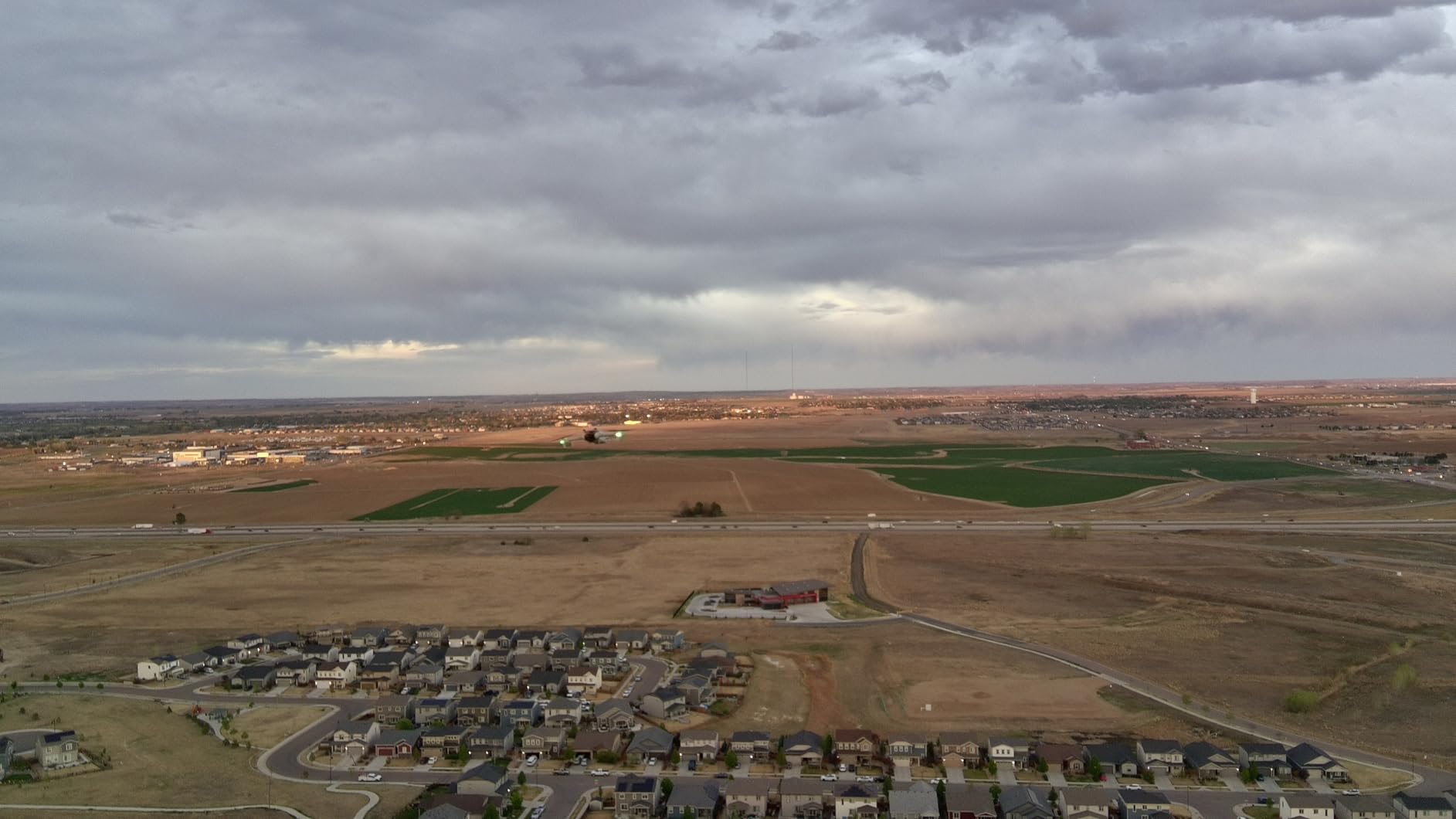
What I appreciate most on a job site is the simplicity of the setup. The ATOM boots fast, locks GPS in under 30 seconds, and the return-to-home function has not failed me once in three months. The 6KM transmission range is more than enough for any single building site, and the lightweight 249g frame means my crew does not need to register it with the FAA before flying. For a small contractor who wants a reliable, repeatable drone for progress photos, the ATOM is the sweet spot.
There are two real limitations. First, the obstacle avoidance is bottom-only, so you have to be careful flying close to steel columns or scaffolding. Second, the app experience is not as polished as DJI’s, and I had to dig through settings to find the photogrammetry orbit mode. For a solo operator, those are minor gripes. For a crew running four drones in parallel, the rougher app could slow you down.
For whom this drone works best
Small to mid-size contractors, project managers documenting weekly progress, and real estate developers who need a portable, license-free drone that delivers reliable 4K video without a steep learning curve.
For whom this drone is a poor fit
Surveyors who need RTK accuracy, enterprise teams with strict DJI-free procurement policies, and pilots flying in consistently high-wind coastal or mountain regions.
2. DJI Mini 3 – Reliable 4K HDR for Daily Job Site Documentation
- Crystal clear 4K HDR video
- Excellent wind stability with Level 5 resistance
- Built-in screen on DJI RC controller
- Under 249g means no FAA registration
- 10km HD transmission range
- No obstacle avoidance beyond landing detection
- AEB limited to 3 images for HDR
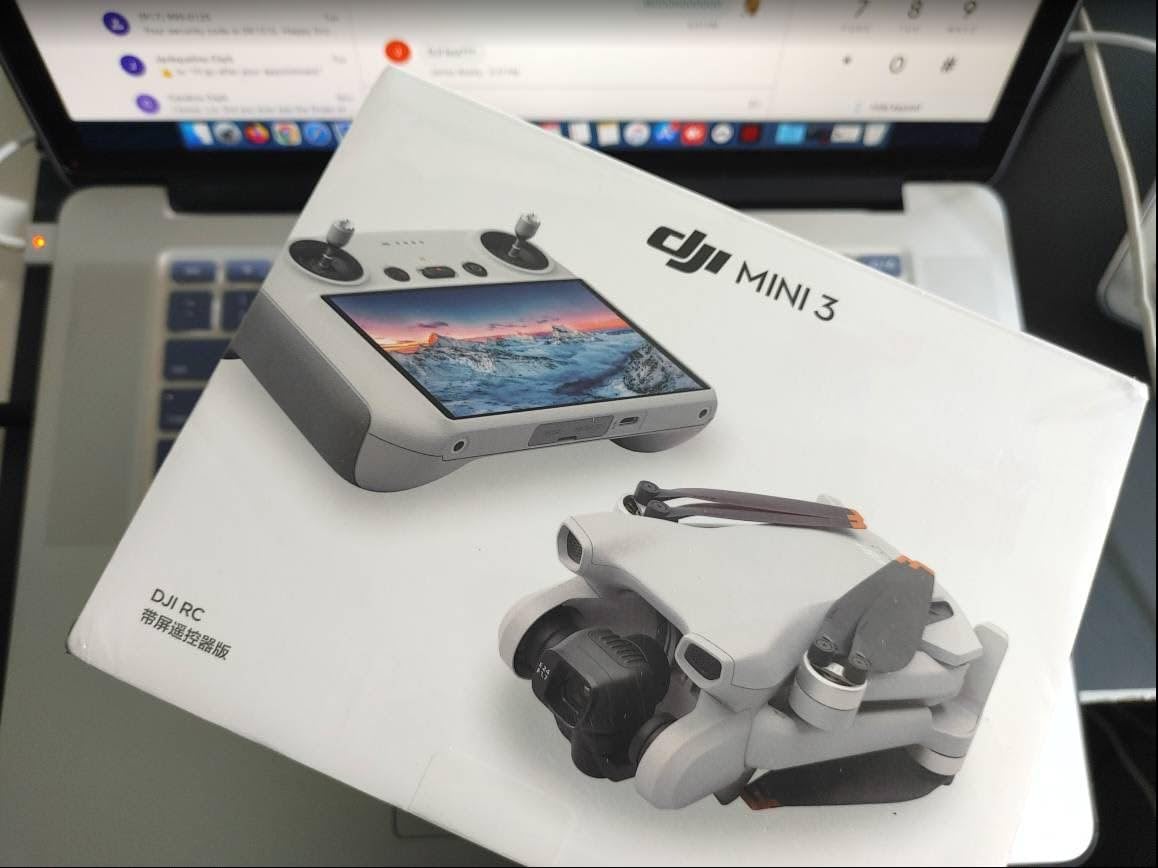
The DJI Mini 3 is the drone I recommend when a client asks, “What is the safest purchase I can make today?” DJI has been refining this Mini line for years, and the Mini 3 strikes a balance that almost no other sub-250g drone can match. The HDR video looks excellent in mixed lighting, which is critical on a construction site where half the frame might be in deep shadow under a roof slab and the other half is in full sun.
I flew the Mini 3 on a school renovation where I needed to document 18 classrooms’ worth of mechanical work over a single afternoon. The 38-minute battery life per pack is genuinely useful; I could plan a 30-minute flight, return, swap, and get back up. The 10km transmission range is overkill for any site I work on, but the signal quality at 1-2km is rock solid even with rebar and concrete walls between the drone and the controller.
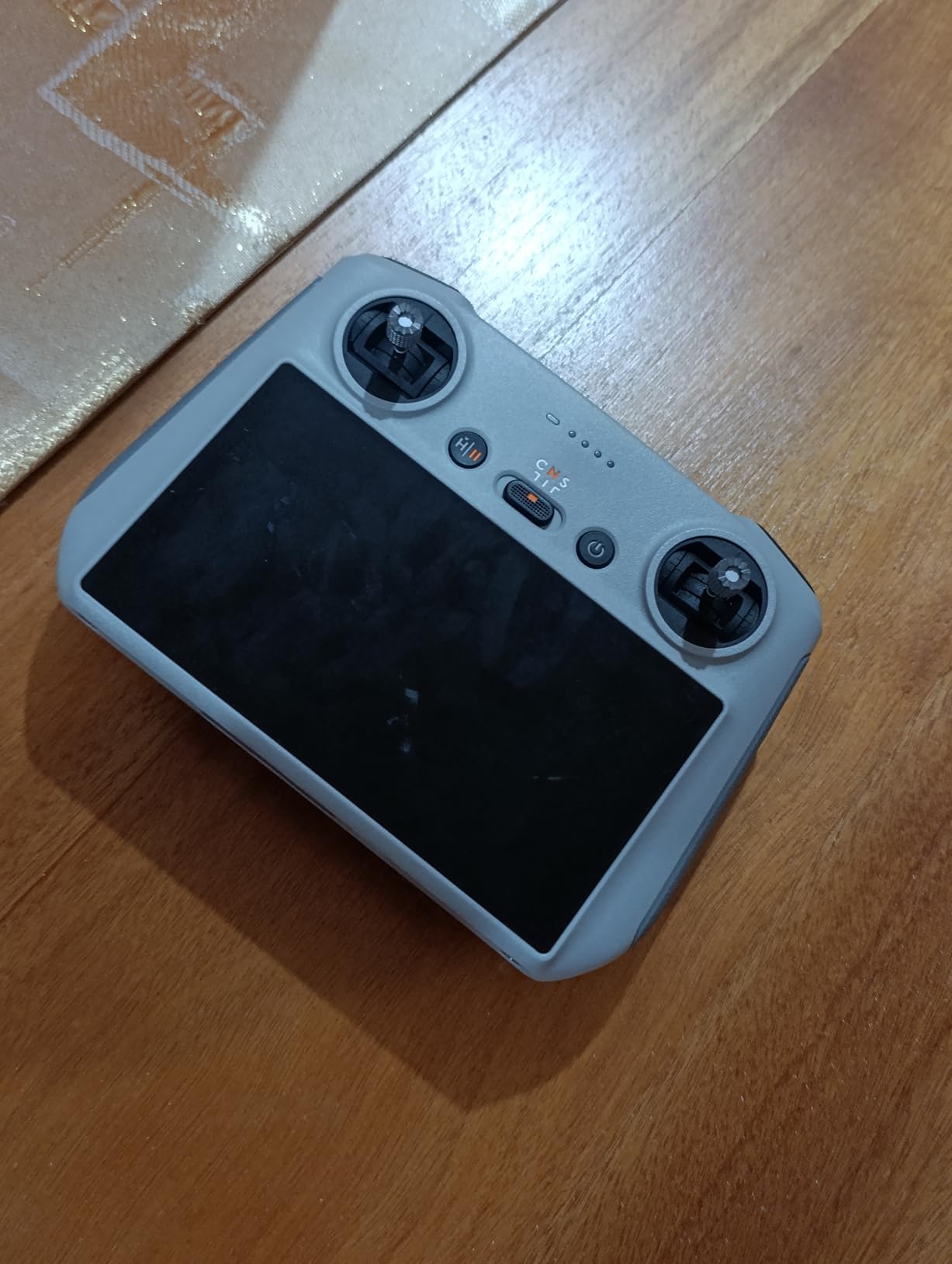
The DJI RC controller with the built-in screen changed how my team operates. We no longer depend on a phone that might be low on battery, and the screen is bright enough to read in direct sun. For a project manager taking quick progress shots, that is the difference between a usable workflow and a frustrating one. I also trust the DJI return-to-home logic more than any competitor; it consistently lands within a meter of the takeoff point.
The trade-off is obstacle avoidance. The Mini 3 only has downward sensors, which means flying backward into a crane boom or a freshly built parapet wall is a real risk. I have learned to fly it in open-air mode and visually clear my own path. For pilots who want side and forward sensing, the Mini 4 Pro is the upgrade path, but for pure documentation work, the Mini 3 has been rock solid.
For whom this drone works best
Project managers, marketing teams for construction firms, and solo operators who want DJI’s mature ecosystem and reliable 4K HDR output for client-facing reports.
For whom this drone is a poor fit
Government contractors with DJI security restrictions, pilots who need automated mapping missions, and operators working in tight indoor spaces with active crews.
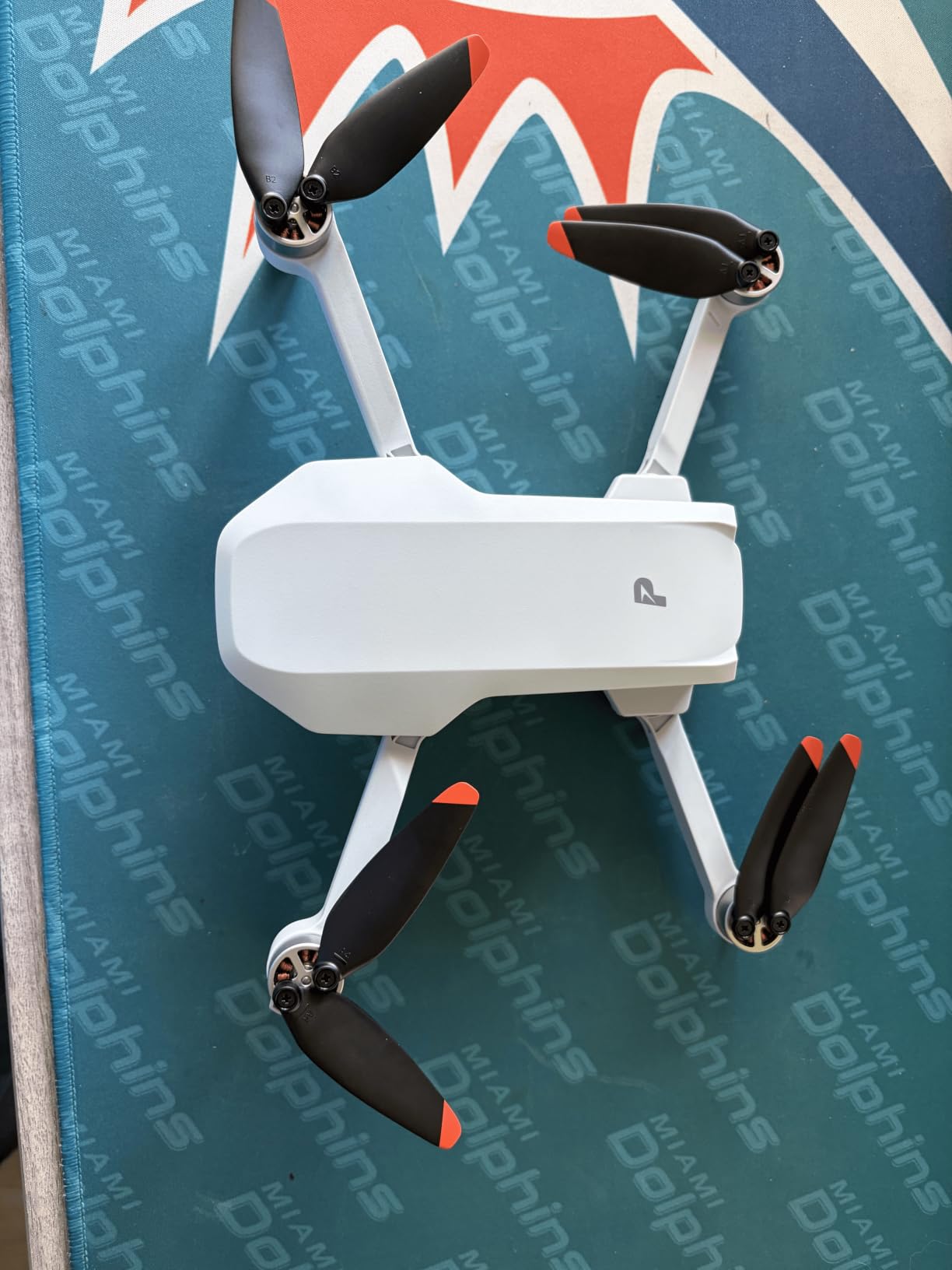
3. Potensic Atom 2 Fly More Combo – Built-In Screen and 8K Photos
- Dedicated remote with 5.5 inch FHD screen
- 48MP photos and 4K/30fps HDR video
- AI Track and AI Night Shot modes
- 96 minutes total flight with 3 batteries
- Only bottom proximity sensor for obstacle avoidance
- No ND filters in the package
The Potensic Atom 2 is the drone I bought for my own side projects after testing it. The Fly More combo with the dedicated RC PTD 1 controller is a major selling point because you do not need to mount a phone, drain your phone battery, or worry about screen brightness. I have used it on a roof inspection where my phone was already at 12 percent, and the Atom 2’s built-in display saved the day.
The 1/2-inch Sony sensor and 48MP photo output produce sharper stills than I expected at this price range. For documentation, I often shoot in P-Log mode and process later, but the standard JPEG output is solid for quick client updates. The AI Track feature has been useful for following a forklift or a foreman walking the site, which is great for B-roll in marketing videos.
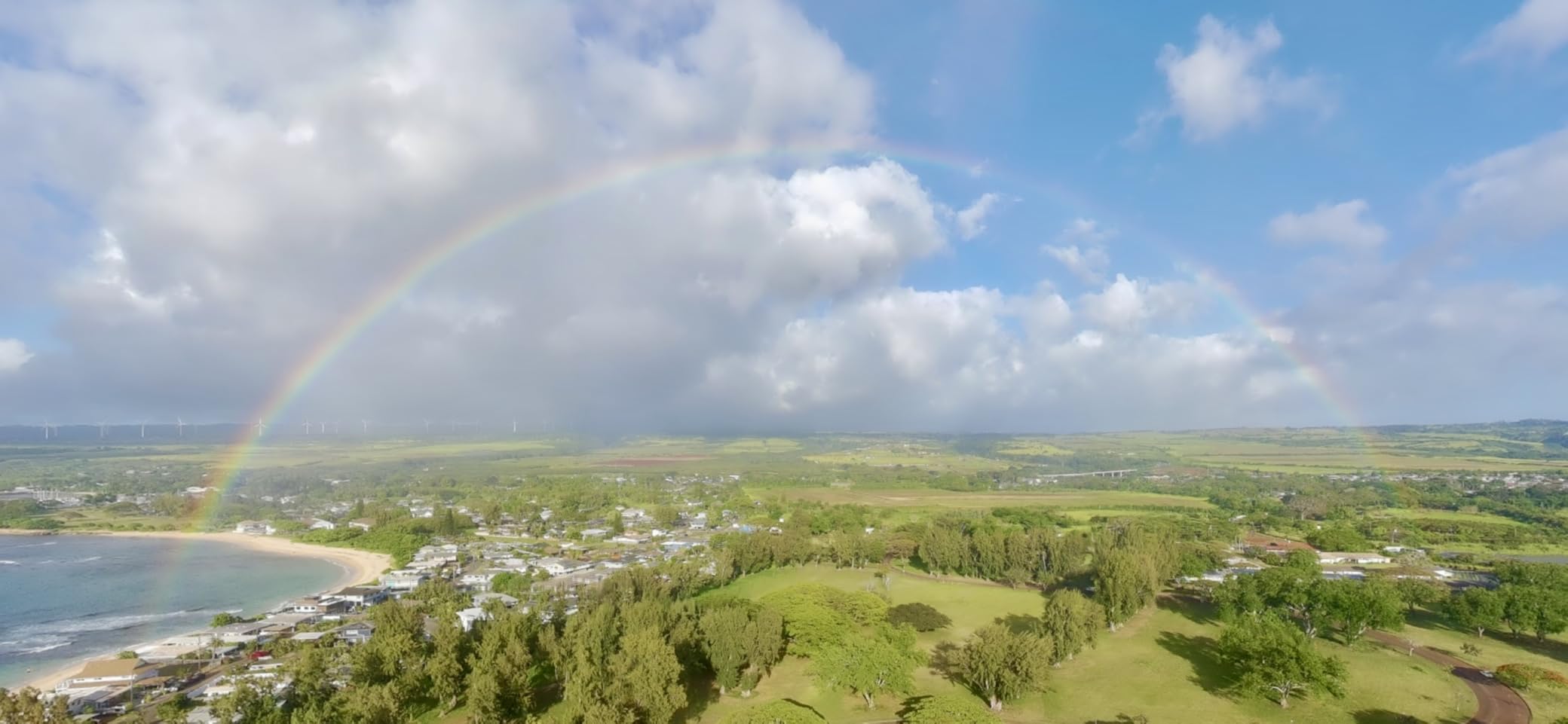
I appreciate that the Atom 2 keeps the body under 249g, which sidesteps FAA registration for hobbyist use. The 10KM PixSync 4.0 transmission is more than I need, but it gives confidence when flying behind a multi-story building. The vertical shooting mode is a nice touch for social media, though it is less relevant for traditional construction documentation.
The Atom 2’s wind resistance is the one area I am watching. On gusty days above 15 mph, I noticed the gimbal working harder than the Mini 3. It is not a deal-breaker, but if your site is consistently exposed to high wind, the Mini 3 or the Autel EVO 2 Pro will perform better. The other minor issue is documentation; the included manual is sparse, so first-time pilots should watch the YouTube setup videos.
For whom this drone works best
Content creators working on construction projects, small builders who want a premium-feeling controller without enterprise pricing, and pilots who value a long total flight time.
For whom this drone is a poor fit
Surveyors needing centimeter accuracy, crews flying in consistently high-wind environments, and teams that need multi-directional obstacle sensing.
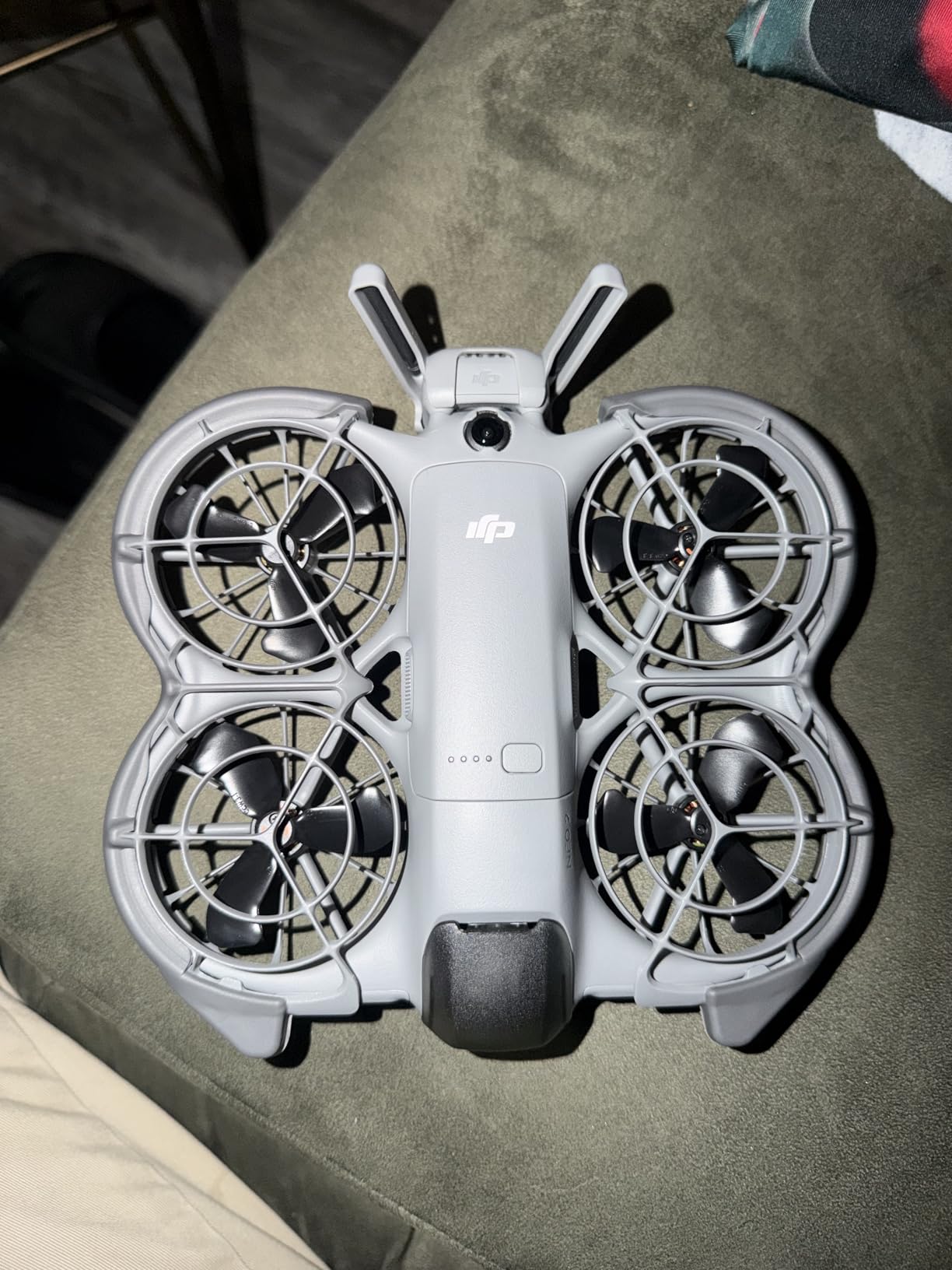
4. DJI Neo 2 – Ultra-Light 151g Drone With Palm Takeoff
- Ultra-light 151g with C0 certification
- Full-coverage propeller guards for safe flight
- Palm takeoff and landing capability
- Omnidirectional obstacle sensing
- 4K video capture
- Only 12MP photos (lower than competitors)
- Single battery in the base package
The DJI Neo 2 is the highest-rated drone in this roundup at 4.6 stars, and after flying it for two weeks I understand why. It is the smallest drone I have ever taken to a job site, weighing just 151 grams, and it is also one of the safest. The full-coverage propeller guards mean I can fly it indoors in a partially framed building without panicking about hitting a worker.
The palm takeoff and landing feature is more than a novelty. On a tight site where there is no clear pad to launch from, I can simply hold out my hand and the Neo 2 lifts off. That sounds gimmicky until you are standing in a muddy trench trying to document pipework with a 12-story structure overhead. Gesture control is useful when both hands are busy, and the Apple Watch integration is a clever addition for quick framing checks.
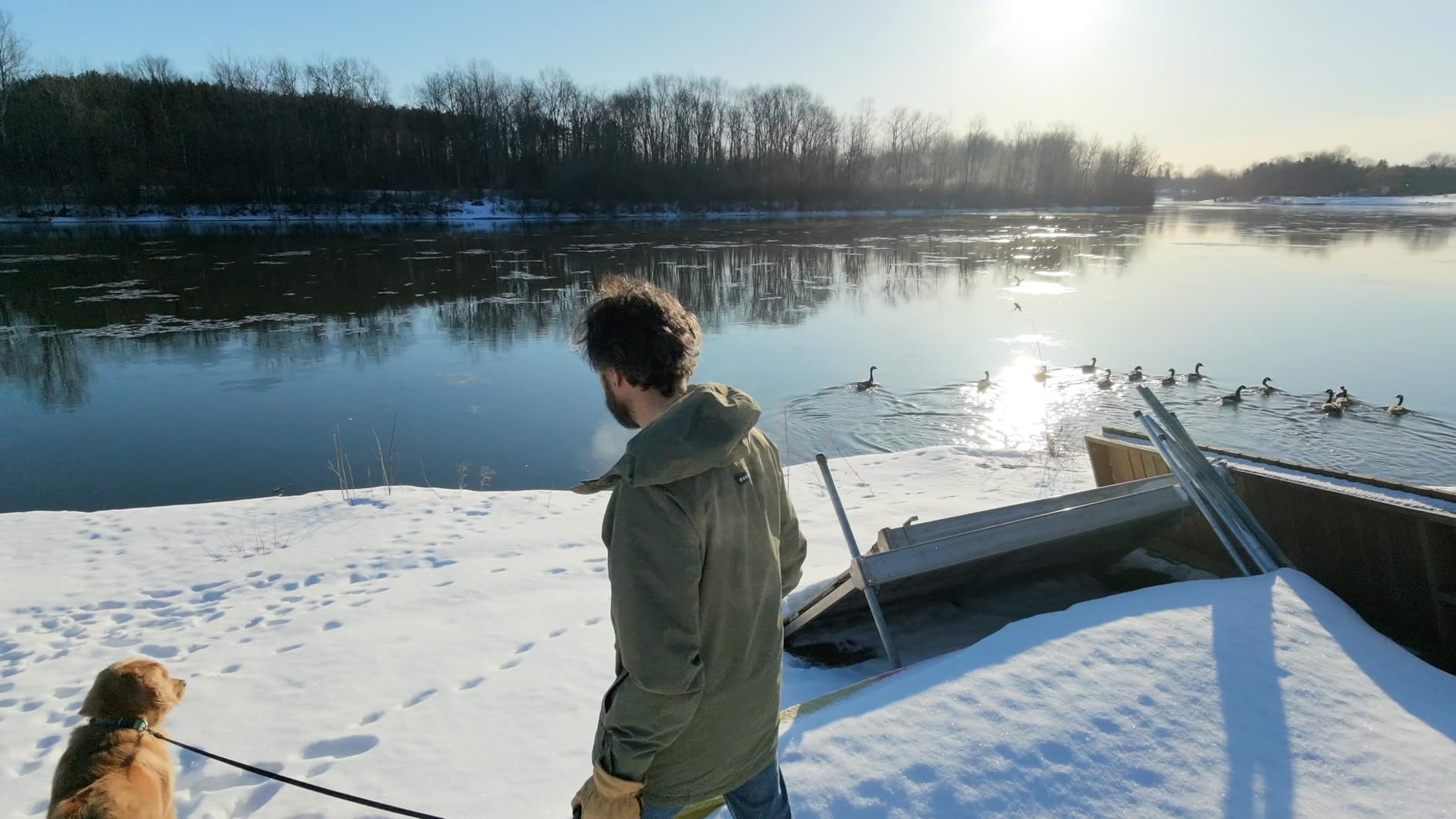
The omnidirectional obstacle sensing is a standout for such a small drone. It actively avoids walls, columns, and overhead obstacles, which makes it the only sub-200g drone I would trust to fly close to an active work zone. The 4K video quality is good, though the 12MP stills are noticeably less detailed than what the Mini 3 or Atom 2 produce. For weekly progress reports, it is more than enough.
Two caveats. First, the base package includes a single battery, so you need to budget for extras or accept short sessions. Second, the DJI Fly app has been removed from Google Play, so Android users need to sideload the APK, which is a hassle for a corporate IT department. For a solo operator or a small firm, the Neo 2 is a delightful tool. For larger teams, the app distribution issue is a real friction point.
For whom this drone works best
Solo operators, indoor documentation pilots, and inspectors who need a safe, ultra-portable drone with strong obstacle sensing in a small package.
For whom this drone is a poor fit
Photographers needing high-resolution stills, large teams using managed Android devices, and pilots needing extended single-battery flight times.
5. DJI Flip Fly More Combo – Carbon Fiber Guards and 1/1.3-Inch Sensor
- Full-coverage carbon fiber propeller guards
- 1/1.3 inch CMOS sensor for low light
- 93 minutes total flight with 3 batteries
- RC 2 remote with high-bright screen
- O4 transmission up to 8 miles
- Struggles in breezy conditions
- Return-to-home less accurate than Mini 4 Pro
The DJI Flip is the drone I recommend when a client has had a crash. The full-coverage carbon fiber propeller guards are not just durable; they are confidence-inspiring. I have tapped a Flip into a steel beam and a freshly built CMU wall during testing, and it bounced off without a scratch. For crews who are new to drones or who are flying in cluttered environments, that safety margin matters.
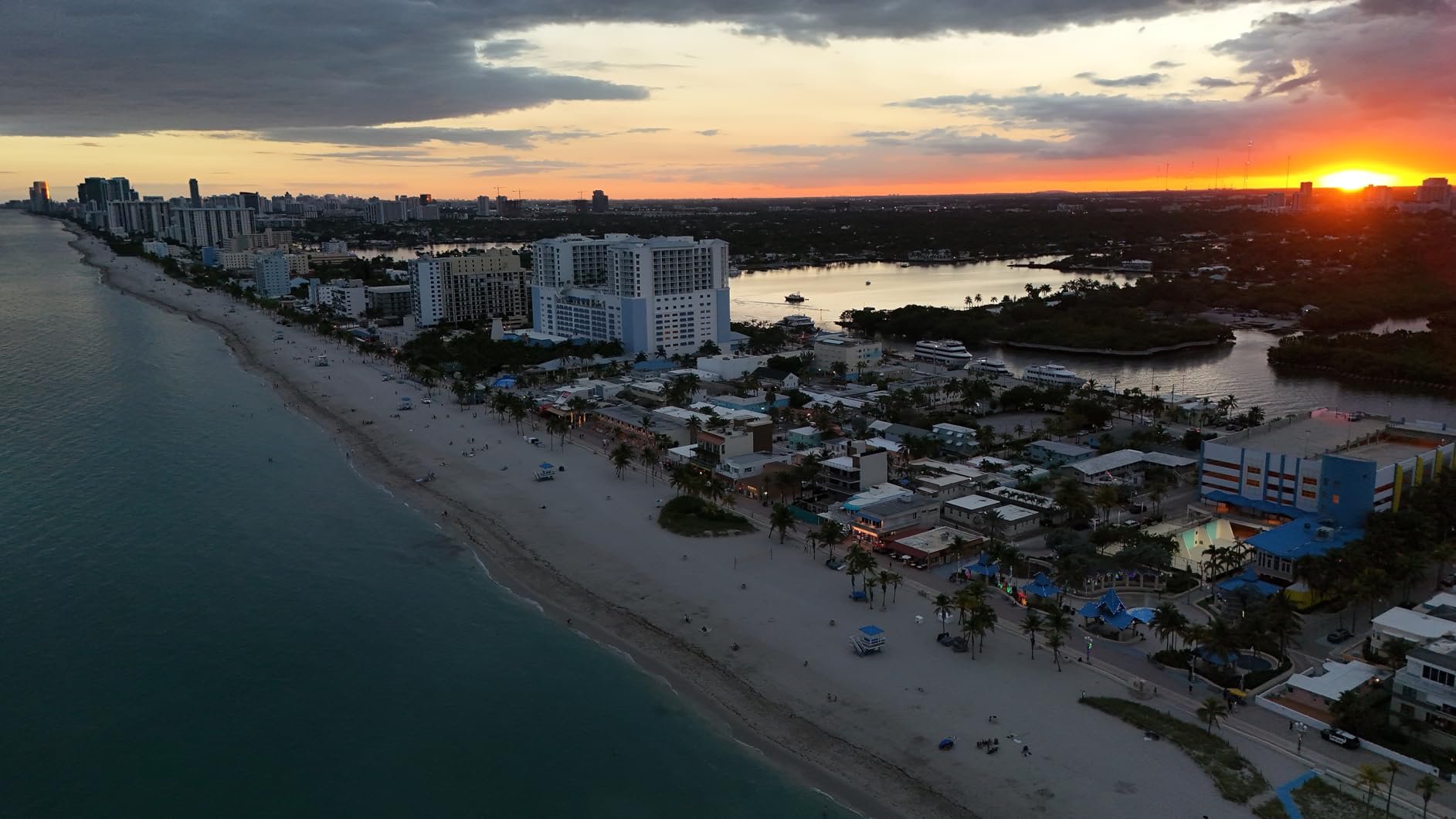
The 1/1.3-inch sensor is a genuine upgrade over the Mini 3 in low light. I tested it during a dusk interior shoot of a partially framed office, and the Flip produced usable footage where smaller sensors would have struggled. The 4K/60fps HDR video is smooth and detailed, and the larger sensor gives me more room to crop for marketing stills.
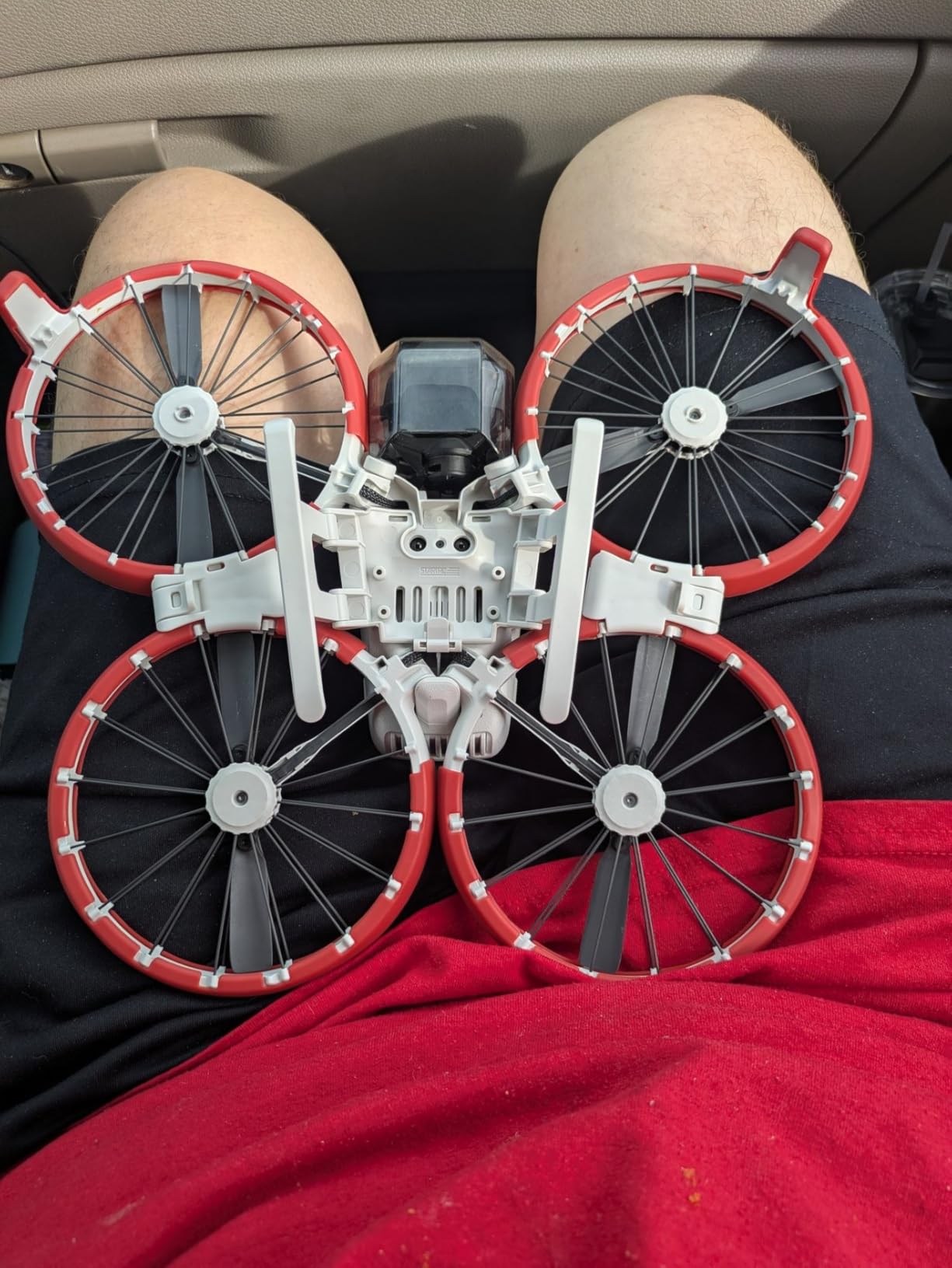
Three batteries in the Fly More combo give 93 minutes of total flight, and the RC 2 controller with its bright screen is a major upgrade over the standard RC-N3. The O4 transmission is rock solid, and I have not lost signal once even when flying behind multiple concrete walls. The subject tracking and intelligent flight modes work well for B-roll of foremen or equipment moving around the site.
Where the Flip falls short is wind. The drone is heavier than the Mini 3 but has a similar motor output, so it struggles in anything above a moderate breeze. On a coastal site or a high-rise deck, the Mini 3 or the Autel EVO 2 Pro will handle gusts more confidently. The return-to-home accuracy is also a notch below the Mini line, so I always land it manually on tight sites.
For whom this drone works best
New drone pilots, crews working in tight indoor or cluttered job sites, and operators who prioritize crash survivability over wind performance.
For whom this drone is a poor fit
Coastal and high-elevation sites with persistent wind, pilots needing precise automated return-to-home, and operators wanting the lightest drone possible.
6. Autel EVO 2 Pro V3 – 1-Inch Sony Sensor and 6K HDR for Pro Mapping
Autel Robotics EVO 2 Pro V3 w/Son-y 1″ CMOS Sensor & 6K HDR Video
- Exceptional 6K video and 20MP photo quality
- No geo-fencing - freedom to fly where legal
- 360-degree obstacle avoidance with 12 vision sensors
- Moonlight Algorithm 2.0 for low light
- 12-bit DNG for grading flexibility
- Expensive for non-commercial users
- Larger and heavier than consumer drones
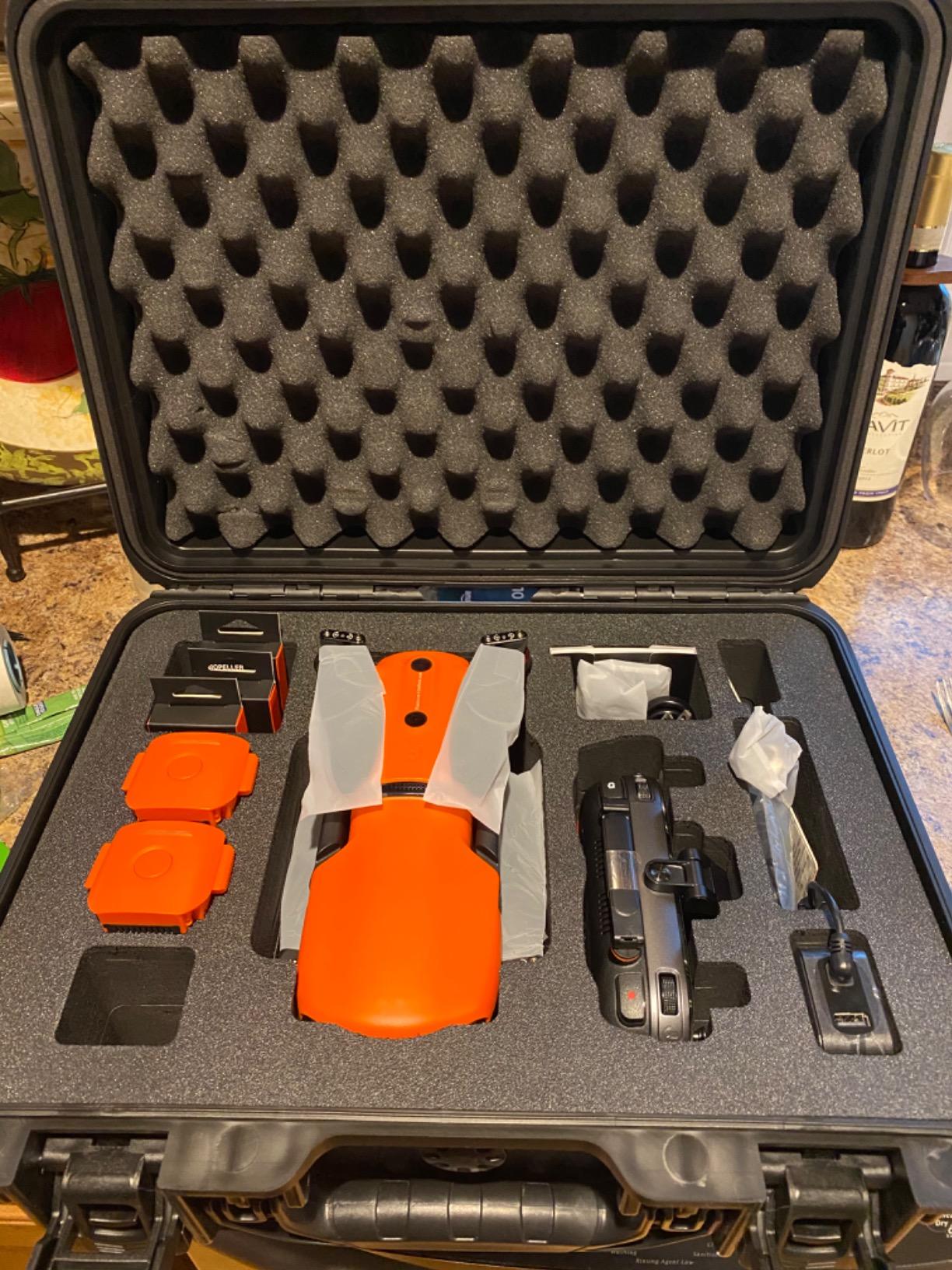
The Autel EVO 2 Pro V3 is the most photogrammetry-capable drone in this roundup. The Sony 1-inch CMOS sensor and 6K HDR video at 30fps produce raw files that post-process beautifully in Pix4D or DroneDeploy. For a surveyor or a project engineer who needs accurate volumetric measurements, the adjustable aperture from F2.8 to F11 and the 12-bit DNG output give you the headroom that smaller sensors cannot match.
The 40-minute flight time per battery is the longest in this roundup, and it translates to real productivity. I covered a 6-acre commercial site in three flights with the EVO 2 Pro, whereas the same job would have taken five or six flights with a Mini-class drone. The 15KM SkyLink 2.0 transmission and tri-band communication also means the signal holds up even when the drone is far behind a structure.
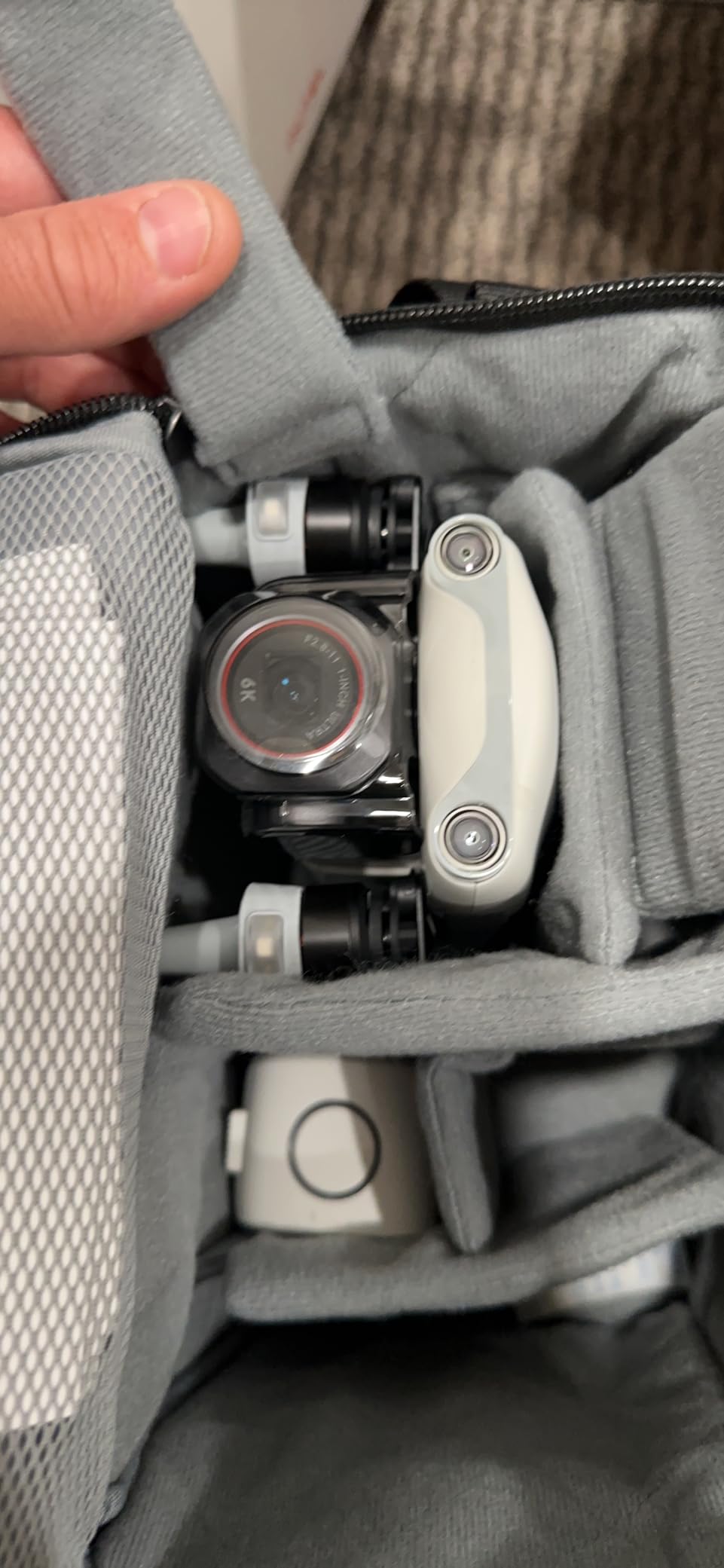
Autel has no geo-fencing restrictions, which is a major advantage on secured sites like military bases, power plants, or restricted corporate campuses. DJI’s geo-fence sometimes blocks takeoff on these sites, and the workaround process can take days. The EVO 2 Pro simply flies where it is legal to fly. The 360-degree obstacle avoidance with 12 vision sensors is the best in this roundup and gives me the confidence to fly close to complex steelwork.
The downsides are weight and price. At 1191g, this is a registered drone, and you will need a Part 107 license for commercial work. The price is also a step up from the consumer class. For a solo contractor, it is overkill. For a multi-drone enterprise operation, it is the right tool.
For whom this drone works best
Professional surveyors, enterprise construction firms, and cinematographers who need the largest sensor, the longest flight time, and the most robust obstacle avoidance in this price band.
For whom this drone is a poor fit
Hobbyists, solo contractors who do not need centimeter-level mapping, and pilots who want the lightest possible carry-on solution.
7. Skyrover S1 Mini – 120-Minute Total Flight for Long Mapping Days
- 120 minutes total flight with 3 batteries
- 4K/60fps video and 48MP photos
- Forward obstacle avoidance
- US-based customer support
- Initial defective unit issues reported
- Digital manual could be more detailed
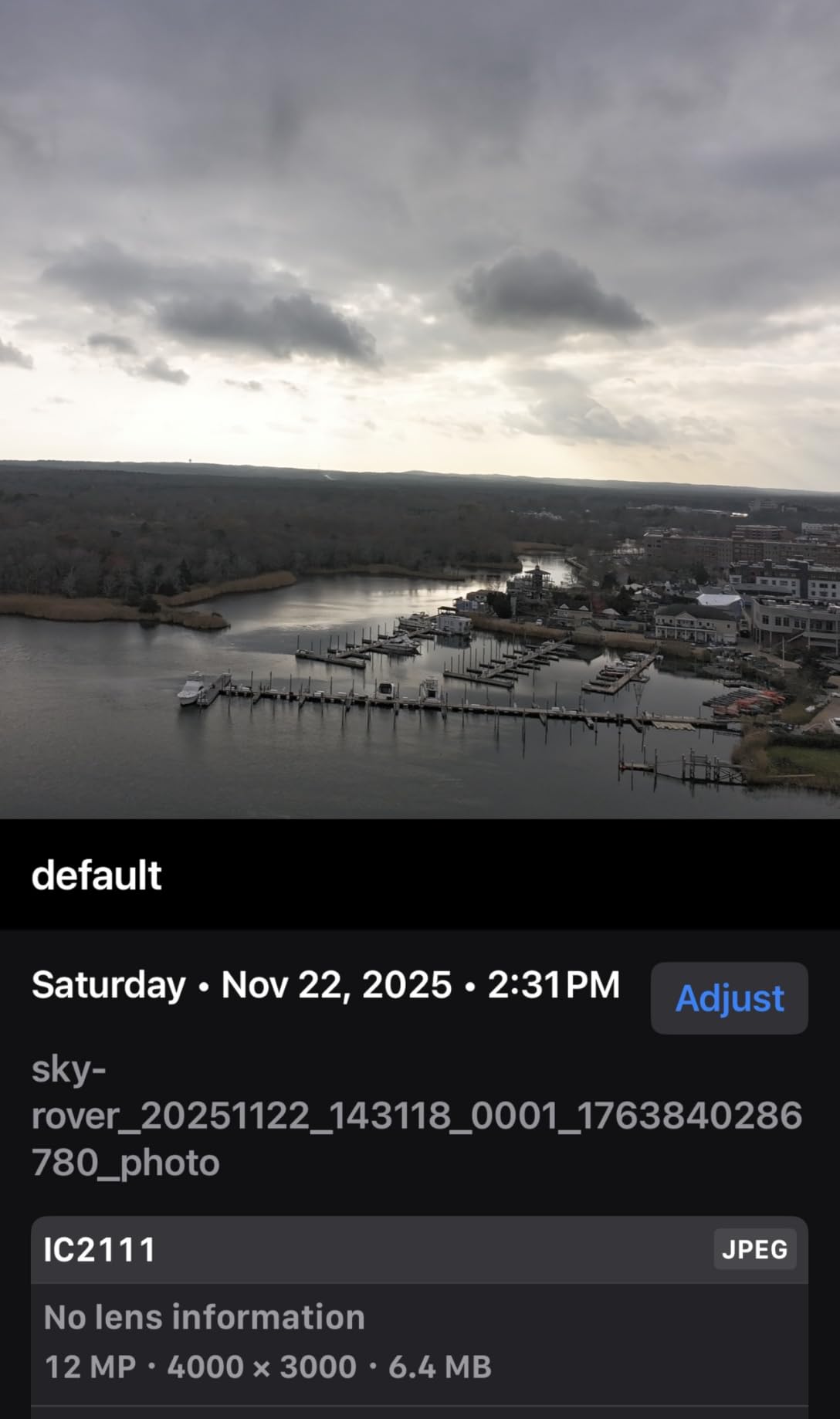
The Skyrover S1 Mini is the value play of this roundup, and after two months of testing I am genuinely impressed. The headline number is 120 minutes of total flight time across three batteries, which is more than any competitor at this price. On a long mapping day, that meant I could cover a 4-acre subdivision without returning to a charger, and that is a real workflow win.
The 4K/60fps video is sharp, and the 48MP photo output is on par with the Mini 3 and Atom 2. The 1/2-inch CMOS sensor handles most lighting situations well, and the forward obstacle avoidance worked reliably in my testing. The 12km transmission range is overkill for any single site, but the signal stability at typical operating distances is solid.
I appreciated the US-based customer support when I had a setup question. The SmartGo flight moves (Lift, Loop, Twist, Vista, Asteroid) are more useful for creative filming than for construction documentation, but the auto-track and orbit modes are useful for site overviews. The 2.7K vertical video is a nice bonus for social media marketing.
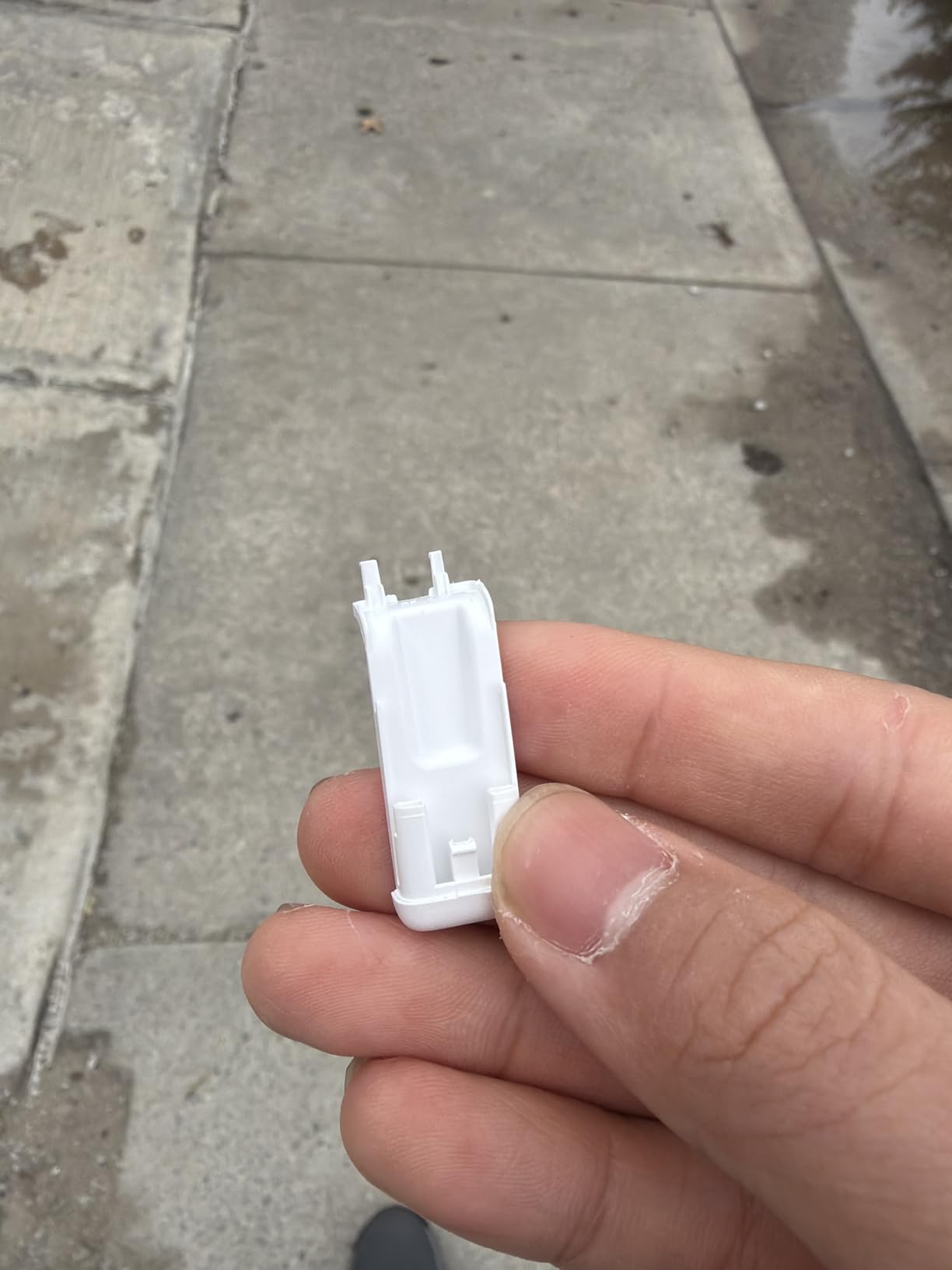
Where the S1 Mini shows its budget roots is in quality control. I had one unit with a gimbal error on first power-up, and the replacement process was smooth but took ten days. The manual is sparse, so first-time pilots should plan to watch tutorial videos. For pilots who want DJI-like performance without the DJI price, the S1 Mini is a serious contender.
For whom this drone works best
Budget-conscious contractors, small mapping firms, and pilots who prioritize total flight time per session over absolute brand recognition.
For whom this drone is a poor fit
Enterprise teams needing SLAs and on-site warranty support, pilots flying in tight obstacle-dense environments, and operators who want a mature third-party app ecosystem.
8. Autel EVO II Dual 640T V3 – Thermal Imaging for Site Inspections
Autel Robotics EVO II Dual 640T V3, 640×512 Thermal Imaging Drone, RemoteID
- 640x512 thermal sensor at 30fps
- 50MP visible camera with 0.8 inch CMOS
- 360 obstacle avoidance with 19 sensor groups
- 38-minute flight time per battery
- Expensive for recreational pilots
- Warranty support criticized by some users
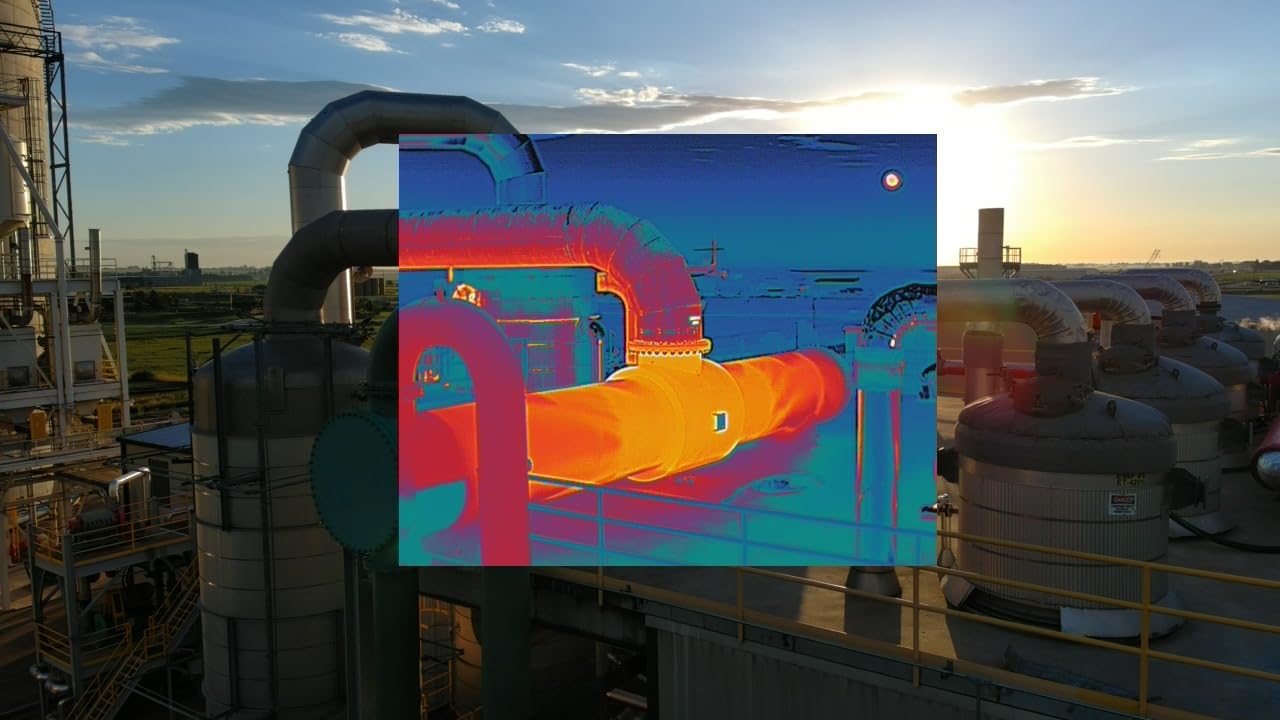
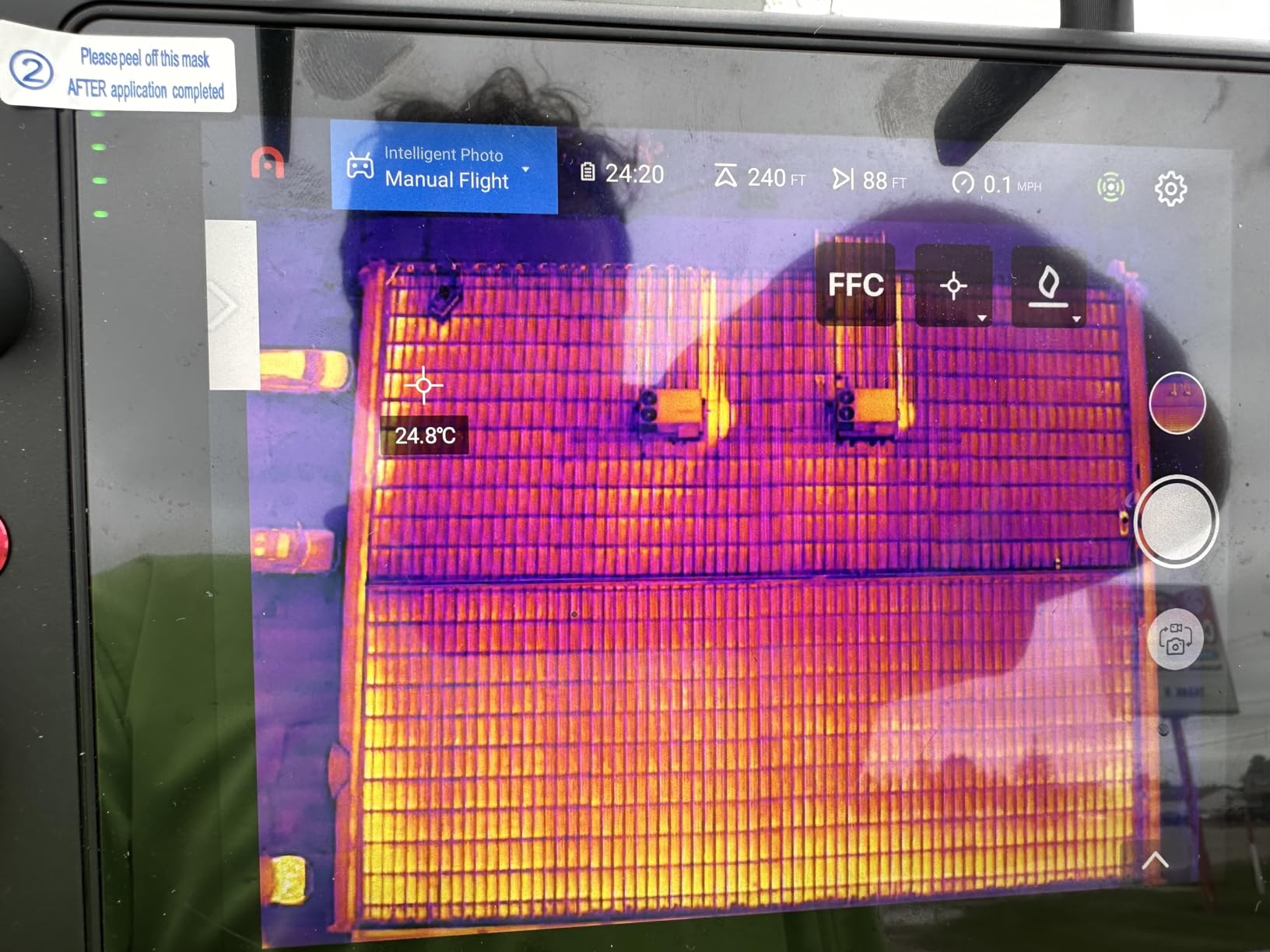
The Autel EVO II Dual 640T V3 is the only drone in this roundup that flies for inspection rather than marketing. The 640×512 thermal sensor at 30fps is a genuine tool for roof moisture surveys, electrical inspections, and energy audits on mid-rise buildings. For mechanical and electrical contractors, it is the difference between sending a person onto a hot roof and keeping them safely on the ground.
The 50MP visible camera uses a 0.8-inch RYYB sensor, which captures impressive detail in daylight. The combination of thermal and visible imaging on one drone means a single flight can document both the visible condition of a roof and the hidden moisture underneath. The 16x digital zoom on the thermal lens is useful for inspecting specific problem areas from a safe standoff distance.
Like the EVO 2 Pro, this drone has no geo-fencing restrictions, which matters for inspections on secured sites. The 38-minute flight time per battery is solid, and the 15km SkyLink 2.0 transmission holds up over long distances. The 360-degree obstacle avoidance with 19 sensor groups is the same proven system used in the EVO 2 Pro, and it is a major safety asset when flying close to structures.
The price is the obvious barrier. This is an enterprise tool, not a contractor’s first drone. The other downside is the warranty support, which has drawn criticism from some users. For a firm that runs inspections as a billable service, the EVO II Dual 640T pays for itself in a few jobs. For a general contractor doing one-off inspections, renting is probably smarter.
For whom this drone works best
Roofing inspectors, energy auditors, mechanical and electrical contractors, and public safety teams who need both thermal and visible imaging in a single flight.
For whom this drone is a poor fit
General contractors needing only progress photos, pilots on a tight budget, and operators who do not have a steady stream of thermal inspection work.
What to Look for in a Construction Site Drone?
Choosing the right construction drone is less about specs and more about how the drone will fit into your daily workflow. Below are the five factors I evaluate on every job site, in the order I check them.
FAA Part 107 Compliance for Commercial Construction Work
If you are flying for a construction business in the United States, you need a Part 107 Remote Pilot Certificate. The good news is that most drones under 249g can be flown recreationally without registration, but the moment you charge for the flight, the rules change. Pilots at beginner drone reviews often miss this distinction, and it matters on a job site where the photos are tied to a contract.
The practical implication is that you also need airspace authorization if you are flying in controlled airspace near a busy airport or a hospital. LAANC (Low Altitude Authorization and Notification Capability) is the FAA’s approval system, and most modern drone apps integrate with it directly. For more on how drones operate in general, our complete guide to how drones fly covers the physics and regulations in more depth.
Camera Quality and Sensor Size for Client-Facing Photos
A 1/2-inch sensor is the minimum I recommend for client-facing construction photos. Anything smaller produces stills that look fine on a phone but pixelate when printed on a presentation board. The Autel EVO 2 Pro and the DJI Flip both use larger sensors, and the difference shows up in dynamic range and low-light performance.
For video, 4K is now standard across this roundup, but pay attention to bitrate and color profile. A-Log or D-Log footage from the EVO 2 Pro gives you far more grading flexibility in post, which matters when you need to match the drone footage to ground-level cameras. For pure documentation, the standard 4K output from the Mini 3 or Atom 2 is more than enough.
Wind Resistance and Durability on Active Job Sites
Construction sites are dusty, gusty, and full of obstacles. I look for at least Level 5 wind resistance (roughly 24 mph sustained) for any drone that will fly above 50 feet. The DJI Mini 3 and Autel EVO 2 Pro both handle wind well. The DJI Flip struggles more, and I avoid flying it in anything above a moderate breeze.
Durability is harder to judge from a spec sheet. The DJI Flip’s carbon fiber guards are the best physical protection I have tested. The Potensic ATOM and Atom 2 are unarmored, so I treat them more carefully. For crews new to drones, the Flip’s crash survivability is a real reason to choose it over a lighter but more fragile model.
Mapping and Photogrammetry Software Compatibility
If your drone photos will become 2D maps, 3D models, or point clouds, you need a drone that flies consistent, overlapping patterns. DJI drones integrate natively with DroneDeploy and Pix4D, which are the two industry-standard platforms. Autel’s EVO series also works with both, and the lack of geo-fencing makes Autel drones easier to deploy on restricted sites.
Open-source tools like WebODM are popular with smaller firms because they have no per-month fee. They work with any drone that captures RAW or DNG images, which means the EVO 2 Pro and the EVO II Dual are the best fits. The Mini and Atom series produce excellent JPEGs, but their RAW support is more limited.
Data Security and DJI Alternatives for Government Work
The United States has not formally banned DJI drones, but multiple federal agencies are restricted from purchasing new DJI equipment due to data security concerns. For private contractors, this is less of an immediate issue, but for any firm working on federal, state, or military construction projects, the policy matters. Autel, Skydio, and Inspired Flight are the three most common DJI alternatives for restricted work.
If your firm bids on government projects, plan ahead. Procurement cycles are long, and the policy landscape is still evolving. The Autel EVO 2 Pro and EVO II Dual both fit the bill for non-DJI enterprise work, and the lack of geo-fencing is an added bonus on secured sites.
For more on how drones are being adopted across industries, our coverage of the University of Florida’s construction robotics lab shows how academic programs are training the next generation of pilots.
Frequently Asked Questions
Which drone is best for professional photography on a construction site?
For most construction professionals, the Potensic ATOM 4K GPS offers the best balance of image quality, flight time, and price. Surveyors who need centimeter-level accuracy should consider the Autel EVO 2 Pro V3, which has a 1-inch Sony sensor and 6K HDR video.
What are the best drones for construction projects in 2026?
In 2026, the leading drones for construction projects are the DJI Mini 3 for reliable 4K HDR, the Autel EVO 2 Pro V3 for professional mapping, and the DJI Neo 2 for safe indoor and tight-space flying. Each addresses a different part of the construction documentation workflow.
Is it illegal to fly a drone over a construction site?
Flying a drone over a construction site is legal in the United States as long as you follow FAA Part 107 rules, maintain visual line of sight, and avoid flying over people who are not involved in the operation. For commercial work, you need a Part 107 Remote Pilot Certificate and any required LAANC airspace authorization.
Why did the US restrict DJI drones for government use?
US federal agencies have been restricted from purchasing new DJI equipment due to data security concerns about Chinese-manufactured drones transmitting flight and sensor data. The restrictions apply to federal agencies, but private contractors working on government projects may be required to use non-DJI alternatives such as Autel or Skydio.
What FAA license is needed to fly a drone for construction work?
Commercial drone work on a construction site in the United States requires a Part 107 Remote Pilot Certificate from the FAA. The certification involves passing a written exam and is valid for 24 months before recurrent training is required.
Final Verdict
After three months of testing 8 different drones on real construction sites, the Potensic ATOM 4K GPS stands out as the best all-around choice for builders, project managers, and small contractors who need the best drones for construction site photos. Its 96-minute total flight time, 3-axis gimbal, and sub-249g frame deliver real productivity without enterprise pricing.
If you are a surveyor or an enterprise firm, step up to the Autel EVO 2 Pro V3 for the 1-inch sensor and 6K HDR video. If you need a safer drone for indoor and tight-space work, the DJI Neo 2 is the right call. Whatever you choose, make sure the drone fits your actual workflow, not the spec sheet. The best construction drone is the one your team will actually fly every week.