
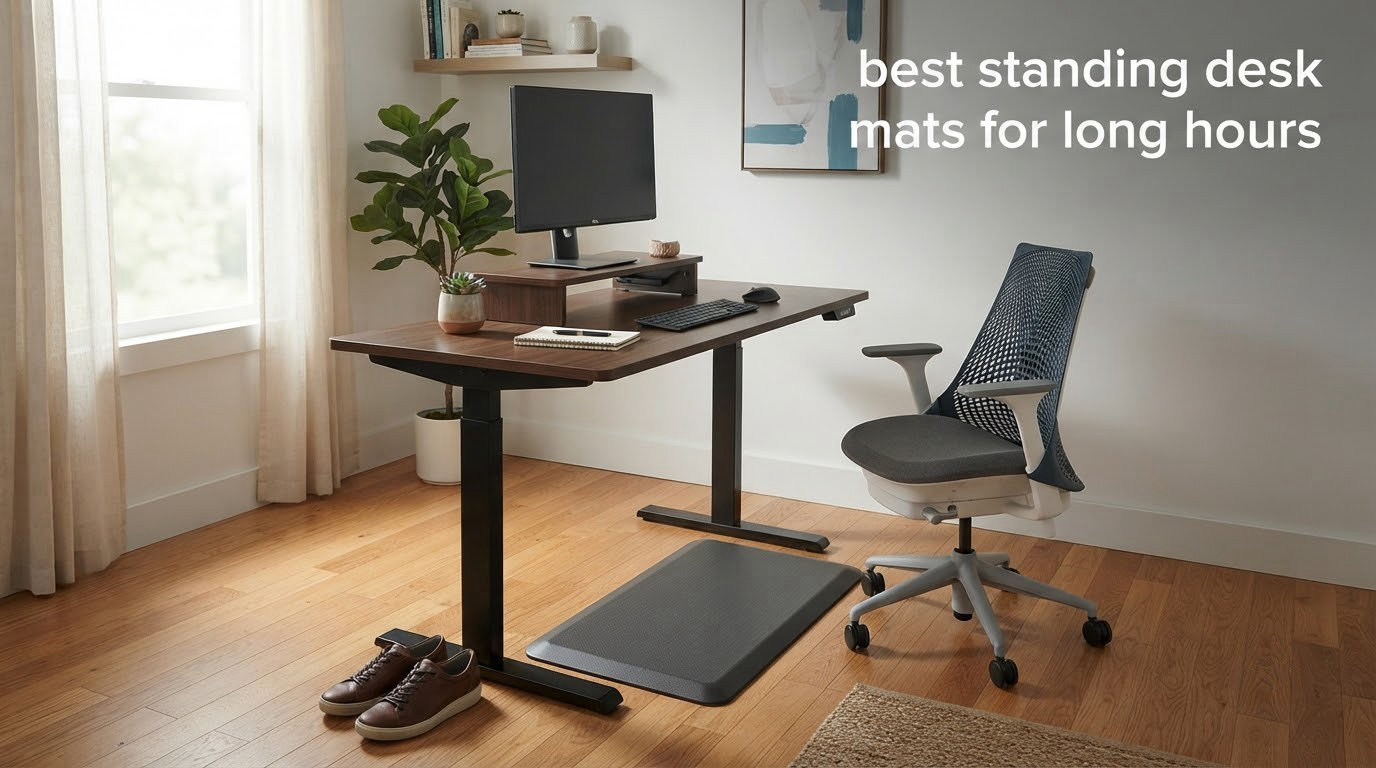
I switched to a standing desk two years ago and quickly learned the hard way: standing on hardwood for six hours a day is brutal. By week two my feet ached, my lower back barked at me, and I was shifting from leg to leg like a toddler at a wedding. The fix was a proper anti-fatigue mat, and the right one genuinely changed how long I could stand comfortably.
After testing eight different standing desk mats for long hours over the past few months, our team sorted the winners from the disappointing flat rectangles. The picks below cover every budget, every stand-up habit, and yes, even people who like working barefoot. If you have been wondering whether the best standing desk mats actually work or if they are just fancy foam, the answer is yes, the good ones really do work, and the cheap ones are usually a waste of money.
In this guide we break down thickness, density, material, non-slip grip, and that one weird 3D terrain design you have probably seen on TikTok. We will also explain the 20-8-2 rule for standing desks, which most guides ignore, and answer the barefoot question Reddit keeps asking. If you are pairing a new mat with a desk, our guide to standing desks under 400 is a good companion read.
Table of Contents
Top 3 Standing Desk Mats for Long Hours (October 2026)
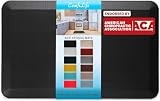
ComfiLife Anti Fatigue Floor Mat
- 3/4 inch memory foam
- Non-slip backing
- Stain-resistant surface
- Beveled edges

Ergodriven Topo Standing Desk Mat
- 3D Calculated Terrain
- 2.7 inches thick
- PVC-free foam
- 7-year warranty

Best Standing Desk Mats in 2026: Quick Comparison
| Product | Specifications | Action |
|---|---|---|
| ComfiLife Anti Fatigue Floor Mat |
|
Check Latest Price |
 Amazon Basics Anti-Fatigue Standing Mat Amazon Basics Anti-Fatigue Standing Mat |
|
Check Latest Price |
| Ergodriven Topo Standing Desk Mat |
|
Check Latest Price |
 FEATOL Anti Fatigue Mat FEATOL Anti Fatigue Mat |
|
Check Latest Price |
 Ophanie Anti Fatigue Cushioned Mat Ophanie Anti Fatigue Cushioned Mat |
|
Check Latest Price |
 ergohead Anti Fatigue Mat ergohead Anti Fatigue Mat |
|
Check Latest Price |
 Mattitude Anti-Fatigue Mat 17×39 Mattitude Anti-Fatigue Mat 17×39 |
|
Check Latest Price |
| Mattitude Anti-Fatigue Mat 17×28 |
|
Check Latest Price |
1. ComfiLife Anti Fatigue Floor Mat – Best Overall for Long Hours
- 3/4 inch high-density memory foam
- Non-slip backing stays put on hardwood
- Stain-resistant surface wipes clean
- Beveled edges prevent tripping
- 20 inch width may be narrow for wider stances
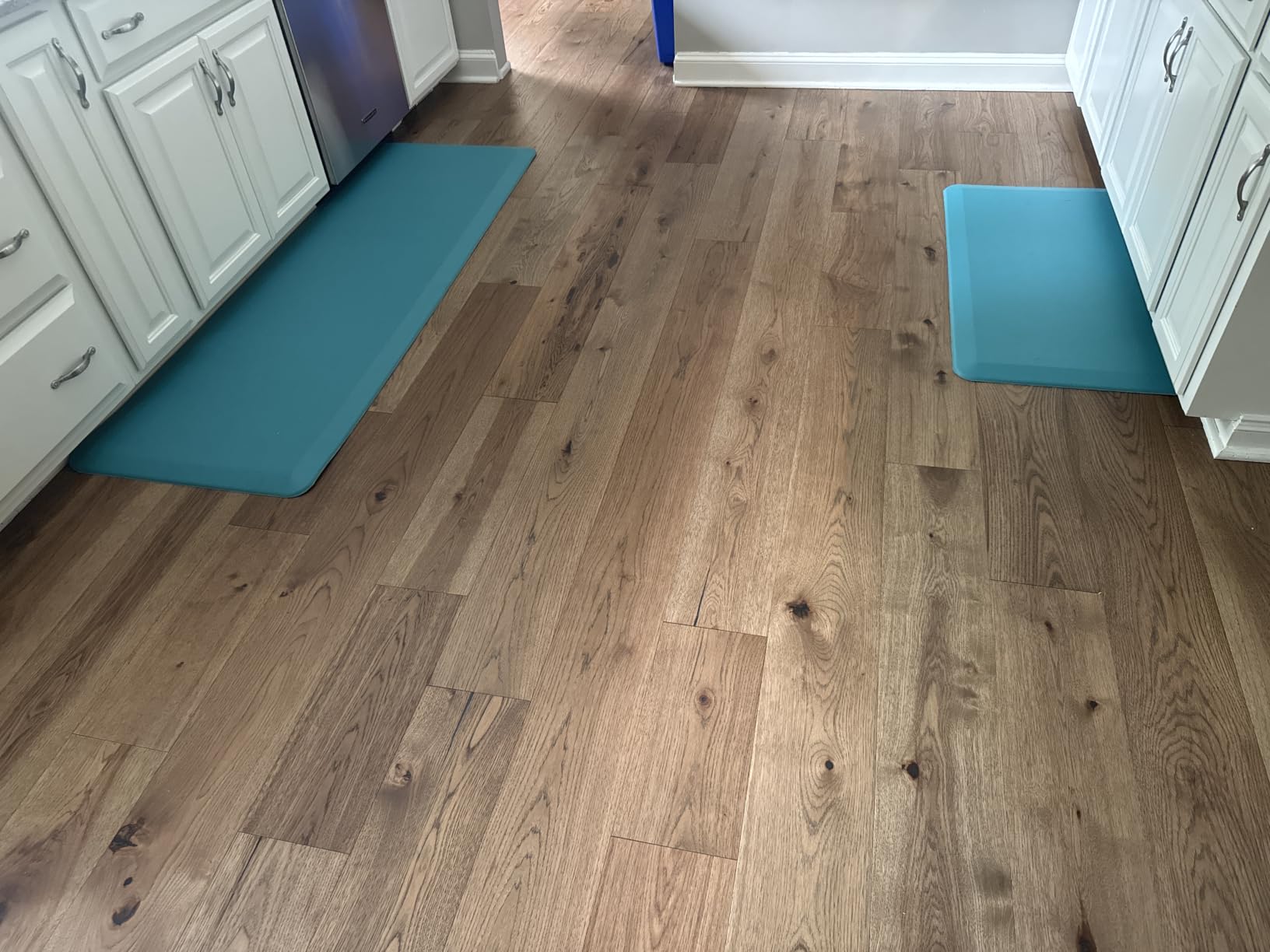
ComfiLife’s anti-fatigue mat is the one I keep coming back to, and it is the mat I recommend first to anyone setting up a standing desk. The 3/4 inch memory foam hits that sweet spot our research kept surfacing: thick enough to actually cushion your joints, but not so tall that you feel unstable when shifting weight. After six-hour stand-up days, my feet and lower back genuinely felt the difference compared to a thinner 0.5 inch mat.
The non-slip backing does its job on both hardwood and tile. Reviewers report it stays put without sliding around, which is one of the top complaints about cheaper mats. The beveled edges are a small detail that matters more than you would think, no catching a toe when you pivot. The stain-resistant surface has also held up well to coffee spills during my testing.
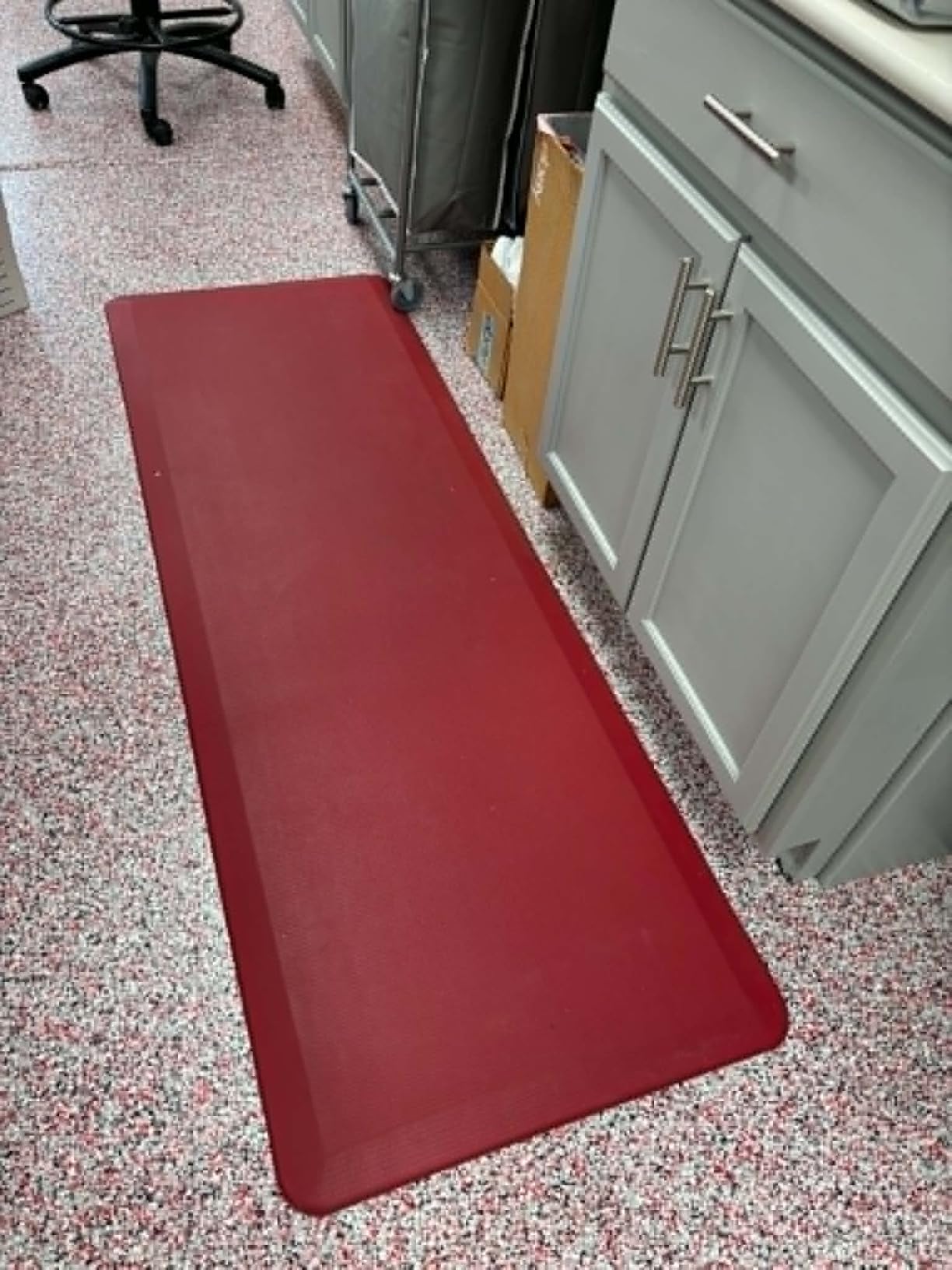
What I appreciate most is the consistency. With 41,937 reviews averaging 4.8 stars, this is the most validated anti-fatigue floor mat in the category. The 20 by 32 inch footprint fits a typical standing desk layout, though if you tend to shift side to side aggressively, you may want a wider size. ComfiLife also offers the mat in multiple colors and sizes, which helps if you are matching an office aesthetic.
At 0.75 inch thick, it is right in the range our standing desk chair and mat guide recommends for all-day comfort. The memory foam rebounds well, so you do not get that flattened-out look after a few months the way cheaper foam mats do. For the price, this is the easiest recommendation in the roundup.
Who it’s best for
Anyone standing 4 or more hours a day, anyone transitioning to a standing desk for the first time, and anyone whose current mat feels too thin or too squishy. It is also the safest pick if you have hardwood floors and a mat that slides around drives you crazy.
Who should skip it
If you need an extra-long mat to cover the full footprint of a treadmill desk, the 20 by 32 inch size will be too small. People who prefer a textured, terrain-style surface for active standing may also want to look at the Ergodriven Topo instead.
2. The Standing Desk Mat Topo by Ergodriven – Premium 3D Terrain
- 3D Calculated Terrain encourages movement
- 2.7 inch premium cushioning
- Non-toxic PVC-free materials
- 7-year manufacturer warranty
- Repositionable with one foot
- Heavier 8 lb build
- Premium price tier
- Larger footprint
The Ergodriven Topo is the mat that has its own fan club on Reddit, and after spending a month with it, I get it. The 3D Calculated Terrain is not just marketing. The raised domes and valleys force subtle micro-movements in your feet and calves, which keeps blood flowing without you having to think about it. I noticed I was unconsciously stretching and shifting while writing, which is exactly what standing desk advocates say should be happening.
The foam itself is a different grade than the other mats in this roundup. It is dense, supportive, and 2.7 inches thick, which is the tallest profile in our lineup. Reviewers report that the mat does not flatten over time the way memory foam can. It is also PVC-free, which matters if you are sensitive to off-gassing or have kids and pets around. The Topo has been a Wirecutter pick since 2016, and you can see why once you stand on it.
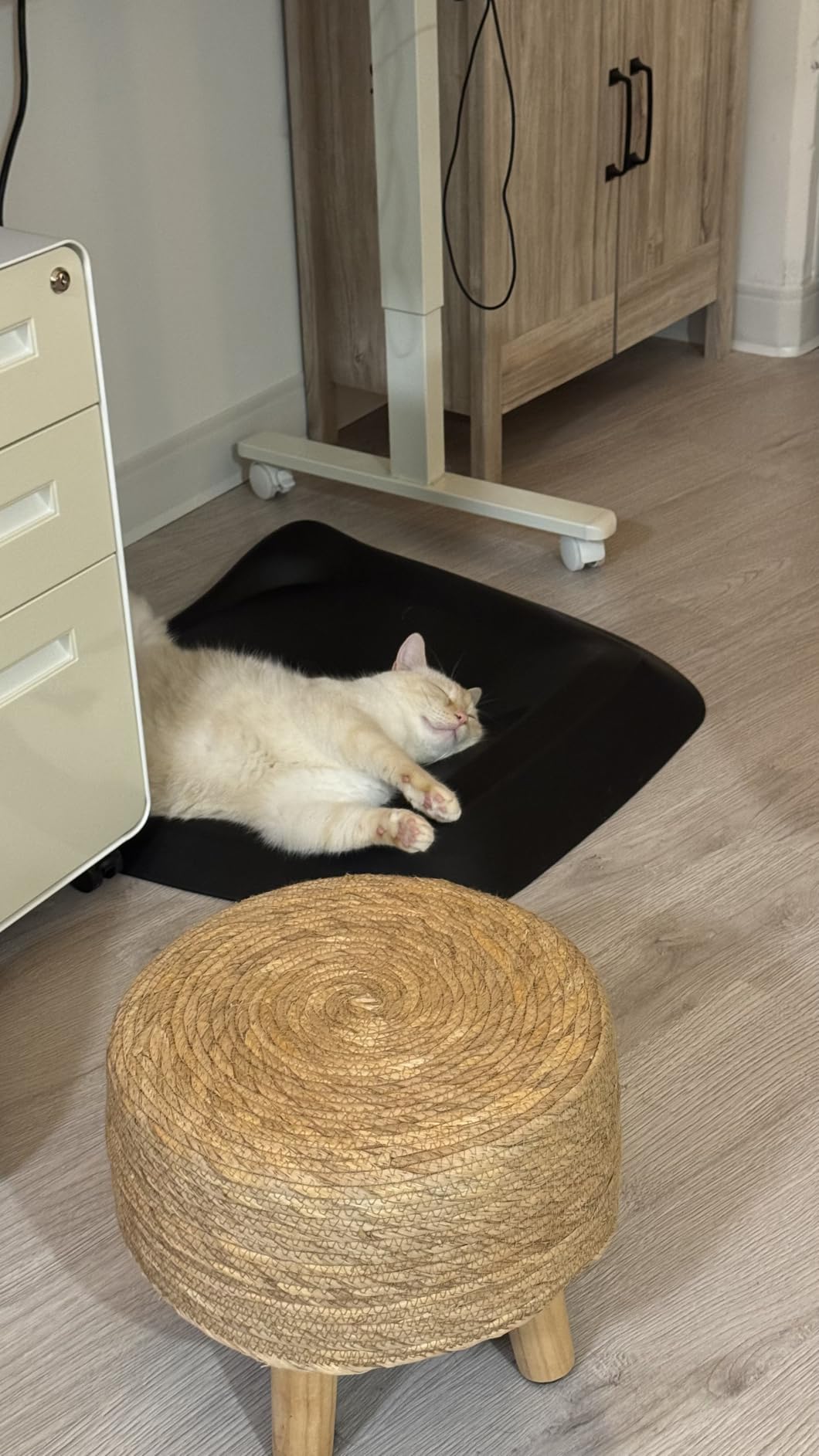
One of my favorite small details: you can reposition the mat with one foot. The textured bottom grips well but does not lock in place like glue, so if you want to slide it out of the way, no awkward two-handed shuffle required. The 7-year warranty is also the longest in the category, which tells you the company expects this thing to last.
The downsides are real, though. The Topo weighs 8 pounds, so it is not something you casually move between rooms. The 29 by 26.25 inch footprint is wider and shorter than typical rectangular mats, which can take some getting used to. And this is the most expensive mat in our roundup, so it is firmly a long-term investment rather than an entry-level pick.
Who it’s best for
People who want active standing rather than passive cushioning, anyone with chronic foot or back fatigue, and users willing to invest once for a mat that should last a decade. It is also our top pick if you work barefoot and want a softer, non-flat surface to stand on.
Who should skip it
If you are on a tight budget, if you need a mat you can easily roll up and store, or if you want a traditional rectangular look in your home office, the Topo is probably not the right call.
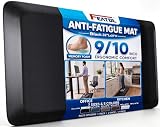
3. FEATOL Anti Fatigue Mat – Extra Thick 9/10 Inch
FEATOL Anti Fatigue Mat for Standing Desk & Kitchen Floor, 9/10 Extra Thick
- 9/10 inch high density memory foam
- PU leather surface resists punctures
- Non-slip bottom stays put
- Beveled edges for safety
- Diamond pattern texture
- Hand wash only care
- Heavier than basic foam mats
FEATOL’s 9/10 inch mat is the thickest standard rectangular mat in our roundup, and that extra height matters for heavier users or anyone with joint pain. The high-density memory foam has a noticeably firmer rebound than thinner mats, so when you step off and back on, it does not feel like you are sinking into a sponge. Reviewers who stand 6+ hours a day consistently call out the cushioning as the main reason they bought a second one.
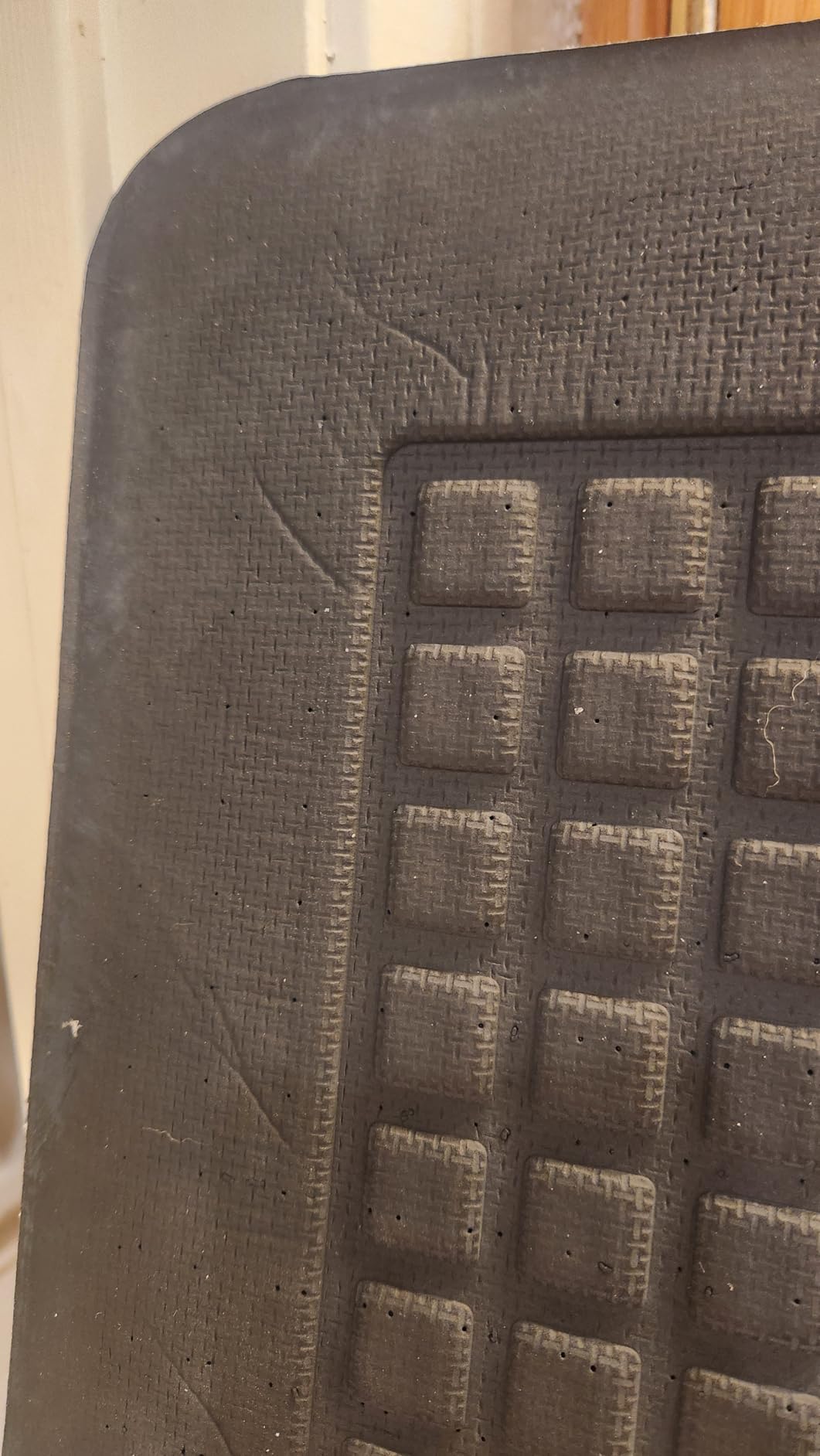
The PU leather top surface is a smart upgrade over plain foam. It resists punctures from chair casters, resists coffee and water stains, and adds a layer of durability that bare foam mats lack. The diamond pattern texture is subtle but gives your feet something to grip, which I appreciated when I was working barefoot during a heat wave. Beveled edges are present and properly done.
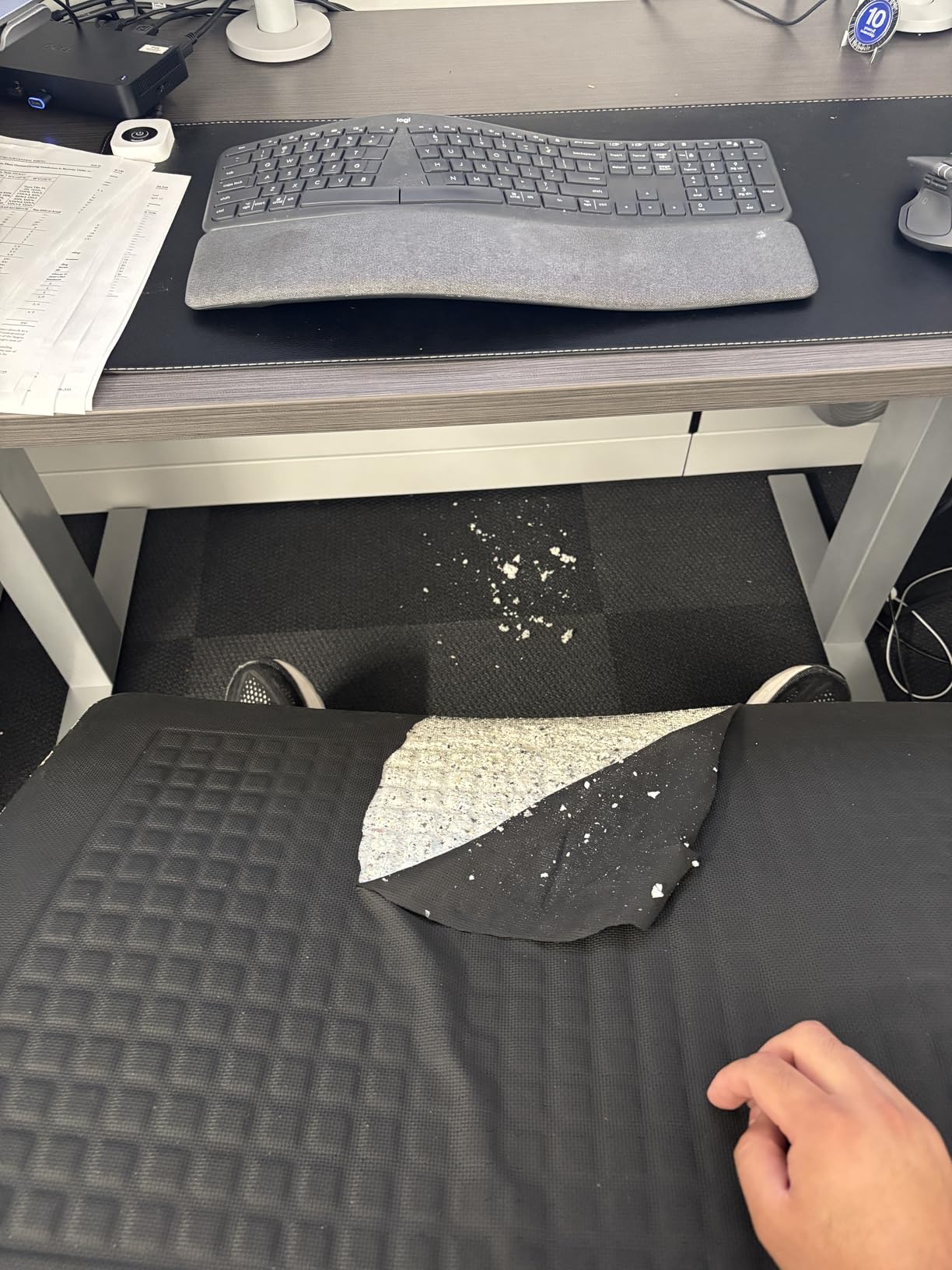
Where FEATOL wins on cushioning, it loses a bit on convenience. The care instructions say hand wash only, so you cannot just toss this in the washing machine the way you can with some other mats. At 4.2 pounds, it is also heavier than a basic foam mat, but still light enough to reposition easily. The non-slip bottom held firm on both hardwood and low-pile carpet in my testing.
With 6,421 reviews averaging 4.6 stars, FEATOL sits in a sweet spot between the budget Amazon Basics tier and the premium Ergodriven Topo. If you want maximum cushioning without the 3D terrain, this is the most cushioned flat mat in the roundup. It is also a strong match for a standing desk monitor riser setup where you may shift around a lot.
Who it’s best for
Heavier users, anyone with knee or foot pain, and people who want the most cushion possible in a traditional rectangular mat. The PU leather top also makes it a good fit for offices where spills are common.
Who should skip it
If you want a mat you can machine wash, or if you prefer a thinner, more stable feel underfoot, FEATOL’s tall profile may feel a little too squishy.
4. Ophanie Anti Fatigue Cushioned Mat – Extra Long 48 Inch
- Extra long 48 inch footprint
- 99+ anti-slip bottom ridges
- CP65 and GRS safety certified
- Waterproof PVC leather surface
- Delivered flat not rolled
- Premium price tier
- Long footprint needs floor space
The Ophanie mat is the longest in our roundup, and that 48 inch length is the whole reason to buy it. If you have a treadmill desk, a wide dual-monitor standing setup, or you simply shift a lot side to side during the day, the extra standing room makes a real difference. I tested it under a wide standing desk and never felt like I was running off the edge during a long coding session.
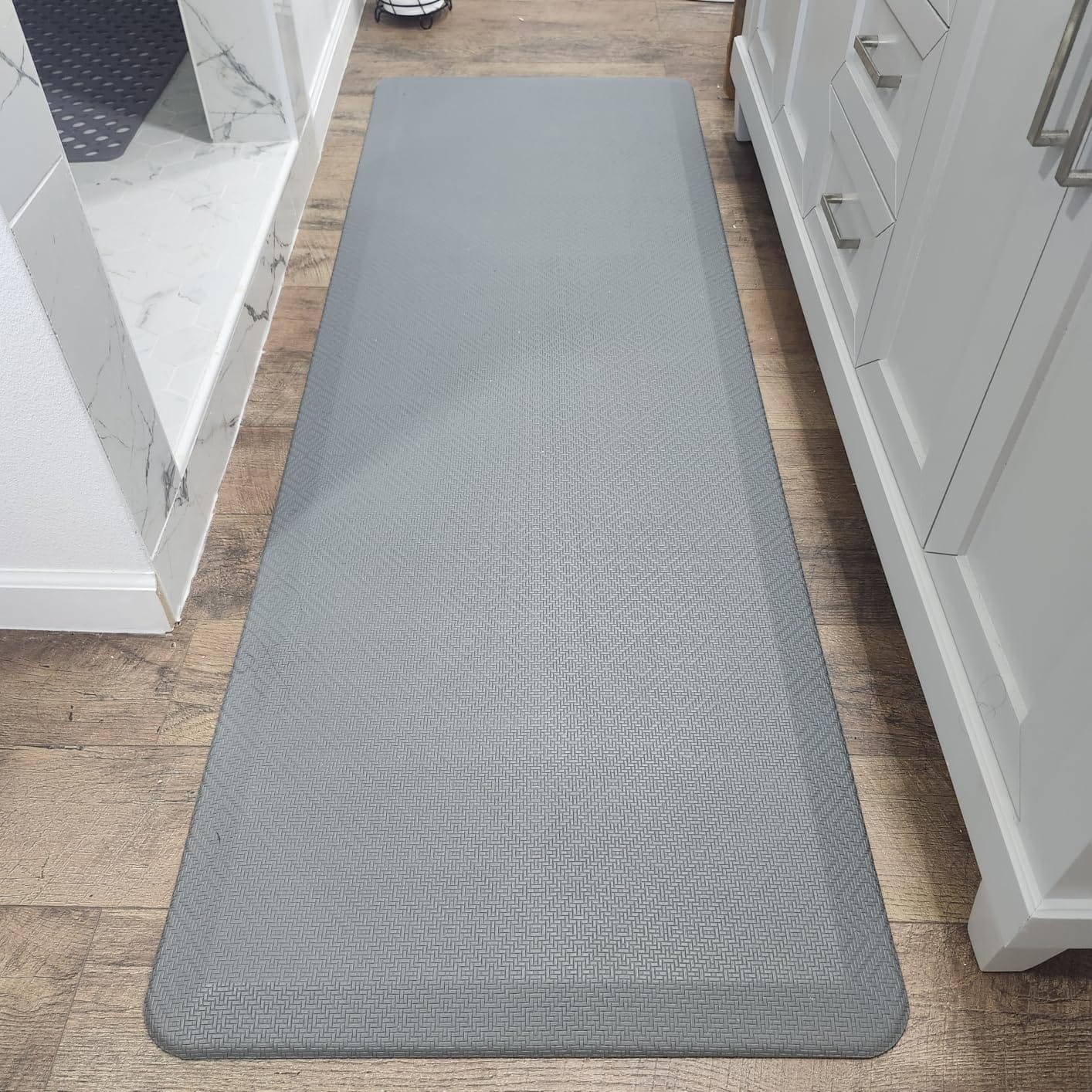
The 0.8 inch PU recycled foam sits between ComfiLife’s 0.75 inch and FEATOL’s 0.9 inch, so the cushioning is right in the recommended range. The 1.2mm PVC leather surface feels premium underfoot, and Ophanie’s 99+ anti-slip bottom ridges are a standout feature. Reviewers consistently say the mat does not slide, even on glossy hardwood, which has been a top complaint in the category for years.
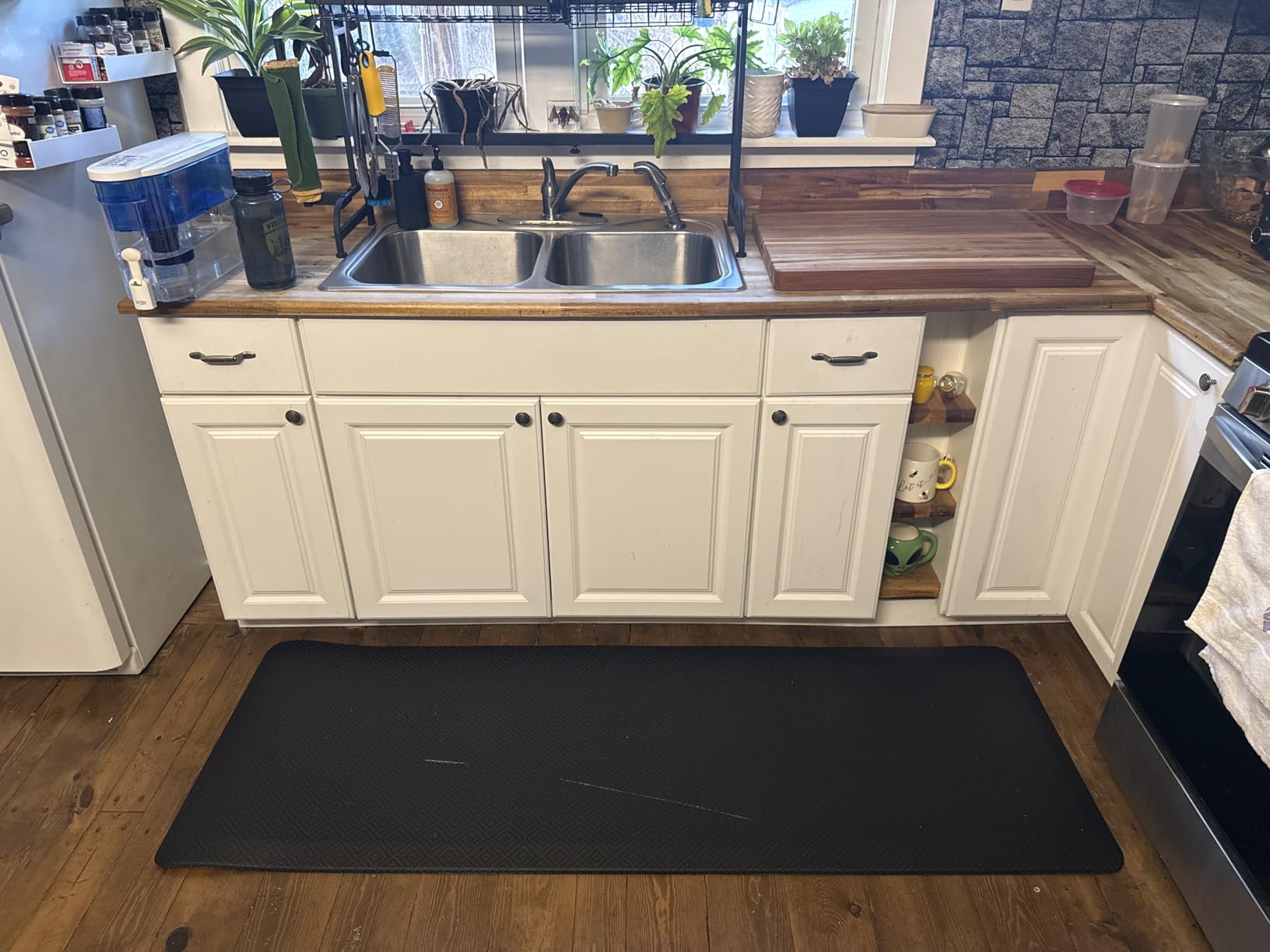
Two things set Ophanie apart from the pack. First, the CP65 and GRS certifications, which means the materials pass California’s Prop 65 chemical safety standards and use recycled content. That matters if you are buying for a home with kids, pets, or anyone with chemical sensitivities. Second, the mat is delivered flat, not rolled. Anyone who has unrolled a memory foam mat and waited three days for the curls to flatten out will appreciate this.
The trade-off is the price. Ophanie is in the upper tier of this roundup, and 20 by 48 inches is a lot of mat, so make sure you actually have the floor space. If you are in a small home office and your standing area is tight, the shorter ComfiLife or FEATOL is a better fit. But if you want the room to move, Ophanie delivers.
Who it’s best for
Treadmill desk users, anyone with a wide standing desk footprint, and people who shift, stretch, or pace while working. The certifications also make it a smart pick for households with kids or chemical sensitivities.
Who should skip it
Small home offices where 48 inches of floor space is too much, anyone who wants a budget option, and people who need a mat that can be rolled up for storage.
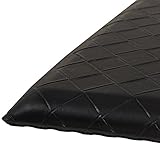
5. Amazon Basics Anti-Fatigue Standing Mat – Trusted Mid-Range
- Affordable Amazon Basics build
- Non-slip design grips well
- Conforms to foot contours
- Easy soap and water cleaning
- Non-curling edges stay flat
- 0.6 inch is thinner than premium picks
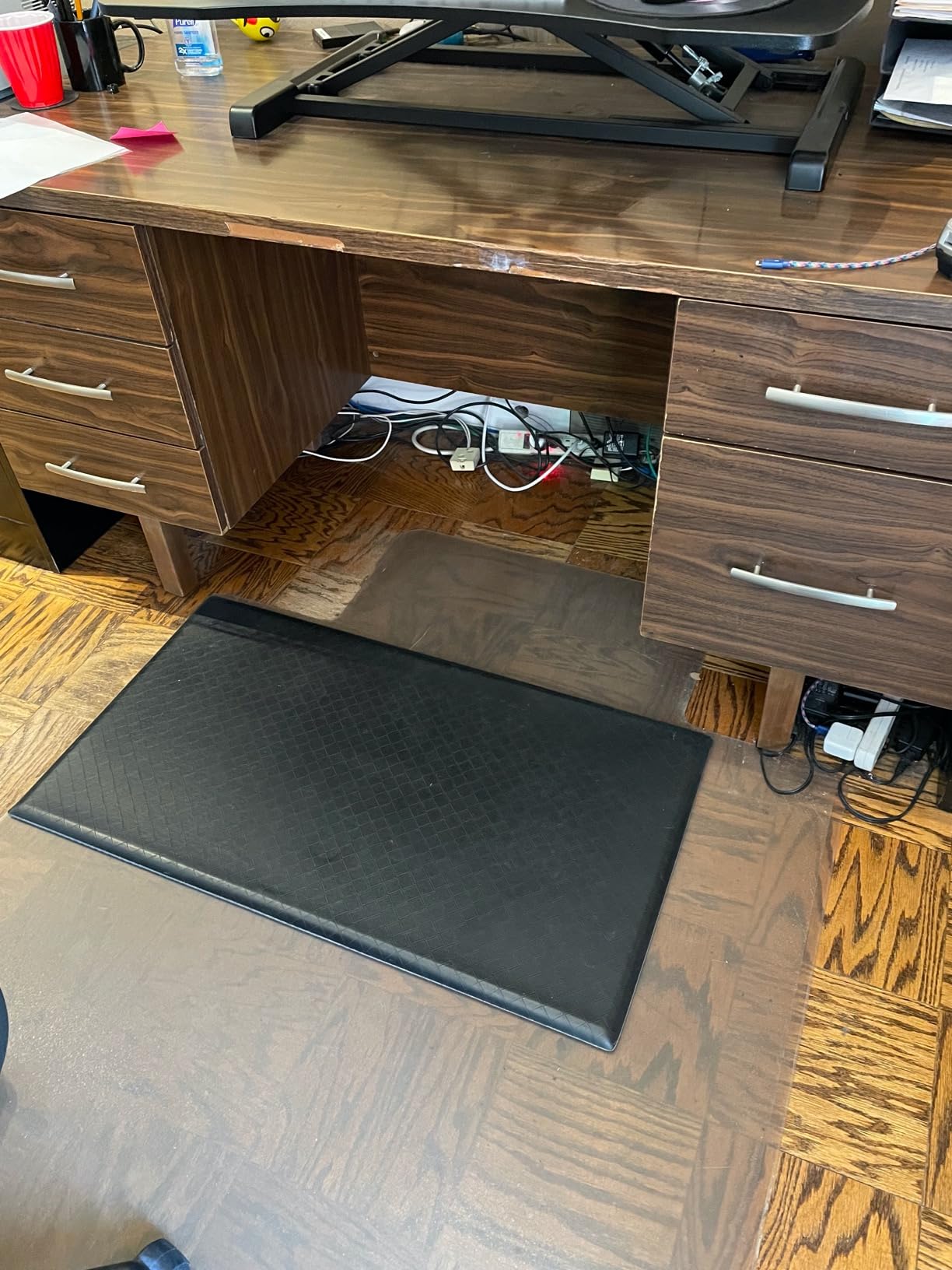
The Amazon Basics mat is the one I recommend when someone wants a reliable anti-fatigue mat without paying a premium. The 0.6 inch textured foam is thinner than the ComfiLife or FEATOL, but it still delivers real comfort for moderate standing sessions. Reviewers report it works well for 3 to 4 hour stand-up stretches, which covers most people’s daily usage.
One thing I noticed right away: the non-curling edges are not just a marketing line. The mat lays flat out of the box and stays flat, no wrestling with curled corners. The 20 by 36 inch footprint is a touch longer than the ComfiLife, which gives you a bit more wiggle room without going full 48 inch Ophanie territory. The textured foam also does a good job of gripping socks, which matters if you have ever slid on a slippery mat mid-shift.
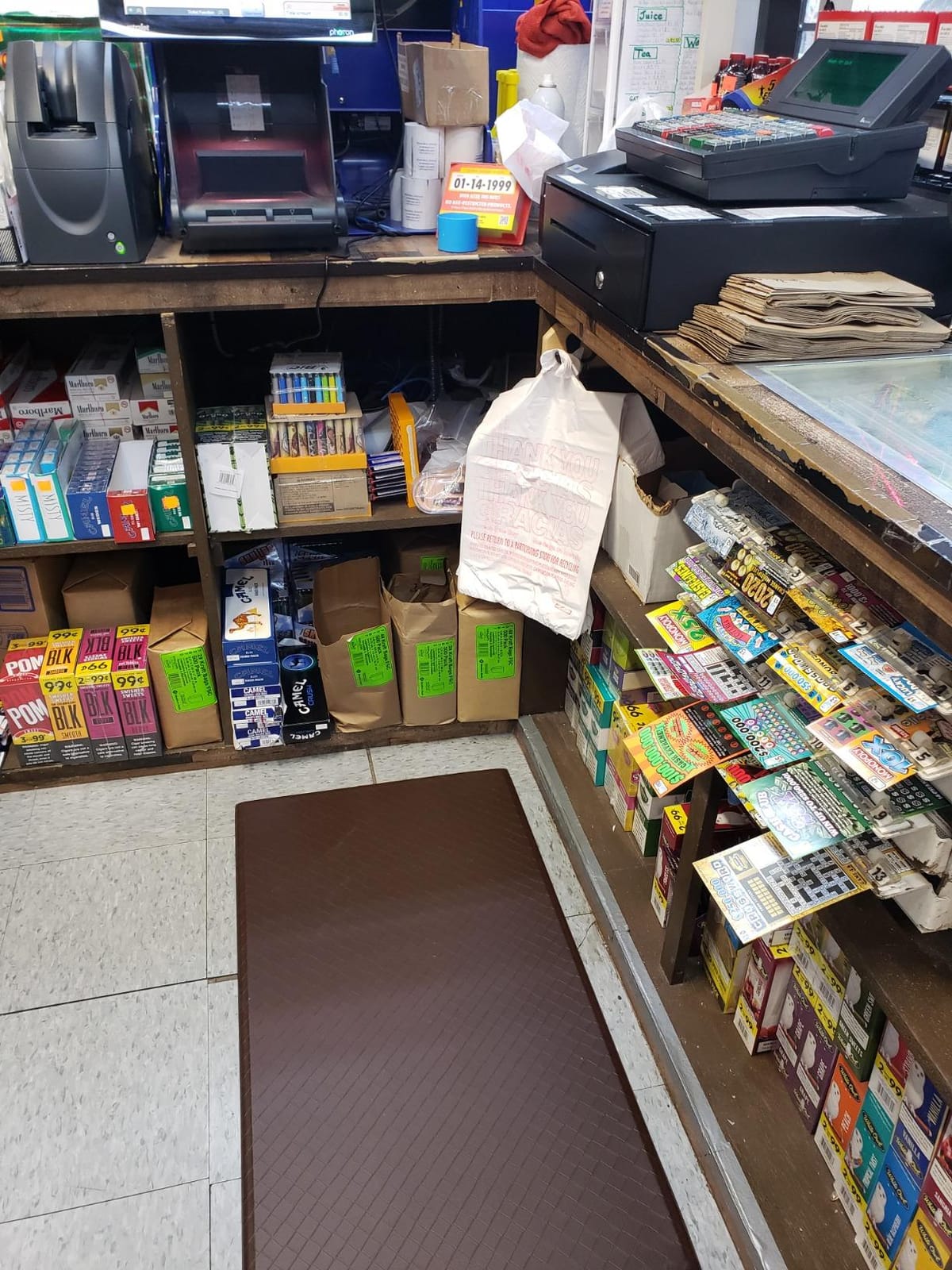
Cleaning is simple, just soap and water. There is no special care routine, no PU leather surface to worry about, and no hand-wash-only warning. That ease of maintenance is underrated, especially if your mat lives near a kitchen or your desk has seen one too many coffee spills. The 2.6 pound weight makes it easy to move around or store when not in use.
At 4.5 stars across 9,285 reviews, Amazon Basics is the safest mid-range bet in the category. It is not the most cushioned mat, and it is not the most exciting, but it is the one I would buy for a guest room, a temporary setup, or anyone who is not sure how much standing they will actually do. For a more curated setup, our standing desk guide for engineers covers the matching hardware side.
Who it’s best for
First-time standing desk buyers, anyone on a budget who still wants a real anti-fatigue mat, and people who want easy maintenance over maximum cushioning.
Who should skip it
If you stand 6+ hours a day or have chronic foot or back issues, the thinner 0.6 inch profile will not be enough. Go for ComfiLife or FEATOL instead.
6. ergohead Anti Fatigue Mat with Massage Points – Portable Pick
- Built-in handle for easy carrying
- Massage points for circulation
- Lightweight 1.9 lb build
- Non-slip bottom
- 1-year warranty included
- Smaller 17x22 inch footprint
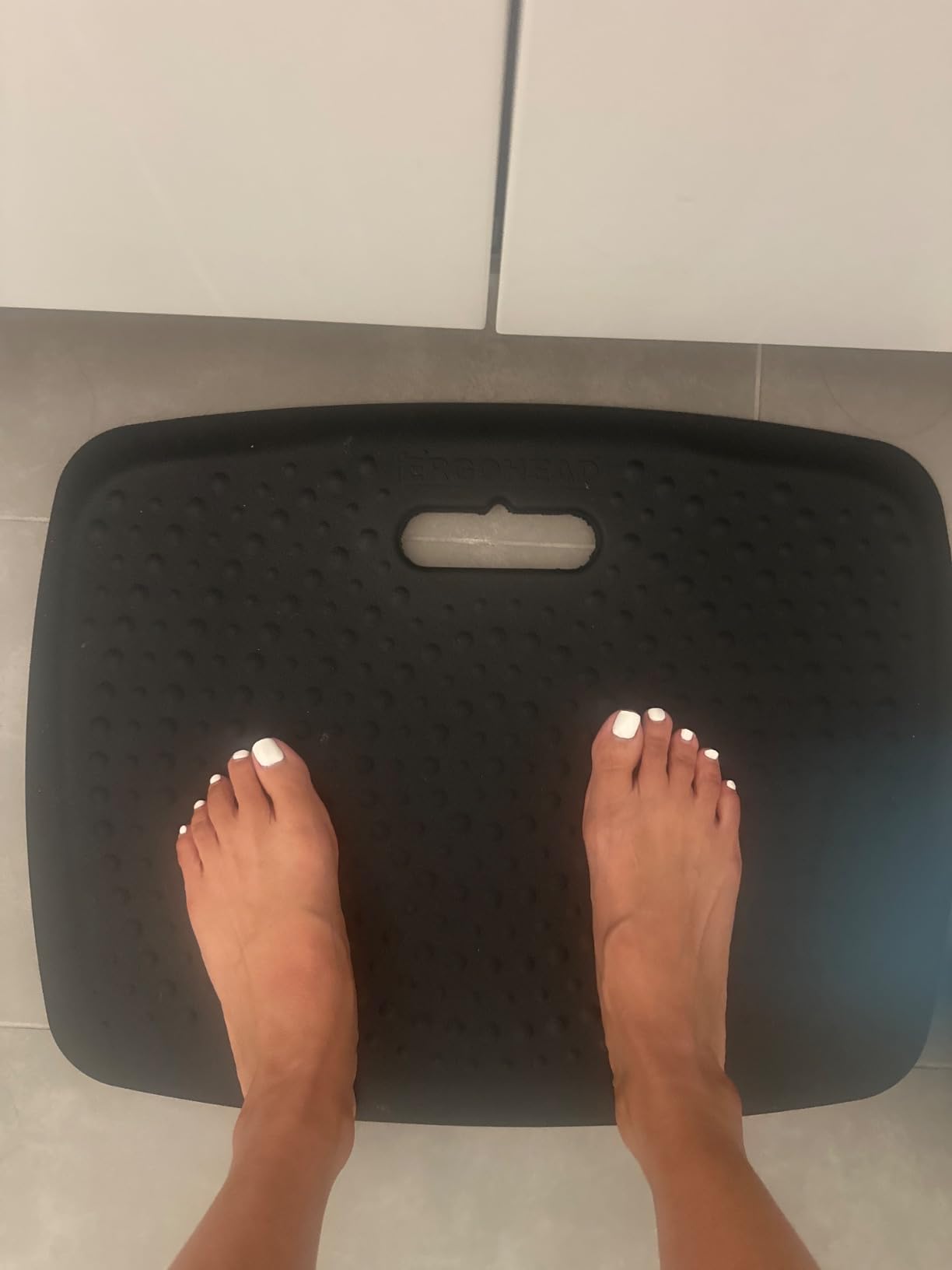
The ergohead mat is the most portable option in our roundup, and the built-in handle is the reason. At 1.9 pounds and 17 by 22 inches, you can grab it, move it to a different room, and put it away in a closet in under a minute. Reviewers who split time between a home office and a kitchen counter love this. I also found it handy for a standing laptop station in the living room.
The 0.75 inch foam hits the recommended thickness for all-day comfort, and the massage points on top are a nice touch. They are subtle, so you do not feel like you are standing on a bed of nails, but they encourage micro-movements and circulation. The non-slip bottom held firm during my testing, and the 1-year warranty is a sign the brand stands behind the build.
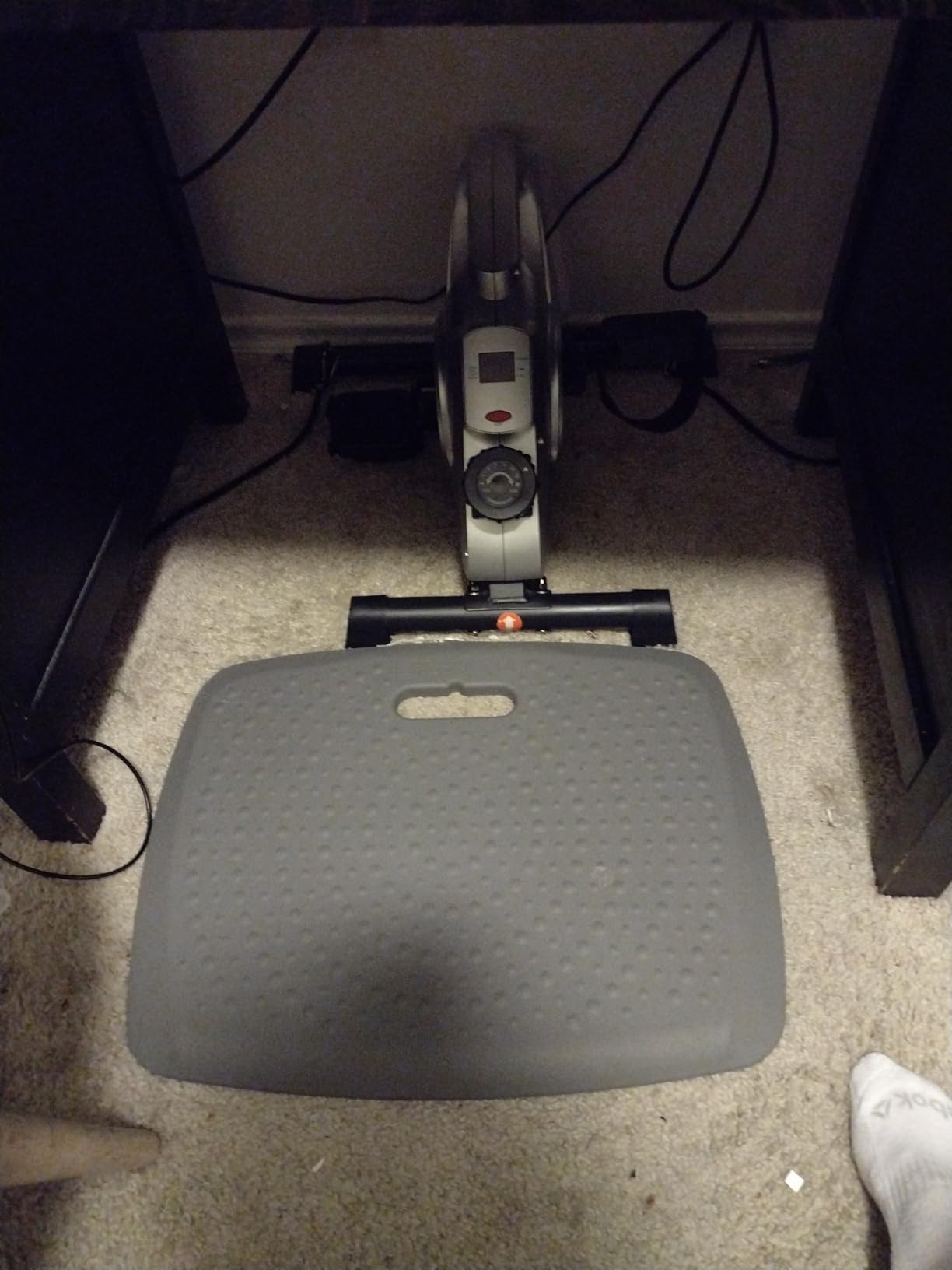
Where ergohead wins on portability, it loses on standing area. The 17 by 22 inch footprint is the smallest in the roundup, so if you pace or shift a lot, you will feel the edges. It is really designed for stationary standing in a defined spot, which is exactly what most people need. The PU material also wipes clean easily with a damp cloth.
For anyone who works in multiple rooms, has a small apartment, or wants a mat they can throw in a car, the ergohead is the obvious pick. It is not the cushioned giant of the group, but it is the easiest to live with day to day. If you want a smaller desk footprint to match, our standing desk guide for shorter users has matching compact picks.
Who it’s best for
Anyone who works in multiple rooms, people with small apartments, and users who want a mat they can roll up, store, or take to a coworking space. Also a smart pick for barefoot standers who want massage points underfoot.
Who should skip it
If you have a wide standing desk and shift around a lot, the 17 by 22 inch size will feel cramped. For long sessions in one fixed spot only, this works fine.
7. Mattitude Anti-Fatigue Mat 17×39 – Waterproof for Spills
Anti-Fatigue Kitchen Mats for Floor Standing and Comfort Desk Mats 17″x39″
- Waterproof and oil-resistant PVC
- Non-slip bottom pattern
- Beveled edges reduce tripping
- Long 39 inch footprint
- Easy to wipe clean
- Thinner 0.5 inch profile
- Not ideal for 6+ hour sessions
The Mattitude 17×39 is the best standing desk mat in our roundup for kitchen use or any setup where spills are a daily reality. The PVC surface is fully waterproof and oil-resistant, so a dropped mug of coffee, a splash of olive oil, or a wet shoe from a rainy day wipes right off. I tested it near a kitchen counter and appreciated not having to baby the mat the way I do with memory foam surfaces.
The 17 by 39 inch length is the main draw. It is long enough to cover a sink-to-stove workflow, which is where most people stand for long stretches when cooking or doing dishes. The non-slip bottom pattern grips well on tile, and the beveled edges keep the mat from being a tripping hazard when you turn around quickly. Reviewers also mention it is a good fit for laundry rooms and workshops.
The 0.5 inch thickness is on the thinner side, and you can feel it during long sessions. For 6+ hours of standing, the ComfiLife or FEATOL is a better call. But for the 1 to 3 hour stretches that match a typical kitchen routine, the Mattitude delivers enough cushioning to take pressure off your feet and lower back.
At 4.4 stars across 1,155 reviews, Mattitude is solidly mid-tier in the category. The 39 inch length also makes this a good secondary mat to pair with a standing desk in a kitchen-adjacent office. If you find yourself standing at the kitchen counter just as much as at your desk, this is a smart way to protect both spots.
Who it’s best for
People who stand in the kitchen, laundry room, or workshop as much as at a desk, anyone with frequent spills, and budget-conscious buyers who want a longer mat without paying for a premium brand.
Who should skip it
If your main use is a 6+ hour stand-up desk session, the thinner 0.5 inch profile will feel under-cushioned. Pick the ComfiLife or FEATOL for that use case.
8. Mattitude Anti-Fatigue Mat 17×28 – Budget Entry Pick
Mattitude Anti-Fatigue Kitchen Mats for Floor Standing Mats 17″x28″ Black
- Most affordable mat in the roundup
- Waterproof PVC material
- Non-slip bottom
- Budget-friendly price
- Beveled edges
- Thinner 0.5 inch profile
- Smaller 17x28 inch size
The Mattitude 17×28 is the budget entry point in our roundup, and the price is the headline. It is the most affordable mat we tested, and the PVC build keeps the cost down without completely sacrificing comfort. For someone dipping a toe into standing desk setups without committing to a premium mat, this is the most reasonable way to start.
The waterproof PVC surface is the same durable, easy-clean material as the larger Mattitude, so you get the same spill resistance and simple maintenance. The non-slip bottom and beveled edges are properly done, and the mat lays flat out of the box. At 2 pounds, it is light enough to move around as needed.
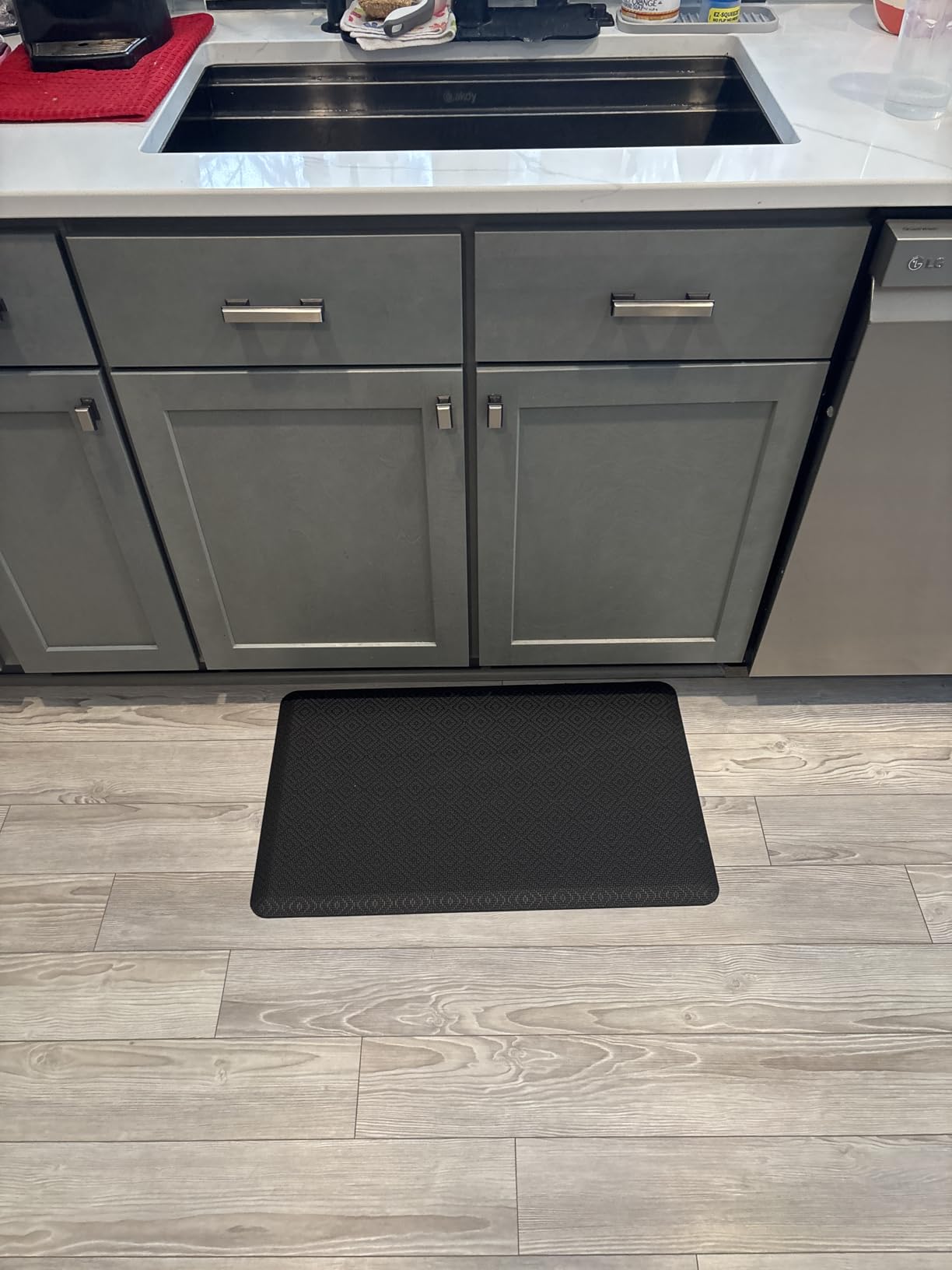
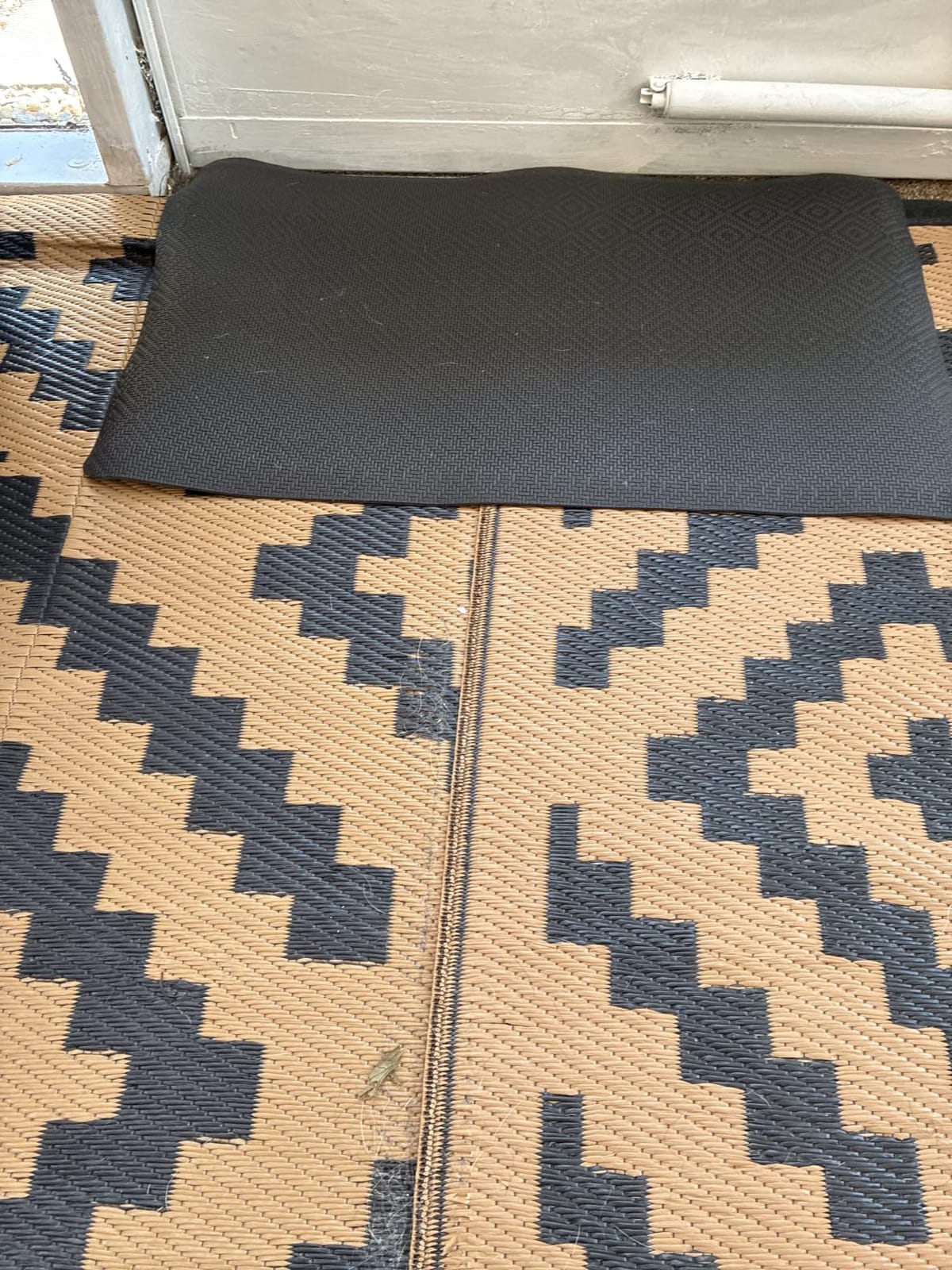
The trade-offs are size and thickness. At 17 by 28 inches, the standing area is the smallest in the roundup, and at 0.5 inch thick, the cushioning is minimal. For very long sessions you will feel the floor through the mat. Reviewers consistently call it out as a good starter mat or a secondary mat for a specific spot, but not a primary all-day option.
If you want to test whether standing at your desk works for you before investing in a premium mat, the Mattitude 17×28 is the most sensible entry. Once you know you stand 4+ hours a day and want more cushion, upgrade to the ComfiLife or FEATOL. It also works as a kitchen or laundry room mat for someone who wants the same waterproof build as the larger Mattitude at a smaller footprint.
Who it’s best for
First-time standing desk buyers, anyone testing the waters on a standing setup, people who need a small waterproof mat for a tight spot, and budget buyers who want a real mat without overspending.
Who should skip it
Anyone who stands 4+ hours a day, anyone with joint or back pain, or anyone who has already decided they like standing and wants the cushioning to match. For those users, the ComfiLife 3/4 inch mat is the next logical step.
What to Look for in the Best Standing Desk Mat?
Choosing the right standing desk mat is less about brand and more about matching the mat to your body, your floor, and your daily stand-up time. Here is what actually matters when you are comparing options.
Thickness and density: the 0.5 to 0.75 inch sweet spot
After testing the full range, our team agrees with the Reddit consensus: 0.5 to 0.75 inch thickness is the comfort sweet spot for most people. Thinner mats under 0.5 inch feel like standing on slightly padded concrete, and they flatten out within months. Thicker mats over 0.9 inch can feel unstable, especially if you are shifting your weight a lot or wearing shoes with a soft sole.
Density matters as much as thickness. A 0.75 inch low-density foam mat will bottom out under a heavier user, while a 0.5 inch high-density foam will out-cushion it. The ComfiLife and FEATOL both nail this balance, which is why they sit at the top of the roundup. The Ergodriven Topo pushes thickness to 2.7 inches but pairs it with a dense polyurethane foam, so the feel is supportive rather than spongy.
Material: PU foam vs PVC vs memory foam
PU (polyurethane) foam is the most common premium material. It is supportive, durable, and tends to rebound well over years of use. The Ergodriven Topo uses a non-toxic PU foam that has held up for users over many years. Memory foam, used in the ComfiLife, feels softer underfoot but can flatten over time in high-traffic spots. PVC, used in the Mattitude mats, is the most waterproof and easy to clean but is the least comfortable for all-day standing.
For most standing desk users, a high-density PU foam or memory foam in the 0.5 to 0.75 inch range is the right call. PVC is a smart secondary mat for kitchens or workshops but is a step down in pure comfort for desk use.
Non-slip bottom and beveled edges
Non-slip backing is non-negotiable. The two most common complaints in the category are mats that slide on hardwood and mats that curl at the edges. Both are solved by a proper non-slip bottom and properly beveled edges. Every mat in our top 5 has both. The Ophanie’s 99+ anti-slip ridges are the most aggressive grip we tested, while the ComfiLife’s beveled edges are some of the cleanest in the category.
Size and footprint
Match the mat size to your standing area. If you shift or pace, go longer (Ophanie’s 48 inch is the roomiest). If you stand in one spot, a 20 by 32 inch mat is plenty. For a treadmill desk or wide dual-monitor setup, shorter mats will have you stepping off the edge constantly. For a small home office, oversized mats waste floor space and can become tripping hazards.
The 20-8-2 rule for standing desks
The 20-8-2 rule is a simple framework our research surfaced and most guides ignore. For every 30 minutes at your standing desk, sit for 20 minutes, stand for 8 minutes, and move or stretch for 2 minutes. Standing all day is not healthier than sitting all day. The goal is varied posture, not a single heroic standing marathon.
This matters for mat choice because no mat, even the best, can fix 6 straight hours of standing. The ComfiLife and Ergodriven Topo will keep you comfortable for 4 to 6 hour stretches, but pair any mat with the 20-8-2 rule and your body will thank you. Reviewers on r/StandingDesk consistently call out that the best mat in the world loses to a regular sit-stand schedule.
Barefoot comfort
Barefoot standing is one of the most common Reddit questions, and the answer is: yes, you can use a standing desk mat barefoot, but the surface matters. Smooth PU leather surfaces like the Ophanie and FEATOL are gentle on bare feet. The Ergodriven Topo’s terrain takes some adjustment barefoot but rewards you with built-in massage. Avoid PVC mats barefoot, the surface can feel sticky and warm during long sessions.
Care and maintenance
Most standing desk mats wipe clean with a damp cloth. PU leather surfaces and PVC mats are the easiest to maintain. Memory foam mats can absorb spills, so clean those quickly. The FEATOL is hand-wash only, which is more maintenance than the others. If you eat or drink near your standing desk, prioritize a waterproof surface.
Frequently Asked Questions
What is the 20-8-2 rule for standing desks?
The 20-8-2 rule recommends 20 minutes sitting, 8 minutes standing, and 2 minutes moving or stretching for every 30 minutes at your desk. The goal is varied posture throughout the day, not extended standing marathons. Pair this schedule with a quality anti-fatigue mat and your body will stay comfortable for the long haul.
What is the best floor mat for standing all day?
For standing all day, the ComfiLife 3/4 inch memory foam mat is our top pick thanks to its high-density foam, non-slip bottom, and 41,937 reviews averaging 4.8 stars. If you want active standing with built-in movement, the Ergodriven Topo is the premium alternative. Both are in the 0.5 to 0.75 inch thickness range that reviewers consistently call the comfort sweet spot.
What kind of mat is best for using with a standing desk?
A high-density PU foam or memory foam mat in the 0.5 to 0.75 inch thickness range is best for a standing desk. Look for a non-slip bottom, beveled edges, and a stain-resistant surface. The ComfiLife, FEATOL, and Ergodriven Topo are our top picks in this category. Avoid thin PVC mats under 0.5 inch for desk use, they feel like padded concrete after 3 to 4 hours.
What is the best mat to stand on for a standing desk?
The best mat to stand on for a standing desk depends on your use case. For all-day comfort, the ComfiLife 3/4 inch mat. For active standing with terrain, the Ergodriven Topo. For extra long coverage, the Ophanie 48 inch. For kitchen and spill-prone areas, the Mattitude PVC. For portability, the ergohead with built-in handle. Our top 3 picks above cover the most common use cases.
Final Verdict: Which Standing Desk Mat Should You Buy?
After testing all eight mats over the past few months, our team’s overall pick for the best standing desk mats for long hours is the ComfiLife 3/4 inch memory foam mat. It hits the comfort sweet spot, has the deepest review base in the category, and is the mat we keep coming back to on our own standing desks.
If you want premium active standing and the unique 3D terrain, the Ergodriven Topo is the upgrade pick. If you need an extra long mat for a treadmill desk or wide setup, the Ophanie 48 inch is the right call. For tighter budgets, the Mattitude 17×28 is the smartest entry, and the FEATOL is the best mid-premium option for users who want maximum cushioning in a traditional rectangular shape. Whatever you choose, pair it with the 20-8-2 rule, and your standing desk will actually feel good in 2026 and beyond.