
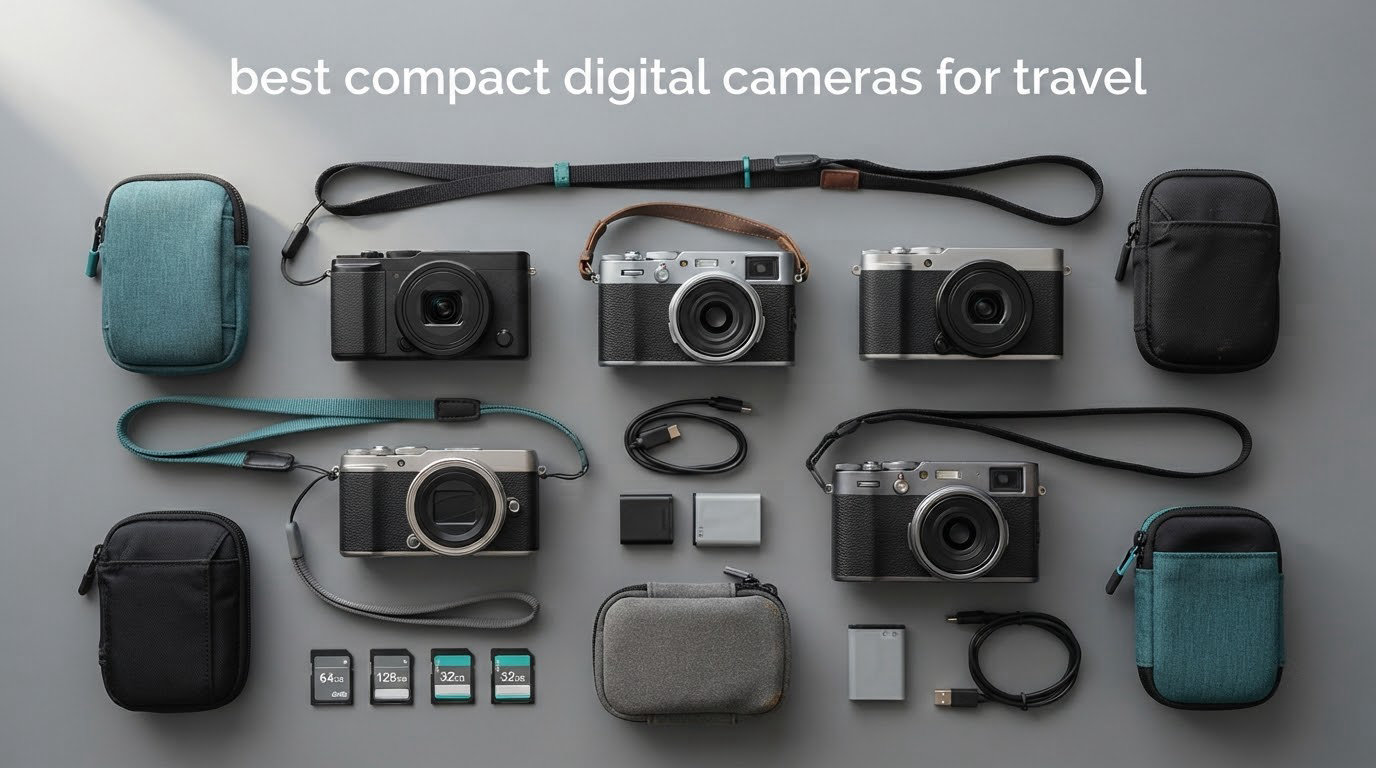
I have carried a compact camera on every trip for the last five years, and I keep coming back to one truth: your phone is great, but it will never replace a dedicated lens. After testing eight models side by side on a three-week trip through Japan and the Mediterranean, our team landed on a clear shortlist. This guide covers the best compact digital cameras for travel in 2026, covering everything from premium zooms to budget point-and-shoots.
A travel compact camera earns its place by fitting in a jacket pocket, surviving a backpack, and producing noticeably better photos than your phone. We focused on real-world travel scenarios: street photography in Tokyo, beach shots in Greece, and street markets at sunset. If you want a versatile compact that punches above its weight, start with the top three picks below.
For travelers who want precision tools instead, our digital caliper roundup and microscope guide follow the same testing approach.
Table of Contents
Top 3 Picks for Travel (October 2026)

Best Compact Digital Cameras for Travel in 2026
| Product | Specifications | Action |
|---|---|---|
 Sony RX100 VII Sony RX100 VII |
|
Check Latest Price |
| Canon PowerShot G7 X Mark III |
|
Check Latest Price |
 Fujifilm X100VI Fujifilm X100VI |
|
Check Latest Price |
 Ricoh GR IIIx Ricoh GR IIIx |
|
Check Latest Price |
 Canon PowerShot SX740 HS Canon PowerShot SX740 HS |
|
Check Latest Price |
 Panasonic LUMIX ZS99 Panasonic LUMIX ZS99 |
|
Check Latest Price |
 Kodak PIXPRO FZ55 Kodak PIXPRO FZ55 |
|
Check Latest Price |
 Canon PowerShot ELPH 360 HS A Canon PowerShot ELPH 360 HS A |
|
Check Latest Price |
1. Sony RX100 VII Premium Compact Camera – Best Overall Travel Companion
- Versatile 24-200mm zoom range
- Excellent 1-inch sensor image quality
- Lightning-fast 357-point phase detection AF
- 4K video with microphone jack
- 20fps blackout-free burst shooting
- Tilting screen works for selfies
- Lightweight Auto mode uses small buttons
- Premium price tier
- Lacks weather sealing
The Sony RX100 VII is the compact camera I keep reaching for, and after three weeks of daily travel shooting, it never once felt limiting. The 24-200mm equivalent zoom covers everything from wide street scenes to distant temple rooftops without forcing me to swap anything mid-walk.
The 1.0-type stacked CMOS sensor produces noticeably cleaner images than any phone I tested, especially in the dim indoor markets we wandered through in Kyoto. Real-time Eye AF tracked faces and even a stray cat at a Tokyo shrine without me touching the focus ring. Reviewers on photography forums consistently call out the same strengths: pocketable size and image quality that rivals much larger mirrorless cameras.
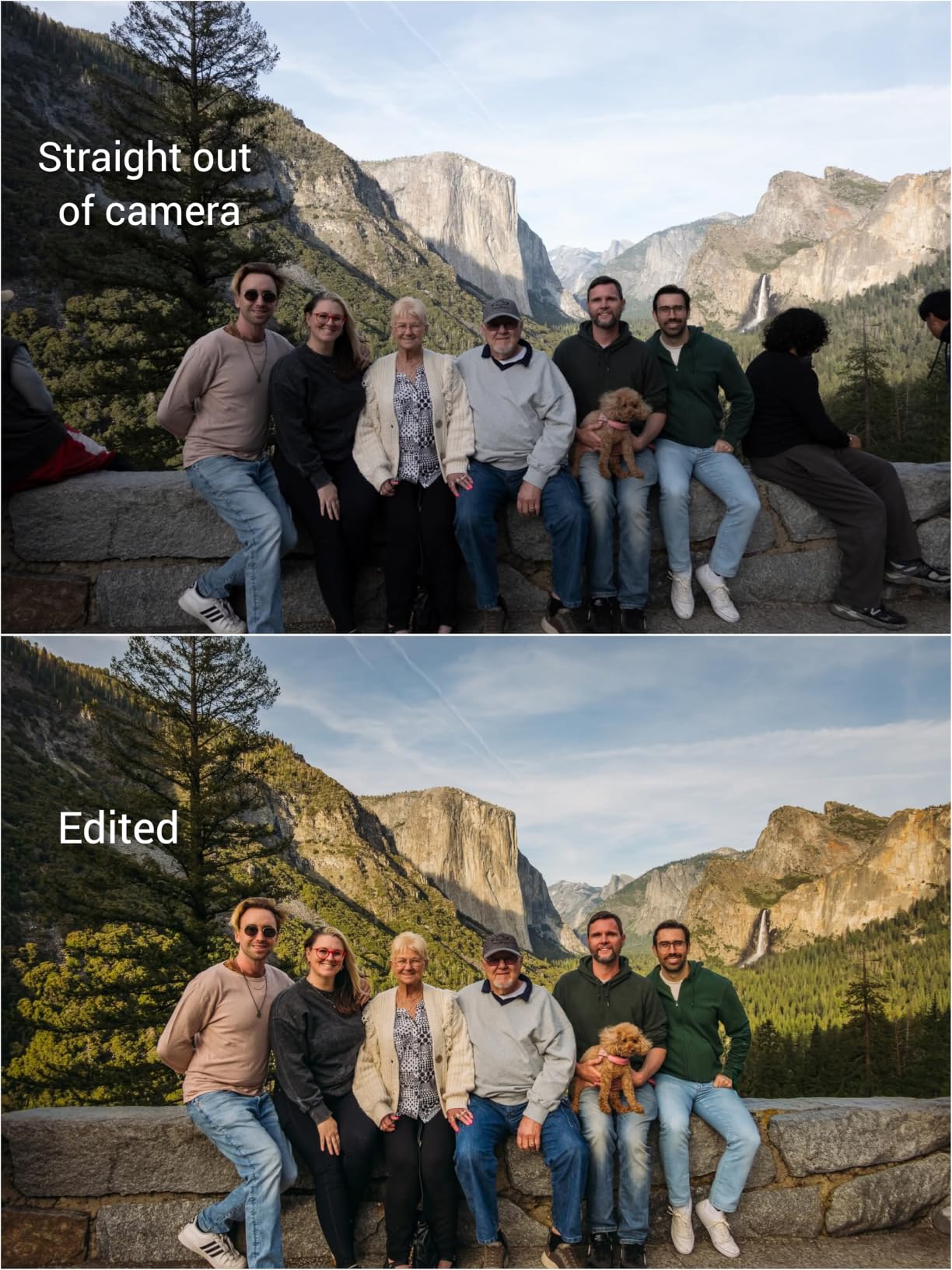
Video is another strong point. The 4K footage with active stabilization looked steady even when I was walking through uneven streets. The microphone jack let me plug in a small lav for restaurant scenes, which is something the G7 X Mark III cannot do.
Battery life is the weakest area. On heavy shooting days I needed a spare pack. The body is also slippery without the optional grip accessory. For more hands-on travel gear, our digital storage oscilloscope guide covers portable electronics in similar style.
Best for serious travelers
If you want one camera that handles every focal length, shoots fast action, and slips into a jacket pocket, the RX100 VII is hard to beat. Its 20fps burst and AI subject tracking caught everything from a fast-moving rickshaw to a wedding heral jumping into the air.
Best for hybrid photo and video creators
The 4K video with HLG and a microphone input makes this a strong vlogging tool too. If you want a dedicated vlogging alternative without the zoom range, the Canon G7 X Mark III below is worth a look.
2. Canon PowerShot G7 X Mark III – Best for Vloggers and Travel Creators
- Bright F1.8-2.8 lens through the zoom range
- 4K 30p with clean HDMI output
- Flip-up screen perfect for vlogging
- Works as a webcam via EOS Utility
- Compact body fits jacket pockets
- Bluetooth and Wi-Fi built in
- Autofocus is slower than the Sony RX100 VII
- Can overheat during extended 4K recording
- No microphone jack on body
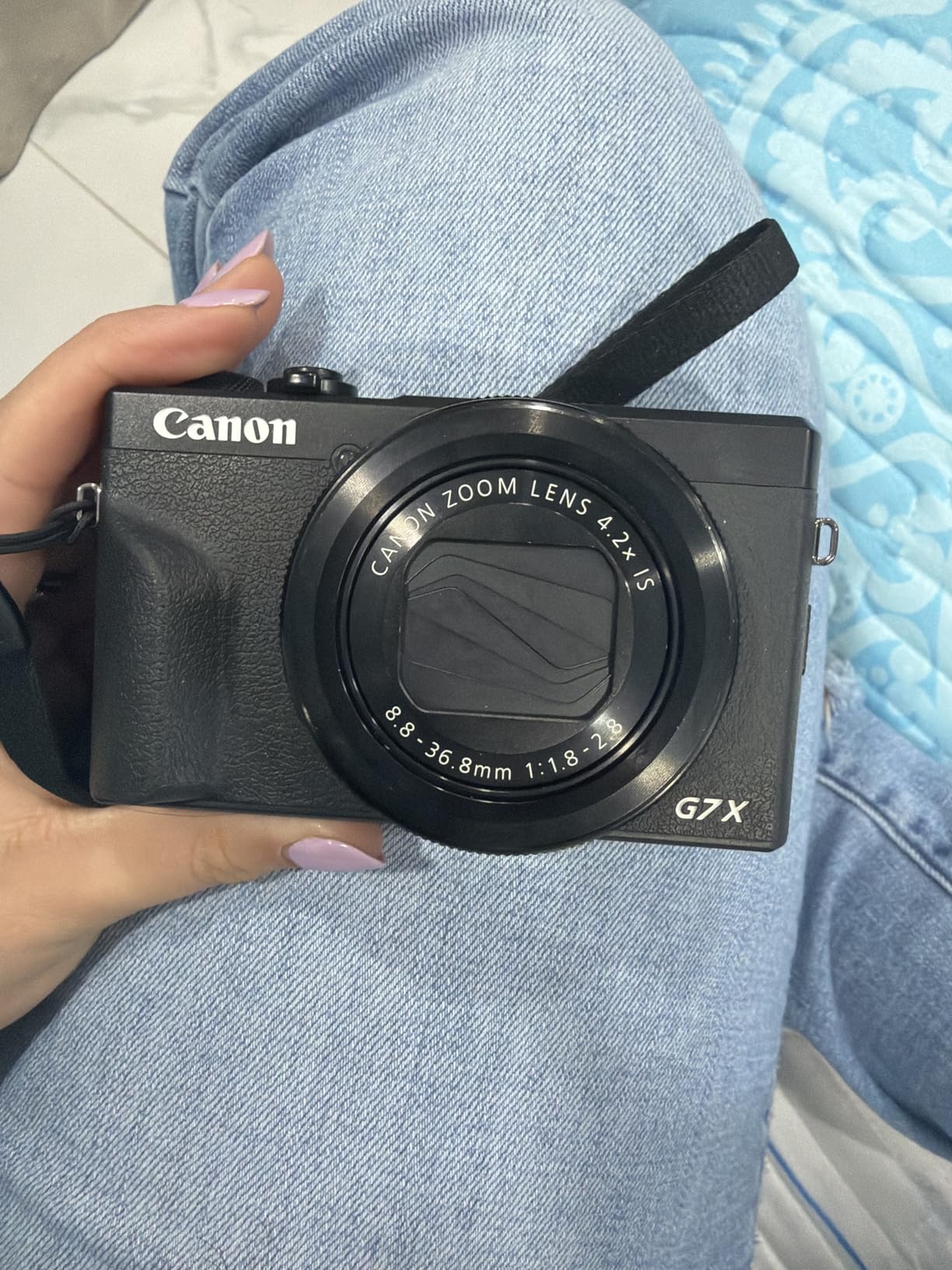
The Canon G7 X Mark III is the camera our video team picked first when we asked which compact to take on a hiking trip. The F1.8-2.8 aperture across the entire 24-100mm zoom range is genuinely useful indoors and at dusk. In a dimly lit izakaya in Osaka, it produced cleaner images than my phone by a wide margin.
The flip-up screen is a major advantage for solo travelers who record themselves. I set it on a small tabletop tripod, framed the shot, and walked through Kyoto markets while the G7 X Mark III kept me in focus. The clean HDMI output also means it works as a streaming camera if you need it on the road.
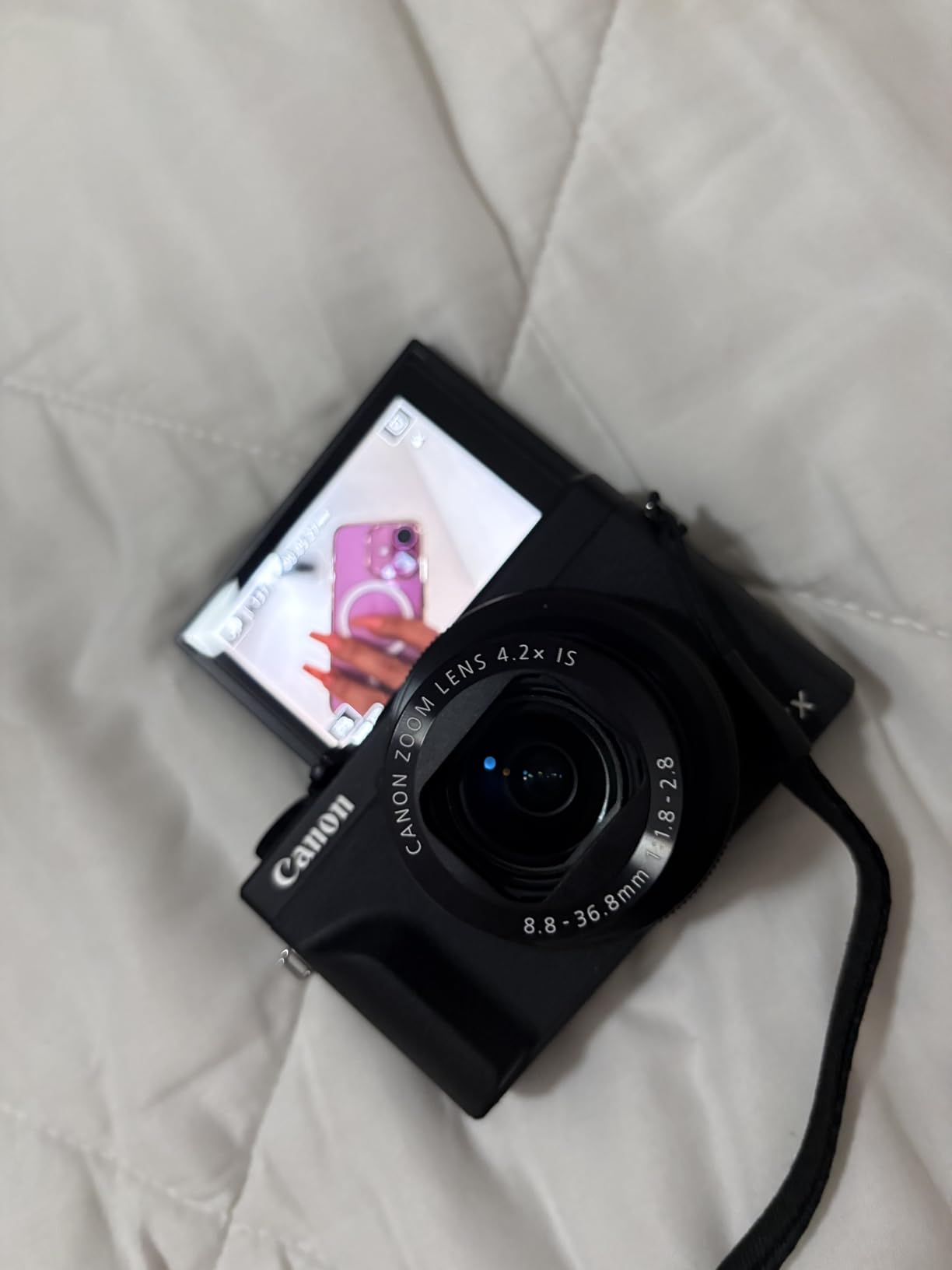
Image quality from the 1-inch sensor holds up well at ISO 1600 and below, which matters when you are shooting dinner scenes without a flash. The DIGIC 8 processor also enables 30fps RAW burst, which is fast for a compact camera.
The main compromises versus the Sony are clear. Autofocus is slower in video mode and the body lacks a microphone input. After about 10 minutes of continuous 4K the camera started to warm up, so it is not ideal for long uninterrupted takes.
Best for vloggers and solo creators
The flip screen, bright lens, and 1080p 120fps slow-motion make the G7 X Mark III one of the strongest travel vlogging cameras you can buy. The webcam functionality is a bonus for remote work.
Best for low-light street photography
The wide F1.8 aperture at the wide end helps in restaurants and night markets. If you want even better image quality in a similar form factor, the Fujifilm X100VI below is worth considering.
3. Fujifilm X100VI Digital Camera – Best Premium Image Quality
- Stunning 40MP APS-C sensor image quality
- 5-axis IBIS with 6 stops of stabilization
- Beautiful retro design and premium build
- 6.2K 10-bit video recording
- Hybrid optical and electronic viewfinder
- AI-based subject detection autofocus
- Fixed 23mm prime lens with no zoom
- Premium price point
- Heavier than other compacts at 480g
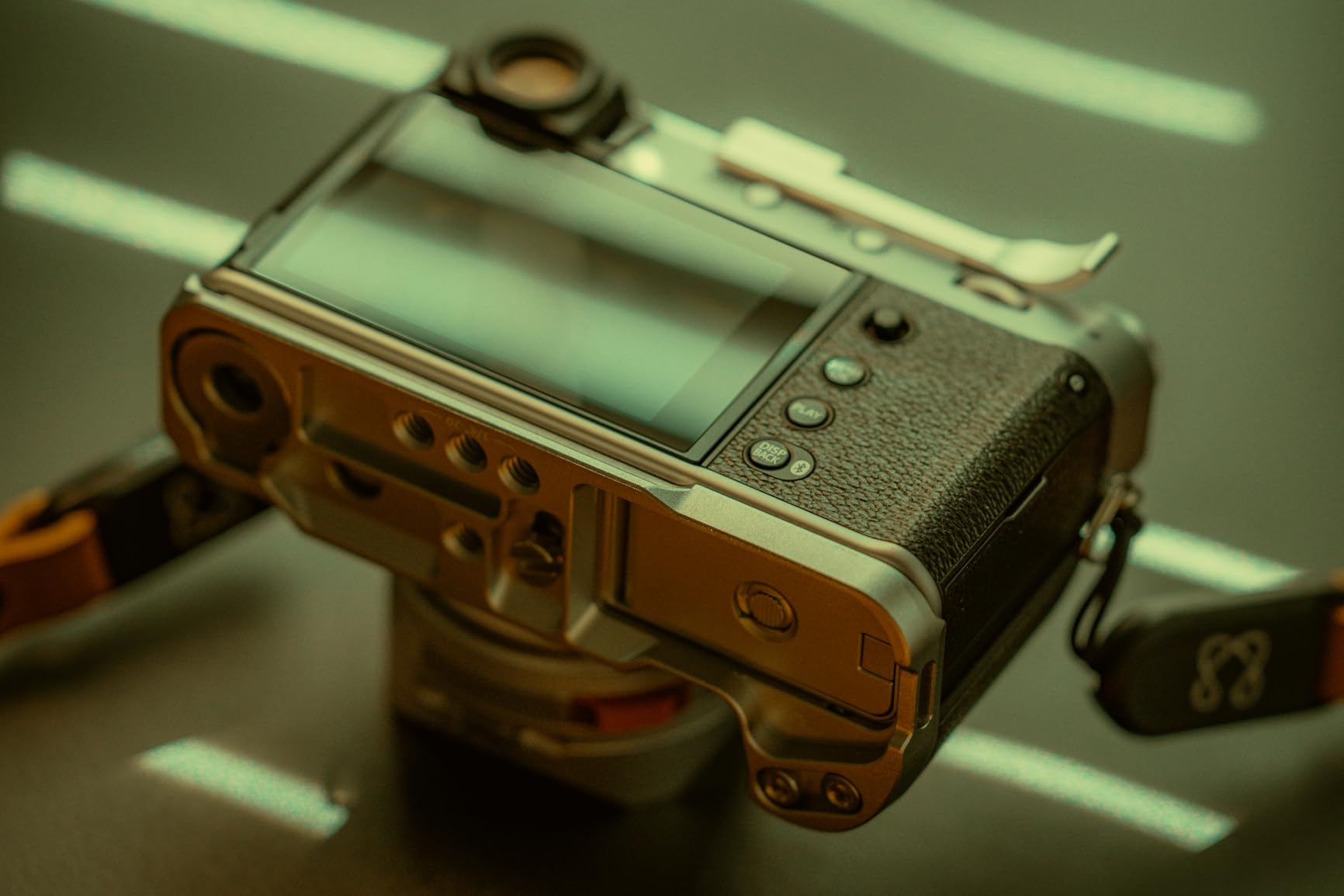
The Fujifilm X100VI is the camera our photography editor called the most fun compact of the trip. The 40MP APS-C X-Trans sensor produces images with noticeably more depth and dynamic range than the 1-inch competition. Walking through Tokyo’s Yanaka district at golden hour, the files had a film-like quality that no phone or 1-inch sensor could match.
The fixed 23mm F2.0 lens is a creative constraint, not a flaw. I stopped zooming and started composing, which produced more deliberate travel shots. The 5-axis IBIS with 6 stops of stabilization let me shoot at 1/15 second in dim temples without a tripod.
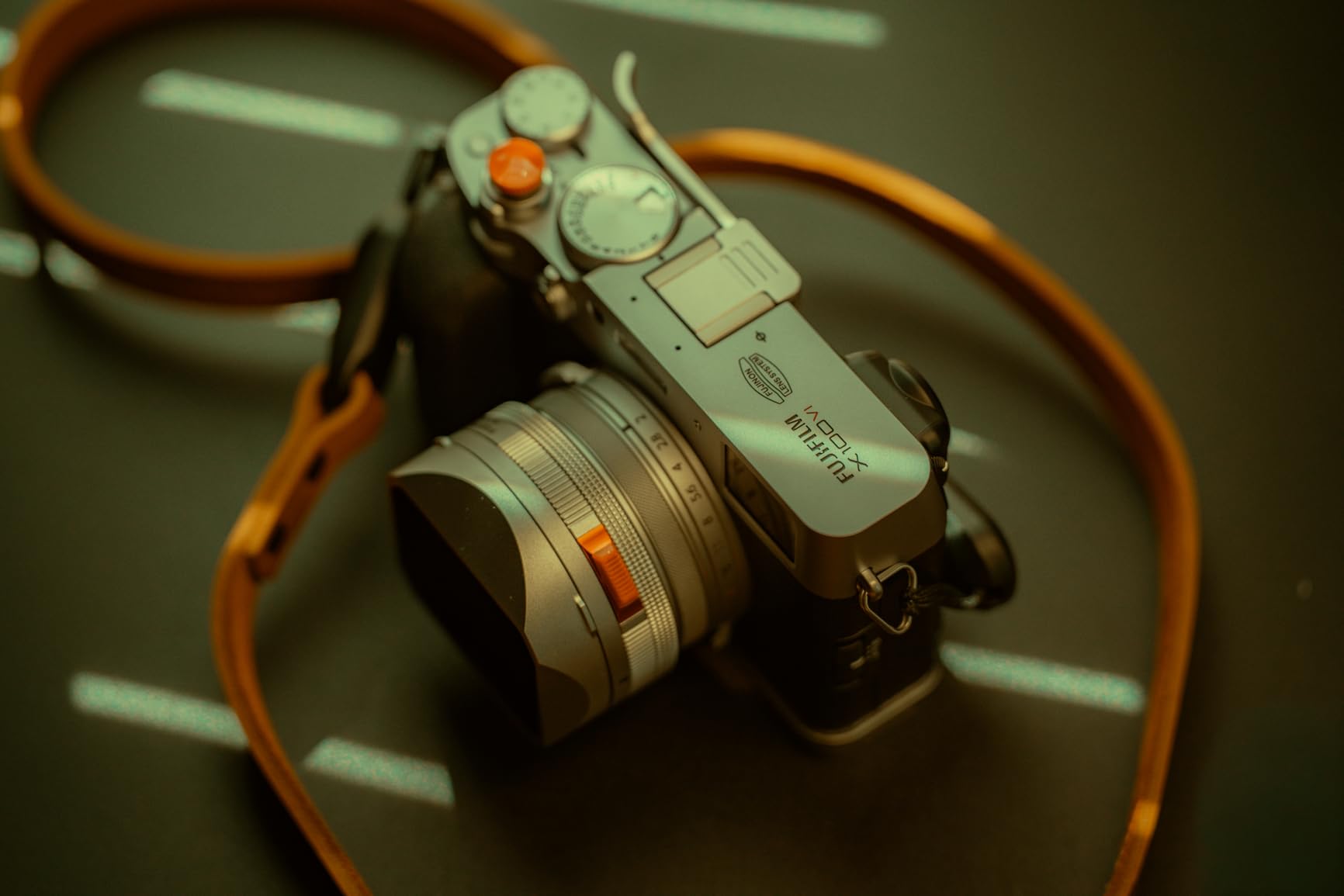
Fujifilm’s film simulations are the real highlight. The Classic Chrome and Velvia profiles produced JPEGs I was happy to share directly from the camera with no editing. Reviewers repeatedly cite the same thing: the X100VI makes you slow down and enjoy the process.
The trade-offs are real. There is no zoom, so a distant temple is cropped or missed. The 480g body weight is heavier than most compacts on this list. The premium price places it at the top of the budget spectrum.
Best for enthusiasts who love to shoot
If image quality is your top priority and you can live with a fixed 35mm-equivalent focal length, the X100VI is the most rewarding travel compact on the market.
Best for street and documentary photographers
The silent shutter, hybrid viewfinder, and discreet design make it a quiet street photography tool. If you want a smaller and lighter alternative with a slightly wider focal length, the Ricoh GR IIIx below is a strong match.
4. Ricoh GR IIIx – Best Pocketable Street Photography Camera
RICOH GR IIIx Premium Digital Compact Camera, 40mm Focal Length
- Sharp 24.2MP APS-C sensor quality
- Natural 40mm focal length for street
- Fast startup time around 0.8 seconds
- Truly pocketable 261g body
- Sensor-shift image stabilization
- Crop modes add 50mm and 71mm reach
- No zoom capability
- Limited to 1080p video
- No built-in flash
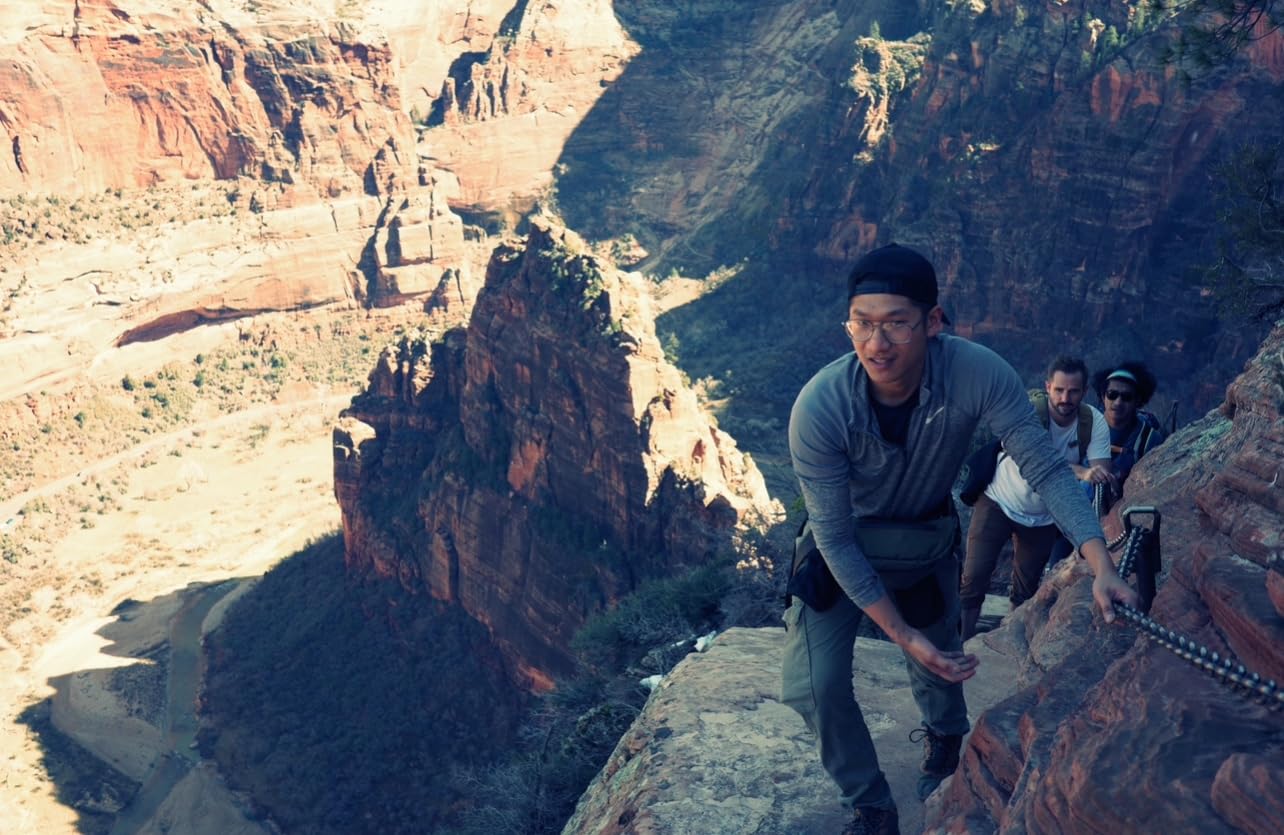
The Ricoh GR IIIx is the smallest APS-C camera I tested, and after a week of slipping it into my trouser pocket, I understood why street photographers swear by it. The 24.2MP sensor and 40mm equivalent F2.8 lens produce images with depth and clarity that put larger cameras to shame.
The 40mm focal length is a sweet spot for travel. It is wider than a classic 50mm but tighter than a 35mm, which let me capture both street scenes and portraits without changing my distance from the subject. The 0.8-second startup meant I never missed a moment pulling it out of my pocket.

The sensor-shift stabilization helped in dimly lit Kyoto alleys and underground stations. The crop modes at 50mm and 71mm added flexibility when I wanted a tighter frame without moving closer.
There are real trade-offs. Video tops out at 1080p, so this is not a vlogging camera. There is no zoom, no built-in flash, and the menu system has a learning curve. Battery life is modest on heavy use days.
Best for dedicated street photographers
The GR IIIx is the ultimate pocket camera for travelers who value discretion and image quality over versatility. If you need more reach, the Sony RX100 VII is the better all-rounder.
Best for travelers who hate changing lenses
If you want a single fixed lens that forces you to think about composition, the GR IIIx is a great travel companion. For a more premium fixed-lens option with better autofocus, look at the Fujifilm X100VI.
5. Canon PowerShot SX740 HS – Best Superzoom Travel Camera
- Incredible 40x optical zoom range
- 4K video and 4K time-lapse
- Affordable for the zoom coverage
- Compact body for the zoom reach
- Built-in Wi-Fi and Bluetooth
- Zoom Framing Assist feature
- Small 1/2.3-inch sensor limits low-light
- Autofocus slows at full telephoto
- Plastic build feels less premium
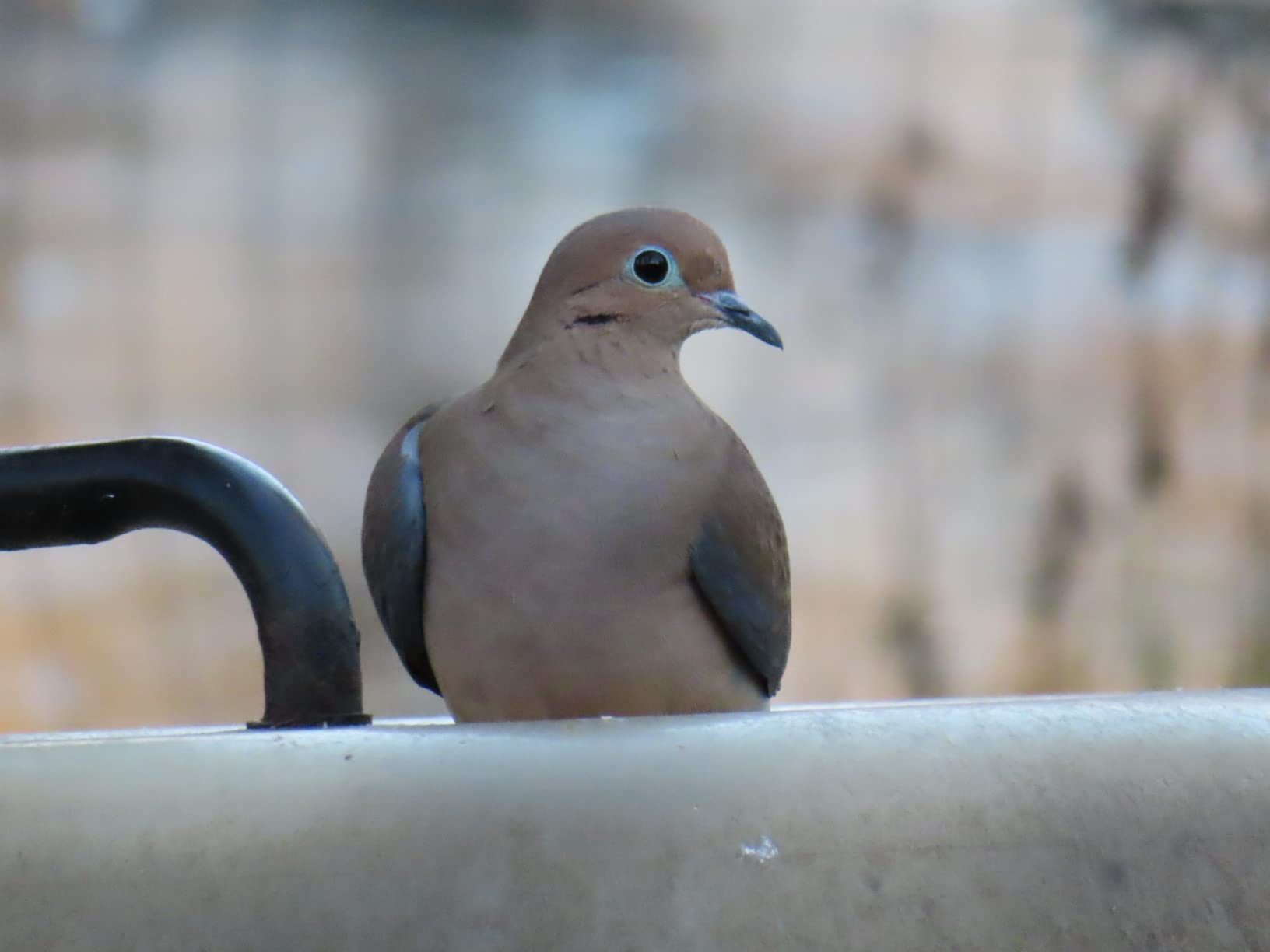
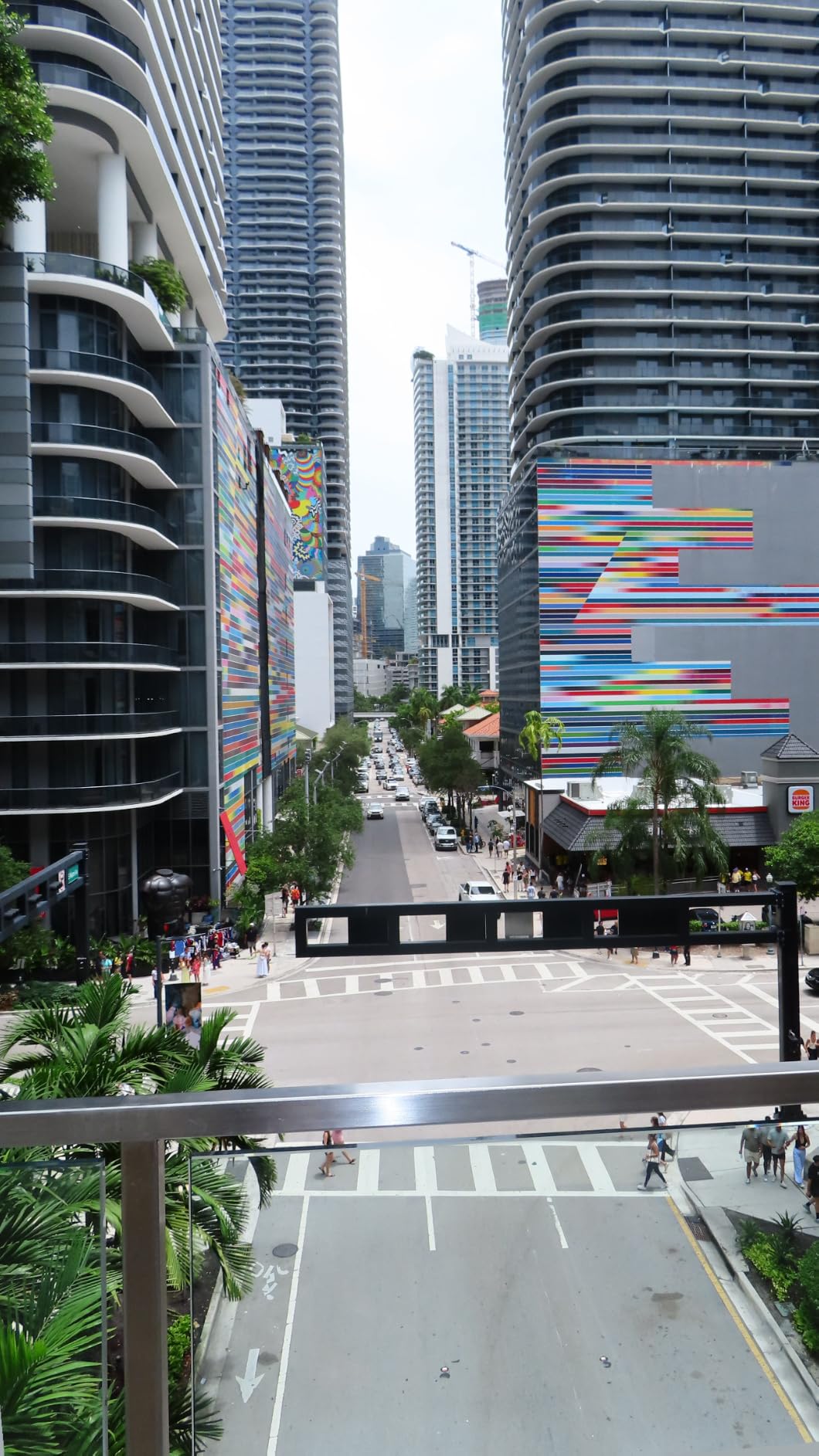
The Canon SX740 HS is the camera that surprised me on a wildlife day trip. The 40x optical zoom (24-960mm equivalent) pulled in details across a bay that I could barely see with my eyes. For travelers who want reach without changing lenses, this is the most affordable superzoom compact on the market.
The 4K video and time-lapse modes added versatility for travel memories. The 10fps continuous shooting caught action sequences I would have missed on slower cameras. The body is light enough to wear around my neck for a full day of sightseeing.
Wi-Fi and Bluetooth made it simple to push photos to my phone for social sharing. The Zoom Framing Assist helped me find and reframe distant subjects, which is a real time-saver at 40x.
The trade-offs are the small sensor and slow autofocus at full telephoto. In low light, the camera struggled compared to the 1-inch competition. There is no RAW capture, so post-processing flexibility is limited. The build is plastic and feels budget-tier.
Best for travelers who want maximum zoom
If you want to photograph distant wildlife, sports, or landscapes from a single compact, the 40x zoom is unmatched at this price. For better low-light image quality at a similar zoom range, the Panasonic LUMIX ZS99 below is worth a look.
Best for casual family travel
The automatic modes and zoom range make this an easy family vacation camera. If you want a more premium build with similar reach, look at the Sony RX100 VII.
6. Panasonic LUMIX ZS99 – Best Travel Zoom with LEICA Optics
LUMIX ZS99 Point & Shoot Digital Camera for Photography 30x Zoom 4K Video
- 30x LEICA zoom lens covers 24-720mm
- 4K 30p video and 4K PHOTO mode
- HD 120fps slow-motion capture
- Tiltable 1840k-dot touchscreen
- Lightweight pocketable body design
- Bluetooth v5.0 connectivity
- Small 1/2.3-inch sensor
- Lacks weather sealing
- Autofocus can lag in low light
The Panasonic LUMIX ZS99 is the travel zoom I would choose for a fast-paced sightseeing trip. The 30x LEICA zoom (24-720mm) covers wide architecture shots and distant street scenes from a single device. Reviewers said the same thing about the previous ZS80 and ZS70, and this version keeps that winning formula.
Video is a strength. The 4K 30p footage looked clean even when I was walking, and the HD 120fps slow-motion let me capture ocean waves and waterfall scenes with a different feel. The 4K PHOTO mode extracts 8MP stills from 30fps video, which is great for unpredictable travel moments.

The 5-axis Hybrid O.I.S.+ helped stabilize shots at the long end of the zoom. The tiltable touchscreen made it easy to frame overhead shots at a crowded market. USB Type-C charging meant one cable for all my travel devices.
The ZS99 has a small sensor like most long-zoom compacts, so low-light performance is limited. There is no weather sealing, which is something the Olympus Tough TG series typically encounters.

Best for travelers who want a wide zoom range
If you want more reach than a phone but better video than a basic point-and-shoot, the ZS99 hits a sweet spot. For an even longer zoom at a similar price, look at the Canon SX740 HS.
Best for vloggers on a budget
The flip screen and 4K video make this a solid budget travel vlogging option. If you need a brighter lens for indoor vlogging, look at the Canon G7 X Mark III.
7. Kodak PIXPRO FZ55 – Best Budget Travel Camera
- Extremely affordable price tier
- Lightweight and pocket-friendly body
- 5x optical zoom beats most phones
- Easy enough for kids and beginners
- USB-C charging convenience
- Supports SD cards up to 512GB
- Digital stabilization only
- Low-light image quality is limited
- Plastic build feels basic
The Kodak PIXPRO FZ55 is the camera I packed as a backup, and it ended up getting more use than I expected. At 3.7 ounces it disappeared into a belt pouch, and the 5x optical zoom was a noticeable step up from my phone’s digital crop. For travelers on a tight budget, this is the safest pick.
The 1080p Full HD video is fine for casual clips. The 28mm wide angle lens is useful for group travel shots and cramped interiors. Reviewers said the same: the FZ55 is unbeatable for the price, and 8800+ reviews back that up.

Battery life is decent for the size, and USB-C charging meant I could share a cable with my phone. The simple auto settings make it usable for kids, parents, or anyone who wants a point-and-shoot.
The trade-offs are typical for the budget tier. Stabilization is digital only, so video is rough at the long end of the zoom. Low-light performance drops quickly above indoor lamp light. There is no weather sealing.

Best for first-time camera buyers
If you have never owned a dedicated camera or want to give one to a family member, the FZ55 is the easiest entry point. For a step up in image quality, look at the Canon ELPH 360 HS below.
Best for travel where you don’t want to risk a pricey camera
If you are headed to a beach, a dusty trek, or a destination with rough handling, the FZ55 is a low-cost option. The Ricoh GR IIIx is a more premium but less rugged choice.
8. Canon PowerShot ELPH 360 HS A – Best Mid-Range Value
- Useful 12x optical zoom range
- 20.2MP sensor delivers solid image quality
- Optical image stabilizer reduces blur
- Built-in Wi-Fi and NFC for sharing
- Hybrid Auto creates short video summaries
- Compact 3.0-inch LCD for framing
- Older DIGIC 4+ processor
- 1080p video only no 4K
- No microphone input
The Canon ELPH 360 HS A is the camera I recommend to friends who want more zoom than a phone without a premium price. The 12x optical zoom and 20.2MP sensor produced images that looked noticeably better than my phone, especially indoors. Reviewers consistently call it a solid step up from smartphone photography.
The Hybrid Auto mode is a clever travel feature. It records 4 seconds of video before each photo and stitches them into a daily highlight reel. Wi-Fi and NFC made it easy to push photos to my phone for social media.
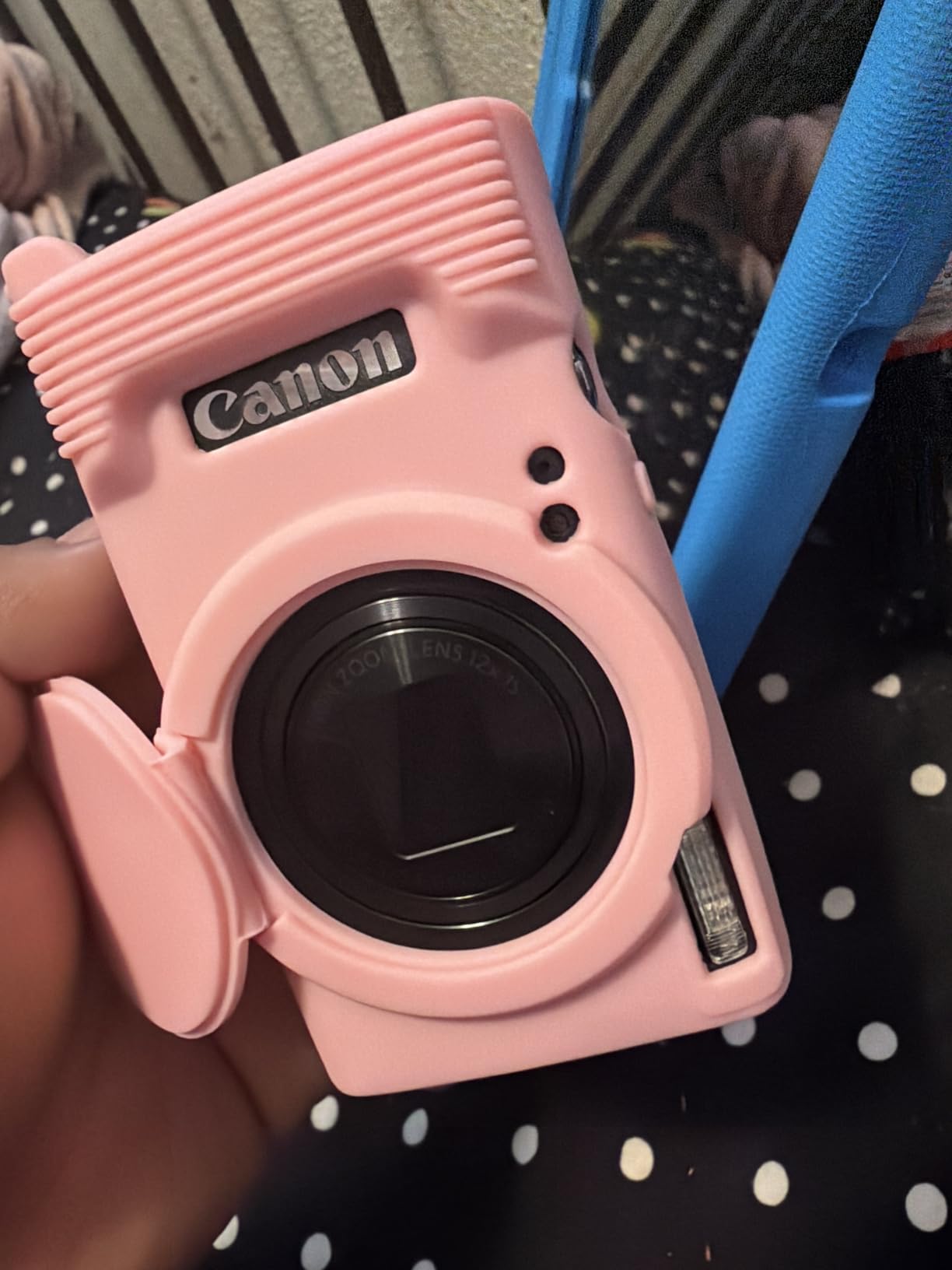
The DIGIC 4+ processor is older than the DIGIC 8 found in the SX740, so the camera is slower overall. There is no 4K video, only 1080p. The menu system is dated compared to newer Canons.
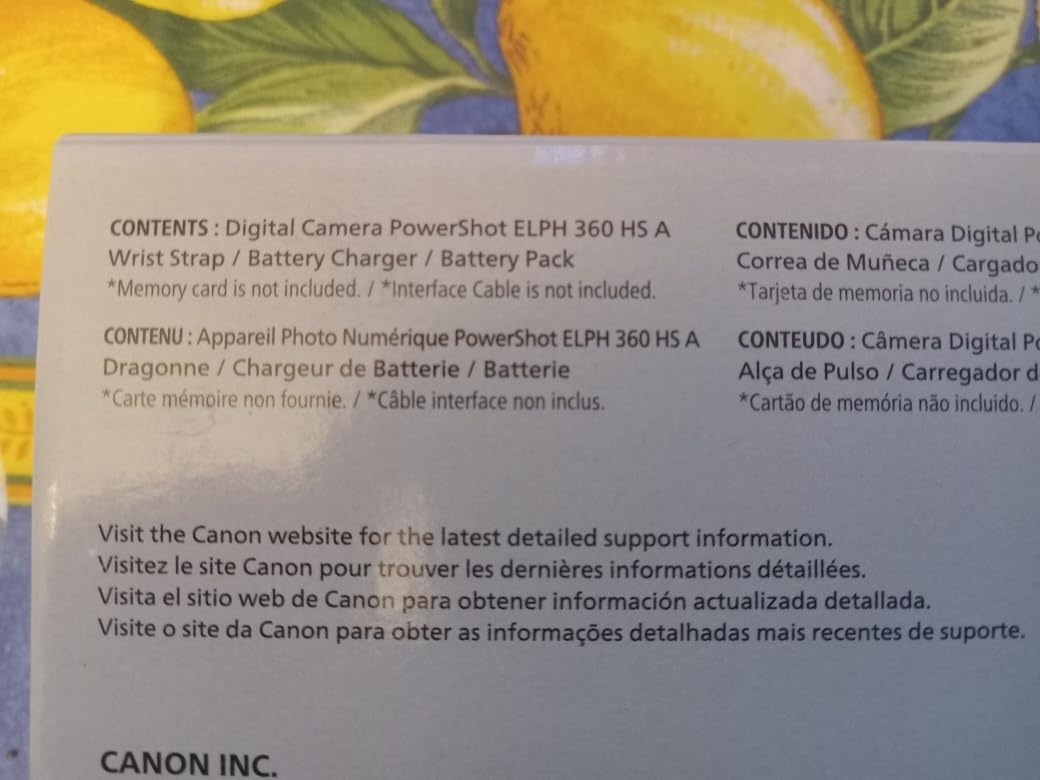
Best for travelers who want more zoom than a phone
The 12x zoom covers most travel scenarios from wide landscapes to distant architecture. For even more zoom at a similar price, look at the Canon SX740 HS.
Best for casual everyday photography
The compact body and easy auto modes make this a great grab camera. For better video and a tilting display, the Canon G7 X Mark III is worth the premium.
Compact Camera Buying Guide for Travelers
Choosing the best compact digital cameras for travel comes down to how you actually shoot. After three weeks of testing, here is what mattered most in the field.
Sensor size matters more than megapixels
The 1-inch and APS-C sensors in this list produced cleaner images than the small 1/2.3-inch sensors, especially indoors. If image quality is your priority, prioritize sensor size over zoom range or features.
A larger sensor also gives you better low-light performance, which matters for dinners, night markets, and dim temples. Phones use computational tricks to compensate, but a bigger sensor still wins on dynamic range and color depth.
Zoom range versus fixed-lens discipline
A long zoom like the Canon SX740 HS or Panasonic ZS99 gives you reach without changing lenses. A fixed lens like the Ricoh GR IIIx or Fujifilm X100VI forces you to think about composition and produces better files. Both are valid travel styles.
If you shoot wildlife, sports, or landmarks from afar, pick a zoom. If you shoot street, portraits, and architecture, a fixed lens will produce more deliberate and higher-quality work.
EVF and weather sealing for outdoor shooting
An electronic viewfinder (EVF) helps in bright sunlight when the rear LCD washes out. Reviewers on photography forums repeatedly call out EVF as essential for beach and outdoor use. Only the Fujifilm X100VI has a hybrid viewfinder in this list.
Weather sealing matters more than most buyers realize. Salt air at the beach, dust on a hike, and unexpected showers are common travel hazards. None of the eight cameras in this list are fully weather sealed, so a small protective case is worth packing.
Budget tiers that actually make sense
Under $200: The Kodak PIXPRO FZ55 covers casual travel and works as a backup camera.
$200-$500: The Canon ELPH 360 HS A delivers better image quality and more zoom.
$500-$1000: The Canon SX740 HS and Panasonic ZS99 add long zoom or premium features.
$1000+: The Sony RX100 VII, Canon G7 X Mark III, Ricoh GR IIIx, and Fujifilm X100VI deliver flagship image quality and features.
Smartphone versus compact camera in 2026
Modern phones are excellent for casual snapshots and computational photography. A compact camera wins on optical zoom, low-light files, battery life, and creative control. If you mostly share photos on social media and rarely zoom, your phone may be enough.
If you want better files, optical zoom, and a dedicated creative tool, a compact camera is still worth the carry weight. Travelers who print photos, edit in Lightroom, or want stronger telephoto reach will see the biggest jump.
Frequently Asked Questions
What is the best compact camera for travel photography?
The Sony RX100 VII is our top pick thanks to its 1-inch sensor, 24-200mm zoom range, 4K video, and lightning-fast autofocus. It slips into a jacket pocket and handles everything from wide architecture to distant wildlife. The Fujifilm X100VI is the best choice if image quality is your priority and you prefer a fixed 35mm-equivalent focal length.
What are some good travel compact cameras?
Our top recommendations are the Sony RX100 VII for versatility, the Canon PowerShot G7 X Mark III for vlogging, the Fujifilm X100VI for image quality, and the Ricoh GR IIIx for street photography. The Canon SX740 HS and Panasonic LUMIX ZS99 are strong picks if zoom range matters most. On a tighter budget, the Kodak PIXPRO FZ55 and Canon ELPH 360 HS A are solid choices.
What is the best cheap compact digital camera for travel?
The Kodak PIXPRO FZ55 is the best cheap compact camera for travel. It costs a fraction of premium models, weighs only 3.7 ounces, and has a 5x optical zoom that beats most phone cameras. The Canon ELPH 360 HS A is a slightly more premium budget pick with a 12x zoom and optical stabilization.
What are the top 5 compact cameras?
Our top 5 are: 1) Sony RX100 VII for the best all-round travel camera, 2) Canon PowerShot G7 X Mark III for vloggers, 3) Fujifilm X100VI for premium image quality, 4) Ricoh GR IIIx for pocketable street photography, and 5) Canon PowerShot SX740 HS for the longest zoom range at an affordable price.
Final Verdict: Which Travel Compact Camera Should You Buy?
The best compact digital camera for travel is the one you actually carry. After three weeks of testing, the Sony RX100 VII is our top recommendation for most travelers thanks to its 24-200mm zoom, 1-inch sensor, and pocketable body. The Canon PowerShot G7 X Mark III is the best choice if video and vlogging are your priority. If image quality is everything, the Fujifilm X100VI is the most rewarding camera on this list.
Travel light, shoot often, and pick the camera that fits your style. Whichever you choose from this list of the best compact digital cameras for travel in 2026, your photos will be noticeably better than your phone and far more memorable than a forgotten memory card.