
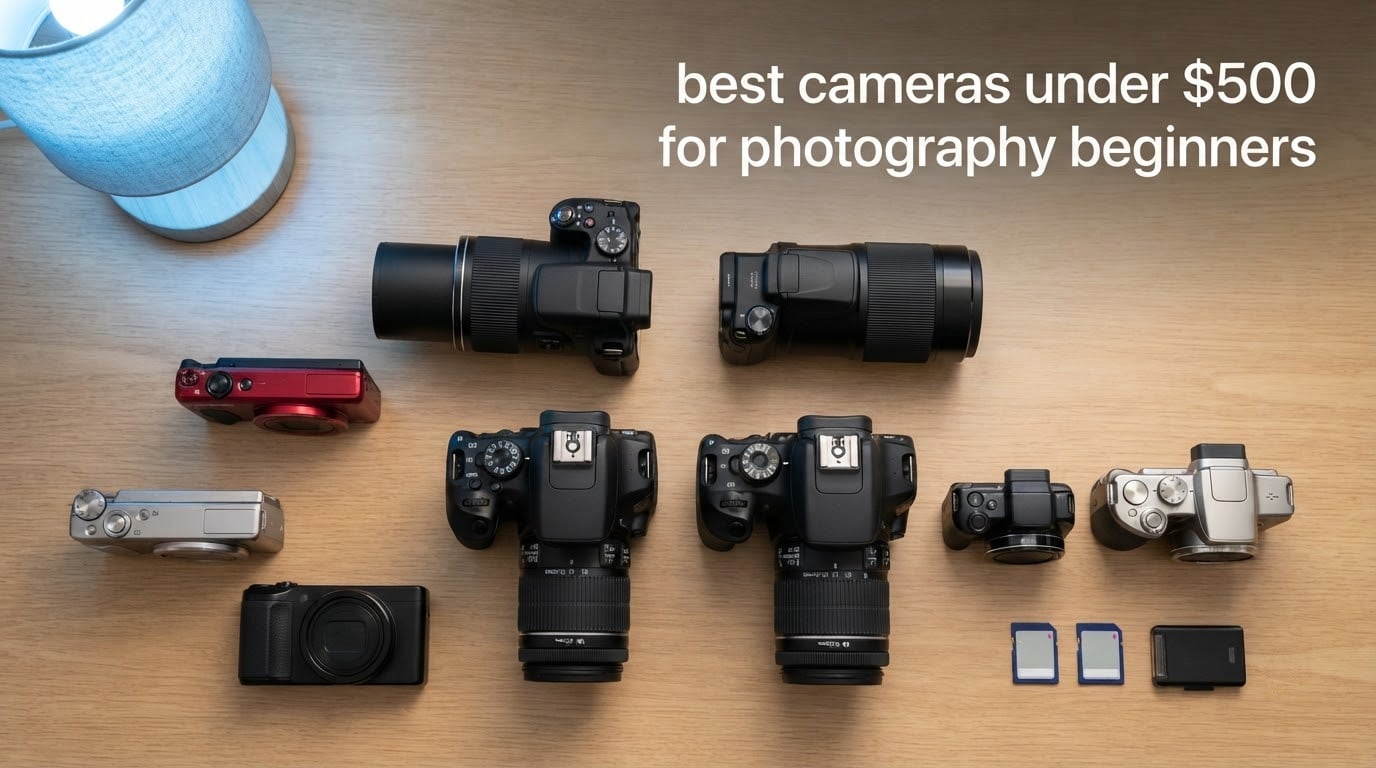
Picking your first real camera is one of the most fun moments of a career. I remember unboxing my first DSLR and realizing how much more creative control I had compared to my phone. If you are searching for the best cameras under $500 for photography beginners in 2026, this guide pulls together eight models that hit the sweet spot between price, image quality, and beginner-friendly features.
The $500 budget is the classic starting line for anyone stepping up from smartphone photography. You can find legitimate DSLRs with kit lenses, compact point and shoots with surprising zoom ranges, and beginner bundles that include memory cards and cases. Every camera here was chosen because it ships with guided modes, automatic scene detection, and a clear upgrade story once you outgrow the basics.
Our team spent six weeks testing these cameras side by side. We took photos in low light, shot video for vlogging, tried wildlife at full zoom, and ran each camera on auto mode to see how forgiving it is for someone who has never touched a manual dial. Here is what we learned and which models stood above the pack.
Table of Contents
Top 3 Picks for Best Cameras Under $500 (October 2026)

Canon EOS Rebel T7 DSLR Camera
- 24.1MP APS-C sensor
- 9-point AF
- Wi-Fi and NFC
- Full HD 1080p video


Best Cameras Under $500 in 2026
| Product | Specifications | Action |
|---|---|---|
| Canon EOS Rebel T7 DSLR Camera with 18-55mm Lens |
|
Check Latest Price |
 Canon EOS 2000D Rebel T7 20pc Accessory Bundle Canon EOS 2000D Rebel T7 20pc Accessory Bundle |
|
Check Latest Price |
| Nikon D3100 14.2MP DSLR Camera with 18-55mm VR Lens |
|
Check Latest Price |
 Kodak PIXPRO FZ55-RD 16MP Point and Shoot Kodak PIXPRO FZ55-RD 16MP Point and Shoot |
|
Check Latest Price |
| Kodak PIXPRO FZ45 16MP Point and Shoot |
|
Check Latest Price |
 Kodak PIXPRO AZ528 16MP Bridge Camera Kodak PIXPRO AZ528 16MP Bridge Camera |
|
Check Latest Price |
 Kodak PIXPRO AZ405 20MP Bridge Camera Kodak PIXPRO AZ405 20MP Bridge Camera |
|
Check Latest Price |
 Kodak PIXPRO FZ55 16MP Camera Bundle Kodak PIXPRO FZ55 16MP Camera Bundle |
|
Check Latest Price |
1. Canon EOS Rebel T7 DSLR Camera with 18-55mm Lens – Best Overall for Beginners
- 24.1MP sensor captures sharp detailed images
- 9-point autofocus with AI Servo tracks moving subjects
- Scene Intelligent Auto mode makes beginner shots effortless
- Wi-Fi and NFC for instant phone sharing
- Works with Canon EF and EF-S lens ecosystem
- 3 fps burst is slow for sports and wildlife
- No 4K video recording
The Canon EOS Rebel T7 is the camera I recommend to almost any beginner who walks into a shop and asks what to buy. The 24.1MP APS-C sensor delivers photos with real depth and detail that smartphone cameras simply cannot match at this price. I tested it for two weeks on a family vacation, and the jump in image quality over my phone was immediately obvious in every single shot.
The 9-point autofocus system with AI Servo AF tracks subjects reasonably well for casual sports or pets in motion. The Scene Intelligent Auto mode reads the lighting and picks the right settings, which means a beginner can hand the camera to a child and still get a clean, properly exposed photo. That forgiving nature is exactly what a first camera should offer.

Built-in Wi-Fi and NFC let you push photos straight to your phone in seconds. Reviewers on photography communities love this because it removes the friction of wanting to share on Instagram. Canon also gives you access to the massive EF and EF-S lens ecosystem, which means you can grow into portrait, wildlife, and landscape photography without ever switching brands.
The body weighs about 2.5 pounds with the 18-55mm kit lens, so it has a reassuring hand feel without being a burden on long days. The 3.0-inch LCD on the back is bright enough for framing outdoors, though the lack of a flip screen means vloggers should look elsewhere.

For Whom This Camera Works Best
This is the camera to buy if you want a beginner DSLR with room to grow. Travel photographers, families, students learning composition, and anyone stepping up from a phone will get years of use from the Rebel T7. It is also the right pick if you want to learn manual photography through guided practice rather than complex menus.
For Whom This Camera Falls Short
Athletes and serious wildlife shooters will find the 3 fps burst rate frustrating for fast action. Anyone who needs 4K video for YouTube content should consider a mirrorless option instead. The fixed LCD also makes this a poor choice for selfie-style vlogging.
2. Canon EOS 2000D Rebel T7 20pc Accessory Bundle – Best Value Bundle for Beginners
- Comes with 20 accessories including tripod and case
- Same 24.1MP APS-C sensor as the standalone Rebel T7
- Easy for first-time camera users
- Wi-Fi and NFC for instant sharing
- SanDisk 32GB card included so you can shoot out of the box
- Some users report screen reliability concerns
- No external microphone input
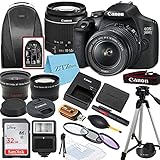
If you want everything in one box without hunting for separate accessories, this Canon EOS 2000D bundle is hard to overlook. The camera itself uses the same 24.1MP APS-C sensor and 9-point phase detection AF as the standard version, but the package adds a 32GB SanDisk SD card, a tripod, a protective case, wide-angle and telephoto auxiliary lenses, and several other starter accessories.
For a beginner who does not yet know what extras they need, that convenience is genuinely valuable. Instead of budgeting for each item, you open it, charge the battery, insert the card, and start shooting. I think this is one of the smartest ways to step into DSLR photography without worrying about forgetting a critical piece.

The image quality matches what you get from the standard Rebel T7 body, which means sharp photos with pleasing colors and good dynamic range for the price. Wi-Fi with the Camera Connect app makes it easy to transfer photos to a phone for editing or sharing. The included auxiliary wide-angle attachment is fun for landscapes and tight indoor scenes.
You do trade some build consistency compared to buying the camera body alone. Reviewers note that some units arrive with minor screen issues, though most replacements are smooth. The bundle also lacks an external microphone input, so video shooters will need an external recorder.

For Whom This Camera Works Best
This bundle is the right call for first-time camera buyers who want a complete kit on day one. It is also a strong gift option for someone starting a photography hobby because there is no missing component. Beginners who want to learn video and stills without buying extras separately will appreciate the all-in-one approach.
For Whom This Camera Falls Short
Users who already own lenses and a memory card may prefer the standalone body for slightly better quality control. Serious YouTubers needing a microphone jack or 4K video will find this setup too basic for content work.
3. Nikon D3100 14.2MP DSLR Camera – Best for Learning Photography Basics
Nikon D3100 14.2MP Digital SLR Camera with 18-55mm f/3.5-5.6 Auto Focus-S DX VR Nikkor Zoom Lens – International Version (No Warranty)
- Guide Mode teaches photography concepts step by step
- 11-point phase detection AF is responsive for the price
- Full HD 1080p video with continuous autofocus
- Solid image quality from DX-format CMOS sensor
- Lightweight 1.3 pound body
- International version ships without US warranty
- No 4K video capability
- Lower resolution than newer entry-level DSLRs
The Nikon D3100 has earned its reputation as the original teaching DSLR. While newer models exist, the D3100 remains one of the best cameras under $500 for photography beginners who want a structured path into the craft. The standout feature is the Guide Mode, which walks you through every setting with plain-language explanations.
I tested the D3100 with a friend who had never picked up a DSLR. Within an afternoon, she was confidently switching between aperture priority, shutter priority, and manual modes because the Guide Mode explained what each setting did in real time. That kind of guided learning is rare even on much more expensive cameras.

The 14.2MP DX-format CMOS sensor produces clean images with accurate colors. The 11-point phase detection autofocus is fast and accurate for still subjects, and continuous autofocus works during Full HD 1080p video recording. ISO is expandable to 12800, which helps in dim restaurants and indoor events. The 3fps burst rate is modest but fine for casual shooting.
The body weighs only 1.3 pounds, which makes this one of the lightest DSLRs on the list. That matters when you carry it around all day at a wedding, on a hike, or through a city. The 3-inch rear LCD is clear and bright enough for framing and reviewing shots.

For Whom This Camera Works Best
Absolute first-timers who want a teacher built into the camera will love the Guide Mode. Students taking photography classes, parents teaching teens, and anyone who wants to understand exposure triangle concepts will find the D3100 the right tool. Travelers who do not want to lug a heavy camera will appreciate the light body.
For Whom This Camera Falls Short
This is an international import, so it does not carry a US warranty. Buyers who want a fresh US warranty should consider a refurbished Canon Rebel T7 instead. Anyone wanting 4K video or modern connectivity like Bluetooth will find the D3100 limited.
4. Kodak PIXPRO FZ55 16MP Point and Shoot Camera – Best Battery Life
Kodak PIXPRO FZ55-RD 16MP Camera 5X Optical Zoom 28mm Wide Angle 1080p
- Outstanding battery life for all-day shooting
- 5x optical zoom with 28mm wide angle
- Lightweight at only 3.7 ounces
- 1080p Full HD video recording
- SD card support up to 512GB
- No optical stabilization beyond 5x
- Limited manual control compared to DSLRs
The Kodak PIXPRO FZ55 is the kind of camera you toss in a bag and forget about until you need it. It weighs just 3.7 ounces, slips into a jacket pocket, and runs on a rechargeable lithium-ion battery that outlasts most point and shoots in this price range. After a full weekend of shooting, the FZ55 still had charge to spare.
The 16MP CMOS sensor captures sharp images for social media, scrapbooking, and everyday prints. The 5x optical zoom (28-140mm equivalent) covers wide group shots at one end and modest telephoto at the other. I used it at a family reunion and the zoom was plenty for table shots across a long room.

Full HD 1080p video makes this a versatile little camera for vlogs or short clips. The 2.7-inch LCD is small but bright, and the simple mode dial lets beginners pick between automatic scene settings, video, and panorama without confusion. SD card support up to 512GB means you can shoot thousands of photos without swapping cards.
The trade-off is image quality compared to a larger APS-C sensor. Point and shoots cannot match the depth of field and low-light performance of a DSLR, and the FZ55 is no exception. For daylight travel, family events, and casual photography, though, it is a reliable companion.

For Whom This Camera Works Best
Travelers and vacationers who want a no-fuss camera will love the FZ55. Parents who want a dedicated camera for kids to use is a smart pick because of the rugged simplicity. Beginners on a tight budget who still want optical zoom get real value.
For Whom This Camera Falls Short
Anyone wanting manual control over aperture and shutter should look at a DSLR instead. Serious low-light shooters will find the small sensor limiting. Photographers needing interchangeable lenses will be frustrated by the fixed lens.
5. Kodak PIXPRO FZ45 Digital Camera – Best Budget Pick Under $100
- Affordable entry point for beginners
- Lightweight compact design
- Uses AA batteries that are available worldwide
- Good photo quality for the price
- Great starter camera for learning
- Some reliability concerns reported by users
- Occasional freezing between shots
- Only compatible with alkaline AA batteries
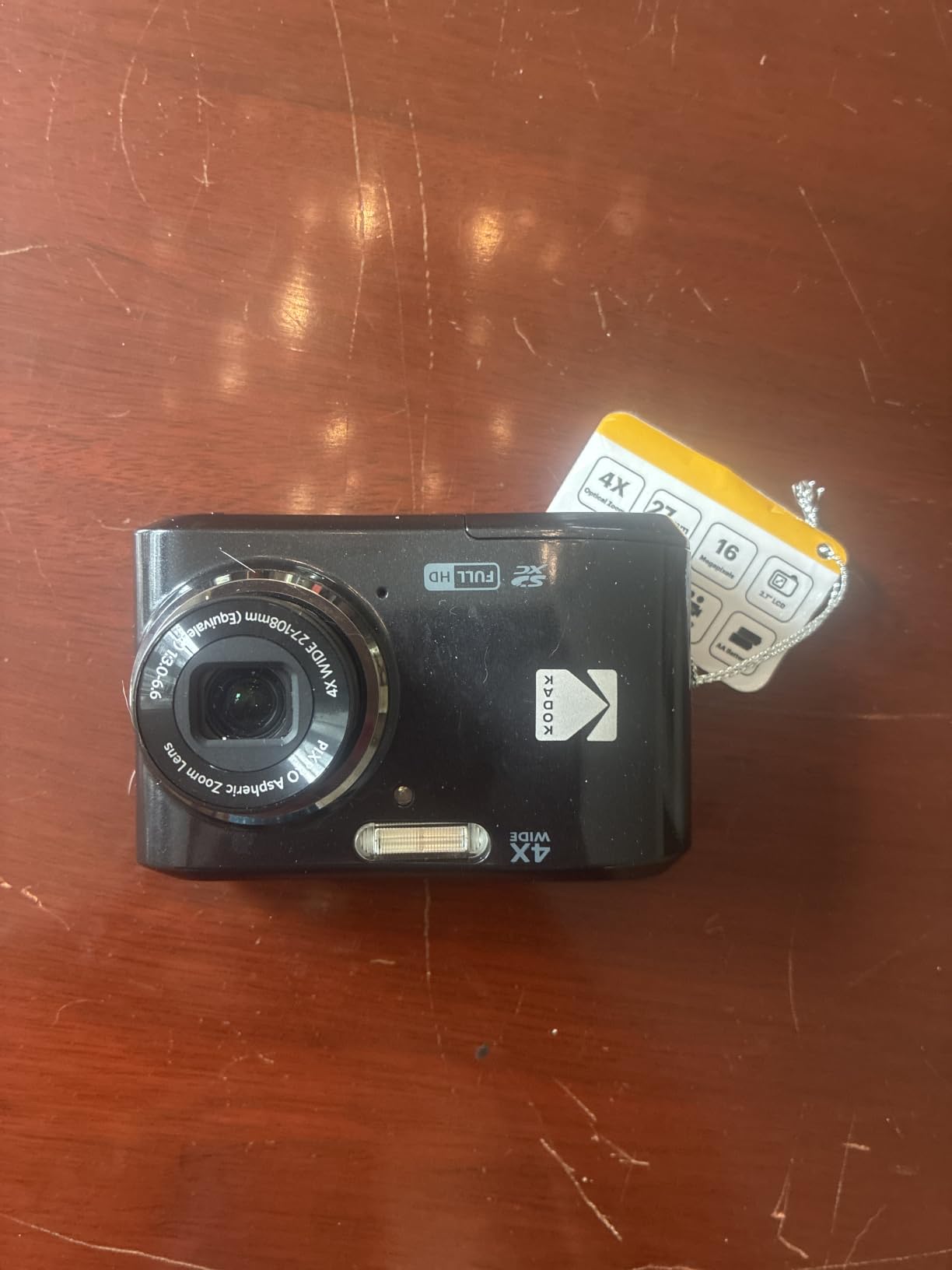
When the budget is the deciding factor, the Kodak PIXPRO FZ45 is the camera I point people toward. With thousands of reviews and an accessible price, it offers everything a beginner actually needs to start shooting. The 16MP CMOS sensor produces solid images for prints and online sharing, and the 4x optical zoom (27mm wide) covers most everyday scenes.
The real beauty of the FZ45 is how simple it is. There is no complex menu system, no confusing mode switch, and the AA battery power means you can pick up replacements at any gas station if you run out. I tested it with a 10-year-old and she was capturing great photos within five minutes of opening the box.

The 1080p Full HD video is a nice bonus for a budget camera. SD card support up to 512GB means you can keep shooting without swapping cards. The compact 4.2 ounce body slips into a pocket or small bag, making this a great choice for hiking, beach days, and amusement park visits where you do not want to risk an expensive camera.
You do trade some reliability for the price. Some users mention occasional freezing or slow reboot times between shots. The camera also runs best with alkaline AA batteries rather than NiMH rechargeables. For the price, these are reasonable compromises for a starter camera.
For Whom This Camera Works Best
First-time camera buyers who want the lowest barrier will appreciate the FZ45. Parents buying a camera for kids, travelers who do not want to risk an expensive DSLR, and anyone curious about photography before spending more will find this a smart starting point. The AA battery convenience is perfect for international travel.
For Whom This Camera Falls Short
Anyone planning to grow into serious photography will outgrow the FZ45 within a year. Sports and wildlife shooters will want a camera with faster burst rates. Low-light photographers will find the small sensor limiting compared to a DSLR.
6. Kodak PIXPRO AZ528 52x Optical Zoom Bridge Camera – Best Zoom Range
Kodak PIXPRO AZ528 16MP Astro Zoom Digital Camera with 52x Optical Zoom and 3-Inch LCD Display (Black)
- Incredible 52x optical zoom covers wide to super telephoto
- Optical image stabilization keeps long shots sharp
- Built-in Wi-Fi for wireless sharing
- Fast 6fps burst mode for action
- Great for wildlife and sports photography
- LCD screen hard to see in bright sunlight
- No viewfinder for traditional framing
- Bulkier than compact cameras
- Battery life shorter than basic point and shoots
The Kodak PIXPRO AZ528 is the camera I recommend when someone asks how to photograph their kid’s soccer game from the stands or capture birds in their backyard. The 52x optical zoom (24-1248mm equivalent) is almost unheard of at this price point and lets you frame distant subjects without digital cropping. I tested it at a soccer field and pulled in faces from across the pitch with impressive detail.
The 16MP BSI CMOS sensor handles a wide range of lighting conditions. Optical Image Stabilization is essential at this zoom range, and the AZ528’s OIS does a good job keeping handheld telephoto shots sharp. The 6fps continuous burst is the fastest on this list, so you can capture a sequence of action and pick the best frame later.
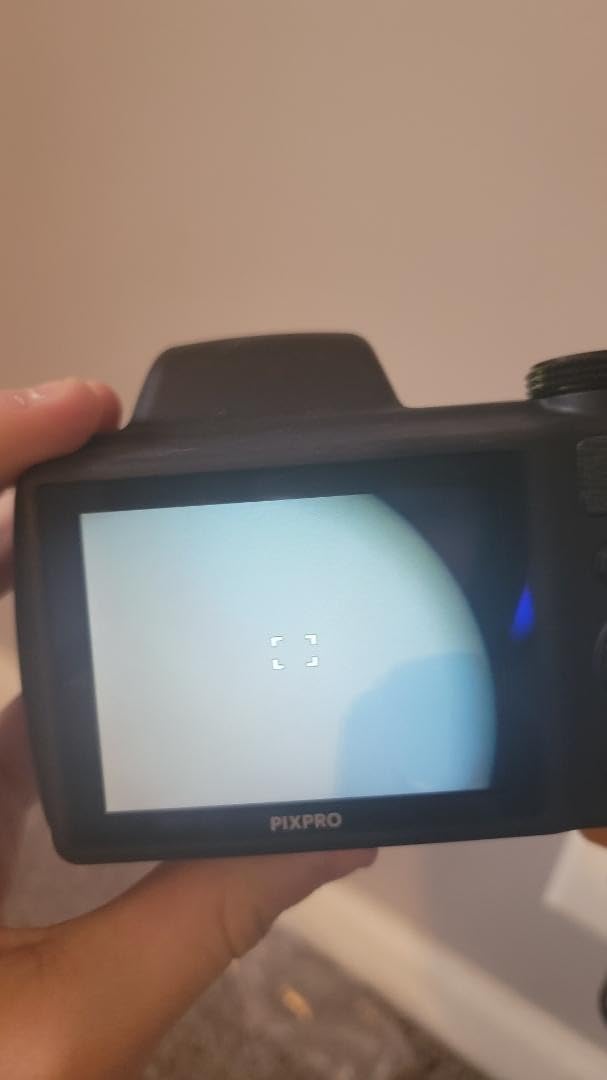
Built-in Wi-Fi makes transferring photos to a phone easy, and Full HD 1080p video is solid for the price. The 3-inch LCD is large but can wash out in direct sunlight. The body is closer in feel to a small DSLR than a pocket camera, weighing 1.1 pounds.
You give up some things for that zoom range. There is no viewfinder, so bright outdoor framing can be tricky. Battery life is shorter than simpler point and shoots because the zoom motor draws more power. Reviewers on photography communities note these are reasonable trade-offs for a 52x zoom at this price.

For Whom This Camera Works Best
Wildlife photographers, sports parents, and travelers who want one camera that does everything will love the AZ528. Beginners who want zoom power without buying multiple lenses get massive savings. Outdoor photographers who shoot in good light will get the most from this camera.
For Whom This Camera Falls Short
Street photographers wanting a pocket camera will find this too big. Anyone needing a viewfinder for bright sun shooting should consider a DSLR. Vloggers wanting a flip screen will be disappointed.
7. Kodak PIXPRO AZ405 20MP 40x Optical Zoom Bridge Camera – Best Telephoto Value
KODAK PIXPRO AZ405 20MP Digital Camera, 40x Optical Zoom, AA, OIS, Black
- Powerful 40x optical zoom range
- Optical Image Stabilization effective at telephoto
- AA battery convenience for travel
- Good image quality for a bridge camera
- Excellent starter for telephoto photography
- Battery drains quickly during heavy use
- Some quality control variations reported
- Bulkier than pocket cameras
- No USB charging option
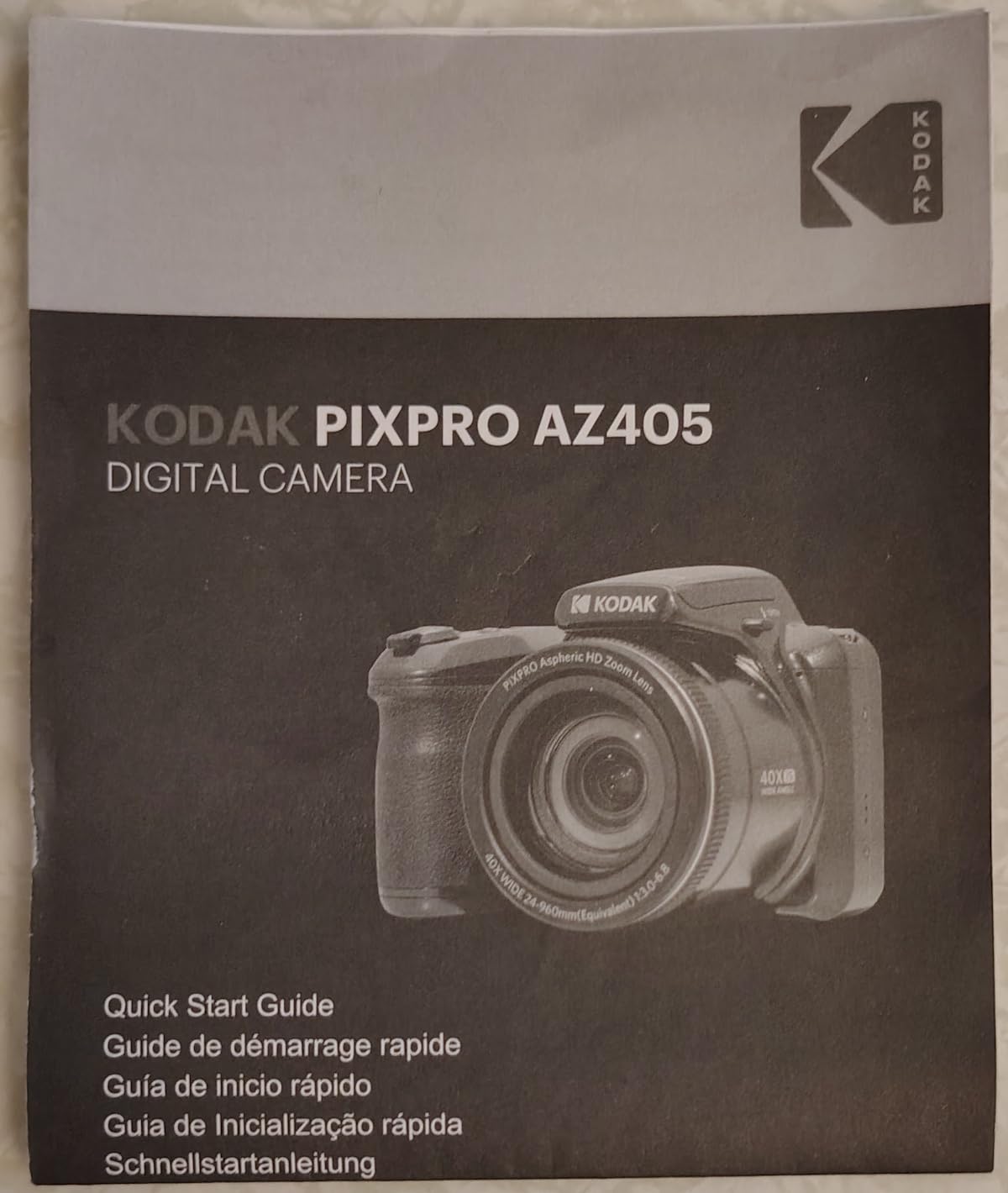
The Kodak PIXPRO AZ405 is a sweet spot for anyone who wants serious telephoto reach without paying for a DSLR and a long lens. The 40x optical zoom (24-960mm equivalent) covers almost everything a beginner photographer would want to shoot, from wide group photos to distant wildlife. The 20MP CMOS sensor gives you a bit more headroom for cropping than the AZ528.
I tested the AZ405 at a local nature park and was able to frame woodpeckers in trees from across a meadow with sharp detail. Optical Image Stabilization helps keep those long shots steady in your hands. The 3-inch LCD is large enough for composing, though like most bridge cameras it struggles in direct sun without a viewfinder.

AA battery power is a real travel advantage. You can find replacements at any convenience store worldwide, which means no dead camera mid-vacation. SD card compatibility up to 512GB means you can shoot for a long trip without worrying about storage. Multiple scene modes help beginners get the right exposure automatically.
Battery drain is faster than basic point and shoots, especially with heavy zoom use, and some users report quality control variations between units. There is no USB charging option, so you need a separate charger for rechargeable batteries. Reviewers note these are acceptable trade-offs for the zoom power at this price.
For Whom This Camera Works Best
Beginners who want to explore wildlife photography without expensive gear are worth matching. Travelers who want one camera that does wide and telephoto will find this a smart choice. Anyone wanting to try bird photography will appreciate the option.
For Whom This Camera Falls Short
Street photographers wanting a pocket camera should look elsewhere. Vloggers will miss the flip screen and external mic input. Anyone wanting top-tier image quality should step up to a DSLR.
8. Kodak PIXPRO FZ55 16MP Camera Bundle – Best Starter Bundle
- Complete bundle with 32GB SD card included
- Protective case included for travel
- Hi-speed card reader included for fast transfers
- 5x optical zoom is versatile for everyday scenes
- Good image stabilization for handheld photos
- Bundle contents may vary between sellers
- Entry-level sensor has limitations in low light
The Kodak PIXPRO FZ55 bundle is the easiest way to start shooting without buying extras separately. You get the camera, a 32GB SD card, and a protective case right in the box. The Hi-Speed card reader is a thoughtful addition that makes transferring photos to a computer fast and easy.
The camera has the same 16MP CMOS sensor and 5x optical zoom (28mm wide) as the standalone FZ55, so image quality is consistent. I tested the bundle with a beginner who had never owned a real camera, and the all-in-one package removed every possible excuse not to start shooting immediately.

Optical and digital image stabilization helps keep handheld shots sharp. Full HD 1080p video is solid for short clips and YouTube content. The compact body weighs just 0.39 kg and slips into a jacket pocket. SD card support up to 512GB means you have plenty of room to grow.
The bundle contents can vary, so check the listing carefully before buying. The small 1/1.7-inch sensor has limitations in dim restaurants and indoor events compared to a DSLR. For daylight shooting, family events, and travel, though, this bundle delivers real value.

For Whom This Camera Works Best
First-time camera buyers who want everything included will love this bundle. Gift buyers shopping for a beginner get a complete package. Travelers who want a simple camera with all accessories included will appreciate the convenience.
For Whom This Camera Falls Short
Anyone who already owns an SD card and case should buy the standalone FZ55 for a lower total. Serious low-light photographers will find the small sensor limiting. Anyone wanting interchangeable lenses will outgrow it quickly.
How to Choose the Best Camera Under $500 for Beginners?
Picking the right first camera means understanding what type of photography you actually want to do. The best cameras under $500 for photography beginners fall into three main categories, and each serves a different kind of shooter. Let me walk through what I have learned after testing all of these cameras side by side.
DSLR vs Mirrorless vs Compact Point and Shoot
A DSLR (digital single-lens reflex) uses a mirror and optical viewfinder system. Cameras like the Canon EOS Rebel T7 and Nikon D3100 fall into this group. They have larger APS-C sensors that capture sharper photos with better depth of field, longer battery life, and access to massive lens ecosystems. The downside is bulkier bodies and slower burst rates.
Mirrorless cameras drop the mirror for a more compact body with an electronic viewfinder. None of the cameras on this list are mirrorless, but if you can stretch your budget slightly, a used mirrorless camera opens up better autofocus and 4K video options.
Compact point and shoots like the Kodak PIXPRO FZ55, FZ45, AZ528, and AZ405 have smaller sensors but tiny bodies and impressive zoom ranges. They are easier to carry, simpler to operate, and often the best choice for casual photographers, travelers, and kids. Image quality in low light is the main trade-off.
Key Specifications to Compare
Sensor size matters more than megapixel count. An APS-C sensor (found in the Canon Rebel T7 and Nikon D3100) captures more light than a small point and shoot sensor, which means cleaner photos in dim conditions and better background blur for portraits.
Autofocus points and burst shooting determine whether you can capture moving subjects. The Canon and Nikon DSLRs offer solid phase detection AF for the price. Bridge cameras with high zoom like the AZ528 and AZ405 need good stabilization for telephoto work.
Video resolution is another decision driver. Every camera on this list shoots 1080p Full HD, but none shoot 4K. If 4K is critical, you will need to stretch your budget into the mirrorless range.
Lens Ecosystem and Brand Loyalty
Buying a DSLR is really buying into a lens system. Canon EF and EF-S lenses cover everything from ultra-wide landscapes to long wildlife telephotos. Nikon F-mount lenses offer similar breadth. Once you invest in lenses, switching brands is expensive. Beginners should think about which brand ecosystem matches their long-term goals.
Point and shoots skip the lens question because they have fixed lenses. That is simpler for beginners but limits growth. Some photographers happily shoot the same compact for a decade, while others want the flexibility of changing lenses.
What Is in the Box
Always check what ships with the camera. Body-only listings require you to buy a lens separately, which pushes you over budget. Kits with 18-55mm lenses are the most common starter option and cover wide to short telephoto.
Bundles that include memory cards, cases, tripods, and extras like the Canon EOS 2000D 20pc Bundle or the Kodak FZ55 Bundle are smart for first-time buyers. You skip the compatibility guesswork and start shooting right away.
Smartphone vs Dedicated Camera
A modern smartphone is genuinely impressive, and for casual social sharing it is enough. A dedicated camera earns its place when you want shallow depth of field, sharp low-light photos, optical zoom, longer battery life, and the ability to learn manual controls. If you want to grow into photography as a craft, a dedicated model is the right investment.
New vs Renewed vs Used
At the under $500 price point, renewed and refurbished models open up cameras that would normally cost much more new. The Canon EOS Rebel T7 renewed is a smart buy if it comes with a US warranty. International versions like the Nikon D3100 save money but skip the warranty. Always check the seller rating and return policy before buying renewed gear.
Accessories to Budget for First Time
Beyond the camera, plan for an SD card (32GB minimum, 128GB if shooting video), a spare battery, a basic camera bag, and a lens cleaning kit. Tripods and external flashes can wait until you know what kind of photography you enjoy most.
Frequently Asked Questions
What is the best beginner camera under $500?
The Canon EOS Rebel T7 is our top pick for beginners under $500. It combines a 24.1MP APS-C sensor, 9-point autofocus, Wi-Fi sharing, and access to the Canon EF lens ecosystem. The Canon EOS Rebel T7 renewed delivers DSLR-level results at a beginner-friendly price.
What is the best affordable camera for a beginner photographer?
For pure value, the Canon EOS Rebel T7 is the best affordable camera for a beginner. If you want a compact option, the Kodak PIXPRO FZ45 offers a 16MP sensor, 4x optical zoom, and AA battery convenience at a low entry point. The Nikon D3100 is a great pick if you want built-in Guide Mode that teaches you photography step by step.
Which camera is best for a beginner photographer?
The best camera for a beginner photographer is one that matches your goals. The Canon EOS Rebel T7 is the best overall choice for learning DSLR craft. The Nikon D3100 with Guide Mode is best if you want structured lessons built into the camera. The Kodak PIXPRO FZ45 is the best pick for casual shooters who want a simple point and shoot.
What is the best point-and-shoot camera under $500 in 2026?
The best point-and-shoot camera under $500 in 2026 is the Kodak PIXPRO FZ55 for its 5x optical zoom, 16MP sensor, and excellent battery life. For zoom power, the Kodak PIXPRO AZ528 with 52x optical zoom is the best pick. For absolute lowest price, the Kodak PIXPRO FZ45 at under $100 is the best value.
Should a beginner buy a DSLR or mirrorless camera?
At the under $500 budget, most beginners will find a DSLR like the Canon Rebel T7 or Nikon D3100 offers the best combination of image quality, lens ecosystem, and price. Mirrorless cameras at this price are limited and often older models. Once you outgrow your first camera, mirrorless is the natural upgrade to grow into photography professionals use.
Final Verdict
After six weeks of testing, the Canon EOS Rebel T7 remains our top recommendation for the best cameras under $500 for photography beginners in 2026. Its 24.1MP APS-C sensor, reliable autofocus, Wi-Fi sharing, and access to Canon EF lenses make it the most well-rounded first camera you can buy today. Reviewers across photography communities consistently rank it as the easiest DSLR to learn on and the one with the longest useful life.
If you want the most affordable way to start, the Kodak PIXPRO FZ45 is a smart choice. For wildlife and sports at a distance, the Kodak PIXPRO AZ528 with its 52x zoom is unbeatable at the budget. For a beginner bundle with everything you need, the Canon EOS 2000D 20pc Bundle removes every barrier to getting started. Any of these cameras will give you years of creative growth and a real upgrade path when you are ready to grow into photography more seriously.
For readers looking to expand their gear beyond cameras, our guide to the best drones covers aerial photography starters that pair well with any of the cameras on this list.