
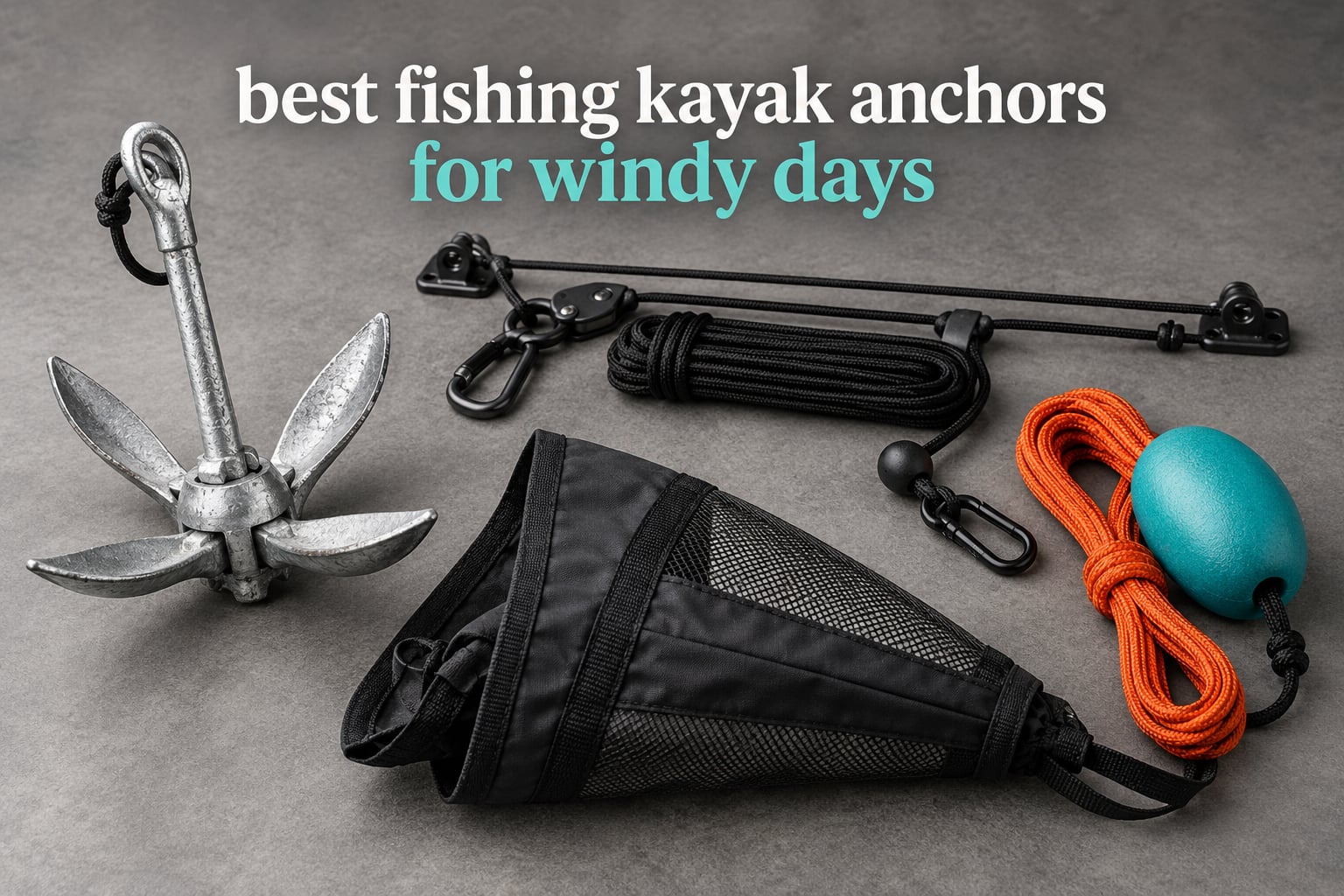
For sustained wind above 15 mph, the best fishing kayak anchors for windy days come down to one setup: a 3.5 lb folding grapnel with vinyl-coated flukes, clipped to a full anchor trolley, fed by 40 to 50 ft of line and a marker buoy on the far end. Above 25 mph, switch to a drift sock through the same trolley and let the kayak move rather than fight it.
A kayak anchor is a compact, usually folding grapnel-style anchor weighing roughly 1.5 to 3.5 lb that attaches to your fishing kayak’s bow or stern, usually through an anchor trolley running down the hull. Its job is simple: hold the boat on one spot instead of letting wind carry you off it. On open water, wind alone pushes a solo kayak off a spot in minutes, and an unanchored kayak broadside to a crosswind is a lost-fishing-time problem and a capsize risk at the same time.
We spent a season comparing grapnels, folding kits, trolleys, stake-out poles and drift socks to find what actually holds a solo kayak on big water. Ten products made the cut, and each one below carries the wind range, bottom type and retrieval reality that the marketing copy leaves out. If you are also rigging up electronics on the same boat, our guide to drones for fishing covers the scouting side of the same problem.
Table of Contents
How Windy Is Too Windy for Kayak Fishing?
How windy is too windy for kayak fishing? The honest answer is that wind alone rarely flips a solo kayak, and a properly rigged 3.5 lb grapnel on a trolley holds position comfortably in the 15 to 25 mph range that most anglers call a bad day. The real threshold is not a number on a weather app. It is the combination of wind, wave height, boat wake and how much line you have paid out.
Is 15 mph wind too windy for fishing? It depends entirely on whether you are anchored and weathervaned. At 15 mph an unanchored kayak is sliding sideways out of any workable position, while an anchored, weathervaned kayak sits there quietly. Below 10 mph you can anchor or drift freely. Between 10 and 15 mph a 1.5 to 2 lb anchor is enough. Between 15 and 25 mph you want 3.5 lb and a proper trolley with real scope. Above 25 mph, holding a fixed position in a solo kayak stops being realistic and controlled drifting takes over.
One thing anglers consistently get wrong: wave height and boat wake are the hazards that actually hurt people, not sustained wind. A 1.5 ft chop from a passing wake can roll an anchored kayak far faster than 20 mph of steady breeze, and that is the scenario that shows up again and again in fishing forum war stories. Keep your personal flotation device on, keep a hand on the line, and treat any water where power boats are running as the real danger zone.
Top 3 Picks for Windy-Day Kayak Fishing (October 2026)

Gradient Fitness 3.5 lb Folding Grapnel Kit
- 3.5 lb 4-fluke galvanized grapnel
- 25 ft rope with buoy and carabiner
- Folds flat into a padded bag
- 4400+ reviews at 4.7 stars
AIRHEAD A-2 Grapnel Anchor System
- 3.33 lb 4-fluke folding anchor
- 25 ft marine grade rope
- Holds in mud sand gravel and rock
- Padded nylon case
YakAttack LeverLoc Anchor Trolley Kit
- Harken pulleys and marine grade line
- LeverLoc quick position adjustment
- All install hardware included
- Made in USA
Best Fishing Kayak Anchors for Windy Days in 2026: Quick Overview
| Product | Specifications | Action |
|---|---|---|
| Gradient Fitness 3.5 lb Folding Grapnel Anchor Kit |
|
Check Latest Price |
| AIRHEAD A-2 Grapnel Anchor System |
|
Check Latest Price |
| YakAttack LeverLoc Anchor Trolley Kit |
|
Check Latest Price |
 MarineNow 3.5 lb Folding Grapnel Anchor Kit MarineNow 3.5 lb Folding Grapnel Anchor Kit |
|
Check Latest Price |
 YakGear YakStick Mud Anchor with Mudfoot YakGear YakStick Mud Anchor with Mudfoot |
|
Check Latest Price |
 MOOCY 32 inch Drift Sock MOOCY 32 inch Drift Sock |
|
Check Latest Price |
 Beeplove Stainless Anchor Grip 2 Pack Beeplove Stainless Anchor Grip 2 Pack |
|
Check Latest Price |
 MOOCY Drift Sock Kit with Dump Line MOOCY Drift Sock Kit with Dump Line |
|
Check Latest Price |
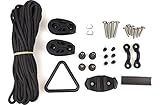 YakGear AK1 Deluxe Anchor Trolley YakGear AK1 Deluxe Anchor Trolley |
|
Check Latest Price |
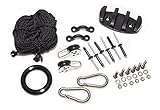 H2o Kayak Anchor Trolley Kit H2o Kayak Anchor Trolley Kit |
|
Check Latest Price |
1. Gradient Fitness 3.5 lb Folding Grapnel Anchor Kit – Best Overall for Wind
Kayak Anchor Kit – 3.5 lb, Green – Folding Grapnel Anchor with 25 ft Rope
- Holds in sand mud rock and weeds
- Compact foldable design with padded bag
- Includes rope buoy and stainless carabiner
- Very strong review base for the category
- 25 ft rope is short for deep water
- Included rope quality is ordinary
- Some anglers add chain for holding
This is the anchor we kept reaching for every time the wind pushed past 15 mph. The 3.5 lb cast body with a 4-fluke design gives you real surface area to dig with, and the twist-lock mechanism means the flukes stay open until you fold them by hand. For a solo kayak on sand, mud, rock or weed, it sets and it stays set.
What sold us is the completeness of the box. You get the anchor, 25 ft of braided polyethylene rope, a floating marker buoy, a stainless carabiner and a padded storage bag, which is everything you need except a trolley and more line. Weigh it once and pack it once, and it becomes part of the routine rather than another thing to think about.
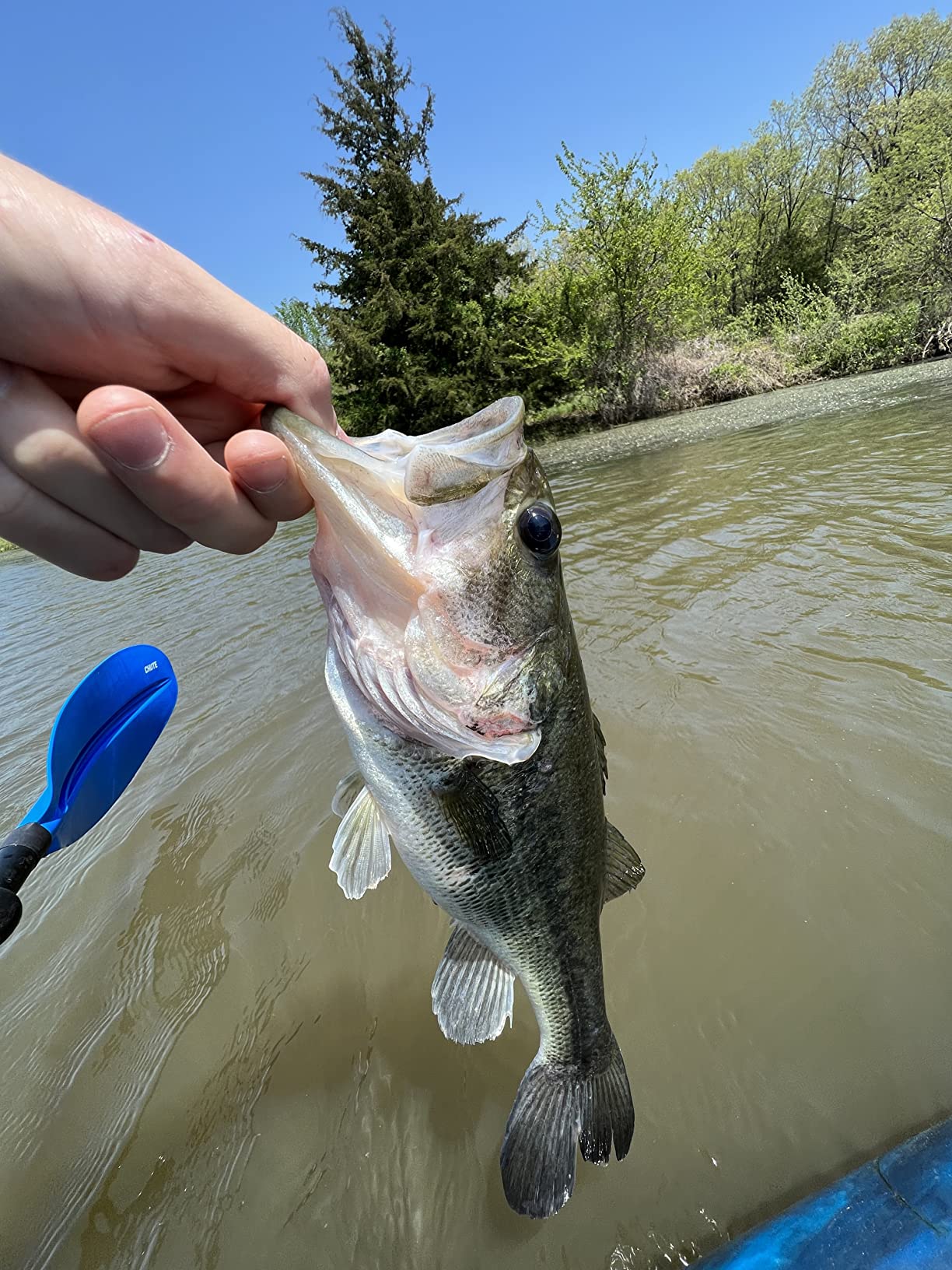
The weak point is line length. Twenty-five feet is fine for water up to about 8 ft deep with a steep payout angle, but once you are fishing a 12 ft reservoir or dropping into a river seam, you are going to want a 40 ft extension or a reel. Reviewers also flag the included rope as functional rather than premium, and some add a short length of chain at the fluke to improve holding in soft mud.
Dimensions matter here too. The item folds to a box that fits most standard hatches, and the padded bag keeps the flukes from rattling against gear or scratching the hull on the way to the truck. That sounds minor until you have pulled a bare anchor across a hull once.
What holds it back on windy days
Twenty-five feet of line is the real limitation. On a windy day you want to be able to pay out more line to get a good scope ratio without unclenching the anchor at the boat. Budget for an extra 20 ft of the same braided line and this kit becomes a proper open-water setup.
The galvanized finish is rust resistant rather than salt-proof. It will survive a season of freshwater and a season of bay water, but a freshwater rinse at the end of every trip is the difference between a five-season anchor and a one-season one.
Who should buy it
Buy this one if you fish a single kayak on lakes, reservoirs or bays where wind regularly tops 15 mph and you want a single anchor that covers most bottoms. It is also the safest first anchor for anyone who has never anchored before, because the 4-fluke design gives you margin for error.
Pair it with a trolley, which is where our next few picks come in. If you fish mostly shallow flats and creeks under 5 ft, you are paying for holding power you will never use and should look at the stake-out pole further down instead.
2. AIRHEAD A-2 Grapnel Anchor System – Best Value for Solo Anglers
- Compact and portable
- Good holding for small watercraft
- Marine grade rope included
- Slides under most seats
- Rope short for deeper water
- Light in strong current
- Case durability varies
The A-2 is the same basic idea as our top pick, done a little lighter and a lot cheaper, and for most anglers that is the correct trade. It is a 3 1/3 lb four-fluke folding anchor that the manufacturer rates for mud, sand, gravel and rock, which covers essentially every bottom you will meet on an inland lake.
Two details make it pleasant to live with. The padded nylon case means it lives under a seat rather than loose in a hatch, and the whole system is small enough to fit in personal watercraft storage if you share a boat. Reviewers consistently call it a good anchor for canoes, inflatables and small boats as well as kayaks.
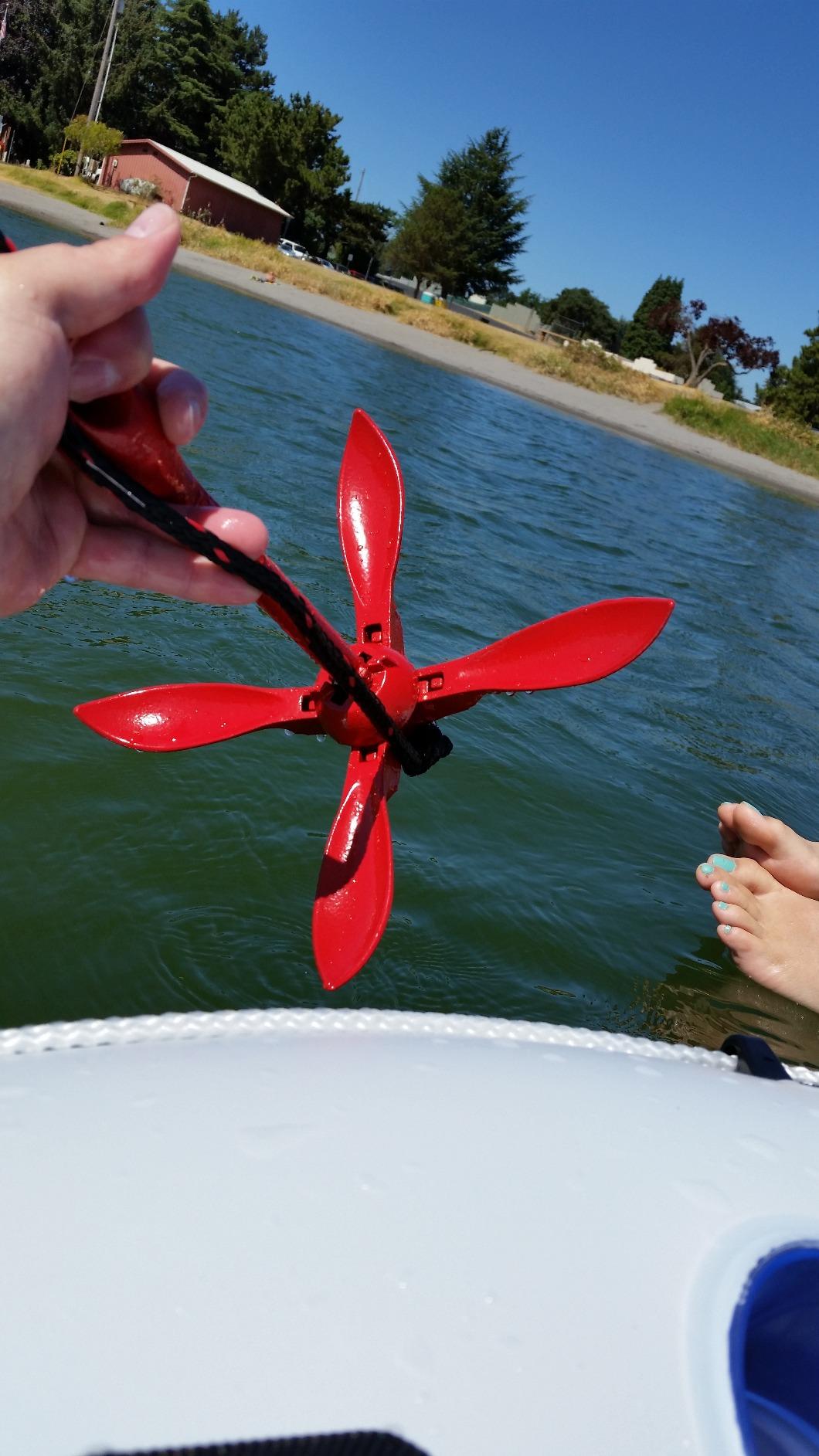
Where it falls short of the Gradient kit is line length and mass. Twenty-five feet of marine grade rope is the same limitation, and at a third of a pound under 3.5 lb you will notice the difference in a hard crosswind with a lot of scope out. Anglers running tidal flats with serious current report that it is light for the job.
The listed item weight in the specifications is clearly wrong at under an ounce, so judge this anchor by the stated 3 1/3 lb rather than that number. The case durability also draws mixed reviews, with some anglers reporting the padding compressing over time.
How it performs in crosswind
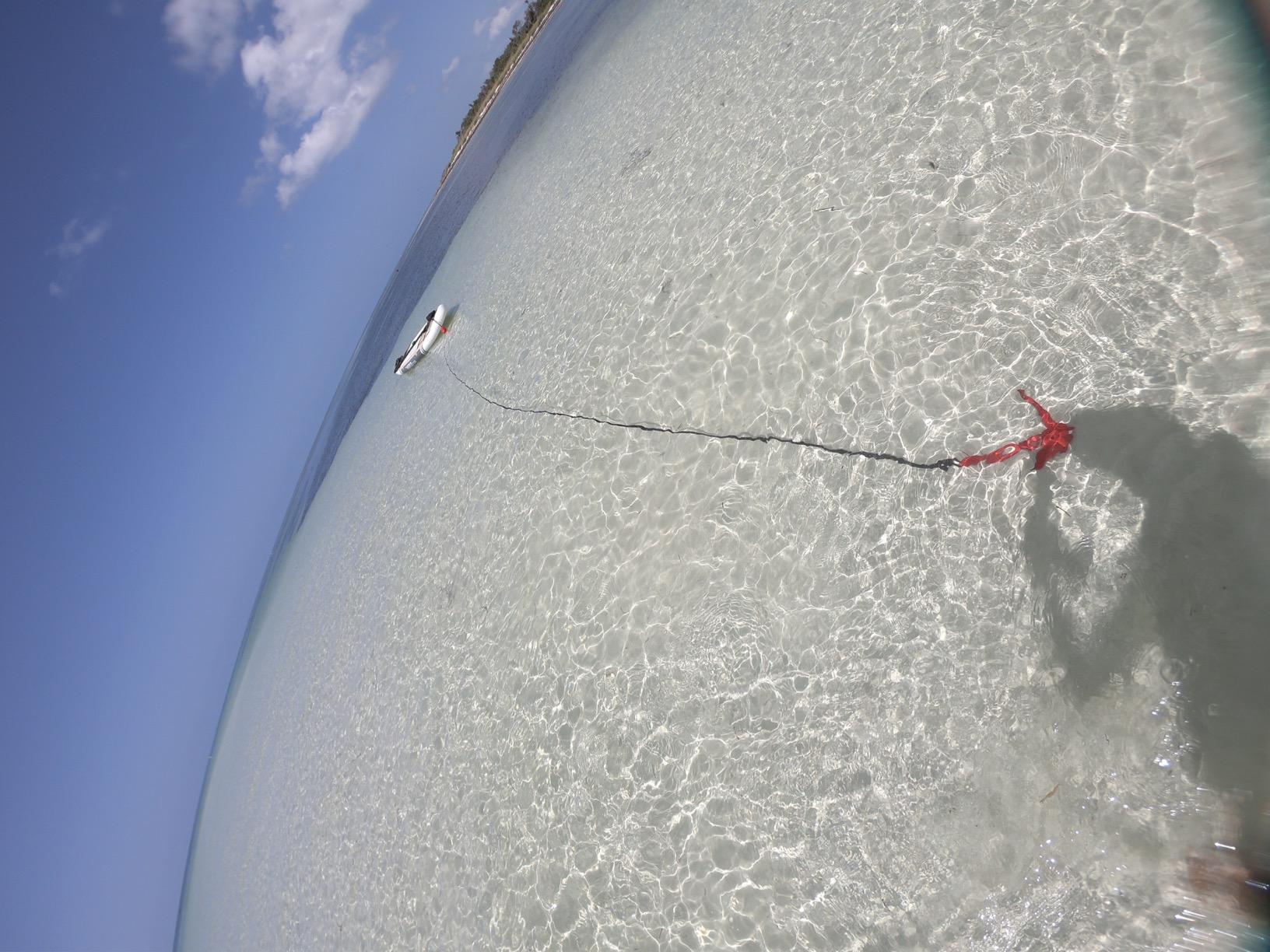
In an anchored, weathervaned position with 15 to 20 ft of scope, the A-2 holds a solo kayak fine. The four flukes give it enough bite in sand and gravel to resist a steady push. Push the wind to the mid-20s with 30 ft of scope and you are asking a 3 lb anchor to do a job better suited to 3.5 lb plus a chain leader.
If your windy days are mostly afternoon gusts on a protected lake, this is plenty. If you regularly fish exposed water where a 25 mph wind is normal, the heavier Grapnel kit above is the safer buy.
Who should buy it
This one suits anglers on a budget who want a complete, tidy anchor package that fits under a seat and works on mixed bottoms. It is also a good second anchor to carry, since a spare grapnel in the bow gives you a backup if the primary snags.
Solo anglers on smaller sit-on-top kayaks will find the low weight less noticeable than heavier paddlers will. On a 12 ft pedal kayak, balance the extra half pound against your tracking.
3. YakAttack LeverLoc Anchor Trolley Kit – Best Anchor Trolley Overall
- High quality pulleys for smooth running
- Complete kit with all install hardware
- Easy to install with clear instructions
- Precise boat positioning in wind
- Costs more than budget trolleys
- Some hulls need extra parts
- Install needs drilling or riveting
Most anchoring problems on a kayak are actually trolley problems, and this is the trolley we would build around. It was the first anchor trolley designed specifically for kayaks rather than adapted from boating hardware, which shows up in the way the line runs and the way the ring sits relative to the hull.
The Harken pulleys are the headline. Smooth running matters more than most buyers expect, because every jerky jolt as the line spools through the trolley translates into a tug on your hands while you are trying to fish with one of them. The LeverLoc system lets you set the ring position and change it without re-rigging anything, which is how you move from bow to stern as conditions shift.
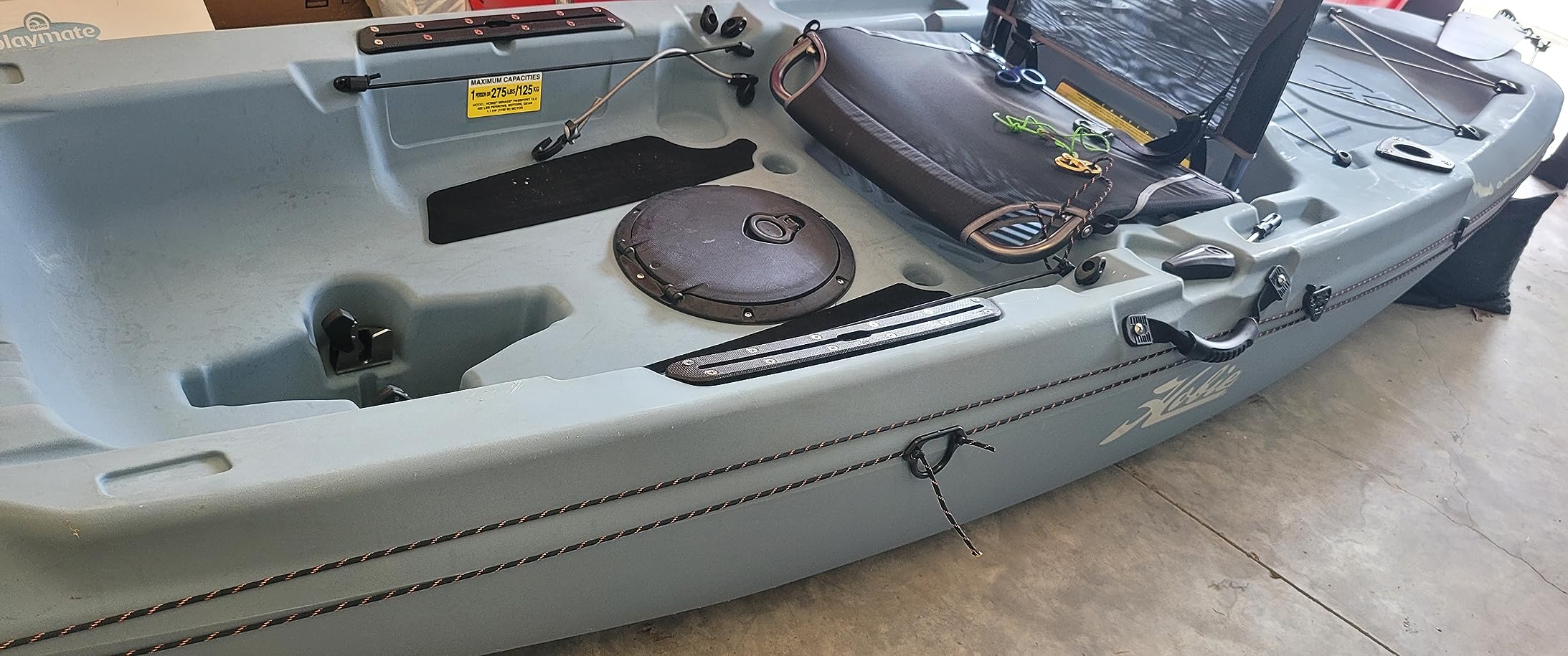
The honest limitation is that it is a premium part and the installation is permanent. It needs drilling or riveting into the hull, so think about resale before you put holes in a fiberglass or plastic boat. Reviewers also note that specific kayak models sometimes need an extra guide pad or a different mounting point.
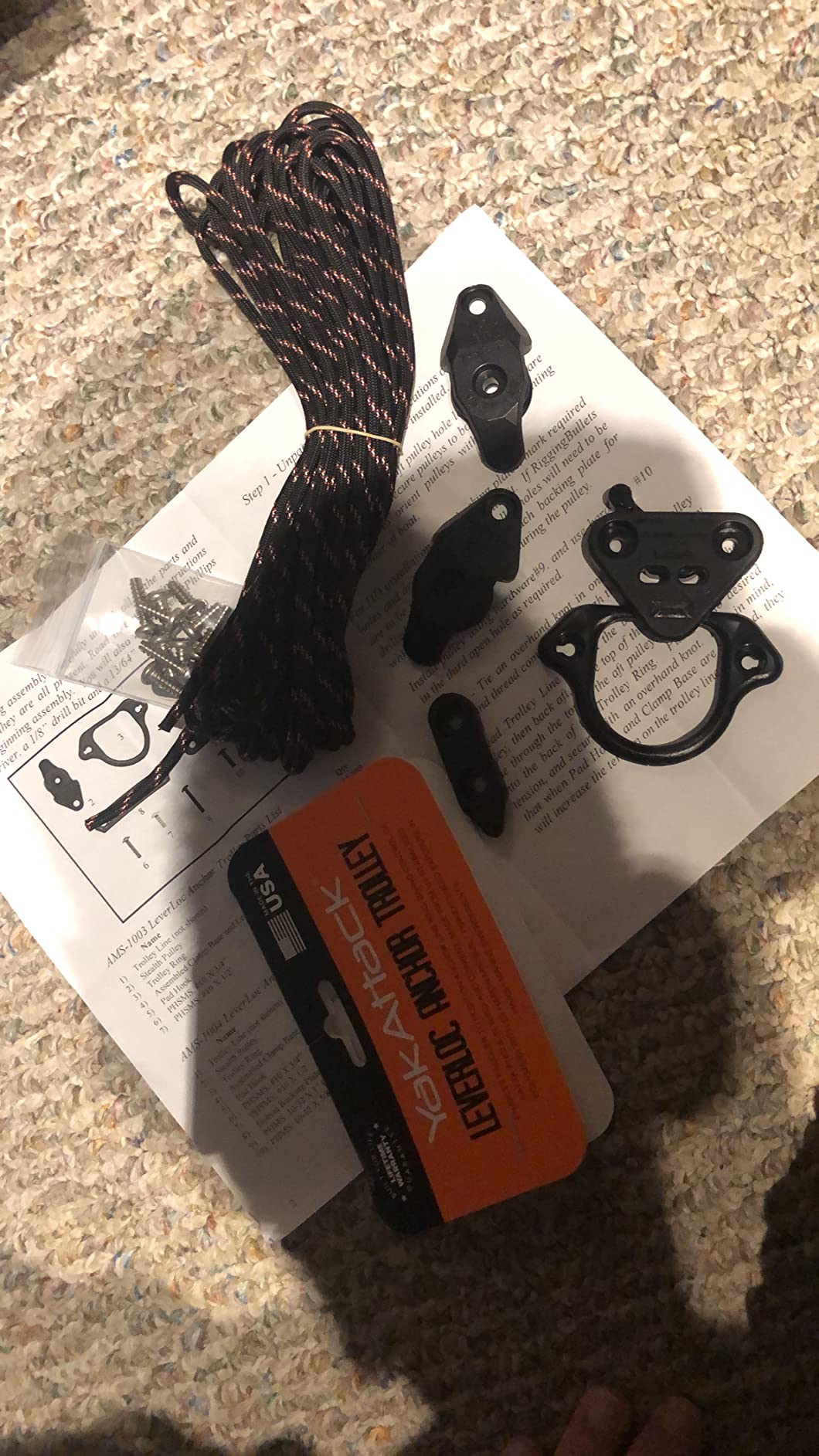
What you get in the box is all the hardware you need plus the trolley line and ring, so the install is the only real project. Set aside an evening with a rivet gun or a cordless drill, a drill bit, and a backup pair of hands.
Why the trolley decides whether anchoring works
Without a trolley you are clipping to a bow or stern cleat, which gives you a fixed point and no control over line angle. With a trolley you can slide the ring forward, backward or to the side and pay out line from anywhere along the hull. That control is what lets the kayak weathervane into the force instead of sitting broadside to it.
Wide windage across a kayak hull is enormous relative to its weight, so a kayak that is not pointed into the wind will get pushed. Sliding the ring toward the stern in a breeze lets the bow point into it, and the hull stops acting like a sail.
Who should buy it
Buy this trolley if you anchor more than a handful of times a season, own the hull for the long term, and want the smoothest line handling available. On a sit-in kayak with a rudder, the ability to fine-tune ring position is worth more than it is on a sit-on-top.
If your hull is something you plan to sell or you refuse to drill, the YakGear AK1 a few picks down covers the same function for less, and the H2o kit below covers it for less again.
4. MarineNow 3.5 lb Folding Grapnel Anchor Kit – Best Complete Budget Kit
MarineNow 3.5 lb Folding Grapnel Anchor Kit with 25 ft Rope for Kayak, Jet Ski & Paddle Board
- Complete kit with every component
- Compact fold with padded bag
- Visible red rope is easy to track
- Good holding across conditions
- Rope length limited to 25 ft
- Some rope quality complaints
- Chain helps in strong current
This is the most complete budget kit in the group. You get a 3.5 lb folding grapnel, 25 ft of anchor line with a stainless snap hook, a PVC marker buoy and a padded storage bag, which removes the most common reason people skip an anchor kit entirely: missing pieces.
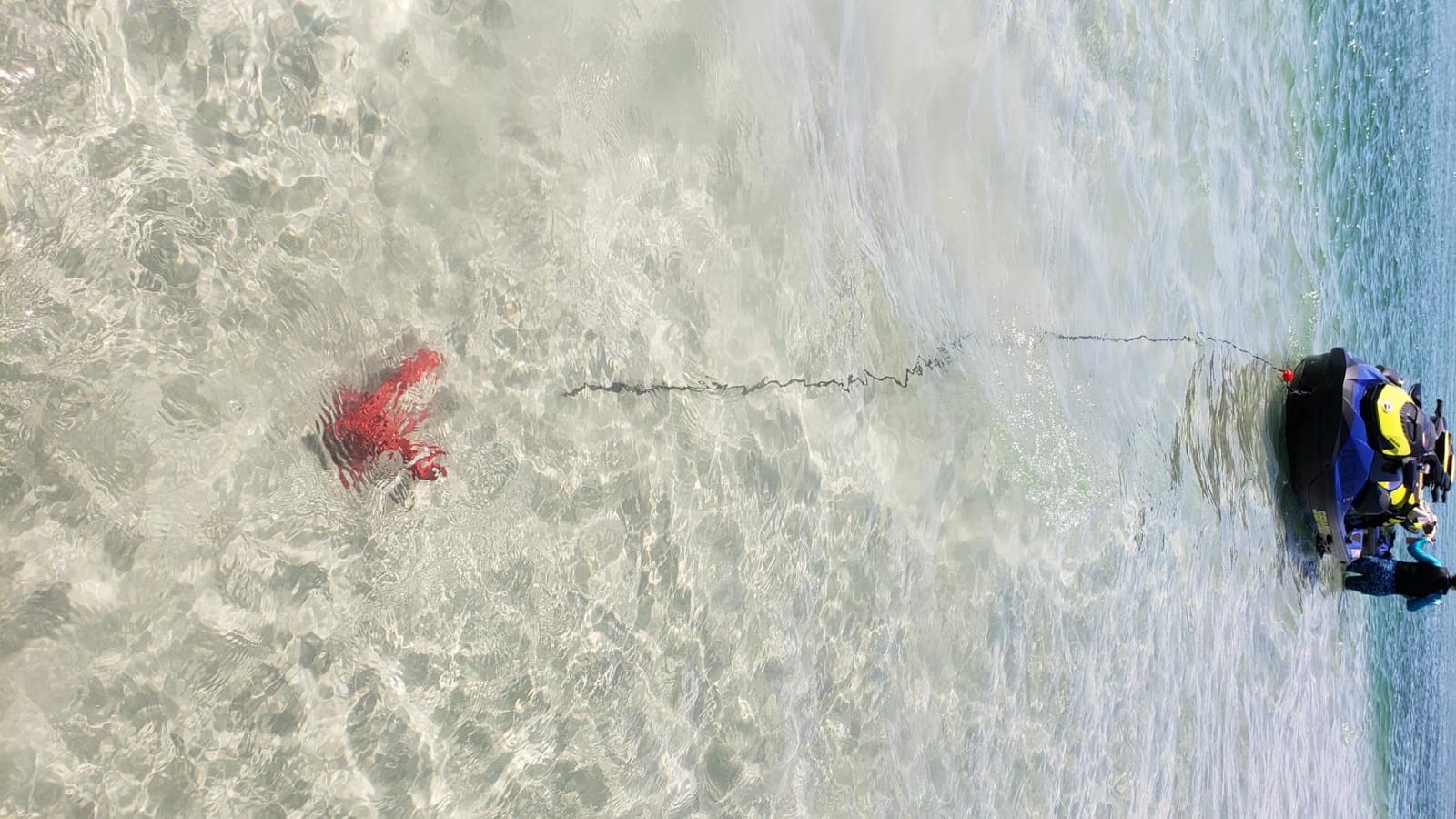
The red rope is a genuinely useful detail. When you drop anchor in low light or in water with structure, being able to see your own line on the surface is worth more than it sounds, and the PVC buoy gives you a target to paddle back to after a fish takes you away from the spot.
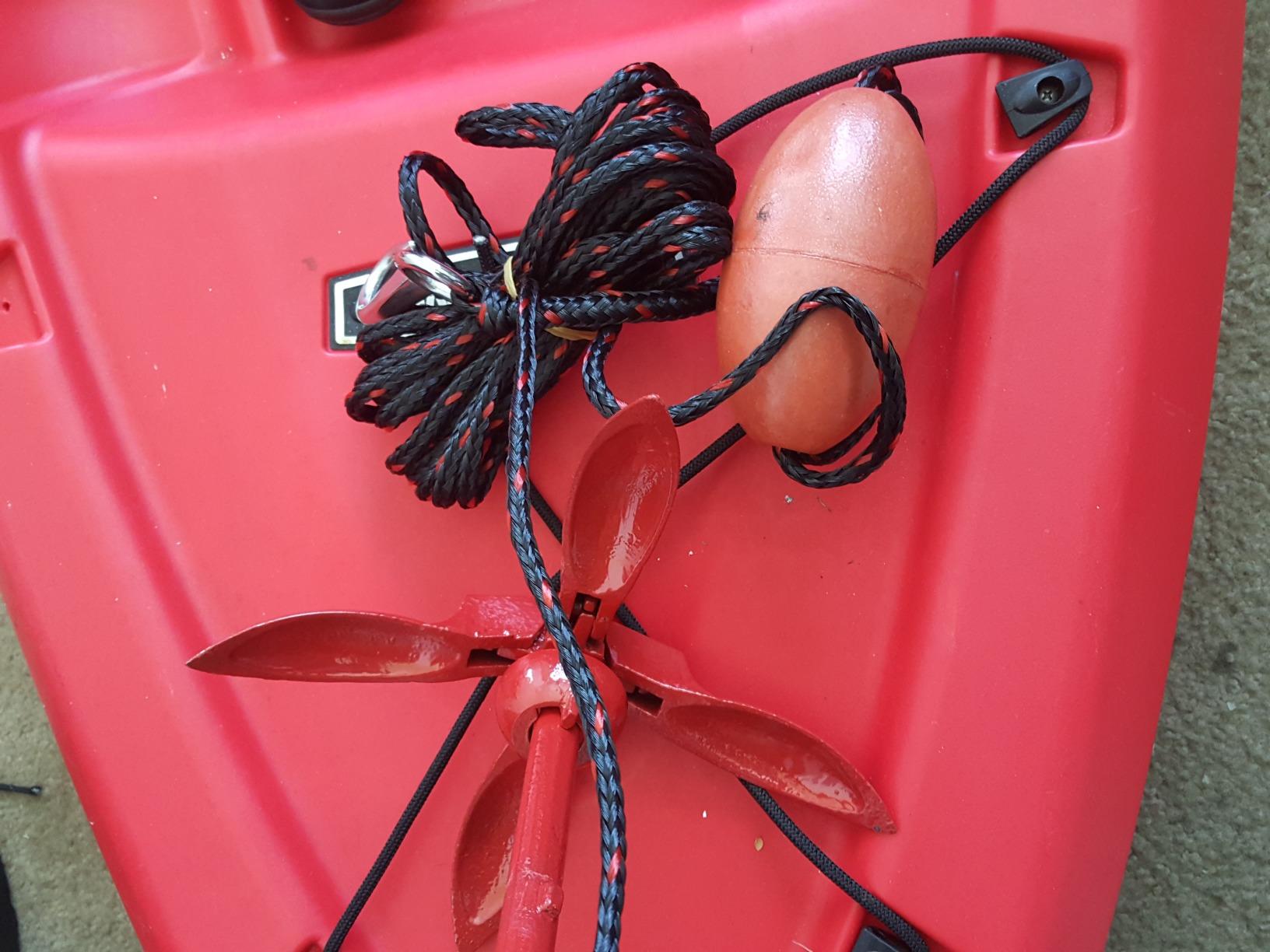
It folds to roughly 12 by 3 inches, which is one of the more compact folded profiles in the lineup and easy to wedge behind a bulkhead or under a seat. Reviewers like the folding arms for quick setup, and the same anchor is sold for paddle boards, canoes and inflatable rafts.
The specifications list the material as aluminum, which is almost certainly a data entry error given the rest of the description says galvanized steel. Treat it as steel. As with the other 25 ft kits, the line length is the limiting factor and rope quality draws occasional complaints.
Where it beats the pricier kits
The snap hook connection is quick and does not depend on a carabiner gate lining up under load, and the buoy is included rather than sold separately. For an angler outfitting a second kayak or a spare hull, this is the fastest complete package in the lineup.
Holding-wise it sits with the 3.5 lb group. On mud and soft sand a chain leader helps, because fine sediment lets light anchors creep, and reviewers with current experience add exactly that.
Who should buy it
Choose this if you want a full anchor setup in one purchase and you are still working out what your anchoring habit looks like. It is a solid first anchor for someone moving from drifting deliberately to anchoring deliberately.
If you already own a grapnel and a trolley, your money is better spent on line length than a second 3.5 lb anchor in the box.
5. YakGear YakStick Mud Anchor with Mudfoot – Best for Shallow Water
YakGear 01-0079 YakStick Mud Anchor with Mudfoot – 6.5′, Black
- Excellent in shallow water from 2 to 4 ft
- Silent deployment does not spook fish
- Floats if it comes loose
- Doubles as a push pole
- Only works in shallow water
- Spiked end wears on rock and riprap
- Foam grip can slip when wet
This is not a wind anchor and we want to be clear about that. The YakStick is a stake-out pole for shallow water, roughly 2 to 6 ft deep, where the bottom is soft enough to drive a spike into and close enough to see what you are doing.
What makes it special on a windy day is the silence. There is no chain, no clank, no sediment cloud. On clear water where you are sight fishing for bass or reds, that matters as much as holding power, because a conventional grapnel stirs up a plume that can put every fish in the area down.
At 22 oz for a six-foot stick, it is also the least annoying thing to carry. It floats, it fits along the deck, and it doubles as a push pole for repositioning when you are not anchored.
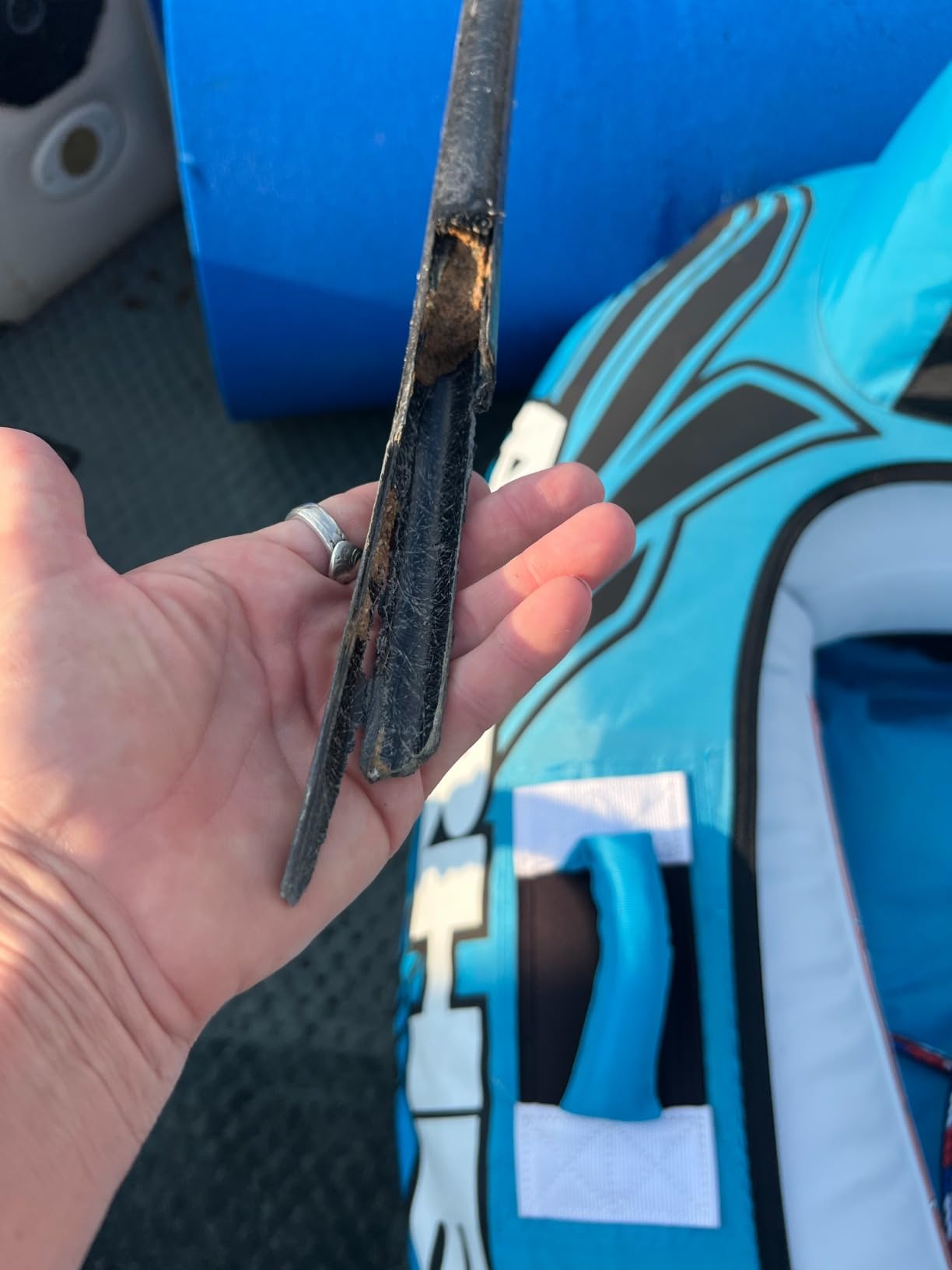
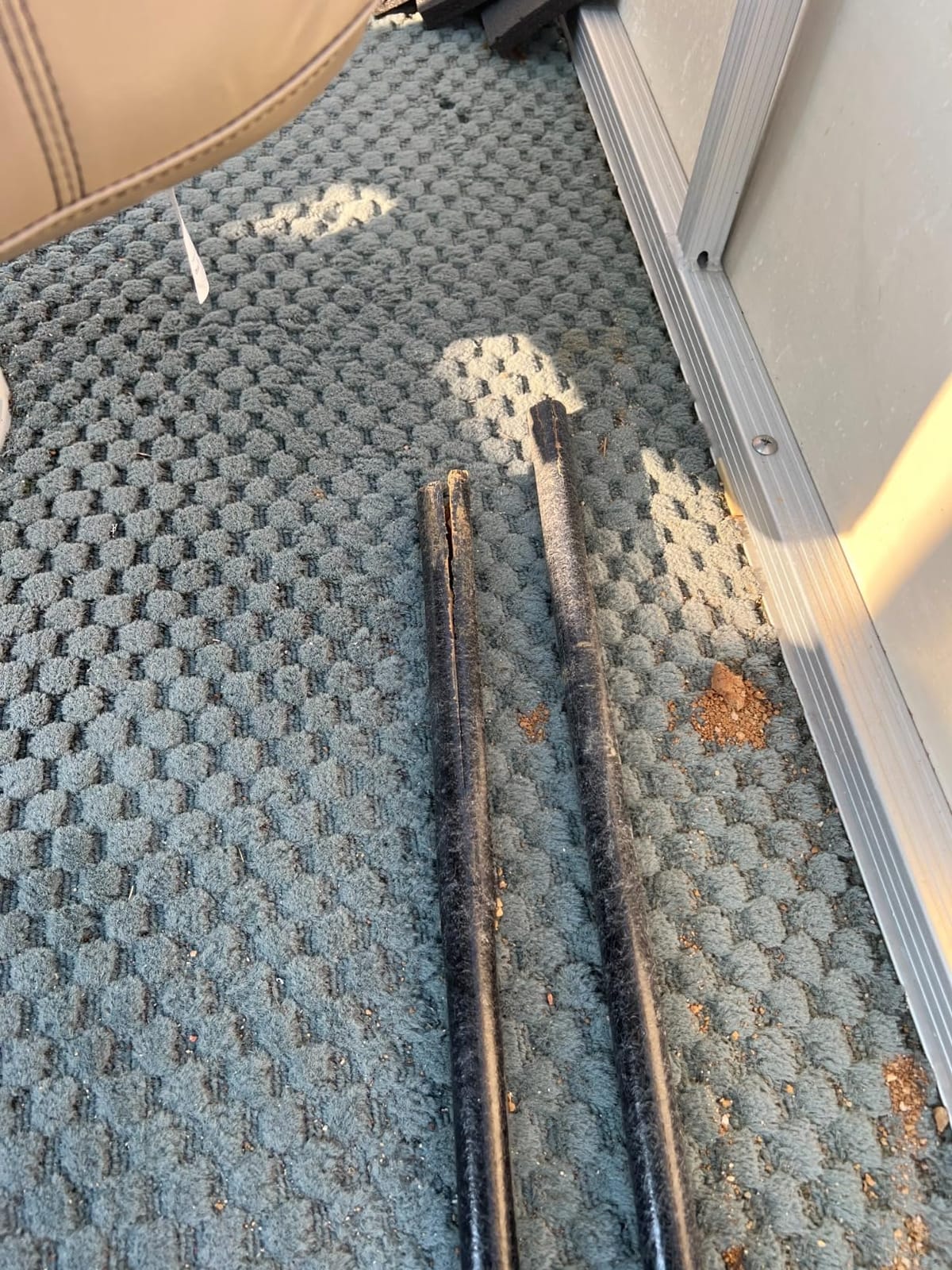
The limitations are real. The spiked end wears down on rock, oyster beds and riprap, which is exactly where windy conditions and shallow water overlap. The foam grip also slides when wet, which is not ideal in cold conditions with gloves.
The rope attachment is molded into the handle, so you loop your line around it and clip in rather than using a shackle. It also can be run through scupper holes on kayaks that have them, which keeps the deck clear and the line running straight.
When a stake-out pole beats a grapnel
Shallow flats, creek arms, grass edges and the inside of a bayou in 2 to 4 ft of water. In those places a grapnel is overkill and its flukes will likely plow through soft mud without setting cleanly, while the stick simply goes where you point it.
The trade is depth. Nothing about a stake-out pole survives being pushed past a handful of feet, and if a front moves in and the water drops, you are pulling the stick loose rather than hauling scope.
Who should buy it
Buy the YakStick if you fish shallow, clear water and care about stealth as much as holding power, and pair it with a trolley so the line feeds cleanly. It also makes a sensible secondary tool alongside a grapnel rather than a replacement for one.
There is a three-year manufacturer warranty on this one, which is unusual in the category and worth noting next to the disposable feeling most anchors have.
6. MOOCY Drift Sock Anchor Drogue – Best for Big Water Drift Control
MOOCY 32-Inch Drift Sock Sea Anchor Drogue, Sea Brake for Kayaks/Marine Boat/Yacht/Jet Ski/Inflatable/Power Boat/Sail Boat
- Slows drift effectively in wind
- Compact and easy to stow
- Rip stop fabric with reinforced strap
- Multiple sizes available
- Does not hold position at all
- Needs water movement to function
- Not a substitute for an anchor
On the worst windy days, the correct answer is often not a heavier anchor. It is to stop fighting the water. A drift sock is a fabric drogue you deploy astern through the same trolley you would use for an anchor, and it slows your drift enough to troll or to work a piece of structure.
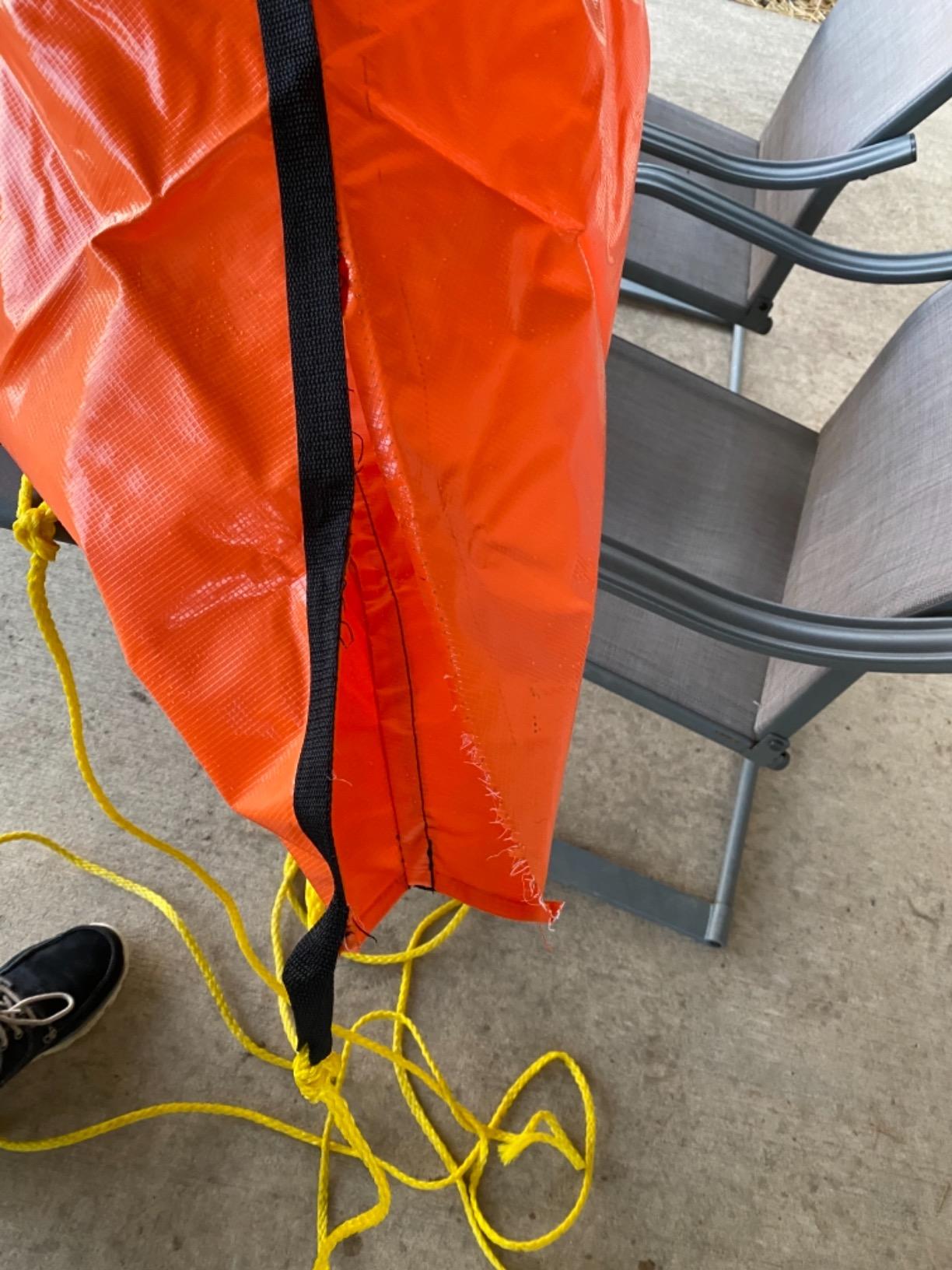
This one is a 32 inch PVC rip stop sock with a reinforced webbing strap, rated for boats up to 16 ft, which covers a 12 ft fishing kayak comfortably. At under a pound it is nothing to carry and nothing to deploy.
Reviewers are clear that it slows drift rather than stopping it. The trick is that a slowed drift in wind is a controlled, workable drift, and for anglers trolling for salmon or bass along a wind-exposed shoreline that is the difference between fishing and paddling in circles.
There is no rope or harness in the box with this one, so you need your own connection to the trolley ring or a tow point. Getting the sock wet during deployment is normal and unavoidable, and picking the right size matters more than most buyers expect.
If you are shopping for a kayak anchor, this is not that. It holds no position, and anyone expecting it to replace a grapnel will be disappointed within five minutes of trying.
When drifting beats anchoring
Above roughly 25 mph of sustained wind, a solo kayak angler is often safer drifting with a drogue than holding station. You keep fishing, you keep moving your trolling motor, and you avoid the situation where you are pinned, unable to reposition, and getting pushed toward something you cannot see.
Wind-driven drift also covers water you cannot anchor in well, like a shallow flat you would rip an anchor across or a shoreline too soft to hold anything.
Who should buy it
Buy this if you troll, if you fish wind-exposed shorelines where anchoring is impractical, or if you want a low-consequence backup tool for days when the wind is above what your anchor can safely hold. It pairs naturally with any of the trolleys in this guide.
Anglers who only ever fish one spot on a protected lake will rarely touch it, and for them a grapnel is the better spend.
7. Beeplove Stainless Anchor Grip 2 Pack – Best for Shoreline and Mangroves
2 Pcs Kayak Anchor Grip, Stainless Steel Boat Anchor with 5mm Paracord
- Silent and sediment free
- Strong paracord rated at 660 lb
- Stainless resists rust in salt water
- Two pack allows both sides
- Needs branches rocks or structure to grip
- Useless in open water
- Finding an anchor point takes time
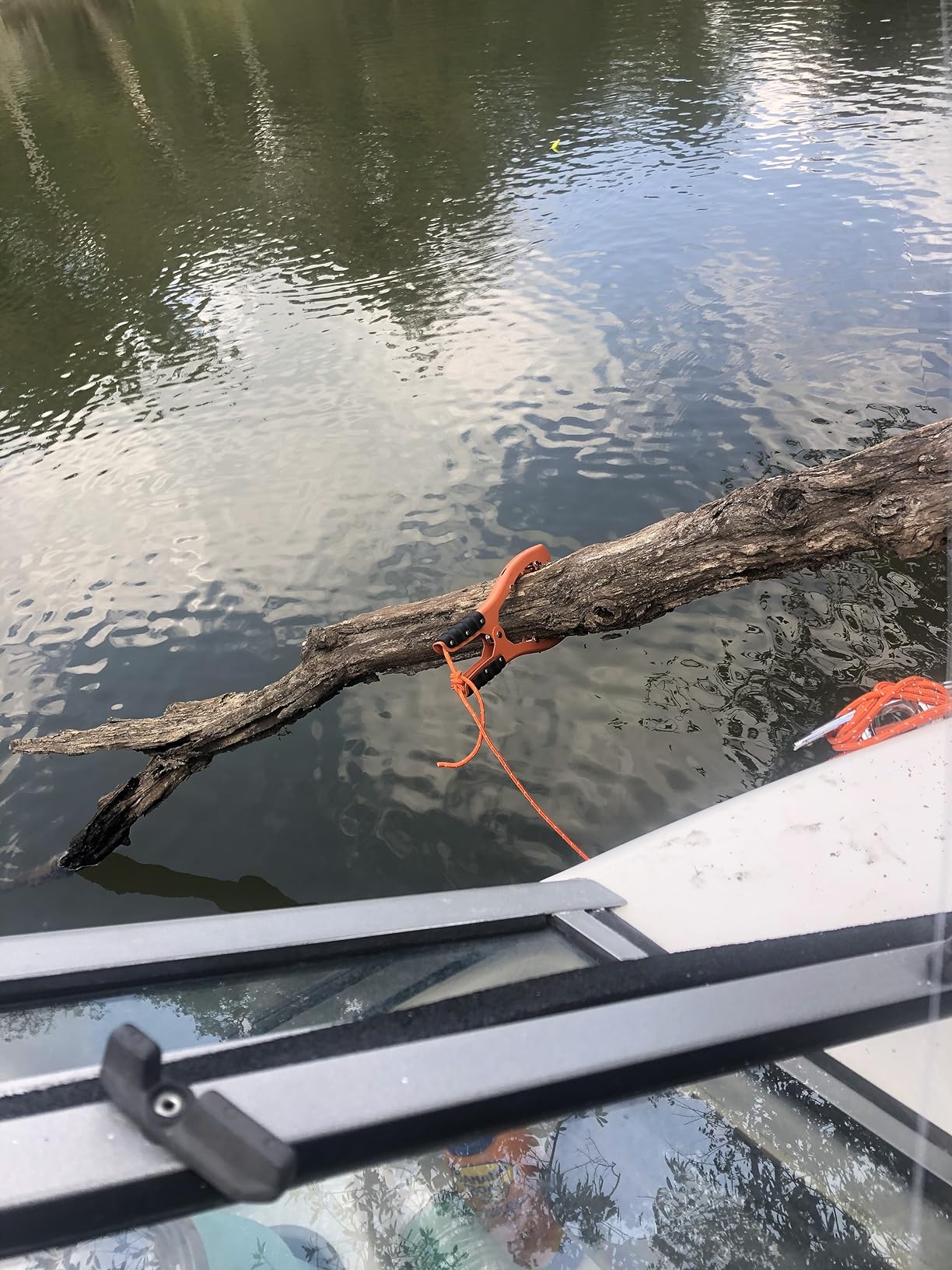
This is the odd one out in the lineup and the one anglers in the field most often recommend for structure fishing. Instead of digging into the bottom, the grip bites onto a branch, mangrove root, submerged log or rock edge and holds you there.
The 304 stainless body and 16.4 ft of 5 mm orange reflective paracord give you a 660 lb line rating, which is far more than a kayak needs. The paracord is reflective and orange, so it is easy to find at dusk and easy to see from the seat.
What makes it work on a windy day is that you get two of them. One grip per side means you can hold a kayak against a shoreline in crosswind without the hull pivoting, which is the specific failure mode of anchoring near structure.
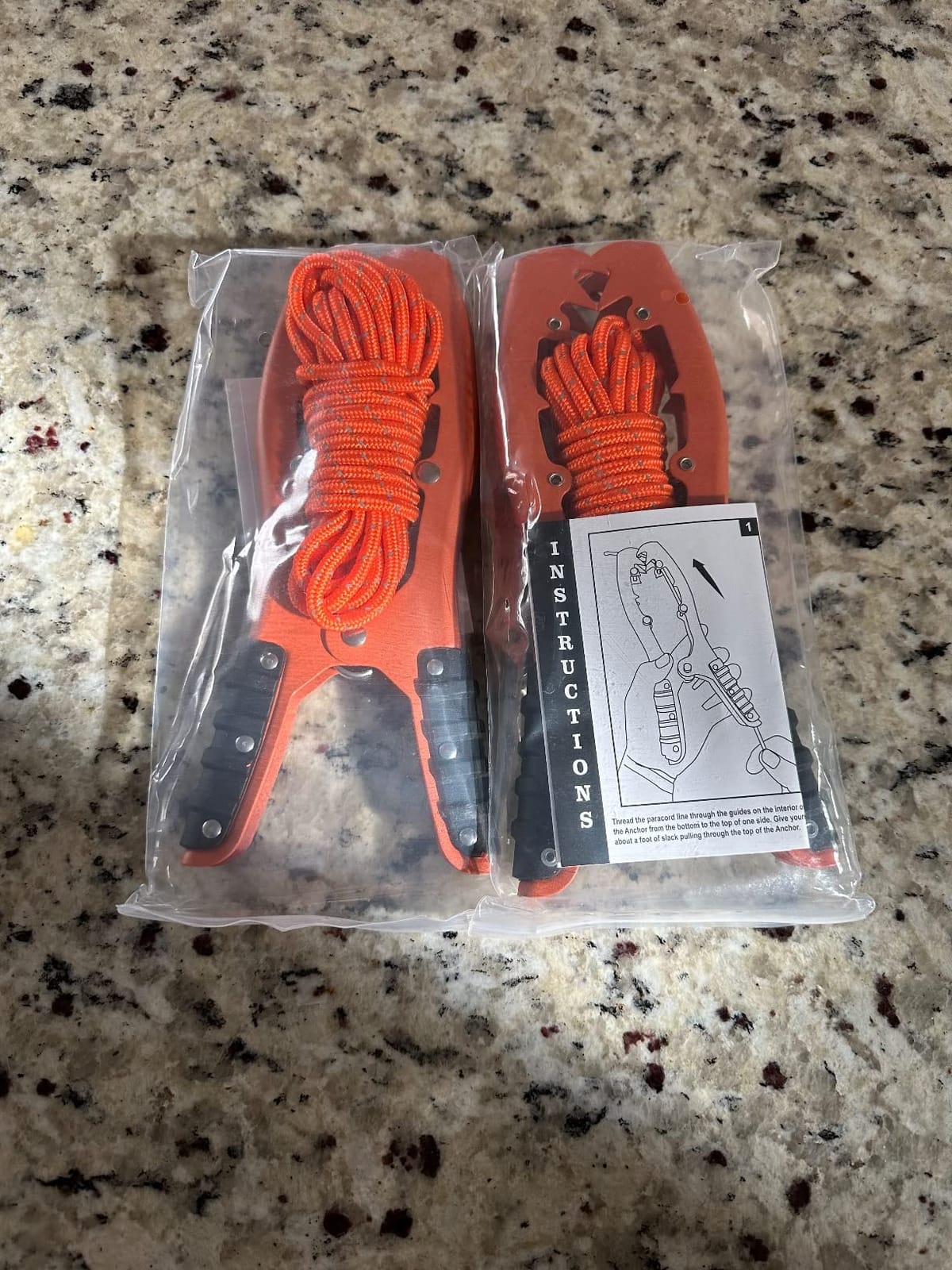
The limitation is obvious but worth stating plainly: this does nothing in open water. There is no bottom contact, no bite, no holding. It needs something within reach of the boat to grab, which means shorelines, mangrove edges, root balls and flooded timber.
The teeth design can also be hard on soft line if you clip directly to it, so routing through a loop or a snap hook is the sensible approach. Finding a suitable grip point takes more thought than dropping a grapnel over the side.
Why anglers near structure like it
Mangrove and bank fishing means working close to cover where you want to stay put and do not want a cloud of silt. Because nothing touches the bottom, this anchor produces neither noise nor sediment, and it will not rip free through a root ball the way a fluke can.
It is also the safest anchoring method in water with submerged stumps and rock, because there is no heavy metal swinging around your hull looking for something to catch.
Who should buy it
Buy this pair if you fish mangroves, tidal banks, flooded timber or tree-lined shorelines, especially with clear water where stealth decides the trip. It also serves as a bow and stern tie-down in a marina or launch situation.
For open-water anglers, put it in the truck as a backup tie-down and leave the anchoring to one of the grapnels above.
8. MOOCY Drift Sock Kit with Dump Line and Harness – Best Complete Drift Control Kit
MOOCY Drift Sock with Dump Line Harness Buoy Ball Rope Float for Fishing Boat, Sea Anchor Drift Control Bag for Kayak, Canoe, Pontoon & Trolling Boats – Water Brake Parachute
- Complete kit with every piece included
- Dump line speeds up deployment
- Buoy and float ease retrieval
- Several sizes for different boats
- Only slows drift never holds position
- Needs forward motion to work
- Awkward to manage solo
Where the plain drift sock leaves you to rig your own connections, this kit includes the whole system: the sock itself, a dump line, a harness, a buoy ball and a floating rope. That completeness is the reason to choose it, especially if you have never run a drogue before.
The dump line is the feature that matters most in practice. It is a line you can pull to deploy the sock quickly rather than feeding it out by hand, and reversing the process retrieves it without diving or trailing your arm behind the hull.
This version is sized for boats from 16 to 20 ft, which puts a 12 ft fishing kayak on the small side of the range but well within workable limits. Reviewers who fish small boats report it slows drift effectively in wind and is easy to manage once you have done it twice.
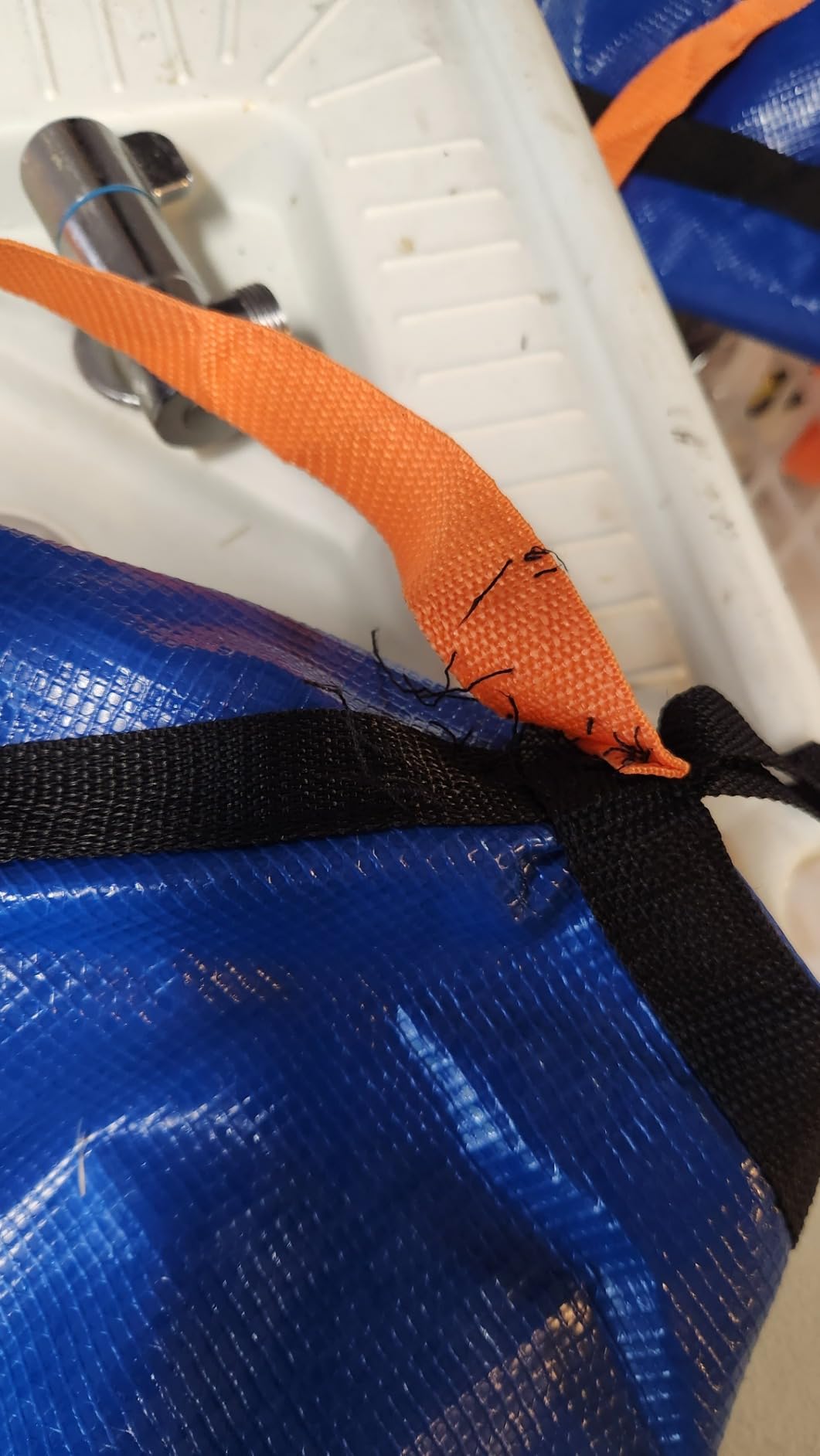
Size selection is genuinely critical with drift socks, and a sock that is too small will not slow you down at all. The rip stop fabric holds up to salt water, UV and abrasion, which matters if you will be running it through a trolling motor season after season.
Managing the whole assembly solo is the other recurring comment. With a buoy, a harness and a dump line you are handling more gear than one person needs on a windy day when everything is wet and gusting.
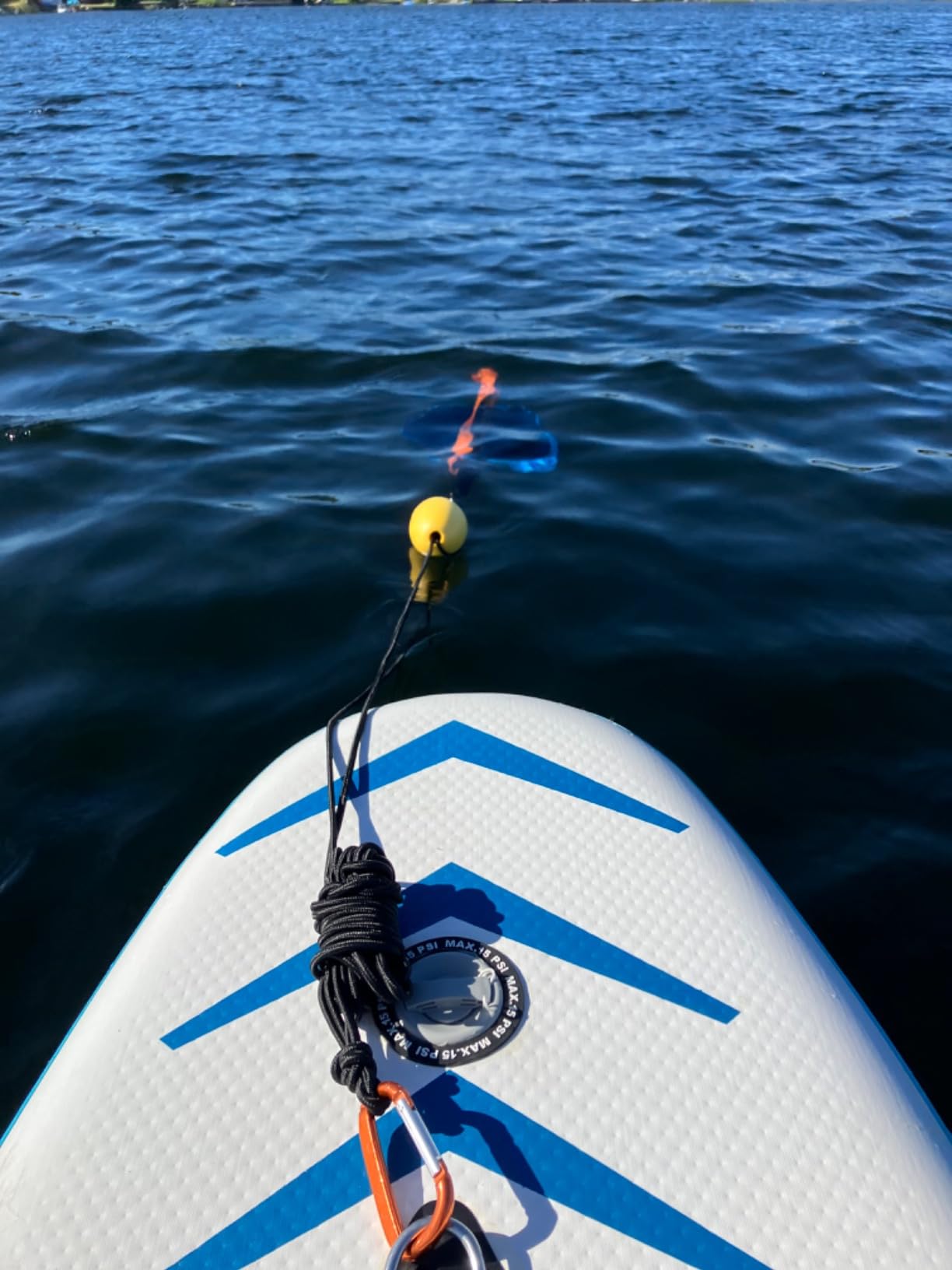
How it compares to a plain drift sock
A plain sock is cheaper, lighter and one less thing to carry. A full kit with a dump line and buoy is faster to deploy, easier to see from a distance and easier to recover if the wind takes you away from the drift sock. For someone who runs trolling patterns all season, that recovery advantage is worth the extra bulk.
Neither option holds position. If you need to stay on one spot, you need a grapnel, and neither of these replaces one.
Who should buy it
This kit suits dedicated trolling anglers and anyone who fishes exposed water in wind and wants controlled drift with minimal fuss. It is also the better of the two drift options for someone who will lose gear behind them regularly and needs a buoy to find it.
Pair it with the trolley from pick three so the dump line has a clean path off the stern, and wear gloves for retrieval.
9. YakGear AK1 Deluxe Anchor Trolley – Best Trolley with Stainless Hardware
- Smooth Harken pulleys
- Longer line than most kits
- Zig zag cleat locks ring position
- Three year warranty
- Costs more than budget trolleys
- Install needs drilling or riveting
- Some hulls need extra guide pads
The AK1 is the trolley to buy when you fish saltwater and you are tired of watching hardware rust. Everything structural on this one is stainless steel, paired with the same class of Harken pulley used in the YakAttack kit above, and it ships with 30 ft of trolley line, longer than most kits include.
The mini zig zag cleat is the small part that gets used constantly. It locks the ring at whatever point along the hull you set it, so the position stays exactly where you put it instead of creeping every time you lean on the line.
Because the bow can turn into the current or wind rather than sitting across it, the kayak behaves much more predictably on a fish. That smoother ride means less effort holding position and fewer surprises when a boat wake rolls through.
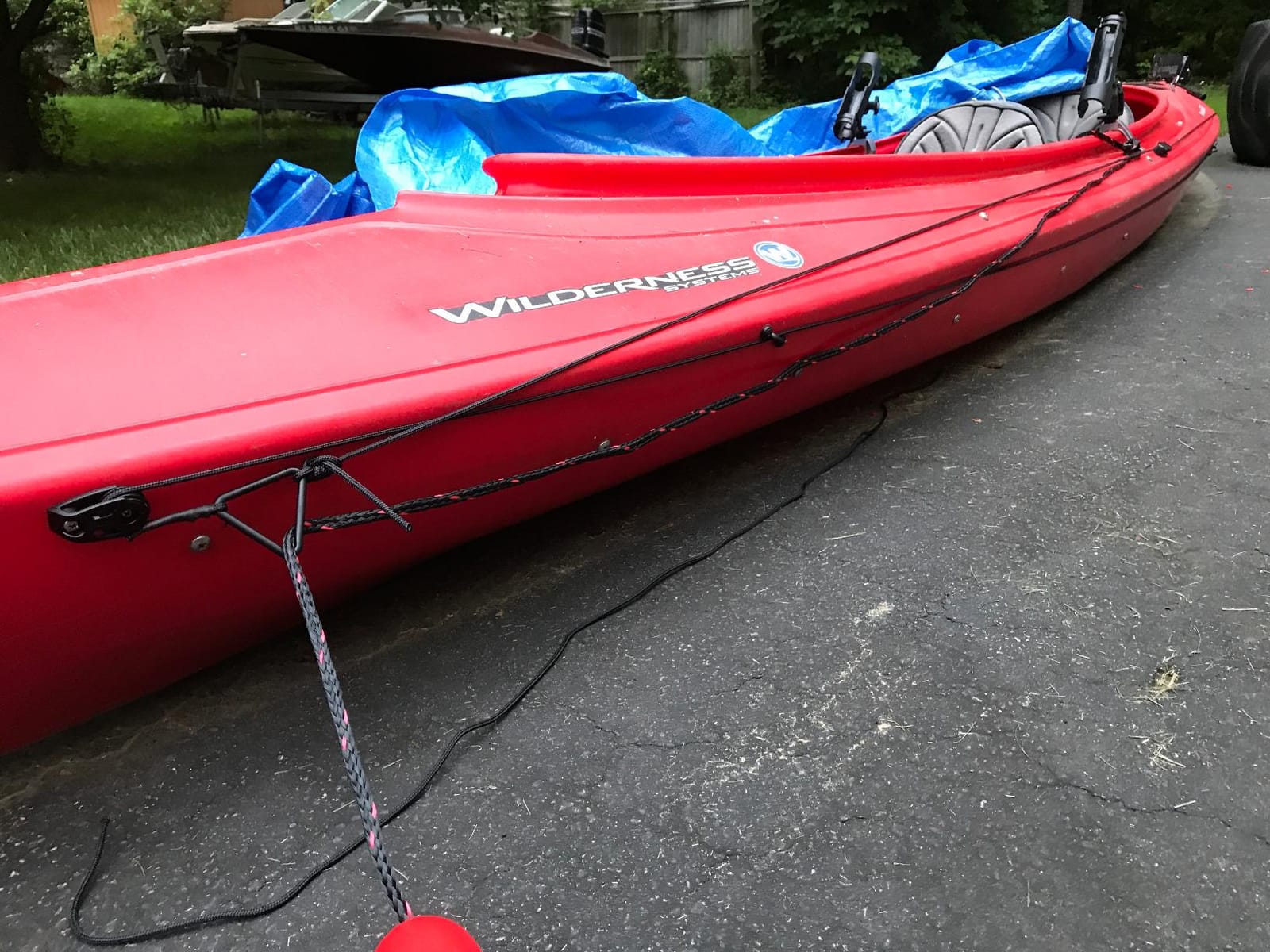
You are still drilling or riveting this into the hull, and some kayaks need additional guide pads or eyes to run the line cleanly. Reviewers who install it call the instructions clear but the process a real project rather than an afternoon of leisure.
The three-year warranty is a genuine advantage over most anchoring hardware. The listing dimensions reflect the packaged kit rather than the installed footprint, so measure your deck before you assume it fits.
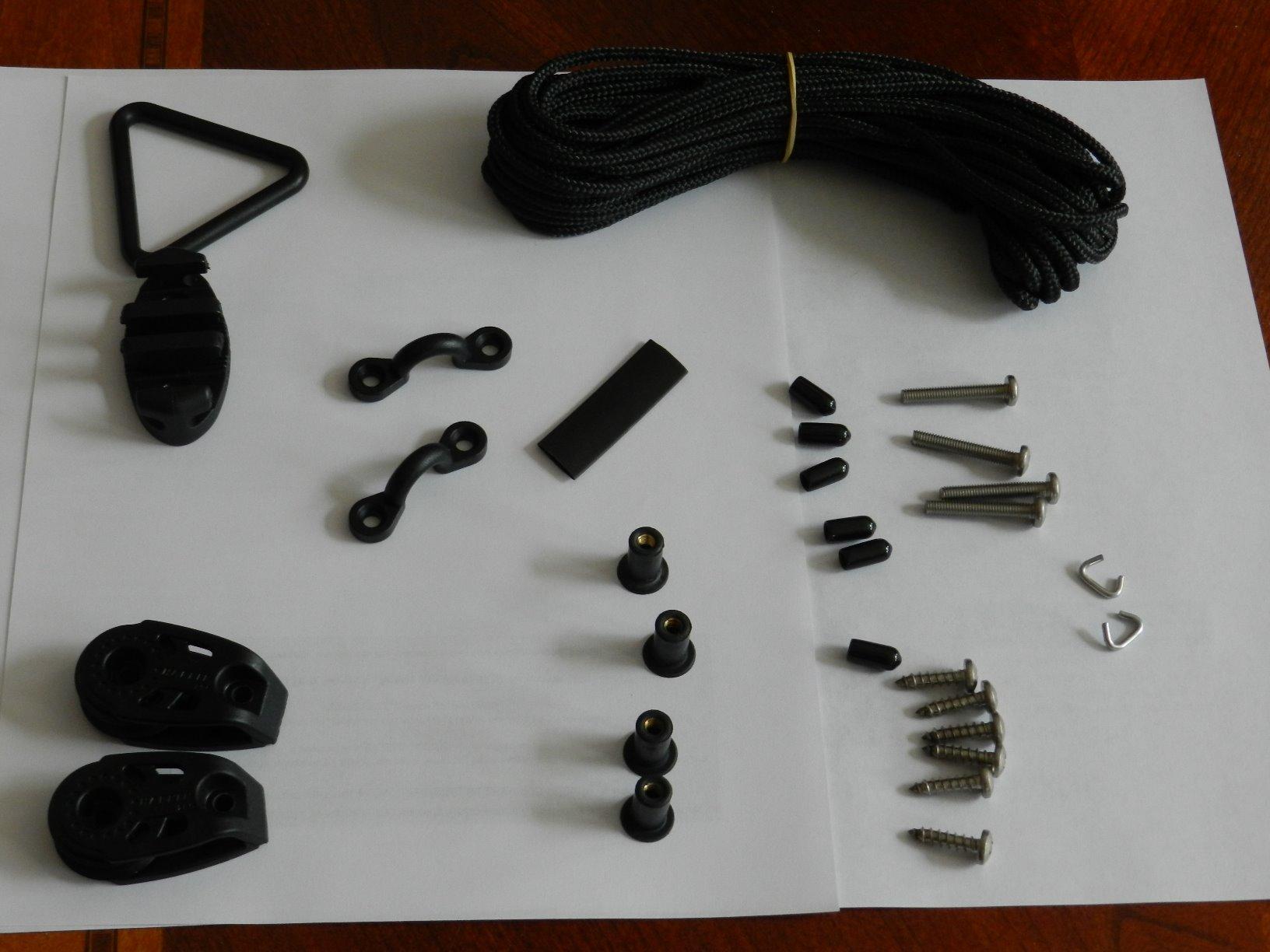
Stainless versus galvanized in salt water
Salt water finds every dissimilar metal in a rig and turns it into a galvanic couple. Stainless hardware resists that far better than plated steel, which matters most on the small fasteners and shackles that actually corrode first.
If you only fish freshwater, the difference is cosmetic and the budget trolleys below are the sensible choice. If you fish bays, inlets or tidal flats, stainless hardware pays for itself by extending the life of the whole system.
Who should buy it
Buy the AK1 if you anchor often, want the longest included line of the three trolleys here, and fish any saltwater at all. It is a good match for a sit-in kayak where the hull shape makes line routing easier to control.
Anglers on a strict budget or on a hull they will sell should read the next pick before committing to permanent modification.
10. H2o Kayak Canoe Anchor Trolley Kit – Best First Trolley on a Budget
- Complete kit at a budget price
- Marine grade stainless hardware
- Includes rivets and bolts for flexible install
- About 30 ft of trolley line included
- Included rivets may be too short for thick hulls
- Connecting ring is plastic
- Instructions are thin
The H2o kit does the same job as the two premium trolleys for a fraction of the cost, which makes it the sensible first trolley for anyone who wants to try anchoring before committing to a permanent setup on a hull they care about.
The hardware is A4 marine grade stainless steel, the snap hooks are stainless, and you get 9 m of 4 mm eight-plait polypropylene braid line, which is close to 30 ft. That is enough to rig most kayaks with line to spare after installation runs.
Both rivets and bolts are included, so you can pick whichever suits your hull. That flexibility matters because hull thickness varies so much between kayaks, and a kit that only gives you one option is a kit that sometimes will not fit.
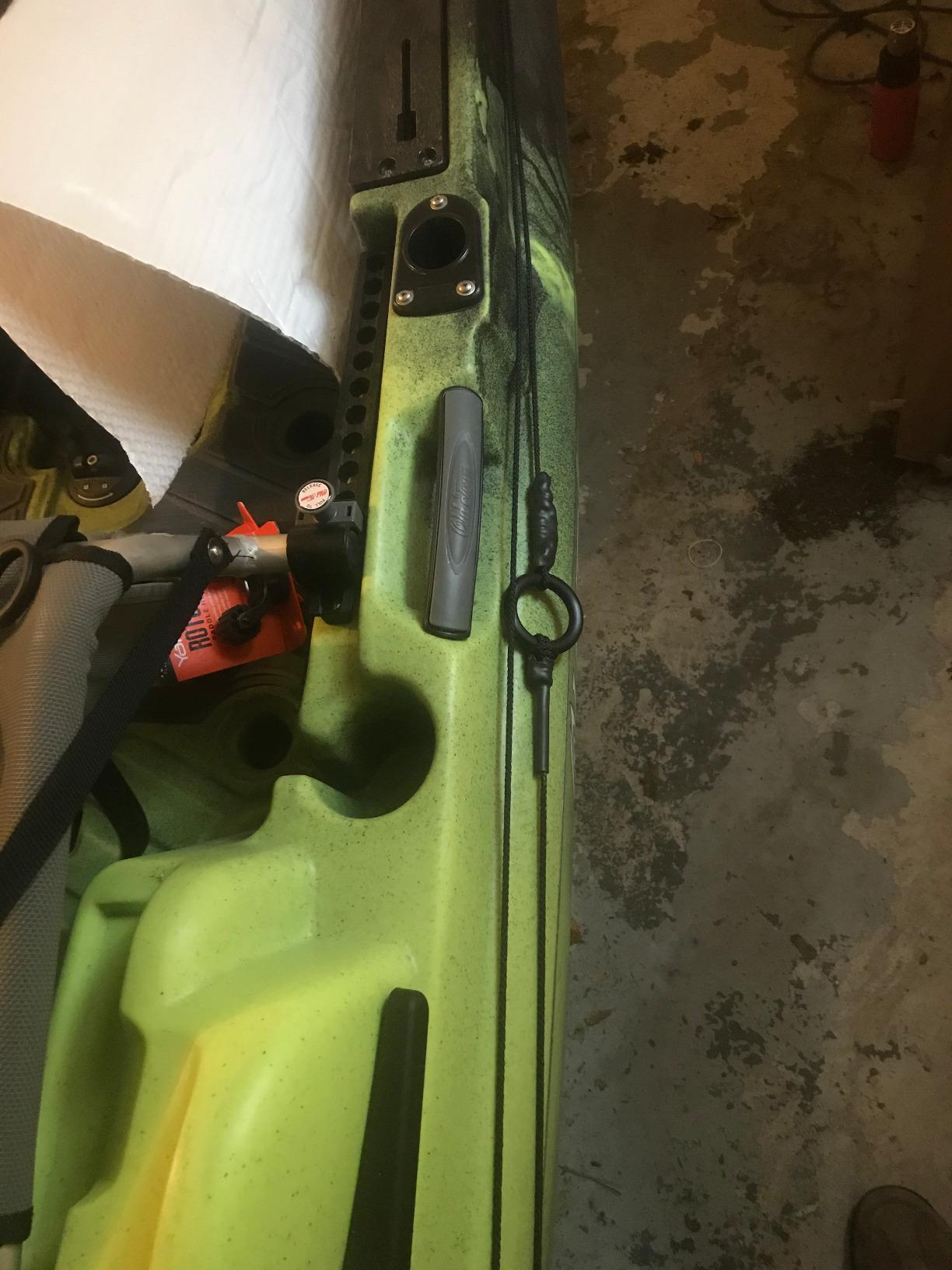
Two components hold it back. The connecting ring is plastic rather than metal, and the included rivets are short enough that some thicker hulls need longer fasteners bought separately. The instructions are also thinner than the premium kits, so budget time for figuring out routing on your own.
Bungee cord for tensioning the line is not included, and several reviewers add their own. It is a small addition and makes the line sit tighter against the hull, which reduces snagging on gear.
Whether you need a trolley at all
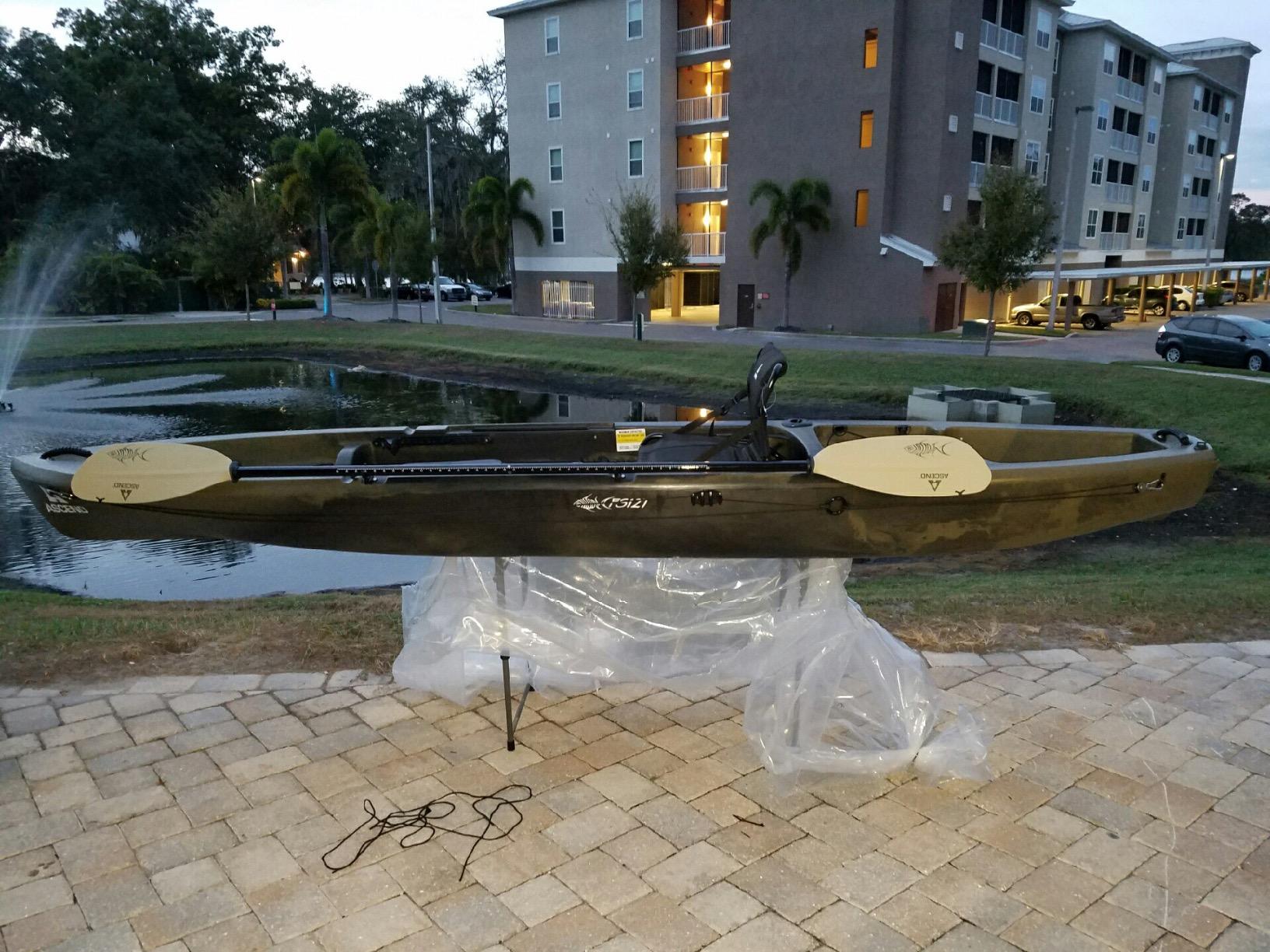
Should you use an anchor trolley on a sit-in kayak? If you anchor more than occasionally, yes. A bow or stern cleat gives you one fixed point and no control over line angle, so the kayak sits broadside to the force and gets pushed. A trolley lets you move the attachment point, which is how you make the hull point into the wind instead of away from it.
On a sit-on-top kayak with scupper holes, a stake-out pole can bypass the trolley entirely for shallow water. For anything deeper, the trolley is still the backbone of the system.
Who should buy it
Buy the H2o kit if you want full anchoring capability without spending heavily, particularly on an older or entry kayak where permanent premium hardware feels excessive. It is a genuinely complete kit rather than a parts bin.
Once you find you are anchoring every trip, upgrading the ring and fasteners is a straightforward improvement, and you can keep the rest of the kit as it is.
Anchor Trolleys: Do You Need One on a Fishing Kayak?
The trolley is the part of an anchoring system that determines whether anchoring works at all. It is a pulley track running from the bow to the stern of the hull, with a ring on a line that slides anywhere along it. Everything else is attached to that ring.
Should you use an anchor trolley on a sit-in kayak? Yes, if you intend to anchor regularly. Without one you are limited to a fixed cleat, which forces a single line angle and leaves the kayak sitting across the wind or current. With one you can set the angle that makes the bow point into the force, and a kayak that is pointed into a wind generates a fraction of the sideways force that one sitting broadside does.
In wind, slide the ring toward the stern so the bow points into it. In current, the same logic applies in reverse: the strongest anchor goes at the front, which is what experienced river anglers do when they anchor below rapids. Dual anchoring for severe wind means clipping a second line to the opposite end of the trolley so one anchor is not carrying everything.
Five steps to rig a trolley
First, decide your attachment point. Bow or stern, or somewhere in between, and remember you can move it later once you understand how your hull handles.
Second, mount the hardware. Drill or rivet the fittings according to your hull material and the included hardware, and seal any drilled holes properly to keep water out of the laminate.
Third, thread the trolley line through the pulleys in order, starting at the bow. Feed it through rather than backtracking, which is how most first attempts end up with a line that binds.
Fourth, tension the line along the hull. Bungee or a light tension line keeps it snug against the deck so it does not snag on gear or clip your paddle.
Fifth, attach the ring and pad hook, then test the full travel from bow to stern before you are anywhere near wind or current. Route the anchor line through the pad hook so it does not cross the cockpit.
How to Deploy and Retrieve an Anchor in Wind
Deployment in wind is easy. Retrieval in wind is the part that actually tests people, and it is where most anglers lose gear and damage hulls. The sequence below assumes you are already weathervaned and paying out line as you drop.
First, let the kayak weathervane into the wind before the anchor touches bottom. Push off, hold the line clear of the paddle, and let the bow swing until it is pointed into the force.
Second, drop the anchor on the downwind side so the line angle stays steep. A steep angle gives you more scope without needing more line and keeps the flukes digging rather than pulling sideways.
Third, pay out line until you have at least five times the depth of water, using a marker buoy on the surface end so you know where the anchor is. Add scope until the drift stops.
Fourth, for retrieval, pull straight up first before you pull toward the boat. Pulling sideways is how flukes catch on rock and how anchors end up lost.
Fifth, wear gloves for hand-over-hand retrieval. Rope abrasion on wet hands is the most common avoidable injury in this whole activity, and it gets worse fast as the line starts running.
Five signs it is time to move
Stop fishing and go if the kayak is being pulled sideways instead of weathervaned, if you cannot get the bow into the wind, if your anchor line angle is going flat because you have run out of scope, if a power boat is working close to your position, or if the wave height has grown visibly since you anchored. Any one of those is a reason to pull and move.
Snag Rescue: How to Free a Snagged Kayak Anchor
Anchors snag on rock and riprap, and it happens to everyone. The panic response is to pull harder, which tightens the anchor deeper and makes it worse. Three methods handle almost every case.
First, pull straight up. Break the line loose vertically before adding any sideways force. If it releases, drag it up and away from the structure before it re-catches.
Second, reverse direction. Paddle or back off in the opposite direction from the snag, which changes the angle of attack and lets the flukes pivot free. Small, steady movements work better than one hard pull.
Third, cut the release sling. Every serious anchor setup should include a cut-off sling between the anchor and the line, so that if the anchor is unrecoverable you can sever the connection and keep your boat, your rod and your life instead of the anchor.
A quick-release shackle serves the same purpose and is quicker than cutting. Add either one to the trolley ring, test it before you need it, and make sure you can operate it one-handed while seated in an unstable kayak.
Buying Guide: Anchor Weight, Bottom Type, Line and Coating
How heavy does a kayak anchor need to be? For a solo kayak in sustained wind, 3.5 lb is the number most anglers land on, and it is the weight we would carry as a default. Below 10 mph of wind a 1.5 lb anchor is plenty. Between 10 and 15 mph, 2 lb works. Above 15 mph, go to 3.5 lb and consider a short chain leader to improve bite in soft mud.
Heavier is not always better. A 5 lb anchor in a 12 foot kayak makes the bow-heavy, which spoils tracking in no wind and makes you work harder on every paddle stroke. Extra weight only pays off when you also have the scope to match it, and most kayaks sit in 15 ft of water or less.
What is the best anchor for a muddy bottom? A four-fluke grapnel with the widest flukes you can find, because mud clogs the gaps between narrow flukes and lets the anchor creep. Adding a short chain or heavier fluke tip helps because the mass pulls it down into the mud instead of letting it plane. On soft mud, more scope beats more weight every time.
On rock and riprap, minimize snag risk rather than maximize bite. Lower mass and a sharper profile release more easily than a heavy anchor that buries itself. Where the bottom is grass, the same is true, since weed wraps around the shank and a heavier anchor simply takes more of it with you.
Line length, scope ratio and line material
How much anchor line does a kayak anchor need? Editorial guides say 40 to 50 ft. Anglers in the forums say 30 to 40 m, which is a lot more line. Both are right about different things: 40 to 50 ft is the minimum for open water, and the longer community figure is what experienced anglers carry for river seams, deep reservoirs and the margin for error when the wind backs up.
Scope ratio is the relationship between line out and depth. Five to one is the practical minimum, seven to one gives a much better hold, and extra line costs almost nothing compared to losing a rig. Most of the kits in this guide include 25 ft, which is the reason so many reviewers complain about rope length.
For line material, braided polyethylene is the default for good reasons: it is buoyant, it handles abrasion well and it is easy to see. Reflective tracer line helps in low light. Avoid thin low-strength cord on a windy day, because retrieval failures usually start at the connection rather than the anchor.
Coating, corrosion and hull safety
Galvanized steel is the standard finish and the cheapest. Vinyl or PVC-coated flukes cost more and pay you back twice: they resist corrosion and they will not scratch your hull when the anchor swings alongside on the line.
316 stainless hardware resists salt water and galvanic corrosion best, which matters in bays and tidal flats. If your hardware is mixed metals in salt water, the small fasteners corrode first, so rinse and inspect those specifically.
Rinse in fresh water after every saltwater trip, dry the hardware completely, and look at the shackles, snap hooks and cleat. A few minutes of maintenance is the difference between hardware that lasts seasons and hardware that seizes after one fall.
Drift Socks and Sea Anchors: When You Should Not Anchor
Some of the best windy-day gear in this guide is designed to stop you anchoring at all. Both drift socks work on the same principle: they deploy astern through your trolley, fill with water and create drag that slows your motion. The kayak keeps moving, but it moves at an angle you choose rather than an angle the wind dictates.
You cannot use them the way you use a grapnel. They need water moving past them, they cannot hold a fixed position, and a sock that is too small for your boat does very little. Size selection is the whole game with these.
Drifting is the right call above roughly 25 mph of sustained wind, in water shallower than you want to anchor in, over soft mud you do not want disturbed, or anywhere power boats are running. Anglers who work big water in fall typically carry one of these in the same bag as their grapnel rather than choosing between them.
On very windy days you can also run a drift sock and stay anchored to a structure using the shoreline grip, which gives you both a controlled drift and something to hold in a blow.
Frequently Asked Questions
How windy is too windy for kayak fishing?
Wind alone rarely flips a solo kayak. A 3.5 lb folding grapnel on a proper trolley holds a kayak reliably from 15 to 25 mph. The real limits are wave height, boat wake and line angle, not the wind speed number on an app. Above 25 mph, switch to a drift sock and fish while moving.
Is 15 mph wind too windy for fishing?
Not if you are anchored and weathervaned. At 15 mph an unanchored kayak slides off position in minutes, while a 3.5 lb grapnel with at least five times the depth in line will hold. Below 10 mph anchoring is optional, 10 to 15 mph suits a 1.5 to 2 lb anchor, and 25 mph or more calls for drifting instead of holding.
How heavy does a kayak anchor need to be?
For a solo kayak in sustained wind, 3.5 lb is the right default. Under 10 mph of wind, 1.5 lb is enough. Between 10 and 15 mph, use 2 lb. Above 15 mph, go to 3.5 lb with a chain leader for soft mud. Going heavier than 3.5 lb makes the bow-heavy and spoils tracking unless you also carry more scope.
What is the best anchor for a muddy bottom?
A four-fluke grapnel with wide flukes, because narrow flukes clog with mud and let the anchor creep. Add a short chain leader so the mass pulls it down rather than planing across the top. On mud, more scope matters more than more weight, so pay out at least five times the depth of water.
Should you use an anchor trolley on a sit-in kayak?
Yes, if you anchor regularly. A bow or stern cleat gives you one fixed line angle, so the kayak sits broadside to wind or current and gets pushed. A trolley lets you slide the ring along the hull so the bow points into the force. Most kits need drilling or riveting, so check your hull thickness and resale plans first.
How much anchor line does a kayak need?
At least 40 to 50 ft for open water, which gives a five-to-one scope ratio over typical kayak depths. Experienced river and reservoir anglers carry 30 to 40 m because the extra length is cheap insurance when the wind backs up. Most budget kits include only 25 ft, so a line extension is usually the first upgrade worth buying.
How do I free a snagged kayak anchor?
Pull straight up first to break the anchor loose vertically before adding sideways force. If it holds, back away in the opposite direction so the flukes pivot free. If neither works, cut a release sling or open a quick-release shackle so you keep the kayak instead of the anchor. Test the release before you need it.
Should the anchor go on the bow or the stern?
In wind, attach toward the stern so the bow points into it and stops acting like a sail. In current, run the stronger anchor at the front and anchor below rapids rather than in them. If you have a trolley, you can slide the ring to change the angle without re-tying anything, which is why we recommend one above a fixed cleat.
Should I get an anchor for my kayak?
Yes, if you fish open water, big lakes, tidal flats, or anywhere with sustained wind above 10 mph, current, or a bottom shallow enough to stake. Wind alone can push you off a productive spot in minutes, and an unanchored kayak in crosswind is both a lost-fishing-time problem and a capsize risk.
What anchor is best for mud and grass bottoms?
For mud, a wide four-fluke grapnel with a chain leader and plenty of scope works best. For grass, go lighter and sharper rather than heavier, because weed wraps around the shank and a heavy anchor just brings more of it with you. In either case, pull straight up on retrieval rather than sideways.
The Verdict for Windy Days
For the best fishing kayak anchors for windy days, our pick is the Gradient Fitness 3.5 lb folding grapnel kit run through the YakAttack LeverLoc trolley with at least 40 ft of line and a marker buoy. That combination holds a solo kayak across sand, mud, rock and weed in the 15 to 25 mph range that closes most anglers out of open water. Add a drift sock for the days when holding is no longer the right call, and pack gloves.