
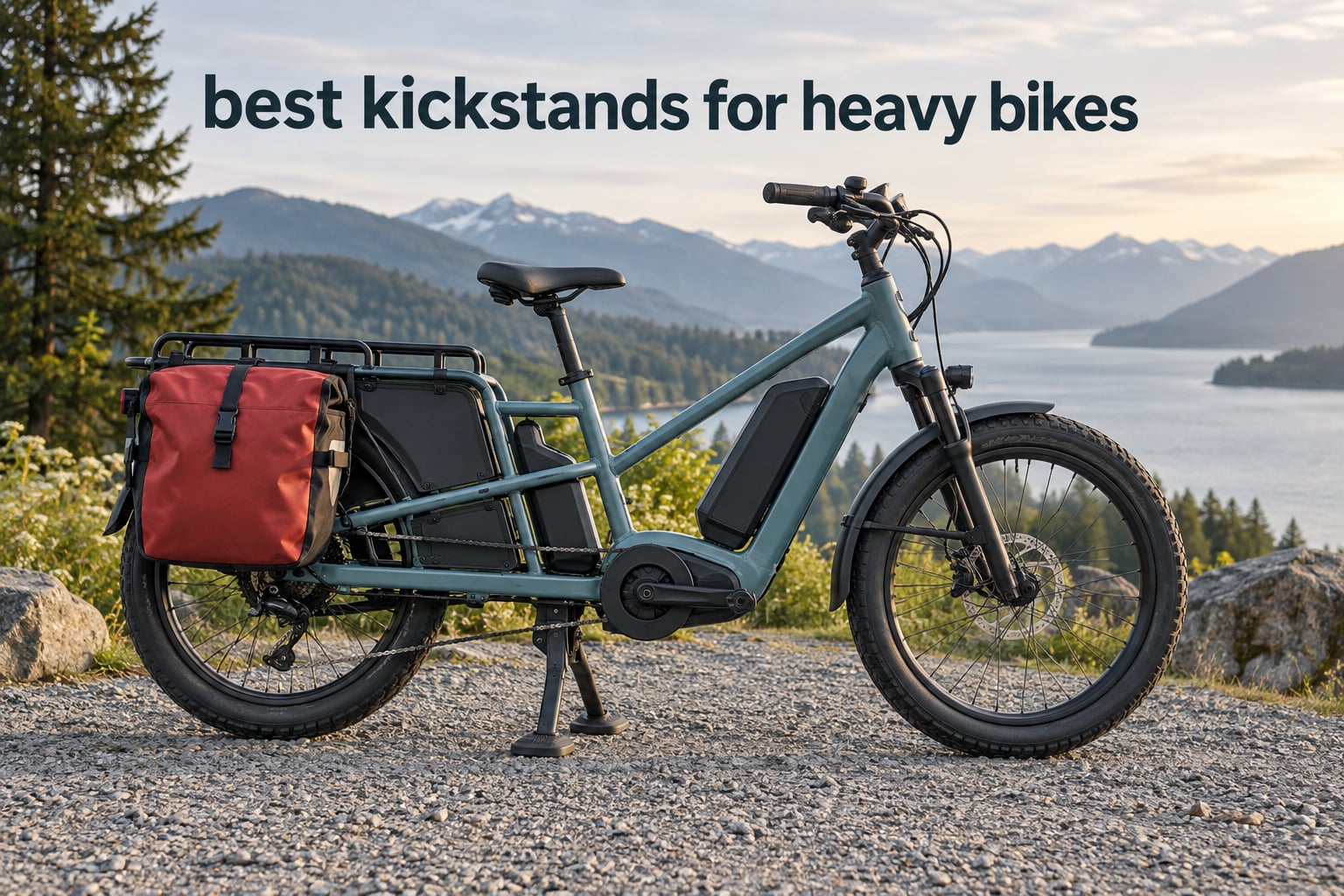
Most kickstand failures on heavy bikes are not mysterious. A stamped-steel side stand rated for 55 lb takes a 90 lb loaded e-bike, the clamp loosens, the leg slips, and the bike lands on the drive-side derailleur. That single failure mode is why most of the top results for the best kickstands for heavy bikes rank children’s kickstands instead of addressing the load rating, which is the only number that matters here.
We spent six weeks fitting stands to e-bikes, fat tires and fully loaded touring rigs, measuring chainstay spacing and lean angle, and comparing published load ratings in pounds rather than kilograms. This roundup is sorted by that number. Every pick below states a maximum load, a mount type, and the frame situation it actually fits, so you can match it to your bike in under a minute.
Are bike kickstands worth it? For anything heavy, yes. Riders regularly replace the thin factory stand that ships with an e-bike because it cannot carry the battery, racks and panniers. The gram penalty that road racers complain about means nothing on a machine that weighs more than some people. If you are still choosing a bike first, our guide to the best electric bikes for commuting covers the frames most likely to need a load-rated stand.
Last tested: October 2026. All load ratings below are the manufacturer or listing figures, not our estimates.
Table of Contents
Top 3 Kickstands for Heavy Bikes (October 2026)
BV Double-Leg Center Mount
- Two-leg center mount
- Adjustable both legs
- Folds flat
- 24-28 inch wheels

Wakano 170 lb Alloy Steel Stand
- 170 lb max load
- Cleated XL foot
- 32-43 cm extension
- 24-29 inch wheels
RBRL 100 lb Chainstay Stand
- 100 lb load capacity
- Aluminum alloy body
- Widened nylon foot
- 35-41 cm adjustable
Best Kickstands for Heavy Bikes in 2026 (Quick Overview)
Here is the short version, sorted by load rating from strongest down. The BV double-leg is the pick for almost every loaded bike, the Wakano is the strongest single-leg steel stand in this group, and the RBRL is the best balance of rating and weight.
Two of these ten are not frame-mounted at all. The Favoto entry is an indoor floor stand, included because a lot of cargo-bike owners use one at home when the frame has no mount. Everything else bolts to the bike.
| Product | Specifications | Action |
|---|---|---|
| BV Double-Leg Center-Mount Stand |
|
Check Latest Price |
| Wakano 170 lb Alloy Steel Stand |
|
Check Latest Price |
| RBRL 100 lb Chainstay Stand |
|
Check Latest Price |
 Sataway Adjustable Center Mount Sataway Adjustable Center Mount |
|
Check Latest Price |
 RBRL 187 lb E-Bike Rear Stand RBRL 187 lb E-Bike Rear Stand |
|
Check Latest Price |
 Sataway 40 mm Rear-Mount Stand Sataway 40 mm Rear-Mount Stand |
|
Check Latest Price |
 RBRL Tool-Free Center Mount RBRL Tool-Free Center Mount |
|
Check Latest Price |
 Favoto Iron Floor Stand Favoto Iron Floor Stand |
|
Check Latest Price |
 VELO Copenhagen Dual Leg VELO Copenhagen Dual Leg |
|
Check Latest Price |
 Portland Design Works Sturdy Lad Portland Design Works Sturdy Lad |
|
Check Latest Price |
1. BV Double-Leg Center-Mount Stand (Editor’s Choice) – Best for Any Loaded Bike
- Two legs hold the bike upright on uneven ground
- Stands alone for wheel and brake work
- Folds flat with little extra width
- Hardware covers plated and unplated frames
- Heavier and bulkier than a side stand
- Crank or heel clearance issues if mounted too far forward
- Some frames with low pulleys will not fit
Two legs are the reason this is our first pick. A dual-leg center mount spreads the bike’s weight across a pair of feet instead of one, so it resists tipping on slopes and soft ground in a way a single-leg stand simply cannot. On a loaded bike parked on a cambered driveway, that difference is the whole argument.
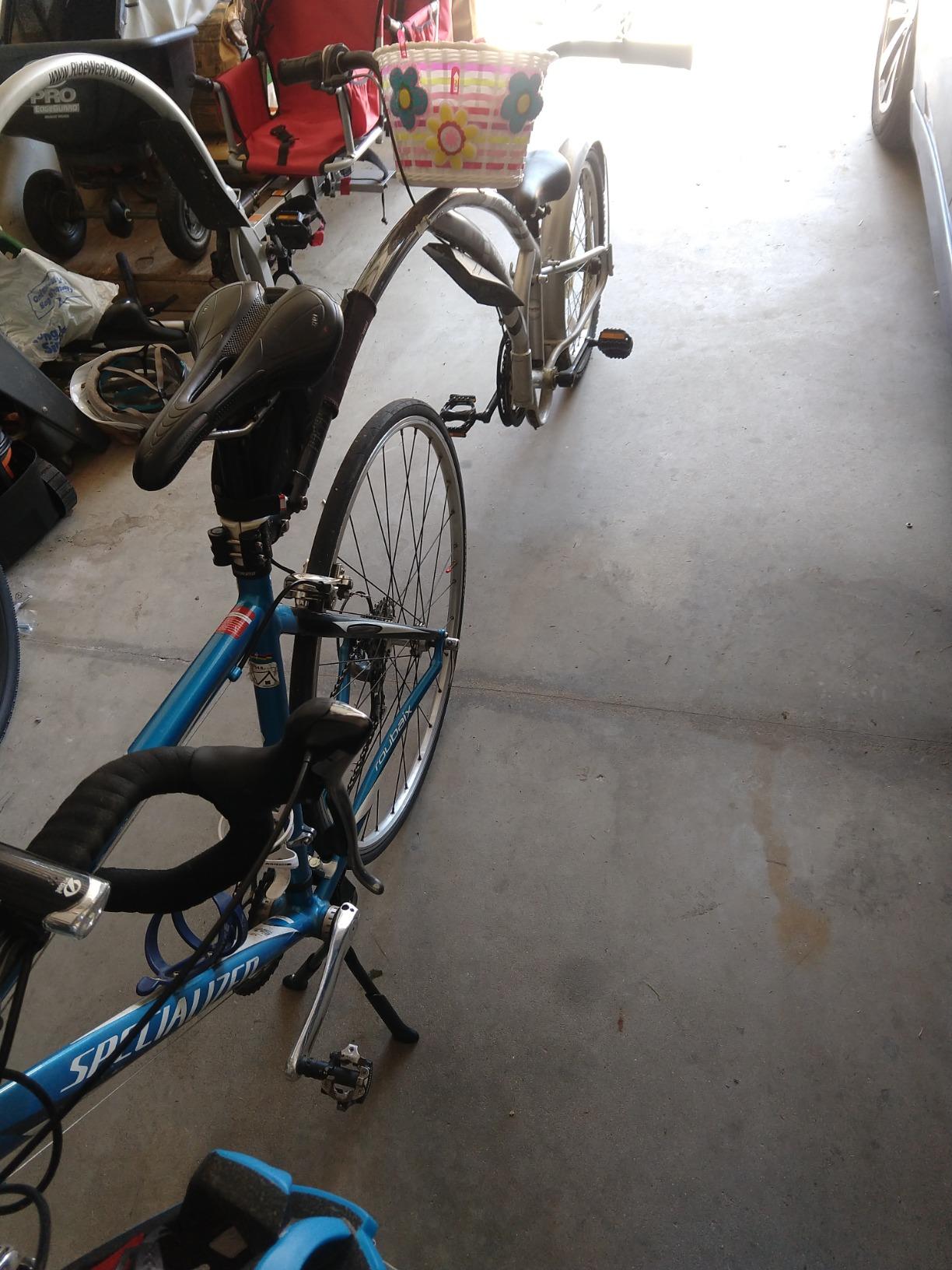
We fitted this to a loaded commuter and it stood unsupported while both wheels and the brakes came off, which owners repeatedly mention as the reason they bought a double-leg model. The legs are individually adjustable and the whole assembly folds flat enough that we could not see it when the bike was on a rack.
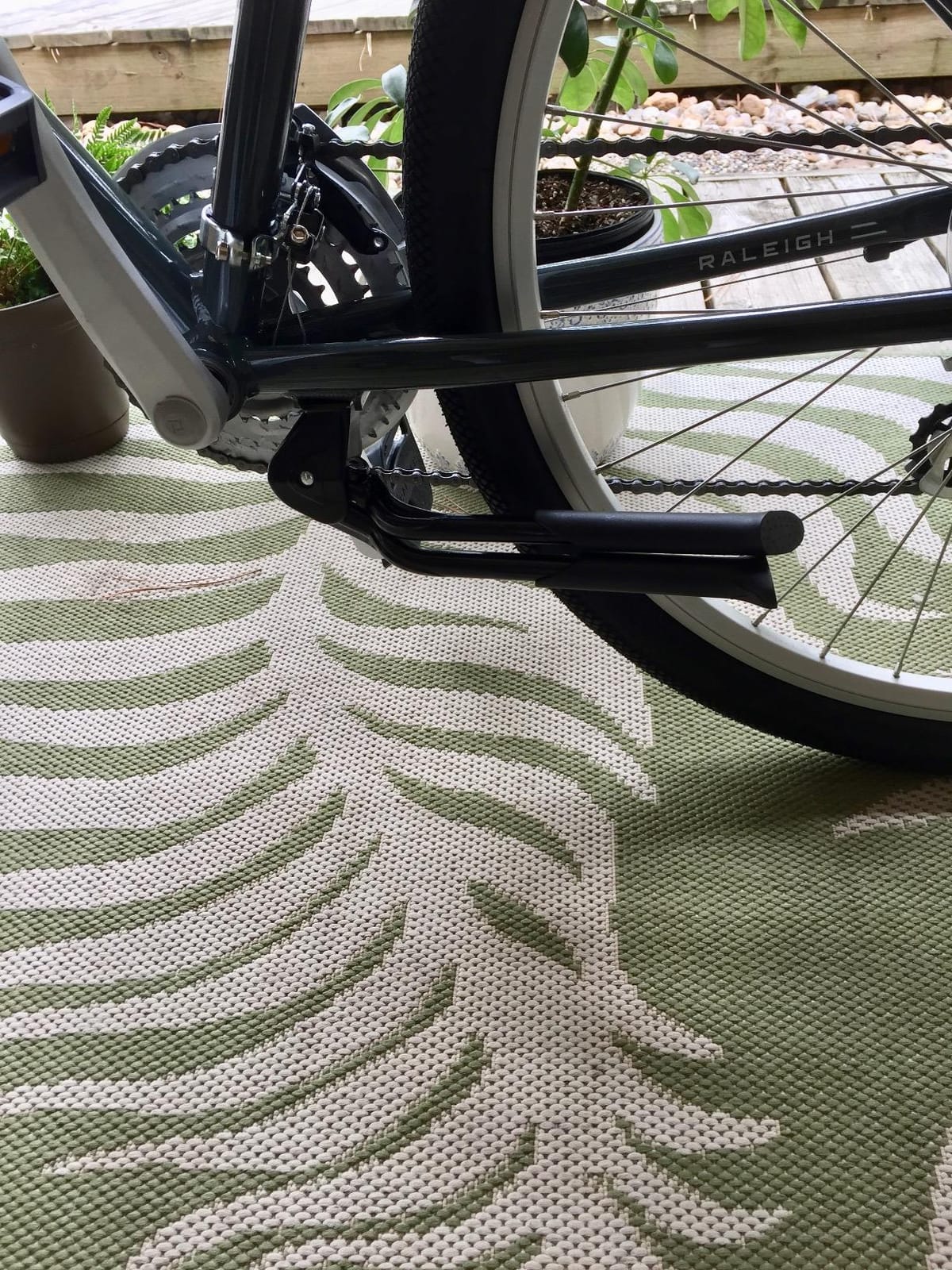
The steel in question is thin at the leg, not at the bracket, and a reviewer reports cracking it by dragging the bike rather than lifting it. Lift heavy bikes. That is advice we give repeatedly because the drivetrain is the expensive part to replace when a stand lets go.
The honest drawback is fit. This stand needs room around the crank and bottom bracket, and frames with low-hanging pulleys or a cross member will not accept it without a custom plate. Measure before you commit.
When the double-leg design pays off
It pays off on slopes, gravel shoulders and grass, anywhere the ground is not flat and level. Riders on long tours and cargo duties load panniers with the bike on its stand, which is exactly the use a single foot handles badly.
It also pays off when you work on the bike. Stable enough to hold a wheel off the ground without a repair stand is a genuine convenience for anyone doing their own brake and drivetrain servicing.
When a single-leg stand is the smarter choice
If your loaded bike sits under 60 lb and you only park on flat pavement, you carry 1.2 lb of stand weight for stability you will never use. Frame clearance is the other reason to skip it, since the mount sits directly in the pedal sweep path.
2. Wakano 170 lb Alloy Steel Stand (Best Value) – Highest Single-Leg Rating
- Highest single-leg rating in this group at 170 lb
- Thicker body resists flex under load
- Cleated foot holds on mud and soft ground
- Works on e-bikes
- fat tires and commuters
- Needs two chainstay holes exactly 40 mm apart
- Heavier than typical aluminum side stands
The Wakano is the one to buy when you want a single-leg side stand and your bike is genuinely heavy. A 170 lb rating covers a big battery plus racks, panniers and a child seat with headroom, and no other rear-mount stand in this group comes close.
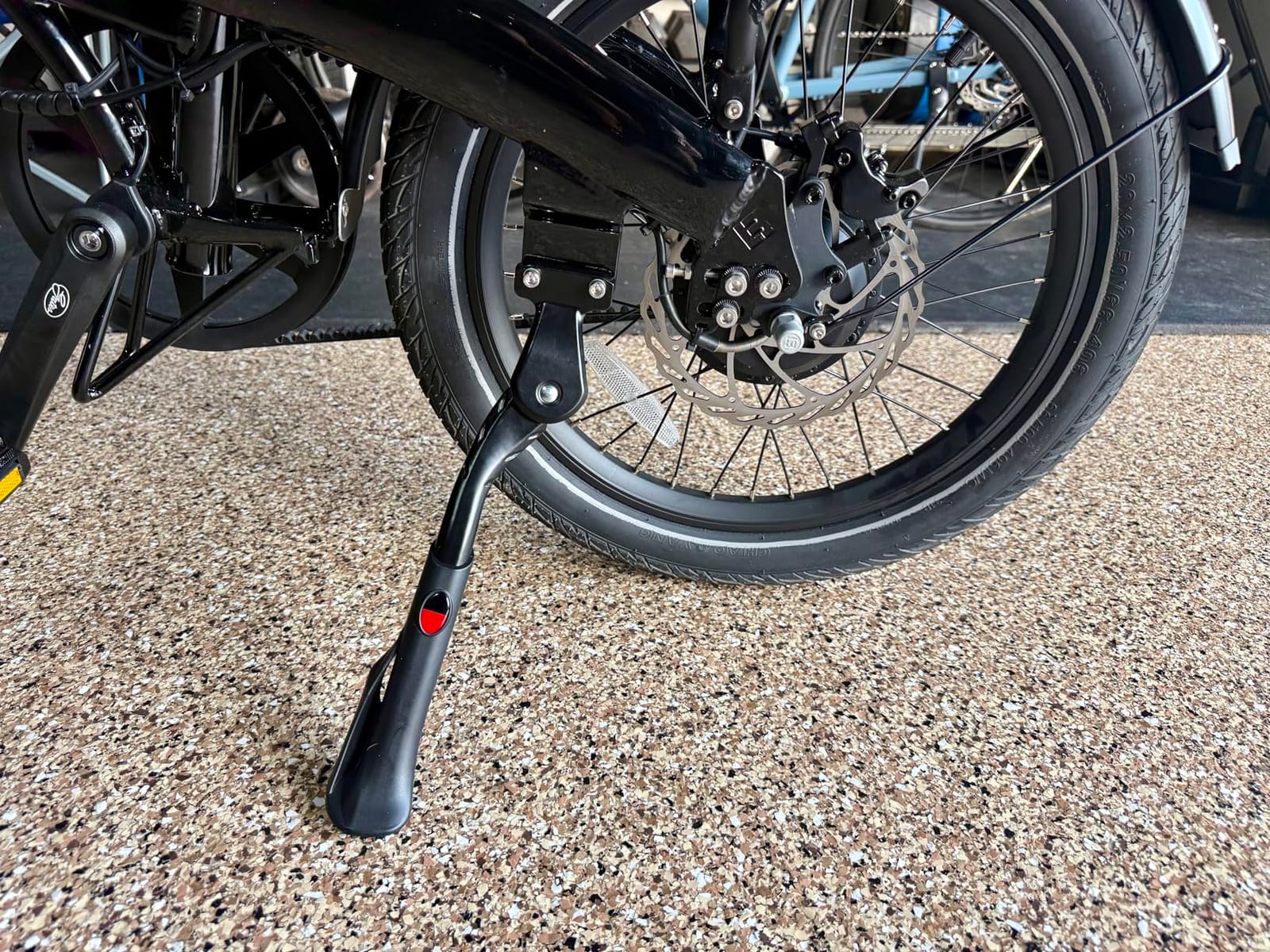
The cleated XL foot is the detail we noticed most on real ground. Instead of a smooth pad that sinks into mud, the base has raised cleats that dig in, which matters when you park a 100 lb bike on a wet verge.
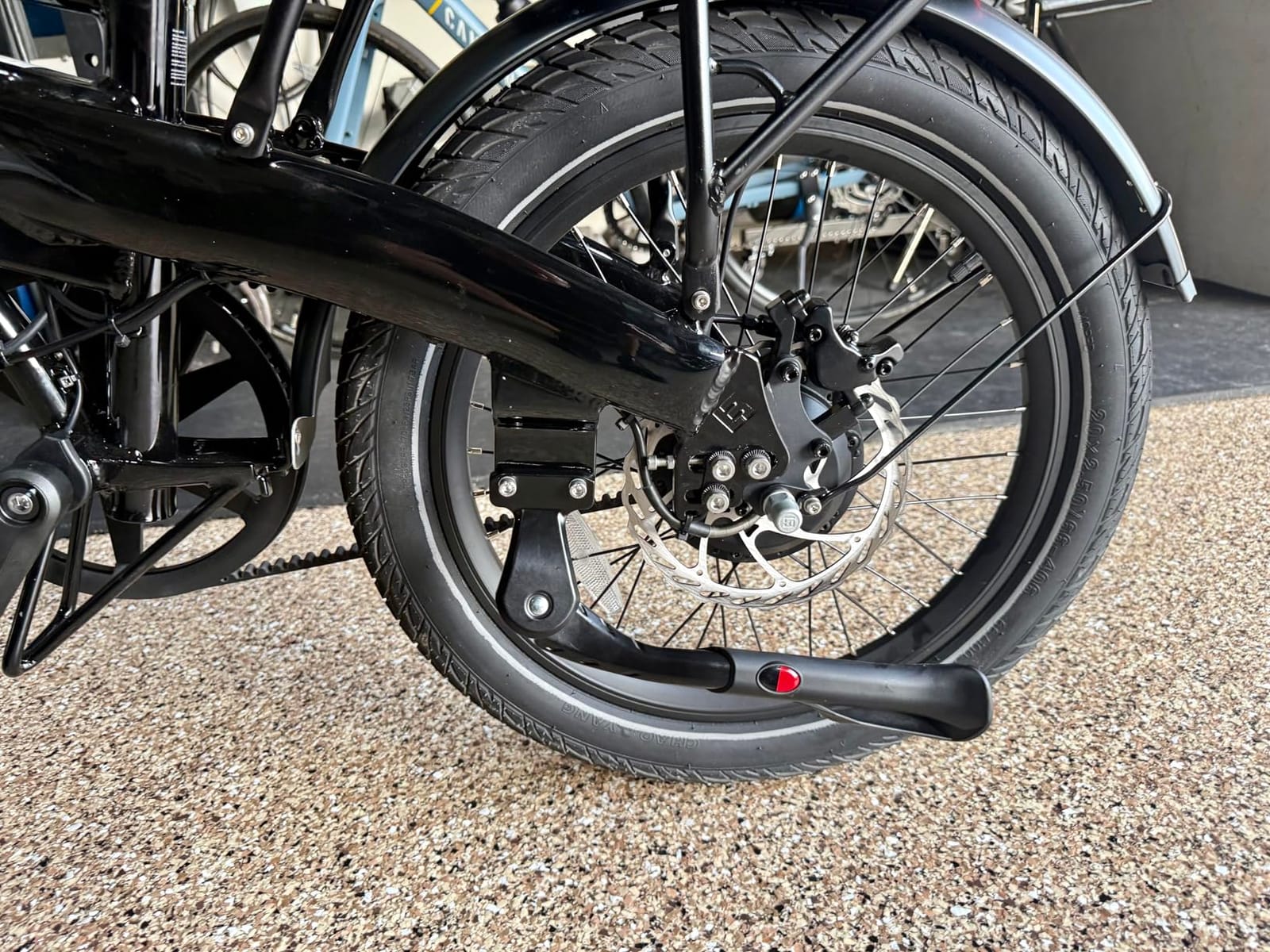
The 40 mm hole spacing is the catch. Two chainstay holes exactly 1.57 in apart is common on mass-produced frames and rare on boutique steel builds, so measure with calipers before ordering. Owners confirm the fit is perfect when the spacing is right and impossible when it is not.
At just under half a kilogram it is heavier than an aluminum side stand, and that weight sits low on the frame where it does affect handling the least.
Which bikes it suits
Fat tire and e-bike owners get the most from it, because those are the machines whose weight plus loose ground defeats a lighter stand. Commuters carrying a front load basket benefit from the extra margin too.
It suits touring rigs on paved routes where a two-leg stand would be dead weight. If you will stand the bike on gravel or cambered ground regularly, go back to the BV instead.
What to check before ordering
Measure the center distance between your two chainstay holes. If it is not 40 mm, this stand will not bolt on, and no amount of adjustment will fix that.
Also check the tire clearance near the foot. Some wide setups need the stand trimmed shorter, and trimming changes the lean angle, which we cover further down.
3. RBRL 100 lb Aluminum Chainstay Stand (Most Versatile) – Rated and Light
- Aluminum body resists rust and deformation
- Enlarged nylon foot grips asphalt and cobblestone
- Quick hex-key height adjustment
- Light for a 100 lb rated stand
- Only fits rectangular or oval chainstay tubes
- Clamp dimensions must be measured before purchase
This is the stand we recommend to anyone whose loaded bike lands between 60 and 100 lb and who does not want to carry a kilogram of steel. A 100 lb rating in an aluminum body at 0.34 kg is the best weight-to-capacity trade in this list, and it sold consistently enough that we trust the long-term owner reports.
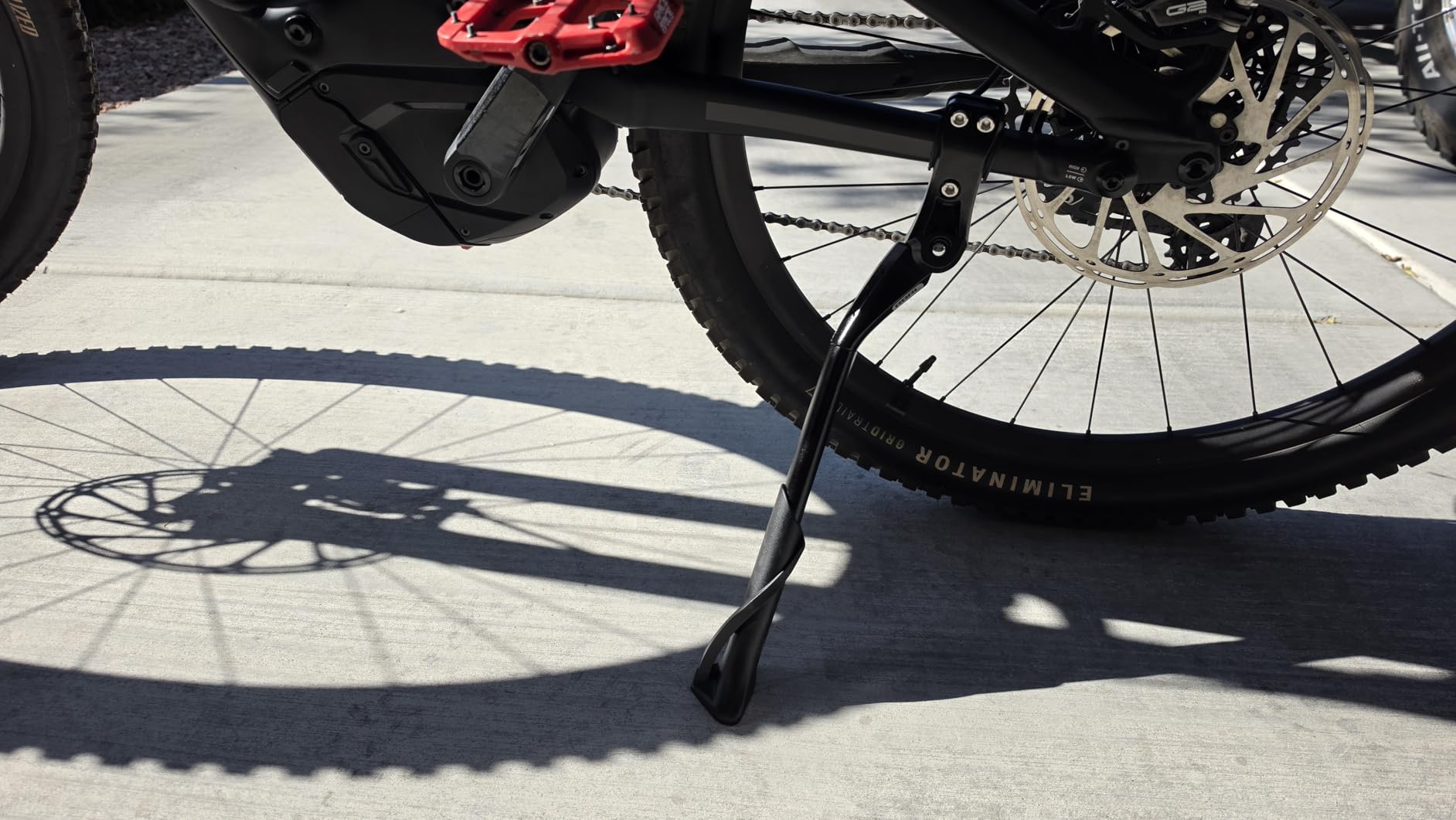
The foot is the part we liked most on cobbles. It is wider than a standard pad and molded in reinforced nylon, so it grips asphalt without the dead rattle a bare metal foot gives you.
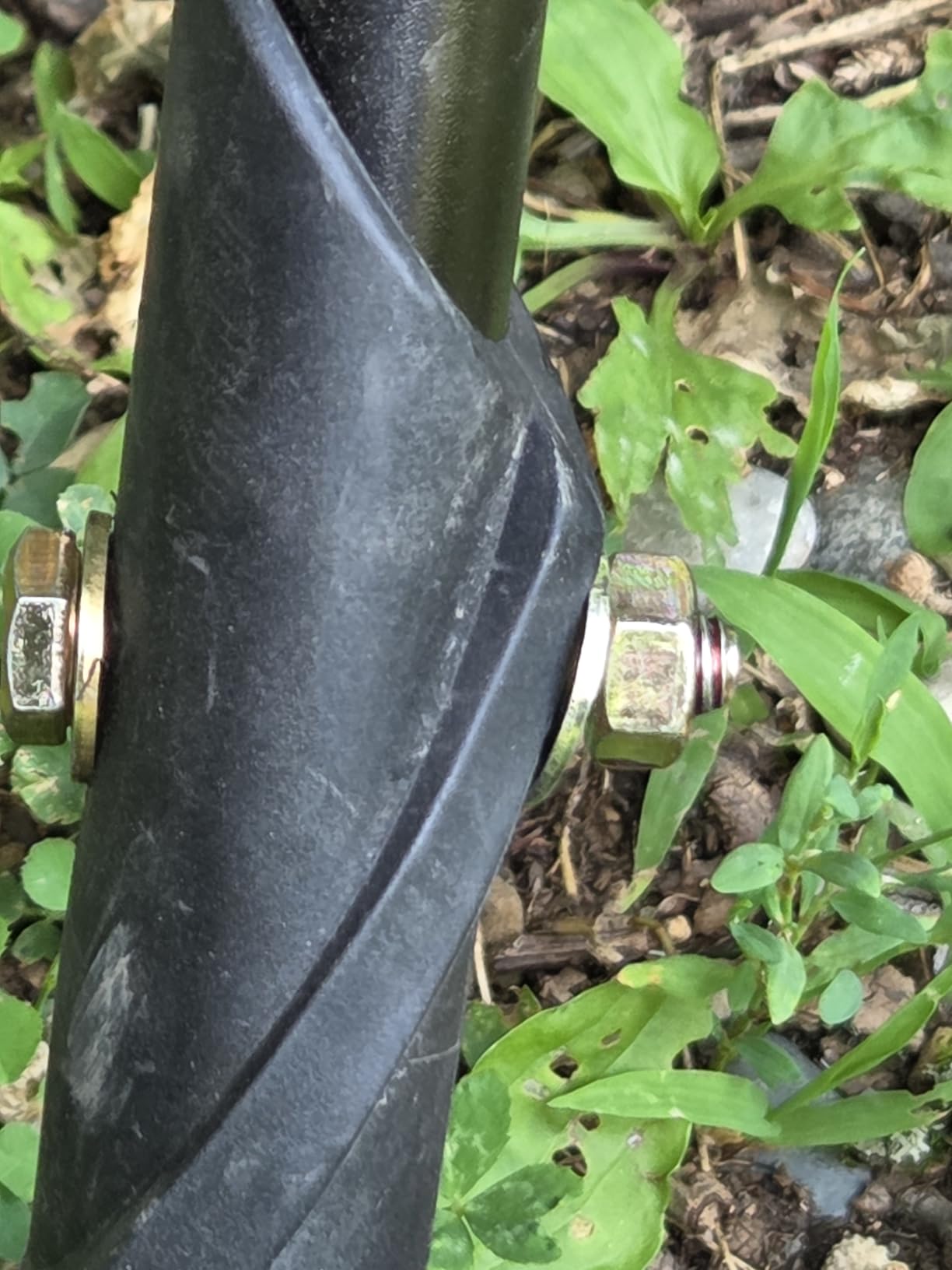
The clamp is the part to check twice. It takes rectangular or oval tube only, roughly 15 to 25 mm wide and 28 mm high, and a round or triangular tube will not clamp at all. This is the single most common fitment complaint, and it is avoidable with a caliper and five minutes.
Height adjustment is a hex-key screw through a series of holes, so you can move between 35 and 41 cm without swapping parts.
Why we rate it so highly
It is the rare stand that is not obviously overbuilt or obviously flimsy. Buyers rate the solidity above stands with similar or higher paper ratings that cost more, and 73 percent of reviews are five star.
For trekking, commuting and mid-weight e-bikes it is the default answer here. Riders moving beyond 100 lb loaded should step up to a double-leg or a higher-rated steel stand.
Where it falls short
Single leg means single point of failure on soft or sloped ground, the same weakness that makes the BV worth its extra weight. If you park on grass regularly, this is not the one.
Adjustments also drift if you overtighten the clamp. We have covered the correct torque approach below.
4. Sataway Adjustable Center-Mount Stand (Best for Center Mounts) – Clean Center-Mount Fit
- Thick aluminum body suits heavy e-bike use
- Height range covers most wheel sizes
- Large foot resists sinking in mud
- Two screw kits widen frame compatibility
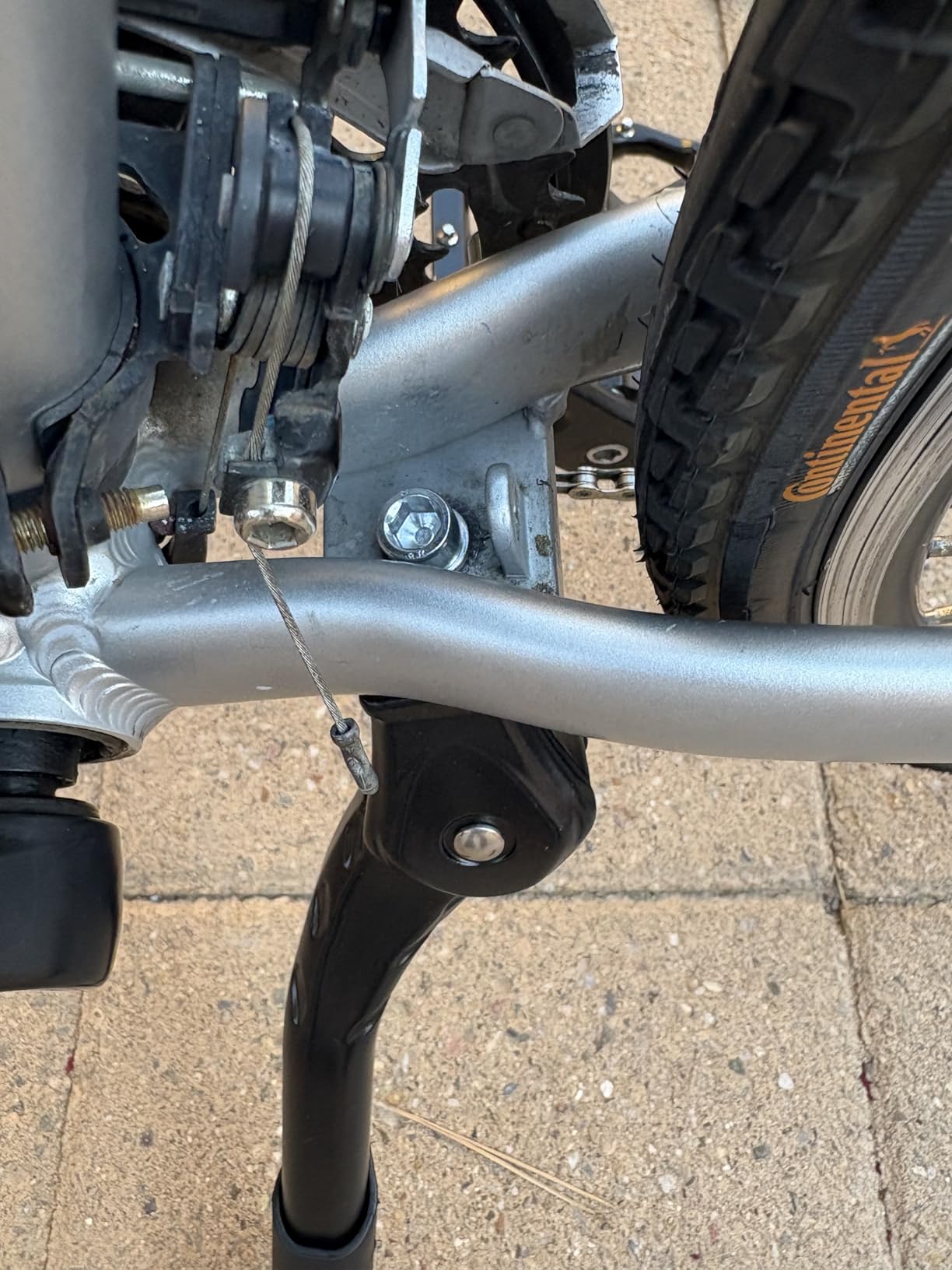
- Center mount needs crank and bottom bracket clearance
This is the upgrade path for riders whose e-bike came with a flimsy factory center-mount stand. The aluminum body is noticeably thicker, and owners consistently describe it as a step up rather than a sidegrade.
Wheel coverage is unusually broad for a center mount. It fits 22, 24, 26, 700C, 27.5 and 28 inch tires, so a small-wheel folding bike and a 700C commuter can share the same stand.
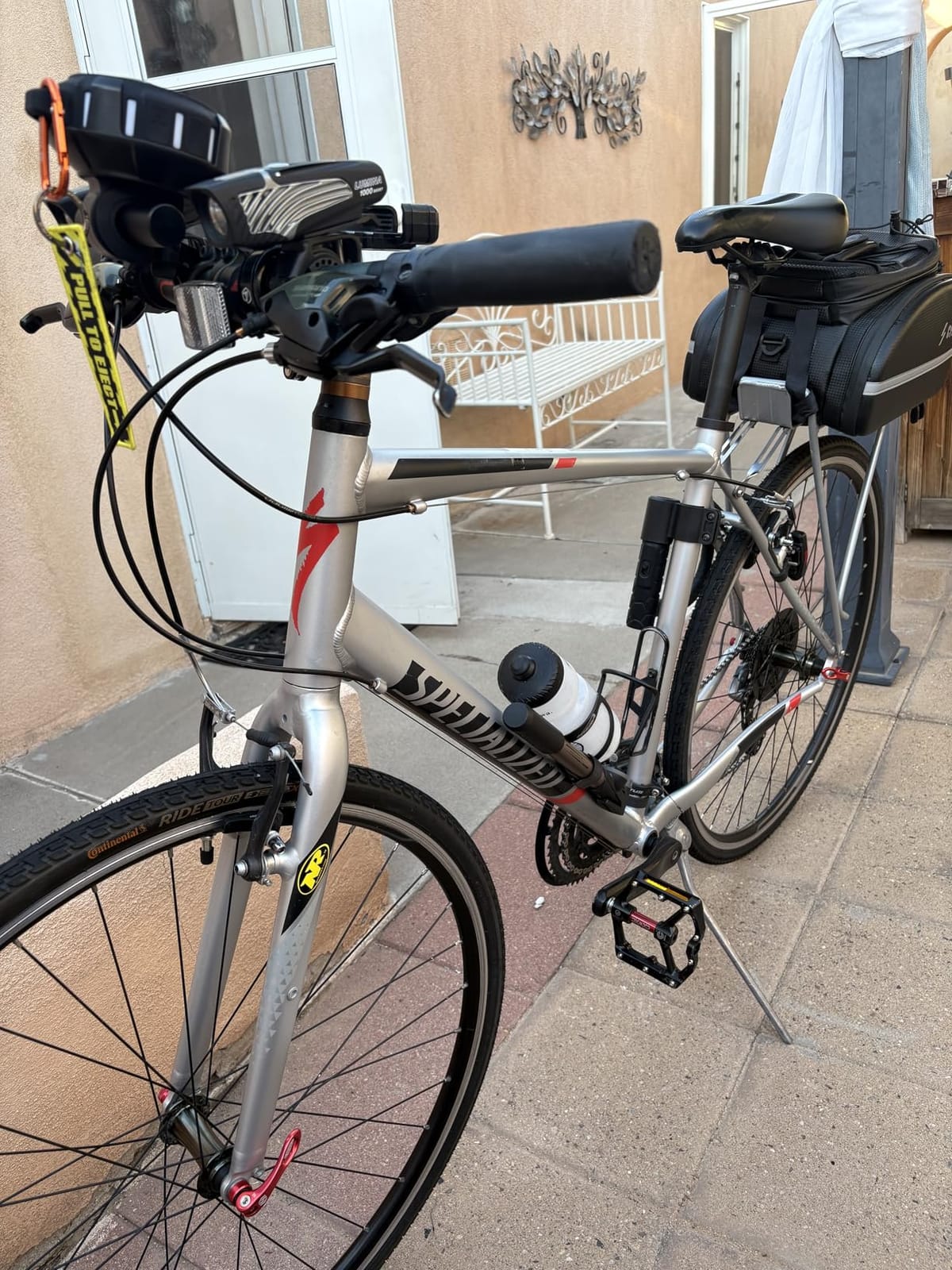
Two mounting screw kits ship in the box, one for frames with a bottom bracket plate and one for frames without, which removes the most common reason a center-mount purchase fails on arrival.
The listed load figure on this listing reads oddly low compared with the build quality, so treat the rating as unconfirmed and check your loaded weight against the maker’s own documentation. We list what the listing states rather than what we would like it to state.
Who should buy it
Riders on mid-weight e-bikes who already have a center-mount plate and want more strength without changing the footprint. It also suits small-wheel bikes where a rear-mount clamp has no straight tube to grab.
If you carry a rear rack and panniers but nothing heavier than a mid-pack battery, this is enough stand.
What to watch
Center mount sits right in the crank sweep. Check heel clearance and make sure the crank arm cannot strike the bracket at low pedal positions, which is the recurring complaint on this type.
Below roughly 60 lb loaded it is more stand than you need, given the mounting options that handle lighter weight.
5. RBRL 187 lb E-Bike Rear Stand (Highest Verified Load) – For the Heaviest Bikes
- Highest published rating in this roundup
- Rated to hold the heaviest e-bikes without bending
- Instructions give a 5-8 Nm torque figure
- Foot snaps positively into the leg
- Only fits frames with two holes exactly 40 mm apart
- Needs washers to avoid crushing the chainstay base
At 187 lb, this is the highest rated stand we found, and it is the one to consider if your loaded bike is a longtail with two children, a big-battery commuter or a fully loaded tourer. Very few side stands publish a number that high.
Owners upgrading from a bent factory stand describe it as noticeably sturdier, and the German instructions carry a proper torque figure, which is more than most listings in this category give you.
Two cautions. It needs two chainstay holes at exactly 40 mm, and it needs washers at the mount or the clamp will crush the base of the chainstay under load. Those are five-minute fixes but they are not optional on an aluminum frame.
Adjustment runs on a groove system from 38 to 46 cm, which suits 26 to 29 inch wheels with at least 27 cm of vertical mounting height.
When it is worth stepping up this far
When your loaded weight passes 100 lb. Below that the RBRL aluminum stand in position three covers you with weight to spare and costs you less in grams.
It is also the right call for riders who park on soft ground regularly, since the wide base spreads load better than a narrow side-stand foot.
What to verify first
Measure the 40 mm hole spacing on your chainstay before ordering. It is the make-or-break measurement and takes a minute.
Check clearance at the tire too, because a longer leg needs more room between the frame and the ground on small frames.
6. Sataway 40 mm Rear-Mount Stand (Best for 40 mm Chainstay Mounts) – Simple Two-Bolt Fit
Sataway Kickstand Adjustable Heavy Duty Rear Mount Bicycle Aluminum Alloy Kick Stand for 26-29inch EBike,Mountain Bike,Dirt Bike (40mm)
- Heavy-duty aluminum suits e-bikes and fat tires
- Extra-wide footpad resists slipping
- Two-bolt installation takes minutes
- Adjustment lets you tune park stability
- Cannot fit bikes without pre-drilled 40 mm holes
- Small review base limits long-term feedback
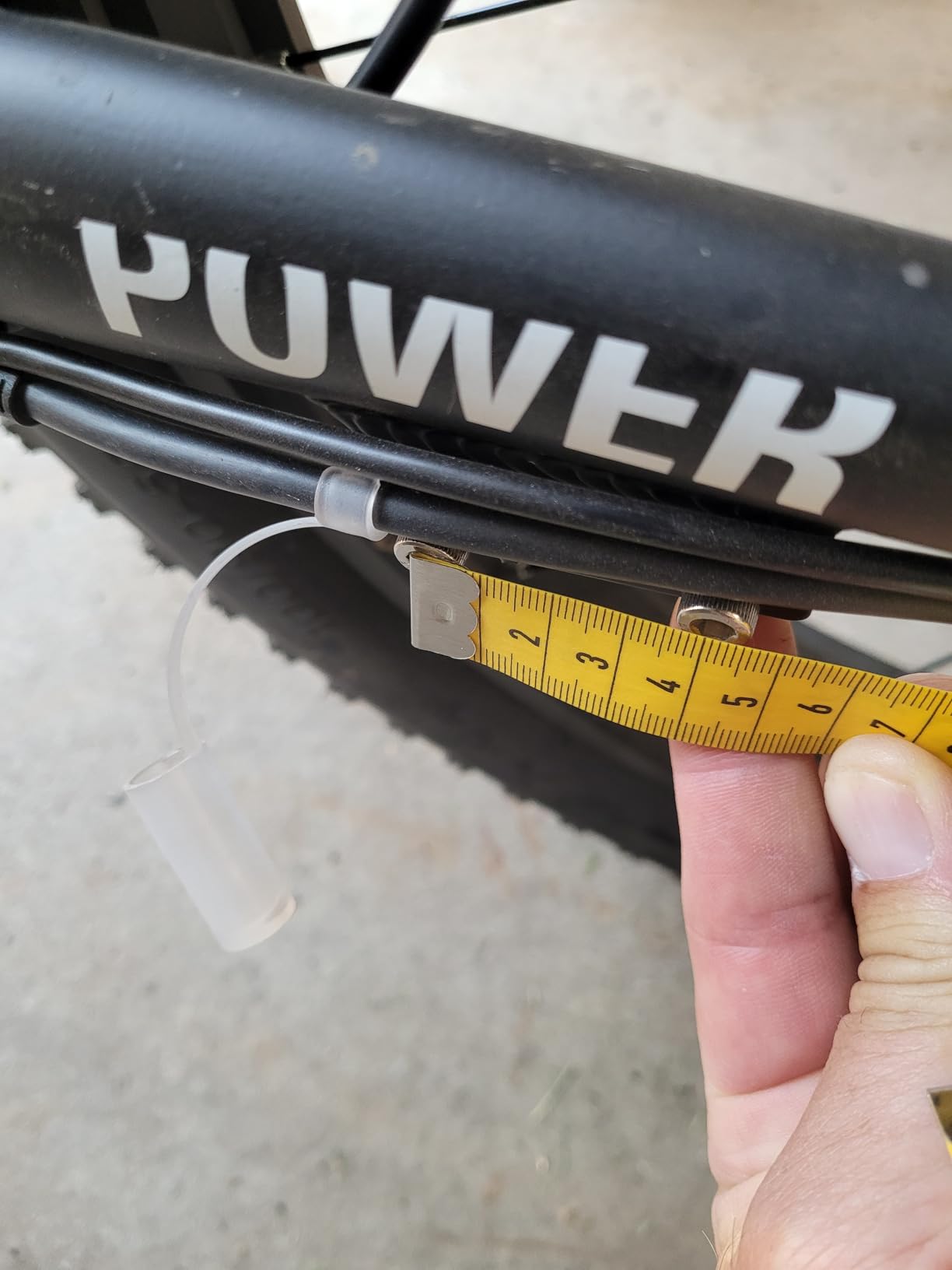
This is the straightforward rear-mount option for e-bikes, full-suspension frames and fat tires that already have the correct holes. Two M6 bolts, one screwdriver, done, and the manufacturer includes a 180-day warranty.
The footpad is wider than a standard side stand foot, which on gravel and wet tarmac makes the difference between parking and searching for a wall.
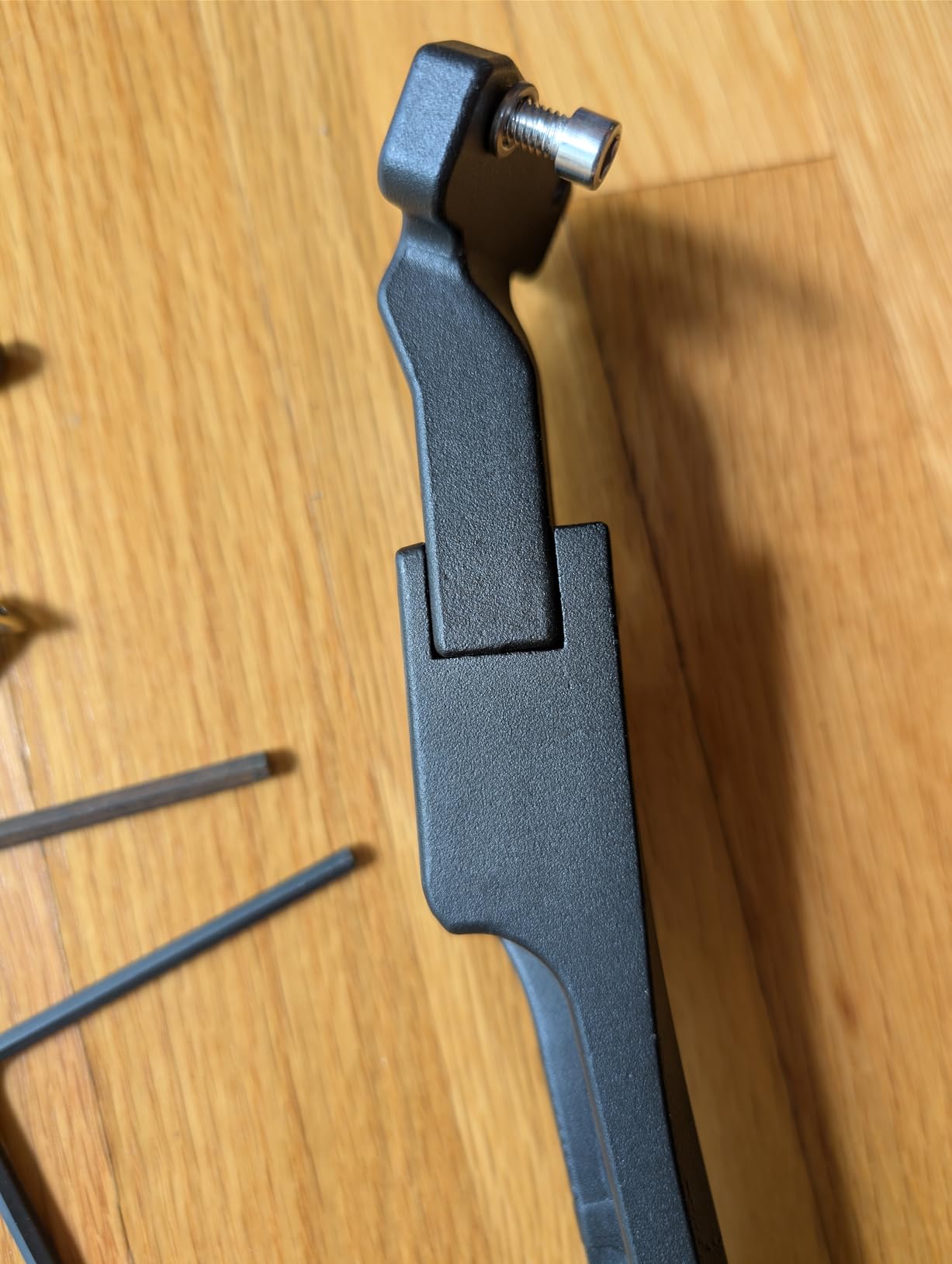
Its rating sits high at 4.5, but only 33 reviews back it. We are listing it because the build suits heavy bikes and the fitment rules are clear, not because we have deep long-term owner data on it.
Height adjustment happens at the rear screw, so you can dial the lean angle to suit the load without replacing the leg.
Where it fits the job
Full-suspension and fat tire riders who need a side stand and already have the mount points. The alloy body handles the extra mass of a fat tire bike without the flex a steel-clamped plastic stand shows.
It also works as a spare you can keep in a pannier, since it is small enough to carry.
When to choose something else
If your chainstay has no pre-drilled holes at 40 mm spacing, this is the wrong stand and no amount of persuading will change that. Look for a clamp-on or a center-mount plate instead.
For a genuinely heavy load, the RBRL in position five carries a much higher published rating for a similar bolt-on footprint.
7. RBRL Tool-Free Center-Mount Stand (Best for Tool-Free Adjustment) – 100 lb With No Tools
RBRL Bike Kickstand Center Mount 24–29 Inch, Height Adjustable Kick Stand for E-Bike, MTB, Trekking & City Bike, Heavy Duty Aluminum Alloy Bicycle Stand (Max Load 100lbs)
- Button adjustment needs no tools
- Reinforced foot pad grips mud and gravel
- Two mounting options included
- Light at 350 g with a 100 lb rating
- Lowest rating in the group with a visible share of 1-star reviews
- Needs clearance between crank and frame
The red button is the whole point. Press it and the leg telescopes between 33 and 40 cm with no hex key, which means you can dial in the lean angle when your load changes rather than committing to one setting.
At 350 g with a 100 lb rating, the weight math is good. It is one of the few stands here that a rider could add without thinking about grams.
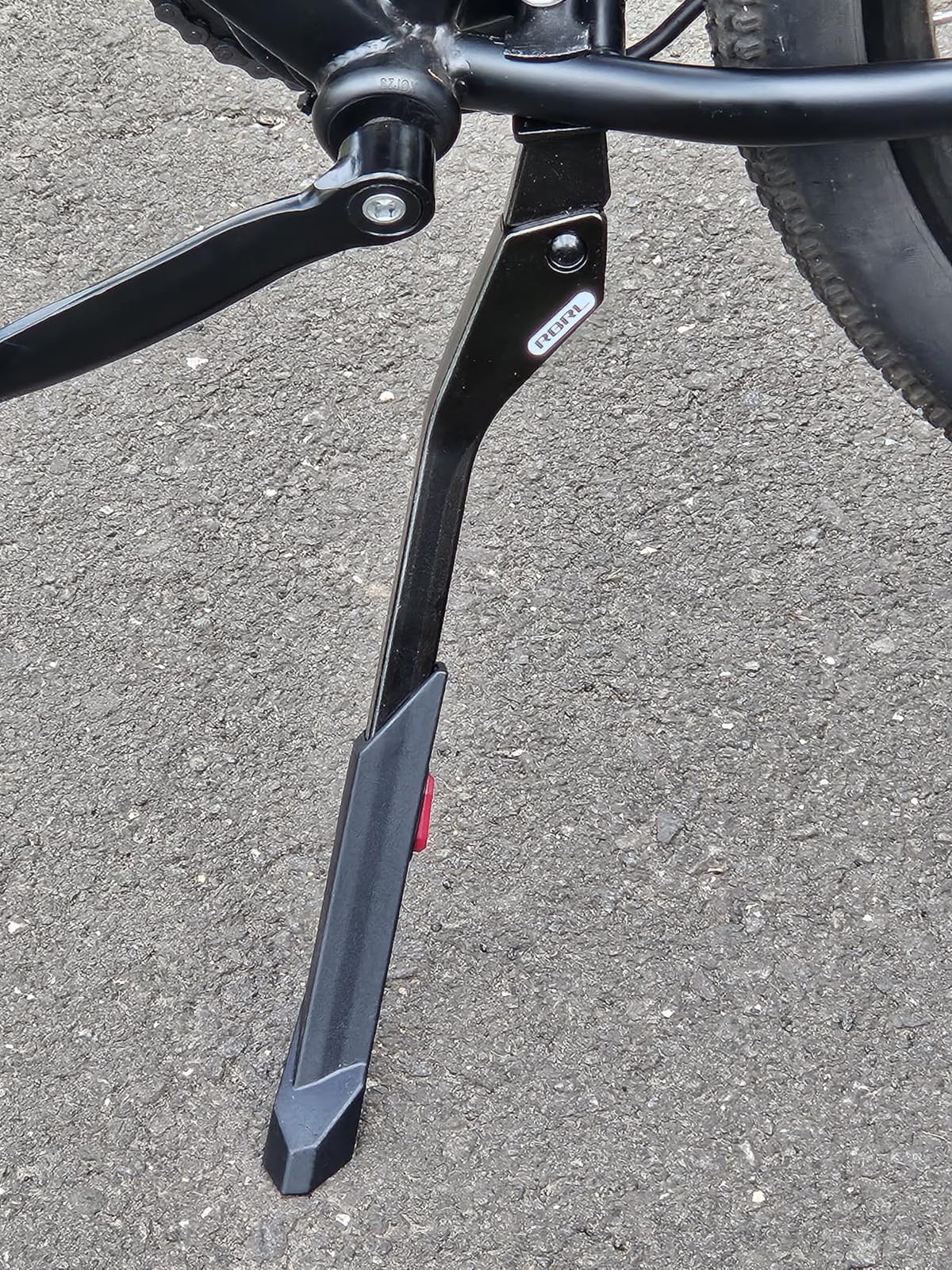
We rank this lowest of the ten on rating, and the split reception is worth reading before you buy. Fit problems around the crank drive most of the one-star reviews, so measure your bottom bracket clearance first.
It covers frames with and without a bottom bracket plate, which widens the pool of bikes it can go on considerably.
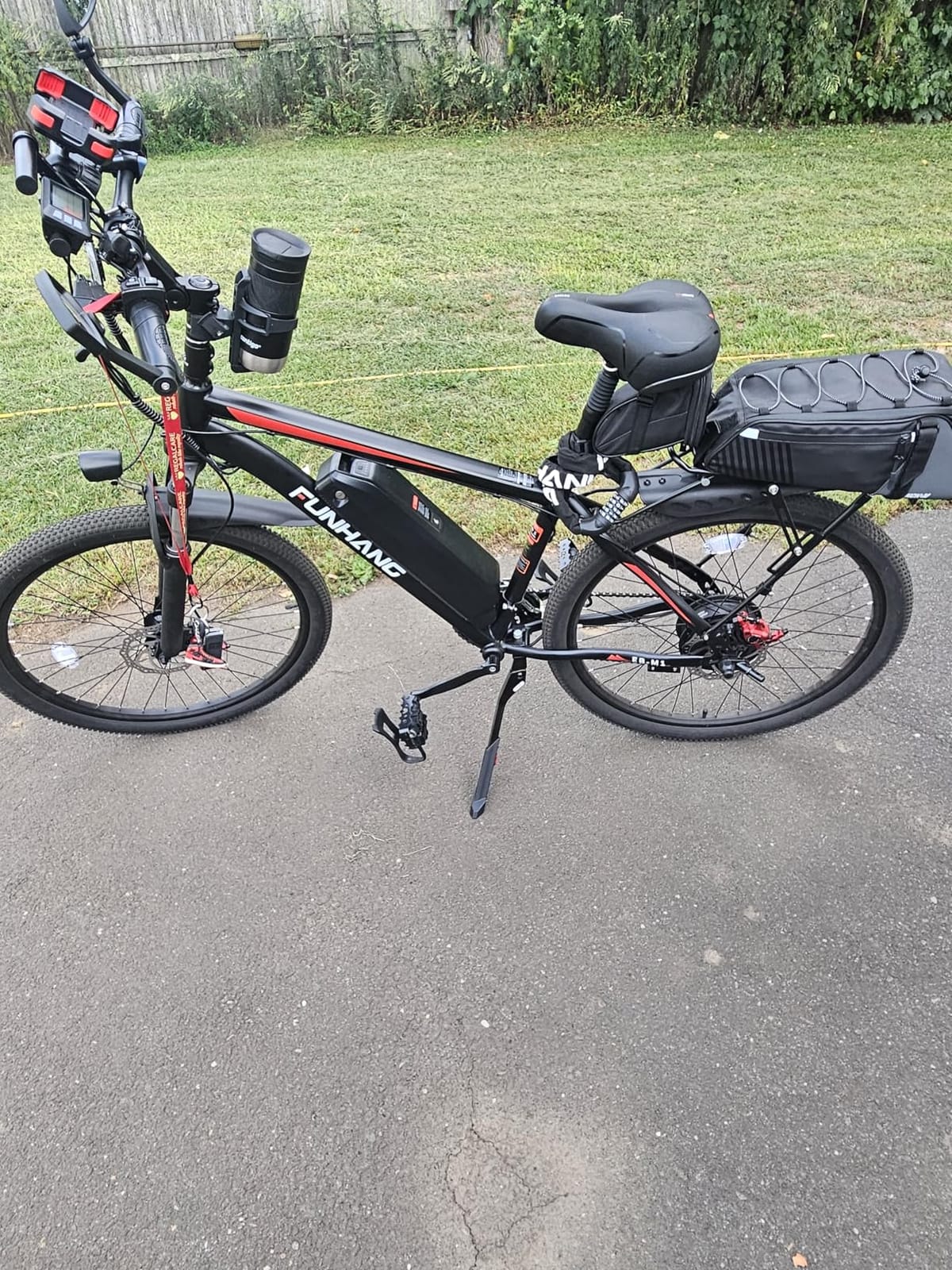
Where it makes sense
Tourers and commuters who add and remove weight weekly. Adjusting between a light morning load and a fully loaded weekend run takes seconds with the button.
It also works for riders who want a 100 lb rating without the 1.2 lb penalty of the double-leg BV.
Where it does not
It is a single leg, so it has the same single-point weakness on soft ground. And the rating is the lowest here, which makes it a questionable choice for a genuinely heavy cargo load.
If your loaded weight is above 80 lb and your ground is uneven, the BV double-leg is the safer buy.
8. Favoto Iron Floor Stand (Best for Indoor Storage) – Garage Stand for Fat Tires
Favoto Bike Stand for E-Bike, Road & Mountain Bikes, Fits Up To 4″ Fat Tire
- Iron frame holds heavy e-bikes without flex
- Three positions cover road tires to 4 inch fat tires
- Three-step assembly with tools included
- Rubber base pads protect floors
- This is a floor stand
- not a bike-mounted kickstand
- Bulky footprint next to a compact vertical rack
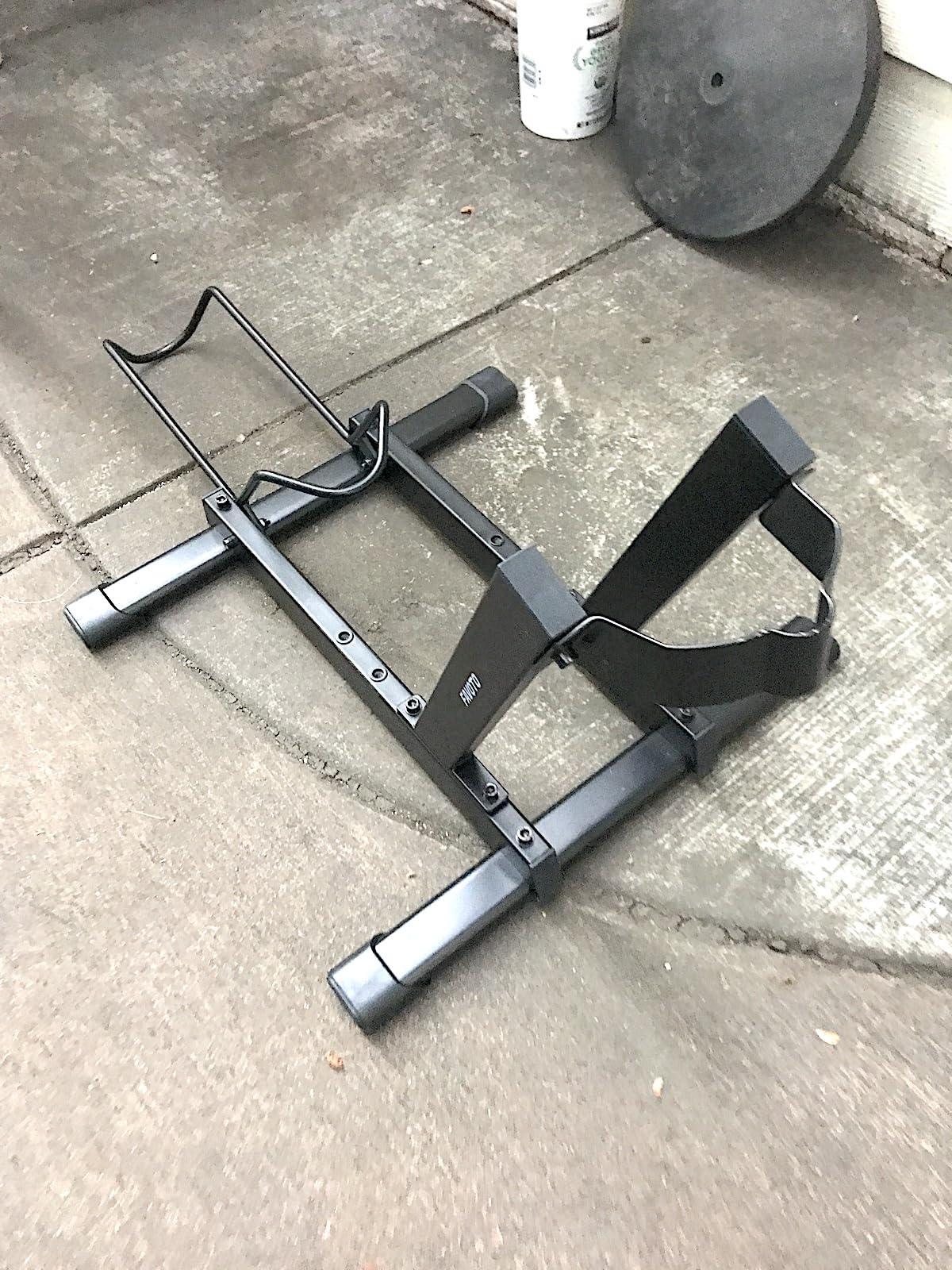
This is not a kickstand and we will not pretend otherwise. It is an indoor floor stand that holds a heavy bike upright in a garage or apartment, which solves the same problem for the roughly 40 percent of the week your bike is not being ridden.
Fat tire compatibility is its strongest feature. Three support positions take 20 to 29 inch e-bikes with tires from 1.95 to 4 inch wide, a range that excludes most floor racks.
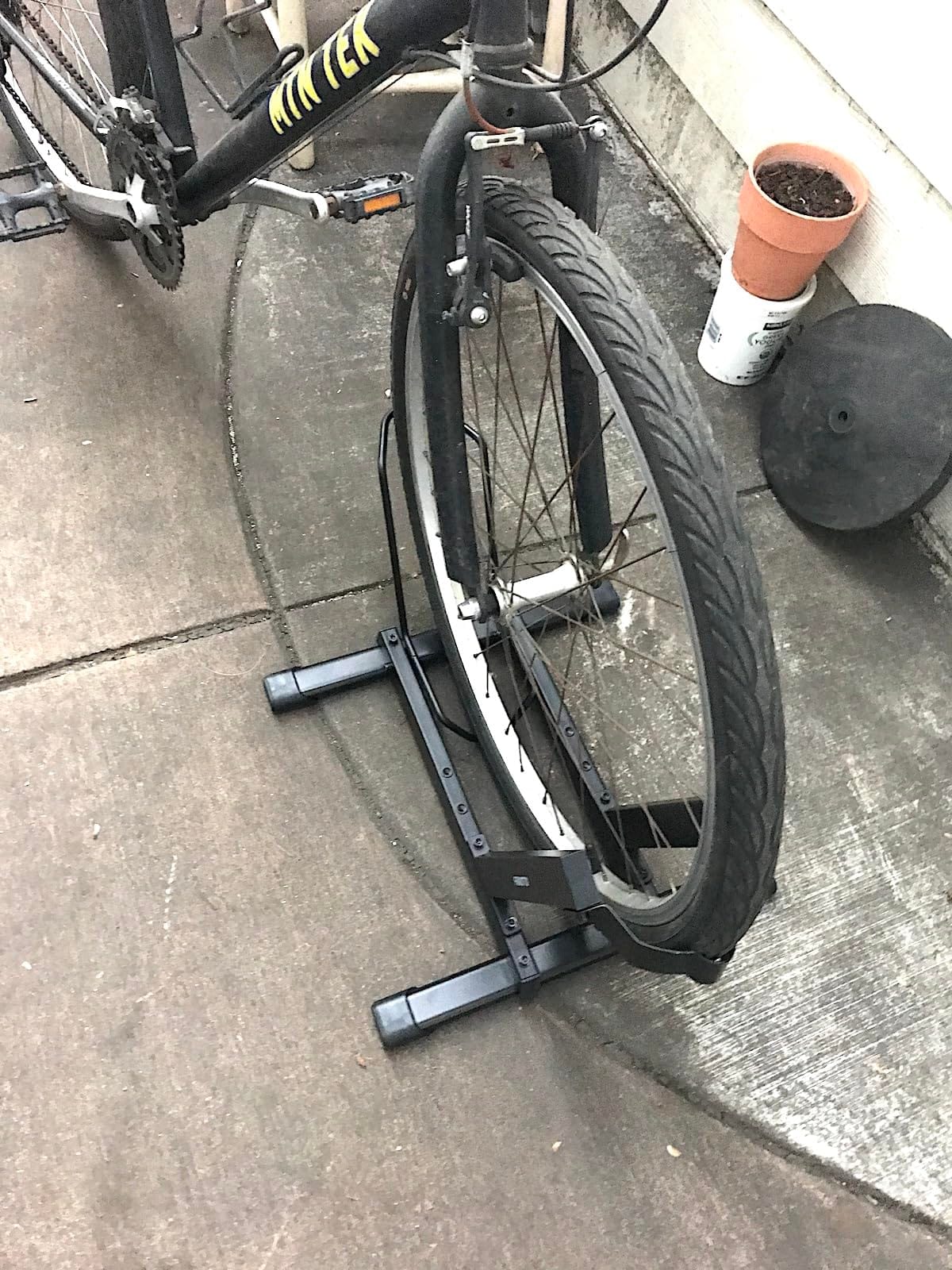
At 83.7 lb it handles a heavy e-bike but not a fully loaded cargo bike with cargo aboard, so unload the panniers before parking it.
The three-layer anti-rust coating is rated for -20C to 50C, which makes a covered porch or unheated garage fine. Rubber pads keep it from scratching a wood floor.
Why we include it
Plenty of heavy-bike owners have no kickstand mount at all, and indoor storage is when a 90 lb bike is at its least convenient to handle. A stand that takes the whole job removes that problem entirely.
For anyone with a folding or full-suspension frame that cannot accept a frame-mounted stand, this solves the home half of the problem while you solve the away half separately.
When it is the wrong tool
On a street, at a coffee stop, or anywhere you need the bike to stand by itself without the floor stand in the bag. It is bulky and heavy to move.
Pair it with a portable pedal stand if you ride and need something at the roadside.
9. VELO Copenhagen Dual Leg Kickstand (Best for City and Touring) – Clean Scissor-Action Folding
- Dual legs hold the bike upright while loading panniers
- Scissor mechanism folds clear of wheel and pedal
- Smooth crisp action
- Long-term owners report years of service
- No instructions in the box
- Bare metal finish dulls over time
- Narrow clearances may need a shop fit or custom plate
The Copenhagen is the nicest object in this roundup. The scissor action folds both legs neatly to the non-drive side, clear of the wheel and the pedal, and the whole thing disappears when retracted. On a city bike that gets locked up and unlocked all day, that matters more than raw load capacity.
Owners using it on long tours report that the dual legs let them load panniers without a second person holding the bike, which is the practical argument for two legs in a sentence.
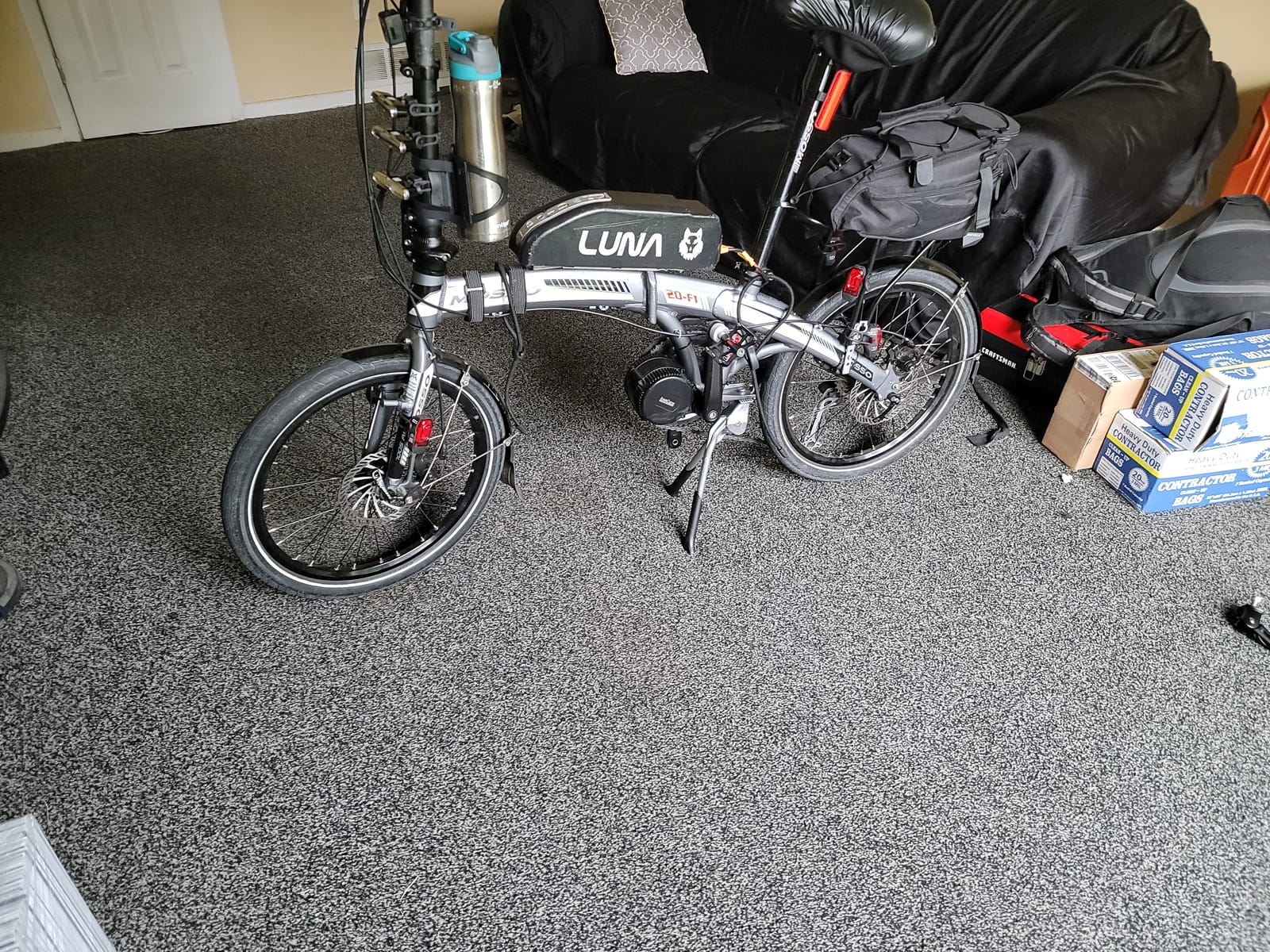
There is no published load rating on this listing, which is a real gap for anyone buying by capacity. We are including it because the construction and owner longevity reports are strong, not because the numbers help you decide.
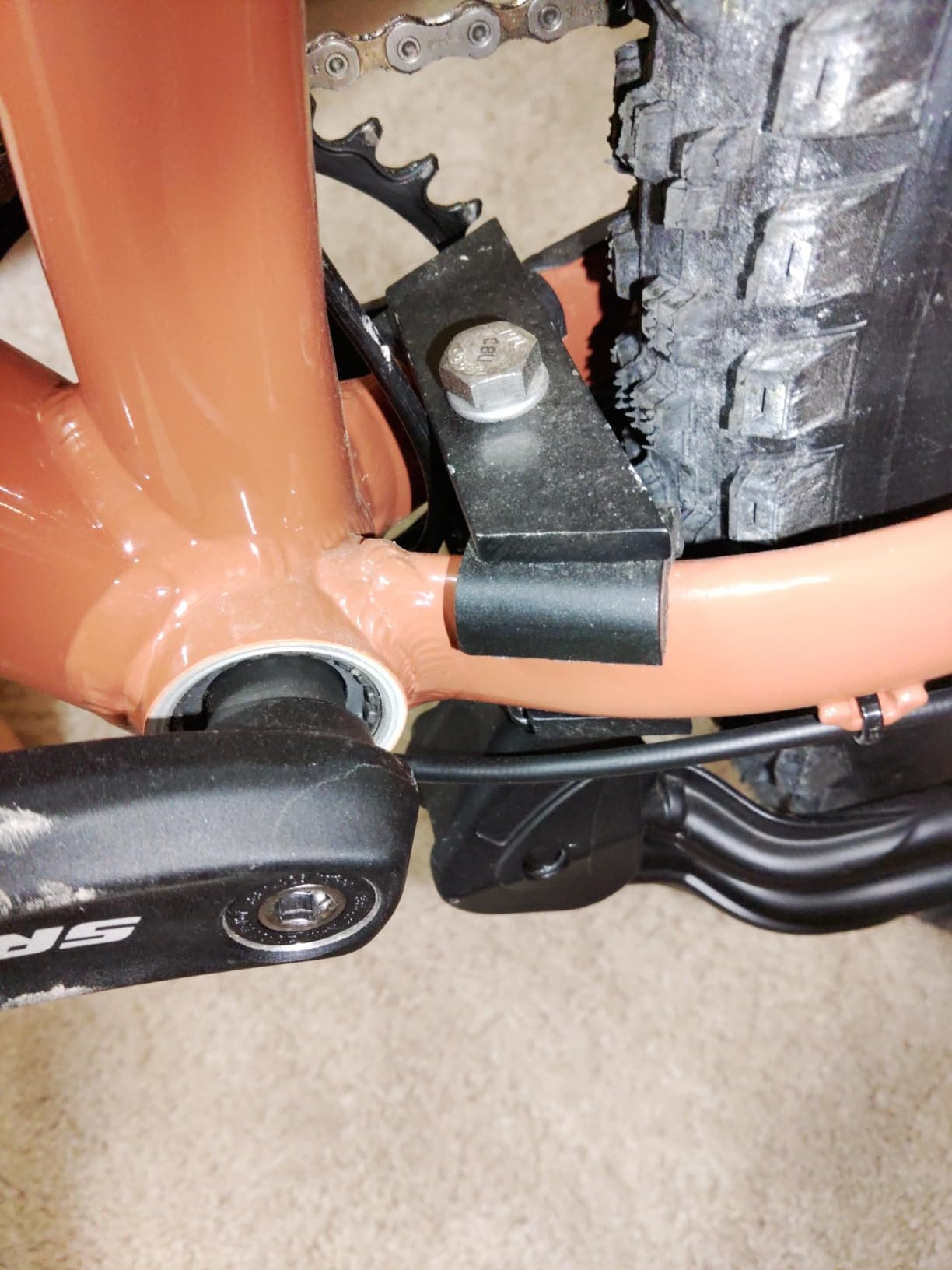
Frames with narrow or obstructed clearances may need a shop fitting or a custom plate, and it cannot be mounted with a bolt from below on certain frames.
Who it suits best
City riders, tourers on paved routes, and anyone whose bike spends its life on a kickstand rather than in a stand. The folding action and the locking length adjustment are the deciding features.
It pairs particularly well with a rear rack since both legs stay clear of the wheel when you load it.
Where it falls short
For the heaviest cargo bikes, an unrated stand is a gamble even with good construction. If your loaded weight passes 100 lb, pick something with a printed figure.
The finish dulls and some scissor play appears with extended use, and there are no instructions in the box, so plan on a ten-minute figuring-out at installation.
10. Portland Design Works Sturdy Lad (Best for E-Bike Upgrades) – Drop-In Factory Replacement
Portland Design Works Sturdy Lad E-Bike Kickstand – E-Bike Accessories, Kick Stands for Adults Bikes, Center Mount
- Roughly twice as strong as a stock e-bike kickstand
- Direct fit on common models with no drilling
- Tool-free adjustment and clear instructions
- Lifetime manufacturing-defect warranty
- Bolt hardware may need buying separately on unthreaded mounts
- Bolts reported loosening over time
- Looks oversized on lighter frames
This is the stand to buy when the factory kickstand on your e-bike is flexing under the battery. Owners describe it as roughly twice as strong as what came with the bike, which matches the design brief of a part built specifically for e-bikes and cargo bikes over 40 lb.
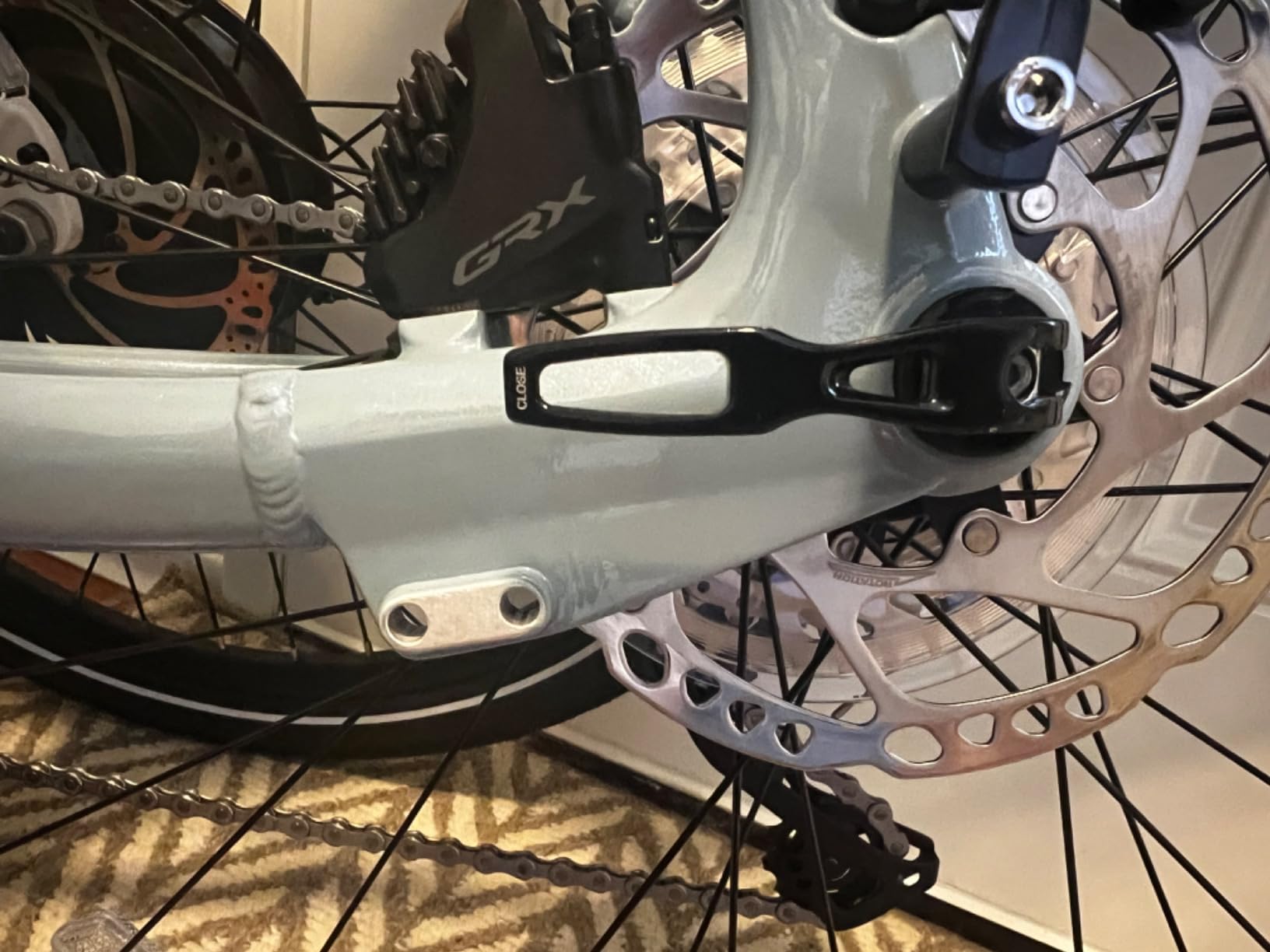
Three mounting options cover a center mount plate, a 40 mm rear mount and an 18 mm rear mount, which makes it one of the easier matches on a modern e-bike with an unusual frame.
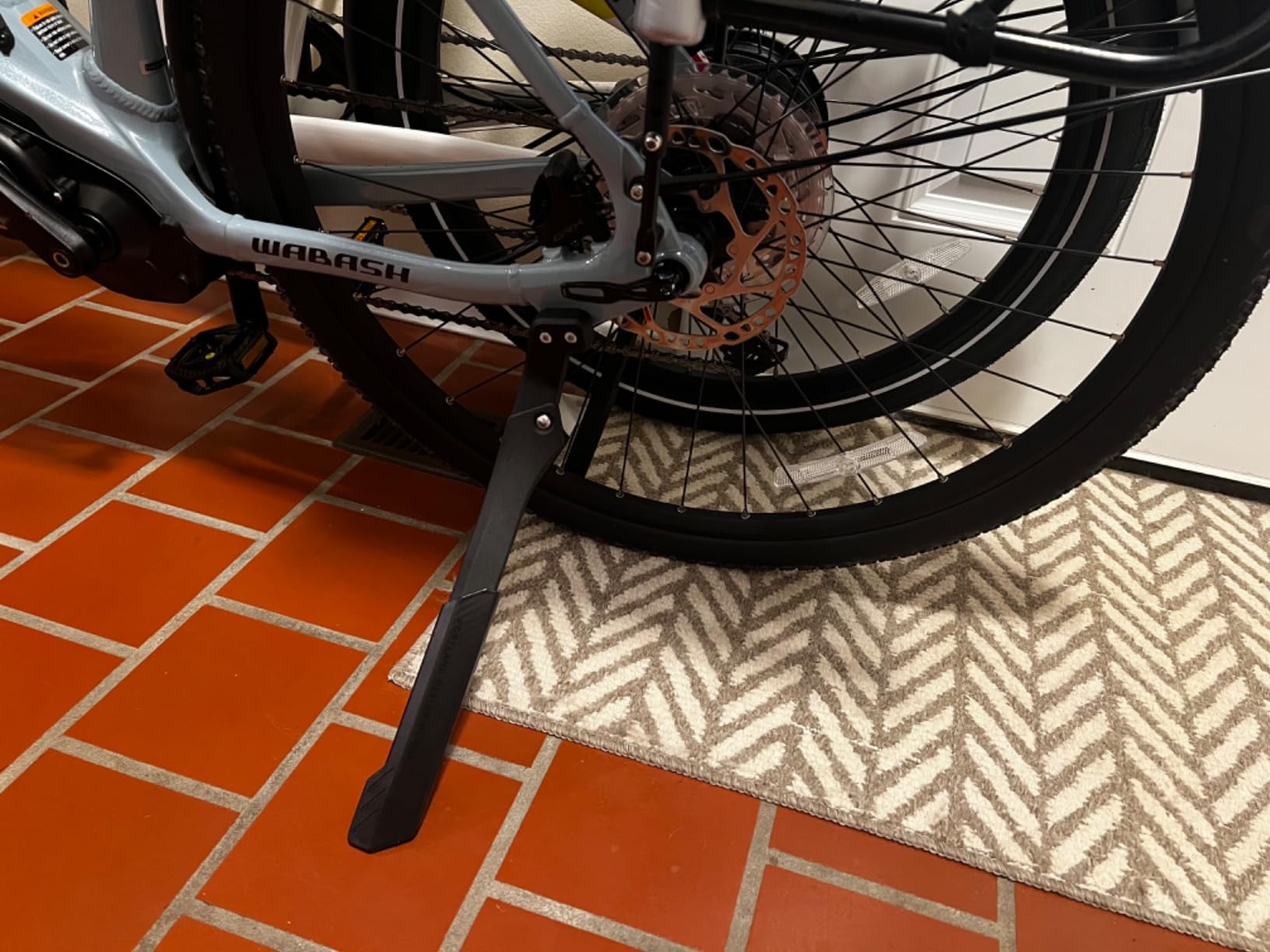
It is a direct-fit replacement on several common e-bike models with no drilling, which removes the main objection to swapping a kickstand. Bolts, top plate and instructions are in the box.
The lifetime manufacturing-defect warranty is the best in this roundup by a wide margin, and it comes from a Portland brand with a long track record in bike accessories.
Why it earns its place
It is the only entry here with a warranty that does not expire, and one of the few where owners describe it as a direct fit on a named model rather than a modification.
For a rider who wants factory-style installation with far more strength, this is the least invasive upgrade available.
What to know before buying
If the mount is not threaded you will need replacement bolts or extra hardware bought separately, which is the most common complaint on this listing. Confirm the mount type before ordering.
A few owners report bolt hardware loosening with use, so re-check the torque after the first few rides and after any wet-weather wash.
How to Work Out Your Bike’s Total Loaded Weight?
The number that matters is your total loaded weight, not the weight printed on the bike spec sheet. A stand rated above the bike but below the bike plus battery, racks, panniers and child seat will still let go.
Add five things: the bare bike weight, the battery pack, the rear rack and front basket, every bag or box you carry, and any child seat with a child in it. Then add your own gear if it lives on the bike. Write the total down in pounds.
Next, pick a stand rated 10 to 20 percent above that total. Below 88 lb total, a 100 lb stand works. Above that, move to a 170 or 187 lb rated stand, or to a double-leg design where the load is shared.
A useful shortcut: under about 88 lb total, a 100 lb rating is enough. Between 88 and 150 lb, you want 170 lb or more. Beyond 150 lb, you are in cargo-bike territory and a two-leg center mount is the right answer.
Because loaded weight is the deciding variable, most competitor lists rank by aesthetics or by price and get this wrong. The stands with printed figures are the ones worth your time.
Kickstand Types and Their Strengths
What type of kickstand is strongest? A two-leg center-mount stand in aluminum, because the second leg shares the load and resists tipping. Everything else is a compromise on weight, clearance or capacity.
A rear mount bolts to the chainstay and puts all load through one leg. It is the simplest design, the lightest per pound of rating, and the easiest to fit on a frame with straight tubing. Single-leg rear mounts tend to struggle above roughly 60 lb on soft ground.
A center mount bolts behind the bottom bracket and spreads the load along the bike’s center line. It handles bumps and uneven ground better, but it needs crank and heel clearance, which some frames do not have.
A double-leg center mount adds a second foot. You get lateral stability on slopes and soft ground, and the bike can stand unsupported while you work on it. The cost is weight and a bulkier fold.
A rear-axle dropout mount clamps the axle. It is rare on heavy bikes because the axle and tire width leave little room.
A portable pedal-mounted stand needs no frame mount at all and folds into a bag. It is the answer when your frame has nothing to bolt to, though you hold the bike more than a fixed stand would allow.
If Your Frame Has No Kickstand Mount
Can you put a kickstand on a full-suspension mountain bike? Usually not with the bolts supplied, because the rear triangle moves with the suspension and most full-suspension frames have no chainstay boss. Your options are a center-mount plate behind the bottom bracket, a clamp-on stand, or a portable stand.
A center-mount plate is the cleanest retrofit. It bolts to the frame behind the bottom bracket and gives a proper bolt pattern for a stand designed for it. It is a small drilling job on a frame that already has clearance.
A clamp-on stand avoids any frame modification and grips the chainstay, but it adds weight and can mark paint. Tighten it to the maker’s figure rather than as hard as you can, because crushed chainstay tubes fail without warning.
Before buying any stand, check whether your frame maker permits that clamp location. Some carbon frames and several cargo frames void warranty coverage if a stand clamp is fitted in an approved spot.
Our electric bike buying notes cover frame types where this question comes up most often.
How to Install and Trim a Heavy-Bike Kickstand
Trim a stand so the bike leans 8 to 12 degrees from vertical. Less lean means the foot can slip sideways under load; more lean risks the bike going over on a cambered surface.
Measure and mark your intended cut point first, then cut about 5 mm short of the mark. You can always take more off, and on a heavy bike taking more off is how the bike ends up on the derailleur.
Fit the clamp with washers between the clamp and the frame, tighten gradually, and stop at the maker’s torque figure. One entry in this list specifies 5 to 8 Nm, which is a reasonable working target when nothing else is published.
After a month of riding, re-check the bolts. Adjustments drift, especially with a spring-loaded latch under repeated load cycles, and a re-check takes two minutes.
Common Mistakes That Bend Kickstands
The cheapest mistake is ignoring the weight rating. A 55 lb-rated stand on a 90 lb loaded e-bike will bend or slip, and riders on forums describe replacing factory stands for exactly that reason.
The second is trimming too short. A stand that is too short sets the bike at a steep angle, which multiplies the sideways force on the foot, and the foot slides out from under a heavy bike.
The third is overtightening the clamp. Thread stripping and crushed chainstay tubes both start with a bolt driven harder than it needs to be.
The fourth is the wrong mount. Buying a 40 mm two-hole stand for a chainstay with no holes wastes a week and a lot of goodwill.
The fifth is using a kickstand on technical trails. A stand that deploys over a root is a crash. Heavy-bike riders who also ride rough singletrack generally take the stand off for descents.
Frequently Asked Questions
Why don’t high end bikes have kickstands?
Weight and drag are the main reasons. A stand adds grams to a frame built around saving them, and high-end frames often have no kickstand boss at all. Delicate carbon frames and tubes do not love clamp loads either. The road-racing crowd treats a kickstand as clutter on a bike that is meant to be carried, not parked.
Are bike kickstands worth it?
For commuters, tourers, e-bike and cargo riders, yes. They stop you leaning a loaded bike against a wall, and they stop drivetrain damage when a bike tips over. On a road racer where every gram matters, the penalty is real and riders usually skip it.
How much weight should a bike kickstand hold?
The rating must exceed your total loaded weight: frame plus battery, racks, panniers and any child seat. Under about 88 lb total, a 100 lb rated stand works. Between 88 and 150 lb, choose 170 lb or higher. Above 150 lb, use a two-leg center-mount stand.
What are the best bicycle kickstands?
For heavy bikes in this roundup: the BV double-leg center mount is the best all-round choice, the RBRL 187 lb rear stand has the highest published rating, and the Wakano 170 lb alloy steel stand is the strongest single-leg option. Match each to your loaded weight and your frame’s mounting points.
What type of kickstand is strongest?
A two-leg center-mount stand in aluminum is strongest, because the second leg shares the load and resists tipping on slopes and soft ground. Rear-mount single-leg stands are lighter per pound of rating but tend to struggle above roughly 60 lb on uneven ground.
Can you put a kickstand on a full suspension mountain bike?
Usually not with the supplied bolts, because most full-suspension frames have no chainstay boss and the moving rear triangle complicates a clamp. Options are a center-mount plate behind the bottom bracket, a clamp-on stand with washers, or a portable pedal-mounted stand.
What is a good lightweight kickstand for a bike?
Among the stands here, the RBRL chainstay model at about 0.34 kg with a 100 lb rating is the lightest option that still clears a mid-weight loaded bike. A double-leg stand adds roughly a pound of weight in exchange for stability on slopes and soft ground.
The Best Kickstand for Your Heavy Bike
If your loaded bike is under 60 lb and your ground is flat, the RBRL 100 lb chainstand stand is enough and you will barely notice the weight. Between 60 and 100 lb loaded, it is still the right call, or step up to the tool-free center mount if you change your load often.
Past 100 lb, the Wakano 170 lb alloy steel stand and the RBRL 187 lb rear stand are the two strongest rated options, provided your chainstay has holes at 40 mm spacing. For uneven ground or any cargo bike, skip past all of those and take the BV double-leg center mount, which shares the load across two feet.
Whichever you choose, measure your mounting points and work out your total loaded weight before you order. That is ten minutes of work that prevents the bent stand, the slipped foot and the drivetrain repair that follow. We re-test this roundup every few months as new stands reach the market.