
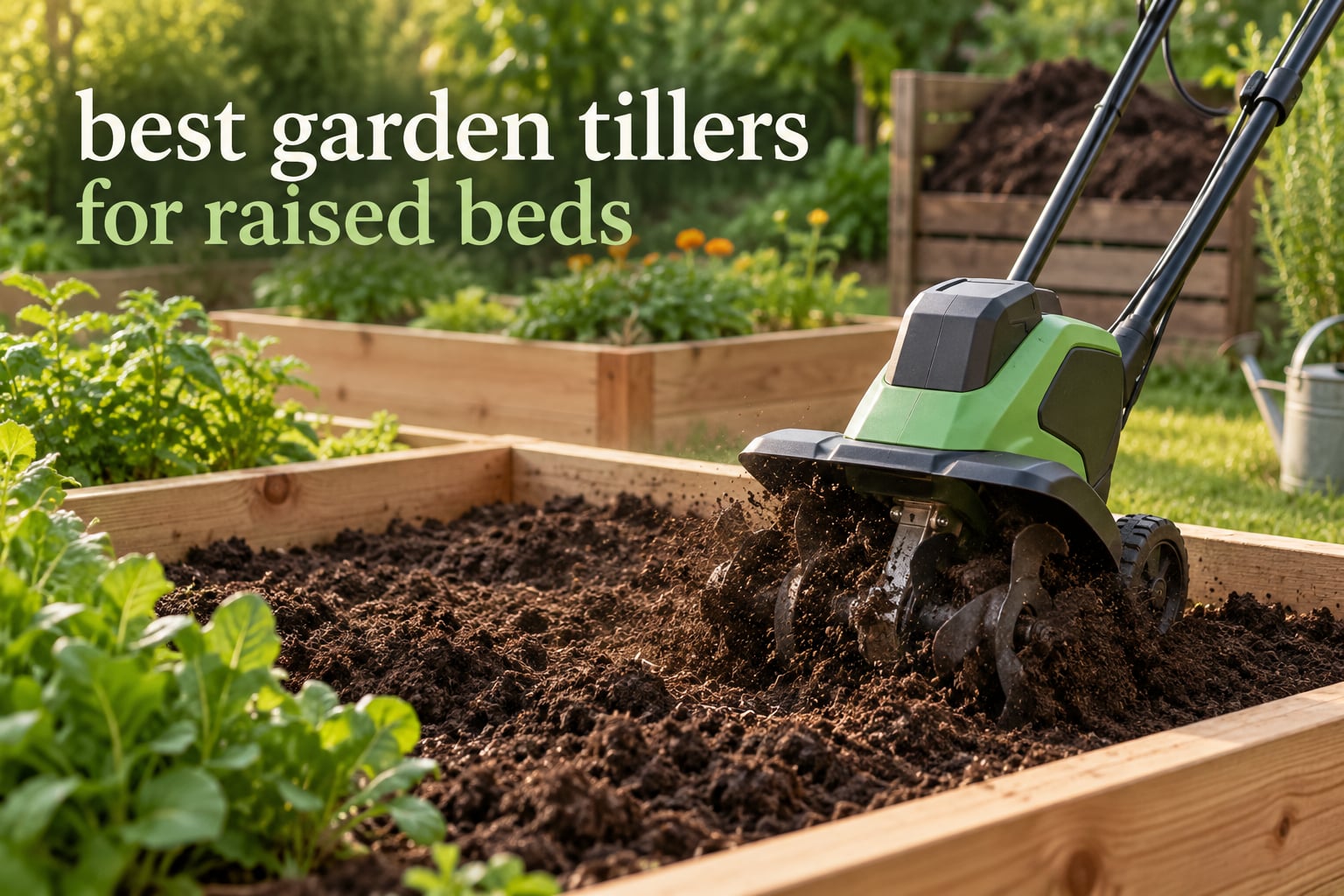
The best garden tillers for raised beds are compact machines in the 7 to 10 inch class, because a standard raised bed interior is only about 3 feet wide and bordered by lumber you do not want to hit. The BILT HARD 14-inch corded tiller is our top pick for most beds, the Earthwise TC70025 is the lightest powered way to break up established soil, and the Alloyman 20V cordless is the pick when there is no outlet near the bed path.
Raised-bed tillers are a narrower category than the tillers you will see on a general gardening site. A full rototiller with rear tines and a 24-inch width is built for breaking new ground in a plot, and it does not fit between bed walls. What you actually need is a mini tiller or a tiller-cultivator: a forward-tine machine with a tilling width you can walk in a straight line with, a depth you can control, and a weight you can lift over a frame on your own.
We compared eight machines across bed sizes from 3×8 to 4×8 on tilling width, tilling depth, tine count, power source and carry weight, because those five numbers decide almost everything in a raised bed. This roundup covers corded electric, cordless, gas and hand-powered options.
Table of Contents
Top 3 Garden Tillers for Raised Beds (October 2026)

BILT HARD 14 in Corded Tiller
- 14 in width x 8.7 in depth
- 10-amp AC motor
- 4 steel tines at 360 RPM
- Foldable handle at 18 lbs

Earthwise TC70025 7.5 in Cultivator
- 7.5 in width x 6 in depth
- 2.5-amp corded motor
- 4 steel tines
- 8.8 lb
- easy one-hand lift
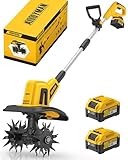
Alloyman 20V Cordless Tiller
- 9 in width x 6.6 in depth
- 2 x 4.0Ah batteries
- 4 tines at 360 RPM
- Detachable gear assembly
Best overall: BILT HARD 14-inch corded tiller for the widest cut and the most soil it can break per pass.
Best cordless: Alloyman 20V with two 4.0Ah batteries, for beds that sit away from an outlet.
Best value: Earthwise TC70025, a light 8.8-pound machine and the most reviewed in this group.
Best for hard native soil: Earthquake MC440 40cc 4-cycle gas mini cultivator.
Budget pick: Jardineer manual twist tiller, no power source required.
All 8 Garden Tillers for Raised Beds Compared in 2026
| Product | Specifications | Action |
|---|---|---|
| BILT HARD 14 in Corded Tiller |
|
Check Latest Price |
 TaskStar 20V Mini Cordless Tiller TaskStar 20V Mini Cordless Tiller |
|
Check Latest Price |
| Earthwise TC70025 Corded Cultivator |
|
Check Latest Price |
| Alloyman 20V Cordless Tiller |
|
Check Latest Price |
 Greenworks 40V Cordless Tiller Greenworks 40V Cordless Tiller |
|
Check Latest Price |
 Jardineer Manual Twist Tiller Jardineer Manual Twist Tiller |
|
Check Latest Price |
 Earthquake MC440 Gas Mini Cultivator Earthquake MC440 Gas Mini Cultivator |
|
Check Latest Price |
 BARAYSTUS Rotary Cultivator BARAYSTUS Rotary Cultivator |
|
Check Latest Price |
The two numbers that decide the fit are tilling width and total weight. Width has to be narrower than your bed’s interior, and weight is what determines whether you can set the machine into the bed rather than asking someone to help.
Do You Even Need a Tiller in a Raised Bed?
You often do not, and no roundup will tell you that. A raised bed filled with bagged compost and topsoil is already loose at the depth you plant in, and rotary tilling it mainly chops existing soil structure and drags buried weed seeds to the surface. Gardeners posting on r/gardening and r/OrganicFarming repeatedly make the same point: put the money into the bed and the soil, not the machine.
There are two situations where a tiller earns its place. The first is new ground: a bed filled with native clay or hard-panned subsoil that roots cannot penetrate. The second is an established bed that receives a large annual volume of compost or manure that has to be mixed through the full depth of the bed.
For everything else, the honest answer is a broadfork. It opens the bed deeper than a compact electric tiller reaches, disturbs the soil far less, and leaves the finished soil structure intact. A hand cultivator handles mixing in a few buckets of compost, and mulching handles the weed question. We cover pre-emergence sprayers for weed control in our guide to the best garden sprayer backpacks for weeds if you go the no-till route.
1. BILT HARD 14-Inch Corded Tiller for the Widest Cut in One Pass
- Widest cutting width in this group at 14 inches
- Handles clay and packed soil on a 10-amp motor
- Folds flat for shed storage
- Easy to move between beds at 18 pounds
- Single speed with no throttle control
- Can throw soil over the bed frame
- Wheel hardware can loosen during use
The BILT HARD TOA-0453 is the machine we kept reaching for. A 14-inch tilling width is the widest pass in this group, and the 10-amp AC motor pulls the four steel tines through 360 RPM, which is enough bite to open a bed full of native clay without the machine lunging out of the frame.
At 8.7 inches of depth it reaches the lower root zone of most vegetable crops, and the depth is set by the two-position 6-inch wheels rather than by guesswork. The foldable H-handle comes down with four quick bolt knobs, so it goes flat in a corner of the shed instead of standing between the beds all winter.
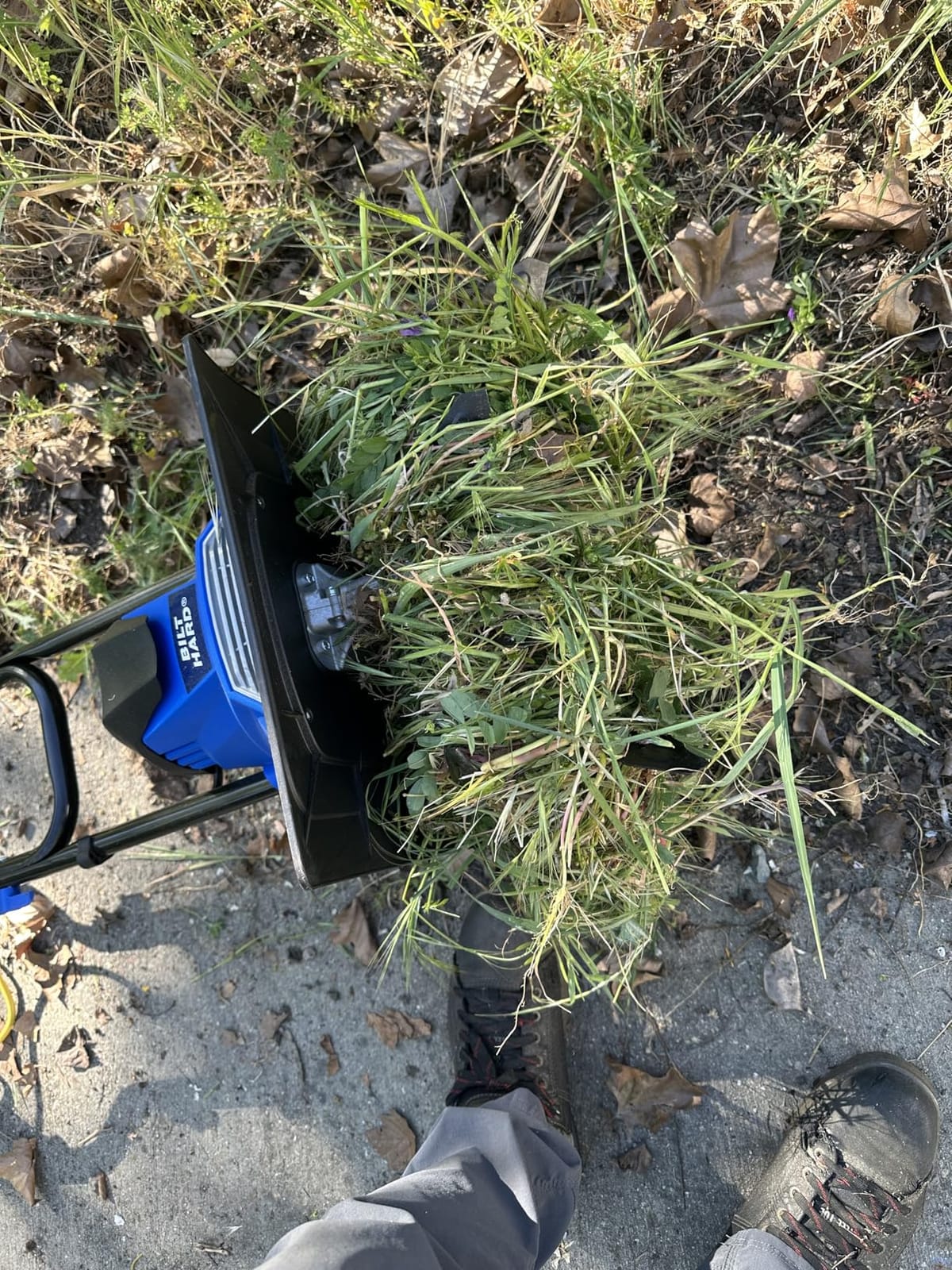
The honest weakness is control. It has one speed and no throttle, and with the wheels set for its deepest setting it walks forward harder than most operators expect. In a 3-foot bed that means leaning into it to keep the pass straight.
Owners also report that the wheels and cotter pins can loosen or detach mid-pass, and that soil tends to scatter past the bed edges. Both are manageable, but they are the reason it is not our pick for the narrowest beds.
Where this tiller earns its place
This is the one to buy when you have two or more beds filled with hard native soil, because the 14-inch pass reduces the number of laps per bed and the 10-amp motor has the torque to keep the tines engaged. If you mix several yards of compost through a bed each spring, that combination matters more than anything else on the spec sheet.
Where it disappoints
In a single 4×4 bed it is more machine than the job needs, and a lighter cultivator does the same soil prep in a fraction of the time. It also needs a 10-amp or 12-gauge extension cord to reach the far end of a bed path, which means managing a cable across a walking surface every pass.
2. TaskStar 20V Mini Cordless Tiller That Weighs 2.6 Pounds
- Lightest powered option here at 2.6 pounds
- Two batteries mean one charges while you work
- 4 inch width works between plants and inside bed corners
- No gas
- oil or cord to manage
- 4 inch width makes large areas slow
- Only 4 inch depth limits soil breaking
- Stalls in compacted or rocky soil
This is not a tiller in the soil-breaking sense. It is a precision bed-prep and weeding tool, and at 2.6 pounds it is light enough to hand to an older gardener who cannot manage 30 pounds of tiller over a bed frame.
The 4-inch cutting width and 4-inch depth are the whole design brief: it fits in the gaps between established plants, works along the inside of a bed frame without touching the lumber, and handles the top 4 inches of a bed where most annual roots actually live.
Two 20V 2.0Ah batteries come in the box, so you swap while the other charges and you are not left mid-bed without power. The two-step safety lock has to be released before the trigger responds, which is the right arrangement for a tool working inches from your legs.
The stainless steel tines rinse clean under a hose, which matters more than it sounds when the alternative is scraping clay off a machine that stores indoors.
Best used for weeding and mixing
Think of it as the powered version of a hand cultivator: mid-season weeding between rows, loosening the surface before a topdressing, blending compost into the top few inches of an established bed. At 4 inches deep it never reaches the compacted layer, so it cannot rescue hard ground.
Where it falls short
A 4-inch pass across a 4×4 bed means roughly 144 passes, and on hard or stony soil a tool this small stalls instead of working through. If your goal is breaking new native fill, this is the wrong machine and you will be disappointed by it.
3. Earthwise TC70025 Corded Cultivator for Narrow 3-Foot Beds
- Only 8.8 pounds
- so it can be lifted into a bed alone
- Quiet operation with no gas or oil handling
- 7.5 inch width clears a 3x8 ft bed easily
- Draws soil back toward the tines instead of throwing it
- Assembles in about 15 minutes
- Jams on light roots and small stones
- Clutch stalls under repeated overload
- 110V only
- Leaves the strip between tine rows untouched
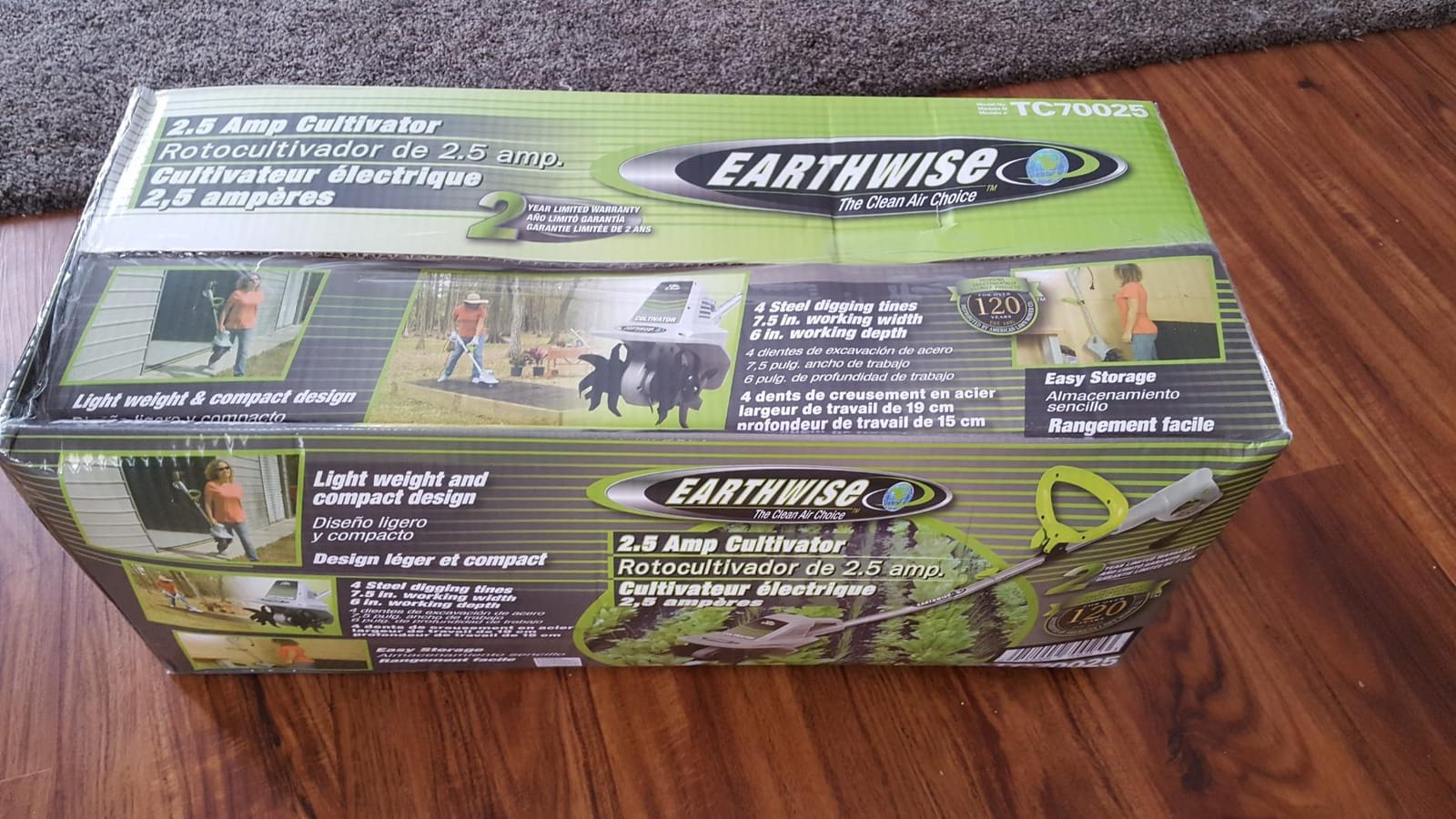
The TC70025 is the most reviewed machine in this roundup, at 2850 ratings, and that volume of long-term owner feedback is a reason to trust it. At 8.8 pounds it is light enough to carry from the shed to the far end of a bed, and the single lever switch starts every time.
A 7.5-inch tilling width is the sweet spot for a 3-foot bed: narrow enough that you always have clearance from both frames, narrow enough that you can steer it back into line after it wanders. The tines pull soil inward toward the machine rather than flinging it outward, which protects aging lumber.
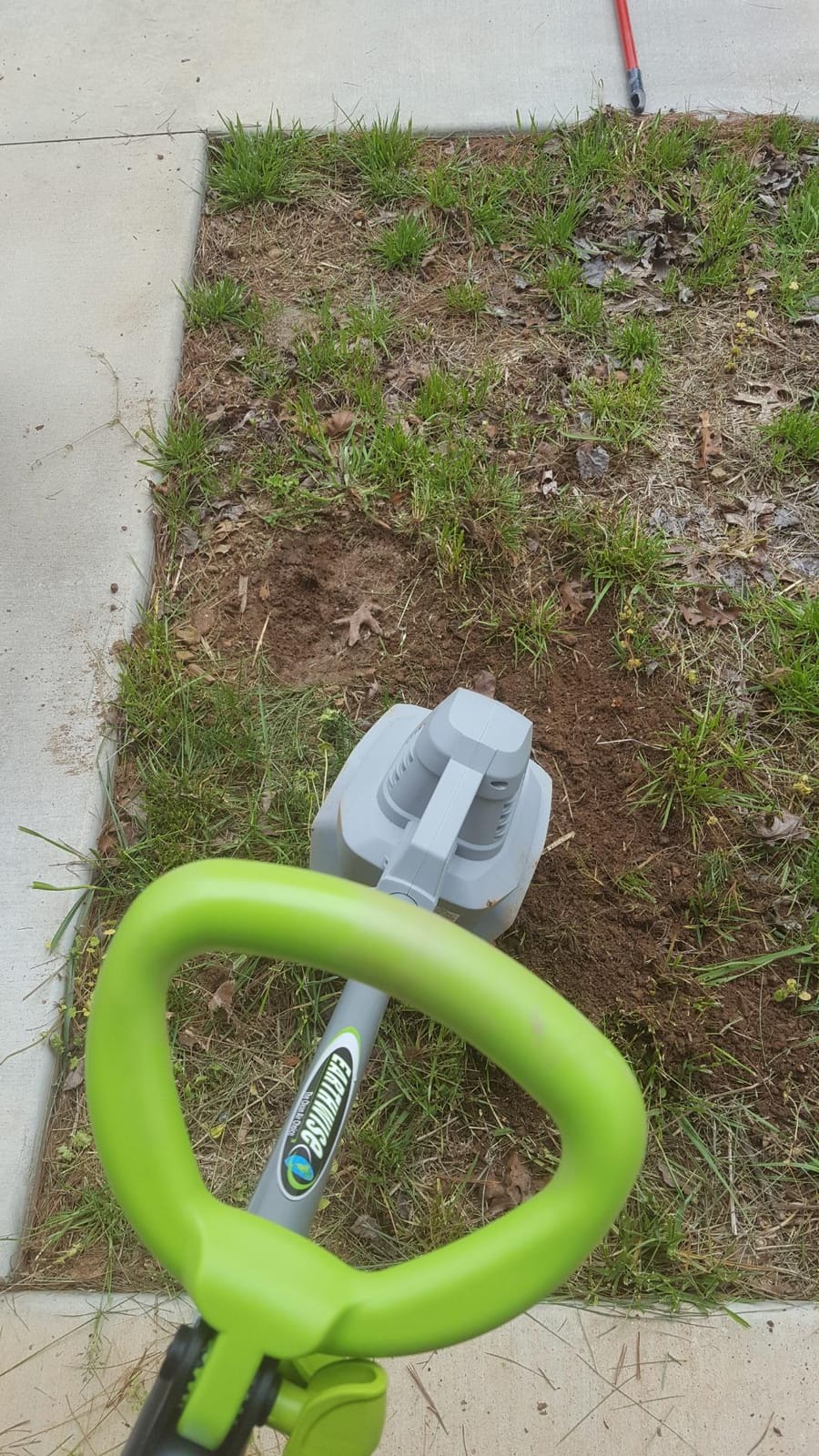
Older buyers mention it most often, and the reason is straightforward: 8.8 pounds is a weight most people over 60 can lift and control without help, which is the single most decisive factor in raised-bed purchases.
It also reaches 6 inches of depth, enough to blend a full layer of compost into the top of a bed in a single season.
Best for established beds and small frames
Choose this for a bed that already has decent soil and needs loosening, mixing and weed control rather than hard excavation. It is quiet enough for early morning work in a close-set neighborhood, and there is no fuel mixing, oil change or pull cord to deal with.
Where the 2.5 amps show
Light roots and small stones jam it, and the clutch stalls under repeated overload, so it will not cut through clay-heavy fill or root masses. It also leaves the strip between the two tine rows largely untouched, meaning you cross-till at an angle to close that gap. Check that your supply is 110V before buying.
4. Alloyman 20V Cordless Tiller for Beds Without an Outlet
- Two 4.0Ah batteries give roughly 45 minutes each
- 9 inch width and 6.6 inch depth give real bed-breaking ability
- Adjustable auxiliary handle reduces fatigue
- Detachable gears make cleanup fast
- Power drops in heavy clay and wet soil
- Battery packs degrade over time and cost adds up
The Alloyman AGTJ is the best balance in the roundup: a 9-inch tilling width, 6.6 inches of depth and 14.4 pounds, all in a cordless frame with no cable across the bed path. It is the pick for a garden where the nearest outlet is at the house wall and the bed is at the back fence.
Two 4.0Ah batteries give roughly 45 minutes of run time each, which covers a full pass-and-return on a typical 4×8 bed. The safety design requires a button and the trigger to be pressed at the same time, so it cannot start in a corner where a tool this size ends up stored.
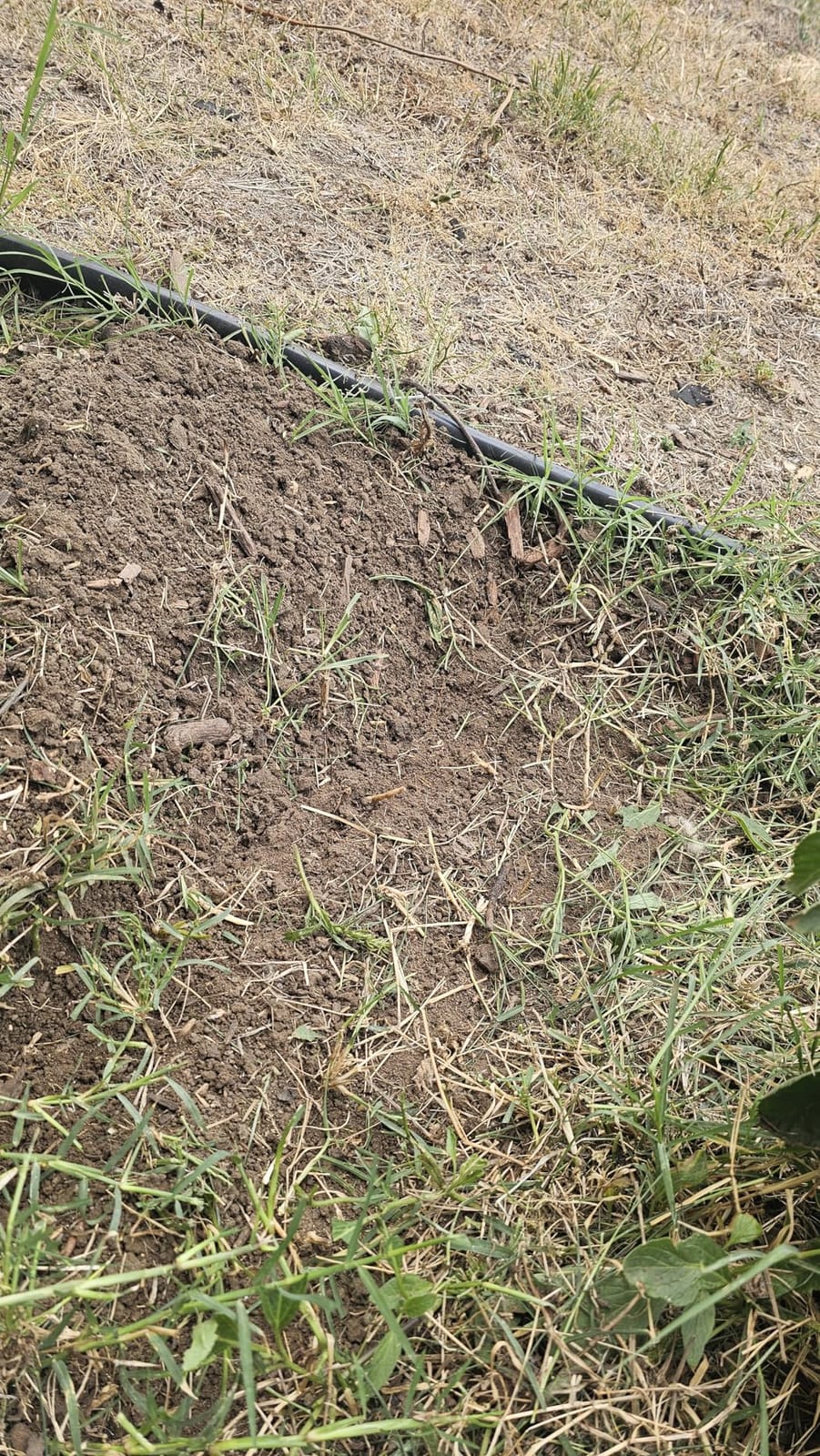
The adjustable auxiliary handle is more useful than it looks in a raised bed, because it lets you set the working angle to a height that suits you without bending over the frame. That is what keeps the operator in control when the tines hit a dense patch.
For cleanup, the detachable gear assembly pulls off so you can clear wound weeds and roots from the tine shaft instead of probing at them with a screwdriver.
Best when the bed is far from power
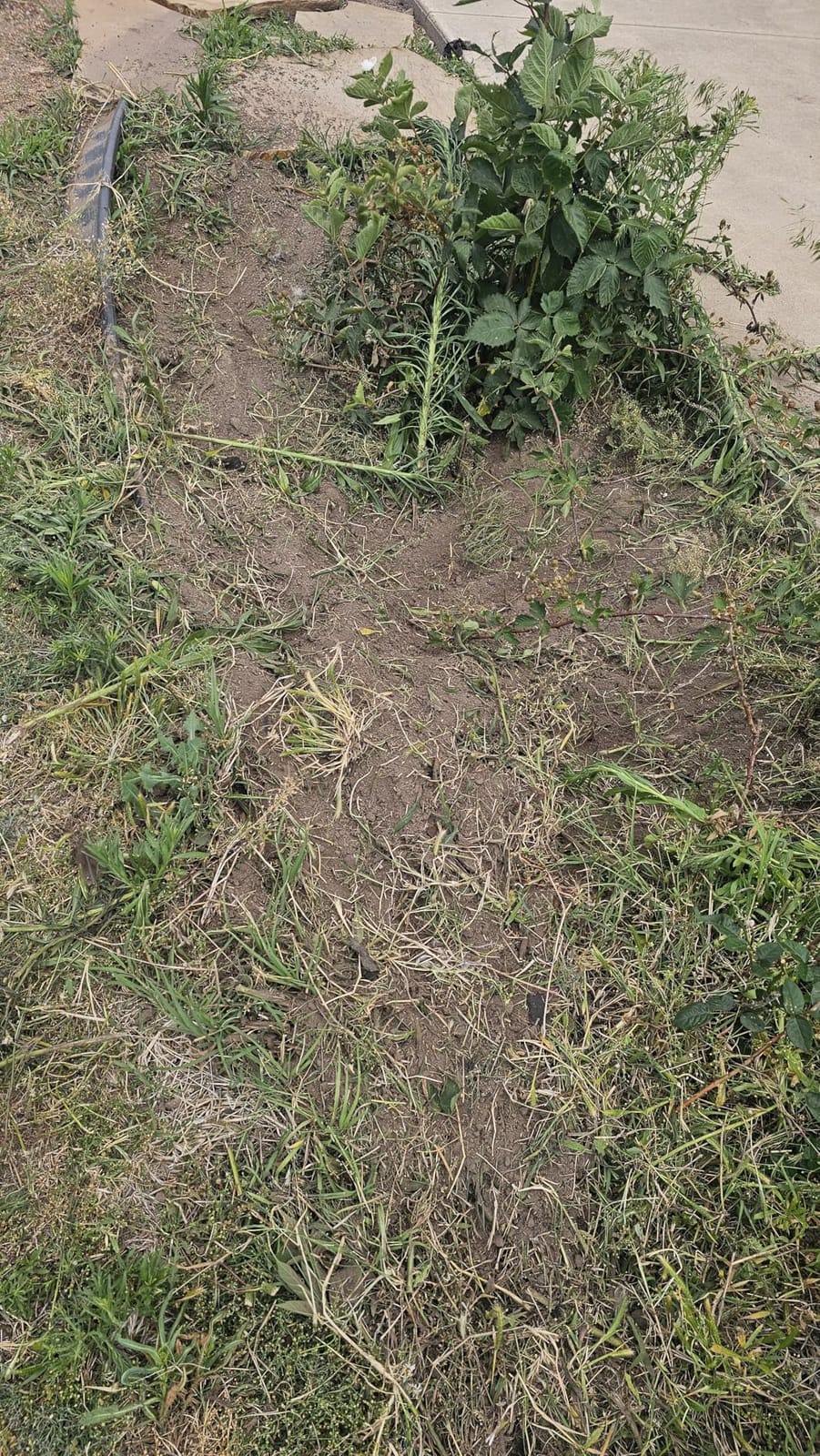
This is the cordless tiller for someone tilling two or three beds spread across a lawn, where running an extension cord would mean laying cable across a path you walk on every day. Cordless mobility also beats a cord for working around corners and between frames.
Where cordless power runs out
Owners report output dropping noticeably in heavy clay and wet soil compared with a gas cultivator, so on genuinely hard ground you will stall where the Earthquake MC440 does not. And battery packs are a consumable: when runtime degrades, replacement cost becomes the real long-term cost of ownership.
5. Greenworks 40V Cordless Tiller With Adjustable Width
Greenworks 40V 10″ Cordless Tiller / Cultivator, 4.0Ah Battery and Charger Included, Green
- Width adjusts from 8.25 to 10 inches to match the pass to the bed
- 6 inch rear wheels roll easily between beds
- Maintenance-free cordless operation
- 3-year tool and battery warranty
- Heavier than the other cordless machines at 21 pounds
- 45 minutes of runtime is short for multi-bed work
- Weak on stones
- thick roots and packed clay
The Greenworks 27062 is the only machine here whose tilling width you change, from 8.25 up to 10 inches, without a tool. That matters more in a raised bed than it would in an open plot, because you can start a pass narrow in the corner and open up along the middle of the bed.
The 6-inch rear wheels make it easy to move between beds: you tip it forward and roll it rather than carrying it. It ships with a 4.0Ah battery and charger, and the tool and battery carry a 3-year warranty.
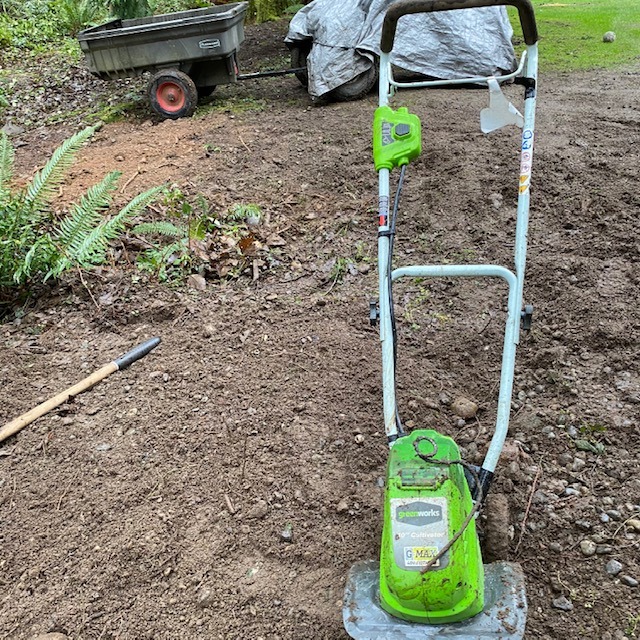
Runtime is up to 45 minutes on that 4.0Ah pack, with a 120-minute full recharge. In practice one battery is one bed on a spring prep day, so a second pack is worth adding if you have more than two beds.
The trade-offs are weight and endurance. At 21 pounds it is hard to lift over a frame, and 45 minutes covers a single bed rather than a whole row of them.
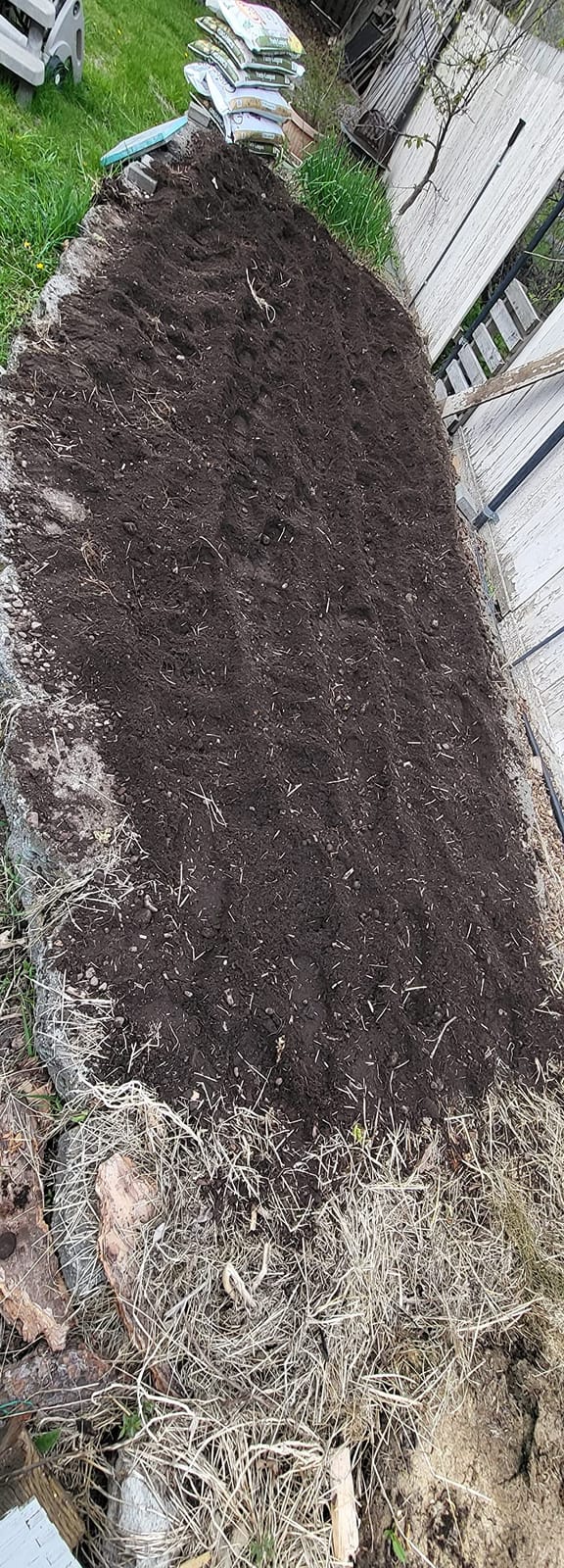
Best for established beds on the 40V platform
If you already own 40V Greenworks batteries and chargers for other tools, this slots straight into that platform and the ownership argument gets much stronger. It is also a good fit for beds that are already in decent shape and mainly need loosening between plantings.
Where you will feel the weight
Twenty-one pounds is real in a confined frame compared with a lightweight cultivator, and it sits in the same 120-minute recharge cycle as every other battery tiller at this level. Buyers on harder soil report stalling on stones, thick roots and tightly packed clay, so it is not the machine to break new ground.
6. Jardineer Manual Twist Tiller for One or Two Beds
- No battery
- cord or fuel to buy or maintain
- Foot plate adds real downward leverage
- Long handle lets you work standing up
- Fits bed corners and flower boxes a powered tiller cannot reach
- Bolts need retightening every few uses
- Twists weeds loose without pulling them out
- Slow going in dry heavy clay
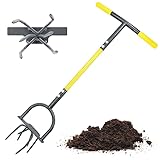
The Jardineer 1103 is the honest answer to the question nobody asks often enough: for one or two 4×4 beds, a manual twist tiller may be all you need. There is no battery to degrade, no cord to drag, and nothing to store except a tool you can carry with one hand.
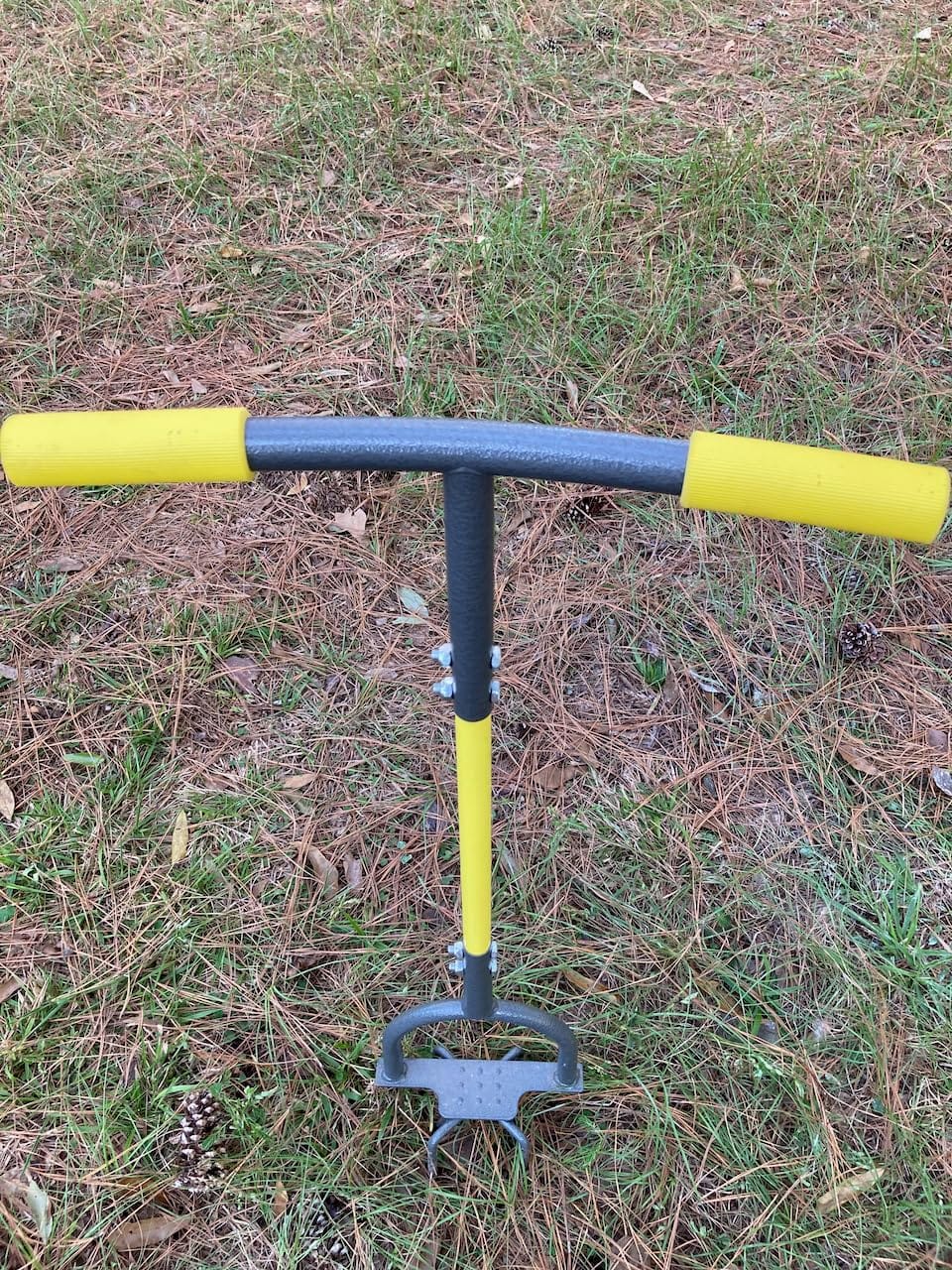
The anti-slip foot plate is the feature that makes it work. You put one foot on the plate to drive the sharpened tines into the soil, then twist the long curved handle. That twist is what breaks clods and mixes compost into the top few inches, and the long handle lets you do it standing up rather than bent at the waist.
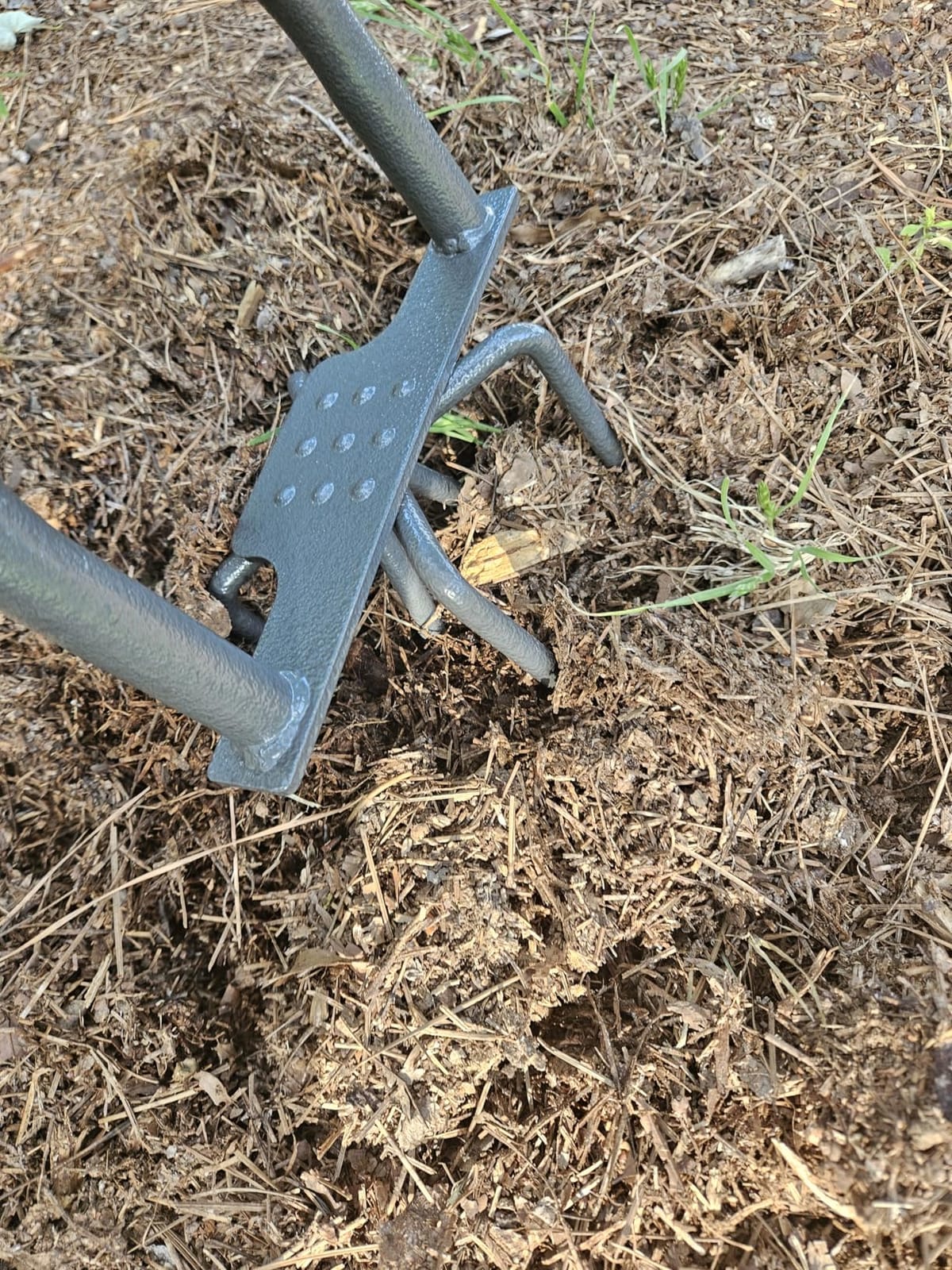
At 16.5 inches wide and 37 inches tall it fits into bed corners and flower boxes where nothing motorized will go, and the powder-coated steel tines feel like they will outlive several seasons.
Users report needing to retighten the bolts every few uses, which is normal for a tool assembled with screws, and that it stirs weeds loose without pulling the roots out, so you still need to remove them by hand.
Best for maintenance beds and mixing compost
This is the tool for loosening the top of a bed each season, blending in a few buckets of compost, and aerating around established plants. Forum gardeners consistently point out that a broadfork or a hand tool is the right answer for soil that is already decent, and this fits into that category.
Where manual effort shows
Water first. Users report that dry heavy clay defeats the tines entirely, while the same clay after a soak turns workable. For a large bed of new native fill, the work per square foot is high enough that a powered machine pays for itself quickly.
7. Earthquake MC440 Gas Mini Cultivator for Clay and New Ground
Earthquake 12802 MC440 Mini Cultivator with 40cc 4-Cycle Viper Engine
- 40cc 4-cycle engine gives far more torque than any electric unit
- No oil and fuel mixing
- Stand-up starting so you never bend over it
- Better air filtration keeps dirt out of the engine
- 5-year limited warranty
- Heavy for a machine you lift over a frame
- Fuel and oil maintenance that cordless does not need
- Noticeably louder than electric tillers
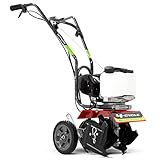
The Earthquake 12802 is the answer when your bed is full of clay or hard-packed native soil and lighter machines stall. A 40cc 4-cycle engine produces torque that no battery in this roundup matches, and it will chew through ground that stops an electric cultivator cold.
The 4-cycle design is the practical choice over a 2-cycle, because you never mix oil with fuel and it runs noticeably quieter. Starting happens from an upright position behind the handlebars, so you are not bent over pulling a cord at soil level, and the enhanced air filter keeps dirt out of the engine over the life of the machine.
The warranty is five years, which is the longest in this group and reflects how few things go wrong in a well-maintained small engine. Optional edger and dethatcher kits also let the machine serve a bed edge when you are done with it.
Reviewers score it lowest of the eight on rating, and the reason is ownership rather than capability: 32 pounds to lift, a fuel system to maintain, and noticeably more noise than anything electric.
Best for new beds with hard fill
If you are filling a new raised bed with native clay subsoil, or breaking ground in a plot before boxing it in, this is the machine that gets the job done. The engine torque is the difference between a productive afternoon and a tiller you keep restarting.
Why most raised-bed owners skip it
At roughly 32 pounds it is heavy to lift over a bed frame alone, and storing fuel in a small shed is a real objection. If your soil is already loose or mostly compost, you are paying for power and weight you will not use.
8. BARAYSTUS Rotary Cultivator for Mixing and Overseeding
- Very light at 2.6 pounds
- 57 inch pole adjusts to your height
- Three interchangeable wheels vary cultivation depth
- Tool-free knob connection makes swapping and storing quick
- Soft anti-slip grip
- Manual wheel action is much slower than any powered tiller
- Not for extremely hard or rocky soil
- Screws need periodic tightening
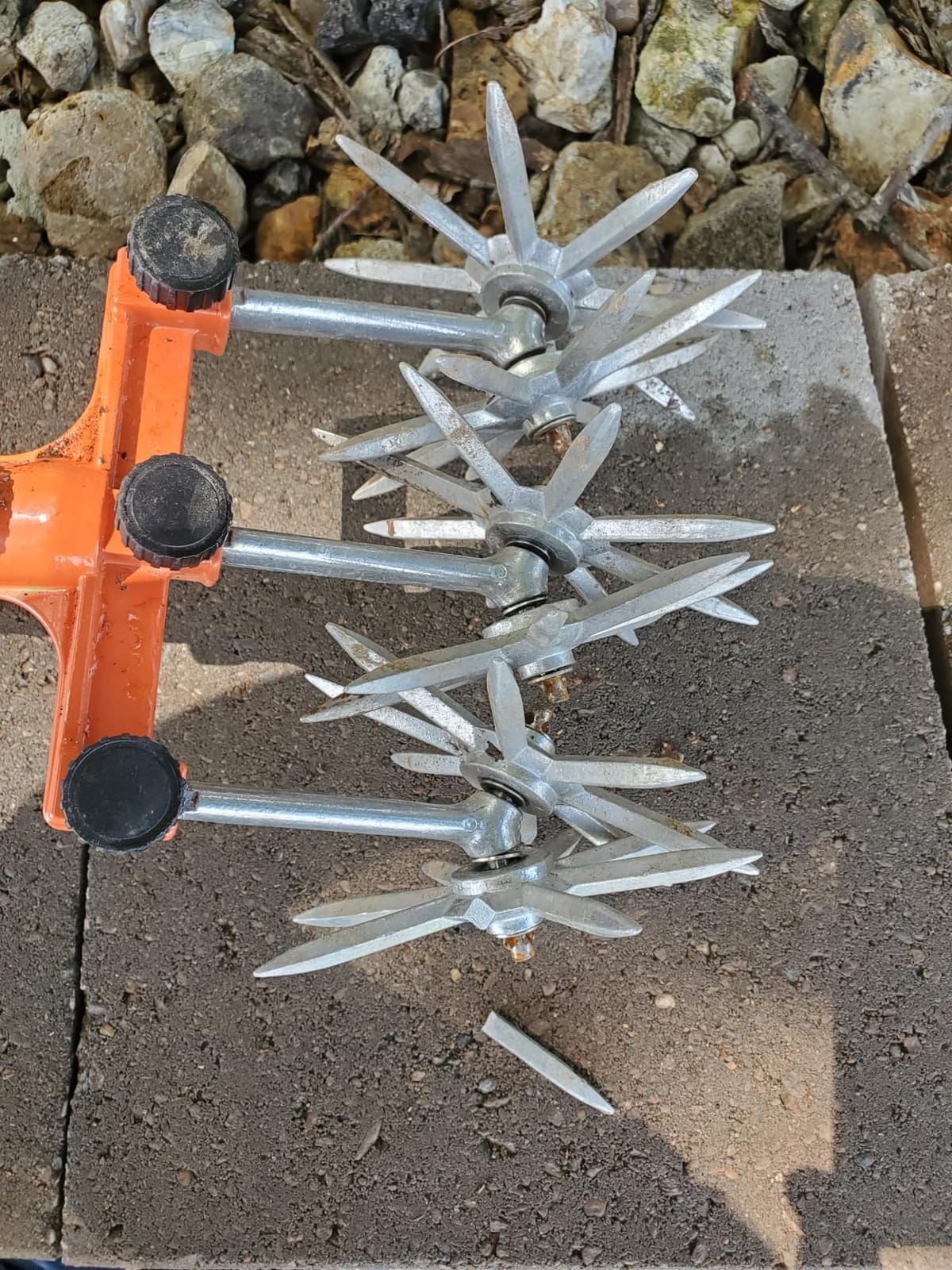
The BARAYSTUS JDUS1146 is a rolling cultivator rather than a digging tool. You push the spiked wheel forward and the tine head churns the top layer, which makes it the right tool for overseeding a bed and for mixing topdressings into loose soil.
The four-section stainless steel poles adjust the total 57-inch length, so you can set the working height to match your own frame rather than stooping, and the soft anti-slip grip reduces hand fatigue through a long afternoon of work.
Three interchangeable rotary blade wheels let you change how aggressively the head bites, which is how you go from a light top-dressing pass to deeper cultivation without buying another tool. Assembly and disassembly are tool-free, so it collapses flat for storage in a small shed.
At 2.6 pounds it is one of the lightest tools here, easy to carry from bed to bed, and it costs nothing to run.
Best for loose soil and seedbeds
Use it on bed fill that is already soft: post-harvest cleanup of a loam bed, working a reseeding mix into the surface, or breaking a crusted surface before rain. It handles the job quickly because it does not need to invert soil.
Where it should stay out of the bed
The manufacturer explicitly advises against extremely hard or rocky soil, and overstressing the joint loosens the screws that hold the head on. If your bed is compacted clay or full of stones, this tool will frustrate you and the slow manual pace multiplies that frustration.
How to Choose a Tiller for Raised Beds?
Match tilling width to the bed interior, not the bed
Raised beds are sold by their outer footprint, and the interior is narrower once the frame thickness is accounted for. A bed sold as 4 feet wide often gives you about 3 feet 8 inches of interior space, so a 10-inch tiller already makes two passes with clearance. The rule we use: leave at least 3 inches of space on each side of the tilling path so the tines never contact the frame.
For a 3-foot-wide bed with roughly 2 feet 9 inches of interior, a 7.5 to 9 inch tiller is the correct class. Anything at or above 14 inches means lifting the machine into the bed, turning around at the end and steering it back rather than walking a straight pass.
Match total weight to how you get in and out of the bed
Weight is the factor raised-bed buyers mention most often, and it is not close to a spec-sheet afterthought. Anything under 12 pounds can be lifted over a frame by one person. Between 15 and 21 pounds, you can manage it with a deliberate tip-and-lift but will notice it. Above 30 pounds you will be asking for help every time.
If you have several beds, build the bed structure before you buy the tool. We walk through raised-bed build decisions in our guide to the best honeycomb beds, and the same planning logic applies to timber-framed beds.
Choose the power source that matches your bed layout
Corded electric gives unlimited runtime and the strongest small machines, at the cost of managing a cable. A 10-amp tiller needs a 10-gauge or 12-gauge extension cord; a 2.5-amp cultivator runs on lighter 16-gauge cord. Keep the cord behind you and off the walking surface.
Cordless removes the cable entirely and suits beds far from an outlet, with runtime capped by pack capacity. Gas gives the most torque and never stops for a charge, but adds fuel, oil, noise and weight.
Count tines and check tine style
Four steel tines is the standard in this class and is the right number for beds. Fewer tines means fewer cutting points per pass, so you need more passes for the same coverage. More than eight tines adds weight without adding much width.
Tine style matters more than count. Standard curved tines mix loose soil and are right for established beds. Bolo tines are wider and flatter, breaking clay and hardpan. Pick-and-chisel tines are for new ground, loosening without inverting. For clay-heavy bed fill, look for bolo-style tines rather than standard curved ones.
When and how to till a raised bed
Till in spring as soil warms, or in fall to work in compost and leave the bed overwinter. Do not till wet soil, because a tiller smears clay into a dense layer that roots cannot cross. Use the squeeze test: squeeze a handful, and if it forms a ribbon it is too wet, if it crumbles it is about right.
Make the first pass shallow at 3 to 4 inches, then increase depth on a second pass. Overlap each pass by a third of the width, then cross-till at an angle to close the strip between tine rows. Stop once soil is loose, since repeated passes turn tilth into powder.
Work safely around the frame
Before you start, call your local utility locating service if buried lines or irrigation may run under the bed, and walk the bed to remove rocks, wire and irrigation tubing. Wear eye and ear protection, and know that a dead-man trigger stops the tines the moment you let go.
Never lift a running tiller to clear the frame. Set the trigger, pull the machine clear, adjust, then restart. Keep children and pets out of the bed entirely while the tines are turning.
Plan for maintenance and storage
Cordless: store packs off the ground at moderate temperature and expect to replace them eventually. Corded: check the cord for damage each season and keep it dry. Gas: run fuel stabilizer into the tank before storage and clean the air filter. Manual tools: retighten bolts before the season and rinse tines after clay work.
Frequently Asked Questions
What is the best tiller for easiest use in raised garden beds?
The best tiller for easiest use in raised garden beds is the Earthwise TC70025, a 7.5-inch corded cultivator weighing 8.8 pounds. Its narrow width clears a 3-foot bed frame on both sides, its weight allows single-person lifting into the bed, and its tines draw soil inward rather than throwing it over the lumber. For the widest pass on a larger bed, the BILT HARD 14-inch corded tiller does more work per pass but requires a heavier lift and an extension cord.
What is a good mini tiller for raised beds?
A good mini tiller for raised beds has a tilling width between 7.5 and 10 inches, a depth setting of 4 to 8 inches, four steel tines, and a weight you can lift over the frame alone. In this roundup the BILT HARD 14-inch, Earthwise TC70025 and Alloyman 20V units all fit that profile. Anything wider than 10 inches needs lifting and turning rather than walking a straight pass.
Should raised beds be tilled?
Only when there is a specific reason. Beds filled with bagged compost and topsoil are already loose where roots grow, and tilling mainly destroys soil structure and brings buried weed seeds to the surface. Till when you are breaking hard native clay or hardpan, or when mixing a large annual volume of compost through the full bed depth. Otherwise a broadfork and a hand cultivator are gentler and work just as well.
Do I need to till the ground for a raised garden bed?
No, not if the bed fill is compost and topsoil. You need to loosen soil only when it is compacted, clay-heavy or hard-panned, or when the bed has settled and closed up over several seasons. Loosen it with a broadfork to the depth roots travel rather than a tiller, and topdress with compost instead of inverting what is already there.
What is the best cordless tiller cultivator?
The Alloyman 20V cordless tiller is the strongest cordless option in this group, with a 9-inch tilling width, 6.6-inch depth, four steel tines at 360 RPM, and two 4.0Ah batteries giving roughly 45 minutes each. The Greenworks 40V is the alternative if you already own that platform, since its width adjusts from 8.25 to 10 inches and it carries a 3-year tool and battery warranty.
Are battery operated rototillers any good?
Battery tillers are good for beds filled with decent soil and for gardens where a cord would cross a path. They run about 45 minutes per 4.0Ah pack and their output drops in heavy clay and wet soil, where a 40cc gas engine keeps working. Owners also factor in battery degradation as a long-term cost, since packs eventually need replacing.
When should soil not be tilled?
Do not till wet soil. A tiller run through saturated clay smears it into a dense layer that roots cannot cross, and the damage lasts. Use the squeeze test: if a squeezed handful holds its shape as a ribbon the soil is too wet, and if it crumbles apart it is ready. Never till immediately after heavy rain, and avoid working a bed while it is still saturated from irrigation.
What tiller width do I need for a 4×4 raised bed?
For a 4×4 bed, aim for a tiller between 8.25 and 10 inches wide. A bed sold as 4 feet gives roughly 3 feet 8 inches of interior space once the frame thickness is deducted, so a 10-inch machine makes several passes with clearance from the lumber. A 14-inch tiller works but means lifting the machine into the bed and steering it back rather than walking a continuous pass.
The Best Garden Tillers for Raised Beds in 2026
The BILT HARD 14-inch corded tiller is our editor’s choice and the best garden tillers for raised beds pick for most gardeners, because the 14-inch pass and the 10-amp motor break hard fill faster than anything else in this group while the foldable handle still stores flat. The Earthwise TC70025 is the better answer for a 3-foot bed or anyone who needs an 8.8-pound machine they can lift alone, and the Alloyman 20V is the pick when no outlet is anywhere near the bed.
Before you buy, measure the interior width of your bed rather than the footprint on the listing, and check whether the fill is loose compost or native clay. If it is loose, a broadfork may do everything a tiller would, and the money is better spent on the soil itself.