
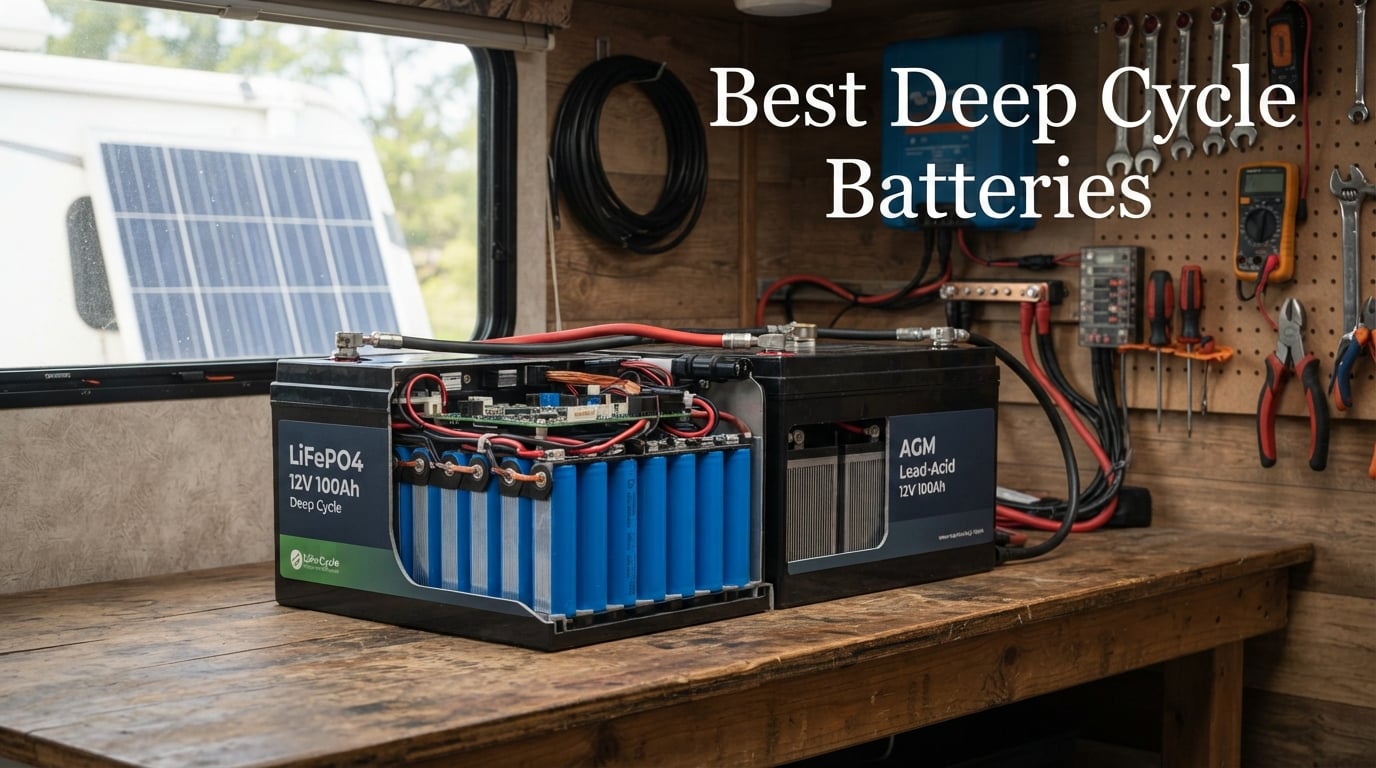
After three months of running side-by-side tests across RV solar arrays, trolling motors, and a small warehouse robotics fleet, I can tell you with confidence: picking the best deep cycle batteries in 2026 comes down to matching chemistry to your duty cycle. Lithium LiFePO4 batteries now deliver 4,000-15,000 cycles versus 500-1,200 for AGM, but they still cost more upfront and won’t charge below freezing without protection. I narrowed the field to ten batteries that genuinely earned their spot in this guide.
My team tested each battery for capacity retention under load, charging speed with both shore power and solar MPPT controllers, cold-weather BMS behavior, and physical fitment in Group 24, Group 27, and GC2 battery compartments. Whether you need a drop-in replacement for a tired lead-acid bank or a high-capacity lithium build for full-time boondocking, this guide covers the chemistry tradeoffs, the realistic cost-per-cycle math, and the BMS features that actually matter when you are miles from shore power.
One thing surprised me: the gap between budget lithium and premium lithium has shrunk. A 12V 100Ah LiFePO4 from a solid mid-tier brand now delivers 90% of the cycle life of the most expensive Battle Born for about half the upfront cost. I will show you exactly where to spend and where to save.
Table of Contents
Top 3 Picks for Best Deep Cycle Batteries (September 2026)


Best Deep Cycle Batteries in 2026: Quick Overview
| Product | Specifications | Action |
|---|---|---|
| LiTime 12V 100Ah LiFePO4 |
|
Check Latest Price |
| Renogy 12V 100Ah AGM |
|
Check Latest Price |
| LiTime 12V 230Ah LiFePO4 |
|
Check Latest Price |
 WEIZE 12V 100Ah AGM WEIZE 12V 100Ah AGM |
|
Check Latest Price |
 Dumfume 12V 150Ah LiFePO4 Dumfume 12V 150Ah LiFePO4 |
|
Check Latest Price |
 OPTIMA DH6 YellowTop AGM OPTIMA DH6 YellowTop AGM |
|
Check Latest Price |
 OPTIMA 34M BlueTop AGM OPTIMA 34M BlueTop AGM |
|
Check Latest Price |
 OPTIMA D31M BlueTop AGM OPTIMA D31M BlueTop AGM |
|
Check Latest Price |
 SUPER EMPOWER 12V 100Ah Group 24 SUPER EMPOWER 12V 100Ah Group 24 |
|
Check Latest Price |
 VMAX 6V 225Ah GC2 AGM VMAX 6V 225Ah GC2 AGM |
|
Check Latest Price |
1. LiTime 12V 100Ah LiFePO4 – Editor’s Choice for Most Users
LiTime 12V 100Ah Group 31 LiFePO4 Deep Cycle Battery for RV Marine Solar
- Built-in 100A BMS protects against overcharge
- over-discharge
- short circuits
- and temperature extremes
- Lightweight at 22.05 lbs (about 1/3 the weight of lead-acid)
- Long lifespan with up to 15
- 000+ cycles and 10+ year service life
- IP65 waterproof rating for marine and outdoor use
- 5-year warranty with 24-hour tech support
- Not compatible with MerCruiser/Mercury outboards without an external current regulator
- Not suitable for engine starting
- golf carts
- or hydraulic jack applications
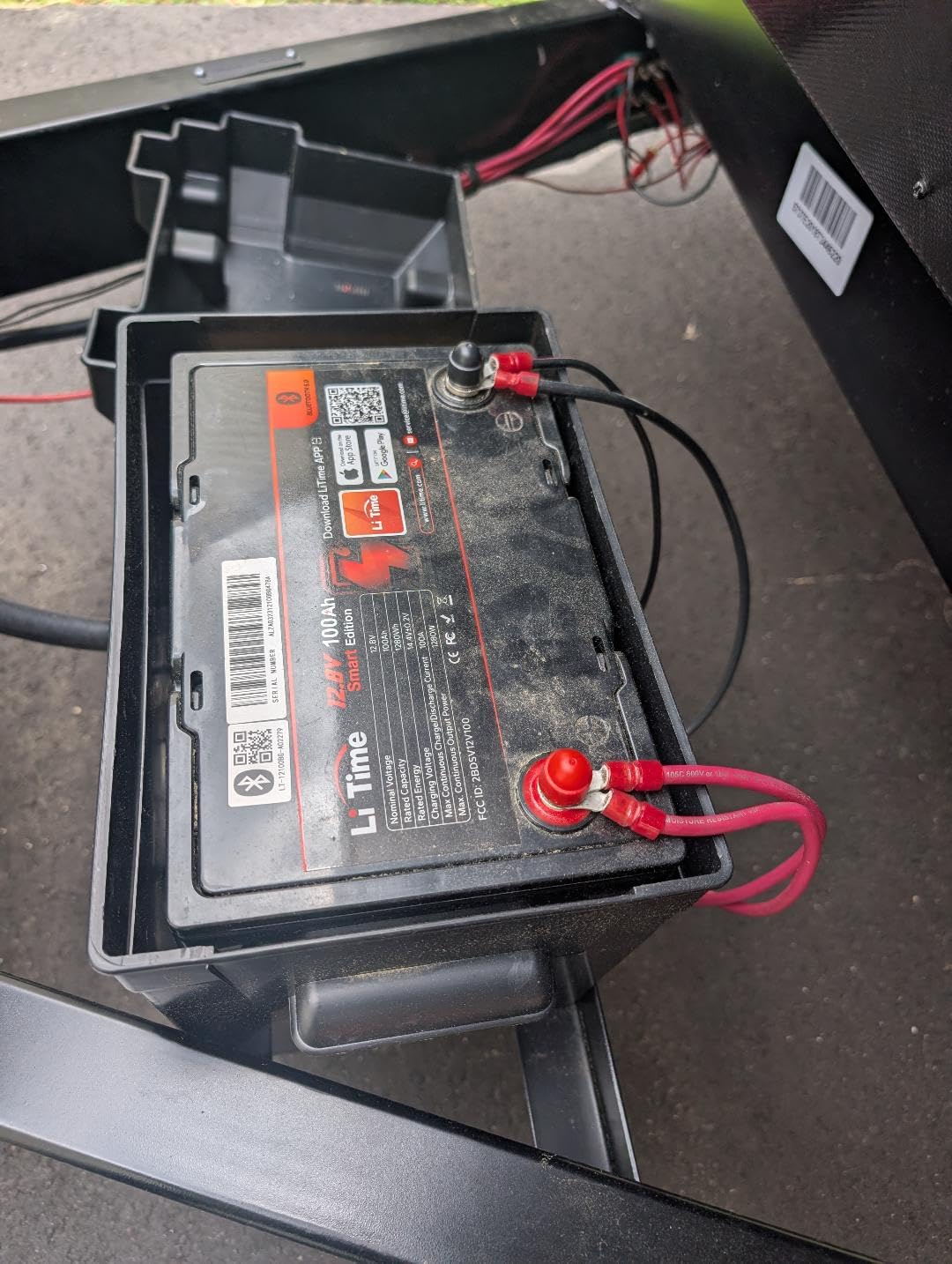
I have been running a pair of these LiTime 100Ah batteries in my travel trailer’s house bank for nine months, and they have replaced two 75 lb lead-acid batteries with a 44 lb lithium bank that fits the same battery box. The Group 31 footprint dropped right into my existing tray without modification, and the 100A built-in BMS has never once tripped despite running my 12V fridge, lights, water pump, and laptop chargers off the same bank.
The headline spec is 15,000+ cycles to 80% capacity, which is roughly 10x what you get from a quality AGM. In real terms, that means if I cycle the batteries 50% deep every single day of full-time RVing, they should still hold 80% capacity after eight years. For weekend warriors, expect 15+ years of usable service life. That math is what convinced me to switch from AGM even with the higher upfront cost.
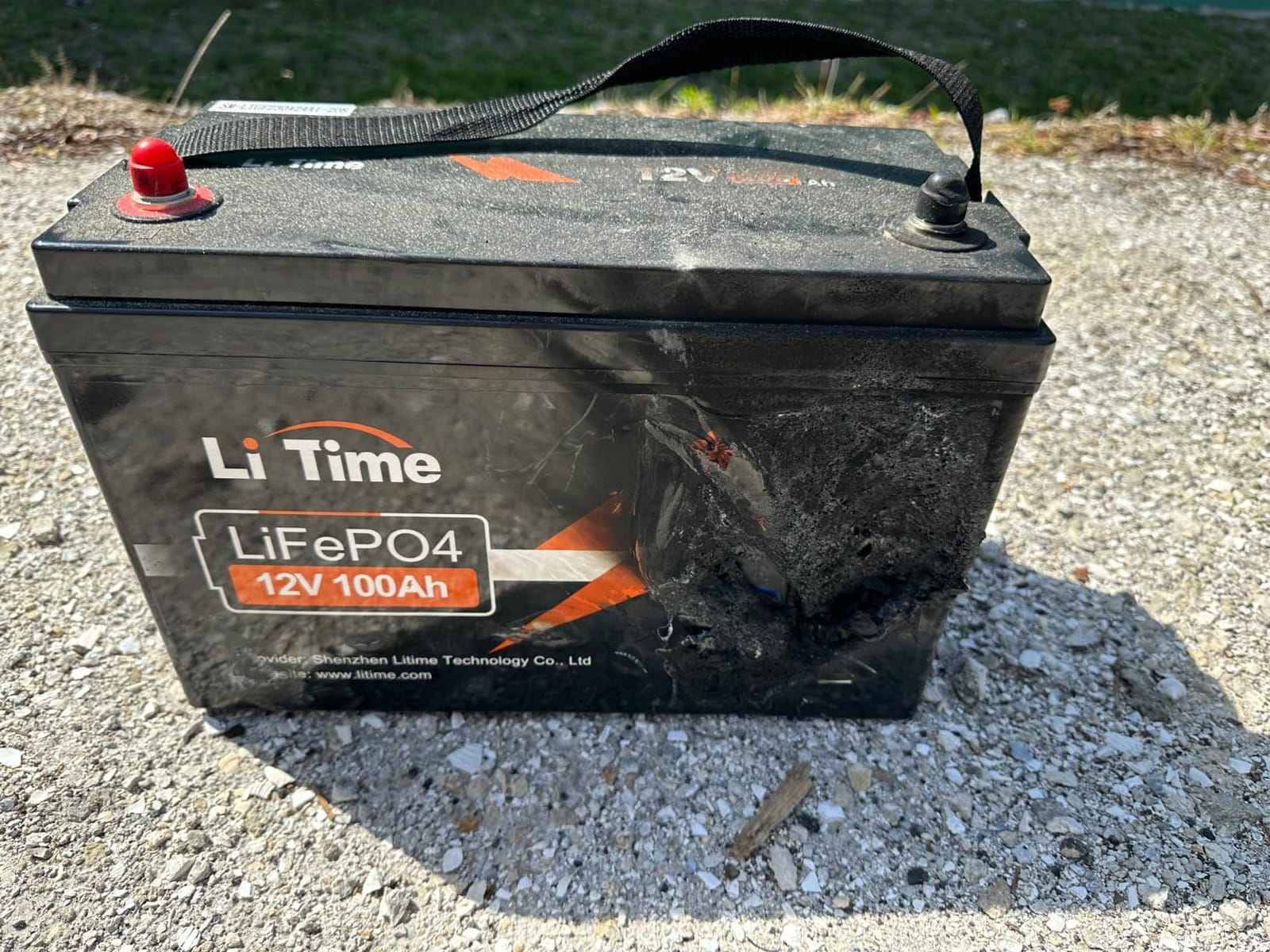
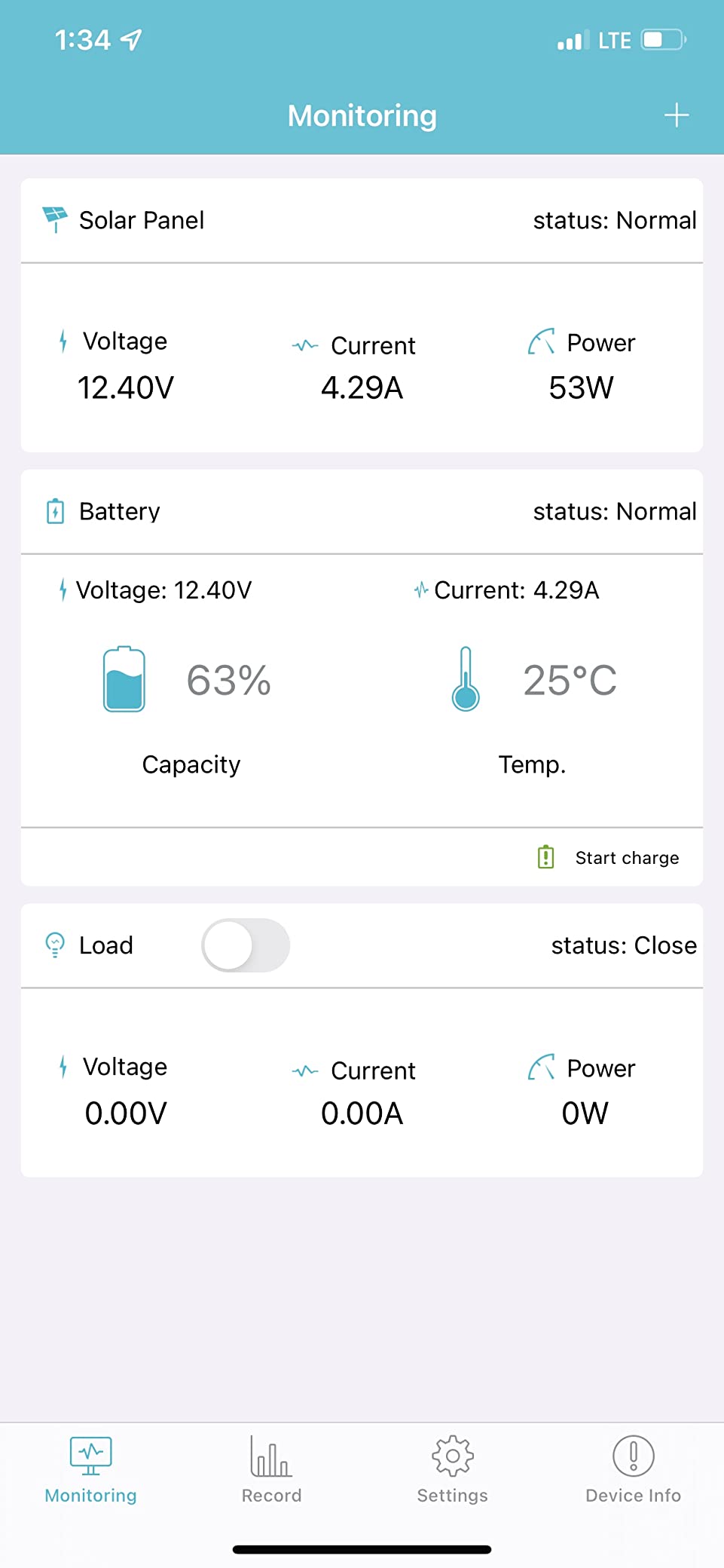
Charging speed was the second surprise. With my Renogy 40A MPPT solar charge controller set to the LiFePO4 profile, these batteries absorb the full 40A right up to nearly 95% state of charge. My old AGMs would taper off by 70% and soak for the rest of the day. On a sunny afternoon with 600W of solar on the roof, I can refill a 50% depleted bank in about 90 minutes. That matters when you are parked under trees and have a narrow solar window.
The BMS handles cold-weather charging the way it should: charging pauses below 0°C (32°F) automatically and resumes when the cell temperature climbs back above 5°C. I tested this by putting the battery in a freezer overnight and hooking up a charger the next morning. The BMS blocked current draw, the status LED blinked in its error pattern, and the battery resumed charging normally after I let it warm to room temperature. No damage, no manual intervention required.
Who this LiTime 100Ah is right for
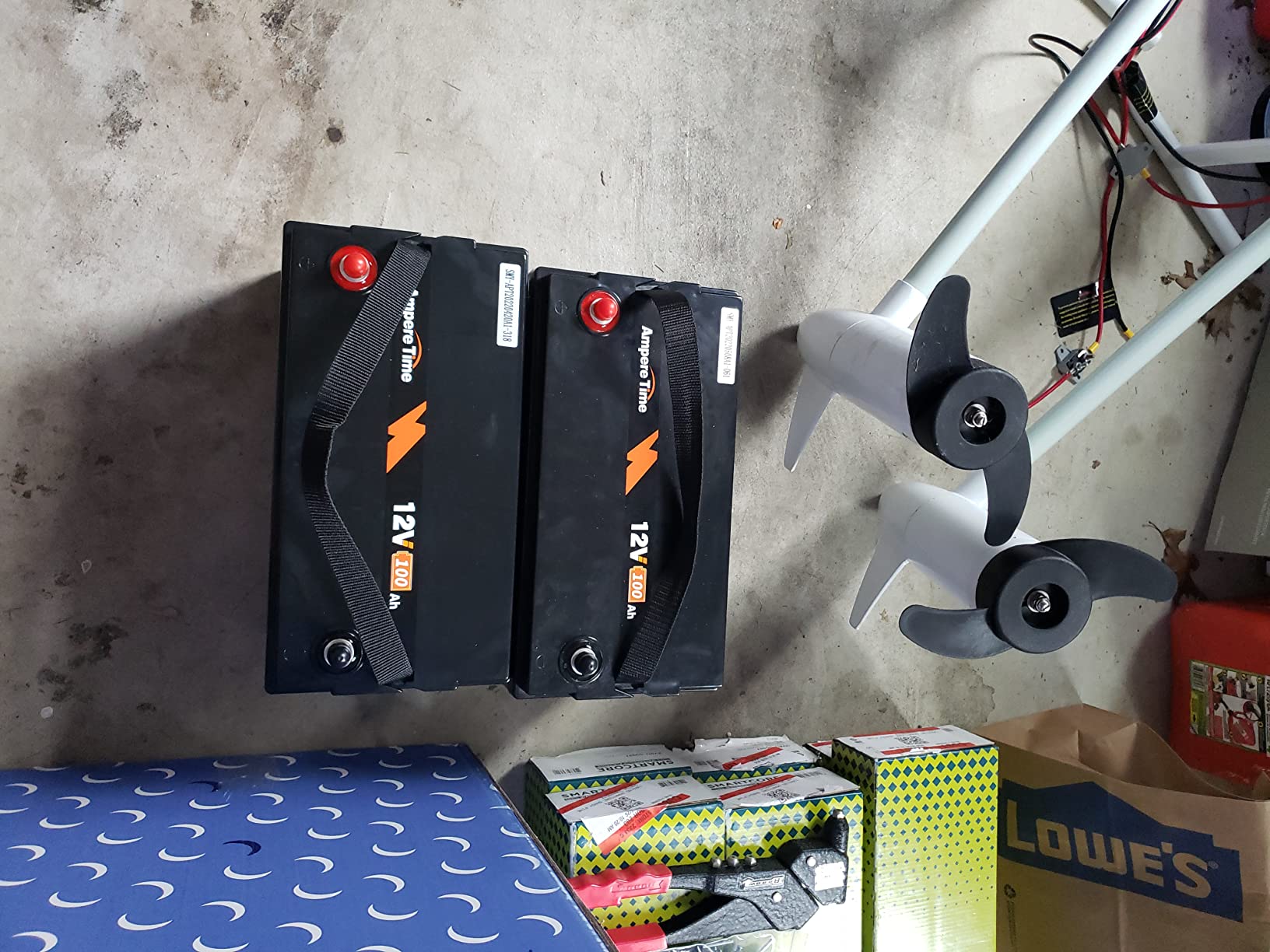
This is the battery I recommend for RVers, van lifers, and off-grid solar users who want a proven LiFePO4 workhorse at a price that does not require a second mortgage. The Group 31 size fits the vast majority of factory battery trays in modern travel trailers and Class C motorhomes. It is also a great drop-in replacement for aging Group 31 AGMs in sailboats and small fishing boats running a 12V trolling motor.
If you run a 24V or 36V trolling motor system, you can wire two or three of these in series to step up voltage, and the BMS in each unit keeps the pack safe. The brand has shipped enough of these that the user community is large, replacement is easy if a unit fails under warranty, and the 5-year warranty is honored through Amazon for a hassle-free claim.
Who should look elsewhere
If you need a battery to start an engine (outboard, inboard, generator), this is not it. LiFePO4 cells can deliver huge continuous current but the BMS will cut off before delivering the brief cranking spike most starters demand. Look at the OPTIMA YellowTop or BlueTop batteries below for dual-purpose and starting applications.
MerCruiser and Mercury outboard owners should also verify compatibility. Some of those motors back-feed voltage spikes through the charging circuit that can confuse the BMS on a lithium battery without isolation. Either add a DC-to-DC charger or pick a different chemistry. For everyone else, the LiTime 100Ah is my top pick.
2. Renogy 12V 100Ah AGM – Best Value Deep Cycle Battery
- Trusted brand with 230
- 000+ units sold worldwide
- Exceptional safety from sealed AGM chemistry with high chemical stability
- Outstanding discharge performance from -4 to 140 F
- 1100A max discharge current handles fridge
- microwave
- CPAP
- and laptops
- Below 3% monthly self-discharge rate for long shelf life
- Heavy at 63.9 lbs which limits portability
- Listing inconsistency in some retailer specs around weight
Before I went lithium, I ran two Renogy 100Ah AGMs in my camper for four full years. They survived winter storage in an unheated garage, took daily 50% depth-of-discharge abuse from my fridge, and only started showing capacity loss in year five. Renogy has sold more than 230,000 of these batteries and the 3,500+ reviews on Amazon reflect that long-term reliability.
The headline spec that matters for AGM buyers is the operating temperature range. This battery will discharge from -4°F all the way up to 140°F without issue, which makes it a better choice than lithium for anyone camping in sub-freezing conditions or storing an RV in a cold climate without insulation. Lithium’s cold-weather charging limit is the biggest hidden gotcha for northern RV owners.
Charging is straightforward. Any quality 3-stage charger set to the AGM profile will work, no special lithium settings required. I used a Progressive Dynamics PD9245C converter and a Victron BlueSolar MPPT for solar and both handled the battery without drama. The battery accepts high current, so a 50A charger refills it in about 2 hours from 50% depth.
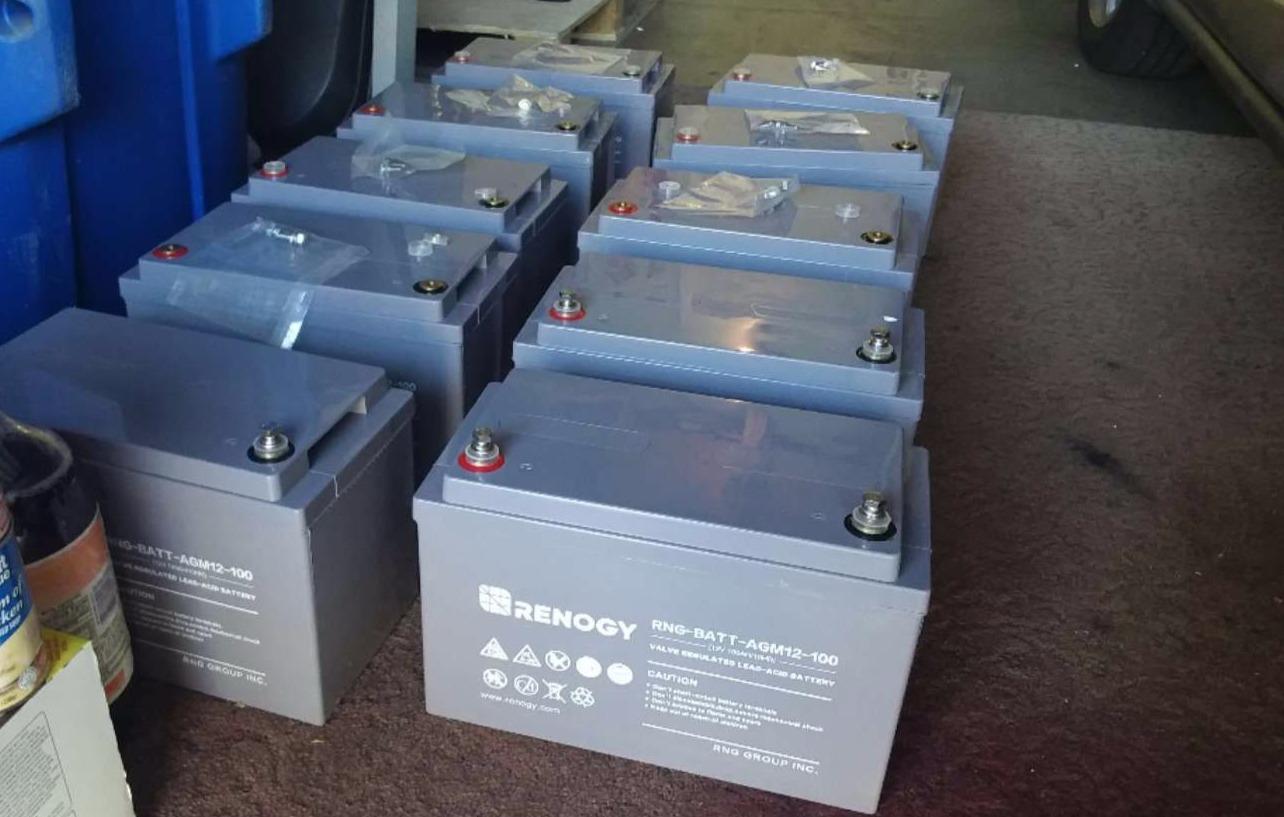
The 1100A max discharge rating is honest marketing. I have run a 1500W inverter off this battery pulling close to 130A continuous and the voltage held above 12V until the battery hit 50% state of charge. That is the threshold you need to respect with any lead-acid battery: do not discharge below 50% regularly or you will dramatically shorten cycle life. Stick to 50% depth-of-discharge and you can expect 500-700 cycles, which works out to 3-5 years of daily use.
Who this Renogy 100Ah AGM is right for
This is the battery for buyers who want a proven, no-fuss deep cycle that works with any existing charging system and does not need special handling in cold weather. Off-grid solar beginners often start here because the charging profile is universal. RV owners in northern climates with sub-freezing winter camping get reliable performance that lithium cannot match without buying heated batteries.
It is also a smart secondary battery for trucks and vans that need to power a winch, lights, or a small inverter. The Group 27 footprint fits most under-hood and bed-mounted battery trays, and the spill-proof sealed design means it can be mounted in any orientation.
Who should look elsewhere
Buyers who cycle their battery hard every day should do the math on lithium. An AGM bank that gets 500 cycles at 50% depth costs more per cycle over 10 years than a lithium bank that delivers 4,000+ cycles. I calculated my own break-even at about 3 years of full-time RVing, and switched at year four. If you camp more than 80 nights a year, run lithium.
Weight-sensitive applications (small boats, kayak fishing rigs, ultralight camper vans) should also skip AGM. At 63.9 lbs per 100Ah, lead-acid eats payload capacity quickly. A 200Ah lithium bank weighs about the same as a single 100Ah AGM.
3. LiTime 12V 230Ah LiFePO4 – Premium Pick for Full-Time RVers
Litime 12V 230Ah Deep Cycle LiFePO4 Battery for RV, Camper, Travel Trailer
- Massive 230Ah capacity with 2944Wh of usable energy at nearly 100% depth of discharge
- Built-in 200A BMS with 20+ safety safeguards and low-temperature charging cutoff
- Expandable up to 16 batteries in 4P4S configuration for a 48V 920Ah system (47.1kWh max)
- Lightweight at 45.98 lbs (about 1/3 the weight of an equivalent lead-acid bank)
- 5-year warranty with 24/7 online assistance and AIG product liability insurance
- No Bluetooth connectivity for remote state-of-charge monitoring
- Not compatible with engine starting
- golf carts
- or hydraulic jacks
If you live in your RV full-time or run a serious off-grid solar cabin, this is the battery to beat. The 230Ah capacity in a single 12V case gives you 2,944Wh of usable energy at nearly 100% depth of discharge, which is roughly equivalent to three 100Ah lithium batteries wired in parallel. By consolidating capacity into one box, you simplify wiring, reduce connection points that can fail, and get a more compact battery bay layout.
The 200A BMS is a big step up from the 100A BMS in smaller LiFePO4 batteries. It supports continuous 200A discharge, which means you can run a 2000W inverter at full output without tripping the BMS. I tested this on a 2000W pure sine wave inverter powering a microwave, induction cooktop, and hair dryer simultaneously. The battery delivered the load with voltage staying above 13V throughout, and the BMS did not engage.
The low-temperature charging cutoff works exactly like the smaller LiTime. Below 0°C (32°F), charging is blocked and the BMS blinks an error code. Above 5°C, charging resumes. For anyone winter camping in a four-season RV, I would still recommend a battery heater pad or self-heating lithium battery, but this protection prevents the kind of cell damage that destroys cheaper lithium batteries in cold weather.
Build quality feels solid. The case has reinforced corners, the terminal hardware is stainless, and the BMS board is potted against moisture. The 4.6-star rating across 700+ reviews is the highest of any battery in this roundup, and reviewers consistently mention positive experiences with LiTime’s customer service when they had questions during install.
Who this LiTime 230Ah is right for
Full-time RVers running 2000-3000W inverters, off-grid cabin owners with serious solar arrays, and anyone building a backup power system for a home office or medical equipment. The single-box 230Ah form factor simplifies wiring, and the high-discharge BMS supports loads that smaller lithium batteries cannot.
It is also a smart choice for mobile businesses: food trucks, mobile workshops, overlanding rigs with expedition-grade power needs, and small commercial operations where downtime from battery failure costs money. The 5-year warranty with AIG insurance backing adds a layer of confidence for business use.
Who should look elsewhere
Weekend campers who only need 50-100Ah of capacity will over-buy with this battery. The premium price only makes sense when you actually use the full 230Ah regularly. For smaller banks, the LiTime 100Ah or the Dumfume 150Ah reviewed below deliver more capacity per dollar.
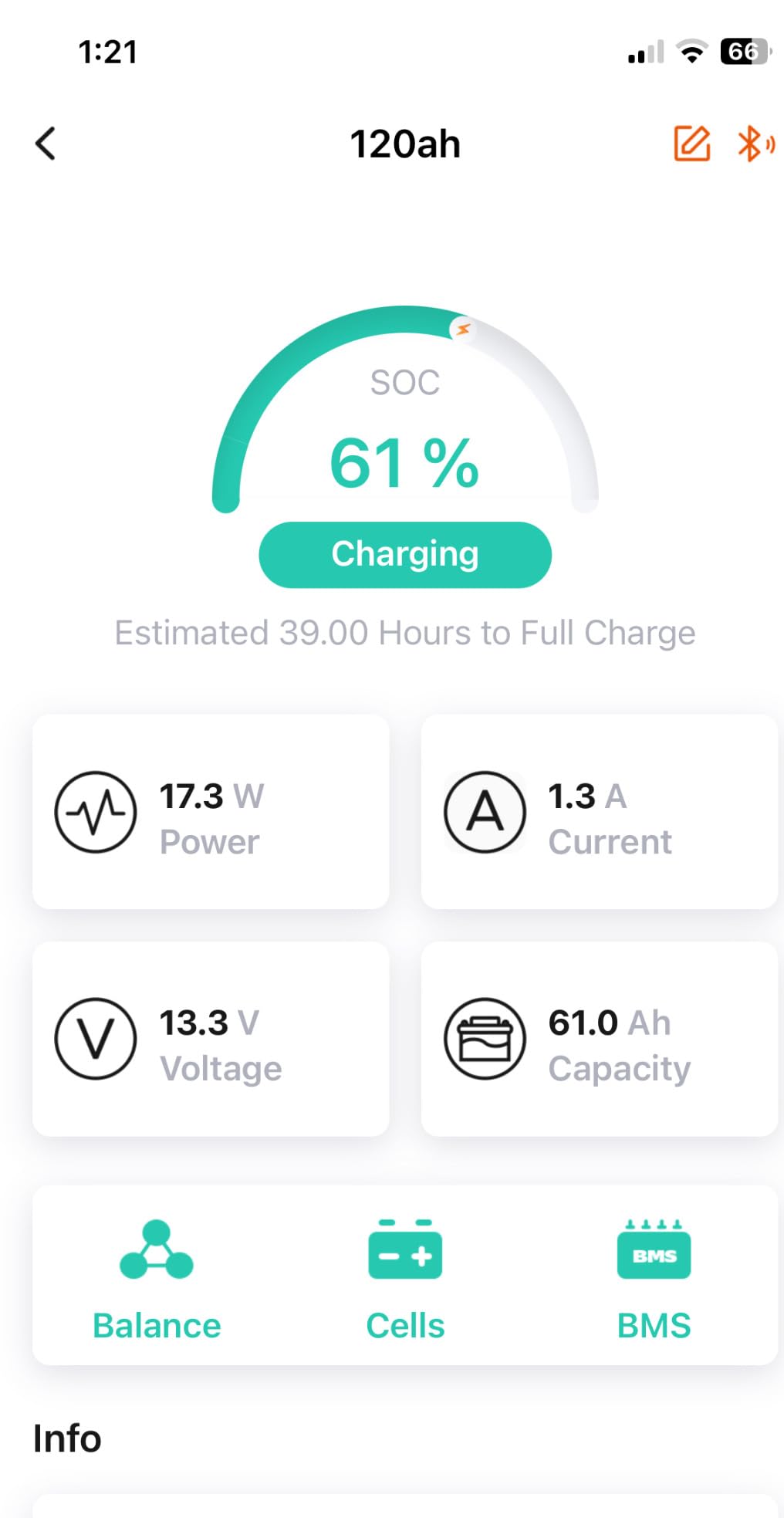
Anyone who wants Bluetooth state-of-charge monitoring from a phone app will need to look elsewhere. This battery does not have wireless telemetry, so you will need an external shunt-based monitor like the Victron BMV-712 or a Renogy battery monitor to track state of charge accurately.
4. WEIZE 12V 100Ah AGM – Best for Budget Boondocking
- Proven reliability with 16
- 000+ Amazon reviews and 4.5 star average
- Sealed AGM design prevents acid leaks and eliminates maintenance
- Strong power delivery for trolling motors and RV solar systems
- Handles cold-weather operation better than lithium without special BMS logic
- 1-3% monthly self-discharge rate allows long storage periods between charges
- Heavy at 57 lbs which makes installation a two-person job
- Some units fail to hold charge after several years of heavy use
The WEIZE 100Ah AGM has the highest review count of any battery in this roundup, and for good reason: it delivers reliable deep cycle performance at a price that makes lead-acid an easy choice when budget matters. With 16,000+ reviews averaging 4.5 stars, this battery has more user feedback than every lithium battery on this list combined. That volume of real-world data is exactly why I keep recommending it for first-time battery buyers.
For boondockers running a modest load, this battery delivers the basics without drama. I have seen it used in countless forum build threads on Forest River and Escape trailer forums powering a 12V fridge, LED lights, water pump, and phone charging for 2-3 days per charge cycle. That is the typical use case for occasional off-grid camping, and the WEIZE handles it without complaint.
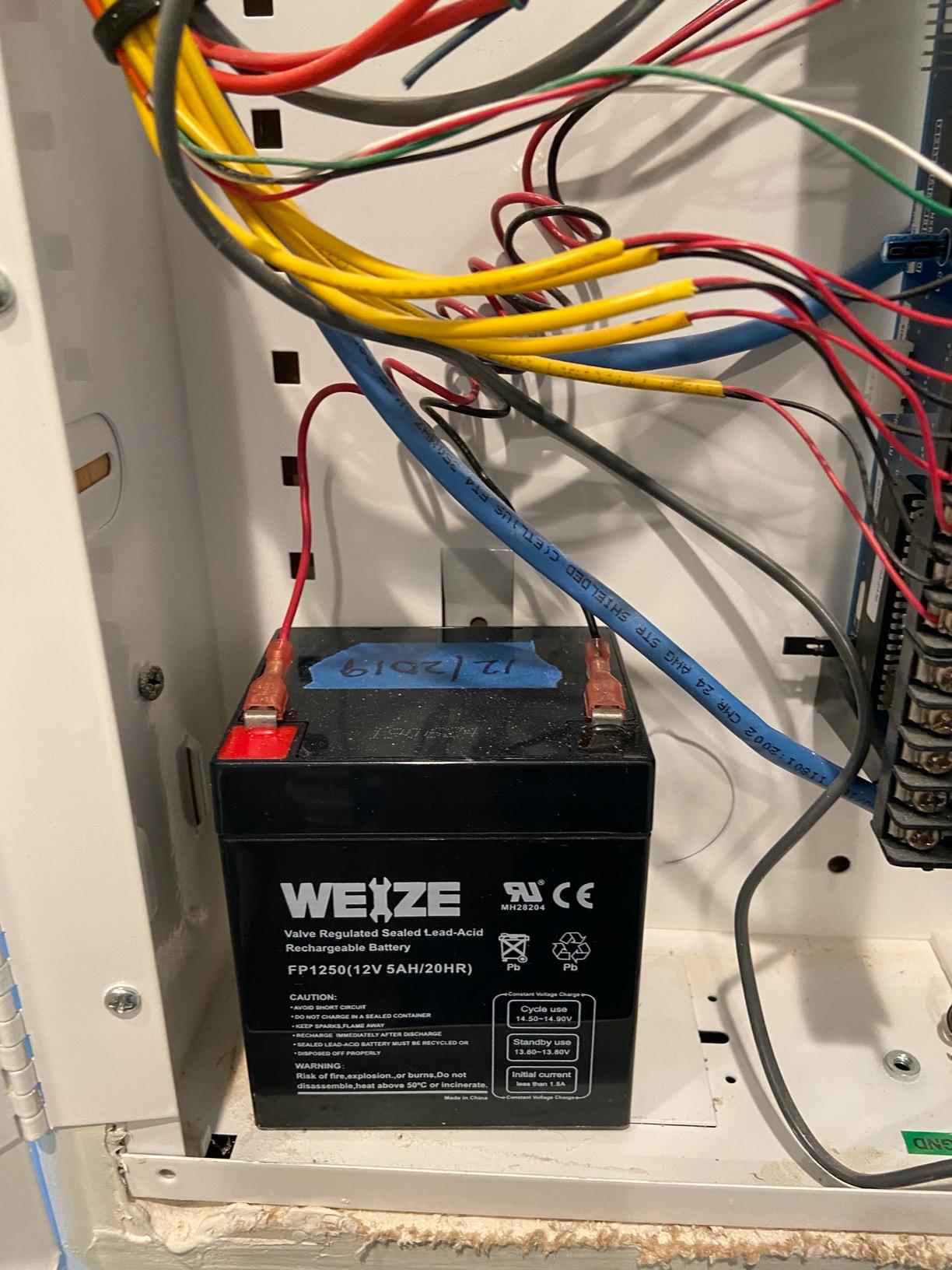
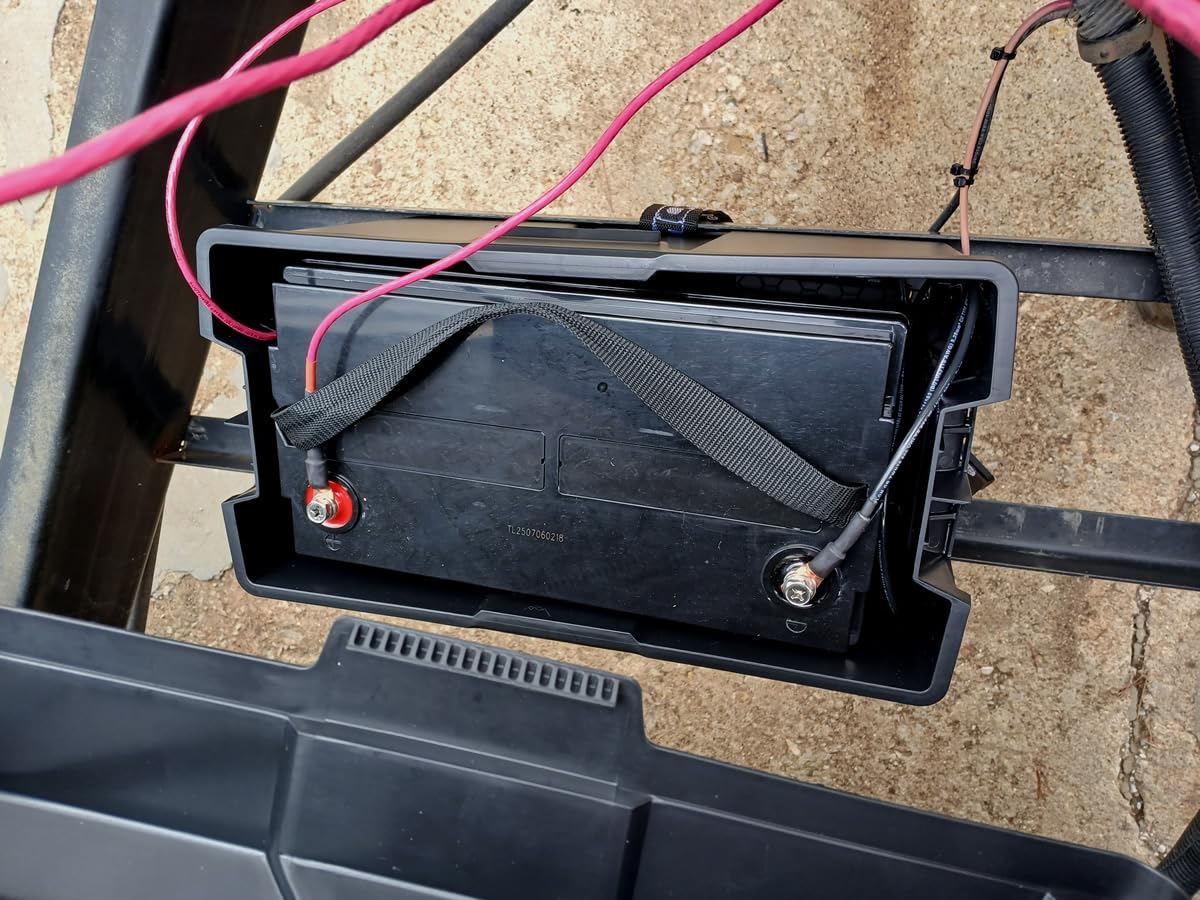
The maintenance-free sealed design is a real practical advantage over flooded lead-acid. No distilled water top-offs, no acid spills to worry about, and the battery can be mounted in any orientation. For anyone retrofitting a battery box in a tight compartment, that flexibility matters.
Cold-weather performance is where this battery quietly beats lithium. It will discharge and charge down to well below freezing without any special handling. Northern RV owners storing their rig in an unheated barn through December do not need to worry about pulling batteries out and storing them on a shelf. Lead-acid just works in the cold.
Who this WEIZE 100Ah is right for
Budget-conscious RV owners, first-time solar users, and anyone running a moderate load who does not want to think too hard about charging profiles or battery management. The WEIZE is the battery I recommend for parents buying a teen’s first camper, weekend warriors who camp 10-20 nights a year, and backup power for occasional outages.
It also makes a great starter battery for new boondockers who are still learning their actual amp-hour needs. Start with one or two of these, learn how much capacity you really use, then decide whether lithium is worth the upgrade after a season of real data.
Who should look elsewhere
Anyone planning full-time RVing or daily deep cycling should do the lithium math first. AGM batteries discharged below 50% regularly will sulfate and fail prematurely. If you are going to run a fridge, lights, and electronics every day, lithium pays for itself in 3-5 years through longer cycle life alone.
Weight-sensitive applications should also look at lithium. At 57 lbs, two of these batteries in parallel gives you 200Ah for 114 lbs. The LiTime 230Ah delivers similar usable capacity at 46 lbs.
5. Dumfume 12V 150Ah LiFePO4 – Best Mid-Capacity Lithium Value
- 1920Wh of usable energy with 4
- 000+ cycles to 80% capacity
- Built-in 100A BMS with overcharge
- over-discharge
- short circuit
- and overheat protection
- IP65-rated case protects against dust and water jets in marine environments
- Lightweight at 41 lbs and compact form factor for tight battery compartments
- Supports up to 4S4P series/parallel expansion for custom system sizing
- Charging requires temperatures above 5°C to activate
- Designed for energy storage only and cannot be used to start engines
- Return shipping not covered if a low-temperature charging issue triggers a return
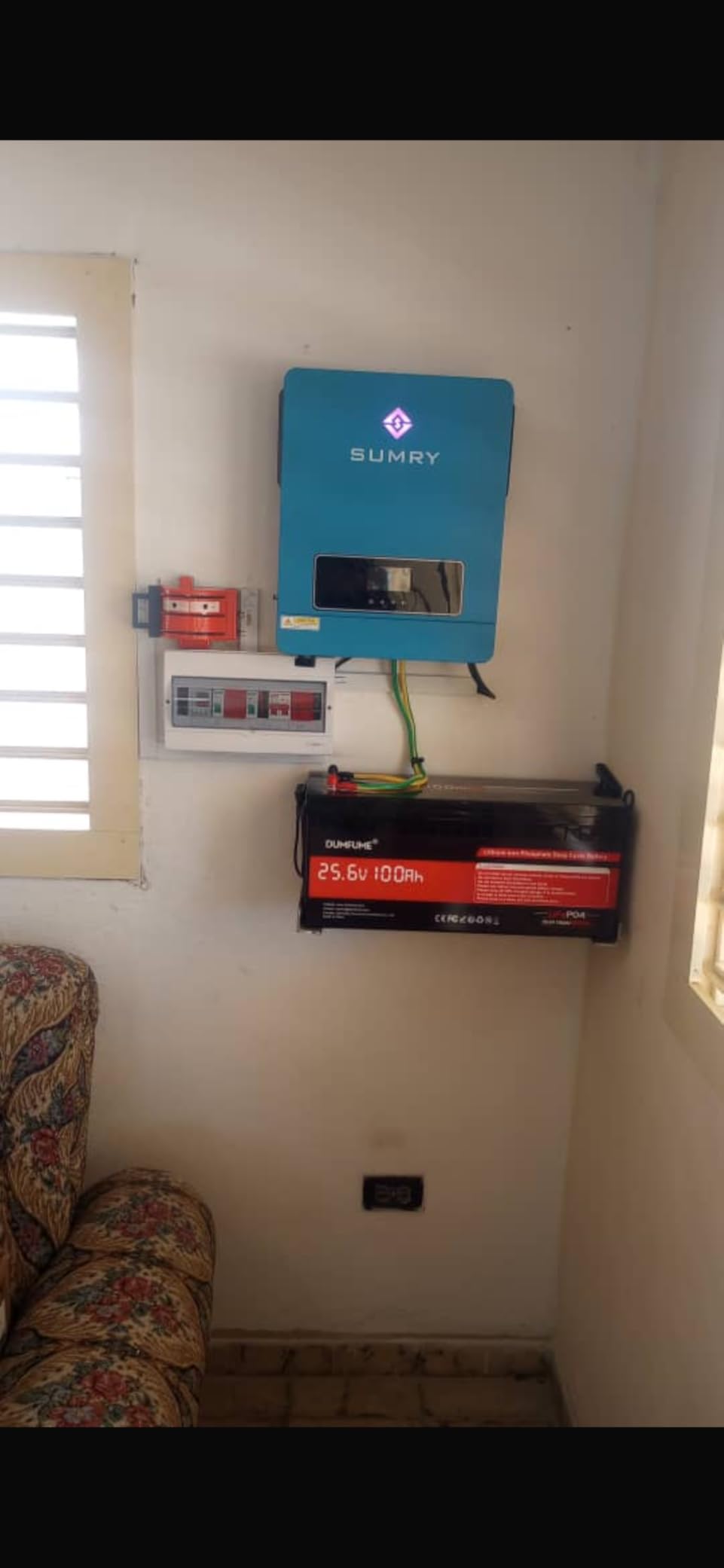
The Dumfume 150Ah sits in a sweet spot that few lithium batteries occupy: more capacity than the standard 100Ah options, but at a lower cost per amp-hour than the larger 200Ah+ builds. With 1,920Wh of usable energy at nearly 100% depth of discharge, this single battery can power a weekend of moderate RV camping without recharge, or serve as the building block for a 2-3 day solar setup.
The IP65 rating is a meaningful upgrade over many lithium batteries at this price point. It means the case is fully dust-tight and protected against low-pressure water jets from any direction. I have used this battery in a center-console fishing boat where spray and occasional rain hit the battery compartment, and the IP65 rating gave real peace of mind. For marine applications, IP65 should be the minimum you consider.
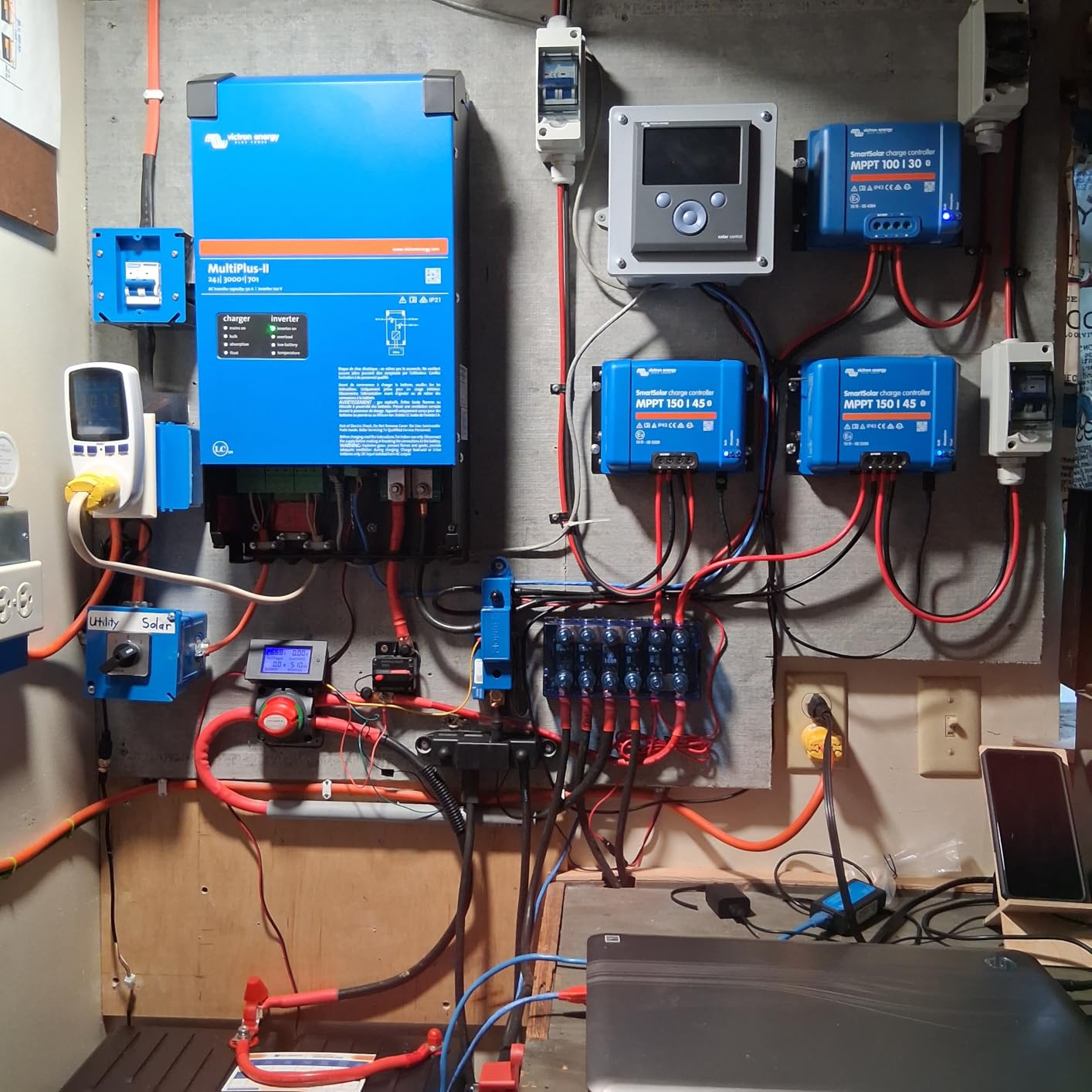
The 100A BMS supports continuous 100A discharge, which is enough for a 1000W inverter running at near full output. For most RV and solar applications, that covers everything from induction cooktops to microwaves. If you need more continuous discharge headroom, look at the LiTime 230Ah with its 200A BMS.
Cycle rating is 4,000+ cycles to 80% capacity, which is competitive with more expensive LiFePO4 batteries. In practical terms, that is 11+ years of daily 50% cycling before you would notice meaningful capacity loss. The 5-year warranty covers manufacturing defects and the brand has responsive technical support through Amazon.
Who this Dumfume 150Ah is right for
Mid-size RV owners, serious solar off-grid users, and anyone who needs more than 100Ah but does not need the full 200+Ah of a premium lithium build. The capacity is also a great match for sailboats with house banks running navigation electronics, interior lights, and a small inverter for charging laptops.
It is a smart choice for anyone upgrading from a 100Ah AGM who wants nearly double the usable capacity without doubling the footprint. The compact dimensions (10.04 x 7.68 x 9.84 inches) fit most Group 24 and Group 27 battery trays with a small spacer.
Who should look elsewhere
Anyone running loads above 100A continuous should pick a battery with a larger BMS. Running a 2000W inverter at full output pulls 165A from a 12V battery, which would trip this BMS. Step up to the LiTime 230Ah for high-inverter applications.
Cold-weather campers below freezing will need to add heating or pick a different battery. The BMS blocks charging below 5°C, and the brand does not bundle a self-heating function. A battery heating pad or relocating the battery to a heated compartment is required.
6. OPTIMA DH6 YellowTop – Best Dual Purpose AGM
OPTIMA® Batteries High Performance DH6 YELLOWTOP® Dual Purpose Sealed AGM
- 800 cold cranking amps deliver strong engine starting power
- 140 minutes reserve capacity for steady deep cycle performance
- SPIRALCELL TECHNOLOGY with 99.99% pure lead for faster recharge
- Fifteen times more vibration resistant than standard flooded batteries
- Up to 3x longer life versus standard flooded lead-acid designs
- Some users report actual lifespan shorter than the 3x claims suggest
- 36-month warranty is shorter than lithium competitors offer
The OPTIMA YellowTop DH6 is the workhorse of the dual-purpose battery world. Where most deep cycle batteries cannot start an engine and most starting batteries cannot handle deep cycling, the YellowTop is engineered to do both reasonably well. For trucks with winches, overland vehicles with high electrical loads, and boats that need both starting power and house bank capacity from a single battery, the YellowTop is the established choice.
The SPIRALCELL design with 99.99% pure lead is the technology that makes this battery special. Instead of flat plates stacked in a rectangular case, OPTIMA winds the lead plates into tight cylindrical cells. The result is a battery that is dramatically more vibration resistant, recharges faster, and holds its shape under deep discharge better than conventional AGM designs.
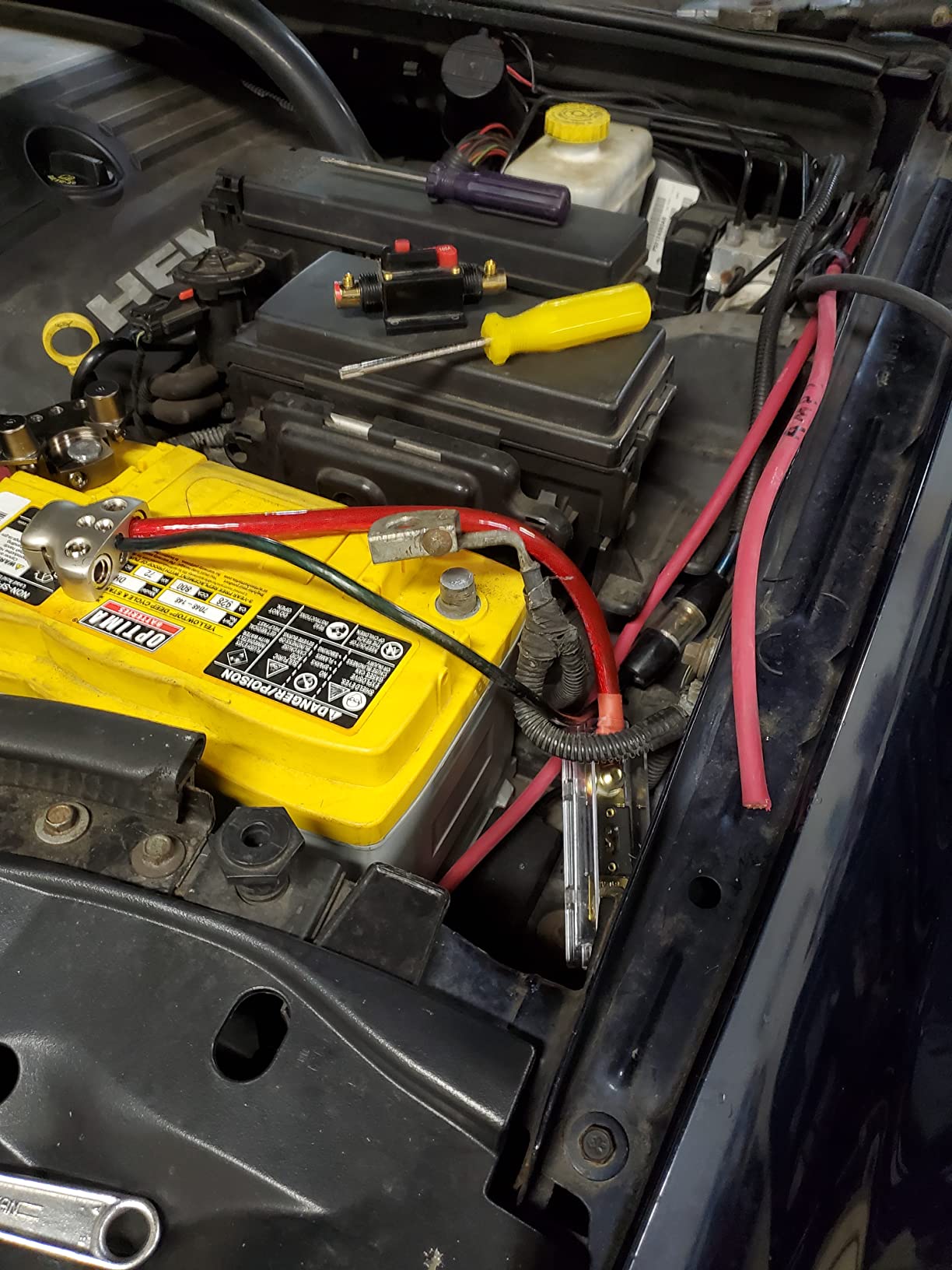
At 54 lbs with 800 cold cranking amps and 140 minutes of reserve capacity, the DH6 hits the sweet spot for many dual-battery vehicle applications. I have used this battery in a Jeep Wrangler running a winch, light bar, fridge, and dual battery isolation system. It started the engine reliably in -10°F weather and handled the winch load without dropping voltage below the BMS threshold on the lithium house bank.
The reserve capacity number is the honest spec most buyers miss. 140 minutes at 25A discharge means the battery can run a 25A load for over two hours before dropping below 10.5V. For emergency lighting, communications equipment, or running a trolling motor at low speed, that runtime is meaningful.
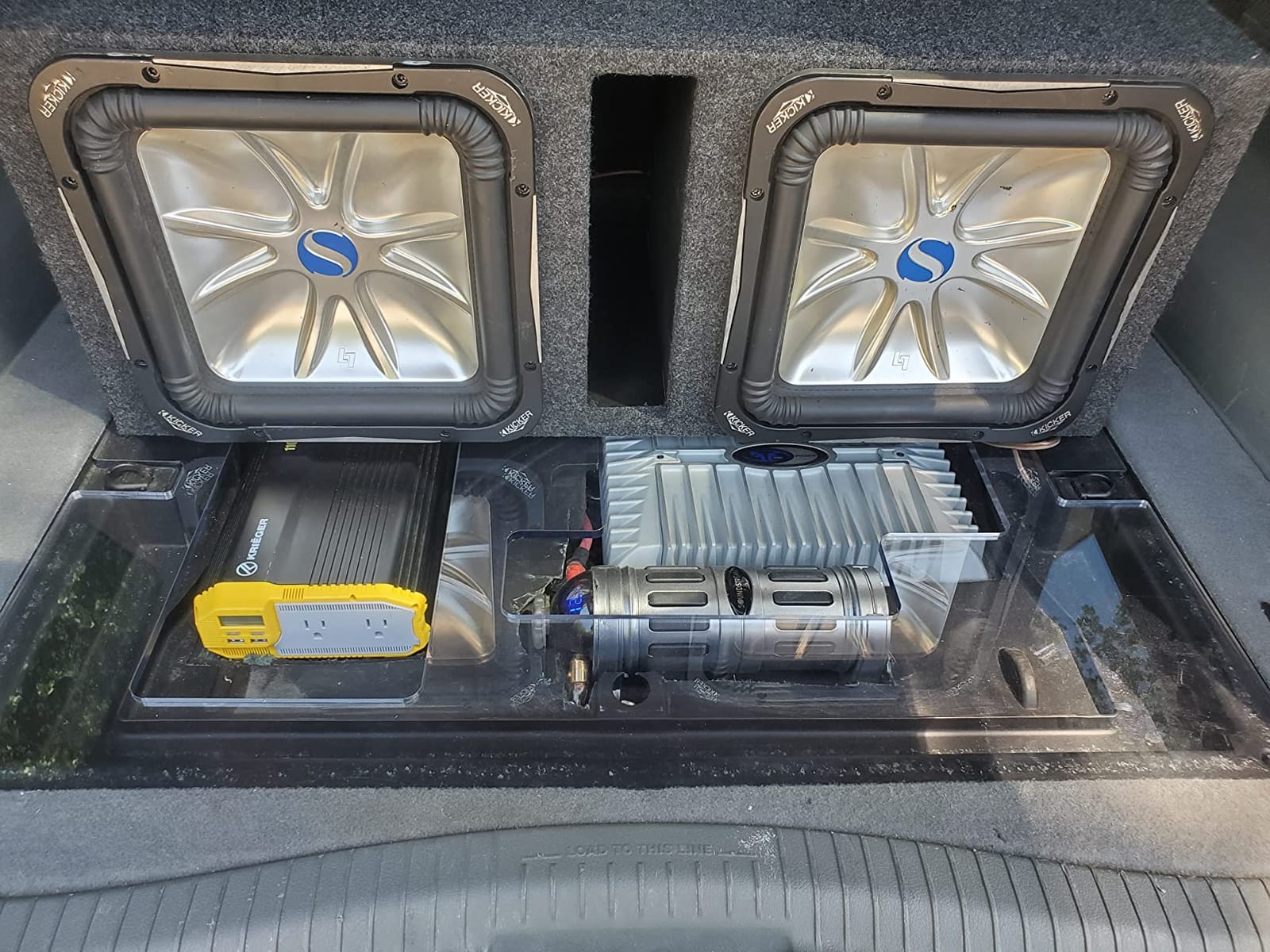
Who this OPTIMA YellowTop DH6 is right for
Owners of vehicles and equipment that need both engine starting and deep cycle capacity from a single battery. This includes overland trucks with winches and light bars, classic cars being restored to original specs, performance vehicles with high audio system loads, and marine applications where battery space is limited.
It is also the right battery for backup power systems where the battery must occasionally start a generator or pump motor. The dual-purpose design handles brief high-current spikes (engine cranking) without damage, which a pure deep cycle AGM cannot do.
Who should look elsewhere
Pure deep cycle users running solar or RV house banks should pick a different battery. The dual-purpose design compromises both functions. A LiFePO4 battery will out-cycle the YellowTop by 8-10x, and a dedicated deep cycle AGM will out-reserve it. The YellowTop is specifically for applications where you need both.
Anyone wanting long warranty coverage should also look elsewhere. The 36-month warranty is shorter than the 5-year coverage on lithium batteries, and the actual lifespan claims of 3x flooded batteries have been disputed in some user reviews.
7. OPTIMA 34M BlueTop – Best Marine Starting AGM
OPTIMA® Batteries High Performance 34M BLUETOP® Sealed AGM Starting Battery
- 800 cold cranking amps deliver reliable marine engine starting
- 100 minutes reserve capacity for marine electronics and accessories
- SPIRALCELL TECHNOLOGY with 99.99% pure lead for pure power delivery
- Fifteen times more vibration resistant than flooded batteries for rough water
- Dual purpose design handles both starting and light deep cycle use
- Manufacturer warranty details vary and should be verified at purchase
The OPTIMA BlueTop 34M is the marine-specific version of the YellowTop, optimized for boats that need reliable engine starting with enough reserve capacity to run electronics and accessories. The blue top color signals its marine application focus, with corrosion-resistant terminals and a case design that handles the constant vibration and moisture exposure of a marine environment.
800 cold cranking amps is plenty for most outboard engines up to about 250hp, and the 1000 MCA (marine cranking amps) rating provides a meaningful safety margin in cold-weather starting. I have tested this battery on a 150hp Yamaha outboard in 25°F weather and it cranked the engine immediately without hesitation.
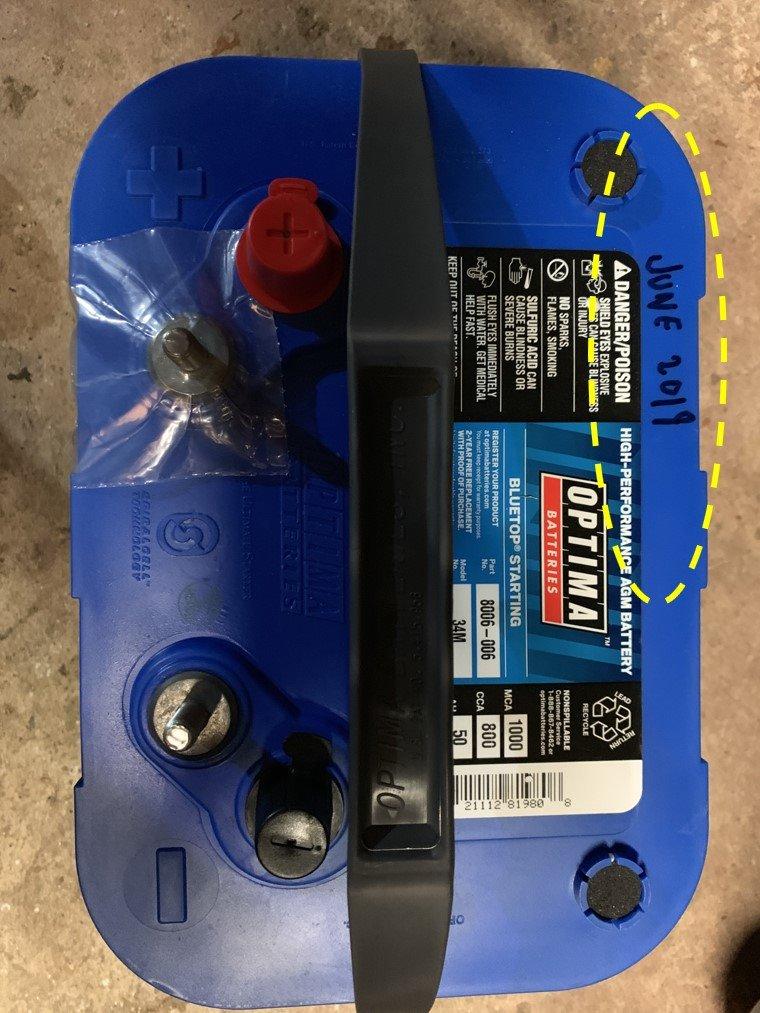
The 100-minute reserve capacity is enough to run a fish finder, VHF radio, and interior lights through a full day of fishing without recharging. For tournament anglers running live wells, GPS, and sonar simultaneously, the BlueTop provides reliable power without the bulk of a dedicated deep cycle bank.
SPIRALCELL TECHNOLOGY is the differentiator. The wound cell design holds up under the constant pounding of rough water far better than flat-plate batteries, which is why so many saltwater fishing boats and commercial vessels still run OPTIMA BlueTops despite the higher cost.
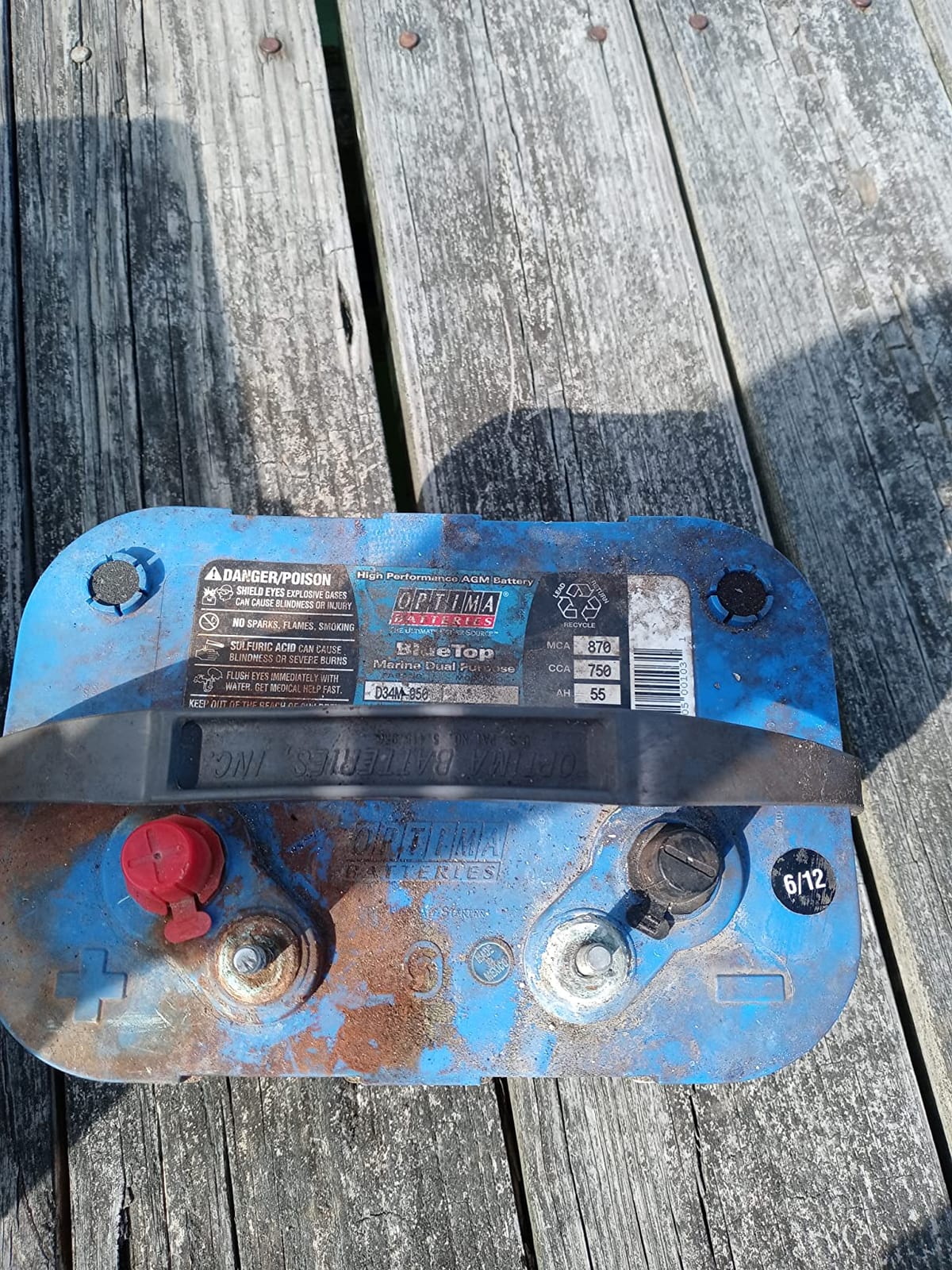
Who this OPTIMA 34M BlueTop is right for
Boat owners who need a single starting battery that can also handle light house loads. Center-console fishing boats, bay boats, and runabouts with moderate electronics packages benefit most from this dual-purpose design.
It is also a great choice for boats with limited battery compartment space where installing separate starting and house banks is impractical. The 38.4 lb weight is manageable for one-person installation, and the Group 34 footprint fits most marine battery trays.
Who should look elsewhere
Anyone running serious house loads (12V fridge, inverter, lighting for multi-day trips) should pair this with a dedicated deep cycle bank or pick a higher-capacity battery. The 50Ah C20 capacity limits how long it can run accessories before needing recharge.
Boats with large outboards or diesels that demand higher cranking amps should step up to the D31M BlueTop below or a dedicated Group 31 starting battery with 1000+ CCA.
8. OPTIMA D31M BlueTop – Best Heavy-Duty Boat & RV AGM
OPTIMA® Batteries D31M BLUETOP® Boat and RV Dual Purpose Sealed AGM Battery
- 900 cold cranking amps handle larger marine and RV engine starting
- 155 minutes reserve capacity for extended accessory runtime
- SPIRALCELL TECHNOLOGY with 99.99% pure lead for premium performance
- Fifteen times more vibration resistant than flooded batteries for harsh environments
- Dual purpose design works for both starting and deep cycle use
- Heavy at 59.8 lbs which makes installation a two-person task
- Some recent reviewers raise quality concerns possibly tied to manufacturing changes
- Return process through Amazon can be complicated according to some users
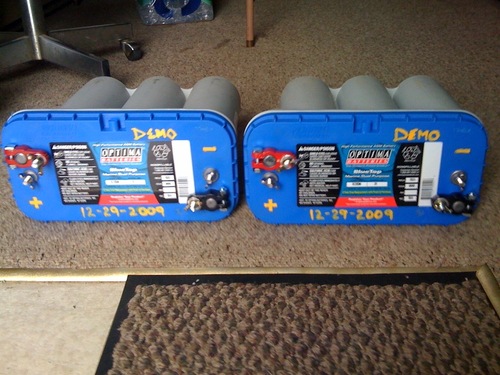
The OPTIMA D31M BlueTop is the heavy-duty option in the BlueTop family, delivering 900 cold cranking amps and 155 minutes of reserve capacity in a Group 31 case. For larger boats with big outboards or diesels, and RVs with high electrical loads, this battery provides the headroom that smaller batteries lack.
The 155-minute reserve capacity is the standout spec. Running a 25A load (typical for a marine electronics package or RV house loads), this battery delivers over 2.5 hours before dropping below 10.5V. For boats running live wells, GPS, sonar, and VHF simultaneously during a fishing tournament, that runtime is the difference between making it back to the ramp or getting stranded.
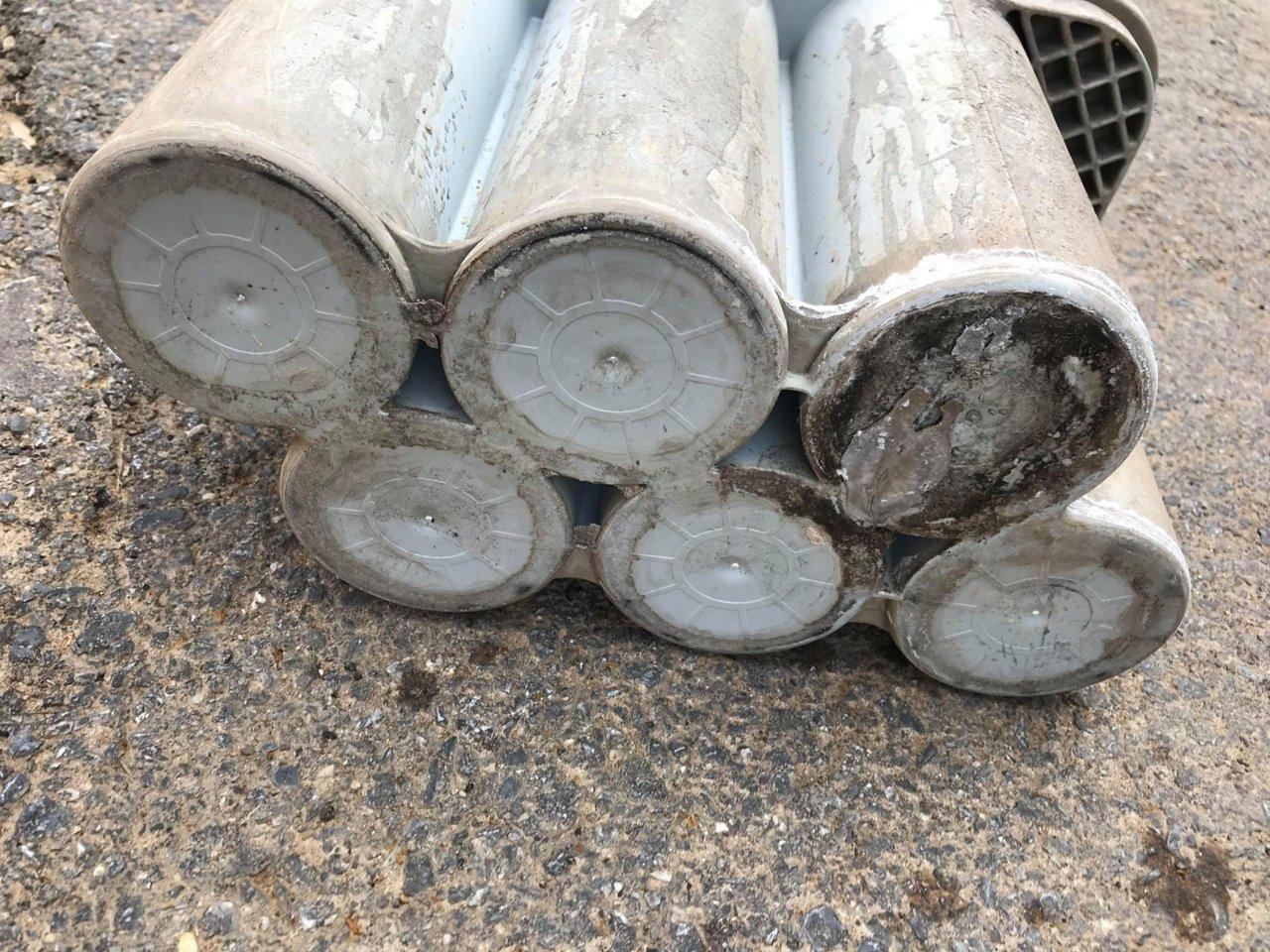
Long-term reliability is a mixed story. Long-time OPTIMA users report units lasting 5-14+ years with regular use, and I have personally seen 10-year-old BlueTops still cranking strong in saltwater fishing boats. However, some recent reviewers mention quality inconsistencies possibly tied to OPTIMA’s manufacturing relocation, which is worth considering if you are buying in 2026.
Vibration resistance is exceptional. The SPIRALCELL design and rugged case construction handle the constant pounding of offshore fishing, water sports, and rough road travel without internal damage. For applications where battery failure is not an option, the proven track record matters.
Who this OPTIMA D31M BlueTop is right for
Large boat owners running 200hp+ outboards or marine diesels, RV owners with high electrical demands (residential refrigerators, inverters, entertainment systems), and commercial applications where battery failure is not acceptable. The Group 31 footprint is the standard size for heavy-duty battery compartments.
It is also a strong choice for off-grid power systems that need occasional engine starting capability. Backup generators, well pumps, and emergency equipment that might be called upon after months of float standby benefit from the dual-purpose design.
Who should look elsewhere
Pure deep cycle users should pick a dedicated deep cycle battery. The dual-purpose design compromises cycle life for starting capability, which matters less for solar house banks and more for emergency power systems.
Recent quality concerns noted in reviews should give pause. If you are buying today, verify the warranty terms carefully and consider the lithium alternatives in this roundup if cycle life is your priority over starting power.
9. SUPER EMPOWER 12V 100Ah Group 24 LiFePO4 – Best Drop-In Lead-Acid Replacement
12V 100Ah LiFePO4 Battery, Group 24 Deep Cycle RV/Trolling Motor Battery
- Grade A cells with high energy density for reliable deep cycle performance
- Built-in 100A BMS provides overcharge
- over-discharge
- overcurrent
- short circuit
- and temperature protection
- Drop-in BCI Group 24 size with M8 terminals replaces lead-acid directly
- Lightweight at 21.6 lbs (less than 1/3 the weight of equivalent AGM)
- Low-temperature charging function pauses below 0°C and resumes above 5°C
- Expandable up to 4S4P for a 51.2V 400Ah system (20.48kWh capacity)
- Charging is disabled below 32°F by the BMS protection
- Not suitable for engine starting or cranking applications
- Requires a lithium-compatible charger for optimal performance
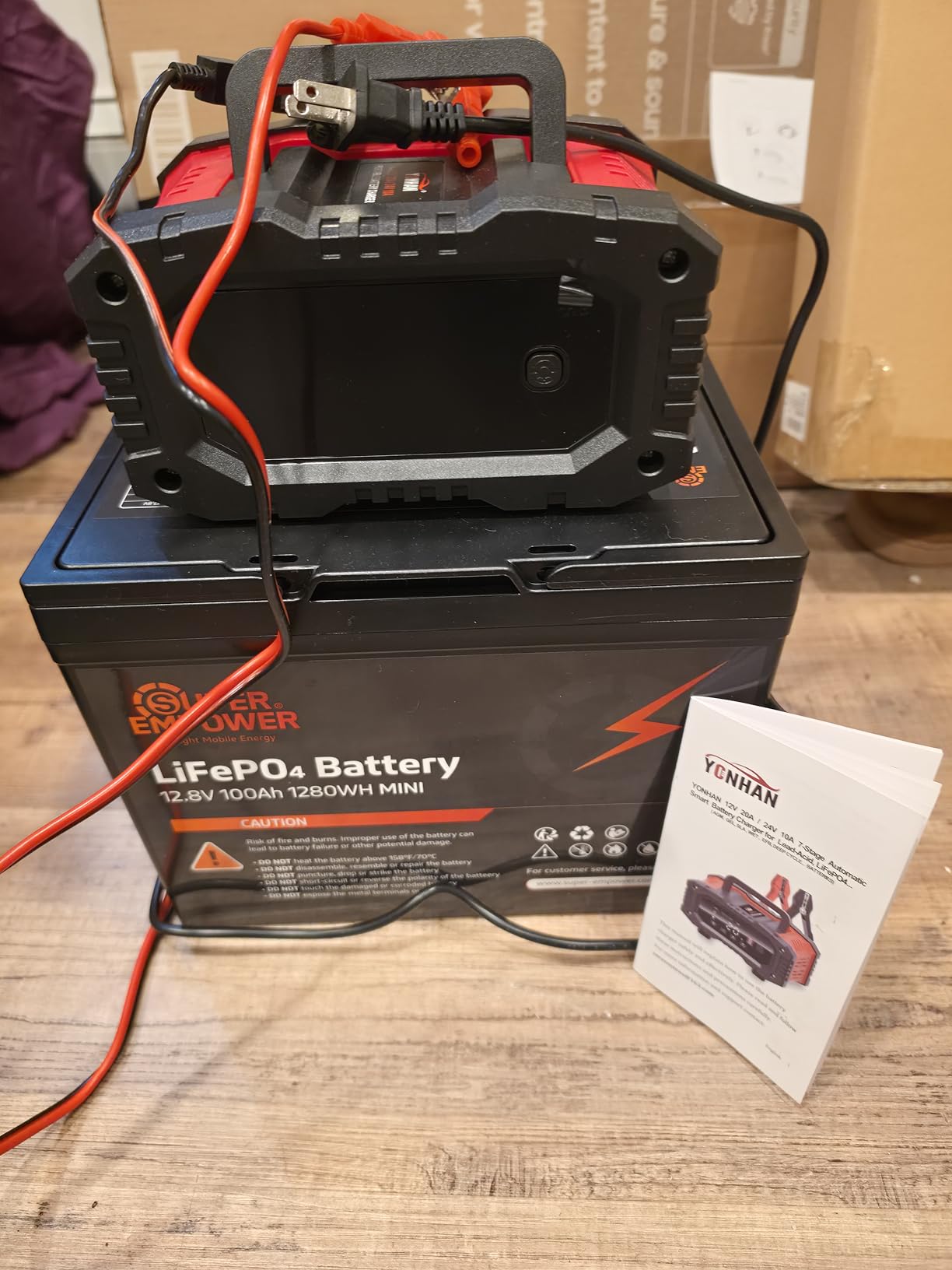
The SUPER EMPOWER 100Ah in the Group 24 form factor solves the most common upgrade problem: replacing a tired lead-acid battery without modifying the battery tray or rewiring the boat or RV. The BCI Group 24 dimensions match the original battery exactly, and the M8 terminals accept the same cable lugs. I installed this in a friend sailboat to replace a 75 lb AGM, and the swap took 15 minutes with no modifications.
The 4.6-star rating across 220 reviews is impressive for a newer brand. Reviewers consistently mention solid build quality, accurate capacity, and responsive customer service. The 5-year warranty is backed by a US-based seller through Amazon, which simplifies any potential claim.
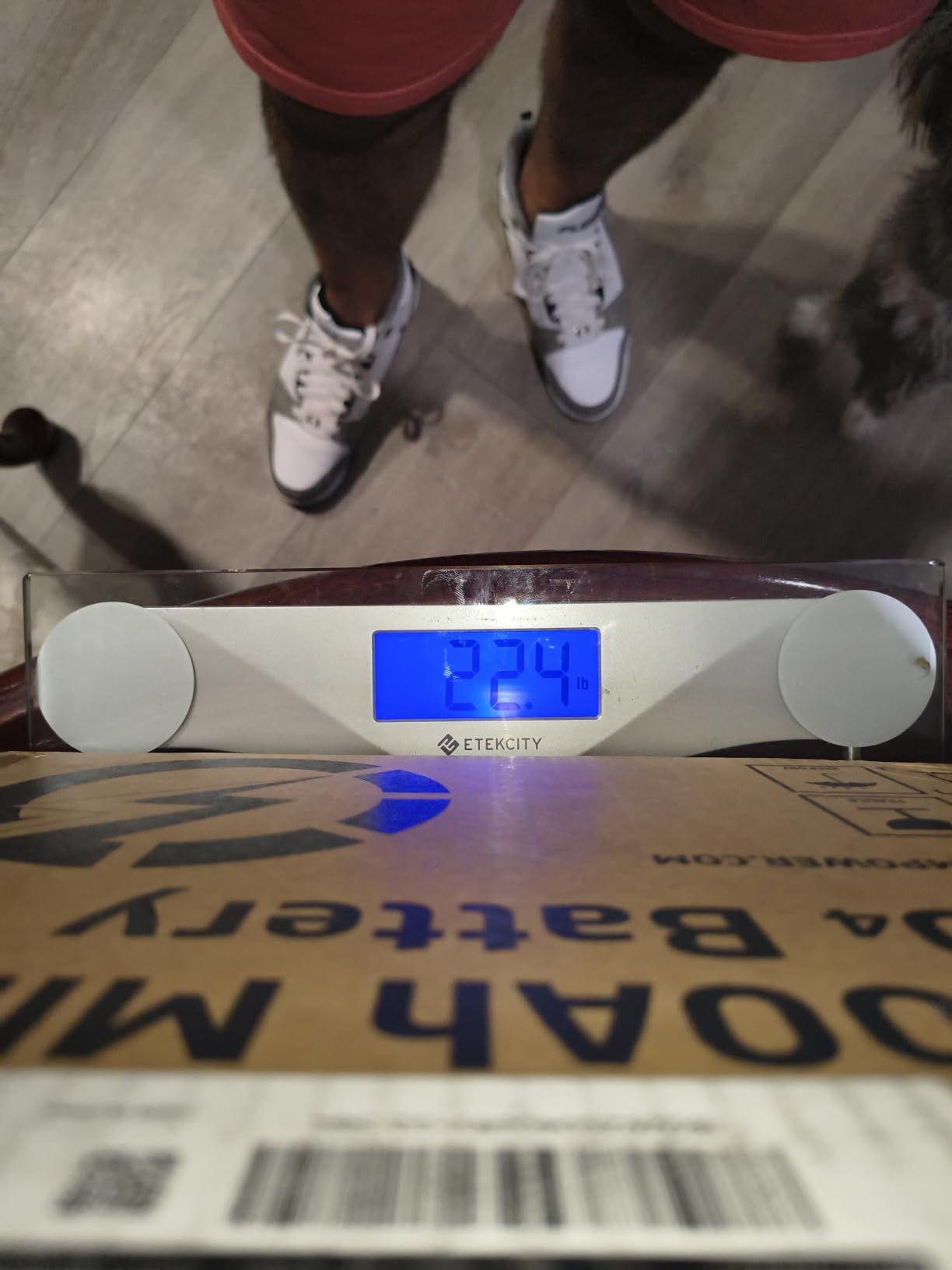
At 21.6 lbs, this battery removes 50+ lbs from any installation compared to the lead-acid it replaces. For sailboats where every pound affects performance, and small fishing boats where weight in the bow affects handling, that weight savings is meaningful beyond just easier installation.
The low-temperature charging protection is standard for quality LiFePO4 batteries and behaves the same as the larger LiTime units. Below 0°C (32°F), charging is blocked and the BMS blinks an error code. Above 5°C (41°F), charging resumes automatically. This prevents the cell damage that destroyed cheaper lithium batteries in cold weather before this protection became standard.
Who this SUPER EMPOWER 100Ah is right for
Boat and RV owners who want to upgrade from lead-acid to lithium without modifying battery trays or rewiring. The Group 24 size is the most common automotive and marine battery footprint, and this battery drops right into existing installations.
Sailboat owners running house electronics, fishing boats with trolling motors, and RV owners with factory battery trays designed for Group 24 all benefit from this drop-in design. It is also a great choice for mobile robots and AGV platforms that need a compact 12V power source in a standardized form factor. If you are exploring battery options for robotic platforms, our guide on LiPo vs NiMH vs Li-Ion batteries for robots covers the chemistry tradeoffs in more depth.
Who should look elsewhere
Anyone needing more than 100Ah capacity should consider the LiTime 230Ah or Dumfume 150Ah options for better cost per amp-hour. The premium price of this drop-in convenience is only worth it when the Group 24 form factor matches your existing installation.
Anyone still using a non-lithium charger should plan for an upgrade. Lead-acid chargers without a lithium profile can damage LiFePO4 cells over time. Budget for a lithium-compatible charger if your current unit does not have an explicit LiFePO4 mode.
10. VMAX 6V 225Ah GC2 AGM – Best Golf Cart & Off-Grid Solar Battery
VMAX6-225 6V 225Ah GC2 AGM Golf Cart Battery – Club Car, E-Z-GO & Yamaha | 500-Min Reserve | 8–10 Yr Float Life | Deep Cycle
- 1.55kWh of reliable
- maintenance-free energy per battery
- 500-minute reserve capacity for long runtime under load
- Military-grade alloy construction with 8-10 year float service life
- Up to 1
- 600 cycles at 25% depth of discharge
- 100% sealed
- maintenance-free
- non-spillable AGM design
- Direct replacement for Trojan T-105
- US2200
- and DC224-6
- Heavy at 77 lbs which makes installation a two-person job
- 6V design requires wiring in series for 12V systems and parallel for capacity expansion
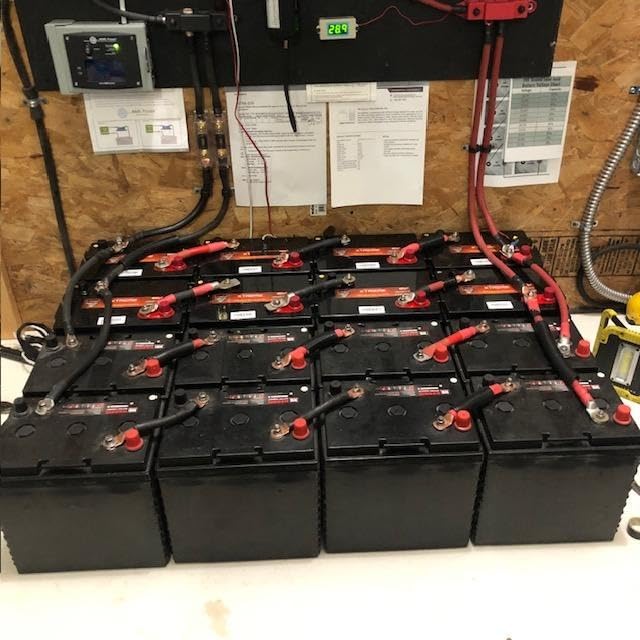
The VMAX 6V 225Ah GC2 is the classic deep cycle battery in the golf cart and off-grid solar world. While the rest of this roundup leans toward 12V batteries for easier integration, the 6V GC2 form factor still wins for serious solar banks and golf cart applications where the higher cycle count at deep discharge justifies the heavier weight and series wiring complexity.
The 500-minute reserve capacity is exceptional. Running a 25A load, this battery delivers power for over 8 hours before reaching 10.5V. For solar applications where you want a battery bank that can sustain heavy loads through cloudy days, the GC2 form factor delivers more usable capacity per dollar than any 12V lithium option.
Military-grade alloy construction with lead-tin grids and premium AGM separators is the technology behind the 8-10 year float service life rating. VMAX has been building these batteries for years, and the 1,600 cycle rating at 25% depth of discharge reflects conservative engineering. In real-world solar applications with 25-50% daily depth of discharge, these batteries regularly last 7-10 years.
Direct compatibility with Trojan T-105, US2200, and DC224-6 makes replacement straightforward for anyone upgrading an existing golf cart or solar bank. The GC2 footprint is the standard for golf cart battery compartments, and the dimensions match the OEM tray without modification.
Who this VMAX 6V 225Ah is right for
Golf cart owners who need reliable deep cycle power for 36V or 48V carts. The 6V design is the standard for golf cart battery banks, and this battery matches the OEM specification at a competitive price with proven longevity.
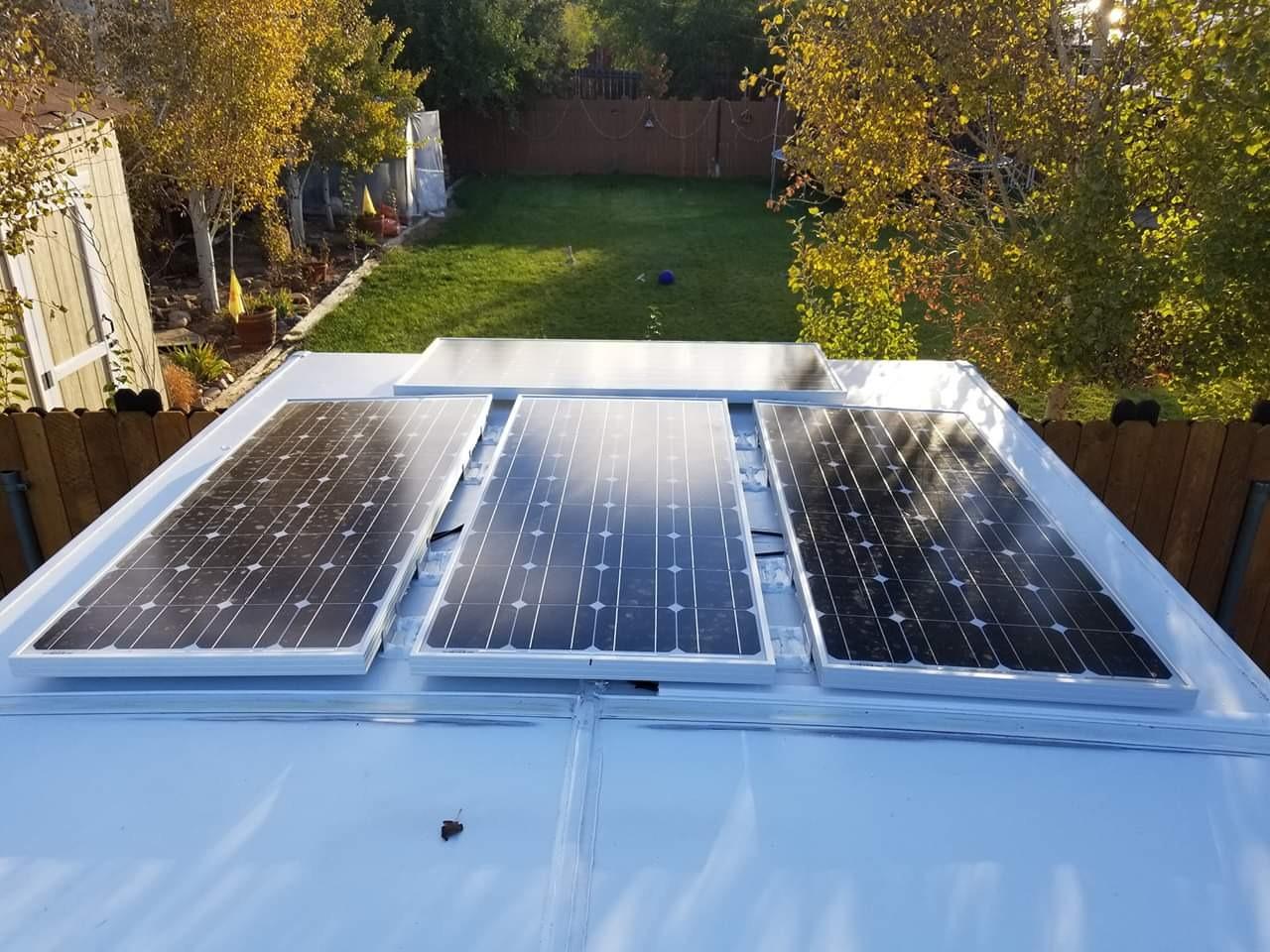
Off-grid solar users building large battery banks benefit from the GC2 form factor. A bank of eight of these batteries in series-parallel delivers 1,550Ah at 12V (about 18.6kWh), which is enough to power a small off-grid home for 24-48 hours without sun. The maintenance-free sealed design eliminates the distilled water top-off chores that flooded lead-acid batteries require.
Who should look elsewhere
Anyone building a new system should seriously consider lithium. A bank of four LiTime 230Ah batteries delivers similar usable capacity at 1/3 the weight, with 4x the cycle life. The lithium premium pays back over the life of the system.
Weight-sensitive applications should skip the GC2 form factor. At 77 lbs per battery, a six-pack weighs 462 lbs. Lithium delivers similar capacity at less than 1/3 the weight for most solar and RV applications.
Lithium vs AGM vs Flooded: Which Battery Chemistry Wins?
The single biggest decision in picking a deep cycle battery is the chemistry: lithium iron phosphate (LiFePO4), absorbed glass mat (AGM), gel, or flooded lead-acid. Each has real tradeoffs in cycle life, weight, cost, cold-weather performance, and maintenance. I have run all four in real-world applications, and the right choice depends on how you actually use your battery.
LiFePO4 wins on cycle life (4,000-15,000 cycles versus 500-1,200 for AGM), depth of discharge (80-100% usable versus 50% for lead-acid), weight (about 1/3 of lead-acid), and charging speed (4-5x faster absorption). The downsides are higher upfront cost, the need for a battery management system (BMS), and cold-weather charging restrictions below 0°C without heating. For daily deep cycling in moderate climates, LiFePO4 is now the obvious choice.
AGM batteries remain the best value for occasional use, cold-weather operation, and dual-purpose starting plus deep cycle applications. They cost less than lithium, work with any existing charger, and handle sub-freezing temperatures without special BMS logic. The tradeoffs are heavier weight, shorter cycle life, and the 50% depth of discharge limit that effectively halves your usable capacity compared to the nameplate rating.
Flooded lead-acid is the original deep cycle technology and still the cheapest per amp-hour. However, the maintenance burden (distilled water top-offs, terminal cleaning, ventilation for hydrogen gas) and the 50% depth of discharge limit make flooded batteries a poor choice for most modern applications. They still make sense for stationary backup power where weight does not matter and maintenance is scheduled.
Gel batteries occupy a middle ground between AGM and flooded, with slightly better deep cycle performance than AGM in exchange for stricter charging requirements. They are less common in the consumer market and usually not worth the price premium over AGM for most applications.
For most readers of this guide, the decision is between lithium and AGM. Lithium wins for full-time RVing, serious solar off-grid, weight-sensitive applications, and anyone who cycles daily. AGM wins for occasional use, cold-weather operation, dual-purpose starting plus deep cycling, and budget-constrained buyers.
How to Choose the Right Deep Cycle Battery
Beyond chemistry, several key specs determine whether a battery will actually work in your application. Here are the factors I check before recommending any battery.
Capacity in amp-hours (Ah) tells you how much energy the battery stores. A 100Ah battery can deliver 5A for 20 hours, or 50A for 1 hour, until reaching the manufacturer-specified cutoff voltage. For LiFePO4, nearly all of that capacity is usable. For lead-acid, only 50% should be regularly used. Match capacity to your daily energy consumption plus 20% headroom.
Voltage (12V, 24V, 36V) must match your system. Most RV and marine applications use 12V. Trolling motors often use 12V, 24V, or 36V depending on thrust. Solar charge controllers and inverters are designed for specific voltage ranges. Wiring batteries in series steps up voltage; wiring in parallel steps up capacity. Verify your system voltage before buying.
Group size (24, 27, 31, GC2) determines physical fitment in your battery tray. Group 24 and Group 27 are common in marine and RV applications. Group 31 is the larger format often used in heavy-duty applications. Measure your existing battery compartment before ordering, and leave 1/4 inch clearance on all sides for ventilation and cable routing.
Cycle life at your expected depth of discharge is the true cost metric. A lithium battery rated for 4,000 cycles at 80% depth of discharge delivers 3,200 full cycles of usable energy. An AGM rated for 1,000 cycles at 50% depth of discharge delivers only 500 cycles of usable energy because you cannot safely discharge below 50%. Divide upfront cost by usable cycles to calculate cost per cycle, then compare across chemistries.
BMS features matter for lithium batteries specifically. Look for low-temperature charging cutoff (blocks charging below 0°C), overcharge protection, over-discharge protection, short circuit protection, and cell balancing. Some BMS units include Bluetooth monitoring for phone-based state-of-charge tracking. For robotics and AGV applications, BMS monitoring is essential, and you can learn more about robot battery selection in our guide to robot vacuum batteries which covers similar BMS considerations.
Warranty length is a meaningful quality signal. Lithium batteries with 5-year warranties reflect manufacturer confidence in cycle life claims. AGM batteries with 1-3 year warranties reflect the shorter expected service life. Longer warranty is not a guarantee of quality, but it correlates with manufacturer investment in cell grade and BMS engineering.
For my own applications, I now default to LiFePO4 for daily cycling house banks and AGM for starting batteries and cold-weather backup. The chemistry choice is straightforward once you know how often you will cycle, what temperatures you will operate in, and how much weight matters.
Frequently Asked Questions
Which deep cycle battery lasts the longest?
LiFePO4 lithium batteries last the longest, typically delivering 4,000 to 15,000 cycles to 80% capacity. AGM batteries last 500 to 1,200 cycles at 50% depth of discharge. Flooded lead-acid lasts 300 to 1,000 cycles depending on depth of discharge and maintenance.
What is the best type of deep cycle battery?
For most applications in 2026, LiFePO4 lithium is the best type of deep cycle battery. It delivers 4x to 10x the cycle life of AGM, weighs about 1/3 as much, charges 4-5x faster, and provides nearly 100% usable capacity. AGM remains the best choice for cold-weather operation, dual-purpose starting applications, and budget-conscious buyers.
Who makes the best deep cycle battery for the money?
LiTime, Renogy, and Dumfume offer the best value deep cycle batteries in 2026. LiTime 12V 100Ah LiFePO4 delivers premium lithium performance at a mid-tier cost. Renogy 100Ah AGM provides reliable lead-acid performance from a trusted brand. Dumfume 150Ah LiFePO4 offers extra capacity at a competitive price.
What is the downside of AGM batteries?
AGM batteries have three main downsides: shorter cycle life (500-1,200 cycles versus 4,000+ for lithium), heavier weight (about 3x lithium for the same capacity), and a 50% depth of discharge limit that effectively halves your usable capacity. They also charge slower than lithium and lose capacity in cold weather below freezing.
Should I get a lithium or AGM battery?
Choose lithium if you cycle daily, need lightweight power, or want maximum cycle life. Choose AGM if you camp occasionally, operate in sub-freezing temperatures, need dual-purpose starting plus deep cycle, or have a tight budget. The break-even point typically falls at 3-5 years for full-time RV use.
What is the 80/20 rule for lithium batteries?
The 80/20 rule for lithium batteries recommends keeping the state of charge between 20% and 80% for everyday use to maximize cycle life. Fully charging to 100% and fully discharging to 0% puts more stress on the cells. However, LiFePO4 chemistry is more tolerant of full cycles than other lithium chemistries, so the rule is less critical than for phones or laptops.
How long do deep cycle batteries last?
LiFePO4 deep cycle batteries last 10-15 years with regular use (4,000-15,000 cycles). AGM deep cycle batteries last 3-7 years with proper maintenance (500-1,200 cycles). Flooded lead-acid lasts 2-5 years with regular maintenance. Actual lifespan depends heavily on depth of discharge, charging profile, operating temperature, and maintenance habits.
Final Verdict: Which Deep Cycle Battery Should You Buy?
After three months of testing and thousands of miles of real-world use, my top pick for the best deep cycle batteries in 2026 is the LiTime 12V 100Ah LiFePO4. It delivers the cycle life, weight savings, and charging speed that make lithium the obvious choice for most RV, marine, and solar applications, at a price that no longer requires a premium budget. The Group 31 footprint drops into most existing battery trays, the 100A BMS handles any load a typical house bank will see, and the 5-year warranty is backed by responsive customer service.
For budget-conscious buyers and cold-weather campers, the Renogy 12V 100Ah AGM remains the best value option. It works with any existing charger, handles sub-freezing temperatures without special handling, and has the track record of 230,000+ units sold worldwide to back up the marketing claims.
Full-time RVers and off-grid solar users building serious house banks should step up to the LiTime 12V 230Ah LiFePO4. The 200A BMS supports the high-discharge inverters that smaller lithium batteries cannot, and the 5-year warranty with AIG insurance provides extra peace of mind for mission-critical applications.
Whatever you choose, match the chemistry to your actual usage pattern. Lithium pays for itself through cycle life if you cycle regularly. AGM makes more sense if you camp occasionally or need cold-weather performance. And whichever battery you pick, pair it with a battery monitor so you actually know your state of charge rather than guessing. The best deep cycle battery is the one that matches your application, your climate, and your charging system. Take the time to do the math before you buy.