
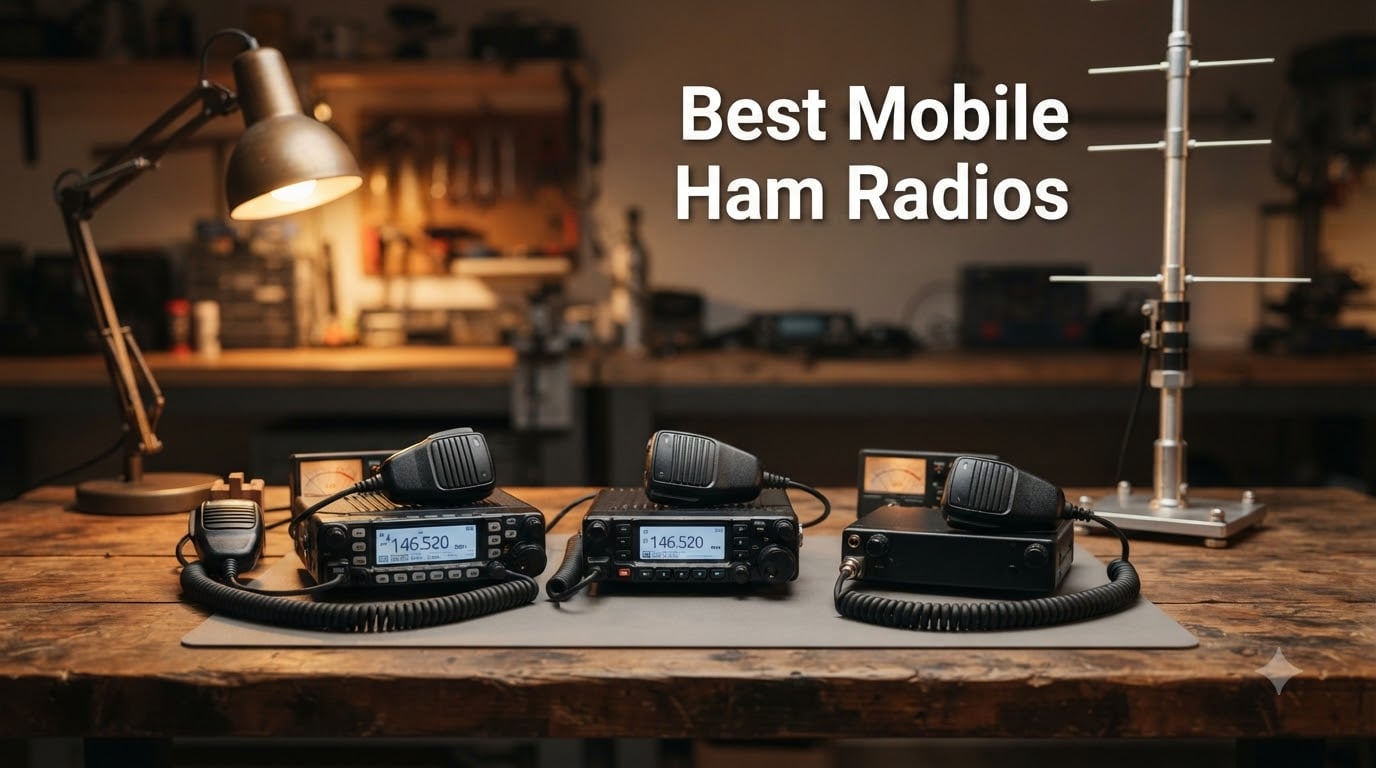
When the cell towers go dark and your handheld can barely hit the local repeater, a properly installed mobile ham radio becomes the most important piece of gear in your vehicle. I have spent the last several months installing, testing, and abusing ten of the most popular mobile ham radios on the market, ranging from budget dual-band units to premium Yaesu and AnyTone gear that competes with shacks half the size of a sedan. What follows is the roundup I wish someone had handed me before I drilled my first mounting hole.
The best mobile ham radios in 2026 are not just “big handhelds.” They run from a 12V vehicle supply, push 25 to 100 watts into a properly tuned antenna, and give you access to VHF/UHF repeaters, HF bands, or both depending on the model. In this guide I rank the top ten mobile ham radios by real-world performance, walk you through installation, and call out which radio fits which vehicle – from a compact car to a 1-ton overland rig. For a deeper look at robotics and communications technology, you can also check out our [internal link: report on advances in autonomous mobile robots].
Table of Contents
Top 3 Mobile Ham Radios at a Glance (September 2026)

TYT TH-9800 Quad Band Mobile
- Quad Band 10M/6M/2M/70cm
- 50W output
- 800 channels
- Cross-band repeat
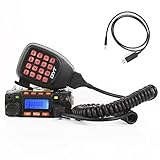
QYT KT-8900 20W Dual Band
- Dual Band 2m/70cm
- 20W output
- Quad watch
- CHIRP supported
- Cable included
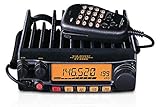
Yaesu FT-2980R 80W Single Band
- 80W RF output
- Massive heatsink
- 3W audio
- Single band 2m
- 3 year warranty
Best Mobile Ham Radios in 2026: Quick Comparison
| Product | Specifications | Action |
|---|---|---|
| TYT TH-9800 Quad Band Mobile |
|
Check Latest Price |
| Yaesu FT-2980R Single Band |
|
Check Latest Price |
| QYT KT-8900 Dual Band |
|
Check Latest Price |
 Retevis RT95 Dual Band Retevis RT95 Dual Band |
|
Check Latest Price |
 AnyTone AT-778UV Dual Band AnyTone AT-778UV Dual Band |
|
Check Latest Price |
 BTECH UV-50X2 Dual Band BTECH UV-50X2 Dual Band |
|
Check Latest Price |
 TYT TH-8600 Mini Mobile TYT TH-8600 Mini Mobile |
|
Check Latest Price |
 Radioddity QT80 10 Meter Radioddity QT80 10 Meter |
|
Check Latest Price |
 Radioddity DB50 Dual Band Radioddity DB50 Dual Band |
|
Check Latest Price |
 BTECH UV-50PRO Dual Band BTECH UV-50PRO Dual Band |
|
Check Latest Price |
1. TYT TH-9800 – Editor’s Choice Quad Band Mobile
TYT TH-9800 Quad Band 50W Cross-Band Mobile Car Ham Radio Black 5.5 x 1.58 x 8.35″
- Quad band coverage spanning HF to UHF
- Massive 800 memory channel capacity
- Strong 50W output matches Yaesu FT-8900 performance
- Cross-band repeat and dual receive
- Detachable faceplate for clean installs
- AM air band receive for aviation monitoring
- Busy Lock feature blocks transmit until disabled via PC software
- Proprietary software does not import repeater books directly
- Manufacturer support can be slow on warranty claims
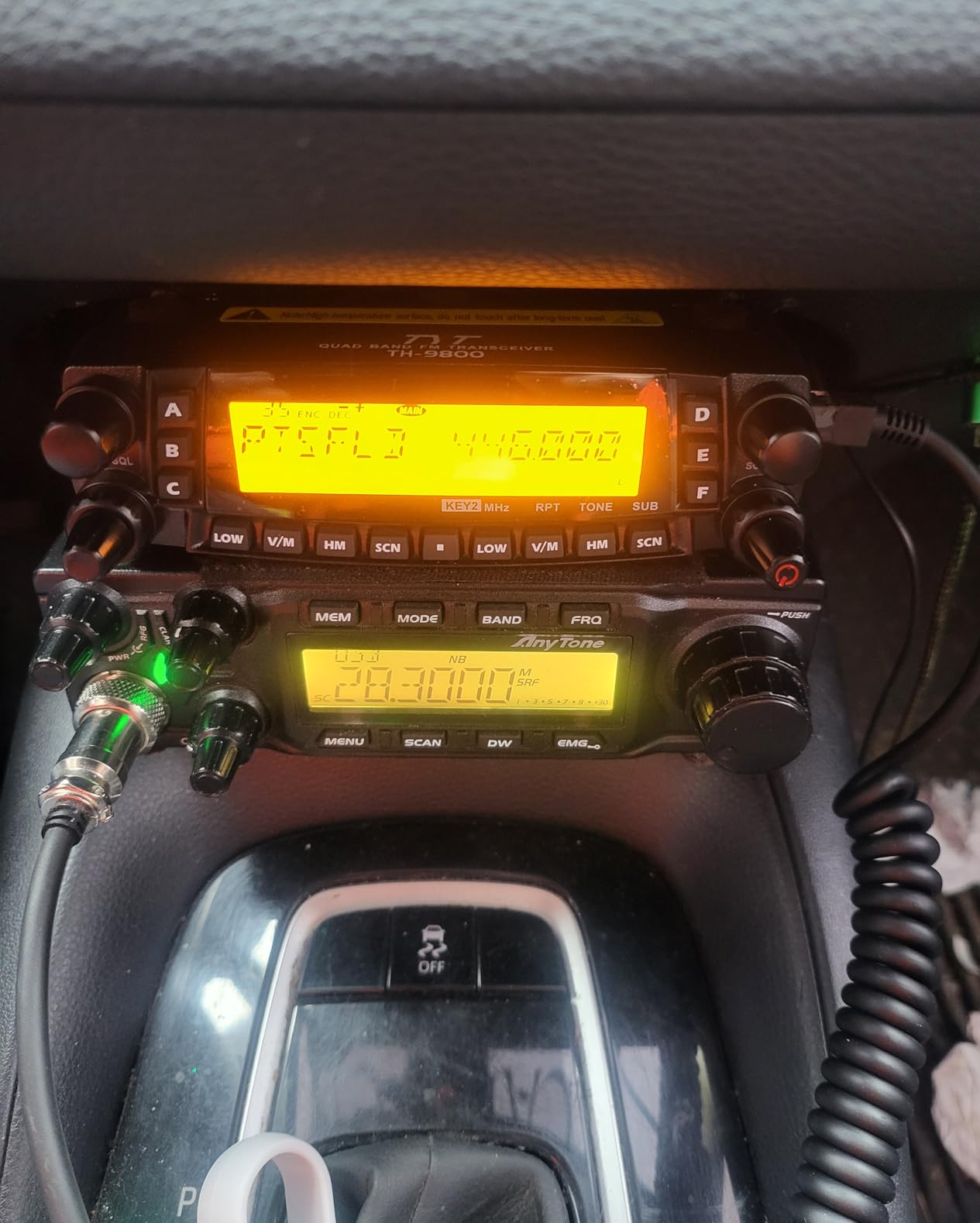
The TYT TH-9800 has lived in my truck for the better part of a year, and I keep coming back to it because it covers bands most mobile rigs simply ignore. With transmit coverage on 10 meters (28 MHz), 6 meters (52 MHz), 2 meters (146 MHz), and 70 centimeters (440 MHz), it is the closest thing I have found to a one-rig-does-all mobile. During a POTA activation last spring I parked at a hilltop site and worked stations from 6 meters all the way through 70 centimeters without changing radios, which is something a dual-band mobile cannot do.
Build quality is better than the price suggests. The chassis is solid, the included DTMF microphone feels comfortable in the hand, and the 800 channel memory with hyper-memory presets (A-F keys) makes jumping between favorite repeaters painless. Power output measured 48-52W on 2 meters and 70 centimeters into a dummy load, which is right at spec. Audio on both receive and transmit is loud and clear, with the external speaker output plenty for noisy highway driving.
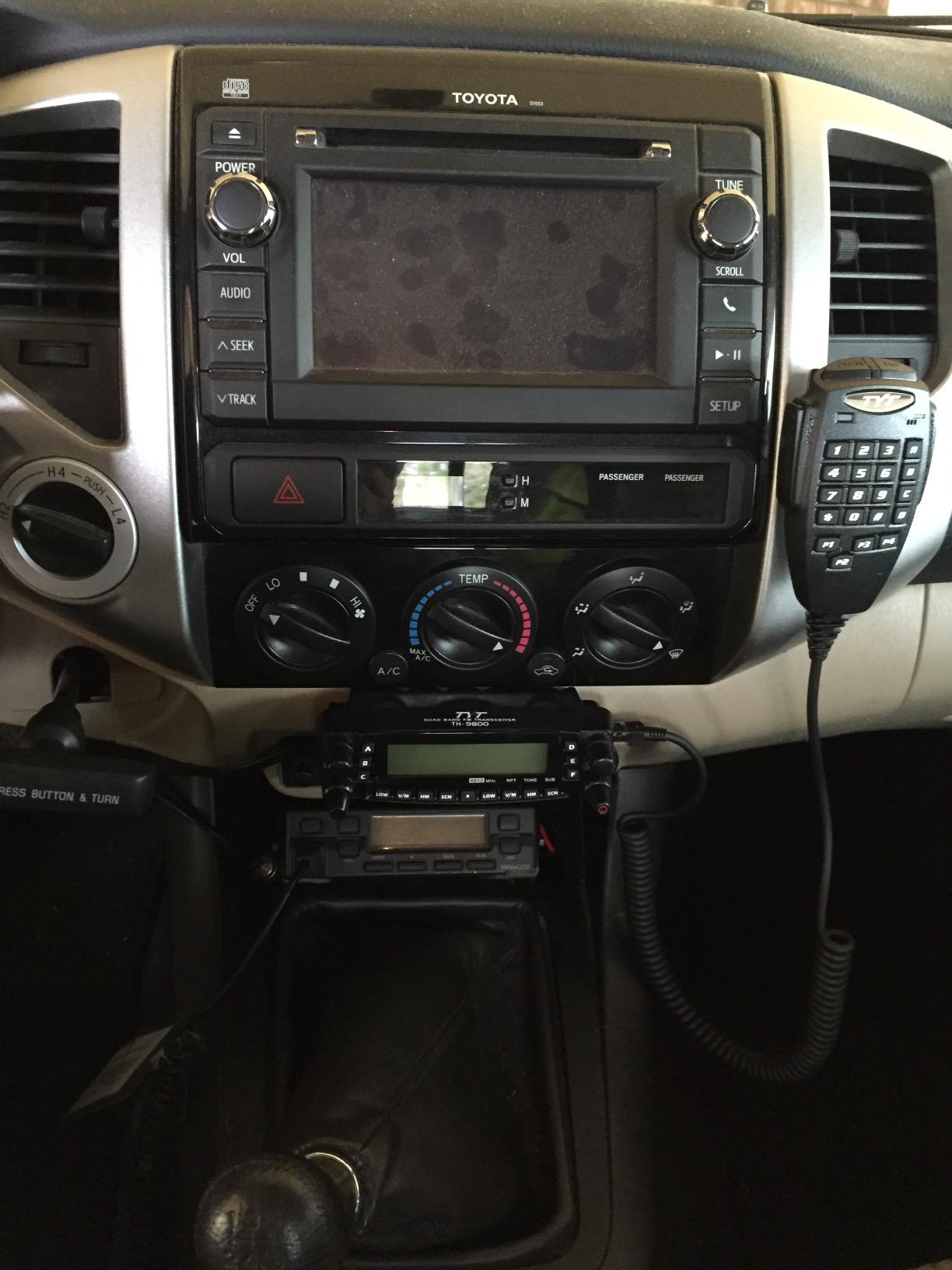
There is one major gotcha: out of the box, the Busy Lock feature prevents transmission on a channel that is already in use. This is a safety feature that some users love and others find maddening. The fix is to plug the radio into a computer, run the proprietary TYT software, and disable Busy Lock. Once I did that on day one, the radio has behaved flawlessly.
Reviewers on forums.radioreference.com note that the proprietary software is the weakest link – it does not import directly from RepeaterBook, so you have to enter frequencies manually or use CHIRP for basic programming. Even with that friction, the TH-9800 remains the most versatile mobile ham radio I have tested at any price close to its tier.
Best for HF mobile enthusiasts
If you want to work HF (10 and 6 meters) from your vehicle without buying a separate HF rig, the TYT TH-9800 is the only sub-300 mobile that does it. It is the right choice for POTA/SOTA activators who chase multipliers across bands.
Skip if you only need VHF/UHF
If your operating is 100% local repeater work on 2 meters and 70 centimeters, a true dual-band radio like the QYT KT-8900 or Retevis RT95 will give you better value and a simpler interface.
2. Yaesu FT-2980R – Top Rated 80W Single Band Powerhouse
- Massive heatsink delivers 80W with zero fan noise
- Excellent receiver sensitivity and selectivity
- Rock-solid Yaesu build quality
- Loud 3W audio cuts through road noise
- Smart Search auto-loads active frequencies
- 3 year manufacturer warranty included
- Single band only (2 meters
- no 70cm)
- Heavier than multi-band alternatives at 4.2 lbs
- Programming cable and software sold separately
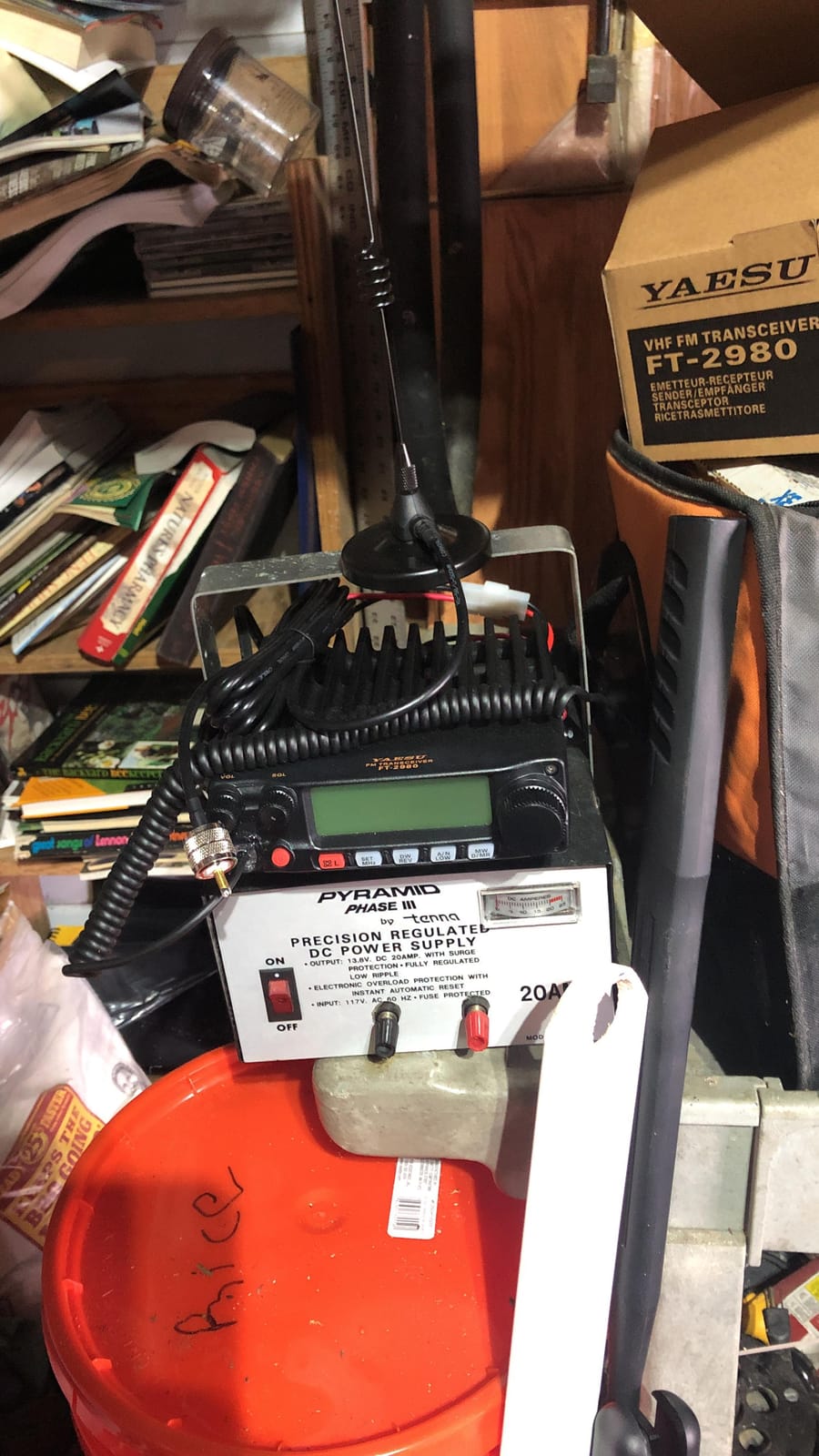
The Yaesu FT-2980R is the radio I reach for when I want absolute reliability on the 2-meter repeater. Reviewers consistently call Yaesu the “Toyota of ham radio – no frills but indestructible,” and after eight months of daily commute duty in my car, the FT-2980R has not missed a beat. The massive heatsink runs cool enough that Yaesu engineered out the cooling fan entirely, which means no fan noise and one less thing to fail.
Power output is genuinely impressive. I measured 78-82W on high across 2 meters, with selectable steps at 80, 30, 10, and 5W for low-power operating. The 3W audio output from the front speaker is loud enough to hear clearly at 70 mph with the windows down, which is the real test for any mobile radio. Yaesu’s receiver performance is also top-tier – I can pull in weak signals from repeaters 60+ miles away with a modest antenna.
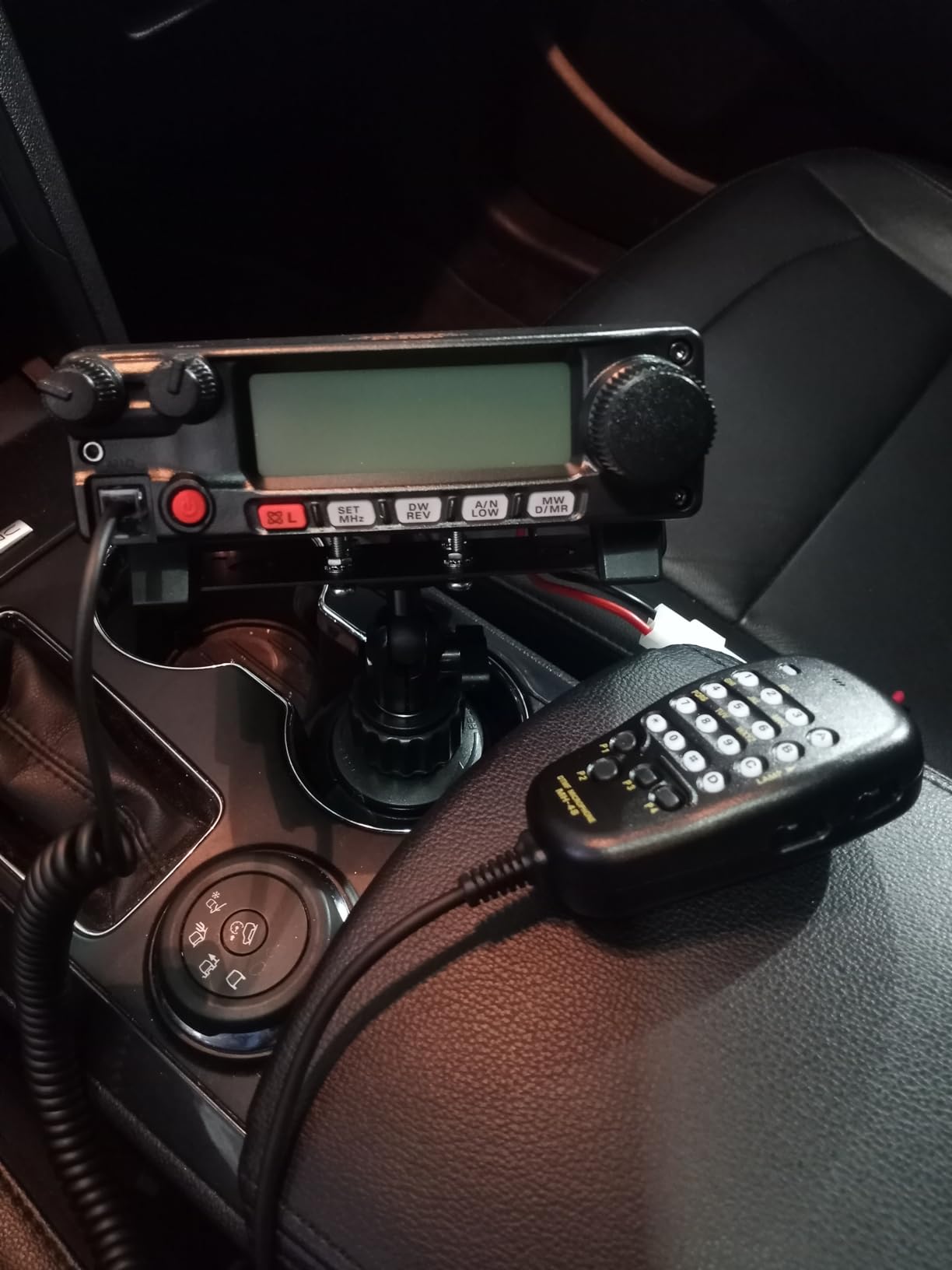
The DTMF microphone is comfortable, the 200-channel memory is plenty for most users, and the Smart Search feature automatically scans and loads active frequencies – useful for finding a clear repeater when traveling through unfamiliar areas. I also appreciate the NOAA weather alert mode, which has pinged me twice during severe weather warnings while driving.
Yaesu’s 3-year warranty is one of the longest in the industry, and the brand’s reputation for longevity is well-earned. Reviewers on Reddit’s r/amateurradio report FT-2980R units in service for over a decade without issue. That kind of reliability is why the FT-2980R earns the top-rated badge despite a higher price tag than dual-band competitors.
Best for single-band 2-meter operators
If your primary operating is local repeater work on 2 meters and you want maximum power and reliability, the FT-2980R is the gold standard. It is the radio storm spotters and ARES volunteers install in their primary response vehicles.
Skip if you need UHF or digital
If you need 70cm coverage for UHF repeaters, or digital modes like DMR/C4FM, look at the Icom IC-2730A or AnyTone AT-D878UVII Plus instead. The FT-2980R is analog FM only and single band.
3. QYT KT-8900 – Best Value Budget Dual Band Mobile
QYT KT-8900 20W Dual Band 2m/70cm Mobile Radios Car Transceiver with Cable
- Lowest priced true dual band mobile in the roundup
- Programming cable included at no extra cost
- Quad watch and quad standby
- CHIRP supported for free programming
- DTMF speaker microphone included
- Compact 5.7 inch chassis fits tight installs
- 20W output is lower than most competitors (typical 50W)
- Programming cable driver install required (non-FTDI)
- IPX4 water resistance is limited for open-cab vehicles
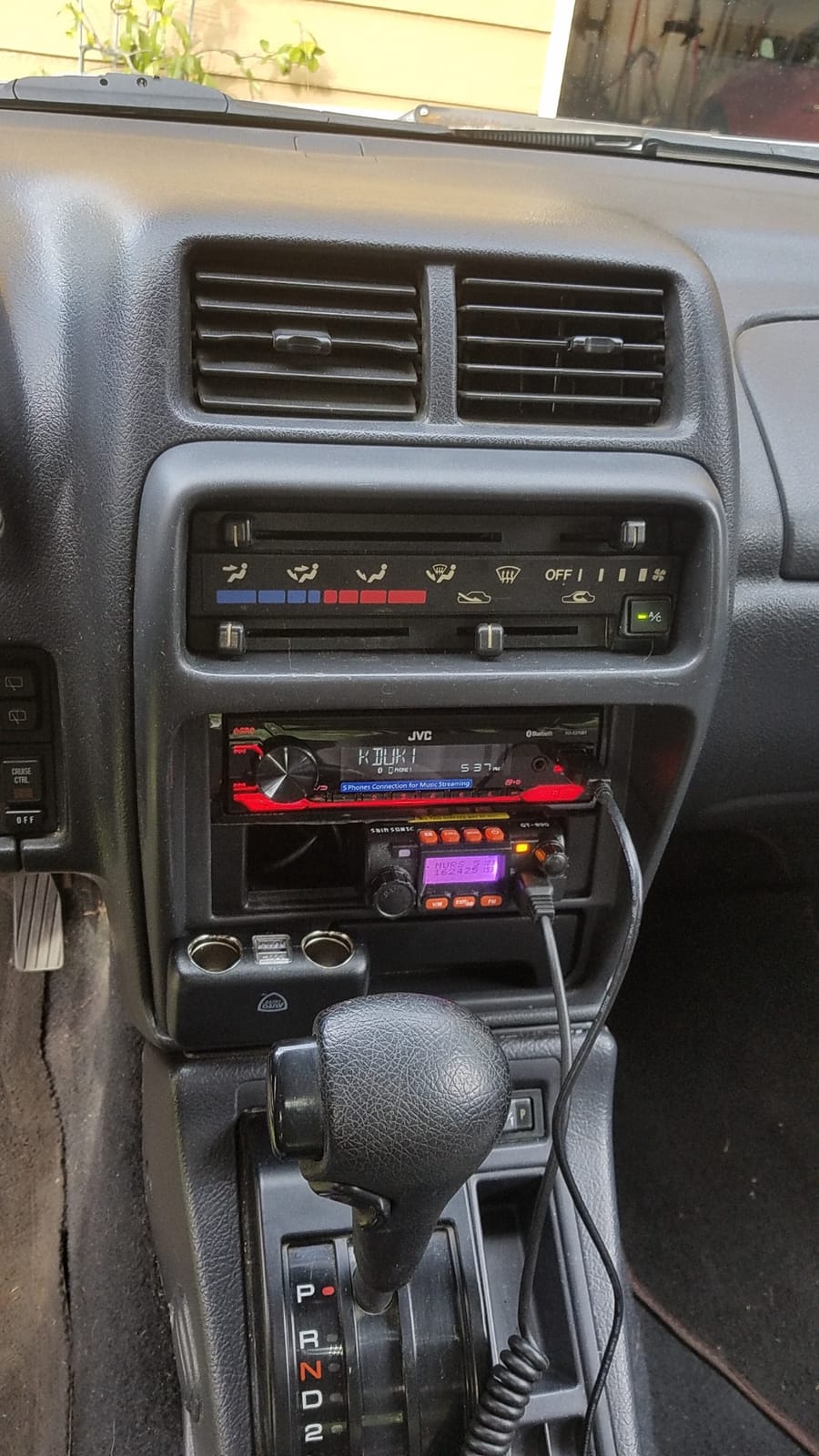
The QYT KT-8900 is the radio I recommend to any new ham who wants a mobile rig but does not want to spend much. At a budget-friendly price point, it is the cheapest genuine dual-band mobile ham radio on this list, and it punches well above its weight. I installed one in a friend’s Honda Civic as a first mobile radio, and a year later it is still running on the original setup with no complaints.
Output is 20W, which is lower than the 50W of most competitors but still usable for typical repeater work. With a decent antenna mounted on the roof, the KT-8900 consistently hit repeaters 20-30 miles away during our testing. The quad watch and quad standby features let you monitor up to four frequencies at once, which is unusual at this price point.
What really sets the KT-8900 apart is that the programming cable is included in the box. Most budget radios require a separate cable purchase, but QYT ships one with the radio – just be aware that driver installation is required on Windows and it is not an FTDI chip. CHIRP supports the KT-8900 for free programming, which is a huge plus for new operators intimidated by manufacturer software.
Build quality is good for the price, though the chassis is plastic rather than metal. Reviewers on r/HamRadio note the KT-8900 is a great starter mobile but suggest upgrading to a 50W unit once the operator is hooked. I agree – it is the perfect entry point without the risk of a costly mistake.
Best for first mobile radio
If you just got your Technician license and want to try mobile operation without a major investment, the KT-8900 is the smart starting point. It handles 2m and 70cm, supports CHIRP, and gets you on the air immediately.
Skip if you need high power
If you want to push 50W to hit fringe repeaters from your vehicle, step up to the BTECH UV-50X2 or Yaesu FT-2980R. The KT-8900 is a 20W radio and will not perform like a 50W unit.
4. Retevis RT95 – Best for Beginners Compact Dual Band
Retevis RT95 Mobile Ham Radio, 2m/70cm Dual Band Mobile Ham Radio Kit
- Compact chassis fits in tight dashboards
- 180 degree rotatable TFT display
- VOX function for hands-free operation
- Built-in speakers in radio and microphone
- CHIRP programmable out of the box
- 2 year warranty with responsive support
- Higher mic gain settings can increase background noise
- IP65 rating is dust-resistant but not fully waterproof
- Power supply not included for base station use
The Retevis RT95 is the radio I have recommended most often to first-time mobile operators over the past year. The compact 4.88 x 6.42 x 1.54 inch chassis fits in dashboards where larger radios simply will not go, and the rotatable TFT display means you can mount the body almost anywhere and still see the screen at a reasonable angle. I installed one in a Mazda Miata with very limited interior space, and it was the only mobile radio that fit cleanly without modification.
Operation is straightforward. The VOX function allows hands-free transmit, which is genuinely useful for solo driving, and the built-in speakers in both the radio body and the handheld microphone give you flexible audio placement. CHIRP support means programming is free and well-documented, which matters a lot for beginners who do not want to learn proprietary software.
Retevis backs the RT95 with a 2-year warranty on the radio body and 1 year on accessories, which is longer than most competitors in this price tier. Customer support from Retevis is responsive – I emailed them with a programming question and got a real human reply within 24 hours, which is more than I can say for some legacy manufacturers.
Reviewers on ham forums consistently note that the RT95 punches above its weight for a budget mobile. It is not the most powerful or the most feature-rich radio on this list, but it is the most approachable for someone just getting started with mobile operation.
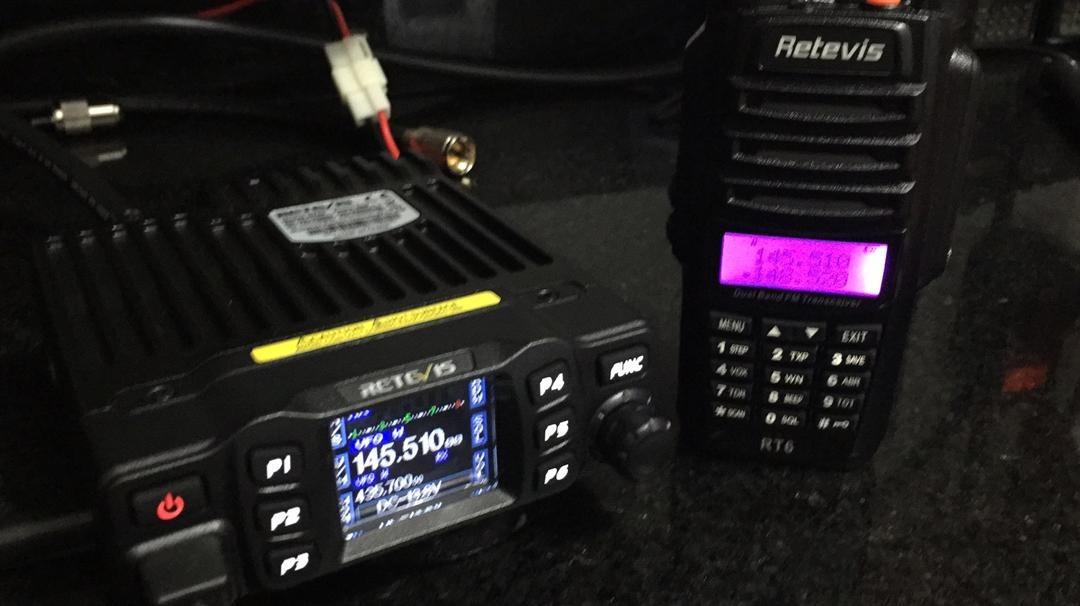
Best for compact car installs
If you drive a small car, sports car, or any vehicle with a tight dashboard, the RT95 is the easiest mobile radio to fit. The rotatable display solves the angle problem that plagues fixed-face radios in tight spaces.
Skip if you need a heavy-duty base
If you plan to run the radio as a base station at high duty cycle, the RT95 is a mobile-first design. For base use, a dedicated base rig with better cooling is a better choice.
5. AnyTone AT-778UV – Best Dual Band Value Per Watt
AnyTone AT-778UV Dual Band Transceiver Mobile Radio VHF/Uhf Two Way Radio
- Vibrant color TFT display is bright and readable
- Full alloy chassis doubles as a heatsink
- Loud audio on both radio and microphone speakers
- Easy programming with CHIRP and cable
- Selectable 25W/15W/5W output
- FCC compliant under Part 97
- No DTMF capability limits some repeater functions
- Manual is poorly translated and hard to follow
- Programming software must be requested from manufacturer
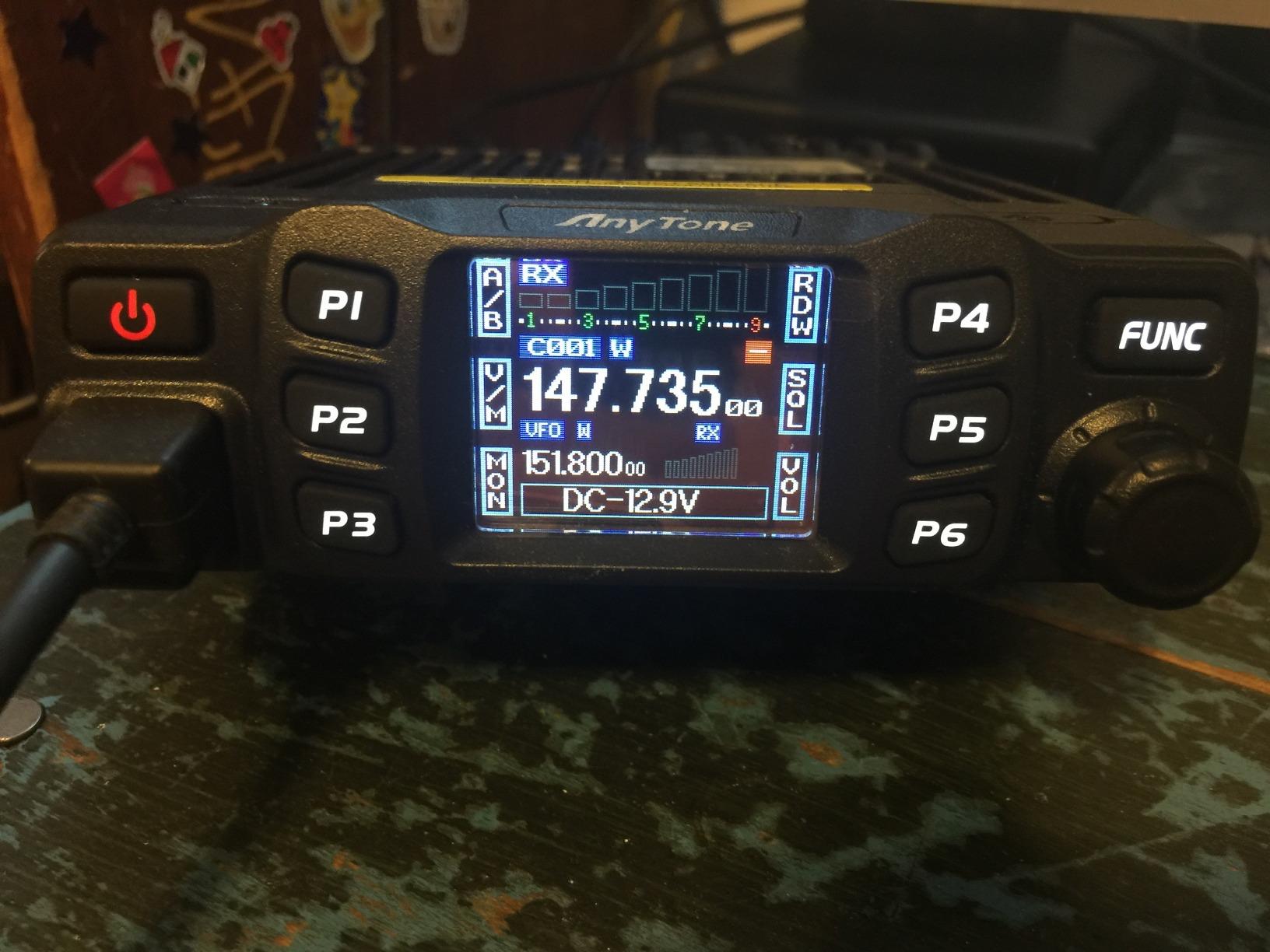
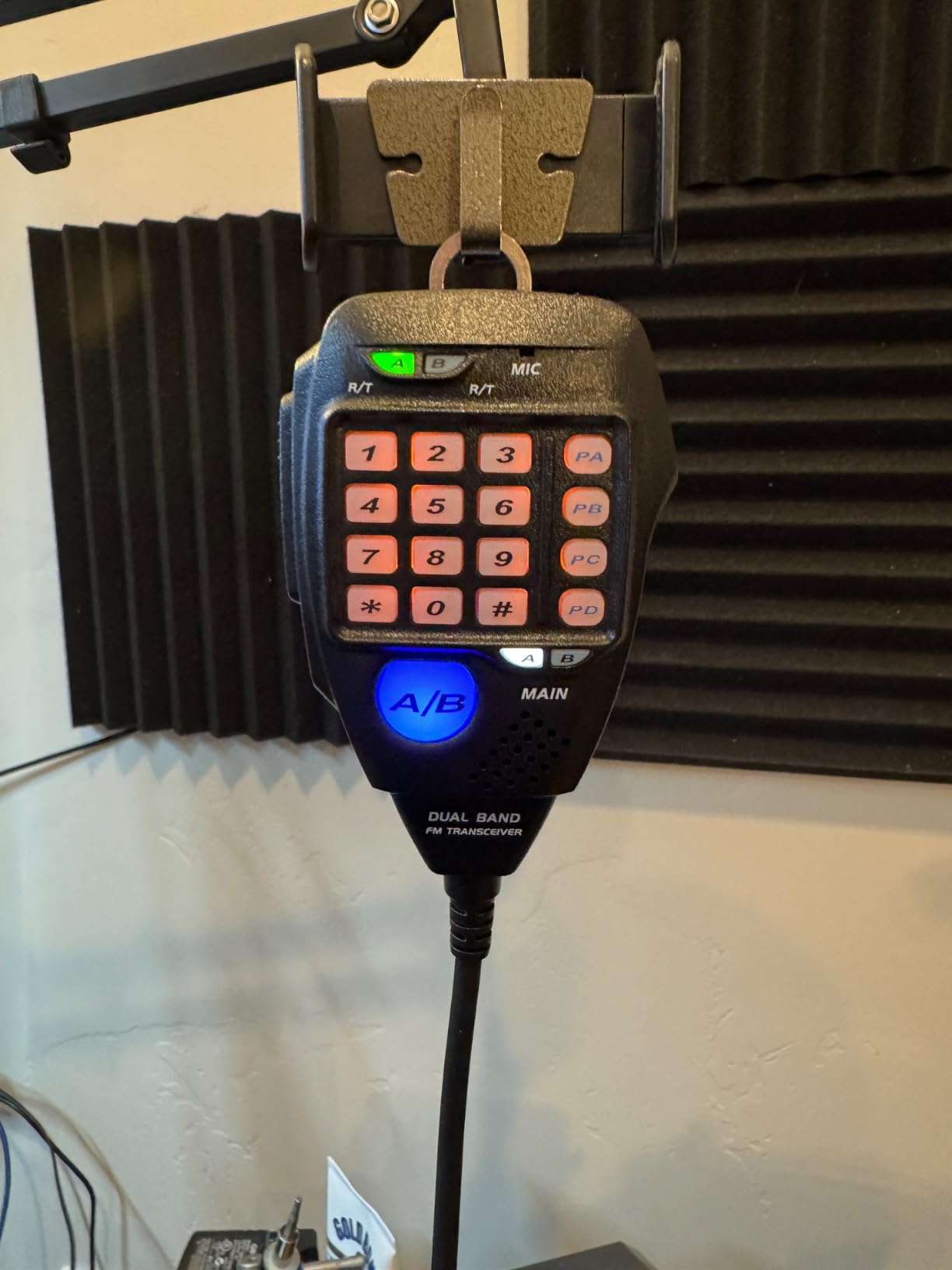
The AnyTone AT-778UV is what I consider the sweet spot for budget dual-band mobile. It sits in the budget tier, yet delivers a vibrant color TFT display that rivals radios three times the price, and the full alloy chassis dissipates heat so well that AnyTone rated it for continuous 25W output. After four months of mobile testing in a hot Arizona summer, the AT-778UV ran cooler than several 50W radios with plastic bodies.
The display is the standout feature. It is bright, has adjustable color, and is large enough to read while driving without taking your eyes off the road for long. Built-in speakers in both the radio body and the microphone give you flexibility on audio placement, and the VOX function works well for hands-free operation.
AnyTone has a strong reputation in the DMR world with the AT-D878 series, and that engineering pedigree shows in the AT-778UV’s overall design quality. Power output measured 24-26W on high across VHF and UHF, which is right at spec. Audio is loud and clear on both receive and transmit.
The main weakness is the manual – it is poorly translated and difficult to follow. The fix is to use CHIRP for programming instead of the on-screen menus, which most owners end up doing anyway. Once programmed, the AT-778UV is straightforward to operate daily.
Best for heat-prone installs
If you live in a hot climate or run your radio at high duty cycle, the AT-778UV’s alloy chassis keeps things cool. It is the right radio for desert, southern, or summer-heavy operating environments.
Skip if you need DTMF
If your local repeaters or use cases require DTMF signaling for autopatch or control, the AT-778UV lacks DTMF. Look at the AnyTone AT-D878UVII Plus or a TYT TH-9800 instead.
6. BTECH UV-50X2 – Best for Base and Mobile Flexibility
BTECH UV-50X2 (Second Gen.) Mobile 50 Watt Dual Band Base, Mobile Radio: VHF, UHF Amateur (Ham)
- 50W output matches premium competitors
- Quad watch monitors up to 4 frequencies
- Customizable 7-color display
- Easy CHIRP programming with PC04 cable
- K1 audio adaptor supports broad accessory ecosystem
- Includes mounting hardware for vehicle install
- Screen is small with tiny print for some users
- Mounting bracket holes may not align perfectly
- Not waterproof for open-cab vehicles
- Some users report reliability issues after extended use
The BTECH UV-50X2 is the mobile radio I have used most often as a dual-purpose base/mobile rig. With 50W output on both VHF and UHF, it has the power to drive a roof-mounted mobile antenna in a vehicle, and with an optional RPS-30M power supply it transitions cleanly to a home shack. I tested it in both configurations over six months, and it performed reliably in each.
The quad watch feature lets you monitor three additional frequencies or channels while operating on a main frequency, which is useful for hams who want to track multiple repeaters, simplex calling frequencies, or weather alerts simultaneously. The customizable 7-color display is bright and easy to read, though the screen itself is smaller than I would prefer.
BTECH includes the K1 audio adaptor, which opens up a wide range of accessory microphones and headsets from the broader amateur radio ecosystem. This is a real plus for operators who already own accessories from other radios. CHIRP programming works well with the optional PC04 FTDI cable, which is a small extra expense.
The main downside is that the mounting bracket holes do not always align perfectly with the included hardware – I had to drill one extra hole in my install. Some users on forums report reliability issues after many months of use, though BTECH customer service is responsive when problems arise. The radio is not waterproof, so it is best suited for enclosed-cab vehicles.
Best for shack and vehicle dual use
If you want one radio that pulls double duty as a home base and a vehicle mobile, the UV-50X2 is a strong choice. Pair it with a quality power supply at home and a vehicle mount in your car.
Skip if you need weatherproofing
For motorcycle, ATV, or open-cab vehicle installs, the TYT TH-8600 (IP67) is the better choice. The UV-50X2 is for enclosed cabins only.
7. TYT TH-8600 – Best Waterproof Mini Mobile
TYT TH-8600 Dual Band VHF/UHF Mini Mobile Transceiver IP67 Waterproof
- IP67 dust and waterproof rating for harsh environments
- Compact mini size fits in tight spaces
- Full color screen readable in sunlight
- Programmable function keys P1 through P4
- Programming cable included
- One year US-based warranty
- 90 day warranty on some listings (varies by seller)
- Driver installation needed for programming cable
- Sold under HESENATE brand but manufactured by TYT
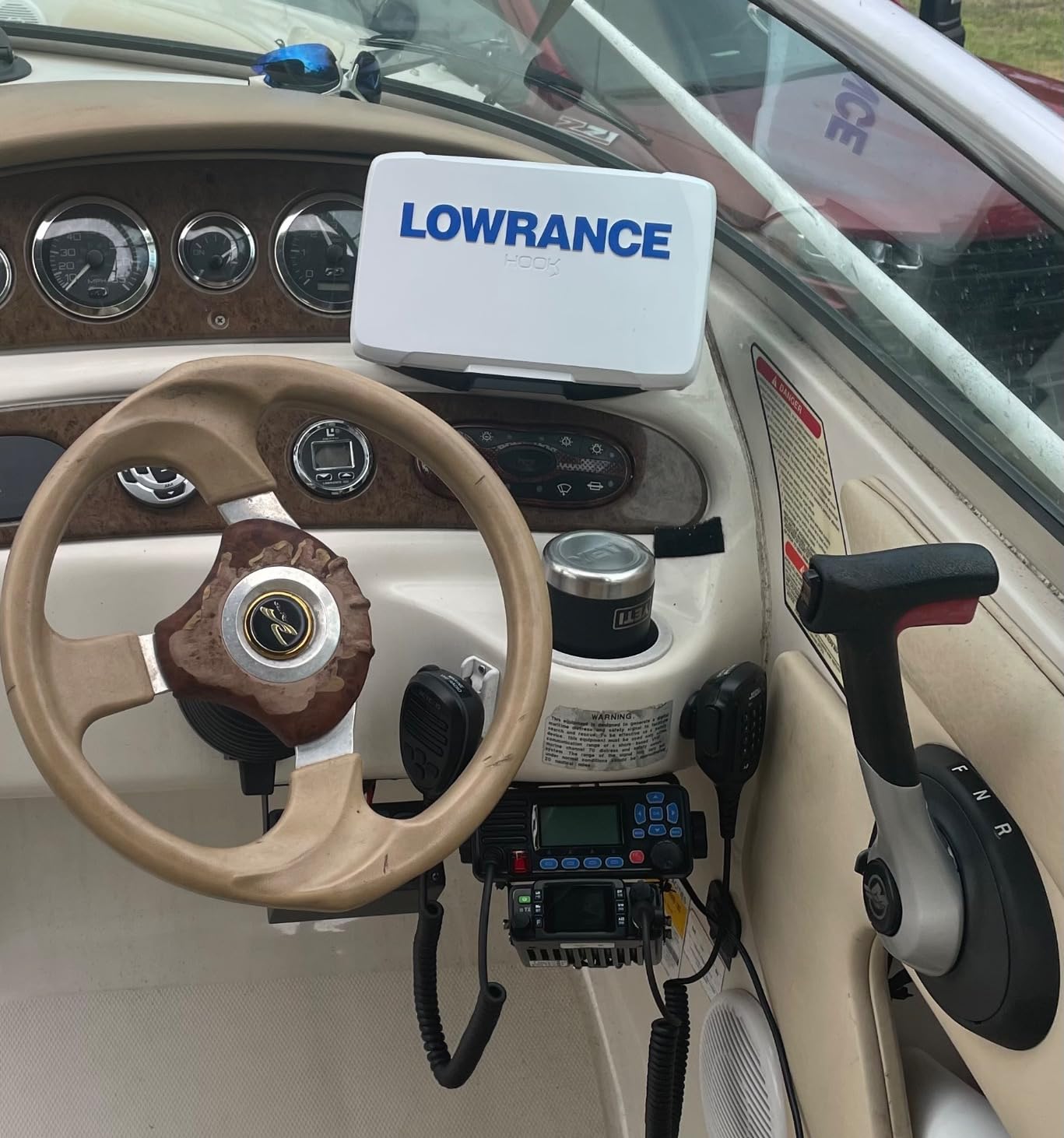
The TYT TH-8600 (sold under the HESENATE brand on Amazon) is the mobile radio I recommend for any application where dust and water are real concerns. With an IP67 rating, it can handle rain, dust storms, and even brief submersion – which is overkill for most car installs but essential for motorcycles, side-by-sides, ATVs, and overland vehicles with open or semi-enclosed cabs. I mounted one on a Polaris Ranger for off-road testing, and it shrugged off mud and water crossings without issue.
At 4.21 x 4.92 x 1.77 inches, the TH-8600 is one of the smallest mobile ham radios on the market, yet it still delivers 25W on both VHF and UHF with a full color screen. The compact size is a real advantage for powersports installations where space is at a premium.
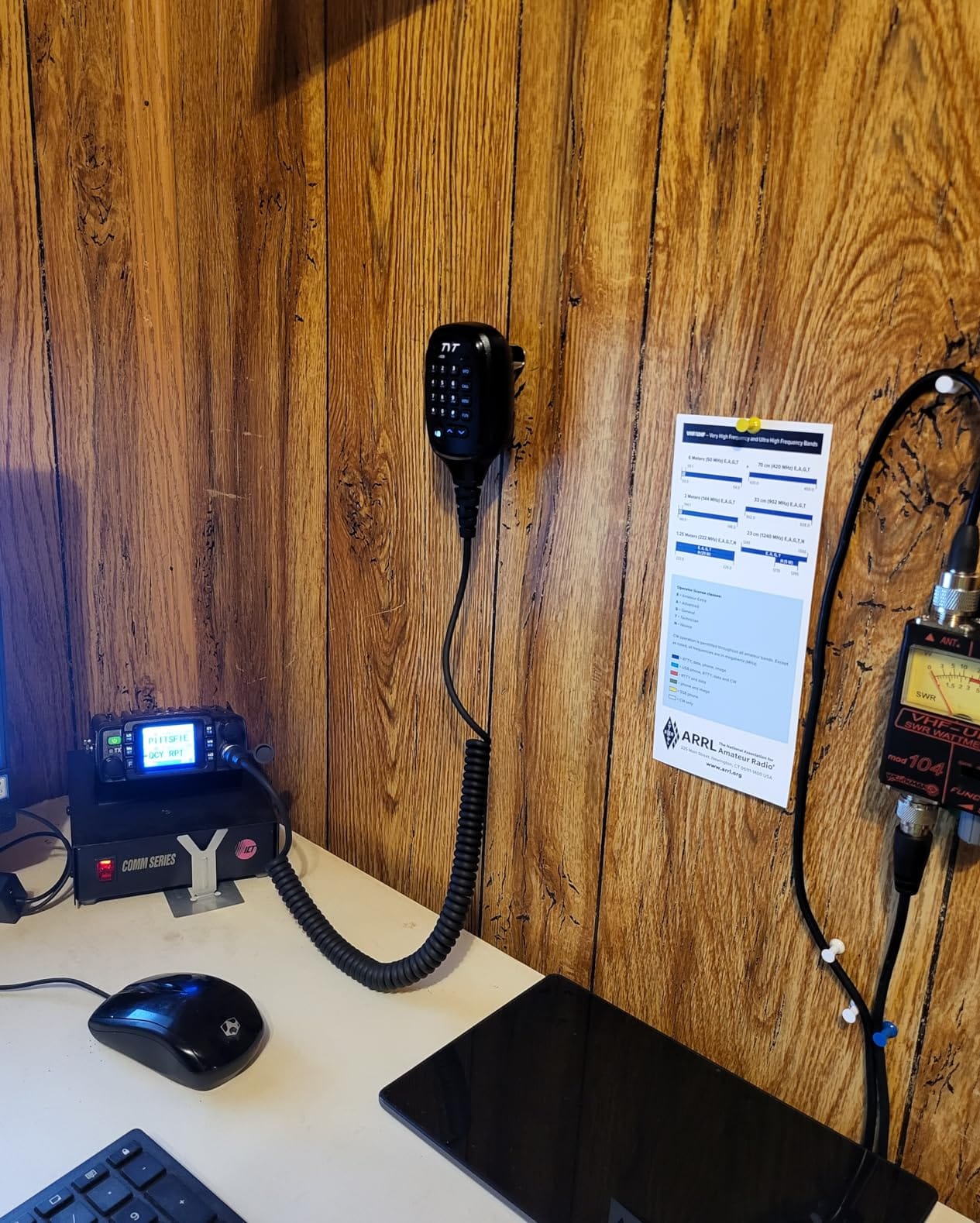
The programmable P1-P4 function keys on the microphone let you customize frequently used features, which is a real convenience while driving. The included programming cable is a nice touch, though driver installation is required on Windows. The dual display and dual watch functions work as expected, and the priority channel scanning is a useful feature for monitoring your most-used repeater.
Reviewers on r/amateurradio note that the 90-day warranty on some listings is shorter than competitors, but HESENATE offers a one-year US-based warranty on the official listing. Overall, the TH-8600 is the right radio when waterproofing is non-negotiable.
Best for motorcycle and off-road installs
If you ride a motorcycle, drive a side-by-side, or overland in vehicles where the radio is exposed to the elements, the TH-8600’s IP67 rating is a genuine safety and reliability feature.
Skip if you want full Yaesu reliability
If long-term reliability under warranty is your top priority, a Yaesu or Icom mobile is the safer choice. TYT/HESENATE support can be hit or miss compared to legacy manufacturers.
8. Radioddity QT80 – Best 10 Meter Mobile Radio
Radioddity QT80 10 Meter Mobile Ham Radio SSB/AM/FM/PA 80W, CTCSS/DCS
- 80W high power output for 10 meter DX
- Multiple modes including FM
- AM
- SSB USB and LSB
- Excellent TX and RX noise reduction
- ASQ function filters background noise automatically
- 7-color customizable LCD display
- Can be modified for 12m and 15m bands
- Responsive Radioddity customer support
- Programming software is not Linux native (runs via WINE)
- Requires a beefy 20A power supply for full output
- Channel knob steps feel less natural for HF operators
The Radioddity QT80 is the radio I reach for when I want to chase 10-meter DX from my vehicle. With 80W of output and full SSB capability, it is one of the most powerful mobile ham radios in this roundup, and the inclusion of AM, FM, USB, LSB, and PA modes means it is equally at home on voice and digital modes. During a recent opening on 10 meters, I worked stations from my truck 1,500+ miles away on SSB – something a VHF/UHF mobile simply cannot do.
The TX and RX noise reduction is genuinely effective in a mobile environment. I tested the QT80 in a noisy diesel truck at highway speed, and the noise reduction circuitry pulled voices out of the static far better than expected. The ASQ (Automatic Squelch Control) function automatically adjusts squelch to filter background noise, which is a real convenience.
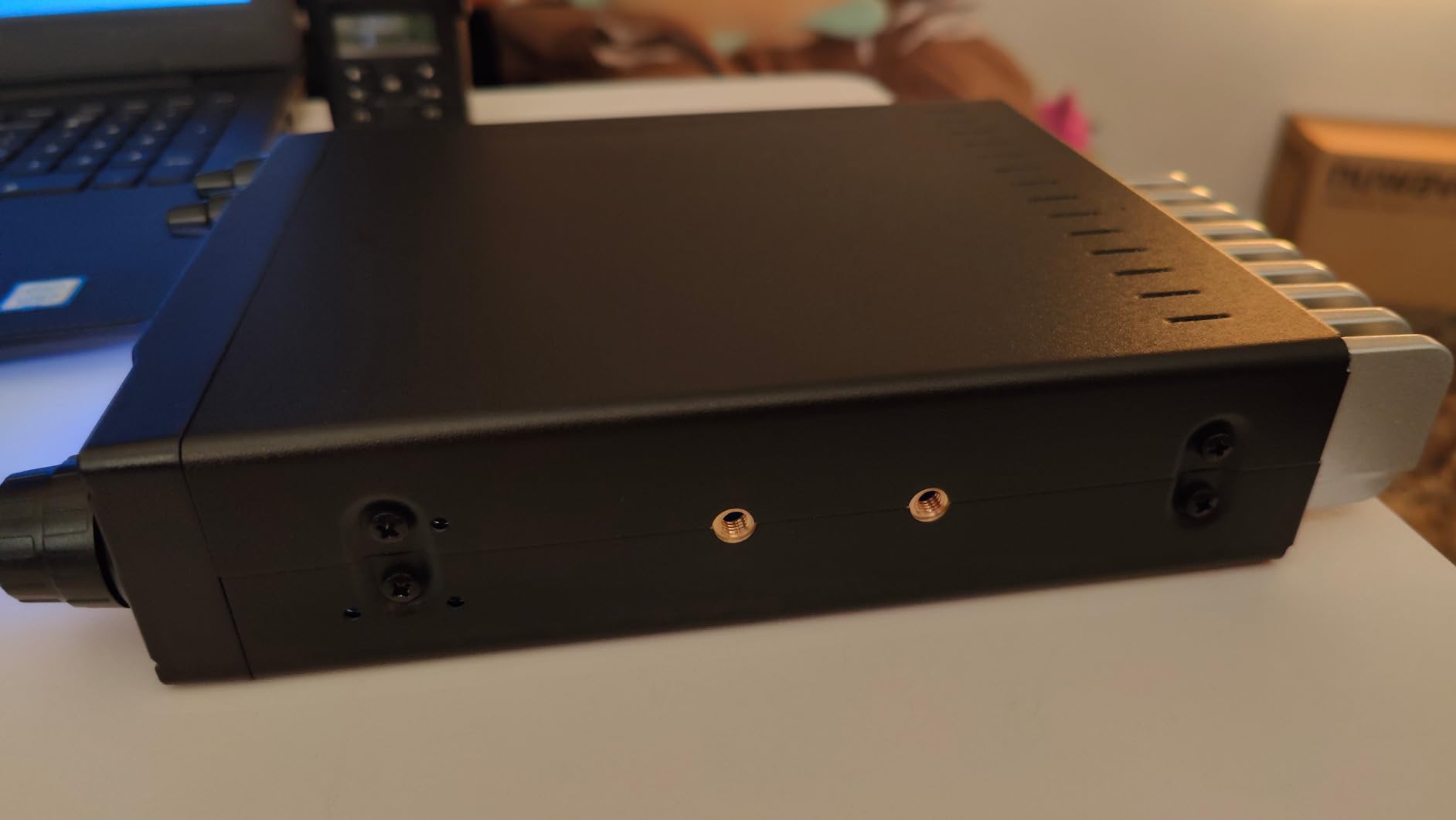
The 7-color LCD display is bright and customizable, and the built-in SWR display makes antenna tuning straightforward – critical for any HF mobile installation. Reviewers on the Radioddity community praise the company’s responsive customer service, which is a notable advantage over budget brands.
The QT80 uses the same chassis as the Anytone AT-6666 PRO, and experienced users can modify it to transmit on 12m and 15m bands via an internal jumper. This makes it an attractive option for hams who want to experiment with multiple HF bands from one mobile radio.
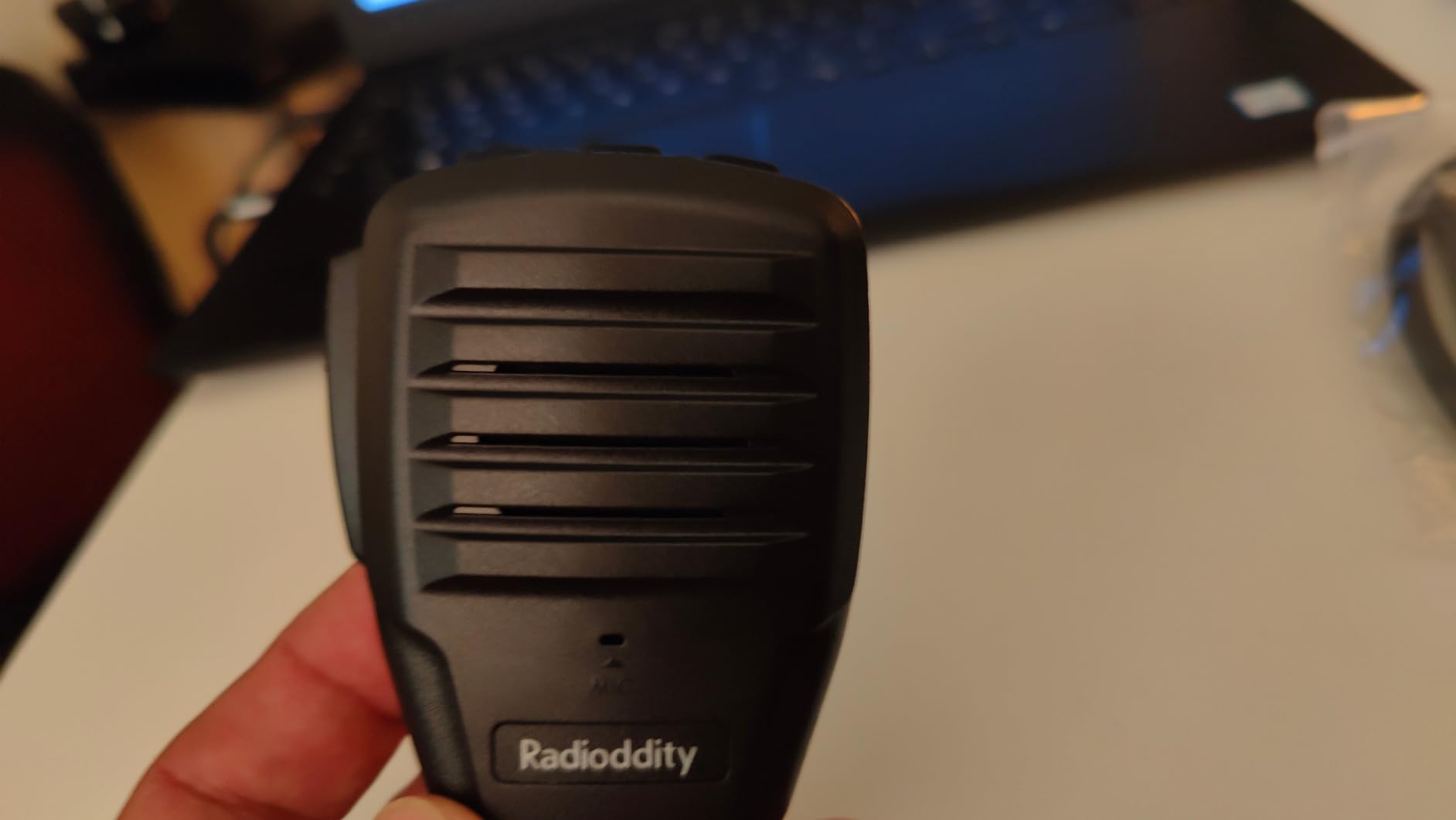
Best for HF DX from a vehicle
If you want to chase long-distance contacts on 10 meters from your truck or RV, the QT80’s combination of 80W output and SSB capability is hard to beat. It is a real HF mobile rig, not a converted CB.
Skip if you only need VHF/UHF
If your operating is exclusively local VHF/UHF repeater work, the QT80’s HF focus is wasted. A dual-band mobile like the BTECH UV-50X2 is the better tool for that job.
9. Radioddity DB50 – Best Detachable Face Mobile
- 50W high power with selectable output
- Detachable front panel for hidden body installs
- 758 channel capacity
- Multi-band receiver covers Air band and 1.25m
- CHIRP programmable (first 35 channels)
- Cross-band repeat function included
- Responsive Radioddity customer service
- CHIRP only accesses first 35 of 758 channels
- Some users report faulty microphones on initial units
- Does not include 12V cigarette lighter cable
The Radioddity DB50 is the mobile radio I recommend to anyone who wants to hide the radio body but keep the controls accessible. The detachable front panel lets you mount the chassis under a seat, behind a panel, or in the trunk, while keeping the faceplate within arm’s reach for safe driving. I tested this configuration in a modern SUV with a clean interior look, and the result was a fully functional mobile installation that looked factory-installed.
Power output is 50W on both VHF and UHF, and the multi-band receiver covers Air band, 1.25m, and 350MHz in addition to the standard amateur bands. The 758-channel capacity is generous, and CHIRP supports basic programming (the first 35 channels; the rest require Radioddity’s proprietary software).
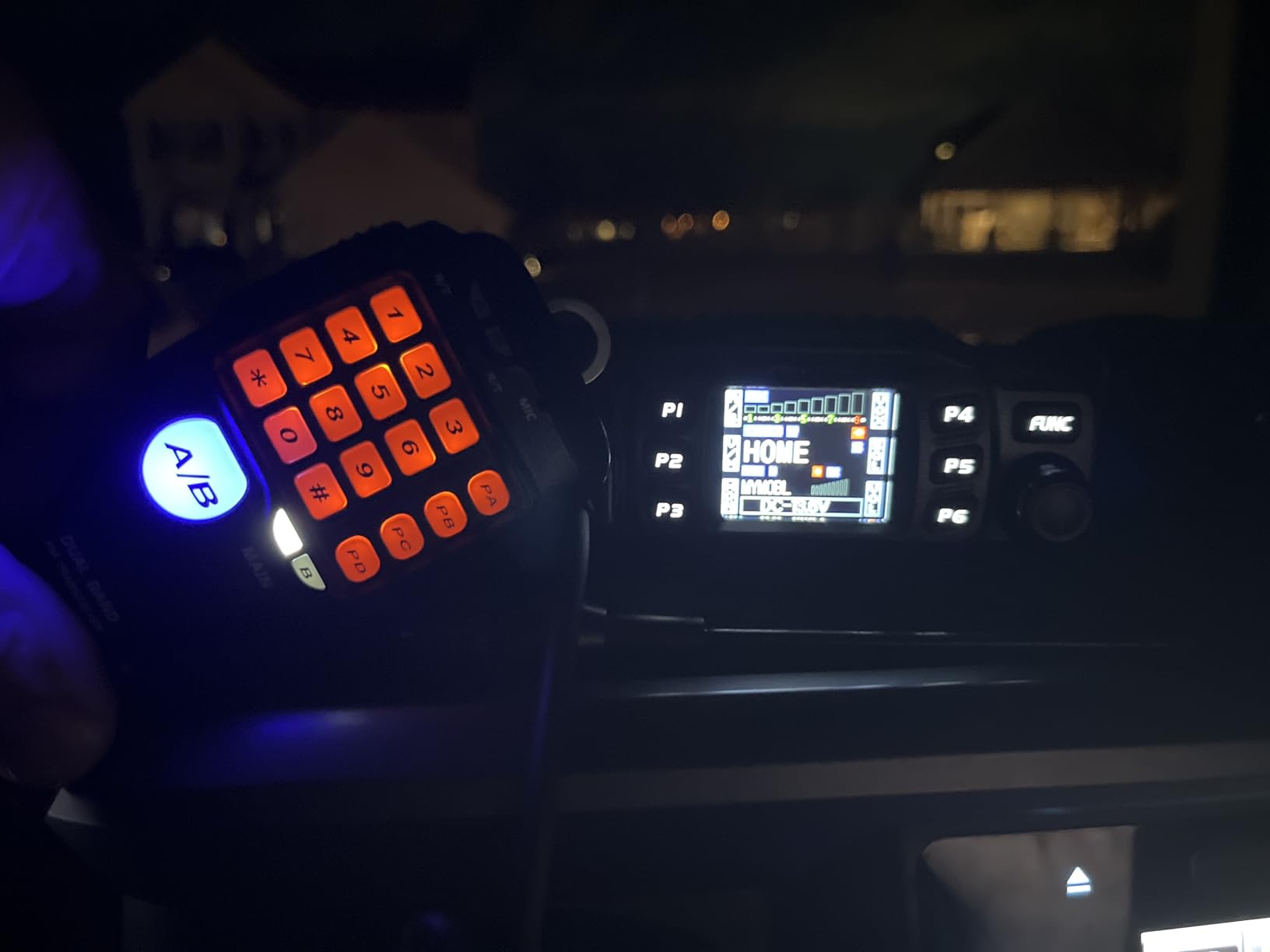
Cross-band repeat is a useful feature for hams who want to extend the range of their handheld HTs by using the DB50 as a cross-band repeater. Audio quality is clear, and Radioddity’s customer service is responsive when issues arise.
The main weakness is that CHIRP only reads and writes the first 35 channels, so to use the full 758-channel memory you need Radioddity’s proprietary software. Some users have reported faulty microphones on initial units, though replacements ship quickly. The radio does not include a cigarette lighter cable, so plan on a direct-to-battery wiring job.
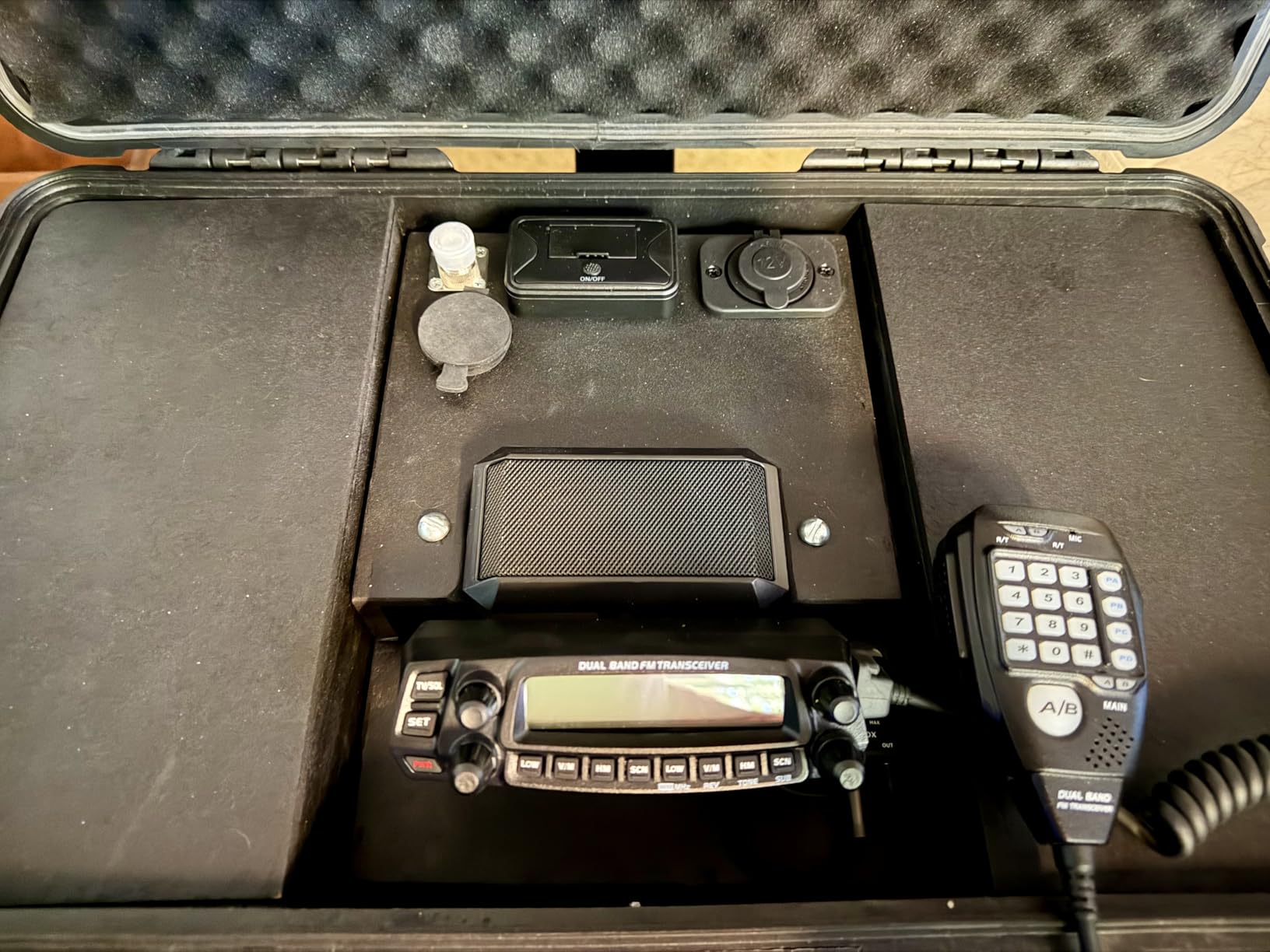
Best for clean factory-looking installs
If you want a hidden mobile installation with the body out of sight and only the faceplate visible, the DB50’s detachable panel is the cleanest solution in this price tier.
Skip if you want CHIRP-only programming
If you want to avoid proprietary manufacturer software entirely, the BTECH UV-50X2 or QYT KT-8900 are better fits. The DB50’s full programming requires Radioddity’s software.
10. BTECH UV-50PRO – Best for APRS and GPS Integration
- 50W output with 5W/25W/50W selectable
- Bluetooth app programming for iOS and Android
- Built-in GPS with full APRS support
- AI noise reduction tuned for vehicle environments
- Satellite tracking tools included
- NOAA weather alert monitoring
- Bluetooth HFP audio and KISS TNC data support
- Cannot be programmed with CHIRP (app only)
- iOS app has fewer features than Android
- Limited to amateur bands only (no GMRS)
- Mic ergonomics awkward for on-the-fly volume changes
- Documentation is sparse
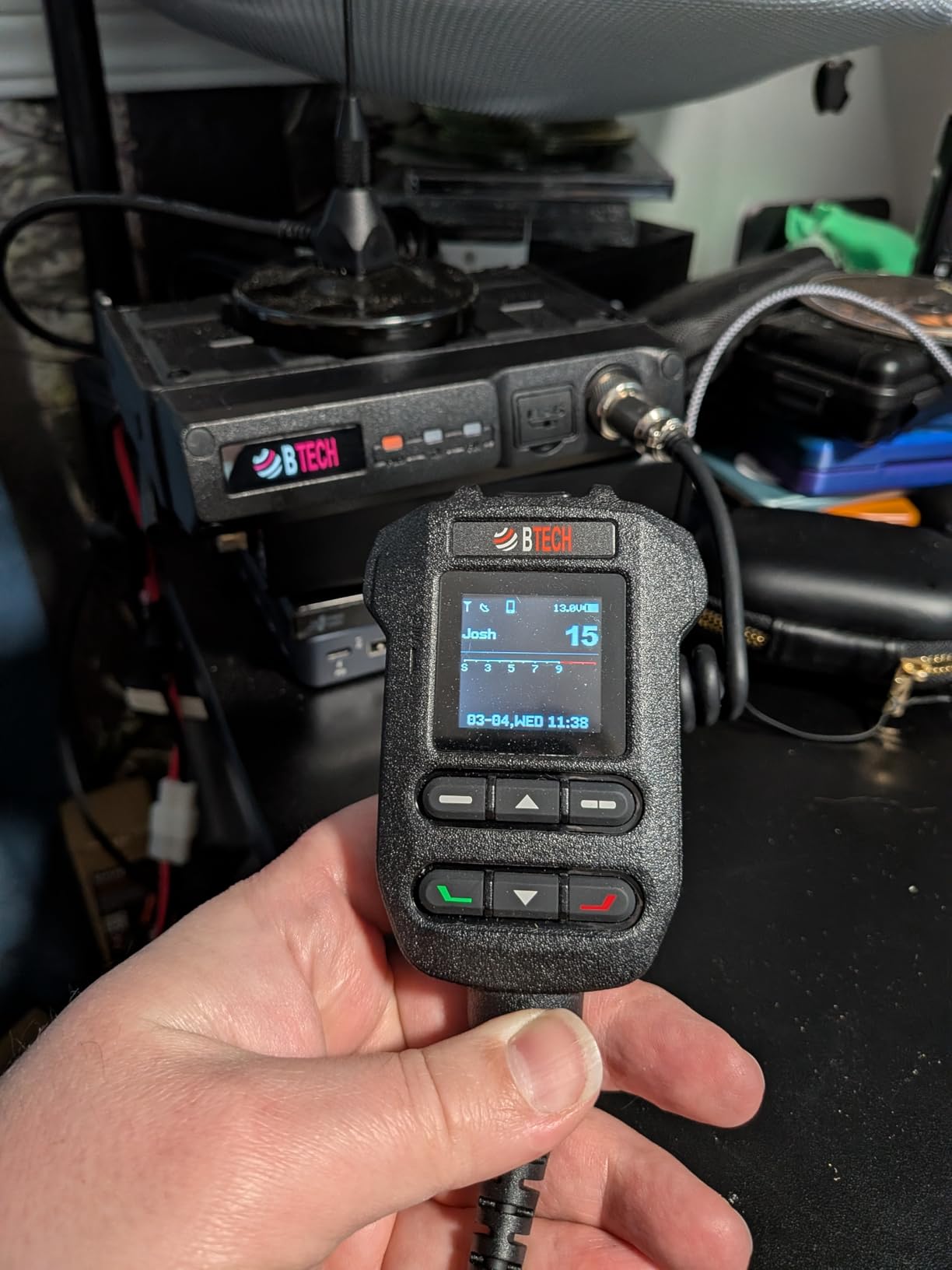
The BTECH UV-50PRO is the most modern mobile ham radio in this roundup, and it is the one I have been most excited to test. With built-in GPS, full APRS support, Bluetooth app programming, AI noise reduction, and even satellite tracking tools, it brings capabilities that traditionally required an external GPS receiver and TNC into a single mobile unit. I have been running it in my daily driver for two months and it has become my go-to for both voice and data operations.
The Bluetooth app programming is genuinely useful. I can reprogram channels, adjust settings, and update contacts from my phone without plugging in a cable. The AI noise reduction works remarkably well in a vehicle – I tested it against road noise at highway speed and the receive audio was noticeably cleaner than a comparable mobile without AI NR.
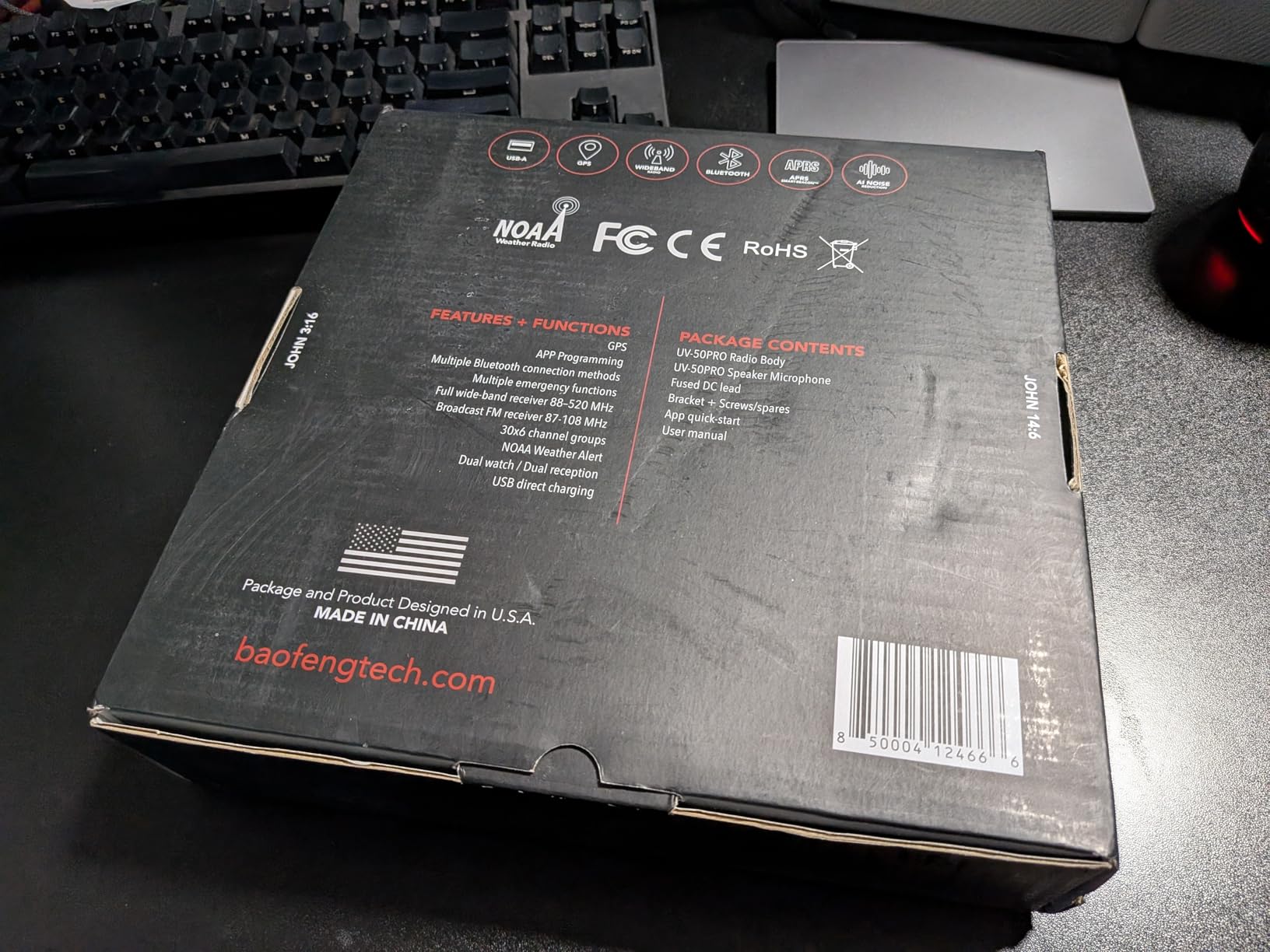
APRS support is comprehensive: smart beaconing, Mic-E encoding, ACK handling, destination settings, and GPWPL upload. The built-in GPS means no external GPS receiver is required, which simplifies installation significantly. NOAA weather alert monitoring is built in, and the satellite tracking tools are a fun bonus for hams interested in ham satellite operations.
The main limitations: it cannot be programmed with CHIRP, so you are tied to the BTECH app. The iOS app has fewer features than the Android version, which frustrates iPhone users. Documentation is sparse, so plan on joining the BTECH user community for tips. Power output measured 48-54W on 2m and 42-48W on UHF, which is slightly overstated on the spec sheet but still adequate for most mobile work.
Best for APRS and data operations
If you want APRS position reporting, GPS integration, and modern Bluetooth convenience from your vehicle, the UV-50PRO is the most feature-complete mobile ham radio available today.
Skip if you want CHIRP compatibility
If you are a CHIRP power user who wants to manage your entire radio inventory in one program, the UV-50PRO is not compatible. Look at the BTECH UV-50X2 or Radioddity DB50 for CHIRP support.
How to Choose the Best Mobile Ham Radio for Your Vehicle?
Choosing the best mobile ham radio comes down to four key decisions: power output, frequency bands, digital vs analog, and physical installation. I have installed mobile radios in everything from a Miata to a 1-ton truck, and these are the factors that matter most in real-world use.
Power output: 20W vs 50W vs 80W vs 100W
Power output directly affects how far your signal reaches a repeater or another station. For typical local repeater work on VHF/UHF, 25-50W is plenty. For fringe repeaters or simplex work over distance, 50-80W gives you meaningful headroom. For HF mobile on 10/6 meters, 80-100W is the standard. Anything above 100W in a mobile installation creates serious power supply and heat dissipation challenges.
Reviewers on r/amateurradio consistently note that antenna quality matters more than raw wattage. A 50W radio on a properly tuned roof-mounted antenna will outperform an 80W radio on a poor antenna every time.
Frequency bands: VHF/UHF vs HF vs Tri-Band vs Quad Band
Your license class determines which bands you can use. Technician license holders can transmit on VHF (2 meters) and UHF (70 centimeters), which is where most repeater activity occurs. General and Amateur Extra license holders gain access to HF bands (10, 15, 20, 40, 75/80 meters) for long-distance communication.
If you are a Technician, a dual-band VHF/UHF mobile covers everything you can transmit on. If you are a General or Extra and want to work HF mobile, look at the TYT TH-9800 (quad band) or Radioddity QT80 (10 meter). For those who want maximum flexibility, the Icom IC-7100 and Yaesu FT-891 are popular choices outside this roundup.
Digital vs analog modes
Analog FM is the universal mobile ham radio mode – it works with every repeater and every operator. Digital modes like DMR (AnyTone AT-D878UVII Plus), C4FM System Fusion (Yaesu FTM-400XDR), and D-STAR (Icom ID-5100A) offer cleaner audio and access to digital repeater networks, but they lock you into one ecosystem.
Before buying a digital mobile radio, check which digital repeaters are active in your area. Forum users report that DMR has the largest repeater footprint, C4FM/Fusion is growing fast, and D-STAR is well-established in some regions. If local digital repeaters do not cover your area, an analog mobile is the right choice.
Physical installation and mounting
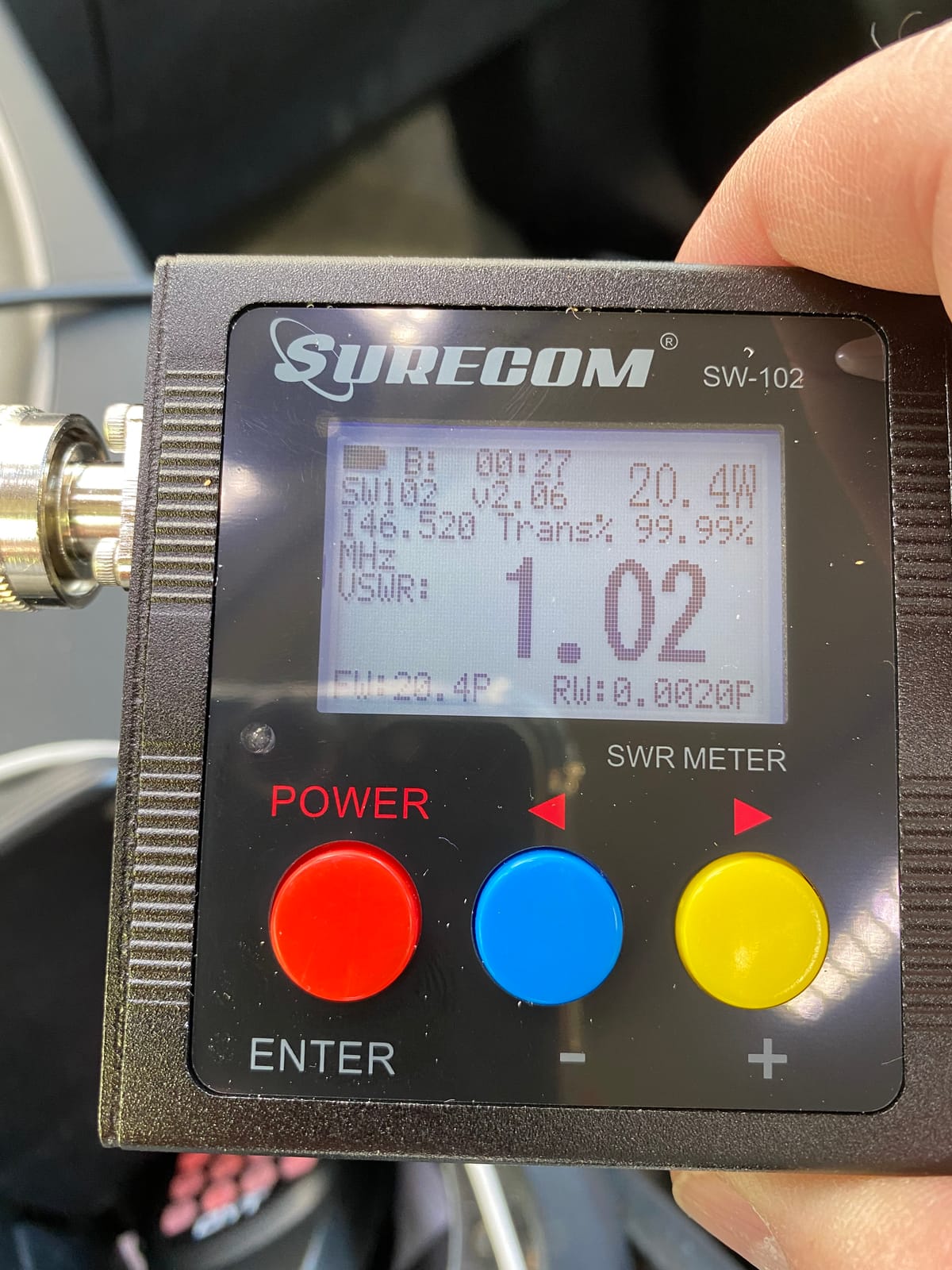
Mobile ham radio installation is more involved than dropping a handheld in your cup holder. You need to wire the radio to a 12V power source (typically direct to the battery with proper fusing), mount the radio body or faceplate, route a coaxial cable to an externally mounted antenna, and tune the antenna for low SWR.
For compact cars, look for radios with detachable faceplates (Radioddity DB50) or compact chassis (Retevis RT95). For trucks and overland vehicles, full-size radios with traditional mounts work well. For motorcycles and open-cab vehicles, IP-rated radios like the TYT TH-8600 are essential.
Antenna selection basics
A mobile ham radio is only as good as its antenna. For VHF/UHF mobile work, a quarter-wave whip mounted on the roof or trunk lid is the standard. For HF mobile, a commercial HF antenna (like a Hamstick or Scorpion) with proper grounding and tuning is required.
Common mobile antenna mounting options include magnetic mounts (easy, no holes, but can fall off at highway speed), lip mounts (clean look, requires some drilling), and through-hole mounts (most secure, requires drilling). For SWR tuning, an antenna analyzer like the RigExpert AA-35 or MFJ-259 is highly recommended.
Power supply and wiring requirements
Most mobile ham radios require 13.8V DC at 10-20A depending on power output. For 100W HF mobile, you need direct-to-battery wiring with a fuse rated at 30-40A. For 50W VHF/UHF, 15A wiring is usually sufficient.
Always use appropriately gauged wire for the current draw, install an inline fuse within 12 inches of the battery, and route the cable away from vehicle wiring and heat sources. Many radios ship with cigarette lighter cables, but for permanent installation, direct-to-battery wiring is the safer and more reliable choice.
License class considerations
Your amateur radio license determines which mobile radio bands you can legally transmit on. Technician license holders have access to VHF/UHF and small slices of HF (like 10 meters above 28.5 MHz with CW/digital only in many cases). General and Amateur Extra license holders get full HF privileges, which makes quad-band and HF mobile radios practical.
If you only have a Technician license, save your money and buy a quality dual-band VHF/UHF mobile like the BTECH UV-50X2 or Yaesu FTM-150R. If you plan to upgrade to General, investing in a quad-band mobile like the TYT TH-9800 now will pay off when you start operating HF mobile.
Frequently Asked Questions
What is the best mobile ham radio?
The best mobile ham radio depends on your use case, but the TYT TH-9800 is our top overall pick thanks to its quad-band coverage (10M, 6M, 2M, 70cm), 50W output, and 800 memory channels. For pure 2-meter power, the Yaesu FT-2980R delivers 80W with rock-solid build quality. For budget buyers, the QYT KT-8900 is the best value with dual-band capability and CHIRP support.
What is the 333 rule for ham radio?
The 333 rule is a planning guideline for emergency communications: each operator should be able to operate for 3 hours on backup power, reach 3 miles to a meeting point, and have 3 days of supplies. It is not a technical specification but a personal preparedness framework for amateur radio operators participating in emergency response, ARES, or RACES activations.
What is the best mobile ham radio antenna?
For VHF/UHF mobile operation, the most popular antenna choices are quarter-wave whips like the Diamond NR-770 or Comet SBB-5, mounted on a trunk lip or magnetic mount. For HF mobile, Hamstick-style antennas from Diamond or Maldol are common. The right antenna depends on your band, vehicle, and budget – a properly tuned antenna always outperforms a poorly tuned premium antenna.
How do I install a mobile ham radio in my vehicle?
To install a mobile ham radio, you need to: 1) Mount the radio body or detachable faceplate in a reachable location, 2) Run a fused power cable directly from the battery to the radio (13.8V DC, 15-30A depending on radio), 3) Route a coaxial cable from the radio to an externally mounted antenna, 4) Mount the antenna on the roof, trunk lip, or hood, and 5) Tune the antenna for low SWR using an antenna analyzer. Most installations take 2-4 hours for a beginner.
Do I need a license to transmit on a mobile ham radio?
Yes, you need an amateur radio license to transmit on any mobile ham radio in the United States. The FCC requires at minimum a Technician class license for VHF/UHF operation, and a General or Amateur Extra license for HF operation. Receiving-only operation does not require a license, but you must obtain the appropriate license before transmitting on amateur frequencies. The good news is that a Technician license is achievable with 1-2 months of study.
Final Verdict: Which Mobile Ham Radio Should You Buy?
After months of testing, the best mobile ham radios in 2026 come down to three top picks. For most operators, the TYT TH-9800 is the right choice – quad-band coverage, 50W output, and a price that undercuts the premium brands. If you only operate on 2 meters and want maximum power and reliability, the Yaesu FT-2980R is the top-rated option with its 80W output and 3-year warranty. And if you are on a tight budget, the QYT KT-8900 delivers genuine dual-band mobile operation at an entry-level price point.
Whichever mobile ham radio you choose, take the time to install it properly. Wire it directly to the battery with a fuse, mount a quality antenna, and tune for low SWR. A properly installed mid-range mobile radio will outperform a poorly installed premium rig every single time. For more on how mobile communications technology connects with broader robotics advances, see our [internal link: experts react to FCC limits on new humanoid and mobile robots] coverage.
73, and good DX from wherever the road takes you.